 WhatsApp
 Emergency:
  WhatsApp





Subscribe to our
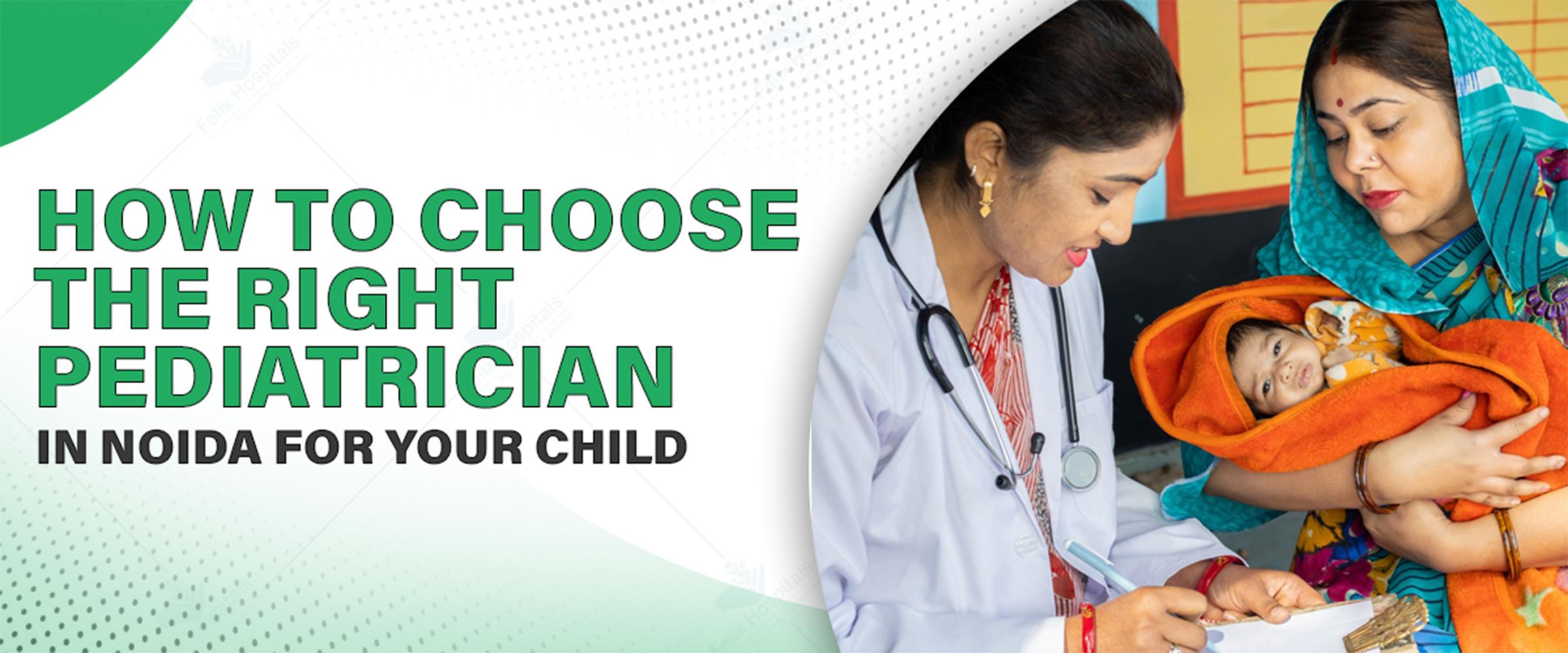
Finding the right pediatrician is the most important thing you can do for your child's health. A skilled and effective child specialist can do amazing things for a child's growth and development, as well as give them the right therapy for any illness. If you have just shifted into the city or are seeking an upgradation, knowing how to choose the best pediatrician in Noida can ease out your parenting.
The Best child Hospital in Noida is not just regarding child-friendly infrastructure, latest diagnostic machines, and caring physicians. It is also about finding a pediatrician who understands your child and can be trusted.
Booking a visit today for pediatric specialty care that will give your child a healthy tomorrow. Call us today at +91 9667064100.
Choosing a paediatrician is not a medical decision; it's a family one. A best paediatrician in Noida will stay with him or her for a long time, from childhood through the adolescent years, on the road to health. This is a scary thing for a lot of parents, especially because there are so many Noida Paediatric Healthcare options.
Here's a brief guide that will assist you in streamlining your search:
Consider your healthcare philosophy and approach to parenting.
Look long term: this is going to be a long-term relationship.
Get feedback from Noida parents.
Go and see some hospitals and experience the atmosphere.
If you have no idea where to start, the following handy clues can lead you through:
The best way to start is from research: Make use of online reviews, parent forums, and social sites for real reviews. Search for the Best Pediatrician In Noida and pen down those names that have consistent positive reviews.
Visit the Polyclinic: Check the cleanliness, staff attitude, and kid-friendliness of the Polyclinic.
Check accessibility: Is the clinic easily accessible from where you are currently residing? Are the appointments at a convenient time for you?
Emergency Support: Ask whether the pediatrician has an on-call or emergency roster access.
Polyclinic: Look for a very experienced Pediatric Care Noida provider and also specialist expertise in the requirements of your own child (e.g. allergies, dietary, or developmental needs).
Few things to consider while choosing the Pediatrician for newborn health checkup Noida:
Qualifications and Certifications: Ensure that the pediatrician is well-qualified and certified.
Communication Skills: Your child should feel at ease and listened to during consultations. The doctor should also patiently explain to the mothers.
Availability of Pediatric Specialty Services in Noida: Ensure that the hospital or clinic provides a host of services like vaccinations, growth monitoring, emergency visits, and access to an experienced Pediatrician for same-day appointments in Noida who can conduct screenings.
Technological Support: Diagnosis machines and computerized medical records can aid in facilitating improved patient care.
Safe and Clean Environment: The treatment of children needs to be done in an antiseptic, relaxing environment.
Whenever you go for a new consultation by a pediatrician for newborn checkup in Noida, note the following:
How they communicate with your child: Is the child tense or anxious?
The way that they communicate with you: Do they answer questions that you ask them fully and in detail?
Treatment by the doctor: Do they emphasize prevention or wait for illnesses and cure them?
Ask your question openly: A good pediatrician respects parental intuition.
Connection and Comfort: You should trust that pediatricians will attend to any health issues.
So, let's just conclude what is most important while looking for a Pediatrician Near Me in Noida.
Search for hospitals or polyclinics that provide Noida Pediatric Healthcare.
Make sure that the center offers Complete Child Health Treatment in Noida, like periodic check-ups, immunizations, growth monitoring, and nutrition status.
Compare other parent’s reviews online or in forums.
Choose a center that provides emergency treatment and follow-ups
Assess the temperament of the pediatrician—they need to be well-qualified and warm.
The best hospital in Noida will offer more than pediatric treatment. It should:
State-of-the-art infant and children's units
Day-and-night emergency children's care
Well-trained and highly-experienced pediatric personnel.
Detailed developmental and behavioural treatment programmes.
Tailored treatment for each individual child, whether individual children have long-term or complex conditions.
Such a setting not only gives appropriate care, yet also offers reassurance for the parents. Pediatricians at this location are well-versed in local trends towards health, seasonal disease patterns, and up-to-date pediatric health trends.
Get the best possible care for your child. Book a consultation with a pediatric specialist today.
Felix Hospital — Best best pediatrician in noida, delivering specialized pediatric care for newborns, infants, and children with compassion and excellence.
Deciding on the best pediatrician in Noida is a very significant decision that will determine the health and well-being of your infant. Now that Pediatric Care in Noida has grown by leaps and bounds, and more specialist Child Health Treatment in Noida have emerged, it has now become very convenient for you to choose and select the best one for yourself.
Select a well-qualified pediatrician who knows the needs of your infant. If you are searching for the Best Pediatrician In Noida or a Pediatrician Near Me in Noida, select one that has experience and empathy. Trust your instincts and don't hesitate about questions. After all, nothing is superior for your infant other than the best beginning in life.
Find the links below:
Check the links below:
Best Urine Test in Greater Noida, Jagat Farm
Q1. How often should children visit for check-ups?
Ans: It depends upon age. The initial year tends to have multiple visits—consider 1, 2, 4, 6 months, and beyond. Once this has passed, yearly check-ups are a good idea until something strange happens.
Q2. Can I contact a pediatrician online?
Answer: Yes. A large percentage of pediatricians in Noida provide online consultations for acute conditions. It is hassle-free when one doesn't need to rush at all.
Q3: Why would a pediatrician feel "right" about me and my kid?
Answer: Honestly, it is about trust and comfort. The right pediatrician will listen and not rush through and explain in a manner that makes sense.
Q4: If we don't like the current doctor for our child, what should we do?
Answer:Do not discount it. Children pay attention to things that grown-ups might not. If your child feels uncomfortable, it might be best to attempt someone else—they have to feel secure.

Find tips and key factors to choose the best pediatrician in Noida for your child’s health and well-being.

Ensuring proper growth and development in children starts with selecting the right pediatrician in Noida. Expert care can detect early health issues and support your child’s overall well-being.

10 Reasons why a child may not grow

Take special care of the health of your kids, especially young children, amidst the changing seasons.
Pulmonary fibrosis is a long-term condition of the lungs with scarring of lung tissue, making it harder to breathe. It requires early diagnosis and quick treatment to enhance the quality of life and prevent the quick progression of the disease. In case you are looking for pulmonary fibrosis treatment in Noida, take the services of a renowned medical team providing state-of-the-art therapy and empathetic care. Selecting the best pulmonary fibrosis treatment hospital in Noida ensures you get appropriate diagnosis, appropriate drug management, pulmonary rehabilitation, and, when needed, surgeries such as lung transplantation all focused on assisting in symptom control and optimization of daily functioning.
Struggling with breathing issues? Book an appointment at Felix Hospital today and get expert care for pulmonary fibrosis. Call us at +91 9667064100.
Pulmonary fibrosis is a lung disease that occurs because of lung tissue damage or scarring. As the affected area is the lung, the patient can become short of breath. The body suffers from an oxygen deficit, which can lead to cardiac and respiratory complications. Although the ill-effects caused to the lung are irreversible, medicines and therapies can manage the condition and ease the symptoms.
Most commonly, people face breathing problems due to pulmonary fibrosis as the initial symptom. Some other symptoms are:
Long dry cough
Weakness and muscle ache
Weight loss
Severe shortness of breath
Chest stiffness
Some common causes are:
Long-term exposure to some pollutants can cause lung fibrosis like silica dust, asbestos fibers, coal dust, grain dust, and hard metal dust.
Some medicines, namely, nitrofurantoin, sulfasalazine, amiodarone, and cyclophosphamide, affect the lungs and can cause lung fibrosis. Various medicines can damage the lungs as a side effect. They can be chemotherapy drugs, heart medicines, certain antibiotics, and anti-inflammatory drugs.
Up to 20% of people with lung fibrosis may have another member in the family with the same disease, which is known as ‘familial pulmonary fibrosis’ or ‘familial interstitial pneumonia.
Some viral and bacterial infections affect the lungs. These can originate from hepatitis C, adenovirus, herpes virus, and other viruses.
Autoimmune disease can trigger the immune system to attack the lungs. Some autoimmune diseases like rheumatoid arthritis, scleroderma, and vasculitis can cause scarring in the lungs leading to lung fibrosis.
Some people experience lung fibrosis because of radiation treatment for cancer. People generally face these problems years after the treatment.
Various factors are responsible in the long term for lung health deterioration and any kind of fibrosis in the lungs.
Age
The disease affects the middle-aged and the elderly adversely.
Gender
Men are more likely to have pulmonary fibrosis than women.
Smoking
Smoking is highly injurious to health. A person who smokes has a significantly higher chance of having pulmonary fibrosis.
Work Environment
People who work in mines, farms, industries, and construction sites risk developing pulmonary fibrosis.
Your clinical information, coupled with a chest CT scan, can help the doctor diagnose you accurately. The doctor does a variety of other tests before confirming pulmonary fibrosis. These are:
Pulse oximetry test to check blood oxygen levels
Blood test, to check for autoimmune diseases and infections
Arterial blood gas test to check blood oxygen levels more precisely
Sputum sample test for infections
Pulmonary function test for measuring lung capacity
Echocardiogram to check for symptoms caused by cardiac problems
The doctor will examine you and ask you the following questions:
How long have you been experiencing these symptoms?
Do you smoke?
Does your surrounding environment have chemicals or other pollutants present? If yes, which ones?
Does anyone in your family also have such problems or any other lung disease?
What is your past medical history?
Based on the severity of the disease, doctors can prescribe proper treatment to manage the symptoms. Some of these treatment options are:
Various medicines like pirfenidone and nintedanib are prescribed by doctors for pulmonary fibrosis.
Oxygen use cannot cure any lung fibrosis, but it can make breathing easier. Also, it reduces complications from low blood oxygen levels. It also helps to keep the heart healthy and improves sleep patterns.
It can help improve the daily functioning of the lungs. Various physical exercises and breathing techniques are taught in these rehab sessions.
Lung transplant is the last alternative if one presents with severe symptoms and faces escalated life threats. A lung transplant increases the quality of life.
Although lung fibrosis is mostly undetectable in the initial stages, later on, it can cause a variety of complications. Some of them are:
It affects the arteries in the lungs by compressing them. It occurs because of the scar tissue, which increases the difficulty of normal blood flow due to the compressed arteries. As a result, blood pressure in the right ventricle increases.
Various respiratory complications like blood clots and lung infection arise due to pulmonary fibrosis. The last stage of such conditions can be total respiratory failure, which occurs when blood oxygen levels decrease drastically.
Right-sided heart failure is called ‘Cor Pulmonale. This occurs when the right ventricular function is impaired to due to overwork leading to resistance of blood flow in the lungs.
Prolonged pulmonary fibrosis can cause inflammation and even lung cancer.
Though the effects of pulmonary fibrosis are irreversible, it can be prevented. The following prevention tips can lower the risk of developing this disease:
Avoid smoking and second-hand smoke.
Wear a mask if your environment has pollutants.
Consult a doctor immediately if you face breathing issues.
Conclusion
Pulmonary fibrosis affects the lungs by scarring and stiffening them.
Treatment options are available to ease the symptoms. Various medications are also available to slow down the scarring of the lungs. There is an option of lung transplantation for pulmonary fibrosis patients. It can give them a longer life and improve the quality of life.
Don’t delay your treatment—call Felix Hospital today for comprehensive pulmonary fibrosis management.
To sum up, pulmonary fibrosis is a long-lasting and worsening lung disease that needs to be diagnosed quickly and treated by professionals to slow its progress and effectively control symptoms. Although lung tissue scarring is irreversible, progress in medication, oxygen therapy, pulmonary rehabilitation, and, in extreme instances, lung transplantation provides optimism for enhancing quality of life. Making changes to your lifestyle, like quitting smoking, staying away from environmental pollutants, and getting regular health checkups, is also very important for prevention and management.
Q1. Does Felix Hospital in Noida offer advanced treatment for pulmonary fibrosis?
Ans: Yes, Felix Hospital has modern diagnostic tools, advanced treatments, and pulmonary rehabilitation programs to make sure that lung diseases are fully managed.
Q2. How does oxygen therapy help people with pulmonary fibrosis?
Ans: Oxygen therapy doesn't cure the disease, but it does make it easier to breathe, sleep better, feel less tired, and protect the heart from problems caused by low oxygen levels.
Q3. What kind of help does Felix Hospital give to people with pulmonary fibrosis?
Ans: Felix Hospital focusses on helping patients in addition to giving them medical care. This includes counselling, lifestyle advice, nutritional advice, and rehabilitation sessions.
Q4. When should a person with pulmonary fibrosis get a lung transplant?
Ans: Patients with severe symptoms, advanced disease, or when other treatments don't work to keep lung function are candidates for a lung transplant.
Q5. Why should I go to Felix Hospital in Noida for treatment for pulmonary fibrosis?
Ans: Felix Hospital is one of the most trusted places in Noida for treating pulmonary fibrosis because it has expert pulmonologists, advanced diagnostic tools, and caring staff.
Additionally, many COPD patients experience unintended weight loss and muscle wasting, a condition known as Pulmonary cachexia.
For individuals seeking specialized care, a Pulmonary Edema Hospital in Noida offers advanced treatment options and expert management of this condition, ensuring comprehensive care for patients in need.
Felix Hospitals is considered the best hospital for Pulmonary Function Tests, offering cutting-edge technology and expert pulmonologists for accurate assessments.
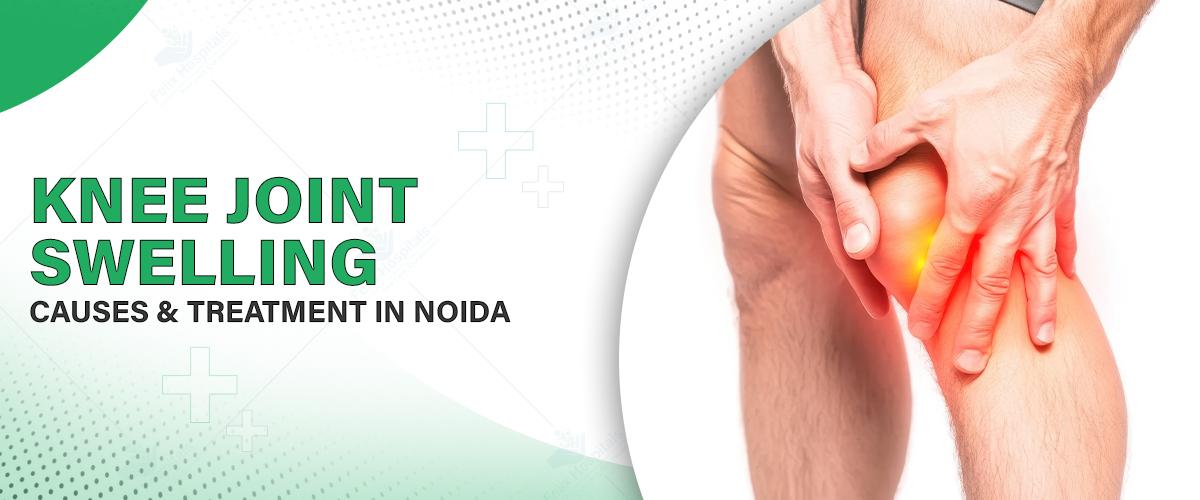
Knee swelling treatment in noida is readily available in special orthopedic centers where they can be treated , which provide a comprehensive cure to all knee issues. In case you are seeking the services of a doctor for knee swelling in noida, there are numerous experienced orthopedists who specialize in providing professional diagnosing treatment in Noida of any type of knee swelling including minor injuries to severe arthritis.
Accurate diagnosis, effective treatment & faster recovery for knee swelling – Contact +91 9667064100.
Tears in the ligaments: Tearing of a ligament, in particular, ACL can lead to the hemorrhage in the knee, immediate swelling, pain, and instability in the joint.
Knee Torn meniscus: When the C shaped cartilage tears in the knee, it becomes painful and inflamed and the knee is swollen particularly when it is twisted.
Fractures: Fractures around the knee may cause swelling of the knee joint.
Overuse injuries: Proprietary strains of running or any other activity may stress the tissues of the knees and accumulate fluid.
Osteoarthritis: It is wear and tear arthritis that occurs when the cartilage has deteriorated with time such that, the bones rub together. It leads to long period swelling, stiffness and pain which increases with movement.
Rheumatoid arthritis: The condition is an autoimmune disorder in which the body triggers attack on the joint lining resulting in inflammation, pains, stiffness and swelling in both knees.
Gout: It is an arthritis that develops when the uric acid crystals accumulate in a joint. It is a painful, sharp, red and epidermal swelling. It usually attacks the big toe, but may attack the knee as well.
Pseudogout: This is similar to gout except that it results due to calcium crystals. It is usually struck in larger joints like the knee and the wrist.
Bursitis: Bursa is a fluid sac that cushions the joint which becomes inflamed. Housemaid-swollen Prepatellar bursitis is swollen and painful directly over the knee.
Baker Cyst: Fluid accumulation behind the knee comes in the form of a cyst which can be painful and tight. It commonly occurs when one has arthritis.
Septic arthritis: An acute infection within the joint. Bacteria could enter with the help of blood or the cut. It presents itself as acute intense pain, edema, heat, and fever.
Knee joint swelling diagnosis requires a comprehensive evaluation by healthcare professionals to determine the underlying cause. In a bid to discover how come your knee swells, a healthcare professional will not only conduct the following:
Medical history & exam: The doctor is going to inquire when you experienced the first symptoms as well as whether you have suffered any injuries or have had any illness. They will examine your knee in terms of swelling, redness, warmth and test your movement and feel.
Aspiration: In case of suspicion of infection, gout or even a pseudo-gout, the physician can remove fluid using a needle in the joint. The fluid is sampled as to white cells, bacteria and crystals.
X-ray: Provides images of the bones to ascertain the presence of bone breaks or arthritis.
MRI or CT scan: Provides images of the soft tissues such as ligaments, cartilage and bursae in detail.
Ultrasound: Assists in visualizing bursal or joint fluid.
Blood tests: Blood tests are performed when the disease is suspected such as rheumatoid arthritis or an infection. They search of the inflammation indicators or even certain antibodies.
Why is my knee swollen and painful to understand the connection you should know pressure of excessive fluid in the joint is the cause of pain, which is known as an effusion. The swelling location should dictate the type of pain and other symptoms that you are observing.
Acute, sharp pains: Vertebra A trauma, like a ligament tear or extensive hemorrhage within the joint.
Stiffness and pain, particularly in the morning: One of the significant indications of inflammation, i.e. rheumatoid arthritis.
Worsening, chronic pain: A characteristic of degenerative diseases such as osteoarthritis, whereby cartilage is gradually lost.
Extreme, acute pain that has gotten warm and fever: This is a medical emergency, and it requires immediate diagnosis and treatment of a possible infection, such as septic arthritis.
Therapy is based on the cause of swelling of the knee. It may involve domestic treatment of simple injuries to complex treatments of long term issues.
Disassertion: This is non-medical advice. Have a doctor diagnosed it and place him under treatment.
The following can be used in symptoms management of minor injuries or arthritis flare-ups:
Rest: Do not lean on the knee to aid in its recovery.
Ice: Apply a cold pack or ice pain absorber a few times a day on the knee, wrapped in a towel, and spend 1520 minutes on the knee to reduce swelling and pain.
Compression: For a knee, cover the knee with a bandage or a sleeve to prevent the accumulation of fluid.
Position: Keep your leg high up on pillows higher than the heart. This helps reduce swelling.
Over the counter drug: The pain and swelling can be reduced with ibuprofen (Advil) or naproxen (Aleve), among painkillers. Consult a health care professional before using them a day longer than 10 days.
Weight control: Maintaining a fair weight relieves the strain on the knees.
Low-impact activities: Swimming, cycling and yoga make the muscles that support the knee stronger and enhance their flexibility.
These may be recommended by a doctor in case home remedies are not effective:
Physical therapy:
A physical therapist can design a program specifically tailored to you to strengthen the muscles of your knee, enable you to move easily and turn around bad habits.
Injections:
Corticosteroids:These medications reduce inflammation. They are directly injected in the knee to relieve pain and swelling.
Hyaluronic acid (viscosupplementation):
This injection incorporates fluid causing the joint to move easier and to individuals with osteoarthritis.
Platelet‑rich plasma (PRP):
They remove blood out of you, spin it and put it into another person to heal the knee.
Knee brace:
A supporting brace makes the knee stable, positions it correctly, and reduces the pressure on a joint.
Pain management therapy:
Nerve blocks or radiofrequency ablation (RFA) are some of the procedures that can prevent information on the knee pains to make it to the brain.
Your doctor can suggest surgery in case of a severe injury or a chronic disease:
Arthrocentesis:
A standard, slightly painful, manipulation in a minute that drains a knee of surplus fluid to relieve the pressure can help the diagnosis of the problem.
Knee arthroscopy:
The thin and lit tube with a camera that allows the surgeon to observe the inside of the knee, diagnose the damage, and repair the cartilage, ligaments, or loose tissue using the small cuts.
Osteotomy:
A surgeon takes a small fragment of the shin bone or thigh bone to change the weight of the body, enhance knee positioning, and can postpone the necessity to have a knee replacement.
Arthroplasty of partial or total knee:
In severe arthritis, degenerated components of the knee are removed and artificial knee joints made of metals and plastics are placed instead.
Struggling with knee swelling? Get expert treatment in Noida today – Call +91 9667064100.
Leading orthopedic hospitals in Noida use cutting-edge medical technology, including:
These technologies improve surgical precision, reduce pain, minimize hospital stay, and speed up recovery.

Dr. Keshav Goel is an experienced Orthopedic and Joint Replacement Surgeon in Noida with over 10 years of clinical expertise. He has performed 2,000+ independent surgeries and specializes in computer assisted joint replacement and arthroscopic surgeries of the knee, shoulder, and hip. Known for his skill in treating sports injuries, trauma, and joint disorders, he provides advanced and patient-focused orthopedic care.
Knee swelling in Noida is normally caused by injury, arthritis including osteoarthritis and rheumatoid arthritis, gout, bursitis, infection or cyst. It can be treated at home using RICE method, OTC medicine or physical therapy. In cases of serious ones, injections of corticosteroid or hyaluronic or even surgery such as total knee replacement may be conducted by the doctors. The big hospitals and the clinics specializing in orthopedics, physiotherapy, and pain relief are available in Noida where care can be obtained.
The swelling and pain in the knee may be as a result of trauma, disease, or infection. Examination of a doctor, listening to the symptoms, and even joint fluid analysis or imaging will give a doctor an idea of what it is.
The appropriate doctor who can diagnose and do knee swelling treatment in Noida will give you the right diagnosis and a proper solution by ensuring that the treatment suits your condition well. Having the need of a simple care or surgery, Noida has hospitals that handle knee swelling and offer the full care so that you can recover in the best way possible.
Q1: When should you see a doctor?
A: So, go to the doctor immediately in case you experience big pain, fever, are unable to stand on the leg, or the swelling has not reduced despite 2-3 days of domestic treatment.
Q2: Can you stop knee swelling?
A: You can never stop all the causes, but you can contribute. Maintain a healthy weight, engage in low-impact activities and do not overuse your knee. That can reduce the possibility of swelling.
Q3: Is surgery necessarily required?
A: No. The majority of swelling improves with rest, medication and treatment. Very bad injunctions or severe arthritis only get surgery.
Knock knees occur when knees angle inward, creating a bow-legged appearance from the front. This condition is common in children during growth spurts.
Find expert tips to select the best orthopaedic hospital in Noida based on your specific medical needs, facilities, doctors, and patient care.
Knock knees, medically known as genu valgum, is a common condition in young children where the knees angle inward and touch one another when the legs are straightened.
Hip pain is incredibly common, and both recent college graduates and grandparents are vulnerable.But the reason you are suffering can be harder to identify. For the correct diagnosis, the best clues are the nature of the pain and the location of the pain. An orthopedic doctor in Noida, examines common culprits of hip pain
For advanced diagnosis and treatment of hip pain in Noida, call +91 9667064100.
Hip pain is a common complaint that can be caused by a wide variety of problems. The precise location of hip pain can provide clues about the underlying cause.
Problems within the hip joint itself tend to result in being the Causes of chronic hip pain on the inside of the hip or the groin. Hip pain on the outside of the hip, upper thigh or outer buttock is usually caused by problems with muscles, ligaments, tendons and other soft tissues that surround the hip joint.
Hip pain can sometimes be caused by diseases and conditions in other areas of the body, such as the lower back. This type of pain is called referred pain.
If you feel pain in your groin area, it might be a core muscle injury, such as a strain or tear of muscles or other soft tissues in the lower abdomen.
This injury is quite common in weekend warriors — especially those who play sports involving a lot of extreme twisting and turning, but who aren't as athletically conditioned as they need to be.
Treatment: Resting the affected muscles for several weeks can help. You may also require surgery to repair the torn muscle by a general surgeon.
If it hurts on the outside of your hip, thigh and/or buttocks, you can probably blame bursitis — the inflammation of the pillow-like fluid sacs that keep tendons and muscles from rubbing directly against bone.
Though walking for a long time or climbing stairs can make it worse, bursitis usually is not associated with activity-related pain. It just hurts day to day. Even lying on that side when you sleep can make it hurt. Bursitis becomes more common as we age, and is especially prevalent in people over 60.
Treatment: At home, try resting, putting ice compresses on the area and taking anti-inflammatory and pain medications. Sometimes, your doctor may give you a cortisone injection to reduce inflammation.
If you're active, and your hip flexor (the group of muscles that lets you bring your knee and leg toward your body) or groin are tender when you touch or move them, you may have tendonitis. Straining or over-using tendons — the cords that attach the muscle to the bone — creates repeated minor injuries that eventually lead to muscular imbalances in the hip.
Treatment: Treatment options are similar to bursitis.
The labrum is the ring of cartilage that surrounds the hip socket and ensures the ball of the thighbone stays in place. When it tears — often in athletes and ballerinas — it causes pain in the hip or groin and limits movement, creating a sensation that the hip is locking, catching or clicking. This injury is common in people with anatomic abnormalities that make the hip too shallow or hips with impingement (see below), or in those who previously injured their hips.
Treatment: A type of minimally invasive surgery is used to repair the labrum and shave down the misshaped bone. This procedure corrects the hip's alignment, relieving pain and protecting the joint.
The pain you feel in your hip could actually be coming from elsewhere in your pelvis.
The pelvis contains many systems, and everything is jammed in there, close together. Sometimes, there can be confusion about where the pain is coming from. If the pain is limited to your groin and coincides with ovulation or your period, the cause could be endometriosis or uterine fibroids rather than a problem with the hip. Urological and gastrointestinal issues, such as gastroenteritis and prostate cancer, could also cause pain that's easily mistaken for a hip injury.
Treatment: Visit your primary care physician for a complete workup. Depending on the diagnosis, they may refer you to another specialist, such as a gynecologist or a gastroenterologist, for treatment.
Nho treats hip pain in many younger people who do high-intensity athletics, such as Tough Mudder races, CrossFit or barre classes. These intense activities can actually cause the hip bones to fuse in an abnormal shape and limit movement. This is called hip impingement, or femoral acetabular impingement (FAI). Not only does it hurt, but it also increases the risk of premature osteoarthritis.
Treatment: Physical therapy can help and is often the first line of treatment. Ultimately, surgery to move the hipbones to unlock them might be required.
This is a very common cause of a daily, dull pain in the hip. With osteoarthritis, your joints become stiff and swollen due to inflammation and breakdown of cartilage, causing pain and deformity. Recent studies show that osteoarthritis results when the hip bones are not formed perfectly, making them not fit together neatly. This eventually causes them to rub against each other. Being highly active — running marathons or playing high-impact sports like basketball — can increase your chances of getting osteoarthritis. Add aging, obesity or traumatic injury and the pain can become disabling.
Treatment: Along with rest, ice, steroids and over-the-counter pain and anti-inflammatory medications, more aggressive treatments include stem cell therapy and surgery, from hip resurfacing to total hip replacement.
An acute hip injury, such as a fall or sports trauma, can turn into Chronic hip pain after causes if it is not treated properly.
Previous fractures: A hip fracture that does not heal correctly can cause pain long after the initial injury. The risk of fracture-related chronic pain is higher in older adults and those with weakened bones from osteoporosis.
Labral tears: The labrum is the ring of cartilage that provides a seal for the hip socket. A fall, accident, or repetitive twisting motion can cause a tear that leads to a persistent clicking, catching, or pain in the joint.
Cartilage injury: It is possible for the joint cartilage to be injured upon trauma. If not corrected, such deformities can result in progressive joint destruction and aggravation of osteoarthritis .
Tendonitis and muscle strains: A sudden injury or too much repetitive stress can inflame the tendons and muscles surrounding the hip. Insufficient healing may result in a bothersome, long-lasting irritation and pain in hard-training people.
Weak biomechanics: Folks might change the way they walk or stand to compensate for pain after an injury. Over time, this can cause long-term stress on the hip and any other related joints in the area, resulting in chronic pain.
An accurate diagnosis is essential for successful management of chronic hip pain. Physicians frequently employ X-rays, MRIs and physical exams to pinpoint the precise source of pain.
Knowing what the root cause of hip pain is important . It can be either traumatic such as fractures, or muscle strains as well as non-traumatic ones like arthritis , tendonitis, and bursitis. Other causes are labral tears, pain from the lower back, developmental problems of the hip, and rarely, bone diseases or cancer. Where exactly you mean will, of course, vary depending on age, activity level and the location and quality of the pain.
Visit your primary care doctor if your hip pain is very severe or if it’s long-lasting. You would probably then be sent to a specialist for examination with a scope.
With the help of Felix specialists, you can get your mobility back and live without pain. Call +91 9667064100 right now.
Dr. Keshav Goel is an experienced Orthopedic and Joint Replacement Surgeon in Noida with over 10 years of clinical expertise. He has performed 2,000+ independent surgeries and specializes in computer-assisted joint replacement and arthroscopic surgeries of the knee, shoulder, and hip. Known for his skill in treating sports injuries, trauma, and joint disorders, he provides advanced and patient-focused orthopedic care.
Whether you need nonsurgical hip treatment or surgical intervention, orthopedic hospitals in Noida are dedicated to improving your hip health and overall quality of life. In Felix Hospitals the Centre of Bone and Joint care offers both conventional and modern age surgeries to restore mobility and relieve pain. Orthopedic Hospital in Noida offer innovative nonsurgical and surgical procedures to reduce pain, preserve hip functionality, and potentially delay or prevent hip replacement. Older adults experiencing fragility fractures of the pelvis need timely, dedicated care in order to address the complex needs often associated with falls.
Q1. Is hip replacement the only way to treat osteoarthritis of the hip?
Ans. Not all the time. Felix offers options like stem cell therapy, physiotherapy, and ways to keep joints from getting worse before thinking about replacement.
Q2. Does being overweight make hip pain more likely?
Ans. Yes, Too much weight puts stress on the hip joints, so Felix doctors often combine weight loss programs with orthopedic care to get better results.
Q3. Is hip pain in young people different from hip pain in older people?
Ans. Yeah Younger patients might have sports injuries or hip impingement, while older people are more likely to get arthritis and broken bones.
Q4. How does physiotherapy help with hip pain at Felix?
Ans. Physiotherapy is important for long-term relief because it strengthens muscles, increases flexibility, and relieves pressure on joints.
Learn the causes, symptoms, and treatments of hip osteoarthritis for better joint health.
Find expert tips to select the best orthopaedic hospital in Noida based on your specific medical needs, facilities, doctors, and patient care.
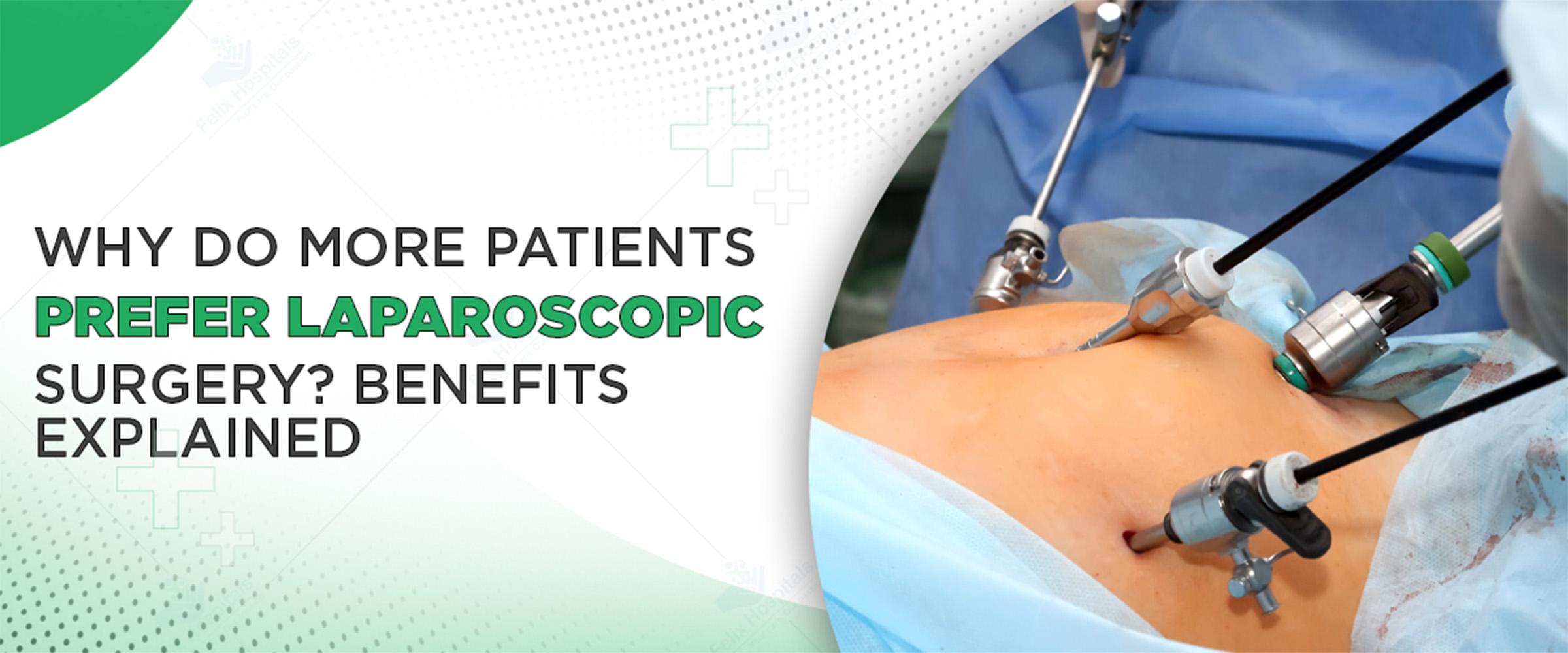
Most of you would want to know why patients prefer laparoscopic surgery rather than open surgery. It is because it hurts less, leaves smaller scars, heals faster, has a lower risk of infection, and works better for many problems. Laparoscopic techniques are becoming more popular because of new technology and a focus on the patient. Laparoscopic surgery is now the standard for treating gallbladder, hernia, and appendix problems around the world.
Think about a patient who has been told they have gallstones, a hernia, or appendicitis. If they need surgery, they have two choices: traditional open surgery or modern laparoscopic surgery which uses a camera, small cuts, and thin tools to let the surgeon see better and cause less disruption. Laparoscopic surgery hospitals in Noida are becoming more popular around the world because they are more comfortable, leave less scarring, and allow patients to get back to their normal lives faster.
Say goodbye to long hospital stays. Switch to laparoscopic treatment now at Felix Hospital — call +91 9667064100.
This traditional technique requires a large incision, giving the surgeon direct visual and manual access to the abdominal organs. It has its drawbacks, however, as the involved eye has a prolonged healing time, significant pain and a significant risk of infection.
Also referred to as minimally invasive surgery; this involves the insertion of small incisions that are 0.5 to 1.5 cm in length. Surgeons use a laparoscope and special instruments to see the space on monitors and perform the operation. It is frequently used to manage a wide gamut of gastrointestinal diseases, such as gallstones, appendicitis, hernias, obstructions of the bowel, hiatal hernias and reflux. The main benefit people consider is that laparoscopic surgery is less painful than open surgery.
You are basically starting with rudimentary diagnostics, and it has now grown into incredibly complex treatment, including the removal of the gallbladder, primary colorectal cancer. It has become more widespread globally, thanks to technological advances and the experience of surgeons.
Smaller scars: Laparoscopic surgery makes only tiny cuts, usually a few millimeters. . This improves body image and self-esteem, which is especially important for younger or working patients.
Less Pain and Fewer Discomforts: Less harm to muscles and nerves means that after surgery you have less discomfort and can use fewer painkillers.
Shorter recovery: It can take weeks to recover from open surgery, but patients may be able to return to their normal activities within days. Hospital stays are briefer, sometimes a day or two nights
Less likely to get an infection: Smaller wounds heal faster and are less likely to let bacteria in, which greatly lowers the risk of complications like wound infection.
Accuracy & Technology: With high-definition cameras and 3D imaging, surgeons can see better, in other words, cut accurately, causing the least amount of damage.
Better Outcome: For surgeries such as gallbladder removal, hernia repair and anti-reflux surgery use of laparoscopic techniques result in less complications, faster recovery, and better surgical success.
These are the main reasons to choose laparoscopic surgery considered by most of the patients
Cost Elements: Laparoscopic surgery is initially more expensive because of the equipment, but is generally more cost effective long-term because it reduces hospital stays and the time to recover.
Criteria | Open Surgery | Laparoscopic Surgery |
Incision Size | Large (5–15 cm) | Small (0.5–1.5 cm) |
Pain Levels | High | Low |
Recovery Time | Weeks | Days to 2 weeks |
Hospital Stay Duration | 5–10 days | 1–3 days |
Risk of Complications | Higher: infection, bleeding | Lower: wound, organ |
Cost-Effectiveness | Lower upfront | Higher upfront, cheaper long-term |
Long-term Outcomes | More adhesions, hernias | Fewer chronic issues |
Patient Satisfaction | Moderate | High |
Patients increasingly opt for the laparoscopic route because it means less pain, quick return to work, minimal scars, and better overall satisfaction.
Don’t delay! Explore the benefits of minimally invasive surgery with Felix’s experts. Call us now at +91 9667064100.
Laparoscopic Surgery is remarkable for its comfort, early recovery, and improved safety & it opens up new horizons in surgical patient care. With the development of technology and expertise, minimally invasive options with quality of life as their priority can be offered to patients. Visit the best laparoscopic surgeon in Noida for a surgery with better, safer healing, an easier recovery and a faster return to everyday life – a new age in patient-friendly care.
Ques. Is laparoscopic surgery feasible in elderly patients?
Ans. Yes, for common conditions, although it depends on the case.
Ques. What’s the cost difference?
Ans. Laparoscopic surgery is often more expensive up front with savings from shorter hospital stay and faster recovery.
Ques. Is it possible to carry out laparoscopic surgery for any GI organ?
Ans. Not necessarily —complex cancer or severe adhesions may necessitate open surgery.

Learn about open and laparoscopic pyeloplasty, their benefits, and when they’re used to treat kidney blockage.
Laparoscopic surgery is a minimally invasive procedure with small cuts, offering quicker recovery, less pain, and minimal scarring.
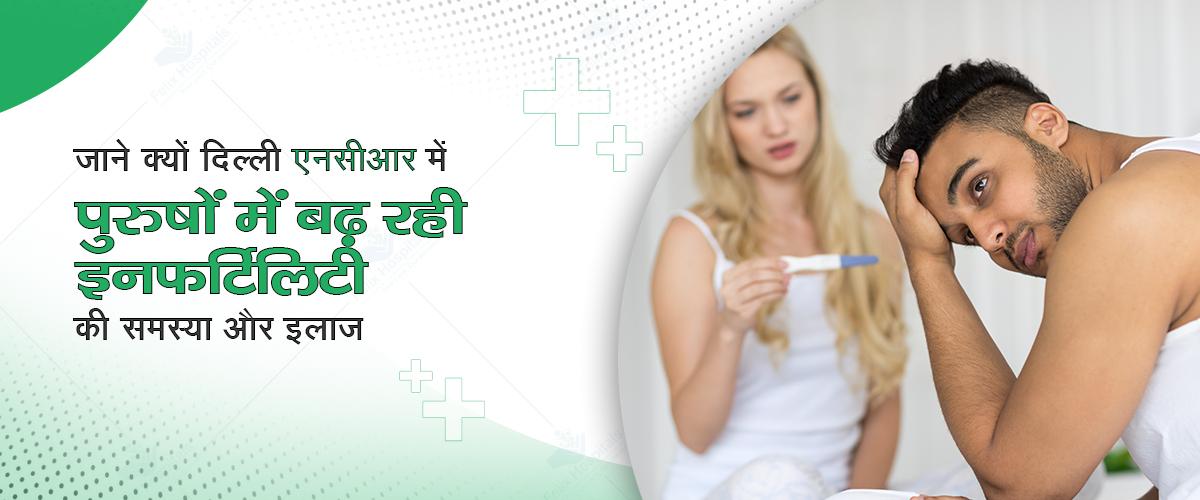
पुरुषों में बांझपन (Male Infertility) अब केवल एक मेडिकल इश्यू नहीं बल्कि लाइफस्टाइल से जुड़ी गंभीर समस्या है। खासकर दिल्ली-एनसीआर जैसे महानगरों में बदलती जीवनशैली, तनाव, प्रदूषण और खराब खानपान के कारण यह समस्या बढ़ रही है। पुरुष इनफर्टिलिटी के लिए बेस्ट डॉक्टर नोएडा उपलब्ध है। पुरुष बांझपन का मतलब होता है स्पर्म की क्वालिटी या संख्या में कमी होती है। जिससे महिला साथी को प्रेगनेंसी कंसीव करने में कठिनाई होती है।
अच्छी खबर यह है कि सही जांच और आधुनिक आईवीएफ तकनीक से पुरुष बांझपन का इलाज संभव है।
अपॉइंटमेंट शेड्यूल करें: +91 9667064100
पुरुष बांझपन का मतलब है वह स्थिति जब पुरुष साथी का स्पर्म स्त्री के एग (अंडाणु) को सफलतापूर्वक फर्टिलाइज नहीं कर पाता है। सामान्यत गर्भधारण के लिए स्वस्थ और सक्रिय स्पर्म की जरूरत होती है। मगर जब स्पर्म की संख्या कम होती है, तो उनकी गति कमजोर होती है। उनकी संरचना में गड़बड़ी होती है। तब फर्टिलाइजेशन की संभावना घटती है। पुरुष बांझपन कई कारणों से होता है। यह समस्या न सिर्फ शारीरिक बल्कि मानसिक और सामाजिक स्तर पर भी पुरुष और दंपत्ति को प्रभावित करती है। समय पर जांच और सही इलाज से अधिकतर मामलों में पुरुष बांझपन का समाधान संभव है।
दिल्ली-एनसीआऱ देश के सबसे प्रदूषित इलाकों में गिना जाता है। यहां हवा में मौजूद जहरीले कण (पीएम 2.5, पीएम 10) और पानी में मिलाए गए केमिकल्स स्पर्म क्वालिटी को प्रभावित करते हैं। लंबे समय तक इस प्रदूषण के संपर्क में रहने से स्पर्म काउंट और मोटिलिटी पर नकारात्मक असर पड़ता है।
मेट्रो सिटी की तेज-तर्रार लाइफस्टाइल और कॉर्पोरेट कल्चर में काम का प्रेशर, डेडलाइन और नाइट शिफ्ट आम हैं। लगातार तनाव हार्मोनल बैलेंस बिगाड़ते हैं। जिससे टेस्टोस्टेरोन लेवल और स्पर्म प्रोडक्शन पर असर पड़ता है।
फास्ट फूड, जंक फूड और प्रोसेस्ड आइटम्स में पोषण की कमी और ज्यादा फैट होता है। यह आदतें शरीर में मोटापा, डायबिटीज और हार्मोनल गड़बड़ी का कारण बनती हैं। जिससे पुरुष प्रजनन क्षमता घटती है।
धूम्रपान और शराब का सेवन सीधे स्पर्म क्वालिटी को खराब करता है। निकोटिन और अल्कोहल स्पर्म की संख्या कम करते हैं। उनकी गतिशीलता घटाते हैं और डीएनए डैमेज करते हैं।
मेट्रो सिटी की भागदौड़ और करियर प्रेशर की वजह से शादी और परिवार की प्लानिंग अक्सर देर से होती है। उम्र बढ़ने के साथ पुरुषों में स्पर्म क्वालिटी और हार्मोन लेवल कम होते हैं। जिससे बांझपन बढ़ता है।
जब वीर्य (Semen) में स्पर्म की संख्या सामान्य से कम होती है। तो अंडाणु को फर्टिलाइज करना मुश्किल होता है। सामान्यत: 15 मिलियन/मिलीलीटर से कम स्पर्म काउंट को ओलिगोस्पर्मिया कहते हैं।
यह गंभीर स्थिति होती है। जिसमें वीर्य में बिल्कुल स्पर्म नहीं पाए जाते है। इसके पीछे कारण होते हैं। स्पर्म प्रोडक्शन में दिक्कत, जननांगों में ब्लॉकेज या हार्मोनल असंतुलन होता है।
जब स्पर्म का मूवमेंट कमजोर हो तो वे अंडाणु तक नहीं पहुंच पाते है। स्वस्थ गर्भधारण के लिए कम से कम 40% सक्रिय स्पर्म होना जरूरी है।
प्रतिदिन निकोटिन, अल्कोहल और ड्रग्स स्पर्म की संख्या, गतिशीलता और डीएनए क्वालिटी को नुकसान पहुंचाते हैं।
फास्ट फूड और हाई-फैट डाइट मोटापा बढ़ाते हैं। जिससे हार्मोनल असंतुलन और स्पर्म क्वालिटी में गिरावट आती है।
लगातार तनाव और पर्याप्त नींद न लेने से टेस्टोस्टेरोन लेवल घटता है। जो सीधे स्पर्म प्रोडक्शन को प्रभावित करता है।
टेस्टोस्टेरोन स्पर्म उत्पादन के लिए ज़रूरी है। इसकी कमी से स्पर्म की संख्या और क्वालिटी दोनों प्रभावित होती हैं।
यह स्थिति अंडकोष की नसों में सूजन या फैलाव होने पर होती है, जिससे तापमान बढ़ जाता है और स्पर्म उत्पादन प्रभावित होता है।
यौन संचारित रोग (एसटीडी) या प्रोस्टेट ग्रंथि का संक्रमण स्पर्म की सेहत और मार्ग को नुकसान पहुंचता है।
इरेक्शन (लिंग में उत्तेजना) पाने या उसे बनाए रखने में कठिनाई आने से संबंध सही तरीके से नहीं होता है। यह समस्या स्पर्म ट्रांसफर को प्रभावित कर गर्भधारण की संभावना घटाती है।
वीर्य की मात्रा सामान्य से कम होना, उसमें पतलापन या असामान्य बदलाव दिखना, स्पर्म काउंट और क्वालिटी में समस्या की ओर इशारा करता है।
लगातार दर्द, भारीपन या सूजन अंडकोष से जुड़ी बीमारियों जैसे वृषण-शिरापस्फीति, इंफेक्शन या ट्यूमर) का लक्षण होता है। जो स्पर्म उत्पादन को प्रभावित करते हैं।
हेल्दी और संतुलित डाइट (हरी सब्जियां, फल, नट्स, प्रोटीन) लेने से स्पर्म क्वालिटी सही होती है। योग, ध्यान और नियमित व्यायाम से तनाव कम होता है और हार्मोनल बैलेंस बना रहता है। धूम्रपान, शराब और नशे की आदत छोड़ना जरूरी है। क्योंकि यह यह सीधे स्पर्म क्वालिटी को नुकसान पहुंचाते हैं।
डॉक्टर की सलाह से दी जाने वाली दवाइयां स्पर्म काउंट और मोटिलिटी सुधारने में मदद करती हैं। हार्मोनल असंतुलन (जैसे टेस्टोस्टेरोन की कमी) होने पर हार्मोन थेरेपी देते हैं। जिससे स्पर्म उत्पादन सामान्य हो।
अंडकोष की नसों की सूजन का ऑपरेशन करने से स्पर्म उत्पादन और क्वालिटी में सुधार होता है। यदि जननांगों में ब्लॉकेज हो तो माइक्रोसर्जरी के जरिए रास्ता खोलकर स्पर्म ट्रांसपोर्ट को बेहतर बनाया जाता है।
अश्वगंधा और शिलाजीत जैसी जड़ी-बूटियां पुरुषों की शक्ति और स्पर्म क्वालिटी सुधारने में पारंपरिक रूप से उपयोग होती हैं। जिंक, विटामिन सी, विटामिन ई और ओमेगा-3 सप्लीमेंट्स स्पर्म की संख्या और गतिशीलता बढ़ाने में सहायक हैं।
यह प्रक्रिया पुरुष बांझपन के हल्के मामलों में इस्तेमाल होती है। इसमें प्रोसेस किए गए स्वस्थ स्पर्म को सीधे महिला के गर्भाशय में डाला जाता है। जिससे स्पर्म और अंडाणु का मिलन आसानी से हो सके। IVF हॉस्पिटल पुरुष इनफर्टिलिटी नोएडा में उपलब्ध है। यह सरल, कम खर्चीला और शुरुआती स्टेप के रूप में उपयोगी विकल्प है।
इस तकनीक में महिला के अंडाणु और पुरुष के स्पर्म को लैब में मिलाया जाता है। लैब में बने भ्रूण को बाद में महिला के गर्भाशय में ट्रांसफर किया जाता है। यह तकनीक तब कारगर होती है, जब प्राकृतिक रूप से गर्भधारण संभव न हो।
इसमें एक स्वस्थ और सक्रिय स्पर्म को माइक्रो-नीडल की मदद से सीधे अंडाणु के अंदर इंजेक्ट करते हैं। यह तकनीक कमजोर स्पर्म, कम स्पर्म काउंट या खराब मोटिलिटी के मामलों में उपयोगी है। सफलता दर सामान्य आईवीएफ की तुलना में अधिक होती है।
यह तकनीक तब अपनाई जाती है। जब वीर्य में स्पर्म बिल्कुल न हों (एजोस्पर्मिया)। इसमें सर्जरी के जरिए सीधे अंडकोषया एपिडिडिमिस से स्पर्म निकालाता है। निकाले गए स्पर्म को आईवीएफ या आईसीएसआई जैसी तकनीकों में उपयोग करते हैं।
निकोटिन, अल्कोहल और नशे वाले पदार्थ स्पर्म की संख्या, गतिशीलता और डीएनए क्वालिटी को नुकसान पहुंचाते हैं। इनसे दूरी बनाना स्पर्म हेल्थ सुधारने और गर्भधारण की संभावना बढ़ाने के लिए सबसे पहला कदम है।
हरी पत्तेदार सब्जियां, मौसमी फल, साबुत अनाज, नट्स और प्रोटीनयुक्त भोजन (दूध, दालें, अंडा, मछली) स्पर्म की क्वालिटी सुधारते हैं। जिंक, विटामिन सी, विटामिन ई और ओमेगा-3 फैटी एसिड युक्त डाइट टेस्टोस्टेरोन लेवल और फर्टिलिटी को बढ़ाते हैं।
रोजाना हल्का-फुल्का व्यायाम और योग करने से ब्लड सर्कुलेशन बेहतर होता है, तनाव कम होता है और हार्मोनल बैलेंस बना रहता है। प्राणायाम और ध्यान मानसिक शांति देते हैं, जिससे यौन स्वास्थ्य पर सकारात्मक प्रभाव पड़ता है।
रोजाना 7–8 घंटे की गहरी नींद लेना टेस्टोस्टेरोन और स्पर्म उत्पादन के लिए जरूरी है। तनाव कम करने के लिए मेडिटेशन, म्यूजिक थेरेपी या हॉबीज अपनाना मददगार होता है।
मेट्रो सिटी जैसे क्षेत्रों में प्रदूषण और केमिकल्स का असर स्पर्म हेल्थ पर पड़ता है। मास्क का उपयोग और शुद्ध पानी पीना फायदेमंद है। समय-समय पर हेल्थ चेकअप और प्रजनन संबंधी जांच कराने से समस्या का जल्द पता चल चलती है। सही इलाज मिल पाता है।
बांझपन की समस्या केवल महिलाओं में ही नहीं बल्कि पुरुषों में होती है। इसलिए गर्भधारण में कठिनाई होने पर दोनों पार्टनर की फर्टिलिटी जांच जरूरी है। पुरुषों के लिए सबसे पहला और बुनियादी टेस्ट होता है। वीर्य विश्लेषण, जिसमें स्पर्म की संख्या, गतिशीलता और संरचना की जांच होती है। आमतौर पर यदि दंपत्ति एक साल यानी 12 महीने तक बिना किसी गर्भनिरोधक उपाय के कोशिश करने के बावजूद गर्भधारण में सफल नहीं होते तो देरी न करते हुए आईवीएफ विशेषज्ञ या फर्टिलिटी डॉक्टर से परामर्श लेना चाहिए। यह भी ध्यान रखना चाहिए कि डॉक्टर की सलाह के बिना कोई भी दवा या सप्लीमेंट लेना खतरनाक होता है। क्योंकि गलत दवा से हार्मोनल असंतुलन और प्रजनन क्षमता पर नकारात्मक असर पड़ता है। समय पर जांच और सही उपचार से ज्यादातर मामलों में समस्या का समाधान संभव है। दंपत्ति पेरेंटहुड का सपना पूरा करते हैं।
दिल्ली-एनसीआर में पुरुष बांझपन तेजी से बढ़ रहा है। जिसका मुख्य कारण प्रदूषण, तनाव और गलत जीवनशैली है। लेकिन आधुनिक आईवीएफ तकनीक और सही इलाज से यह पूरी तरह क्योर किया जा सकता है। समय पर जांच और जीवनशैली सुधार बांझपन से बचाव की कुंजी है। इलाज में देरी कई बार मानसिक तनाव भी देती है। लेकिन हिम्मत नहीं हारे। अगर समय से इलाज कराते हैं तो एक दिन बेहतर नतीजे आते हैं। इसलिए डॉक्टर की सलाह पर जांच और इलाज कराते रहना चाहिए।
Get the best male infertility treatment in Noida with expert specialists and advanced techniques for successful conception.
अच्छी खबर यह है कि सही जांच और आधुनिक आईवीएफ तकनीक से पुरुष बांझपन का इलाज संभव है।
अपॉइंटमेंट शेड्यूल करें: +91 9667064100
प्रश्न 1: क्या पुरुष बांझपन का इलाज संभव है ?
उत्तरः हां, सही दवा, सर्जरी और आईवीएफ तकनीक से इलाज संभव है। लेकिन जरूरी है कि बेहतर जगह पर इलाज कराया जाए।
प्रश्न 2: क्या स्पर्म काउंट बढ़ाया जा सकता है ?
उत्तरः हां, हेल्दी डाइट, योग और दवाइयों से स्पर्म काउंट सुधर सकता है। जीवनशैली में सुधार से जल्द ही बेहतर नतीजे देखने को मिलते हैं।
प्रश्न 3: क्या देर से शादी करने पर बांझपन का खतरा बढ़ता है ?
उत्तरः हां उम्र बढ़ने के साथ स्पर्म क्वालिटी और संख्या दोनों प्रभावित होती हैं। इसलिए समय से शादी करना चाहिए।
प्रश्न 4: क्या आईवीएफ पुरुषों की इन्फर्टिलिटी में कारगर है ?
उत्तरः जी हां आईवीएफ और आईसीएसआई तकनीक पुरुषों में बांझपन के इलाज में सबसे सफल हैं। डॉक्टर की सलाह पर इलाज कराया जा सकता है।
प्रश्न 5: दिल्ली एनसीआर में सबसे अच्छे इलाज के लिए कहां जाएं ?
उत्तरः एनसीआर के आईवीएफ और मल्टी-सुपरस्पेशलिटी अस्पतालों में उन्नत सुविधाएं उपलब्ध हैं। लेकिन इलाज से पहले वहां की संपूर्ण जानकारी करनी चाहिए।

Understand the primary causes of infertility in men and women. Learn about the medical, lifestyle, and hormonal factors that may affect your ability to conceive.

इरेक्टाइल डिसफंक्शन (ईडी) एक सामान्य यौन समस्या है जिसमें पुरुष यौन संबंध के दौरान पर्याप्त इरेक्शन बनाए नहीं रख पाते। इसके कारण शारीरिक, मानसिक और जीवनशैली से जुड़े हो सकते हैं।
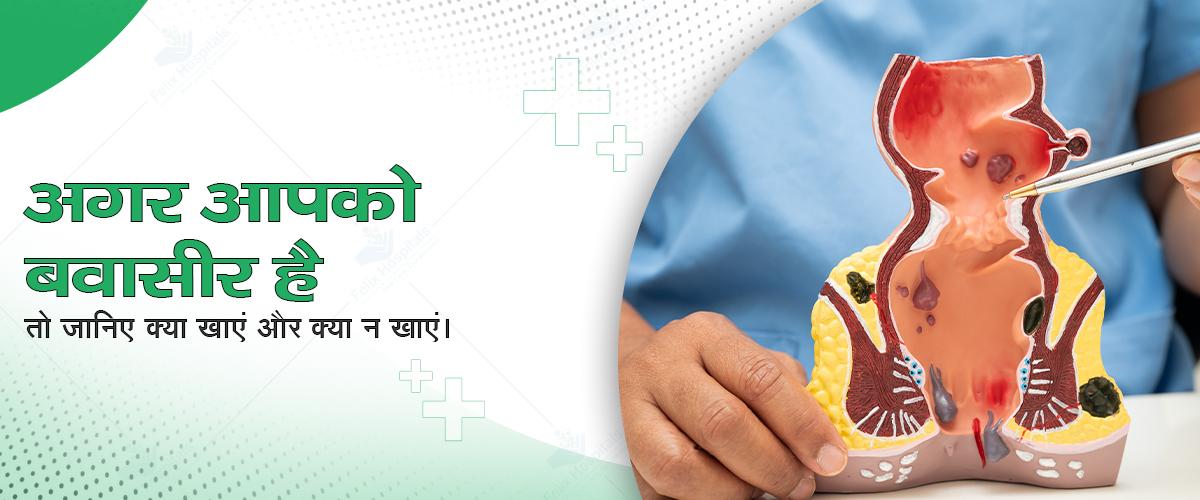
बवासीर (Piles) एक गंभीर स्वास्थ्य समस्या है। जिसमें मलद्वार की नसें सूजती हैं। यह कब्ज, मसालेदार भोजन, असंतुलित आहार, मोटापा और लंबे समय तक बैठने की आदत से बढ़ती है। खानपान का बवासीर की स्थिति पर असर पड़ता है। हालांकि सही डाइट अपनाकर कब्ज से राहत, मल को नरम और बवासीर की सूजन को कम किया जा सकता है। नोएडा में बवासीर की सर्जरी (Piles surgery in Noida) उपलब्ध है। वहीं गंभीर मामलों में लेप्रोस्कोपी जैसे आधुनिक इलाज की जरूरत होती है।
अभी अपॉइंटमेंट शेड्यूल करें – कॉल करें: +91 9667064100.
सही आहार से कब्ज, गैस, पेट फूलना और पाचन संबंधी समस्याओं से बचाव होता है। यह दिल, हड्डियों और इम्यूनिटी के लिए भी फायदेमंद है।
गेहूं, जौ, ओट्स, ब्राउन राइस, मक्का आदि में भरपूर फाइबर होता है। यह धीरे-धीरे पचते हैं। जिससे लंबे समय तक पेट भरता है। यह वजन नियंत्रित करने में मदद करते हैं। कोलेस्ट्रॉल कम (Lower cholesterol) करने और दिल को स्वस्थ रखने में भी सहायक होते हैं।
अरहर, मूंग, मसूर, चना, राजमा, लोबिया आदि में घुलनशील और अघुलनशील दोनों प्रकार का फाइबर होता है। पेट साफ रखने और ब्लड शुगर लेवल नियंत्रित करने में मददगार। प्रोटीन भी भरपूर होने से मांसपेशियों की मजबूती के लिए भी लाभकारी है।
पालक, मेथी, बथुआ, सरसों का साग, चौलाई जैसी सब्जियों में फाइबर और आयरन प्रचुर मात्रा में। खून की कमी से बचाव करती हैं। पेट के पाचन तंत्र को मजबूत करती हैं। कब्ज की समस्या (Constipation problem) कम करती हैं।
सेब, अमरूद, पपीता, अंजीर, नाशपाती और मौसमी फल फाइबर से भरपूर। केले मल त्याग को आसान बनाते हैं। पाचन सुधारते हैं और इम्यूनिटी को मजबूत करते हैं।
दिनभर में कम से कम 8–10 गिलास पानी पिएं। नारियल पानी, छाछ, सूप और हर्बल चाय शरीर को हाइड्रेट रखते हैं। पर्याप्त तरल लेने से मल सॉफ्ट रहता है। कब्ज की समस्या (Constipation problem) दूर होती है।
किशमिश, अंजीर, बादाम, अखरोट, अलसी और चिया सीड्स फाइबर व ओमेगा-3 फैटी एसिड से भरपूर। पाचन को बेहतर बनाते हैं और आंतों की सफाई में मदद करते हैं। हृदय रोग और मोटापे के खतरे को कम करते हैं।
बहुत ज्यादा मिर्च-मसाले पेट की जलन, एसिडिटी और सूजन को बढ़ा देते है। मसालेदार भोजन आंतों की परत को उत्तेजित करता है। जिससे पाचन प्रक्रिया प्रभावित होती है। अधिक तेल से बने पकवान पचने में समय लेते हैं। गैस व कब्ज की समस्या बढ़ाते हैं।
पकौड़ी, समोसा, कचौड़ी, पराठे, पूरी जैसी चीजें भारी और कठिन पचने वाली होती हैं। ज्यादा तलने से इनका पोषण कम होता है। सिर्फ वसा की मात्रा बढ़ती है। यह पेट में भारीपन, अपच और कब्ज (constipation) को बढ़ाती हैं।
पिज्जा, बर्गर, पैकेट वाले स्नैक्स, नूडल्स और रेड मीट (जैसे मटन, बीफ) में फाइबर बहुत कम और वसा ज्यादा होता है। प्रोसेस्ड फूड में प्रिजर्वेटिव्स और ट्रांस फैट होते हैं, जो पाचन को कमजोर करते हैं। लगातार सेवन से मोटापा, डायबिटीज (Diabetes) और कब्ज का खतरा बढ़ता है।
ज्यादा चाय, कॉफी या शराब लेने से शरीर डिहाइड्रेट हो जाता है डिहाइड्रेशन की वजह से मल सूख जाता है और कब्ज की समस्या बढ़ती है। शराब और कैफीन आंतों की मांसपेशियों की गति को धीमा कर देते हैं। जिससे पाचन गड़बड़ होता है।
केक, पेस्ट्री, डोनट्स, चॉकलेट, बिस्किट जैसी चीजों में रिफाइंड शुगर और मैदा होता है। यह आंतों की गति धीमी करते हैं। जिससे कब्ज की समस्या बढ़ती है। मीठे स्नैक्स वजन बढ़ाने और ब्लड शुगर लेवल असंतुलित करने में जिम्मेदार हैं।
सुबह खाली पेट एक गिलास गुनगुना पानी पीना पाचन के लिए बहुत लाभकारी है। इसमें नींबू मिलाने से टॉक्सिन बाहर निकलते हैं। इम्यूनिटी मजबूत होती है। शहद मिलाने से एनर्जी लेवल बढ़ता है और वजन नियंत्रित करने में मदद मिलती है।
रातभर पानी में भिगोए हुए अंजीर या किशमिश सुबह खाने से कब्ज दूर होती है और पेट साफ रहता है। इनमें फाइबर, आयरन और मिनरल्स भरपूर होते हैं, जो खून की कमी और थकान से बचाते हैं। यह आंतों की सफाई करके पाचन तंत्र को मजबूत बनाते हैं।
ओट्स, दलिया या पोहा जैसे हल्के नाश्ते में जब ताजे फल मिलाए जाते हैं, तो यह फाइबर और विटामिन्स से भरपूर कॉम्बिनेशन बन जाता है। यह दिनभर के लिए शरीर को एनर्जी और तृप्ति देता है। फाइबर युक्त नाश्ता खाने से ब्लड शुगर (blood sugar) और कोलेस्ट्रॉल भी नियंत्रित रहता है।
सुबह हल्की सैर करने से ब्लड सर्कुलेशन बेहतर होता है। शरीर सक्रिय रहता है। सैर के बाद ताजे फलों का जूस या छाछ पीने से शरीर को तुरंत हाइड्रेशन और विटामिन मिलते हैं। छाछ पाचन को दुरुस्त करती है। गैस या भारीपन से राहत देती है।
फल:
अमरूद में घुलनशील और अघुलनशील दोनों प्रकार का फाइबर होता है, जो मल को मुलायम बनाकर आसानी से बाहर निकालने में मदद करता है। पपीता में पपेन नामक एंज़ाइम से भरपूर जो पाचन सुधारता है। कब्ज दूर करता है। सेब में पेक्टिन नामक फाइबर होता है जो आंतों की गति को तेज करता है। नाशपाती में भरपूर पानी और फाइबर होता है जिससे मल सॉफ्ट रहता है और पेट साफ होता है। अनार में एंटीऑक्सीडेंट और विटामिन सी होते हैं। जो सूजन कम करते हैं। खून की कमी रोकते हैं। अंजीर में फाइबर और मिनरल्स से भरपूर, कब्ज से राहत देता है। पाइल्स में होने वाली जलन व दर्द को कम करता है।
सब्जियां:
पालक में आयरन और फाइबर से भरपूर, खून की कमी को पूरा करता है और पाचन में मदद करता है। तोरई हल्की और पचने में आसान सब्जी, पेट साफ करने में सहायक है। लौकी पानी और फाइबर से भरपूर, पाचन को दुरुस्त करती है। आंतों पर दबाव कम करती है। परवल कब्ज और एसिडिटी में राहत देने वाली हल्की सब्जी है। गाजर में बीटा-कैरोटीन और फाइबर होता है।जो पाचन सुधारने और सूजन कम करने में मदद करता है। चुकंदर खून बढ़ाने और मल को मुलायम करने में बेहद फायदेमंद। आंतों की सफाई करता है।
दूध: अगर दूध से कब्ज होता है तो परहेज करें। दही, छाछ या लैक्टोज-फ्री दूध बेहतर विकल्प है।
केला: पका हुआ केला फाइबर से भरपूर है, यह कब्ज कम करता है। कच्चा केला कब्ज बढ़ाता है।
मसाले (लाल मिर्च, गरम मसाले) मलद्वार की नसों को उत्तेजित करते हैं। इससे जलन, खुजली और सूजन बढ़ती है। इसलिए मसालेदार खाना सीमित मात्रा में या बिल्कुल न लें।
बार-बार तेज ब्लीडिंग होना:
जब मल त्याग के समय लगातार और ज्यादा मात्रा में खून आता है, जिससे कमजोरी और एनीमिया (anemia) (खून की कमी) होने लगे पर।
थ्रोम्बोस्ड पाइल्स:
जब गुदा के पास पाइल्स (Piles) में खून का थक्का जम जाए और तेज दर्द, सूजन या जलन हो।
बहुत बड़े आकार का बवासीर:
जब पाइल्स इतना बढ़ जाए कि बैठना, चलना या मल त्याग करना बहुत मुश्किल हो जाए।
दवाओं और घरेलू उपाय से आराम न मिलना:
जब लगातार दवा, मलहम और फाइबर युक्त डाइट लेने के बाद भी आराम न मिले।
आधुनिक सर्जरी के फायदे:
छोटे-छोटे चीरे से कैमरा और उपकरण डाले जाते हैं। पारंपरिक सर्जरी की तुलना में ब्लीडिंग कम होती है। टांके भी कम लगाने पड़ते हैं। नोएडा में सर्वश्रेष्ठ बवासीर अस्पताल (Best piles hospital in Noida) उपलब्ध है। जहां रिकवरी तेज होती है, मरीज कुछ ही दिनों में सामान्य काम कर सकता है। संक्रमण का खतरा कम रहता है क्योंकि कट बड़ा नहीं होता। अस्पताल में भर्ती रहने की अवधि भी कम होती है।
गुनगुना पानी नहाएं यानी दिन में 2–3 बार गुनगुने पानी में बैठने से दर्द और सूजन कम होती है।
एंटीबायोटिक दवाएं नियमित रूप से लें ताकि संक्रमण न हो और घाव जल्दी भर सके।
हल्का, फाइबर युक्त भोजन और पर्याप्त पानी पिए। कब्ज से बचने के लिए ज्यादा फाइबर वाले फल, सब्जियां और दालें खाएं।
मल त्याग के दौरान जोर न लगाए। मल को प्राकृतिक रूप से निकलने दें, जोर लगाने से घाव दोबारा खुल सकता है।
अत्यधिक मसालेदार और तैलीय भोजन से परहेज करें। ताकि पेट पर दबाव न पड़े और पाचन हल्का बना रहे।
हल्की-फुल्की गतिविधियां करें। आराम जरूरी है, लेकिन ज्यादा देर लेटे रहने की बजाय हल्की सैर करें ताकि ब्लड सर्कुलेशन बेहतर रहे।
बवासीर में खानपान सबसे महत्वपूर्ण भूमिका निभाता है। सही डाइट कब्ज को रोकती है और बवासीर की सूजन और दर्द को कम करती है। अगर आहार और दवा से आराम न मिलेतो लेप्रोस्कोपिक इलाज (Laparoscopic Treatment) सुरक्षित और असरदार विकल्प है। समय पर डॉक्टर की सलाह लेना जरूरी है। तैलीय, मसालेदार भोजन, शराब और कब्ज बढ़ाने वाले भोजन से परहेज करें। यह सेहत खराब करते हैं। इसलिए इनसे दूरी बनाए।
प्रश्न 1: बवासीर में कौन सा फल सबसे अच्छा है?
उत्तर: पपीता, अमरूद और अंजीर सबसे अच्छे हैं, क्योंकि यह मल को मुलायम करते हैं। इसलिए इसका सेवन करना चाहिए।
प्रश्न 2: क्या बवासीर में चाय या कॉफी पी सकते हैं?
उत्तर: ज्यादा कैफीन कब्ज बढ़ाता है, इसलिए सीमित मात्रा में ही लें। यह सेहत के लिए नुकसानदेह है।
प्रश्न 3: क्या सिर्फ डाइट से बवासीर ठीक हो सकता है?
उत्तर: शुरुआती और हल्के मामलों में हां। लेकिन गंभीर मामलों में सर्जरी की जरूरत पड़ती है। लेकिन डॉक्टर की सलाह लेनी चाहिए।
प्रश्न 4: क्या लेप्रोस्कोपी बवासीर में सुरक्षित है?
उत्तर: हां यह आधुनिक और सुरक्षित तकनीक है। ब्लीडिंग कम होती है और रिकवरी जल्दी होती है। इसलिए डॉक्टर की सलाह पर सर्जरी करानी चाहिए।
प्रश्न 5: सर्जरी के बाद किन चीजों से परहेज करना चाहिए?
उत्तर: तैलीय, मसालेदार भोजन, शराब और कब्ज बढ़ाने वाले भोजन से परहेज करें। यह सेहत खराब करते हैं।

जानें पुरुषों में बवासीर (Hemorrhoids) के लक्षण, कारण, सामान्य समस्याएँ, इलाज और बचाव के उपाय। समय पर पहचान और सही इलाज से आराम पाएं और स्वास्थ्य बनाए रखें।
बवासीर एक सामान्य लेकिन असहज करने वाली समस्या हो सकती है। बवासीर दर्द, खुजल और मल त्याग के समय रक्तस्राव जैसे लक्षण पैदा कर सकती है।
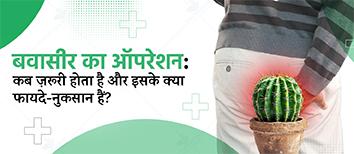
बवासीर, जिसे पाइल्स या हेमोराइड्स के नाम से भी जाना जाता है, एक आम समस्या है, जो हर उम्र के लोगों को प्रभावित कर सकती है। इसमें मलाशय (रेक्टम) के आसपास या अंदर की नसों में सूजन हो जाती है, जिससे दर्द, खुजली और कभी-कभी रक्तस्राव जैसी परेशानियाँ होती हैं।

गर्भावस्था के दौरान बाह्य बवासीर एक आम समस्या है, जो महिला के शरीर में हार्मोनल बदलाव और बढ़ते दबाव के कारण होती है। समय पर सावधानी और सही इलाज से इससे राहत मिल सकती है।
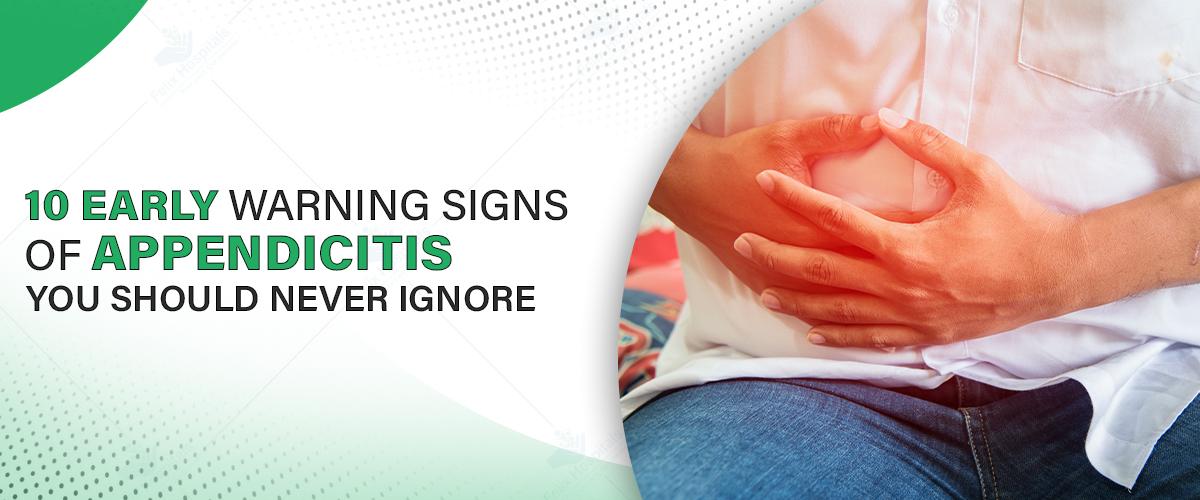
The human body is a complicated machine full of wonders, and the appendix is no exception. This little, finger-shaped pouch is located in the lower right side of your abdomen. Early identification and treatment are key to prevent complications. As a result, in cases where you suspect an issue that needs to be treated immediately, contacting an appendicitis specialist doctor in Noida will ensure that you receive the right attention to your medical condition and the measures you need to take to be healthy.
In this blog we will look at 10 warning signs of appendicitis that you can’t afford to ignore, to make sure you’re prepared to spot trouble and seek medical care in the appendicitis surgery hospital in Noida.
Trusted surgeons, advanced care — reach out at +91 9667064100 for appendicitis treatment.
The appendix is a small, tubular organ attached to the lower right side of the abdomen. Its precise purpose isn’t clear and many scientists think it doesn’t play an essential role in the body. But when the appendix gets swollen or infected, it leads to a condition called appendicitis, which is quite dangerous.
That condition can be excruciatingly painful, and most often results in the appendix’s being surgically removed. The appendix isn’t necessary for a healthy life for most people. You need to seek immediate medical care if you develop any of these symptoms.
Abdominal pain is quite common but the progression of pain in appendicitis is characteristic. Let’s analyze the four stages in this timeframe.
Location:
The pain typically begins in the lower right belly, where the appendix is, which is why the condition is sometimes mistaken for stomachaches or, say, bad menstrual cramps. But the pain can be deceptive, and round out around your belly button or even to your upper belly or back.
Progression:
The pain generally begins in the lower right abdomen, where your appendix is located. But such pain can be deceiving and grip you in other places — pain may radiate to other areas of your body, such as in or around your belly button, or even your upper belly or back.
Intensity:
The pain generally begins in the lower right belly, where your appendix is, but it doesn’t always. Yet, the pain can sometimes be tricky and reside in other regions like around your belly button or even your upper belly or back.
Aggravating Factors:
It was reported that these activities of coughing, sneezing and deep breaths raises the intraabdominal pressure which in turn could increase the right iliac fossa pain.
Nausea and vomiting are frequently associated with appendicitis, but it may not occur until later in the course of the disease.
Timing:
In appendicitis, nausea and vomiting may occur earlier or later than the onset of abdominal pain. This can occur periodically or more often.
Cause:
The specific cause of the nausea and vomiting in appendicitis is unknown, but it is probably related to the inflammation in the abdomen irritating the digestive system.
Digestive Disruption:
The appendix is irritated and inflamed so the part of the intestines connected to the appendix (colon, cecum) would naturally become slowed/stopped in the normal process of digestion which can cause a headache and upset stomach.
This condition is a first stage symptom of appendicitis which is inflammation of the appendix. Immediate medical care is necessary to avoid complications, such as a burst appendix that necessitates emergency surgery.
Disrupted Appetite:
Inflammation in the appendix interferes with the body’s systems that control hunger.
Early Sign:
This loss of desire to eat is one of the earliest signs of appendicitis, even before abdominal pain increases.
The symptoms of appendicitis go beyond just belly pain; they generally also include a fever, although the features may be atypical from those of other conditions. For disruption-free care, find a good appendicitis specialist doctor in Noida
Low-Grade Fever:
At its onset appendicitis may lead to a low-grade fever (99°F-100. 5°F) higher, indicating the body’s immune system was battling the inflammation.
Progression with Inflammation:
As the inflammation becomes more severe, the fever climbs. The mouth filling with saliva can be a sign of a growing problem, and a ruptured appendix.
Not Always Present:
Not everyone will have a fever, but particularly when combined with other symptoms, this can be an important clue to making a diagnosis.
Bloating and swelling of the abdomen The latter two symptoms can be a sign of inflammation resulting from appendicitis. This is when the appendix becomes inflamed and infected, causing a number of symptoms Patients can feel fullness or bloating in the abdomen. The abdomen can become visibly swollen and distended as inflammation becomes more severe.
Its surrounding skin frequently becomes painful to touch.
Difficulty urinating and other urinary problems can also be a sign of appendicitis because the appendix is located so close to the urinary tract. To diagnose and treat appropriately, be sure to meet an appendicitis specialist doctor in Noida. Many patients also note that they are urinating more often than they used to.
A swollen appendix can press on the bladder while it is in a state of inflammation, causing an individual to feel like they have to pee all the time. It’s possible to feel pain when urinating; some may even have pain in urination because of that inflamed appendix pressing against the urinary system. The inflammation and swelling can make it harder to completely empty your bladder.
Malaise is a less frequent but not uncommon symptom of appendicitis and is a feeling of illness or indisposition that can be associated with health in general. You could be experiencing reduced levels of motivation, basically wanting to lay down and rest. Feeling unwell can lead to irritability and mood swings. The ongoing discomfort might cause anxiety or a sense of unease. Mild body aches and discomfort may occur, similar to the sensations experienced during a common illness.
Diarrhea can be a sign of appendicitis, because the inflammation can irritate the colon and produce increased bowel movements.
You might simply have to poop more often than usual.
Stools can be loose or watery, like diarrhea.
Back pain is a less-common symptom of appendicitis, where the inflammation from the appendix affects surrounding nerves and tissue. This pain may be referred to the back or the rectum, making diagnosis rather complicated.
When the appendix is inflamed, pain may spread across the lower right side of the stomach and around to the back or rectum. This happens because the appendix is in close proximity to nerves that lead to these regions.
In pelvic appendicitis, in which the appendix has descended into the pelvis, pain is much more likely to involve the back or rectum as a constant, dull pain.
Enlarged lymph nodes surrounding the appendix point to the immune response to appendicitis and infection, which is important for diagnosing and treating appendicitis correctly and in time. Palpable inflamed lymph nodes near the appendix can confirm appendicitis in combination with other symptoms.
What does seem to indicate appendicitis is if the pain has become very low on the right side and is severe, followed by nausea, vomiting, and not eating. Neglecting these symptoms could result in a ruptured appendix, dangerous infection, and potentially fatal consequences. Search for an appendicitis specialist doctor in Noida, for quick diagnosis and treatment. Call us to make an appointment and talk to a doctor about your symptoms and treatment accordingly.
Don’t ignore sudden abdominal pain — call us now at +91 9667064100 for expert care.
Find the links below:
Check the links below:
Q1. How to detect appendicitis early?
Ans: Keep an eye out on abdominal pain that is usually sharp and begins on one side of the abdomen near the belly button and then moves to the lower right side accompanied by nausea, fever, and no appetite.
Q2. When to go to the doctor for appendicitis?
Ans: When there is sudden and severe pain in the abdomen, accompanied by fever, vomiting or an increasing abdominal pain, you should rush to the doctor.
Q3. What is the difference between gas pain and appendicitis?
Ans: After gas passes, there is usually an alternation or relief of the pain, whereas appendicitis pain is sharp, constant, and gradually increasing in the lower right abdomen.
Q4. How to know if you have appendicitis pain?
Ans: Another good symptom of appendicitis is the lower right side pain that persists with fever, nausea, or swelling.
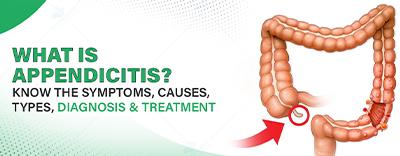
Appendicitis is the inflammation of the appendix, a small pouch attached to the large intestine. It causes sudden pain in the lower right abdomen and may require urgent treatment.

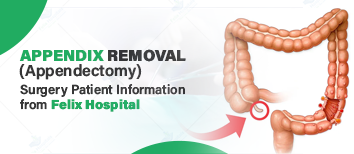
Appendix surgery, also known as appendectomy, is a common emergency procedure performed to treat appendicitis.
In severe cases, surgery may be required to drain the blocked sinus.
Appendicitis is the inflammation of the appendix, a small pouch attached to the large intestine. It causes sudden pain in the lower right abdomen and may require urgent treatment.

We all know that sleep is the bedrock of good health, but all too many people suffer from chronic insomnia, erratic sleep patterns or diseases such as sleep apnea that disrupt their rest. If you have been looking out for a dependable doctor for sleep disorders in Noida or if you have been looking for a sleep consultation near me, Felix Hospital offers state-of-the-art diagnostics and dedicated care in order for you to return to normal sleeping patterns. With patient centered care and state-of-the-art sleep medicine centers, come finally have the solution for your restless nights.
Having trouble sleeping? For expert sleep advice, call at +91 9667064100.
According to National Institute of Health :
| Age Group | Recommended Sleep Duration |
| Newborns (0 to 3 months) | Should average 14 to 17 hours of sleep a day, including naps |
| Infants (4 to 11 months) | Should average 12 to 15 hours of sleep per day, including naps |
| Toddlers (12 to 35 months) | Should average 11 to 14 hours, including naps |
| Preschoolers (3 to 5 years) | Should average 10 to 13 hours per day |
| School-age children (6 to 13 years) | Should average nine to 11 hours per day |
| Teenagers (14 to 17 years) | Should average eight to 10 hours per day |
| Younger adults (18 to 25 years old) | Should average seven to nine hours per day |
| Adults (26 to 64) | Should average seven to nine hours per day |
| Older adults (age 65 and over) | Should average seven to eight hours per day |
Reference (https://pubmed.ncbi.nlm.nih.gov/29073398/)
To decide what your bedtime should be, it’s important to think about how much sleep it takes to leave you feeling refreshed. Your genes, environment, and health conditions can also affect how much recommended sleep time by age will be.
Recommended sleep time by age depends on age; mainly children need more sleep than adults to feel adequately rested. 3 For young adults and people recovering from sleep debt, sleeping more than nine hours a night might be helpful.
Circadian rhythm refers to the internal or “master” clock that controls the production of melatonin, a hormone that makes you sleepy. Exposure to light during the day causes this master clock to generate alertness. At night, it promotes the production of melatonin, which helps you fall asleep and stay asleep.
To set a target bedtime, decide when you need to wake up. Then count backward to find out the number of hours of sleep you need.
Younger children require more sleep. If you would like your child to wake up between 7:00 and 8:00 a.m.:
Infants may be put to bed when sleepy, between about 7:00 and 8:00 p.m.
Toddlers may be put to bed between 7:00 and 9:00 p.m.
Preschool children may be put to bed between 8:00 and 9:00 p.m.
If your school or work schedule requires you or your child to be up between 5:00 and 7:00 a.m., these are the suggested bedtimes:
School-age children should go to bed between 8:00 and 9:00 p.m.
Teens should try to go to bed between 9:00 and 10:00 p.m.
Adults should try to go to sleep between 10:00 and 11:00 p.m.
Despite age and sleep needs, having a consistent wake time, even on the weekends, is important for better sleep.
A complete sleep cycle lasts between 90 and 120 minutes and consists of four stages. 7 The first three stages are non-REM or non-rapid eye movement. Stages 1 and 2 are light sleep, and stage 3 is deep sleep. Deep sleep is important for physical and mental recovery.
During REM sleep, your brain activity increases and your eyes move behind your closed lids. Your most vivid dreams occur during REM sleep.
Sleep is important for both your physical and mental well-being. During sleep, your body restores depleted energy, repairs cells, and releases hormones and other important chemicals that help support your body and brain.
Sleep deprivation, or not getting enough sleep, is associated with a number of health problems, including:
Heart disease
Obesity
Weight Gain
High blood pressure
Stroke
Metabolic syndrome
Sleep deprivation can also affect your cognitive function, including your ability to focus on tasks and think clearly.
You can make it easier to go to bed and fall asleep on time. Here are some strategies that may help.
Your bedroom can help you fall asleep and sleep more soundly. For most people, it’s a good idea to start with a quiet, cool, and dark room. Also, consider whether your mattress and bedding are hurting or helping your quest for a steady bedtime.
Consistent bedtime routines and relaxation techniques can also be helpful. A night routine prepares your mind and body for sleep, helping you unwind before you rest.
Reading, listening to soft music, stretching, or taking a bath can all help you relax. It is best to avoid overstimulating activities before bed, like watching television or exercising.
Cell phones and electronics should be avoided as much as possible. The artificial light from the screen can shift your sleep timing and make it harder to fall asleep.
Good sleep hygiene starts during the day. Try to avoid daytime naps. They reduce your overall sleep debt and also reduce the drive to go to sleep.
Spending time outdoors, in sunlight, may also be helpful. It’s a good idea to limit caffeine and alcohol, both of which can disrupt sleep. Try to avoid drinking caffeine after lunchtime, and don't drink alcohol right before bed. Once you’re in bed, limit brain-stimulating activities as much as possible. You want to associate your bed with sleep, not wakefulness.
Children who have a hard time falling asleep may be experiencing behavioral insomnia. There are two types of behavioral insomnia—sleep onset and limit setting. Some children may have both types.
Sleep-onset insomnia usually means a child has become dependent on certain soothing routines or objects and needs them to fall asleep. They may also need these routines if they wake in the middle of the night.
One way to help your child with sleep-onset insomnia is to build your child’s ability to self-soothe. Some experts recommend letting your child “cry it out.” This method involves gradually increasing the intervals when you go in to comfort your child. For example, parents can comfort a crying child every five minutes, then gradually extend the period to 10 minutes, then 15, and so on.
About 75% of teens don’t get enough sleep. Early school start times, late-night social activities, digital device use, and sleep cycle shifts all play a role.
Neighborhoods in which there are not enough trees and too much noise can also delay sleep. This may be because tree canopies reduce noise, light, and temperature. Trees and green spaces can also help reduce stress and improve mental health, which can impact sleep as well.
For adults, insomnia can be due to genetics. It can also be related to sleep disorders like sleep apnea or psychological conditions such as anxiety and depression. Insomnia can cause fatigue, daytime sleepiness, poor attention and concentration, and low energy and motivation.
The term "painsomnia" has been applied to an inability to get a good sleep due to a painful underlying health condition such as arthritis or a chronic condition like fibromyalgia.
Insomnia can become more of a problem as you age. The National Institute on Aging reports that menopause, restless leg syndrome, dementia, and sleep apnea can all keep you awake or disrupt your sleep after age 60. If you think a health condition may be keeping you up, talk to a healthcare professional or sleep specialist.
Unless you remedy your sleep problems, they will silently damage your health, work, and mental health. You can have your nights back and days full of energy with professional assistance through Sleep Disorders Treatment in Noida and access to sleep consultation near me services with ease at Felix Hospital. Bad sleep is not the new norm that you should accept.
Don’t ignore snoring or insomnia—book your appointment today at +91 9667064100.
Q1. Should kids who have trouble sleeping see a different doctor?
Ans: Yes. Felix Hospital offers paediatric sleep care services for problems like insomnia, night terrors, and sleep disorders that cause children to act out.
Q2. Does snoring always mean something is wrong?
Ans: Not always, but snoring that happens a lot or is loud could be a sign of sleep apnoea, which a sleep disorder doctor should check out.
Q3. How long does a sleep consultation at Felix usually last?
Ans: A normal consultation lasts 30 to 45 minutes and includes a thorough history, an evaluation of your lifestyle, and a plan for treatment.
Q4. Can Felix Hospital help with depression or anxiety that keep you from sleeping?
Ans: Yes, our team of psychologists, psychiatrists, and sleep specialists works together to treat both the medical and mental health issues that come with sleep disorders.
Q5. Do I always need to take medicine for insomnia?
Ans: Not always. Before giving out medications, Felix focusses on lifestyle changes, sleep hygiene, and behavioural therapy.

During sleep, the body releases growth hormones, which are essential for a child's growth and development. Adequate sleep is vital for muscle development, tissue growth, and the overall physical health of a child.
Obstructive Sleep Apnea occurs when the muscles in the throat relax excessively during sleep, causing the airway to become partially or fully blocked.

Lack of sleep silently damages your body and mind. Discover 10 shocking ways poor sleep affects your health, immunity, heart, and mental well-being.
ब्रेस्ट कैंसर आज के समय में महिलाओं के लिए सबसे बड़ी स्वास्थ्य चुनौतियों में से एक बन चुका है। बदलती जीवनशैली, खानपान की आदतें, हार्मोनल असंतुलन और पर्यावरणीय कारणों की वजह से इसके मामले तेजी से बढ़ रहे हैं। खासकर शहरी क्षेत्रों की महिलाएं ज्यादा प्रभावित हो रही हैं। पहले ब्रेस्ट कैंसर ज्यादातर 50 साल से ऊपर की महिलाओं में देखा जाता था, लेकिन अब यह कम उम्र की महिलाओं को भी प्रभावित कर रहा है। ऐसे में जरूरी है कि महिलाएं शुरुआती लक्षण ब्रेस्ट कैंसर महिलाओं में पहचानें और समय रहते जांच व इलाज करवाएं।
ब्रेस्ट कैंसर के किसी भी शुरुआती लक्षण को नजरअंदाज न करें। सही समय पर की गई जांच से यह रोग पूरी तरह नियंत्रित किया जा सकता है। तुरंत परामर्श के लिए कॉल करें +91 9667064100.
आजकल महिलाएं कई ऐसी परिस्थितियों से गुजर रही हैं जो उनके स्तन कैंसर के खतरे को बढ़ाती हैं। इसके पीछे कई कारण जिम्मेदार हैं:
देर से शादी या देर से मां बनना
बच्चों को स्तनपान न कराना या कम समय तक कराना
हार्मोनल बदलाव और अनियमित मासिक धर्म
मोटापा और असंतुलित आहार
धूम्रपान और शराब का सेवन
तनाव और नींद की कमी
परिवार में पहले से कैंसर का इतिहास
इन कारणों की वजह से ब्रेस्ट कैंसर का खतरा पहले की तुलना में कई गुना बढ़ गया है।
ब्रेस्ट कैंसर का सबसे बड़ा खतरा यह है कि इसकी शुरुआत में लक्षण हल्के और सामान्य दिखाई देते हैं। यही वजह है कि कई महिलाएं इन्हें नजरअंदाज कर देती हैं। कुछ सामान्य शुरुआती लक्षण इस प्रकार हैं:-
स्तन में गांठ या सूजन महसूस होना
स्तन का आकार या आकार में बदलाव
निप्पल से असामान्य स्राव (खून या पीला तरल)
निप्पल का अंदर की ओर मुड़ना
स्तन की त्वचा में गड्ढे या मोटापन आना
स्तन या बगल में लगातार दर्द होना
इनमें से किसी भी लक्षण के दिखने पर तुरंत विशेषज्ञ से च करवानी चाहिए। सही मार्गदर्शन और व्यक्तिगत परामर्श के लिए आप ब्रेस्ट कैंसर स्पेशलिस्ट डॉक्टर नोएडा (Breast Cancer Specialist Doctor Noida) से संपर्क कर सकती हैं।
अधिकतर महिलाएं यह सवाल करती हैं कि ब्रेस्ट कैंसर कैसे पहचानें शुरुआती स्टेज में ताकि समय रहते इसका इलाज हो सके।
स्वयं जांच (Self-Examination)
हर महिला को महीने में एक बार अपने स्तनों की जांच करनी चाहिए। इसमें गांठ, सूजन या किसी भी असामान्य बदलाव पर ध्यान दें।
क्लीनिकल ब्रेस्ट एग्जामिनेशन
डॉक्टर द्वारा की जाने वाली यह जांच शुरुआती स्तर पर समस्या पकड़ने में मदद करती है।
मेमोग्राफी (Mammography)
40 वर्ष से अधिक उम्र की महिलाओं को नियमित रूप से मेमोग्राफी करवानी चाहिए। यह जांच कैंसर की शुरुआती कोशिकाओं को पहचानने में बेहद कारगर है।
कई बार महिलाएं यह सोचकर जांच नहीं करवातीं कि यह समय और पैसे की बर्बादी है। लेकिन सच यह है कि स्तन कैंसर (breast cancer) से बचने के लिए कौन सी जांच जरूरी है यह जानना और करवाना ही जीवन बचा सकता है।
मेमोग्राफी टेस्ट (Mammography Test) – 40 की उम्र के बाद साल में एक बार
अल्ट्रासाउंड ब्रेस्ट (Ultrasound Breast) – खासकर 40 से कम उम्र की महिलाओं के लिए
बायोप्सी(biopsy) – यदि स्तन में गांठ पाई जाती है
MRI ब्रेस्ट – उच्च जोखिम वाली महिलाओं के लिए
ब्रेस्ट कैंसर का इलाज किस स्टेज पर पता चला है, उस पर निर्भर करता है। शुरुआती स्टेज में कीमोथैरेपी, रेडिएशन और सर्जरी के माध्यम से पूरी तरह ठीक होने की संभावना रहती है। देर से पता चलने पर इलाज कठिन और लंबा हो सकता है। इसलिए हमेशा ऐसे विशेषज्ञ की सलाह लें जिन्हें स्तन कैंसर के मामलों में अनुभव हो।
अगर आप नोएडा और आसपास रहते हैं, तो ब्रेस्ट कैंसर इलाज के लिए बेस्ट हॉस्पिटल नोएडा (Best hospital for breast cancer treatment in Noida) में उपलब्ध आधुनिक तकनीक और अनुभवी डॉक्टरों की मदद से बेहतर इलाज पाया जा सकता है।
संतुलित आहार लें जिसमें हरी सब्जियां और फल शामिल हों
नियमित व्यायाम करें और वजन नियंत्रित रखें
धूम्रपान और शराब से पूरी तरह बचें
स्तनपान को प्राथमिकता दें
तनाव कम करने के लिए योग और ध्यान अपनाएं
समय-समय पर स्वास्थ्य जांच करवाएं
ब्रेस्ट कैंसर का इलाज जितनी जल्दी शुरू होता है, उतनी ही जल्दी और सफलतापूर्वक यह नियंत्रित किया जा सकता है। अभी परामर्श लें +91 9667064100.
ब्रेस्ट कैंसर महिलाओं के लिए एक गंभीर लेकिन समय रहते पकड़े जाने पर पूरी तरह नियंत्रित होने वाली बीमारी है। शुरुआती लक्षण ब्रेस्ट कैंसर महिलाओं में पहचान कर, सही समय पर ब्रेस्ट कैंसर चेकअप कब करवाना चाहिए यह जानकर और नियमित जांच कराकर इसके खतरे को काफी हद तक कम किया जा सकता है।
सही जागरूकता, जीवनशैली में सुधार और विशेषज्ञ डॉक्टर की सलाह से महिलाएं न केवल खुद को बल्कि आने वाली पीढ़ियों को भी इस बीमारी से सुरक्षित रख सकती हैं। याद रखें, ब्रेस्ट कैंसर से बचाव की शुरुआत आपकी सतर्कता से होती है।
प्रश्न 1. क्या ब्रेस्ट कैंसर सिर्फ बड़ी उम्र की महिलाओं को होता है?
उत्तर: नहीं, आजकल यह 30-35 साल की महिलाओं में भी देखा जा रहा है। हालांकि, उम्र बढ़ने के साथ इसका खतरा ज्यादा होता है।
प्रश्न 2. क्या स्तन में हर गांठ कैंसर का संकेत होती है?
उत्तर: नहीं, सभी गांठें कैंसर नहीं होतीं। कई बार ये फैटी टिश्यू या फाइब्रोएडेनोमा भी हो सकते हैं। लेकिन किसी भी गांठ की जांच करवाना जरूरी है।
प्रश्न 3. क्या ब्रेस्ट कैंसर पुरुषों में भी हो सकता है?
उत्तर: हाँ, हालांकि यह दुर्लभ है, लेकिन पुरुषों में भी ब्रेस्ट कैंसर हो सकता है।
प्रश्न 4. क्या ब्रेस्ट कैंसर अनुवांशिक होता है?
उत्तर: अगर परिवार में किसी को ब्रेस्ट या ओवरी कैंसर रहा है, तो जोखिम बढ़ सकता है। BRCA1 और BRCA2 जीन भी इसमें भूमिका निभाते हैं।
प्रश्न 5. क्या ब्रेस्ट कैंसर का पता ब्लड टेस्ट से लगाया जा सकता है?
उत्तर: नहीं, इसकी पुष्टि के लिए मेमोग्राफी, अल्ट्रासाउंड और बायोप्सी जैसी जांच जरूरी होती है।
ब्रेस्ट कैंसर (Breast Cancer) के मुख्य लक्षण, इसके कारण और प्रभावी उपचार। समय पर पहचान और सही इलाज से रोग की गंभीरता को कम किया जा सकता है।

Our experienced breast cancer doctor in Noida use the latest technologies for diagnosis, surgery, chemotherapy, and radiation therapy.


Subscribe to our
© Copyright 2026. All Rights Reserved by Felix Healthcare Private Limited
Design and development by :


 +(91)9667064100
 Emergency : +(91)9667064100