 Emergency:
  WhatsApp

Subscribe to our
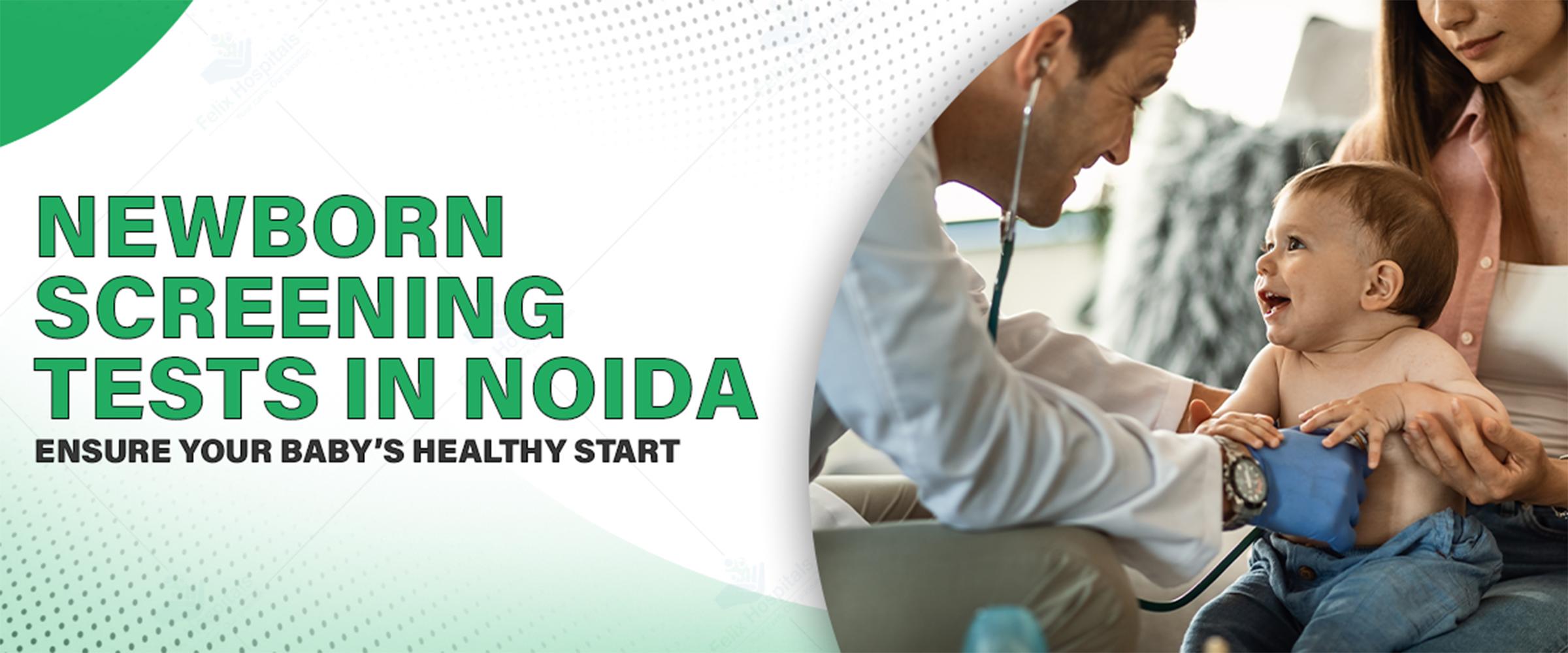
It's something so emotionally overwhelming to have your newborn in your arms for the first time. Those little fingers, that serene sleep, that overwhelming surge of love with an equally overwhelming sense of responsibility. As new parents ourselves, there is nothing we desire more than to keep our babies safe and provide them with the healthiest beginning to life. Although we cannot do it all, there is one simple step that can assist us: newborn screening tests.
In Noida, the presence of newborn screening test hospital in Noida became all the more vital with increasing medical awareness among young families. These effective and simple tests are able to detect serious health disorders even before the onset of symptoms, generally ruling out permanent complications or developmental delays.
Ready to provide your baby with the healthiest start you can? Schedule our board-certified pediatric experts today by calling +91 9667064100.
Think of newborn screening tests as your baby's initial checkup – but much more thorough. They are lab tests on tiny blood samples, commonly taken from your baby's heel during the first days of life. Unlike regular checkups that look for obvious signs of sickness, these tests search for hidden conditions that won't show symptoms for months – or even years.
The best thing about newborn screening is how simple and quick it is. Only a few drops of blood on special filter paper can tell you if your baby has one of dozens of serious genetic, metabolic, or hormonal disorders. The best part is that treatment of most of them, if caught early on, is very effective – in some cases, it can even prevent serious intellectual disability, organ damage, or other serious illness.
Suppose this: a newborn baby seems completely normal. She eats well, sleeps well, and otherwise is free of distress. But lurking in her cells is a genetic disease that will quietly devastate her developing brain unless she's treated in the first few weeks of life. Unless babies are screened at birth, this disease could go undetected until damage is irreversible.
This is not a rare occurrence: Most severe genetic illnesses are not evident in newborns, and it is nearly impossible to detect them during infancy without specific testing. There are a few that require dietary changes immediately, some that require hormone replacement therapy, and some may need specific drugs or supplements.
The numbers are the proof: early detection by newborn screening programs has saved thousands of intellectual disability cases, saved thousands of lives, and improved significantly the quality of life of children and their families. In most instances, children with such conditions are able to live perfectly normal lives if they are treated early enough.
Newborn screening test panel encompasses a wide variety of conditions, each having possible complications if not treated. Some of the most significant ones are mentioned below:
Phenylketonuria (PKU): If left untreated by a special diet, causes severe intellectual disability
Maple syrup urine disease: Needs immediate diet control to avoid brain damage
Other disorders of organic acids that may cause developmental delay and organ problems
Congenital hypothyroidism: May result in growth retardation and mental disability without hormone supplementation
Congenital adrenal hyperplasia: Can lead to life-threatening loss of salt in infants
Sickle cell disease: Preventive treatment can be offered with early diagnosis and better management.
Various forms of anemia that must be monitored and managed regularly
Severe combined immunodeficiency (SCID): If not treated early, these babies are very prone to infection
Cystic fibrosis: Early treatment can dramatically boost lung function and quality of life
Spinal muscular atrophy: New therapies hold much potential if started early
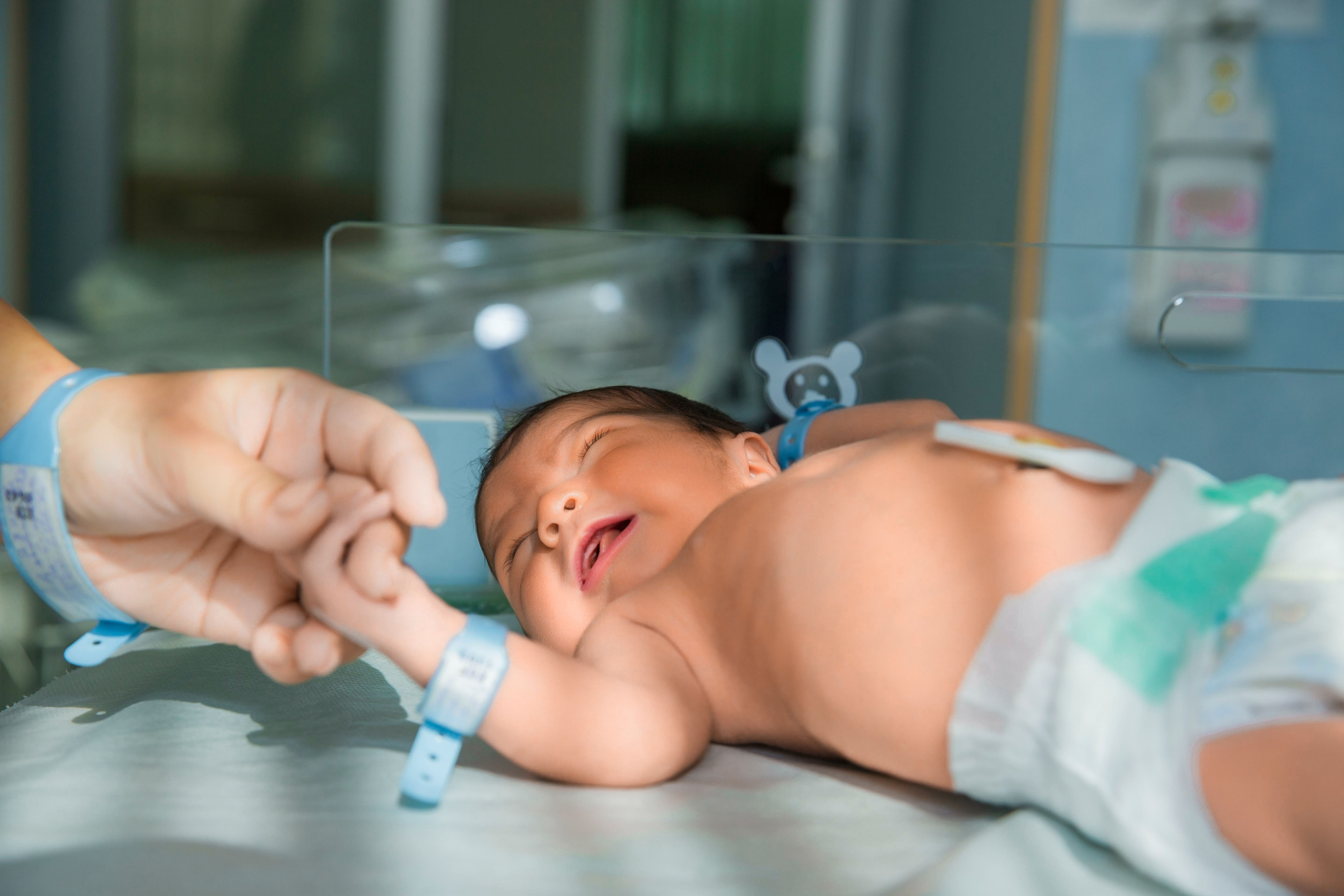
The process of newborn screening test is as trouble-free and non-invasive as possible, though parents will understandably be worried about any medical procedure on their newborn.
Timing: Most screening tests are done 24-48 hours after birth, although ideally before the baby is 7 days old. This is the required timing since it allows time for some of these conditions to emerge while, at the same time, catching them early enough to be intervened upon effectively.
The Process: A health worker will clean your baby's heel with an antiseptic solution, and then pierce the skin with a sterile lancet. A minimal amount of blood is taken onto special filter paper cards, which are then transferred to special laboratories for analysis.
What to Expect: The test only takes a few minutes. Your baby will cry for a moment, but most settle down immediately, especially if they are being nursed or held against you. Some hospitals perform the test while babies are sleeping.
Follow-up: The outcome typically takes a week or so. Most results are fine, but if there is something that needs to be addressed, you will be asked to come back for additional tests or advice from experts.
Noida hospitals conduct comprehensive newborn screening tests in Noida as per national guidelines and international practices. The test panels conducted are typically:
Core Screening Panel:
This includes the most serious conditions mandated by health officials, including PKU, congenital hypothyroidism, and several other metabolic disorders.
Extended Screening Options
Some of the centers offer full panels that screen for other genetic and metabolic disorders. These are not always necessary; they provide additional reassurance for families with particular risk factors or worries.
Specialized Testing:
Certain hospitals provide focused screening for conditions that are more prevalent in specific groups or for families with established genetic risk.
Hearing Screening:
Not a technically blood test, newborn hearing screening is also included as part of various other screening tests for the identification of congenital hearing loss.
Choosing where to have your baby's screening tests conducted is an important choice to make thoughtfully. Noida boasts a variety of excellent choices ranging from large multi-specialty hospitals to pediatric specialist Hospital and accredited labs.
When comparing, look for facilities that are highly accredited, with competent pediatric staff, and equipped with the latest labs and equipment. Top centers will also have good procedures for dealing with stat results and are able to refer you to competent specialists promptly if necessary.
All hospitals are not created equal when it comes to newborn screening. Here is what to look for:
Accreditation and Quality Standards: Ensure the facility employs appropriate collection and testing procedures, with the samples being tested by accrediting labs.
Newborn Experience: Workers responsible for working with newborns must be specifically trained to handle newborns and deal with the sensitive collection process.
Full Service: The optimal facilities not only offer testing, but also counseling, follow-up, and referral to specialists when needed.
Clear Communication: You must be provided with clear information on what tests are being performed, when results would be available, and what next.
Emergency Procedures: Where prompt action is paramount, the center must have set channels for speedy specialist services.
First things first: don't panic. A positive screening result is not a diagnosis that your baby has the condition – it means that further tests are needed to rule in or rule out the diagnosis.
Call the provider immediately as instructed
Schedule follow-up testing at the earliest convenience
Keep accurate records of all test results and communication
Don't delay – time can be of the essence for some conditions
Most conditions have specific family support groups and family resources that your healthcare team can refer you to.
Don't delay – provide your baby with the gift of early diagnosis and treatment. Make an appointment with our best pediatrician.
As you prepare for the arrival of your infant, newborn screening tests are one of the best presents you can bestow upon your child. These easy tests, administered in those first precious days of life, can prevent serious sickness and give your baby the best possible beginning. Consulting a child specialist in Noida ensures that these screenings are done with expert care and that you receive proper guidance for your baby’s early health needs.
The peace of mind that you will have knowing your baby has been screened for any serious genetic and metabolic disorders is priceless. And in the rare case that a condition is detected, it may make a very significant difference to your child's general health and well-being in the long term.
Find the links below:
Check the links below:
Explore the top diagnostic centers near you:
Q1. When is a newborn screening test performed?
Ans: Newborn screening is optimally performed 24-48 hours after birth but should be performed before the infant is 7 days old. This is to give precise results but to allow early intervention if required.
Q2. Are newborn screening tests painful for my baby?
Ans: The heel prick is briefly uncomfortable, similar to a vaccination. Most babies will cry for several seconds but then calm down, especially if comforted or fed.
Q3. How long will it take to get screening results?
Ans: Most of the newborn screening test results are received 5-7 days after the blood test. Those requiring immediate action are reported within 24-48 hours.
Q4. Can I refuse newborn screening tests for my child?
Ans: Although testing in newborns is strongly advised by physicians, parents can usually refuse tests in most states. Refusal, however, can mean postponement of early diagnosis of a dangerous and curable disease.
Q5. Is insurance reimbursement available for all newborn screenings?
Ans: The majority of standard newborn screening panels are insured as part of standard maternity benefits. More comprehensive screening panels have some additional out-of-pocket expense based on your coverage.
Epstein Pearls are small, white or yellowish cysts found on the gums or roof of the mouth in newborns. These harmless bumps form during fetal development and usually resolve on their own within a few weeks. No treatment is necessary unless symptoms persis
Jaundice in newborns is a common condition where a baby’s skin and eyes turn yellow due to high bilirubin levels. Learn symptoms, causes, and best treatment options in Noida.
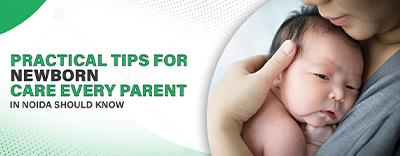
Learn essential newborn care tips to ensure your baby’s health and comfort. A complete guide for parents in Noida.
Our team of pediatric professionals is committed to offering expert care and guidance on sleep-related issues. If you’re looking for a pediatric doctor near me, our experienced specialists are ready to assist.

Subscribe to our
© Copyright 2026. All Rights Reserved by Felix Healthcare Private Limited
Design and development by :


 +(91)9667064100
 Emergency : +(91)9667064100