 Emergency:
  WhatsApp

Subscribe to our
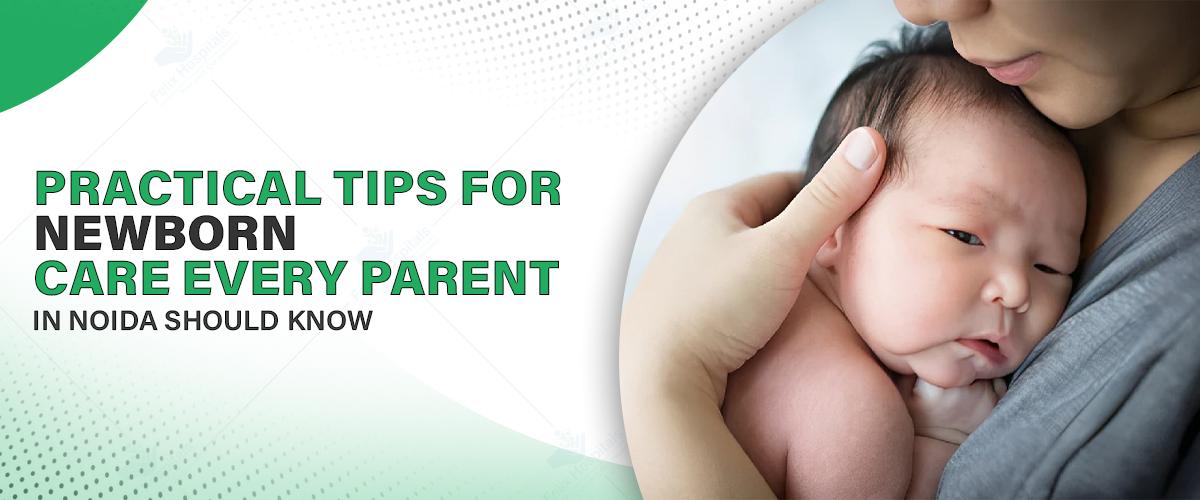
One of the most typical inquiries that first-time parents have is, "What exactly should I do after bringing my newborn home?" Are you familiar with the baby care tips? , Are you about to become parents? You should also know that there are diseases that can harm your kids at any time, even before they are born or while they are babies. If you want to know about these hazards, you need to know about Newborn Screenings and practical tips for newborn care in Noida and the Best Paediatric Hospital in Noida. Screening helps find problems with important organs and gives you ideas about what might be causing them so you can act quickly and tips help you in day to day life.
Ensure your newborn gets the best start in life—book a pediatric consultation Call +91 9667064100.
Breastfed newborns usually eat every two to three hours. Try to feed your baby 8 to 12 times a day. Make sure your infant latches on securely to reduce discomfort and make feeding easier. When you feed your baby formula, make sure to follow the directions carefully and always clean the bottles and nipples to keep them clean. Feeding your baby correctly helps them grow, makes their immune system stronger, and helps you and your baby form a deep link.
Changing nappies is something you have to do all the time when you have a baby. No matter what kind of nappies you use, you should change them every 2 to 3 hours or as soon as they get dirty. To make changes easier, keep diapering materials like wipes and diaper cream close by. To lower the chance of diaper rashes and skin infections, be sure to clean your baby's diaper area well and use a mild rash cream if needed.
Bathing your infant can be a nice way to bond, but you need to make sure they are safe and comfortable. Until the umbilical chord stump falls off, you should give your baby sponge baths. Use lukewarm water and baby soap that doesn't have any scents. Always hold your baby's head and neck when you bathe them. After the bath, use a soft towel to dry your kid off.
Safe sleep of the newborn is vital for lowering the incidence of Sudden Infant Death Syndrome (SIDS). Always put your baby on their back in a cot or bassinet with a firm mattress and a fitted sheet. Avoid co-sleeping and keep all loose bedding, toys and cushions out of the cot. Aim for a moderate room temperature and outfit your kid in lightweight clothing. A safe sleep environment promotes greater sleep for your kid and gives you peace of mind.
It's really important for your newborn's mental and emotional health to bond with them.
To get closer to your infant, spend time hugging, snuggling, and chatting to them.
Swaddling, gently rocking, or playing quiet white noise can help calm a baby who is upset.
These things not only calm your baby down, but they also help them feel safe and trust you, which are important for their emotional growth.
Clothe your child in soft, lightweight substances such as cotton.
Do not clothe them in tight or binding attire. Layering is good to do in order to get your baby dressed warm and comfortable and also convenient for temperature regulation. Clothe them in stockings and caps when it is chilly to heat them up. Dressing the baby in a manner that the baby is comfortable will heat the baby but will not overheat, thereby allowing the baby to sleep well and be cheerful.
You need to be very careful with newborns, and you should always support their head and neck. To keep your infant safe and comfortable, hold them close to your chest. Don't shake or handle them roughly. Try out other holds, such the cradle or football hold, to see which one works best for both of you. Taking care of your baby properly improves your bond with them and keeps them safe.
Newborns may not stick to a precise plan, but having a loose pattern for eating, sleeping, and playing can be good for both the infant and the parents. Watch your baby's natural cycles and attempt to make a bedtime routine that will help them relax, such a soft bath or lullaby. A schedule helps you keep track of what you need to do each day and offers your infant a feeling of structure, which is soothing as they get older.
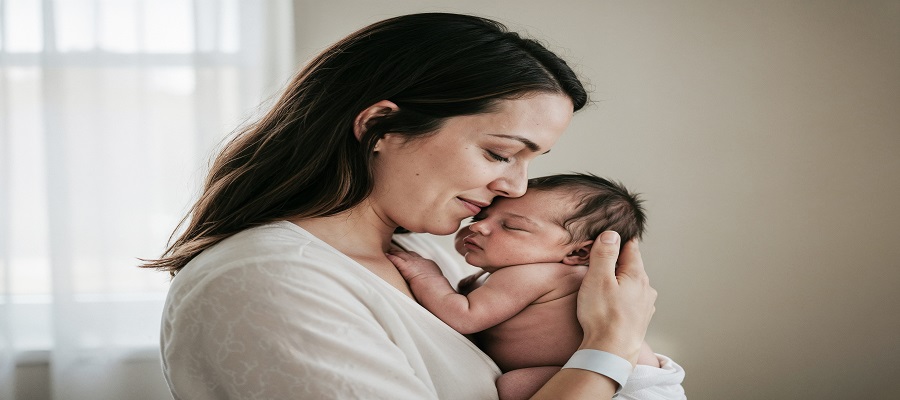
When your baby is around a day old, they will have a newborn screening.
The test will be done shortly after the baby is born and again when he or she is three months old. At both occasions, it will be easy to obtain a few drops of blood from their heels.
There are also other tests that need to be done within a few days of birth, like hearing tests. If you have any problems or questions, go to your doctor right away.
Parents should always get a second opinion if there is anything strange in the newborn screening report. Sometimes doctors make mistakes too. You could ask for an MRI scan to make sure that nothing critical was overlooked throughout the tests.
If you have a family history of any condition that is being screened for, ask your doctor if it would be safe and a good idea to test your baby as well.
Tests for many conditions are done on newborns. Some of these are:
Problems with the metabolism of organic acids
Adrenal hyperplasia at birth
Galactosemia
Hemoglobinopathies, include sickle cell disease, thalassaemia, and other haemoglobin abnormalities.
MSUD, or maple syrup urine disease
Phenylketonuria (PKU)
Hypothyroidism present at birth
Cystic fibrosis.
Newborn screening is crucial because it lets you find out about any sickness or condition that your baby may have inherited from either parent, even before symptoms show up. This lets you take the right actions and get treatment as soon as possible. You should also learn how to take care of a newborn.
There are a number of warning indicators that your baby may have a problem, and you should be aware of them. Some of the most prevalent symptoms of danger in newborns are:
Trouble breathing, breathing quickly
Less interest in eating
Not urinating for more than six to eight hours
More tiredness for more than six hours.
Even after wrapping them up well for 15 minutes, my hands and feet still feel cold.
Throwing up yellow and having a swollen stomach
Strange movements that could be seizures
The colour changes to a dark blue or grey.
Yellow palms and soles
If you see any one of the warning signs you know when to take or when to call a pediatrician for your newborn.
Take breaks wherever you can. While the baby sleeps, make efforts to nap even for a short while. Have plenty of fluids and eat well. Your body will be energized with a good diet, and in case you are breastfeeding, it will also enable you to lactate. Asking family and friends for help is fine if you need it.
From newborn screening to emergency care, Call +91 9667064100 for complete pediatric support.
Babysitting a baby may be difficult at times, but you will be more confident in your capacity if you know what you need to learn and are prepared. If you struggle, don't hesitate to ask your relatives, friends, and medical personnel for assistance. If you simply follow these tips, you'll be prepared to shower your baby with the love, care, and attention that they deserve. It will make parenthood an incredibly rewarding experience.
From newborn screening to emergency care, Call +91 9667064100 for complete pediatric support.
Q1. How can I tell if my baby's feeding schedule is normal?
Ans: Most of the time, newborns eat every 2 to 3 hours. If your baby doesn't eat as often, is hard to wake up for feeds, or seems unhappy after eating, talk to your paediatrician.
Q2. Is it possible for Felix Hospital in Noida to do full newborn screenings?
Ans: Yes. Felix Hospital does full newborn screenings, which include blood tests, hearing tests, and tests for metabolic disorders. This makes sure that your baby's health is checked from the very first day.
Q3. When should I take my baby to the doctor for the first time?
Ans: Most doctors say that the first visit should be 3 to 5 days after birth, and then there should be regular checkups to keep an eye on the baby's growth, feeding, and overall development.
Q4. What are some signs that I should take my baby to the hospital right away?
Ans: If your child has trouble breathing, won't eat, has a fever that won't go away, is unusually sleepy, has seizures, or has blue or grey skin, these are all signs that something is wrong. Get medical help right away.
Q5. What can I do to keep my baby from getting a nappy rash?
Ans: Change nappies often, keep the area dry, and use a mild diaper cream if you need to. If the rash doesn't go away or gets worse, see a paediatrician.
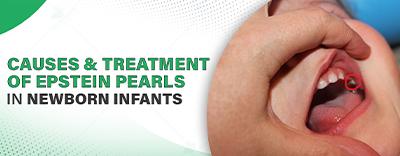
Epstein Pearls are small, white or yellowish cysts found on the gums or roof of the mouth in newborns. These harmless bumps form during fetal development and usually resolve on their own within a few weeks. No treatment is necessary unless symptoms persis
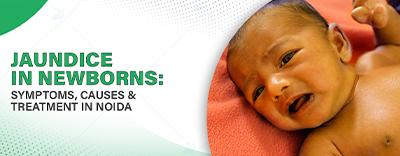
Jaundice in newborns is a common condition where a baby’s skin and eyes turn yellow due to high bilirubin levels. Learn symptoms, causes, and best treatment options in Noida.

Subscribe to our
© Copyright 2026. All Rights Reserved by Felix Healthcare Private Limited
Design and development by :


 +(91)9667064100
 Emergency : +(91)9667064100