 WhatsApp
 Emergency:
  WhatsApp





Subscribe to our
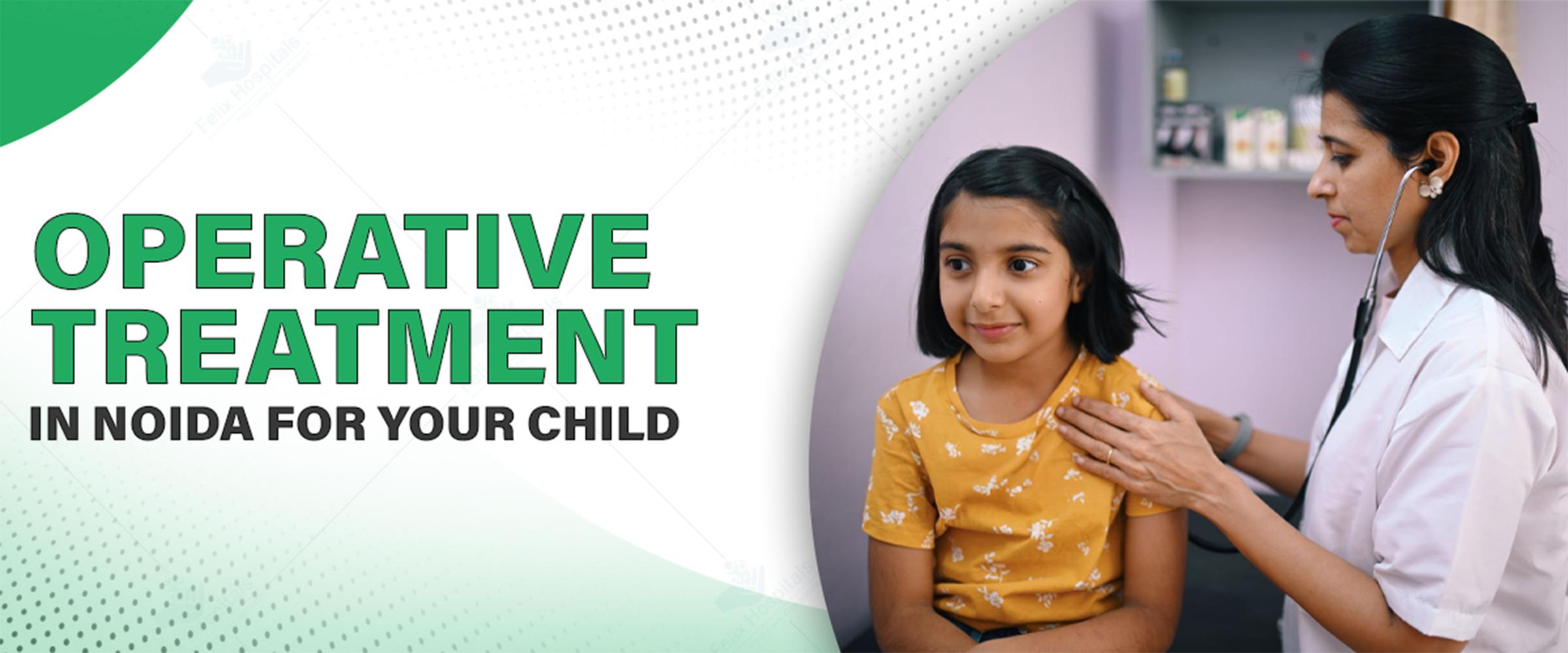
Childhood as a period is very sensitive where each step, movement, and growing up milestone matters. Parents are overjoyed to see their child first crawl, first walk, and run playfully. However, in certain cases, latent conditions may steadily impact natural growth without being realized. Childhood hip dysplasia is one such orthopedic condition where many parents might not realize until later when the symptoms start interfering with movement. Occurring when the hip joint fails to develop normally, the condition may bring instability, trouble walking, and, unless corrected, lifetime issues.
In recent years, there has been a marked awareness regarding hip dysplasia operative treatment in Noida, and parents in the cities, including Greater Noida, are today emphasizing early check-ups. Locally available sophisticated diagnostic methods and surgery mean children can get world-class facilities near home. For parents, it means early intervention, speedy recovery, and a healthy future for their precious children.
Do you suspect your child to have hip instability or walk issue? Consult a trained professional through a call on +91 9667064100.
Childhood hip dysplasia, or Developmental Dysplasia of the Hip (DDH), is a condition where the hip socket is shallower than normal or not the proper shape. As a result of this, the ball of the thigh bone (the femoral head) does not easily seat in the hip socket.
This defect makes the hip dislocated partially or, in advanced cases, a total dislocation. It might develop at birth (congenital) or in infancy. Even though it is prevalent in neonatal screenings, in some instances, hip dysplasia might escape detection until children who are toddlers walk with a characteristic gait.
If treated early, non-surgical procedures such as braces and harnesses are capable of correcting the issue. However, for moderate to advanced disease or in cases of delayed diagnosis, surgical management of childhood hip dysplasia must occur in an effort toward normal joint function.
Predictive Warnings Parents Should Know About:
Unequal leg lengths (shorter appearance of a leg)
Inner movement restricted in single leg compared to opposite leg
A sense of a pop or click in the hip joint
Waddling or limping gait in children under
Late accomplishments such as walking or standing
Asymmetrical folds on the thigh or buttock region
These are not developmental quirks—they are signs a child might need operative treatment for hip dysplasia. Parents need a medical evaluation promptly conducted if they observe these signs.
Although the direct cause of hip dysplasia does not always exist, a set of risk factors are involved:
Genetics - A genetic predisposition for hips raises your risk.
Breech birth - Babies born feet-first have higher probabilities of instability in the hips.
First-born offspring- Less space in the uterus increases risk of congenital joint dislocation.
Over-swaddling legs – Hinder normal hip movement.
Hormones – During pregnancy, some of the pregnancy hormones loosen the baby’s ligaments, which also make it more likely to happen.

Surgery is the preferable option when non-surgical treatments, such as braces or harnesses, fail, or when diagnosis is delayed.
Prior to surgery, a full assessment is arrived out which includes:
Physical assessment for joint stability.
Radiology tests are available, and severity may be assessed with x-rays, ultrasound or MRI.
Preform anesthesia for this child.
Parental counselling about the surgical plan, postoperative recovery and future prospects.
The hip joint is gently repositioned under anesthesia.
Usually after a spica cast is applied for 3–6 months.
Best suited for younger infants when non-surgical bracing has failed.
Performed when the closed reduction does not succeed.
The surgeon makes a small incision to remove impediments (such as tight ligaments or tissues) that are not letting the hip flex.
The joint is immobilized and stabilized in a cast.
Involves reshaping of pelvic or Femur bones for better hip alignment.
Common in older children where bone structure has developed abnormally.
For proper surgical corrections in extreme cases.
Guarantees future flexibility and minimizes the chance of grown-up arthritis.
Recovery in the OR According to the spica cast protocol, education for parents includes upmost required postoperative care for their kids:
Managing the care of a spica cast.
Physiotherapy Progressive exercises are used to help in restoring movement and power.
Routine follow-ups To determine the stability of the hip, creating ionizing imaging studies.
Nutritional support Adequate protein is required for bone healing with calcium and vitamin D.
In a few kids, normal movement is restored and they participate actively.
Childhood hip dysplasia can appear daunting to parents, but it is a correctable condition when treated early. Treatment is possible with early diagnosis and appropriate surgical option. Children recover completely and lead a normal, pain-free life with proper surgical treatment performed in a timely manner. Surgical treatment is still the standard for moderate to severe cases with long-term stability of the hip joint.
For parents, having easy access to sophisticated facilities and pediatric hip dysplasia surgeon in Noida makes treatment both safe and confidence-inspiring. Whether a child requires a closed reduction for a youngster or reconstructive surgery for an adolescent, the aim is always to preserve mobility, stability, and quality of existence.
Are you concerned with your son’s or daughter’s hip well-being? Get in touch with a pediatric hip dysplasia surgeon today by calling +91 9667064100 or clicking here.
Find the links below:
Check the links below:
Q1. At what age does surgery for hip dysplasia work best?
Ans: Surgery is generally most successful after 6 months if conservative methods are not working but early diagnosis always yields superior outcomes.
Q2. It my child have pain after the hip dysplasia surgery?
Ans: Anesthetics and analgesics are used, and children “adapt, just fine”. Most challenging is adjusting the casting.
Q3. How long will my grandchild be casted after the surgery?
Ans: 3-6months usually after surgical intervention or during the patient's recovery.
Q4. Will my kid walk funny after hip dysplpla surgery?
Ans: Yes. The standard of care is good surgery, rehabilitation and follow up. \ Most children are able to achieve normal gait with appropriate surgery, physiotherapy, follow-ups.
Q5. Is there a chance of it coming back after surgery?
Ans: Though rare, recurrence can occur. Periodic follow up is carried out to achieve this correction permanently.
Childhood stroke is a rare but serious medical emergency that can affect infants, children, and adolescents.

Recognizing the early warning signs of autism in children can help parents seek timely support and interventions for better development.
Tuberculosis (TB) is primarily known as a respiratory infection caused by Mycobacterium tuberculosis, but it can affect various body parts, including bones and joints.
Our team of pediatric professionals is committed to offering expert care and guidance on sleep-related issues. If you’re looking for a pediatric doctor near me, our experienced specialists are ready to assist.
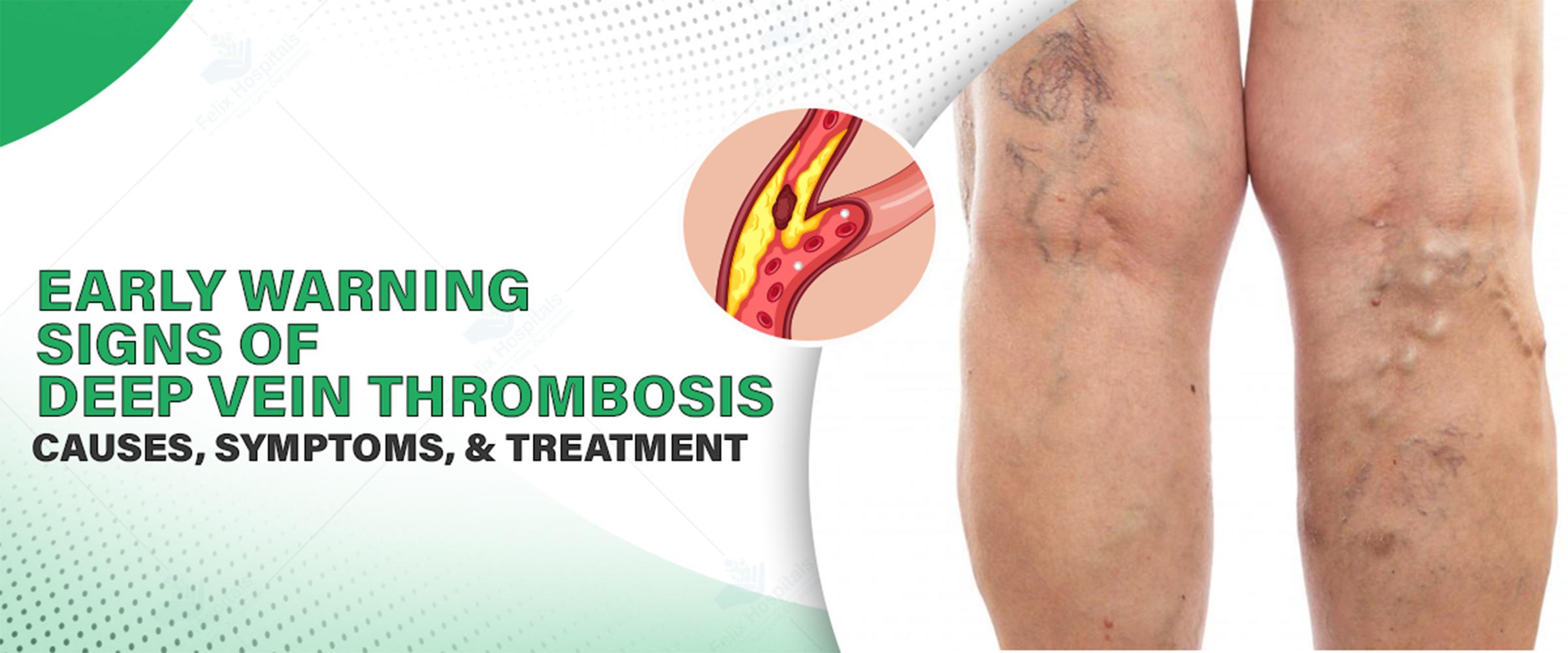
A minor pain or swelling may indicate a much larger problem. DVT is when a blood clot blocks a deep vein in the body. It usually happens in the lower leg or thigh. DVT can be life-threatening if not diagnosed. What makes it worse is the DVT symptoms that may not be obvious and may just come quietly as they form. Anyone can have DVT, but the risk is heightened in certain conditions like long travel, surgery, and other health problems. Well, the good news is that visiting the best Vascular Surgery Hospital in Greater Noida, knowing the signs to look for can make all the difference. In this, we will take you through some of the early signs and symptoms of DVT so you can take action and keep yourself safe.
Suspecting a blood clot? Don't wait - Call +91 9667064100 and consult an expert.
Blood coagulation helps to prevent bleeding. Still, once it happens in the deep structure of the vein without injury, it becomes dangerous, and this condition is known as deep vein thrombosis (DVT).
It usually affects the veins in the legs and can become serious if a part of the blood clotting on legs breaks off, travels through the bloodstream, and blocks a blood vessel.
Have you ever noticed one of your legs looking bigger than the other without a clear reason? Swelling in a single leg is often one of the initial signs of DVT but not all the time. It could also be caused by varicose veins. Hence, it is advisable to compare varicose veins vs DVT signs to know the exact cause and seek suitable medical care. With DVT, the swelling tends to come on quickly and affects only one leg. Your leg might appear visibly large, feel unusually heavy, or even tight. This occurs because there is a blood clot that’s starting to stop blood flow through the vein, which causes the fluid to build up within nearby tissues.
If you have a dull ache or cramping pain in your calf or thigh that simply does not get better, then that’s a major DVT symptoms signs. You should not ignore it. Pain or tenderness in the leg is often the first sign indicating something is wrong. It may start off mild, but it tends to get worse when you stand or walk. Muscle soreness usually goes away with exercise. But DVT pain usually sticks around and can even intensify. Listening to your body when something feels off is key.
At times, the body shows slight signs that a serious issue could be developing internally. If there’s an area on your leg that feels warm to the touch or you see a bit of redness, it may be a warning DVT signs. These two are typical deep venous thrombosis leg symptoms. Though they seem like mild signs, they should never be ignored. As it is your body’s way of raising a red flag, early help can make a big difference.
Ever take a closer look at your legs and see that the veins seem a bit more raised or twisted than usual? Enlarged and puffy veins in the leg can also be early stage DVT symptoms. They can be more visible when a person is standing or moving around. When a clot blocks the normal blood flow, it puts pressure on the veins. So the vein stretches and bulges. You may observe these changes, particularly around your knee or calf. Pay attention to changes that are new or otherwise unusual in your veins, as that can help detect a problem before it gets worse.
Much can be revealed through the skin regarding what is happening within the body. Sudden changes in colour, such as redness, paleness, or even bluish or purplish colour, especially noticeable on one leg, should be a serious blood clot in leg symptoms.Such conditions mean that the tissues are not receiving sufficient oxygen.
Skin discolouration often accompanies swelling and pain. Just trust your instincts. If your skin suddenly looks very different and something feels wrong, it is time to seek medical care without delay.

If you are concerned about DVT in your leg, you should get to your doctor as soon as you can. They will perform a few reliable ways of determining whether or not there is a clot. The typical includes the following.
Duplex Ultrasound: To take pictures of your veins and analyse blood flow.
D-Dimer Test: A blood test that tests for substances related to clotting
CT Venography: Creates 3d images to find blood clots in the lung arteries. Uses a special dye to clearly show the lung arteries.
MRI: Used for detailed imaging
Aside from these, your physicians may perform a physical examination, order a complete blood count, or other blood tests to get a complete picture of what is going on. Early diagnosis helps in preventing serious conditions.
The early stage DVT treatment focuses on three primary objectives.
Prevent the clot from getting bigger.
Stop the clot from dislodging and traveling to the lungs.
Reduce the chance of another DVT formation
The Deep Vein Thrombosis treatment in Greater Noida has come a long way. In the past, it has generally been treated with blood thinners such as heparin and warfarin. These medications prevented the clot from getting bigger but didn’t remove it. Patients often required close monitoring and faced long-term risks such as vein damage. Understanding the signs, symptoms of DVT and early treatment is crucial.
Nowadays, newer options like DOACs (such as rivaroxaban and apixaban) are more convenient to take and less dangerous. They are
A treatment where medication is injected into a clot through a catheter to break it down.
A method involving the use of special instruments to manually remove blood clots from veins.
It is employed in chronic DVT cases when a balloon is placed inside the affected vein and inflated to widen the narrow passage.
A stent is placed into the affected vein to keep it open. This allows normal blood flow.
These methods can remove the clot more rapidly and preserve the health of the veins. These methods improve recovery and reduce the risk of future complications.
Save your legs, save your life Early treatment for DVT is just a call away at +91 9667064100.
Timely recognition of symptoms of DVT in leg and its management is imperative to avoid fatal complications like pulmonary embolism. Early treatment reduces the chances of permanent harm and results in full recovery.
It helps you recover quicker and reduces complications known as pulmonary embolism. In the best Vascular Surgery Hospital in Greater Noida personalized care is provided for each patient’s unique condition and helps you get back to a healthier life quickly. Reach out to the Best Vascular Surgeon in Greater Noida, and they will help you regain control of your life.
Find the links below:
Check the links below:
Q1: How soon should I go to a doctor if I think I have DVT?
Ans: Immediately. A blood clot may travel to your lungs and become life-threatening. Vascular Emergency Care is provided 24X7 by Felix Hospital at Greater Noida.
Q2: Can lifestyle changes help reduce my risk for DVT?
Ans: Yes. Staying active and hydrated, as well as avoiding long immobility, can help lower the risk. Felix specialists also advise patients on individual policies for prevention.
Q3: Do women have any other DVT risks?
Ans: Yes, pregnancy, hormonal contraceptives, and post-menopause therapy can make DVT easier. At Felix Hospital, our vascular experts met with our gynecologists to ensure safe treatment.
Q4: How is DVT different from varicose veins?
Ans: While both affect veins, varicose veins typically occur superficially and are visible while DVT occurs deep in and can be dangerous. Felix doctors conduct diagnostic scans to confirm the difference.
Deep Vein Thrombosis (DVT) explained: causes, symptoms, and treatment strategies to safeguard your health.
Symptoms can include pain, itching, or a burning sensation, though the condition is generally not dangerous.
Symptoms can include pain, itching, or a burning sensation, though the condition is generally not dangerous.
Varicose veins are common during pregnancy due to hormonal and physical changes. Learn effective ways to manage them with safe treatments, lifestyle tips, and medical guidance.
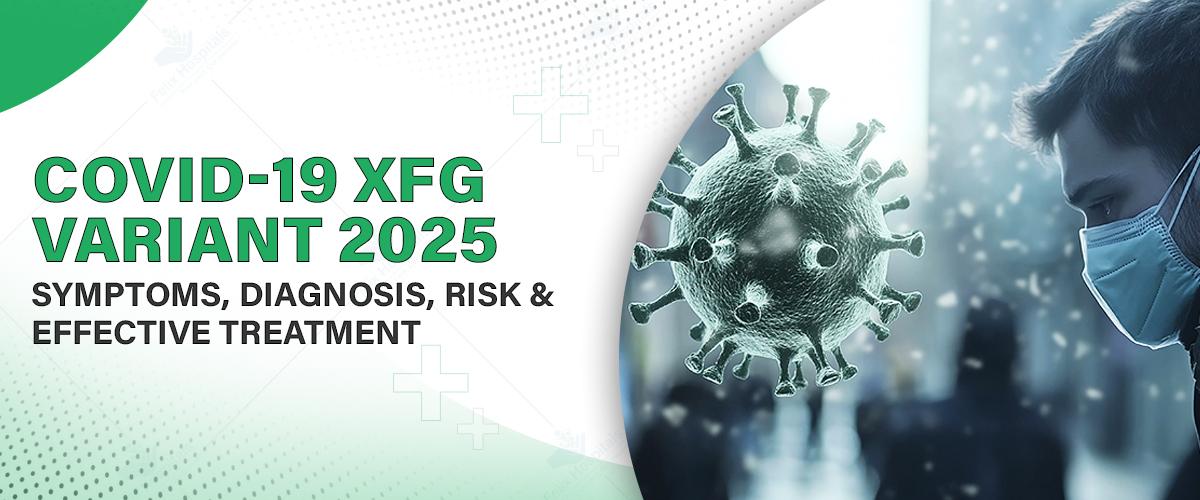
The outbreak of the COVID-19 XFG variant, referred to as Stratus, is another threat the world will have to tackle in 2025. The spread of this recombinant strain has been fast to several countries including India and many continue to question how it spreads, the symptoms, and the way to handle it.
The people in need of immediate attention can book an online doctor for XFG symptoms or visit Felix Hospital COVID-19 XFG treatment Noida ensures professional medical guidance. Best Pulmonologists in Noida can help you manage the symptoms and can provide appropriate treatment to manage it .
Stay protected—schedule your XFG vaccine booster shot by calling +91 9667064100. today.
The COVID-19 XFG variant is spreading with accelerated speed compared to most other previous forms of the virus. It is more easily transmitted and therefore more people can contract it within a certain period. Although an increase in the speed of diffusion is not, necessarily, an increase in the severity of the disease, the vast quantity of cases can overload health-care facilities. The elderly, patients with a weakened immune system, as well as those with chronic health issues are more susceptible, and they need to exercise additional caution.
Recognising the symptoms of XFG remains crucial for early detection and treatment. Like earlier COVID-19 variants, XFG symptoms include:
Mild to moderate fever
Sore or scratchy throat
Runny or blocked nose
Persistent cough
Back pain, tiredness, headaches.
Others might experience shortness of breath, chest pain and slight loss of taste or smell. Most of the cases heal at home, but when the symptoms deteriorate, you seek immediate medical attention particularly when you belong to a high-risk group.
The severity and risk factors associated with XFG show that while the variant is not necessarily more dangerous, its contagiousness can lead to a rapid increase in cases. Key risk groups include:
Adults over 60 years old
Having heart or lung diseases or diabetes.
Persons who have weakened immune systems.
Persons who are overweight or obese.
They should remain vigilant and to ask their doctors the medical consultation as soon as they experience XFG symptoms.
One concerning aspect is the reinfection possibilities posed by the XFG variant. The variant is also capable of avoiding immunity, so previously infected people or immunized people may still become infected but reinfections tend to be milder. This is what illustrates the necessity of booster shots in order to maintain a robust immunity.
Vaccination forms part of the war of XFG. Booster shots give greater protection and reduce the risk of serious infection, hospitalization, or mortality rates. The risks to vaccinated people are significantly reduced, in particular, when high-risk groups maintain their vaccinations current.
To avoid XFG infection, it is important to take some practical measures:
Keep abreast of immunizations and re-immunization.
Wear masks, particularly when in stuffy places.
Also exercise good hand hygiene through soap or hand sanitizer.
Physical distancing: Do this as much as possible.
Balance your diet, keep yourself hydrated and fully rested to support your immune system.
If infected, managing symptoms and isolation are key to recovery and preventing further spread. Patients should:
Isolate early to save other lives.
Take in lots of fluids and drink.
Take nonprescription drugs to treat aids and fever.
Watch out on dangerous symptoms such as breathlessness or chest aches.
Consult a doctor immediately when the symptoms become more severe.
Children are able to contract XFG but most of them have moderate symptoms that resemble a common cold or flu. Those in charge of the children and parents should monitor the symptoms, maintain hand hygiene, and consult medical attention when a child is not breathing, and had a high temperature.
The recovery stage takes most people 5 to 7 days. Single isolated cases of mild fatigue, cough, or altered taste can be prolonged. Patients having chronic conditions might require a more extended recovery. Rest, nutrition and hydration are beneficial in accelerating healing.
Some may suffer from long-term effects of XFG, also known as long COVID. These are sleepiness, brain fog and difficulty breathing. They can be treated by constant observation and medical follow up as the body recovers.
With the ongoing spread of XFG, travelling during XFG spread should be approached cautiously. Wear masks when in airports and overcrowded transport, maintain hand hygiene and do not travel when having symptoms, which will limit the chances of spreading or contracting the virus.
Experiencing XFG symptoms? Book online doctor consultation now at +91 9667064100. for expert guidance.
The XFG variant of the COVID-19 provides a new stage of pandemic, where the spread is quicker but usually mild in those who are vaccinated. Staying vigilant by consulting a book online doctor for XFG symptoms or reaching out to Felix Hospital COVID-19 XFG treatment Noida ensures timely intervention. The pillars of the control of this developing threat are vaccination, preventive hygiene, responsible isolation, and awareness.
Q1: What is the contagiousness of the XFG variant compared to the previous variants of COVID-19?
Ans: XFG is more rapidly spreading than most of the previous variants, and the severity in vaccinated individuals is the same or lesser.
Q2: Will previous cases of COVID-19 infection help guard me against XFG?
Ans: Some immunity can be provided by previous infection however XFG can circumvent it making reinfection possible.
Q3: What do I do when I manifest XFG symptoms?
Ans: Isolate right now, keep track, sleep, keep hydrated and see a doctor preferably via tele-medicine.
Q4: Does the XFG variant have high risk children?
Ans: The symptoms of most children are mild but breathing problems should be observed closely.
Q5: What are the effectiveness of existing vaccines against XFG?
Ans: With updated boosters, vaccines continue to protect against severe coronavirus, hospitalization, and death due to XFG.

Felix Hospital in Noida is well known for its general practitioners who offer holistic treatment for different health issues, like the common cold and coughs.

These viruses spread primarily through respiratory droplets released into the air when an infected person sneezes or coughs.
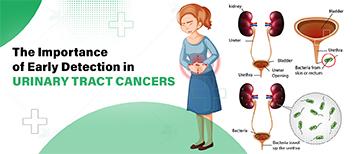
For those experiencing such symptoms, seeking care from the best hospital for pulmonology treatment in Noida ensures you receive timely and expert diagnosis and treatment.
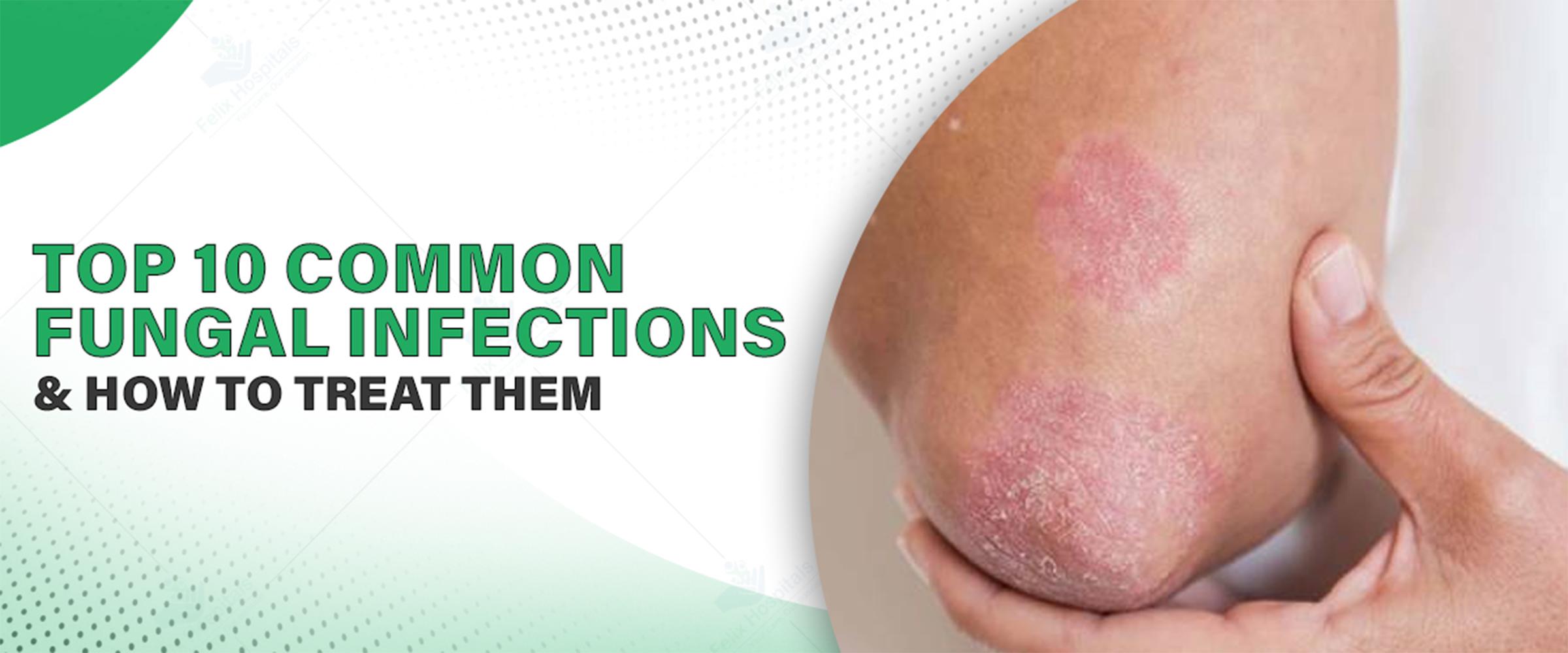
Fungal infections are among the most common ailments in India and globally. Most are initially a minor nuisance, yet if allowed to progress unchecked, they could spread readily and become uncomfortable and at times severe. From infected nails and skin rashes to more serious systemic infections that travel to the lungs and internal organ systems, fungi can attack in a vast array.
The best part is that the majority of fungal infections are treatable and preventable with proper and adequate medical attention. Recognition of the initial signs and proper determination of when to visit a skin expert in Greater Noida makes a world of difference in recovering fast and eluding long-term issues.
If you feel continuous itching, odd patches on the body, or colour changes on nails, never ignore them. Consult with the doctor by calling today at +91 9667064100.
Ringworm is a very common fungal disease. It manifests on human skin in red, circular patches with severe itching. Albeit the nomenclature, no worm is present—it is just a fungus. It is transmitted by contact between people or infected items such as a towel.
This condition primarily impacts individuals who use closed shoes for a couple of hours. It leads to itching, burning, cracked skin, and peeling between the feet. It thrives in warm and humid settings.
Fungal disease that involves the groin, upper inner thigh, and buttocks. It's a reddish-brown, itching patch that gets worse with moisture and rubbing.
The nails become hardened, brittle, and yellowish or brown. Nail fungus is both a cosmetic and a symptomatic condition that may produce pain and trouble walking or finger use if neglected.
Induced by the fungus Candida, oral thrush appears as creamy white patches in the mouth, on the tongue, or in the throat. Oral thrush is common in children, aged individuals, and those with weak resistance.
The condition most often affects females but may also affect males. The condition leads to itching, burning, and strange discharge in females and redness and irritation in males.
There is a condition that affects the scalp and roots of hairs and causes bald patches that are scaly. It is most common in children and spreads by sharing combs, headgear, or pillows.
Once in a while, the fungal spores can infect the sinuses and form chronic congestion, facial headaches, and recurring sinus infections. The individuals with weak immunity are at a greater risk.
The fungal disease enters the human body through small wounds or cuts and produces painful lumps or sores. Planters and cultivators are usually faced with the disease, as it originated from plants and soils.
The most serious form, systemic infections, spreads from the skin to essential organs such as the lungs, liver, or brain. They nearly exclusively occur in individuals having very little resistance, i.e., cancer or transplant patients, or individuals with poorly managed diabetes.
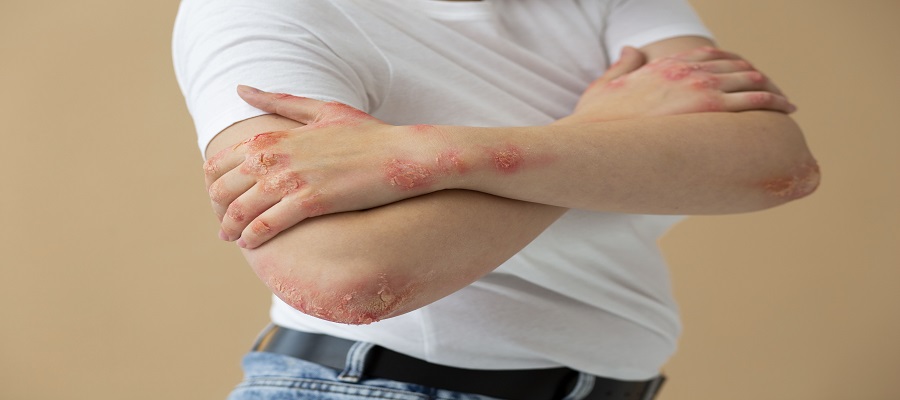
Fungal infections do not happen without a cause. Some possible causes and risk factors are:
Hot and humid weather.
Unhygienic habits and exchanging personal items.
Weak immune system due to disease or drugs.
Long-term steroid or antibiotic use.
Uncontrolled blood sugar in diabetic individuals.
Dressing in tighter, non-breathing clothes or shoes.
Fungal infections have different signs for different kinds, yet some signs that are common include:
Red, itchy, scaly patches on the body.
Fissured or cracked skin.
Thickened or darkened nails.
White spots within the mouth or throat.
Abnormal discharge or inflammation in genital infections.
Fever and lassitude in the systemic mycoses.
Fungal infections could seem innocuous initially, but neglecting them might lead to:
Spread of the disease to other body parts.
Lasting nail harm.
Chronic inflammation and pain.
Slow healing and scarring.
Serious body infection that affects the bloodstream or body organs.
Correct diagnosis leads to appropriate therapy. Doctors may prescribe:
Scrape skin and do a microscopic test for verification of fungal growth.
Fungus culture tests to find out the precise type of fungus.
Biopsy in unusual and problematic instances.
Blood tests or radiology in the case of suspected systemic infection.
1. Topical Agents
Mild infections of the skin can be managed using antifungal powders, ointments and creams.
2. Oral Medicines
Oral antifungals for severe to moderate infections including nail fungus, and systemic infections.
3. Intravenous (IV) Ant
Essential in severe systemic mycoses.
4. Lifestyle Support
Hygiene and not sharing personal items, along with keeping the damaged body surface clean and dry.
Getting treated at a reputable hospital for fungal infection in Noida allows being exposed to the modern treatment and on-the-spot attention.
Maintaining the fungal infections at bay is simple with some healthy habits:
Bathe regularly and be clean.
Dress in cotton cloth and light shoes.
Don't exchange towels, socks, and shaving equipment.
Dry yourselves off if you swim or are perspiring.
Live with diabetes and monitor regularly.
Take a balanced diet for improving immunity.
Noida and Greater Noida are healthcare hospitals with high-end medical infrastructure and the latest dermatological treatments. This is why individuals are inclined towards these locations:
Availability of skilled skin specialists in Greater Noida.
High-end diagnostic equipment for improved detection of infections.
Affordable therapy in contrast to big metro cities.
Availability of the best doctor for fungal infections in Noida for expert care.
Easy follow-up appointments and ongoing management assistance.
Get a dermatologist consultation at the soonest possible time for proper and effective treatment prior to the development of complications.
Fungal infections are more commonly encountered than one would think, and while most are simple irritants, they tend to become severe if neglected. From ringworm to systemic infections, each one must be diagnosed correctly, and an appropriate line of therapy administered at the proper time. Protective measures such as correct hygiene, use of light clothing, and avoidance of self-medication significantly help in reducing risks.
With proper dermatological attention and access to modern treatment centres, such as a hospital in Greater Noida, a cure for fungal infections is quite possible. The point is awareness, early consultation, and strict follow-ups. Early action not only leads to a fast cure, but recurrence also gets avoided.
If you feel continuous itching, odd patches on the body, or colour changes on nails, never ignore them. Consult with the doctor by calling today at +91 9667064100.
Find the links below:
Check the links below:
Q1. Most common fungal infection in the world?
Ans: Ringworm and athlete's foot are two most globally prevalent fungal infections.
Q2. Can fungal infections be transmitted from person to person?
Ans: Yes, most fungal infections are contagious and spread by direct contact or by objects.
Q3. Antifungal therapy normally takes for how long?
Ans: Treatment can range from 2 weeks for the mildest cases to a few months for nail or body infections.
Q4. Does diabetes make individuals more prone to fungal infections?
Ans: Yes, high blood sugar damages the immune system and predisposes diabetes patients to fungal infections.
Q5. Does reinfection with fungi arise from therapy?
Ans: In fact, unless preventative action was taken, fungal infections could recur.
Ear fungal infections (Otomycosis) cause itching, pain, and discharge in the ear. Learn about types, causes, and best treatment options in Noida from expert ENT doctors.
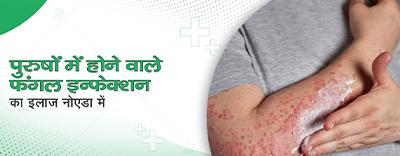
पुरुषों में फंगल इन्फेक्शन आम हैं, लेकिन सही जानकारी और समय पर इलाज से इसे आसानी से नियंत्रित किया जा सकता है।
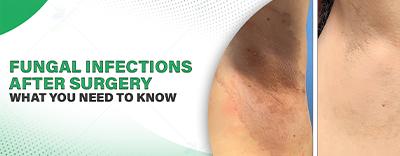
Fungal infections after surgery can affect recovery if not treated on time. Learn about symptoms, causes, prevention, and treatment options for safe healing.
Primary immunodeficiency disorders also called primary immune disorders or primary immunodeficiency weaken the immune system, allowing infections and other health problems to occur more easily. Many people with primary immunodeficiency are born missing some of the body's immune defenses or with the immune system not working properly, which leaves them more susceptible to germs that can cause infections.
An Immunology Specialist Doctor in Greater Noida can detect all forms of primary immunodeficiency disorders giving proper treatment and care customized to specific needs of the patient. Treatments can boost the immune system in many types of primary immunodeficiency disorders. Research is ongoing, leading to improved treatments and enhanced quality of life for people with the condition.
Give the strength for your child to fight infections - connect with the best Pediatric Immunologists call +91 9667064100.
One of the most common signs of primary immunodeficiency is having infections that are more frequent, longer lasting or harder to treat than are the infections of someone with a typical immune system. You may also get infections that a person with a healthy immune system likely wouldn't get (opportunistic infections). Signs and symptoms differ depending on the type of primary immunodeficiency disorder, and they vary from person to person. Best Pediatric Hospital for Immunodeficiency in Greater Noida can help you to identify the disorder based on the symptoms.
Signs and symptoms of primary immunodeficiency can include:
Frequent and recurrent pneumonia, bronchitis, sinus infections, ear infections, meningitis or skin infections
Inflammation and infection of internal organs
Blood disorders, such as low platelet count or anemia
Digestive problems, such as cramping, loss of appetite, nausea and diarrhea
Delayed growth and development
Autoimmune disorders, such as lupus, rheumatoid arthritis or type 1 diabetes
Frequent and Severe Infections:
More than 4 new ear infections within 1 year
More than 2 new sinus infections within 1 year
More than 2 months on antibiotics with little effect
Recurrent, deep abscesses of the skin or internal organs
Persistent thrush in mouth or fungal infection on skin
Need for intravenous antibiotics to clear infections
More than 2 deep-seated infections including septicemia
Recurrent pneumonia or bronchitis (more than 1/year)
Chronic diarrhea with weight loss
Poor growth or loss of weight on growth chart
Abscesses of the liver or lungs.
Sibling who died early in life (early infant death)
History of a male relative with blood disorder, early heart disease, or unexplained death at an early age.
Normal infections, such as colds, are common in the number of infections a child has capability to ward off, common in the duration of infections (up to 5 days for a cold), and common in how infections progress and resolve.
Unusual infections include very serious illnesses or infections (like pneumocystis carinii or chronic giardiasis) that are recurrent, severe, or unusual and not getting better even with therapy.
Not improving after multiple courses of antibiotics
New need for antibiotics by vein to control an infection
Recurrent infections after being off treatment for a short time
Well-appearing child not gaining weight, not meeting normal ultimate height, or not growing as expected.
Infections, Autoimmunity, and Inflammation
Family member with similar issues requires evaluation and, if enough warning signs exist, genetic evaluation. Family history of primary immunodeficiency is a major risk factor.

Many primary immunodeficiency disorders are inherited — passed down from one or both parents. Problems in the genetic code that acts as a blueprint for producing the cells of the body (DNA) cause many of these immune system defects.
There are more than 300 types of primary immunodeficiency disorders, and researchers continue to identify more. They can be broadly classified into six groups based on the part of the immune system that's affected:
B cell (antibody) deficiencies
T cell deficiencies
Combination B and T cell deficiencies
Defective phagocytes
Complement deficiencies
Unknown (idiopathic)
The only known risk factor is having a family history of a primary immune deficiency disorder, which increases your risk of having the condition.
If you have a type of primary immune deficiency disorder, you might want to seek genetic counseling if you plan to have a family.
Complications caused by a primary immunodeficiency disorder vary depending on what type you have. They can include:
Recurrent infections
Autoimmune disorders
Damage to the heart, lungs, nervous system or digestive tract
Slowed growth
Increased risk of cancer
Death from serious infection
Because primary immune disorders are caused by genetic changes, there's no way to prevent them. But when you or your child has a weakened immune system, you can take steps to prevent infections:
Practice good hygiene: Wash your hands with mild soap after using the toilet and before eating.
Take care of your teeth: Brush your teeth at least twice a day.
Eat right: A healthy, balanced diet can help prevent infections.
Be physically active: Staying fit is important to your overall health. Ask your doctor what activities are appropriate for you.
Get enough sleep: Try to go to sleep and get up at the same time daily, and get the same number of hours of sleep every night.
Manage stress: Some studies suggest that stress can hamper your immune system. Keep stress in check with massage, meditation, yoga, biofeedback or hobbies. Find what works for you.
Avoid exposure: Stay away from people with colds or other infections and avoid crowds.
Ask your doctor about vaccinations: Find out which ones you should have.
Don't ignore low immunity warning signs. For Trusted Pediatric Care Center Call +91 9667064100
Primary immunodeficiency disorders may appear to be rare, but they can have aنامج impact on a child's health if not detected on time. With the right intervention at the 'right' time, and support from a team of paediatricians, children will be able to lead more healthy and fulfilling lives. Felix Hospital, one of the best Pediatric Care Hospitals in Greater Noida, offers specialized evaluation, treatment, and support for children with immunity-related issues. Our team is led by expert Pediatric Immunologists in Greater Noida, ensuring that each child gets advanced medical care in a compassionate environment - providing the family with the confidence and reassurance it needs.
Find the links below:
Check the links below:
Q1: What age group is most likely to have primary immmunity deficiency disorders?
Ans: Primary immunodeficiencies can manifest themselves at any age, however there are some warning signs during early childhood. Felix Hospital's pediatric specialists can detect them at the earliest stage.
Q2: Does Felix Hospital have testing for suspected immunodeficiency disorders?
Ans: Yes. We offer advanced genetic and molecular testing for the confirmation of diagnoses and treatment of children with recurring or unusual infections.
Q3: Is primary immunodeficiency curable?
Ans: While unfortunately most forms cannot be completely cured, the Felix Hospital provides treatments that boost immunity, prevent complications and especially improve quality of life.
Q4: What are Felix Hospital Primary Immunodeficiency treatment options?
Ans: Depending on the type, treatment may include immunoglobulin treatment, antibiotics, antifungals, nutritional support, or even stem cell transplant, in some cases.

Knock knees, medically known as genu valgum, is a common condition in young children where the knees angle inward and touch one another when the legs are straightened.

Early Signs of Gigantism in Children: What Parents Should Know

During sleep, the body releases growth hormones, which are essential for a child's growth and development. Adequate sleep is vital for muscle development, tissue growth, and the overall physical health of a child.
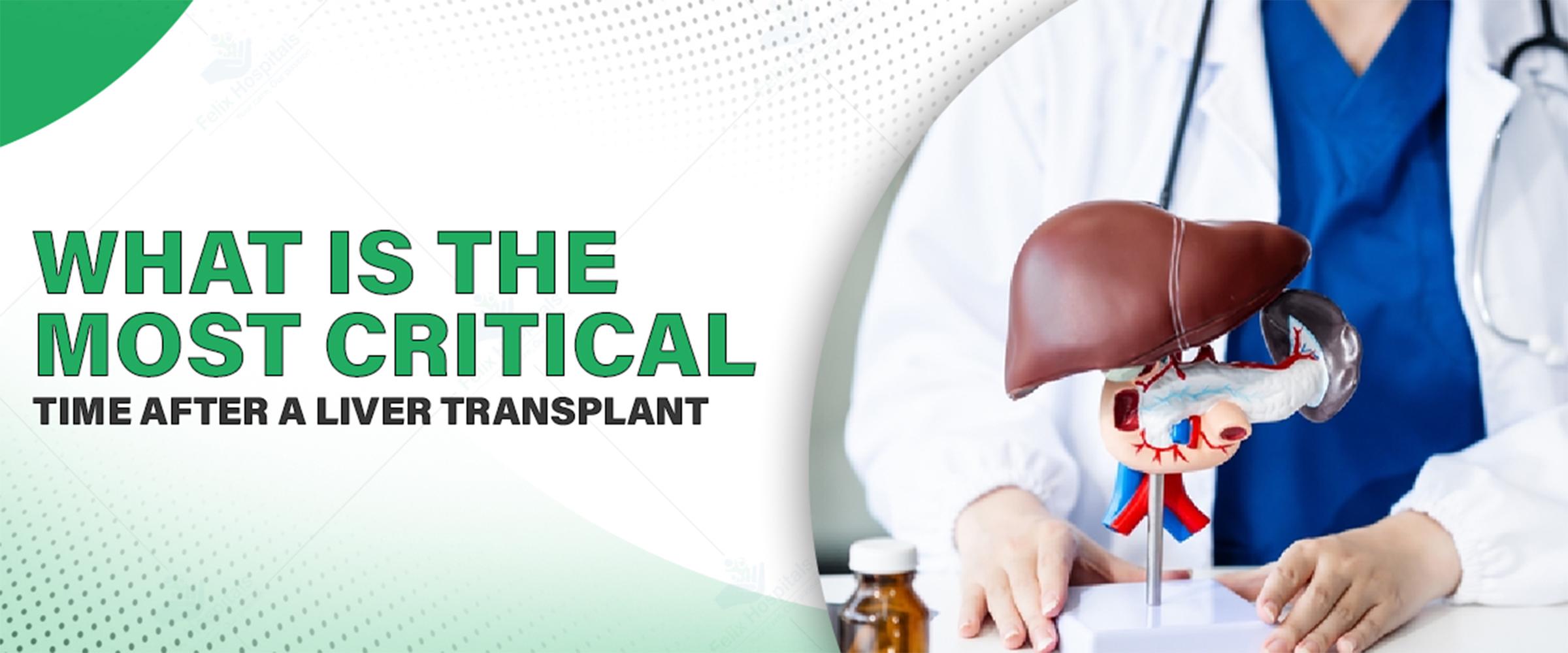
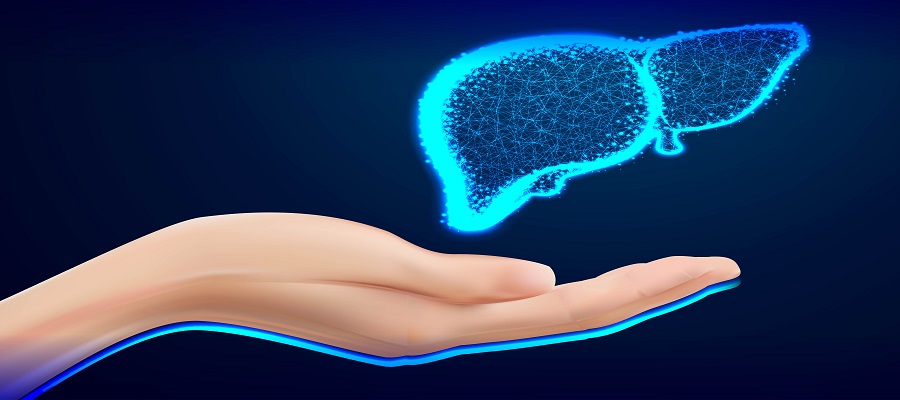
Liver transplantation is a life-altering surgery that gives people a second chance at life. But like any big surgery, the recovery process is full of hard times and has to be done sensitively .Patients often ask, "What is the most critical time after liver transplant surgery?" In this blog, we'll talk about the time frames after a liver transplant, possible problems and important care strategies that Liver Transplant Hospital In Greater Noida provides helping patients and their families get through this hard time.
Book your consultation now and get personalized guidance for a healthier recovery journey.
The immediate postoperative period is the first 72 hours to weeks after the surgery to transplant the liver. This stage is the most critical time after liver transplant because it's when the body starts to accept the new organ and alongside starts to heal from the surgery.
Patients are usually moved to the ICU after surgery so that they can be closely watched. During this important time, patients may have changes in their blood pressure, heart rate, and other vital signs. Part of the reason for these changes is how the body reacts to surgery and anaesthesia. In the ICU, Liver Specialist and nurses keep an eye on these vital signs, liver function, and overall stability. The length of a patient's stay in the ICU is the most liver transplant critical period depending on their condition, but it usually lasts a few days so that Liver Specialist in Greater Noida can keep a close eye on them and act quickly if they need to.
It's important to control pain well because severe pain can cause stress responses that can affect blood flow and organ function. In the starting , the patient is given strong painkillers, and the dose is changed as they get better.
After surgery, many patients remain on a ventilator for a day or two. Early extubation, which involves removing the breathing tube, indicated that the patient was stable enough to breathe independently. But this decision is not taken lightly, lest it subject the patient’s lungs and fresh new liver to an excessive amount of stress.
Patients are given medication to prevent rejection immediately following the surgery. These medications are very critical and you need to take them exactly as directed. Adaptations may be necessary however, depending on and how the patient responds.
There can be some blood loss with a liver transplant due to the nature of the surgery. Patients may receive fluids and, occasionally, blood transfusions. The team meticulously manages fluids to keep blood pressure stable without overburdening the body.
In addition to pain and blood loss, several other complications can occur during this period:
Blood Clots (Thrombosis): Blood clots in the blood vessels of the liver can block blood flow and cause harm to the organ.
Primary Non-Function (PNF): In rare cases, the transplanted liver doesn't work right away. This can happen for a number of reasons, such as bad organ quality, problems during surgery, or severe rejection.
Infections: The surgery can make you more likely to get infections.
Once a patient is stable in the ICU, they are usually moved to a specialised transplant ward. This stage, which usually lasts from days 3 to 7, is still fragile but marks the shift from intensive care to a place where the patient is more involved in their recovery.
Here is a list of the most important things that will happen during this first period.
Daily blood tests are very important for keeping an eye on how well the new liver is working. These tests check the levels of bilirubin, liver enzymes, and clotting factors. All of these things can tell you how well the liver is working and whether the body is accepting the transplant.
Moving around early is good for your health and lowers your risk of blood clots. Short walks in the hospital hallway and deep breathing exercises are two simple things you can do to avoid problems like pneumonia.
At this point, nurses and transplant coordinators start to teach patients and their families about the medicines they will need to take at home. This includes how important it is to stick to immunosuppressants, know the signs of infection, and deal with side effects.
It's not just your body that needs to heal after a liver transplant; your mind does too. Patients may feel nervous or like they can't handle it. There are hospital psychologists, and counselors who can help people deal with these feelings and make sure that their mental health is as good as their physical health.
If everything goes well, the transplant team will start making plans for the patient's discharge by the end of the first week. This includes making follow-up appointments, teaching people how to take care of themselves, and finding help at home.
The first three months after the transplant are the most important. During this time, the main goal is to make sure the transplanted liver works properly and to look for any problems that might come up.
The immune system is set up to attack anything it sees as "foreign." and post liver transplant complications will be there. The body may still start to fight against the new liver even when taking immunosuppressive drugs (drugs that lower the immune response). This is most common during the first three months. Fever, jaundice, and belly pain are some symptoms. The drugs themselves that suppress the immune system to keep the body from rejecting an organ can also make people susceptible to infections.
Bacterial, viral
Fungal infections
Lung Infections, Such as Pneumonia
Infections of the urinary tract
Infections in wounds
Liver Transplant Hospitals In Greater Noida treat people with antibiotics and antifungal medication just in case, to reduce that potential risk. Patients must also follow strict hygiene rules, avoid crowded places and eat only food that is cooked well to reduce their risk of illness.
It is critically important to pursue immunosuppressive treatment. Patients need to take their medicines as prescribed to avoid rejection and other issues. Regular check-ins with the transplant team make it possible to alter the amounts of medications and monitor side effects. Even with strong medications, there is always a chance that the body will start attacking the new liver. On the other hand, infections can take hold in a person with a very weak immune system, even if they are only mild at first.
People can have chronic rejection months or even years after the transplant. It causes the liver to slowly stop working. To treat this condition well, you need to keep an eye on it and find it early.
People who have had a transplant are more likely to get heart disease because of things like high blood pressure, diabetes, and weight gain that can happen with immunosuppressive therapy. It's very important to live a heart-healthy life.
Long-term immunosuppression can raise the risk of some cancers, such as lymphomas and skin cancer.
Choose one of the best liver transplant surgeons in Noida: What to expect during a regular visit to your liver transplant surgeon in Noida:
Assess how well the liver is functioning.
Change medications as needed.
Offers advice on diet, exercise and how to live, generally.
Liver transplant survival time, for a person is over 90% surviving the first year, around 70-80% living for at least five years, and many living for 10, 20, or even 40+ years depending on factors like age, overall health, and strict adherence to post-transplant care and medications. Survival rates have improved significantly due to advancements in surgical techniques, immunosuppressant medications, and post-transplant care.
Don’t risk complications. See a Liver Specialist in Greater Noida after the transplant.
You’re lucky to get a second chance at life with a new liver, but you have to take care of that. Your long-term success will hinge on seeking help from your Liver Specialist in Greater Noida, taking your medications as instructed, and adopting healthier habits.
If you or a loved one is considering or has undergone a liver transplant and you would like help understanding how best to restore your health, don’t be shy about seeking out an expert to assist you.
Find the links below:
Check the links below:
Q1: Is it possible to reject, despite the use of medications?
Ans: Yes, it may get rejected, at least during the initial 3 months. The risk is low when there is the use of immunosuppressants, but constant monitoring is essential.
Q2: What is the average stay of a patient of ICU following a liver transplant?
Ans: The average patient has a stay at the ICU of 248 days, which is determined by stability and progress.
Q3: What is the prevention of infection after liver transplant?
Ans: Good hygiene, prophylaxis antibiotics, antifungal drugs and avoiding overcrowded areas decrease chances of infection.
Q4: What is the post-liver transplant lifestyle modification?
Ans: The patients are recommended to consume good food, exercise, avoid alcohol, smoking, maintain weight, and live a heart-friendly lifestyle.

Discover 11 expert tips to prepare for labour and delivery.
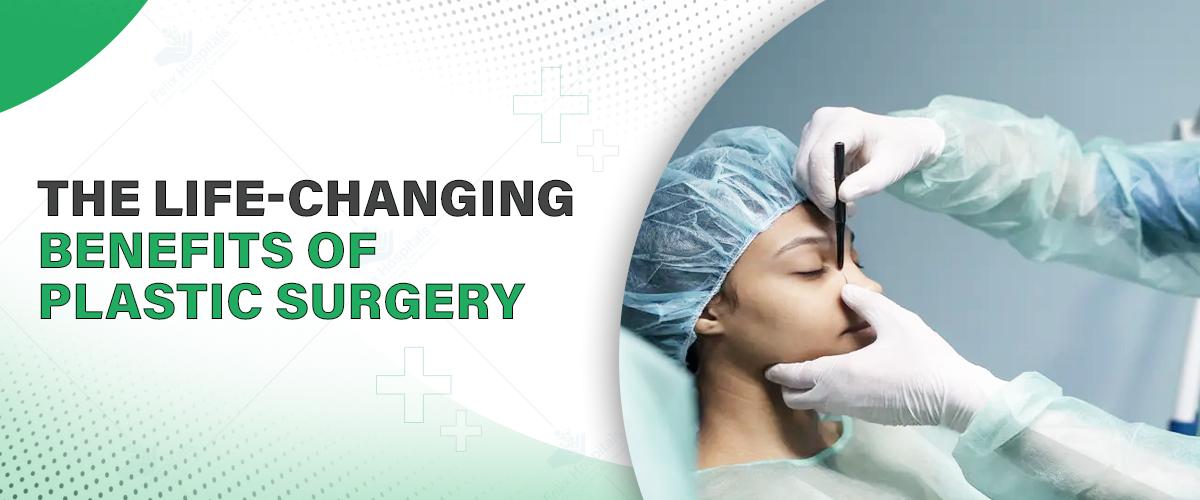
Plastic surgery has long since shed its reputation as merely an cosmetic corrective and emerged as an important field of modern medicine in its own right; one that is dedicated to restoring not only form, but function. Whether it’s fixing birth defects, treating an injury, modifying facial features or body shape, plastic and cosmetic surgeries truly achieve amazing results.
Whether you are in need of reinforcing a sense of normalcy after a traumatic event or looking to rev up your confidence through optional plastic surgery, expert care is a must. Selecting the Best plastic surgery hospital in Greater Noida will guarantee you a safe, efficient and best choice of treatment. As a patient, you'll have access to some of the Top cosmetic surgeons in Greater Noida, who deliver not only an aesthetically pleasing appearance but How plastic surgery improves quality of life.
Are you thinking about getting plastic or cosmetic surgery? Call +91 9667064100 to talk to the best surgeons in Greater Noida today.
You should know why plastic surgery is good as it repairs injuries and deformities from trauma and restores a natural-looking appearance. You may need this type of surgery if you have:
Congenital disabilities
Burns
Medical conditions like head, neck, or breast cancer
Scars that prevent natural movement
Severe injuries from cuts or tears over the skin
Plastic surgery advantages are mainly bringing you closer to your ideal body image. This surgery changes features like:
Shape
Size
Symmetry (creating a mirror image between two similar body parts, such as breasts)
Plastic surgery aims to enhance the appearance of or treat areas of the body that are not functioning correctly. For instance, a person may wish to undergo plastic surgery to help treat severe burns, reconstruct the breast after a mastectomy, or congenital disabilities.
On the other hand, cosmetic surgery is elective. In this procedure, a person chooses to undergo the procedure rather than do so at the recommendation of a healthcare professional. However, plastic and reconstructive surgery procedures come with risks.
The likelihood of complications depends on various factors. They include surgery type, health history and lifestyle factors such as smoking. Some complications may occur during Surgery, while others can develop after recovery. One of the main risks is that you might need to achieve the result that you were expecting.
Other potential risks of plastic surgery include:
Abnormal scarring.
Blood loss.
Complications of anaesthesia, such as respiratory issues during your procedure.
Fluid build-up (oedema).
Infection.
Nerve damage leads to neuropathy.
Scarring that prevents natural movement.
Slow-healing wounds and incisions that take longer than expected to heal.
Now that you know about the risks you will be taking by opting for plastic surgery, read the benefits you will also enjoy.
The benefits of plastic surgery are tremendous and not known to many people. Plastic surgery's benefits are aesthetic and include increased confidence, reduced weight, etc.
Some of the benefits of plastic surgery are:
Plastic Surgeries have been found to improve the mental health of people. Researchers have found that plastic surgery can increase happiness and boost patients' self-esteem. It was found that plastic surgery made people less sad, less depressed, and less socially anxious. One of the most essential benefits of plastic surgery is a more excellent quality of life for people—changes in your physical appearance, whether a tummy tuck or facelift, boosts your self-confidence.
Various plastic surgery procedures are done for pain reduction. They reduce the patient's need for pain relievers. Pain relievers can harm your kidneys, and thus, their overconsumption is strictly prohibited. Large Breasts cause immense pain to women, and thus, breast reduction is done to reduce the pain. Excess amounts of skin are also painful and irritating; to lessen that pain, plastic surgery is done.
The most common plastic surgery procedure worldwide is "Rhinoplasty", called "Nose Job". This surgery is done to treat a deviated septum. The septum is a wall between the nasal passages and can hinder breathing. When the septum gets unaligned, it causes various problems like Pain, Difficulty Breathing, Swelling, Sinus infection, Excessive Dryness, etc. Thus, Rhinoplasty fixes the septum. Therefore, Improved Breathing is one of the most essential benefits of plastic surgery.
Sometimes, when you lose a lot of weight or have given birth, you have a lot of excess skin. This skin is a cause of rashes, infections, and skin irritation. Thus, one must undergo a surgical process to eliminate this excess skin. Many men who have breasts that cause them irritation also undergo this procedure to get rid of skin irritation. This also increases their self-esteem.
One of the benefits of plastic surgery is weight loss. Breast and skin reduction helps a patient lose a few pounds. Another procedure that helps in weight loss is Liposuction, which removes excess fat from the human body. Weight reduction alters the appearance of an individual and makes them feel happier and more beautiful.
It may come as a shock, but one of the Positive effects of plastic surgery is reduced chances of Cardiovascular diseases. Removing large amounts of fats from the body decreases the chances of cardiovascular diseases. This also keeps you motivated to follow a diet and not get your weight increased.
When the skin of the face or eyelids is sagging, it hinders an individual's vision. To improve this vision, you can undergo some procedures like Blepharoplasty. Thus, one of the benefits of plastic surgery is improved vision.
Cosmetic surgery isn't just about looks; it can change your life for the better by making you healthier, happier, and more active. Plastic surgery can change your life in many ways, from easing chronic pain and skin irritation to boosting your confidence and ability to move. But result is good in the hands of experienced surgeons and quality of care. Choosing the Best plastic surgery hospital in Greater Noida and getting guidance from the Top cosmetic surgeons in Greater Noida, you are bound to experience a safe, natural and long-lasting result. With the right support and medical quality, plastic surgery can help you take on a healthier, more confident identity.
Get back to normal, look better, and feel more confident. Call +91 9667064100 right away to set up your consultation.
Find the links below:
Check the links below:
Q1. Will the results of cosmetic surgery last forever?
Ans: Results usually last a long time, but changes in weight, lifestyle, and natural ageing can change them. Our Noida cosmetic surgeons can help you keep your results for a long time.
Q2. What are the dangers of getting plastic surgery?
Ans: Infection, scarring, bleeding, or problems with anaesthesia are some of the risks. Felix Hospital has strict safety rules and cutting-edge technology that make these risks much lower.
Q3. Can plastic surgery make you feel better mentally?
Ans: Yes. After surgery, a lot of patients feel more confident, less anxious in social situations, and have a better quality of life. Felix Hospital offers counselling services both before and after surgery.
Q4: How much does it cost to get plastic surgery in Noida?
Ans: The costs depend on the procedure. At Felix Hospital, we have clear pricing, EMI options, and personalized treatment plans to make care more affordable.
Q5. After the surgery, will my scars still be there?
Ans: Our skilled surgeons use cutting-edge methods to reduce scarring. With the right care, scars usually fade a lot over time.
Q6. What makes Felix Hospital the best place for plastic surgery in Noida?
Ans: Felix Hospital uses the skills of the best cosmetic surgeons, the latest technology, and caring staff to give you safe, natural, and life-changing results.

Plastic surgery cost in Noida depends on the procedure type, surgeon expertise, hospital infrastructure, and post-surgery care.
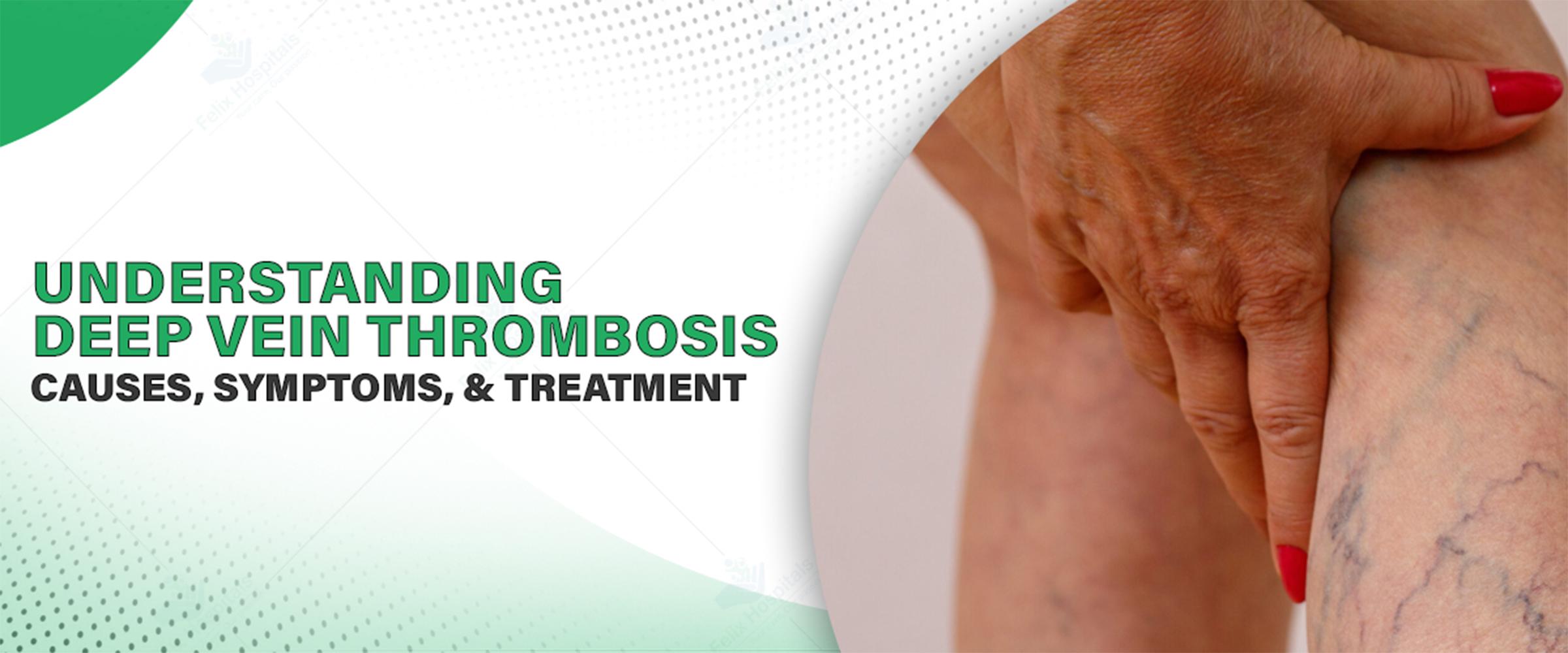
Deep Vein Thrombosis (DVT) is the condition of having blood clots form in the deep veins, most often in the legs or pelvis. It can be fatal if not treated, such as when a blood clot travels to the lungs, called pulmonary embolism. Identifying symptoms such as sudden leg swelling, pain, redness, or warmth is key to early diagnosis. Visiting Deep Vein Thrombosis specialists in Greater Noida can ensure complete diagnosis and timely treatment using the latest technology.
At Felix Hospital, we strive to provide comprehensive vascular care close to home, from the simplest to most complex vascular diseases to the most minuscule to life threatening disorders. Trust this process as to bring out the best in every case under supreme level of experience and knowledge our Best Vascular Surgeon in Greater Noida works with.
Having leg pain or swelling? Get expert Deep Vein Thrombosis treatment in Greater Noida - Call +91 9667064100.
If blood moves too slowly through your veins, it can cause a clump of blood cells called a clot. When a blood clot forms in a vein deep inside your body, it causes what doctors call deep vein thrombosis (DVT). This is most likely to happen in your lower leg, thigh, or pelvis. But it can occur in other parts of your body, too.
DVT can lead to major health problems. In some cases, it can be fatal. That’s why if you think you have one, you must see a doctor right away.
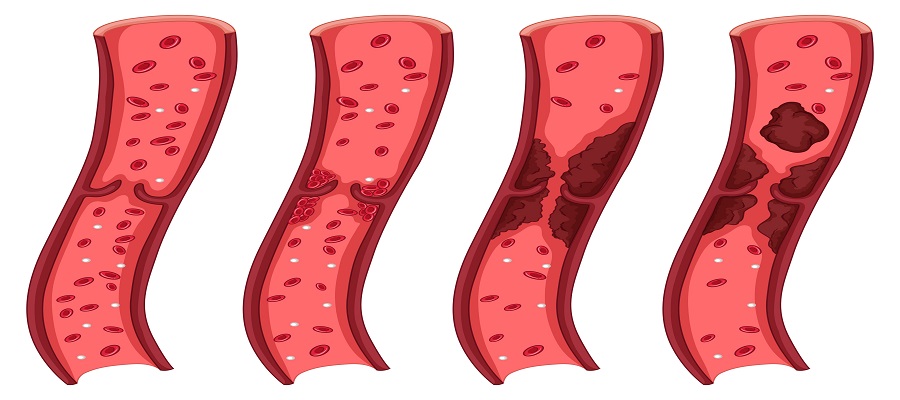
Not everyone with DVT shows symptoms. But you might notice any of the following:
Leg or arm swelling that comes on without warning
Pain or soreness when you stand or walk
Warmth in the area that hurts
Enlarged veins
Skin that looks red
If a blood clot breaks free and moves through your bloodstream, it can get stuck in a blood vessel of your lung. Doctors call this a pulmonary embolism, or PE. It can be fatal.
Shortness of breath
Chest pain that’s worse when you take a deep breath
Coughing up blood
Higher heart rate
The causes of DVT include things that keep blood from:
Flowing through your leg, thigh, or pelvis
Clotting correctly
This usually happens as a result of damage to one of your veins due to:
Surgery
Inflammation
Injury
Many things can raise your chances of getting DVT. Here are some of the most common:
Age: DVT can happen at any age, but your risk is greater after age 40.
Sitting for long periods: When you sit for long stretches of time, the muscles in your lower legs stay still. This makes it hard for blood to circulate, or move around, the way it should. Long flights or car rides can put you at risk.
Bed rest: When you’re in the hospital for a long time, this can also keep your muscles still and raise your odds of DVT.
Pregnancy: Carrying a baby puts more pressure on the veins in your legs and pelvis. What’s more, a clot can happen up to 6 weeks after you give birth.
Obesity: People with obesity – that's a body mass index (BMI) of 30 or higher – are at a higher risk. BMI measures how healthy your weight is based on how tall you are.
Serious health issues: Conditions like inflammatory bowel disease, cancer, and heart disease can all raise your risk.
Certain inherited blood disorders: Some diseases that run in families can make your blood thicker than normal or cause it to clot more than it should.
Injury to a vein: This could result from a broken bone, surgery, or other trauma.
Smoking: This makes blood cells stickier than they should be. It also harms the lining of your blood vessels. This makes it easier for clots to form.
Birth control pills or hormone replacement therapy: The estrogen in these raises your blood’s ability to clot. (Progesterone-only pills don’t have the same risk.)
Infection: When in your blood, veins, or elsewhere, it could lead to DVT.
Inflammation: This could be due to infection, surgery, injury, or some other root cause.
Your doctor will first do a physical exam of your leg and lower body areas to check for symptoms. If there is any swelling, tenderness, or change in skin color, they will likely want to run some tests to see if you have DVT. Such tests include:
Duplex ultrasound: This is the standard test for DVT. Your doctor will run an ultrasound to scan parts of your body for clots in your veins. An ultrasound scanner sends sound waves to create images showing how blood flows through your veins. If your doctor finds a clot, they may want you to come back for more ultrasounds to see if it has grown or if there are any new ones.
D-dimer blood test: Most people with bad DVT will have D-dimer in their blood, It's a type of protein that comes from blood clots. Your doctor will do a blood test to see whether you have high levels of D-dimer.
MRI: MRIs are usually done for DVT in the lower abdomen or belly area. They are not standard for the more common forms of DVT.
Venography: This test is rarely done because it is so invasive. Your doctor will inject dye in your veins and take an X-ray to see if the dye is flowing properly through your veins. It can let your doctor see if you have any clots. Other tests, like an ultrasound, are done first.
DVT can progress as your symptoms get worse. Signs of acute DVT include:
Pain in your leg or arm. It could be swollen and feel warmer than it normally does.
You may notice a change in skin color. It might be red. If you have a darker skin tone, this may be harder to see.
A bad headache that can come on suddenly. You might also have seizures.
Bad belly pain (if blood clots are in your abdomen)
If you are breathless or have chest pain, this can be a bad progression in your DVT. You might feel lightheaded or faint. If this happens, you need medical care right away. These could be signs of a pulmonary embolism (PE), when the clot is going into your lungs. PE can be fatal if it's not caught early enough.
Your doctor will want to stop the blood clot from getting bigger or breaking off and heading toward your lungs. They’ll also want to cut your chances of getting another DVT.
This can be done in one of three ways:
Blood thinners are the most common medications used to treat DVT. They cut your blood’s ability to clot. You may need to take them for 6 months. If your symptoms are severe or your clot is very large, your doctor may give you strong medicine to dissolve it. These medications, called thrombolytics, have serious side effects like sudden bleeding. That’s why they’re not prescribed very often.
Inferior vena cava (IVC) filter. If you can’t take a blood thinner or if one doesn’t help, your doctor may insert a small, cone-shaped filter inside your inferior vena cava. That’s the largest vein in your body. The filter can catch a large clot before it reaches your lungs.
Compression stockings. These special socks are very tight at the ankle and get looser as they reach your knee. This pressure prevents blood from pooling in your veins. You can buy some types at the drugstore. But your doctor might prescribe a stronger version that an expert can fit for you.
Up to half of people with DVT will have long-term complications because of damage to the leg vein (post-thrombotic syndrome) where blood remains too long (chronic venous insufficiency). You may notice pain, swelling, and redness, which can lead to open sores if you don’t get early treatment. In time, this can make it harder to do daily activities and even walk.
The biggest worry for a blood clot is a DVT that breaks off and causes a pulmonary embolism (see above). If the clot isn’t too big and you get the right treatment fast enough, you may recover from this, though there may be some long-term lung damage. About a third of people who have had a DVT or PE have a higher risk of another incident.
Deep Vein Thrombosis is a serious disease that requires a timely diagnosis and expert medical attention. Left untreated it can cause life-threatening complications such as pulmonary embolism. By choosing Felix Hospital, patients get access to the most advanced facilities and expertise of the best Vascular Surgery Hospital in Greater Noida. Whether it is preventive care, accurate diagnosis or specialized Deep Vein Thrombosis treatment in Greater Noida, Felix Hospital promises personalized care to every patient. With a combination of technology and caring healthcare, we are dedicated to protecting your vascular health and ensuring that you are on your way to a healthier, safer life.
Don't ignore the warning signs of DVT - call us on +91 9667064100 and talk to our vascular specialists today.
Find the links below:
Check the links below:
Q1: How is DVT Diagnosed at Felix Hospital?
Ans: Doctors at Felix Hospital use advanced diagnostic tools, including duplex ultrasound, blood tests and MRI, to confirm DVT at a quick and accurate rate.
Q2: Can I travel if I've had a DVT
Ans: Yes, but precautions such as compression stockings, hydration and movement breaks are recommended. Your vascular specialist will guide you individually.
Q3: Is surgery always required for DVT?
Ans: No. Most cases of DVT are treated with medication; only complex cases are treated with surgical procedures or IVC filters.
Q4: Can DVT affect young people too?
Ans: Yes, although it's more prevalent in older people. Risk factors are obesity, smoking, prolonged travel, and family history may cause DVT at any age.
A complete guide to understanding varicose vein surgery expenses in Noida, including treatment types, hospital charges, and recovery costs.

While varicose veins are often a cosmetic concern, they can also lead to symptoms like pain, discomfort, and even complications like ulcers or blood clots in severe cases.
Varicose veins can be treated effectively in Noida. Explore modern solutions for pain-free, healthy legs
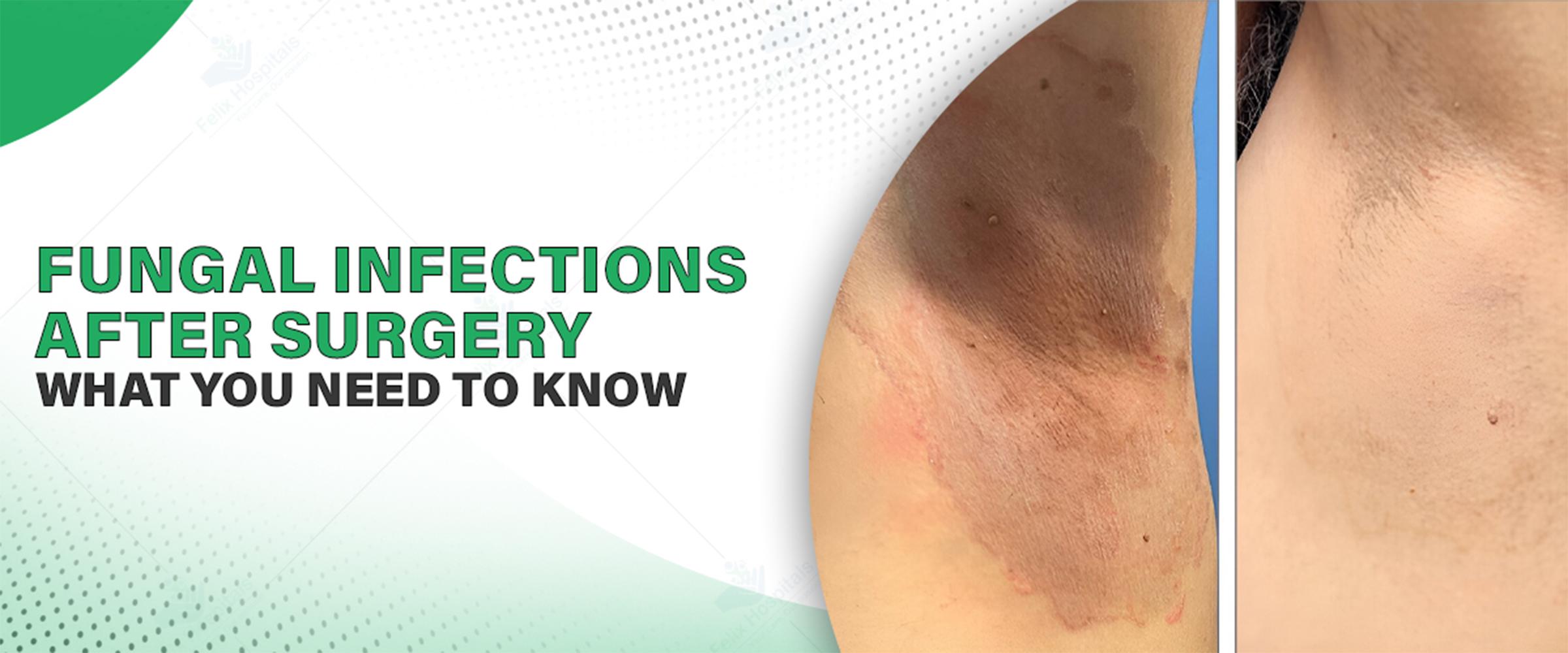
Surgery is oftentimes the first step on the road to recovery, alleviation of chronic disease, or life itself. However, the process doesn't quite end there with the surgery itself. The period after surgery is just as crucial as the surgery itself. Perhaps one of the more under the radar and serious complications that can arise amongst patients is a fungal infection after surgery. Compared to bacterial infections, fungal infections are typically slower to diagnosis and can complicate the healing process more if left unaddressed.
Although not all patients will contract such complications, some risk factors—such as compromised immunity, prolonged hospitalization, or pre-existing health status—may make one more prone. Awareness of the early signs and seeking early professional help can make all the difference between uneventful recovery and prolonged sickness.
In the case of irregular redness, itchiness, or delayed healing, consult an expert at the soonest for advice. Call +91 9667064100 today.
Surgical fungal infections occur when fungi—in such as Candida, Aspergillus, or dermatophytes—infect the field of surgery or systemically through the body. They are fewer in number than bacterial infections but are more stubborn and hard to eradicate.
They typically arise among patients whose immunity is weak, whose diabetes is uncontrolled, or who experienced prolonged surgery with prolonged antibiotic or steroid usage. Because the fungi grows when it is warm and damp, the surgery wounds provide the perfect breeding grounds when left uncontrolled.

There are many reasons for the development of fungal infections after surgery. Some of the most usual are:
Impeded Immune Functioning – Patients who had undergone severe surgery or who suffer from chronic diseases are more prone.
Long-term Use of Antibiotics – Although antibiotics kill bacteria, they destroy the normal microbial balance, leaving an opportunity for fungi growth.
Steroid Medications – Long-term use of steroids can suppress immunity and encourage fungal growth.
Diabetes and Elevated Blood Sugar Levels – Inadequately regulated blood sugar slows healing and accelerates the risk for infection.
Inadequate Wound Care – Unhygienic dressing changes or exposure to dirty surroundings can attract fungi.
Extended Hospitalization – Even with their best efforts, hospitals can expose patients to opportunistic fungal infections.
Early diagnosis prevents the development of complications. Some general signs are:
Unchanging redness or swelling in the area of surgery
Severe burn or stinging sensation
Discharge of pus or abnormal fluid
Stagnant or impaired healing of wounds
Fever, shivering, or leth
Appearance of white patches or fungal growth around the wound
Pain disproportionate to the stage of healing
If left untreated, the symptoms can worsen and spread beyond the region of surgery.
Neglecting fungal infections can lead to:
Slowed Recovery – Injuries heal more slowly and it is painful and distressing.
Spreading into Bloodstream (Fungemia) - Sometimes the fungi spread into the bloodstream and cause life-threatening infections.
Repeat Surgeries – Repeating infections can require re-operation or surgery for cleaning.
Organ Involvement–Invasive molds can involve lungs, liver, or kidney, more commonly among immunocompromised hosts.
Doctors employ various diagnostic techniques for the confirmation of fungal infections:
Wound Swab Test – Fungal growth can be identified under the microscope.
Fungal Culture – Identifies the type of fungus for special treatment.
Biopsy – Helps establish invasion of deep tissue.
Imaging Tests – Helpful for severe cases where the infection extends into body organs.
Treatment is based on the extent and degree of the infection.
Topical Antifungal Ointments/Creams – In the.
Oral Antifungal Agents – Very effective for moderate infections.
Intravenous (IV) Antifungals – Given for life-threatening, systemic infections.
Wound Debridement – Removal of infected tissue to allow fresh healing.
Procedures for Drainage – Surgical drainage can be required if there are abscesses.
Proper nutrition for immune support.
Intensive blood sugar control of diabetic patients.
Regular wound cleaning and monitoring.
Preventing fungal infections is often easier than treating them. Here are effective strategies:
Wash and dry the wound at all times.
Change dressing according to doctor's directions carefully.
Maintain proper hand hygiene.
Avoid overuse or overuse of the administration of antibiotics or steroids.
Tackle chronic diseases such as diabetes correctly.
Routine follow-up visits for monitoring of recovery.
Greater Noida is an epicentre for premium medicine as well, especially for infections. Patients get:
High level specialst infection services for complex post-operative infections.
State-of-the-art diagnostic facilities for early and accurate diagnosis.
Dermatology Hospital in greater Noida with infection control equipments.
Low cost of treatment in comparison to bigger metro cities thus, making care more accessible.
Surgical Mycoses are usually under treated but they can pose a serious threat to the wound healing process. They are different from bacterial infections, typically slower in development, and more resistant to most remedies. Fortunately, early identification and prompt professional intervention from an infection specialist doctor near me can treat them very successfully.
The bigger problem is that aftercare extends beyond the day you leave the hospital. You should be on the lookout for signs like redness, pus, slow healing, or fever. Just as crucial is the use of preventive interventions—upkeep of cleanliness of the wound, following up on drug regimen, managing chronic illnesses like diabetes, and refraining from unnecessary uses of antibiotics or steroids.
Visit your doctor if there’s a change in your normal condition after an operation. Schedule your appointment today by clicking here or call +(91)96670 64100.
Find the links below:
Check the links below:
Q1. When can fungal infection occur after surgery?
Ans: Fungal infections can arise within days up to weeks after surgery, depending on the dressing of the wounds and the immunity.
Q2. Is the bacterial infection more serious than the fungal one following surgery?
Ans: Yes. Although not rare, fungal infections can and are harder to cure and can systemically spread if not treated.
Q3. Whether fungal infections can be transferred into organs after surgery?
Ans: Yes, it can spread to the blood and life-saving organs in severe cases, more notably for immunocompromised individuals.
Q4. Why should diabetics be more susceptible to fungal diseases after a surgery?
Ans: Elevated blood sugar slows the recovery of sores, and it’s the perfect environment for fungus to thrive.
Q5. Can mycosis delay complete rehabilitation from the operation it is related to?
Ans: Yes, they prevent healing, lengthen hospital stays and sometimes necessitate multiple surgeries.
Ear fungal infections (Otomycosis) cause itching, pain, and discharge in the ear. Learn about types, causes, and best treatment options in Noida from expert ENT doctors.
पुरुषों में फंगल इन्फेक्शन आम हैं, लेकिन सही जानकारी और समय पर इलाज से इसे आसानी से नियंत्रित किया जा सकता है।

Do you find yourself constantly tired, breathless, or unable to cope with sudden physical activity?

Spinal cord injury is one of the most serious injuries one can have. The damages can be permanent if not treated on time.
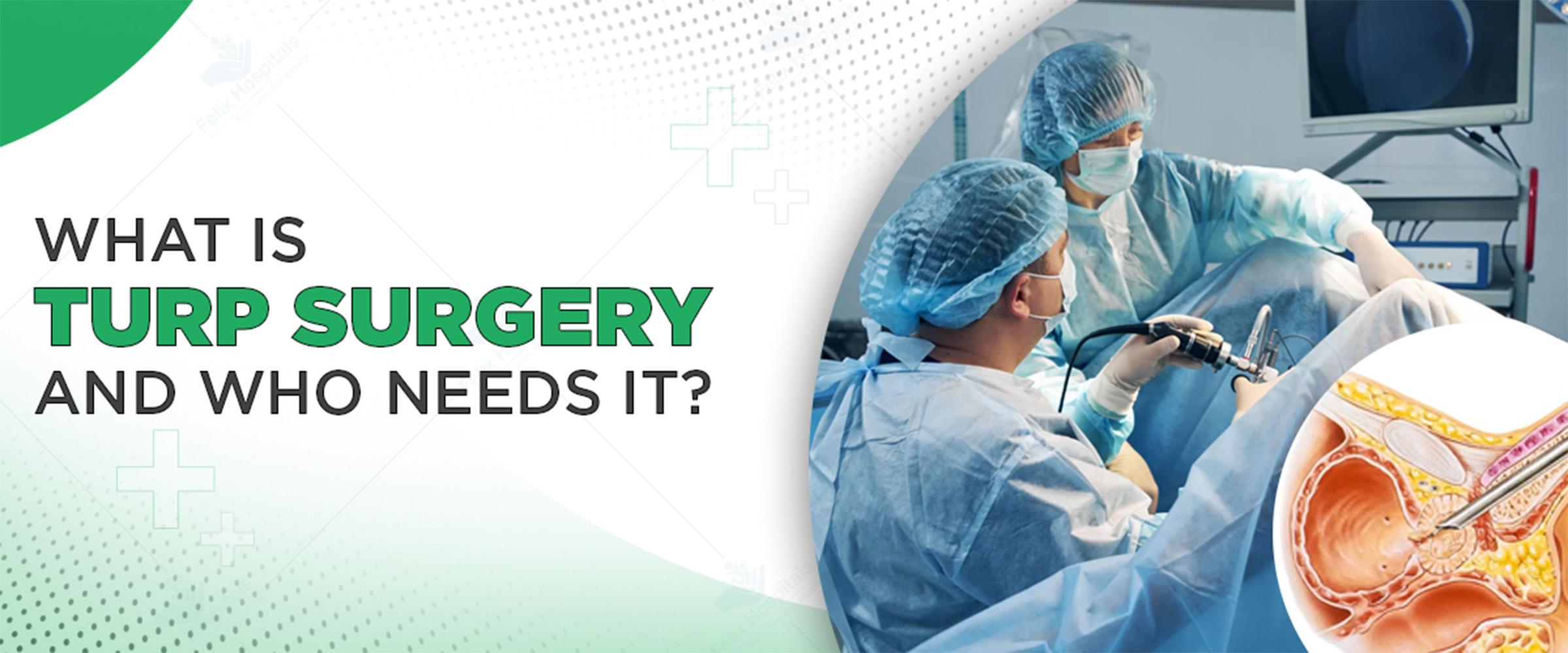
Men over 50 might experience symptoms like frequent urination, a weak or interrupted stream, interrupted sleep, and feeling the bladder does not empty completely. Frequently, these symptoms have nothing to do with prostate cancer, they usually are the result of Benign Prostatic Hyperplasia (BPH). One of the main causes is an enlarged prostate pressing on the urinary tract.
If not treated, it could impact the quality of life and possibly even lead to complications. TURP Surgery In Noida is considered one of the best treatment options for people dealing with noticeable to severe signs of an enlarged prostate. Curious how it works and who actually needs it? Let us explore what is TURP surgery, how it works, and why it is commonly chosen for men who are dealing with chronic urinary issues.
Restore your urinary health with expert TURP Surgery in Noida. Call +91 9667064100 today!
Transurethral resection of the prostate (TURP) is a common surgery aimed at easing urinary problems caused by prostate enlargement. During the procedure, an instrument called a resectoscope is inserted through the tip of the penis and passed along the urethra, the tube that carries urine from your bladder. The resectoscope allows the surgeon to see and trim away extra prostate tissue that blocks urine flow. If you are looking for the best urologist in Noida, this procedure can be performed safely and effectively under expert care.
To know who needs TURP surgery you should know it is an effective treatment choice for men who have moderate to serious urinary problems that haven't gotten better with medicine. Other procedures that don't involve surgical cuts also are available but TURP surgery for enlarged prostate is the best available treatment . Some of them work about as well as TURP. And in general, they cause fewer side effects and have a quicker recovery time.
TURP procedure is typically advised to treat the problems brought about by BPH, a non-cancerous condition in which the prostate enlarges with age. When the enlarged gland presses on the urethra, it becomes hard to urinate normally and can lead to other problems. TURP acts by eliminating excess prostate tissue, opening up the flow of urine, and relieving symptoms. When lifestyle changes and medications are not providing sufficient relief, TURP surgery recovery time is less providing relief in urinary health and comfort.
TURP helps ease urinary symptoms caused by benign prostatic hyperplasia (BPH), including:
Frequent, urgent need to urinate.
Trouble starting urination.
Slow or prolonged urination.
More trips to the bathroom at night.
Stopping and starting again while urinating.
The feeling that you can't fully empty your bladder.
Urinary tract infections.
TURP is a widely used enlarged prostate treatment carried out with a tool called a resectoscope, a slender metal instrument that includes a camera, light, and a wire loop.
The resectoscope is placed into the tip of your penis. Then it's passed through your urethra and into your prostate area. Your surgeon won't need to make any cuts, also called incisions, on the outside of your body. The resectoscope is used to trim tissue from the inside of the prostate gland. This is done one small piece at a time. As small pieces of tissue are cut from inside the prostate, the resectoscope also releases fluid. The fluid carries the pieces of tissue into the bladder. They're removed at the end of the operation.
The whole process is performed under general or spinal anesthesia, so the patient feels no pain during the surgery. This allows it to carefully remove excess prostate tissue that may be causing urinary difficulties, helping to relieve symptoms and improve comfort.
The TURP procedure takes about 60 to 90 minutes to do. Before surgery you'll be given anesthesia. You might receive general anesthesia, which also puts you in a sleep-like state. Or you might get spinal anesthesia, which means you'll stay conscious. You also might be given a dose of antibiotics to prevent infection.
Your doctor is likely to recommend that you:
Drink plenty of water to flush out the bladder.
Eat high-fiber foods to prevent constipation and straining during a bowel movement. Your healthcare professional also might recommend a stool softener.
Wait to resume taking any blood-thinning medicines until your healthcare team says it's OK.
Stay away from strenuous activity, such as heavy lifting, for 4 to 6 weeks. Also during this time, do not do activities that put pressure on the area between the anus and the scrotum, such as riding a lawnmower.
Hold off on sex for 4 to 6 weeks.
Do not drive until your catheter is removed and you're no longer taking prescription pain medicines.
TURP surgery complications include :
Short-term trouble urinating
Urinary tract infection
Retrograde ejaculation
Heavy bleeding
Trouble holding urine
Low sodium in the blood
TURP Surgery is a well-established and successful surgical method for men who experience chronic genito-urinary problems caused by the benign prostatic hypertrophy. It eases the flow of urine, lessens discomfort, and increases quality of life when drugs don’t work. Despite various new modalities like Laser TURP and Uro Lift, which offer shorter recovery and less side-effects, TURP is still a more favored procedure in moderate to severe BPH medication.
Each treatment has its advantages and disadvantages, so the optimal strategy will rely on the size of the prostate, the patient’s overall health, and symptoms. Going to the best TURP Surgery Hospital In Noida will assist in determining the most appropriate strategy to gain long-term relief and urinary health without sacrificing safety or long-term health results.
Book your appointment with the best TURP Surgery Specialists in Noida Call: +91 9667064100
Ques. Do I need a catheter following TURP surgery?
Ans. Yes, urinary drainage is usually done with a urinary catheter for 1 to 3 days after the surgery to help drain the bladder until urination returns to normal.
Ques. How successful is TURP surgery for improved urinary symptoms?
Ans. TURP has a high success rate -- greater than 90% of patients experience substantial relief from the frequent urination, poor stream, and incomplete drainage of the bladder.
Ques. Does TURP have an impact on sexual function?
Ans. Some men may have retrograde ejaculation, but serious sexual problems are rare. At Felix, patients are counseled on what to expect and how to deal with any side effects.
Ques. Is TURP operation safe in elderly?
Ans. Yes, TURP is deemed safe even in older men with advanced centers such as Felix Hospital with specialized urology groups and ICU back up.
Our urology and oncology specialists bring extensive experience and expertise in treating various forms of urological cancer.
Prostate cancer is a common type of cancer in men that affects the prostate gland. Understanding its symptoms, causes, and treatment options can help in early detection and effective management.

One of our leading specialists is Dr. Bhanwar All Barkesiya, a highly skilled urologist with extensive experience in diagnosing and treating prostate conditions.

Subscribe to our
© Copyright 2026. All Rights Reserved by Felix Healthcare Private Limited
Design and development by :


 +(91)9667064100
 Emergency : +(91)9667064100