 WhatsApp
 Emergency:
  WhatsApp







Subscribe to our
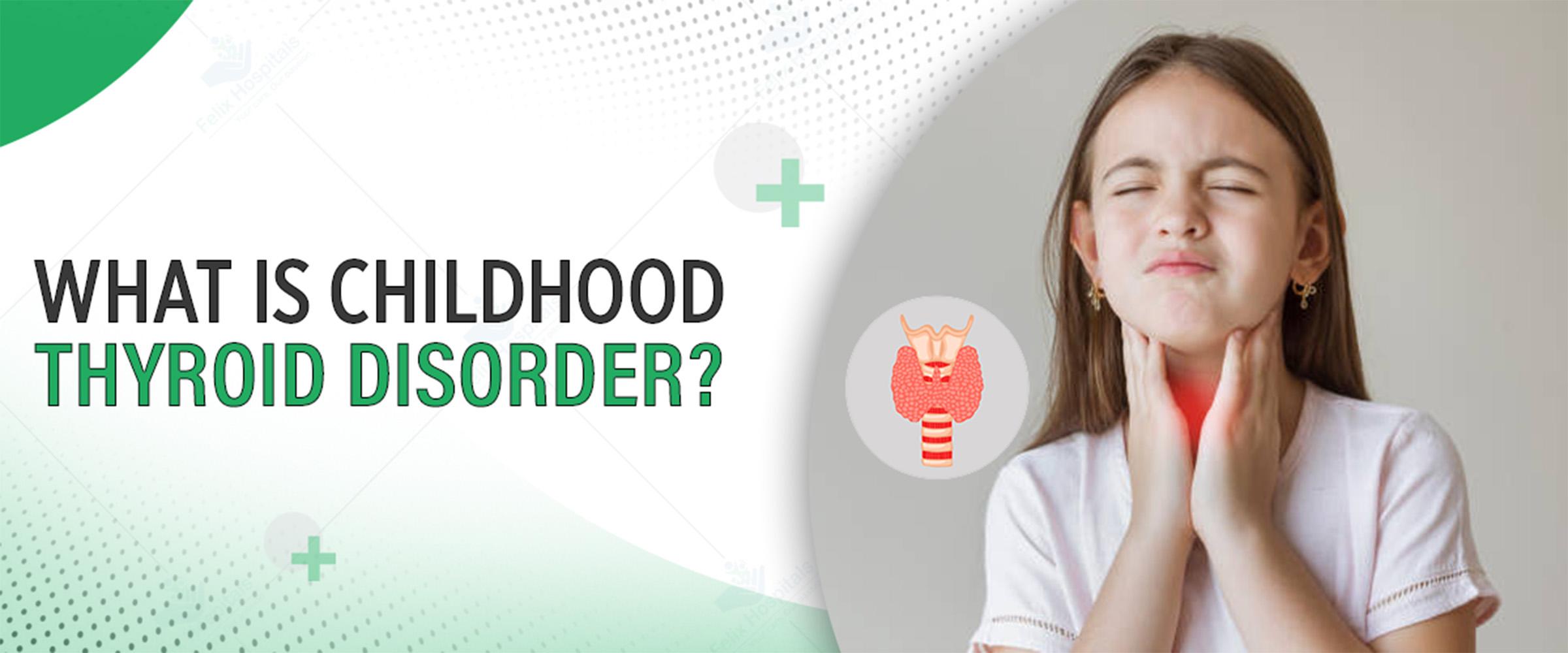
Everyone considers thyroid disease an adult illness but it is also present among youngsters at different stages of development. Since the thyroid gland is primarily responsible for an individual's metabolism, growth, as well as intellectual development, a failure to function effectively among youngsters can contribute to critical health issues if left unchecked. Parents ask often what symptoms indicate thyroid diseases among children because initial symptoms might be slight and disguised as growth changes related to development.
For parents who want to be counseled, visiting Top Thyroid Specialists Near You is the most prudent initial step to early assessment and management. With appropriate medical attention, childhood cases of thyroid diseases can be controlled effectively.
If you suspect something unusual such as fatigue or slow growth or learning dysfunction with your child, don't wait. Simply call us today at +91 9667064100.
Childhood thyroid disease is any disease that impacts a child's functioning thyroid gland. The thyroid is a tiny, butterfly-like gland located in the front part of the neck that creates hormones that regulate metabolism, growth, brain development, and energy.
Hypothyroidism (underactive thyroid): Reduced production of thyroid gland's hormones. It can lead to tiredness, slowed-down growth, weight increase, constipation, and learning problems.
Hyperthyroidism (overactive thyroid): There is an excess production of thyroid hormones. It leads to weight loss, agitation, a rise in heartbeats, sweating, and irritability.
Some others among these include congenital hypothyroidism (which is present from birth), goiter (enlargements of the thyroid), and autoimmune diseases such as Hashimoto's thyroiditis or Graves' disease.
Knowing why children develop thyroid disease keeps one a vigilant parent. Thyroid diseases can be caused by:
Congenital hypothyroidism – a child being born with an inactive thyroid gland.
Autoimmune diseases – i.e., Hashimoto's thyroiditis, where you're having an immune attack against your thyroid.
Iodine excess or deficiency – interfering with normal thyroid function.
Genetic causes – history of thyroid diseases in family.
Treatment – including radiation or some of the medications that impact the thyroid.
They point to why parents should never dismiss a child's unusual growth curves or developmental lag.
Early detection of symptoms of thyroid diseases among children can avert complications. Such symptoms usually vary with either a child having hypothyroidism (underactive thyroid) or hyperthyroidism (overactive thyroid).
Symptoms of hypothyroidism include: lethargy or tiredness, dry skin, constipation, loss of appetite, slowed growth; slowed onset.
Symptoms of hyperthyroidism: weight loss with a good appetite, nervous activity, rapid heartbeats, excessive sweating, distractibility, and insomnia.
Because these symptoms can masquerade as different childhood diseases, a physical examination is important for diagnosis.
Parents also ask about how hypothyroidism is diagnosed in children. Physicians routinely rely on a history, physical examination, and laboratory testing. In particular, they order particular tests such as:
TSH (Thyroid Stimulating Hormone) test – assesses function of thyroid gland.
Free T4 test – tests blood levels of thyroid hormone.
Ultrasound or imaging tests – if structural issues with the thyroid gland are a factor.
Early treatment averts growth retardation, intellectual development, and general health.
There is also a frequent question regarding treatment for thyroid problems among youngsters. It is treatment-based if a youngster has an over or an underactive thyroid.
For hypothyroidism – levothyroxine (daily dose of thyroid hormone replacement therapy) is very effective.
For hyperthyroidism – treatments may include antithyroid medications, beta-blockers for symptom relief, or in rare cases, surgery.
Dietary and lifestyle changes – including balanced nutrition with adequate iodine and periodic consultations with experts.
Families who consider undergoing advanced treatment can choose to undergo the best thyroid treatment in Greater Noida, where personalized care ensures effective and efficient management.
Once they have been diagnosed with a thyroid problem, treatment is ongoing medical treatment. Numerous blood tests occur to continuously check medication dosage levels alongside levels of thyroid hormones. Parents also keep an eye on:
Academic achievement and intellectual growth.
Growth milestones such as weight and length.
Emotional and behavioral welfare.
It is a continuous care framework that assures families that they can manage their child's condition with close observation.
Parents also face an anxious decision about where to take their child with a thyroid problem. The best thyroid treatment hospital in Greater Noida offers advanced diagnostic expertise, highly qualified pediatric endocrinologists, and family-centered support. As a parent, access to highly qualified doctors ensures safer treatment protocols with fewer complications and an easier recovery process.
Schedule an appointment today to entrust your child's thyroid treatment to capable hands. Call us at +91 9667064100.
Pediatric thyroid disease is something that is feared initially but can be taken care of effectively with good medical treatment at a multispeciality hospital in Greater Noida. If you're concerned about what is causing thyroid disease in children or if you're anxious to find out how hypothyroidism is diagnosed among children, it is critical not to defer medical care.
If you've been asking yourself, "Is my child showing symptoms of a thyroid problem?"—now's the time to act. With competent treatment, children can experience normal development, growth, and a healthy future.
Q1. In children, does thyroid problem affect growth?
Ans: Yes. Untreated hypothyroidism will lead to slowed growth, slowed pubertal development, and slowed development of the brain, so early detection is necessary.
Q2. What are early signs that a child has a thyroid problem?
Ans: Sudden lethargy, weight fluctuations, dry skin, and learning problems often manifest early among children as symptoms of thyroid problems.
Q3. Can congenital hypothyroidism be managed successfully?
Ans: Yes. Children with congenital hypothyroidism can live healthy, normal lives with early detection and a lifetime therapy with thyroid hormone.
Q4. How often should a child with a goiter see a doctor?
Ans: Closely observe the patient and conduct follow-ups every 3 to 6 months to adjust the dosage according to their growth spurts.
Childhood stroke is a rare but serious medical emergency that can affect infants, children, and adolescents.

Recognizing the early warning signs of autism in children can help parents seek timely support and interventions for better development.
Expert surgical care in Noida for childhood hip dysplasia ensures timely diagnosis, advanced operative treatment, and better mobility outcomes for children.

Delhi-NCR faces an increasing surge in H3N2 flu cases, with 69% of households reporting at least one affected family member. This alarming statistic highlights the urgent need for awareness about H3N2 flu symptoms in adults and children and effective prevention strategies. The Financial Express survey of more than 11,000 households in Delhi, Gurugram, Noida, Faridabad and Ghaziabad shows a jump from 54% in March 2025.
How to prevent H3N2 flu in Delhi-NCR has become a priority now as this strain of Influenza A is getting airborne through droplets and the environment. Experts in healthcare also point out that although seasonal flu is normal, this is an outbreak that needs to be taken seriously because it’s more severe and longer lasting. Early H3N2 flu treatment in Delhi NCR by the best doctors offers maximum chance of recovery and avoidance of any complications. The best hospital for flu treatment in Delhi NCR ensures proper care of moderate, severe and mild flu cases ensuring that a timely access to medical care is crucial for the health of the community.
Shield your family against the risks of H3N2. Book preventive consultation with our respiratory professionals call +91 9667064100.
H3N2 is a flu virus with two components namely H3 and N2. It variably evolves and it can result in flu epidemics of various intensities. It is difficult to stop because it can evolve and propagate quickly in those areas where the end of vaccination and the high population is observed, where the air flows are poor, and the neatness is low.
People infected with H3N2 typically experience early signs of H3N2 flu infection including:
In Adults:
1. Acute high fever (in most cases higher than 38-39C).
2. coughing and sore throat persist.
3. Extreme anguish in the body and muscle pain.
4. Severe headaches and lack of energy.
5. Runny nose or congestion of nose.
6. Chills and sweats
1. All the adult symptoms and gastrointestinal signs.
2. Nausea, vomiting, or diarrhea
3. Additional irritability and drowsiness.
4. Loss of appetite
A lot of individuals offer that even following the disappearance of the fever, fatigue and cough may remain weeks later. This makes this epidemic more difficult than usual flu.
Knowing the causes and spread of H3N2 flu is essential for effective prevention. The virus is transmitted mostly by:
1. Droplets of the respiratory system when the infected people cough, sneeze or talk.
2. Close contact in close proximity to the infected individuals.
3. Handling dirty materials and then touching face, nose or mouth.
4. Poorly ventilated indoor environments through airborne transmission.
The virus propagates due to monsoon weather, temperature variation, water logging, and a large population striving to exist very close to one another.
Some peoples are placed in greater danger:
1. Children under 5 years old
2. Adults over 65 years
3. Pregnant women at any stage
4. Individuals who have chronic diseases (asthma, diabetes, heart disease, COPD).
5. Individuals who have immune systems that are weak.
6. Clients of residential buildings such as hostels or care homes.
What to do if family members get H3N2 flu when a H3N2 flu hits a member of the family, a doctor should be accessed immediately in case the symptoms become worse or prolonged compared to normal.
How to prevent H3N2 flu in Delhi-NCR strategies requires
Personal Protection Measures:
1. Rub hands with soap frequently (at least 20 seconds).
2. Apply alcohol-based hand sanitizer without soap.
3. Wear masks when in places of large crowds.
4. Maintain distance with the ill persons.
5. Use unwashed hands only in contact with face, nose and mouth.
1. Provide quality indoor ventilation.
2. Wipe down surfaces which are frequently handled by people.
3. Stay out of congested areas that are poorly ventilated.
4. Keep at home with the feeling of the flu.
5. Elbow coughs or sneezes or use a tissue.
1. Take the flu vaccine each year, as prescribed by a physician.
2. Eat foods rich in vitamin C
3. Get enough sleep and deal with stress.
4. Do light exercise as you can
To know How to Treat H3N2 Flu Effectively you should follow the Treatment Protocol:
1. Take a complete rest and sleep.
2. Consume high quantities of fluids (water, broths, herbal teas)
3. Carry over-the-counter fever-reducing and pain drugs.
4. Apply soothing lozenges on sore throat.
5. Breath with a humidifier and unblock the throat.
Antiviral drugs such as oseltamivir can be administered when administered at good hour following diagnosis of symptoms. These medicines can:
1. Lessen the severity of the symptoms and their duration.
2. Eliminate severe complications.
3. Speed up recovery
4. Reduce chances of transmission to others.
1. Continuous high fever for longer than 3 days.
2. Difficulty in breathing or chest pains.
3. Blue lips or fingernails
4. Intense dehydration or the incapability to retain fluids.
5. Getting mixed up or extremely different.
6. Symptoms worsening since they had appeared to be improving.
As a normal healthy person, recovery takes around 7 to 10 days when the person rests and takes good care of himself. This epidemic is usually more protracted. Many people experience:
- 2- 3 weeks of cough following the disappearance of the fever.
- Continued exhaustion and fatigue.
- Gradual recovery of normal energy.
- In other instances, bacterial infection that might require antibiotics.
At-risk individuals can predict the need to be hospitalized and closely monitored, in particular, when they acquire pneumonia or difficulty breathing.
Consult our qualified pediatricians regarding the special child-friendly guidance on treating and preventing the flu. Call +91 9667064100 now.
The Delhi-NCR outbreak of H3N2 is a wake-up call that people should always stay ahead of their health hazards and educate the community. Knowing the H3N2 flu symptoms in adults and children is essential for preventive strategies, since 69 percent of households are affected. The earlier the symptoms are noticed, the washing of hands and the timely vaccines can reduce the severances of the illness. High risk people like children, old age, pregnant women, and individuals with chronic diseases should prioritize medical consultation. The best hospital for flu treatment in Delhi NCR provides good treatment so that the family is assured that patients will get quality care they need in their recovery.
Q1: What is the average duration of the H3N2 flu in children relative to its duration in adults?
A1: Among healthy children, the symptoms of H3N2 flu normally go away in 7-10 days just as in adults. But children might be more prone to gastro intestinal problems such as nausea and vomiting.
Q2: Could I have the H3N2 flu despite having the seasonal flu vaccination?
A2: Yes. H3N2 may be contracted even with vaccinations due to the ability of the virus to alter it and the variation in the immune response. The vaccinated people tend to recover quicker and do not experience severe symptoms.
Q3: Does it have any alert signs which need urgent medical care of H3N2?
A3: Visit the emergency room in case of persistent high fever over 3 days, difficulty breathing, chest pain, bluish lips or fingernails, acute dehydration, confusion, inability to swallow fluids. Sleepy children, those who vomit a lot and those who breathe very fast should also be examined urgently. Emergency services at Felix Hospital include 24/7 availability of emergency services in this case.
Q4: What can pregnant women do to lower the chances of getting H3N2 flu in Delhi-NCR?
A4: Expected mothers need to learn the importance of immunizing themselves against the flu followed by proper hygiene, avoiding crowding areas, using N95 masks in outings and maintaining a distance between themselves and their ill counterparts. They ought to consult urgent treatments in case of any flu-like symptoms due to the ability to develop pregnancy complications by H3N2.
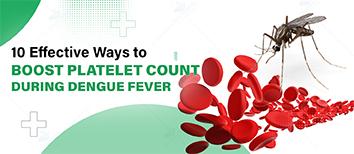
At Felix Hospital, we have a team of highly skilled internal medicine specialists, including Dr. Anshumala Sinha, Dr. Sonakshi Saxena, and Dr. Priyanka Singh, who are experienced in managing dengue fever and its complications.

Take special care of the health of your kids, especially young children, amidst the changing seasons.

Consult the best general physician for dengue fever at Felix Hospital. Their expertise in diagnosing and managing dengue virus infections can lead to timely and effective treatment.
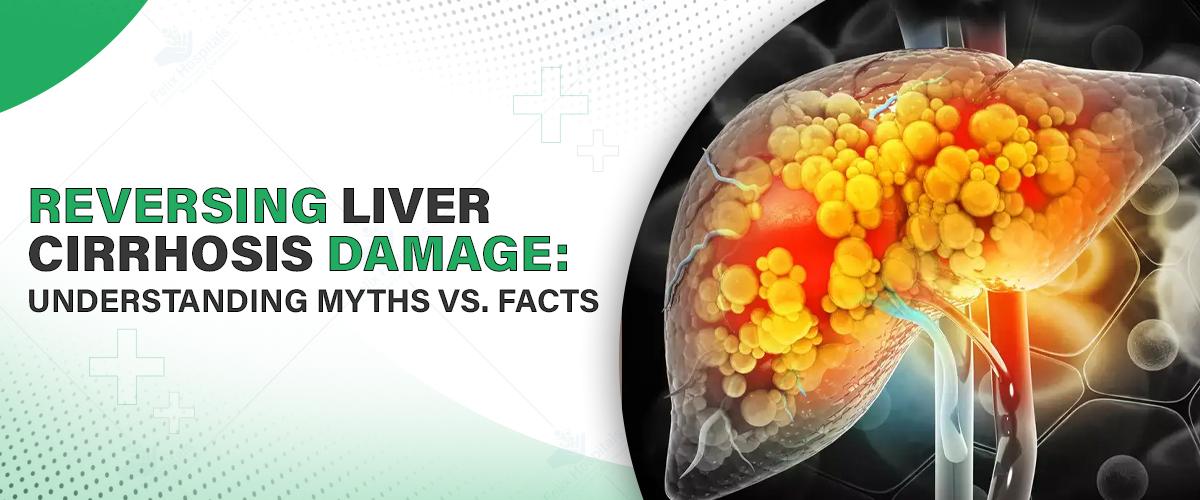
Liver cirrhosis is the condition in which the liver gradually ceases its effective performance. It may be due to excessive consumption of alcohol, and infections such as hepatitis, fatty liver and anti-immune system to the liver. A Liver Specialist in Noida will help to identify the issue early, delay it, and perceive complications. Previously cirrhosis was regarded as irreversible but today physicians have now discovered that in some cases early cirrhosis is reversible provided therapy against the cause is administered promptly.
The most recent tests, the capability to monitor the functioning of the liver, provision of medicines addressing viruses, small endoscope operations, and even the ability to provide liver transplants to very advanced patients can all be included at a trusted Liver Hospital In Noida patients receive full care that suits them with the help of professional liver doctors, diet specialists as well as programs to alter habits. The objective is to cure the disease as well as to assist patients to modify their activities, habits of eating, and drinking in order to keep their liver healthier. Early onset of asking a liver specialist is the way to ensure long term health in case you or someone you love is at risk.
Consult the best Liver Specialist in Noida today – call +91 9667064100.
To know is liver cirrhosis reversible you should know that although the advanced liver cirrhosis cannot be reversed in most cases, medical advancements of late have demonstrated the reversibility of the cirrhosis at early stages, subject to the cause of the cirrhosis. Being an important question Can liver cirrhosis be cured with an effective treatment of the underlying cause, the regenerative ability of the liver may result in a positive change.
Stages of liver cirrhosis are as follows:
Early cirrhosis: At this point the liver performs sufficiently even with the scarring. Proper treatment of the underlying cause can stop the process of fibrosis, and part of the damage can be undone.Early-stage liver cirrhosis recovery can be done easily and effectively.
Advanced cirrhosis: This stage is characterized by massive and irreversible scarring. The liver is greatly incapacitated and its functioning can hardly be reversed. The aim of treatment is on dealing with the symptoms and complications, and the only curative therapy in this case is a transplant of the liver.
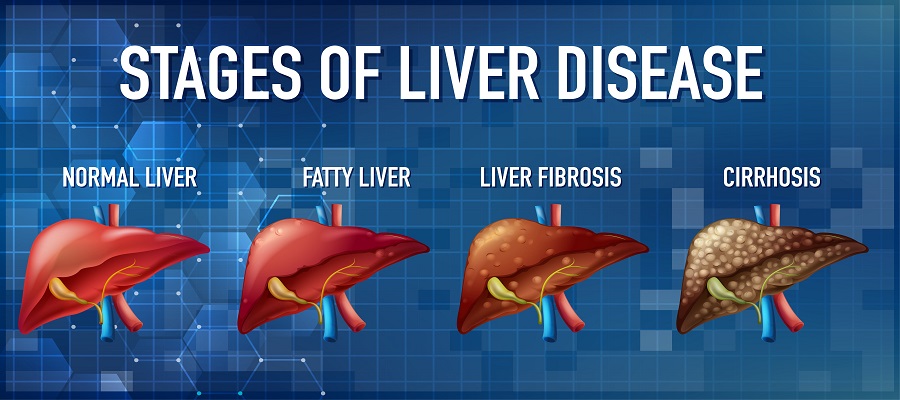
Cirrhosis can be divided in a few ways, however the most widely used classification is the four stages of liver disease leading to cirrhosis.
Stage1: Inflammation (Steatosis): This is the first stage in which inflammation or accumulation of fats in the liver takes place. This stage can be reversible in case the cause is being treated adequately.
Stage2: Fibrosis: Inflammation causes scarring (fibrosis) that in turn starts to obstruct normal blood flow in the liver. By now the liver is likely to continue functioning satisfactorily.
Stage3: Cirrhosis: A lot of scarring has substituted normal liver tissue and the liver becomes boiled and hard. It is at this point that the disease starts to become serious but it is still possible that the liver will be compensated and the liver will continue to perform years without serious complications.
Stage4: End-Stage Liver Disease/Liver Failure: This involves a decompensated stage, where the liver is unable to perform effectively any longer causing life threatening complications.
Timely information and treatment is the main thing in How to manage liver cirrhosis symptoms effectively with optimal success. Early-stage recovery is concerned with solving the actual source of the damage.
Therapy of underlying cause: In case of conditions such as the hepatitis C virus, contemporary antivirals can cure the condition, which will see significant improvements in the condition of the liver. In the case of alcohol liver disease, total abstinence has to be considered.
Weight management: In the case of non-alcoholic fatty liver disease (NAFLD), weight loss becomes one of the main methods of treatment that can enhance the working of the liver and can minimize scarring.
Lifestyle modifications: A healthy diet with regular exercise may help bring about liver health and avert deterioration.
Proper control of the symptoms of liver cirrhosis.
In both early and advanced phases, symptom control is an important aspect of treatment.
Diet and lifestyle change: Adhere to a low sodium diet in order to avoid fluid retention. Combat malnutrition by feeding on a balanced diet that is high in fruits, vegetables and lean protein.
Avoid alcohol: It is necessary to avoid alcohol completely in order to avoid additional harm.
Exercise: Keeping body fitness through moderate physical exercises helps to control weight and get yourself in good health.
Safe medications: Do not take any medications such as NSAIDs without consulting a doctor since many of these may aggravate liver damage.
Some of these kinds of medication may be prescribed by the doctors to control certain symptoms:
Diuretics (e.g. furosemide, spironolactone): Diuretics are used to decrease the amount of fluid in the abdomen (ascites) and legs (edema).
Beta-blockers: These medications are prescribed to decrease the elevated blood pressure levels inside the liver veins (portal hypertension) and decrease the threat of internal bleeding inside the enlarged veins (varices).
Lactulose and Rifaximin: These drugs are used to disintegrate toxins in the body that may be causing confusion which is referred to as hepatic encephalopathy.
Antibiotics: Can be applied in the treatment or prevention of infection, which is more likely in people with cirrhosis.
Other procedures can be required to treat complications in complicated cases:
Paracentesis: This is used to remove excessive amounts of fluid in the abdomen.
Endoscopic procedures: This treatment is applied to enlarged veins of the esophagus or stomach which risk bleeding out.
Liver transplant: It is the only curative treatment used in the end stage liver disease when the liver is unable to perform.
No, but in some instances, early-stage cirrhosis is reversible and in most instances, advanced liver cirrhosis cannot be reversed. In the past, liver cirrhosis was thought to be an invariable irreversible illness, but over the recent years, medical development has added some nuances to this knowledge. The cause of the boils is addressed through treatment in order to prevent additional scarring as well as controlling complications. The major Liver cirrhosis myths and facts are as the follows:
Fact: This is subject to the stage and cause of the disease.
Early Cirrhosis: In this case, a portion of a liver remains healthy and there is enough hepatic functioning. When effective treatment of the underlying cause is provided, the course of scarring can be stopped and even the liver can possibly work to repair some of the damage.
Advanced Cirrhosis: Lake liver has become heavily scarred permanently and is unable to heal the scar. Although it is too late to reverse it, the situation can be slowed down and treated to prevent life-threatening complications.
Myth: The liver is self-healing, and corrects with abstinence.
Fact: Although no alcohol consumption is crucial to healing in alcoholic liver disease situations, the level of the healing process is determined by the level of damage that already exists.
In the case of alcohol-related cirrhosis, alcohol could be cured by abstinence and this would be ideal in improving the liver by prolonging life but not in the advanced scarring.
The most important step is to quit drinking, no matter how much reversal can be achieved.
Myth: A regular liver practice test indicates that the cirrhosis is healed.
Fact: This is a myth especially in the case of compensated cirrhosis that might present normal liver tests on blood.
Routine blood tests are not always accurate in representing the level of liver scarring.
More complex diagnostic techniques like imaging or liver biopsy are required to adequately determine the amount of fibrosis.
Myth: It is no use treating the underlying cause when there is cirrhosis present.
Fact: Necessity to treat the stone cause of the liver disease, even in its later stage, as a progression slows and it is not further deteriorated.
Viral Hepatitis (Hepatitis B and C): Viral Hepatitis can be stopped by the use of antiviral drugs that reduce liver damage.
Non-alcoholic fatty liver disease (NAFLD): Metabolic conditions such as diabetes can be managed through weight loss and other means that can greatly enhance liver conditions.
Autoimmune diseases: Immunosuppressants are able to minimize liver inflammation.
Slow or reverse liver injury.
The objective of curing cirrhosis is to treat the cause, prevent the further advancement of liver damage, and treat the complications.
Manage cirrhosis with expert guidance – call +91 9667064100 today.
Although advanced cirrhosis is irreversible, early detection and proper management of the disease allows the victims to live better and longer lives. When a well known Liver Specialist is seen in Noida, he can provide advice on what to eat, which pills to take and when the time to see him is that the disease can be slowed down or even reversed to a great level at an earlier stage.
Felix Hospital is one of the best Noida liver hospitals that deals with the entire body treatment of liver issues. Since the early testing and family consultation to the advanced treatment and transplant assistance, Felix employs the finest technology, an experienced group of liver specialists, and custom-made programmes to provide every patient with the most appropriate care near home.
Q1. What are the lifestyle recommendations by Felix physicians to cirrhosis patients?
Ans: They recommend avoidance of alcohol consumption, practice of balanced dieting, maintaining a normal weight, and physical activities to prevent worsening of the disease.
Q2. Does Felix hospital offer liver transplant?
Ans: Yes. Felix provides liver-consultation in transplantation and collaborates with centers in transplantation.
Q3. Is fatty liver potentially fatal to cirrhosis?
Ans: Yes. Lack of treatment and lifestyle modification may result in scarring and cirrhosis in case of fatty liver disease.
Q4. Does Felix hospital provide diet counseling to liver patients?
Ans: Yes. The diet programs of Felix are designed by nutritionists who offer a solution of fixing the liver that is affected by cirrhosis.
Q5. What is the frequency of follow up with a liver specialist on the case of cirrhosis?
Ans: Check-ups are usually recommended by Freudian physicians after every 3-6 months, depending on the distance of the disease.
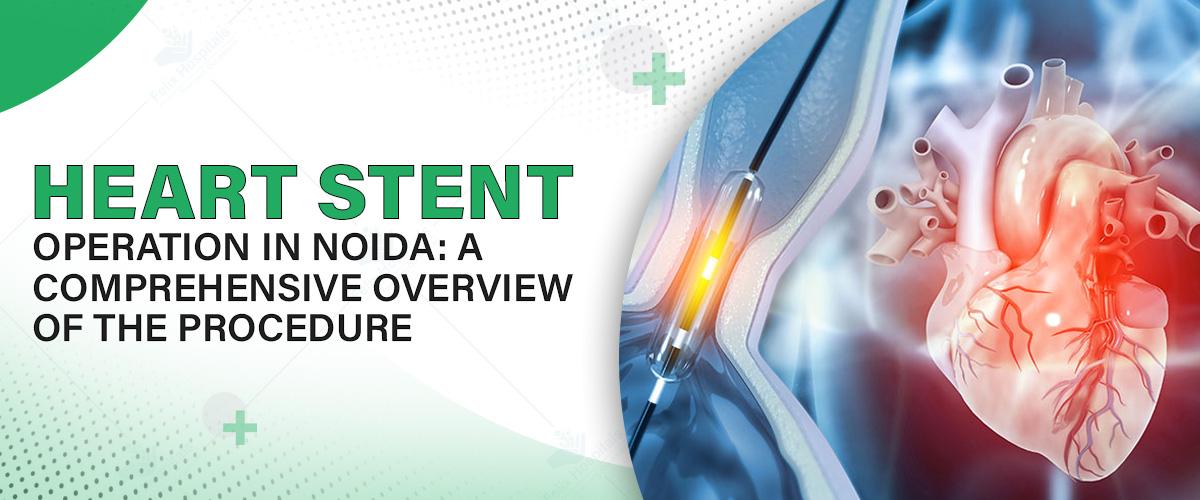
When dealing with heart problems caused by blocked or narrowed arteries, getting timely treatment is essential. At a heart stent operation hospital in Noida, patients benefit from expert cardiologists in Noida who provide personalized and advanced cardiac care .A heart stent operation is often carried out in order to open up narrowed or clogged coronary arteries that can carry blood to the heart muscle. Once the plaque develops, the arteries grow smaller, and this decreases the levels of blood that flows through them. This may lead to heart attack or chest pains. Doctors in such cases tend to prescribe percutaneous coronary intervention (PCI), also referred to as angioplasty with stent deployment.
Consult experienced cardiologists in Noida for personalized cardiac treatment.
To know what is a heart stent operation, you should know During heart stent surgery, a catheter is usually inserted through a blood vessel in the wrist or groin and guided to the blocked artery. The artery is thereafter maintained open by a tube known as the stent upon deflation and removal of the balloon. How heart stent surgery works is that the procedure is most commonly applied in coronary artery disease, one of the leading causes of death in the world.
The placement of stents helps to increase blood to the heart and eliminates chances of heart issues in the future. This paper describes the procedure of having the stent done on the heart, what to expect prior to and after, and the comparison between this process and other treatment procedures. We are also going to discuss the estimated expenses, risks, recovery points, and angioplasty determined cases. How long does it take to recover from heart stent surgery depends on your long term care and procedure
A heart stent operation is a minimally invasive procedure used to open narrowed or blocked coronary arteries that supply blood to the heart muscle. Heart stents are small cylindrical tubes of metal or plastic that are delivered into one of the coronary arteries in order to keep them open. It aims to open up and keep the blood flowing once an artery has been constricted due to a blockage. This procedure is often recommended by a cardiologist in Noida when symptoms like chest pain or shortness of breath indicate reduced blood flow. During coronary angioplasty, stents or percutaneous transluminal coronary angioplasty (PTCA) is performed.
Bare-metal stents: These are stents that give mechanical support to the walls of the arteries.
Drug eluting stents: It is coated with medicine to stop blood clotting and restenosis (re -narrowing).
An angioplasty is a procedure performed during which a balloon is inflated in the artery to scrape off the plaque against the walls. After widening the artery, it is inserted with a stent which keeps the artery open. It is an operation of choice in comparison to open-heart surgeries such as bypass surgery because of low invasive procedure and reduced graduation duration. It is used in the management of chronic coronary disease, as well as acute disorders like heart attack.
In cases where coronary arteries are blocked, and thus dramatically less blood circulates to the heart, doctors might prescribe a heart stent procedure. The shortness of breath, irregular heartbeat, or chest pain are often symptoms, which indicate that the situation should be intervened with.
Coronary artery disease is the most widespread cause of such a procedure. It constricts the arteries and causes blood to be restricted to the heart muscle. When left unattended it can cause a heart attack.
Stent placement for blocked artery symptoms:
Chest pain (angina)
Longstanding
Persistent
Sudden heart attack
Obstructed or constricted arteries in a coronary angiography.
Lack of response to drugs.
Your health facility will test you, including a coronary angiography, before the procedure of coronary angioplasty so that the degree of the blockage may be determined. Blood work and imaging is also done to ensure that you are fit to undergo the procedure.
Before the procedure, do not eat and drink a few hours before the procedure.
Discontinue certain drugs, particularly blood clotters.
Organize after procedure transportation.
Tell your physician about your allergies, particularly those to the dye involved in the procedure.
The stent is placed via a tube known as a catheter, which is put in place through a part of the blood vessel located in the groin or wrist. The patients are usually awake during the procedure. At the area when the catheter is inserted, local anesthesia and pain medicine are administered.
Contraindications of angioplasty: bleeding, allergic reaction, restenosis.
Expected recovery time
Take long-term medications (e.g., blood thinners)
It is important to adhere to the instructions of your doctor, otherwise you will experience complications or delays.
Stenting is a low-profile procedure .Here’s how it’s done:
1. A catheter is a thin tube that is inserted via a blood vessel.
2. To the blocked artery a balloon catheter is introduced.
3. The plaque is squeezed against the walls of the arteries by inflating the balloon.
4. To maintain the artery open, the stent is inserted.
5. The balloon is inflated and taken away.
Imaging is what leads to the entire process. There are also drug-eluting stents available today which prevent the formation of blood clot and restenosis.
It will be a few hours of monitoring.
Catheter pain could be experienced.
Drugs will be administered to avoid blood clots.
A pressure band or closure device can be used by your doctor on the site of the catheter.
After being discharged there should be follow up care.
Most people have a question about can I travel after having a stent procedure yes you can after following the precaution and taking good care of yourself
As in any medical operation, a heart stent augmentation is a potentially risky operation. The insertion of stents is usually a safe procedure, but complications may arise during or after insertion. Risks of heart stent surgery include
The most widespread risks are bleeding, allergic reaction towards the contrast dye, irregular heartbeat or the presence of the blood clot in the coronary arteries.
Smoking patients, diabetic patients, and patients who control their blood pressure poorly can be at greater risk. Unless early addressed, even post-stenting a blocked artery may still recur.
There are those individuals who might be on multifactorial care like coronary artery bypass to address restenosis. Although stents can be used to revive normal blood supply, there are angioplasty side effects, including blood loss or nausea, and tiredness.
Physicians normally prescribe blood clots preventatives following the insertion of stents. Interruption of these medicines without medical prescriptions exposes their risk.
Today, more often, drugs-eluting stents are applied to minimize restenosis. Nevertheless, any implant, as in all implants, has chances to fail in case after-procedure care is not adhered to.
Recovery after heart stent operation can be achieved by long-term care is needed even in cases where a successful heart stent has been performed. Stenting does not cure coronary artery disease, it only makes the blood circulate again. In case of maintaining unhealthy habits, the probability of new blockages elevates.
Doctors recommend making permanent lifestyle changes. This includes quitting smoking, regular exercise, and following a heart healthy diet. Managing stress and sleep also helps prevent further artery blockage.
Take medications regularly (especially blood thinners)
Attend all follow-up tests including coronary angiography if advised
Keep blood pressure, sugar, and cholesterol under control
If you had a drug eluting stent, your doctor may prescribe blood thinning medicines for 6–12 months.
Get professional advice on recovery and lifestyle after heart stent surgery by calling today at +91 9667064100
Choosing a reputed heart stent operation hospital in Noida with skilled cardiologists in Noida enhances treatment success and recovery. A heart stent operation is a proven, minimally invasive procedure to restore blood flow, relieve symptoms, and reduce heart attack risk. However, long-term care with lifestyle changes and medication adherence is vital to ensure the benefits last.
If experiencing heart artery issues, consulting a top cardiology hospital in Noida quickly can save lives and improve heart health.
Q.1. Is a stent the same as a stunt in heart?
Ans. The correct term is stent, not stunt. A stent is a small mesh tube inserted into coronary arteries to keep them open after a blockage is cleared. It supports the artery walls and improves blood flow.
Q.2. What is the cost of a heart stent operation in India?
Ans. Heart stent price in India ranges between INR 70,000 to INR 2.5 lakh. This includes angioplasty procedure, hospital stay, and medications. The cost may vary depending on hospital, stent type, and patient condition.
Q.3. Can stents be removed after some time?
Ans. Stents are permanent. They stay inside the artery and support it; they are not removed. If the blockage reoccurs, doctors may perform another angioplasty or suggest bypass surgery.

Consult the best cardiologist in Noida to understand everything about pacemaker implantation. From when it’s needed to how the procedure works, get expert answers to all your questions.

Find the best cardiologist for your heart care with these essential tips and expert advice.

Respiratory infections are some of the most common illnesses that people get all over the world. They can be as mild as a cold or as serious as a lung disease. These infections mostly affect the lower respiratory tract, which is made up of the lungs, bronchi, and bronchioles. They can make breathing and overall health much worse. Anyone can get a respiratory infection, but kids, older adults, smokers, and people with weak immune systems or long-term lung diseases are more likely to get one.
It is very important to know the symptoms, causes, diagnosis, and treatment options so that you can get respiratory infection treatment in Noida as soon as possible. Respiratory infections can be as mild as bacterial pneumonia or as serious as tuberculosis. They can also be viral infections like RSV. Because they often look like other illnesses, it's important to get the right diagnosis. Most cases can be managed well if they are found early and treated properly. This keeps serious problems from happening. This blog talks about everything you need to know about respiratory infections, such as how to tell if you have one, how to treat it, and how to avoid getting one.
Infections of the lower respiratory tract, which includes your vocal cords and lungs, can make you cough, feel congested, and have trouble breathing. Anyone can get them, but kids, older adults, smokers, and people with weak immune systems are at the highest risk and may have the hardest time getting better.
People who have pulmonary fibrosis or another interstitial lung disease are also more likely to get lung infections, which can make it very hard for them to breathe. People who are HIV-positive are also more likely to get respiratory infections.
A number of bacteria, viruses, and fungi can cause lower respiratory infections.
Acute bronchitis: Bronchitis is an infection in the lining of your bronchial tubes that makes yellow or green mucus and gives you a bad cough.
Bronchiolitis: An infection of the tiny tubes in the lungs that help you breathe.
Pneumonia: Pneumonia is a serious lung infection caused by bacteria or viruses that makes the lungs swell and produce too much mucus.
Respiratory Syncytial Virus: The virus that most often causes bronchiolitis and pneumonia in kids is called Respiratory Syncytial Virus (RSV).
Tuberculosis (TB): This is a very bad bacterial infection that can kill you if you don't get the right care.
A respiratory infection can make you feel very sick, no matter what the cause of the respiratory infection is: bacteria, viruses, or fungi. Some of the symptoms are:
Lung congestion
Mucus that is green, yellow, or blood-stained
Breathlessness
Breathing that makes a wheezing or crackling sound
Pain in the chest when you breathe or cough
Chills Fever
Pain in the muscles or body
Tiredness
Feeling dizzy
Losing weight
Sweating at night
Stopping breathing (respiratory arrest)
Failure of the lungs
Heart failure with congestion
Bacteria, viruses, and fungi are just a few of the microbes that can cause lower respiratory infections. A cold or flu can often go along with a lower respiratory infection.
Anyone can get a lower respiratory infection, but some people are more likely to get one than others:
People who smoke
Kids
People over 65
People who have breathing problems
People with weak immune systems, like those with HIV
People who have just had a big operation
The chest specialist in Noida will ask about your symptoms of respiratory infection and do a physical exam to see if you have a lower respiratory infection. They will listen for strange sounds when you breathe. Some tests that may be done are:
Sputum test: You might be asked to give a sample of mucus so that it can be checked for bacteria.
Tuberculin skin test: A small amount of tuberculosis antigen is injected under your skin for the tuberculin skin test. A red bump means you have been around TB.
Spirometry: This test measures how much air you breathe out and how fast you do it to figure out how inflamed and narrow your bronchial tubes are.
Peak flow meter: This tool tells you how hard you can breathe out. You can use peak flow meters at home to keep an eye on your health.
Arterial blood gas: This test checks the acidity of your blood and the levels of oxygen and carbon dioxide in it.
Pulse oximetry: A sensor that clips onto your finger measures the amount of oxygen in your blood.
Chest X-ray: This test can show if you have pneumonia or other things blocking your airway.
CT Scan: A CT scan uses both X-ray and computer technology to make detailed cross-sectional images of your chest cavity.
Bronchoscopy: A thin, flexible tube with a light and camera on the end is put into your airway to look for blockages or take samples for testing.
Pleural fluid culture: A needle is put between your ribs to get a sample of the fluid that is between your lungs and the wall of your chest for testing.
The type of treatment for a respiratory infection will depend on what is causing it. In some cases, you may need to go to the hospital.
If you have a bacterial infection, the doctor will give you antibiotics. Other treatments could be:
Medications, such as:
Cough medicine
Expectorants (to relieve congestion)
Corticosteroids that are breathed in
Painkillers
Medications that are only for tuberculosis
If you have lung disease, autoimmune disease, or another serious and long-lasting illness, it's important to avoid getting respiratory infections. Spend as little time as possible with sick people and wash your hands often. You should also talk to the doctor about the pneumococcal vaccine.
Here are some tips that can clear your path to know how to prevent your respiratory infection.
Keep yourself clean: To stop germs from spreading, wash your hands often with soap and water.
Prevent yourself from sick people: Stay away from sick people as much as possible, especially if your immune system is weak.
Stop smoking: Smoking hurts the lungs and makes you more likely to get sick.
Proper vaccination: Stay up to date on your vaccinations. Getting shots for the flu and pneumonia lowers your risk of getting serious respiratory infections.
Wear a mask: If you're in a crowded or polluted area, wear a mask. This lowers the risk of breathing in harmful particles or droplets that could make you sick.
A healthy lifestyle can help your immune system. Eating a healthy diet, getting enough sleep, exercising regularly, and managing stress all help your immune system.
Respiratory infections are common, but if you don't treat them right away, they can quickly become dangerous, especially for people who are at high risk, like the elderly, children, and people with chronic conditions. Getting medical help right away and recognising the early symptoms of respiratory infections can make a big difference in recovery and long-term health. If you get the right diagnosis and treatment, most infections can be kept under control before they get worse and cause serious problems like respiratory failure or long-term lung damage.
Good hygiene, vaccines, and changes to your lifestyle are still the best ways to protect yourself and your loved ones from these diseases. Don't ignore a cough or mild fever that doesn't go away or gets worse. Hospital near me get in touch with a doctor right away to make sure you're managing your health safely and keeping your lungs healthy. Finally, to protect yourself from respiratory infections is by educating yourself and taking action about it.
Q.1. How do I know if my cough is a cold or a severe respiratory infection?
Ans. When a cough lasts longer than two weeks, results in green or blood-tinged mucus, or is accompanied by a chest pain along with a fever, then you might have a severe respiratory tract illness that needs medical attention.
Q.2. Will seasons of changing temperatures or air pollution bring about or precipitate respiratory infections?
Ans. Indeed, poor air, smog, and changing of the weather, like winter, make airways more sensitive and raise susceptibility to infections, most particularly among those that have asthma or even chronic lung disease.
Q. 3. Is it that respiratory infections are more severe in asthmatics/COPD patients?
Ans. Yes, for sure. People with asthma or COPD already have lung problems that make infections worse and harder to get over. Sometimes these infections put them in the hospital.
Q. 4. What are the signs of bronchitis and pneumonia?
Ans. A cough with mucus is common with bronchitis, but a high fever is rare. Chest pain, fever, chills, and trouble breathing are common with pneumonia, along with a cough.
Q.5. Do home remedies like inhaling steam or gargling with salt water really help with respiratory infections?
Ans. Yes, they can help with congestion and make your throat feel better, but they don't get rid of the infection. Depending on the cause, medical care may still be needed.

These viruses spread primarily through respiratory droplets released into the air when an infected person sneezes or coughs.
A pulmonologist plays a crucial role in helping patients dealing with serious or chronic breathing difficulties.

Breathing is Life," highlights the importance of lung health. Discover essential prevention tips to protect your lungs and improve quality of life.
Additionally, many COPD patients experience unintended weight loss and muscle wasting, a condition known as Pulmonary cachexia.
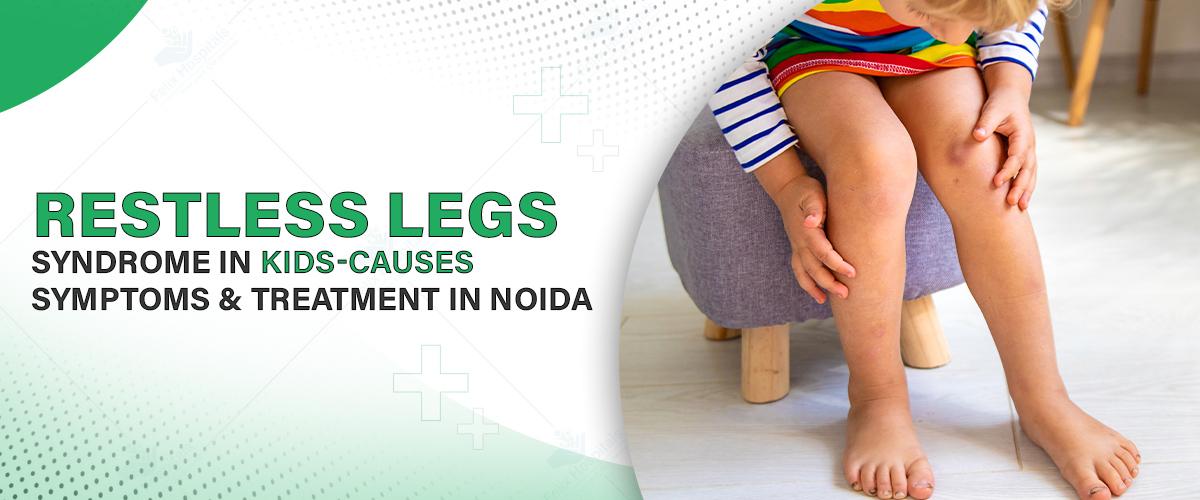
Sleep is necessary for a child's development and maturation, yet some children have difficulties with abnormal night-time leg activity that disrupts their sleep. Parents will often remark that their child is alternately shifting, rubbing, or kicking their legs even when they are awake. This condition is sometimes associated with what is restless legs syndrome in children, a neurologic illness that can affect not only sleep but also learning, behavioral disturbances, and emotional status.
Timely identification and intervention are necessary. We shall briefly mention signs of restless legs syndrome in kids, predisposing factors in general, potential problems that may ensue if it is neglected, and potential treatment of restless legs syndrome in children. For families living within Delhi NCR, Noida restless legs syndrome treatment is also available where child specialists provide timely intervention.
Make an appointment to consult specialists providing top-notch restless legs syndrome treatment in Noida now by calling +91 9667064100.
Willis-Ekbom Disease or Restless Legs Syndrome is a neurologic disorder that creates an unstoppable urge to movement in a human being. Even though it is typically associated with adults, kids are also affected by this disorder. Parents usually discover that their kid becomes restless when it is bedtime, can't relax, or wakes up time and again from leg discomfort.
Understanding restless legs syndrome in kids is necessary. as its manifestations tend to simulate behavioral issues such as hyperactivity or anxiety. Children will have a difficult time describing their distress as "creepy-crawly," "tingling," or "pulling" feelings in their lower limbs. Symptoms tend to escalate in the evening or during night hours and tend to impair a child's falling and staying asleep.
In children it is challenging to determine signs of restless leg syndrome because they have no way of describing in so many words what is happening to them. Parents then have to look out for these signs:
Constant leg movement – leg rubbing, kicking, or shifting about when sitting or standing.
Sleep disturbances – inability to fall asleep or daytime awakenings.
Nocturnal sleeplessness – inability to fall asleep during daytime hours.
Behavioral changes – hyperactivity, mood swings, or inability to concentrate, that may appear as ADHD.
Leg distress symptoms – such as "tingly," "ants crawling," or "itches inside."
When such symptomatology is of long-standing duration, consultation with a best pediatric neurologist or a pediatric sleep specialist is appropriate. Early identification averts the condition from impeding upon the child's school functioning, emotional status, and activities of daily living.
Parents also question why their child is unable to keep their own legs steady during bedtime. Various factors lead to night-time leg activity among children, and they include:
Iron deficiency – Reduced brain levels of iron have been found to compromise control of dopamine, an important neurotransmitter responsible for controlling movement control.
Genetics – RLS is common in families, and children whose parents or close family have it have a higher chance.
Neurological imbalance – Abnormal leg sensation may be produced by troubled dopamine activity of the brain.
Chronic disease – Kidney disease, diabetes, or peripheral neuropathy could have associated risk but is less frequent during adolescence.
Growth spurts – Some children experience an exacerbation of leg discomfort during periods of rapid growth at night.
Recognition of night-time leg movements in children allows physicians to confirm if it is a primary (genetic) or secondary (due to some disease) condition. Correct identification guarantees selective therapy.
The identification of RLS in children is a sensitive process since no test can confirm it absolutely. Doctors most frequently proceed as follows:
Medical history – talking about family history and child's sleep patterns.
Description of symptom – requesting that the child clarify sensations in a word or two.
Blood tests – to rule out anemia or underlying illness.
Studies to determine if you're a candidate – sometimes a polysomnography test is suggested to exclude other sleep disorders.
Since such signs may present like ADHD, anxiety, or behavioral disorders, appropriate diagnosis is necessary to avoid mismanagement.
Good management seeks to improve sleep efficiency as well as relieve distress. Treatment in children with restless leg syndrome may include:
Dietary alterations
Remaining regular with a bedtime routine.
Promoting activity during daytime but no strenuous activity near bedtime.
Restricted use of screens in the evening.
Nutritional support
Correction of deficiency of iron by supplements if a physician advises so.
Incorporating of iron-dense foods like leafy greens, legumes, and lean beef to the diet.
Medications (if required)
In rare cases, child neurologists may prescribe medicine that regulates dopamine or induces sleep, but this is a possibility only when a change of lifestyle is insufficient.
Local parents can also consult restless legs syndrome treatment in Noida, where child specialists assess the intensity and develop customized treatment plans for kids.
Apart from medicolegal proceedings, families can embrace comforting measures to relieve distress in the child:
Massage or warm baths in the evening to relax tense muscles.
Comfortable sleeping situation with a cool, quiet, and dark bedroom.
Stimulating communication – allowing children to express their symptoms in their own language assists in trust building and improved physician diagnoses.
Monitoring of symptoms – maintenance of a sleep diary to be presented to physician to facilitate easier assessment.
Such methods do not only minimize disruption during night time but also foster healthy sleeping patterns in the long time.
Contact the best hospital dealing with RLS in kids to receive customized evaluation and therapy to enhance their sleep, mood, and general health.
Child restless leg syndrome is also overlooked, but its impact on sleep patterns, school work, and mood is real. By discovering what is restless leg syndrome in children, how to seek early signs of restless leg syndrome in children, and how to treat children's night-time leg movement, parents can make proactive strides toward earlier intervention.
Proper assessment and appropriate treatment of restless legs syndrome in kids allow most children to have good sleep and better daily functioning. Families in Delhi NCR have access to expert RLS treatment in Noida that provides proper treatment. Parents must not hesitate to consult medical assistance in the best hospital for RLS treatment in children because sympathetic doctors only aim to bring back children's comfort and good life.
Q.1. What is restless legs syndrome in children?
Ans. Child Restless Legs Syndrome is a neurologic illness that happens when kids have uncomfortable leg sensations, especially when sitting or lying down, and will move their lower extremities vigorously. It can affect sleep, mood, and concentration. Early recognition makes it possible to effectively manage its symptoms.
Q.2. What are some signs of restless legs syndrome in children?
Ans. The main signs include frequent leg movement, difficulty falling asleep, night-time awakenings, complaints of tingling or crawling sensations in the legs, and daytime fatigue or irritability. These symptoms are more noticeable in the evening or before bedtime.
Q. 3. Why do kids have leg movements during sleeping?
Ans. A number of factors are responsible for night-time leg movements in children such as low levels of iron, genetics, dopamine imbalance in the brain, growth spurts, and some underlying medical illness. Proper treatment is necessary to determine its exact causative factor.
Q. 4. What are the treatments of restless legs syndrome among children?
Ans. Treatment is made up of lifestyle adjustments such as a daily sleep schedule, moderate exercise, control of stress, and dietary supplements such as supplements of iron. Doctors might prescribe medication to regulate dopamine or to induce sleep in emergency cases.
Q.5. Noida restless legs syndrome treatment is offered where?
Ans. Noida citizens may consult expert pediatric RLS treatment from pediatric neurology clinics or specialists that have comprehensive pediatric RLS assessment as well as RLS diagnosis and custom RLS therapies suitable to children.
Recognizing neurological warning signs early can be life-saving. Learn when symptoms like frequent headaches, dizziness, memory loss, or numbness mean it’s time to consult a neurologist.

During sleep, the body releases growth hormones, which are essential for a child's growth and development. Adequate sleep is vital for muscle development, tissue growth, and the overall physical health of a child.
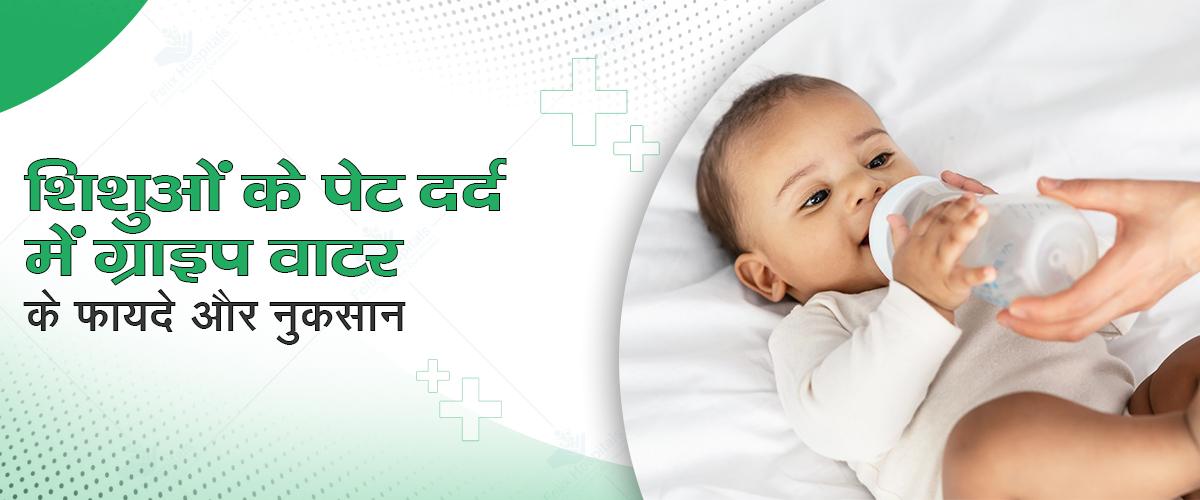
अक्सर देखते हैं कि शिशु पेट दर्द, गैस या कोलिक (Colic) की वजह से रोते रहते हैं। ऐसे में बहुत-से माता-पिता तुरंत ग्राइप वाटर देने का सोचते हैं। कई घरों में यह एक परंपरा की तरह इस्तेमाल होता है। लेकिन क्या सच में ग्राइप वाटर सुरक्षित है ? क्या यह हमेशा असर करता है या इसके कुछ नुकसान भी होते हैं? आइए इस ब्लॉग में विस्तार से जानते हैं। Pediatric consultation In Noida for baby colic में उपलब्ध है। यदि शिशु को बार-बार पेट दर्द या उल्टी-दस्त की शिकायत हो रही है, तो तुरंत नजदीकी पीडियाट्रिशियन (बाल रोग विशेषज्ञ) से संपर्क करें।
ग्राइप वाटर एक तरल सिरप होता है। जिसमें पारंपरिक रूप से हर्बल तत्व जैसे सौंफ, अदरक और पुदीना मिलाते हैं। कई बार इसमें सोडियम बाइकार्बोनेट (sodium bicarbonate) शामिल होता है। इसे शिशुओं के पेट में बनने वाली गैस, अपच और कोलिक (पेट दर्द) जैसी समस्याओं को कम करने के लिए देते हैं। ग्राइप वाटर शिशु के पाचन को थोड़ा आसान बनाकर पेट में फंसी गैस को बाहर निकालने में सहायक होता है। कुछ बच्चों को इसे लेने के बाद आराम महसूस होता है। वह बेहतर नींद ले पाते हैं।
जबकि कुछ पर इसका प्रभाव बहुत कम या अलग होता है। यही कारण है कि हर बच्चे पर इसका असर समान नहीं होता। ग्राइप वाटर का उपयोग करने से पहले डॉक्टर से परामर्श (Consult a doctor) लेना जरूरी है। क्योंकि हर शिशु का पाचन तंत्र और प्रतिक्रिया अलग होती है। याद रखें यह घरेलू उपाय जैसा लगता है लेकिन शिशु के लिए कोई भी सप्लीमेंट या सिरप बिना चिकित्सकीय सलाह के नहीं देना चाहिए। सही देखभाल, संतुलित आहार और डॉक्टर की गाइडलाइन शिशु की गैस और कोलिक की समस्या को सुरक्षित तरीके से कम करने में मददगार होती है।
इस उम्र में शिशु का पाचन तंत्र बहुत नाज़ुक होता है। इसलिए किसी भी तरह का सिरप या घरेलू नुस्खा नुकसान पहुंचाता है।
हर बच्चे की शारीरिक स्थिति अलग होती है। इसलिए डोज की मात्रा और आवृत्ति बाल रोग विशेषज्ञ ही तय करें।
अलग-अलग कंपनियों के ग्राइप वाटर की संरचना और सांद्रता अलग होती है। इसलिए पैकेज पर लिखे निर्देश या डॉक्टर की सलाह का पालन करना जरूरी है।
ज्यादा ग्राइप वाटर देने से बच्चे को डायरिया, पेट दर्द या इलेक्ट्रोलाइट असंतुलन जैसी समस्याएं होती हैं।
किसी भी दवा, सिरप या सप्लीमेंट को शिशु को देने से पहले डॉक्टर की गाइडलाइन का पालन करना सबसे सुरक्षित तरीका है।
ग्राइप वाटर को फ्रिज में न रखें। कमरे के तापमान पर ही इस्तेमाल करें। हमेशा साफ चम्मच या ड्रॉपर से दें। अगर बच्चे को एलर्जी (Allergies), उल्टी या कोई असामान्य लक्षण दिखे तो तुरंत देना बंद करें और डॉक्टर से संपर्क करें।

दस्त या उल्टीः
कुछ शिशुओं का पाचन तंत्र ग्राइप वाटर को सहन नहीं कर पाता है। जिससे दस्त, उल्टी या ढीला पेट होता है।
नींद ज्यादा आना या सुस्तीः
इसमें मौजूद कुछ तत्व शिशु को असामान्य रूप से ज्यादा नींदिला बना सकते हैं, जिससे बच्चा सुस्त या कम एक्टिव दिख सकता है।
एलर्जिक रिएक्शनः
कुछ बच्चों को इसके घटकों (जैसे सौफ, अदरक या सोडियम बाइकार्बोनेट) से एलर्जी होती है। यह रैश, खुजली, लाल चकत्ते या सूजन के रूप में दिखाई देता है।
पेट में और ज्यादा गैस बननाः
सभी बच्चों पर इसका असर समान नहीं होता है। कुछ मामलों में ग्राइप वाटर देने से गैस और ज्यादा बनती है। जिससे रोना या बेचैनी बढ़ती है।
अन्य संभावित दिक्कतेंः
बार-बार पेशाब या इलेक्ट्रोलाइट असंतुलन होना। बहुत छोटे बच्चों में पाचन संबंधी गड़बड़ी होना। लंबे समय तक इस्तेमाल करने पर दवा पर निर्भरता होना।
हर बच्चे का शरीर और पाचन अलग होता है। इसलिए यह निर्णय केवल बाल रोग विशेषज्ञ की सलाह से ही दवा लेनी चाहिए।
कई बार दवाइयों और ग्राइप वाटर के तत्वों का आपस में रिएक्शन होता है। जिससे नुकसान होता है।
लोकल या बिना रजिस्टर्ड प्रोडक्ट में अशुद्धियां होती हैं। जो शिशु के लिए खतरनाक साबित होती हैं।
एक्सपायर्ड ग्राइप वाटर शिशु के लिए हानिकारक होता है और एलर्जी या संक्रमण का कारण बनता है।
ग्राइप वाटर देते समय हमेशा साफ चम्मच या ड्रॉपर का इस्तेमाल करें और बोतल को अच्छी तरह बंद करके रखें।
डॉक्टर द्वारा बताई गई मात्रा से अधिक ग्राइप वाटर देना नुकसानदायक होता है। बच्चे को डायरिया या पेट दर्द होता है।
यदि बच्चा दूध पीने से मना कर रहा है। लगातार रो रहा है, उल्टी या दस्त हो रहे हैं। कोई और असामान्य लक्षण दिख रहा है तो तुरंत डॉक्टर से संपर्क करें।
कुछ माता-पिता यह मानते हैं कि ग्राइप वाटर देने से शिशु को आसानी से नींद आने लगती है। वास्तव में, कुछ बच्चों में इसे लेने के बाद नींद जल्दी आती है, लेकिन यह प्राकृतिक और सुरक्षित नींद नहीं होती, बल्कि दवा के असर के कारण आती है। शिशु को सुलाने के लिए ग्राइप वाटर का इस्तेमाल करना बिल्कुल गलत है। क्योंकि इससे बच्चे के पाचन और शरीर पर नकारात्मक प्रभाव पड़ता है। नींद शिशु के शारीरिक और मानसिक विकास के लिए बेहद जरूरी है। लेकिन यह नींद प्राकृतिक तरीके से ही होनी चाहिए। अगर बच्चा ठीक से नहीं सो रहा है। बार-बार रोता है या बेचैन रहता है, तो इसके पीछे अन्य कारण होते हैं।
बच्चे की त्वचा पर छोटे-छोटे दाने, लाल धब्बे या खुजली जैसी समस्या दिखती है। यह एलर्जिक रिएक्शन का शुरुआती संकेत होता है।
कुछ मामलों में बच्चे के होंठ, पलकों या आंखों के आसपास हल्की से लेकर ज्यादा सूजन आती है। यह गंभीर एलर्जी का संकेत होता है।
यदि बच्चे को अचानक तेज सांस लेने में दिक्कत हो। Baby colic treatment in Noida में उपलब्ध है। आवाज के साथ सांस आए (घरघराहट) या खांसी बढ़ जाए तो तुरंत डॉक्टर को दिखाएं।
अगर बच्चा बिना वजह लगातार रो रहा है, दूध पीने से मना कर रहा है या बहुत ज्यादा चिड़चिड़ा लग रहा है। तो यह भी एलर्जी का असर होता है।
बार-बार उल्टी या दस्त होना
त्वचा पर खुजली और लालिमा
बहुत ज्यादा नींद आना या असामान्य सुस्ती
ग्राइप वाटर हर शिशु के लिए न तो जरूरी है और न ही पूरी तरह सुरक्षित। यह कुछ बच्चों में गैस और पेट दर्द को कम करने में मदद करता है। उन्हें थोड़ी राहत दिलाता है। लेकिन हर बच्चे पर इसका असर समान नहीं होता है। कई बार इसके सेवन से उल्टी, दस्त, एलर्जी, रैश या नींद में असामान्य बदलाव जैसे साइड इफेक्ट्स भी देखे गए हैं। अक्सर माता-पिता शिशु की रोने या पेट दर्द (stomach pain) की समस्या को देखते ही ग्राइप वाटर देना शुरू करते हैं। लेकिन यह सही तरीका नहीं है। शिशु का पाचन तंत्र बेहद नाज़ुक होता है। किसी भी सिरप या सप्लीमेंट का गलत इस्तेमाल नुकसानदायक होता है। सबसे बेहतर और सुरक्षित उपाय यही है कि ग्राइप वाटर या किसी भी तरह का सप्लीमेंट देने से पहले बाल रोग विशेषज्ञ से परामर्श लिया जाए। डॉक्टर बच्चे की उम्र, वजन और स्वास्थ्य स्थिति देखकर ही सही सलाह देंगे।
प्रश्न 1. क्या ग्राइप वाटर सभी बच्चों को दिया जाता है?
जवाब: नहीं, नवजात शिशु और जिन बच्चों को कोई एलर्जी या बीमारी है, उन्हें यह बिल्कुल भी न दें। इसे सिर्फ डॉक्टर की सलाह पर देना चाहिए।
प्रश्न 2. क्या ग्राइप वाटर से शिशु का वजन बढ़ता है?
जवाब: नहीं, इसका वजन पर कोई असर नहीं होता है। लेकिन अगर वजन तेजी से कम हो रहा तो एक बार डॉक्टर से सलाह ले।
प्रश्न 3. क्या घरेलू नुस्खे ग्राइप वाटर से बेहतर हैं?
जवाब: हां, कभी-कभी पेट पर हल्की मालिश, बच्चे को डकार दिलाना और सही पोजिशन में दूध पिलाना ज्यादा असरदार होता है।
प्रश्न 4. क्या ग्राइप वाटर से नींद लाना सही है?
जवाब: नहीं, शिशु को सुलाने के लिए कभी ग्राइप वाटर न दें। यह नुकसानदेह हो सकता है। इसलिए इसे डॉक्टर की सलाह पर ही शिश को देना चाहिए।
पेट में अल्सर एक आम लेकिन गंभीर समस्या है जो संक्रमण, अधिक एसिड या दवाओं के कारण होती है। इसके लक्षणों में पेट दर्द, जलन और अपच शामिल हैं। फ़ेलिक्स अस्पताल में इसका प्रभावी उपचार और परामर्श उपलब्ध है।

बच्चों में इम्यूनिटी कमजोर होने पर बार-बार बीमारियां, थकान और विकास में रुकावट जैसे लक्षण दिख सकते हैं। सही कारण पहचानकर समय पर इलाज से बच्चे को स्वस्थ रखा जा सकता है।
जानें हेपेटाइटिस से बचाव के उपाय और सही इलाज। समय पर पहचान और उपचार से लिवर को मजबूत बनाना संभव है।

दिल्ली NCR में हेपेटाइटिस-ए और ई के मामलों में तेजी से इजाफा देखा जा रहा है। समय पर पहचान और सही इलाज से इस बीमारी को गंभीर होने से रोका जा सकता है।

Taking care of your heart goes beyond just eating well and working out. It's the most important part of your body. Preventive healthcare is very important, and one of the most important things you can do to stay healthy is to get a heart screening in Noida. These tests can find heart problems before they get worse, making sure that treatment starts right away and that you have a better quality of life.
High blood pressure, diabetes, obesity, and high cholesterol are all too common in this busy world. They're potential risk factors that can damage heart health without obvious symptoms. A heart health checkup is thus the need of the hour to identify early, prevent, and effectively manage cardiovascular hazards.
Schedule your appointment with us today and enjoy a better tomorrow. Call us now on +91 9667064100.
Heart screening refers to a set of medical examinations that determine the functionality of your heart. It looks at risk factors and finds conditions that haven't been diagnosed yet that could turn into heart diseases that could kill you if you don't get the right care. Screenings are different from emergency care because they teach you about heart health before you have any symptoms.
Taking Blood Pressure: One of the main causes of heart disease is high blood pressure.
Cholesterol Test: Checks for good and bad cholesterol to find out how healthy your arteries are.
Blood Sugar Test: This test is always included because heart disease is common in people with diabetes.
Electrocardiogram: An electrocardiogram (ECG or EKG) records the electrical activity of the heart to find unusual rhythms.
Echocardiogram: Uses sound waves to look at the structure of the heart and how well it pumps.
Stress Test: checks how well your heart works while you exercise; helpful for finding coronary artery disease.
Advanced Imaging (as needed): Such as CT scan or angiography to achieve accurate insights.
These heart screening tests provide precise information to the physicians regarding the health of your heart and prepare a schedule of preventive or corrective procedures.
The importance of cardiac screening cannot be stressed enough. Heart disease is known to be the "silent killer" because a large percentage of the conditions progress without symptoms until a dramatic event of a heart attack or stroke occurs. Routine screenings ensure:.
Early Identification of Risks – Identifies hypertension, diabetes, and cholesterol conditions before they get worse.
Timely Intervention – Prevents serious complications through lifestyle adjustments or treatment.
Better Long-Term Health – Maintains your heart healthy and functioning well with repeated monitoring.
Peace of Mind – Having peace of mind that your heart is healthy removes nervousness and leads to living a better life.
Arranging a heart health checkup in Noida is taking preventive steps to save your single most important organ.
The screening times depend on your age, your family history, and your personal health risk. Your doctors will counsel:
Adults aged 20–39: One-time baseline screening of people in early adulthood, particularly if risk factors that you might have exist.
40–49 years: A cardiac screening at intervals of 3–5 years. If you ever experience symptoms of palpitations, fatigue, or chest pains, don't wait.
Over 50 years: Every 1–2 years, due to the increased hazards with older life.
Have diabetes or high blood pressure.
Drinking or using drugs excessively.
Lead a sedentary existence.
Feel shortness of breath or trouble breathing.
Identification of heart screening requirements can be life-preserving, whereby timely prevention and treatment can be effected.
The heart screenings are not blanket. Doctors may order different tests depending on your medical background. The following are the most common heart screening examinations:
Basic Screenings – The blood pressure, cholesterol, and glucose screen.
Functional Tests – ECG and stress tests to determine the presence of problems with rhythm or reduced blood flow.
Structural Tests – Echocardiograms to identify defects within the muscle or valve.
Advanced Diagnostics – CT angiography or Holter monitoring for difficult cases.
Each test contributes meaningful data to help you achieve a comprehensive understanding of your heart health.
Availability of heart screening in Noida enables timely, comfortable, and convenient care without having to travel too long. With the latest technology and experienced cardiologists in Noida offers the best options for preventive heart care. Patients can avail of full evaluation locally and save their precious time while getting the best service.
If you want to find the best heart screening hospital in Noida, then you should short-list the centers that offer:
A team of experienced cardiologists.
Newer diagnostic units.
Screening profiles that are tailored to each person based on their age and risk factors.
Suggestions for preventive care and how to make a diagnosis.
This combination of technology and knowledge gives patients access to accurate and current information about their heart health.
Taking the right step today can protect your future. A heart health checkup in Noida can tell you how healthy you are now and help you stay healthy in the future.
Daily work is needed to keep your heart healthy if you need screenings. These lifestyle changes are also important, along with your daily heart checkup:
A diet that is good for you: Eat a lot of fruits, vegetables, and whole grains, but not a lot of saturated fats.
Exercise should be done regularly: You should work out for at least 30 minutes most days.
Managing stress: Exercise, meditation, or being aware of your thoughts may help lower risks.
Avoiding Tobacco & Harmful Alcohol: They are among the key contributors to cardiovascular diseases.
Regular Screenings: Regular screenings help to identify and control cells with abnormal growth early.
Screenings with a healthy lifestyle provide a comprehensive approach to long-term cardiovascular health.
Take charge of your heart health now—book your full heart screening in Noida and get one step ahead of risk.
Your heart works continuously for you each second, and that's why it should get the same attention you give back to it. Regular heart screenings in Noida identify potential risks early, direct preventive measures, and provide better long-term results. If you're young and have heart disease among your close relatives or past the age of 50 with risk factors of lifestyle, then a heart health checkup can come to your rescue.
From discovering about the types of heart screening tests to understanding when screening is necessary, action now can prevent life-threatening issues later. When you choose the best hospital for heart screening in Noida, you get expert care, a correct diagnosis, and peace of mind.
Don't wait for symptoms to show up; take care of your heart first. You can take charge of your health and future by making an appointment for a cardiac screening in Noida today.
Q1. What is a heart screening?
Ans. Cardiac screening or heart screening, thus, is a pre-emptive health test that involves testing to identify potential hazards such as high blood pressure, cholesterol, or dormant heart conditions.
Q2. How Often to Have a Heart Health Checkup?
Ans. If you're over 40, diabetic, hypertensive, or have a history of heart disease among your relatives, you should go through periodic heart screenings once in 1–2 years.
Q3. The most common heart screening test is?
Ans. Blood pressure checks, cholesterol testing, ECG, echocardiogram, and stress testing make up heart screening examinations that are mostly prescribed.
Q4. Why is cardiac screening valuable?
Ans. Cardiac screening works because it can help identify heart risk early before significant issues have set in, including heart attacks or strokes.

Advanced heart screening for children is now available in Greater Noida, ensuring early detection and specialized care for pediatric heart health.
A stent procedure can be life-saving for those with blocked arteries. This guide walks you through the stent experience—from the angioplasty process to post-procedure recovery and lifestyle changes.
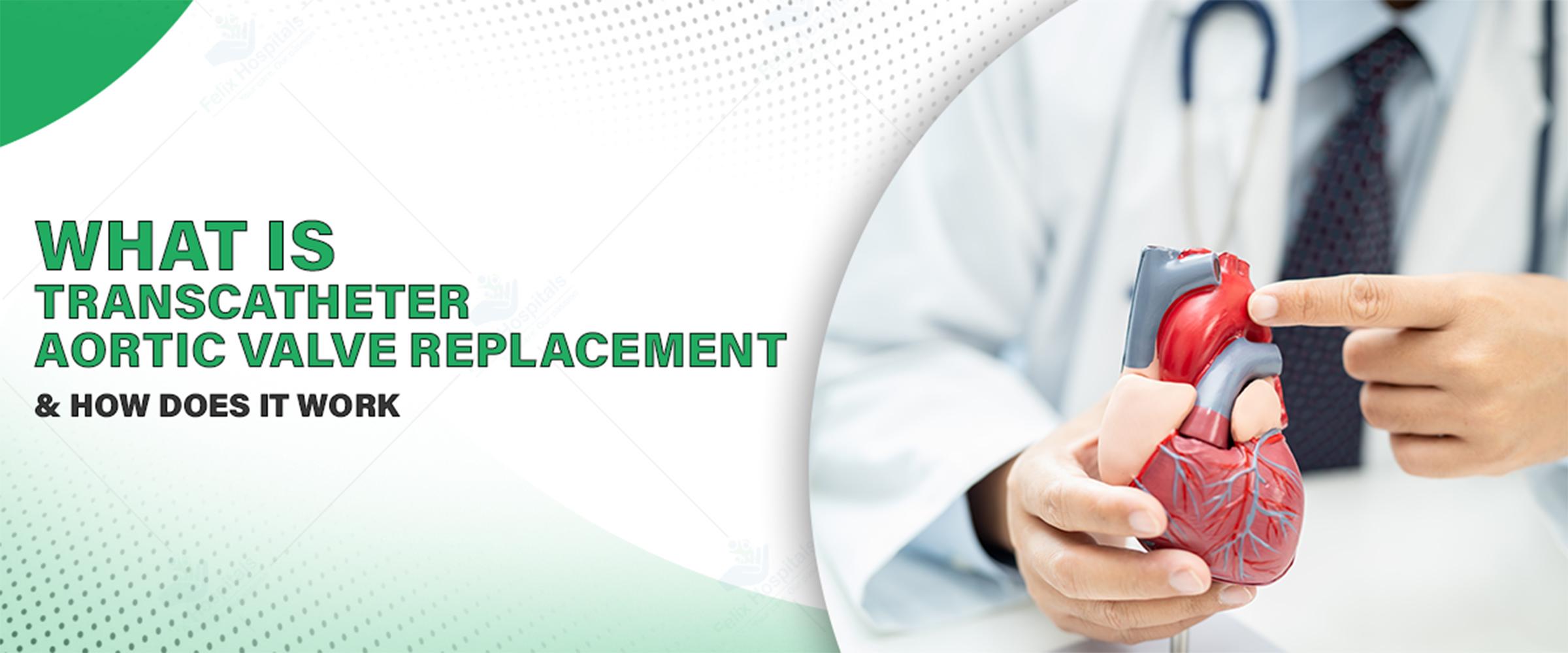
Transcatheter aortic valve replacement often referred to as TAVR, is a minimally invasive technique that involves inserting a replacement valve into your heart by TAVR Doctor in Greater Noida it is currently a recognized and effective treatment for individuals with symptomatic severe aortic stenosis, and it is a viable alternative to surgery in some high-risk patients who cannot be operated on.
People with symptomatic aortic stenosis can benefit from TAVR as it can improve their quality of life and life expectancy while also lowering symptoms! The success rate at Best TAVR hospital in Greater Noida is 90%, a significant rate! Early clinical research and trials indicated that among patients at higher risk for surgical problems, TAVR treatment in Greater Noida is more likely to be effective and less likely to result in death or serious complications.
Considering TAVR for aortic valve replacement? Consult our expert cardiology team today by calling +91 9667064100 for a personalized treatment plan
Transcatheter aortic valve replacement is an alternative to open heart surgery and is used as a medical technique that replaces the aortic valve in your heart. These days, the most popular method for replacing an aortic valve is this minimally invasive technique. The aortic valve is the last one of your heart's four valves that regulate your blood flow to the entire body, and through that valve, your heart circulates blood to your aorta as well.
According to research, TAVR is often safer as it is Aortic valve replacement without surgery (SAVR) and produces results that are comparable to or superior to SAVR. If you have an increasing chance of heart failure because of aortic valve stenosis, you might need to have your aortic valve replaced through this procedure.
The TAVR procedure for the heart is a complicated process that is handled very cautiously and delicately! You will be given either general anaesthesia (less common) or mild sedation (most frequent) before the start of the surgery, and even though both can prevent pain, mild sedation has a weaker impact.
TAVR Doctor in Greater Noida, inserts a tube into your throat and attaches it to a breathing apparatus during general anesthesia, and after the operation is complete, they remove the tube. What’s more, you will be given medication to avoid blood clots. TAVR is usually done inside the cath lab or hybrid OT with surgical backup.
A cardiologist doing a transcatheter aortic valve replacement will use an antiseptic solution to clean the skin surrounding the surgery site. To access your aortic valve, the surgeon inserts a catheter into your leg artery and then takes it through your aorta to perform the procedure.
Throughout the surgery, your surgeon will insert more catheters into your heart to obtain measurements and X-ray images; in addition to that, the surgeon will guide either a balloon-expandable valve or a self-expanding valve through your old aortic valve and up the femoral artery catheter.
Your surgeon will then replace the old valve with the new one when it is positioned correctly. However, before removing the catheters, your doctor will take measurements and pictures to ensure your replacement valve functions as intended.
The function of the replacement valve is subsequently evaluated using transthoracic echocardiography. After completing the process, your physician will use a suture device that doesn't require an incision to close your femoral artery.
To be closely monitored following your surgery, you can be admitted to the intensive care unit (ICU) of the hospital for the night, but remember, numerous factors determine how long you spend in the hospital for transcatheter aortic valve replacement recovery.
Some TAVR patients may return home the next day after the treatment! Fever, increasing discomfort and redness, swelling, and leaking or draining at the catheter site are all warning symptoms of infection. Following TAVR heart surgery, several medications may be administered to patients.
Anticoagulants - This medication aids in blood clot prevention, and your health status determines the length of time you may need to take this medication. Always remember to take medications exactly as prescribed.
Antibiotics - These medications treat and prevent bacterial infections because artificial heart valves can become infected or adhere to germs. Most germs that cause heart valve infections originate in the mouth, but these infections can be avoided by taking appropriate care of your mouth and teeth.
Following TAVR, routine medical examinations and imaging tests are required to ensure the replacement valve is functioning as intended. Still, remember to inform your doctor of any new or worsening symptoms, such as:
Lightheadedness
Dizziness
Swelling at the ankles
Unexpected increase in weight
Excessive fatigue
Redness
Swelling
Most importantly, you must seek immediate medical attention if you have chest tightness or pain, sudden shortness of breath, or if you faint.
Clinical studies have demonstrated the safety and efficacy of TAVR. However, there are some TAVR procedure risks associated with the process, so let’s take a look.
Valve leaks
This can happen when the replacement valve is too small, hasn't expanded completely, or has calcium buildup interfering with it; however, more recent models being developed are more effective.
Kidney damage
Your kidneys may be harmed by the contrast dye used for imaging, although this is typically treatable.
Damage to your vessels
Putting catheters through your arteries may cause harm to them.
Pacemakers
Sometimes, valves that open during replacement might put pressure on the heart's system, necessitating the use of a pacemaker because of the development of heart block.
Stroke
Some patients having TAVR have experienced a stroke, either during or shortly after the treatment. This is one of the serious complications of the TAVR procedure, but the number of people who suffer from it is really small!
Compared to surgery, a TAVR heart surgery treatment offers several benefits, and for this reason, it is currently the most often used technique for aortic valve replacement. Among those benefits are:
Less intrusive than open-heart surgery - Large incisions are made in your chest for the majority of cardiac procedures, and to do cardiac surgery, surgeons frequently need to elevate your rib cage or even break it apart. No internal organs or ribs need to be moved during TAVR; a tiny incision is made for this process.
TAVR recovery process is easier - Your body will need less time to recover if the incisions are smaller, there will be less discomfort, and there will be a quicker recovery result.
Shorter hospital stay - A hospital stay of several days is typically required following open heart surgery. However, your doctor could send you home the same day or the following day after transcatheter aortic valve replacement. The severity of your case, the time of your surgery, and your general health will all play a role in this.
Protect your heart health with advanced TAVR procedure options. Book an appointment with leading specialists at +91 9667064100.
Transcatheter aortic valve replacement, or TAVR, is a minimally invasive surgery! This procedure has been performed on thousands of patients, and no matter your condition, it has significant advantages over open heart surgery, but if you are going for a TAVR surgery, selecting a practitioner who has extensive expertise doing this treatment will help increase the success rate.
If you are facing any heart-related conditions and need treatment for it, visit your nearest super-specialty hospital as soon as possible!
Ques1. What are the main benefits of TAVR?
Ans. The procedure offers quicker recovery, reduced hospital stays, and fewer complications compared to open-heart surgery. It also significantly improves heart function and quality of life.
Ques2. How long does the TAVR procedure take?
Ans. The procedure typically takes 1-2 hours, depending on the complexity, and most patients are awake with light sedation during the process.
Ques3. What is the recovery time after TAVR?
Ans. Recovery is generally faster than open-heart surgery. Patients can often resume normal activities within a week, with full recovery in a few weeks.
Ques4. Is TAVR safe?
Ans. Yes, TAVR is considered safe and is backed by extensive clinical studies. However, like any medical procedure, it carries risks, including bleeding, infection, or stroke.
Ques5. Will I need blood thinners after TAVR?
Ans. Most patients require blood-thinning medication temporarily to prevent clot formation. Your doctor will provide specific guidance based on your condition.
हार्ट अटैक के मुख्य लक्षण, कारण और तुरंत किए जाने वाले उपचार के बारे में जानें। समय पर पहचान और सही इलाज से जीवन बचाया जा सकता है।

Best heart hospital in Noida for bypass surgery at affordable prices with expert cardiac surgeons, advanced facilities, and quality patient care for better recovery.

Subscribe to our
© Copyright 2026. All Rights Reserved by Felix Healthcare Private Limited
Design and development by :


 +(91)9667064100
 Emergency : +(91)9667064100