 WhatsApp
 Emergency:
  WhatsApp












Subscribe to our

Beginning a family is every couple's dream, yet the times conception does not come easily as expected. If for months you have been trying but haven’t conceived, it is normal to be anxious, puzzled, or even exhausted. Determining the signs that determine that you should be tested for infertility can be insightful and direct you to appropriate medical care.
Because of advanced medical technology, couples today have more options to resolve fertility issues than at any point in history. If in doubt whether it is yet the appropriate moment to look for care, the following guide takes you through the important warning signs and when to visit experts for fertility testing in Noida and need a professional help for Conceiving.
If conception has been challenging for you and you identify with any of these symptoms, wait not. Call us today at +91 9667064100.
Fertility tests detect the reasons for difficulty conceiving. Both men and women may suffer from fertility-related issues, and sometimes multiple reasons may be the situation. Testing early offers:
Rapid treatment and diagnostic pathways
Less stress and ambiguity
More likelihood of successful pregnancy
A clear plan that is tailored to your individual health needs
At times delaying medical analysis can worsen issues, so it is important to recognize when to take tests for infertility.
One of the initial questions that come up for couples is, "How long to try before testing for fertility?
Women under 35 are typically advised to try for at least 12 months before medical evaluation.
Women over 35 years old should test after 6 months of attempts.
If you experience abnormal cycles, reproductive illness history, or if your husband has known medical problems, testing could be suggested even earlier.
Recognizing the indicators of difficulty conceiving and pursuing fertility tests promptly might conserve significant time and enhance results.
Here are the strongest predictors that it is time to access professional assessment:
In case your menstrual cycle is irregular or you often skip some periods it may be a sign of hormonal disorders, polycystic ovary syndrome (PCOS) or other ovulation issues.
Egregious cramps, persistent pelvic pains, excessive bleeding can indicate such conditions as endometriosis or fibroids, which can result in infertility.
The most obvious indicator that you should undergo fertility testing is that you have been unable to conceive, despite months of months of unprotected sex.
Repeat pregnancy loss may be a devastating event. It can also be an indication of some hormonal, genetic, or structural issues that need to be enquired.
The fertility can be compromised by thyroid diseases, diabetes and some autoimmune diseases. In case you have such conditions early assessment is suggested.
Pregnancy is not purely a female problem, low sperm count, low motility, or hormonal imbalance in men can severely limit the possibility of getting pregnant. Such symptoms as erectile dysfunction, low sexual drive, or testicular issues should not be overlooked.
There is an inherent decline in fertility with age particularly after 35 years in women. Although in men there can be a decline in the quality of sperms with age. When age is a variable, then the testing is more urgent.
On initial consultation to a fertility hospital in Noida, experts start with physical examination and medical history. Tests may be:
For Women:
Ovulation tests
Hormonal blood tests
Ultrasounds for investigation of ovaries and uterus
Hysterosalpingography (to evaluate fallopian tubes)
For Men:
Semen analysis (count, motility, morphology
Hormone testing
Genetic or imaging tests as indicated
They help to formulate a personalized plan, and that may be medication, assisted reproductive techniques, or modifications to one's lifestyle.
You might want to seriously consider whether:
You've tried for 12 months (under 35) or 6 months (over 35) without conceiving.
You experience painful or abnormal menstrual bleeding.
Either of the spouses has a diagnosed medical or genetic disease.
There is a history of miscarriages or reproductive issues.
Seeking early intervention reduces confusion and brings hope to couples that otherwise find themselves at deadlock.
Fertility problems don't just affect physical health—they can be psychological and emotional too. Anxiety, guilt, and isolation are symptoms. Support from the partner, counseling, and behavioral modifications such as healthy diet, exercise, and stress reduction can reduce the experience to manageable components. Diagnostic testing also relieves the anxiety, so that individuals feel active rather than passive.
Make an appointment for fertility testing at a reputable fertility center in Noida. This is the first step toward starting your family.
Parenthood is such a personal experience, and experiencing challenges is not out of the question. Identifying the warning signs that you require fertility testing early enough and when to request fertility tests can significantly swing the odds in your favor of achieving success. If it's something that results from irregular menstrual cycles, age, or unforeseen problems, fertility experts can take control of helping you through advanced testing and custom treatments.
If you have been trying without success and now wish to take that next step, see seasoned doctors for fertility check-ups in Noida. Selecting the correct fertility hospital in Noida guarantees sensitive care, state-of-the-art facilities, and encouragement to bring you that much closer to that dream of becoming parents.
Q1. When is the best time to take fertility tests?
Ans: Doctors normally tell women under 35 to attempt to get pregnant naturally for at least a year before getting medical treatment. If a woman is over 35 and has been trying to get pregnant for six months, she should get her fertility tested. If you already know you have health problems or your periods are irregular, it's best to see a doctor sooner.
Q2. What signs can mean that you need to take fertility tests?
Ans: Signs that something is wrong include having periods that are not regular or don't happen at all, terrible cramps, repeated miscarriages, or not being able to get pregnant after months of trying. Men may also need to be tested if they have a low sperm count, poor motility, or sexual problems.
Q3. Does aging truly have an effect on fertility?
Ans: Yes. After age 35, a woman's fertility naturally goes down, and males may also notice that their sperm quality goes down as they get older. Fertility tests can assist figure out how well a person can reproduce and help doctors suggest the best treatments.
Q4. What tests do doctors do to check a woman's fertility?
Ans: Women may have blood tests to check their hormones, track their ovulation, have ultrasound scans, and check their fallopian tubes. These tests can tell if hormonal imbalances, problems with ovulation, or problems with the structure of the body are making it hard to get pregnant.

Turner Syndrome can impact fertility and reproductive health, causing challenges with ovarian function, hormone production, and pregnancy for affected women.

Understand the primary causes of infertility in men and women. Learn about the medical, lifestyle, and hormonal factors that may affect your ability to conceive.

Hearing is one of our primary senses—it links us to people, nature, and the world at large. Yet, numerous people in Noida suffer from gradually or suddenly developed hearing impairment due to lifestyle, infections, aging, or exposure to prolonged loud noises. Neglecting such symptoms often results in deteriorating conditions that might have effects on communication, relationships, and quality of life.
If you have been facing difficulty hearing, ringing continuously in the ears, or repeated ear infections, then it is time for you to visit a Best ENT doctor for hearing loss in Noida. Experts for ears, nose, and throat (ENT specialist) have training that is necessary for treating and diagnosing all sorts of problems with the ear — from temporary blockages to permanent losses of hearing.
Avail experienced consultancy for ENT problems and evaluation for hearing. Call +91 9667064100 immediately for scheduling your appointment.
Some individuals mix up mild deafness with "normal aging" or temporary blockage of the ear. These, nonetheless, might be symptoms of a concealed issue, which could require medical attention. Here are some warning signs that you should get an ENT consult:
People constantly asking you to repeat, or difficulty tracking what people are saying when you are somewhere loud, might be a first sign of a loss of hearing.
Continuous experience of fullness, pressure, or pain on either or both ears might be a symptom of ear infection, fluid buildup, or obstruction which a suitable diagnostician for such is an ENT specialist.
Nerve related problems or exposure to high levels of noise may give you constant ringing or humming in your ears. ENTs assess the etiology and prescribe correct treatment.
When the hearing suddenly reduces, even in one ear, it is a medical emergency. Consultation with an ENT is immediately possible to avoid irreversible harm.
Repeated infections may result in fluid accumulation or even deafness when the infection is not addressed at an early stage. ENT is able to determine whether it has allergies, bacteria, or structural problems.
The ear is also critical in balance. Such problems as vertigo or unsteadiness might involve special ear and vestibular system assessment by an ENT.
The issues with hearing can be caused by different factors and finding out the main cause is the initial step towards their effective treatment. Common causes include:
The excessive earwax might be hardened and block the ear canal causing a temporary hearing loss. ENTs remove the wax using special tools without any sharp objects or earbuds.
Hearing can be swollen or the fluid accumulated due to infection particularly in children. Normal hearing can be restored soon by proper antibiotic or ear drop treatment.
The inner ear has its nerves progressively degenerating with age, and this may cause a loss in the sensitivity of hearing. ENTs examine the extent of hearing loss and prescribe hearing aids or treatment accordingly.
Excessive exposure to high-level sounds in the long run (traffic, headphones, industrial noise, etc.) is harmful to the cells of the inner ear. ENTs tend to prescribe precautionary measures or hearing aids.
An injury, infection or loud noise might cause a perforated eardrum resulting in hearing loss and infection. ENT surgeons can repair the ear with surgical repair (tympanoplasty), to restore hearing.
Otherwise, the small bones in the ear are hardened (otosclerosis) or the auditory nerve is weak. ENTs can prescribe hearing aids, medication or surgery depending on the diagnosis.
An ENT hospital in Noida for hearing check is a complete set of diagnostic services to define the exact effect of hearing problems and their extent. Here are the things to look forward to:
ENT also employed an otoscope where he examined your ear canal and ear drum to identify the existence of a wax, infection or inflammation.
It assesses the degree to which you hear at various pitches and loudness levels. This helps diagnose the nature and extent of the deafness.
This evaluates the movement of the eardrum and the activity of the middle ear. This is particularly good for determining fluid or pressure differences.
ENT doctors may also assess how clearly you perceive speech both in quiet and noise cases for specific treatment.
In complex cases, special imaging tests such as a CT or MRI scan might be recommended to look for a structural or nerve-related cause for the loss of hearing.
The therapy relies on the cause of hearing hardship. Common approaches include:
The idea is to always aim at regaining hearing functions and avoid further worsening by the means of timely and specific intervention.
Call +91 9667064100 immediately to make your appointment and get control of your ear health. Your ears matter—act now for a clearer, healthier future.
The hearing is something that is not paid much attention to until the situation worsens. Nevertheless, prompt diagnosis and a timely visit to the ENT specialist can be a significant change in the treatment process. It can be a mild infection, or a prolonged nerve-related problem, but ENT doctors have the latest technology and treatment using advanced equipment to aid the restoration of good, clear hearing.
The preventive measures, avoiding loud noise and keeping your ears safe and healthy, along with check-ups can make you keep your hearing intact long after the situation changes. When it comes hospital near me to ear-related discomfort, do not overlook it and seek professional help because, with professional help, you can expect to resolve it and live better.
Q.1. When should I have my hearing tested?
Ans. Adults should have a hearing assessment at least once in 1–2 years, particularly if they are regularly exposed to Noida work or traffic noise. Early screening saves permanent damage on the ears.
Q.2. Is hearing loss permanent?
Ans. Yes, if because of infection or earwax buildup, it very often can be restored. But nerve or age-related loss of hearing may need medical help or a hearing aid.
Q.3. Are sinus or throat infections contagious?
Ans. Yes, ear passages may be blocked by sinus or throat infection, leading to temporary hearing loss. Simply treating the infection restores normal hearing.
Q.4. What is the difference between an audiologist and an ENT specialist?
Ans. The audiologist is involved with testing for hearing and for hearing aids, but a specialist in ENT deals with medical deafness causes like infection or nerve issues.
Q.5. Do hearing tests hurt?
Ans. No, the hearing exams are fast, gentle, and simple. You'll just react to some sound for a measure of your hearing.
Q.6. Can I prevent hearing loss naturally?
Ans. Yes, through avoiding loud sound, ear cleansing, and ear protection when on traffic or when attending a concert, early hearing loss is preventable.
Q.7. Does stress or anxiety affect hearing?
Ans. Indeed, high stress could potentially exacerbate tinnitus or sound intolerance. Stress-related auditory issues could potentially be relieved using relaxation and sufficient rest.
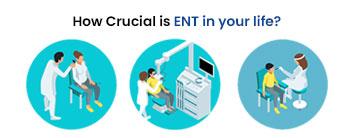
ENT health is essential for proper breathing, hearing, speech, and balance. Early detection and expert care ensure a better quality of life and prevent chronic complications.

Chronic neck pain can limit daily life—consult a spine expert today for accurate diagnosis and effective treatment options.

There has been a steep rise in hearing issues in the last 5 years. People who use earphones and headphones continuously for long duration are prone to become deaf.
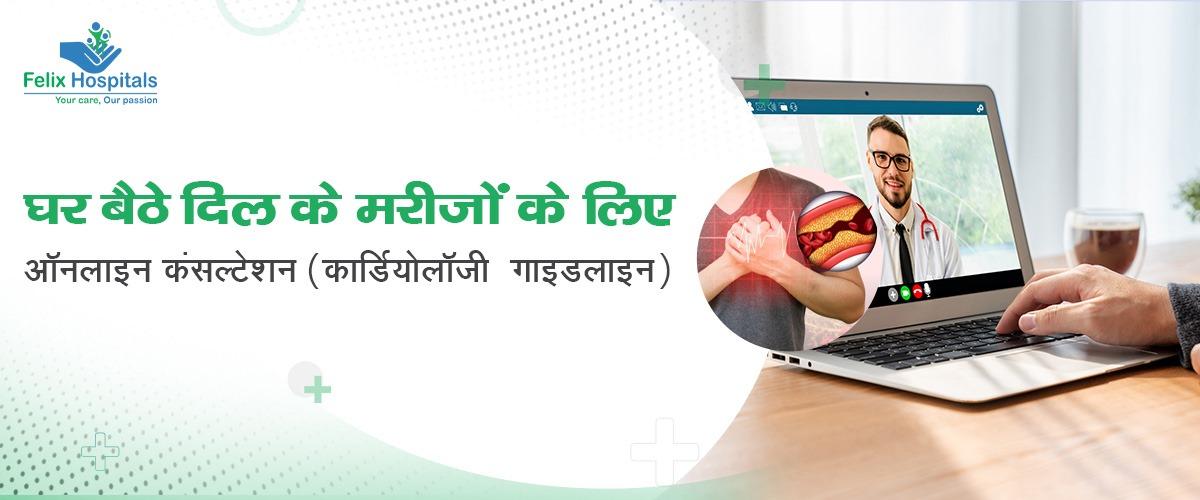
दिल (Heart) हमारे शरीर का सबसे महत्वपूर्ण अंग है। जो हर पल रक्त को पंप करके ऑक्सीजन और पोषण हर अंग तक पहुंचाता है। मगर आधुनिक जीवनशैली, तनाव, असंतुलित आहार और बढ़ते प्रदूषण के कारण दिल की बीमारियां बढ़ रही हैं। कई बार मरीज समय की कमी, ट्रैफिक या दूरी के कारण डॉक्टर से मिलने में देरी कर देते हैं जो हृदय रोगों में खतरनाक साबित हो सकती है। इसी समस्या का समाधान लेकर आया है। Felix Hospital। जहां Cardiologist In Noida में उपलब्ध है। जहां अब आप घर बैठे ही कार्डियोलॉजिस्ट से ऑनलाइन वीडियो कंसल्टेशन, ईसीजी रिपोर्ट एनालिसिस, और हार्ट हेल्थ गाइडेंस पा सकते हैं।
दिल की बीमारियां विभिन्न प्रकार की होती हैं। हर प्रकार का असर दिल पर अलग तरीके से पड़ता है। इन्हें समय रहते पहचानना और उचित इलाज कराना बहुत महत्वपूर्ण है। कोरोनरी आर्टरी डिजीज तब होती है जब दिल की धमनियों में ब्लॉकेज होता है। ब्लॉकेज की वजह से दिल की मांसपेशियों तक पर्याप्त खून और ऑक्सीजन नहीं पहुंचता है। जिससे सीने में दर्द या एंजाइना जैसी समस्याएं होती हैं। हार्ट अटैक तब होता है जब किसी कारणवश दिल तक खून का प्रवाह पूरी तरह रुकता है। इससे दिल की मांसपेशियों को गंभीर नुकसान पहुंचता है। अरिदमिया में दिल की धड़कन अनियमित होती है। यह बहुत तेज, बहुत धीमी या असामान्य रूप से धड़कती है। कुछ मामलों में यह मामूली होती है। लेकिन गंभीर अरिदमिया चक्कर, बेहोशी या कार्डियक अरेस्ट जैसी स्थिति पैदा कर सकती है। हार्ट फेल्योर तब होता है। जब दिल की पंपिंग क्षमता कम होती है। इससे शरीर में खून और ऑक्सीजन का प्रवाह पर्याप्त नहीं होता। इसके लक्षणों में थकान, पैरों या पेट में सूजन, सांस लेने में कठिनाई और रोजमर्रा की गतिविधियाँ करने में कमजोरी शामिल हैं।
ऑनलाइन कार्डियोलॉजी कंसल्टेशन एक डिजिटल हेल्थ सर्विस है। जिसमें आप बिना अस्पताल आए। अपने कार्डियोलॉजिस्ट से वीडियो कॉल या फोन पर बातचीत कर सकते हैं। मरीज अपने लक्षण, रिपोर्ट, ईसीजी या ब्लड टेस्ट रिजल्ट डॉक्टर को दिखाकर घर बैठे ही सलाह प्राप्त करता है। फेलिक्स अस्पताल की यह सेवा खासकर बुजुर्गों, व्यस्त पेशेवरों या दूरदराज़ इलाकों में रहने वाले मरीजों के लिए फायदेमंद है।
फेलिक्स अस्पताल अपने कार्डियोलॉजी विभाग में घर बैठे मिलने वाली कई आधुनिक सेवाएं प्रदान करता है।
वीडियो कंसल्टेशन:
विशेषज्ञ कार्डियोलॉजिस्ट से लाइव वीडियो कॉल पर सलाह देता है।
ईसीजी रिपोर्ट रिव्यू:
अपनी ईसीजी रिपोर्ट ऑनलाइन अपलोड करें। और डॉक्टर से सटीक एनालिसिस पा सकते हैं।
ऑनलाइन प्रिस्क्रिप्शन:
डॉक्टर द्वारा बताई गई दवाइयाँ और डोज सीधे मोबाइल पर प्राप्त कर सकते हैं।
फॉलोअप कंसल्टेशन:
पिछले इलाज या दवा का असर जानने के लिए दोबारा ऑनलाइन अपॉइंटमेंट ले सकते हैं।
हार्ट हेल्थ गाइडेंस:
खान-पान, ब्लड प्रेशर कंट्रोल, वजन प्रबंधन और तनाव कम करने के लिए सलाह ले सकते हैं।
ऑनलाइन ईसीजी रिपोर्ट और हार्ट चेकअप (Online ECG Report and Heart Checkup)
अब आपको ईसीजी रिपोर्ट दिखाने के लिए अस्पताल जाने की जरूरत नहीं। आप घर बैठे फेलितक्स अस्पताल के ऑनलाइन पोर्टल या व्हाट्सएप के जरिए अपनी रिपोर्ट अपलोड कर सकते हैं। डॉक्टर आपकी रिपोर्ट की समीक्षा करके ब्लॉकेज या अरिदमिया के संकेत। दिल की धड़कन की अनियमितता और किसी भी संभावित खतरे के बारे में तुरंत जानकारी देते हैं। जरूरत पड़ने पर डॉक्टर आपको फिजिकल विजिट या आगे की जांच (जैसे ईसीएचओ, टीएमटी या सीटी एंजियोग्राफी) की सलाह देते हैं।
तुरंत परामर्श:
घर बैठे अपने कार्डियोलॉजिस्ट से वीडियो कॉल या ऑनलाइन चैट के माध्यम से तुरंत परामर्श प्राप्त करें। लंबी प्रतीक्षा और क्लिनिक जाने की जरूरत नहीं।
रिपोर्ट और दवाइयाँ ऑनलाइन:
ईसीजी, ब्लड रिपोर्ट और अन्य टेस्ट की रिपोर्ट अपलोड करके विशेषज्ञ से समीक्षा करवा सकते हैं। दवा का ऑनलाइन प्रिस्क्रिप्शन भी तुरंत प्राप्त होता है।
टाइम और ट्रैवल की बचत:
ट्रैफिक, समय और यात्रा की मेहनत बचती है। खासकर व्यस्त लोगों के लिए यह सुविधा बेहद उपयोगी है।
बुजुर्ग मरीजों के लिए सुविधाजनक:
उम्रदराज या कमजोर मरीजों को अस्पताल जाने की जरूरत नहीं होती। घर बैठे आराम से चेकअप और परामर्श ले सकते हैं।
मेडिकल हिस्ट्री और रिकॉर्ड सुरक्षित रहते हैं:
सभी मेडिकल रिकॉर्ड और हिस्ट्री डिजिटल रूप में सुरक्षित रहते हैं। डॉक्टर आसानी से पुराने डेटा का संदर्भ लेकर बेहतर गाइडेंस देते हैं।
अनुभवी कार्डियोलॉजिस्ट से गाइडेंस:
अनुभवी हृदय रोग विशेषज्ञ आपकी मेडिकल हिस्ट्री, रिपोर्ट और जीवनशैली के आधार पर व्यक्तिगत सलाह देते हैं। आपकी स्थिति के अनुसार दवा, टेस्ट और लाइफस्टाइल सुझाव प्राप्त होते हैं।
लंबी दूरी के मरीजों के लिए भी उपयोगी:
नोएडा के बाहर रहने वाले मरीज भी विशेषज्ञ परामर्श का लाभ ले सकते हैं।
सुरक्षित और विश्वसनीय सेवा:
ऑनलाइन कंसल्टेशन सुरक्षित प्लेटफॉर्म के माध्यम से होता है। मरीज की प्राइवेसी और डेटा की सुरक्षा प्राथमिकता होती है।
दिल की सेहत बनाए रखने के लिए सही आहार बेहद जरूरी है। खाने में नमक और सैचुरेटेड फैट की मात्रा कम रखें। तैलीय और प्रोसेस्ड फूड से बचें। इसके बजाय हाई फाइबर डाइट अपनाएं। जैसे साबुत अनाज, हरी सब्जियां, फल और ओमेगा-3 फैटी एसिड युक्त चीजें अलसी, अखरोट, मछली। Heart Treatment In Noida में उपलब्ध है। संतुलित आहार न केवल कोलेस्ट्रॉल नियंत्रित करता है बल्कि ब्लड प्रेशर और शुगर स्तर को भी स्थिर रखता है।
दैनिक जीवन में हल्की से मध्यम शारीरिक गतिविधि जैसे 30 मिनट वॉक, जॉगिंग, साइक्लिंग या योग हृदय की मांसपेशियों को मजबूत बनाती है। व्यायाम रक्त परिसंचरण सुधारता है, वजन नियंत्रित रखता है और दिल की धमनियों को स्वस्थ बनाए रखता है। नियमित गतिविधि से ऊर्जा बढ़ती है और तनाव भी कम होता है।
धूम्रपान और तंबाकू सेवन हृदय रोग का बड़ा कारण हैं। यह धमनियों को संकरी और सख्त कर देता है और ब्लड क्लॉट का खतरा बढ़ाता है। शराब का अत्यधिक सेवन भी ब्लड प्रेशर बढ़ाता है और दिल पर दबाव डालता है। इसलिए इनसे दूरी बनाना हृदय को स्वस्थ रखने के लिए आवश्यक होता है।
लगातार तनाव हार्ट हार्मोन को बढ़ाकर दिल पर दबाव डालता है। मेडिटेशन, प्राणायाम, ध्यान और पर्याप्त नींद (7–8 घंटे) दिल और मस्तिष्क दोनों को आराम देती हैं। तनाव कम करने से ब्लड प्रेशर नियंत्रित रहता है और हृदय रोग का जोखिम घटता है।
ब्लड प्रेशर, ब्लड शुगर और कोलेस्ट्रॉल समय-समय पर जांचना जरूरी है। शुरुआती चेतावनी संकेतों की पहचान कर सही समय पर डॉक्टर से परामर्श लेने से हार्ट ब्लॉकेज, हार्ट अटैक(Heart Attack) या अन्य गंभीर हृदय स्थितियों से बचाव करते हैं।
घर बैठे कार्डियोलॉजिस्ट से बात करने के लिए कॉल करें। +91 9667064100 या विजिट करें felixhospital.com आपको सिर्फ अपने लक्षण और पिछली रिपोर्ट्स साझा करनी हैं, बाकी टीम ऑनलाइन अपॉइंटमेंट और डॉक्टर शेड्यूल की व्यवस्था कर देती है।
दिल की बीमारियां अब सिर्फ उम्रदराज लोगों तक सीमित नहीं रहीं है। बल्कि युवाओं में भी तेजी से बढ़ रही हैं। फेलिक्स अस्पताल की ऑनलाइन कार्डियोलॉजी कंसल्टेशन सेवा ने मरीजों को घर बैठे सुरक्षित, समयबद्ध और विशेषज्ञ उपचार की सुविधा दी है। यदि आप सीने में दर्द, थकान या हृदय संबंधी लक्षण महसूस करते हैं, तो देर न करें आज ही फेलिक्स अस्पताल से ऑनलाइन कंसल्टेशन बुक करें और अपने दिल को स्वस्थ रखें।
प्रश्न 1: क्या ऑनलाइन कंसल्टेशन से हार्ट की बीमारी का सही इलाज हो सकता है ?
उत्तर: हां, शुरुआती जांच, रिपोर्ट रिव्यू और दवा सलाह के लिए ऑनलाइन कंसल्टेशन पूरी तरह सुरक्षित और प्रभावी है।
प्रश्न 2: क्या मैं अपनी ईसीजी रिपोर्ट ऑनलाइन भेज सकता हूं ?
उत्तर: जी हां, फेलिक्स अस्पताल पर आप अपनी ईसीजी, ब्लड रिपोर्ट या डॉक्टर नोट्स ऑनलाइन अपलोड कर सकते हैं।
प्रश्न 3: क्या बुजुर्ग मरीजों के लिए वीडियो कंसल्टेशन आसान है ?
उत्तर: बिल्कुल फेलिक्स अस्पताल की सपोर्ट टीम मरीजों को स्टेप-बाय-स्टेप वीडियो कॉल कनेक्शन में मदद करती है।
प्रश्न 4: क्या ऑनलाइन डॉक्टर दवा लिख सकते हैं ?
उत्तर: हां, फेलिक्स अस्पताल के कार्डियोलॉजिस्ट डिजिटल साइन की हुई ई-प्रिस्क्रिप्शन जारी करते हैं।
प्रश्न 5: क्या यह सेवा 24×7 उपलब्ध है?
उत्तर: कार्डियोलॉजी अपॉइंटमेंट सुबह 9 बजे से रात 8 बजे तक उपलब्ध हैं। आप कॉल या वेबसाइट से बुकिंग कर सकते हैं।

हार्ट अटैक के मुख्य लक्षण, कारण और तुरंत किए जाने वाले उपचार के बारे में जानें। समय पर पहचान और सही इलाज से जीवन बचाया जा सकता है।
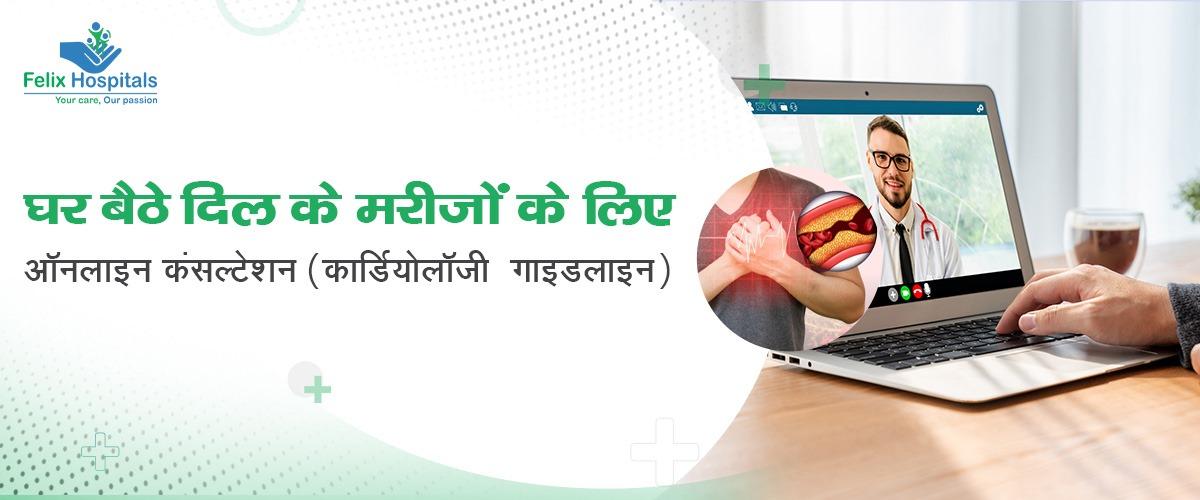
अब घर बैठे अपने दिल की सेहत का ख्याल रखें! हमारे अनुभवी कार्डियोलॉजिस्ट से ऑनलाइन कंसल्टेशन करके अपनी समस्याओं का सही समाधान पाएं।
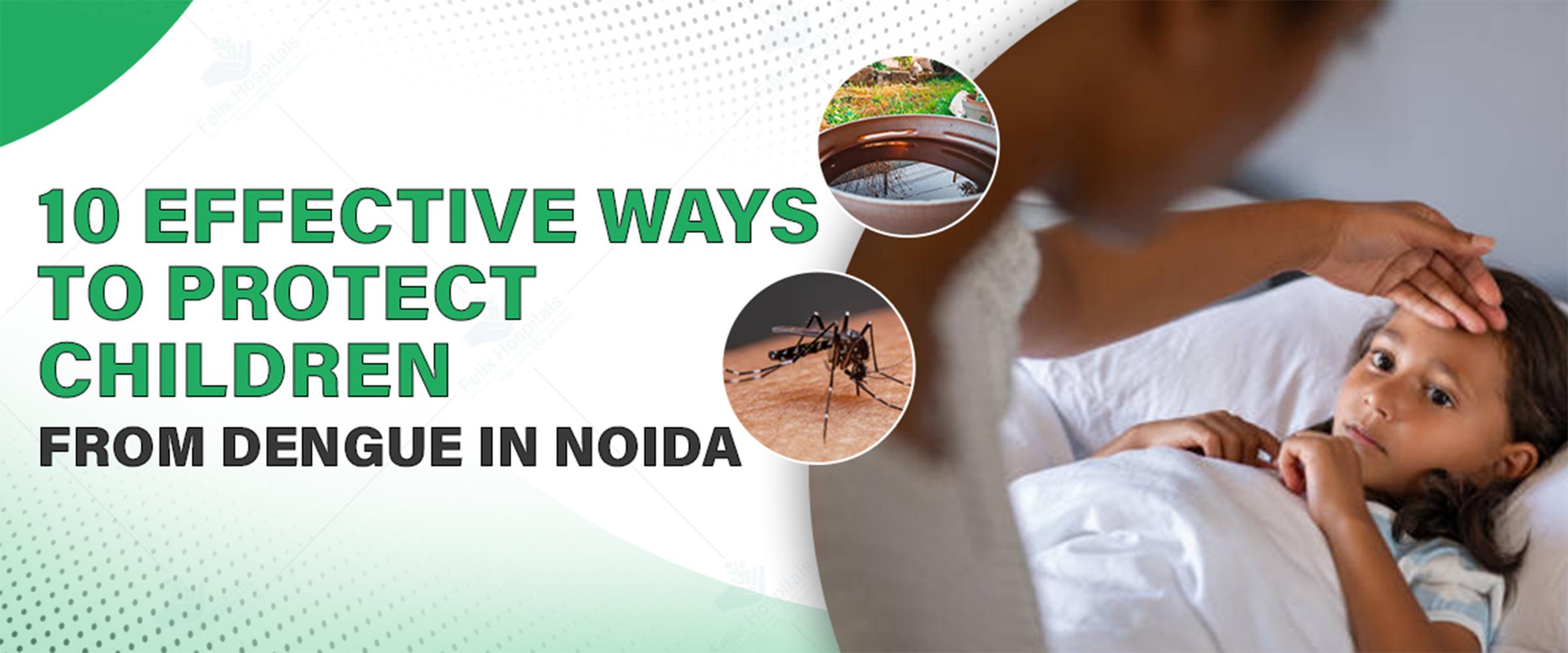
When monsoon is round the corner, so is the danger of dengue — a deadly, mosquito-transmitted disease that infects numerous families in Noida every year. Children, due to their yet-developing immunity and seasonal exposure to the outside world, constitute one of the vulnerable groups. You, as a guardian, bear an important part in avoiding dengue.
Know how to avoid dengue in children and take regular precautions to keep them safe from this serious infection by ensuring timely screening at the Pediatric Dengue Treatment Hospital in Noida. Simple home remedies, regular habits, and timely awareness can make all the difference in the world when it comes to your child's protection.
Dial +91 9667064100 and schedule an appointment with pediatrics expert and receive assured care and advice for your kid's health.
Dengue is caused by the bite of the daytime active Aedes aegypti mosquito. After getting infected, the virus could cause high temperature, joint pain, rash, and in rare events, hemorrhagic fever due to dengue or shock syndrome due to dengue.
Dengue in children could quickly develop and could result in dehydration, weakness, and low platelets. If in the beginning its symptoms are understood and medical attention is taken in time, serious problems could be avoided.
Spontaneous high fever
Pain and Headache in back of eyes
Loss of appetite or nausea
Joint and musculoskeletal pain
Skin rashes
Tiredness or fatigue
While dengue may seem scary, the silver lining is that its majority of cases are avoidable. With these child dengue prevention tips, you can ensure your young ones remain safe from harm during the busy season.
Mosquito repellents are an easy and effective mosquito bite preventer. Select repellents that are child-safe — ideally products that contain natural extracts such as citronella, lemongrass, or eucalyptus oil.
Use repellent on skin exposure areas in an even distribution prior to your child venturing outside or to school. Never use repellent on hands, eyes, and mouth for little kids. Repel again according to the product label for best protection level.
Mosquitoes prefer exposed skin, particularly in the morning and in the late evening. Clothe your child in long-sleeved shirts, long pants, and socks to cover exposed skin as much as possible.
Light clothing is best, as dark is more attractive to mosquitoes. When your child goes outside to play or goes off to school in the morning, ensure that he/she is in coverings that protect them.
Mosquitoes breed in still water, even in tiny puddles. Make it a household habit to:
Empty and wash pails, plant containers, and birdbaths daily.
Inspect air coolers, gutters, and plant saucers every few days.
Cover all water storage containers tightly.
Disposable tires, cans, and bottles that may accumulate rainwater, distribute.
This is an easy habit that lowers mosquito breeding considerably — one of the best dengue prevention tips for kids that every home should adopt.
Use of protection nets is essential, more so for small children and babies. Use mosquito nets above cribs and bedsteads during bed times.
Always check your window and door screens for holes and gaps, and if you find any, mend them to prevent mosquito entry. Using repellents or plug-in vaporizers indoors at night is another form of added protection.
Aedes is most active in the morning and in the late afternoon. Request your children to play in the house during these times.
In the case that outside play is not avoidable, make sure they're covered up with repellent and clothes. Setting up safe in-door playgrounds minimizes direct exposure to mosquito bites while keeping children active.
Having a robust immunity shall make your child quick to bounce back if he does end up getting an infection. Add foods that are high in Vitamin C (like oranges, amla, and guava), iron, and antioxidants.
Keep your child properly hydrated with water, coconut water, and juices. Restrict junk foods and adding immunity-rich foods such as turmeric milk, green leafy veggies, and nuts will raise resistance power to infection naturally.
Good mosquito breeding places during the monsoon season are plant and cooler trays. Wash and dry them out once in 2-3 days. To keep the mosquito larvae out of the water tray of a cooler, add a few drops of water in kerosene or neem oil.
This is a very easy routine that can help significantly decrease the number of mosquitoes surrounding your house.
Mosquitoes can be turned away with several natural remedies. Plants such as tulsi, mint or lemongrass are good to keep around the windows to keep the mosquitos away.
Camphor or neem lamp used briefly in the evening can also prevent mosquito bites, but these natural remedies must be used together and not instead of repellents and other preventive measures.
Teach your child easy everyday things such as:
Using repellent and then heading out.
Do not play near still water or drainage.
Reporting immediately about any symptoms of fever or general malaise.
More awareness will help the kids understand the importance of their role in ensuring their safety, and it will create a long term health consciousness.
When your child shows any of the symptoms of fever, vomiting, rash, or body ache especially in monsoon, visit a doctor immediately. Instant detection saves your child from dengue and its consequences in an effective manner.
If fever or lethargy is persistent, seek advice from pediatric dengue specialist in Noida for proper evaluation, rehydration treatment, and care. Prompt medical attention is the best defence for dengue.
In rapidly urbanizing cities, rapidly constructed buildings, insufficient drainage, and exposed water supplies create ideal mosquito-breeding conditions. Since bites from Aedes aegypti mosquitoes happen during the day, school children and children who spend more time outside are more exposed.
It's essential that residential societies, schools, and families all collaborate and keep their areas clean and prevent stagnant water from forming. Prevention of dengue is the joint liability that begins in your own home.
Replace flower vase water every two days.
Maintain dry and clean bathrooms and toilets.
Apply mosquito patches on your kids rather than creams.
Spray environmentally friendly repellents in dark spots and shoe stands.
Wash and cover all utensils used for water storage.
Small, constant steps are more efficient in avoiding dengue than is any once-for-all effort.
Besides physical protection, developing healthy routines supports dengue prevention and overall well-being
Rest well: A well-rested body has improved immunity.
Stay properly hydrated: Proper fluids help in flushing toxins.
Practice yoga or light exercises: They reinforce blood flow and immune operations.
Establish screen boundaries: Advocate for after-school time outside in safe hours.
Following routine schedules in daily activities makes children physically fit and immune to seasonal disorders.
In the rare instance your child is experiencing high fever, rash, or unusual lassitude — do not wait. Early consultation with physicians is the key in avoiding dengue complications.
Preventing dengue in children involves frequent awareness, cleanliness, and preventive lifestyles. With safe methods of mosquito prevention, regular and balanced feeding, and swift medical care, parents could prevent infection from occurring significantly.
Remember — prevention begins at home. Regular screening for stagnant water, use of repellents, and maintaining your child's health in general remain the perfect solutions for preventing dengue.
Let's make it safe this season through awareness and preparation. Together, our children can remain dengue-free and healthy.
Q.1. Can my child attend school in recovery from dengue?
Ans. It is recommended that your child is kept for some time in bed until fever and weakness completely settle. Dengue creates weakness and low platelets, and rest and fluid replenishment are essential. Coming back too early to school may prolong convalescence and put the child at risk for infection.
Q.2. Which foods increase platelets in dengue?
Ans. Supply fresh fruits like papaya, pomegranate, and kiwi that would support platelet construction, in a natural manner. Supply soup, coconut water, and boiled vegetables, along with plenty of liquids. Avoid oily, spicy, and packaged foods, for they do tend to weigh down the stomach.
Q.3. Can dengue spread from one child to another?
Ans No, dengue is not contagious. It doesn’t spread through direct contact, air, or food. However, if a mosquito bites an infected person and then bites another person, it can transmit the virus. Hence, protecting sick children from mosquito bites also helps prevent further spread.
Q. 4. Does papaya leaf juice work for dengue?
Ans. Papaya leaf juice is also in use in Indian villages for increasing platelet levels, but scientific proof is scarce. Always consult your pediatrician before administering it to your child.
Q.5. Can mosquito bites from clothing transmit dengue?
Ans. Yes, even mosquitoes bite through thin or tightly-fitted clothing. That is why it is necessary to dress children up in loose, light-colored, and full-sleeved clothing.
If you suspect that you or your child may have enlarged adenoids, visiting a specialized facility like the adenoid swelling hospital in Noida can provide the necessary diagnosis and treatment.

Dengue is a mosquito-borne viral disease causing high fever, body pain, and rashes. It spreads through Aedes mosquitoes. Early treatment and mosquito control help prevent complications.
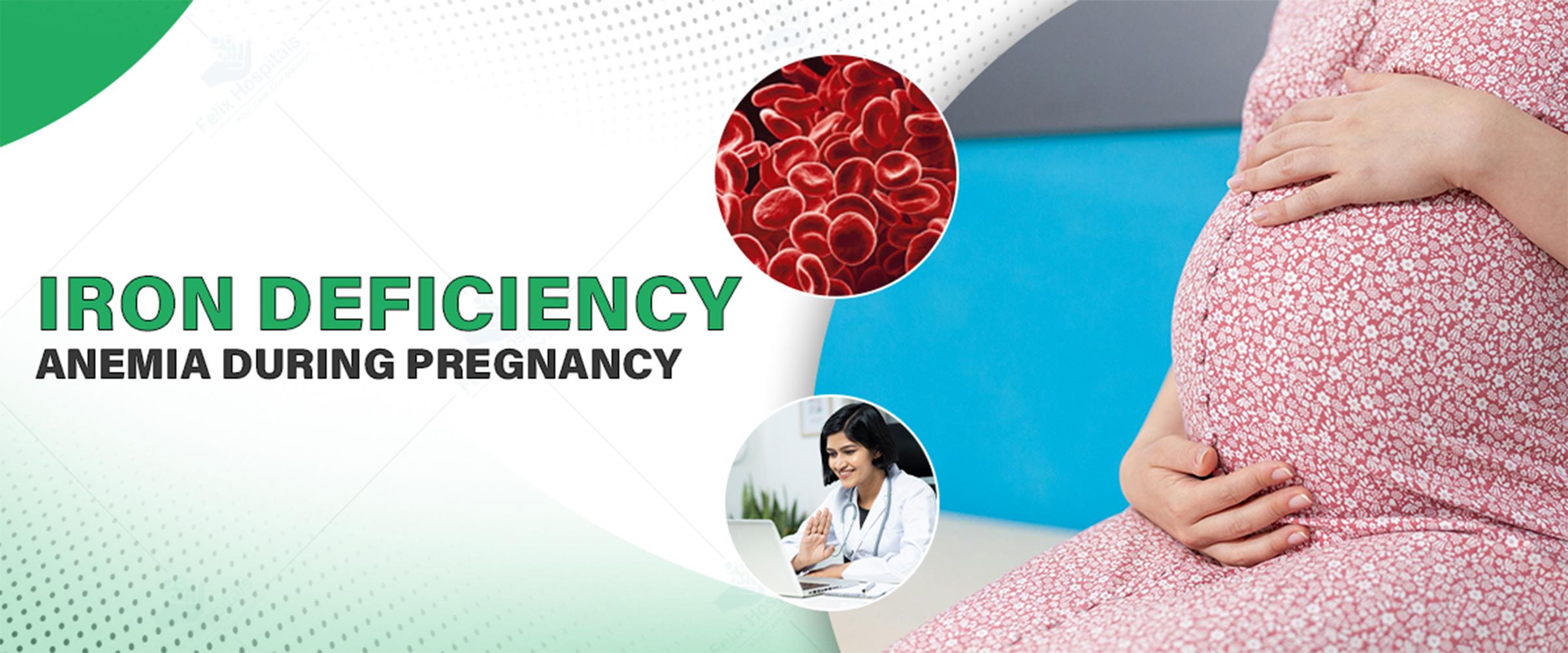
During pregnancy, iron deficiency anemia is a dangerous and widespread health complication, which puts at risk both the mother and the unborn child. During pregnancy, the iron requirements are great since the baby and the placenta consume more iron in the body (they utilize the iron reserves of the mother), and her blood volume increases to allow developing the infant. These needs can hardly be fulfilled by diet alone by many pregnant women, and thus may lead to a decrease in healthy red blood cells, which is a characteristic feature of anemia. That's why access to quality iron deficiency anemia treatment during pregnancy in Noida is critical for expectant mothers and their families.
This is necessary in the early detection of the signs of danger and timely intervention. Modern hospitals during pregnancy in Noida provide specialized resources, experienced physicians, and monitoring to ensure a safe pregnancy. Anemia does not only expose mothers to the risk of increased fatigue and weakness but also the development of complications like low birth weight, premature birth and the possibility of postpartum depression. Comprehensive iron deficiency anemia treatment combines dietary strategies, medical supplementation, and proactive screening. Regular prenatal care and collaboration with maternal health professionals are the means through which pregnant women will be able to take care of their own health, as well as provide their child with the best start possible.
Ensure a safe pregnancy—visit a trusted Noida hospital for regular anemia checks. Call +91 9667064100 today.
Pregnant people are at higher risk of Iron deficiency anemia in pregnancy . Iron deficiency anemia is a condition in which the body doesn't have enough healthy red blood cells. Red blood cells carry oxygen to the body's tissues. Your body uses iron to make hemoglobin. Hemoglobin is a protein in the red blood cells that carries oxygen to your tissues. During pregnancy, the volume of blood in your body increases, and so does the amount of iron you need. Your body uses iron to make more blood to supply oxygen to your baby. If you don't have enough iron stores or get enough iron during pregnancy, you could develop iron deficiency anemia.
Severe Anemia during pregnancy raises the risk of premature birth. That's when a baby is born before 37 complete weeks of pregnancy. Iron deficiency anemia during pregnancy also is linked to having a low birth weight baby. Some studies show a higher risk of infant death immediately before or after birth in pregnant people who have severe iron deficiency anemia. Pregnancy-related anemia in people who have given birth recently also may raise the risk of postpartum depression.
You are at a higher risk of having anemia during pregnancy if you:
Have two closely spaced pregnancies.
Are often throwing up due to morning sickness.
Don't eat enough iron-rich foods.
Usually have a heavy menstrual flow.
Had anemia before you became pregnant.
Symptoms of iron deficiency anemia during pregnancy
Anemia and symptoms include:
Extreme tiredness.
Weakness.
Dizziness or lightheadedness.
Headache.
A lightening of the skin or yellowing of the skin and eyes.
Shortness of breath.
Craving or chewing ice. This condition is called pica.
Symptoms of severe anemia may include:
A fast heartbeat.
Low blood pressure.
Trouble concentrating.
Keep in mind that symptoms of Iron deficiency in pregnant women often are similar to other pregnancy symptoms. Whether or not you have symptoms, you'll have blood tests to check for anemia during pregnancy. If you're worried about how tired you feel or any other symptoms that could be linked to anemia, talk with your healthcare professional.
Prenatal vitamins typically contain iron. Taking a prenatal vitamin that contains iron can help prevent and treat iron deficiency anemia during pregnancy. In some cases, your health care provider might recommend a separate iron supplement. During pregnancy, you need 27 milligrams of iron a day.
Good nutrition can also prevent Maternal anemia during pregnancy. Dietary sources of iron include lean red meat, poultry and fish. Other options include iron-fortified breakfast cereals, dark green leafy vegetables, dried beans and peas.
The iron from animal products, such as meat, is most easily absorbed. To enhance the absorption of iron from plant sources and supplements, pair them with a food or drink high in vitamin C — such as orange juice, tomato juice or strawberries. If you take iron supplements with orange juice, avoid the calcium-fortified variety. Although calcium is an essential nutrient during pregnancy, calcium can decrease iron absorption.
If you're taking a prenatal vitamin that contains iron and you have anemia, your healthcare professional might suggest testing to find other possible causes of the anemia. You may need to see a doctor who specializes in treating blood disorders, called a hematologist.
If the cause of anemia is iron deficiency, your healthcare professional may suggest that you take more iron supplements. If you have a history of gastric bypass or small bowel surgery or if you can't take iron supplements in the form of a pill, you might need to get iron through a needle placed into one of your veins. This is called intravenous administration.
If you're diagnosed with iron deficiency anemia during pregnancy, talk with your healthcare professional about the treatment that's right for you.
Worried about anemia in pregnancy? Schedule your iron deficiency anemia treatment during pregnancy in Noida by calling +91 9667064100.
Proactive management of anemia during pregnancy can dramatically change the outcome of mothers and fetuses. Women in Noida benefit from a wide range of advanced services and multidisciplinary support available at leading hospitals during pregnancy in Noida facilities. Early screening, prompt diagnosis, and accessible iron deficiency anemia treatment during pregnancy in Noida empower expectant mothers to prevent complications such as premature birth and low birth weight. Best practice care involves using a combination of iron based nutrition, supplementation and intravenous therapies (when appropriate) all to be administered by the care of competent obstetricians and hematologists.
During pregnancy, it is a special process that will demand attention and due care particularly considering iron deficiency anemia management. By choosing specialized iron deficiency anemia treatment and a trusted hospital during pregnancy in Noida, families invest in safer deliveries and healthier futures for their newborns. It is important to remember that iron deficiency anemia can be treated and prevented, thus high levels of the iron deficiency problem must be screened and the specialists consulted as well as the medications adhered to, so that soon the mother and her baby can enjoy a happy and healthy pregnancy.
Frequently Asked Questions
Q.1. Is it dangerous that my baby has iron deficiency anemia?
Ans. Surely, untreated it exposes one to the risk of low birth weight and early birth.
Q.2. Is there a method of preventing anemia without supplements?
Ans. Healthy eating with lots of iron will help yet the majority of ladies will need extra supplementation during pregnancy.
Q.3. In pregnancy, what is the diagnosis of iron deficiency anemia?
Ans. Prenatal blood tests are performed routinely to determine the level of hemoglobin and ferritin to note anemia.
Selecting the best gynecologist hospital in Noida is crucial for your health. Learn what to look for in top facilities offering specialized care in maternity, infertility, menstrual health, and gynecological surgeries.

In Noida hospitals, recognized for being among the best heart health hospitals in Noida, are at the forefront of offering critical care for heart-related issues.

Exploring the Best IVF hospital in Noida for expert fertility treatments. Felix Hospital IVF is dedicated to helping couples achieve their dream of parenthood with advanced fertility treatments, latest technology, and compassionate care
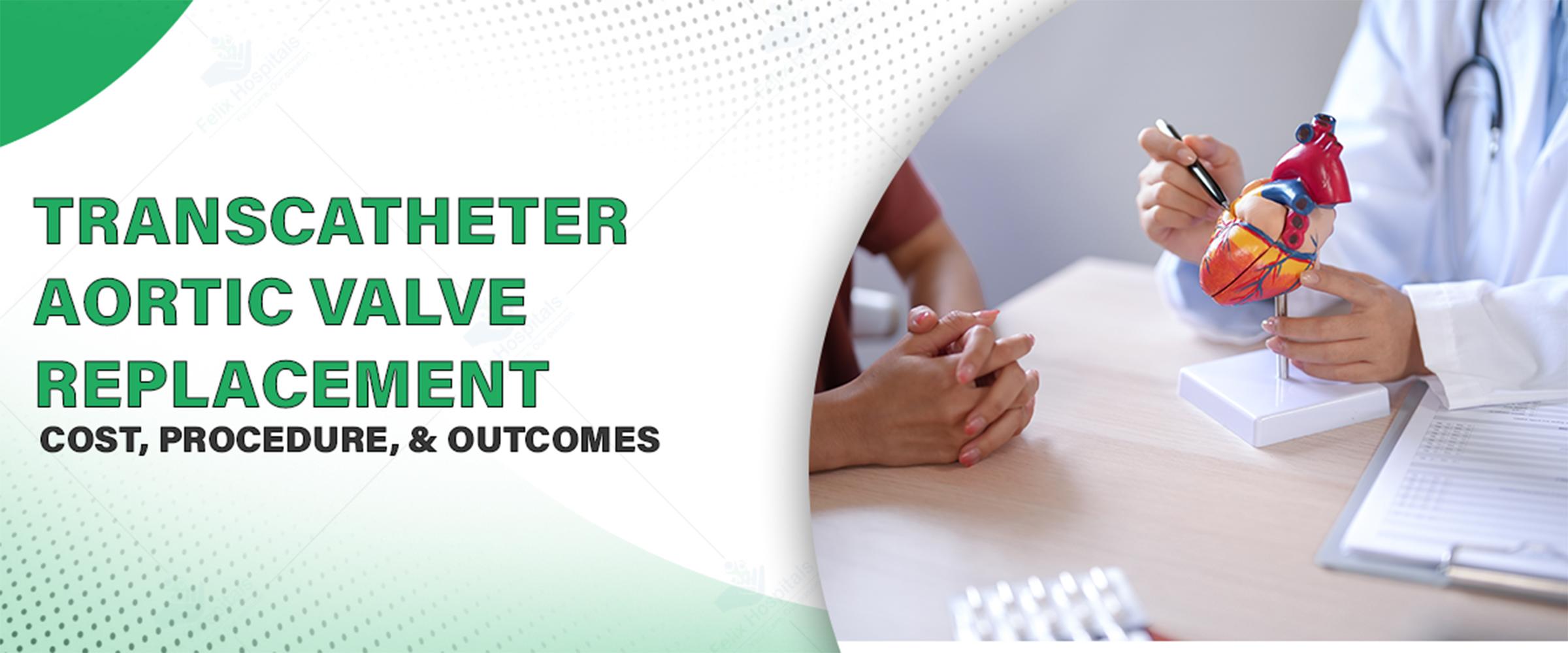
Transcatheter aortic valve replacement (TAVR) often referred to as TAVR, is a minimally invasive technique that involves inserting a replacement valve into your heart by TAVR Doctor in Greater Noida it is currently a recognized and effective treatment for individuals with symptomatic severe aortic stenosis, and it is a viable alternative to surgery in some high-risk patients who cannot be operated on.
People with symptomatic aortic stenosis can benefit from TAVR as it can improve their quality of life and life expectancy while also lowering symptoms! The success rate at Best TAVR hospital in Greater Noida is 90%, a significant rate! Early clinical research and trials indicated that among patients at higher risk for surgical problems, TAVR treatment in Greater Noida is more likely to be effective and less likely to result in death or serious complications.
Considering TAVR for aortic valve replacement? Consult our expert cardiology team today by calling +91 9667064100 for a personalized treatment plan
Transcatheter aortic valve replacement is an alternative to open heart surgery and is used as a medical technique that replaces the aortic valve in your heart. These days, the most popular method for replacing an aortic valve is this minimally invasive technique. The aortic valve is the last one of your heart's four valves that regulate your blood flow to the entire body, and through that valve, your heart circulates blood to your aorta as well.
According to research, TAVR is often safer as it is Aortic valve replacement without surgery (SAVR) and produces results that are comparable to or superior to SAVR. If you have an increasing chance of heart failure because of aortic valve stenosis, you might need to have your aortic valve replaced through this procedure.
The TAVR procedure for the heart is a complicated process that is handled very cautiously and delicately! You will be given either general anesthesia (less common) or mild sedation (most frequent) before the start of the surgery, and even though both can prevent pain, mild sedation has a weaker impact.
TAVR Doctor in Greater Noida, inserts a tube into your throat and attaches it to a breathing apparatus during general anesthesia, and after the operation is complete, they remove the tube. What’s more, you will be given medication to avoid blood clots. TAVR is usually done inside the cath lab or hybrid OT with surgical backup.
A cardiologist doing a transcatheter aortic valve replacement will use an antiseptic solution to clean the skin surrounding the surgery site. To access your aortic valve, the surgeon inserts a catheter into your leg artery and then takes it through your aorta to perform the procedure.
Throughout the surgery, your surgeon will insert more catheters into your heart to obtain measurements and X-ray images; in addition to that, the surgeon will guide either a balloon-expandable valve or a self-expanding valve through your old aortic valve and up the femoral artery catheter.
Your surgeon will then replace the old valve with the new one when it is positioned correctly. However, before removing the catheters, your doctor will take measurements and pictures to ensure your replacement valve functions as intended.
The function of the replacement valve is subsequently evaluated using transthoracic echocardiography. After completing the process, your physician will use a suture device that doesn't require an incision to close your femoral artery.
To be closely monitored following your surgery, you can be admitted to the intensive care unit (ICU) of the hospital for the night, but remember, numerous factors determine how long you spend in the hospital for transcatheter aortic valve replacement recovery.
Some TAVR patients may return home the next day after the treatment! Fever, increasing discomfort and redness, swelling, and leaking or draining at the catheter site are all warning symptoms of infection. Following TAVR heart surgery, several medications may be administered to patients.
Anticoagulants - This medication aids in blood clot prevention, and your health status determines the length of time you may need to take this medication. Always remember to take medications exactly as prescribed.
Antibiotics - These medications treat and prevent bacterial infections because artificial heart valves can become infected or adhere to germs. Most germs that cause heart valve infections originate in the mouth, but these infections can be avoided by taking appropriate care of your mouth and teeth.
Following TAVR, routine medical examinations and imaging tests are required to ensure the replacement valve is functioning as intended. Still, remember to inform your doctor of any new or worsening symptoms, such as:
Lightheadedness
Dizziness
Swelling at the ankles
Unexpected increase in weight
Excessive fatigue
Redness
Swelling
Most importantly, you must seek immediate medical attention if you have chest tightness or pain, sudden shortness of breath, or if you faint.
Clinical studies have demonstrated the safety and efficacy of TAVR. However, there are some TAVR procedure risks associated with the process, so let’s take a look.
Valve leaks
This can happen when the replacement valve is too small, hasn't expanded completely, or has calcium buildup interfering with it; however, more recent models being developed are more effective.
Kidney damage
Your kidneys may be harmed by the contrast dye used for imaging, although this is typically treatable.
Damage to your vessels
Putting catheters through your arteries may cause harm to them.
Pacemakers
Sometimes, valves that open during replacement might put pressure on the heart's system, necessitating the use of a pacemaker because of the development of heart block.
Stroke
Some patients having TAVR have experienced a stroke, either during or shortly after the treatment. This is one of the serious complications of the TAVR procedure, but the number of people who suffer from it is really small!
Compared to surgery, a TAVR heart surgery treatment offers several benefits, and for this reason, it is currently the most often used technique for aortic valve replacement. Among those benefits are:
Less intrusive than open-heart surgery - Large incisions are made in your chest for the majority of cardiac procedures, and to do cardiac surgery, surgeons frequently need to elevate your rib cage or even break it apart. No internal organs or ribs need to be moved during TAVR; a tiny incision is made for this process.
TAVR recovery process is easier - Your body will need less time to recover if the incisions are smaller, there will be less discomfort, and there will be a quicker recovery result.
Shorter hospital stay - A hospital stay of several days is typically required following open heart surgery. However, your doctor could send you home the same day or the following day after transcatheter aortic valve replacement. The severity of your case, the time of your surgery, and your general health will all play a role in this.
Protect your heart health with advanced TAVR procedure options. Book an appointment with leading specialists at +91 9667064100.
Transcatheter aortic valve replacement, or TAVR, is a minimally invasive surgery! This procedure has been performed on thousands of patients, and no matter your condition, it has significant advantages over open heart surgery, but if you are going for a TAVR Doctor in Greater Noida, selecting a practitioner who has extensive expertise doing this treatment will help increase the success rate.
If you are facing any heart-related conditions and need treatment for it, visit your nearest super-specialty hospital as soon as possible!
Q.1. What are the main benefits of TAVR?
Ans. The procedure offers quicker recovery, reduced hospital stays, and fewer complications compared to open-heart surgery. It also significantly improves heart function and quality of life.
Q.2. How long does the TAVR procedure take?
Ans. The procedure typically takes 1-2 hours, depending on the complexity, and most patients are awake with light sedation during the process.
Q.3. What is the recovery time after TAVR?
Ans. Recovery is generally faster than open-heart surgery. Patients can often resume normal activities within a week, with full recovery in a few weeks.
Q. 4. Is TAVR safe?
Ans. Yes, TAVR is considered safe and is backed by extensive clinical studies. However, like any medical procedure, it carries risks, including bleeding, infection, or stroke.
Q. 5. Will I need blood thinners after TAVR?
Ans. Most patients require blood-thinning medication temporarily to prevent clot formation. Your doctor will provide specific guidance based on your condition.

For those, who seeking the best hospital for valvular heart disease, choosing a facility with advanced medical technology and experienced cardiologists is crucial.

Arrhythmia is a condition where the heart beats irregularly—too fast, too slow, or with an uneven rhythm. It can feel like a fluttering, racing, or skipped heartbeat.
Aortic valve stenosis is a serious heart condition that occurs when the aortic valve narrows, making it difficult for the heart to pump blood effectively.
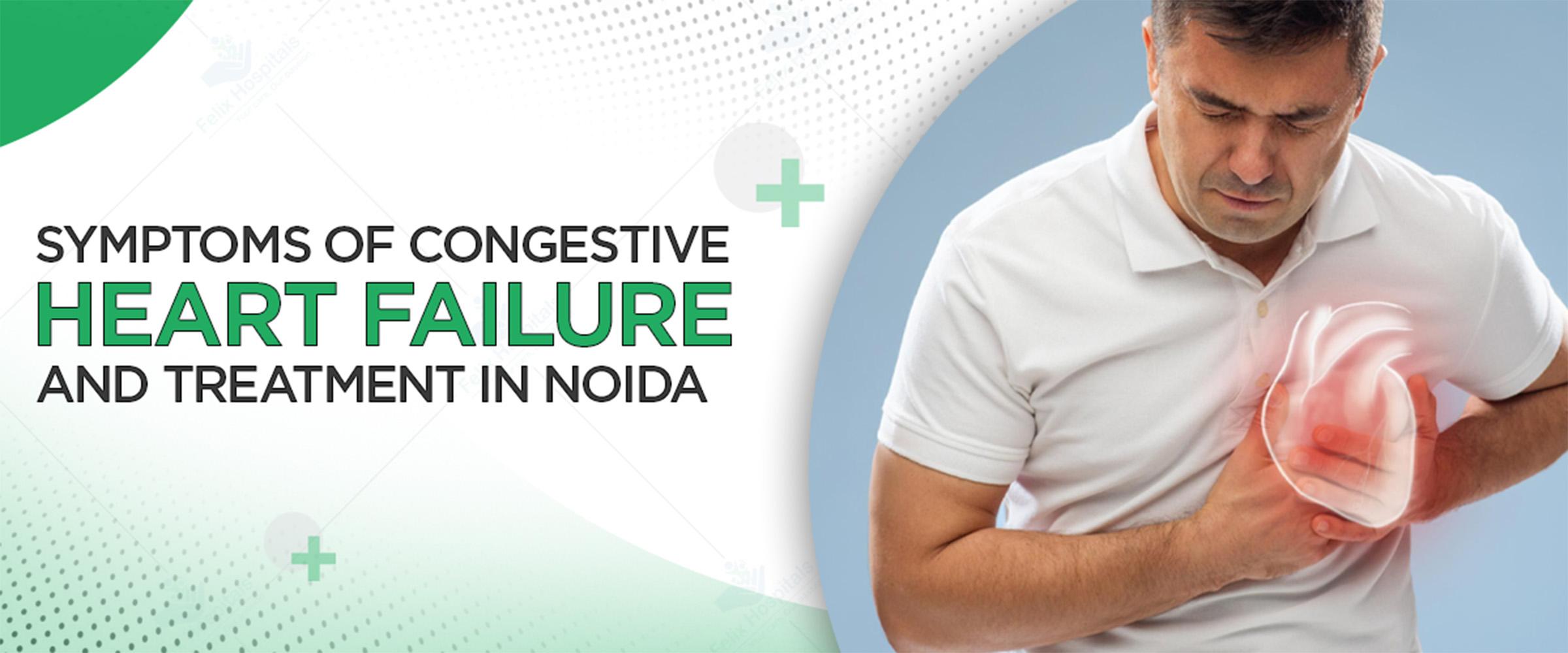
Heart failure is one of the serious medical conditions that require expert treatment and rapid intervention. To get the best congestive heart failure treatment in Noida, with outstanding cardiac care and treatment plans you should visit the best hospital for cardiac treatment. Having the priority of providing the best possible care to patients with heart failure and committed to achieving the best possible outcomes. The dedication to perfection in heart care and proficiency of some of the best cardiologist for congestive heart failure in Noida, India.
Early diagnosis saves lives. Contact our specialized heart care team for comprehensive congestive heart failure treatment in Noida at +91 9667064100.
CHF, also called heart failure, is the failure of the heart to pump enough blood to supply the body with its needs because the heart muscles have become weak or stiff. Although heart failure usually occurs on the left side, it may impinge on the pumping chambers of either side or both sides of the heart. This condition may occur gradually as a complication of other heart diseases without many early signs of congestive heart failure or may occur suddenly because of acute damage to the heart muscles.
Symptoms of congestive heart failure are:
Difficulty breathing
Fatigue
Swollen legs and feet
Abnormal heartbeats
Coughing with foamy or bloody sputum.
Incontinentia nocturnal.
Abdominal fluid builds up.
Unexpected weight gain
Nausea
Reduced hunger
Altered concentration
These are some of the warning signs of congestive heart failure which people should look out for.
Heart failure may be caused by:
Coronary artery disease (narrowing of the blood vessels in the heart)
High blood pressure
Congenital heart disease
Infections
The use of certain drugs (e.g., chemotherapy of cancer) over a long period.
Drug abuse
Genetic heart diseases
Arrhythmias (excessively slow or rapid heartbeats)
Diabetes
AIDS
Piling of iron or proteins in the body.
Alcohol consumption
Smoking
Obesity
Heart failure may have a number of types:
Left sided heart failure: Makes it hard to breathe.
Right-sided heart failure: It causes swelling, particularly in the legs.
Systolic heart failure: Difficulty in pumping blood.
Diastolic heart failure: Difficulties in filling the blood.
Healthcare providers use a complex assessment that involves physical examinations and other diagnostic tests to diagnose congestive heart failure:
Medical History and Physical Examination: Evaluate the symptoms, medical history, and risk factors. Monitoring the abnormal heart and lung sounds and swelling with a stethoscope.
Blood Tests: Diagnose heart-related conditions and determine specific proteins that are increased by heart failure.
Chest X-ray: This is to inspect the heart and lungs to determine whether they are enlarged and filled with fluid.
Electrocardiogram (ECG or EKG): Document the electrical activity of the heart to judge the rhythm and heart rate.
Echocardiogram: Visuals of the heart are made using sound waves, to determine size, structure and the flow pattern of the blood.
Ejection Fraction: Determine the percentage of blood expelled by a heart contraction, that is essential in the classification of heart failure.
Exercise Tests or Stress Tests: Checks the heart activity during physical activity or other times when it is impossible to exercise.
Cardiac CT Scan (CT Scan of the Heart): Scan that provides a detailed picture of the heart through X-rays that are cut across the heart.
Heart MRI Scan (Cardiac MRI): Prepare detailed images of the heart with the help of magnetic resonance imaging to evaluate structure and functioning.
Coronary Angiogram: A tube is inserted and dye is injected to see the arteries of the heart and also to identify obstruction of the heart.
Myocardial Biopsy: Small samples of heart muscle are removed and studied in case a particular heart muscle disease is suspected.
To describe the severity of heart failure, there is the technique of heart failure staging. Stages of congestive heart failure symptoms are:
Class I: No symptoms
Class II: The symptoms do not disrupt normal everyday activities and are associated with fatigue on exertion.
Class III: Symptoms disrupt everyday practices.
Class IV: The patient is characterized by severe symptoms such as shortness of breath even during rest.
Heart failure is not curable but when it is being managed, the treatment is aimed at both symptom relief and slowing down of the disease. The treatment depends on the type and stage of heart failure, underlying health conditions and patient needs. Congestive heart failure treatment options are :
Vasodilators: Expand the blood vessels to facilitate blood circulation and reduce blood pressure.
Diuretics: Decrease the retention of the fluid and decrease the workload of the heart.
Aldosterone inhibitors: Treat fluid retention and extend life.
ACE inhibitors or ARBs: Improve the work of the heart and extend the lifespan.
Digitalis glycosides: Enhance the contractions of the heart muscle.
Anticoagulants or antiplatelets (e.g., aspirin): Blood clots.
Beta-blockers: Enhance heart performance and prolong life -span.
Tranquilizers: Control anxiety and emotional issues of heart failure.
Coronary Bypass Surgery: Blocked arteries are replaced with an artery of another part of the body.
Surgery to correct Structural Heart Defects: Repair or replace defective valves.
Implantable cardioverter Defibrillators (ICDs): Control heartbeats.
Cardiac Resynchronization Therapy (CRT): Assist the chambers of the heart in pumping the blood.
Mechanical Circulatory Support (MCS): In order to enhance survival and quality of life, consider Ventricular Assist Devices (VADs).
Heart Transplant: It is performed to replace a failing heart with an organ donor heart.
Felix Hospital cardiac science centre has the latest state of the art technology that offers cardiac care programs to patients. We offer alternative therapies to end stage heart failure patients such as operation procedures such as pacemaker, ACD, CRT, Heart Hole surgeries (ASD, VSD, PDA), Paediatric Cardiac Surgery, Angioplasty/Angiography. We have state of the art Cath Labs, operation theatres and other heart care facilities in our hospitals.
Procedures used in the treatment of heart failure include:
ECMO
Heart Hole Surgery (ASD, VSD, PDA)
Angioplasty/Angiography
Cardiac Surgery
Paediatric Cardiac Surgery, Paediatric Cardiology.
Vascular Intervention and Surgeries.
Stroke Prevention Surgery
Heart Transplant
Left Ventricular Assist Dream (LVAD).
Felix Hospital centre of cardiac sciences, we are reputed to be giving excellent treatment to various heart problems. We also have the use of sophisticated diagnostic equipment to give accurate and accurate results.
Manage congestive heart failure effectively with the guidance of top heart specialists in Noida. Book your appointment today at +91 9667064100.
Congestive heart failure treatment in Noida is specialized and compassionate to their patients, who will deal with heart failure, and as such, our primary concern will be to provide the highest level of care to our patients and to treat them effectively, as we labor hard to ensure the well-being of everyone dealing with heart failure.
Q1: Is there a cure of congestive heart failure?
Ans: CHF is not curable and all the treatments can control the condition and enhance symptoms. Therapies include drugs, dietary and medical implants.
Q2: How does one treat congestive heart failure first line?
Ans: ACE inhibitors, ARBs, beta-blockers, and diuretics are normally used as the first-line drugs. These aid in enhancing the functioning of the heart and control of the symptoms.
Q3: Is heart failure diagnosed using ECG?
Ans: ECG may show signs of CHF, but other tests such as echocardiogram or stress test may also be required to make a conclusive diagnosis.
Q4: Is CHF a permanent illness?
Ans: Yes, CHF is a lifelong disease that typically has to be treated all your life. With proper treatment, a large number of patients can lead active lives.

Felix Hospital is the Best heart failure surgery hospital in Noida. Here, we understand the critical nature of heart health.

Heart failure in women often manifests with subtle symptoms, making it easy to overlook critical warning signs.
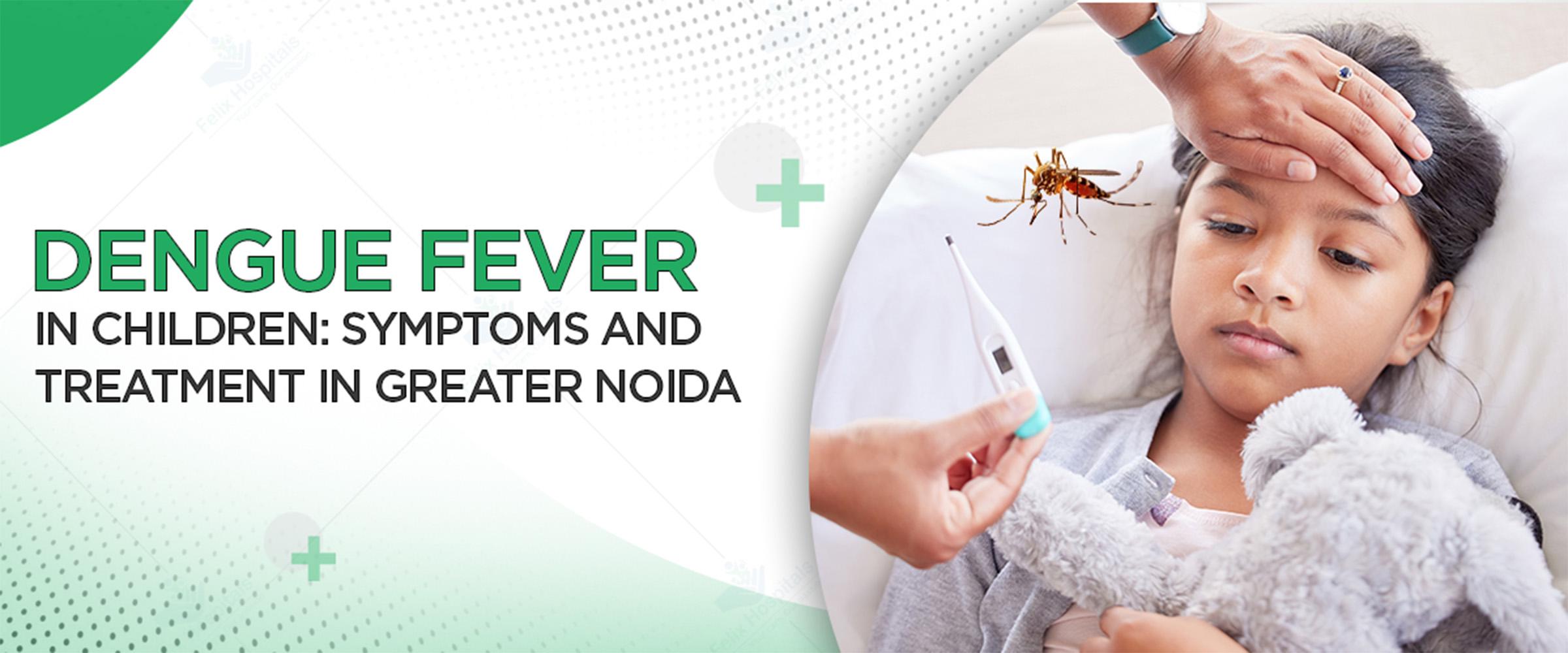
Parents should be highly keen when it comes to dengue fever which is a viral disease that is transmitted by mosquitoes and can be very dangerous to the health of children especially during the monsoon season in Greater Noida. Educating the symptoms, the warning signs, and prompt medical assistance are important in the protection of your child.
The Dengue treatment for children hospital in Greater Noida offers specialized pediatric services, with experienced doctors ready to manage both mild and severe dengue cases in young patients.
Need 24/7 emergency care for dengue-related complications? Reach our emergency department at +91 9667064100 for immediate medical assistance.
Dengue virus is the cause of the dengue fever transmitted by the bite of the infected Aedes mosquito breeding in stagnant water and most common in the morning and evening. This applies to children in particular since they spend more time in the outside world and may overlook signs of danger early. The disease passes through distinct stages: a febrile stage of 2-7 days which is followed by the critical stage that starts 24-48 hours after the fever subsides. Although most of the cases remain mild, there are some cases that lead to severe complications and such children have to be treated immediately.
The apparent Dengue fever symptoms in children must be identified early and immediate treatment should be taken, normally 4-10 days after being bitten.
Sudden high‑grade fever of 102–104°F (39–40°C)
Severe headache with a background behind the eyes.
Tremendous muscular and joint pain- break bone fever.
Nausea and continuous vomiting.
A few days after fever onset a few days later there appears skin rash.
Lack of energy and fatigue.
Loss of appetite and low intake of food.
Knowing signs of dengue in kids that indicate severe complications helps parents act quickly:
Abdominal pain, which is not improving.
Over three people have vomited in 24 hours.
Nose or Gums bleeding, or vomiting or stool bloody.
Shortness of breath or dyspnea.
Undue fatigue and restlessness.
Cold or clammy skin
Signs of dehydration include sunken eyes, bone-dry mouth, or rarely urinating.
Parents often wonder when to take a child with dengue to hospital. Immediate medical attention is required when:
- Warning signs as to serious dengue present themselves.
- The signs of dehydration remain with home care.
- Prolonged fever
- The child gets very lazy or not attentive.
- Any bleeding occurs
- Parents put qualms on the situation of the child.
The period after the reduction of the fever is the critical period, and it is during this period that complications are most likely to occur. In turn, the leakage of the plasma may result in shock and organ damage when not worked with.
Understanding how to treat dengue in children involves both home care for mild cases and recognizing when professional medical intervention is necessary.
Seek medical attention when there is suspicion of dengue
of a pediatrician.
Take acetaminophen (paracetamol) to treat fever - do not use aspirin or ibuprofen, which increase the risk of bleeding.
Keep the fluids up: take ORS, coconut water, fruit juices, or clear soups.
Encourage rest and sleep
Keep a careful eye on the symptoms, particularly when fever begins to go.
Make the child relaxed and de-stress.
Hospitalization may be necessary to:
Replace the intravenous fluids to attack dehydration and plasma drainage.
Take vital signs and blood tests constantly.
Test platelet count and hematocrit levels fairly frequently.
Transfusion of blood should be within severe bleeding situations of rarity.
Provide good care to avoid complications.
There is no known antiviral drug to dengue and therapy is centred on alleviating the symptoms and avoiding complications by supportive care. Greater Noida hospitals are also well equipped to deal with dengue with:
Traditionally-trained dengue pediatricians.
State of the art critical care monitoring machines.
Rapid diagnostics and continuous examinations in the laboratory.
24/7 emergency facilities during the high season of dengue.
Intensive care units with severe cases that are pediatric.
Effective treatment is based on early diagnosis. Blood tests needed include:
NS1 antigen test (can be found in the initial 7 days) Immunumass testing (>5 days -7) IgM/IgG.
C-reactive protein is used to monitor platelets and white cells.
Liver tests when the complication should be suspected.
The dengue fighting cock is best fought by prevention.
eliminate pools of stagnant water around houses.
empty water containers with regularity.
Kill off redundant water-collections.
Maintain drainways that are in good condition.
Have mosquito nettings and screens on windows.
Apply DEET‑based repellents
Have children put on long sleeves during the most active times of the day when the mosquitoes are active.
Air-condition with fans or fans to curb the activity of the mosquitoes.
Keep the house closed at night when the mosquitoes are most active (early in the morning and at night).
It can take weeks to heal up; even when the fevers have settled, children would still complain of being tired and weak. The use of follow-ups will contribute to full recovery and prevent any latent complications. Monitor for:
Gradual return of appetite
Rising energy levels
Normal platelet recovery
No bleeding signs
General wellness increases.
Worried about dengue symptoms in your child? Contact our pediatric specialists immediately at +91 9667064100 for expert evaluation and care.
The prevention of dengue in children needs a lot of attention and awareness, early recognition of the symptoms, and quick medical intervention when required. Parents can trust the best pediatric doctor in Greater Noida to provide expert guidance and compassionate treatment for their children. The dengue treatment for children hospital in Greater Noida offers comprehensive care from initial diagnosis to complete recovery, ensuring the best possible outcomes for young patients. Preventive methods, along with rapid medical intervention, help families overcome the dengue season, keeping children safe and healthy.
Q1: Is it possible for children to become a victim of dengue more than once?
Ans: Yes, children can get dengue up to four times from different virus strains, with subsequent infections potentially more severe.
Q2: Can dengue be transmitted among the kids?
Ans: No, it needs to be transmitted by mosquitoes.
Q3: Which foods should I feed my child during dengue?
Ans: Ingest simple-to-absorb foods, abundant liquids, fresh fruits and shun spicy and heavy meals.
Dengue is a mosquito-borne viral disease causing high fever, body pain, and rashes. It spreads through Aedes mosquitoes. Early treatment and mosquito control help prevent complications.
Dengue is a mosquito-borne viral disease causing high fever, body pain, and rashes. It spreads through Aedes mosquitoes. Early treatment and mosquito control help prevent complications.

Consult the best general physician for dengue fever at Felix Hospital. Their expertise in diagnosing and managing dengue virus infections can lead to timely and effective treatment.

Take special care of the health of your kids, especially young children, amidst the changing seasons.

Anyone who has ever worked or stayed in Noida is aware of the problem — long stretches of traffic, constant honking, and stagnant traffic, all of this happening during office timings in particular. But if traffic jam appears to be only that daily predicament, it is secretly affecting your health in ways more serious than you may imagine. Traffic jam health hazards in Noida stretch much farther than frustration — it may affect your lung, your heart, your back, and even your mind.
Whether you're a commuter going from Delhi to Greater Noida or stuck in traffic signals along the Noida Expressway, understanding the effects that traffic jam has on your health will make you in a position to take precautionary measures for your own protection. For individuals who have issues in breathing, contacting a Pulmonology Doctor in Noida is essential for early treatment and evaluation.
Get an appointment for our experienced and dependable respiratory expert in Noida and get expert treatment. Come and visit us today at +91 9667064100.
Prolonged sitting in traffic places you in danger again and again. From filthy air in your vehicle to increased stress hormone levels, these small daily doses could have lasting impacts on your health. Break it down:
Among the heaviest health consequences of traffic-generated air pollution is repeated exposure to respirable fine particulate matters (PM2.5 and PM10) and polluting gases like carbon monoxide and nitrogen dioxide. They harm your lung and your cardio-respiratory system.
People who daily commute in Noida are highly vulnerable to chronic bronchitis, asthma, and decreased lung function. Children, older adults, and patients with prior breathing issues are even more vulnerable. Getting in touch with one's pulmonologist in Noida may assist in identifying the beginning signs of pollution-related breathing issues and avoiding their deterioration.
Waiting in traffic does more than try your patience—it harms your heart. Exposure to traffic fumes is associated with higher blood pressure, stiff arteries, and even heart attack in long-duration cases.
According to studies, both road-proximal and road-side residents suffer more from cardiovascular issues for long exposure to stress and air pollution.
If you have had to get out of your car after being stuck in traffic for an hour and experienced stiffness or pain in your back, do not worry, you're not alone. Long sitting in the same place makes your back stiff and sore, and it is worse in inadequately supported car seats.
So yes, traffic jams can cause back pain and stress. The lack of movement reduces blood flow to the lower back muscles, leading to discomfort and long-term posture problems. Over time, this can contribute to chronic spine issues that might require physiotherapy or medical attention.
The second potential traffic jam menace is its psychological impact. Daily sitting in slow traffic raises in the body levels of the stress hormone, known as cortisol.
This may result in stress and anxiety due to sitting in traffic, irritation, and even lethargy. With the passage of time, this daily pressure may result in more serious mental health issues like insomnia, burnout, or depression.
It is critical to recognize these emotional triggers at an earliest point and develop proactive routines, such as meditation or listening to relaxing tunes during daily commutes.
You don't even know it, but spending long stretches sitting in your car each day leads to an inactive lifestyle. Becoming inactive puts you at greater risk for heart disease, diabetes, and obesity.
More time driving means less exercise time, unconventional eating hours, and more exposure to toxins — all in the service of increased disease risk.
Hence, it’s crucial to stay active outside your commute hours to balance the effects of daily sitting.
With time, the combination of air pollution, stress, and physical inactivity may result in various ailments. Some of these include:
Chronic lung ailments such as asthma and bronchitis
High blood pressure and heart disease
Cervical and lumbar spine pain due to prolonged sitting
Obesity and metabolic disorders from inactivity
Stress symptoms such as headaches, mood changes, and sluggishness
Identifying these probable outcomes is the start in preventing these outcomes.
While you cannot control traffic in Noida, you can control its effect on your health. Here are practical ways to stay fitter even during long drives:
Close your automobile windows at all times when you're in thick traffic and in primary air circulation to reduce exposure to emissions. Change cabin air filters routinely to reduce ingestion of harmful air.
Set your seat adjustment so that your back is supported. Utilization of a small back lumbar cushion or back support is ideal in preventing low back strain. Stretch your legs and shoulder when you make frequent long stops in order to maintain your muscles flexible.
Spend your commuting time, productively. Listen to audiobooks, soothing music or very short guided meditations. You might even make the use of deep breathing exercises in reducing tension and fatigue as a result of long idle periods in a traffic jam.
Stress and sluggishness are aggravated by dehydration. It is always good to carry a water bottle with you, and avoid junk food choices when traveling. Fruit or nuts would be a healthier choice.
Do your best not to do it during peak hours. Installing GPS applications which include real time traffic data can save your time in the congested roads, and your exposure to air pollution.
In the case you are a normal commuter, then make regular check up appointments with your doctor. Detection of cardiovascular or lung problems in its earliest stages may prevent long term issues.
You should consider consultation from a healthcare professional in the following cases:
Chronic cough or shortness of breath
Unexplained fatiguability or ligh
Recurrent neck or back pain
Chest tightening or palpitation
Recurring headaches or sleep issues
Long-distance commuters should seek preventive health assessments from experts like pulmonologists, cardiologists, and respiratory doctors in Noida.
Visit a Pulmologist for a full lung examination and guidance on Protecting your lungs from damage from pollution.
Having to endure daily traffic jams may just seem like part of urban life, but traffic jam risks in Noida are all too real and serious. You can become a victim of the damage caused by pollution-related lung issues as well as back-strains and mental stress.
Thankfully, with deliberate effort — such as frequent exercise, conscientious stress care, air purification methods, and frequent medical advice — you may safely minimize traffic jam risk and your own bodily and psychological health and wellness.
Your daily commute-to-work might not transform tomorrow, but your attitude towards your health along the route just might. Take action now for a better tomorrow.
Q1. Wearing a mask while driving could minimize exposure due to air pollution.
Ans: Yes, a high-quality N95 or N99 mask can greatly minimize your exposure to disease-causing pollutants, particularly in cases of heavy traffic. It is one of the most convenient methods to defend your lungs during commuting to high-polluted regions in Noida.
Q2. Does running the car air conditioner in recirculation reduce exposure to pollution?
Ans: Yes. When you place your car's air conditioning in recirculation, it won't bring outside air in, closing off most pollutants. Be sure to clean or replace the cabin air filter occasionally for best performance.
Q3. Why do I get dizziness or a headache when I am in traffic for long hours?
Ans: Dizziness or headaches may follow from inhaling carbon monoxide and other automobile emissions. These symptoms may be aggravated by inadequate ventilation in the vehicle or thirst. Occasional brief stopping and opening of windows partially for short times (in low traffic areas) will likely compensate for oxygen levels.
Q4. Can traffic jams cause back and neck pains?
Ans: It is true that this causes strain to your back when you are sitting in one position, and especially when your car seat lacks the support to your lumbar area. It can lead to long-drawn back, neck and shoulder pain with repeated use, which is not unusual in regular commuters in Noida.
Q5. Do children and the elderly adults suffer more traffic pollution?
Ans: Yes, both populations are weaker. Kids are developing their lung, and adults have a small lung capacity or have a lung disease. Limiting their exposure to rush hours or keeping the car air purity is essential.
Q6. Is home remedy effective after exposure to traffic pollution on daily basis?
Ans: Yes, even homemade remedies like steam inhalation, drinking hot turmeric milk, or consuming antioxidant-rich foods like tulsi, ginger, and honey can help your body resist the impacts of pollution.

Air pollution is a major health risk for all ages, causing respiratory and eye issues.
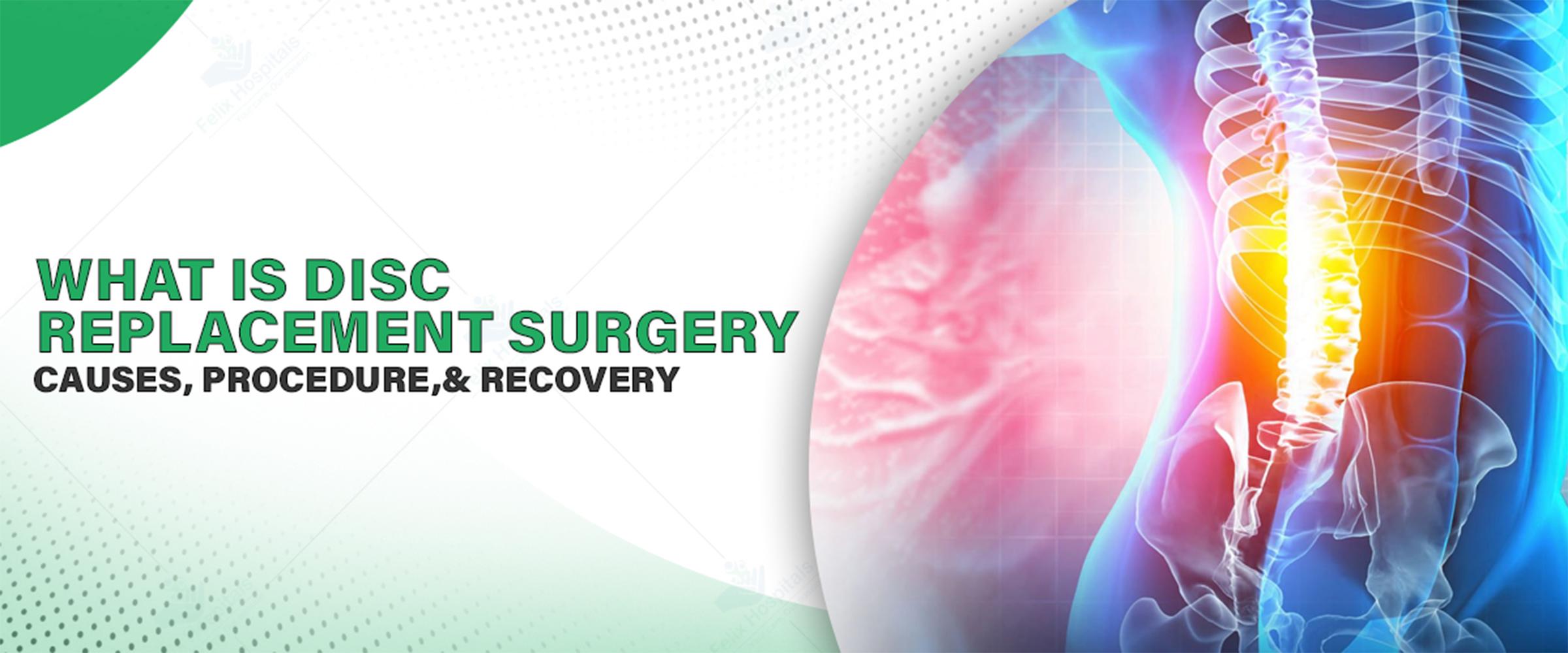
Disc replacement surgery is a modern surgery that is aimed at replacing the damaged spinal discs with artificial spinal discs that offer relief to patients in chronic back or neck pain. In comparison to the old technology of spinal fusion that limits the movement of the spine, the concept of disc replacement tries to ensure the preservation of more natural movement and the elimination of pain and dysfunction.
Selecting an appropriate facility is significant to determine a successful outcome. The best disc replacement hospital in Greater Noida offers advanced surgical techniques, experienced specialists, and comprehensive care throughout the treatment journey. Patients considering this procedure should consult with the best spine surgeon in Greater Noida and a trusted disc replacement doctor in Greater Noida to ensure precise diagnosis and tailored treatment plans.
The surgery is suitable in patients whose lumbar or cervical spine has one or two damaged discs that gets obese, has joint disease, or is spinal deformed. Before undergoing surgery, a comprehensive medical assessment in terms of imaging tests and laboratory is performed, as well as lifestyle changes like tobacco cessation.
The surgery is carried out using the general anesthetic mode, and the damaged disc is eliminated and replaced with the synthetic one. Recovery may also be faster than a fusion surgery and the average amount of time patients spend in hospital is a couple of days and they are on the rest pause and physical therapies.
Experience advanced care at the best disc replacement hospital in Greater Noida—call +91 9667064100 for expert guidance.
To know What is disc replacement surgery you should know that this surgery involves the removal and replacement of a damaged or worn-off disc, an artificial or synthetic disc. Find out more about the procedure here and why it is sometimes recommended over other types of surgery.
The procedure is done to relieve back or neck pain problems. It helps sustain more normal motion as compared to other treatment options like spinal fusion.
Disc replacement surgery is thought to reduce the chance of the adjacent disc undergoing accelerated wear and tear compared to spinal fusion.
The disc replacement surgery can be performed on both the cervical and lumbar region. A lumbar disc replacement surgery is usually recommended in patients that have lower back pain. But despite this, not all patients suffering from lower back pain are a good candidate for a disc replacement procedure. Therefore, it is very important to get an accurate analysis and diagnosis done by the doctor.
Lumbar disc replacement surgery might be advised due to the following reasons:
The back involves only 1 or 2 Discs in the lower spine
The patient has no specific joint disease (present or past)
The patient is not obese
There is no history of any spine surgery
There is no spinal deformity
The doctor will discuss the procedure in detail with the patient before the procedure. A complete physical examination of the patient is done along with medical history, X-rays, CT scan or MRI, and blood tests.
There are a few following points that the patient is asked to take care of weeks before the procedure:
Quit smoking and tobacco intake
Stop taking herbal supplements or blood thinning medication.
Avoid eating and drinking at least 8 hours before the disc replacement surgery
To know What is the procedure for disc replacement you should know the surgery is done under the effect of anaesthesia. The surgeon makes an incision on the patient’s abdomen. Then the blood vessels, tissues, and organs are moved aside to reach the spine.
The surgeon removes the worn or damaged disc and replaces it with an artificial disc. The tissues, blood vessels, and organs are put back in their original place. The surgeon then closes the incision with the help of sutures.
A short admission for 1 or 2 days after a disc replacement surgery is usually recommended to monitor for pain and any complications.
During this time the doctors will supervise the mobility of the patient to ensure they can walk and stand. Initially, the patient might need a walker or a cane for support.
The urinary catheter and IV lines may be removed within a few days post-surgery.
The patient is taught to perform some simple exercises very gently like trunk twists. This will help in the speedy recovery of the patient. Gradually the patient will be advised to stretch and walk properly without support. The total recovery time required after disc replacement surgery ranges from a few weeks to months.

Some of the possible complications involved with artificial disc replacement surgery are as given below. Almost all of these are common to a fusion surgery.
Allergic reaction to the artificial implant
Tissue swelling
Bleeding or hematoma
Implants breaking, bending, loosening, or moving
Wound, local, and systemic infections
Impairment of or change in speech
Nerve or spinal cord injury, possibly causing impairment or paralysis
Numbness or tingling in extremities
Pain in arm and/or neck
Tear in the dura covering the spinal cord
Patients mostly experience some mild discomfort and pain in the following days and weeks after surgery. Most commonly, the soreness and pain are felt at the incision site. Other symptoms may include difficulty in swallowing or speaking, standing, and walking without support. As the recovery period progresses, other symptoms also start resolving.
Some factors that can affect post-surgery period include:
Smoking: Avoid smoking for a few weeks after the surgery because it can lead to higher rates of infection at surgical sites.
Incision care: After the surgery, avoid submerging the incision site in water as it can lead to infection.
In the initial recovery period it is advisable to minimise extreme range of movements of the spine
Activity is encouraged but lifting of heavy weights is to be avoided.
Are you prepared to get rid of chronic pain in your back? Consult the best spine surgeon in Greater Noida at +91 9667064100 today.
Disc replacement surgery today uses cutting-edge medical technology to improve accuracy, reduce pain, and speed up recovery. Modern hospitals now rely on minimally invasive and robotic-assisted techniques to achieve better long-term outcomes.
Robotic systems help spine surgeons plan and perform disc replacement with high precision.
Minimally invasive techniques involve small incisions instead of large cuts.
Laparoscopic tools and cameras allow surgeons to operate with minimal tissue damage.
Modern spine treatment uses the latest diagnostic and navigation technology, such as:

Dr. Keshav Goel is an experienced Orthopedic and Joint Replacement Surgeon in Noida with over 10 years of clinical expertise. He has performed 2,000+ independent surgeries and specializes in computer-assisted joint replacement and arthroscopic surgeries of the knee, shoulder, and hip. Known for his skill in treating sports injuries, trauma, and joint disorders, he provides advanced and patient-focused orthopedic care.
Disc replacement surgery is a new methodology in the treatment of the debilitating conditions of the spine without needing to lose the spinal flexibility and functionality. Noida is home to the best centres providing full surgical and rehabilitative care to patients interested in having specialized care regarding treatment of corneal infection. Working with the best spine surgeon in Noida and a dedicated disc replacement doctor in Greater Noida ensures a smooth surgical experience and optimized recovery. Consulting the best disc replacement hospital in Greater Noida is the first step toward renewed mobility and relief.
Q1 : What is Disc Replacement Surgery?
Ans: Disc replacement surgery is a spine procedure in which a damaged spinal disc is removed and replaced with an artificial disc. The goal is to relieve pain while preserving natural movement of the spine.
Q2: Why is Disc Replacement Surgery Needed?
Ans: This surgery is recommended when chronic neck or back pain is caused by a damaged disc that does not improve with medications, physiotherapy, or lifestyle changes.
Q3: How is Disc Replacement Surgery Performed?
Ans: The surgeon removes the damaged disc and inserts an artificial disc using minimally invasive or robotic-assisted techniques. Advanced imaging ensures precise placement and minimal damage to surrounding tissues.
Q4: How Long Does Disc Replacement Surgery Take?
Ans: Disc replacement surgery usually takes 1.5 to 3 hours, depending on the spine level involved and the patient’s condition.
Q5: How Much Does Disc Replacement Surgery Cost?
Ans: The cost varies based on hospital, technology used, type of artificial disc, and surgeon expertise. On average, disc replacement surgery cost in India ranges between ₹2.5 lakh to ₹6 lakh.
Q6: How Long Is the Recovery After Disc Replacement Surgery?
Ans: Most patients start walking within 24 hours.
Minimally invasive techniques help reduce recovery time significantly.
Q7: What Are the Risks of Disc Replacement Surgery?
Ans: Like any surgery, there are some risks, including infection, bleeding, nerve injury, or implant-related issues. However, with modern technology and experienced spine surgeons, complications are rare.
Q8: Who Is the Right Candidate for Disc Replacement Surgery?
Ans: Patients with single-level disc degeneration, good bone health, and no severe spinal instability are ideal candidates. A spine specialist determines suitability after detailed evaluation.
Q9: Is Disc Replacement Surgery Safe?
Ans: Yes, disc replacement surgery is considered safe when performed using advanced technology such as robotic assistance and minimally invasive techniques by experienced spine surgeons.
Q10: What Is Better: Disc Replacement or Spinal Fusion?
Ans: Disc replacement preserves motion, while fusion restricts movement. Disc replacement is often preferred in suitable patients as it maintains flexibility and reduces stress on nearby discs.

Your gut and brain share a strong link that impacts your mood, stress levels, and overall health. Learn how maintaining gut health can improve your mental well-being.
An appendectomy is a surgical procedure to remove the appendix, typically performed to treat appendicitis.

Cosmetic dentistry is like a magic wand for your smile, blending art and science to make your teeth look and feel their best. It’s not just about fixing problems—it’s about creating a smile that feels like you, only bolder.


Subscribe to our
© Copyright 2026. All Rights Reserved by Felix Healthcare Private Limited
Design and development by :


 +(91)9667064100
 Emergency : +(91)9667064100