 WhatsApp
 Emergency:
  WhatsApp





Subscribe to our
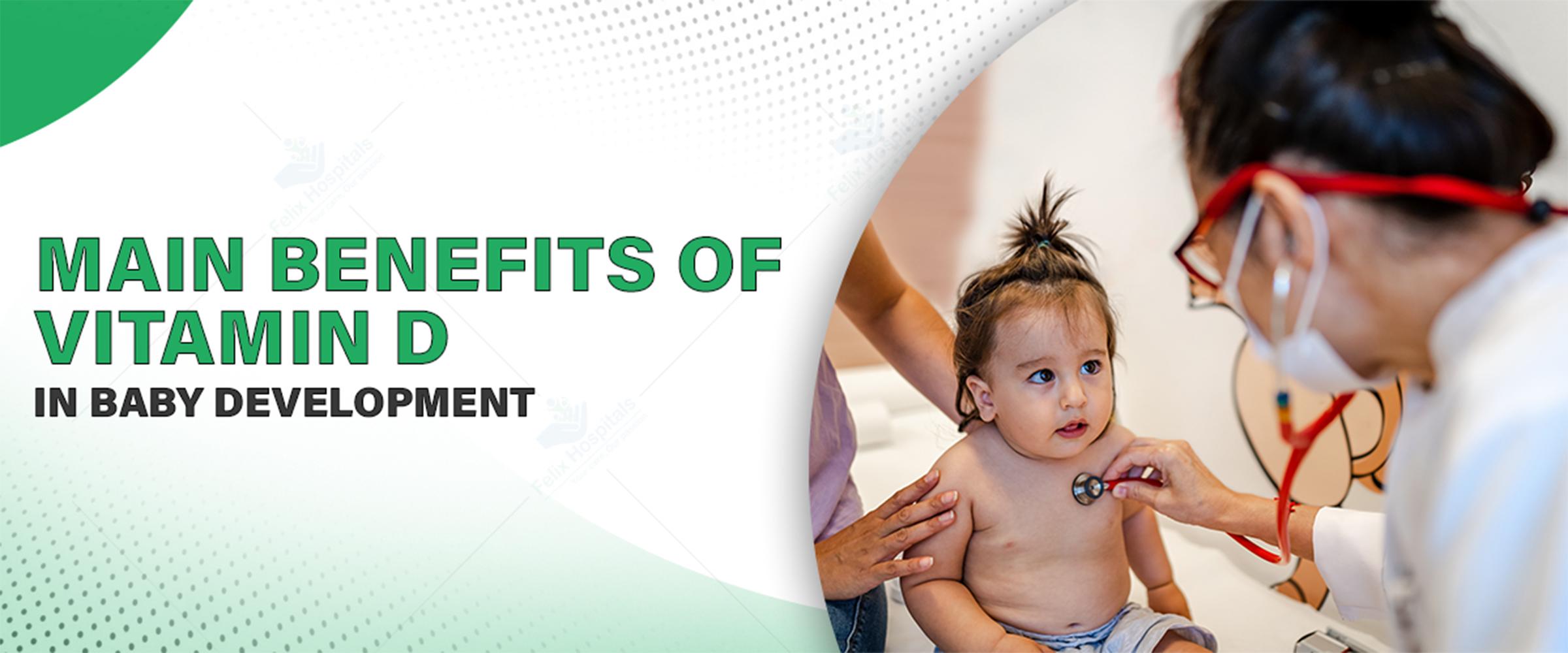
Vitamin D is important to the healthy growth and development of a baby especially in enhancing the hormone to the strong bone structure and the immune system. Vitamin D deficiency is particularly dangerous in the case of babies because breast milk naturally has very little of the essential vitamin, and babies are often exposed to sunlight, which is beneficial in vitamin D synthesis, and for safety reasons.
This is the reason why medical professionals underline the necessity of vitamin D intake during a short period of time after birth. For families in Noida, consulting the Best pediatrician for baby vitamin deficiency in Noida and obtaining care at the Best hospital for child nutrition in Noida ensure that infants receive appropriate guidance and support for optimal health outcomes.
Ensure healthy growth—book consultations at the best hospital for child nutrition in Noida, call +91 9667064100.
To know How does vitamin D supports a baby’s bone health, you should know the main functions of vitamin D is that it helps the body to absorb calcium and phosphorus- two minerals that help in the formulation and support of strong and dense bones and healthy teeth. The early years of childhood (the first two years of life) are an active phase of skeletal development and mineralization, as such, an adequate consumption of vitamin D is essential to the normal development of bones. Lack of sufficient vitamin D exposes babies to rickets, a disorder that is accompanied by soft and deformed bones and thus may result in irreversible deformities such as bowed legs, abnormally curved backbone, and flat skull bones.
Vitamin D helps in maintaining the bone remodeling process by maintaining calcium in the blood as well as assisting in the deposition of calcium in the bone tissue. It also has an effect on bone growth plates, which keeps the skeleton healthy in terms of growth rates and integrity.
How vitamin D helps boost immune system in babies. To know this you should knowIn addition to the health of the bones, in early life, vitamin D is critical in enhancing the immune system. It assists in maintaining a balance in the immune response so that the immune system is able to protect against infections but avoid overreacting and overproduction of inflammatory responses which can damage tissues. In particular, vitamin D activates the synthesis of antimicrobial peptides, which are the molecules that are able to destroy the bacteria and viruses that invade the organism.
Infants who have adequate amounts of vitamin D were scientifically found to have lower rates of respiratory infections like pneumonia, bronchiolitis, and so on, which helps to prevent the harm of young children to frequent and potentially serious diseases. Also, proper vitamin D can assist in reducing the rate of allergies, in favor of the normal immune climate among infants.
It is advised by health authorities such as the American Academy of Pediatrics that all infants, both partially and breastfed, should be given a daily dose of 400 International Units (IU) of vitamin D soon after birth. Breast milk in itself does not contain sufficient levels. In the case of formula fed babies supplementation should be considered when babies do not take a minimum of about 32 ounces of vitamin D-enriched formula per day.
The daily intake keeps the body healthy in terms of vitamin D to maintain bone strength and immune protection into adulthood and beyond. The 400 IU of vitamin C is the most common dose of vitamin C in infants, although some pediatricians can modify the dose according to specific risk factors or laboratory results.
The lack of vitamin D may be extremely detrimental to the development of a baby and his/her health. The worst effect is rickets- a disease which makes the bones soft and weak and likely to suffer deformation and fracture. Rickets is associated with various bone locations and when not treated may cause permanent skeletal issues in life.
Poor vitamin D also affects the linear growth of infants and young children and retards the gross motor development of sitting, crawling and walking. These developmental delays may have wider effects in physical and mental well being.
Because vitamin D is an immune modulator, its deficiency makes an individual more susceptible to infections and thus, babies are inclined to recurrent cases of diseases or serious respiratory diseases. In severe situations, the extremely low levels of vitamin D may result in hypocalcemia, a life-threatening condition of low levels of calcium in the blood that results in muscle spasms or seizures. Further, vitamin D deficiency has been associated with elevated risks of auto-immune illnesses, type 1 diabetes and asthma, which affect child health in the long term.
Due to the fact that the symptoms of vitamin D deficiency are not expressed too clearly or specifics, constant tracking is necessary. Vitamin D status can be determined with the help of blood tests that can measure blood levels of serum 25-hydroxyvitamin D. Pediatricians suggest regular screening of babies who are not being supplemented with breast milk or those who are at a high risk like premature infants, those with darker pigmentation of the skin.
In the event of deficiency, therapy includes increased doses of vitamin D during the early stages to rebuild adequate levels, after which maintenance dosing is done as per the recommendation of the pediatricians. Supplementation is safe and effective and it increases bone density, rickets prevention, and immunity.
In the process of introducing solids to the child, parents can supplement his or her vitamin D requirements by giving the required daily doses of the supplement and maintaining a well balanced diet. Vitamin D-rich or fortified foods, including dairy products, cereals, and formulas are also natural sources of vitamin D, but when consumed after infancy become secondary sources.
Though the exposure of sunlight causes the skin to synthesize vitamin D, pediatricians recommend that babies be exposed to sun carefully because the skin is very sensitive and can be burnt. Therefore, supplementation is the safest practice to be used in an effort to guarantee the adequate vitamin D intake.
Concerned about your baby’s vitamin D levels? Talk to our expert pediatricians at +91 9667064100.
Your baby cannot do without vitamin D which is essential to its healthy bones and proper functioning of the immune system. Supplies of vitamin D at an early age prevent rickets, facilitate growth-related milestones, and enhance resistance against infections. Parents in Noida seeking expert advice should consult the best pediatrician for baby vitamin deficiency in Noida and avail themselves of services at the best hospital for child nutrition in Noida for comprehensive nutritional assessment and guidance. Early intervention and regular supplementation are the basis of healthy growth and future well being of your child.
Q.1. How does vitamin D support baby’s bone health?
Ans. Vitamin D aids calcium absorption which is essential for building strong bones.
Q.2. Why do babies need vitamin D supplements?
Ans. Breast milk contains low vitamin D, so supplements help meet daily requirements.
Q.3. How much vitamin D is recommended daily for babies?
Ans. Babies typically need 400 IU of vitamin D daily starting soon after birth.

Explore 25 fruits and vegetables that are excellent sources of Vitamin D. Including these nutrient-rich foods in your diet can support strong bones, boost immunity, and enhance overall well-being naturally.

Mothers think a lot, when it comes to giving right nutrition to her baby. And she also has many questions like
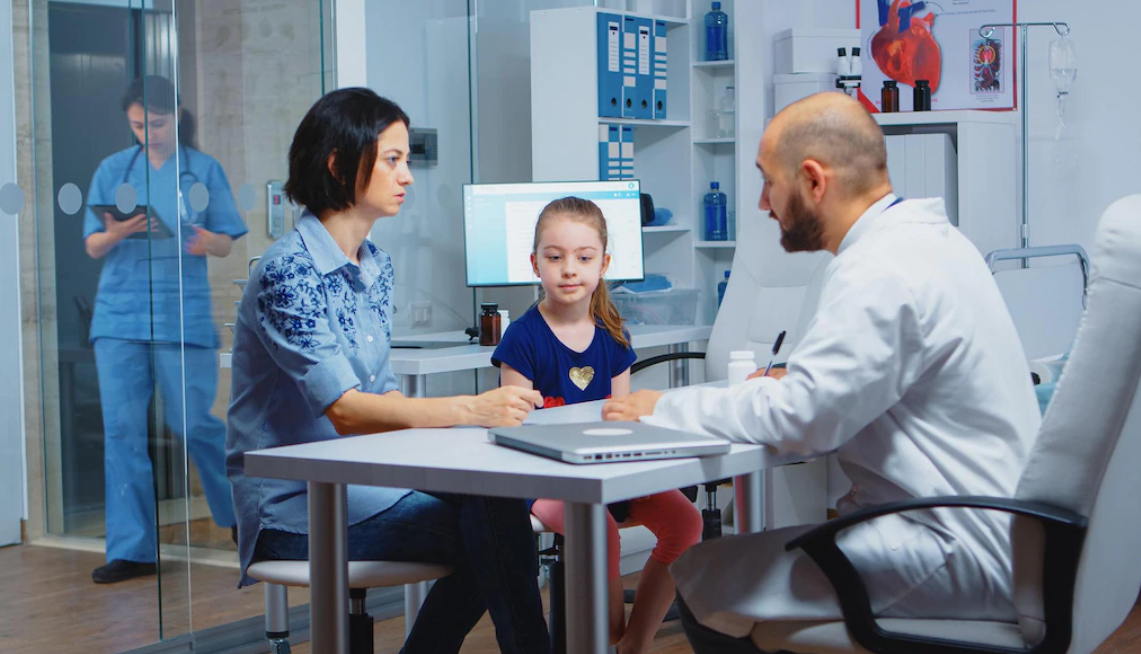
Take special care of the health of your kids, especially young children, amidst the changing seasons.
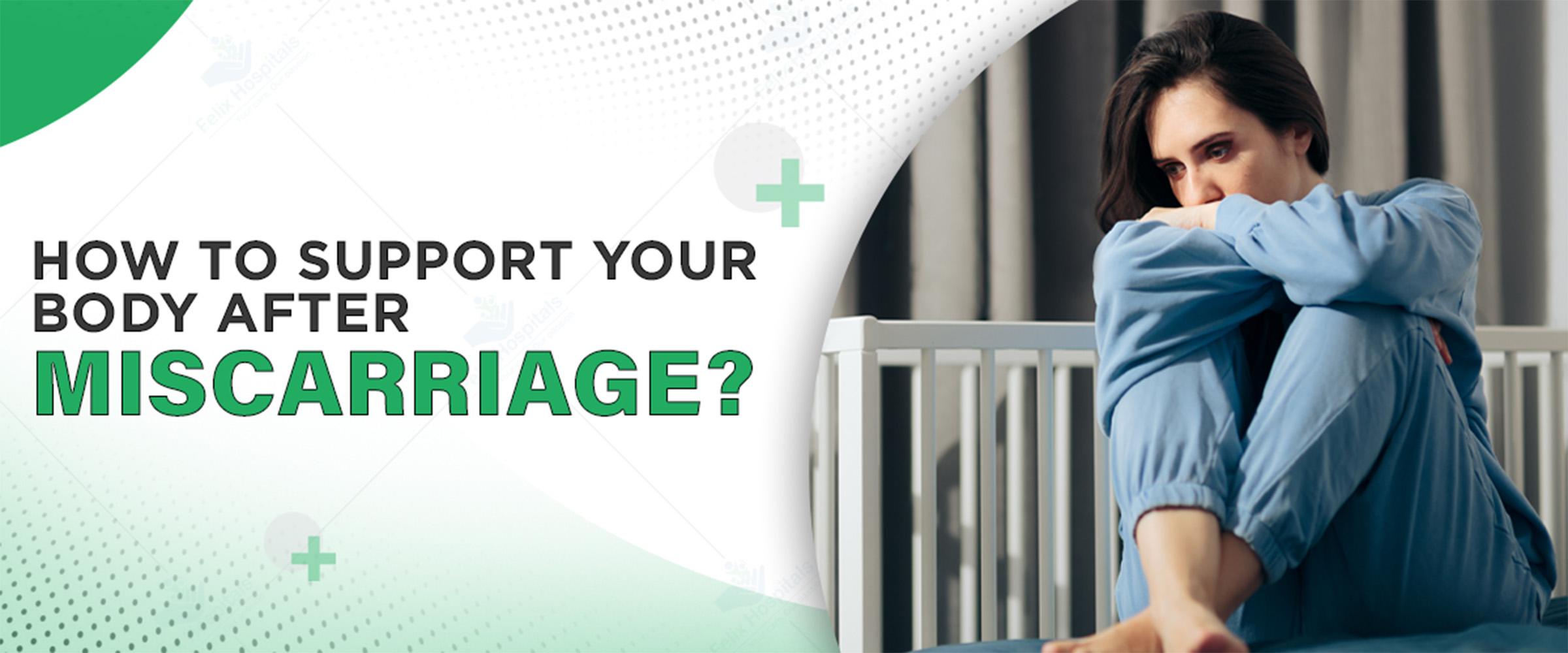
Having a miscarriage can leave you feeling fatigued both physically and hormonally. Learning how you can assist your body following your miscarriage is important to ensure that you recover well and strengthen yourself. Although emotional healing is a long process, your body needs attention to prevent possible complications and promote healing. To be professionally guided, a gynecologist will offer help on miscarriage recovery in Noida, and it will be considered individually.
After a miscarriage, your body may be weak, and your hormones may not be in harmony. Recovery is a process that entails attending to bleeding, cramps, and fatigue and ensuring that your body is provided with the necessary nutrition and rest. This can be made easier to handle with information on the expectations and management of the symptoms.
Going to a hospital for care can help you keep track of your recovery, deal with your symptoms, and get professional help. Call us today at +91 9667064100.
The healing process after a miscarriage varies on how far along the pregnancy was and whether medical help was needed. What amount of time does it take to recover physically after a miscarriage? The bleeding and cramping can take one to two weeks but in other instances may extend. The body slowly comes back to the pre-pregnancy condition, and the level of hormones is stabilised in four to six weeks.
At this time, one should:
Rest sufficiently and do not strain hard work.
Keep a close eye on the bleeding and write down any changes in color or volume.
Monitor any strange pain or fever, which may be a sign of complications.
When the symptoms deteriorate or continue beyond anticipations, a Best hospital for miscarriage care in Noida would be able to offer assessment and treatment.
Miscarriage is followed by mild to moderate bleeding followed by cramping. How to treat bleeding and cramps in case of a miscarriage? To help in recovery and alleviate pain, you should:
Wearing sanitary pads in place of tampon to minimize the risk of infection.
Use of warm compress to treat lower abdomen to loosen cramping.
Using over-the-counter pain medication as prescribed by the doctor.
Drinking plenty of water and engaging in light exercise
Constant heavy bleeding, foul smell, or extreme pain are reasons why a doctor should be seen immediately.
Eating well is important in assisting the body to recover. What foods can help you feel better after a miscarriage? Pay attention to the meals replenishing the vital nutrients:
Foods rich in iron such as green vegetables, beans, and low fat meats to replace blood.
Sources of proteins like eggs, yogurt, and legumes to help in repairing tissues.
High folate and vitamin B12 food sources as a source of energy and hormone regulation.
Rehydrating fluids such as water.
Do not take processed foods and too much caffeine because this slows down the healing process. A balanced recovery plan can be developed with the assistance of a nutritionist or your gynecologist.
It is significant to think of physical healing, but emotional health must not be disregarded. Miscarriage may cause sorrow, remorse or fear. Some methods of self support can be:
Conversing with a close partner, friend, or family.
Professional counseling or attending support groups.
Engaging in mild forms of self-care like meditation, journaling, or walking.
Take time to recover and accept your feelings without self-judgment.
Emotional care together with physical recovery encourages the holistic healing.
Knowing when to see a doctor after a miscarriage can help avoid problems. and guarantee appropriate healing. Call a doctor at once in case you notice:
Bleeding longer than two weeks and heavy.
Abdominal pain or abdominal cramping that does not go away with rest.
Fever, chills, foul discharge.
Feeling of emotional distress that is either overwhelming or persistent.
Your progress can be checked by frequent visits to the Gynecologist in Noida and safe initiation of daily routine can be advised.
Besides rest, nutrition, as well as emotional care, look into the following:
Staying at a steady pace, resume the physical activity to the recommended level by your doctor.
Smoking and alcohol are to be avoided and they can slow down the healing process.
Note down your menstrual periods and irregularities, which will be discussed during follow-ups.
Talk to your gynecologist about future family planning and fertility issues.
The holistic approach will make sure physical and emotional recovery is achieved and the chances of complications are minimized.
Waiting before healing properly—make an appointment with a Gynecologist to resume pregnancy and seek customized care and advice in case of miscarriage. Call now: +(91) 96670 64100.
The process of healing following a miscarriage is slow and one that is demanding in terms of patience, self-treatment, and medical advice. With the help of post-miscarriage care tips that will help you take care of your body, deal with bleeding and cramps, nutrition, and the emotional state, you will be able to recover your strength and well-being.
Specialized attention from the best hospital for miscarriage care or a gynecologist for miscarriage recovery in Noida can ensure personalized support during this sensitive time. It should be remembered that recovery is a personal thing, you need to listen to your body, necessary help should be consulted, and time should be given to recover completely.
Q1. What is the time period to physically recover following miscarriage?
A: Healing is always a 4-6 weeks duration, but small blood and cramping can be expected 1-2 weeks. It may take a longer time to become fully hormone stable.
Q2. How can one safely treat bleeding and cramps at home?
A: Wear sanitary pads, place a warm compress on the abdomen, take prescribed painkillers recommended by doctors and have rest. Use of tampons should be avoided to minimize infection risk.
Q3. Is there any influence of diet on recovery of miscarriages?
A: Yes. The nutrients and support of tissue repair as well as increase in energy can be replenished through eating iron-rich, protein-rich, and hydrating food.
Q4. In what cases is a doctor supposed to be approached?
A: Get medical assistance as soon as possible in case of heavy bleeding, severe cramps, fever, emotional distress of a feeling that cannot be managed.
Q5. Is it common to feel different after having a miscarriage?
A: Absolutely. Depression, sorrow and anxiety are prevalent. Love ones, counseling or support groups can help.
Q6. Am I able to resume normal functions soon?
A: Slowly resume on the advice of your doctor. Do not engage in intense exercise without the approval of a medical expert.
Q7. What can I do to prepare the future pregnancies?
A: Your gynecologist will advise you on how and when to become pregnant, how to evaluate your fertility, and all measures that could help you maximize the benefit of a healthy pregnancy.

Piles can deeply affect women’s mental well-being, causing stress, embarrassment, and low self-esteem. A lady doctor shares insights on addressing both the physical and emotional impact with care and support.
Exploring the Best IVF hospital in Noida for expert fertility treatments. Felix Hospital IVF is dedicated to helping couples achieve their dream of parenthood with advanced fertility treatments, latest technology, and compassionate care
Exploring the Best IVF hospital in Noida for expert fertility treatments. Felix Hospital IVF is dedicated to helping couples achieve their dream of parenthood with advanced fertility treatments, latest technology, and compassionate care
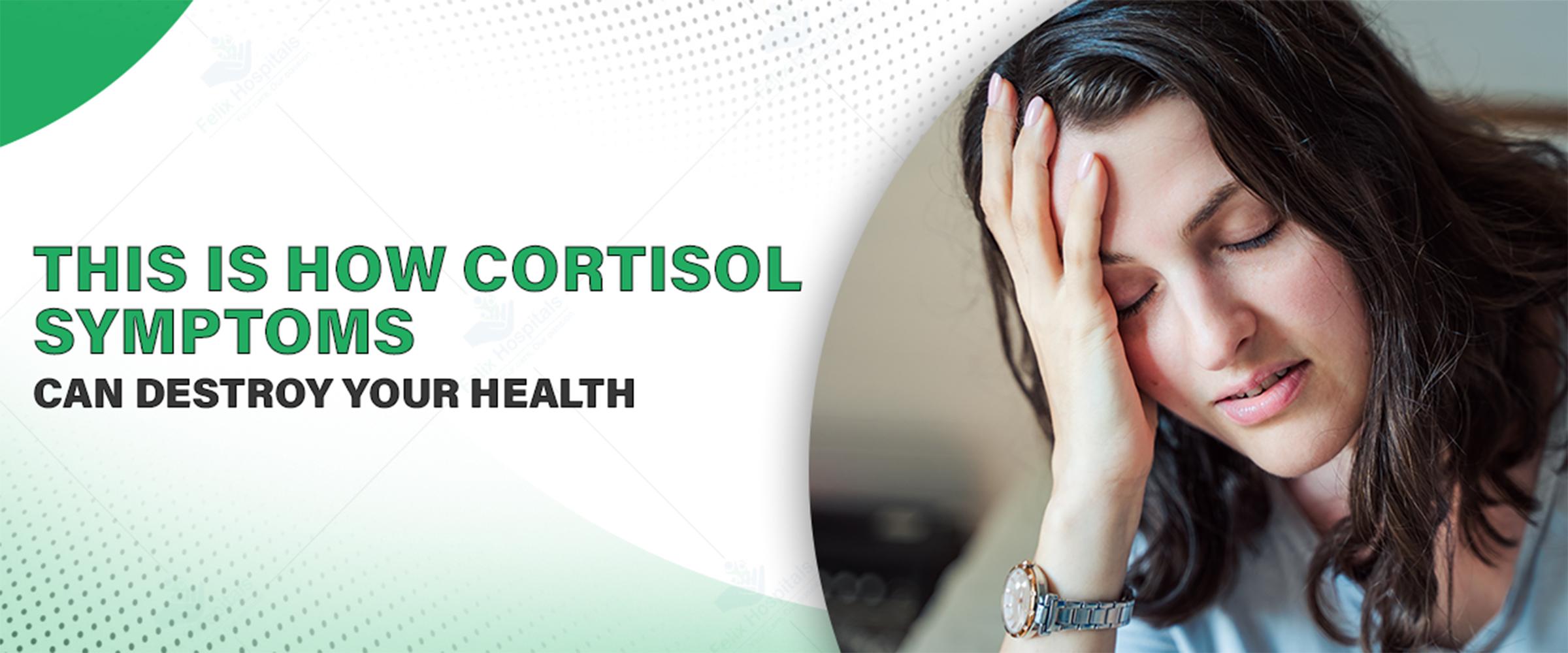
Cortisol also referred to as the stress hormone is essential in controlling sleep, metabolism, immunity, and how the body reacts to stress. Although necessary in low doses, high levels of cortisol in the long run can have a serious effect on your health. It is important to learn the symptoms of excessive production of cortisol in the body to intervene and prevent complications in the long term.
The initial symptoms can be mild and therefore, the presence of high cortisol levels can be missed. Nevertheless, one should not overlook constant symptoms like fatigue, weight gain, sleep disorders, or mood fluctuations. When you are in such problems, A Noida facility that treats hormone disorders can assist find hormonal imbalances.
Go to the best hospital to get treatment for a hormone problem. Call us today at +91 9667064100.
The adrenal glands produce cortisol which is very important in various functions of the body. Its primary functions are to control blood sugar, control inflammation, affect memory formation and assist the body to react to stress. Nonetheless, cortisol level may increase due to chronic stress, inappropriate lifestyle choice, or some medical conditions.
The long-term repercussions of elevated cortisol levels are:
Higher susceptibility to cardiovascular disease.
Gaining weight, especially in the stomach area
High blood pressure
Memory problems and problems with thinking
Mood disorders (e.g. anxiety or depression).
Disturbance of sleep cycle.
With time, unregulated high cortisol levels may weaken immunity, worsen the health status, and seriously impact the quality of life.
Finding the indications early is really crucial. Symptoms that indicate that you have excessive cortisol and what to do may be different in each case, but in general, they include:
Constant body exhaustion even with sufficient rest.
Problem with falling or remaining asleep.
Weight gain which is unexplained and mostly in the face and mid-section.
Recurring infections or extended recuperation of diseases.
Skin changes such as acne, thinning, or easy bruising
Problems with the digestive system, like constipation or not going to the bathroom regularly
Depression, anger, or nervousness.
In case these symptoms do not disappear, You should see a doctor right now. Early diagnosis enables lifestyle and medical treatments that have the potential of rebalancing hormones.
High cortisol levels prevent immune reactions, which exposes your body to infections. Even simple cold or skin infection can be slower in its recovery. The awareness of the effects of cortisol on the immune system and sleep will assist in coping with stress and promoting the general immunity.
When cortisol levels are high, your circadian cycle is thrown off, which makes it hard to sleep or stay asleep. In the long run this may lead to chronic fatigue and an even more severe effect on the health problems induced by stress.
Cortisol affects a number of other systems:
Skin: It may result in breakouts, thinning, and slow wound healing.
Mood: May cause anxiety, irritability and depression.
Digestion: May result in either feeling bloated, having acid reflux, or changes in appetite.
Being able to identify these signs can allow you to act on time and decrease stress and assist your body in recovery.
There are a number of reasons that cause the level of cortisol to rise:
Chronic stress or anxiety
Sleep deprivation
Eating too much sugar and processed meals are bad for your health.
Sedentary lifestyle
Some medicines, including steroids
Comorbid medical conditions, such as Cushing’s syndrome.
To treat and manage the condition effectively, it is necessary to define the cause.
The cortisol management needs to be holistic involving lifestyle modifications, dietary changes and in certain instances medical intervention.
Doing things like walking, yoga, or strength training on a regular basis
Sleep for 7 to 9 hours every night.
Meditation, deep breathing, or mindfulness as the stress-reduction methods.
Reducing the consumption of caffeine and alcohol.
Adding foods with high nutrient content such as leafy green, whole grains and lean proteins.
Eliminating excessive sugar and processed food.
Keeping your blood sugar levels constant and drinking enough water
In case the symptoms do not vanish with the help of lifestyle modifications, it is important to visit a healthcare specialist. An elevation of cortisol can be verified using hormonal tests and can be treated using medication or other interventions. If you need specialized care for a hormone condition, go to a hospitals in Noida where endocrinologists can help you with your hormonal health.
When to Seek Medical Help
Consult a specialist in case of noticing:
Constant fatigue and sleeping problems.
Sudden weight gain or unexplainable obesity.
Extremes of mood, irritability, or anxiety.
Repeated infections or delayed wound healing.
Early detection can stop serious problems that can happen when cortisol levels are too high.
Early diagnosis allows to detect hormonal disorders and avoid complications. Make the appointment at the best hospital in Noida.
Cortisol is a vital hormone, and when the levels are constantly high in the body, silently interfere with several bodily functions, including as immunity. Early detection of the symptoms and their management through lifestyle modifications, stress management and prompt medical attention will be important in avoiding the long-term complications.
Considerable fatigue, unexplained weight gain, lack of sleep or mood swings are some of the warning signs that should not be ignored to go hospital in Noida . Get professional assistance in order to be evaluated and treated accordingly. With the right help and advice, you can get your body back in balance, get healthier, and stay safe.
Q.1. What are the symptoms of excessive cortisol in the body?
Ans. The first symptoms are fatigue, insomnia, frequent infections, mood swings and unexplainable weight gain.
Q.2. Can stress i raise cortisol levels?
Ans. Yes. One of the primary sources of high cortisol is chronic stress. Normalization can be carried out by performing regular relaxation and stress management.
Q.3. What is the effect of high cortisol on sleep?
Ans. High cortisol interferes with normal sleep-wake cycle causing one to have problems with falling or maintaining sleep resulting in chronic fatigue.
Q. 4. Does high cortisol have an impact on weight?
Ans. Absolutely. High levels of cortisol promote the storage of fats and particularly in the stomach area and can lead to the urge to consume high sugar-level foods.
Q.5. What is the time taken to normalize cortisol levels?
Ans. The time it takes to get better depends on what caused the problem. Cortisol levels can be stabilized in weeks or months with lifestyle changes and treatment.

If your answer is yes, then, here are 6 easy steps to keep your skin look young and glowing.

Maintaining a healthy lifestyle is important, in today’s scenario. It is common to hear about some or the other problem related to health faced by individuals.
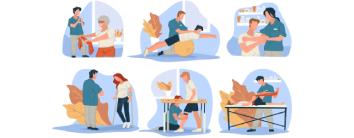
If you are having any physical pain in your body due to factors like illness, injury, sudden stroke or aging, a physiotherapist can help you to overcome the pain through various therapies like electrotherapy, heat and cold packs, exercise etc.

Appendix surgery, also known as appendectomy, is a common emergency procedure performed to treat appendicitis.
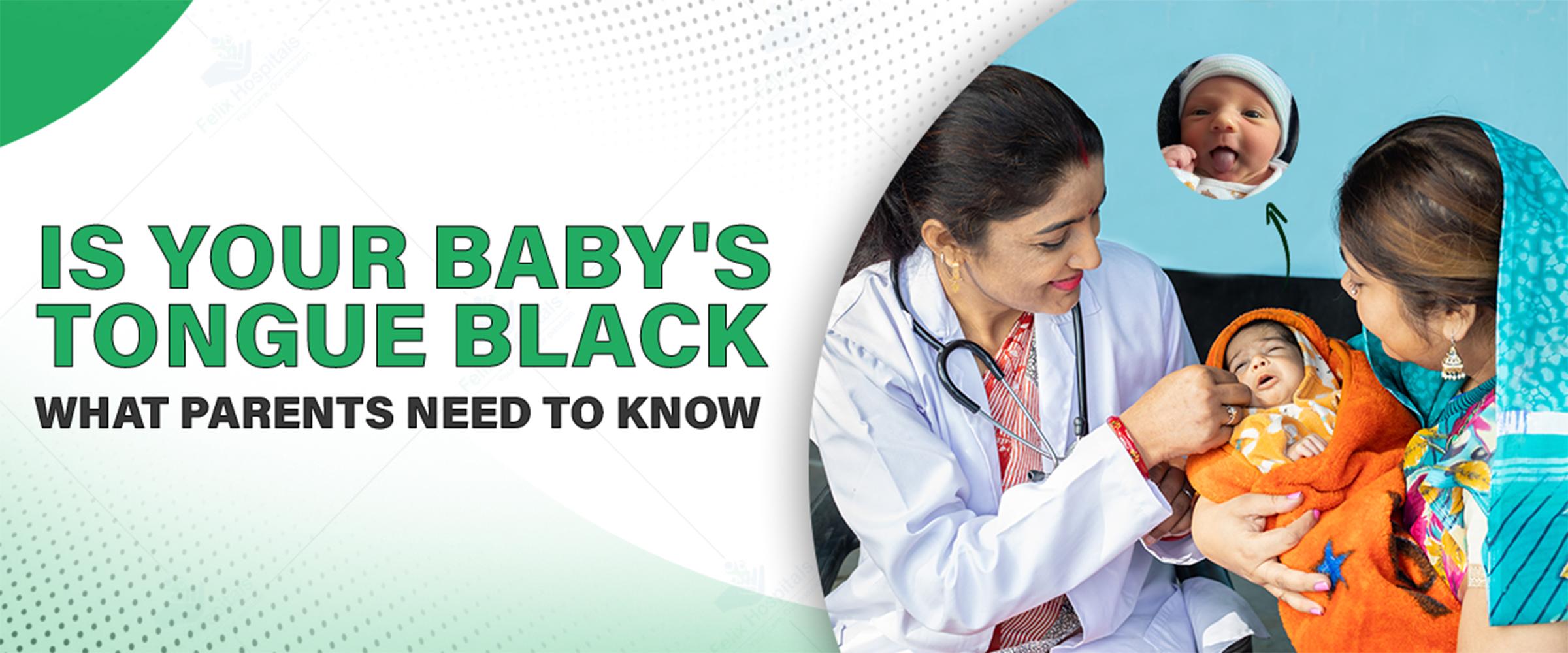
The health of a baby can change subtly and may not necessarily be noticed at first by parents. One situation that often causes alarm among parents is when a baby’s tongue appears black. Seeing your baby with a black tongue can be alarming but to know why is baby's tongue black? and how to react can help parents to remain calm and react accordingly.
If you ever discover your infant has a black tongue, you should never neglect it. Timely evaluation makes it possible to treat any latent condition early enough. For professional advice regarding same, schedule an appointment for Baby black tongue treatment in Noida to ensure it gets proper care.
Early detection and management prevent distress and further consequences for your child. Call us today at +91 9667064100.
A black tongue in infants is caused by various factors some being harmless while others are serious and worth consulting a medic. Knowing what causes a baby's black tongue helps parents make smart choices:
Improper Mouth Hygiene – Even with infants, formula buildup or milk can adhere to the tongue and cause spots.
Medications – Certain pills or antibiotics can cause black spots temporarily on the tongue.
Bacterial or Fungal Growth – Black hairy tongue can occur when there is fungal or bacterial accumulation upon the tongue's surface.
Dehydration – Darkening and coating of tongue can occur with reduced saliva secretion.
Pre-existing Medical Conditions – Occasionally black tongue is a symptom of other diseases like bowel disease or metabolic diseases.
Even though some are harmless, persistent discoloration requires a specialist checkup. Parents are likely to ask about black tongue in infants regarding doing something about it: the ideal first step is a consultation with a specialist pediatrician or Baby's tongue black checkup hospital Noida checkup.
Apart from black coloration, there are other signs parents must notice:
Bad breath
Less hunger or eating
Irritability or excessive fussiness
White spots or cracks in the tongue
Dry lips or less wet diaper signs of dehydration
If you have these kinds of symptoms accompanied by black tongue, you are likely to have a serious condition requiring serious attention.
Doctors generally find out why black tongue is there for babies by:
Physical Examination – Observation of appearance and oral hygiene checking.
Medical History – Question about recent medication, diet, or illness.
Tests at Lab – Blood tests or cultures are sometimes run to determine infection or deficiencies.
Accurate diagnosis permits doctors to customize therapy to effect safe and optimum resolution of your child's condition.
The therapy is based upon the cause. Certain universal skills are:
Gentle tongue scrub with soft damp cloth or baby-safe brush.
Strengthening hydration and when possible confirming the infant is consuming enough.
If it is infected, antifungal or antibiotic medication can be given.
Making any change to supplements that can cause darkening.
Regular follow-ups to monitor improvement.
For personalized advice, parents can consider Baby black tongue treatment Noida. Early medical attention avoids complications and makes your baby at ease.
Although all causes are impossible to prevent, parents may minimize risk by:
Gently cleaning the baby's tongue after each feeding.
Rinsing the tongue and gum with a soft cloth to avoid buildup residue.
Monitoring the baby’s diet and supplement intake.
Getting regular medical check-ups to ensure timely health monitoring.
These are some simple steps to drastically lower odds of tongue darkening and enhance oral health in general.
Do not hesitate if you observe black tongue by your infant. Get a checkup at the hospital for proper assessment.
Black tongue in children is a shocking sight, but is often induced by innocent situations such as milk deposition or minor hygiene issues. Understanding why a baby develops a black tongue will ensure that parents respond calmly and take the necessary action. Abnormal persistence, odd signs and symptoms, or feeding problems should always be evaluated by a pediatrician for accurate diagnosis and treatment.
Early diagnosis prevents late medication and potential complications. Simple measures such as gentle tongue cleaning, adequate hydration, and timely check-ups help maintain your baby’s oral health. Professional advice and reassurance about black tongue in babies can be obtained by visiting a trusted Baby black tongue treatment specialist in Noida. By staying alert and taking proactive steps, parents can ensure their child’s comfort, health, and overall well-being.
Q1. Is a black tongue safe for my infant?
A: Most black tongues are harmless and can occur from harmless causes such as milk curd. Nevertheless, recurring blackening is always worth checking with a doc.
Q2. What doctor should I see with my black tongued baby?
A: A specialist child ear, nose and throat specialist or specialist pediatrician can determine the cause. Referral to hospital for further investigation is necessary in some cases for your infant.
Q3. Can medications cause black tongue in infants?
A: Yes. Some medications like antibiotics, iron drops, or supplements can cause blackening of the tongue temporarily. Always inform your doctor about any medication being consumed by your infant.
Q4. How can you safely clean your baby's tongue?
A: With a soft damp cloth or a tongue brush for babies. Wipe gently around once you've fed and never scrub vigorously.
Q5. Is black tongue possible from dehydration with an infant?
A: Yes. Decreased intake can reduce saliva and cause predisposition to accumulation on tongue with resultant stain. Ensure your infant is well hydrated.
Q6. When should I worry about my baby’s black tongue?
A: A few days without getting better, is accompanied by difficulty with feeding, irritability, white spots, or infection signs.
Mothers think a lot, when it comes to giving right nutrition to her baby. And she also has many questions like

Know the early signs of congenital heart defects in babies to ensure timely care and treatment. Recognizing symptoms early can make a big difference in your child’s health and development.

Early detection matters! Get comprehensive newborn screening tests in Noida to ensure your baby’s healthy start and timely treatment if needed.
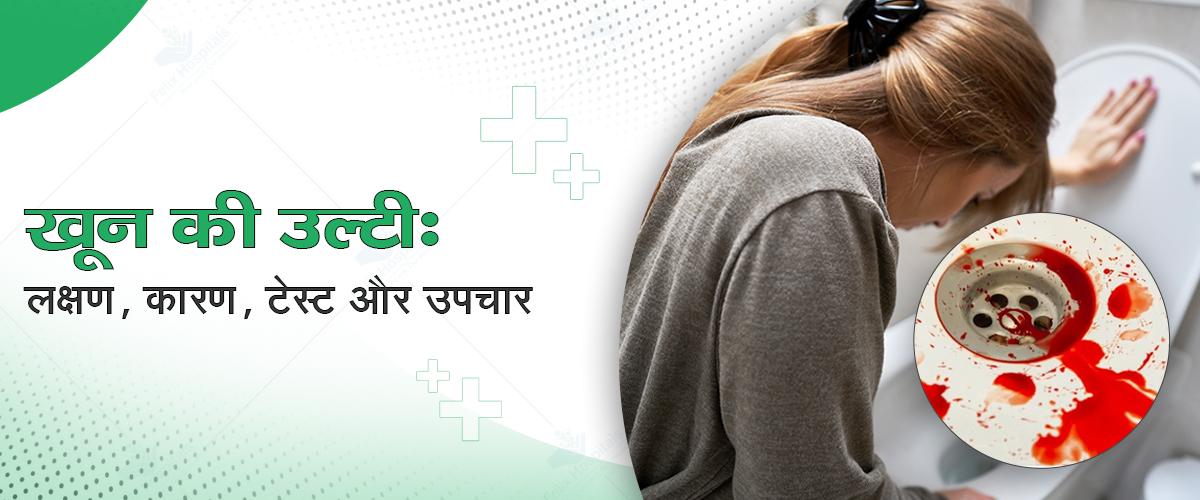
खून की उल्टी (vomit blood) एक चिकित्सीय स्थिति है। इसमें उल्टी के साथ ताजा लाल खून या कॉफी के रंग जैसा गाढ़ा खून निकलता है। यह स्थिति हल्की भी होती है। इसलिए खून की उल्टी को कभी नजरअंदाज नहीं करना चाहिए। तुरंत डॉक्टर (विशेषकर पल्मोनोलॉजिस्ट या गैस्ट्रोएंटेरोलॉजिस्ट) से संपर्क करना चाहिए। शहर में Gastroenterologist in Noida उपलब्ध है। इस ब्लॉग में हम विस्तार से जानेंगे कि खून की उल्टी के शुरुआती लक्षण, इसके मुख्य कारण, जरूरी टेस्ट और पल्मोनोलॉजी गाइडलाइन के अनुसार उपचार।
अभी अपॉइंटमेंट शेड्यूल करें – कॉल करें: +91 9667064100.
जब किसी व्यक्ति को उल्टी होती है। उसमें खून भी दिखाई देता है, तो इसे खून की उल्टी कहते हैं। यह सिर्फ एक सामान्य उल्टी नहीं होती बल्कि यह अक्सर शरीर में किसी गंभीर समस्या का संकेत है। इसलिए इसे कभी भी हल्के में नहीं लेना चाहिए। उल्टी में खून का रंग बहुत कुछ बताता है।
अगर खून ताजा लाल रंग का है, तो इसका मतलब है कि पेट या खाने की नली में अभी-अभी रक्तस्राव हुआ है। यह सक्रिय है, ऐसे में तुरंत चिकित्सा मदद लेना जरूरी है। कभी-कभी उल्टी में खून भूरे या काले रंग के दानेदार रूप में दिखाई देता है। जिसे कॉफी ग्राउंड जैसा कहते हैं। इसका मतलब है कि खून कुछ समय पहले निकल चुका था और पेट के एसिड (stomach acids) के संपर्क में आकर इसका रंग बदल गया है। चाहे खून ताजा हो या पुराना, खून की उल्टी हमेशा गंभीर है। इसे नजरअंदाज नहीं करना चाहिए।
उल्टी के साथ ताज़ा खून या गाढ़ा भूरा खून आना:
यह सबसे स्पष्ट संकेत है कि पेट या ऊपरी गैस्ट्रोइंटेस्टाइनल ट्रैक्ट में रक्तस्राव हो रहा है। ताजा लाल खून सक्रिय रक्तस्राव का संकेत है। जबकि गाढ़ा भूरे रंग का खून पुराने खून का संकेत है।
चक्कर या बेहोशी महसूस होना:
खून बहने के कारण शरीर में ब्लड प्रेशर (blood pressure) कम हो सकता है। इसका परिणाम चक्कर आना या अचानक बेहोशी होना होता है।
तेज कमजोरी और थकान:
रक्तस्राव से शरीर में ऑक्सीजन और पोषक तत्वों की कमी होती है। जिससे व्यक्ति जल्दी थकने लगता है। कमजोरी महसूस करता है।
पसीना आना और दिल की धड़कन बढ़ना:
जब शरीर में खून कम होता है तो दिल अधिक मेहनत करता है। इसके परिणामस्वरूप तेज़ धड़कन और अचानक पसीना आना आम लक्षण हैं।
सांस लेने में तकलीफ:
अगर खून फेफड़ों से आ रहा हो या अधिक रक्तस्राव हो रहा हो, तो सांस लेने में कठिनाई महसूस होती है।
पेट दर्द या जलन:
खून आने से पहले या साथ में पेट में तेज दर्द, जलन या असहजता होना आम बात है। यह अक्सर अल्सर या गैस्ट्रिक इंफेक्शन के कारण होता है।
खून की कमी:
लंबे समय तक रक्तस्राव होने पर शरीर में खून की कमी होती है। इसके लक्षणों में पीली त्वचा, लगातार कमज़ोरी, चक्कर आना, थकान और कभी-कभी सिर दर्द शामिल हैं।
पेट या ड्यूओडेनम (आंत के पहले हिस्से) में अल्सर के कारण रक्तस्राव होता है। यह अधिकतर एसिडिटी और डकार के साथ जुड़ा होता है। कभी-कभी उल्टी में ताजा या काली रंग की खून जैसी चीज दिखाई देती है।
लीवर की गंभीर बीमारियों (जैसे सिरोसिस) में अन्ननली की नसें फूलती हैं। यह नसें फटने पर भारी मात्रा में खून उल्टी के रूप में बाहर आता है। यह जीवन के लिए गंभीर स्थिति होती है।
पेट की परत में सूजन या चोट लगने से हल्का रक्तस्राव होता है। अक्सर खून की मात्रा कम होती है। यह बार-बार हल्की उल्टी के साथ जुड़ा होता है।
फेफड़ों में संक्रमण या टीबी होने पर खून आता है। इसमें खांसी के साथ खून के धब्बे भी दिखाई देते हैं।
फेफड़ों की नलियों की सूजन या संक्रमण के कारण खून आता है। अक्सर खांसी के साथ खून निकलता है। कभी-कभी उल्टी के रूप में भी दिखता है।
फेफड़ों में ट्यूमर खून की नलियों को दबा या नुकसान पहुंचाता है। शुरुआती दौर में हल्की खांसी या खून के छोटे धब्बे दिखते हैं। जैसे-जैसे ट्यूमर बढ़ता है। खून की उल्टी अधिक मात्रा में और बार-बार होती है। अन्य लक्षणों में सांस लेने में कठिनाई, वजन कम होना और लगातार थकान शामिल होते हैं।
फेफड़ों में गहन संक्रमण या सूजन के कारण खून निकलता है। खांसी के दौरान खून की तासीर या झाग वाले खून के साथ उल्टी होती है। संक्रमण के अन्य लक्षण में बुखार, सांस फूलना, सीने में दर्द, थकान है। यदि समय पर इलाज न मिले, तो यह स्थिति जानलेवा भी होती है।
लीवर की गंभीर बीमारी के कारण रक्त प्रवाह बाधित होता है। इसके चलते अन्ननली में नसें फूलकर वैरिक्स बनती हैं। यह वैरिक्स फटने पर अचानक भारी मात्रा में खून उल्टी के रूप में बाहर आता है। लक्षण में उल्टी में खून का तेज बहाव, पेट में दर्द (stomach ache), सूजन, थकान और त्वचा पर पीला रंग। यह तुरंत आपातकालीन चिकित्सा की मांग करता है।
कुछ दवाएं जैसे एनएसएआईडी (दर्द और सूजन की दवाएं), ब्लड थिनर पेट की परत को नुकसान पहुंचाती हैं। इससे हल्का रक्तस्राव या गंभीर पेट और आंत का रक्तस्राव होता है। लक्षण में पेट दर्द, भूख में कमी, बार-बार उल्टी और खून की उपस्थिति। नियमित दवा लेने वाले मरीजों को डॉक्टर की निगरानी आवश्यक है।
पेट या पेट के अंगों में चोट या गंभीर दुर्घटना के कारण खून उल्टी के रूप में बाहर आता है। खून की मात्रा अचानक अधिक होती है। यह जीवन के लिए खतरनाक होता है। अन्य संकेत: पेट में दर्द, नीली या पीली त्वचा (skin), चक्कर, और कमजोरी। तुरंत आपातकालीन उपचार की आवश्यकता होती है।
सीबीसी (पूर्ण रक्त गणना):
खून की मात्रा और लाल/सफेद रक्त कोशिकाओं की जांच होती है। खून की कमी या संक्रमण का पता लगाने के लिए।
एलएफटी (लिवर फंक्शन टेस्ट):
लीवर की कार्यक्षमता की जांच होती है। लीवर सिरोसिस या पोर्टल हाइपरटेंशन से जुड़ी समस्याओं का पता चलता है।
जमावट प्रोफ़ाइल:
रक्त का थक्का बनने की क्षमता (थक्का जमाने की क्षमता) जांचने के लिए होती है। ब्लड थिनर लेने वाले मरीजों में महत्वपूर्ण है।
एक्स-रे और एचआरसीटी छाती (एक्स-रे और छाती की उच्च-रिजॉल्यूशन सीटी)
फेफड़ों में टीबी, निमोनिया, इंफेक्शन या ट्यूमर का पता लगाने के लिए। एचआरसीटी अधिक स्पष्ट और सूक्ष्म विवरण देता है। खांसी और खून आने वाले रोगियों में फेफड़ों की स्थिति जानने के लिए आवश्यक।
एंडोस्कोपीः
अन्ननली, पेटऔर ड्यूओडेनम में रक्तस्राव का कारण देखने के लिए होता है। अल्सर (ulcer), गैस्ट्राइटिस या ईसोफैजियल वैरिक्स की पहचान की होता है। कभी-कभी चिकित्सक थैरेप्यूटिक इंटरवेंशन (जैसे वैरिक्स को बैंड करना) भी करते हैं।
ब्रॉन्कोस्कोपीः
फेफड़ों या श्वसन मार्ग से खून आने पर होता है। खून का स्रोत, ट्यूमर (tumor), संक्रमण या नलियों में चोट का पता लगाने के लिए होता है। जरूरी होने पर सैंपल लेकर लैब टेस्ट होता है।
अल्ट्रासाउंड/ सीटी पेट (अल्ट्रासाउंड / पेट का सीटी):
लीवर, प्लीहा, पैनक्रियास और अन्य पाचन तंत्र के अंगों की स्थिति देखने के लिए होता है। लीवर सिरोसिस, पोर्टल हाइपरटेंशन या किसी आंतरिक घाव का पता लगाने में मदद होता हैै। अल्ट्रासाउंड शुरुआती जांच के लिए और सीटी विस्तृत जानकारी के लिए होती है।
फेफड़ों के संक्रमण, विशेषकर टीबी की पहचान के लिए होती है। खांसी के साथ खून आने वाले मरीजों में बैक्टीरिया या माइकोबैक्टीरिया की जांच होती है।
तत्काल अस्पताल में भर्तीः
मरीज को तुरंत अस्पताल में भर्ती करना चाहिए। निगरानी के लिए आईसीयू या हाई-डिपेंडेंसी यूनिट में रख सकते हैं। नियमित रूप से रक्तचाप, हृदय गति और ऑक्सीजन स्तर की जांच होती है। Best hospital for bleeding in Noida उपलब्ध है। आईवी तरल पदार्थ और ब्लड ट्रांसफ्यूजन खून की मात्रा कम होने पर आईवी फ्लुइड्स और आवश्यकता अनुसार ब्लड ट्रांसफ्यूजन देते हैं। इसका उद्देश्य शॉक और एनीमिया से बचाव करना है।
ऑक्सीजन सपोर्टः
अगर मरीज को साँस लेने में दिक्कत हो। फेफड़ों या हृदय से संबंधित समस्याओं में तुरंत सपोर्ट दिया जाता है।
दवाइयांः
प्रोटॉन पंप इन्हिबिटर, पेट के अल्सर या एसिडिटी के कारण रक्तस्राव को रोकने के लिए देते हैं।
एंटीबायोटिक्सः
अगर खून आने का कारण संक्रमण (जैसे टीबी, निमोनिया) हो। संक्रमण के प्रकार के अनुसार संवेदनशील एंटीबायोटिक दवाएं।
हैमोस्टेटिक ड्रग्सः
रक्तस्राव को रोकने और खून जमाने में मदद।
एंटी-टीबी दवा (ट्यूबरकुलोसिस रोधी दवाएं):
अगर कारण ट्यूबरकुलोसिस हो। सामान्य टीबी औषधियों का मानक पाठ्यक्रम: HRZE (आइसोनियाज़िड, रिफैम्पिसिन, पायराजिनमाइड, एथमबुटोल)।
एंडोस्कोपी के माध्यम से ऊपरी जीआई एंडोस्कोपी (Endoscopy) द्वारा रक्तस्राव वाले रक्त वाहिनियों (वेसल) को रोका जाता है। इसके लिए विभिन्न तकनीकें अपनाई जाती हैं। जैसे बैंड लिगेशन जिसमें वैरिक्स को बांधा जाता है। क्लिपिंग में ब्लीडिंग पॉइंट को क्लिप किया जाता है। इंजेक्शन थेरपी में वेसल को सिकोड़ने या रक्तस्राव रोकने के लिए दवा का इंजेक्शन दिया जाता है।
अगर खून फेफड़ों या श्वसन मार्ग से आ रहा हो तो ब्रॉन्कोस्कोपी की जाती है। यह न केवल रक्तस्राव को रोकने में मदद करती है, बल्कि खून का स्रोत पहचानने में भी उपयोगी होती है। कभी-कभी इस प्रक्रिया के दौरान सैंपल लेकर संक्रमण या ट्यूमर की पुष्टि की जाती है।
अगर रक्तस्राव नियंत्रित नहीं होता है तो सर्जरी या एंजियो एम्बोलाइजेशन का सहारा लेते हैं। इसमें सर्जिकल रिपेयर करते हैं। रक्त वाहिनी को ब्लॉक करके खून रोकने का प्रयास किया जाता है।
लीवर सिरोसिस (liver cirrhosis) वाले मरीजों में वैरिक्स ब्लीडिंग के लिए विशेष उपाय किए जाते हैं। इसमें दवाइयों जैसे ऑक्ट्रेओटाइड और वैसोप्रेसिन का प्रयोग होता है और प्रोसीजर के तौर पर बैंड लिगेशन या (ट्रांसजुगुलर इंट्राहेपेटिक पोर्टोसिस्टमिक शंट) का इस्तेमाल किया जाता है।
खून की उल्टी एक गंभीर स्थिति है। यह साधारण गैस्ट्राइटिस से लेकर लीवर सिरोसिस या फेफड़ों के कैंसर (lung cancer) तक का संकेत होती है। शुरुआती लक्षणों को पहचानना और तुरंत डॉक्टर से संपर्क करना जरूरी है। पल्मोनोलॉजिस्ट या गैस्ट्रोएंटेरोलॉजिस्ट द्वारा जांच और सही उपचार से जान बचाई जा सकती है। इसलिए अगर किसी भी प्रकार के लक्षण दिखे तो डॉक्टर की सलाह लें।
नोएडा में विशेषज्ञ से अभी संपर्क करें – कॉल करें: +91 9667064100.
प्रश्न 1: क्या खून की उल्टी हमेशा गंभीर होती है?
उत्तर: जरूरी नहीं कभी यह एसिडिटी या अल्सर के कारण भी होती है। इसे हल्के में नहीं लेना चाहिए।
प्रश्न 2: क्या खून की उल्टी टीबी में भी होती है?
उत्तर: हां, फेफड़ों की टीबी में खून की उल्टी (हेमोप्टाइसिस) आम है।
प्रश्न 3: खून की उल्टी में सबसे पहले क्या करना चाहिए?
उत्तर: तुरंत मरीज को अस्पताल ले जाएं। घर पर देरी न करें। इलाज में देरी नुकसानदेह होती है।
प्रश्न 4: खून की उल्टी के लिए कौन-सा टेस्ट सबसे जरूरी है?
उत्तर: ऊपरी जीआई एंडोस्कोपी और एचआरसीटी चेस्ट सबसे अहम टेस्ट हैं।
प्रश्न 5: क्या खून की उल्टी का इलाज दवाओं से होता है?
उत्तर: हल्की स्थिति में हां लेकिन गंभीर मामलों में एंडोस्कोपी, ब्रॉन्कोस्कोपी या सर्जरी की जरूरत पड़ती है।
मसूड़ों से खून आना दांतों और मसूड़ों की समस्या का संकेत हो सकता है। जानिए इसके कारण, बचाव और प्रभावी इलाज के तरीके।

डॉ. कुसुम गुप्ता और डॉ. सौरभ भाटिया, हमारे विशेषज्ञ त्वचा रोग विशेषज्ञ, फंगल संक्रमण के उपचार में विशेषज्ञता रखते हैं।

पेशाब में खून आना (Hematuria) एक गंभीर स्वास्थ्य समस्या का संकेत हो सकता है। इसके कारण और सही इलाज जानना बेहद ज़रूरी है।
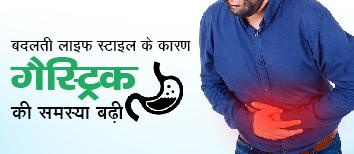
बदलती दिनचर्या, गलत खान-पान और तनाव के कारण आज गैस्ट्रिक की समस्या आम होती जा रही है। समय पर इलाज और संतुलित जीवनशैली से इस परेशानी से राहत मिल सकती है।
Polyglandular Autoimmune Syndrome (PAS) is an uncommon autoimmune condition in which the immune system targets a number of hormone-producing glands. The outcome is numerous deficiencies of hormones and, in some cases, the issues with non-endocrine organs. There are specific types of PAS according to the glands. For expert care in managing PAS, patients look for the best endocrinologist for PAS in Noida and an experienced autoimmune disorder specialist doctor in Noida who can offer personalized diagnosis and treatment plans.
To know What is Polyglandular Autoimmune Syndrome (PAS) you should know it is a complication whereby the immune system destroys 2 or more endocrine glands. It also may influence non -endocrine tissues, i.e., skin, nails, and digestive tract. The key worry is the fact that the glands, such as adrenal glands, parathyroid, thyroid, and pancreatic glands, are targeted by the immune system, and their functioning, resulting in hormone production disruption and various organ issues, is impaired.
Early diagnosis and treatment are the difference; book the appointment now at +91 9667064100.
PAS can be divided into 3 categories, each of which has its peculiarities so the Differences between PAS type 1, type 2, type 3 are as follows:
PAS Type 1 (APS -1) is a common phenomenon in childhood. It is characterized by a triad of chronic mucocutaneous candidiasis, chronic adrenal insufficiency (Addison disease) and hypoparathyroidism. Other skin disorders that may occur among the patients include vitiligo and hair loss.
The most common form among adults is the Type 2 (PAS) which is referred to as the Schmidt syndrome. It is a complex of Addison disease and autoimmune thyroid disease- Hashimoto thyroiditis or graves- disease - and usually includes type 1 diabetes mellitus.
The pathophysiology of PAS Type 3 includes mostly autoimmune thyroid diseases (Hashimoto or Graves), other autoimmune diseases (including pernicious anemia), but not adrenal insufficiency.
Each of the types reflects various combinations of glands failure and related autoimmune diseases. The therapy should be tailored to a particular pattern.
The symptoms of Type I, typically start in childhood. These are chronic fungus, adrenal insufficiency fatigue, cramps in the muscles caused by low calcium levels in the body caused by hypoparathyroidism, and alteration of skin pigmentation.
Type II symptoms are broader. They include fatigue, loss of weight, low blood pressure (Addison), evidence of thyroid dysfunction, including cold intolerance or palpitations, and typical signs of diabetes type 1, such as excessive thirst and frequent micturition.
The two types may overlap each other depending on the affected glands and the course of the disease.
PAS is a very genetic oriented disease. The AIRE gene is mutated to lead to PAS type 1. Types 2 and 3 have some alleles of the HLA which are linked to high risk, including DR3 and DR4. Autoimmune disease is also increased by having a family history of autoimmune disease. The pattern of inheritance is different: PAS Type 1 is typically autosomal recessive and Type 2 and Type 3 inheritance patterns are more often complex, polygenic and environmentally influenced.
Treatment options for PAS syndromes focus on replacing deficient hormones to restore balance and prevent life-threatening complications:
Adrenal insufficiency hormone replacement- glucocorticoids.
Thyroid hormone towards thyroid illness.
Vitamin D and calcium in the case of hypoparathyroidism.
Insulin for diabetes
Treatment should be refined through regular testing of the hormone levels and the level of organ activity. Supportive care aims at skin problems, gastrointestinal and other related problems. In other instances, immunosuppressants can be prescribed to suppress stiffness of the immune system, although they are dangerous and should be controlled with a lot of care. It is also obligatory to adhere to treatment plans and follow-up with a team of specialists.
PAS implies a lifetime of a promise of care. Patients are to monitor the appearance of new symptoms that can signify other gland invasion. Thorough nurses mean endocrinologists, immunologists, dietitians and psychologists working together. The education of the patients can help them to adhere to treatment and identify complications in the initial stages.
Combine the comments with an endocrinologist as soon as you observe the unusual tiredness, frequent infections, and skin changes, loss of weight, or symptoms of hormonal imbalance. Timely diagnosis restricts advancement and enhances the results. PAS and autoimmune disorder specialists are also available in Noida to diagnose and continue with their treatment.
Experience expert care from the best endocrinologist for PAS in Noida—call +91 9667064100.
PAS is a yearly disease that is a rarity though a serious complication that warrants special attention. The knowledge of PAS, its forms, symptoms, and risk factors will aid in proper diagnosis and treatment as soon as possible. The treatment is based on hormone replacement and, in case of necessity, immune modulation. The early detection and management enhances life quality and minimizes complications. Consult the best endocrinology hospital for PAS in Noida or an autoimmune specialist for personalized care.
Q.1: Will PAS have a simultaneous impact on the functions of the various glands?
Ans. Yes, PAS is a case of two or more endocrine glands failure.
Q.2: Does PAS have blood test diagnoses?
Ans. Blood tests that help in diagnosis are autoantibody blood tests and hormone panels.
Q.3: PAS result in life-and-death crisis?
Ans. Yes, most particularly, when adrenal inadequacy is untreated.
Q.4: Is PAS inheritable by family members?
Ans. As a risk factor, family can be predisposed to genetic factors.
Q.5: Are immunosuppressants a cure to PAS?
Ans. They contain anti-inflammatory effects without cure of PAS.
Diabetes is a condition in which your body part pancreases cannot make enough insulin which results in an increase in your glucose level/blood sugar level.

Manage diabetes effectively with a well-planned Indian vegetarian diet chart. Explore healthy meal options and tips for blood sugar control.
Mothers think a lot, when it comes to giving right nutrition to her baby. And she also has many questions like
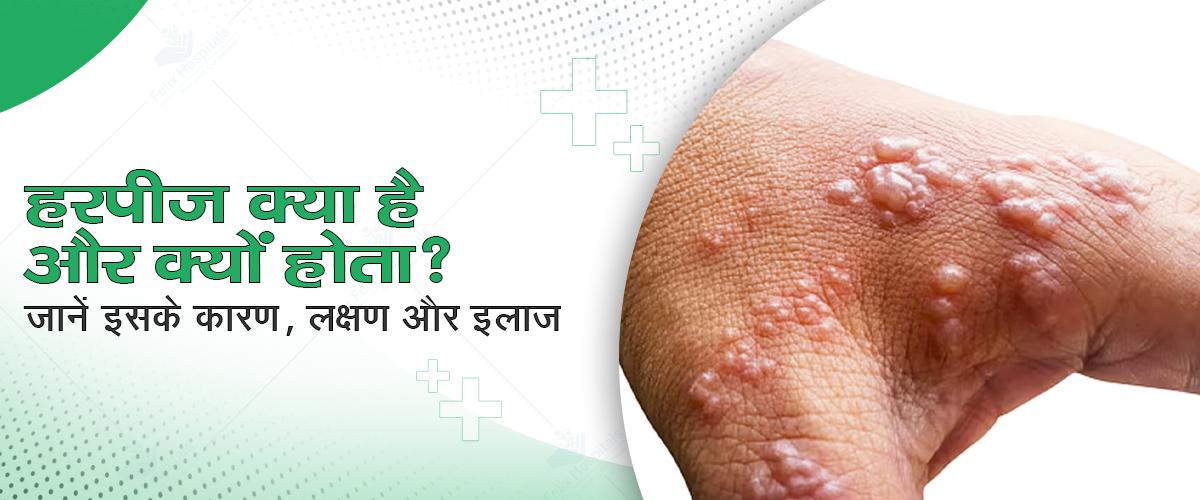
हरपीज (Herpes) त्वचा और श्लैष्मिक झिल्ली (Mucous Membrane) को प्रभावित करने वाला एक संक्रामक वायरल संक्रमण है। यह हर्पीज सिम्प्लेक्स वायरस (एचएसवी) के कारण होता है। हरपीज आमतौर पर होंठों (कोल्ड सोर), मुंह के आसपास, जननांगों और त्वचा पर छोटे-छोटे छाले या घाव के रूप में दिखाई देता है। यह संक्रमण बार-बार होता है। क्योंकि वायरस शरीर में निष्क्रिय अवस्था में रहकर समय-समय पर सक्रिय होता है। इसलिए सही जानकारी और समय पर इलाज जरूरी है। हरपीज का इलाज नोएडा (Herpes Treatment Noida) में उपलब्ध है।
अभी अपॉइंटमेंट शेड्यूल करें – कॉल करें: +91 9667064100.
हरपीज एक आम लेकिन गंभीर वायरल संक्रमण है, जो हर्पीज सिम्प्लेक्स वायरस (एचएसवी) के कारण होता है। यह वायरस शरीर में प्रवेश करने के बाद सीधे हमारी नसों (तंत्रिका कोशिकाएं) में छिपता है और लंबे समय तक निष्क्रिय अवस्था में रहता है। लेकिन जब शरीर की रोग प्रतिरोधक क्षमता कमजोर होती है। तो यह दोबारा सक्रिय होकर संक्रमण पैदा करता है। यही कारण है कि हरपीज बार-बार उभरने वाली बीमारी मानी जाती है। हरपीज से बचाव के लिए संक्रमित व्यक्ति से नजदीकी संपर्क से बचना, सुरक्षित यौन संबंध बनाना और अपनी व्यक्तिगत वस्तुओं (जैसे रेजर, तौलिया, लिप बाम) को साझा न करना सबसे प्रभावी उपाय है।
दोनों ही प्रकार (एचएसवी-1 और एचएसवी-2) के संक्रमण के बाद वायरस पूरी तरह खत्म नहीं होता, बल्कि जीवनभर शरीर में रहता है। समय-समय पर इसकी रिकरेंस रहती है। यानी बार-बार छाले उभर सकते हैं।
यह प्रकार मुख्य रूप से होंठ, मुंह और चेहरे पर छोटे-छोटे फफोले या छाले बनाता है। इन छालों को आमतौर पर कोल्ड सोर या बुखार (Fever) में फफोला कहते हैं। संक्रमण अक्सर किस (चुम्बन), संक्रमित व्यक्ति के बर्तनों, गिलास, चम्मच, लिप बाम या अन्य निजी वस्तुएं साझा करने से होता है। छाले फटने पर उनमें से पानी जैसा तरल निकलता है। जिससे दर्द और जलन बढ़ती है। पहली बार संक्रमण होने पर बुखार, गले में खराश और थकान जैसे लक्षण भी दिखाई देते हैं। यह वायरस एक बार शरीर में प्रवेश करने के बाद नसों में छिपा रहता है। समय-समय पर दोबारा सक्रिय होकर छाले पैदा करता है।
यह प्रकार मुख्य रूप से जननांगों और गुप्तांगों के आसपास दर्दनाक फफोले या छाले पैदा करता है। यह संक्रमण यौन संबंध (असुरक्षित यौन संबंध) के जरिए होता है। इसलिए इसे यौन संचारित रोग (एसटीडी) कहते हैं। संक्रमित व्यक्ति से नजदीकी शारीरिक संपर्क, खासकर त्वचा से त्वचा का संपर्क, संक्रमण का मुख्य कारण है। गंभीर मामलों में पेशाब करने में जलन, जननांगों में खुजली और लालिमा और तेज बुखार जैसे लक्षण होते हैं। महिलाओं में यह गर्भावस्था (Pregnancy) और डिलीवरी के दौरान बच्चे तक फैलता है। जिससे नवजात के लिए खतरा बढ़ता है। एचएसवी-2 भी शरीर में जीवनभर रहता है। जब-जब इम्यूनिटी कम होती है। यह फिर से सक्रिय होता है।
यह संक्रमण सबसे तेजी से सीधे संपर्क में आता है। चुंबन, असुरक्षित यौन संबंध (Sexual relations) या संक्रमित त्वचा को छूने से वायरस फैल सकता है। यहां तक कि अगर छाले दिखाई न भी दें। तब भी वायरस फैलने का खतरा रहता है।
हरपीज वायरस लंबे समय तक सतह पर जीवित नहीं रहता है। लेकिन कुछ समय तक यह शेविंग रेजर, तौलिए, बर्तन, गिलास या लिप बाम जैसी चीजों पर मौजूद रहता है। इन वस्तुओं को साझा करने से संक्रमण दूसरे व्यक्ति तक पहुंचता है।
जिन लोगों की प्रतिरोधक क्षमता कमजोर होती है। उनमें यह वायरस बार-बार सक्रिय होकर संक्रमण करता है। एचआईवी/एड्स से पीड़ित मरीजों या जिन लोगों को गंभीर बीमारियां हैं। उनमें हरपीज का असर ज्यादा गंभीर होता है।
लगातार मानसिक तनाव, शारीरिक थकान और पर्याप्त नींद न मिलना भी वायरस को फिर से सक्रिय करता है। ऐसे में छाले दोबारा उभर आते हैं और दर्द व जलन बढ़ जाती है।
कई बार बुखार या सर्दी-जुकाम के दौरान एचएसवी-1 सक्रिय होता है। इस कारण होंठों पर छोटे-छोटे छाले या कोल्ड सोर उभर आते हैं। जिन्हें आम भाषा में फीवर ब्लिस्टर भी कहा जाता है।
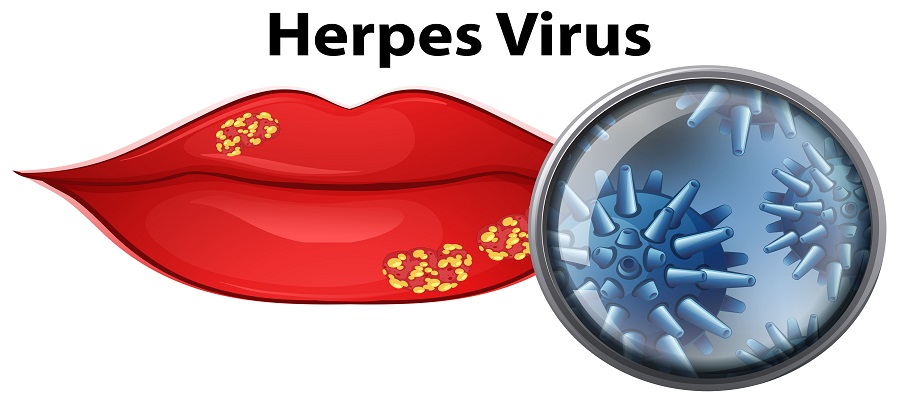
प्राथमिक संक्रमणः
एचएसवी-1 वायरस सबसे पहले होंठों और मुंह के आसपास की त्वचा को प्रभावित करता है। इस दौरान छोटे-छोटे छाले या फफोले बनते हैं, जो दर्द और जलन पैदा करते हैं।
नर्व सेल्स में निष्क्रिय अवस्थाः
एक बार संक्रमण होने के बाद वायरस नर्व सेल्स (तंत्रिका कोशिकाओं) में छिपकर निष्क्रिय अवस्था में चला जाता है। जब तक इम्यून सिस्टम मजबूत रहता है। यह वायरस शांत रहता है।
दोबारा सक्रिय होनाः
शरीर के कमजोर होते ही यह वायरस फिर से सक्रिय होता है। सक्रिय होने पर यह वापस त्वचा की सतह पर आकर होंठों पर छोटे-छोटे छाले बना देता है।
ट्रिगर कारकः
तेज धूप में ज्यादा समय बिताने से। सर्दी-जुकाम (Cold and cough) या बुखार होने पर। तनाव और मानसिक दबाव की स्थिति में। हार्मोनल बदलाव (जैसे महिलाओं में पीरियड्स के दौरान) होना। थकान और नींद की कमी से होना।
छोटे-छोटे जलनदार छालेः
होंठों, मुंह या जननांगों पर छोटे पारदर्शी पानी से भरे छाले उभर आते हैं। यह छाले अक्सर समूह में दिखाई देते हैं और काफी दर्दनाक होते हैं।
छालों का फूटना और पपड़ी बननाः
कुछ दिनों बाद छाले फूट जाते हैं और वहां पर घाव जैसा निशान रह जाता है। धीरे-धीरे उस पर पपड़ी बनती है, जो ठीक होने पर झड़ती है।
खुजली, जलन और दर्दः
प्रभावित जगह पर लगातार खुजली, जलन और चुभन जैसा दर्द महसूस होता है। छाले ठीक होने तक असुविधा बनी रहती है
शरीर में बुखार, बेचैनी, थकान और सिर दर्द जैसे लक्षण दिखाई दे सकते हैं। पहली बार संक्रमण में ये लक्षण ज्यादा गंभीर होते हैं।
पेशाब करने में जलन और दर्द
जननांगों के आसपास लालिमा और सूजन।
लसीका ग्रंथियों की सूजन, खासकर जांघों के पास।
एंटीवायरल दवाइयां
डॉक्टर आमतौर पर एसाइक्लोविर, वैलासाइक्लोविर, फैम्सिक्लोविर जैसी दवाइयां लिखते हैं। यह दवाएं वायरस को पूरी तरह खत्म तो नहीं करतीं, लेकिन संक्रमण की तीव्रता और अवधि को कम कर देती हैं। हरपीज के लिए डॉक्टर नोएडा में उपलब्ध है। शुरुआती चरण में दवा लेने से छाले जल्दी ठीक हो जाते हैं और नए छाले बनने से रोका जा सकता है।
दर्द और जलन से राहतः
डॉक्टर की सलाह से पेन रिलीवर दवाएं जैसे पैरासिटामोल या इबुप्रोफेन ली जा सकती हैं। प्रभावित जगह पर ठंडी सिकाई करने से दर्द, सूजन और जलन में राहत मिलती है। आरामदायक और ढीले कपड़े पहनने से भी त्वचा पर घर्षण कम होता है।
गंभीर और बार-बार होने वाले संक्रमणः
जिन लोगों को हरपीज बार-बार होता है। उनके लिए डॉक्टर लॉन्ग-टर्म एंटीवायरल थेरेपी सुझाते हैं। इससे संक्रमण दोबारा होने की संभावना काफी हद तक कम होती है। इम्यून सिस्टम को मजबूत रखने के लिए हेल्दी डाइट, पर्याप्त नींद और तनाव कम करना जरूरी है।
महत्वपूर्ण सावधानीः
अभी तक हरपीज का स्थायी इलाज उपलब्ध नहीं है। लेकिन नियमित दवाइयों और सही देखभाल से इसे कंट्रोल किया जा सकता है और मरीज सामान्य जीवन जी सकता है।
संक्रमित व्यक्ति के संपर्क से बचेंः
हरपीज से पीड़ित व्यक्ति के छालों, फफोलों या घाव को सीधे छूने से बचें। संक्रमित त्वचा के संपर्क में आने से वायरस आसानी से दूसरे व्यक्ति तक फैलता है।
सुरक्षित यौन संबंधः
जननांग हरपीज (एचएसवी-2) मुख्य रूप से यौन संबंधों से फैलता है। इसलिए हमेशा कंडोम का प्रयोग करें। हालांकि यह संक्रमण के खतरे को पूरी तरह खत्म नहीं करता, लेकिन काफी हद तक कम कर देता है। अगर साथी को हरपीज है और छाले सक्रिय हैं तो यौन संबंध बनाने से बचना चाहिए।
निजी सामान साझा न करें।
तौलिया, रेजर, लिप बाम, बर्तन, गिलास या टूथब्रश जैसी व्यक्तिगत वस्तुएं कभी भी साझा न करें। ये चीजें संक्रमण का माध्यम बन सकती हैं।
तनाव कम करें और पर्याप्त नींद लेंः
तनाव, थकान और नींद की कमी वायरस को सक्रिय कर सकती है। योग, मेडिटेशन और रिलैक्सेशन तकनीक अपनाकर तनाव कम करें और प्रतिदिन 7–8 घंटे की नींद जरूर लें।
इम्यून सिस्टम मजबूत बनाएंः
हरपीज वायरस को नियंत्रित रखने के लिए शरीर की प्रतिरोधक क्षमता मजबूत होना बेहद जरूरी है। इसके लिए संतुलित आहार (हरी सब्जियां, फल, प्रोटीन और विटामिन युक्त भोजन) लें। नियमित व्यायाम करें, धूम्रपान और शराब से दूरी बनाएं और हेल्दी लाइफस्टाइल अपनाएं।
हरपीज एक आम लेकिन परेशान करने वाला वायरल संक्रमण है। होंठों और जननांगों पर छाले इसका प्रमुख लक्षण है। इसका पूरी तरह इलाज संभव नहीं है। मगर सही समय पर त्वचा विशेषज्ञ की सलाह, एंटीवायरल दवाओं और जीवनशैली में बदलाव से संक्रमण को नियंत्रित कर सकते हैं। किसी भी लक्षण को नजरअंदाज न करें। तुरंत विशेषज्ञ से संपर्क करें। इलाज में देरी कई बार नुकसानदेह होती है।
इलाज के लिए कॉल करें: +91 9667064100.
Dr. Sheetal Yadav is a board-certified dermatologist with 4+ years of experience in medical and cosmetic dermatology. She specializes in treatments like laser procedures, chemical peels, micro-needling, PRP, mesotherapy, and Botox/fillers. Recognized among the Best Dermatologists in Noida, she provides safe and personalized skincare solutions.
त्वचा संक्रमण के कई कारण हो सकते हैं, जो सूक्ष्मजीवों के त्वचा में प्रवेश करने से उत्पन्न होते हैं। ये संक्रमण तब होते हैं जब त्वचा की बाहरी सुरक्षा परत (एपिडर्मिस) क्षतिग्रस्त हो जाती है और बैक्टीरिया, वायरस, फंगस या परजीवी वहां से शरीर के अंदर प्रवेश कर
यदि आप किसी भी प्रकार के फंगल इन्फेक्शन का अनुभव कर रहे हैं, तो आपके लिए डॉ. कुसुम गुप्ता और डॉ. सौरभ भाटिया जैसे विशेषज्ञ डॉक्टरों से परामर्श लेना अत्यंत महत्वपूर्ण है।
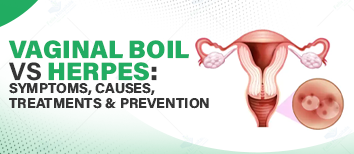
Vaginal boils and herpes both cause painful bumps in the genital area, but their causes and treatments are very different. Knowing the difference helps women choose the right treatment and prevent complications.
Sexually transmitted infection is one of the significant public health problems. And the bigger problem is people hide sexual dysfunction instead of discussing it.
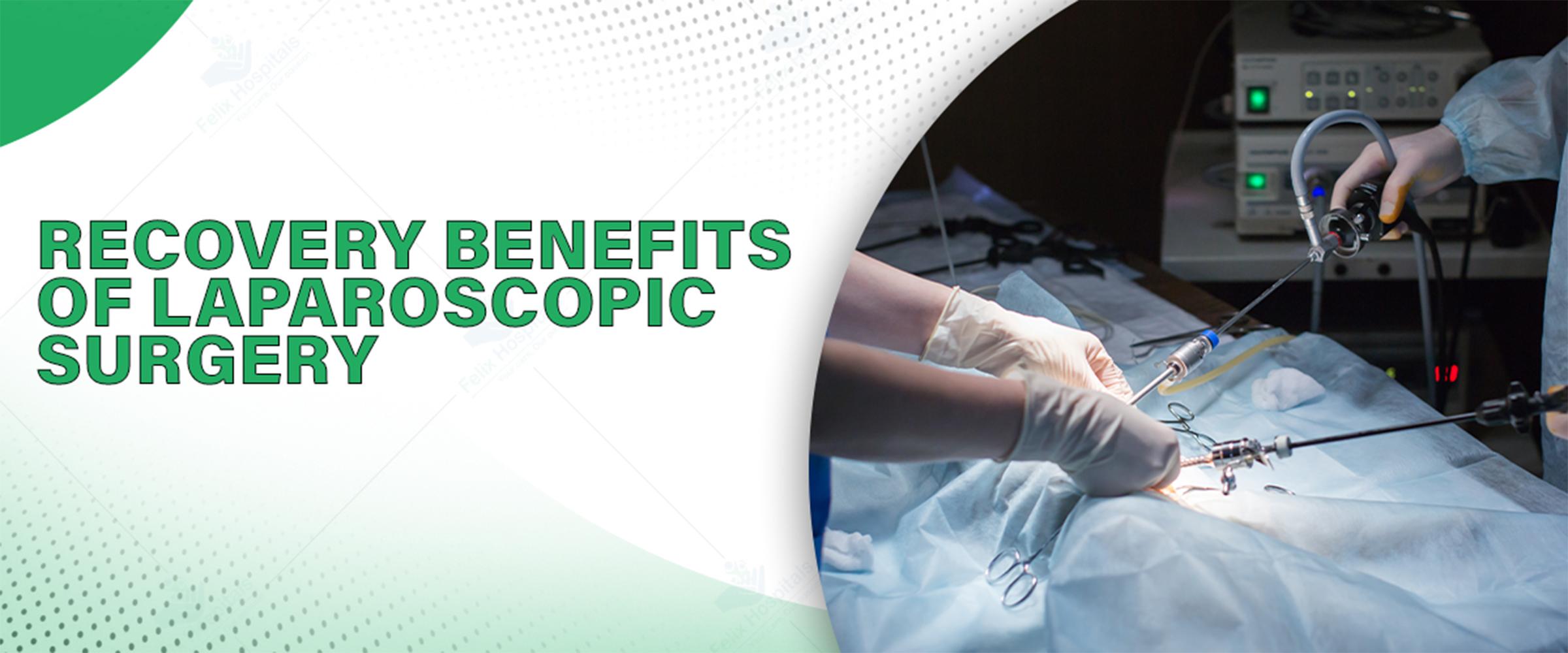
Advancements in minimally invasive techniques have made laparoscopic surgery in Greater Noida a preferred choice for many patients. Laparoscopy unlike the old open surgery comes with small incisions, faster recovery, and limited complications. With the expertise of a skilled laparoscopic surgeon in Greater Noida, patients benefit from reduced pain, shorter hospital stays, and minimal scarring, making this approach safer and more effective for a wide range of surgical conditions. Laparoscopic surgery has a number of advantages which are detailed below and they are as follows:
It takes shorter time in a hospital since its causes of tissue trauma are less and the incision is minimal. Patients are able to resume normal functions and work considerably faster than through open surgery because their recovery does not entail much disturbance to the surrounding tissues. This is a less invasive method which also reduces incidence of post-operative complications which include infection and internal adhesion.
Faster recovery, smaller scars, advanced care—choose laparoscopy. Call +91 9667064100 for appointments.
To know What are the recovery benefits of laparoscopic surgery follow the points below:
Smaller Incisions Laparoscopy involves multiple incisions known as keyholes rather than the large cut needed to perform open surgery; the laparoscopy keyholes measure 0.5 to 1.5 cm.
Less Tissue Trauma: These smaller cuts do not inflict great damage to muscle and nerve tissue, making their postoperative pain less severe.
Reduced Trauma: Because the trauma is less severe, the patient will normally need fewer and weaker painkillers when recovering, which will decrease the chances of experiencing side effects related to a strong medication.
The main question arises: Is hospital stay shorter after laparoscopic surgery?
Day Surgery: Laparoscopic surgeries are done on an outpatient basis in many cases and patients can even go home same day.
Faster Mobilization: The more rapid recovery implies that patients can do that sooner and they do not need to spend a lot of time in the hospital.
Cost Savings: When there is a reduction in the time of hospitalization besides the reduction in the patient experience, there is a reduction in total healthcare costs.
To know when you can return to work after laparoscopic surgery you should know that the body takes shorter to recuperate through lesser surgical trauma. The majority of patients are able to resume a light activity within days and resume the work in one to two weeks instead of several weeks it takes during open surgery. It minimizes the interference that surgery causes, with this quicker recovery time translating to less time off life and work.
To know how does laparoscopic surgery speed up healing you should know:
Minimal Scarring: These small keyhole incisions result in small scars that are by far less visible in comparison to traditional open surgery large scars.
Enhancement of Cosmetic appearance: This is a significant gain to patients who are concerned with appearance as the scars usually fade away with time and become hardly noticeable.
Minimized Exposure: The least invasive method implies that the internal organs seem to spend less time in the external environment posing less risk of contamination.
Sterile Environment: Surgeons operate with sterile drapes, gowns and tools and the surgery is often done with carbon dioxide that forms a separate and protected operating environment.
Accurate Procedures: laparoscopy procedures are executed with highly accurate tools, providing the surgeon a clear up-close view of the pelvic and female reproductive organs in order to perform a more precise and controlled operation.
Cauteriasis: Laparoscopic equipment tends to miniaturize bleeding by being powered to open and close vascular structures in the process of cutting.
Less Transfusion: The less blood loss seriously minimizes the necessity of a blood transfusion and makes the related risks lesser.
Improved Visualization: The high definition camera delivers an enlarged, clear image of the area of surgery and more accurate and precise maneuvers are available.
Less Internal Tissue Handling: Laparoscopy surgery also requires less manipulation of inner tissues and, therefore, has a lower likelihood of adhesions (or scarring between organs) which cause pain.
Delicate Instrumentation: Gentle Instrumentation The small, specialized instruments are crafted to be delicate and lead to very little disruption or injury to the internal structures that are required during open surgery (handling and withdrawal).
Quick Internal healing: The decreased total tissue destruction will result in the body directing its resources toward healing the surgical site, which results in a more rapid and complete healing process.
There might be some discomfort in the laparoscopic surgery and it is not out of the ordinary. Here is what you should know about how long does it take to recover from laparoscopic surgery:
Nausea: Until the nauseous feeling subsides, your doctor may prescribe clear liquids. Do not take carbonated drinks for a few days. Then you could switch to soft foods, and can also start your normal diet upon the consent of your doctor.
Shoulder pain: When you are healed you may find your shoulders sore. It is due to the carbon dioxide which was injected into your stomach during the surgery. The leftover gas can press on a nerve, which directs pain to your shoulder area. The discomfort should stop in 1-2 days.
Incision pain: You’ll receive instructions on how to care for your incisions before you leave the hospital. However, if your wounds become red, swollen, or painful, or if you have discharge or bleeding, call your doctor right away. If you still have a drain in place, you will need to keep the tubing clear and might need to empty the collected fluids a few times a day.
Abdominal or pelvic pain: You should start to feel better after a few days, but if it starts to get worse, call your doctor.
To know why is hospital stay shorter after laparoscopic surgery you should know that recovery time depends on the type of surgery. You should be completely recovered from a minor surgery in 3 weeks. Recovery from a major surgery can take up to 12 weeks.
Even though laparoscopic surgery is less invasive, it still can cause complications:
Injuries can happen when the sharp-pointed instrument used to puncture the skin during a laparoscopy causes damage. They are rare but can cause blood vessel injury, bowel injury, nerve injury, and port-side hernia.
Insufflation complications are caused by reactions to the carbon dioxide used during the surgery. Insufflation is the act of blowing something, like carbon dioxide, into a body cavity. Complications can include carbon dioxide retention, a collapsed lung, air trapped under your skin or in your chest cavity, or hypothermia if the carbon dioxide isn’t warmed up.
General surgical risks, which are possible with any surgery, include an allergic reaction to anesthesia, adhesions that happen when scar tissue sticks two or more organs together or an organ and the abdominal wall together, excessive bleeding, and infected wounds.
Looking for expert laparoscopic surgery in Greater Noida? Call +91 9667064100 and book your consultation today.
Minimal invasive procedures have changed the mode of doing surgeries providing patients with a safer and quicker way of recovery. Choosing laparoscopic surgery in Greater Noida ensures minimal pain, quicker discharge, and fewer complications. With the support of an experienced laparoscopic surgeon in Greater Noida, patients can benefit from advanced technology, precision-driven procedures, and long-term health outcomes.
Q.1. Which are the surgical procedures that could be performed on laparoscopy in Felix Hospital?
Ans. Widespread laparoscopic surgery in Felix involves removal of a gallbladder, appendicectomy, hernoplasty, gynecologic and bariatric surgery.
Q.2. Is laparoscopic surgery painful?
Ans. Majority of patients do not have unnecessary pain as it happens in an open surgery. In Felix, pain management is of high personnel and the recovery process does not take a long time with a lot of pain.
Q.3. How can I determine whether I am qualified to get laparoscopic surgery done?
Ans. Your medical condition, medical history and general conditions determine your eligibility. They will examine you by passing through tests and imaging before prescribing the procedure by Felix specialists.
Q.4. How do I long remain in the hospital once laparoscopy is done?
Ans. A lot of patients may go home the same day or 1-2 days depending on the nature of the operation done.
Q.5. What is the cost of laparoscopic surgery in Greater Noida at Felix Hospital?
Ans. The prices vary based on the mode of operation, hospitalization, and health status of a patient. Felix Hospital offers simple packages that are easy to understand.
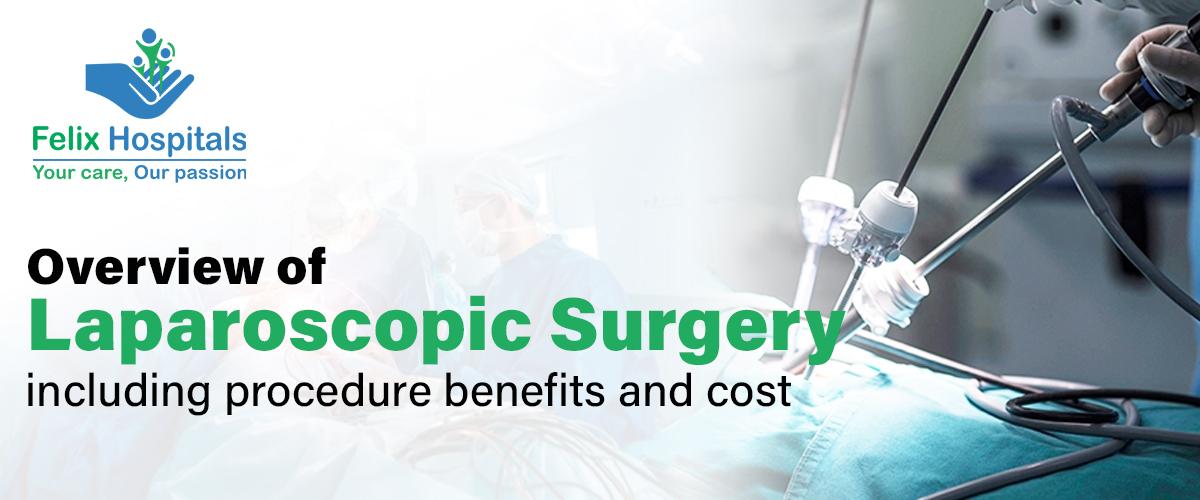
Laparoscopic surgery is a minimally invasive procedure with small cuts, offering quicker recovery, less pain, and minimal scarring.
Laparoscopic nephrectomy is a minimally invasive surgery to remove a kidney using small incisions. It offers faster recovery, less pain, and reduced scarring, with some risks like bleeding or infection.
The health issues of pregnancy require special care to ensure the safety of a mother and a child. Women in Noida experiencing challenging pregnancies should seek pregnancy complications treatment in Noida and consider care at a trusted high-risk pregnancy hospital in Noida. Effective surveillance, lifestyle changes, and medical assistance may go a long way in minimizing threats and enhancing results.
Experiencing pregnancy difficulties? Receive the best obstetrician advice on time call +(91)9667064100.
What is considered a high-risk pregnancy? High-risk pregnancy refers to the pregnancy that carries more health risks to the mother, the fetus, or both. These may be pre-existing medical conditions, like diabetes or hypertension, maternal age (below 17 years or above 35 years), obesity, multiple pregnancies (twins, triplets), or pregnancy complications in the past (miscarriage, preterm labor). The pregnancy-related complications such as placenta previa or gestational diabetes can also be considered risk factors.
A high-risk pregnancy is something that should be managed carefully. The first step is how to reduce complications in high-risk pregnancy by establishing open communication with your health care providers and adhering closely to a customized care plan. This could include increased prenatal visits, lifestyle training, and disease management. Complications are also avoided by lifestyle changes including proper nutrition, proper hydration and sleep.
The use of physical activity with the consent of a healthcare provider can be used to sustain cardiovascular health and decrease stress. Keep away of substances that are harmful such as tobacco, alcohol and illicit drugs. Stress management by relaxation methods helps to facilitate the wellbeing of pregnancy.
Successful pregnancy hinges on daily care and precautionary steps. Tips for staying safe during high-risk pregnancy include:
Do not miss any prenatal check-ups as regular check-ups provide early warning.
Inform about such signs as excessive bleeding, terrible headaches, or eye changes right away.
Take long term medications prescribed because of chronic conditions or pregnancy complications.
Eat healthy foods with high content of fruits and vegetables, low fat proteins and vitamins.
Keep yourself hydrated and do not go on any long outings or over exert yourself.
Do not smoke, drink, and use unapproved drugs.
Establish emotional support systems with partners, family and support groups.
Relaxation techniques such as deep breathing, meditation or prenatal yoga.
Identifying warning signs of complications in high-risk pregnancy early is crucial to prevent maternal or fetal harm. Urgent symptoms to watch for include:
Vaginal discharge or leakage of fluid.
Extreme, chronic headaches or blurred vision.
Swollen face, hands or legs all at once.
The pain that is experienced in the abdomen or uterine contractions are frequent.
Slow movement or no movement of the fetus.
Fever, chills or unexplainable dizziness.
Imprecision in the chest or shortness of breath.
The most important thing is medical attention when such symptoms occur.
Close surveillance through high-risk pregnancy monitoring and tests helps clinicians detect subtle complications. Common tests include:
Blood and urine tests to test general health and rule out infections or other conditions such as gestational diabetes.
Frequent ultrasound (rather than regular pregnancies) to check the development of the fetus, the volume of amniotic fluid, and the location of the placenta.
To note fetal heart rate responses to movement, non-stress tests (NST) are performed.
Ultrasound plus NST: A biophysical profiling of fetal wellbeing.
Genetic screening in the form of specialized tests such as amniocentesis or chorionic villus sampling when necessary.
Pregnant women at risk of preeclampsia may be advised to do home blood pressure monitoring.
The tools help to intervene early and tailor care plans to maximize safety.
Planning safe delivery options for high-risk pregnancy involves assessing risks to both mother and fetus. Facilities like a high-risk pregnancy hospital in Noida offer options including:
Delivery in a hospital by a trained multidisciplinary team that is on call to deal with complications.
Planned cesarean section in cases of vaginal birth which is dangerous (placenta previa, fetal distress).
Pregnancy continuation which risks health: Labor induction to deliver on time.
Availability of neonatal intensive care unit (NICU) to infants in need of special postnatal care.
Good communication and preparation will help mothers to know the birth plan and will be confident during labor.
Proper management should begin before pregnancy or during the first trimester. Healthy practices like addressing chronic illness, being up to date on vaccinations and healthy habits help decrease risks. Women who carry multiples or had had a previous pregnancy loss are in need of specialized counseling. Prenatal care that starts at early stages provides the foundation of the evaluation and caters to the trust with the caregivers.
Book your appointment with our high-risk pregnancy specialists at +(91)9667064100.
In order to deal with a high-risk pregnancy, one needs to be vigilant, seek expert guidance, and practice healthy daily habits to minimize possible complications. Families in Noida can access better care through specialized pregnancy complication treatments and high-risk pregnancy hospitals offering advanced monitoring and timely interventions.
Consulting the Best Gynecologists in Noida ensures expert assessment and personalized care throughout the pregnancy journey. Recognizing what is considered a high-risk pregnancy, understanding how to reduce complications, and following safety tips for high-risk pregnancy form the foundation for positive outcomes. Awareness of warning signs, regular monitoring, and discussing safe delivery options with experienced gynecologists help ensure the safety of both mother and baby. A healthy pregnancy and childbirth become achievable through preparation, awareness, and collaboration with trusted medical experts.
Q1: Is it possible to deliver normally and have high-risk pregnancy?
Ans: Yes, however it will depend on your unique circumstances that your care team will decide on the safest method of delivery.
Q2: In what ways should I be worried about bleeding in pregnancy?
Ans: When having vaginal bleeding during pregnancy, you need to notify your healthcare provider as soon as possible.
Q3: What can I do to eliminate stress with a high-risk pregnancy?
Ans: Practice relaxation methods such as meditation, deep breathing, and have a high level of social support.
Turner Syndrome can impact fertility and reproductive health, causing challenges with ovarian function, hormone production, and pregnancy for affected women.

Understand the primary causes of infertility in men and women. Learn about the medical, lifestyle, and hormonal factors that may affect your ability to conceive.
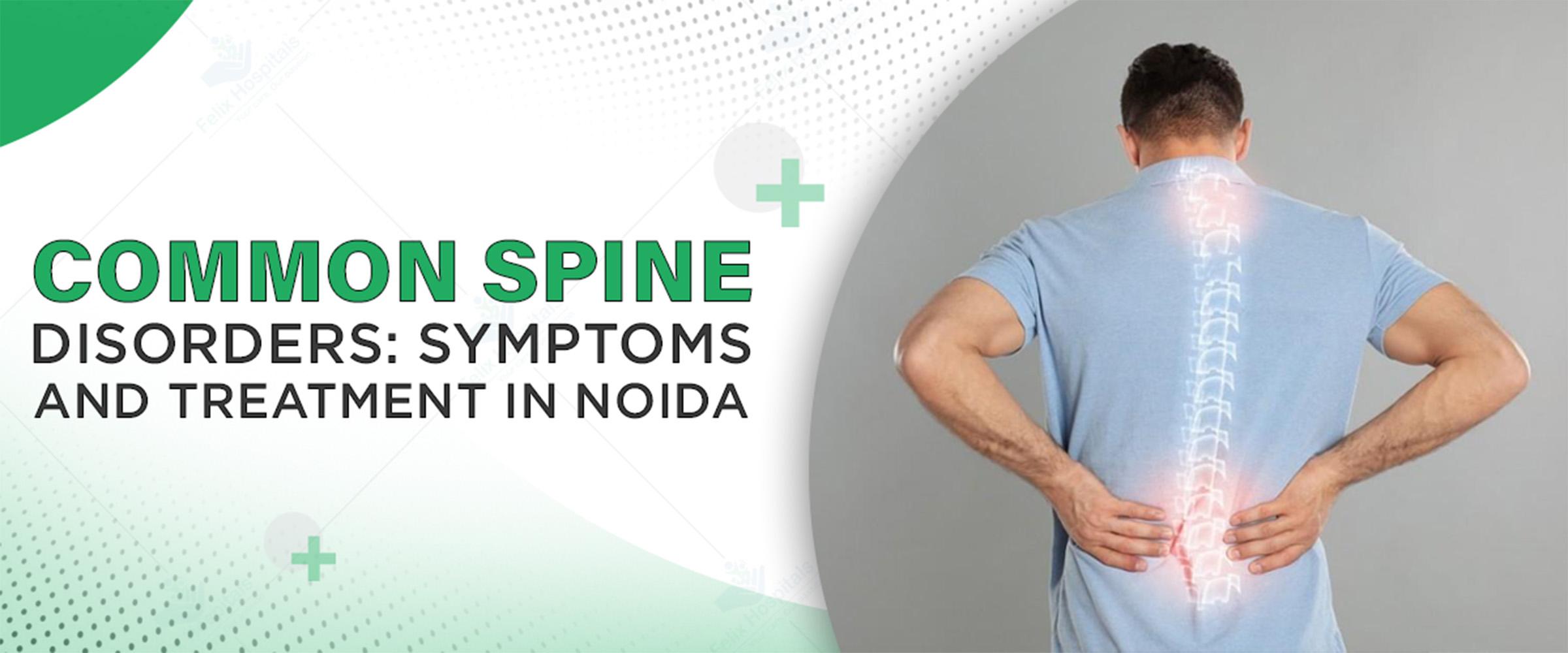
The most common type of health complaints nowadays includes back and neck problems, which are commonly associated with lifestyle, aging, or injuries. The symptoms of the problems with the spine are often overlooked by many until the moment when pain and stiffness begin to disrupt the routine of a person. Spinal disorders may restrict mobility, general health, and decrease the quality of life in case of their non-treatment.
When you are having recurring pain on your back or neck, it will be a good idea to visit a spine specialist in Noida so that they could be able to diagnose the cause of the pain and prescribe you appropriate treatment. Early intervention helps avoid problems and get back to being flexible.
Make a booking in Greater Noida with a qualified spine specialist and have the correct diagnosis by calling +91 9667064100.
A spine is a complicated body that consists of bones, joints, discs, nerves and muscles. Any disruption in these parts may result in pain, weakness or difficulty during movement. The knowledge of what are common spine disorders will make people identify the early warning signs and consult a doctor in time.
The conditions that are most prevalent in the spine are:
Herniated Disc - In this situation, the inner part of the spinal disc is forced out causing a compression of the surrounding nerves.
Degenerative Disc Disease - This is wear and tear of discs due to aging and causes pain and loss of elasticity.
Scoliosis - abnormal, sideways, spine curvature, which is common among children or teens.
Spinal Stenosis - Reduction in the size of the spinal canal forcing nerves against each other resulting in pain, numbness, or weakness.
Osteoarthritis of the Spine - This is the destruction of cartilage in joints of the spine which causes stiffness and pain.
Spondylolisthesis A slippage of a vertebra that takes place and in most cases results in extreme lower back pain.
It is important to recognize the symptoms of common spine disorders as early as possible in order to avoid long term damages. The signs and symptoms can differ based on the type of disorder, but the general signs are:
Persistent back or neck pain
Radiating pain in shoulders, arms or legs.
Weakness, numbness and tingling of the limbs.
Inability to stand or walk long distances.
Inability to move or difficulty with movement.
Spasms of the muscle at the back or neck.
Obvious defects, including a crooked shoulder or a defective curve of the spine.
When you observe any of these warning signs, you should go and see a doctor as soon as possible to have him assessed and treated.
Spinal conditions may develop due to several factors. Understanding the causes can help in prevention and better management. Common causes include:
Age-related degeneration - Degenerative processes that occur to the discs and joints due to old age.
Poor posture - Sitting and standing at the wrong position long hours causes strain to the spine.
Injuries and accidents - Sudden traumas, falls, or sport injuries.
Genetic factors - Certain diseases such as scoliosis can be familial.
Lifestyle factors - The risk can be predisposed by lack of exercise, obesity or smoking.
Medical conditions - Arthritis, osteoporosis or infections that deteriorate the spinal structure.
Understanding and mitigating these causes allow the patients to decrease the chances of getting serious complications related to the spine.
We should take a closer look at some of the spine conditions described in a simple language:
Herniated Disc: It is commonly referred to as a slipped disc and it is the cause of sharp back pain, which can extend to the leg (sciatica).
Spinal Stenosis: It causes numbness, heaviness or pain of the legs, particularly when walking or standing.
Scoliosis: It may cause imbalanced hips, overt curvature, and difficulties in breathing in the severe form.
Spondylolisthesis: Patients will complain of lower back pain, which is aggravated by standing and bending.
These disorders can range from mild to severe. Some improve with rest and physical therapy, while others may require advanced treatment or even surgery at a spine surgery hospital in Noida.
Physical examination and imaging test are combined to diagnose spine problems by doctors. Diagnostic methods include:
X-rays - To determine alignment and fractures.
MRI interventions- To see discs, nerves, and soft tissues.
CT scans- To identify the changes of the bone or narrowing of the spinal canal.
Nerve tests -To assess nerve function and identify injury.
Proper diagnosis facilitates development of a unique treatment strategy.
The spinal disorder should be treated depending on the nature and severity of the disorder. Majority of cases respond to non-surgical interventions, however, surgery may be necessary.
Medication/ Drugs- Analgesics, muscle relaxants or anti-inflammatory medications.
Physiotherapy -Physical activities to enhance posture, flexibility, and strength.
Behavior modifications -Weight control, smoking cessation and ergonomics.
Injections Corticosteroid- Injections to relieve inflammation.
Surgery can be recommended in case non-surgical treatment does not work. Common procedures include:
Discectomy- Removal of the destroyed section of a herniated disc.
Spinal fusion- Fusing or combining two or more vertebrae to stabilize the spine.
Laminectomy- Laminectomy involves the removal of a portion of the vertebra to alleviate the pressure on the nerves.
Artificial disc replacement- The replacement of a damaged disc with an artificial disc.
Surgery is an option that is only used as the final option, which may be life-altering in terms of patients whose pains or movements are so serious.
Although there are no prevention strategies against all spine diseases, healthy lifestyle habits can do wonders in the lifelong risks:
Maintain good posture.
Do physical activity to train back and core muscle.
Avoid lifting heavy weights incorrectly.
Keep the body weight healthy.
Make sure that you take enough calcium and vitamin D.
When smoking, it should be avoided, and the same applies to alcohol.
Such precautionary steps maintain the spine in good health and minimize the risks of the prolonged complications.
Don’t ignore recurring back or neck pain. Make an appointment in Greater Noida with a qualified spine specialist and have the correct diagnosis.

Dr. Keshav Goel is an experienced Orthopedic and Joint Replacement Surgeon in Noida with over 10 years of clinical expertise. He has performed 2,000+ independent surgeries and specializes in computer assisted joint replacement and arthroscopic surgeries of the knee, shoulder, and hip. Known for his skill in treating sports injuries, trauma, and joint disorders, he provides advanced and patient-focused orthopedic care.
The spine is the core of mobility, posture, and overall well-being. Being aware of what are common spine disorders, symptoms of spine and causes of spine disorders enables people to take early action. The Ignoring persistent back or neck pain and lead to numerous procedures in the future.
Most spinal issues could be countered with an effective diagnosis and proper treatment at a reputed Hospital in Noida. Taking care of your spine is important for your health. It will help you move better, stand up straighter, and live a better life.
Q1. When is a medical consultation warranted in case of back or neck pain?
Ans: If the pain persists beyond a few weeks, progressively worsens, or you develop numbness, weakness or difficulty with mobility, see a doctor promptly.
Q2. Does bad posture contribute to spinal disorders?
Ans: Yes. Poor posture for extended periods exerts pressure on the spine, resulting in problems such as herniated discs and spinal misalignment.
Q3. Is spinal disorder a permanent condition?
Ans: Symptoms of spinal stenosis cannot be completely reversed, but treated can relieve or manage them with physical therapy, medications, or surgery if needed.
Q4. Can children and teens get spine disorders?
Ans: Yes. Conditions such as scoliosis frequently develop in teenagers, and sports injuries are also a common cause in younger patients.

Spinal cord injury is one of the most serious injuries one can have. The damages can be permanent if not treated on time.
Thoracic spine surgery is performed to treat conditions affecting the mid-back, such as herniated discs, spinal tumors, or fractures.

Subscribe to our
© Copyright 2026. All Rights Reserved by Felix Healthcare Private Limited
Design and development by :


 +(91)9667064100
 Emergency : +(91)9667064100