 WhatsApp
 Emergency:
  WhatsApp




Subscribe to our
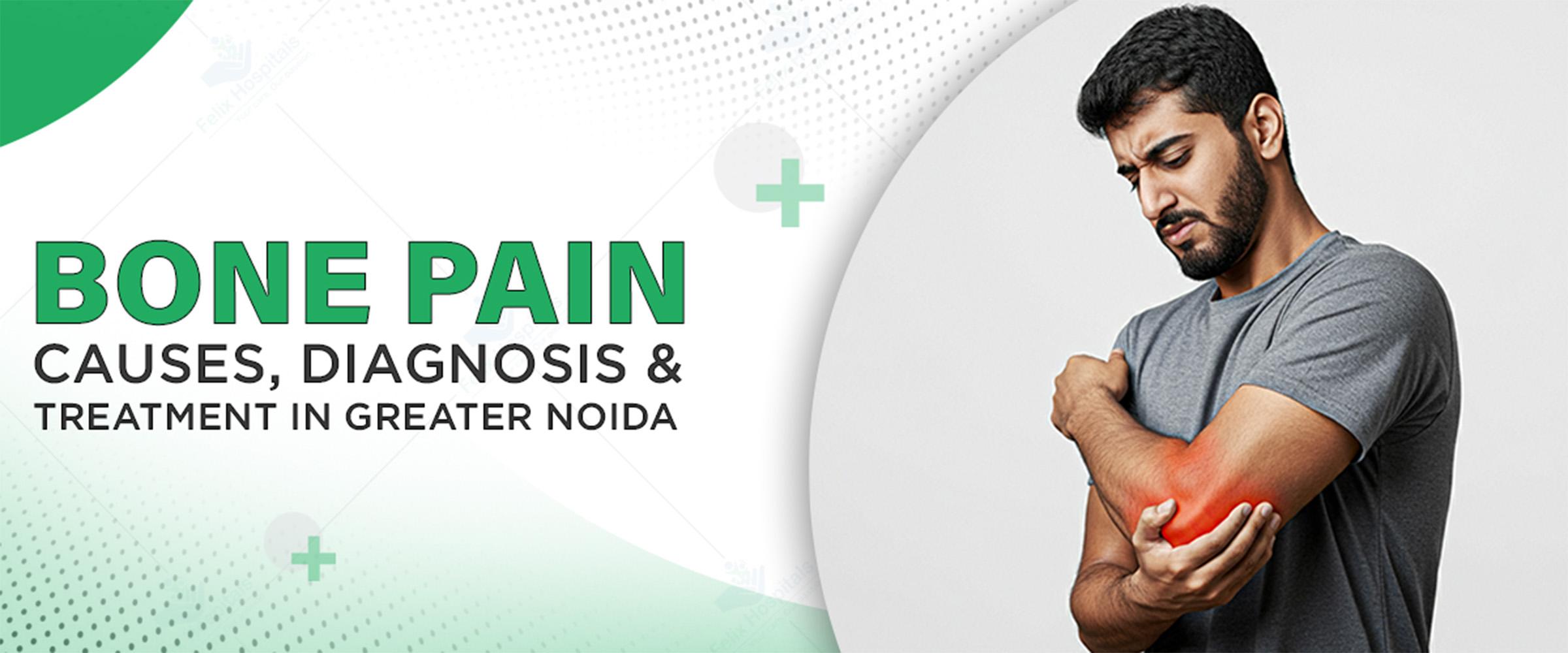
Don't Ignore Bone Pain That Doesn't Go Away
Pain in your bones is more than just a little discomfort, it could be a symptom that something is wrong. Some reasons are clear, such falling and fracturing a bone or getting into a car accident. But a lot of major reasons for bone pain are not obvious and need to be looked at right away. If you have pain that won't go away, gets worse, or makes your bones feel tender, you need to see a doctor right away. Early diagnosis makes sure that treatment begins on time and complications are prevented. A Doctor for bone pain in Greater Noida can help you figure out what's wrong and what your alternatives are for therapy if you're in pain all the time.
If you have bone pain that doesn't go away or gets worse, don't wait—see a doctor right once. Call us today at +91 9667064100.
Bone pain refers to any pain or discomfort you experience in your bones or joints. It can result from a variety of injuries and medical disorders. It could be referred to as bone tenderness.
Some causes of bone pain will be more noticeable than others. If you have a bone fracture due to trauma, such as a car accident or a fall, you will understand why your bone hurts. However, most reasons of bone pain are not visible. For example, bone pain can be caused by certain types of cancer that begin in (or spread to) your bones. Traumas and injuries can also result in bone discomfort.
Consult a doctor as soon as you notice bone discomfort. It is critical to have the reason of the discomfort diagnosed as soon as possible. Don’t overlook new bone pain, regardless of the cause, especially if it worsens or doesn't go away in a few days.
Bone pain frequently feels dull and achy, as if it's emanating from deep within your body. The skin around the affected area may most likely feel painful to the touch. It may also pain to move or use that area of your body. You'll probably be able to pinpoint the specific location where your bone hurts. The discomfort may spread (radiate), but there is typically one area that is the most painful or tender.
If you have a bone fracture or have been traumatized, the pain may be greater, more intense, and clearly localized to the site of the injury.
There is no proper way to feel pain. Tell your healthcare practitioner everything you are feeling, including:
Where it hurts the most.
If the discomfort occurs intermittently.
When it hurts or hurts more (at a certain time of day or when you move your body).
What the pain feels like (sharp, dull, continuous, throbbing, etc.).

Anything that harms your bones or the tissue surrounding them can cause bone pain. The most common causes of bone pain are:
Trauma and other injuries.
Health issues that damage your bones.
benign bone tumors.
Specific forms of cancer.
Automobile accidents.
Sports injuries.
Falls.
Osteoporosis
Osteoarthritis
Osteonecrosis (avascular necrosis).
Osteomyelitis.
Osteomalacia and other cases of vitamin D insufficiency.
Paget's disease of the bones (osteitis deformans).
Osteopenia.
Rickets.
Aneurysmal bone cysts
Osteoblastomas
Exostoses.
Osteochondromas.
Cancers that induce bone pain:
Osteosarcoma
Leukemia
Metastatic cancer (cancer that spreads to the bones)
For specialized care, a swelling treatment hospital in Greater Noida can evaluate persistent bone pain and recommend the right interventions.
A healthcare provider will determine and treat the source of the bone discomfort. They'll tell you what therapies you need and how long it will take to heal.
Your provider will diagnose what is harming your bone utilizing imaging testing, which may include:
X-ray.
An MRI.
A CT scan.
Ultrasound.
You may need a bone density test (also known as a DEXA scan or DXA scan) to determine your bone density. Conditions such as osteoporosis damage your bones by making them thin and brittle. A bone density scan measures how strong your bones are. It's the most effective approach to detect osteoporosis before it weakens your bones and causes fractures.

Dr. Keshav Goel is an experienced Orthopedic and Joint Replacement Surgeon in Noida with over 10 years of clinical expertise. He has performed 2,000+ independent surgeries and specializes in computer-assisted joint replacement and arthroscopic surgeries of the knee, shoulder, and hip. Known for his skill in treating sports injuries, trauma, and joint disorders, he provides advanced and patient-focused orthopedic care.
Bone pain is not a normal discomfort; it is an indicator that your body might need medical attention. Although certain causes may be apparent such as fractures or injuries, many underlying conditions like osteoporosis, vitamin deficiencies, infections, or even severe diseases such as cancer can be silent causes of persistent pain. Ignoring bone pain can delay diagnosis and treatment, leading to serious complications, reduced mobility, and a lower quality of life. Seeking timely care from the best hospital in Greater Noida ensures early detection and effective management.
It is important to remember that bone health is a lifelong commitment. With regular check-ups, proper nutrition, exercise, and timely medical care, many bone-related problems can be prevented. If you experience persistent, worsening, or unexplained bone pain, do not delay—consult a qualified health practitioner today to protect your mobility, strength, and overall well-being.
Q1. Do minor injuries result in permanent pain in the bones?
Ans: Yes chronic pain can be caused by untreated fractures or repetitive stress injuries. The correct diagnosis and treatment are necessary to eliminate the long-term problems.
Q2. Should bone pain be considered serious?
Ans: Bone pain persisting or getting progressively worse, accompanied by pain, swelling, or deformity, must be examined urgently.
Q3. Do you have bone pains due to osteoporosis?
Ans: Absolutely. Osteoporosis causes weak bones that are fragile and have high chances of fracture and hence chronic pain.
Q4. Do patients have different bone pain due to cancer?
Ans: The pain associated with cancer on the bones is usually deep, dull, throbbing and may be accompanied by swelling or night pain. Early detection is crucial.
Q5. Are bone pains associated with vitamin deficiencies?
Ans: Admittedly, lack of vitamin D and calcium may cause softening of bones (osteomalacia) or pain because of their fragile structure.
Learn how menopause impacts bone health and discover strategies to prevent osteoporosis, including lifestyle tips, diet, and treatments for stronger bones.
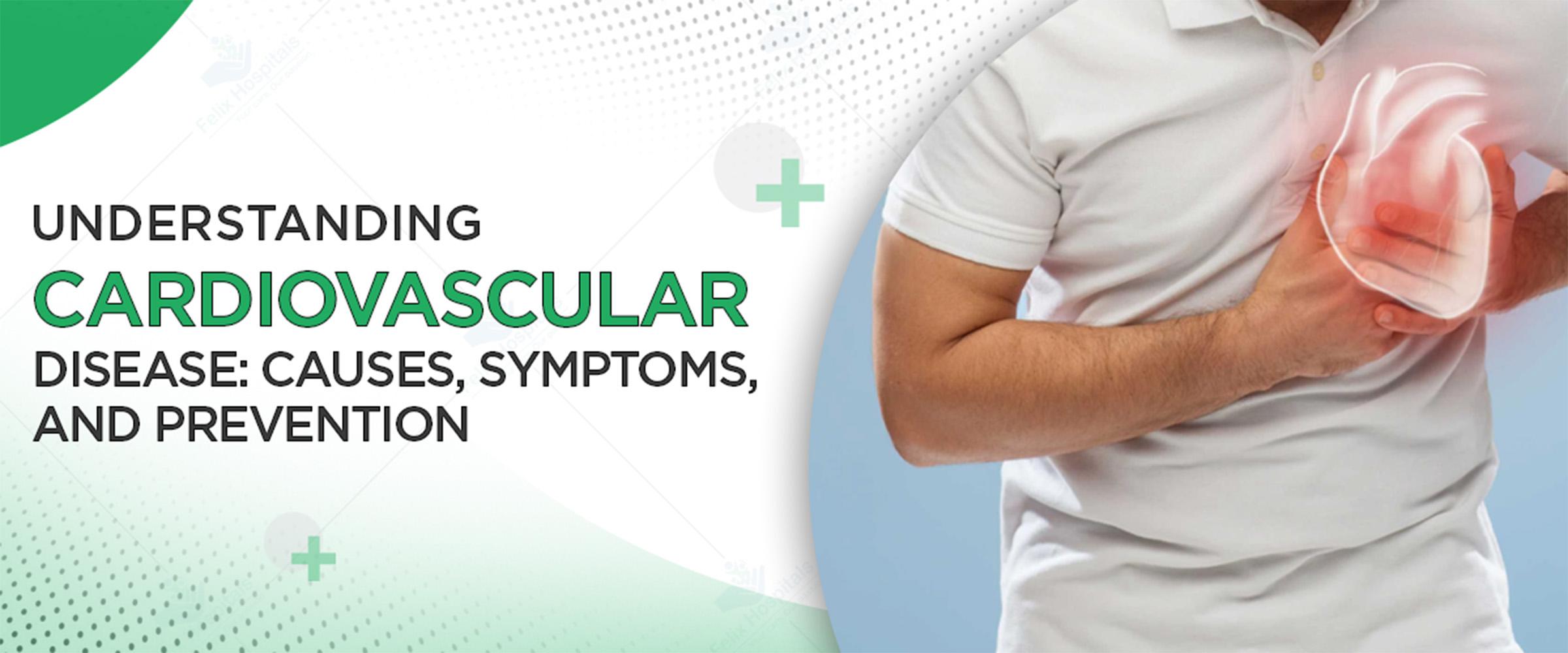
Cardiovascular disease (CVD) is actually considered to be one of the primary causes of illness in the whole world. It impacts millions of people, irrespective of their age or their sex. To live long and healthily, it is also important to maintain a healthy heart. For those seeking expert care, consulting a Cardiovascular disease specialist doctor in Greater Noida can provide timely diagnosis and personalized treatment plans. Finding a reliable Cardiology hospital near me in Greater Noida ensures access to advanced diagnostic tools and specialized cardiac care. The key to the successful management and long-term wellness lie in knowing the causes, recognizing the initial symptoms, and prevention of CVD.
Chest pain or symptoms of a heart-attack? Need Emergency care call at +91 9667064100.
CVD encompasses diseases of the heart and blood vessels: coronary artery disease (CAD), heart attacks, heart failure, arrhythmias etc. Lifestyle factors build fatty plaques within arteries and consequently trigger or deteriorate most CVDs. This is caused by the plaques or atherosclerosis that make the vessels narrow and decrease blood flow and increase the risk of chest pain, heart attacks and strokes.
The cardiovascular disease is caused by a number of risk factors:
Beyond the normal levels of cholesterol, the surplus cholesterol is in the form of plaques, which constrict vessels and block blood circulation.
Sugar elevates blood pressure and high blood sugar causes great risk.
Tobacco chemicals weaken the linings of the arteries and make them clot.
Overweight facilitates hypertension, diabetes and unhealthy cholesterol.
Having weakened heart muscles, poor circulation and increased weight.
Rich in fats and trans fats, salt, and sugar.
Heredity increases risks of developing heart disease.
Increased cortisol increases blood pressure and inflammation.
Knowing what are the early symptoms of heart disease is vital for early intervention. Common early symptoms include:
Pain or discomfort in the chest is usually referred to as pressure, squeezing or heaviness.
Oxygen insufficiency in the body during exercise or when uneasy.
Weakness that does not have a cause and he cannot perform activities.
Solution: Palpitations or irregular heartbeats.
Lightheadedness or fainting.
Motion or lack of sensation of the legs, typically lower limbs, but this happens during movement.
Long-term coughing or wheezing, which may be accompanied by heart failure.
The disease manifests itself through numerous symptoms, many of which do not have apparent symptoms till the disease advances and, therefore, periodic check-ups would help.
The diagnosis typically entails a set of tests and assessments to examine the functioning of the heart besides identifying the anomalies:
Physical examination and medical history.
Cholesterol, blood sugar and heart disease marker blood tests.
Electrocardiogram (ECG) to measure electrical activity.
Ultrasound assessment of the heart structure and function using echocardiogram.
Stress testing to monitor the performance of the heart when strained.
Cardiac CT scans or angiography to see blood vessels and determine the blockages.
Frequent blood pressure checkups in order to detect high blood pressure.
The tests assist physicians in developing individualized care models and prescribing drugs or altering lifestyles.
Recognizing what are warning signs of a heart attack can save lives by enabling fast medical response. Warning signs often include:
Consecutive severe chest pain or discomfort, which lasts more than several minutes.
Pain is radiated in the shoulder, arm, back, neck, jaw, or stomach.
Not dyspnea associated with exercise.
Cold sweat, nausea or vomiting.
Extreme fatigue or weakness.
The atypical signs can be exhibited by women, older people and patients with diabetes including jaw pain or nausea without the pain in the chest. These symptoms could result in delirium, confusion, or coma and should be taken to emergency care immediately.
While traditionally associated with older adults, what are the risk factors for heart disease in young adults? has gained increasing attention. Factors include:
Unhealthy lifestyle with little exercise.
Like bad eating habits on high process and sugar meals.
Smoking and substance use.
Obesity and metabolic syndrome.
High stress levels and mental disorders.
Family history of premature heart disease.
Diagnostic hypertension or diabetes.
Exposure to environmental contamination and unfavorable environmental elements.
The first way that the young adults can lessen the risk is through changing their lives at an early age and routine medical checkups.
Cardiovascular disease can be countered best through prevention. Proven strategies include:
Eat Healthy: Focus on fruits, vegetables, whole grains, lean proteins, and healthy fats.
Cessation of Smoking: Do not use tobacco products, use cessation support.
Control the Blood Pressure and Cholesterol: Check it and get on medicines.
Obesity: Keep an ideal weight through calorie reduction combined with physical exercise.
Alleviate Anxiety: Relaxation (meditation, yoga or hobbies).
Control the use of Alcohol: Do not be a binge drinker.
In case you feel any of the following symptoms like, chest pains, shortness of breath, dizziness or palpitations, you should immediately consult a Cardiovascular disease specialist doctor in Greater Noida promptly. Early diagnosis at a trusted Cardiology hospital near me in Greater Noida ensures quick intervention, preventing progression and complications. Checkups are also important even when you have no symptoms particularly when you have risk factors.
Need cardiovascular preventive checkups? Make a reservation for a full screening via calling at +91 9667064100.
Learning about cardiovascular disease, its causes and symptoms, diagnosis and prevention is the key to maintaining a healthy heart. The collaboration with a doctor, a Cardiovascular disease specialist in Greater Noida, will provide you with professional advice according to your requests. The selection of the optimal cardiology hospital in the vicinity offers you access to new diagnostics and treatment services aimed at enhancing the results. The basis of a heart-healthy life consists in the adoption of healthy habits and timely medical consultation, which would minimize risks and increase lifespan.
Q1 : Is it possible to have a heart attack without having any pain in the chest?
Ans: Yes, particular in women, elderly, and diabetics, who can have a peculiar symptom, such as tiredness or sore jaw.
Q2: What number of times should the heart checkups be performed?
Ans: Visits to the doctor should be made on a regular basis every year with cholesterol, blood pressure examined at least four and six years or even frequent in cases where the risk factors are involved.
Q3: Is heart disease hereditary?
Ans: It can be increased by family history, however, the most significant impact on the development is produced by lifestyle choices.
Q4: Is it possible to develop a heart disease under stress?
Ans: Cardiovascular risk is also increased with chronic stress, which elevates blood pressure and inflammation.
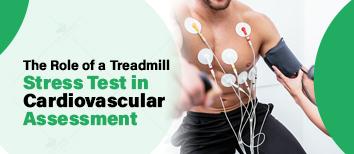
The primary goal of the Treadmill Stress Test is to evaluate how well the heart responds to increased physical activity
In Noida hospitals, recognized for being among the best heart health hospitals in Noida, are at the forefront of offering critical care for heart-related issues.
Meditation reduces stress, lowers blood pressure, and improves heart health, helping to prevent cardiovascular disease.
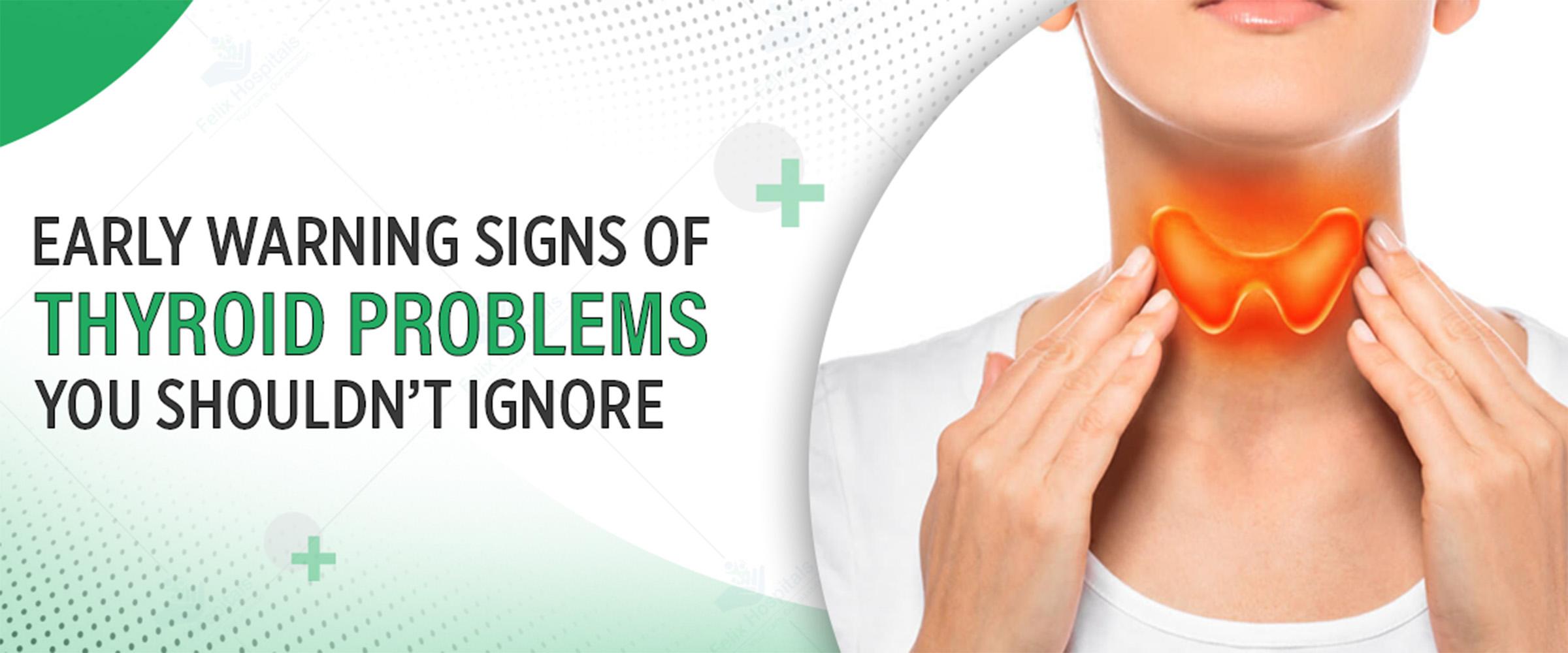
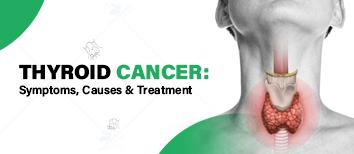
Your thyroid gland is small but plays a dominant role to maintain your body's metabolism, energy stores, and overall health. When your thyroid is not functioning properly, you may face a variety of health problems that go undetected initially. Virtually everyone asks, "How do I know if i have thyroid problems?" because symptoms stay mild but mistaken for day-to-day stress or lifestyle changes.
Identification of such early symptoms is crucial to prevent serious complications. If you or a family member suspect having a problem with their thyroid gland, consultations with one of the best thyroid doctor in Greater Noida has to offer can help you with a proper diagnosis and early treatment.
If you notice incessant changes in your weight, mood, or energy levels, don't turn a deaf ear to it—see a professional by calling +91 9667064100.
Thyroid disease occurs if your gland produces too much or too little thyroid hormone. An underactive or hypothyroid gland results in a slowing down of bodily functions. An overactive or hyperthyroid gland increases bodily functions. These problems can affect your heart, brain, digestion, sex centers, and mood.
Some also have thyroid nodules, goiter (thyroid gland enlargement), or autoimmune diseases such as Hashimoto's thyroiditis and Graves' disease. Rubel emphasizes early screening to prevent unfavorable results.
Hyperthyroidism refers to an overproduction or excess of thyroxin. Several early symptoms include:
Unintentional weight loss with or without appetite increase
Irregular or fast heartbeats
Hot spells and heat intolerance
Anxiety, nervousness, or sleep
Difficulty sleeping and persistent fatigue
They can slowly develop, and most individuals dismiss them until they progress to serious symptoms. Being aware of them early is helpful to allow for immediate treatment to avoid later complications.
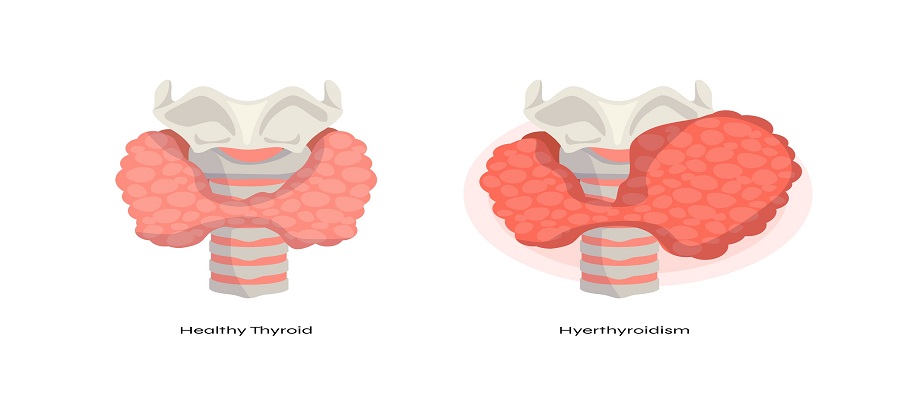
Although thyroid diseases are more frequent among women, they also afflict men. Man's symptoms for such diseases include:
Poor energy and chronic fatigue
Hair thinning or hair loss
Muscle strength decrease and weight alterations
Mood swings, irritability, or depressive symptoms
Limited sex desire or issues with fertility
Since men usually downplay these symptoms or take them lightly as a sign of aging, they might go undiagnosed with a thyroid disease for years. Routine check-ups would help arrive at an early diagnosis.
Pregnancy encompasses several changes with rising hormones but thyroid issues during pregnancy can be dangerous to fetus as well as mother. Thyroid signs to beware of during pregnancy include:
Severe tiredness beyond typical pregnancy fatigue
Fast heartbeats or palpitations
Difficulty gaining weight or weight loss
Neck swelling (potentially a goiter)
Anxiety or mood disturbances
Left untreated, pregnancy complications with the thyroid can raise one's risk for miscarriage, premature labor or developmental problems with the newborn. For that reason, screening for thyroid is almost invariably a recommendation for pregnant women.
Most people ask themselves, "When should I consult a doctor regarding thyroid issues?" The answer is a straightforward one: whenever you find yourself with ongoing, inexplicable alterations to your body's functioning. Routine reasons to consult a specialist for thyroids include:
Chronic fatigue or inexplicable weight fluctuations
Neck or visible growth of the thyroid gland swelling
Change in heart rate (too fast or too slow)
Frequent mood swings, anxious feelings, or depression
Irregular periods or fertility issues
Early assessment avoids deterioration of condition and timely treatment. In case symptoms don't go away, consulting about the best thyroid hospital near me allows receiving advanced treatment and proper testing.
The easiest response to answering the question "How can I be sure if I have a problem with my thyroid?" is to look for common symptoms:
Permanent lethargy or fatigue
Drastic changes (gain or loss) in weight
Sensitivity to excess heat or cold
Changes in bowel habits (diarrhea or constipation)
Hair loss, dry skin, or brittle nails
Because they cross with other health problems often, a precise diagnosis is only achievable with a proper function test for the thyroid.
Fortunately, one's treatment for their thyroid disease can be effective if done correctly. Based on whether one has hypothyroidism or hyperthyroidism, one's treatment might involve:
Medications: To regulate hormone levels
Dietary changes: Regular eating, reduced sugar intake, weight management
Regular monitoring: Regular blood tests to check for thyroid hormone levels
Specialized therapy: Advanced cases may require surgery or radioiodine therapy
Most people live normal healthy lives with adequate medical therapy despite their thyroid diseases.
Don't turn a deaf ear to what your body is saying—make an appointment for a check-up for yourself today and protect your future health.
Everyone—men, women, even pregnant women—may have issues with their thyroids. What's concerning is that early symptoms escape detection since they're nearly inconspicuous. From initial symptoms of hyperthyroid to symptoms of thyroid disease with pregnancy, recognition of such red flags is a starting point for efficient management.
Have you ever caught yourself asking yourself the question, "How would I know if I have a thyroid problem?",? It is about time to talk to professionals. Thanks to early treatment by Noida and Greater Noida-based professionals, problems with thyroids can be addressed effectively to allow you to live a healthier, better balanced kind of lifestyle.
Q1. How will a problem with my thyroid be diagnosed?
Ans: You might suspect thyroid problems if you have unexplained weight fluctuations, lethargy, mood swings, or a swollen neck. But to be sure if your hormone levels are out of balance, only a thyroid function test will do.
Q2. What are early symptoms of hyperthyroidism?
Ans: Early symptoms of hyperthyroidism also include weight loss despite appetite increase, fast heartbeats, profuse sweating, and feelings of anxiety. These symptoms take their time to manifest hence a need to be checked early.
Q3. What are symptoms of thyroid disease in men?
Ans: Men with hypothyroidism might experience thinning hair, lethargy, mood swings, and weakening muscles. Infertility and low levels of testosterone have been associated with a thyroid hormone imbalance as well.
Q4. What is a thyroid warning sign in pregnancy?
Ans: Pregnant women with thyroid diseases can be excessively tired, have an irregular heartbeat, or have weight gain issues. These symptoms should be closely watched because a thyroid disease can impact both the baby and mother.
Q5. When should I consult a doctor if I have thyroid problems?
Ans: You should consult a doctor if you notice persistent fatigue, sudden weight changes, or a visible lump in your neck. Early evaluation ensures effective treatment before complications arise.

Explore 11 thyroid-friendly foods that support hormone balance, boost energy, and improve overall thyroid health naturally.
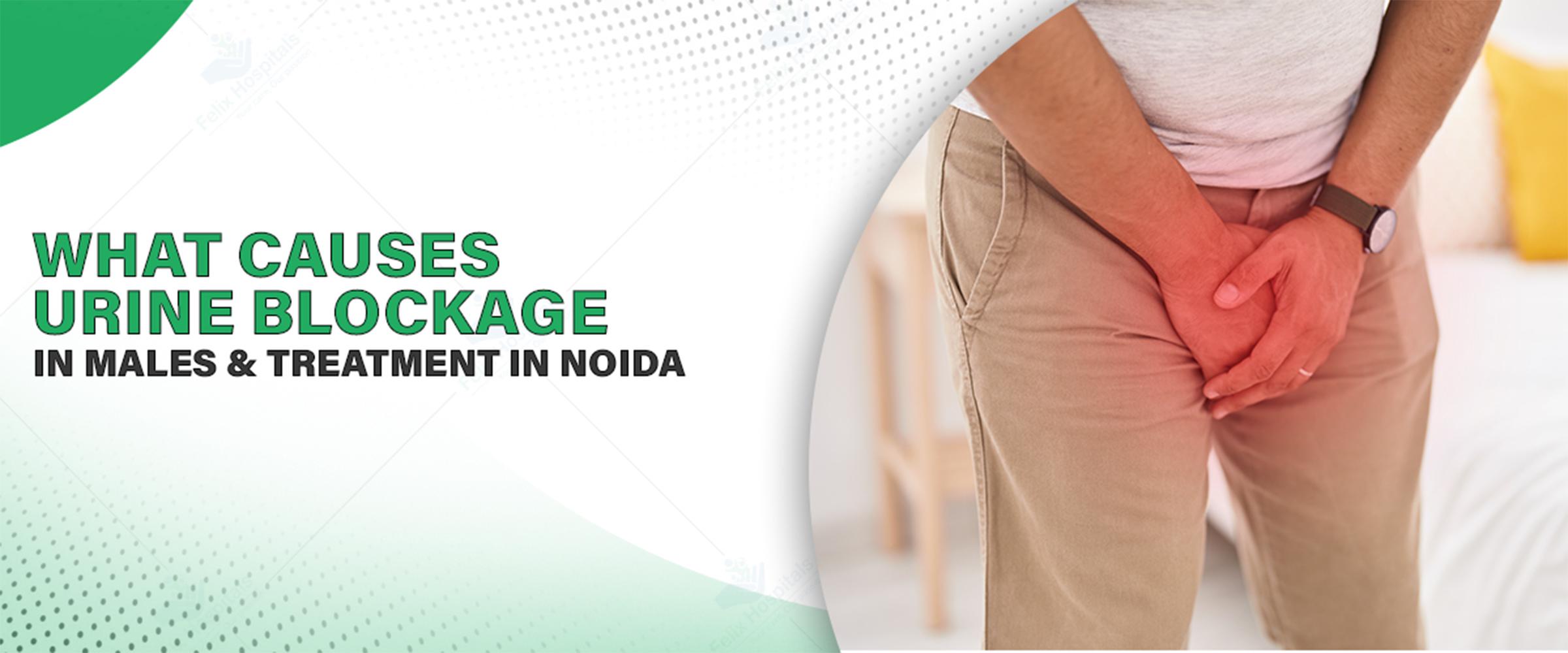
Knowing what causes urine blockage in males and how to treat it, is necessary for urological health for men above 40 who suffer from difficulty in urination. Ureteral obstructions are dangerous and you need to receive treatment immediately should they occur in either one or both of your ureters (the ducts through which you pass urine from your kidneys to your bladder). If left untreated, ureteral obstruction can lead to kidney damage and puts you on a path to infection or kidney failure, so the treatment for urine blockage in males Noida are very important for complete urological health.
Eager to address Your Urinary Problems Professionally? Call us at +91 9667064100 for a complete assessment and state of the art solutions in treatment.
Ureteral obstruction is a blockage along one or both of your ureters. A ureteral obstruction prevents pee from moving into your bladder and out of your body. Without treating and removing the blockage, pee can back up and damage your kidneys. This can cause pain and put you at risk of infection. In severe cases, a ureteral obstruction can lead to kidney failure, sepsis (life-threatening infection) or death. This is rare, though, because healthcare providers can treat ureteral blockages.
Ureteral obstructions are fairly common. They're more common in men over 60 because their prostates enlarge as they age - a key factor in urine blockage in males causes. A prostate is a gland that sits below your bladder in front of your rectum. An enlarged prostate can block the flow of pee and result in buildup of pee in your bladder. It can also push up against your ureter and cause a blockage. Any person at any age can have a blocked ureter, including children.
Signs of ureteral obstruction reveal themselves in different ways. People who have kidney stones obstructing a ureter may have severe pain. When the blockage is gradual and slow, it usually comes on slowly and builds over time. In some cases, symptoms may be mild at first, but can quickly get worse. Symptoms of a blocked ureter or urinary tract obstruction include:
Pain in your abdomen, lower back or sides below your ribs (flank pain)
Fever, nausea or vomiting
Difficulty urinating or emptying your bladder
Frequent urination
Recurring urinary tract infections (UTIs)
Pee that's cloudy or contains blood
Swollen leg
Understanding how to cure urine blockage in men naturally and medically requires comprehensive evaluation by qualified urologists. Reasons behind urine blockage (urinary retention) in men include a large prostate gland due to old age and neurological conditions as well as infections. An acute blockage is a life-threatening condition that demands urgent visit to hospital for urine blockage treatment in Noida. The treatment varies according to the underlying cause and may involve medication, catheterization, and surgical treatment.
Benign Prostatic Hyperplasia (BPH): It is the most prevalent cause of the enlarged prostate gland that is not cancerous and appears in older men. The swollen prostate squashes the urethra and blocks the movement of urine.
Prostate cancer: This is a tumor which is cancerous on the prostate which may also be penetrating the urethra resulting in a blockage. Prostate enlargement and urine blockage treatment requires specialized medical intervention to address both the underlying enlargement and resulting urinary symptoms.
Infections: Something such as prostatitis (inflammation of the prostate) or a serious urinary tract infection (UTI) may result in swelling that obstructs urine flow.
Nerve damage: Nerves controlling bladder functions may be destroyed due to such diseases as diabetes, stroke, multiple sclerosis, or spinal cord injuries. This might stop the emptying of the bladder.
Bladder or kidney stones: These are deposits of minerals that may be transferred to the urethra and obstruct urine passage.
Medications: There are medications like some antihistamines, antidepressants, cold and allergy medications that may interfere with the function of the bladder.

Early diagnosis is important, because most cases of obstruction can be corrected and because a delay in treatment can lead to irreversible kidney damage. Doctors may suspect obstruction because of a person's symptoms, such as renal colic, symptoms of bladder distention, or a decrease in the volume of urine.
Bladder catheterization (insertion of a hollow, soft tube through the urethra) is often the first diagnostic test done in people with symptoms that suggest the bladder is distended, such as pelvic pressure or distention. If the catheter drains a large amount of urine from the bladder, then either the bladder outlet or the urethra is obstructed. Many doctors do ultrasonography to determine whether the bladder is filled with a large amount of urine before doing bladder catheterization.
Imaging tests can be done to identify evidence of obstruction, such as hydronephrosis or a site of blockage, when the presence or site of obstruction is in doubt. For example, ultrasonography is a very useful test in most people (particularly children and pregnant women) because it is fairly accurate and does not expose the person to any radiation. However, ultrasonography is not always accurate in its ability to localize the site of obstruction.
Computed tomography (CT) is an alternative: It is rapid and highly accurate, particularly at identifying stones.
Magnetic resonance imaging (MRI): is not as accurate as ultrasonography or CT, particularly for detecting kidney stones, but MRI may be used if it is important to avoid exposing the person to radiation and if the site of obstruction cannot be seen with ultrasonography.
Endoscopy with a special rigid or flexible endoscope (a cystoscope) can be used to examine the urethra, prostate, and bladder. A longer rigid or flexible endoscope (ureteroscope) can be passed into the ureters or kidneys to identify sites of obstruction. Sometimes the cystoscope, ureteroscope, or both can also be used to remove objects causing obstruction.
To the individuals in Noida who have urinary blockage, one of the most important and essential measures is to consult a urologist. Depending on the diagnosis, treatment might involve:
A catheter will right away be used to empty the bladder in situations of acute urinary retention. This is a pain and pressure reliever to the kidneys.
Alpha-blockers: The medications, including tamsulosin and alfuzosin, relax the bladder neck and prostate muscles to enhance urine flow.
5-alpha reductase inhibitors: The drugs such as finasteride and dutasteride have the ability to reduce the size of a prostate gland as time progress and they work well in men with bigger prostate glands.
Antibiotics: Prostatitis or UTIs are treated with antibiotics to alleviate inflammation.
Transurethral Resection of the Prostate (TURP): It is a widespread and successful surgery of BPH, during which a special needle is put through the urethra to slice out any extra prostate tissue.
Urethroplasty: This is a reconstructive surgical procedure to cure scar tissue and eliminate the enlarged part of the urethra.
Natural remedies do not replace the professional medical treatment particularly in acute blockages. Nonetheless, there are lifestyle modifications that can be used to treat mild symptoms or promote the general well-being of urine. There is no need to try them before talking to a doctor about them.
Worried about recurring urinary symptoms, prostate wellbeing? Get in touch with our dedicated team for your care in Urology at 91 9667064100.
Understanding what causes urine blockage in males and how to treat it from benign prostatic hyperplasia (BPH) to kidney stones, causes of urine blockage pose an emergency condition and require urgent intervention to avoid long-lasting complications. Advances in treatment allowing use of medications with minimally invasive procedures and surgery indicate a positive recovery potential. If a resident requires specialized treatment, a good hospital for urine blockage treatment in Noida offers them a chance to be thoroughly examined and understand their condition better. Successful results can be achieved by Early detection and best treatment options in urinary obstruction in Male.
Q1: What are the early warning signs to look out for that tells me I need to go to the hospital for urine blockage?
Ans: Sudden complete inability to urinate, intense abdominal pain, fever and chills, and blood in the urine are situations that require emergency medical attention within hours to prevent kidney damage.
Q2: How long is the recovery after various urine blockage surgeries?
Ans: Recovery time for TURP is usually 2-4 weeks, but minimally invasive procedures such as UroLift have patients resuming normal activities anywhere from a few days to a week.
Q3: How well do drugs work for prostate-related urine blockage?
Ans: Alpha-blockers can alleviate symptoms for 70-80% of men within 2 to 4 weeks, and 5-alpha reductase inhibitors can shrink the prostate by 20 to 30% over 6 to 12 months.
Q4: What can I expect in my initial visit for urine blockade symptoms?
Ans: Full medical history, physical exam including digital rectal examination, urine tests and perhaps ultrasound or blood work to look for what is causing it.
Urine leakage while coughing, also known as stress incontinence, is a common condition affecting many, especially women.

Urinary tract infections (UTIs) in children are common but treatable. This guide for Greater Noida parents covers early signs, effective treatments, and easy preventive tips to protect your child’s health.
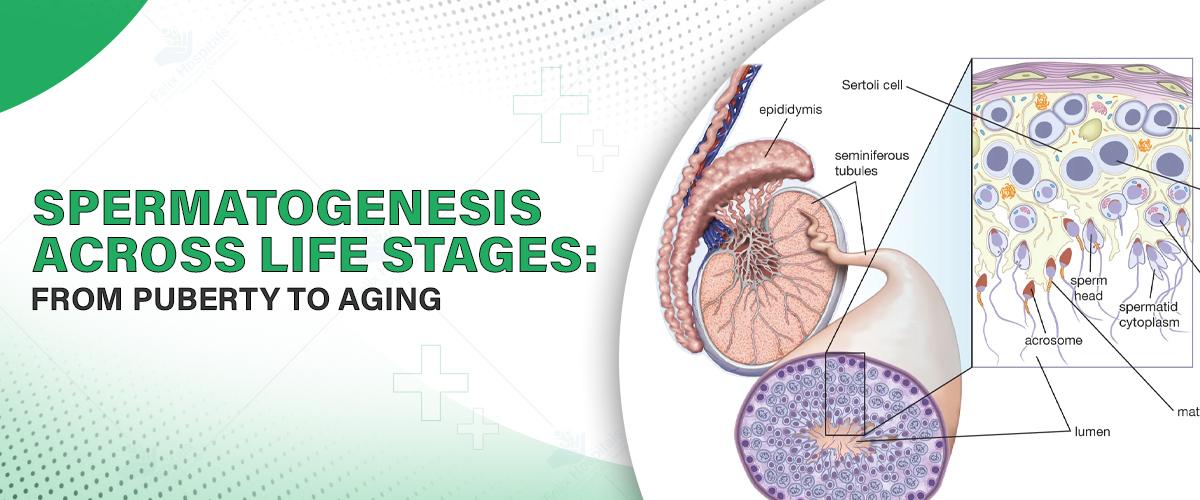
When it comes to men’s reproductive health, choosing the Best Urology Hospital in Greater Noida will be the right choice for proper diagnosis and treatment. Spermatogenesis, the sperm production process can vary during different periods of life and influences the fertility of the human body between puberty and old age. The specialist urologists in Greater Noida, offer thorough care of male reproductive health, fertility issues as well as age-related issues and it provides the correct advice at all the various ages in life.
Early detection makes the difference—book your male fertility check-up now: +91 9667064100.
Spermatogenesis is the biological process occurring in the testes to produce mature male gametes (spermatozoa). It is a cyclic process that occurs in a sustained, closely regulated process, and occurs throughout the life of a man as an adult, although it varies much at various periods of life, beginning with puberty and ending with old age.
Stages of spermatogenesis, occurs in the seminiferous tubules of the testes and could be subdivided into three key stages:
Spermatocytogenesis (Mitosis): Diploid (46-chromosome) spermatogonia are immature germ cells, which are located close to the periphery of the seminiferous tubules. These cells reproduce through a process called mitosis to reproduce themselves thus ensuring that sperm production is not affected. A portion of the spermatogonia differentiate into primary spermatocytes, the cells to undergo meiosis.
Spermatidogenesis (Meiosis): Each diploid primary spermatocyte undergoes 2 rounds of meiotic division, producing 23-chromosome spermatids. The process of meiosis is critical and ensures that the young ones are different in genetics. The cells are connected by cytoplasmic bridges and this enables the cells to grow together.
Spermiogenesis (Differentiation): The final process is in which the rounded, immature spermatids are transformed into streamlined moving spermatozoa (sperm cells). These involve the creation of a tail to move.

The acrosome is a cap-like structure that helps the sperm get into the egg.
Shedding of excess cytoplasm.
After this process, mature sperm are released and they travel to the epididymis to gain motility and full fertilizing capacity.
The quality and quantity of spermatogenesis and overall male fertility are influenced by age. Male fertility across life stages is described below.
Puberty marks the beginning of a man's reproductive journey, typically starting between the ages of 10 and 14. It is initiated by hormones from the brain that stimulate the testes to produce testosterone and, for the first time, mature sperm.
Testicular growth: The first sign of puberty is often the enlargement of the testes and scrotum. This occurs as the seminiferous tubules, where sperm are made, and developed.
Fertility isn't instant: First ejaculation may occur about a year after testicular growth begins, but the boy is not fully fertile at this point. It takes longer for sperm production to become consistent and of a high enough quality to achieve conception.
Male fertility peaks lie in the late 20s and early 30s of the age span. It is at this time that the sperm quality, motion and semen volume is the highest.
Ideal sperm parameters: In these years, the men usually produce sperm of the best quality with excellent motility and morphology and this increases the opportunities of conception.
Issues with lifestyle: Lifestyle issues play an important role in determining sperm health in adulthood. Diet, physical activity, stress management and avoidance of toxic substances such as tobacco and alcoholism are all key factors in staying at peak fertility.
The decline in male fertility is far slower compared to the steep drop in female fertility that is terminated by menopause. Nevertheless, there are major transformations in it although the transformations are after the age of 40.
Reduced sperm quality: The testes still are able to produce sperm, but at reduced rate and with an increased percentage of the sperm being abnormally morphologic and with reduced motility.
DNA fragmentation: As the man gets older, the fragmentation of sperm DNA is increased and may increase the likelihood of miscarriage and genetic disorders in the newborn child such as autism and schizophrenia. This is partly because there is the build up of mutations in the germline through the continued division of cells over a lifetime.
Hormonal changes: The slow decline in the body testosterone levels after the age of 40 may influence the production of sperm and libido and sexual dysfunction.
Although it is possible that men can make children as old as they are in their 60s and even 70s or older, this is coupled with extra complications.
More time to conceive: The older man tends to take a longer time to conceive a child irrespective of whether the partner is young.
Increased numbers of risks in increasing health risks of offspring: The probability of genetic syndromes such as achondroplasia and schizophrenia is increased in children born to older males.
Aging brings about more progressive and less conclusive changes on male fertility than female decline, yet some changes do happen:
Reduced sperm quality and quantity: As spermatogenesis proceeds, there is a slowed rate of sperm production and sperm quality, motor activity (movement) and morphology (shape) are both reduced.
Heightened DNA fragmentation: Aging promotes the probability of DNA degradation and fragmentation in sperm. It may result in increased chances of miscarriage and increased birth defects and genetic diseases in newborn children.
Hormonal changes: There are progressive declines in testosterone levels, and supportive Sertoli and Leydig cells within the testes are likely to become dysfunctional thereby disrupting the hormones environment necessary to cause spermatogenesis.
Spermatogonial alterations: The spermatogonial stem cell pool and testicular microenvironment are altered with age, which may lead to a compensatory response of some of the cell types and a loss of overall efficiency.
Concerned about fertility or reproductive health? Speak to urology experts today at +91 9667064100.
Although there is no exact marker of male fertility, it is unlimited. The knowledge of the impact of age on the development of spermatogenesis and sperm quality is significant to the men who are making family planning decisions at various phases of their lives. Through a healthy lifestyle, men have an opportunity to keep themselves in reproductive health and make a sound decision concerning their reproductive future. The Best Urology Hospital in Greater Noida will be the right choice for proper diagnosis and treatment.
Q1: What can be done in case sperm count is extremely low?
Ans: Alternatives such as hormonal therapy, microsurgical sperm retrieval, and assisted reproductive techniques (IVF/ICSI) exist. Felix has customized treatment plans.
Q2: Does testosterone replacement therapy enhance fertility in the elderly man?
Ans: Not necessarily- sometimes it may inhibit natural sperm production. With care, to preserve fertility, Felix experts adjust hormonal therapy.
Q3: Is varicocele (swollen veins in the scrotum) associated with impaired spermatogenesis?
Ans: Yes, it may lower the quality of sperm. In an effort to revitalize the fertility potential, Felix Hospital also provides minimally invasive varicocele surgery.
Q4: What is the frequency of fertility health check-ups among men?
Ans: After reaching 20s (baseline) and with each 5-10 years and again in case of fertility concerns.
One of the best hospitals for urinary tract treatment in Noida offers comprehensive urology care, featuring expert urologists and advanced diagnostic and treatment facilities.
One of the best hospitals for urinary tract treatment in Noida offers comprehensive urology care, featuring expert urologists and advanced diagnostic and treatment facilities.
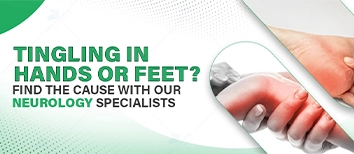
Experiencing tingling in your hands or feet? It could signal a nerve-related issue. Consult our expert neurologists at Felix Hospitals to find the cause and get the right treatment today.

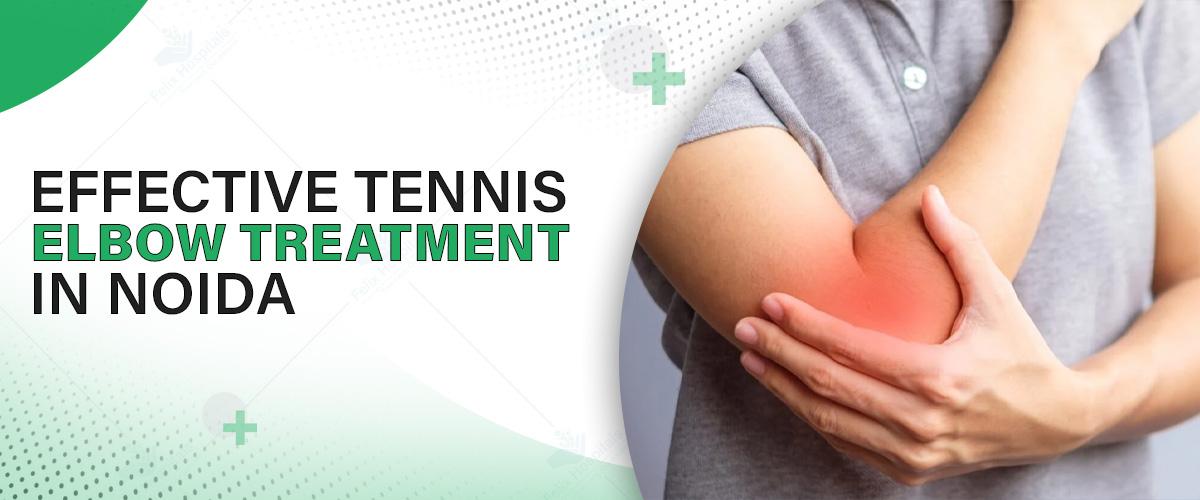
Lateral epicondylitis or tennis elbow is a very common disorder that causes pain on the outer elbow. For those seeking relief, Tennis elbow treatment in Noida specialist services and new-age treatment which alleviates pain and restores functionality. Consulting the best doctor for tennis elbow in Noida ensures you receive a personalized treatment plan that addresses your specific needs and promotes recovery.
Tennis elbow occurs as a result of overload of forearm muscles and their tendons in the region of the lateral epicondyle. Although it is common in tennis players, any person who grips, raises or moves the wrist frequently is affected by the injury.
The treatment is typically started with analgesics and natural medicine:
Rest and Ice: Avoid pains by skipping activities that exacerbate them and use ice packs that are covered with a wrap to minimize swelling.
Elbow Brace: These are straps or bracelets that relieve the tension in tendons in daily activities.
Medications: Your physician might recommend an over-the-counter pain medication or an anti-inflammatory medication to control symptoms.
Change in activity: Decrease activities that involve wrist extension or gripping to prevent the worsening of pain.
With these simple steps, in a few weeks most people feel better.
One of fundamental pillars of the treatment consists in focused physiotherapy to enhance strength, flexibility and blood circulation:
Stretching: Light stretches bring longevity to forearm muscles and relieve tension.
Strengthening: Grows tendon and muscle power to deal with habitual loads.
Manual therapy: Massage and mobilization increases circulation and relieves stiffness.
Ultrasound or laser: This can assist tissue to heal quicker.
The true meaning of physiotherapists in Noida is to customize exercises concerning the individual tolerance and progressions, to achieve a full motion and avoid acute recurrence.
Particular exercises are needed in rehabilitation:
Wrist Extensor Stretches: Perform a number of times daily.
Eccentric Strengthening: Control of lowering of the wrist.
Strengthening of the grip: Putty Exercises, or putty and hand exercises.
Progressive Resistance: After the pain subsides, add resistance.
Home programs, when added to the professional therapy, can achieve better results in their consistency.
In case the symptoms cannot be eliminated after 6-12 weeks, it is possible to prescribe more sophisticated options:
Extracorporeal Shockwave Therapy (ESWT): Therapy involves sound wave to enhance recovery in the tendons.
Platelet-Rich Plasma, or PRP injections: Diluted platelets in your blood speed up the healing process.
Steroid injections: These are fast acting and would not be long term treatment because of repeated side effects.
These are services that are considered when physiotherapy and basic care fails to give sufficient relief.
The option of surgery is considered when all the conservative and advanced nonsurgical procedures failed in several months. The process takes away the damaged tendon tissue and re-repairs the extensor tendon origin. Effective surgeries help remove pain and also restore functionality, and may be performed arthroscopically or with an open incision.
Surgery is never used as a first line and has to be used after the last option and a well-planned rehabilitation program can be used to achieve the best results.
The time of the recovery depends on the strategy and personal factors.
The majority of non-surgical treatments start to improve in 6-12 weeks.
Physiotherapy blisters normal human activities.
Surgery can use up several months to recover with therapy.
To prevent the same problem the solution should be ergonomic, in terms of adjustments during activities, strength training, and avoid immediate over use. Risk can also be minimized using proper technique and equipment in work and sports.
The best orthopedics doctor in Noida is meant to be given expert care to allow getting accurate diagnosis and treatment plans that are personal. The clinics apply the most up-to-date evidence-based interventions and rehabilitation resources, so patients diagnosed can be taken through the path of recovery with the most likely chances of success.
Extracorporeal Shockwave Therapy (ESWT): Non-invasive technology that uses acoustic waves to reduce pain, improve blood flow, and promote tendon healing in chronic tennis elbow cases.
Platelet-Rich Plasma (PRP) Therapy: A regenerative treatment using the patient’s own blood to accelerate tendon repair and reduce inflammation.
High-Intensity Laser Therapy: Advanced laser machines help decrease pain, reduce swelling, and stimulate faster tissue recovery at a cellular level.
Ultrasound-Guided Diagnosis & Injections: High-resolution ultrasound enables accurate diagnosis and precise delivery of injections for better treatment outcomes.
Advanced Physiotherapy Equipment: Modern rehab tools, resistance devices, and ergonomically designed machines support muscle strengthening and prevent recurrence.
Minimally Invasive Techniques: For severe cases, modern minimally invasive procedures ensure quicker recovery, minimal pain, and reduced downtime.
Dr. Keshav Goel is an experienced Orthopedic and Joint Replacement Surgeon in Noida with over 10 years of clinical expertise. He has performed 2,000+ independent surgeries and specializes in computer-assisted joint replacement and arthroscopic surgeries of the knee, shoulder, and hip. Known for his skill in treating sports injuries, trauma, and joint disorders, he provides advanced and patient-focused orthopedic care.
Tennis elbow has the capacity to interfere with everyday living; however, there is a solution. Consulting the best orthopedic doctor in Noida ensures a personalized treatment plan that may include rest, physiotherapy, targeted exercises, and advanced treatment options to relieve pain and restore strength. Early intervention, specialized rehabilitation, and avoiding repetitive strain play a crucial role in achieving long-term joint health and a pain-free life.
Q1: What is tennis elbow and what causes it?
Ans: Tennis elbow is a condition caused by overuse or repetitive strain of the forearm muscles, leading to pain on the outer side of the elbow. It commonly affects people involved in repetitive hand or arm movements, such as office workers, athletes, and manual laborers.
Q2: What are the early symptoms of tennis elbow?
Ans: Early symptoms include pain and tenderness on the outside of the elbow, weak grip strength, difficulty lifting objects, and discomfort during everyday activities like typing or holding tools.
Q3: When should I see a doctor for tennis elbow in Noida?
Ans: You should consult an orthopedic specialist in Noida if elbow pain persists for more than a few weeks, worsens with activity, or interferes with daily tasks despite rest and home remedies.
Q4: What are the most effective non-surgical treatments for tennis elbow?
Ans: Non-surgical treatments include rest, activity modification, physiotherapy, pain-relief medications, elbow braces, and advanced therapies such as shockwave therapy or PRP injections.
Q5: How does physiotherapy help in tennis elbow recovery?
Ans: Physiotherapy helps by strengthening forearm muscles, improving flexibility, reducing inflammation, and preventing recurrence through guided exercises and posture correction.
Q6: How long does it take to recover from tennis elbow?
Ans: Recovery time varies depending on severity. Mild cases may improve within a few weeks, while chronic cases can take several months with consistent treatment and rehabilitation.
Q7: Is surgery required for tennis elbow treatment?
Ans: Surgery is rarely required. Most patients respond well to conservative and advanced non-surgical treatments. Surgery is considered only when symptoms persist despite prolonged treatment.
Q8: What are advanced treatment options available for tennis elbow in Noida?
Ans: Advanced options include platelet-rich plasma (PRP) injections, extracorporeal shockwave therapy (ESWT), ultrasound-guided injections, and minimally invasive procedures for severe cases.
Q9: Who is the best orthopedic doctor in Noida for tennis elbow treatment?
Ans: The best orthopedic doctor in Noida is one who offers accurate diagnosis, personalized treatment plans, and access to modern therapies for effective and long-lasting relief.
Q10: How can tennis elbow be prevented from recurring?
Ans: Recurrence can be prevented by avoiding repetitive strain, using proper ergonomics, strengthening forearm muscles, taking regular breaks, and following a rehabilitation program advised by your doctor.
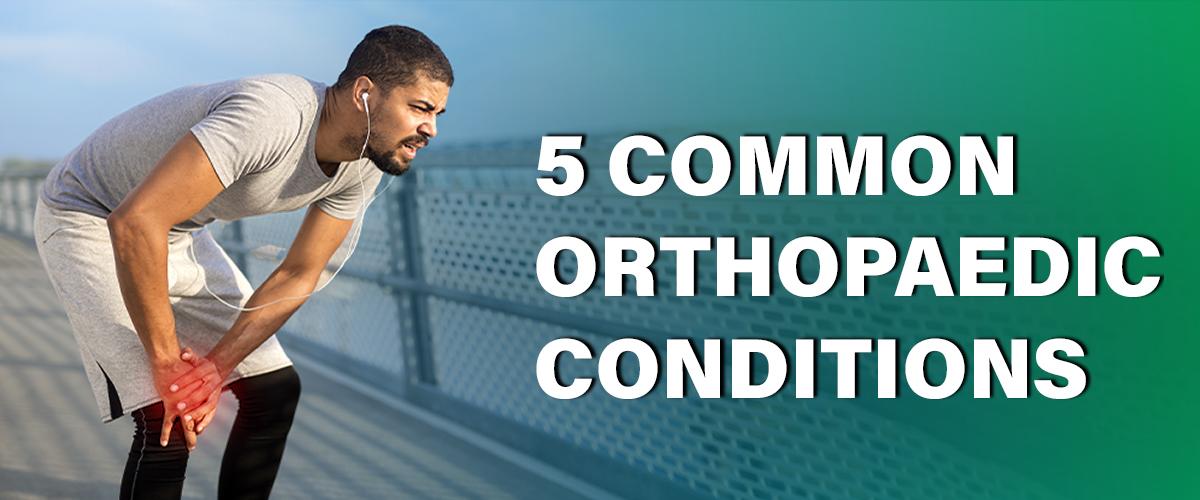
Orthopedics is a specialized branch that takes care of your musculoskeletal problems related to joints, bones, muscles, spine, ligaments, and tissues.
If you are having any physical pain in your body due to factors like illness, injury, sudden stroke or aging, a physiotherapist can help you to overcome the pain through various therapies like electrotherapy, heat and cold packs, exercise etc.
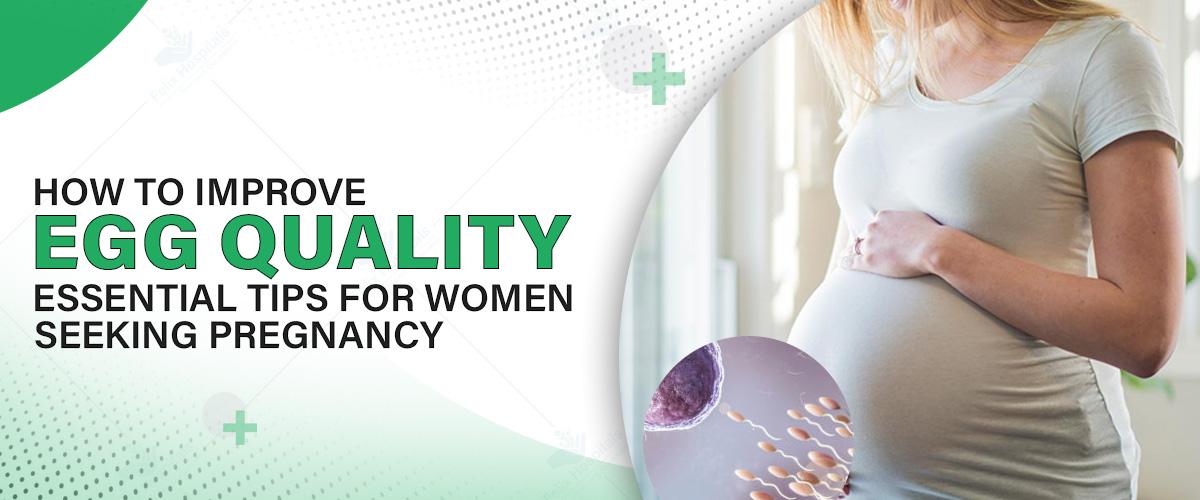
To a great number of women, particularly those older than 35, egg quality enhancement is one of the most relevant stages on the way to successful conception and healthy pregnancy. The quality of eggs is a major factor that determines the fertility performance, embryo viability and general probability of a live birth. An experienced IVF doctor or a trusted gynecologist in Noida can offer personalized guidance, but understanding lifestyle and dietary changes empowers women on their fertility journey.
For expert advice on improving egg quality, consult an experienced IVF doctor in Noida today. Call +91 9667064100.
The quality of eggs is an indicator of the health and viability of eggs of a woman. It has an influence on their fertilization and their capability to hold normal embryos to grow. Women become increasingly less fertile as they age after they hit 35 years due to genetic and cellular alterations in the egg. Such a decrease may cause a decrease in fertility, an increased risk of miscarriage, and infertility.
Egg quality depends on a number of factors among them the environment, the way the chickens live, and their food. Recognizing what lowers egg quality — such as smoking, excessive alcohol use, stress, poor diet, and environmental toxins — is important for improving fertility.
The most important factor that influences egg quality is age. The number of eggs in a woman is given at birth is limited and the quantity and quality of eggs fade with age. This decreases accelerated after age 35 and conception is more difficult. Thus, understanding how age affects fertility helps set realistic expectations and the urgency of early intervention or fertility preservation.

Egg quality is dependent on nutrition. Properly balanced and nutritious diet supplies antioxidants, vitamins and minerals needed by functions of the eggs. Focus on:
Berries, nuts, leafy greens and seeds are high in antioxidants.
Whole grains and quality proteins.
Omega 3 fatty foods, including fatty fish and flaxseeds.
It is important to lose trans fats, processed foods as well as extra sugar.
A diet that is fertility oriented helps in balance of hormones as well as in reduction of oxidative stress that could harm eggs.
Women older than 35 might have to take additional precaution measures to enhance egg quality and this will include:
Healthy BMI excess and underweight will negatively affect the health of the eggs.
Maintaining hydration and enhancing blood flow by doing frequent easy exercises e.g. yoga.
To ensure that cells stay healthy, taking prenatal vitamins containing the essentials such as CoQ10, folic acid and vitamin D is advisable.
Management of stress by meditating, undergoing counseling sessions or relaxation, to avoid hormonal imbalances.
No smoking, no intake of alcohol, which lowers the quality of eggs drastically.
The bad quality of eggs may be caused by genetic modifications, oxidative stress, unhealthy lifestyle habits, and such illnesses as PCOS. Signs of low egg quality include irregular menstrual cycles, higher miscarriage rates, or difficulty conceiving despite regular unprotected intercourse. The definitive diagnosis should be assessed by a medical examination.
It would be wise to maximize your health before attempting to conceive in order to increase the quality of eggs and chances of conception. In addition to diet and lifestyle changes, regular consultations with an IVF doctor or gynecologist in Noida provide personalized care. Women should:
Oncologists perform these tests themselves, and may include tests of hormone levels.
Take vitamins or nutritional supplements as prescribed.
Avert environmental poisons and deal with chronic diseases.
Prevent obesity and physical inactivity.
Sleep enough to help the repairing of cells and balance hormones.
To natural ways of improving the quality of eggs, it involves:
Healthy diet to decrease oxidative harm.
Supplements such as CoQ10, which has shown enhancement of the mitochondrial functioning of the egg.
Preventing the intake of detrimental substances that increase the rate of egg degeneration.
Stress management to engender ovulation and egg health.
The option is to consider the process of egg freezing as a fertility preservation method in younger age.
Every step helps to make eggs healthier and it has more fertility potential.
Begin your fertility assessment and get personal instructions on how to improve the egg quality. Call +91 9667064100 .
Consulting a trusted IVF doctor or gynecologist in Noida is essential for women concerned about fertility and egg quality. Increasing the quality of eggs will be a holistic solution- diet, lifestyle, supplement and medical counsel. The fertility is influenced by age and environmental factors but certain actively taken measures can dramatically increase the possibilities of conception and result in healthier pregnancy.
Pregnancy objectives can be accomplished with ease knowing that you have the knowledge, professional support, and access to the best hospital near me to guide you through.
Q.1 What is the duration of improvement in egg quality?
Ans. The effectiveness of a timeline differs, yet the use of regular lifestyle modifications and supplements can manifest themselves in 3-6 months.
Q.2 Is it true that stress will influence the quality of eggs?
Ans. Yes, persistent stress interferes with the hormones, which are required to generate ovulation and eggs.
Q.3 Can the quality of eggs be improved, even after 35?
Ans. Although as women grow older, eggs deteriorate in quality, there are a great number of women who enhance fertility through optimal health and treatment.
Q.4 Should I have some supplements to enhance the quality of eggs?
Ans. Such supplements as CoQ10 and folic acid also assist but must be taken with the guidance of a fertility professional.
Selecting the best gynecologist hospital in Noida is crucial for your health. Learn what to look for in top facilities offering specialized care in maternity, infertility, menstrual health, and gynecological surgeries.

Exploring the Best IVF hospital in Noida for expert fertility treatments. Felix Hospital IVF is dedicated to helping couples achieve their dream of parenthood with advanced fertility treatments, latest technology, and compassionate care


Subscribe to our
© Copyright 2026. All Rights Reserved by Felix Healthcare Private Limited
Design and development by :


 +(91)9667064100
 Emergency : +(91)9667064100