 WhatsApp
 Emergency:
  WhatsApp






Subscribe to our
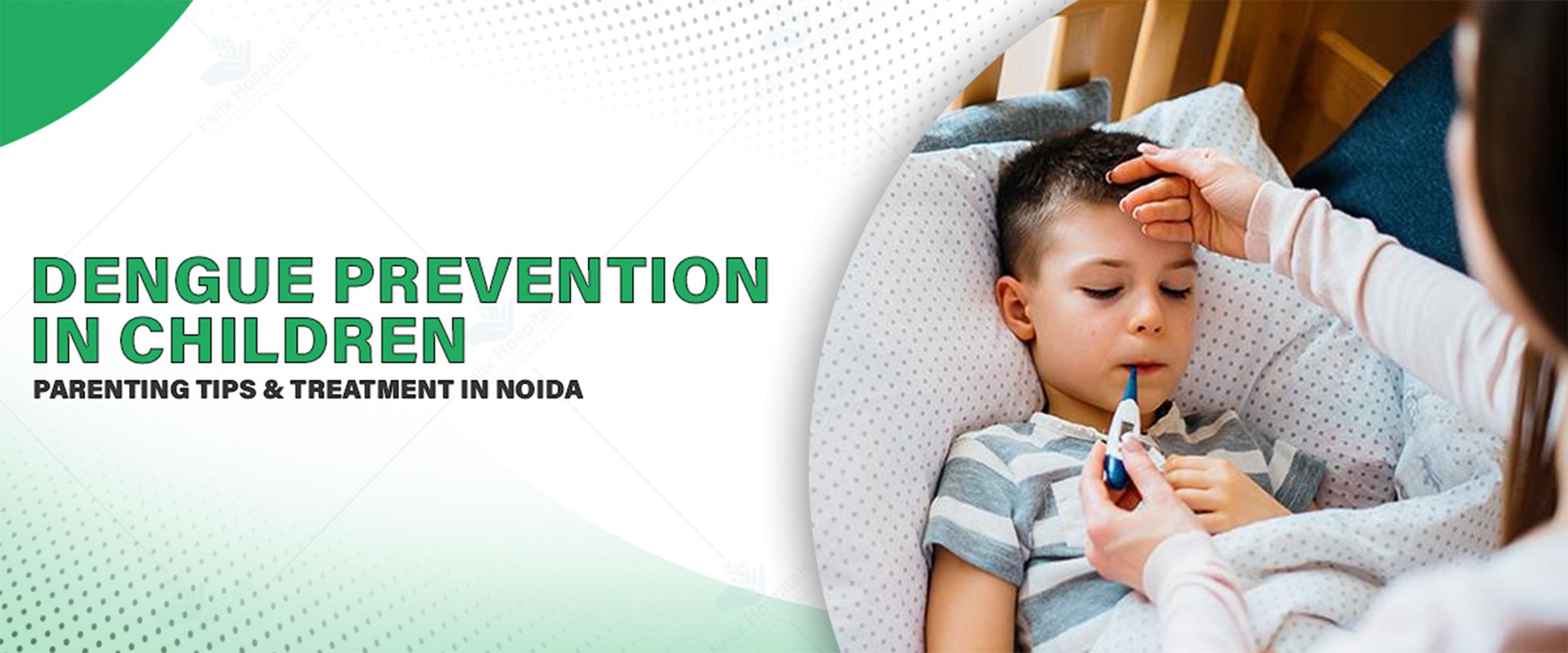
Dengue fever is also a serious health issue especially to children in areas like Noida where other diseases like the mosquito-borne diseases are rampant. Parents seeking care can rely on quality Dengue treatment for children in Noida from experienced healthcare professionals. Consulting a Child doctor for dengue in Noida ensures proper management and peace of mind during the illness. This guide provides vital information on Dengue fever in children, common symptoms, prevention strategies, and treatment tips for parents.
Experiencing dengue symptoms in your child? Book a consultation with a Child doctor for dengue in Noida today at +91 9667064100
Dengue fever in children is a viral infection transmitted by the Aides mosquito, notably active during early morning and late afternoon. The dengue virus has four serotypes and infection with one does not provide immunity against the other which means that children may have dengue more than once. The disease is characterized by a sudden high fever, and clear symptoms that are mild to severe. To avoid complications, it is imperative to identify and treat the disorder early.
Dengue symptoms in kids typically emerge 4-10 days post infection, the majority experience mild symptoms during dengue and recover within 1-2 weeks. Common signs include:
The subsistence of the fever with the occurrence of serious symptoms like abdominal pain, constant vomiting, bleeding gums, or restlessness requires urgent medical care because it is indicative of the development of severe dengue.
The protection against dengue in children is centered in the control of mosquitos and prevention of bites. Here are effective how to protect children from dengue strategies:
Teach children on how to stay out of mosquito prone places particularly in early mornings or late afternoons.
Parents can adopt multiple Dengue prevention tips for parents to reduce infection risks:
Vaccination is restricted and tends to be only used when the person has been infected previously, so it is more important to depend on preventive measures.
If a child develops dengue, Dengue care tips for parents include:
When a child has dengue fever, it is important to know What to do if child has dengue fever:
Diagnosis is considered by evaluating the symptoms and carrying out blood tests such as:
No special antiviral treatment of dengue exists. The mode of treatment is supportive and entails:
Need advice on how to protect children from dengue? Speak with our experts by calling +91 9667064100
Dengue in children can be managed through early identification and expert treatment. Quality Dengue treatment for children in Noida is available with expert pediatricians and child doctors who provide comprehensive care plans. Parents armed with effective Dengue prevention tips for parents and Dengue care tips for parents can reduce risks and ensure swift recovery. Staying vigilant about Dengue symptoms in kids and prompt medical consultation with a Child doctor for dengue in Noida guarantees the best outcomes.
Ques. What is the rapidity of the appearance of dengue symptoms in children?
Ans. The symptoms are normally experienced between 4 and 10 days following a mosquito bite.
Ques. Is dengue potentially severe in children?
Ans. Yes, children will get serious dengue that demands urgent medical treatment.
Ques. How do I know whether my child has to be hospitalized with dengue?
Ans. Seek chronic vomiting, abdominal pain, blood or fatigue.

Consult the best general physician for dengue fever at Felix Hospital. Their expertise in diagnosing and managing dengue virus infections can lead to timely and effective treatment.

Dengue fever cases rise sharply in Noida during the monsoon due to increased mosquito breeding. Learn the causes, risks, and prevention tips to stay safe.
Felix Hospital, India, is one of the best heart bypass surgery hospitals in India. We provide unmatched patient care and hospital experience for heart bypass surgery in India. We have top specialists and cutting-edge technology available under one roof, ensuring quality treatment for patients.
At Felix Hospital, we believe that coronary artery bypass grafting (CABG), commonly known as heart bypass surgery, is a complex procedure that requires the highest level of surgical expertise. Given the complexity and risks associated with this life-saving intervention for severe coronary artery disease, choosing the right healthcare provider is crucial.
Felix Hospital, with a team of highly experienced cardiac surgeons specializing in CABG and cutting-edge technology, is committed to providing patient-centered care that prioritizes holistic health. Our dedication to medical innovation and excellence makes us a trusted choice for heart bypass surgery in India.
Schedule Heart Bypass Surgery at Felix Hospital, Noida India Call Us: +919560795791 And WhatsApp +919560795791 us now. Our team will help you book the best treatment and arrange your medical visa hassle-free.
Heart bypass surgery, a type of open heart surgery, is a procedure to treat individuals with blocked or narrowed coronary arteries. The purpose of coronary artery bypass graft surgery is to restore blood flow to the heart muscle by creating a bypass around the narrowed or blocked coronary artery.
CABG is performed to restore proper blood flow to the heart muscle in individuals with severe coronary artery disease. It removes blockages or narrowings in the coronary arteries that are restricting blood supply to the heart. By creating new pathways using grafts, the surgery bypasses the blocked areas, improving blood flow and oxygen supply to the heart.
Angina, characterized by chest pain or discomfort, is a common symptom of coronary artery disease. CABG helps alleviate angina by improving blood flow to the heart muscle. By bypassing blocked or narrowed arteries, this surgery reduces pressure on the heart and the frequency of chest pain episodes.
Severe coronary artery disease can increase the risk of heart attack or myocardial infarction. CABG can significantly reduce this risk by bypassing diseased coronary arteries and creating new pathways for blood flow. By restoring blood supply to the heart, this surgery helps prevent heart muscle damage caused by a heart attack.
When coronary arteries are severely blocked, the heart may have difficulty pumping blood effectively, leading to reduced heart function. CABG aims to improve heart function by restoring proper blood flow. By ensuring adequate oxygen and nutrient supply to the heart muscle, this surgery helps improve overall heart performance and can enhance a person's quality of life.
CABG is considered when medications or angioplasty (a procedure to open narrowed arteries) are insufficient or unsuitable. It is often recommended for individuals with complex or widespread coronary artery disease, multiple blockages, or previously unsuccessful interventions, providing a more comprehensive and durable solution.
Every surgical procedure carries some risk, and heart bypass surgery, a type of open-heart surgery, is no exception. These risks are influenced by many factors, including your age, the number of bypasses required, and any other pre-existing medical conditions the patient may have. Here are some of the risks of heart bypass surgery (CABG).
Infection
Arrhythmia (irregular heart rhythm).
Heart attack due to blood clots after surgery.
Kidney problems
Stroke
Wounds not healing properly
Temporary memory loss
The patient's pre-existing health conditions also play a significant role in determining the specific risks associated with coronary artery bypass surgery. When surgery is performed on an emergency basis, the likelihood of experiencing complications increases.
Conditions such as artery blockages in the legs, chronic obstructive pulmonary disease (COPD), diabetes, and kidney disease can increase the risk of complications. To reduce these risks, medications are usually given before the procedure. These medications are intended to control bleeding, regulate blood pressure, and prevent infections. For diabetics, medications to stabilize blood sugar levels may also be given during the surgical procedure.
The doctor will take the patient's personal and family medical history.
The patient will need to undergo several laboratory, diagnostic, and imaging tests, such as blood tests, chest X-rays, electrocardiograms (ECGs), echocardiograms, and stress tests, to ensure they are fit for the procedure.
The doctor may start or stop certain medications before the procedure; they will also ask what the patient is currently taking.
It is recommended that the person quit smoking a few weeks beforehand, as this can interfere with healing.
Exercising regularly before the procedure can help with healing after surgery.
The patient is given general anesthesia, and their heart is usually temporarily stopped by a machine so the surgeon can perform the procedure. The patient is then placed on a cardiopulmonary resuscitation machine, which takes over the functions of the heart and lungs during surgery.
The surgeon typically removes a healthy blood vessel from the chest, leg, or arm to use as a bypass graft.
The surgeon then makes a small incision in the chest to access the heart and coronary arteries. They sew one end of the graft to the aorta (the main artery leading from the heart) and the other end to the coronary artery next to the blocked or narrowed area.
The graft is sewn securely, ensuring smooth blood flow through it. This creates a new path for blood to reach the heart muscle, bypassing the blocked or narrowed area.
Once the graft is secured, the surgeon closes the chest incision.
Life after heart bypass surgery or coronary artery bypass graft (CABG) can be a significant change. This procedure is typically performed to improve blood flow to the heart muscle when coronary arteries become narrowed or blocked due to coronary artery disease. After CABG surgery, individuals often experience positive changes in their health and lifestyle. Here's what life after bypass surgery can be like.
The immediate period after surgery involves recovery in the hospital. Full recovery can take 4-6 weeks or more. Most patients stay in the hospital for a few days to a week, depending on their condition and the complexity of the surgery. During this time, medical professionals closely monitor vital signs, pain management, and overall recovery.
After discharge, a structured rehabilitation program is often recommended. Cardiac rehabilitation helps patients gradually regain their physical strength and stamina through exercise, education on heart-healthy lifestyle choices, and emotional support. This phase can last several weeks or months.
Medications are often prescribed to manage various aspects of heart health, such as blood pressure, cholesterol levels, and blood thinners to prevent clots. It is important to take these medications as prescribed and have regular follow-up checkups with your healthcare provider.
A heart-healthy diet is essential to prevent further blockages and maintain overall heart health. This diet typically includes reducing saturated fat, cholesterol, sodium, and added sugars and increasing your intake of fiber, fruits, vegetables, and whole grains. Quitting smoking is essential, and alcohol consumption should be limited. Regular exercise as recommended by your healthcare provider is also important.
Recovering from heart surgery can be emotionally challenging. Many individuals experience anxiety, depression, or stress during this period. Open communication with healthcare providers and seeking emotional support from friends, family, or support groups can be helpful.
Continuous medical monitoring is essential to assess recovery progress and manage any potential complications. Regular checkups, electrocardiograms (ECGs), stress tests, and blood tests are common components of post-bypass surgery care.
Most individuals can gradually return to their normal activities, such as work and hobbies, as they recover. However, the timeframe varies from person to person, and it is important to follow healthcare providers' guidance regarding resuming specific activities.
Life after bypass surgery often involves a commitment to long-term heart health. This includes taking prescribed medications, attending follow-up appointments, maintaining a heart-healthy lifestyle, and promptly addressing any emerging heart problems.
Many people experience an improved quality of life after bypass surgery. They often regain energy, have fewer heart disease symptoms, and enjoy better overall health.
It's important to remember that recovery experiences can vary, and each person's journey is unique. Close collaboration with healthcare providers, adherence to recommended lifestyle changes, and a strong support system can contribute to a successful and fulfilling life after bypass surgery.
Felix Hospital is a center of excellent cardiac care. It is equipped to provide high-quality heart bypass surgery solutions. Our hospitals in Noida and Greater Noida serve as centers for comprehensive cardiac care, including diagnosis, treatment, rehabilitation, and follow-up services.
Our expert team includes some of India's best cardiologists, who adopt a personalized and patient-centered approach to treating each case, while also prioritizing patients' quality of life.
CABG is primarily used to treat coronary artery disease (CAD) and angina (chest pain) and reduce the risk of heart attack. It may also be performed in some cases of severe heart valve disease or when other treatments have failed.
CABG is recommended for individuals with severe blockages in their coronary arteries that cannot be adequately managed with medications or other less invasive procedures. The decision to undergo CABG is based on the severity of the condition and the individual's overall health.
Recovery time after CABG surgery varies from person to person, but typically involves a hospital stay of several days followed by a full recovery period of several weeks to months. Many people can return to their normal activities within a few months.
The survival rate for CABG surgery is generally quite high. The exact outcome depends on several factors, including the patient's overall health, the number and severity of blockages, and the skill of the surgical team.
CABG is a major surgical procedure with potential risks and complications, including infection, bleeding, graft failure, and adverse effects of anesthesia. This also includes the recovery period and lifestyle changes.
Life expectancy after CABG surgery can vary widely depending on a person's health, lifestyle choices, and adherence to post-surgery recommendations. Many people experience improved quality of life and a reduced risk of heart complications.
India has the best cardiologists who are highly experienced. The success rate of heart bypass treatment in India is approximately 98%, which is much higher than in most developed countries.
After arriving in India, the steps of the procedure begin. The procedure is usually scheduled within a few days of arrival. After the procedure, you may have to wait until your first follow-up before returning to your country.
Felix Hospital is one of the best hospitals for bypass surgery in India, renowned for its advanced cardiac care and experienced team of surgeons.

Problems with skin pigmentation are widespread, but they can significantly impact the way we look and feel. The explanation for color changes in the skin cover a wide variety of causes, from hyperpigmentation due to sun damage or hormonal imbalance and from conditions like vitiligo and albinism.
Through proper diagnosis and state-of-the-art dermatologic treatment, these conditions can be successfully managed. Best Skin Care Hospital in Greater Noida that is because whether you are seeking consultation from a skin pigmentation specialist in Greater Noida or from a best dermatologists in Greater Noida, there are many treatment options that are widely available today – from topical creams and chemical peels to innovative laser treatments.
Get expert help to bring back your skin's natural glow. Today, call +91 9667064100!
Our skin is also an incredible organ in that it comes in different colours and shades. The amount and type of melanin, which is a pigment made by skin cells called melanocytes, is responsible for skin pigmentation – or how light or dark your skin is. Though there are many reasons skin pigmentation issues can arise, the fact that we're a genetically diverse species is very clear in our spectrum of skin colors. In this blog we will explore and understand the different types, the causes, its treatment and preventive measures of skin pigmentation.
Hyperpigmentation: Hyperpigmentation refers to areas of the skin that are darker than the surrounding skin. It can be caused by several reasons, including:
It can result from a variety of causes, including:
Sun Damage: Hyperpigmentation against the sun can also result in dark spots, sun spots, or age spots from excessive sun damage. Dark, gray or brown patches on the face are a common symptom of melasma, which is more prevalent in women who are pregnant or taking birth control.
Post-Inflammatory Hyperpigmentation (PIH): PIH presents as dark spots left over in the area of the skin where there has been inflammation or trauma, including post-acne, burns and cuts.
Hypopigmentation: Lighter-than-normal areas of skin are referred to as hypopigmentation, the reverse of hyperpigmentation. A lot of factors can cause this, for example:
The white spots are due to a loss of melanocytes in certain areas of the skin impairing the production of melanin in these areas of the skin as a result of vitiligo, an autoimmune disease.
Albinism: Albinos appear white or very pale because of a genetic condition that prevents them from producing melanin.
There are many variables that can affect skin color:
Genetics: A person's genetics strongly influences skin color. Individuals with darker skin usually have more melanin-producing melanocytes than those with pale skin.
Sun damage: When you're exposed to the sun (or a tanning bed) you're exposed to UV rays that lead to increased melanin production – and in turn hyperpigmentation.
Hormonal imbalance: An influx in melanin production, which is induced by hormonal imbalances, is another cause of melasma, and may result from pregnancy, menopause or taking oral birth control.
Inflammation and trauma: PIH is a normal response to previous trauma to the skin from acne, burns or other skin injuries.
Medical: A number of medical conditions that are genetic can affect melanin production, such as albinism or vitiligo.
Chemical and medication based: Skin darkening can occur as a result of taking certain meds, like antibiotics and uncommon. true Skin discoloration from medications can also be a side effect of some skin medications.
Sunscreen: You should apply a broad spectrum sunscreen minimum of 30 SPF daily to avoid any more pigmentation changes from the sun.
Topical Bleaching Agents: Use prescription strength products that contain; hydroquinone, retinoids, or kojic acid, over time to gradually lighten the hyperpigmented areas.
Chemical peels: Dermatologists can use acids such as glycolic or salicylic acid in a chemical peel to exfoliate the top layers of the skin and reduce hyperpigmentation.
Laser therapy: Laser treatments are effective for various pigmentation issues and target layers of skin using melanin, including; intense pulsed light (IPL) or fractional laser therapy.
Microdermabrasion: This treatment is effective for improving the appearance of hyperpigmented areas, using a gentle exfoliation treatment to remove the top layer of skin.
Cryotherapy: This technique uses liquid nitrogen to freeze areas of hyperpigmentation, including; benign keratoses or warts.
Topical Steroids: Rarely, topical steroids may be prescribed to assist with inflammation and/or lighten pigmented areas.
It is easier to avoid skin pigmentation than to cure it. Consider the following preventative measures:
Your skin needs to be shielded from the sun as well as UV rays. This may be in the form of wearing sunblock protection, wearing appropriate clothing, and simply avoiding the sunshine during extreme hours.
Skincare Caress with Care: Skip scrubbing or popping and picking that could irritate skin and cause post-inflammatory hyperpigmentation.
Balancing Hormones: If you're sensitive to pigmentation changes related to hormonal changes (i.e. melasma), seek out medical advice to manage changes in your hormones as needed.
Regular Skin Care Routine: Have a routine skin care regimen that consists of gentle cleansing, exfoliating and using topical products that contain antioxidants and skin-repairing ingredients.
Dermatologist Consult: Should the skin pigmentation be abnormal, please consult a dermatologist. Problems can be avoided with early detection and treatment.
Felix Skin pigmentation is the best hospital in Greater Noida, having state of the art facilities and personalized dermatological care. We have the Best skin pigmentation doctor in Greater Noida at our disposal state-of-the-art diagnostic technology and recent treatment techniques such as laser treatments, chemical peels, and microdermabrasion. Patients rely on the personalized touch we offer, knowing that we’ll provide not only a solution, but also counsel for maintaining skin in the future. At Felix, our promise is to offer safe, effective and affordable skincare that suits your individual skin type.
Don't worry about pigmentation anymore. Call +91 9667064100 now to talk to the best skin experts.
Human diversity is very complex when it comes to skin pigmentation. Some pigmentation problems are hereditary and unavoidable, while many can be prevented or improved with the right precautions and professional advice. Along with eating a balanced diet, make sun protection a priority and consult a dermatologist when necessary. Whether inborn or acquired, skin pigmentation issues are likely to improve significantly with adequate medical attention and preventive skin care. Leading a healthy lifestyle, avoiding excessive sun exposure, and timely consultation with the Best Dermatologists in Greater Noida can help restore naturally glowing, balanced skin.
Q1.Are treatments for pigmentation safe for skin that is sensitive?
Ans: Yes, the dermatologists at Felix use treatments that are safe for skin and can be tailored to each patient.
Q2. Is it only women who have pigmentation problems, or do men have them too?
Ans: Both men and women can have pigmentation problems. Genetics and sun exposure affect everyone, no matter what gender they are.
Q3. What changes to your daily life can help with pigmentation issues?
Ans: Using sunscreen every day, eating foods high in antioxidants, and staying away from harsh skin products can all help.
Q4. Does Felix Hospital have laser treatments for skin discolouration?
Ans: Yes, Felix Hospital offers advanced laser treatments for removing pigmentation that are customised to each patient's skin type.
Q5. Is it possible to completely get rid of pigmentation?
Ans: Some types of pigmentation can be completely treated, while others can only be lightened and controlled with ongoing care.
Q6. Does pigmentation treatment hurt?
Ans: Most treatments don't hurt much and don't require any surgery. Felix makes sure that everything is safe and painless.

If your answer is yes, then, here are 6 easy steps to keep your skin look young and glowing.
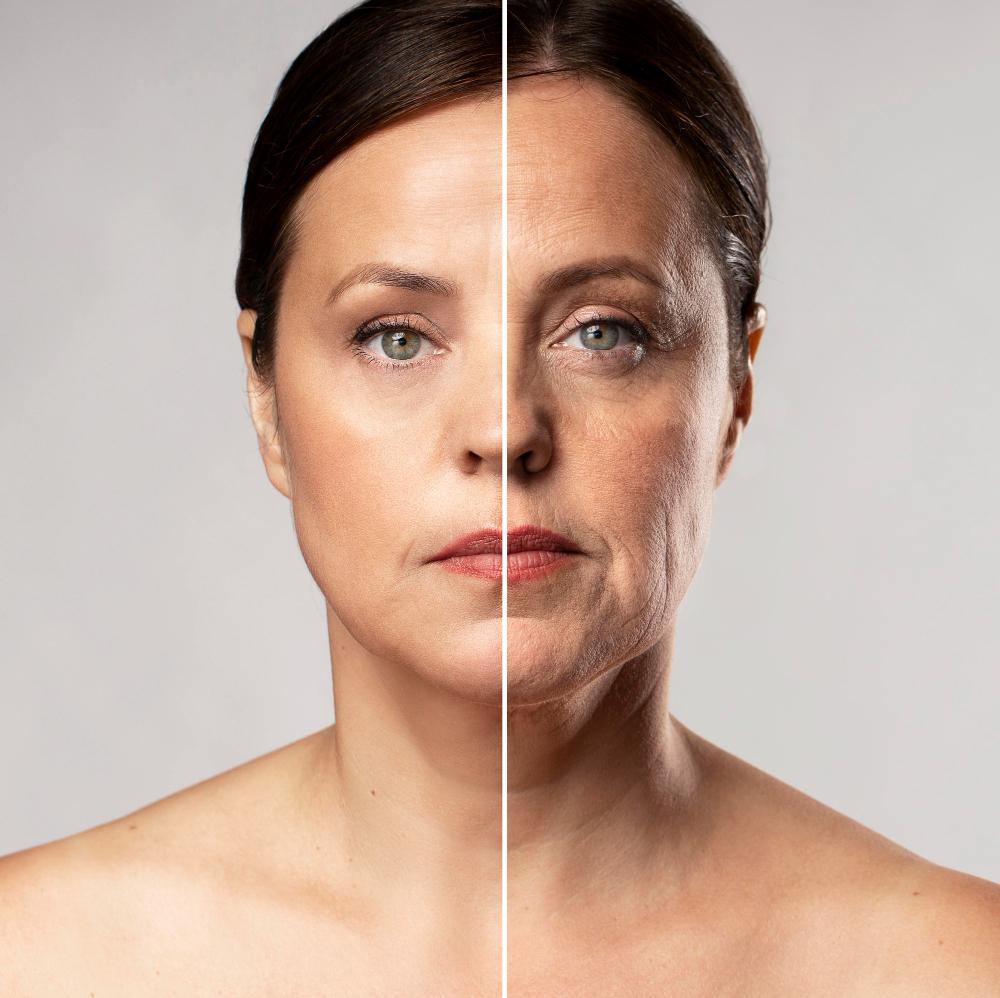
Certain skin disorders aren’t preventable, including genetic conditions and some skin problems due to other illnesses.
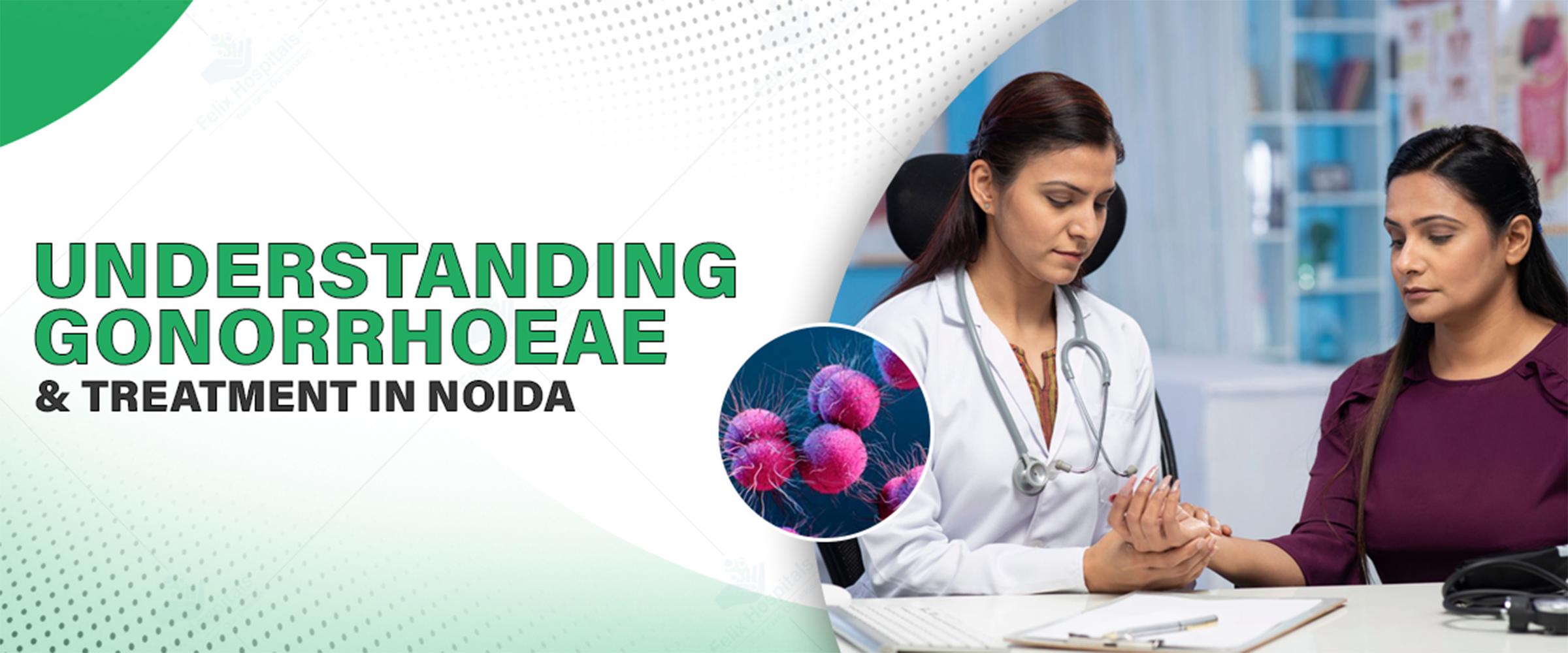
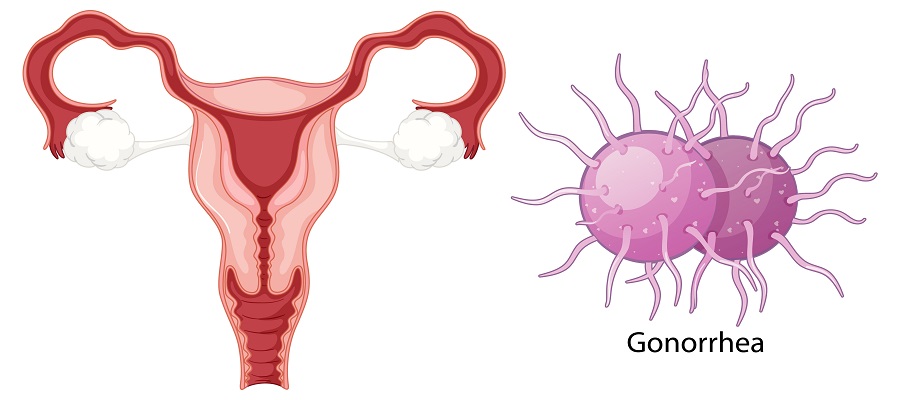
Neisseria gonorrhoeae bacteria cause gonorrhoea, which is a sexually transmitted infection. It infects the throat, rectum, and genital tract, and the main way it spreads is through unsafe sex. Gonorrhoea often has no symptoms, especially in women, so it’s easy to pass the infection without even knowing it. That sneaky part makes regular testing important, especially for those who have had more than 1 sexual partner or past infections.
People searching for Gonorrhoea doctors near me would consult a licensed doctor at the onset to avoid misdiagnosis and incorrect treatment. Best gynecology hospital in Greater Noida can provide private testing, tailored treatment and regular check-ups to help protect your long-term health if you want full sexual health coverage.
Don’t ignore the signs — Book a confidential gonorrhea test at Felix Hospital today. Call +91 9667064100.
Gonorrhea is spread through sexual fluids, vaginal fluid and sperm, and sex (vaginal, anal, oral intercourse). Or by sharing sex toys sans cleaning or the condom barrier. In rare instances, an infected pregnant woman can transmit the disease to the baby during childbirth, creating potentially serious complications for the baby. It is not transmitted through casual contact or from simply being near an infected person, such as hugging, kissing, sharing eating or drinking utensils, or using public restrooms. The bacteria have infected and spread through human-to-human contact with mucous membranes.
There are some risk factors of gonorrhoea as follows:
Age less than 25 years and sexually active
Having more than one/new sexual partners
Inconsistent condom or dental dam use
Previous or existing STI diagnosis
Membership in a network where STIs are prevalent
Awareness of these risks leads to preventive measures, e.g., regular testing and safe sex.
One of the issues with gonorrhea is that it is asymptomatic in women, and even if it does present symptomatically, the symptoms vary based on the site of infection and the anatomy of the patient.
In Both:
Disseminated gonococcal infection (DGI) of joint, heart, or skin
Increased risk of infection or transmitting HIV
If you need Gonorrhea doctors in Noida or need confidential testing, the procedure usually involves the combination of taking medical history, physical examination, and laboratory investigations. The most precise test is a nucleic acid amplification test (NAAT), which detects the DNA of the bacteria.
Urine sample analysis
Cervical swab (female) or urethral swab (male)
Throat or rectal swab if oral or anal infection is suspected
Other existing STIs tests like chlamydia
Gonorrhea screening in Greater Noida can be arranged at short notice, typically with same-day results, which allows for early initiation of treatment.
Gonorrhea can be cured with the proper antibiotics, but one has to do it early. Since antibiotic resistance is increasing, today's treatment is:
Single injection of ceftriaxone (typically)
If suspected co-infection with chlamydia, azithromycin or doxycycline is added
Complete the full course of the drug even if you are feeling better
Do not have sex for at least 7 days since treatment
Educate and treat all recent sexual contacts for the prevention of reinfection
Return for a follow-up test if the symptoms persist
Failure to adhere to treatment regimens can lead to resistant strains, or "super gonorrhea," that are harder to treat. Gonorrhea treatment cost in Greater Noida depends on the severity and duration of the disease before diagnosis was done.
Most people get better in a week of treatment. If the partners are not treated, reinfection is very likely. Steps to guard yourself after treatment are:
Using condoms consistently
Scheduling routine STI tests
Keeping sexual health open to discussion with partners
Prevention Strategies
While abstinence is the only certain preventive measure, safer sex will definitely lower your risk:
Practice condom or dental dam use on all sexual activity
Get tested regularly if sexually active
Avoid sex with symptomatic partners with STIs Clean and cover sex toys when sharing
Get the highest rated STI care with confidentiality, personal and discreet service at Felix Hospital as the Best Gynecologist in Greater Noida in Delhi NCR. Noida provides private and confidential testing services for Gonorrhea, quick test results and evidence-based treatment recommendations. Backed by state-of-the-art lab facilities, private consultation rooms, and patient-centric services, Felix has created a judgment-free and stigma-free environment. Felix also works on prevention and educational efforts to encourage patients to make healthier decisions about their sexual health.
Early diagnosis saves future complications — Consult our gonorrhea specialists in Greater Noida today. Call +91 9667064100.
Gonorrhea is a super common yet serious STI that often remains asymptomatic unless properly diagnosed, which is why sexually active individuals should get checked regularly. Fortunately, gonorrhea can be completely cured with early diagnosis and the right antibiotic treatment, preventing long-term complications such as infertility and chronic pain. If you’re looking for experienced gonorrhea doctors in Noida, visit the Best Hospital in Greater Noida for expert consultation, accurate diagnosis, and prompt management to protect your health and your partner’s well-being.
Q1. Is it possible to get gonorrhoea again after treatment?
Ans: Yes. If you don't treat your sexual partner(s) or have sex with someone who is infected again without protection, you could get infected again.
Q2: How private is gonorrhoea testing at Felix Hospital?
Ans: At Felix Hospital, all STI tests and treatments are completely private and done in private consultation rooms with a focus on the patient.
Q3. What happens if you don't get treatment for gonorrhoea for years?
Ans: If you don't treat gonorrhoea, it can cause infertility, long-term pelvic pain, a higher risk of HIV, and, in rare cases, a life-threatening systemic infection.
Q4. Is it safe for pregnant women to get treatment for gonorrhoea?
Ans: Yes. To keep both the mother and the baby safe, doctors at Felix Hospital give antibiotics that are safe for pregnancy.

Gonorrhea is a common sexually transmitted infection caused by bacteria, leading to symptoms like discharge, pain, and discomfort. Early diagnosis and effective treatment are essential for recovery.
गोनोरिया एक यौन संचारित संक्रमण (STI) है, जो Neisseria gonorrhoeae नामक बैक्टीरिया से फैलता है। यह रोग पुरुषों और महिलाओं दोनों को प्रभावित कर सकता है।

Sexually transmitted infection is one of the significant public health problems. And the bigger problem is people hide sexual dysfunction instead of discussing it.
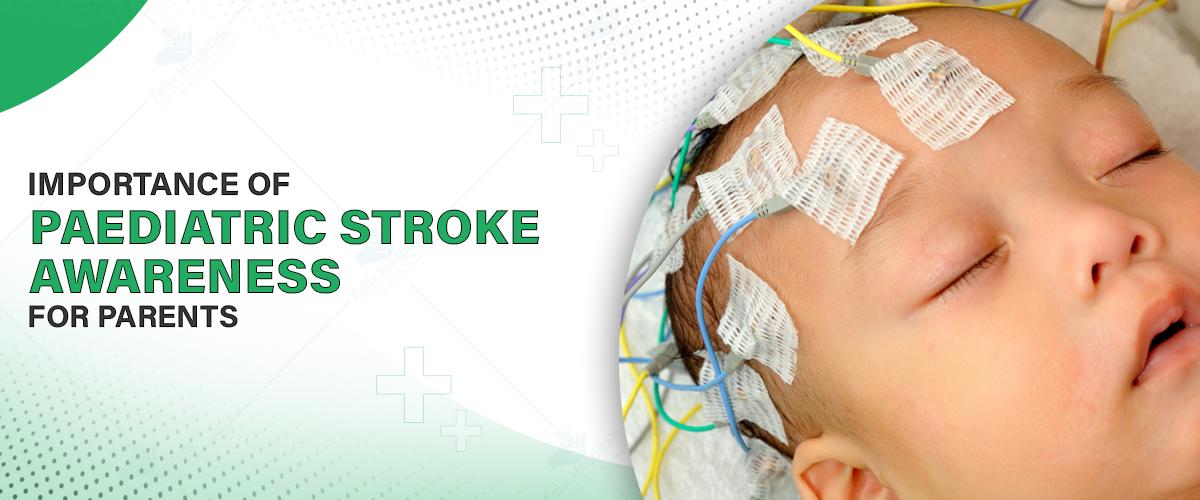
Stroke is commonly understood as an adult health crisis, which is commonly associated with advanced age and lifestyle diseases. However, strokes are possible and do occur in children- between newborns and teenagers. Stroke in childhood is a rare condition, but it may have permanent consequences on the development, behavior, mobility, and wellbeing of a young person. The symptoms and urgency of stroke in children are not known to many parents, resulting in potentially life-threatening delays in treatment and diagnosis.
Being aware of the symptoms and knowing the risk factors enables families to respond promptly and achieve the most desirable results with their children. The current Blog reveals the paramount significance of the stroke awareness in children, the symptoms to observe, causes, diagnosis, and treatment options from the childhood stroke treatment hospital in Greater Noida so that every parent is more prepared to secure the future of their child.
Strokes in children are possible as well and a quicker response saves years of recovery. Call us now at +91 667064100.
A stroke in children is defined as suddenly interrupted blood supply to the brain due to the presence of a blood clot (ischemic stroke) or bleeding (hemorrhagic stroke). The outcome - brain cells become dysfunctional by losing oxygen and nutrients and becoming damaged quickly. Stroke may occur at any age including in pregnancy or within the first few weeks of life. Stroke in children is an emergency, and early identification and treatment is necessary to reduce the impact of the stroke on the child.
A number of antecedents and pre-existing medical disorders predispose children to stroke. Key causes include:
Clotting Disorders: There are children that are prone to clotting in their blood and therefore they are vulnerable to stroke.
CHD: Malformations of the heart may interfere with the normal supply of blood to the brain.
Infections: Infectious diseases such as meningitis or encephalitis can cause inflammation and thrombosis.
Neck Injuries or Trauma: The slightest neck injuries that lead to the tearing of blood vessels can lead to a stroke.
Blood Vessel Disorders: Stroke is more likely to occur due to diseases of blood vessels in the brain.
Sickle Cell Disease: Kids having sickle cell face a high risk of stroke because they have deformed blood cells that clog up blood circulation.
Dehydration: This too can be a contributing factor in severe cases of dehydration, particularly in infants.
Unknown Causes: In some cases, particularly those affecting newborns, the cause is unknown even after a lot of testing has been carried out.
The signs and symptoms of pediatric stroke can be very diverse depending on the age and cause, and in most cases, these are not the same as strokes in adults. Key signs include:
In Babies and Infants:
Seizures (usually in half of the body)
Excessive drowsiness or sleepiness.
Having trouble with feeding or breathing.
Febrile or soft on one side.
Favouring one hand or one foot prior to the age of one.
Late development of motor skills- rolling, crawling, sitting, walking.
The acute headache with or without vomiting.
Poor strength, feelings of numbness or immobility of either side (face, arm or leg).
Eye problems- blurred or double vision or loss of vision.
Poor or slurred speech, language difficulty.
Having a hard time walking, feeling dizzy, or lacking balance.
New onset seizures
Face: Smile is drooping or asymmetrical.
Arms: unable to raise the arms equally.
Speech: Blurred, unintelligible or speechless.
Time: In case any symptom occurs beforehand, call an ambulance.
The problem with childhood stroke is that it is difficult to tell and it is often confused with other nerve diseases or even with normal development. The brain needs oxygen longer, the higher the risk is of irreversible disability or cognitive problems.
Diagnosis usually involves:
Neurological exams
MRI or CT brain scans
Blood and genetic testing
Examinations of heart and blood vessels.
Review of family and birth history.
Early diagnosis and treatment at Hospital in Greater Noida is essential to reducing brain injury and increasing the likelihood of complete recovery.

The treatment varies depending on the cause of stroke, the age of the child and the stroke type. The modern pediatric neurology Hospital in Greater Noida provide:
Early Medical Management: Stabilization, oxygen delivery and acute symptom control are immediate priorities.
Thrombolysis or Clot Removal: In case of ischemic strokes, the dissolution or mechanical removal of clots aids in restoring blood flow.
Supportive Care: The breathing, feeding, hydration, and seizure control.
Physical and Occupational Therapy: Intensive rehabilitation based on the developing brains of children can restore functionality, coordination and milestones.
Speech and Cognitive Therapy: Aids in the restoration of speech, language and learning abilities.
Family Education and Support: Continued guidance is necessary, particularly when parents are on the road to recovery.
The recovery process of each child is individual: the initial and prolonged treatment in a hospital specializing in childhood stroke treatment in Greater Noida has a significant effect on the results.
Although not all strokes are preventable, by:
Surveillance and control of chronic illnesses (congenital heart disease, sickle cell).
Promoting fluid intake particularly during hot climates or sickness.
Timely medical attention to the infection or head and neck injuries.
Listening to developmental milestones and abnormal behaviors.
Keeping family medical history updated and sharing updates with healthcare providers.
With timely and prompt treatment and therapy, many children recover after a stroke. However, some may face:
Motor and movement problems.
Language, speech or cognitive difficulties.
Alterations in behavior or emotion.
Continuing risk of stroke or seizures.
Follow-ups, unique care plans and parents and therapists assistance are crucial towards encouraging the best development.
When your child suddenly feels weak, has problems with his or her vision, or has speech changes, emergency assistance is crucial. Schedule your appointment today by clicking here.
Pediatric stroke is a serious but uncommon emergency that requires immediate attention. With awareness, parents are better equipped to react promptly, pursue higher-level care at a Greater Noida-based childhood stroke treatment facility, and give their children the best chance of recovery and development. Early identification of critical symptoms, understanding child-specific warning signs, and seeking timely medical care create a more secure future for children with the support of the Top Pediatric Neurologist in Greater Noida.
The continuous training of parents, teachers, and medical workers enhances early diagnosis and prognosis. The treatment of childhood stroke in Greater Noida has significantly advanced, enabling children to receive modern therapies and rehabilitation. Families can play an active role in reducing the long-term impact of stroke by staying informed and proactive, ensuring their child receives the best possible care and recovery support.
Q1: What is pediatric stroke and what is the difference between this and adult stroke?
A1: Pediatric stroke is a condition where blood supply to the brain is blocked or a blood vessel ruptures in children under the age of 18 years. It is not similar to stroke in adults in terms of causes, symptoms, and treatments, and children should be treated with specific consideration because their brains are still developing.
Q2: What are the signs of a stroke in young children and babies?
A2: It is characterized by sudden weakness or limpness, on one side, seizures, difficulty feeding, excessive sleepiness, delayed milestones, or limp limbs. Pre-one-year hand preference may also be an indicator.
Q3: What are some of the symptoms that teenagers can exhibit during a pediatric stroke?
A3: Teenagers may report having sudden severe headaches, weakness, numbness or paralysis on one side, difficulty speaking or hearing speech, vision, dizziness or lack of balance.
Q4: What are the causes of the risk of childhood stroke?
A4: It is commonly caused by heart disease in its congenital form, blood clotting disorders, infectious diseases such as meningitis, sickle cell disease, autoimmune disorders, and head or neck injury.
Q5: How does a pediatric stroke get diagnosed?
A5: Diagnosis includes neurological tests, brain tests such as MRI and CT, blood tests, and heart tests. Children need to be diagnosed early at a childhood stroke treatment hospital in Greater Noida to be treated effectively.
Q6: What are the treatment choices that can be offered to the children once they have had a stroke in Greater Noida?
A6: It can be treated with drugs to dissolve clots or to check the bleeding, physical and occupational therapy, speech therapy, and continuous rehabilitation. In Greater Noida, there are specialized childhood stroke treatment hospitals that provide a multidisciplinary approach in the treatment of stroke.
Q7: Is there a prevention of pediatric stroke?
A7: It is not true that all strokes in children can be prevented, but risk can be mitigated by addressing risk factors such as heart or blood conditions, prevention of head injuries, treatment of infections as soon as possible and by keeping the patient hydrated. Early medical attention and awareness is important.
Get immediate, expert care for your child at the best pediatric emergency centers in Noida. Available 24/7, these facilities offer advanced treatment, experienced pediatricians, and specialized care for urgent child health issues.

Search the best hospital for your child in Noida the team of experienced pediatricians is dedicated to supporting parents and guiding children on their journey to a healthy life.
During sleep, the body releases growth hormones, which are essential for a child's growth and development. Adequate sleep is vital for muscle development, tissue growth, and the overall physical health of a child.
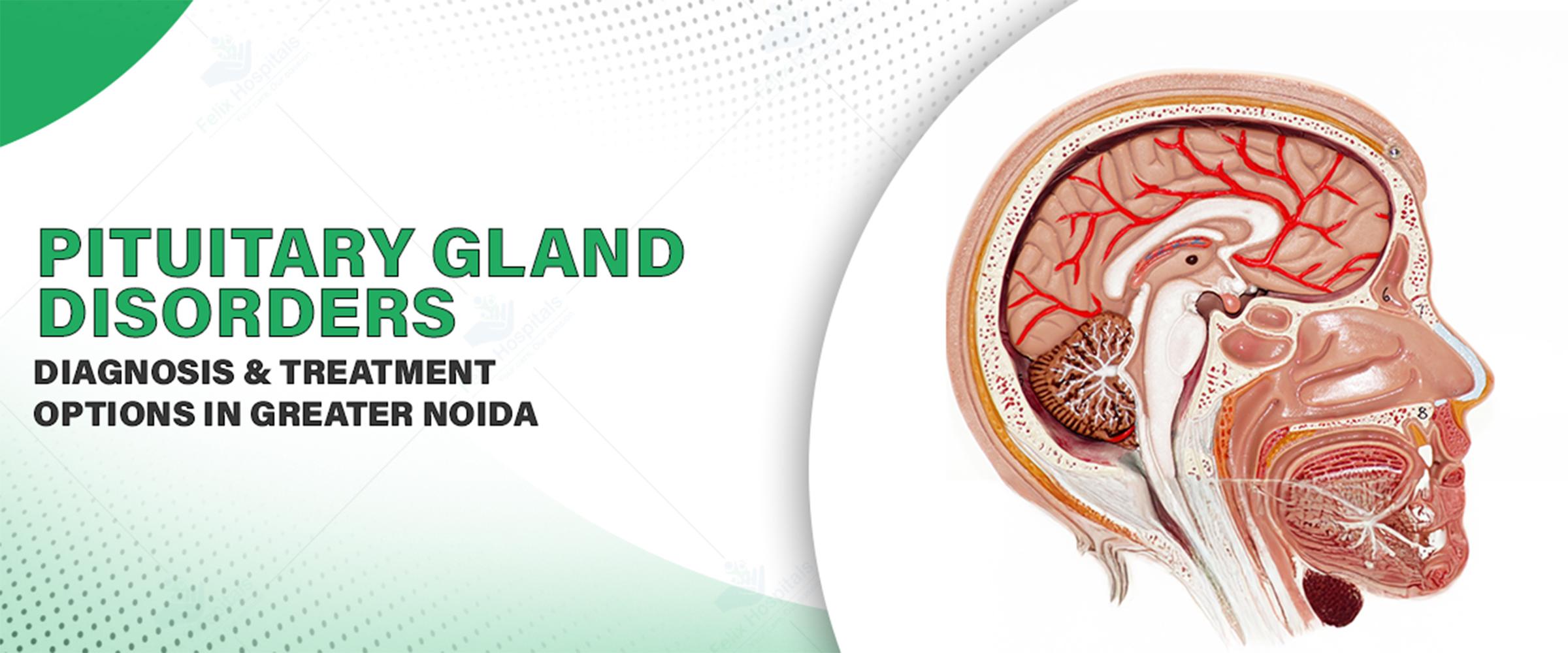
In the case of complicated hormonal disorders, the selection of an appropriate care center is an important issue. A leading Pituitary gland treatment hospital in Greater Noida, offers advanced diagnosis and treatment for pituitary tumors and other gland-related conditions. Having a group of highly skilled endocrinologists and neurosurgeons, focused on delivering accurate hormonal tests, minimal invasive surgery, and patient-centred care. If surgery is required, an expert pituitary gland tumor surgery doctor in Greater Noida ensures safe outcomes with faster recovery and comprehensive follow-up support.
From diagnosis to advanced surgery, Felix offers complete pituitary care. Call +91 9667064100 for expert guidance.
The pituitary gland is a pea size organ that sits inside the sella, a bony structure located in the middle of the head, beneath the brain and behind the nose and sinuses. The pituitary gland is considered the “master endocrine gland” because it produces and releases a number of hormones that control other glands in the body to regulate many biological functions. These hormones include:
Adrenocorticotropic hormone (ACTH)-stimulates the adrenal gland to make the hormone cortisol that is required for response to stress
Antidiuretic hormone (ADH)-regulates water balance in the body
Growth hormone (GH)-regulates growth
Follicle-stimulating hormone (FSH)-regulates production of egg and sperm
Luteinizing hormone (LH)-stimulates release of estrogen in women and testosterone in men
Prolactin-stimulates breast milk production after pregnancy
Thyroid stimulating hormone (TSH)-stimulates the thyroid gland to make thyroid hormone that is essential for regulation of metabolism, temperature and other bodily functions
Because of its location and role in regulating hormones within the body, any abnormality of the pituitary gland can be associated with a wide range of symptoms and disorders. For example, if the pituitary gland grows in size, this can cause pressure on the optic chiasm, a bundle of nerve fibers that communicates information from the eyes to the brain, which can lead to vision issues or headaches.
Pituitary tumors are one of the more common disorders involving the pituitary gland. While these tumors are nearly all benign (noncancerous), they can still lead to hormonal abnormalities, causing increased or decreased hormone production and impacting overall health. Not all tumors will have symptoms, but once they are discovered it is important that the patient undergo a comprehensive evaluation by an expert team to prevent the condition from worsening.
A list of the more common pituitary disorders include:
Functional pituitary adenomas that result in overproduction of hormones
Prolactinoma
Cushing’s disease
Acromegaly
Non-functional pituitary adenomas
Pituitary apoplexy
Pituitary cysts, including Rathke’s cleft cysts
Craniopharyngiomas
Empty Sella Syndrome
Pituitary hormone deficiencies and panhypopituitarism
Diabetes insipidus
Lymphocytic hypophysitis
To know what are the symptoms of pituitary gland disorders? Patients should know that pituitary disorders can have variable symptoms depending on the cause of the disorder. Pituitary tumors, cysts or other growths can cause headaches or problems with vision or in severe cases nausea and vomiting. Low levels of pituitary hormones can cause many symptoms such as fatigue, sexual dysfunction and changes in body composition, appearance or weight.
Conditions that are associated with too much hormone production include:
Acromegaly caused by overproduction of growth hormone that can lead to enlargement of hands and feet among other symptoms
Cushing’s syndrome caused by overproduction of ACTH and subsequently cortisol that can lead to weight gain especially in the abdominal and trunk areas in addition to increased risk for fractures, diabetes, hypertension and other complications
Hyperprolactinemia that can lead to abnormal menses, infertility and sexual dysfunction
Pituitary gland disorders may bring about infertility in all ways possible with the effects they have on hormone production. Pituitary gland disorders manifest themselves by causing headaches, vision impairment, and can lead to loss of libido or hormonal imbalances such as menstrual and impotency in men and women respectively.
Diagnosis of pituitary disorders involves a comprehensive approach that includes a hormonal evaluation by an endocrinologist as well as imaging studies such as MRI scans to evaluate for presence of pituitary gland abnormalities. Depending on the abnormality, patients may require formal evaluation of vision by a neuro-ophthalmologist.
To know how much pituitary tumor treatment costs in Greater Noida, it’s important to consider that treating patients with pituitary tumors in India is generally more affordable, ranging between INR 3.2 and 6.4 lakhs (USD 4,000–8,000). Costs may vary depending on the hospital, surgeon, and type of treatment required. Surgery to remove pituitary tumors through the nose (transsphenoidal surgery) usually requires 4–6 weeks for full recovery, though a hospital stay of 2–4 days is normal. Choosing the best hospital for surgery in Greater Noida ensures expert care, advanced facilities, and better outcomes.
To know how long does recovery take after pituitary surgery you should know that the time taken to recuperate following the surgery of the pituitary gland usually requires a period of 4 to 6 weeks prior to recovery. You are likely to be in the hospital between 2-4 days after surgery. Headaches and a short-term loss in taste and smell may happen, but these conditions should resolve in a few weeks.
The follow-up will be significant, and consultations to check the hormone levels and healing.
Hormones are produced in the pituitary gland and they regulate reproductive functions, and when the gland has a tumor, it would interfere with the production of those hormones. Infertility may have such symptoms as loss of sex drive, impotentia in males and/or loss of menstrual cycle in females.
Pituitary Gland Disorders Affect the body in the following ways:
The tumor itself may cause symptoms (such as pressing on neighboring nerves) or- through hormone imbalances due to tumor:
Eye damage, including temporary visual impairment caused by a pressure on the optic nerves around the eyes.
Hormonal disorders: causing:
Women: Abnormal or no menstrual period, infertility.
Men: Men lose facial hair, breast tissue grows or are impotent.
Both: Lowered sex drive
Weight changes: or the weakness without any known cause.
Nausea
Reduced growth and sexual development: in children.
More thirst: and more frequent urination (when there is an imbalance of saltwater)
Treatment of pituitary disorders often involves collaboration between endocrinologists, neurosurgeons, neuro-ophthalmologists, radiation oncologist and otolaryngologists (ENT). Treatments include surgical intervention, medications, hormone replacement in case of hormone deficiencies and at times radiation therapy.
Struggling with hormonal imbalances or pituitary symptoms? Call +91 9667064100 to consult experts.
Although pituitary disorders might seem to be rare, their effect on the general health is huge. Cases of stress can be successfully treated to lead healthy lives with timely diagnosis and professional treatment. Felix Hospital stands as a trusted Pituitary gland treatment hospital in Greater Noida, providing advanced diagnostic facilities, personalized hormonal therapies, and world-class neurosurgical care. For patients needing surgical intervention, our highly skilled pituitary gland tumor surgery doctor in Greater Noida ensures safe and effective procedures with compassionate follow-up care. By taking Felix, one takes accuracy, skill, and complete healing of every pituitary disorder.
Q1. How long is recovery after pituitary surgery?
Ans: Most patients stay 2–4 days in the hospital and recover in 4–6 weeks. Felix offers close follow-up and rehabilitation for faster healing.
Q2. Can children develop pituitary disorders?
Ans: Yes, children may face growth delays, puberty issues, or hormone imbalances. Felix pediatric endocrinologists provide specialized care for such cases.
Q3. Will I need lifelong treatment after pituitary surgery?
Ans: Some patients may need hormone replacement therapy. Felix Hospital provides ongoing monitoring and personalized medication plans.
The pituitary gland, often called the “master gland,” plays a crucial role in fertility by regulating hormones that control reproductive functions. Call now: 9667064100.
The liver is one of the body's most important organs, It is purifying blood, digesting nutrients, and helps in digestion. Regardless of its strength, the liver is extremely susceptible to being damaged by the habits we lead, infections, and underlying diseases. Being aware of the early signs of liver damage can be the difference between appropriate and on-time treatment and severe complications.
Unfortunately, individuals neglect slight signs, which eventually develop into life-threatening situations. Early detection, on-time diagnosis, and appropriate care are the solutions for keeping the liver healthy and preventing irreparable harm. For individuals who have recurring signs, alternative solutions such as liver damage treatment Noida are specialized and effective.
If you have experienced yellow eyes, or persistent discomfort in the abdomen, don't hesitate—see a surgeon today. Call us now at +91 9667064100.
Liver injury is any condition that impacts the liver's structure and its function. The liver cleanses toxins away, synthesizes protein that is essential in clotting, and stores energy. The liver also governs hormones. As a result of being injured, these important functions are impaired. The loss may be slow, as in that associated with fatty liver disease, or rapid, as in that associated with drug poisoning or viral hepatitis. Eventually, if liver injury is left unchecked, that condition may evolve into cirrhosis, liver failure, or indeed liver carcinoma.
There are various reasons for liver lesions and frequently a mix between disease and personal habits:
Extreme Drinking – The habitual use of alcohol is one of the most common reasons for liver cirrhosis.
Fatty Liver Disease – Common with obesity, diabetes, and high cholesterol, fatty liver disease is growing more common.
Viral Diseases – Hepatitis A, B, and C viruses may result in chronic liver disease.
Medications and Toxins – Overuse of painkillers, certain antibiotics, or exposure to harmful chemicals may harm the liver.
Autoimmune Diseases – Conditions where the body's immune system attacks liver cells.
Lifestyle Variables – Nutritional deficiencies, sedentariness, and smoking are associated with a higher prevalence of liver disease.
Metabolic Diseases – Genetic diseases that affect the body's use of iron or copper could lead to liver disease.
It's challenging to tell if you have liver problems early on, so you have to be careful. The following are some typical red flags presented in question and answer format:
What are signs that a person may be experiencing liver damage?
Weakness, lack of energy, and unintentional weight loss are usually the initial signs.
How Can You Tell if You Have a Hurt Liver?
Symptoms include loss of appetite, nausea, dark stool, and dark urine and may be a sign of liver failure.
Does yellow eye indicate liver damage?
Yes. Yellowing of the eyes or skin (jaundice) occurs when bilirubin builds up in the blood due to poor liver function.
Is itching a symptom of liver disease?
Chronic itching, especially without a rash, could be an indicator for the body building up the bile due to liver scarring.
Other giveaway pointers:
Abdominal bloating or distension
Easy bruising or Bleeding
Swelling in the legs and ankles
Dizziness or memory problems in the later stages
If neglected, liver inflammation may lead to severe complications:
Cirrhosis – The liver scarring that cannot be reversed and destroys liver function.
Liver Failure – It is a terminal condition in which liver is unable to carry out its significant roles.
Liver Cancer – Chronic liver disease enhances the proneness for the occurrence of hepatocellular carcinoma.
Systemic Problems – Accumulations of fluid, problems with bleeding, and brain compromise from toxin accumulation.
Early detection of liver injury is important. Doctors perform various tests to verify the health of a liver:
Blood Tests – To check blood levels of liver enzymes and bilirubin.
Imaging — Ultrasound, CT and MRI scans show structural defects.
Liver Biopsy – Provides quantitative information regarding the damage severity.
Fibroscan – A newer non-invasive test for picking up liver firmness.
For patients needing specialized care, the facility liver damage treatment Noida offers expert opinions, diagnostic services and customized therapy options.
Treatment of liver damage varies according to the precise cause and when it is caught:
Medications — Antiviral medications for hepatitis, drugs to treat autoimmune liver disease and anti-inflammatory drugs.
Modify Your Lifestyle – Eat three meals a day, have safe sexual activity, and don't drink or smoke.
Nutritional Support – Vitamins and minerals in the context of deficiencies.
Advanced Treatments – In the most extreme cases, a surgery or liver transplant could be necessary.
Integrative Medicine – Learn yoga and other integrative therapies which can help you deal with stress and improve your health.
Because many liver diseases are caused by lifestyle choices, it is quite possible to avoid them:
Consume a healthy and balanced diet of fruits, vegetables, and lean proteins, less sugary, and processed food.
Keep a normal weight to cut the risk of fatty liver. Be vaccinated against hepatitis A and B.
Practice proper hygiene and don't share needles or personal items.
Get regular check-ups with a healthcare provider, especially if you have diabetes, high cholesterol, or a family history of liver disease.
The liver operates unobtrusively to facilitate thousands of essential life functions, yet its health is often ignored until the indications become extreme. From tiredness and itching skin to yellow eyes and a bloated stomach, these are indications that should never be neglected. Identifying the early signs of liver impairment, seeking timely diagnosis, and starting therapy promptly may avert life-threatening complications. Changes in lifestyle, medication, and referrals to specialists at Super Speciality Hospitals Near Noida can help manage more severe liver diseases effectively.
Keep in mind, the sooner you take steps toward liver care, the more likely you are on the path to recovery. Your liver condition has a direct impact on your overall well-being – safeguard it now for a healthier future.
Don't neglect liver symptoms. Consult a physician at the earliest and take preventive steps for optimum liver maintenance. For expert guidance, contact us at +(91) 96670 64100.
Find the links below:
Check the links below:
Q1. Early signs of liver damage include liver disease and liver failure.
Ans: Weakness, feeling sick, and yellowing skin or eyes are typical initial signs.
Q2. How would you be aware if your liver is hurt?
Ans: Blood and imaging can make a diagnosis, but nobody should overlook itching, bloating, or dark urine color.
Q3. Can liver impairment be detected early?
Ans: Yes, routine tests and liver function tests may show damage prior to worsening of symptoms.
Q4. Does yellow eyes predict liver damage?
Ans: Yes, it almost invariably means jaundice, an indication for inadequate liver function.
Q5. Does itching result from liver disease?
Ans: Chronic itching can be a sign of bile salt accumulation from liver problems.
Q6. What causes the most liver damage symptoms?
Ans: Drinking alcohol, hepatitis infections, fat liver disease, and obesity are the top causes.

Discover 11 expert tips to prepare for labour and delivery.

Jaundice Diet: Learn which foods support liver health and which to avoid for faster recovery.
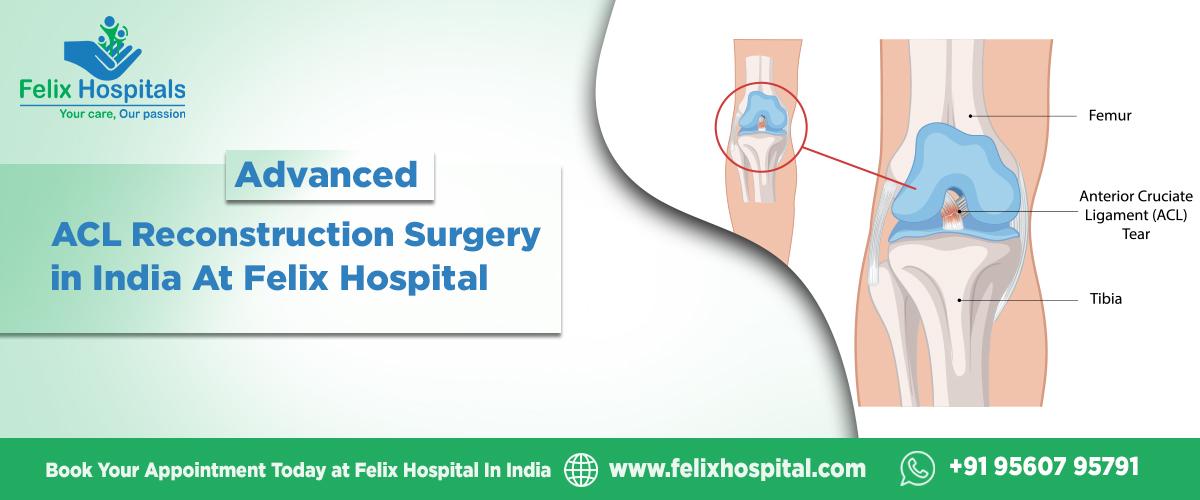
Felix Hospital, Noida, India, is one of the best ACL reconstruction surgery hospitals in India. We provide unmatched patient care and hospital experience for ACL reconstruction surgery in India. We have top specialists and cutting-edge technology available under one roof, ensuring quality treatment for patients.
Experienced Team - We have highly skilled Felix Hospital, Noida, India specialists with over 20 years of experience.
Clinical Excellence - We have proven experience in handling even the most complex cases with precision and accuracy.
Cutting-Edge Technology - We have the latest technologies to diagnose and treat cases using unconventional methods.
Personalized Care - At Felix Hospital, Noida, India, we provide quality treatment tailored to each patient's individual needs to ensure personalized care.
Strict Infection Control - We follow strict infection control protocols to prevent complications.
Schedule ACL Surgery at Felix Hospital, Noida India Call Us: +919560795791 And WhatsApp +919560795791 us now. Our team will help you book the best treatment and arrange your medical visa hassle-free.
If you're looking for the best hospital for ACL surgery in India, your search for the best ACL reconstruction surgery hospital in India ends here.
Felix Hospital is one of the best ACL surgery hospitals in India, offering all orthopedic, joint replacement, and sports surgeries performed by India's most experienced and best orthopedic surgeons. We are a rapidly growing, 500+ bed dedicated orthopedic surgery hospital in india equipped with all the modern and latest orthopedic facilities and state-of-the-art infrastructure for performing orthopedic surgeries in India.
Felix Hospital is a one-stop solution for all your orthopedic problems. We are a rapidly growing independent best orthopedic hospital in India, serving a large population across the country and working with highly experienced orthopedic surgeons. The following features make Felix Hospital a reliable and trusted orthopedic facility in India:
Choosing Felix Hospital for your ACL surgery means entrusting your care to experienced surgeons who truly understand your needs. We use the latest technologies to ensure your surgery is safe and your recovery is speedy. From personalized treatment plans to guided rehabilitation, our team is here to help you get back on your feet and enjoy life without limitations.
Injuries are a common aspect of life, and the knee joint plays a vital role in balance, movement, and stability. A sudden sprain or fall while playing sports, running, or slipping can tear the ACL, a major ligament in the knee joint. Whether it's a sudden fall or sprain, it not only causes discomfort but also impacts your self-confidence and overall health, making even simple activities challenging. However, when the knee loses its stability, that's not the end. ACL repair at Felix Hospital is a way to regain strength and walking ability.
At Felix Hospital, we understand your difficulty walking or getting up from a chair due to an ACL injury. That's why our expert team of orthopedic surgeons is dedicated to restoring your ability to walk with confidence through advanced anterior cruciate ligament (ACL) reconstruction surgery.
ACL surgery involves replacing the torn ligament with a new tendon, called a graft. This helps stabilize the knee and restore full range of motion. The type of graft used depends on the patient's age, activity level, and personal preferences. There are three main types of grafts used in ACL surgery:
Autograft surgery uses a tendon from another part of the body, such as the hamstring tendon, peroneal tendon, or patellar tendon.
This is your own tissue; it is less likely to be rejected and usually heals well.
This option is often recommended for young, energetic people or athletes.
This type of graft is obtained from a donor, usually a deceased person, and is properly sterilized to ensure its safety.
Allografts are an excellent option for those who do not want to use their own tissue or who are undergoing a revision procedure.
No tissue is removed from your body; recovery may be slightly faster. However, allografts are not readily available in India.
Artificial materials such as carbon fiber or Teflon are used to replace the damaged ACL.
Synthetic grafts are less common; however, they may be possible in some situations where biological grafts are not suitable.
Although progress is being made, experts are still searching for the most durable material for long-term success.
People with knee instability (whose knee often gives out during everyday activities)
High-performance athletes who need stability and want to return to their sport
People with related knee injuries, such as a torn meniscus, may benefit from ACL repair.
If symptoms persist despite therapy and physical therapy, surgery may be the next step.
ACL reconstruction surgery repairs a torn ACL, allowing you to regain knee stability and mobility. Although not everyone with a torn ACL needs surgery, it is often recommended for those who are particularly active or who are experiencing persistent difficulties.
ACL surgery may be necessary for:
Active people who want to resume sports or physical activities.
Young people who need a stronger knee for their lifestyle.
People who suffer from discomfort and instability that does not respond to rest or therapy.
This procedure stabilizes your knee, relieves discomfort, and allows you to move around and enjoy everyday activities without the fear of the knee failing.
The procedure begins by preparing the patient under general or local anesthesia (depending on your surgeon's decision) and lasts approximately 2 hours or less. The procedure involves three steps.
An incision is made to remove the tendon and prepare it for an autograft. If it is an allograft, the procedure may take less time.
Several small holes are made for the arthroscope and surgical instruments.
The graft is passed through bone tunnels and implanted into the femur and tibia.
After the incisions are closed with stitches, a sterile dressing is applied and the patient is kept under observation in the recovery room for at least two hours.
After surgery, care must be taken to prevent blood clots from forming in the legs, especially at the surgical site. Severe pain in the back of your shin is a sign of a clot. To prevent such clots and facilitate flexibility and recovery, please follow these steps.
Move your ankle up and down an average of 10 times every 10 minutes to improve blood circulation. Continue this exercise for at least 2-3 days after surgery.
For the first 3-5 days, keep your leg elevated at at least a 45-degree angle on a cushion or pillow that is at least 12 inches above your heart level.
Avoid placing pillows behind the knee; instead, place them under your heel and shin.
Take medications to relieve pain and fever during the first week after surgery.
Gradually begin bending your knee with the goal of achieving full 90-degree range of motion within a week.
Sponge baths are recommended until the stitches are removed.
The doctor will learn the patient's personal and family medical history.
To ensure they are fit for the procedure, the patient will need to undergo lab, diagnostic, and imaging tests.
The doctor may start or stop certain medications before the procedure; they will also ask what the patient is currently taking.
It is recommended that the person quit smoking a few weeks before the procedure as it can interfere with healing.
Exercising regularly before the procedure can help with post-operative healing.
Prolonged, persistent pain.
Graft failure.
Graft failure.
Blood clots.
Complications related to anesthesia.
Damage to blood vessels.
Restores knee stability and function.
Reduces knee pain and swelling.
Improves range of motion and flexibility.
Facilitates return to sports and other physical activities.
Prevents further knee injuries and degeneration.
Improves overall quality of life.
Felix Hospital provides comprehensive support to international patients seeking orthopedic care, ensuring a seamless and stress-free experience from treatment planning to recovery. We assist you by:
Medical Document Review: Our team reviews your medical records to understand your needs and create a treatment plan.
Treatment Planning: We create a personalized care plan tailored to your specific gastroenterological condition.
Cost Estimates: We provide transparent cost estimates to help you plan financially.
Visa Assistance: We assist with medical visa for india requirements and provide documents to support your medical travel, including a medical visa invitation letter.
Yes - you'll need to walk with crutches for a few weeks. Your doctor will tell you when it's okay to walk independently without support.
If people complete their physiotherapy correctly, most people return to sports within 6 to 9 months.
You can stand on your feet and walk with crutches the next day.
This varies depending on individual circumstances. It can take anywhere from weeks to months. Progressive rehabilitation is essential for consistent recovery.
Although prevention is not guaranteed, you can take some steps to reduce the risk. Certain muscle-strengthening exercises and training programs can help.
ACL surgery is a minimally invasive surgery performed using an arthroscope. The pain after surgery is minimal and can be easily managed with simple painkillers, ice packs, and limb elevation. As the rehabilitation process progresses, the need for painkillers decreases.
The cost of ACL surgery can vary widely depending on factors such as geographic location, surgeon's fees, anesthesia fees, hospital fees, and rehabilitation costs.
ACL surgery typically lasts between 30 and 45 minutes. It's important to note that the duration of surgery is not necessarily an indication of its success or effectiveness.
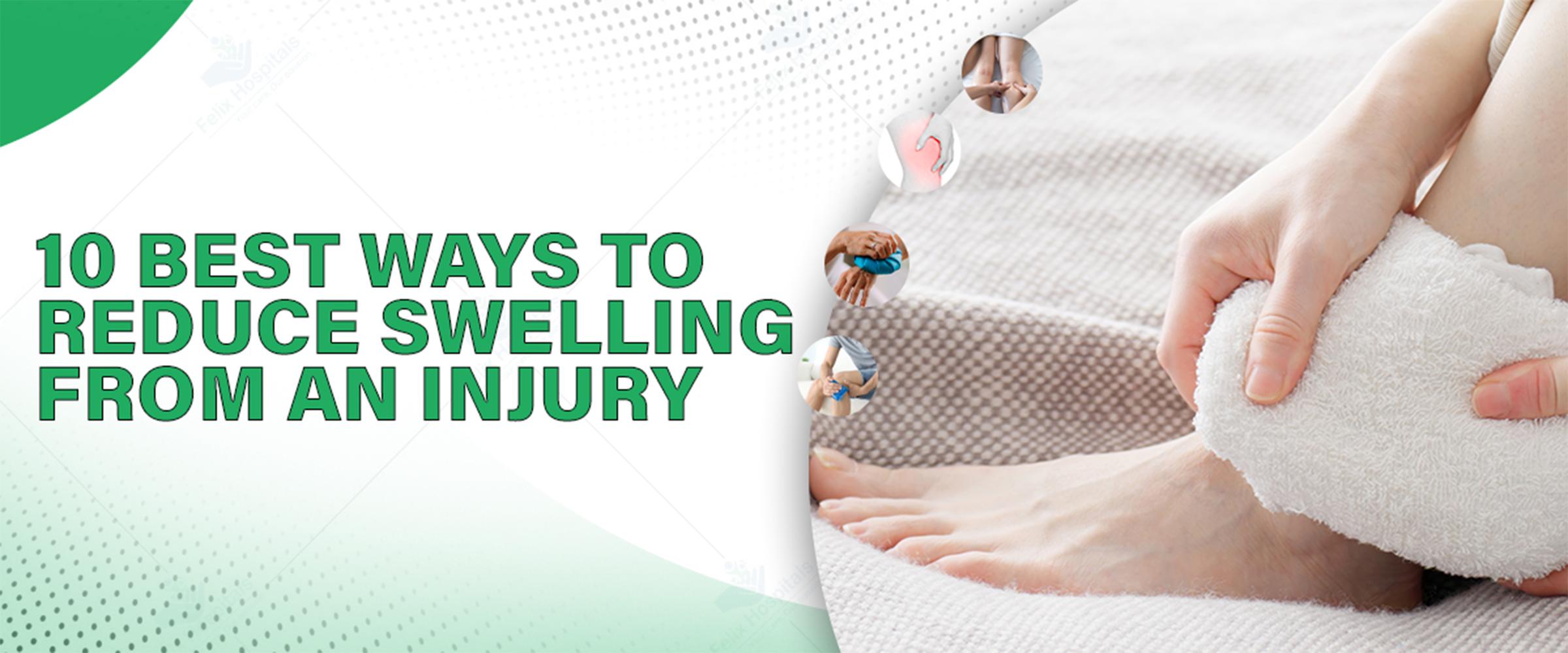
Swelling is a usual reaction the body presents after an injury, no matter if it is from sports accidents or everyday accidents. It may appear like it is trivial but is painful, limits mobility, and prolongs healing if left unchecked. Many people are looking for quick and effective ways to reduce swelling from injury. The great thing is that swelling can be treated at home if done appropriately; however, in certain instances, professional assistance may be necessary. If swelling is too much or is not alleviating itself, visiting a doctor for swelling after injury in Noida guarantees timely, appropriate guidance and treatment.
If you or a family member is experiencing swollen pain due to an injury, don't hesitate. Feel free to contact us at +91 9667064100.
Swelling is the body's protective reaction to injury. Leaking of white blood cells and blood vessels into the site of injury is how damaged tissues are responded to in order to heal. This leads to puffiness and warmth and often redness of the site. Moderate swelling is usually fleeting but neglect may lead to stiffness, limited movement, or internal fractures. The ability to properly treat swelling after injury is essential in allowing fast healing and avoiding long-lasting damage.
One of the easiest treatments to reduce swelling from injury is to rest. Not using the injured part allows it to avoid overstraining and to heal on itself. Overstraining will make the swelling worse and hinder healing, so give the injured part enough rest.
Cold therapy is one of the fastest methods to rapidly reduce swelling. Apply an ice pack 15-20 minutes several times within a few hours in the first 48 hours to slow down blood flow, relieve pain, and lower swelling. Never apply ice to the skin directly to avoid causing burns.
Raising the injured site above the individual's heart will allow fluid to be flushed off the site. The pressure and pain are reduced and swelling is automatically lessened. For instance, if an ankle is injured, elevating the leg on pillows upon resting will make a huge difference.
The compression bandages or wraps support the injured site and do not allow excess fluid to accumulate. Compression is equally beneficial in rapid recovery. The bandage must never be too tight so as to restrict blood supply.
Too few recognize the importance of hydration in recovery. Perhaps the easiest natural tip to deswelling is to drink ample amounts of water to purge the body of toxins and ensure healthy blood flow. The very condition of dehydration will in itself escalate inflammation, so be liberal in drinking at frequent intervals.
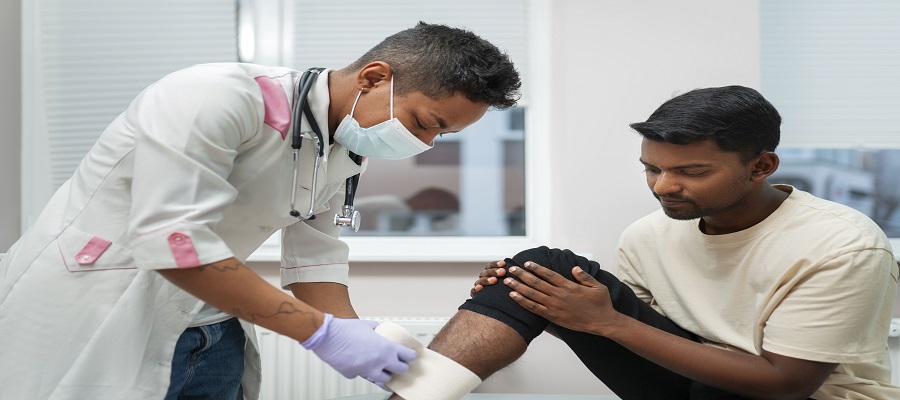
Once initial swelling subsides, massage in the immediate area in gentle strokes might enhance blood circulation and minimize fluid accumulation. Gentle stroking upwards might stimulate drainage but never exert pressure upon the swollen spot. Massage is always to be light and ideally guided.
Your diet is crucial in recovery. Omega-3 rich foods, turmeric, ginger, and green vegetables are natural cures for inflammation due to injury. Omega-3 and turmeric and ginger and green vegetables lessen inflammation while boosting the immune system and accelerating healing.
Occasionally, swelling might bring extreme pain and may need further alleviation. Medicinal over-the-counter anti-inflammatory drugs may come in handy but are to be administered at the doctor's discretion. For long-standing swelling, attending a swelling treatment hospital in Noida is the safest bet.
While ice is ideal on the initial few days, a warm pack is best once the initial swelling has been alleviated. Heat therapy elevates blood flow, reduces stiffness, and accelerates tissue repair. This is very effective in muscle-based injuries.
If swelling is not alleviated by home therapy, professional assessment is required. The unknown fractures, ligamentous injuries, or infections are the possible causes. Prompt treatment and diagnosis avoid complications and healing.
With these best ways to reduce swelling fast, inflammation is decreased in addition to improving comfort and mobility. Use of proper techniques decreases healing time, reduces the risk of complications, and regenerates strength naturally. Households in Noida are guaranteed advanced medical facilities when home treatments are inadequate to provide safe and efficient recovery in all age categories of patients.
Swelling in an injury is to be expected, but it should never be ignored. It is the healing process of the body itself, yet lingering or excessive swelling at times is an underlying issue such as a pulled ligament, bone break, or an infection. That is why it is essential to recognize how to reduce swelling in an injury—not only to have less pain but to prevent long-term damage.
By following set procedures like rest, application of ice packs, compression, proper hydration, and a balanced diet, swelling is best managed at home in most cases. At the same time, incorporation of natural remedies and close observation facilitates fastest recovery. However, if swelling refuses to reduce or keeps on worsening, it is a sign where professional evaluation is necessitated. Seeking treatment at a Multispeciality Super Speciality Hospital in Noida ensures underlying issues are detected in time and properly managed, providing expert care for safe and effective recovery.
Don’t be hindered by an untreated injury. Schedule your appointment by clicking here or call us at +91 9667064100.
Q1: Until when will the swelling typical after an injury?
Ans: Mild swelling might clear up in a couple of days, but in certain instances of very severe injury, it might take weeks.
Q2: What is the quickest way to get swelling down?
Ans: The fastest and best treatment is the RICE approach—Rest, Ice, Compression, Elevation.
Q3: Can I apply heat therapy on the same day of injury?
Ans: No, if used in the first 48 hours. Afterwards, however, warming to stimulate healing may be employed.
Q4: Are home treatments always effective on swelling?
Ans: Home treatment is helpful in mild cases. For recurrent swelling, professional treatment is necessary.
Q5: What are the natural anti-inflammatory diet?
Ans: Turmeric, ginger, green leafy greens, and omega-3 rich fish are a great anti-inflammatory diet.
Acute Kidney Injury: Causes, Symptoms, and Treatment explores the sudden deterioration of kidney function, which disrupts the body’s ability to filter waste and regulate fluids.
A spinal cord injury occurs when there is damage to the spinal cord, often resulting from trauma, disease, or degenerative conditions.
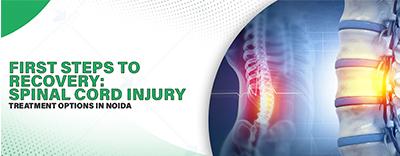
Explore advanced spinal cord injury treatments in Noida. Discover expert care, modern rehabilitation, and hope for recovery with top neurologists and orthopedists.
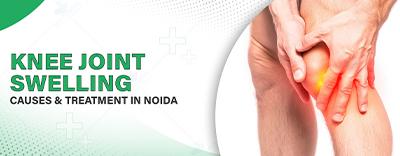
Knee swelling treatment in noida is readily available in special orthopedic centers where they can be treated , which provide a comprehensive cure to all knee issues. In case you are seeking the services of a doctor for knee swelling in noida
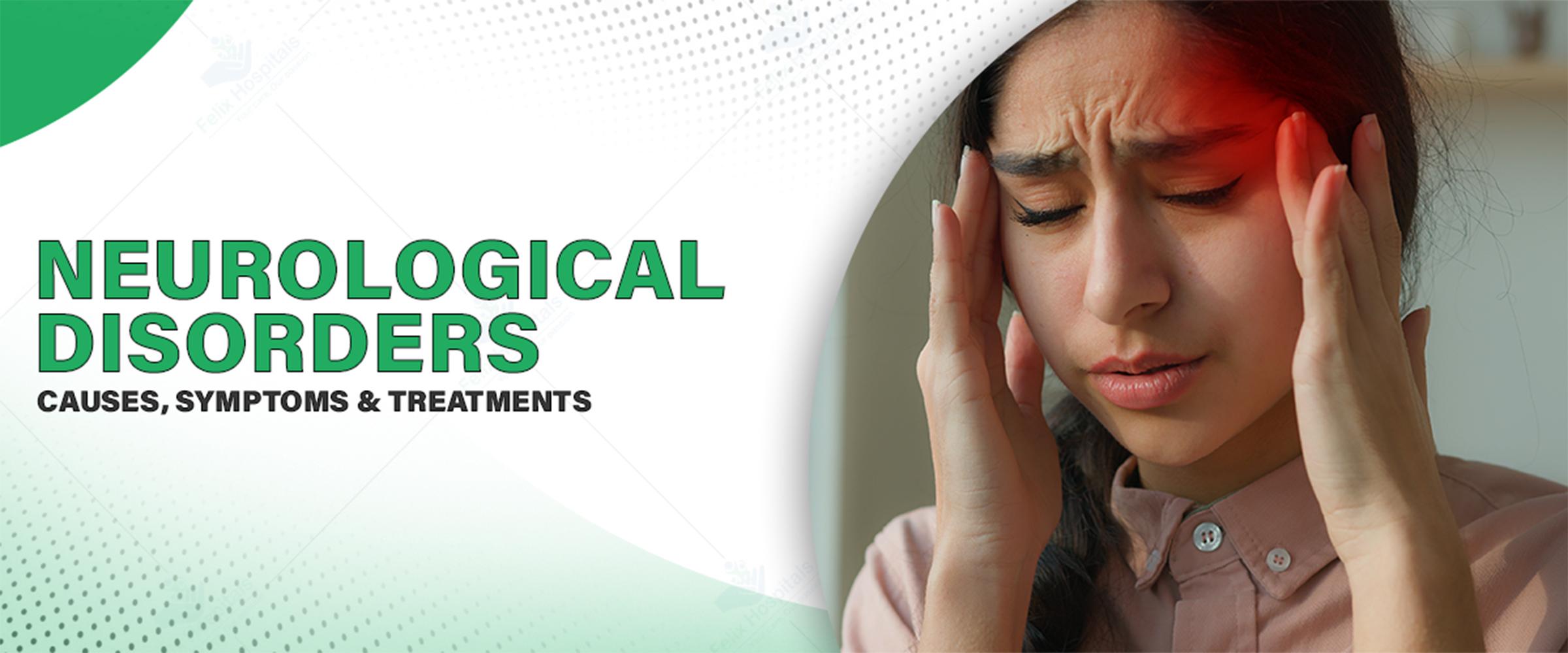
The human brain and nervous system are in charge of all movement, thinking, and feelings in our body. When anything goes awry in this intricate system, it may affect daily life in ways large and small. From memory slips to total mobility problems, neurological problems are often challenging to grasp and to treat.
People always ask about "What are neurological disorders?" and how to recognize their initial onset symptoms. The diagnosis and treatment at an early stage are highly necessary to improve recovery and standard of life. Obtaining consultations from specialists at the Best Brain & Neurology Hospital in Noida enables patients to receive the right treatment at the right time.
If you or your family member suffers from recurring headaches, memory loss, or involuntary muscle weakness, call us now at +91 9667064100.
Neurological disorders are problems within the brain, spinal cord, and nerves that involve problems in how the internal organs of the body communicate. Neurological disorders are either sudden (acute) or long-standing (chronic), ranging from headache to life-threatening stroke.
Some of these are as follows:
Alzheimer's disease and dementia
Parkinson's illness
Seizures and epilepsy
Migr
Stroke
Multiple Sclerosis
Neu
Knowing what are neurological disorders is the first step toward accessing timely care by the patient and their family.
None of the neurological issues has one cause. Rather, each is the outcome of several causes:
Genetic predisposition – Others such as muscular dystrophy or Huntington's disease are inherited.
Infections – The nervous system may be injured by meningitis, encephalitis, and HIV.
Traumatic injuries – The head or spinal injuries could bring about long-term neurological symptoms.
Lifestyle elements – Poor nutrition, stress, cigarettes, and alcohol misuse increase the risk.
Vascular issues – Reduced blood to the brain could result in strokes and other problems.
Degeneration with age – Aging may naturally occur in cells of the nerves and cause Parkinson's or dementia.
Knowing what triggers neurological disorder helps patients to prevent it and minimize the risk wherever possible.
Some symptoms are:
Symptoms will be specific to the condition but might be:
Severe or frequent headaches
Sudden vision disturbances
Memory loss or confusion
Seizures or fainting fits
Loss of balance or co-ordination
Tingling, numbness, or muscle weakness in limbs
Difficulty speaking or communicating articulate speech
If left untreated, these symptoms can worsen. Patients often wonder, “How is neurological disorder diagnosed?” Early testing, including brain scans, blood work, and neurological exams, can detect issues before they progress.
The condition has a number of steps to diagnose the cause of the condition and its severity:
Neurological test- Reflex, muscle strength, balance, and memory are all checked by doctors.
Imaging examinations MRI or CT scan may reveal abnormalities of the brain and the spinal cord.
Abnormalities are detected by electrodiagnostic tests EEG (brain activity) or EMG (muscle activity).
Blood tests -These provide details of infections and metabolic issues.
Lumbar puncture (LP) – Sometimes to investigate cerebrospinal fluid.
Etiological diagnosis is the cornerstone to appropriate personalized and effective treatment.
Not all symptoms are an emergency but certain conditions are an immediate necessity. The patient must seek immediate assistance if he or she feels:
Abrupt paralysis or weakness (probable stroke)
Severe, unexplained headaches
Seizures longer than 5 minutes in duration
Serious loss of speech or vision
Loss of consciousness
Recognizing when an emergency is a neurological disorder is important and in some cases life-saving. Prompt treatment often reduces long-term damage and increases recovery chances.
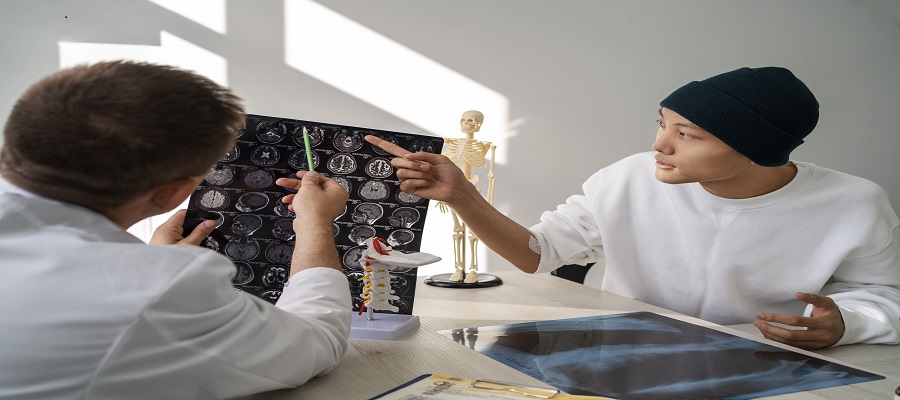
Treatment depends on the disorder and its severity. Typical treatment includes:
Prescription medication – To address symptoms such as seizures, pain or tremors.
Operation – For tumors, aneurysms or other potentially fatal forms of epilepsy.
Cognitive therapy – very useful in cases of memory disorder or dementia.
Lifestyle modifications – Diet and exercise of a healthy nature slow progression.
Expertise at the best neurosurgeons in Noida guarantees patients are given individualized treatment featuring a balance of medical and surgical and supportive treatment.
One of the neurologic issues to be faced is dementia. Families will be at a loss as to how to support their family member. Helpful caring tips are:
Having a safe space – Clear out anything in the path.
Creating routine – Structured timetables alleviate anxiety and confusion.
Promoting communication – Communicate using simple words and talking slowly and patiently.
Stimulation of mental processes – Activities such as puzzles or music may improve mental processes.
Procuring professional help – Regular checkups and counseling lower caregiver stress.
Knowing how to deliver caring service to a patient with dementia ensures a better quality of life in patients and carers.
Don't overlook residual neurological symptoms. Prioritize brain health today and talk to an expert to be in charge of your well-being.
Neurological conditions are intricate but recognition at an early stage and prompt treatment are all it takes. From what leads to neurological conditions to how a neurological disorder is treated, prevention and Neurological treatment in noida all begin at awareness. For comprehensive care, consulting the best hospital in Noida ensures expert guidance, advanced diagnostics, and effective treatment for better recovery and long-term neurological health.
Q1. Which are the world's most frequent neurological conditions?
Ans: Stroke and Alzheimer's are the most common. Others are migraine and epilepsy.
Q2. Do lifestyle changes treat neurological diseases?
Ans: Yes, exercise and a balanced diet, non-use of tobacco products, and blood pressure control lower risk.
Q3. How long will diagnosis of neurological disorder take?
Ans: It depends on the condition. Some may be diagnosed in one visit, while others require multiple tests and monitoring.
Q4. Do neurological disorders exist in young ones?
Ans: Yes, these types of diseases like epilepsy, multiple sclerosis, and migraine may appear even in children or teenagers.
Q5. Is each neurological disorder always irreversible?
Ans: No. Some issues such as some infections or traumatic problems will get better with treatment.
Recognizing neurological warning signs early can be life-saving. Learn when symptoms like frequent headaches, dizziness, memory loss, or numbness mean it’s time to consult a neurologist.
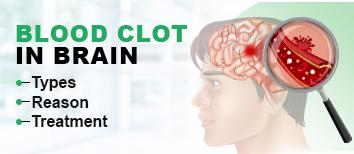
Blood clot in the brain is a serious condition causing sudden neurological symptoms and requires immediate medical treatment.

Sciatica Nerve Pain can cause sharp, shooting pain that radiates from the lower back to the legs. It often results from a herniated disc or spinal issues pressing on the sciatic nerve.

Subscribe to our
© Copyright 2026. All Rights Reserved by Felix Healthcare Private Limited
Design and development by :


 +(91)9667064100
 Emergency : +(91)9667064100