 WhatsApp
 Emergency:
  WhatsApp






Subscribe to our
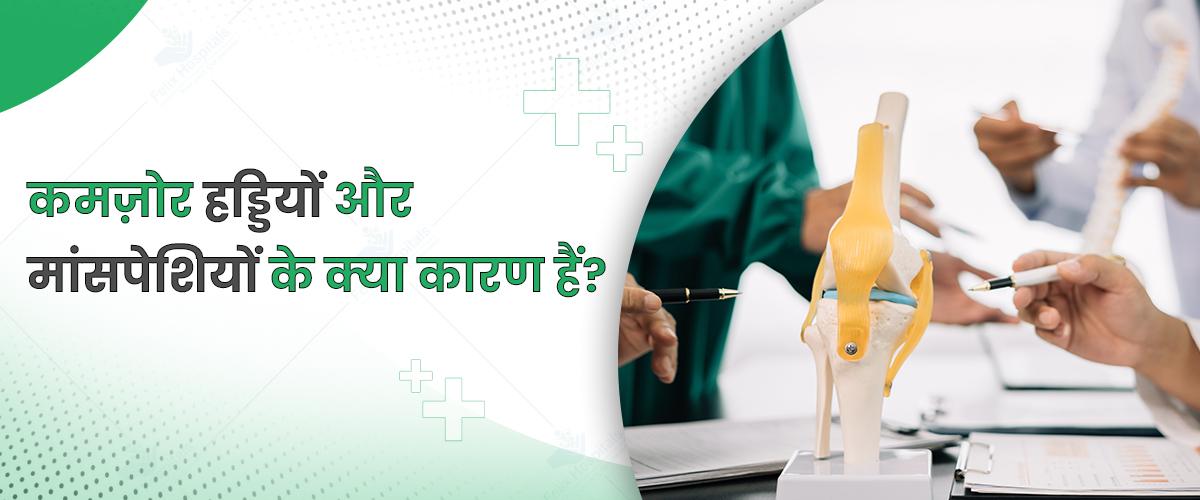
हमारे शरीर की असली ताकत हड्डियों और मांसपेशियों में छिपी होती है। ये ही हमें चलने-फिरने, काम करने और हर गतिविधि में सहारा देती हैं। लेकिन आजकल बदलती जीवनशैली, खानपान की ग़लत आदतें और बढ़ती उम्र के कारण हड्डियाँ और मांसपेशियाँ (muscles) समय से पहले ही कमजोर होने लगी हैं। अक्सर लोग छोटी-मोटी थकान, जोड़ों में हल्का दर्द या मांसपेशियों में खिंचाव को नज़रअंदाज़ कर देते हैं, लेकिन यही संकेत आगे चलकर गंभीर बीमारियों का कारण बन सकते हैं।
हड्डियों और मांसपेशियों की कमजोरी सिर्फ बुज़ुर्गों में ही नहीं, बल्कि युवा और बच्चों में भी देखने को मिल रही है। लंबे समय तक बैठकर काम करना, जंक फूड का सेवन और धूप की कमी से भी यह समस्या तेजी से बढ़ रही है।
क्या आपको भी लगातार हड्डियों में दर्द, थकान या चलने-फिरने में दिक्कत हो रही है? आज ही कॉल करें + 91 9667064100.
हड्डियों की मजबूती कई फैक्टर्स पर निर्भर करती है। जब शरीर को पर्याप्त पोषण या सही जीवनशैली नहीं मिलती, तो हड्डियाँ धीरे-धीरे कमजोर होने लगती हैं।
कैल्शियम और विटामिन D की कमी
लंबे समय तक फिजिकल एक्टिविटी का न होना
धूम्रपान और शराब का सेवन
हार्मोनल बदलाव (खासकर महिलाओं में रजोनिवृत्ति के बाद)
उम्र बढ़ना
कुछ बीमारियाँ जैसे ऑस्टियोपोरोसिस और थायरॉइड डिसऑर्डर
हड्डियों की कमजोरी का सबसे बड़ा कारण कैल्शियम और विटामिन D की कमी है। कैल्शियम हड्डियों का मुख्य घटक है और विटामिन D इसके अवशोषण में मदद करता है। जब शरीर को यह दोनों पोषक तत्व पर्याप्त मात्रा में नहीं मिलते, तो हड्डियाँ पतली, कमजोर और आसानी से टूटने वाली हो जाती हैं। यही वजह है कि बच्चों और महिलाओं में हड्डियों से जुड़ी समस्याएँ अधिक देखने को मिलती हैं।
विशेषज्ञों के अनुसार, समय पर जांच और उचित इलाज के लिए नोएडा में सर्वश्रेष्ठ ओर्थोपेडिक हॉस्पिटल (Best Orthopedic Hospital in Noida) से परामर्श करना सबसे बेहतर कदम हो सकता है।
हड्डियों की कमजोरी अचानक से नहीं दिखती। यह धीरे-धीरे बढ़ती है और कुछ संकेतों के रूप में सामने आती है।
हल्की चोट लगने पर हड्डी टूट जाना
बार-बार पीठ या कमर दर्द होना
लंबे समय तक खड़े होने या चलने में दिक्कत
ऊँचाई का कम होना या झुककर चलना
जोड़ों में जकड़न
अगर इन लक्षणों को समय रहते नज़रअंदाज़ किया जाए, तो स्थिति गंभीर हो सकती है।
मांसपेशियों की कमजोरी भी उतनी ही आम समस्या है, खासकर उन लोगों में जो शारीरिक गतिविधि कम करते हैं।
थकान जल्दी होना
सीढ़ियाँ चढ़ने या वजन उठाने में कठिनाई
हाथ-पैरों में कंपकंपी
लंबे समय तक बैठने के बाद मांसपेशियों में अकड़न
बार-बार खिंचाव होना
ये लक्षण बताते हैं कि शरीर को पर्याप्त पोषण और व्यायाम की ज़रूरत है। गंभीर मामलों में सही सलाह और इलाज के लिए नोएडा में सर्वश्रेष्ठ ओर्थोपेडिक डॉक्टर (Best Orthopedic Doctors in Noida) से परामर्श करना ज़रूरी है।

कैल्शियम हड्डियों का सबसे अहम खनिज है। जब शरीर में इसकी कमी हो जाती है, तो हड्डियों का घनत्व कम होने लगता है। इसके कारण हड्डियाँ:
भुरभुरी हो जाती हैं
फ्रैक्चर का खतरा बढ़ जाता है
समय के साथ ऑस्टियोपोरोसिस (osteoporosis) जैसी बीमारियाँ हो सकती हैं।
इसलिए डॉक्टर हमेशा सलाह देते हैं कि दूध, दही, पनीर, हरी सब्जियाँ और धूप को जीवनशैली का हिस्सा बनाना चाहिए।
रोज़ाना धूप में 15–20 मिनट जरूर बैठें।
संतुलित आहार लें जिसमें कैल्शियम, प्रोटीन और विटामिन भरपूर हो।
नियमित व्यायाम करें – योग और वेट ट्रेनिंग बेहद फायदेमंद है।
धूम्रपान और शराब से दूरी बनाएं।
समय-समय पर हड्डियों की डेंसिटी टेस्ट कराएं।
अगर आपको लगातार हड्डियों में दर्द, थकान या चलने-फिरने में दिक्कत हो रही है, तो तुरंत विशेषज्ञ से जांच करवाना ज़रूरी है, आज ही अपॉइंटमेंट बुक करें।
कमज़ोर हड्डियाँ और मांसपेशियाँ आपकी जीवनशैली को प्रभावित कर सकती हैं और धीरे-धीरे बड़ी समस्याओं का रूप ले सकती हैं। कैल्शियम और विटामिन D की कमी, गलत खानपान और व्यायाम की कमी इसके प्रमुख कारण हैं।
अगर शुरुआती लक्षणों को समय रहते पहचान लिया जाए और डॉक्टर की सलाह ली जाए, तो इस समस्या को रोका और कंट्रोल किया जा सकता है।
याद रखें – आपकी सेहत आपके हाथ में है। संतुलित आहार, नियमित व्यायाम और समय पर मेडिकल चेकअप आपकी हड्डियों और मांसपेशियों को जीवनभर मजबूत बनाए रख सकते हैं।
प्रश्न:1 कमज़ोर हड्डियों के मुख्य कारण क्या हैं?
उत्तर: कमज़ोर हड्डियों के कारणों में कैल्शियम और विटामिन D की कमी, बढ़ती उम्र, हार्मोनल बदलाव, धूम्रपान-शराब का सेवन, और शारीरिक गतिविधि की कमी प्रमुख हैं।
प्रश्न:2 हड्डियाँ कमजोर क्यों होती हैं, खासकर महिलाओं में?
उत्तर: महिलाओं में रजोनिवृत्ति (Menopause) के बाद एस्ट्रोजन हार्मोन का स्तर कम हो जाता है। यह हड्डियों के घनत्व को घटाता है, जिससे हड्डियाँ कमजोर हो जाती हैं।
प्रश्न:3 हड्डियों की कमजोरी के लक्षण कैसे पहचानें?
उत्तर: बार-बार पीठ या जोड़ों में दर्द, हल्की चोट पर हड्डी का टूट जाना, ऊँचाई कम होना और झुककर चलना हड्डियों की कमजोरी के लक्षण हैं।
प्रश्न:4 मांसपेशियों की कमजोरी के लक्षण क्या हैं?
उत्तर: मांसपेशियों की कमजोरी के लक्षणों में जल्दी थकान, वजन उठाने में कठिनाई, हाथ-पैरों में कंपकंपी, बैठने के बाद अकड़न और बार-बार खिंचाव शामिल हैं।
प्रश्न:5 कैल्शियम की कमी से हड्डियाँ कमजोर क्यों होती हैं?
उत्तर: कैल्शियम हड्डियों का सबसे अहम खनिज है। इसकी कमी से हड्डियाँ भुरभुरी हो जाती हैं, फ्रैक्चर का खतरा बढ़ जाता है और ऑस्टियोपोरोसिस जैसी बीमारी हो सकती है।
प्रश्न:6 हड्डियों और मांसपेशियों की कमजोरी को कैसे रोका जा सकता है?
उत्तर: संतुलित आहार, पर्याप्त धूप, नियमित व्यायाम, धूम्रपान-शराब से दूरी और समय-समय पर बोन डेंसिटी टेस्ट करवाकर इस समस्या को रोका जा सकता है।
बच्चों में इम्यूनिटी कमजोर होने पर बार-बार बीमारियां, थकान और विकास में रुकावट जैसे लक्षण दिख सकते हैं। सही कारण पहचानकर समय पर इलाज से बच्चे को स्वस्थ रखा जा सकता है।
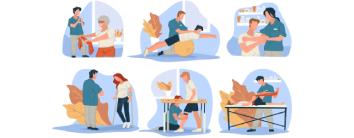
If you are having any physical pain in your body due to factors like illness, injury, sudden stroke or aging, a physiotherapist can help you to overcome the pain through various therapies like electrotherapy, heat and cold packs, exercise etc.
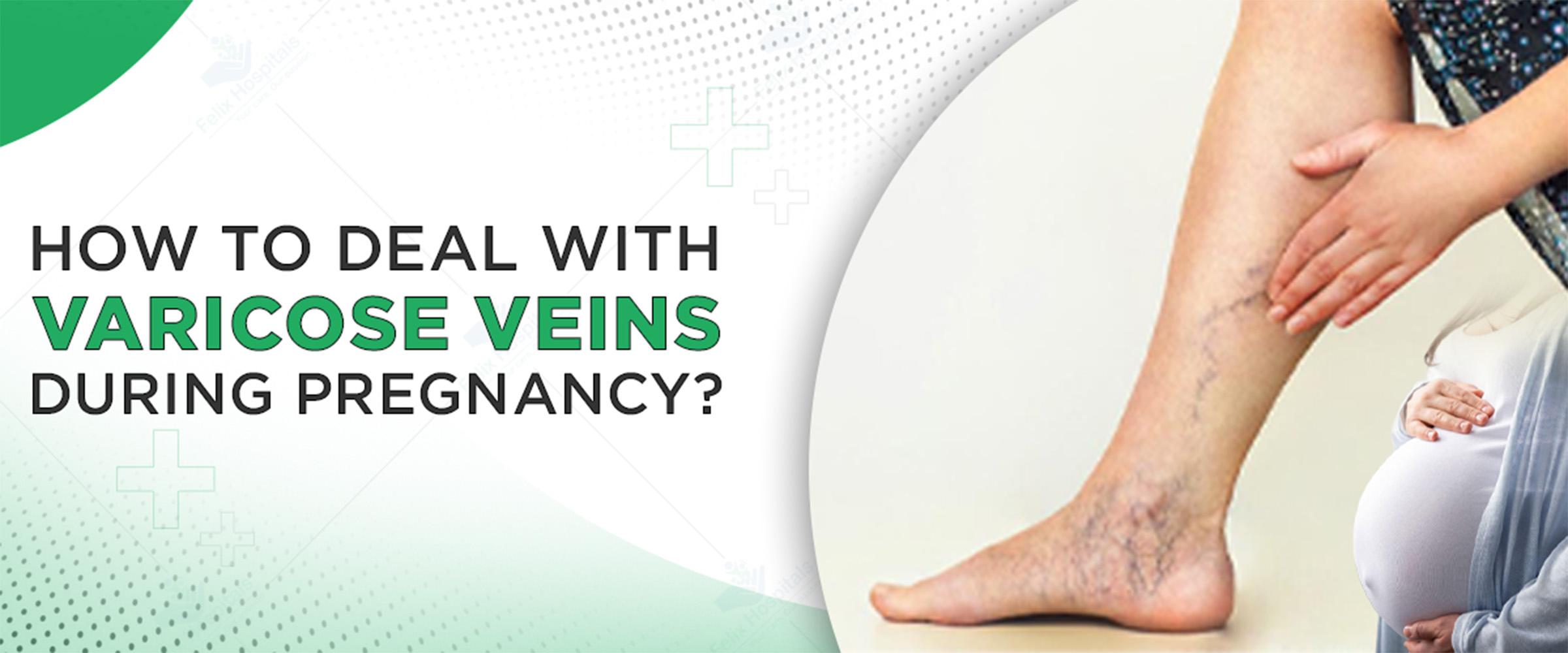
Pregnancy is a wonderful experience, but it does come with some health challenges one of them is varicose veins. A lot of pregnant women struggle with swollen, twisted veins in the legs and ankles, or even in the pelvis, due to hormonal changes and the weight of a developing baby pressing on those veins. If left untreated they can be painful and uncomfortable during pregnancy. The good news is that there is neck and maternity Hospital in Noida for varicose veins treatment making it safe for both mother and the child. Specialized care paired with prompt advice from an experienced doctor in Greater Noida for varicose veins in pregnancy can work wonders in ensuring faster recovery and well-being.
If you need help with varicose veins during pregnancy, call +91 9667064100 to reach an expert doctor in Greater Noida.
Varicose veins look like winding, lumpy ropes under your skin. They are relatively common during pregnancy, especially in the third trimester. The most common locations for varicose veins during pregnancy are the legs, ankles and external genital area (vulva). Hemorrhoids, which are varicose veins that occur in your rectum or around your anus, are also common during pregnancy. Spider veins can occur along with varicose veins. These are fine blue or red lines that you can see through your skin but are not lumpy.
Veins are part of your circulatory system and carry blood from your body to your heart. Valves inside your veins help keep blood flowing in the right direction. If the walls and valves of your veins become weak, blood can back up and form pools in your veins. These areas can swell and raise up from the surface of your skin.
You may not experience any symptoms. If you do, you may find that they are worse when you sit or stand for a long time.
Varicose veins symptoms during pregnancy:
Heavy feeling in your legs.
Itching around the veins.
Leg cramps.
Pain, aching, throbbing or tenderness in your lower legs.
Swelling (edema) in the legs and ankles.
Hemorrhoids can also cause pain and itching.
Straining during a bowel movement and wiping can cause them to bleed.
Causes of varicose veins in pregnancy can be hormone changes and the weight of your growing baby making you more susceptible to varicose veins.
Higher levels of the hormone, progesterone, which relaxes blood vessel walls and decreases valve function.
Increased volume of blood in your body.
Pressure from your baby on the blood vessels in your pelvis which can change blood flow in your pelvic region and legs.
All of these forces make it more difficult for blood to travel against gravity from your legs to your heart. Constipation is also common in pregnancy and can cause hemorrhoids.

Other factors may increase your risk of developing varicose veins during pregnancy. These include:
Diet: Too much sodium or not enough fiber or water can make you retain water and increase your risk of varicose veins and hemorrhoids.
Genetics: You may be more likely to develop varicose veins during pregnancy if your mother or grandmother also had them.
Weight: Varicose veins are more common if you are carrying excess weight.
Your healthcare provider will examine your legs, genitals and rectal area, depending on your symptoms. If your symptoms are severe, your provider may recommend a Doppler ultrasound to measure blood flow in your surface and deep veins. Varicose veins can be associated with an increased risk of a blood clot in a deep vein (deep vein thrombosis). This condition can lead to serious complications, including a pulmonary embolism.
Since varicose veins are usually harmless and get better after you have your baby, healthcare providers usually don’t treat them. Still, you can take steps that can help relieve your symptoms.
Avoid standing or sitting in one place for a long period of time to help keep blood moving.
Exercise regularly (make sure to check with your provider first to make sure exercise is safe for you during pregnancy).
Limit the amount of sodium in your diet, which can cause swelling.
Raise your feet from time to time to help blood flow back to your heart.
Sleep on your left side to keep pressure off your inferior vena cava. This is the large vein that carries blood from your legs to your heart.
Wear supportive tights or socks to prevent blood from pooling in your legs. These are also called compression stockings.
If your varicose veins don’t go away on their own after childbirth, you can talk to your doctor about the options for Varicose veins treatment in pregnancy. These can include sclerotherapy, laser therapy and surgery.
Yes, they are usually temporary and shrink after your baby is born. However, if you have multiple children, they may get worse with each pregnancy or be less likely to go away.
You can prevent varicose veins while pregnant by improving blood circulation. For example:
Change your position to avoid long periods of sitting or standing.
Don’t sit with your legs crossed.
Put your feet up several times a day.
Sleep on your left side.
Wear maternity pantyhose or compression socks.
Most of the time, varicose veins are not serious. Signs that you should call your provider include:
Bleeding from the vein.
Open sore (ulcer) on the skin near the varicose vein.
Pain, swelling and redness in your leg, which could be signs of a blood clot.
Are you looking for the best maternity support in Noida for treating varicose veins? Call +91 9667064100 to make an appointment.
Varicose veins in pregnancy Varicose veins are very common during pregnancy and can be effectively treated with proper care and lifestyle changes. If you are searching for the best maternity hospital in Noida for varicose veins treatment or experienced doctor for varicose veins in pregnancy in Greater Noida, Felix Hospital facilitates you with safe and specialized care as per your requirement. Early care and precautions can make your pregnancy blissful and comfortable.
Q1. Can having varicose veins hurt my baby while I'm pregnant?
Ans: No, varicose veins don't hurt the baby; they hurt the mother. But it's important to manage things in a timely manner to avoid problems.
Q2. Will varicose veins stay after pregnancy?
Ans: Most of the time, they get better after the baby is born, but some may stay the same and need treatment.
Q3. When should I go to the doctor for varicose veins while I'm pregnant?
Ans: Go to Felix Hospital right away if you notice sudden swelling, redness, bleeding, or severe pain.
A complete guide to understanding varicose vein surgery expenses in Noida, including treatment types, hospital charges, and recovery costs.
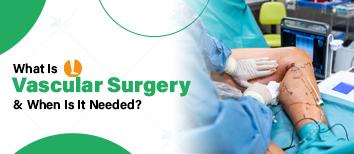
Meet Dr. Ritesh Agarwal, a leading specialist in varicose vein care. With extensive experience and a commitment to personalized treatment.
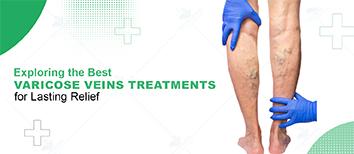
Symptoms can include pain, itching, or a burning sensation, though the condition is generally not dangerous.
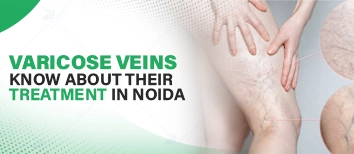
Varicose veins can be treated effectively in Noida. Explore modern solutions for pain-free, healthy legs
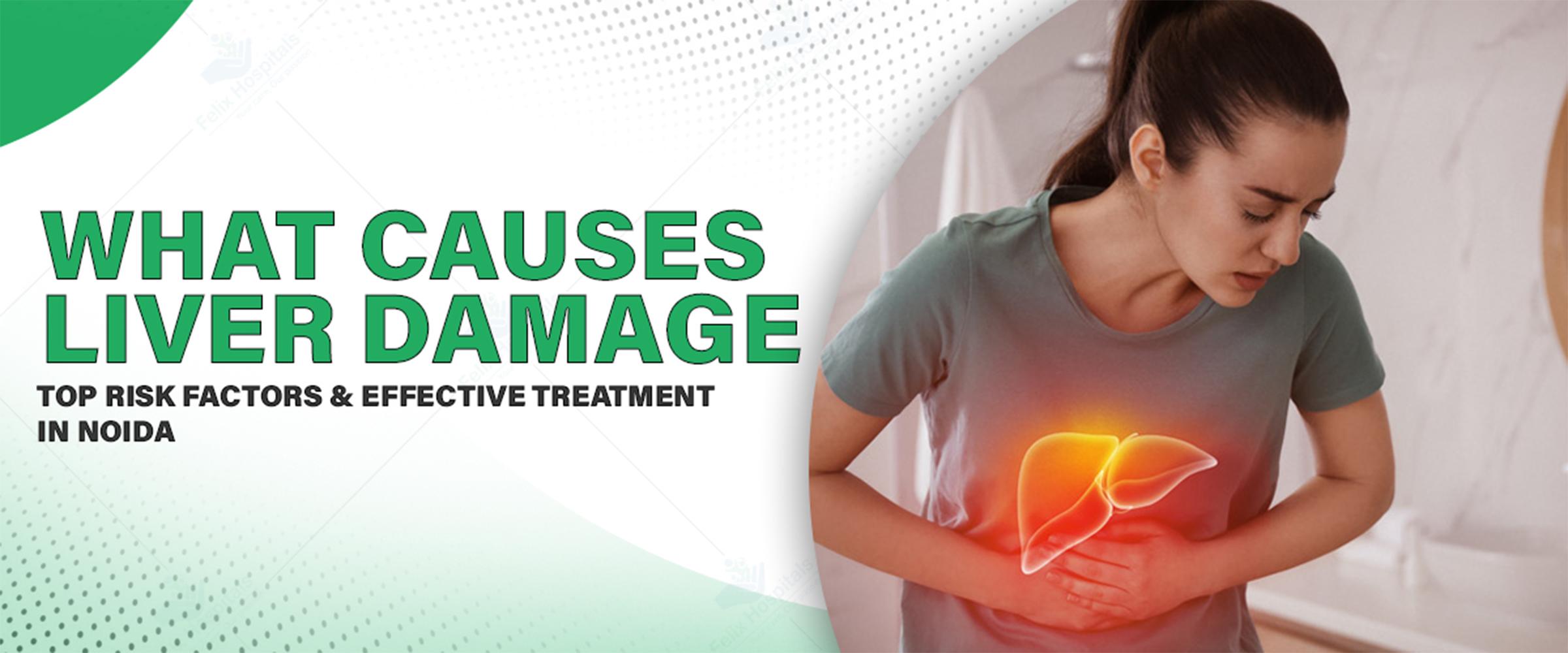
Liver is one of the most important organs of our body as it breaks down nutrients, removes toxins, and provides the necessary proteins. However, this hard working organ is susceptible to damage due to other factors which influence liver performance as time goes by. It is important that families and individuals in Noida and surrounding localities understand the causes of liver damage, the early signs of liver damage and early treatment to avoid serious complications.
This blog also covers the causes, risk factors, symptoms, and stages of liver damage, along with the effective treatments available in Noida. Moreover, it highlights how choosing the right liver disease hospital in Noida and consulting experienced liver specialists can make a significant difference in recovery and long-term liver health.
You can also book an appointment with the best liver specialists in Noida now by calling +91 9667064100.
The liver can be damaged in a sudden or gradual manner by a number of factors. Common causes include:
Alcohol Abuse: Intensive and prolonged consumption of alcohol is a major cause of liver damage. Alcohol also disrupts liver metabolism, which causes inflammation and scarring.
Fatty Liver Disease: Fat in liver cells that may be as a result of obesity, diabetes, eating bad food and so on may interfere with liver functioning; hence leading to damage of the liver.
Viral Hepatitis: Hepatitis viruses (A, B, C, D and E) infect liver cells that inflame and may lead to permanent damage.
Drugs and Toxins: Excessive use of certain drugs like acetaminophen or toxins found in industries and harmful supplements may lead to harm to the liver tissue.
Autoimmune Liver Diseases: The immune system occasionally misdirects its attack on the liver leading to inflammation and damage.
Genetic Disorders: There are some inherited diseases, such as Wilson disease, which have an impact on liver health.
There are lifestyle and health-related risk factors that predispose a person to liver issues:
Heavy Intake of Alcohol: Intake of alcohol beyond the recommended limits puts people at high risk.
Obesity and Poor Diet: Fatty liver tissue deposits are caused by excess weight (non-alcoholic fatty liver disease).
Diabetes and High Cholesterol: These are metabolic disorders, which affect liver fat and inflammation.
Risk of Exposure to Infectious Agents: Unprotected intercourse, needle sharing, or unsafe blood transfusion puts the individual at risk of hepatitis.
Consumption of Toxic Supplements or Drugs: There are some prescription drugs and herbal treatments that may be harmful to the liver.
Environmental Chemicals: Liver injury may result with continual exposure to pesticides, solvents, and industrial chemicals.
Family History: Some people are predisposed to some genetic conditions.
Damage to the liver tends to progress without symptoms, but may include the following early and late symptoms:
Initial Symptoms: Tiredness, weakness, nausea, appetite decreases, abdominal cramps occasionally and skin itching
Jaundice (turning yellow of skin and eyes)
Dark urine and pale stools
Abdominal swelling (ascites)
Easy bruising or bleeding
Perplexity or intellectual impairment (hepatic encephalopathy)
Swelling in legs and ankles
Blood vessels on the skin that are spider like.
Early diagnosis is essential because most of the symptoms are combined with other medical conditions. When you see these, seek the services of a liver expert immediately.
With time, alcohol use impairs the liver cells by facilitating the accumulation of fat (steatosis), inflammation (alcoholic hepatitis), and the ultimate scarring (cirrhosis). The toxic products of alcohol metabolism initiate oxidative stresses and immune response as well as increase the rate of liver damage. However, once the scarring has become severe, the alcoholic liver disease damage may be permanent. Nevertheless, liver functioning could be stopped or partially recovered with early intervention and total abstinence.
Non-alcoholic fatty liver disease (NAFLD) is emerging as the most prevalent liver disease globally, particularly as obesity and diabetes levels are on the increase. Fat accumulates in liver cells when one consumes too many calories or has metabolic problems. Most early-stage fatty liver may be asymptomatic, but with progression to inflammation (non-alcoholic steatohepatitis, NASH), scarring, cirrhosis and liver failure may become severe. Treatment primarily depends on lifestyle modification, including weight reduction, better diet and physical exercise.
Viral hepatitis is one of the major causes of liver damage all over the world. Hepatitis B and C notoriously cause chronic liver inflammation, fibrosis, cirrhosis and liver cancer. Hepatitis A and E are likely to cause acute hepatitis, but may also result in liver failure in rare cases. Antiviral treatment, early diagnosis, and vaccination are important to treat viral hepatitis and prevent progression.
Damage to the liver has multiple states, with each being more devastating to liver functionality:
Inflammation: There is a swelling of the liver cells as a result of injury; usually without symptoms.
Fibrosis: The fibrosis starts substituting normal liver tissue, impairing the functioning.
Cirrhosis: Massive scarring alters liver architecture and hepatic blood flow.
End-Stage Liver Disease: The liver function is so impaired, and the liver fails.
Early diagnosis and clinical management can control the disease or prevent irreversible damage when monitored regularly at an early stage.
Fortunately, Noida has highly developed treatment facilities in liver disease as follows:
Medical Management: Drugs to decrease inflammation, symptoms, and complications treatment.
Lifestyle Modification: Diet, alcohol cessation programs and underlying conditions such as diabetes.
Antiviral Therapy: Directional treatment of the hepatitis infection.
Minimal Invasive P.s.: To be used in complications like variceal bleeding control.
Liver Transplantation: This is considered to be used in end-stage liver disease when the other therapy fails.
Noida hospitals unite modern diagnostics with multidisciplinary care to provide individual treatment strategies.
Receive the best-quality liver disease care in the neighborhood. Your liver health comes first – the first step towards being healthy! Call us now at +91 9667064100.
Liver damage is a health problem that is very severe and can proceed without any signs until it has developed some disturbing symptoms. Knowing the reasons, beginning with alcohol abuse and fatty liver disease, and the first signs, could make an amazing difference in the results. Luckily most forms of liver damage can be controlled and reversible at an early stage with timely intervention and appropriate lifestyle modifications.
In the case of Noida and East Delhi residents, it is easy to access qualified liver specialists and the best hospitals and therefore treatment is accessible. It can be medical treatment, lifestyle change, or such complex treatment as liver transplantation, but customized treatment will stop the disease and increase the quality of life.
When you or someone you care about suspect liver problems, or are at risk, there is no reason to wait before getting professional assistance. Consulting the finest liver specialist in Noida very early on can protect your health and give you hope to recover.
Q1: How am I supposed to know whether liver is damaged at an early age?
A1: Early liver damage usually has mild symptoms that may include experiences of fatigue, nausea, loss of appetite, or itching. But liver problems are silent at first, and it is important to carry out regular health examination and liver examination to test your liver functions in case you are at risk.
Q2: Does alcohol always cause liver damage?
A2: No. Alcohol abuse is a significant factor but liver damage can also be caused by fatty liver disease, viral hepatitis, drugs, autoimmune diseases, and hereditary diseases.
Q3 Do fatty liver disease and medications have a reversible form?
A3: Yes. Lifestyle interventions such as weight loss, healthy nutrition, exercise and management of diabetes or cholesterol levels can help reverse and treat the fatty liver disease.
Q4: Do we have vaccines against liver damage caused by viral hepatitis?
A4: The answer is yes, there are vaccines against hepatitis A and B that can help prevent infection and consequent liver damage. There are no hepatitis C vaccines available: however, antiviral therapy is effective in the treatment of the condition.
Q5: At what time is a liver specialist in Noida something that a person should visit?
A5: When you have signs of jaundice, constant abdominal pain, swelling, or other risk factors such as excessive alcohol consumption or hepatitis, you should see a liver expert as soon as possible.
Understand how fatty liver develops, its key stages, and the steps needed for recovery. Early diagnosis and expert treatment can help reverse damage and restore liver function.
A heart attack represents one of the most important cardiac emergencies and requires immediate treatment. It happens when blood flow to the heart is blocked, preventing the heart muscle from getting enough oxygen and causing damage that can be deadly if left untreated. Antenatal screening and advanced care saves lives and cuts long-term complications. Best Heart Specialist in Noida For people who are looking for the, it is crucial to have immediate access to advanced cardiac treatment with clear treatment options. The Heart Attack treatment cost in Noida is another challenge as the treatment requires spending a good amount of money, so you should be careful in choosing a hospital.
Take the first step towards a healthier heart. Contact us at +91 9667064100 for expert guidance.
The heart is one of the most important muscle groups in the body. That's because the heart circulates blood through the circulatory system, distributing the oxygen that living beings need. To function correctly, the heart requires a constant flow of oxygen-rich blood. When the heart is deprived of oxygen because of the blockage in one of the blood vessels that provide blood to the heart, a heart attack occurs. Myocardial infarction is another name for a heart attack (MI). When a coronary artery is blocked during a heart attack, blood flow to the heart is cut off, limiting the quantity of oxygen delivered to the heart. The longer the blockage goes untreated, the more harm it does to the heart. The heart muscle is eventually damaged and if it isn't treated to restore blood flow, the heart can be permanently injured.
Coronary heart disease, also known as coronary artery disease, occurs when the blood arteries that feed blood to the heart become blocked. Atherosclerosis, a condition in which fat, cholesterol, and other chemicals pile up and form plaque in the arteries, can cause blockage. This plaque can get larger over time, narrowing the artery and causing it to harden. This lowers blood flow to the heart, depriving the heart of the oxygen it requires to operate correctly. The other heart attack causes include:
Small blocks in your arteries: They may not block your blood vessels, but can cause blood clots to form on these plaques which may obstruct blood flow
Embolism: A coronary artery embolism occurs when a blood clot travels through your bloodstream and gets stuck in your coronary artery. This can block blood flow through your artery.
Spontaneous tear in your blood vessel: There is then a possibility of blood clots or a blockage of your artery if the torn tissue blocks your blood vessel.
Spasm in coronary artery
The main risk factors that increase the chances of a heart attack are:
Diabetes mellitus
High blood pressure
Cigarette smoking
High blood cholesterol
Overweight
Physical inactivity
Age increases the risk of heart attack
History of Heart attack or coronary artery opening procedure in the past
Family history of early heart disease
Consuming unhealthy, high fat and sodium-containing food
It's important to be aware of the most common heart attack symptoms and to get medical care as soon as possible if you or someone you know is experiencing them. The importance of early treatment cannot be underestimated; it might be the difference between life and death. People may suffer a single symptom or a mix of several. Typical heart attack symptoms are as follows:
Heart attacks are characterized by pain in the center of the chest that lasts for several minutes or returns after a short period of time.
A radiating pain that starts from the arms or chest can spread to the jaw, neck, or back of the body
Breathing difficulties
Nausea or vomiting
Heartburn and stomach discomfort
Light-headedness or sudden dizziness
Faintness or anxiety
Chilly sweats
Fatigue
The most important aspect of avoiding a heart attack involves a series of lifestyle changes that might help your heart, blood vessels, and body to remain healthy and efficient. The keys to successfully preventing a heart attack include consuming a heart-healthy diet, avoiding any form of tobacco, and maintaining blood pressure. Below we have shared some of the important tips to prevent heart attack and keep your heart healthy.
Get a daily dose of physical exercises, such as a brisk 30-minute walk
Prepare low-sodium and low-fat meals.
Take your meds as directed and attend all of your doctor's visits.
Get 7-8 hours of sleep each night.
Relax and de-stress by doing things like meditation, yoga, taking a warm bath, or spending time alone with a good book or a hilarious movie.
Increase your physical activity and keep nutritious foods on your hands, such as fruits and vegetables, to help you attain or maintain a healthy weight.
If you suddenly feel breathless, experience persistent chest discomfort, or feel lightheaded and anxious, don’t ignore these signs. They may point to a cardiac issue. Seek medical attention immediately.
Many heart attacks occur without dramatic symptoms. These so-called “silent” heart attacks account for about 45% of all heart attacks. Early warning signs of heart weakness include:
Unexplained tiredness
Swelling in the ankles or feet
Shortness of breath while lying down
Irregular heartbeat
Don’t ignore these signs.
Felix Hospital is Delhi NCR's most trusted centre for advanced heart care. We work to make sure that everyone gets the best care for heart attacks, which include heart and vascular disease.
Cardiologists Specialists: Meet Top Heart Doctors in Noida experienced to treat complex cardiac cases.
24x7 Emergency & ICU Back-Up: Round-the-clock attention and monitoring for emergency patients suffering from chest pain and heart attack.
State of Art Diagnostic & Treatment Facilities: From ECG, ECHO and Cardiac cath to A angioplasty and bypass all under one roof.
Transparent & Affordable Cost: We provide you with transparency of our Heart attack treatment cost in Noida.
Total Recovery: Cardiac rehab after treatment to help you improve your fitness and resume an unhindered way of life.
Don’t wait for symptoms to get worse — call Felix Hospital at +91 9667064100 for quick heart care.
A heart attack is a medical emergency that can be life threatening, but a prompt response can improve your chances of survival, and your long-term prospects for heart health. Avoidance of exposure, early recognition of symptoms, and early and rapid access to care can minimize risk of infection. And that's why choosing a reliable healthcare provider is significant – the one that not only offers the best Heart Attack treatment in Noida but also proves to be transparent with Heart Attack treatment cost in Noida.
Q1: Can a heart attack happen without chest pain?
Ans: Yes, it’s called a "silent heart attack," and may show up as fatigue, dizziness, or shortness of breath instead of chest pain.
Q2: What is the difference between a heart attack and cardiac arrest?
Ans: In a heart attack, blood flow is blocked, while in cardiac arrest, the heart suddenly stops beating. Both are emergencies.
Q3: How long does it take to recover from a heart attack?
Ans: Recovery depends on the severity of the tumor, but most individuals are able to return to normal activities in 4 to 8 weeks—providing they receive good follow-up care in an endocrine polyclinic.
Q4: Can stress really trigger a heart attack?
Ans: Yes, chronic stress raises blood pressure and hormone levels, which can strain the heart and increase the risk of an attack.
Q5: Can women have different symptoms of a heart attack?
Ans: Yes, those can be fatigue, nausea and jaw or back pain instead of the classic chest pain. Knowledge of these features is crucial for early recognition.

Best heart hospital in Noida for bypass surgery at affordable prices with expert cardiac surgeons, advanced facilities, and quality patient care for better recovery.
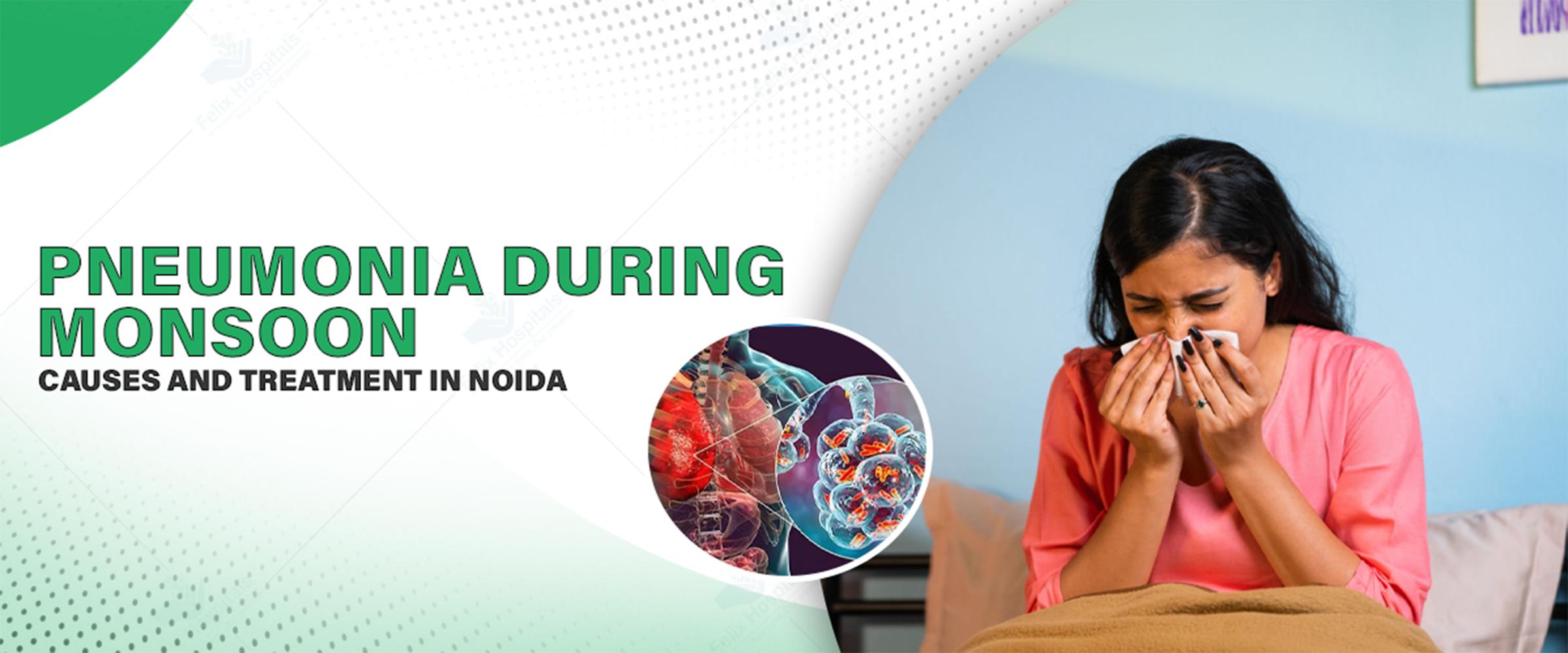
Pneumonia is a serious lung infection that sickens millions of people worldwide every year. Pneumonia can affect one or both lungs and is caused by bacteria, viruses, fungi and occasionally chemical irritants that are inhaled into the lungs. Pneumonia can range from mild to deadly, but an early diagnosis and the right treatment can greatly increase the likelihood of survival.
The Best Hospital for pneumonia treatment in Noida offers expert pneumonia doctor Noida for patients individualistic lines based on evidence. Here, we take a look at everything you need to know about the symptoms of pneumonia, what causes it, how to treat it — and how we can help you recover.
Feel free to call @ +91 9667064100 for a compassionate, skilled treatment of Pneumonia focused on your healthy recovery now.
In the monsoon, the bacteria, viruses and fungi thrive in the moist atmosphere and these are likely to infect the lungs. A common result of these infections is pneumonia, an illness in which the air sacs in the lungs fill with fluid or pus, making it hard to breathe and limiting the amount of oxygen that the lungs are able to pass into the bloodstream. There's a seasonal weakening of the immune system that actually leaves people, especially the very young, very old, smokers and the like, more vulnerable to development of pneumonia at this time.
If you have any of the following, consult the best pulmonologist in Noida right away:
Cough (with or without sputum) that won't go away
Fever and chills
Trouble breathing or breathing very fast
Pain in the chest with breathing or coughing
Feeling weak or tired
Nausea and vomiting
Loss of appetite
Confusion in older patients
Pneumonia should be diagnosed early. Do not delay – make an appointment for a quick assessment in the best hospital in Noida if you experience these symptoms.
Pneumonia can be readily cured, when the causes of it are known. The primary causes are:
Bacterial The most common pathogen is Streptococcus pneumoniae.
Viral infections—In children and adults, influenza and respiratory syncytial virus (RSV) are frequent.
Fungal infection – It tends to be more frequent in immunocompromised individuals.
Aspiration – Food, saliva or vomit is inhaled into the lungs.
Toxins—Breathing fumes or chemicals from the environment.
High risk groups include those with chronic disease, compromised immune system, or with smoke and air pollution exposure.
Symptoms Complications of untreated or poorly treated pneumonia include:
Difficulty breathing or shortness of breath or low oxygen level
Hospital stay or intensive care
Abscess of the lung or chronic lung injury
Sepsis (life-threatening, extreme response to an infection) 3.
Dissemination to other parts of the body
Increased risk in elderly, kids, or those with vulnerable immune system
We can handle both simple and difficult cases of pneumonia at top hospitals in Noida and offer quality treatment to eliminate such complications and achieve full recovery.
The decision of how pneumonia will be treated in Noida depends on what is causing the pneumonia, as well as how severe it is, the age and general health of the patient. Here's what to expect:
Antibiotic treatment: For the primary cause of pneumonia to be bacterial
Antiviral or Antifungal Medications: Drugged if cause is viral or fungal.
Fever and Pain Relief: These can be treated with drugs such as paracetamol or ibuprofen.
Oxygen Therapy: Employed for very low oxygen level.
Hospitalisation: Severe pneumonia, complicated or comorbid cases.
Ventilatory Support: Indicated in severe cases where the patient may need support in the intensive care unit on a mechanical ventilator.
With the best diagnostic modalities and an expert panel with personalized treatment plans, the best Noida hospital brings customized and patient specific care for all pneumonia cases.
The monsoon season raises possibility of getting respiratory infections but prevention against pneumonia is not difficult:
Keep Clean: Wash hands often to keep germs away.
Elevate immune support: Maintain a healthy diet abundant with fruits, vegetables and liquids to give the body a fighting chance.
Keep the environment clean and dry to prevent bacterial and fungal growth.
Protect yourself from Rain: Carry umbrellas, raincoats and don’t get drenched to the minimum.
Get Vaccinated: Pneumococcal and flu vaccines reduce risk of pneumonia in children and adults 65 and older.
Do not Smoke & Alcohol: They weaken the lungs and lower the immunity making infections more severe.
The healthcare facility at Felix hospitals make a difference to your recovery. Here is why patients trust us:
Experienced group of pulmonologist and. critical care specialists
24/7 emergency and ICU services
State-of-the-art diagnostics – X-rays, CT scans, lab tests – at a reasonable price.
Helpful care staff and rehabilitate therapy
We don’t stop at treatment, we provide emotional and educational support for patients and families recovering at home.
Timely care is the first step to a quick recovery. For appointments and emergency help, call +91 9667064100.
And pneumonia is a serious infection, but full recovery is definitely possible with early treatment. We are job is to cure your infection and help you get back to healthy life at the best hospital in Noida. We provide you from timely diagnosis, effective treatment and continuous monitoring even with the eligibility to the best clinical facilities, with all the latest technology and skilled medical experts and compassionate care. If you or someone you care about is experiencing symptoms that indicate pneumonia, do not hesitate – contact our specialists today and move that much farther along the road to safe and speedy healing.
Q1. How fast does treatment for pneumonia start to work?
Ans: Most patients start to feel better within 48 to 72 hours of treatment, but it may take weeks for them to fully recover, depending on how bad their condition is.
Q2. Can getting a shot stop pneumonia?
Ans: Yes, the pneumococcal and flu vaccines lower the risk a lot, especially for older people and those who are at higher risk.
Q3. Who is more likely to get severe pneumonia?
Ans: Babies, older people, smokers, people with diabetes, and people with weak immune systems are more likely to get sick.
Q4. Do kids get better from pneumonia faster than adults?
Ans: Children often get better faster if they are diagnosed early, but they may need to be watched closely to avoid problems.
Q5. What changes to your daily life can help you get better from pneumonia?
Ans: Getting enough sleep, drinking enough water, eating a balanced diet, and quitting smoking all help you heal faster.
Pneumonia is a severe respiratory infection that affects millions of people worldwide each year.
Understanding the timeline for pneumonia recovery, the symptoms to watch for, and the treatment options available can help patients and caregivers manage the illness effectively.
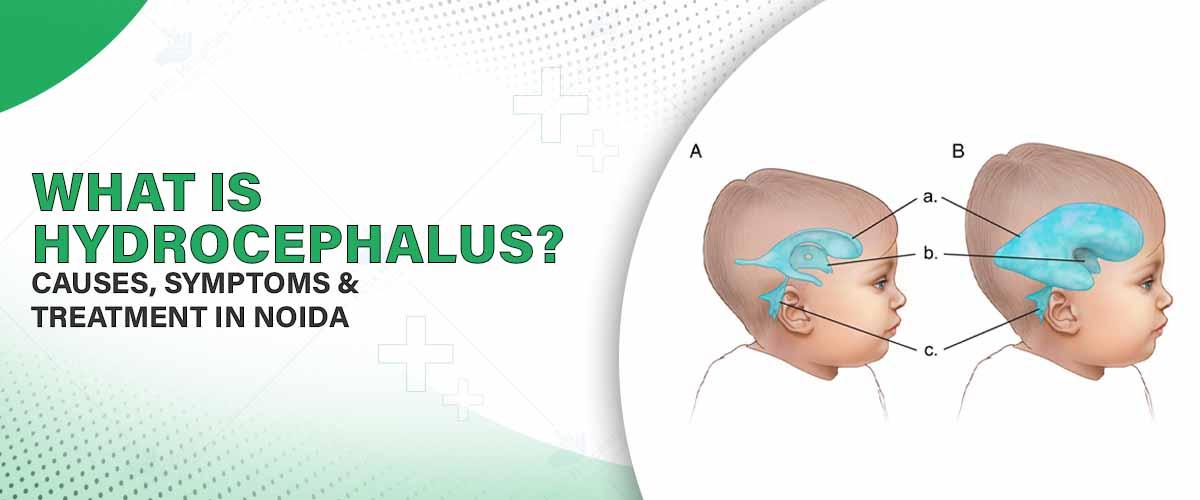
Hydrocephalus, which many people often refer to as "water on the brain," is a severe neurological condition which results from an excess accumulation of CSF (cerebrospinal fluid) within the brain. For families in search of the best care, Hydrocephalus treatment in Noida calls for skilled neurologists, state-of-the-art diagnostics and reliable surgical intervention. It is important to choose a hospital that offers hydrocephalus treatment in Noida to enable early detection of Hydrocephalus causes and symptoms and precise diagnosis with comprehensive treatment designed for the specific need of each patient.
Concerned about hydrocephalus symptoms? Call +91 9667064100 today and consult with trusted specialists in Noida.
Hydrocephalus is a neurological disorder characterized by excessive buildup of cerebrospinal fluid in the ventricles or cavities deep inside the brain. The extra fluid causes these ventricles to expand, which puts extreme pressure on the tissues of the brain.
It is also known as water on the brain and develops gradually as a result of damage or injury, or it may already present at birth or shortly after. The clear, colourless fluid called cerebrospinal fluid (CSF) surrounds and supports the brain and spine. The body normally generates and absorbs the same quantity of CSF daily. Excessive amount of CSF accumulation can impair brain function, result in brain damage, or could be fatal.
Hydrocephalus disease in adults and children is characterized by the build-up of cerebrospinal fluid (CSF) in the brain’s ventricles. It can be classified into many types based on its cause and characteristics. These include:
It is also referred to as non-obstructive hydrocephalus; this type arises when there is reduced cerebrospinal fluid flow but not a completely blocked flow within the brain’s ventricles.
The condition known as obstructive hydrocephalus and non-communicating hydrocephalus is caused by blockages in the flow of cerebrospinal fluid (CSF) within the ventricles of the brain.
An abnormal accumulation of cerebrospinal fluid (CSF) in the brain's ventricles (cavities) is known as normal pressure hydrocephalus (NPH). It happens when there's a blockage in the normal flow of CSF throughout the brain and spinal cord.
Hydrocephalus ex-vacuo occurs when brain damage caused by a stroke or injury leads to the shrinking of brain tissues surrounding the ventricles. As these tissues shrink, the ventricles become larger, creating a "hydrocephalus look-alike" condition. It is important to note that this is not a true form of hydrocephalus.
A rare disorder known as hypersecretory hydrocephalus occurs due to the brain producing too much cerebrospinal fluid (CSF). The most common cause is a tumour called plexus papilloma, which is more common in children. Sometimes, in rare cases, it leads to cancer.
The water on the brain symptoms or hydrocephalus symptoms can vary widely from person to person and are primarily influenced by age. Below are some of the clinical features of hydrocephalus:
A rapid increase in head size
Vomiting
Seizures
Sleepiness
A bulge on the soft spot (fontanel) on the top of the head
Feeding difficulties
Irritability
Unique eye movements (eyes that cannot turn outward or fixated downward ("sunsetting").
Vision issues
Nausea
Balance problems
Developmental regression
Cognitive changes or personality changes, including memory loss.
Hydrocephalus results from impaired cerebrospinal fluid (CSF) flow or absorption. It can develop for a number of reasons include:
Congenital hydrocephalus causes:
Spina bifida and neural tube defects
Aqueduct stenosis
Premature birth complications
Infections during pregnancy
Genetic factors
Traumatic brain injury (TBI)
Intracranial haemorrhage
Infections
Intracranial haemorrhage
Based on age, symptoms, and known or suspected abnormalities in the brain or spinal cord, hydrocephalus is diagnosed by a clinical neurological examination, brain imaging, and other procedures. Below are the steps involved in diagnosing hydrocephalus:
The neurological exam may include tests to assess:
Strength and reflexes of muscles
Balance and coordination
Vision, moving the eyes, and hearing
Mood and mental health
Ultrasound: Ultrasound is a useful tool for routine prenatal checkups because it can identify hydrocephalus in fetuses or unborn babies.
Magnetic resonance imaging (MRI): By using magnetic resonance imaging (MRI), one can evaluate the CSF flow, identify whether the ventricles are enlarged, and learn more about the brain tissue that surrounds the ventricles. The first test performed to diagnose adults is usually an MRI.
Computed tomography (CT): Shows ventricle enlargement and potential obstructions.
Spinal tap (lumbar puncture): A spinal tap, also known as a lumbar puncture, involves putting a needle into the lower back, extracting and analysing a portion of the fluid to allow clinicians to assess CSF pressure and analyse the fluid.
Intracranial pressure monitoring: A tiny pressure monitor is put into the ventricles or brain to measure the pressure and determine whether or not there has been any brain swelling.
The cause of hydrocephaly determines the treatment. The standard treatment for hydrocephaly is cerebrospinal fluid shunting, although additional medical therapies might be used either in addition to or instead of shunting. The following are the treatment methods:
Congenital hydrocephalus, which affects babies, and acquired hydrocephalus, which affects children or adults, usually require immediate medical attention to relieve pressure on the brain. The rise in pressure will harm the brain if hydrocephalus is not corrected. Shunt surgery or neuro endoscopy is used to treat both acquired and congenital hydrocephalus.
Shunt surgery: A tiny tube known as a shunt is inserted into the brain during shunt surgery. Through the shunt, extra cerebrospinal fluid (CSF) from the brain is sent to another area of the body, typically the stomach. It then gets absorbed into the blood. A valve within the shunt regulates the flow of CSF, preventing it from draining too rapidly. The valve feels like a bump under the scalp's skin.
Endoscopic Third Ventriculostomy (ETV): An endoscopic third ventriculostomy (ETV) is an alternative for shunt surgery. Instead of placing a shunt, the brain surgeon creates a hole in the brain's floor to release the trapped cerebrospinal fluid (CSF) and allow it to reach the surface of the brain, where it can be absorbed.
In cases of hydrocephalus, medical treatment is used to postpone the need for surgery. However, these treatments may not be effective for the long-term treatment of chronic hydrocephaly, but they can help to balance CSF dynamics with some of the hydrocephalus medications commonly used, such as:
Carbonic anhydrase inhibitors
Osmotic diuretics
Glucocorticoids
Untreated hydrocephalus leads to severe complications which affect individuals physical and cognitive development. Some of the complications are listed below:
Strabismus (where the eyes aren’t straight)
Gaze palsies (disorders of the brain systems that control eye movement)
Nystagmus (involuntary, rapid and repetitive movement of the eyes)
Learning disabilities
Speech problems
Memory problems
Short attention span
Problems with organizational skills
Difficulties with physical coordination
Epilepsy (long-term brain condition with repeated seizures)
There's no definitive way to prevent hydrocephalus from getting worse, but there are treatments that can help. If there is concern about the possibility of hydrocephalus and the plan to have further children, the paediatrician treating the baby might advise genetic counselling.
At Felix Hospital, we know how severe a condition like hydrocephalus and how essential is to deliver quick relief. Known for the best hospital for hydrocephalus in Noida, we provide state-of-the-art diagnostic services such as MRI, CT Scan and neurological tests to diagnose accurately. Our team of high volume neurosurgeons and neurologists specialize in both operative and nonoperative treatments. You will receive 24-hour monitoring, personalised care plans, support management and rehabilitation.
Looking for advanced and safe hydrocephalus treatment? Speak to our team at +91 9667064100.
Hydrocephalus is a complicated disease that requires prompt diagnosis and specialized treatment to prevent long-term complications. From speech and cognitive problems to physical limitations, untreated hydrocephalus can affect every aspect of life. However, with modern treatments, surgeries, and ongoing aftercare at the Best Super Speciality Hospitals Near Noida, patients can regain a healthier, more active life. If you or a loved one are experiencing symptoms of hydrocephalus, consult a healthcare provider as soon as possible to ensure timely intervention and expert care.
A concise guide explaining brain tumor surgery cost in Noida, including key factors, treatment options, and expert care.
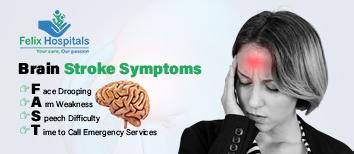
Recognizing the symptoms of a brain stroke is critical for getting prompt medical attention. The acronym F.A.S.T. is often used to remember the most common Brain stroke symptoms.
Advanced neurosurgery improves treatment for brain and spine disorders with better outcomes.
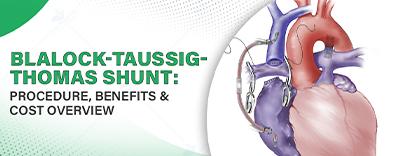
The Blalock-Taussig-Thomas Shunt is a surgical procedure used to improve blood flow in children with certain congenital heart defects. Learn about the procedure, its advantages, and the associated costs.
बरसात का मौसम जहां ठंडक और राहत लाता है। लेकिन यह जोड़ों और हड्डियों के लिए चुनौतीपूर्ण होता है। इस मौसम में नमी और ठंडक के कारण हड्डियां और जोड़ कमजोर होते हैं। जिससे फ्रैक्चर और अन्य ऑर्थोपेडिक समस्याओं का खतरा बढ़ता है। बरसात में फ्रैक्चर इलाज के लिए बेस्ट ऑर्थोपेडिक डॉक्टर ग्रेटर नोएडा (Best Orthopedic Doctor Greater Noida) में उपलब्ध है। खासकर बुजुर्गों, महिलाओं और जिन लोगों को पहले से हड्डी या जोड़ की समस्या होती है। उनके लिए यह मौसम और भी मुश्किल होता है।
हड्डियों की जांच और इलाज के लिए अभी अपॉइंटमेंट लें – कॉल करें: +91 9667064100.
बरसात में वातावरण में नमी और धूप की कमी होती है। इससे शरीर में विटामिन डी का स्तर घटता है, जो हड्डियों में कैल्शियम को अवशोषित करने के लिए जरूरी है। ठंडी और सीलन भरी हवा जोड़ों और हड्डियों को अकड़ा देती है। इससे हड्डियां कमजोर होती हैं। फ्रैक्चर का खतरा (Risk of fractures) बढ़ता है। जिससे उनमें जकड़न, दर्द और सूजन जैसी समस्याएं उत्पन्न होती हैं। खासकर बुजुर्गों, महिलाओं और पहले से ही गठिया या हड्डी संबंधी रोगों से पीड़ित लोगों पर इसका असर ज्यादा देखने को मिलता है। इस मौसम में हड्डियां नाजुक होती हैं। हल्के आघात में भी फ्रैक्चर का खतरा बढ़ता है। बारिश के मौसम में अपनी जीवनशैली में छोटे-छोटे बदलाव लाकर हड्डियों को लंबे समय तक स्वस्थ रखा जा सकता है।
अगर हड्डियां कमजोर होने लगें तो सबसे पहले इसका असर लगातार होने वाले दर्द से दिखता है। शुरुआत में यह हल्का होता है। मगर धीरे-धीरे यह रोजमर्रा की गतिविधियों को प्रभावित करता है।
कमजोर हड्डियों और जोड़ों में कैल्शियम की कमी से सुबह उठते समय हाथ-पैरों और पीठ में अकड़न होती है। मौसम ठंडा या बरसाती हो तो यह समस्याएं बढ़ती है।
हड्डियों की मजबूती घटने पर शरीर का संपूर्ण ढांचा प्रभावित होता है। चलते-फिरते या हल्के काम करने पर जल्दी थकान महसूस होती है। ज्यादा देर तक समय तक खड़े रहने में परेशानी होती है।
जब हड्डियां कमजोर होती हैं तो उन पर हल्का सा दबाव डालने से भी दर्द या सूजन होती है। कई बार जोड़ों के आसपास लालिमा और जलन महसूस होती है।
हड्डियां कमजोर होने पर मामूली ठोकर या गिरने पर भी फ्रैक्चर का खतरा बढ़ता है। बुजुर्गों और महिलाओं में यह समस्या ज्यादा देखने को मिलती है।
बरसात के दिनों में धूप कम निकलने से शरीर में विटामिन डी का स्तर घटता है। यह विटामिन कैल्शियम को हड्डियों में अवशोषित करने के लिए जरूरी होता है। इसकी कमी से हड्डियां धीरे-धीरे कमजोर पड़ती हैं। उनमें दर्द या सूजन की समस्या शुरू होती है।
इस मौसम में वातावरण में नमी और ठंडक बढ़ती है। ठंडी और सीलन भरी हवा हड्डियों और जोड़ों को अकड़ा देती है। खासकर बुजुर्गों और गठिया से पीड़ित लोगों में यह परेशानी बढ़ती है।
बरसात में गीली जमीन, सीढ़ियां और सड़कें अक्सर फिसलन भरी होती हैं। ऐसे में हल्की सी चूक भी स्लिप और गिरने का कारण बनती है। कमजोर हड्डियों वाले लोगों में यह गिरना गंभीर फ्रैक्चर का रूप लेता है।
इस मौसम में खानपान बिगड़ने और पाचन तंत्र कमजोर होने से शरीर को पर्याप्त पोषण नहीं मिलता। खासकर कैल्शियम और प्रोटीन की कमी से हड्डियां खोखली होती हैं। बार-बार दर्द व थकान की समस्या बढ़ती है।
बरसात में इम्यून सिस्टम कमजोर होता है। इसकी वजह से शरीर में संक्रमण का खतरा बढ़ता है। हड्डियों और जोड़ों में सूजन, दर्द और कठोरता आम लक्षण बनते हैं। यह स्थिति गठिया और ऑस्टियोपोरोसिस (osteoporosis) को बढ़ाती है।
आयुः
उम्र बढ़ने के साथ हड्डियों की घनत्व कम होती है। बुजुर्गों में कैल्शियम और विटामिन डी (vitamin D) का स्तर घटने के कारण हड्डियां नाजुक होती हैं। बरसात में ठंड और नमी से यह कमजोरी और बढ़ती है। जिससे हल्की चोट पर भी फ्रैक्चर का खतरा बढ़ता है।
रजोनिवृत्ति के बादः
महिलाओं में हार्मोनल बदलाव के कारण रजोनिवृत्ति के बाद हड्डियों की मजबूती तेजी से घटती है। इस दौरान हड्डियों का घनत्व कम होने से वहआसानी से टूटती हैं। बरसात में धूप की कमी और सीलन महिलाओं की हड्डियों को प्रभावित करती है।
कैल्शियम और विटामिन डी की कमीः
बच्चों के विकास के लिए मजबूत हड्डियां बेहद जरूरी हैं। अगर आहार में कैल्शियम और विटामिन डी की कमी हो तो उनकी हड्डियां कमजोर (weak bones) होती हैं। बरसात में कम धूप मिलने और बाहर खेलने का समय घटने से बच्चों को यह कमी प्रभावित करती है।
ऑस्टियोपोरोसिस, डायबिटीज़, आर्थराइटिसः
जिन लोगों को पहले से हड्डियों और जोड़ों से संबंधित बीमारियां हैं, जैसे ऑस्टियोपोरोसि, डायबिटीज या आर्थराइटिस, उन्हें बरसात का मौसम अधिक परेशान करता है। इस दौरान जोड़ों में सूजन, दर्द और अकड़न की शिकायत और बढ़ती है।
धूम्रपान, शराब और व्यायाम की कमीः
खराब जीवनशैली हड्डियों को कमजोर करने का कारण है। धूम्रपान और शराब हड्डियों की मजबूती को कम करते हैं। वहीं व्यायाम की कमी से हड्डियों की लचक और सहनशक्ति घटाती है। बरसात में लोग शारीरिक गतिविधियों को और कम करते हैं। जिससे समस्या दोगुनी होती है।
फिसलन भरी सीढ़ियां, पानी से भरी सड़केंः
बारिश में घर की सीढ़ियां, गैलरी और सड़कें अक्सर गीली और फिसलन भरी होती हैं। इस वजह से गिरने और चोट लगने का खतरा बढ़ता है। कमजोर हड्डियों वाले लोगों के लिए यह गिरना गंभीर फ्रैक्चर (fracture) का कारण बनता है।
संतुलित आहारः
हड्डियों की मजबूती के लिए कैल्शियम और प्रोटीन बेहद जरूरी हैं। इसके लिए आहार में दूध, दही, पनीर जैसे डेयरी उत्पाद शामिल करना चाहिए। पालक, मेथी, ब्रोकोली जैसी हरी सब्जियां और बादाम, अखरोट, तिल व अलसी के बीज हड्डियों को मजबूत बनाने में मदद करते हैं।
विटामिन डी-
विटामिन डी कैल्शियम के अवशोषण में मदद करता है। बरसात में धूप कम निकलती है। इसलिए जब भी हल्की धूप मिले तो सुबह 15–20 मिनट जरूर बैठना चाहिए। अगर कमी ज्यादा हो तो डॉक्टर की सलाह से सप्लीमेंट लेना भी जरूरी होता है।
नियमित व्यायामः
शारीरिक गतिविधियां हड्डियों को मजबूत और लचीला बनाती हैं। योग, स्ट्रेचिंग, प्राणायाम और हल्की वेट-बेयरिंग एक्सरसाइज जैसे टहलना या हल्के डंबल उठाना हड्डियों की मजबूती के साथ संतुलन और लचक को बेहतर बनाती हैं।
सावधानी बरतेंः
बरसात में घर और बाहर दोनों जगह फर्श गीले रहते हैं। फिसलन से बचने के लिए घर में सूखी चटाई या एंटी-स्लिप मैट का इस्तेमाल करना चाहिए। हड्डी फ्रैक्चर इमरजेंसी हॉस्पिटल नोएडा में उपलब्ध है। सीढ़ियों और गैलरी में चलते समय हमेशा रेलिंग का सहारा लेना चाहिए।
धूम्रपान और शराब से बचेंः
धूम्रपान और शराब दोनों ही हड्डियों के घनत्व को कम करते हैं। कैल्शियम अवशोषण में बाधा डालते हैं। इनसे दूर रहना हड्डियों के स्वास्थ्य के लिए बेहद जरूरी होता है।
आरामदायक जूते पहनेंः
बरसात में बाहर निकलते समय हमेशा आरामदायक और रबर सोल वाले जूते पहनना चाहिए। यह फिसलन रोकने में मदद करता है। यह गिरने से बचाता है। बुजुर्ग और कमजोर हड्डियों वाले लोगों के लिए यह विशेष रूप से आवश्यक होता है।
प्राथमिक उपचारः
अगर बरसात में फिसलकर या गिरकर फ्रैक्चर हो जाए तो सबसे पहले घबराएं नहीं। चोटिल हिस्से को हिलाने की कोशिश नहीं करें। प्रभावित अंग को कपड़े या स्प्लिंट (से स्थिर रखें। तुरंत नजदीकी अस्पताल पहुंचें। समय पर प्राथमिक उपचार से दर्द और नुकसान कम होता है।
सरल फ्रैक्चरः
यदि हड्डी ज्यादा खिसकी नहीं है और फ्रैक्चर सीधा है, तो डॉक्टर प्लास्टर या कास्ट लगाकर हड्डी को स्थिर करते हैं। इससे हड्डी धीरे-धीरे जुड़ती है। 4–8 हफ्तों में सामान्य रूप से ठीक होती है।
जटिल फ्रैक्चरः
यदि हड्डी कई टुकड़ों में टूट जाए या अपनी जगह से खिसक जाए तो सर्जरी करनी पड़ती है। इस प्रक्रिया में धातु की प्लेट, स्क्रू या रॉड लगाकर हड्डी को जोड़ता है। यह इलाज आधुनिक ऑर्थोपेडिक तकनीक से नोएडा जैसे शहरों के बड़े अस्पतालों में आसानी से उपलब्ध है।
इंफेक्शन से बचावः
बरसात में वातावरण में नमी और गंदगी अधिक होने से संक्रमण का खतरा बढ़ता है। ऐसे में फ्रैक्चर के इलाज के दौरान घाव को साफ रखना और डॉक्टर की सलाह के अनुसार एंटीबायोटिक्स लेना बेहद जरूरी है। इससे हड्डी जल्दी और सही तरीके से जुड़ती है।
फिजियोथेरेपीः (Physiotherapy:)
फ्रैक्चर के बाद जब हड्डी जुड़ती है, तो प्रभावित हिस्से में जकड़न और कमजोरी आती है। ऐसे में फिजियोथेरेपी (Physiotherapy) बेहद जरूरी है। यह मांसपेशियों की ताकत वापस लाने, रक्त संचार बढ़ाने और जोड़ों की मूवमेंट सुधारने में मदद करती है। बरसात में ठंड और नमी से जोड़ों में अकड़न अधिक होती है।
हाइड्रोथेरेपीः (Hydrotherapy)
बरसात के मौसम में पानी से जुड़ी थेरेपी बेहद उपयोगी है। गुनगुने पानी में हल्की एक्सरसाइज हाइड्रोथेरेपी से मांसपेशियों का तनाव कम होता है। जोड़ों पर दबाव नहीं पड़ता और दर्द में भी आराम मिलता है। यह कमजोर हड्डियों और गठिया के मरीजों के लिए फायदेमंद है।
योग और स्ट्रेचिंगः
योगासन और स्ट्रेचिंग से जोड़ों की लचक बनी रहती है। रक्त संचार बेहतर होता है। ताड़ासन (Tadasana), भुजंगासन (Bhujangasana) और शवासन जैसे हल्के योगासन तथा स्ट्रेचिंग एक्सरसाइज दर्द और अकड़न को कम करते हैं। योग और स्ट्रेचिंग शरीर को सक्रिय रखने का अच्छा विकल्प है।
बोन स्टिमुलेशन थेरेपी-
कुछ मामलों में हड्डियां बहुत धीरे जुड़ती हैं। बार-बार फ्रैक्चर होता है। ऐसे में बोन स्टिमुलेशन थेरेपी उपयोगी है। इसमें हल्की इलेक्ट्रिक या अल्ट्रासोनिक तरंगों के जरिए हड्डी के जुड़ने की प्रक्रिया तेज होती है। कमजोर रोग-प्रतिरोधक क्षमता के कारण ऐसे इलाज की आवश्यकता होती है।
बरसात का मौसम हड्डियों के लिए चुनौतीपूर्ण साबित होता है। इस दौरान नमी और धूप की कमी के कारण शरीर में विटामिन डी का स्तर घटता है, जिससे कैल्शियम का अवशोषण प्रभावित होता है। हड्डियां धीरे-धीरे कमजोर पड़ती हैं। अगर चोट लग जाए, जोड़ों में लगातार दर्द, सूजन या अकड़न बनी रहे, तो इसे नजरअंदाज नहीं करें। समय पर इलाज न होने पर समस्या बढ़ती है और हड्डियों में स्थायी कमजोरी या फ्रैक्चर (fracture) का खतरा बढ़ जाता है। ऐसे में ग्रेटर नोएडा में सर्वश्रेष्ठ ऑर्थोपेडिक अस्पताल (Best Orthopedic Hospitals in Greater Noida) से तुरंत संपर्क करना और उनकी सलाह के अनुसार दवाएं या थेरेपी लेना जरूरी है।
हड्डियों की जांच और इलाज के लिए कॉल करें: +91 9667064100.
प्रश्न 1: बरसात में हड्डियां क्यों कमजोर होती हैं?
उत्तर: धूप की कमी से विटामिन डी घट जाता है। नमी से जोड़ अकड़ जाते हैं। जिससे हड्डियां कमजोर होती हैं। इसलिए समय रहते सावधानी जरूरी है।
प्रश्न 2: क्या बरसात में फ्रैक्चर का खतरा ज्यादा होता है?
उत्तर: हां, बारिश में फिसलन और हड्डियों की कमजोरी के कारण फ्रैक्चर का खतरा बढ़ जाता है। लक्षण दिखने पर इलाज कराएं।
प्रश्न 3: बरसात में हड्डियों को मजबूत रखने के लिए क्या खाएं?
उत्तर: दूध, पनीर, दही, हरी पत्तेदार सब्जियां, बादाम, तिल और सूरजमुखी के बीज खाना चाहिए। डॉक्टर की सलाह पर दवा का सेवन करना चाहिए।
प्रश्न 4: बुजुर्गों को बरसात में क्या सावधानी रखनी चाहिए?
उत्तर: फिसलन से बचने के लिए आरामदायक जूते पहनें, रेलिंग का सहारा लें और घर की फर्श सूखी रखें। सावधानी बरतना जरूरी है।
प्रश्न 5: क्या फिजियोथेरेपी बरसात में फायदेमंद है?
उत्तर: हां, यह जोड़ों की अकड़न कम करती है और हड्डियों को मजबूत बनाती है। इसलिए डॉक्टर की सलाह पर फिजियोथेरी करानी चाहिए।
बच्चों में इम्यूनिटी कमजोर होने पर बार-बार बीमारियां, थकान और विकास में रुकावट जैसे लक्षण दिख सकते हैं। सही कारण पहचानकर समय पर इलाज से बच्चे को स्वस्थ रखा जा सकता है।
If you are having any physical pain in your body due to factors like illness, injury, sudden stroke or aging, a physiotherapist can help you to overcome the pain through various therapies like electrotherapy, heat and cold packs, exercise etc.
Glaucoma is the second leading cause of preventable blindness in the world and usually progresses unnoticed until substantial vision is lost. Preventive measures followed by its early detection and treatment are critical in saving vision. So if you or your loved one are showing signs such as blurred vision, pain in eye or seeing halos around the lights, then immediate consultation with a Glaucoma specialist in Noida is a must. At the best Eye Hospital in Noida with an experienced team of specialists, patients can be assured of accurate diagnosis along with a tailored treatment regimen to preserve and enhance natural vision.
book an appointment with Best Eye Doctor In Noida. Call now at +91-9667064100.
Glaucoma is a progressive eye disease that hurts your optic nerve, which is the important pathway that sends visual information from your eyes to your brain. High IOP often causes this damage, but it can also happen when the IOP is normal. If left untreated, glaucoma can make you permanently blind.
People of all ages can get this condition, but it is very common in older adults and is one of the main reasons people over 60 go blind because early warning signs of glaucoma are not noticed. This is one of the things that makes it so scary. Most people don't even notice a change in their vision until a lot of their optic nerve has already been damaged because the progression is so slow.
For early detection, you need to have your eyes checked regularly. These might be more comprehensive exams that include such tests as checking the optic nerve or measuring the pressure inside the eye. Early identification would allow for intervention, which may halt signs of glaucoma vision loss
Glaucoma can be treated in many ways, depending on what type it is and how bad it is. These treatments include medications, laser treatments, and surgical treatments. Treatment for glaucoma is lifelong and requires regular follow ups in order to preserve any remaining vision and quality of life.
Glaucoma occurs when production and outflow of aqueous humor, the eye's fluid, are imbalanced. The eye is constantly producing new fluid and draining old fluid from the eye through the drainage angle. In glaucoma, the outflow of this fluid is blocked, causing it to accumulate and pressure within the eye to increase, which can harm the optic nerve.
Initially, the drainage angle doesn’t function well, and it is difficult for the fluid to move through. The eye continues to produce aqueous humour, increasing the pressure. This higher pressure begins to damage the delicate fibres of the optic nerve. That symptoms aren’t usually apparent until substantial damage has occurred doesn’t help allay the challenge of their early detection.
The symptoms are evident late if the damage is severe to the optic nerve. Blind spots are a common problem, especially in peripheral vision, which is the outer edge of the visual field that helps you see movement and things on the side.
Other late-stage symptoms include seeing halos around lights and having blurry vision, especially after doing something physical. These signs mean that the optic nerve is seriously damaged and that the person is more likely to lose their sight.
To find glaucoma early and protect your vision, you need to have regular eye exams and get treatment right away. If you get diagnosed and treated early, the disease may progress more slowly and your vision may be protected.
Glaucoma can worsen without causing any symptoms that are perceptible, or make you aware of what is happening, until lots of damage has been done. But Glaucoma early symptoms, that, if you know what to look for, can promote quick action and halt the serious vision loss. Here’s what to look for:
Gradual loss of peripheral vision is often one of the earliest (and the most subtle) signs of glaucoma .
It's hard to see things or movement at the edges of your field of vision.
This symptom is easy to miss because your central vision stays sharp.
If not treated, progression can cause tunnel vision.
Bright lights that seem to be surrounded by rainbow-coloured halos may mean that the pressure inside the eye is rising.
This is common in angle-closure glaucoma, which can get worse quickly.
Often comes with pain in the eyes or blurry vision.
More obvious at night or in places with low light.
Acute angle-closure glaucoma is a medical emergency that causes severe eye pain and redness. May make you feel sick or throw up. If symptoms come on suddenly, you need to see a doctor right away. Less common in open-angle glaucoma, but still a possible sign.
If you have unexplained headaches that keep coming back, especially around your eyes, it could be a sign of changes in the pressure inside your eyes. The level of pain may change, and it is usually worse in the morning.
People might think they have migraines or tension headaches.
If you have trouble getting used to low light or darkness, it could be a sign of early optic nerve damage. Having trouble seeing when you walk into a dark room or drive at night.
It may also take longer for the body to respond to changes in light intensity.
The answer is regular eye exams are very important for keeping your vision healthy and stopping conditions like glaucoma from getting worse. Glaucoma is one of the main causes of permanent blindness, and it often develops without any symptoms. This is why regular eye exams are so important. Here's why putting your eye health first can help protect your vision:
In the early stages of glaucoma, there are often no symptoms, and vision doesn't change until there is a lot of damage. Regular eye exams can find glaucoma before it causes you to lose your vision. Finding something early allows for quick action, which could stop serious problems from happening. Taking care of your eyes in advance will help you in the long run.
Increased IOP is one of the most important risk factors for glaucoma. IOP is typically obtained non-invasively by tonometry and other non-invasive methods during eye check-ups.
It can also be helpful to track someone's IOP over time, to see if there's something that might indicate glaucoma is developing.
Drugs, laser treatments or surgery can control the IOP, slowing the disease’s advance.
The optic nerve is the bundle of nerves that sends visual information from your eye to your brain and it is one of the prime places that glaucoma can damage. Advanced imaging, such as optical coherence tomography (OCT) and others, may detect small changes in the optic nerve.
Peripheral vision tests asses early signs of damage in your peripheral vision.
Testing for increased eye pressure is only one element of a complete glaucoma assessment. Examining the drainage angle of the eye is part of a screening, and it can help determine what type of glaucoma might be had. Gonioscopy and pachymetry, two other tests, measure the anatomy of the eye and the thickness of the cornea.
With the right strategies, you can save vision from glaucoma which is one of the main causes of permanent blindness, and can be managed or even stopped. Taking steps to protect your vision and following your doctor's orders are the first steps. These are some important things you can do:
Injuries to the eyes can make glaucoma more likely. Always wear safety glasses when you play sports or do things that could hurt your eyes.
As with many other originating factors concerning our overall health, general health care is very important in maintaining healthy eyes.
Smoking harms blood vessels, allowing less blood to flow to the optic nerve.
Advances in medicine have transformed how glaucoma is treated, offering hope to patients.
Laser Therapy: In a minimally invasive laser procedure, laser therapy helps fluids drain more effectively, which can reduce pressure in the eye.
Microsurgery: High tech maneuvers such as trabeculectomy and shunts open highways for fluid to flow out.
State-of-the-Art Medications: There are several eye drops that are very effective at reducing IOP and are easy to use daily.
There are many ways to prevent glaucoma getting worse as well as keeping your vision healthy, and with many cutting-edge medical breakthroughs too, you can seriously increase your chances of being able to control glaucoma. At Felix hospital noida, you will receive seriously comprehensive, personalised care that is based on your specific requirement.
Early detection saves vision! Schedule your eye screening at +91 9667064100
Be responsible for your own vision. Identifying the early symptoms of glaucoma can enable you to retain your eyesight . Don't wait for symptoms to show up; make an appointment for an eye exam at a reputable place like the best Eye Specialist In Noida. Your eyes are windows to the world, so take care of them and keep an eye on them.
1. Is there a way to get rid of glaucoma?
Ans. Sadly, there is no cure for glaucoma. But early treatment can stop or slow down the disease's progress a lot.
2. How often do I need to have my eyes checked?
Ans. People over 40 should get their eyes checked every one to two years. People who are at high risk may need to see the doctor more often.
3. Are there any natural ways to treat glaucoma?
Ans. A healthy lifestyle can help your eyes, but it can't take the place of medical treatment for glaucoma.
4. What does it mean when people call glaucoma the "silent thief of sight"?
Ans. Glaucoma often develops without any obvious signs, which can cause vision loss before you know something is wrong.
Eye flu, also known as conjunctivitis, is a common eye infection causing redness, irritation, and watering. Learn its causes, symptoms, and effective treatments.
The right ophthalmologist is a crucial step in your eye surgery journey
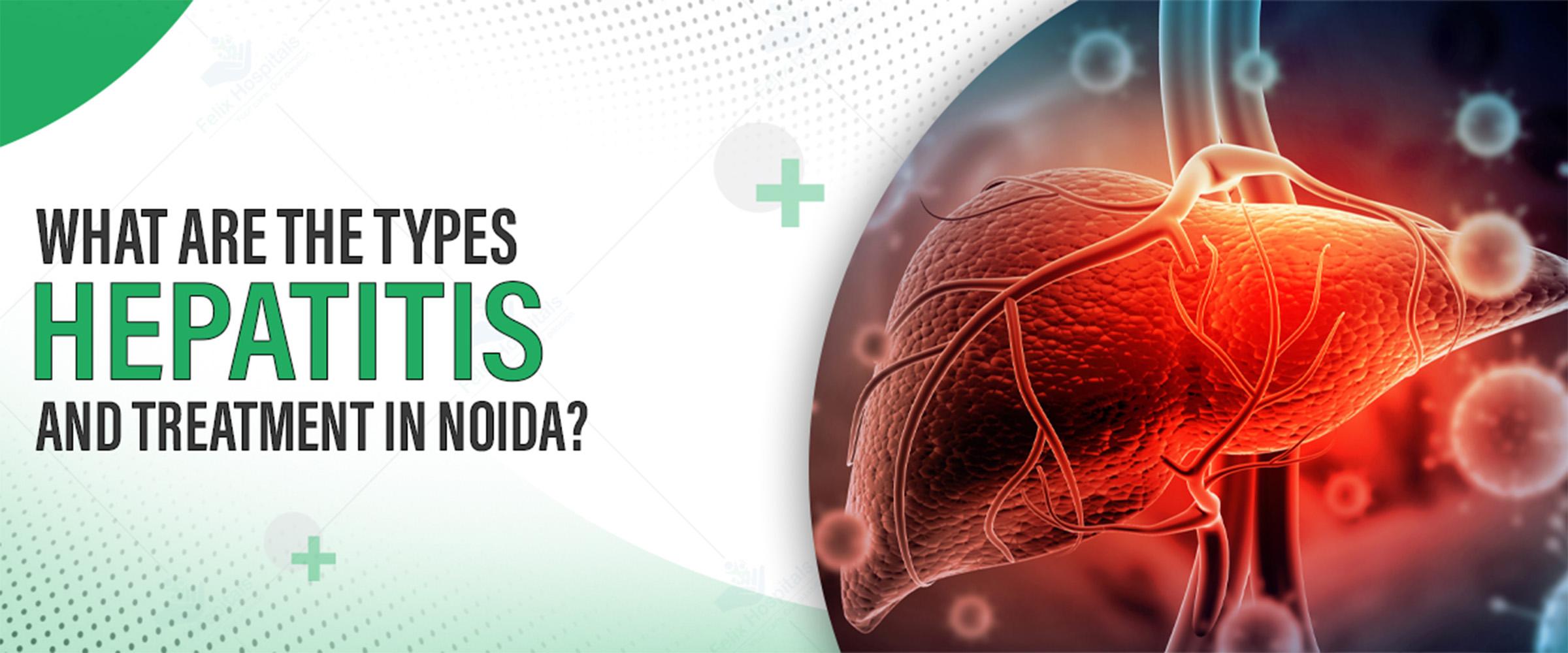
Hepatitis is a disease that makes the liver swell up. It is important to keep your liver healthy because it is important for digestion, detoxification, and the health of the whole body. Liver Specialist in Noida will tell you that there are many things that can cause hepatitis, but viral hepatitis, which is caused by different viruses, is the most common difference between Hepatitis A, B, C, D, and E, the five main types of hepatitis. The way each type spreads, how bad it is, and how it's treated are all different. Let's learn more about them also the hospital for hepatitis treatment in Noida.
Don’t ignore signs of Hepatitis. Get early diagnosis and advanced treatment Call at +91 9667064100.
Hepatitis is when the liver gets inflamed, which can make it not work right. It can be short-lived (acute) or long-lasting (chronic). Hepatitis can be caused by viral infections, drinking too much alcohol, taking certain medications, or an immune system that is too active and attacks the liver.
Difference between hepatitis A, B, C, D, E are as follows:
How it spreads: by eating or drinking contaminated food or water or being close to someone who is sick.
Common in: Places with bad sanitation or when travelling to those places.
Signs include tiredness, nausea, stomach pain, dark urine, and yellowing of the skin (jaundice).
Treatment: There is no need for a specific medicine. Most people get better on their own in a few weeks.
Prevention: There is a vaccine that works and is safe. It can be stopped by keeping clean and washing your hands.
How it spreads: through infected blood, semen, or other body fluids, or by a needle prick. It can also be passed from mother to child during birth.
Risk groups: Having sex without protection, sharing needles, or being around sick people in a healthcare setting.
Symptoms: Most people don't have any, but it can become long-lasting and hurt the liver over time.
Antiviral drugs can help with the infection. Chronic cases may need to be watched for the rest of their lives.
To know Can hepatitis B be cured permanently you should know that there is a vaccine available to stop this from happening. Not doing things that are dangerous.
To know which type of hepatitis is most dangerous it is Hepatitis C. It spreads mostly through contact with blood. This includes sharing needles, getting blood transfusions that haven't been screened, or using infected needles for haemodialysis.
Usually quiet: A lot of people don't show symptoms until their liver is very damaged.
Signs: tiredness, joint pain, loss of appetite, and liver problems in later stages.
New antiviral drugs can now cure most cases of Hepatitis C.
No vaccine yet for prevention. The most important thing is to avoid touching infected blood.
How it spreads: Only people who already have Hepatitis B are affected. It spreads when you touch blood that is infected.
Most of the time, there are no symptoms, but this can cause liver disease to get worse and faster than HBV alone.
Treatment: There is no specific treatment, but controlling Hepatitis B can help stop HDV.
The Hepatitis B vaccine protects against HDV in an indirect way.
How it spreads: by drinking water that has the virus in it. It happens more often in developing countries.
Pregnancy risk: This can be very bad for pregnant women, especially in the third trimester.
Symptoms: Fever, tiredness, and jaundice, which are the same as Hepatitis A.
Treatment: Usually gets better on its own with rest and drinking enough water.
To stay healthy, you need to drink clean water, eat clean food, and practise good hygiene.
Causes of hepatitis A, B, C, D, E are as follows:-
Drinking too much alcohol
Some medicines or poisons
Autoimmune diseases, in which the immune system attacks liver cells
Fatty liver disease, which can also cause inflammation of the liver
There are a lot of symptoms that are the same for all types of hepatitis. These might be:
Feeling tired or weak
Not wanting to eat
Skin and eyes turning yellow (jaundice)
Urine that is dark in colour
Pain in the stomach
Feeling sick or throwing up
In the early stages, people may not show any signs of illness.
Some people are more likely to get hepatitis than others. These people are:
People who use drugs by injecting them or sharing needles
People who have sex with more than one partner without protection
Healthcare workers who came into contact with blood
Babies born to mothers who are sick
People who go to places with bad sanitation
People who get blood transfusions or organ transplants without being screened
To find out if someone has hepatitis, doctors may do the following tests:
Blood tests to find viral DNA or antibodies
Tests of liver function to see how well your liver is working
Ultrasound or imaging to look for signs of liver damage
In some cases, a liver biopsy is needed to check for inflammation or scarring.
Finding it early can help stop damage from getting worse.
The kind and severity of hepatitis will determine the How long does hepatitis treatment take:
Hepatitis A and E: They usually go away on their own if you get enough rest, drink enough water, and eat well.
Hepatitis B: In some cases, long-term antiviral therapy may be needed to keep the liver from getting worse.
Hepatitis C: New antiviral drugs can often cure it.
Hepatitis D: Controlled by keeping Hepatitis B in check. There isn't a specific cure yet.
To know Is hepatitis curable completely you should take supportive care including making changes to your lifestyle, staying away from alcohol, and going to the doctor regularly.
Do you know which doctor treats hepatitis? Hepatitis is managed by a gastroenterologist or Liver Specialist in Noida you may find an or general practitioner who can diagnose the condition
It is better to stop hepatitis than to treat it. This is how you can stay safe:
Get shots for Hepatitis A and B.
Have safe sex
Don't share needles or personal items like toothbrushes or razors.
Drink clean water and eat food that has been cooked well.
Be careful with blood and other body fluids, especially in hospitals.
Wash your hands frequently to reduce the risk of fecal-oral transmission.
Secure your liver health with timely Hepatitis care in Noida. Book your consultation at +91 9667064100.
And if you want to protect your liver and your general health, it’s a good idea to know about the various types of hepatitis, how they spread and how to prevent becoming infected with them. If you are at risk, discuss with your doctor about being tested and vaccinated.
Q1: Can food spread hepatitis?
Ans: Yes, Hepatitis A and E can be transmitted through food or water that is contaminated with the virus.
Q2: Does hepatitis cause liver cancer?
Ans: People with chronic hepatitis B and C are more likely to get liver cirrhosis and liver cancer.
Q3: Is it possible to get hepatitis from a tattoo or piercing?
Ans: Yes, there is a chance of blood-borne hepatitis if the tools are not cleaned well.
Q4: Is hepatitis only a problem for adults?
Ans: No, it can affect people of all ages, even babies and kids.
Q5: Is it possible for someone to fully recover from hepatitis?
Ans: Yes, especially when it comes to Hepatitis A and E. Early diagnosis and treatment also make things better for chronic types.
Child development is a series of developmental milestones that convey a child’s development in speech, movement, social interaction, and learning skills. But some kids may have developmental delays that need to be addressed sooner than later. When it comes to finding expert guidance, parents search for the best pediatric neurologist in Noida, but not only that, parents also look for the therapies suitable for their child. With specific approaches like speech therapy for kids Noida and occupational therapy for children Noida, early intervention can go a long way in aiding a child to overcome impediments and maximise his/her potential.
Call us at +91-9667064100 today to talk to the best paediatric neurologist in Noida about your child's developmental needs.
Developmental delays occur when a child fails to meet the expected milestones in areas such as speech, motor skills, social interaction, or cognitive abilities. Such delays might be temporary or could point to underlying conditions that would require medical or therapeutic intervention.
Developmental delays can be shown in a child in various ways. The most common areas and signs to look for include the following:
Even though the child is 12 months old there is no babbling or cooing.
Words like “mama” or “dada” can be difficult for the child to speak even if the child is 18 months old.
Proper framing of the sentences is not seen for 3 years.
Few words in vocabulary or does not follow simple instructions.
Loses the ability to sit independently by 9 months.
Does not crawl until 12 months or walk until 18 months.
Does not reach with hands or engage in fine motor abilities like using spoons etc.
Children refine their social and emotional development while learning how to interact and fit in with others. Signs include:
Not meeting your gaze or displaying lack of interest in such social contacts.
Failure to comprehend or communicate emotion.
Cognitive abilities are thinking, learning and problem-solving. Possible signs include:
Inability to talk to shapes, colours or objects by 2 years.
Not being able to focus on activities he should be able to focus on for his age)".
Failure to understand cause-and-effect relationships.
Behavior problems may also be a sign of developmental delays, including:
Out of control or excessive tantrums.
Aggression or social withdrawal.
Repetitive behaviors or fixations on certain objects
Developmental delays may result from various causes such as:
Researchers don't show main causes of developmental delay but some developmental delay occur due to genetic disorders like Down syndrome or Fragile X syndrome cause developmental delay.
A baby born before 37 weeks of pregnancy is considered premature or preterm. The earlier the baby is born, the higher the potential health risks, which may include difficulties with breathing, regulating body temperature and also developmental delay. Preterm infants often require specialized care in a Neonatal Intensive Care Unit (NICU).
Malnutrition: Poor prenatal and postnatal nutrition can hinder physical and cognitive development.
Exposure to toxins: Exposure to toxins, alcohol, drugs, or smoking before birth can affect brain development or after birth lead poisoning can affect developmental delay.
Neglect or lack of stimulation: Limited social interaction or exposure to a rich learning environment may result in delays.
Cerebral palsy: A group of disorders that affect movement, muscle tone, or posture due to brain injury or abnormal development.
Epilepsy: Frequent seizures can impact brain function and development.
Psychological or Emotional Factors:
Trauma: Stressful events, abuse, or emotional neglect can impact emotional and social development.
Undiagnosed sensory disorder interferes with communication and learning process
Infections: Maternal infections such as rubella, cytomegalovirus, or toxoplasmosis during pregnancy can lead to developmental issues.
Chronic illnesses: Conditions like congenital heart defects or chronic lung disease can limit a child’s ability to thrive.
Every developmental delay has different strategies for treatment.
Speech-language therapists teach the language abilities of a child. It may implement:
Word repetition and vocabulary building.
Visual aid or sign language in the non-verbal child
Clear sound and sentence construction in his articulation and syntax.
Occupational therapy teaches to develop finer motor skills alongside daily skills. Children could learn: It can conduct itself, like dressing or eating: in self-reliance.
Physical therapy is focused on developing gross motor skills. Some interventions include the following:
Aids in muscle strengthening and enhanced mobility through exercises.
Improved posture and balance.
Promotion of crawling, walking, or climbing activities.
Behavioral therapy is considered very effective in the management of children with social, emotional, or behavioral disorders.
Positive reinforcement of the target behaviors.
Incorporation of skills that aid a child in dealing with stress or frustration.
Structured play to promote socialization.
A child with intellectual disability may benefit from tailored educational plans. Among the tools used include;
School-based IEPs
Small cohort learning sessions
Tools or materials to assist a child to cope.
This is beneficial to those children who have sensory processing disorders. This will enable kids to respond in the best way possible to sensory input. In this regard, the treatment includes;
Activities that require touching, lights, and sounds.
Methods of reducing sensory overload.
Improving concentration and adaptability exercises.
Sometimes, drugs would be prescribed to control some symptoms or underlying conditions like ADHD or epilepsy.
Early diagnosis and intervention are essential. If you feel some of the symptoms listed, go see a developmental pediatrician or pediatric developmental optometrist. They would test your child, diagnose the possible cause, and suggest the course of treatment.
The parent plays the most important role in nurturing his child’s development. The following are some successful home-based strategies:
Play Interactive Style: Use toys, books, or games to bring learning.
Talk Communicative Language: Talk articulately and maintain acute listening with your child.
Instill Routine: This gradually makes children get accustomed and aware of the predictability.
Facilitate Sensorial: Painting, playing in the sand, or even enjoying nature can be extended and used to stimulate the sensorium.
Acknowledge Progress: Celebrate the little milestones that help children build positive self-esteem.
The earlier the intervention programs, the greater the ability and quality of life that will be experienced by a child.
Proper therapy initiated on time has proved that children can catch up with their peers in these key areas. Early support also teaches the families how to cope with the situation and lays the foundation for their child’s future life.
Felix Hospital we know your child's special needs as children with delays need special attention and we aim to provide that. We have the best child neurologist in Noida who with their team diagnoses well and provides treatment conductively. We are a one-stop solution, providing everything from speech therapy for kids in Noida to occupational therapy for children in Noida, in a child-friendly atmosphere with a personalized and caring environment. With the support of state-of-the-art equipment and an interdisciplinary team, Felix has committed to working to help children and their families gain the appropriate skills, support, and treatment necessary to help them grow and succeed.
Developmental delays can affect many areas of a child’s growth, but with the right diagnosis and therapies, children can make great strides. Communication skills can get boosted by taking speech therapy for kids in Noida, daily living activities can be improved by using occupational therapy for children in Noida, and the right care plan ensures that every child will get what he or she needs to be successful. In case you consult an experienced pediatric neurologist in Noida for your child and follow early intervention, you are almost doing half of the work done by strengthening your child’s base to move towards the other milestones which might have looked a distant possibility.
Felix Hospital — trusted child hospital in Noida, delivering specialized pediatric care for newborns, infants, and children with compassion and excellence.
Find the links below:
Check the links below:
Find tips and key factors to choose the best pediatrician in Noida for your child’s health and well-being.
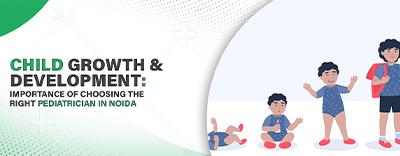
Ensuring proper growth and development in children starts with selecting the right pediatrician in Noida. Expert care can detect early health issues and support your child’s overall well-being.

10 Reasons why a child may not grow
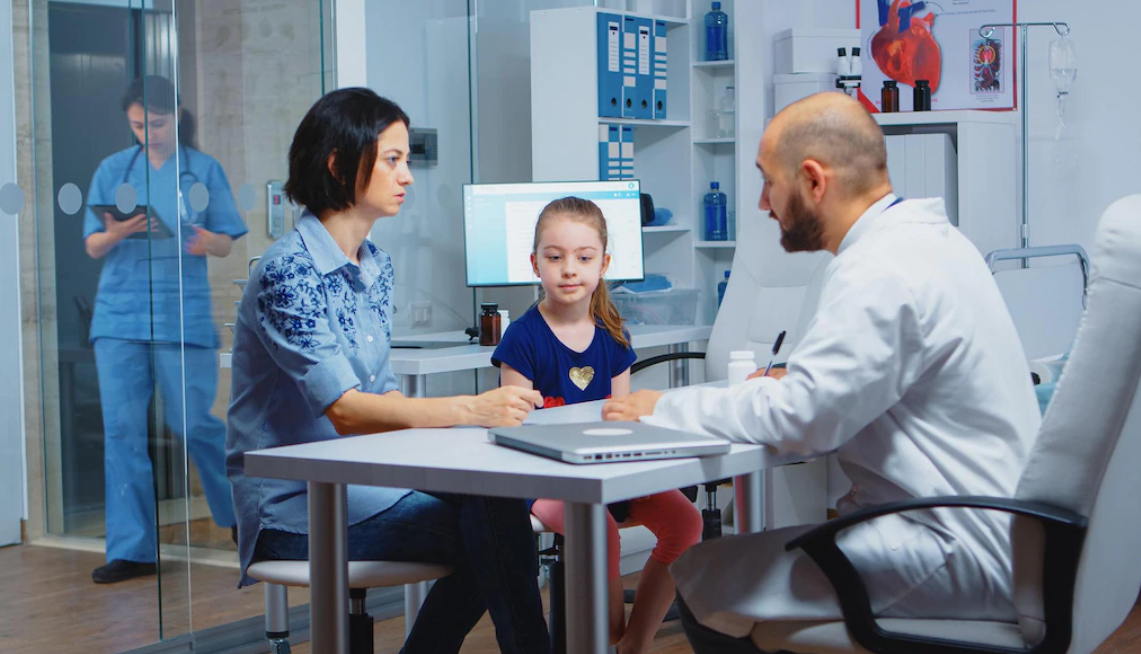
Take special care of the health of your kids, especially young children, amidst the changing seasons.

Subscribe to our
© Copyright 2026. All Rights Reserved by Felix Healthcare Private Limited
Design and development by :


 +(91)9667064100
 Emergency : +(91)9667064100