 WhatsApp
 Emergency:
  WhatsApp





Subscribe to our
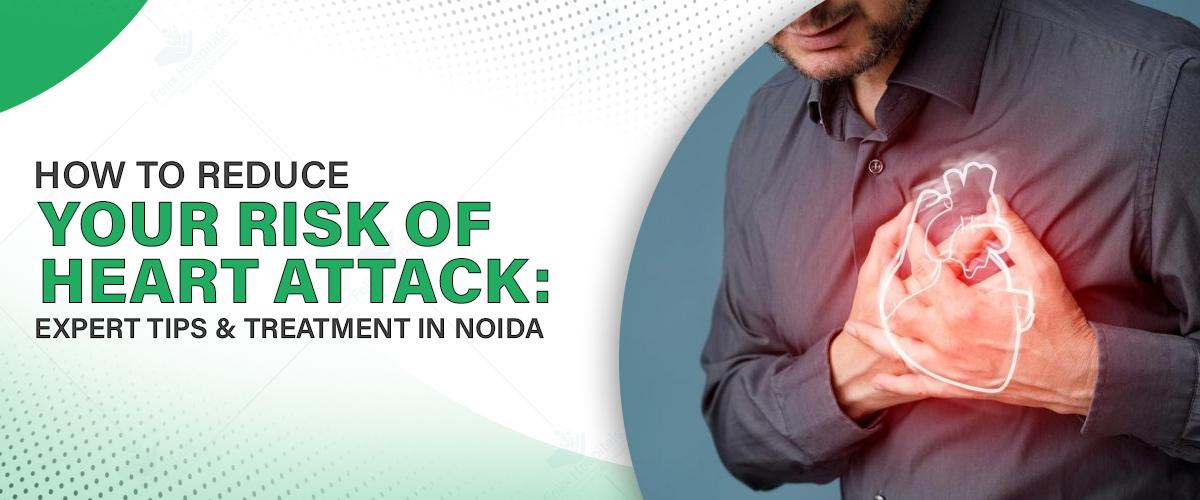
Let's not pretend we have all the answers, but here's a little truth: we all get caught up in the rat race—work, kids, social media, chores and before we know it, our heart health is quietly put on the back burner. This isn't a guilt trip or a lecture; it's a friendly reminder, like one from a close friend, about how small decisions sleep habits, weekend treats, skipping that evening walk add up over time. And, while you're accustomed to putting everything and everyone else first, it's worth remembering that your heart is also important. Especially since some of us are fortunate enough to have access to places like the best cardiology hospital in Noida for expert advice when we decide it's time. Let's start with some simple, smart changes you can do it.
Ready to take charge of your heart health? Don’t wait—reach out today for expert advice and personalized care. Call us now at +91 9667064100.
It's similar to your heart suddenly not receiving enough oxygen because something is blocking the blood flow usually a clot or some buildup inside the arteries. When this occurs, parts of your heart muscle may begin to suffer damage, sometimes quickly. And it's not always obvious right away, sometimes the symptoms appear gradually, and other times they strike suddenly, like a punch you didn't expect. In any case, it's serious business, and understanding what's going on inside can have a significant impact on how you respond.
Taking care of your heart may seem overwhelming at first, but it really boils down to a few simple habits you can incorporate into your daily routine with little effort. It's the small, everyday choices that, while often overlooked, add up and make a big difference. So, before you get overwhelmed, here are some simple, practical ways to keep your heart healthy over time:
If you smoke, quit. If someone in your household smokes, encourage them to stop. We know it's difficult. However, recovering from a heart attack or stroke, as well as living with chronic heart disease, are more challenging. Commit to quitting. We're here to help if you need it.
A healthy diet is one of the most effective ways to fight heart disease. Other controllable risk factors that can be influenced by diet include cholesterol, blood pressure, blood sugar levels, and weight.
Choose nutrient-dense foods over nutrient-poor ones. Nutrient-dense foods contain vitamins, minerals, fibre, and other nutrients but are low in calories.
Choose a healthy diet rich in vegetables, fruits, and whole grains.
Incorporate low-fat dairy products, skinless poultry, fish, legumes, nontropical vegetable oils, and nuts.
Limit consumption of saturated and trans fats, red and processed meats, added sugars, sugar-sweetened beverages, and sodium.
To maintain a healthy weight, balance your diet and physical activity so that you burn as many calories as you consume.
You must reduce your consumption of saturated fat, avoid trans fat, and get moving. If diet and physical activity alone do not reduce those numbers, medication may be necessary.

Your total cholesterol score includes LDL, HDL, and triglycerides.
A low LDL cholesterol level (less than 70 mg/dL) is considered beneficial to heart health. However, your LDL level should not be the primary factor in determining treatment. If you have a higher risk of heart disease or stroke, the best cardiologist in Noida may recommend lifestyle changes and medication to lower your LDL.
Higher HDL (good) cholesterol levels are generally preferred. Low HDL cholesterol increases your risk of heart disease. People with high blood triglycerides tend to have lower HDL cholesterol. Lower HDL cholesterol can be caused by:
Genetic factors
Type 2 diabetes.
Smoking
Being overweight.
Being inactive
Triglycerides are the most common type of body fat. Normal triglyceride levels vary with age and gender. A high triglyceride level combined with low HDL or high LDL cholesterol can cause atherosclerosis. Atherosclerosis is the accumulation of fat in artery walls, which increases the risk of heart attack and stroke.
High blood pressure is a significant risk factor for strokes. Break the salt habit, take your medications, and get moving. These figures must fall and remain low. The ideal blood pressure is less than 120/80 mm Hg.
Sit less, and move more. Try to engage in physical activity every day. A minimum of 150 minutes per week of moderate-intensity physical activity can help lower blood pressure and cholesterol. It can also help you maintain a healthy weight. If you are currently inactive, start slowly. Even a few minutes at a time could provide some health benefits.

Consuming too many calories and engaging in insufficient physical activity can increase your risk of becoming overweight or obese. Many people have trouble losing weight. However, even modest weight loss (5% to 10% of body weight) can help lower your risk. Weight loss can help with high blood pressure and cholesterol. It can also help manage diabetes. To achieve and maintain a healthy weight, focus on proper nutrition.
Controlling calorie intake
Being physically active.
Manage diabetes.
Even when blood glucose levels are under control, diabetes significantly increases the risk of a heart attack or stroke. If you have diabetes, regular medical checkups are essential for keeping blood sugar under control. Work with your healthcare provider to eat healthily, manage your weight, and stay active. You may also require medications to help regulate your blood sugar or insulin levels.
A good night's sleep every night is essential for your heart health. Sleep quantity and quality can have an impact on your eating habits, mood, memory, internal organs, and other aspects of your health. Excessive or insufficient sleep can be harmful. Adults should aim for an average of seven to nine hours per night. To improve the quality of your sleep,
Being physically active throughout the day
Creating a Bedtime Routine
Keep your electronic devices out of the bedroom.
Stress can lead to unhealthy habits like smoking or smoking more, overeating, and a lack of physical activity. Chronic stress may cause high blood pressure. These factors can raise your risk of heart disease and stroke. To manage stress, try healthy activities like:
Regular exercise.
Make time for friends and family.
Practice relaxation techniques.
Drinking excessive alcohol can:
Raise blood pressure.
Increase in cardiomyopathy, stroke, cancer, and other diseases.
Contribute to elevated triglycerides
Cause irregular heartbeats.
Contribute to obesity, alcoholism, suicide, and accidents.
If you don't already drink, don't start. If you drink, limit your intake to one drink per day for women and two drinks per day for men.
The National Institute on Alcohol Abuse and Alcoholism defines a drink as 1-1/2 fluid ounces of 80-proof spirits like bourbon, Scotch, vodka, or gin.
At the end of the day, caring for your heart isn't about achieving perfection or turning your entire life upside down. It's about the small decisions you make on a regular basis some easy, some difficult. It's normal to make mistakes from time to time; it's all part of the human experience. What is most important is to show up for yourself and your health, even if it seems insignificant. Remember that your heart works hard for you every day, so giving it some extra attention will go a long way. And if you ever feel unsure or need assistance, places like the hospital for the best heart attack treatment in Noida are available to help. So take a deep breath, start where you can, and keep moving forward you got this.
Have questions or need support with your heart care journey? Give us a call anytime at +91 9667064100 and let’s get started together.
Find the links below:
Check the links below:
Q: How often should I check my blood pressure and cholesterol?
Ans: You should get your cholesterol and blood pressure checked at least once a year, or more often if your doctor says you should based on your risk factors.
Q: Is heart disease something that runs in families? Should I be worried?
Ans: Yes, genetics can be a factor. If you have close family members with heart disease, you should be extra careful about how you live your life and see your doctor often.
Q: I don't have any symptoms. Do I still need to worry about heart disease?
Ans: Yes, of course. Even if you feel fine, you need to get regular checkups and follow healthy habits to avoid heart disease.
Q: Are there any signs that I should go to the hospital right away?
Ans: Yes. If you suddenly have chest pain, shortness of breath, pain that moves to your arm or jaw, dizziness, or heavy sweating, you need to call 911 right away.
Q: Is it ever too late to start making choices that are good for your heart?
Ans: No, it's never too late. At any age, even small changes can make a big difference in your heart health.
Q: How can managing stress help my heart?
Ans: Stress management lowers blood pressure and cuts down on bad habits like smoking or eating too much, all of which are good for your heart.

Cold weather affects the body in several ways that can increase cardiovascular risks.
Heart disease is a significant health concern for women, often presenting unique challenges. Understanding the causes, symptoms, and treatment options is essential for early detection and effective management.
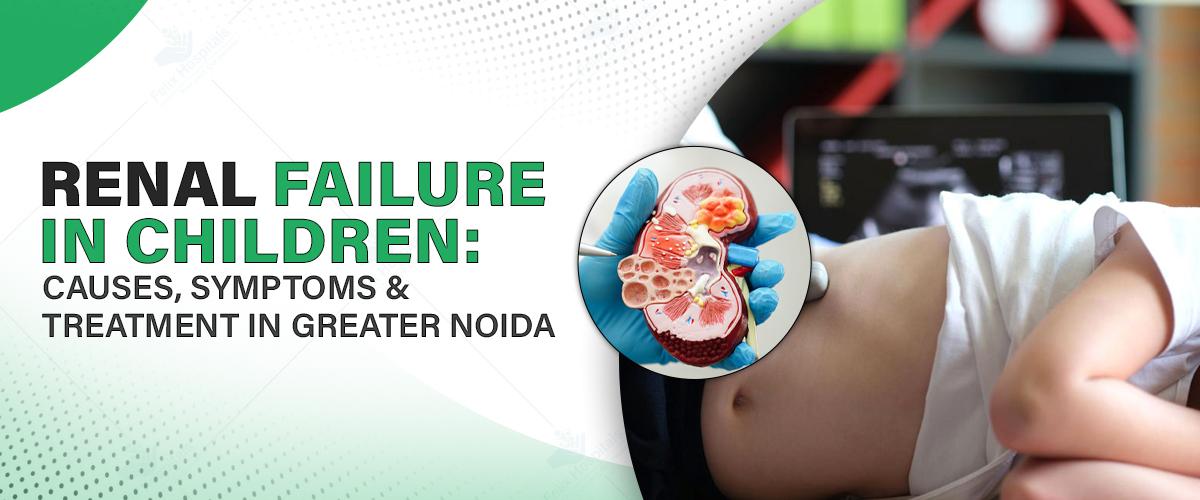
When we look at health problems children are undergoing today, renal problems might not be the first one that would come to mind. However, renal failure in children is an emerging health issue that is affecting thousands of children across the country, affecting families here in Greater Noida as well. What makes kidney disease in children so challenging is the manner in which disease is able to catch up to children - they may not always have obvious symptoms until their disease is quite far along.
As parents, we would wish to protect our kids from any possible health risk. Discovering childhood renal disease is not sounding an alarm unnecessarily, it's more about identifying the possible warning signs in time and knowing exactly where to find professional treatment when needed.
Look for a pediatric nephrology hospital that provides full-service capabilities just call us now at +91 9667064100.
Kids' kidneys are amazing organs that keep growing late into their teens. Children's kidneys, unlike mature adult kidneys, are still developing and changing, which happens with both special risk and unsuspected strength. When renal become dysfunctional in children, it's not merely waste elimination that's impacted - it's their growth, bone density, energy, and overall health.
The bright side? Children's kidneys recover more quickly from issues than do adult kidneys, especially if issues are caught early. That is why it is so crucial that parents and guardians are aware of the indicators of renal failure in children.
Renal failure in children is actually quite distinct from that of adults. Adults go through kidney problems because of diabetes or hypertension after decades, yet children have to contend with other problems:
Most of the kidney problems in children are caused by structural defects at birth. Diseases such as polycystic kidney disease, renal dysplasia, or urinary tract malformations can slowly impair kidney function over time.
Post-infectious complications, particularly following strep throat or other bacterial infection, will lead to inflammation of the kidneys. Additionally, autoimmune diseases in which the body becomes autoaggressive and attacks its own renal tissue are a frequent cause.
Certain drugs, when taken for a long time or in high doses, can damage developing kidneys. Even certain pain medicines are dangerous when taken frequently in children.
Sudden onset of severe illness with prolonged vomiting, diarrhea, or bleeding can suddenly impair renal function and lead to acute kidney injury.

The symptoms of renal failure in children come gradually and are subtle and easy to miss or attribute to other common symptoms of childhood:
Ongoing tiredness not relieved by sleep
Swelling of the eyes, especially in the morning
Swollen hands, feet, or ankles
Changes in urination pattern - much more or much less than usual
Urine with blood or foamy, bubbly urine
Continued nausea or loss of appetite
Delayed more than expected growth or weight gain
Inability to focus in school
Change in mood or unusual irritability
Pale skin that does not improve
If your child is experiencing any concerning symptoms—especially shortness of breath, extreme swelling, or blood in the urine—do not wait. Seek immediate emergency medical care at the best nephrology hospital in Greater Noida for expert pediatric kidney care.
Modern pediatric nephrology offers a range of treatment possibilities specially tailored to children's unique needs:
Medication Management:
Treatment is typically initiated with medications to control blood pressure, restrict protein loss, and obtain mineral equilibrium. Infants and children might need special preparations according to weight and age.
Nutritional Support:
Children need proper nutrition when growing up, yet renal disease requires special dietary modifications. Pediatric nutritionists work with families to give children proper nutrients without affecting kidneys.
Dialysis in Children:
After kidneys fail, dialysis must be done. Dialysis in a child requires specific equipment and treatment adapted to the smaller child's body and personal requirements.
Kidney Transplantation:
In children with end-stage renal disease, transplant generally provides the optimal long-term outcome. Pediatric transplant facilities are not only interested in successful surgery but in facilitating children to resume normal child's activity.
Greater Noida has emerged as the top healthcare destination, offering professional care for advanced pediatric ailments. Parents, while looking for a best pediatric nephrologist in Greater Noida, need to look for hospitals that offer:
- Pediatric intensive care units
- Paediatric dialysis facilities
- Integrated family support services
- Multidisciplinary teams consisting of pediatric nephrologists, nutritionists, and social workers
The cost of treating renal failure in children is very varied based on the severity and treatment required. The funding should be planned early in the treatment because pediatric kidney treatment is generally a lengthy process. Payment plans and help in accessing insurance benefits for complicated pediatric treatments are provided in most hospitals.
Schedule your appointment with the best pediatric nephrologist — a specialist trained in diagnosing and treating kidney diseases in children.
While kidney disease in children does pose some serious challenges, improvements in pediatric nephrology continue to enhance the prognosis for children. Early detection, quality medical care, and compliant families are the keys for children to succeed in spite of kidney issues.
Remember that if you are concerned about your child's kidneys, don't hesitate to consult medical professionals. They have the most impact on treatment and your child's well-being when intervention comes early.
Find the links below:
Check the links below:
Explore the top diagnostic centers near you:
Q1. What is renal failure in children, and how common is it?
Ans: Renal failure is when kidneys stop removing waste and controlling fluids. It affects approximately 1 in 750 children, and the reason varies with age - birth defect is the most common in children under the age of 4, while immune system problems are more frequent in adolescents.
Q2. What are some early warning signs to look out for?
Ans: Symptoms and presentation in early stages are chronic fatigue, periorbital puffiness (especially in the mornings), change in micturition, loss of appetite, growth retardation, and pallor. Some children may also have trouble concentrating in school, odd irritability, or behavioral abnormalities for which parents will initially suspect some other cause.
Q3. Can children be born with kidney problems?
Ans: Yes, the most frequent cause of chronic kidney disease in young children is congenital kidney abnormalities. These are polycystic kidney disease, kidney dysplasia, structural abnormalities, or urinary tract abnormalities - most of them are diagnosable in utero by ultrasound screening.
Q4. How is kidney failure diagnosed in children?
Ans: Diagnosis is performed through blood tests to check for creatinine level and kidney function, urinalysis to check for protein or blood, and imaging tests such as ultrasounds or CT scans. Pediatric nephrologists utilize some formulas to determine kidney function because normal levels differ from adults according to age and size.
Q5. For what child kidney failure treatments are available?
Ans: The therapy includes medications to control blood pressure and slow disease progression, diet modification, dialysis (peritoneal dialysis is the preferred mode in children), and kidney transplantation. The goal is to preserve residual renal function and allow normal growth and development in childhood.
Renal failure occurs when the kidneys lose their ability to filter waste and fluids from the blood. Understanding its causes, symptoms, and treatment options is crucial for timely management and prevention of complications.
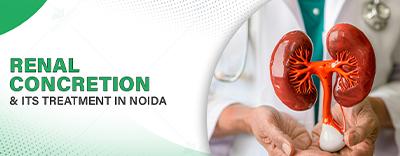
Renal concretion, commonly known as kidney stones, can cause severe pain and urinary complications. Explore advanced treatments available in Noida for effective relief.
In Noida hospitals, recognized for being among the best heart health hospitals in Noida, are at the forefront of offering critical care for heart-related issues.
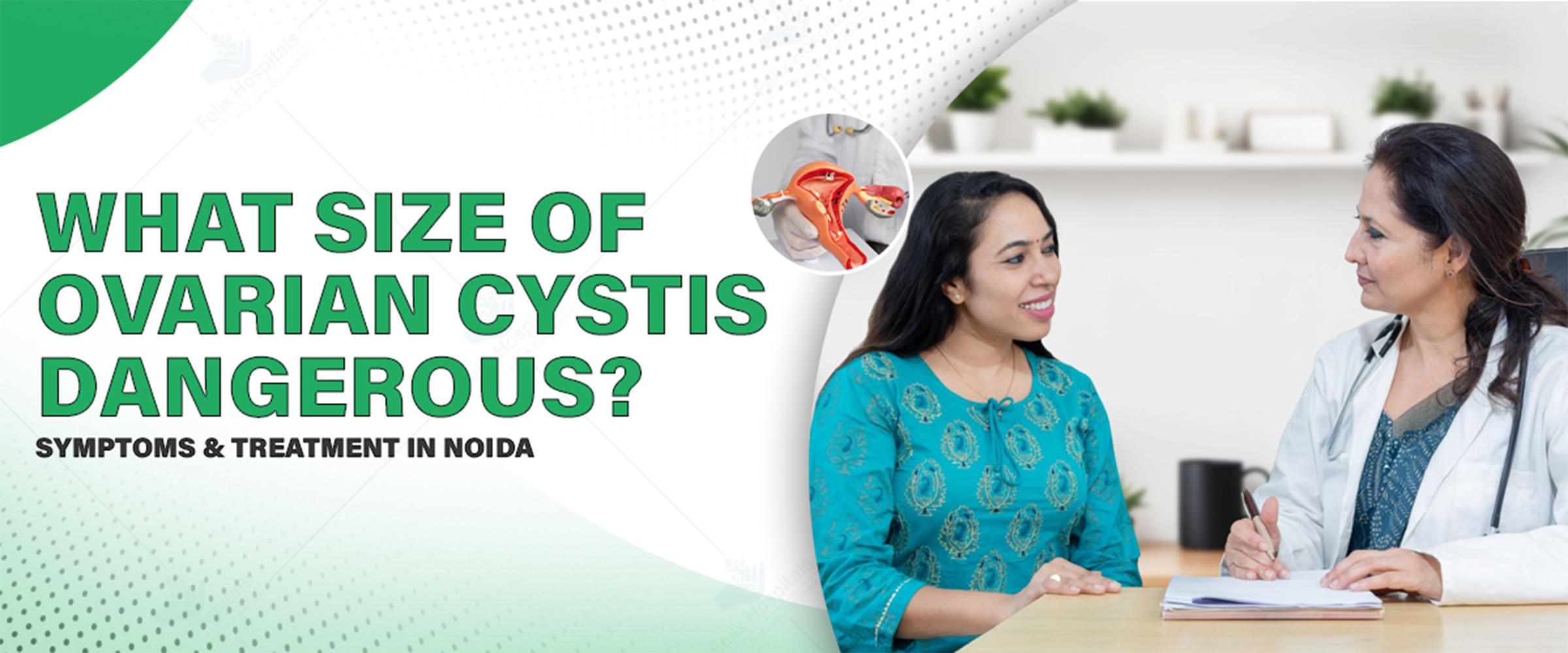
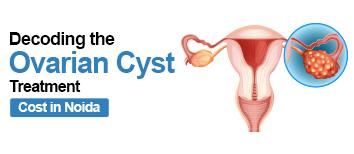
Ovarian cysts are hollow, fluid-filled sacs found on or within ovaries. Though most are benign and spontaneously resolved by themselves, some become large enough to develop issues for which medical attention or even surgical intervention is needed. Knowing about the risk threshold for size in an ovarian cyst if you are in Noida and you are worried about one is critical for you since it is key in determining when you should seek medical intervention.
This blog will walk you step by step through size guidelines for ovarian cysts, risks in large cysts, and what is Ovarian Cyst Treatment In Noida. We will also cover how you should prepare for ovarian cyst surgery and why selecting a proper hospital such as Felix Hospital is so very important for safe and effective care.
Control your ovarian health. Call now at +91 9667064100 for a specialist appointment in Noida.
Ovarian cysts are a common occurrence in women at any age but mostly in reproductive age women. Cysts are a component of a normal menstruating cycle and resolve spontaneously without intervention. Nonetheless, a few cysts can become large in size, painful, or result in severe complications.
Follicular Cysts: These are those in which a follicle does not release an egg but continues.
Corpus Luteum Cysts: These are formed if an egg is expelled but the follicle does not disintegrate.
These are typically benign and resolve in several months.
Dermoid Cysts: These are made up of hair, skin, or teeth.
Cystadenomas: Cysts that are filled with a low-viscosity fluid.
Endometriomas: Grow because of endometriosis and are filled with.
These cysts may require medical intervention if they are large or if they are symptomatic.
The risk level for an ovarian cyst is mostly based on its size. Here is how size divides up cysts:
Risk Level: Low.
Characteristics: Most tiny cysts are harmless and symptom-free.
Management: There is no treatment typically necessary. Timely ultrasounds are recommended for tracking progress.
Risk Level: Moderate.
Characteristics: Can cause mild cramping or irregular periods.
Follow-up ultrasounds is recommended for tracking progress.
Risk Level: High.
Management: Surgery may be needed if the cyst is painful or have chances of becoming cancerous.
These can cause pain, break, or twist (torsion) the ovary.

Whereas most ovarian cysts are symptom-free, larger or more complex cysts can produce obvious signs.
Sharp or a dull lower abdominal pain, particularly if it is sharp or abrupt.
Bloating not alleviated by dietary adjustment.
Heavy periods, spotting at intervals between periods, or spotting postmen.
Pain or unpleasant sensation during sex.
Common Symptoms: Frequent Urination: A large cyst can push upon the bladder.
Abdominal Mass: Most frequently found in an ectopic pregnancy patient.
Large ovarian cysts can result in serious problems such as:
What Occurs: Twisting around its support ligaments, which results in cutting off blood flow.
Symptoms: Sudden onset pelvic pain, nausea, vomiting.
Risk: Most prevalent with 5 cm or larger cysts.
Treatment: Emergency surgery is needed to untwist the ovary and normalize blood flow.
What occurs: A ruptured cyst releases its material into the pelvic cavity.
Symptoms: Severe temporary pain, internal hemorrhaging, and risk for infection.
Risk: Increased in cysts over 5 cm in size.
Treatment: Prompt medical care for controlling pain and for preventing infection.
What occurs: More common women during or after menopause.
Symptoms: Rapid growth, solid areas within the cyst, or elevated tumor markers in blood tests.
Risk: Increased for cysts greater than 10 cm in diameter or with an irregular shape.
Treatment: Surgical excision and biopsy for cancer rule-out.
Size and type of cyst determine which treatment is appropriate. Here is what you should know about treatment for symptoms for ovarian cyst based on size:
| Cyst Size | Symptoms | Treatment Options |
| Under 4 cm | Usually none | Watchful waiting, follow-up ultrasounds |
| 4–6 cm | Mild discomfort, irregular periods | Monitoring, hormonal therapy (birth control pills) |
| Over 6 cm | Pelvic pain, bloating, pressure | Surgical removal (laparoscopy or laparotomy) |
| Suspected Malignancy | Rapid growth, abnormal bleeding | Surgery, biopsy, oncology referral |
Once you are diagnosed with an ovarian cyst in Noida, you are treated based on size, type, and symptom.
Birth Control Pills: Regulation of menstrual cycles.
Pain Relief: Self-medication with over-the-counter painkiller for minor pains.
Ideal for: Large cysts (more than 6 cm), symptomatic cysts, or cancer suspicion.
Laparotomy: Open surgery to deal with large or complex cysts.
Laparoscopy: Less invasive process to create small cuts and use a camera. Ideal for small cysts and rapid recovery.
If you should decide on surgery, proper prepping ensures an uncomplicated operation and recovery. Here's what you can expect:
Blood Tests: Screen for anemia or infection.
Imaging: MRI or ultrasound for identification of location and size of tumor.
ECG or X-Ray of Chest: Prepare patient for anesthesia.
Fast: Do not consume food or fluids for 6–8 hours preoperatively.
Medication Changes: Avoid blood thinners or specific supplements as directed.
Arrange Accommodation: Arrange for a driver to pick you up after surgery.
Rest for 1–2 weeks from work or strenuous activity.
Improvement from pain with medication as directed by your physician.
Visits for regular check-ups for progress monitoring.
Ovarian cysts are prevalent, but symptomatic or enlarged cysts should be treated at once to avoid complications. Knowing the level of risk for ovarian cyst size, being attuned to warning signs, and being aware of choices are key to keeping your health intact.
Suffering from pelvic pain or bloating? Get a gynecologist in Noida for the detection of ovarian cyst. Call at +91 9667064100 now for a specialist consultation.
Find the links below:
Check the links below:
Explore the top diagnostic centers near you:
Q1: Does an ovarian cyst cause infertility?
Ans: Most are not a concern for fertility but large or endometrioma cysts can impede ovulation or need treatment beforehand before a pregnancy is established.
Q2: Are ovarian cysts preventable?
Ans: Although not all cysts are preventable, risk for functional cysts can be decreased when a woman uses hormonal birth control. Routine gynecologic screenings are also essential.
Q3: Is laparoscopic surgery safe for ovarian cysts?
Ans: Yes, it is an effective and safe therapy for most ovarian cysts with less scarring and rapid recovery.
Q4: What should I do if my ovarian cyst bursts?
Ans: Get prompt medical help. Numbness or tingling in a limb is the most common symptom of a choking episode.
Q5: Why should you consider ovarian cyst surgery at Noida's Felix Hospital?
Ans: At Felix Hospital, specialist gynecologists, state-of-the-art surgical units, and confidential care are made available for best-in-class results for patients.
Can ovarian cancer be cured? Early detection plays a critical role. This article explores the chances of cure, available treatment options, survival rates, and the importance of regular screenings for timely diagnosis and improved outcomes.
Explore the causes, symptoms, and best treatment options for ovarian cysts after pregnancy. Find expert care in Greater Noida.
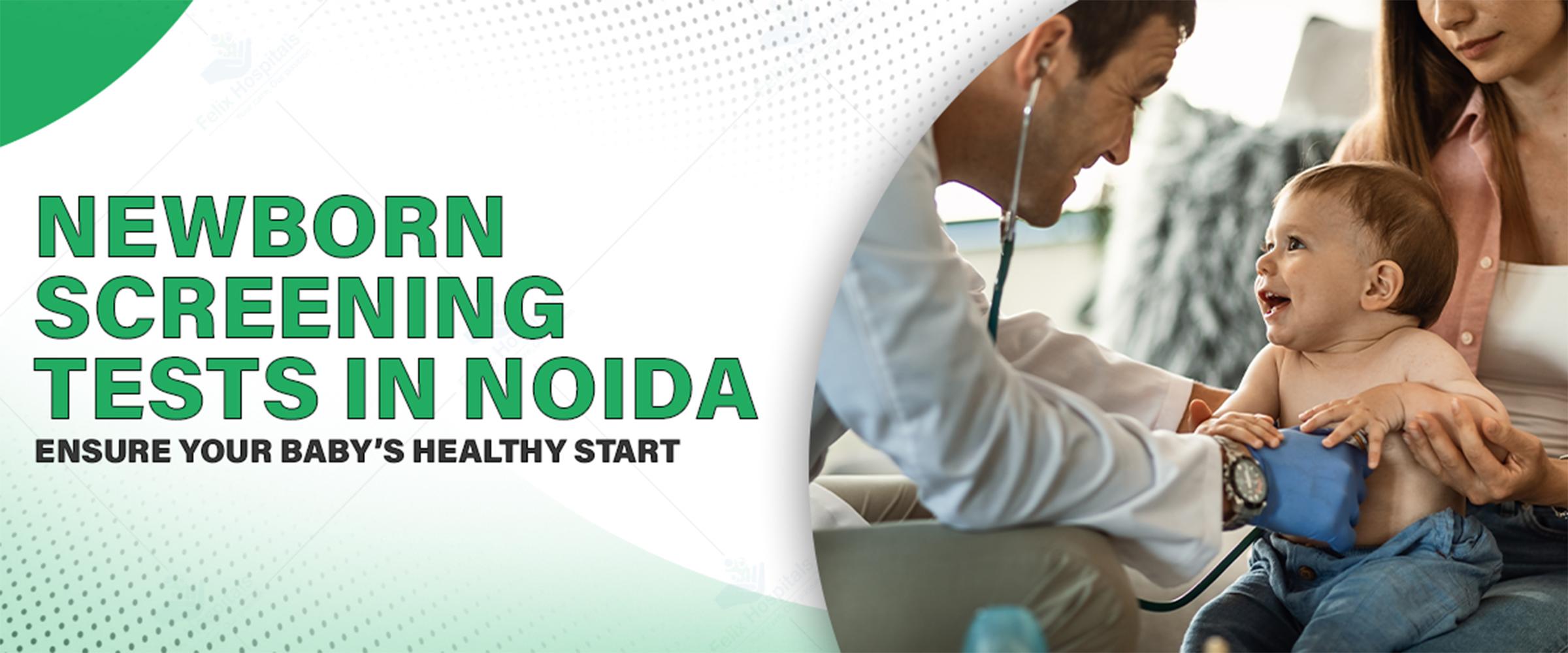
It's something so emotionally overwhelming to have your newborn in your arms for the first time. Those little fingers, that serene sleep, that overwhelming surge of love with an equally overwhelming sense of responsibility. As new parents ourselves, there is nothing we desire more than to keep our babies safe and provide them with the healthiest beginning to life. Although we cannot do it all, there is one simple step that can assist us: newborn screening tests.
In Noida, the presence of newborn screening test hospital in Noida became all the more vital with increasing medical awareness among young families. These effective and simple tests are able to detect serious health disorders even before the onset of symptoms, generally ruling out permanent complications or developmental delays.
Ready to provide your baby with the healthiest start you can? Schedule our board-certified pediatric experts today by calling +91 9667064100.
Think of newborn screening tests as your baby's initial checkup – but much more thorough. They are lab tests on tiny blood samples, commonly taken from your baby's heel during the first days of life. Unlike regular checkups that look for obvious signs of sickness, these tests search for hidden conditions that won't show symptoms for months – or even years.
The best thing about newborn screening is how simple and quick it is. Only a few drops of blood on special filter paper can tell you if your baby has one of dozens of serious genetic, metabolic, or hormonal disorders. The best part is that treatment of most of them, if caught early on, is very effective – in some cases, it can even prevent serious intellectual disability, organ damage, or other serious illness.
Suppose this: a newborn baby seems completely normal. She eats well, sleeps well, and otherwise is free of distress. But lurking in her cells is a genetic disease that will quietly devastate her developing brain unless she's treated in the first few weeks of life. Unless babies are screened at birth, this disease could go undetected until damage is irreversible.
This is not a rare occurrence: Most severe genetic illnesses are not evident in newborns, and it is nearly impossible to detect them during infancy without specific testing. There are a few that require dietary changes immediately, some that require hormone replacement therapy, and some may need specific drugs or supplements.
The numbers are the proof: early detection by newborn screening programs has saved thousands of intellectual disability cases, saved thousands of lives, and improved significantly the quality of life of children and their families. In most instances, children with such conditions are able to live perfectly normal lives if they are treated early enough.
Newborn screening test panel encompasses a wide variety of conditions, each having possible complications if not treated. Some of the most significant ones are mentioned below:
Phenylketonuria (PKU): If left untreated by a special diet, causes severe intellectual disability
Maple syrup urine disease: Needs immediate diet control to avoid brain damage
Other disorders of organic acids that may cause developmental delay and organ problems
Congenital hypothyroidism: May result in growth retardation and mental disability without hormone supplementation
Congenital adrenal hyperplasia: Can lead to life-threatening loss of salt in infants
Sickle cell disease: Preventive treatment can be offered with early diagnosis and better management.
Various forms of anemia that must be monitored and managed regularly
Severe combined immunodeficiency (SCID): If not treated early, these babies are very prone to infection
Cystic fibrosis: Early treatment can dramatically boost lung function and quality of life
Spinal muscular atrophy: New therapies hold much potential if started early

The process of newborn screening test is as trouble-free and non-invasive as possible, though parents will understandably be worried about any medical procedure on their newborn.
Timing: Most screening tests are done 24-48 hours after birth, although ideally before the baby is 7 days old. This is the required timing since it allows time for some of these conditions to emerge while, at the same time, catching them early enough to be intervened upon effectively.
The Process: A health worker will clean your baby's heel with an antiseptic solution, and then pierce the skin with a sterile lancet. A minimal amount of blood is taken onto special filter paper cards, which are then transferred to special laboratories for analysis.
What to Expect: The test only takes a few minutes. Your baby will cry for a moment, but most settle down immediately, especially if they are being nursed or held against you. Some hospitals perform the test while babies are sleeping.
Follow-up: The outcome typically takes a week or so. Most results are fine, but if there is something that needs to be addressed, you will be asked to come back for additional tests or advice from experts.
Noida hospitals conduct comprehensive newborn screening tests in Noida as per national guidelines and international practices. The test panels conducted are typically:
Core Screening Panel:
This includes the most serious conditions mandated by health officials, including PKU, congenital hypothyroidism, and several other metabolic disorders.
Extended Screening Options
Some of the centers offer full panels that screen for other genetic and metabolic disorders. These are not always necessary; they provide additional reassurance for families with particular risk factors or worries.
Specialized Testing:
Certain hospitals provide focused screening for conditions that are more prevalent in specific groups or for families with established genetic risk.
Hearing Screening:
Not a technically blood test, newborn hearing screening is also included as part of various other screening tests for the identification of congenital hearing loss.
Choosing where to have your baby's screening tests conducted is an important choice to make thoughtfully. Noida boasts a variety of excellent choices ranging from large multi-specialty hospitals to pediatric specialist Hospital and accredited labs.
When comparing, look for facilities that are highly accredited, with competent pediatric staff, and equipped with the latest labs and equipment. Top centers will also have good procedures for dealing with stat results and are able to refer you to competent specialists promptly if necessary.
All hospitals are not created equal when it comes to newborn screening. Here is what to look for:
Accreditation and Quality Standards: Ensure the facility employs appropriate collection and testing procedures, with the samples being tested by accrediting labs.
Newborn Experience: Workers responsible for working with newborns must be specifically trained to handle newborns and deal with the sensitive collection process.
Full Service: The optimal facilities not only offer testing, but also counseling, follow-up, and referral to specialists when needed.
Clear Communication: You must be provided with clear information on what tests are being performed, when results would be available, and what next.
Emergency Procedures: Where prompt action is paramount, the center must have set channels for speedy specialist services.
First things first: don't panic. A positive screening result is not a diagnosis that your baby has the condition – it means that further tests are needed to rule in or rule out the diagnosis.
Call the provider immediately as instructed
Schedule follow-up testing at the earliest convenience
Keep accurate records of all test results and communication
Don't delay – time can be of the essence for some conditions
Most conditions have specific family support groups and family resources that your healthcare team can refer you to.
Don't delay – provide your baby with the gift of early diagnosis and treatment. Make an appointment with our best pediatrician.
As you prepare for the arrival of your infant, newborn screening tests are one of the best presents you can bestow upon your child. These easy tests, administered in those first precious days of life, can prevent serious sickness and give your baby the best possible beginning. Consulting a child specialist in Noida ensures that these screenings are done with expert care and that you receive proper guidance for your baby’s early health needs.
The peace of mind that you will have knowing your baby has been screened for any serious genetic and metabolic disorders is priceless. And in the rare case that a condition is detected, it may make a very significant difference to your child's general health and well-being in the long term.
Find the links below:
Check the links below:
Explore the top diagnostic centers near you:
Q1. When is a newborn screening test performed?
Ans: Newborn screening is optimally performed 24-48 hours after birth but should be performed before the infant is 7 days old. This is to give precise results but to allow early intervention if required.
Q2. Are newborn screening tests painful for my baby?
Ans: The heel prick is briefly uncomfortable, similar to a vaccination. Most babies will cry for several seconds but then calm down, especially if comforted or fed.
Q3. How long will it take to get screening results?
Ans: Most of the newborn screening test results are received 5-7 days after the blood test. Those requiring immediate action are reported within 24-48 hours.
Q4. Can I refuse newborn screening tests for my child?
Ans: Although testing in newborns is strongly advised by physicians, parents can usually refuse tests in most states. Refusal, however, can mean postponement of early diagnosis of a dangerous and curable disease.
Q5. Is insurance reimbursement available for all newborn screenings?
Ans: The majority of standard newborn screening panels are insured as part of standard maternity benefits. More comprehensive screening panels have some additional out-of-pocket expense based on your coverage.
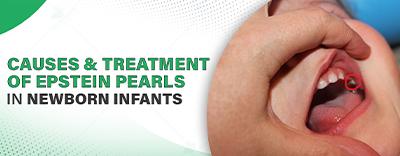
Epstein Pearls are small, white or yellowish cysts found on the gums or roof of the mouth in newborns. These harmless bumps form during fetal development and usually resolve on their own within a few weeks. No treatment is necessary unless symptoms persis
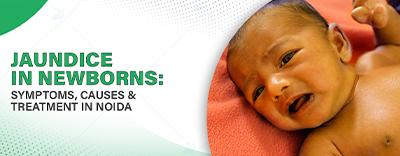
Jaundice in newborns is a common condition where a baby’s skin and eyes turn yellow due to high bilirubin levels. Learn symptoms, causes, and best treatment options in Noida.
Learn essential newborn care tips to ensure your baby’s health and comfort. A complete guide for parents in Noida.
Our team of pediatric professionals is committed to offering expert care and guidance on sleep-related issues. If you’re looking for a pediatric doctor near me, our experienced specialists are ready to assist.
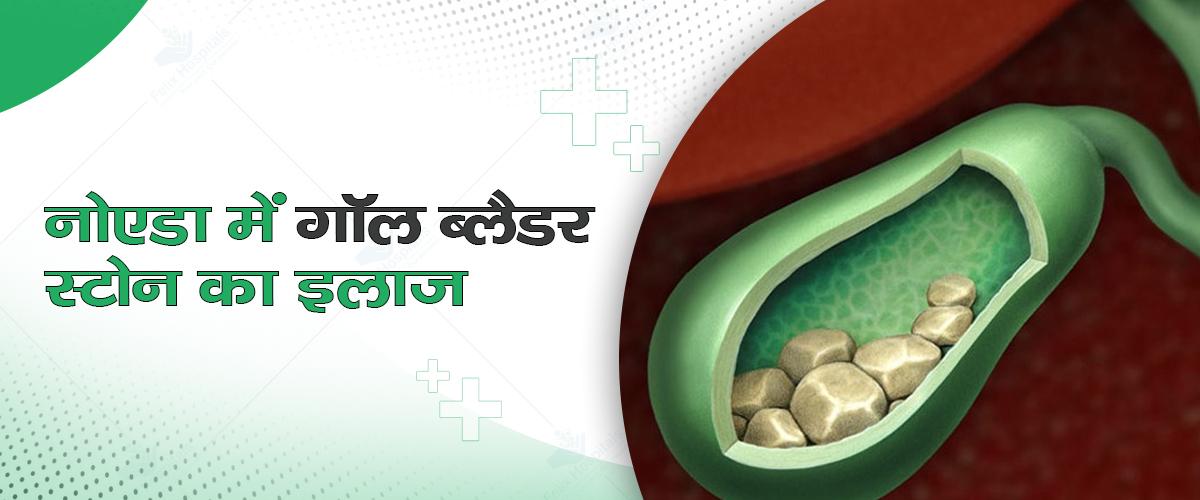
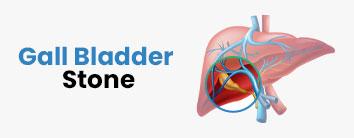
हमारे शरीर में कई ऐसे अंग हैं। जो चुपचाप लगातार अपना काम करते हैं। इन्हीं में से एक है गॉल ब्लैडर (पित्ताशय) है। यह लीवर के नीचे एक छोटा थैलीनुमा अंग है। जो पित्त को जमा करके भोजन पचाने में मदद करता है। लेकिन जब इसमें पत्थरी बनती है, तो यह गंभीर परेशानी का कारण बनती है। यदि आप नोएडा या उसके आसपास रहते हैं, तो यहां कई अनुभवी जनरल सर्जन और गैस्ट्रो सर्जन उपलब्ध हैं, जो गॉल ब्लैडर स्टोन के इलाज में विशेषज्ञता रखते हैं। नोएडा में गॉल ब्लैडर स्टोन का इलाज (Gall bladder stone treatment in Noida) उपलब्ध है। सही समय पर जांच और सर्जरी कराकर न केवल गंभीर जटिलताओं से बचा जा सकता है, बल्कि जीवन को फिर से सामान्य और स्वस्थ बनाया जा सकता है।
इस ब्लॉग में हम गॉल ब्लैडर स्टोन के कारण, लक्षण, इलाज और कब डॉक्टर को दिखाना चाहिए, इस पर विस्तार से चर्चा करेंगे।
अधिक जानकारी या अपॉइंटमेंट के लिए कॉल करें: +91 9667064100
गॉल ब्लैडर स्टोन पित्ताशय (Gallbladder) में बनने वाले कठोर और ठोस टुकड़े होते हैं। जो मुख्य रूप से पित्त (Bile) में मौजूद कोलेस्ट्रॉल, कैल्शियम और बिलीरुबिन जैसे तत्वों के जमाव से बनते हैं। इनका आकार बहुत छोटा यानी रेत के दाने जितना सूक्ष्म होता है। कई बार बड़ा होकर गोल्फ बॉल जितना भारी भी होता है। मेडिकल भाषा में इसे कोलेलिथियसिस (Cholelithiasis) कहते हैं। यह समस्या तब उत्पन्न होती है जब गॉल ब्लैडर में संग्रहित पित्त का संतुलन बिगड़ता है। उसमें मौजूद वसा, लवण या अन्य पदार्थ क्रिस्टल का रूप लेकर आपस में जुड़कर पत्थरी बनाते हैं। अक्सर छोटे स्टोन बिना लक्षण के रहते हैं, लेकिन जब यह बड़े हो जाते हैं या पित्त नलिकाओं (Bile Ducts) को अवरुद्ध करते हैं। तब मरीज को तीव्र दर्द होता हैं। यह बीमारी महिलाओं में पुरुषों की अपेक्षा अधिक पाई जाती है
लीवर लगातार पित्त बनाता है, जिसे गॉल ब्लैडर सुरक्षित रखता है। जब हम वसा युक्त खाना खाते हैं तो गॉल ब्लैडर सिकुड़कर पित्त को छोटी आंत में भेजता है। पित्त वसा को छोटे-छोटे टुकड़ों में तोड़ता है जिससे एंजाइम आसानी से पचाते हैं। वसा में घुलनशील विटामिन (ए, बी, ई, के) पचाने व शरीर में अवशोषित करने में पित्त आवश्यक है। वसा का सही तरीके से पाचन होने से एसिडिटी (Acidity), गैस (Gas) और अपच की समस्या कम होती है।
जब पित्त गाढ़ा हो जाता है।
पित्त में कोलेस्ट्रॉल, कैल्शियम, बिलीरुबिन जमते हैं।
ये तत्व मिलकर धीरे-धीरे कण बनाते हैं।
समय के साथ ये कण आपस में जुड़कर पथरी का रूप लेते हैं।
पत्थरी छोटी रेत के दाने जैसी या कई बार बड़े आकार की होती है।
अत्यधिक कोलेस्ट्रॉलः जब पित्त में कोलेस्ट्रॉल की मात्रा जरूरत से ज्यादा हती है। तो यह क्रिस्टल का रूप लेकर पत्थरी बनता है।
मोटापा और असंतुलित आहारः अधिक तैलीय, मसालेदार और वसा युक्त भोजन का सेवन करना। फास्ट फूड (Fast food), जंक फूड (Junk Food) और शुगर युक्त डाइट पित्त में असंतुलन पैदा करती है।
गर्भावस्था के दौरान हॉर्मोनल उतार-चढ़ाव। गर्भनिरोधक गोलियों का लंबे समय तक सेवन। मेनोपॉज (रजोनिवृत्ति) के दौरान हॉर्मोनल असंतुलन के कारण समस्या होती है।
शुगर लेवल का लंबे समय तक नियंत्रण में न रहना। फैटी लिवर (Fatty Liver), सिरोसिस जैसी बीमारियाँ पित्त के संतुलन को बिगाड़ देती हैं।
लंबे समय तक खाना न खाने से पित्त गाढ़ा होता है। अचानक ज्यादा डाइटिंग या सर्जरी से वजन कम करने पर गॉल ब्लैडर में स्टोन बनने की संभावना बढ़ती है।
परिवार में किसी को गॉल ब्लैडर स्टोन होने पर इसकी संभावना बढ़ जाती है। कुछ लोगों में यह समस्या जन्मजात कारणों से भी होती है।
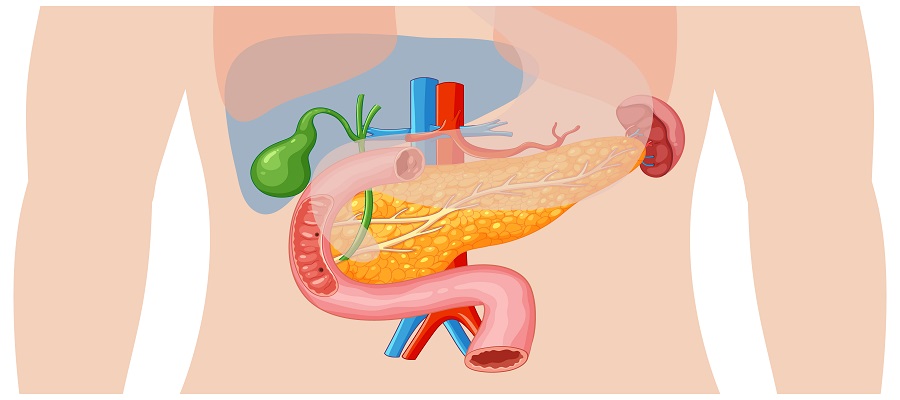
शुरुआत में गॉल ब्लैडर स्टोन “साइलेंट” रहते हैं। यानी कोई लक्षण नहीं दिखाते, लेकिन जब यह पित्त नली को अवरुद्ध करते हैं, तब लक्षण दिखते हैं।
पेट के ऊपरी दाहिने हिस्से में तेज दर्द
दर्द का पीठ या कंधे तक फैलना
भोजन के बाद पेट में भारीपन या सूजन
मतली और उल्टी
पीलिया यानी अगर स्टोन पित्त नली को ब्लॉक करे
बुखार और ठंड लगना – संक्रमण की स्थिति में
यदि आपको निम्म लक्षण हों, तो तुरंत जनरल सर्जन/गैस्ट्रो सर्जन को दिखाएं:
पेट में बार-बार या तेज दर्द होना
खाना खाने के बाद दर्द और उल्टी होना
तेज बुखार और ठंड लगना
बार-बार पाचन संबंधी समस्या होना
दवाः
छोटे और लक्षण रहित स्टोन के लिए कुछ दवा देते हैं। यह दवा स्टोन को घोलने या पित्त को पतला करने में मदद करती हैं। मगर दवाओं से इलाज बहुत लंबा चलता है। सफलता की संभावना कम होती है। स्टोन दोबारा बनने का खतरा होता है। इसलिए दवा को स्थायी इलाज नहीं माना जाता है।
सर्जरीः
गॉल ब्लैडर स्टोन का सबसे सुरक्षित और स्थायी इलाज गॉल ब्लैडर को निकालना है। लेप्रोस्कोपिक सर्जरी में पेट में 3-4 छोटे छेद करके कैमरे व विशेष उपकरणों की मदद से गॉल ब्लैडर निकालते हैं। यह प्रक्रिया सुरक्षित, आधुनिक और कम दर्द वाली है। मरीज को सामान्य सर्जरी की तुलना में कम खून बहता है। टांके भी छोटे होते हैं। गॉल ब्लैडर सर्जरी नोएडा अस्पताल उपलब्ध है। अस्पताल में भर्ती रहने का समय कम (आमतौर पर 24-48 घंटे) होता है। मरीज 2-3 दिन में सामान्य जीवन जीता है। 1 हफ्ते के अंदर पूरी तरह रिकवर होता है।
ओपन सर्जरीः (Open Surgery)
यह तभी की जाती है जब स्टोन बहुत बड़ा होता है। या संक्रमण गंभीर होता है। लेप्रोस्कोपिक सर्जरी (laparoscopic surgery) संभव न हो तब इसमें पेट पर बड़ा चीरा लगाया जाता है। फिर गॉल ब्लैडर निकाला जाता है। इस प्रक्रिया में रिकवरी का समय लंबा होता है (10-15 दिन) होता है। मरीज को ज्यादा दर्द, टांके और अस्पताल में ज्यादा दिन रुकना पड़ता है।
संतुलित आहार का सेवन करेंः
भोजन में हरी सब्जियां, सलाद, फल और फाइबर युक्त अनाज शामिल करें। ज्यादा तैलीय, मसालेदार और तले हुए खाद्य पदार्थों से बचना चाहिए। फास्ट फूड और जंक फूड का सेवन कम से कम करें।
रोजाना व्यायाम करेंः
हल्की-फुल्की एक्सरसाइज जैसे वॉकिंग, योगा या साइक्लिंग को दिनचर्या में शामिल करें। मोटापा गॉल ब्लैडर स्टोन का बड़ा कारण होता है। इसलिए बीएमआई सामान्य बनाए रखें।
पर्याप्त मात्रा में पानी पिएंः
दिनभर में कम से कम 8–10 गिलास पानी पीना जरूरी है। पानी शरीर से टॉक्सिन बाहर निकालता है। पित्त को गाढ़ा होने से रोकता है।
क्रैश डाइट से बचेंः
लंबे समय तक भूखे रहने से पित्त गाढ़ा होता है। जिससे स्टोन बनने का खतरा बढ़ता है। अचानक बहुत तेजी से वजन घटाने की कोशिश नहीं करें। धीरे-धीरे और प्राकृतिक तरीके से वजन कम करें।
अल्कोहल और धूम्रपान से दूर रहेंः
शराब और धूम्रपान लीवर और पाचन तंत्र को नुकसान पहुंचाते हैं। यह आदतें पित्ताशय और लीवर की बीमारियों का खतरा कई गुना बढ़ाती हैं।
नोएडा में कई बड़े मल्टी-सुपर स्पेशलिटी अस्पताल और अनुभवी गैस्ट्रोएंट्रोलॉजिस्ट मौजूद हैं। यहां पर 24x7 आपातकालीन देखभाल। लेप्रोस्कोपिक सर्जरी की आधुनिक मशीनें। इंटेंसिव केयर यूनिट आईसीयू। स्पेशलाइज्ड गैस्ट्रो और लेप्रोस्कोपिक सर्जन। कैशलेस हेल्थ इंश्योरेंस सुविधा मिलती है।
डॉक्टर की स्पेशलाइजेशन देखें यानी वह गैस्ट्रोएंट्रोलॉजिस्ट या जनरल/लेप्रोस्कोपिक सर्जन है।
अनुभव देखे कि वह कितनी सर्जरी कर चुके हैं।
पेशेंट रिव्यू और रेटिंग्स देखे।
इंश्योरेंस और पैकेज सुविधा चेक कर लें।
गॉल ब्लैडर स्टोन का इलाज कराने और विशेषज्ञ सर्जन से परामर्श के लिए कॉल करें: +91 9667064100
गॉल ब्लैडर स्टोन एक ऐसी समस्या है जो धीरे-धीरे विकसित होती है। शुरुआती चरण में अक्सर कोई लक्षण दिखाई नहीं देता है। कई बार मरीज को सालों तक पता भी नहीं चलता कि उसके पित्ताशय में स्टोन है। जैसे ही स्टोन का आकार बढ़ता है। यह पित्त नलिकाओं को अवरुद्ध करने लगता है। तब पेट के दाहिने ऊपरी हिस्से में तेज दर्द, अपच, गैस, उल्टी, मितली और कभी-कभी पीलिया जैसी गंभीर समस्या होती हैं। ऐसी स्थिति में समय गंवाना खतरनाक होता है। इसलिए तुरंत किसी योग्य सर्जन से परामर्श लेना जरूरी है।
प्रश्न 1: गॉल ब्लैडर स्टोन के शुरुआती लक्षण क्या हैं? (Gall Bladder Stone ke shuruaati lakshan kya hain in Hindi)
उत्तर: गॉल ब्लैडर स्टोन के शुरुआती लक्षण धीरे-धीरे सामने आते हैं। पेट के दाहिने ऊपरी हिस्से में दर्द, मतली, उल्टी और भारीपन इसके प्रमुख लक्षण हैं।
प्रश्न 2: क्या गॉल ब्लैडर स्टोन दवा से ठीक हो सकते हैं? (Kya Gall Bladder Stone dawa se theek ho sakte hain in Hindi)
उत्तर: नहीं, दवा केवल लक्षणों को नियंत्रित कर सकती है। स्थायी इलाज सर्जरी ही है। यही कारण है कि गॉल ब्लैडर स्टोन का स्थायी और प्रभावी इलाज सर्जरी है।
प्रश्न 3: गॉल ब्लैडर हटने के बाद जीवन पर क्या असर होता है? (Gall Bladder hatne ke baad jeevan par kya asar hota hai in Hindi)
उत्तर: गॉल ब्लैडर के बिना भी सामान्य जीवन जिया जा सकता है। केवल आहार पर थोड़ी सावधानी रखनी होती है। बीच-बीच में डॉक्टर की सलाह लेनी चाहिए।
प्रश्न 4: लेप्रोस्कोपिक सर्जरी कितनी सुरक्षित है? (Laparoscopic Surgery kitni surakshit hai in Hindi)
उत्तर: यह एक आधुनिक, सुरक्षित और जल्दी रिकवरी वाली तकनीक है। गॉल ब्लैडर स्टोन के लिए लेप्रोस्कोपिक सर्जरी सबसे सुरक्षित और प्रभावी इलाज मानी जाती है।
प्रश्न 5: किन्हें गॉल ब्लैडर स्टोन का खतरा ज्यादा होता है? (Kaun log Gall Bladder Stones ke higher risk par hote hain in Hindi)
उत्तर: मोटापे से ग्रस्त लोग, महिलाएं (विशेषकर गर्भवती), 40 वर्ष से अधिक आयु वाले, डायबिटीज मरीज और फैमिली हिस्ट्री वाले लोग। इसलिए समय रहते डॉक्टर से सलाह लेनी चाहिए।
गॉल ब्लैडर स्टोन का समय पर उपचार करवाना बहुत जरूरी होता है, अन्यथा यह संक्रमण और गंभीर स्वास्थ्य समस्याओं का कारण बन सकता है।
Dr. Ritesh Agrawal is an experienced surgeon in noida specializing in both open and minimally invasive laparoscopic procedures.
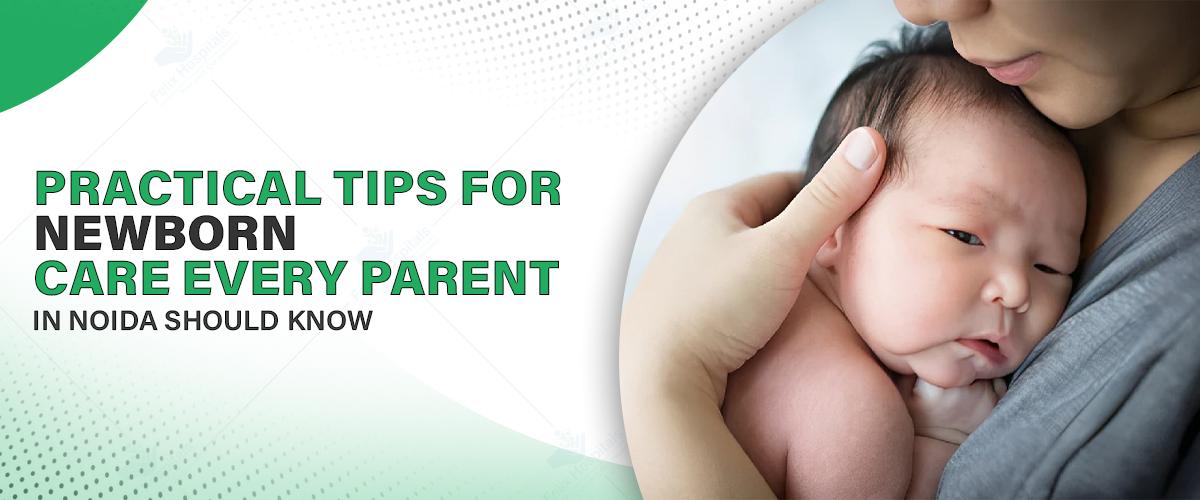
One of the most typical inquiries that first-time parents have is, "What exactly should I do after bringing my newborn home?" Are you familiar with the baby care tips? , Are you about to become parents? You should also know that there are diseases that can harm your kids at any time, even before they are born or while they are babies. If you want to know about these hazards, you need to know about Newborn Screenings and practical tips for newborn care in Noida and the Best Paediatric Hospital in Noida. Screening helps find problems with important organs and gives you ideas about what might be causing them so you can act quickly and tips help you in day to day life.
Ensure your newborn gets the best start in life—book a pediatric consultation Call +91 9667064100.
Breastfed newborns usually eat every two to three hours. Try to feed your baby 8 to 12 times a day. Make sure your infant latches on securely to reduce discomfort and make feeding easier. When you feed your baby formula, make sure to follow the directions carefully and always clean the bottles and nipples to keep them clean. Feeding your baby correctly helps them grow, makes their immune system stronger, and helps you and your baby form a deep link.
Changing nappies is something you have to do all the time when you have a baby. No matter what kind of nappies you use, you should change them every 2 to 3 hours or as soon as they get dirty. To make changes easier, keep diapering materials like wipes and diaper cream close by. To lower the chance of diaper rashes and skin infections, be sure to clean your baby's diaper area well and use a mild rash cream if needed.
Bathing your infant can be a nice way to bond, but you need to make sure they are safe and comfortable. Until the umbilical chord stump falls off, you should give your baby sponge baths. Use lukewarm water and baby soap that doesn't have any scents. Always hold your baby's head and neck when you bathe them. After the bath, use a soft towel to dry your kid off.
Safe sleep of the newborn is vital for lowering the incidence of Sudden Infant Death Syndrome (SIDS). Always put your baby on their back in a cot or bassinet with a firm mattress and a fitted sheet. Avoid co-sleeping and keep all loose bedding, toys and cushions out of the cot. Aim for a moderate room temperature and outfit your kid in lightweight clothing. A safe sleep environment promotes greater sleep for your kid and gives you peace of mind.
It's really important for your newborn's mental and emotional health to bond with them.
To get closer to your infant, spend time hugging, snuggling, and chatting to them.
Swaddling, gently rocking, or playing quiet white noise can help calm a baby who is upset.
These things not only calm your baby down, but they also help them feel safe and trust you, which are important for their emotional growth.
Clothe your child in soft, lightweight substances such as cotton.
Do not clothe them in tight or binding attire. Layering is good to do in order to get your baby dressed warm and comfortable and also convenient for temperature regulation. Clothe them in stockings and caps when it is chilly to heat them up. Dressing the baby in a manner that the baby is comfortable will heat the baby but will not overheat, thereby allowing the baby to sleep well and be cheerful.
You need to be very careful with newborns, and you should always support their head and neck. To keep your infant safe and comfortable, hold them close to your chest. Don't shake or handle them roughly. Try out other holds, such the cradle or football hold, to see which one works best for both of you. Taking care of your baby properly improves your bond with them and keeps them safe.
Newborns may not stick to a precise plan, but having a loose pattern for eating, sleeping, and playing can be good for both the infant and the parents. Watch your baby's natural cycles and attempt to make a bedtime routine that will help them relax, such a soft bath or lullaby. A schedule helps you keep track of what you need to do each day and offers your infant a feeling of structure, which is soothing as they get older.

When your baby is around a day old, they will have a newborn screening.
The test will be done shortly after the baby is born and again when he or she is three months old. At both occasions, it will be easy to obtain a few drops of blood from their heels.
There are also other tests that need to be done within a few days of birth, like hearing tests. If you have any problems or questions, go to your doctor right away.
Parents should always get a second opinion if there is anything strange in the newborn screening report. Sometimes doctors make mistakes too. You could ask for an MRI scan to make sure that nothing critical was overlooked throughout the tests.
If you have a family history of any condition that is being screened for, ask your doctor if it would be safe and a good idea to test your baby as well.
Tests for many conditions are done on newborns. Some of these are:
Problems with the metabolism of organic acids
Adrenal hyperplasia at birth
Galactosemia
Hemoglobinopathies, include sickle cell disease, thalassaemia, and other haemoglobin abnormalities.
MSUD, or maple syrup urine disease
Phenylketonuria (PKU)
Hypothyroidism present at birth
Cystic fibrosis.
Newborn screening is crucial because it lets you find out about any sickness or condition that your baby may have inherited from either parent, even before symptoms show up. This lets you take the right actions and get treatment as soon as possible. You should also learn how to take care of a newborn.
There are a number of warning indicators that your baby may have a problem, and you should be aware of them. Some of the most prevalent symptoms of danger in newborns are:
Trouble breathing, breathing quickly
Less interest in eating
Not urinating for more than six to eight hours
More tiredness for more than six hours.
Even after wrapping them up well for 15 minutes, my hands and feet still feel cold.
Throwing up yellow and having a swollen stomach
Strange movements that could be seizures
The colour changes to a dark blue or grey.
Yellow palms and soles
If you see any one of the warning signs you know when to take or when to call a pediatrician for your newborn.
Take breaks wherever you can. While the baby sleeps, make efforts to nap even for a short while. Have plenty of fluids and eat well. Your body will be energized with a good diet, and in case you are breastfeeding, it will also enable you to lactate. Asking family and friends for help is fine if you need it.
From newborn screening to emergency care, Call +91 9667064100 for complete pediatric support.
Babysitting a baby may be difficult at times, but you will be more confident in your capacity if you know what you need to learn and are prepared. If you struggle, don't hesitate to ask your relatives, friends, and medical personnel for assistance. If you simply follow these tips, you'll be prepared to shower your baby with the love, care, and attention that they deserve. It will make parenthood an incredibly rewarding experience.
From newborn screening to emergency care, Call +91 9667064100 for complete pediatric support.
Q1. How can I tell if my baby's feeding schedule is normal?
Ans: Most of the time, newborns eat every 2 to 3 hours. If your baby doesn't eat as often, is hard to wake up for feeds, or seems unhappy after eating, talk to your paediatrician.
Q2. Is it possible for Felix Hospital in Noida to do full newborn screenings?
Ans: Yes. Felix Hospital does full newborn screenings, which include blood tests, hearing tests, and tests for metabolic disorders. This makes sure that your baby's health is checked from the very first day.
Q3. When should I take my baby to the doctor for the first time?
Ans: Most doctors say that the first visit should be 3 to 5 days after birth, and then there should be regular checkups to keep an eye on the baby's growth, feeding, and overall development.
Q4. What are some signs that I should take my baby to the hospital right away?
Ans: If your child has trouble breathing, won't eat, has a fever that won't go away, is unusually sleepy, has seizures, or has blue or grey skin, these are all signs that something is wrong. Get medical help right away.
Q5. What can I do to keep my baby from getting a nappy rash?
Ans: Change nappies often, keep the area dry, and use a mild diaper cream if you need to. If the rash doesn't go away or gets worse, see a paediatrician.
Epstein Pearls are small, white or yellowish cysts found on the gums or roof of the mouth in newborns. These harmless bumps form during fetal development and usually resolve on their own within a few weeks. No treatment is necessary unless symptoms persis
Jaundice in newborns is a common condition where a baby’s skin and eyes turn yellow due to high bilirubin levels. Learn symptoms, causes, and best treatment options in Noida.
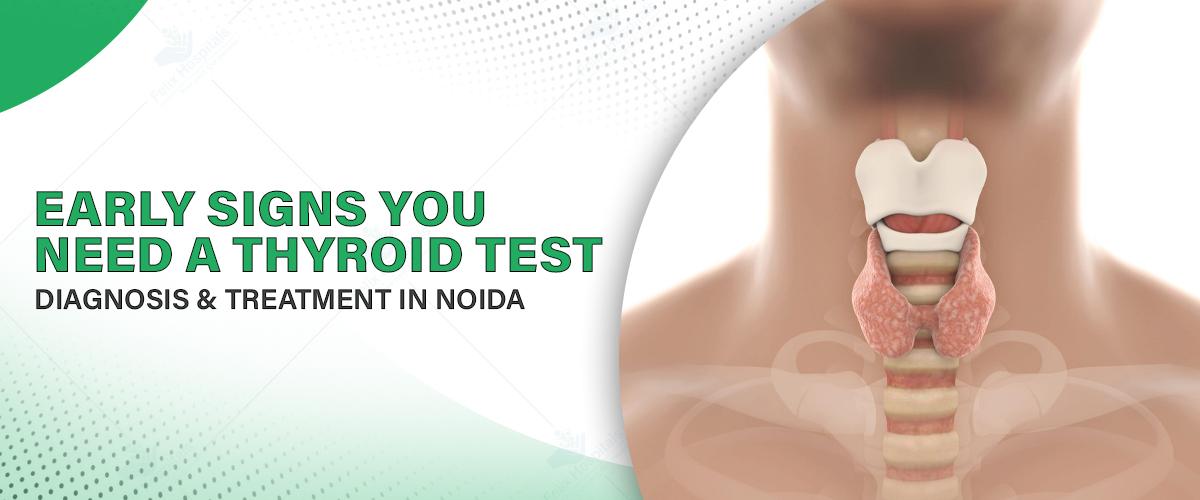
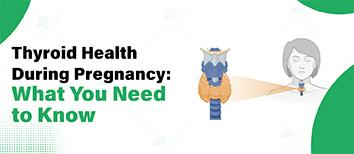
The thyroid gland is a small, butterfly-shaped gland found on the bottom portion of the neck. It produces thyroid hormones, which manage the growth, metabolism, and energy of the body. Because the thyroid oversees a lot of body functions, its deviation from normal functioning may drastically impact body health.
Thyroid function tests are quite helpful for thyroid disease diagnosis and assessment of the health of the thyroid gland. Because symptoms of thyroid dysfunction are often non-specific or mimicked by other conditions, it is essential to take a thyroid test in Noida for early identification and treatment of thyroid disorders, this blog outlines the five most essential markers to consider for testing, the treatments best doctor for thyroid treatment in Noida will have if you are diagnosed.
Don’t Ignore Early Symptoms Unexplained weight gain, fatigue, or hair loss? Book your thyroid test today and take control of your health. Call +91 9667064100
A series of blood tests known as a thyroid function test is employed to measure the blood level of thyroid hormones.
These are:
A test for thyroid-stimulating hormone (TSH), produced by the pituitary gland and stimulating the thyroid gland to release thyroid hormones, measures TSH level. Abnormal values can be indicative of an underactive thyroid (hypothyroidism) or an overactive thyroid (hyperthyroidism).
Test for Thyroxine (T4)checks the level of thyroxine (T4), the primary hormone of the thyroid gland. It helps to evaluate the condition of the thyroid gland.
Test for Triiodothyronine (T3) It is done to confirm the triiodothyronine (T3) level, a hormone that is secreted by the thyroid gland. In case of uncertainty regarding TSH and T4, it is extremely useful in establishing thyroid function or identifying hyperthyroidism.
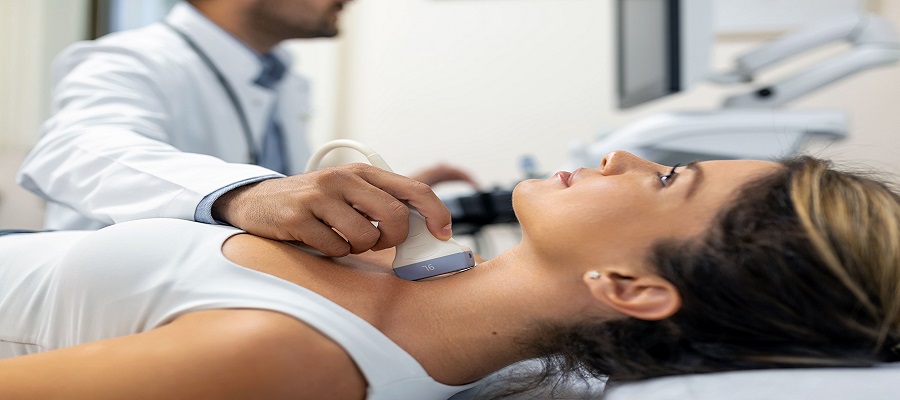
Though thyroid disorders, the balance of thyroid hormones in the body is typically abnormal and leads to a variety of symptoms that affect both mind and body. Knowing the signs that require testing, anyone planning to undergo a home thyroid function test can get on time and accurate diagnosis and treatment. The main early signs you need a thyroid test are discussed below.
Emotional and mental disturbances are normal among individuals with thyroid disorders. While hypothyroidism is most often associated with depression, loss of interest, and reduction in mental alertness, hyperthyroidism may lead to nervousness, moodiness, and restlessness. Additionally, weight gain and facial changes caused by thyroid disorders can complicate mental well-being.
Unintended weight changes, either gain or loss, can be an indicator of thyroid illness. Thyroid hormones are utilized to regulate the usage of energy and metabolism. Hyperthyroidism results in weight loss due to the augmented metabolic rate and caloric needs when caloric utilization surpasses utilization. Hypothyroidism decelerates metabolic rate, potentially resulting in weight gain or making losing weight more difficult.
Hypothyroid patients are prone to complain of low energy and fatigue. The classic symptoms of hypothyroidism include chronic fatigue, reduced energy for exercise, and a general feeling of exhaustion. Additionally, individuals experience weakness and low tolerance in their bodies. On the other hand, despite the fact that a person may appear to be getting enough sleep, hyperthyroidism will also cause insomnia as well as increased metabolism, which can make a person feel tired and depleted. Thyroid function tests should be conducted to diagnose thyroid dysfunction as the cause of severe fatigue not diagnosed by any other disease.
Goitre, which is a visible swelling of the neck as a result of the enlargement of the thyroid gland, is the most common indication of thyroid disease.
Thyroid masses or nodules, iodine lack, inflammation of the thyroid, and autoimmune diseases (where the immune system attacks the thyroid gland and interferes with its function), i.e., Hashimoto's thyroiditis or Graves' disease, may lead to goitre. Difficulty in breathing, swallowing, or causing pain can be the consequences of this enlargement. Irrespective of whether it is symptomatic or silent goitre, both are to be investigated for thyroid function to detect the etiology of it.
Since thyroid hormones have an impact on numerous tissues, alterations in hair, skin, and nails are exceedingly common in thyroid disease. For example:
Hair: Dry, brittle, coarse, and slowly growing hair are all manifestations of hypothyroidism. Thinning or loss of hair, particularly on the scalp and eyebrows, in some individuals may occur. While hair grows soft and fine in hyperthyroidism, hair loss persists.
Skin: The skin becomes dry, rough, and pale with reduced perspiration in some of the characteristics of hypothyroidism. Under extreme situations, the build-up of some chemicals has the potential to cause the skin to become thick and spongy.
Hyperthyroidism, in turn, can lead to increased blood circulation, and consequently, the skin could end up being hot, damp, and smooth. Enhanced perspiration is also a characteristic of hyperthyroidism.
Although the symptoms listed above are the most common thyroid test indications that may call for a thyroid function test, it's crucial to identify additional symptoms that can also call for additional research. These include infertility, hoarseness of voice, concentration problems, memory problems, vision changes, bulging eyes, palpitations, sensitivity to temperature fluctuations, muscle and joint discomfort, and digestive problems like constipation or diarrhoea.
A thyroid problem could be more likely to occur in you if you are a woman. Thyroid disorders are five to eight times more common in women.
If you have a thyroid condition in your family.
If you possess Turner syndrome.
Consumption of an iodine-rich medicine.
Additionally, having an autoimmune condition raises your risk, particularly if you have:
Anaemia
Diabetes type 1
Coeliac disease
Primary adrenal insufficiency, or Addison's disease
Lupus
Inflammatory condition
Sjögren's syndrome
Before performing a physical examination, your healthcare provider will inquire about your medical history and symptoms. They will gently feel your thyroid gland throughout the examination to see whether there are any apparent nodules or if it is swollen. To establish a diagnosis, your doctor will need to perform certain thyroid tests. These consist of:
Tests on your blood can determine whether you have hyperthyroidism or hypothyroidism. Thyroid-stimulating hormone (TSH), T3 and T4, and thyroid antibodies are among the various kinds of thyroid blood testing.
Imaging tests: Your doctor uses imaging tests, such as a thyroid ultrasound, to check for goitre and/or nodules (lumps). If nodules are hyperactive, nuclear medicine imaging, such as a thyroid uptake and scan, can help reveal it.
The cause and kind of thyroid disease determine how it is treated. Restoring your thyroid hormone levels to a healthy range is the aim. Thyroid treatment Noida include:
Methimazole and propylthiouracil are antithyroid medicines that prevent your thyroid from producing hormones.
Your thyroid's cells are harmed by radioiodine (radioactive iodine) therapy, which stops it from producing large amounts of thyroid hormone.
Beta-blockers: These drugs help control certain symptoms, such as an elevated heart rate, but they have no effect on your thyroid.
Operation: Your doctor can suggest having your thyroid surgically removed (thyroidectomy) as a better long-term treatment. It will no longer produce hormones as a result. But for the remainder of your life, you will have to take synthetic (made) thyroid replacement hormones (pills).
Thyroid hormone replacement therapy is the first treatment for hypothyroidism. It's a man-made way of adding thyroid hormones to your body. Levothyroxine is one of the medicines doctors prescribe.
Early diagnosis and adequate treatment of thyroid dysfunction rely on having the ability to detect its symptoms. All deviations can be detected with repeated thyroid function tests before they become apparent with more severe health issues. You can enhance your well-being and guard your overall health by solving such a problem in advance.
Your Thyroid Health Matters. Small signs can signal bigger problems. Book a thyroid screening today for accurate diagnosis and timely treatment. Call +91 9667064100.
Best TSH (Thyroid Stimulating Hormone) Test in Noida Sector-77
Best TSH (Thyroid Stimulating Hormone) Test in Noida Sector-135
Best TSH (Thyroid Stimulating Hormone) Test in Delhi NCR, New Ashok Nagar
Best TSH (Thyroid Stimulating Hormone) Test in Greater Noida, Jagat Farm
Q1: If I have a family history of thyroid disease, how often should I get my thyroid function checked?
Ans: If you have a family history of thyroid problems, you should get tested once a year or as your doctor suggests to catch them early.
Q2: Do thyroid problems make it hard for women and men to get pregnant?
Ans: Yes. Both hypothyroidism and hyperthyroidism can affect reproductive health by affecting women's ovulation and men's sperm quality.
Q3: Are thyroid tests hard or hurtful?
Ans: No. A simple blood test (TSH, T3, and T4 levels) is usually part of thyroid tests. Sometimes, ultrasound or scans may be recommended, but these tests don't hurt.
Q4: Can an imbalance in the thyroid lead to anxiety, depression, or brain fog?
Ans: Yes. Thyroid hormones control how you feel and how clear your mind is. Imbalances can make you anxious, irritable, or forgetful.
Q5. What changes to your daily life can help you better control thyroid problems?
Ans: To keep your thyroid healthy, eat a balanced diet that has enough iodine, manage your stress, get enough sleep, and stay away from too much soy or processed foods.
Q6. Why should I go to Felix Hospital in Noida for thyroid testing and treatment?
Ans: Felix Hospital has experienced endocrinologists, full thyroid testing, and treatment plans that are tailored to each patient. Patients get better care and more advanced lab facilities all in one place.
Explore 11 thyroid-friendly foods that support hormone balance, boost energy, and improve overall thyroid health naturally.
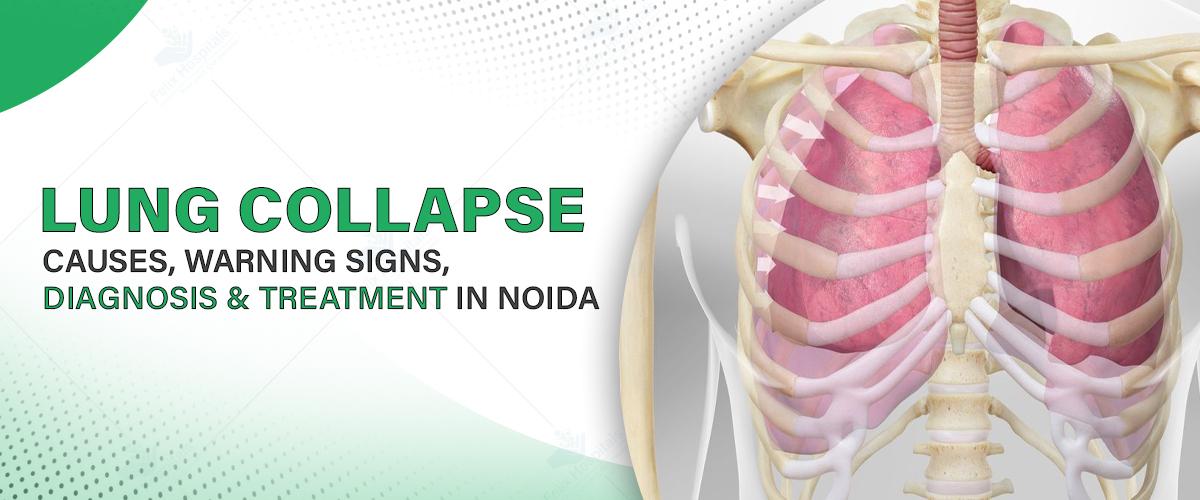
A prevalent medical ailment that poses a significant risk to one's life is lung collapse. When air enters the area between the lung and the chest wall, or when fluid, such as blood, pus, or water, accumulates outside the lungs, causing them to partially or completely collapse, this condition is known as pulmonary embolism. It is possible that this illness poses an urgent risk to one's life if it is not processed. Best Lung Collapse treatment hospital In Noida is available with affordable prices and good care.
Struggling with unexplained chest pain or breathing trouble? Don’t wait. Book a consultation at +91 9667064100 and get expert diagnosis for lung health today.
In the event that air or fluid enters the area between the lung and the chest wall, this indicates that the lung has collapsed. It is possible as a result of trauma, such as a rib fracture or a chest injury that penetrates the chest. Pneumothorax is another name for this disease. It is also possible for various kinds of fluids to enter the pleural space, which can result in the collapse of the lung as a result of the pressure that is applied to it.
Most common Causes of Lung Collapse are:
Pleural effusion refers to water that is found outside of the lungs.
Pus that is located outside of the lungs (Empyema)
Blood seen outside of the lungs (Haemothorax)
The following are some of the symptoms that are frequently reported:
Having difficulty breathing
Pain in the chest, a heavy feeling, or a constriction
Confusion and a Cough
Inflammation of the chest region
Lessening of the oxygen levels
The following are typical components of a collapsed lung diagnosis:
Screening through the use of a stethoscope, listening to the chest
Diagnostic imaging procedures, such as X-rays or CT scans, are performed in order to verify the diagnosis and determine the severity of the collapse.
It is dependent on the severity of the collapse as well as the patient's general state as to what treatment is administered.
It is possible that observation and monitoring are sufficient in situations that are mild and have little symptoms. In more severe cases, when the patient exhibits symptoms, it may be necessary to perform invasive operations such as the installation of a chest tube or surgery in order to remove air or fluid and allow the lung to re-expand without restriction.
It is necessary to put a tiny tube into the pleural space in order to drain the air or fluid that has accumulated outside of the lungs. Lungs are able to re-expand and return to normal function with the assistance of this.
Recommended in the following circumstances:
The insertion of the chest tube does not succeed in removing any air or fluid.
A failure to re-expand the lung occurs.
Even after a considerable amount of time has passed, the chest tube continues to drain air or fluid.

When a small air-filled balloon, also known as a bulla or bleb, is located on the surface of the lungs, it has the potential to rupture, which can result in a buildup of air in the pleural space. A chest tube may continue to leak air even after it has been inserted into the chest.The ruptured bullae or blebs are surgically removed during this procedure in order to put a halt to the leakage condition.
It is possible that a simple chest tube will not be adequate to enable lung re-expansion in the event that pus or fluid becomes trapped around the lung and is able to produce loculations. In situations like these, decortication surgery is carried out in order to:
Ensure that all pus, contaminated fluid, and blood are removed.
In order to prevent the lung from fully inflating, it is necessary to remove the thick rind that forms outside of the lung.
Following the completion of treatment for lung collapse, patients are subjected to strict monitoring through follow-up appointments in order to guarantee that they have fully recovered. It is recommended that rehabilitation exercises be performed in certain circumstances in order to strengthen the lungs and increase the capacity to breathe.
In the same way as any other medical operation does, the treatment of a collapsed lung may involve significant hazards, including the following:
Bleeding From an Infection
Resurgence of the collapse of the lungs
It is important for patients to be aware of these potential risks and to address them with their healthcare professional.
Worried about recurring lung problems? Get a personalized treatment plan now. Call +91 9667064100 and speak to our pulmonology team.
Lung collapse is scary, but it can be treated if it is caught early and the right steps are taken. Patients can make smart choices when they know what causes their condition and what treatments are available. The Best Pulmonologist Doctors in Noida ensure accurate diagnosis and advanced care for patients with lung collapse (pneumothorax). The best Lung Collapse treatment hospital in Noida will make sure to treat you in the most effective way according to your situation. Being aware of variations in breathing or chest pain can make an important impact, ensuring you get better safely by seeking treatment as fast as possible.
Struggling with unexplained chest pain or breathing trouble? Don’t wait. Book a consultation at +91 9667064100 and get expert diagnosis for lung health today.
Q1. Is it possible for the lungs to collapse without an injury or accident?
Ans: Yes, spontaneous lung collapse (pneumothorax) can happen to people who are otherwise healthy, especially if they are tall, thin, or smoke.
Q2. Is it always a medical emergency when your lungs collapse?
Ans: Yes. Even a mild collapse needs to be checked out by a doctor to avoid problems. Severe collapse can be deadly and needs to be fixed right away.
Q3. How long does it usually take to get better after a lung collapse?
Ans: How long it takes to get better depends on how bad it is and how it is treated. If you watch mild cases, they may get better in 1 to 2 weeks. If you need surgery, it may take 4 to 6 weeks.
Q4. Is it possible for lung collapse to happen again after treatment?
Ans: Yes, it can happen again, especially in people who already have lung disease or who have smoked in the past. In these cases, surgery to prevent problems, like VATS, may be recommended.
Q5. Does Felix Hospital in Noida treat lung collapse in an emergency?
Ans: Yes, Felix Hospital has emergency care available 24 hours a day, seven days a week, as well as advanced diagnostic imaging and expert pulmonologists and thoracic surgeons to handle cases of collapsed lungs.
The cost of a Pulmonary Endarterectomy surgery depends on factors such as hospital facilities, surgeon fees, and post-operative care requirements.
Smoking doesn’t just damage your lungs—it also harms your ears, nose, and throat. Learn how tobacco use increases the risk of ENT infections, hearing loss, sinus issues, and more.
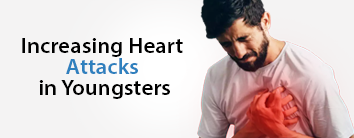
Many young adults are presenting themselves to the hospital with chest pain, assuming it's stress, only to find out they've had a heart attack in early life.
Those were times when heart attacks were only an "older person's problem." The truth now in Noida is very different, and more alarmingly, in an urgent manner. Emergency departments are seeing increasing numbers of people in their twenties and thirties with cardiac incidents, unthinkable a generation ago. The numbers are staggering - recent medical data reveal that nearly 25% of heart attacks among Indian men now occur before the age of 40, and women are on a similar, alarming trajectory.
This transformation is not an isolated phenomenon. It is directly linked to how we live, work, and deal with stress levels in the modern-day urban metropolises like Noida and Greater Noida. The synergistic interaction of high-stress occupations, processed food, sedentary lifestyles, and toxin exposures has created what cardiologists call a "perfect storm" for early cardiac events. If you experience strange chest pain, unexplained exhaustion, or shortness of breath, don't dismiss these symptoms as work stress. Testing at a heart attack treatment hospital Noida can be literally a lifesaver.
Don't dismiss chest pain or unexpected fatigue - these can be warning signs. Call emergency services immediately by calling +91 9667064100.
A heart attack, commonly known as myocardial infarction, is when blood to a portion of the heart muscle is cut off, most often by a clot within one of the coronary arteries. It's the reality that young adult heart attacks are likely to arrive with no warning signs that older patients have that makes them so alarming.
The new urban lifestyle in Noida and other big cities has greatly changed our risk factors for heart attack in early life. In contrast to earlier generations who spent decades accumulating cardiovascular disease, the young adults of today have a condensed timeline because of the additive effect of several stressors occurring at the same time. The additive effect of air pollution, work stress, sleep deprivation habits, and changes in dietary habits leads to vascular inflammation that may initiate cardiac events much earlier than anticipated.
Several situations affect younger individuals living in urban areas in various ways:
Chronic Stress: The pressure cooker work culture of Noida's corporate world results in continually high levels of cortisol, which over time, weaken the blood vessels
Unhealthy Dietary Practices: Packaged food dependence, high salt intake, and non-regular working professional dietary practices
Sedentary Behavior: Desk work and long commutes reduce physical activity to hazardous levels
Substance Abuse: Smoking, heavy alcohol use, and illicit drug use greatly elevate cardiac risk
Premature Atherosclerosis: Artery plaque formation that occurs much earlier due to lifestyle factors
Diabetes and Insulin Resistance: Rising exponentially in young adults due to dietary and lifestyle factors
Hypertension: Frequently undiagnosed since young individuals seldom check regularly for their blood pressure.
Young adults have special risk factors that the previous generations did not have:
Air Quality: Noida air pollution directly causes cardiovascular inflammation
Work Environment: Long working hours and low activity level with highly stressful jobs
Social pressures: Financial stress, relationship stress, and social media comparisons
Genetic Predisposition:
Family History: First-degree relatives with premature heart disease significantly raises risk
Genetic Disorders: Familial hypercholesterolemia or other genetic disorders of cardiovascular health

The presentation of heart attack in earlier years is a variation from the classical presentation in older individuals:
Chest pain or pressure: Can be described as squeezing, fullness, or burning as contrasted with sharp pain
Shortness of Breath: With or without pain in the chest, typically warranted as poor fitness
Upper Body Pain: Pain in arms, back, neck, jaw, or stomach
Nausea and Vomiting: particularly common in the female, mistaken for food poisoning
Extreme Fatigue: Sudden, unexpected weakness that will not be relieved by resting
Dizziness or Light-headedness: Lightheadedness, especially when exerting oneself
Cold Sweats: Unusual sweating not associated with temperature or exercise
Indigestion-type Pain: Typically due to acidity or gastric problems
Never rule out potential warning signs, especially if you are:
Repeating chest pain for more than a few minutes
Abrupt shortness of breath
Radiating pain to arm, neck, or jaw
Abrupt onset of severe fatigue plus other symptoms
Syncope or near-syncopal spells
Time is critical in a heart attack - every minute, more heart muscle is damaged.
Advanced treatment for heart attacks in Noida hospitals uses high-tech diagnostic machines that are made just for young patients:
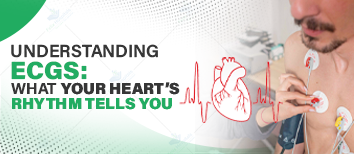
Electrocardiogram (ECG): Finding electrical changes that show damage to the heart
Blood Tests: Find out what enzymes are released by the heart muscle after it is damaged.
Chest X-ray: Rules out other reasons for chest pain
Advanced Diagnostics: An echocardiogram uses ultrasound to check how well the heart is working and find problems.
Cardiac Catheterisation: Shows clear pictures of the coronary arteries
CT Angiography: A way to look for blockages in blood vessels without surgery
Noida's hospitals offer full cardiac care for young adults:
Medications that break up blood clots: Thrombolysis therapy to break up blood clots
Primary Angioplasty: Angioplasty done in an emergency to open up blocked arteries
Putting in stents: Putting in small mesh tubes to keep arteries open.
Long-term care: Medicines that lower cholesterol, lower blood pressure, and thin the blood
Cardiac Rehabilitation: Programs that help people change their lifestyles and exercise
Regular Monitoring: Regular monitoring to prevent the recurrence of cardiac events
To stop young heart attacks, change your whole way of life:
Changes to Your Diet:
Eat a Mediterranean-style diet that includes a lot of fruits, vegetables, whole grains, and healthy fats.
Cut down on added sugars, processed foods, and salt.
Eating healthy keeps your blood sugar levels stable.
Exercise:
Every week, try to get at least 150 minutes of moderate-intensity exercise.
Do both strength training and cardiovascular training.
If you don't move much, start slowly.
Stress Management:
Try yoga, meditation, or guided breathing exercises.
Keep a good balance between work and life and get enough sleep.
Get counselling if you have long-term stress or anxiety.
Call Felix Hospitals today to make an appointment for a cardiac assessment if you have risk factors or worrying symptoms.
Young adult cardiac attacks are come out public health problem that requires urgent concern and action. The good news is that most heart attacks in young people can be avoided by making changes to their lifestyles and finding out what puts them at risk ahead of time. Just because you live in Noida doesn't mean you have to accept a higher risk of heart disease.
If you carry risk factors or have more than one warning sign, do not wait to visit the best cardiologist in Noida. Lifestyle modification and early treatment prevent what would otherwise be an emergent life-threatening condition. Your future self will thank you that you are taking proactive steps.
Best Echocardiogram (heart ultrasound) Test in Noida Sector-77
Best Echocardiogram (heart ultrasound) Test in Noida Sector-135
Best Echocardiogram (heart ultrasound) Test in Delhi NCR, New Ashok Nagar
Best Echocardiogram (heart ultrasound) Test in Greater Noida, Jagat Farm
Q1. How young is a heart attack, and how often do they happen?
Ans: Heart attacks in people under 40-45 years are "young," and approximately 25% of heart attacks in Indian males are now happening under the age of 40. This trend is increasing at 2% per annum, which is more common among urban residents of cities like Noida.
Q2. What are the main causes of heart attacks in young adults living in Noida?
Ans: Key risk factors include chronic stress, unhealthy diet with processed food, sedentary, air pollution, smoking, and genetic susceptibility. Urban lifestyle determinants specific to Noida play an important role in young professionals' early cardiac events.
Q3. What are the diagnosis and treatment of heart attacks in young adults in Noida?
Ans: Diagnosis is done with ECG, cardiac enzymes blood work, and imaging studies to determine heart damage rapidly. Treatment is done with emergency interventions such as angioplasty, stenting, and drugs, 24/7 cardiac emergency services being provided by Noida hospitals.
Heart disease is a significant health concern for women, often presenting unique challenges. Understanding the causes, symptoms, and treatment options is essential for early detection and effective management.
Heart disease is a significant health concern for women, often presenting unique challenges. Understanding the causes, symptoms, and treatment options is essential for early detection and effective management.
Being a parent, it is sad and distressing to witness your child getting sick all the time. If your child seems to get sick more frequently than other kids, is slow to recover, or experiences frequent attacks of illness, then they might be having an immune deficiency. Immune deficiency among children can either be a mild or severe disease, and it is essential to diagnose and treat them early for their health and well-being.
Parents in Noida have access to world-class medical centers and specialist immune deficiency treatments for kids. This blog will update you on the symptom of a weak immune system in kids, the reasons for immune deficiency, and the best immune deficiency treatments Hospital in Noida. We will also assist you in selecting the proper hospital for your child's requirements and why Felix Hospital is a name you can rely on for pediatric immune deficiency treatment.
Does your child fall sick too often? Detection at an early age saves complications. Call up +91 9667064100 today and consult an Noida specialist.
Immunodeficiency or (PIDD) refers to a state in which a child's immune system fails or is not in a position to function in its normal capacity. Immunodeficiency predisposes children for acquiring infections which are hard or severe to eradicate or recurrent in a chronic manner.
Immunodeficiencies are inherited (primary) or secondary in regard to disease like HIV or drug like chemotherapy. For instance, for parents, appropriate treatment is achievable upon a diagnosis for kid’s signs of a compromised immune system.
Children with immune deficiency also typically have symptoms which are not typical child infection symptoms.
Some of those are:
Infections: Eight or more ear infections a year, or pneumonia, sinusitis, or bronchitis that comes back.
Slow Recovery: Infections that take a long time to heal.
Recurring fevers are sudden or chronic fevers refractory to conventional treatments.
Poor Growth: Not gaining weight or succeeding even though you eat well.
Skin infections which are recurrent in nature such as boils, abscesses, or thrush.
Autoimmune Symptoms: Because autoimmune disease in kids can result in joint stiffness, rashes, or gastrointestinal problems, it may also indicate an immune disorder.
If a child is suffering from such a condition, an individual should consult a pediatric immunologist in Noida so that an appropriate diagnosis is made and treatment is started.

Low or Immunodeficiency in children is a result of an array of factors:
Genetic Influence:
Most deficiencies are inherited or genetic in an offspring-to-parent transmission by an abnormal gene. Severe Combined Immunodeficiency (SCID), or "bubble boy disease," is always lethal except when treated early.
They should be diagnosed early in life so treatments can occur. If you ever start wondering if there is something wrong with your child's immune system, a pediatric immunologist would administer a complete evaluation, which might consist of:
Medical history: Reporting about your child's history of recurrent infections, medical history in his or her close relatives, and recurrent symptomatology.
Physical exam: To search for infections, failure to thrive, or other issues.
Blood Tests: Quantification of antibody, white cell, and immune cell functional levels.
Genetic Testing: Detection of genetic mutations responsible for immune deficiency.
Specialized Tests: such as flow cytometry in an attempt to study immune cells or vaccine response tests in an attempt to determine just how much your child's immune system is responding to vaccines.
Hospitals in Noida like Felix Hospital also offer broad diagnostic facilities so that deficiencies in children's immunity are accurately detected so that an appropriate treatment plan is initiated.
The treatment of choice for immune deficiency in children is based on the severity and type of disease. Life-style interventions, drug therapies, and newer interventions such as gene therapy are available in Noida.
Immunoglobulin Therapy
Intravenous Immunoglobulin (IVIG): Gives children antibodies since their bodies are unable to produce their own. Administered by vein, typically every 3–4 weeks.
Subcutaneous Immunoglobulin (SCIG): Same treatment given beneath the skin once a week for convenience.
Recommended in: Paediatric patients with antibody deficiencies, e.g., Common Variable Immunodeficiency (CVID).
Prophylactic Antibiotics: To prevent bacterial infection in children whose immune system is compromised.
Therapeutic Antibiotics: Used for early treatment for active infection.
Recommended for: Preterm infants at risk for bacterial infections like sinusitis or pneumonia.
A revolutionary treatment which can fix flawed genes responsible for immune deficiencies. The novel treatment offers a life-long cure without a need for a donor. Most appropriate for: Genetic immunodeficiency disease such as SCID or Wiskott-Aldrich syndrome.
Support and Lifestyle Interventions
Besides medical interventions, supportive and lifestyle measures are efficient in dealing with immune deficiencies in children:
Modified Vaccination Schedules:
These children may require alternating schedules of vaccines so not to give live vaccines as their administration is contraindicated in such patients.
Recommended for: Preventing vaccine-preventable disease without compromising on complications.
Concern about infection in children? Get a pediatric immunologist in Noida. Call now at +91 9667064100.
Immune deficiencies in children can be challenging, but with proper diagnosis at the right time, treatment, and care, your child can lead a healthy and active life. Recognizing the symptoms of a weakened immune system, understanding the causes, and becoming aware of the Immune Deficiency Treatment for Children in Noida are actually the initial steps for every parent. If your child suffers from chronic illness or is beset by infection issues, don't wait—consult with a pediatric immunologist in Noida today.
Felix Hospital offers state-of-the-art immune deficiency treatment, including immunoglobulin therapy, stem cell transplantation, and gene therapy, to provide your child with the best possible treatment. Maintain your child's health with expert immune deficiency treatment.
Dial +91 9667064100 for a consultation with an expert in Noida.
Q1: What are the signs of early immune deficiency in children?
Ans: Recurrent infections, failure to recover from illness, repeated fever, failure to grow, and skin infections are among the first signs of immune deficiency in children.
Q2: Can children's immune deficiency be cured?
Ans: Certain immune deficiencies such as SCID are treated with gene therapy or stem cell transplant while others are treated with lifelong medicine such as immunoglobulin therapy.
Q3: How is immune deficiency diagnosed in children?
Ans: Diagnosis is made with blood work, genetic testing, some special immune function testing, and examination of the child's medical and family history.
Q4: What are some lifestyle modifications which will strengthen my child's immune system?
Ans: Healthy eating habits, proper sleeping habits, stress, and prevention of infections can all contribute significantly towards keeping your child healthy.
Q5: How safe is immunoglobulin therapy in children?
Ans: Yes, SCIG/IVIG is safe and effective in children with antibody deficiency and makes children resistant to infection.

Discover the best foods to boost immunity after cancer treatment, supporting recovery and overall health with nutrient-rich options for a stronger, healthier you.

Early Signs of Gigantism in Children: What Parents Should Know

Subscribe to our
© Copyright 2026. All Rights Reserved by Felix Healthcare Private Limited
Design and development by :


 +(91)9667064100
 Emergency : +(91)9667064100