 WhatsApp
 Emergency:
  WhatsApp




Subscribe to our
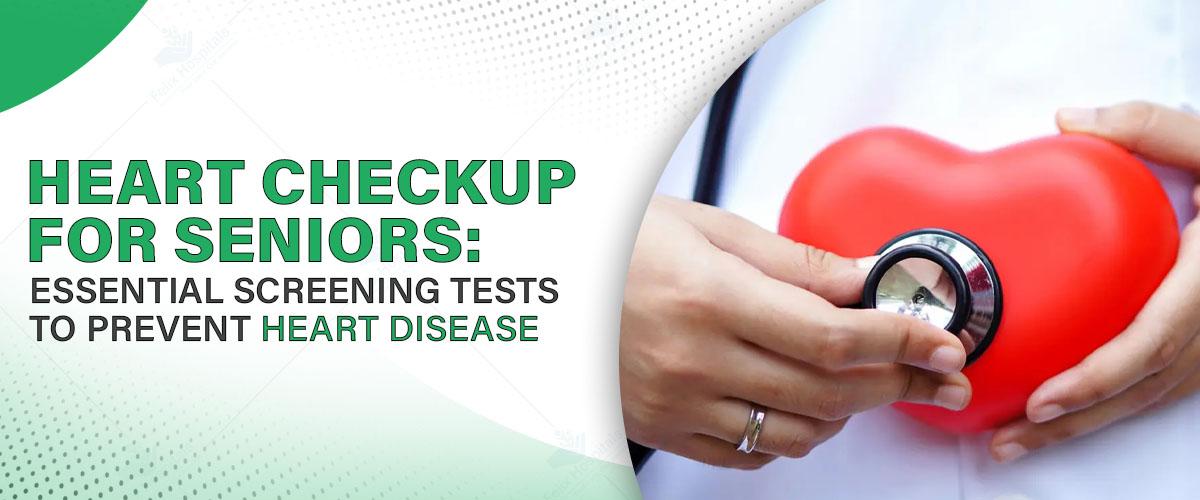
Aging is accompanied by experience and wisdom but also with increased requirements to increase health care. In older persons, heart disease remains one of the leading causes of disease and mortality, and Heart health checkup for Seniors is a part of preventive medicine. Regular screening allows for the identification of risk in its early stage and allows interventions in time that can prevent complications such as heart attack or stroke. Many families look for the Best Cardiology Hospital in Noida when they want to make sure their loved ones get the right care.
With increasing age, there are alterations in the blood vessels and the heart that put individuals at risk for cardiovascular disease. The arteries become stiff, blood pressure rises, and imbalance of cholesterol increases. Older individuals are also more likely to develop diabetes, an additional risk factor for the heart.
Three important benefits of routine checkups are:
Early Diagnosis – Silent diseases like high blood pressure, valve issues, or atherosclerosis in the arteries can be identified through tests even before they become symptomatic.
Personalised Monitoring – With a baseline, doctors are able to track changing heart function over time.
Prevention and Management – Lifestyle changes at an early point, medications, or interventions can delay or even avert significant cardiac events.
Hypertension is also known as the "silent killer" because it does not show any sign or symptom until it results in severe complications like stroke or heart failure. Regular monitoring is necessary to detect high readings early and keep them under control.
Lipid Profile – Measures cholesterol (HDL, LDL, triglycerides). High LDL and triglycerides significantly increase heart disease risk.
Blood Glucose & HbA1c – Both hyperglycemia and raised HbA1c are excellent predictors of diabetes, which in turn is commonly associated with heart disease.
These are part of the majority of the senior citizens' health check-up packages, and the results help tailor diet, physical activity, and drug regimens.
This small, harmless test records the heart's electrical activity. It detects abnormal heart rhythms (arrhythmias), past heart attacks, or signs of poor delivery of blood to the heart.
An ultrasound of the heart to disclose its size, pumping strength, and function of the valves. It can identify structural defects, valve defects, or reduced pumping capacity, all of which are common in older individuals.
Also known as a treadmill test, this evaluates the heart's reaction to exercise. Patients who are unable to exercise, such as the elderly, can be administered medication to simulate stress. The test is especially useful in diagnosing silent coronary artery disease.
This novel imaging method detects blockages or calcium deposits in the coronary arteries. It provides detailed images that help to assess the level of risk of heart disease.
This test shows the size and shape of the heart. It shows if the heart is enlarged, fluid in lungs , or alterations characteristic of heart failure.
This non-invasive procedure gives precise images of the heart's structure, muscles, and pumping ability. It is especially useful in elderly patients with suspected heart failure or congenital illness.
Identifies Silent Conditions – Most heart issues develop silently until they become emergency stages. Early detection prevents sudden complications.
Informs Individualized Treatment – Results help doctors make personalized lifestyle, drug, and treatment recommendations.
Prevents Development of Disease – By controlling high blood pressure, cholesterol, or early narrowing, older adults can avert heart attacks, strokes, and heart failure.
Decreased Emergency Risk – Regular screenings minimize emergency risk of sudden cardiac event hospitalization.
Peace of Mind – Seniors and families can have peace of mind when risks are being monitored.
Better Life quality– Preventive care enables seniors to remain healthy and active
Cost-Effective in the Long Run – Early detection saves costly emergency treatment or surgeries down the line.
According to Best cardiologist in Noida while testing is essential, preventative measures are also essential. Seniors should:
Maintain a heart-healthy diet rich in vegetables, fruits, whole grains, and lean protein.
Engage in light exercise like walking, yoga, or swimming, as recommended by a doctor.
No smoking and consumption of alcohol.
Reduce stress with meditation, hobbies, or group work.
Follow the prescribed blood pressure, cholesterol, or diabetes medicines, not missing doses.
Hospitals offer special packages for health check ups for elderly people, such as routine blood tests, ECG, echocardiogram, and cardiologist consultations. Selecting a package for elderly people means all that should be tested for is tested at a single visit. Elderly people with risk factors such as a family history, diabetes, or being overweight might need more sophisticated tests such as a stress test or cardiac CT.
Yearly – Older adults who are asymptomatic and over 60 years of age should have at least one yearly complete checkup.
More Often – Patients with high blood pressure, diabetes, and history of heart disease must be screened every 6 months.
At once – If an older person experiences chest pain, palpitations, shortness of breath, dizziness, or leg swelling, he or she should be brought to the physician at once.
When it comes to advanced cardiac care, having a healthcare partner you can trust is very important. Felix Hospital in Noida is known for its comprehensive cardiology services, high-end diagnostic centres, and expert specialists. Felix offers patient-centered solutions to meet the specific needs of each person, from preventive screenings to lifestyle counselling to interventional treatment. The hospital also does a great job in giving best health check up packages for senior citizens. Felix is one the best hospitals for Heart health checkup for Seniors because it has the best cardiologists, the newest ICUs, and emergency response teams.
A Heart health checkup for older adults is one of the most powerful ways to safeguard well-being, independence, and quality of life. With the proper screenings, older adults can catch risk factors early, follow a customized treatment plan, and feel confident that their heart is in good hands. Preventive care in the form of regular checkups, diagnostic tests, and a healthy lifestyle change can prevent serious heart ailments from developing in the first place. Finally, investment in early checkups is not just an investment in a longer life but one of infilling those extra years with energy and joy.
Q1. When should older people start getting regular checkups for their heart health?
Ans: Most people over 60 should get their hearts checked once a year. People with diabetes, obesity, or a family history of heart disease may need to start earlier, though.
Q2. What does a full heart health checkup for older people usually include?
Ans: A standard package usually includes a meeting with a cardiologist, a blood pressure check, a lipid profile, a blood glucose test, an ECG, and an echocardiogram. More advanced options may include stress tests or cardiac CT scans.
Q3. What does Felix Hospital do to help older people keep their hearts healthy?
Ans: Felix Hospital offers personalised heart health packages, facilities that are easy for seniors to use, advanced cardiac imaging, and emergency response 24 hours a day, seven days a week. Their team of some of the best cardiologists in Noida makes sure that you get all of your preventive and treatment-based care in one place.
Q4. What changes to their lifestyle do cardiologists usually suggest for older people after a heart checkup?
Ans: People often say to eat a balanced diet, get some light exercise (like yoga or walking), deal with stress, stay away from smoking and drinking, and take all of your medications as directed.
Q5. What can older people do to prepare for a heart checkup?
Ans: Before some blood tests, doctors tell patients not to eat or drink anything, not to drink caffeine before an ECG, and to bring a list of their medications. Seniors should also make a list of any symptoms they have, such as chest pain or palpitations, to give to the doctor.
Best heart hospital in Noida for bypass surgery at affordable prices with expert cardiac surgeons, advanced facilities, and quality patient care for better recovery.
Heart disease is a significant health concern for women, often presenting unique challenges. Understanding the causes, symptoms, and treatment options is essential for early detection and effective management.
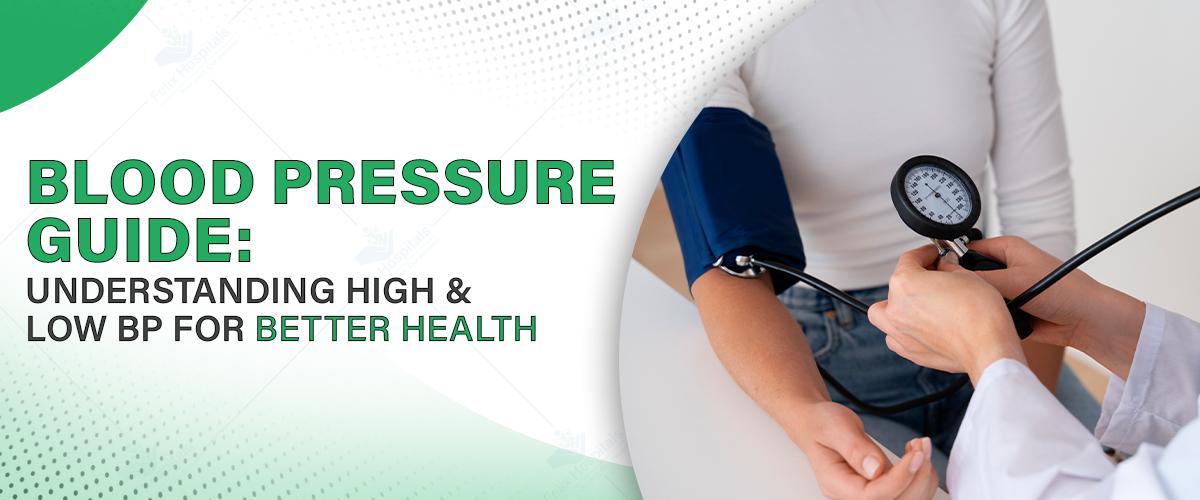
One of the most important signs of good health is blood pressure. It tells you how hard your blood is pushing against the walls of your arteries . If your blood pressure is too high or too low, it can hurt your vital organs and make you much more likely to have life-threatening complications. The Most Recent New Blood Pressure Guidelines say that the key to avoiding problems like heart disease, stroke, and kidney damage is to know and control your blood pressure numbers.
If you need expert advice, early treatment, and a diagnosis, getting to the best hospital, experienced cardiologists, and a good bp specialist doctor near me is the best way to stay healthy for a long time. By providing high-tech equipment and patient-focused care, the Best Cardiology Hospital in Noida enables people to access the treatment effortlessly.
Keep your heart safe, book a BP checkup now: +91 9667064100.
To properly read High and Low BP for Better Health, you need to know what the two digits indicate:
Systolic Pressure (Upper Number): Measures pressure in your arteries when your heart is pumping.
Diastolic Pressure (Lower Number): Records pressure when your heart is resting between beats.
Ideal Blood Pressure: Below 120/80 mm Hg
High Blood Pressure (Hypertension): 130/80 mm Hg or higher
Low Blood Pressure (Hypotension): 90/60 mm Hg or lower
Hypertension is when blood pressure against artery walls is always elevated. This, in the long run, damages blood vessels and adds extra load to the heart.
Health Risks
Stroke and heart attack
Kidney disease
Vision problems
Aneurysm (weakening of arteries)
Hypertension is frequently referred to as the "silent killer" because the majority of individuals do not demonstrate any symptoms until complications develop. In severe cases, patients might feel:
Severe headaches
Distorted vision
Shortness of breath
Follow a healthy heart diet.
Maintain a healthy weight.
Exercise for at least 30 minutes each day.
Limit salt consumption and not consume processed foods.
Quit alcoholic beverages and quit smoking.
Follow prescribed medications as advised by your doctor.
Hypotension is when your blood pressure drops too low to supply organs with sufficient oxygen.
Fainting or dizziness
Weakness and fatigue
Nausea
Double vision
Cold wet skin
Dehydration
Blood loss
Cardiovascular conditions
Some drugs
Nutritional deficiencies
Drink lots of fluids.
Increase the amount of salt in your diet (if advised by a doctor).
Wear compression stockings to improve circulation.
Treat underlying conditions like anemia or hormonal imbalance.
In severe cases, medication may be required.
Check Regularly: Take your blood pressure every day to detect early increases and decreases. Home-monitoring devices can prove to be a blessing.
Eat a Balanced Diet: Even slight weight reduction will have a remarkable impact on the blood pressure levels.
Eat Smart: Highlight whole grains, fruits, vegetables, lean proteins, and potassium-rich foods. Limit foods with added salt and sugar.
Exercise Daily: Get at least 150 minutes per week of brisk walking, cycling, swimming, or yoga.
Manage Stress: Practice deep breathing, meditation, or mindfulness. Stress is one of the biggest causes of blood pressure fluctuations.
Quit Alcohol and Quit Smoking: They both cause arterial injury and increase hypertension.
Normal BP (<120/80 mm Hg): Maintain a healthy lifestyle.
Elevated BP (120–129/<80 mm Hg): Adopt heart-healthy practices to prevent escalation.
Hypertension Stage 1 (130–139/80–89 mm Hg): Lifestyle change; drug therapy if another risk factor(s) is/are also present.
Hypertension Stage 2 (≥140/90 mm Hg): Requires drug treatment and lifestyle modification.
Severe Hypertension (>180/120 mm Hg): Recheck after 1 minute. If persistently high, seek medical care at once.
If your blood pressure is above 180/120 mm Hg and you have:
Chest pain
Difficulty breathing
Sudden vision disturbances
Numbness or weakness
Speech difficulty
Call emergency services at once
This is a hypertensive emergency and could be dangerous.
Both high and low blood pressure can have a serious effect on cardiovascular health. Hypertension is dangerous for arteries and can cause heart attack and stroke, while hypotension lowers blood pressure and oxygen supply to organs. Complications can be avoided by making people aware, regular checking, and consulting a bp specialist doctor nearby for proper treatment.
Felix Hospitals has earned a reputation for delivering exceptional cardiovascular care. Equipped with advanced diagnostic equipment, seasoned cardiologists, and comprehensive treatment plans, Felix is the best high blood pressure treatment hospital in Noida, offering specialized solutions for patients with both high and low blood pressure. The hospital provides preventive health check-up packages, emergency care in case of hypertensive crisis, and long-term treatment for chronic conditions. Felix has an integrated approach—including lifestyle, diet, and emotional health in addition to medical treatment. With round-the-clock services, upfront costs, and patient-focused care, Felix has emerged as a go-to option for people seeking to keep healthy blood pressure and a healthy heart.
Call +91 9667064100 for expert guidance on BP and heart health.
Blood pressure control is all about balance. Neither high nor low should be neglected, as both are serious. By knowing the blood pressure, making lifestyle changes, and getting early medical attention, you can not only have Better Health but also protect your long-term health. Regardless of whether your age is 40s, 60s, or higher, the control of blood pressure is the answer to keeping away from heart disease and a healthier, longer life.
Q1. Is my health equally affected by both high and low blood pressure?
Ans: Yes. High blood pressure (hypertension) raises your risk of heart attack, stroke, and kidney problems. Low blood pressure (hypotension) can make you dizzy, faint, and damage your organs if you don't get it treated.
Q2. When should I go see a doctor near me?
Ans: If you have consistently high or low blood pressure, fainting, severe headaches, chest pain, or blurred vision, you should see a blood pressure specialist doctor near me. If your blood pressure suddenly rises above 180/120 mm Hg, you should see a doctor right away.
Q3. How can Felix Hospital help me keep my blood pressure under control over time?
Ans: Felix Hospital has some of the best cardiologists in Noida who offer full care, including regular checkups, advanced tests, diet and lifestyle advice, and personalized treatment plans. Patients get both preventive care and help with managing their health over the long term.
Q4. Do health checkup packages include checking their blood pressure?
Ans: Yes. Felix offers health check-up packages that include regular blood pressure checks, cholesterol tests, ECGs, and other heart screenings to find and stop problems before they get worse.
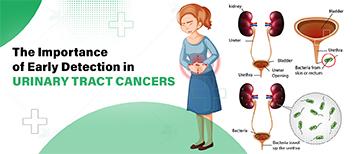
For those experiencing such symptoms, seeking care from the best hospital for pulmonology treatment in Noida ensures you receive timely and expert diagnosis and treatment.
In Noida hospitals, recognized for being among the best heart health hospitals in Noida, are at the forefront of offering critical care for heart-related issues.
In Noida hospitals, recognized for being among the best heart health hospitals in Noida, are at the forefront of offering critical care for heart-related issues.
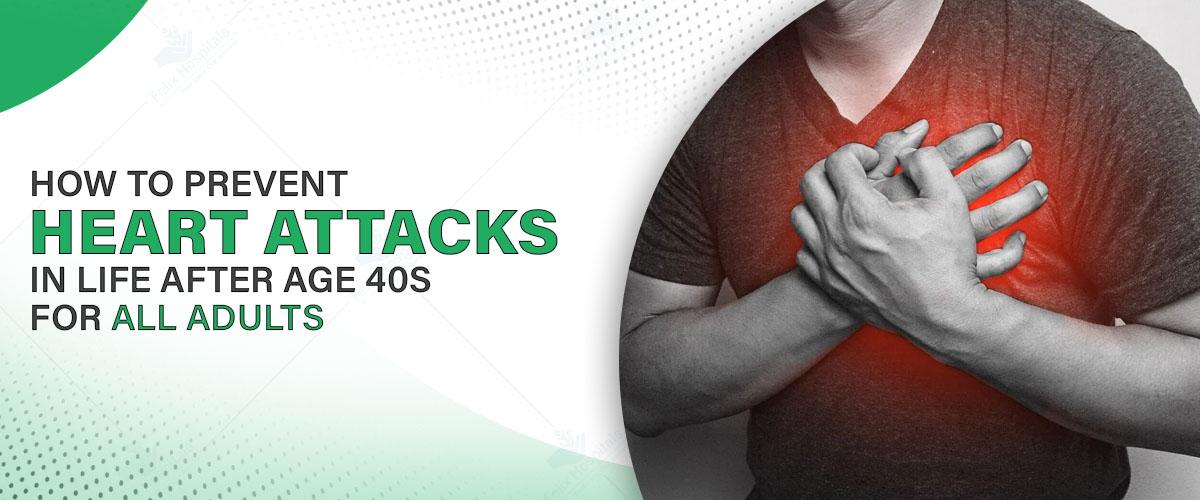
Cardiovascular health is an issue as people approach their 40s. The decade of life is usually marked by life transitions, job tension, and the on set of health conditions such as high blood pressure, diabetes, or high cholesterol. The predisposing conditions, unchecked, increase the possibility of the development of cardiovascular disease and heart attack. Early preventive measures can protect your heart, add to your health, and allow you to live longer and healthier.
To avoid a heart attack, you need to do more than just go to the doctor. You need to make daily habits that are good for your health. Every step you take, from working out and eating right to lowering stress and getting regular health checkups from the Best cardiology hospital in Noida, lowers your risk. By developing the proper sense of awareness, adults over the age of 40 can significantly reduce the weight of heart disease.
Take charge of your heart health today. Call +91 9667064100 to schedule your consultation.
Food intake is crucial in the avoidance of heart disease. Over 40-year-olds should pay special attention to:
Raw fruits and vegetables
Unrefined grains like oats, brown rice, and whole wheat
Lean protein sources such as fish, poultry, and legumes
Unsaturated fats found in nuts, seeds, and olive oil
Limit processed meat, fried, sweetened beverages, and refined carbohydrate consumption. Restraining sodium consumption also aids in blood pressure management, the leading cause of heart attack.
A sedentary lifestyle weakens the heart and causes obesity, diabetes, and high cholesterol. Incorporate at least 150 minutes of moderate physical activity each week—brisk walking, swimming, bicycle riding, or yoga. Regular exercise helps develop the heart muscles, circulation, and weight.
Smoking hurts blood vessels, lowers oxygen supply, and speeds up the deposit of plaque in the arteries. Giving up smoking is one of the strongest prevention methods for a heart attack. Excessive alcohol use also raises blood pressure and leads to weight gain. If you use alcohol, keep it moderate—no more than one drink a day for women and two for men.
Poor quality sleep has also been linked with high blood pressure, diabetes, obesity, and elevated stress levels—all cardiovascular disease risk factors. Adults require 7–9 hours of quality sleep each night for overall cardiovascular health.
Chronic stress causes hormonal changes that elevate heart rate and blood pressure, which, over the long term, cause damage to the arteries. Exercise such as meditation, deep breathing, mindfulness, or even gardening and music as a leisure activity can unwind stress. Building close emotional bonds with an individual's family and friends also reduces the negative impact of stress on the heart.

Preventing heart disease begins with early identification of risk factors. After the age of 40, you must have regular check-ups for:
Blood pressure
Levels of cholesterol
Blood sugar (for checking for diabetes)
Body mass index (BMI)
These follow-ups help keep track of changes over time and let you act quickly before problems happen.
High blood pressure, diabetes, and high cholesterol need to be carefully managed. Uncontrolled blood pressure damages the heart, diabetes ruins blood vessels, and high cholesterol causes plaque to build up in arteries. Following treatment regimens, monitoring levels, and adopting lifestyle changes can reduce the risk of heart attack by a significant amount.
Some patients may need blood pressure, cholesterol, or diabetes medication. Always follow the advice of your doctor to prevent complications. Never miss a dose or change medication without notifying your doctor.
Excess weight further burdens the heart, increases blood pressure, and lowers diabetes risk. Losing 5–10% of body weight has profound health advantages for the heart. Combining diet, exercise, and medical advice makes weight loss achievable.
Genetics play a part in cardiovascular risks. If your parents or siblings developed heart disease early in life, then you may be at greater risk as well. Talk with your doctor so that he can tailor your prevention treatment plan to your needs.
Too much salt raises blood pressure, and too much sugar leads to diabetes and obesity. Choosing the right foods, checking labels are simple ways to maintain intake within bounds.
Simple activities like climbing stairs, walking a short distance, and drinking plenty of water instead of soft drinks keep the heart healthy.
While modern medicine has come a long way to heart attack treatment, prevention is always best. Prevention is more economical, less stressful, and far preferable when it comes to maintaining the quality of life. But if a crisis situation does emerge, having the best cardiologist in Noida will ensure you or your loved ones get the proper treatment at the right time.
The cost of the treatment of heart attacks in Noida can vary depending on the procedure to be performed, i.e., angioplasty, bypass surgery, or stenting. However, preventive treatment can decrease the number of such procedures and result in healthier living in the long run.
When it comes to advanced cardiac care, having a healthcare partner you can trust is very important. Felix Hospital in Noida is known for its comprehensive cardiology services, high-end diagnostic centres, and expert specialists. Felix offers patient-centered solutions to meet the specific needs of each person, from preventive screenings to lifestyle counselling to interventional treatment. The hospital also does a great job of being open about the heart attacks treatment cost in Noida. They provide good care which is also affordable. Felix is one the best hospitals for heart attacks treatment because it has the best cardiologists, the newest ICUs, and emergency response teams.
Don’t wait for the symptoms. Check out our advanced heart health check-up packages for adults over 40. Call +91 9667064100 to set up your screening today.
Reaching the age of 40 is not an excuse to compromise heart health. With mindful lifestyle changes, frequent screening, proper management of health conditions, and risk factor awareness, adults can reduce their chances of developing heart disease to a large extent. By taking action pre-emptively against heart disease, rather than waiting for the symptoms to set in, you are not only protecting your heart but your lifestyle as well. And if, in a rare case, you do need specialist treatment, having the top cardiology hospital in Noida on your list means you receive the best care.
Q1. Can I get my heart checkup results the same day at Felix Hospital?
Ans: Most of the time, you can get the results of your blood tests and ECGs the same day. Advanced imaging, such as echocardiography and cardiac CT scans, may take a little longer, but they are sent right away.
Q2. Can Felix Hospital take care of heart emergencies?
Ans: Yes. The emergency response team at Felix Hospital is ready to handle heart attacks, angioplasty, and advanced cardiac life support (ACLS) 24 hours a day, seven days a week.
Q3. What are some signs that your heart might be in trouble after age 40?
Ans: Chest pain, shortness of breath, tiredness, sweating for no reason, or pain in the arm or jaw are all signs that need to be checked out by a doctor right away.
Q4. Are there affordable heart checkup packages at Felix Hospital?
Ans: Yes. Felix has affordable and complete health check-up packages for seniors and adults that make sure the quality is not affected.
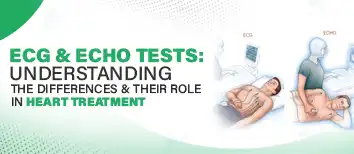
Learn the key differences between ECG and ECHO tests and their role in heart treatment.
Heart disease is a significant health concern for women, often presenting unique challenges. Understanding the causes, symptoms, and treatment options is essential for early detection and effective management.
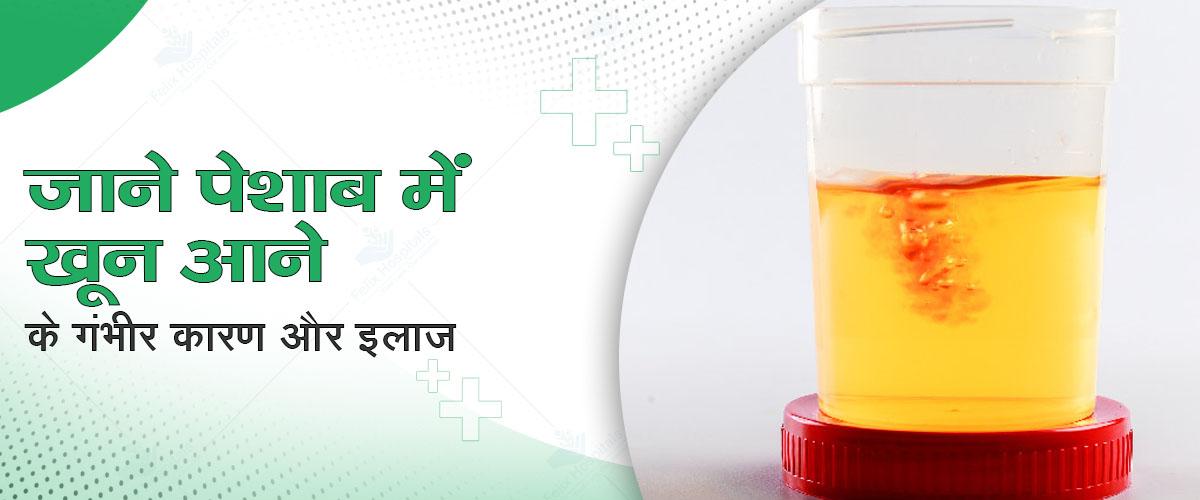
पेशाब में खून आना (Hematuria) पुरुष और महिलाओं दोनों में पाया जाने वाला एक आम लेकिन गंभीर लक्षण होता है। कई बार यह समस्या सामान्य कारणों से होती है। जैसे संक्रमण या पथरी, लेकिन कई बार यह किडनी या ब्लैडर कैंसर (bladder cancer) जैसी गंभीर बीमारियों का संकेत होता है। इसलिए अगर किसी व्यक्ति को पेशाब में खून आ रहा है तो इसे नजरअंदाज नहीं करना चाहिए। तो लिवर विशेषज्ञ डॉक्टर नोएडा (Liver Specialist Doctors Noida) में तुरंत से संपर्क करना चाहिए।
इस ब्लॉग में हम जानेंगे पेशाब में खून आने के कारण, इसके संभावित जोखिम, सही समय पर निदान और आधुनिक इलाज की गाइडलाइन।
अभी परामर्श के लिए कॉल करें: – +91 9667064100.
पेशाब में खून (blood in urine) आना एक चिकित्सीय समस्या है। जिसे हेमाटुरिया (Hematuria) कहते हैं। इस स्थिति में यूरिन का रंग गुलाबी, लाल या कभी-कभी भूरे रंग का दिखता है। कई बार यह खून इतनी स्पष्ट मात्रा में होता है कि पेशाब का रंग बदल जाता है। इसे ग्रोस हेमाटुरिया कहते हैं। वहीं कुछ स्थितियों में खून की मात्रा इतनी कम होती है कि यह सामान्य आंखों से दिखाई नहीं देता। लेकिन प्रयोगशाला जांच में पेशाब के सैंपल (Urine samples) में आरबीसी (लाल रक्त कोशिकाएं) पाई जाती हैं। इस अवस्था को माइक्रोस्कोपिक हेमट्यूरिया (Microscopic Hematuria) कहते हैं। इसलिए पेशाब में खून दिखे तो तुरंत से परामर्श लें।
पेशाब में खून आने के कई कारण होते हैं। अगर आप भी परेशान है तो लिवर विशेषज्ञ डॉक्टर नोएडा से संपर्क करें। पेशाब में खून आने के कुछ लक्षण सामान्य हैं और कुछ गंभीर बीमारियों से जुड़े होते हैं।
यूरिनरी ट्रैक्ट इंफेक्शन (यूटीआई) : बैक्टीरिया से संक्रमण के कारण ब्लैडर और यूरेथ्रा में सूजन आती है। जिससे खून निकलता है।
किडनी या ब्लैडर की पथरी: पथरी मूत्र मार्ग को चोट पहुंचाती है जिससे खून आता है।
प्रोस्टेट संबंधी रोग: प्रोस्टेट ग्रंथि (prostate gland) बढ़ने (बीपीएच) या संक्रमण के कारण भी खून आता है।
गंभीर व्यायाम: बहुत अधिक दौड़ने या शारीरिक परिश्रम से अस्थायी रूप से हेमाटुरिया होता है।
ब्लैडर कैंसर या किडनी कैंसर (Kidney Cancer): पेशाब में खून का एक प्रमुख और गंभीर कारण होता है।
किडनी की बीमारी (Kidney disease): इसमें किडनी के फिल्टर (ग्लोमेरुली) क्षतिग्रस्त होमे से समस्या होती हैं।
इंजरी या दुर्घटना: किडनी या ब्लैडर पर चोट लगने से रक्तस्राव होता है।
दवाइयों के दुष्प्रभाव: खून पतला करने वाली दवाइयां (जैसे वॉरफरिन, एस्पिरिन) हेमाटुरिया का कारण बनती हैं।
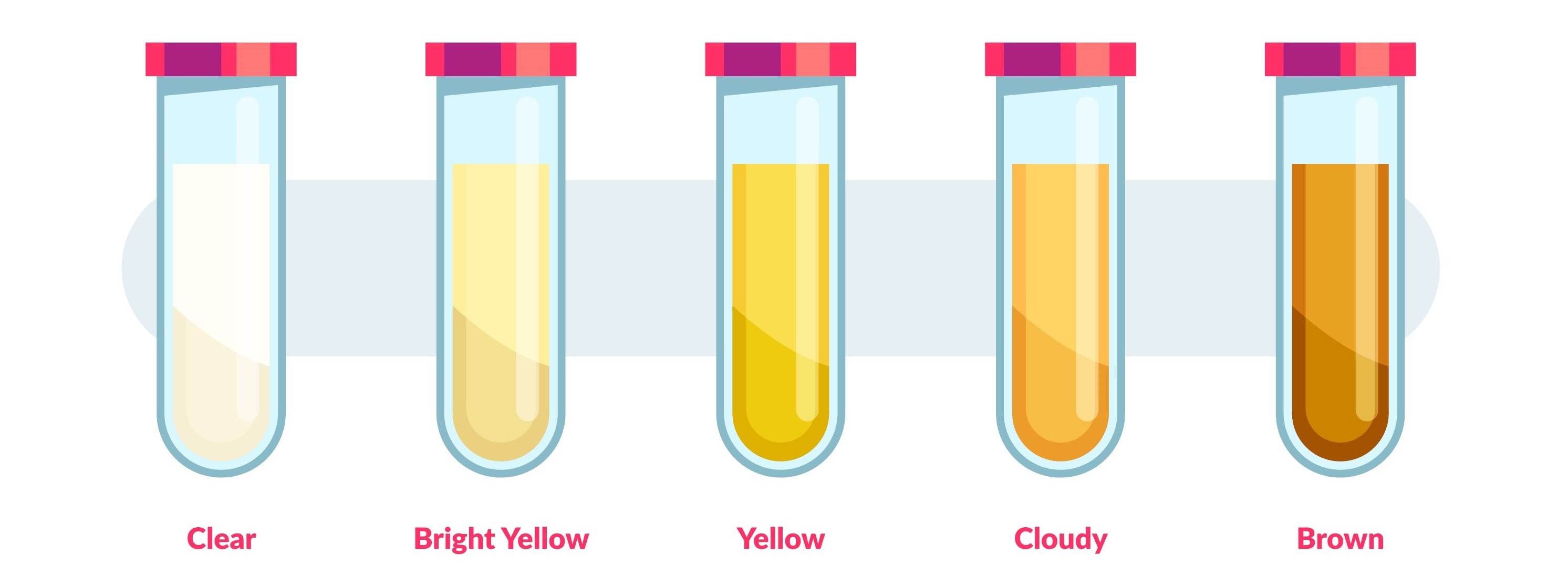
पेशाब में खून आने की समस्या के अलग-अलग प्रकार होते हैं। यह समझना जरूरी है कि खून पेशाब के किस हिस्से में आता है, क्योंकि इससे यह पता लगाने में मदद मिलती है समय रहते जांच जरूरी होती है। इसलिए लिवर विशेषज्ञ डॉक्टर नोएडा से सलाह ले। खासतौर से समस्या यूरि प्रणाली के किस हिस्से से जुड़ी होती है।
इसका मुख्य कारण अक्सर यूरेथ्रा यानी मूत्र नली से संबंधित होता है। जब यूरिन नली में चोट, संक्रमण या पथरी होती है, तो पेशाब शुरू होते समय खून आता है।
यह आमतौर पर ब्लैडर की समस्या का संकेत है। ब्लैडर की पथरी, संक्रमण या ब्लैडर कैंसर जैसी स्थितियों में पेशाब खत्म होने के समय खून निकलता है।
यह स्थिति अधिक गंभीर मानी जाती है क्योंकि इसका संबंध किडनी या ब्लैडर से जुड़ी बीमारियों से होता है। किडनी की बीमारी, ब्लैडर का ट्यूमर या गंभीर संक्रमण इसका कारण होता है।
कुछ लोगों में पेशाब में खून आने की संभावना अधिक होती है:
50 वर्ष से अधिक आयु वाले पुरुष में।
धूम्रपान करने वाले लोग लोगों में।
परिवार में किडनी या ब्लैडर कैंसर का इतिहास वाले व्यक्ति में।
लगातार यूरिनरी इंफेक्शन होने वाले व्यक्ति में
रेडिएशन थेरेपी या केमिकल के लंबे समय तक संपर्क में रहने वाले लोगों में।
अधिक मात्रा में दर्द निवारक दवाओं का सेवन करने वाले लोगों में।
हेमाटुरिया यानी पेशाब में खून आने के साथ कई लक्षण दिखाई देते हैं। यह लक्षण बीमारी की गंभीरता और कारण पर निर्भर करते हैं। लक्षण दिखने पर लिवर विशेषज्ञ डॉक्टर नोएडा से मिले। अगर नीचे दिए गए संकेत लंबे समय तक बने रहें तो तुरंत डॉक्टर से मिलें।
लगातार लाल, गुलाबी या भूरे रंग का पेशाब आना, जो हेमाटुरिया का सबसे आम लक्षण है।
कई बार खून के साथ थक्के भी पेशाब में निकलते हैं। जिससे यूरिन का बहाव रुक-रुक कर होता है।
पेशाब करते समय तेज जलन होना, ब्लैडर पूरी तरह खाली न होने का अहसास और बार-बार पेशाब लगना।
निचले पेट, कमर या शरीर के साइड हिस्से में तेज या लगातार दर्द रहना, जो किडनी या पथरी की समस्या का संकेत होता है।
अचानक वजन घटना, लगातार थकान रहना और भूख कम लगना जो गंभीर संक्रमण या कैंसर जैसी बीमारी की ओर इशारा करते हैं।
पेशाब में खून आने (हेमाटुरिया) का सही कारण जानने के लिए यूरोलॉजिस्ट कई तरह की जांचें कराते हैं। लक्षण दिखने पर लिवर विशेषज्ञ डॉक्टर नोएडा से मिले। कई यह टेस्ट यह पता लगाने में मदद करते हैं कि समस्या साधारण संक्रमण की है या किसी गंभीर बीमारी की।
पेशाब के नमूने की माइक्रोस्कोपिक जांच से यह पता चलता है कि उसमें लाल रक्त कोशिकाएं (आरबीसी), संक्रमण के जीवाणु, प्रोटीन या पथरी के क्रिस्टल मौजूद हैं या नहीं।
इसमें किडनी फंक्शन टेस्ट (केएफटी), सीरम क्रिएटिनिन और अन्य जांचें की जाती हैं। जिससे किडनी की कार्यक्षमता और इंफेक्शन का पता चल सके।
पेट और मूत्र प्रणाली का अल्ट्रासाउंड या सीटी स्कैन करके किडनी, ब्लैडर और प्रोस्टेट की संरचना, पथरी, ट्यूमर या सूजन का पता लगाते हैं।
इसमें एक पतली ट्यूब जिसमें कैमरा लगा होता है। उसे यूरेथ्रा और ब्लैडर में डालकर अंदर से जांच की जाती है। यह ब्लैडर कैंसर या अंदरूनी चोट का पता लगाते हैं।
अधिक जटिल और गंभीर मामलों में यह टेस्ट कराया जाता है। इससे किडनी, ब्लैडर, यूरेटर और कैंसर जैसी बीमारियों की सटीक पहचान की जाती है।
अगर ब्लैडर या किडनी में ट्यूमर का शक हो तो ऊतक का छोटा सा नमूना लेकर लैब में जांच की जाती है। यह जांच कैंसर की पुष्टि होती है।
इलाज हमेशा इस बात पर निर्भर करता है कि खून आने का असली कारण क्या है।
इसमें एंटीबायोटिक्स और अन्य दवाइयों से इलाज किया जाता है। ज्यादा पानी पीने और तरल पदार्थ लेने की सलाह दी जाती है ताकि बैक्टीरिया बाहर निकल सकें। बार-बार यूटीआई होने पर डॉक्टर द्वारा कारण (जैसे पथरी, रुकावट, ब्लैडर की कमजोरी) की जांच जरूरी है।
छोटी पथरी दवाओं और अधिक तरल पदार्थ से अपने आप निकल जाती है। दर्द कम करने और मूत्रमार्ग को चौड़ा करने वाली दवाइयां दी जाती हैं। लक्षण दिखने पर लिवर विशेषज्ञ डॉक्टर नोएडा से मिले। बड़ी पथरी के लिए लेजर, शॉक वेव (ईएसडब्ल्यूएल) या सर्जरी की आवश्यकता हो सकती है। पथरी बनने से बचाव के लिए आहार नियंत्रण और पानी की पर्याप्त मात्रा जरूरी है।
शुरुआती अवस्था में दवाइयों से पेशाब का दबाव और सूजन कम करती है। अगर दवा असर न करे या समस्या गंभीर हो, तो सर्जरी (जैसे टीयूआरपी) की जाती है। जीवनशैली सुधार (कैफीन कम करना, पर्याप्त पानी पीना) भी मददगार है।
शुरुआती अवस्था में ट्यूमर हटाने के लिए टीयूआरबीटी (मूत्राशय ट्यूमर का ट्रांसयूरेथ्रल रिसेक्शन), सर्जरी या लोकल थैरेपी की जाती है। एडवांस स्टेजमें रेडियोथेरेपी, कीमोथेरेपी, इम्यूनोथेरेपी और कुछ मामलों में टार्गेटेड थेरेपी की जरूरत पड़ती है। लंबे समय तक नियमित जांच (सिस्टोस्कोपी, सीटी स्कैन, एमआरआई) की आवश्यकता होती है।
खून पतला करने वाली दवाइयां (जैसे वॉरफरिन, एस्पिरिन, क्लोपिडोग्रेल) कभी-कभी खून आने का कारण बनती हैं। डॉक्टर दवा की खुराक कम करते हैं। अस्थायी रूप से दवा रोकते हैं। बिना डॉक्टर की सलाह के दवा बंद करना खतरनाक होता है।
थोड़ी-सी जीवनशैली में सुधार और समय पर जांच से किडनी और ब्लैडर को स्वस्थ रख सकते हैं। पेशाब में खून दिखने पर तुरंत डॉक्टर से संपर्क करना चाहिए। जिससे गंभीर बीमारी से बचा जा सके।
धूम्रपान छोड़ेंः
ब्लैडर और किडनी कैंसर का सबसे बड़ा कारण धूम्रपान है। सिगरेट और तंबाकू में मौजूद रसायन मूत्राशय और किडनी तक पहुंचकर कोशिकाओं को नुकसान पहुंचाते हैं। धूम्रपान छोड़ने से कैंसर, हृदय रोग और फेफड़ों की बीमारियों का खतरा कम होता है।
हाइड्रेटेड रहेंः
दिनभर पर्याप्त मात्रा में पानी (8–10 गिलास) पीना चाहिए। पर्याप्त तरल पदार्थ लेने से पेशाब साफ रहता है। संक्रमण या पथरी बनने की संभावना घटती है। डिहाइड्रेशन (पानी की कमी) यूरिन को गाढ़ा बनाकर किडनी पर अतिरिक्त दबाव डालता है।
संतुलित आहार लेंः
हरी पत्तेदार सब्जियां, मौसमी फल, साबुत अनाज और कम वसा वाला भोजन शामिल करें। अधिक नमक, तैलीय और प्रोसेस्ड फूड से बचें। क्योंकि यह पथरी और हाई बीपी जैसी समस्याओं को बढ़ाते हैं। एंटीऑक्सीडेंट से भरपूर आहार (जैसे गाजर, चुकंदर, टमाटर, नींबू, सेब) किडनी और ब्लैडर को स्वस्थ रखता है।
संक्रमण से बचेंः
व्यक्तिगत साफ-सफाई रखें और गंदगी से बचें। पेशाब को लंबे समय तक रोककर न रखें। समय पर पेशाब करना जरूरी है। बार-बार संक्रमण होने पर तुरंत डॉक्टर से जांच कराएं। जिससे यूटीआई या अन्य गंभीर कारण समय रहते पकड़े जा सकें।
नियमित चेकअप करवाएं:
45–50 वर्ष की उम्र के बाद नियमित रूप से यूरिन टेस्ट और अल्ट्रासाउंड करवाना जरूरी है। शुरुआती अवस्था में ही किसी भी समस्या का पता लगाकर उसका इलाज आसान हो जाता है। जिन लोगों को पहले से किडनी या ब्लैडर की बीमारी है, उन्हें सालाना हेल्थ चेकअप जरूर कराना चाहिए।
पेशाब में खून आना हमेशा गंभीर बीमारी का संकेत नहीं होता है। मगर इसे हल्के में भी नहीं लेना चाहिए। कई बार यह साधारण इंफेक्शन से जुड़ा होता है, जबकि कई बार यह ब्लैडर (Bladder) या किडनी कैंसर जैसी खतरनाक बीमारी की ओर इशारा करता है। इसलिए विशेषज्ञ से परामर्श लेना आवश्यक है। अगर आप सही इलाज की तलाश में हैं, तो नोएडा में सर्वश्रेष्ठ गैस्ट्रोएंटरोलॉजी अस्पताल में जाकर समय रहते आवश्यक जांच कराएं। शुरुआती जांच और सही उपचार से मरीज को आराम मिल सकता है।
अभी अपॉइंटमेंट शेड्यूल करें – कॉल करें: +91 9667064100.
प्रश्न 1. क्या पेशाब में खून आना हमेशा कैंसर का संकेत होता है?
उत्तर: नहीं यह संक्रमण, पथरी या प्रोस्टेट की समस्या से भी हो सकता है। लेकिन अगर किसी भी प्रकार का लक्षण मिले तो जांच और इलाज समय पर जरूरी है।
प्रश्न 2. क्या पानी कम पीने से भी पेशाब में खून आ सकता है?
उत्तर: डिहाइड्रेशन से पथरी बनने का खतरा बढ़ जाता है, जिससे हेमाटुरिया हो सकता है। इसे डॉक्टर की सलाह पर पानी का सेवन करना चाहिए।
प्रश्न 3. क्या महिलाओं में भी यह समस्या होती है?
उत्तर: हां महिलाओं में यूटीआई और किडनी की समस्या के कारण हेमाटुरिया होता है। इसलिए महिलाओं को समय रहते जांच करानी चाहिए।
प्रश्न 4. क्या हेमाटुरिया का इलाज घर पर संभव है?
उत्तर: नहीं, इसके लिए कारण पता करना जरूरी है। यूरोलॉजिस्ट से परामर्श के बिना इलाज नहीं करना चाहिए। किसी भी प्रकार की दवा का सेवन नहीं करना चाहिए।
प्रश्न 5. क्या पेशाब में खून आने पर तुरंत अस्पताल जाना चाहिए?
उत्तर: हां, अगर लगातार खून दिख रहा है या दर्द/थक्के भी हैं तो तुरंत अस्पताल जाना जरूरी है। इलाज में देरी नुकसानदेह हो सकता है।
पुरुषों में प्रोस्टेट कैंसर के लक्षणों में बार-बार पेशाब आना, पेशाब में जलन या रुकावट और पीठ दर्द शामिल हो सकते हैं। समय पर जांच और सही इलाज से इस बीमारी का सफल उपचार संभव है।
फेलिक्स हॉस्पिटल में,यूरोलॉजिस्ट डॉ. भंवर लाल बरकेसिया पेशेंट की आवश्यकताओं के अनुसार सही उपचार प्रदान करने के लिए प्रतिबद्ध हैं।
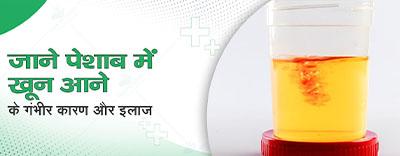
पेशाब में खून आना (Hematuria) एक गंभीर स्वास्थ्य समस्या का संकेत हो सकता है। इसके कारण और सही इलाज जानना बेहद ज़रूरी है।
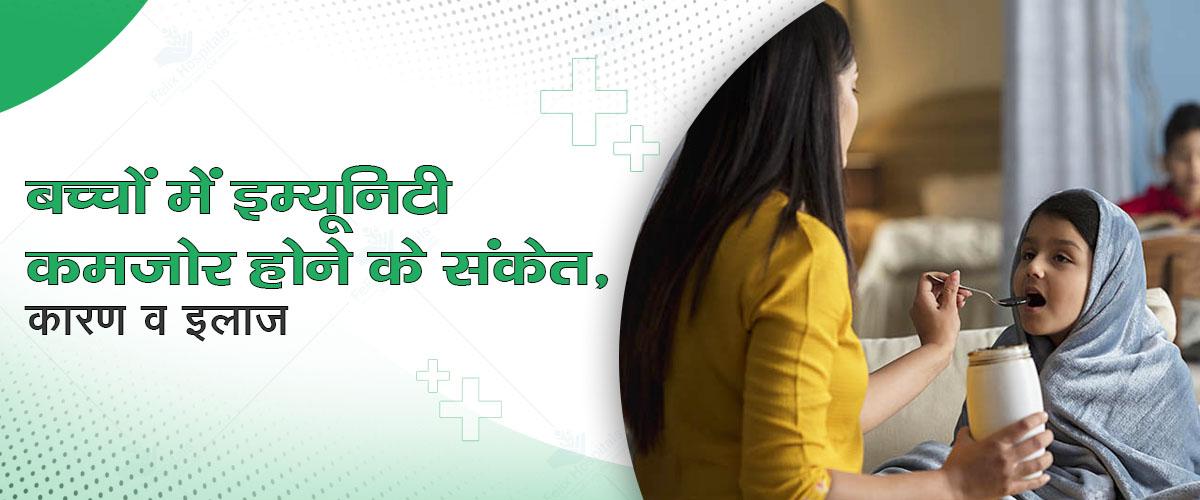
बच्चों का इम्यून सिस्टम (प्रतिरक्षा तंत्र) उन्हें रोग पैदा करने वाले वायरस, बैक्टीरिया और फंगस से बचाता है। मगर जब यह कमजोर होता है तो बच्चे बीमार पड़ते हैं। लक्षण दिखने पर नोएडा के बाल रोग विशेषज्ञ अस्पताल से मिलना चाहिए। नोएडा बार-बार सर्दी-जुकाम, बुखार, थकान और वजन न बढ़ना इसका संकेत है। इम्यूनिटी कमजोर होने पर हल्की-सी बीमारी भी गंभीर रूप लेती है। इसलिए सही समय पर पहचान और इलाज बेहद जरूरी है।
अभी अपॉइंटमेंट शेड्यूल करें – कॉल करें: +91 9667064100.
बच्चों में इम्यूनिटी कमजोर क्यों होती है ? (Why Kids Have Weak Immunity?)
बच्चों में इम्यूनिटी कमजोर होने के संकेत (Signs of Weak Immunity in Kids)
बच्चों में इम्यूनिटी कमजोर होने के कारण (Causes of Weak Immunity in Children)
बच्चों में इम्यूनिटी की जांच (Diagnosis of Weak Immunity in Kids)
बच्चों में इम्यूनिटी बढ़ाने का इलाज – जनरल मेडिसिन गाइडलाइन (Treatment as per General Medicine Guidelines)
बच्चों की इम्यूनिटी मजबूत करने के उपाय (Prevention & Immunity Boosting Tips)
निष्कर्ष (Conclusion)
अक्सर पूछे जाने वाले प्रश्न (FAQs)
बचपन में इम्यून सिस्टम पूरी तरह से विकसित नहीं होता है। इसलिए बच्चे संक्रमण की चपेट में जल्दी आते हैं। इस अवस्था में उनका शरीर रोगजनकों से प्रभावी ढंग से लड़ नहीं पाता। अगर बच्चे का खानपान संतुलित न हो तो विटामिन, मिनरल और प्रोटीन की कमी से उसकी प्रतिरोधक क्षमता और कम होती है। बार-बार बीमार पड़ना, पर्याप्त नींद न लेना और शारीरिक सक्रियता की कमी भी इम्यूनिटी को कमजोर करती है।
जंक फूड और असंतुलित आहार बच्चों के स्वास्थ्य पर सीधा असर डालते हैं। वहीं आनुवांशिक कारण, जन्मजात रोग या लंबे समय तक चलने वाले संक्रमण (Infection) भी शरीर की रोग प्रतिरोधक क्षमता को प्रभावित करते हैं। कमजोर इम्यूनिटी का असर बच्चों की ग्रोथ, सीखने की क्षमता और दैनिक जीवन पर दिखता है।

यदि बच्चा अक्सर सर्दी-जुकाम (Cold and cough) या बुखार से पीड़ित रहता है, तो यह कमजोर प्रतिरोधक क्षमता का संकेत होता है। सामान्य बच्चों में साल में 6–8 बार जुकाम सामान्य है। लेकिन उससे ज्यादा बार बीमारी होना चिंता का कारण है।
जब शरीर का इम्यून सिस्टम सही से काम नहीं करता है, तो छोटे घाव या चोट को ठीक होने में भी अधिक समय लगता है। यह इम्यूनिटी कमजोर होने का संकेत है।
कमजोर इम्यूनिटी वाले बच्चों की ग्रोथ धीमी होती है। उनका वजन और लंबाई उम्र के हिसाब से नहीं बढ़ते। जिससे शारीरिक विकास प्रभावित होता है।
बार-बार पेट खराब होना, कब्ज रहना या भूख कम लगना इस बात का संकेत है कि बच्चे का पाचन और इम्यून सिस्टम कमजोर होता है।
कान दर्द, गले में खराश या टॉन्सिल बार-बार होना भी कमजोर प्रतिरोधक क्षमता की ओर इशारा करता है।
यदि बच्चा बिना ज्यादा मेहनत किए जल्दी थक जाता है। हमेशा कमजोर दिखता है, तो यह इम्यून सिस्टम की कमजोरी का लक्षण है।
इम्यूनिटी कमजोर होने पर नींद की गुणवत्ता प्रभावित होती है। ऐसे बच्चे अक्सर चिड़चिड़े हो जाते हैं और उनका मूड जल्दी बदलता रहता है।
पोषण की कमी:
जब बच्चों को संतुलित आहार नहीं मिलता, तो उनके शरीर को आवश्यक विटामिन, मिनरल और प्रोटीन नहीं मिल पाते। इसका सीधा प्रभाव उनकी रोग प्रतिरोधक क्षमता पर पड़ता है, जिससे संक्रमण से लड़ने की ताकत कम हो जाती है। यदि ऐसा लगे, तो तुरंत नोएडा के बाल रोग विशेषज्ञ से परामर्श लेना चाहिए। विशेषज्ञ समय पर सही जांच और उपचार देकर बच्चे की इम्यूनिटी को मजबूत बनाने में मदद करते हैं।
नींद की कमी:
बच्चों को रोजाना 8–10 घंटे की नींद जरूरी है। नींद पूरी न होने पर शरीर की रिकवरी प्रभावित होती है। रोग प्रतिरोधक क्षमता घटती है।
बार-बार एंटीबायोटिक का इस्तेमाल:
लगातार एंटीबायोटिक देने से शरीर के अच्छे बैक्टीरिया भी खत्म होते हैं। इससे बच्चे संक्रमण के प्रति और संवेदनशील हो जाते हैं।
एलर्जी और पर्यावरणीय कारक:
धूल, प्रदूषण, धुआं और मौसम में बदलाव बच्चों की इम्यूनिटी को कमजोर करते हैं। एलर्जी से पीड़ित बच्चों में बार-बार सांस और गले के संक्रमण का खतरा रहता है।
जन्मजात रोग या आनुवांशिक कारण:
कुछ बच्चों का इम्यून सिस्टम जन्म से कमजोर होता है या परिवार से जुड़े आनुवांशिक कारणों की वजह से सही ढंग से विकसित नहीं हो पाता है।
क्रॉनिक इंफेक्शन:
जैसे बार-बार होने वाला टॉन्सिलाइटिस, फेफड़ों का संक्रमण या टीबी जैसी बीमारियां शरीर पर लगातार दबाव डालती हैं। इससे इम्यूनिटी धीरे-धीरे कमजोर होती जाती है।
ब्लड टेस्ट:
यह सबसे बेसिक टेस्ट है। इससे यह पता चलता है कि बच्चे के शरीर में किसी तरह का संक्रम (वायरल/बैक्टीरियल) तो नहीं है। खून में हीमोग्लोबिन या अन्य पोषक तत्वों की कमी तो नहीं है।
विटामिन और मिनरल प्रोफाइल:
इससे बच्चे के शरीर में विटामिन डी, बी 12, आयरन, जिंक और अन्य मिनरल्स की स्थिति का पता चलता है। इनकी कमी इम्यून सिस्टम को कमजोर करती है।
एलर्जी टेस्ट:
यदि बच्चे को बार-बार छींक, खांसी, त्वचा पर दाने या सांस की समस्या हो रही है, तो एलर्जी टेस्ट कराना जरूरी है। इससे यह पता चलता है कि बच्चा किन धूल, धुएं, खाने या अन्य चीज़ों से एलर्जिक है।
इम्यूनोग्लोबुलिन लेवल टेस्ट:
यह एक स्पेशल ब्लड टेस्ट है, जो शरीर में मौजूद एंटीबॉडी (आईजीजी, आईजीए, आईजीएम) की मात्रा मापता है। यदि कम मिलते हैं तो इसका मतलब है कि इम्यून सिस्टम संक्रमण से ठीक से नहीं लड़ पा रहा है।
चेस्ट एक्स-रे / अन्य स्कैन:
यदि बच्चा बार-बार खांसता है, सांस लेने में परेशानी होती है या फेफड़ों का संक्रमण बार-बार होता है, तो एक्स-रे या स्कैन कराया जाता है। इससे फेफड़ों की स्थिति और संक्रमण की गंभीरता का सही अंदाजा लगता है।
पोषण सुधार – आहार में दूध, दाल, हरी सब्जियां, फल, अंडा, नट्स और विटामिन-सी युक्त फल शामिल करें।
सप्लीमेंट्स – डॉक्टर की सलाह पर मल्टीविटामिन, विटामिन डी और जिंक सप्लीमेंट्स दिए जाते हैं।
संक्रमण का इलाज – बैक्टीरियल संक्रमण में एंटीबायोटिक्स, वायरल में सहायक दवाएं और आराम।
एलर्जी/अस्थमा के बच्चे – इन्हेलर, एंटीहिस्टामिन या स्टेरॉयड दवाओं का प्रयोग डॉक्टर की देखरेख में।
टीकाकरण – सभी आवश्यक वैक्सीन समय पर लगवाना।
गंभीर मामलों में – इम्यूनोलॉजिस्ट की देखरेख में विशेष दवाएं या थैरेपी।
संतुलित और पौष्टिक आहार दें:
बच्चों के भोजन में दूध, दाल, हरी सब्जियां, फल, नट्स, अंडा और विटामिन-सी युक्त फल शामिल करें। जंक फूड और पैकेज्ड स्नैक्स से बचाएं, क्योंकि ये पोषण की कमी और इम्यूनिटी कमजोर करने का कारण बनते हैं।
रोजाना 8–10 घंटे की नींद पूरी कराएं:
पर्याप्त नींद बच्चों के शरीर को रिपेयर करने और नए इम्यून सेल्स बनाने में मदद करती है। नींद की कमी से उनका ध्यान, पढ़ाई और रोग प्रतिरोधक क्षमता प्रभावित होती है।
बच्चों को खेलकूद और शारीरिक गतिविधि के लिए प्रेरित करें:
नियमित शारीरिक गतिविधि, आउटडोर गेम्स और एक्सरसाइज बच्चों के फेफड़ों और इम्यून सिस्टम को मजबूत करते हैं। इससे उनकी स्टैमिना और सहनशक्ति बढ़ती है।
हाथ धोने और साफ-सफाई की आदत डालें:
बाहर खेलने या खाने से पहले बच्चों को हाथ धोने की आदत डालें। साफ-सफाई से वायरस और बैक्टीरिया का संक्रमण काफी हद तक रोका जा सकता है।
भीड़भाड़ और धूल-धुएं से बचाएं:
प्रदूषण और भीड़भाड़ वाले स्थानों पर बच्चों को ले जाने से बचें। ये जगहें संक्रमण और एलर्जी का खतरा बढ़ाती हैं, खासकर अस्थमा या सांस की समस्या वाले बच्चों के लिए।
समय पर सभी टीके लगवाएं:
वैक्सीन बच्चों को कई गंभीर बीमारियों (जैसे फ्लू, न्यूमोकोकल, टीबी, खसरा) से बचाते हैं। इसलिए डॉक्टर द्वारा सुझाए गए टीकाकरण शेड्यूल का पालन करें।
बच्चों को तनाव और ज्यादा स्क्रीन टाइम से बचाएं:
तनाव और लंबे समय तक मोबाइल/टीवी देखने से बच्चों की नींद, मानसिक स्वास्थ्य और इम्यूनिटी पर नकारात्मक असर पड़ता है। उनकी दिनचर्या में आउटडोर गतिविधियों और फैमिली टाइम शामिल करें।
बच्चों की इम्यूनिटी मजबूत होना उनके शारीरिक, मानसिक और संपूर्ण विकास के लिए बेहद जरूरी है। कमजोर इम्यूनिटी वाले बच्चे अक्सर बार-बार सर्दी-जुकाम, बुखार, गले या कान के संक्रमण से पीड़ित होते हैं। ऐसे बच्चों में घाव देर से भरते हैं, थकान जल्दी होती है और उनकी ग्रोथ रुक सकती है। पोषण की कमी (Nutritional Deficiency), पर्याप्त नींद न लेना, बार-बार एंटीबायोटिक का इस्तेमाल, एलर्जी, प्रदूषण और जन्मजात कारण इसके प्रमुख कारण होते हैं। कमजोर प्रतिरोधक क्षमता से न केवल बच्चे की पढ़ाई और खेलकूद प्रभावित होते हैं, बल्कि उनकी जीवनशैली पर भी नकारात्मक असर पड़ता है। इसलिए समर पर समस्या की पहचान जरूरी है।
Felix Hospital — trusted kids hospital in Noida, delivering specialized pediatric care for newborns, infants, and children with compassion and excellence.
अभी अपॉइंटमेंट शेड्यूल करें – कॉल करें: +91 9667064100.
प्रश्न 1: बच्चों में इम्यूनिटी कमजोर होने का सबसे बड़ा संकेत क्या है ?
उत्तर: बार-बार सर्दी-जुकाम, बुखार और संक्रमण होना इम्युनिटी कमजोर होने का संकेत होता है। इसलिए सावधानी जरूरी है।
प्रश्न 2: क्या सिर्फ खानपान से बच्चों की इम्यूनिटी मजबूत हो सकती है ?
उत्तर: ज्यादातर मामलों में हां, लेकिन गंभीर कमी में डॉक्टर सप्लीमेंट्स देते हैं। बिना डॉक्टर की सलाह पर कोई सप्लीमेंट्स नहीं लेना चाहिए।
प्रश्न 3: क्या बच्चों को बार-बार एंटीबायोटिक देना सही है ?
उत्तर: नहीं, इससे इम्यूनिटी और कमजोर हो सकती है। केवल डॉक्टर की सलाह पर ही दवाएं दें। बिना डॉक्टर की सलाह पर दवाओं का सेवन नुकसानदेह है।
प्रश्न 4: क्या टीकाकरण इम्यूनिटी बढ़ाने में मदद करता है ?
उत्तर: हां, टीके बच्चों को कई गंभीर बीमारियों से सुरक्षित रखते हैं। इसलिए डॉक्टरों की सलाह पर बच्चों को टीका जरूर लगवाना चाहिए।
प्रश्न 5: बच्चों की इम्यूनिटी कब सबसे ज्यादा कमजोर रहती है ?
उत्तर: 0–5 साल की उम्र में, जब इम्यून सिस्टम विकसित हो रहा होता है। इस दौरान बच्चों को टीक लगवाना चाहिए। जिससे वह बीमारियों से बचे रहे।
डॉक्टर बच्चे की सामान्य स्थिति और हृदय की धड़कन की जांच करते हैं। हृदय की ध्वनि सुनना यानी स्टेथोस्कोप से दिल की धड़कन और असामान्य आवाज़ (जैसे मर्मर) सुनना त्वचा, नाखूनों, और होंठों के रंग की जांच (नीलापन साइनोसिस का संकेत हो सकता है)।
फेलिक्स हॉस्पिटल, जो बच्चों में मूत्र संक्रमण के लिए सर्वश्रेष्ठ अस्पताल के रूप में जाना जाता है, इस समस्या के समाधान के लिए उचित निदान और उपचार प्रदान करता है।
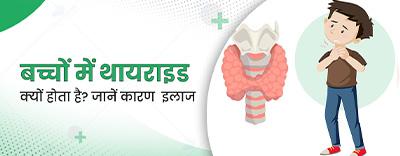
बच्चों में थायराइड हार्मोन की असंतुलन के कारण होता है। यह विकास और वृद्धि को प्रभावित कर सकता है। शुरुआती पहचान और सही इलाज से इसे नियंत्रित किया जा सकता है।
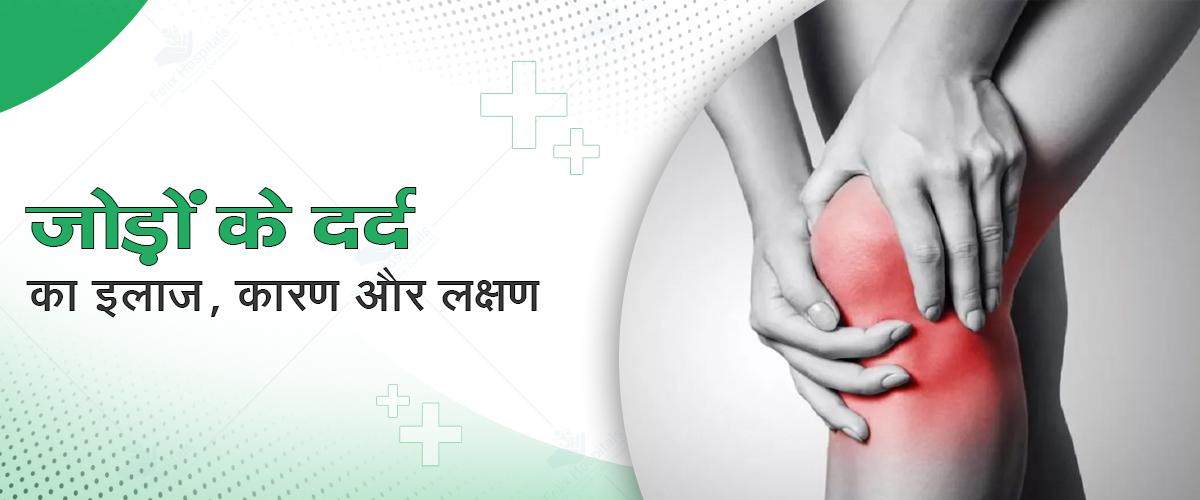
जोड़ों में दर्द (Joint Pain) एक आम स्वास्थ्य समस्या है। यह दर्द हल्का, तेज, लगातार या रुक-रुक कर होता है। शरीर के किसी भी जोड़ में महसूस हो सकता है। जैसे घुटने, कंधे, कोहनी, कलाई, टखने या कमर के जोड़ों में दर्द होता है। कई मामलों में दर्द केवल जोड़ तक सीमित नहीं रहता बल्कि आसपास की मांसपेशियों और हड्डियों में भी महसूस होता है।
सही समय पर कारण की पहचान और इलाज से न केवल दर्द से राहत मिलती है। बल्कि भविष्य में विकलांगता या चलने-फिरने में कठिनाई जैसी जटिलता से बच जा सकता है। इसलिए समय रहते अच्छे ऑर्थोपेडिक हॉस्पिटल नोएडा में जाकर डॉक्टर से अवश्य परामर्श लें।
अभी अपॉइंटमेंट शेड्यूल करें – कॉल करें: +91 9667064100.
जोड़ का दर्द सिर्फ उम्र से जुड़ा नहीं है बल्कि चोट, संक्रमण, बीमारियों और जीवनशैली से भी गहराई से जुड़ा होता है। यह दर्द निन्म वजह से ज्यादा होता है।
चोट या दुर्घटना: मोच, फ्रैक्चर, लिगामेंट या मांसपेशियों की चोट के कारण अचानक दर्द होता है। इस कारण जोड़ो में दर्द होता है।
आर्थराइटिस: यह जोड़ों की सबसे आम बीमारी है। इसमें कार्टिलेज घिसने लगता है। सूजन आती है। जिससे दर्द बढ़ता है। इस कारण जोड़ो में दर्द होता है।
ऑस्टियोपोरोसिस: हड्डियां कमजोर और भुरभुरी होने लगती हैं। जिससे छोटे-छोटे दबाव में भी दर्द और फ्रैक्चर का खतरा रहता है। इस कारण जोड़ो में दर्द होता है।
संक्रमण: बैक्टीरिया या वायरस के संक्रमण से जोड़ में सूजन और तीव्र दर्द होता है। इस कारण जोड़ो में दर्द होता है।
ऑटोइम्यून रोग: रुमेटाइड आर्थराइटिस जैसी बीमारियों में शरीर की प्रतिरक्षा प्रणाली ही अपने जोड़ों पर हमला करती है। इस कारण जोड़ो में दर्द होता है।
उम्र बढ़ना: बढ़ती उम्र के साथ कार्टिलेज घिसने लगता है। जोड़ की लचक कम होती है। जिससे दर्द और अकड़न होती है। इस कारण जोड़ो में दर्द होता है।
अधिक वजन: शरीर का ज्यादा बोझ घुटनों और कमर के जोड़ों पर पड़ता है। जिससे जल्दी दर्द शुरू होता है। इस कारण जोड़ो में दर्द होता है।
गलत जीवनशैली: लंबे समय तक बैठना, शारीरिक गतिविधि की कमी या पोषणहीन आहार भी जोड़ दर्द को बढ़ावा देता है। इस कारण जोड़ो में दर्द होता है।

खेल-कूद, सड़क दुर्घटना या भारी वस्तु उठाने से चोट लगना।
हड्डी टूटना, लिगामेंट फटना या मोच आना।
अचानक और तेज दर्द होना।
सूजन और चलने-फिरने में कठिनाई होना।
आर्थराइटिस (रूमेटाइड व ऑस्टियो), गाउट, बर्साइटिस, टेंडिनाइटिस।
जोड़ों की सतह घिसना या सूजन बढ़ना।
दर्द धीरे-धीरे बढ़ना और लंबे समय तक बने रहना।
अकड़न और असुविधा होना।
संक्रमण या ऑटोइम्यून रोग (जैसे लुपस)।
मोटापा, जिससे जोड़ों पर अतिरिक्त दबाव पड़ता है।
हड्डियों का कमजोर होना (ऑस्टियोपोरोसिस)।
उम्र बढ़ने पर जोड़ों का प्राकृतिक घिसाव।
लचीलापन और कार्यक्षमता कम होना, जिससे दैनिक कार्यों में कठिनाई।
यह दर्द लगातार रहता है या बीच-बीच में आता है। यह चलने-फिरने या आराम की स्थिति दोनों में महसूस होता है।
जोड़ के आसपास सूजन के साथ त्वचा लाल पड़ना और छूने पर गर्म महसूस होना सूजन या संक्रमण का संकेत होता है।
दर्द और जकड़न के कारण जोड़ को सामान्य तरीके से मोड़ना या घुमाना मुश्किल होता है।
चलने, सीढ़ियां चढ़ने, झुकने या भारी सामान उठाने के दौरान दर्द और असुविधा बढ़ती है।
सुबह उठते समय या लंबे समय तक एक ही स्थिति में बैठने के बाद जोड़ में अकड़न और कठोरता महसूस होती है। जो धीरे-धीरे कम होती है।
गंभीर और लंबे समय तक इलाज न होने पर जोड़ का आकार बिगड़ता है या विकृति आती है। जिससे स्थायी कार्यक्षमता प्रभावित होती है।
शारीरिक जांच: डॉक्टर जोड़ों की मूवमेंट, सूजन और दर्द की गंभीरता की जांच करते हैं।
एक्स-रे: हड्डियों के घिसाव, फ्रैक्चर या असामान्य संरचना का पता लगाने के लिए।
एमआरआई / सीटी स्कैन: लिगामेंट, कार्टिलेज या मांसपेशियों की समस्या की विस्तृत तस्वीर देता है। ऊतकों (tissues) की सटीक और स्पष्ट इमेज मिलती है।
ब्लड टेस्ट: गाउट, रूमेटाइड आर्थराइटिस या अन्य सूजन संबंधी बीमारियों की पहचान के लिए। संक्रमण या ऑटोइम्यून रोग की संभावना जांचने के लिए।
जॉइंट फ्लूड एनालिसिस: जोड़ों में मौजूद सायनोवियल फ्लूड का सैंपल लेकर जांच की जाती है। सूजन, संक्रमण या क्रिस्टल जमाव (जैसे गाउट) का पता लगाया जाता है।
दर्द निवारक दर्द को कम करने के लिए।
सूजन कम करने वाली दवाएं (सूजनरोधी दवाएं)।
गंभीर स्थिति में स्टेरॉयड इंजेक्शन यानी तेज दर्द और सूजन घटाने के लिए।
विशेष व्यायामों से जोड़ की लचक बढ़ती है।
मांसपेशियों की ताकत और सहनशक्ति में सुधार होता है।
कार्यक्षमता बेहतर होती है।
तब की जाती है जब दवा और थेरेपी से सुधार न हो। हड्डी रोग विशेषज्ञ डॉक्टर नोएडा में लिगामेंट रिपेयर, आर्थोस्कोपी, जॉइंट रिप्लेसमेंट इसका विकल्प है।
वजन नियंत्रण में रखना।
संतुलित आहार लेना।
पर्याप्त कैल्शियम और विटामिन डी का सेवन।
नियमित व्यायाम करना।

हल्का व्यायाम और स्ट्रेचिंग करने से जोड़ लचीले और मजबूत बने रहते हैं।
रोजमर्रा की गतिविधियों में बैठने-उठने का सही तरीका अपनाएं। गलत पोजीशन से बचें।
खेल-कूद या शारीरिक मेहनत के दौरान उचित सुरक्षा उपकरण पहनें। चोट और मोच से बचाव होता है।
अतिरिक्त वजन जोड़ों पर दबाव डालता है, खासकर घुटनों और कूल्हों पर। सही वजन रखने से घिसाव और दर्द का खतरा कम होता है।
कैल्शियम और विटामिन डी से भरपूर खाद्य पदार्थ खाएं। हड्डियां और जोड़ मजबूत बने रहते हैं।
चोट, सूजन या दर्द होने पर देरी न करें। हड्डी रोग विशेषज्ञ डॉक्टर नोएडा से तुरंत डॉक्टर से परामर्श लें।
जल्द पहचान और उपचार जोड़ों के लंबे समय तक स्वस्थ रहने की कुंजी है। जोड़ों में दर्द को नजरअंदाज करना खतरनाक है। यह गंभीर बीमारी का संकेत होता है जैसे आर्थराइटिस, गाउट, ऑस्टियोपोरोसिस या संक्रमण। शुरुआती दौर में लक्षण हल्के लगते हैं। लेकिन समय पर ध्यान न देने पर यह समस्या बढ़कर जोड़ों की कार्यक्षमता को नुकसान पहुंचाती है। इसलिए दर्द, सूजन या अकड़न महसूस होने पर आर्थोपेडिक्स विशेषज्ञ से सलाह लेना चाहिए। समय पर इलाज से न केवल दर्द और सूजन से राहत मिलती है। बल्कि भविष्य में चलने-फिरने की क्षमता सुरक्षित रहती है। जीवन की गुणवत्ता बेहतर बनती है।
अभी अपॉइंटमेंट शेड्यूल करें – कॉल करें: +91 9667064100.
प्रश्न 1: क्या जोड़ों में दर्द हमेशा आर्थराइटिस का संकेत है?
उत्तर: नहीं यह चोट संक्रमण या अन्य कारणों से भी हो सकती है। सही कारण जानने के लिए जांच जरूरी है।
प्रश्न 2: क्या जोड़ों का दर्द पूरी तरह ठीक हो सकता है?
उत्तर: शुरुआती अवस्था में सही इलाज और लाइफस्टाइल बदलाव से राहत संभव है। लेकिन कुछ क्रॉनिक स्थितियों में दर्द को नियंत्रित किया जा सकता है।
प्रश्न 3: क्या वजन बढ़ने से जोड़ों का दर्द बढ़ता है?
उत्तर: हां ज्यादा वजन से जोड़ों पर दबाव बढ़ता है। खासकर घुटनों और कमर के जोड़ों का दर्द बढ़ता है।
प्रश्न 4: क्या घरेलू उपाय असरदार हैं?
उत्तर: हल्की सूजन या चोट में आराम और गर्म/ठंडी सिकाई मदद करती है। लगातार दर्द में डॉक्टर की सलाह जरूरी है। जिससे समय रहते बीमारी की पहचान कर इलाज किया जा सके।
प्रश्न 5: क्या जोड़ों के दर्द का इलाज बिना सर्जरी के संभव है?
उत्तर: हां ज्यादातर मामलों में दवा, फिजियोथेरेपी और लाइफस्टाइल बदलाव से इलाज होता है। सर्जरी केवल गंभीर स्थिति में की जाती है। खुद से इलाज से बचना चाहिए।
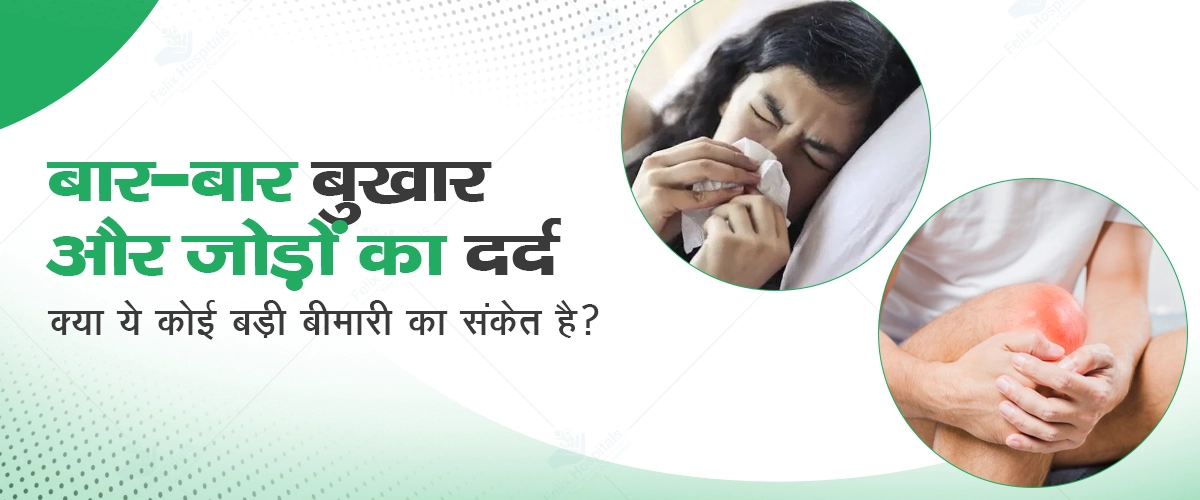
बार-बार बुखार और जोड़ों में दर्द होना केवल सामान्य वायरल लक्षण नहीं हो सकते। यह शरीर में किसी संक्रमण, ऑटोइम्यून बीमारी या सूजन से जुड़ी समस्या का संकेत भी हो सकता है
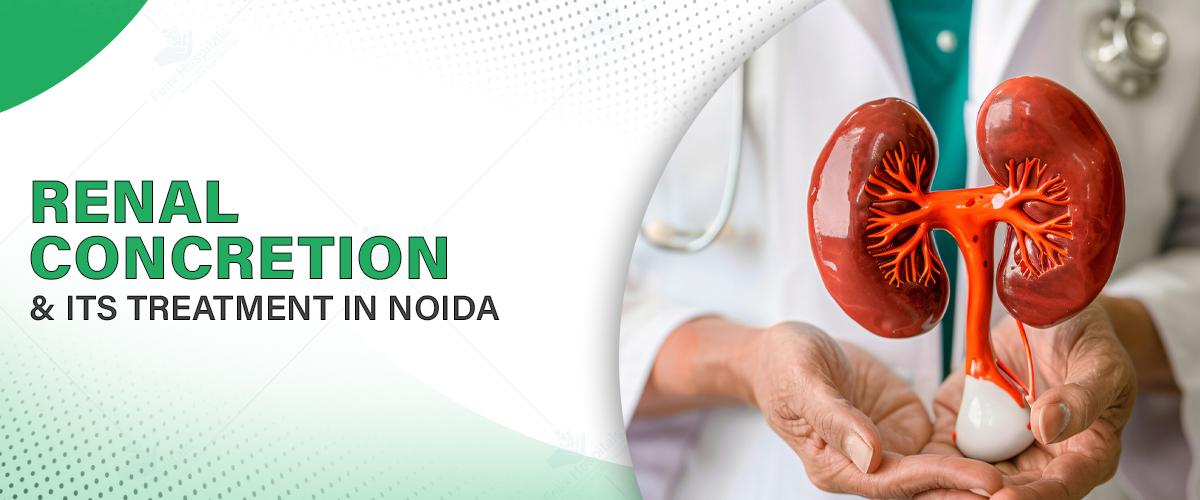
Renal concretion, commonly known as kidney stones, is the most painful urinary tract disease that attacks thousands of individuals each year. They are hard salt and mineral deposits that develop in the kidneys and range in size from as tiny as a grain of sand to as large as enormous stones that block the passage of urine. Tiny stones pass unnoticed, but enormous stones can be extremely painful, infect, or destroy the kidneys if left untreated.
Getting the right medical care is the most essential thing, especially in urban cities lifestyle, diet, and stress are the reasons behind rising kidney-related illnesses. If you are searching for the best nephrology hospital in Noida, understanding the reasons, diagnosis, and renal concretion treatment options will help you make the right decisions in the right direction.
Don’t ignore the warning signs of kidney stones. Call +91 9667064100 today to consult an expert.
Renal concretions are crystalline clusters that result when chemicals like calcium, oxalate, uric acid, or cystine precipitate in the kidneys. Urine contains chemicals that prevent precipitation of these substances but, when in excess, begin to form stones.
They are categorized into various groups based on their composition:
Calcium Oxalate Stones – The most common variety, due to higher levels of calcium and oxalate in the urine.
Calcium Phosphate Stones – Usually related to urinary tract infection or pH disturbance.
Struvite Stones – Usually secondary to chronic urinary tract infection, more common in women.
Uric Acid Stones – Associated with high animal-protein diets, gout, or dehydration.
Cystine Stones – A very uncommon genetic disease leading to excess cystine in urine.
There are a number of reasons why kidney stones develop:
Dehydration – Insufficient water intake leads to a higher concentration of minerals in urine.
Dietary Practices – Increased in salt, animal protein, oxalate-containing foods (e.g., spinach, nuts, tea, chocolate) may increase risk.
Obesity and Physical Inactivity – With decreased kidney function and enhanced stone formation.
Family History – Genetic predisposition is a significant contributing factor to recurrent kidney stones.
Medical Conditions – Gout, diabetes, or repeated UTIs are risk-enhancing.
Symptoms also differ according to the size and location of the stone but they can be:
Throbbing side or back (renal colic)
Pain during urination
Hematuria (urine containing blood)
Frequent need to urinate
Nausea and vomiting
Fever or chills (if there is an infection)
Early consultation with a nephrologist is recommended if these happen repeatedly.
Doctors use a combination of imaging studies and clinical assessment in a bid to effectively diagnose kidney stones:
Urinalysis – Shows infection, blood, or crystals.
Blood Tests – Uric acid, calcium, and kidney function.
Ultrasound – Non-invasive scan to locate stones.
CT Scan – Gives clear images, very effective for the detection of stones of any size.
X-ray (KUB) – Occasionally used to detect bigger stones.
The renal concretion treatment in Noida differs with the size of the stone, the type of stone, and the site of the stone. Small stones are treated conservatively, whereas large stones are treated medically or by surgery.
Increased fluid intake: At least 2–3 liters of water a day helps small stones pass.
Pain Relievers: Medications such as ibuprofen or naproxen ease pain.
Alpha Blockers: Medications like Tamsulosin relax ureter muscles to help the stone move naturally.
It is a Non-Surgical Kidney Stone Treatments in Noida that has high-intensity sound waves that break up large stones into fragments that can be easily passed out of the body through urine. It is the most common non-invasive kidney stone treatment in Noida.
Ureteroscopy Lithotripsy (URSL): Thin telescope and laser are inserted to shatter and extract stones in the ureter.
Retrograde Intrarenal Surgery (RIRS): A flexible scope is placed inside the kidney to access stones directly and shatter them with a laser.
Percutaneous Nephrolithotomy (PCNL): When stones are extremely large or complicated, a tiny cut is made in the back to remove them directly. While more intrusive, it is a relief if nothing else works.
Since the most common stone is calcium oxalate, the treatment normally includes:
Dietary changes – Restrict foods rich in oxalate (spinach, nuts, chocolate, tea).
Proper fluid consumption – Prevents urine concentration.
Medication – Thiazide diuretics or citrate supplements.
This is particularly for treatment for calcium oxalate kidney stones that prevents recurrence and guarantees long-term kidney health.
Prevention is the mainstay in recurrence prevention of renal concretions. The following are some of the effective measures:
Drink 6–8 glasses of water daily.
Reduce consumption of processed foods and salt.
Limit animal protein such as red meat.
Avoid sugar-sweetened drinks and alcohol.
Add orange and lemon since they contain citrate preventing stone formation.
Exercise to keep a healthy weight.
Felix Hospital is one of the best in kidney care that provides both surgical and non surgical care for every kind of renal concretion. Felix has skilled nephrologists, and urologists, who provide patient-specific and patient-centered care. Felix Hospital has state-of-the-art diagnostic centers, modular operation theatres, and minimally invasive therapy units such as ESWL, URSL, RIRS, and PCNL.
Prevent complications from untreated kidney stones. Schedule your consultation at +91 9667064100.
Renal concretions may begin as small mineral deposits, but if left untreated, these may progress to inflict terrible pain, infection, or even kidney injury. Due to the latest technology, patients can now avail themselves of non-surgical kidney stone treatments in Noida, besides being offered successful surgery for large stones by experienced specialists.
Whether it is lifestyle modifications, medications, or advanced interventions such as ESWL, URSL, or PCNL, early treatment spares patients from long-term morbidity. If you experience symptoms such as severe pain, hematuria, or urinary retention, do not delay visiting a doctor. For comprehensive kidney care, consulting the best nephrologist in Noida ensures accurate diagnosis, preventive strategies, and effective treatment. Early detection, preventive treatment, and professional advice are the secrets to healthy kidneys and a life without pain.
Q1. Is it possible for small renal concretions to pass without treatment?
Ans: Yes, small concretions often pass naturally through urine with hydration and medications, but larger ones may need medical procedures.
Q2. Is severe back pain the only sign of kidney stones?
Ans: No, some patients may have no symptoms at all until the stone moves, while others may have burning urination, blood in their urine, nausea, or no symptoms at all.
Q3. How much pain does treating renal concretions cause?
Ans: Most modern treatments are less painful and less invasive than traditional surgery, and they help you heal faster.
Q4. Do people with diabetes or high blood pressure have a higher chance of getting kidney stones?
Ans: Yes, metabolic disorders like diabetes, obesity, and high blood pressure can make it more likely that you will get kidney stones.
In Noida hospitals, recognized for being among the best heart health hospitals in Noida, are at the forefront of offering critical care for heart-related issues.
Renal failure occurs when the kidneys lose their ability to filter waste and balance fluids. Learn about its causes, symptoms, and treatment options.
Find out the best methods to pass kidney stones quickly, ease pain, and protect your kidneys with proven home remedies and advanced treatment options.
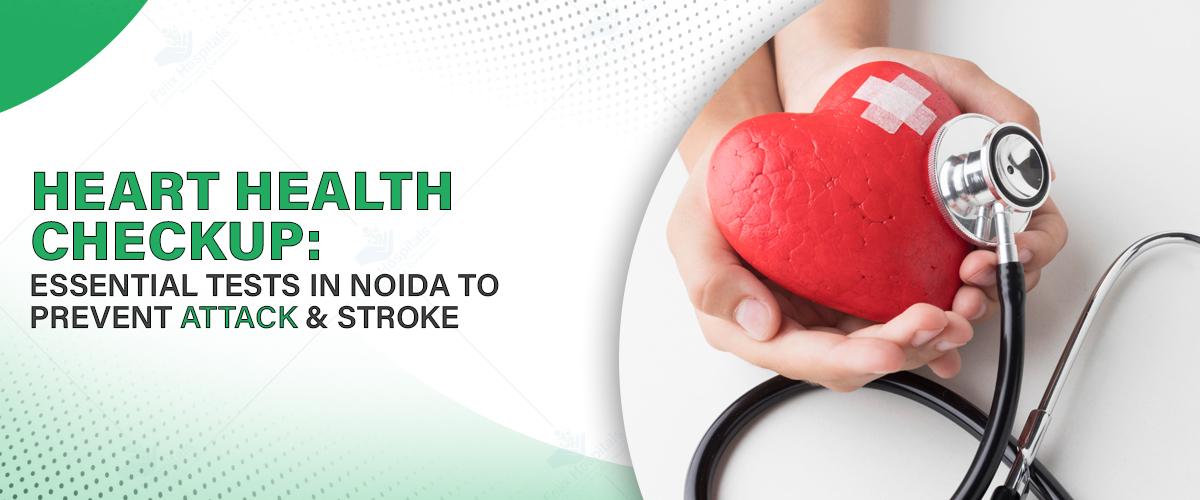
Heart disease does not make its entry with a loud noise. One day you're absolutely fine, and the next not, that's precisely why preventive cardiac screening has become so crucial, particularly among the people of fast-moving cities. Majority of heart attacks and strokes can be prevented if at all we could detect the warning signs in advance. That's why heart screening tests in Noida are important. These are not routine medical tests, these are your first line of defense against cardiovascular emergencies that can alter the course of your life within a matter of seconds.
The lifestyle nowadays, dayslong working hours, traffic, pollution, fast food all these can silently raise your risk for heart issues. But the good part is that with the proper heart health screening tests at the best cardiology hospital in Noida, you can be one step ahead of issues in the future before they get serious.
Don’t wait for warning signs — take charge of your heart health now. Call +91 9667064100 to schedule your tests.
Heart ailment, conversely, sneaks up on you gradually over months or years. By the time you do realize something like chest pain, shortness of breath, unexplained fatigue the damage is already done. That's why preventive cardiac screening has been so revolutionary in contemporary medicine.

A lipid profile is the most prevalent of all heart test screens, and it's for a good reason. It's a simple blood test that informs you of how much of various types of cholesterol and triglycerides circulate in your blood. Modern lipid testing even takes into account particle size and ratios of different types of cholesterol. Too much of the bad LDL cholesterol will lead to plaque formation in your arteries, and too little good HDL cholesterol means your body's not working properly to remove toxins. For people whose food consumption is high and the eating pattern is irregular due to working hours, this heart health screening tests is in greater demand. The test should be conducted every 3-5 years in healthy people, but more frequently if you have risk factors.
High blood pressure earned the nickname "the Silent Threat" since it does not usually create noticeable signs until it is already causing damage. It is not simply a quick test in the physician's office, but it is about understanding trend and pattern over time.
What complicates blood pressure is that it can fluctuate during the day depending on how stressed you are, how active you've been, how much caffeine you've consumed, and even the time of day. For this reason, numerous physicians now suggest 24-hour ambulatory blood pressure monitoring or monitoring at home on a regular basis for a better understanding.
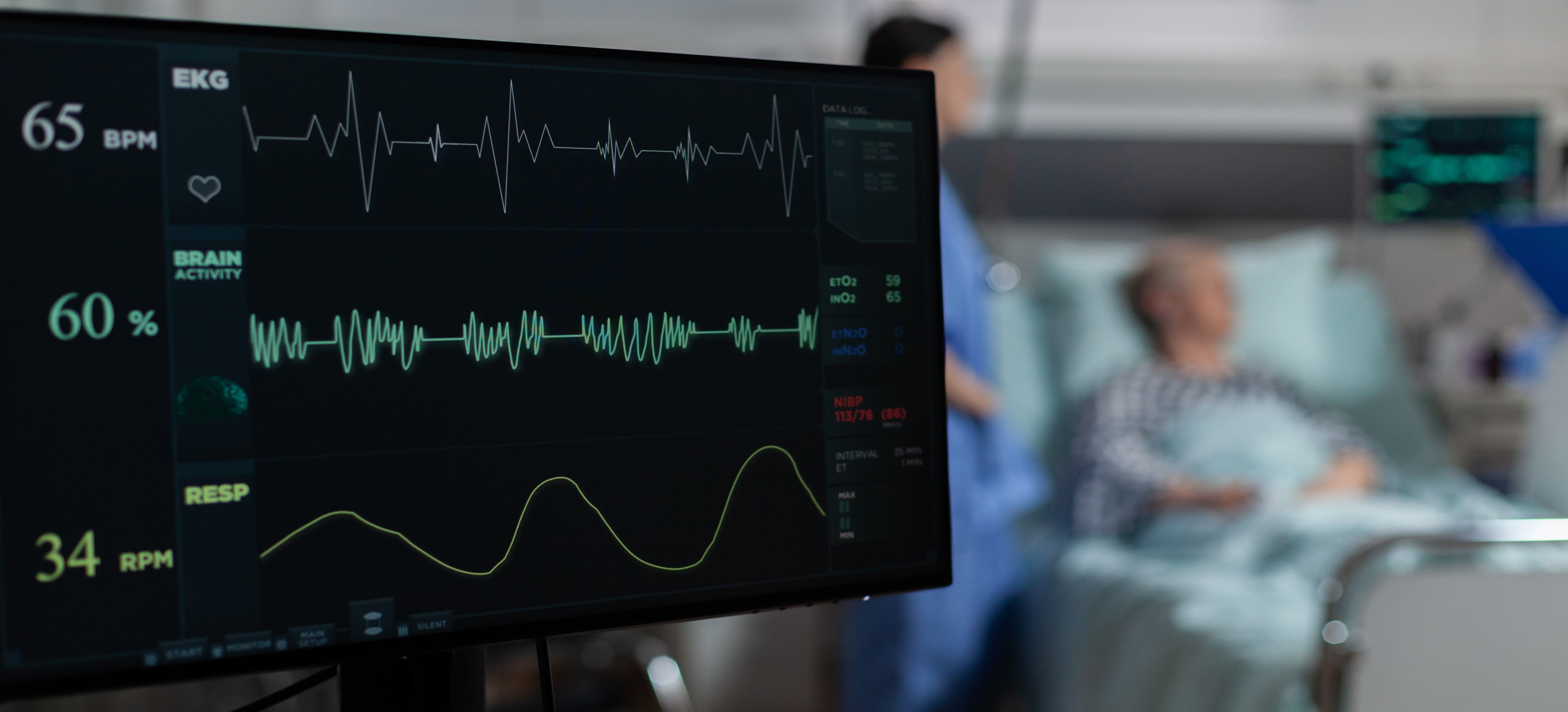
An ECG gives a very accurate description of your heart's electrical activity. Every heartbeat starts with an electrical signal, and an ECG is picking up these signals, giving you information on the rhythm, rate, and even remnants of old heart attacks you might not have known you'd had. Being the most accurate stroke and heart attack prevention tests ECG is still very rapid and non invasive..
This is a test for C-reactive protein, an inflammation marker in your body. Inflammation plays a key role in atherosclerosis i.e. the process in which arteries clog with plaque.
You can pick up on inflammation even if you're perfectly healthy with high-sensitivity CRP tests. It is a preventive cardiac screening test extremely helpful in people with normal cholesterol but perhaps still at risk for heart disease due to inflammatory processes.
Homocysteine is an amino acid whose elevation can potentially weaken blood vessel walls and lead to blood clots. Homocysteine is unique in that its elevation is typically responsive to dietary change and B-vitamin supplementation, so an elevated homocysteine is a very actionable finding.
Diabetes and coronary heart disease are connected. Diabetes is a "coronary heart disease equivalent" in the opinion of most cardiologists. Pre-diabetes or mildly elevated blood glucose levels actually do increase cardiovascular risk quite a bit.
Regular checking of blood glucose, like HbA1c (2-3 months average blood sugar), can identify problems in the early stages when lifestyle modifications are still very effective.
An echocardiogram uses sound waves to create moving images of your heart. It's a live video of how well your heart chambers are pumping, whether your valves are okay, and whether or not there is any structural problem. This test is particularly helpful because it can diagnose problems that other tests do not show, such as heart valve failure or problems with the heart muscle itself.
Not everyone needs all the tests, and how often you are tested depends on individual risk factors. Age over 40, generally more screening is needed. Family history plays a role too; if heart disease is a family history, you might need to start screening earlier and more often. Smokers, those who have stressful jobs, those who have inactive lifestyles, or those with chronic diseases like diabetes tend to need more extensive and more frequent screening.
Felix Hospitals offer customizable heart health checkup packages like, Healthy Heart Care Package including 94 parameter tests that put all these essential tests in one package. They are affordable and convenient, and most of them offer consultation with a cardiologist to interpret the results and develop personalized prevention plans.
The advantage of packages like these is that it avoids any significant test from being forgotten. Instead of keeping track of booking multiple individual tests, you can get the full cardiac check-up done in one session.
Felix Hospital stands out not just for running tests but rather examining each patient's specific risk profile and lifestyle. What sets Felix apart is their integrated cardiac care team formed of experienced cardiologists, state-of-the-art diagnostic equipment, and personalized follow-up care. The hospital offers comprehensive heart health checkup packages specifically designed for the people, taking into consideration the environmental and lifestyle conditions prevalent here. Their preventive cardiology approach makes them not just treat problems—but avoid them entirely.
Keep your heart strong — book your essential cardiac screening now at +91 9667064100.
While testing is crucial for early diagnosis, prevention really does start with the everyday choices. Regular exercise, a diet that is rich in fruits and vegetables, stress reduction, adequate sleep, and not smoking still form the foundations of cardiovascular well-being. The goal is not merely to pass your exams—it's to build a lifestyle that will maintain long-term cardiovascular well-being. Exams tell you; it's what you do with the information that determines your future cardiovascular risk. When you take into account that heart disease is still the leading cause of death in the world, and that so many heart attacks and strokes are preventable, routine heart health checkups are not only a smart concept—they are a necessity.
Q1. How do cardiologists in Felix know which tests I need to check my heart health?
Ans: Before recommending tests, Felix specialists look at your age, lifestyle, family history, and risk factors. For instance, someone who smokes or has diabetes may need more detailed tests like echocardiograms and homocysteine testing, while a younger person may only need a basic lipid profile and ECG.
Q2. Are heart screening tests at Felix Hospital in Noida safe and not invasive?
Ans: Most of the tests, like ECGs, echocardiograms, lipid profiles, and high-sensitivity CRPs, are safe, don't hurt, and don't require any surgery. They are made to give you accurate information about your heart health with as little pain as possible.
Q3. Is it possible to schedule a heart health screening test at Felix Hospital in Noida for the same day?
Ans: Yes, most screening tests can be done on the same day. Patients can also choose to book a package, which lets them take multiple tests in one visit, which saves time and effort.
Q4. How much do heart health checkup packages at Felix Hospital in Noida cost?
Ans: Felix Hospital makes sure that prices are affordable without sacrificing quality. Packages are made to include all the important heart screening tests in one visit, which makes them cheaper and easier than scheduling each test separately.
Dr. Rahul Arora is an experienced Interventional Cardiologist with 21+ years of expertise in advanced cardiac care, specializing in personalized, evidence-based treatment for heart diseases and improved patient outcomes.
Heart disease is a significant health concern for women, often presenting unique challenges. Understanding the causes, symptoms, and treatment options is essential for early detection and effective management.
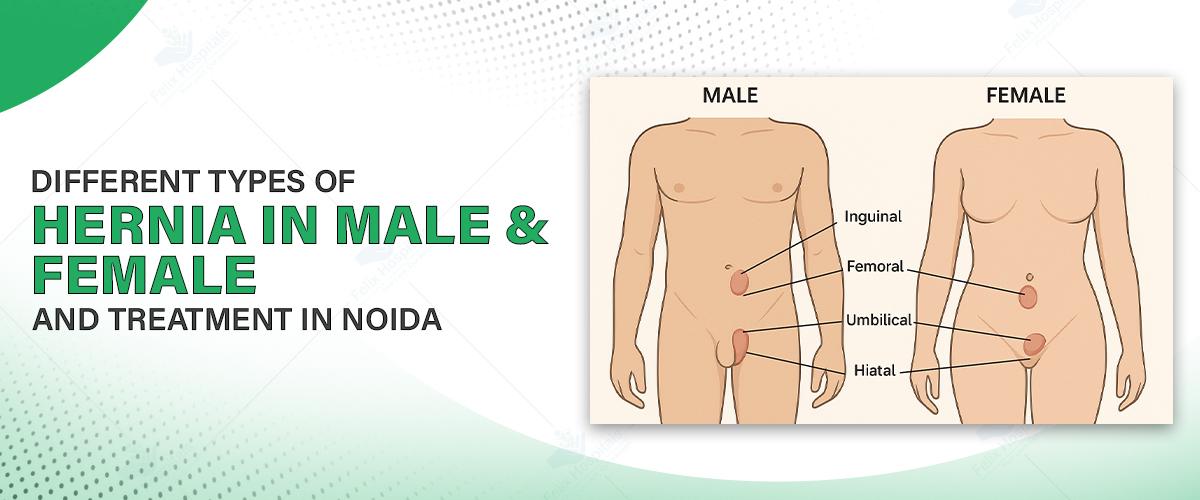
Hernia is a widespread health condition that has afflicted millions of Indians. It happens when an organ or tissue protrudes through a weakened area in the covering muscle or connective tissue. Recent research shows that about 2 million cases of hernias happen every year in India. It is more prevalent in men, especially for inguinal hernias, which represent 75% out of all hernia cases. Women are more prone to having umbilical and femoral hernias. For every patient looking for quality medical treatment, Felix Hospital is the most suitable choice in Noida for hernia treatment in males and females. Known as the best general surgery hospital in Noida, it offers the most modern facilities and state-of-the-art surgical procedures for safe and effective recovery.
Don’t let hernia pain disrupt your life — call +91 9667064100 for expert consultation.
A hernia is when a body organ, most often the intestines, bulges through a weak spot in the abdominal wall. This forms a bulge, which can be seen or felt. Symptoms of hernia, if not treated, may lead to some serious complications like strangulation and bowel obstruction, which may require emergency surgery.
Inguinal Hernia: Less common in men, located at the groin area.
Femoral Hernia: Also more common in women, in the upper thigh or groin.
Umbilical Hernia: Develops in babies and pregnant women, around the belly button.
Hiatal Hernia: When the stomach bulges into the chest through the diaphragm.
Incisional Hernia: It is found at the site of an old surgical incision.
Heavy lifting with poor technique.
Smoking or chronic respiratory condition-related chronic cough.
Obesity puts extra strain on the abdominal muscles.
The genetic background of hernia increases the risk of developing one.
Pregnancy is responsible for increased intra-abdominal pressure, which causes umbilical and femoral hernias.
Previous operations can weaken the abdominal wall and cause an incisional hernia.
Muscle weakening due to natural aging results in increased vulnerability of hernias.
Hernia refers to the protrusion of an organ or tissue inside the body through a weakened spot in the muscle wall that contains it. Symptoms vary with the extent and nature of the hernia, but among the usual symptoms are:
1. Firm mass or swelling in the abdomen or groin: One of the most evident signs is a swelling of the area of the affected part, which can be more pronounced when one is standing, coughing, or straining.
2. Pain or Discomfort, On Coughing, Bending, or Lifting
3. Heaviness or Pressure in the Affected Area: A persistent sensation of weakness or heaviness in the involved area is frequent, even in the absence of bulging.
4. Acid Reflux and Heartburn (In Hiatal Hernias): A hiatal hernia, in which the upper portion of the stomach bulges into the chest cavity via the diaphragm, could lead to acid reflux and heartburn.
5. Nausea and gastrointestinal issues, Implying Complications
These can be signs of a medical emergency that needs urgent attention.
Although both men and women can develop hernias, there are some hernias that are more prevalent in one gender than the other.
Men are also at greater risk for inguinal hernias, the intestine protrudes through the inguinal canal of the groin area.
It is caused by a natural weak zone in the groin area, where the testes descend in fetal life, and leaves an opening in the abdominal wall.
Heavy lifting, chronic cough, and straining while eliminating stools may aggravate it in men.
Women develop umbilical and femoral hernias more commonly, and this is most commonly the result of the physical demands of pregnancy and childbirth.
With increasing pregnancy, the muscles of the belly are stretched, and excess strain on the belly makes the tissues weaker and susceptible to hernias.
Hormonal changes also enter the picture, as they may affect the elasticity and strength of connective tissues.
Men usually have pain and sore bulging, hence diagnosis will be simpler.
Women may have smaller hernia protrusions that are not necessarily palpable.
They experience chronic pelvic pain or discomfort, commonly misinterpreted as gynecologic disease.
Complications like strangulation (when blood supply gets cut off by a hernia) can occur in both males and females and require prompt surgery.
Early diagnosis is crucial to prevent complications and determine the best treatment approach. Both physical examination and imaging tests are used by physicians to determine the presence of a hernia.
The doctor will check by sight and by palpation the affected area to check for any bulging. For inguinal hernias, the physician might examine both sides to determine any weakness or pre-existing bulge.
Ultrasound is typically employed in order to identify soft tissue hernias.
CT scan or MRI provides a clearer image, especially for internal hernias that are difficult to see on the outside.
An endoscopy is done if a hiatal hernia is suspected.
A thin, flexible tube containing a camera is inserted down the throat to examine the esophagus and stomach for herniation and acid reflux damage.
Treatment of hernia varies with its type, severity, and symptoms. Although small and symptomless hernias may not need surgery, most hernias do eventually.
Some changes in lifestyle are helpful in managing slight hernias and avoiding their exacerbation:
Weight Control: Weight loss decreases intra-abdominal pressure, thereby decreasing the likelihood of continued hernia formation.
Avoid Heavy Lifting: Practice good lifting techniques or avoidance of heavy objects.
Dietary changes: Patients with hiatal hernias should not consume fatty or acidic, spicy foods to prevent acid reflux and heartburn.
When a hernia is tender or grows, the only remedy that works is surgery.
One of the oldest techniques wherein a more extensive incision is used to force the hernia back inside.
The area is supported with stitches or mesh to prevent recurrence.
Used for bigger or complex hernias but has a longer recovery time.
There are tiny cuts made and a camera-guided tool is inserted to repair the hernia.
This method gives faster recovery, less scarring, and less pain compared to open surgery.
Recommended in most hernias, especially in young and active patients.
Don’t ignore persistent abdominal pain or bulges. Get checked now call +91 9667064100.
Early detection and immediate medical intervention are needed to obtain effective hernia treatment. Delayed surgery for an extended period can lead to severe complications like bowel obstruction and strangulation. If you are concerned about hernia surgery cost in Noida, Felix Hospital is providing affordable and state-of-the-art surgery for the best treatment. Take a consultation from a specialist at Felix Hospital, one of Gr. Noida’s best hospitals for hernia surgery, where some of the Best General Surgeons in Noida ensure faster, safer, and painless recovery.
Q1. Will a hernia heal by itself, or does it always have to be surgically operated on?
Ans: Hernia does not cure by itself and tends to get progressively worse. While small, asymptomatic hernias can be followed, the only sure remedy to prevent such issues as strangulation is surgery.
Q2. What is the risk of recurrence of hernia following an operation?
Ans: Recurrence is influenced by the type of hernia, the surgery performed, and post-operative management. Recurrence is lower in laparoscopic and robotic-assisted surgeries with mesh reinforcement than in open surgery.
Q3. Are there any dietary restrictions following hernia surgery?
Ans: Yes, hernia patients require a high fiber diet to prevent constipation, prevent heavy and spicy foods that cause bloating, and consume ample fluid to facilitate the healing process. Acidic foods must be prevented in the case of hiatal hernias.
Q4. How soon can you recover from laparoscopic hernia repair?
Ans: The majority of patients can be returned to light activities after a week and to full activities after 4-6 weeks. Heavy lifting and strenuous exercises need to be avoided for 6-8 weeks to prevent recurrence.
Q5. What happens if I delay hernia surgery?
Ans: Delaying surgery increases the chance that complications such as bowel obstruction, strangulation (cutting off of the blood supply to the hernia tissue) and pain (chronic) will occur. Emergency surgery in such cases is more difficult and longer in duration.
A hernia typically occurs due to a combination of muscle weakness and strain. This can happen from factors such as aging, injury, heavy lifting, chronic coughing, or conditions like pregnancy and obesity.
Cardiovascular disease is an overarching term for a broad range of various heart and blood vessel diseases that vary from coronary artery blockage and heart rhythm abnormalities to heart failure and stroke syndromes. For complicated patients needing specialized services, the choice of a Cardiovascular Diseases Hospital in Noida matters since integrated programs integrate emergency response, advanced imaging, cath labs, cardiac surgery, and rehabilitation under one roof to optimize outcomes for routine and complicated patients.
Modern management combines prevention, correct diagnosis, medication, minimally invasive techniques like angioplasty, and surgery when required, all in accordance with international evidence-based guidelines. Early diagnosis, management of risk factors, and proper follow-up are the pillars of long-term cardiac health and complication prevention. Five of the most common cardiovascular conditions, their treatment, and how to choose from the top Noida hospitals without naming them are included in this book.
If experiencing chest pain, breathlessness, sudden weakness in one side, or fast/uneven heart rate, obtain an immediate assessment by calling +91 9667064100.
Cardiovascular disease (CVD) comprises heart and vessel disease like coronary heart disease, stroke/cerebrovascular disease, peripheral arterial disease, heart failure, arrhythmias, valvular disease, and aortic disease.
Most CVDs driven by high blood pressure, cholesterol, smoking, diabetes, obesity, lack of exercise, and poor diet are fueled by atherosclerosis—plaque formation in arteries. Prevention is about controlling risks and adopting healthy habits in combination with appropriate medications and routine screening.
CAD is due to coronary artery narrowing by plaque, leading to angina, heart attacks, and heart failure if left untreated. Frequent symptoms are arm pain radiating to, chest tightness, breathlessness, or nausea, especially on effort.
Early reperfusion by primary PCI (angioplasty) or fibrinolysis in heart attacks is critical, followed by dual antiplatelet therapy and formal rehabilitation. Secondary prevention—statins, control of BP and diabetes, smoking, and cessation—is needed to avert recurrence.
Cerebrovascular disease involves brain blood supply: strokes need immediate identification with FAST (Face droop, Arm weakness, Speech difficulty, Time to call emergency).
Prevention intersects with cardiac management: control hypertension, lipids, atrial fibrillation, diabetes, and smoking to reduce risk. TIAs are prodromal events requiring urgent assessment and intense risk reduction to avoid completed strokes.
PAD refers to limb artery plaque accumulation, often with calf pain on ambulation (claudication), nonhealing ulcers, or cold hands and feet. Supervised exercise, smoking, statins, antiplatelets, and blood pressure/diabetes management are first-line treatments.
Endovascular angioplasty/stenting or bypass surgery in critical limb ischemia or lifestyle-limiting symptoms reestablish flow. PAD therapy also decreases heart attack and stroke risk in that atherosclerosis is not localized.
Heart failure is the failure of the heart to pump adequately, leading to fatigue, swelling, and shortness of breath. Guideline-based medical therapy improves survival and symptoms—usually ACE inhibitors/ARBs/ARNI, beta-blockers, mineralocorticoid receptor antagonists, and SGLT2 inhibitors, with diuretics for congestion.
Device therapy (CRT, ICD) helps select patients with conduction delays or life-threatening arrhythmias, and advanced cases are referred to mechanical support or transplant in referral centers. Cardiac rehabilitation and diet/salt restriction are the cornerstone of long-term control.
Arrhythmias are rhythm disturbances that can cause palpitations, dizziness, or stroke risk in atrial fibrillation.
Pacemakers or defibrillators are utilized in bradyarrhythmias or potentially fatal ventricular rhythms to prevent syncope and sudden death. Specialized EP laboratories in advanced cardiac centers offer mapping and ablation facilities to treat complex arrhythmias.
Coronary Artery Disease: Modification of lifestyle, cardiac medications (statins, antiplatelets, beta-blockers, ACEi/ARBs), angioplasty with stent (PCI) or bypass surgery (CABG) according to requirements.
Stroke/TIA (Cerebrovascular): Emergent imaging; intravenous thrombolysis or thrombectomy for ischemic stroke in time windows; blood pressure control; antiplatelet/anticoagulation and risk factor modification.
Peripheral Arterial Disease: Supervised exercise, smoking control, statins/antiplatelets; endovascular angioplasty/stenting or surgical bypass in severe or limb-threatening disease.
Heart Failure: Guideline-directed medications (ARNI/ACEi/ARB, beta-blocker, MRA, SGLT2i), diuretics, salt/fluid restriction; devices (ICD/CRT) and advanced therapies as necessary.
Arrhythmias: Rate/rhythm-control medications, risk-directed anticoagulation, catheter ablation in certain cases; pacemaker for bradycardia and ICD for malignant ventricular rhythms.
Capabilities and accreditation: Look for 24/7 emergency response, a dedicated coronary care unit/ICU, a cath lab, cardiac anesthesia, and post-acute cardiac rehabilitation to treat the entire continuum of care.
Clinical scope: Deliver access to noninvasive imaging, interventional cardiology, electrophysiology, and cardiothoracic surgery if advanced disease is probable, to tailor cardiovascular disease treatment in Noida without referral or delay.
Evidence-based pathways: Acute coronary syndromes, chronic coronary disease, and hypertension in hospitals following current guidelines have safer and more predictable outcomes.
Team skill: Multidisciplinary teams of highly trained cardiovascular doctors in Noida, intensivists, neurologists (for stroke), vascular surgeons, and rehabilitation specialists enable comprehensive care beyond one intervention.
Time-critical systems: Door-to-needle and door-to-balloon times, and stroke code activation, in instances of suspected stroke or myocardial infarction, are significant markers of high-quality emergency care.
Continuity of care: Effective follow-up programs, patient education, medication optimization, and risk-factor clinics reduce readmission and future recurrences.
Patient feedback and transparency: Review sites and local directories may provide insights about scope of service, patient satisfaction, and real-world information like access and coordination.
Location and access: Stay close to medical facilities can be very important during emergencies, choose facilities that are just minutes away.
For new or unfamiliar symptoms—or for a preventive check-up—make an appointment and ask specifically for cardiovascular disease treatment.
Cardiovascular disease is an umbrella term for a group of diseases—coronary artery disease, stroke, peripheral arterial disease, heart failure, and arrhythmias—with their own symptoms and proven treatments. Care is improved when patients receive rapid assessment, correct diagnosis, and guideline-driven treatment, from medications and cardiac rehabilitation to angioplasty, ablation, or surgery as needed.
Noida is home to some of the world’s best hospitals, cath labs, and full-service cardiology centers, supported by multidisciplinary teams. Consulting the best cardiologist in Noida ensures patients receive comprehensive heart care with timely interventions and advanced treatment options.
Prevention remains the foundation: managing blood pressure, cholesterol, diabetes, weight, and smoking while adopting regular exercise and a heart-healthy diet significantly lowers risk and aids recovery. With informed choices, expert guidance, and timely treatment, most individuals can live well with cardiovascular disease and maintain long-term heart and brain health.
Q1. How can I distinguish between heart and acidity induced chest pain?
Ans: Chest pain is usually pressure/heaviness with breathlessness, sweating, or pain in the jaw/arm—treat as urgent; acidity usually burns after food and is relieved by antacids.
Q2. What should I do first if I believe I am having a heart attack or stroke at home?
Ans: Call emergency services right away; do not drive yourself—only take a doctor-ordered aspirin if not allergic and not bleeding.
Q3: Can cardiovascular diseases be reversed by the lifestyle change alone?
Ans: Risk can be greatly reduced and some plaque stabilized, but many patients continue to be on medications and, in some cases, procedures.
Q4: Do I have to take lifetime medications following a heart attack?
Ans: Most patients need extended therapy (e.g., antiplatelets, statins, BP and diabetes management) tailored by the cardiologist.
Q5. Is cardiac rehabilitation really needed?
Ans: Yes—it improves fitness, reduces complications, and reduces readmissions with exercise supervised and education.
Dr. Rahul Arora is an experienced Interventional Cardiologist with 21+ years of expertise in advanced cardiac care, specializing in personalized, evidence-based treatment for heart diseases and improved patient outcomes.
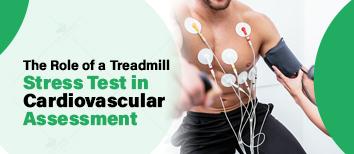
The primary goal of the Treadmill Stress Test is to evaluate how well the heart responds to increased physical activity
Meditation reduces stress, lowers blood pressure, and improves heart health, helping to prevent cardiovascular disease.

Subscribe to our
© Copyright 2026. All Rights Reserved by Felix Healthcare Private Limited
Design and development by :


 +(91)9667064100
 Emergency : +(91)9667064100