 WhatsApp
 Emergency:
  WhatsApp















Subscribe to our
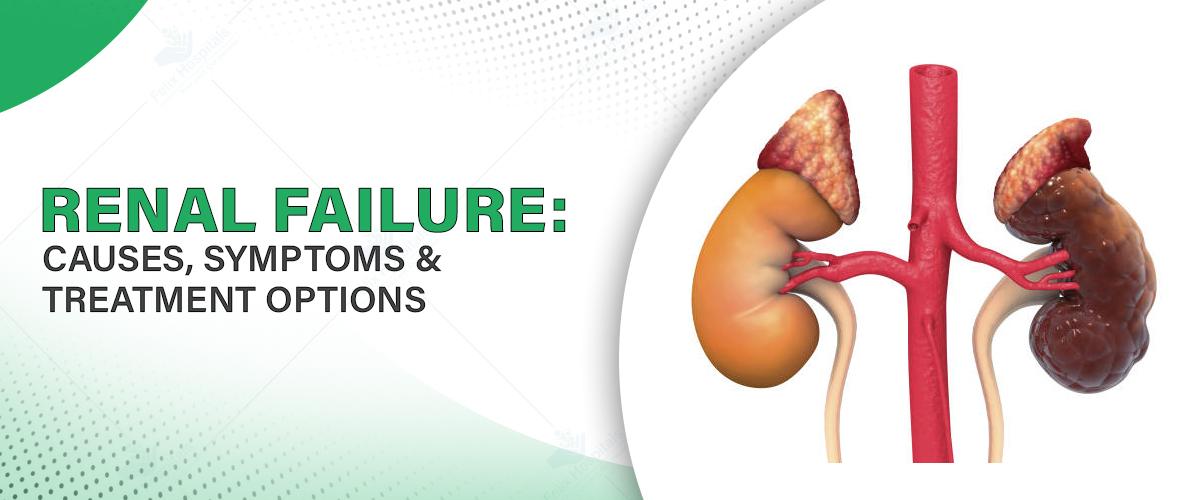
Renal failure is a severe disease in which the kidneys lose their ability to clear waste and control fluid and electrolyte balance in a normal manner. It can occur suddenly (acute kidney failure) or gradually over years (chronic kidney failure). Unless it is diagnosed and treated early, the disease can lead to life-threatening complications.
If you want to avail the Best nephrologist in Greater Noida or want to know about your cost of renal failure options, this guide will take you through the reasons, symptoms, diagnostic processes, and treatment options for renal failure. For better treatment, the best kidney hospital in Greater Noida provides the best treatment according to the requirement of every patient.
Don’t ignore kidney health—call +91 9667064100 and consult our experts today.
The kidneys are two bean-shaped organs in the lower back, one on each side of the spine. One of their most important jobs is to filter out toxins, waste, and extra water from the blood and get rid of them in the urine. They also control the production of red blood cells, blood pressure, and electrolyte levels.
Kidney failure happens when these organs can't do these things anymore. This can happen suddenly (acute renal failure) or over the course of a few months or years (chronic kidney disease with end-stage renal failure), depending on the cause.
Acute Kidney Failure: It happens in a matter of hours or days, usually because of severe dehydration, certain medicines, a blockage in the urinary tract, or a sudden loss of blood to the kidneys.
Chronic Kidney Failure: It gets worse over time, usually because of long-term illnesses like diabetes, high blood pressure, or a long-term kidney infection.

Anyone can get kidney problems, but some things make them much more likely to happen. The main reasons are:
Diabetes Mellitus – High blood sugar levels all the time damage the kidneys' delicate filtering structures.
Hypertension: High blood pressure all the time puts a lot of stress on blood vessels, like those in the kidneys.
Polycystic Kidney Disease (PKD) – A genetic disease leading to the formation of cysts filled with fluid within the kidneys.
Glomerulonephritis is swelling of the kidney's filtering structures, usually caused by autoimmune disorders or infections.
Autoimmune Diseases: Lupus can cause inflammation and damage.
Obstruction of the urinary tract caused by kidney stones, an enlarged prostate, or tumours.
Severe Dehydration or Shock – Can cause sudden and extreme damage to the kidneys.
You may be at higher risk for kidney failure if you:
There is a family history of kidney disease
Are above the age of 60
Have diabetes or hypertension
Take nonsteroidal anti-inflammatory drugs (NSAIDs) frequently
In its early stages, kidney failure will not have any noticeable symptoms. Conversely, in its later stages, symptoms may be:
Chronic fatigue and weakness
Swelling of the face, hands, or feet (edema)
Nausea, vomiting, or loss of appetite
Changes in the urination pattern (more or less frequent)
Muscle twitching and cramping
Trouble focusing or confusion
Dry, pruritic skin
Metallic taste in the mouth
If you notice these signs, you need to get medical attention from the Best kidney specialist near me before the condition gets out of hand.
Unless controlled, kidney failure can lead to:
High blood pressure
Accumulation of fluid in the lungs (pulmonary edema)
Heart disease
Weakened bones due to imbalanced minerals
Severe anemia
Life-threatening electrolyte disturbances
A proper and immediate diagnosis is needed for effective treatment. Best Nephrology hospital in Greater Noida will generally perform the following tests:
Blood tests check the levels of creatinine, blood urea nitrogen (BUN), and estimated glomerular filtration rate (eGFR), which is a measure of how well the kidneys are working.
Urine tests look for things like protein, blood, or infection that shouldn't be there.
Imaging tests like ultrasound, CT scans, or MRIs can show the structure of the kidneys and find blockages, cysts, or tumours.
Kidney Biopsy – Sometimes, a small piece of kidney tissue is taken so that it can be looked at under a microscope to find out what caused the damage.
Though chronic kidney failure cannot be cured, its development can be delayed, symptoms can be managed, and quality of life improved with treatment.
ACE inhibitors and ARBs help keep blood pressure stable and stop protein from leaking out of the body through the urine.
Diuretics get rid of extra water and make swelling go down.
Erythropoietin-stimulating agents raise the number of red blood cells in the body to treat anaemia.
Phosphate binders and vitamin D supplements keep bones healthy.
Statins lower cholesterol levels, which lowers the risk of heart disease.
Dialysis replaces a portion of kidney function when it fails entirely.
Hemodialysis – A filter machine cleans your blood a few times a week at a dialysis center or hospital.
Peritoneal Dialysis – A special cleansing liquid runs through the belly to remove waste products and can be given at home.
A surgical procedure whereby a donor's good kidney replaces the non-functioning kidney. While it offers the most similar substitute for functioning kidneys, it requires lifelong medications to prevent rejection.
Low-potassium, low-sodium diet
Proper hydration
Daily physical activity
Avoiding excessive use of painkillers or NSAIDs
Management of uncomplicated conditions like diabetes and hypertension
Cost of renal failure treatment depends on the type of treatment the patient needs depending upon the condition of the renal failure.
While it is impossible to avoid all causes of kidney failure, you can reduce your risk by:
Blood glucose and blood pressure control
Sustaining hydration
Prevention of excessive intake of renal toxic drugs
Eating a nutritious diet with little processed foods
Routine kidney function tests if at risk
Among specialized kidney care, Felix Hospitals is renowned for its patient-centric services and state-of-the-art medical facilities. With well-equipped diagnostic centers, modern dialysis units, and highly qualified nephrologists .Felix guarantees precise diagnosis and customized treatment plans. The hospital's renal care specialists take care not just of medical management but also of long-term well-being. Through the blending of warm care and latest technology, Felix has gained patients' confidence for dependable and effective kidney care in the area.
With early diagnosis and adequate management, the majority of patients have good quality of life and survival despite renal failure. Dialysis and transplantation can greatly improve the quality of life and survival. Monitoring, close adherence to treatment regimens, and lifestyle modification are the keys.
Protect your kidneys before it’s too late—schedule your screening at +91 9667064100.
If discovered in a timely manner, kidney failure is a curable condition. Knowing the symptoms, gaining an understanding of the causes, and obtaining timely medical assistance from the best Nephrologist in Greater Noida can be the deciding factor in the outcome of the situation. In the event that you require therapy you need to discover the Cost of renal failure treatment, swift action and experienced nephrologists will help you in living a life that is both healthier and more active at the same time.
Q1. If I have diabetes and my blood sugar is normal, am I still at risk for kidney failure?
Ans: Yes, having high blood sugar levels for a long time can harm your kidneys, and diabetes is still the major cause of kidney failure, even if you are currently managing it successfully.
Q2. If I start dialysis, would I instantly be included on the kidney transplant waiting list?
Ans: Transplant evaluation differs from starting dialysis in that it takes into account your overall health, age, and capacity to handle operation. Not everyone on dialysis is a candidate for transplant.
Q3. Can kidney failure lead to heart problems?
Ans: Yes, kidney failure can cause fluid to accumulate, increasing blood pressure and putting strain on the heart. It may also induce electrolyte imbalances that alter the heart's rhythm.
Renal failure occurs when the kidneys lose their ability to filter waste and balance fluids. Learn about its causes, symptoms, and treatment options.
In Noida hospitals, recognized for being among the best heart health hospitals in Noida, are at the forefront of offering critical care for heart-related issues.
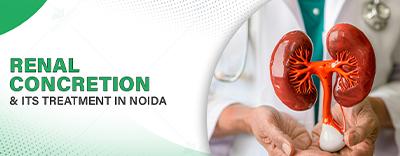
Renal concretion, commonly known as kidney stones, can cause severe pain and urinary complications. Explore advanced treatments available in Noida for effective relief.
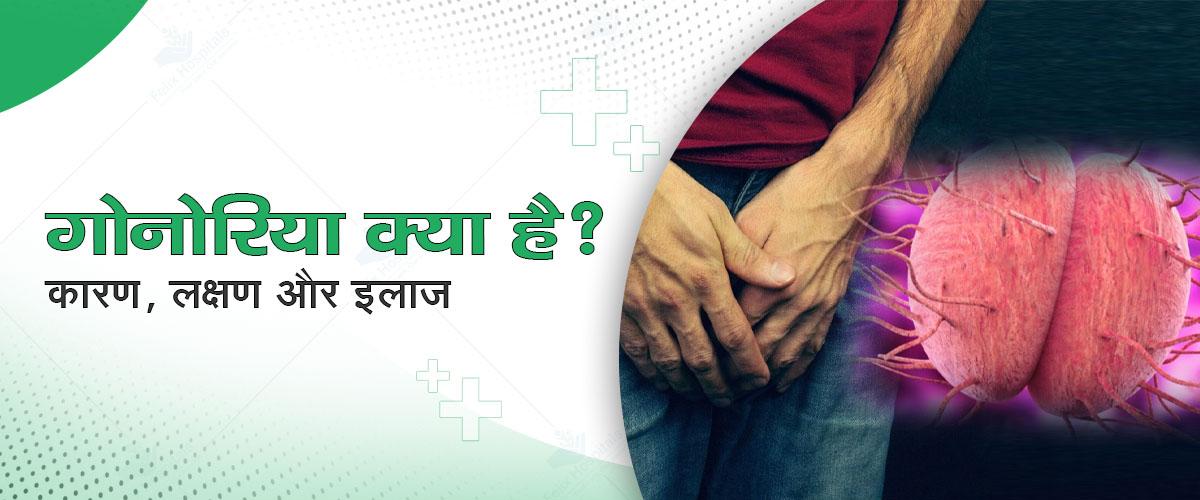
यौन संचारित रोग यौन संचारित संक्रमण (एसटीआई) पुरुष और महिला दोनों के प्रजनन स्वास्थ्य को प्रभावित करते हैं। इनमें से गोनोरिया सबसे सामान्य लेकिन गंभीर संक्रमण है। यह नेइसेरिया गोनोरहोई (Neisseria gonorrhoeae) नामक बैक्टीरिया के कारण होता है। गोनोरिया के इलाज के लिए ग्रेटर नोएडा में सर्वश्रेष्ठ यूरोलॉजी अस्पताल उपलब्ध है। समय पर इलाज न मिलने पर यह न केवल मूत्र और प्रजनन तंत्र बल्कि पूरे शरीर को प्रभावित कर सकता है और पुरुषों में बांझपन और महिलाओं में पीआईडी (पेल्विक इन्फ्लेमेटरी डिजीज) जैसी गंभीर जटिलताओं का कारण बन सकता है।
इस ब्लॉग में हम विस्तार से जानेंगे – गोनोरिया क्या है, इसके मुख्य कारण, लक्षण, जोखिम कारक, बचाव और यूरोलॉजी गाइडलाइन के अनुसार इसका इलाज।
अभी अपॉइंटमेंट शेड्यूल करें – कॉल करें: +91 9667064100
गोनोरिया एक यौन संचारित बैक्टीरियल संक्रमण (एसटीआई) है जो नेइसेरिया गोनोरहोई (Neisseria gonorrhoeae) नामक बैक्टीरिया के कारण होता है। यह संक्रमण मुख्य रूप से असुरक्षित यौन संबंधों से फैलता है। पुरुषों व महिलाओं दोनों को प्रभावित करता है। पुरुषों में यह प्रायः यूरिनमार्ग को प्रभावित करता है। जिससे पेशाब के दौरान जलन, दर्द और गाढ़ा पीला या हरा डिस्चार्ज होता है। महिलाओं में यह गर्भाशय ग्रीवा फैलोपियन ट्यूब्स (cervix fallopian tubes) और गर्भाशय तक पहुंचकर संक्रमण और सूजन का कारण बनता है। समय रहते इलाज न मिलने पर यह पेल्विक इंफ्लेमेटरी डिजीज (पीआईडी), एक्टोपिक प्रेग्नेंसी (Ectopic Pregnancy) और बांझपन जैसी गंभीर समस्याएं पैदा करता है।
गोनोरिया (Gonorrhea) केवल जननांग तक सीमित नहीं है, यह गला, मलद्वार और आंख में भी संक्रमण फैलाता है। गले में खराश, मलद्वार से डिस्चार्ज या आंखों में सूजन और लालिमा इसके लक्षण होते हैं। नवजात शिशुओं में यह संक्रमण जन्म के समय मां से बच्चे तक पहुंचता है। उनकी आंखों को गंभीर नुकसान पहुंचाता है।
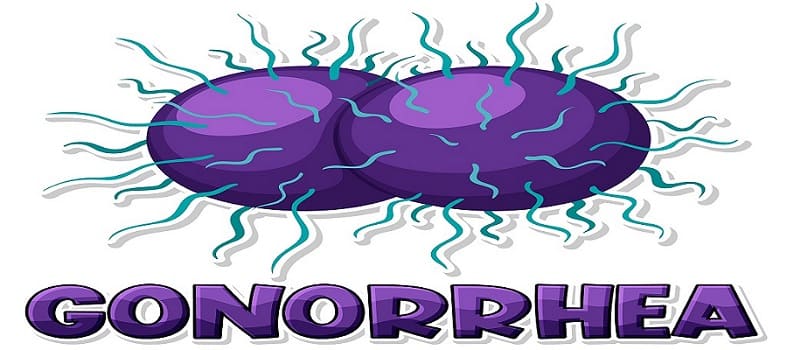
बिना कंडोम के यौन संबंध बनाना गोनोरिया (Gonorrhea) का कारण है। यह संक्रमण यौन तरल पदार्थ या योनि द्रव के संपर्क से फैलता है। एक बार संक्रमित पार्टनर (Infected partner) के साथ बिना सुरक्षा के संबंध बनाने से संक्रमण का खतरा बढ़ता है।
जिन लोगों के यौन साथी बार-बार बदलते हैं। एक से अधिक पार्टनर होते हैं। उनमें गोनोरिया होने की संभावना ज्यादा होती है। कई बार किसी को संक्रमण का पता भी नहीं होता। अनजाने में यह दूसरों तक फैलता है।
अगर कोई संक्रमित पार्टनर के साथ ओरल सेक्स करता है तो बैक्टीरिया गले तक पहुंचता हैं। इसका परिणाम गले में खराश, सूजन और निगलने में दर्द के रूप में सामने आता है। इसे ग्रसनी सूजाक (Pharyngeal gonorrhea) कहते है।
गोनोरिया मलद्वार को प्रभावित करता है। इससे वहां खुजली, दर्द, डिस्चार्ज और कभी-कभी रक्तस्राव भी होता है।
गोनोरिया केवल यौन संबंधों से ही नहीं बल्कि गर्भवती महिला से नवजात शिशु तक भी फैलता है। डिलीवरी के दौरान बैक्टीरिया शिशु की आंखों में पहुंचते हैं। नवजात शिशु में आंख का संक्रमण पैदा करते हैं। समय पर इलाज न मिलने पर यह स्थायी आंखों की क्षति और अंधेपन तक का कारण बनता है।

पेशाब करते समय जलन या दर्द।
गाढ़ा सफेद/पीला/हरा डिस्चार्ज।
अंडकोष में सूजन और दर्द।
बार-बार पेशाब की इच्छा।
असामान्य योनि स्राव।
पेशाब के दौरान दर्द।
पेल्विक एरिया में दर्द।
पीरियड्स के बीच रक्तस्राव।
यौन संबंध के दौरान दर्द।
गले में खराश, सूजन।
मलद्वार में खुजली, दर्द, डिस्चार्ज।
बिना कंडोम के यौन संबंध बनाने से गोनोरिया और अन्य यौन संचारित संक्रमण (एसटीआई) का खतरा होता है। संक्रमण ग्रसित पार्टनर के जननांग तरल पदार्थ (सीमन या योनि द्रव) के सीधे संपर्क से यह बैक्टीरिया फैलता है।
एक से अधिक या बार-बार बदलते यौन साथी रखने वाले लोगों में संक्रमण बढ़ता है। अक्सर पार्टनर को यह पता नहीं होता कि वह संक्रमित हैं। इसी वजह से गोनोरिया बिना लक्षण दिखे फैलता है।
जिन लोगों को पहले से क्लैमाइडिया, एचआईवी (HIV) या अन्य यौन संक्रमण हैं। उनकी प्रतिरक्षा प्रणाली कमजोर होती है। गोनोरिया का खतरा बढ़ता है। एक साथ कई यौन संक्रमण होने से जटिला बढ़ती हैं।
बहुत कम उम्र में यौन गतिविधि शुरू करने पर प्रजनन अंग पूरी तरह विकसित नहीं होते है। जिससे संक्रमण फैलता है। इस कारण किशोर और युवा महिलाओं में गोनोरिया व एसटीआई (STIs) का अधिक रहता है।
कई बार लोग लक्षण दिखने पर इलाज शुरू करते हैं। मगर पूरा कोर्स नहीं करते है। अधूरा इलाज संक्रमण को जड़ से खत्म नहीं करता। बैक्टीरिया अधिक खतरनाक रूप लेता है। इससे गोनोरिया की संभावना बढ़ती है। एंटीबायोटिक रेजिस्टेंस (antibiotic resistance) विकसित होता है।
सुरक्षित यौन संबंध बनाएं:
हर बार यौन संबंध बनाते समय कंडोम का प्रयोग करें। यह न केवल गोनोरिया बल्कि अन्य यौन संचारित संक्रमण (एसटीआई) से सुरक्षा प्रदान करता है।
एकल यौन साथी रखें:
पार्टनर बार-बार बदलने से संक्रमण का खतरा बढ़ता है। एकल और वफादार संबंध गोनोरिया से बचाव का सुरक्षित तरीका है।
नियमित एसटीडी टेस्ट कराएंः
अगर आप यौन सक्रिय हैं, तो समय-समय पर एसटीडी टेस्ट कराना जरूरी है। इससे संक्रमण का पता शुरुआती अवस्था में चलता है। जिससे इलाज आसान होता है।
स्वच्छता का पालन करेंः
यौन अंगों की साफ-सफाई का ध्यान रखें। अस्वच्छता बैक्टीरिया के पनपने के लिए अनुकूल वातावरण बनाती है।
संक्रमण होने पर तुरंत इलाज कराएंः
अगर असामान्य स्राव, पेशाब में जलन, दर्द या अन्य लक्षण दिखें तो तुरंत यूरोलॉजिस्ट से संपर्क करें। जल्दी इलाज कराने से जटिलता और बांझपन से बच सकते हैं।
यूरोलॉजी और डब्ल्यूएचओ गाइडलाइन के अनुसार गोनोरिया का इलाज एंटीबायोटिक थेरेपी से किया जाता है।
गोनोरिया के इलाज के लिए डॉक्टर सबसे पहले सेफ्ट्रिएक्सोन (Ceftriaxone) और एजिथ्रोमाइसिन (azithromycin) देते हैं। इन दोनों दवाओं को साथ में देना आवश्यक है। अकेले दवा लेने पर बैक्टीरिया दवाओं के प्रति प्रतिरोधी होता है। कॉम्बिनेशन थेरेपी संक्रमण (Combination Therapy Infections) को पूरी तरह खत्म करने में अधिक प्रभावी होती है।
गोनोरिया के मरीजों में अक्सर क्लैमाइडिया संक्रमण पाया जाता है। अगर केवल गोनोरिया का इलाज किया जाए। क्लैमाइडिया (Chlamydia) का नहीं तो संक्रमण फिर से होता है। ग्रेटर नोएडा में गोनोरिया के डॉक्टर उपलब्ध है। जहां डॉक्टर दोनों संक्रमणों की जांच कराते हैं। जरूरत पड़ने पर साथ-साथ इलाज करते हैं।
केवल मरीज का इलाज काफी नहीं है। अगर यौन साथी का इलाज नहीं किया गया तो दोबारा संक्रमण की संभावना रहती है। इसीलिए गोनोरिया का इलाज दोनों पार्टनर्स को एक साथ करवाना चाहिए। चाहे दूसरे पार्टनर में लक्षण हों या नहीं हों।
अगर महिला में पीआईडी (पेल्विक इन्फ्लेमेटरी डिजीज) या पुरुष में एपिडीडिमाइटिस हो हो तो मरीज को अस्पताल में भर्ती करना पड़ता है। यहां उसे इंजेक्शन के जरिए उच्च मात्रा में एंटीबायोटिक दी जाती हैं। जिससे गंभीर जटिलता से बचा जा सके।
संक्रमण अंडकोष की नली तक पहुंचकर एपिडिडिमाइटिस करता है। जिससे अंडकोष में दर्द और सूजन होती है। लंबे समय तक इलाज नहीं कराने पर यह स्थिति पुरुष बांझपन का कारण बनती है।
महिलाओं में संक्रमण गर्भाशय और फैलोपियन ट्यूब तक पहुंचकर पीआईडी (पेल्विक इन्फ्लेमेटरी डिजीज) पैदा करता है।
एक्टोपिक प्रेग्नेंसी का खतरा बढ़ता है। जिसमें गर्भ भ्रूण गर्भाशय के बाहर, अक्सर ट्यूब में, विकसित होता है।
लंबे समय तक संक्रमण रहने पर महिलाओं में बांझपन होता है।
प्रसव के दौरान संक्रमित मां से बच्चा संक्रमित होता है। इससे शिशु की आंखों में गंभीर संक्रमण होता है। यह इलाज न मिलने पर स्थायी अंधापन का कारण बनता है।
अगर बैक्टीरिया रक्त में फैल जाए तो पूरे शरीर पर असर डालता है। इसमें जोड़ों में दर्द होता है। त्वचा पर लाल या दर्दनाक दाने होते है। गंभीर अवस्था में सेप्सिस जैसी होता है।
पेशाब करते समय जलन और तेज दर्द।
गाढ़ा डिस्चार्ज आना।
पेल्विक या अंडकोष में सूजन और दर्द।
गले या मलद्वार में असामान्य लक्षण।
बार-बार संक्रमण या बुखार।
ऐसे लक्षण दिखते ही तुरंत यूरोलॉजिस्ट से संपर्क करें।
गोनोरिया एक गंभीर लेकिन पूरी तरह इलाज योग्य यौन संचारित संक्रमण है। समय पर पहचान और सही एंटीबायोटिक इलाज से इसे पूरी तरह नियंत्रित किया जा सकता है। सुरक्षित यौन संबंध, जागरूकता और नियमित चेकअप ही बचाव के सबसे महत्वपूर्ण उपाय हैं। इलाज में देर करने पर यह पुरुषों और महिलाओं दोनों में बांझपन (Infertility), पीआईडी (PID), एक्टोपिक प्रेग्नेंसी और नवजात शिशु (Newborn Baby) में आंखों के संक्रमण व अंधेपन जैसी गंभीर जटिलताओं का कारण बनता है।
अपॉइंटमेंट बुक करें: +91 9667064100
प्रश्न 1: गोनोरिया का सबसे बड़ा कारण क्या है?
उत्तर: असुरक्षित यौन संबंध और एक से अधिक पार्टनर रखने से होता है। जब कोई व्यक्ति संक्रमित पार्टनर के साथ बिना कंडोम के यौन संबंध बनाता है चाहे वह वजाइनल, ओरल या एनल सेक्स हो।
प्रश्न 2: क्या गोनोरिया से बांझपन हो सकता है?
उत्तर: हां, यदि समय पर इलाज न हो तो यह पुरुष और महिला दोनों में बांझपन का कारण बन सकता है। गोनोरिया से एपिडिडिमाइटिस (शुक्राणु ले जाने वाली नली में सूजन) होती है।
प्रश्न 3: क्या गोनोरिया पूरी तरह ठीक हो सकता है?
उत्तर: हां, सही एंटीबायोटिक थेरेपी से यह पूरी तरह ठीक हो सकता है। अगर दवा पूरी खुराक में और डॉक्टर की सलाह के अनुसार ली जाए तो यह संक्रमण पूरी तरह खत्म होता है।
प्रश्न 4: क्या गोनोरिया दोबारा हो सकता है?
उत्तर: हां, यदि दोबारा असुरक्षित यौन संबंध बनाए जाएं तो यह फिर से होता है। एक बार गोनोरिया होने और ठीक होने के बाद भी शरीर में इसका प्रतिरक्षा विकसित नहीं होती है।

Gonorrhea is a common sexually transmitted infection caused by bacteria, leading to symptoms like discharge, pain, and discomfort. Early diagnosis and effective treatment are essential for recovery.

पेशाब में खून आना (Hematuria) एक गंभीर स्वास्थ्य समस्या का संकेत हो सकता है। इसके कारण और सही इलाज जानना बेहद ज़रूरी है।

Flight has made it possible to reach anywhere in the world and all this within a matter of hours. But for all cardiac patients or those who are predisposed to cardiovascular disease, flight is a cause of concern. Can a heart attack be caused by flight? What are the risk factors, and how do you take a safe flight? If you are a cardiac patient residing in Noida or are planning to travel in the near future, this blog post will provide you with all the details you need about risk factors of flight, safety, and the why to schedule heart screening in Noida before air travel.
Flying exposes the body to some conditions, such as reduced oxygen, prolonged immobility, and increased stress, that have cardiovascular implications. While flying for the general public is safe, people with existing cardiac conditions need to take extra precautions. In this blog, we will explain how air travel relates to heart attack, highlight significant risk factors, and give you practical safety tips to allow you to travel safely by air. We will also explain why a consult cardiologist in Noida for safe flying with heart disease.
Worried about air travel if you have a heart condition? Meet a cardiologist in Noida prior to your trip. Get a heart checkup today by calling +91 9667064100.
Whether flying leads to a heart attack or not is a multifaceted question. Flying is not responsible for heart attacks, but the conditions on board can trigger cardiovascular disease. The combination of reduced oxygen levels, sitting for extended periods of time, dehydration, and stress is stressful for the heart, especially for people who have pre-existing conditions.
For the average healthy traveler, the body rapidly adjusts to these changes. For patients with heart disease, high blood pressure, or a history of blood clots, however, the physiological strain of flight on the body can heighten the risk of complications such as pain in the chest (angina) or, in the very rarest of instances, a heart attack. Sensitivity to these risks is the key to a comfortable and safe flight.
Flight also involves some physiological alterations that influence cardiovascular well-being. Here's how:
Within airplane cabins at cruising altitudes, the air is pressurized to simulate conditions at 6,000–8,000 feet sea level. Although not dangerous for most passengers, the reduced oxygen level is taxing on the heart, particularly for those with existing conditions. For individuals with heart disease, this appears as shortness of breath or chest pain.
Long flights entail sitting for extended periods, which lowers the rate of blood circulation, especially in the legs. Leg immobility enhances the susceptibility to deep vein thrombosis (DVT), which leads to blood clots in the legs. A clot that travels to the lungs, heart, or brain leads to serious complications, such as a pulmonary embolism, which is a heart strain.
Air in airplane cabins is dry, and the dry air has a tendency to dehydrate people, making their blood thicker and the arteries more prone to clotting. Furthermore, the flight stress—anxiety about flying, running around airports, or battling delays—can cause cortisol and adrenaline to rise, further stressing the heart.
Even though flying is safe, there are some factors that can pose a risk of cardiovascular complications while flying. Knowing the risk factors will allow you to take protective steps in advance to safeguard your heart.
Even if you do not have a diagnosed heart illness, you may be more vulnerable if you:
Are more than 50 years old.
Have a family history of heart disease.
Have an uncontrolled high blood pressure or diabetes.
Smoke or drink habitually.
Live a sedentary lifestyle with minimal or no exercise.
The conditions which need special consideration are:
Recent Heart Attack: Flying within 7–14 days after a heart attack can put you at risk due to changes in stress and oxygen levels.
Congestive Heart Failure: Advanced heart failure can make the body unable to deal with low oxygen levels, which can make you feel short of breath and tired.
Arrhythmias: Anxiety and stress induced by travel can worsen abnormal heart rhythms.
History of Blood Clots: If you have a history of a blood clot, such as DVT or pulmonary embolism, long flights could be at greater risk of recurrence.
If you suffer from heart disease or are concerned about the danger of flying, you can make your journey safe by taking precautions. Some of the safety measures that are significant are as follows:
Stand up and stretch or walk the aisles every 1–2 hours.
Exercise while seated, such as ankle rolls and leg lifts, to assist in circulating blood in your legs.
Drink well ahead of time and during the flight.
Stay away from alcohol and caffeine, which dry out.
Wear Compression Stockings: Compression stockings increase blood flow in the legs and prevent the risk of DVT, especially for those at risk of circulatory issues.
Avoid red-eye flights since lack of sleep puts additional strain on your heart.
Utilize flights with layovers if possible, to provide room for movement and resting area.
Always pack necessary medications in your carry-on luggage:
Take blood thinners, nitroglycerin tablets, or aspirin if prescribed.
Ensure that you have enough medicine for the length of your stay, and extra medicine in the event of delay.
Changes to your medication routine while you are on your trip.
If you do have a heart condition, booking a pre-flight medical check-up is one of the best things you can do in order to ensure a safe flight. A check-up with a cardiologist can assess any risks and provide you with guidance that is tailor-made to your individual health needs.
Check your present heart stability and well-being.
Decide whether you are fit to fly .
Adjust medication or recommend treatment to manage symptoms.
Your latest medical history and recent laboratory test reports.
An electrocardiogram (ECG) to check your heart's electrical activity.
A stress test to see how your heart responds to exercise.
Personalized advice on how to control your condition when flying.
Although most air travelers have no problems, we must be aware of the signs of cardiovascular disease. If you have any of the following, seek immediate medical care:
chest pain or discomfort.
Severe shortness of breath.
Pain that radiates to the arm, back, neck, or jaw.
Fainting, dizziness, or nausea.
Make your flight safe with a medical check-up. Call +91 9667064100 today to consult
Planes are safe for most people, but for heart patients, one has to be cautious about the hazards and take necessary precautions. With knowledge of the physical impact of flying, risk factors, and precautions, you can minimize the chances of complications and enjoy a safe journey.
As a patient with heart problems in Noida, it is advised that you consult a cardiologist before flying to ensure your safety. Don’t risk your heart health—do whatever you can to help protect yourself before your next flight. For advanced care and guidance, you can also visit the Best Cardiology Hospital in Noida, where expert cardiologists provide personalized treatment and advice for safe air travel.
Worried about air travel if you have a heart condition? Meet a cardiologist in Noida prior to your trip. Get a heart checkup today by calling +91 9667064100.
Q1: Will flying be likely to induce heart attack among healthy people?
Ans: Although flying itself is not a direct cause of heart attacks in healthy people, the dehydration, stress, and decreased oxygen levels can put pressure on the heart, especially in those with yet-undetected risk factors.
Q2: After how many days of a heart attack is flying safe?
Ans: Wait at least 7–14 days after a heart attack before you even think about flying. But always follow what your cardiologist advises.
Q3: What should I do if I have a chest pain on board?
Ans: Alert the flight crew immediately. They are trained in medicine and are able to provide assistance, including the application of an AED if required.
Q4: Are there some airlines that are better for heart patients?
Ans: Most airlines have similar conditions, but taking flights with extra legroom or the ability to get up and walk around often can be helpful. Notify the airline of your condition in order to receive extra assistance.
Q5: How should I prepare for a long-haul flight with a heart condition?
Ans: Get a pre-flight medical examination, drink lots of water, wear compression stockings, and change seats often on board. Carry your medicine in hand baggage.

Best heart hospital in Noida for bypass surgery at affordable prices with expert cardiac surgeons, advanced facilities, and quality patient care for better recovery.
Over time, this restricted blood flow can lead to serious issues like coronary artery disease, heart attack, or heart failure.

Heart disease is a significant health concern for women, often presenting unique challenges. Understanding the causes, symptoms, and treatment options is essential for early detection and effective management.
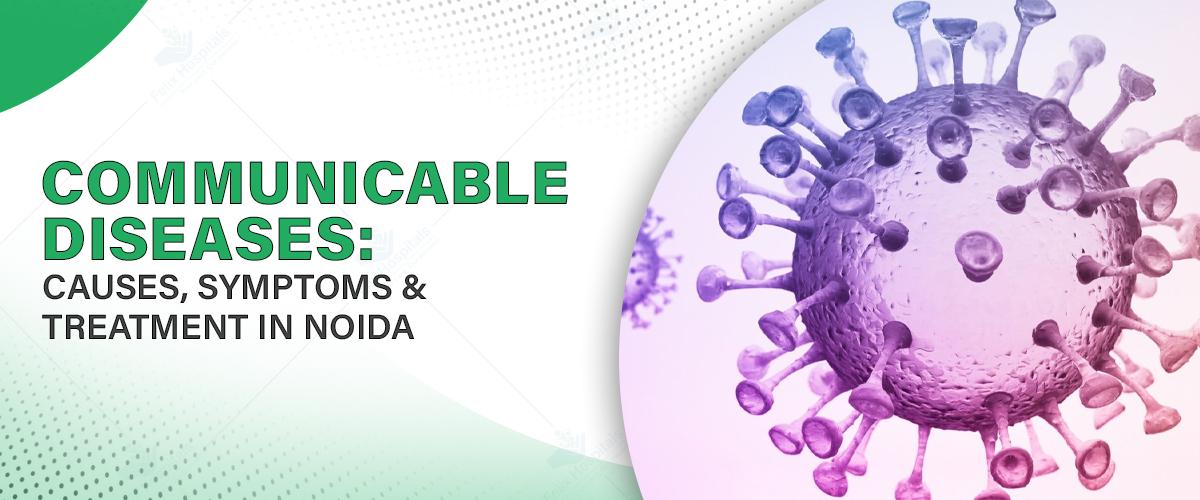
In today's fast-paced world, communicable diseases are a big health problem that affects millions of people all over the world. Communicable diseases can spread quickly and widely, affecting people, families, and communities. They can be the flu, a viral infection, or a bacterial disease. You should learn about the causes, symptoms, and treatments of communicable diseases if you live in Noida. This will help keep you and the people around you healthy.
Communicable diseases are diseases caused by harmful pathogens—bacteria, viruses, fungi, or parasites—that are transferred from one individual to another or from contaminated sources. If you recognize the initial signs of communicable diseases and visit a healthcare provider accordingly, it can be the difference between recovery and bed rest. This blog will discuss the types of communicable diseases, their causes, symptoms, and available treatments. It will also highlight why selecting the right medical provider, such as Felix Hospital, widely recognized as the Best Hospital for Tuberculosis Treatment in Noida, can provide the best possible care and recovery outcomes.
Right treatment starts with right diagnosis. Call +91 9667064100 today and talk to an expert.
Communicable diseases can be categorized based on the type of pathogen that causes them. Some of the common categories are:
When harmful bacteria get into the body and multiply, they cause bacterial infections. Here are a few examples:
Strep throat: A bacterial infection that causes a sore throat, fever, and swollen lymph nodes.
Tuberculosis (TB): A very serious bacterial infection that usually affects the lungs and can be spread.
Fungi that grow in warm, damp places cause fungal infections. Here are some examples of fungal infections:
Athlete's foot: A fungal infection that spreads through the skin on the feet.
Ringworm: A fungal infection that makes the skin red and round.
Persistent cough, fever, or skin rashes could indicate a communicable disease. Call +91 9667064100 today to consult an expert.
There are many ways that communicable diseases can spread, and knowing these can help you take the right steps to protect yourself:
Contact Directly
One of the most common ways for communicable diseases to spread is through direct contact with someone who is sick. These are:
Touching someone who is sick
shaking hands, hugging, or kissing them.
Respiratory droplets
Breathing in droplets that come out of an ill person's mouth when they cough or sneeze.
Indirect Contact
Indirect contact is touching things or surfaces that an infected person has already touched.
Sharing things
Using or sharing things like towels, utensils, or personal items that belong to someone who is sick.
Food and water that have been tainted
Eating or drinking food or water that has pathogens in it can cause infections.
Bites from insects
Bites from insects like mosquitoes and ticks can spread diseases.
Contact with Animals
Animals that are sick or their faeces can also spread diseases.
To treat infectious diseases correctly, the symptoms must be found early. Some common signs of an infection are:
Fever: The body usually raises its temperature first when it gets sick.
Fatigue: The body usually feel tired indicating the sign of an infect which is less obvious.
Cough and Sore Throat: A cough or sore throat that won't go away is often the first sign of an infection in the respiratory tract.
Body Aches: When you have a viral infection like the flu, your muscles or joints may hurt.
Problems with the stomach: Nausea, diarrhoea, or vomiting are some signs that you might have a gastrointestinal infection.
Skin Rashes: Redness or rashes on the skin could be a sign of a fungal or parasitic infection.
Shortness of Breath: Respiratory infections can make you short of breath or wheeze.
You should see a doctor right away if you have any of these symptoms, especially if they don't go away or get worse.
Do not minimize initial symptoms like fever, fatigue, or cough. Call +91 9667064100 today to consult with an expert.
The management of infectious diseases is predicated on the etiological agent. Most infections are treated this way:
Antibiotics are medicine that doctors give to people who have bacterial infections. Antibiotics kill bacteria or stop them from growing. Antibiotics are used to treat a lot of different types of bacterial infections, including:
Strep throat: Treated with amoxicillin or penicillin.
Tuberculosis (TB): Needs to be treated with antibiotics for months.
Antiviral medicines are used to treat some viral infections. Most viral infections, such as the common cold, don't have specific treatments. However, antivirals help with symptoms and shorten the length of illnesses like:
Flu (Influenza): Oseltamivir is an antiviral medicine that may shorten the duration of the flu if given early.
HIV/AIDS: Antiretroviral therapy (ART) helps people with the disease live a better life.
Antifungal medicine are used to treat fungal infections. They can be taken by mouth or put on the skin. Antifungal treatment includes:
Athlete's Foot: Use topical creams like clotrimazole or terbinafine to treat it.
Ringworm: In severe cases, oral antifungals with fluconazole are used.
Right treatment starts with right diagnosis. Call +91 9667064100 today and talk to an expert.
The communicable diseases are a global health issue, but with proper knowledge and precautions, you can protect yourself and your family too. You need to recognizing the early signs of communicable issues and taking timely medical assistance is vital for effective management. Felix Hospital in Noida offers quality treatment and better facilities for communicable diseases, so you can have the best medical treatment.
Don't wait for symptoms—act now to protect your health. Now your health is our priorities. Dial +91 9667064100 today to meet an expert.
Q1: What are the most common infectious issues in Noida?
Ans: In Noida, the most common communicable diseases are viral diseases like the flu and dengue fever, bacterial diseases like tuberculosis and strep throat, and parasitic diseases like malaria.
Q3: Are there vaccines for all the infectious diseases?
Ans: While there are vaccines for most infections, such as flu, measles, and hepatitis, there aren't for all. Safe practice and hygiene are still good preventatives.
Q4: What should I do if I suspect an infectious disease?
Ans: If you are fallen sick with an infectious disease, see your doctor urgently. Stay away from other people to avoid infecting them, and do whatever your doctor tells you to do.
Q5: What measures does Felix Hospital take to protect patients with infectious illnesses?
Ans: Felix Hospital has strict infection control practices, including isolation rooms, sterilization of equipment, and wearing personal protective equipment (PPE) to safeguard employees and patients.

Air pollution is a major health risk for all ages, causing respiratory and eye issues.

These viruses spread primarily through respiratory droplets released into the air when an infected person sneezes or coughs.
One of the best hospitals for urinary tract treatment in Noida offers comprehensive urology care, featuring expert urologists and advanced diagnostic and treatment facilities.

In severe cases, surgery may be required to drain the blocked sinus.
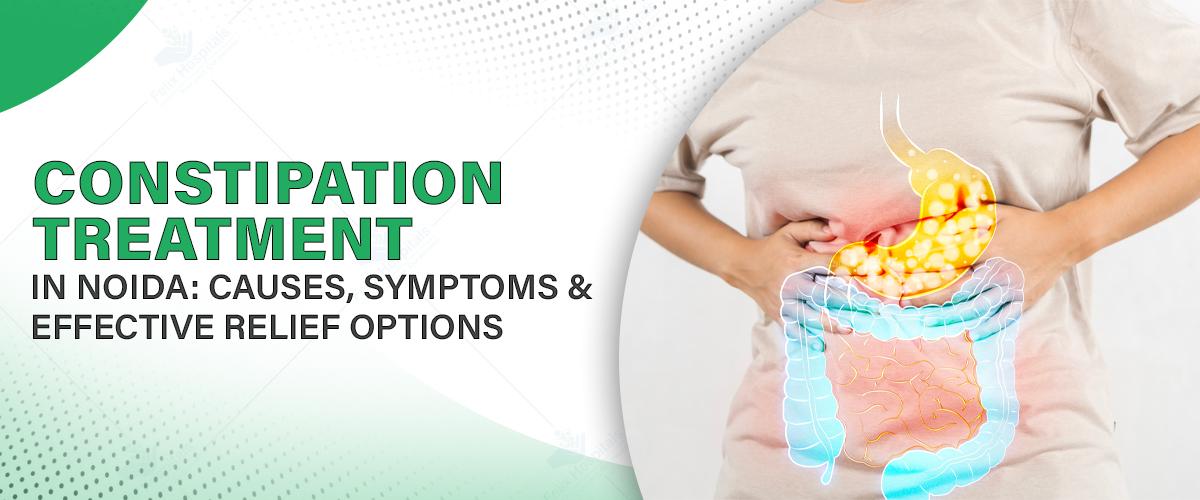
Are you having trouble with bowel movements that are infrequent, painful, or incomplete? Constipation is having less than three bowel movements a week or passing hard, dry stools. It is a common digestive problem that affects millions of adults and children. It's normal to be constipated from time to time, but if you are constipated a lot or severely, it can interfere with your daily life and be a sign of a health problem. If you're interested, you can get Constipation treatment in Noida. This guide will help you learn about the causes, symptoms, and effective ways to get relief so you can take charge of your digestive health and feel better for a long time.
Don't let constipation make your daily life less comfortable. Today, call +91 9667064100 to speak with an expert.
When your colon drains too much water out of your stool, it makes it hard, dry, and hard to pass. This is called constipation. Everyone's bowel habits are different, but if you have any of the following, you probably have constipation:
Less than three bowel movements a week
Straining or pain while passing stools
Stools that are hard, lumpy, or dry
Pain in the stomach, cramps, or bloating
Some people have chronic constipation that needs to be treated by a doctor. If you don't treat chronic constipation, it can lead to problems like hemorrhoid's, anal fissures, or even faecal impaction. If your constipation isn't going away after three weeks or more, or if it's painful or causes bleeding, you should see a Constipation doctor in Noida for an evaluation.
The first step to getting rid of constipation is to figure out what caused it. The most common reasons are:
Low-fiber diet: Fibre makes stools bigger and helps them move through the digestive system. Not eating enough fruits, vegetables, whole grains, and legumes is a common cause of constipation.
Dehydration: Not drinking enough water makes stools harder and harder to pass. Drinks with caffeine and alcohol, on the other hand, will make dehydration worse.
Too much cheese or processed foods: Eating a lot of milk, cheese, or processed grains (like white bread and pastries) will slow down digestion.
Not moving enough: Not getting enough exercise makes the intestines' muscles contract less, which slows down bowel movement.
Ignoring the need to have a bowel movement: Not going to the toilet can mess up your body's natural cycle and cause chronic constipation.
Travel or everyday life: Changes in sleep, food, or daily habits can make digestion temporarily difficult.
Some prescription and over-the-counter drugs can make you constipated. These include:
Pain relievers (like codeine and oxycodone)
Antidepressants like fluoxetine and amitriptyline
Supplements of iron or calcium
Antacids that have calcium or aluminium in them
Medicines that lower blood pressure, like calcium channel blockers
Some health problems that can cause constipation are:
Irritable Bowel Syndrome (IBS) is a long-term illness of the large bowel that often causes diarrhoea and constipation to switch places.
Hypothyroidism: A sluggish thyroid slows down metabolism, which includes digestion.
Diabetes: Having too much sugar in your blood can hurt the nerves that control digestion.
Neurological disease: Diseases like Parkinson's or multiple sclerosis can change how well the bowels move.
Structural problems: You can get help for intestinal obstruction, rectal prolapse, or pelvic floor dysfunction.
Stress and Mental Well-Being: The gut-brain axis connects the brain and the gut, which means that anxiety, depression, and stress can directly affect how well the gut works. This can slow down digestion.
Kids: It's normal for kids to get constipated when they are learning to use the potty or changing their diet.
Pregnancy: Changes in hormones and stress from the growing uterus can slow down digestion.
Older people are more likely to get constipated if they have less muscle tone and take medications.
Constipation that happens from time to time is usually not a big deal, but some symptoms need to be checked out right away. If you have any of the following symptoms, see a constipation expert in Noida:
Having trouble going to the toilet for more than three weeks
Severe bloating or pain in the stomach
Bleeding in the stool or from the rectum
Weight loss that wasn't planned
A sudden change in bowel habits
These signs could mean you have a serious illness like colorectal cancer, diverticulitis, or a blockage in your bowel. It is possible to diagnose constipation early so that treatment can begin right away and the person can feel better.
For mild to moderate constipation, small changes can make a big difference:
Eat more fibre: You should eat 25 to 30 grammes of fibre every day. You must eat prunes, apples, oats, lentils, and flaxseeds.
Stay hydrated by drinking at least 8 to 10 glasses of water every day. Warm lemon water in the morning can help your digestion.
Get some exercise every day. A 30-minute walk or yoga session may help your gut move better.
Make a schedule: Try to have a bowel movement at the same time every day, preferably after eating.
Psyllium husk (like Metamucil) or methylcellulose (like Citrucel) are fibre supplements that make stools thicker.
Docusate sodium (e.g., Colace) is a stool softener that makes stools softer.
Osmotic laxatives, like polyethylene glycol (MiraLAX), pull water into the intestines to help things move through.
Stimulant laxatives like bisacodyl or senna (like Dulcolax) make the intestines contract, but they should be used with care.
A gastroenterologist might suggest the following if these lifestyle changes don't help:
Linaclotide or lubiprostone are prescription drugs that can help with constipation.
Biofeedback therapy teaches the muscles in the pelvic floor how to better control the bowels.
Colonoscopy, anorectal manometry, or transit tests are some of the diagnostic tests that can help find the cause.
Surgery: Not often necessary for structural problems like rectal prolapse or blockage.
Felix Hospitals can help you with your constipation by giving you a full diagnosis and treatment. Patients choose Felix Hospital for:
Best gastroenterologists: To find out what's really causing your constipation, our experts use the most up-to-date diagnostic tools.
State-of-the-Art Facilities: Advanced endoscopy and modular operating rooms let doctors make accurate diagnoses and do procedures with as little harm as possible.
Customized Care: We can help kids and adults with anything from diet advice to biofeedback therapy.
It's important to keep your gut healthy. Call +91 9667064100 right away to talk to an expert.
Constipation can have a big effect on your health if you don't take care of it. If you know what causes, and symptoms, you can make better choices for your health. Felix Hospital Noida has expert care that can help you get long-term relief through diet therapy, medications, and other therapies. Don't let the symptoms get worse. Getting a diagnosis early can help you avoid problems getting worse and make your life better. If you've been constipated for a long time, see a doctor in Noida today.
Q1: What kind of food is best for relieving constipation?
Ans: A diet high in fibre and fluids is best. Fruits, vegetables, legumes, and whole grains are the best foods to eat. Prunes, kiwi, and flaxseeds are the best choices.
Q2: Is it safe to take laxatives for a long time?
Ans: Taking too many laxatives makes your bowel depend on them and makes constipation worse. Only take laxatives for more than two weeks in a row if your doctor tells you to.
Q3: How does Felix Hospital figure out if someone has chronic constipation?
Ans: We use advanced tests like colonoscopy, anorectal manometry, and transit studies to figure out what is causing the problem and how to best treat it.
Q4: Do kids stop being constipated as they get older?
Ans: Most kids get over constipation with a healthy diet and good toilet training. But if the problems don't go away, a paediatric gastroenterologist needs to look into them.
Q5: Can constipation be a sign of a serious illness?
Ans: Constipation that happens once in a while is usually not a problem, but if it keeps happening and there is blood in the stool or weight loss, it could be a sign of IBS, thyroid disease, or colorectal cancer.
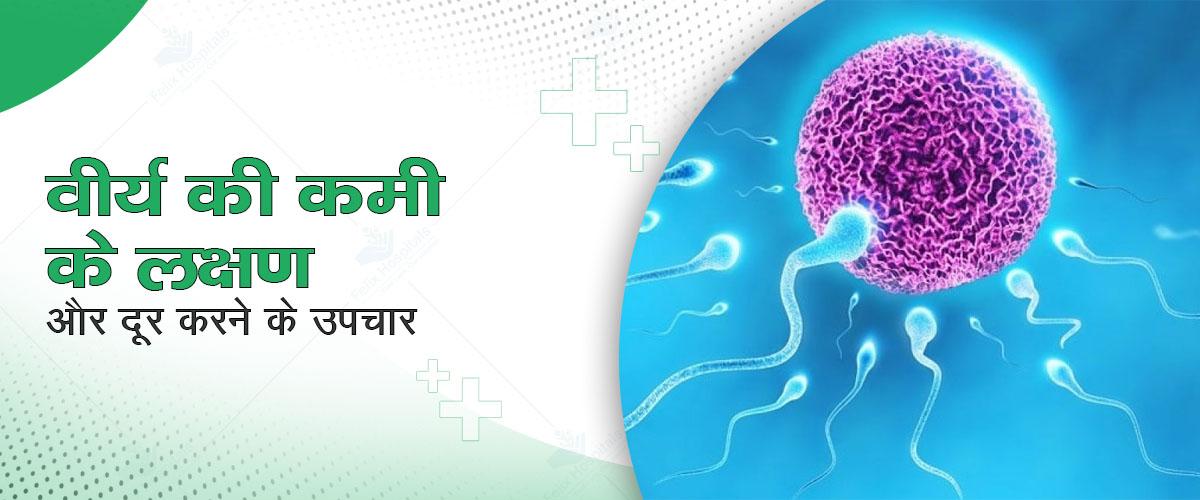
कम शुक्राणुओं (Low Sperm Count) का मतलब है कि संभोग के दौरान लिंग से कम वीर्य निकलता है। कम शुक्राणुओं की संख्या को ओलिगोस्पर्मिया (Oligospermia) भी कहा जाता है। वीर्य में शुक्राणुओं की पूरी तरह से कमी को एजोस्पर्मिया (Azoospermia) कहा जाता है। कम शुक्राणुओं की संख्या के कारण, आपकी साथी के गर्भवती होने की संभावना बहुत कम हो जाती है। इसके बावजूद, कम शुक्राणुओं वाले कई पुरुष बच्चे पैदा करने में सक्षम होते हैं।
आज के समय में पुरुषों के वीर्य में शुक्राणुओं की संख्या में कमी देखी जा रही है और ऐसा इसलिए हो रहा है क्योंकि उनकी जीवनशैली दिन-प्रतिदिन बिगड़ती जा रही है। सरल शब्दों में, पुरुषों में उत्तेजना और स्खलन के दौरान मूत्रमार्ग से निकलने वाले द्रव को वीर्य (virya) कहते हैं। शुक्राणुओं की सामान्य संख्या कितनी होती है?
पुरुष के वीर्य में शुक्राणुओं की संख्या सामान्यतः 15 मिलियन से 200 मिलियन प्रति मिलीलीटर तक होती है। अगर किसी पुरुष के एक मिलीलीटर वीर्य में 15 मिलियन से कम शुक्राणु हैं, तो उसका शुक्राणुओं की संख्या कम है। अगर आप इस बीमारी से जुड़ा कोई भी सवाल पूछना चाहते हैं, तो अभी डॉक्टर से सलाह लें।
यदि किसी मनुष्य को वीर्य से सम्बंधित कोई समस्या हो तो आप हमसे व्हाट्सएप (+91 9667064100) पर संपर्क कर सकते हैं।
शुक्राणु उत्पादन एक बहुत ही दुर्लभ प्रक्रिया है, इसमें वृषण के साथ-साथ हाइपोथैलेमस (Hypothalamus) और पिट्यूटरी ग्रंथि (pituitary gland) के काम की आवश्यकता होती है।
संक्रमण (Infection) – कुछ संक्रमण स्वस्थ और गैर-शुक्राणुजनित (Non-spermatogenesis) दोनों प्रकार के लोगों में शुक्राणु उत्पादन को प्रभावित करते हैं, जैसे कि कुछ यौन संचारित रोग।
तनाव (Tension) – लंबे समय तक तनाव के कारण शुक्राणु उत्पन्न करने वाले कुछ आवश्यक हार्मोन असंतुलित हो जाते हैं।
मोटापा (Obesity) – मोटापे के कारण शरीर में हार्मोनल परिवर्तन हो सकते हैं, जिसके परिणामस्वरूप पुरुष प्रजनन क्षमता कमजोर हो सकती है।
भारी धातुओं के संपर्क में – सीसा या अन्य भारी धातुओं के संपर्क में लंबे समय तक रहने से प्रजनन क्षमता प्रभावित होती है।
अण्डकोष अधिक गरम होना – यह आपके शुक्राणुओं की संख्या को भी प्रभावित करता है।
अत्यधिक दवा का सेवन – यह समस्या अक्सर उन लोगों में देखी जाती है जो अत्यधिक मात्रा में शराब, धूम्रपान (Smoking) का सेवन करते हैं।
संक्रमण (Infection)
वृषण संबंधी समस्या (Testicular problems)
निवास के अंतर की अनुपस्थिति
शुक्राणु मार्ग में रुकावट
शुक्राणु बनने में परेशानी
शुक्राणु उत्पादन की समस्याएं – गुणसूत्र, या आनुवंशिक कारण
जल्दी स्खलन की समस्या
शराब का सेवन सीमित मात्रा करें या पूरी तरह से पीना बंद कर दें।
दवाओं का उपयोग करने से बचें
वजन कम करना।
सिगरेट पीने से बचना चाहिए।

सेक्सुअल हेल्थ से संबंधित समस्याएँ – कामेच्छा की कमी या इरेक्शन बनाए रखने में कठिनाई।
चेहरे या शरीर के बालों का झड़ना या क्रोमोसोमल या हार्मोनल असामान्यता के अन्य लक्षण
यदि आप एक वर्ष तक नियमित और कंडोम रहित संभोग के बाद भी अपने यौन साथी को गर्भवती करने में असमर्थ हैं।
अंडकोष, प्रोस्टेट या यौन समस्याओं का इतिहास वृषण (testis), प्रोस्टेट (prostate) या यौन समस्याओं से पहले हो सकता है।
कमर (पेट और जांघ का हिस्सा), अंडकोश, लिंग या अंडकोष की सर्जरी की गई है।
अंडकोष, प्रोस्टेट या यौन समस्याओं का इतिहास वृषण, प्रोस्टेट या यौन समस्याओं से पहले हो सकता है।
अंडकोष क्षेत्र में दर्द, बेचैनी, गांठ या सूजन।
यौन गतिविधि से संबंधित समस्याएं, जैसे लिंग का सख्त होना, स्खलन की समस्या, यौन रुचि की घटनाएं या अन्य यौन कार्य संबंधी समस्याएं।
ओलिगोस्पर्मिया के अधिकांश मामलों का पता तब चलता है जब कोई पुरुष पिता बनने का प्रयास करता है, और जब प्राकृतिक असुरक्षित संभोग के एक वर्ष बाद भी गर्भधारण नहीं होता है, तो पुरुष और महिला दोनों साथियों की प्रजनन क्षमता की जांच की जाती है।
एक स्त्री रोग विशेषज्ञ या बांझपन सलाहकार, वीर्य विश्लेषण जाँच (स्पर्म काउंट टेस्ट) करवाते हैं। शुक्राणु की कमी या ओलिगोस्पर्मिया (Oligospermia) की रोग की पहचान वीर्य विश्लेषण जाँच में पाए गए कम शुक्राणुओं की संख्या पर आधारित होती है।
यदि किसी मनुष्य को वीर्य से सम्बंधित कोई समस्या हो तो आप हमसे व्हाट्सएप (+91 9667064100) पर संपर्क कर सकते हैं।
पर्याप्त व्यायाम और नींद लें।
कई अध्ययनों से पता चलता है कि अधिक वजन वाले पुरुष जो अपना वजन कम करते हैं और व्यायाम करते हैं, उनके शुक्राणुओं की संख्या बढ़ती है और उनकी गुणवत्ता में भी सुधार होता है। इसलिए अपने शुक्राणुओं की संख्या बढ़ाने के लिए पर्याप्त नींद लें और नियमित रूप से व्यायाम करें।
धूम्रपान छोड़ने:
आप नहीं जानते होंगे, लेकिन तंबाकू और धूम्रपान शुक्राणु की गुणवत्ता को कम करते हैं। 2016 में किए गए एक अध्ययन से यह भी पता चला है कि धूम्रपान और शुक्राणु का निकट संबंध है। तो शुक्राणु की गुणवत्ता में सुधार करने के लिए, आज धूम्रपान छोड़ दें। धूम्रपान के अलावा आपको शराब और ड्रग्स से भी दूर रहना चाहिए।
आपको यह जानकर हैरानी हो सकती है कि तंबाकू और धूम्रपान पुरुषों में शुक्राणुओं की गुणवत्ता को कम कर सकते हैं। 2016 में हुए एक अध्ययन से भी पता चला है कि धूम्रपान और शुक्राणुओं का आपस में गहरा संबंध है। इसलिए शुक्राणुओं की गुणवत्ता में सुधार के लिए आज ही धूम्रपान छोड़ दें। धूम्रपान के अलावा, आपको शराब और नशीले पदार्थों से भी दूर रहना चाहिए।
दवाओं का उपयोग।
कुछ प्रकार की दवाएँ लेने से भी पुरुषों में शुक्राणु उत्पादन कम हो सकता है। एक बार जब कोई भी पुरुष दवा लेना बंद कर देता है, तो उसके शुक्राणुओं की संख्या फिर से बढ़ जाती है। इन दवाओं में एंटीबायोटिक्स, एंटी-एंड्रोजन, एंटी-इंफ्लेमेटरी, एंटी-डिप्रेसेंट आदि शामिल हैं।
मेंथी
स्पर्म काउंट बढ़ाने और सुधारने में मेथी बहुत फायदेमंद है। इसके लिए आपको अपने आहार में मेथी को शामिल करना चाहिए। इसके अलावा, मेथी वाले उत्पादों को अपने आहार का हिस्सा बनाएं।
मेथी स्पर्म काउंट की संख्या बढ़ाने और उन्हें बेहतर बनाने में बहुत फायदेमंद है। इसके लिए आपको अपने आहार में मेथी को शामिल करना चाहिए। साथ ही, मेथी से बने उत्पादों को भी अपने आहार का हिस्सा बनाएँ।
पर्याप्त विटामिन डी
2019 में किए गए एक अध्ययन से पता चला है कि विटामिन डी और कैल्शियम का पर्याप्त स्तर शुक्राणुओं के स्वास्थ्य में सुधार करता है। शोध बताते हैं कि कैल्शियम की कमी शुक्राणुओं की संख्या पर प्रतिकूल प्रभाव डाल सकती है। इसलिए कैल्शियम (Calcium) और विटामिन डी (vitamin D) से भरपूर खाद्य पदार्थों को अपने आहार का हिस्सा बनाएँ।
अश्वगंधा
अश्वगंधा, जिसे भारतीय जिनसेंग भी कहा जाता है, कई प्रकार के यौन रोगों को ठीक करने में महत्वपूर्ण भूमिका निभाता है। आप स्पर्म काउंट (Sperm Count) बढ़ाने के लिए अश्वगंधा (Ashwagandha) का उपयोग कर सकते हैं।
अगर आपको वीर्य की कमी के लक्षण महसूस हो रहे हैं, तो सही जांच और प्रभावी उपचार के लिए आज ही नोएडा अस्पताल के विशेषज्ञ डॉक्टर से परामर्श लें।
Dr. Bhanwar Lal Barkesiya is an MCh Gold Medalist Urologist with 15+ years of experience in laser kidney stone surgery, TURP, PCNL, robotic urology, and complex urological care at Felix Hospitals, Noida.

वीर्य की कमी पुरुषों में बांझपन और यौन समस्याओं का कारण बन सकती है। जानें इसके लक्षण, कारण और नोएडा में उपलब्ध बेहतरीन इलाज।
जानें शुक्राणु बढ़ाने के लिए उपलब्ध उपचार, इसके सामान्य लक्षण, कारण और स्वस्थ जीवनशैली अपनाने के उपाय।

टेस्टोस्टेरोन (Testosterone) एक पुरुष हार्मोन है जो मर्दाना गुणों, यौन क्षमता और प्रजनन स्वास्थ्य के लिए जिम्मेदार है। यह हार्मोन मुख्य रूप से अंडकोष (Testis) में बनता है। हड्डियों, मांसपेशियों, ऊर्जा, मूड और यौन जीवन को प्रभावित करता है। अगर शरीर में टेस्टोस्टेरोन का स्तर सामान्य से कम हो तो इसे हाइपोगोनाडिज्म (Hypogonadism) कहते हैं। ग्रेटर नोएडा के सर्वश्रेष्ठ टेस्टोस्टेरोन डॉक्टर उपलब्ध है। अगर आप भी इस समस्या से जूझ रहे हैं तो देर न करें, अच्छे यूरोलॉजिस्ट से परामर्श लें।
इस ब्लॉग में हम टेस्टोस्टेरोन की कमी के कारण, लक्षण और उपचार को यूरोलॉजी गाइडलाइन के अनुसार समझेंगे।
आज ही कॉल करें – +91 9667064100.
टेस्टोस्टेरोन पुरुष सेक्स हार्मोन है। जो यौन विकास, शुक्राणु निर्माण (Spermatogenesis), हड्डियों और मांसपेशियों की मजबूती और मूड कंट्रोल करता है। यह हार्मोन प्रजनन क्षमता, संपूर्ण शारीरिक और मानसिक स्वास्थ्य के लिए जरूरी है। सामान्य स्थिति में पुरुषों में टेस्टोस्टेरोन का स्तर 300 से 1000 एनजी/डीएल के बीच रहता है। अगर इसका स्तर लगातार 300 एनजी/डीएल से कम हो तो इसे टेस्टोस्टेरोन की कमी (Testosterone deficiency) या लो टेस्टोस्टेरोन कहते हैं।
इसकी कमी से यौन इच्छा में कमी, थकान, मांसपेशियों की कमजोरी, हड्डियों का कमजोर होना और मानसिक तनाव जैसे लक्षण उभर सकते हैं। समय पर पहचान और उचित इलाज न मिलने पर यह स्थिति बांझपन (Infertility) और अन्य गंभीर स्वास्थ्य समस्याओं का कारण बनती है।
यह तब होता है जब समस्या सीधे अंडकोष (Testes) में हो। अंडकोष पर्याप्त मात्रा में टेस्टोस्टेरोन बनाने में असमर्थ होते हैं।
इसमें समस्या पिट्यूटरी ग्रंथि या हाइपोथैलेमस में होती है। यह ग्रंथियां टेस्टोस्टेरोन उत्पादन को नियंत्रित करने वाले हार्मोन का सही स्तर नहीं बनाती।
उम्र बढ़नाः
30–35 साल की उम्र के बाद प्राकृतिक रूप से टेस्टोस्टेरोन का स्तर घटता है।
मोटापाः
अधिक चर्बी हार्मोनल असंतुलन बढ़ाती है। टेस्टोस्टेरोन स्तर को घटाती है।
तनाव:
उच्च कॉर्टिसोल स्तर टेस्टोस्टेरोन उत्पादन को दबा देता है।
डायबिटीज और हाई ब्लड प्रेशर:
यह बीमारियां रक्त संचार और हार्मोनल स्वास्थ्य को प्रभावित करती हैं।
कीमोथेरेपी और रेडियोथेरेपीः
कैंसर इलाज (Cancer Treatment) से अंडकोष और हार्मोन ग्रंथियों को नुकसान होता है।
चोट या अंडकोष की सर्जरी:
टेस्टोस्टेरोन उत्पादन करने वाले ऊतक क्षतिग्रस्त होते हैं।
हार्मोनल असंतुलन:
पिट्यूटरी ग्रंथि एलएच और एफएसएच जैसे हार्मोन सही तरीके से नहीं बना पाती है।
शराब सेवन और धूम्रपान:
दोनों टेस्टोस्टेरोन उत्पादन को घटाते हैं। शुक्राणुओं की गुणवत्ता खराब करते हैं।
स्टेरॉयड, ओपिओइड्स दवाएं:
इनका लंबे समय तक उपयोग करने से टेस्टोस्टेरोन स्तर में कमी होती है।
थकान और ऊर्जा की कमी
मूड स्विंग, चिड़चिड़ापन या डिप्रेशन
यौन इच्छा में कमी
सुबह के इरेक्शन का कम होना
इरेक्टाइल डिस्फंक्शन (ईडी)
मांसपेशियों की कमजोरी और फैट का बढ़ना
हड्डियों की कमजोरी (ऑस्टियोपोरोसिस)
बांझपन
ध्यान और याददाश्त में कमी
ब्लड टेस्ट:
टेस्टोस्टेरोन स्तर मापने के लिए सबसे पहला और जरूरी टेस्ट होता है। आमतौर पर सुबह 7 से 10 बजे के बीच खून लेते है। क्योंकि इसी समय टेस्टोस्टेरोन का स्तर सबसे ऊंचा होता है। सामान्य स्तर 300–1000 एनजी/डीएल होता है। 300 एनजी/डीएल से कम स्तर को लो टेस्टोस्टेरोन मानतेहै। कभी-कभी दो अलग-अलग दिनों में टेस्ट कर पुष्टि करते हैं।
एलएच, एफएसएच और प्रोलैक्टिन परीक्षणः
यह टेस्ट यह जानने के लिए करते हैंं। इसकी कमी अंडकोष की समस्या है या पिट्यूटरी/हाइपोथैलेमस की गड़बड़ी है। एलएच (ल्यूटिनाइजिंग हार्मोन) टेस्टोस्टेरोन उत्पादन को नियंत्रित करता है। वहीं एफएसएच (फॉलिकल स्टिम्युलेटिंग हार्मोन) शुक्राणु निर्माण में मदद करते हैं। जबकि प्रोलैक्टिन अधिक स्तर होने पर पिट्यूटरी ग्रंथि (pituitary gland) में ट्यूमर या हार्मोनल असंतुलन का संकेत देता है।
शुक्राणु जांचः
प्रजनन क्षमता की स्थिति का पता लगाने के लिए। इसमें शुक्राणुओं की संख्या, आकार, गति और गुणवत्ता देखी जाती है। टेस्टोस्टेरोन कमी होने पर शुक्राणु उत्पादन भी घटता है।
हड्डी घनत्व जांचः
लंबे समय तक टेस्टोस्टेरोन कमी से हड्डियां कमजोर होती हैं। इस टेस्ट से ऑस्टियोपोरोसिस या हड्डी टूटने के खतरे का पता लगाते हैं। खासकर मध्यम उम्र और बुजुर्ग पुरुषों में यह टेस्ट महत्वपूर्ण है।
एमआरआई/सीटी स्कैन:
अगर डॉक्टर को शक हो कि पिट्यूटरी ग्रंथि या हाइपोथैलेमस में कोई गड़बड़ी है, तो इमेजिंग टेस्ट किए जाते हैं। इससे ब्रेन ट्यूमर, ग्रंथि का आकार या हार्मोन नियंत्रित करने वाली नसों की समस्या का पता चलता है। यह द्वितीयक हाइपोगोनाडिज्म की पहचान के लिए होता है।
टेस्टोस्टेरोन की कमी का इलाज रोग के कारण, मरीज की उम्र, लक्षण और जरूरत के आधार पर यह होता है। सबसे सामान्य और प्रभावी विकल्प है टेस्टोस्टेरोन रिप्लेसमेंट थेरेपी (टीआरटी)।
टीआरटी का उद्देश्य शरीर में टेस्टोस्टेरोन का स्तर सामान्य करना और लक्षणों को कम करना है। इसके कई रूप हैं:
सीधे मांसपेशी में इंजेक्शन दिया जाता है। 2 से 3 सप्ताह या कभी-कभी मासिक रूप से लगाया जाता है। यह जल्दी असर दिखाता है। हार्मोन विशेषज्ञ डॉक्टर ग्रेटर नोएडा उपलब्ध है। यह डॉक्टर की निगरानी में सुरक्षित है।
त्वचा पर जेल लगाते हैं। पैच चिपकाया जाता है। धीरे-धीरे शरीर में टेस्टोस्टेरोन अवशोषित होता है। आसान और बिना दर्द वाला तरीका होता है। मगर रोजाना इस्तेमाल जरूरी है।
टैबलेट या कैप्सूल मुंह से लेते हैं। कुछ दवाएं होंठ और मसूड़ों के बीच रखी जाती हैं।
लंबे समय तक उपयोग सुविधाजनक है। लेकिन लीवर पर असर पड़ता है।
यौन इच्छा और क्षमता में सुधार होता है। ऊर्जा स्तर और आत्मविश्वास बढ़ता है। मांसपेशियों की शक्ति और सहनशक्ति में बढ़ोतरी होती है। हड्डियों की मजबूती और ऑस्टियोपोरोसिस का खतरा कम होता है। मूड बेहतर होना और अवसाद के लक्षणों में राहत मिलती है।
लंबे समय तक उपयोग से ब्लड क्लॉट (रक्त का थक्का) बनने का खतरा रहता है। प्रोस्टेट ग्रंथि (prostate gland) से संबंधित समस्याएं (प्रोस्टेट का बढ़ना या कैंसर का जोखिम) होता है।
हार्ट अटैक (heart attack) और स्ट्रोक (Stroke) का खतरा बढ़ता है। नींद में रुकावट के मामले गंभीर होते हैं।
लाल रक्त कोशिकाओं की संख्या असामान्य रूप से बढ़ती है।
नियमित व्यायामः
जिम, योग, रनिंग, तैराकी और साइक्लिंग जैसे व्यायाम टेस्टोस्टेरोन (Testosterone) स्तर को बढ़ाने में मददगार होता है। वेट ट्रेनिंग और स्ट्रेंथ एक्सरसाइज विशेष रूप से प्रभावी होती हैं। नियमित व्यायाम से शरीर का मेटाबॉलिज्म (Metabolism) दुरुस्त रहता है। मोटापा नियंत्रित होता है।
वजन नियंत्रणः
अधिक वजन और मोटापा टेस्टोस्टेरोन स्तर को घटाता है। सही आहार और एक्सरसाइज (Exercise) से वजन नियंत्रित रखने से हार्मोनल संतुलन बेहतर रहता है।
संतुलित आहारः
आहार में प्रोटीन (अंडे, दालें, मछली), जिंक (मेवे, बीज, दालें) और विटामिन डी (vitamin D) (धूप, फोर्टिफाइड फूड) शामिल करना चाहिए। ओमेगा-3 फैटी (Omega-3 Fatty) एसिड से भरपूर भोजन (मछली, अलसी के बीज) टेस्टोस्टेरोन को सपोर्ट करता है। प्रोसेस्ड फूड और ज्यादा चीनी सेवन से बचना चाहिए।
पर्याप्त नींद और तनाव प्रबंधनः
7-8 घंटे की गुणवत्तापूर्ण नींद टेस्टोस्टेरोन उत्पादन के लिए आवश्यक है। योग, ध्यान और डीप ब्रीदिंग से तनाव नियंत्रित कर सकते हैं। क्रॉनिक स्ट्रेस कॉर्टिसोल बढ़ाता है। जिससे टेस्टोस्टेरोन कम होता है।
मेडिकल ट्रीटमेंटः
अगर टेस्टोस्टेरोन की कमी पिट्यूटरी या हाइपोथैलेमस की समस्या से जुड़ी हो तो डॉक्टर गोनाडोट्रॉपिन इंजेक्शन (Gonadotropin injections) और अन्य हार्मोनल दवाएं देते हैं। अगर कमी डायबिटीज, ब्लड प्रेशर या अन्य बीमारी के कारण है। तो पहले इनका इलाज जरूरी है। नियमित मॉनिटरिंग और यूरोलॉजिस्ट की सलाह पर दवा लेना सुरक्षितच होता है।
जीवनशैली और जागरूकताः
धूम्रपान और शराब से दूरी बनाएं। यह टेस्टोस्टेरोन स्तर को घटाते हैं। हरी सब्जियां, फल, मेवे, साबुत अनाज और मछली का सेवन बढ़ाना चाहिए। हर साल ब्लड टेस्ट और यूरोलॉजिस्ट से परामर्श लेना चाहिए। 40 वर्ष की उम्र के बाद वार्षिक टेस्टोस्टेरोन जांच (Testosterone Testing) कराना बेहतर है। जिससे शुरुआती स्तर पर कमी का पता चल सके।
पुरुषों में टेस्टोस्टेरोन की कमी धीरे-धीरे विकसित होती है। शुरुआती लक्षण अक्सर उम्र या तनाव की वजह समझकर अनदेखा करते हैं। यह यौन जीवन, मानसिक स्वास्थ्य और प्रजनन क्षमता को गंभीर रूप से प्रभावित करती है। समय पर हार्मोन टेस्ट और ब्लड जांच से पहचान संभव होती है। सही इलाज और जीवनशैली बदलाव से टेस्टोस्टेरोन स्तर (Testosterone Levels) को नियंत्रित कर सकते हैं। उपचार से ऊर्जा, यौन इच्छा, मांसपेशियों की ताकत और मानसिक स्थिरता में सुधार होता है। हड्डियों की कमजोरी और अन्य जटिलताओं का खतरा भी कम होता है। इसलिए लक्षण दिखते ही यूरोलॉजिस्ट से परामर्श लेना चाहिए।
देर न करें, नोएडा के सर्वश्रेष्ठ यूरोलॉजिस्ट से परामर्श लें। आज ही कॉल करें – +91 9667064100.
प्रश्न 1. टेस्टोस्टेरोन कमी की सामान्य उम्र क्या है?
उत्तर: उम्र के साथ टेस्टोस्टेरोन का घटना सामान्य है। मगर यौन इच्छा में कमी, कमजोरी, मूड बदलाव या प्रजनन समस्या तो जांच और यूरोलॉजिस्ट से सलाह जरूरी होती है।
प्रश्न 2. क्या टेस्टोस्टेरोन कमी से बांझपन होता है?
उत्तर: टेस्टोस्टेरोन कमी पुरुषों में बांझपन का कारण बनती है। यह हमेशा नहीं होता। इसका असर इस बात पर निर्भर करता है कि कमी कितनी गंभीर है।
प्रश्न 3. क्या टेस्टोस्टेरोन रिप्लेसमेंट सुरक्षित है?
उत्तर: हां, लेकिन यह यूरोलॉजिस्ट की देखरेख में होना चाहिए। लंबे समय तक उपयोग से प्रोस्टेट और हृदय संबंधी जोखिम रहता है।
प्रश्न 4. क्या केवल दवाओं से इलाज संभव है?
उत्तर: हल्के मामलों में जीवनशैली सुधार और दवाएं कारगर हैं। मगर गंभीर मामलों में टीआरटी जरूरी होती है।
प्रश्न 5. क्या टेस्टोस्टेरोन कमी रोकी जा सकती है?
उत्तर: पूरी तरह नहीं लेकिन संतुलित आहार, व्यायाम और स्वस्थ जीवनशैली से जोखिम कम किया जा सकता है। इसलिए समय रहते डॉक्टर की सलाह लेनी चाहिए।

Learn More About Integrated Healthcare: Discover how combining medical and pharmacy benefits can enhance your healthcare experience and reduce costs.
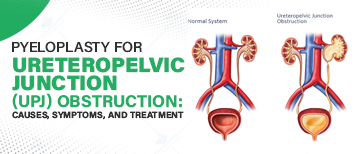
Ureteropelvic Junction (UPJ) Obstruction is a medical condition where there is a blockage at the junction where the renal pelvis meets the ureter.
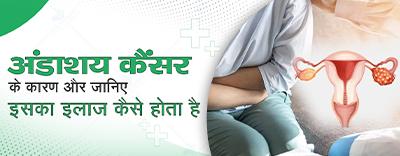
अंडाशय कैंसर महिलाओं में होने वाला एक गंभीर रोग है, जो अक्सर देर से पहचान में आता है। जानिए इसके कारण, लक्षण और इलाज के प्रभावी तरीके।

पुरुष प्रजनन स्वास्थ्य में वीर्य की गुणवत्ता और मात्रा का अहम योगदान होता है। सामान्यत: एक स्वस्थ पुरुष के वीर्य में पर्याप्त मात्रा में तरल और उसमें सक्रिय शुक्राणु होते हैं। मगर कई बार वीर्य की मात्रा कम होती है, जिसे हाइपोस्पर्मिया (Hypospermia) कहते हैं। इस स्थिति में वीर्य का वॉल्यूम सामान्य से कम हो जाता है और गर्भधारण की संभावना प्रभावित होती है। वीर्य की कमी का इलाज नोएडा में उपलब्ध है, इसलिए समस्या के लक्षण दिखते ही विशेषज्ञ से संपर्क करना जरूरी है।
नोएडा जैसे बड़े शहर में, अनुभवी यूरोलॉजिस्ट और उन्नत लैब सुविधाओं से युक्त नोएडा में सर्वश्रेष्ठ यूरोलॉजी अस्पताल में सही जांच और समय पर इलाज कराना बेहद आवश्यक है। ऐसे अस्पतालों में आधुनिक तकनीक और अनुभवी डॉक्टरों की टीम होती है, जो रोग की जड़ तक पहुंचकर प्रभावी और सुरक्षित उपचार सुनिश्चित करती है।
अभी अपॉइंटमेंट शेड्यूल करें – कॉल करें +91 9667064100.
वीर्य की मात्रा कम होने के कई कारण हो सकते हैं। सामान्य रूप से वीर्य का वॉल्यूम 1.5 से 6 मिलीलीटर के बीच होता है। अगर यह लगातार कम पाया जाए, तो यह प्रजनन क्षमता में कमी का संकेत है। कारण अस्थायी भी हो सकते हैं जैसे अत्यधिक तनाव, बुखार या नींद की कमी लेकिन अगर यह लंबे समय तक बना रहे, तो यह पुरुष बांझपन का कारण बन सकता है।
वीर्य की मात्रा कम होना पुरुषों की प्रजनन क्षमता पर गहरा असर डालता है। अगर यह मात्रा लगातार कम पाई जाती है, तो यह पुरुष बांझपन (male infertility) का संकेत होता है। अगर समस्या लंबे समय तक बनी रहे, तो डॉक्टर की सलाह लेकर आवश्यक जांच करवाना बेहद जरूरी है। जिससे समय रहते उचित इलाज हो सके और भविष्य की प्रजनन क्षमता सुरक्षित रह सके।
सामान्यतः स्खलन के समय 1.5 से 6 मिलीलीटर वीर्य निकलना चाहिए। मगर जब यह मात्रा लगातार कम दिखाई दे, तो यह वीर्य की कमी का पहला संकेत होता है।
कुछ पुरुषों को वीर्य की मात्रा कम होने पर यौन क्रिया के बाद संतुष्टि नहीं मिलती है। कई बार स्खलन के बाद हल्की जलन या असहजता भी महसूस होती है।
वीर्य की कमी के कारण महिला साथी को गर्भधारण (Pregnancy) करने में परेशानी आती है। क्योंकि यह पर्याप्त मात्रा और गुणवत्ता के बिना शुक्राणु अंडाणु तक नहीं पहुंच पाते हैं।
वीर्य की मात्रा में कमी हार्मोनल असंतुलन से जुड़ी होती है। जिससे पुरुषों में यौन इच्छा घटती है। इरेक्शन बनाए रखने में कठिनाई होती है।
अगर समस्या संक्रमण के कारण है, तो पेशाब करते समय या स्खलन के बाद जलन, दर्द या असहजता महसूस होती है।
हार्मोनल असंतुलनः
पुरुषों में टेस्टोस्टेरोन और अन्य हार्मोन (एफएसएच, एलएच आदि) का स्तर प्रजनन स्वास्थ्य के लिए बेहद जरूरी होता है। अगर इन हार्मोनों का स्तर गिरता है, तो शुक्राणु निर्माण और वीर्य उत्पादन प्रभावित होता है।
संक्रमणः
प्रोस्टेटाइटिस यानी प्रोस्टेट ग्रंथि की सूजन होना। यौन संचारित रोग (एसटीडी) जैसे क्लैमाइडिया या गोनोरिया होना। यूरिन मार्ग संक्रमण (यूटीआई) होना। यह सभी स्थिति वीर्य की मात्रा और गुणवत्ता दोनों को कम करती हैं।
सिमिनल वेसिकल की समस्या:
प्रोस्टेट ग्रंथि और सिमिनल वेसिकल वीर्य निर्माण में अहम भूमिका निभाते हैं। अगर इनमें सूजन, अवरोध या कार्य में गड़बड़ी हो तो वीर्य का उत्पादन कम होता है।
नशीले पदार्थ और धूम्रपानः
तंबाकू, शराब और ड्रग्स जैसे पदार्थ शुक्राणु की संख्या घटाते हैं। उनकी गतिशीलता कम करते हैं। वीर्य की कुल मात्रा को प्रभावित करते हैं।
जीवनशैली से जुड़े कारणः
अत्यधिक तनाव और चिंता। नींद की कमी। ज्यादा मात्रा में शराब का सेवन। मोटापा और शारीरिक निष्क्रियता असंतुलित और तैलीय भोजन। यह सभी आदतें वीर्य की मात्रा और प्रजनन क्षमता पर नकारात्मक प्रभाव डालते हैं।
सर्जिकल या संरचनात्मक कारणः
अंडकोष या प्रजनन अंगों पर चोट होना। नसों में अवरोध (जैसे वेरिकोसील)। पूर्व में हुई शल्य चिकित्सा (जैसे हर्निया ऑपरेशन या प्रोस्टेट सर्जरी)। यह कारण प्रजनन मार्ग में रुकावट पैदा कर वीर्य की मात्रा को कम करते हैं।
हरी पत्तेदार सब्जियां और ताजे फल खाएंः
पालक, मेथी, ब्रोकोली जैसी हरी सब्जियांं और मौसमी फल यानी जैसे संतरा, अंगूर, आम, अनार शरीर को आवश्यक विटामिन व मिनरल्स देते हैं। जिससे वीर्य की गुणवत्ता और मात्रा दोनों में सुधार होता है।
ड्राई फ्रूट्स और प्रोटीन युक्त आहार लेंः
बादाम, अखरोट, काजू, पिस्ता जैसे ड्राई फ्रूट्स और अंडा, दूध, दही, दालें व मछली जैसे प्रोटीनयुक्त आहार शुक्राणु की संख्या व गतिशीलता बढ़ाते हैं।
जिंक, सेलेनियम और विटामिन सी व ई से भरपूर आहारः
जिंक यानी कद्दू के बीज, तिल, समुद्री भोजन। सेलेनियम यानी सूरजमुखी के बीज, अंडा। एवं विटामिन सी यानी नींबू, आंवला, कीवी और विटामिन ई यानी बादाम, मूंगफली, सूरजमुखी तेल का सेवन। ये पोषक तत्व शुक्राणुओं को ऑक्सीडेटिव स्ट्रेस से बचाते हैं। उनकी गुणवत्ता सुधारते हैं।
पर्याप्त पानी पिएंः
दिनभर में 2–3 लीटर पानी पीना शरीर को हाइड्रेटेड रखता है, जिससे वीर्य का वॉल्यूम बढ़ता है। शुक्राणु स्वस्थ रहते हैं।
धूम्रपान, शराब और नशीली दवाओं से बचेंः
धूम्रपान, शराब और नशीली दवा यह सभी आदतें शुक्राणु की संख्या घटाती हैं। डीएनए को नुकसान पहुंचाती हैं और प्रजनन क्षमता को कमजोर करती हैं।
नियमित व्यायाम और योग-ध्यान अपनाएंः
हल्की दौड़, तैराकी, जॉगिंग और योगासन रक्त संचार को बेहतर बनाते हैं। ध्यान और प्राणायाम तनाव को कम करके हार्मोन संतुलन बनाए रखते हैं।
पर्याप्त नींद लेंः
रोजाना सात–आठ घंटे की नींद लेना जरूरी है। नींद की कमी हार्मोनल असंतुलन पैदा कर वीर्य की मात्रा घटाती है।
लैपटॉप को गोद में लंबे समय तक न रखेंः
गोद में लैपटॉप रखने से अंडकोष का तापमान बढ़ता है। जिससे शुक्राणु उत्पादन प्रभावित होता है। कोशिश करें कि लैपटॉप टेबल पर रखें।
अगर एक साल तक गर्भधारण नहीं हो रहा है।
वीर्य लगातार कम मात्रा में निकल रहा है।
यौन इच्छा या इरेक्शन में समस्या हो।
मूत्र या वीर्य में खून, दर्द या जलन हो।
वृषण में सूजन, दर्द या असामान्यता हो।
अगर समस्या टेस्टोस्टेरोन या अन्य हार्मोन के स्तर में कमी से है, तो डॉक्टर हार्मोन रिप्लेसमेंट थेरेपी या दवाओं की मदद से इसका इलाज करते हैं। वीर्य की कमी का इलाज नोएडा में उपलब्ध है। यह इलाज शरीर में हार्मोनल संतुलन बनाकर शुक्राणु उत्पादन को बेहतर बनाता है।
प्रोस्टेटाइटिस, यौन संचारित रोग (Sexually transmitted diseases) (एसटीडी) या मूत्र मार्ग संक्रमण होने पर एंटीबायोटिक्स और एंटी-इंफ्लेमेटरी (anti inflammatory) दवाएं दी जाती हैं। समय पर इलाज करने से संक्रमण दूर होता है। वीर्य की गुणवत्ता एवं मात्रा दोनों में सुधार आता है।
अंडकोष की नसों में सूजन (वेरिकॉसील) या किसी संरचनात्मक रुकावट को ठीक करने के लिए सर्जरी की जाती है। सर्जरी से रक्त संचार बेहतर होता है। शुक्राणु उत्पादन सामान्य स्तर पर आता है।
प्रोस्टेट ग्रंथि में सूजन या अवरोध होने पर डॉक्टर विशेष दवाओं और चिकित्सकीय प्रक्रियाओं का सहारा लेते हैं। इससे वीर्य निर्माण की प्रक्रिया सामान्य होती है। स्खलन के दौरान वीर्य की मात्रा बढ़ती है।
जब सामान्य दवाओं या सर्जरी से गर्भधारण संभव नहीं होता है। तब आईवीएफ (इन-विट्रो फर्टिलाइजेशन) या आईवीएफ (इन-विट्रो फर्टिलाइजेशन) आईसीएसआई (इंट्रा-साइटोप्लाज्मिक स्पर्म इंजेक्शन) तकनीक अपनाते हैं। यह तकनीकें खासतौर पर उन दंपतियों के लिए मददगार हैं। जिन्हें लंबे समय से संतान नहीं होती है।
जांचः
वीर्य विश्लेषण के साथ हार्मोन टेस्ट (एफएसएच, एलएच, टेस्टोस्टेरोन) जांच होती है। साथ ही अल्ट्रासाउंड और कभी-कभी एमआरआई (MRI) जांच से समस्या की असली वजह का पता लगाया जाता है।
इलाजः
कारण के आधार पर दवाओं, हार्मोन थेरेपी (Hormone Therapy), सर्जरी या एआरटी का सहारा लेते हैं। कई मामलों में जीवनशैली में सुधार यानी डाइट, व्यायाम, तनाव कम करना भी इलाज का हिस्सा है।
फॉलोअपः
हर 2–3 महीने पर मरीज की प्रगति का मूल्यांकन होता है। वीर्य की कमी के इलाज के लिए नोएडा में यूरोलॉजिस्ट विशेषज्ञ आसानी से उपलब्ध हैं। डॉक्टर वीर्य की मात्रा और गुणवत्ता में हो रहे सुधार को देखते हुए दवाओं या उपचार की प्रक्रिया में बदलाव करते हैं।
इलाज के बाद देखभाल
दवाएं समय पर लें।
जीवनशैली में सुधार को जारी रखें।
तनाव प्रबंधन करें।
डॉक्टर की सलाह अनुसार फॉलो-अप जरूर करवाएं।
नोएडा में विशेषज्ञ यूरोलॉजिस्ट से अपॉइंटमेंट के लिए कॉल करें: +91 9667064100.
वीर्य की कमी कोई लाइलाज समस्या नहीं है। यह अक्सर सही जांच, अनुभवी यूरोलॉजिस्ट की सलाह और उचित इलाज से सुधार सकती है। अगर समय रहते इसका निदान हो जाए तो हार्मोनल असंतुलन, संक्रमण या संरचनात्मक कारणों का सफलतापूर्वक इलाज संभव होता है। जीवनशैली में छोटे-छोटे बदलाव जैसे संतुलित आहार, नियमित व्यायाम, पर्याप्त नींद, धूम्रपान और शराब से परहेज महत्वपूर्ण भूमिका निभाते हैं। समय पर अपनाए गए उपचार न केवल प्रजनन क्षमता को बेहतर बनाते हैं। बल्कि पुरुषों के आत्मविश्वास और मानसिक स्वास्थ्य (Mental Health) पर भी सकारात्मक असर डालते हैं।
प्रश्न 1: क्या वीर्य की कमी हमेशा स्थायी होती है?
उत्तरः नहीं, कारण के आधार पर सही इलाज से यह सुधर सकती है। अधिकांश मामलों में सही जांच और इलाज के बाद वीर्य की कमी को ठीक कर सकते हैं।
प्रश्न 2: क्या दवाओं से वीर्य बढ़ाया जा सकता है?
उत्तरः हां, हार्मोनल या संक्रमण संबंधी समस्या में दवाओं से सुधार संभव होता है। यह दवाएं अंडकोष को अधिक शुक्राणु बनाने के लिए उत्तेजित करती हैं।
प्रश्न 3: क्या जीवनशैली का असर पड़ता है?
उत्तरः बिल्कुल, तनाव, धूम्रपान, शराब और खराब खानपान वीर्य की मात्रा कम करते हैं। सही जीवनशैली अपनाने से वीर्य की कमी को काफी हद तक रोका और सुधार सकते हैं।
प्रश्न 4: क्या सर्जरी की जरूरत पड़ सकती है?
उत्तरः हां, अगर समस्या संरचनात्मक जैसे वेरिकॉसील या अवरोध से जुड़ी हो तो सर्जरी की जाती है। अगर दवाओं और जीवनशैली बदलाव से सुधार न हो और कारण संरचनात्मक हो। तभी सर्जरी का विकल्प अपनाते है।

फेलिक्स हॉस्पिटल में,यूरोलॉजिस्ट डॉ. भंवर लाल बरकेसिया पेशेंट की आवश्यकताओं के अनुसार सही उपचार प्रदान करने के लिए प्रतिबद्ध हैं।
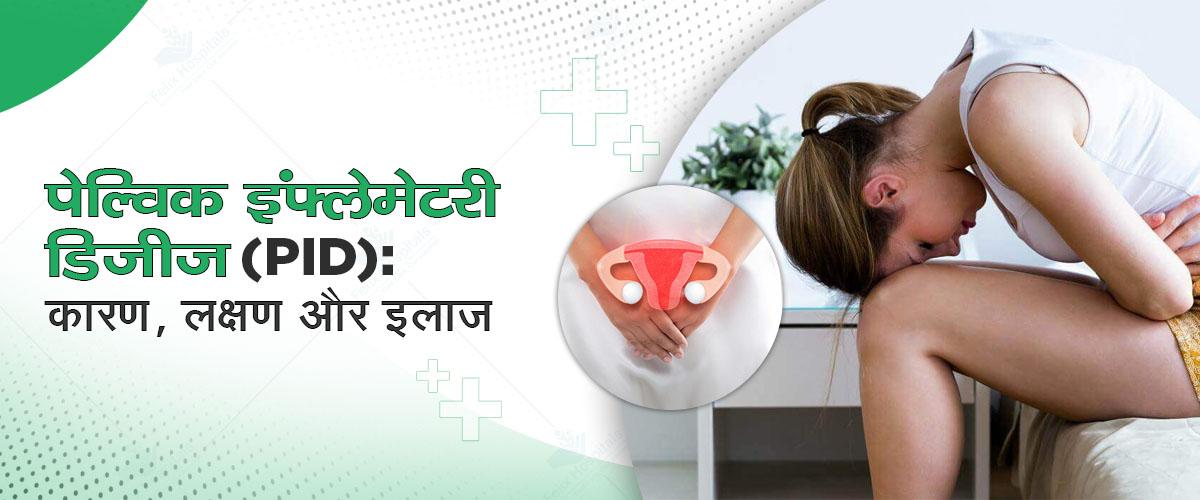
महिलाओं का प्रजनन स्वास्थ्य बेहद संवेदनशील होता है। इसमें किसी भी तरह का संक्रमण या सूजन न केवल शारीरिक असुविधा बल्कि मानसिक तनाव और बांझपन जैसी गंभीर समस्या पैदा करता है। पेल्विक इंफ्लेमेटरी डिजीज (पीआईडी) ऐसी ही स्थिति है। यह प्रजनन अंगों जैसे गर्भाशय, फैलोपियन ट्यूब्स (Fallopian Tubes) और अंडाशय को प्रभावित करती है। समय पर इलाज न मिलने पर पीआईडी महिला की प्रजनन क्षमता को गंभीर रूप से प्रभावित करता है।
इस ब्लॉग में हम विस्तार से जानेंगे कि पीआईडी क्या है। इसके मुख्य कारण, लक्षण, बचाव और इलाज क्या है और कब आपको ग्रेटर नोएडा के किसी अच्छे ग्रेटर नोएडा में सर्वश्रेष्ठ स्त्री रोग विशेषज्ञ अस्पताल से तुरंत संपर्क करना चाहिए।
अभी अपॉइंटमेंट शेड्यूल करें – कॉल करें: +91 9667064100.
पीआईडी एक संक्रमणजन्य बीमारी है। जिसमें महिला के प्रजनन अंग जैसे गर्भाशय, फैलोपियन ट्यूब और अंडाशय (Ovaries) में सूजन होती है। यह आमतौर पर यौन संचारित रोगों (एसटीडी) विशेषकर क्लैमाइडिया (Chlamydia) और गोनोरिया के कारण (Causes of gonorrhea) होता है। संक्रमण योनि से गर्भाशय और फिर ट्यूब्स तक फैलता है। अगर समय पर इलाज न हो तो ट्यूब्स बंद हो सकती हैं। गर्भधारण में कठिनाई या बांझपन का खतरा बढ़ता है। यदि इस रोग का समय पर इलाज न हो तो संक्रमण धीरे-धीरे फैलोपियन ट्यूब्स को क्षतिग्रस्त करता है। उनके बंद होने का खतरा भी बढ़ता है। इस स्थिति में महिला को गर्भधारण में कठिनाई होती है। कई मामलों में यह बीमारी लंबे समय तक बनी रहने पर बार-बार गर्भपात या एक्टोपिक प्रेग्नेंसी जैसी गंभीर जटिलताओं का कारण भी बनती है।
क्लैमाइडिया और गोनोरिया जैसे संक्रमण पीआईडी का सबसे बड़ा कारण हैं। यह संक्रमण यौन संबंधों के माध्यम से फैलते हैं। शुरुआत में केवल योनि या गर्भाशय ग्रीवा (uterine cervix) को प्रभावित करते हैं। लेकिन इलाज न होने पर यह संक्रमण धीरे-धीरे गर्भाशय, फैलोपियन ट्यूब्स और अंडाशय तक पहुंचकर सूजन पैदा करता है।
गर्भपात या डिलीवरी के बाद गर्भाशय की परत काफी संवेदनशील होती है। इस दौरान यदि साफ-सफाई का ध्यान न रखा जाए तो बैक्टीरिया आसानी से संक्रमण फैलाते हैं। कई बार अस्पताल में संक्रमण या अस्वच्छ वातावरण इसका कारण बनता है।
गर्भनिरोधक उपकरण (कॉपर-टी, आईयूडी) अस्वच्छ तरीके से लगाए जाने पर गर्भाशय में संक्रमण फैलाते हैं। साथ ही यदि इन्हें लंबे समय तक बिना बदले रखा जाए तो पीआईडी का खतरा बढ़ता है।
डी एंड सी(डाइलेशन एंड क्यूरेटेज) बार-बार गर्भपात या अन्य सर्जिकल प्रक्रियाएं गर्भाशय की परत को कमजोर करती हैं। इससे बैक्टीरिया के प्रवेश का खतरा बढ़ता है और संक्रमण फैलता है।
बिना सुरक्षा के यौन संबंध बनाना और बार-बार पार्टनर बदलना पीआईडी का कारण है। इस स्थिति में यौन संचारित संक्रमणों (एसटीडी) का खतरा बढ़ता है। जो आगे चलकर पीआईडी में बदलते हैं।
कई बार महिलाओं को हल्का योनि संक्रमण होता है। मगर वह उसे नजरअंदाज करती हैं। समय रहते इलाज नहीं कराने पर यह संक्रमण गर्भाशय तक फैलता है। बाद में पीआईडी का रूप लेता है।
निचले पेट और पेल्विक एरिया में लगातार दर्द।
असामान्य योनि स्राव (पीला/हरा रंग और दुर्गंधयुक्त)।
बुखार और ठंड लगना।
अनियमित पीरियड्स या अत्यधिक रक्तस्राव।
यौन संबंध के दौरान तेज दर्द।
पेशाब करते समय जलन या दर्द।
लंबे समय तक थकान और कमजोरी।
गर्भधारण में कठिनाई या बार-बार गर्भपात।
किशोरावस्था या बहुत कम उम्र में यौन गतिविधि शुरू करने वाली महिलाओं में पीआईडी का खतरा अधिक होता है। इस उम्र में प्रजनन अंग पूरी तरह परिपक्व नहीं होते। संक्रमण का असर जल्दी फैलता है।
बिना सुरक्षा (कंडोम) के यौन संबंध बनाने से संक्रमण का खतरा बढ़ता है। असुरक्षित संबंध एसटीआई जैसे क्लैमाइडिया और गोनोरिया को फैलाते हैं, जो पीआईडी का प्रमुख कारण है।
बार-बार पार्टनर बदलने या एक से अधिक यौन साथी रखने से संक्रमण की संभावना कई गुना बढ़ती है। इससे यौन संचारित रोगों का खतरा बढ़कर पीआईडी में बदलता है।
जिन महिलाओं को पहले कभी क्लैमाइडिया, गोनोरिया या अन्य यौन संक्रमण हो चुका है। उनमें पीआईडी दोबारा होने का जोखिम अधिक रहता है। अधूरा इलाज या पुनः संक्रमण पीआईडी को गंभीर बनाता है।
बार-बार गर्भपात, डीएंड सी या अन्य सर्जरी, गर्भाशय की परत को कमजोर करती हैं। इससे बैक्टीरिया आसानी से अंदर प्रवेश कर सकते हैं। पीआईडी का खतरा बढ़ता है।
असुरक्षित संबंध पीआईडी का सबसे बड़ा कारण हैं। कंडोम का प्रयोग करने से न केवल यौन संचारित संक्रमणों एसटीआई (STIs) से बचाव होता है बल्कि यह गर्भाशय और फैलोपियन ट्यूब्स तक संक्रमण पहुंचने से रोकता है।
मासिक धर्म और डिलीवरी के बाद गर्भाशय व योनि क्षेत्र संक्रमण के लिए अधिक संवेदनशील होते हैं। इस समय स्वच्छता का विशेष ध्यान रखें। जिससे बैक्टीरिया संक्रमण न फैला सकें।
योनि को बार-बार अंदर से धोना (डूशिंग) उसकी प्राकृतिक पीएच बैलेंस को बिगाड़ता है। इससे अच्छे बैक्टीरिया नष्ट होकर हानिकारक बैक्टीरिया को पनपने का मौका मिलता है। जो पीआईडी का कारण (Cause of PID) बनता है।
पौष्टिक और संतुलित आहार शरीर की रोग प्रतिरोधक क्षमता को मजबूत करता है। हरी पत्तेदार सब्जियां, मौसमी फल, साबुत अनाज और प्रोटीन युक्त भोजन संक्रमण से लड़ने में मदद करते हैं।
शरीर को डिटॉक्स (Detox) करने और अंगों के सुचारू कार्य के लिए पानी बेहद जरूरी है। पर्याप्त मात्रा में पानी पीने से संक्रमणकारी तत्व आसानी से बाहर निकलते हैं।
नियमित व्यायाम, योग और पर्याप्त नींद लेने से इम्यून सिस्टम मजबूत (Strong immune system) होता है। धूम्रपान और शराब से परहेज करना भी शरीर की प्रतिरोधक क्षमता को बनाए रखने में मदद करता है।
एंटीबायोटिक्स (Antibiotics):
पीआईडी का मुख्य कारण बैक्टीरियल संक्रमण होता है। डॉक्टर मरीज की स्थिति देखकर एंटीबायोटिक दवाओं का कोर्स लिखते हैं। इन्हें पूरा करना बहुत जरूरी होता है। वरना संक्रमण दोबारा होता है।
दर्द निवारक दवाएं (Pain relief medicines):
पीआईडी से निचले पेट और पेल्विक क्षेत्र (pelvic region) में तेज दर्द और सूजन होती है। इस असुविधा को कम करने के लिए दर्द निवारक दवाएं देते हैं। जिससे मरीज को आराम मिल सके।
आईयूडी हटाना (IUD Removal):
अगर गर्भनिरोधक उपकरण (आईयूडी) अस्वच्छ तरीके से लगाया गया हो और संक्रमण का कारण बन रहा हो तो डॉक्टर इसे तुरंत हटाने की सलाह देते हैं।
हॉस्पिटलाइजेशन:
यदि मरीज को तेज बुखार, लगातार दर्द, उल्टी या गंभीर संक्रमण हो, तो उसे अस्पताल में भर्ती करना पड़ता है। यहां उसे इंजेक्शन के जरिए एंटीबायोटिक्स (Antibiotics) और तरल पदार्थ दिए जाते हैं।
लेप्रोस्कोपिक सर्जरी (laparoscopic surgery):
यदि पीआईडी से फैलोपियन ट्यूब या गर्भाशय को गंभीर नुकसान हुआ हो या पस जमा हो गया हो, तो लेप्रोस्कोपिक सर्जरी (laparoscopic surgery) की जरूरत पड़ती है। इससे क्षतिग्रस्त हिस्सों की सफाई या उपचार करते हैं।
जीवनशैली सुधार:
पीआईडी के इलाज (Treatment of PID) के दौरान आराम करना, पौष्टिक आहार लेना और पर्याप्त मात्रा में पानी व तरल पदार्थों का सेवन करना बेहद जरूरी है। साथ ही धूम्रपान और शराब से परहेज करने की सलाह दी जाती है।
लगातार निचले पेट में दर्द और बुखार।
योनि से दुर्गंधयुक्त स्राव।
पीरियड्स में अनियमितता।
यौन संबंध के दौरान असहनीय दर्द।
गर्भधारण में कठिनाई।
ऐसे लक्षण दिखने पर तुरंत ग्रेटर नोएडा में सर्वश्रेष्ठ स्त्री रोग विशेषज्ञ से संपर्क करें।
घाव को साफ और सूखा रखें।
डॉक्टर की दी गई दवाएँ समय पर लें।
कुछ हफ्तों तक यौन संबंध से परहेज करें।
फॉलो-अप चेकअप नियमित कराएं।
कब्ज से बचने के लिए हल्का और फाइबर युक्त भोजन करें।
ग्रेटर नोएडा में विशेषज्ञ से अपॉइंटमेंट बुक करें: +91 9667064100
पीआईडी एक गंभीर लेकिन पूरी तरह से इलाज योग्य संक्रमण है, जिसे समय पर पहचाना और सही तरीके से उपचार किया जाए तो इससे जुड़ी जटिलताओं से बचा जा सकता है। महिलाओं को चाहिए कि वे अपने शरीर में किसी भी असामान्यता को नजरअंदाज न करें और नियमित रूप से स्त्री रोग विशेषज्ञ से सलाह लें। सुरक्षित यौन संबंध, स्वच्छता और जागरूकता ही इस बीमारी से बचाव के मुख्य उपाय हैं। यदि आप उत्तर भारत में हैं और इलाज की योजना बना रही हैं, तो ग्रेटर नोएडा में पीआईडी उपचार की लागत जानकर आप बेहतर निर्णय ले सकती हैं और समय पर इलाज शुरू कर सकती हैं।
प्रश्न 1: पीआईडी का सबसे बड़ा कारण क्या है? (PID ka Sabse Bada Karan Kya Hai)
उत्तर: असुरक्षित यौन संबंध से होने वाले यौन संचारित संक्रमण (एसटीआई) सबसे बड़ा कारण है। इसे यौन संबंध बनाने के दौरान सावधानी जरूरी है।
प्रश्न 2: क्या पीआईडी से गर्भधारण प्रभावित होता है? (Kya PID se Garbhadhaan Prabhavit Hota Hai?)
उत्तर: हां, पीआईडी फैलोपियन ट्यूब्स को नुकसान पहुंचाकर बांझपन का कारण बनता है। ट्यूब्स के ब्लॉक होने से बांझपन का खतरा बढ़ जाता है।
प्रश्न 3: क्या पीआईडी पूरी तरह ठीक हो सकता है? (Kya PID Puri Tarah Theek Ho Sakta Hai?)
उत्तर: यदि पीआईडी का पता चल जाए तो एंटीबायोटिक्स और सही चिकित्सा से यह पूरी तरह ठीक हो सकता है। प्रजनन क्षमता सामान्य बनी रहती है।
प्रश्न 4: क्या यह बीमारी बार-बार हो सकती है? (Kya ye Bimari Baar-Baar ho sakti hai?)
उत्तर: एक बार यह संक्रमण हो जाने के बाद महिलाओं में इसके दोबारा होने का खतरा बढ़ जाता है। यदि असुरक्षित यौन संबंध या स्वच्छता पर ध्यान न दिया जाए तो पीआईडी बार-बार होता है।
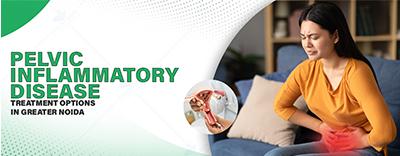
Pelvic Inflammatory Disease (PID) treatment in Greater Noida includes advanced diagnosis, antibiotics, and expert gynecological care to restore women’s reproductive health effectively.
Ureteropelvic Junction (UPJ) Obstruction is a medical condition where there is a blockage at the junction where the renal pelvis meets the ureter.
अंडाशय कैंसर महिलाओं में होने वाला एक गंभीर रोग है, जो अक्सर देर से पहचान में आता है। जानिए इसके कारण, लक्षण और इलाज के प्रभावी तरीके।

Heart disease is generally associated with adults but, in reality, teenagers too suffer from serious cardiac conditions. Teenagers' heart diseases may manifest as mild symptoms but, sometimes, be a sign of underlying diseases that need to be addressed by the health expert. With the changing lifestyle, increasing stress, obesity, and genetic factors, teenagers are also not exempt from heart conditions. Heart disease symptoms in teens should be diagnosed early to prevent complications in the long term. These diseases, if left undiscovered or untreated, not only damage health but also the quality of life.
Appointment with the Best hospital for teenage heart problems in Noida guarantees expert treatment, modern machinery, and preventive scans especially for children.
Protect your teen’s heart health with timely screening and expert guidance. Call +91 9667064100 to schedule an appointment
While most adolescents are healthy and physically active, some may have cardiac problems due to genetics, lifestyle, or undiagnosed congenital defects. Teenage heart problem causes range from congenital structural heart defects to lifestyle factors such as obesity, smoking, or sedentary lifestyle.
Medicine today more and more focuses on early detection among adolescents. Routine checkups, especially among adolescents with a history of heart disease in the family, are typically advised by pediatric and adolescent cardiologists. Through early detection of issues within the heart among adolescents, parents can intervene early and reduce future risks.
Parents and guardians must be watchful for the following red flags that may indicate prevalent teen heart conditions:
One of the most critical symptoms, adolescent chest pain can never be overlooked. While not always cardiac in nature, ongoing or severe chest pain—especially with activity—must be evaluated immediately.
Breathlessness on minimal effort or even at rest can be a symptom of underlying cardiac diseases. It can be due to insufficient cardiac output or structural heart disease.
Certain heart ailments produce pain that spreads to the arms, back, jaw, or belly. Parents tend to write off such pain as muscle strain, but recurring or atypical pain should be evaluated by a physician.
Abrupt episodes of syncope, particularly with exercise or sports, may indicate abnormal heart rhythms or poor blood circulation.
Unexplained cold sweats or nausea may be indicative of cardiac stress even in youth.
Racing, fluttering, or an irregular resting heartbeat can be indicative of arrhythmias—conditions which must be diagnosed immediately by a heart specialist in adolescents in Noida.
Knowledge of teen heart conditions facilitates prevention and control. The most prevalent Teenage heart problems causes are:
Genetic susceptibility: History of cardiac disease in the family increases the risk of cardiac complications in adolescents.
Congenital heart problems: Some defects are present at birth but can be undetected until the teenage years.
Lifestyle factors: Poor diet, physical inactivity, and obesity may accelerate the risk of heart disease.
Substance abuse: Smoking, vaping, drinking alcohol, and illegal drugs can severely burden the heart.
Stress and mental illness concerns: Increasing academic and social stresses can indirectly lead to heart diseases.
While some risks are inevitable, several preventive steps can make teenagers immune to the development of serious cardiac ailments.
Encourage adolescents to eat a balanced diet rich in fruits, vegetables, whole grains, lean protein, and healthy fats. Cutting down on sugary drinks, processed foods, and trans fats will go a long way in reducing heart strain.
At least 30 minutes of exercise every day, like walking, biking, or playing sports, is good for the heart and helps you keep your weight in check.
Obesity is among the leading reasons for heart problems in adolescents. Monitoring BMI and staying healthy at an early age prevents complications.
It is essential to inform adolescents about the dangers of smoking, vaping, and alcohol consumption to protect their cardiovascular well-being.
Regular checkups help monitor cholesterol, blood pressure, and heart rhythm, so problems can be caught more easily early on.
Some of the most prevalent heart conditions that are diagnosed in teenagers are:
Arrhythmias (irregular heartbeat)
High blood pressure (hypertension)
Congenital defects (structural abnormalities)
Cardiomyopathy (abnormal heart muscle)
High cholesterol (resulting in premature arterial plaque formation)
Each condition has a specific treatment protocol, but early diagnosis is always beneficial.
Felix Hospital stands out not just for running tests but rather examining each patient's specific risk profile and lifestyle. What sets Felix apart is their integrated cardiac care team formed of experienced cardiologists, state-of-the-art diagnostic equipment, and personalized follow-up care. The hospital offers comprehensive heart health checkup packages specifically designed by Heart specialist for teenagers in Noida, taking into consideration the environmental and lifestyle conditions prevalent here. Their preventive cardiology approach makes them not just treat problems—but avoid them entirely.
If your teen is having chronic chest pain, dizzy spells, or arrhythmic heartbeats, take your teen to a teen heart doctor in Noida immediately. Early signs of heart issues in adolescents can provide reassurance to you.
Teen heart health isn't taken very seriously, but the risks are real. They can cause different symptoms, like heart palpitations, chest pain, and unexplained tiredness. Many of these conditions can be prevented or controlled with the right lifestyle changes, awareness, and timely medical care. Consulting the Best Cardiologist in Noida helps in early detection and proper treatment of heart-related problems in teenagers. Preventing and identifying these issues early not only keeps teens healthy but also ensures a stronger and healthier future.
Don’t ignore the early signs of heart issues in your teenager. Book a consultation today at +91 9667064100.
Q1. Are heart problems in teens always passed down through families?
Ans: No. Teenage heart problems can be caused by genetics, but they can also be caused by lifestyle choices like being overweight, smoking, not exercising, and congenital defects that go unnoticed.
Q2. When should a teen get their heart checked?
Ans: If you have a family history of heart disease, fainting without a reason, chest pain that happens often, or an irregular heartbeat, you should get checked out. Routine screening can help find problems early, even if there are no symptoms.
Q3. Can teens who play sports a lot have heart problems?
Ans: In general, playing sports makes the heart stronger. But if a teenager has an undiagnosed congenital defect or arrhythmia, intense exercise can sometimes make the symptoms worse. For safety, it is best to have a heart screening before sports.
Q4. How does Felix Hospital help keep teens from having heart problems?
Ans: Felix Hospital offers preventive cardiology programs for teens in Noida. These include lifestyle advice, early screening, and health packages made by heart specialists. Their method puts as much emphasis on prevention as it does on treatment, which is good for your heart health in the long run.
Learn how a CT Angiogram helps assess heart disease and your heart score effectively.
Heart disease is a significant health concern for women, often presenting unique challenges. Understanding the causes, symptoms, and treatment options is essential for early detection and effective management.
Heart disease is a significant health concern for women, often presenting unique challenges. Understanding the causes, symptoms, and treatment options is essential for early detection and effective management.


Subscribe to our
© Copyright 2026. All Rights Reserved by Felix Healthcare Private Limited
Design and development by :


 +(91)9667064100
 Emergency : +(91)9667064100