 WhatsApp
 Emergency:
  WhatsApp








Subscribe to our
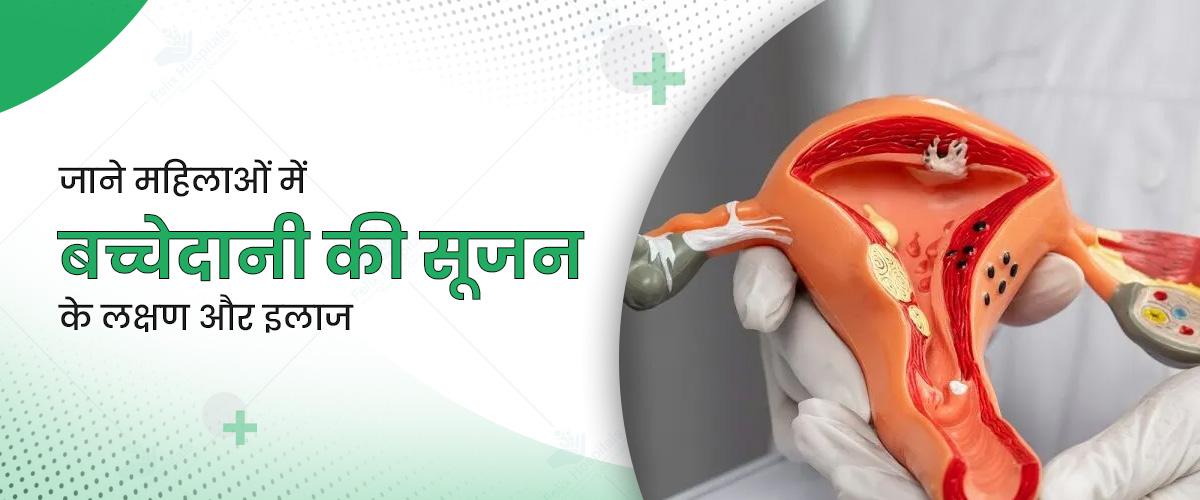
महिलाओं के जीवन में प्रजनन स्वास्थ्य बेहद महत्वपूर्ण होता है। इसमें किसी भी तरह की गड़बड़ी न केवल शारीरिक असुविधा पैदा करती है। बल्कि मानसिक तनाव बढ़ाती है। बच्चेदानी की सूजन (Uterine Inflammation या Endometritis) ऐसी ही एक समस्या है। जो समय रहते इलाज न मिलने पर गंभीर जटिलताओं का कारण बनती है। यह सूजन गर्भाशय की परत या ऊतकों में संक्रमण के चलते होती है और प्रजनन क्षमता को प्रभावित करती है।
इस ब्लॉग में हम विस्तार से जानेंगे कि महिलाओं में बच्चेदानी की सूजन क्यों होती है, इसके मुख्य कारण, लक्षण, इससे कैसे बचा जाए और इसका इलाज कैसे संभव है और आपको कब नोएडा के अच्छे गायनोकॉलोजी हॉस्पिटल से संपर्क करना चाहिए।
अभी अपॉइंटमेंट शेड्यूल करें – कॉल करें: +91 9667064100.
महिलाओं में बच्चेदानी की सूजन क्या है? (What is Uterine Inflammation?)
बच्चेदानी की सूजन के लक्षण (Symptoms of Uterine Inflammation)
घरेलू और जीवनशैली से जुड़ी सावधानियां (Household and Lifestyle Precautions)
बच्चेदानी की सूजन का इलाज (Treatment of Uterine Inflammation)
मेडिकल देखभाल कब जरूरी है? (When is Medical Care Necessary?)
बच्चेदानी की सूजन जिसे मेडिकल भाषा में एंडोमेट्राइटिस (Endometritis) या मेट्राइटिस (Metritis) कहते हैं। गर्भाशय की आंतरिक परत या मांसपेशियों में सूजन और संक्रमण की स्थिति है। यह समस्या किसी भी उम्र की महिलाओं में होती है। प्रसव के बाद, गर्भपात के बाद या यौन संक्रमण की वजह से इसके मामले अधिक देखे जाते हैं। गर्भाशय में सूजन बैक्टीरियल, वायरल या फंगल संक्रमण की वजह से होती है। यह संक्रमण अक्सर गर्भाशय के अंदरूनी हिस्से तक पहुंचकर वहां की कोशिकाओं को नुकसान पहुंचाता है। कुछ मामलों में यह सूजन चोट, हार्मोनल बदलाव या आसपास के अंगों के संक्रमण से होती है।
प्रसव या गर्भपात के बाद संक्रमण: इस समय गर्भाशय की परत संवेदनशील होती है और बैक्टीरिया आसानी से संक्रमण फैला देते हैं।
यौन संचारित रोग (एसटीडी): क्लैमाइडिया और गोनोरिया गर्भाशय तक पहुँचकर सूजन और दर्द का कारण बनते हैं।
पेल्विक इन्फ्लेमेटरी डिजीज (पीआई): प्रजनन अंगों में संक्रमण फैलकर गर्भाशय को प्रभावित करता है।
गर्भनिरोधक उपकरण (आईयूडी): गलत तरीके से लगाया जाने पर या लंबे समय तक बिना बदले रखने पर संक्रमण का कारण बनता है।
बार-बार गर्भाशय की सर्जरी: डाइलेशन एंड क्यूरेटेज जैसी प्रक्रियाएँ गर्भाशय की परत को नुकसान पहुँचा सकती हैं।
गर्भाशय में चोट, फाइब्रॉइड या ट्यूमर: यह भी सूजन की प्रमुख वजह बन सकते हैं।
सूजन के कारण गर्भाशय के आसपास की मांसपेशियों और नसों पर दबाव पड़ता है। जिससे लगातार हल्का या तेज दर्द बना रहता है। कई बार यह दर्द कमर और जांघों तक फैलता है।
सफेद, पीला या हरा रंग का डिस्चार्ज जिसमें दुर्गंध हो, बच्चेदानी में संक्रमण और सूजन का संकेत होता है।
सूजन के साथ बैक्टीरियल या वायरल संक्रमण होने पर शरीर का तापमान बढ़ता है। ठंड लगने की समस्या होती है।
पीरियड्स का समय बदलना, लंबे समय तक चलना या अत्यधिक ब्लीडिंग होना गर्भाशय में सूजन होती है।
बच्चेदानी की सूजन से पेल्विक (Pelvic) मांसपेशियां संवेदनशील होती हैं। जिससे इंटरकोर्स के दौरान तेज दर्द या असहजता महसूस होती है।
सूजन के कारण मूत्राशय पर दबाव बढ़ता है। जिससे पेशाब बार-बार आता है। जलन की समस्या होती है।
लंबे समय तक सूजन रहने से शरीर की ऊर्जा कम होती है। हमेशा थकान महसूस होती है।
लक्षणों का समय रहते इलाज न करने पर गर्भधारण में कठिनाई या बांझपन का खतरा बढ़ता है।
यौन संबंध में सुरक्षा अपनाएं। कंडोम का प्रयोग संक्रमण के खतरे को कम करता है।
प्रसव या गर्भपात के बाद स्वच्छता रखें। इस समय गर्भाशय अधिक संवेदनशील होता है, इसलिए साफ-सफाई बहुत जरूरी है।
मासिक धर्म के दौरान स्वच्छता का ध्यान दें। इससे बैक्टीरिया के पनपने की संभावना कम होती है।
जरूरत से ज्यादा डूशिंग से बचें। यह योनि के प्राकृतिक पीएच बैलेंस को बिगाड़कर संक्रमण का खतरा बढ़ा सकता है।
संतुलित और हेल्दी डाइट लें। हरी सब्जियां, फल और पौष्टिक भोजन शामिल करें।
पर्याप्त पानी पिएं। शरीर हाइड्रेटेड रहता है और अंगों का कार्य बेहतर होता है।
रोग प्रतिरोधक क्षमता मजबूत करें। मजबूत इम्यून सिस्टम शरीर को संक्रमण से बचाने में मदद करता है।
बैक्टीरियल संक्रमण में एंटीबायोटिक्स का इस्तेमाल किया जाता है।
वायरल/फंगल संक्रमण में संक्रमण के प्रकार के अनुसार एंटीवायरल या एंटिफंगल दवाएं दी जाती हैं।
दर्द व सूजन होने पर पेन रिलीफ दवाओं दी जाती है दिससे तुरंत राहत मिल सके।
गर्भनिरोधक उपकरण (आईयूडी) अगर संक्रमण का कारण बनता हो तो तुरंत हटाना जरूरी है।
लंबे समय की सूजन में हॉर्मोनल थेरेपी का प्रयोग किया जाता है। जिससे हार्मोनल असंतुलन नियंत्रित हो सके।
जीवनशैली सलाह में सुधार जरूरी है। इसलिए आराम करने साथ संतुलित आहार लेना चाहिए। पर्याप्त तरल पदार्थ पीना चाहिए। जिससे
रोग प्रतिरोधक क्षमता मजबूत हो सके और शरीर तेजी से ठीक हो।
लक्षण दिखते ही स्त्री रोग विशेषज्ञ से संपर्क करना चाहिए ताकि सही निदान और प्रभावी उपचार समय पर हो सके।
घाव को हमेशा साफ और सूखा रखें, ताकि संक्रमण न हो।
डॉक्टर द्वारा दी गई दवाइयाँ समय पर और सही मात्रा में लें।
दवाइयाँ दर्द कम करने, सूजन घटाने और संक्रमण रोकने में मदद करती हैं।
ऑपरेशन के बाद कुछ हफ्तों तक यौन संबंध से परहेज करें।
टांकों या सर्जरी वाली जगह पर दबाव न डालें।
आहार में फाइबर युक्त चीजें जैसे हरी सब्जियां, फल और साबुत अनाज शामिल करें।
पर्याप्त मात्रा में पानी पिएं, ताकि शरीर हाइड्रेटेड रहे और हीलिंग तेज़ हो।
कब्ज से बचने के लिए संतुलित व हल्का भोजन करें।
डॉक्टर के निर्देशानुसार नियमित फॉलो-अप कराएं।
किसी भी समस्या पर तुरंत डॉक्टर से सलाह लें।
धैर्य और सही देखभाल से रिकवरी तेज होती है और जटिलताओं से बचाव होता है।
लगातार निचले पेट में दर्द और बुखार बने रहना।
योनि स्राव (डिस्चार्ज) में बदबू या रंग में बदलाव।
मासिक धर्म में अचानक परिवर्तन आना।
गर्भधारण में कठिनाई महसूस होना।
यौन संबंध के दौरान असहनीय दर्द होना।
ऐसे लक्षण दिखने पर इन्हें नजरअंदाज न करें और तुरंत स्त्री रोग विशेषज्ञ से जांच कराएं।
समय पर सही निदान और उपचार से जटिलताओं से बचा जा सकता है।
नोएडा में विशेषज्ञ से अभी संपर्क करें अपना अपॉइंटमेंट बुक करें – कॉल करें: +91 9667064100.
महिलाओं में बच्चेदानी की सूजन एक आम लेकिन गंभीर समस्या है, जिसे समय रहते पहचान और उचित इलाज से पूरी तरह नियंत्रित किया जा सकता है। इस स्थिति में गर्भाशय के ऊतकों में संक्रमण या सूजन होती है, जो अनुपचारित रहने पर प्रजनन क्षमता को प्रभावित कर सकती है। इस समस्या से बचने और सही उपचार के लिए नोएडा में सर्वश्रेष्ठ स्त्री रोग विशेषज्ञ से परामर्श लेना बेहद जरूरी है। सही स्वच्छता अपनाना, मासिक धर्म के दौरान साफ-सफाई का विशेष ध्यान रखना और सुरक्षित यौन संबंध बनाना भी महत्वपूर्ण है।
संतुलित आहार, जिसमें विटामिन, मिनरल और प्रोटीन की पर्याप्त मात्रा हो, शरीर की रोग प्रतिरोधक क्षमता बढ़ाता है और संक्रमण से बचाव करता है। समय पर इलाज से न केवल सूजन को नियंत्रित किया जा सकता है, बल्कि इसके कारण होने वाली गंभीर जटिलताओं, जैसे बांझपन या बार-बार संक्रमण, से भी बचाव संभव है।
प्रश्न 1: गर्भाशय में सूजन क्यों होती है ?
उत्तर: ज्यादातर मामलों में यह बैक्टीरियल या वायरल संक्रमण के कारण होती है, जो प्रसव, गर्भपात या असुरक्षित यौन संबंध से फैलते हैं।
प्रश्न 2: बच्चेदानी की सूजन का इलाज कैसे होता है ?
उत्तर: हल्के मामलों में दवा और जीवनशैली सुधार से जबकि गंभीर मामलों में लेप्रोस्कोपिक सर्जरी की जरूरत पड़ती है।
प्रश्न 3: क्या बच्चेदानी की सूजन गर्भधारण में बाधा डालती है ?
उत्तर: हां बच्चेदानी की सूजन जिसे एंडोमेट्राइटिस या पेल्विक इंफ्लेमेटरी डिजीज कहते हैं। गर्भधारण में बाधा डालती है। खासकर अगर इसका समय पर इलाज न किया जाए।
प्रश्न 4: क्या यह रोग खतरनाक है ?
उत्तर: अगर इलाज न कराया जाए तो यह बांझपन, पेल्विक इंफेक्शन या गर्भावस्था संबंधी जटिलताएं पैदा करता है।
अंडाशय कैंसर महिलाओं में होने वाला एक गंभीर रोग है, जो अक्सर देर से पहचान में आता है। जानिए इसके कारण, लक्षण और इलाज के प्रभावी तरीके।

गर्भावस्था के दौरान बाह्य बवासीर एक आम समस्या है, जो महिला के शरीर में हार्मोनल बदलाव और बढ़ते दबाव के कारण होती है। समय पर सावधानी और सही इलाज से इससे राहत मिल सकती है।
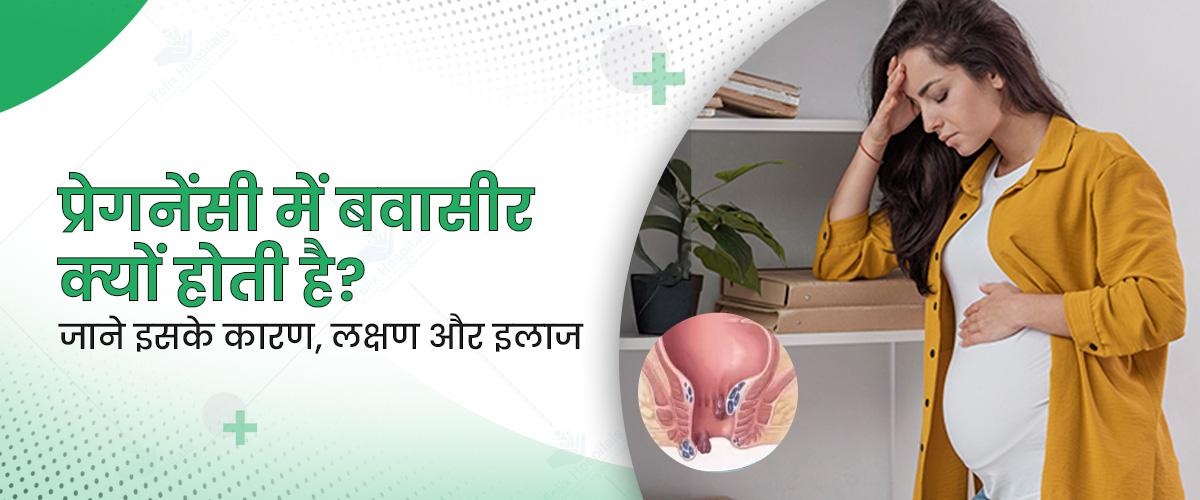
गर्भावस्था महिलाओं के जीवन में सबसे महत्वपूर्ण और संवेदनशील चरण होता है। इस दौरान शरीर में होने वाले हार्मोनल, शारीरिक और मनोवैज्ञानिक बदलावों के कारण कई बार असुविधाजनक बीमारियां भी उत्पन्न होती हैं। बवासीर (Piles) ऐसी ही एक आम समस्या है। जो प्रेगनेंसी में बहुतायत से देखने को मिलती है। यह समस्या गर्भवती महिलाओं को शारीरिक असहजता, दर्द और तनाव में डालती है।
इस ब्लॉग में हम विस्तार से जानेंगे कि प्रेगनेंसी में बवासीर क्यों होती है, इसके मुख्य कारण, लक्षण, इससे कैसे बचा जाए, और प्रेगनेंसी में पाइल्स का इलाज कैसे संभव है।
अभी अपॉइंटमेंट शेड्यूल करें – कॉल करें: +91 9667064100.
प्रेगनेंसी में बवासीर क्यों होती है? (Why do Piles Occur in Pregnancy?)
प्रेगनेंसी में बवासीर के कारण (Causes of Piles in Pregnancy)
प्रेगनेंसी में बवासीर के लक्षण (Symptoms of Piles in Pregnancy)
प्रेगनेंसी के दौरान बवासीर से कैसे बचें? (How to Prevent piles during Pregnancy?)
प्रेगनेंसी में पाइल्स का इलाज (Treatment of Piles during Pregnancy)|
प्रेगनेंसी के दौरान महिला के शरीर में कई तरह के बदलाव होते हैं। जो बवासीर की समस्या को बढ़ाते हैं। गर्भ के बढ़ते आकार, हार्मोनल असंतुलन और कब्ज जैसे कारण मलद्वार की नसों पर दबाव डालते हैं। मलद्वार के आसपास नसें फूल जाती हैं। सूजन या गांठ के रूप में प्रकट होती हैं। इसे ही बवासीर कहा जाता है। गर्भाशय का बढ़ता आकार, हार्मोनल बदलाव (विशेषकर प्रोजेस्टेरोन हार्मोन का प्रभाव), कब्ज की समस्या और पेल्विक क्षेत्र में बढ़ा हुआ रक्त प्रवाह और नसों पर दबाव यह सभी कारण मिलकर मलद्वार की नसों में सूजन और गांठें बनाते हैं। जो गर्भावस्था के दौरान दर्द और असहजता का कारण बनते हैं।
जैसे-जैसे गर्भ में बच्चा बढ़ता है, गर्भाशय का आकार भी बढ़ता है। यह बढ़ा हुआ आकार मलद्वार के आसपास की नसों और रक्त वाहिकाओं पर दबाव डालता है। दबाव की वजह से नसें फैलती हैं। जिससे बाह्य बवासीर की गांठें बनती हैं।
गर्भावस्था में प्रोजेस्टेरोन हार्मोन का स्तर काफी बढ़ता है। प्रोजेस्टेरोन शरीर की मांसपेशियों को रिलैक्स करता है। जिससे आंतों की गति धीमी होती है। इसके कारण कब्ज (Constipation) की समस्या होती है। जो मल त्याग में कठिनाई उत्पन्न करती है। इस हार्मोन का असर नसों की दीवारों को कमजोर करता है। जिससे बवासीर की संभावना बढ़ती है।
कब्ज प्रेगनेंसी में एक सामान्य समस्या है। मल सख्त होता है। मल त्याग के समय अधिक जोर लगाने की जरूरत पड़ती है। जिससे मलद्वार की नसों पर खिंचाव आता है। यह खिंचाव बाह्य बवासीर को जन्म देता है। यह पहले से मौजूद बवासीर को बढ़ाता है।
गर्भावस्था में रक्त प्रवाह सामान्य से अधिक होता है। यह बढ़ा हुआ रक्त प्रवाह और बढ़ते गर्भाशय के दबाव के कारण पेल्विक क्षेत्र और निचले शरीर की नसें फैलती हैं। जो बवासीर के कारण बनती हैं।
गर्भावस्था के दौरान शरीर पर दबाव की वजह से लंबे समय तक बैठना या खड़े रहना भी रक्त संचार को प्रभावित करता है। यह नसों में सूजन और बवासीर को बढ़ाता है।
यदि लक्षण लंबे समय तक बने रहते हैं, तो यह मां और बच्चे दोनों के लिए जोखिम पैदा करते हैं। इसलिए समय पर चिकित्सा सलाह लेना आवश्यक है। गर्भावस्था के दौरान बवासीर के मुख्य लक्षण निम्नलिखित होते हैं:
मलद्वार के आसपास अंगूर के आकार की नरम या कठोर गांठें महसूस होना।
बैठने, चलने या मल त्याग के समय दर्द और जलन।
मल त्याग के दौरान खून आना, जो हल्का या तेज होता है।
लगातार खुजली और मलद्वार में भारीपन या असहजता।
थ्रोम्बोसिस (खून का थक्का बनना) होने पर अचानक तेज दर्द।
मल त्याग में कठिनाई और बार-बार कब्ज।
प्रेगनेंसी में बवासीर की समस्या को कम करने या रोकने के लिए कुछ महत्वपूर्ण सावधानियां और जीवनशैली में बदलाव जरूरी हैं:
फाइबर युक्त आहार लेंः
हरी पत्तेदार सब्जियां, ताजे फल, सलाद, और साबुत अनाज का सेवन करना चाहिए। फाइबर कब्ज को कम करता है। मल को नरम रखता है, जिससे मल त्याग आसान होता है।
पर्याप्त पानी पिएंः
दिनभर में कम से कम 8 से 10 गिलास पानी पीने से शरीर हाइड्रेट रहता है और मल सॉफ्ट रहता है।
नियमित हल्की एक्सरसाइज करेंः
गर्भावस्था के दौरान डॉक्टर की सलाह से हल्की सैर या सुरक्षित योगासन करें। यह रक्त संचार सुधारता है और कब्ज को रोकता है।
मल त्याग में उचित सावधानी रखेंः
मल त्याग के दौरान ज्यादा जोर लगाने से बचें। समय मिलने पर और आराम से मल त्याग करें। मल त्याग में देरी या देर से टॉयलेट जाना भी कब्ज को बढ़ाता है।
लंबे समय तक बैठे रहने से बचेंः
लगातार 30-40 मिनट से अधिक समय तक कुर्सी पर या टॉयलेट सीट पर न बैठें। बीच-बीच में उठकर थोड़ा टहलें या करवट बदलें।
साफ-सफाई का ध्यान रखेंः
मलद्वार की साफ-सफाई का खास ध्यान रखें। गीले टिशू या नमक वाले पानी से सफाई करना लाभकारी होता है।
हल्के लक्षणों में फाइबर युक्त आहार, पर्याप्त पानी पीना, और हल्की एक्सरसाइज से राहत मिलती है। गुनगुने पानी से दिन में 2-3 बार सिट्ज बाथ लेना दर्द और सूजन कम करता है।
डॉक्टर की सलाह पर मल सॉफ्टनर, फाइबर सप्लीमेंट और दर्द कम करने वाली दवाइयां दी जाती हैं। गर्भावस्था में दवाओं का चयन बहुत सावधानी से होता है।
अगर बवासीर बहुत अधिक बढ़ जाए या बार-बार रक्तस्राव हो, तो बैंडिंग स्क्लेरोथेरपी जैसी प्रक्रियाएं की जा सकती हैं। जो कम समय में ठीक करती हैं।
गर्भावस्था में लेप्रोस्कोपिक सर्जरी केवल जटिल और गंभीर मामलों में की जाती है। जैसे कि थ्रोम्बोस्ड पाइल्स या भारी ब्लीडिंग। इसे आमतौर पर दूसरे ट्राइमेस्टर (13 से 28 सप्ताह) में सुरक्षित माना जाता है। यह सर्जरी स्त्री रोग विशेषज्ञ, कोलोरेक्टल सर्जन और एनेस्थेटिस्ट की टीम के साथ होती है।
घाव को साफ और सूखा रखना, डॉक्टर द्वारा बताई गई दवाओं का सही समय पर सेवन करना, मल को नरम रखने के लिए फाइबर युक्त आहार और पर्याप्त पानी लेना, आरामदायक सिट्ज बाथ से दर्द व सूजन कम करना और भारी वजन उठाने से बचना जरूरी है।
नोएडा में विशेषज्ञ से अभी संपर्क करें आज ही अपॉइंटमेंट बुक करें – कॉल करें: +91 9667064100
प्रेगनेंसी में बवासीर (Piles in pregnancy) एक आम लेकिन नियंत्रित होने वाली समस्या है। सही खानपान, जीवनशैली सुधार, और समय-समय पर चिकित्सकीय सलाह से इस समस्या को काफी हद तक कम किया जा सकता है। गर्भवती महिलाओं को खुद से कोई भी दवा या घरेलू उपचार करने से बचना चाहिए। विशेषज्ञ की सलाह अवश्य लेनी चाहिए। नोएडा के जनरल सर्जन विशेषज्ञ की मदद से अत्याधुनिक तकनीक जैसे लेप्रोस्कोपिक सर्जरी द्वारा सुरक्षित और प्रभावी इलाज संभव है।
प्रश्न 1: क्या प्रेगनेंसी में बवासीर होना सामान्य है ?
उत्तर: हां, लगभग 25-35 % गर्भवती महिलाओं को यह समस्या होती है, विशेषकर अंतिम तिमाही में। इसलिए समय रहते इलाज कराएं।
प्रश्न 2: क्या बवासीर मां या बच्चे के लिए खतरनाक है ?
उत्तर: बवासीर सामान्यत जानलेवा नहीं होती, लेकिन बार-बार रक्तस्राव और दर्द प्रसव को प्रभावित कर सकते हैं। इसलिए समय रहते जांच कराएं।
प्रश्न 3: क्या प्रेगनेंसी में बवासीर का इलाज संभव है ?
उत्तर: हल्के मामलों में दवा और जीवनशैली से, गंभीर मामलों में मिनिमली इनवेसिव प्रक्रिया या सर्जरी से। समय रहते जांच और उपचार कराना चाहिए।
प्रश्न 4: क्या घरेलू नुस्खे पूरी तरह ठीक कर सकते हैं ?
उत्तर: हल्के मामलों में हां, लेकिन तेज दर्द, ब्लीडिंग या बढ़ती गांठ पर डॉक्टर से सलाह जरूरी है। बिना डॉक्टर की सलाह खुद से इलाज से बचे।
प्रश्न 5: सर्जरी के बाद क्या सावधानी रखनी चाहिए ?
उत्तर: घाव की सफाई, दवाओं का सही सेवन, मल नरम रखने पर ध्यान और भारी काम से बचना चाहिए। जिससे परेशानी न हो।
गर्भावस्था के दौरान बाह्य बवासीर एक आम समस्या है, जो महिला के शरीर में हार्मोनल बदलाव और बढ़ते दबाव के कारण होती है। समय पर सावधानी और सही इलाज से इससे राहत मिल सकती है।
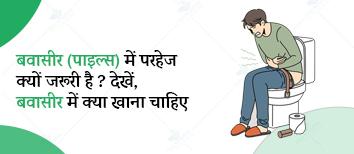
बवासीर एक सामान्य लेकिन असहज करने वाली समस्या हो सकती है। बवासीर दर्द, खुजल और मल त्याग के समय रक्तस्राव जैसे लक्षण पैदा कर सकती है।
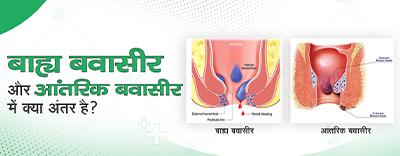
बवासीर दो प्रकार की होती है: बाह्य और आंतरिक। बाह्य बवासीर गुदा के बाहर होती है और इनमें सूजन, जलन और दर्द अधिक होता है। वहीं, आंतरिक बवासीर गुदा के अंदर होती है और अक्सर बिना दर्द के खून आ सकता है। सही पहचान और समय पर इलाज से राहत पाई जा सकती है।
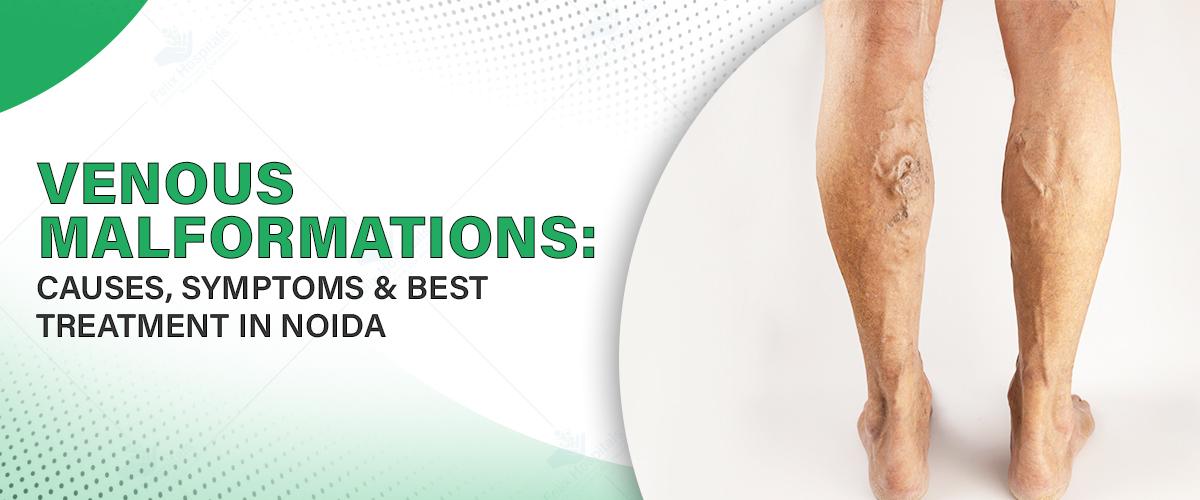
Among all vascular illnesses, venous malformations (VMs) rank among the most prevalent yet underdiagnosed. They are not only aesthetic but can be painful, lead to swelling, and cause complications if they are not treated. Patients do not have to look far from home to receive specialist treatment with access to the newest facilities. For families looking for dependable treatment, the best vascular surgery hospital in Noida offers medical expertise and newest technology to provide secure and effective results.
Looking for the best way to treat venous malformations in Noida? Call +91 9667064100 to talk to the specialists
Venous malformations are abnormal groups of veins that occur when blood vessels do not properly develop during fetal development. In contrast to varicose veins, which tend to be a function of lifestyle or age, venous malformations are either congenital or born, but not necessarily evident at birth.
These malformations may appear anywhere in the body: on the skin, in the muscles, or even in internal organs. They range from appearance to symptoms depending on size and location. Some malformations remain constant and are not noticeable, while others grow larger with age or hormonal changes such as puberty, pregnancy, or menopause.
Simply put, venous malformations are abnormally formed veins that are unlike normal veins and, therefore, cause faulty blood flow and stagnation in the region.
Venous malformations occur as a result of vascular development failure during pregnancy. Gene mutations in TIE-2 or PIK3CA genes are implicated in these malformations. Venous malformations are inherited in certain families or occur sporadically without family history.
It should be remembered that these malformations are not induced by drugs, maternal exposure, or maternal lifestyle during pregnancy. They are developmental structural defects.
The symptoms of venous malformations range from benign to severe:
Bluish or purplish swelling visible under the skin
Soft, yielding masses that increase with activity, crying, or straining
Pain and discomfort, especially if there are clots in the malformation
Swelling or heaviness of the involved limb or body part
Functional impairment when placed near joints or critical structures
Cosmetic concerns, particularly in the case of lesions on the face or neck
The severity is generally dependent on whether or not the malformation is superficial. Superficial ones will have areas of color changes, while deeper lesions will only be detected by a mass without color change.
Since venous malformations can imitate other vascular diseases, accurate diagnosis is obviously justified. Both clinical evaluation and advanced imaging techniques are employed by physicians.
Diagnostic Techniques are:
Physical Examination – Physicians note the swelling, compressibility, and postural changes.
Ultrasound with Doppler – Picks up blood flow and can identify arteries and veins.
MRI (Magnetic Resonance Imaging) – Produces a very good map of the malformation, especially useful for deep or complex lesions.
CT Scan – Used sometimes when bones are involved.
X-rays – Can show phleboliths (tiny calcified thrombi) in the malformation.
An accurate diagnosis of venous malformation surgery in Noida ensures that the treatment strategy is tailored to the patient to avoid futile or unnecessary interventions.
While not life-threatening in most cases, venous malformations can cause serious complications if untreated:
Throbbing blood clots (phleboliths) within the lesion
Long-term inflammation that leads to reduced mobility
Ulcers or skin breakdown caused by poor blood flow
Bleeding risks in case malformations are situated near mucosal surfaces or visceral organs
Deep vein thrombosis (DVT) in a few cases, which can be fatal if the clots reach the lungs
That's why early consultation with a Noida venous malformation specialist is highly important.
Treatment depends on the size, symptoms, and complications of the malformation. Some require observation, but others must be treated to prevent further damage.
1. Observation and Supportive Care
Minute, asymptomatic lesions are simply recorded.
Compression wear avoids swelling and pain on the limbs involved.
Low-dose aspirin can decrease thrombosis in superficial malformations.
2. Sclerotherapy
One of the most frequent therapies, sclerotherapy consists of directly injecting a chemical (sclerosant) into the malformation. It inflames and causes the abnormally shaped veins to contract eventually. Several sessions are usually needed for long-term result.
3. Laser Therapy
Used mostly for superficial skin lesions, laser treatment improves appearance and reduces pain. It could be a repeated treatment.
4. Endovenous Laser and Embolization
For more severe malformations, endovenous laser therapy or coil or glue embolization may be used to shut down diseased veins. Both are less invasive and reduce the recovery period.
5. Surgical Excision
Surgical treatment can be attempted in the case of localized malformation that can be accessed. Large venous malformations are usually only partially respectable. Surgery is usually combined with sclerotherapy for optimal result.
6. Medications and Combination Therapies
Anticoagulants (e.g., rivaroxaban, enoxaparin) are employed to manage clots and pain. In more severe instances, a combination of sclerotherapy, laser, and surgery offers the optimal outcome. All of these go well together, with cosmetic and functional benefits.
While treatment can even improve quality of life, patients must also be cautious in managing their condition themselves:
Wearing compression stockings if advised
Prevention of trauma or injury to the involved area
Physical exercise and healthy weight
Making regular follow-ups to evaluate changes
Calling for prompt treatment of acute pain, swelling, or bleeding
With proper treatment and lifestyle change, patients can enjoy active, healthy lives in spite of their diagnosis.
Felix Hospitals provides end-to-end Venous Malformation Treatment. Equipped with the latest diagnostic equipment, minimally invasive techniques, and patient-centric care, Felix provides every patient with personalized treatment. Felix has long experience in managing routine and complex cases of Venous Malformation and thus is a safe destination for individuals worried about hernia surgery cost without sacrificing safety, accuracy, and long-term outcomes.
Don't ignore skin that is swollen or has blue spots on it. Call +91 9667064100 to set up an appointment for treatment of venous malformation.
Venous malformations are more than a cosmetic issue—venous malformations can impact daily functioning, mobility, and overall quality of life. Knowing what venous malformations are, being empathetic to their causes and symptoms, and seeking early diagnosis is crucial to receiving appropriate care. Consulting the best vascular surgeon in Noida ensures accurate evaluation and effective treatment options, including sclerotherapy, laser therapy, or minimally invasive surgery, to manage venous malformations safely and improve overall quality of life.
Q1. When should I see a specialist in Noida for venous malformations?
Ans: If the swelling hurts, gets bigger quickly, gets in the way of your daily activities, or changes how you look, you should see a doctor. Going to the best vascular surgery hospital in Noida early on will help make sure that you get the right diagnosis and treatment plan.
Q2. What kinds of treatments are there for venous malformations?
Ans: The treatment depends on how bad the problem is and may involve sclerotherapy (injections to shrink the veins), laser therapy, or surgery in more difficult cases. A vascular surgeon in Noida will help you find the safest and most effective option.
Q3. Does laser treatment work for venous malformations?
Ans: Yes, laser treatment for venous malformation in Noida can help with swelling and discolouration, especially on the surface of the skin. For best results, it is often used with other treatments.
Q4. Can venous malformations come back after treatment?
Ans: Although treatments can help with symptoms and make things look better, they don't always work, so it's important to keep an eye on things over time with a specialist.
Q5. How long does it take to heal after surgery for a venous malformation in Noida?
Ans: The size and location of the lesion affect how long it takes to heal. Most patients can go back to their normal activities in a few weeks, but they should see their doctor regularly to make sure they are healing properly.
Q6. Why should you go to Felix Hospital in Noida for treatment of venous malformation?
Ans: Felix Hospital is one of the best vascular surgery hospitals in Noida. It has modern diagnostic tools, experienced vascular surgeons, and new treatment options like laser treatment and minimally invasive procedures that put the patient first.
By working closely with experienced vascular surgeons and following their guidance, patients can achieve positive outcomes and enjoy a better quality of life.
Vascular surgery is an essential procedure to treat circulatory system issues, but its cost can be a concern for many patients. Understanding the factors that influence the cost, finding ways to reduce expenses, and choosing the right hospital for it.
Vascular surgery is an essential procedure to treat circulatory system issues, but its cost can be a concern for many patients. Understanding the factors that influence the cost, finding ways to reduce expenses, and choosing the right hospital for it.
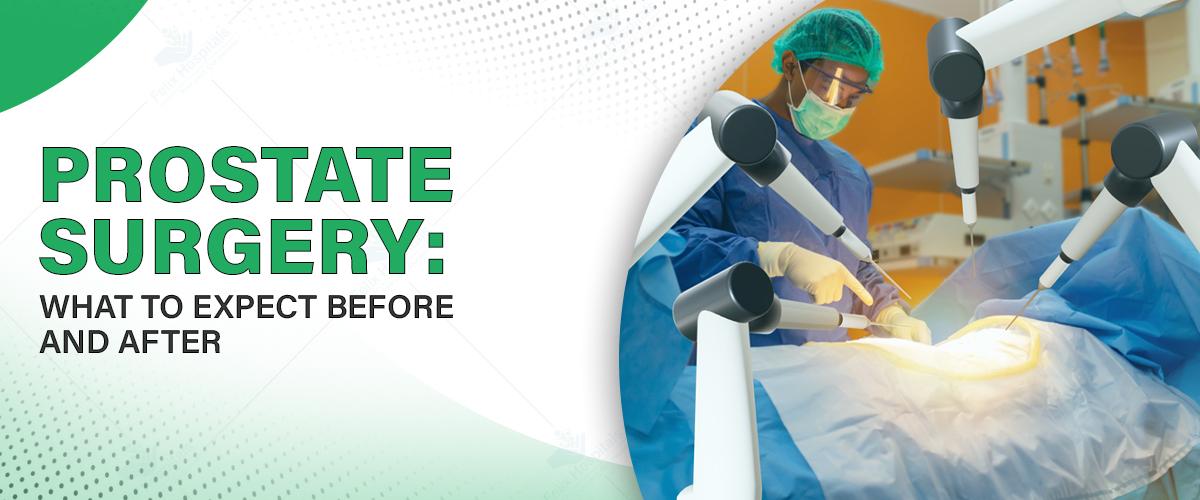
Prostate issues are a reality for men, especially as men age. From benign prostatic hyperplasia (BPH) to prostate cancer, there are several issues that must be addressed surgically. Prostate surgery is intimidating, but patients can approach the surgery with confidence if they understand it and prepare accordingly.
If you are about to undergo surgery, going to the best urology hospital in Greater Noida involves getting proper diagnosis, expert consultation, and exposure to the latest treatment technologies, including minimal invasive surgeries. This blog is an exhaustive guide to prostate surgery—from preparation and the surgery procedure to recovery and lifestyle changes for overall well-being in the long term.
Early treatment and medical care will make recovery less cumbersome and will improve the outcome. Call us today at +91 9667064100.
The prostate is a small gland that is situated below the bladder and is responsible for controlling male reproductive health. Prostatism, infection, or prostate cancer can interfere with normal urinary and sexual functions and may have to be surgically treated.
Prostate surgery involves the removal of some or all of the prostate gland, depending on the situation. Advances such as robotic surgery have improved procedures to become more precise, less invasive, and less complicated to recover from compared to open surgery.
All prostatitis does not require surgery to treat. In most cases, medication, diet modification, or non-surgical measures suffice. Surgery is typically recommended when:
Severe urinary symptoms due to enlarged prostate (BPH) interfere with daily life
Medications fail to bring relief
Prostate cancer can be detected and excision surgery yields the best outcome
Chronic urinary tract infection is caused by prostate obstruction
Kidney damage or bladder stones occur due to untreated prostate conditions
In this case, early consultation with the best urologist in Greater Noida guarantees the best treatment plan to serve your medical needs.
There are various surgical methods, depending on how severe the disorder is and the overall health of the patient:
One of the most common treatments for prostate enlargement, TURP is the removal of excess prostate tissue by a resectoscope inserted into the urethra. It is less invasive and generally has a faster recovery.
In advanced instances of extremely large prostates or of advanced disease, open prostatectomy may be required. This will involve cutting out the gland through an incision and may require a more prolonged recovery.
Surgical method varies according to the type of prostate surgery to be performed.
Anesthesia: General or spinal anesthesia is used in most procedures.
Surgical opening: With TURP or laser surgery, instruments are inserted through the urethra. With open prostatectomy or robot surgery, tiny incisions are made.
Tissue Removal: The part or the whole prostate gland is removed. When there is cancer, the surrounding tissue or lymph nodes are also removed.
Time: The process takes 1 to 4 hours, depending on the level of complexity.
Patients post-surgery typically are given an interim catheter to facilitate the passage of urine until the recovery process enhances.
Recovery duration varies depending on the type of operation. For example, recovery following robotic prostate surgery is quicker than following open surgery.
Patients can expect:
Hospital Stay: Generally 1–3 days for laparoscopy, but longer for open surgery.
Catheter Use: A catheter may be left in for a week or two.
Early Symptoms: Mild hematuria, swelling, or pain is normal in early recovery.
Physical Activity: Resume light physical activity in a few days, but for 4–6 weeks, do not strain yourself heavily.
Sexual Function: Erectile dysfunction may occur but usually resolve spontaneously.
To get personalized care, the majority of patients seek a prostate surgeon near me who will provide rehabilitation and follow-up guidance after the surgery.
As with any surgical intervention, prostate surgery has risks. Although complications are not so frequent, the patient ought to be aware of:
Infection at the surgical site
Urinary incontinence
Erectile dysfunction
Excessive bleeding or clotting of blood
Scar tissue formation in the urethra
These are complications that have been significantly reduced by contemporary surgical techniques, but you must discuss with your surgeon in advance potential risks.
Recovery from surgery is not just about the rest but also need to manage healthy habits that help for faster healing:
Stay Hydrated: Drinking water regularly helps to flush the bladder.
Balanced Diet: Foods with rich fiber help avert constipation.
Pelvic Floor Exercises: Exercises help to recover bladder control.
Avoid alcohol and smoking: Both slow down healing bladder symptoms.
Regular Interval Follow-Ups: Monitoring allows complications to be detected early.
Adhering to these lifestyles significantly facilitates recovery and long-term outcomes.
For most patients, prostate surgery fully relieves urinary symptoms and improves quality of life. For prostate cancer, successful surgery has the potential to completely remove cancerous tissue and prevent recurrence.
Restoration of sexual function and bladder control happens within weeks or months, depending on the procedure and health of the patient. With modern techniques such as robotic surgery, long-term results are improved, with less risk and faster recovery.
If you are suffering from prostate-related health issues, do not lose time consulting. Schedule your appointment with the best doctor by clicking here.
Prostate surgery is a life-changing operation that can significantly improve the functioning of your urine, remove pain, and, in some cases, save lives. If you are preparing for a surgery of prostatectomy or are contemplating minimally invasive procedures, understanding the process before and after surgery enables you to make the best-informed decisions.
From preparation for prostate surgery to permanent lifestyle changes, each step counts in the journey towards hassle-free recovery and long-term health gain. While results differ from person to person, normalcy and good quality of life are experienced by most patients following surgery.
When you are thinking of treatment options, you must also consider the cost of prostate surgery and the quality of care and surgical experience that are provided. You should always opt for a reliable medical center that can provide you full support throughout your treatment process.
Q1. How long will I be off work following prostate surgery?}
Ans: Most patients recover to light work in 2–4 weeks but can take up to 6 weeks, depending upon the operation.
Q2. Will I be able to have children after prostate surgery?
Ans: If the whole of the prostate is taken out, natural conception is impossible. Sperm banking prior to surgery can be considered.
Q3. Is sexual performance irreversibly damaged by prostate surgery?
Ans: Temporary erectile dysfunction occurs in some men, but most regain function eventually with medication, therapy, or change in lifestyle.
Q4. How painful is prostate surgery recovery?
Ans: Mild distress can be expected, but pain is usually managed with medication prescribed and improves in a matter of weeks.
Q5. Will the patient require pads to be worn post-operatively?
Ans: Yes, there is some degree of normal urinary leakage in the first few weeks, so pad use is not unexpected.
Prostate cancer is a type of cancer that occurs in the prostate gland, a small walnut-shaped gland responsible for producing seminal fluid, which nourishes and transports sperm.
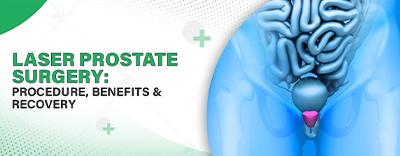
Laser prostate surgery is a minimally invasive procedure used to treat prostate enlargement (BPH). It involves using laser energy to remove or shrink excess prostate tissue, relieving urinary symptoms with faster recovery and fewer complications.
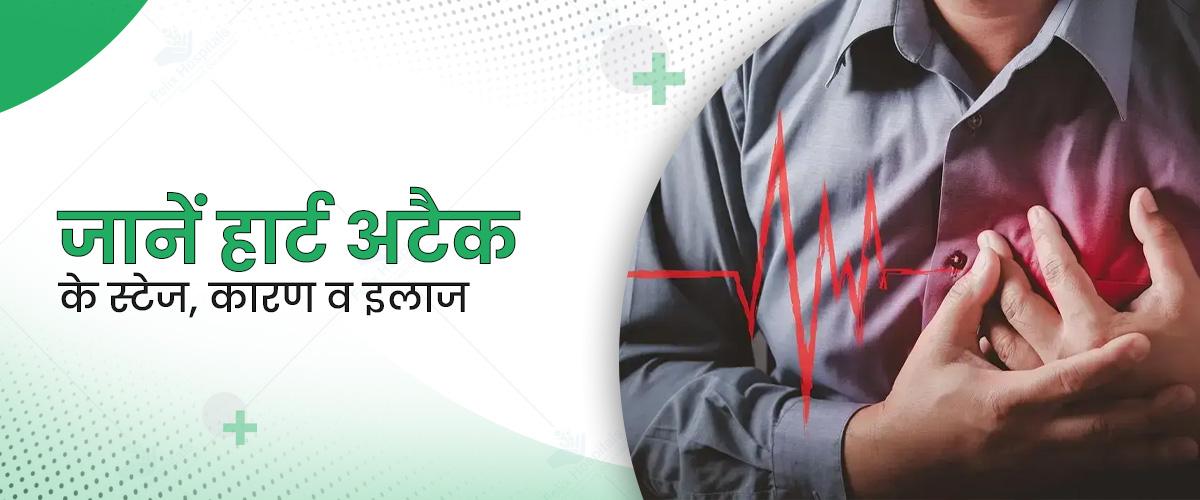
हृदय (Heart) हमारे शरीर का वह केंद्रीय अंग है, जो हर क्षण खून को पंप कर पूरे शरीर में ऑक्सीजन और पोषक तत्वों की आपूर्ति करता है। यह एक मांसपेशी है जो बिना रुके दिन-रात काम करती है, लेकिन जब किसी कारणवश हृदय की मांसपेशियों तक खून और ऑक्सीजन की आपूर्ति रुक जाती है, तो हार्ट अटैक की स्थिति उत्पन्न होती है। यह एक गंभीर चिकित्सकीय आपात स्थिति है, जो अगर समय रहते पहचान कर उपचार न किया जाए, तो जानलेवा साबित हो सकती है।
आज के समय में खराब जीवनशैली, अस्वास्थ्यकर खानपान, तनाव, धूम्रपान, मोटापा, हाई ब्लड प्रेशर और डायबिटीज जैसे कारकों के कारण हार्ट अटैक के मामलों में तेजी से वृद्धि देखी जा रही है। पहले यह समस्या मुख्य रूप से बुजुर्गों में पाई जाती थी, लेकिन अब यह युवाओं को भी तेजी से प्रभावित कर रही है। हार्ट अटैक अचानक हो सकता है, लेकिन इसके पीछे की प्रक्रिया कई वर्षों में विकसित होती है, जिसमें धमनियों में प्लाक का जमाव, ब्लॉकेज और ऑक्सीजन की कमी प्रमुख भूमिका निभाते हैं।
अगर आप नोएडा में रहते है और आपको इसके शुरुआती लक्षणों की सही पहचान हो जाए तो नोएडा के अच्छे कार्डियोलॉजी हॉस्पिटल में समय रहते इलाज की कोशिश करें जिससे हृदय की मांसपेशियों को स्थायी नुकसान से रोका जा सकता है। इस लेख में हम विस्तार से जानेंगे हार्ट अटैक के कारण, विभिन्न चरण, लक्षण, तत्काल प्रतिक्रिया, आधुनिक इलाज और इससे बचाव के उपायों के बारे में, ताकि समय रहते चेतावनी संकेतों को समझा जा सके और आवश्यक कदम उठाए जा सकें।
अभी अपॉइंटमेंट शेड्यूल करें – कॉल करें: +91 9667064100.
हार्ट अटैक होने पर क्या करें? (What to Do if Heart Attack Happens?)
हार्ट अटैक पर कार्डियोलॉजी गाइडलाइन (Cardiology Guidelines on Heart Attack)
जब हृदय की मांसपेशियों में रक्त प्रवाह अवरुद्ध होता है, तो प्रभावित हिस्से की मांसपेशियों को पर्याप्त ऑक्सीजन नहीं मिलती और वह क्षतिग्रस्त हो जाती हैं। यह अवरोध आमतौर पर कोरोनरी आर्टरी (coronary arteries) में प्लाक यानी फैटी डिपॉजिट, कोलेस्ट्रॉल और अन्य अवशेष जमा होने से बनता है। समय के साथ यह जमा परतें सख्त होकर धमनियों को संकीर्ण करती हैं। जिससे रक्त का प्रवाह रुकता है। कई बार प्लाक फटने से उसके ऊपर खून का थक्का (ब्लड क्लॉट) बनता है, जो आर्टरी को पूरी तरह ब्लॉक कर हार्ट अटैक की स्थिति पैदा करता है।
इस दौरान रोगी को सीने में दर्द, दबाव, सांस लेने में तकलीफ, पसीना आना, मतली या कमजोरी जैसे लक्षण महसूस होते हैं। समय पर उपचार न मिलने पर हृदय की मांसपेशियों को स्थायी नुकसान होता है। जिससे जान का खतरा बढ़ता है। ऐसी स्थिति में तुरंत चिकित्सकीय सहायता लेना जरूरी है।
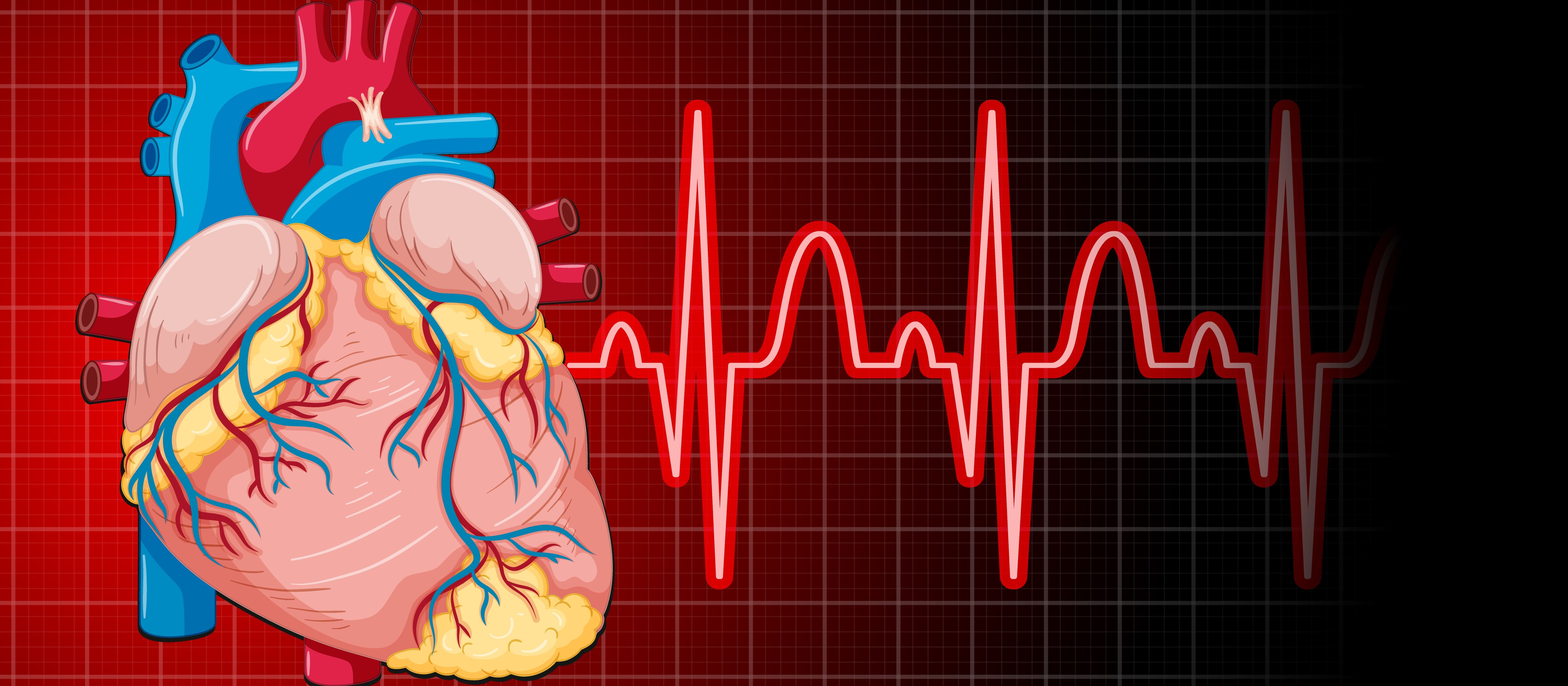
हार्ट अटैक का सबसे बड़ा कारण एथेरोस्क्लेरोसिस है। जिसमें हृदय की धमनियों में प्लाक जमा होता है और रक्त प्रवाह बाधित होता है।
लंबे समय तक यह प्लाक बढ़कर धमनी को संकरा करता है। जिससे ब्लॉकेज की संभावना बढ़ती है।
हाई ब्लड प्रेशर हृदय पर अतिरिक्त दबाव डालता है। धमनियों की दीवारों को नुकसान पहुंचाता है।
वहीं हाई कोलेस्ट्रॉल लेवल प्लाक बनने की गति तेज करता है।
धूम्रपान व तंबाकू सेवन रक्त वाहिकाओं को सख्त और संकरी बनाता है। जिससे हार्ट अटैक का खतरा कई गुना बढ़ता है।
मोटापा और असक्रिय जीवनशैली न केवल ब्लड प्रेशर और कोलेस्ट्रॉल बढ़ाते हैं। बल्कि डायबिटीज जैसी अन्य बीमारियों का जोखिम भी बढ़ाते हैं।
डायबिटीज में उच्च शुगर लेवल धमनियों की दीवारों को नुकसान पहुंचाता है। जिससे रक्त प्रवाह प्रभावित होता है।
लगातार तनाव और नींद की कमी हार्मोनल असंतुलन पैदा करती है और हृदय पर दबाव बढ़ाती है। पारिवारिक हृदय रोग इतिहास वाले लोगों में आनुवंशिक रूप से हार्ट अटैक का खतरा अधिक होता है।
इन सभी कारणों को समय रहते नियंत्रित करना और स्वस्थ जीवनशैली अपनाना हार्ट अटैक के जोखिम को काफी हद तक कम करता है।
हार्ट अटैक के चरण में इस प्रकार हैं –
धमनियों की अंदरूनी दीवारों पर कोलेस्ट्रॉल, फैट और अन्य तत्व जमा होकर प्लाक बनाते हैं। धीरे-धीरे यह जमाव मोटा होकर रक्त प्रवाह को बाधित करता है।
जमा हुआ प्लाक अचानक फटता है। फिर उस स्थान पर रक्त का थक्का (ब्लड क्लॉट) बनने लगता है।
रक्त का थक्का धमनी को आंशिक या पूरी तरह ब्लॉक करता है। इससे हृदय की मांसपेशियों तक ऑक्सीजन युक्त रक्त पहुंचना बंद होने लगता है।
ऑक्सीजन की कमी से हृदय की मांसपेशियां क्षतिग्रस्त होती हैं। हृदय की पंपिंग क्षमता घटती है।
अगर समय पर इलाज न मिले तो मांसपेशियों का नुकसान स्थायी होता है। मरीज को हार्ट फेल्योर या मौत का खतरा बढ़ जाता है।
अचानक प्रकट होने वाले लक्षण को समय रहते पहचानना जीवन बचाने के लिए जरूरी है। गैस, बदहजमी या मामूली थकान समझकर नजरअंदाज किया जाता है। ऐसे लक्षणों के संयोजन पर तुरंत चिकित्सा सहायता लें।
सबसे आम संकेत है सीने में दबाव, कसाव या जलन जो कुछ मिनट से ज्यादा समय तक बना रहता है या बार-बार आता है।
दर्द या असहजता केवल सीने तक सीमित नहीं होता है। बल्कि कंधे, हाथ, पीठ, गर्दन या जबड़े तक फैलता है।
सांस फूलना, चाहे आराम की स्थिति में हों या हल्की गतिविधि कर रहे हों।
ठंडा पसीना आना, मितली या उल्टी महसूस होना।
चक्कर आना या बेहोशी, खासकर जब हृदय की पंपिंग अचानक कमजोर होना।
महिलाओं और बुजुर्गों में असामान्य थकान, जो कई दिनों या हफ्तों तक बनी रहती है।
जैसे ही लक्षण दिखें, आपातकालीन नंबर 108 पर तुरंत कॉल करें और एंबुलेंस बुलाएं।
मरीज को आरामदायक पोजीशन में बैठाएं, जिससे हृदय पर दबाव कम हो।
टाइट कपड़े ढीले करें ताकि सांस लेने में आसानी हो सके।
अगर डॉक्टर ने पहले से सलाह दी है, तो एस्पिरिन दें, जिससे खून का थक्का बनने की प्रक्रिया धीमी हो।
मरीज को शांत और तनावमुक्त रखने की कोशिश करें, घबराहट न होने दें।
यदि सांस या नाड़ी रुक जाए, तो तुरंत सीपीआर (सीपीआर) शुरू करें।
सीपीआर के लिए मरीज को पीठ के बल सख्त सतह पर लिटाएं।
छाती के बीचोंबीच तेज़ और गहरे दबाव दें, लगभग 100–120 प्रेस प्रति मिनट की रफ्तार से।
जरूरत होने पर मुंह से सांस देने की प्रक्रिया जारी रखें।
यह प्रक्रिया तब तक जारी रखें, जब तक मेडिकल टीम न पहुंच जाए।
हार्ट अटैक के इलाज में कई चिकित्सा पद्धतियां अपनाई जाती हैं। जिनका उद्देश्य ब्लॉकेज हटाकर हृदय की मांसपेशी को बचाना है। थ्रॉम्बोलाइटिक थेरेपी में विशेष देते हैं जो रक्त के थक्के (ब्लड क्लॉट) को घोलकर रक्त प्रवाह बहाल करते हैं। एंजियोप्लास्टी (पीसीआई) में ब्लॉकेज वाली धमनी में बैलून डालकर उसे फैलाते हैं। फिर वहां स्टेंट लगाते है। जिससे रक्त प्रवाह सुचारु रहे।
गंभीर ब्लॉकेज के मामलों में बायपास सर्जरी (सीएबीजी) की जाती है। जिसमें अवरुद्ध हिस्से को बायपास करने के लिए नई रक्त वाहिका जोड़ते हैं। ब्लड थिनर, बीटा-ब्लॉकर, नाइट्रोग्लिसरीन और ACE इनहिबिटर जैसी दवाएं देते हैं। जो रक्त प्रवाह सुधार ने, हृदय पर दबाव कम करने और भविष्य के हार्ट अटैक के जोखिम को घटाते हैं।
इलाज के साथ-साथ लाइफस्टाइल मैनेजमेंट बेहद जरूरी है। जिसमें लो-फैट डाइट, नियमित व्यायाम और तनाव नियंत्रण शामिल हैं। जितनी जल्दी इलाज मिलेगा। उतनी ज्यादा हृदय मांसपेशी बचाई जा सकती है। खासकर हार्ट अटैक के पहले 90 मिनट में सही इलाज मिलने से मांसपेशी डैमेज काफी हद तक रोक सकते हैं।
आधुनिक तकनीकें जैसे प्राइमरी एंजियोप्लास्टी और दवा-आधारित थ्रोम्बोलाइसिस, मृत्यु दर कम करने में प्रभावी साबित हुई हैं। रिकवरी और पोस्ट-ट्रीटमेंट केयर में नियमित नोएडा के हृदय रोग विशेषज्ञ फॉलोअप, हृदय-हितैषी आहार, व्यायाम और फिजिकल थेरेपी, समय पर दवाओं का सेवन, धूम्रपान और शराब से परहेज और तनाव प्रबंधन जरूरी है। सही उपचार और अनुशासित जीवनशैली से मरीज लंबे समय तक स्वस्थ जीवन जीते हैं।
हार्ट अटैक अचानक आता है। लेकिन इसके कारण और शुरुआती संकेतों को पहचानकर खतरे को कम कर सकते हैं। सीने में दर्द या भारीपन, सांस लेने में तकलीफ, पसीना आना, चक्कर या उल्टी जैसे लक्षणों को नजरअंदाज नहीं करें। समय पर सही इलाज मिलने से मरीज की जान बच सकती है। खासकर मधुमेह, हाई ब्लड प्रेशर, मोटापा, धूम्रपान या पारिवारिक हृदय रोगी सतर्क रहें। ऐसे लोगों को नियमित कार्डियक हेल्थ चेकअप कराना चाहिए। जिससे हृदय से जुड़ी किसी भी समस्या का समय रहते पता चल सके। संतुलित आहार, नियमित व्यायाम, तनाव प्रबंधन और धूम्रपान-शराब से दूरी रखकर हार्ट अटैक का खतरा कम करता है।
अभी अपॉइंटमेंट शेड्यूल करें – कॉल करें: +91 9667064100.
प्रश्न 1 हार्ट अटैक और हार्ट फेल्योर में क्या फर्क है ?
उत्तरः हार्ट अटैक में रक्त प्रवाह रुकने से मांसपेशी डैमेज होती है। जबकि हार्ट फेल्योर में हृदय पंपिंग क्षमता घटती है।
प्रश्न 2 क्या महिलाएं और पुरुषों में हार्ट अटैक के लक्षण अलग होते हैं ?
उत्तरः हां, महिलाओं में थकान, सांस फूलना, और पीठ या जबड़े में दर्द जैसे लक्षण ज्यादा दिखते हैं। लक्षण दिखने पर तुरंत डॉक्टर के पास पहुंचे।
प्रश्न 3 हार्ट अटैक के बाद क्या सामान्य जीवन जी सकते हैं ?
उत्तरः हां, समय पर इलाज, जीवनशैली सुधार और दवाओं के पालन से अधिकांश मरीज सामान्य जीवन जी सकते हैं। लेकिन खुद से इलाज से बचना चाहिए।
प्रश्न.4 क्या हार्ट अटैक से बचाव संभव है?
उत्तरः स्वस्थ आहार, नियमित व्यायाम, धूम्रपान से परहेज, और ब्लड प्रेशर व कोलेस्ट्रॉल कंट्रोल रखकर बचाव हो सकता है। बीच-बीच में डॉक्टर की सलाह भी लेनी चाहिए।
हार्ट अटैक के मुख्य लक्षण, कारण और तुरंत किए जाने वाले उपचार के बारे में जानें। समय पर पहचान और सही इलाज से जीवन बचाया जा सकता है।
हार्ट अटैक के मुख्य लक्षण, कारण और तुरंत किए जाने वाले उपचार के बारे में जानें। समय पर पहचान और सही इलाज से जीवन बचाया जा सकता है।
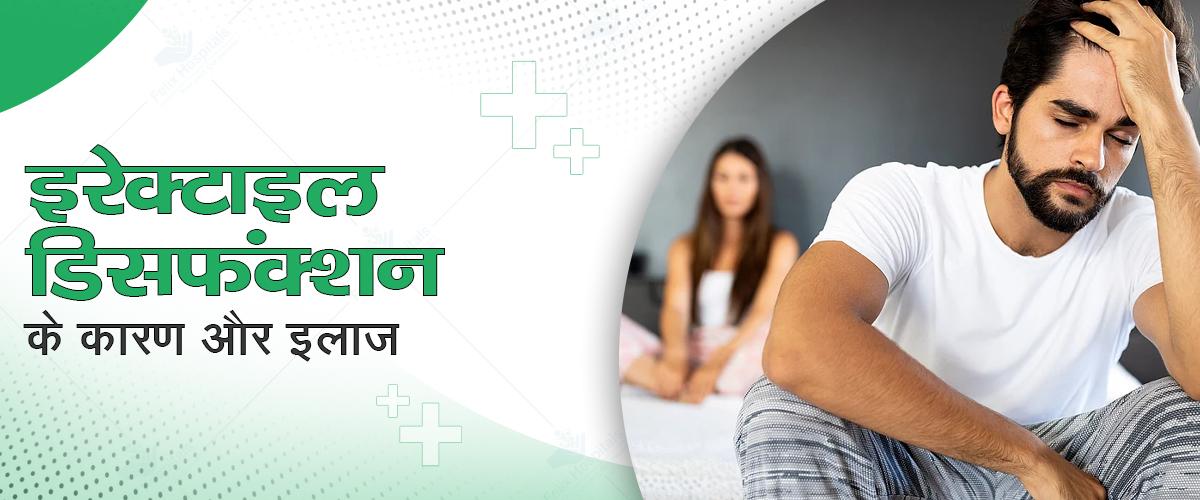
इरेक्टाइल डिसफंक्शन (Erectile Dysfunction) यानी यौन संबंध के दौरान पर्याप्त इरेक्शन बनाए रखने में असमर्थता, पुरुषों में एक आम लेकिन संवेदनशील स्वास्थ्य समस्या है। यह केवल शारीरिक नहीं, बल्कि मानसिक और भावनात्मक जीवन को प्रभावित करती है। समय पर पहचान, कारण की जांच और उचित इलाज से इसे पूरी तरह नियंत्रित कर सकते हैं।
दुनियाभर में लाखों पुरुष इस समस्या से जूझ रहे हैं, लेकिन सामाजिक झिझक और शर्मिंदगी के कारण अधिकतर लोग डॉक्टर से खुलकर बात नहीं कर पाते। यही वजह है कि कई बार यह समस्या लंबे समय तक अनदेखी रह जाती है और धीरे-धीरे गंभीर रूप ले लेती है।
सबसे महत्वपूर्ण बात यह है कि यह स्थिति उम्र से जुड़ी कोई “सामान्य” समस्या नहीं है, बल्कि एक उपचार योग्य स्वास्थ्य स्थिति है। सही समय पर पहचान, कारण की सटीक जांच और नोएडा के अच्छे यूरोलॉजी हॉस्पिटल के विशेषज्ञ द्वारा सुझाए गए इलाज से इसे प्रभावी रूप से नियंत्रित किया जा सकता है। आधुनिक चिकित्सा में दवाइयों, काउंसलिंग, जीवनशैली में बदलाव और एडवांस्ड ट्रीटमेंट विकल्प मौजूद हैं, जो पुरुषों को फिर से स्वस्थ और संतुलित यौन जीवन जीने में मदद करते हैं।
अभी अपॉइंटमेंट शेड्यूल करें – कॉल करें: +91 9667064100.
पुरुषों में इरेक्टाइल डिसफंक्शन क्यों होता है? (Why Erectile Dysfunction Happens?)
इरेक्टाइल डिसफंक्शन के कारण (Causes of Erectile Dysfunction)
इरेक्टाइल डिसफंक्शन के लक्षण (Symptoms of Erectile Dysfunction)
इरेक्टाइल डिसफंक्शन पर यूरोलॉजी गाइडलाइन (Urology Guidelines on Erectile Dysfunction)
इरेक्शन एक प्राकृतिक शारीरिक प्रक्रिया है, जो यौन उत्तेजना के दौरान शुरू होती है। इस समय लिंग की रक्त वाहिकाएं फैल जाती हैं और उनमें रक्त का प्रवाह बढ़ जाता है, जिससे लिंग कठोर और सीधा हो जाता है। यह स्थिति यौन संबंध के लिए आवश्यक होती है, लेकिन अगर किसी कारणवश रक्त प्रवाह बाधित हो जाए, जैसे धमनियों का संकरा होना, नसों में क्षति, हार्मोनल असंतुलन या मानसिक तनाव, तो इरेक्शन या तो नहीं हो पाता या लंबे समय तक टिक नहीं पाता।
यह समस्या उम्र बढ़ने के साथ ज्यादा देखने को मिलती है, क्योंकि इस समय रक्त वाहिकाओं की लचीलापन और हार्मोन स्तर में बदलाव आता है। हालांकि, इरेक्टाइल डिसफंक्शन केवल बुजुर्गों तक सीमित नहीं है; यह किसी भी उम्र के पुरुषों में हो सकता है, खासकर अगर वे अस्वस्थ जीवनशैली, धूम्रपान, शराब, डायबिटीज (diabetes) या उच्च रक्तचाप जैसी समस्याओं से ग्रस्त हों। समय पर पहचान और उपचार से इसे नियंत्रित किया जा सकता है।

इरेक्टाइल डिसफंक्शन के कारण कई प्रकार के होते हैं।
इरेक्टाइल डिसफंक्शन के कारण में शारीरिक, मानसिक और जीवनशैली से जुड़े कारण शामिल हैं। शारीरिक कारणों में सबसे ज्यादा ब्लड फ्लो की समस्या शामिल है। हाई ब्लड प्रेशर, हृदय रोग और डायबिटीज जैसी बीमारियों के कारण लिंग में रक्त का प्रवाह कम होता है। जिससे इरेक्शन प्रभावित होता है।
हार्मोनल असंतुलन जैसे टेस्टोस्टेरोन का कम स्तर या थायरॉइड विकार समस्या को बढ़ाते हैं। कभी-कभी न्यूरोलॉजिकल कारण जैसे स्पाइनल कॉर्ड इंजरी, पार्किंसंस डिजीज (Parkinson's Disease) या मल्टीपल स्क्लेरोसिस भी इरेक्टाइल डिसफंक्शन का कारण बनते हैं।
कुछ दवाओं के साइड इफेक्ट जैसे ब्लड प्रेशर की दवाएं, डिप्रेशन की दवाएं या एलर्जी की दवाएं करण बनती हैं।
मनोवैज्ञानिक कारणों में तनाव, चिंता और डिप्रेशन प्रमुख है। जो यौन इच्छाशक्ति और इरेक्शन को प्रभावित करते हैं। रिश्तों में तनाव या असंतोष भी इस समस्या को बढ़ाता है।
लाइफस्टाइल कारणों में धूम्रपान, शराब और नशीले पदार्थों का सेवन सबसे ज्यादा हानिकारक होता है। मोटापा और शारीरिक गतिविधि की कमी भी रक्त प्रवाह को प्रभावित कर इरेक्शन को कारण बनते है।
इरेक्टाइल डिसफंक्शन के लक्षण कई तरह से प्रकट होते हैं।
सबसे आम समस्या यह होती है कि यौन उत्तेजना के बावजूद लिंग में इरेक्शन नहीं होता या कमजोर इरेक्शन होता है।
कई बार इरेक्शन शुरू तो होता है, लेकिन वह पर्याप्त समय तक टिकता नहीं। जिससे यौन संबंध पूरा करना मुश्किल होता है।
पुरुषों में यौन इच्छा या कामेच्छा में भी कमी महसूस होती है। जिससे सेक्स के प्रति रुचि कम होती है। यह स्थिति न सिर्फ शारीरिक बल्कि
मानसिक रूप से प्रभावित करती है। जिससे आत्मविश्वास में कमी आती है। यौन संतुष्टि कम होती है।
इस वजह से व्यक्ति में तनाव और चिंता भी बढ़ती है, जो समस्या को और बढ़ाती है।
इरेक्टाइल डिसफंक्शन के सही निदान के लिए यूरोलॉजिस्ट कई तरह के टेस्ट कराते हैं। सबसे पहले ब्लड टेस्ट करते है। जिसमें हार्मोन स्तर, डायबिटीज और कोलेस्ट्रॉल की जांच शामिल होती है। इससे शरीर में हार्मोनल असंतुलन या मेटाबोलिक (Metabolic) समस्याओं का पता चलता है। यूरिन टेस्ट भी किया जाता है, जो डायबिटीज या अन्य मेटाबॉलिक विकारों की जानकारी देता है।
लिंग में रक्त प्रवाह की स्थिति को समझने के लिए डुप्लेक्स अल्ट्रासाउंड (Duplex Ultrasound) किया जाता है, जो यह बताता है कि रक्त सही मात्रा में पहुंच रहा है या नहीं। रात के समय इरेक्शन टेस्ट (एनपीटी) भी लिया जाता है। जिससे यह पता चलता है कि नींद के दौरान इरेक्शन होता है या नहीं। जिससे शारीरिक और मानसिक कारणों में अंतर का पता लगे। अअगर आवश्यक हो तो तनाव, चिंता या अन्य मानसिक कारणों की जांच के लिए साइकोलॉजिकल इवैल्यूएशन करते हैं।
इरेक्टाइल डिसफंक्शन के इलाज में कई विकल्प उपलब्ध हैं। जिन्हें मरीज की स्थिति और कारण के अनुसार चुना जाता है। दवा-आधारित इलाज में सबसे आम फॉस्फोडाईस्टेरेज टाइप 5 इनहिबिटर्स जैसे सिल्डेनाफिल और टैडालाफिल शामिल हैं। जो लिंग में रक्त प्रवाह बढ़ाकर इरेक्शन को बेहतर बनाते हैं।
अगर टेस्टोस्टेरोन का स्तर कम हो तो हार्मोन रिप्लेसमेंट थेरेपी देते हैं। मेडिकल डिवाइस जैसे वैक्यूम पंप का उपयोग करते हैं। जो लिंग में रक्त खींचकर इरेक्शन उत्पन्न करता है। कुछ मामलों में इंजेक्शन थेरेपी का विकल्प है। जिसमें लिंग में विशेष दवा का इंजेक्शन देकर इरेक्शन प्राप्त किया जाता है।
गंभीर और जटिल मामलों में सर्जिकल विकल्प जैसे पेनाइल इम्प्लांट (Penile Implant) को अपनाते हैं। जो स्थायी समाधान प्रदान करता है। इलाज के साथ-साथ लाइफस्टाइल सुधार बेहद जरूरी होता है। नियमित व्यायाम करना, वजन को नियंत्रित रखना, धूम्रपान और शराब से परहेज करना। तनाव को कम करना और नींद का सही संतुलन बनाए रखना इरेक्टाइल डिसफंक्शन को नियंत्रित करने में मदद करता है। इन सभी उपायों से बेहतर परिणाम मिलते हैं।
इरेक्टाइल डिसफंक्शन एक आम लेकिन पूरी तरह से इलाज योग्य समस्या है। इससे जूझ रहे पुरुषों को असहज महसूस करने की जरूरत नहीं है। सही कारण की पहचान और समय पर यूरोलॉजिस्ट से परामर्श लेने से न केवल उनकी शारीरिक सेहत सुधरती है। बल्कि वैवाहिक संबंध बेहतर होते हैं। अक्सर लोग इस विषय पर खुलकर बात करने से कतराते हैं। जिससे समस्या बढ़ती है। इसलिए शर्म या झिझक छोड़कर अपनी समस्या को स्वीकार करना इलाज शुरू करना जरूरी है। इससे न सिर्फ शारीरिक बल्कि मानसिक राहत मिलती है। पुरुष एक संतुष्ट एवं स्वस्थ जीवन जी सकते हैं।
Experience safe, advanced, and result-oriented Erectile Dysfunction treatment in Noida with expert urologist in noida at Felix Hospital.
अभी अपॉइंटमेंट शेड्यूल करें – कॉल करें: +91 9667064100.
प्रश्न 1: क्या इरेक्टाइल डिसफंक्शन का इलाज हमेशा संभव है?
उत्तर: हां, अधिकतर मामलों में सही कारण पहचानकर और उपचार से पूरी तरह ठीक कर सकते हैं। लेकिन डॉक्टर की सलाह पर दवा लेनी चाहिए।
प्रश्न 2: क्या केवल उम्र बढ़ने से यह समस्या होती है?
उत्तर: नहीं यह किसी भी उम्र में हो सकती है, लेकिन उम्र बढ़ने पर जोखिम ज्यादा होता है। समय पर जांच और इलाज जरूरी है।
प्रश्न 3: क्या दवाएं लेने के बिना भी इलाज संभव है?
उत्तर: हां, लाइफस्टाइल सुधार और मानसिक कारणों के इलाज से भी कई मरीजों में सुधार होता है। धूम्रपान और शराब का सेवन नहीं करना चाहिए।
प्रश्न 4: इरेक्टाइल डिसफंक्शन डॉक्टर कौन होता है?
उत्तर: इस समस्या के इलाज के लिए यूरोलॉजिस्ट डॉक्टर सबसे योग्य विशेषज्ञ होते हैं। डॉक्टर बीमारी की पहचान के लिए जांच के बाद उसी हिसाह से दाव देते हैं।
जानें शुक्राणु बढ़ाने के लिए उपलब्ध उपचार, इसके सामान्य लक्षण, कारण और स्वस्थ जीवनशैली अपनाने के उपाय।

पुरुषों में प्रोस्टेट कैंसर के लक्षणों में बार-बार पेशाब आना, पेशाब में जलन या रुकावट और पीठ दर्द शामिल हो सकते हैं। समय पर जांच और सही इलाज से इस बीमारी का सफल उपचार संभव है।
अंडकोष में सूजन (Inguinal Hernia) पुरुषों में सबसे आम हर्निया प्रकार है। इसमें आंतों का हिस्सा अंडकोष की थैली में आ सकता है, जिससे सूजन और दर्द होता है। सही समय पर जांच और इलाज से जटिलताओं से बचा जा सकता है।
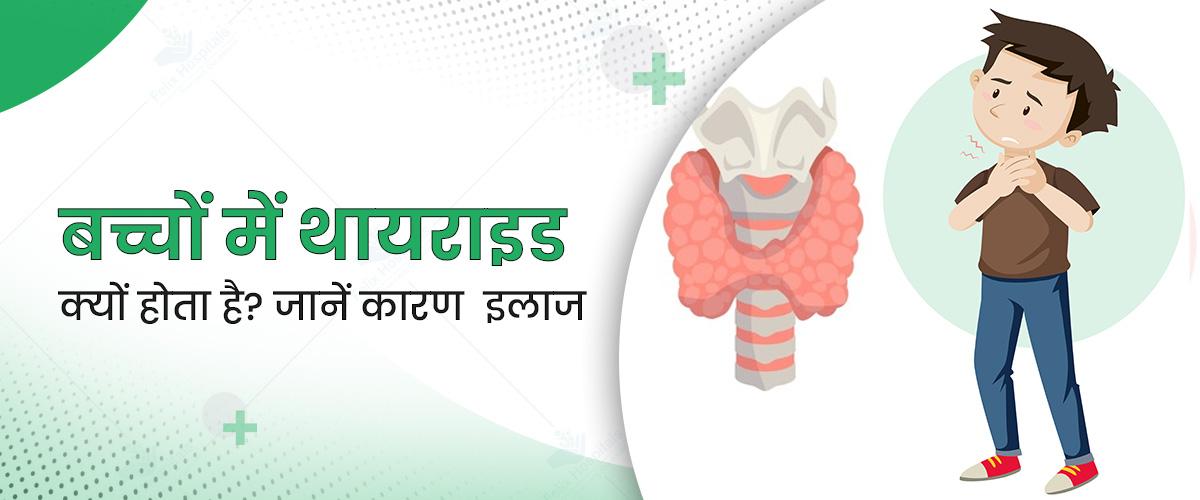
थायराइड ग्रंथि (gland) गर्दन के आगे स्थित एक छोटी सी ग्रंथि है। जो हमारे शरीर के मेटाबॉलिज्म (Metabolism), ग्रोथ और ब्रेन डेवलपमेंट को नियंत्रित करने वाले हार्मोन (टी 3, टी 4) बनाती है। अगर यह ग्रंथि सही मात्रा में हार्मोन नहीं बनाती (हाइपोथायरायडिज्म) या जरूरत से ज्यादा बनाती है (हाइपरथायरायडिज्म) तो बच्चों में कई गंभीर समस्याएं होती हैं। जैसे शारीरिक विकास में रुकावट, मानसिक विकास में देरी और पढ़ाई में ध्यान की कमी होती है।
इसलिए यह जानना बेहद जरूरी है कि बच्चों में थायराइड क्यों होता है, इसका इलाज़ क्या हैं। बच्चों के थायराइड इलाज के लिए हॉस्पिटल नोएडा में संपर्क करें साथ ही समय रहते अपने बच्चो को स्वस्थ बनाएं।
अभी अपॉइंटमेंट शेड्यूल करें – कॉल करें: +91 9667064100.
बच्चों में थायराइड क्यों होता है? (Why Thyroid Happens in Children)
थायराइड के बच्चों में लक्षण (Symptoms of Thyroid in Children)
बच्चों में थायराइड की बीमारी को कैसे पहचानें (How to Identify Thyroid Disease in Children)
बच्चों में थायराइड का इलाज – पीडियाट्रिक और नियोनेटोलॉजी गाइडलाइन (Treatment of Thyroid in Children)
अक्सर पूछे जाने वाले प्रश्न (Frequently Asked Questions – FAQs)
थायराइड की समस्या (Thyroid problem) बच्चों में जन्म से होती है या बाद में भी विकसित होती है। जन्मजात हाइपोथायरायडिज्म (congenital hypothyroidism) तब होता है, जब बच्चा बिना सक्रिय थायराइड ग्रंथि के जन्म लेता है या ग्रंथि पूरी तरह विकसित नहीं होती। बाद में होने वाला थायराइड (अधिग्रहित हाइपोथायरायडिज्म) कई कारणों से होता है। जैसे आयोडीन की कमी, ऑटोइम्यून डिजीज (हाशिमोटो थायरॉइडाइटिस) या संक्रमण से होता है। थायराइड का असर बच्चों की लंबाई, वजन, दिमागी विकास और पढ़ाई के प्रदर्शन पर सीधा पड़ता है।
बच्चों में थायराइड की समस्या दो मुख्य कारणों से होती है। पहला जन्मजात और दूसरा अधिग्रहीत। जन्मजात कारणों में थायराइड ग्रंथि का पूरी तरह विकसित न होना या न बनना, थायराइड हार्मोन के निर्माण में जेनेटिक दोष और गर्भावस्था के दौरान मां के शरीर में आयोडीन की कमी प्रमुख हैं। ऐसे मामलों में बच्चे के जन्म से ही थायराइड हार्मोन का स्तर कम होता है। जिससे शारीरिक और मानसिक विकास प्रभावित होता है। अधिग्रहीत कारणों में ऑटोइम्यून थायरॉयडिटिस (Autoimmune Thyroiditis) एक मुख्य वजह है। जिसमें शरीर की प्रतिरक्षा प्रणाली थायराइड ग्रंथि पर हमला कर उसे क्षति पहुंचाती है।
इसके अलावा आयोडीन की कमी या अत्यधिक मात्रा, वायरल या बैक्टीरियल संक्रमण, रेडिएशन थेरेपी (Radiation Therapy) का प्रभाव, कुछ दवाओं के साइड इफेक्ट और पिट्यूटरी ग्लैंड (Pituitary Gland) की गड़बड़ी थायराइड की समस्या का कारण बनती है। समय पर पहचान और उपचार न होने पर बच्चों में थकान, वजन में बदलाव, ध्यान की कमी, पढ़ाई में कमजोरी, और विकास में रुकावट जैसी समस्याएं होती हैं। इसलिए बच्चों के शारीरिक और मानसिक विकास पर नजर रखना और थायराइड संबंधी लक्षण दिखने पर चिकित्सकीय जांच जरूरी है।
बच्चों में थायराइड के लक्षण इस बात पर निर्भर करते हैं कि वह हाइपोथायरायडिज्म यानी हार्मोन की कमी (Hormone deficiency) से पीड़ित हैं या हाइपरथायरायडिज्म यानी हार्मोन की अधिकता से।
शरीर में थायराइड हार्मोन का स्तर कम होना
चयापचय की गति धीमी पड़ना
वजन बढ़ना
सुस्ती और थकान
पढ़ाई में ध्यान न लगना
कब्ज की समस्या
त्वचा का रूखापन
ठंड ज्यादा लगना
बालों का झड़ना
शारीरिक विकास की गति धीमी होना
लंबे समय तक रहने पर ग्रोथ और मानसिक विकास पर असर
थायराइड हार्मोन का स्तर सामान्य से ज्यादा होना
मेटाबॉलिज्म का तेज हो जाना
वजन घटना
ज्यादा पसीना आना
घबराहट और चिड़चिड़ापन
दिल की धड़कन तेज होना
नींद न आना
हाथों का कांपना
ऊर्जा की असामान्य खपत
हृदय पर अतिरिक्त दबाव पड़ना
बच्चों में थायराइड की समस्या का अंदाजा कई शुरुआती संकेतों से लगा सकते है। जिन्हें नजरअंदाज करना भविष्य में गंभीर स्वास्थ्य समस्याओं का कारण बनता है। अगर बच्चे का वजन या लंबाई उसकी उम्र के अनुसार कम या ज्यादा हो तो यह हार्मोनल असंतुलन का संकेत होता है। पढ़ाई या खेल-कूद में ध्यान न लगना, बार-बार थकान या कमजोरी महसूस करना थायराइड से जुड़े लक्षण हैं। गले के आगे गांठ या सूजन दिखना थायराइड ग्रंथि में असामान्यता का संकेत देता है। जिसे तुरंत जांच की जरूरत होती है।
इसके अलावा डॉक्टर द्वारा ग्रोथ चार्ट में गिरावट नोट करना इस बात का संकेत है कि बच्चे की शारीरिक वृद्धि प्रभावित होती है। जन्म के 48 घंटे के भीतर किए जाने वाले नवजात स्क्रीनिंग टेस्ट (Newborn Screening Tests) में अगर रिपोर्ट असामान्य आती है तो यह जन्मजात थायराइड समस्या का शुरुआती संकेत होता है। समय रहते जांच और उपचार शुरू करना जरूरी है। जिससे बच्चे का शारीरिक और मानसिक विकास प्रभावित न हो और वह सामान्य जीवन जी सके। थायराइड की समय पर पहचान न केवल जटिलताओं से बचाती है।
थायराइड की समस्या की पुष्टि के लिए डॉक्टर कई तरह के टेस्ट कराने की सलाह देते हैं। जिससे सही कारण और स्तर का पता लगाते हैं। सबसे आम टेस्ट है टीएसएच (थायरॉइड उत्तेजक हार्मोन) जो यह बताता है कि शरीर में थायराइड हार्मोन (thyroid hormone) का स्तर सामान्य है या नहीं।
इसके साथ ही मुफ्त टी 4 और मुफ्त टी 3 टेस्ट किए जाते हैं। जो थायराइड हार्मोन की सक्रिय मात्रा को मापते हैं और यह स्पष्ट करते हैं कि हार्मोन की कमी है या अधिकता का पता चलते हैं। अगर थायराइड की समस्या ऑटोइम्यून कारणों से हो रही है तो डॉक्टर थायराइड एंटीबॉडी परीक्षण कराने की सलाह देते हैं। जिससे इम्यून सिस्टम द्वारा थायराइड ग्रंथि पर हो रहे हमले का पता चलता है।
थायराइड की संरचना और उसमें मौजूद गांठ या सूजन देखने के लिए गर्दन का अल्ट्रासाउंड (Ultrasound) किया जाता है। वहीं जन्म के तुरंत बाद बच्चों में थायराइड की जांच के लिए नवजात शिशु की जांच टेस्ट जरूरी है। जिससे जन्मजात थायराइड विकार की समय पर पहचान हो सके। थायराइड की समस्या का पता शुरुआती स्तर पर लग जाए तो रोगी की सेहत को सुरक्षित रखा जा सकता है।
थायराइड की समस्या में उपचार उसके प्रकार के अनुसार तय किया जाता है। हाइपोथायरायडिज्म (थायराइड हार्मोन की कमी) के मामलों में डॉक्टर द्वारा निर्धारित डोज में लेवोथायरोक्सिन हार्मोन रिप्लेसमेंट (levothyroxine hormone replacement) दिया जाता है। जो शरीर में कमी पूरी करता है। इस दौरान नियमित ब्लड टेस्ट करवाना जरूरी है। जिससे हार्मोन का स्तर देखकर दवा की डोज को एडजस्ट किया जा सके।
वहीं हाइपरथायरायडिज्म (थायराइड हार्मोन की अधिकता) में एंटी-थायरॉइड दवाएं जैसे मेथिमाजोल दी जाती हैं। जो हार्मोन का अत्यधिक उत्पादन कम करती हैं। कुछ मामलों में खासकर बड़ों में रेडियोआयोडीन थेरेपी का इस्तेमाल किया जाता है। जिससे थायराइड ग्रंथि की सक्रियता घटाई जा सके। दवाओं के साथ-साथ लाइफस्टाइल और डाइट में सुधार भी जरूरी है।
इसके लिए पर्याप्त मात्रा में आयोडीन युक्त नमक का सेवन करना चाहिए। जिससे थायराइड हार्मोन के निर्माण में कमी न आए। आहार में प्रोटीन, हरी पत्तेदार सब्जियां और मौसमी फल शामिल करना लाभकारी है। वहीं पैकेज्ड और प्रोसेस्ड फूड से बचना चाहिए। क्योंकि इनमें मौजूद रसायन और अतिरिक्त नमक थायराइड के संतुलन को बिगाड़ते हैं। संतुलित खानपान से थायराइड को नियंत्रण में रख सकते हैं।
थायराइड या अन्य हार्मोन संबंधी समस्याओं के मामले में बच्चों के इलाज के लिए सही विशेषज्ञ का चयन बेहद महत्वपूर्ण है। पीडियाट्रिक एंडोक्राइनोलॉजिस्ट बच्चों में हार्मोन से जुड़ी बीमारियों के विशेषज्ञ होते हैं और जटिल मामलों में इलाज करते हैं। यदि बच्चे में थायराइड के शुरुआती लक्षण दिख रहे हों तो सबसे पहले पीडियाट्रिशियन से संपर्क करना चाहिए। जो सामान्य चेकअप और प्राथमिक जांच करके स्थिति का आकलन करते हैं। फिर जरूरत पड़ने पर विशेषज्ञ के पास रेफर करता है।
यदि बच्चा नवजात है और जन्मजात थायराइड की आशंका हो तो नियोनेटोलॉजिस्ट का परामर्श लेना जरूरी है। क्योंकि वह नवजात शिशुओं की गंभीर और विशेष स्वास्थ्य स्थितियों का इलाज करने में प्रशिक्षित होते हैं। समय पर सही बच्चों के थायराइड विशेषज्ञ डॉक्टर से नोएडा में संपर्क करने से थायराइड जैसी समस्या का जल्द निदान और इलाज संभव है। जिससे बच्चे का विकास और स्वास्थ्य दोनों ही सुरक्षित होता है।
तुरंत अपॉइंटमेंट के लिए कॉल करें: +91 9667064100.
बच्चों में थायराइड की समस्या आम नहीं होती। लेकिन अगर हो जाए तो समय पर पहचान और सही इलाज से बच्चा सामान्य जीवन जी सकता है। इसके लिए सबसे बड़ा बचाव है। बीमारी के कारणों को समझना और शुरुआती लक्षणों पर ध्यान देना। माता-पिता को बच्चों के ग्रोथ चार्ट, वजन और पढ़ाई में आने वाले बदलावों पर लगातार नजर रखनी चाहिए। क्योंकि यह बदलाव थायराइड की शुरुआती चेतावनी होते हैं। समय पर डॉक्टर से जांच और उपचार कराकर बच्चे के विकास और सेहत को सुरक्षित रख सकते हैं।
प्रश्न 1: क्या थायराइड बच्चों में जन्म से हो सकता है?
उत्तर: हां इसे जन्मजात थायराइड कहते हैं और यह नवजात शिशु की जांच से पता लगाया जा सकता है।
प्रश्न 2: क्या बच्चों में थायराइड का इलाज जीवनभर करना पड़ता है?
उत्तर: जन्मजात हाइपोथायराइडिज्म में अक्सर लंबे समय तक दवा लेनी पड़ती है। लेकिन कारण के अनुसार यह अस्थायी भी होता है।
प्रश्न 3: क्या डाइट से थायराइड कंट्रोल हो सकता है?
उत्तर: डाइट से सपोर्ट जरूर मिलता है। लेकिन दवा की जरूरत को पूरी तरह खत्म नहीं कर सकता। इसलिए जीवनशैली पर नियंत्रण होता है।
प्रश्न 4: क्या थायराइड टेस्ट हर साल करवाना जरूरी है?
उत्तर: अगर बच्चे को थायराइड है या रिस्क फैक्टर है। तो डॉक्टर की सलाह के अनुसार नियमित टेस्ट करवाना चाहिए। जिससे बीमारी का पता चल सके।
प्रश्न 5: क्या आयोडीन की कमी से ही थायराइड होता है?
उत्तर: नहीं आयोडीन की कमी एक कारण है। लेकिन ऑटोइम्यून डिजीज, जेनेटिक कारण और अन्य समस्याएं इसके जिम्मेदार होते हैं।
डॉक्टर बच्चे की सामान्य स्थिति और हृदय की धड़कन की जांच करते हैं। हृदय की ध्वनि सुनना यानी स्टेथोस्कोप से दिल की धड़कन और असामान्य आवाज़ (जैसे मर्मर) सुनना त्वचा, नाखूनों, और होंठों के रंग की जांच (नीलापन साइनोसिस का संकेत हो सकता है)।
यदि आप किसी भी प्रकार के फंगल इन्फेक्शन का अनुभव कर रहे हैं, तो आपके लिए डॉ. कुसुम गुप्ता और डॉ. सौरभ भाटिया जैसे विशेषज्ञ डॉक्टरों से परामर्श लेना अत्यंत महत्वपूर्ण है।
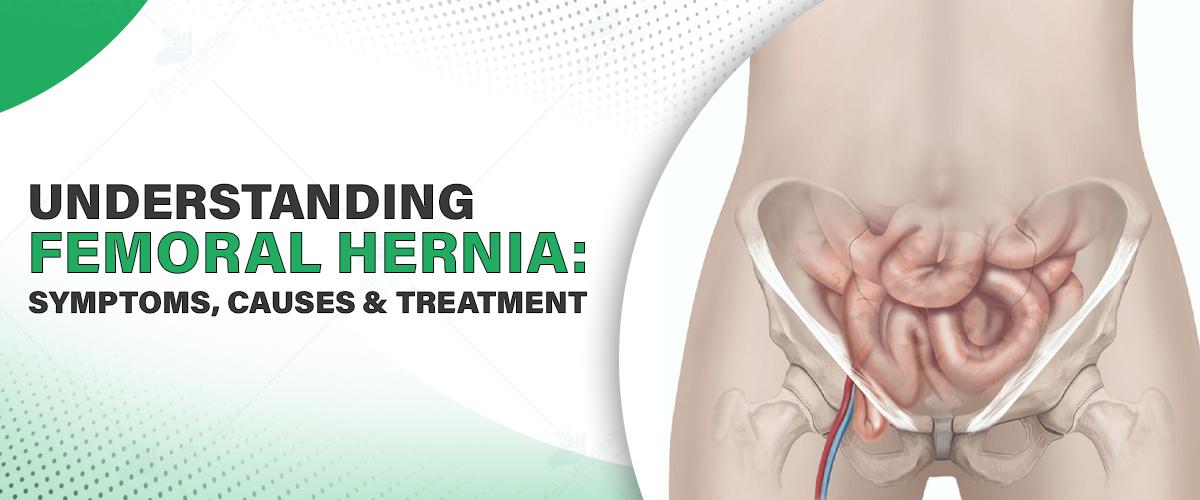
A femoral hernia is one of the less common types of hernia but can be extremely dangerous if left untreated. It is when a piece of intestine or fat protrudes through a thin spot in the lower part of the abdominal wall and into the femoral canal — a small tube just above the top thigh just below the inguinal ligament. It is more common in women than in men and often may not be diagnosed until complications arise.
Even though femoral hernias are less frequent than inguinal hernias, because of their location and susceptibility to complications, they need early diagnosis and early treatment. The best general surgery hospital in Noida can operate on them early enough to avert severe health consequences such as hernia content strangulation.
The femoral canal is found in the upper thigh, below the crease of the groin. It contains small blood vessels, lymph vessels, and nerves. Tissue from the abdomen protruding into the canal causes a femoral hernia. The swelling can be perceived or felt, which usually occurs on standing, coughing, or straining, and may disappear when lying down.
Although femoral hernias are uncommon, their small neck makes the hernia more likely to become trapped (incarcerated) or have its blood supply compromised (strangulated), both of which are emergencies.

In some cases, such a femoral hernia is so small that it never produces symptoms to be noted and only presents on physical examination. When symptoms do occur, though, they may be:
A bulge on the upper thigh or groin, below the inguinal ligament level.
Pain or tenderness in the lower abdomen, groin, or thigh, that worsens with activity, standing for an extended period, or heavy lifting.
Nausea and vomiting, particularly if the hernia is incarcerated or strangulated.
Abrupt stabbing pain in the groin region, which may indicate a medical emergency.
Alteration of bowel habit or inability to pass flatus in complete obstruction.
Symptoms can also aggravate with straining activities that lead to pressure in the abdomen, such as coughing, sneezing, or straining while having bowel movements. Any recurring groin swelling or pain should be evaluated by a hernia specialist in Noida or your local surgeon immediately.
The femoral hernias are caused by protruding tissue of the abdomen through a weakened portion of the lower abdominal wall into the femoral canal. The cause of the weakness or increased abdominal pressure is:
Some people are born with a predisposition to hernias due to weaker connective tissue or because the femoral canal does not close during embryonic development.
These states have the potential to weaken abdominal muscles and increase intra-abdominal pressure.
Typically secondary to lung disease due to smoking, asthma, or chronic respiratory disease.
Straining of the abdominal wall from excess weight predisposes to hernias.
Repeated heavy lifting in an unnatural way can raise pressure in the abdomen.
Straining on the bowel movement puts strain on the lower abdomen.
Long-term dialysis can increasingly weaken core muscles.
While both men and women are prone to femoral hernias, they happen more in women because of their wider pelvis and their body shape.
A femoral hernia is risky when part of the intestine is trapped in the femoral canal. It can lead to:
Incarcerated Hernia – Hernia cannot be manually pushed back into the abdominal cavity, leading to possible pain and discomfort.
Strangulated Hernia – The blood supply to the herniated tissue is cut off and tissue death follows. This is an emergency and needs to be operated on immediately.
If not treated early, a strangulated femoral hernia can cause a severe infection, sepsis, or even death.
Diagnosis of a femoral hernia is usually preceded by a history and physical examination. The physician will look for a bulge in the thigh or groin and can have the patient cough or sneeze, which will cause the hernia to be more pronounced.
Other diagnostic equipment may include:
Ultrasound – A painless, harmless imaging technique that can identify hernias and distinguish them from other swellings.
CT Scan – Provides clear images of the abdominal wall and helps make the diagnosis.
MRI – Used where higher accuracy is desired in imaging or other conditions should be ruled out.
The examinations also help differentiate a femoral hernia from other conditions such as swollen lymph nodes, femoral artery aneurysm, hydrocele, or inguinal hernia. Hernia Surgery Cost is more affordable if the diagnosis is done at the early stages
The Top Femoral Hernia Surgeon in Noida chooses operative repair for treatment of femoral hernia is operative repair. Repair of a femoral hernia is almost always indicated because of the very high risk of incarceration and strangulation.
In open surgery, the hernia site is incised over, the protruding tissue is returned to its original place in the body, and the site is supported by sutures and possibly a mesh implant to avoid recurrence of the hernia.
It is a minimally invasive procedure where a few small incisions are made through which a tool and camera are passed. The hernia is repaired from the inside, potentially with mesh. It has the benefits of less post-op pain, quick recovery, and smaller scars.
If strangulated, it requires immediate surgery to re-establish blood supply and prevent tissue loss. The affected parts of the intestine can be resected in this case.
The decision to go for open surgery or laparoscopy is based on hernia size, the health of the patient, and the experience of the surgeon. An expert femoral hernia surgeon in Noida will advise the best approach.
Affordable Hernia Surgery Hospital in Noida depends upon the type of surgery done for femoral hernia.
Recovery is based on the type of surgery done and the overall health of the patient. Most patients get well within 1–2 weeks and can go back to light activities, but they should not lift anything heavy or work out vigorously for weeks. The surgeon's post-surgery routine needs to be followed to prevent recurrence.
Control of pain, dressing, and proper wound care, and gradual return to regular activities constitute an important component of convalescence.
While all femoral hernias are not preventable, some lifestyle changes do lower risk:
Maintain a healthy weight to reduce pressure on the abdomen
Lift heavy weights with proper form, letting your legs provide the power, not your abs or your back
Treat chronic cough early
Treat constipation with a diet high in fiber and proper hydration
Add core-strengthening exercises to assist the abdominal muscles These techniques can also be applied to prevent recurrence following surgery.
For advanced treatment, Felix Hospitals provides end-to-end hernia treatment with Hernia Specialist in Noida. Equipped with the latest diagnostic equipment, minimally invasive techniques, and patient-centric care, Felix provides every patient with personalized treatment. Felix has long experience in managing routine and complex cases of hernia and thus is a safe destination for individuals worried about hernia surgery cost without sacrificing safety, accuracy, and long-term outcomes.
A femoral hernia might be less frequent than other hernias, but it poses greater danger of serious complications if not treated, including bowel strangulation or obstruction. Early recognition of symptoms—the most important of which is a painful swelling in the upper thigh or groin is the most important factor for receiving immediate medical care. The most effective cure remains surgery, which relieves pain and averts potentially life threatening complications. Individuals can safeguard their health and have a quicker, safer recovery by remaining vigilant about risk factors, leading a healthy lifestyle, and seeing an expert as soon as there is a problem.
Q1. Does being pregnant make it more likely that I will get a femoral hernia?
Ans: Yes, pregnancy puts more pressure on the abdomen and can make the abdominal muscles weaker, both of which can lead to a femoral hernia.
Q2. How long after femoral hernia surgery can I go back to work?
Ans: You can go back to light work in two weeks for many people, but this depends on what kind of surgery you had and what your job needs.
Q3. If problems come up, can Felix Hospital handle emergency femoral hernia cases?
Ans: Felix Hospital has emergency services available 24 hours a day, seven days a week, and experienced surgeons are on call to deal with urgent femoral hernia complications that need immediate surgery.
Q4. Does Felix Hospital offer complete packages that cover all aspects of femoral hernia treatment?
Ans: Felix Hospital has clear prices and full care packages that include an evaluation before surgery, the surgery itself, and follow-up care after surgery, all without any hidden fees.
A hernia typically occurs due to a combination of muscle weakness and strain. This can happen from factors such as aging, injury, heavy lifting, chronic coughing, or conditions like pregnancy and obesity.
Understand the factors influencing inguinal hernia surgery costs in Noida, from hospital type to surgeon expertise, and make an informed healthcare decision.
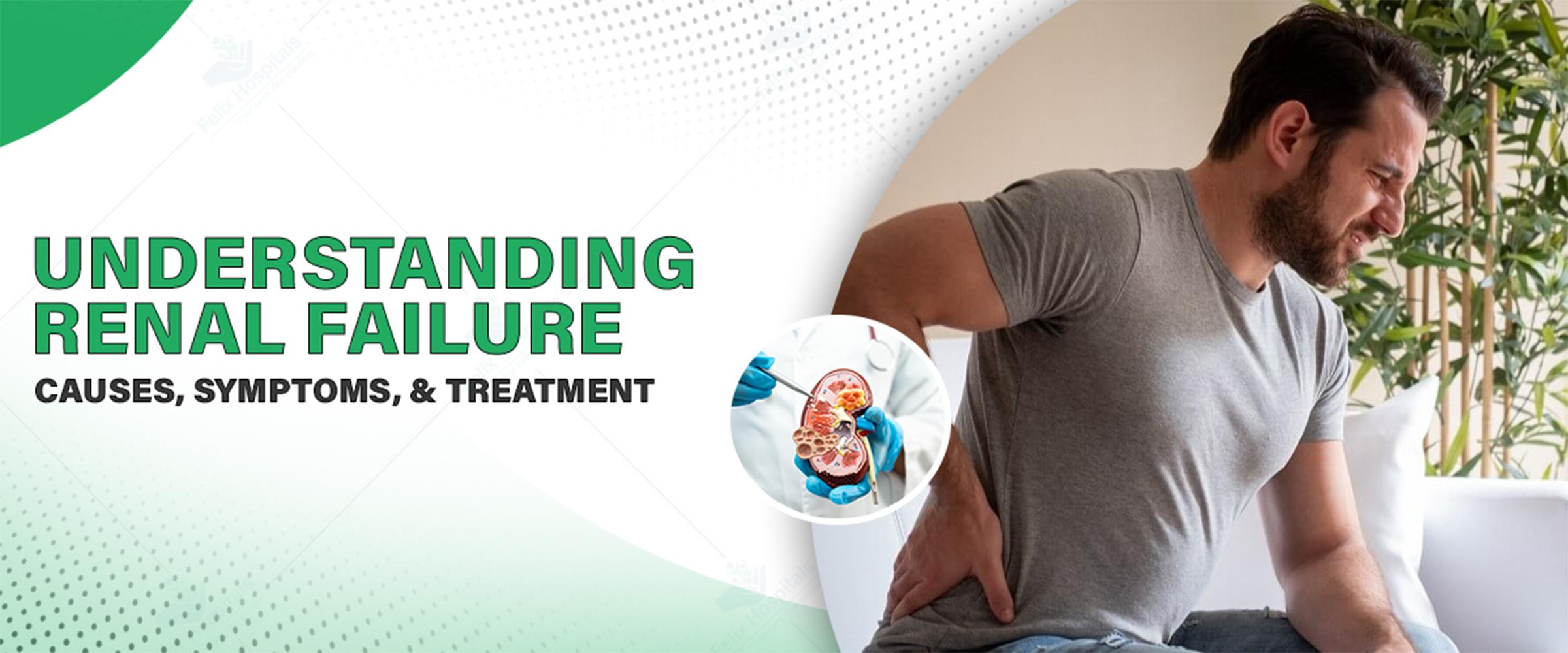
Kidney function is one of the foundations of good health, and it is not typically valued until something goes wrong. Acute or chronic renal failure, or kidney failure, is a severe disease in which the kidneys lose their ability to clear waste and control fluid and electrolyte balance in a normal manner. It can occur suddenly (acute kidney failure) or gradually over years (chronic kidney failure). Unless it is diagnosed and treated early, the disease can lead to life-threatening complications.
If you want to avail the best Nephrologist in Greater Noida or want to know about your kidney failure treatment cost options, this guide will take you through the reasons, symptoms, diagnostic processes, and treatment options for renal failure. For better treatment, the best Nephrology hospital in Greater Noida provides the best treatment according to the requirement of every patient.
Your kidneys are two bean-shaped organs in the lower back on either side of the vertebrae. One of their key roles is to filter waste products, excess water, and toxins from the blood and excrete them in the urine. They also regulate blood pressure, the production of red blood cells, and levels of electrolytes.
Kidney failure ensues when these organs lose the ability to perform these functions. Depending on etiology, this may happen suddenly (acute renal failure) or after a few months or years (chronic kidney disease with end-stage renal failure).
Acute Kidney Failure: It develops within hours or days, typically because of severe dehydration, certain medications, obstruction of the urinary tract, or sudden loss of blood to the kidneys.
Chronic Kidney Failure: It progresses slowly, often as a consequence of long-standing diseases like diabetes mellitus, hypertension, or chronic kidney infection. It can ultimately lead to end-stage renal disease (ESRD), which is treated with dialysis or transplant.

Although anyone can acquire kidney issues, some things greatly increase the risk. The most common reasons are:
Diabetes Mellitus – Continuously high blood glucose levels ruin the sensitive filtering structures of the kidneys.
Hypertension – Chronic high blood pressure puts constant pressure on blood vessels, such as renal vessels.
Polycystic Kidney Disease (PKD) – A genetic disease leading to the formation of cysts filled with fluid within the kidneys.
Glomerulonephritis – Inflammation of the filtering structures of the kidney, typically due to autoimmune disorders or infection.
Autoimmune Diseases – Lupus can lead to inflammation and damage in kidney tissue.
Urinary Tract Obstruction – Secondary to kidney stones, prostate enlargement, or tumors.
Severe Dehydration or Shock – Can cause sudden and extreme damage to the kidneys.
You may be at higher risk for kidney failure if you:
There is a family history of kidney disease
Are above the age of 60
Have diabetes or hypertension
Take nonsteroidal anti-inflammatory drugs (NSAIDs) frequently
In its early stages, kidney failure will not have any noticeable symptoms. Conversely, in its later stages, symptoms may be:
Chronic fatigue and weakness
Swelling of the face, hands, or feet (edema)
Nausea, vomiting, or loss of appetite
Changes in the urination pattern (more or less frequent)
Muscle twitching and cramping
Trouble focusing or confusion
Dry, pruritic skin
Metallic taste in the mouth
If you notice these signs, you need to get medical attention from the Best kidney specialist near me before the condition gets out of hand.

Unless controlled, kidney failure can lead to:
High blood pressure
Accumulation of fluid in the lungs (pulmonary edema)
Heart disease
Weakened bones due to imbalanced minerals
Severe anemia
Life-threatening electrolyte disturbances
A proper and immediate diagnosis is needed for effective treatment. Best Nephrology hospital in Greater Noida will generally perform the following tests:
Blood Tests – To test creatinine, blood urea nitrogen (BUN), and estimated glomerular filtration rate (eGFR), a measure of the function of the kidneys.
Urine Tests – To detect abnormalities such as protein, blood, or infection.
Imaging Tests – Ultrasound, CT scans, or MRI to observe kidney structure and detect blockage, cysts, or tumors.
Kidney Biopsy – In some cases, a small sample of kidney tissue is taken for microscopic examination to identify the reason for damage.
Though chronic kidney failure cannot be cured, its development can be delayed, symptoms can be managed, and quality of life improved with treatment.
ACE inhibitors/ARBs – Help maintain blood pressure and prevent loss of protein through the urine.
Diuretics – Remove excess water and reduce swelling.
Erythropoietin-stimulating agents – Increase red blood cell counts to manage anemia.
Phosphate binders & Vitamin D supplements – Prevent bone disease.
Statins – Control cholesterol levels to reduce cardiovascular risks.
Dialysis replaces a portion of kidney function when it fails entirely.
Hemodialysis – A filter machine cleans your blood a few times a week at a dialysis center or hospital.
Peritoneal Dialysis – A special cleansing liquid runs through the belly to remove waste products and can be given at home.
A surgical procedure whereby a donor's good kidney replaces the non-functioning kidney. While it offers the most similar substitute for functioning kidneys, it requires lifelong medications to prevent rejection.
Low-potassium, low-sodium diet
Proper hydration
Daily physical activity
Avoiding excessive use of painkillers or NSAIDs
Management of uncomplicated conditions like diabetes and hypertension
Kidney failure treatment cost depends on the type of treatment the patient needs depending upon the condition of the renal failure.
While it is impossible to avoid all causes of kidney failure, you can reduce your risk by:
Blood glucose and blood pressure control
Sustaining hydration
Prevention of excessive intake of renal toxic drugs
Eating a nutritious diet with little processed foods
Routine kidney function tests if at risk
Among specialized kidney care, Felix Hospitals is renowned for its patient-centric services and state-of-the-art medical facilities. With well-equipped diagnostic centers, modern dialysis units, and highly qualified nephrologists .Felix guarantees precise diagnosis and customized treatment plans. The hospital's renal care specialists take care not just of medical management but also of long-term well-being. Through the blending of warm care and latest technology, Felix has gained patients' confidence for dependable and effective kidney care in the area.
With early diagnosis and adequate management, the majority of patients have good quality of life and survival despite renal failure. Dialysis and transplantation can greatly improve the quality of life and survival. Monitoring, close adherence to treatment regimens, and lifestyle modification are the keys.
If discovered in a timely manner, kidney failure is a curable condition. Knowing the symptoms, gaining an understanding of the causes, and obtaining timely medical assistance from the best Nephrologist in Greater Noida can be the deciding factor in the outcome of the situation. In the event that you require therapy you need to discover the cost of renal failure treatment, swift action and experienced nephrologists will help you in living a life that is both healthier and more active at the same time.
Q1: Am I still at risk for kidney failure if I have diabetes but my blood sugar is normal now?
Ans: Yes, having high blood sugar levels for a long time can hurt your kidneys, and diabetes is still the main cause of kidney failure, even if you are currently controlling it well.
Q2: Will I automatically be put on the kidney transplant waiting list if I start dialysis?
Ans: Transplant evaluation is different from starting dialysis and depends on your overall health, age, and ability to handle surgery. Not all people on dialysis are candidates for transplant.
Q3: Can kidney failure cause heart problems?
Ans: Yes, kidney failure can cause fluid to build up, which raises blood pressure and puts strain on the heart. It can also cause electrolyte imbalances that change the heart's rhythm.
In Noida hospitals, recognized for being among the best heart health hospitals in Noida, are at the forefront of offering critical care for heart-related issues.

Subscribe to our
© Copyright 2026. All Rights Reserved by Felix Healthcare Private Limited
Design and development by :


 +(91)9667064100
 Emergency : +(91)9667064100