 WhatsApp
 Emergency:
  WhatsApp







Subscribe to our
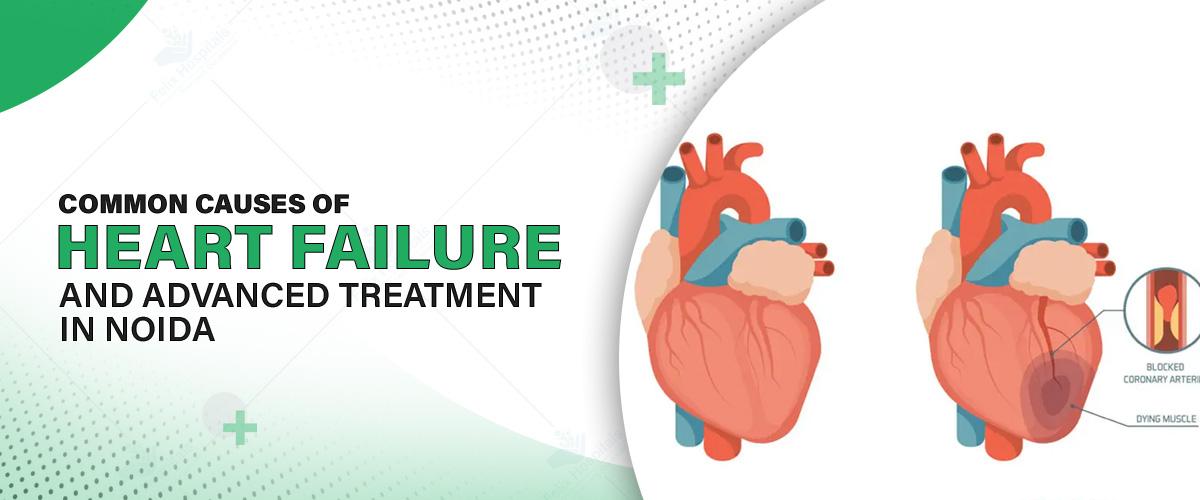
Heart failure is a severe condition that happens because of the failure of the heart to pump blood effectively to provide the body with what it requires. Heart failure can cause fatigue, fluid accumulation, and damage to organs. Early diagnosis and management are needed to improve the survival and quality of life of the patient.
If you need specialized treatment, the top hospitals for heart failure treatment in Noida has top-notch facilities, skilled cardiologists, and patient-friendly care according to your heart condition.
Don't ignore heart symptoms. Call at +91 9667064100 right now for a professional heart evaluation!
Understanding the common causes of heart failure allows prevention and management. The most frequent causes are:
Coronary Artery Disease (CAD) and Heart Attack: CAD is one of the primary causes, decreasing or stopping blood to the heart. Complete blockage may cause heart attack, killing heart muscle and decreasing its pumping ability.
High Blood Pressure (Hypertension): The heart has to work harder with too much pressure, and over time the muscles become thick or weak.
Heart Valve Disease: The diseased valves cause the heart to work harder and harder, ultimately leading to heart failure.
Cardiomyopathy: Disease of the heart muscle, resulting from genetics or infection or of undetermined cause, interferes with the heart's function of circulating blood.
Congenital Heart Defects: Structural defects a baby is born with can overwork other parts of the heart, causing permanent damage.
Arrhythmias (Irregular Heart Rhythms): Irregular heart rhythms lower the efficiency of the heart and result in failure.
Diabetes: Untreated diabetes may cause damage to arteries and nerves and weaken the heart muscle.
Obesity: Overweight places additional strain on the heart and raises the risk of heart failure.
Thyroid Disorders: Overactive and underactive thyroid both have a detrimental effect on heart rhythm and rate.
Certain Medications: Certain chemotherapy drugs, NSAIDs, and diabetes drugs have been found to carry higher risk for heart failure.
With the development of medicine and medical technology, nowadays there are a number of options for advanced heart failure treatment Noida aside from traditional medicines:
Implantable Cardioverter-Defibrillators (ICDs): Track life-threatening arrhythmias and administer electric shocks to convert the heart rhythm back to normal.
Cardiac Resynchronization Therapy (CRT): To improve the efficiency of the heart it synchronizes the lower chambers of the heart
Ventricular Assist Devices (VADs): Mechanical devices that support the pumping of blood from the heart.
Coronary Artery Bypass Grafting (CABG): Bypasses the arteries that are blocked to restore blood to the heart.
Heart Valve Replacement/Repair: Fixes malfunctioning valves that compromise heart function.
Heart Transplant: For patients with end-stage heart failure in which all other therapies fail.
ACE Inhibitors and ARBs: Make blood vessels relax and decrease the work burden of the heart.
ARNIs: newer drugs that achieve maximum blood vessel dilation and minimize heart workload.
Beta-blockers: Increase heart function by decreasing heart rate.
Diuretics: Help to drain excess water and swelling.
Aldosterone Antagonists: Decrease the blood pressure and improve cardiovascular health.
SGLT2 Inhibitors: First used for diabetes, now effective against heart failure.
Other medications: Digoxin, Ivabradine, and inotropes may be used in selected patients.
In addition to clinical management, lifestyle change is needed:
Healthy Diet: Reduced in sodium, saturated fats, and sugars. The DASH and Mediterranean diets are recommended.
Regular Exercise: Regular moderate exercise under supervision makes the heart strong.
Quit Smoking: Critical to promote circulation and reduce risk.
Weight Control: Lightens the heart's workload. Alcohol restriction: Regulates heart rhythm and blood pressure.
Fluid Restriction: In some cases, controls symptoms.
Identification of warning signs can lead to pre-emptive treatment:
Difficulty in breathing
Recurring wheeze or cough
Weakness and drowsiness
Swelling of the abdomen, legs, or feet
Irregular or abnormal heartbeat
Weight gain due to fluid retention
Complications can range from kidney and liver injury to arrhythmias and cardiac arrest.
Diagnosis is a full assessment and some tests:
Blood tests
Electrocardiogram (ECG)
Chest X-ray
Echocardiogram
Cardiac MRI and CT scans
The treatment cost of heart failure in Noida also varies based on the severity of the disease and the treatment required. Medication and follow-up can vary between INR 10,000 and INR 50,000. CABG or device implant surgery can vary between INR 2 lakhs and INR 7 lakhs. Always request your treating doctor to clarify the cost and insurance cover.
Most people in Delhi NCR trust Felix Hospitals not just for their modern facilities, but for their personalized care at every step of the way. Here are a few reasons why people choose Felix:
Best cardiologists in Noida with multiple of years of expertise.
Felix has modern diagnostic laboratories , and their use of technology is matched with a focus on what really works—not just the latest trends, but real solutions that fit your needs.
Safety and quality with NABH accreditation, you get peace of mind knowing that every procedure follows strict standards, and your well-being comes first.
Felix Hospital is one of the Best Heart Failure Treatment Hospitals in Noida with multidisciplinary cardiac units, high-level ICU units, and minimally invasive procedures.
Early diagnosis saves lives— Call +91 9667064100 to set up your heart check-up today.
Recognizing the cause of heart failure and early treatment can be a lifesaver. From medication to diet modification to getting heart failure treatment in Noida, there is complete treatment for each phase of the condition. If you are searching for a cardiac specialist in Noida or comparing the Heart failure treatment cost in Noida, it is important not to ignore the symptoms. Consider getting treated at a highly rated hospital for heart failure treatment in Noida to achieve improved heart health.
Q1. Can treatment reverse heart failure?
Ans: Heart failure can't always be fixed, but the right medicines, lifestyle changes, and medical treatments can help manage it well.
Q2. Do I need to have surgery for heart failure?
Ans: Not always. Medication and changes to one's lifestyle can help with many cases; surgery is only recommended in advanced or specific situations.
Q3. How can I tell if I need a pacemaker or an ICD?
Ans: Your cardiologist will suggest it based on tests like an ECG, echocardiogram, and your symptoms or risk of sudden cardiac arrest.
Q4. Can just changing your diet help with heart failure symptoms?
Ans: Diet helps a lot, but to really control it, it needs to be combined with medicine and regular checkups.
Q5. Do people with heart failure have to take their medications for the rest of their lives?
Ans: Yes, in most cases. These drugs are very important for controlling symptoms and stopping them from getting worse.
Dr. Rahul Arora is an experienced Interventional Cardiologist with 21+ years of expertise in advanced cardiac care, specializing in personalized, evidence-based treatment for heart diseases and improved patient outcomes.

Best heart hospital in Noida for bypass surgery at affordable prices with expert cardiac surgeons, advanced facilities, and quality patient care for better recovery.

Heart disease is a significant health concern for women, often presenting unique challenges. Understanding the causes, symptoms, and treatment options is essential for early detection and effective management.

Learn the key differences between ECG and ECHO tests and their role in heart treatment.
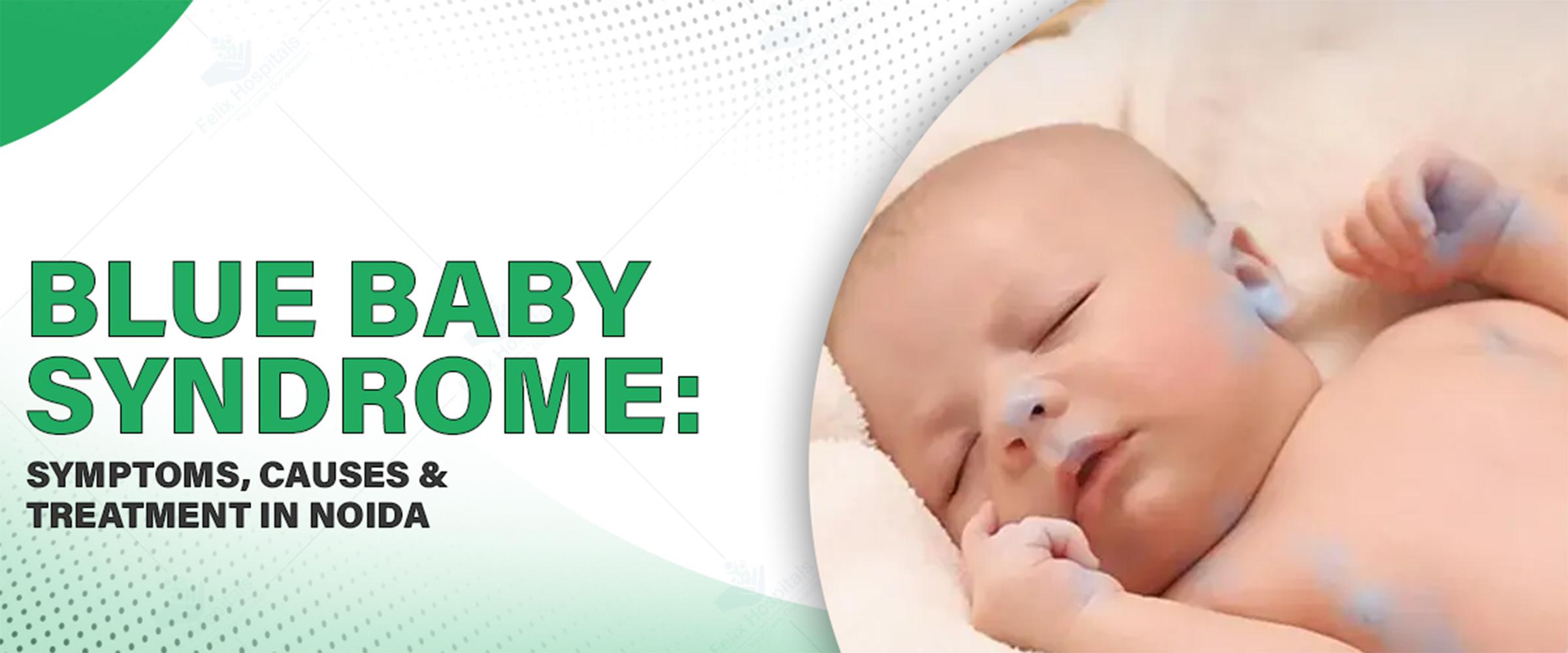
If a baby has a blued appearance to their skin, especially around their lips, fingers, and toes, it could mean that their blood doesn't have enough oxygen. This is known as Blue Baby Syndrome or cyanosis. Parents in Noida who want advanced care should see a Neonatal cardiology expert in Noida as soon as possible.
At the Best hospital for Blue Baby Syndrome treatment in Noida, specialized neonatal surgeons make the right diagnosis and carefully manage the condition. Cyanotic skin itself isn't the problem, but it can be a sign of other problems like congenital heart defects, blood disorders, or conditions caused by exposure. If Blue Baby Syndrome isn't diagnosed and treated right away, it could seriously slow down a child's growth and chances of survival.
Is your baby showing signs of cyanosis? Call +91 9667064100 to talk to a neonatal cardiology expert today.
Knowing what causes it is the first step. Here are a few things that can lead to it:
Heart Defects at Birth (CHDs): These are problems with heart structure, and this creates problems with how oxygen gets around the body. Some common ones are:
Tetralogy of Fallot (TOF): This involves four heart defects that block oxygen.
Transposition of the Great Arteries (TGA): The arteries are switched, so the deoxygenated blood goes to the body.
Pulmonary Atresia & Tricuspid Atresia: These are problems that keep blood from flowing properly to the lungs.
Methemoglobinemia: This often happens if drinking water has too much nitrate in it. It makes it harder for blood to carry oxygen. Babies under six months are most at risk.
Heart defects in the family background.
If the mother had diabetes, took certain medicines, or got sick with something like rubella during pregnancy.
Keep an eye out for these things, especially in newborns:
Skin, lips, or nails that look bluish
Trouble breathing or breathing too fast
Problems feeding or not gaining weight
Being unusually tired or cranky
A heartbeat that's too fast
Hands and feet that feel cold
Fingers and toes that look wider and rounder than usual
If things get bad, they might have seizures, throw up, or even lose consciousness.
If you spot any of these, immediate consultation with a Blue Baby Syndrome specialist doctor in Noida is essential.
Finding the problem early is super important. Some tests performed for the diagnosis are:
Pulse oximetry: This checks how much oxygen is in the blood.
Echocardiography: This is like an ultrasound for the heart, to see heart's anatomy.
Chest X-ray: To look for problems with the lungs or heart.
Electrocardiogram (ECG): This checks the heart's rhythm.
Blood tests: To find infections, blood problems, or methemoglobinemia.
What doctors do depends on what's causing the problem:
Surgery: They might need to fix the heart's anatomy, like close holes or change the position of the arteries.
Catheter based: Techniques like balloon angioplasty and stent replacement can be done by these minimally invasive techniques.
Heart Transplant: This is rare, but sometimes needed if the heart can't be repaired.
Medicine: A drug called Methylene Blue can help get oxygen flowing right again.
After the recovery avoid nitrate rich water
Oxygen therapy: To make sure the baby is getting enough oxygen .
Meds: To help the heart work right or keep things stable.
Good Food: To keep an eye on feeding and weight gain.
Checkups: Regular visits to the Blue Baby Syndrome specialist doctor in Noida ensures the baby keeps growing steadily
The Blue Baby Syndrome surgery cost in Noida depends on how complicated the problem is, the quality of the hospital, and the type of operation that is required. Within the range of 2.5 to 6 lakhs, it could be anywhere. The cost of some less extensive procedures might be lower. Hospitals typically have staff members who are able to assist you in determining the expenses and the various payment choices.
A specialized Children’s heart hospital in Noida plays an important role in the treatment . Some of the important things to consider in an hospital.
ICUs for neonatal care
Heart surgeons and anesthesiologists who specialize in kids
Emergency help for babies who are in trouble
Always pick a place that can help kids with heart problems around the clock because timing is super important.
Felix Hospital is one of the best laparoscopic surgery hospitals in Noida due to various reasons like:
Experienced Neonatal cardiology experts in Noida best at dealing with all sorts of problems.
Modern Equipment: They are known to have equipment to help you heal faster.
NABH accredited: The hospital is well known for its safety record and cleanliness.
Accredited Excellence: With top accreditations and a high success rate, Felix has earned the trust of countless families seeking the Best hospital for Blue Baby Syndrome treatment in Noida.
Are you worried about Blue Baby Syndrome? Call our experts right away at +91 9667064100 for a full consultation.
Blue Baby Syndrome is a serious illness that needs to be found early in order to be treated properly. Kids with this condition can live full, healthy lives if they get the right diagnosis, surgery, and follow-up care. If you need help right away, see a Neonatal cardiology expert in Noida or go to a Children’s heart hospital in Noida. It's very important to act quickly because getting medical help early can greatly improve your child's health.
Q1. Does Blue Baby Syndrome always mean that the baby has a heart defect?
Ans: Not always. Blood disorders or nitrate poisoning can also cause it although heart defects are common causes.
Q2. Is it possible to find Blue Baby Syndrome while pregnant?
Ans: Yes, a prenatal ultrasound or fetal echocardiography can show some serious congenital heart defects.
Q3. What should I do if my baby is feeding well but looks a little blue?
Ans: If your baby has even a small bluish discolouration, you should see a paediatrician or neonatal cardiologist right away.
Q4. Do all babies with Blue Baby Syndrome have to have surgery?
Ans: No, the cause of the problem determines the treatment. In some cases, medicine or oxygen therapy is needed instead of surgery.
Q5. Is it okay to wait and see if symptoms get worse before going to the hospital?
Ans: No, early signs can get worse very quickly. It is very important to get medical help right away to rule out serious problems.

Mothers think a lot, when it comes to giving right nutrition to her baby. And she also has many questions like
Depression during pregnancy can impact both the mother’s mental well-being and the baby’s development. Early diagnosis, proper treatment, and emotional support are essential for a healthy pregnancy.

It’s essential to note that the cost of skin pigmentation disorder treatment in Noida can differ based on the type of treatment required and the healthcare facility's resources.
Discovering that you are pregnant can be both a significant and challenging experience, involving important decisions. One of the biggest is deciding the Best Gynecology hospital Noida where you will give birth and receive prenatal care. If you are searching for pregnancy hospital Noida this blog will help you make intelligent decisions to select the right place to give birth to your precious baby.
Need maternity care right away in Noida? For help 24/7, call +91 9667064100.
Your choice of maternity hospital should include obstetricians and gynecologists who are skilled in both uncomplicated deliveries and complicated pregnancies. Find out if the hospital has round-the-clock pediatric backup and neonatal specialists available on call.
Search for comparable feedback by other parents. Their experiences will provide insights into the quality of care, the expertise of the doctors, and the conduct of the staff. Best maternity hospital Noida will also possess safety certifications and accreditations demonstrating their commitment to quality care.
Inquire from each hospital what their pregnancy, delivery, and postnatal packages are. These should clearly define what is covered—from prenatal checkups and laboratory examinations to delivery (vaginal or C‑section) and follow‑up. A good pregnancy hospital Noida has clear billing so you are not caught by surprise.
A Maternity Hospital must have a well-equipped Neonatal Intensive Care Unit (NICU) and 24/7 obstetric emergency care. These are necessary if any complications occur during the delivery.
When considering a pregnancy hospital in Noida, ensure that the wards and labor rooms are clean, well-ventilated, and comfortable. Facilities such as private suites, and lactation rooms are there, and supportive birthing equipment like birthing balls or tubs can enhance the birthing experience, particularly for those opting for a mild or natural birth.
If you are undergoing vaginal delivery, inquire about the hospital's normal delivery rate. A good maternity hospital Noida near me will discuss your planned birth with you beforehand and encourage natural birth whenever possible and safe.
Pregnant women with conditions like hypertension or gestational diabetes must select a hospital that provides extensive prenatal surveillance. An ideal pregnancy hospital Noida must have ultrasound, maternal‑fetal medicine facilities, and experts to manage complicated cases.
At the time of delivery, seek hospitals providing breastfeeding counseling, nutrition support, physiotherapy, baby checkups, and mother‑baby bonding activities. The Best maternity hospital Noida will follow up post-delivery, providing care for recovery and proper growth of mother and baby.
Select a maternity hospital near me Noida that is easy to reach, especially in the event of premature labor. Convenient hospital access matters—see that they have an ambulance or patient transport facility on hand, and traffic or distance won't hinder urgent care.
Verify whether the hospital is covered under your health insurance or has cashless service for delivery. Best maternity hospitals in Noida also offer installment options and complete pregnancy packages with consultations, diagnostics, delivery, and postnatal care.
Felix Hospitals is specifically renowned for pregnancy and maternity care. Experienced obstetricians and gynecologists at Felix handle normal as well as complicated pregnancies with personalized birth plans and quality medical attention. Fitted with state-of-the-art infrastructure, a hygienic and compassionate environment, and transparency in package deals, Felix is said to be a professional and caring Best maternity hospital Noida—trusted by numerous families even for normal natural delivery when safe to do so.
Not sure which maternity plan is right for you? Call +91 9667064100 now for expert help.
Choosing the Best Maternity Hospital Noida is all about a combination of clinical excellence, comfort, safety, and transparency. A good researched pregnancy hospital Noida translates into fewer worries and greater confidence during delivery for most prospective parents. Prioritize trained care, NICU preparedness, clean facilities, flexible delivery options, and postpartum care while choosing. With its patient‑centric approach, very well‑qualified clinicians, and very good maternity facilities, Felix Hospital is the top maternity hospital in Noida—where your well-being and your baby's well-being are given the highest priority.
Q1. When should I make a reservation at a maternity hospital in Noida?
Ans: By the end of your second trimester or the beginning of your third trimester, you should have chosen your maternity hospital. This will make planning and pre-registration easier.
Q2. Do I have to pick a hospital that is close to my house?
Ans: Yes, being close by makes it easier to get there quickly in an emergency or during labour, and it also makes travel less stressful.
Q3. Can I go to the hospital ahead of time to see the labour and delivery rooms or the maternity wards?
Ans: Most of the best maternity hospitals in Noida offer tours of their facilities. Make sure to schedule one ahead of time to check on cleanliness and other things.
Q4. Can I choose a certain doctor or gynaecologist at the hospital?
Ans: Yes, a lot of hospitals let you pick your own gynaecologist, but make sure they are available when you think you will give birth.
Q5. What if my doctor can't be there when I go into labour?
Ans: Well-known hospitals have duty doctors on call 24/7, as well as experienced backups who know about your case ahead of time.
Choosing the right hospital for pregnancy is one of the most important decisions expectant parents can make.

Seeing blood in your stool or after using the toilet? It's important to figure out why and get it checked out. This blog will tell you what you need to know about what causes rectal bleeding, what the symptoms are, and what your options are for treatments. You can find the best laparoscopic surgery hospital in Greater Noida with the latest equipment to help and that does the surgery. The best general surgeons in Greater Noida can help you sort out medical needs as well as treat your rectal bleeding using laparoscopic surgery.
Don't ignore rectal bleeding. Call +91 9667064100 to schedule your consultation now. Early diagnosis saves lives.
Lots of things can cause rectal bleeding like:
Hemorrhoids (piles): These are like varicose veins in your butt or rectum. They can bleed when you have a bowel movement.
Anal fissures: These are small cuts inside your butt, which can happen if your poo is hard or you strain too much.
Colon polyps: These are little growths. Usually, they aren't anything to worry about, but they can sometimes turn into cancer.
Colorectal cancer: Bleeding might be a sign of this, and the blood might be dark or mixed with other stuff. You might also lose weight without trying.
Inflammatory Bowel Disease: Things like Crohn’s disease and ulcerative colitis can cause bleeding.
Stercoral ulcers: These are sores in your rectum or colon caused by being badly constipated for a long time.
Knowing the causes of rectal bleeding helps doctors to find out what is wrong and how to fix it.
Knowing the symptoms helps you decide if you need to get help quickly:
Blood: You might see it in your stool or after using the toilet
Dark stool: This usually means there's bleeding higher up in your gut.
Pain or burning: You might feel it when you have a bowel movement.
Changes in bowel habits: This might be constipation or diarrhoea, needing to go urgently or leaking.
Cramps or tummy ache
These symptoms could be just a small problem, or something more serious.
To get rectal bleeding diagnosis in Greater Noida doctors do these tests:
Physical examination: The doctor will do a rectal exam for things like cuts, hemorrhoids, or lumps.
Anoscopy or Proctoscopy: To look inside your rectum.
Flexible Sigmoidoscopy or Colonoscopy: Using a camera on a tube to check your colon. This helps them rule out polyps or cancer.
Lab Tests: Like blood tests to check if you're anaemic.
Imaging: Scans like CT angiograms if the bleeding is really bad
Seeing a doctor early means they can find out what's wrong quickly.
Treatments depend on what's wrong. Here are some of the things best doctor for rectal bleeding in Greater Noida will do:
Eat more fiber and drink more water: Ease in passing stool .
Use stool softeners: These can help if you're having constipation.
Tropical Creams: These can soothe cuts or mild hemorrhoids.
Rubber band ligation or sclerotherapy: For hemorrhoids.
Laser surgery: To help heal cuts that keep coming back.
Polypectomy: Taking out polyps during a colonoscopy.
Removing lesions or cancers
Laparoscopic surgery: This is for complex or recurring cases. general surgeon in Greater Noida use this approach because it is minimally invasive
Felix Hospital is one of the best laparoscopic surgery hospitals in Greater Noida due to various reasons like :
Experienced Surgeon: They're good at dealing with all sorts of bleeding problems.
Modern Equipment: They are known to have equipment to help you heal faster.
NABH accredited: The hospital is well known for its safety record and cleanliness.
Personalized treatment: you will get a treatment plan focused on your problems and disease
Here are a few tips for preventing bleeding and recovering:
Eat high-fiber foods, and drink lots of water.
Try having regular bowel movements and don't sit on the toilet for too long.
Get treatment for any underlying gut problems.
Get regular check-ups.
These things help prevent bleeding and keep your gut healthy in the long run. If still you are facing any problems you can go to a hospital for rectal bleeding in Greater Noida.
Are you worried about haemorrhoids or fissures? Get checked out Dial +91 9667064100.
Rectal bleeding is a common thing, but it's not always something you can ignore. What is causing it can vary. If you're in Greater Noida and need to get checked out, you can go to the Best Laparoscopic Surgery Hospital in Greater Noida. Catching something early on really puts your mind at ease, so don't hesitate to get it looked at if you notice blood in your stool.
Ready to talk to someone? Call +91 9667064100 to make an appointment with a surgeon at Felix Hospital.
Q1.Does rectal bleeding always mean you have cancer?
Ans: No, it is often caused by haemorrhoids or fissures, but it is best to rule out more serious conditions like colorectal cancer.
Q2.Can I ignore rectal bleeding if it's not very bad?
Ans: A little bit of blood can be a sign of something serious, so see the best doctor for rectal bleeding in Greater Noida right away.
Q3. What type of doctor should I see if I have rectal bleeding?
Ans: You can find both a general surgeon and a gastroenterologist at a top hospital in Greater Noida for rectal bleeding.
Q4. Does a colonoscopy hurt?
Ans: It's done while you're asleep and usually doesn't hurt. It's also one of the best ways to find out if you have rectal bleeding in Greater Noida.
Q5. If I have rectal bleeding, will I need surgery?
Ans: Not all the time. The best general surgeons in Greater Noida and can treat many conditions without surgery.
Q6. Can bleeding from the rectum stop on its own?
Ans: Sometimes it does, but you should never ignore bleeding that keeps happening or that you can't explain. Early diagnosis is very important.
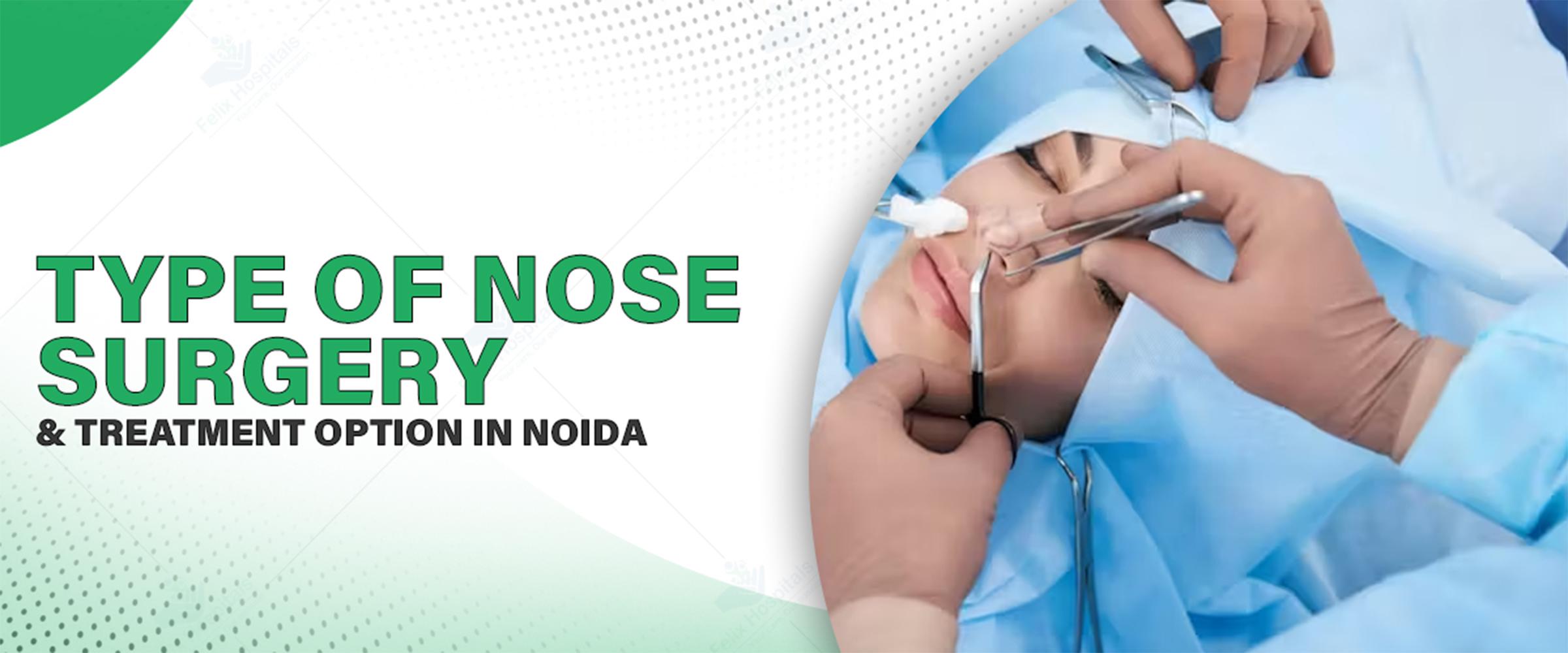
The Nose surgery is generally known as rhinoplasty or septoplasty, is among the most frequently surgical procedures globally. In Noida, increasing awareness and advances in medical science have seen numerous individuals approach specialist services for correcting functional as well as cosmetic issues relating to their noses. Whether you want to improve your facial appearance or correct breathing problems, understanding the various types of nose surgery and treatment options is critical before making a decision.
If you're looking for reputable nose surgery options in Noida, knowing what to expect and how to select the right care provider can help you have a more positive experience and achieve better results.
Are you thinking about having nose surgery in Noida? Connect with the Felix Hospitals today at +91 9667064100 for a consultation with skilled ENT specialist.
Basically, nose surgery can be done to fix a medical issue or to change how your nose looks — sometimes both.
Medical reasons: Think blocked breathing, a bent septum, maybe you broke your nose years ago and it never healed right. That kind of stuff.
Cosmetic reasons: More about reshaping, maybe your nose feels too big, too bumpy, or just doesn’t match the rest of your face the way you want.
Either way, for a lot of people, it’s about feeling better — whether that means finally breathing normally or just feeling more confident when they look in the mirror.
Here are the common type of nose surgery available in Noida:
This is what most people think of when they hear "nose surgery." It's meant to reshape the nose—smooth out a bump, change the angle of the tip, or shrink or lengthen the bridge. It might sound superficial, but for some, it’s deeply tied to how they feel about themselves.
If one side of your nose always feels blocked or you’re waking up with a stuffy nose, this is the procedure for that. It straightens out the septum (the wall between your nostrils) so air flows better. Super practical fix.
These are more about your day-to-day comfort:
Fixing airways if they're too narrow
Reducing turbinate's that are overly large
Removing polyps or growths that block airflow
Most of these don’t change how your nose looks—just how well it works.
Ever hear someone say they regretted their nose job? Revision procedures are for folks who had surgery before but aren’t happy with the results or keep having breathing trouble. It’s a second attempt to get things right.
If you've ever broken your nose in an accident, sports, or something else and it healed crooked—or made breathing tough—this surgery sets things straight again. It can be functional, cosmetic, or a combination of both.
Medical and cosmetic nose surgeries involve the changes in the nose, but they have different approaches.
Medical Nose Surgery: This is mainly concerned with enhancing nasal function and breathing. Septoplasty and nasal valve repair are examples of such surgeries. The surgeries are usually consider by health insurance since they are addressing medical conditions.
Cosmetic Nose Surgery: Is directed at the aesthetic enhancement of the nose. The classical example is rhinoplasty. Such procedures are typically done electively and out of pocket.
It's crucial to have your expectations communicated well with your surgeon so that your treatment regimen becomes in line with your intentions, medical, cosmetic, or both.
Sometimes, the nose needs a little help, whether it’s about how it works or how it looks. Here are some common reasons folks come in for surgery:
Deviated Septum: Your nose’s inner wall—the septum—is off-center, making it tough to breathe right.
Nasal Trauma: A knock or injury has left your nose broken.
Chronic Sinusitis: You get sinus infections again and again because something inside your nose blocks the airflow.
Nasal Polyps: There are small and soft lumps called polyps hanging around inside your nose which causing stuffiness.
Congenital Deformities: You were born with certain differences in your nose shape that cause problems.
Aesthetic Concerns: You just don’t like how your nose looks and want to change its shape or size.
Understanding exactly what’s going on helps your doctor figure out the best fix for you.
The hospitals in Noida provide nose surgery treatments including:
Open Rhinoplasty: They cut a tiny bit on the outside of your nose between your nostrils to get a good look at everything.
Closed Rhinoplasty: Incisions are made inside the nostrils, resulting in no visible scars. Best suited for minor reshaping.
Septoplasty: They straighten your septum from the inside to help you breathe better.
Endoscopic Surgery: The best ENT specialist use a small camera to fix sinus issues and polyps super precisely.
Laser Stuff: Less intense ways to fix some nose problems.
In Noida, They use modern tech and make sure you're comfortable during all this.
You'll get checked out thoroughly. This includes physicals, nose scans, and discussions about your health history. Your ENT specialist will explain what's going to happen, what could go wrong, and the results you can anticipate.
Nose surgeries usually take 1 to 3 hours. You'll be under general or local anesthesia. The method depends on what's being done and how tricky it is.
Expect some swelling, bruising, and a bit of pain. It's crucial to follow up with your doctor to monitor your healing progress. Most people are back to their normal lives in a week or two, but hold off on heavy workouts for a couple of months.
Where you are going for your nose surgery matters a lot. Search for places that have:
ENT and plastic surgeons who know their stuff
Modern equipment for tests and surgery
Good care before and after the surgery
Happy patients and good safety records
Clear talk about costs and what they're doing
If a hospital in Noida has these things, you’re likely to get excellent, personal care.
The cost of nose surgery is variable based on:
Type of procedure (functional vs cosmetic)
Complexity and scale of the procedure
Hospital infrastructure and surgeon expertise
Pre as well as post-surgery care needs
Typically, functional surgeries like septoplasty cost less than cosmetic rhinoplasty. Always request a detailed estimate and check if insurance covers any portion, especially for medical cases.
If you’re thinking about nose surgery in Noida, get a consultation soon. Schedule an appointment to get checked out and figure out a plan that works for you. Call us at +(91)9667064100.
Nose surgery offers effective solutions for both medical and cosmetic concerns. Understanding the types of surgeries, treatment options, risks, and recovery processes can help you make informed decisions. Several hospitals in Noida, guided by Top ENT Doctors in Noida, offer safe and advanced nose surgery services that cater to your specific needs. Whether correcting breathing problems or enhancing your appearance, expert care will ensure you achieve the best possible outcome.
Q1. What is the difference between rhinoplasty and septoplasty?
Ans: Rhinoplasty is a cosmetic procedure to change the shape or appearance of the nose, while septoplasty is a medical surgery to correct a deviated septum and improve breathing.
2. How long does nose surgery usually take?
Ans: Most nose surgeries take between 1 to 3 hours depending on the complexity of the procedure.
3. Is nose surgery painful?
Ans: During the surgery, you won’t feel pain due to anesthesia. After surgery, mild to moderate discomfort or swelling is normal but manageable with prescribed medications.
4. How long does it take to recover from nose surgery?
Ans: Initial recovery usually takes 1 to 2 weeks, but complete healing and final results may take several months.
5. Will there be visible scars after nose surgery?
Ans: In closed rhinoplasty and septoplasty, incisions are made inside the nostrils, so no visible scars. Open rhinoplasty involves a small external incision, but it generally heals well and becomes hardly noticeable.
Huntington’s disease is a genetic brain disorder that causes movement, cognitive, and behavioral problems
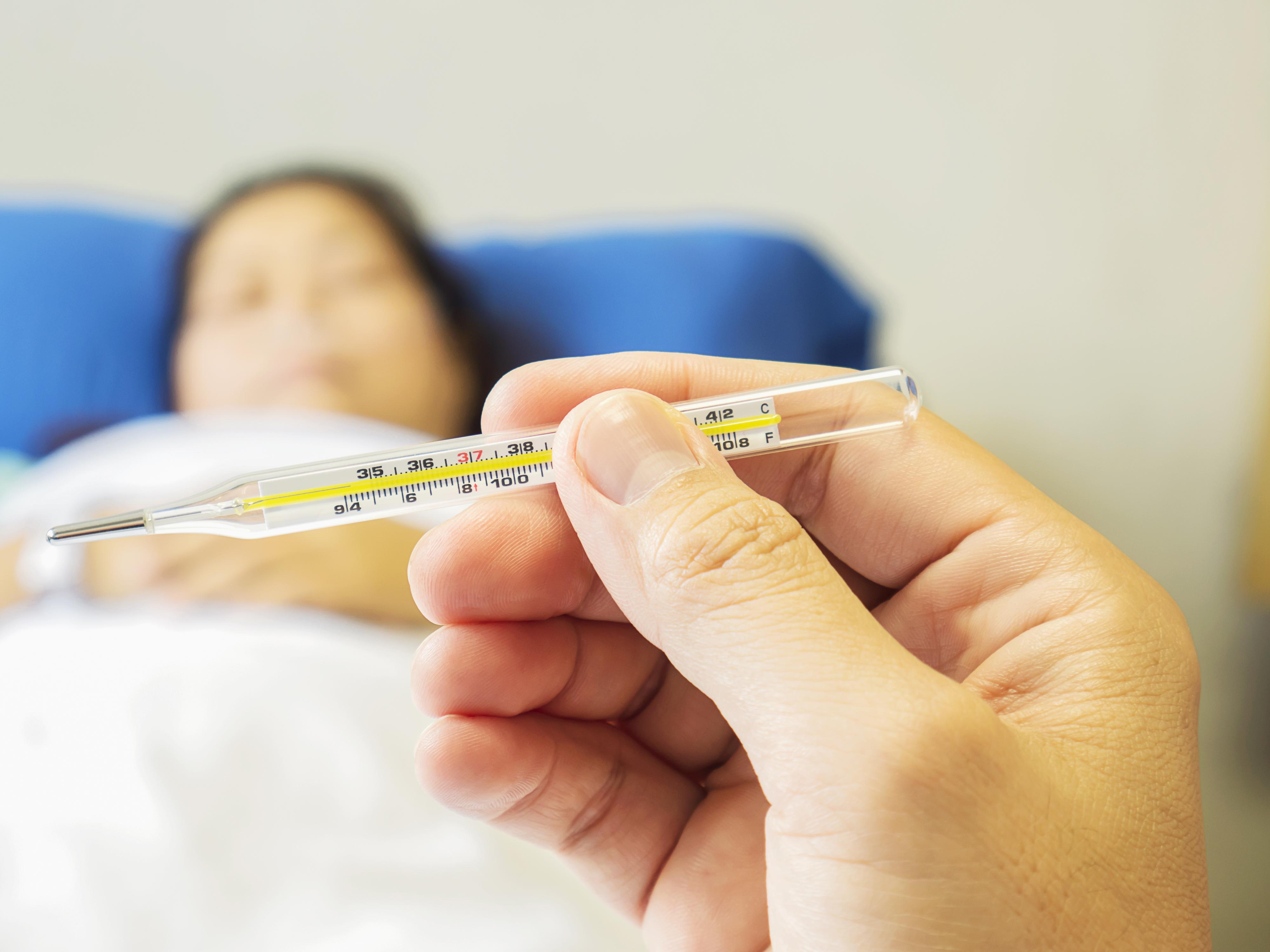
Neglected tropical diseases (NTD) will be eradicated from the root only through awareness. But this is possible only when people are aware of the illnesses and get treatment by reaching the hospital on time.
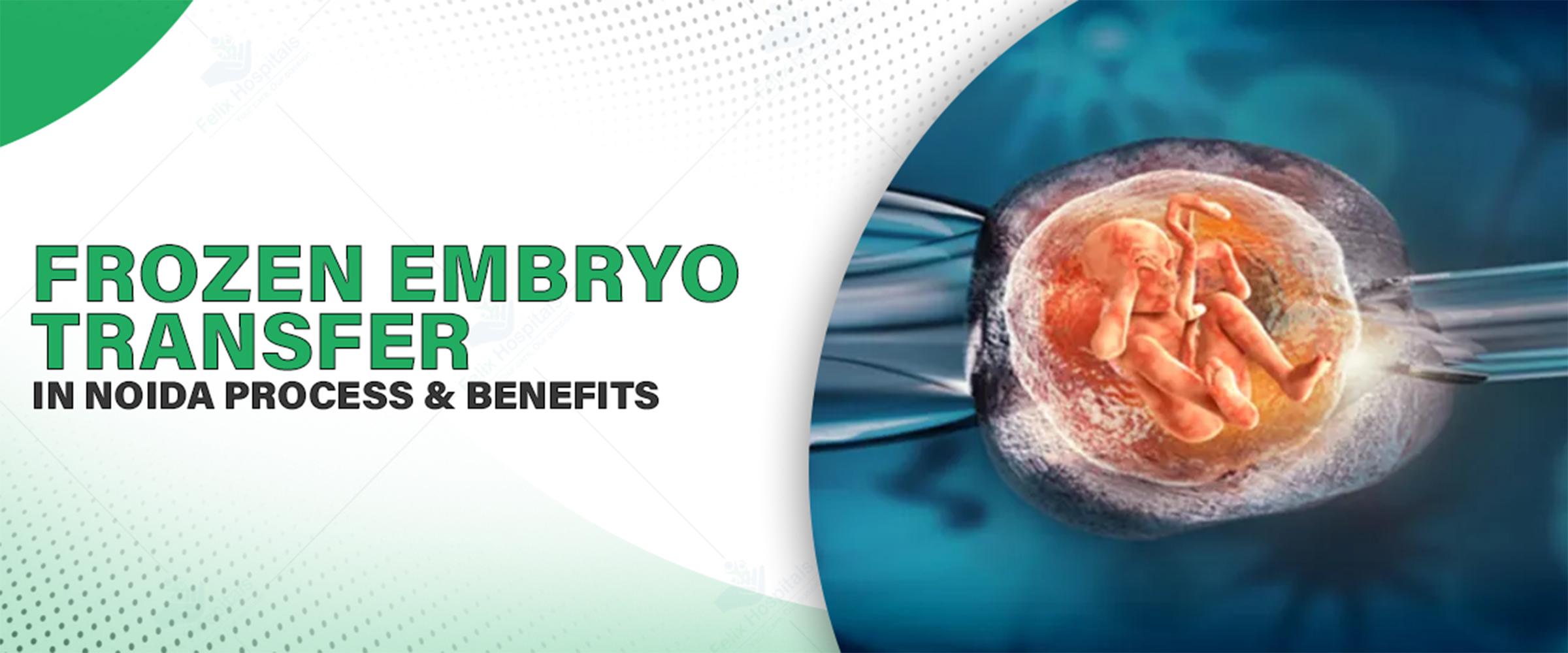
Reproductive medicine has presented hopeful couples with several options to become parents even when fertility is an issue. One of them is the very popular and effective Frozen Embryo Transfer (FET). The procedure presents the chance of getting pregnant from the usage of frozen embryos from a prior IVF procedure. If you are looking for the best gynecology hospital in Noida for the newest fertility treatments, learning about FET can be your next milestone.
Do you have any questions about the FET process? Call our fertility experts at +91 9667064100.
Frozen Embryo Transfer in Noida is a form of fertility treatment where embryos, previously developed and stored frozen from a prior IVF cycle, are transferred into a woman's uterus. Unlike a fresh cycle with egg retrieval and fertilization and then a same-day embryo transfer, FET allows couples to use stored embryos later—due to medical, personal, or timing issues. FET protocol is not just safer in certain situations but also more effective due to the process of uterine lining synchronization and embryo preparation under control.
The Frozen Embryo Transfer in Noida can be accessed by a large number of individuals and couples that are experiencing some fertility issues or preferences:
Couples with remaining embryos from an earlier IVF cycle
Women who had medical conditions that rendered fresh embryo transfer unsuccessful
Patients who choose genetic testing prior to implantation
Women who would like to delay pregnancy for personal purposes
Couples undergoing donor egg or surrogacy
Patients with history of previous failed fresh embryo transfers
With the ease and more control over when, FET is a popular option in modern-day fertility planning.
The FET process is a gradual one and is aimed at maximizing uterine receptivity and embryo viability. The aim is to provide the most optimal environment for implantation and pregnancy. This is how it works typically:
You will be first consulted by the fertility specialist, who will review your history, inquire about the previous IVF outcomes, and select the optimum FET protocol natural or medicated.
Under normal conditions, ovulation is regulated by hormones produced by the body. The menstrual cycle is tracked using ultrasound and hormonal test. Progesterone and estrogen are given to prepare the lining of the uterus for implantation.
To determine the best timing for an embryo transfer, doctors carry out ultrasound and hormone level tests.
Embryo thawing is the process of warming frozen embryos to body temperature, reversing the cryopreservation process. Viable and healthy embryos are chosen for transfer.
A thin catheter is used to place the embryo within the uterus. It is painless, non-surgical, and no anaesthetic is required.
Hormonal supplementation, especially with progesterone, can be maintained after transfer to facilitate implantation.
Around 10 to 14 days from the initial test, a beta HCG blood test is conducted to verify pregnancy.
Because of the multiple benefits of frozen embryo transfer, it's a favored choice among most couples seeking fertility treatment:
FET process is shown to have improved pregnancy rates because of improved embryo selection and optimized uterine conditions.
Since repeated egg retrieval is not needed, the process is less traumatic, and psychological suffering as well as bodily pain is reduced.
With multiple embryos frozen, couples have several attempts available without restarting the entire IVF cycle.
Women with Polycystic Ovary Syndrome (PCOS) or risk of Ovarian Hyperstimulation Syndrome (OHSS) are more benefited with FET, as it reduces complications.
While considered to be a low-invasive and safe method, FET has few risk:
Embryo can die during thawing
Risk of multiple pregnancy if more than one embryo is implanted
Hormonal side effects like headache or nausea
Rarely, ectopic pregnancy
It is important to deal with highly trained fertility experts who are very careful with each step and make choices based on your individual health profile.
The cost of frozen embryo transfer in Noida is usually between ₹30,000 and ₹60,000 per cycle. This may also include:
Hormonal medications
Embryo thaw and transfer
Ultrasound and laboratory monitoring
There may be additional charges such as for embryo storage, premium genetic testing (if chosen), or specific support drugs. Your fertility doctor will provide you with an open and personal cost estimate during a consultation.
Most people in Delhi NCR trust Felix Hospital—not just for their modern facilities, but for there personalized care at every step of the way. Here are a few reasons why people choose Felix:
Highly experienced The fertility team with multiple of years of expertise
Felix has a well-equipped embryology lab, and their use of technology is matched with a focus on what really works—not just the latest trends, but real solutions that fit your needs.
Safety and quality matter. With NABH accreditation, you get peace of mind knowing that every procedure follows strict standards, and your well-being comes first.
Care is not one-size-fits-all here. Whether your doctor recommends a medicated cycle or a natural FET, your plan is put together with you in mind—not pulled from a template.
Choosing where to have your FET is a personal decision. For many, the right place is the one where you feel heard, safe, and supported—Felix Hospital aims to offer exactly that.
Do you want to know if Frozen Embryo Transfer is the right choice for you? For expert advice, call +91 9667064100.
Frozen Embryo Transfer in Noida has brought meaningful changes to IVF. It takes away some of the physical strain and gives couples the breathing room to plan for pregnancy when the time feels right. Whether you’re getting ready to try again or just thinking about the future with frozen embryos, understanding how FET works (along with its risks and benefits) really helps you feel more prepared and confident. When you have a supportive fertility team, up-to-date facilities, and people who truly care about your journey, you’re in a good place to take the next step toward parenthood.
Q1. Is the FET process painful or uncomfortable?
Ans: Most of the time, the FET procedure doesn't hurt and doesn't need anesthesia.
Q2. Am I allowed to work while I'm on FET?
Ans: Yes, most patients keep working with small changes based on what feels good to them and what their doctor says.
Q3. What happens if my embryo doesn't make it through the thawing process?
Ans: Another frozen embryo from your batch, your doctor may use that one.
Q4. Is it important to make changes to your lifestyle during a FET cycle?
Ans: Yes, eating well, lowering stress, and not smoking or drinking can all help you be more successful.
Q5. Is it possible to have FET after a miscarriage in a previous IVF cycle?
Ans: Yes, FET is often suggested after someone has recovered from a failed or miscarried fresh cycle.
Q6. If the first FET doesn't work, how soon can I try again?
Ans: After one menstrual cycle and a checkup with your doctor, they may let you try again.
Exploring the Best IVF hospital in Noida for expert fertility treatments. Felix Hospital IVF is dedicated to helping couples achieve their dream of parenthood with advanced fertility treatments, latest technology, and compassionate care
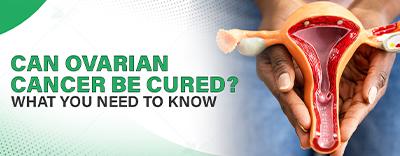
Can ovarian cancer be cured? Early detection plays a critical role. This article explores the chances of cure, available treatment options, survival rates, and the importance of regular screenings for timely diagnosis and improved outcomes.
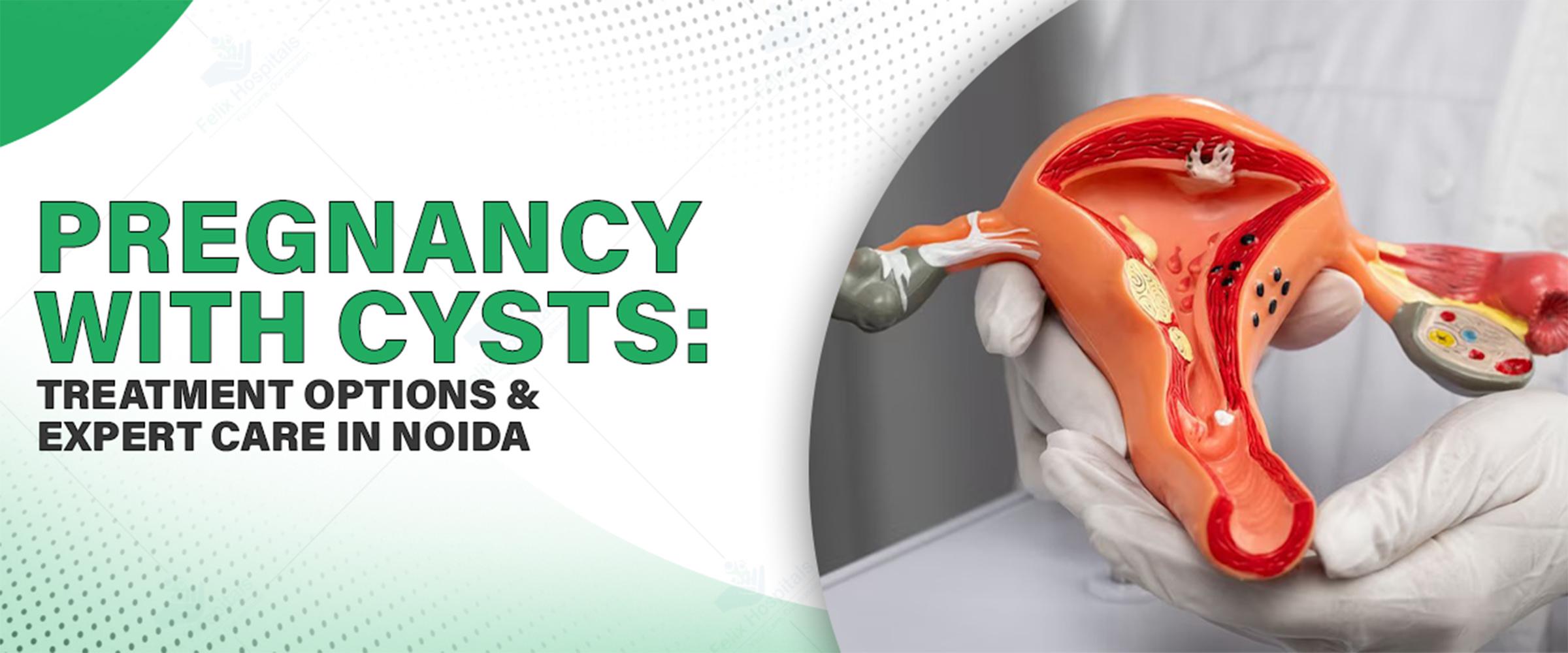
Has the news of your pregnancy reached you? There's a typical mix of excitement, nerves, planning, and overthinking. But then your scan shows something called a “cyst”, and suddenly there’s a new kind of worry in the mix. What even is that? Should you be scared?
Still, it’s completely normal to have questions. What does this mean for your baby? Will you need treatment? Should you be worried?
In this blog, we’ll walk you through what ovarian cysts are, how they’re handled during pregnancy, and when it’s time to get medical advice, especially if you’re seeking care at the best gynecology hospital in Noida.
Are you concerned about a cyst developing during your pregnancy? Speak to a specialist to get clear answers and proper care. Call us today at +91 9667064100.
Ovarian cysts — what are they, really? Think of them as little fluid pockets that show up on your ovaries. They’re pretty common, especially when you’re pregnant. Usually, they don’t cause any trouble.
Many women find out they have one during a routine ultrasound in the first trimester. Often, it’s a corpus luteum cyst, which actually helps support your pregnancy early on by producing hormones. These usually go away by the second trimester without you even noticing.
That said, not all cysts are the same. Some can be:
Dermoid cysts – made of tissue like skin or hair (weird, but true)
Endometriomas – linked to endometriosis
Cystadenomas – filled with watery or sticky fluid
Polycystic ovaries are part of a hormonal condition called PCOS
Most of them are harmless, but if a cyst is large, painful, or has a strange appearance, your doctor might want to keep a closer eye on it.
If you’ve been diagnosed and you're unsure what it means, you can always look into pregnancy with cysts treatment in Noida to get expert advice.
In most cases, it is usually not something to panic about. Many women go through pregnancy with a cyst and never have any major issues. If it’s small (say, under 5 cm) and looks simple on the scan — meaning it’s just fluid with nothing weird inside—then chances are, you’ll be fine.
That said, sometimes cysts can cause trouble. Not always, but it happens. Such as:
Ovarian torsion: A bigger cyst might cause the ovary to twist (that’s called torsion), and that can be really painful and needs quick treatment.
Cyst rupture: Sometimes a cyst just bursts. That situation can be painful and somewhat frightening.
Delivery issues: Rare, but if a cyst is sitting in an awkward spot, it could get in the way during labour.
Cancer risk: Very rarely, a cyst might get in the way during labour, or, in even rarer cases, raise concerns about cancer—but that’s uncommon in pregnancy.
Regular ultrasounds help keep everything in check. And if you suddenly feel sharp pain, bloating, or something that just feels off, don’t ignore it.
Alright, so not every cyst needs a doctor fussing over it every day. But there are times when you shouldn’t just wait it out. Knowing when to check in with a specialist can really make a difference.
It's advisable to schedule an appointment as soon as possible:
The cyst is on the bigger side (anything over 5 or 6 cm)
It looks a bit odd on the scan — like it’s not just fluid, or has solid areas
You’re having pain that doesn’t go away (or it suddenly gets worse)
You feel super bloated or notice your belly swelling up more than usual
You get symptoms like dizziness, nausea, or even fever
You’ve had issues before — like PCOS, endometriosis, or fertility struggles
The best gynecologist in Noida usually start with a closer ultrasound and might follow up with an MRI or some blood work — just to rule out anything serious. And honestly, regular follow-ups can be a huge relief because you’ll know exactly what’s going on.
If you're in Noida, it’s worth visiting a hospital that’s used to handling this stuff — especially places that deal with pregnancy-related complications regularly.
Every pregnancy is different, and so is every cyst. Some are tiny and don’t cause a fuss. Others are a bit more stubborn — or uncomfortable. So the treatment really comes down to the size, how it looks on the scan, and whether it’s bugging you or not.
Here’s how it usually goes:
Just Keeping an Eye on It
In a lot of cases, they don’t do anything right away.
If it’s small and not causing trouble, they just monitor it
You’ll probably have a few more ultrasounds to make sure it’s not growing or twisting
No medicine. No surgery. Just watch and wait
Honestly, most of these cysts shrink or go away by themselves. Super low-key.
If it’s a little uncomfortable (but not dangerous), they might suggest stuff like:
Taking paracetamol if the pain is annoying
Drinking more water
Taking it easy for a bit — no lifting heavy stuff or overdoing it with workouts
Note: only take the medication as directed by your physician; otherwise, it could be harmful to you.
Okay, so this part can sound a bit scary, but sometimes surgery is the safest option. That’s only when:
The cyst is big in size.
It looks weird on the scan (solid areas, not just fluid)
It’s causing severe pain
Or there’s a risk it might twist or burst
If that happens, surgery is usually done in the second trimester — not too early, not too late. That’s considered the safest window.
Doctors often go for laparoscopy (tiny cuts, faster healing) instead of open surgery, if possible. And no — it doesn’t mean anything bad for the baby. Most people recover well and carry on with their pregnancy just fine.
Usually, the doctor might just say, “We’ll watch it and see.”
And that’s good news. It means:
The cyst’s probably small
It’s not bothering you
And nothing strange showed up in the scans
So what happens next? Not much, actually.
You’ll just go in for some follow-up ultrasounds now and then — just to be sure it’s not growing or twisting or anything.
Now, if the cyst is large, painful, or looks suspicious — that’s when doctors start thinking about surgery.
Here’s the deal:
They typically wait until the second trimester (14–22 weeks) because that's safest for both you and baby
If possible, they'll perform laparoscopy (small incisions, faster recovery, less pain)
But if the cyst is quite large or in an awkward spot, they may need to perform open surgery instead
It sounds scary, but the best gynecology surgeon in Noida do it with a great deal of caution. They try to keep both you and the baby safe — always.
If you are being treated, find out more about ovarian cysts in pregnancy and how they are treated safely without compromising the health of the baby.
Worried about having a cyst in your pregnancy? Book an appointment with the best hospital in Noida to get safe care by experts for your well-being and your baby's.
Ovarian cysts in pregnancy are more frequent than most people appreciate, and in the majority of instances, they do not disrupt the progression of a normal pregnancy. But they need to be addressed—particularly if they are large, complicated, or symptomatic.
The secret is early diagnosis, precise diagnosis, and a treatment
plan suited to your specific circumstances. If you require straightforward monitoring or surgery to remove it, professional attention makes the difference in reaching the correct conclusion.
If you are pregnant and have been diagnosed with a cyst, don't worry. Contact best hospital for pregnancy with cysts treatment in Noida for professional assessment and a tailored care plan that ensures both your safety and your child's.
Q1. Do ovarian cysts resolve with pregnancy?
Ans: Yes, they often do. Particularly corpus luteum cysts that develop early in pregnancy tend to reduce in size and resolve by the second trimester without any treatment.
Q2. How are ovarian cysts diagnosed with pregnancy?
Ans: They are typically found on a normal ultrasound in early pregnancy. If indicated, your physician might order other testing such as MRI or a blood draw to further assess the cyst.
Q3. What is a dangerous ovarian cyst size during pregnancy?
Ans: Cysts >5–6 cm might need careful follow-up. Those >10 cm, or with features of complexity (solid components or intracystic bleeding), might need surgery to avoid complications.
Q4. What are the signs of an abnormal ovarian cyst during pregnancy?
Ans: You need to see a doctor if you experience:
Severe, sudden pain in the abdomen
Heavy bloating
Nausea or vomiting
Dizziness or syncope
Vaginal bleeding
Fever with pain (may be a sign of infection or torsion)
Q5. Will I be able to have a normal delivery if I have an ovarian cyst?
Ans: Yes, many cysts won't get in the way of normal vaginal birth. But if the cyst is very big and in a position to block the birth canal, a cesarean delivery might be suggested.
Explore the causes, symptoms, and best treatment options for ovarian cysts after pregnancy. Find expert care in Greater Noida.
Can ovarian cancer be cured? Early detection plays a critical role. This article explores the chances of cure, available treatment options, survival rates, and the importance of regular screenings for timely diagnosis and improved outcomes.
You’ve just brought a new life into the world, and yet, instead of settling into motherhood, you’re back in a doctor’s office, hearing the word “cyst.” It’s not what anyone expects after delivery, but for many women, ovarian cysts quietly make their presence known in the weeks or months that follow childbirth.
Maybe it started as a dull ache that wouldn’t go away. Or maybe it was found during a routine scan, catching you off guard. Whatever the case, it can be unsettling. But here’s the reassuring part: you’re not alone, and you’re not without options, especially if you’re in Greater Noida, where some of the country’s most advanced fertility-preserving treatments are readily available.
This blog is your go-to guide, not just to understand what’s happening in your body, but to help you move forward confidently with the right care.
Are you worried about ovarian cysts after pregnancy? Reach out now to schedule a consultation with top gynecologists in Greater Noida. Call us today at +91 9667064100.
The postpartum months can feel like your body learns a few surprises—one of them might be an ovarian cyst. These are essentially tiny, fluid-filled sacs that occasionally form on or inside your ovaries. Often, these crop up during pregnancy and don’t resolve right away; other times, hormonal ups and downs or conditions like PCOS or endometriosis spark their formation.
What’s tricky is that most cysts stick around silently, with no pain or warning. Often, they’re only discovered during a check-up or ultrasound. If you are seeking ovarian cyst treatment after pregnancy in Greater Noida, the first step usually involves a thoughtful assessment: How big is the cyst? What type is it? Is it bothering you at all? If it’s small and quiet, your doctor might suggest waiting and watching; if it's larger or complex, medical intervention could make sense. The goal is simple: treat if needed, but avoid overtreatment, and preserve your well-being along the way.
Right after giving birth, it’s easy to overlook small discomforts — you're tired, healing, and focused on your baby. But if something feels off, especially in your lower abdomen, it’s worth paying attention. Ovarian cysts that show up (or linger) after delivery can bring a few signs along with them, though not everyone will feel the same symptoms.
Here are a few things to watch out for:
A nagging ache or sharp pain low in the belly, sometimes on one side
A sense of heaviness or pressure that doesn’t ease up
Bloating that’s unrelated to eating
Pain or discomfort during sex, which might catch you off guard
Periods that come late, irregularly, or feel different than before
Needing to pee more often, or feeling like your bladder’s being pressed on
Nausea or even vomiting — this usually happens if the cyst twists or bursts
While most cysts aren’t dangerous, some can lead to complications if left untreated. One of the more serious concerns is ovarian torsion — when a cyst causes the ovary to twist, cutting off blood flow. That’s a medical emergency and usually comes with sudden, sharp pain. Although less common, a ruptured cyst can also cause pain and may sometimes lead to internal bleeding. In rare cases, recurring or complex cysts might affect fertility over time.
So, you’ve found out there’s an ovarian cyst after your pregnancy. It can feel scary, but honestly, it’s pretty common, and there are a few ways doctors in Greater Noida usually handle this.
Watch and wait: If the cyst is small, like under 5 cm, and not really causing you any problems, they might just want to watch it for a while. This usually means you’ll get ultrasounds every so often to make sure it’s not growing. Many of these cysts naturally disappear once your body's hormones stabilize after childbirth.
Medications: In some cases, doctors may recommend hormone pills, such as birth control. These don’t make the cyst go away, but they help keep your hormones steady, which can stop new cysts from forming, especially if your hormones have been a bit out of whack.
Surgery: But if the cyst is big, painful, or just won’t budge, then surgery might be the next step. Thankfully, in most places here, it’s done with tiny cuts and cameras, what they call laparoscopic surgery. It usually means less pain afterward, quicker recovery, and saving your ovary.
Basically, the approach depends on the symptoms and how things develop in your ovaries. The key is having a doctor who listens and helps you figure out the best plan for your better future.
When surgery is needed for ovarian cysts after pregnancy, doctors in Greater Noida usually prefer minimally invasive methods. These are way better than the old, big cuts because they mean less pain and a quicker bounce-back.
Laparoscopic ovarian cystectomy: The most common ovarian cyst treatment is laparoscopic surgery. Basically, the surgeon makes a few minimal cuts and by using a camera to see inside your stomach they carefully remove the cyst without hurting the ovary. The whole thing usually takes one or two hours, and most women go home in a couple of days. After that, it’s mostly about taking it easy for a bit and following up with the doctor.
Robotic Surgery: Some hospitals also offer robotic-assisted surgery. This sounds fancy because it is! The surgeon uses a robot to help guide their tools with super steady precision. That means less bleeding, smaller scars, and usually less discomfort. Not every place has this tech yet, but in Greater Noida, a few top centers do. It’s a good option if you want the best possible care and the fastest recovery.
These methods are especially great if you want to keep your fertility intact after delivery. Plus, they get you back to your life quicker than traditional surgery.
So, after your cyst is taken care of, most people are surprised by how quickly they start feeling better — especially if it was a laparoscopic surgery. Usually, you won’t need to stay long in the hospital, maybe just a day or two tops.
Here’s what it’s like, roughly:
You might feel a bit sore or tired for the first week, but nothing too crazy. Simple pain meds like ibuprofen usually help.
Moving around a little bit is actually good. Walking helps your body heal faster. Just don’t overdo it — avoid lifting heavy stuff or working out hard for a couple of weeks.
Your doctor will want to see you again to check your stitches and maybe do an ultrasound just to be sure everything’s healing fine.
Sometimes, they might tell you to keep taking hormone pills after surgery to keep new cysts from showing up.
Most people get back to their normal day-to-day in about one or two weeks, which is way better than the old-school big surgeries that took months.
Everyone’s different, though, so listen to your body and your doctor’s advice.
What makes a good gynecologist? Yes, it’s a big deal. You want so treatment in Greater Noida mesne who really knows their stuff, especially when it comes to ovarian cysts after pregnancy.
Here’s what I’d look for, honestly:
First, check if they’re properly qualified and have experience with these kinds of cysts after pregnancy. You don’t want a newbie.
It’s nice if they’re familiar with the newer, less painful surgeries, like laparoscopy or robotic-assisted ones. Those usually help you heal faster.
A big deal is how they speak with you. Like, do they listen? Do they explain stuff in a way that actually makes sense? Or do they just throw around medical words? Furthermore, see if their hospital has up-to-date equipment. Things like good ultrasound machines or robotic surgery tools if that’s needed.
And, of course, don’t be shy about asking around or reading what other patients say. This can provide you with a clearer understanding.
At the end of the day, trust your gut. If you feel comfortable and they provide satisfactory answers to your questions, you're likely to proceed.
Talking about money isn’t always fun, but it’s super important when you’re figuring out the treatment options for postpartum ovarian cyst cost in Noida. Prices can vary a lot, depending on what you need and where you go.
Here’s roughly what you might expect:
If you go for laparoscopic surgery to take out the cyst — which is the usual choice these days — it could cost anywhere from about ₹28,000 up to ₹70,000. Big hospitals tend to charge somewhere in the middle, maybe ₹45,000 to ₹55,000.
Open surgery, which is less common now, can be pricier — sometimes close to ₹85,000.
There’s also a simpler option where doctors drain the cyst with a needle. It’s cheaper (like ₹5,000 to ₹15,000), but the cyst might come back more often.
Hormone pills, like birth control, can help stop new cysts, and those usually cost around ₹500 to ₹1,500 a month.
Keep in mind, the price tag usually covers more than just the surgery — things like scans, doctor visits, hospital stay, and follow-ups. So, it’s the best idea to ask the hospital exactly what’s included before you decide.
If you suspect or know you have ovarian cysts after pregnancy, don’t delay. Book your appointment with a specialist in Greater Noida.
Ovarian cysts after pregnancy might sound scary at first, but honestly, they’re more common than people think — and in most cases, totally treatable. The key is knowing what’s going on with your body and not brushing off symptoms just because “it’s probably nothing.”
If you're in Greater Noida, you’ve got access to some solid treatment options — whether it’s simple monitoring, medication, or surgery. And the good news? Most women recover well and go on with their lives just fine, especially when they catch it early and choose a doctor who knows their stuff.
So if something feels off, don’t wait it out. Talk to a gynecologist, ask your questions, and take care of yourself — you’ve just been through pregnancy, your body deserves that attention.
Q1. I had a C-section — could a cyst cause problems with healing or future pregnancies?
Ans: It’s possible. If the cyst is large or sticks around for a while, it can sometimes get in the way of healing or affect the tissue near your surgical scar. It’s a good idea to have it checked out, just to make sure everything’s healing properly — especially if you’re thinking about another baby later on.
Q2. How soon after giving birth can I get a cyst removed?
Ans: It depends. If the cyst is painful or getting bigger, your doctor might suggest dealing with it just a few weeks after delivery. But if it’s not urgent, they may wait a couple of months to let your body settle a bit first.
Q3. Can a cyst come back even after it’s been removed?
Ans: Yeah, it can — especially if the cause is hormonal, like with PCOS. Some doctors in Greater Noida will combine surgery with hormone therapy or suggest a few lifestyle tweaks to help keep new cysts from forming.
Q4. I’ve been feeling some pelvic pressure, but my ultrasound during pregnancy was normal — could it still be a cyst now?
Ans: Definitely possible. Some cysts can show up after delivery or grow bigger later on. If something feels off, it’s worth going in for another scan to see what’s going on.
Can ovarian cancer be cured? Early detection plays a critical role. This article explores the chances of cure, available treatment options, survival rates, and the importance of regular screenings for timely diagnosis and improved outcomes.
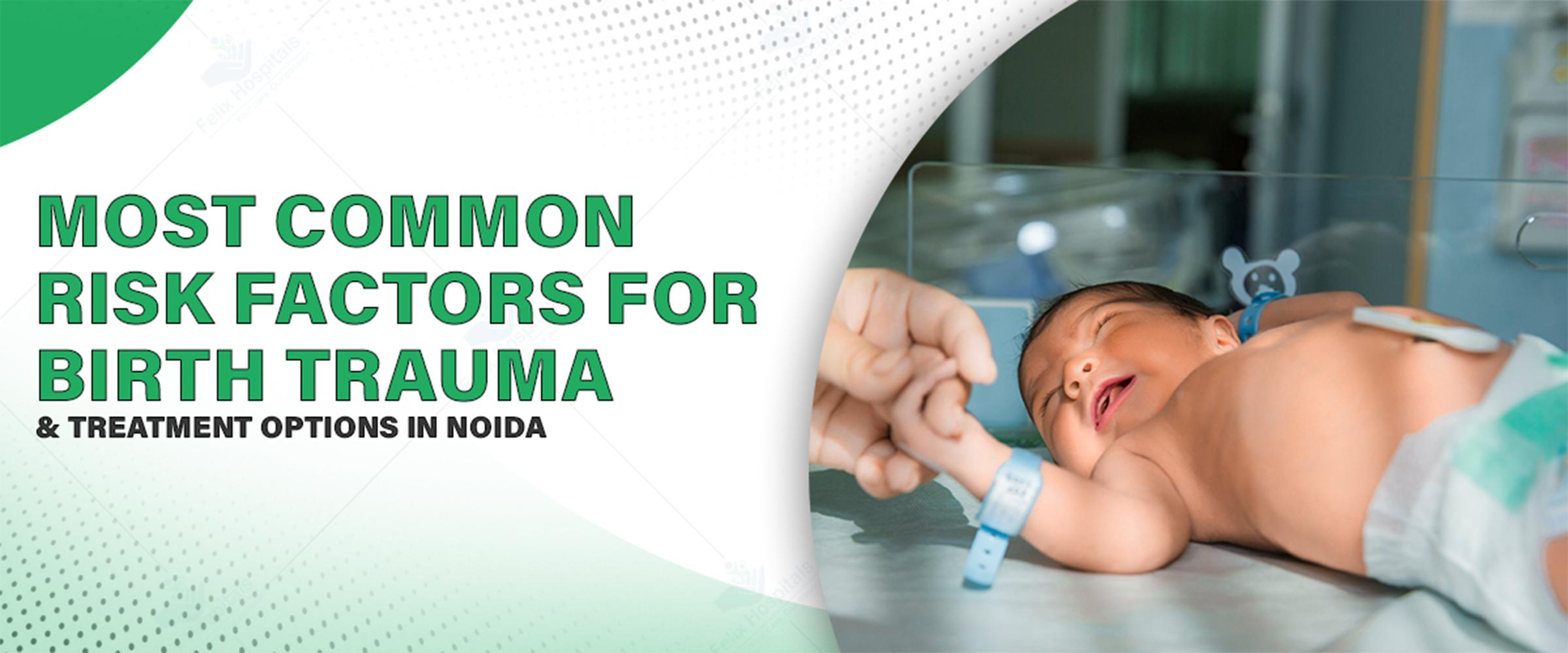
For everybody childbirth is a time of pure joy, but for some families, the experience can be more complicated. After the delivery, some mothers and families have to deal with physical injuries or tough emotions that don’t just go away once they leave the hospital. This is what doctors call “birth trauma.” It does not only mean the birth defects but can also show up as pain, feeling low or anxious. Knowing the risk factors for birth trauma and available solutions can greatly help in recovery These issues can last for weeks or months if they aren’t addressed. For those seeking reliable care, it’s important to explore options at the best gynecology hospital in Noida that offer both physical and mental support.
Worried about a birth defect? Get the right answers from a trained expert. Call at +91 9667064100.
Birth trauma can look very different from one person to another. For many, it’s physical: birth defects in the child ,bruises, aches, pains after a difficult delivery, or a scar that takes longer to heal. For others, it’s much more about how they’re feeling—some mothers experience sadness, anxiety, or trouble bonding with the baby that lingers well after leaving the hospital. Birth trauma treatment in Noida depends upon how well you know your condition. A smooth pregnancy doesn’t always guarantee an easy delivery, and even the best medical care can’t predict every moment.
There isn’t a single reason but few risk factors for birth trauma that contribute to it. Let’s look at some of the most common:
A past miscarriage or stillbirth can make the next birth feel far more stressful and emotional.
Long tough labors, or cases where tools like vacuum or forceps are used, result in trauma
Sudden decisions in the delivery room, like an emergency C-section, can be scary and difficult to process.
Feeling isolated or unheard during labor-Not everyone has supportive people around during labor.
If the baby is taken to the NICU immediately, mothers might be left feeling anxious.
Knowing these risks can help families and care teams plan ahead for extra support.
Childbirth isn’t just hard on babies—new moms can walk away with injuries that sometimes go unnoticed at first. Vaginal deliveries, can cause problems most people just don’t talk about. If these are ignored, they can really disrupt daily life.
One of the most common injuries is a perineal tear, which happens in the area between the vaginal opening and the anus. Most tears are minor and heal up on their own, but deeper ones (third or fourth degree) can reach the muscles underneath and usually need stitches. You’re more likely to experience these if labor drags on, if medical tools are used, or if your baby is larger than average.
The pelvic floor is made of muscles that help keep organs—like your bladder, uterus, and rectum—in place. During birth, these muscles can get stretched too far, sometimes even torn. This can lead to leaking urine, or a feeling of heaviness. There’s also a main nerve in that area (the pudendal nerve) that can get squished or pulled—causing numbness or pain.
If the pelvic floor muscles are badly weakened, organs can start to slip down and press against the vaginal wall—this is called pelvic organ prolapse. It sounds worrying, but if you catch it early, things like guided exercises or, in some cases, surgery, can help get things back to normal.
These sorts of birth injuries happen more often than we realize. That’s why paying attention to your body after giving birth, and going back for check-ups, is so important. Don’t brush off unusual pain or symptoms; the sooner you get help, the sooner you can start feeling like yourself again.
Most deliveries go as planned, but some babies do get small injuries during the birth process. The good news is, many of these problems are mild and heal on their own. Causes of birth injuries in newborns include long complicated delivery, or if special tools were needed.
It’s quite common to see a newborn with some swelling or bruises on their scalp or face. This usually happens simply because of the pressure while passing through the birth canal. Sometimes, if forceps or a vacuum were used during delivery, there might be some extra marks. Conditions like caput succedaneum—where you feel a soft, squishy swelling on the scalp—usually aren’t dangerous and go away in a few days. Another issue, cephalohematoma, is bleeding under the scalp; it can look alarming, but most of the time it disappears by itself within a couple of weeks.
The collarbone (clavicle) is the bone most likely to break during birth, especially if the baby is larger than average or the delivery was difficult. This can sound worrying, but, for most newborns, a broken collarbone heals quickly, often with no special treatment apart from gentle handling.
Some babies may have temporary nerve injuries from the pressure of birth. For example, if labor was long, or forceps were used, part of the face might seem weak. In most cases, this gets better on its own within a few weeks. There’s also something called a brachial plexus injury, where the nerves that help move the baby’s shoulder and arm are affected. This can happen if the shoulder gets stuck during delivery.
Premature babies are delicate, and sometimes a blood vessel in the brain can break during or soon after birth. This is known as intraventricular hemorrhage. While not very common, it does happen, and it means the baby will need careful care from specialists right away.
There are always birth trauma treatments in Noida available, but the choices you make before—and during—labor can shape your experience.
Take a prenatal class. The more you know, the less the surprises will throw you.
Make a realistic birth plan, but be open to changes. Discuss it honestly with your healthcare team. The plan is a guide, not a contract.
Choose a hospital or clinic where continuous, supportive care is available—it really does help.
If you’re feeling anxious or down even during pregnancy, don’t wait—get help early.
Keep up with checkups, and make small, steady steps for your own health. Sleep, meals, little walks—they all add up.
Get clear, not confused. Talk to our child health experts about congenital conditions. Call at +91 9667064100
No birth goes exactly as planned, and that’s completely normal. If you or someone you care about is struggling after a difficult delivery, remember—you’re not alone. There’s no shame in having a tough birth experience, and it doesn’t define you as a parent. With the right help, most families do find their way through those challenging days. If you think you could use some support, don’t wait to ask for it. There are birth injury treatment options in Noida ready to help you treat—step by step.
Q1. How long does it take to get over birth trauma?
Ans: There is no set time frame. Some parents feel better in a few weeks, while others need months or even longer. Don't be afraid to ask for help right away.
Q2. Can trauma during birth affect future pregnancies or births?
Ans: Yes, it can. If you've been through something traumatic, it could make you anxious during your next pregnancy. But the good news is that with the right care, planning, and emotional support, future births can go better. Talk to your doctor early on in your next pregnancy so you can get ready together.
Q3. Can pelvic floor problems be treated?
Ans: Yes, with pelvic therapy, most women regain strength and function over time.
Q4. Where can I find help for birth trauma close to me?
Ans: In Noida, a lot of hospitals like Felix Hospital offer specialized postnatal care, such as counseling for mental health, physiotherapy, and support for bonding between mother and baby.
Explore the best tubal ligation surgery options in Noida for permanent and safe birth control. Get expert care from top gynecologists and hospitals near you.
Selecting the best gynecologist hospital in Noida is crucial for your health. Learn what to look for in top facilities offering specialized care in maternity, infertility, menstrual health, and gynecological surgeries.
finding the best neonatologist doctor in Noida can be a crucial step. This blog provides an overview of the NICU experience and highlights essential resources for families.
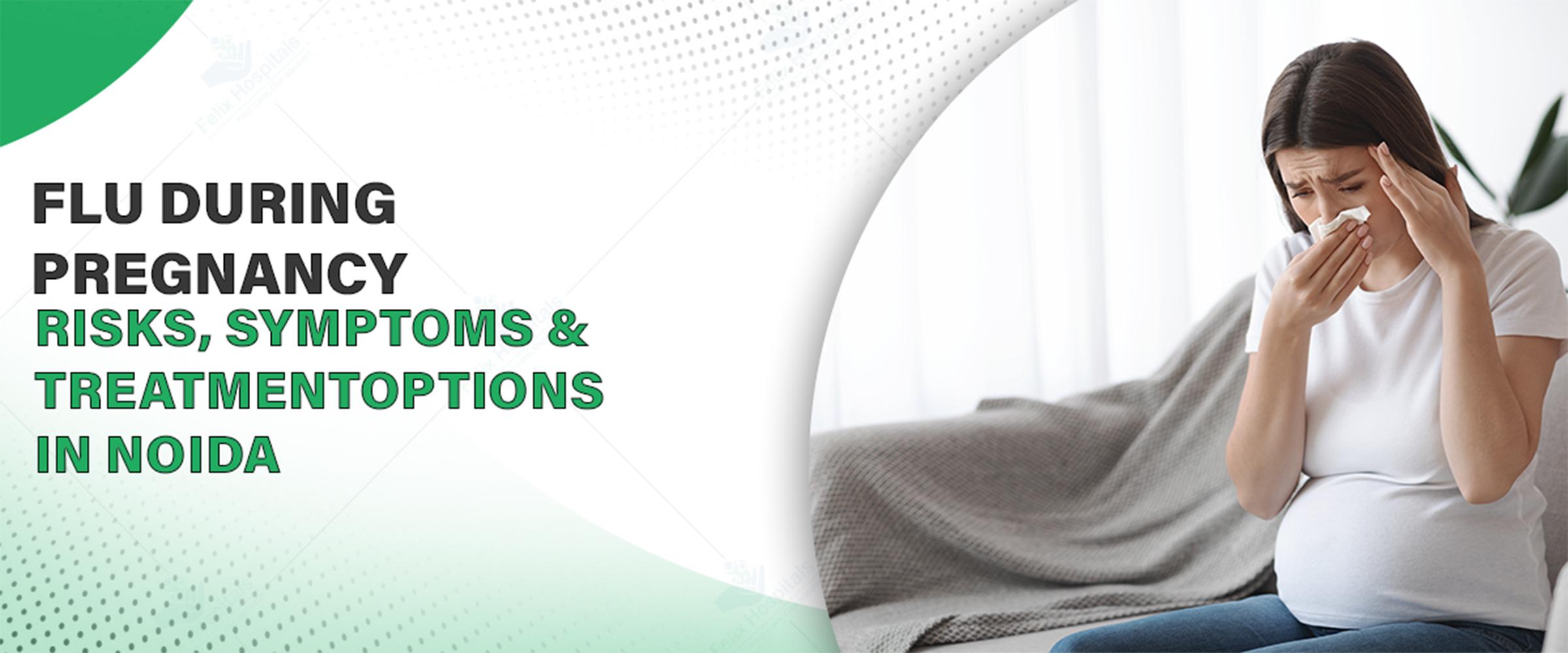
Being pregnant already brings a mix of emotions and changes adding flu season to the list, and things can get even trickier. During pregnancy, your immune system gets dialed down a bit to protect the baby, that also means you're more likely to catch the seasonal flu.
In places like Noida, where pollution is on the higher side a regular thing, it’s not unusual for viruses to spread quickly. And when the flu hits during pregnancy, it’s more than just a sore throat or a stuffy nose. The risks can get pretty serious, especially if it’s not caught early. Things like lung infections, high fever, or even preterm labor aren’t off the table. That’s why it helps to know the signs early and take action before things get serious. At the best gynecology hospital in Noida, comprehensive maternal care ensures timely diagnosis and safe treatment, especially when it comes to seasonal illnesses like the flu.
Are you worried about getting the flu? Get personalized expert advice for pregnant women right away. call at +91 9667064100
Let’s be honest—when you're pregnant, your body is already going through a lot. So, it can be tricky to tell whether you’re dealing with normal fatigue or something more serious like the flu. But there are a few signs that should never be brushed off. They could be symptoms of Seasonal flu during pregnancy.
Here’s a quick list to keep in mind:
High temperature constantly
Constant tiredness, not your usual pregnancy kind
Sore throat and body aches
Chills or feeling sweaty for no reason
Runny nose or dry cough
Dizziness
Loss of appetite
If even a couple of these show up at once, it’s worth getting checked. Don’t wait—early care makes all the difference.
Getting the seasonal flu during pregnancy can feel overwhelming, but you're not alone—and you have options. The most important thing is to act early. If you notice symptoms like a rising fever, sore throat, or body aches, don’t wait it out hoping it’ll go away. Call your doctor.
In places like Noida, where weather changes often increase the risks of flu in pregnancy, most clinics know how to handle these cases with care. Your doctor might suggest antiviral medicines—these work best if taken within the first day or two. They won’t cure the flu, but they can make it shorter and less intense.
Paracetamol to help bring down the fever (but always check with your OB-GYN first).
Drinking lots of fluids—even if you’re not thirsty. Dehydration can creep up quickly in pregnancy.
Simple foods like soup or khichdi to keep your strength up.
Monitoring your baby more closely, just to make sure everything’s okay on that side too.
For more severe cases, or if symptoms don’t improve, you might need to go to the hospital. Oxygen support, extra tests, or fetal monitoring may be needed—just as a precaution, Don’t self-treat, avoid random cough syrups or cold tablets. It’s always better to double-check first.
If your doctor says you can rest at home, there’s still a lot you can do to support your recovery. Nothing fancy—just basic care that makes a big difference.
Start with rest. It might sound obvious, but your body’s doing double duty—fighting off the seasonal flu during pregnancy and supporting your baby. Don’t push through the fatigue. Take naps, stay warm, and slow things down.
Drink plenty of fluids—even more than you think you need. Warm water, soups, coconut water, even a bit of lemon with honey can keep you hydrated and soothe your throat.
Eat what you can, even if you’re not hungry. Light, nutritious meals like fruits, rice, or dal can give you the energy you need to heal.
Steam inhalation-It’s an old-school trick, but it helps. A towel over your head and a bowl of hot water with a pinch of salt or ajwain can open up blocked sinuses.
When you're expecting, it's always better to stay a step ahead—especially when it comes to risks of flu in pregnancy. Prevention really is your best defense here.
First and foremost, get the flu shot. It’s safe to take during any trimester, and it not only protects you but also helps your baby develop some immunity before birth. That’s one vaccine you really don’t want to skip.
During flu season, try to avoid places where crowds gather, like markets or public transport during rush hour. If you have to step out, wearing a mask and keeping a small sanitizer handy can make a big difference.
Wash your hands regularly, avoid touching your face too much, and clean frequently used items like your phone or doorknobs.
It’s also a good idea to focus on your health from within. Eat well, get enough rest, stay active in ways your doctor recommends, and take your prenatal supplements on time. These small habits strengthen your immune system and lower your risk.
If someone around you shows signs of a cold or flu, it’s okay to keep your distance. A little caution can go a long way in keeping you and your baby safe.
Most of the time, you can manage the seasonal flu during pregnancy at home—plenty of rest, fluids, and meds your doctor gives you. But during pregnancy, some symptoms might get worse faster than you’d expect. So it’s really important to know what’s not normal and when you shouldn’t wait.
Call your doctor or go to the hospital if you have:
A fever, even after taking the medicine
Struggling to breathe or feel tightness in your chest
You keep throwing up and can’t keep any fluids down
You feel faint, confused
Your baby isn’t moving like they normally do
Even if it seems small, don’t brush it off. It’s always safer to check in with your doctor, just in case
Felix Hospitals offers exceptional care to expecting mothers, especially when seasonal illnesses like the flu add unexpected challenges. Whether you’re walking in with mild symptoms or feeling really unwell, the staff is trained to act quickly and safely. So if you're in Delhi NCR, feeling unsure, and symptoms start to worry you, Felix might be a place to consider.
With a focus on both maternal and fetal well-being, the hospital combines clinical expertise with compassionate support. It’s not just a flu case to them—it’s your health and your baby’s safety.
Do you have flu-like symptoms? Don't put it off; see your doctor today for the best care. Call at +91 9667064100.
While the flu might just mean a few days of rest for most people, it can hit a bit harder when you’re expecting, but knowing what to look out for and how to protect yourself can make a big difference. Pregnant women should know that the flu is more than just a regular cold. So, it's important to stay alert, get vaccinated, and ask for help early.
Keep in mind that being careful today will make you and your baby healthier tomorrow.
Q1. Can the flu hurt my baby before it is born?
Ans: Yes. In serious cases, the risk of giving birth too soon or with a low birth weight goes up.
Q2. Is it okay to take antiviral drugs while pregnant?
Ans: Yes, but only if a doctor says so. The first 48 hours are when it works best.
Q3. Is it safe to get the flu shot while pregnant?
Ans: Yes, for sure. It is safe and highly recommended at any time during pregnancy.
Q4. What can I do to deal with the flu at home while I'm pregnant?
Ans: Rest, drink plenty of water, eat well, and take the medicines your doctor recommends.
Q5. Where can I get safe flu treatment in Noida while I'm pregnant?
Ans: Felix Hospitals offers expert flu treatment for pregnant women, including specialized gynecological care.
Exploring the Best IVF hospital in Noida for expert fertility treatments. Felix Hospital IVF is dedicated to helping couples achieve their dream of parenthood with advanced fertility treatments, latest technology, and compassionate care
Selecting the best gynecologist hospital in Noida is crucial for your health. Learn what to look for in top facilities offering specialized care in maternity, infertility, menstrual health, and gynecological surgeries.

Subscribe to our
© Copyright 2026. All Rights Reserved by Felix Healthcare Private Limited
Design and development by :


 +(91)9667064100
 Emergency : +(91)9667064100