 WhatsApp
 Emergency:
  WhatsApp






Subscribe to our
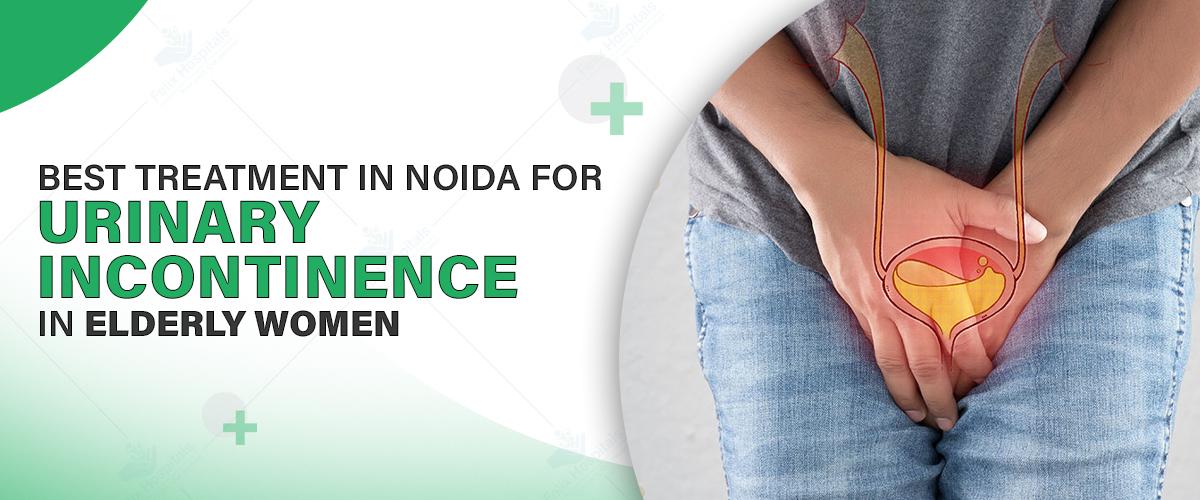
Imagine dealing with daily urinary leaks—not just as a symptom of aging, but as a sign of an underlying condition that’s actually treatable. For too many elderly women, urinary incontinence is not a health issue—it's an emotional and social struggle that quietly depletes confidence, dignity, and independence, but the story is finally changing. With increasing awareness, dedicated geriatric care, and advanced medical interventions, urinary incontinence treatment for elderly women in Noida is no longer just extremely effective but more accessible than ever before. You might be an older woman suffering from symptoms, a care who is worried about a loved one, or just someone searching for information, so you need to contact the best gynecology hospital in Noida. Having full knowledge of all available treatment choices can indeed be life-altering.
Noida has rapidly positioned itself as a leading hub for elderly healthcare, offering expert diagnostics, individualized therapies, and comprehensive treatment plans that help older women regain control discreetly, respectfully, and confidently. In this blog, we’ll explore the causes of urinary incontinence in aging women, available treatment paths, recovery expectations, and how to take that first important step toward relief.
Why live with discomfort when tailored, evidence-based treatment exists? Call a group at one of Noida's top-rated hospitals today at +91 9667064100.
Urinary incontinence is any involuntary loss of urine and is substantially more prevalent with increasing age. This is not just a symptom, it is the self-confidence that returns once control is regained.
Activities like lifting, sneezing, or coughing increase the pressure on the bladder, causing stress incontinence. The pelvic floor muscles, usually weakened after menopause or childbirth, are unable to support the bladder. It is one of the most prevalent forms among older women.
Urge Incontinence is characterized by a rapid, intense need to urinate and leakage before reaching the restroom. It's usually caused by overactive bladder muscle spasms and is more prevalent in older patients.
Both stress and urge symptoms combined. Elderly women often have both, and thus diagnosis and treatment become more complicated.
happens when the bladder fails to empty completely, resulting in continuous dribbling. This can be a result of weak bladder contractions or obstructions and is not as common.
By establishing your type of incontinence, a personalized urinary incontinence treatment plan in Noida can target what really works for your body.
Knowing why incontinence occurs is half the solution towards prevention or management.
Trigger Factors Include:
Hormonal Changes: Decrease in estrogen after menopause leads to thinner tissues of the urethra and bladder, changing bladder support and control.
Pelvic Floor Weakness: Pregnancy, childbearing, age, and decreased activity can weaken the core muscles that support the pelvic floor.
Chronic Conditions and Medications: Diabetes, urinary tract infection, constipation, or medications like diuretics can affect bladder control.
Obesity and Sedentary Lifestyle: Excess weight puts extra pressure on the bladder, while inactivity weakens pelvic support.
Neurological Problems: Disorders such as stroke, Parkinson's disease, or multiple sclerosis may interfere with bladder muscle messages.
Identifying these factors can assist you in averting worsening or modifying lifestyle parameters to ease symptoms.
It's tempting to write off occasional leaks as "part of aging," but even infrequent occurrences are worth investigating. If you're finding urinary leakage in older women—particularly if it starts interfering with everyday activities—early detection can be crucial.
Leakage during normal activities like walking, standing, or stair climbing
Urges that are hard to control and occur often
Waking up to urinate many times at night (nocturia)
Painful urination or recurrent urinary infection
Early treatment usually results in less complicated, less invasive treatments and can prevent complications like skin irritation or infection of the urinary tract, making recovery easier.
In Noida, contemporary care pathways offer individualized treatment alternatives for urinary incontinence based on severity, general health, and patient objectives.
Personalized Treatment Plans May Include:
Detailed assessment: Medical, physical, and bladder function testing
Conservative treatment: Pelvic muscle training, bladder retraining, lifestyle modification
Minimally invasive treatments: Sling or injection treatment if necessary
Long-term support: Regular follow-up, re-adjustments, and maintenance measures
Treatment approaches are fine-tuned with time, resulting in improvement without unnecessary intervention.
Conservative treatment often serves as the initial course of action, leading to significant improvements.
Important Conservative Treatments
Kegel Exercises: These are focused regimens designed to tighten pelvic muscles and are most effective when performed under the guidance of a trained physiotherapist.
Bladder Training Regimens: Incremental extensions of the interval between bathroom stops to improve bladder capacity.
Biofeedback Equipment: Equipment assists in visualizing and honing your pelvic control training.
Electrical Stimulation: Aids in stimulating and retraining weak pelvic muscles with subtle impulses.
Diet and Lifestyle Changes: Changes like fluid monitoring, weight control, and diet modification (eliminating offending agents such as caffeine or hot peppers).
These methods are mild, low-risk, and provide measurable improvement when strictly adhered to.
When symptoms continue after non-surgical interventions, more complex options are possible, particularly for problems significantly affecting everyday life. These procedures offer recovery tips for elderly women with urinary incontinence by providing relatively rapid recovery periods and minimal invasiveness.
Mid-Urethral Sling Procedures: The urethra is supported by a small mesh sling to ensure stress-based leakage prevention.
Botulinum Toxin (Botox) Injections: Transiently relax overactive bladder muscles and alleviate urge incontinence.
Sacral Nerve Stimulation (Neuromodulation): Implants a small device that delivers gentle pulses to nerves that control bladder function.
The choice of each is made considering individual risk profile, overall health, and desired results—always striving to reduce discomfort and maximize outcomes.
Choosing the best gynecologist in Noida whom you trust is crucial to successful treatment.
What to look for:
Geriatric Experience: A doctor trained in age-related urinary issues.
Collaborative Model: Referral to physiotherapy, nutrition counseling, or geriatric nursing staff.
Empathy and Communication: Straightforward explanations, compassionate treatment, and realistic goal-setting are important.
Evidence-Based Care: Application of current techniques, minimalism in interventions, and individualized treatment plans.
A robust initial assessment should set you with a good diagnosis, treatment choices, and confidence in your treatment journey.
Knowing costs beforehand helps make the right choices.
Expense Considerations:
Diagnostic tests: urine tests, ultrasound, or urodynamic tests
Non-surgical therapy sessions: physiotherapy, biofeedback, medical devices
Surgical procedure fees if necessary: includes surgeon, facility, anesthesia
Post-procedure and follow-up sessions: upkeep or repeat treatment
Assistive devices: pads, protective undergarments, or pelvic support devices if necessary
Leading providers support most geriatric care hospitals in Noida, including Felix Hospitals, with insurance and cashless payment options. Some have financial assistance or payment plans, enabling the road to recovery to be more accessible.
Outcomes differ, but numerous elderly women experience real improvement in confidence, comfort, and independence through appropriate treatment.
What to Expect:
Substantial decrease in leaks or, in most instances, complete bladder control
Increased daily activity and better sleep
Less anxiety and social shame
Successful long-term management with ongoing exercises, follow-up, or maintenance care
Gradual recovery is more common. Yet with perseverance and the right clinical team, the changes become life-enriching.
Schedule a consultation with a professional specialist in Noida for bespoke urinary incontinence care in Noida for older women, and start your journey towards renewed dignity and well-being.
Managing urinary incontinence doesn't have to mean acquiescing to discomfort or loneliness—particularly not in modern times of medical advancement and individualized treatment.
If you're an older woman experiencing symptoms or a caregiver seeking support for a loved one, rest assured that there is assistance available, tailored to your specific life stage, situation, and goals. In Noida, you'll discover hospitals with caring, elderly-sensitive settings that provide both innovative and old-fashioned urinary incontinence treatments for elderly women.
With trained pelvic floor therapy and secure, low-risk surgical alternatives, each treatment course is created to regain dignity, enhance everyday living, and raise the overall quality of life. Above all, you're not alone—and you never have to be embarrassed. With proper assistance, most women resume active, assertive living, free from the fears that formerly dictated their schedules. Please consider taking that first step now, because every woman should grow old with dignity, in comfort, and with pride.
Felix Hospital offers advanced and reliable Urinary Tract Infection (UTI) treatment in Noida with expert urologists ensuring fast relief and complete recovery.
Q1. Is urinary incontinence unavoidable as I age?
Ans: No. Although more prevalent with increasing age, many may be successfully treated or reversed by making lifestyle changes and receiving appropriate treatment.
Q2. How successful are treatments such as pelvic floor exercises?
Ans: Regular use, often under supervision, can restore bladder continence to many older women.
Q3. Do drugs have a role in urinary incontinence?
Ans: Yes. Certain medications treat urge incontinence by soothing bladder muscle spasms. They're typically used together with non-surgical treatments for maximum benefits.
Q4. Is surgery safe for older women who have incontinence?
Ans: Yes—when performed by skilled specialists, less-invasive procedures such as sling insertion or nerve stimulation are safe and well tolerated in the elderly.

Recovering after childbirth requires physical care, emotional support, and expert medical attention. Learn essential tips for a smooth postpartum recovery journey in Noida, from rest and nutrition to trusted hospitals and doctors.
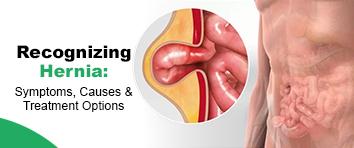
A hernia typically occurs due to a combination of muscle weakness and strain. This can happen from factors such as aging, injury, heavy lifting, chronic coughing, or conditions like pregnancy and obesity.
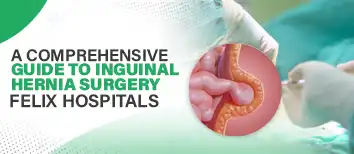
Felix Hospitals is the leading hospital for hernia surgery in Noida and Delhi NCR.
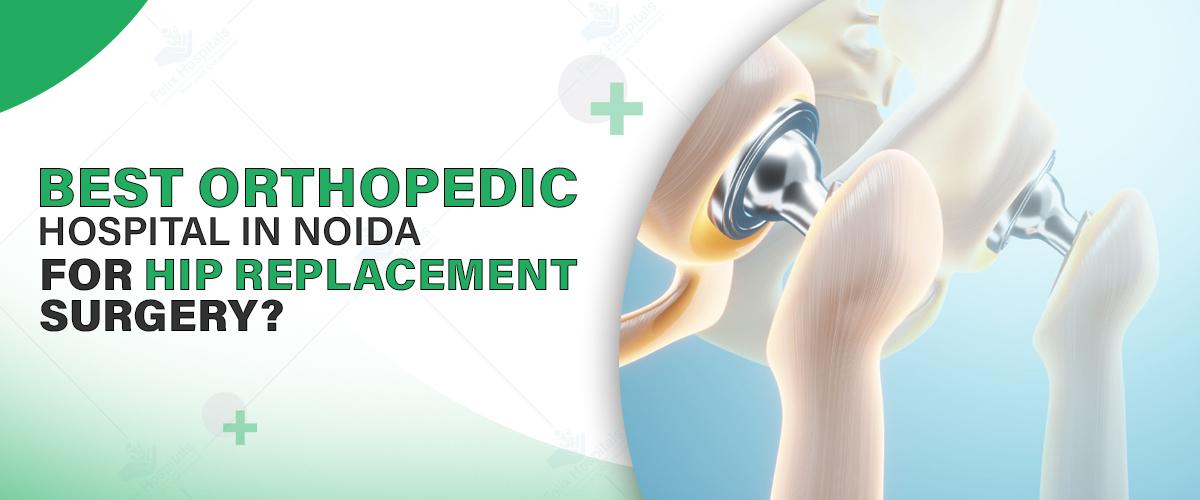
Hip problems can make it challenging for a person to move around, be comfortable, and enjoy life. If conservative treatments don't help with chronic pain or restore function, hip replacement surgery is the only option. Many patients are becoming independent again faster than ever, thanks to improvements in orthopedic care. If you live in or near Noida, it's very important to find the best orthopedic hospital in Noida for hip replacement surgery to make sure you have a good outcome and a quick recovery.
In this blog, we'll talk about the basics of hip replacement surgery, why it's important to choose the right hospital, and how Noida has some of the best orthopedic centers in the area.
Are you looking for advice on how to address your hip pain? Make an appointment with a top orthopedic doctor in Noida today by calling +91 9667064100.
Hip replacement surgery is a procedure that takes out damaged or worn-out parts of the hip joint and puts in new ones made of plastic or metal. People with osteoarthritis are often told to have this surgery.
Arthritis rheumatica
Broken hips
Deformed bones
Long-lasting joint pain and stiffness are common
The goal of the procedure is to ease pain, make joints more flexible, and help the patient get back to doing everyday tasks more easily and comfortably. Thanks to medical advances, modern techniques cause less pain after surgery and help people heal faster.
The success of hip replacement surgery in Noida depends a lot on how skilled the surgical team is, how good the post-operative care is, and how well the hospital is set up. Choosing a specialized orthopedic hospital ensures that you will get an accurate diagnosis and treatment plan.
Experienced orthopedic surgeons lead the team
Operating rooms that keep infections under control
Get high-quality implants.
The hospital provides comprehensive support for the rehabilitation process
A hospital with all the right tools also lowers the risk of blood clots, infections, and problems with implants, and it makes patients more comfortable while they recover.
Noida has become a center for advanced orthopedic care, with world-class surgical facilities, highly trained specialists, and services that put the patient first. Felix Hospitals is different from other hospitals that do hip replacement surgery because it puts patients first and has advanced infrastructure.
Many of the best hospitals have orthopedic emergency services available around the clock.
Custom Rehabilitation Plans
Counseling before surgery and follow-up after surgery
Specialized Joint Replacement Units
Because they focus on safety, cleanliness, and care after surgery, these places are popular with both residents and patients from nearby areas.
Modern hip replacement surgeries focus on being as accurate as possible and doing as little damage as possible, which speeds up recovery and reduces pain after surgery. Some of the most common advanced methods are:
Minor Cut means less pain with faster recovery.
Cementless surgery helps to grow the bone naturally and fix it in the same place for a longer time.
Anterior Approach Surgery protects muscles and makes it easier to move around and have fewer problems.
Better pain management plans: Less need for strong painkillers after surgery.
Felix Hospitals in Noida are using the different methods to get better results from surgery and shortly stays in the hospital.
Postoperative care is important after the surgery. The best orthopedic hospitals in Noida are giving you a multidisciplinary approach to faster recovery, which includes:
Daily physical therapy sessions
Plans for managing pain
Help with nutrition for healing your bone health
Emotional and mental health counseling
Help with home care and phone consultations after discharge
Our care not only speeds up recovery but also lowers the chance of complications or having to go back to the hospital.
When choosing a hospital for hip replacement surgery, think about the following:
Experience and credentials: Look into the credentials and success rates of the orthopedic surgeons.
Patient Reviews: Real reviews give you an idea of how excellent the hospital is and how the staff act.
Infrastructure: Look for modern operating rooms, imaging systems, and rehab centers.
Accreditation: Check to see if the hospital is NABH or JCI certified to make sure it meets quality standards.
Support after surgery: it's crucial to have physiotherapy sessions and follow-up care after discharge from the hospital.
Learn about the different types of surgery packages, implants, and insurance coverage. Felix Hospitals offer all of these benefits, which is why they are the best place in the city for joint replacement care.
Are you ready to get your mobility back? Make an appointment with the best orthopedic hospital in Noida for pain pain-free life.
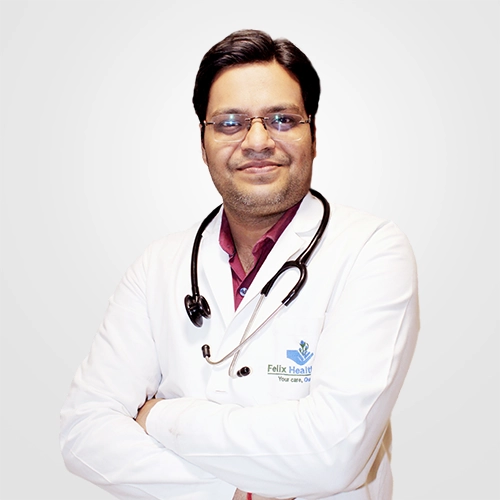
Dr. Keshav Goel is a highly experienced Orthopedic and Joint Replacement Surgeon in Noida with over 10 years of clinical expertise. He has successfully performed 2,000+ independent orthopedic surgeries, delivering excellent outcomes with a patient-centered approach.
Dr. Goel specializes in computer assisted joint replacement surgery and arthroscopic procedures of the knee, shoulder, and hip. His clinical interests include the treatment of sports injuries, trauma cases, and complex joint disorders.
Known for combining advanced surgical technology with compassionate care, Dr. Keshav Goel is committed to helping patients regain mobility, reduce pain, and return to an active, healthy life.
The best orthopedic hospitals in Noida for hip replacement surgery use advanced and cutting-edge medical technology to ensure high precision, safety, and faster recovery. Technologies such as robotic-assisted surgery, computer navigation systems, minimally invasive techniques, and high-quality implants help reduce pain, minimize complications, and improve long-term outcomes. With modern rehabilitation and enhanced recovery protocols, patients can regain mobility quickly and return to an active lifestyle with confidence.
Choosing the best orthopedic hospital for hip replacement surgery is the most important part of your treatment plan. Make sure that the best hospitals have the advanced technology, an expert team of orthopedic doctors, and all-around recovery plans to make sure that surgery goes smoothly and safely.
If you have arthritis, old injury, or chronic joint pain just consult with Felix Hospitals, we provide you the excellent orthopedic care that include medical expertise by multidisciplinary team with caring service to make sure that your journey to mobility is smooth and supportive.
Q1. After how much time will you recover from hip replacement surgery?
Ans: Most people can walk with help within a day or two of their surgery. It usually takes 6 to 12 weeks to fully recover, it all depends on their health and the quality of the care they receive after surgery.
Q2. Is it safe for older people to have hip replacement surgery?
Ans: Yes, hip replacement surgery is generally safe for older people when done at a well-known orthopedic hospital in Noida, especially with new methods and better anesthesia protocols.
Q3. How long do hip implants usually last?
Ans: If you take care of it and put it in the right place, a good hip implant can last 15 to 25 years or more.
Q4. What kind of anesthesia is used for surgery?
Ans: Most of the time, spinal anesthesia is used for hip replacement surgery. Sometimes, sedation is also used. According to the patient's medical history, general anesthesia is suggested in some cases.
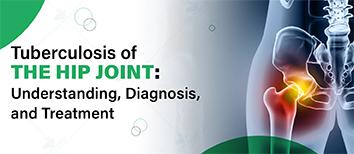
Tuberculosis (TB) is primarily known as a respiratory infection caused by Mycobacterium tuberculosis, but it can affect various body parts, including bones and joints.
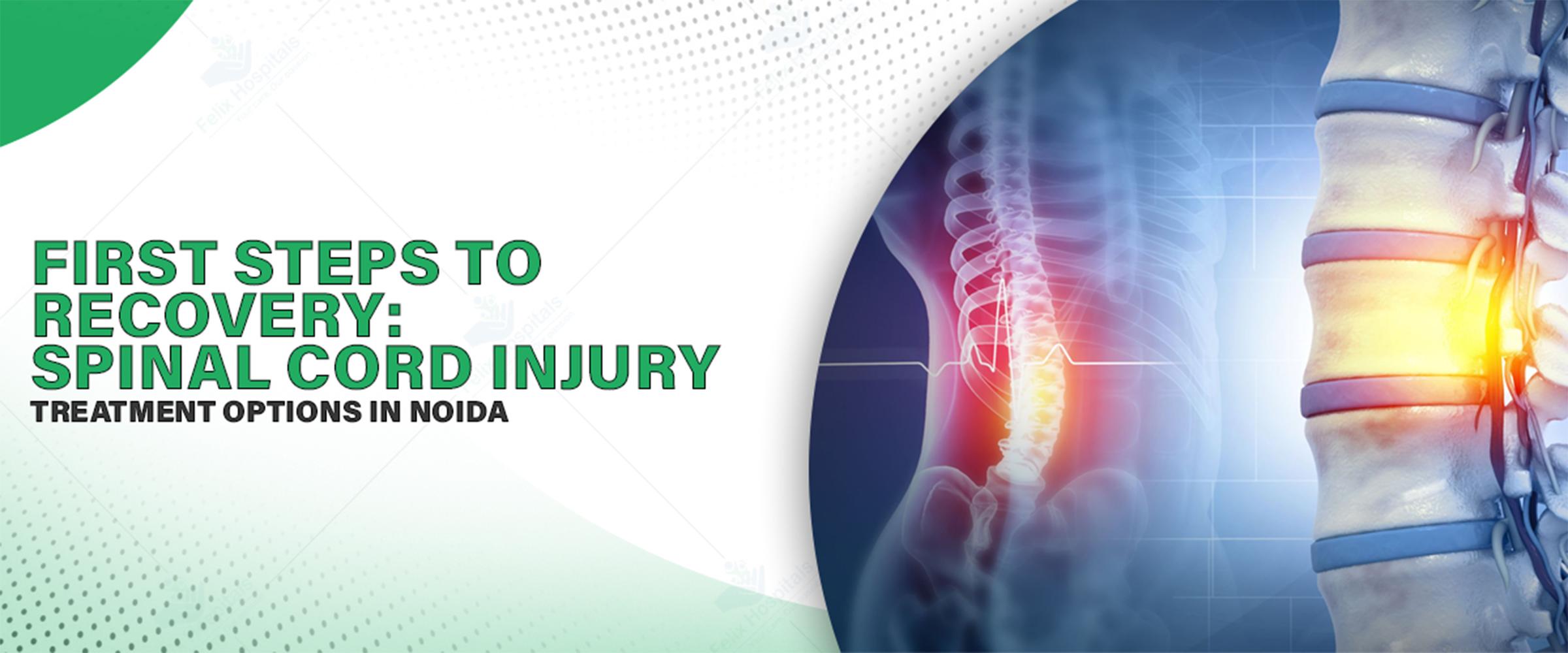
Spinal cord injuries (SCI) can have an impact on a person’s mobility, independence, and overall quality of life. From traumatic accidents to neurodegenerative disorders, these injuries create issues in the body’s ability to transmit signals between the brain and the body. As an SCI diagnosis may feel, there is hope. Medical advancements and specialized care hospitals have made major strides toward recreating movement and improving the lives of spinal injury patients.
Today, spinal cord injury treatment in Noida offers a range of clinical and rehabilitative options, from advanced surgical interventions to holistic physiotherapy. Whether you're a patient, caregiver, or someone seeking answers after an accident, this guide will help you walk through the critical first steps of recovery, treatment options, and what to expect on your journey to healing.
Get evaluated by a spine specialist and explore tailored treatment options for spinal cord injuries in Noida. Call us today at +91 9667064100.
The spinal cord is a vital part of the central nervous system that transmits messages from the brain to every part of the body. Damage to this system can result in temporary or permanent loss of motor control, sensation, and organ function.
The spinal cord is fully severed or compressed, resulting in a total loss of sensory and motor function below the injury site.
Some nerve signals can still travel past the site of injury. This results in partial function and offers a greater chance of improvement with treatment.
Commonly caused by road accidents, falls, sports injuries, or violence. These account for the majority of emergency SCI cases in urban areas like Noida.
Result from medical conditions such as tumors, infections, autoimmune disorders, or spinal degeneration.
Understanding your injury type is the first step to planning a suitable spinal cord injury treatment in Noida that matches the extent and severity of your condition.
Spinal cord injury symptoms can develop immediately or gradually, depending on the cause and type of damage. Recognizing early warning signs is crucial for timely intervention.
Sudden loss of movement or paralysis in limbs
Numbness, tingling, or loss of sensation
Muscle spasms or exaggerated reflexes
Difficulty breathing (if the injury is high in the cervical spine)
Poor coordination and loss of balance
Loss of bladder and bowel control
Intense stinging pain or pressure in the spine
If you notice any of these signs after trauma or illness, consult a spinal specialist immediately. Prompt diagnosis can help prevent further complications and improve treatment outcomes.
Many patients delay treatment due to uncertainty, but early specialist care is critical after a suspected spinal injury. You should seek care at a dedicated orthopedic or neurology center in Noida if:
You’ve had a recent accident, fall, or sports injury
You’re experiencing sudden weakness or paralysis
There is a progressive loss of function or sensation
You have an existing spine disorder worsening over time
Specialized spinal care centers in Noida are equipped with neuroimaging tools, intensive care units, and experienced specialists trained in managing SCIs across all severity levels. Even if symptoms seem minor, early assessment can prevent long-term complications.
Treatment depends on the nature and extent of the injury. In spinal cord injury treatment in Noida, both surgical and non-surgical solutions are available and often used in combination.
Decompression Surgery: To relieve pressure on the spinal cord due to swelling or fractured vertebrae
Spinal Stabilization: Use of metal plates, rods, or screws to support the spine
Removal of Tumors or Lesions: In non-traumatic SCI cases
Spinal Fusion or Disc Replacement: For degenerative conditions
Medications: To reduce inflammation and manage pain
Physical Therapy: To maintain mobility and muscle function
Occupational Therapy: To retrain the body for everyday tasks
Assistive Devices: Braces, wheelchairs, or mobility aids
To begin the first steps in spinal cord injury recovery, a multidisciplinary team will assess your condition and tailor a treatment plan that may include both surgical and rehabilitative therapies.
Rehabilitation is the heart of spinal cord injury recovery. Even after surgical treatment, patients often need weeks or months of structured rehab to regain function and adjust to physical limitations.
Physiotherapy: For strength building, balance, and coordination
Hydrotherapy or Robotic-Assisted Therapy: To ease movement and reduce pain
Neuro-rehabilitation: Helps rewire neural pathways for motor control
Psychological Counseling: To address emotional trauma, anxiety, or depression
Vocational Therapy: To help patients return to work or adapt to new careers
Noida’s hospitals typically provide in-house rehab or connect patients with dedicated spinal rehab centers.
Several hospitals in Noida offer state-of-the-art spinal injury care, including emergency trauma response, neurosurgery, orthopedic care, and long-term rehabilitation. These institutions often have 24x7 ICU support, MRI/CT diagnostics, robotic surgery, and post-discharge recovery plans designed around spinal injury patients.
When choosing a hospital, ensure it offers:
Specialized spinal surgery units
Access to spine physiotherapists and occupational therapists
Transparent treatment packages and insurance support
A strong record of successful outcomes in SCI recovery
A qualified spine specialist plays a pivotal role in treatment planning, surgical precision, and long-term recovery. Most SCI patients in Noida benefit from consulting an orthopedic spine surgeon or neurosurgeon with training in trauma and minimally invasive techniques.
Look for These Qualities in a Specialist:
Board certification in orthopedic or neuro spine surgery
Experience in treating complete and incomplete SCIs
Use of evidence-based and patient-centered care
Access to a multidisciplinary team (rehab, neurology, pain management)
When exploring spinal cord injury recovery options, always schedule an initial consultation to discuss diagnosis, imaging results, and a clear recovery roadmap.
Spinal cord injury treatments can be costly, especially if surgery and long-term rehabilitation are required. However, many hospitals in Noida offer transparent pricing and financial aid programs.
Type of surgery or procedure
Hospital stay duration (ICU vs general ward)
Imaging and diagnostics (MRI, CT)
Implants, physiotherapy, and post-op care
Assistive devices or home modifications
Most hospitals in Noida accept cashless insurance through major private and government-approved health insurance providers. Some centers also provide EMI or flexible payment plans for self-paying patients and international visitors.
Recovery from a spinal cord injury is a long-term journey, and each patient progresses at a different pace based on injury type, age, health status, and rehabilitation intensity.
General Timeline:
0–2 weeks: Hospitalization, stabilization, initial surgery
2–6 weeks: Early rehabilitation and pain management
2–6 months: Intensive physiotherapy, re-learning movements, assistive aid training
6 months–1 year+: Ongoing rehab, occupational therapy, and long-term planning
Some patients regain mobility and return to near-normal function, while others adapt to new routines with the help of support systems and assistive technology.
Book a consultation with a spine specialist and discover personalized spinal cord injury treatment in Noida.
Recovering from a spinal cord injury is never easy—but it’s entirely possible with the right medical guidance, treatment approach, and rehabilitation support. From understanding the injury to navigating treatment options and planning your rehab, Noida offers high-quality care for spinal injury patients. Start by consulting a qualified specialist Best Neurosurgeon In Noida and take those first steps in spinal cord injury recovery today. The road may be long, but each step forward brings you closer to independence and mobility.
Q1. What is the success rate of spinal cord injury treatment in Noida?
Ans: The success rate depends on the injury’s completeness and location. In incomplete injuries, patients in Noida often experience significant recovery with surgery and rehab. Complete injuries may not regain full function but can improve quality of life with ongoing support.
Q2. How soon should I begin physiotherapy after spinal surgery?
Ans: Rehabilitation typically starts within 48–72 hours post-surgery under medical supervision. Early movement is essential to prevent complications and promote recovery.
Q3. Does insurance cover spinal cord injury treatment in Noida?
Ans: Yes, many hospitals offer cashless or reimbursable insurance for surgery, hospitalization, and rehabilitation. Always confirm coverage details with both the hospital and your insurer.
Q4. Can I live independently after a spinal cord injury?
Ans: Yes, many patients lead independent lives post-injury with the right combination of medical treatment, assistive technology, therapy, and support networks.
Spinal stenosis surgery is needed when severe pain, weakness, or numbness persists despite non-surgical treatment and affects daily activities.
A spinal cord injury occurs when there is damage to the spinal cord, often resulting from trauma, disease, or degenerative conditions.
Spinal fusion surgery is a procedure that joins two or more vertebrae in the spine to reduce pain, correct deformity, or improve stability.
Orthopedic problems—be it chronic joint pain, a sports accident, or trauma after an accident—can go a long way in impacting your quality of life. Choosing the best orthopedic hospital in Noida is crucial because you need to get a proper diagnosis, the best treatment, and proper rehabilitation under the expert guidance. Having so many hospitals in Noida, selecting the one that suits your medical requirements and personal comfort can be a task.
It's not all about having advanced equipment but also about the multidisciplinary team which is specialized orthopedic surgeons, specialized care units, transparency in cost, and individualized recovery plans. The best hospital choice is important, be it knee replacement, spine surgery, or fracture management. This article shall assist you in assessing critical parameters to determine an orthopedic center in Noida that best addresses your unique needs.
Ready to regain control of your orthopedic well-being? Schedule a consultation or second opinion with the best orthopedic team in Noida. Call us at +91 9667064100.
Start with a clear understanding of your condition and treatment goals:
Diagnosis clarity: Are you managing arthritis, trauma, spine issues, or sports injuries?
Treatment goals: Seeking surgical repair, pain management, improved function, or rehabilitation?
Current limitations: How pain, mobility issues, or stiffness affect your daily life?
Treatment scope: Do you need a one-time surgery or prolonged care?
Narrowing your needs helps you focus on hospitals that specialize in your specific orthopedic concern—ensuring more targeted, effective care.
When you choose where to go, take these Tips to select the best orthopedic hospital:
Trained and renowned physicians: Surgeons must be board-certified with comprehensive orthopedic training and clinical experience.
Institutional accreditation: Check for national and international accreditation such as NABH, JCI, or ISO certification.
Multidisciplinary approach: having the best and multidisciplinary team and professionals such as physiotherapists, pain therapists, and rehabilitation experts for holistic care.
High standards of hygiene and safety: Hospitals must have stringent infection-control policies in place and modern sanitation practices.
Patient-friendly environment: Clean, tidy facilities with empathy and open communication.
Surgeon skill and reputation significantly impact outcomes:
Track record: Number of surgeries performed, complication rates, and specialization in areas such as joint replacement or spinal surgery.
Subspecialty proficiency: Look for surgeons who are fellowship-trained in fields like arthroplasty, sports medicine, trauma, or pediatric orthopedics.
Academic and teaching roles: Physicians involved in research or teaching often bring evidence-based and innovative methods to patient care.
Continual learning: Physicians should attend conferences, workshops, and certifications to stay updated.
Modern orthopedic surgery relies on cutting-edge tools:
Robotic-assisted systems: Enhance precision in procedures like knee and hip replacements, often reducing tissue damage.
Computer-assisted navigation: Helps achieve optimal component alignment and joint balance.
Minimally invasive techniques: Smaller incisions, less blood loss, quicker healing, and minimal scarring.
Real-time imaging and diagnostics: On-site MRI, CT, digital X-ray, and ultrasound support accurate planning and surgical safety.
A comprehensive orthopaedic center should cover a full spectrum of services:
Joint replacement surgeries: Knee, hip, shoulder replacements, including revision surgeries.
Trauma and fracture care: Emergency orthopedic services handling acute injuries.
Sports medicine and arthroscopy: Repair of ligament tears, meniscus injuries, shoulder dislocations.
Spine and deformity correction: Treatment for scoliosis, herniated discs, or spinal stenosis.
Pediatric orthopedics: Management of congenital disorders, gait abnormalities, and growth-related issues.
Geriatric orthopedics: Specialized care for osteoporosis, joint degeneration, and pain management.
Look for an Orthopedic hospital with advanced technology that provides holistic care:
Comprehensive evaluation with imaging: X-ray, CT, MRI, bone density analysis.
Medical clearance: Internal medicine and anesthesia assessments to identify risks.
Patient education: Clear explanations of procedure, recovery times, expectations, and rehabilitation plan.
Personalized planning: Customized implants and surgical strategy tailored to the individual patient.
Intensive pain management protocols to ensure comfort early on.
Early physiotherapy: Getting patients walking within 24–48 hours following surgery.
Structured rehabilitation: Progressive exercises to regain strength, flexibility, and mobility.
Follow-up schedules: Regular monitoring, wound checks, and implant evaluation.
Support services: Referral to home-care, dietitians, counseling, and community groups as needed.
Real feedback fosters trust:
Testimonials and case studies: Stories from patients who regained mobility, avoided reoperation, or returned to active living.
Online reviews and ratings: Platforms like Google Reviews or healthcare directories show feedback on doctor behavior, recovery experience, and overall satisfaction.
Clinical outcomes: Data such as complication rates, infection rates, and long-term implant survival provide transparent insight into performance.
Choose a hospital that’s easily reachable:
Well-connected via city roads, metro, or public transport.
Ample parking and/or valet services for out-of-town patients.
Nearby lodging, restaurants, and support services for travelers or international patients.
Easy access to follow-up visits and physical therapy locations for smoother recovery.
Financial clarity is crucial:
Insurance support: Cashless coverage for domestic and international patients with recognized insurers.
Defined pricing packages: Fixed-cost bundles for procedures including consultation, surgery, stays, and rehabilitation.
Cost estimates: Transparent breakdowns of expenses, inclusive of pre-surgery diagnostics and post-op care.
Financial assistance: Flexible payment plans or discounts for self-paying patients and international visitors.
Noida stands out for orthopedic excellence due to:
Access to talent: Many orthopedic specialists trained globally or in high-profile institutions.
Modern healthcare infrastructure: Use of robotic systems, advanced diagnostics, and international-standard facilities.
Affordable care: Competitive pricing compared to other metros, with quality aligned to leading global hospitals.
Proximity to Delhi: Easy international connectivity via Delhi’s airports and supportive concierge services cater to patients from abroad.
Ready to take the next step? Schedule your orthopedic consultation or overseas patient intake with a renowned hospital in Noida today.
Choosing the right orthopedic doctor in Noida requires a thoughtful approach that balances clinical excellence, advanced technology, patient comfort, and affordability. By evaluating factors like surgeon experience, treatment options, post-surgery care, and hospital reputation, you can ensure better recovery and long-term health outcomes. Look for a hospital that prioritizes personalized care, uses modern surgical methods, and offers comprehensive rehabilitation. Don’t hesitate to read patient reviews, explore cost transparency, and ask detailed questions during consultation. Noida’s orthopedic facilities are rapidly gaining national recognition, and selecting wisely can restore your mobility and quality of life. Begin your journey toward pain-free living with the right care by your side.
Q1. Which orthopedic hospital in Noida is best for knee replacement surgery and how do I compare success rates?
Ans: Patients often want to know not just the best hospital, but also data-backed reasons—such as surgeon experience, state-of-the-art technology, infection rates, and post-operative recovery quality.
Q2. How much does orthopedic surgery (like spine or joint replacement) cost in Noida including implants, stay, and physiotherapy?"
Ans: Cost transparency is a major concern. People want an all-inclusive estimate, not just surgery fees. They often ask about cashless insurance, package pricing, and hidden charges.
Q3. Can I consult a senior orthopedic surgeon directly, or will I be assigned a junior doctor first?
Ans: Patients often worry about direct access to top doctors vs. being routed through junior staff. They ask if they can choose their surgeon and whether consultations are available before committing.
Q4. What’s the recovery time and success rate after surgery in Noida hospitals—how soon can I walk or return to work?
Ans: Many ask realistic recovery timelines for knee, spine, or trauma surgeries. They want to know about physiotherapy support, hospital stay duration, and return-to-activity milestones.
Being a mother is one of the best feelings in a woman's life; it is a journey of change that includes deep emotional, mental, and physical changes. Some changes may get better over time, but others may cause problems like postpartum hernia, which many new mothers go through without saying anything. Postpartum hernia, is becoming more common, especially after cesarean deliveries or multiple pregnancies. Thanks to advanced care and the best laparoscopic hospital in Noida, women can now get timely diagnoses and minimally invasive treatments that will help them fully recover and get back to their normal lives.
This detailed guide goes over the signs of postpartum hernia, the different types, the causes, the treatment options, and the expected recovery process. It's especially helpful for people looking for postpartum hernia treatment in Noida.
If you're dealing with a hernia after childbirth, don't let it affect your quality of life. Reach out to us at +91 9667064100 and take the first step toward recovery by scheduling your appointment today.
A postpartum hernia is when tissues or organs bulge or stick out through a weak spot in the abdominal wall. This usually happens after giving birth. This weakness is usually caused by the abdominal muscles getting stretched during pregnancy and labor. The abdominal wall feels a lot of pressure as the uterus grows to make room for the baby.
This pressure can cause some women's muscles to separate or tear, making a space where the internal tissues or intestines can stick out, which can be a visible or painful bulge. This is more likely to happen to women who have a C-section or have more than one baby.
There are a number of reasons why women get hernias after giving birth. These are:
C-section operations
Being overweight or gaining too much weight during pregnancy
Weak muscles in the stomach
Coughing or sneezing a lot while pregnant
Picking up heavy things soon after giving birth
Surgery on the abdomen in the past
A hernia may not be obvious or cause problems right after delivery, but it can get worse or develop over time if not treated properly.
Women may get a number of different kinds of hernias during or after pregnancy. The ones that happen the most often are:
Happens near the belly button.The place where the umbilical cord was attached may still be weak after birth, especially if it didn't close properly. When pressure builds up in the abdomen, this weak spot could cause a hernia to form.
It happens in the groin area, where the intestine or abdominal tissue pushes through the lower abdominal wall. This kind happens more often when there is too much pressure near the groin during labor.
Forms close to the cut after an abdominal surgery or C-section. This is also known as an incisional hernia. The tissue may stick out through the part of the abdominal wall that hasn't healed well after surgery.
Hernias don't always cause symptoms right away or that are very bad. But if you ignore early warning signs, the condition may get worse. These are the two most important signs of a postpartum hernia:
Abdominal bulge: Swelling in the abdomen that can be seen or felt, especially when standing, coughing, or lifting things.
Pain or discomfort, especially around the belly button, the incision site, or the lower abdomen. A lot of the time, this pain gets worse when you move around, cough, or strain.
Nausea or vomiting (in cases of a strangulated hernia)
Constipation or trouble passing gas
Feeling heavy in the stomach
If any of these symptoms last for a long time or get worse, you should see a doctor right away. A simple physical exam is often all that is needed to make a diagnosis. During the exam, your doctor might ask you to cough or push to make the hernia easier to see.
Ultrasound or CT scans may be suggested to double-check the size, type, or severity. These help figure out if surgery is necessary or if a more conservative approach is possible.
There are a number of modern options for new moms in Noida who need treatment for a postpartum hernia. The best option will depend on the size of the hernia, how much pain it causes, and the mom's own health. There are usually two types of treatment:
Your doctor may suggest the following if the hernia is small, not hurting or bothering you, and doesn't seem to be getting bigger:
Using an abdominal binder to help
Gentle exercises after giving birth to strengthen the core
Not lifting heavy things or putting your body under stress
But conservative care is only for a short time. Most of the time, surgery is the only sure way to treat it.
Surgery is needed when the hernia hurts or gets bigger. The two most common procedures are:
The bulging tissue is pushed back into place through a bigger cut at the site of the hernia. A mesh is often used to make the abdominal wall stronger and stop the problem from coming back.
A method that doesn't require a lot of cutting, only 2–3 small cuts through which a camera and surgical tools are put. Using mesh to fix the hernia causes much less pain, scarring, and downtime. Laparoscopic hernia surgery is a good choice for women who want to heal faster, feel less pain, and get back to their normal activities faster.
Knowing how long it will take to recover from postpartum hernia surgery is important for planning when you can start taking care of others and doing your daily tasks again.
Open surgery: You might not be able to do much physical activity for 4 to 6 weeks.
Laparoscopic surgery: Most people can do light activities again in 1 to 2 weeks and are back to full activity by the fourth week.
Always do what the surgeon says to do after surgery. This may include wearing a binder, not doing hard work, and going to follow-up visits.
Felix Hospital in Noida is a trusted place to go for postpartum hernia management because it offers expert care and safe surgery. This is because of:
State-of-the-art Laparoscopic Unit: Felix is one of the best laparoscopic hospitals in Noida and is known for its advanced technology and minimally invasive solutions.
Expert Surgical Team: Highly skilled surgeons with a lot of experience in women's health and hernia repairs make sure that everything is done safely and correctly.
Personalized care: The Felix care team makes treatment plans that put the comfort, convenience, and emotional well-being of mothers first, from diagnosis to rehabilitation.
Hygiene and Safety Come First: NABH accreditation guarantees that every procedure is done with the highest levels of cleanliness and safety.
After surgery, Felix makes sure that recovery goes smoothly and without stress by providing trained nurses, dietitians, physiotherapists, and support staff.
Many women get postpartum hernia after giving birth, but it's not always noticed. It is a real condition that can be treated. Knowing the signs of postpartum hernia, getting an early diagnosis, and getting the right treatment, which may include laparoscopic surgery, can help you feel better and avoid problems in the future.
Women in Delhi-NCR who need reliable postpartum hernia treatment in Noida can now get world-class care, minimally invasive options, and expert advice to help them make smart health decisions.
You can also lower your risk of getting a hernia again by putting yourself first, working on your abdominal muscles, and staying away from high-risk activities after giving birth. And if surgery is needed, it's good to know that recovery is quick, especially with the right care and advice.
Need help with a hernia after giving birth? Call us at +91 9667064100 to set up your appointment now.
Q1. Is it possible to talk to Felix doctors about my postpartum hernia symptoms over the phone?
Ans: Yes, we do offer safe video consultations with people from other countries so you can get an evaluation, advice, and a second opinion before you come in.
Q2. Is it safe to have postpartum hernia surgery if I just had a C-section?
Ans: Yes. Our skilled laparoscopic surgeons check on your healing and decide when is the best time for surgery based on how long it will take you to heal.
Q3. Is it okay for me to bring my newborn or caregiver to the hospital while I'm being treated?
Ans: Yes. We have patient-friendly rooms that can fit an attendant and have support facilities to make sure you and your baby are comfortable.
Q4. How soon after having hernia surgery at Felix can I go back to work?
Ans: Most people can safely travel 7 to 10 days after laparoscopic surgery, but this depends on how well they are healing and what their doctor says.
Q5. Should I stop breastfeeding before I have hernia surgery?
Ans: Not always. Our anesthesiologists and surgeons will plan your care with the safety of breastfeeding in mind. Talk about this during your appointment.
Recovering after childbirth requires physical care, emotional support, and expert medical attention. Learn essential tips for a smooth postpartum recovery journey in Noida, from rest and nutrition to trusted hospitals and doctors.
A hernia typically occurs due to a combination of muscle weakness and strain. This can happen from factors such as aging, injury, heavy lifting, chronic coughing, or conditions like pregnancy and obesity.
Felix Hospitals is the leading hospital for hernia surgery in Noida and Delhi NCR.
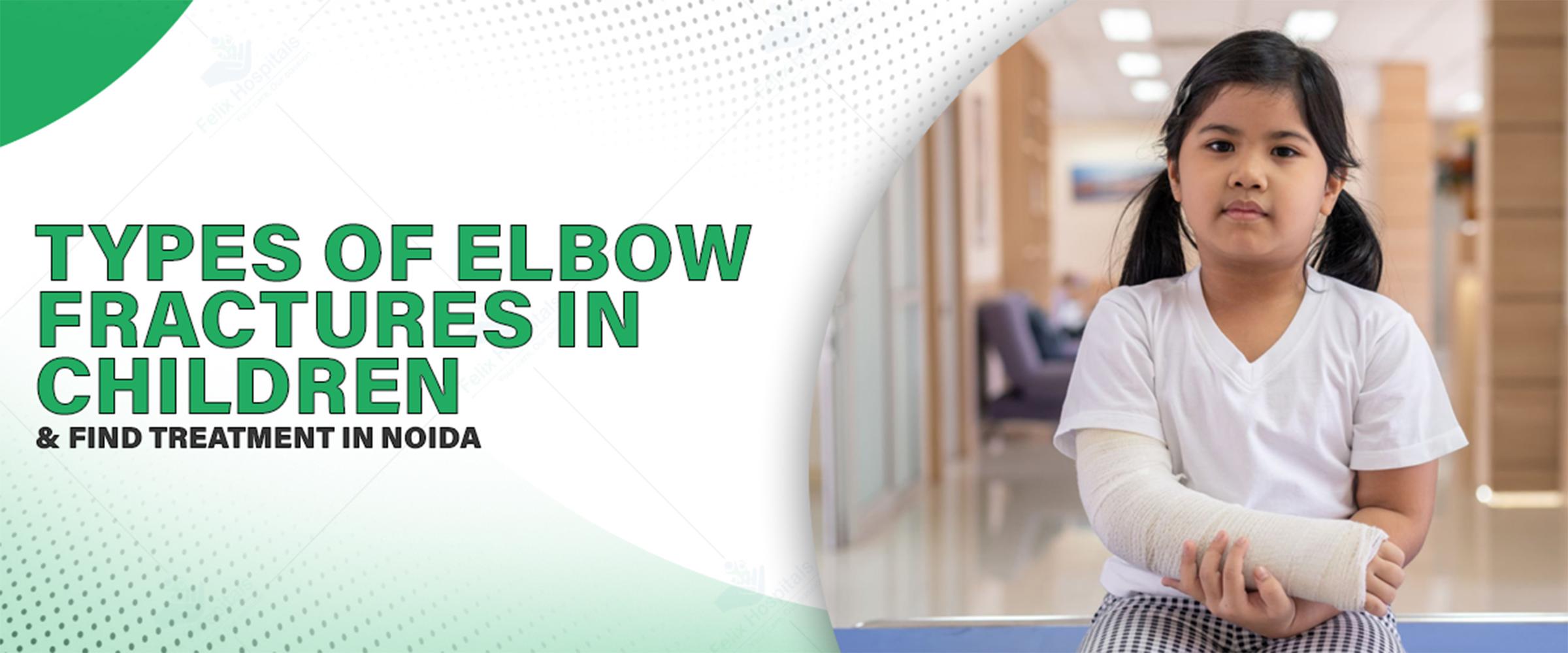
Children often break their elbows, which is one of the most common bone injuries. Parents may be worried about these kinds of injuries, especially when they involve young bones that are still growing and need special care.
Elbow fractures are one of the most common types of bone injuries in kids. A sudden impact on the elbow joint can happen in a simple fall on the playground or during a sports game. It is important to know the different kinds of elbow fractures that can happen to kids so that they can be diagnosed quickly, treated properly, and fully healed. Expert help at the best orthopedic hospital in Noida makes sure that healing goes well and that problems are less likely to happen.
From fracture to full recovery — call +91 9667064100 for expert pediatric care.
A sudden impact can hurt one of the three bones that make up the elbow joint: the humerus (upper arm), radius, or ulna (forearm). This can happen in a lot of different ways, from falling on the playground to playing sports. The growth plates near the ends of the bones are very weak, and injuries there can affect how bones grow in the future if they aren't treated properly. Depending on how the injury happened and how hard it was, the fracture could cause the joint to be out of alignment, limit movement, or cause swelling. This makes it very important to get the right diagnosis for different types of elbow fractures in children and treatment for the right age so that the child can fully recover.
There are different kinds of elbow fractures that kids can get, and knowing which one your child has can help you give them the right care:
This is the most common type, and it's often the most serious. It happens just above the elbow and usually affects kids younger than 8. The worry with this type is that it can affect nearby blood vessels and nerves.
This fracture happens at the bony knobs of the elbow and affects the outside or lateral part of the humerus. It needs to be carefully managed because it affects the joint surface and the growth plate.
Most of the time, these happen on the bony bumps above the elbow joint, on the inside. Children aged 9 to 14 are more likely to get them, and they often happen when the arm is stressed from sports or falls.
Children's growth plates, also called physes, are especially weak. If this fracture isn't treated correctly, it could cause uneven growth or joint deformities later on.
These happen less often, but they do happen in the bones of the forearm near the elbow. Often happen because of injuries from direct impact or twisting.
This is a complicated injury because the ulna is broken and the radius is out of place. Immediate care is very important to avoid long-term disability.
Knowing about types of elbow fractures in children can help parents and doctors in what to do next.
The most common causes of elbow fractures in children are:
Falling on a hand that is outstretched
Direct hit on the elbow
Injuries from sports, like gymnastics and football
Accidents on the playground
Kids ages 5 to 14 are especially at risk because they are active and their bones are still growing.
Pain is the most obvious sign of an elbow fracture, but there are other signs as well:
Swelling or bruising around the elbow
Not moving the arm
Fingers or hands that feel numb
An arm that looks bent or crooked in a strange way
If your child has any of these symptoms, you should take them to the doctor right away. Finding problems early can make them a lot less serious.
Most of the time, doctors start by doing a physical exam and asking how the injury happened. X-rays are the most common way to find out what kind of fracture it is and if the bones have moved. When growth plates are involved, both arms may be x-rayed to compare them in some cases.
The kind and severity of the fracture will determine how Pediatric elbow fracture treatment Noida is done. Usually, the choices are:
For fractures that are stable and not moving:
To keep the arm still, splints or casts are used.
Your doctor may give you painkillers.
X-rays every so often to check on healing
Before putting on a cast, closed reduction may be needed to put bones back in their proper places without surgery.
For fractures that are out of place or complicated:
You can use screws or pins to hold bones in place.
Surgery makes sure that bones grow correctly and stops problems from happening in the future.
After surgery, the patient was immobilized and then given physiotherapy.
Families looking for Pediatric elbow fracture treatment Noida can find centers that offer both conservative and surgical options, depending on the diagnosis.
The recovery time for pediatric elbow fractures to heal depends on how bad it is:
For simple fractures, you need to wear a cast or splint for 3 to 6 weeks.
Cases that are complicated or need surgery: 6 to 8 weeks or longer
After healing, physiotherapy may be suggested to help restore full range of motion. Kids usually heal faster than adults, but it's important to get help right away and follow care instructions. It is important to keep an eye on growth after a fracture that involves the growth plate to look for any problems.
These tips can help lower the risk of elbow fractures, even though accidents can't always be avoided:
Encourage safe ways to play and do sports
Wear elbow guards when doing things that could hurt you.
Watch toddlers while they climb or jump.
Eat the right foods (calcium and vitamin D) to help your bones stay healthy.
Are you worried about your child's diagnosis or recovery? Book an appointment with a trusted orthopedic specialist right away. Call at +91 9667064100.
Knowing types of elbow fractures in children can help a lot with treating the injury. It doesn't matter if it's a small crack or a complicated dislocation; getting the right care at the right time will always lead to better results Always do follow-ups and physical therapy to make sure your child gets full use of their arm again.
Q1. How long does it usually take for a child's elbow fracture to heal?
Ans: Most people take between 3 and 8 weeks to get better, and they have to go back for checkups to see how their bones are growing and moving.
Q2. Is it possible to get treatment for a broken elbow in a child at Felix Hospital?
Ans: Yes, Felix Hospital has expert orthopedic care for kids, including treating broken bones and helping them recover after treatment.
Q3. How soon should I get help if I think I have a growth plate injury?
Ans: As soon as possible. Long-term bone growth and alignment may be affected by delayed care.
Q4. After treatment, will my child's elbow need to be checked on again?
Ans: Yes, regular checkups are important to see how the bones are healing and to keep the joints from getting stiff.
Q5. Does Felix Hospital offer physiotherapy for kids after they get a cast?
Ans: Of course. Felix offers child-friendly physiotherapy to help kids regain strength and movement in their elbows after they heal.
A spinal cord injury occurs when there is damage to the spinal cord, often resulting from trauma, disease, or degenerative conditions.
Acute Kidney Injury: Causes, Symptoms, and Treatment explores the sudden deterioration of kidney function, which disrupts the body’s ability to filter waste and regulate fluids.
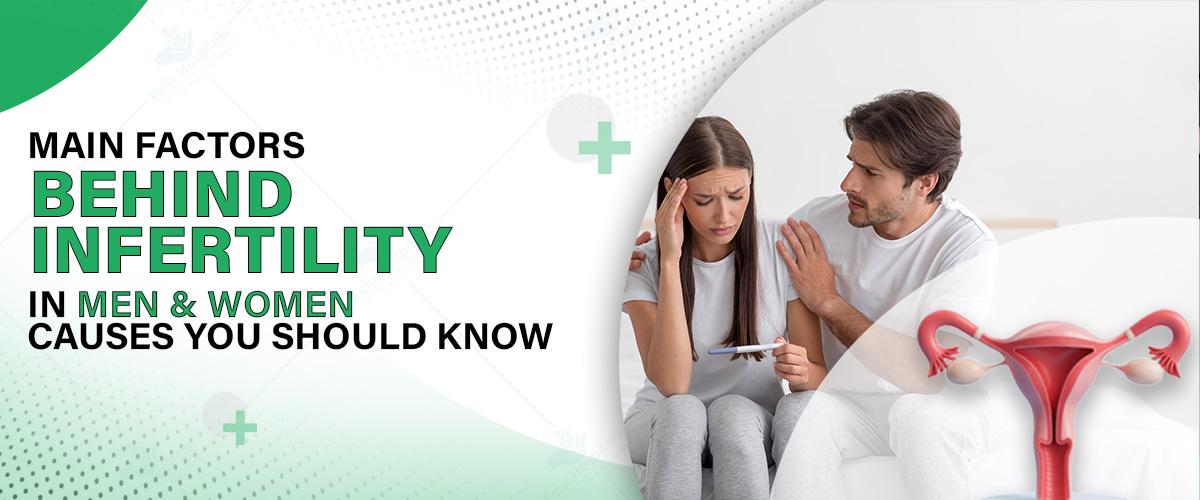
Millions of couples worldwide are grappling with infertility, an emotionally charged and rapidly spreading condition. Infertility is defined as the inability to conceive naturally after 12 months of regular, unprotected intercourse. We now know that infertility affects both men and women nearly equally, despite the earlier belief that it was a female issue. Indeed, research indicates that male factors account for approximately 40–50% of all cases of infertility. While its emotional and psychological cost, the positive news is that most causes of infertility are now treatable with modern medicine.
Whether you are just starting out to conquer fertility or have been trying for a while now, understanding the primary reasons for infertility can enable you to make the right choices. For others who need motivation and specialized advice, a visit to the best gynecology hospital in Noida can be a stepping stone toward a customized treatment plan.
Are you struggling to conceive? Book a consultation at a reputable hospital in Noida by calling +91 9667064100.
Infertility is medically a condition of not being able to conceive after 12 months of consistent, unprotected sex. In women over the age of 35, this period is usually shortened to six months, since age has an impact on fertility. Infertility may either be primary (when the couple has never conceived) or secondary (when there has been at least one previous pregnancy, irrespective of whether it was successful or not).
Infertility can be caused by a wide array of issues with the female or male reproductive system, or both. The intricacy of the human reproduction process such that slight interferences in hormones, anatomy, or sperm/egg quality can affect a couple's chances of having a baby.
Female infertility may be brought on by a myriad of problems that involve ovulation, the integrity of the reproductive organs, or the capacity to carry a pregnancy to term. The most common offenders are:
Ovulation Disorders: Conditions like PCOS (Polycystic Ovary Syndrome), hypothalamic amenorrhea, or hyperprolactinemia can lead to insufficient or irregular ovulation. These hormonal imbalances interfere with the normal release of eggs from the ovaries.
Fallopian Tube Damage or Blockage: The fallopian tubes are necessary for sperm and egg to mingle. Any damage from infections (such as pelvic inflammatory disease), previous surgery, or an ectopic pregnancy can hinder fertilization.
Endometriosis: This disease results in tissue similar in composition to the lining of the uterus developing outside the uterus, usually creating inflammation, scarring, and altered pelvic anatomy.
Uterine or Cervical Abnormalities: Inborn problems, such as a septate uterus, or problems developed after birth, such as uterine fibroids and polyps, may prevent implantation or lead to habitual miscarriage.
Age-Related Decline in Egg Quality: With advancing age, the number of eggs available diminishes, as does their quality, resulting in diminished fertility and an elevated risk of chromosomal abnormalities.
For an in-depth overview of male and female fertility problems, check out this guide on reasons for infertility in men and women.
Male infertility is underappreciated but no less essential to assess. The primary causes are normally related to sperm production, functioning, or delivery problems. They include:
Low Sperm Count (Oligospermia): A lower count of sperm in semen greatly reduces the possibility of fertilization.
Poor Sperm Motility: Even when sperm count is normal, sperm need to swim well in order to get to the egg. Weak or slow-moving sperm frequently do not make it to the target.
Abnormal Sperm Morphology: Abnormally shaped sperm cannot penetrate the outer covering of the egg.
Varicocele: Dilated veins in the scrotum can damage sperm quality and diminish testicular function.
Ejaculation Disorders: Retrograde ejaculation (where semen enters the bladder rather than leaving the body), premature ejaculation, or erectile dysfunction can all affect fertility.
Infections and STDs: Chlamydia, gonorrhea, or mumps can irreparably damage the reproductive organs.
Testicular Trauma or Surgery: Previous injuries, undescended testes, or surgeries such as hernia repair can hamper sperm production.
Hormones control virtually all aspects of reproduction. Hormonal disturbances in both men and women can result in subfertility or infertility:
In Women: Disturbances in estrogen, progesterone, luteinizing hormone (LH), and follicle-stimulating hormone (FSH) may inhibit ovulation, thicken the uterine lining, or induce luteal phase defects.
In Men: Decreased testosterone, FSH, and LH levels may cause decreased sperm production, inadequate libido, and erectile dysfunction.
Thyroid disorders—both hypothyroidism and hyperthyroidism—can also adversely affect fertility by disrupting hormone regulation and metabolism.
Age continues to be among the most influential factors affecting fertility:
Women: Fertility peaks during the early 20s and gradually reduces after the age of 30, and falls sharply after the age of 35. At the age of 40, the likelihood of conception is much lower due to reduced egg quantity and quality.
Men: Although men are able to remain fertile for longer, sperm quality decreases with age. Increased age is linked with a higher incidence of sperm DNA fragmentation, which can impact the quality of the embryo and predispose to miscarriage.
Increased rates of infertility are due to modern lifestyles. Some of the most important reasons for infertility among women and men due to everyday habits and lifestyle choices include:
Smoking: Decreases sperm quality and causes premature menopause in females.
Alcohol and Drug Consumption: Deteriorates hormone secretion and health of eggs/sperm.
Poor Nutrition and Obesity: Causes hormonal imbalance and insulin resistance, both of which affect fertility.
Excessive Exercise or Inactive Lifestyle: Intense exercise or inactivity can disrupt ovulation and testosterone production.
Stress and Worry: Continual stress impacts the hypothalamus, inhibiting ovulation and sperm production.
Sleep Deprivation: Sleep controls hormones such as melatonin and cortisol, both of which influence reproductive health.
Some of the risk factors are:
Pesticides and Herbicides: These are endocrine disruptors that can get in the way of hormone balance.
Heavy Metals: Lead, cadmium, and mercury are harmful to reproductive organs.
Industrial Chemicals: Phthalates and bisphenol A (BPA) decrease sperm count and disrupt ovulation.
Radiation or High Heat: Regular exposure (e.g., to computers or hot tubs) can lower sperm quality.
Individuals who work in factories, agriculture, or with radiological equipment are possibly at greater risk and should take cautionary steps.
Some chronic or acute medical conditions can cause infertility in both men and women:
Diabetes: Affects hormone levels and can lead to erectile dysfunction.
Thyroid Disorders: Disrupt ovulation, menstruation, and metabolism.
Autoimmune Diseases: Conditions such as lupus have the potential to destroy reproductive tissues or hinder implantation.
STIs and Pelvic Infections: Untreated infection may lead to scarring or obstructions within reproductive tracts.
Early diagnosis and treatment of the above conditions are essential in restoring fertility.
Genetic issues could also be the cause of infertility. Examples include:
Klinefelter Syndrome (Men): Extra X chromosome (XXY), resulting in low testosterone and inadequate sperm production.
Turner Syndrome (Women): Impacts ovarian function and results in premature ovarian failure.
Y Chromosome Microdeletions: Insignificant deletions can significantly affect sperm development.
Cystic Fibrosis Gene Mutations: Can result in congenital absence of the vas deferens in men.
Advanced genetic testing can reveal these occult causes and inform treatment decisions.
Some medications can inadvertently affect fertility. These are:
Chemotherapy and Radiation: May destroy reproductive tissue.
Antidepressants and Antipsychotics: May reduce libido or affect hormone levels.
Blood Pressure Drugs: Some beta-blockers or calcium channel blockers may impair ejaculation or sperm motility.
NSAIDs and Steroids: Prolonged use can affect ovulation and testosterone levels.
Before starting or stopping any long-term medication, speak with your doctor—especially if you’re planning to conceive. For advanced care options, explore men and women infertility treatment in Noida for specialized consultations.
You might want to visit a fertility specialist if:
You've been attempting to get pregnant for more than 12 months (or 6 months if you're older than 35)
You have missing or irregular periods
You've had repeated miscarriages
You, or your partner, has known medical conditions like PCOS, endometriosis, varicocele, or thyroid disease
There's a family history of reproductive issues or STIs
You, or your partner, are receiving cancer treatment or have had surgery on reproductive organs
Pre-marital consultation can greatly enhance the prospect of success by identifying conditions that can be treated early and making advanced fertility treatments like IUI, IVF, or ICSI available. Top hospitals in Noida provide detailed fertility evaluations and customized treatment solutions to enable your way to parenthood.
Schedule a consultation at Felix Hospitals to achieve your dream of becoming a parent.
Infertility is a complex condition affected by many biological, environmental, and lifestyle aspects. From hormonal disorders to age, genetics, or medical conditions, learning the primary causes of infertility in men and women can lead couples to the proper diagnosis and treatment. Remember that infertility is not a life sentence, with proper advice, many couples successfully establish joyful, healthy families.
If you're having trouble or experiencing difficulties conceiving, please consider seeking assistance without delay. Early diagnosis and professional treatment by a reputable hospital in Noida can prove to be a turning point. From proper diagnosis to cutting-edge treatment and counseling, acting today can help take you one step closer to the realization of your parenthood dream.
Get the best male infertility treatment in Noida with expert specialists and advanced techniques for successful conception.
Q1. What are the most common causes of infertility in men and women?
Ans: In females, the usual etiologies are ovulation disorders, fallopian tube blockage, and endometriosis. In males, low sperm count, lack of motility, or hormonal imbalances are usual.
Q2. From what age does the fertility of men and women begin to decline?
Ans: Female fertility decreases after the age of 30 and declines sharply after the age of 35. Male fertility also declines gradually, typically after the age of 40.
Q3. Do lifestyle modifications help increase fertility naturally?
Ans: Yes, quitting smoking, eating a balanced diet, exercising moderately, and reducing stress can help improve fertility in both men and women.
Q4. When should a couple see a fertility specialist?
Ans: Couples under 35 should seek help after 12 months of trying; over 35, after 6 months. Earlier if there are known health issues.
Facing trouble conceiving? This article highlights the main 5 causes of infertility in women, including hormonal imbalances, PCOS, endometriosis, blocked fallopian tubes, and age-related factors.
Hormones are the chemicals that regulate various bodily functions in both men and women.
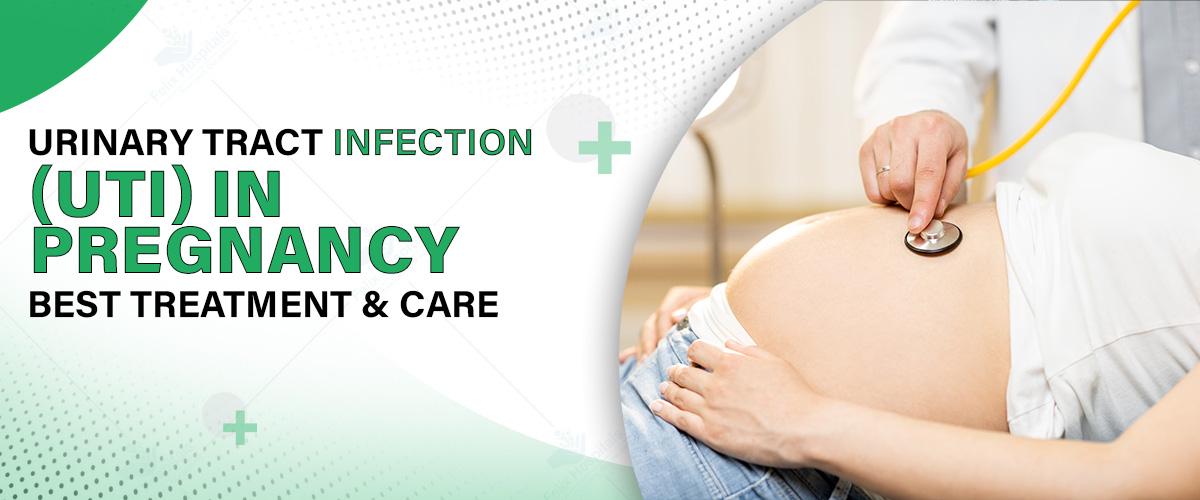
Pregnancy changes a woman's body in many ways, but it can also make her more likely to get some health problems, like urinary tract infections (UTIs). Hormones, anatomy, and a growing uterus all make it more likely that you will get UTIs during this important time. For anyone looking for the best gynecology hospital in Noida, it's important to get UTIs diagnosed and treated early to keep both the mother and the baby safe.
Getting treatment on time is the first step to a safe pregnancy. Call at +91 9667064100 to make an appointment for your UTI.
Hormones that are higher during pregnancy and a growing uterus can slow down the flow of urine and make it hard for the bladder to empty completely. This makes it easier for bacteria to grow. Also, the urethra is shorter in women, which makes it easier for bacteria like E. coli to get in and move up. Because of these physical and anatomical factors, UTI detection in pregnancy is an important part of prenatal care.
UTI treatment for pregnant women is faster if they know the early signs. Some common signs are:
A frequent need to go to the bathroom
A burning feeling when you pee
Urine that is cloudy or smells bad
Pain or cramps in the lower abdomen
Fever, nausea, or back pain (which could mean you have a kidney infection)
If you have any of these symptoms, you need to see a doctor right away. If you wait too long to get treatment, you could get kidney infections, go into labor early, or have a baby with a low birth weight.
A simple urine test that looks for bacteria and white blood cells is how most UTIs in pregnant women are found. Urine cultures may sometimes be used to find the exact strain of bacteria that is causing the infection. Routine urine tests are often part of prenatal checkups, so it's easy to get UTI treatment for pregnant women and stop it from happening.
For most mild UTIs, pregnant women should start by taking oral antibiotics. Depending on how bad it is, these are given for 3 to 7 days. Even if your symptoms get better quickly, you should still finish the whole course. For more serious infections, like pyelonephritis (a kidney infection), you may need to go to the hospital and get antibiotics through an IV.
Some antibiotics, like penicillin and amoxicillin, are thought to be safe to take while pregnant. Some, on the other hand, are avoided because they could be dangerous for the baby. This is why it's so important to get professional help during treatment.
The good news is that there are a few easy things you can do to lower your chances of getting a UTI while pregnant:
Drink a lot of water.
After using the bathroom, always wipe from front to back.
Pee before and after having sex.
Put on cotton underwear that lets air through.
Don't wear clothes that are too tight or use harsh soaps.
Taking these steps to avoid UTIs during pregnancy can make them happen less often and less severely.
Some women may get UTIs more than once while they are pregnant. If you have cystitis three times or more or pyelonephritis once, you may need to take antibiotics every day for the rest of your pregnancy. This makes sure that the infection is under control and doesn't put the health of the mother or the baby at risk.
If you don't treat a UTI, it can get worse quickly. If you have any of the following, get medical help right away:
A high fever
Back pain that won't go away
Chills or vomiting
Signs that don't get better within 48 hours of starting antibiotics
Early treatment can stop serious problems like sepsis, kidney damage, or giving birth too soon.
Felix Hospital has experienced gynecologists and advanced diagnostic tools to give pregnant women personalized UTI treatment. Our professional team follows protocols that are based on evidence and makes sure that the mother-to-be is safe and comfortable. If you're looking for a hospital for UTI in pregnancy Noida, Felix offers complete care, from early screening and diagnosis to treatment and follow-up.
Every trimester is important. With the right care, you can stay UTI-free. For a check-up, call at +91 9667064100.
Urinary tract infections are common during pregnancy, but they can be treated. Most women can have a healthy pregnancy without any problems if they get the right diagnosis, treatment, and preventive care. Don't wait if you think you might have a UTI. Get medical help and pick the right provider. Proactive care is important whether you're in your first trimester or about to give birth. Always talk to a qualified healthcare provider about how to treat a UTI while pregnant, and put your health and your baby first. If you need a reliable hospital for UTI in pregnancy Noida, make sure it has a full range of services, makes accurate diagnoses, and gives you personalized care. Because peace of mind is everything when you're pregnant.
Q1. Is it possible for a UTI during pregnancy to hurt the baby?
Ans: If not treated, a UTI can cause problems like early labor or a baby with a low birth weight.
Q2. Is it safe to take antibiotics for a UTI while you are pregnant?
Ans: Yes, but only the ones your doctor tells you to take that are safe for pregnancy.
Q3. How often should pregnant women get tested for UTIs?
Ans: Most doctors check for problems at least once early in pregnancy and again if symptoms show up.
Q4. Can I get tested and treated for a UTI at Felix Hospital?
Ans: Yes, Felix has both lab testing and treatment on site, which speeds up diagnosis and care.
Q5. Is it possible to get a UTI without any obvious signs?
Ans: Yes, it's common for pregnant women to have infections without any symptoms. These infections still need to be treated.
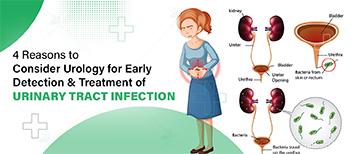
One of the best hospitals for urinary tract treatment in Noida offers comprehensive urology care, featuring expert urologists and advanced diagnostic and treatment facilities.
At Felix Hospitals, our team of best pediatricians in Noida specializes in diagnosing and treating UTIs in children with care and precision.

Find the best urologist for your child's UTI with expert care and treatment.

Urinary Tract Infections (UTIs) are common infections affecting the bladder, kidneys, or urethra. They often cause symptoms like frequent urination, burning sensation, and abdominal discomfort.
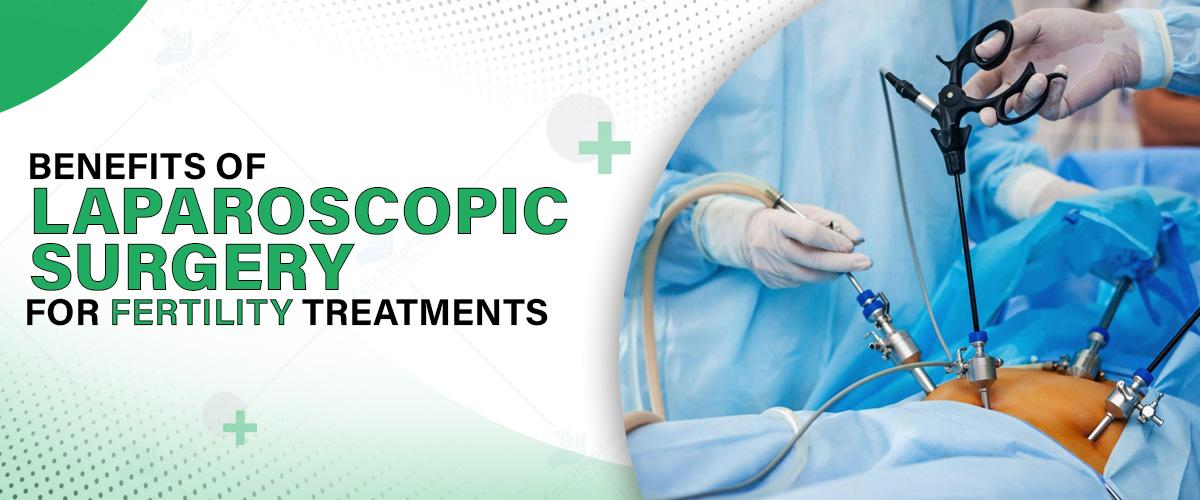
Many women around the world have trouble getting pregnant, which can be hard on their bodies and minds. Modern medicine gives us hope through advanced diagnostic and treatment methods. Laparoscopic surgery is one of the best and least invasive ways to do things today. It is widely known as the gold standard and is done at the best gynecology hospital in Noida for both diagnosing and treating infertility problems. This blog will talk about the main benefits of laparoscopic surgery for fertility and why it is so important for reproductive health care.
Take charge of your reproductive health. To talk to one of our gynecology experts, call +91 9667064100.
Laparoscopic surgery is a type of surgery that uses small cuts to insert a thin tube with a camera (laparoscope) and surgical tools. This lets you see the pelvic organs directly and helps find problems that might not show up on standard imaging tests.
The procedure is often used to find and treat problems like:
Fibroids
Cysts on the ovaries
PID, or pelvic inflammatory disease
Fallopian tubes that are blocked or broken
In many cases, laparoscopy can find the problem and fix it all in the same surgery.
One of the benefits of laparoscopic surgery for fertility is that it can fix the body's normal structure. For example, it can get rid of endometrial lesions, fibroids, and adhesions that make it hard to get pregnant. After these problems are fixed, a lot of women get pregnant on their own without needing IVF or other treatments.
Couples who can't get pregnant for no clear reason often find that laparoscopy reveals problems that can be easily fixed with surgery.
Open surgeries that are done the old-fashioned way require big cuts, long hospital stays, and long recoveries. On the other hand, laparoscopic surgeries only require 2 to 4 small cuts, which greatly reduces the damage to the body.
Patients gain from:
Less pain after surgery
Little scarring
Stays in the hospital are shorter.
A quicker return to normal life
This is especially helpful for women who want to start fertility treatments again or get pregnant soon after surgery. Laparoscopy for infertility treatment is also good for emotional health because it has a shorter recovery time.
Laparoscopy is more than just a way to treat infertility. It has a very high level of diagnostic accuracy. Laparoscopy lets doctors see the reproductive organs in real time and find even small problems, which is not possible with ultrasounds or HSG (hysterosalpingogram).
Some common results are:
Little bits of tissue sticking to the tubes
Light endometriosis
Small signs of infection or inflammation
Such specific information can help make personalized fertility plans that work better and save time.
One more big benefit of laparoscopic surgery for fertility is that it lets you get a diagnosis and treatment in the same visit. This means that fewer surgeries, anesthetics, and recovery times are needed. For instance, if a patient has a blocked tube and is having laparoscopy, the blockage can be cleared or the tubes can be fixed right away if possible. In the same way, ovarian cysts or fibroids that are found during the procedure can be taken out right away.
This combined method speeds up the process of planning for pregnancy, which saves time and emotional energy.
Sometimes, natural conception isn't possible, and assisted reproductive technologies (ART) like IVF are needed. Laparoscopy is also an important part of the preparation process. Laparoscopy can help with infertility in the following ways:
Getting rid of things that make it harder for embryos to implant
Treating hydrosalpinx (fallopian tubes filled with fluid) that can change the results of IVF
Fixing pelvic adhesions to make it easier to get eggs
Laparoscopy makes ART cycles more likely to work and lowers the chance of problems by making the reproductive environment better.
Most of the time, laparoscopic surgery is done under general anesthesia, so you won't feel any pain. After surgery, you might feel mild cramping, bloating, or pain in your shoulders because of the gas used during the procedure. These signs usually go away in a few days.
There are risks with any surgery, such as, Fever, Bleeding but when done at the best gynecology hospital in Noida by a skilled team, problems are rare and recovery goes smoothly.
The length of recovery depends on whether the laparoscopy was for diagnosis or surgery: Recovery time for diagnostic procedures is usually 1 to 2 days.
Procedures that are done during surgery (like myomectomy and adhesiolysis): It could take 2 to 4 weeks to get better.
Your doctor will give you instructions on how to care for your wounds, what activities you should avoid, and when to come back for follow-up appointments to make sure you heal completely.
The cost of laparoscopy for treating infertility depends on:
Place of treatment and city
Experience of the surgeon
Need for surgery
Some health insurance plans may pay for part of a laparoscopy if it is medically necessary. During your consultation, talk about all of your options for pricing and insurance.
Felix Hospital is a well-known name in the field of surgery for fertility issues. Many women think about it for their laparoscopy for infertility treatment because of these reasons:
A group of very skilled laparoscopic gynecologic surgeons
High-tech tools for diagnosis and surgery
Full range of fertility services, including planning after laparoscopy
Care that puts the patient first
Felix Hospital still gets great results for patients who want treatments based on evidence in a caring environment.
Laparoscopic surgery is a safe, effective, and advanced way to find hidden fertility problems or treat known reproductive problems. Laparoscopic surgery for fertility has more benefits than just being more precise. It gives people hope, clarity, and a better chance of getting pregnant. If you're thinking about getting pregnant naturally or with help, you should talk to your gynecologist about the possibility of laparoscopy. Laparoscopy changes the way people think about infertility, turning doubt into opportunity.
Are you thinking about laparoscopy for infertility? Call +91 9667064100 to move forward.
Q1. Can laparoscopy find damage to the tubes that ultrasound can't?
Ans: Yes, for sure. Laparoscopy gives a direct view of the fallopian tubes and can show small blockages or damage that imaging can't see.
Q2. How soon after laparoscopy can a woman get pregnant?
Ans: Most women can start trying to get pregnant after one to two menstrual cycles, depending on how much surgery they had.
Q3. Does laparoscopy make IVF more likely to work?
Ans: Yes, laparoscopic surgery for conditions like fibroids or endometriosis may greatly improve the chances of IVF success.
Q4. Is laparoscopic surgery only for women who can't get pregnant?
Ans: It's often used in fertility care, but it's also useful for finding out what's wrong with your reproductive organs and treating chronic pelvic pain.
Q5. Is it possible to do laparoscopy in a day-care setting?
Ans: Yes, most diagnostic laparoscopies and small repairs are done on the same day at places like Felix Hospital.
Q6. Can a single laparoscopic fertility surgery treat more than one condition?
Ans: Yes, surgeons can often fix a number of problems, such as endometriosis, in one surgery.
Dr. Ritesh Agrawal is an experienced surgeon in noida specializing in both open and minimally invasive laparoscopic procedures.

Learn about open and laparoscopic pyeloplasty, their benefits, and when they’re used to treat kidney blockage.
Facing trouble conceiving? This article highlights the main 5 causes of infertility in women, including hormonal imbalances, PCOS, endometriosis, blocked fallopian tubes, and age-related factors.

Subscribe to our
© Copyright 2026. All Rights Reserved by Felix Healthcare Private Limited
Design and development by :


 +(91)9667064100
 Emergency : +(91)9667064100