 WhatsApp
 Emergency:
  WhatsApp



Subscribe to our
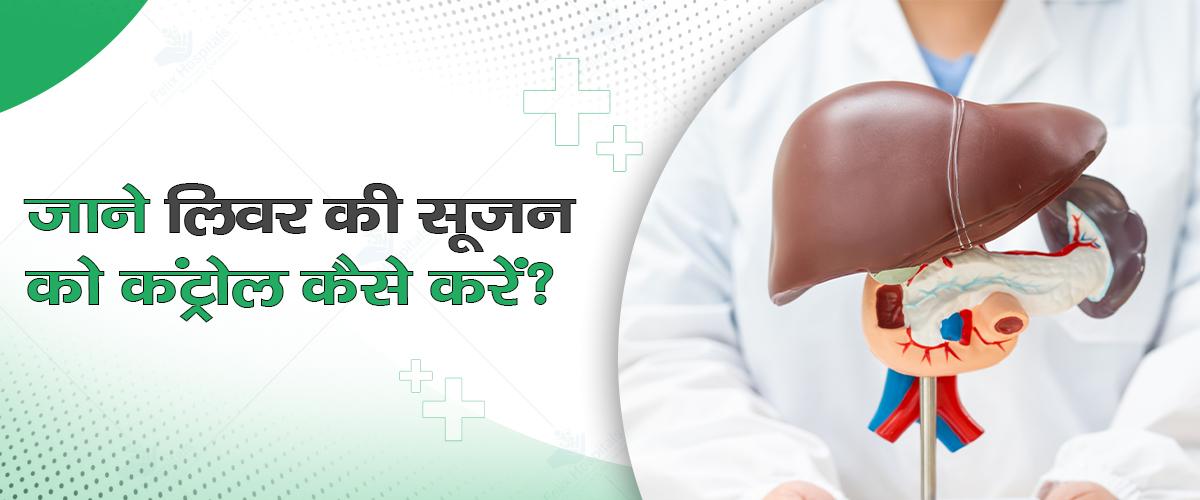
लिवर हमारे शरीर का ऐसा अहम अंग है जिसके बिना जीवन की कल्पना करना मुश्किल है। यह न केवल खून को साफ करता है, बल्कि भोजन को ऊर्जा में बदलने, शरीर से टॉक्सिन्स निकालने और कई महत्वपूर्ण एंजाइम बनाने का काम भी करता है। लेकिन जब लिवर पर अधिक दबाव पड़ता है या यह किसी संक्रमण या बीमारी से प्रभावित होता है, तो उसमें सूजन आ सकती है। इस स्थिति को मेडिकल भाषा में Liver Inflammation कहा जाता है।
आजकल गलत खानपान, तनाव, मोटापा और शराब जैसी आदतों के कारण लिवर की सूजन तेजी से बढ़ रही है। खासकर शहरी जीवनशैली अपनाने वाले लोगों में यह समस्या आम हो चुकी है। अगर इसे समय रहते कंट्रोल न किया जाए तो यह गंभीर रोग जैसे सिरोसिस (Cirrhosis), हेपेटाइटिस या यहां तक कि लिवर फेलियर का कारण (Causes of liver failure) भी बन सकती है। अगर जटिल इलाज की आवश्यकता हो तो बेस्ट लिवर हॉस्पिटल नोएडा में एडवांस सुविधाओं और एक्सपर्ट डॉक्टर्स की मदद से बेहतर परिणाम प्राप्त किए जा सकते हैं। इसलिए यह समझना जरूरी है कि लिवर की सूजन किन कारणों से होती है, इसके शुरुआती लक्षण क्या हैं और बचाव के उपाय कैसे अपनाए जाएं।
अगर आपको लगातार थकान, भूख न लगना या पेट के दाहिने हिस्से में दर्द महसूस हो रहा है, तो इसे हल्के में न लें। तुरंत विशेषज्ञ से जांच करवाएं। अपॉइंटमेंट के लिए कॉल करें +91 9667064100.
लिवर इंफ्लेमेशन कई वजहों से हो सकती है, जो हर व्यक्ति के हिसाब से अलग-अलग हो सकती हैं। आम तौर पर यह कारण ज्यादा देखने को मिलते हैं:
अत्यधिक शराब का सेवन – लंबे समय तक शराब पीने से लिवर की कोशिकाएं खराब हो जाती हैं और सूजन शुरू हो जाती है।
वायरल संक्रमण – हेपेटाइटिस A, B, C और E वायरस लिवर को नुकसान पहुंचाकर उसमें सूजन पैदा कर सकते हैं।
फैटी लिवर डिज़ीज (fatty liver disease) – मोटापा और असंतुलित डाइट की वजह से लिवर में फैट जमा होता है, जिससे सूजन हो सकती है।
ऑटोइम्यून डिज़ीज – जब शरीर की इम्यून सिस्टम अपनी ही कोशिकाओं पर हमला करता है, तब भी लिवर प्रभावित होता है।
दवाइयों और टॉक्सिन्स का असर – कुछ एंटीबायोटिक्स, पेनकिलर्स (painkillers) या ज्यादा दवाइयों का सेवन भी लिवर की सूजन का कारण बन सकता है।
अधिकतर लोग यह सवाल पूछते हैं कि लिवर की सूजन के शुरुआती लक्षण क्या हैं और इन्हें कैसे पहचानें। शुरुआत में लक्षण हल्के हो सकते हैं, लेकिन धीरे-धीरे यह गंभीर हो जाते हैं।
थकान और कमजोरी
भूख कम लगना
उल्टी या मतली
पेट में भारीपन या दर्द, खासकर दाहिनी ओर
आंखों और त्वचा का पीला पड़ना (जॉन्डिस)
पेशाब का रंग गहरा होना
हल्का बुखार
अगर ये लक्षण लंबे समय तक बने रहें तो तुरंत डॉक्टर से जांच करवानी चाहिए।
लिवर की समस्या का सही पता लगाने के लिए कई तरह की जांचें की जाती हैं। यह जानना ज़रूरी है कि लिवर सूजन की जांच कौन-कौन सी होती है, ताकि समय पर निदान हो सके।
ब्लड टेस्ट (Liver Function Test – LFT) – यह जांच लिवर एंजाइम और बिलीरुबिन स्तर की जानकारी देती है।
अल्ट्रासाउंड – लिवर में फैट, सूजन या किसी असामान्य बदलाव को पहचानने के लिए।
CT Scan / MRI – गंभीर स्थिति या ट्यूमर जैसी आशंका होने पर।
बायोप्सी (biopsy) – लिवर के टिश्यू की जांच कर सूजन और नुकसान की पुष्टि की जाती है।
कई लोग सोचते हैं कि लिवर की सूजन सामान्य समस्या है, लेकिन अगर यह लंबे समय तक बनी रहे तो बेहद खतरनाक हो सकती है।
लिवर सूजन कब जानलेवा हो सकती है यह जानना जरूरी है:-
जब यह सिरोसिस (Cirrhosis) में बदल जाए।
जब लिवर का बड़ा हिस्सा काम करना बंद कर दे।
जब संक्रमण तेजी से बढ़कर लिवर फेलियर की स्थिति बना दे।
जब सूजन के कारण लिवर कैंसर की संभावना बढ़ जाए।
इसलिए शुरुआती लक्षण दिखते ही इलाज करवाना बेहद ज़रूरी है।
लिवर की सूजन का इलाज इस बात पर निर्भर करता है कि इसके पीछे कारण क्या है।
अगर यह वायरल हेपेटाइटिस के कारण है तो एंटीवायरल दवाइयां दी जाती हैं।
शराब या दवाइयों के कारण हुई सूजन में उन चीजों का सेवन बंद करना होता है।
फैटी लिवर (Fatty Liver) की स्थिति में वजन कम करना, डाइट सुधारना और नियमित व्यायाम करना जरूरी है।
गंभीर मामलों में अस्पताल में भर्ती होकर एडवांस ट्रीटमेंट की जरूरत पड़ सकती है।
नोएडा और आसपास रहने वाले मरीजों के लिए अनुभवी लिवर स्पेशलिस्ट नोएडा से परामर्श (Consultation with experienced liver specialist in Noida) लेना सबसे सुरक्षित विकल्प है।
लिवर की सूजन से बचने के लिए रोज़मर्रा की आदतों में बदलाव करना बेहद ज़रूरी है।
शराब और धूम्रपान से दूरी बनाएं।
संतुलित और पौष्टिक आहार लें।
अधिक तैलीय और जंक फूड से बचें।
नियमित रूप से व्यायाम करें।
किसी भी दवा को डॉक्टर की सलाह के बिना लंबे समय तक न लें।
हेपेटाइटिस से बचाव के लिए वैक्सीन लगवाएं।
नियमित अंतराल पर लिवर फंक्शन टेस्ट करवाएं।
लिवर की सूजन को अनदेखा करना आगे चलकर गंभीर बीमारियों का कारण बन सकता है। सुरक्षित और बेहतर इलाज के लिए अभी विशेषज्ञ से परामर्श लें। अपॉइंटमेंट बुक करने के लिए कॉल करें: +91 9667064100.
लिवर की सूजन को नज़रअंदाज़ करना किसी भी तरह से सुरक्षित नहीं है। यह शरीर की तरफ से दिया गया एक संकेत है कि आपका लिवर दबाव झेल रहा है और उसे देखभाल की ज़रूरत है। चाहे यह लिवर की सूजन के कारण हों, दवाइयों का साइड-इफेक्ट हो या वायरल संक्रमण, समय रहते जांच और सही उपचार ही आपको गंभीर बीमारी से बचा सकता है।
इसके अलावा, लिवर इंफ्लेमेशन से बचाव के उपाय अपनाना, जैसे संतुलित आहार, शराब से दूरी, नियमित व्यायाम और समय-समय पर स्वास्थ्य जांच करवाना, लंबे समय तक आपके लिवर को स्वस्थ बनाए रख सकते हैं। याद रखें, लिवर केवल पाचन ही नहीं बल्कि आपकी समग्र सेहत का आधार है। इसकी देखभाल में लापरवाही जीवनभर की परेशानी का कारण बन सकती है।
प्रश्न1. क्या लिवर की सूजन सिर्फ शराब पीने वालों को होती है?
उत्तर: नहीं, यह समस्या सिर्फ शराब पीने से नहीं होती। मोटापा, वायरल इंफेक्शन, फैटी लिवर और कुछ दवाइयों के कारण भी लिवर में सूजन हो सकती है।
प्रश्न2. क्या लिवर की सूजन हमेशा गंभीर बीमारी का संकेत है?
उत्तर: शुरुआत में यह हल्की समस्या हो सकती है, लेकिन अगर समय पर इलाज न मिले तो यह सिरोसिस या लिवर फेलियर जैसी जानलेवा बीमारियों में बदल सकती है।
प्रश्न3. क्या लिवर इंफ्लेमेशन को घर पर कंट्रोल किया जा सकता है?
उत्तर: जीवनशैली सुधारकर जैसे – संतुलित आहार, नियमित व्यायाम और शराब से दूरी बनाकर इसे कंट्रोल करना संभव है, लेकिन सही निदान और डॉक्टर की सलाह ज़रूरी है।
प्रश्न4. क्या लिवर की सूजन का पता अल्ट्रासाउंड से चल सकता है?
उत्तर: हाँ, अल्ट्रासाउंड से लिवर में फैट, सूजन या अन्य असामान्य बदलाव की पहचान की जा सकती है। हालांकि, पुष्टि के लिए ब्लड टेस्ट और कभी-कभी बायोप्सी भी जरूरी होती है।
प्रश्न 5. क्या लिवर सूजन में दर्द हमेशा महसूस होता है?
उत्तर: नहीं, कई मामलों में शुरुआती स्टेज पर दर्द नहीं होता। लक्षण थकान, भूख कम लगना या जॉन्डिस के रूप में दिख सकते हैं।
शरीर में ये 7 लक्षण नजर आ रहे हैं तो इसे नजरअंदाज न करें। यह लिवर से जुड़ी गंभीर समस्या का संकेत हो सकते हैं। समय पर जांच और इलाज से बड़ी परेशानी से बचा जा सकता है।
जानें हेपेटाइटिस से बचाव के उपाय और सही इलाज। समय पर पहचान और उपचार से लिवर को मजबूत बनाना संभव है।
योनि संक्रमण महिलाओं में सामान्य स्वास्थ्य समस्या है, जिसे समय पर पहचानना और सही उपचार करना जरूरी है। इस लेख में हम इसके प्रमुख लक्षण, प्रकार, कारण, उपचार
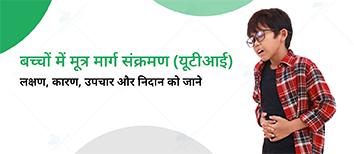
फेलिक्स हॉस्पिटल, जो बच्चों में मूत्र संक्रमण के लिए सर्वश्रेष्ठ अस्पताल के रूप में जाना जाता है, इस समस्या के समाधान के लिए उचित निदान और उपचार प्रदान करता है।
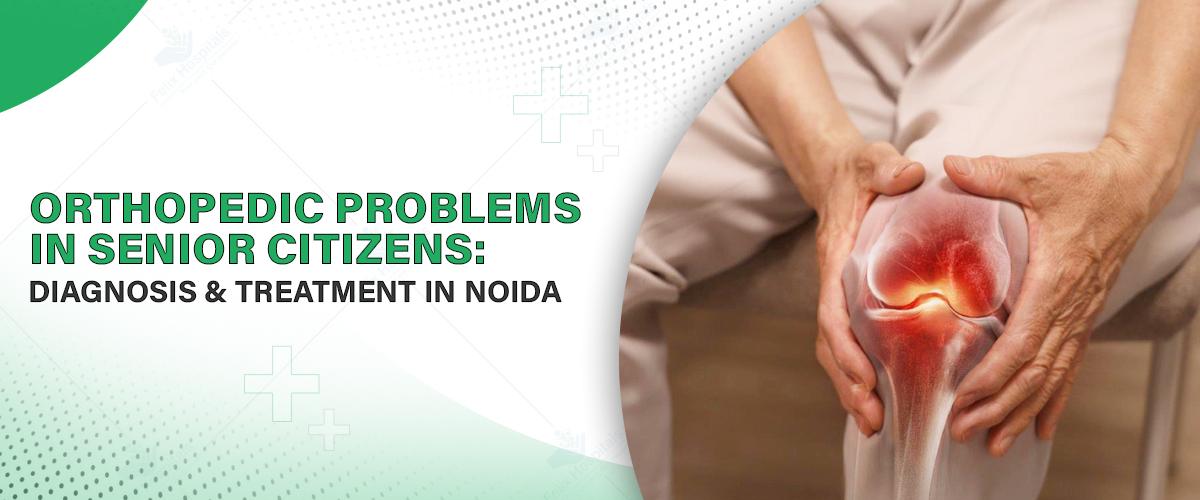
Let's face it—aging has its share of repercussions, and not always the hilarious type. Bones may feel more fragile, joints may begin grumbling, and muscles don't snap back into shape anymore. These kinds of body hiccups aren't just annoying; if you don't treat them, they can make you less mobile, less independent, and less fun to live with.
In fast-growing cities like Noida, where the number of elderly people is steadily rising, it is more important than ever to get specialised orthopedic care on time. That's where orthopaedic hospital for elderly in Noida like Felix come in. They offer everything from advanced tests to personalised treatment plans for older people.
Call us right away at +91 9667064100 if you are worried about arthritis, back problems, or movement disorders.
The more years we put under our belt, two things occur: muscle tone goes by the board, and bones lose density. That lays the groundwork for issues like:
Osteoporosis, also known as the "silent disease." You don't realize it's there until a bone fractures—usually in the wrist, hip, or spine. A DEXA scan catches it before it gets ugly, and therapy often consists of supplements, dietary modifications, and occasionally a drug like bisphosphonates.
Osteoarthritis, another familiar villain. When the cushion between your joints starts to wear down, everyday motions become painful and stiff. Treatments range from anti-inflammatories and physiotherapy to injections—or even surgery if needed.
Fractures, and especially hip fractures, can result from seemingly innocuous falls. Older individuals are more susceptible, and treatment frequently involves surgery and focused therapy.
Herniated discs or stenosis of the spine may lead to chronic back pain. Diagnosis is established by imaging devices like MRI or a CT scanner, and treatment ranges from a conservative approach through minimal access techniques.
Shoulder and elbow difficulties—frozen shoulders, tendon problems—that turn everyday tasks into challenges. The sooner that treatment at a center for physiotherapy begins, the higher the chance of having the shoulder working smoothly.
Inflammatory arthritis, such as rheumatoid arthritis—in which your body's defense system attacks joints and produces chronic inflammation. Early therapy and medicine keep symptoms and joint movement under control.
The longer treatment for orthopedic conditions goes by, the more significant, longer-lasting issues it can develop into—such as the loss of mobility, the need for other people for basic tasks, or even prolonged hospitalization for preventable falls.
Correcting issues early can:
Alleviate pain and anguish
Maintain joint mobility and flexibility
Prevent long-term disability
Keep your autonomy whole
Lower the chance of unwarranted hospitalization
It's one matter to feel hurt; it's another to know what it is that's hurting. In Felix Hospitals, what they use are instruments like:
X-rays for detection of fracture and arthritis
Soft tissue or nerve problems - MRI / CT scans
DEXA scans for bone density assessment
Ultrasonography of ligaments and tendons
Screening of the blood for inflammation or autoimmune disease symptoms
This imaging and laboratory testing duo provides a more defined image—that way, treatment isn't a guess.
The good news? A great deal can go a long way toward relieving and enabling older adults:
Conservative approaches: lifestyle interventions, supplements, medications for pain, and assistive devices.
Medications: drugs for osteoporosis, NSAIDS, and DMARDs for inflammatory.
Physical therapy: tailor-made exercises for balance, flexibility—you name it.
Surgery: Procedures such as joint replacement by arthroplasty or fracture fixation, as appropriate.
Assistive equipment: walkers, canes, and wheelers—meant for simplifying daily.
Pain control: nerve blocks to heat treatment, depending on the reference.
Geriatric rehab programs: it's all about building strength and autonomy.
Prevention interventions for fall: eye testing, muscle strength exercises, balance drills, and home safety.
Rehab isn't complete when the doctor says "you're ready to go." Rehabilitation is a process—and it's needed. A graded program that integrates physiotherapy, balance and gait therapy, and walkers or other supportive devices gets senior citizens out of their chairs and moving safely and confidently.
Caregiver education is also part of it. Families learn how to help their loved one—with mobility, medications, therapy, and more—so recovery lasts.
Day-to-Day Activities that Keep Your Joints and Bones Healthy
Small effort at a time goes a long way. Have a go at these easy, practical habits:
Exercise regularly – Try walking, swimming, yoga, or even slow-motion tai chi.
Eat well – Take sufficient calcium, vitamin D, quality proteins, leafy green vegetables, nuts, and sea foods in your diet.
Get some sunshine – A short morning 15–30 minute walk gets your body naturally synthesizing vitamin D.
Fall-proof your home – Install grab bars, put non-slip mats down, remove loose carpets, and light up hallways and bathrooms.
Get an annual checkup – Screening for bone density and basic blood panels can detect problems before symptoms arise.
Watch your weight – Extra pounds can wear out your knees and hips way faster.
Your mobility matters. Your independence matters. Take care of both—today. Get a consultation from Noida's best senior orthopedic specialists.
Modern orthopedic care in Noida uses cutting-edge medical technology to provide accurate diagnosis, safer treatment, and faster recovery—especially important for senior citizens.
Growing older doesn't have to equal "slowing down." Early diagnosis, appropriate treatment, and holistic rehabilitation can help senior citizens stay active, involved, and independent. Centers like Noida's Felix Hospital, with some of the best orthopedists near me in Noida, are working toward that goal—providing focused medical care designed around the unique needs of older adults.
So come on—just take that first step. If mobility is a worry, or if you simply want to remain steady on your own two feet, consulting an experienced orthopedic specialist early ensures you remain strong, mobile, and independent for longer.
Find the links below:
Check the links below:
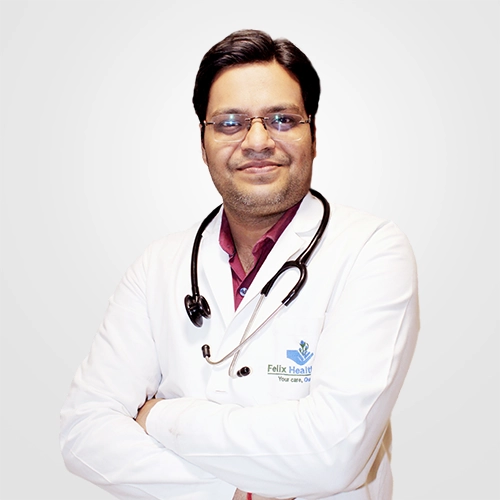
Dr. Keshav Goel is an experienced Orthopedic and Joint Replacement Surgeon in Noida with over 10 years of clinical expertise. He has performed 2,000+ independent surgeries and specializes in computer-assisted joint replacement and arthroscopic surgeries of the knee, shoulder, and hip. Known for his skill in treating sports injuries, trauma, and joint disorders, he provides advanced and patient-focused orthopedic care.
Q1. How would I know that joint pain is serious?
Ans: If it goes for longer than a few weeks, disrupts rest, or blocks movement—it's high time it gets examined.
Q2. Is joint replacement surgery appropriate for older adults?
Ans: Yes. Joint replacements are safe and effective for most seniors because of enhanced surgical methods and proper therapy after the operative procedure.
Q3. Is a non-surgical treatment available for arthritis in the knee?
Ans: Definitely. Physiotherapy, medication, injections, and diet modifications very much help—especially in the early phases.
Q4. How long has orthopedic rehab normally taken?
Ans: That varies. Some injuries may require a few weeks. Joint replacement or fracture treatment may require 3–6 months or more.
Q5. Do bone supplements help for the elderly?
Ans: You can—if your diet isn't. But always consult a doctor before taking any supplement.
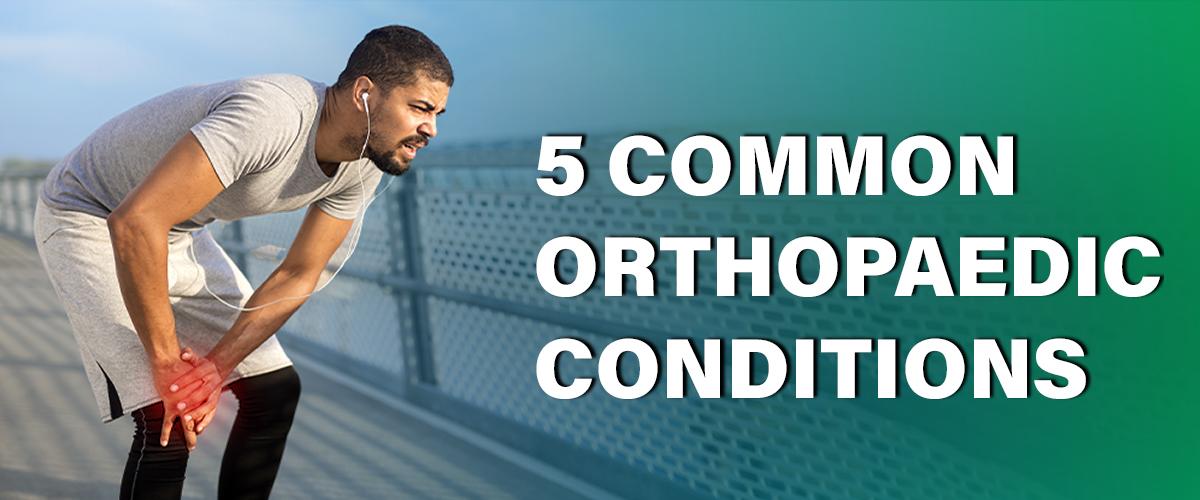
Orthopedics is a specialized branch that takes care of your musculoskeletal problems related to joints, bones, muscles, spine, ligaments, and tissues.
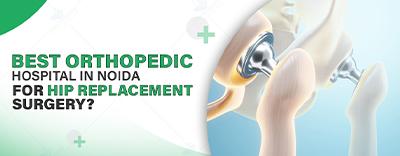
Looking for the best orthopedic hospital in Noida for hip replacement surgery? Get expert care, advanced technology, and faster recovery from top orthopedic specialists—all under one roof.
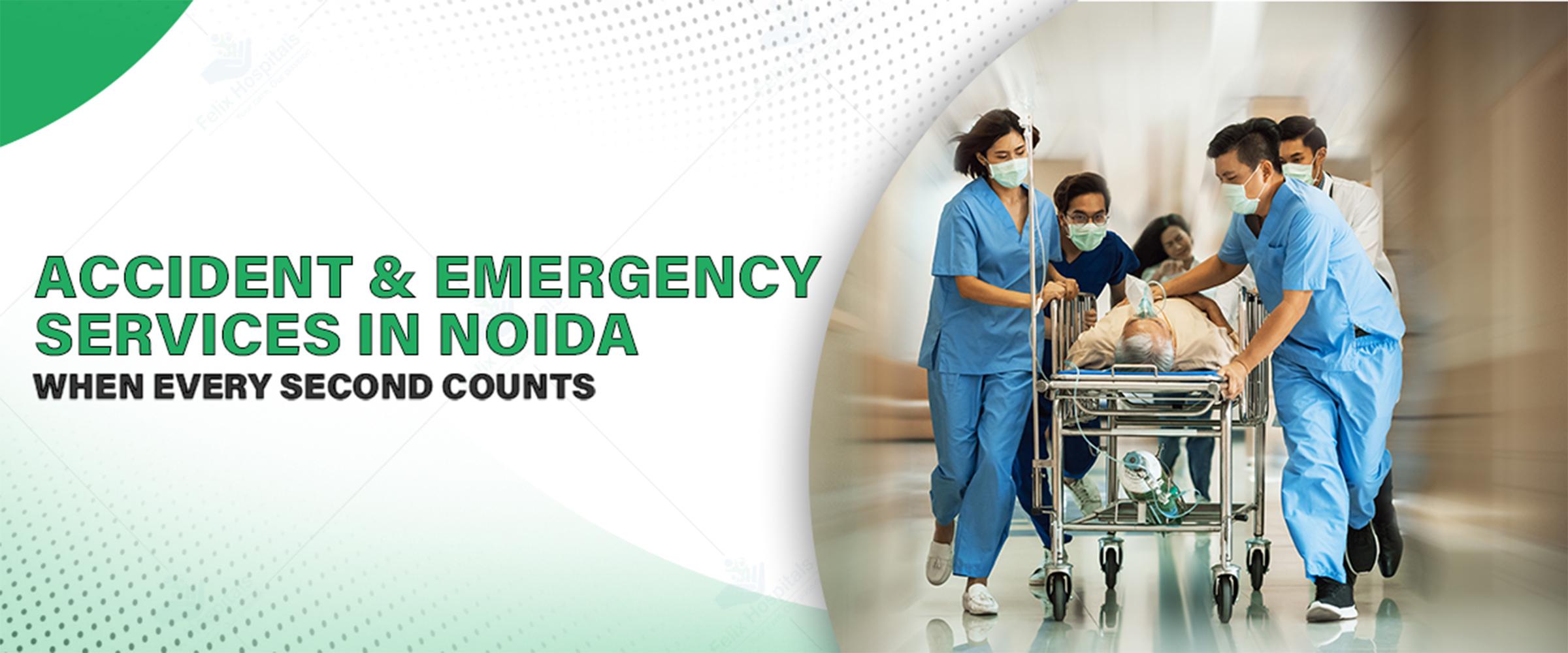
In medical emergencies, it is not only a question of hours or minutes—it is life or death. Whether it is a sudden heart attack, severe injury in a road accident, or a child struggling for breath, immediate qualified medical intervention is what is needed. To citizens of Noida, access to a trustworthy, equipped, and prompt emergency medical care facility is a question of a quick recovery versus a lifetime sequelae.
At Felix Hospital, emergencies won't wait for convenient times. That's why our 24/7 Accident and Emergency services are structured for swift, accurate, yet empathetic care when it is most needed. We have a state-of-the-art emergency and trauma care unit manned by thoroughly qualified medical practitioners who are adept at dealing with life or limb threatening ailments quickly and professionally.
What is so critical about emergency care in the first place? Why should you opt for Felix Hospital when there is no time? Let's discuss it in full detail.
When it is a medical emergency, a patient's health can deteriorate in a few minutes. Example:
A blocked blood flow to the heart happens in a heart attack, and every minute until it is treated gives increased likelihood of permanent heart damage or even death.
For strokes, cell death ensues in a few minutes of blocked blood flow for possible paralysis or inability to speak if not treated in a prompt fashion.
Severe trauma, for instance, a motor vehicle accident, can cause internal or spine damage requiring immediate surgical treatment not to end up in disability or death.
Respiratory distress brought about either by an anaphylaxis or an attack of asthma may result in oxygen deficiency as well as cerebral injury unless treated early.
Our emergency team at Felix Hospital is trained to respond within what is referred to as the golden hour: that hour in which immediate medical attention is capable not only of saving lives but also of averting later-lasting impairment. We utilize state-of-the-art diagnostic equipment such as ECG machines, CT scans, and portably used ultrasounds in order to immediately determine severity of a patient's state and begin treating promptly.
There are a lot of emergencies out there, each necessitating a unique response. Here is what Felix Hospital does for some of its most severe medical emergencies:
Heart emergencies are amongst the most time-dependent medical emergencies. When a coronary blockage causes an obstruction in blood flow to the heart muscle itself, it leads to a myocardial infarction or heart attack. Without immediate treatment, a heart muscle beginning at its outer edge begins to die and leads to permanent damage or even death.
Emergency Cardiac Care at Felix Hospital comprises:
Prompt ECG observation for signs of cardiac attack or arrhythmias (irregular heart rhythm).
Defibrilators for restoration of normal sinus rhythm during cardiac arrests.
Percutaneous intervention (as needed) to open obstructed arteries and enhance blood flow.
Medicines for restoring normal blood pressure and avert further damage.
Every 30-minute delay in treating a heart attack increases mortality risk by 7.5%. Prompt defibrillation in the first minutes for cardiac arrest can double the percentage of people that survive.
Real-Life Example:
A 55-year-old man comes into our emergency department with chest pains and profuse sweating—typical symptoms of a heart attack. In 5 minutes flat, our team conducts an ECG test, diagnoses it accurately, gives clot-busting medicines, and prepares for a potential angioplasty. His prompt treatment saves him from permanent heart damage, and he makes a complete recovery in a few weeks.
Chest pain or dizziness or shortness of breath? Call now for prompt cardiac care at Felix Hospital: +91 9667064100.
Breathing problems can quickly spiral out of control, particularly in life-threatening asthma, COPD (Chronic Obstructive Pulmonary Disease), or anaphylaxis (an extreme allergic attack). When a patient is unable to breathe, their oxygen levels decrease and result in brain injury or heart attack within minutes.
Respiratory emergent care at Felix Hospital includes:
Oxygen therapy for oxygen level normalization.
Nebulization for asthma or COPD patients to open airways quickly.
Ventilator use in patients for whom spontaneous breathing is not possible.
Epinephrine injections for anaphylactic shock to reverse allergic reactions.
The bite is deadly if it is not treated in 15–30 minutes.
Anaphylaxis results in suffocation and throat swelling within minutes if epinephrine is not given.
Real-Life Scenario:
The 30-year-old patient presents with wheezing and breathlessness severe in nature—that is, a life-threatening asthmatic attack. We treat her promptly with nebulized bronchodilators and oxygen therapy. Her respirations improve in 20 minutes, and she is observed for a few hours before discharge with a preventive action plan.
Having trouble in breathing? Receive immediate respiratory care today. Call on +91 9667064100 now for immediate care at Felix Hospital.
Medical emergencies involving the nerves or head like seizures or head injury need urgent medical intervention since damage can take place in a matter of minutes. A stroke is a condition where blood flow is cut off in the brain, leading to the death of 1.9 million neurons per minute if not treated promptly.
Our neuroscience emergencies at Felix Hospital include:
CT scans and MRI for rapid detection of strokes, bleeds, or brain swelling.
Blood clot-buster medicines (TPA) for ischemic strokes to improve blood flow.
Surgical intervention for traumatic head injury or hemorrhage in the brain.
Anti-convulsive or anti-seizure drugs for patients with epile.
Strokes patients receiving tPA within less than 3 hours are 30% more likely to improve.
Seizures taking more than 5 minutes can cause permanent brain damage if not made to stop.
Real-Life Scenario:
A 65-year-old man is brought in with slurred speech and one-sided weakness-classic signs for a stroke. My team performs a CT in 10 minutes, diagnoses an ischemic stroke, and administers tPA to dissolve the clot. His early treatment prevents long-term disability, and full function is returned with rehabilitation.
Doubt a seizure or a stroke? Time is brain—call on +91 9667064100 for immediate neurocare at Felix Hospital.
Children are not tiny adults-their bodies are qualitatively rather than quantitatively different in their responses to disease and injury. A fever in an infant, for instance, causes febrile seizures in a short while; vomiting causes life-threatening dehydration in a short while. pediatric emergency care Noida
At Felix Hospital, our pediatric emergency department is ready for:
High fever and febrile seizures with prompt cooling and anti-seizure drugs.
Serious dehydration caused by vomiting or diarrhea, treated with fluids by IV.
Respiratory trouble in toddlers and infants treated with oxygen therapy and nebulization.
Accidental poisonings with antidotes or activated charcoal.
Allergic reactions and anaphylaxis with immediate epinephrine.
High fever infants can even develop seizures if not treated early.
Water deprivation in children can lead to kidney failure within 24 hours if not treated.
Practical Case:
A 2-year-old child is admitted with a high fever of 104°F and a seizure. We treat her with antipyretics (medicine for reducing fever) promptly and observe her carefully. Her fever subsides in 30 minutes, and she stabilizes. We reassure her parents and provide guidelines for prevention in the subsequent episodes.
Is your child unwell? Trust Felix Hospital for best pediatricemergency care. Call now at +91 9667064100.
Rapid assessment with FAST (Focused Assessment with Sonography for Trauma) ultrasonography for internal bleeding.
Surgery for severe lacerations, fractures, or organ injury.
Spinal immobilization in patients with a suspected neck or back injury.
Pain control and wound care to avoid an infection.
Internal hemorrhaging can kill within hours if it is not found or treated.
Spinal injuries require immediate immobilization in hopes of preventing permanent paralysis.
Real-Life Example:
A 35-year-old motorcyclist is presented following a road accident with multiple fractures and internal hemorrhaging. We immobilize his spine, treat his hemorrhaging, and conduct an immediate CT scan for internal damage. He is treated for a comminuted fracture in his femur and is observed in an ICU ward before he is discharged to a ward for rehabilitation.
Involved in an accident? Receive immediate trauma service at Felix Hospital. Call now at +91 9667064100.
When a medical emergency strikes you, where you go can make all the difference. That's why we are Noida's first stop for emergencies and trauma care:
1. 24/7 Availability with Zero Waiting Period
Emergencies don’t follow a schedule, and neither do we. Our emergency department is open 24/7, with no long waits—because in a crisis, every second counts.
2. State-of-the-Art Diagnostic and Treatment Facilities
Our state-of-the-art emergency unit is equipped with:
digital X-ray, CT scans, MRI for expedited imaging.
Bedside diagnostic use of portable ultrasound units.
Defibrilators and ventilators for respiratory emergencies and cardiac arrests.
Stat lab on site for immediate blood testing results.
3. Specialized Medical Team
4. Seamless Coordination with Specialists
If a patient requires additional specialized care, our team promptly refers them to the appropriate department, such as cardiology, neurology, orthopedics, or pediatrics.
5. GPS-Enabled Ambulance Services
Our ambulances are equipped with:
Felix Hospital in Noida provides 24/7 emergency services with a timely response, advanced diagnostic facilities, and expert medical professionals to manage all types of emergencies with compassion and care.
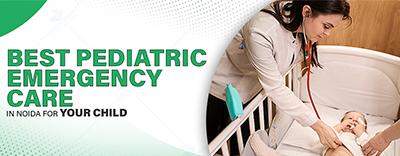
Get immediate, expert care for your child at the best pediatric emergency centers in Noida. Available 24/7, these facilities offer advanced treatment, experienced pediatricians, and specialized care for urgent child health issues.
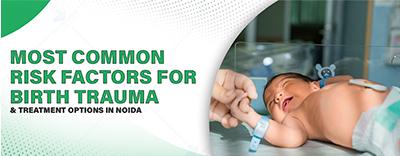
Understand the leading causes of birth trauma and explore advanced treatment options available in Noida for both mothers and newborns.
Ensuring proper growth and development in children starts with selecting the right pediatrician in Noida. Expert care can detect early health issues and support your child’s overall well-being.
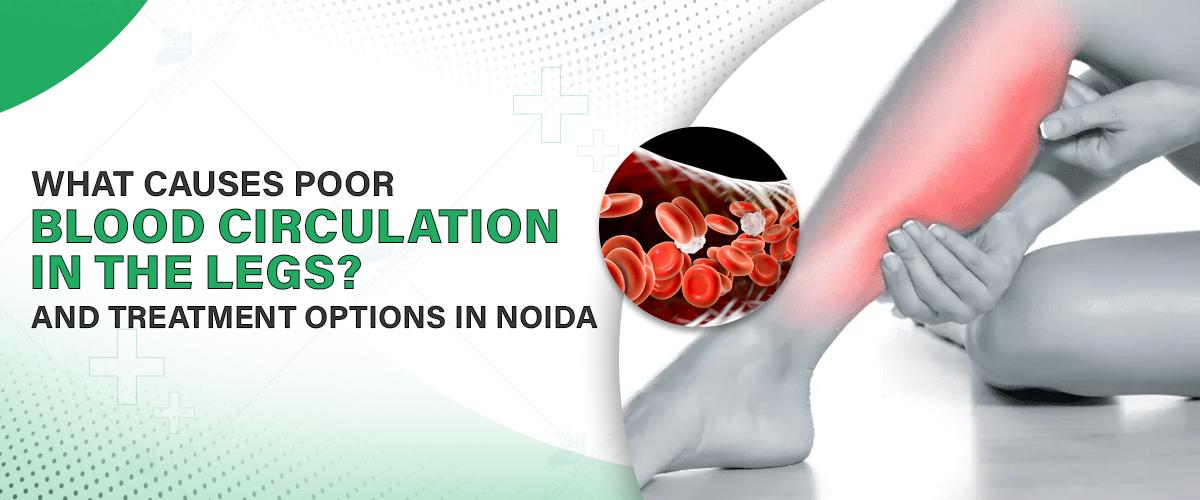
Poor circulation is what the flow of the blood is responsible for, delivering nutrients and oxygen to the body. Poor leg and foot circulation impacts these alone, but secondary diseases can be represented as well.
A number of causes may result in impaired blood circulation in the legs and feet, some of which are narrowed arteries, blood clots, and less effective veins that restrict effective circulation of the blood. In realizing such systems, it is simple to address circulatory disorders efficiently.
Age factors
Decreased physical activity, aortic thickening, and reduced baroreceptor sensitivity are some of the frequent etiologies of impaired blood circulation among elderly individuals.
Atherosclerosis
Atherosclerosis, a hardening of the arteries, is one of the major causes of circulatory issues, and the disease carries the risk of developing into Peripheral Artery Disease (PAD) if left untreated.
Environmental and Genetic Factors
Cold weather can lead to constriction of blood vessels, worsening the problem of circulation. Heredity is also implicated since some individuals are more prone to circulatory issues.
Deep Vein Thrombosis (DVT)
Deep Vein Thrombosis (DVT), a blood clot in a deep vein, typically in the lower leg or thigh, could have devastating effects in the form of pulmonary embolism if the blood clot gets lodged in the lung.
Diabetes causes a number of health issues such as disrupted blood supply, kidney disease, and greater danger of heart disease and stroke.
Sedentary lifestyle
Sedentary lifestyle is bad for muscles, bones, the immune system, and circulation. Sitting or standing for long periods can be bad for circulation. Regular short walks and uncrossed legs when sitting can be a good thing.
Obesity
Obesity not only leads to joint and bone issues, sleep apnoea, and cardiovascular issues but can also lower circulation.
Peripheral Arterial Disease (PAD)
Peripheral Artery Disease (PAD) is a form of atherosclerosis that results in the accumulation of plaque in the arteries and subsequently constricted or obstructed blood flow.
Smoking
Smoking is a major cause of extensive vascular damage, leading to turbulent blood flow and enhanced risk of a variety of health issues.
Chronic venous insufficiency
Chronic venous insufficiency, where blood lingers in veins instead of being pumped to the heart, is caused by genetics, age, pregnancy, weight, or lack of activity.
Swollen arteries and veins (varicose or "spider" veins).
Heavy feeling in legs and feet
Skin discoloration.
Swollen feet and legs.
Split, oozing skin.
Pelvic pain or discomfort.
Restless legs and feet
Numbness and tingling.
Aching and leg pain
Unable to grow hair on the legs and feet.
Toenails grow slowly, or no longer at all.
In case of sudden pain in the leg, swelling in a single leg, chest pain, dizziness, or pain that runs from the calf down to the knee, seek immediate medical care since this is a potential medical emergency in the form of a deep vein thrombosis, or DVT.
Poor circulation worsens by itself and can cause additional medical issues. Cuts will heal much slower if you have poor blood flow in your feet and legs. This may cause the effect of a small cut turning into an ulcer, and ulcers become infected. Talk to your doctor about treating any sicknesses that cause poor circulation, like high blood pressure, PAD, or diabetes.
The first course of treatment for compromised circulation of the blood is to see your vascular specialist. They may prescribe an exercise and diet regimen, as well as medication, but some do best with vascular procedures like angioplasty or bypass surgery.
Your vascular doctor will walk you through a thorough medical history, examine your lower legs, and potentially order venous doppler imaging to further investigate your circulatory system and diagnose you. After you've been diagnosed, your vascular doctor will sit down with you to create a thorough treatment plan. Treatment includes, but isn't limited to:
Regular exercise, leg elevation, compression clothing, stopping smoking, and keeping a healthy weight are all necessary steps. Regular, low-impact exercise, a healthy weight, stopping smoking, and controlling your blood pressure, blood sugar, and cholesterol can all help you avoid additional difficulties caused by poor blood circulation. Consuming heart-healthy foods such as cinnamon, dark chocolate, nitrate-rich meals, dark berries, and healthy fats will help with circulation.
For some, operations such as angioplasty or bypass surgery may be required. These therapies are intended to enhance blood flow and reduce discomfort.
Regular consultations, ultrasound , and a treatment plan tailored to each individual's needs are all part of aftercare. Regular check-ups can help discover circulatory problems early. Blood pressure and cholesterol levels are important markers to monitor.
Staying hydrated is essential for proper circulation. A diet high in omega-3 fatty acids, such as those found in fish, nuts, and seeds, can also benefit vascular health.
Chronic stress can restrict blood arteries and impair circulation. Meditation, yoga, and even simple breathing techniques can help reduce stress.
If you are experiencing compromised leg circulation, you need to have someone take a look at you at a vascular specialist. Vascular specialists only deal with your vascular system, which includes your arteries, veins, and lymphatic vessels. They are more trained than family physicians to diagnose and treat blood circulation disorders.
It is important to see a vascular physician for proper diagnosis and treatment, particularly for symptoms of leg or pelvic pain. Pain in the legs, numbness, discoloration, or swelling are typical signs of the occurrence of underlying conditions.
Vascular doctors utilize specialized diagnostic equipment and methods to identify the exact vascular condition causing these symptoms.
Our vascular experts at the Centre for Vascular Medicine are able to provide a full treatment plan that is tailored to the unique condition and requirements of the patient.
If lifestyle modifications and initial visits to the doctor do not resolve the issue, seek out a vascular specialist, who can give more sophisticated treatments and recommendations.
Every patient's situation is different. Specialists develop customized treatment plans following careful examination of the patient's individual requirements and health history.
The specialists employ cutting-edge diagnostic technology like Doppler ultrasounds, CT angiograms, and MRIs to analyze blood flow and artery health, providing more precise diagnosis than a family doctor's office.
Vascular physicians offer more than medication and dietary changes. They are capable of performing minimally invasive procedures such as angioplasty or stenting and more involved surgery such as bypasses or vascular grafting. With the ability to deliver a greater assortment of treatment, it can be possible to have a better way of treating specific patient need.
A commitment for a lifetime is needed for vascular health. The doctors at the Centre for Vascular Medicine treat current disorders with an eye to prevention to prevent future vascular issues. We work together with patients to create long-term treatment strategies including lifestyle modification, regular testing, and ongoing medical attention.
Patients with severely or critically ill vascular diseases like deep vein thrombosis or peripheral artery disease might need the services of a vascular surgeon. Experienced medical professionals who are trained in handling complicated cases with utmost care and the most modern of medical procedures would be necessary in such situations.
Adequate blood supply to the feet and legs is essential to general health and well-being.
Lifestyle modification, frequent consultation with the physician, and individually designed care plans are needed to treat and improve blood flow successfully.
By working closely with experienced vascular surgeons and following their guidance, patients can achieve positive outcomes and enjoy a better quality of life.
Vascular surgery involves surgical procedures designed to treat disorders of the vascular system.
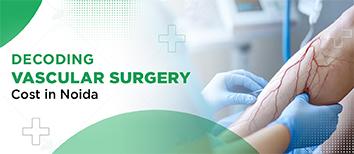
Vascular surgery is an essential procedure to treat circulatory system issues, but its cost can be a concern for many patients. Understanding the factors that influence the cost, finding ways to reduce expenses, and choosing the right hospital for it.
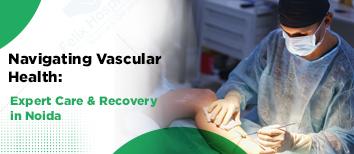
Expert vascular care in Noida for conditions like varicose veins and artery blockages, ensuring timely treatment and smooth recovery.
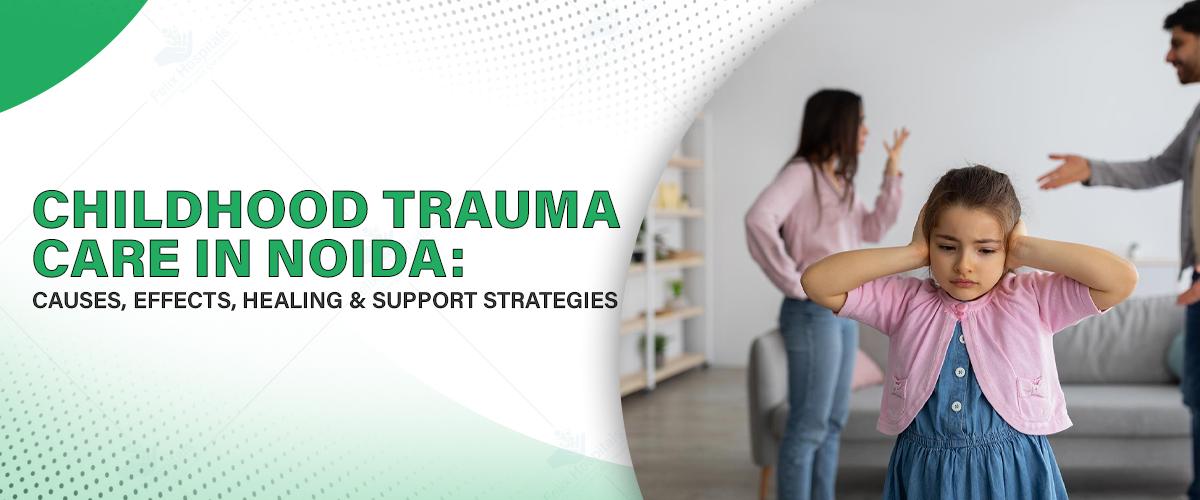
Let's be honest — childhood isn't necessarily the sunny, rosy time that it gets portrayed as. Some of those early childhood years arrive with invisible trauma. Trauma isn't necessarily a one-time, cataclysmic incident; it's more often the chronic, insidious stress of a dysfunctional home, abandonment or neglect, bullying, or loss of some dear individual. And the issue? Children often don't have the words for, "I'm not okay." They express it that way — by exhibiting behavioral outbursts, by internalizing, by a sudden behavioral shift, or a physical symptom.
This is not blame or shame. This is support, compassion, and education. If you are a teacher, parent, caregiver, or just a support-seeker, this blog guides through the fundamentals — the trauma origin, long-term repercussions it has for children, and recovery paths. We also address finding actual, effective care for childhood trauma in Noida because recovery truly does require a village — and the supportive assistance can alter a child's future for the better for a lifetime.
Call us today at +91 9667064100 and start the journey towards recovery.
Child trauma is not always the result of a one-time event. While we might think about accidents, abuse, or natural disasters, trauma also can come from chronic conditions — like emotional neglect, bullying at school, observing domestic violence, or having a parent fight addiction or mental illness.
In Noida, as it would be anywhere else, children might be quietly battling experiences that are more than their capacity for coping. And the difficult part is that trauma isn't necessarily apparent because it looks like sadness or because it looks like fear. Sometimes it looks like anger, attached-behavior, poor schoolwork, or even bodily symptoms like headaches and tummy aches.
Physical, emotional, or sexual abuse
Loss of a parent (death, divorce, abandonment)
Long-term family disruption or domestic violence
Neglect or abandonment
Peer rejection or bullying at school
Living alongside a mentally ill or addicted individual
Medrtraum (latente Krankheiten, Operation, Krankenha
Accidents or natural disasters
Recognizing these sources early on can help caregivers step in before long-term effects settle in too deep.
Trauma is also very differently processed by children than it is by grown-ups. Children's brains are developing, and when a child experiences chronic stress or fear, it actually has a literal effect of shaping how their own brain wires. This has also been described as "toxic stress" — and it can have a lasting effect if not tackled.
Short-term symptoms that you may feel:
Sleeping difficulties or nightmares regularly
Sudden shifts in mood or emotional outbursts
Withdrawal from family or friends
Difficulty concentrating at school
Fear or panic under certain conditions
Regressive behavior (bed wetting, sulk
Physical symptoms without a medical explanation
Difficulty forming healthy relationships
Issues in self-esteem or identity
Depression, anxiety disorders, Post-T
Risk behavior in teen-agers
Trouble with trust, authority, or emotional control
And the very best news is that children are incredibly resilient. With the proper support, children even severely traumatized routinely recover and enjoy healthy, positive lives.
There is no "cure-all" for recovery from trauma, but there are a few evidenced-based therapies and support networks that have proven highly effective.
Trauma therapists and child psychologists apply some of the following techniques:
Play therapy (especially for young children)
Trauma-focused Cognitive Behavioral Therapy (TF-CBT) tailored for trauma
EMDR (Eye Movement Desensitization and Reprocessing
Family therapy, either of the carers or parents
They assist kids in working through the experience, learning how to recover, and feeling protected.
Healing isn't limited to the therapist's office. The way family members at home react makes all the world of difference. Children need to feel safe, seen, and supported — not forced through too soon.
Small acts like not judging and listening, adopting routines, and giving consistent affection can be highly effective.
Child trauma counselling in Noida is also learning how to read the symptoms of trauma and provide support in class. If there's an issue, don't hesitate to speak with the school therapist or teacher. Pressures of academics in competitive schools often mask emotional issues.
The good news? Noida has also awakened to the widening demand for childhood trauma treatment by specialist clinics and children's mental health services.
Most of the best pediatric specialists in Noida and mental well-being sites also provide trauma-informed treatment, including:
Child psychologists and counselors
Child neurologists and behavior therapists
Family therapy sessions.
Crisis intervention services
Bullying or school-related stress counseling
When selecting a provider, seek a provider who has experience working with trauma, not behavioral problems in general. You need a provider who knows how trauma manifests in children and knows how to work it without further traumatizing.
Even prior to a pro stepping in, try this at home:
Hear more, judge less: Allow your kid to feel and express bad emotions.
Create routines: Structure provides a sense of safety and predictability.
Model calm: If you’re anxious or reactive, your child will mirror that.
Don't use punishment-oriented discipline: Be more interested in behavioral understanding rather than behavior termination.
Get support for yourself as well: It's hard work bringing up a traumatized child — a support group or therapy may be a blessing.
Call us at +91 9667064100 for consultation or more about pediatric trauma management in Noida.
Trauma is heavy – but secrecy makes it heavier. While we can't erase what's come before, we can influence what's next. Healing's journey has its beginning in observation, concern, and getting help not ashamedly or belatedly.
At the best child hospital in Noida, there is an increasing resource and spreading awareness. Whether it's getting a reliable pediatrician for the growth and development of children or getting in touch with mental health professionals educated in trauma, there is support available — for children and for their families.
Your kid doesn't require a flawless parent. They require a current one. And since you're reading this, it means that you're basically getting off to a good start.
Q1: How will I absolutely know whether or not my child is experiencing trauma or not having a very good day?
Ans: Everyone has bad days, but should you be experiencing weeks-worth of change in behavior, mood, or a pattern of slumber, it might very well be more than a bad streak.
Q2: Is it my fault that my child is emotionally troubled?
Ans: Absolutely not. Traumas are not always avoidable, and the most important thing is what you can do about it now. You are taking a huge step in the correct direction by seeking help.
Q3: Is trauma ever cured in children?
Ans: Most children recover very well, provided that trauma is treated in the early stages by a proper system of support and treatment.

Building healthy habits in the formative years of a child lays the foundation for the healthy living. By teaching them to enjoy healthy eating at a tender age helps for the overall development and growth for life.

Urinary tract infections (UTIs) in children are common but treatable. This guide for Greater Noida parents covers early signs, effective treatments, and easy preventive tips to protect your child’s health.
Understand the leading causes of birth trauma and explore advanced treatment options available in Noida for both mothers and newborns.
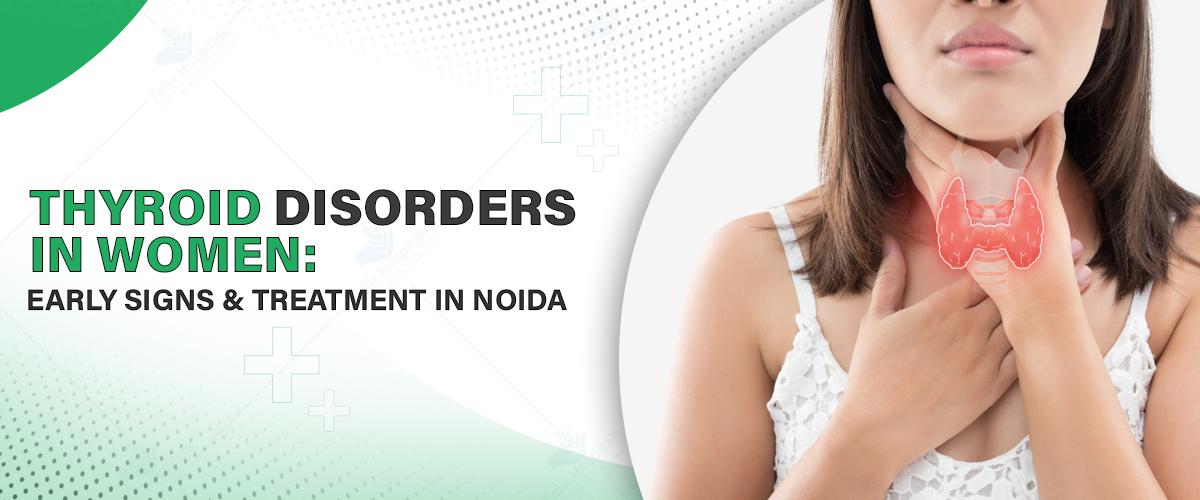
Thyroid diseases involve a number of conditions that affect the thyroid gland, which is a small, butterfly-shaped organ located at the bottom part of the neck. The gland releases hormones that regulate the metabolic rate, expenditure on energy, as well as the overall growth and development of the body. Abnormalities in the functioning of the thyroid gland result in an over- or under-production of hormones, resulting in several diseases.
Research from the National Institute of Health indicates that women are considerably more susceptible to thyroid problems compared to men, with an estimated tenfold increased risk. This blog focuses on the types, symptoms ,challenges of women’s thyroid issues and thyroid treatment in noida.
Call +91 9667064100 right now to get specialised thyroid treatment in Noida.
Hypothyroidism, or the inability to produce enough hormones in the thyroid, will greatly reduce the metabolism rate in women. Hypothyroidism has many potential causes; among these are Hashimoto's thyroiditis, an autoimmune disorder where the body itself mistakenly attacks the thyroid gland and iodine deficiency.
Hyperthyroidism, or the overproduction of the hormone by the thyroid, has the capability to substantially increase the metabolic rate in the body. The most frequent cause of hyperthyroidism is the autoimmune disease known as Graves' disease, which activates the thyroid gland to the overproduction of hormones.
Thyroiditis is an uncommonly severe inflammation of the thyroid gland that has the potential to develop hyperthyroidism or hypothyroidism, depending on the stage.
Thyroid nodules are small tumors on the thyroid. Even though most nodules are not cancers, nodules sometimes are cancers.
Women with hypothyroidism, a condition where the thyroid gland doesn’t produce enough hormones, may experience a range of symptoms. Common signs include fatigue, weight gain, and sensitivity to colds. Women may also experience dry skin, hair loss, constipation, and muscle weakness. Additionally, hypothyroidism can cause menstrual irregularities, including heavy periods or prolonged menstrual cycles, and contribute to fertility issues.
Hyperthyroidism due to an overactive thyroid gland causes symptoms like loss of weight, enhanced appetite, and profuse sweating. Women will observe an accelerated or irregular pulse, anxiety, irritability, and tremors. Additional symptoms are heat intolerance, diarrhea, and menstrual irregularities, including thinner or less frequent menstrual periods. Hyperthyroidism also causes fertility issues along with problems during pregnancy.
Other thyroid gland conditions, such as thyroiditis and thyroid nodules, also have a variety of symptoms. Thyroiditis results in neck stiffness and swelling, weakness, and alterations in the concentration of the thyroid hormones that lead to either hyperthyroid or hypothyroid symptoms based on the disease stage. Thyroid nodules are typically not noticed but occasionally will result in the inability to swallow, the presence of a noticeable lump on the neck, or voice changes.
Blood tests and imaging that identifies the functions and cause of thyroid disorders and any structural problems are used to diagnose thyroid disorders in women.
TSH: The initial test to be used to rule out or rule in hypo- or hyperthyroidism.
Free T4: Ascertains severity in case of abnormal TSH.
Free T3: It is indicated when the suspicion of hyperthyroidism presents with normal Free T4.
Thyroid antibodies: TPOAb/TgAb in case of Hashimoto; TRAb/TSI in case of Graves.
Thyroid ultrasound: Used to assess nodules or goiter; non-radiative during pregnancy.
Radioactive iodine uptake/thyroid scan: Diagnoses cause of hyperthyroidism (not in pregnancy/breast feeding).
Fine-needle aspiration (FNA): Biopsy of suspected nodules to exclude the presence of cancer.
Special cases: Pregnancy/infertility- trimester specific TSH levels and antibody testing determine the care.
Menstrual abnormalities: Thyroid diseases lead to prolonged or shortened menstrual periods or absence of periods, heavy menses or scanty menses. It is possible that such disruptions could affect fertility and reproductive health in the female.
Now the big question: Can thyroid issues cause infertility or miscarriage? Mostly thyroid dysfunction disrupts ovulation in such a way that a woman can’t conceive. Thyroid imbalances if not treated, may also lead to miscarriages and pregnancy issues.
Weight fluctuations: Hypothyroidism tends to produce weight gain because of a
decrease in metabolism, and hyperthyroidism results in substantial weight loss. These changes can certainly contribute to a woman’s physical appearance and confidence.
Heart Problems: Thyroid diseases also can affect the heart. Hypothyroidism can lead to high cholesterol along with a higher risk of heart disease, while, conversely, hyperthyroidism can cause palpitations, hypertension and a rapid heart rate.
Bone Health: Hyperthyroidism can cause bone to lose density and may lead to osteoporosis, especially in postmenopausal women. Restoring healthy thyroid function preserves bone mass.
Complications During Pregnancy: Untreated thyroid problems during pregnancy could lead to conditions such as preeclampsia or premature birth. They can also lead to infant developmental issues.
Mood Swings and Depression: Women with thyroid disease frequently have mood swings and depression. These mood changes can interfere with a person’s personality, relationships and life.
Insomnia and Restless Sleep: Thyroid Conditions can contribute to insomnia or restless sleep, which then causes more fatigue and harms mental and physical health. If the signs and problems of the thyroid are known the diagnosis and necessary measures can be implemented.
Women should get a thyroid check when symptoms, key life stages (planning pregnancy, during pregnancy, postpartum), or risk factors are present; periodic screening can also be considered after mid-30s if risk is higher. The main tests are blood tests (TSH, Free T4/T3, antibodies) and, when needed, imaging like ultrasound.
Call +91 9667064100 to make an appointment for a correct diagnosis and treatment of your thyroid.
Women can experience complicated cases of thyroid disorders that can affect not only their physical but also emotional health, reproductive and quality of life. Early detection of the symptoms and treatment on time is crucial to avoiding developing long-term problems like infertility, heart problems, or bone loss. Women with unexplainable changes in weight, menstrual problems, or chronic fatigue cannot disregard these symptoms.
Should you have any issues related to thyroid health, the consultation of an experienced thyroid doctor in Noida will aid in getting a proper diagnosis and a unique treatment. Thyroid diseases are easily treatable with proper medical instructions and continuous medication resulting in the majority of women enjoying fruitful life full of confidence and success.
Q1. Is thyroid disease passed down through families?
Ans: Yes. Women who have a family history of thyroid or autoimmune diseases, such as diabetes, are more likely to have thyroid problems.
Q2. Do thyroid problems have anything to do with PCOS (Polycystic Ovary Syndrome)?
Ans: Yes. Both thyroid problems and PCOS mess with hormones, which can cause women to have irregular cycles, trouble getting pregnant, and weight problems.
Q3. Do thyroid problems make hair fall out and skin problems worse?
Ans: Of course. Thyroid imbalances can cause dry skin, thinning hair, brittle nails, and even early greying.
Q4. Do people with thyroid problems always need to take medicine for the rest of their lives?
Ans: Not all the time. Hypothyroidism usually needs treatment for life, but conditions like thyroiditis may get better with short-term treatment.
Q5. Can thyroid issues make pregnancy more dangerous?
Ans: Yes. If you don't treat your thyroid disease, you could have a miscarriage, give birth too early, or have developmental problems with your baby. Getting care from a thyroid doctor in Noida as soon as possible is very important.
Q6. What changes to your lifestyle can help with thyroid problems?
Ans: A healthy diet, stress management, not smoking, and regular checkups with your doctor are all important for thyroid health.
Explore 11 thyroid-friendly foods that support hormone balance, boost energy, and improve overall thyroid health naturally.
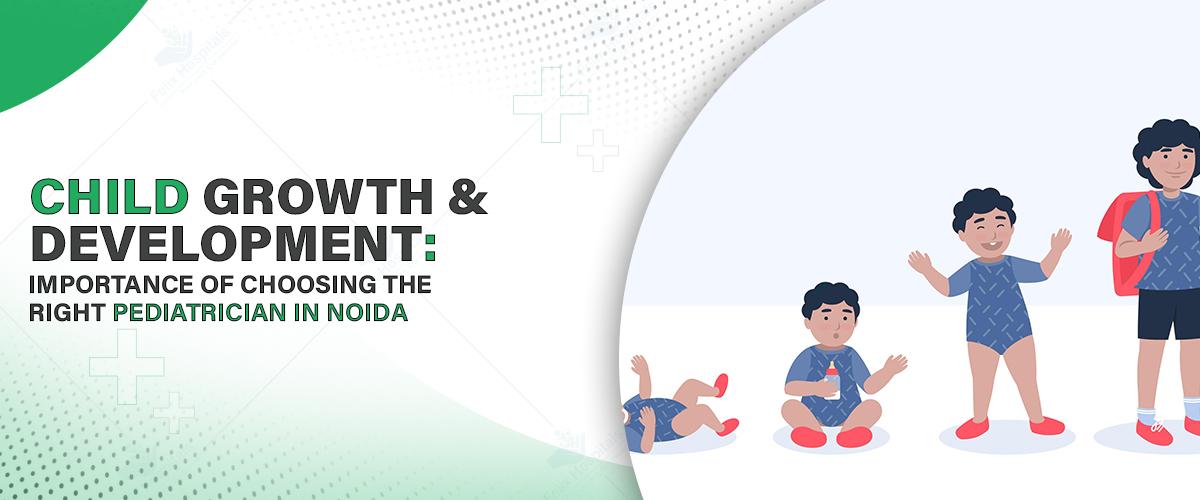
When it is about the health of your child, nothing matters more than finding the appropriate pediatrician. An able and efficient child specialist has the power of doing wonders in respect of appropriate growth and development along with timely treatment for any ailment. While there are a whole lot of Child Health Services available in Noida, it makes it all the more essential that a well informed choice is made. If you have just shifted into the city or are seeking an upgradation, knowing how to choose the best pediatrician can ease out your parenting.
The Best Pediatric Hospital in Noida is not just regarding child-friendly infrastructure, latest diagnostic machines, and caring physicians. It is also about finding a pediatrician who understands your child and can be trusted.
Booking a visit today for pediatric specialty care that will give your child a healthy tomorrow. Call us today at +91 9667064100.
Choosing a pediatrician is not a medical choice; it's a family one. A best pediatrician in Noida will be his or her long-term partner in his or her journey toward health from childhood through teen years. This is a daunting experience for many parents, more for the reason that there are an incredible number of Noida Pediatric Healthcare choices out there.
Here's a brief guide that will assist you in streamlining your search:
Consider your healthcare philosophy and approach to parenting.
Look long term: this is going to be a long-term relationship.
Get feedback from Noida parents.
Go and see some clinics or hospitals and experience the atmosphere.
If you have no idea where to start, the following handy clues can lead you through:
The best way to start is from research: Make use of online reviews, parent forums, and social sites for real reviews. Search for the Best Pediatrician In Noida and pen down those names that have consistent positive reviews.
Visit the Polyclinic: Check the cleanliness, staff attitude, and kid-friendliness of the Polyclinic.
Check accessibility: Is the clinic easily accessible from where you are currently residing? Are the appointments at a convenient time for you?
Emergency Support: Ask whether the pediatrician has an on-call or emergency roster access.
Experience and Specialism: Look for a very experienced Pediatric Care Noida provider and also specialist expertise in the requirements of your own child (e.g. allergies, dietary, or developmental needs).
Few things to consider while choosing the Pediatrician for newborn Noida:
Qualifications and Certifications: Ensure that the pediatrician is well-qualified and certified.
Availability of Pediatric Specialty Services in Noida: Ensure that the hospital or clinic provides a host of services like vaccinations, growth monitoring, emergency visits, and access to an experienced Pediatrician for same-day appointments Noida who can conduct screenings.
Technological Support: Diagnosis machines and computerized medical records can aid in facilitating improved patient care.
Safe and Clean Environment: The treatment of children needs to be done in an antiseptic, relaxing environment.
Whenever you go for a new consultation by a pediatrician for newborn checkup in Noida, note the following:
How they communicate with your child: Is the child tense or anxious?
The way that they communicate with you: Do they answer questions that you ask them fully and in detail?
Treatment by the doctor: Do they emphasize prevention or wait for illnesses and cure them?
Ask your question openly: A good pediatrician respects parental intuition.
Connection and Comfort: You should trust that pediatricians will attend to any health issues.
So, let's just conclude what is most important while looking for a Pediatrician Near Me in Noida.
Search for hospitals that provide Noida Pediatric Healthcare.
Make sure that the center offers Complete Child Health Services in Noida, like periodic check-ups, immunizations,
growth monitoring, and nutrition status.
Compare other parent’s reviews online or in forums.
Choose a center that provides emergency treatment and follow-ups
Assess the temperament of the pediatrician—they need to be well-qualified and warm.
The best hospital in Noida will offer more than pediatric treatment. It should:
State-of-the-art infant and children's units
Day-and-night emergency children's care
Well-trained and highly-experienced pediatric personnel.
Detailed developmental and behavioural treatment programmes.
Tailored treatment for each individual child, whether individual children have long-term or complex conditions.
Such a setting not only gives appropriate care, yet also offers reassurance for the parents. Pediatricians at this location are well-versed in local trends towards health, seasonal disease patterns, and up-to-date pediatric health trends.
Get the best possible care for your child. Book a consultation with a pediatric specialist today.
Deciding on the best pediatrician in Noida is a very significant decision that will determine the health and well-being of your infant. Now that Pediatric Care in Noida has grown by leaps and bounds, and more specialist Child Health Services in Noida have emerged, it has now become very convenient for you to choose and select the best one for yourself.
Select a well-qualified pediatrician who knows the needs of your infant. If you are searching for the Best Pediatrician In Noida or a Pediatrician Near Me in Noida, select one that has experience and empathy. Trust your instincts and don't hesitate about questions. After all, nothing is superior for your infant other than the best beginning in life.
Find the links below:
Check the links below:
Q1. How often should children visit for check-ups?
Ans: It depends upon age. The initial year tends to have multiple visits—consider 1, 2, 4, 6 months, and beyond. Once this has passed, yearly check-ups are a good idea until something strange happens.
Q2. Can I contact a pediatrician online?
Ans: Yes. A large percentage of pediatricians in Noida provide online consultations for acute conditions. It is hassle-free when one doesn't need to rush at all.
Q3: Why would a pediatrician feel "right" about me and my kid?
Ans: Honestly, it is about trust and comfort. The right pediatrician will listen and not rush through and explain in a manner that makes sense.
Q4: If we don't like the current doctor for our child, what should we do?
Ans: Do not discount it. Children pay attention to things that grown-ups might not. If your child feels uncomfortable, it might be best to attempt someone else—they have to feel secure.
Building healthy habits in the formative years of a child lays the foundation for the healthy living. By teaching them to enjoy healthy eating at a tender age helps for the overall development and growth for life.
Urinary tract infections (UTIs) in children are common but treatable. This guide for Greater Noida parents covers early signs, effective treatments, and easy preventive tips to protect your child’s health.
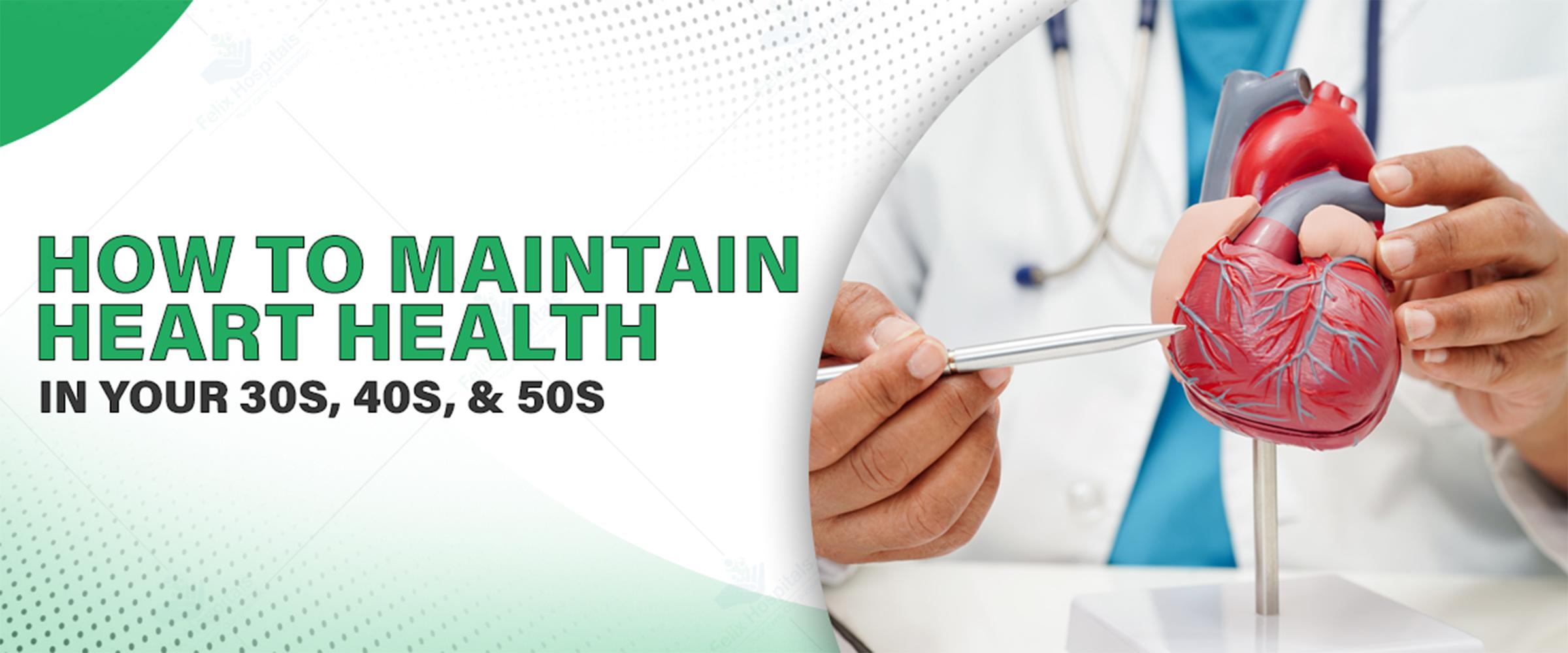
Your heart is an engine, a big muscle that works tirelessly to pump blood to every organ in your body and keep them all going. But with today’s lifestyles of grab-and-go eats, junk and fast foods, desk jobs, smoking, stress and heavy alcohol use, these subtler dangers pose heart threats at every age. Failure to attend to these issues can cause significant problems, including hypertension, stroke, and heart disease.
This is the reason why taking care of your heart’s health is not a choice, it is a necessity. A trained heart specialist doctor in Noida can provide you with necessary information to assess your risk, available screenings to prevent heart disease and personalized advice to keep your heart healthy. For those families looking for heart disease prevention by age that can offer them care and compassion, they can rely on the best Heart Hospital in Noida to enable early detection, treatment and ongoing heart health.
Get preventive screenings to protect your heart. To make an appointment for your consultation, call +91 9667064100.
Your heart is the most important part of your body. It pumps blood, delivers oxygen, and keeps everything working properly all the time. But it is always under stress from things like a bad diet, not getting enough exercise, and rising stress levels. If you don't pay attention to these things, they can cause long-term health problems like heart disease, strokes, and high blood pressure. It's important to put heart health first at every stage of life to avoid these problems and stay healthy overall.
Bad Eating Habits: Eating a lot of processed foods, saturated fats, and sugars raises the risk of heart disease.
Not exercising regularly makes the heart weaker, which can lead to obesity and high cholesterol.
Stress: Long-term stress can raise blood pressure, which can cause heart problems over time.
Using tobacco and drinking too much alcohol: Smoking and drinking too much alcohol greatly increase the risk of heart disease.
Preventive care is the most important thing you can do to keep your heart healthy. Conditions like high blood pressure, diabetes, and high cholesterol are major risk factors for heart disease. Early detection and treatment can help stop or manage these conditions. The main benefits of putting heart health first are finding and treating risk factors early.
Lower risk of heart disease and problems that come with it. Better health and longer life. You're making an investment in a healthier future by paying attention to your heart health early and often.
In your 30s, it's very important to start habits that will help your heart stay healthy and lower your risk of heart disease later in life. You can set the stage for a healthy, active, and happy future by taking the initiative.
A healthy heart starts with a balanced diet. Eat foods that are rich source of nutrients and good for your heart health
What to Include: Fresh fruits and vegetables.
Whole Grains: For lasting energy and fibre, pick oats, brown rice, and whole-grain bread.
Proteins: Fish, chicken, beans, and legumes are all good sources of low-fat protein.
Eat nuts, seeds, avocados, and olive oil in moderation to keep your heart healthy.
Fast food and processed food often have a lot of bad fats and sodium.
Sugary Drinks and Snacks: Too much sugar can make you fat and cause problems with your metabolism.
Too Much Salt: Eating a lot of sodium raises blood pressure, which is a major risk factor for heart disease. Trans fats are in some baked goods and fried foods. They can raise levels of bad cholesterol.
Exercise on a regular basis makes the heart stronger and blood flow better.
Recommendation: Do moderate-intensity exercise for at least 30 minutes five days a week. Mix up your workouts: Walking, jogging, swimming, or biking are all aerobic activities that are good for your heart health.
Ignore your stress and it may hurt your heart.
Yoga, meditation or deep breathing are a few of the practices that can lower your stress.
Fine-tune your down time: Spend time doing the things you enjoy, with friends and family and fun activities.
Prevent burnout: It’s crucial to learn to work and live in proportion to one another and delegate to others when it’s time.
Lifestyle choices can have a significant impact on the health of your heart.
Quit smoking: Cigarette smoke damages blood vessels and increases the risk of heart disease. Drinking can elevate blood pressure and increase the likelihood of heart failure.
There’s a lot to juggle in your 40s, with work, family and personal goals to keep in check. With all of that thrown at you, taking care of your heart is so important. In the face of all the change of the past and coming decade, you should also stick to several healthy habits to keep your heart healthy.
Search for problems early Regular health screening is important. What to Look For:
Blood Pressure: High blood pressure rarely shows indication, but it substantially raises the chances of having a heart disease.
Cholesterol levels High cholesterol can lead to plaque buildup in your arteries.
Blood Sugar Levels: Keeping an eye on your blood sugar can prevent or control diabetes, which is one of the main causes of heart disease.
Finding conditions like high cholesterol or high blood pressure early on lets doctors take action right away.
Regular checkups also give you a starting point for keeping track of your health over time.
As your metabolism naturally begins to slow down in your 40s, it requires more work to maintain a healthy weight.
Important Tips:
Maintain a healthy body mass index: Keep your BMI in a certain range.
Target Visceral Fat: Excess fat around your belly increases your risk for heart disease.
Choose Sustainable Diets: Opt for sensible portions, a balanced diet and foods high in nutrients.
Working too much can lead to chronic stress, which is bad for the health of your heart.
You really need more sleep.
Aim for 7 to 9 hours of uninterrupted sleep. Establish a sleep routine by going to bed and waking up at the same time each day. Big meals, alcohol and screen time before bed can all keep you from sleeping.
Blood Pressure: Try to get a reading below 120/80 mmHg. High blood pressure puts stress on the heart and arteries, which raises the risk of heart attacks and strokes.
Cholesterol Level:
LDL (bad cholesterol): Keep it low so that plaque doesn't build up in your arteries.
HDL (Good Cholesterol): Try to get your levels higher to help get rid of cholesterol.
Levels of Blood Sugar: Stay within the normal range to avoid diabetes, which is a major risk factor for heart disease.
Make sure to see your doctor for checkups on a regular basis.
Consider home monitoring devices for consistent tracking.
Your heart health is important at any age. Call +91 9667064100 to set up your heart check-up now.
Taking care of your heart is an ongoing process that rewards you with better health, more energy and a longer life. With heart-healthy habits — healthy eating, regular physical activity, stress management and seeing your doctor for preventive care — you can help avoid complications ahead of time. And if professional help is necessary, when you have the availability of an expert heart specialist doctor in Noida it can ensure the best treatment journey for you. Felix is among the top Heart Hospital in Noida offering technology and patient-centric approach to help you and your loved ones regain a healthy and strong heart. Remember: What you invest in your heart today, you earn on your tomorrows.
Find the links below:
Check the links below:
Q1. How can I tell if chest pain is serious?
Ans: If you feel tightness, heaviness, or pain that spreads to your arm or jaw, you should go to the emergency room right away. The 24/7 cardiac emergency team at Felix Hospital makes sure that patients get the care they need right away.
Q2. What changes to your lifestyle have the biggest effect on your heart health?
Ans: The best things you can do to improve your health are to exercise regularly, eat a balanced diet, stop smoking, and keep your weight in check.
Q3. Do women and men have different signs of a heart attack?
Ans: Yes. Instead of classic chest pain, women may feel nauseous, tired, have indigestion, or shortness of breath. Felix specialists know how to spot these more subtle signs.
Q4. Is it okay to work out if your blood pressure is high?
Ans: Yes, but only if a doctor is watching. Our cardiologists help you make safe plans for activities that will strengthen your heart without putting you at risk.
Q5. What kinds of heart tests can you get at Felix Hospital?
Ans: We have ECG, echocardiography, TMT, Holter monitoring, CT angiography, and advanced cardiac screening packages for people of all ages.
Q6. How does smoking hurt my heart in a direct way?
Ans: Smoking harms blood vessels, cuts down on the flow of oxygen, and speeds up the buildup of plaque, all of which can lead to heart attacks or strokes.
हार्ट अटैक के मुख्य लक्षण, कारण और तुरंत किए जाने वाले उपचार के बारे में जानें। समय पर पहचान और सही इलाज से जीवन बचाया जा सकता है।
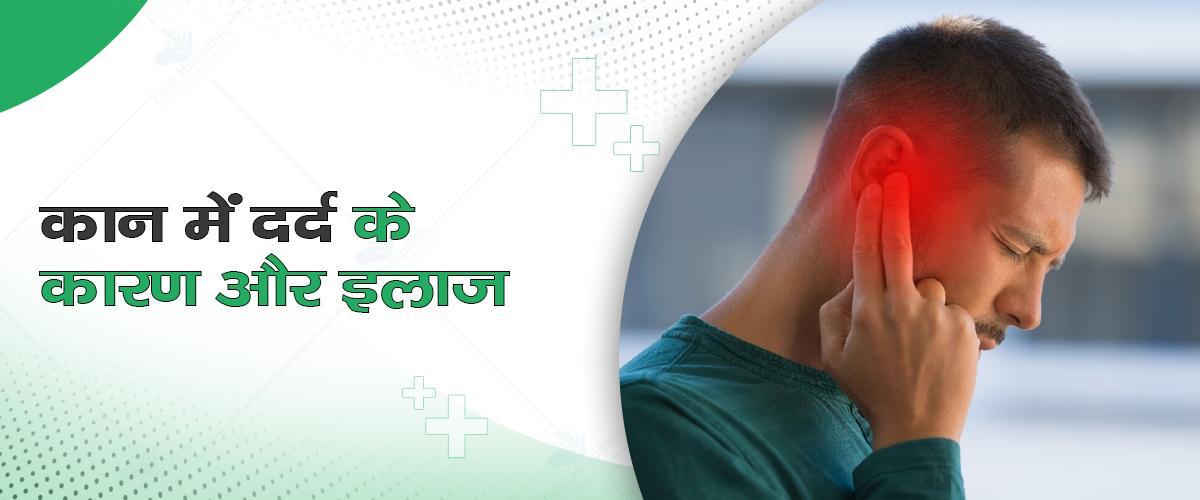
कान शरीर का संवेदनशील अंग है। जब इसमें दर्द होता है तो सहनीय लगता है साथ ही सुनने की क्षमता और दैनिक जीवन को प्रभावित होती है। कान का दर्द (Ear Pain/Otalgia) बच्चों और बड़ों दोनों में होता है। इसके कारण साधारण कान का मैल जमा होना से लेकर कान का संक्रमण, ईयर ड्रम में चोट या गले की समस्या तक होते हैं। समय पर पहचान और इलाज न मिलने पर कान में स्थायी नुकसान होता है।
अगर कान में लगातार दर्द, बहाव या सुनने में कमी हो रही हो तो नोएडा में किसी अनुभवी ईएनटी (कान-नाक-गला) विशेषज्ञ (ENT doctor Noida) से तुरंत परामर्श लेना चाहिए।
अभी अपॉइंटमेंट शेड्यूल करें – कॉल करें: +91 9667064100
कान का दर्द आम समस्या है। लेकिन इसके पीछे कई कारण होते हैं। यह दर्द तब होता है जब कान के अंदर सूजन, संक्रमण, मैल का जमना, प्रेशर में अचानक बदलाव या फिर किसी तरह की चोट लगती है। कई बार कान का दर्द सीधे तौर पर कान से जुड़ा हुआ नहीं होता। बल्कि दांतों की समस्या (Dental problems), गले की सूजन (swelling of the throat), या जबड़े की परेशानी के कारण भी महसूस होता है। अगर कान में लगातार दर्द बना रहे या कान से तरल पदार्थ निकलने लगे तो तुरंत डॉक्टर से संपर्क करना चाहिए।
कान में तेज या हल्का दर्द महसूस होना
कान से पानी, पस या खून निकलना
सुनने की क्षमता कम होना या गूंजना
कान में भारीपन या दबाव महसूस होना
चक्कर आना या सिरदर्द
बच्चों में बार-बार रोना और कान को पकड़ना
मध्य कान का संक्रमण:
यह सबसे आम कारण है। इसमें कान के अंदर तरल पदार्थ जमा होता है। जिससे बुखार (fever), कान में तेज दर्द और सुनने में कमी होती है। अगर समय पर इलाज न हो तो यह पुराना संक्रमण बनता है।
स्विमरस ईयर:
यह कान की बाहरी नली का संक्रमण है। जो अक्सर तैराकी या कान में नमी रहने से होता है। इसमें कान लाल, सूजा हुआ और स्पर्श करने पर दर्दनाक होता है। कभी-कभी कान से पस या पानी भी निकलता है।
कान का मैल जमा होनाः
कान में मैल का अधिक जमाव कान की नली को ब्लॉक करता है। जिससे दबाव और दर्द महसूस होता है।
कभी-कभी सुनने में कमी, कान बंद होने का एहसास और सिर भारी लगने जैसी समस्या होती है।
सर्दी-जुकाम या गले की समस्याः
नाक और कान को जोड़ने वाली यूस्टेशियन ट्यूब बंद होने पर कान में प्रेशर बढ़ता है। यह स्थिति खासकर बच्चों में सामान्य जुकाम (Cold), एलर्जी या गले की सूजन के समय ज्यादा देखने को मिलती है। परिणामस्वरूप कान में दर्द, बंद होने का अहसास होता है।
चोट या ईयर ड्रम फटनाः
कान पर चोट लगने, बहुत तेज आवाज (लाउड म्यूजिक या विस्फोट) सुनने या फ्लाइट/स्कूबा डाइविंग जैसी स्थिति में अचानक दबाव बदलने से ईयर ड्रम (ear drum) फटता है। अचानक तेज दर्द, कान से खून या तरल का निकलना और सुनने की क्षमता में कमी इसके लक्षण है।
दांत या जबड़े की समस्याः
कई बार कान का दर्द सीधे कान से जुड़ा न होकर दांतों की समस्या (कैविटी) या मसूड़ों की सूजन (Swelling of the gums) से होता है। जबड़े के जोड़ में समस्या होने पर कान में दर्द और भारीपन होता है।
टॉन्सिलाइटिस (Tonsillitis): गले के टॉन्सिल्स में सूजन होने पर दर्द कान तक फैलता है।
साइनस इंफेक्शन (Sinus infection): नाक और गाल की हड्डियों में साइनस की सूजन से कान में दबाव और दर्द होता है।
एलर्जी या ठंडी हवा लगना: ठंडी हवा, धूल या एलर्जी के कारण कान की नली में जलन और दर्द होता है।
क्लिनिकल एग्जामिनेशनः
डॉक्टर कान की नली और कान के परदे (ईयर ड्रम) को टॉर्च या ओटोस्कोप से ध्यानपूर्वक देखते हैं। इससे यह पता चलता है कि कान में सूजन है या नहीं, ईयर ड्रम लाल या फूला हुआ है या फिर उसमें छेद है। इससे बाहरी और मध्य कान के संक्रमण को पहचानने में मदद मिलती है।
श्रवण परीक्षणः
इसमें मरीज की सुनने की क्षमता को मापा जाता है। हेडफोन या मशीन के जरिए अलग-अलग ध्वनियों को सुनाकर यह देखते हैं कि कान कितनी अच्छी तरह काम कर रहे हैं। यह जांच खासकर बार-बार कान के संक्रमण या ईयर ड्रम फटने की स्थिति में जरूरी होती है।
ईयर कल्चर टेस्टः
अगर कान से पानी, पस या तरल पदार्थ निकल रहा है तो उसका सैंपल लेकर प्रयोगशाला में जांच होती है। इससे यह पता चलता है कि संक्रमण बैक्टीरिया, वायरस या फंगस की वजह से है। सही कारण पता चलने पर डॉक्टर सही एंटीबायोटिक या एंटी-फंगल दवा दे पाते हैं।
इमेजिंग (सीटी स्कैन / एमआरआई)
यह जांच लंबे समय से चले आ रहे कान के संक्रमण के मामलों में की जाती है। सीटी स्कैन से कान की हड्डियों और मध्य कान की संरचना देखते हैं। एमआरआई से यह पता लगाया जा सकता है कि कहीं संक्रमण मस्तिष्क या आसपास की नसों तक तो नहीं फैला है।
डॉक्टर एंटीबायोटिक टैबलेट या ईयर ड्रॉप देते हैं। यह दवाएं बैक्टीरिया को खत्म करके संक्रमण को नियंत्रित करती हैं।
अगर कारण फंगस है, तो एंटी-फंगल ईयर ड्रॉप का इस्तेमाल होता है। इस दौरान कान को सूखा रखना बेहद जरूरी है।
दर्द कम करने के लिए पेन रिलीवर जैसे पैरासिटामोल, आइबुप्रोफेन और एंटी-इंफ्लेमेटरी दवाएं दी जाती हैं। यह सूजन घटाकर राहत देती हैं।
अगर कान का दर्द मैल जमने की वजह से है तो डॉक्टर सिरिंजिंग या सक्शन से मैल निकालते हैं। ध्यान रहे खुद से कॉटन बड या नुकीली चीज से कान साफ करना खतरनाक होता है। इससे ईयर ड्रम फटने का खतरा होता है। कोई भी खतरनाक कदम उठाते हुए समय रहते अच्छे ईएनटी हॉस्पिटल (Best ENT Hospital in Noida) से आवश्य संपर्क करें।
ईयर ड्रम रिपेयर: (Ear Drum Repair)
अगर ईयर ड्रम फट गया हो और खुद से न जुड़ रहा हो तो इस सर्जरी से उसका रिपेयर किया जाता है।
टॉन्सिल/एडेनॉइड सर्जरी: (Tonsil/Adenoid Surgery:)
जिनको बार-बार गले या कान का संक्रमण होता है। उनमें टॉन्सिल या एडेनॉइड हटाने की सर्जरी की जाती है।
विशेष इलाजः
बार-बार मिडिल ईयर इंफेक्शन में ईएनटी स्पेशलिस्ट की निगरानी में दवा देते है। कई बार बच्चों के कान में छोटी ट्यूब डाली जाती है। जिससे तरल पदार्थ जमा न हो और संक्रमण बार-बार न हो।
कान में नुकीली चीज न डालेंः
कॉटन बड, पिन, माचिस की तीली या किसी भी नुकीली चीज से कान साफ करने की कोशिश नहीं करें। इससे ईयर ड्रम फट सकता है या कान की नली में चोट लगती है। कान का मैल साफ करवाने के लिए हमेशा डॉक्टर की मदद लें।
ठंडी हवा और धूल से बचाएं
कान संवेदनशील होते हैं। इसलिए उन्हें ठंडी हवा, धूल और गंदगी से बचाना जरूरी है। सर्दी या संक्रमण के मौसम में बच्चों को टोपी या कान ढकने वाले कपड़े पहनाएं।
तैराकी के समय सावधानी बरतेंः
स्विमिंग करते समय कान में पानी न जाए, इसके लिए ईयर प्लग का इस्तेमाल करें। कान में पानी जाने से अक्सर स्विमर’स ईयर का खतरा बढ़ता है।
सर्दी-जुकाम का सही इलाज कराएंः
साधारण सर्दी-जुकाम या गले की सूजन को नजरअंदाज न करें। अगर समय पर इलाज न हो तो यह संक्रमण कान तक पहुँच सकता है और कान में दर्द या इंफेक्शन कर सकता है।
बच्चों को दूध पिलाने का सही तरीका अपनाएंः
छोटे बच्चों को बोतल से दूध पिलाते समय लेटाकर न पिलाएं। लेटाकर दूध पिलाने से दूधयूस्टेशियन ट्यूब में जाता है। मिडिल ईयर इंफेक्शन का खतरा बढ़ता है।
भाप लेने से राहतः
अगर कान का दर्द सर्दी-जुकाम की वजह से है तो गरम पानी की भाप लेना फायदेमंद होता है। भाप से नाक और कान के रास्ते खुले रहते हैं। प्रेशर कम होता है।
लंबे समय तक दर्दः
अगर कान से लगातार पस या तरल पदार्थ निकल रहा है। दर्द लंबे समय तक बना है तो इसे हल्के में नहीं लें। तुरंत ईएनटी स्पेशलिस्ट को दिखाएं। जिससे समस्या गंभीर न हो और सुनने की क्षमता प्रभावित न हो।
अभी अपॉइंटमेंट शेड्यूल करें – कॉल करें: +91 9667064100
कान में दर्द एक साधारण समस्या लगती है। लेकिन यह गंभीर बीमारी का संकेत है। समय पर इलाज नहीं मिलने पर सुनने की क्षमता प्रभावित होती है। बच्चों और बड़ों दोनों को कान की सफाई, संक्रमण से बचाव और समय पर इलाज पर ध्यान देना चाहिए। अगर कान से बार-बार पस निकल रहा हो, दर्द बना रहे या सुनने में कमी हो, तो तुरंत जांच करवानी चाहिए। समय रहते पहचान से इलाज संभव होता है। ज्यादा देरी पर नुकसान हो सकता है। सही और सुरक्षित उपचार के लिए नोएडा में सर्वश्रेष्ठ ईएनटी अस्पताल से संपर्क करें।
प्रश्न 1: कान में दर्द का सबसे आम कारण क्या है?
उत्तर: मिडिल ईयर इंफेक्शन और बड़ों में ईयरवैक्स जमा होना सबसे आम कारण हैं। इसलिए कान की सफाई जरूरी होती है।
प्रश्न 2: क्या कान का दर्द अपने आप ठीक होता है?
उत्तर: हल्के मामलों में आराम और घरेलू उपाय से ठीक होता है. लेकिन लगातार दर्द रहने पर डॉक्टर को दिखाना जरूरी है। देरी पर नुकसान होता है।
प्रश्न 3: क्या कान में तेल डालना सही है?
उत्तर: बिना डॉक्टर की सलाह पर कान में तेल डालना खतरनाक होता है। खासकर अगर ईयर ड्रम फटा हो। बिना किसी सलाह के यह नुकसानदेह हो सकता है।
प्रश्न 4: कान के दर्द में कौन सी दवा लें?
उत्तर: केवल डॉक्टर की सलाह पर ही एंटीबायोटिक या पेनकिलर लें। खुद से दवा लेना नुकसानदेह होता है। यह बार यह खतरा बढ़ाती है।
प्रश्न 5: कान का दर्द क्यों ज्यादा होता है?
उत्तर: कान की नली छोटी और संकरी होती है, जिससे संक्रमण जल्दी फैलता है। इस कारण अगर कोई लक्षण दिखे तो तुरंत डॉक्टर से सलाह लेनी चाहिए।

There has been a steep rise in hearing issues in the last 5 years. People who use earphones and headphones continuously for long duration are prone to become deaf.
हार्ट अटैक के दौरान समय पर और सही उपचार दिल के दौरे के गंभीर परिणामों को रोक सकता है। सर्दियों में दिल के दौरे के इलाज के लिए समय पर और उचित चिकित्सा सहायता अत्यधिक आवश्यक है।
मानसून के मौसम में वायुमार्ग संबंधी संक्रमण तेजी से बढ़ जाते हैं। इस लेख में हम इनके कारण, लक्षण और प्रभावी इलाज के विकल्पों के बारे में जानकारी देंगे।
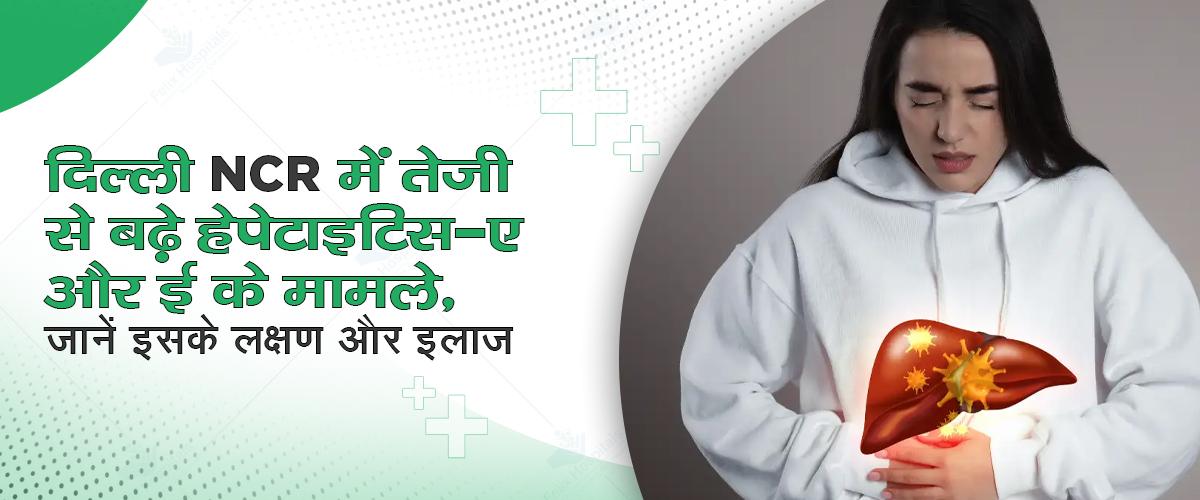
हाल ही में दिल्ली NCR में पानी से फैलने वाली बीमारियों ने चिंता बढ़ा दी है। खासतौर पर हेपेटाइटिस A और E के मामले लगातार सामने आ रहे हैं। यह सिर्फ एक साधारण संक्रमण नहीं है, बल्कि ऐसा रोग है जो सीधे लिवर पर असर डालता है। मानसून के समय गंदे पानी की समस्या, खराब सीवेज व्यवस्था और दूषित खाने-पीने की चीज़ें इस खतरे को और ज्यादा बढ़ा देती हैं।
लोग अक्सर शुरुआत में इसे सामान्य बुखार या पीलिया समझकर नजरअंदाज कर देते हैं, लेकिन असलियत कहीं ज्यादा गंभीर होती है। अगर लक्षणों को जल्दी पहचाना न जाए, तो यह बीमारी तेज़ी से बिगड़ सकती है और मरीज को अस्पताल तक पहुंचा सकती है। इसलिए यह ज़रूरी है कि हम समय रहते इसके बारे में जागरूक हों और सही जानकारी हासिल करें।
अगर आपको थकान, भूख न लगना, आंखों या त्वचा का पीला पड़ना जैसे लक्षण दिखें तो इंतजार न करें। अपॉइंटमेंट के लिए कॉल करें: +91 9667064100.
हेपेटाइटिस का मतलब है—लिवर की सूजन।
हेपेटाइटिस A एक वायरल संक्रमण है, जो दूषित पानी और भोजन से फैलता है। आमतौर पर यह बच्चों और युवाओं में ज्यादा पाया जाता है।
हेपेटाइटिस E भी इसी तरह से फैलने वाला संक्रमण है, लेकिन यह वयस्कों में गंभीर रूप ले सकता है।
दोनों ही संक्रमण का असर सीधा लिवर पर पड़ता है। चूंकि लिवर हमारे शरीर का एक बेहद अहम अंग है—जो पाचन, डिटॉक्सिफिकेशन और ऊर्जा निर्माण में मुख्य भूमिका निभाता है—इसलिए इसका संक्रमण हल्के में लेना खतरनाक हो सकता है।
हेपेटाइटिस A और E के शुरुआती संकेत बहुत साधारण लग सकते हैं। यही वजह है कि लोग इन्हें पहचानने में देर कर देते हैं।
लगातार थकान महसूस होना
भूख न लगना या खाने से जी मिचलाना
हल्का बुखार
बार-बार उल्टी या दस्त
पेट में हल्का दर्द या सूजन
अगर बीमारी थोड़ी आगे बढ़ जाए, तो इसके लक्षण और स्पष्ट हो जाते हैं:
त्वचा और आंखों का पीला पड़ना (जॉन्डिस)
गाढ़ा रंग का पेशाब
शरीर में भारीपन और कमजोरी
अगर इन संकेतों को नजरअंदाज किया जाए, तो संक्रमण गंभीर होकर लिवर फेलियर जैसी जटिलताओं तक पहुंच सकता है।
हेपेटाइटिस A और E का इलाज मुख्य रूप से लक्षणों को नियंत्रित करने और शरीर को आराम देने पर आधारित होता है। कई बार मरीज को सिर्फ़ बेड रेस्ट, हल्का और सुपाच्य भोजन, तथा पर्याप्त तरल पदार्थ की ज़रूरत होती है। लेकिन हर केस इतना आसान नहीं होता।
कुछ मरीजों में यह संक्रमण इतना बढ़ जाता है कि उन्हें अस्पताल में भर्ती करना पड़ सकता है। खासकर गर्भवती महिलाएं, बुजुर्ग या पहले से लिवर से जुड़ी बीमारी वाले लोग ज्यादा जोखिम में रहते हैं।
यही वजह है कि समय रहते नोएडा में एक भरोसेमंद लिवर ट्रीटमेंट (Liver Treatment in Noida) चुनना बेहद ज़रूरी हो जाता है। आजकल लिवर से संबंधित बीमारियों के लिए दिल्ली NCR में कई उन्नत सुविधाएं उपलब्ध हैं। अगर किसी को लगातार लक्षण बने रहें या ब्लड टेस्ट में लिवर एंजाइम्स असामान्य पाए जाएं, तो तुरंत विशेषज्ञ से इलाज लेना चाहिए। सही समय पर चिकित्सा मार्गदर्शन से बीमारी को गंभीर होने से रोका जा सकता है।
इस इलाके में हेपेटाइटिस A और E के केस बढ़ने की कई वजहें हैं।
बारिश और बाढ़ जैसे हालात में पीने का पानी दूषित हो जाता है।
सीवेज और ड्रेनेज सिस्टम कई इलाकों में ठीक से काम नहीं करता।
स्ट्रीट फूड और खुले में बिकने वाली चीज़ें अकसर हाइजीन स्टैंडर्ड पर खरी नहीं उतरतीं।
साफ पानी और बेहतर स्वास्थ्य सुविधाएं हर कॉलोनी तक बराबर नहीं पहुँचतीं।
तेजी से बढ़ती जनसंख्या और माइग्रेशन भी इस खतरे को बढ़ाते हैं। जब एक ही जगह बहुत ज्यादा लोग रहते हैं, तो साफ-सफाई बनाए रखना मुश्किल हो जाता है। यही कारण है कि NCR में बार-बार हेपेटाइटिस A और E जैसी बीमारियाँ सामने आती हैं।
हेपेटाइटिस A और E से बचने का सबसे अच्छा तरीका है—सावधानी।
हमेशा फिल्टर या उबला हुआ पानी पिएं।
कच्ची सब्जियाँ और बाहर का कट-फ्रूट खाने से बचें।
हाथ धोने की आदत बनाएँ, खासकर खाने से पहले।
घर और आसपास की सफाई पर ध्यान दें।
बच्चों के लिए वैक्सीन उपलब्ध है, डॉक्टर की सलाह पर लगवाना फायदेमंद रहता है।
अगर संक्रमण गंभीर रूप ले, तो तुरंत नोएडा के किसी भरोसेमंद लिवर अस्पताल (Liver Hospital in Noida) से संपर्क करना चाहिए। याद रखें, इस बीमारी का कोई विशेष एंटीवायरल उपचार नहीं होता, इसलिए रोकथाम ही सबसे बड़ा उपाय है।
कई बार लोग सोचते हैं कि थोड़ा आराम करने से सब ठीक हो जाएगा। लेकिन अगर नीचे दिए गए लक्षण लगातार बने रहें, तो तुरंत डॉक्टर से सलाह लेना ज़रूरी है:-
लंबे समय तक थकान और कमजोरी
लगातार उल्टी, दस्त या डिहाइड्रेशन
आंखों और त्वचा का पीला पड़ना
पेट में दर्द और सूजन
खून की जांच में लिवर एंजाइम्स का बढ़ा हुआ स्तर
ऐसे मामलों में एक अनुभवी लिवर विशेषज्ञ नोएडा (liver specialist Noida) आपको सही दिशा और इलाज प्रदान कर सकता है। सही समय पर निदान और इलाज से न सिर्फ मरीज की स्थिति संभाली जा सकती है, बल्कि लंबे समय तक होने वाले लिवर डैमेज से भी बचाव किया जा सकता है।
हेपेटाइटिस-ए और ई का समय पर इलाज न हो तो यह गंभीर रूप ले सकता है। संपर्क करें: +91 9667064100.
दिल्ली NCR में हेपेटाइटिस A और E का खतरा लगातार बढ़ रहा है, और इसके पीछे साफ-सफाई की कमी, दूषित पानी और गलत खानपान अहम वजहें हैं। यह बीमारी लिवर को सीधे प्रभावित करती है, इसलिए शुरुआती लक्षणों को हल्के में लेना खतरनाक साबित हो सकता है।
सही समय पर जांच, डॉक्टर की सलाह, और आवश्यक परहेज़ अपनाकर इस संक्रमण को कंट्रोल किया जा सकता है। सबसे अहम बात यह है कि हम सबको जागरूक रहना होगा और खुद के साथ-साथ परिवार की सेहत को भी प्राथमिकता देनी होगी। समय पर सतर्कता ही बड़ा इलाज है, और लापरवाही से बचकर ही हम अपने लिवर की सुरक्षा सुनिश्चित कर सकते हैं। याद रखें, स्वस्थ जीवनशैली और स्वच्छता की आदतें ही इस खतरे से सबसे मजबूत ढाल हैं।
प्रश्न1. क्या हेपेटाइटिस A और E एक-दूसरे को प्रभावित कर सकते हैं?
उत्तर: नहीं, दोनों अलग-अलग वायरस से फैलते हैं। हालांकि लक्षण लगभग समान होते हैं, लेकिन एक से संक्रमित होने का मतलब यह नहीं है कि दूसरा भी जरूर होगा।
प्रश्न2. क्या हेपेटाइटिस A और E क्रॉनिक (लंबे समय तक) हो सकते हैं?
उत्तर: आमतौर पर नहीं। ये दोनों ही संक्रमण acute यानी अचानक होने वाले और सीमित समय तक रहने वाले होते हैं। लेकिन गंभीर केस में यह लिवर को स्थायी नुकसान पहुंचा सकते हैं।
प्रश्न 3. क्या हेपेटाइटिस E गर्भवती महिलाओं के लिए ज्यादा खतरनाक है?
उत्तर: हाँ, गर्भवती महिलाओं में हेपेटाइटिस E जटिलताएँ पैदा कर सकता है और इसकी गंभीरता कई गुना बढ़ सकती है। इसलिए ऐसे मामलों में तुरंत डॉक्टर से संपर्क करना चाहिए।
प्रश्न 4. क्या हेपेटाइटिस A और E के लिए कोई खास दवा मौजूद है?
उत्तर: इन वायरस के लिए कोई स्पेसिफिक एंटीवायरल दवा उपलब्ध नहीं है। इलाज मुख्य रूप से लक्षणों को कम करने और शरीर को आराम देने पर केंद्रित होता है।
प्रश्न5. क्या हेपेटाइटिस A की वैक्सीन है?
उत्तर: हाँ, हेपेटाइटिस A के लिए वैक्सीन उपलब्ध है और यह बच्चों के लिए बहुत फायदेमंद मानी जाती है। जबकि हेपेटाइटिस E के लिए अभी वैक्सीन व्यापक रूप से उपलब्ध नहीं है।
जानें हेपेटाइटिस से बचाव के उपाय और सही इलाज। समय पर पहचान और उपचार से लिवर को मजबूत बनाना संभव है।
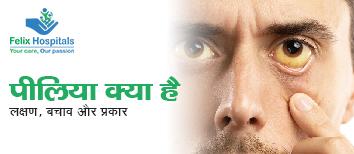
पीलिया एक ऐसी स्थिति है जिसमें शरीर और आंखों का रंग पीला पड़ जाता है। यह मुख्य रूप से लीवर की खराबी या रक्त में बिलीरुबिन के बढ़ने के कारण होता है।

Subscribe to our
© Copyright 2026. All Rights Reserved by Felix Healthcare Private Limited
Design and development by :


 +(91)9667064100
 Emergency : +(91)9667064100