 WhatsApp
 Emergency:
  WhatsApp




Subscribe to our
A Medical Visa is a special visa category offered by the Government of India to foreign nationals who wish to travel to India for medical treatment or advanced healthcare services. It is specifically designed for patients who need specialized care, surgeries, or treatments that may not be available or affordable in their home country.
With a medical visa, patients can stay in India for the duration of their treatment, and if necessary, apply for an extension. To ensure that patients are not alone during their recovery, immediate family members—such as parents, children, or spouses—can also apply for a Medical Attendant Visa to accompany them.
India has become one of the leading destinations for medical tourism, as it offers world-class healthcare at affordable costs, with internationally trained doctors and modern hospital facilities.
Get your Medical Visa & hospital appointment for Treatment? Call Us: +919560795791 And WhatsApp +919560795791 us now for hospital appointment & visa help!
A medical visa is granted to patients who require treatment at recognized hospitals or healthcare centers in India. Common treatments include:
Major surgeries such as cardiac or orthopaedic procedures:
Organ transplants
Cancer care and advanced oncology treatment
Fertility treatments (IVF and related procedures)
Neurological or specialized therapies
Applicants must have a confirmed appointment or treatment plan from a registered Indian hospital before applying.
Since patients often need assistance during treatment, India allows up to two attendants per patient.
Attendants are usually close relatives (parents, spouse, children, or siblings).
They must provide proof of relationship and valid identification documents.
Financial documents may also be required to show that attendants can support themselves during their stay.
When applying for a medical visa, you will need to provide:
A valid passport (with at least 6 months’ validity)
Passport-size photographs
Completed visa application form (online or offline)
A letter from the hospital confirming your treatment schedule
Medical records and reports supporting your diagnosis
Proof of financial resources (bank statements, sponsorship letter, etc.)
Relationship proof for attendants (if applicable)
It’s best to check with your local Indian embassy or consulate, as requirements may vary by country.
Initial validity: Usually up to 6 months
Extension: Possible within India if supported by a letter from the treating hospital
Attendants: Their visa duration matches the patient’s visa
This visa is strictly for medical purposes and cannot be used for tourism or business.
Multiple entries may be permitted, depending on the case.
Treatment must be taken only at the hospital mentioned in the visa application.
Overstaying can lead to fines or legal action.
Step-by-Step Application Process
Applying for a medical visa becomes easier if you follow a structured process:
Step 1: Check Eligibility
Confirm that you meet the requirements for a medical visa, including having a hospital appointment in India.
Step 2: Collect Documents
Prepare all necessary documents—passport, medical reports, hospital letter, financial proof, and photographs.
Step 3: Apply Online
Visit the official Indian Visa Online portal.
Fill in the application form carefully.
Upload documents in the required format.
Pay the visa fee online.
Step 4: Submit at Embassy/Consulate
Book an appointment with the Indian embassy/consulate.
Carry your original documents and application confirmation.
Some applicants may need to provide biometrics or attend a short interview.
Step 5: Track & Receive Visa
Once submitted, the embassy will process your application. You can track the status online until your visa is approved.
Processing Time: Usually 3–7 business days, depending on the embassy and country.
Validity: Most medical visas are valid for up to 6 months or 1 year, depending on the treatment. Extensions can be granted if the hospital recommends continued treatment.
Multiple Entries: Often permitted, allowing patients to travel back and forth during treatment cycles.
Medical Visa: Issued to the patient who needs treatment.
Medical Attendant Visa: Issued to close relatives (up to two) who accompany the patient.
Provide emotional and physical support during treatment.
Help with mobility, medicines, and aftercare.
Assist in communication with hospital staff, especially if there are language barriers.
Felix Hospital In India offering a wide range of treatments at affordable costs.
Cardiac Care: Bypass surgery, angioplasty, valve replacements
Orthopedic Care: Knee/hip replacement, spinal surgeries
Oncology: Cancer treatments including chemo, radiation, and robotic surgery
Neurosciences: Brain/spine surgery and neurological disorder management
Organ Transplants: Kidney, liver, and heart transplants
Fertility Treatments: IVF, IUI, and advanced reproductive care
Treatment costs are 50–70% lower than in the US or Europe
Highly experienced doctors, many trained internationally
Advanced medical technology and infrastructure
Strong international patient support systems
Medical Visa Fees (Approximate)
Single-entry visa (up to 6 months): $50–$100
Multiple-entry visa (up to 1 year): $100–$200
Treatment Costs: Depend on the hospital and procedure
Accommodation: Options range from budget hotels to serviced apartments near hospitals
Insurance: Strongly recommended for emergencies and complications
Apply for your visa well in advance.
Keep copies of all medical records and prescriptions.
Choose hospitals that offer airport pick-up and international patient support.
Carry essential medicines and vaccination records.
Use reliable transportation options arranged by the hospital.
Q1. What is a medical visa for India?
Ans: A medical visa allows foreign nationals to visit India for medical treatment in recognized hospitals.
Q2. Who can apply?
Ans: Patients with serious medical conditions and confirmed treatment in India, along with up to two attendants.
Q3. Can family accompany me?
Ans: Yes. Spouse, parents, or children can apply for a Medical Attendant Visa.
Q4. What documents are required?
Ans: Passport, visa form, photos, hospital letter, medical reports, and proof of funds.
Q5. How long is the visa valid?
Ans: Usually up to 6 months–1 year, extendable if treatment continues.
Q6. Can I apply for cosmetic surgery under this visa?
Ans: No. It is issued only for serious medical conditions.
Q7. How long does approval take?
Ans: Typically 3–7 working days after submission of complete documents.
The mobility, balance, and general quality of life of people are subject to changes due to various neurological disorders as they age. Vascular parkinsonism is one of the conditions that specifically affect older women and is a complication that resembles the symptoms of Parkinson’s disease but has a different cause—damage to the blood vessels in the brain. Vascular parkinsonism, particularly in elderly women, needs to be understood for early identification and effective management. Unlike classical Parkinson’s disease, it requires a distinct diagnostic and treatment approach.
For residents of Noida and nearby areas, awareness of symptoms and access to advanced vascular parkinsonism care, including services at the Best Vascular Surgery Hospital in Greater Noida, ensures timely, high-quality treatment and improved outcomes.
Do you or an elderly woman you are taking care of have symptoms of shuffling or stiffness and loss of balance? Call us immediately at +91 9667064100.
Vascular parkinsonism (VP) is a type of neuro-degenerative disorder due to the little blood circulation and destruction of minute blood vessels in the brain, especially the ones that regulate movement. It is caused by numerous minor strokes or by sustained ischemic injury to areas of the brain involved in motor functions, most prominently the basal ganglia. Although it has certain similarities with the Parkinson disease (PD) signs, including body stiffness and difficulty with walking, the etiology and course is quite different.
Clinical manifestations not related to PD and tend to be more severe in the legs.
Stroke or vascular risk factor medical history.
MRI of vascular lesions and not of the expected neurodegenerative lesions in PD.
Older females who have vascular parkinsonism tend to have their own distinct list of symptoms that affect their locomotion and autonomy. These include:
Shuffling or slow walking: A unique gait disorder in which individual steps are smaller and more cautious.
Stiffness and rigidity in the muscle: Particularly legs, which causes problems in smooth movements.
Balance issues: greater susceptibility to falls because of poor postural control.
Freezing episodes: sudden loss of ability to step forward when walking (freezing of gait)
Tremors-They are less frequent than Parkinson disease but can occur later in the illness.
Weakness of limbs: Can result in inability to perform normal activities such as dressing or attaching buttons.
Speech problems: Soft, slurred speech may also arise as time goes on.
Changes in cognition and emotion: There is a risk of memory problems, problems with concentration, sleep disturbances or depression in some women.
Due to the fact that most of them share their symptoms with other aging conditions, it is desirable to assess them with specificity.

The cerebrovascular disease causes small strokes or chronic low blood flow, which is the main cause of vascular parkinsonism. Major risk factors include:
Hypertension (high blood pressure): One of the major causes of blood vessel damage.
Diabetes: causes vascular damage to the brain.
Smoking: Risk of vascular diseases.
Stroke or transient ischemic attacks (TIAs) history.
Atherosclerosis: The hardening and constriction of arteries that limit the flow of blood.
Elderly women can be particularly susceptible because of their long-term exposure to these risk factors in combination with hormonal changes that have an impact on the health of the vesicles.
Vascular parkinsonism should be diagnosed by:
History taking and close neurological examination.
Clinical examination to rule out Parkinson disease (i.e., asymmetric symptoms and lower body involvement are more common in VP)
MRI of the brain with changes in the white matter and lacunar infarcts (small strokes) in motor control areas.
Vascular risk factor assessment and cardiac health also need to be assessed.
Proper diagnosis plays an important role in selecting the most appropriate form of treatment.
Treatment of vascular parkinsonism in Noida is aimed at symptom management, vascular risk factor management, and quality of life improvement:
Medication: Drugs traditionally used to treat Parkinson such as levodopa have short effects; treatment involves control of blood pressure, cholesterol and diabetes.
Physical therapy: Mobility, balance and muscle-strengthening exercises.
Occupational therapy: Helps in the execution of daily activities on an independent basis.
Speech therapy: Speech therapy is used to help people communicate better.
Lifestyle change: Diet, managed smoking withdrawal, and exercise can prevent additional vascular injury.
Monitoring and treating cardiovascular disease: minimizing risks to avoid another stroke.
Vascular parkinsonism is progressive, but these treatments can be used to preserve function and delay progression.
Vascular parkinsonism poses particular problems for geriatric women in the form of movement difficulties and balance issues that affect autonomy. Symptom control and quality of life can be significantly improved through early identification and effective management of vascular parkinsonism in Noida. Management focuses on treating vascular risk factors, rehabilitation, and supportive care. The key to managing the disease is vigilance, ongoing medical treatment, and lifestyle modifications, which can help slow disease progression.
For elderly women showing signs of vascular parkinsonism, timely consultation with specialists at the Best hospital in Greater Noida is crucial. With appropriate management, personalized treatment plans, and supportive interventions, most patients can maintain a good quality of life and independence.
With proper rehabilitation and therapy, living with a disability becomes easier. Book your appointment so that you can live a hassle-free life.
Find the links below:
Check the links below:
Q1: What is vascular parkinsonism and what is the difference between it and Parkinson disease?
Ans: Vascular parkinsonism occurs due to impaired blood circulation or small strokes to the brain regions that regulate movement and has similar symptoms as Parkinson disease but in many cases is more about lower body and gait difficulties. It is caused by vascular damage as opposed to neurodegeneration as was the case in the classic Parkinson disease.
Q2: What are the typical signs of vascular parkinsonism in older women?
Ans: There are slow, shuffling gait, stiffness of the legs, trouble with balance and coordination, less noticeable tremors, muscle rigidity, and occasionally, changes in thinking such as memory loss or confusion.
Q3: What is the cause of vascular parkinsonism in old age women?
Ans: It is mostly brought about by cerebrovascular disease which is brought about by risk factors such as high blood pressure, diabetes, smoking, strokes and atherosclerosis (narrowing of blood vessels).
Q4: What is the diagnosis of vascular parkinsonism?
Ans: Diagnosis is based on clinical review, prior medical history such as vascular risk factors, and brain imaging such as MRI which presents vascular lesions. The symptom pattern and imaging results distinguish it as a disease different to that of Parkinson.
Q5: Could vascular parkinsonism be treated?
Ans: In spite of the limited response to standard Parkinson drugs, the treatment is aimed at the vascular risks, physical, occupational, speech therapy and increased circulation of the blood. Having lifestyle changes that can regulate hypertension, diabetes, and cholesterol is important.
By working closely with experienced vascular surgeons and following their guidance, patients can achieve positive outcomes and enjoy a better quality of life.

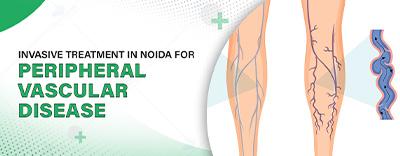
Expert vascular care in Noida for conditions like varicose veins and artery blockages, ensuring timely treatment and smooth recovery.
Vascular surgery is an essential procedure to treat circulatory system issues, but its cost can be a concern for many patients. Understanding the factors that influence the cost, finding ways to reduce expenses, and choosing the right hospital for it.
Chest pain is one of the most alarming symptoms an individual can experience. While not all chest pain arises from cardiac issues, certain types can signal the onset of a life-threatening heart attack. Recognizing the warning signs, understanding associated symptoms, and knowing when to seek immediate medical care are crucial for timely treatment and survival. For residents in Noida and nearby areas, access to advanced cardiac care and awareness about heart attack symptoms can truly save lives. This article will cover the major indications of heart attack related chest pain, supporting symptoms, heart attack causes, effective treatment options, and what steps to follow if you or a loved one faces such a situation in Noida.
Heart attacks require immediate attention. Call us now at +91 9667064100.
A heart attack, medically known as myocardial infarction, occurs when the blood supply to a part of the heart is blocked due to narrowed or clogged arteries. The result is a rapid onset of tissue damage that can be fatal if left untreated.
But not all chest pain is cardiac in nature. Pain from muscle strains, acid reflux, lung infections, or anxiety attacks can mimic heart attack symptoms. Differentiating a cardiac event from other causes is essential.

Location: Most heart attack-related chest pain is felt in the center or left side of the chest.
Quality: It often feels like uncomfortable pressure, squeezing, fullness, tightness, burning, ache, or heaviness—sometimes described as “an elephant sitting on my chest.
Duration: Pain usually lasts more than a few minutes or comes and goes.
Radiation: May radiate to the left or both arms, jaw, neck, back, or upper abdomen.
Associated signs: Shortness of breath, cold sweats, nausea, lightheadedness, or sudden dizziness.
1. Exertional Chest Pain
Pain during physical activity or stress, relieved with rest (stable angina)—can indicate chronic coronary blockage.
2. Persistent Pain at Rest
Sudden, severe pain at rest signals unstable angina or a heart attack—seek emergency help immediately.
3. Radiating Pain
Pain that moves to shoulder, arm, neck, jaw, or back is highly suggestive of a cardiac origin.
4. Pressure or Tightness
Continuous feeling of pressure, squeezing, or fullness points to reduced blood flow to your heart muscle (angina or heart attack).
Pain with fainting, cold sweat, or palpitations
Difficulty breathing accompanying chest pain
Unexplained fatigue, indigestion, or vomiting
Sudden anxiety, confusion, or paleness
If in doubt, always err on the side of caution and seek medical help.
It’s important to remember that not all chest discomfort signals a heart attack. Chest pain may also be caused by:
Acid reflux (GERD): Burning behind the breastbone with sour taste in mouth
Muscle strain: Sharp pain with movement or palpation
Pulmonary conditions: Like embolism, pneumonia, or pleurisy
Panic attacks: Chest pain with rapid heartbeat, anxiety, and shortness of breath
Only a trained healthcare provider can quickly differentiate and perform necessary tests, such as ECG, blood work, and imaging.
The main cause of a heart attack is coronary artery disease, which involves buildup of plaques (fat, cholesterol, and cellular debris) within the arteries. When a plaque ruptures, a blood clot forms and blocks blood flow to the heart muscle.
High blood pressure, high cholesterol
Diabetes and obesity
Smoking and physical inactivity
Family history of heart disease
Advanced age
Chronic stress
While chest pain is the hallmark sign, other symptoms frequently occur and should prompt urgent action:
Shortness of breath, even without chest pain
Sudden, overwhelming fatigue
Profuse sweating, cool or clammy skin
Palpitations or irregular heartbeat
Nausea and vomiting
Pain in the jaw, neck, arms, or upper belly
Dizziness or sudden fainting
Women and elderly individuals especially may experience atypical symptoms such as brief, sharp pains or silent heart attacks without classic chest pain.
Rapid recognition and intervention are keys to survival during a heart attack. Leading heart attack treatment hospital in Noida utilize state-of-the-art protocols for diagnosis and recovery:
Immediate assessment: Quick triage, ECG, cardiac enzyme markers, and vital sign monitoring
Medical stabilization: Oxygen therapy, pain control, anti-platelet drugs (aspirin), and nitroglycerin to relieve heart pressure
Advanced therapies: Blood-thinning medications, clot dissolvers (thrombolytics), and emergency angioplasty or stenting procedures to restore blood flow
Surgical intervention: In severe cases, bypass surgery may be recommended
Dizziness or sudden fainting: Medications for blood pressure, cholesterol, clot prevention, and rehabilitation to prevent recurrence and restore function
While Noida offers excellent heart attack treatment options, prevention is always better than cure. Adopt these habits to safeguard your heart:
Regular cardiovascular exercise: Walking, swimming, cycling
Balanced diet: Focus on whole grains, fruits, vegetables, lean proteins, and minimize processed foods and saturated fats
Stress management: Yoga, mindfulness, adequate sleep
Avoid smoking and excessive alcohol
Regular screening: BP, cholesterol, blood sugar
After emergency heart attack care, cardiac rehabilitation plays a vital role. It combines monitored exercise, nutrition counseling, stress management, and education to rebuild heart health and prevent future events. Support groups, patient education, and periodic follow-ups help you remain motivated for lifelong health.
If you're in doubt, seek prompt professional heart attack treatment in Noida to maximise your chances of survival and recovery. Schedule your appointment.
Not all chest pain means you’re having a heart attack, but certain types should always be treated as emergencies. Recognizing symptoms of cardiac chest pain—pressure, heaviness, radiating pain, shortness of breath—and responding quickly with professional treatment in Noida at the Best Cardiology Hospital in Noida can make all the difference. Understanding your risks and maintaining a heart-healthy lifestyle ensures a safer, healthier future for you and your loved ones.
Remember: Acting fast saves lives. Never hesitate to consult a medical professional if you sense the danger of heart-related chest pain—your vigilance could be lifesaving.
Find the links below:
Check the links below:
Q1: What type of chest pain is most likely to signal a heart attack?
Ans: Heart attack pain usually feels like pressure, tightness, or heaviness in the center or left side of the chest. It can last several minutes, may radiate to the arms, neck, jaw, or back, and often occurs with shortness of breath or sweating.
Q2: What should I do if I suspect a heart attack?
Ans: Call emergency services immediately. Don’t wait for symptoms to improve. Fast action, including heart attack treatment in Noida, is crucial for survival.
Q3: Are there other symptoms besides chest pain that may indicate a heart attack?
Ans: Yes. Warning signs include shortness of breath, nausea, lightheadedness, unexplained fatigue, cold sweats, and pain in areas like the neck, jaw, or arms.
Q4: Who is at higher risk for heart attacks?
Ans: Individuals with high blood pressure, high cholesterol, diabetes, obesity, family history of heart disease, smokers, and older adults are at increased risk for heart attacks.
Q5: How is a heart attack diagnosed in hospitals?
Ans: A heart attack treatment hospital in Noida typically uses ECG, blood tests for cardiac enzymes, and imaging studies like echocardiograms or angiography to confirm and assess the severity of a heart attack.

However, stress, sedentary lifestyle, chronic diseases such as diabetes and hypertension, and genetic factors place young individuals at risk of heart attack.

Best heart hospital in Noida for bypass surgery at affordable prices with expert cardiac surgeons, advanced facilities, and quality patient care for better recovery.

Heart attack signs early is crucial because timely intervention can significantly reduce the risk of severe complications and improve outcomes.
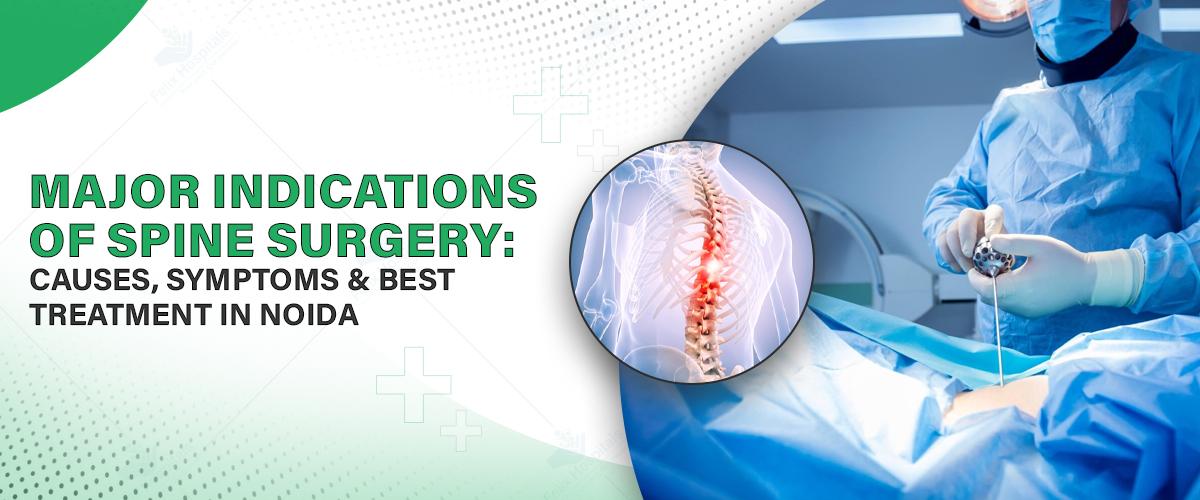
The spine is the structural support system of the human body. Spine-related disorders However, in some cases because of injury, wear and tear, or illnesses, spine related issues can have a great influence on mobility and quality of life. Surgery to the spine is a necessary alternative when more conservative treatments cannot alleviate symptoms. People living in Noida and nearby are more and more opting to undergo spine surgery for long term relief from chronic back pain or nerve related problems. This blog discusses the major indications for spine surgery, the reasons and the symptoms for it and the best endoscopy spine surgery in Noida available nowadays.
Back pain and discomfort shouldn’t get in the way of how you live your daily life. For more information please call us at +91 9667064100.
Spine surgery refers to any surgery performed in the spine or on the spinal cord and is used to correct problems associated with the discs between the vertebrae, nerves, and/or spinal cord. It’s often considered if non-surgical treatments like physical therapy, drugs, or injections do not give enough relief. Spinal surgery aims to eliminate pain, restore function, stabilize the spine and prevent further neurological damage. Surgical treatments can include removing portions of bones or discs that are compressing nerves, fusing vertebrae for more stability and using minimally invasive procedures, including endoscopic surgery, to decrease recovery times and complications.
The following are the most common spinal conditions and injuries that may need surgical intervention:
Herniated or Bulging Disc: The sponges between your vertebrae can slip or tear, though that may sound like a problem reserved for beanbags, not our bodies, putting pressure on the nerves, resulting in such complaints as pain, numbness, or weakness.
Spinal Stenosis: The spine canal narrows, pinching nerves, which results in pain, walking issues and numbness.
Degenerative Disc: As the body ages it also wears down, causing the discs in the spine to lose their plush texture leading to chronic back pain and decreased mobility.
Spondylolisthesis: One vertebra slips on top of another one; this makes it unstable and can press on the nerves.
Spinal Fractures: Vertebras can fracture due to trauma, osteoporosis, and these often require stabilization with surgery.
Infections or Tumors: Spinal infections and tumors may need to be operated on to resect affected tissues releasing pressure.
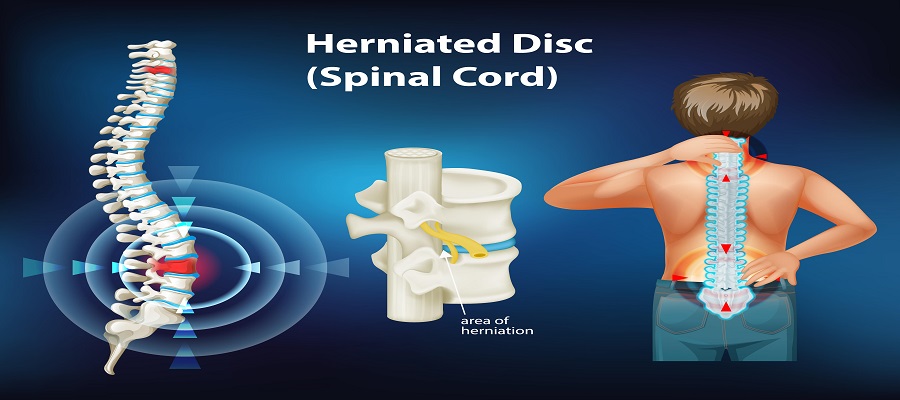
It is important to be aware of symptoms that may necessitate spine surgery so as to receive early treatment:
Chronic and severe pain, and back or neck pain unrelieved by conservative measures
Nerve pressure causing pain in limbs or other body parts.
Any loss of sensation/weakness/numbness in the extremities impacting function.
Incontinence (an emergency requiring immediate medical attention)
What standing, walking, or balance problems are you having?
Significant spinal deformity or instability
For patients seeking advanced care, spine surgery in Noida offers access to several specialized techniques, including the following:
Open Surgery: The surgeon makes a big cut over the area of the spine. This type of surgery is mostly use in difficult cases.
Minimally Invasive Spine Surgery (MISS): Smaller incisions, specialized equipment and cameras are used to minimize damage to muscles and other tissues (decreasing pain and speed recovery).
Endoscopic Spine Surgery: A form of MISS whereby a small camera (endoscope) is inserted through a small incision. It also provides a precise excision of diseased tissue, nerve decompression, and least invasive spinal stabilization.
Spinal Fusion: A surgical procedure to connect two or more vertebrae together with bone grafts or hardware to prevent painful movement and provide stability.
Disc Replacement: Replaces the damaged disc with an artificial implant which will allow motion.
Decompression Surgery: Bone spurs or disc material pressing on nerves is removed to relieve pain, restore function.
The following are the advantages of endoscopic spine surgery that is gaining popularity in best orthopedic doctor in Noida:
Lesser cuts result in low post-operative pain and scarring
Speedier recovery on a shorter hospital stay
Less risk for infection and complications
Less damage to healthy tissues and spinal muscles
Perfect for all types of spine issues including herniated disks and stenosis
Prior to surgery, patients generally receive an extensive workup with MRI or CT, neurologic exam, and medical evaluation. Mentally and physically preparing for surgery, following pre-surgery instructions and sharing concerns with your care team also make a difference.
General or regional anesthesia is given during the operation. The duration and complexity of the procedure depend on the condition and the technique. Post-operatively patients are given analgesia support, physiotherapy and resume normal daily work, following a phased plan.
Recovery periods will vary based on surgery type. Most endoscopic and minimally invasive surgeries will recover within weeks. Open surgeries can need months' long rehabilitation.
Important retrieval suggestions are:
Adhere to rehabilitation and physical therapy program uniformly
Avoid lifting or brisk exercises until counselled
Take a nutritious diet to help cure
Take follow-up appointments to monitor progress
Early consultation and early treatment can change your life--think about having back surgery if ongoing symptoms affect quality of life. Appointments today.
Spine surgery is a life-altering solution to people suffering from disabling diseases of the spine. Whether caused by herniated discs, stenosis, fracture, or degenerative diseases, cutting-edge treatments restore function, vanquish pain, and enhance overall quality of life. With endoscopic and minimally invasive surgeries, patients can avail state-of-the-art technology within the shortest possible turn-around times at any hospital in Noida.
If you or a family member experience recurring spine issues, knowing about the reasons, signs, and ways to treat them is a good starting point. Start your pain-free life and movement today making informed decisions about spine surgery.
Find the links below:
Check the links below:
Q1: What is spine surgery?
Ans: Spine surgery involves operations performed to correct vertebrae, discs, nerve, or spinal cord problems if non-surgical treatments aren't successful. Spine surgery is performed to remove pain, restore mobility, and strengthen a spine.
Q2: Spine surgery at what time?
Ans: It is then considered if these symptoms like persistent pain, numbness, weakness, or leakage of bowel/bladder continue after a trial of physical therapy and drugs.
Q3: What is the common condition requiring spine surgery?
Ans: It can be brought about by a number of things such as herniated discs, spinal stenosis, spondylolisthesis (slipping vertebrae), fractures.
Q4: Spine operations that can be performed?
Ans: Options range from traditional open surgery to minimal invasion to endoscopic spine surgery (using a small camera and minimal cutting) to spinal fusion to disc replacement to decompression surgery.
Q5: What are some benefits of endoscopic spine surgery?
Ans: It is a minimally disruptive procedure involving minimal pain, small scars, rapid recovery, and fewer chances of infection compared to open surgery.

Spinal cord injury is one of the most serious injuries one can have. The damages can be permanent if not treated on time.
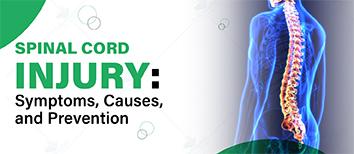
A spinal cord injury occurs when there is damage to the spinal cord, often resulting from trauma, disease, or degenerative conditions.

Are you struggling with constant back pain that affects your daily life? Back pain can result from poor posture, long sitting hours, slip disc, muscle strain, or spinal problems.
A cough that sticks around for weeks can be distressing, tiring and sometimes even scary. Chronic cough (long lasting or continuous cough) is a common problem with potentially a variety of causes, including but not limited to smoking, postnasal drip or asthma. There are many reasons why a cough might not improve, and not all of them are easily treated by antibiotics or over-the-counter cold remedies. For those patients based in Delhi NCR an appointment with a chronic cough specialist in Noida is the surest way to track down the cause and get on the right track to treatment. With state of the art diagnostics and treatment centered around the patients; Felix Hospital offers the best chronic cough treatment in Noida to ensure that both the symptoms and the cause are addressed for effective treatment.
Are you sick of a cough that won't go away? Call +91 9667064100 to make an appointment at Felix Hospital today.
A chronic cough is a cough that lasts eight weeks or longer in adults, or four weeks in children. A chronic cough is more than just annoying. It can interrupt your sleep and leave you feeling very tired. Severe cases of chronic cough can cause vomiting and lightheadedness, and even break a rib.
The most common causes are tobacco use and asthma. Other common causes include fluid that drips from the nose down the back of the throat, called postnasal drip, and the backward flow of stomach acid into the tube that connects the throat to the stomach, called acid reflux. Fortunately, chronic cough usually goes away once the underlying issue is treated.

A chronic cough can occur with other symptoms, including:
A runny or stuffy nose.
A feeling of liquid running down the back of your throat, also known as postnasal drip.
Clearing your throat a lot.
Sore throat.
Hoarseness.
Wheezing and shortness of breath.
Heartburn or a sour taste in your mouth.
n rare cases, coughing up blood.
See your healthcare professional if you have a cough that lasts for weeks, especially one that brings up sputum or blood, disturbs your sleep, or affects school or work.
A cough that lasts for weeks is usually due to a health concern. Many times, more than one health concern causes the cough. Most cases of chronic cough are due to these causes, which can occur alone or together:
Postnasal drip: When your nose or sinuses produce extra mucus, it can drip down the back of your throat and cause you to cough. This condition also is called upper airway cough syndrome.
Asthma: An asthma-related cough may come and go with the seasons. It may appear after an upper respiratory tract infection. Or it can get worse when you're exposed to cold air or certain chemicals or fragrances.
Gastroesophageal reflux disease: In this stomach acid flows back into the tube that connects your stomach and throat. The constant irritation can lead to chronic coughing. Then the coughing can make GERD worse, creating a vicious cycle.
Infections: A cough can last long after other symptoms of pneumonia, flu, a cold or another infection of the upper respiratory tract have gone away. Chronic cough also can occur with fungal infections of the lung, as well as tuberculosis infection or lung infection with nontuberculous mycobacteria.
Chronic obstructive pulmonary disease (COPD): Lifelong inflammatory lung disease that limits airflow from the lungs .It includes chronic bronchitis and emphysema. Chronic bronchitis can cause a cough that brings up colored sputum.
Blood pressure drugs: Angiotensin-converting enzyme inhibitors, also called ACE inhibitors, which are commonly prescribed for high blood pressure and heart failure, are known to cause chronic cough in some people.
Being a current or former smoker is one of the leading risk factors for chronic cough. Exposure to a lot of secondhand smoke also can lead to coughing and lung damage.
When a chronic cough becomes serious it has some complications like:
Sleep disruption.
Headache.
Dizziness.
Vomiting
Sweating a lot
Unintended bladder loss, also known as urinary incontinence.
Broken ribs
Your healthcare professional asks about your medical history and does a physical exam. A thorough medical history and physical exam can give important clues about a chronic cough. Your health professional also may order tests to look for the cause of your chronic cough.
X-rays: An X-ray of your sinuses may reveal evidence of a sinus infection.
CT scans: They may be used to check your lungs for conditions that may produce chronic cough or your sinus cavities for pockets of infection.
These simple, noninvasive tests, such as spirometry, are used to diagnose asthma and COPD. They measure how much air your lungs can hold and how fast you can exhale. This test checks how well you can breathe before and after inhaling the drug methacholine (Provocholine).

These tests may include:
Bronchoscopy. A bronchoscope is a thin, flexible tube that has a light and camera attached to it. Your health professional can look at your lungs and air passages.
Rhinoscopy. Using a fiberoptic scope, also known as a rhinoscope, your health professional can view your nasal passageways, sinuses and upper airway.
Children A chest X-ray and spirometry, at a minimum, are usually ordered to find the cause of a chronic cough in children.
Finding out what's causing a chronic cough is very important to effective treatment. In many cases, more than one underlying condition may be causing your chronic cough. If you smoke, your healthcare professional will likely talk with you about your readiness to quit and give you advice on how to achieve this goal. If you're taking an ACE inhibitor medicine, your health professional may switch you to another medicine that doesn't have a cough as a side effect.
Antihistamines, corticosteroids and decongestants. These medicines are standard treatment for allergies and postnasal drip.
Inhaled asthma medicines. The most effective treatments for asthma-related cough are corticosteroids and bronchodilators. They reduce inflammation and open up your airways.
Antibiotics. If a bacterial, fungal or mycobacterial infection is causing your chronic cough, your healthcare professional may prescribe antibiotic medicines for the infection.
Acid blockers. When lifestyle changes don't take care of acid reflux, you may be treated with medicines that block acid production. Some people need surgery to resolve the problem.
Your healthcare professional works to find the cause of your cough and the best treatment for you. During that time, your healthcare professional also may prescribe a medicine to reduce coughing, called a cough suppressant. Cough suppressants are not recommended for children.
Cough and cold medicines available without a prescription treat the symptoms of coughs and colds — not the underlying disease. Research suggests that these medicines don't work any better than no medicine at all. These medicines are not recommended for children because of potentially serious side effects, including fatal overdoses in children younger than 2 years old.
Don't ignore a cough that won't go away! Call at +91 9667064100 to get expert diagnosis and treatment.
Not only is chronic cough a nuisance, it’s more than annoying: It may mean an underlying respiratory or systemic illness that you shouldn’t ignore. The clinical burden could be made easy by an early diagnosis and appropriate medical management. With experienced doctors, modern diagnostic tools, and comprehensive treatment options, Felix Hospital is now a reliable hospital for chronic cough treatment in Noida. Don’t wait if you or a loved one is troubled by a cough that lingers beyond the typical duration of a cold – get in touch with an expert in chronic cough treatment at Multispecialty Hospital in Noida and get on the path to better breathing and healthier living.
Q1. Does smoking always cause a long-lasting cough?
Ans: Smoking is a big reason, but not the only one. Our doctors at Felix Hospital also look for allergies, infections, and acid reflux as possible causes.
Q2: Can kids also have a chronic cough?
Ans: Yes, asthma, infections, or allergies can cause a child to have a chronic cough. Felix Hospital offers safe and accurate diagnostic tests for children.
Q3. What kinds of tests does Felix Hospital do for a chronic cough?
Ans: We use X-rays, CT scans, spirometry, bronchoscopy, and rhinoscopy to find out exactly what is causing the cough.
Q4. How long does it take to get rid of a chronic cough?
Ans: It depends on what caused it. Some patients get better in a few weeks, while others may need more time to get better. Felix Hospital makes sure that each patient gets a plan that works for them.
Q5: Can changing your lifestyle help with a chronic cough?
Ans: Yes. You can help by not smoking, keeping your home free of dust, and changing your diet to help with acid reflux. Felix doctors will help you with these steps.
Q6: Can you get treatment for a chronic cough at Felix Hospital in Noida?
Ans: Of course. Felix Hospital is one of Noida's best places to get treatment for a chronic cough. It has the latest diagnostic tools and highly trained specialists.
Q7: When should I make an appointment at Felix Hospital?
Ans: If your cough lasts longer than a few weeks, keeps you up at night, or has blood in it, you should go to Felix Hospital right away.

Felix Hospital in Noida is well known for its general practitioners who offer holistic treatment for different health issues, like the common cold and coughs.

These viruses spread primarily through respiratory droplets released into the air when an infected person sneezes or coughs.
For those experiencing such symptoms, seeking care from the best hospital for pulmonology treatment in Noida ensures you receive timely and expert diagnosis and treatment.
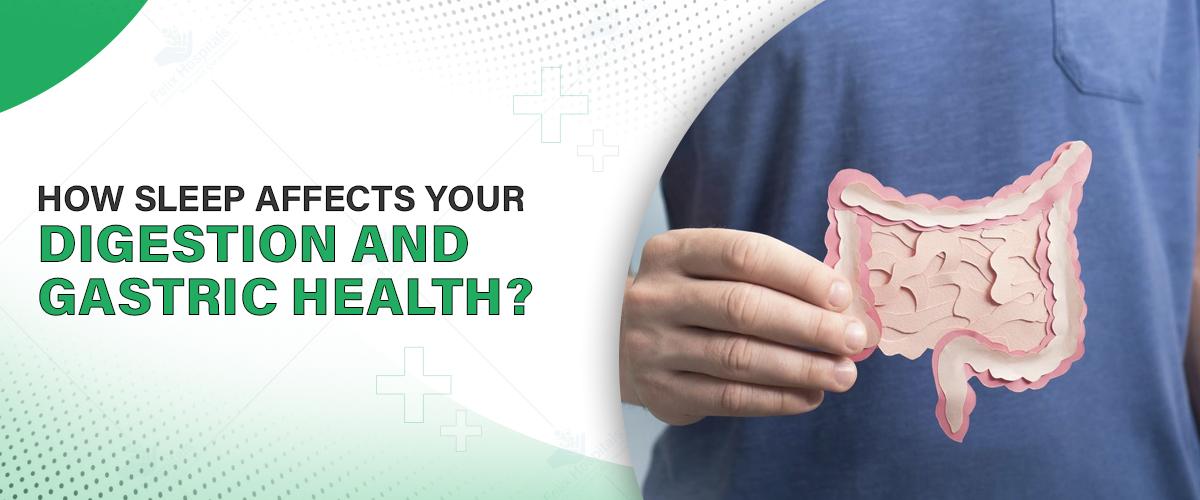
As you may know, sleep is an important part of overall health. It not only influences energy levels, but it also helps every system in the body function properly, including the immune system, heart, brain and even digestive system. Gastroenterologists in Noida will also tell you that If you’re not sleeping well, it can take a toll on your gut health in a variety of ways . This blog tells you how digestive health can play a role in how well someone sleeps, and sleep can affect how well the digestive system functions when to get Digestive Disorders Treatment In Noida.
Don't let bloating or acidity ruin your sleep. Call +91 9667064100 to set up your digestive care consultation now.
Your digestive system is the one that breaks down the food you take, absorbs nutrients from it, and then helps eliminate waste from your body. This process is linked to your circadian rhythm- the body's internal clock, which controls your sleep and wake cycles. This rhythm applies to digestive organs like the stomach and intestines, too, and therefore, they work best when your body is well-rested. Consequently, when your circadian rhythm is out of sync due to sleep that is how sleep affects digestion it can cause digestive disorders and direct you toward a Gastro care hospital.
To know Why good sleep is important for gastric health you should know that sleep heals and rebuilds the body, including the GI tract. While in deep stages of sleep, many other systems of the body decrease their performance, dedicating energy resources to healing and renewal. Downtime granted to the stomach and intestines allows them to rest and rejuvenate for the next day of digestive and absorptive activity.

The expert Gastroenterologists in Noida state that probably the most significant way that sleep affects digestion is through effects on hormones. Two hormonal hunger and satiety regulators are ghrelin and leptin, both of which are altered with sleep. Ghrelin stimulates appetite, while leptin lets your brain know that you are satisfied. The composite effect is more ghrelin and less leptin over time, so you want to overeat and eat calorie-dense, fatty foods.
Not only do these hormonal changes play tricks on your appetite, but they also put more burdens on your digestive system, which cannot digest large, heavy meals. Overeating puts a lot of strain on your stomach, leaving one vulnerable to indigestion and bloating, even discomfort.
Late-night snacking is also one of those pleasures one often digs into because he or she stays up late; unfortunately, this can be disastrous for digestion and can even lead to a Constipation treatment hospital since your digestive system slows down at night.
An interesting Sleep and digestion connection causes gastroesophageal reflux disease, where stomach acids flow back into the oesophagus to cause heartburn. Poor sleep exacerbates GERD symptoms, and conversely, GERD contributes to difficulty in sleeping well, thus creating a cycle of poor sleep. During sleep, gravity helps suppress acid in the stomach from reaching the esophagus. However, lying down late in the day or getting to bed soon after eating allows acid to flow back into the esophagus, causing heartburn. Most studies argue that GERD patients are likely to suffer from further sleep disturbances due to the aches resulting from acid reflux.
However, to prevent acid reflux during sleep, one needs to take smaller meals and also avoid food when bedtime is approaching. There is also the effect of the sleeping head elevation that prevents the stomach acid from flowing back to the esophagus by stopping it from occurring. These all help one break the cycle of poor sleep and gastrointestinal disorders.

You have trillions of bacteria that live in your intestines your gut microbiome. They are crucial to your digestion, overall health, and so much more. But increasingly emerging research has pointed to a bi-directional link between sleep and the gut microbiome; poor sleep can disrupt the balance of those bacteria, resulting in what's known as gut dysbiosis, which may then lead to bloating, constipation, diarrhea, and all sorts of other symptoms. This disorder also triggers the production of stress hormones, including cortisol, which further inflames the digestive tract, thus leading to irritable bowel syndrome and several other disorders.
There are easy Tips to Improve Both Sleep and Digestion. Work toward a regular schedule, light suppers and soothing wind‑down habits for best results.
Stop eating nights at 2–3 hours prior to bedtime to prevent reflux and night discomfort, promoting better sleep.
Keep your evening meals light, a mix of lean protein and complex carbs, don’t load on heavy, spicy, or greasy last.
Focus on the fiber-dense whole foods that have the keep gut motility going and maintain stable blood sugar overnight.
Try some sleep-supportive choices such as dark leafy greens high in magnesium or a small tart-cherry, warm milk/herbal tea nightcap.
Discipline in bed and meal timings also act as training for the circadian rhythms and digestive timing.
Expose yourself to morning daylight and exercise earlier in the day for deeper, more restorative sleep.
Limit caffeine after lunch, and avoid alcohol late, as both can fragment sleep and disturb digestion.
If you’re prone to acid reflux, try sleeping on your left side to ease symptoms and kick start digestion.
Getting expert care is the first step to good digestion. Call Felix Hospital now to make an appointment at +91 9667064100.
Realizing the connection between sleep and gut health (through the gut-brain axis) is yet another reason to take a whole-body approach to wellness. Like good sleep helps your digestive system function well, Gastroenterologists in Noida provide holistic support so that your body performs its best with services ranging from Digestive Disorders Treatment In Noida to lifestyle counselling. And when you focus on solid sleep hygiene and professional medical treatment, you can have a balanced and healthy life. If you are suffering from digestion or sleeping problems, then talk to the doctors to rectify this issue and get healthier.
Find the links below:
Check the links below:
Q1. Can stress and not getting enough sleep together make your stomach worse?
Ans: Yes, for sure. Cortisol levels go up when you're stressed, and when you don't get enough sleep, this can lead to acidity, IBS, and indigestion.
Q2. Are there any home remedies that can help with both sleep and digestion?
Ans: Yes, having light dinners, getting enough sleep, and not drinking caffeine late at night can all help. But symptoms that don't go away need to be looked at by a doctor.
Q3. Does GERD (acid reflux) keep me from sleeping at night?
Ans: Yes, acid reflux often gets worse when you lie down, which can make it hard to sleep. We can help you manage your GERD well at Felix Hospital.
Q4. Does getting better sleep also help the gut?
Ans: Yes, getting enough sleep helps your gut microbiome get back into balance, which lowers your chances of bloating, IBS, and stomach pain.
Q5. What changes to your lifestyle do Felix doctors suggest to improve your gut health?
Ans: We recommend eating dinner early, eating foods high in fiber, going to bed and waking up at the same time every day, managing stress, and getting clinical help when needed.
During sleep, the body releases growth hormones, which are essential for a child's growth and development. Adequate sleep is vital for muscle development, tissue growth, and the overall physical health of a child.
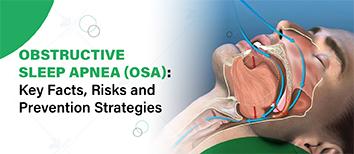
Obstructive Sleep Apnea occurs when the muscles in the throat relax excessively during sleep, causing the airway to become partially or fully blocked.

Gastric problems occur when excess acid or digestive disturbances affect the stomach lining, causing symptoms like bloating, acidity, and pain. Timely diagnosis ensures effective treatment.
Each year as the monsoon starts, dengue fever begins to spike. The rainy season keeps people in Noida worried about different types of health hazards, especially those involving mosquito-borne diseases. Patients rush to a dengue specialist doctor in Noida, if there is continued fever, rash or fall in platelets. For severe cases which need advanced care, a dengue treatment hospital in Noida is very crucial for the early diagnosis and treatment.
But the question is: Why dengue increases in Noida during rainy months? And the answer lies in the habits of the Aedes aegypti mosquito — the main carrier of the dengue virus — and how the monsoon is an almost perfect storm for these pests to breed in.
Don't ignore a fever this monsoon. Call +91 9667064100 to make an appointment for a dengue check-up in Noida today.
Dengue fever is a viral illness, which is caused by the dengue virus (DENV) and transmitted by the bite of an infected Aedes aegypti mosquito. These mosquitos are daytime biters, they peak during early morning and evening. There are four serotypes of dengue (DENV-1–4). An infection with one serotype provides lifelong immunity to only that serotype, but only short-term protection against others; it is generally assumed that a higher risk of severe infection follows a later infection with a different serotype.
The transmission cycle starts when mosquitoes become infected after biting a dengue virus infected person. The virus invades the mosquito’s body, reproduces, and is transmitted to other people in the mosquito’s saliva when it bites. Dengue is not transmitted from person to person by direct contact or through the air. It relies on the mosquito vector only.

Monsoon spells bring a surplus of stagnant water, which to a large extent is responsible for the surge of dengue cases. The residential complexes, construction sites, open drains, etc. provide breeding sites for the mosquitoes. Here are key factors:
Standing Water: After it rains, rain collects in buckets, containers, flowerpots, old tires, water tanks; rain is water and will attract mosquitoes to breed.
Urban Lifestyle: With increase in urbanization , there are a lot of construction sites and during rains water logging is pretty common.
Bad drainage: Sluggish or blocked drainage systems around residential colonies become a breeding ground for mosquitoes.
Tropical Climate: The warm and humid climate post rainfall promotes rapid breeding of mosquitoes and a longer life span of Aedes mosquitoes.
These circumstances explain why dengue cases rise in monsoon in Noida, making the population less resistant to outbreaks.
Early detection is important to know dengue warning symptoms. Symptoms almost always begin 4–10 days post-exposure. What the patients in Noida usually complain of in Monsoon:
Severe headache
Pain behind the eyes
Joint and muscle pain
Rashes on skin
Nausea and vomiting
If not treated early, the patients can develop severe debilitating organ damage or even death.
It's a serious public health problem but it is most definitely preventable. Read here 7 effective tips for your family to protect and prevent from dengue in monsoon:
Remove Standing Water: Wipe dry and empty water from coolers, planters, rain utensils, etc.
Precaution: Cover the exposed parts of the body with full sleeve clothes, wear socks and apply mosquito repellents.
Install Safety Screens: Window screens, insect nets and door barriers are great at reducing mosquito entrance.
Community Safety: To liaise with Resident associations in local areas for fogging.
Immunity-boosting foods: Boost immunity with Vitamin C in fruits like amla, oranges, papaya and Protein in food like pulses & nuts Keep your body well-hydrated.
Such practices not only protect the people but also collectively help in decreasing the mosquito breeding in Noida’s residential and commercial spaces.
Good testing is critical in fever seasons. Skilled doctors recommend:
NS1 Antigen Test: This test can detect early infection up to the first 5 days of fever.
IgM & IgG Antibody Tests: Helpful in making diagnosis of dengue after 5 days.
CBC (Complete Blood Count): Checks platelet levels and the health of the blood.
Presently, there is no targeted antiviral therapy to treat dengue. It is supportive and is directed to:
Hydrating with ORS, coconut water, soups, juices.
Perfect repose in a clean Mosquito-Free room.
Ongoing CBC test monitoring for platelet count.
Being hospitalized when platelets plummet dangerously or symptoms grow worse.
The Noida dengue treatment hospital gives IV fluids, maintains electrolyte balance and conducts platelet transfusion in severe cases.
Monitoring platelet levels is critical. Namely, a normal range of platelet count is between 150,000 and 450,000/μL of blood. Not everyone infected with dengue experiences a drop in platelets, but when they do, it can be rapid and severe – and even deadly. If an individual is suffering from dengue, it is possible to avoid problems as there are dengue specialist doctor in Noida who are available for regular check-ups.
Strong immune systems lower risks. Easy ways include:
Sources of Vitamin C: Oranges, kiwi, lemon, papaya and amla.
Probiotics: The good bacteria in yogurt, buttermilk, fermented foods help the gut defenses strong.
They eat their way to immunity: Ginger, turmeric, neem, garlic are immune boosters.
Call +91 9667064100 to set up your dengue screening today and stay safe this season.
Understanding the reasons for a surge in dengue cases during the monsoon season can enable families and communities to be proactive. Remember, dengue-covered cases increase in monsoon seasons of Noida due to stagnation of water, bad drainage system and fast urbanization.
The best defense is: home prevention, immuno-boosting food habits, and timely consultation with a dengue doctor in Noida. For severe symptoms a dengue treatment hospital in Noida with all the support and care is necessary to help dispel it.
Remaining vigilant, avoiding mosquito-breeding sites, and obtaining prompt medical care are vital to safeguard the health of your family during the rainy season.
Find the links below:
Check the links below:
Q1. What kind of equipment does Felix Hospital have for treating dengue in Noida?
Ans: Felix Hospital offers 24-hour dengue care, including NS1/IgM/IgG tests, platelet monitoring, and advanced inpatient support for serious cases.
Q2. Can you take painkillers while you have dengue?
Ans: Aspirin and ibuprofen can make bleeding worse, so only paracetamol is usually safe to take with a doctor's advice.
Q3. How can parents keep their kids safe from dengue during the monsoon?
Ans: Put on long sleeves, use safe repellents, and make sure that the water coolers and containers at home are emptied often.
Q4. Can dengue come back after you get better?
Ans: Yes, dengue has four strains. Getting better from one strain doesn't stop you from getting sick with another, and second infections can be worse.
Q5. Why do more people get dengue in Noida every monsoon?
Ans: Aedes mosquitoes breed in places where rainwater pools, where drainage is bad, and where cities are built quickly.
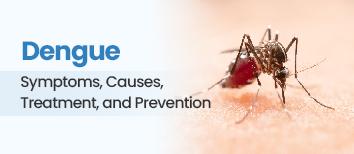
Dengue is a mosquito-borne viral disease causing high fever, body pain, and rashes. It spreads through Aedes mosquitoes. Early treatment and mosquito control help prevent complications.

At Felix Hospital, we have a team of highly skilled internal medicine specialists, including Dr. Anshumala Sinha, Dr. Sonakshi Saxena, and Dr. Priyanka Singh, who are experienced in managing dengue fever and its complications.
When children's health is concerned, parents need highly specialized care designed specifically for young patients. While a pediatrician in Noida is responsible for the overall growth and development of the kid, for problems relating to the ears, nose, and throat, specialized pediatric ENT care becomes the need. From repeat ear infections to blocked noses to delayed speech, a pediatric ENT hospital in Noida provides specialized treatment with the best technology and gentle hands. Getting the appropriate expert ensures that the kid has safe, precise, and kid-friendly treatment that facilitates their healthy growth.
As a parent, there's nothing more important than the health and comfort of your child. When problems with the ears, nose, or throat are involved, specialized care isn't recommended— it's required. That's where Pediatric in Noida comes in. From recurrent ear infection to tonsil problems, obtaining an empathetic and qualified ENT specialist for kids is what will make all the difference. You gain exposure to the latest pediatric ENT services designed specifically to address the distinctive needs of little patients.
Concerned about your child’s ENT health? Book expert pediatric ENT treatment in Noida at +91 9667064100.
Children are not just small adults. Their anatomy, immune system, and communication abilities require a unique medical approach. That’s why Pediatric ENT in Noida focuses specifically on treating infants, toddlers, and adolescents with gentle, accurate, and age-appropriate care.
Whether it is the treatment for an existing sore throat, compensation for hearing impairments, or evaluation for speech delay due to ear problems, an expert child ENT doctor in Noida recognizes and treats conditions with ease. Early diagnosis and treatment prevent complications and ensure healthy development.
Understanding the common conditions treated by a child ENT doctor in Noida can help you act quickly when your child needs help. Here are a few problems I see a lot:
Ear Infections: A nap can lead to impaired hearing and delayed speech, especially in children under five.
Tonsilitis and Adenoid Problems: Breathing or swallowing problems can also occur after repeated infections of the throat.
Nasal Allergies or Congestion: Many people have trouble sleeping due to frequent nose problems.
Speech or language delay, Hearing loss: Often with hidden fluid in the middle ear or wax in the ear canal.
Snoring and Sleep Apnea: Occasionally caused by enlarged tonsils or adenoids, requires early treatment.
One of the best pediatrician for ear in Noida, uses modern clinical diagnostic equipment to identify such conditions at an early stage and provides child-friendly treatment procedures.
When it comes to selecting a pediatric ENT specialist in noida for your child, also take in consideration that you not only want someone with expertise in this field but also a doctor who relates well to children.
Minimally invasive diagnostic procedures and treatment procedures
In-depth consultations with parents
A friendly environment for kids that minimizes anxiety
Emphasize long-term wellness rather than short-term symptom relief
Whether you are looking for a regular check-up or advanced pediatric ENT care in Noida, Felix hoaspita; ensures that your child receives safe, effective, and compassionate care every step of the way.

Be on the lookout for the following indicators:
Their child often pulls on their ears or has earaches
There’s noticeable hearing loss or delayed speech development
Persistent snoring or breathing through the mouth
Repeated throat infections or hoarseness
Difficulty with swallowing or chronic stuffed noses
Prompt medical care will avoid these conditions harming the growth and quality of life of the child.
Thanks to the advancement in technology, the pediatric ENT services in Noida also involve an array of advanced kid-friendly procedures. Offers:
Audiometry and Tympanometry: Tests for children's hearing
Endoscopy: Minimally Invasive Evaluation for Precise Diagnosis
Allergy Tests: To identify triggers for chronic throat or nose problems
Surgeries: If required, for example, tonsillectomy or adenoidectomy, with all safety protocols
Not all children need to be given antibiotics when they have an infection of the ears, nose and throat, for example if it is a common cold or a sore throat caused by a virus, antibiotics are not necessary to treat it. Use them when:
Ear infection (AOM): less than 6 months of age; between 6 and 23 months if bilateral or ear discharge; any age and severe pain or high fever or not improved after 48-72 hours.
Strep throat: only with positive strep test or recognizable signs of strep infection
Sinusitis - symptoms last >10 days, very high fever with thick mucous purulent nasal discharge for >=3 days, or " gets better, then gets worse"
Swimmer's ear: typically topical antibiotic eardrops, not oral medicines
Emergences: mastoiditis, peritonsillar/retropharyngeal abscess, epiglottitis - require emergency medical treatment and IV antibiotics.
With some good daily habits and correct prevention, almost all common ENT infections in kids can be prevented.
Maintain up to date vaccinations (flu, pneumococcal)
Hand washing for 20 seconds; wipe common toys and surfaces clean.
Sneeze/cough into elbow; do not share bottles, cups or utensils
Keep your home smoke-free; minimize indoor contaminants and pollutants, including dust
Breast feed for 6 months where possible; bottle feed upright, never in bed
Prevent colds/allergies: salt water drops in the nose, well structured humidifier/air filters..
Limit close contact with sick friends; promote good health through sleep and sound nutrition.
Don’t let symptoms worsen — take action today for your child’s healthier tomorrow.
Your kid's health and comfort deserves nothing but the best. Whether it's recurrent throat infections, Sleep Apnea, or hearing problems, early intervention by an expert makes all the difference. With trained Pediatric ENT in Noida and state of the art pediatric ENT hospital in Noida, parents are guaranteed of complete diagnosis and treatment with a long-term well being of the child. With the combination of medical expertise and kid-friendly approach, high-end pediatric ENT care cures illnesses as well as ensures safe growth and development of your kid.
Q1: When do you recommend my child seeing am ENT?
A: When you have ENT symptoms that are persistent. Specialized assessments can be helpful for infants and up into the teen years.
Q2: Are ENT operations safe for my child?
A: Yes. When treating with professionals like Dr. Arvinder Pal Singh you are guaranteed the safest form of surgeries and technology.
Q3: Could untreated ENT problems affect schooling?
A: Yes. Hearing, sleep and frequent illness issues can interfere with learning and focus.
Q4: How often should a child have her ears and throat looked at?
A: At least annually or sooner if your ENT suggests it; especially regarding family or ear/nose/throat issues.
Pediatric rheumatology focuses on diagnosing and treating autoimmune and inflammatory disorders affecting children’s joints, muscles, and connective tissues.
During sleep, the body releases growth hormones, which are essential for a child's growth and development. Adequate sleep is vital for muscle development, tissue growth, and the overall physical health of a child.

Search the best hospital for your child in Noida the team of experienced pediatricians is dedicated to supporting parents and guiding children on their journey to a healthy life.

Pediatric Intensive Care Unit (PICU): Expert care for critically ill or injured children requiring constant monitoring and advanced life support. Our specialized team ensures round-the-clock treatment in a safe, child-friendly environment.
Autism spectrum disorder starts in early childhood and may last a lifetime. Over time, it can lead to difficulty functioning in society. For instance, individuals with autism spectrum disorder may experience difficulties in being social or in school or at work. Many children with autism develop symptoms somewhere in the first year of life. A few of those affected in that manner present as normal children during the first year.
Then around 18 months to 24 months of age, they may begin to lose some skills and show symptoms of autism. Autism spectrum disorder (ASD) treatments in Greater Noida are unique to the individual and frequently include a combination of treatments to improve social, communication, and behavior skills and try to help in daily life and sensory issues. To get the best treatment you should choose the Best Paediatric Hospital in Greater Noida that give customized treatment according to needs of the patient.
Get your child the right support for Autism - speak to Felix Hospital's experts today. Call +91 9667064100.
Autism spectrum disorder is a condition related to brain development that affects how people see others and socialize with them. This causes problems in communication and getting along with others socially. The condition also includes limited and repeated patterns of behavior. The term "spectrum" in autism spectrum disorder refers to the wide range of symptoms and the severity of these symptoms.
Autism spectrum disorder includes conditions that were once thought to be separate — autism, Asperger's syndrome, childhood disintegrative disorder and a form of widespread developmental disorder that isn't specified. There is no cure for autism spectrum disorder. But getting treatment early from the Best Autism Doctor in Greater Noida, during the preschool years, can make a big difference in the lives of many children with the condition.

Some children show signs of autism spectrum disorder in early infancy, such as less eye contact, not responding to their names or not being interested in caregivers. Other children may not develop as expected for the first few months or years of life. Then they suddenly become withdrawn or aggressive or lose the language skills they had before. Signs usually are seen by ages 2 to 3 years old.
Some people in the mild range on the autism spectrum may have more symptoms that aren't noticed early on. They may not be diagnosed until middle to late childhood, when there is a greater need to communicate and be social. Sometimes a diagnosis is made for the first time in adulthood, though symptoms were likely present during childhood.
Each child with autism spectrum disorder is likely to have a unique pattern of behavior that depends on whether symptoms are mild, moderate or severe.
Some children with autism spectrum disorder have trouble learning, and some have signs of lower intelligence. Other children with the condition usually have high intelligence. These children learn quickly but have trouble communicating, applying what they know in everyday life and adjusting to social situations.
Because each child can have a unique mix of symptoms, sometimes it can be hard to tell how severe the condition is. It's generally based on how severe the symptoms are and how much those symptoms affect a child being able to function.
Below are some common signs shown by people who have autism spectrum disorder.
Don't respond to their name, or they don't seem to hear at times.
Don't want to be cuddled or held and prefer to play alone, retreating into their own worlds.
Have poor eye contact and have no expression on their faces.
Don't speak or have delayed speech or lose the ability to say words or sentences as they could before.
Can't start a conversation or keep one going, or only start one to make requests or label items.
Speak with an unusual tone or rhythm and may use a singsong voice or robotlike speech.
Repeat words or phrases word for word but don't know how to use them.
Don't seem to understand simple questions or directions.
Don't show emotions or feelings and don't seem to be aware of how others feel.
Don't point at or bring objects to share interest.
Are passive, aggressive or disruptive when interacting with others.
Have a hard time figuring out what it means when people have different looks on their faces, position their bodies differently or speak in different tones of voice.
People with autism spectrum disorder may have limited, repetitive patterns of behavior, interests or activities, including a mix of these and other signs:
Make the same movement over and over again, such as rocking, spinning or hand-flapping.
Do activities where they could hurt themselves, such as biting or head-banging.
Create specific routines or rituals and become upset at even small changes.
Aren't coordinated and may be clumsy, or they move in patterns that aren't usual.
Have unusual, stiff or exaggerated body language.
Are fascinated by details of an object, such as the spinning wheels of a toy car, but they don't know what the object is for or how it works.
Are sensitive to light, sound or touch but may not be affected by pain or temperature.
Fixate on an object or activity with unusual intensity or focus.
Prefer specific foods, such as eating only a few foods or not wanting to eat foods with certain textures.
As they get older, some children with autism spectrum disorder interact more with others and show fewer disturbances in behavior. Some, usually those with the least severe problems, eventually may lead typical or nearly typical lives. But others continue to have trouble with language or social skills. And the teenage years can bring more behavioral and emotional challenges.

Babies develop at their own pace, and many don't follow exact timelines found in some parenting books. But children with autism spectrum disorder usually show some signs of delayed development before they're 3 years old. Signs of autism spectrum disorder often appear early in development when there are obvious delays in language skills and social interactions.
If you're concerned about your child's development or think that your child may have autism spectrum disorder, visit the best Autism Specialist Hospital in Greater Noida and talk with a healthcare professional about your concerns. Your healthcare professional may recommend developmental tests to figure out if your child has delays in learning, thinking, language or social skills that point to autism spectrum disorder or another type of developmental condition.
Your child's healthcare professional looks for signs of developmental delays at regular child checkups. If your child shows any symptoms of autism, you'll likely be referred to a specialist who treats children with autism spectrum disorder for an evaluation. This specialist could be a child psychiatrist or psychologist, a pediatric neurologist, or a developmental pediatrician.
Because autism spectrum disorder symptoms and how severe they are can vary widely, it may be hard to make a diagnosis. There is no specific medical test to diagnose autism spectrum disorder. Instead, a specialist may:
Observe your child and ask how your child has developed or changed over time in terms of interacting socially, communicating and behaving.
Give your child tests covering hearing, speech, language, level of development, and social and behavioral issues.
Present structured social and communication interactions to your child and score the performance.
Include other specialists in coming up with a diagnosis.
Recommend genetic testing to figure out whether your child has a genetic condition such as Rett syndrome or fragile X syndrome.
There is no cure for autism spectrum disorder, and there is no one-size-fits-all treatment. Treatment seeks to support your child's learning, development and behavior. Getting treated early, during the preschool years, can help your child learn critical social, communication, functional and behavioral skills. The range of home-based and school-based treatments for autism spectrum disorder can be overwhelming, and your child's needs may change over time. Your healthcare professional can recommend options and help find resources in your area.
If your child is diagnosed with autism spectrum disorder, talk with experts about creating a treatment strategy and build a team of health professionals to meet your child's needs.

Behavior and communication therapies. Many programs address the range of social, language and behavioral difficulties linked with autism spectrum disorder. Some programs focus on reducing challenging behaviors and teaching new skills. Other programs focus on teaching children how to act in social situations or communicate better with others. Applied behavior analysis can help children learn new skills and adapt these skills to many situations by motivating them with rewards.
Educational therapies: Children with autism spectrum disorder often respond well to highly structured educational programs. Successful programs usually include a team of specialists and various activities to improve social skills, communication and behavior. Preschool children who get intensive, individualized behavioral treatments often show good progress.
Family therapies: Parents and other family members can learn how to play and interact with children who have autism in ways that support social interaction skills, manage challenging behaviors, and teach daily living skills and communication.
Other therapies: Depending on your child's needs, speech therapy to make communication skills better, occupational therapy to teach activities of daily living, and physical therapy to make movement and balance better may help. A psychologist can recommend ways to manage problem behavior.
Medicines: Medicine can't make the core signs of autism spectrum disorder better, but specific medicines can help control symptoms. For example, certain medicines may be prescribed if your child is hyperactive. Sometimes healthcare professionals prescribe antipsychotic medicines to treat severe behavioral symptoms. Or they may prescribe antidepressants for anxiety. Keep all healthcare professionals updated on any medicines or supplements your child takes. Some medicines and supplements can affect how one medicine acts with another, causing dangerous side effects.
In addition to autism spectrum disorder, children, teenagers and adults also can have:
Medical health issues. Children with autism spectrum disorder also may have medical issues such as epilepsy, sleep disorders, limited food preferences or stomach problems. Ask your child's healthcare professional how to best manage these conditions together.
Problems with transition to adulthood. Teens and young adults with autism spectrum disorder may have a hard time understanding body changes. Also, social situations become more complex during the teen years, and there may be less tolerance for individual differences. Behavior also may be challenging at this time.
Other mental health conditions. Teens and adults with autism spectrum disorder often have other mental health conditions, such as anxiety disorders; depression; attention-deficit-hyperactivity disorder, also known as ADHD; and substance misuse. Your healthcare professional, mental health professional, and community advocacy and service organizations can help.
Behavioral health concerns. In addition to autism spectrum disorder, your child could be irritable or aggressive and may not pay attention. Your child also could be hyperactive, have sudden outbursts or try self-harm. Work with your healthcare professional, mental health professional and other team members to look for a cause, such as pain, distress or frustration, and to manage these challenges if they occur.
Children with autism spectrum disorder usually continue to learn and come up with ways to handle challenges throughout life. But many continue to need some level of support. Planning for your child's future opportunities can make this process smoother. This includes where to work, go to school and live, and the services required for support, as well as how to be independent and social.
Early intervention changes lives! Book an autism evaluation call at +91 9667064100.
Q1: Can Felix Hospital assist in autism for sleep and digestive problems?
Ans: Absolutely. Our doctors treat co-existing conditions such as sleeping, epilepsy, gastrointestinal problems along with autism treatment.
Q2: How often will my child need to have therapy sessions at Felix Hospital?
Ans: It depends on the severity of the symptoms but most kids benefit from multiple sessions of speech, occupational, and behavioral therapy a week.
Q3: Does Felix Hospital offer parental training in the care of Autism?
Ans: Yes, we have structured programs in family therapy where parents become educated on how to manage difficult behaviors and how to bring about social interaction in the home.
Q4: At what age should I take my child for an evaluation at Felix Hospital to check if the child has autism?
Ans: If your child has speech delays, is experiencing poor eye contact, or is exhibiting unusual behaviors before the age of 3, it's best to seek an evaluation at Felix Hospital immediately.

Recognizing the early warning signs of autism in children can help parents seek timely support and interventions for better development.

Speech therapy apps and software offer interactive exercises and real-time feedback, making practice more engaging and effective.

Speech therapy offers a path to overcoming these obstacles, empowering individuals to express themselves more clearly and confidently.
Cognitive Behavioral Therapy (CBT) is a widely recognized and effective form of psychotherapy that focuses on changing negative thought patterns and behaviors that contribute to emotional distress.
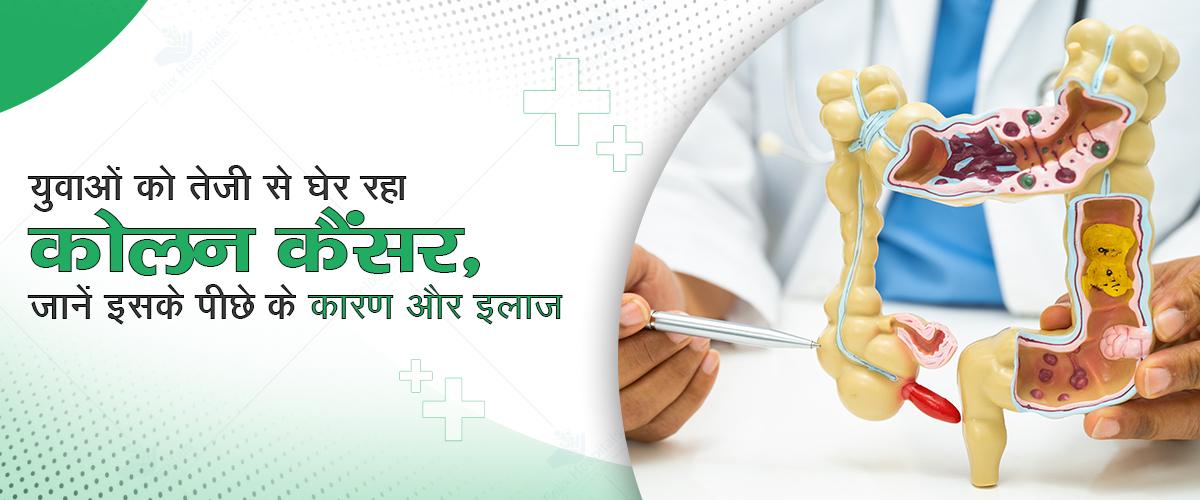
आज के समय में कैंसर एक गंभीर स्वास्थ्य समस्या बन चुका है, और इनमें कोलन कैंसर (Colon cancer) यानी बड़ी आंत का कैंसर तेजी से बढ़ रहा है। पहले यह बीमारी ज्यादातर 50 साल से ऊपर की उम्र में देखी जाती थी, लेकिन हाल के वर्षों में एक चिंताजनक बदलाव सामने आया है—युवा वर्ग में कोलन कैंसर के मामलों में तेजी से बढ़ोतरी।
अस्वास्थ्यकर जीवनशैली, अनियमित खानपान, तनाव, और शारीरिक गतिविधियों की कमी जैसे कारण इस बीमारी को युवाओं में तेजी से फैला रहे हैं। अगर समय रहते इसके शुरुआती संकेतों को पहचान लिया जाए और सही इलाज शुरू कर दिया जाए, तो इसे नियंत्रित किया जा सकता है।
क्या आपको लगातार पेट दर्द, मल त्याग में बदलाव या मल में खून जैसी समस्या हो रही है? तो आज ही अच्छे डॉक्टर से संपर्क करें और कॉल करें +91 9667064100.
कोलन कैंसर बड़ी आंत (Large Intestine) या कोलन की भीतरी परत में शुरू होता है। जब कोशिकाएँ अनियंत्रित रूप से बढ़ने लगती हैं, तो वहां कैंसर ट्यूमर बनने लगता है। धीरे-धीरे यह कैंसर लिम्फ नोड्स, लीवर और शरीर के अन्य हिस्सों में भी फैल सकता है। युवाओं में यह तेजी से इसलिए खतरनाक है क्योंकि उनकी जीवनशैली में तेजी, फास्ट फूड का सेवन, और स्क्रीन-आधारित निष्क्रिय जीवन (Sedentary Lifestyle) प्रमुख भूमिका निभा रहे हैं।

युवाओं में कोलन कैंसर के मामलों के बढ़ने की वजह केवल एक नहीं है। कई छोटे-बड़े कारण मिलकर इस बीमारी को जन्म देते हैं। आइए विस्तार से जानते हैं:—
जंक फूड, प्रोसेस्ड फूड, ज्यादा रेड मीट और तैलीय चीजों का सेवन कोलन कैंसर के खतरे को बढ़ाता है।
फाइबर और हरी सब्जियों की कमी आंतों की सेहत को कमजोर करती है।
लंबे समय तक बैठकर काम करना और शारीरिक गतिविधि न करना पाचन तंत्र पर असर डालता है।
मोटापा और इंसुलिन रेसिस्टेंस कोलन कैंसर के लिए जोखिम कारक हैं।
अगर परिवार में पहले किसी को कोलन कैंसर रहा है, तो युवाओं में इसके विकसित होने की संभावना ज्यादा होती है।
निकोटिन और अल्कोहल बड़ी आंत की कोशिकाओं को नुकसान पहुंचाकर कैंसर की संभावना बढ़ाते हैं।
युवाओं में काम, पढ़ाई और करियर का तनाव पाचन तंत्र को प्रभावित करता है, जिससे कैंसर का खतरा बढ़ जाता है।
कोलन कैंसर का सबसे खतरनाक पहलू यह है कि इसके शुरुआती चरण में लक्षण अक्सर मामूली लगते हैं। लेकिन इन्हें समय रहते पहचानना बहुत जरूरी है।
मल त्याग में बदलाव (कब्ज या दस्त का बार-बार होना)
मल में खून आना
पेट में लगातार दर्द, गैस या ऐंठन
अचानक और बिना वजह वजन कम होना
थकान और कमजोरी
भूख कम लगना
मल त्याग के बाद भी पेट पूरी तरह खाली न लगना
अगर ये कोलन कैंसर शुरुआती संकेत नजर आते हैं, तो तुरंत जांच करवानी चाहिए। सही इलाज के लिए आपको अनुभवी डॉक्टर और आधुनिक सुविधाओं वाले सेंटर की जरूरत होती है। ऐसे में कोलन कैंसर इलाज के लिए बेस्ट डॉक्टर नोएडा (Best doctor for colon cancer treatment in Noida) से परामर्श लेना सबसे सुरक्षित विकल्प है।
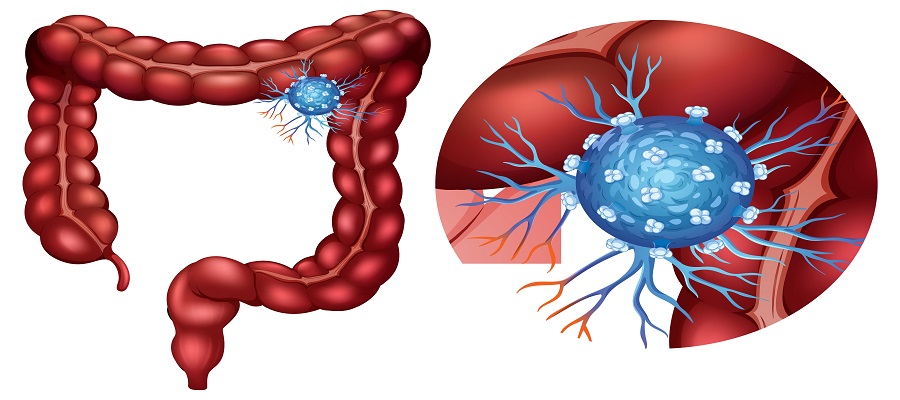
जैसे-जैसे यह कैंसर बढ़ता है, लक्षण और भी स्पष्ट होने लगते हैं:
मल में गाढ़ा खून या काला रंग
लगातार पेट फूला हुआ रहना
उल्टी या मतली
आयरन की कमी से एनीमिया (Anemia)
बार-बार थकावट
इन लक्षणों को अक्सर लोग गैस्ट्रिक प्रॉब्लम या पाइल्स समझकर नजरअंदाज कर देते हैं, लेकिन असल में यह युवाओं में कोलन कैंसर के लक्षण हो सकते हैं।
सही समय पर जांच इस बीमारी को पहचानने का सबसे प्रभावी तरीका है। युवाओं को अगर लक्षण लंबे समय तक बने रहें, तो डॉक्टर निम्नलिखित टेस्ट करवाने की सलाह देते हैं:
कोलोनोस्कोपी – आंतों के अंदर कैमरे से जांच
बायोप्सी – टिश्यू का सैंपल लेकर जांच
सीटी स्कैन / एमआरआई– कैंसर कितना फैल चुका है, इसकी जानकारी
रक्त परीक्षण – एनीमिया और अन्य बदलाव जानने के लिए
आज मेडिकल साइंस इतनी एडवांस हो चुकी है कि कोलन कैंसर का इलाज सफलतापूर्वक किया जा सकता है, खासकर अगर इसे शुरुआती स्टेज पर पकड़ लिया जाए।
शुरुआती स्टेज में कैंसरस ट्यूमर को सर्जरी से हटाया जा सकता है।
अगर कैंसर ज्यादा फैल गया है तो बड़ी आंत का कुछ हिस्सा निकालना पड़ता है।
कैंसर की कोशिकाओं को नष्ट करने के लिए दवाओं का उपयोग किया जाता है।
उच्च-ऊर्जा किरणों से कैंसर कोशिकाओं को नष्ट किया जाता है।
नई तकनीकें जो खास तौर पर कैंसर कोशिकाओं को निशाना बनाती हैं और शरीर की रोग प्रतिरोधक क्षमता को मजबूत करती हैं।
युवाओं में कोलन कैंसर का खतरा कम करने के लिए कुछ जीवनशैली बदलाव अपनाना जरूरी है:
फाइबर युक्त आहार लें – फल, हरी सब्जियाँ, साबुत अनाज
जंक फूड, प्रोसेस्ड मीट और तैलीय भोजन कम करें
रोजाना कम से कम 30 मिनट व्यायाम करें
धूम्रपान और शराब से दूरी बनाएँ
तनाव कम करने के लिए योग और मेडिटेशन अपनाएँ
नियमित हेल्थ चेकअप और कोलोनोस्कोपी करवाएँ
आपका स्वास्थ्य आपके भविष्य की नींव है। कोलन कैंसर जैसी गंभीर बीमारियों से बचने के लिए सतर्क रहना और शुरुआती लक्षणों को नजरअंदाज न करना बेहद जरूरी है।
युवाओं में तेजी से बढ़ रहा कोलन कैंसर एक गंभीर स्वास्थ्य चुनौती है। लेकिन अच्छी बात यह है कि समय रहते इसके शुरुआती संकेत और लक्षण पहचानकर और सही इलाज करवाकर इसे नियंत्रित किया जा सकता है। स्वस्थ खानपान, नियमित व्यायाम और जागरूकता इस बीमारी को रोकने में महत्वपूर्ण भूमिका निभाते हैं।
अगर आपको या आपके परिवार के किसी सदस्य को इसके लक्षण दिखाई दें, तो तुरंत विशेषज्ञ से संपर्क करें। बेहतर इलाज और सही मार्गदर्शन के लिए कोलन कैंसर स्पेशलिस्ट हॉस्पिटल नोएडा (Colon Cancer Specialist Hospital Noida) से जुड़ना आपके स्वास्थ्य के लिए सबसे सही कदम हो सकता है।
प्रश्न:1 क्या कोलन कैंसर केवल बुजुर्गों में होता है?
उत्तर: नहीं, अब यह युवाओं में भी तेजी से देखा जा रहा है।
प्रश्न:2 युवाओं में कोलन कैंसर के शुरुआती संकेत कौन से हैं?
उत्तर: मल में खून, कब्ज या दस्त, पेट दर्द और अचानक वजन कम होना इसके शुरुआती संकेत हैं।
प्रश्न:3 क्या कोलन कैंसर का इलाज संभव है?
उत्तर: हाँ, शुरुआती चरण में पकड़ा जाए तो सर्जरी, कीमोथेरेपी और रेडिएशन से इलाज संभव है।
प्रश्न: 4 कोलन कैंसर से बचाव कैसे करें?
उत्तर: संतुलित आहार, व्यायाम, धूम्रपान-शराब से दूरी और नियमित हेल्थ चेकअप से इसे रोका जा सकता है।

कोरोनरी आर्टरी बाईपास सर्जरी एक प्रमुख हृदय सर्जरी है, जो ब्लॉक हुई धमनियों को बायपास कर रक्त प्रवाह बहाल करती है। इसकी लागत अस्पताल और मरीज की स्थिति पर निर्भर करती है। रिकवरी में आमतौर पर 6 से 8 सप्ताह लगते हैं।

Colon cancer often develops silently, but certain symptoms can serve as early warning signs.
Partial Colectomy is a surgery to remove only the affected part of the colon, preserving the healthy sections.

Subscribe to our
© Copyright 2026. All Rights Reserved by Felix Healthcare Private Limited
Design and development by :


 +(91)9667064100
 Emergency : +(91)9667064100