 Emergency:
  WhatsApp


Subscribe to our
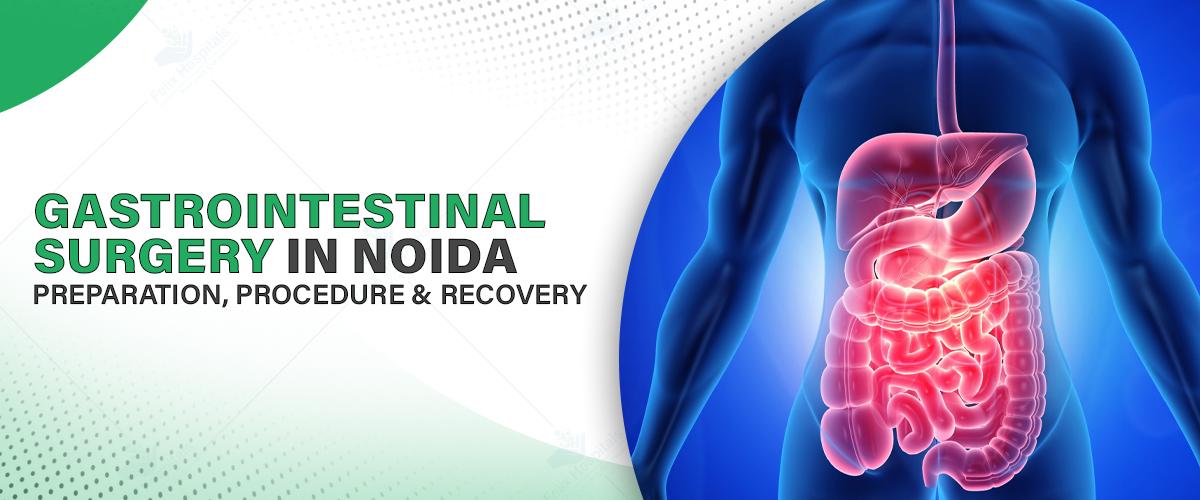
Certain organs are required by everyone to aid digestion. This includes the stomach, oesophagus, small and large intestines, rectum, gallbladder, liver, and pancreas. When these organs are damaged and require surgery to improve digestion, gastrointestinal surgery is performed, Gastrointestinal surgery may be required to remove tumours or treat diseases. Best Gastroenterologists In Noida perform minor surgical treatments to detect and diagnose digestive-related issues. This blog tells you about the procedure and preparations of GI surgery in the best gastrointestinal surgery hospitals Noida and recovery time needed in it.
Need advanced surgery on your stomach that will heal more quickly? Call +91 9667064100 for less invasive options.
The type of GI surgery you have determines how you prepare. However, a few broad guidelines can be followed by all patients undergoing GI surgery.
You must keep your colon and other organs clean, as directed by your doctor. Avoid eating or drinking after midnight on the day of your procedure. It is recommended to follow a liquid diet for two or three days before surgery. Take medications and antibiotics as prescribed by your doctor. Use adequate laxatives as directed by your doctor for a smooth, complication-free surgery.
You will have a nurse get you ready and check your vital signs. All medicine that is prescribed can be swallowed with a sip of water. All cosmetics, jewelry, and skin care items must be removed. Get to the hospital an hour early to get any pre-op done and paperwork finished.
Hospital stay after surgery generally is 4-7 days, depending on the procedure and the length of recovery. You have to be cautious with your incision and take your medications as directed by your physician. To prevent infection, wash hands thoroughly before touching any bandage. Bandages should be changed often and every day if wet.
Notify your doctor immediately if you notice any of the signs like fever, purulent drainage, redness, or any other form of surgical infection around your incision. Schedule and maintain follow-up appointment one to two weeks after surgery to prevent complications.

While some GI disease symptoms are easily managed, others are life-threatening and require emergency care. For some people, emergency treatment entails surgery, but treatment differs from person to person and is determined by the individual's condition. Some of the symptoms of gastrointestinal problems may be:
Bloating and constipation
Heartburn/GERD
Incontinence
Nausea and vomiting.
Abdominal Pain
Swallowing issues
Weight loss or gain
Every procedure carries some level of risk and complications. However, how you take care of yourself influences the number and severity of your symptoms. You should be aware of the following risks or adverse effects:
Pain and soreness levels may vary depending on the procedure you underwent. You must take any pain relievers and drugs given by your doctor.
Bleeding is common after surgery, but it should be taken seriously and treated by a specialist if it is continuous or excessive.
Infection: The possibility of infection is considered because your body is extremely sensitive following surgery.
Reaction to Anaesthesia: Some persons may feel nausea and vomiting as a result of anaesthesia.
Removing a tumour or treating a sick organ in your GI tract can save your life. It can improve people's quality of life when they don't see any improvement from medicine or diet changes. Patients undergoing GI surgery experience reduced blood loss and faster recovery. The professional surgeons' use of exceptional accuracy on abnormally sized organs lowers the danger of infections and organ damage.
Before determining an appropriate treatment option, the patient's tissue and stool samples, as well as their previous medical history, are taken into account. A few treatment alternatives that the doctor would recommend include:
A capsule endoscopy
Endoscopic ultrasound
Upper gastrointestinal endoscopy.
Endoscopic Retrograde Cholangiopancreatography (ERCP)
Computed Tomography (CT) scan.
Magnetic resonance imaging (MRI
Adhere to pain management instructions from your doctor, such as medications and non-medication measures.
Gradually regain your activity level, starting with light activities such as walking and avoiding excessive activities until your doctor approves.
Avoid infection by keeping incisions dry and clean.
To prevent upset stomach, begin with soft and bland foods and then add solids gradually.
Hydration: Drink sufficient water to facilitate digestion and to prevent constipation.
Inform your doctor immediately if any infection or other problem occurs.
At Felix Hospital We provide less invasive and established surgical procedures for all of your gastrointestinal surgery in Noida. Our medical staff and surgeons are highly experienced in gastrointestinal surgery. We promote a culture of compassion and healing. Our skilled team is dedicated to ensuring the well-being of our patients at all times. Modern diagnostic procedures are used to ensure the greatest quality diagnosis.
Felix provides all of our patients with the most innovative and secure surgical procedures for problems of the gastrointestinal tract. If you do not seek medical attention right away after GI surgery, it may have a negative impact on your health. The outcomes and recuperation times may differ from operation to procedure. Post-surgical pain and side effects are common.
Looking for best gastrointestinal surgery hospital in Noida call +91 9667064100 to book your appointment
Find the links below:
Check the links below:
Q1: After surgery on my stomach, can I eat normally?
Ans: Most of the time, patients start with a liquid or soft diet and then switch to solid food. The doctor will help you make a diet plan that is right for you.
Q2: Will surgery on the stomach leave big scars?
Ans: Open surgery may leave big scars, but minimally invasive procedures at Felix Hospital only leave small marks.
Q3: What help does Felix Hospital give after surgery?
Ans: Felix Hospital offers structured follow-up care, diet counselling, wound care, and emergency help 24 hours a day, seven days a week.
Q4: Should I stop taking my regular medicines before GI surgery?
Ans: Yes, you need to stop taking some medicines, like blood thinners. Your surgeon will give you a clear plan for taking your medications before surgery.
Q5: What can I do to lower the chance of problems after surgery?
Ans: Following your doctor's advice, taking care of your wound, drinking enough water, and going to follow-up appointments at Felix Hospital all lower your risks.
Q6: Is Felix Hospital ready for emergency surgeries on the stomach?
Ans: Yes, Felix Hospital in Noida has surgical and ICU support available 24/7 for emergency GI surgeries.
Discover the five most common gastrointestinal (GI) diseases, their symptoms, and the best treatment options available in Noida. This guide highlights expert care and advanced technologies used by leading hospitals and gastroenterologists in the region.
Comprehensive care for gastrointestinal problems in children, offering advanced diagnosis and effective treatment in Noida.
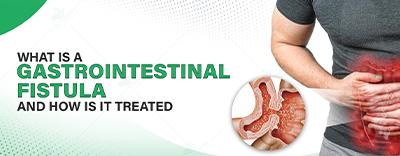
A gastrointestinal fistula is an abnormal opening that develops between the stomach, intestines, or other digestive organs, often causing leakage of digestive fluids. Treatment typically involves infection control, nutritional support, medications, and in


Subscribe to our
© Copyright 2026. All Rights Reserved by Felix Healthcare Private Limited
Design and development by :


 +(91)9667064100
 Emergency : +(91)9667064100