 WhatsApp
 Emergency:
  WhatsApp












Subscribe to our
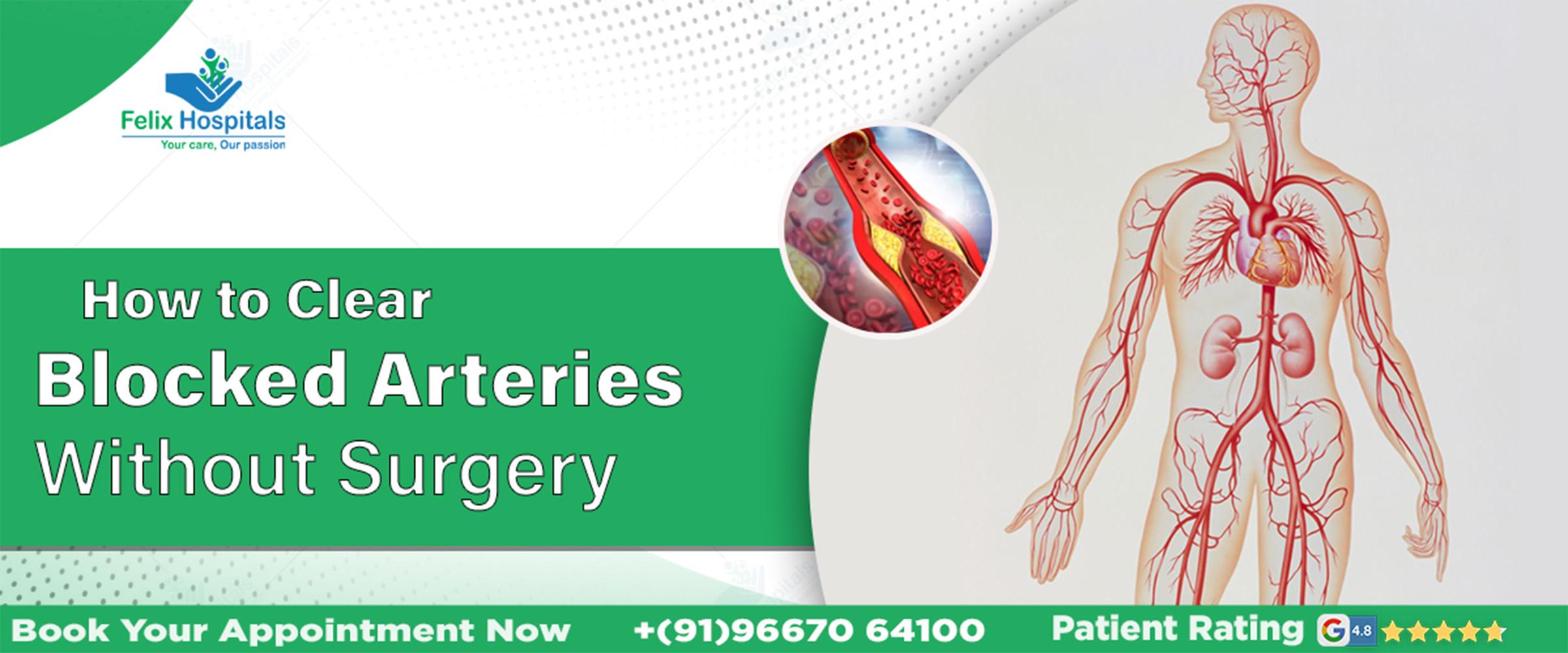
Obstructed arteries may be very dangerous to the heart which results to heart attack, stroke, and cardiovascular complication among others. For those residing in Noida, seeking guidance from a trusted cardiologist in Noida can provide access to reliable advice and treatment tailored to individual needs. When it comes to heart attacks treatment in Noida, understanding how to clear blocked arteries without surgery becomes an essential part of preventive and curative strategies. This blog will inform you on lifestyle changes, drugs, and least invasive treatments that can be used to manage and even clear arterial blockages without the requirement to engage in surgical operations.
Learn how to clear blocked arteries without surgery with expert guidance-schedule your appointment now.
Blocked arteries develop when the stalking of cholesterol and fat among other materials thicken or block the blood erosion through the vessels of the heart and other vital organs. This disorder is medically known as scaled back and is a major cause of coronary artery diseases.
Recognizing signs of clogged arteries early is crucial for maintaining health. The symptoms could comprise chest pain (angina), dyspnea, fatigue, or even no symptoms, and in certain instances, no symptoms up to the development of immense blockage.
Understanding the early warning signs of blocked arteries helps individuals seek heart health without surgery options before the disease escalates.
One of the most effective methods for how to clear blocked arteries without surgery is making sustained changes in diet and daily routines:
Exercise: belong to a regular exercise routine where one has at least 150 minutes of moderate exercise that increases healthy blood flow, managing weight and reducing plaque.
Stop smoking: Smoking hastens acceleration of arteries damage, hence, giving up the habit enhances health of arteries and it inhibits blockages too.
Adopt a heart-healthy diet: Focusing on whole grains, fruits, vegetables, lean proteins, and the best foods to clear blocked arteries like avocados, olive oil, nuts, and fatty fish has proven benefits.
Dealing with stress: Cardiac risks are involved with chronic stress. Implementing stress management techniques supports long-term heart health without surgery.
This combination of habits leads to decreased deposition of plaque in the arteries and an enhanced operation of the heart.
In cases of blockages diagnosed in patients, medications supplement lifestyle changes to avoid further degradation:
Statins: lower the cholesterol content of the blood, and prevent or slows down the buildup of plaque.
Blood pressure regulation: By keeping healthy blood pressure with medication, additional damage to the arterial walls does not take place.
Blood thinners: Anticoagulant and antiplatelet medications help to stop the formation of clots that may worsen blockages or lead to heart attacks.
Thrombolytic therapy: With acute attacks, e.g. heart attack they put the medication to dissolve the clots, which restore blood flow.
Taking medications as prescribed by your cardiologist in Noida significantly reduces risks and aids in heart health.
Minimally invasive procedures are performed in surgery to tread cancerous tumors. Minimally invasive Procedures This uses minimal impassivity to treat cancerous tumors in surgery.
In the cases when the blockages are severe, yet surgery is not inevitable, such types of procedures as angioplasty and stenting can be applied:
Angioplasty: This involves inserting a catheter that has a balloon tip into the obstructed artery and inflating it to expand.
Stenting: A mesh tube (stent) can be put in an artery during angioplasty to maintain the consistency open in the long run.
These procedures fall under how to clear blocked arteries without surgery because they don't require major incisions and have quicker recovery times than traditional surgery. Nevertheless, it is essential to evaluate patients to establish the appropriateness.
Pay attention to signs of clogged arteries to seek early care:
Chest discomfort or angina.
Aspiratory insufficiency on exertion.
Dizziness or fatigue.
Weakness or numbness (symptoms of stroke).
The early detection is one that can be interceded through lifestyle interventions or procedures instead of more violent surgery.
The question "Can blocked arteries clear without surgery?" can be told by the degree of accumulation of the plaque. Lifestyle and medical management may stop the progression or slow it down in the case of mild to moderate blockages. These interventions can normalize blood flow and avoid complications and thus eliminate the need of open-heart surgery, although the overhaul may not be possible at all times.
Minor interventions, like angioplasty or stenting are the therapeutic methods used in a more progressive case that include a transition between medicinal use and a complete operation.
The healing of minimal invasive surgeries is quicker as compared to conventional operations. Normally, patients are able to resume a normal life after a few days to a few weeks.
Continued commitment to:
Heart-healthy nutrition
Regular exercise
Smoking cessation
Medication adherence
Stress management
is the foundation of the prevention of re-blockage and cardiovascular well-being without the dangers of the surgery.
If you are concerned about blocked arteries and wish to explore heart attacks treatment in Noida or options for heart health without surgery, consult reputable clinics and cardiologists. The heart valve replacement hospital or cardiovascular centers in Noida are in place with the modern diagnostic and therapeutic solutions based on the needs of the individuals.
Frightened over blocked arteries? Make an appointment in the cardiac-check today -call +91 9667064100.
While blocked arteries pose serious health risks, many can be managed or improved through how to clear blocked arteries without surgery approaches. Adopting heart health without surgery strategies-emphasizing lifestyle change, medications, and minimally invasive procedures--reduces complications and promotes longevity.
Identifying early warning signs of blocked arteries and maintaining regular check-ups with a cardiologist in Noida improves outcome drastically. By visiting the best cardiology hospital in Noida, one can have access to professional care and specific treatment regimen of safe and efficient heart maintenance.
Take care of the heart today and manage to lower the chances of experiencing heart attacks through proper care and through a professional approach.
Q.1. What are the typical initial symptoms of clogged arteries?
Ans. Some of the important symptoms are chest pain, shortness of breath, fatigue, and dizziness.
Q.2. Are minor blockages of arteries treatable without surgery?
Ans. Yes, with lifestyle modification, medications, and least invasive operations.
Q.3. What are the foods that have been known to clear blocked arteries?
Ans. Foods that contain omega-3 fatty acids, antioxidants and fibers like fish, nuts and fruits.
Q.4. At what frequency should I measure my artery health?
Ans. Cardiac check-ups can be conducted on a regular basis particularly when one is at risk.
Q.5. Minimally invasive treatments are safe for everyone?
Ans. Appropriacy varies according to circumstances; one should consult with his/her cardiologist.
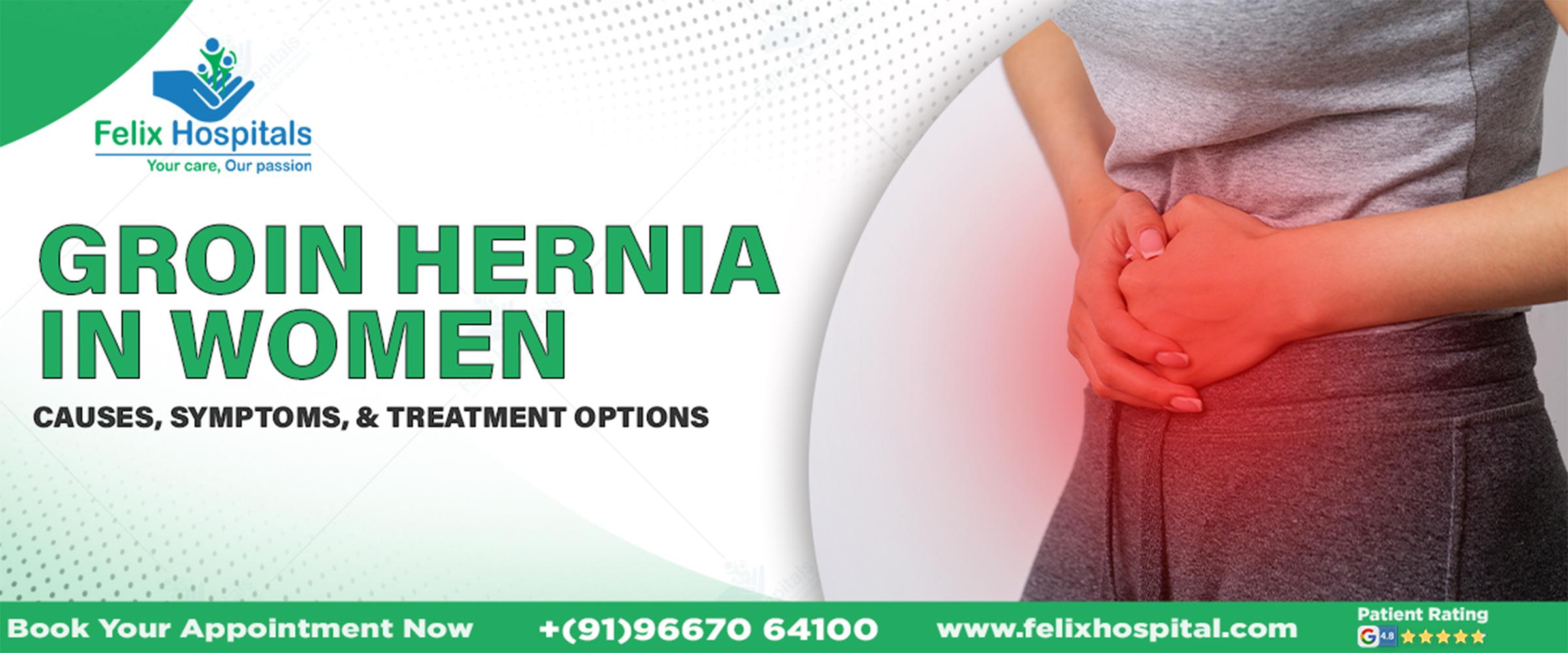
Hernias are more frequently than not described as a condition that exists mainly in men. However, women do get them too—particularly groin hernias. Although they do occur less frequently in women, they can occasionally be more difficult to diagnose and could potentially be misdiagnosed as other medical ailments.
Identifying what a groin hernia actually is, why it occurs, as well as how it can be treated will be useful knowledge for women. So if you've ever asked yourself what is a groin hernia in women, this guide will steer you on the causes, the signs, treatments, as well as why locating the correct specialist doctor is so crucial.
Visit a renowned women's hernia surgeon in Greater Noida now and initiate the process for safe and permanent relief. Call us today at +91 9667064100.
Groin hernia happens when tissue like a part of the intestine bulges through a weak area on the belly wall in the groin region. In females, the condition may be diverse as that in men by reason of some anatomic disparity.
Women normally experience inguinal hernias or femoral hernias in the groin region. Femoral hernias being rarer actually more frequently arise in women than men. In a small number of cases, they can be mistaken for gynecologic problems, thereby leading to delays in treatments as well as diagnosis.
In the event that you encounter unexplained discomfort or swelling along the groin area, you might wish to consult a women's hernia specialist in Greater Noida who can carefully analyze your symptoms.
The knowledge concerning the cause holds paramount significance in prevention as well as cure. No specific cause exists for groin hernias, yet various factors can prove responsible:
Weakened belly wall: Certain women will be born with inherently weak tissue that predisposes women to hernias.
Pregnancy: Repeated pregnancies can stretch and weaken abdominal muscles.
Chronic coughing or sneezing: Lung diseases like asthma or allergies that result in repeated sneezing could place additional pressure on the belly.
Heavy lifting or heavy exercising: Occupations or exercising that involve use of weights place an additional tension on the abdominal wall.
Obesity: Overweight puts tension on muscles in the abdominal area.
Prior surgery: Surgeries close to the groin can provide weak areas where hernias may develop more easily.
By identifying what causes groin hernia in women, doctors can advise on lifestyle changes and precautions to lower risks in the future.
The symptoms can vary between men and women, so this can complicate diagnosis. Some common women's symptoms that they need to be on the lookout for are:
Palpable swelling or bulge on the upper thigh or groin that may become more prominent upon standing up or when coughing.
Groin discomfort or pain when lifting something, bending for a stretch, or exercising.
Bloating or fullness in the lower belly.
Nausea and vomiting if the hernia becomes trapped or strangulated.
Menstrual groin pain that can be confusing with gynecologic complaints.
If the pain is intense, with fever, vomiting, or sudden swelling, it might be an indicator that a strangulated hernia has occurred, a condition that constitutes a medical emergency. In such an event, immediate consultation with a groin hernia specialist in Greater Noida becomes imperative.
As women's hernias can be mistaken for other diseases like ovarian cysts or endometriosis, physicians employ a battery:
Physical exam – if bulges enlarge when you cough or strain.
Ultrasound or CT scan – imaging procedures that will provide an indication if the hernia is not palpable.
Medical history – knowing risk factors such as previous pregnancy, surgery, or a family history of hernias.
Accurate diagnosis will lead to proper management as well as prevention of complications.
Once a groin hernia has been diagnosed, the surest method for its cure is surgery. Unlike other diseases, a hernia will not improve on its own if left untreated, and delaying might complicate further issues. These therapies are:
In instances where the hernia is very small size, painless, and not causing discomfort, a doctor may prescribe observation over it. That however is uncommon in females since femoral hernias pose a higher risk of complications.
Surgical treatments can be broadly divided as follows:
Open Hernia Repair: The surgeon makes an incision in the groin and pushes the herniated tissue back into place, reinforcing the abdominal wall with stitches or mesh.
Laparoscopic Surgery (Minimally Invasive): Small incisions are used, and a scope guides the surgeon. Recovery will typically be faster with this procedure as will post-surgery pain.
Recovery time varies, but most women return to daily activities within 1–2 weeks after laparoscopic surgery and a little longer after open surgery.
If you’re wondering how is groin hernia treated most effectively, laparoscopic methods are increasingly preferred due to their quicker recovery and smaller scars.
Following doctor's orders after surgery is vital for a long recovery:
Steer clear of heavy lifting for some weeks.
Keep a healthy weight to put less pressure on the abdominal wall.
Take care of chronic cough or constipation to avoid buildup pressure.
Keep gentle physical activity such as walking so that you can recover.
Most women make a complete recovery with proper care and resume normal activities without any complications.
If you need medical help, you should look for a groin hernia doctor in Greater Noida who knows how to treat female hernias differently. Unlike other cases, female hernias need a diligent assessment since they tend to conceal or be mistaken for something else. Getting consulted at a top-tier groin hernia hospital in Greater Noida means access to updated diagnostic equipment, skilled surgeons, as well as customized protocols for therapy.
Women looking for sensitive as well as professional attention can rely on visiting a women's hernia expert in Greater Noida where meticulous diagnosis as well as tailored methods of treatments are provided maximum importance.
Book an appointment with the finest groin hernia hospital in Greater Noida to get exact diagnoses and latest treatments.
Women's groin hernia might not be as prevalent as that of men's but when it happens, it poses specific challenges. Whether knowing what a groin hernia in women is or what causes a groin hernia in women or how a groin hernia in women is treated, knowledge is the beginning towards healing. Without being treated, a hernia can cause severe complications but adequate medical attention on a timely basis yields effective and durable solution outcomes.
In case a hernia is suspected or if constant pain is felt in the groin area, don't ignore the sign. Get yourself assessed and treated by a credited groin hernia surgeon in Noida. With timely care, women recover soon, avoid subsequent complications, and can live a healthy, productive lifestyle once more.
Q1. Must female groin hernias cause a palpable bulge?
Ans. Not necessarily. Unlike men, women can get occult or hidden hernias that do not present a palpable mass; imaging studies such as ultrasound become vital in diagnosis.
Q2. May pregnancy make a groin hernia worse?
Ans. In fact, pregnancy increases tension on the abdominal wall and may cause a pre-existing hernia to further collapse. Females preparing for pregnancy need to consult a hernia specialist early on.
Q3. Green-light laser photodynamic therapy safe in women of reproductive age?
Ans. Laparoscopic repair in a hernia is safe as well as minimally invasive. It will not usually affect the future pregnancy or infertility if a skilled surgeon operates on the patient.
Q4. Lifestyle modifications by themselves can they prevent groin hernia surgery in women?
Ans. Lifestyle modifications such as reducing one's weight, not carrying heavy objects, and managing chronic cough will reduce symptoms but will never cure an existing hernia. Though surgery is the only permanent solution. .
Q5. How do I know if I have a groina hernia or something else?
Ans. Groin pain due to a hernia usually exacerbates upon standing, lifting, or coughing, although gynecologic pain might accompany your cycle. It can only be verified by a specialist with rightful tests.
Q6. Is the risk of complications in untreated groin hernias in women higher than that in men?
Ans. In fact, femoral hernias (common in women) tend more frequently toward strangulation than inguinal hernias in men. That's why an early procedure on the patient is strongly recommended.
Selecting the best gynecologist hospital in Noida is crucial for your health. Learn what to look for in top facilities offering specialized care in maternity, infertility, menstrual health, and gynecological surgeries.

Exploring the Best IVF hospital in Noida for expert fertility treatments. Felix Hospital IVF is dedicated to helping couples achieve their dream of parenthood with advanced fertility treatments, latest technology, and compassionate care

Pregnancy is a life transforming process which makes you excited, emotional and ask yourself questions regarding the health and development of the baby. Among the many prenatal tests available, the Double Marker Test in Noida has become a key part of modern pregnancy care. This screening test is performed during the first trimester, which helps to assess the possible risk of your baby having some chromosomal disorders.
To pregnant women, it is always tranquil to know what the test is all about as well as its contribution in providing tranquility and assurance with regard to making good decisions on behalf of the mother and the baby. Although this is not a decisive test, it offers significant information to help doctors as well as parents in embarking on future actions to have a healthy pregnancy.
Assure healthy pregnancy with an effective Double Marker Test direction- check +91 9667064100 with a specialist.
You should understand What is the Double Marker Test in pregnancy? It is a blood test that is used to measure the concentration of two significant substances in the blood of the mother including free beta-human chorionic gonadotropin (b-hCG) and Pregnancy-associated plasma protein-A (PAPP-A). These are examined alongside other parameters like the age of mother and findings of the nuchal translucency (NT) scan which is an ultrasound test that examines the clear tissue at the back of the babies neck.
The outcomes of this test assist physicians in determining the probability of having chromosomal defects and in particular Down syndrome (Trisomy 21), Edwards syndrome (Trisomy 18), and Patau syndrome (Trisomy 13). These are hereditary diseases brought about by the excess copies of chromosomes that may lead to the development of a baby.
The test is a screening test since it merely projects probabilities and not certain diagnoses. Doctors can also recommend additional procedures such as NIPT (non-invasive prenatal testing) or amniocentesis to establish a high-risk diagnosis in case of a high-risk outcome.
To understand How does the Double Marker Test help in early pregnancy screening you should know early diagnosis is vital as it will provide the parents, as well as the doctors with sufficient time to strategize and make informed decisions. The test is done during the first trimester; therefore, it identifies important signs of chromosomal or developmental risks before they develop.
The accuracy of the possible chromosomal conditions detection in combination with the NT scan and biochemical markers (b-hCG and PAPP-A) is higher. In case anomalies are found during this phase, investigations can be conducted early enough and proper diagnosis achieved early so as to provide proper care.
The test is especially suggested when used with:
Women over 35 years of age
Individuals who have a family history of genetic illnesses.
Irregular development in early ultrasound scanning of the pregnancy.
Anticipating pregnant women in need of reassurance and extensive health check-ups.
In low-risk pregnancy, doctors in Noida are likely to incorporate the test in their typical tests in the first trimester to provide the best prenatal nurse care.
You should know What does the Double Marker Test screen for - it is done to know the Probability of chromosomal abnormalities in the growing fetus is screened using the Double Marker Test whereby specific hormones are monitored.
The significant conditions it screen checks are as follows:
Down Syndrome (Trisomy 21): The abnormality is caused by an extra chromosome X 21, resulting in development and intellectual difficulties.
Edwards Syndrome (Trisomy 18): This condition is marked by massive developmental retards when it is observed in children.
Patau Syndrome (Trisomy 13): A disorder, which impacts brain development and physical development.
A measurement out of the norm does not substantiate these diseases but generates an increased possibility, directing the physician to carry out additional assessment.
It is very easy and totally non-invasive. It entails the extraction of a small blood sample on your arm, and this is released to the laboratory to be examined.
The following is what normally occurs:
Step 1: No fasting is required. You will be able to eat or drink normally prior to the test.
Step 2: A skilled technician collects a minuscule portion of your blood on your arm.
Step 3: A laboratory analyses the concentration of free b-hCG and PAPP-A in your blood.
Step 4: The risk ratio is obtained by entering your age, weight, gestational week and NT scan results into a computer program.
Step 5: This is the report that you are given to determine the risk level of your pregnancy with a low risk or a high risk.
Step 6: Talk with your doctor about the meaning of the result and the need of further testing.
The entire procedure normally requires between 15 and 30 minutes and the outcomes are obtained within several days. No discomfort or post recovery is necessary.
In addition to several advantages, the Double Marker Test has several benefits that make this procedure a significant step in the modern prenatal care:
The non-invasive one: It is a basic blood analysis that does not present any threats to the mother or the baby.
Early diagnosis: Assists in diagnosing the presence of abnormalities in the chromosome early in pregnancy.
Aids in informed decision-making: Will help to follow up tests on time or assure in case of normal results.
Peace of mind: When most parents are given a low-risk outcome, they usually feel reassured.
Medical planning assistance: In case they identify any danger, doctors will have an opportunity to prescribe additional measures or support earlier.
Cost-efficient: Inexpensive compared to invasive procedures of genetic diagnostic.
The double marker test prevents stressful management of pregnancy by providing timely and practical results.
The outcome of the double marker test will either make you have a low or high risk pregnancy.
Minimal risk outcome implies that your baby has minimum chances of having chromosomal abnormalities.
High-risk outcome implies more likely genetic impairments, which need additional research such as NIPT or amniocentesis.
One should not forget that this is a screening test, but not a diagnosis. Being labeled a high-risk does not always mean that your baby has a genetic condition and most of such outcomes prove normal during the verified tests.
Age, weight, smoking behaviors, underlying health conditions, and gestational timing may also affect the accuracy of the results. You should always examine your outcome with a qualified gynecologist who would be in a position to interpret it relative to your excellent health and pregnancy history.
The accuracy of the test may be influenced by several factors, and they include:
Multiple pregnancies: The exam can be inaccurate in the event of a twin pregnancy or above.
Mother age: The risk is directly proportional to age and may distort end result descriptions.
Weight and health status: Obesity or some disorders may influence hormones.
Medication or lifestyle: There could be effects of medication and habits such as smoking.
Incidents of errors in NT scan measurements: Inaccurate readings on ultrasound may bias total analysis.
You make sure that your doctor makes the best judgment possible by keeping faulty scan data to a minimum and having accurate scan data of the same.
The preparation of the double marker test is not a stressful task. Here's how you can get ready:
Perform the test in week 10 to 13 of pregnancy.
You are not required to go without; take your food and drink.
Carry any past ultrasound or NT scan reports.
Medications or supplements that you take should be disclosed to your physician.
Wear clothes, which are comfortable and can comfortably roll up.
You need not have any worries--around in a minute and you are out of pain.
The Double Marker Test Cost in Noida varies by location and healthcare facility, but generally ranges between 1,500 and 3,500. The price will vary based on the inclusion of the NT scan into the package. There are hospitals that provide packages, which combine the two tests, thus convenient and better priced.
Although the costs may fluctuate, a majority of diagnostic centers within Noida are well prepared to handle this test in a well manner and at the right time so that the expecting mothers are at ease knowing that the test is reliable, giving them a sense of calmness.
Through a double marker test you are opting to exercise proactive care. It shows knowledge, readiness and dedication in making sure your baby is healthy. This screening does not only identify any dangers--it will make you feel confident in your pregnancy process both with the help of a specialist and at the initial stage.
Despite whether it is the first time or you have gone through pregnancy complications before, the enlightenments that such a test provides can prove invaluable when making medical choices.
Need to know the health of your baby? Call +91 9667064100 to learn about the Double Marker Test cost in Noida and available packages.
The Double Marker Test in Noida plays a vital role in early prenatal screening and offers expecting parents a chance to identify potential chromosomal abnormalities as early as possible. The test can then be used to estimate the correct risk estimates that the doctor can make in relation to the genetic health of your baby in combination with the NT scan and the individual factors such as age and health.
With an affordable Double Marker Test Cost in Noida and a safe, simple procedure, this test is an essential part of every expecting parent's prenatal plan. Nor is it too soon to begin to act, and in the case of pregnancy, speed may prove everything. It is the next step towards achieving a healthier, happier life by choosing this test.
Q.1. What are the reasons why a Double Marker Test is absolutely recommended in pregnancy?
Ans. The test should be strongly considered in expecting mothers above 35 years, in mothers who have a family history of genetic disorders, or whose early scanning proves concerning.
Q.2. Considering the high-risk form of my Double Marker Test, does my baby necessarily have a genetic disorder?
Ans. No, high risk is only greater likelihood- not a diagnosis and additional diagnostic measures may be prescribed, to be applied, such as NIPT or amniocentesis.
Q.3. Can I undergo the Double Marker Test as I am collecting my routine prenatal care in Noida?
Ans. Yes, this is a screen that is combined in most of the major screening labs and hospitals in Noida with routine first-trimester checkups so that they can be convenient and provide comfort.

Women should see a gynecologist yearly after puberty for health check-ups.
Know the common gynecological problems and the best tips to choose a trusted gynecologist in Noida
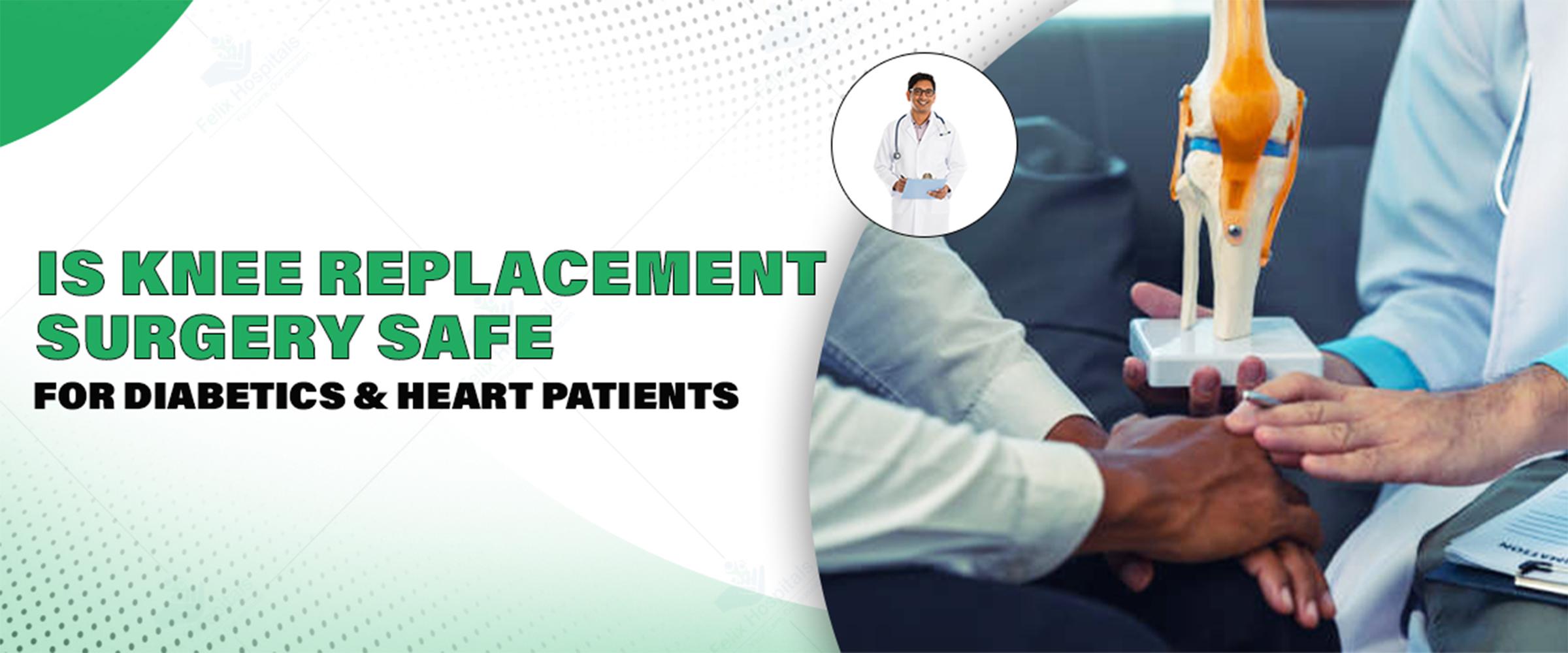
Selecting the appropriate care is a vital consideration in regard to orthopedic surgery i.e. in the case of chronic conditions such as diabetes or heart disease. The question that comes to the mind of people who seek the best hospital to carry out knee replacement in diabetics or those who require knowledge in knee replacement surgery in Noida is whether surgery is safe and effective according to their special health profile. It only takes choosing a team that is well experienced in a well known knee replacement surgery hospital in Noida that has specialized in handling difficult cases.
This blog discusses the facts of knee replacement surgery in diabetics and heart patients, dispelled the myths and the precautions, treatment advances and recovery schemes that would see to it that you are safe and that you can move about again.
Make sure there is good recovery with specialized treatment of diabetic and heart patients-reserve your plan at +91 9667064100.
Is knee replacement surgery safe for diabetics? This is an understandable issue because of the complicated interaction of diabetes and the results of surgery. Diabetes compromises immunity and wound healing and increases the chances of postoperative infection and stunted recovery. Uncontrolled high blood sugar levels may result in the complication rates elevation after surgery.
Knee replacement complications in diabetics often include:
Surgical site infections
Poor wound healing
Greater danger of deep vein thrombosis.
Reduced rate of rehabilitation.
Nevertheless, when glycemic control is strict and preoperative planning is carefully performed, lots of diabetics are successfully able to have knee replacement surgery and have a great time.
For patients with cardiac conditions, knee replacement surgery for heart patients requires a multi-disciplinary approach to reduce potential risks. Surgery also imposes further load on the heart, and anesthesia may affect blood pressure and the heart rate.
The primary knee surgery risks for diabetic patients with concomitant heart disease include:
Cardiac arrhythmias
Myocardial infarction intraoperative or postoperative.
Fluid disequilibrium that influences cardiac tension.
Risks greater mortality in severe cardiac disease.
It is vital that orthopedic surgeons, cardiologists, and anesthesiologists work closely to observe and maximize heart health before, during, and after surgery.
Preparation is key to a safe knee replacement for diabetics and heart patients. A number of crucial measures guarantee surgery preparation with minimum risk of complications:
Full medical clearance with cardiac testing (ECG, echocardiography or stress) test.
Blood sugar control can be measured by having tests such as HbA1c; the result should not exceed 7.5% of the level and this improves prognosis.
Medication check up and modification especially the blood thinners and diabetes medication to avoid bleeding and hypoglycemia.
Life changes such as quitting smoking, mild physical exercise, and dietary change to enhance recovery ability.
Optimizing these factors reduces knee replacement complications in diabetics and addresses cardiovascular stability.
During the perioperative period, managing diabetes during knee replacement involves:
Regular blood glucose level control to avoid dangerous peaks and downturns.
Insulin or oral hypoglycemics as suggested by the endocrinologist.
In severe cases, intravenous glucose or insulin to keep in tight control.
Normally regulated blood sugar is essential to wound healing and reduces infections and inflammation.
Heart patient knee replacement precautions focus on minimizing cardiac workload through:
Stabilization of blood pressure and cholesterol level before operative procedures.
Adoption of modified methods of anesthesia such as regional blocks as opposed to general anesthesia.
Constant cardiac supervision in surgery.
Close attention to fluid management to prevent fluid overload and heart overload.
Individualized rehabilitation that does not exceed cardiovascular restrictions but encourages movement.
These interventions improve the safety and post-surgical outcomes.
Modern knee replacement techniques promote safe knee replacement for diabetics and heart patients:
MIS is less harmful to the tissues and less prone to infection.
Enhanced recovery after surgery (ERAS) protocols hasten the mobilization and decrease hospitalization.
The more developed implant materials and designs enhance durability and functioning.
Strict measures of infection control reduce postoperative infections in more high-risk patients.
Hospitals that do well in knee replacement surgeon in Noida have interdisciplinary teams that have the experience to handle complex cases that involve diabetes and cardiac cases.
In the postoperative treatment, attention is paid to:
Close monitoring of cardiac parameters and blood sugar.
Prompt mobilization under the supervision of the physical therapists with knowledge on cardiac safety.
Wound examination to identify infection or delayed wound healing.
Lifestyle education and medication adherence education of patients and symptoms that require emergency care.
Experience shows that with proper care, recovery after knee replacement for heart patients and diabetics is favorable, leading to significant pain relief and improved function.
More than 90 percent of diabetics and heart patients who are undertaking knee replacement recover and experience pain relief.
The occurrence of surgical site infections is greater in the non-diabetics group compared to individuals with Diabetes but when protocols are adhered to the rates are very low
Through extensive pre-surgical evaluation, cardiac events in hospitalization are uncommon. Patient satisfaction regarding pain relief, quality of life and the capacity to resume their activities are very high. These results support the critical role of preparation, multidisciplinary care, and a close follow-up.
Do you have diabetes and want to have knee replacement? To ensure safe surgery, contact Noida through its professional surgeons at +91 9667064100.
Modern knee replacement surgery has become much safer for high-risk patients, thanks to advanced technologies that minimize complications, reduce recovery time, and improve surgical precision.
1. Robotic-Assisted Knee Replacement
2. Computer-Navigated Surgery
3. Minimally Invasive Surgery (MIS)
4. Advanced Pain and Blood Management Technologies
5. Laparoscopy-Inspired Precision Techniques

Dr. Keshav Goel is an experienced Orthopedic and Joint Replacement Surgeon in Noida with over 10 years of clinical expertise. He has performed 2,000+ independent surgeries and specializes in computer-assisted joint replacement and arthroscopic surgeries of the knee, shoulder, and hip. Known for his skill in treating sports injuries, trauma, and joint disorders, he provides advanced and patient-focused orthopedic care.
Undergoing knee replacement surgery requires special precautions, especially for patients with diabetes or heart disease. With personalized care at the best hospital for knee replacement in Noida, guided by the best orthopedic doctor in Noida, even high-risk cases can be managed safely using advanced surgical techniques. Proper planning and expert supervision help ensure a smooth recovery, pain-free mobility, and a better quality of life.
Q.1. What can I do to ensure that the process of knee replacement surgery is safer when I have diabetes?
Ans. Control blood sugar several weeks prior to surgery and follow all care instructions with your doctor.
Q.2. What are the risk factors that predispose knee replacement surgery to heart conditions?
Ans. Surgical risks are increased by heart failure, arrhythmias and coronary artery disease, which they need to watch.
Q.3. What is the duration of rehabilitation following knee surgery among the diabetic people?
Ans. The process of recovery may be slow because of difficulties in healing and may last several months of physical therapy.
Q.4. Do heart patients have any special anesthetic methods when having joint operations?
Ans. Yes, in many cases, regional anesthesia minimizes cardiac stress in relation to general one.
Q.5. What to keep in mind while choosing a hospital for knee replacement
Ans. When choosing a hospital for knee replacement, consider the surgeon's experience and qualifications, the hospital's volume of successful joint replacement surgeries, advanced technology like robotic assistance, strong post-operative care and rehabilitation programs, and hospital accreditations and patient reviews.

Orthopedics is a specialized branch that takes care of your musculoskeletal problems related to joints, bones, muscles, spine, ligaments, and tissues.

Sciatica Nerve Pain can cause sharp, shooting pain that radiates from the lower back to the legs. It often results from a herniated disc or spinal issues pressing on the sciatic nerve.

How much should you weigh for your height? is one of the most frequent health queries that everyone a, whether they are of age or sex. If you aim to reduce your weight, build muscles, or remain fit, it is the most important step that you take for a healthy life.
Your weight in isolation is not your health, but it is important when combined with your height, body composition, and lifestyle. Clinics and dieticians typically use a combination of tools such as BMI, hip-to-waist ratio, and percentage of body fat in order to determine if or not your weight is in a healthy range.
It is best to consult with a pediatric doctor in Noida or a pediatric allergy treatment in Noida expert (to factor in child-specific development profile) or an adult doctor to get an idea of where you stand and where you would benefit most.
Call on +91 9667064100 to seek sound health experts in Noida and gain personalized guidance on how you can safely and effectively achieve your desired weight.
Your height is also an indicator of how much body weight your build can handle while not being stressful for your heart, your joints, and your metabolic system. A taller individual inherently has more muscle and bone mass compared to a shorter individual, so their range of "healthy" weights is larger.
When you weight more than is suitable for your height, you would also be more likely to suffer from conditions including:
On the other hand, being too thin may cause sluggishness, low immunity, and inadequate nutrient uptake. Ensuring proper balance is thus essential for long-term health.
The Body Mass Index, or BMI, is the simplest and most frequent formula used to estimate whether or not your weight is healthy for your height. It is calculated by the following formula:
BMI = Weight (kg) / [Height (m)]²
After calculating, you can take the value as:
For instance, if you weigh 65 kg and you measure 1.70 m in height,
BMI = 65 / (1.7 × 1.7) = 22.5, in the normal range.
But BMI isn't discriminatory about fat versus muscle mass — so sports stars or individuals with high muscle density may register as "overweight" but still be in great shape.
Following is a regular height-to-weight table based on BMI criteria for adults.
| Height (cm) | Ideal Weight Range (kg) |
| 150 | 41 – 56 |
| 155 | 44 – 59 |
| 160 | 47 – 63 |
| 165 | 50 – 68 |
| 170 | 54 – 72 |
| 175 | 57 – 76 |
| 180 | 60 – 81 |
| 185 | 63 – 85 |
| 190 | 67 – 90 |
These ranges aren't fixed — differences in skeletal structure, gender, and age contribute large amounts. It is better to regard this chart as a guideline rather than as a rulebook.
This measures the ratio of your hip to your waist as another form of measuring fat deposition.
One of the best and simplest methods — your natural waist size shouldn't be more than half of your height in centimeters. If you find you're 170 cm, for example, your natural waist shouldn't be more than 85 cm.
Exercise authorities typically suggest body fat percentage as a more accurate assessment of fitness. Healthy limits are:
Your "ideal" weight is yours alone and is different from another person's. Several factors decide it:
As an individual ages, their metabolic rate slows and their muscle mass shrinks, and weight gain becomes simpler but weight loss more complicated.
They also generally contain more muscle and more tightly-packed fat stores than females, so their ideal weight range is higher.
Stronger muscles and heavier bones increase the body weight of course without showing any excess fat.
More active people are more likely to gain more weight with less fat content since they develop more muscles.
The shape of the body and the patterns of fat distribution are usually hereditary which determines the way and location of fat storage in your body.
It is typical for body weight to vary slightly — but chronic excess or deficit can contribute to problems with health. You would want to see a doctor if you:
If your BMI falls in the overweight or obese range, consider consulting a pediatric Hospital in Noida (for children) or a general physician for adults to rule out underlying causes and get personalized advice.
The perfect weight is not the end of it, but the result of a good diet, physical activity, and lifestyle.
Consume nutritious amounts of long-chain carbohydrates, lean protein, healthy fats, and fiber. Avoid the fad diets, they ruin your metabolic system.
Secret: 50 percent of your plate must consist of fruits and vegetables, 25 percent lean protein, and 25 percent whole grains.
It maintains the metabolic processes, alleviates digestion and regulates hunger. Consume at least 2-3 liters of water as a day.
Stress in the long term causes release of cortisol, a hormone which promotes the storage of fat, especially around the mid section. Give time to stress-reducing acts, such as yoga, meditation, or hobbies as a way of achieving emotional equilibrium.
Poor sleeping patterns disturb the appetite hormones causing you to desire junk food. Get between 7-8hours nighttime sleep.
Annual health screens are necessary even in the prime shape. These help in maintaining your BMI, blood sugar, cholesterol and thyroid all of which are significant in maintaining weight balance.
They pose the question, what is the right weight of my child considering his height and age?
Children unlike adults do not rely on the BMI alone in determining their ideal weight but with the assistance of growth charts. Growth charts compare the age, height and weight percentile of kids with the healthy norm.
The child doctor in Noida is able to interpret these charts and determine whether or not your youngster's weight is consistent with typical development. Counseling in early life can prevent childhood obesity or undernutrition — both of which can affect long-term health.
Myth 1: BMI reveals all about health.
Facts: BMI is no more than one factor — muscle mass, bone density, and fat location all count too.
Myth 2: Thin Is Healthy
Fact: Weighing too little can also lead to hormonal and nutrient problems.
Myth 3: Weight loss diets always work.
Fact: Radical diets can cause imbalance of nutrients and rebound weight gain.
Myth 4: Physical exercise by itself controls weight.
Facts: Nutrition trumps all — you can't out-work a poor diet.
Healthy weight is important for long-term health. If you're concerned about your BMI or you find that you're going through unwarranted weight gain or loss, consult with experienced medical staff today.
There is no such question as "How much should you weigh for your height?" — but paying attention to your body type, tendencies, and health messages can lead you to your own healthy range. Healthy weight is not a particular shape — it is being alive, strong, and healthy. If you want to shed a few pounds or put on some muscle, gradual steady moves in diet, exercise, and stress management can bring about victory with low risk.
If you notice unexplained weight changes or struggle to maintain your ideal range despite a healthy lifestyle, consult a qualified doctor. The early intervention will help to make sure that the backgrounds of metabolic or hormonal problems are taken care of.
Q.1. Where do you see your optimal weight?
Ans. You may also use the BMI formula or the height/weight charts. It is, however, advisable to talk to a doctor because the percentage of muscle and fat in one person differs from another.
Q.2. What is a healthy BMI?
Ans. The normal BMI for most adults is between 18.5 and 24.9.
Q.3. How often should you weigh yourself?
Ans. Weekly weigh-in: Weigh you once a week in consistent circumstances — same time of day, same scales, similar attire.
Q.4. Am I Overweight but Still Healthy?
Ans. Yes, as long as your body fat percentage is low and you train on a regular basis. However, belly fat still poses risk regardless.
Q.5. Is the range for the normal male and female the same?
Ans. Not quite — females tend to have higher percentage of fats, males higher percentage of muscles, so scales vary slightly.

Mothers think a lot, when it comes to giving right nutrition to her baby. And she also has many questions like

Protein powder supplements are a rage now. They sure have benefits – they help the body to meet its daily protein needs. And that too, in a convenient way.

Balanced diet is key to good health. Learn its definition, importance, and how it helps in maintaining energy, immunity, and overall well-being.

Explore 25 fruits and vegetables that are excellent sources of Vitamin D. Including these nutrient-rich foods in your diet can support strong bones, boost immunity, and enhance overall well-being naturally.
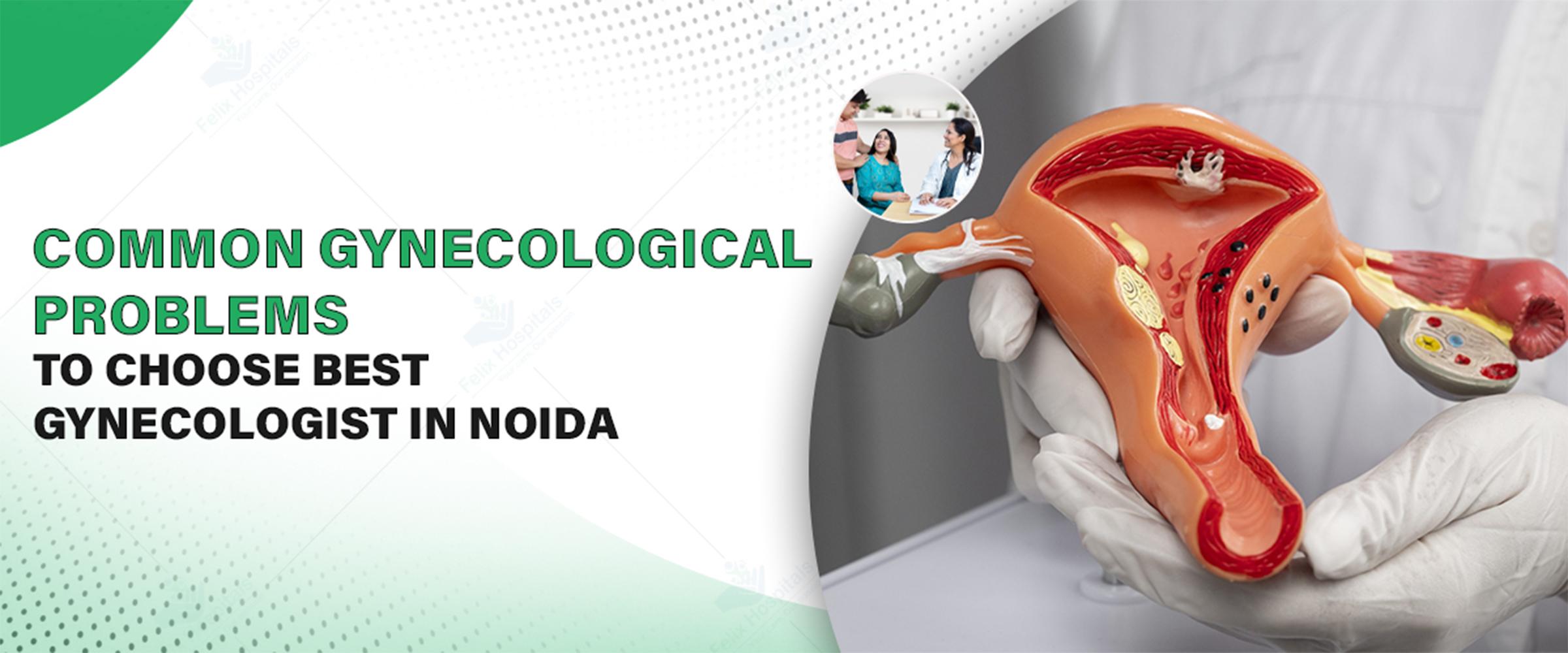
Women's health is among the most important but least discussed aspects of total wellness. From the first menstruation cycle to gestation, post-gestational convalescence, and menopause, the body of a woman undergoes countless changes throughout her life. While natural, these changes sometimes come along with problems that call for medical attention.
Sadly, numerous women are reluctant to talk about their reproductive health freely. Owing to social stigma, fear, or ignorance, issues that begin small tend to become bigger conditions. Knowing about the prevalent issues in women's gynecologic enables you to identify issues earlier and seek appropriate medical advice prior to the issues turning complicated.
If you are suffering from symptoms such as untimely periods, pelvic ache, unusual discharge, or hormonal disorder, you must visit a gynecologist in Noida for professional assessment and individual attention. With the help of advanced diagnostic facilities and caring medical assistance, the majority of Gynecological issues can be treated as well as averted.
In this blog, we will discuss regular reproductive health issues, their causes, symptoms, the best ways to prevent, and how to select the right gynecologist for long-term health.
Get counseling from a professional Gynecology expert now at +91 9667064100 and take the first step towards healthy women's health balance
Women's health entails something more than cycles — it entails the right functioning of the whole reproductive system. Following are a few of the most prevalent women's health issues and how they'll have an impact upon daily life:
One of the most common complaints among women, including you, are irregular periods, which may be the consequence of stress, inadequate nutrition, thyroid disease, or an underlying hormonal disease like PCOS. Skipped cycles, heavy flow, or drastically late or early timing may indicate something is awry.
PCOS is a hormonal disorder that impacts millions of women. It leads to a lot of acne, excess weight, and infertility as a result of hormonal imbalances. Symptoms and treatment of PCOS differ between individuals, but cycle regulation and complication minimization are achieved through diets and medicines when diagnosed early.
This disease implies that endometrial lining grows in areas other than the uterus, causing pelvic pain, lethargy, and infertility. It's a condition that may need prolonged care, either medical or surgical, which may be minimally invasive.
PID is a sexually transmitted condition that infects the fallopian tubes, uterus, or the ovaries. If left unchecked, it may cause scarring, perpetual pain, or infertility. Protection along with good hygienic practices will definitely cut the rate of occurrence.
Fibroids are harmless growths in the uterus that cause heavy bleeding, heavy or extended menstruation, and swelling of the abdomen. Though a few fibroids regress spontaneously, a few will have to be managed with drugs or surgery, depending on size and condition.
Bacterial and yeast infections are among the most frequent gynecologic issues in females, which may lead to itching, discharge, or burning. Good vaginal cleanliness and the use of no harsh soap or douche prevent recurrence.
Problems like dysmenorrhea (crampy pain), menorrhagia (heavy menstruation), or amenorrhea (loss of menstruation) are signals of a deeper hormonal disorder or reproductive illness. Never overlook these.
Early diagnosis of symptoms of Gynecological disease will avoid further distress. Some among the general symptoms are:
Abnormal, painful, or heavy mensus
Pelvic pressure or pain
Abnormal vaginal smell or discharge
Burning or stinging sensations
Painful intercourse or painful urination
Unexplained weight gain or acne pimples
Over-growth of hairs (Symptom of PCOS)
Mood fluctuations and lethargy
If any of these symptoms continue, a specialist appointment can begin treatment to treat the cause in the first place.
Gynecological issues can arise from a mix of biological, environmental, and lifestyle factors. The causes of gynecological disorders often include:
Hormonal upset as a consequence of stress, thyroid disease, or PCOS
Poor nutrition, obesity, or lack of exercise
Poor menastrual hygiene
Bacterial or fungal infection
Genetics and family history
Tobacco use, alcohol use, and excess caffeine
Prolonged medication use or birth control misuse
Whereas there are some causes that cannot be avoided, healthy living and regular consultations can help prevent chronic diseases.
Menstruation in the female tells something about her hormonal status. Heavy bleeding, missed period, or crampy pain could indicate medical issues that need to be addressed.
Prevalent Menstrual Disorders Are:
Menorrhagia: Long or heavy bleeding.
Oligomenorrhea: Infrequent or irregular cycles.
Dysmenorrhea: Menstrual Cycle pain resulting from out.
Amenorrhea: Failure to menstruate for more than three months.
Treatment Technique: Advanced and patient-focused techniques are used to diagnose and treat common gynecological problems effectively.
Changes in lifestyle: Balanced consumption of foods that have iron and vitamins, and regular exercises.
Hormonal therapy: To regulate irregular cycles.
Medicine: Over-the-counter analgesics and anti-inflammatory.
Surgical procedures: For severe cases such as fibroids or endometriosis.
Proper diagnosis and appropriate treatment of these common Gynecological problems among women are offered by a professional evaluation.
PCOS impacts hormonal balance and can disrupt ovulation, metabolism, and fertility.
Irregular or absent menstruation
Weight gain, especially around the waistline
Acnes and oily skin.
Excessive or thinning loss/baldness of
Difficulty getting pregnant
Dietary Changes: Reducing processed foods and white sugars.
Exercise: Moderate activity to control insulin resistance.
Medications: To control cycle lengths and to control hormone levels.
Reduction of stress: Mindfulness, yoga, and sleep hygiene.
PCOS may be managed based on frequent medical care and behavioral improvements coupled with the guidance of a dependable Fertility specialist Noida.
Choosing a proper doctor determines long-term reproductive health. A good gynecologist not just diagnoses and treats but makes you comfortable when you talk to him or her about sensitive issues.
Choose a doctor of medicine who is fully licensed, experienced, and skilled in treating both common and complex women's health issues.
Your gynecologist needs to listen carefully, make sure they understand, and give you a space where you don't feel judged.
Some doctors are experts in hormone disorders, pregnancy, or fertility. Choose someone who takes a whole-body approach to women's health.
Ultrasound, hormone tests, and minimally invasive surgery are some of the modern diagnostic tests that speed up and improve the process.
Preventing women's health issues has a big effect, in addition to treatment. Here are some tips to keep your hormones in balance and stop more problems from happening:
Eat a balanced meal that includes foods that are green, whole grains, and protein.
To stay at a healthy weight, you should exercise every day.
Do yoga or meditation to help you relax and lower your stress levels.
Sleep long enough to regulate hormone levels.
Don't smoke, drink, or eat processed foods.
Schedule annual checkups.
Keep sexual and menstrual cleanliness.
Small modifications in daily habits can drastically help avoid general Gynecological issues.
If you are having symptoms of pelvic pain, or you have irregular periods, or you have trouble conceiving, consult a professional at +91 9667064100 today.
Women's reproductive health has a strong correlation to emotional, hormonal, and physical health. Failing to heed initial cues can have serious consequences such as infertility, anemia, or recurring pain. Learning about the most prevalent conditions in women — PCOS, abnormal menses, fibroids, or endometriosis — gives you the strength to make proactive choices for good health.
Selecting a good gynecologist will provide you with proper diagnosis, respectful treatment, and benevolent care. Keep in mind, it's not a luxury to care for yourself — it's a must. With periodic visits to the doctor, a healthy style of life, and prompt treatment, you'll be able to have a healthier, happier life.
Your body deserves care and attention and compassion. Listen to its signals, anticipate, and take the step to a lifetime of good health.
Q.1. What are the most common gynecological problems women face?
Ans. Problems such as PCOS, out-of-regular periods, endometriosis, and vaginal infections are among the most prevalent concerns which women of every age are prone to.
Q.2. How do I know if I have a hormonal imbalance?
Ans. If you experience irregular periods, weight changes, acne, or hair loss, it might indicate a hormonal imbalance. Consulting a doctor is the best way to confirm.
Q.3. When to consult a gynecologist for problems of menstruation?
Ans. If your period is always irregular, uncomfortable, or heavy bleeding, you must visit a physician right away for assessment.
Q.4. Does PCOS affect fertility?
Ans. In fact, PCOS can interfere with ovulation, thereby complicating conception. But if treatment and behavior change are attained earlier, the fertility can normally resume.
Q.5. How frequently should women have a Gynecological check-up?
Ans. Physicians suggest a minimum of a once a year check-up or as often as you have lingering symptoms.

Understanding the symptoms, and knowing the different types of heart diseases are crucial for effective prevention and management.
Selecting the best gynecologist hospital in Noida is crucial for your health. Learn what to look for in top facilities offering specialized care in maternity, infertility, menstrual health, and gynecological surgeries.
Exploring the Best IVF hospital in Noida for expert fertility treatments. Felix Hospital IVF is dedicated to helping couples achieve their dream of parenthood with advanced fertility treatments, latest technology, and compassionate care

Selecting an appropriate healthcare routine is a critical concern to the health of any woman particularly when one is beyond puberty. Regarding female reproductive health, one should see a doctor regularly to be in good health and avoid complications. Gynecology Hospital in Noida offers specialized services which are best fitted to women across all ages and the services are offered by experienced specialists dealing with the well being of women. In their opinion, the Best Gynecologists in Noida see the need to visit the gynecologist regularly since the time of puberty in order to have regular health checks and be able to intervene in time. This blog will explore how often should women see a gynecologist, guidelines on female health check after puberty, and provide insights into adolescent and adult gynecologist guidance to help women navigate their reproductive health confidently.
Don’t delay your yearly exam; book with a leading Gynecology Hospital in Noida at +91 9667064100.
The issue of the frequency at which women should visit a gynecologist always comes up during adolescence and youthful adulthood. With no symptoms, even the healthy teenage girls are usually advised by health specialists to begin going to a gynecologist at the age of 13 to 15 years. Such visits enable young women to have a trusting relationship with their health care provider and set a standard of their reproductive health that is needed in their later years.
In the case of adult women, annual examinations are recommended when the woman starts having sex or reaches the age of 21, whichever comes earlier. Through such regular visits, screening tests like the Pap smear can pick out the evidence of early cervical abnormalities and other reproductive health issues. The gynecological needs of women mature with age, and the role of adult gynecologists regarding this issue is more concerned with the treatment of hormonal changes, fertility, and symptoms of menopause.
A female health check after puberty is more than a physical assessment; it is a chance to discuss menstruation patterns, sexual health, contraception, and lifestyle factors affecting reproductive health. Visiting a gynecologist early helps to reveal such problems as irregular periods, infections, or congenital anomalies that can affect long-term health and fertility.
In such examinations, experts check on physical development and sexual maturity and discuss issues that would have been ignored by the society because of stigma or misinformation. Schools and parents make a facilitating role in motivating the adolescent girls to take care of their reproductive health by arranging these checks.
Gynecologists offer specific care based on the age of the patient, i.e. an adolescent or an adult. Education on puberty, menstrual hygiene and sexually transmitted infections (STIs) prevention are components of adolescent gynecologist education that are important. In the adult population, the recommendations include regular cancer screening, contraception services, pregnancy planning, and treatment of gynecological conditions like fibroids, polycystic ovarian syndrome (PCOS), and endometriosis.
Frequent visits allow the women to learn more about their bodies and make knowledgeable decisions on sexuality, family planning, and wellness in general. The consumerism philosophy of the Best Gynecologists in Noida is combined with competence and consideration.
Gynecology visits will generally involve:
History taking of medication history to learn about menstrual cycles, sexual activity and family health patterns.
Physical therapy such as breast and pelvic examinations to identify any lump, cysts, or infections.
Pap smear tests to screen cervical changes, which usually starts at the age of 21.
Risk-based tests of STIs and other sexually transmitted diseases.
Contraception, lifestyle and preventive counseling.
These comprehensive evaluations are vital components of female health check after puberty.
The most frequent reasons that make women visit gynecologists are:
Unregular or painful menstruation.
Abnormal vaginal discharge and vaginal infections.
Contraceptive methods or contraceptive breakdown.
Reproduction or pregnancy planning.
Menopausal symptoms and hormone replacement therapy.
These can be dealt with by way of routine check-ups that ensure good reproductive and sexual health.
The routine visits are essential, but there are also some symptoms that require previous gynecological examination including:
Extreme menstrual cramping or excessive bleeding.
Premature vaginal bleeding during the inter-cycle or post-intercourse.
Continuous vaginal itch or pain.
Symptoms of STDs or pelvic inflammation.
Problems with the urinary issues connected with the reproductive organs.
Early identification with best gynecologists in Noida aids in the reduction of complications and better results.
Fear or misinformation by many young women is the reason why many women do not visit a gynecologist. One should dispel myths like:
You just visit a gynecologist in case you are sexually active.
The gynecological exams are not only painful but also humiliating.
Pap smears should be taken annually at a tender age.
Girls and women should be educated with proper information provided by Best Gynecology Hospital in Noida which would allow them to be confident and willing to pursue early care.
It is also possible to establish a healthy relationship with your gynecologist to be able to communicate with them on a personal level regarding sensitive matters. Whether it's understanding adolescent and adult gynecologist guidance or managing chronic gynecological conditions, this bond improves care quality.
These frequent visits make patients prepared to monitor any changes, address emerging symptoms and revise preventive measures that are critical in the reproductive health as people continue with their lives.
The number of visits to the gynecologist depends on age and health:
Adolescents (1318): Every year, education and first screenings.
Age: 19-40 years: Annual or biannual screening with Pap smears, STI, and contraception education.
Middle-aged women (40-55): The screenings such as mamma grams and menopausal transition management the annual screenings.
Elderly women (55+): Ongoing routine appointments on the theme of postmenopausal well-being and cancer prevention.
These visit rates are in tandem with national and international gynecological guidelines.
Schedule your female health check after puberty with Noida’s best gynecologists today at +91 9667064100.
Having a regular routine of gynecological checkups is a health pillar of women. The decision to select the Best Gynecologists in Noida and avail services in a renowned Gynecology Treatment in Noida is a guarantee that quality medical services are affordable. Whether you are a teenager, Young adults, or mature women, understand how often should women see a gynecologist and the importance of a thorough female health check after puberty supports a lifetime of reproductive health. The natural changes that happen in your body should not be deprived of the right medical attention, and the professionals of Noida are eager to support you at each of the stages of your life professionally and attentively.
Q.1. At what age should my daughter have her first gynecological visit?
Ans. Between ages 13 to 15 or earlier if she has menstrual or health issues.
Q.2. How often should I visit a gynecologist after puberty?
Ans. At least once a year for routine checkups unless advised otherwise.
Q.3. Do I need a Pap smear every year after 21?
Ans. Typically every 3 to 5 years, based on your doctor’s recommendations.
Q.4. Can I visit a gynecologist if I’m not sexually active?
Ans. Yes, gynecologists also provide guidance on puberty, menstruation, and general health.
Q.5. What should I bring to my gynecological appointment?
Ans. Your medical history, list of medications, and any symptom questions.
Dr. Charu Yadav is an obstetrician and gynecologist with 12+ years of experience, specializing in high-risk and twin pregnancies, ectopic pregnancy, and menstrual disorders. Trained in laparoscopic surgery, she provides care for pregnancy, infertility, menopause, and gynae procedures. She is also recognized among the Best Gynecologists in Noida for her patient-focused treatment.
Understanding the symptoms, and knowing the different types of heart diseases are crucial for effective prevention and management.
Selecting the best gynecologist hospital in Noida is crucial for your health. Learn what to look for in top facilities offering specialized care in maternity, infertility, menstrual health, and gynecological surgeries.
Exploring the Best IVF hospital in Noida for expert fertility treatments. Felix Hospital IVF is dedicated to helping couples achieve their dream of parenthood with advanced fertility treatments, latest technology, and compassionate care
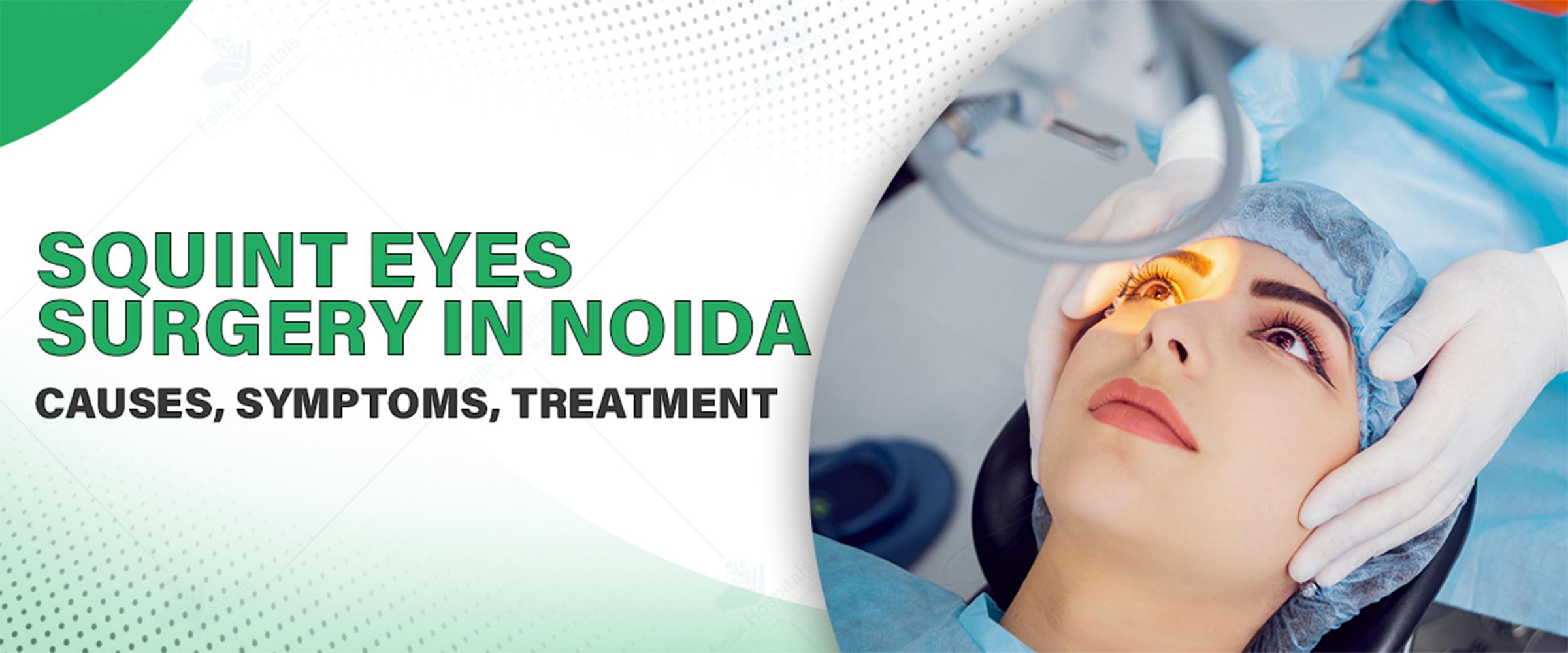
Squinting, or strabismus, can make it harder to see clearly, which is important for a good quality of life at any age. It can also affect your confidence and even your long-term eye health. Finding expert care is important for families and people who are dealing with this issue. Choosing the right center for squint eye surgery in Noida and seeing a well-known squint specialist in Noida will not only improve your health, but it will also give you peace of mind throughout the process. Squint happens when the eyes are not lined up correctly. If not treated, this can lead to vision problems, lazy eye, or even social problems. Fortunately, new developments in eye care and specialized surgery make it possible to fix squint with great accuracy and very high success rates in Noida.
book an appointment with Best Eye Doctor In Noida. Call now at +91-9667064100.
Squint, also known as strabismus, is a condition in which both the eyes are unable to focus in the same direction at the same time. In such instances, while one eye may be able to focus on an object being observed, the second eye may turn inwards, outwards, upwards, or downwards at the same time.
This misalignment may be permanent or may appear on occasion. Squint is most typically seen in children; however, it can also manifest in adults. Most strabismus are the results of an abnormality of the neuromuscular control of eye movement. However, if left untreated it can lead to amblyopia, wherein the brain starts ignoring signals from the afflicted eye. Adult squints are often caused by secondary factors such as trauma, brain lesions, looking at a computer screen for long periods of time, etc., and their treatment differs from that of children.
Here is a quick checklist of how squints are classified:
Esotropia: in this case, one eye deviates inwards, towards the nose.
Exotropia: in this condition, the eye tends to deviate outwards.
Hypertropia: this condition leads to the eye deviating upwards.
Hypotropia: in this case the eye deviates downwards.
Constant squint – The squint is always present
Intermittent squint – The squint occurs occasionally
Manifest squint – The squint occurs when the eyes are open.
Latent squint – The squint occurs when the eyes are closed.
Concomitant squint – The angle of the squint remains same when seen from any direction.
Non-comitant squint – The angle of the squint varies according to the direction in which the eyes are turned.
Most squints appear during the first three years of life. However, some of them may also appear in older children and adults. The squints in older children and adults are usually caused by secondary reasons such trauma, injury, brain lesions, tumors, and more.
Here is an easy guide of symptoms of squints eye that can help you identify whether you or somebody you know is suffering from squint eye:
Eyes move independently of each other.
Crossed eyes
Double vision
Peripheral vision impairment or loss of vision in one eye
Depth perception issues
All cases where there are Signs of eye strabismus need a visit to the doctor, since they might signal a deeper underlying problem, such as a tumor in rare cases. However, if the squint progresses to amblyopia or lazy eye, it is essential to visit a doctor immediately.
Problems in the eye muscles or nerve damage are the most common causes of squint eye. When the muscles around the eye are weaker than other muscles, they are unable to coordinate and work together efficiently. As a result, when one eye is looking at an object, the other eye seems to be looking elsewhere.
In this scenario, the brain receives two different signals from each eye. The brain ignores the message from the weak eye. A squint eye is present at birth but may develop later due to eye injuries and general health conditions.
The major risk factors for squint eye include:
People who have experienced stroke or are affected with Down syndrome or cerebral palsy are more prone to developing a squint eye
People with hyperopia or far-sightedness are at a higher risk of developing a squint because of the extra strain they tend to put on their eyes to see clearly
People who have a family history of squint eye are more susceptible to getting afflicted
Poor vision in one eye
Hydrocephalus (a congenital disease that results in a buildup of fluid in the brain)
Head injuries, which can damage the area of the brain responsible for control of eye movement, the nerves that control eye movement, and the eye muscles
Neurological (nervous system) problems
Graves’ disease (overproduction of thyroid hormone)
Squint eye does not get cured on its own with the passage of time and requires medical intervention.
The prescription of glasses is the initial stage in squint correction. The doctor evaluates the squint after the spectacles have been worn. Based on age, the doctor may recommend patching the healthy eye if the patient has an amblyopia lazy eye. In the case of children, this strategy may result in the improvement of vision in the weaker eye by forcing the brain to receive signals only from the weaker eye. This treatment has been found to be successful for children under the age of 8.
Surgery in one eye may be required in other cases, and in case of major abnormalities, surgery may be required on both eyes. Most squint procedures produce a perfect cosmetic result.
Although amblyopia treatment outcomes in adults are not as promising as in children, most patients gain considerably from prescription glasses. If the squint does not get cured even after a long period of time despite treatment, the doctor may suggest a surgery to correct the resultant double vision(diplopia) and deviation.
Squint treatments are done based on four strategies:
Glasses and myopia therapy for restoration and correction of vision
Correction of deviation for cosmetic purposes
Correction of deviation for preservation and restoration of binocular vision
Prevention of diplopia
Concerned about vision or appearance due to squint? Schedule a detailed evaluation at +91 9667064100 for expert advice.
Not only does effective squint treatment improve vision, it also boosts confidence and makes people feel more at ease in social situations. The first step toward getting your eyes in the best position and keeping them healthy is to find a qualified Squint specialist in Noida and get Squint eyes surgery hospital there. Patients of all ages in Noida can look forward to a better appearance, sharper vision, and a brighter, more focused future thanks to modern diagnostic tools and advanced surgical skills. Don't wait to get help—just call and get long-term solutions from experts.
Q.1. How soon should I consult a squint specialist in Noida for my child?
Ans. If you notice persistent eye misalignment or crossed eyes anytime, early consultation is recommended to prevent vision problems.
Q.2. Can squint eyes lead to vision loss if untreated?
Ans. Yes, untreated squint can cause amblyopia (lazy eye), leading to permanent vision loss in the affected eye.
Q.3. Is squint surgery painful and how long is the recovery?
Ans. Squint surgery is generally painless under anesthesia, with recovery usually taking a few weeks depending on individual cases.
Q.4.Can adults with squint still benefit from correction?
Ans. Yes, adults can improve eye alignment and reduce double vision, although vision improvement varies by individual.

Eye flu, also known as conjunctivitis, is a common eye infection causing redness, irritation, and watering. Learn its causes, symptoms, and effective treatments.
The right ophthalmologist is a crucial step in your eye surgery journey
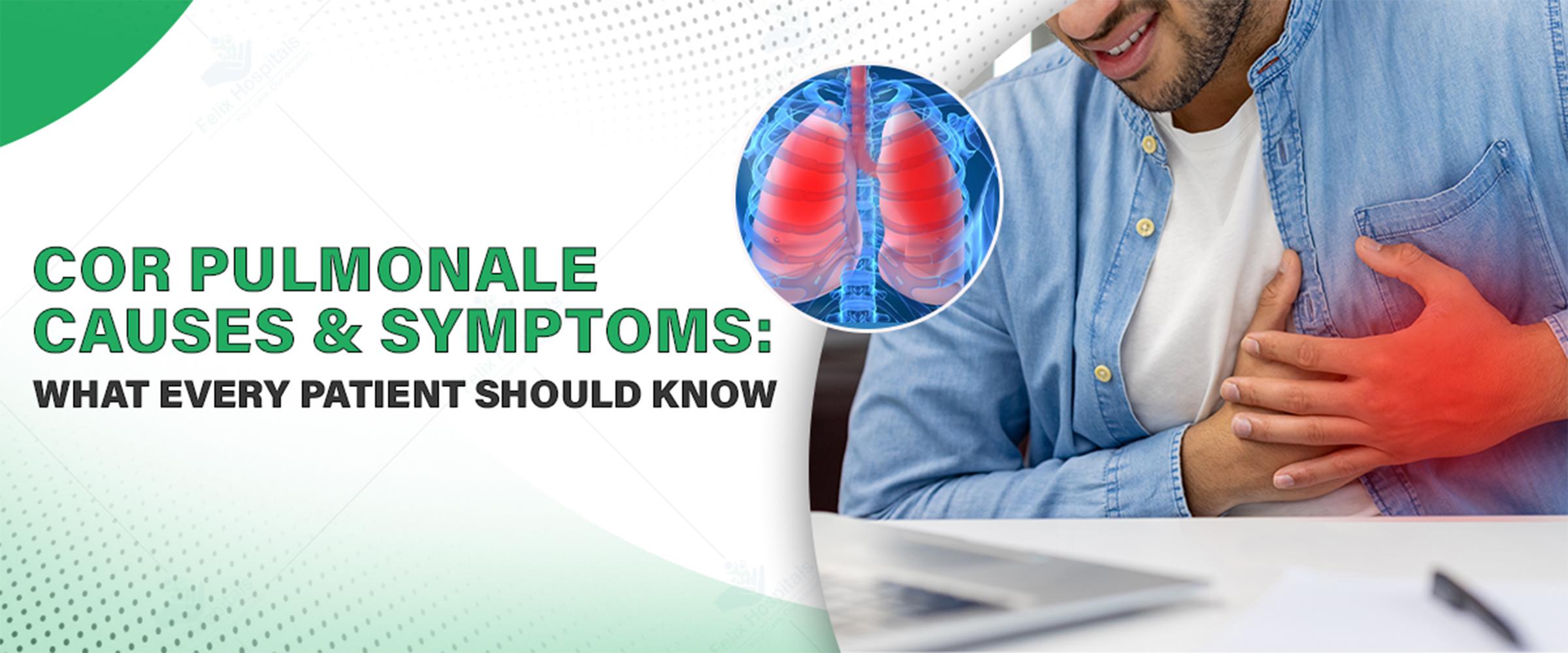
Cor Pulmonale is a serious disease of the heart that occurs when the heart has to work harder than usual as a result of higher-than-normal pressure in the lungs. With time, the heart gets damaged and the flow of the blood restricted, and a person may become tired, out of breath, and has swelling in the abdomen or lower extremities.
Even though normally it is ascribed to chronic lung conditions such as COPD (Chronic Obstructive Pulmonary Disease), asthma, or pulmonary hypertension, Cor Pulmonale may also arise as a sequel to prolonged oxygen deprivation. Knowing its symptoms, causes, and treatment can prevent patients from gaining timely treatment and succumbing to potentially life-terminating complications.
If you or your loved one has been diagnosed with heart problems related to lungs, seeking advice from experts who provide cor pulmonale treatment in Noida can help significantly in gaining long-term relief and a healthy life.
To consult expert pulmonology and cardiology consultants in Noida for complete Cor Pulmonale treatment and care, call +91 9667064100.
The Latin phrase Cor Pulmonale, or "heart of the lungs," indicates right-sided heart failure that develops as a complication of lung disease or disease which raises pulmonary arterial pressure.
Generally, the right ventricle of the heart pumps the blood to the lungs to get oxygenated. If lungs become stiff or if the pulmonary vessels become tight, the heart must exert a higher force to pump. This accelerates thickening and enlargement of the right ventricle — a typical presentation of Cor Pulmonale.
If left unchecked, it advances to chronic right heart failure, which may not only affect the lungs and heart but other organs too, including the liver and the kidneys.
Cor Pulmonale does not occur overnight. It usually sets in as a complication of chronic lung or respiratory disease that involves oxygen exchange. Listed below are some key causes:
Most frequent cause of Cor Pulmonale, COPD decreases oxygen levels and leads to airway obstruction, which makes the right heart to work harder.
Elevated arterial pressure in the lungs creates resistance to the flow that acts to stimulate the right ventricle.
Illnesses that increase the stiffness of lung tissue, as in sarcoidosis or pulmonary fibrosis, cause it to become hard for the blood to flow normally.
Sleep apnea refers to recurrent breathing pauses that lead to episodic oxygen deprivation, which over time destroys the heart and lungs.
Bleeding that clots and embolizes a large pulmonary artery can significantly increase the pressure in the right side of the heart.
Even extended residence in high altitudes, in which the oxygen content is less, may cause chronic pulmonary hypertension and thus Cor Pulmonale.
Structural issues like extreme kyphosis or scoliosis may compact the lungs and make breathing difficult, which places a strain on the heart.
All are susceptible who have a chronic respiratory disease, but susceptibility rises if:
Tobacco use or passive smoke exposure individuals
Individuals that have Untreated sleep apnea
Individuals who reside in regions of heavy air pollution
Chronically bronchitic or asthmatic patients
Those working in dusty or chemical-heavy environments
Participants with congenital heart disease or pulmonary disease
If you fall into these groups of risk, regular visits to cor pulmonale doctors in Noida may provide a heads-up earlier when the disease may become serious.
There are usually slow-onset symptoms of Cor Pulmonale which are confused as ordinary tiredness or breathing issues. It is, therefore, important to identify them early.
Common symptoms are:
Extended shortness of breath, despite sitting motionless
Weakness or lassitude following minimal activity
Swelling in the legs, ankles, or abdomen
Chest tightness or pain
Bluish-tinged lips or fingers
Abnormal heartbeats
Fainting or lightheadedness
In more serious cases, other signs are rapid weight gain due to water retention and decreased urine production.
Diagnosis requires clinical assessment, imaging, and functional testing. Doctors normally carry out the following:
The physician can check for fluid accumulation, swelling, and heart sound variation.
They are effective to measure oxygen and carbon dioxide, and to exclude other cardiovascular diseases.
The device detects abnormal heart rhythms and signs of right ventricular strain.
Based on sound waves, assesses heart structure, and function, confirming right ventricular enlargement or thickening.
Indicates disease of lungs or enlargement of heart.
Test how well the lungs inhale and exhale air, which can indicate problems in the lungs.
A special test to gauge the pulmonary arteries' internal pressure — the most conclusive method to diagnose Cor Pulmonale and pulmonary hypertension.
Although Cor Pulmonale can never be reversed, it may be controlled and retarded in its progress if it has been correctly diagnosed and treated.
The first step, therefore, is to treat the root — if COPD, sleep apnea, or pulmonary hypertension.
Supplementary oxygen decreases pulmonary artery pressure and decreases the workload for the heart.
Doctors can prescribe:
Diuretics to treat fluid accumulation
Vasodilator to Reduce Pulmonary Pressure
Anticoagulants to avoid clotting of Blood
Bronchodilators to improve airflow
Patients are recommended to:
Quit smoking
Avoid air pollutants and high altitudes
Follow a balanced, low-sodium diet
Have some light exercise as advised by a doctor
In extremely rare, late-stage situations when other treatment fails, surgery or transplant of the lungs may be a possibility.
For highly specialized assessment and follow-up care, patients may consult specialist advice from the Pulmonary Heart Disease Hospital in Noida that has sophisticated diagnostic and rehabilitative facilities.
Prevention requires the retention of healthy lungs and avoidance of disease conditions which induce pulmonary hypertension:
Treat asthmatic, COPD, or other respiratory disease with regular follow-up visits
Beware of prolonged exposure to fumes, dust, and allergens
Treat sleep apnea now
Get a vaccine against lung diseases such as pneumonia and flu
Exercise deep breathing or yoga to build lung strength
The earlier you diagnose lung diseases, the higher the chances of avoiding heart issues in the future.
Cor Pulmonale treatment consists of patient care and medical care. Following are a few of the things that can be of assistance:
Take daily weigh to measure fluid accumulation
Manage a low-sodium consumption to prevent bloating
Administer oxygen therapy as prescribed
Be energetic but don't overwork yourself
Follow up every day or two to have heart and lung function checked.
If you are experiencing recurring shortness of breath, lethargy, or lower extremity swelling, it is time to have yourself checked out by professionals.
Cor Pulmonale is a serious yet controllable disease when diagnosed in time and treated properly. Here lies the key: knowing the cause, the symptoms, and treating possible pulmonary issues. Patients can live comfortable and productive lives despite the diagnosis with prompt medical attention, modification of lifestyles, and constant adherence to treatment.
In case you feel short of breath, or swelling on the legs, or chest pain; do not ignore these, especially when it comes to you or your acquaintances. Treatment started earlier can prevent further lung and heart damage and make a real difference in the long term.
Q.1. Can cor pulmonale be cured completely?
Ans. Although Cor Pulmonale is generally a chronic condition, treatment of the root cause can manage symptoms and avoid progression. Early diagnosis provides the best results.
Q.2. What are the first signs of Cor Pulmonale?
Ans. Early symptoms are the ongoing breathlessness, lethargy, and swelling of ankles, and these may slowly increase throughout life.
Q.3. Do you treat Cor Pulmonale with lifestyle changes?
Ans. Yes. Stopping smoking, a healthy balanced diet, a healthy weight, and daily exercise under the guidance of a doctor can reduce demands on the heart.
Q. 4. When to Screen for Cor Pulmonale?
Ans. All individuals with chronic lung disease, COPD, sleep apnea, or pulmonary hypertension have to undergo regular cardiac evaluation.

A pulmonologist plays a crucial role in helping patients dealing with serious or chronic breathing difficulties.
Abnormal cycles are a recognized issue to most women as this can usually be an indicator of hormonal imbalances or reproductive health problems. It is necessary to timely receive medical treatment and avoid complications and re-establish menstrual health. Patients in Noida are able to receive specialized treatment by the expert providers who are able to offer comprehensive solutions to the needs of patients. The gynecologist for irregular periods Treatment in Noida at premier healthcare centers uses advanced diagnostics and evidence-based treatment approaches to help patients regain cycle regularity and overall well-being.
Choosing a reputed best hospital for menstrual health in Noida ensures access to multidisciplinary support, including hormonal therapy, lifestyle counseling, and where needed, surgical interventions. Individualized treatment in these centers does not only solve the symptoms, but also equips the patients with knowledge and resources to manage menstrual diseases in the long term. In the case of women with irregular or heavy periods, early consultation would make a significant difference in the outcomes and fertility planning.
Worried about how stress is impacting your menstrual cycle? Speak with a specialist today. Call +91 9667064100 to book your consultation now.
Stress is a psychological and physiological response to changes in your environment, which could be emotional, physical, social, or cultural
Not all stress is negative. Activities of daily life that intentionally cause short-term stress, such as exercise, can actually have positive health effects .
When most people talk about stress, however, they are usually referring to chronic and/or negative forms of stress, such as having too many demands at school or work, or the death of a loved one .
Stress from extreme or traumatic situations has been linked to changes in the menstrual cycle. Stress and menstrual cycle are related to disorders including painful periods, heavy periods, and amenorrhea (no periods) . Some research has found that early life exposure to famine may be related to premature ovarian failure and earlier age of menopause.
Recent research has investigated How stress affects your period leading to Infrequent periods, irregular periods, and heavy or prolonged periods have all been explored in relation to the pandemic. However, more in-depth high-quality research is needed to determine the extent of these impacts.
Stress activates a hormonal pathway in the body called the hypothalamic-pituitary-adrenal (HPA) axis. This activation can increase levels of cortisol and corticotropin-releasing hormone (CRH). The HPA axis, cortisol, and CRH help control stress response in the body. CRH and cortisol release can decrease the production of reproductive hormones, potentially leading to abnormal ovulation, anovulation (i.e. no ovulation), or amenorrhea.
A recent systematic review found that higher levels of psychological stress were associated with irregular periods. However, there was not a consistent relationship between stress and cycle length. Higher levels of stress were linked to both shorter and longer menstrual cycles.
The studies may be conflicting because the stress of study participants may not have been equal. Furthermore, definitions of abnormal cycle lengths differ between the studies and rely heavily on self-reported data from participants, which can be more subjective. It’s also possible that different people respond to stress exposure in different ways.
High levels of stress may be linked to atypical period flow for some people . However, it may be that only certain types of stress affect menstrual flow. For example, stress associated with the COVID-19 pandemic has been linked to heavier period flows . One study of female athletes found that those with higher levels of perceived stress experienced more frequent heavy menstrual bleeding . However, academic stress does not seem to make periods heavier.
Once again, this conflicting data may reflect that there are many different types of stress, that each person’s body may respond differently, and that more research is needed in this area. Tracking your own experiences in the Clue app can help you identify your own unique trends.
High levels of stress might increase the perception of pain in general. Dysmenorrhea (painful periods) is more commonly reported among people with higher levels of self-reported stress . However, the intensity of period cramps may change depending on which type of stressor you experience. For example, exercise has a protective effect against dysmenorrhea . Some female athletes report less intense period cramps despite higher levels of stress .
The different effects of stress may be, in part, due to timing. Higher reported stress during the follicular phase (from the first day of menstruation until ovulation) has been associated with changes in typical reproductive function. In one recent study, those reporting pre-ovulatory stress (during the follicular phase) were less likely to become pregnant as compared to those not reporting stress during the same time. This also gives the answer to Can stress delay periods .
You should see a doctor if :
You have not had a period in more than three months
You feel that your stress is impacting your physical or emotional health
You experience menstrual changes including irregular cycles, changes in menstrual flow, or increased pain with periods
You feel that you are unable to eat or sleep because of changes in your mood
Stress that causes long-term changes in your mood or sleep or that causes chronic physical pain may be serious. If you are experiencing high levels of chronic stress, you may want to consider speaking to your healthcare provider.
The effect of stress on menstruation is big although Stress may be a part of life, but there are things that you can do to help manage your symptoms during times of hormonal changes.
Exercise: Regular physical activity may have a protective effect against the negative impacts of stress and improve resilience against future stressors .
Sleep: Sleep deprivation is linked to changes in reproductive function . Adults need around seven hours of sleep per night for optimal health . Getting enough sleep can help reduce stress and improve physical and mental health.
Social engagement: People who report more social connectedness may have lower levels of chronic stress and experience fewer health consequences .
Mindfulness: Regular mindfulness practice may help to reduce a person’s reactivity to stressful situations .
Magnesium: People who are prone to anxiety may experience a reduction in stress by taking a magnesium supplement . However, more research is needed.
Relaxation exercises: Progressive muscle relaxation and deep breathing may promote relaxation and stress reduction. Note that more research is needed.
For some people, stress that fluctuates throughout the cycle may be a sign of something else going on. Premenstrual syndrome (PMS) is a pattern of physical and emotional changes in the days leading up to your period. Some symptoms include irritability, headaches, trouble sleeping, and digestive issues .
Learn effective stress management strategies that can improve your periods. Schedule your appointment at +91 9667064100 today.
Treatment of irregular menstrual cycles involves specialized assessment, proper diagnosis, and treatment depending on the patient and these are all available through the best centers in Noida. The gynecologist for irregular periods in Noida collaborates with a wider health team to tailor treatments based on each woman's unique condition. Irregular periods can be improved significantly in most cases with the help of proper medical interventions whether due to hormonal changes, PCOS, thyroid disorders or lifestyle.
As a leading provider in the region, the best hospital for menstrual health in Noida offers the latest therapies, advanced diagnostics, and holistic care to restore menstrual balance effectively. Women should be advised to control their reproductive health by asking the specialists at an early age, conforming to prescribed lifestyle changes, and taking prescribed treatment options. Through a committed effort, irregularity no longer has to be a cause of reduced quality of life or a lower fertility desire.
Q.1. What is the reason behind uneven menstrual cycles in women?
Ans. The irregular periods can be because of hormonal disruptions, PCOS, thyroid, stress, or lifestyle.
Q.2. What about irregular periods diagnosis?
Ans. Diagnosis consists of medical history, physical examination, blood, and imaging, such as pelvic ultrasound.
Q.3. Is it possible to use lifestyle modifications to increase irregular periods?
Ans. Yes, it is possible to control weight, stress, diet, and exercise to control menstrual cycles.
Q.4. Can hormonal treatments be used in planning pregnancy?
Ans. Hormone treatment is safe, and it is customized to the needs of an individual, under specialist treatment.
Q.5. At what time should I visit a doctor because of irregular periods?
Ans. When the cycles are irregular in more than three months or are characterized by excessive bleeding or pain
Understanding the symptoms, and knowing the different types of heart diseases are crucial for effective prevention and management.
Exploring the Best IVF hospital in Noida for expert fertility treatments. Felix Hospital IVF is dedicated to helping couples achieve their dream of parenthood with advanced fertility treatments, latest technology, and compassionate care


Subscribe to our
© Copyright 2026. All Rights Reserved by Felix Healthcare Private Limited
Design and development by :


 +(91)9667064100
 Emergency : +(91)9667064100