 WhatsApp
 Emergency:
  WhatsApp










Subscribe to our
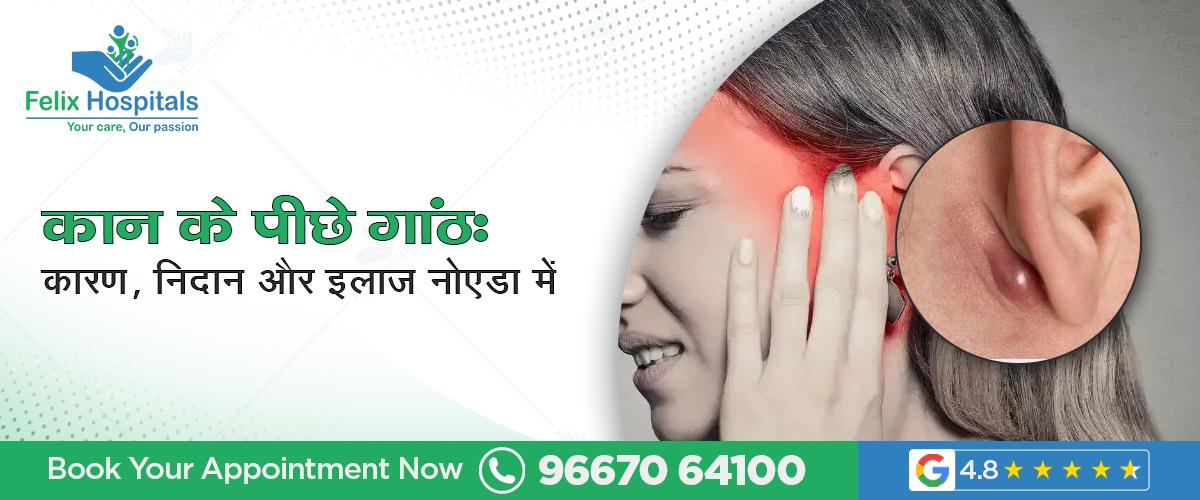
हमारे शरीर में जब भी कोई असामान्यता महसूस होती है, तो चिंता स्वाभाविक है — खासकर तब, जब बात सिर, कान या गर्दन के हिस्से की हो। कान के पीछे गांठ (Lump behind the ear) ऐसी ही एक समस्या है, जो अक्सर लोगों को परेशान कर देती है। यह छोटी या बड़ी हो सकती है, दर्द रहित या दर्द के साथ भी हो सकती है। कई बार यह मामूली इंफेक्शन के कारण होती है, तो कुछ मामलों में यह गंभीर बीमारी का संकेत भी हो सकती है।
अगर आप नोएडा या आसपास के क्षेत्र में रहते हैं और कान के पीछे सूजन या गांठ महसूस कर रहे हैं, तो सबसे पहले घबराएं नहीं। समय पर जांच और उचित इलाज से इस समस्या को आसानी से ठीक किया जा सकता है। शुरुआती सलाह के लिए आप किसी ENT डॉक्टर नोएडा (ENT Doctor Noida) से संपर्क कर सकते हैं।
कान के पीछे गांठ का सही इलाज पाने के लिए आज ही अपॉइंटमेंट बुक करें। कॉल करें: +91 966764100.
कान के पीछे गांठ बनने के कई कारण हो सकते हैं। कुछ अस्थायी होते हैं, जबकि कुछ कारण लंबे समय तक बने रहते हैं। नीचे इसके प्रमुख कारण दिए गए हैं —
कान, गले या खोपड़ी के आसपास के संक्रमण की वजह से कान के पीछे सूजन या छोटी गांठ बन सकती है। यह लिम्फ नोड्स (Lymph Nodes) के सूजने के कारण होता है, जो शरीर की इम्यून सिस्टम का हिस्सा हैं।
यह त्वचा के नीचे बनने वाली एक सामान्य प्रकार की गांठ होती है, जो तेल ग्रंथियों के ब्लॉकेज की वजह से बनती है। आमतौर पर यह दर्द रहित होती है और धीरे-धीरे बढ़ती है।
लिपोमा एक नरम और चलायमान गांठ होती है जो वसा ऊतक (fat tissue) से बनती है। यह हानिरहित होती है और सामान्यतः किसी गंभीर समस्या का कारण नहीं बनती।
कान के पीछे की त्वचा पर फोड़ा या पिंपल बन जाने से भी वहां सूजन या गांठ महसूस हो सकती है। यह आमतौर पर बैक्टीरियल संक्रमण के कारण होती है।
जब गले में संक्रमण होता है, तो गर्दन और कान के आसपास के लिम्फ नोड्स सूज सकते हैं। इससे कान के पीछे गांठ महसूस हो सकती है, जो आमतौर पर संक्रमण के ठीक होने के बाद खुद ही घट जाती है।
कभी-कभी कान के पीछे गांठ का कारण ट्यूबरकुलोसिस (TB) या अन्य गंभीर संक्रमण भी हो सकते हैं। ऐसी स्थिति में डॉक्टर की सलाह तुरंत लेनी चाहिए।
गांठ की स्थिति, आकार और कारण के अनुसार लक्षण अलग-अलग हो सकते हैं। नीचे कुछ सामान्य लक्षण दिए गए हैं —
कान के पीछे सूजन या उभार
गांठ को छूने पर दर्द या गर्माहट महसूस होना
त्वचा का लाल होना
कान में भारीपन या दर्द
बुखार या थकान (संक्रमण के मामलों में)
गांठ का धीरे-धीरे बड़ा होना
अगर गांठ तेजी से बढ़ रही है या लंबे समय तक बनी हुई है, तो यह संकेत हो सकता है कि समस्या साधारण नहीं है और आपको तुरंत चिकित्सकीय जांच करवानी चाहिए।

ENT डॉक्टर नोएडा में इस तरह के मामलों की जांच के लिए पहले शारीरिक परीक्षण किया जाता है। डॉक्टर गांठ के आकार, बनावट और उसकी स्थिति को देखकर प्रारंभिक अनुमान लगाते हैं। इसके बाद सटीक कारण जानने के लिए कुछ जांचें की जाती हैं, जैसे —
ब्लड टेस्ट (Blood Test): संक्रमण या सूजन का पता लगाने के लिए।
अल्ट्रासाउंड (Ultrasound): गांठ के अंदर तरल पदार्थ या ठोस ऊतक की जांच के लिए।
FNAC (Fine Needle Aspiration Cytology): सूक्ष्म जांच के लिए गांठ से तरल निकालकर लैब में भेजा जाता है।
बायोप्सी (Biopsy): यदि गांठ लंबे समय तक बनी रहे या आकार में बढ़ती रहे, तो बायोप्सी की जाती है ताकि कैंसर जैसी संभावनाओं को दूर किया जा सके।
इलाज हमेशा कान के पीछे गांठ के कारण पर निर्भर करता है। सामान्यतः निम्नलिखित उपचार अपनाए जाते हैं —
यदि गांठ संक्रमण के कारण बनी है, तो एंटीबायोटिक्स, एंटी-इंफ्लेमेटरी दवाओं और दर्द निवारक दवाओं से इसे ठीक किया जा सकता है।
अगर गांठ बड़ी है या बार-बार बन रही है, तो सर्जरी के ज़रिए इसे हटाया जा सकता है। यह प्रक्रिया सरल होती है और स्थानीय एनेस्थीसिया के तहत की जाती है।
डॉक्टर इसे ड्रेन (drain) कर सकते हैं ताकि मवाद बाहर निकल जाए और सूजन कम हो सके। इसके बाद एंटीसेप्टिक दवाएं दी जाती हैं।
अगर गांठ ट्यूमर या टीबी जैसी बीमारी के कारण बनी है, तो इलाज विशेषज्ञ डॉक्टर की निगरानी में किया जाता है, जिसमें दवा और सर्जरी दोनों शामिल हो सकते हैं।
नोएडा में इस तरह की समस्याओं के लिए आधुनिक उपकरणों और अनुभवी चिकित्सकों की सहायता से उपचार आसानी से उपलब्ध है। यदि आप लंबे समय से कान के पीछे गांठ का इलाज नोएडा में खोज रहे हैं, तो किसी योग्य ईएनटी विशेषज्ञ से अपॉइंटमेंट लें और उचित जांच करवाएं।
हालांकि हर प्रकार की गांठ को रोका नहीं जा सकता, लेकिन कुछ सावधानियाँ अपनाकर आप संक्रमण या त्वचा संबंधी समस्याओं से बच सकते हैं:
कान और उसके आसपास की त्वचा को साफ रखें।
किसी भी तरह की पिंपल या फोड़े को खुद से न फोड़ें।
अगर कान या गले में संक्रमण हो, तो समय पर इलाज करवाएं।
स्वस्थ आहार और पर्याप्त पानी पीने की आदत रखें।
तनाव कम करें और पर्याप्त नींद लें, ताकि शरीर की इम्यूनिटी मजबूत बनी रहे।
आपको तुरंत डॉक्टर से मिलना चाहिए यदि —
गांठ 2 हफ्ते से ज्यादा बनी रहे।
गांठ में लगातार दर्द या तेज सूजन हो।
गांठ के आकार में तेजी से बदलाव हो।
बुखार, वजन घटना या थकान जैसे लक्षण दिखें।
याद रखें, समय पर की गई जांच और इलाज से किसी भी गंभीर स्थिति से बचा जा सकता है। इसलिए लापरवाही न करें।
कान के पीछे गांठ को नजरअंदाज न करें — शुरुआती चरण में जांच से सही इलाज तय किया जा सकता है। अभी अपॉइंटमेंट बुक करें: +91 9667164100।
कान के पीछे गांठ आमतौर पर साधारण कारणों से होती है, जैसे कि सूजी हुई लिम्फ नोड्स, सिस्ट या इन्फेक्शन, लेकिन कुछ मामलों में यह गंभीर भी हो सकती है। सही निदान और इलाज से अधिकांश मरीज पूरी तरह स्वस्थ हो जाते हैं।
अगर आप नोएडा में रहते हैं और इस समस्या से जूझ रहे हैं, तो तुरंत नोएडा में सर्वश्रेष्ठ ईएनटी अस्पताल से परामर्श करें। नोएडा में कई बेहतरीन ईएनटी अस्पताल और क्लिनिक उपलब्ध हैं जो आधुनिक तकनीक और अनुभवी डॉक्टरों की टीम के साथ कान, नाक, गले से जुड़ी हर समस्या का सटीक इलाज करते हैं।
समय पर उपचार और उचित देखभाल के साथ, यह समस्या पूरी तरह से ठीक हो सकती है। याद रखें — किसी भी तरह की असामान्यता को नजरअंदाज न करें, क्योंकि शुरुआती जांच ही सबसे प्रभावी इलाज की दिशा तय करती है।
1. क्या कान के पीछे गांठ हमेशा खतरनाक होती है?
नहीं, हर कान के पीछे गांठ खतरनाक नहीं होती। कई बार यह संक्रमण, सीबेसियस सिस्ट या लिम्फ नोड्स के सूजने के कारण बनती है, जो दवा से ठीक हो जाती है। लेकिन अगर गांठ लंबे समय तक बनी रहे या बढ़ती जाए, तो डॉक्टर को जरूर दिखाएं।
2. कान के पीछे सूजन या दर्द क्यों होता है?
कान के पीछे सूजन आमतौर पर संक्रमण, एलर्जी, या लिम्फ नोड्स की सूजन के कारण होती है। अगर सूजन के साथ दर्द, बुखार या त्वचा लाल हो जाए, तो यह संक्रमण का संकेत हो सकता है और तत्काल उपचार आवश्यक है।
3. क्या कान के पीछे बनी गांठ अपने आप ठीक हो सकती है?
हाँ, अगर गांठ किसी हल्के संक्रमण या पिंपल के कारण बनी है, तो यह कुछ दिनों में अपने आप ठीक हो सकती है। लेकिन अगर गांठ बढ़ रही है, कठोर है या दर्द के साथ बनी हुई है, तो विशेषज्ञ से परामर्श लें।
4. कान के पीछे गांठ का इलाज कैसे किया जाता है?
कान के पीछे गांठ का इलाज उसके कारण पर निर्भर करता है। संक्रमण के मामलों में एंटीबायोटिक दवाएं दी जाती हैं, जबकि सिस्ट या लिपोमा के लिए सर्जरी की आवश्यकता हो सकती है। नोएडा में अनुभवी ENT डॉक्टर नोएडा इस तरह की गांठों का सटीक निदान और उपचार करते हैं।
5. क्या कान के पीछे गांठ कैंसर का संकेत हो सकती है?
कभी-कभी, यदि गांठ कठोर, दर्द रहित और बढ़ती हुई हो, तो यह गंभीर बीमारी या ट्यूमर का संकेत हो सकती है। ऐसे मामलों में तुरंत जांच और बायोप्सी कराना जरूरी है ताकि सही निदान हो सके।
6. नोएडा में कान के पीछे गांठ के लिए कौन सा इलाज सबसे बेहतर है?
नोएडा में आधुनिक ENT क्लीनिकों में कान के पीछे गांठ का इलाज नोएडा उन्नत उपकरणों और विशेषज्ञ डॉक्टरों की देखरेख में किया जाता है। आप सुरक्षित, प्रभावी और व्यक्तिगत इलाज के लिए किसी विश्वसनीय ईएनटी विशेषज्ञ से संपर्क करें।
कान का दर्द कई कारणों से हो सकता है, जैसे संक्रमण, ईयरवैक्स, चोट या अन्य बीमारियां। सही समय पर इलाज से समस्या से राहत पाई जा सकती है।
ब्रेन फॉग मानसिक थकान और याददाश्त की कमजोरी का संकेत हो सकता है। जानिए इसके कारण, लक्षण और प्रभावी इलाज के तरीके जिससे दिमाग दोबारा तेज बने।

There has been a steep rise in hearing issues in the last 5 years. People who use earphones and headphones continuously for long duration are prone to become deaf.

Memory is one of the most important things the human brain does. It teaches us to learn, relate experiences and lead our independent lives. However, when memory begins to decline, it may be difficult for all the individuals who experience the memory, as well as the people who love them. Loss of name, appointments or familiar routes may not seem much of an issue initially but can in some cases be an indication of an underlying larger neurological issue that must be addressed immediately.
If you or someone close to you has been having trouble remembering things or forgetting things all the time, you shouldn't ignore the signs. Getting early care and evaluation from a skilled Neurologist in Noida can help figure out what's wrong and start the right treatment.
This detailed article will cover the causes, symptoms, diagnosis, and treatments for memory loss in Noida. It will also talk about things you can do to keep your brain sharp and healthy for the rest of your life.
Call +91 9667064100 today to get in touch with a reliable neurology hospital in Noida for expert evaluation and treatment options that are right for you.
Memory loss is not a disease on its own; it is a symptom that can be caused by a number of physical or mental factors. It's normal to forget things as you get older, but if you keep forgetting things or they get worse, it could mean that something is wrong with your brain.
If you forget things after a stressful day or not getting enough sleep, that's normal. But if it gets in the way of your daily life, like keeping track of your money or remembering people's names, you should see a professional. If you go to a well-known Neurology hospital in Noida, a specialist can help you figure out if the problem is temporary or related to neurological disorders like Alzheimer's or dementia.
There are many things that can cause memory loss, from lifestyle choices to serious brain diseases. These can help you figure out the best way to treat someone.
Chronic stress and anxiety release a lot of cortisol, which is a hormone that makes it harder for the brain to remember and process information. This can make it harder to remember things and focus over time.
When you sleep your brain puts together information and records them in the long-term memory. These processes do not perform effectively when you lack enough sleep, thus can lead to forgetting things, being lost, and lack of ability to learn new things.
Folate and B12 are two vitamins that are very important for brain health. A lack of it can hurt nerves and make it hard for brain cells to talk to each other, which can lead to memory problems.
Depression can look like memory loss. Someone might feel disconnected, uninterested, or unable to focus, all of which make it hard to remember things. Treating depression often makes your brain work better.
Some allergy, sleep, or high blood pressure medications can make you forget things for a short time. If you start to forget things after getting a new prescription, you should see a doctor.
Even mild traumatic brain injuries can hurt parts of the brain that are in charge of making memories. The effects can last for a short time or a long time, depending on how bad they are.
Alzheimer's, Parkinson's, stroke, and vascular dementia are some diseases that can cause memory loss to get worse over time. Getting help early at a Neurology hospital in Noida can help you deal with these problems more effectively.
It's normal to forget things from time to time, but some signs may mean the problem is more serious. If you or a loved one has any of the following, it's time to see a doctor:
Often forgetting names, appointments, or how to get to places you know.
Asking the same questions or telling the same stories again and again in a short amount of time.
Having trouble with everyday tasks or keeping track of money.
Being confused about time, place, or people.
Putting things in the wrong place and blaming other people for stealing them.
Changes in mood, personality, or social behavior
Hard to understand language or keep up with conversations.
You should never think of these signs as "just getting older". The sooner you see a neurologist in Noida, the better your chances are of slowing the disease's progression and improving your quality of life.
The diagnosis process is very detailed and tailored to each person. A neurologist usually takes a few steps to figure out what is wrong. A thorough medical history:
Knowing your own and your family's medical history, medications, and lifestyle choices.
Physical and neurological exam: looking at reflexes, coordination, and how well the brain works.
Cognitive and Memory Tests: It is a test that identifies the duration of attention, effectiveness of solving problems, effectiveness of remembering things, and effectiveness to understand things.
Blood Tests: To determine whether or not you are deficient, infected, and have thyroid problems or other issues with your entire body.
Structural changes: stroke, brain tumor or brain shrinkage can be detected by brain imaging (CT/MRI) and is associated with dementia.
Psychological Assessment: This assists in distinguishing between stress induced memory problems which are due to anxiety or depression.
Once the cause has been identified, the doctor recommends a treatment plan which is in accordance with the need of the patient.
The way memory loss is treated depends on whether it can be fixed or is caused by a long-term neurological condition. Fortunately, medical advances have made it possible to handle even the most complicated causes well.
Neurologists may give people with Alzheimer's or Parkinson's medications that help nerves talk to each other and slow down cognitive decline. Antidepressants or anti-anxiety drugs can help people who are depressed or anxious get their memory and focus back.
When a person is lacking in vitamins or not eating well, doctors suggest making changes to their diet or taking supplements. It is known that foods high in omega-3 fatty acids, vitamin B12, and antioxidants can improve brain function and slow down the aging of the brain.
This therapy helps people get back their mental skills, like remembering things, planning, and solving problems. It works especially well for people who are recovering from strokes or brain injuries.
Making small changes to your daily life can often make a big difference in the health of your brain. Regular physical activity, staying hydrated, and doing mental exercises like reading or puzzles all help your brain work better.
Counseling and therapy can help a lot if emotional stress or depression is making you forget things.
Sometimes, memory loss is a sign of diabetes, thyroid problems, or infections. These underlying problems are normally resolved so that the memory problems are resolved as well.
This is because of availability of modern neurological units and qualified doctors that have allowed patients in Noida to access individualized memory loss treatment depending on their needs and recovery goals.
You must do something to ensure that your brain is not neglected or you will forget things. These are the main tips that can help you maintain a sharp mind even in old age:
Eat well: Consume foods that are good in your brain such as fish, berries, nuts and green vegetables.
Exercise: Exercising on a daily basis enhances the development of the neurons and also improves blood circulation to the brain.
Keep Learning: Try new hobbies, languages, or puzzles to keep your brain active and improve your memory.
Get Enough Sleep: To help your brain heal, try to get 7–8 hours of good sleep each night.
Be Socially Active: Conversing with other individuals makes your brain active and thus keep your mind alert.
Stress: Stress can be managed with a bit of yoga, meditation or deep breathing to keep your mind clear and concentrated.
Intake of Alcohol & Smoking: Smoking is bad and drinking is bad. These behaviors suffocate the brain and damage nerve cells.
By making these practices a part of your everyday routine, you will be able to keep your mind sharp, and your thinking capacities sound well into old age.
When you realize that your forgetfulness is worsening and it is impacting your life in a daily basis, then you should visit a neurologist at Noida.
Not being able to recognize people or places you know.
Sudden speech problems or confusion.
Changes in personality or more irritability.
Not being interested in things you used to like.
Early consultation guarantees prompt diagnosis and aids in decelerating disease progression via efficient medical management.
It can be hard to deal with memory loss, but with time, care, and the right support system, people can still live happy lives. Families and caregivers are very important for giving comfort and keeping things organized. Some helpful strategies are:
Using tools like notes, alarms, and smartphone apps to remind you.
Maintaining routines every day so as not to be confused.
Being easygoing and not distracted.
Providing emotional support and encouragement.
Participation in social activities and cognitive training.
When properly attended to and treated with care and compassion, patients can significantly enhance their mental state and comfort level.
Book an appointment with the senior neurologists in a well-known neurology hospital provide individual care. Please call +91 9667064100.
People forget easily due to numerous causes some of them being short-term and simple to cure, others are complex and long-term. The keys are early diagnosis, timely diagnosis, and medical consultation. Professional assessment ensures that you receive appropriate care at the appropriate time either due to a transient problem caused by stress or a neurological disorder such as dementia.
Going to specialists in a well-known Neurology hospital in Noida will allow you to receive the complete diagnosis and the treatment plan, created specifically around you. Doctors, cognitive therapies, and lifestyle changes can significantly enhance the functioning of the brain of patients and delay the further memory loss.
Remember that your brain requires all the care it is receiving as much as any other organ of your body. Forgetfulness or confusion should not be disregarded. Meet a neurologist in Noida immediately and take control of your mental health. A little care in remembering and avoiding difficulties can help a lot in ensuring your memory is safe.
Q.1. What are the most common things that make people forget things?
Ans. Stress, depression, lack of sleep, low levels of vitamin B12, and neurological disorders like Alzheimer's are all common reasons for memory loss.
Q. 2. Is it possible for young adults to forget things?
Ans. Yes. Young people can forget things for a short time if they don't get enough sleep, are anxious, or spend too much time on their phones.
Q. 3. Can memory loss be undone?
Ans. If stress, depression, or not getting enough nutrients is to blame, memory loss can often be fixed with the right care and treatment.
Q. 4. What do you do to treat memory loss?
Ans. The cause of the problem will determine the treatment, which could include drugs, changes to your daily routine, cognitive therapy, and taking care of any other health problems you may have.
Q. 5. When should I go to the doctor because I can't remember things?
Ans. See a neurologist right away if you forget things that make it hard for you to do everyday things or recognize people you know.

Experiencing tingling in your hands or feet? It could signal a nerve-related issue. Consult our expert neurologists at Felix Hospitals to find the cause and get the right treatment today.
Neurological disorders impact the brain, spine, and nerves, causing symptoms like headaches, seizures, or memory loss. Discover causes, treatments, and expert advice for better neurological care and management.

गर्भावस्था के दौरान कभी-कभी शिशु का स्वाभाविक रूप से समाप्त होना गर्भपात (Miscarriage) कहलाता है। यह शुरुआती 20 हफ्तों तक होता है। महिलाओं के लिए यह शारीरिक और मानसिक रूप से तनावपूर्ण अनुभव होता है। गर्भपात इलाज अस्पताल नोएडा में उपलब्ध है। समय पर पहचान और इलाज से आगे की जटिलताओं को रोका जाता है। नोएडा के अनुभवी महिला स्वास्थ्य विशेषज्ञ (Gynecologist in Noida) गर्भपात की रोकथाम और उपचार में मदद करते हैं।
अभी अपॉइंटमेंट शेड्यूल करें – कॉल करें: +91 9667064100.
गर्भपात तब होता है। जब गर्भ 20 हफ्तों से पहले किसी कारणवश समाप्त होता है। इसे प्राकृतिक रूप से होने वाला गर्भपतन (Spontaneous Miscarriage) भी कहते हैं। यह महिलाओं में शारीरिक और मानसिक रूप से चिंता का कारण बनता है। कई बार यह किसी गंभीर समस्या का संकेत नहीं होता है। लेकिन बार-बार होने पर चिकित्सकीय जांच आवश्यक होती है।
गर्भपात के सबसे आम कारणों में भ्रूण के क्रोमोसोमल असंतुलन शामिल हैं। जब अंडाणु या शुक्राणु के जीन में कोई गलती (mutation) होती है, तो भ्रूण का विकास सही ढंग से नहीं होता है। ऐसे मामलों में शरीर स्वयं गर्भ को समाप्त कर देता है क्योंकि भ्रूण सामान्य रूप से बढ़ नहीं सकता। यह अधिकतर शुरुआती गर्भावस्था (पहली 12 हफ्ते) में देखा जाता है और अक्सर यह प्राकृतिक सुरक्षा प्रक्रिया होती है।
महिलाओं में प्रोजेस्टेरोन हार्मोन की कमी गर्भाशय की दीवार को भ्रूण के लिए अनुकूल नहीं रहने देती, जिससे गर्भ ठहरने या टिकने में कठिनाई होती है। इसके अलावा थायरॉइड की समस्या, पीसीओएस (बहुगंठिय अंडाशय लक्षण) या प्रोलैक्टिन हार्मोन की अधिकता भी गर्भपात के जोखिम को बढ़ाती है। नियमित हार्मोन जांच और डॉक्टर की निगरानी में उपचार से इस कारण को नियंत्रित किया जा सकता है।
गर्भाशय की असामान्य संरचना, सेप्टम या फाइब्रोइड भ्रूण के विकास में रुकावट डालते हैं। इसके अलावा एंडोमेट्रियल ऐट्रोफी (गर्भाशय की अंदरूनी परत का पतला होना) या गर्भाशय में चिपकन भी गर्भ के ठहरने में बाधा बनती हैं। अक्सर ये स्थितियाँ पहले से ज्ञात नहीं होतीं और अल्ट्रासाउंड या हिस्टेरोस्कोपी (Hysteroscopy) द्वारा ही पता चलती हैं।
कुछ संक्रमण जैसे रूबेला, टॉक्सोप्लास्मोसिस, लिस्टेरिया, मलेरिया, यूटीआई या वायरल संक्रमण भ्रूण के लिए खतरनाक हो सकते हैं। इसके अलावा डायबिटीज, ऑटोइम्यून डिसऑर्डर या हाई ब्लड प्रेशर जैसी बीमारियाँ भी गर्भपात के जोखिम को बढ़ाती हैं। गर्भधारण से पहले महिला का पूर्ण स्वास्थ्य परीक्षण और संक्रमण से बचाव जरूरी होता है।
धूम्रपान, शराब का सेवन, कैफीन की अधिक मात्रा, और अत्यधिक तनाव गर्भधारण की स्थिरता को प्रभावित करते हैं> इसके अलावा प्रदूषित वातावरण, कीटनाशक, रासायनिक पदार्थों या रेडिएशन के संपर्क में आने से भी भ्रूण पर नकारात्मक असर पड़ता है। स्वस्थ जीवनशैली, संतुलित आहार और पर्याप्त विश्राम गर्भावस्था की सफलता में अहम भूमिका निभाते हैं।
कुछ दवाएं जैसे कैंसर की दवाएं, ब्लड प्रेशर या हार्ट की दवाएं, थैलेसिमिया या मिर्गी की दवाएं गर्भस्थ शिशु पर प्रतिकूल असर डाल सकती हैं। डॉक्टर की सलाह के बिना कोई भी दवा लेना खतरनाक होता है। गर्भधारण की योजना बनाने से पहले महिला को अपने चिकित्सक से परामर्श कर सभी दवाओं की समीक्षा करवानी चाहिए।

गर्भपात का सबसे पहला और आम संकेत योनि से रक्तस्राव है। यह हल्के धब्बों से शुरू होकर धीरे-धीरे तेज भी होता है। कभी-कभी भूरा या गाढ़ा लाल डिस्चार्ज भी दिखता है। जो गर्भाशय से निकल रहे पुराने खून का संकेत होता है। यदि रक्तस्राव लगातार बढ़ रहा हो या उसमें थक्के दिखाई दें, तो तुरंत डॉक्टर से संपर्क करना चाहिए।
गर्भपात के दौरान अक्सर निचले पेट में ऐंठन या मरोड़ जैसा दर्द महसूस होता है। यह दर्द कभी-कभी पीठ के निचले हिस्से तक फैलता है। मासिक धर्म (menstruation) के दर्द से ज्यादा तीव्र होता है। लगातार या बढ़ता हुआ दर्द इस बात का संकेत है कि गर्भाशय संकुचन कर रहा है और गर्भपात की संभावना होती है।
कई बार गर्भपात के दौरान भ्रूण, झिल्ली या प्लेसेंटा का स्राव योनि से निकल सकता है। यह स्राव साधारण डिस्चार्ज से अलग दिखता है। इसमें सफेद, गुलाबी या ग्रे रंग का मुलायम टिशू होता है। यदि ऐसा कोई पदार्थ दिखाई दे, तो उसे साफ कपड़े में सुरक्षित रखकर डॉक्टर को दिखाना जरूरी होता है ताकि सही जांच हो सके।
गर्भवती महिला को पहले जो मतली, थकान, स्तनों में कसाव या संवेदनशीलता जैसे लक्षण महसूस हो रहे हों, वे अचानक गायब हो जाएं, तो यह चेतावनी संकेत होता है। हॉर्मोनल स्तर में गिरावट गर्भपात की शुरुआत का संकेत दे सकती है। हालांकि हर मामले में ऐसा होना जरूरी नहीं, इसलिए किसी भी असामान्य बदलाव को नज़रअंदाज़ न करें।
गर्भपात के साथ शारीरिक कमजोरी, चक्कर आना या थकान महसूस होना आम है। महिला को मानसिक रूप से बेचैनी, उदासी या अचानक मूड बदलने जैसी भावनात्मक प्रतिक्रिया भी होती है। ऐसे समय में परिवार का सहयोग, भावनात्मक समर्थन और चिकित्सीय देखरेख बेहद जरूरी है।
स्वस्थ और संतुलित आहार अपनाएं:
ताजे फल, हरी सब्जियां, साबुत अनाज, प्रोटीन (दाल, पनीर, अंडा, मछली आदि) और कैल्शियम युक्त खाद्य पदार्थ नियमित रूप से लें। फोलिक एसिड, आयरन और विटामिन B12 से भरपूर आहार गर्भावस्था को मजबूत बनाता है। बाहर का तला-भुना, मसालेदार और दूषित भोजन खाने से बचें। दिन में थोड़ा-थोड़ा करके बार-बार खाना खाएं, ताकि ब्लड शुगर और ऊर्जा का स्तर संतुलित रहे।
तनाव कम करने की आदत डालें:
मानसिक शांति के लिए योग, ध्यान (मेडिटेशन) और गहरी सांस लेने के अभ्यास करें। परिवार या दोस्तों से बातचीत करें, अपनी भावनाएं साझा करें। नकारात्मक सोच और चिंता से बचने की कोशिश करें क्योंकि यह हार्मोनल असंतुलन पैदा कर सकता है।
सिगरेट, शराब और कैफीन से पूरी तरह दूरी रखें:
धूम्रपान और शराब भ्रूण के विकास पर सीधा नकारात्मक प्रभाव डालते हैं। अधिक कैफीन (चाय, कॉफी, कोल्ड ड्रिंक) का सेवन गर्भपात का खतरा बढ़ाता है। पासिव स्मोकिंग (किसी के पास बैठकर धुआं इनहेल करना) भी हानिकारक है।
पर्याप्त नींद और विश्राम जरूरी है:
हर दिन कम से कम 7–8 घंटे की गहरी नींद लें। दोपहर में थोड़ी देर आराम करने से शरीर को ऊर्जा मिलती है। सोने-जागने का समय नियमित रखें ताकि शरीर का जैविक चक्र संतुलित रहे।
शारीरिक गतिविधि में संतुलन बनाए रखें:
हल्का व्यायाम जैसे टहलना या प्रेगनेंसी योग लाभदायक है, लेकिन डॉक्टर की सलाह के बिना कोई नई गतिविधि न शुरू करें। भारी वजन उठाने, ऊंची छलांग लगाने या झटकेदार गतिविधियों से बचें। लंबे समय तक खड़े रहने या थकाने वाले काम से दूरी बनाए रखें।
स्वच्छता और संक्रमण से सुरक्षा:
व्यक्तिगत स्वच्छता बनाए रखें, रोज़ नहाएं और साफ कपड़े पहनें। कच्चे या अधपके मांस और अनपाश्चराइज्ड डेयरी उत्पादों से परहेज करें। संक्रमण से बचने के लिए हाथ बार-बार धोएं और भीड़भाड़ वाले इलाकों में जाने से बचें।
नियमित चिकित्सा परामर्श लें:
समय-समय पर डॉक्टर से चेकअप कराते रहें। किसी भी असामान्य लक्षण जैसे पेट दर्द, रक्तस्राव, चक्कर या कमजोरी को अनदेखा न करें। डॉक्टर की बताई दवाएं और सप्लीमेंट समय पर लें।
मॉनिटरिंग और आरामः
अगर गर्भपात का खतरा है, तो डॉक्टर आमतौर पर बेड रेस्ट और शारीरिक गतिविधियों में कमी की सलाह देते हैं। मरीज की स्थिति के अनुसार अल्ट्रासाउंड और ब्लड टेस्ट के जरिए भ्रूण की धड़कन और हार्मोन स्तर की निगरानी की जाती है।बेस्ट महिला स्वास्थ्य विशेषज्ञ नोएडा में उपलब्ध है। पर्याप्त नींद और मानसिक शांति इस स्थिति में बहुत जरूरी होती है। किसी भी प्रकार के भारी काम, यात्रा या तनाव से बचना चाहिए।
दवा और सपोर्टिव केयरः
डॉक्टर हार्मोनल थेरेपी (जैसे प्रोजेस्टेरोन सप्लीमेंट) देते हैं ताकि गर्भाशय की दीवार मजबूत रहे और भ्रूण को समर्थन मिले। दर्द निवारक दवाएं पेट या पीठ के दर्द को कम करने के लिए दी जाती हैं। संक्रमण से बचाव के लिए एंटीबायोटिक्स दी जा सकती हैं, विशेषकर अगर आंशिक गर्भपात हुआ हो। आयरन और विटामिन सप्लीमेंट शरीर की कमजोरी और रक्त की कमी को पूरा करते हैं।
अगर गर्भाशय में भ्रूण या प्लेसेंटा के अवशेष रह हैं, तो उन्हें निकालने के लिए डिलेशन एंड क्युरेटेज (D&C) प्रक्रिया की जाती है। कुछ मामलों में मेडिकल मैनेजमेंट द्वारा गर्भाशय को खाली करने के लिए विशेष दवाओं का प्रयोग किया जाता है। आधुनिक अस्पतालों में हिस्टेरोस्कोपिक प्रक्रिया का उपयोग किया जाता है, जिससे गर्भाशय को साफ करते समय चोट का जोखिम बहुत कम होता है। प्रक्रिया के बाद कुछ दिन तक हल्का रक्तस्राव या दर्द सामान्य होता है, जिसे डॉक्टर की सलाह के अनुसार नियंत्रित किया जाता है।
भावनात्मक और मानसिक सहायता:
गर्भपात केवल शारीरिक ही नहीं बल्कि मानसिक रूप से भी चुनौतीपूर्ण होता है। डॉक्टर या काउंसलर से बातचीत मानसिक स्थिरता और आत्मविश्वास लौटाने में मदद करती है। परिवार का भावनात्मक सहयोग इस समय बेहद जरूरी है। तनाव, अपराधबोध या अवसाद के लक्षण दिखने पर साइकोलॉजिकल थेरेपी या सपोर्ट ग्रुप से जुड़ना फायदेमंद होता है।
भविष्य की योजना और रोकथामः
दो या अधिक बार गर्भपात होने पर डॉक्टर क्रोमोसोमल टेस्ट, हार्मोनल जांच या गर्भाशय की संरचना की जांच (अल्ट्रासाउंड, एचएसजी) की सलाह देते हैं। यदि कोई बीमारी जैसे थायरॉइड, डायबिटीज या पीसीओएस पाई जाती है, तो उसका नियमित उपचार आवश्यक है। अगली गर्भावस्था की योजना डॉक्टर की सलाह के बाद ही बनानी चाहिए, ताकि शरीर और गर्भाशय पूरी तरह स्वस्थ हो जाएं। स्वस्थ जीवनशैली, पौष्टिक आहार और नियमित चिकित्सकीय निगरानी अगली गर्भावस्था को सुरक्षित बनाती है।
नियमित चिकित्सा जांचः
गर्भपात के बाद महिलाओं के लिए फॉलो-अप मेडिकल चेकअप बेहद जरूरी है, ताकि यह सुनिश्चित किया जा सके कि गर्भाशय पूरी तरह से साफ है और कोई संक्रमण नहीं हुआ है। डॉक्टर आमतौर पर अल्ट्रासाउंड के माध्यम से गर्भाशय की स्थिति की जांच करते हैं। रक्तचाप, हीमोग्लोबिन, हार्मोन स्तर और संक्रमण से जुड़ी बुनियादी जांच भी कराई जाती है। अगर कोई असामान्य लक्षण (जैसे लगातार रक्तस्राव या दर्द) दिखे तो तुरंत स्त्री रोग विशेषज्ञ से परामर्श जरूरी है।
ब्लड टेस्ट:
शरीर में आयरन की कमी, संक्रमण, और हार्मोन असंतुलन का पता लगाने के लिए किया जाता है। अल्ट्रासाउंड स्कैन गर्भाशय की भीतरी परत और शेष ऊतक की स्थिति का आकलन करने के लिए आवश्यक है।
हार्मोनल प्रोफाइल:
प्रोजेस्टेरोन, थायरॉइड (टीएसएच), एलएच, एफएसएच, और इंसुलिन लेवल जैसी जांचें भविष्य की गर्भावस्था की योजना में महत्वपूर्ण भूमिका निभाती हैं।
आरएच फैक्टर जांच:
यदि मां आरएच-नेगेटिव है, तो एंटी-डी इंजेक्शन लगाया जाता है ताकि अगली गर्भावस्था में जटिलताएं न हों।
बार-बार गर्भपात की स्थिति में विशेषज्ञ सलाह:
लगातार दो या उससे अधिक गर्भपात होने पर फर्टिलिटी स्पेशलिस्ट और एंडोक्राइनोलॉजिस्ट की सलाह आवश्यक होती है। डॉक्टर क्रोमोसोमल एनालिसिस (पति-पत्नी दोनों का), थायरॉइड फंक्शन टेस्ट, ब्लड क्लॉटिंग प्रोफाइल (थ्रोम्बोफिलिया पैनल) और ऑटोइम्यून टेस्ट की सिफारिश कर सकते हैं। कुछ मामलों में हिस्टेरोस्कोपी या एचएसजी टेस्ट से गर्भाशय की संरचना और नलियों की स्थिति का मूल्यांकन किया जाता है। यदि कोई हार्मोनल या शारीरिक कारण पाया जाता है, तो उसका लक्षित उपचार किया जाता है ताकि अगली गर्भावस्था सुरक्षित रहे।
जीवनशैली और पोषण पर ध्यानः
संतुलित और पोषक आहार में फोलिक एसिड, आयरन, कैल्शियम, और विटामिन डी शामिल होना चाहिए। धूम्रपान, शराब, कैफीन और अधिक तनाव से दूर रहना गर्भाशय और हार्मोनल स्वास्थ्य के लिए लाभदायक है। योग, ध्यान और हल्की वॉक मानसिक और शारीरिक स्थिरता बनाए रखने में मदद करते हैं। डॉक्टर की सलाह से प्रीकंसेप्शन सप्लीमेंट्स लेना अगली गर्भावस्था की तैयारी में सहायक होता है।
मानसिक स्वास्थ्य और भविष्य की योजना:
गर्भपात का मानसिक प्रभाव गहरा हो सकता है, इसलिए काउंसलिंग या सपोर्ट ग्रुप्स से जुड़ना जरूरी है। अगली गर्भावस्था की योजना कम से कम 3–6 महीने के अंतराल पर की जानी चाहिए, ताकि शरीर और हार्मोन पूरी तरह से संतुलित हो सकें। डॉक्टर के मार्गदर्शन में गर्भधारण पूर्व जांच कराना अगली गर्भावस्था को अधिक सुरक्षित बनाता है। पति-पत्नी दोनों को भावनात्मक रूप से मजबूत रहकर सकारात्मक दृष्टिकोण बनाए रखना चाहिए।
अभी अपॉइंटमेंट शेड्यूल करें – कॉल करें: +91 9667064100.
गर्भपात का कारण कई प्रकार के होते हैं। हार्मोनल, संरचनात्मक, संक्रमण या जीवनशैली संबंधी। समय पर पहचान और उपचार से महिलाओं के शारीरिक और मानसिक स्वास्थ्य को सुरक्षित रखा जाता है। योग्य महिला स्वास्थ्य विशेषज्ञ उचित जांच और इलाज में मदद करते हैं। गर्भपात के संकेत मिलने पर इसे नजरअंदाज न करें और तुरंत विशेषज्ञ से संपर्क करें। इलाज में देरी नहीं करनी चाहिए।
प्रश्न 1: गर्भपात क्या सामान्य है?
उत्तर: शुरुआती 20 हफ्तों में कुछ गर्भधारण में प्राकृतिक रूप से गर्भपात हो सकता है। बार-बार होने पर जांच जरूरी होती है।
प्रश्न 2: गर्भपात के बाद फिर से गर्भधारण संभव है?
उत्तर: हां, अधिकतर मामलों में उपचार और जीवनशैली सुधार के बाद सफल गर्भधारण संभव होता है।
प्रश्न 3: क्या जीवनशैली बदलने से गर्भपात रोका जा सकता है?
उत्तर: संतुलित आहार, तनाव प्रबंधन, पर्याप्त नींद और शराब व सिगरेट से बचाव गर्भपात का जोखिम कम करता है।
प्रश्न 4: गर्भपात के दौरान क्या घरेलू उपाय पर्याप्त हैं?
उत्तर: हल्के मामलों में आराम सहायक होता है। लेकिन मेडिकल जांच और उपचार अनिवार्य हैं। बिना डॉक्टर की सलाह के कोई दवा नहीं लेनी चाहिए।
प्रश्न 5: बार-बार गर्भपात होने पर क्या करना चाहिए?
उत्तर: योग्य महिला स्वास्थ्य विशेषज्ञ और फर्टिलिटी विशेषज्ञ से पूरी जांच कराई जाए। लक्षण के आधार पर इलाज किया जाना चाहिए।

गर्भावस्था के दौरान बाह्य बवासीर एक आम समस्या है, जो महिला के शरीर में हार्मोनल बदलाव और बढ़ते दबाव के कारण होती है। समय पर सावधानी और सही इलाज से इससे राहत मिल सकती है।
गर्भाशय ग्रीवा कैंसर एचपीवी वायरस से होता है। समय पर जांच और टीकाकरण से बचाव संभव है।

Heart attacks may occur suddenly and transform a normal day into a healthcare crisis. This initial few minutes upon the onset of the symptoms is critical and it can be life or death. Every second counts, and knowing how to act quickly can save a life, even your own.
It's important to know what to do if you have a heart attack. Taking action right away and getting medical help from the best cardiology hospital in Noida can help protect the heart and improve the chances of survival.
We'll go over the five emergency steps to take during a heart attack, the signs you shouldn't ignore, and why getting help quickly is so important.
Don't wait if you think you might be having a heart attack. For emergency heart care and expert advice, call +91 9667064100.
A heart attack, also called a myocardial infarction, happens when the flow of oxygen-rich blood to a part of the heart is suddenly cut off. This is usually because a clot forms in one of the coronary arteries. When this happens, the part of the heart muscle that is affected starts to die because it isn't getting enough oxygen.
The heart will be hurt more the longer the blockage is not treated. That's why it's important to notice the signs early and do something about them right away.
The signs of a heart attack can be different for each person. Some people feel sudden, severe pain, while others may feel mild pain that gets worse over time. These are the most common signs:
Chest pain: Chest pain or discomfort is often described as pressure, squeezing, fullness, or heaviness in the middle or left side of the chest.
Spreading Pain: Pain that spreads to the arms, neck, jaw, or back, usually on the left side but sometimes on both sides.
Shortness of breath: This can mean heart trouble even if you don't have chest pain.
Illness: Cold sweats, nausea, or dizziness are common in both men and women.
Weakness: Extreme tiredness or weakness, especially in older people and women.
Don't wait if you or someone you know has these symptoms. Do something right away.
The first and most important thing to do is to call for medical help right away. Do not reach out to the hospital and wait until the symptoms clear up.
Call your local emergency (108 or 102 is the emergency number in India) or take you to the nearest emergency room. Emerging, or seeking medical assistance immediately will ensure that trained specialists are able to initiate treatment even before you arrive at the hospital.
If you can, going to a hospital with an advanced cardiac unit, like the best cardiology treatment hospital in Noida, can make a big difference in how well you do.
When you panic, your heart rate and need for oxygen go up, which puts more stress on your heart. Stay as calm as you can.
Sit down in a way that is comfortable for you, like standing up, and don't lie down. While you wait for medical help, staying still can help keep your heart from getting more stressed.
If you are with someone who is having a heart attack, help them sit down comfortably.
Take off tight clothes.
Make sure they know everything will be okay.
Don't let them move around when they don't have to.
Even small things, like talking calmly or breathing more slowly, can help lower anxiety and keep things under control until help comes.
If the person isn't allergic to aspirin and hasn't had stomach bleeding before, giving them one standard 325 mg aspirin tablet to chew (not swallow whole) can help. Aspirin makes the blood thinner, which makes the clot smaller and lets more blood flow to the heart.
If the patient is taking certain heart medications or blood thinners, though, check first before giving them aspirin. If you're not sure what to do, wait for emergency workers to tell you what to do.
This easy step can make a big difference in stopping more damage before professional help arrives.
If your doctor has told you to take nitroglycerin for heart disease in the past, do so as directed. Nitroglycerin makes blood vessels relax and lets more blood flow to the heart.
Put the tablet under your tongue.
Take no more than the recommended amount, which is usually one tablet every five minutes, up to three tablets.
If your doctor didn't tell you to take nitroglycerin, don't. It can dangerously lower blood pressure.
This medicine is not meant to replace emergency medical care. It is only meant to help you feel better for a short time.
If the person loses consciousness and is not breathing, start cardiopulmonary resuscitation (CPR) immediately.
To do CPR, follow these steps:
Put the heel of one hand on the middle of the chest.
Put your other hand on top and link your fingers.
Push hard and fast, about 100 to 120 times a minute, which is about the same speed as the song "Stayin' Alive."
Let the chest fully relax between compressions.
If you know how, you can give rescue breaths every 30 compressions. Keep going until help arrives or the person starts breathing again.
A heart attack is a race against time. Heart tissue starts to die within minutes when it doesn't get enough oxygen. The sooner blood flow returns, the better the outcome.
Many doctors say that the first 60 minutes after symptoms start, known as the "golden hour," is the most important time for treatment. Acting quickly can:
Reduce damage to the heart muscle
Stop a heart attack
Lower the risk of problems in the long term
Raise the chances of survival
That's why you should never ignore warning signs or wait to call for help.
During a heart attack, you should and shouldn't do the following:
Stay calm and sit down in a comfortable position.
Take the medicines your doctor tells you to.
Have emergency contact numbers on hand.
Tell the people around you about your health problems (if you have any).
Don't try to drive yourself to the hospital by yourself.
Don't worry about mild or occasional symptoms.
You may eat or drink anything you please, waiting till somebody comes.
Take no painkillers other than aspirin unless advised to do so by your doctor.
In case you have experienced chest pain, unexplained fatigue, and difficulty in breathing frequently, then you should visit a cardiologist in Noida, even as the symptoms vanish.
The heart attack does not usually occur out of the blue. It occurs when there is a slow blockage or constriction of the arteries. Tests such as ECG, echocardiogram, or stress test can help a cardiologist to monitor the health of your heart and recommend preventive measures to prevent any problems before they develop.
It is not after a heart attack that you cease to take care of your heart; it is only the start of it. A change in your lifestyle, medications, and follow-up visits could be effective in keeping your health under control and prevent complications in the future.
Attend cardiac rehabilitation sessions when your physician directs you to do so.
Eat a healthy heart diet with reduced saturated fat content and high content of whole grains, fruits and vegetables.
Do not smoke and drink sparingly.
Get regular exercise under the watchful eye of a doctor.
Check your blood pressure, sugar, and cholesterol levels often.
Taking proactive steps makes sure your heart stays healthy for a long time and stops it from happening again.
It is important to know what to do in an emergency, but it is even more important to avoid a heart attack. Heart disease develops silently over time due to lifestyle factors such as:
Eating habits that are bad for you
Not getting enough exercise
A lot of stress
Smoking or drinking alcohol
Diabetes or high blood pressure that isn't under control
You can greatly lower your risk of having a heart attack by making changes to your daily life and going to the doctor regularly.
For heart health, call +91 9667064100 to talk to a top cardiologist in Noida.
Heart attacks are very serious medical emergencies, but they don't have to be deadly. The key is to recognize the problem, act quickly, and get expert care.
Consistent check-ups, a good lifestyle, and knowing about the state of your heart are equally essential towards the prevention of problems. Being prepared and fast in response can be significant when every second counts.
It is not time to wait until you have an emergency to begin caring about your heart Failure . It requires immediate attention, support and expertise.
Q.1. What defines chest pain as a heart attack?
Ans. In case of chest pain that is associated with a feeling of pressure, tightness or heaviness that lasts longer than a few minutes particularly when radiates to the arm or jaw, then it may be a heart attack. Search emergency assistance.
Q. 2. Is a heart attack possible without having chest pains?
Ans. Yes. There are also those individuals, particularly women and diabetics who undergo silent heart attacks and the symptoms are breathlessness, nausea or fatigue rather than chest pain.
Q. 3. So what happens when I am on my own when having a heart attack?
Ans. Dial the emergency services immediately, open your door and lie or sit close to an exit so that the assistance can quickly get to you. Waiting - Chew an aspirin, should you be able.
Q. 4. Did aspirin work in all people having a heart attack?
Ans. No. It should not be taken by people who are allergic, have stomach ulcers, or have a bleeding disorder without doctor consent. Always confirm before use.
Q. 5. When should I visit a physician after a heart attack?
Ans. See your cardiologist again within 1-2 weeks of the discharge to check on your recovery and change treatment as necessary.
The primary goal of the Treadmill Stress Test is to evaluate how well the heart responds to increased physical activity
A stent procedure can be life-saving for those with blocked arteries. This guide walks you through the stent experience—from the angioplasty process to post-procedure recovery and lifestyle changes.

A pulmonologist plays a crucial role in helping patients dealing with serious or chronic breathing difficulties.
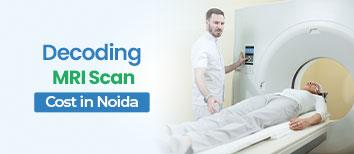
MRI (Magnetic Resonance Imaging) is an advanced diagnostic test used to detect problems related to the brain, spine, joints, and internal organs.

घुटनों में दर्द (Knee Pain) आज के समय में हर उम्र के लोगों में एक आम लेकिन गंभीर समस्या बन चुकी है। चाहे आप ऑफिस में लंबे समय तक बैठने वाले व्यक्ति हों, खिलाड़ी हों, या उम्रदराज़ व्यक्ति — घुटनों में दर्द जीवन की गति को रोक सकता है।
घुटने शरीर का सबसे बड़ा जोड़ (Joint) है, जो हड्डियों, कार्टिलेज, लिगामेंट्स और टेंडन्स (tendons) से बना होता है। यह जोड़ शरीर का पूरा वजन संभालता है और हर कदम में हमारी गतिशीलता (mobility) को संभव बनाता है।
लेकिन जब यह जोड़ दर्द, सूजन या जकड़न से प्रभावित होता है, तो चलना-फिरना मुश्किल हो जाता है। यही कारण है कि समय पर पहचान और सही उपचार बेहद जरूरी है।
अगर आप घुटनों में लगातार दर्द, सूजन या अकड़न महसूस कर रहे हैं, तो इसे सामान्य थकान या उम्र का असर मानकर नजरअंदाज न करें। आज ही बेस्ट ऑर्थोपेडिक डॉक्टर नोएडा (Best Orthopedic Doctor in Noida) से परामर्श लेकर सटीक इलाज शुरू करें।
अपने घुटनों की सेहत की अनदेखी न करें — सही उपचार से दर्दमुक्त जीवन संभव है। अभी बेस्ट ऑर्थोपेडिक डॉक्टर नोएडा से संपर्क करें: +91 9667064100।
घुटने का दर्द (Knee Pain) शरीर के उस हिस्से में महसूस होता है जहां जांघ की हड्डी (Femur) और पिंडली की हड्डी (Tibia) मिलती हैं। यह दर्द अस्थायी भी हो सकता है और कभी-कभी इतना गंभीर हो जाता है कि चलना, सीढ़ियाँ चढ़ना या बैठना मुश्किल हो जाता है। कई मामलों में यह दर्द धीरे-धीरे बढ़ता है, जबकि कुछ लोगों में अचानक चोट या एक्सीडेंट के कारण होता है। नोएडा में घुटने के दर्द का इलाज (Knee Pain Treatment) अब आधुनिक तकनीकों और अनुभवी विशेषज्ञों की मदद से आसानी से संभव है।
गठिया घुटनों के दर्द का सबसे आम कारण है। यह कई प्रकार का होता है —
ऑस्टियोआर्थराइटिस (Osteoarthritis): उम्र बढ़ने या अत्यधिक उपयोग के कारण घुटनों की हड्डियों के बीच की कार्टिलेज घिस जाती है।
रूमेटॉइड आर्थराइटिस (Rheumatoid Arthritis): यह एक ऑटोइम्यून रोग है जिसमें शरीर की प्रतिरक्षा प्रणाली अपने ही जोड़ पर हमला करती है।
गाउट (Gout): यूरिक एसिड बढ़ने से जोड़ में सूजन और तीव्र दर्द होता है।
किसी भी खेल, गिरने या एक्सीडेंट के कारण घुटनों के लिगामेंट्स (Ligaments) या टेंडन फट सकते हैं, जिससे तुरंत दर्द और सूजन हो जाती है।
कार्टिलेज घुटने की हड्डियों को एक-दूसरे से रगड़ने से बचाता है। इसके कमजोर या फटने पर घुटनों में चरमराहट और दर्द महसूस होता है।
अधिक वजन से घुटनों पर अतिरिक्त दबाव पड़ता है, जिससे धीरे-धीरे जोड़ों में सूजन, दर्द और घिसाव बढ़ता है।
कभी-कभी घुटनों में संक्रमण (जैसे सेप्टिक आर्थराइटिस) के कारण भी दर्द, लालिमा और सूजन होती है।
घुटने के दर्द के लक्षण व्यक्ति की स्थिति के अनुसार अलग-अलग हो सकते हैं, लेकिन सामान्य लक्षणों में शामिल हैं:
चलने या उठने-बैठने में दर्द
घुटने में सूजन, गर्माहट या लालिमा
अकड़न या जकड़न
घुटने से “कड़क” या “चरचर” जैसी आवाज़ें
घुटनों का कमजोर होना या “लॉक” हो जाना
सीढ़ियाँ चढ़ने या उतरने में कठिनाई
अगर ये लक्षण लगातार बने रहें, तो तुरंत घुटने का इलाज अस्पताल नोएडा में विशेषज्ञ से जांच करवाएं।
सही उपचार के लिए सही निदान (Diagnosis) बेहद जरूरी है। नोएडा में अनुभवी ऑर्थोपेडिक डॉक्टर निम्नलिखित जांचें सुझा सकते हैं:
एक्स-रे: हड्डियों की स्थिति और किसी भी क्षति को देखने के लिए।
एमआरआई स्कैन: लिगामेंट्स, टेंडन्स और कार्टिलेज की आंतरिक जांच के लिए।
ब्लड टेस्ट: गठिया या संक्रमण के संकेतों की पहचान के लिए।
फिजिकल एग्जामिनेशन: डॉक्टर जोड़ की गतिशीलता, सूजन और स्थिरता की जांच करते हैं।
इन परीक्षणों से डॉक्टर यह समझ पाते हैं कि दर्द का मूल कारण क्या है — और उसी के अनुसार उपचार शुरू किया जाता है।
नोएडा में घुटनों के दर्द का इलाज अब अत्याधुनिक तकनीकों और विशेषज्ञ देखभाल के साथ उपलब्ध है। उपचार मरीज की स्थिति और कारण के अनुसार चुना जाता है।
घुटनों के दर्द और सूजन को कम करने के लिए एंटी-इंफ्लेमेटरी और पेन रिलीवर दवाएं दी जाती हैं।
गठिया के मामलों में, रोग की जड़ को ठीक करने के लिए DMARDs या बायोलॉजिकल दवाएं दी जाती हैं।
फिजियोथेरेपी घुटनों की गतिशीलता बढ़ाने और मांसपेशियों को मजबूत करने में मदद करती है। इससे सर्जरी की जरूरत अक्सर टल जाती है।
कई बार डॉक्टर हायल्यूरोनिक एसिड या कॉर्टिकोस्टेरॉयड इंजेक्शन देते हैं जो सूजन कम करने और दर्द को नियंत्रित करने में मदद करते हैं।
अगर दर्द बहुत अधिक है और अन्य उपचार कारगर नहीं हो रहे, तो सर्जरी आवश्यक होती है।
आर्थ्रोस्कोपी (Arthroscopy): कैमरे और उपकरणों की मदद से घुटने के अंदर के हिस्से की मरम्मत की जाती है।
घुटने की रिप्लेसमेंट सर्जरी (Knee Replacement Surgery): गंभीर गठिया या क्षति की स्थिति में यह सर्जरी जीवन बदल सकती है। ऐसी सर्जरी बेस्ट ऑर्थोपेडिक डॉक्टर नोएडा द्वारा की जाती है।
घुटनों की सेहत बनाए रखने के लिए रोजमर्रा की कुछ आदतों में सुधार बहुत मददगार हो सकता है।
नियमित व्यायाम करें — जैसे योग, स्ट्रेचिंग, और तैराकी।
वजन नियंत्रित रखें ताकि जोड़ों पर अतिरिक्त दबाव न पड़े।
पौष्टिक आहार लें जिसमें कैल्शियम और विटामिन D शामिल हो।
लंबे समय तक एक ही मुद्रा में बैठने से बचें।
उचित जूते पहनें जो शरीर का संतुलन बनाए रखें।
समय-समय पर हड्डियों की जांच कराते रहें।
नोएडा में अब अत्याधुनिक सुविधाओं से युक्त ऑर्थोपेडिक अस्पताल (Orthopedic Hospital in noida) और अनुभवी विशेषज्ञ उपलब्ध हैं। वे दर्द के मूल कारण की पहचान कर मरीज को व्यक्तिगत उपचार प्रदान करते हैं।
यहां न केवल फिजियोथेरेपी और दवाओं से इलाज किया जाता है, बल्कि सर्जिकल विकल्प भी उच्च सफलता दर के साथ उपलब्ध हैं। बेस्ट ऑर्थोपेडिक डॉक्टर नोएडा आपकी घुटनों की समस्या (knee problems) का संपूर्ण समाधान देते हैं ताकि आप फिर से बिना दर्द के जीवन जी सकें।
अगर आप घुटनों के दर्द, सूजन या अकड़न से परेशान हैं, तो देर न करें। आज ही अपने इलाज के लिए घुटने का इलाज अस्पताल नोएडा में विशेषज्ञ डॉक्टर से अपॉइंटमेंट बुक करें।
घुटनों का दर्द केवल शारीरिक समस्या नहीं है — यह व्यक्ति की आत्मनिर्भरता और जीवन की गुणवत्ता को भी प्रभावित करता है। अगर दर्द लगातार बना हुआ है, सूजन बढ़ रही है या चलने में कठिनाई हो रही है, तो इसे नज़रअंदाज करना भविष्य में गंभीर परिणाम दे सकता है। समय पर घुटने का इलाज अस्पताल नोएडा (Knee Treatment Hospital Noida) से सही उपचार करवाना ही सबसे बेहतर कदम है।
“आपके हर कदम की मजबूती आपके घुटनों की सेहत पर निर्भर करती है।”
1. घुटने में दर्द होने के मुख्य कारण क्या हैं?
घुटने में दर्द के प्रमुख कारणों में गठिया (Arthritis), अधिक वजन, चोट लगना, कार्टिलेज का घिसना, और उम्र बढ़ना शामिल हैं। कभी-कभी संक्रमण या अत्यधिक शारीरिक मेहनत भी दर्द का कारण बन सकती है।
2. घुटने के दर्द का घरेलू इलाज क्या किया जा सकता है?
घुटने के दर्द में आराम पाने के लिए हल्की एक्सरसाइज, गरम सिकाई, हल्दी दूध, और वजन नियंत्रित रखना उपयोगी है। लेकिन अगर दर्द लंबे समय तक बना रहे तो डॉक्टर से सलाह लेना जरूरी है।
3. कब घुटने के दर्द के लिए डॉक्टर को दिखाना चाहिए?
अगर दर्द लगातार बना रहे, सूजन हो, घुटने से आवाज़ आए या चलने में कठिनाई हो रही हो, तो तुरंत ऑर्थोपेडिक डॉक्टर से संपर्क करें। देर करने पर स्थिति बिगड़ सकती है।
4. क्या घुटने के दर्द का इलाज बिना सर्जरी के हो सकता है?
हाँ, कई मामलों में दवाओं, फिजियोथेरेपी और इंजेक्शन थेरेपी से घुटने के दर्द का इलाज बिना सर्जरी के संभव है। लेकिन अगर जोड़ों का क्षय बहुत बढ़ चुका है, तो सर्जरी ही अंतिम विकल्प होती है।
5. घुटनों की सर्जरी (Knee Replacement) कब जरूरी होती है?
जब दर्द बहुत ज्यादा हो जाए, चलना-फिरना मुश्किल हो, और बाकी उपचार से राहत न मिले, तब घुटने की सर्जरी की सलाह दी जाती है। आधुनिक तकनीक से यह सर्जरी सुरक्षित और प्रभावी होती है।
6. घुटनों के दर्द से बचने के लिए क्या सावधानियाँ बरतें?
वजन को नियंत्रित रखें, रोज हल्का व्यायाम करें, सही जूते पहनें, लंबे समय तक बैठने से बचें और पौष्टिक भोजन लें। ये सभी बातें घुटनों को स्वस्थ बनाए रखने में मदद करती हैं।
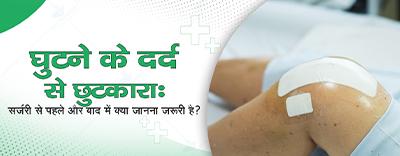
घुटनों का दर्द उम्र, चोट, या गठिया जैसी समस्याओं के कारण आम हो सकता है। जब दवाएं और फिजियोथेरेपी असर नहीं करतीं, तब घुटने की सर्जरी (जैसे कि घुटने का प्रतिस्थापन) जरूरी हो सकती है।
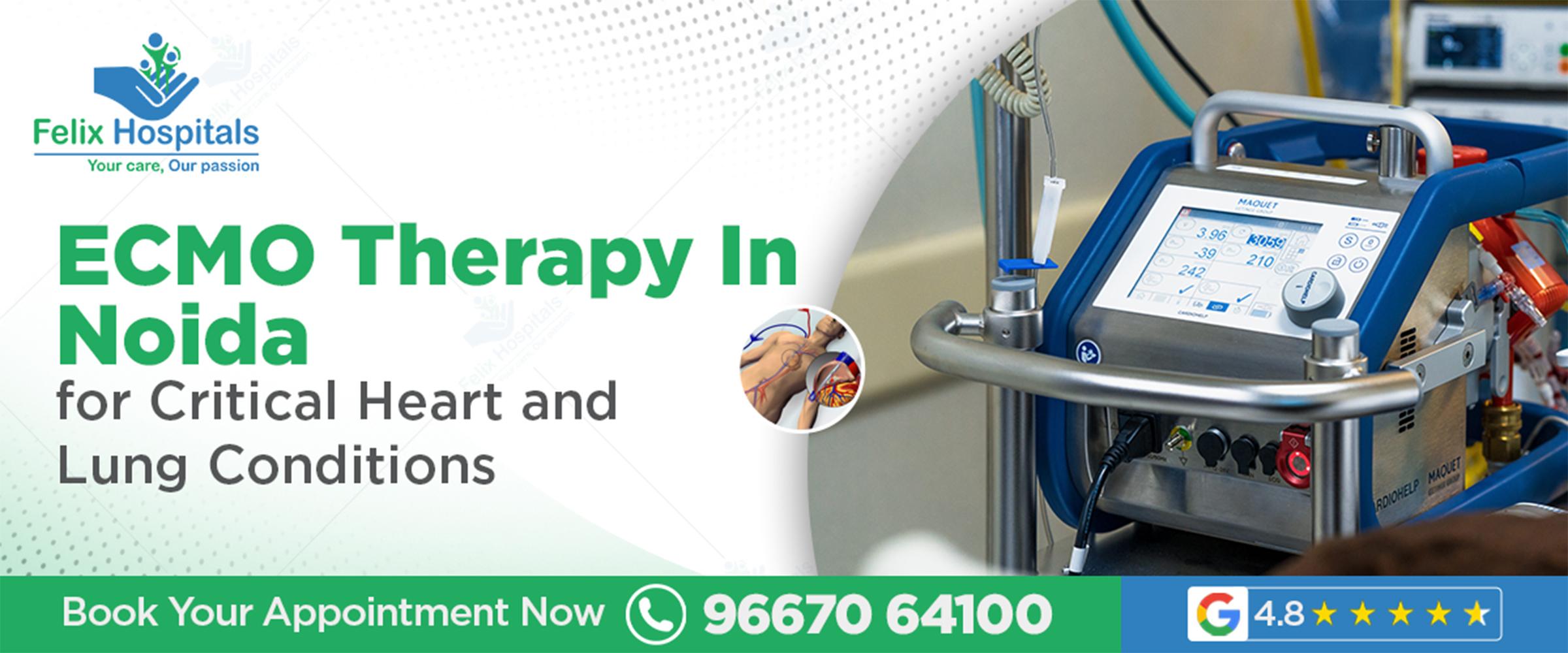
For situations in which the heart or the lungs is not in a position to function effectively with the current medical assistance, the therapy known as ECMO therapy (Extracorporeal Membrane Oxygenation) can be the lifesaving measure. This highly advanced therapy essentially replaces the functioning of the heart and the lungs temporarily so that the organs rest and recover. In extreme situations like pneumonia, cardiac arrest, or acute respiratory distress syndrome (ARDS), the ECMO offers the necessary assistance where the conventional therapies cease to be effective.
For the people and the families who require sophisticated cardiac or respiratory therapy, the treatment offered at the [best cardiology hospital in Noida] offers them a second chance at survival and recovery.
Your health is worth the best treatment—don't wait until it's too late. Call +91 9667064100 today to consult with an experienced specialist.
ECMO stands for Extracorporeal Membrane Oxygenation — the process where the blood is pumped out of the body to a machine that removes carbon dioxide and adds oxygen before it's returned. It's basically the implementation of an artificial lung and heart for severely compromised organs in the body.
It is commonly applied in intensive care units (ICUs) during the management of:
Severe cardiac failure
Respiratory failure resulting from injury or infection
Cardiac arrest
After-cardiac surgery complications
Severe respiratory infections like COVID-19 or the flu
ECMO uses the pump, the oxygenator, and the network of tubing to circulate the blood. This is how it functions:
Blood Extraction: Blood is withdrawn from a large vein using specialized cannulas.
Oxygenation: The carbon dioxide is stripped out of the ECMO circuit and the oxygen is delivered with an artificial lung.
Reinfusion: The enriched red blood is re-infused back into the patient's body, so the lungs and the heart rest and recover.
There are also two broad types of ECMO procedures that depend on which organ system is in need:
Applied in the event of severe cardiac and pulmonary failure. The device aids the cardiac and respiratory organs by providing the arteries with oxygenated blood.
Used primarily for lung failure, this type helps oxygenate the blood without taking over the heart’s function.
All the below mentioned types are judiciously chosen based on the status of the patient and the recommendation of the highest cardiology expert in Noida or critical care expert.
ECMO is also retained in reserve in cases where the conventional therapy or ventilation with medication becomes fruitless. A few of the conditions which may call for the use of ECMO include:
Severe pneumonia or ARDS
Heart failure after severe heart attack
Sepsis with multi-organ dysfunction
Congenital defects in the infant's heart
Lung transplantation preparation or recovery time
ECMO is life-saving and has many positive impacts including:
Giving the lungs and heart a rest: The machine assumes their workload and relieves stressed tissues.
Enhanced delivery of oxygen: Provides the target organs with oxygenated blood that continues.
Bridge to recovery or transplantation: Supports patients who undergo transplantation of the heart or lungs.
Better survival: Especially in the young or previously healthy patient with potentially reversible disease.
Just like any other sophisticated medical treatment, ECMO therapy also involves some risk potential which should be closely followed. They can be:
Bleeding or clotting disorders
Site infections at the cannula site
Kidney injury
Stroke or neurological complications
Mechanical malfunction of the ECMO circuit
Yet with constant surveillance by critical care specialists and appropriate intervention, such risks may be kept to a minimum.
Procedure for ECMO is done in the ICU in sterile environment:
The sedated patient is also attached to the ECMO machine through tubes that go deep into major arteries or veins.
It is activated in the oxygenator and significantly raises oxygenation within seconds.
The care team also closely watches oxygen, carbon dioxide, blood pressure, and heart rate.
Length of ECMO may be anything between several weeks to several days depending upon the response of the patient.
When the lungs and the heart begin to recover, the doctors then transition the ECMO support gradually.
Outcome following ECMO is condition-specific. The majority of the patients develop muscle wasting or weakness and rehabilitation therapy is thus recommended. The following may be embarked on in the follow-up:
Cardiac and pulmonary function tests
Physiotherapy and respiratory exercises
Nutritional guidance
Emotional and psychological counseling
Proper post-ECMO care significantly enhances long-term recovery and quality of life.
Patients with severe respiratory distress, long-term dependence on oxygen supplementation, or deterioration in cardiac function should be expediently referred to a critical care or cardiac specialist in Noida with expertise in the management of ECMO. Timely treatment reduces mortality and complications.
Get in touch with us at +91 9667064100 for professional consultation and ECMO assistance.
ECMO therapy is one of the most sophisticated modes of life support in existence today. In critically ill individuals with compromised cardiac or pulmonary function, it offers a valuable time frame for recovery when all other therapy has failed.
Under the care of highly qualified doctors and with modern infrastructure, ECMO treatment provides hope and long-term survival even in the most critical cases. Knowing its role, course of treatment, and results helps the families make knowledgeable choices during medical crises.
Q.1. How long can the patient be supported?
Ans. Time course varies with disease. Support for several days may be called for in some patients and weeks of support until return of organs in others.
Q. 2. Is ECMO painful?
Ans. No, the sedated or anaesthetized ECMO patients do not notice the pain in the process.
Q. 3. Does ECMO cure the heart or lung failure?
Ans. ECMO is not addressing the disease; it provides short-term support in such a way that the organs may recover or bridge the transplant or recovery.
Q. 4. What candidates exist for ECMO therapy?
Ans. Patients with severe but reversible cardiopulmonary disease or those listed for transplant are generally candidates for ECMO.
Q. 5. What is the Success Rate of ECMO?
Ans. Outcome depends on age and condition at the time of treatment and admission but with appropriate veterinary treatment most cases recover.
Q. 6. What about long-term side effects?
Ans. Some develop fatigue or weakness in muscles, but the majority return to full function with rehabilitation.
Q. 7. Can ECMO be used for COVID-19 patients?
Ans. Indeed, ECMO was successful in the severe cases of COVID-19 with respiratory failure where conventional ventilators failed
The primary goal of the Treadmill Stress Test is to evaluate how well the heart responds to increased physical activity
A stent procedure can be life-saving for those with blocked arteries. This guide walks you through the stent experience—from the angioplasty process to post-procedure recovery and lifestyle changes.
A pulmonologist plays a crucial role in helping patients dealing with serious or chronic breathing difficulties.
MRI (Magnetic Resonance Imaging) is an advanced diagnostic test used to detect problems related to the brain, spine, joints, and internal organs.
Being pregnant can be called one of the most beautiful processes in the life of a woman however, there are those who have certain problems that need additional care and medical help. A high-risk pregnancy implies that there are possible complications that might result in the health of the mother or the baby to be compromised. Although this can be alarming, with the right attention, timely management and frequent check-ups, both the mother and the child can also have a healthy and safe delivery.
In this blog, we will explore what a high-risk pregnancy hospital in Noida is, the different types of high-risk pregnancy, the factors that contribute to complications, and the available high-risk pregnancy treatment Noida options.
Don't wait for complications; get personalized support at the best obstetrician for high-risk pregnancy Noida by calling +91 9667064100.
The concept of a high-risk pregnancy is the fact that the likelihood of health complications during pregnancy is more than normal. This does not mean that complications will always occur, but it highlights the need for extra care and close supervision by a high-risk pregnancy doctor Noida.
Some of the scenarios that can predispose pregnancy into a high-risk situation include:
Preexisting medical conditions like diabetes, high blood pressure or heart diseases.
Conditions acquired during pregnancy, including gestational diabetes or preeclampsia.
Mother age, either too young or more than 35.
Several pregnancies, i.e. twins and triplets.
Seeking guidance from a high-risk pregnancy hospital Noida can ensure access to specialized care for such cases.
There is a difference between high-risk pregnancies. The causes and risks may be different and that is the reason why physicians tend to categorize them into varied categories. Some common types include:
Preexisting Medical Conditions: Women who already have chronic diseases like diabetes, thyroid disorders, kidney disease or high blood pressure before pregnancy are at a higher risk.
Pregnancy-related Complications: Issues like gestational diabetes, preeclampsia, placenta previa, or preterm labour can arise during pregnancy and require high-risk pregnancy care Noida.
Lifestyle and Environmental Factors: Obesity, smoking, alcohol use, inappropriate diet, or being exposed to dangerous chemicals can be very dangerous.
Risk According to Age: Pregnancies in women who are below 17 or over 35 years of age are usually regarded as being at high-risk because of the hormonal, biological, and developmental complications.
Multiple Pregnancies: This is of more risk as it carries the additional risk of premature birth or low birth weight, particularly by bearing twins, triplets and so on.
High-risk pregnancy is developed due to a number of factors. Whereas, some of them cannot be controlled, other ones can be dealt with through lifestyle modification and medicine.
Examples of factors of high-risk pregnancies include:
Medical history: The role is played by chronic diseases, including hypertension, diabetes, asthma, and thyroid problems.
Past pregnancy complications: The presence of miscarriages, stillbirths, or caesarean births are risk factors in the past.
Multiple pregnancies: This means that a mother carries more than one baby, which adds extra strain on the body and risks of the premature birth of a baby.
Maternal infections: It may be HIV-infected or hepatitis infected, or sexually transmitted diseases.
Family history: Genetic disorders or inherited diseases may affect the results of pregnancy.
Lifestyle: Improper nutrition, physical inactivity, stress, smoking, or alcohol use predisposes the risks.
Regular pregnancy monitoring Noida is vital to successfully managing these risk factors throughout pregnancy.
In the management of a high-risk pregnancy early detection and constant follow-up is of great importance. Most of the risks are likely to be identified on time and managed efficiently with development of medical technology.
The main diagnosis and monitoring techniques employed are:
Ultrasound scans: Regular imaging is used to monitor the development of the foetus and identify any abnormalities early.
Blood examination: These detect problems like gestational diabetes, infection or anemia.
Blood pressure testing: necessary to identify hypertension and other diseases such as preeclampsia.
Fetal monitoring: Monitors the heart rate of the baby as well as its movements to ensure normal growth.
Genetic screening: This is advised in those women who have a family history of genetic disorders.
Continuous monitoring with a high-risk pregnancy hospital Noida ensures timely interventions.
Although it is impossible to say that all the risk factors could be removed, appropriate medical advice and changes in lifestyle could do a lot of good.
It is normally treated and managed by:
Medication: To manage such conditions as high blood pressure, diabetes, or thyroid disorders.
Dietary therapy: The balanced nutrition with plenty of iron, calcium, protein and necessary vitamins will help both the baby and the mother.
Modifications in lifestyle: Cessation of smoking, alcohol and alcohol and stress reduction, healthy weight are highly recommended.
Close monitoring: Frequent check-ups at the best obstetrician for high-risk pregnancy Noida help track progress and prevent complications.
Bed rest or activity restriction: Indicated in the presence of placenta previa or the possibility of preterm labour.
Delivery planning: In other instances, there could be the need to induce the mother or deliver a caesarean to save both the baby and the mother.
The choice of lifestyle is equally important, although medical treatment also is a large part of coping with a high-risk pregnancy. Little yet regular adjustments may minimize complications and foster healthy growth of the infant.
The following are some of the lifestyle habits that the pregnant women can observe:
Healthy diet: Eat fresh fruits and vegetables, whole grains, lean proteins, and dairy products in order to stay healthy.
Regular physical activity: Light exercises, prenatal yoga, walking (as recommended by the doctor) helps to improve blood circulation and stress.
Sleeping well: Physical and emotional health are critical to have enough rest and relaxation.
Stay away from harmful substances: Do not smoke, drink alcohol or use any recreational drugs at all.
Dealing with stress: Stress reduction methods such as meditation, breathing deeply or listening to soothing music can be used to reduce anxiety.
Routine check-ups: Never skip appointments with your maternity doctor, as regular pregnancy monitoring Noida is key to early detection of issues.
Ensure safe pregnancy and delivery through attentive pregnancy monitoring Noida. Schedule your visit today at +91 9667064100.
High-risk pregnancy may be very daunting but when managed early enough, expertly and through lifestyle changes, the majority of women will do it and produce healthy babies. The first steps towards a positive outcome are awareness and early diagnosis. It is also at this point that the right healthcare partner should be selected. A well-equipped Gynecologist in Noida with experienced specialists who offer high-risk pregnancy treatment Noida and compassionate care can provide the support you need. Whether it's preventive measures, close monitoring, or pregnancy complications treatment Noida, the best obstetrician for high-risk pregnancy Noida ensures comprehensive, personalized care. Seek high-risk pregnancy care Noida today and give your baby the healthy start they deserve.
Q.1. How many times should I see a doctor in case of a high-risk pregnancy?
Ans. Regular visits are normally more common as compared to routine pregnancies, usually at intervals of 2-4 weeks or as recommended.
Q.2. Do changes in lifestyle help me to be lower risk in a high-risk pregnancy?
Ans. Yes, there are positive changes that are achieved through healthy eating, physical activity, stress, and avoidance of bad habits.
Q.3. Which are the common tests in a high-risk pregnancy?
Ans. Usual ultrasounds, blood tests, monitoring of blood pressure, and fetal heart rate.
Q.4. Is early delivery a rule in high-risk pregnancies?
Ans. Not necessarily; the time of delivery is determined by the condition of the mother and the baby.

Women should see a gynecologist yearly after puberty for health check-ups.
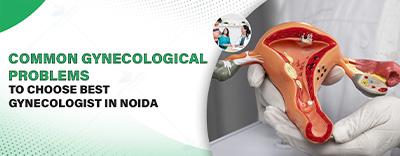
Know the common gynecological problems and the best tips to choose a trusted gynecologist in Noida
Selecting the best gynecologist hospital in Noida is crucial for your health. Learn what to look for in top facilities offering specialized care in maternity, infertility, menstrual health, and gynecological surgeries.

बच्चों में निमोनिया (Pneumonia) फेफड़ों का गंभीर संक्रमण है। जो सांस लेने में कठिनाई और शारीरिक कमजोरी पैदा करता है। यह छोटे बच्चों और नवजात शिशुओं में विशेष रूप से खतरनाक होता है। बेस्ट बच्चों के डॉक्टर नोएडा (Best pediatrician in Noida) में उपलब्ध है। समय पर पहचान और इलाज से बच्चे की पूरी तरह से रिकवरी संभव है। इलाज में देरी नहीं करनी चाहिए। इलाज में देरी से नुकसान हो सकता है।
बच्चों की जांच या इलाज के लिए संपर्क करें: +91 9667064100.
निमोनिया तब होता है। जब फेफड़ों में सांस के मार्ग या अल्वेओली में संक्रमण होता है। यह संक्रमण बैक्टीरिया (bacterial infection), वायरस या कभी-कभी फंगस से भी होता है। छोटे बच्चों की रोग प्रतिरोधक क्षमता कमजोर होने के कारण संक्रमण जल्दी फैलता है। बच्चों में निमोनिया गंभीर हो सकता है और समय पर इलाज न मिलने पर फेफड़ों की कार्यक्षमता प्रभावित करता है।
बच्चों में सबसे आम कारण होता है। राइनोवायरस साधारण जुकाम का प्रमुख कारण है। जो नाक बंद होना, छींक और खांसी जैसे लक्षण उत्पन्न करता है। रेस्पिरेटरी सिंशिशियल वायरस (आरएसवी) छोटे बच्चों में गंभीर संक्रमण जैसे ब्रॉन्कियोलाइटिस और निमोनिया का कारण बनता है। इन्फ्लूएंजा वायरस बुखार, बदन दर्द, गले में खराश (sore throat) और खांसी के साथ बच्चों में कमजोरी और सांस की दिक्कत पैदा करता है। वायरस से होने वाले संक्रमण अक्सर स्वयं ठीक हो जाते हैं, लेकिन कमजोर इम्यूनिटी वाले बच्चों में गंभीर रूप ले सकते हैं।
वायरस के बाद यह संक्रमण जटिल रूप में सामने आता है। स्ट्रेप्टोकोकस न्यूमोनिया बच्चों में निमोनिया, मध्यकर्ण संक्रमण और साइनस संक्रमण (sinus infection) का प्रमुख कारण। हेमोफिलस इन्फ्लूएंजा श्वसन तंत्र में सूजन, गले में दर्द और बुखार के साथ गंभीर संक्रमण पैदा करता है। इन संक्रमणों में एंटीबायोटिक की आवश्यकता पड़ती है, परंतु चिकित्सक की सलाह के बिना दवा नहीं लेनी चाहिए।
सामान्यतः बहुत दुर्लभ होते हैं। यह संक्रमण अधिकतर कमजोर प्रतिरक्षा प्रणाली वाले बच्चों में देखा जाता है। जैसे कि लंबे समय से बीमार, कैंसर या एचआईवी से पीड़ित बच्चे। कैंडिडा और एस्परजिलस (Aspergillus) जैसे फफूंद फेफड़ों में संक्रमण पैदा करते हैं।
जन्मजात रोग, पोषण की कमी, या बार-बार एंटीबायोटिक उपयोग से इम्यून सिस्टम कमजोर हो सकता है। शरीर संक्रमण से लड़ने में असमर्थ हो जाता है, जिससे बार-बार खांसी, जुकाम और सांस की समस्या होती है। संतुलित आहार, टीकाकरण, और पर्याप्त नींद इम्यूनिटी मजबूत करने में मदद करते हैं।
घर में जलने वाला धुआं, रसोई का धुआं, अगरबत्ती या सिगरेट का धुआँ बच्चों के फेफड़ों को नुकसान पहुंचाता है। पर्यावरण प्रदूषण, वाहन का धुआँ और ठंडी हवा में लंबे समय तक रहने से श्वसन संक्रमण का खतरा बढ़ता है। ऐसे बच्चों में खांसी, गले में जलन और सांस लेने में तकलीफ आम लक्षण होते हैं।
अस्थमा: सांस की नली में सूजन और संकुचन के कारण संक्रमण की संभावना बढ़ती है।
हृदय रोग: ऐसे बच्चों में फेफड़ों तक रक्त प्रवाह प्रभावित होने से संक्रमण का खतरा बढ़ता है।
बार-बार संक्रमण का इतिहास: जिन बच्चों को बार-बार सर्दी-जुकाम होता है। वह वायरल या बैक्टीरियल संक्रमण के प्रति अधिक संवेदनशील होते हैं।
नियमित रूप से हाथ धोने की आदत डालें:
बच्चों को सिखाएं कि खाने से पहले, बाहर से आने के बाद और टॉयलेट के बाद साबुन से हाथ धोना जरूरी है। हाथों पर जमा वायरस और बैक्टीरिया अक्सर मुंह या नाक के जरिए शरीर में प्रवेश करते हैं। सैनिटाइजर का उपयोग तब करें जब पानी और साबुन उपलब्ध न हो। स्कूल जाने वाले बच्चों के लिए यह आदत संक्रमण से बचाव का सबसे सरल और प्रभावी तरीका है।
व्यक्तिगत स्वच्छता पर ध्यान दें:
बच्चों के नाखून छोटे रखें और रोज स्नान कराएं। उनके कपड़े, तौलिए और खिलौने साफ-सुथरे रखें, खासकर सर्दी-जुकाम के मौसम में। भीड़भाड़ वाली जगहों पर बच्चों को ले जाने से बचें ताकि संक्रमण का खतरा कम हो।
समय पर टीकाकरण:
सरकार द्वारा सुझाए गए राष्ट्रीय टीकाकरण कार्यक्रम के तहत सभी जरूरी टीके बच्चों को अवश्य लगवाएं। न्यूमोनिया (पीसीवी), इन्फ्लूएंजा और डीपीटी जैसे टीके श्वसन संबंधी संक्रमण से सुरक्षा प्रदान करते हैं। डॉक्टर से यह सुनिश्चित करें कि बच्चे का टीकाकरण चार्ट पूरा हो और समय पर बूस्टर डोज ली जाए।
घर में धुआं और प्रदूषण से बचाव करें:
घर में कोई भी व्यक्ति धूम्रपान न करे। बच्चों के आसपास पैसिव स्मोकिंग भी नुकसानदेह है। रसोई में चिमनी या एग्जॉस्ट फैन का प्रयोग करें ताकि धुआं बाहर निकल सके। घर में अगरबत्ती, मच्छर कॉइल या जलती लकड़ी का धुआं बच्चों से दूर रखें। प्रदूषण के दिनों में बच्चों को बाहर खेलने से बचाएँ और एन-95 मास्क पहनने की आदत डालें।
स्वस्थ और पोषणयुक्त भोजन दें:
बच्चों के खानपान में फल, हरी सब्जियां, दालें, अंडा, दूध, और सूखे मेवे शामिल करें। विटामिन A, C, D और जिंक से भरपूर आहार प्रतिरक्षा प्रणाली को मजबूत बनाता है। जंक फूड, अधिक चीनी और ठंडे पेय से बचाएँ क्योंकि ये शरीर की रोग-प्रतिरोधक क्षमता घटाते हैं। पर्याप्त पानी पिलाएँ ताकि शरीर से विषाक्त तत्व बाहर निकल सकें।
पर्याप्त नींद और शारीरिक गतिविधि:
बच्चों को रोज कम से कम 8–10 घंटे की नींद जरूरी है, जिससे शरीर की मरम्मत और इम्यूनिटी बढ़ती है। हल्की-फुल्की शारीरिक गतिविधि जैसे दौड़ना, साइकिल चलाना या योग करना भी फेफड़ों की क्षमता को बढ़ाता है।
संक्रमण के लक्षण दिखने पर तुरंत चिकित्सक से परामर्श लें:
यदि बच्चे को बार-बार खांसी, सांस लेने में तकलीफ, बुखार या सीने में दर्द हो, तो डॉक्टर से संपर्क करें। घर पर बिना सलाह के एंटीबायोटिक या घरेलू नुस्खे देने से बचें। शुरुआती इलाज से संक्रमण गंभीर रूप लेने से रोका जाता है।
स्वच्छ वातावरण बनाए रखें:
घर को हवादार रखें, रोजाना खिड़कियाँ खोलें ताकि ताजी हवा अंदर आ सके। बिस्तर, पर्दे और कारपेट की नियमित सफाई करें ताकि धूल और संक्रमण के कीटाणु न पनपें। पालतू जानवरों की स्वच्छता का ध्यान रखें क्योंकि उनसे भी कुछ संक्रमण फैल सकते हैं।
निमोनिया के शुरुआती लक्षण हल्के हो सकते हैं, लेकिन धीरे-धीरे गंभीर हो जाते हैं।
तेज़ या तेज़ी से सांस लेना
छाती में खिचखिच या दर्द
बार-बार खाँसी, कभी-कभी खाँसी में बलगम या रक्त
बुखार और ठंड लगना
सांस लेने में कठिनाई, नाक के पंख फड़फड़ाना
थकान, भूख में कमी
नवजात में नींद अधिक आना या दूध पीने में कमी
सांस की गति और लक्षण: डॉक्टर शिशु की सांस की गहराई और गति देखते हैं।
शारीरिक जांच: छाती पर स्टेथोस्कोप से खाँसी या फेफड़ों की आवाज़ सुनना।
पल्स ऑक्सीमीटर: रक्त में ऑक्सीजन लेवल मापने के लिए।
एक्स-रे या अल्ट्रासाउंड: फेफड़ों में संक्रमण या तरल पदार्थ की पुष्टि।
ब्लड और सर्दी परीक्षण: संक्रमण के प्रकार (वायरल/बैक्टीरियल) का पता लगाने के लिए।
चेस्ट एक्सरेः फेफड़ों में संक्रमण, सूजन या तरल पदार्थ की पहचान।
सीटी स्कैन: गंभीर मामलों में, संक्रमण की सीमा और स्थिति जानने के लिए।
थूक/रक्त संस्कृति: बैक्टीरिया की पहचान और सही एंटीबायोटिक चुनने के लिए।
पल्स ऑक्सीमेट्री: ऑक्सीजन संतुलन और सांस की स्थिति मॉनिटर करने के लिए।
आराम और पर्याप्त तरल पदार्थ:
बच्चे को भरपूर आराम करने दें। जिससे शरीर संक्रमण से लड़ने के लिए ऊर्जा जुटा सके। गुनगुना पानी, सूप, नारियल पानी और फलों का रस देने से डिहाइड्रेशन नहीं होता और बलगम पतला होता है। बच्चों के फेफड़ों के डॉक्टर नोएडा में उपलब्ध है। बच्चे को जबरन ठंडे पेय या बर्फीली चीजें न दें।
बुखार और खांसी का नियंत्रण:
तापमान बढ़ने पर डॉक्टर की सलाह से पैरासिटामोल या आइबुप्रोफेन जैसी दवाएं दी जाती हैं। सूखी खांसी या बलगमी खांसी के लिए बाल रोग विशेषज्ञ की सलाह अनुसार सिरप या इनहेलर दिया जाता है। बच्चे को धूल, धुएं और तेज परफ्यूम से दूर रखें ताकि गले की जलन कम हो। भाप (स्टीम इनहेलेशन) से भी सांस लेने में राहत मिलती है।
एंटीबायोटिक दवाएं:
जब संक्रमण बैक्टीरियल हो, तो डॉक्टर बच्चे के वजन और उम्र के अनुसार दवा लिखते हैं। एंटीबायोटिक कोर्स पूरा करना बहुत जरूरी है, बीच में बंद करने से संक्रमण दोबारा हो सकता है। स्वयं दवा देने या पुराने प्रिस्क्रिप्शन से दवा शुरू करने से बचें।
ऑक्सीजन थेरेपी:
अगर बच्चे का ऑक्सीजन स्तर 94% से कम हो, तो डॉक्टर ऑक्सीजन सपोर्ट देते हैं। सांस लेने में तकलीफ, सीने में खिंचाव या होंठों का नीला पड़ना गंभीर लक्षण हैं। तुरंत चिकित्सीय मदद लें।
इनपेशेंट केयरः
गंभीर संक्रमण, बार-बार उल्टी या डिहाइड्रेशन होने पर बच्चे को अस्पताल में भर्ती करना पड़ता है। यहां पर इंट्रावेनस (आईवी) दवाएं, तरल पदार्थ और निरंतर निगरानी की जाती है। ऑक्सीजन लेवल, हार्ट रेट और फेफड़ों की स्थिति की नियमित जांच होती है।
इम्यून मॉड्यूलेशः
कुछ बच्चों की इम्यूनिटी कमजोर होने पर विशेष दवाएं या थेरेपी दी जाती हैं ताकि रोग-प्रतिरोधक क्षमता सुधरे। इसमें इम्युनोग्लोबुलिन थेरेपी या विटामिन सप्लीमेंट्स शामिल होते हैं यह उपचार केवल विशेषज्ञ डॉक्टर की देखरेख में ही दिया जाता है।
सर्जिकल या अन्य उपचारः
यदि फेफड़ों में तरल जमा हो जाए या फेफड़े का कोई भाग क्षतिग्रस्त हो, तो सर्जिकल ड्रेनेज या फेफड़ा शोधन की आवश्यकता पड़ सकती है। बार-बार संक्रमण होने पर साइनस या टॉन्सिल हटाने की सर्जरी भी कभी-कभी सलाह दी जाती है।
धूल, धुआं और ठंडी हवा से बचाव:
घर में धुआं (किचन, सिगरेट या अगरबत्ती) न हो। ठंडी हवा या अचानक मौसम परिवर्तन में बच्चे को सीधा एक्सपोज़ न करें। कमरे में ह्यूमिडिफायर या स्टीमर का उपयोग करने से हवा नम बनी रहती है और गले की जलन कम होती है।
संतुलित और पौष्टिक भोजन:
बच्चे के आहार में विटामिन सी (नींबू, संतरा), विटामिन D (धूप) और प्रोटीन युक्त खाद्य पदार्थ शामिल करें। कमजोर बच्चों को हल्का पचने वाला खाना जैसे खिचड़ी, दाल का सूप, दलिया और फल दें। अत्यधिक तले या मसालेदार भोजन से बचें।
नियमित टीकाकरणः
न्यूमोकोकल वैक्सीन (पीसीवी) और इन्फ्लुएंजा का टीका बच्चों को गंभीर संक्रमण से बचाते हैं। समय पर बूस्टर डोज लगवाना जरूरी है ताकि शरीर संक्रमण के खिलाफ प्रतिरोधक बना रहे। डॉक्टर से परामर्श लेकर टीकाकरण शेड्यूल की जानकारी रखें।
पीडियाट्रिक पल्मोनोलॉजिस्ट बच्चों के फेफड़ों की विशेष देखभाल में माहिर होते हैं। शुरुआती लक्षण पर पीडियाट्रिशियन से संपर्क करें, वह जांच और आवश्यकता अनुसार स्पेशलिस्ट रेफर करेंगे। नवजात शिशु में सांस की गंभीर समस्या होने पर नियोनेटोलॉजिस्ट से परामर्श आवश्यक।
बच्चों के फेफड़ों के विशेषज्ञ डॉक्टर नोएडा में अपॉइंटमेंट के लिए कॉल करें: +91 9667064100.
बच्चों में निमोनिया गंभीर स्वास्थ्य समस्या बनता है। लेकिन समय पर पहचान और इलाज से पूरी तरह ठीक किया जाता है। माता-पिता को बच्चों की खांसी, बुखार, सांस की स्थिति और भूख पर ध्यान देना चाहिए। नियमित जांच और डॉक्टर की सलाह से बच्चे की फेफड़ों की कार्यक्षमता सुरक्षित रखी जाती है। इसलिए इलाज में देरी नहीं करनी चाहिए।
प्रश्न 1: क्या बच्चों में निमोनिया जन्म से होता है?
उत्तर: हां, नवजात में जन्मजात फेफड़े की समस्याओं के कारण निमोनिया होता है।
प्रश्न 2: बच्चों में निमोनिया का इलाज संभव है?
उत्तर: हां, हल्के मामलों में दवा और आराम से, गंभीर मामलों में अस्पताल में उपचार से पूरी तरह ठीक किया जाता है।
प्रश्न 3: बच्चों में निमोनिया के शुरुआती लक्षण क्या हैं?
उत्तर: तेज खांसी, बुखार, सांस लेने में कठिनाई, थकान और भूख में कमी होती है।
प्रश्न 4: क्या बार-बार निमोनिया बच्चों में गंभीर होता है?
उत्तर: हां, बार-बार संक्रमण फेफड़ों की कार्यक्षमता को प्रभावित करता है।
प्रश्न 5: क्या टीकाकरण से निमोनिया से बचाव संभव है?
उत्तर: हां, न्यूमोकोकल और इन्फ्लुएंजा वैक्सीन बच्चों को संक्रमण से बचाते हैं।
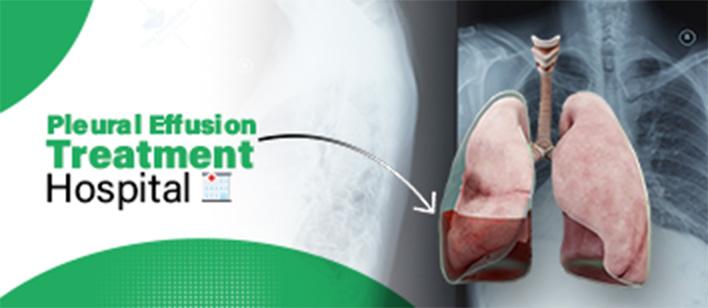
Pneumonia is a severe respiratory infection that affects millions of people worldwide each year.

These viruses spread primarily through respiratory droplets released into the air when an infected person sneezes or coughs.
Expert pulmonologists in Noida provide treatment and prevention tips for respiratory infections. Stay informed and healthy.
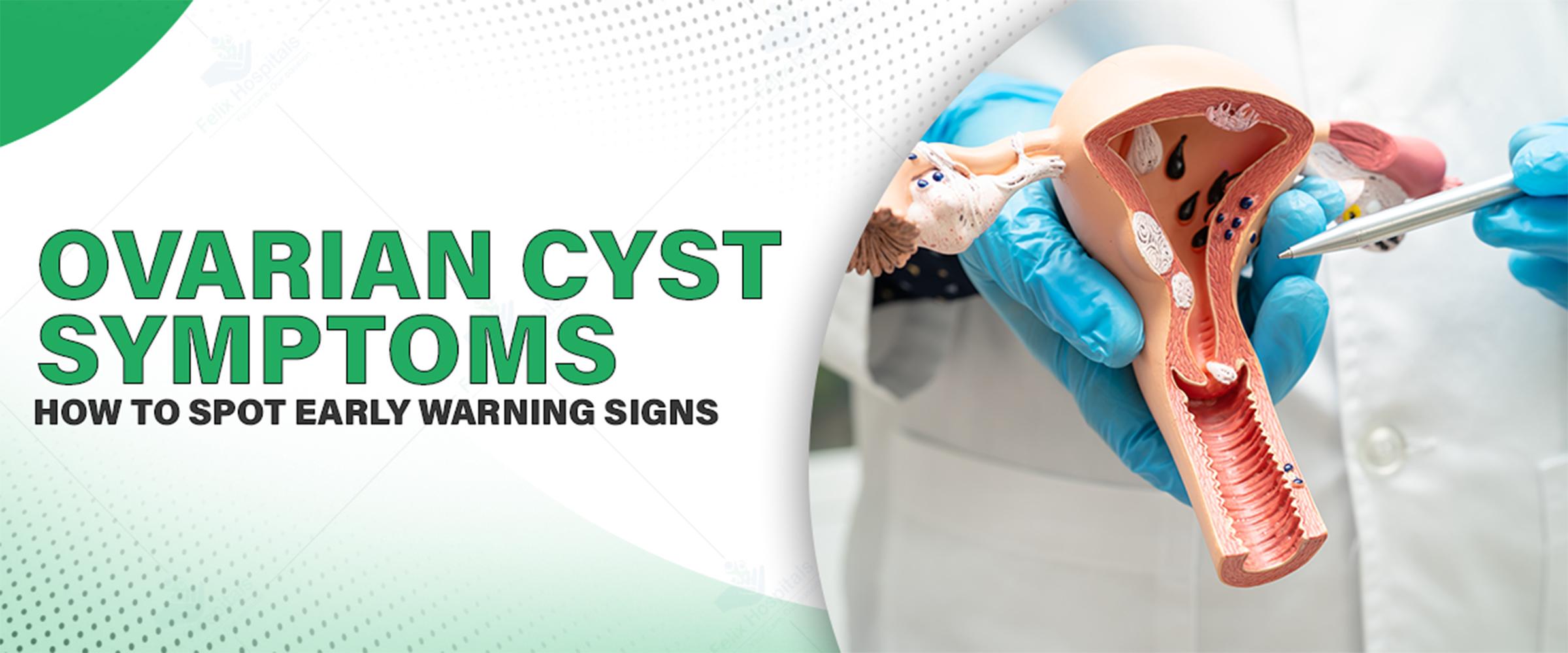
For most women, the phrase ovarian cyst elicits an immediate feeling of anxiety. The mere glimmer of an abnormal growth on the ovaries tends to generate fears regarding fertility, surgery, and even cancer. The reality is, ovarian cysts happen to be extremely common, and in an overwhelming majority of situations, they prove to be harmless and disappear without treatment. On occasions, they can, however, become enlarged, develop persistent and unbearable pain, or develop life-threatening complications. At this point, surgeons might recommend surgery.
Knowing how to undergo Ovarian cyst surgery at Best Gynaecology Hospital in Noida, being aware of indications for surgery, and also being ready for post-operative recovery, are essential steps. Rather than being anxious, being better-informed can better prepare you and put you at ease. If one or someone dear to you contemplates surgery for an ovarian cyst in Noida, being better-informed can better enable you to take charge of your medical process. Ovarian cyst symptoms can vary, but pain and discomfort are common reasons to seek medical advice. If you experience unexplained pelvic pain or abdominal bloating and ovarian cyst, it's important to consult with a healthcare professional promptly.
Suffering from chronic pelvic pain or irregular periods? Call us today at +91 9667064100.
An ovarian cyst refers to an accumulation of material, such as fluid, tissue, or another substance, in or on an ovary. Ovarian cysts develop fairly frequently in childbearing-age women and often occur during normal menstruation. Many females have had an ovarian cyst sometime in life and aren't aware, as most have no trouble to begin with. Recognizing early signs of ovarian cyst can assist in timely intervention.
Not all cysts, however, are created equal. There are those which remain small and resolve without complications, and those who develop larger or painful cysts. Other cysts may compromise fertility or develop complications.
Functional cysts: The most common type, and it's related to the cycle of menstruation. These most commonly resolve themselves without treatment in months or weeks.
Dermoid cysts: Contain variable types of tissue, such as fat, hair, or skin.
Endometriomas: Development as part of endometriosis, whereby uterine tissue arises outside the uterus.
Cystadenomas: Grow on the ovary’s surface and may contain watery or mucous fluid.
Recognition of the cyst type is essential as this offers guidance to whether to observe or to operate.
Ovarian cysts do not often present palpable problems, but some types can cause pain or other complications. Familiarity with warning signs, which require surgery to fix an ovarian cyst, can prevent delays in treatment.
Symptoms of ovarian cyst in women involve:
Continued or severe pelvic pain.
Abdominal bloating and ovarian cyst giving swelling or discomfort.
Difficult sex or bowel movements.
Menstrual problems such as excessively heavy or painful periods.
Hesitation in urination or excessive desire to pass urine from pressure upon the bladder.
Sharp pelvic pain, acute, due to rupture of, or torsion of an ovary.
When it grows larger than 5–10 cm in size, or if laboratory research shows atypical characteristics, surgeons will provide surgical resection as a choice.
Ovarian cyst surgery may come in various types, and it will indeed depend upon the size and type of cyst and upon your age and whether you plan to have babies in future.
Keyhole surgery (keyhole surgery): A minimally invasive surgery employing small incisions and cameras. Typically advised in smaller or benign cysts. Patients recover sooner in less distress and scarring.
Laparotomy (open surgery): A larger incision in the abdomen is made. Occasionally surgically resected if extremely large or suspected to be cancerous. Recovery lasts longer than in laparoscopy. Only the cyst is excised, and not the ovary. Appropriate for those who want to preserve fertility intact.
In cases in which the cyst has perforated the ovary or there is suspicion, removal of the ovary can also be performed.
In choosing between the correct options, consulting Best Gynaecology Hospital in Noida for ovarian cyst ensures you have access to the best and most accurate treatment appropriate for you.
Preparation helps to ease surgery and minimize anxiety. Here's how to prepare for surgery to remove ovarian cysts:
Evaluation: The physician can order blood studies, studies of imaging (ultrasound or MRI), and occasionally CA-125 studies to exclude malignancy.
Medication review: Let your doctor know about all medication being taken. Medications will have to be ceased prior to surgery, in particular blood thinners.
Fasting guidelines: You may be asked to not have anything to eat or drink for 8–12 hours prior to surgery.
Changes in lifestyle: quitting smoking and eating a healthy diet can help with recovery.
Emotional preparation: Knowing what to expect during and after surgery can help calm patients' nerves. It's fine to have questions regarding your doctor.
If you notice early signs of ovarian cyst, it’s important to discuss them early with your gynecologist to plan the right intervention.
Recovery period and post-operative care in relation to surgery for ovarian cysts depending upon type of surgery:
Surgery by laparoscopy: The majority of women go home on the day of surgery or the following day. Recovery requires 1–2 weeks.
Open surgery: Open Surgery takes 4 to 6 weeks to fully heal and requires a long hospital stay.
Taking pain medicine as directed.
Take it easy and move slowly to avoid blood clots.
Keep the incision area clean and dry.
Look out for warning signs such as fever, redness near incision, or excessive bleeding.
Your doctor will also schedule follow-up appointments to check healing and to ensure there's no comeback.
Although surgery for treatment of ovarian cysts is safe, it also has certain dangers and side effects:
Hemorrhage or infection.
Injury to other organs, i.e., intestine (intestinal) or bladder (occasional).
Development of scar tissue (adhesions).
Development of new cysts in the future.
Impact on fertility in case ovaries are removed.
Complications occur rarely and can be prevented by an experienced operating team. Early identification of complications results in early and effective treatment.
Ovarian cysts happen to be common, and most cases resolve without treatment in due course. When, however, ovarian cyst symptoms intensify, cysts increase in size, or complications set in, surgery becomes the best and safest option to consider. Knowing the procedure of ovarian cyst surgery in Noida, types of surgery, preparation, post-operative recovery, and likely risks helps you face treatment in a clear and confident state of mind.
In case you have symptoms of ovarian cyst in women such as chronic pelvic pain or abdominal bloating and ovarian cyst, do not put medical evaluation on hold. To seek advice and direction from Best Gynecologists in Noida, visit Best Gynaecology Hospital in Noida to receive safe and effective treatment.
Q.1. Will surgery for ovarian cysts affect my fertility?
Ans. Not always. Just as in most instances, just the cyst is removed (cystectomy) and not the ovary, keeping fertility intact.
Q. 2. When can I go back to work after surgery for ovarian cysts?
Ans. In laparoscopic surgery, 1–2 weeks of rest for light work is required in most women. Open surgery can take 4–6 weeks.
Q. 3. Is surgery for ovarian cysts painful?
Ans. You may have mild to moderate pain, and this happens most in the first days. The pain can be controlled easily by medicine.
Q. 4. Do all ovarian cysts have to be resected?
Ans. No, Many of these cysts will resolve spontaneously without treatment. Surgical resection is necessary in cases of large, persistent, or severely symptomatic cysts.
Women should see a gynecologist yearly after puberty for health check-ups.
Know the common gynecological problems and the best tips to choose a trusted gynecologist in Noida
Selecting the best gynecologist hospital in Noida is crucial for your health. Learn what to look for in top facilities offering specialized care in maternity, infertility, menstrual health, and gynecological surgeries.
बच्चों में अस्थमा एक आम श्वसन समस्या है। जो उनके जीवन की गुणवत्ता को प्रभावित करती है। अस्थमा के कारण श्वास नली (Airways) में सूजन और संकुचन होता है। जिससे सांस लेने में कठिनाई होती है। बच्चों में अस्थमा इलाज नोएडा उपलब्ध है। यह बीमारी कभी-कभी हल्की होती है। लेकिन सही समय पर इलाज न मिलने पर गंभीर रूप लेती है। नोएडा के अनुभवी बाल रोग विशेषज्ञ बच्चों में अस्थमा की पहचान और उपचार में मदद करते हैं।
अभी अपॉइंटमेंट शेड्यूल करें – कॉल करें: +91 9667064100.
अस्थमा बच्चों में तब होता है। जब उनकी श्वास नली अत्यधिक संवेदनशील होती है। संक्रमण, एलर्जी या पर्यावरणीय प्रदूषण जैसे कारक इसे ट्रिगर करते हैं। कुछ बच्चों में अस्थमा जन्मजात या आनुवांशिक कारणों से होता है। कमजोर इम्यूनिटी, धूल, धुआं, मौसम में बदलाव और धूल-मिट्टी से एलर्जी अस्थमा के जोखिम को बढ़ाते हैं।
बच्चे को सामान्य स्थिति में या विशेषकर रात में और खेलकूद के बाद सांस लेने में कठिनाई होती है। कई बार सांस लेते समय सीटी जैसी आवाज भी आती है। जो वायुमार्ग में रुकावट का संकेत है।
सूखी खांसी जो हफ्तों तक बनी रहती है। अस्थमा का मुख्य लक्षण होता है। यह खांसी अक्सर ठंडी हवा, धूल, धुएं या व्यायाम के बाद बढ़ती है।
बच्चे को छाती में भारीपन, दबाव या दर्द का अनुभव होता है। खासकर दौड़ने या खेलने के दौरान। ऐसा महसूस होना फेफड़ों पर पड़ रहे अतिरिक्त दबाव का संकेत है।
अस्थमा से ग्रस्त बच्चे थोड़ी सी गतिविधि के बाद ही थकते हैं। ऑक्सीजन की कमी के कारण उन्हें आलस या कमजोरी भी महसूस होती है।
धूल, पालतू जानवरों के बाल, पोल्लन या सर्दी-जुकाम जैसे संक्रमण से लक्षण तेजी से बढ़ जाते हैं। बार-बार छींकना, नाक बहना या आंखों में खुजली जैसे लक्षण भी साथ में दिखते हैं।
रात के समय खांसी या सांस की दिक्कत से बच्चे की नींद बार-बार टूटती है। लगातार नींद पूरी न हो पाने से उनका मूड और पढ़ाई पर भी असर पड़ता है।
अगर माता-पिता या परिवार के किसी सदस्य को अस्थमा या एलर्जी की समस्या है, तो बच्चे में भी इसके विकसित होने की संभावना बढ़ती है।
एलर्जी:
धूल, धुआं, परागकण (पोल्लन), पालतू जानवरों के बाल और फफूंदी जैसे एलर्जन बच्चों में अस्थमा के प्रमुख ट्रिगर हैं। जब बच्चा इन पदार्थों के संपर्क में आता है, तो उसकी श्वसन नलियों में सूजन होती है। जिससे सांस लेने में तकलीफ, खांसी और सीटी जैसी आवाज आने लगती है। कमरों की नियमित सफाई, बिस्तर की धुलाई और धूल से बचाव के उपाय बच्चों को राहत देते हैं।
जन्मजात और आनुवांशिक कारणः
यदि परिवार में माता-पिता, दादा-दादी या भाई-बहनों में किसी को अस्थमा या एलर्जी की समस्या है। तो बच्चे में इसके विकसित होने की संभावना अधिक होती है। अस्थमा अक्सर आनुवांशिक प्रवृत्ति के कारण पीढ़ी-दर-पीढ़ी चलता है। ऐसे बच्चों पर मौसम बदलने, धूल या संक्रमण का असर अधिक तेज होता है।
पर्यावरणीय कारकः
प्रदूषण, वाहन का धुआं, सिगरेट का धुआं, फैक्ट्री के रसायन और इनडोर एयर पॉल्यूशन (जैसे अगरबत्ती या मच्छर मारने के धुएं) बच्चों के फेफड़ों को नुकसान पहुंचाते हैं। लंबे समय तक प्रदूषित वातावरण में रहने से बच्चों की फेफड़ों की क्षमता कम होती है और अस्थमा के दौरे की संभावना बढ़ती है।
संक्रमणः
बार-बार सर्दी-जुकाम, वायरल संक्रमण या ब्रोंकाइटिस जैसी बीमारियाँ अस्थमा को ट्रिगर करती हैं। फेफड़ों में सूजन बढ़ने से बच्चे को लगातार खांसी, सांस लेने में कठिनाई और कमजोरी महसूस होती है। इसीलिए डॉक्टर अक्सर अस्थमा से पीड़ित बच्चों को संक्रमण से बचाने और समय-समय पर वैक्सीन दिलाने की सलाह देते हैं।
फिजिकल एक्टिविटी या व्यायामः
कुछ बच्चों में दौड़ने, कूदने या खेलकूद जैसी गतिविधियों के बाद खांसी या सांस फूलने की समस्या होती है। इसे एक्सरसाइज-इंड्यूस्ड अस्थमा कहा जाता है। ऐसे बच्चों को व्यायाम से पहले हल्का वार्मअप करने, ठंडी हवा से बचने और डॉक्टर की सलाह से इनहेलर का उपयोग करने से राहत मिलती है।
डॉक्टर सबसे पहले बच्चे के लक्षणों, सांस लेने की तकलीफ, खांसी की आवृत्ति और एलर्जी के इतिहास के बारे में विस्तार से पूछते हैं। इसके साथ ही परिवार में अस्थमा या एलर्जी की मौजूदगी का पता लगाते हैं। क्योंकि आनुवांशिक कारण इस बीमारी में अहम भूमिका निभाते हैं। फिजिकल एग्ज़ामिनेशन के दौरान डॉक्टर बच्चे की छाती सुनते हैं ताकि किसी तरह की सीटी जैसी आवाज या सांस में अवरोध की पहचान की जा सके।
इस टेस्ट के ज़रिए बच्चे के फेफड़ों की कार्यक्षमता की जांच की जाती है। स्पाइरोमेट्री नामक यंत्र की मदद से यह देखा जाता है कि बच्चा कितनी गहराई से सांस अंदर लेता है। कितनी तेजी से बाहर छोड़ सकता है। इससे पता चलता है कि फेफड़ों की नलियाँ कितनी खुली या संकुचित हैं जो अस्थमा की गंभीरता का मुख्य संकेत है।
अगर बच्चे को बार-बार धूल, पालतू जानवरों, पोल्लन या किसी विशेष पदार्थ से एलर्जी होती है, तो डॉक्टर एलर्जी टेस्ट की सलाह देते हैं। इसमें त्वचा पर सूक्ष्म मात्रा में संभावित एलर्जन लगाए जाते हैं ताकि प्रतिक्रिया का पता चल सके। यह टेस्ट यह जानने में मदद करता है कि कौन-से एलर्जन बच्चे के अस्थमा को ट्रिगर कर रहे हैं।
यह जांच फेफड़ों की समग्र स्थिति, सूजन, संक्रमण या किसी अन्य श्वसन रोग (जैसे न्यूमोनिया) की संभावना को पहचानने में मदद करती है। कई बार अस्थमा जैसे लक्षण अन्य बीमारियों से भी मिलते-जुलते होते हैं, इसलिए चेस्ट एक्स-रे से डॉक्टर सही निदान करते हैं।
खून की जांच से शरीर में एलर्जी से संबंधित एंटीबॉडी (IgE) के स्तर और संक्रमण की स्थिति का पता चलता है।
यह टेस्ट बच्चे की इम्यून सिस्टम की ताकत और एलर्जिक प्रतिक्रिया की तीव्रता का आकलन करने में मदद करता है। ब्लड रिपोर्ट डॉक्टर को सही दवा और उपचार योजना तय करने में सहयोग करती है।
अस्थमा के इलाज की सबसे प्रभावी विधि डॉक्टर की सलाह से दवाओं और इनहेलर का उपयोग है। ब्रोंकोडायलेटर बच्चों की सांस की नलियों को खोलते हैं। जिससे तुरंत राहत मिलती है। वहीं स्टेरॉयड इनहेलर (Steroid Inhalers) सूजन को कम करते हैं और अस्थमा के दौरे को रोकने में मदद करते हैं। डॉक्टर बच्चे की उम्र, वजन और लक्षणों के आधार पर दवा की मात्रा तय करते हैं। महत्वपूर्ण है कि इनहेलर का इस्तेमाल हमेशा सही तकनीक से किया जाए ताकि दवा पूरी तरह फेफड़ों तक पहुंचे।
अस्थमा को नियंत्रित रखने के लिए एलर्जी ट्रिगर्स से बचना बेहद जरूरी है। धूल, धुआं, पोल्लन, पालतू जानवरों के बाल और तेज परफ्यूम जैसे कारकों से दूरी बनाए रखें। डॉक्टर की सलाह पर एंटीहिस्टामिन या ल्यूकोट्रिन मॉडिफायर जैसी दवाएं दी जाती हैं। जो एलर्जी की तीव्रता को कम करती हैं। घर को साफ, हवादार और धूल-मुक्त रखना बच्चों के लिए सबसे बेहतर बचाव है।
बच्चे को पर्याप्त नींद, पौष्टिक आहार और पर्याप्त पानी देना जरूरी है ताकि शरीर की रोग-प्रतिरोधक क्षमता बनी रहे। हल्की-फुल्की एक्सरसाइज और सांस संबंधी अभ्यास फेफड़ों की क्षमता बढ़ाने में सहायक होते हैं। ठंडी हवा, धुआं या संक्रमण के मौसम में बच्चे को विशेष सावधानी बरतने की जरूरत होती है।
अस्थमा से पीड़ित बच्चों के लिए फ्लू वैक्सीन और न्यूमोकोकल वैक्सीन बेहद फायदेमंद हैं। ये टीके श्वसन संक्रमण की संभावना को कम करते हैं और अस्थमा के लक्षणों को बिगड़ने से रोकते हैं। हर साल डॉक्टर की सलाह के अनुसार बच्चों का टीकाकरण अद्यतन रखना चाहिए।
जिन बच्चों को बार-बार अस्थमा के दौरे आते हैं या दवाओं से भी पूरी राहत नहीं मिलती, उन्हें इम्यूनोलॉजिस्ट या पल्मोनोलॉजिस्ट की देखरेख में विशेष उपचार की आवश्यकता होती है। ऐसे मामलों में इम्यूनोथेरेपी या बायोलॉजिकल मेडिकेशन जैसी उन्नत विधियां अपनाई जा सकती हैं। नियमित फॉलोअप, स्पाइरोमेट्री जांच और डॉक्टर की निगरानी बच्चों के दीर्घकालिक स्वास्थ्य के लिए जरूरी हैं।
एलर्जी ट्रिगर्स से बचाव:
अस्थमा का सबसे प्रभावी प्रबंधन ट्रिगर्स से बचना है। धूल, धुआं, परागकण (पोल्लन), पालतू जानवरों के बाल और तेज़ गंध वाले रसायन (जैसे परफ्यूम या अगरबत्ती) अस्थमा को बढ़ा सकते हैं। पीडियाट्रिक अस्थमा डॉक्टर नोएडा में उपलब्ध है। घर की नियमित सफाई करें, बच्चे के कमरे में धूल जमा न होने दें और सर्दी या प्रदूषण के मौसम में बच्चे को मास्क पहनाकर बाहर भेजें।
साफ-सफाई और हाथ धोने की आदतः
संक्रमण अस्थमा को ट्रिगर कर सकता है, इसलिए बच्चों को बार-बार हाथ धोने की आदत डालें। घर में फफूंदी और गीली जगहों की सफाई नियमित रूप से करें। तकिए और बिस्तर की चादरें सप्ताह में एक बार गर्म पानी से धोएं। यह धूल-मिट्टी और एलर्जन को खत्म करने में मदद करता है।
संतुलित आहार और पर्याप्त नींदः
फलों, हरी सब्जियों, साबुत अनाज और प्रोटीन से भरपूर आहार बच्चों की इम्यूनिटी मजबूत बनाता है। विटामिन सी और ओमेगा-3 फैटी एसिड फेफड़ों के स्वास्थ्य के लिए लाभकारी होते हैं। रोजाना 8–10 घंटे की नींद शरीर को ऊर्जा देती है और अस्थमा के लक्षणों को नियंत्रित करने में मदद करती है।
नियमित व्यायाम और श्वसन अभ्यासः
हल्का व्यायाम जैसे पैदल चलना, योग या प्राणायाम फेफड़ों की कार्यक्षमता बढ़ाता है। हालांकि ठंडी हवा में या प्रदूषण के दौरान भारी व्यायाम से बचें। डॉक्टर की सलाह से बच्चे को ब्रीदिंग एक्सरसाइज सिखाना लंबे समय तक राहत दिला सकता है।
इनहेलर का सही इस्तेमाल:
इनहेलर अस्थमा के उपचार का सबसे सुरक्षित और तेज़ तरीका है, लेकिन इसे सही तकनीक से इस्तेमाल करना जरूरी है। डॉक्टर या नर्स से इसकी सही विधि सीखें और बच्चे को अभ्यास कराएँ ताकि दवा पूरी तरह फेफड़ों तक पहुंचे। इनहेलर की सफाई और समय पर उपयोग पर ध्यान दें।
टीकाकरण समय पर कराएंः
फ्लू और न्यूमोकोकल वैक्सीन बच्चे को श्वसन संक्रमणों से बचाते हैं, जो अस्थमा को बिगाड़ सकते हैं। डॉक्टर के परामर्श से अन्य मौसमी टीकाकरण भी समय पर कराना आवश्यक है। सही समय पर वैक्सीन लगने से बच्चे की इम्यूनिटी मजबूत रहती है और अस्पताल जाने की जरूरत कम पड़ती है।
नियमित मॉनिटरिंग और डॉक्टर से संपर्कः
बच्चे के लक्षणों, सांस लेने की दर और इनहेलर के उपयोग पर नजर रखें। यदि खांसी, सीटी जैसी आवाज़ या सांस फूलने की समस्या बार-बार हो, तो तुरंत डॉक्टर से संपर्क करें। समय-समय पर स्पाइरोमेट्री टेस्ट कराना और डॉक्टर के फॉलोअप विजिट्स जारी रखना बहुत जरूरी है।
बच्चों में अस्थमा समय पर पहचान और इलाज न मिलने पर गंभीर स्वास्थ्य समस्या बन ता है। लक्षणों में सांस लेने में दिक्कत, बार-बार खांसी, एलर्जी और थकान प्रमुख हैं। पीडियाट्रिक अस्थमा विशेषज्ञ सही निदान और इलाज में मदद करते हैं। बच्चों की जीवनशैली, पोषण और वातावरण पर ध्यान देकर अस्थमा को नियंत्रित किया जाता है। इलाज में देरी बिल्कुल भी नहीं करनी चाहिए। ऐसा करना जानलेवा हो सकता है।
अभी अपॉइंटमेंट शेड्यूल करें – कॉल करें: +91 9667064100.
प्रश्न 1: बच्चों में अस्थमा का सबसे बड़ा संकेत क्या है?
उत्तर: बार-बार खांसी, सांस लेने में दिक्कत और छाती में जकड़न अस्थमा का प्रमुख संकेत हैं। लक्षणों को नजरअंदाज नहीं करना चाहिए।
प्रश्न 2: क्या अस्थमा पूरी तरह ठीक होता है?
उत्तर: अस्थमा को नियंत्रित किया जा सकता है। लेकिन पूरी तरह से खत्म होना हमेशा संभव नहीं होता है। सही इलाज और ट्रिगर से बचाव से लक्षण कम किए जाते हैं।
प्रश्न 3: बच्चों को इनहेलर कब इस्तेमाल करना चाहिए?
उत्तर: केवल डॉक्टर की सलाह के अनुसार। गलत इस्तेमाल से दुष्प्रभाव होते हैं। खुद से दवा जानलेना साबित हो सकती है।
प्रश्न 4: क्या व्यायाम से अस्थमा बढ़ सकता है?
उत्तर: कुछ बच्चों में व्यायाम ट्रिगर होता है। लेकिन सही मेडिसिन और वार्म-अप से इसे नियंत्रित किया जाता है। इसलिए डॉक्टर की सलाह पर व्यायाम करना चाहिए।
प्रश्न 5: अस्थमा वाले बच्चों को कौन-कौन से टीके जरूर लगवाने चाहिए?
उत्तर: फ्लू वैक्सीन, न्यूमोकोकल वैक्सीन और डॉक्टर द्वारा सुझाए गए अन्य टीके लगवाने चाहिए।

एनजाइना पेक्टोरिस एक चिकित्सा स्थिति है जो तब होती है जब दिल की मांसपेशियों को पर्याप्त ऑक्सीजन युक्त रक्त नहीं मिलता। यह समस्या तब उत्पन्न होती है जब कोरोनरी धमनियों में अवरोध या संकीर्णता के कारण रक्त प्रवाह कम हो जाता है।
फेफड़ों का कैंसर एक गंभीर बीमारी है जो शुरुआती पहचान और सही उपचार से नियंत्रित की जा सकती है। जानिए इसके लक्षण, कारण और इलाज के विकल्प।
These viruses spread primarily through respiratory droplets released into the air when an infected person sneezes or coughs.

Subscribe to our
© Copyright 2026. All Rights Reserved by Felix Healthcare Private Limited
Design and development by :


 +(91)9667064100
 Emergency : +(91)9667064100