 WhatsApp
 Emergency:
  WhatsApp








Subscribe to our

Constipation is an extremely frequent digestive complaint in all age groups. Occasional constipation is generally fleeting, while chronic constipation—persistent difficulty in passing stool for weeks or even months—is a serious condition which impairs comfort, mood, and day-to-day functioning. It can cause the symptoms such as bloating, abdominal cramp, and persistent feeling of full heaviness or incomplete defecation.
At Felix Hospital, we also know how distressing and unpleasant chronic constipation can be. Delineating the root cause is the key to lasting relief. If you are experiencing persistent bowel concerns, a visit with a gastroenterologist in Noida can identify the root cause and offer individualized Constipation treatment in Noida suitable for you.
Call +91 9667064100 and book your consult with us or discover more about advanced digestive medicine at Felix Hospital.
Chronic constipation is defined as bowel movements that are difficult, painful, or infrequent over a number of weeks or more. Commonly, it's having less than three bowel movements each day that are hard and dry and require straining when defecating.
But constipation isn't inevitable. For the person for whom frequency is the problem, for the person for whom distress or incomplete bowel elimination is the issue, the normal causes of chronic constipation can range from diet and lifestyle considerations all the way through disease and drug therapy.
One of the most prevalent reasons for chronic constipation is a low-fiber diet. Fiber plays a key role in bulk and making the consistency of the stool so soft that the mass can easily move through the intestines. Diets high in processed food, refined grains, and low in vegetables and fruit are often accompanied by constipation.
Hydratation is also essential. If you are not consuming enough water, your colon extracts excess fluid from the waste and you get dry, hard bowel movements.
Simple Solutions:
Eat high-fiber diets including vegetables, fruits, oatmeal, and whole-wheat food.
Drink at least 8–10 glasses of water daily.
Restrict coffee and beer, since they are dehydrating.
Sedentary living reduces the activity of the digestive system and reduces the intestinal muscles' activity, leading to constipation. People who sit for longer periods —or bed-rested people—are the most likely to get constipation.
Regular exercise like brisk walking, yoga, or light exercises induces intestinal contractions and bowel movements are easier and more frequent.
One of the most overlooked reasons for developing constipation issues is the ignoring of the body's natural desire to evacuate the bowel. Due to busy lifestyles, lack of access to clean bathrooms, or plain habit, holding in bowel movements can cause the natural impulse to diminish over a period. In turn, the stool spends more time in the colon and becomes more compacted and difficult to move.
The simple rule: when your body signals, respond immediately.
Certain medications can shift the bowel process into low gear. Those are:
Pain relievers (more
Iron supplements
Antidepressant
Calcium antacids and Aluminum antacids
Some blood pressure medications
If you’re experiencing constipation after starting a new medicine, it’s best not to stop on your own. Speak to a gastroenterologist in Noida, who can review your prescriptions and adjust them safely if necessary.
Hormones also act directly on the way the intestines work. Digestion and constipation can be caused by conditions like hypothyroidism, diabetes, and pregnancy. Hormonal effects in women can also produce irregular bowel movements at the time of menopause and in pregnancies.
Treating the root cause hormonal problem can alleviate constipation and recover the health of the gut.
Emotional health and gut health are also related. The gut can get upset if the individual becomes stressed, fearful, or depressed, and gut transit can become slowed and bowel functions irregular. The majority of chronically stressed patients also complain of chronic constipation or irritable bowel syndrome-like symptoms.
At Felix Hospital, we employ the principles of holistic medicine—treating the complete person: emotionally and physically. Techniques like meditation, deep breath exercises, and counseling can treat stress-induced constipation.
At times, constipation can't be solely blamed on lifestyle—there can be a structural issue in the intestines, rectum, or colon. Some examples are:
Anal haemorrhoids or anal fissures causing painful passage from the bowel
Colon strictures (narrowing up the intestine)
Pelvic floor dysfunction, in which muscles are unable to coordinate while defecating
Such conditions need imaging and medical attention. The advanced infrastructure at Felix Hospital enables the experts to detect such conditions and treat them with specific procedures.
Other nerve conditions like Parkinson's disease, multiple sclerosis (MS), or spine injury can also cause bowel movement abnormalities. When the intestinal-controlling nerves are not working well, constipation becomes persistent and challenging to correct with the help of diet alone.
In such instances, multidisciplinary team work including neurologists and gastrointestinal specialists allows for proper care and improved quality of living.
You must see a doctor if you have:
Constipation more than 3 weeks
Intense abdominal distress or gas
Blood in stool
Rapid weight loss
Nausea or lethargy with constipation
Chronic constipation should at no moment be ignored. Constipation therapy in Noida from expert gastroenterologists at Felix Hospital includes precise diagnosis and relief from the disease with efficient and secure interventions.
Ignoring chronic constipation can lead to:
Straining induced hemorrhoids
Anal fissures (small breaks in the rectum)
Rectal prolapse (portion of the rectum protruding through the anus)
Fecal impaction, where stool becomes too hard to pass
They are painful complications and also affect the entire digestive system. Early treatment prevents the complications and also improves the health of the gut.
To avoid constipation and facilitate bowel passage:
Consume more fiber (25–30 grams daily)
Drink fluids
Get some exercise every day
Establish a regular toilet routine
Restrict fast and processed food
Chill with stress reduction techniques
Small regular modifications can cause a big difference in digestive comfort and future health.
Get expert hospital care now at the Felix Hospital where qualified gastroenterologists can restore health and well-being in the digestive tract.
Constipation does not seem like such a big problem, but if it becomes chronic, it can actually take its toll on your quality of life. Being aware of the reasons behind chronic constipation will help you to gain the power to manage your gut health. Although lifestyle changes, healthy diet, fluids are so important, sometimes the contribution of medicine is necessary.
As the Best Gastroenterology Hospital in Noida, the Felix hospitals offers effective and customized treatment of Constipation. Using the most recent diagnostic technology, considerate patient care and patient-centric practices, we defeat constipation and bring enduring digestive health.
Q. 1. What are the most common causes of chronic constipation?
Ans. The common culprits are a low fiber diet, lack of fluids, physical inactivity, and some medications. Hormonal disturbances, stress, and disease of the bowel can be implicated too.
Q. 2. Can stress and anxiety cause chronic constipation?
Ans. Yes. Stress directly impairs the gut-brain axis, which can cause the gut to move less quickly and bowel habits to become irregular. Relaxation, counseling, or mindfulness can often alleviate constipation and aid in general digestive health.
Q. 3. How often should I see a doctor for constipation?
Ans. A specialist should also be consulted in case the constipation lasts longer than three weeks, in case it causes sharp pain, or in case the person experiences blood in the stool or weight loss. Early consulting with a specialist at Felix Hospital permits precise identification and successful and secure therapy.
Q. 4. How can you relieve constipation naturally?
Ans. Elevate your intake of fiber, consume lots of water, remain active physically, and eschew processed meals. Regular bathroom routine also works its way. Nevertheless, for lasting constipation, one should consult for Constipation treatment in Noida.
Q. 5. Which are the foods that might aggravate constipation?
Ans. Eatings that are very processed, red meat, milk and fried or sweet snacks may slow down the digestion process. Use vegetables, fruits, and whole grains instead so that healthy bowel motions are achieved and constipation becomes chronic.
Q. 6. Are there illnesses that will lead to constipation?
Ans. Yes. Hypothyroidism as well as diabetes, irritable bowel syndrome (IBS), and neurological disorders, such as Parkinson, can lead to constipation.

Expert gastroenterology care for better digestive health, offering advanced diagnosis and treatment for GERD, IBS, ulcers, and liver disorders.
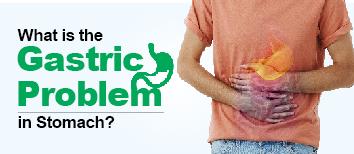
Gastric problems occur when excess acid or digestive disturbances affect the stomach lining, causing symptoms like bloating, acidity, and pain. Timely diagnosis ensures effective treatment.

In the fast-paced and competitive world we live in today, mental health in the work setting is almost as important as being successful professionally. The contemporary workspace is no longer merely a physical area — it's an environment in which pressure, deadlines, and demands often intersect. Constant hustle can result in burnout, anxious behaviors, and emotional exhaustion if mental health does not receive attention.
Prioritization of mental health in the workplace isn't merely about stress reduction but also about building a favorable, accommodative, and empowering work environment. When the mental strength of the worker becomes more robust, his or her performance improves, team behavior improves, and he or she becomes more innovative.
If you are a person experiencing stress, burnout, or lack of motivation, then consulting a professional such as mental health counseling in Noida can be a prudent step in the direction of achieving stability in the right emotions and performing well at the job.
Looking for reliable Nursing Services at home in Noida? Call us today at +91 9667064100.
Your work can really take its toll and determine how you're feeling day in and day out. Though work can be full filling and meaningful, it can also become the bane of existence with heavy work demands and little support.
Poor mental health isn't simply a mood issue — it can affect concentration, judgment, and even physical well-being. Most professionals secretly struggle with anxiety, depression, or burnout without knowing how far its consequences extend in regards to productivity and working interpersonal relationships.
Employees will feel important and cared about when the companies implement mental health tips in the workplace and invest in emotional well-being programs. It not only decreases absenteeism, but improves the general morale and team performance.
In order to comprehend how to enhance mental health in the workplace, first we need to recognize the causes behind stress and emotional distress. Some common causes at work are:
Repeated working and lack of rest can cause burnout and exhaustion. Continued stress can erode the mental strength of the workers.
Working excessively long hours — at the workspace or from a distant site — leaves little in the day for family, play activity, and hygiene, which can result in irritability and fatigue.
Misunderstanding, blurred expectations, or lack of feedback can yield confusion and discomfort among personnel.
Challenging conversations or unresolved conflict may cause staff members to become isolated or discouraged, affecting performance and well-being.
When their work does not receive recognition, people may feel unappreciated, bitter, and less happy in the job.
Early identification can benefit organizations and individuals in practicing preventive measures in maintaining work-related emotional well-being.
Mental well-being in the workplace can only be promoted through the combination of personal and organizational interventions. Some useful ways in which mental well-being in the workplace can be promoted are:
Prolonged work without interruption tires the mind. Brief respite at intervals — a five-minute walk, deep breaths, stretches — can relieve your focus and spirits.
Establish a specific start and finish time for your work day. Never check work emails or take work phones after work. Boundaries decrease stress and enhance work-life balance.
Healthy work place promotes communication with employees to discuss their problems. Managers ought to use open door policy and ensure that employees are not afraid to share concerns with them.
Techniques like meditation, journal writing, or deep breathing calm the mind, quiet the focus, and alleviate the anxious feelings caused by work pressure.
The exercise directly affects mental health. Instruct staff members to engage in short exercises, yoga classes, or walking meetings in a bid to release the endorphins and refresh them.
Rewarding the employees would go a long way in raising morale and motivation. The appreciation brings a feeling of belonging and positivity at the workplace.
Team efforts may also provide emotional sustenance. Arrange team lunches, online coffee breaks or get-togethers to bring the colleagues closer.
In some instances, professional intervention becomes unavoidable. Visiting a psychologist in Noida can help individuals learn coping skills, manage the level of anxiety, and re-establish confidence in a safe, enclosed setting.
The employer also has an essential role in maintaining a mentally healthy workplace. If organizations are considerate and concerned with the well-being of the employee, then it creates a safe and productive environment. This is how corporations can help promote mental health in the corporate setting:
Foster the free discussion of mental health and the elimination of stigma. Make it irrefutably clear that the seeking of help demonstrates strength, not weakness.
Flexible schedules or flexible models allow the employee the freedom to balance work and personal needs and thus cut down tension and burnout.
Managers should be sensitized in such a way that they identify early distress in their personnel and react appropriately with concern and empathy.
The in-house or joint provision for mental health counseling in Noida allows expanded convenience and discretion in the facilitation of the staff.
Employees should be encouraged to take leaves when needed — whether for mental rejuvenation, personal commitments, or stress recovery. A well-rested mind performs far better than an overworked one.
Stress is inevitable, but the fact that we control it governs its effect. Here are some effective ways for how to deal with stress in the workspace:
Prioritize: Do the most important things each day.
Delegate work: Don’t hesitate to seek help when workloads increase.
Get yourself organized: Organized calendar and desk with schedules minimize confusion and maximize focus.
Practice appreciation: Twice daily appreciate something positive, no matter how small.
Disconnect digitally: Take small breaks from screens so you can take a break and calm your mind.
Such tiny but regular modifications can really maximize the emotional resilience in the workplace.
When stress becomes excessive or begins interfering with your day-to-day functioning, professional help cannot be delayed in any way. Ongoing sadness, irritability, sleeping disorder, or lack of interest in work are indications that you may be having deep-set depression or anxiety.
Such a scenario can take you to the best Psychology Hospital in Noida or an appointment with a psychologist in Noida to be able to receive the help and methods you need to get back on track and be an emotionally whole person.
Therapy can help you identify your triggers, develop healthier ways of coping, and take back control over the way you feel and think.
Boosted Productivity: A peaceful and concentrated mind produces more.
Improved Job Satisfaction: Healthy minds are more productive and happy.
Reduced Absenteeism: Emotional stability reduces frequent leaves and burnout cases.
Better Working Together: Happy staff are more productive in teams.
The Future of More Positive Workplace: Making well-being possible permits innovation, creativity, and collaboration.
When companies care about mental health, it will become beneficial to both the employees and the employers - a leveled and prosperous workplace.
Get professional, compassionate care for your loved ones right where they belong — at home.
Mental health in the workplace isn't a nicety — but a requirement for sustainable business success and individual well-being. Healthy mentality lays the groundwork for creativity, focus, and career progression.
Both the employer and the employee must collaborate in building up an environment in which performance and emotional well-being are held in equal esteem. From flexible working and open communication to the provision of counseling and mindfulness, it all adds up.
If you are unable to cope with stress or emotional burnout, think about seeking mental health counseling in Noida or talking with a qualified psychologist in Noida in order to balance yourself, toughen up, and find some peace of mind.
Keep in mind that work mental health does not merely mean existing — it's thriving, growing, and having a purposeful work life.
Q. 1. How can you advocate for your mental health every day at work?
Ans. Small day-to-day habits like having short breaks, staying organized, practicing appreciation, and having a balance in work and life can help a lot in improving your mental health in the workplace. Regular exercise and good rest also count a lot.
Q. 2. What are the early warnings signs of unhealthy mental health at the workplace?
Ans. Typical symptoms are feelings of lethargy, irritability, lack of focus, lack of drive, and regular absenteeism. Early recognition of such enables corrective action well prior to burnout.
Q. 3. How can employers facilitate staff's mental health?
Ans. Employers can provide flexible working arrangements, access to counseling, stress management courses, and an open, non-stigmatized work setting in which people feel comfortable asking for help.
Q. 4. How often should you speak with a psychologist regarding work stress?
Ans. But if stress begins interfering with your sleeping, the ability to focus, relationships, or simple happiness, then a professional should be consulted. A conversation with a Noida psychologist can assist in coping with emotional distress appropriately.
Q. 5. Will work-related stress be alleviated with mental health therapy?
Ans. Yes. Consulting assists in determining the causative factors of stress, enhancing feelings of control, and learning how to cope with the challenges in the workplace with a clearer head.

Explore the differences between psychotherapy and counseling to find the right path for your mental wellness. Understand their approaches and how they can help.

Your gut and brain share a strong link that impacts your mood, stress levels, and overall health. Learn how maintaining gut health can improve your mental well-being.

The bodies of women frequently go through many hormonal, physiological, and lifestyle shifts that may affect health overall. Occasionally, before an imbalance occurs internally, there's a clear indication of a simple blood test — specifically, the ESR (Erythrocyte Sedimentation Rate) value. If your ESR test is elevated, it may be a sign of inflammation, infection, or an autoimmune disease growing in the background.
While we attribute it to a temporary state for many, elevated ESR in females can be a precursor of some other condition for which a solution is needed. ESR awareness, its causes, and how to find a Female health specialist for ESR issues in Noida is necessary for intervention and treatment early on.
Call us at +91 9667064100 to discover guidance by experienced experts practicing in Noida for appropriate treatment and custom-made diagnosis
The Erythrocyte Sedimentation Rate, or ESR, is a test of how quickly red blood cells settle at the bottom of a test tube in a set period of time. It's slow normally. However, if a person's body is inflamed, proteins act on red blood cells, bunching them together, which causes the red blood cells to settle quicker — a higher ESR result.
Normal ESR for women is usually between 0–20 mm/hr, yet it might vary by a little bit by state of health and age. Elevation of ESR does not point to a specific disease but identifies specifically the fact that there's inflammation being fought by your body someplace — i.e., your joints, your organs, your immune system, etc.
They are symptoms of a elevated ESR in females, and they may differ based on what is leading to inflammation. Women might not even have symptoms, and those who have symptoms may have moderate, mild, or severe pain. They are:
Fatigue and low energy levels
Mild or intermittent fever
Stiffness, swelling, or arthritic pain of
Abrupt weight loss or loss of appetite
Weakness or muscle pain
Loss of hair or light skin color
Common feeling of being sick
If, you observe these symptoms for more than a few days, consult a best hospital in Noida for high ESR treatment to identify its actual cause early on.
Many conditions are capable of increasing ESR in females. The following are the most common causes of elevated ESR in females:
Recurrent bacterial or viral infections like urinary tract infections, tuberculosis, etc., or lung infection may also render ESR elevated for a period of time. ESR becomes normal after treatment.
These diseases like rheumatoid arthritis, systemic lupus erythematosus (SLE), and vasculitis lead to chronic inflammation and hence give elevated ESR readings. Females are more susceptible to autoimmunity compared to males, and it can be related to both hormonal and genetic predispositions factors.
Iron deficiency anemia, more frequent in menstruating or postpartum females, can falsely elevate ESR values even when active inflammation is absent.
Hypothyroidism and hyperthyroidism are capable of affecting ESR due to hormonal variations of metabolic and immune reactions.
Menstruation, being pregnant, or experiencing menopause might actually change ESR values by adjusting hormone output, blood composition, and body's fluid balance.
Long-standing diseases like inflammatory bowel disease (IBD), chronic kidney disease, or liver inflammation are more likely to lead to elevated ESR values chronically.
In a few instances, increased ESR may be an indication of systemic cancer, e.g., lymphoma or myeloma, if it appears alongside unexplained lethargy or precipitous weight loss.
Birth control medication, certain inflammatory drugs, obesity, smoking, and stress similarly cause ESR to rise even if a person is otherwise normal.
ESR is included in a basic blood examination. Nonetheless, it is a non-specific marker, and thus doctors usually suggest further tests to identify the real cause, e.g.
C-Reactive Protein (CRP) - More specific in the measurement of inflammation.
Complete Blood Count (CBC) - identifies infection or anemia.
Thyroid Function Test - Test to check hormonal imbalance.
RF / ANA Test - Detects autoimmune diseases.
Imaging Tests (X-ray, Ultrasound, MRI) – To measure either inflammation or tissue damage.
Such studies contribute to a clear image of the reasons to make ESR high and prescribe the necessary treatment.
As ESR is a reflection of some other condition, its management consists of treatment of its cause.
Infections → Antibiotics or antivirals.
Autoimmune diseases → Immunosuppressant or anti-inflammatory medication.
Anemia → Vitamin or iron supplements.
Thyroid disorders → Balancing hormone therapy.
Once the condition is treated, ESR returns to normal naturally.
Increasing healthy lifestyle choices significantly helps to prevent inflammation:
Incorporate anti-inflammatory diets such as green vegetables, ginger, turmeric, spinach, and flaxseed.
Have fluids and avoid processed or fried foods.
Perform moderate activities like yoga exercise or walking.
Have a healthy weight and sleep regimen.
Stress potentially becomes a source of intensified inflammation. Meditation, breathing, or being mindful potentially reduce stress hormone, hence indirectly affecting ESR.
Some home treatments may help alleviate mild inflammation naturally:
Black pepper and turmeric for their anti-inflammatory activity.
Tulsi (holy basil) tea for cleansing.
Ginger and honey for relief of infection symptoms.
Still, always check your doctor before depending on home cures alone.
Following treatment, periodic follow-up ESR tests assist in monitoring recovery. A slow decrease in ESR values indicates that inflammation is being reduced and the treatment is successful.
You should speak with a doctor if:
You have your ESR value higher for more than a month.
You are fatigued, fevered, or have arthritic pains frequently.
Your appetite decreases or you lose weight unexpectedly.
You've long-standing fatigue or recurrent infections.
Early consultation aids to avoid long-term outcomes and receive appropriate treatment at appropriate times.
Do not neglect your health — your ESR could be raised if your body is screaming to be listened to. Make your appointment by clicking here.
You cannot ignore a high ESR in females — it's your own body's warning bell signaling of inflammation or an unknown condition. It does not constitute a specific disease, but it is indicative of it for early intervention when coupled with other tests and symptoms.
Short, frequent health checkups, proper nutrition, rest, and stress relief are all helpful for a healthy ESR reading. Always keep in mind, however, that self-diagnosis is hazardous — it's your trained doctor who must correctly interpret your ESR results and advise you what to do next.
In case you've been suffering from unexpected test outcomes, pain, or inexplicable fatigue, it's high time to pay serious heed to your health. On-time care of a lady health specialist for ESR symptoms at Noida guarantees proper identification of your state and appropriate treatment considering your condition.
Q. 1. Can stress or lifestyle produce a high ESR?
Ans. In fact, stress, sleep disturbances, obesity, and malnutrition can moderately elevate ESR even if serious disease is absent.
Q. 2. Natural management of elevated ESR?
Ans. Adding anti-inflammatory ingredients like green tea, ginger, green leafy vegetables, and turmeric, and proper exercises, assist to lower ESR naturally.
Q. 3. High ESR is harmful during pregnancy?
Ans. The normal rise of ESR in pregnancy is usually caused by hormones and the retention of extra blood and therefore, even high readings need to be sampled by a physician.
Q. 4. Will the imbalance of the thyroid lead to increased ESR?
Ans. In fact, thyroid pathologies - and especially hypothyroidism - can increase ESR due to slow metabolism and focal inflammation.
Q. 5. How much time do you take to restore ESR to normal?
Ans. This is also dependent on their causative agent; infections can be cured in a period of weeks, and chronic diseases require months of regular medication.

Women should see a gynecologist yearly after puberty for health check-ups.
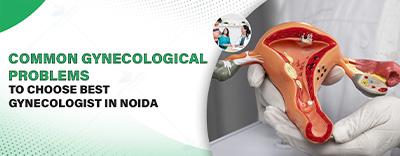
Know the common gynecological problems and the best tips to choose a trusted gynecologist in Noida

Explore 11 thyroid-friendly foods that support hormone balance, boost energy, and improve overall thyroid health naturally.

बच्चों का आत्मविश्वास उनके मानसिक विकास, सामाजिक व्यवहार और पढ़ाई के अलावा लिखाई में सफलता की नींव है। जब बच्चे खुद पर भरोसा खोते हैं। डर या झिझक महसूस करते हैं, तो यह संकेत है कि उनके आत्मविश्वास में कमी है। यह स्थिति समय रहते संभाली न जाए, तो आगे चलकर उनके व्यक्तित्व, पढ़ाई और सामाजिक जीवन पर गहरा असर डालती है। psychologist in noida में उपलब्ध है। माता-पिता को ऐसे लक्षण दिखें, तो बाल मनोचिकित्सक या काउंसलर से संपर्क अवश्य करें।
अभी अपॉइंटमेंट शेड्यूल करें – कॉल करें: +91 9667064100
बच्चों में आत्मविश्वास की कमी का मुख्य कारण उनके अनुभवों, परिवार के माहौल और सामाजिक तुलना में छिप होता है। जब बच्चे को बार-बार डांटा जाता है। उसकी तुलना दूसरों से की जाती है। या उसकी उपलब्धियों की सराहना नहीं होती है। तो उसमें आत्मविश्वास घटता है। शुरुआती उम्र में माता-पिता का सहयोग, प्रोत्साहन और प्यार बच्चे के मनोबल को मजबूत करते हैं। मगर नकारात्मक व्यवहार, उपेक्षा या गलत अपेक्षाएं बच्चे के अंदर डर और हीनभावना (inferiority complex) पैदा करती हैं।
बच्चा नया काम करने से डरता है। यानी वह गलती करने से घबराता है। या दूसरों से बात करने में झिझक (hesitation) दिखाता है।
परिजन से कहता है कि मैं कुछ नहीं कर सकता”। मैं बेकार हूं जैसी बातें बोलना आत्मविश्वास की कमी का सीधा संकेत है।
अगर बच्चा हमेशा दूसरों की सफलता से खुद को छोटा महसूस करता है, तो यह आत्मसम्मान की कमी के संकेत है।
आत्मविश्वास कम होने पर बच्चे दोस्तों, स्कूल एक्टिविटीज या प्रतियोगिताओं से दूर भागते हैं। इसलिए इस ओर ध्यान देने की जरूरत है।
जो बच्चे हमेशा चुप रहते हैं या सार्वजनिक रूप से बोलने से डरते हैं। उनमें अक्सर आत्मविश्वास की कमी देखी जाती है।
आत्मविश्वास कम बच्चों में छोटी गलती पर भी घबराहट होती है। रोना या आत्मग्लानि भी दिखती है।
आत्मविश्वास घटने से बच्चे का मन पढ़ाई में नहीं लगता है। उसका प्रदर्शन भी प्रभावित होता है।

बार-बार दूसरों से तुलना करने या डांटने से बच्चे में हीनभावना आती है। इस कारण आत्मविश्वास की कमी दिखती है।
पढ़ाई या खेल में असफलता बच्चे के मन में डर और निराशा पैदा करती है। इस कारण वह आत्मविश्वास की कमी मसहूस करता है।
कई बार घर में झगड़े या तनावपूर्ण माहौल बच्चों के मानसिक स्वास्थ्य पर नकारात्मक असर डालते हैं। इस कारण आत्मविश्वास की कमी दिखती है।
जब बच्चों को खुद से निर्णय लेने का अवसर नहीं मिलता है। तो उनमें आत्मविश्वास घटता है। इस कारण आत्मविश्वास की कमी दिखती है। वह समय पर निर्णय नहीं ले पाता है।
आज के दौर में बच्चे खुद की तुलना दूसरों की जीवनशैली से करते हैं। जिससे आत्म-सम्मान कम हो सकता है। इस कारण आत्मविश्वास की कमी दिखती है।
हकलाना, मोटापा (obesity), कम कद या अन्य शारीरिक असुरक्षाएँ भी बच्चों के आत्मविश्वास पर असर डालती हैं। इस कारण वह आत्मविश्वास की कमी मसहूस करता है।
जब बच्चों को यह महसूस नहीं होता कि परिवार उनके साथ है, तो उनका आत्मविश्वास धीरे-धीरे टूटने लगता है। इस कारण आत्मविश्वास की कमी दिखती है।
डॉक्टर या बाल मनोवैज्ञानिक बच्चे के व्यवहार, हावभाव (gesture), बातचीत और आत्म-प्रतिक्रिया का गहराई से विश्लेषण करते हैं। वह देखते हैं कि बच्चा नए लोगों से कैसे मिलता है, खुद को कैसे व्यक्त करता है और असफलता पर कैसी प्रतिक्रिया देता है। क्या बच्चा आत्म-संदेह, डर या शर्म महसूस करता है। क्या वह खुद पर भरोसा जताता है या हमेशा दूसरों पर निर्भर रहता है। यह सभी बातें नोट करते हैं। डॉक्टर बच्चे को खेल, ड्राइंग या कहानी सुनाने जैसी गतिविधियों के माध्यम से भी परखते हैं। जिससे स्वाभाविक भावनाएं सामने आ सकें।
विशेषज्ञ माता-पिता और बच्चे के बीच की बातचीत, व्यवहार और भावनात्मक जुड़ाव का मूल्यांकन करते हैं। देखा जाता है कि माता-पिता बच्चे की बात सुनते हैं या तुरंत टोकते हैं। यह भी परखा जाता है कि क्या माता-पिता बच्चे की उपलब्धियों की सराहना करते हैं या हमेशा तुलना करते हैं। इससे यह समझने में मदद मिलती है कि बच्चे का आत्मविश्वास पारिवारिक माहौल की वजह से घटा है या बाहरी कारणों से है। कई बार माता-पिता को भी पेरेंटिंग काउंसलिंग (Parenting Counseling) दी जाती है। जिससे वह बच्चे के साथ सही संवाद और प्रोत्साहन देना सीख सकें।
बच्चों में आत्म-सम्मान, चिंता (Depression), और आत्म-धारणा मापने के लिए सरल और गैर-तकनीकी मनोवैज्ञानिक परीक्षण किए जाते हैं। उदाहरण के लिए, ड्रॉ-अ-पर्सन टेस्ट, सेल्फ-परसेप्शन प्रोफाइल, या एंग्जायटी (anxiety) स्केल जैसे परीक्षण बच्चे के अंदर झांकने में मदद करते हैं। इनसे यह पता चलता है कि बच्चा खुद को कितना सक्षम समझता है, असफलता पर उसकी प्रतिक्रिया क्या होती है, और क्या वह लगातार डर या तनाव महसूस करता है। यह परीक्षण खेल या बातचीत के रूप में किए जाते हैं, जिससे बच्चा सहज महसूस करे।
शिक्षक बच्चे के व्यवहार, सहभागिता और आत्म-प्रस्तुति के सबसे अच्छे पर्यवेक्षक होते हैं। उनसे यह जानकारी ली जाती है कि बच्चा कक्षा में सवाल पूछता है या नहीं, क्या वह दोस्तों के साथ घुलता-मिलता है। क्या उसकी स्कूल में उपस्थिति या परफॉर्मेंस में गिरावट आई है। यदि बच्चा स्कूल में बहुत चुप रहता है, डरता है या ध्यान केंद्रित नहीं कर पाता, तो यह आत्मविश्वास की कमी का मजबूत संकेत है। स्कूल काउंसलर या टीचर की राय से डॉक्टर को बच्चे के सामाजिक व्यवहार और आत्म-धारणा की स्पष्ट तस्वीर मिलती है।
बच्चे की हर छोटी-बड़ी उपलब्धि की तुरंत सराहना करना चाहिए। चाहे वह स्कूल में अच्छा प्रदर्शन हो या किसी दोस्त की मदद करना। गलती करने पर उसे डांटने के बजाय समझाएं और सुधारने का तरीका बताएं। तुम बहुत अच्छे से कोशिश कर रहे हो या मुझे तुम पर गर्व है” जैसी बातें उनके आत्मविश्वास को कई गुना बढ़ा देती हैं। आलोचना के बजाय संरचनात्मक प्रतिक्रिया देनी चाहिए। जिससे बच्चा अपनी गलती से सीखे, न कि डर महसूस करे।
कुछ छोटे-छोटे फैसले (जैसे कौन-से कपड़े पहनने हैं, कौन-सा खेल खेलना है, या कौन-सी किताब पढ़नी है) बच्चे को खुद लेने दें। इससे उनमें स्वतंत्र सोच और आत्मनिर्भरता विकसित होती है। जब बच्चे को लगता है कि उसकी राय की कद्र होती है, तो उसका आत्मविश्वास और जिम्मेदारी दोनों बढ़ते हैं। शुरुआत छोटे निर्णयों से करें और धीरे-धीरे उन्हें बड़े विकल्पों में शामिल करें (जैसे छुट्टियों की जगह तय करना या परिवारिक गतिविधियों में सुझाव देना)।
जब बच्चा किसी नई चीज में असफल हो, तो उसे यह सिखाएं कि गलती करना सीखने की प्रक्रिया का हिस्सा है। असफलता को सजा या शर्मिंदगी के रूप में न दिखाएं। बल्कि उसे अगली बार और बेहतर कोशिश करने की प्रेरणा बनाएं। तुमने मेहनत की यही सबसे जरूरी है। जैसे वाक्य बच्चों में आत्मबल और आशा पैदा करते हैं। माता-पिता का प्रोत्साहन बच्चे के लिए सबसे सुरक्षित भावनात्मक कवच होता है।
घर का माहौल बच्चों के आत्मविश्वास पर सीधा असर डालता है। झगड़े, शोर-शराबा या तनावपूर्ण बातचीत बच्चों को असुरक्षित महसूस कराती है। शांत, प्रेमपूर्ण और सहयोगी माहौल बच्चों में सुरक्षा और भरोसे की भावना जगाता है। बच्चे के सामने कभी उसकी आलोचना या अपमान न करें। परिवार में एक-दूसरे की बात सुनने और समझने की संस्कृति विकसित करें, ताकि बच्चा खुलकर अपनी भावनाएं व्यक्त कर सके।
यदि बच्चा लगातार आत्मविश्वासहीनता, डर या सामाजिक अलगाव के लक्षण दिखा रहा है, तो बाल मनोवैज्ञानिक से परामर्श लें। Child counselling in noida में उपलब्ध है। काउंसलिंग से बच्चे को अपनी भावनाओं को समझने और व्यक्त करने की क्षमता मिलती है। विशेषज्ञ बच्चे को आत्म-सम्मान अभ्यास, भावनात्मक अभिव्यक्ति खेल और आत्मविश्वास-निर्माण चिकित्साजैसी तकनीकों से मदद करते हैं। जरूरत पड़ने पर परिवार को भी अभिभावक मार्गदर्शन सत्र दिए जाते हैं। जिससे घर में सही माहौल बन सके।
बच्चों को सामूहिक गतिविधियों जैसे संगीत, खेल, नाटक, कहानी सुनाना, पेंटिंग, डिबेट या सांस्कृतिक कार्यक्रमों में भाग लेने के लिए प्रेरित करें। ऐसी गतिविधियां बच्चे को दूसरों के साथ संवाद करना, स्टेज पर खुद को प्रस्तुत करना और टीमवर्क सीखने में मदद करती हैं। ग्रुप एक्टिविटी से डर और झिझक कम होती है। बच्चा आत्मविश्वास के साथ खुद को व्यक्त करना सीखता है। इससे उन्हें दोस्ती, सहयोग और सफलता का आनंद भी मिलता है। जो आत्म-सम्मान को मजबूत करता है।
बच्चे से हर दिन सकारात्मक शब्द में बात करें।
उसकी कोशिशों की तारीफ करें। न कि केवल नतीजों की।
हर दिन कुछ मिनट उसके साथ बिताएँ, उसकी बातें ध्यान से सुनें।
मोबाइल या स्क्रीन टाइम सीमित करें। रचनात्मक गतिविधियां बढ़ाएं।
उसके सामने खुद आत्मविश्वासी बनें। बच्चे माता-पिता के व्यवहार से सीखते हैं।
डर या गलती को सजा न दें, बल्कि समझने का अवसर बनाएं।
बच्चों में आत्मविश्वास की कमी केवल एक मानसिक समस्या (mental problem) नहीं है। बल्कि उनके पूरे व्यक्तित्व विकास से जुड़ी है। आत्मविश्वासी बच्चे जीवन की चुनौतियों का सामना बेहतर ढंग से करते हैं। जबकि आत्मविश्वास की कमी से बच्चे डर, चिंता और सामाजिक असहजता का शिकार होते हैं। माता-पिता का प्यार, सहयोग और सकारात्मक व्यवहार बच्चे के आत्मविश्वास को पुनः मजबूत करने की सबसे बड़ी दवाच होती है।
अभी अपॉइंटमेंट शेड्यूल करें – कॉल करें: +91 9667064100
प्रश्न 1: बच्चों में आत्मविश्वास की कमी का सबसे बड़ा संकेत क्या होता है?
उत्तर: यदि बच्चा हमेशा डरता है। खुद को दूसरों से कम समझता है या गलती करने से घबराता है। तो यह आत्मविश्वास की कमी का संकेत होता है।
प्रश्न 2: क्या माता-पिता का व्यवहार बच्चे के आत्मविश्वास को प्रभावित करता है?
उत्तर: हां, माता-पिता का रवैया, संवाद और प्रोत्साहन बच्चे के आत्मविश्वास निर्माण में मुख्य भूमिका निभाते हैं। इसलिए उन्हें प्रोत्साहन दें।
प्रश्न 3: क्या आत्मविश्वास की कमी का इलाज संभव है?
उत्तर: हां, सकारात्मक वातावरण, काउंसलिंग, और माता-पिता के सहयोग से आत्मविश्वास को पूरी तरह से पुनर्स्थापित किया जा सकता है।
प्रश्न 4: क्या स्कूल का माहौल भी बच्चों में आत्मविश्वास घटाता है?
उत्तर: हां, यदि बच्चे को स्कूल में बार-बार अपमानित किया जाए या उसकी तुलना दूसरों से की जाए, तो उसका आत्मविश्वास कम होता है।
प्रश्न 5: बच्चों में आत्मविश्वास कैसे बढ़ाया जा सकता है?
उत्तर: बच्चे की हर कोशिश की सराहना करें। उसे निर्णय लेने दें। सकारात्मक सोच विकसित करने में मदद करें। खेल, कला और सामाजिक गतिविधियों में भाग लेने के लिए प्रेरित करें।
फेलिक्स हॉस्पिटल, जो बच्चों में मूत्र संक्रमण के लिए सर्वश्रेष्ठ अस्पताल के रूप में जाना जाता है, इस समस्या के समाधान के लिए उचित निदान और उपचार प्रदान करता है।

श्वसन तंत्र की समस्याओं जैसे सांस फूलना, निमोनिया और ब्रोन्काइटिस के निदान और उपचार के लिए डॉ. प्रियदर्शी जितेंद्र कुमार, जो सबसे अनुभवी पल्मोनोलॉजिस्ट हैं, का नेतृत्व करते हुए हमारी कुशल टीम आपकी सेवा में है।
बच्चों में इम्यूनिटी कमजोर होने पर बार-बार बीमारियां, थकान और विकास में रुकावट जैसे लक्षण दिख सकते हैं। सही कारण पहचानकर समय पर इलाज से बच्चे को स्वस्थ रखा जा सकता है।

Many parents view snoring as a harmless habit or something their child shall "grow out of." However, habitual snoring or snoring in children may at times be an indication of some health issue below the surface. Although a sporadic snore during an attack of cold or allergies may not be a cause for concern, regular snoring may be a warning of sleep-disordered breathing — a condition affecting breathing, levels of oxygen, sleep quality, and even a child's growth and behavior.
In expanding city centers like Noida, higher allergies, increased air pollution, and lifestyle changes have seen sleep apnea breathing disorders rise significantly among children at a startling pace. Detection of symptoms early and a consultation with a Child snoring treatment in Noida can greatly benefit your child's future health and developmental outcomes.
Call +91 9667064100 today and talk to highly qualified pediatric sleep and ENT specialists in Noida so your child experiences healthy, unbroken sleep each night.
Snoring happens when airflow through the upper airway (throat and nose) during sleep is partially obstructed. The obstruction leads to vibrations of tissues around, hence the characteristic snoring sound. Even though snoring is common and normal to a certain extent in some children, for instance, due to temporary congestion of their noses, regular snoring is a cause for concern for conditions like obstructive sleep apnea (OSA).
If your child snores for more than three nights a week, gasps for air at night, or seems a lot more exhausted during the day, it's serious enough to give some attention to it. Chronic snoring in youngsters should never be ignored, for it may have an effect not just on their sleep, but also on brain development and daytime behavior.
There are a number of snoring causes among children, from mild nasal obstruction to severe anatomical or neurologic reasons. Shared causes are:
These are the most common offenders. Enlarged, they block air passage by the throat when sleeping.
Seasonal allergies or chronic sinusitis lead to swelling and congestion of the nose, tightening the breathing passage.
Excess tissue of the neck can cause airways to constrict, hence snoring, potentially.
Structural defect of the nasal passage can result in breathing difficulties, particularly during sleep.
Children with chronic breathing conditions are more prone to nighttime airway obstruction.
Environmental irritants may swell and inflame a child's airway.
Sleeping flat on their back causes their tongue to droop back, obstructing their air passage and leading to snoring.
Any of the causes described may be temporary, serious, and it is necessary for a person to know its source so they recognize if snoring is temporary or serious.
Recurring, occasional snoring is rarely problematic, but frequent snoring, even during sleep, may indicate a serious condition known as obstructive sleep apnea (OSA). With OSA, a child's breathing passage narrows several times a night during sleep, reducing oxygen and interrupting sleep.
Untreated OSA or snoring health risks for children are as listed below:
Poor sleep quality: Disturbed sleep does not allow for sound sleep, causing lethargy and mood swings.
Behavior difficulties: Children become hyperactive, irritable, or unfocused — symptoms confusingly similar to ADHD.
Poor scholarly performance: Poor sleep impedes memory, concentration, and memory capacity.
Growth issues: Sleep disturbances affect the release of growth hormone, and growth slows physically.
Heart and lung strain: In severe cases, low oxygen levels may cause cardiovascular stress over time.
Sleep cycle disturbance and morning headache: They are also linked to sleep cycle disturbances due to OSA.
Then, is snoring harmful to children? Yes — if frequent and if left untreated, it can bring about severe developmental, behavioral, and health disorders.
Parents should be vigilant if their child shows any of the symptoms listed below:
Loud snoring for three or more nights a week
Gasps for air or breathing lapses during sleep
Agitated sleep, restlessness during sleep
Daytime mouth breathing, even if it's mild
Bedwetting or night sweats
Morning headache or mouth dryness
Excessive daytime sleepiness or lethargy in the morning
These are normally sleep-disordered breathing or pre-sleep apnea indicators, which need to be medically investigated. Consulting a Pediatric sleep specialist in Noida aids in discovering the condition and outlining a personalized treatment plan.
Sleep also facilitates a child's ability for emotional regulation, concentration, and growth. Children who are habitual snorers are generally lethargic during the day, are poor concentrators during class, and are potentially short-tempered/moody. Long-term, it impacts their ability to co-exist with their peer group and teachers, and their self-esteem.
Also, poor sleep quality affects physical growth. During deep sleep, growth hormones are released, so children who are sleep disrupted may have slowed growth or delayed puberty in extreme instances.
Pediatrician or sleep specialist starts off by doing a proper medical evaluation, including your child's sleep behavior, medical background, and physical configuration of airways. Diagnosis may include:
Physical assessment: Tonsils, adenoids, and nasal carriers.
Sleep study (Polysomnography): Records overnight breathing pattern, oxygen level and sleep pattern.
Allergy testing: Resolves allergic triggers that cause the congestion.
Imaging Test: CT scan or X-rays may indicate airway obstruction or structural issues.
The reason is that timely treatment of snoring in children is made possible through early diagnosis to prevent complications.
The treatment for snoring in children depends on its etiology. A child specialist may recommend one or a few of the following steps:
In an infection or allergy, medication like antihistamines, nasal sprays, or anti-inflammatory drugs may be given to counter nasal blockage.
In individuals who have large adenoids or large tonsils, adenotonsillectomy (removal of the tonsils and adenoids) is usually the best choice. It is a routine and a perfectly safe surgery by pediatric surgeons.
In obese children, diet modification, nutritionally appropriate diet, and frequent exercise markedly decrease snoring.
In severe sleep apnea, a CPAP machine delivers regular air pressure during sleep to keep the air passage open.
Establish a routine sleep pattern.
Avoid heavy meals before bedtime.
Exhort youth to sleep on their sides rather than their backs.
Please keep your room clean and dust-free.
These are not intrusive procedures and can greatly diminish mild snoring and sleep quality.
The parent also bears a major responsibility of observing and controlling their child's sleep health.
These are some useful steps:
Observe your child's breathing during sleep and record snoring and gasping sounds.
Promote nasal breathing by controlling humid air and allergies.
Minimize exposure to dust, smoke, or pungent smells at home.
Restrict screen exposure before bedtime to avoid over-stimulation.
Get the child to a healthy weight through diet and exercise.
By being attentive and observant, parents are better equipped to detect difficulties early and prevent long-term damage.
If your child snores regularly, don't turn a deaf ear to it — it's a potential indicator of some health condition. Book your appointment now by calling +91 9667064100.
Child snoring isn't always harmless — it's often a symptom of sleep-disordered breathing or obstructive sleep apnea in most instances. Without proper treatment, it may cause leaning difficulties, slow growth, and behavior problems. The bright spot here is that, when treated early and by experts, both ailments are quite treatable. Noida parents should never ignore nightly snoring habits.
Consult a qualified pediatric hospital in Noida to learn why and provide your child with their best possible care. Taking steps ahead of time ensures your little one enjoys quiet, restful sleep — a foundation for a healthy body and bright mind. Healthy sleep is not a privilege for children, it's a necessity for their development, for their joy, and for their health.
Q. 1. Does snoring usually happen to children?
Ans. Normal is occasional snoring during a cold or allergy, but frequent snoring can be a sign of a more serious condition like sleep apnea and requires a doctor's care.
Q. 2. What are some of the causes of snoring in children?
Ans. The causes are usually enlarged tonsils, nasal congestion, allergy, obesity, or airway structure problems.
Q. 3. Can a child's snoring affect their learning, behavior, etc.?
Ans. Indeed, it creates poor sleep, irritability, inability to concentrate, and poor performance at school because of habitual snoring.
Q. 4. What are some ways to prevent child snoring naturally?
Ans. Appropriate sleep hygiene, allergy management, and health lifestyle advocacy might benefit mild snorers.
Q. 5. When should I bring my child for a doctor's consultation regarding snoring?
Ans. If your child is a regular snorer on several nights, gasps for air, or is lethargic during daytime, see a pediatric sleep specialist in Noida urgently.

As a child care specialist, I have noticed a huge difference in overall growing of a child in the last 14 years.
During sleep, the body releases growth hormones, which are essential for a child's growth and development. Adequate sleep is vital for muscle development, tissue growth, and the overall physical health of a child.

Early Signs of Gigantism in Children: What Parents Should Know
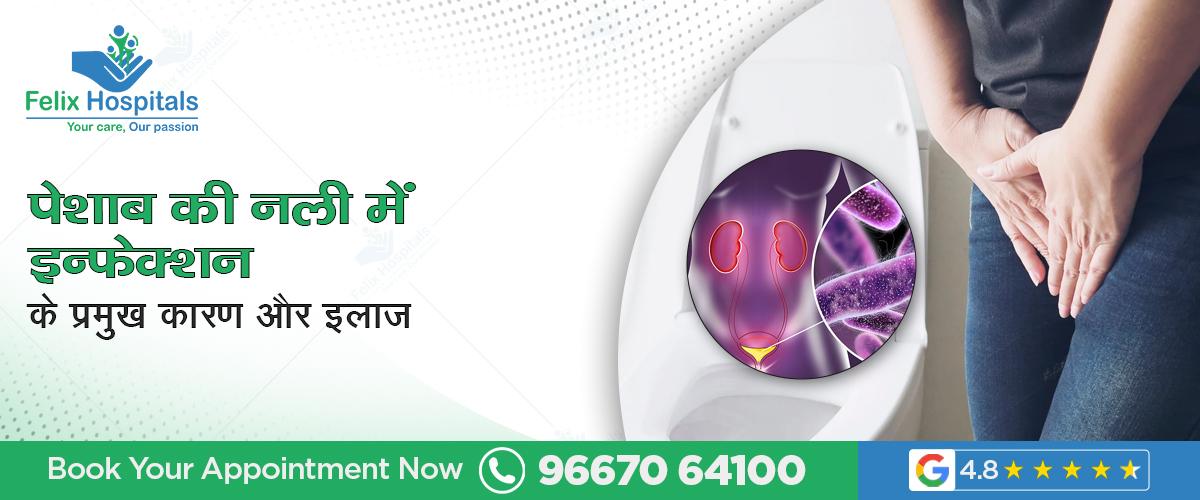
पेशाब की नली में इन्फेक्शन (UTI) महिलाओं और पुरुषों दोनों में एक आम लेकिन परेशान करने वाली समस्या है। शुरुआत में यह साधारण जलन या बार-बार पेशाब आता है। मगर समय पर इलाज न मिलने पर यह किडनी तक संक्रमण फैलता है। Urologist in Noida में उपलब्ध है। इसलिए अगर आपको बार-बार पेशाब आना, जलन होना या दर्द महसूस की समस्या है, तो इसे नजरअंदाज न करें तुरंत यूरोलॉजिस्ट से परामर्श लें।
अभी परामर्श के लिए कॉल करें – +91 9667064100
पेशाब की नली (Urinary Tract) में संक्रमण तब होता है। जब बैक्टीरिया यूरिन मार्ग, ब्लैडर या किडनी में प्रवेश करते हैं और वहां सूजन या जलन पैदा करते हैं। अक्सर संक्रमण ब्लैडर और यूरेथ्रा में होता है। लेकिन गंभीर स्थिति में यह किडनी तक फैलता है। जिसे पायलोनेफ्राइटिस कहते हैं।
सबसे आम कारण ई कोलाई नामक बैक्टीरिया होता है। जो बड़ी आंत से यूरेथ्रा में पहुंचता है।
व्यक्तिगत हाइजीन की कमी, खासकर टॉयलेट उपयोग के बाद गलत दिशा में सफाई करना (पीछे से आगे की ओर) के कारण होता है।
कम पानी पीने से पेशाब कम बनता है और बैक्टीरिया बाहर नहीं निकल पाते हैं।
लंबे समय तक पेशाब रोककर रखने से संक्रमण का खतरा बढ़ता है।
संभोग के दौरान (during intercourse) बैक्टीरिया आसानी से मूत्र नली में प्रवेश करते हैं।
हार्मोनल बदलाव औ ब्लैडर पर दबाव बढ़ने से महिलाओं में संक्रमण की संभावना बढ़ती है।
इन स्थितियों में शरीर की संक्रमण से लड़ने की क्षमता कम होती है।
पेशाब करते समय तेज जलन या दर्द महसूस होना:
मूत्राशय या मूत्रनली में संक्रमण के कारण (Causes of urinary tract infection) पेशाब के दौरान जलन या चुभन होती है। कई बार यह जलन पेशाब शुरू करते या खत्म करते समय अधिक महसूस होती है। संक्रमण बढ़ने पर यह दर्द स्थायी भी होता है।
बार-बार पेशाब लगना लेकिन कम मात्रा में पेशाब आना:
रोगी को बार-बार पेशाब की तीव्र इच्छा होती है, लेकिन हर बार बहुत थोड़ी मात्रा में पेशाब निकलता है। ऐसा इसलिए होता है क्योंकि संक्रमित मूत्राशय पूर्ण रूप से खाली नहीं हो पाता। यह लक्षण महिलाओं में अधिक सामान्य है। विशेषकर गर्भावस्था या रजोनिवृत्ति के समय।
धुंधला या दुर्गंधयुक्त पेशाब:
सामान्य पेशाब हल्का पीला और बिना गंध का होता है। संक्रमण होने पर मूत्र में बैक्टीरिया और मवाद (pus cells) मिल जाते हैं, जिससे रंग गाढ़ा या धुंधला होता है। कई बार इसमें तेज, अप्रिय या अमोनिया जैसी बदबू भी आती है।
निचले पेट में दर्द या भारीपन महसूस होना:
संक्रमण के कारण मूत्राशय की मांसपेशियां सूज जाती हैं, जिससे पेट के निचले हिस्से में हल्का दर्द या दबाव महसूस होता है। कभी-कभी यह दर्द लगातार बना रहता है या पेशाब रोकने पर बढ़ता है।
पेशाब में खून या गुलाबी रंग दिखना:
मूत्र में खून की थोड़ी मात्रा मिलने से इसका रंग हल्का गुलाबी या लाल होता है। यह संकेत है कि संक्रमण मूत्रनली की भीतरी परत को प्रभावित कर रहा है। ऐसे मामलों में तुरंत डॉक्टर को दिखाना चाहिए।
बुखार और ठंड लगना:
अगर संक्रमण मूत्राशय से आगे बढ़कर किडनी तक पहुंच जाए, तो शरीर में बुखार, ठंड लगना और थकावट जैसे लक्षण दिखने लगते हैं। यह पायलोनेफ्राइटिस (किडनी इंफेक्शन) की शुरुआत का संकेत होता है। जो गंभीर स्थिति है।
कमर या पीठ के साइड में दर्द:
यह दर्द किडनी के आसपास यानी पीठ के ऊपरी हिस्से या पसलियों के नीचे महसूस होता है। संक्रमण बढ़ने पर यह दर्द तेज और लगातार बना रहता है। कभी-कभी इसके साथ मतली और उल्टी भी हो सकती है।
महिलाएं:
महिलाओं में मूत्रनली की लंबाई पुरुषों की तुलना में बहुत कम होती है। जिससे बैक्टीरिया को मूत्राशय तक पहुंचने में आसानी होती है। महिला शरीर की संरचना में यूरेथ्रा का मुख गुदा के पास होता है। जिससे संक्रमण फैलने की संभावना बढ़ती है। गलत दिशा में सफाई करना (पीछे से आगे की ओर) भी संक्रमण का कारण बनता है। मासिक धर्म के दौरान या यौन संबंधों के बाद संक्रमण की संभावना और अधिक बढ़ जाती है।
गर्भवती महिलाएं:
गर्भावस्था के दौरान हार्मोनल बदलाव मूत्राशय और मूत्रनली की मांसपेशियों को ढीला कर देते हैं, जिससे मूत्र पूरी तरह बाहर नहीं निकल पाता है। मूत्र रुकने के कारण बैक्टीरिया को बढ़ने का मौका मिलता है। बढ़ते गर्भाशय का दबाव मूत्राशय पर पड़ता है, जिससे पेशाब का प्रवाह धीमा हो जाता है और संक्रमण का खतरा बढ़ता है। गर्भवती महिलाओं में संक्रमण (Infections in pregnant women) होने पर यह मां और बच्चे दोनों के लिए खतरनाक होता है।
50 वर्ष से अधिक आयु के पुरुष:
इस उम्र के बाद पुरुषों में प्रोस्टेट ग्रंथि (prostate gland in men) का आकार बढ़ता है। जिससे मूत्र का प्रवाह बाधित होता है। मूत्राशय पूरी तरह खाली नहीं हो पाता, और रुका हुआ मूत्र बैक्टीरिया के पनपने का कारण बनता है। उम्र के साथ प्रतिरक्षा भी कमजोर होने लगती है, जिससे संक्रमण का खतरा बढ़ता है।
डायबिटीज या कमजोर इम्यूनिटी वाले लोग:
शुगर के रोगियों के मूत्र में ग्लूकोज़ की मात्रा अधिक होती है, जो बैक्टीरिया के लिए पोषण का कार्य करती है। डायबिटीज से ग्रसित व्यक्तियों की प्रतिरोधक क्षमता भी कमजोर होती है, जिससे शरीर संक्रमण से प्रभावी रूप से लड़ नहीं पाता। ऐसे लोगों में संक्रमण बार-बार लौट आता है और ठीक होने में अधिक समय लगता है।
कैथेटर (मूत्र निकासी ट्यूब) का उपयोग करने वाले मरीज:
लंबे समय तक कैथेटर लगाने से बैक्टीरिया आसानी से मूत्र मार्ग में प्रवेश करते हैं। अस्पताल में भर्ती गंभीर मरीजों में यह संक्रमण आम है। जिसे कैथेटर-संबंधित मूत्र पथ संक्रमण (CAUTI) कहा जाता है। इसलिए कैथेटर का उपयोग केवल आवश्यकता पड़ने पर और पूरी स्वच्छता के साथ करना चाहिए।
बार-बार संक्रमण का इतिहास रखने वाले लोग:
जिन व्यक्तियों को पहले भी कई बार यूटीआई हो चुका है, उनमें भविष्य में फिर से संक्रमण होने की संभावना अधिक रहती है। यह अक्सर मूत्रनली या मूत्राशय की संरचना में समस्या, अधूरी दवा का कोर्स, या बैक्टीरिया के प्रति प्रतिरोध के कारण होता है। ऐसे मरीजों को समय-समय पर यूरिन टेस्ट करवाना चाहिए और डॉक्टर की सलाह के बिना दवा नहीं छोड़नी चाहिए।
अगर नीचे दिए गए लक्षण बने रहें तो तुरंत डॉक्टर से परामर्श लें:
पेशाब में खून या दुर्गंध
पेशाब करते समय तेज जलन
बुखार, उल्टी, या पीठ में दर्द
बार-बार संक्रमण होना
गर्भावस्था में पेशाब की समस्या
अभी अपॉइंटमेंट शेड्यूल करें – +91 9667064100
यूरिन टेस्ट:
यह यूटीआई की सबसे पहली और सामान्य जांच होती है। डॉक्टर पेशाब का नमूना लेकर उसमें बैक्टीरिया, श्वेत रक्त कोशिकाएं, लाल रक्त कोशिकाएं और प्रोटीन या नाइट्रेट्स की उपस्थिति जांचते हैं। पेशाब में बैक्टीरिया या श्वेत रक्त कोशिकाएं की उपस्थिति यह संकेत देती है कि मूत्र मार्ग में संक्रमण (urinary tract infections) मौजूद है।
यूरिन कल्चर:
यह जांच संक्रमण पैदा करने वाले बैक्टीरिया की पहचान करने के लिए की जाती है। पेशाब के नमूने को एक विशेष वातावरण में रखा जाता है, जिससे बैक्टीरिया बढ़ सकें और उनकी पहचान की जा सके। इसके बाद पता लगाया जाता है कि कौन-सा एंटीबायोटिक उस बैक्टीरिया पर सबसे अधिक असरदार है।
अल्ट्रासाउंड या सीटी स्कैन:
अगर मरीज को बार-बार संक्रमण हो रहा है, या इलाज के बाद भी जलन, दर्द और बुखार कम नहीं हो रहा तो डॉक्टर इमेजिंग टेस्ट करवाने की सलाह देते हैं। अल्ट्रासाउंड से किडनी, मूत्राशय या मूत्र नली में किसी रुकावट, सूजन या पथरी की पहचान की जाती है।
सिस्टोस्कोपी:
यह एक विशेष एंडोस्कोपिक जांच है, जो मूत्राशय के अंदरूनी भाग को कैमरे की मदद से देखने के लिए की जाती है। एक पतली ट्यूबनुमा कैमरा मूत्रनली के माध्यम से ब्लैडर में डाला जाता है। डॉक्टर ब्लैडर की दीवार, सूजन, पथरी, ट्यूमर या किसी संरचनात्मक गड़बड़ी को सीधे देख सकते हैं।
एंटीबायोटिक उपचार:
यह यूटीआई के इलाज का मुख्य आधार है। यूरिन कल्चर रिपोर्ट से पता चलता है कि संक्रमण किस प्रकार के बैक्टीरिया से हुआ है और कौन-सी दवा उस पर प्रभावी होगी। Kidney & Bladder Infection Specialist में उपलब्ध है। डॉक्टर उसी के अनुसार उचित एंटीबायोटिक निर्धारित करते हैं। जैसे:
नाइट्रोफ्यूरेंटोइन – सामान्य मूत्राशय संक्रमण में उपयोगी।
सिप्रोफ्लॉक्सासिन– जटिल या ऊपरी मूत्र मार्ग संक्रमण में प्रयोग।
अमोक्सिक्लेव – हल्के से मध्यम संक्रमण में असरदार होती है।
पानी और तरल पदार्थों का अधिक सेवन:
शरीर से बैक्टीरिया को मूत्र के माध्यम से बाहर निकालने का सबसे आसान तरीका है। अधिक मात्रा में पानी पीना। दिन में कम से कम 8–10 गिलास पानी पीने की सलाह दी जाती है। तरल पदार्थ जैसे नारियल पानी, नींबू पानी और फलों का रस भी लाभदायक होते है। कैफीन, शराब या अत्यधिक मीठे पेय पदार्थों से बचना चाहिए क्योंकि ये ब्लैडर में जलन बढ़ाते हैं।
दर्द या जलन के लिए दवाएं:
संक्रमण के दौरान पेशाब करते समय दर्द या जलन सामान्य लक्षण हैं। डॉक्टर पेन रिलीवर या यूरिन अल्कलाइन दवाएं जैसे सिट्राल्का, अल्कासोल आदि देते हैं, जो मूत्र को क्षारीय बनाकर जलन कम करते हैं। कुछ मामलों में पैरासिटामॉल या इबुप्रोफेन जैसी सामान्य दर्दनिवारक दवाएं भी दी जा सकती हैं।
क्रोनिक यूटीआई (बार-बार संक्रमण) का उपचार:
अगर किसी व्यक्ति को बार-बार संक्रमण होता है, तो डॉक्टर लंबी अवधि की एंटीबायोटिक थेरेपी या लो-डोज प्रिवेंटिव मेडिसिन की सलाह दे सकते हैं। ब्लैडर या किडनी में किसी संरचनात्मक समस्या, पथरी या अवरोध का पता लगाने के लिए अल्ट्रासाउंड / सिस्टोस्कोपी कराई जाती है। जिन मरीजों को बार-बार संक्रमण होता है, उन्हें पेशाब रोकने की आदत से बचना चाहिए और यौन संबंधों के बाद पेशाब करना चाहिए ताकि बैक्टीरिया बाहर निकल सकें।
खुद से दवा लेना खतरनाक हो सकता है:
कई लोग बार-बार जलन या दर्द होने पर खुद ही पुरानी एंटीबायोटिक दवाएं लेते हैं। यह बहुत खतरनाक आदत है। गलत दवा या अधूरी खुराक से बैक्टीरिया “एंटीबायोटिक प्रतिरोधी” होते हैं। जिन पर सामान्य दवाएं असर नहीं करतीं। ऐसे मामलों में संक्रमण और गंभीर हो सकता है, यहाँ तक कि किडनी को भी नुकसान पहुंचता है। इसलिए हमेशा डॉक्टर की सलाह और जांच रिपोर्ट के अनुसार ही इलाज करवाएं।
थोड़े से बदलाव से संक्रमण से बचाव संभव है:
दिनभर 8–10 गिलास पानी पिएं।
पेशाब न रोकें, जब भी लगे तुरंत करें।
टॉयलेट के बाद पीछे से आगे की ओर साफ न करें।
सेक्स से पहले और बाद में पेशाब करें।
ढीले और सूती कपड़े पहनें।
बहुत अधिक कैफीन और शराब से बचें।
नियमित हेल्थ चेकअप करवाएं, खासकर बार-बार संक्रमण की स्थिति में।
पेशाब की नली में संक्रमण भले ही आम हो, लेकिन इसे हल्के में लेना खतरनाक साबित होता है। बार-बार पेशाब आना, जलन या दर्द दिखे तो तुरंत डॉक्टर से संपर्क करें। समय पर जांच और सही इलाज से यह पूरी तरह ठीक हो सकता है। इलाज में देरी नुकसानदेह हो सकती है।
अभी परामर्श के लिए कॉल करें – +91 9667064100
प्रश्न 1. क्या यूटीआई केवल महिलाओं में होता है?
उत्तर: नहीं, यह पुरुषों में भी होता है। खासकर जिनकी प्रोस्टेट ग्रंथि बढ़ी हो या मूत्र रुकावट की समस्या होती है।
प्रश्न 2. क्या यूटीआई का इलाज घर पर किया जा सकता है?
उत्तर: नहीं, डॉक्टर द्वारा बताई गई दवा और जांच जरूरी है। घरेलू उपाय केवल सहायक होते हैं। लेकिन खुद से इलाज नहीं करना चाहिए।
प्रश्न 3. क्या बार-बार यूटीआई होना सामान्य है?
उत्तर: नहीं, बार-बार संक्रमण होने पर किडनी या ब्लैडर की समस्या होती है। जांच कराना आवश्यक है। बिना जांच दवा नहीं लेनी चाहिए।
प्रश्न 4. क्या पानी पीने से यूटीआई में राहत मिलती है?
उत्तर: हां, पर्याप्त पानी पीने से मूत्र साफ रहता है और बैक्टीरिया बाहर निकल जाते हैं। इसलिए पर्याप्त पानी पीना चाहिए।
प्रश्न 5. क्या यूटीआई से बुखार और दर्द भी होता है?
उत्तर: हां, अगर संक्रमण किडनी तक फैल जाए तो बुखार, ठंड और पीठ दर्द जैसे लक्षण दिखाई देते हैं। लक्षण दिखने पर तुरंत ही इलाज कराएं।

पेशाब में खून आना (Hematuria) एक गंभीर स्वास्थ्य समस्या का संकेत हो सकता है। इसके कारण और सही इलाज जानना बेहद ज़रूरी है।
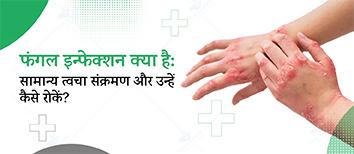
यदि आप किसी भी प्रकार के फंगल इन्फेक्शन का अनुभव कर रहे हैं, तो आपके लिए डॉ. कुसुम गुप्ता और डॉ. सौरभ भाटिया जैसे विशेषज्ञ डॉक्टरों से परामर्श लेना अत्यंत महत्वपूर्ण है।
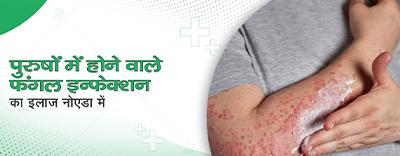
पुरुषों में फंगल इन्फेक्शन आम हैं, लेकिन सही जानकारी और समय पर इलाज से इसे आसानी से नियंत्रित किया जा सकता है।

फेलिक्स हॉस्पिटल में,यूरोलॉजिस्ट डॉ. भंवर लाल बरकेसिया पेशेंट की आवश्यकताओं के अनुसार सही उपचार प्रदान करने के लिए प्रतिबद्ध हैं।

लिवर शरीर का सबसे बड़ा और महत्वपूर्ण अंग है। यह खाना पचाने, ऊर्जा बनाने, विषैले पदार्थों को बाहर निकालने, हार्मोन्स और कोलेस्ट्रॉल को नियंत्रित करने में मदद करता है। अक्सर लिवर की समस्या बिना किसी स्पष्ट लक्षण के बढ़ती है। इसलिए इसे साइलेंट हीरो कहते हैं। नोएडा में सर्वश्रेष्ठ लिवर अस्पताल उपलब्ध है (Best Liver Hospital Available in Noida)। अनुभवी गैस्ट्रोएंटेरोलॉजिस्ट डॉक्टर से समय पर परामर्श लेना लिवर रोग की गंभीरता को रोकने के लिए बहुत जरूरी है।
अभी अपॉइंटमेंट शेड्यूल करें – कॉल करें: +91 9667064100
हेपेटाइटिस वायरस के संक्रमण से लिवर में सूजन और क्षति होती है। यह संक्रमण संक्रमित रक्त, सुई, असुरक्षित यौन संबंध या संक्रमित मां से बच्चे में फैलाता है। लम्बे समय तक रहने वाला हेपेटाइटिस क्रोनिक लिवर डिजीज या सिरोसिस (Cirrhosis) में बदलता है। समय पर टीकाकरण और सुरक्षित व्यवहार अपनाकर इससे बचाव संभव है।
जब लिवर में अत्यधिक मात्रा में वसा (Fat) जमा हो जाती है तो यह स्थिति उत्पन्न होती है। अधिक वजन, मोटापा, शारीरिक निष्क्रियता, हाई फैट या प्रोसेस्ड डाइट, और शुगर का अधिक सेवन मुख्य कारण है । इसके दो प्रकार होते हैं। पहला नॉन-अल्कोहलिक फैटी लिवर डिजीज होता है। यह शराब न पीने वालों में भी होता है। वहीं दूसरा अल्कोहलिक फैटी लिवर डिजीज (fatty liver disease) होता है, जो अत्यधिक शराब सेवन से होता है। इसके लक्षण शुरुआती अवस्था में नहीं दिखते। पर समय के साथ थकान, पेट में भारीपन और लिवर एंजाइम्स में वृद्धि देखी जाती है।
लम्बे समय तक और अत्यधिक मात्रा में शराब का सेवन करने से लिवर की कोशिकाएं क्षतिग्रस्त हो जाती हैं। प्रारंभिक अवस्था में फैटी लिवर, बाद में हेपेटाइटिस, और अंततः सिरोसिस या लिवर फेल्योर (liver failure) हो सकता है। इस रोग से बचाव का सबसे अच्छा तरीका शराब का पूर्ण परहेज है।
कुछ दवाएं जैसे पेनकिलर्स का अत्यधिक उपयोग, एंटीबायोटिक्स, स्टेरॉयड, और कुछ हर्बल सप्लिमेंट्स लिवर को नुकसान पहुंचाती हैं। लंबे समय तक बिना चिकित्सकीय सलाह के दवा लेना खतरनाक होता है। दवाओं के सेवन से पहले डॉक्टर की सलाह अवश्य लें। लिवर फंक्शन टेस्ट (एलएफटी) नियमित रूप से कराते रहें।
इस स्थिति में शरीर की प्रतिरक्षा प्रणाली गलती से लिवर की कोशिकाओं पर हमला करती है। इससे लिवर में सूजन, स्कारिंग और धीरे-धीरे कार्यक्षमता में कमी आती है। इसके प्रमुख रूप ऑटोइम्यून हेपेटाइटिस, प्राइमरी बाइलरी सिरोसिस, और प्राइमरी स्क्लेरोजिंग कोलांगाइटिस है। इलाज में इम्यूनो-सप्रेसिव दवाओं का उपयोग किया जाता है ताकि लिवर की क्षति को रोका जा सके।
कुछ लोगों में लिवर रोग पीढ़ियों से चले आ रहे आनुवांशिक विकारों के कारण होते हैं। जैसे कॉपर का अत्यधिक जमाव, आयरन की अधिकता), अल्फा-1 एंटीट्रिप्सिन की कमी से। मामलों में समय रहते जांच और जेनेटिक काउंसलिंग से स्थिति को नियंत्रित किया जा सकता है।
लिवर के कमजोर होने पर शरीर में विषाक्त पदार्थ जमा होते हैं। यह मस्तिष्क और मांसपेशियों पर प्रभाव डालते हैं। जिससे लगातार थकान, नींद न आना और सुस्ती महसूस होती है। कई बार यह थकान इतना बढ़ती है कि व्यक्ति सामान्य कामकाज करने में भी कठिनाई महसूस करता है।
त्वचा, आंखों की सफेदी और नाखूनों का पीला होना लिवर रोग का सबसे स्पष्ट लक्षण है। इसका कारण है लिवर में बिलीरुबिन नामक पिगमेंट का बढ़ जाना, जिसे लिवर सामान्य रूप से बाहर नहीं निकाल पाता है। यह स्थिति हेपेटाइटिस, सिरोसिस या पित्त नली में अवरोध की ओर इशारा करती है।
दाईं तरफ ऊपरी पेट में दर्द, जलन या सूजन का एहसास लिवर की सूजन का संकेत होता है। यह दर्द फैटी लिवर, लिवर संक्रमण या गांठ के कारण होता है। कभी-कभी पेट फूलने या गैस बनने के रूप में भी यह महसूस होता है।
लिवर जब ठीक से पित्त नहीं बना पाता, तो पाचन प्रभावित होता है। इससे जी मिचलाना, उल्टी, पेट में जलन और भूख की कमी जैसे लक्षण दिखते हैं। यह खासकर हेपेटाइटिस (Hepatitis) या दवाओं के असर से हुए लिवर डैमेज में आम है।
जब लिवर बिलीरुबिन को ठीक से संसाधित नहीं कर पाता, तो यह मूत्र में चला जाता है, जिससे मूत्र गहरा पीला या भूरा दिखता है। वहीं पित्त के प्रवाह में कमी से मल का रंग हल्का या सफेद होता है। यह परिवर्तन अक्सर जॉन्डिस या पित्त नली में रुकावट का संकेत देता है।
लिवर की कार्यक्षमता घटने पर शरीर ऊर्जा संतुलन बनाए नहीं रख पाता। इससे धीरे-धीरे भूख कम हो जाती है, वजन घटता है और शरीर दुर्बल होता है। लंबे समय तक भूख न लगना सिरोसिस या कैंसर जैसी गंभीर अवस्था का संकेत भी होता है।
लिवर के कमजोर होने पर त्वचा के नीचे पित्त लवण (bile salts) जमा हो जाते हैं, जिससे खुजली होती है। यह खुजली अक्सर रात में या बिना किसी स्पष्ट कारण के होती है। कुछ मामलों में त्वचा पर लाल या भूरे धब्बे और छोटे-छोटे चकत्ते भी दिखाई देते हैं।
एलएफटी:
यह सबसे बेसिक और महत्वपूर्ण जांच है जो लिवर की कार्यक्षमता को मापती है। इसमें एंजाइम (एसजीपीटी, एसजीओटी, एएलपी), प्रोटीन (एल्ब्यूमिन, ग्लोब्युलिन) और बिलीरुबिन का स्तर देखा जाता है। परिणाम यह बताते हैं कि लिवर में सूजन, संक्रमण या किसी दवा/शराब का असर तो नहीं है। सामान्य रूप से हर 6 से 12 महीने में एक बार एलएफटी करवाना लाभदायक रहता है। खासकर जोखिम वाले व्यक्तियों के लिए।
यूएसजी-अल्ट्रासाउंड एब्डॉमेन:
यह एक नॉन-इनवेसिव और दर्द रहित जांच है जो लिवर के आकार, बनावट और घनत्व की जानकारी देती है। इससे फैटी लिवर, सूजन (Inflammation), गांठ (Mass/Tumor) या सिरोसिस जैसी स्थिति का प्रारंभिक पता लगाया जाता है। डॉक्टर अक्सर इसे शुरुआती स्क्रीनिंग जांच के रूप में सलाह देते हैं।
फाइब्रोस्कैन:
यह आधुनिक तकनीक लिवर की कठोरता) को नॉन-इनवेसिव तरीके से मापती है। इसका उपयोग सिरोसिस या क्रोनिक लिवर डिजीज की गंभीरता जानने में किया जाता है। यह जांच विशेष रूप से उन मरीजों के लिए होती है जिनमें हेपेटाइटिस बी/सी या फैटी लिवर की पुरानी समस्या है। इसका फायदा यह है कि इसमें किसी सुई या बायोप्सी की जरूरत नहीं होती।
एचबीवी और एचसीवी टेस्ट:
यह टेस्ट हेपेटाइटिस बी और सी वायरस के संक्रमण की पहचान के लिए किए जाते हैं। HBsAg, एंटी-HCV एंटीबॉडी जैसी जांचों से यह पता चलता है कि व्यक्ति संक्रमित है या नहीं। इन वायरस से होने वाले संक्रमण अक्सर लिवर को धीरे-धीरे नुकसान पहुँचाते हैं, इसलिए समय पर पहचान अत्यंत आवश्यक है। अगर परिणाम पॉज़िटिव आएं तो आगे की जाँच और उपचार तुरंत शुरू करना चाहिए।
सीटी स्कैन/ एमआरआई/ बायोप्सी:
जब अल्ट्रासाउंड या एलएफटी में गंभीर गड़बड़ी दिखाई दे, तो इन एडवांस जांचों की जरूरत पड़ती है। सीटी स्कैन और एमआरआई लिवर की आंतरिक संरचना, ट्यूमर, रक्त प्रवाह या कैंसर जैसी जटिलताओं का स्पष्ट चित्र देते हैं। लिवर बायोप्सी (Liver biopsy) में सूक्ष्म ऊतक लेकर माइक्रोस्कोप से जांच की जाती है, जिससे बीमारी की सटीक अवस्था और कारण ज्ञात होता है। यह जांच तब की जाती है जब रोग की पुष्टि या स्टेजिंग ज़रूरी हो।
त्वचा या आंखों का पीलापन।
पेट में असामान्य दर्द या सूजन।
बार-बार उल्टी, मल या पेशाब में बदलाव।
अचानक वजन घटना, लगातार थकान।
दवाइयां:
दवाओं का उपयोग संक्रमण, सूजन या वायरल प्रभाव को नियंत्रित करने के लिए किया जाता है। हेपेटाइटिस बी और सी के मामलों में एंटीवायरल दवाएं दी जाती हैं, जो वायरस को बढ़ने से रोकती हैं। नोएडा में गैस्ट्रोएंटेरोलॉजिस्ट डॉक्टर उपलब्ध है (Gastroenterologist Doctors Available in Noida)। सूजन और इम्यून सिस्टम से संबंधित लिवर रोगों में इम्यूनो-सप्रेसिव दवाओं का उपयोग किया जाता है। डॉक्टर द्वारा बताए गए समय और मात्रा में ही दवाइयां लें। स्वयं-उपचार से लिवर और कमजोर हो सकता है। साथ ही कुछ दवाओं का अधिक उपयोग जैसे पेनकिलर या स्टेरॉयड लिवर को नुकसान पहुँचा सकते हैं, इसलिए डॉक्टर की सलाह अनिवार्य है।
संतुलित आहार: फलों, हरी सब्जियों, साबुत अनाज और प्रोटीनयुक्त भोजन का सेवन करें।
शराब से परहेज: शराब लिवर की कोशिकाओं को सबसे अधिक नुकसान पहुंचाती है। इसलिए पूर्ण रूप से परहेज जरूरी है।
वजन नियंत्रण: मोटापा फैटी लिवर का मुख्य कारण है; इसलिए कैलोरी नियंत्रित डाइट अपनाएं।
पर्याप्त पानी: डिटॉक्सिफिकेशन के लिए प्रतिदिन पर्याप्त मात्रा में पानी पिएं।
धूम्रपान और जंक फूड से बचें: ये दोनों लिवर की कार्यक्षमता पर नकारात्मक प्रभाव डालते हैं।
नियमित व्यायाम:
हल्का कार्डियो, योग और तेज चलना लिवर स्वास्थ्य के लिए लाभदायक हैं। व्यायाम से ब्लड सर्कुलेशन बेहतर होता है, वजन नियंत्रित रहता है और फैटी लिवर की समस्या घटती है। प्रतिदिन कम से कम 30 मिनट की शारीरिक गतिविधि (ब्रिस्क वॉक, साइक्लिंग, योगासन आदि) लिवर को स्वस्थ बनाए रखती है। तनाव भी लिवर स्वास्थ्य पर असर डालता है। इसलिए ध्यान और पर्याप्त नींद लेना जरूरी है।
सर्जरी या ट्रांसप्लांट:
जब लिवर पूरी तरह क्षतिग्रस्त हो जाए या सिरोसिस की अवस्था में पहुंच जाए, तो लिवर ट्रांसप्लांट ही विकल्प बचता है। ट्रांसप्लांट में बीमार लिवर को स्वस्थ डोनर लिवर से बदला जाता है। कुछ मामलों में ट्यूमर, सिस्ट या पित्त नली के अवरोध को हटाने के लिए सर्जरी की जाती है। यह जटिल प्रक्रिया होती है, परंतु अनुभवी सर्जनों और आधुनिक तकनीक से सफलता दर अब काफी बेहतर हो चुकी है।
समय पर उपचार का महत्व:
लिवर रोग अक्सर धीरे-धीरे बढ़ते हैं और प्रारंभ में गंभीर नहीं लगते है। लेकिन इलाज में देरी से सिरोसिस, लिवर फेल्योर या कैंसर जैसी जटिल स्थितियाँ विकसित होती हैं। इसलिए शुरुआती लक्षण दिखने पर तुरंत डॉक्टर से परामर्श लेना आवश्यक है। समय पर इलाज न केवल लिवर को बचाता है बल्कि जीवन की गुणवत्ता को भी बेहतर बनाता है।
लिवर रोग अक्सर बिना लक्षण के बढ़ता है। थकान, जॉन्डिस, पेट दर्द, उल्टी, गहरे रंग का पेशाब, वजन घटना या खुजली जैसे लक्षण दिखें तो तुरंत जांच और उपचार कराएं। समय पर डॉक्टर से सलाह लेने से लिवर बचाया जा सकता है। भविष्य में होने वाली जटिलताओं से बचाता है।
अभी अपॉइंटमेंट शेड्यूल करें – कॉल करें: +91 9667064100
प्रश्न 1: लिवर की जांच कब करानी चाहिए?
उत्तर: थकान, पीलापन, पेट दर्द, उल्टी या अचानक वजन घटने पर तुरंत पर लिवर की जांच करानी चाहिए।
प्रश्न 2: एलएफटी क्या बताता है?
उत्तर: लिवर के एंजाइम, प्रोटीन और बिलीरुबिन की मात्रा को बताता है।
प्रश्न 3 : क्या हर लिवर रोग में जॉन्डिस आता है?
उत्तर : नहीं, शुरुआती स्टेज में फैटी लिवर या हेपेटाइटिस में जॉन्डिस नहीं भी होता है।
प्रश्न 4: क्या अल्ट्रासाउंड से लिवर रोग पता चलता है?
उत्तर: हां, आकार, बनावट, सूजन, गांठ या फैटी लिवर का पता चलता है। इसलिए अल्ट्रासाउंड जांच करा सकते हैं।
प्रश्न 5: अगर टेस्ट में गड़बड़ी निकले तो क्या करें?
उत्तर: डॉक्टर से मिलें। कारण जानें और उसी आधार पर उपचार शुरू करें। बिना डॉक्टर की सलाह पर उपचार नहीं कराना चाहिए।

दिल्ली NCR में हेपेटाइटिस-ए और ई के मामलों में तेजी से इजाफा देखा जा रहा है। समय पर पहचान और सही इलाज से इस बीमारी को गंभीर होने से रोका जा सकता है।
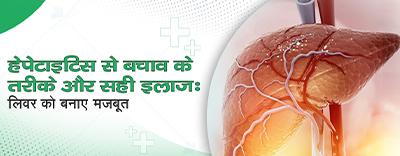
जानें हेपेटाइटिस से बचाव के उपाय और सही इलाज। समय पर पहचान और उपचार से लिवर को मजबूत बनाना संभव है।
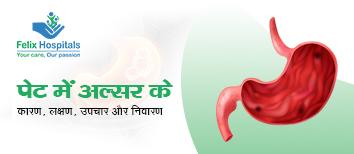
पेट में अल्सर एक आम लेकिन गंभीर समस्या है जो संक्रमण, अधिक एसिड या दवाओं के कारण होती है। इसके लक्षणों में पेट दर्द, जलन और अपच शामिल हैं। फ़ेलिक्स अस्पताल में इसका प्रभावी उपचार और परामर्श उपलब्ध है।
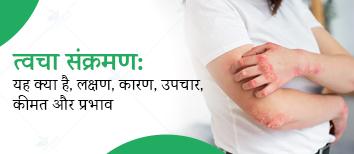
त्वचा संक्रमण के कई कारण हो सकते हैं, जो सूक्ष्मजीवों के त्वचा में प्रवेश करने से उत्पन्न होते हैं। ये संक्रमण तब होते हैं जब त्वचा की बाहरी सुरक्षा परत (एपिडर्मिस) क्षतिग्रस्त हो जाती है और बैक्टीरिया, वायरस, फंगस या परजीवी वहां से शरीर के अंदर प्रवेश कर

Headaches are usually dismissed or misconstrued as fleeting pains brought upon by stress, fatigue, or even thirst. However, if migraines, even in children, come rather often, induce bouts of nausea, photophobia, or light headedness — they are, quite literally, migraines. Far more prevalent than many parents know, migraines are a force to be dealt with, capable of derailing a child's lifestyle, disposition, and thinking ability.
In India, and more so urban areas like Noida, school stress, exposure to electronic devices, and an irregular lifestyle are causing migraines at an alarming rate among children. Identifying symptoms at an early stage and getting proper care from a pediatric neurologist in Noida can avert long-term consequences and enhance a child's general health.
Call us today at +91 9667064100 to schedule an appointment and bring your child's life migraine-free.
A migraine headache is more than a headache — it's a multi-phasic disorder of brain function, neural electrical activity, and blood circulation. Children's attacks also last between 1 to a total of 48 hours, whereas briefer attacks are more common than their adult counterparts. Children are also less likely to have a headache localized to one side of their head and are susceptible to having difficulty explaining how they are doing, which hampers diagnosis.
Migraines also are accompanied by nausea, vomiting, photophobia, and occasional disturbances of vision. Children are agitated, isolated, or less attentive in school by these symptoms, so migraine treatment for children should be done early.
It is also necessary for parents to recognize how to tell apart a headache from a normal headache:
Headache
Migraine
Mild to moderate pain
Severe headache, throbbing
Short term
Endures for hours or a whole day
No other symptoms
With nausea, sensitivity to light/sound
Caused by dehydration, stress, or eye strain
Associated with brain function and inflammatory nerves
While sleep and fluids are typically successful treatments for headache, migraine requires health care and often a comprehensive regimen of management involving drugs and behavioral adjustments.
Knowing what kind of migraine your child has helps doctors learn how to best treat it. The three most typical types of migraines for children are:
Most frequent form of migraine in children. It generates intense throbbing headache, predominantly bilateral, accompanied by nausea and photophobia.
They may also have visual symptoms of flashing lights, zigzag lines, or blind spots before headache development. The aura usually occurs for a duration of about 10–30 minutes.
Common between the ages of 5 and 10 years. They rather experience severe abdominal pain, nausea, or vomiting, not a headache. Over a period, it may lead to classical migraine headache.
Marked by vertigo, dizziness, and imbalance, even if severe headache is not present. It may render walking or concentrating impossible.
A rare but severe type that produces brief one-sided weakness or numbness of the body, often like a stroke.
Appropriate identification and early referral to a child migraine specialist in Noida can ensure proper identification and early management.
Headaches: Migraines are a consequence of a genetic, environmental, and neurological interaction. Migraine causes of children are as follow:
Genetics: If a parent migraines, then their child's risk of developing migraines is as high as 70%.
Sleep disturbances: Abnormal sleep quality or nonspecific sleep schedule disturbances have been known to induce migraine attacks.
Dehydration: Water avoidance or excessive exposure to sunlight on sunny days.
Food factors: Processed food, caffeine, and skipping of meals are also frequent causes.
Stress and anxiety: Stressful events or feelings of anxiety may precipitate migraine attacks.
Hormonal shifts: Especially during adolescence, hormonal shifts can predispose females to increased migraines.
Environmental triggers: Bright lights, strong odors, air irritants, and too much TV viewing are typical provocations of city life in Noida.
Children's migraine symptoms are also quite diverse. Some of the frequent symptoms are as follows:
Pulsating or throbbing headache pain.
Nausea or vomiting during attacks.
Sensitivity to light, sound, or smell.
Blurred vision or visual disturbances (during migraine with aura).
Fatigue, irritability, or abrupt change of mood.
Dark circles beneath eyes or pale complexion.
Stomach hurt but no other digestive symptoms.
Children below a certain age group might not express their pain verbally but are seen to be restless, cry, or retire to dark rooms to prevent pain. Such behavioral indicators should not be dismissed.
Migraines may disrupt a child's physical, psychological, and social health.
Academic-wise, absenteeism and inability to focus may influence grades.
Socially, children may avoid playing outside or attending events to prevent headaches.
Psychologically, it can induce a state of anxiety, frustration, or withdrawal.
Proper treatment of migraines for children also tends to lead to normal activities, and children regain confidence both in school and during playtime.
Pediatric neurologists usually begin by referring to both of a child's medical as well as family histories. Diagnostic procedures include:
Neurological tests: Ruling out other brain diseases or disorders of nerves.
Imaging tests: CT scans or MRI are recommended if symptoms are unusual or severe.
Migraine diary: The parents might be requested to record when it happens, how long, and potential causes.
Proper diagnosis guides the proper course of treatment and avoids medication wastage.
Children's migraines are managed by blending medication, lifestyle modification, and relief treatments. Pain relief, reduction of occurrence, and leading a normal life are aimed at by management of migraines in children.
Doctors may prescribe:
Pain relievers (acetaminophen, ibuprofen) for mild cases.
Triptans for moderate-to-severe attacks.
Prophylactic medication for frequent attacks.
All medication is to be given under proper medical advice.
Healthy lives prevent future strokes:
Establish a sleep regimen and diet regimen.
Stay hydrated and don't eat processed foods.
Promote regular exercise and moderate viewing of television.
Stress relief through yoga or deep breathing.
These involve treatments like Cognitive Behavioral Therapy (CBT), where adolescents are educated about how to manage headache and anxiety associated with migraines. It's quite effective if added to medication.
Application of cold compresses on forehead.
Being in a dark and quiet room during the attack.
Encouraging massages and relaxing.
These processes reduce the pain and shorten healing at home.
Parents also play a significant role in taking care of migraines. Here's how:
Diary of migraine to identify and avoid triggers.
Ensure that children maintain a healthy balance and drink in their lunches.
Monitoring of screen exposure and eye rest breaks encourage.
Provide relaxation measures such as meditation.
Make regular follow-ups with a pediatric neurologist.
Seek expert consultation by qualified pediatric neurologists in Noida for proper, sound, and successful diagnosis and long-term care management.
Children's migraines are a source of distress to both child and parent, but easy management is available through awareness, early recognition, and proper management, provided by experts. Recognition of migraine warning signs early enough results in rapid intervention, thereby preventing long-term consequences such as lost days at school and distress of a psychological kind.
Children with migraines need a gentle, disciplined strategy — a mix of medical management, reassurance, and self-management of lifestyle factors. A parent in Noida should never ignore recurring headaches, as early referral to a top pediatric Hospital in Noida can profoundly change a child's health and eventual sense of ease.
Remember, migraine treatment is not just about pain relief — it's about your child's overall quality of life, being active, confident, and a happy child.
Q. 1. Migraines may begin at what age for children?
Ans. They may begin as young as at the age of 5 years. Prompt therapy averts frequent and severe attacks as children reach older ages.
Q. 2. Are migraines in children hereditary?
Ans. Yes. Kids are more likely to have migraines if their parents have migraines, as there are shared genetic causes between them.
Q. 3. Can stress or school pressures cause migraines?
Ans. In fact, psychological stress, anxiety during tests, and interrupted sleep have been recognized as primary precipitants of migraine for school children.
Q. 4. Are migraine medicines appropriate for youngsters?
Ans. Yes, under the direction of a child neurologist. Type and dosage are based on frequency of attack, weight, and child's age.
Q. 5. Do migraines cause long-term brain issues?
Ans. No, migraines are not brain-harming, but if pain is not treated, it might affect behavior, mood, and concentration in the long run.
Q. 6. Are home treatments beneficial for migraines?
Ans. Indeed, self-management measures such as fluids, rest, and cold compress are effective relief for their mild attack of migraine.
Q. 7. When should i see the doctor?
Ans. If your child's headache is severe, frequent, or is accompanied by vomiting, dizziness, etc., then please see a pediatric neurologist at Noida urgently.

Pediatric rheumatology focuses on diagnosing and treating autoimmune and inflammatory disorders affecting children’s joints, muscles, and connective tissues.
During sleep, the body releases growth hormones, which are essential for a child's growth and development. Adequate sleep is vital for muscle development, tissue growth, and the overall physical health of a child.

Our team of pediatric professionals is committed to offering expert care and guidance on sleep-related issues. If you’re looking for a pediatric doctor near me, our experienced specialists are ready to assist.

It’s essential to note that the cost of skin pigmentation disorder treatment in Noida can differ based on the type of treatment required and the healthcare facility's resources.

नवजात शिशु (Newborn Baby) के साथ यात्रा करना माता-पिता के लिए एक चुनौतीपूर्ण अनुभव होता है। शिशु का पाचन तंत्र, नींद और रोग प्रतिरोधक क्षमता अभी विकसित हो रही होती है। इसलिए यात्रा से पहले सावधानी बरतना और कुछ जरूरी नियमों का पालन करना बेहद जरूरी है। Pediatric consultation in Noida में उपलब्ध है। इस ब्लॉग में हम पीडियाट्रिक गाइडलाइन के अनुसार नवजात शिशु के साथ यात्रा करने से पहले अपनाई जाने वाली मुख्य सावधानियों पर विस्तार से चर्चा करेंगे। में ऐसे मामलों के लिए विशेषज्ञ उपलब्ध हैं।
अभी अपॉइंटमेंट शेड्यूल करें – कॉल करें: +91 9667064100
नवजात शिशु का इम्यून सिस्टम जन्म के बाद शुरुआती महीनों में पूरी तरह विकसित नहीं होता है। बाहरी वातावरण में मौजूद बैक्टीरिया, वायरस या धूल-मिट्टी के संपर्क में आने से संक्रमण का खतरा बढ़ता है। यात्रा के दौरान बार-बार जगह बदलने या भीड़भाड़ वाले स्थानों में जाने से शिशु को सर्दी, खांसी, बुखार या पेट के संक्रमण (Stomach Infections) का खतरा अधिक होता है। इसलिए सफर से पहले डॉक्टर की सलाह लेना और आवश्यक टीकाकरण की स्थिति जांचना जरूरी है।
नवजात शिशु का पाचन तंत्र बहुत संवेदनशील होता है, जो अचानक बदलाव (जैसे पानी, तापमान या खानपान में फर्क) सहन नहीं कर पाता है। यात्रा के दौरान समय पर फीडिंग न मिलने या हाइजीन की कमी से पेट खराब, गैस, कब्ज या डायरिया (Constipation or diarrhea) जैसी दिक्कतें होती हैं। यदि शिशु केवल माँ का दूध पी रहा है, तो माँ को अपने खानपान और हाइड्रेशन का विशेष ध्यान रखना चाहिए। साफ पानी और दूध तैयार करने के लिए सैनिटाइज्ड बॉटल्स (sanitized bottles) और स्टरलाइज़र साथ रखना उपयोगी रहता है।
लंबी यात्रा के दौरान लगातार आवाज, हलचल और नए माहौल के कारण शिशु की नींद प्रभावित होती है। नींद में रुकावट से शिशु चिड़चिड़ा (baby irritable) होता है। दूध पीने से इंकार करता है या बार-बार रोता है। यात्रा के समय शिशु के सामान्य सोने-जागने के रूटीन को यथासंभव बनाए रखना चाहिए। हल्का और आरामदायक कपड़ा पहनाना और कंबल या खिलौना साथ रखना शिशु को सुकून देता है।
वाहन, ट्रेन या विमान में शिशु की सही पोजिशनिंग और सीटिंग बेहद जरूरी होती है। कार या टैक्सी में हमेशा इन्फेंट कार सीट का उपयोग करें, ताकि झटकों या अचानक ब्रेक से बचाव हो सके। विमान यात्रा के दौरान टेकऑफ और लैंडिंग के समय शिशु के कानों पर दबाव न पड़े, इसके लिए उसे स्तनपान या पैसिफायर (Pacifiers) देने की सलाह दी जाती है। संक्रमण से बचाव के लिए हैंड सैनिटाइज़र का इस्तेमाल करें और भीड़भाड़ वाले स्थानों से दूरी रखें।
किसी भी यात्रा से पहले अपने पीडियाट्रिशियन (बाल रोग विशेषज्ञ) से संपर्क करें। डॉक्टर से शिशु की उम्र, वजन, स्वास्थ्य स्थिति और टीकाकरण रिकॉर्ड की पूरी जांच कराएं। यह जानें कि शिशु यात्रा के लिए फिट है या नहीं। विशेषकर यदि यात्रा लंबी है या अलग मौसम वाले क्षेत्र में जा रहे हैं। डॉक्टर से पूछें कि अगर यात्रा के दौरान बुखार, उल्टी, दस्त या डिहाइड्रेशन जैसे लक्षण दिखें तो क्या करना चाहिए। किसी एलर्जी, त्वचा समस्या (skin problem) या जन्मजात बीमारी वाले शिशु के लिए डॉक्टर विशेष सावधानियां या अतिरिक्त दवाइयां सुझाते हैं। यदि विमान यात्रा है, तो डॉक्टर से कान के दबाव और ऑक्सीजन स्तर से संबंधित सलाह भी अवश्य लें।
एक छोटा फर्स्ट एड या ट्रैवल मेडिकल किट तैयार रखें जिसमें बच्चे की आम जरूरत की दवाइयां हों। सामान्य उपयोग की दवाइयां रखें जैसे बुखार के लिए: पेरासिटामोल या डॉक्टर द्वारा बताई दवा। पेट दर्द या गैस के लिए इन्फेंट ग्रिप वॉटर या सिमेथिकोन ड्रॉप्स। सर्दी व खांसी के लिए डॉक्टर द्वारा सुझाई गई सिरप। डायरिया के लिए ओरल रिहाइड्रेशन सॉल्यूशन (ओआरएस) पाउडर साथ रखे।
थर्मामीटर, ड्रॉपर या मापने वाला चम्मच, गीले वाइप्स और डिस्पोजेबल डाइपर, सैनिटाइजर और साफ टिशू, बेबी लोशन (Baby Lotion) या क्रीम (स्किन ड्राइनेस से बचाने के लिए) यह सभी दवाइयां डॉक्टर की सलाह से ही रखें और उन पर डोज व उपयोग की जानकारी स्पष्ट लिखी होनी चाहिए।
यात्रा से पहले यह सुनिश्चित करें कि शिशु के सभी जरूरी टीके समय पर लग चुके हों। टीकाकरण से शिशु को संक्रमणों जैसे पोलियो (Polio), डिप्थीरिया, टिटनस, हेपेटाइटिस-बी, और न्यूमोनिया से सुरक्षा मिलती है। अगर यात्रा विदेश या किसी अन्य राज्य में हो रही है, तो उस क्षेत्र के अनुसार अतिरिक्त टीकाकरण की जानकारी डॉक्टर से लें। समय पर टीकाकरण करवाने से यात्रा के दौरान संक्रमण, वायरस या बैक्टीरिया के खतरे को काफी हद तक कम किया जा सकता है। टीकाकरण कार्ड को अपने ट्रैवल दस्तावेजों के साथ रखना न भूलें।
कार में यात्रा:
हमेशा इन्फेंट कार सीट का उपयोग करें जो पीछे की ओर फिट हो। कार सीट को वाहन की बैक सीट (पिछली सीट) पर सही तरीके से बेल्ट या लॉक सिस्टम से फिक्स करें। कार सीट पर शिशु को कभी ढीले कपड़ों या अतिरिक्त कुशन के साथ न रखें। इससे पोजिशन अस्थिर हो सकती है।
विमान यात्रा में:
एयरलाइन द्वारा उपलब्ध इन्फेंट सीट बेल्ट या बेसिनेट का उपयोग करें। टेकऑफ और लैंडिंग के समय शिशु को गोद में सुरक्षित पकड़ें, और यदि संभव हो तो उसे स्तनपान या पैसिफायर दें ताकि कानों में दबाव का असर कम हो। लंबी यात्रा के दौरान हर 1–2 घंटे में छोटा ब्रेक लें, ताकि शिशु को हिलाया जा सके और उसकी स्थिति बदली जा सके।
तापमान और कपड़ेः
शिशु के शरीर का तापमान जल्दी बदलता है, इसलिए उसे मौसम के अनुसार हल्के, सांस लेने वाले कपड़े पहनाएं। अत्यधिक ठंडे वातावरण में मुलायम टोपी, मोज़े और कंबल का प्रयोग करें पर ओवरकवर न करें। अधिक गर्मी से भी परेशानी होती है। अगर एयर-कंडीशन वाहन या विमान में हैं, तो बच्चे को लेयरिंग (परतों में कपड़े) पहनाएं ताकि जरूरत पड़ने पर कपड़े उतारे या बढ़ाए जा सकें। सीधे धूप, ठंडी हवा या तेज़ पंखे से बच्चे को बचाएं।
सफाई और हाइजीनः
यात्रा के दौरान हाथों की सफाई बेहद जरूरी है। सैनिटाइजर, गीले वाइप्स (wet wipes) और टिशू (tissue) हमेशा साथ रखें। बच्चे को दूध पिलाने या पकड़ने से पहले अपने हाथ साफ करें। बोतल, निप्पल, चम्मच या ड्रॉपर हमेशा स्टरलाइज़्ड और साफ़-सुथरे हों। अगर सार्वजनिक स्थान (एयरपोर्ट, होटल, स्टेशन) पर ठहरना पड़े तो शिशु के संपर्क में आने वाली सतहों (टेबल, सीट, हैंडल) को वाइप्स से पोंछें। बच्चे के आस-पास धूल, धुआं या परफ्यूम जैसी तेज गंधों से बचें।
फीडिंगः (Feeding)
मां का दूध शिशु के लिए सबसे सुरक्षित और पोषण से भरपूर विकल्प है। यह संक्रमण से भी बचाता है। अगर बोतल फीडिंग करते हैं तो पानी और दूध दोनों की सफाई पर विशेष ध्यान दें। फीडिंग के बीच लंबे अंतराल न रखें। छोटे-छोटे समयांतराल पर दूध पिलाएं ताकि डिहाइड्रेशन (dehydration) या भूख से चिड़चिड़ापन न हो। यात्रा के दौरान फीडिंग (Feeding while traveling) कवर साथ रखें ताकि सार्वजनिक जगहों पर आसानी और गोपनीयता बनी रहे।
नींदः (Sleep)
शिशु को आरामदायक और सुरक्षित स्थिति में सुलाएं। सिर के नीचे ऊंचा तकिया या भारी बिस्तर न रखें। यात्रा में आवाज या रोशनी से नींद प्रभावित हो सकती है, इसलिए शांत माहौल बनाए रखें। यदि शिशु की नींद की दिनचर्या बिगड़ जाए तो धैर्य रखें। धीरे-धीरे वह सामान्य हो जाएगी।
गैस और पेट दर्द से बचावः (Prevention of gas and stomach pain)
हर फीड के बाद बच्चे को कुछ मिनट तक डकार दिलाना जरूरी है। जिससे पेट में हवा न भरे। शिशु को लंबे समय तक एक ही पोजिशन में न रखें। समय-समय पर स्थिति बदलें। पेट दर्द की स्थिति में हल्की मालिश या डॉक्टर द्वारा बताए उपाय अपनाएं।
यात्रा के दौरान नवजात शिशु का शरीर बाहरी वातावरण, तापमान, और संक्रमण के प्रति अधिक संवेदनशील होता है। इसलिए कुछ लक्षणों को नज़रअंदाज़ करना खतरनाक साबित होता है। नोएडा में Pediatric consultation के लिए डॉक्टर उपलब्ध है। अगर नीचे दिए गए किसी भी संकेत को आप महसूस करें। तो तुरंत डॉक्टर से संपर्क करें या नजदीकी चिकित्सा केंद्र पर जाएं।
लगातार तेज रोना या बेचैनीः
यदि शिशु बार-बार रो रहा है और किसी भी तरह शांत नहीं हो पा रहा, तो यह पेट दर्द, गैस, बुखार या संक्रमण का संकेत होता है। बेचैनी के साथ अगर शिशु दूध पीने से इंकार करे या सामान्य प्रतिक्रिया न दे। तो स्थिति गंभीर होती है। कभी-कभी कान का संक्रमण या गैस्ट्रो कॉलिक (gastro colic) भी लगातार रोने का कारण बनता है। इसलिए चिकित्सकीय जांच आवश्यक है।
बार-बार उल्टी या दस्तः
यात्रा के दौरान यदि शिशु को बार-बार उल्टी या पतले दस्त हो रहे हैं। तो यह संक्रमण या डिहाइड्रेशन (पानी की कमी) का संकेत है। उल्टी के साथ दूध न पचना, सुस्ती या मुंह सूखना भी खतरे के लक्षण हैं। ऐसे में तुरंत बच्चे को ORS या स्तनपान देते रहें और डॉक्टर से संपर्क करें। लंबे समय तक लक्षण बने रहने पर डिहाइड्रेशन से जीवन-जोखिम की स्थिति भी बनती है।
तेज बुखार या ठंड लगनाः
यदि शिशु का तापमान 100.4°F (38°C) से अधिक हो जाए, तो तुरंत चिकित्सक से परामर्श करें। यात्रा में तापमान में बदलाव, संक्रमण, या थकान से वायरल या बैक्टीरियल इंफेक्शन होता है। शिशु को ठंड लगना या लगातार कांपना भी किसी गंभीर संक्रमण या सेप्सिस का संकेत (sign of sepsis) होता है। बुखार के दौरान कभी भी दवा स्वयं न दें। केवल डॉक्टर द्वारा बताई गई दवा ही दें।
नींद में असामान्य बदलाव या अत्यधिक सुस्तीः
यदि शिशु असामान्य रूप से बहुत अधिक सो रहा है या बिल्कुल नहीं सो रहा, तो यह थकान, बुखार या संक्रमण से जुड़ा होता है। सुस्ती, प्रतिक्रिया में कमी, या बच्चे का बहुत शांत रहना (जबकि सामान्यतसक्रिय रहता है) भी चेतावनी का संकेत है। यह स्थिति रक्त में शुगर या ऑक्सीजन की कमी या नर्वस सिस्टम की समस्या (nervous system problems) से भी जुड़ी होती है। तुरंत डॉक्टर को दिखाएं।
सांस लेने में कठिनाई या घरघराहटः
यदि शिशु तेज सांस ले रहा है, छाती अंदर-बहुत अंदर जा रही है, या घरघराहट (wheezing) सुनाई दे रही है, तो यह सांस संबंधी संक्रमण या एलर्जी का लक्षण है। यह स्थिति विशेष रूप से तब खतरनाक होती है जब होंठ या नाखूनों का रंग नीला या बैंगनी दिखने लगे। यह ऑक्सीजन की कमी का संकेत है। तुरंत नजदीकी अस्पताल या बाल रोग विशेषज्ञ से संपर्क करें।
नवजात शिशु के साथ यात्रा करना चुनौतीपूर्ण हो सकता है, लेकिन सही तैयारी इसे सुरक्षित बना देती है। इसके लिए पीडियाट्रिक गाइडलाइन का पालन करना और यात्रा से पहले आवश्यक तैयारी करना बेहद ज़रूरी है। बच्चे की उम्र, वजन, स्वास्थ्य और टीकाकरण स्थिति के अनुसार उचित सावधानियां अपनाने से यात्रा सुरक्षित और सुखद होती है। लेकिन जरा सी लापरवाही भारी पड़ सकती है। ऐसे में यदि आपको विशेषज्ञ सलाह चाहिए, तो नोएडा में सबसे अच्छा बच्चों का अस्पताल (best children's hospital in noida) चुनकर अपने नवजात की हेल्थ को प्राथमिकता देना हमेशा सही फैसला होता है।
विशेषज्ञ से तुरंत संपर्क करें – कॉल करें: +91 9667064100
प्रश्न 1: क्या नवजात शिशु को लंबी यात्रा पर ले जाना सुरक्षित है?
उत्तर: हां, लेकिन केवल तब जब बच्चा स्वस्थ हो और डॉक्टर की सलाह ली गई हो। इसलिए डॉक्टर से सलाह लेनी चाहिए।
प्रश्न 2: यात्रा के दौरान कितनी बार शिशु को दूध पिलाना चाहिए?
उत्तर: बच्चे की जरूरत और उम्र के अनुसार हर 2–3 घंटे में। मां का दूध बच्चे के लिए फायदेमंद है।
प्रश्न 3: क्या यात्रा के दौरान नींद में बदलाव सामान्य है?
उत्तर: हां, नए वातावरण और आवाज की वजह से नींद प्रभावित होती है।
प्रश्न 4: कार सीट की कौन-सी दिशा सुरक्षित है?
उत्तर: नवजात के लिए हमेशा पीछे की ओर लगाई गई कार सीट सुरक्षित मानी जाती है। इसलिए उसे पीछे की सीट पर बैठाएं।
प्रश्न 5: क्या बच्चे को यात्रा के दौरान बाहर धूप में ले जाना चाहिए?
उत्तर: नवजात के लिए सीधे धूप से बचें। हल्की छाया और सुरक्षित तापमान बनाए रखें। ज्यादा तापमान उसे छिड़चिड़ा बनाता है।

जानिए कैसे ग्राइप वाटर शिशुओं के पेट दर्द और गैस की समस्या में मदद करता है, साथ ही इसके नुकसान और सावधानियों के बारे में भी।
Epstein Pearls are small, white or yellowish cysts found on the gums or roof of the mouth in newborns. These harmless bumps form during fetal development and usually resolve on their own within a few weeks. No treatment is necessary unless symptoms persis

Early detection matters! Get comprehensive newborn screening tests in Noida to ensure your baby’s healthy start and timely treatment if needed.
Jaundice in newborns is a common condition where a baby’s skin and eyes turn yellow due to high bilirubin levels. Learn symptoms, causes, and best treatment options in Noida.
Knee replacement surgery in Noida requires a lot of patience, care, and following instructions of the doctor is necessary to recover. Yet, unaware of it, most patients commit mistakes in the process of their recovery that may slow down their recovery process or lead to complications that are preventable. It can be too much work or lack of exercises or not remembering about pain, nevertheless, early correction of these mistakes will guarantee a quicker recovery and more effective mobility. Under the careful direction of a skilled orthopedic specialist in Noida, you will not have to experience unnecessary delays and have a symptomless recovery. This blog highlights common mistakes after knee replacement surgery, discusses what not to do after knee replacement surgery, and outlines key activities to avoid after knee surgery to protect your new joint and maximize long-term success.
One of the most common mistakes after knee replacement surgery is pushing yourself too hard, too soon. Patients think that excessive physical activity will accelerate recovery, but too much physical activity may lead to swelling, inflammation and fatigue. Trying to walk, walking too much, going up the stairs too soon, or going again to severe work may injure tissues in the surrounding area of the healed joint and delay progress.
It is necessary to balance the rest and movement. Individualize your therapy schedule, but slowly increase movement as advised. Overexertion is one of the leading knee replacement complications from mistakes, resulting in strain or joint instability. Being patient and listening to your doctor and the body will keep your recovery on time.
Skipping prescribed exercises tops the list of knee replacement surgery recovery mistakes that prolong healing. The type of physical therapy is the basis of the recovery, which builds muscle strength, increases flexibility, and recovers regular joint functionality. The fear of pain or discomfort makes many patients quit rehab sessions or do not do any practice at home.
It is worth remembering that pain in the rehabilitation process is not a failure, but rather a process of healing. Regular physiotherapy will help to avoid stiffness and other complications that can restrict movement. The failure to attend these sessions can result in a loss of range of motion or scar tissue accumulation. Taking your time is the best way to recover and be a success in the long run.
Effective knee surgery recovery tips include:
Turning up to all the therapy sessions punctually.
Doing activities at home every day.
Being open and honest with your therapist about the level of pain.
Monitoring the achievement of objectives.
Minor efforts that are performed regularly result in significant gains in mobility and strength.
Suffering is an inherent aspect of the healing process, and not paying attention to it or misusing it is perilous. Others experience painful conditions that are not worth bearing whereas others take medicine in excess knowing that it will hasten the process. Both extremes can cause harm.
Pain, when ignored during exercises, could be a sign of infection, nerve irritation or problem with alignment. To top it all, the painkillers that are abused will lead to dependency, stomach discomfort or heart-related problems. Always tell your physician of acute or chronic joint pain. Early detection of pain as a complication of knee replacement due to error will assist in avoiding a permanent damage.
The management of pain should involve:
The use of ice packs as recommended.
Adhering to prescriptions strictly.
Relaxation techniques using minor aches.
Knee strain should be avoided.
Your medical team can use open communication to alter your care plan to a safer and faster recovery.
Proper incision care is critical in avoiding infections--one of the most frequent knee replacement complications from mistakes. Contaminated dressings, lack of adequate hygiene or missing medications could bring about harmful bacteria and slow down healing leaving the implant prone to infection.
To ensure proper care:
Keep your wound clean and dry.
Have your surgical team change your bandages.
Even when you feel well, take all the antibiotics.
Do not self-medicate without the advice of your doctor.
Failure to take care of wounds can lead to more time in a hospital and complete healing can become extremely difficult. Accurate care eliminates complications and the prolongation of the recovery process.
Your exercise is as important as your posture after surgery. Safety in sitting or sleeping practices by many patients is not known to them, which worsens the joint.
Mistakes to Avoid:
Keeping the knee bent rather than straight, by placing a pillow beneath it.
Sitting on low seats or on the floor, resulting in straining when one needs to stand.
Being seated in a single position over a long period of time and become stiff.
Sleeping on your heel supported leg, not overbending it and changing your position frequently are all known to decrease the stiffness and improve the flexion. Ignoring these guidelines is among the biggest knee replacement surgery recovery mistakes seen during post-op stages.
Most individuals do not appreciate the importance of footwear in the healing process. Flat, thin or open-back shoes pose the danger of falls, falls, and dislocation of the new joint.
Padded shoes will maintain your posture upright and will also take a lot of pressure off the new joint. Improper footwear contributes to falls and is one of the lesser-known but impactful activities to avoid after knee surgery.
Option for shoes that:
Non-slip soles and a lot of cushioning.
Adapt easily without straining.
Offer proper arch support.
Fashion is not as important as comfort and safety in the recovery process.
Patients tend to ignore professional guidance due to the need to have a sense of independence. Not following the advice given to you by your physiotherapists or orthopedist may slow down the healing process or cause reversals.
Regular check-ups will help in early detection of diseases such as loosening of joints or infection particularly when mild symptoms are not noticed.
Structured guidance from experts helps avoid common mistakes after knee replacement surgery. Pride and impatience should not stop you to pursue expert care plans.
Aid of walking such as crutches, walkers, or sticks help in supporting the body weight and alleviate pressure on your healing knee. Not preventing them at an early age or applying them improperly may result in limping, imbalance in the joints, or unintentional falls.
Your knee surgery recovery tips must always include using support devices properly until cleared otherwise by your surgeon. In the event of uncertainty, it is better to go slower than faster.
The effectiveness of your body in terms of healing depends on nutrition. Unhealthy diets or deficiency of certain nutrients has a direct inhibitory effect on tissue repair. Add foods rich in the protein, leafy vegetables, iron and vitamin C rich foods to improve blood circulation and immune system.
Keep off junk, alcoholism and too much caffeine. Healing demands clean nutrition-a fundamental element in activities to avoid after knee surgery related to lifestyle.
Recovery can be emotionally challenging. Pain, limited mobility, and dependency cause frustration. Ignoring emotional needs slows healing. Mental stress often leads to increased inflammation and sleep disturbances.
Allow rest and seek support from loved ones. Rest rejuvenates strength and prevents knee replacement complications from mistakes tied to fatigue or sadness. Balanced mental health accelerates overall recovery. Even after initial recovery, patients forget the importance of long-term care. Continuing post-surgery exercises, maintaining weight, attending follow-up appointments, and avoiding risky activities are lifelong commitments to protect the replaced joint.
Neglecting maintenance routines is one of the classic knee replacement surgery recovery mistakes that can lead to early wear and tear of the implant.

Dr. Keshav Goel is an experienced Orthopedic and Joint Replacement Surgeon in Noida with over 10 years of clinical expertise. He has performed 2,000+ independent surgeries and specializes in computer-assisted joint replacement and arthroscopic surgeries of the knee, shoulder, and hip. Known for his skill in treating sports injuries, trauma, and joint disorders, he provides advanced and patient-focused orthopedic care.
Patients undergoing knee replacement surgery in Noida can achieve exceptional outcomes with proper guidance, patience, and attention to detail. Avoiding common errors like skipping therapy, ignoring pain, or overexerting ensures long-lasting success. Whether you're in rehabilitation or years post-surgery, following your orthopedic doctor's advice is key to preserving knee function, minimizing pain, and living an active, fulfilling life. With conscious effort, careful planning, and awareness of what not to do after knee replacement surgery, you can enjoy mobility and freedom with minimal complications.
Q.1 What if I still have knee stiffness months after surgery?
Ans. Mild stiffness is normal, but if it persists, visit your surgeon for assessment.
Q.2 Can I use regular gym equipment after recovery?
Ans. Yes, once cleared by your therapist, but stick to low-impact machines first.
Q.3 How long should I use walking aids?
Ans. Use them until your doctor confirms full stability and strength.
Q. 4 Is swelling normal during recovery?
Ans. Yes, mild swelling is expected but should reduce over weeks; persistent swelling needs review.
Q. 5 Can I travel after knee replacement?
Ans. Yes, after initial recovery, but take precautions to avoid prolonged sitting and swelling.

Knock knees, medically known as genu valgum, is a common condition in young children where the knees angle inward and touch one another when the legs are straightened.
Knock knees, medically known as genu valgum, is a common condition in young children where the knees angle inward and touch one another when the legs are straightened.


Subscribe to our
© Copyright 2026. All Rights Reserved by Felix Healthcare Private Limited
Design and development by :


 +(91)9667064100
 Emergency : +(91)9667064100