 WhatsApp
 Emergency:
  WhatsApp






Subscribe to our
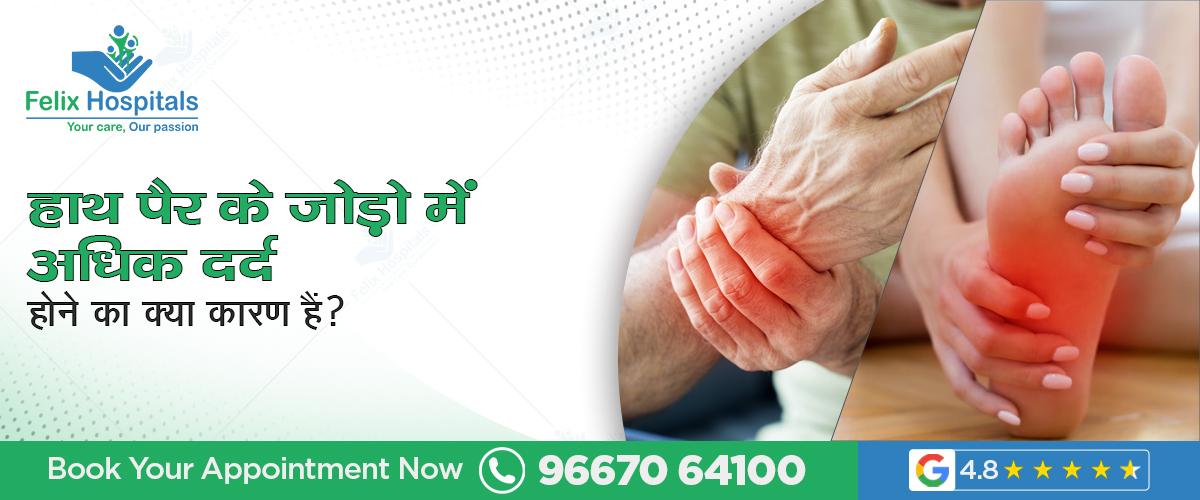
हमारे शरीर के जोड़ (Joints) हड्डियों को जोड़ने और चलने-फिरने में मदद करते हैं। जब जोड़ो में दर्द या सूजन होती है, तो यह हमारी दिनचर्या को गंभीर रूप से प्रभावित कर सकता है। हाथ-पैर के जोड़ो में दर्द आम समस्या है, जो उम्र, जीवनशैली या किसी बीमारी के कारण हो सकती है।
अगर आपको चलने, उठने, या हाथ-पैर हिलाने में तकलीफ होती है, तो यह केवल सामान्य थकान नहीं हो सकती — बल्कि किसी गंभीर रोग जैसे गठिया या सूजन का संकेत भी हो सकता है। ऐसे में नोएडा में जोड़ों की सूजन का इलाज (Swollen Joint Treatment in Noida) करवाना बेहद जरूरी है ताकि समस्या समय रहते ठीक हो सके।
अधिक जानकारी या अपॉइंटमेंट के लिए कॉल करें +91 9667064100।
जोड़ो का दर्द (Joint Pain) वह स्थिति है जब शरीर के किसी भी जोड़ — जैसे घुटना, कोहनी, टखना, कंधा, या कलाई — में दर्द, सूजन या अकड़न महसूस होती है।
कई बार यह दर्द हल्का होता है और कुछ दिनों में ठीक हो जाता है, लेकिन कुछ लोगों में यह लंबे समय तक बना रहता है, जिसे क्रॉनिक जॉइंट पेन कहा जाता है।
जोड़ो में दर्द के कारण उम्र बढ़ने, गठिया, हड्डियों की कमजोरी, चोट या ऑटोइम्यून बीमारियों से भी हो सकते हैं।
यदि आप लगातार हाथ-पैर के जोड़ो में दर्द या जोड़ो में सूजन और दर्द से परेशान हैं, तो विशेषज्ञ सलाह लेना आवश्यक है।
नोएडा में जोड़ो की सूजन का इलाज के लिए आधुनिक जांच, फिजियोथेरेपी और विशेषज्ञ डॉक्टरों की टीम उपलब्ध है, जो रोग की जड़ तक जाकर प्रभावी उपचार प्रदान करती है।
यहां मरीजों को व्यक्तिगत ध्यान, दर्द प्रबंधन, और लंबे समय तक राहत देने वाली थेरेपी दी जाती है।
हाथ-पैर के जोड़ो में दर्द क्यों होता है, इसके कई संभावित कारण हैं —
गठिया एक ऐसी स्थिति है जिसमें जोड़ो की हड्डियों और कार्टिलेज में सूजन आ जाती है। इससे जोड़ सख्त और दर्दनाक हो जाते हैं।
ओस्टियोआर्थराइटिस (Osteoarthritis): उम्र बढ़ने के साथ होने वाला गठिया, जिसमें जोड़ का कार्टिलेज घिस जाता है।
रूमेटॉइड आर्थराइटिस (Rheumatoid Arthritis): एक ऑटोइम्यून रोग जिसमें शरीर की प्रतिरक्षा प्रणाली खुद के जोड़ो पर हमला करती है।
अगर जोड़ो में सूजन है, तो दर्द बढ़ सकता है। यह संक्रमण, चोट या किसी पुरानी बीमारी के कारण हो सकता है। कभी-कभी यह लक्षण शुरुआती गठिया के संकेत भी हो सकते हैं।
कैल्शियम और विटामिन डी (vitamin D) की कमी हड्डियों को कमजोर कर देती है। इससे जोड़ो में खिंचाव, दर्द और थकान महसूस होती है।
वजन बढ़ने से घुटनों, टखनों और कूल्हों पर दबाव बढ़ता है, जिससे जोड़ो में दर्द के कारण और भी गंभीर हो जाते हैं।
अचानक चोट लगना, गिरना या अधिक चलना-फिरना भी अस्थायी जोड़ दर्द का कारण बन सकता है।
जोड़ो के दर्द के सही कारण जानने के लिए डॉक्टर कुछ जांचें करवाने की सलाह देते हैं —
एक्स-रे या एमआरआई
ब्लड टेस्ट (सूजन या संक्रमण की जांच के लिए)
यूरिक एसिड टेस्ट (गठिया का पता लगाने के लिए)
सीआरपी या ईएसआर टेस्ट (सूजन की स्थिति जानने के लिए)
इन जांचों से डॉक्टर यह तय कर सकते हैं कि दर्द गठिया, संक्रमण या किसी पोषण की कमी से हो रहा है।
जोड़ो के दर्द का इलाज कारण के अनुसार अलग-अलग होता है। सही निदान के बाद डॉक्टर या नोएडा गठिया विशेषज्ञ डॉक्टर निम्नलिखित उपचार सुझाते हैं:
दर्द और सूजन को कम करने के लिए एनाल्जेसिक और एंटी-इंफ्लेमेटरी दवाइयां दी जाती हैं।
गठिया के मरीजों को डीएमएआरडी या बायोलॉजिकल दवाओं की जरूरत हो सकती है।
फिजियोथेरेपी जोड़ो की गतिशीलता (mobility) बढ़ाती है और दर्द को नियंत्रित करने में मदद करती है।
नियमित व्यायाम करें
वजन को नियंत्रित रखें
संतुलित आहार लें जिसमें कैल्शियम और विटामिन डी पर्याप्त मात्रा में हो
पर्याप्त नींद और आराम करें
हल्की गर्म या ठंडी सिकाई करें
सूजन वाले हिस्से को ऊंचा रखें
अगर दर्द लगातार बना रहे, तो तुरंत डॉक्टर से परामर्श लें
नोएडा गठिया विशेषज्ञ डॉक्टर न केवल गठिया और जोड़ दर्द का इलाज करते हैं, बल्कि मरीज की संपूर्ण जीवनशैली और स्वास्थ्य को सुधारने पर भी ध्यान देते हैं। वे यह सुनिश्चित करते हैं कि इलाज केवल लक्षणों तक सीमित न हो, बल्कि दर्द के मूल कारण को भी दूर किया जाए। ऐसे विशेषज्ञ आपके जोड़ो की गतिशीलता बढ़ाने, सूजन घटाने और दर्द कम करने में मदद करते हैं।
नियमित व्यायाम करें: जैसे योग, हल्का स्ट्रेचिंग, या तैराकी।
संतुलित आहार लें: हरी सब्जियाँ, फल, दूध और मछली जैसे पोषक आहार शामिल करें।
वजन को नियंत्रित रखें: अतिरिक्त वजन से जोड़ो पर दबाव बढ़ता है।
लंबे समय तक एक ही स्थिति में न रहें: हर कुछ घंटे में शरीर को स्ट्रेच करें।
समय-समय पर स्वास्थ्य जांच कराएं।
आज ही अपने जोड़ो की सेहत का ध्यान रखें। अधिक जानकारी, परामर्श या अपॉइंटमेंट के लिए कॉल करें — +91 9667064100।
हाथ-पैर के जोड़ो में दर्द केवल एक सामान्य असुविधा नहीं है — यह शरीर के अंदर किसी गहरे कारण या रोग का संकेत हो सकता है। जोड़ हमारे शरीर की गति और स्थिरता के लिए बेहद महत्वपूर्ण हैं। जब इनमें दर्द या सूजन होती है, तो यह न केवल चलने-फिरने में कठिनाई पैदा करता है, बल्कि व्यक्ति की जीवनशैली, नींद और मानसिक स्वास्थ्य को भी प्रभावित करता है।
कई बार लोग दर्द को मामूली थकान या उम्र का असर समझकर नजरअंदाज कर देते हैं, लेकिन यह गलती स्थिति को और गंभीर बना सकती है। यदि दर्द कुछ दिनों से अधिक समय तक बना रहे या उसके साथ सूजन, अकड़न या लालिमा भी दिखे, तो तुरंत किसी नोएडा गठिया विशेषज्ञ डॉक्टर से संपर्क करना चाहिए।
याद रखें — दर्द को सहने से बेहतर है, समय रहते उसका इलाज करवाना।
यदि आप या आपके परिवार के किसी सदस्य को हाथ-पैर के जोड़ो में दर्द, जोड़ो में सूजन, या जोड़ो की जकड़न जैसी परेशानी है, तो इसे अनदेखा न करें। विशेषज्ञ सलाह लेकर दर्द को नियंत्रित किया जा सकता है और फिर से सक्रिय, स्वस्थ जीवन जिया जा सकता है।
1. क्या हाथ-पैर के जोड़ो में दर्द हमेशा गठिया का संकेत होता है?
नहीं, हर बार हाथ-पैर के जोड़ो में दर्द का मतलब गठिया नहीं होता। कई बार यह विटामिन डी, कैल्शियम की कमी, थकान, या किसी चोट के कारण भी हो सकता है। अगर दर्द बार-बार हो या लंबे समय तक रहे, तो डॉक्टर से जांच करवाना जरूरी है ताकि सही कारण पता चल सके।
2. जोड़ो में सूजन और दर्द एक साथ क्यों होता है?
जोड़ो में सूजन और दर्द तब होता है जब जोड़ के अंदर तरल पदार्थ जमा हो जाते हैं या टिश्यू में इंफ्लेमेशन होता है। यह गठिया, संक्रमण या इम्यून सिस्टम की गड़बड़ी का परिणाम भी हो सकता है। ऐसे मामलों में सही निदान और समय पर इलाज बेहद जरूरी है।
3. क्या ठंड या मौसम बदलने से जोड़ो का दर्द बढ़ जाता है?
हाँ, कई लोगों में सर्दी या मौसम बदलने के दौरान जोड़ो में दर्द के कारण और बढ़ जाते हैं। ठंड के कारण मांसपेशियाँ और टिश्यू सख्त हो जाते हैं, जिससे जोड़ो की लचक कम हो जाती है। गर्म सेकाई या हल्के व्यायाम से इस दर्द में काफी राहत मिलती है।
4. क्या व्यायाम करने से जोड़ो का दर्द बढ़ता है या घटता है?
सही व्यायाम करने से जोड़ो की गतिशीलता बढ़ती है और दर्द में कमी आती है। लेकिन अगर व्यायाम गलत तरीके से या बिना डॉक्टर की सलाह के किया जाए तो दर्द बढ़ सकता है। इसलिए जोड़ो के दर्द का इलाज के साथ-साथ फिजियोथेरेपिस्ट द्वारा सुझाए गए हल्के स्ट्रेचिंग एक्सरसाइज करना सबसे सुरक्षित होता है।
5. क्या वजन बढ़ने से हाथ-पैर के जोड़ो में दर्द हो सकता है?
हाँ, अधिक वजन से घुटनों, टखनों और कूल्हों पर दबाव बढ़ जाता है, जिससे हाथ-पैर के जोड़ो में दर्द क्यों होता है इसका एक प्रमुख कारण बनता है। वजन नियंत्रित रखने से जोड़ो पर कम भार पड़ता है और दर्द में स्पष्ट सुधार देखा जा सकता है।
6. जोड़ो का दर्द कम करने के लिए घर पर क्या उपाय किए जा सकते हैं?
हल्की गर्म या ठंडी सिकाई करें
हल्के व्यायाम या योग करें
पर्याप्त आराम लें
कैल्शियम और विटामिन डी से भरपूर आहार लें
सूजन अधिक हो तो डॉक्टर द्वारा सुझाई गई दवा लें
इन उपायों से दर्द में अस्थायी राहत मिलती है, लेकिन लगातार दर्द होने पर नोएडा गठिया विशेषज्ञ डॉक्टर से परामर्श जरूरी है।
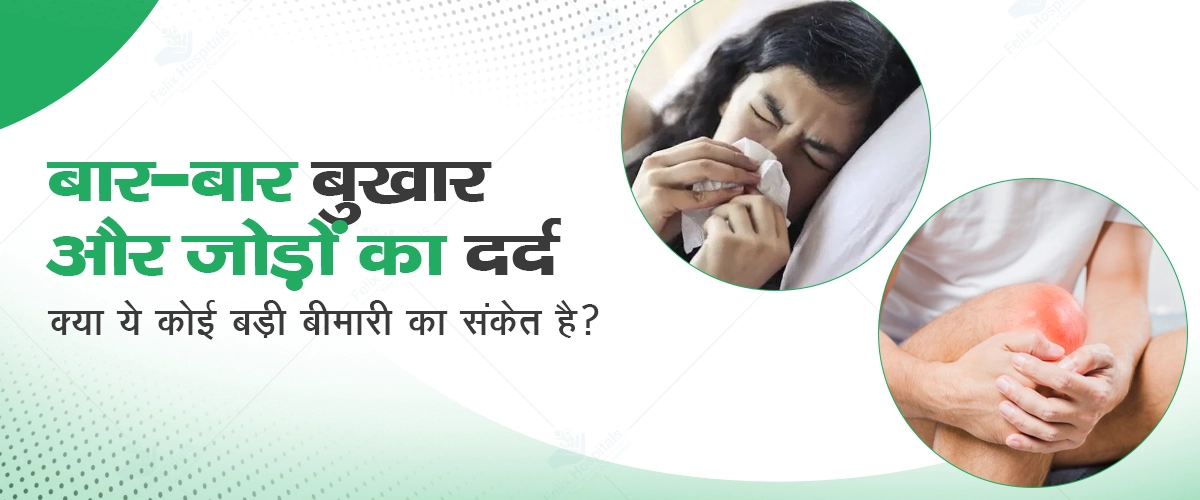
बार-बार बुखार और जोड़ों में दर्द होना केवल सामान्य वायरल लक्षण नहीं हो सकते। यह शरीर में किसी संक्रमण, ऑटोइम्यून बीमारी या सूजन से जुड़ी समस्या का संकेत भी हो सकता है

Heart rhythm disturbances, or arrhythmias, can be from the occasional skipped beat to potentially lethal disturbances that need immediate action. In most instances, implantation of a cardiac pacemaker will be the best remedy in order to re-establish a normal pulse and enhance the quality of life.
When you and your loved one are in search of the best and qualified treatment for a heart rhythm disorder, consulting the Best Cardiology Hospital in Noida avails well-trained surgeons and advanced technology. Following the recommendation from the Best Heart Surgeon in Noida, the patient undergoes pacemaker surgery safely and regains energy and confidence.
Call at +91 9667064100 today to schedule an appointment with specialist cardiologists and pacemaker specialists for the best treatment.
The human heart operates with the aid of electric impulses in order to sustain a regular beat. In the case the impulses are faulty, the result can be bradycardia (slow pulse), tachycardia (quick pulse), or irregularly timed beats.
Common Symptoms
Dizziness or syncope
Fatigue and weakness
Irregular heartbeat or palpitations
Shortness of breath
Chest pain in the select cases
Ignoring such signs can increase the risk of stroke, heart failure, or sudden cardiac arrest. Early evaluation and treatment from a pacemaker implant expert in Noida are required to keep the heart healthy in the long term.
A heart pacemaker refers to a small medical device implanted subcutaneously, commonly near the collarbone area. It provides electric stimuli in order to regulate the heartbeat in the case the intrinsic rhythm of the heart becomes too weak or irregular.
Single-chamber pacemaker – in contact with one chamber in the heart
Dual-chamber pacemaker – implanted in coordination with the ventricle and the atrium
Biventricular pacemaker – in patients with heart failure in a bid to enhance chamber coordination
Pacemaker implantation is a low-key procedure and normally takes up only 1–2 hours. A skilled Noida top heart surgeon does the implantation in local anesthesia and light sedation and implants the leads in the heart and programs the device so that the patient's rhythm remains healthy.
The success in pacemaker surgery relies on the experience, skills, and experience with the latest heart devices of the surgeon. Selecting the pacemaker implant specialist in Noida ensures:
Exact site of pacemaker leads
Fewer risks for complications like infection or dislodgement of the lead
Device programming appropriate for the patient's status
Holistic per- and post-operative care
At a Best Cardiology Hospital in Noida, multidisciplinary teams collaborate to provide holistic care, including diagnostic testing, surgical expertise, and long-term follow-up.
Pacemaker implantation can be warranted if patients have:
Symptomatic bradycardia (subjective dizziness or fatigue due
Heart block (a delay or blockage in the heart’s electrical signals)
Syncope (syncope, fainting from un explain
Cardiac rhythm disease accompanied by cardiac failure
Other conditions in which drug therapy alone can sustain a stable heart rate
Preemptive action with one of the best heart surgeons in Noida can avoid complications, facilitate day-to-day living, and immensely enhance the quality of living.
Before pacemaker surgery, the patients are adequately assessed so that they remain safe and successful. It typically comprises:
Electrocardiogram (ECG): Records the electric activity of
Holter monitoring: Recording the heart rhythm for 24 hours or more
Echocardiography: Assesses the structure and functioning
Blood work: Evaluate general health and identify if conditions are present
Review of medical history: Seeks conditions which can influence surgery
Such assessments are conducted by a pacemaker implant expert in Noida with individualized surgical planning for the patient.
Pacemaker surgery is highly safe and minimally invasive if the surgeon happens to be skilled enough.
Local anesthetic is injected close to the collarbone.
A tiny cut is made, and the wires are passed into the heart through a vein.
The pacemaker can also be implanted subcutaneously and can be connected with the leads.
The device is programmed to maintain optimal heart rhythm.
Surgical site closed and dressed; patients are monitored for some hours before discharge.
The majority of the patients are only marginally uncomfortable, and the healing process is fast. A premier Best Cardiologists in Noida ensures that the process is accurate, secure, and specific to the requirement of the patient.
Proper post-operative patient care ensures the optimal result and effective pacemaker function:
Principal Recovery Guidelines
Keep the incision area clean and dry
Do not lift heavy things or work too hard for some weeks
Seek indications of infection like redness, swelling, or discharge
Return for follow-up visits for device checks and calibration
Inform healthcare professionals prior to procedures such as MRI
Home monitoring and guidance from a pacemaker implant specialist in Noida allow for a smooth healing process. Patients normally resume normal activities in a few weeks.
Pacemaker implantation provides the patient with heart rhythm disorders with considerable benefit:
Restores normal heart rhythm: Prevents dizziness, fainting, and lethargy
Quality of life is better: Patients regain energy for everyday activities
Decreases the complication risk: Prevents stroke and heart failure from arrhythmia
Minimally invasive and secure: Latest methods minimize hospital stay and convalescence
At the Best Cardiologist in Noida, the patient undergoes complete counseling, state-of-the-art surgery, and regular follow-up so that maximum benefit can be achieved from pacemaker therapy.
People in Noida and Greater Noida no longer have to search very far for excellent cardiac care. Best Heart Specialists in Noida provide:
Specialized diagnostic centers for arrhythmia and heart rhythm disturbances
Surgical planning and consultant advice
State-of-the-art methods of pacemaker
Systematic follow-up and cardiac rehabilitation
Such comprehensive services let patients enjoy smooth care from diagnosis all the way up to long-term management.
Gain experience and skills in implanting cardiac pacemakers
Verify affiliations with hospitals and access advanced cardiac equipment
Verify customized pre- and post-op patient plans
Provide access for follow-up and emergency assistance
Read patient testimonials/reviews in order to assess the quality of care
Selecting an implant surgeon in Noida with experience lowers the chances of surgical complications and provides reassurance to the patient and his relatives.
Call +91 9667064100 today and schedule an appointment and get the very best in cardiac care in Noida.
Surgery for pacemaker implantation can be transformative for pacemaker patients with abnormalities in heart rhythm. Choosing the top heart surgeon in Noida enables safe surgery, precise device implantation, and effective long-term follow-up.
Through the world-class facilities and skilled cardiac specialists and the protocol-based care at Best Cardiology Hospital in Noida, the patient may regain normal pulse and lead a better life.
Q. 1. Who is the top pacemaker implant specialist in Noida?
Ans. The best pacemaker expert is a senior cardiologist with advanced skills in implanting cardiac pacemakers and treating heart rhythm abnormalities, with high rates of success and patient-oriented practice.
Q. 2. What symptoms indicate I may need a pacemaker?
Ans. Symptoms are dizziness, fainting, lassitude, pulse irregularity or slowing, and breathlessness. Early assessment avoids complications.
Q. 3. How long does the pacemaker surgery take?
Ans. The process normally takes from 1–2 hours with local anesthesia and short hospital admission. Recovery is quickly with due precautions.
Q. 4. Is pacemaker surgery safe?
Ans. Yes. The surgery, if performed in the best heart hospital in Noida, is very safe with minimal complications and extremely good late outcomes.
Q. 5. How rapidly can I resume regular activities?
Ans. Most recover in several days and return to normal schedules in 2-4 weeks with allowance for individual health and physician counsel.
Q. 6. Will the pacemaker be felt after surgery?
Ans. The pacemaker is implanted subcutaneously and is normally unobtrusive. The pacemakers are also nowadays comfortable in size.
Q. 7. What are the best pacemaker clinics in Noida?
Ans. The Best Cardiology Hospital in Noida offers its patients access to advanced diagnostics, total care, and skilled cardiologists.
A stent procedure can be life-saving for those with blocked arteries. This guide walks you through the stent experience—from the angioplasty process to post-procedure recovery and lifestyle changes.

Find the best cardiologist for your heart care with these essential tips and expert advice.

Consult the best cardiologist in Noida to understand everything about pacemaker implantation. From when it’s needed to how the procedure works, get expert answers to all your questions.
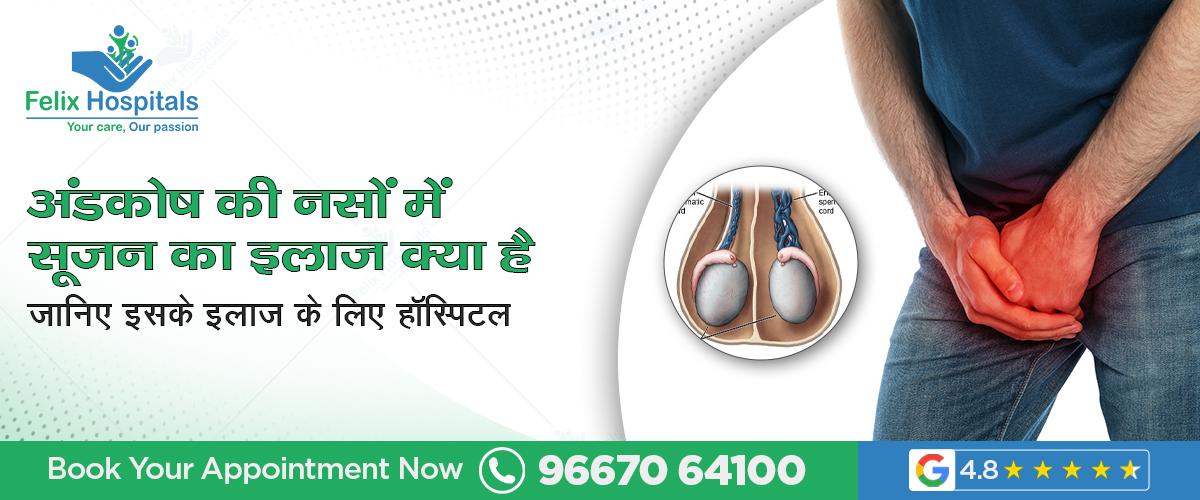
पुरुषों में पाई जाने वाली आम लेकिन गंभीर समस्या है। अंडकोष की नसों में सूजन, जिसे चिकित्सकीय भाषा में वैरिकोसील (Varicocele) कहते हैं। इस स्थिति में अंडकोष से रक्त को ऊपर ले जाने वाली नसों के वाल्व कमजोर होते हैं। यह सही से काम नहीं करते। जिससे खून उल्टा बहता है और नसें फैलकर सूजती हैं। यह सूजन धीरे-धीरे बढ़कर अंडकोष (testicles) में भारीपन, दर्द और असुविधा का कारण बनती है। कुछ मामलों में यह प्रजनन क्षमता को भी प्रभावित करती है।
वरिकोसिल ट्रीटमेंट डॉक्टर नोएडा में उपलब्ध है। इलाज में देर करने पर अंडकोष की कार्यक्षमता घटती है और शुक्राणुओं की संख्या व गुणवत्ता दोनों पर असर पड़ता है। अगर आप इस समस्या की जांच या इलाज के लिए भरोसेमंद यूरोलॉजी हॉस्पिटल की तलाश कर रहे हैं, तो नोएडा में सर्वश्रेष्ठ यूरोलॉजी अस्पताल (Best Urology Hospital in Noida) का चयन करना सबसे सही कदम है।
अभी अपॉइंटमेंट शेड्यूल करें — हमें कॉल करें: +91 9667064100
अंडकोष की नसों में सूजन को चिकित्सकीय भाषा में वैरिकोसील (Varicocele) कहते हैं। यह स्थिति तब होती है। जब अंडकोष से रक्त को वापस ले जाने वाली नसों (veins) में वाल्व कमजोर होते हैं। काम करना बंद करते हैं। इससे खून उल्टा बहता है और नसों में रक्त जमा होता है। धीरे-धीरे ये नसें फैलती हैं और अंडकोष के ऊपर या बगल में गांठ जैसी सूजन महसूस होती है। जो अक्सर “केंचुए जैसी नसें” लगती हैं। यह समस्या ज्यादातर 15 से 35 वर्ष की उम्र के पुरुषों में दिखती है। अधिकतर मामलों में बाएं अंडकोष में होती है। समय पर इलाज न करने पर यह प्रजनन क्षमता को प्रभावित करती है।
अंडकोष की नसों में एक तरह के छोटे वाल्व होते हैं जो रक्त को एक दिशा में ही प्रवाहित होते हैं। यदि ये वाल्व कमजोर या फेल हो जाएँ, तो रक्त पीछे की ओर लौट सकता है और नसों में फैलाव (डायलेशन) पैदा करता है।
लंबे समय तक खड़े रहने से अंडकोष की नसों पर लगातार दबाव पड़ता है। इससे रक्त का प्रवाह बाधित होता है और नसों में सूजन या फैलाव बढ़ता है।
वजन उठाने या जोर लगाकर खांसने/पेशाब/दस्त आने जैसी गतिविधियों में पेट और अंडकोष की नसों पर दबाव बढ़ता है। यह नसों की दीवारों और वाल्व पर असर डालकर वैरिकोसील को जन्म देता है।
लगातार खांसी या कब्ज से पेट में प्रेशर लगातार बढ़ता है। बढ़ा हुआ प्रेशर अंडकोष की नसों में रक्त के जमाव और फैलाव का कारण बनता है।
टेस्टोस्टेरोन और अन्य हार्मोन्स का असंतुलन नसों की लचीलापन और रक्त प्रवाह को प्रभावित करता है। कभी-कभी रेनल (किडनी) या अंडकोष की नसों में रक्त प्रवाह रुक जाने से भी वैरिकोसील होता है।
कुछ पुरुषों में जन्मजात रूप से नसों की दीवारें कमजोर होती हैं। यह कमजोरी वंशानुगत हो सकती है और रक्त प्रवाह को प्रभावित करती है।
मोटापा या अत्यधिक शराब सेवन, जो रक्त परिसंचरण और नसों की लचीलापन को प्रभावित करता है। पेट की चोट या सर्जरी के बाद होने वाला अस्थायी रक्त प्रवाह असंतुलन।
अक्सर अंडकोष के ऊपर या बगल में महसूस होता है। कभी-कभी यह दिखाई नहीं देता है। लेकिन हाथ से छूने पर महसूस होता है।
खासकर लंबे समय तक खड़े रहने, चलने या भारी काम करने पर। दर्द या असहजता धीरे-धीरे बढ़ती है।
आमतौर पर दिन में बढ़ता है और लेटने पर कम होता है। दर्द तीव्र या लगातार होने पर डॉक्टर से तुरंत संपर्क करना चाहिए।
कुछ पुरुषों में प्रजनन क्षमता प्रभावित होती है। यह स्थिति लंबे समय तक अनदेखी रहने पर बांझपन का खतरा बढ़ाता है।
यदि वैरिकोसील लंबे समय तक रहे, तो यह पुरुष बांझपन का कारण (Causes of male infertility) बनता है। अक्सर यह तब पता चलता है जब गर्भधारण में समस्या आती है।
एक या दोनों अंडकोष का आकार छोटा होना। अंडकोष में तापमान में हल्का बढ़ाव, जो शुक्राणु निर्माण को प्रभावित करता है।
डॉक्टर खड़े और लेटे हुए दोनों स्थिति में अंडकोष की जांच करते हैं। नसों में फैलाव या गांठ का पता लगाने के लिए हाथ से महसूस किया जाता है।
नसों में रक्त प्रवाह और फैलाव की सही स्थिति दिखाता है। लघु नसों और गहरे फैलाव का भी पता चलता है।
प्रजनन पर वैरिकोसील का प्रभाव जानने के लिए शुक्राणु की संख्या, गति और गुणवत्ता जांची जाती है। यह बांझपन के जोखिम का आंकलन करने में मदद करता है।
कभी-कभी सीटी स्कैन या एमआरआई की आवश्यकता होती है, खासकर अगर असामान्य रक्त प्रवाह या अन्य समस्या संदेहित हो।
वैरिकोसील का उपचार इसके आकार, लक्षण और प्रजनन क्षमता पर प्रभाव के आधार पर तय किया जाता है।
हल्के मामलों में दर्द और सूजन को कम करने के लिए डॉक्टर द्वारा दर्दनिवारक दवाएं सुझाई जाती हैं। स्क्रोटल सपोर्ट पहनने से नसों पर दबाव कम होता है और भारीपन की समस्या कम होती है। Specialized Urology Hospitals in Noida उपलब्ध है। जो वैरिकोसील के इलाज के लिए अत्याधुनिक तकनीक और अनुभवी यूरोलॉजिस्ट की टीम के साथ काम करते हैं। लाइफस्टाइल बदलाव जैसे लंबे समय तक खड़े रहने या भारी वजन उठाने से बचना, पेट की स्ट्रेन कम करना। नियमित फिजिकल एक्टिविटी और हल्का व्यायाम रक्त प्रवाह बेहतर बनाने में मदद कर सकता है।
मिनिमली इनवेसिव तकनीक है, इसमें कोई बड़ा चीरा नहीं लगता है। रेडियोलॉजिस्ट (Radiologist) एक पतली ट्यूब (कैथेटर) नस में डालकर ब्लॉक करता है, ताकि रक्त वापस न बह सके। इससे सूजी हुई नसें सिकुड़ जाती हैं और दर्द/भारीपन कम होता है। इसके कई फायदे है। सर्जरी की तुलना में कम दर्द होता है। जल्दी रिकवरी होती। अस्पताल में रुकने का समय कम होता है।
वैरिकोसील का सबसे स्थायी और प्रभावी इलाज। इसके तीन प्रमुख प्रकार हैं:
पारंपरिक तरीका होता है। सूजी नसों को बांधकर रक्त प्रवाह को रोका जाता है। रिकवरी समय मध्यम होता है।
माइक्रोस्कोप की मदद से नसों को सटीकता से अलग किया जाता है। रिस्क और वैरिकोसील की पुनरावृत्ति कम होती है। दर्द और जटिलताएं न्यूनतम होती है।
कुछ छोटे चीरे लगाकर कैमरा और उपकरणों से नसों को ठीक किया जाता है। कम दर्द, जल्दी रिकवरी होती है। अस्पताल में रुकने का समय कम होता है।
शारीरिक गतिविधियों का संतुलन: लंबे समय तक खड़े रहने या भारी काम से बचें।
आहार और पोषण: विटामिन C, E और जैविक पदार्थ जो रक्त परिसंचरण सुधारते हैं।
नियमित जांच: सर्जरी या एम्बोलाइजेशन के बाद प्रभावी परिणाम और शुक्राणु गुणवत्ता जांच।
नवीनतम यूरोलॉजी गाइडलाइन के अनुसार वैरिकोसील का इलाज इस प्रकार किया जाता है:
मध्यम से गंभीर वैरिकोसील वाले मरीज के लिए होती है। इंफर्टिलिटी (infertility) वाले मरीज के लिए या हल्के या बिना लक्षण वाले मामलों में दवा और लाइफस्टाइल बदलाव पहले सुझाए जा सकते हैं।
सफलता दर सबसे अधिक होती है। साइड-इफेक्ट और रिकरेंस (पुनरावृत्ति) सबसे कम होता है। सूक्ष्म नसों को सुरक्षित रखते हुए केवल प्रभावित नसों को बांधा जाता है।
मरीज को 24 घंटे निगरानी में रखा जाता है। 1–2 दिन में घर जाने की अनुमति दी जाती है। हल्का दर्द या सूजन सामान्य, दर्दनिवारक दवाएं दी जाती हैं।
3–4 सप्ताह में सामान्य जीवनशैली फिर से शुरू की जाती है। भारी व्यायाम या कठिन गतिविधियां 4–6 सप्ताह तक टालें।
स्क्रोटल सपोर्ट पहनें। हल्का व्यायाम शुरू करने से पहले डॉक्टर से परामर्श लें। नियमित फॉलो-अप और सिमेन एनालिसिस से शुक्राणु गुणवत्ता जांचें।
वैरिकोसील एम्बोलाइजेशनः मिनिमली इनवेसिव विकल्प होता है।
लेप्रोस्कोपिक सर्जरीः छोटे चीरे, कम दर्द, जल्दी रिकवरी होती है। मरीज की स्थिति और सुविधा के अनुसार तकनीक चुनी जाती है।
अंडकोष का सिकुड़ना
शुक्राणु की संख्या और गुणवत्ता में कमी
पुरुष बांझपन (Male infertility)
स्थायी दर्द और सूजन
लंबे समय में अंडकोष की कार्यक्षमता कम होना
वजन नियंत्रित रखें
भारी सामान उठाने से बचें
कब्ज या खांसी का इलाज कराएं
नियमित हल्की एक्सरसाइज करें
धूम्रपान और शराब से परहेज करें
लंबे समय तक खड़े रहने से बचें
स्क्रोटल सपोर्टर पहनें
अगर आपको निम्न लक्षण दिखें तो तुरंत यूरोलॉजिस्ट या एंड्रोलॉजिस्ट से संपर्क करें: —
अंडकोष में लगातार दर्द या सूजन
गांठ या नसों का उभार बढ़ना
प्रजनन में कठिनाई
अंडकोष का आकार घटना
बाईं ओर लगातार भारीपन या असुविधा
अभी अपॉइंटमेंट शेड्यूल करें और सटीक इलाज पाएं।
अंडकोष की नसों में सूजन यानी वैरिकोसील पुरुषों में आम लेकिन संवेदनशील समस्या है। इसे नजरअंदाज करने से दर्द, सूजन और प्रजनन पर असर पड़ता है। माइक्रोसर्जिकल और लेप्रोस्कोपिक (Laparoscopic) तकनीक से अब इलाज सुरक्षित, तेज और प्रभावी होता है। समय पर विशेषज्ञ यूरोलॉजिस्ट से परामर्श लेकर उचित उपचार कराना ही सबसे बेहतर विकल्प है। इलाज में देरी नहीं करनी चाहिए।
Dr. Bhanwar Lal Barkesiya is an MCh Gold Medalist Urologist with 15+ years of experience in laser kidney stone surgery, TURP, PCNL, robotic urology, and complex urological care at Felix Hospitals, Noida.
पेशाब में खून आना (Hematuria) एक गंभीर स्वास्थ्य समस्या का संकेत हो सकता है। इसके कारण और सही इलाज जानना बेहद ज़रूरी है।
यदि आप किसी भी प्रकार के फंगल इन्फेक्शन का अनुभव कर रहे हैं, तो आपके लिए डॉ. कुसुम गुप्ता और डॉ. सौरभ भाटिया जैसे विशेषज्ञ डॉक्टरों से परामर्श लेना अत्यंत महत्वपूर्ण है।
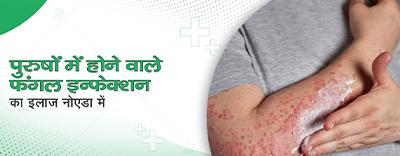
पुरुषों में फंगल इन्फेक्शन आम हैं, लेकिन सही जानकारी और समय पर इलाज से इसे आसानी से नियंत्रित किया जा सकता है।
फेलिक्स हॉस्पिटल में,यूरोलॉजिस्ट डॉ. भंवर लाल बरकेसिया पेशेंट की आवश्यकताओं के अनुसार सही उपचार प्रदान करने के लिए प्रतिबद्ध हैं।
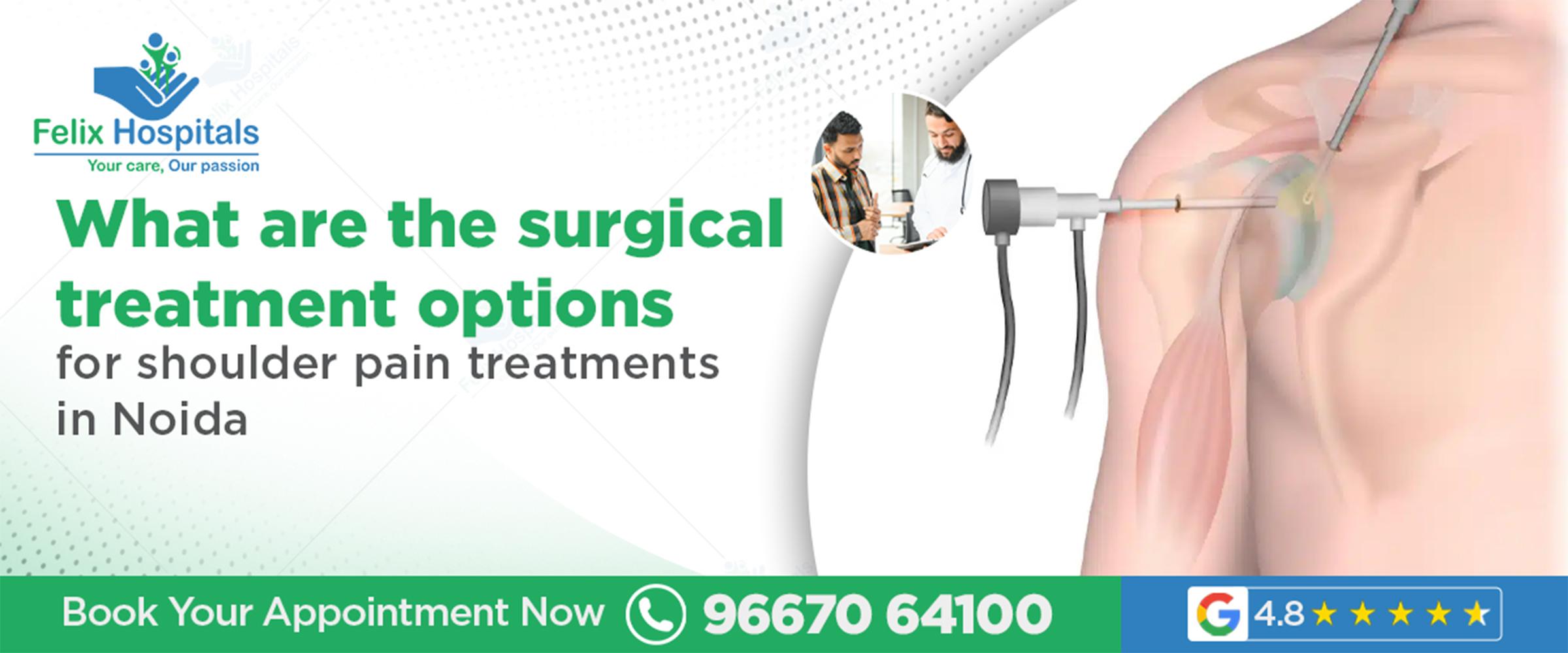
Shoulder pain is one of the most common orthopedic complaints and it affects people of all ages due to trauma, arthritis or overuse. It is likely that they can relieve your pain with medications, physiotherapy, and rest in early or conservative stages or can help you get relief for long-term or severe stages with surgical procedure to offer long-term relief and restore mobility. To consult a Noida shoulder specialist doctor, and to get the right diagnosis and the best course of treatment tailor made as per the patient's needs. These specialist are best shoulder surgeons in Noida they employ state of the art technology which ensures rapid recovery, minimal discomfort and permanent relief from acute and chronic shoulder pain.
Chronic shoulder pain? Call our best orthopedic surgeons and make an appointment today at +91 9667064100.
Shoulder joint is a complex anatomy consisting of bones, tendons, ligaments, and muscles capable of a great variety of motion making it susceptible to injury and degeneration. Long term pain can be caused by a number of factors and they include:
Rotator cuff tears
Shoulder fractures.
Frozen shoulder (adhesive capsulitis).
Shoulder arthritis
Lability or frequent dislocations.
Labral tear or cartilage rupture.
Post-traumatic injuries
If nonsurgical methods fail to provide relief, options like shoulder pain surgery or other minimally invasive techniques are considered.
All cases of shoulder pains do not necessitate surgery. Surgery is the suggested path only in case:
Surgical procedures do not eliminate pain.
It has got a lot of joint or ligament damage.
The movement of the shoulders is highly limited.
There has been an increase in degenerative conditions (such as arthritis).
The recurrent shoulder dislocations have an effect on life.
A surgical treatment for shoulder pain helps repair or replace damaged structures, returning strength and stability to the shoulder joint and improving overall function.
There are multiple shoulder pain treatment options available depending on the cause, severity, and patient condition. These include:
Arthroscopic surgery is a less invasive method in which a small camera (arthroscope) can be used through minor cuts to see and correct any issues within the joint. The camera allows the surgeons to fix the tissues using special equipment which minimizes pain and duration of recovery. This type of orthopedic shoulder surgery is often recommended for conditions like frozen shoulder, shoulder impingement, or torn ligaments.
One of the most frequent reasons people require surgery for shoulder pain, rotator cuff repair procedures reconnect torn tendons to the bone. Surgery can be done by arthroscopy or by means of open procedures depending on the severity of the tear. It reinstates their mobility and enables patients to do usual activities without difficulty.
When arthritis or severe degeneration has worn out the shoulder joint, shoulder surgery options include shoulder joint replacement. This is done in order to substitute damaged cartilages and bones with an artificial implant. There are two main types:
This is an advanced surgery that applies to those with a rotator cuff deficiency or complex fractures to increase the level of joint stability and mobility.
When the earlier surgeries cannot reduce the pain or restore the movement, revision shoulder surgeries are undertaken. It can be the replacement of the worn-out implants, repositioning of the components, or new structural problems that occurred following the initial operation. This advanced surgical treatment for shoulder pain is highly specialized and requires expert orthopedic surgeons.
Complex fractures involving the humerus or shoulder socket may need orthopedic shoulder surgery for accurate alignment and fixation. Minimal invasive techniques (locking plate or rod) provide stability and early shoulder movement- minimizing stiffness but accelerating recovery.
Recovery after surgery for shoulder pain depends on several factors, such as the type of surgery, the patient's general health, and post-surgical care. The common stages of recovery are:
Hospitalization: The majority of patients are able to discharge in 1-2 post-operative days.
Pain Control: Drugs and cold packs are used to reduce pain.
Physiotherapy: Early rehabilitation rejuvenates the flexibility of the joints and builds muscle strength around the affected joint.
Frequent Follow-ups: Frequent post operative check ups are important.
To achieve maximally positive results, obey all medical instructions and recommendations of Noida physiotherapists in order to restore normal mobility and prevent stiffness.
Faster healing relative to open surgeries.
Minor scars and less tissue destruction.
Improved pain treatment of chronic pain.
Less risk of post-surgical complications.
Increased functionality and strength of the shoulder.
Noida has modern medical facilities that have employed robotics, high-definition arthroscopy systems, and advanced imaging to guarantee pinpoint accuracy and quicker healing.
Patients seeking surgical treatment of shoulders in Noida benefit from experienced orthopedic surgeons, cutting-edge facilities, and personalized care. Top hospitals utilize most technologically advanced diagnosis and surgery tools, which are as safe and accurate as possible. Shoulder Surgeon Specialist Doctor Noida -The team of doctor shipped Noida shoulder specialist doctors are committed not just to surgical care, but to full rehabilitation for long term outcome.
Schedule your evaluation for surgical treatment for shoulder pain today-call +91 9667064100.

Dr. Keshav Goel is an experienced Orthopedic and Joint Replacement Surgeon in Noida with over 10 years of clinical expertise. He has performed 2,000+ independent surgeries and specializes in computer-assisted joint replacement and arthroscopic surgeries of the knee, shoulder, and hip. Known for his skill in treating sports injuries, trauma, and joint disorders, he provides advanced and patient-focused orthopedic care.
Current shoulder surgeries have evolved to a great extent, improving precision, safety and healing. A Noida shoulder specialist doctor consultation gives you access to the best diagnostic equipment, the most advanced minimally invasive surgical treatment, and the longest rehabilitation options. When you opt for the best team and hospital for surgical treatment of shoulder in Noida, you allow yourself to regain not only strength, but also motion and confidence, which enable you to live an active, pain-free life as before.
Q.1 When should I consider surgery for shoulder pain?
Ans. When the pain or stiffness restricts the movement despite the physiotherapy or medication, surgery might be necessary.
Q.2. Is the process of shoulder replacement a safe process?
Ans. Yes, today there are low risks and high recovery rates of shoulder replacement.
Q.3. The time of recovery following shoulder operation?
Ans. The amount of time taken to heal takes 6 weeks to 6 months depending on the type of operation and post-operative activities.
Q.4. What are the post-operative activities I can perform?
Ans. Normal functions can resume slowly, whereas it may take several months before heavy lifting or overhead movements can be resumed.
Q.5. Are arthroscopic surgeries painful?
Ans. No, they are less invasive and are done under anesthesia with a quicker recovery and decreased levels of pain.
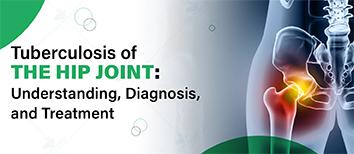
Tuberculosis (TB) is primarily known as a respiratory infection caused by Mycobacterium tuberculosis, but it can affect various body parts, including bones and joints.

With the increasing number of diseases transmitted by the mosquito in the monsoon, the risk of dengue is immense in India. Although the best-known are fever and aches in the body, little is known that dengue can be severe to the heart health at times. This season, protect yourself and your loved ones by seeking timely dengue fever treatment in Noida and understanding the links between dengue and heart complications. Comprehensive and early care is especially vital for cardiac dengue patients-prompt cardiac dengue patients treatment in Noida can make a critical difference to recovery and long-term well-being.
Experiencing chest pain or irregular heartbeat during dengue? Call +91 9667064100 for urgent cardiac evaluation in Noida.
Outbreak of dengue fever is the order of the day both on and after the rainy season. What most of them do not realize is that dengue virus is not only capable of causing high fever, rash and fatigue, but can also place strain on the cardiovascular system. In some cases, the virus enters heart tissue, defects the regular heart rhythm, or causes lethal inflammation which exposes patients to severe heart problems.
The risk of dengue heart disease should be increased to those with pre-existing heart disease, diabetes, elderly groups, and even young healthy adults because the cardiac impacts of dengue do not affect any age group.
Viral Myocarditis: This refers to an inflammation of the heart muscle, which is caused by the direct pandemic in the heart by dengue virus. It can be in the form of unexplainable fatigue, palpitations, chest pain or breathlessness.
Electrical Disturbances: Problems of heart rhythm (arrhythmias) can be observed during the process of infection when inflammatory changes occur in the conduction system of the heart.
Pericardial Effusion: The pericardial effusion (fluid build up around the heart) can occur causing further chest pain or shock in critical situations.
Blood Pressure Drops: Dengue frequently results in dehydration and loss of plasma, which results in severely low blood pressure - a greater issue among individuals with underlying cardiac disorders.
Heart Failure: In extreme but uncommon conditions, the dysfunction of the heart due to muscle weakness and the pressures of the disease can ultimately result in the destruction of the ability to pump the heart, or acute heart failure.
These dengue and heart complications can escalate swiftly, making close monitoring crucial.
Anyone can develop dengue heart problems, but certain groups are more prone:
Patients aged over 65 years of age and with high blood pressure, diabetes, or kidney disease.
Individuals having a predisposed heart disease like coronary artery disease or congestive heart failure.
Young children and expectant mothers (because of circulatory changes and the fluctuation of the immune system)
Patients who get cases of repeated dengue infections or severe dengue.
Some of the common symptoms that require immediate care are chest pain, escalated heart rate, instant dyspnea, headache, and low blood pressure.
The typical classic dengue symptoms are a high fever, headache, extreme joint and muscle pains, along with skin rash. In case of heart involvement, other warning signs can be:
New or worsening chest pain
Sudden, slow or rapid heartbeats.
Palpitations (the feeling that you can feel your heart racing or pounding)
Poorly understood fainting or dizziness.
The abrupt occurrence of severe fatigue or incompetence of performing other normal tasks.
Constant dyspnea, particularly on rest.
Abdominal(belly) or leg swelling (indications of accumulated fluid in the body)
Recognizing these symptoms early makes dengue fever heart risk easier to manage and reduces the risk of complications.
There are a few key biological reasons for heart complications from dengue:
Direct attack of the virus: Dengue virus has the ability to access the cardiac cells triggering inflammation and dysfunction.
Over reaction of the immune system: In other cases, the intense response of the body to dengue is carried to the extreme and the heart suffers on the cross fire.
Electrolyte disruptions: Vomiting, diarrhea and loss of saline and potassium saline and potassium salinity displaces heart.
Drug effects: Certain medicines that are required to manage the symptoms of dengue might have effects on the heart rates and blood pressure.
There are a lot of cases that are temporary but need the attention of specialists to avoid irreversible damage that could be severe.
Close clinical evaluation: History and physical examination, paying attention to such symptoms as chest pain, palpitations, or exhaustion.
Laboratory tests: Heart enzymes (such as troponin), electrolytes, and dengue serology.
ECG (electrocardiogram): Examines rhythm defects.
Echocardiogram: Tests the operation of the heart muscles and examines the presence of fluid around the heart.
Checking blood pressure and oxygen levels regularly during the treatment.
Early, aggressive diagnostics are the best way to identify dengue effects on heart and tailor treatment quickly.
Dengue prevention tips are your best defense, but those who fall ill require prompt medical attention. Mainstays of cardiac dengue patients treatment in Noida include:
Close monitoring hospitalization, in particular, in case of any cardiac symptoms or blood pressure alteration.
IV fluids are judiciously used so as to prevent overload, which aggravates heart activity.
Drugs to regulate heart-beat and rhythm in case of arrhythmias develop.
Diuretics/inotropes (as necessary) to heart failure or water retention.
Oxygen therapy and in some cases even lifetime temporary pacing of life threatening rhythm issues.
It may take days and weeks to heal, so the underlying cause is early rehabilitation, and cardiac follow-up as much as possible reduces the damage caused.
The most effective preventive measure of cardiac effects due to dengue is pre-emptive prevention. Key dengue prevention tips:
Apply mosquito repellents and nets, particularly in the early morning and the evenings.
Put on light clothes but long-sleeved trousers.
Eradicate standing water in and around habitation.
Make sure that there are appropriate screens on doors and windows.
It is important to consult the doctor when you are feeling poorly (particularly when it involves the heart condition).
In Noida, community awareness and early treatment of dengue fever are beneficial in keeping the outbreak of dengue fever within management, and assure reduced heart risk.
Protect your heart during dengue season—schedule a consultation with specialists at +91 9667064100 today.
Dengue season must be observed--particularly in cases of people who are exposed to heart involvement. Awareness about dengue fever treatment in Noida and advanced cardiac dengue patients treatment in noida can save lives. Be able to identify the warning signs, treat prevention seriously, and cooperate with healthcare workers to achieve the safest result when dealing with an outbreak of dengue. One should not disregard abnormal symptoms--keep your heart safe just like you keep yourself out of dengue.
Q. 1. Can dengue fever cause heart problems?
Ans. Yes, dengue fever can lead to heart complications such as myocarditis (inflammation of the heart muscle), arrhythmias (irregular heartbeats), pericarditis (inflammation of the lining around the heart), and in rare severe cases, heart failure.
Q. 2. What are the warning signs of dengue affecting the heart?
Ans. Symptoms include new or worsening chest pain, palpitations, irregular heartbeats, sudden breathlessness, dizziness, fatigue, and swelling in the legs or abdomen. Immediate medical attention is crucial if these symptoms are present.
Q. 3. Who is at higher risk for cardiac complications from dengue?
Ans. People over 65, those with pre-existing heart disease, diabetes, kidney problems, young children, pregnant women, and patients with severe or repeated dengue infections are more susceptible to cardiac involvement.
Q. 4. How is cardiac dengue diagnosed?
Ans. Doctors diagnose cardiac dengue by clinical evaluation, blood tests for heart enzymes, ECG for rhythm abnormalities, echocardiogram to assess heart function, and continuous monitoring of vital signs.
Q. 5. What treatments are recommended for heart complications in dengue?
Ans. Treatment involves hospitalization with close monitoring, regulated intravenous fluids, medications for arrhythmias or heart failure, oxygen therapy, and sometimes advanced interventions like pacemaker insertion. Early treatment improves outcomes.
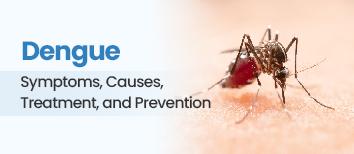
Dengue is a mosquito-borne viral disease causing high fever, body pain, and rashes. It spreads through Aedes mosquitoes. Early treatment and mosquito control help prevent complications.

Consult the best general physician for dengue fever at Felix Hospital. Their expertise in diagnosing and managing dengue virus infections can lead to timely and effective treatment.
फैरिंजाइटिस (Pharyngitis) यानी गले में सूजन या संक्रमण सर्दी-जुकाम और मौसम के बदलाव से होने वाली समस्या है। यह गले में दर्द, खराश, निगलने में कठिनाई और आवाज बैठने जैसी परेशानियां पैदा करता है। यह संक्रमण वायरस या बैक्टीरिया से होता है। अक्सर बच्चों व युवाओं में अधिक दिखता है। अगर गले में लगातार दर्द, जलन या सूजन बनी रहे, तो यह साधारण इंफेक्शन नहीं बल्कि फैरिंजाइटिस का संकेत है। Pharyngitis Treatment in Noida में उपलब्ध है। अगर लक्षण लगातार बने हुए हैं, तो नोएडा के किसी अनुभवी ईएनटी डॉक्टर से तुरंत परामर्श लें।
अपॉइंटमेंट के लिए कॉल करें: 📞 +91 9667064100
फैरिंजाइटिस गले के पिछले हिस्से फैरिंक्स (Pharynx) की सूजन को कहते हैं। यह सूजन वायरस, बैक्टीरिया या एलर्जिक प्रतिक्रियाओं से होती है। अगर संक्रमण कुछ दिनों में ठीक हो जाए, तो उसे एक्यूट फैरिंजाइटिस कहते हैं। जबकि लक्षण कई सप्ताह या बार-बार लौटते रहें, तो यह क्रॉनिक फैरिंजाइटिस (Chronic pharyngitis) कहलाता है। आमतौर पर यह सर्दी-जुकाम, प्रदूषण या बैक्टीरियल संक्रमण (जैसे स्ट्रेप्टोकोकस पायोजेनेस) से होता है। बच्चों और कमजोर इम्यून सिस्टम (Weak immune system) वाले लोगों में यह जल्दी फैलता है।
निगलने में दर्द या जलन, विशेषकर ठोस भोजन या गर्म/ठंडी चीजें खाने पर। गला सूखा और खुरदरा महसूस होना। कभी-कभी गले में खराश (sore throat) इतनी बढ़ती है कि बोलने में भी तकलीफ होती है।
वोकल कॉर्ड में सूजन या जलन के कारण आवाज धीमी, कर्कश या फीकी होती है। लगातार खांसी या गले में संक्रमण की वजह से लंबी अवधि तक आवाज में बदलाव होता है। बच्चों या पेशेवर गायकों में आवाज का जल्दी थकना आम है।
हल्का से तेज बुखार, शरीर में दर्द, और थकान महसूस होना। संक्रमण के कारण शरीर की प्रतिरोधक क्षमता सक्रिय हो जाती है, जिससे सामान्य कमजोरी और सुस्ती बनी रहती है। कभी-कभी सिरदर्द और पसीना भी साथ में होता है।
पोस्ट-नज़ल ड्रिप के कारण गले में म्यूकस (कफ) जमा होना। गले में जलन और बार-बार गले को साफ करने की आवश्यकता महसूस होना। रात में खांसी बढ़ सकती है, जिससे नींद प्रभावित होती है।
डॉक्टर के निरीक्षण में गले की दीवारें लाल और सूजी हुई दिखती हैं। टॉन्सिल्स (tonsils) बढ़े हुए या सफेद/पीले धब्बे दिखते हैं। कभी-कभी गर्दन में लिम्फ नोड्स (गांठ) सूजते हैं।
भोजन या पानी निगलते समय दर्द या जलन महसूस होना। ठोस भोजन निगलना कठिन हो सकता है। गंभीर मामलों में थूक निगलने में भी परेशानी होती है। लंबे समय तक होने पर वजन में कमी और भोजन की इच्छा कम होना आम है।
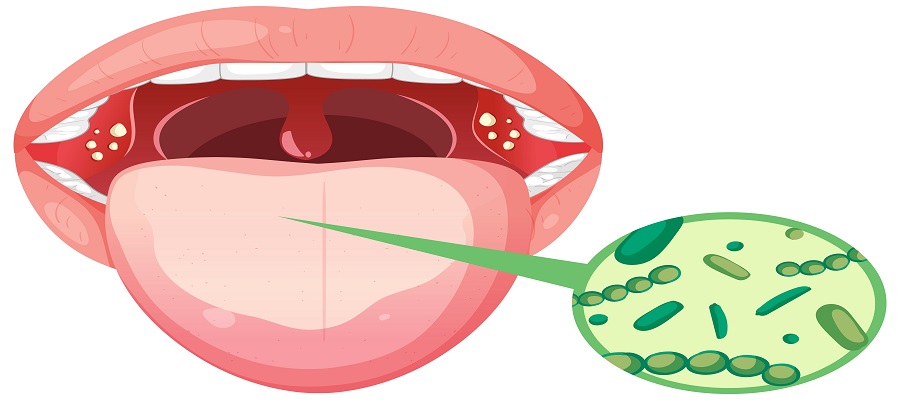
लगभग 70–80% गले की सूजन के मामले वायरस के कारण होते हैं। आम वायरस में राइनोवायरस, इन्फ्लुएंजा, एडेनोवायरस और कोरोनावायरस शामिल हैं। वायरल संक्रमण में अक्सर हल्का बुखार, खांसी, नाक बहना, गले में खराश जैसे लक्षण दिखाई देते हैं। यह आमतौर पर स्वयं ही ठीक हो जाता है, लेकिन पर्याप्त आराम और तरल पदार्थ लेने की सलाह होती है।
प्रमुख कारण स्टेप्टोकोकस बैक्टीरिया है। बिना समय पर इलाज के यह टॉन्सिलाइटिस, रुमेटिक फीवर या किडनी की समस्या भी पैदा करता है। लक्षणों में तेज बुखार, गले में बहुत दर्द, सफेद या पीले धब्बे, और लिम्फ नोड्स की सूजन शामिल होती है। डॉक्टर द्वारा एंटीबायोटिक्स की आवश्यकता होती है।
धूल, धुआं, परागकण, रासायनिक धुएँ और अन्य एलर्जन गले की झिल्ली को सूजाते और जलन पैदा करते हैं। इससे अक्सर खराश, कफ, बार-बार गले साफ करने की इच्छा होती है। एलर्जी के कारण होने वाले गले के संक्रमण में सर्दी-जुकाम जैसे लक्षण नहीं हमेशा दिखाई देते।
तंबाकू, सिगरेट और शराब गले की लाइनिंग को लगातार उत्तेजित और नुकसान पहुंचाते हैं। इससे गले में क्रॉनिक फैरिंजाइटिस, खांसी, आवाज का बदलाव और जलन जैसी समस्या होती है। लंबे समय तक सेवन से गले के कैंसर का जोखिम भी बढ़ता है।
सर्दियों या एयरकंडीशंड कमरे में हवा बहुत सूखी होती है। सूखी हवा गले की स्लाइम मेम्ब्रेन को सूखा देती है, जिससे संक्रमण का खतरा बढ़ता है। मुंह से लगातार सांस लेने पर गला और वोकल कॉर्ड्स पर अधिक दबाव और जलन होती है।
थकान, तनाव, नींद की कमी और पोषण की कमी शरीर की रोग प्रतिरोधक क्षमता घटाती है। कमजोर इम्यून सिस्टम के कारण साधारण वायरल या बैक्टीरियल संक्रमण भी जल्दी फैलता है। जीवनशैली सुधारने, पर्याप्त नींद और पौष्टिक आहार से इम्यूनिटी मजबूत की जाती है।
क्लिनिकल जांचः
ईएनटी डॉक्टर गले, टॉन्सिल्स, यूवुला और गले की दीवारों का निरीक्षण करते हैं। गले की लालिमा, सूजन, म्यूकस या सफेद/पीले धब्बों की स्थिति दिखती है। Pharyngitis Treatment Hospital in noida में उपलब्ध है। डॉक्टर गले की नाजुकता और दर्द की तीव्रता को भी महसूस करके लक्षणों का मूल्यांकन करते हैं। कभी-कभी गले और गर्दन के लिम्फ नोड्स की सूजन की जांच भी की जाती है।
थ्रोट स्वाब टेस्ट:
गले से स्वाब लेकर लैब में जांच की जाती है। यह पता लगाया जाता है कि संक्रमण वायरल है या बैक्टीरियल। बैक्टीरियल संक्रमण होने पर सटीक एंटीबायोटिक निर्धारित किया जा सकता है। टेस्ट में स्टेप्टोकोकस जैसे बैक्टीरिया की पहचान की जाती है।
ब्लड टेस्ट (Blood Test):
गंभीर, लगातार या लंबे समय तक रहने वाले संक्रमण में किया जाता है। सीबीसी (पूर्ण रक्त गणना) से शरीर में संक्रमण और सफेद रक्त कोशिकाओं की संख्या (white blood cell count) का पता चलता है। ईएसआर (एरिथ्रोसाइट अवसादन दर) या सीआरपी से शरीर में सूजन का स्तर मापा जाता है। यह जांच विशेषकर तब जरूरी होती है जब डॉक्टर को सिस्टमिक संक्रमण या जटिलता का खतरा लगे।
एलर्जी टेस्ट (Allergy Test):
बार-बार गले में जलन, खांसी या म्यूकस जमा होने पर किया जाता है। धूल, परागकण, धुआँ, या रासायनिक पदार्थों के कारण एलर्जी की संभावना की पुष्टि की जाती है। त्वचा या ब्लड टेस्ट द्वारा एलर्जन की पहचान की जाती है। एलर्जी का पता लगने पर उपचार और बचाव उपाय निर्धारित किए जाते हैं।
वायरल फैरिंजाइटिस:
आमतौर पर आराम, पर्याप्त हाइड्रेशन और भाप लेने से 5–7 दिनों में ठीक हो है। घर पर गर्म तरल पदार्थ, सूप, शहद और हर्बल चाय मदद करते हैं।
बैक्टीरियल फैरिंजाइटिस:
डॉक्टर एंटीबायोटिक्स (जैसे एमोक्सिसिलिन, अजिथ्रोमाइसिन) निर्धारित करते हैं। पूरी कोर्स लेना जरूरी है ताकि संक्रमण पूरी तरह खत्म हो और जटिलताएं न हों।
दर्द और बुखार:
पैरासिटामोल या आइबुप्रोफेन से गले का दर्द और बुखार कम होता है। दर्द कम होने से भोजन निगलने में आसानी होती है।
गरारे और भापः
गर्म नमक वाले पानी से दिन में 2–3 बार गरारे करने से गले की सूजन और जलन कम होती है। भाप लेने से गले की सूखापन, जलन और म्यूकस जमा होना कम होता है। बच्चों के लिए हल्की भाप या स्टीम इनहेलेशन सुरक्षित तरीका है।
सलाइन गार्गल / स्प्रे:
सलाइन गार्गल गले को नम रखता है और संक्रमण के अंशों को साफ करता है। एंटीसेप्टिक या माइल्ड माउथस्प्रे भी अस्थायी राहत देते हैं। दिन में 2–4 बार उपयोग करना लाभदायक होता है।
एलर्जी मैनेजमेंट:
यदि फैरिंजाइटिस एलर्जी के कारण है तो एंटीहिस्टामिन या एंटीएलर्जिक स्प्रे उपयोगी हैं। एलर्जी से होने वाली खराश, खांसी और म्यूकस जमा होना कम करने में मदद करता है। घर में धूल और परागकण कम करने के उपाय भी जरूरी हैं।
क्रॉनिक मामलों मेंः
लंबे समय तक संक्रमण या बार-बार होने पर ईएनटी डॉक्टर एंडोस्कोपिक जांच (Endoscopy investigation) करते हैं। इससे संरचनात्मक समस्याएं जैसे टॉन्सिल हाइपरट्रॉफी, रिफ्लक्स या पोलिप्स की पहचान होती है। कभी-कभी सर्जिकल उपचार (जैसे टॉन्सिलेक्टॉमी) की सलाह दी जाती है।
धूल, धुआं और ठंडी हवा से बचें:
धूल, परागकण, प्रदूषण और रासायनिक धुएं गले की झिल्ली को जलन और सूजन देते हैं। घर में हवा फिल्टर या एयर प्यूरीफायर का उपयोग लाभदायक होता है। सर्दियों या ठंडी हवा में सर्विंग स्कार्फ या मफलर से गले को ढकें।
गर्म पानी से गरारे करें और पर्याप्त पानी पिएं:
दिन में 2–3 बार गर्म नमक वाले पानी से गरारे करने से गले की सूजन और म्यूकस जमा कम होता है। पर्याप्त तरल पदार्थ (पानी, सूप, हर्बल चाय) लेने से गले की नमी बनी रहती है और संक्रमण का खतरा कम होता है।
भीड़भाड़ वाले स्थानों में मास्क पहनें:
भीड़ वाले स्थानों में मास्क पहनने से वायरल और बैक्टीरियल संक्रमण से बचाव होता है। सार्वजनिक परिवहन, अस्पताल या बाजार में मास्क उपयोगी है।
धूम्रपान और सेकेंड हैंड स्मोक से दूरी बनाएं:
तंबाकू और धूम्रपान गले की लाइनिंग को नुकसान पहुंचाते हैं। सेकेंड हैंड स्मोक (पास-पड़ोस या ऑफिस में धूम्रपान) भी गले में जलन और खांसी बढ़ाता है।
ठंडे पेय, बर्फीली चीजें और तले-भुने खाद्य पदार्थों से परहेज करें:
अत्यधिक ठंडी या मसालेदार चीजें गले की झिल्ली को उत्तेजित करती हैं। तले-भुने और भारी खाद्य पदार्थ गले में जलन और भारीपन पैदा करते हैं।
नींद पूरी लें और तनाव कम रखें:
पर्याप्त नींद और आराम से शरीर की रोग प्रतिरोधक क्षमता मजबूत रहती है। तनाव और थकान इम्यून सिस्टम कमजोर करते हैं, जिससे संक्रमण जल्दी फैलता है। नियमित योग, मेडिटेशन और हल्की एक्सरसाइज इम्यूनिटी बढ़ाने में मददगार हैं।
अन्य सावधानियां:
हाथों को नियमित धोएं, खासकर भोजन से पहले। निजी सामान जैसे गिलास, तौलिया, और बर्तन साझा न करें। गले में जलन या खराश शुरू होते ही अत्यधिक बोलने या चिल्लाने से बचें।
फैरिंजाइटिस साधारण सर्दी-जुकाम से शुरू होकर गंभीर गले के संक्रमण में बदलता है। गले में लगातार दर्द, खराश या निगलने में कठिनाई को नजरअंदाज न करें। ईएनटी विशेषज्ञ से परामर्श लेकर समय पर इलाज करें। सही दवा, आराम और घरेलू देखभाल से यह समस्या पूरी तरह ठीक होती है। इलाज में देरी लापरवाही साबित हो सकती है।
अभी अपॉइंटमेंट शेड्यूल करें – कॉल करें: +91 9667064100
प्रश्न 1: क्या फैरिंजाइटिस अपने आप ठीक होता है?
उत्तर: वायरल मामलों में 5–7 दिन में आराम मिलता है। लेकिन बैक्टीरियल संक्रमण में एंटीबायोटिक जरूरी है।
प्रश्न 2: फैरिंजाइटिस और टॉन्सिलाइटिस में क्या अंतर है?
उत्तर: फैरिंजाइटिस गले की पीछे की झिल्ली की सूजन है। जबकि टॉन्सिलाइटिस टॉन्सिल्स का संक्रमण होता है।
प्रश्न 3: क्या फैरिंजाइटिस बार-बार हो सकता है?
उत्तर: हां, एलर्जी, धूल या कमजोर इम्यूनिटी होने पर यह दोबारा हो सकता है। इसलिए इलाज जरूरी होती है।
प्रश्न 4: क्या बच्चों में फैरिंजाइटिस गंभीर होता है?
उत्तर: बच्चों में यह सामान्य है। लेकिन लगातार बुखार या दर्द होने पर तुरंत ईएनटी डॉक्टर को दिखाना चाहिए। इलाज में देरी नहीं करनी चाहिए।
प्रश्न 5: क्या गरारे करने से फैरिंजाइटिस में आराम मिलता है?
उत्तर: हां, गुनगुने नमक वाले पानी से गरारे करने से गले की सूजन और दर्द में तुरंत राहत मिलती है। इसलिए गुनगुने पानी का सेवन करना चाहिए।

खांसते समय सीने में दर्द कई कारणों से हो सकता है, जैसे संक्रमण, मांसपेशियों में खिंचाव या फेफड़ों की समस्या। नोएडा में इसके लिए विशेषज्ञ इलाज उपलब्ध है।

साइनस का इलाज जानें। साइनसाइटिस के कारण, लक्षण, घरेलू उपचार और डॉक्टरी इलाज की पूरी जानकारी हिंदी में। बार-बार होने वाली साइनस की समस्या से छुटकारा पाएं।
कान का दर्द कई कारणों से हो सकता है, जैसे संक्रमण, ईयरवैक्स, चोट या अन्य बीमारियां। सही समय पर इलाज से समस्या से राहत पाई जा सकती है।
खांसते समय सीने में दर्द कई कारणों से हो सकता है, जैसे संक्रमण, मांसपेशियों में खिंचाव या फेफड़ों की समस्या। नोएडा में इसके लिए विशेषज्ञ इलाज उपलब्ध है।
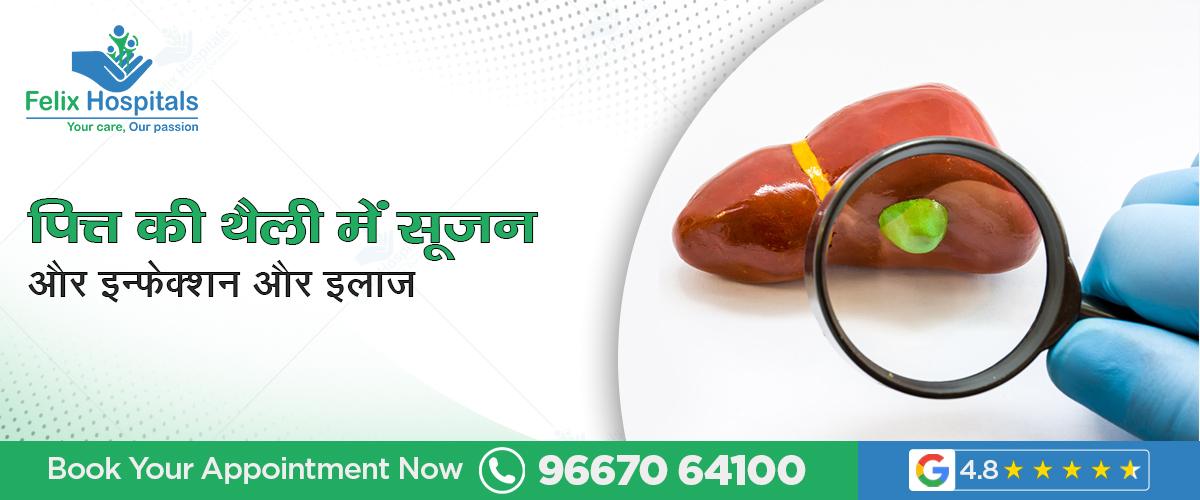
पित्त की थैली (Gallbladder) में सूजन या इन्फेक्शन एक गंभीर लेकिन आम पाचन संबंधी समस्या है। यह स्थिति तब होती है जब पित्ताशय में पथरी (Gallstones) बनती है। किसी कारण से पित्त का प्रवाह रुकता है। ऐसे में मरीज को पेट के दाहिने ऊपरी हिस्से में तेज दर्द, मितली और उल्टी जैसी शिकायतें होती हैं। Gallbladder Surgery in Noida में उपलब्ध है। अगर आपको ऐसे लक्षण दिखें तो तुरंत डॉक्टर से परामर्श लें।
अभी परामर्श के लिए कॉल करें – +91 9667064100
पित्त की थैली एक छोटा अंग है जो लिवर के नीचे स्थित होता है। इसका काम लिवर द्वारा बनने वाले पित्त को जमा करना और भोजन के पाचन में सहायता करना होता है। जब इसमें पथरी बनती है या पित्त का प्रवाह बाधित होता है, तो सूजन और इन्फेक्शन (infection) की स्थिति उत्पन्न होती है।
कोलेसिस्टाइटिस एक ऐसी अवस्था है जिसमें पित्ताशय की दीवार में सूजन या संक्रमण हो जाता है। पित्ताशय यकृत के नीचे स्थित एक छोटा थैला होता है। जो लिवर द्वारा बनाए गए पित्त को जमा करके भोजन के पाचन में मदद करता है। जब किसी कारणवश पित्त का प्रवाह रुकता है या उसमें बैक्टीरिया का संक्रमण होता है, तो पित्ताशय की अंदरूनी दीवार में सूजन आती है। यह स्थिति दर्दनाक और कभी-कभी गंभीर भी होती है। जहां तीव्र कोलेसिस्टाइटिस में अचानक तेज पेट दर्द, बुखार, मतली और उल्टी जैसे लक्षण दिखाई देते हैं। यह आमतौर पर पित्त की पथरी के कारण होता है, जो पित्त नली को अवरुद्ध कर देती है। इससे पित्त का प्रवाह रुकता है और संक्रमण होता है। वहीं दीर्घकालिक कोलेसिस्टाइटिस लंबे समय तक बार-बार होने वाली सूजन या पथरी के कारण होती है। जिससे पित्ताशय की दीवार मोटी होती है। उसका कार्य कमजोर पड़ता है।
पित्त की पथरी यानी गॉलस्टोन कोलेसिस्टाइटिस का सबसे सामान्य कारण है। जब पथरी पित्ताशय से निकलने वाली नली (सिस्टिक डक्ट) को ब्लॉक कर देती है, तो पित्त बाहर नहीं निकल पाता। इससे पित्ताशय में दबाव बढ़ जाता है और उसमें सूजन या संक्रमण होता है।
जब पित्त का प्रवाह बाधित होता है, तो पित्ताशय में बैक्टीरिया तेजी से पनपने लगते हैं। आम तौर पर ई. कोली, क्लेबसिएला, या एंटरोकोकस जैसे जीवाणु संक्रमण फैलाते हैं। यह संक्रमण सूजन को बढ़ाता है और कभी-कभी पस बनने की स्थिति भी पैदा करता है। यदि संक्रमण गंभीर हो जाए तो यह शरीर के अन्य हिस्सों, विशेषकर रक्त में भी फैल सकता है।
पेट या लिवर क्षेत्र में किसी ऑपरेशन, दुर्घटना या चोट के बाद भी पित्ताशय प्रभावित होता है। इससे पित्त के प्रवाह में रुकावट या सूजन होती है। लिवर या पित्त नली से जुड़ी सर्जरी के बाद संक्रमण का खतरा बढ़ जाता है, खासकर यदि सफाई का ध्यान न रखा जाए। कुछ मामलों में यह सर्जरी के बाद पित्ताशयशोथ के रूप में भी सामने आता है।
अधिक तैलीय और वसायुक्त भोजन करने से कोलेस्ट्रॉल का स्तर बढ़ता है, जिससे पित्त में कोलेस्ट्रॉल जमने लगता है और पथरी बनने की संभावना बढ़ती है। मोटे या अत्यधिक वजन वाले लोगों में इसके बनने की संभावना सामान्य लोगों की तुलना में दोगुनी होती है।
गर्भावस्था के दौरान शरीर में हार्मोनल बदलाव, विशेष रूप से प्रोजेस्टेरोन के स्तर में वृद्धि, पित्ताशय की मांसपेशियों को शिथिल कर देती है। इसके कारण पित्त का प्रवाह धीमा हो जाता है और उसमें जमाव होता है। यह स्थिति पित्त की पथरी और सूजन दोनों के जोखिम को बढ़ाती है।
डायबिटीज से ग्रसित लोगों की इम्यून सिस्टम कमजोर होती है। जिससे शरीर संक्रमणों से प्रभावी रूप से नहीं लड़ पाता। रक्त में उच्च ग्लूकोज स्तर बैक्टीरिया के लिए अनुकूल वातावरण बनाता है, जिससे संक्रमण जल्दी फैल सकता है। ऐसे मरीजों में कोलेसिस्टाइटिस होने पर स्थिति तेजी से गंभीर रूप लेती है।
यह सबसे प्रमुख लक्षण है। दर्द अक्सर अचानक शुरू होता है और लगातार बना रहता है। दर्द दाहिनी पसलियों के नीचे या पेट के ऊपरी हिस्से में महसूस होता है। कभी-कभी यह दर्द इतना तेज होता है कि व्यक्ति सीधा खड़ा नहीं रह पाता। यह दर्द आमतौर पर तैलीय या भारी भोजन करने के कुछ घंटों बाद बढ़ जाता है।
पित्ताशय का दर्द अक्सर दाहिने कंधे या पीठ के बीच के हिस्से तक फैलता है। यह इस वजह से होता है क्योंकि पित्ताशय और इन क्षेत्रों के नर्व एक-दूसरे से जुड़े होते हैं। दर्द की यह प्रकृति कोलेसिस्टाइटिस को अन्य पेट संबंधी बीमारियों से अलग पहचानने में मदद करती है।
सूजन या संक्रमण के कारण पाचन तंत्र ठीक से कार्य नहीं करता है। इससे मरीज को बार-बार उल्टी आने, मितली महसूस होने या भूख बिल्कुल न लगने जैसी परेशानी होती है। कई बार उल्टी में पित्त भी आता है। जिससे मुंह में कड़वाहट महसूस होती है। लंबे समय तक यह स्थिति रहने पर कमज़ोरी और डिहाइड्रेशन होता है।
यदि पित्ताशय में बैक्टीरियल संक्रमण हो जाए, तो शरीर की प्रतिक्रिया के रूप में बुखार आता है। बुखार अक्सर 100–102°F तक हो सकता है और इसके साथ कंपकंपी या ठंड लगना भी महसूस होता है।
पित्त के रुकने और सूजन बढ़ने से पेट के ऊपरी हिस्से में फुलावट या भारीपन महसूस होता है। कुछ मरीजों में पेट छूने पर दर्द और कसाव महसूस होता है। गंभीर मामलों में यह सूजन पूरी पेट की दीवार तक फैलती है।
जब पित्त नली में रुकावट हो जाती है, तो बिलीरुबिन रक्त में बढ़ने लगता है। इससे त्वचा, आंखों की सफेदी और कभी-कभी पेशाब का रंग भी पीला या गहरा होता है। यह स्थिति बताती है कि सूजन या पथरी ने पित्त के सामान्य प्रवाह को रोक दिया है।
40 वर्ष से अधिक उम्र
महिलाओं में अधिक आम (हार्मोनल कारणों से)
मोटापा या तेजी से वजन घटाना
फैट युक्त भोजन का अधिक सेवन
गर्भनिरोधक गोलियों का उपयोग
डायबिटीज या लिवर रोग
अल्ट्रासाउंड एब्डॉमेन:
अल्ट्रासाउंड से डॉक्टर पित्ताशय की आकृति, आकार और दीवार की मोटाई को स्पष्ट रूप से देखते हैं। यदि पित्ताशय में पथरी मौजूद है या पित्त का प्रवाह बाधित हुआ है। तो यह जांच तुरंत दिखाती है। सूजन की स्थिति में पित्ताशय की दीवार मोटी होती है। अंदर तरल पदार्थ जमा होता है। जिसे अल्ट्रासाउंड से आसानी से पहचानता है।
लिवर फंक्शन टेस्ट:
यह एक ब्लड टेस्ट है जो यह बताता है कि लिवर और पित्त नलियां कितनी सही तरीके से काम कर रही हैं। अगर पित्त का प्रवाह रुक गया हो या संक्रमण लिवर तक फैल गया हो, तो बिलीरुबिन, एंजाइम्स के स्तर बढ़े हुए मिलते हैं। यह टेस्ट पित्ताशय की सूजन के साथ-साथ यह भी संकेत देता है कि कहीं जॉन्डिस (पीलिया) या लिवर डैमेज तो नहीं हो रहा।
सीटी स्कैन या एमआरआई:
यदि अल्ट्रासाउंड से स्पष्ट तस्वीर नहीं मिलती, तो डॉक्टर सीटी स्कैन या एमआरआई कराने की सलाह देते हैं। यह जांच गहराई से पित्ताशय, लिवर, पित्त नलियों और आसपास के ऊतकों की सटीक इमेज प्रदान करती है। इससे यह पता लगाया जा सकता है कि सूजन कितनी फैली है, कहीं पित्ताशय फटने या संक्रमण फैलने (abscess) की संभावना तो नहीं है।
हाइडा स्कैन:
यह एक न्यूक्लियर मेडिसिन टेस्ट है जो पित्ताशय की कार्यप्रणाली जांचने के लिए किया जाता है। इसमें एक विशेष रेडियोएक्टिव डाई इंजेक्ट की जाती है जो लिवर से पित्ताशय और छोटी आंत तक के पित्त प्रवाह को ट्रैक करती है। यदि पित्ताशय ठीक से काम नहीं कर रहा या पित्त का प्रवाह रुका हुआ है, तो यह स्कैन तुरंत दिखा देता है। इससे यह भी पता लगाया जा सकता है कि पित्ताशय की संवेदनशीलता कितनी है, यानी वह पित्त को कितनी कुशलता से निकाल पा रहा है।
एंटीबायोटिक्स:
यदि पित्ताशय में बैक्टीरियल संक्रमण पाया जाता है, तो डॉक्टर संक्रमण को नियंत्रित करने के लिए उपयुक्त एंटीबायोटिक दवाएं देते हैं। Gall Bladder Specialist Doctors in Noida में उपलब्ध है। उदाहरण के लिए सेफ्ट्रिएक्सोन, पाइपेरासिलिन-टाज़ोबैक्टम, मेट्रोनिडाज़ोल आदि दवाएं स्थिति के अनुसार दी जाती हैं। इन दवाओं का सेवन हमेशा डॉक्टर की सलाह और पूर्ण कोर्स के साथ ही करना चाहिए।
पेन रिलीवर और ऐंठन कम करने वाली दवाएं:
दर्द को नियंत्रित करने और पित्त नलियों की ऐंठन को कम करने के लिए पेन किलर या एंटीस्पास्मोडिक दवाएं दी जाती हैं। इससे पेट में होने वाला दबाव और असहजता काफी कम होती है।
आईवी द्रव और आराम:
गंभीर संक्रमण की स्थिति में मरीज को अस्पताल में भर्ती कर इंट्रावेनस फ्लूइड दिए जाते हैं ताकि शरीर में पानी और इलेक्ट्रोलाइट संतुलन बना रहे। इस दौरान ठोस भोजन से परहेज और पूर्ण आराम जरूरी होता है।
सर्जरी द्वारा इलाज:
जब पित्ताशय में बार-बार सूजन, पथरी, या संक्रमण दोहराया जाता है, तब डॉक्टर स्थायी इलाज के रूप में पित्ताशय को हटाने की सर्जरी की सलाह देते हैं। आजकल यह ऑपरेशन अधिकतर लैप्रोस्कोपिक सर्जरी से किया जाता है। इसमें पेट पर केवल 3–4 छोटे चीरे लगाए जाते हैं। कैमरे की मदद से डॉक्टर पित्ताशय को बिना बड़ी सर्जरी के हटा देते हैं। मरीज को कम दर्द, कम निशान और जल्दी रिकवरी का लाभ मिलता है। आमतौर पर मरीज 1–2 दिन में डिस्चार्ज हो जाता है और 1 सप्ताह में सामान्य दिनचर्या पर लौट सकता है। यह सर्जरी पथरी या बार-बार होने वाले संक्रमण से स्थायी राहत का सबसे सुरक्षित उपाय है।
जीवनशैली में बदलाव:
हल्का, कम तेल और कम वसा वाला भोजन लें: तले-भुने, मसालेदार और अधिक चिकनाई वाले खाद्य पदार्थ पित्ताशय पर दबाव बढ़ाते हैं। इनके स्थान पर उबला या स्टीम्ड भोजन, फल, सब्जियां और फाइबर युक्त डाइट लें।
अधिक पानी पिएं:
पर्याप्त मात्रा में पानी पीने से शरीर से विषाक्त पदार्थ बाहर निकलते हैं और पित्त का प्रवाह सुचारू रहता है।
वजन नियंत्रित रखें:
मोटापा पित्त की पथरी बनने की सबसे बड़ी वजहों में से एक है। नियमित व्यायाम, वॉक और संतुलित आहार से वजन नियंत्रण में रखें।
भोजन समय पर करें और छोटे अंतराल पर खाएं:
लंबे समय तक भूखे रहने से पित्त का प्रवाह रुक सकता है। इसलिए भोजन नियमित अंतराल पर करें।
शराब और धूम्रपान से परहेज करें:
यह आदतें लिवर और पित्ताशय दोनों पर बुरा प्रभाव डालती हैं।
अभी डॉक्टर से मिलें – +91 9667064100
पित्त की थैली में सूजन या संक्रमण को अनदेखा करना खतरनाक होता है। अगर आपको बार-बार पेट में दर्द, मितली या उल्टी की शिकायत है तो तुरंत डॉक्टर से संपर्क करें। समय पर सर्जरी से यह समस्या पूरी तरह ठीक होती है। इलाज में देरी नुकसानदेह होती है। इसलिए इलाज में देरी नहीं करनी चाहिए।
प्रश्न 1. क्या पित्त की थैली में सूजन का इलाज बिना सर्जरी के होता है?
उत्तर: शुरुआती अवस्था में दवाओं से राहत मिल सकती है, लेकिन बार-बार होने वाली सूजन में सर्जरी ही स्थायी उपाय है।
प्रश्न 2. क्या गाल ब्लैडर हटाने के बाद जीवन सामान्य रहता है?
उत्तर: हां, सर्जरी के बाद व्यक्ति सामान्य जीवन जी सकता है। शरीर पित्त सीधे लिवर से उपयोग करता है।
प्रश्न 3. क्या पित्त की थैली में सूजन से बुखार या पीलिया होता है?
उत्तर: हां, संक्रमण गंभीर होने पर बुखार और पीलिया के लक्षण दिखते हैं।
प्रश्न 4. क्या महिलाओं में यह समस्या अधिक होती है?
उत्तर: हां, हार्मोनल बदलाव और गर्भावस्था के कारण महिलाओं में गालस्टोन और सूजन की संभावना अधिक रहती है।
प्रश्न 5. क्या वजन बढ़ने से पित्त की पथरी बनती है?
उत्तर: हां, मोटापा पित्ताशय में कोलेस्ट्रॉल की पथरी बनने का प्रमुख कारण है। इसलिए इसके स्तर को नियंत्रित रखे।
जानें हेपेटाइटिस से बचाव के उपाय और सही इलाज। समय पर पहचान और उपचार से लिवर को मजबूत बनाना संभव है।
पेट में अल्सर एक आम लेकिन गंभीर समस्या है जो संक्रमण, अधिक एसिड या दवाओं के कारण होती है। इसके लक्षणों में पेट दर्द, जलन और अपच शामिल हैं। फ़ेलिक्स अस्पताल में इसका प्रभावी उपचार और परामर्श उपलब्ध है।
पुरुषों में फंगल इन्फेक्शन आम हैं, लेकिन सही जानकारी और समय पर इलाज से इसे आसानी से नियंत्रित किया जा सकता है।
त्वचा संक्रमण के कई कारण हो सकते हैं, जो सूक्ष्मजीवों के त्वचा में प्रवेश करने से उत्पन्न होते हैं। ये संक्रमण तब होते हैं जब त्वचा की बाहरी सुरक्षा परत (एपिडर्मिस) क्षतिग्रस्त हो जाती है और बैक्टीरिया, वायरस, फंगस या परजीवी वहां से शरीर के अंदर प्रवेश कर

Even the human body cannot get rid of encountering pollution as the effects can be devastating and persistent. Knowledge of the impacts that pollution has on your health enables you to safeguard yourself and the family. If you are concerned about respiratory or other health problems due to pollution, seeking care from a doctor for pollution-related illness in Noida and a trusted hospital in Noida for respiratory problems is vital. This article delves into how pollution affects the body, the long-term effects of pollution on various organs, and ways to minimize these risks.
Early screening for pollution-related organ damage is vital. Contact us at +91 9667064100 for timely diagnostics
Pollution- It is made up of unwanted substances that get emitted in the air, water, and the land as a result of industry, vehicle emissions, construction, and the course of nature. In the air pollution, there are particulates, nitrogen oxides, sulfur oxide, carbon monoxide, and volatile organic compounds. Such pollutants destroy tissues and organs by inflammation, oxidative stress, and suppressed immune responses.
Inhaled pollutants first impact the respiratory system but can eventually enter the bloodstream, affecting vital organs including the heart, brain, liver, and kidneys.
The lungs are the first to face the health risks of air pollution. Fine particles (PM2.5 and less) enter deep into alveoli causing:
Bronchitis and inflammation are chronic.
Exacerbation of COPD and asthma.
Impaired lung development and growth among children.
Increased vulnerability to respiratory diseases.
High rates of hospitalization in case of pollution peaks.
With prolonged stay, fibrosis and risk of lung cancer are experienced. Serious disease is usually preceded by breathing difficulties and constant coughing.
Air pollution causes heart disease and this is increasingly known. Pollutants carry out systemic inflammation and oxidative stress harmful to blood vessels. This damages endothelium, enhancing atherosclerotic plaque, and amplifying blood clot. The pollution impact on lungs and heart results in higher rates of:
Hypertension
Coronary artery disease
Heart attacks and strokes
Atrial fibrillation and cardiac failure.
People who are suffering pre-conditions and the elderly have an increased risk of acute cardiac events associated with pollution episodes.
Effects of pollution on brain, liver, and kidneys arise from systemic distribution of toxins and inflammatory molecules:
Brain: pollutants lead to neuroinflammatory and oxidative brain damages that are associated with cognitive impairments, Alzheimer disease, depression and autism in children.
Liver: Long-term pollution exposure stresses liver detoxification, increasing risks of fatty liver disease and metabolic syndrome.
Kidneys: Exposure interferes with the renal filtration causing chronic renal disease and hypertension.
Association with these organs leads to chronic disease in the multisystem later in their lives.
The early warning signs can facilitate early intervention because individuals have to learn them:
Acute shortness of breath, tightness in the chest, or a persistent cough.
Pains on the chest, heart palpitations, or fatigue of an unexplainable nature.
Problems with recall, headache or mood swings.
Swelling or bruising of the genitals unmistakably.
Delays in wound healing or recurrent infection.
These symptoms must be treated by the professionals to avoid further development.
Specialized tests include:
Spirometeries and lung functions.
Inflammatory and organ functioning blood tests.
Testing such as X-ray of the chest or cardiac ultrasounds.
Neurological in relation cognitive test.
Frequent health check-ups aid in the detection of the impacts of the constant stressors of pollution.
Exposure leads to chronic exposure which occurs as:
Respiratory and cardiovascular morbidity and mortality.
An increase in cancer incidence, espoused lung cancer.
Late development among children and abnormalities at an early age.
Diabetes, obesity, chronic kidney and liver disease
Mental conditions such as apprehension, and depression.
To break this path, prevention or reduction of exposure is necessary.
Minimizing risk involves:
Keeping track of the state of the air and reducing open-air activity during times of greatest pollution.
Indoor air purification with air filters and HEPA.
Putting N95 masks when in polluted areas.
Eating healthy and improving immunity.
Prevention of tobacco and indoor pollutants.
It is also important that the community staffs reduction of emissions.
The management of the symptoms and the quality of life support are the targets of treatment:
Asthma, heart disease, or other chronic medication.
Pulmonary rehabilitation and Oxygen therapy of respiratory impairment.
Nutrition and psychological assistance.
Consistently seeing the doctor and having orthopedic interventions.
Long-term abrasion of organs can be minimized through early treatment.
Concerned about pollution effects on your health? Schedule a full-body health checkup with us today at +91 9667064100.
The body damage from pollution is gradual yet profound, affecting multiple vital organs and systems. Being aware of the long-term effects of pollution and signs for early medical consultation for pollution-related illnesses in Noida can save lives. Accessing specialized care through a reputable hospital in Noida for respiratory problems ensures you receive necessary treatments to restore and preserve health in polluted environments. Top doctors in Noida for respiratory problem are available to provide expert diagnosis and advanced treatment. Act today to have an easier life tomorrow.
Q.1 Is there any long-term lung damage associated with pollution?
Ans. Admittedly, chronic lung conditions such as COPD and asthma may be consequences of a long-term exposure.
Q.2 What happens to the heart when there is pollution?
Ans. It causes inflammation and atherosclerosis, which predisposes the heart attack and strokes..
Q.3 Are children more susceptible to the effects of pollution?
Ans. So, it is true that they are more vulnerable to harm due to developing organs.
Q.4 How can I help cut pollution injuries in the house?
Ans. Install air purifiers, never smoke in your homes and when out-of-doors on a bad day limit contact.
Q.5 At what time should I visit the doctor due to the symptoms of pollution?
Ans. Consult immediately in case of persistent cough, chest pain or difficulty with breathing.

Air pollution harms your lungs and heart, increasing the risk of breathing problems, heart disease, and stroke. Protecting yourself is essential.

Seborrheic dermatitis is a very prevalent skin disorder characterized by red, scaly and frequently itchy patches of skin which attack mostly those regions that are heavy in oil glands such as the scalp, face and chest. Although it may happen both in infants and adults, adults have frequent flare-ups and emotional distress as a result of apparent dandruff and skin irritation.
For those living in Noida, timely consultation and a personalized approach are essential for lasting relief, which is why seeking expert seborrheic dermatitis treatment in Noida from an experienced top dermatologist in Noida can make a world of difference. Early intervention is beneficial not only in enhancing comfort and appearance, but also reducing infection or lifelong skin damage. Patients can learn to control this disease in the long run and have a positive impact on the quality of their skin and self-esteem, having the knowledge of the risks, triggers, and current treatment methods.
Struggling with persistent dandruff or oily, scaly patches? Book your consultation for specialized seborrheic dermatitis treatment in Noida today at +91 9667064100.
To understand What is seborrheic dermatitis and what causes it you should know that Dermatitis is a skin condition that is characterized by dryness and inflammation. Seborrheic dermatitis is a commonly occurring condition of the scalp characterized by scaly, red patches, and stubborn dandruff. Not just your scalp, but this condition can affect other parts of your body where the skin tends to get oily such as your eyebrows, face, chest, eyelids, etc.
This skin condition is also called seborrheic eczema, dandruff, or seborrheic psoriasis. Seborrheic dermatitis is mainly found in adults, but it can cause crusting on the skin or scaly patches in infants. In some cases, the condition resolves by itself, but medical treatment is required in most cases. Also to know Is seborrheic dermatitis contagious? You should know, seborrheic dermatitis is not contagious; it cannot be spread from person to person. It is a non-contagious skin condition that causes oily, flaky patches on areas like the scalp and face.
Seborrheic dermatitis affects about 3-5 % of the world’s population and is a commonly encountered skin condition at a dermatologist’s office. Common dandruff is the mildest form of Seborrheic dermatitis, and about 15-20% of the world’s population suffers from it.

Based on the age of onset, Seborrheic dermatitis is of two types– infantile and adult.
Infantile Seborrheic dermatitis: This condition causes a red rash that spreads in the baby’s armpits and groin area. The scaly patches are salmon pink in color and tend to peel away. Infantile seborrheic dermatitis rash is not itchy and, therefore, doesn’t disturb the baby. The condition causes a ‘cradle cap’ characterized by a diffuse, greasy rash on the infant’s scalp.
Adult Seborrheic dermatitis: This type of dermatitis occurs in adults and particularly on the scalp, and in areas of folds on the skin prone to sweat and oil.
There are some typical features of the condition that are commonly seen. These include –
Diffused scaly, red patches on the scalp, face, upper chest, groin, hairline, etc.
Scaly red eyelid margins, a combination of dry and oily skin, infected boils around hair follicles (a condition called folliculitis) that are more superficial on the arms, trunk, legs, and minimal itch most of the time.
What are the common symptoms of seborrheic dermatitis? They are :
Scaly patches on the scalp
Dandruff on the scalp, hair, eyelashes, eyebrows
Diffuse patches of oily or greasy skin covered by whitish-yellow flaky scales on the scalp, face, eyelids, eyebrows,
chest, armpits, groin, etc.,
Itching
Redness and inflammation on the skin in certain areas

Though seborrheic dermatitis is not as itchy as eczema and psoriatic lesions, it can be uncomfortable. You might have to visit your dermatologist if you experience any of the following symptoms:
The itch of the seborrheic dermatitis patches is unbearable, and you are losing sleep due to it.
The lesions on the scalp and other areas of your body are causing you anxiety and embarrassment.
Self-care tips are not effective so far.
You feel pus-like fluid oozing from the affected region that may be an indicator of an infection.
There isn’t a particular cause for Seborrheic dermatitis. However, it is said to result from either of the two below reasons:
Malassezia, a fungus that is present in the oil secretion of the skin
An erratic response of the immune system
Though there is no specific cause for Seborrheic dermatitis, there are a few factors that increase one’s risk of developing the condition. These include–
Individuals who suffer from depression or Parkinson’s
Individuals recovering from a heart attack or other similar stressful medical conditions
People who are under chronic stress
Individuals with a weak immune system
To understand How does stress affect seborrheic dermatitis? You should know stress can worsen seborrheic dermatitis by triggering flare-ups and increasing symptoms like itching and redness. This is because stress can impact skin inflammation, and the condition itself can cause psychological stress, creating a cycle of worsening symptoms.
Though for some people, Seborrheic dermatitis resolves on its own, many people require medical intervention that includes using topical applications and taking medicines.
Some commonly used medications for seborrheic dermatitis include:
Topical creams, ointments, and shampoos: Many of these are prescription drugs and contain hydrocortisone, Clobetasol, desonide, and other corticosteroids. These need to be used based on your doctor’s prescription in the recommended dosage. When corticosteroid formulations are used continuously without a break, they can cause side effects, and therefore, you must take precautions.
Antifungal topical applications are useful for Seborrheic dermatitis: The type of antifungal chosen depends upon the severity of your condition and the affected area. The most commonly used drugs for this include 2% ketoconazole or 1% ciclopirox. In some cases, your doctor may prescribe both these drugs alternately.
If a topical application and other drugs are not effective, the patient is recommended medication in the form of oral pills. They are usually not the first choice of treatment.
Along with the prescribed medications and topical application products, your doctor will advise some significant changes in your lifestyle, especially in your diet and the skin care products you use to relieve your Seborrheic dermatitis symptoms. These may include:
Washing your hair and scalp regularly.
Applying olive, jojoba, or other healthy oils on your scalp that help remove the scales
Avoid styling products of all types as they can aggravate Seborrheic dermatitis.
Use gentle skin and hair care products.
Like most skin conditions, there isn’t a specific cause of Seborrheic dermatitis. However, the best way to prevent a flare-up of the condition is to avoid any aggravating factors:
Avoid stress
Avoid any known allergens
Avoid woolens and stick to comfortable and breathable cotton clothes
Take your multivitamins
For personalized treatment plans and advanced therapies for seborrheic dermatitis, call +91 9667064100 to book your appointment
Seborrheic dermatitis may be difficult to live with but it does not necessarily mean that it should impact on the quality of life. It is also possible to manage the symptoms and avoid the flare-up with the help of a qualified dermatologist in Noida due to the development of medical treatment. For anyone struggling with stubborn dandruff, scaly patches, or recurrent skin inflammation, the right seborrheic dermatitis treatment in Noida offers renewed skin health and comfort. Don't let skin problems persist-consult a dermatologist promptly, follow recommended skincare routines, and embrace personalized action plans. Timely expert intervention leads to clearer skin, less itching, and an improved sense of well-being every day.
Q.1. How is seborrheic dermatitis treated?
Ans. Seborrheic dermatitis may not be entirely curable. However, treatments provided in these cases aim to relieve the symptoms of the patient using a topical application or oral pills. The treatment aims to convert an active flare-up into a remission stage.
Q.2. What foods can trigger seborrheic dermatitis?
Ans. Certain foods can trigger a seborrheic dermatitis rash. Some of these include–
Dairy products
Eggs
Citrus fruits
Tomatoes
Soya
Spices like cinnamon, cloves, and vanilla
Nuts
Q.3. Can seborrheic dermatitis be cured permanently?
Ans. Unfortunately, no. Since seborrheic dermatitis is an autoimmune disease overlapped by a fungal infection, only the fungal infection is treatable. However, the treatments provided in this condition aim to convert the active state of the condition into remission
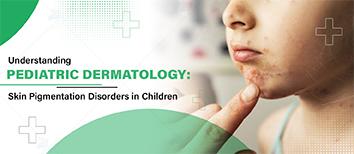
It’s essential to note that the cost of skin pigmentation disorder treatment in Noida can differ based on the type of treatment required and the healthcare facility's resources.

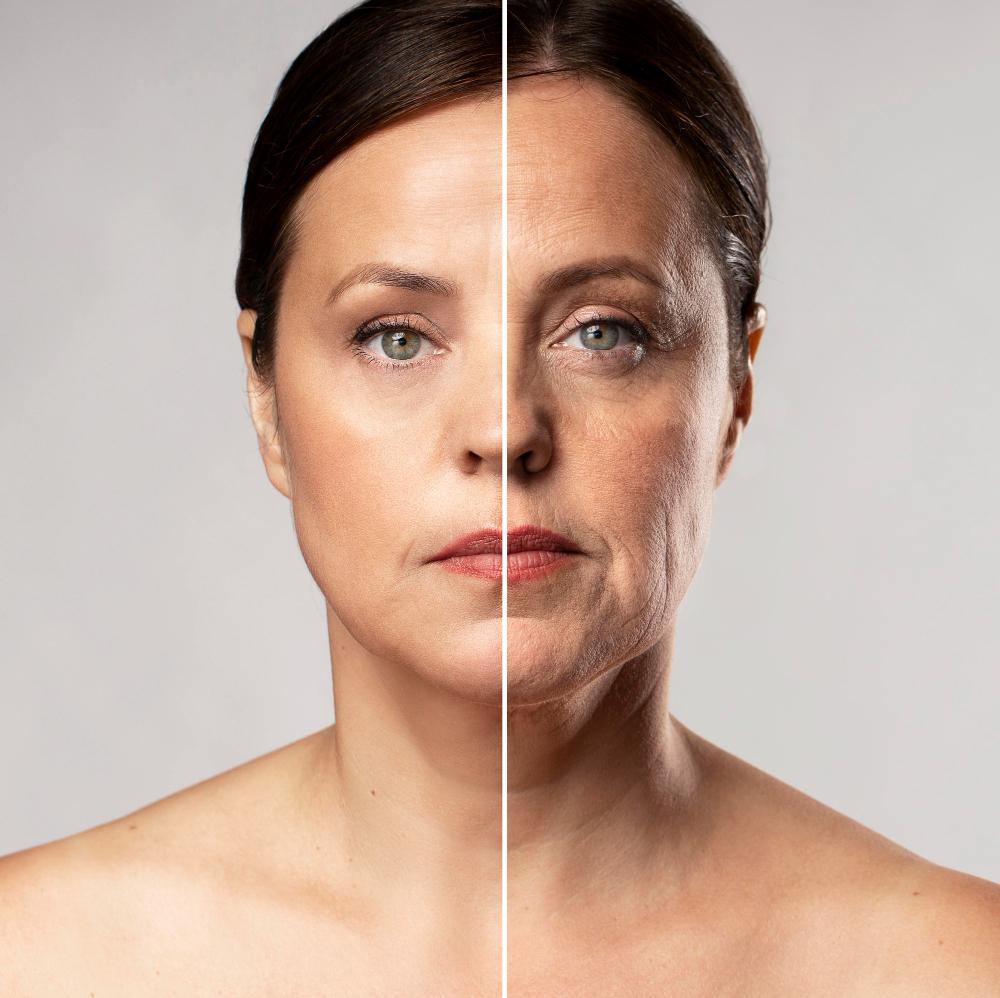
If your answer is yes, then, here are 6 easy steps to keep your skin look young and glowing.
Certain skin disorders aren’t preventable, including genetic conditions and some skin problems due to other illnesses.

High cholesterol levels have emerged among the most prevalent health issues related to lifestyle in the world. It progresses in the background and rarely shows no signs till it culminates in serious issues like heart attack or stroke. Knowing the ways to cut down the cholesterol and treat the dyslipidemia well is the initiation point towards a healthy heart and longer life.
If you are looking for a specialist cardiologist for the treatment of dyslipidemia in Noida, then this comprehensive guide shall educate you about the causes, avoidance, and the possible treatments for maintaining the cholesterol levels in check.
Call +91 9667064100 now and let's get started with your consultation and first step towards the healthiest future and the healthiest heart.
Cholesterol is a fat-like material found in your bloodstream. You need healthy cell formation and the production of hormones, but if the cholesterol in your bloodstream becomes too high, it causes deposits of fat in arteries. Over the years, it becomes hardened and inhibits the flow of blood and places you at great risk for stroke and disease in the heart.
The definition of the term dyslipidemia is an excess in the amount of lipids in the bloodstream. Dyslipidemia may consist of elevated amounts of LDL cholesterol (bad cholesterol), reduced HDL cholesterol (good cholesterol), or high triglycerides. Dyslipidemia is routinely discovered while undergoing routine blood work because it rarely causes symptoms in isolation.
There are some factors which can cause abnormal cholesterol:
Tackling these core causes is essential in the effective control and prevention from potential cardiovascular complications.
Changes in lifestyle are the key in the management of dyslipidemia. The following are some well-proven and useful ways to lower cholesterol naturally and promote heart health.
Your diet plan can instantly influence your cholesterol. Do your best to include:
In addition, restrain processed food, fried snacks, and refined sugars that lead to high triglycerides.
Physical exercise also helps in raising HDL (good cholesterol) and lowering LDL (bad cholesterol). At least 150 minutes a week should be spent on moderate exercise. Brisk walking, cycling, swimming, and yoga are highly useful.
Even daily walking and stretching can benefit long-term heart health if low-impact activity is favored. Activity also improves blood flow and maintains the patient at a healthy weight—both crucial in the management of dyslipidemia.
Smoking reduces the good cholesterol and destroys the blood vessels, and excessive drinking increases the triglycerides. Smoking cessation and moderate drinking are among the quickest ways to get healthy hearts.
In case required, get expert assistance from wellness programs available at a Best Hospital in Noida in order to treat withdrawal and develop a healthy routine.
Being overweight increases the amount of LDL cholesterol and triglycerides. Weights reduced by even moderate amounts—5–10% of your total body weight—can be substantially beneficial.
Combine low-calorie eating with daily exercise, nutritional eating, and fluids at the right moment for the best results.
Chronic stress can affect the levels of the hormone that controls the production of cholesterol and triglycerides. Introducing relaxation techniques such as deep breathing, meditation, and yoga can help maintain the stability of emotions and healthy levels of lipids.
When diet and lifestyle changes are not enough, drug therapy can become indicated. Contemporary medicine offers an array of high cholesterol treatments designed to safely and efficaciously achieve target lipid values.
Your physician can then prescribe medication according to your lipid profile and cumulative risk:
Always use these medications with a doctor's supervision and never prescribe yourself.
This should be monitored regularly. A test in your lipid profile every 6 to 12 months allows you to monitor your progress. Early detection with early intervention prevents serious complications.
If you are suffering from conditions such as diabetes, obesity, and thyroid disease, visit experts at a Top Hospital in Noida. Both cardiologist and endocrinologist coordination help take control of the heart and the metabolic system.
Best Endocrinologists in Noida can identify the hormonal cause of high cholesterol, and expert cardiologists treat with optimal heart functioning in view.
Even though the cornerstone of therapy are lifestyle modifications, medical monitoring allows for safety and periodicity. The management of dyslipidemia in Noida shall involve a qualified cardiologist who shall discuss your family history, dietary intake, exercise and lab work and then prescribe you customized regimen.
At a Premier Noida hospital, multidisciplinary teams treat the patient with the best possible outcomes for dyslipidemia through state-of-the-art diagnostics, personalized diets, and latest therapies.
Other than drug therapy, some supplements can also be useful in raising the level of cholesterol. Again, always consult your physician beforehand.
They are to complement and not substitute professional supervision and prescribed medication.
You should see a doctor right away if you experience:
Consultation with a cardiologist in Noida early can avoid future complications and lead to desirable outcomes in the health of the heart.
Small, regular differences in daily routines can be a big key in keeping your cholesterol healthy for the duration.
Call us at +91 9667064100 now and schedule your visit and get started with our complete heart health programs.
How to lower cholesterol and treat dyslipidemia can benefit everyone interested in preserving their heart and their health, in general. Healthy cholesterol can be achieved and sustained with the ideal combination of lifestyle modifications, medical advice, and follow-up visits.
Do not delay in obtaining expert help if you have high cholesterol. Consult the expert specialists at a Premier Centre in Noida and get advanced treatment and a personalized regimen.
Q. 1. What is the fastest way to reduce cholesterol levels?
Ans. The fastest way to decrease cholesterol is with exercise and a heart healthy eating plan. Do not eat fried food, high fat food, and sugars. Add high fiber food like oatmeal, fresh fruit, and vegetables. In extreme cases, your health professional can prescribe statins or other medications for high cholesterol in order to reduce levels quickly and safely.
Q. 2. How can we treat dyslipidemia at home?
Ans. At-home management can be achieved with a healthy diet, exercise regularly for 30–45 minutes per day, smoking cessation, and moderation with the consumption of alcohol. Controlling the stress and healthy weight also have key positions in the regulation of dyslipidemia. Regularly, however, follow-up and healthcare advice are necessary.
Q. 3. What foods should I avoid if I have high cholesterol?
Ans. Exclude foods with high levels of saturated and trans fat like butter, red meat, fried food, processed chips, and pastries. Substitute them with whole grains, low-calorie proteins, nuts, and olive oil in order to reduce cholesterol levels automatically and take good care of the heart.
Q. 4. Dyslipidemia can ever be fully cured?
Ans. The most common type, high cholesterol, typically becomes noticeable in adults. In other people, high cholesterol may be present in the teenage years. Like high blood pressure and high sugar, high cholesterol often does not produce signs and symptoms and can only be discovered after a person becomes ill.
Q. 5. When should I see my doctor about high cholesterol or dyslipidemia?
Ans. You should consult a doctor if you have a family history of heart disease, diabetes, obesity, or if a blood test shows elevated lipid levels. Early evaluation by a cardiologist for dyslipidemia treatment in Noida can help prevent serious cardiovascular complications.

The weather is changing once again. Where it remains cold at night, there is a feeling of heat due to the sun's rising during the day.
A stent procedure can be life-saving for those with blocked arteries. This guide walks you through the stent experience—from the angioplasty process to post-procedure recovery and lifestyle changes.


Subscribe to our
© Copyright 2026. All Rights Reserved by Felix Healthcare Private Limited
Design and development by :


 +(91)9667064100
 Emergency : +(91)9667064100