 WhatsApp
 Emergency:
  WhatsApp





Subscribe to our
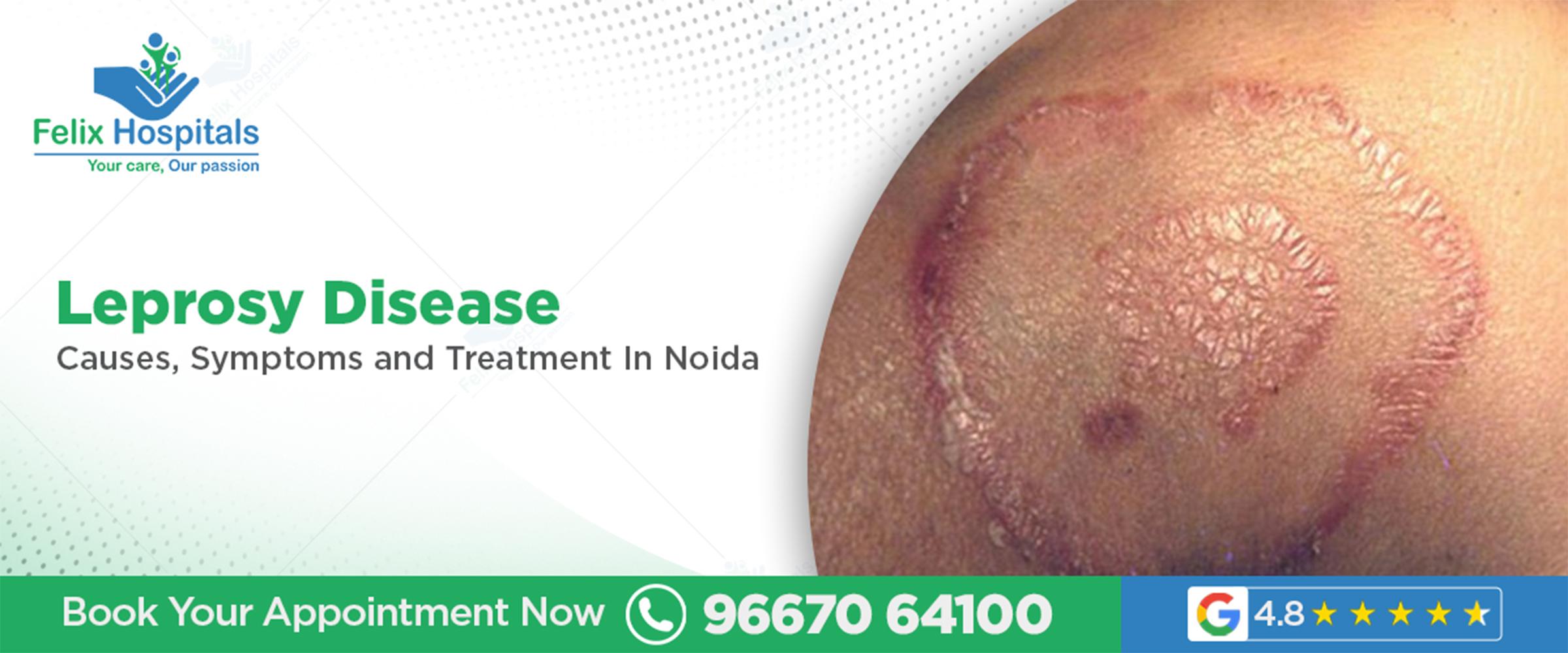
Leprosy is a long-term infectious disease which can result in damage to the skin and nerves. Many people ask what leprosy disease is, and raising awareness about it is important because early medical treatment makes a significant difference. Leprosy is a disease with a slow onset that causes hypopigmented macules on the skin with associated anesthesia and peripheral neuropathy when undiagnosed and untreated in the early phase.
The disease is now treatable, though late diagnosis may result in complications, including muscle weakness and numbness. Those who suspect unusual skin patches, numbness or dysfunctional skin should consult a dermatologist in Noida at the earliest for accurate diagnosis and appropriate leprosy treatment in Noida.
Noticed unusual skin patches, numbness, or nerve discomfort? Early diagnosis can help prevent permanent nerve damage. Call +91 9667064100 to consult a dermatologist in Noida.
In order to understand what leprosy disease is, you need to be aware that the disease is caused by a bacterium called Mycobacterium leprae. This bacterium multiplies very slowly and primarily affects the skin, peripheral nerves, eyes and upper respiratory tract mucous membranes.
The disease occurs slowly and may be asymptomatic for several years. An incubation period of three to five years is generally considered standard for leprosy based on scientific research. Since infection is slow to develop, early recognition of symptoms is important for the prevention of nerve damage and progressive disease.
Leprosy is caused by infection with the bacterium Mycobacterium leprae, and is thought to be transmitted mainly by airborne droplets from the nose and mouth during close and frequent contact with untreated patients. Unlike many other infectious diseases, leprosy is not very contagious and the majority of people are naturally immune to the bacteria.
Typical causes and risk factors are:
Long-term contact with an untreated infected person
Poor immune response to the bacteria
Residing in endemic areas
Low availability of prompt treatment
Late recognition of symptoms affecting skin or nerves
Healthcare providers can use these risk factors to offer early treatment and prevent progression of disease.
Leprosy causes one of its main health impacts through damage to peripheral nerves. It injures the nerves that control feeling and muscle movement. This leads to the slow loss of feeling in the infected parts of the body, including the sensation of pain, heat or touch.
Sensation loss also plays a part in the formation of wounds, burns, and infections as one may not know about small injuries. Untreated damage used to nerves can also lead to muscle weakness and deformity. Early diagnosis and a full course of leprosy treatment in the best leprosy hospital in Noida can go a long way in preventing these sequelae.
Identifying initial symptoms of leprosy infection is crucial to avoid future complications. The early signs can be mild and can be confused with other skin diseases.
Some frequent early symptoms are:
Pale or red skin patches
No feeling in affected areas of skin
Numbness or pins and needles in hands or feet
Skin wounds that do not heal readily
Mild muscle weakness near involved nerves
If you experience these symptoms for several days, you should see a doctor to make sure you have the right diagnosis.
The symptoms in the beginning of leprosy may depend on the classification of the disease and the degree of nerve damage. Usual manifestations may include:
Anesthetic or hypoesthetic skin patches
Scaly or dry skin plaques
Slow hair loss in the affected area
Tingling or burning in the limbs
Hand, foot or facial muscle weakness
Impaired temperature perception
Because symptoms progress slowly, early medical consultation is important for preventing permanent nerve damage.
Knowing when to go to the doctor is the priority for managing this disease. Treating it earlier makes a big difference in how well you can recover and how many complications you get. Consult your doctor if you observe the following:
Skin patches with numbness that don't go away
Hands, feet, or other parts of the body feeling numb
Tingling or burning pain associated with nerves
Skin wounds that don't heal for many weeks
Weakness in the muscles of hands or feet
Changing skin color or texture
Consulting a dermatologist in Noida allows early evaluation and prompt treatment.
The bacteria and the immune response govern the type of leprosy experienced. The two major types are:
Tuberculoid leprosy: A milder form in which a few skin patches contain very few bacteria
Lepromatous leprosy: A very serious form of the disease where there are numerous lesions all over the skin and it involves the nerves as well
Borderline leprosy: A form between the mild and severe types
Identifying the type of leprosy helps doctors determine the most appropriate treatment plan.
Doctors diagnose leprosy through clinical evaluation and laboratory tests that confirm the presence of infection.
Test | Purpose |
Skin Examination | Identifies characteristic lesions and sensory loss |
Skin Biopsy | Confirms presence of leprosy bacteria |
Skin Smear Test | Detects bacteria under microscopic examination |
Nerve Function Test | Evaluates damage to peripheral nerves |
Assesses immune response and overall health |
These tests help doctors provide accurate leprosy treatment in Noida and monitor patient recovery.
Optimal treatment of leprosy disease is based on combination antibiotic therapy known as multidrug therapy (MDT) which is recommended by the World Health Organization. MDT kills the bacteria and prevents the development of the disease.
Treatment may also include:
Rifampicin, dapsone, and clofazimine as the main antibiotics
Anti-inflammatory drugs to treat nerve inflammation
Nerve-related pain management
Muscle strengthening physiotherapy
Regular assessment of nerve function
Early treatment prevents disability and leads to better outcomes.
Depending on the type of infection, treatment duration varies. Six months may be sufficient for milder infections, whereas 12 months or longer may be necessary for treating more extensive or severe disease.
It is very important for the patient to complete treatment so that infection is fully eradicated and the disease does not relapse.
Leprosy, if left untreated, can result in severe complications from advancing nerve damage. Complications may include:
Permanent damage to nerves leading to numbness
Muscle weakness leading to difficulty moving extremities
Eye involvement that can cause vision problems
Deformities of hands, feet, or facial muscles
Chronic ulcers and recurring infections
Early treatment significantly reduces the risk of these complications.
Control of leprosy is largely through detection of cases and their treatment. Because the disease spreads slowly, raising public awareness is key to prevention.
Important prevention measures include:
Prompt detection and treatment of cases
Do not prolonged exposure to untreated patients
Maintaining good personal hygiene
Regular health checks in high risk groups
Community education on early recognition of the symptoms
The prevalence of leprosy has been drastically reduced across the globe with the use of public health initiatives and access to medical care.
If you have any strange patches on your skin, or if you experience numbness or any symptoms related to nerves, don’t ignore them. Consult an experienced dermatologist in Noida for expert diagnosis and effective leprosy treatment in Noida. Call +91 9667064100 to schedule your consultation today.
Leprosy is a long-term infectious bacterial disease affecting the skin and nerves. Early knowledge of what leprosy disease is and its symptoms can help prevent the disease from spreading. Consulting a skin specialist in Noida at an early stage can ensure timely diagnosis and proper care.
Leprosy is now completely curable if diagnosed timely owing to modern medical facilities, including multidrug therapy. Leprosy treatment in Noida with a dermatologist will also help the patient recover safely and without any long-term health complications.
Dr. Sheetal Yadav is a board-certified dermatologist with 4+ years of experience in medical and cosmetic dermatology. She specializes in treatments like laser procedures, chemical peels, micro-needling, PRP, mesotherapy, and Botox/fillers. Recognized among the Best Dermatologists in Noida, she provides safe and personalized skincare solutions.
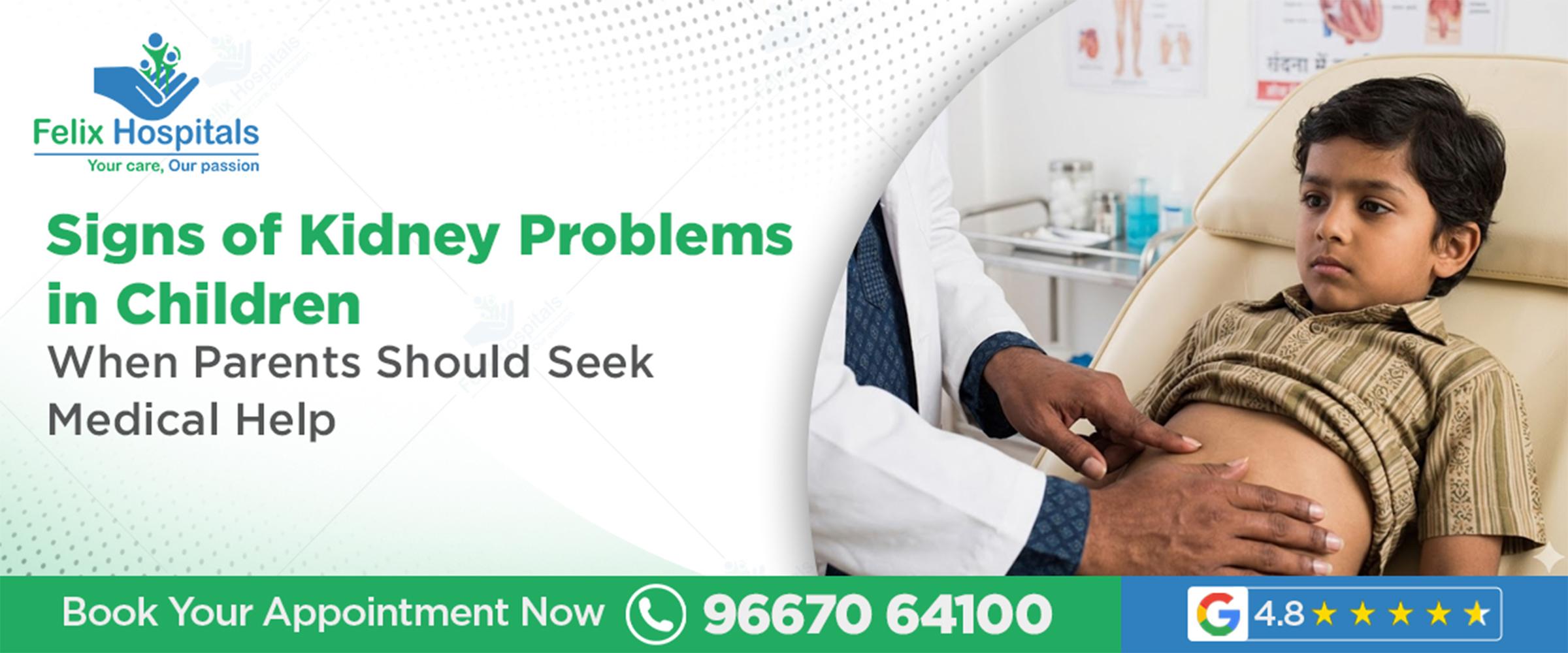
Kidney health is a crucial component of the overall growth and development of a child, but the symptoms of kidney issues are often overlooked at the initial stage.. Kidneys have the role of filtering waste, fluid regulation, and essential minerals such as sodium and potassium. The disruption of these functions can influence various systems within the body of the child, such as the growth, the blood pressure and the energy levels.
Pediatric kidney disorders have come into the limelight and this time with the creation of better awareness regarding diagnostic issues. According to global pediatric nephrology data, early-stage kidney problems in children often present with subtle symptoms that are easily overlooked. Urinary tract infections and congenital anomalies are some of the major causes of kidney problems among children in India.
Children do not necessarily express themselves with regard to discomfort as adults do and therefore parental observation is of crucial importance. Even such small signs as swelling or alterations in urination patterns may be the first signs of kidney dysfunction. The early diagnosis and prevention of the long-term complications can be achieved with the help of timely consultation with a nephrologist, who may be a pediatrician, or a child kidney specialist in noida.
Noticing swelling, unusual tiredness, or changes in your child’s urine? Don’t ignore these signs—early detection can prevent serious kidney damage. Call +91 9667064100 to consult a specialist in Noida immediately.
Understanding kidney problems in children is essential for early identification and timely care. The issues might be temporary infection and chronic problems that influence the functionality of the kidneys in the long run.
Children can have kidney problems because their structure is abnormal at birth, they are infected or have systemic diseases. The issues with kidneys are in most cases silent and do not show any signs at an earlier stage. That is why it is important to observe and be aware of it regularly.
Unattended kidney disorders may affect the growth and development of children. As an example, delayed growth, high blood pressure, and anemia may be caused by chronic kidney disease. Research has shown that the early diagnosis is a key factor, which enhances the outcome and decreases the probability of chronic complications.
Parents need to be keen on the slightest changes in the health of the child since the early onset of the illness is mild and slow moving.
Recognizing the common signs of kidney problems in children helps in identifying issues early and seeking timely treatment.
Common signs include:
Oedema of the eyes, face, hands or feet.
Urinary alterations such as dark or bloody urine.
Urinary frequency increased or decreased.
Burning or pain on urination.
Reoccurring urinary tract infections.
Exhaustion and lack of vitality.
Poor appetite or nausea
These are symptoms that come as a result of the inability of the kidneys to help filter the waste and maintain fluid balance. As an example, fluid retention may lead to swelling (edema), and alteration in urine may be a sign of infection or damage.
The persistent symptoms are the factors that need to be assessed by a doctor, as it is possible to avoid the further development of more severe issues.
Understanding what causes kidney disease in children helps parents identify potential risks and take preventive steps.
Common causes include:
Hereditary defects of the kidney.
Utility tract infections (UTIs)
Genetic disorders
Autoimmune conditions
It has been shown that a large percentage of kidney diseases in children is due to congenital anomalies. Infections, especially UTI that is not treated may also cause kidney damage when not addressed adequately.
Lifestyle influences like lack of hydration and unhealthy dieting could be a contributor to stress to the kidney in the long run. Early detection of the cause would aid in deciding the treatment and avoiding complications.
Recognizing the early warning signs parents should not ignore is critical in preventing serious kidney damage.
The following should serve as important warning signs:
Puffiness of the eyes, particularly in the morning.
Recurring bedwetting by children
Intermittent uninfected unexplained fever.
Slow growth or weight gain
High blood pressure
These symptoms can be harbingers of kidney dysfunction even prior to the onset of serious symptoms. High blood pressure among children is a problem that should not be disregarded as it is commonly associated with kidney issues.
Early diagnosis can have great implications and parents are advised to consult a doctor in case these symptoms become regular and constant.
Understanding the risk factors for kidney disease in children helps in identifying children who may need closer monitoring.
Risk factors include:
Family history of kidney disease.
Recurrent urine infections.
Reduced birth weight or premature delivery.
Obesity
Chronic medical conditions
The presence of risk factors among children increases their susceptibility to kidney problems and they ought to have their health checked frequently. Several problems can be identified at an early stage in high-risk children, and this can be performed through screening.
The proactive treatment and frequent check-ups is important in mitigating the potential of chronic complications.
Knowing when parents should see a doctor is essential for timely intervention.
Parents are advised to seek the advice of the doctor in case:
Symptoms last longer than several days.
Edema is evident and persistent.
There is a major change of urinating.
The child reports of pain or aches.
Exhaustion impacts on day to day responsibilities.
Failure to seek medical attention early enough may result in aggravation of the condition.
The tests used to diagnose kidney problems help doctors assess kidney function and identify underlying causes.
Test | Purpose |
urine test | detects infection, protein, or blood in urine |
blood test | evaluates kidney function (creatinine, urea) |
ultrasound | checks kidney size and structure |
blood pressure check | identifies hypertension |
These tests provide essential information about kidney health and guide further treatment. Early diagnosis through these tests improves the chances of successful management.
Understanding the common tests doctors recommend helps parents prepare for the diagnostic process.
Additional tests can be:
Urine culture to identify presence of bacteria infection.
Tests of structural abnormalities by imaging.
Kidney functioning profiles to examine in detail.
The tests are useful in establishing the diagnosis and the severity of the condition. Test accuracy guarantees focused and productive treatment.
Kidney disease in children has treatment options that are determined by the severity and cause of the disease.
The methods of treatment involve:
Prescriptions to cure infections or inflammation.
Nutritional changes to aid kidney activity.
Fluid management
Management of comorbidities.
Periodic observation and follow-up.
In more serious instances, there might be the need to seek advanced treatment like dialysis. Early intervention is better treatment and minimizes the chances of sustained harm.
To avoid kidney-related problems, it is possible to follow the tips that will contribute to saving the kidney health of the child.
The preventive measures are:
providing sufficient hydration.
Maintaining proper hygiene
Providing a balanced diet
Limiting salt intake
Promoting physical exercise.
Maintaining the health and functionality of the kidneys through healthy habits is important in disease prevention.
Modest lifestyle modifications may support kidney health in children.
Good practice includes:
Doing regular physical activity
Keeping a healthy weight
Stay away from processed foods
Watch your fluid intake
These make you healthier in general and less likely to have kidney problems.
Timely medical care ensures proper diagnosis and effective management of kidney problems.
Medical care provides:
Detection at an earlier stage
Correct diagnosis
Specific treatment
Assessment of response to therapy
avoidance of complications
Professional care is essential for ensuring long-term kidney health in children.
Worried about your child’s symptoms or noticing unusual changes? Early diagnosis can protect your child’s kidney health. Call +91 9667064100 to consult a specialist in Noida now.
Disturbance of kidney function in childhood should be recognised early and may require paediatric intensive care. What are the most common signs of kidney problems in children, which are the first signs parents should not ignore, and when you should visit a doctor? are three questions every parent has. With specialist pediatric care from a nephrologist in noida or child kidney specialist that is easily accessible, parents can rest assured that they will be able to receive an accurate diagnosis and treatment should the need arise. Preventive care, education, and intervention at an appropriate time are critical in preserving healthy kidney function in a child.
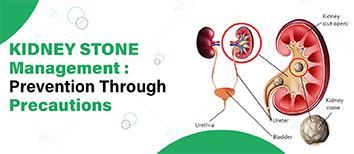
Managing kidney stones effectively is crucial to prevent recurrence and avoid further health complications. Fortunately, with the right precautions and lifestyle modifications, it is possible to reduce the risk of developing kidney stones or manage existi

गर्मियों का मौसम आते ही पेट से जुड़ी समस्याएं तेजी से बढ़ती हैं। तेज गर्मी, दूषित पानी, बाहर का खाना और शरीर में पानी की कमी (Dehydration) पेट के इंफेक्शन का मुख्य कारण बनते हैं। खासकर बच्चों, बुजुर्गों और कमजोर इम्युनिटी वाले लोगों में यह समस्या जल्दी गंभीर हो सकती है। Best Gastrologist Doctor in Noida में उपलब्ध है। इस ब्लॉग में हम विस्तार से जानेंगे कि गर्मियों में पेट का इंफेक्शन और डिहाइड्रेशन क्यों होता है, इसके लक्षण क्या हैं, कब अस्पताल जाना जरूरी है और इससे बचाव व इलाज कैसे किया जा सकता है।
अभी अपॉइंटमेंट शेड्यूल करें – कॉल करें: +91 9667064100
गर्मियों के मौसम में तापमान बढ़ने के साथ-साथ वातावरण में बैक्टीरिया और वायरस तेजी से पनपने लगते हैं। तेज गर्मी और नमी (Humidity) इन सूक्ष्म जीवों के लिए अनुकूल माहौल तैयार करती है, जिससे खाने-पीने की चीजें जल्दी खराब हो जाती हैं। यदि ऐसी दूषित चीजों का सेवन किया जाए, तो पेट का इंफेक्शन (Stomach infection) होने का खतरा कई गुना बढ़ जाता है। खासकर सड़क किनारे मिलने वाला खुला खाना, लंबे समय तक रखा हुआ बासी भोजन और साफ-सफाई की कमी इस समस्या को और बढ़ा देती है। इसके अलावा, गर्मियों में शरीर से अधिक पसीना निकलने के कारण लोग अक्सर ठंडा पानी या बाहर के पेय पदार्थ ज्यादा लेते हैं, जो कई बार स्वच्छ नहीं होते। यही कारण है कि इस मौसम में दस्त, उल्टी, पेट दर्द (stomach pain) और गैस्ट्रोइंटेस्टाइनल इंफेक्शन (Gastrointestinal Infection) के मामले तेजी से बढ़ जाते हैं।
गर्मियों में पानी की खपत बढ़ जाती है, लेकिन अगर पानी साफ या उबला हुआ न हो तो उसमें मौजूद बैक्टीरिया और वायरस सीधे पेट में पहुंचकर संक्रमण पैदा कर सकते हैं। खासकर खुले स्रोतों या अनफिल्टर्ड पानी का सेवन सबसे बड़ा जोखिम होता है।
सड़क किनारे मिलने वाला खाना अक्सर खुले में रखा होता है, जिस पर धूल, गंदगी और मक्खियां बैठती हैं। इसके अलावा कई बार खाना लंबे समय तक रखा रहता है, जिससे उसमें बैक्टीरिया पनप जाते हैं और वह खाने योग्य नहीं रहता।
खाना खाने से पहले हाथ न धोना या गंदे हाथों से खाना खाना भी संक्रमण का बड़ा कारण है। हाथों के जरिए बैक्टीरिया आसानी से मुंह के माध्यम से पेट में पहुंच जाते हैं।
मक्खियां गंदगी और कचरे पर बैठती हैं और फिर खाने पर बैठकर उसमें कीटाणु छोड़ देती हैं। ऐसे भोजन का सेवन करने से फूड पॉइजनिंग और पेट का संक्रमण होता है।
जिन लोगों की रोग प्रतिरोधक क्षमता कमजोर होती है। जैसे बच्चे, बुजुर्ग या पहले से बीमार व्यक्ति—उन्हें संक्रमण जल्दी होता है और यह अधिक गंभीर रूप भी लेता है। इसलिए गर्मियों में साफ पानी पीना, ताजा भोजन करना और स्वच्छता का विशेष ध्यान रखना बेहद जरूरी है, ताकि पेट के इंफेक्शन से बचा जा सके।
बार-बार दस्त
पेट में दर्द और मरोड़
उल्टी और मतली
बुखार (fever)
भूख कम लगना
कमजोरी और थकान
जब शरीर से पानी और इलेक्ट्रोलाइट्स (जैसे सोडियम, पोटैशियम) जरूरत से ज्यादा निकल जाते हैं, तो डिहाइड्रेशन हो जाता है।
ज्यादा पसीना आना
उल्टी और दस्त
पर्याप्त पानी न पीना
तेज धूप में ज्यादा समय रहना
अत्यधिक प्यास लगना
मुंह और होंठ सूखना
चक्कर आना
पेशाब कम या गहरा पीला होना
कमजोरी और सुस्ती
बच्चों में रोते समय आंसू न आना
गंभीर स्थिति में बेहोशी भी हो सकती है।
गर्मियों में पेट का इंफेक्शन और डिहाइड्रेशन अक्सर सामान्य दवाइयों और घरेलू देखभाल से ठीक हो जाता है। लेकिन कुछ स्थितियां ऐसी होती हैं, जिन्हें नजरअंदाज करना खतरनाक साबित होता है। अगर समय पर इलाज न मिले, तो यह समस्या गंभीर रूप ले सकती है और शरीर में पानी व जरूरी तत्वों की कमी जानलेवा भी होती है। इसलिए नीचे दिए गए लक्षणों में से कोई भी दिखाई दे, तो बिना देरी किए तुरंत अस्पताल जाकर डॉक्टर से जांच कराना जरूरी है:
अगर 24 घंटे से अधिक समय तक उल्टी और दस्त जारी रहें, तो शरीर से पानी और इलेक्ट्रोलाइट्स तेजी से निकलने लगते हैं। इससे डिहाइड्रेशन गंभीर हो सकता है और मरीज की हालत बिगड़ती है।
अगर मरीज का पेशाब बहुत कम हो गया है या आना बंद हो गया है, तो यह शरीर में पानी की गंभीर कमी का संकेत है। यह स्थिति किडनी (kidney) पर असर डाल सकती है और तुरंत इलाज की जरूरत होती है।
102°F या उससे अधिक बुखार पेट के गंभीर इंफेक्शन या बैक्टीरियल संक्रमण का संकेत हो सकता है। ऐसे में सिर्फ घरेलू इलाज पर्याप्त नहीं होता और डॉक्टर की देखरेख जरूरी होती है।
अगर दस्त के साथ खून आ रहा है, तो यह आंतों में गंभीर संक्रमण या सूजन (इन्फ्लेमेशन) का संकेत है। यह स्थिति इमरजेंसी मानी जाती है और तुरंत मेडिकल सहायता की जरूरत होती है।
डिहाइड्रेशन के कारण ब्लड प्रेशर कम हो सकता है, जिससे चक्कर आना या बेहोशी हो सकती है। यह शरीर के लिए खतरनाक स्थिति है और तत्काल अस्पताल जाना जरूरी है।
छोटे बच्चों और बुजुर्गों में शरीर की रोग प्रतिरोधक क्षमता कम होती है। इसलिए इनमें डिहाइड्रेशन और इंफेक्शन जल्दी गंभीर रूप ले लेते हैं। अगर उनमें सुस्ती, कमजोरी या प्रतिक्रिया कम दिखे, तो तुरंत डॉक्टर को दिखाना चाहिए।
पेट के इंफेक्शन का इलाज उसकी गंभीरता और कारण (वायरल, बैक्टीरियल या फूड पॉइजनिंग) पर निर्भर करता है। अधिकतर मामलों में यह समस्या 2–3 दिनों में सही देखभाल से ठीक होती है, लेकिन सही इलाज और शरीर को हाइड्रेट रखना बेहद जरूरी होता है। इलाज को दो भागों में समझा जा सकता है। घरेलू/सामान्य देखभाल और डॉक्टर की सलाह से दवाइयां।
दस्त और उल्टी के कारण शरीर से पानी और जरूरी इलेक्ट्रोलाइट्स (सोडियम, पोटैशियम) निकल जाते हैं। ORS घोल इनकी कमी को पूरा करता है और डिहाइड्रेशन से बचाता है। हर दस्त या उल्टी के बाद ORS लेना फायदेमंद होता है।
पानी, नारियल पानी, छाछ, नींबू पानी और सूप जैसे तरल पदार्थ शरीर को हाइड्रेट रखते हैं। ये शरीर में खोए हुए मिनरल्स को वापस लाने में मदद करते हैं और कमजोरी को कम करते हैं।
पेट के इंफेक्शन के दौरान भारी, तला-भुना और मसालेदार भोजन से बचना चाहिए। खिचड़ी, दलिया, दही-चावल, केला और उबली सब्जियां जैसे हल्के भोजन आसानी से पचते हैं और पेट को आराम देते हैं।
संक्रमण के दौरान शरीर कमजोर हो जाता है, इसलिए पर्याप्त आराम जरूरी है। आराम करने से शरीर की रिकवरी जल्दी होती है और इम्युनिटी मजबूत होती है।
अगर इंफेक्शन बैक्टीरियल है या लक्षण गंभीर हैं, तो डॉक्टर एंटीबायोटिक दवाइयां देते हैं। बिना डॉक्टर की सलाह के एंटीबायोटिक लेना नुकसानदायक हो सकता है, इसलिए खुद से दवा न लें।
बार-बार उल्टी होने पर ये दवाइयां दी जाती हैं, जिससे उल्टी कंट्रोल होती है और शरीर में पानी की कमी नहीं होती।
प्रोबायोटिक्स पेट में अच्छे बैक्टीरिया को बढ़ाने में मदद करते हैं। इससे पाचन तंत्र जल्दी ठीक होता है और दस्त की समस्या कम होती है।
गर्मियों में शरीर से पसीने के रूप में पानी और जरूरी मिनरल्स तेजी से निकलते हैं, जिससे डिहाइड्रेशन का खतरा बढ़ जाता है। Stomach Infection Treatment in Noida में उपलब्ध है। अगर समय रहते सावधानी न बरती जाए, तो यह समस्या कमजोरी, चक्कर और गंभीर स्थितियों तक पहुंच सकती है। इसलिए रोजमर्रा की कुछ आसान आदतें अपनाकर डिहाइड्रेशन से प्रभावी रूप से बचा जा सकता है।
गर्मियों में शरीर को हाइड्रेट रखना सबसे जरूरी है। प्यास लगे या न लगे, नियमित अंतराल पर पानी पीते रहें। ज्यादा पसीना आने पर पानी की मात्रा और बढ़ानी चाहिए।
अगर आप ज्यादा पसीना बहा रहे हैं या हल्की कमजोरी महसूस हो रही है, तो ORS या इलेक्ट्रोलाइट्स लेना फायदेमंद होता है। यह शरीर में जरूरी लवण (सोडियम, पोटैशियम) की कमी को पूरा करता है और ऊर्जा बनाए रखता है।
गर्मियों में बाहर का खाना जल्दी खराब हो जाता है और उसमें बैक्टीरिया पनपने का खतरा अधिक रहता है। इससे पेट का इंफेक्शन और डिहाइड्रेशन दोनों हो सकते हैं, इसलिए ताजा और घर का बना भोजन ही प्राथमिकता दें।
तरबूज, खीरा, संतरा, मौसमी जैसे पानी से भरपूर फल शरीर को हाइड्रेट रखने में मदद करते हैं। इसके अलावा नारियल पानी, छाछ, लस्सी और सूप भी शरीर में पानी और मिनरल्स की कमी को पूरा करते हैं।
अगर आपको बाहर जाना हो, तो हमेशा पानी की बोतल साथ रखें। लंबे समय तक धूप में रहने से शरीर जल्दी डिहाइड्रेट हो सकता है, इसलिए समय-समय पर पानी पीते रहें।
खाने से पहले हाथ धोना, साफ पानी पीना और भोजन को ढककर रखना जरूरी है। स्वच्छता बनाए रखने से पेट के इंफेक्शन से बचाव होता है, जो डिहाइड्रेशन का एक बड़ा कारण है।
नोएडा में विशेषज्ञ से अभी संपर्क करें – कॉल करें: +91 9667064100
गर्मियों में पेट का इंफेक्शन और डिहाइड्रेशन आम समस्या है, लेकिन समय पर पहचान और सही इलाज से इसे आसानी से नियंत्रित किया जा सकता है। शरीर को हाइड्रेट रखना, साफ भोजन करना और लक्षणों को नजरअंदाज न करना बेहद जरूरी है। अगर लक्षण गंभीर हों, तो तुरंत डॉक्टर से संपर्क करें। छोटी-छोटी सावधानियां अपनाकर आप गर्मियों में डिहाइड्रेशन (Dehydration) जैसी गंभीर समस्या से आसानी से बच सकते हैं और खुद को स्वस्थ रख सकते हैं।

जानें ज्यादा जंक फूड खाने से लिवर पर क्या असर पड़ता है। फैटी लिवर, पाचन समस्या और अन्य जोखिमों के बारे में आसान भाषा में जानकारी।

नोएडा में पेट के संक्रमण और फूड पॉइजनिंग का सुरक्षित, तेज़ और प्रभावी इलाज विशेषज्ञ डॉक्टरों द्वारा।

युवा प्रोफेशनल्स में फैटी लिवर तेजी से बढ़ती स्वास्थ्य समस्या बन रही है, जिसका मुख्य कारण गलत जीवनशैली और खानपान है।

Sudden weight loss in children can be alarming for parents, especially when it occurs without any clear reason. Although it is normal to gain and lose a little weight as a result of growth and activity levels, being able to lose weight for no reason or at an alarming rate can be a sign of a health problem that needs to be addressed. Children require regular food and energy to grow well both physically and in their cognitive abilities and any imbalance in this may affect their general wellness.
In developing youths, weight transition is closely associated with the appetite, metabolism, and general health. Pediatric health data has found that unintentional weight loss in children is mostly linked with infections, nutritional deficiencies or chronic illnesses. In other instances, it can also be connected to emotional or psychological aspects like stress or anxiety.
Parents tend to ignore the initial signs thinking that the child is probably going through a growth stage. Nonetheless, chronic or apparent weight loss can never be overlooked. Pediatrician in noida examination at early age and child hospital in noida care can be used to understand the cause and avoid complications.
Is your child losing weight without any clear reason? Don’t ignore early warning signs—timely diagnosis can prevent serious health issues. Call +91 9667064100 to consult a specialist in Noida today.
Recognizing the symptoms of weight loss in children is essential for early detection and timely intervention.
Common symptoms include:
Evident decrease in body weight.
Loss of appetite
Fatigue or low energy levels
Febrile or impaired activity.
Frequent illnesses
Changes of mood or irritability
Poor concentration or delayed development are also the signs that may be shown by children in certain cases. Most of these symptoms are usually a sign that the body is not nourished properly or is grappling with a pre-existing health condition.
It is medically opined that the abrupt loss of weight without any apparent cause and fatigue or repeated infections could be an indicator of an underlying issue, including malabsorption or chronic disease. These signs are to be observed by the parents and medical consultation is to be taken in case they continue.
Understanding the causes of sudden weight loss in kids helps in identifying potential triggers and taking timely action.
Common causes include:
Viral or bacterial infections.
Gastrointestinal disorders like diarrhea or malabsorption.
Poor dietary intake
Stress or emotional factors
Enhanced physical exercise.
One of the commonest causes is infections which may temporarily decrease appetite and raise metabolism demand. The gastrointestinal disorders may disrupt the absorption of nutrients, hence lead to weight loss although one may take a lot of food.
Factors of environment and lifestyle contribute to the same. Indicatively, the appetite and weight of a child may be altered by alterations in routine, stress in school or eating patterns.
Understanding the medical reasons for child weight loss is crucial for identifying serious health conditions.
The potential causes of medicine are:
Diabetes
Chronic infections
Intestinal disorders
Food allergies
Some illnesses may have serious effects on metabolism and absorption of nutrients. Indicatively, untreated diabetes may cause loss of weight although there is increased appetite whereas thyroid disorders may cause changes in metabolic rate.
Research indicates that continuous weight loss should never be underestimated in children since it would be prudent to seek medical attention to eliminate any underlying ailments. Early diagnosis is the one that enhances the results of treatment and avoids complications.
Being aware of the indicators allows the parent to determine when he/she needs medical attention.
Important signs include:
Weight loss either rapid or continuous.
Refusal to eat or drink
Vomiting or diarrhea.
Retarded growth or development.
Impairment of the day to day activities.
Such symptoms are a pointer to the fact that the body of the child is stressed and that medical attention is needed. When they are neglected, they may cause additional health problems.
It is important to know when to consult to get medical attention in time.
Your parents need to visit a physician in case of:
Weight loss goes beyond several weeks.
The child can be seen to be weak or inert.
They include other symptoms such as fever or pain.
Appetite remains poor
Early consultation serves to determine the cause and initiate proper treatment.
Proper diagnosis is essential to identify the cause of weight loss.
Test | Purpose |
blood tests | detect infections or deficiencies |
stool tests | identify digestive issues |
thyroid tests | check hormonal balance |
imaging tests | detect underlying conditions |
These tests help doctors understand the root cause and plan effective treatment.
The knowledge of child weight loss treatment is the key to recovery and long-term healthy outcomes.
The underlying cause varies with treatment that may include:
Diet planning and nutrition.
Infectious or medical medications.
Emotional/behavioral counseling.
Observing development and growth.
A balanced diet is also important in recovery and is composed of nutrients that are vital. In other instances, supplements can be prescribed to treat deficiencies.
Timely and proper treatment will make sure that the child is able to gain weight and lead a healthy life.
One of the aspects of weight loss management in children is nutrition.
Significant eating habits are:
Eating balanced food containing proteins, carbohydrates, and fats.
Frequent small mealings should be encouraged.
The addition of fruits and vegetables.
enabling proper hydration.
Nutrition is important to enable growth, build immunity, and enhance a healthy body in general.
Proper lifestyle practices can be used to avoid shedding pounds and self-improvement.
Helpful practices include:
Eating on a regular schedule.
Promoting exercise.
Ensuring adequate sleep
Reducing stress
These practices facilitate healthy growth and development among the children.
Medical attention with a professional approach will help to make the correct diagnosis and effective treatment.
Medical care provides:
Early identification of problems behind.
Individual care plans.
Observation of development and advancement.
Bearing out of complications.
Check-ups should be carried out often in order to keep up the health of a child.
Worried about your child’s sudden weight loss or poor appetite? Early care can ensure proper growth and prevent complications. Call +91 9667064100 to consult a specialist in Noida now.
The issue of sudden weight loss in children cannot be overlooked because it could indicate some health complications. Understanding the symptoms of weight loss in children, identifying the causes of sudden weight loss in kids, and recognizing medical reasons for child weight loss are essential steps in ensuring timely care.
Having the opportunity to receive qualified medical attention from a pediatrician in noida and assistance from a child hospital in noida, parents will be able to provide appropriate diagnostics and treatment. The primary goal of keeping a child healthy and developed is early intervention, good nutrition, and frequent observation.
Dr. Prabhat Kumar is a pediatrician and neonatology specialist with over 9 years of experience, recognized among the Best Pediatricians in Noida. He specializes in infectious diseases, general pediatrics, and child growth and development, providing trusted care for childhood illnesses, immunizations, neonatal care, and teenage health concerns.

10 Reasons why a child may not grow
As a child care specialist, I have noticed a huge difference in overall growing of a child in the last 14 years.
Take special care of the health of your kids, especially young children, amidst the changing seasons.
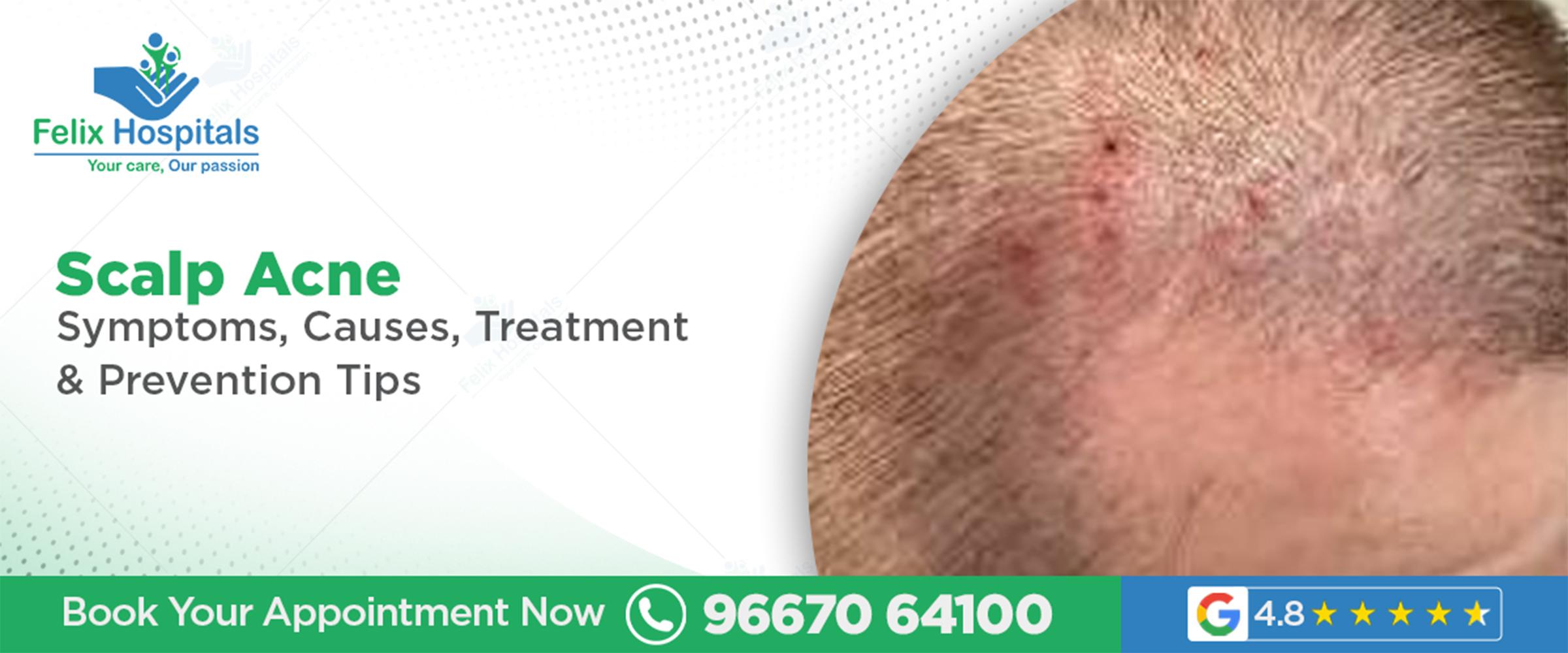
Scalp acne is frequently neglected but common skin disease and may affect the hairy parts of the skull. It may start with mild bumps, but can progress to painful, inflamed pimples which can lead to discomfort when combing or washing hair. Many may think of acne on the face but another region that is readily affected is the scalp as there are also oil glands and hair follicles presented on the head.
With hot and humid weather, the excessive sweating and oil production may block the hair follicles causing bacterial growth and inflammation. Dermatological research findings have suggested a close relationship between excess sebum, accumulation of products and poor scalp hygiene with scalp acne. In other instances, it can as well be related to dandruff or fungi.
The consequences of neglecting scalp acne include infections, scarring or temporary loss of hair. It is important to be identified at an early age, take good care of the scalp and be given timely treatment to avoid further deterioration of the condition.
Experiencing painful bumps or itching on your scalp? Don’t ignore it—early treatment can prevent infection and hair damage. Call +91 9667064100 to consult a specialist today.
Understanding what scalp acne is the first step toward managing the condition effectively. Scalp acne refers to inflammation of hair follicles on the scalp caused by clogged pores, excess oil (sebum), and bacterial growth. It can appear as small pimples, red bumps, or even pus-filled lesions.
Similar to facial acne, scalp acne develops when dead skin cells and oil block hair follicles. The scalp has numerous sebaceous glands, making it prone to oil buildup, especially in hot weather or with improper hair care.
Medical evidence shows that scalp acne can vary in severity—from mild folliculitis to more severe forms like cystic acne, which may require medical treatment.
Understanding what causes scalp acne? helps in identifying triggers and preventing recurrence.
Common causes include:
Excess oil production
Buildup of hair products
Sweating and humidity
Poor scalp hygiene
Bacterial or fungal infection.
Hair products, in particular, oily products or products that use heavy oils and chemicals, can block the pores and cause acne. The condition is further aggravated by sweat and dirt build-up. Research has shown that those who have oily skin are more susceptible to scalp acne as they produce more sebum.
Understanding why I get pimples on my scalp? helps in addressing individual triggers.
Possible reasons include:
Infrequent hair washing
Oily or heavy hair products are used.
Hormonal changes
All these cause a condition under which the pores are plugged and the bacteria multiplies hence causing acne.
It is essential to find out personal triggers in order to manage them.
Understanding can dandruff cause scalp acne? is important for managing overlapping scalp conditions. Fungal overgrowth can cause dandruff which can irritate the scalp and increase the production of oil. This provides an enticing condition to congested pores and bacteria.
Therefore, dandruff may be an indirect cause of scalp acne. The flaky skin may clog the hair follicle, and cause inflammation and pimples. Scalp acne can be prevented by the effective treatment of dandruff.
Early detection and treatment can be aided by recognizing the symptoms.
Common symptoms include:
Small red bumps on the scalp
Pus-filled pimples
Itching or irritation
Tenderness or pain
Scabbing or crusting in extreme cases.
The condition can produce varying symptoms based on the severity of the condition. It can be painful and inflamed in severe cases, and itchy in mild cases.
Understanding scalp acne is dangerous? helps determine the seriousness of the condition. Scalp acne is not harmful in most cases, but it might make the head uncomfortable and irritable. But in untreated cases it can cause:
Infections
Scarring
Hair loss in severe cases
The acne experience can be severe or chronic and can need medical care to avoid complications.
Understanding how to get rid of scalp acne fast? helps in managing symptoms effectively.
Effective steps include:
Frequently shampooing the hair with a gentle shampoo.
Avoiding oily hair products
Washing off the scalp and keeping it dry.
Wearing medicated shampoos as suggested.
Not picking or scratching off pimples
Immediate treatment can lessen inflammation and help avoid the exacerbation of the disease.
Understanding what is the best treatment for scalp acne? ensures proper management.
Treatment options include:
Medicated shampoos
Topical treatments
Antibiotics for infections
Antifungal therapy as necessary.
Treatment also varies with the cause and severity of the condition. Persistent cases should be subject to medical consultation.
Following how to prevent scalp acne naturally? strategies can reduce recurrence.
Preventive tips include:
Keep your scalp clean.
Applying non-comedogenic, gentle products.
Avoid using too much oil.
Keeping hair clean and dry
Managing stress
The natural prevention system works on balance of the scalp and prevention of triggers.
Diagnosis helps identify the underlying cause and severity.
Test | Purpose |
scalp examination | identifies visible issues |
culture tests | detects infection |
medical history review | identifies triggers |
These tests guide effective treatment planning.
Knowing when I should see a doctor for scalp acne is essential for timely treatment.
Consult a doctor if:
Acne is severe or painful
Home care does not help in eliminating symptoms.
There is scarring or loss of hair.
This is because early medical care prevents complications and proper treatment is guaranteed.
Eating well may help enhance the health of the scalp and acne.
Helpful practices include:
Maintaining hygiene
Eating a balanced diet
Staying hydrated
Avoiding excessive stress
These practices are beneficial to the overall scalp.
Professional care will help in proper diagnosis and treatment.
Medical care provides:
Individualized treatment measures.
Advanced therapies
Monitoring of progress
Prevention of complications
Consultation regularly enhances results.
Struggling with persistent scalp acne or itching? Get expert care to protect your scalp and hair health. Call +91 9667064100 to consult a specialist now.
Scalp acne is a widely occurring condition which could be easily addressed with the right care and knowledge. Understanding what is scalp acne, identifying what causes scalp acne?, and knowing how to prevent scalp acne naturally are essential steps toward maintaining a healthy scalp.
Complications can be avoided and the overall scalp health can be improved with early treatment, good hygiene and early medical consultation.
Dr. Tarun Gupta is an experienced Dermatologist with 17+ years of expertise in treating skin, hair, and nail conditions, along with advanced cosmetic dermatology procedures.
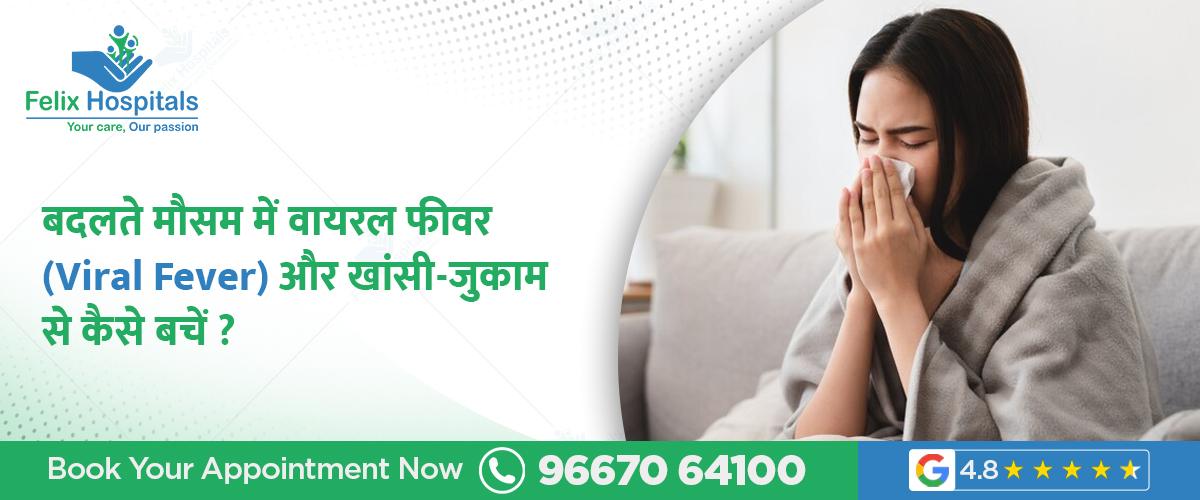
बदलते मौसम (सीजन चेंज) के दौरान वायरल फीवर, खांसी और जुकाम बहुत तेजी से फैलते हैं। तापमान में उतार-चढ़ाव, बढ़ता प्रदूषण और कमजोर इम्यूनिटी के कारण बच्चे और बड़े दोनों ही जल्दी संक्रमित हो जाते हैं। सही जानकारी, समय पर पहचान और उचित देखभाल से इन बीमारियों से बचाव संभव है। Viral Fever Treatment in Noida का इलाज उपलब्ध है। नोएडा में बुखार, वायरल फीवर और बैक्टीरियल इंफेक्शन के लिए विशेषज्ञ डॉक्टर उपलब्ध हैं। इलाज में देरी स्वास्थ्य के लिए नुकसानदायक होती है।
जांच या इलाज के लिए संपर्क करें: +91 9667064100
मौसम बदलने के दौरान शरीर को नए तापमान, नमी और वातावरण के अनुसार खुद को एडजस्ट करने में समय लगता है। इस ट्रांजिशन पीरियड में शरीर की रोग-प्रतिरोधक क्षमता (इम्यूनिटी) थोड़ी कमजोर पड़ जाती है, जिससे वायरस और बैक्टीरिया के संक्रमण का खतरा बढ़ जाता है। खासतौर पर बच्चे, बुजुर्ग और पहले से बीमार लोग इस बदलाव से जल्दी प्रभावित होते हैं। इस दौरान वायरल संक्रमण तेजी से फैलते हैं, क्योंकि ठंडे या बदलते मौसम में कई वायरस ज्यादा सक्रिय हो जाते हैं और एक व्यक्ति से दूसरे व्यक्ति में आसानी से फैलते हैं। इसके अलावा, हवा में धूल, एलर्जी पैदा करने वाले कण और प्रदूषण का स्तर भी बढ़ जाता है, जो श्वसन तंत्र (Respiratory System) को प्रभावित करता है और खांसी-जुकाम जैसी समस्याओं को बढ़ावा देता है।
भीड़भाड़ वाली जगहों जैसे स्कूल, ऑफिस, बाजार या सार्वजनिक परिवहन में लोगों के संपर्क में आने से संक्रमण फैलने की संभावना कई गुना बढ़ जाती है। ऐसे वातावरण में एक संक्रमित व्यक्ति से कई लोग प्रभावित हो सकते हैं। इन सभी कारणों के चलते बदलते मौसम में वायरल फीवर, खांसी और जुकाम (Cough and Cold) के मामलों में अचानक बढ़ोतरी देखने को मिलती है। इसलिए इस समय विशेष सावधानी, सही खान-पान और स्वच्छता का ध्यान रखना बेहद जरूरी होता है, ताकि संक्रमण से बचा जा सके।
वायरल फीवर एक सामान्य लेकिन संक्रामक बीमारी है, जो शरीर में वायरस के प्रवेश करने के कारण होती है। जब वायरस शरीर में प्रवेश करता है, तो इम्यून सिस्टम उसे खत्म करने के लिए सक्रिय हो जाता है। इसी प्रतिक्रिया के कारण शरीर का तापमान बढ़ जाता है, जिसे हम बुखार के रूप में महसूस करते हैं। यह संक्रमण आमतौर पर एक व्यक्ति से दूसरे व्यक्ति में आसानी से फैलता है, खासकर खांसी, छींक, संक्रमित सतहों के संपर्क या भीड़भाड़ वाली जगहों के जरिए।
बदलते मौसम, जैसे गर्मी से सर्दी या बरसात से सर्दी के समय, वायरल फीवर के मामले अधिक देखने को मिलते हैं क्योंकि इस दौरान शरीर की रोग-प्रतिरोधक क्षमता थोड़ी कमजोर हो जाती है। वायरल फीवर किसी एक विशेष वायरस से नहीं, बल्कि कई तरह के वायरस जैसे फ्लू वायरस, राइनोवायरस या अन्य रेस्पिरेटरी वायरस (Respiratory virus) के कारण हो सकता है। इसके साथ अक्सर खांसी, जुकाम, गले में खराश, शरीर में दर्द और कमजोरी जैसे लक्षण भी दिखाई देते हैं। अधिकतर मामलों में वायरल फीवर गंभीर नहीं होता और 3 से 5 दिनों के अंदर सही देखभाल, आराम और पर्याप्त तरल पदार्थ लेने से अपने आप ठीक हो जाता है। हालांकि, छोटे बच्चों, बुजुर्गों या कमजोर इम्यूनिटी वाले लोगों में यह ज्यादा प्रभाव डाल सकता है, इसलिए ऐसे मामलों में समय पर डॉक्टर की सलाह लेना जरूरी होता है।
100–102°F तक बुखार
शरीर में दर्द और कमजोरी
सिरदर्द (Headache)
गले में खराश
खांसी या जुकाम
थकान और भूख कम लगना
कभी-कभी उल्टी या दस्त
नाक बहना या बंद होना
छींक आना
गले में खराश (Sore throat)
हल्की खांसी
हल्का बुखार
आंखों से पानी आना
वायरल फीवर और सामान्य सर्दी-जुकाम दोनों ही बदलते मौसम में होने वाली आम बीमारियां हैं, लेकिन इनके लक्षण, गंभीरता और प्रभाव अलग-अलग होते हैं। कई बार दोनों के शुरुआती लक्षण एक जैसे लगते हैं, जिससे माता-पिता या मरीज भ्रमित हो जाते हैं। सही अंतर समझना जरूरी है ताकि सही समय पर उचित इलाज किया जा सके। नीचे दिए गए बिंदुओं के आधार पर इन दोनों के बीच फर्क आसानी से समझा जा सकता है:
लक्षण | वायरल फीवर | सर्दी-जुकाम |
बुखार | आमतौर पर तेज (100–102°F या अधिक) | हल्का या कई बार नहीं होता |
शरीर दर्द | काफी ज्यादा, पूरे शरीर में दर्द | हल्का या बहुत कम |
कमजोरी | ज्यादा थकान और सुस्ती | हल्की कमजोरी |
नाक बहना/छींक | कभी-कभी | बहुत आम और मुख्य लक्षण |
खांसी | हो सकती है, लेकिन मध्यम | आमतौर पर हल्की |
अवधि | 3–5 दिन में ठीक | 5–7 दिन तक रह सकता है |
संक्रमण की गंभीरता | थोड़ा अधिक, ध्यान जरूरी | सामान्य, खुद ठीक हो जाता है |
वायरल फीवर में शरीर की प्रतिक्रिया अधिक तीव्र होती है, इसलिए बुखार, दर्द और कमजोरी ज्यादा महसूस होती है। वहीं, सर्दी-जुकाम मुख्य रूप से नाक और गले तक सीमित रहता है और इसके लक्षण हल्के होते हैं, जैसे नाक बहना, छींक आना और गले में खराश।
अगर बुखार तेज हो, बच्चा या मरीज बहुत सुस्त हो जाए, या लक्षण 3–5 दिन से ज्यादा बने रहें, तो इसे सामान्य सर्दी-जुकाम मानकर नजरअंदाज नहीं करना चाहिए। ऐसे में डॉक्टर से सलाह लेना जरूरी होता है, ताकि बीमारी की सही पहचान हो सके और समय पर इलाज शुरू किया जा सके।
पर्याप्त आराम करें
ज्यादा से ज्यादा तरल पदार्थ लें (पानी, सूप, जूस)
डॉक्टर की सलाह से पैरासिटामोल लें
हल्का और पौष्टिक भोजन करें
एंटीबायोटिक दवा बिना डॉक्टर की सलाह के न लें
वायरल फीवर आमतौर पर 3–5 दिनों में ठीक हो जाता है।
वायरल फीवर का इलाज मुख्य रूप से लक्षणों को नियंत्रित करने और शरीर की इम्यूनिटी को मजबूत बनाने पर आधारित होता है। Best Physician in Noida में उपलब्ध है। क्योंकि यह वायरस के कारण होता है, इसलिए अधिकतर मामलों में यह अपने आप 3–5 दिनों में ठीक हो जाता है। सही देखभाल और सावधानी से रिकवरी तेजी से होती है और जटिलताओं का खतरा कम रहता है।
सबसे जरूरी है कि मरीज को पर्याप्त आराम दिया जाए। आराम करने से शरीर को संक्रमण से लड़ने की ताकत मिलती है और थकान कम होती है। इसके साथ ही शरीर को हाइड्रेट रखना बेहद आवश्यक है, इसलिए ज्यादा से ज्यादा तरल पदार्थ जैसे पानी, नारियल पानी, सूप, जूस या ओआरएस देना चाहिए, ताकि डिहाइड्रेशन न हो और शरीर से विषैले तत्व बाहर निकल सकें।
बुखार और शरीर दर्द को कम करने के लिए डॉक्टर की सलाह से पैरासिटामोल दी जाती है। ध्यान रखें कि दवा की सही मात्रा उम्र और वजन के अनुसार ही दी जानी चाहिए, खासकर बच्चों में। खुद से दवा देने से बचना चाहिए।
खान-पान का भी विशेष ध्यान रखना जरूरी है। मरीज को हल्का, सुपाच्य और पौष्टिक भोजन जैसे खिचड़ी, दलिया, सूप, उबली सब्जियां और फल देना चाहिए। इससे शरीर को जरूरी पोषण मिलता है और रिकवरी जल्दी होती है।
सबसे महत्वपूर्ण बात यह है कि वायरल फीवर में एंटीबायोटिक दवाओं का कोई असर नहीं होता, क्योंकि एंटीबायोटिक केवल बैक्टीरिया पर काम करती हैं। इसलिए बिना डॉक्टर की सलाह के एंटीबायोटिक लेना नुकसानदायक हो सकता है और शरीर में दवा के प्रति प्रतिरोध भी पैदा कर सकता है।
आमतौर पर वायरल फीवर 3–5 दिनों में ठीक हो जाता है, लेकिन अगर बुखार लगातार बना रहे, बहुत तेज हो जाए, सांस लेने में दिक्कत हो, या मरीज बहुत ज्यादा कमजोर महसूस करे, तो तुरंत डॉक्टर से संपर्क करना चाहिए। सही समय पर उपचार से गंभीर स्थिति से बचा जाता है।
हाथ धोने की आदत डालें
भीड़भाड़ से बचें
मास्क का उपयोग करें
संतुलित आहार लें (फल, सब्जियां, प्रोटीन)
पर्याप्त नींद लें
ठंड-गर्म से बचाव करें
इम्यूनिटी बढ़ाने वाले खाद्य पदार्थ लें
बुखार 3–5 दिन से ज्यादा रहे
102°F से ज्यादा तेज बुखार
सांस लेने में दिक्कत
बच्चा बहुत सुस्त हो जाए
लगातार उल्टी या दस्त
नोएडा में विशेषज्ञ डॉक्टर से अपॉइंटमेंट: +91 9667064100
बदलते मौसम में वायरल फीवर और खांसी-जुकाम होना आम बात है, लेकिन सही देखभाल और समय पर इलाज से इसे आसानी से नियंत्रित किया जा सकता है। सबसे जरूरी है लक्षणों को नजरअंदाज न करना और जरूरत पड़ने पर तुरंत डॉक्टर से सलाह लेना। बदलते मौसम में वायरल फीवर होने पर सही देखभाल और समय पर इलाज से इसे आसानी से नियंत्रित किया जा सकता है। सबसे जरूरी है लक्षणों को नजरअंदाज न करना और जरूरत पड़ने पर तुरंत डॉक्टर से सलाह लेना। बिना डॉक्टर की सलाह पर कोई भी दवा नहीं लेनी चाहिए।
Dr. Anshumala Sinha is an experienced Internal Medicine and Diabetology specialist with 20+ years of practice. She specializes in diabetes management, infectious diseases, fever treatment, hypertension, cholesterol control, weight management, and trauma care. Recognized among the Best General Physicians in Noida, she provides comprehensive and patient-focused medical care.
ठंडे मौसम में शरीर को गर्म रखने के लिए रक्तचाप स्वाभाविक रूप से बढ़ जाता है। उच्च रक्तचाप हार्ट अटैक का प्रमुख जोखिम कारक होता है
सर्दियों के मौसम में हृदय रोग से जुड़े किसी भी लक्षण को हल्के में न लें और फेलिक्स हॉस्पिटल के अनुभवी हृदय रोग विशेषज्ञों से परामर्श लें।

आंखों की सेहत के लिए विटामिन ए, विटामिन सी, विटामिन ई और ओमेगा-3 फैटी एसिड जरूरी होते हैं। सर्दियों में हरी सब्जियाँ, गाजर, संतरा, और नट्स जैसे खाद्य पदार्थों का सेवन करना आंखों के स्वास्थ्य के लिए फायदेमंद है। ये पोषक तत्व आंखों की मांसपेशियों को मजबूत क

सर्दियों के मौसम में ठंडी हवा, धूल, धुआं और वायरल इंफेक्शन बच्चों में अस्थमा अटैक का खतरा बढ़ा देते हैं। ठंड के कारण सांस की नलियां सिकुड़ जाती हैं, जिससे खांसी, सीटी जैसी आवाज, सांस फूलना और सीने में जकड़न की समस्या हो सकती है।
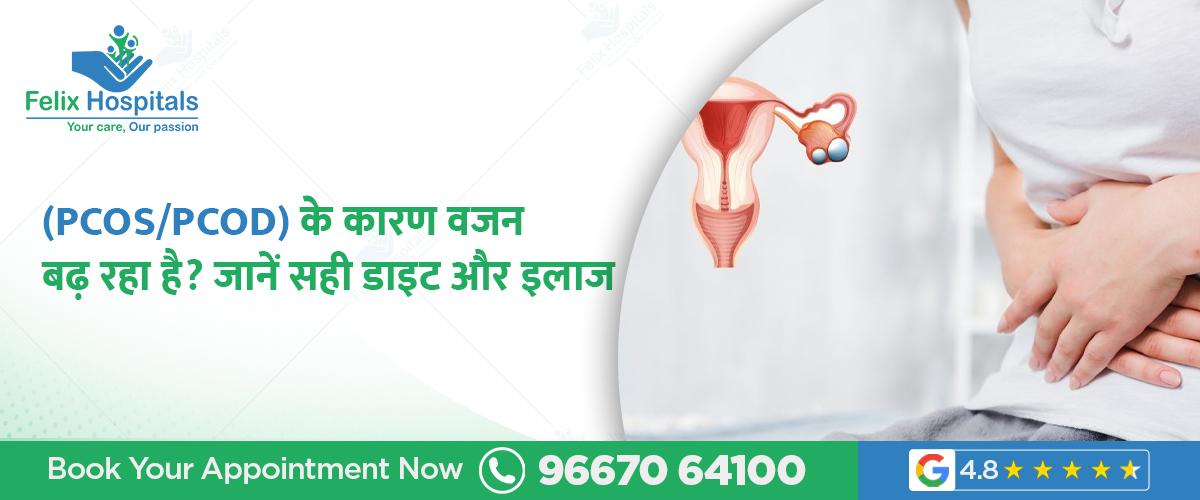
आजकल महिलाओं में हार्मोनल समस्याएं तेजी से बढ़ रही हैं। जिनमें बहुगंठिय अंडाशय लक्षण (PCOS/PCOD) एक आम लेकिन गंभीर समस्या है। इस स्थिति में वजन बढ़ना सबसे बड़ी परेशानी बनता है। कई महिलाएं डाइट और एक्सरसाइज करने के बावजूद वजन कम नहीं कर पातीं। अगर आपका वजन बिना कारण बढ़ रहा है, तो यह पीसीओएस का संकेत होता है। PCOS Treatment in Noida में उपलब्ध है। सही जानकारी और समय पर इलाज से इसे कंट्रोल किया जा सकता है। इलाज में देरी नहीं करनी चाहिए। ऐसा करने से नुकसान होता है।
अधिक जानकारी के लिए हमें कॉल करें +91 9667064100
पीसीओएस एक हार्मोनल डिसऑर्डर (Hormonal Disorder) है। जिसे मेडिकल भाषा में पॉलीसिस्टिक ओवरी सिंड्रोम कहा जाता है। इस स्थिति में महिलाओं के अंडाशय (Ovaries) में कई छोटे-छोटे सिस्ट (cysts) बन जाते हैं, जो पूरी तरह विकसित अंडे नहीं होते बल्कि अधूरे फॉलिकल्स होते हैं। इन सिस्ट के कारण अंडाशय की सामान्य कार्यप्रणाली प्रभावित हो जाती है और ओव्यूलेशन (अंडोत्सर्जन) सही तरीके से नहीं हो पाता। पीसीओएस में शरीर का हार्मोनल संतुलन बिगड़ जाता है। खासतौर पर महिला हार्मोन (एस्ट्रोजन और प्रोजेस्टेरोन) की तुलना में पुरुष हार्मोन (एंड्रोजन) का स्तर बढ़ जाता है। यही असंतुलन शरीर में कई तरह के शारीरिक और आंतरिक बदलाव पैदा करता है। यह समस्या सिर्फ प्रजनन तक सीमित नहीं रहती, बल्कि पूरे मेटाबॉलिज्म, वजन और मानसिक स्वास्थ्य को भी प्रभावित करती है।
पीसीओएस की सबसे आम पहचान मासिक धर्म का अनियमित होना है। कई बार पीरियड्स देर से आते हैं, महीनों तक नहीं आते या बहुत कम/ज्यादा होते हैं।
हार्मोनल बदलाव और अक्सर इंसुलिन प्रतिरोध के कारण शरीर में फैट तेजी से जमा होने लगता है, खासकर पेट के आसपास।
एंड्रोजन बढ़ने के कारण चेहरे पर मुंहासे, ऑयली स्किन और डार्क पैच (जैसे गर्दन पर) दिखाई दे सकते हैं। साथ ही चेहरे, ठोड़ी, छाती या पेट पर अनचाहे बाल बढ़ जाते हैं, जबकि सिर के बाल पतले और कमजोर होते हैं।
ओव्यूलेशन (Ovulation) सही समय पर न होने के कारण गर्भधारण में दिक्कत हो सकती है। कई महिलाओं को कंसीव करने में समय लगता है या मेडिकल सहायता की जरूरत पड़ती है।
हार्मोनल असंतुलन का असर मानसिक स्वास्थ्य पर भी पड़ता है। तनाव, चिंता, चिड़चिड़ापन और डिप्रेशन जैसे लक्षण भी देखने को मिलते हैं।
शरीर का मेटाबॉलिज्म प्रभावित होने के कारण लगातार थकान और सुस्ती महसूस हो सकती है, भले ही पर्याप्त आराम लिया गया हो।
अनियमित पीरियड्स (Irregular Periods)
तेजी से वजन बढ़ना
चेहरे पर बाल
मुंहासे और ऑयली स्किन
बाल झड़ना
गर्भधारण में दिक्कत
थकान और मूड स्विंग
पीसीओएस में वजन बढ़ना सिर्फ ज्यादा खाने या कम एक्सरसाइज करने की वजह से नहीं होता, बल्कि इसके पीछे गहरे हार्मोनल और मेटाबॉलिक कारण होते हैं। इस स्थिति में शरीर का सिस्टम सामान्य तरीके से काम नहीं करता, जिससे वजन कंट्रोल करना मुश्किल हो जाता है।
सामान्य स्थिति में इंसुलिन ब्लड शुगर (Blood Sugar) को कोशिकाओं तक पहुंचाने में मदद करता है, लेकिन पीसीओएस (PCOS) में शरीर की कोशिकाएं इंसुलिन के प्रति कम संवेदनशील हो जाती हैं।
जब ग्लूकोज कोशिकाओं में नहीं पहुंच पाता, तो वह खून में जमा होने लगता है। इससे शरीर और ज्यादा इंसुलिन बनाने लगता है।
बढ़ा हुआ इंसुलिन शरीर को संकेत देता है कि ज्यादा फैट स्टोर किया जाए, खासकर पेट के आसपास। यही कारण है कि पीसीओएस में वजन तेजी से बढ़ता है और कम करना मुश्किल होता है।
पीसीओएस में एंड्रोजन (पुरुष हार्मोन) का स्तर बढ़ जाता है। यह शरीर के फैट स्टोरेज और भूख को प्रभावित करता है, जिससे वजन बढ़ने लगता है।
पीसीओएस में शरीर का मेटाबॉलिज्म धीमा होता है। इसका मतलब है कि शरीर कैलोरी को धीरे-धीरे बर्न करता है, जिससे छोटी मात्रा में खाना खाने पर भी वजन बढ़ता है।
इंसुलिन असंतुलन के कारण मीठा और हाई-कार्ब फूड खाने की इच्छा ज्यादा होती है। इससे कैलोरी इनटेक बढ़ जाता है और वजन तेजी से बढ़ता है।
अधिक तनाव लेने से शरीर में कॉर्टिसोल (Stress Hormone) बढ़ता है। यह हार्मोन भी पेट के आसपास चर्बी जमा करने में अहम भूमिका निभाता है।
पर्याप्त नींद न लेने से हार्मोनल बैलेंस बिगड़ता है। इससे भूख बढ़ाने वाले हार्मोन (Ghrelin) बढ़ जाते हैं और वजन बढ़ने लगता है।
आजकल की लाइफस्टाइल में कम एक्टिविटी भी पीसीओएस के मरीजों में वजन बढ़ाने का बड़ा कारण है। कम मूवमेंट से कैलोरी बर्न नहीं हो पाती।
पीसीओसए में डाइट सबसे अहम भूमिका निभाती है, क्योंकि यह सीधे तौर पर हार्मोनल संतुलन और इंसुलिन प्रतिरोध को प्रभावित करती है। सही खान-पान अपनाने से न सिर्फ वजन कंट्रोल किया जा सकता है, बल्कि पीरियड्स नियमित करने, स्किन सुधारने और ऊर्जा बढ़ाने में भी मदद मिलती है।
ब्लड शुगर कंट्रोल करना
हार्मोन बैलेंस बनाए रखना
वजन कम या नियंत्रित करना
पालक, मेथी, ब्रोकली, लौकी जैसी सब्जियां फाइबर और एंटीऑक्सीडेंट से भरपूर होती हैं। यह शरीर की सूजन कम करती हैं और हार्मोन संतुलन में मदद करती हैं।
सेब, पपीता, संतरा, बेरीज (जैसे ब्लूबेरी, स्ट्रॉबेरी) लो-ग्लाइसेमिक होते हैं। ये धीरे-धीरे शुगर रिलीज करते हैं, जिससे इंसुलिन लेवल स्थिर रहता है।
ओट्स, ब्राउन राइस, दलिया, क्विनोआ और मल्टीग्रेन आटा बेहतर विकल्प हैं। ये फाइबर से भरपूर होते हैं, जिससे पेट लंबे समय तक भरा रहता है और ओवरईटिंग कम होती है।
दालें, अंडा, पनीर, दही, चिकन (यदि लेते हों) और सोया प्रोडक्ट्स शामिल करें। प्रोटीन मेटाबॉलिज्म को बढ़ाता है और मांसपेशियों को मजबूत बनाता है।
बादाम, अखरोट, चिया सीड्स, फ्लैक्ससीड्स (अलसी) बेहद फायदेमंद होते हैं। इनमें हेल्दी फैट्स होते हैं, जो हार्मोनल बैलेंस सुधारने में मदद करते हैं।
ऑलिव ऑयल, घी (सीमित मात्रा में), एवोकाडो जैसे हेल्दी फैट्स भी शामिल करें। ये सूजन कम करते हैं और शरीर को जरूरी ऊर्जा देते हैं।
कोल्ड ड्रिंक, पैकेज्ड जूस, केक, पेस्ट्री और मिठाइयों से दूरी बनाएं। ये ब्लड शुगर तेजी से बढ़ाते हैं और इंसुलिन असंतुलन को बढ़ाते हैं।
पिज्जा, बर्गर, फ्रेंच फ्राइज और प्रोसेस्ड स्नैक्स से बचें। इनमें ट्रांस फैट और ज्यादा कैलोरी होती है, जो वजन बढ़ाती है।
डीप फ्राइड फूड शरीर में सूजन बढ़ाता है और हार्मोनल समस्या को बिगाड़ सकता है।
व्हाइट ब्रेड, नूडल्स, बिस्किट और पैकेज्ड फूड PCOS में नुकसानदायक होते हैं। ये जल्दी पचते हैं और ब्लड शुगर को अचानक बढ़ाते हैं।
दिन में 3 बड़े मील की जगह 4–5 छोटे मील लें
ज्यादा देर तक भूखे न रहें
पर्याप्त पानी (2.5–3 लीटर) पिएं
ग्रीन टी और हर्बल ड्रिंक शामिल करें
रात का खाना हल्का और जल्दी लें
रोज 30–45 मिनट एक्सरसाइज
वॉक, योग या जॉगिंग
इंटरमिटेंट फास्टिंग (डॉक्टर सलाह से)
स्ट्रेस मैनेजमेंट
7–8 घंटे की नींद
पीसीओएस का इलाज हर महिला के लिए अलग-अलग हो सकता है। यह पूरी तरह इस बात पर निर्भर करता है कि लक्षण कितने गंभीर हैं, उम्र क्या है, वजन कितना है और भविष्य में गर्भधारण की योजना है या नहीं। Best Gynecologist in Noida में उपलब्ध है। अच्छी बात यह है कि सही इलाज और जीवनशैली में सुधार से पीसीओएस को काफी हद तक कंट्रोल किया जा सकता है।
पीसीओएस में सबसे पहले डॉक्टर हार्मोनल असंतुलन (hormonal imbalance) को ठीक करने की कोशिश करते हैं। ये दवाइयां शरीर में एस्ट्रोजन और प्रोजेस्टेरोन का संतुलन बनाए रखने में मदद करती हैं। एंड्रोजन (पुरुष हार्मोन) के स्तर को कम करती हैं। इससे मुंहासे, अनचाहे बाल और पीरियड्स की समस्या में सुधार होता है
अनियमित मासिक धर्म पीसीओएस का सबसे आम लक्षण है। डॉक्टर ऐसी दवाइयां देते हैं जो पीरियड्स को नियमित करने में मदद करती हैं। इससे गर्भाशय (uterus) की सेहत भी बेहतर रहती है। नियमित पीरियड्स से भविष्य में प्रजनन संबंधी समस्याओं का खतरा कम होता है
पीसीओएस में अक्सर इंसुलिन प्रतिरोध की समस्या होती है। इसके लिए डॉक्टर ब्लड शुगर कंट्रोल करने वाली दवाइयां दे सकते हैं। यह दवाइयां इंसुलिन की कार्यक्षमता सुधारती हैं। इससे वजन कंट्रोल करने और हार्मोन बैलेंस में मदद मिलती है
यदि किसी महिला को गर्भधारण में समस्या हो रही है, तो डॉक्टर विशेष उपचार की सलाह देते हैं। जैसे ओव्यूलेशन (अंडोत्सर्जन) बढ़ाने की दवाइयां आईयूआई (इंट्रायूटेराइन इनसेमिनेशन), आईवीएफ (इन विट्रो फर्टिलाइज़ेशन)। सही इलाज से पीसीओएस में भी गर्भधारण संभव है
दवाइयों के साथ-साथ जीवनशैली में बदलाव बेहद जरूरी होता है:
संतुलित और लो-कार्ब डाइट
नियमित एक्सरसाइज (30–45 मिनट रोज)
वजन नियंत्रित रखना
तनाव कम करना (योग/मेडिटेशन)
पर्याप्त नींद लेना
दवाइयां हमेशा डॉक्टर की सलाह से ही लें
खुद से कोई हार्मोनल दवा शुरू या बंद न करें
नियमित जांच (Check-up) कराते रहें
इलाज के साथ धैर्य रखें, क्योंकि सुधार धीरे-धीरे होता है
संतुलित आहार लें
रोजाना व्यायाम करें
तनाव कम करें
नींद पूरी लें
स्क्रीन टाइम कम करें
अगर ये लक्षण दिखें तो तुरंत डॉक्टर से मिलें:
2–3 महीने तक पीरियड्स न आना
अचानक वजन बढ़ना
चेहरे पर ज्यादा बाल
गर्भधारण में दिक्कत
अधिक जानकारी के लिए हमें कॉल करें+91 9667064100
पीसीओएस एक सामान्य लेकिन गंभीर हार्मोनल समस्या है, जिसे समय रहते पहचानना और सही तरीके से मैनेज करना बेहद जरूरी होता है। अक्सर महिलाएं इसके लक्षणों जैसे अनियमित पीरियड्स (Periods), वजन बढ़ना या स्किन से जुड़ी समस्याओं को नजरअंदाज कर देती हैं, जिससे आगे चलकर यह समस्या और जटिल हो सकती है। लेकिन अच्छी बात यह है कि यदि सही समय पर इसकी जांच कराकर इलाज शुरू किया जाए और साथ में अपनी जीवनशैली में सकारात्मक बदलाव किए जाएं, तो पीसीओएस (PCOS) को काफी हद तक नियंत्रित किया जा सकता है।
Dr. Charu Yadav is an obstetrician and gynecologist with 12+ years of experience, specializing in high-risk and twin pregnancies, ectopic pregnancy, and menstrual disorders. Trained in laparoscopic surgery, she provides care for pregnancy, infertility, menopause, and gynae procedures. She is also recognized among the Best Gynecologists in Noida for her patient-focused treatment.
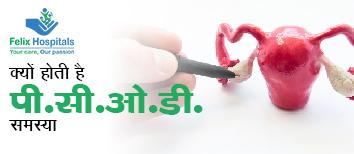
पीसीओडी (PCOD) की समस्या उन महिलाओं में अधिक देखने को मिल रही है, जो नाइट शिफ्ट में काम करती हैं। पूरी रात जागना देर रात खाना जैसी लाइफस्टाइल उनकी सेहत को भारी नुकसान पहुंचा रही है।
गर्भावस्था में पेट दर्द एक सामान्य समस्या है, लेकिन कभी-कभी यह गंभीर स्वास्थ्य संकेत भी हो सकता है। जानिए इसके कारण, लक्षण और सुरक्षित इलाज।
खून की उल्टी एक गंभीर लक्षण है जो पाचन तंत्र, लीवर या पेट की किसी समस्या का संकेत हो सकता है। इसके सही कारण जानने और समय पर उपचार के लिए डॉक्टर से तुरंत सलाह लेना जरूरी है।
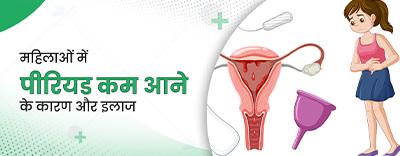
महिलाओं में पीरियड कम आने के कई कारण हो सकते हैं, जैसे हार्मोनल असंतुलन, तनाव, थायरॉइड की समस्या या वजन में बदलाव। सही समय पर जांच और इलाज जरूरी है।
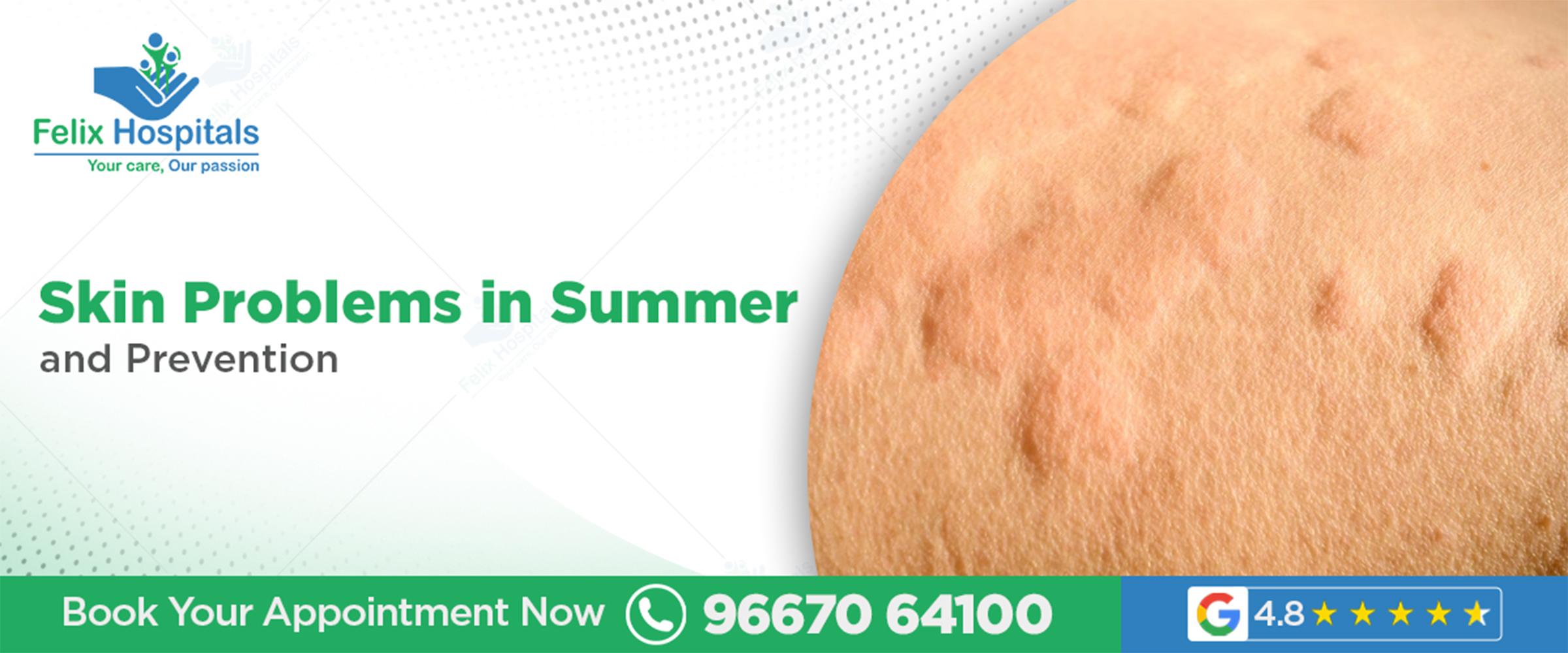
One of the worst seasons of skin health is summer, particularly in warm and humid areas. When temperatures increase, the skin faces too much heat, sweat, pollution and unhealthy ultraviolet (UV) radiation. These changes in the environment have a great impact on the skin barrier rendering it more susceptible to irritation, infections and damage.
People have a natural ability to produce sweat to cool their bodies, however, in summer, over sweating is one of the primary causes of issues with skin. Dirt and bacteria, as well as oil, combine with the sweat and block the pores resulting in acne, rashes, and infections. Meanwhile, long-term exposure to the sun destroys the skin cells, hastens the aging process, and causes pigmentation.
Dermatologists have found that there is an increase of up to 30-40 % in cases of skin infections and inflammatory conditions in the most hot summers caused by the heat and humidity. This is the reason why it is necessary to follow the right skincare routine and consult a doctor at the right time.
It can be helpful to visit the Best Dermatologists in Noida, the Best Skin doctor in noida, or seek qualified help at a Dermatology Hospital In Noida to detect complications at the earliest stage, treat them successfully, and prevent them.
Are you experiencing itching, rashes, or acne during summer? Don’t ignore early symptoms—skin conditions can worsen quickly in heat. Call +91 9667064100 to consult a dermatologist today.
Understanding why skin problems increase in hot weather is key to preventing them. The skin secretes more oil and sweat in summer because the temperatures are high. This mixture forms a humid condition that allows bacteria and fungi to flourish. Sweat also clogs pores causing acne and heat rushes.
UV radiation is another important aspect. Collagen is damaged by ultraviolet rays and results in premature aging, tanning, and pigmentation of the skin. Excessive exposure over a long period of time may even cause skin cancer.
Humidity also contributes to the situation by not allowing the sweat to evaporate and leaving the skin wet and susceptible to infection. The issue is also exacerbated by pollution which deposits harmful particles on the skin, irritating and inflaming it.
It is scientifically proven that microorganisms grow better in hot and humid environments, so Summer is one of the seasons when skin-related problems are most common.
Recognizing what are common skin problems in summer helps in early management.
The most common ones are:
Heat rash (prickly heat)
Acne and breakouts
Tanning and pigmentation
Fungal infections
Heat rash happens when the sweat gets trapped beneath the skin resulting in red itchy bumps. The excess production of oil and clogged pores causes acne. Excessive exposure to UV rays causes sunburn that causes redness, pain, and peels.
Fungus thrives especially in places that harbor sweat like the armpits, feet and body crevices. These conditions might not be very serious at first but can be aggravated without proper treatment.
Understanding what causes rashes and acne in summer is essential for prevention.
Key causes include:
Excessive sweating
Clogged pores
Bacterial growth
Use of thick skincare products.
Poor hygiene
The accumulation of sweat blocks the sweat glands, and hair follicles, and results in inflammation. The growth of bacteria in this habitat causes acne and rashes.
Agreous or greasy skin care can also worsen the situation by plugging pores. This is the reason why dermatologists advise to use light-weight non-comedogenic ones.
Another cause of acne flare-up during hot weather may be hormonal changes and stress.
Identification of what constitutes heat rash symptoms will aid in early detection.
Common symptoms include:
Small red bumps
Prickling, itching feeling.
Mild swelling
Irritation in sweaty areas
The heat rash normally occurs on the neck, chest, back and where skin folds. It is predominant among children although it can also occur in adults.
When left unchecked, heat rash may result in secondary infections as a result of scratching.
Following how to prevent skin infections in summer strategies can significantly reduce risk.
Such preventive measures include:
Maintaining proper hygiene
Keeping skin dry
Putting on loose breathable clothes.
Not perspiring much.
Using antifungal powders
Research indicates that by keeping one's skin dry and clean, there is a possibility of reducing the risk of infection by up to 50 %.
Basic routines such as having a shower after sweating and changing clothes periodically can go a long way.
Understanding how to avoid fungal infection in summer is crucial.
Helpful tips include:
Drying the skin after taking a bath.
Avoiding tight clothing
Keeping feet clean and dry
Clean towels and clothes.
Fungi reproduce best in damp conditions and most easily avoided by minimizing moisture.
Following how to take care of skin in summer ensures healthy skin.
Such practices are important and include:
Cleansing twice daily
Applying light moisturizers.
Avoiding harsh products
Maintaining hygiene
Regular skincare is a way to keep the skin barrier intact and avoid skin damage.
It is essential to know the value of sunscreen and sun protection.
Sunscreen helps:
Block harmful UV rays
Prevent tanning and sunburn
Reduce risk of skin cancer
Slow aging
Dermatologists suggest the use of SPF 30 and above, and a reapplication every 2-3 hours.
Adequate diet and water hydration helps in the summer to keep skin healthy.
Helpful tips include:
Drinking plenty of water
Consuming fruits that contain antioxidants.
Not eating oily and processed foods.
Water increases the elasticity of skin and decreases dryness.
Proper diagnosis helps identify skin conditions accurately.
Test | Purpose |
skin examination | detects visible issues |
allergy testing | identifies triggers |
lab tests | confirms infections |
These tests guide effective treatment plans.
It is important to know when to seek help.
Consult a doctor if:
Symptoms persist
There is great itching, or pain.
Infections spread
Home remedies fail
Complications are avoided by early treatment.
The treatment and diagnosis are properly taken care of by medical care.
It provides:
Personalized treatment
Advanced therapies
Prevention of complications
Long-term skin care guidance
Consistently checking the skin improves the health of the skin.
Facing recurring skin issues every summer? Get expert care before the condition worsens. Call +91 9667064100 to consult a dermatologist now.
Problems with Skin Summer Summer skin problems are widespread and can be treated with due care. Understanding what are common skin problems in summer, knowing how to prevent skin infections in summer, and following how to take care of skin in summer are essential steps for maintaining healthy skin.
Most skin problems can be avoided during the summer period with early consultation with the Best Dermatologists in Noida and right ways of taking care of the skin.
Dr. Tarun Gupta is an experienced Dermatologist with 17+ years of expertise in treating skin, hair, and nail conditions, along with advanced cosmetic dermatology procedures.

If your answer is yes, then, here are 6 easy steps to keep your skin look young and glowing.
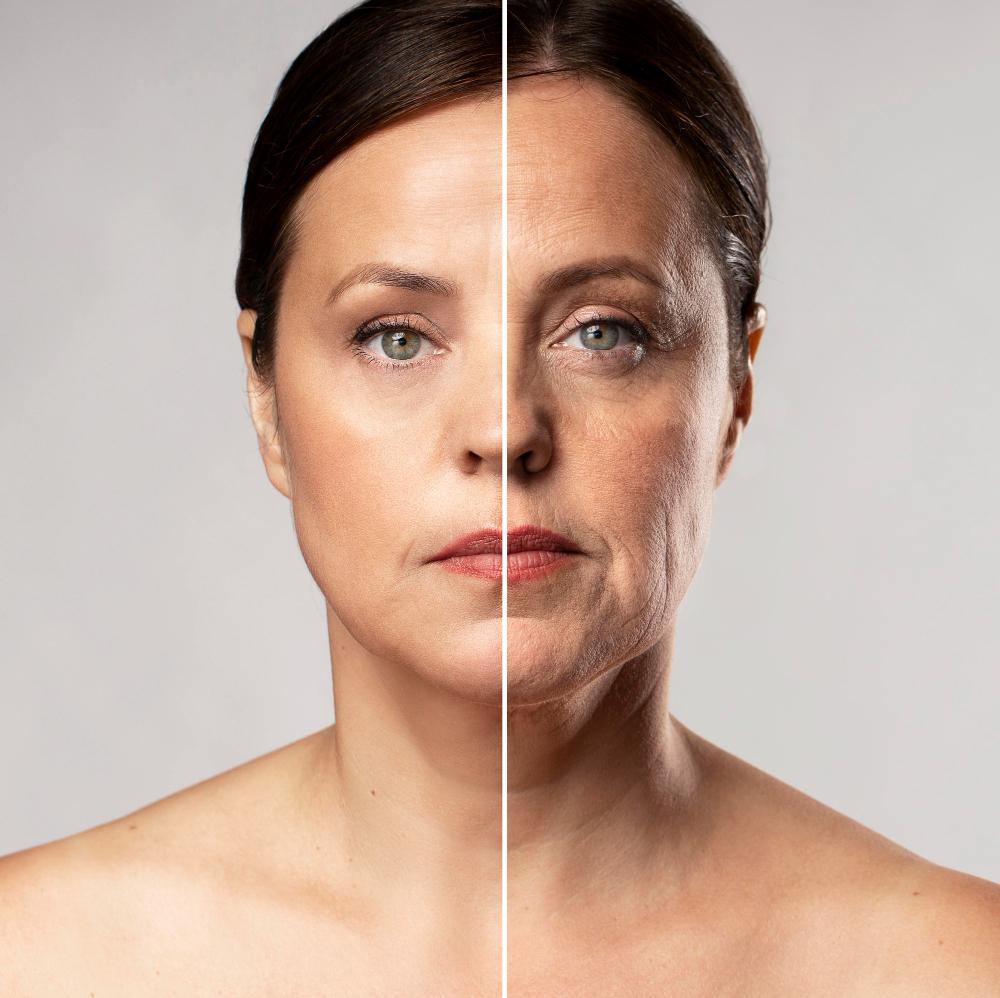
Certain skin disorders aren’t preventable, including genetic conditions and some skin problems due to other illnesses.

Diabetes is a chronic illness that is found in millions of individuals and has far-reaching impacts in the body. Foot complications are among the most severe but preventable complications associated with it. In the long run, elevated sugar content in the blood may cause destruction of nerves and blood vessels, especially the lower limbs. This causes lack of sensation, poor circulation, which are two major conditions that predispose to injuries, infections, and delayed healing.
In India, the burden of diabetes is rising rapidly, and with it, the incidence of diabetic foot complications. Based on the world health statistics, almost 1 out of 4 diabetes patients can potentially develop foot complications in their lives. Disturbingly, most of them go undetected until they escalate to serious incidents, and this may even result in hospitalization or even amputation.
It is a good thing that the majority of the diabetic foot issues are avoidable under the condition of early detection and effective treatment. Frequent check ups, symptom awareness and early consultation with the specialist of diabetic foot in Noida will go a long way. Better results and quick recovery are further ascertained by the access of advanced diabetic foot treatment in noida.
Noticing numbness, wounds, or unusual changes in your feet? Don’t ignore early warning signs—diabetic foot problems can worsen quickly. Call +91 9667064100 to consult a specialist in Noida today.
Understanding diabetes related foot problems is crucial for early prevention and management. These issues mostly arise as a result of the prolonged complications of diabetes such as nerve injuries (neuropathy) and impaired blood flow (peripheral arterial disease).
Neuropathy impairs the sensations of pain, temperature, and injury. Consequently, even such slight cuts or blisters might remain unseen and become severe with time. This is further worsened by poor circulation which slows down the natural healing process of the body.
It has been found out that long-term uncontrolled blood sugar increases the chances of developing foot complications to a great extent. Indeed, patients having diabetes over 10 years have a significantly increased risk.
Foot management, glucose regulation, and early medical intervention are important in ensuring that the consequences are not severe.
Understanding diabetic foot complications highlights the seriousness of ignoring early symptoms.
The common complications are:
Foot ulcers
Gangrene (tissue death)
Deformities
Amputation in severe cases
One of the most frequent complications is the foot ulcers, and it usually begins in little form of wounds that do not heal. When not treated, such wounds may be infected and extend to other tissues.
Research shows that approximately 85% of amputations caused by diabetes are predetermined by ulcers of the feet. This renders early detection and treatment important in avoiding severe outcomes.
Recognizing the early signs of diabetic foot can help prevent complications before they become severe.
Common early signs include:
Inability to feel or numbness or tingling sensation.
Burning or sharp pain
Dry, cracked skin
Redness or swelling
Sluggish healing lacerations or blisters.
Discoloration of the skin
Such symptoms usually reveal a damaged or bad circulation of the nerves. As an example, numbness is an indicator of neuropathy, and slow healing indicates low flow of blood.
These signs can be discovered early, which can be intervened in and improved.
Understanding diabetic foot infection warning signs is essential for preventing serious complications.
Warning signs include:
Pus or fluid discharge
Swelling or reddening intensified.
Foul smell from the wound
The area of the affected region feels heated
Fever in advanced cases
The body of diabetic patients does not respond readily to infections, thereby spreading the disease quickly. These signs need immediate medical attention in case they are observed.
The consequences of the delay in treatment may become critical in the form of tissue harm and amputation.
Identifying the risks of diabetic foot problems helps in taking preventive measures.
Key risk factors include:
Unregulated blood sugar levels.
Long duration of diabetes
Smoking
Poor foot hygiene
Ill-fitting footwear
Past foot trauma or blisters.
Individuals with the combination of risk factors are at much greater risk. Indicatively, when one smokes, it narrows down blood flow, which also contributes to circulation issues.
By dealing with them, there are high possibilities of minimizing the risks of developing complications.
Following how to prevent diabetic foot ulcers strategies is essential for maintaining foot health.
Prevention measures involve:
Examining legs on a daily basis to see whether they have a cut or a change.
Washing feet and keeping them moist.
Sporting well-fitted shoes.
Avoiding walking barefoot
Managing the blood sugar level.
Clinical research evidence has indicated that correct foot care can lessen the risk of ulcers by as much as half. It is always cheaper and more effective to prevent rather than to cure.
Early diagnosis plays a key role in managing diabetic foot conditions effectively.
Test | Purpose |
foot examination | detects visible abnormalities |
nerve testing | checks sensation and nerve function |
blood flow tests | evaluates circulation |
wound culture | identifies infection |
These tests help doctors assess the severity of the condition and plan appropriate treatment.
Management of diabetic foot requires knowledge on its treatment.
Treatment options include:
Wound cleaning and dressing
Antibiotics for infections
Blood sugar management
Debridement or removal of dead tissue
Surgical treatment out of the worst cases.
High-tech wound care methods have greatly enhanced the healing processes. Treatment is very important to avoid complications and encourage recovery.
The treatment of diabetic foot in noida also guarantees dedicated and elaborate care.
Treatment services include:
High-level wound care management.
Infection control
Regular monitoring
Interdisciplinary practice.
Having a specialist involved will guarantee that all the post-diabetic foot care is put in place.
Lifestyle changes play a major role in preventing diabetic foot complications.
Helpful practices include:
Controlled sugar levels in the blood.
Exercise to enhance blood circulation.
Avoiding smoking
Following a balanced diet
Such habits enhance the general health and minimize chances of complications.
Diabetic foot problems require professional medical attention in management and prevention.
Medical care provides:
Early detection
Accurate diagnosis
Effective treatment
Complications prevention.
Long-term monitoring
Frequent visits to specialists guarantee the high results and the quality of life.
Have diabetes and notice any changes in your feet? Early care can prevent serious complications and improve healing. Call +91 9667064100 to consult a specialist in Noida now.
Foot problems related to diabetes are severe yet mostly preventable when one is well informed and attentive to his/her health. Understanding diabetes related foot problems, recognizing the early signs of diabetic foot, and following how to prevent diabetic foot ulcers strategies are essential for maintaining foot health.
Having the right care of a diabetic foot specialist in noida and appropriate diabetic foot management in noida, people are able to control the complications and avoid them. The prevention measures are early diagnosis, preventive measures, and early treatment which is important to avoid serious outcomes.

By making certain lifestyle changes, many women can reduce their risk of developing gestational diabetes.
Diabetes is a condition in which your body part pancreases cannot make enough insulin which results in an increase in your glucose level/blood sugar level.
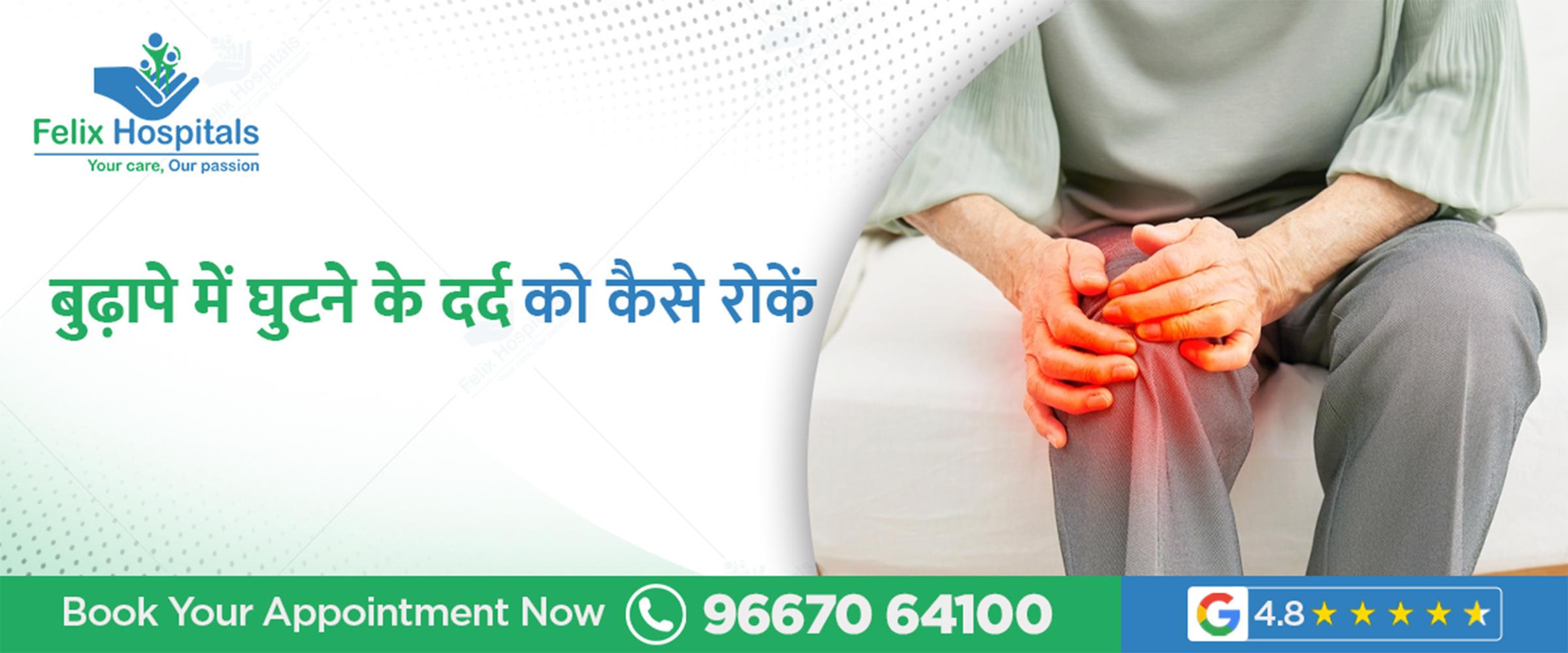
बढ़ती उम्र के साथ घुटनों का दर्द एक आम समस्या बनती है। कई लोगों को चलने-फिरने, सीढ़ियां चढ़ने या बैठने-उठने में तकलीफ होती है। इसका मुख्य कारण जोड़ों की हड्डियों का कमजोर होना, कार्टिलेज का घिसना और शरीर में कैल्शियम की कमी होना है। हालांकि सही जीवनशैली, संतुलित आहार, नियमित व्यायाम और समय पर उपचार से बुढ़ापे में घुटनों के दर्द को काफी हद तक रोका जता है। orthopedic hospital in noida में उपलब्ध है। अगर इस समस्या को शुरुआती चरण में ही समझ लिया जाए तो सर्जरी जैसी जटिल प्रक्रियाओं से भी बचा सकता है।
अधिक जानकारी के लिए संपर्क करें: +91 9667064100
बढ़ती उम्र के साथ घुटनों के जोड़ धीरे-धीरे कमजोर होती हैं। घुटनों में मौजूद कार्टिलेज धीरे-धीरे घिसता है। जिससे हड्डियां आपस में रगड़ खाने लगती हैं। इस स्थिति को आमतौर पर ऑस्टियोआर्थराइटिस (Osteoarthritis) कहते हैं। इसके कारण घुटनों में दर्द, सूजन और जकड़न महसूस होती है। जिससे चलना-फिरना मुश्किल होता है।
घुटनों का जोड़ शरीर के सबसे महत्वपूर्ण और सबसे अधिक उपयोग होने वाले जोड़ों में से एक है। चलना, दौड़ना, बैठना, सीढ़ियां चढ़ना या उठना-बैठना जैसे लगभग हर दैनिक काम में घुटनों की महत्वपूर्ण भूमिका होती है। जब घुटनों की हड्डियां या जोड़ कमजोर होने लगते हैं तो दर्द, सूजन, अकड़न और चलने-फिरने में परेशानी जैसी समस्याएं शुरू हो जाती हैं। घुटनों की हड्डियों के कमजोर होने के पीछे कई कारण हो सकते हैं, जिनमें उम्र, पोषण की कमी, जीवनशैली और चोट आदि शामिल हैं।
उम्र बढ़ने के साथ शरीर की हड्डियां और जोड़ों का कार्टिलेज धीरे-धीरे घिसता है। कार्टिलेज वह मुलायम ऊतक होता है जो हड्डियों के बीच कुशन की तरह काम करता है और घर्षण को कम करता है। जैसे-जैसे यह कमजोर होता है, घुटनों में दर्द, सूजन और जकड़न की समस्या बढ़ने लगती है। 50 वर्ष के बाद यह समस्या अधिक देखने को मिलती है।
हड्डियों की मजबूती के लिए कैल्शियम और विटामिन डी बेहद जरूरी पोषक तत्व हैं। शरीर में कैल्शियम हड्डियों को मजबूत बनाता है, जबकि विटामिन डी कैल्शियम को शरीर में अवशोषित करने में मदद करता है। यदि आहार में दूध, दही, हरी सब्जियां और धूप की कमी हो तो हड्डियां धीरे-धीरे कमजोर होने लगती हैं और घुटनों में दर्द की समस्या बढ़ सकती है।
अधिक वजन या मोटापा घुटनों के लिए सबसे बड़ा जोखिम कारक माना जाता है। जब शरीर का वजन ज्यादा होता है तो उसका सीधा दबाव घुटनों के जोड़ों पर पड़ता है। इससे कार्टिलेज तेजी से घिसता है और घुटनों में दर्द, सूजन और गठिया (Arthritis) जैसी समस्याएं विकसित हो सकती हैं। इसलिए वजन को नियंत्रित रखना घुटनों की सेहत के लिए बहुत जरूरी है।
घुटनों में लगी पुरानी चोट, लिगामेंट फटना (Ligament), मेनिस्कस की समस्या या किसी दुर्घटना के कारण भी घुटनों की हड्डियां कमजोर हो सकती हैं। कई बार खेलकूद, गिरने या सड़क दुर्घटनाओं में लगी चोटें बाद में लंबे समय तक घुटनों के दर्द और कमजोरी का कारण बनती हैं।
आजकल की भागदौड़ भरी लेकिन बैठकर काम करने वाली जीवनशैली में लोग शारीरिक गतिविधि कम करते हैं। नियमित व्यायाम और शारीरिक गतिविधि की कमी से घुटनों के आसपास की मांसपेशियां कमजोर हो जाती हैं। जब मांसपेशियां मजबूत नहीं होतीं तो घुटनों के जोड़ों पर ज्यादा दबाव पड़ता है, जिससे हड्डियां और जोड़ कमजोर होने लगते हैं।
लंबे समय तक एक ही स्थिति में बैठना, गलत तरीके से उठना-बैठना, जमीन पर बार-बार बैठना या लंबे समय तक स्क्वाट की स्थिति में रहना भी घुटनों के जोड़ों पर दबाव बढ़ाता है। इससे धीरे-धीरे घुटनों में दर्द और कमजोरी विकसित हो सकती है।
कुछ लोगों में घुटनों की कमजोरी या गठिया की समस्या परिवार में पहले से मौजूद होती है। ऐसे मामलों में आनुवंशिक कारणों के चलते भी घुटनों की हड्डियां जल्दी कमजोर होती हैं।
घुटने के दर्द के कई सामान्य लक्षण होते हैं।
चलने या सीढ़ियां चढ़ने में दर्द
घुटनों में सूजन या जकड़न
लंबे समय तक बैठने के बाद घुटनों में अकड़न
घुटनों से आवाज आना (कटकटाहट)
घुटनों में कमजोरी महसूस होना
यदि ये लक्षण लंबे समय तक बने रहें तो डॉक्टर से परामर्श लेना आवश्यक है।
कुछ सरल उपाय अपनाकर घुटनों के दर्द को काफी हद तक रोका जा सकता है।
हल्का व्यायाम, योग और स्ट्रेचिंग घुटनों की मांसपेशियों को मजबूत बनाते हैं।
अधिक वजन घुटनों पर दबाव बढ़ाता है।
कैल्शियम, विटामिन D और प्रोटीन से भरपूर भोजन करें।
समय-समय पर शरीर को हिलाना-डुलाना जरूरी है।
आरामदायक और सपोर्ट देने वाले जूते पहनने से घुटनों पर दबाव कम होता है।
घुटनों का दर्द आजकल एक आम समस्या बनती जा रही है। यह समस्या बढ़ती उम्र, चोट, गठिया, मोटापा या लंबे समय तक बैठकर काम करने की वजह से हो सकती है। कई बार हल्के घुटने के दर्द में घरेलू और प्राकृतिक उपाय काफी राहत दे सकते हैं। हालांकि यदि दर्द लगातार बना रहे या बहुत अधिक हो तो डॉक्टर की सलाह लेना जरूरी होता है। कुछ सरल घरेलू उपाय घुटनों के दर्द और सूजन को कम करने में सहायक हो सकते हैं।
गर्म पानी से सिकाई करना घुटनों के दर्द के लिए सबसे आसान और प्रभावी घरेलू उपायों में से एक है। गर्माहट से घुटनों की मांसपेशियां और जोड़ आराम महसूस करते हैं और रक्त संचार बेहतर होता है। इससे सूजन और अकड़न में भी राहत मिलती है। इसके लिए गर्म पानी की बोतल या हॉट वॉटर बैग को घुटने पर 10–15 मिनट तक लगाएं। दिन में 2–3 बार ऐसा करने से दर्द में काफी आराम मिल सकता है।
हल्दी को प्राकृतिक दर्दनाशक और सूजन कम करने वाला माना जाता है। इसमें मौजूद करक्यूमिन तत्व एंटी-इंफ्लेमेटरी (Anti-inflammatory) और एंटीऑक्सीडेंट (Antioxidant) गुणों से भरपूर होता है, जो जोड़ों के दर्द और सूजन को कम करने में मदद करता है। रात में सोने से पहले एक गिलास गर्म दूध में आधा चम्मच हल्दी मिलाकर पीने से शरीर की सूजन कम होती है और घुटनों के दर्द में धीरे-धीरे राहत मिल सकती है।
घुटनों की नियमित मालिश करने से मांसपेशियों को आराम मिलता है और रक्त संचार बेहतर होता है। सरसों का तेल या तिल का तेल हल्का गर्म करके घुटनों पर धीरे-धीरे मालिश करने से जकड़न कम होती है। दर्द में आराम मिलता है। दिन में एक या दो बार 10–15 मिनट तक हल्की मालिश करना लाभदायक माना जाता है।
मेथी के दानों में एंटी-इंफ्लेमेटरी और एंटीऑक्सीडेंट गुण पाए जाते हैं, जो जोड़ों की सूजन (Joint inflammation) और दर्द को कम करने में मदद कर सकते हैं। रात में एक चम्मच मेथी के दाने पानी में भिगो दें और सुबह खाली पेट इन्हें चबाकर खाएं। इसके अलावा मेथी के दानों का पाउडर भी गुनगुने पानी के साथ लिया जा सकता है। नियमित सेवन से घुटनों के दर्द में राहत मिल सकती है।
अदरक भी सूजन और दर्द कम करने में सहायक माना जाता है। इसमें प्राकृतिक एंटी-इंफ्लेमेटरी गुण होते हैं जो जोड़ों के दर्द को कम करने में मदद करते हैं। आप अदरक की चाय पी सकते हैं या भोजन में अदरक का उपयोग बढ़ा सकते हैं। इससे शरीर में सूजन कम होने में मदद मिलती है।
घुटनों को स्वस्थ रखने के लिए हल्का व्यायाम और योग भी महत्वपूर्ण होता है। नियमित रूप से टहलना, स्ट्रेचिंग करना और हल्के योगासन करने से घुटनों की मांसपेशियां मजबूत होती हैं और दर्द कम होने में मदद मिलती है। हालांकि बहुत ज्यादा दबाव डालने वाले व्यायाम से बचना चाहिए।
जब घुटनों का दर्द लंबे समय तक बना रहता है या धीरे-धीरे बढ़ने लगता है, तो केवल घरेलू उपाय पर्याप्त नहीं होते। ऐसे मामलों में डॉक्टर मरीज की स्थिति, उम्र, दर्द के कारण और जांच रिपोर्ट के आधार पर आधुनिक चिकित्सा पद्धतियों से इलाज की सलाह देते हैं। orthopedic doctor in noida में उपलब्ध है। आज मेडिकल साइंस में कई ऐसे आधुनिक उपचार उपलब्ध हैं, जिनसे घुटनों के दर्द को कम किया जा सकता है और मरीज की सामान्य जीवनशैली को बेहतर बनाया जा सकता है।
घुटनों के दर्द के इलाज में फिजियोथेरेपी एक महत्वपूर्ण और प्रभावी तरीका माना जाता है। इसमें विशेषज्ञ फिजियोथेरेपिस्ट की देखरेख में कुछ विशेष एक्सरसाइज और स्ट्रेचिंग कराई जाती हैं, जो घुटनों के आसपास की मांसपेशियों को मजबूत बनाती हैं। फिजियोथेरेपी से जोड़ों की लचक बढ़ती है, सूजन कम होती है और चलने-फिरने में आसानी होती है। कई बार अल्ट्रासाउंड थेरेपी, इलेक्ट्रोथेरेपी और हीट थेरेपी जैसे आधुनिक उपकरणों का भी उपयोग किया जाता है, जिससे दर्द में राहत मिलती है।
यदि घुटनों में दर्द और सूजन ज्यादा हो, तो डॉक्टर कुछ दवाइयों की सलाह दे सकते हैं। इनमें दर्द निवारक और एंटी-इंफ्लेमेटरी दवाएं शामिल होती हैं, जो सूजन और दर्द को कम करने में मदद करती हैं। कुछ मामलों में डॉक्टर कैल्शियम, विटामिन D और अन्य सप्लीमेंट्स भी देते हैं, जिससे हड्डियां मजबूत हो सकें। हालांकि दवाइयों का सेवन हमेशा डॉक्टर की सलाह से ही करना चाहिए, क्योंकि लंबे समय तक दर्दनिवारक दवाओं का सेवन स्वास्थ्य के लिए हानिकारक हो सकता है।
जब सामान्य दवाइयों और फिजियोथेरेपी से पर्याप्त राहत नहीं मिलती, तो डॉक्टर इंजेक्शन थेरेपी की सलाह दे सकते हैं। इसमें घुटने के जोड़ में सीधे इंजेक्शन दिया जाता है, जिससे दर्द और सूजन को कम किया जा सके। कुछ मामलों में पीआरपी थेरेपी का उपयोग किया जाता है। इसमें मरीज के ही खून से प्लेटलेट्स निकालकर घुटने के जोड़ में इंजेक्ट किए जाते हैं, जिससे टिश्यू रिपेयर और हीलिंग की प्रक्रिया तेज हो सकती है। इसके अलावा स्टेरॉइड इंजेक्शन भी दिए जाते हैं, जो सूजन और दर्द को कम करने में मदद करते हैं।
यदि घुटने के अंदर कार्टिलेज या लिगामेंट में समस्या हो, तो डॉक्टर आर्थोस्कोपी की सलाह दे सकते हैं। यह एक मिनिमली इनवेसिव (कम कट लगने वाली) सर्जरी होती है, जिसमें छोटे कैमरे और उपकरणों की मदद से घुटने के अंदर की समस्या को ठीक किया जाता है। इससे मरीज जल्दी ठीक हो सकता है और रिकवरी का समय भी कम होता है।
जब घुटनों का जोड़ पूरी तरह खराब हो जाए और अन्य उपचार से राहत न मिले, तब घुटना प्रत्यारोपण सर्जरी (Knee Replacement Surgery) की जरूरत पड़ सकती है। इसमें खराब हो चुके घुटने के जोड़ को हटाकर उसकी जगह कृत्रिम जोड़ लगाया जाता है। यह सर्जरी आमतौर पर गंभीर गठिया या बहुत अधिक कार्टिलेज घिस जाने की स्थिति में की जाती है। सर्जरी के बाद मरीज फिजियोथेरेपी और नियमित व्यायाम के माध्यम से धीरे-धीरे सामान्य जीवन जी सकता है।
अधिक जानकारी के लिए संपर्क करें: +91 9667064100
स्वस्थ जीवनशैली अपनाकर घुटनों को लंबे समय तक स्वस्थ रखा जा सकता है।
रोजाना 30 मिनट पैदल चलें
संतुलित आहार लें
धूम्रपान और शराब से बचें
पर्याप्त नींद लें
शरीर को सक्रिय रखें
बुढ़ापे में घुटनों का दर्द एक सामान्य समस्या है, लेकिन सही जीवनशैली और समय पर इलाज से इसे नियंत्रित किया जाता है। नियमित व्यायाम, संतुलित आहार, वजन नियंत्रण और सही चिकित्सा परामर्श से घुटनों को लंबे समय तक स्वस्थ रखा जा सकता है। यदि घुटनों का दर्द लगातार बना रहता है या बढ़ता जा रहा है, तो किसी अनुभवी ऑर्थोपेडिक विशेषज्ञ (Experienced Orthopedic Specialist) से परामर्श लेना जरूरी है। इलाज में देरी से नुकसान होता है।
Dr. Binay Kumar Sahu is an experienced Orthopedic and Traumatology specialist with 11+ years of clinical practice. He has extensive expertise in complex trauma, arthroscopy, arthroplasty, musculoskeletal tumors, and hand surgery. Recognized among the Best Orthopedics in Noida, he provides comprehensive and advanced orthopedic care.
एवीएन (Avascular Necrosis) एक रोग है जिसमें कूल्हे की हड्डी में रक्त प्रवाह बंद हो जाता है, जिससे हड्डी धीरे-धीरे गलने लगती है। इसके कारण दर्द, चलने में दिक्कत और हड्डी खराब हो सकती है। इलाज में दवा, फिजियोथेरेपी या सर्जरी की जरूरत पड़ सकती है।
हिप रिप्लेसमेंट सर्जरी एक सुरक्षित और प्रभावी प्रक्रिया है जो गंभीर जोड़ दर्द से राहत दिलाकर चलने-फिरने की क्षमता को बेहतर बनाती है। इसमें हिप का क्षतिग्रस्त हिस्सा कृत्रिम जोड़ से बदला जाता है।

नोएडा में हिप रिप्लेसमेंट सर्जरी एक सुरक्षित और प्रभावी उपचार है, जो गंभीर हिप दर्द और चलने में परेशानी से राहत दिलाने में मदद करता है।
बरसात के मौसम में हड्डियों की सेहत पर खास असर पड़ता है। सही सावधानियां अपनाकर फ्रैक्चर और कमजोरी से बचा जा सकता है।

Subscribe to our
© Copyright 2026. All Rights Reserved by Felix Healthcare Private Limited
Design and development by :


 +(91)9667064100
 Emergency : +(91)9667064100