 WhatsApp
 Emergency:
  WhatsApp




Subscribe to our
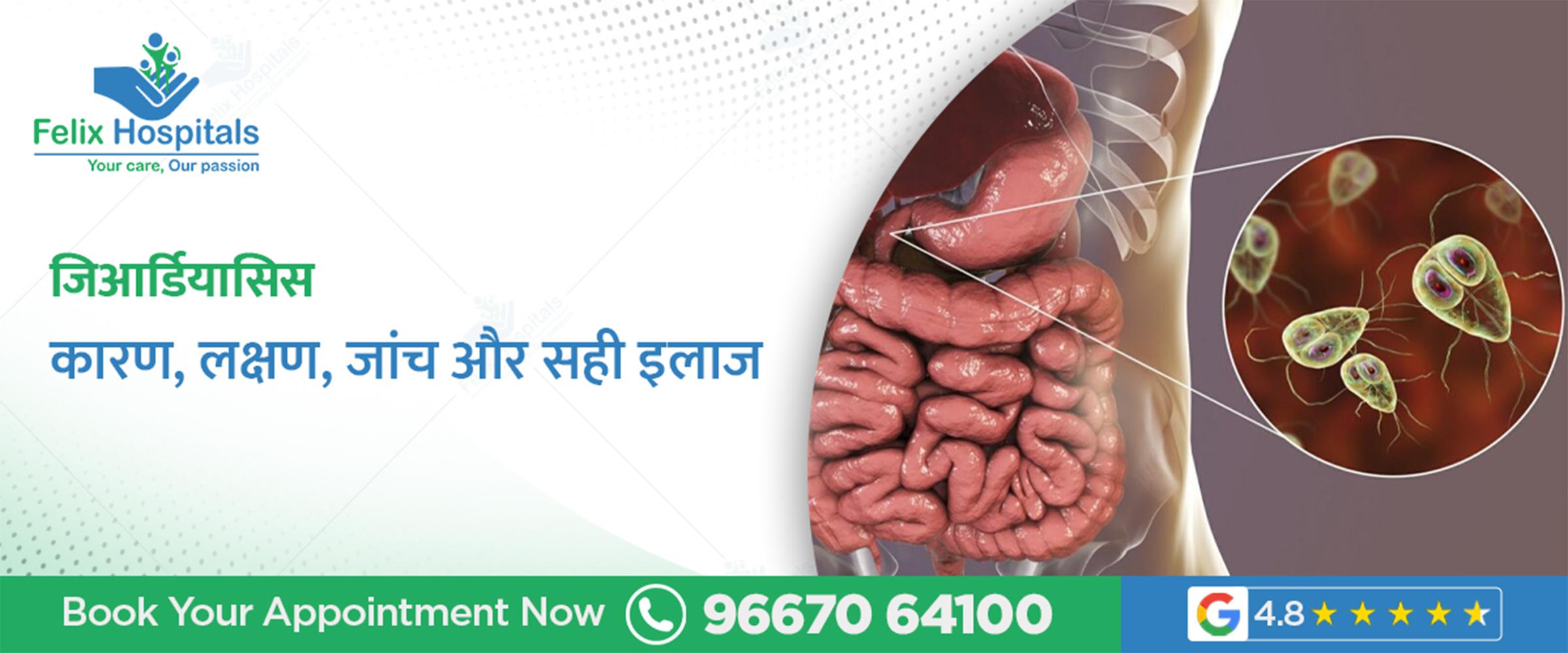
जिआर्डियासिस एक आम लेकिन अक्सर नजरअंदाज किया जाने वाला आंतों का परजीवी संक्रमण है, जो गियार्डिया लैम्बलिया नामक सूक्ष्म परजीवी के कारण होता है। यह संक्रमण मुख्य रूप से दूषित पानी, भोजन या खराब स्वच्छता के कारण फैलता है। सही समय पर पहचान और उपचार से इस बीमारी को पूरी तरह ठीक किया जा सकता है। Best Gastroenterology Hospital in Noida में उपलब्ध है। अनुभवी गैस्ट्रोएंटरोलॉजिस्ट डॉक्टर से समय पर परामर्श जरूरी होता है।
जिआर्डियासिस एक आंतों का परजीवी संक्रमण है, जो गियार्डिया लैम्बलिया नामक सूक्ष्म जीव के कारण होता है। यह परजीवी छोटी आंत में रहकर पाचन प्रक्रिया को प्रभावित करता है और दस्त, पेट दर्द (stomach pain), गैस, कमजोरी तथा वजन घटने जैसी समस्याएं पैदा करता है। यह बीमारी मुख्य रूप से दूषित पानी या भोजन के सेवन, हाथों की खराब स्वच्छता और संक्रमित व्यक्ति के संपर्क में आने से फैलती है। शरीर में प्रवेश करने के बाद यह आंतों की अंदरूनी परत को नुकसान पहुंचाता है और पोषक तत्वों के अवशोषण को कम कर देता है, जिससे व्यक्ति कमजोर महसूस करता है। सरल शब्दों में, जिआर्डियासिस (Giardiasis) गंदे पानी या भोजन से होने वाला एक आम पेट का संक्रमण है, जो समय पर इलाज न मिलने पर लंबे समय तक परेशानी देता है।
नदियों, तालाबों या बिना उबाले पानी में गियार्डिया परजीवी मौजूद हो सकता है। यह सबसे आम कारण है।
खाना बनाने या परोसने में स्वच्छता न होने पर संक्रमण फैल सकता है।
संक्रमित व्यक्ति के संपर्क में आने से, खासकर बच्चों और डे-केयर में यह तेजी से फैलता है।
हाथ न धोना, खुले में शौच या गंदे वातावरण में रहने से जोखिम बढ़ता है।
बार-बार पतले, बदबूदार और झागदार दस्त (Diarrhea) आना इसका मुख्य लक्षण है।
पेट में मरोड़, गैस और सूजन महसूस होती है।
खासकर संक्रमण के शुरुआती दिनों में।
लंबे समय तक संक्रमण रहने पर पोषण की कमी हो जाती है।
शरीर में ऊर्जा की कमी के कारण लगातार थकान रहती है।
खाने का मन नहीं करता और शरीर कमजोर होने लगता है।
मल की जांच से Giardia परजीवी या उसके सिस्ट का पता लगाया जाता है।
यह विशेष जांच परजीवी के प्रोटीन की पहचान करती है और अधिक सटीक होती है।
यदि लक्षण लंबे समय तक बने रहें तो छोटी आंत की जांच की जाती है।
जिआर्डियासिस का उपचार मुख्य रूप से संक्रमण को खत्म करने, शरीर में पानी और पोषण की कमी को पूरा करने तथा पाचन तंत्र को सामान्य करने पर आधारित होता है। Best Gastroenterologist in Noida में उपलब्ध है। सही समय पर इलाज शुरू करने से यह बीमारी पूरी तरह ठीक हो सकती है।
जिआर्डियासिस के इलाज में डॉक्टर द्वारा एंटी-पैरासिटिक (परजीवी नाशक) दवाएं दी जाती हैं, जो Giardia परजीवी को खत्म करती हैं। आमतौर पर उपयोग होने वाली दवाएं हैं:
मेट्रोनिडाजोल (Metronidazole)
टिनिडाजोल (Tinidazole)
नाइटाजॉक्सेनाइड (Nitazoxanide)
यह दवाएं संक्रमण की गंभीरता, उम्र और मरीज की स्थिति के अनुसार निर्धारित की जाती हैं। कुछ मामलों में डॉक्टर 5 से 7 दिन का कोर्स देते हैं, जबकि हल्के मामलों में एकल खुराक भी पर्याप्त हो सकती है।
दवा का पूरा कोर्स समय पर पूरा करें, बीच में बंद न करें
बिना डॉक्टर की सलाह के दवा न लें
गर्भवती महिलाओं, बच्चों और बुजुर्गों में दवा की मात्रा अलग हो सकती है
कुछ दवाओं से मुंह में कड़वाहट, मतली या हल्का चक्कर आ सकता है, जो सामान्य साइड इफेक्ट हैं
जिआर्डियासिस में बार-बार दस्त होने से शरीर में पानी और इलेक्ट्रोलाइट्स (लवण) की कमी हो जाती है, जिससे डिहाइड्रेशन का खतरा बढ़ जाता है। इसलिए शरीर को हाइड्रेट रखना बेहद जरूरी है।
ओआरएस (ओरल रिहाइड्रेशन सॉल्यूशन) का नियमित सेवन करें
नारियल पानी, नींबू पानी और सादा पानी पर्याप्त मात्रा में पिएं
बच्चों और बुजुर्गों में डिहाइड्रेशन के लक्षण (सूखा मुंह, चक्कर, पेशाब कम होना) पर विशेष ध्यान दें
गंभीर डिहाइड्रेशन होने पर अस्पताल में IV फ्लूड (ड्रिप) की जरूरत पड़ सकती है।
संक्रमण के दौरान पाचन तंत्र कमजोर हो जाता है, इसलिए हल्का और सुपाच्य भोजन लेना जरूरी होता है ताकि शरीर को ऊर्जा मिलती रहे और आंतों पर अतिरिक्त दबाव न पड़े।
खिचड़ी, दलिया, सादा चावल
केला, दही, छाछ
उबली हुई सब्जियां और सूप
तला-भुना और ज्यादा मसालेदार भोजन
फास्ट फूड और प्रोसेस्ड फूड
बहुत ज्यादा मीठा या डेयरी (कुछ मामलों में)
छोटे-छोटे अंतराल में कम मात्रा में भोजन लेना बेहतर होता है।
शरीर को पर्याप्त आराम दें ताकि रिकवरी जल्दी हो सके
साफ-सफाई का विशेष ध्यान रखें, ताकि संक्रमण दोबारा न फैले
हाथों को बार-बार साबुन से धोएं, खासकर खाना खाने से पहले और शौच के बाद
जिआर्डियासिस का इलाज (Treatment of Giardiasis) दवा, सही खान-पान और हाइड्रेशन के संतुलन से ही प्रभावी होता है। अगर 5–7 दिनों में लक्षणों में सुधार न हो या स्थिति बिगड़ने लगे (जैसे लगातार उल्टी, तेज कमजोरी या खून वाला दस्त), तो तुरंत डॉक्टर से संपर्क करना चाहिए।
हमेशा साफ और उबला हुआ पानी पिएं
खाने से पहले और शौच के बाद हाथ धोएं
कच्चे फल-सब्जियां अच्छी तरह धोकर खाएं
खुले में शौच से बचें
बच्चों को स्वच्छता की आदत सिखाएं
इलाज के लिए अभी कॉल करें: +91 9667064100
जिआर्डियासिस एक सामान्य लेकिन गंभीर आंतों का संक्रमण है, जो सही समय पर इलाज न मिलने पर लंबे समय तक परेशानी दे सकता है। दस्त, पेट दर्द और कमजोरी जैसे लक्षण दिखने पर तुरंत जांच कराएं और डॉक्टर की सलाह लें। स्वच्छता और साफ पानी इस बीमारी से बचने का सबसे प्रभावी तरीका है। समय पर और सही उपचार से यह बीमारी पूरी तरह ठीक हो जाती है और भविष्य में स्वच्छता अपनाकर इससे बचाव भी किया जा सकता है।

जानें ज्यादा जंक फूड खाने से लिवर पर क्या असर पड़ता है। फैटी लिवर, पाचन समस्या और अन्य जोखिमों के बारे में आसान भाषा में जानकारी।

दिल्ली NCR में हेपेटाइटिस-ए और ई के मामलों में तेजी से इजाफा देखा जा रहा है। समय पर पहचान और सही इलाज से इस बीमारी को गंभीर होने से रोका जा सकता है।

नोएडा में पेट के संक्रमण और फूड पॉइजनिंग का सुरक्षित, तेज़ और प्रभावी इलाज विशेषज्ञ डॉक्टरों द्वारा।
युवा प्रोफेशनल्स में फैटी लिवर तेजी से बढ़ती स्वास्थ्य समस्या बन रही है, जिसका मुख्य कारण गलत जीवनशैली और खानपान है।
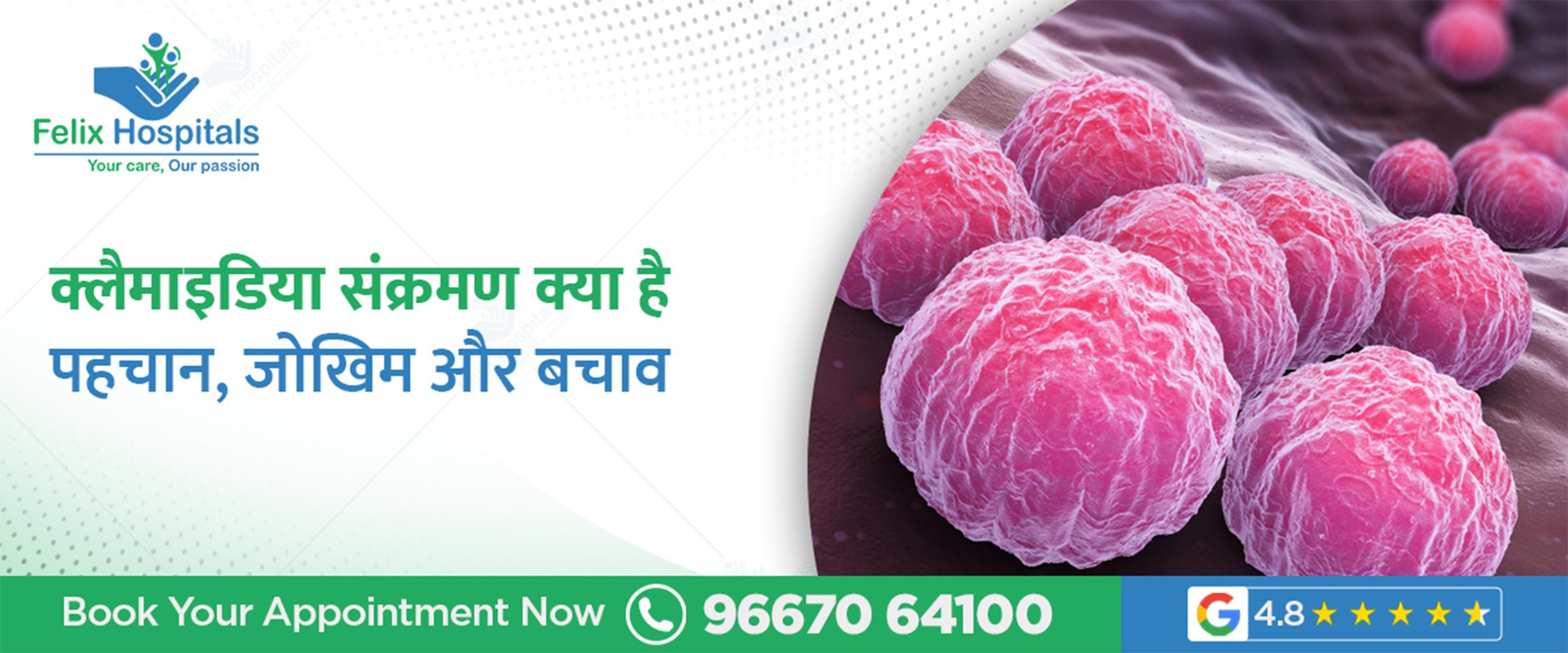
क्लैमाइडिया संक्रमण एक आम लेकिन अक्सर अनदेखा रहने वाला यौन संचारित रोग (एसटीडी) है। यह क्लेमाइडिया ट्रैकोमैटिस नामक बैक्टीरिया के कारण होता है। खास बात यह है कि कई मामलों में इसके लक्षण स्पष्ट नहीं होते। जिससे व्यक्ति अनजाने में ही दूसरों को संक्रमित करता है। Best Gynecology Hospital in Greater Noida में उपलब्ध है। समय पर पहचान और इलाज न होने पर यह संक्रमण पुरुषों और महिलाओं दोनों में गंभीर जटिलताओं का कारण बनता है।
क्लैमाइडिया एक सामान्य लेकिन गंभीर बैक्टीरियल संक्रमण है, जो मुख्य रूप से असुरक्षित यौन संबंध के कारण फैलता है। यह संक्रमण Chlamydia trachomatis नामक बैक्टीरिया से होता है। यह पुरुषों और महिलाओं दोनों को प्रभावित कर सकता है और समय पर इलाज न मिलने पर कई जटिलताएं पैदा कर सकता है। यह संक्रमण शरीर के कई हिस्सों को प्रभावित कर सकता है, जैसे जननांग, गला जो ओरल सेक्स के जरिए प्रभावित होता है, और मलाशय जो एनल सेक्स (Anal Sex) के माध्यम से संक्रमित हो सकता है। क्लैमाइडिया की सबसे बड़ी समस्या यह है कि कई मामलों में इसमें कोई स्पष्ट लक्षण दिखाई नहीं देते, खासकर महिलाओं में यह संक्रमण लंबे समय तक बिना किसी संकेत के शरीर में मौजूद रह सकता है, जिससे संक्रमित व्यक्ति अनजाने में ही इसे दूसरों तक फैलाता है।
असुरक्षित यौन संबंध (बिना कंडोम)
संक्रमित व्यक्ति के साथ यौन संपर्क
एक से अधिक यौन साथी होना
पहले से किसी अन्य एसटीडी का होना
संक्रमित मां से नवजात शिशु में संक्रमण
महत्वपूर्ण: लगभग 70–80 % मामलों में लक्षण नहीं दिखते
पेशाब के दौरान जलन
जननांग से असामान्य डिस्चार्ज
निचले पेट में दर्द
संभोग के दौरान दर्द
लिंग से सफेद/पीला डिस्चार्ज
पेशाब में जलन
अंडकोष में दर्द या सूजन
कभी-कभी बुखार
योनि से असामान्य स्राव
पेशाब में जलन
पीरियड्स के बीच ब्लीडिंग
संभोग के दौरान दर्द
पेल्विक दर्द
क्लैमाइडिया का सही और समय पर निदान बेहद जरूरी है, क्योंकि यह संक्रमण अक्सर बिना लक्षण के भी शरीर को नुकसान पहुंचा सकता है। डॉक्टर मरीज के लक्षण, यौन इतिहास (Sexual History) और जोखिम कारकों को ध्यान में रखते हुए विभिन्न जांच कराने की सलाह देते हैं।
यह क्लैमाइडिया की जांच का सबसे आसान और सामान्य तरीका है
मरीज के पेशाब (Urine) का सैंपल लेकर लैब में जांच की जाती है
इसमें बैक्टीरिया Chlamydia trachomatis की मौजूदगी का पता लगाया जाता है
यह टेस्ट बिना दर्द के और सुविधाजनक होता है
इस टेस्ट में प्रभावित हिस्से से सैंपल लिया जाता है। महिलाओं में योनि या गर्भाशय ग्रीवा से और पुरुषों में यूरिन मार्ग से सैंपल लिया जाता है। अगर ओरल या एनल संक्रमण का शक हो, तो गले (Throat) या मलाशय से भी सैंपल लिया जा सकता है। यह टेस्ट संक्रमण के सही स्थान का पता लगाने में मदद करता है।
आमतौर पर क्लैमाइडिया के लिए ब्लड टेस्ट जरूरी नहीं होता है। लेकिन कुछ जटिल मामलों या अन्य संक्रमणों की जांच के लिए डॉक्टर इसे सलाह दे सकते हैं
यह सबसे सटीक और आधुनिक जांच तकनीक मानी जाती है। इसमें बैक्टीरिया के डीएनए (DNA) का पता लगाया जाता है। यूरिन या स्वैब सैंपल के जरिए यह टेस्ट किया जा सकता है। यह टेस्ट क्लैमाइडिया की पुष्टि के लिए सबसे भरोसेमंद माना जाता है।
क्लैमाइडिया अक्सर बिना लक्षण के होता है। इसलिए यदि आप असुरक्षित यौन संबंध बनाते हैं तो नियमित जांच कराना जरूरी है। एक से अधिक पार्टनर होने पर स्क्रीनिंग और भी महत्वपूर्ण होती है। जबकि गर्भवती महिलाओं के लिए यह जांच खास तौर पर जरूरी होती है। जिससे बच्चे को संक्रमण से बचाया जा सके। समय-समय पर एसटीडी (यौन संचारित रोग) की जांच करवाने से संक्रमण का पता शुरुआती अवस्था में ही चल जाता है और इलाज भी आसान हो जाता है।
क्लैमाइडिया एक बैक्टीरियल संक्रमण है। जिसका इलाज सही समय पर और सही तरीके से किया जाए तो यह पूरी तरह ठीक होता है। इलाज का मुख्य उद्देश्य संक्रमण को खत्म करना, लक्षणों से राहत देना और इसे दूसरों तक फैलने से रोकना होता है।
क्लैमाइडिया का इलाज (Treatment for Chlamydia) आमतौर पर एंटीबायोटिक दवाओं से किया जाता है। जो इस संक्रमण को पैदा करने वाले बैक्टीरिया को खत्म करने में प्रभावी होती हैं। इनमें प्रमुख दवाएं हैं। एजिथ्रोमाइसिन और डॉक्सीसाइक्लिन। यह दवाएं क्लेमाइडिया ट्रैकोमैटिस नामक बैक्टीरिया को नष्ट कर संक्रमण को जड़ से खत्म करने का काम करती हैं। डॉक्टर मरीज की स्थिति, उम्र, संक्रमण की गंभीरता और अन्य स्वास्थ्य कारकों को ध्यान में रखते हुए दवा का चुनाव करते हैं। कुछ मामलों में एजिथ्रोमाइसिन एकल डोज के रूप में दी जाती है।
जबकि डॉक्सीसाइक्लिन आमतौर पर 5–7 दिनों के कोर्स के रूप में दी जाती है। यह पूरी तरह डॉक्टर के निर्णय पर निर्भर करता है कि कौन-सी दवा और कितनी अवधि के लिए दी जाए। यह बहुत जरूरी है कि मरीज दवाओं का पूरा कोर्स समय पर और नियमित रूप से लें। भले ही लक्षण पहले ही खत्म क्यों न हो जाएं। अधूरा इलाज करने से संक्रमण पूरी तरह खत्म नहीं होता और दोबारा बढ़ सकता है। साथ ही, बिना डॉक्टर की सलाह के खुद से दवा लेना या कोर्स बीच में छोड़ना भविष्य में दवा के असर को कम भी कर सकता है। इसलिए क्लैमाइडिया के इलाज में सबसे जरूरी है। सही दवा, पूरा कोर्स और डॉक्टर की सलाह का पालन
यदि एक व्यक्ति संक्रमित है, तो उसके यौन साथी का इलाज भी जरूरी है। ऐसा न करने पर संक्रमण बार-बार वापस आ सकता है (पुनः संक्रमण)। पार्टनर को भी जांच और दवा लेना जरूरी होता है
इलाज के दौरान और दवा का पूरा कोर्स खत्म होने तक यौन संबंध से बचना चाहिए। इससे संक्रमण फैलने और दोबारा होने का खतरा कम होता है
एंटीबायोटिक दवाओं का पूरा कोर्स करना बेहद जरूरी है। कई लोग लक्षण कम होते ही दवा बंद कर देते हैं, जो गलत है। अधूरा इलाज संक्रमण को पूरी तरह खत्म नहीं करता और यह दोबारा उभर सकता है।
इलाज के बाद डॉक्टर दोबारा जांच (Retesting) की सलाह दे सकते हैं। खासकर अगर जोखिम बना हुआ हो या लक्षण वापस आएं।
समय पर इलाज न होने पर क्लैमाइडिया गंभीर समस्याएं पैदा करता है। जैसे महिलाओं में पेल्विक इंफ्लेमेटरी डिजीज (पीआईडी), बांझपन और पुरुषों में अंडकोष की सूजन। इसलिए शुरुआती अवस्था में इसका इलाज करना बेहद जरूरी है।
यदि क्लैमाइडिया का समय पर इलाज न किया जाए, तो यह संक्रमण धीरे-धीरे गंभीर स्वास्थ्य समस्याओं का कारण बनता है। शुरुआत में यह हल्का या बिना लक्षण का होता है। Best Gynecologist in Greater Noida में उपलब्ध है। लेकिन लंबे समय तक शरीर में रहने पर यह प्रजनन तंत्र को नुकसान पहुंचा सकता है।
श्रोणि सूजन बीमारी एक गंभीर संक्रमण है, जो गर्भाशय, फैलोपियन ट्यूब (Fallopian tube) और आसपास के अंगों को प्रभावित करता है। इससे पेट के निचले हिस्से में लगातार दर्द होता है। समय पर इलाज न होने पर यह स्थायी नुकसान पहुंचा सकता है
फैलोपियन ट्यूब में ब्लॉकेज या क्षति होने से गर्भधारण में कठिनाई होती है। कई मामलों में यह स्थायी बांझपन का कारण बन सकता है।
एक्टोपिक गर्भावस्था एक खतरनाक स्थिति है, जिसमें भ्रूण गर्भाशय के बाहर (अक्सर फैलोपियन ट्यूब में) विकसित होने लगता है। यह जानलेवा भी हो सकता है यदि समय पर इलाज न किया जाए।
एपिडिडिमाइटिस अंडकोष के पीछे की नली में सूजन होती है। इससे दर्द, सूजन और असहजता होती है। गंभीर मामलों में यह प्रजनन क्षमता को प्रभावित करता है।
लंबे समय तक संक्रमण रहने से शुक्राणुओं की गुणवत्ता और संख्या पर असर पड़ सकता है।
एचआईवी संक्रमण का जोखिम बढ़ता है, क्योंकि क्लैमाइडिया जननांगों में सूजन पैदा करता है, जिससे वायरस के प्रवेश की संभावना बढ़ती है।
संक्रमण शरीर के अन्य हिस्सों में फैल सकता है। बिना जानकारी के पार्टनर को भी संक्रमित किया जा सकता है
क्लैमाइडिया से बचाव के लिए हमेशा सुरक्षित यौन व्यवहार अपनाना जरूरी है
कंडोम का नियमित और सही उपयोग करें, इससे संक्रमण फैलने का खतरा कम होता है
एक ही विश्वसनीय पार्टनर के साथ संबंध रखें, इससे जोखिम घटता है
नियमित रूप से एसटीडी की जांच कराते रहें, खासकर यदि आप जोखिम में हैं
असामान्य डिस्चार्ज, दर्द या जलन जैसे लक्षण दिखें तो तुरंत डॉक्टर से परामर्श लें
यौन शिक्षा और जागरूकता बढ़ाएं, ताकि सही जानकारी के आधार पर सुरक्षित निर्णय ले सकें
अपने और अपने पार्टनर दोनों की सुरक्षा और स्वास्थ्य का ध्यान रखें
क्लैमाइडिया एक सामान्य लेकिन गंभीर यौन संचारित संक्रमण (एसटीडी) है। जो कई बार बिना किसी स्पष्ट लक्षण के भी शरीर को अंदर ही अंदर नुकसान पहुंचाता रहता है। यही इसकी सबसे बड़ी चुनौती है, क्योंकि व्यक्ति को लंबे समय तक पता ही नहीं चलता कि वह संक्रमित है। अगर समय पर इसका पता न चले, तो यह प्रजनन तंत्र को प्रभावित कर सकता है और भविष्य में जटिल समस्याएं जैसे बांझपन (Infertility) तक पैदा कर सकता है। हालांकि अच्छी बात यह है कि सही समय पर जांच और उचित इलाज से क्लैमाइडिया को पूरी तरह ठीक किया जा सकता है।
Dr. Pragati Jain is an Obstetrician and Gynecologist with 6+ years of expertise in high-risk pregnancies, infertility treatment, gynecological surgeries, and women's healthcare.
पीसीओडी (PCOD) की समस्या उन महिलाओं में अधिक देखने को मिल रही है, जो नाइट शिफ्ट में काम करती हैं। पूरी रात जागना देर रात खाना जैसी लाइफस्टाइल उनकी सेहत को भारी नुकसान पहुंचा रही है।

गर्भावस्था में पेट दर्द एक सामान्य समस्या है, लेकिन कभी-कभी यह गंभीर स्वास्थ्य संकेत भी हो सकता है। जानिए इसके कारण, लक्षण और सुरक्षित इलाज।
खून की उल्टी एक गंभीर लक्षण है जो पाचन तंत्र, लीवर या पेट की किसी समस्या का संकेत हो सकता है। इसके सही कारण जानने और समय पर उपचार के लिए डॉक्टर से तुरंत सलाह लेना जरूरी है।
महिलाओं में पीरियड कम आने के कई कारण हो सकते हैं, जैसे हार्मोनल असंतुलन, तनाव, थायरॉइड की समस्या या वजन में बदलाव। सही समय पर जांच और इलाज जरूरी है।

Among the most frequent health problems in the world is a headache that is experienced by an individual regardless of their age. Although the headache may arise any part of the head, a number of people may experience pain on a single side. Left-sided headache is a frightening experience particularly when it is repetitive or severe. Knowing the potential causes, symptoms and treatment would be helpful to help you react in the right way and get quality care in a timely manner.
Research indicates that close to 50-75 percent of adults get headaches per year and only migraine affects over 1 billion individuals worldwide. Unilateral headaches are especially frequent in the case of migraine and cluster headache. Even though the majority of them are benign, others can be signs of underlying neurological or vascular diseases, which need to undergo medical assessment.
By consulting the Best Neurology Hospital in Noida, one can be sure that he or she will be accurately diagnosed and treated. Complications and quality of life will greatly be improved, preventing complications through early intervention.
Experiencing recurring headaches on one side of your head? Don’t ignore the warning signs. Early evaluation can prevent chronic pain. Call +91 9667064100 to consult a neurologist today.
Understanding what does left side head pain mean? is the first step toward identifying the cause.
The pain that is felt at the left side of the head can be caused by the nerves, blood vessels, muscles or sinuses. In the majority of the cases, the pain is associated with the primary headaches like migraine headaches or tension headaches. In other cases, however, it can be connected with infections, nerve inflammation or vascular problems.
It is not the brain that pains itself. Rather, the pains are represented by the signals produced by the neighboring structures such as nerves, muscles and blood vessels. This is the reason why headaches may be differing in the intensity and location.
Left-sided head pain may be:
Throbbing or pulsating
Sharp and stabbing
Dull and pressure-like
The pattern of pain is very useful in helping doctors to determine the cause of pain.
Many patients ask, why do I have pain on the left side of my head?
Migraines tend to be located on one side of the head and are accompanied by nausea, light sensitivity, and visual problems.
Pains on one side of the neck and head may be attributed to stress and muscle tension.
These acute headaches are periodic in nature and are usually on one side of the head and close to the eye.
The inflammation of the sinus may lead to pressure and pains on one side of the face and head.
The sharp, shooting pain may occur as a result of irritation of nerves located at the back of the head.
The determination of the cause is useful in the selection of the appropriate treatment method.
Recognizing what are the symptoms of left side headache? can help determine whether the condition is mild or serious.
Common symptoms include:
Throbbing or pulsating pain
Light, sound sensitivity.
Nausea or vomiting
Neck stiffness
There are also cases of patients having visual disturbances known as aura before they get migraine attacks.
The duration of the symptoms can be several days and several hours depending on the cause.
A frequent concern is is left side headache dangerous? In the majority of situations, it is not life-threatening. There are however some warning signs that need urgent medical intervention.
Serious causes may include:
Brain infections
Stroke
Aneurysm
Though not common, they need assessment as soon as possible.
Knowing when should I worry about left side headache? is crucial for timely treatment.
See a doctor in case headache is coupled with:
Sudden severe pain
Disorientation or speech disorder.
Weakness or numbness
Vision problems
High fever
Such symptoms can show a health crisis.
One of the common questions that patients will pose is how to relieve one sided headache fast?
Quick relief tips include:
Resting in a dark quiet room
Staying hydrated
Applying cold compress
Gentle neck massage
Non-prescription painkillers (following recommendation)
The symptoms can be minimized with the help of these methods.
Understanding how to treat left side head pain? depends on the underlying cause.
Pain relievers
Anti-migraine drugs
Anti-nausea medications
Stress management
Regular sleep schedule
Hydration and balanced diet
Nerve blocks
Preventive medications
Early intervention will be used to minimize the frequency and severity of headaches.
There are a number of predisposing factors to the left-sided headaches:
Stress and anxiety
Lack of sleep
Dehydration
Excessive screen time
Hormonal changes
The frequency of headaches can be reduced by the management of these triggers.
It is not always hard to prevent headaches rather than treat them.
Helpful tips:
Maintain hydration
Manage stress
Avoid skipping meals
Limit caffeine intake
Maintain good posture
The lifestyle modifications have a significant contribution to long-term reliefs.
The chronic headaches need long-term management.
These include:
Identifying triggers
Preventive medications
Cognitive behavioral therapy.
Regular follow-ups
An individual care plan enhances the quality of life.
Tired of recurring headaches affecting your daily life? Get expert neurological care and long-term relief. Call +91 9667064100 to book an appointment today.
Head pain on the left is a frequent problem that has numerous potential causes. Learning the meaning of left side head pain, its signs, and how to know when I should worry about left side headache can make you act on time.
A majority of the headaches can be taken care of through lifestyle modification and medication. Nevertheless, continuing or acute symptoms are always to be tested by experts in the Best Neurologist in Noida.
Dr. P. S. Naga Srinivas is a skilled Consultant Neurologist with strong experience in managing various neurological disorders. He follows a patient-focused and evidence-based approach for accurate diagnosis and treatment of both acute and chronic neurological conditions, and is recognized among the Best Neurologists in Noida.
A concise guide explaining brain tumor surgery cost in Noida, including key factors, treatment options, and expert care.
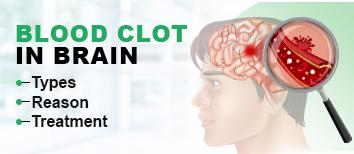
Blood clot in the brain is a serious condition causing sudden neurological symptoms and requires immediate medical treatment.
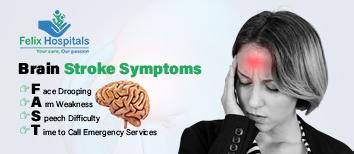
Recognizing the symptoms of a brain stroke is critical for getting prompt medical attention. The acronym F.A.S.T. is often used to remember the most common Brain stroke symptoms.
Advanced neurosurgery improves treatment for brain and spine disorders with better outcomes.
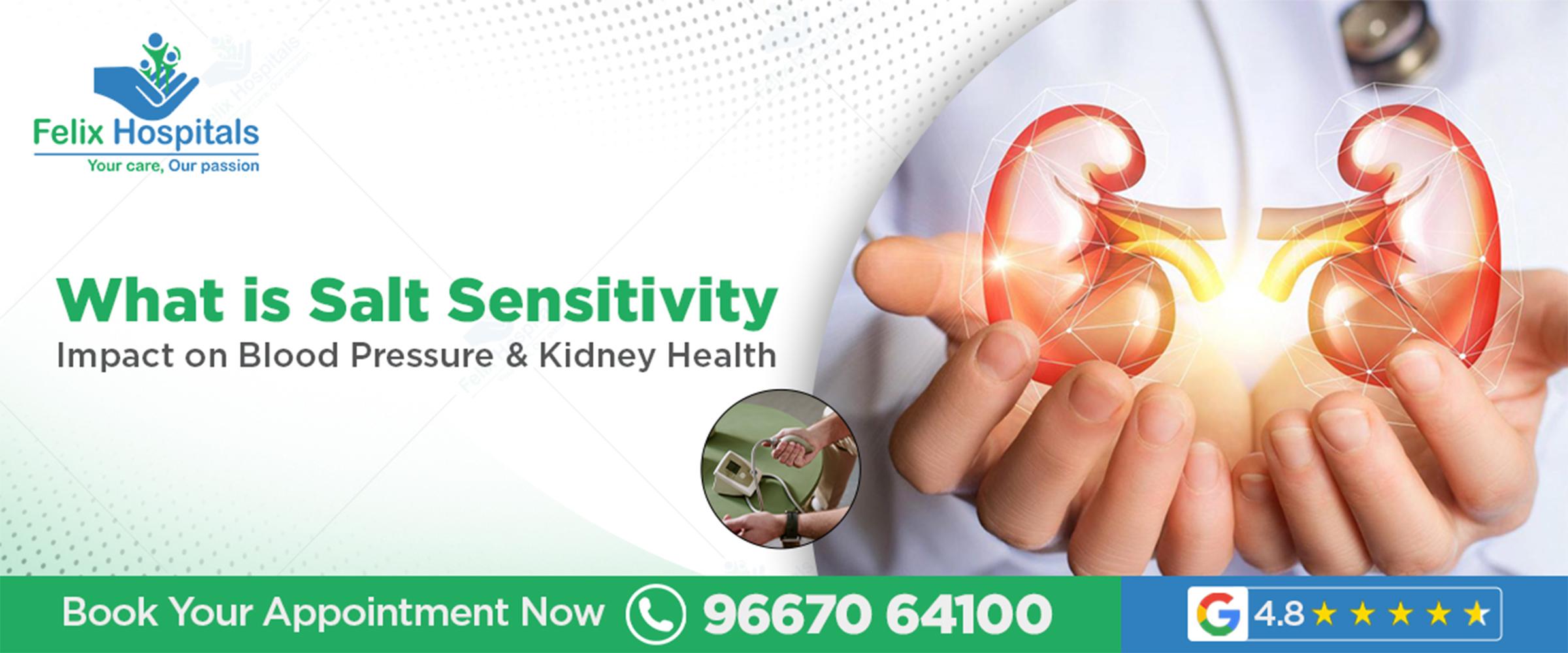
Not everyone reacts to salt in the same way. Some people notice a rise in blood pressure within hours of eating a salty meal. For some people, the same meal doesn't change much at all. This difference isn't random; it's because of how the kidneys handle sodium. It's called salt sensitivity.
The fact that this condition often goes unnoticed for years is what makes it so dangerous. There is no clear symptom or moment of diagnosis; the strain on the heart and kidneys builds up slowly over time. It's really useful health information to know what salt sensitivity is, how it affects the heart and kidneys, and what to do about it. This is especially true in India, where the average amount of salt people eat is almost twice the recommended amount.
Consulting the Best Nephrologist in Noida. Can help you manage symptoms before they take a toll on your health.
Noticing a blood pressure spike after salty meals or swelling you cannot explain? These may be early signs of salt-sensitive kidney stress — the kind that responds well to early treatment.
Call +91 9667064100 to consult a nephrologist at the Best Nephrology Hospital in Noida today.
People who are salt sensitive have a body that reacts to more sodium by raising their blood pressure and lowering it when they eat less sodium. It's not a disease on its own; it's just how the body's blood pressure control system reacts to salt.
The kidneys normally get rid of extra sodium well, which keeps blood pressure stable no matter how much salt you eat. People who are sensitive to salt have a problem with this sodium excretion system. Sodium is kept in the body, which makes the blood volume rise and the blood pressure rise as a result.
Estimates indicate that around 25–30% of individuals with normal blood pressure and up to 50–60% of those with hypertension are salt-sensitive. However, due to the absence of a standardized clinical test in routine practice, it remains significantly underdiagnosed.
The main difference is that salt sensitivity is not the same as having high blood pressure. A person can be salt-sensitive and have normal blood pressure right now, but they are still at a much higher risk of developing high blood pressure in the future.
The mechanism goes through the kidneys, the renin-angiotensin-aldosterone system (RAAS), and the sympathetic nervous system. These systems all control how the body holds or gets rid of sodium and water.
People who are sensitive to salt may have one or more of these systems that don't work right when they get a lot of sodium:
ResearchFinding: A groundbreaking study in the Journal of Human Hypertension tracked participants for 20 years and discovered that salt-sensitive individuals, even those with initially normal blood pressure, faced a markedly elevated risk of cardiovascular events and mortality relative to salt-resistant counterparts at the same baseline. (Source: Weinberger MH et al., Hypertension, 2001)
Salt sensitivity affects the kidneys in both good and bad ways. A healthy kidney filters about 180 litres of blood every day and gets rid of sodium with amazing accuracy. When the kidneys are damaged by diabetes, chronic inflammation, or getting older, they can't get rid of as much sodium, and salt sensitivity gets worse.
This is why nephrologists don't see dietary sodium as a lifestyle change, but as a direct way to slow the progression of kidney disease.
There is a genetic component to salt sensitivity, but there are also a number of clinical and demographic factors that make it much more likely:
Research finding: A study published in Hypertension (AHA) found that people who were both overweight and sensitive to salt were three times more likely to develop high blood pressure over a ten-year period than people who were lean and resistant to salt. The main difference between the two groups was how their kidneys handled sodium. (Source: He FJ, MacGregor GA, Journal of Human Hypertension, 2009)
People with salt sensitivity don't usually show clear signs of it. Most people don't know they have it for years. When symptoms do show up, they are usually the result of high blood pressure, not salt sensitivity itself:
If you always see blood pressure readings above 130/80 mmHg after eating salty foods, or if your ankles swell, your urine is frothy, or you wake up with puffy eyes every morning, you should get your kidneys and blood pressure checked.
At this time, there is no one standardized test for salt sensitivity that is used in everyday clinical practice. In practice, diagnosis entails a combination of:
Supervised dietary sodium challenge: A set time of eating a lot of salt followed by a set time of eating less salt, with blood pressure monitoring; the most direct clinical test available
For people who are sensitive to salt, the answer is a clear yes. Cutting back on sodium can lower blood pressure in a way that lasts, and the effect is often similar to starting a single antihypertensive medication.
It's not just about using less table salt to manage your health. It's about knowing where sodium is in your diet and making habits that will last a long time.
If you have any risk factors, you should have your kidney function checked every year. A urine albumin test and serum creatinine can find kidney stress years before you have any symptoms.
Persistent high blood pressure, foamy urine, or swollen ankles? Don't wait for these signs to worsen. Early kidney evaluation can prevent serious long-term damage. Call +91 9667064100 to book a kidney health assessment with the Best Nephrologist in Noida.
Salt sensitivity is a common problem that affects kidney function, blood pressure control, and long-term heart health. It usually doesn't show any clear signs until a lot of damage has already been done. The good news is that consistently lowering dietary sodium is one of the most effective tools available, sometimes even as effective as medication for people who are sensitive to salt.
If you have a family history of high blood pressure or kidney disease, are diabetic or overweight, or notice that your blood pressure changes after eating salty foods, that pattern is worth looking into, not ignoring.
Your kidneys filter all of your blood dozens of times a day. They should at least get a diet that doesn't make that work harder than it has to.
Obesity and excessive sugar consumption are widely recognized as major contributors to diabetes, heart disease, and high blood pressure.
Find out the best methods to pass kidney stones quickly, ease pain, and protect your kidneys with proven home remedies and advanced treatment options.

वैजिनिस्मस महिलाओं में होने वाली एक संवेदनशील लेकिन आम समस्या है। जिसमें योनि की मांसपेशियां अनजाने में सिकुड़ती हैं। इससे संभोग, टैम्पोन का उपयोग या मेडिकल जांच के दौरान दर्द या असुविधा महसूस होती है। यह समस्या केवल शारीरिक ही नहीं बल्कि मानसिक और भावनात्मक कारणों से भी जुड़ी होती है। Best Gynecology Hospital in Noida में उपलब्ध है। सही समय पर पहचान और उपचार से इसे पूरी तरह ठीक किया जा सकता है। अधिक जानकारी के लिए संपर्क करें।
अभी अपॉइंटमेंट शेड्यूल करें – कॉल करें: +91 9667064100
वैजिनिस्मस (Vaginismus) एक ऐसी चिकित्सीय स्थिति है। जिसमें महिला की योनि के आसपास की मांसपेशियां किसी भी प्रकार के प्रवेश (जैसे यौन संबंध, टैम्पोन का उपयोग या मेडिकल जांच) के दौरान अपने आप सिकुड़ जाती हैं। यह सिकुड़न पूरी तरह अनैच्छिक होती है। यानी महिला चाहकर भी इसे नियंत्रित नहीं कर पाती। यह केवल शारीरिक समस्या ही नहीं, बल्कि इसके पीछे मानसिक और भावनात्मक कारण भी जुड़े हो सकते हैं।
जब महिला को शुरुआत से ही प्रवेश के दौरान दर्द या असहजता होती है और कभी भी सामान्य रूप से संबंध नहीं बना पाती।
जब पहले सब सामान्य था, लेकिन किसी घटना, चोट, संक्रमण या मानसिक कारणों के बाद यह समस्या शुरू हो जाती है।
वैजिनिस्मस के कारण शारीरिक और मानसिक दोनों हो सकते हैं:
संक्रमण या सूजन
पेल्विक फ्लोर (Pelvic Floor) मांसपेशियों में समस्या
हार्मोनल बदलाव (Hormonal changes)
योनि में सूखापन
संभोग का डर
पिछले बुरे यौन अनुभव
चिंता या तनाव (Tension)
यौन शिक्षा की कमी
संभोग के दौरान तेज दर्द
प्रवेश में कठिनाई या असंभवता
योनि में जलन या खिंचाव
टैम्पोन या मेडिकल जांच के दौरान दर्द
यौन संबंधों से डर या बचाव
जब महिला को शुरुआत से ही प्रवेश के दौरान दर्द या असहजता होती है और कभी भी सामान्य रूप से संबंध नहीं बना पाती।
जब पहले सब सामान्य था, लेकिन किसी घटना, चोट, संक्रमण या मानसिक कारणों के बाद यह समस्या शुरू हो जाती है।
वैजिनिस्मस का सही निदान करना बहुत जरूरी होता है। क्योंकि इसके लक्षण कई बार अन्य स्त्री रोग संबंधी समस्याओं से मिलते-जुलते होते हैं। इसलिए विशेषज्ञ द्वारा सावधानीपूर्वक और संवेदनशील तरीके से जांच की जाती है।
सबसे पहले महिला को स्त्री रोग विशेषज्ञ (Gynecologist) से परामर्श लेना होता है। डॉक्टर मरीज से विस्तार से बात करते हैं, जिसमें शामिल होता है:
दर्द कब और किन परिस्थितियों में होता है
क्या पहले कभी सामान्य यौन संबंध संभव थे या नहीं
किसी प्रकार का डर, तनाव या नकारात्मक अनुभव
मासिक धर्म (menstruation), गर्भधारण और अन्य स्वास्थ्य इतिहास
यह बातचीत डॉक्टर को समस्या की जड़ समझने में मदद करती है।
डॉक्टर मरीज के बताए गए लक्षणों का गहराई से विश्लेषण करते हैं, जैसे:
प्रवेश के दौरान दर्द या असंभवता
मांसपेशियों का अनैच्छिक सिकुड़ना
टैम्पोन या जांच के दौरान असहजता
मानसिक तनाव या डर
इससे यह समझने में मदद मिलती है कि समस्या शारीरिक है, मानसिक है या दोनों का मिश्रण।
यदि संभव हो, तो डॉक्टर पेल्विक एग्जाम करते हैं। लेकिन वैजिनिस्मस के मामलों में यह जांच हमेशा आसान नहीं होती, क्योंकि मांसपेशियां अपने आप सख्त हो जाती हैं। इसलिए यह जांच बहुत ही धीरे-धीरे, आरामदायक और संवेदनशील तरीके से की जाती है।
मरीज की सहमति (Consent) को प्राथमिकता दी जाती है
किसी भी प्रकार की जबरदस्ती नहीं की जाती
जरूरत पड़ने पर जांच को रोक भी दिया जाता है
डॉक्टर यह सुनिश्चित करते हैं कि दर्द किसी अन्य कारण से तो नहीं हो रहा, जैसे:
योनि या यूरिन मार्ग का संक्रमणत्वचा संबंधी समस्याएं
हार्मोनल असंतुलन
पेल्विक इंफ्लेमेटरी डिजीज (पीआईडी)
इसके लिए कुछ टेस्ट किए जा सकते हैं:
लैब टेस्ट
अल्ट्रासाउंड
अन्य आवश्यक जांच
कई मामलों में वैजिनिस्मस का संबंध मानसिक और भावनात्मक कारणों से होता है। इसलिए:
डॉक्टर या काउंसलर मरीज की मानसिक स्थिति का आकलन करते हैं
चिंता, डर, या पुराने ट्रॉमा की जांच की जाती है
जरूरत पड़ने पर सेक्स थेरेपिस्ट या साइकोलॉजिस्ट की मदद ली जाती है
वैजिनिस्मस के निदान में सबसे महत्वपूर्ण बात है। मरीज के साथ सहानुभूति और समझदारी का व्यवहार।
डॉक्टर मरीज को सुरक्षित और सहज महसूस कराते हैं
हर कदम पर मरीज की अनुमति ली जाती है
प्रक्रिया को धीरे-धीरे और बिना दबाव के पूरा किया जाता है
वैजिनिस्मस का उपचार बहुआयामी होता है। यानी इसमें केवल एक तरीके से नहीं बल्कि कई स्तरों पर काम किया जाता है। शारीरिक, मानसिक और भावनात्मक। सही उपचार और धैर्य के साथ अधिकांश महिलाएं इस समस्या से पूरी तरह ठीक होती हैं।
वैजिनिस्मस के उपचार में मानसिक स्वास्थ्य की भूमिका बहुत महत्वपूर्ण होती है। विशेषज्ञ या सेक्स थेरेपिस्ट से काउंसलिंग लेने से सेक्स को लेकर डर, चिंता और नकारात्मक सोच को कम किया जाता है। पुराने ट्रॉमा (जैसे बुरा अनुभव या यौन शोषण) को समझकर उससे बाहर निकलने में मदद मिलती है। सही सेक्स एजुकेशन दी जाती है, जिससे शरीर और संबंधों को लेकर भ्रम दूर होता है। आत्मविश्वास बढ़ाने और रिलैक्स रहने की तकनीकें सिखाई जाती हैं। यह चरण कई बार पूरे उपचार की नींव बनता है।
इस थेरेपी का उद्देश्य योनि के आसपास की मांसपेशियों को नियंत्रित और रिलैक्स करना होता है। फिजियोथेरेपिस्ट विशेष एक्सरसाइज सिखाते हैं। मांसपेशियों की जकड़न को धीरे-धीरे कम किया जाता है। बायोफीडबैक तकनीक के जरिए मांसपेशियों की गतिविधि को समझाया जाता है। नियमित अभ्यास से महिला अपनी मांसपेशियों पर बेहतर नियंत्रण पा सकती है।
कीगल एक्सरसाइज (Kegel Exercises) पेल्विक फ्लोर मसल्स को मजबूत और नियंत्रित करने के लिए बहुत प्रभावी होती हैं। यह एक्सरसाइज मांसपेशियों को कसने और ढीला करने का अभ्यास कराती है। इससे धीरे-धीरे मांसपेशियों पर नियंत्रण बढ़ता है। नियमित अभ्यास से दर्द और असहजता में कमी आती है। इसे रोजाना कुछ मिनट करना काफी फायदेमंद होता है।
यह एक विशेष उपकरण होता है, जिसका उपयोग धीरे-धीरे योनि को रिलैक्स और एडजस्ट करने के लिए किया जाता है। शुरुआत छोटे साइज से की जाती है और धीरे-धीरे बड़े साइज की ओर बढ़ते हैं।यह प्रक्रिया पूरी तरह धीरे-धीरे और बिना दबाव के की जाती है। डॉक्टर या थेरेपिस्ट (Therapist) के मार्गदर्शन में ही इसका उपयोग करना चाहिए। इससे शरीर को बिना दर्द के प्रवेश के लिए तैयार किया जाता है।
कुछ मामलों में दवाइयों की भी जरूरत पड़ सकती है:
दर्द निवारक दवाएं- दर्द को कम करने के लिए
एंटीबायोटिक्स/एंटिफंगल दवाएं- यदि कोई संक्रमण हो
हार्मोनल उपचार- खासकर मेनोपॉज या हार्मोनल असंतुलन के मामलों में
वैजिनिस्मस का असर केवल महिला पर ही नहीं, बल्कि उसके रिश्ते पर भी पड़ता है। इसलिए पार्टनर को भी इस प्रक्रिया में शामिल किया जाता है। आपसी समझ, धैर्य और सहयोग को बढ़ाया जाता है। संचार बेहतर बनाने पर ध्यान दिया जाता है। दोनों को यह सिखाया जाता है कि बिना दबाव के धीरे-धीरे कैसे आगे बढ़ना है। पार्टनर का सहयोग उपचार को तेजी और सफलता देता है।
तनाव कम करने के लिए योग और मेडिटेशन अपनाएं
अपने शरीर को समझें और जल्दबाजी से बचें
सकारात्मक सोच और आत्मविश्वास बनाए रखें
डॉक्टर की सलाह और थेरेपी को नियमित रूप से फॉलो करें
वैवाहिक जीवन में तनाव
यौन संबंधों में समस्या
मानसिक तनाव और आत्मविश्वास की कमी
गर्भधारण में कठिनाई
वैजिनिस्मस से पूरी तरह बचाव हमेशा संभव नहीं होता, लेकिन कुछ सावधानियां और सही जानकारी अपनाकर इसके जोखिम को काफी हद तक कम किया जा सकता है। यह उपाय शारीरिक और मानसिक दोनों स्तरों पर मदद करते हैं।
शरीर की संरचना और यौन स्वास्थ्य के बारे में सही जानकारी होना बहुत जरूरी है। गलत धारणाओं, मिथकों और डर को दूर करना जरूरी है। सेक्स को लेकर सकारात्मक और वैज्ञानिक दृष्टिकोण अपनाना चाहिए। सही जानकारी से अनावश्यक भय और तनाव कम होता है।
मानसिक तनाव और चिंता वैजिनिस्मस का एक बड़ा कारण बनते हैं। योग, ध्यान और रिलैक्सेशन तकनीक अपनाना फायदेमंद होता है। पर्याप्त नींद और संतुलित दिनचर्या बनाए रखें। मानसिक रूप से शांत रहने से शरीर भी रिलैक्स रहता है।
योनि या मूत्र मार्ग के संक्रमण को नजरअंदाज न करें। समय पर डॉक्टर से इलाज कराना जरूरी है। व्यक्तिगत स्वच्छता का ध्यान रखें। Best Gynecologist in Noida में उपलब्ध है। संक्रमण से होने वाला दर्द आगे चलकर डर और मांसपेशियों के सिकुड़ने का कारण बन सकता है।
अपने डर, असहजता और भावनाओं को पार्टनर से साझा करें। किसी भी प्रकार की जल्दबाजी या दबाव से बचें। आपसी समझ, विश्वास और धैर्य बनाए रखें। अच्छा संवाद (Communication) रिश्ते को मजबूत करता है और मानसिक दबाव कम करता है।
यौन संबंध में जल्दबाजी न करें। शरीर को समय दें और धीरे-धीरे आगे बढ़ें. फोरप्ले और रिलैक्सेशन पर ध्यान दे। इससे शरीर स्वाभाविक रूप से तैयार होता है और दर्द की संभावना कम होती है।
समय-समय पर स्त्री रोग विशेषज्ञ से जांच कराएं। किसी भी असामान्य लक्षण को नजरअंदाज न करें। शुरुआती पहचान से समस्या को बढ़ने से रोका जा सकता है।
अगर दर्द, डर या असहजता बार-बार हो रही हो, तो तुरंत विशेषज्ञ से संपर्क करें। मनोवैज्ञानिक या सेक्स थेरेपिस्ट की मदद लेने में हिचकिचाएं नहीं। समय पर सही सलाह लेने से समस्या गंभीर होने से बचती है।
अभी अपॉइंटमेंट शेड्यूल करें – कॉल करें: +91 9667064100
वैजिनिस्मस एक सामान्य लेकिन संवेदनशील समस्या है। जिसके बारे में अक्सर खुलकर बात नहीं की जाती। कई महिलाएं शर्म, डर या झिझक के कारण इसे छुपाती रहती हैं, जिससे समस्या और बढ़ सकती है। जबकि सच यह है कि यह एक इलाज योग्य स्थिति है। यह केवल शारीरिक नहीं, बल्कि मानसिक और भावनात्मक पहलुओं से भी जुड़ी होती है। डॉक्टर या स्त्री रोग विशेषज्ञ से खुलकर बात करने से सही कारण का पता चलता है। उसी के अनुसार उपचार शुरू किया जाता है। काउंसलिंग, फिजियोथेरेपी (Physiotherapy), एक्सरसाइज और आवश्यक दवाओं के जरिए धीरे-धीरे इस समस्या पर काबू पाया जा सकता है।
Dr. Charu Yadav is an obstetrician and gynecologist with 12+ years of experience, specializing in high-risk and twin pregnancies, ectopic pregnancy, and menstrual disorders. Trained in laparoscopic surgery, she provides care for pregnancy, infertility, menopause, and gynae procedures. She is also recognized among the Best Gynecologists in Noida for her patient-focused treatment.
पीसीओडी (PCOD) की समस्या उन महिलाओं में अधिक देखने को मिल रही है, जो नाइट शिफ्ट में काम करती हैं। पूरी रात जागना देर रात खाना जैसी लाइफस्टाइल उनकी सेहत को भारी नुकसान पहुंचा रही है।
गर्भावस्था में पेट दर्द एक सामान्य समस्या है, लेकिन कभी-कभी यह गंभीर स्वास्थ्य संकेत भी हो सकता है। जानिए इसके कारण, लक्षण और सुरक्षित इलाज।
खून की उल्टी एक गंभीर लक्षण है जो पाचन तंत्र, लीवर या पेट की किसी समस्या का संकेत हो सकता है। इसके सही कारण जानने और समय पर उपचार के लिए डॉक्टर से तुरंत सलाह लेना जरूरी है।
महिलाओं में पीरियड कम आने के कई कारण हो सकते हैं, जैसे हार्मोनल असंतुलन, तनाव, थायरॉइड की समस्या या वजन में बदलाव। सही समय पर जांच और इलाज जरूरी है।

There aren't many questions in maternity care that make people more anxious and get more unsolicited advice than this one. Family members have strong opinions. There are stronger ones on social media. And in the middle of all of this is a pregnant woman who is trying to figure out what is best for her and her baby. The truth is that there is no one "better" way to deliver. Visit the best gynecologist in Noida to know the real differences between the two makes that choice easier and less scary, helping with the answer. Each pregnancy is unique. A Gynaecologist can look at your medical history and help you figure out what is best for you and your baby.
To see a specialist at a trusted Gynaecology Hospital in Noida, call +91 9667064100. You can make an appointment in person or over the phone.
Normal vaginal delivery is the process by which the baby comes out of the birth canal after labour, which can be either natural or induced. It is the way the human body is made to give birth, and it is still the best way to give birth for uncomplicated pregnancies all over the world.
A caesarean section (C-section) is a type of surgery in which the baby is delivered through cuts made in the abdomen and uterus. It can be planned ahead of time, which is called an elective or scheduled C-section, or it can be done as an emergency when problems come up during labour.
The main difference isn't just in how they look. It includes the time it takes to heal, how the body reacts, the baby's birth experience, starting breastfeeding, and what it means for future pregnancies. To have an informed conversation about which approach is best for a certain woman, you need to understand the whole picture, not just the moment of delivery.
When people ask which is "better," this is the question they really mean. The answer based on evidence is complicated: for uncomplicated pregnancies, vaginal delivery carries lower overall risk for both mother and baby, which helps clarify Which Is Safer: Caesarean or Normal Delivery? For pregnancies with certain complications, a C-section may be the safer option — sometimes by a large margin.
For the mother, giving birth through the vagina is linked to:
Less chance of surgical problems like bleeding, bladder damage, and blood clots
No chance of infection in the surgical wound or problems with the uterine scar
Recovery happens faster overall
Less likely to have problems in future pregnancies
For the baby, vaginal delivery is linked to:
The baby's lungs are squeezed as they pass through the birth canal, which lowers the risk of transient tachypnea of the newborn (TTN), a breathing problem that happens more often after C-sections.
Being around bacteria in the mother's vagina that help the newborn's gut microbiome grow, which could have long-term effects on the immune system
Less likely to have breathing problems right after birth
This doesn't mean that C-sections are always dangerous. In fact, they are one of the most common and well-developed types of surgery in the world. But like all surgeries, they come with risks that vaginal delivery doesn't have, and those risks need to be weighed against the specific clinical reason for the surgery.
A C-section isn't just a matter of choice or convenience; in some medical situations, it's the safest or only safe choice for the mother, the baby, or both, which explains When Is a Caesarean Section Medically Necessary? Medically necessary C-sections are:
Placenta praevia — where the placenta is over or very close to the cervix, blocking the birth canal; vaginal delivery would cause catastrophic bleeding
Foetal malpresentation — a baby that is in a breech (feet-first) or transverse (sideways) position and can't be safely delivered vaginally
Foetal distress — an abnormal heart rate during labour that shows the baby isn't handling the process well and needs to be delivered right away
Failure to progress—labour that has stopped even though there are enough contractions and is not safe to keep going for an indefinite amount of time
Placental abruption — when the placenta comes off the uterine wall too soon, it causes bleeding and makes it harder for the baby to get oxygen.
Previous uterine surgery — certain past uterine procedures or multiple prior C-sections may substantially elevate the risk of uterine rupture during labour.
Active maternal infections — like a primary genital herpes outbreak during labour, which would put the baby at risk of getting the virus through vaginal delivery
Certain foetal conditions — some abnormalities or presentations where the stress of labour would be harmful to the baby
The main difference is between a C-section that is done because it is medically necessary and one that is done because the person wants it to happen. Both exist, but they have different levels of risk.
When it is safe to do so, vaginal delivery has a number of benefits that go beyond the delivery room, which highlights
Shorter hospital stay: usually 24 to 48 hours instead of 3 to 5 days after a C-section
Quicker return to normal movement and daily life
No surgical wound to heal, which lowers the chance of getting an infection, forming adhesions, or getting a hernia at the incision site.
Starting breastfeeding earlier and more easily, since the mother isn't recovering from abdominal surgery
Less chance of problems in future pregnancies—each C-section raises the chance of placenta praevia, placenta accreta, and uterine rupture in future pregnancies.
The baby benefits from going through the birth canal because it clears fluid from the lungs and helps the microbiome grow.
Less chance of blood clots after surgery (deep vein thrombosis or pulmonary embolism)
For women planning multiple pregnancies, the cumulative risk of repeat C-sections is a clinically significant factor that is frequently underestimated at the time of decision-making.
A C-section is major abdominal surgery, and like all major surgery, it carries risks that are important to understand clearly — not to discourage the procedure when it is needed, but to ensure it is not chosen casually when it is not, helping explain What Are the Risks of a C-Section?
Risks in the short term:
More blood loss than a vaginal delivery that isn't complicated
Risk of injury to nearby structures, such as the bladder, bowel, or blood vessels, during surgery
Infection after surgery, such as in the wound site, uterus (endometritis), or urinary tract
Bad reaction to anaesthesia
Forming blood clots in the lungs or legs (DVT or pulmonary embolism)
Slower recovery of bowel function after surgery
Risks that last a long time:
Uterine scar: Every C-section leaves scar tissue that makes it harder to get pregnant again.
Placenta accreta spectrum: This is when the placenta grows into or through the scar on the uterus in a later pregnancy, which can cause bleeding that could kill you.
Higher chance of the uterus breaking during later labours
Adhesions are internal scar tissue that can cause long-term pelvic pain or problems with bowel or bladder function.
In some cases, endometriosis can grow on the scar site.
For the baby:
There is a higher chance of respiratory problems, especially if the baby is born before 39 weeks without labour.
Possible change in the way the gut microbiome colonises compared to babies born vaginally
None of these risks mean that a C-section shouldn't be done if it's medically necessary. They mean it shouldn't be done when it isn't.
One of the most important practical differences between the two methods is recovery. This is something that people who choose an elective C-section often don't think about enough, which explains How Does Recovery Differ Between C-Section and Normal Delivery?
After giving birth through the vagina:
Most women can walk within a few hours of giving birth.
Most of the time, a woman stays in the hospital for 24 to 48 hours after giving birth without any problems.
If there was a tear or episiotomy, perineal soreness goes away in 2–4 weeks.
Most people can go back to light activity within a few days.
In most cases, you can drive again in 1–2 weeks.
After the C-section:
Most people stay in the hospital for 3 to 5 days.
For the first 24 to 48 hours, there is a urinary catheter and an IV line.
Pain at the incision site can be very bad for the first week and needs painkillers.
For at least six weeks, you can't lift heavy things, drive, or do hard work.
The scar on the inside of the uterus takes much longer to heal than the surface does.
For months, some women feel numbness, sensitivity, or pulling at the scar site.
The difference in recovery time is especially important for women who have other young children at home, don't have a lot of help at home, or are going back to work that is physically demanding.
Childbirth hurts, no matter how you do it. The pain is different for each method and time, but neither is pain-free, which helps address Which Delivery Method Is Less Painful?
During vaginal delivery, there is pain during labour because contractions get stronger and the birth itself puts a lot of pressure and stretching on the body. Some good ways to manage pain are:
Epidural anaesthesia is the best choice because it keeps the woman awake and alert while keeping the pain under control.
Nitrous oxide (air and gas)
Opioids that go into the muscles
Water therapy and other non-drug methods
After a normal vaginal birth, the pain usually goes away quickly. It doesn't hurt, but the change from hard work to holding a baby is quick.
During a C-section, the surgery itself doesn't hurt because it's done under spinal or epidural anaesthesia. The pain after surgery, on the other hand, is surgical pain that lasts longer and is felt at the abdominal incision and in the deeper layers of the uterus. Many women say that the pain after a C-section is harder to deal with than the pain after a vaginal delivery. This is mostly because it makes it hard to move around and take care of the baby on your own.
The woman and her care team work together to make the decision about how to deliver the baby. It is not just one conversation at 38 weeks; it is an ongoing evaluation throughout the pregnancy, which answers How Do Doctors Decide the Best Delivery Method?
Things that affect the recommendation are:
Foetal position and presentation — a baby that is in a good position and is head-down is better for vaginal delivery
Placental location — placenta praevia or a low-lying placenta may make vaginal delivery impossible.
Previous obstetric history — previous C-sections, uterine surgery, or difficult deliveries change the risk calculation
Maternal health conditions — pre-eclampsia, gestational diabetes, heart conditions, and other factors affect the safest way to give birth
Indicators of foetal health—growth scans, amniotic fluid levels, and CTG monitoring during labour help decide when and how to give birth.
The woman's informed wishes—for women who don't have a clear medical reason for one method over another, it's important and right to make decisions together.
A well-equipped maternity unit won't push women toward either method without a good reason. The gynecologist's job is to explain the risks and benefits of that particular woman, baby, and pregnancy, and to help her make an informed choice rather than forcing her to make one.
An experienced Gynaecologist in Noida can help you figure out what is safest and best for you, whether you are pregnant for the first time or have had a C-section before.
Call +91 9667064100 for short wait times for specialist consultations.
There is no one right answer to the question of whether a C-section or vaginal delivery is better. There is a right answer for each woman, based on her health, her baby's health, her past pregnancies, and the clinical judgement of her care team. For uncomplicated pregnancies, the evidence supports vaginal delivery as the lower-risk option with faster recovery and fewer long-term implications for future pregnancies. In some cases of pregnancy with certain problems, a C-section may be the safest or only safe option. In those cases, it is the right choice.
Not every type of birth defines successful maternity care — the true goal is a healthy mother and a healthy baby. Decisions during pregnancy and delivery should never be driven by fear, social pressure, or convenience, but by medical guidance and safety. At the Best Gynecology Hospital in Noida, expert care ensures that every step of your motherhood journey is guided by compassion, experience, and the right clinical advice for you and your baby.
Dr. Charu Yadav is an obstetrician and gynecologist with 12+ years of experience, specializing in high-risk and twin pregnancies, ectopic pregnancy, and menstrual disorders. Trained in laparoscopic surgery, she provides care for pregnancy, infertility, menopause, and gynae procedures. She is also recognized among the Best Gynecologists in Noida for her patient-focused treatment.
Vaginal boils and herpes both cause painful bumps in the genital area, but their causes and treatments are very different. Knowing the difference helps women choose the right treatment and prevent complications.

Most of us need our coffee just to get started on the day. But what really happens in your heart with each sip — and how much is really OK to have? Caffeine is the world's most popular psychoactive drug and is present in many of the beverages and foods consumed daily. It's in your morning coffee, your afternoon green tea, your midday chai, your pre-workout ginseng honey, and — stealthily — in your energy drinks, some medications, and a handful of chocolates.
For the majority of healthy adults, moderate amounts of caffeine are a normal part of everyday life. But the heart is a caffeine-sensitive organ, directly and quantifiably, and the question of whether that response is ultimately a good thing or a bad thing depends a lot on who you are, how much you consume, and when. This article will help you to navigate through all the conflicting headlines and understand clearly what caffeine does to your heart — the proven benefits, the actual risks, who should be cautious, and some practical ways to enjoy caffeine without having to put your cardiovascular system through unnecessary stress.
Caffeine acts primarily as an adenosine receptor antagonist in the brain. Adenosine is a substance that helps us to relax and fall asleep — when it's blocked, as caffeine does, we get that rush of wakefulness. But they’re not just effects on the brain.
In the cardiovascular system, caffeine promotes the secretion of adrenaline (epinephrine), which increases your heart rate and causes the blood vessels to temporarily narrow. That’s the real reason a strong espresso can make your heart race — it’s not just all in your head, it’s really happening in your body.
Temporary elevation of the blood pressure — by 5–10 mmHg systolic in non-habitual drinkers
Increases the force of heart muscle contractions (positive inotropic effect)
Regular drinkers get tolerance — the heart rate and blood pressure effects wear off after a while
The honest answer: it depends, Moderate caffeine consumption, especially from coffee and tea, has gone surprisingly well in large population studies. High doses of caffeine, particularly from concentrated sources such as energy drinks, is another matter.
Linked to lower risk of heart failure in modest drinkers
Arterial inflammation could be reduced by the antioxidants in coffee
A number of studies associate 2–3 cups/day with an improved cardiovascular mortality
Can benefit physical performance and blood flow, at least in the short term
Green tea caffeine associated with it being more effective at decreasing LDL and triglycerides
May cause arrhythmias in people prone to them
High doses increase blood pressure — bad news if you're already hypertensive
These drinks also contain other stimulants — a more dangerous mix
Anxiety, disrupted sleep — both contribute to worsening heart health, if only indirectly
Withdrawal leads to rebound fatigue and headache
A large meta-analysis published in Circulation (American Heart Association) reviewed data from over 200 studies and found that drinking 2–3 cups of coffee per day was associated with the greatest reduction in cardiovascular disease risk — approximately 15% lower compared to non-drinkers. The association was consistent across different populations and coffee types.
Source: Poole R et al., BMJ, 2017. "Coffee consumption and health: umbrella review of meta-analyses of multiple health outcomes."
Yes — and this is among the most reliably noted effects of caffeine, at least in nonsmokers and people who don't use caffeine regularly. Caffeine can cause a short-term increase in heart rate and blood pressure within 30-60 minutes of consumption. This is mild and temporary for the vast majority of healthy people.
Rare caffeine users (no tolerance developed) or
People with anxiety disorders or who are panic prone
Patients with hypertension or heart rhythm problems
Caffeine users who are simultaneously taking other stimulants (e.g. decongestants or certain supplements)
In the case of your regular middle-of-the-road coffee drinkers, the body just gets used to it — receptors downregulate and the cardiovascular response becomes minimal. That’s why your daily coffee-drinking neighbor doesn’t get a racing heart every morning and a new drinker might.
The most commonly referenced safe limit — supported by the FDA and European Food Safety Authority among other health authorities — is 400 mg of caffeine per day for healthy adults who are not pregnant. That is about 3 to 4 standard cups of brewed coffee.
Caffeine Safety Spectrum (estimate)
0–200mg · Low/Safe
200–400mg · Moderate
400mg+ · Caution zone
Espresso (30ml shot) — approximately 60–75 mg
Brewed filter coffee (240ml) — approximately 80–120 mg
Instant coffee (1 tsp) — approximately 30–60 mg
Black tea (240ml) — approximately 40–70 mg
Green tea (240ml) — approximately 25–45 mg
Energy drink (250ml can) — approximately 80–160 mg (some specialty cans up to 300 mg)
Dark chocolate (40g) — approximately 20–30 mg
Energy drinks aren't coffee even if the caffeine number seems the same. They typically mix caffeine with taurine, guarana, ginseng, and high sugar — the cardiovascular effects of this combination have been less studied, and may be more intense than caffeine alone.
It’s true that moderate caffeine intake can be considered safe for most people, however some individuals are advised to avoid/limit it – not because of any extreme caution, but because their physiological risk is genuinely increased.
Pregnant women are advised to reduce their intake to below 200 mg/day, caffeine passes the placenta.
Those with Arrhythmia – Atrial Fibrillation, SVT, or frequent Ectopics may be exacerbated by caffeine
Uncontrolled Hypertension — If you already have high blood pressure, caffeine can raise it even more.
Anxiety or panic disorder — caffeine directly exacerbates both
Certain medications: Some antibiotics, thyroid drugs, and asthma medications affect the way caffeine is metabolized.
Children and adolescents — no safe dose; energy drinks particular don’t belong to anyone under 18
If you have a diagnosed heart condition, the safest approach is to ask your cardiologist in Noida directly about your personal caffeine limit — it can vary considerably depending on the specific condition.
Now, that is not to say that science hasn’t evolved over the last 10 years or so. Earlier research that linked coffee to heart attacks was sharply at odds with this one – but those studies did not adjust for smoking (back then, coffee drinkers tended to be smokers). Today's more rigorously controlled studies reveal a much more comforting tale.
The positive effect seems to result from multiple factors, including caffeine itself and several polyphenols, chlorogenic acids and other biologically active compounds found in coffee and tea, which have anti-inflammatory and antioxidant effects on blood vessels. This is also why decaf coffee has some cardiovascular benefit (albeit slightly lesser) in the studies.
If you have a diagnosed heart condition, high blood pressure or arrhythmia, an MD specializing in cardiology can give you a personalized response rather than general advice. Cardiology service is at the hospitals in Noida with high end diagnostic support.
Normally your body goes out of its way to let you know when you have too much caffeine. Don't write these off as "just wired" — particularly if they take place regularly:
Heart racing or pounding
Light-headedness or feeling dizzy
Chest tightness or pain
Trembling hands or tremors
Excessive sweating or blushing
Nausea, or stomach upset
Restlessness and irritability
Irregular, or missed, beats
Headache (commonly when cutting down on intake)
Chest pain
Palpitations that are severe
Breath shortage
These require an ECG and rapid medical assessment – particularly if you have any form of cardiac history.
Loving caffeine and loving your heart can coexist. Practical things like this can go a long way: Don’t overlook them.
If you’re a healthy adult, keep it to less than 400 mg total daily — and remember, that’s total caffeine from all sources, not just your morning cup.
Don’t consume caffeine on an empty stomach. It elevates the acid in the stomach and increases the cardiovascular stimulant effect.
Don’t drink caffeine after 2 P.M. Because of caffeine’s half-life of 5 to 7 hours.
Skip the energy drinks. They combine stimulants.
Drink water with your caffeine.
Never take pre-workout stimulants and caffeine at the same time.
Palpitations can be pretty benign – so they may be bothering you and you’re not aware of why but they also can be a marker for an arrhythmia that you should be evaluated for.”
Caffeine, in moderate amounts, is not the cardiac villain it was once feared to be. For most healthy people, 2–3 cups of coffee or tea a day appears to be neutral at worst and mildly protective at best. The evidence on this has become considerably more reassuring over the last decade.
That said, "most healthy people" is the important qualifier. If you have a heart condition, hypertension, an arrhythmia, or are pregnant, the calculus changes — and those general population averages no longer reliably apply to you. Individual variation in caffeine metabolism is also real: some people's hearts are simply more reactive, and that's not a character flaw — it's biology.
The practical message is simple: enjoy your coffee or tea mindfully, stay within sensible limits, pay attention to what your body tells you, and if your heart is giving you signals you're unsure about — get them checked rather than attributing everything to caffeine and moving on.
Dr. Rahul Arora is an experienced Interventional Cardiologist with 21+ years of expertise in advanced cardiac care, specializing in personalized, evidence-based treatment for heart diseases and improved patient outcomes.

Arrhythmia is a condition where the heart beats irregularly—too fast, too slow, or with an uneven rhythm. It can feel like a fluttering, racing, or skipped heartbeat.

Heart attack signs early is crucial because timely intervention can significantly reduce the risk of severe complications and improve outcomes.

Pregnancy is a critical period during which the body of a woman changes drastically in terms of hormones and metabolism to accommodate the growing baby. Thyroid disorders, and in particular, hypothyroidism are one among the numerous health conditions that may be experienced during pregnancy. The thyroid gland is necessary in maintaining metabolic rates, energy and balancing of hormones all of which are vital in a healthy pregnancy.
Thyroid diseases are not uncommon in women of child bearing age in India. It has been found out that about 2-3 % of pregnant women can experience hypothyroidism, but mild or sub-clinical cases are, probably, left undiagnosed. When a woman is pregnant, thyroid hormones play a crucial role in brain development of the baby and mostly during the first trimester when the fetus solely relies on the hormone supply of the mother.
Hypothyroidism may cause complications to the mother and the baby in case it is not addressed. A pregnancy thyroid test in Noida and consultation with the best gynecologist in Noida can help avert dangers at early stages and result in a healthy pregnancy process.
Feeling unusually tired, gaining excess weight, or noticing swelling during pregnancy? Don’t ignore these signs—thyroid imbalance can affect your baby’s development. Call +91 9667064100 to consult a specialist in Noida today.
Understanding hypothyroidism in pregnancy? is essential for early detection and proper care. Hypothyroidism is a condition, which develops as a result of insufficient production of thyroid hormones (T3 and T4) by the thyroid gland necessary in metabolic processes and fetal development.
The need of thyroid hormones in the body is very high during pregnancy. In case the thyroid gland is inept or incapable of fulfilling this, then it causes hypothyroidism. This disease may be preexisting or it may develop in pregnancy because of hormone changes.
The thyroid hormones are crucial in the development of the fetal nervous system and brain. During the early period of pregnancy, the fetus completely depends on thyroid hormones of the mother. Any shortcoming in this age may have an impact on intellectual growth of the baby.
Medical practices have suggested regular thyroid tests on high-risk pregnant women to detect and treat these diseases at an early age.
Recognizing the symptoms of hypothyroidism in pregnancy can be challenging because many symptoms overlap with normal pregnancy changes. Nevertheless, there is some evidence that there is a thyroid imbalance.
Excessive fatigue beyond normal pregnancy tiredness
Unexplained weight gain
Dry skin and hair
Sensitivity to cold
Swelling in the face or hands
Slow heart rate
The symptoms are experienced because of low rates of metabolism because of low levels of thyroid hormones. Indicatively, low energy metabolism is associated with fatigue and weight gain.
Pregnant women should inform their doctor about constant or unusual signs because when they are detected in good time, the complications are avoided.
Understanding the complications of untreated hypothyroidism highlights the importance of timely diagnosis and management.
Premature pregnancy or miscarriage.
Preterm delivery
Low birth weight
Retarded development of the infant.
Hypertension of the mother
Anemia
Scientific researches have proved that untreated hypothyroidism in pregnancy may have implications on the brain development of the baby especially during the first trimester. It can also predispose women to pregnancy related complications including preeclampsia.
These dangers can be greatly minimized by proper treatment and the results are much better to both the mother and the baby.
The diagnosis of hypothyroidism in pregnancy involves simple blood tests to measure thyroid hormone levels.
Test | Purpose |
TSH (Thyroid Stimulating Hormone) | primary screening test |
T3 and T4 levels | assess hormone levels |
thyroid antibodies | detect autoimmune thyroid disease |
TSH is the most sensitive indicator of thyroid function. During pregnancy, normal TSH ranges differ from non-pregnant individuals, making specialized interpretation important.
Early diagnosis allows for prompt treatment, which is crucial for preventing complications.
Pregnancy thyroid test in Noida is a measure that guarantees screening and correct diagnosis.
Quick and simple blood tests
Needed in the first trimester.
Monitoring during pregnancy might be necessary on a regular basis to modify treatment and control optimal hormone levels.
Following the diet and lifestyle tips for thyroid health can support thyroid function during pregnancy.
Eating dairy and iodized salt which are good sources of iodine.
Sufficient intake of selenium and iron.
Maintaining a balanced diet
Shunning too much processed food.
Managing stress levels
The thyroid hormone production depends on iodine especially. Pregnant women need to take more iodine as recommended by health guidelines to help in the development of the fetus.
Healthy lifestyle behaviors are co-morbid to medical care and enhance general well-being.
It is important to know when to visit a doctor in order to have a safe pregnancy outcome and early intervention.
Symptoms persist or worsen
Thyroid disorder history is present.
There are pregnancy complications
Abnormal weight gain occurs
Fatigue is excessive
Frequent prenatal examinations are used to observe the thyroid activity and listen to its proper treatment.
Hypothyroidism in pregnancy needs a lot of medical care.
Thyroid hormone replacement therapy (levothyroxine)
Periodic checking of the hormone level.
Dosage changes with progress of pregnancy.
This therapy is safe and effective when it is being used appropriately. Normal levels of thyroid are vital towards the health of the mother and the growth of the fetus.
Hypothyroidism can be put under control with simple lifestyle practices.
Following a routine schedule.
Ensuring adequate rest
Exercising as recommended.
Adhering to medical advice to the letter.
Regularity of these habits helps in pregnancy well being.
With the help of professional medical attention, hypothyroidism in pregnancy is safely managed.
Early detection
Individualized treatment programs.
Hormone level monitoring.
Complication prevention.
It is necessary to make regular follow-ups in order to make sure that both mother and baby are healthy.
Early testing and treatment can protect your baby’s development.
Call +91 9667064100 to consult a specialist in Noida now.
Pregnant hypothyroidism is a disease that can be treated well provided it is diagnosed early and managed properly. Understanding hypothyroidism in pregnancy?, recognizing the symptoms of hypothyroidism in pregnancy, and knowing when to see a doctor are essential for ensuring a healthy pregnancy.
Now that there is access to proper pregnancy thyroid tests in Noida and with the help of the most experienced thyroid treatment in Noida, women would be able to take proper care of the thyroid stuff and secure the growth of the baby. Early diagnosis, effective treatment and healthy life are the main pillars in a safe pregnancy journey.
Dr. Charu Yadav is an obstetrician and gynecologist with 12+ years of experience, specializing in high-risk and twin pregnancies, ectopic pregnancy, and menstrual disorders. Trained in laparoscopic surgery, she provides care for pregnancy, infertility, menopause, and gynae procedures. She is also recognized among the Best Gynecologists in Noida for her patient-focused treatment.
Vaginal boils and herpes both cause painful bumps in the genital area, but their causes and treatments are very different. Knowing the difference helps women choose the right treatment and prevent complications.
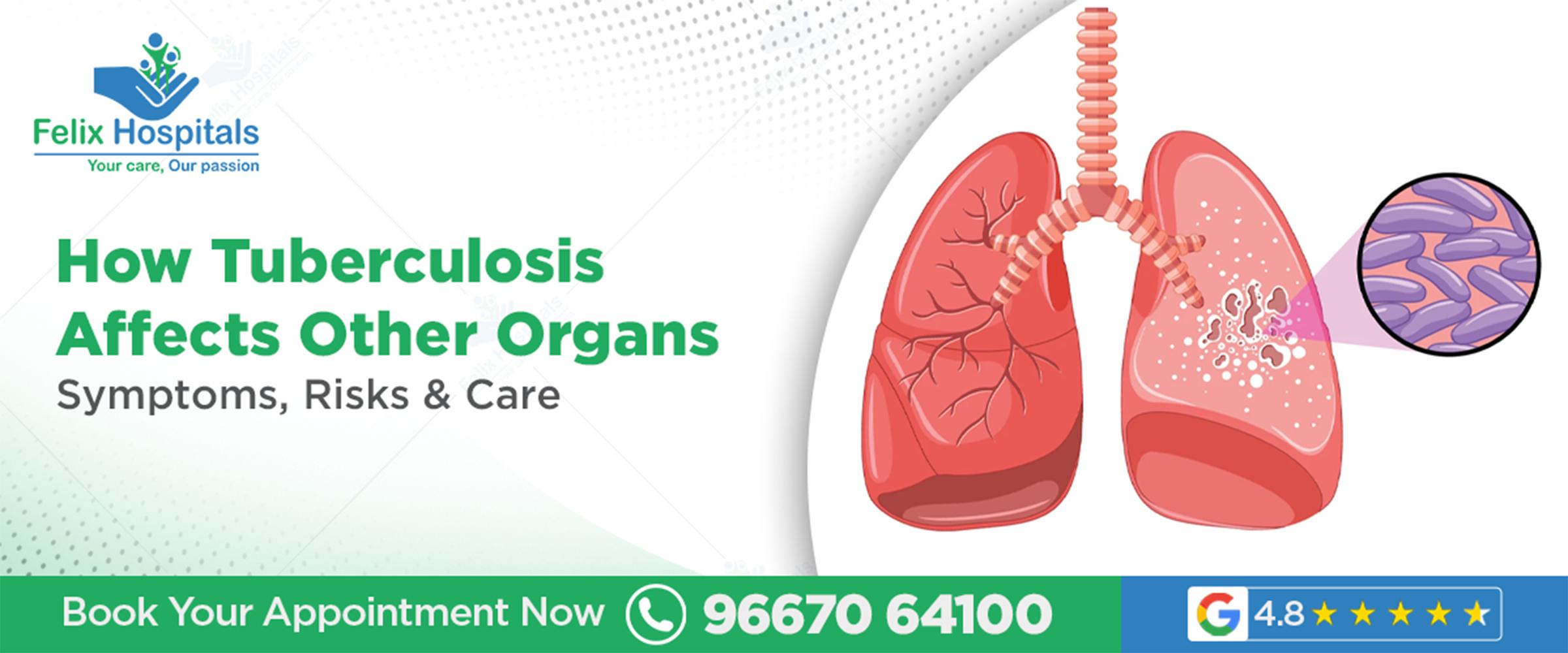
When most people hear the word tuberculosis, they picture a lung disease — persistent cough, breathlessness, and weight loss. The lungs are usually affected but TB is much more devious than that. The identical bacterium, Mycobacterium tuberculosis, can also travel silently through the blood stream and quietly make a home in your spine, brain, kidneys, intestines, lymph nodes and bones — sometimes without causing any chest symptoms at all.
This is known as extrapulmonary tuberculosis (EPTB) — TB outside the lungs — and it is mostly misdiagnosed, to this day. If your puzzling symptoms include fever that won’t subside, joint pain, enlarged lymph nodes, or neurological issues, and nothing has filled in the blanks, this is the how-to guide for you. Best Pulmonology Hospital in Noida, regularly treats such patients who had been misdirected for months before diagnosis is made that it was Tuberculosis of other organs. Timely detection can save lives.
TB disease that occurs outside of the lungs is known as extrapulmonary TB. It makes up a large proportion of all TB cases worldwide and is prevalent particularly among people with compromised immune systems, such as those with HIV.
When the immune system response activates against the inhaled bacteria it creates a granuloma- a type of containment structure. This is named latent TB. This can stay hidden for years in mostly everyone. But when the immune system is compromised — by HIV, diabetes, malnutrition, cancer treatment, or the wear and tear of old age — the bacteria can break out of that containment, get into the bloodstream, and travel to other organs. This is how Tuberculosis spreads to other organs, or disseminated TB. The old and young are more at risk. People taking drugs to suppress their immune system – such as steroids or biologics.
FACT- According to the WHO Global TB Report 2023, India accounts for approximately 27% of the world's TB burden, and extrapulmonary forms comprise nearly 15–20% of all TB cases reported in India — a number widely believed to be an undercount due to diagnostic challenges.
Source: World Health Organization (WHO) Global Tuberculosis Report, 2023.
Complications of TB differ greatly depending on the organ affected
This is one of the most lethal varieties. The bacterium infects the membranes of the brain (meninges), inducing inflammation.
Continued, worse headache — sometimes referred to as the worst headache of their life
Fever and neck stiffness – the neck becomes stiff and painful to bend forward
Confusion, altered consciousness, or seizures late in the course
Sensitivity to light (photophobia)
Stroke-like symptoms in some patients
TB meningitis is an emergency that necessitates urgent treatment. Late recognition of the disease may result in permanent neurological injury or death.
Bone tuberculosis and Spinal tuberculosis(also referred as Pott's disease) is the oldest known form of the disease. These bacteria invade the vertebral bodies and lead to their collapse.
Chronic back pain which is unresponsive to conservative management
Spine tenderness, especially over the lower thoracic or lumbar region
Apparent deformity — a hump in late stages
If the spinal cord is compress, weakness, numbness, or paralysis in the legs may occur
Cold abscess - a non-tender, fluctuant swelling adjacent to the spine
Several patients of bone tuberculosis consult Orthopaedic surgeons first. The advice from best ortho doctor in Noida having expertise in TB of bone is very essential for confirmatory TB diagnosis through MRI and bone biopsy
Tuberculous lymphadenitis is the most common form of extrapulmonary TB in India. Slowly developing, discrete, rubbery nodes typical of:
Painless swollen lymph nodes in the area of the neck (most common), armpits or groin
Nodes that are firm and rubbery and may gradually enlarge over a period of weeks
Low-grade evening fevers and weight loss of unknown cause
Nodes may discharge a cheese like or pus like material if they rupture
Since the swelling is painless, people generally confuse it with a harmless gland or even cancer. To confirm the TB diagnosis, FNAC (Fine Needle Aspiration Cytology) or biopsy is required.
Intestinal, peritoneal (abdominal lining), hepatic, or splenic involvement may be seen with abdominal tuberculosis. Symptoms are generally non-specific, which leads to delay in diagnosis:
Chronic abdominal pain — dull, crampy, or intermittent
Bloating, distension of the tummy (ascites – fluid in the abdomen)
Diarrhoea and constipation alternately.
Loss of appetite and weight loss without any known cause
In some cases they also present with a palpable lump in the abdomen
Abdominal TB can also be mistaken for Crohn's disease, irritable bowel syndrome, or, on occasion, cancer, which is why specialist opinion is vital.
The kidneys are well vascularized, and thus are a frequent site of haematogenous TB dissemination.
Sterile pyuria — presence of pus cells in urine with no evidence of bacterial infection on routine culture
Painless blood in urine (haematuria) without pain
Frequent urination, irritation – could be mistaken for a UTI
In male patients: painless testicular or epidydimal swelling
Organ / System | Common Symptoms | Key Diagnostic Test | Risk if Untreated |
Brain (TB Meningitis) | Severe headache, neck stiffness, confusion, seizures | Lumbar puncture + CSF analysis, MRI brain | Coma, permanent brain damage, death |
Spine (Spinal TB) | Chronic back pain, gibbus deformity, leg weakness/paralysis | MRI spine, bone biopsy | Irreversible paralysis, spinal collapse |
Lymph Nodes | Painless swollen neck nodes, fever, weight loss | FNAC, lymph node biopsy, GeneXpert | Dissemination to other organs |
Abdomen | Abdominal pain, ascites, weight loss, altered bowel habits | Ultrasound, ascitic fluid analysis, colonoscopy | Bowel obstruction, peritonitis |
Kidney / Urogenital | Sterile pyuria, haematuria, flank pain | Urine AFB culture, CT urogram | Renal failure, genital damage, infertility |
Bone (Non-spinal) | Joint pain, swelling, restricted movement | X-ray, MRI, biopsy | Joint destruction, permanent disability |
Pericardium (Heart) | Chest pain, breathlessness, muffled heart sounds | Echocardiogram, pericardial fluid analysis | Cardiac tamponade, constrictive pericarditis |
Extrapulmonary TB can affect anyone, but some factors greatly increase the likelihood of TB spreading to other organs. Knowing your TB Risk Factors is the first step in protecting yourself:
The single biggest risk factor is HIV infection
Diabetes mellitus
Malnutriti on
Immunosuppressive therapy — steroids, TNF-alpha inhibitors (used in arthritis), chemotherapy
Chronic kidney disease / dialysis recipients
Infants and the elderly
Prolonged exposure to untreated TB patient in the absence of adequate precautions
Living or working in crowded conditions — greater exposure to bacterial load
Diagnosing Multiorgan tuberculosis in extrapulmonary sites is more difficult compared to pulmonary TB as sputum tests are not useful in cases where lungs are not involved. Doctors employ several methods in combination to diagnose:
GeneXpert MTB/RIF
AFB smear and culture
Histopathology (biopsy)
ADA (Adenosine Deaminase) test
MRI and CT scans
IGRA / Mantoux test
Interferon Gamma Release Assay (IGRA)
The good news is that the treatment of extrapulmonary TB is based on the same core anti-TB drugs as pulmonary TB.
TB Meningitis — 9–12 months treatment
Spinal TB - 9 to 18 months of anti-TB therapy
Lymph Node TB - 6 months standard regimen is usually adequate
Abdominal TB — 6 to 9 months
Multiorgan tuberculosis — needs prolonged treatment
Drug resistance — in particular MDR-TB (Multi Drug Resistant TB) — is the cause of increasing concern. If the symptomatology does not improve or worsens in spite of adequate therapy, drug susceptibility testing must be performed without delay.
Getting a diagnosis of TB — and particularly if it turns up in an unusual place, like the brain or spine — is scary. The stigma that surrounds TB in India has kept several patients have been mutel in their suffering. Families are sometimes kept in the dark. Jobs are lost. Relationships strain. Treatment is long – six months at a minimum, a year or more in many cases.
You’re not weak for struggling with this. TB outside the lining of the lungs is complicated medicine, and recovery is slow.
Tuberculosis is more than just a lung disease. It's a whole-body disease that can insidiously affect your spine, brain, kidneys, lymph nodes, and bowels — and often does so while the chest X-ray looks completely normal. Extrapulmonary Tuberculosis, correct diagnosis of TB, early initiation of TB treatment and knowledge of symptoms of TB in organs save lives.
Dr. Priyadarshi Jitendra Kumar is an experienced General Practitioner with 20+ years of expertise in diabetes, thyroid disorders, hypertension, and infectious diseases. Recognized as a Best Pulmonologist in Noida, he specializes in respiratory emergencies, sleep disorders, and advanced pulmonology care.
Tuberculosis of the knee typically occurs when the TB bacteria spread from an existing infection in the lungs or another part of the body to the joint.
Breathing is Life," highlights the importance of lung health. Discover essential prevention tips to protect your lungs and improve quality of life.

Chronic snoring and breathing disorders are treated by pulmonology specialists in Noida with advanced care.
Tuberculosis (TB) is primarily known as a respiratory infection caused by Mycobacterium tuberculosis, but it can affect various body parts, including bones and joints.

The World Parkinson Day is celebrated on April 11 every year to create awareness about Parkinson disease which is a progressive neurological disorder that impacts on movement, balance and coordination. Although it has millions of victims all over the world, not much is known about it, and many are only diagnosed with the condition when the symptoms have reached advanced stages.
Global health estimates show that over 10 million individuals are currently living with the disease of Parkinson, and the rate of occurrence of the disease is continuously rising because of the ageing population. Over the last few years, the number of cases in India has also increased dramatically and, therefore, the importance of early awareness and timely treatment is now higher than ever before.
Educating the population on symptoms, risk factors, and treatment alternatives promotes prompt diagnosis and improved management of the disease. The quality of life can be highly enhanced with the access to specialized care provided by the Best Neurology Hospital in Noida, which will allow the patients to stay in the state of independence longer.
Noticing tremors, stiffness, or slow movement in yourself or a loved one? Early diagnosis makes a major difference. Call +91 9667064100 to consult a neurologist today.
Knowing What is World Parkinson's Day can help to emphasize the need to be aware and to detect early.
World Parkinson day is celebrated on the 11th of April, which is the birthday of the physician who first defined the disease, Dr. James Parkinson, in 1817. The day is dedicated to:
Globally, the awareness strategies aim at the identification of early signs and enhancement of access to treatment and support mechanisms.
To know the effect of the disease, it is necessary to understand Parkinson disease.
Parkinsonism is a neurodegenerative disorder of the nervous system and motor movement. It comes about when nerve cells in the brain that produce dopamine begin to degenerate gradually.
Dopamine is a chemical which causes:
However, 60-80 percent or more of the neurons that produce dopamine can be gone by the time the person shows symptoms, thereby making it difficult but extremely important to detect them early.
Parkinson disease is chronic and the symptoms get better as time passes by without treatment.
Early intervention in PD is possible by identifying the signs and symptoms of this condition early.
The typical early symptoms are:
The symptoms could be mild early and confused with normal aging, making the diagnosis take long.
Understanding causes and risk factors of Parkinson's disease helps identify vulnerable individuals.
The cause has not been clearly known, but it has been seen to be as a result of many:
The risk is high beyond the age of 60.
There are mutations in some genes that make the person susceptible.
Risk may be added by exposure to pesticides and toxins.
Parkinson is more prevalent 1.5 times in men than in women.
Recurrent head injury can predispose to it.
The majority of cases are caused by both genetic and environmental factors.
It is necessary that it should be diagnosed early and correctly.
Knowledge of treatment of Parkinson disease is useful in assisting the patients to cope with the symptoms.
Therapeutic regimens are treated individually depending on symptoms and disease progression.
Lifestyle adjustments play a major role in symptom management.
Helpful changes include:
Exercise has been shown to be helpful in reducing the speed of symptoms and improving the quality of life.
The knowledge of the complications that come with Parkinson disease makes the timeliness of treatment significant.
Some of the possible complications include:
With proper treatment in time, the chances of complications may be lowered.
Knowing when to see a doctor can prevent delayed diagnosis.
See a neurologist in case you observe:
Consultation at an early age helps in management on time and superior results.
The treatment of Parkinson disease includes physical, emotional, and social assistance.
Helpful tips:
When you or a loved one develop the symptoms of Parkinson disease, you should not wait to receive the care.
Early intervention enhances the long term results. Get a neurological consultation by calling +91 9667064100.
World Parkinson Day reminds us about the necessity of awareness, early diagnosis, and continuous support of persons with Parkinson disease.
Recognizing early signs and symptoms of Parkinson's disease, understanding causes and risk factors, and seeking timely treatment at the Best Neurologist in Noida can significantly improve quality of life.
With proper care, lifestyle changes, and medical support, people with Parkinson's disease can lead fulfilling and active lives.
Dr. P. S. Naga Srinivas is a skilled Consultant Neurologist with strong experience in managing various neurological disorders. He follows a patient-focused and evidence-based approach for accurate diagnosis and treatment of both acute and chronic neurological conditions, and is recognized among the Best Neurologists in Noida.
Advanced neurosurgery improves treatment for brain and spine disorders with better outcomes.
ब्रेन स्ट्रोक एक जानलेवा स्थिति है जिसमें मस्तिष्क को रक्त आपूर्ति रुक जाती है। इसके प्रकार, कारण, लक्षण, बचाव और इलाज
Experiencing tingling in your hands or feet? It could signal a nerve-related issue. Consult our expert neurologists at Felix Hospitals to find the cause and get the right treatment today.

Subscribe to our
© Copyright 2026. All Rights Reserved by Felix Healthcare Private Limited
Design and development by :


 +(91)9667064100
 Emergency : +(91)9667064100