 WhatsApp
 Emergency:
  WhatsApp

















Subscribe to our

Respiratory illnesses are becoming more common because air pollution is getting worse, more people are smoking, and vaping is becoming more popular, especially among younger people. Urban areas like Noida and Delhi NCR are especially at risk because of bad air quality, industrial emissions, and lifestyle choices.
A lot of people ignore early signs of respiratory problems, like a persistent cough, mild shortness of breath, or chest pain, because they think they are temporary or related to the changing seasons. But these signs can often be the first signs of serious lung diseases like popcorn lung (bronchiolitis obliterans) or lung cancer.
It is important to know the difference between these two conditions because they both affect lung function, but the reasons they happen, how they get worse, and how they are treated are all very different. Early detection can have a huge impact on outcomes, especially in cases where the person is at risk of dying, like lung cancer.
Getting an early diagnosis, accurate differentiation, and timely treatment at the Best Pulmonology Hospital in Noida and talking to the Best Pulmonologist in Noida can all help improve survival and quality of life.
Do you have a cough or trouble breathing that won't go away? Call +91 9667064100 today to talk to a pulmonologist.
To understand what Popcorn Lung (Bronchiolitis Obliterans) is, you first need to know that it is a rare but serious long-term lung disease that affects the smallest airways in the lungs, called bronchioles.
This condition causes the bronchioles to become inflamed and scarred because they come into contact with harmful substances. Over time, this scarring makes the airways narrower or completely blocks them, making it hard for air to get in and out of the lungs.
When workers in microwave popcorn factories got serious lung damage after being around diacetyl, a chemical used to make fake butter flavoring, the disease got a lot of attention. Vaping, breathing in chemicals, and toxins in the environment are becoming more and more linked to the condition.
Causes the airways to narrow permanently
Thought to be a lung disease that can't be cured
Symptoms get worse over months or years.
Early diagnosis helps manage symptoms and slows the disease's progression.
Popcorn lung is not cancerous, but it makes breathing and lung function much worse. This is why early treatment is so important.
To understand What is Lung Cancer?, you need to know that this disease happens when cells in the lungs grow out of control and form tumors. These cancer cells can spread (metastasise) to other parts of the body and invade nearby tissues.
Lung cancer is one of the most common and deadly types of cancer in the world, killing millions of people every year. It often develops without any signs until it's too late.
Non-small cell lung cancer (NSCLC) makes up about 85% of all cases.
Small cell lung cancer (SCLC) is less common but very aggressive.
Early detection is very important for increasing survival rates, so it's important to know the signs and risk factors.
Patients can avoid confusion and know when they need to see a doctor right away by knowing the main differences between popcorn lung and lung cancer.
Part | Lung Popcorn | Nature of Lung Cancer |
Nature | Long-term lung disease that causes inflammation | Cancer that is malignant |
Reason | Breathing in toxic substances, vaping, and chemicals | Genetics, pollution, and smoking |
Moving forward | Slow damage to the airway | Growth and spread of tumors |
The ability to go back | Not able to be changed, but manageable | Can be treated if found early |
Death risk | Less serious but still serious | High without care |
Both conditions are serious and need to be diagnosed and treated by a professional as soon as possible. However, lung cancer has a much higher risk of death if not treated right away.
If you know the early signs of popcorn lung, you can help stop serious and permanent lung damage.
Some common signs are:
A dry cough that won't go away
Breathlessness, especially when you are active
Wheezing without having asthma before
Tiredness and less energy
Tightness in the chest
These signs and symptoms usually get worse over time and may be mistaken for asthma or bronchitis at first. As time goes on, breathing becomes harder, which makes it hard to do everyday things.
It's important to know the signs of lung cancer because the first ones are often mild and easy to miss.
Here are some warning signs:
A cough that lasts longer than three weeks
Sputum with blood in it (haemoptysis)
Weight loss that can't be explained
Chest pain that won't go away
Lung infections that keep coming back
A hoarse voice
As the disease gets worse, symptoms get worse too. They can include headaches, bone pain, and neurological problems if the cancer spreads. Early screening and diagnosis greatly increase the chances of survival.
People can lower their risk of getting popcorn lung by knowing what causes it and what puts them at risk.
The main causes are:
Using e-cigarettes and vaping
Inhaling chemicals, especially diacetyl
Toxins in the workplace and in factories
Very bad infections in the lungs
Diseases that attack the body's own cells
Popcorn lung is becoming more of a worry as vaping becomes more popular, especially among teens and young adults.
To stop lung cancer from happening and find it early, you need to know what causes it and what puts you at risk.
The biggest risk factors are:
Smoking (the main reason)
Exposure to secondhand smoke
Pollution in the air
Exposure to dangerous chemicals (like asbestos and arsenic) on the job
A family history of cancer
Smoking is the biggest risk factor for lung cancer, accounting for almost 85% of cases worldwide.
Understanding How Smoking and Vaping Increase the Risk is crucial in today’s lifestyle environment.
Effects of smoking:
Harms DNA in the lungs
Brings on long-term inflammation
Causes tumours to form
Makes the immune system less effective
Effects of vaping:
Brings poisonous chemicals into the lungs
Related to cases of popcorn lung
Makes the airways inflamed
Could hurt lung tissue over time
Even though vaping is often sold as a safer option, studies show that it has serious long-term risks.
Understanding Diagnosis: Tests Used to Identify Each Condition helps patients get ready for a medical exam and calms their nerves during the process.
Some common tests that doctors use to make a diagnosis are:
X-ray of the chest
CT scan
Tests of lung function
Bronchoscopy
Biopsy of the lungs
Doctors may use a mix of these tests to tell the difference between diseases that cause inflammation, like popcorn lung, and cancers, like lung cancer. Early diagnosis greatly improves treatment results and stops problems from happening.
To effectively manage this long-term condition, it is important to know what treatments are available for popcorn lung.
There are different ways to treat it, including:
Steroid drugs that help lower swelling
Drugs that lower the immune system
Therapy with oxygen
Rehabilitation for the lungs
Popcorn lung is not reversible, but the right treatment can help with symptoms, make breathing easier, and make life better.
Patients can better understand their medical options for lung cancer by knowing what they are.
Treatment may involve:
Surgery to get rid of tumours
Chemotherapy
Radiation treatment
Therapy that targets
The stage and type of cancer, as well as the patient's overall health, will determine the best treatment.
It is much more likely that treatment will work for early-stage lung cancer.
Knowing when to see a doctor for lung symptoms that don't go away can save your life.
If you have any of the following, see a doctor:
Breathlessness that lasts for weeks
A cough that won't go away
Pain in the chest
Sputum with blood
If you wait too long to see a doctor, your disease may get worse and your treatment may not work as well.
Following the tips in "How to Protect Your Lung Health" can greatly lower your chances of getting popcorn lung or lung cancer.
Steps to take to avoid:
Don't smoke or vape
Avoid breathing in air pollution as much as possible.
Wear masks in places that are dangerous.
To make your lungs stronger, work out often.
Eat a balanced, healthy diet.
Making small changes to your daily life can help your lungs stay healthy for a long time.
Get screened early and get expert care to protect your lungs.Call +91 9667064100 now to make an appointment.
Lung cancer and popcorn lung are both serious breathing problems that can have a big effect on your health and quality of life. Popcorn lung is a long-term inflammatory condition that is mostly caused by exposure to toxins and vaping. Lung cancer, on the other hand, is a disease that can kill you and is mostly caused by smoking and environmental factors.
The main difference is that one is not cancerous but can't be changed, while the other is cancerous but can be treated if caught early. But both conditions have symptoms that are the same, such as cough, shortness of breath, and chest pain. This is why it is important to get checked out by a doctor right away.
If you ignore symptoms or wait too long to get a diagnosis, you could have serious problems. On the other hand, getting screened on time, making changes to your lifestyle, and getting expert medical care can all make things a lot better.
Don't ignore persistent respiratory symptoms in yourself or someone you care about. Seeing the best pulmonologist in Noida early on can make a big difference in how you are diagnosed, treated, and recovered.
Dr. Priyadarshi Jitendra Kumar is an experienced General Practitioner with 20+ years of expertise in diabetes, thyroid disorders, hypertension, and infectious diseases. Recognized as a Best Pulmonologist in Noida, he specializes in respiratory emergencies, sleep disorders, and advanced pulmonology care.

Lung cancer is a serious condition that starts in the lungs and can spread to other parts of the body.

Early lung cancer symptoms and timely treatment can save lives.
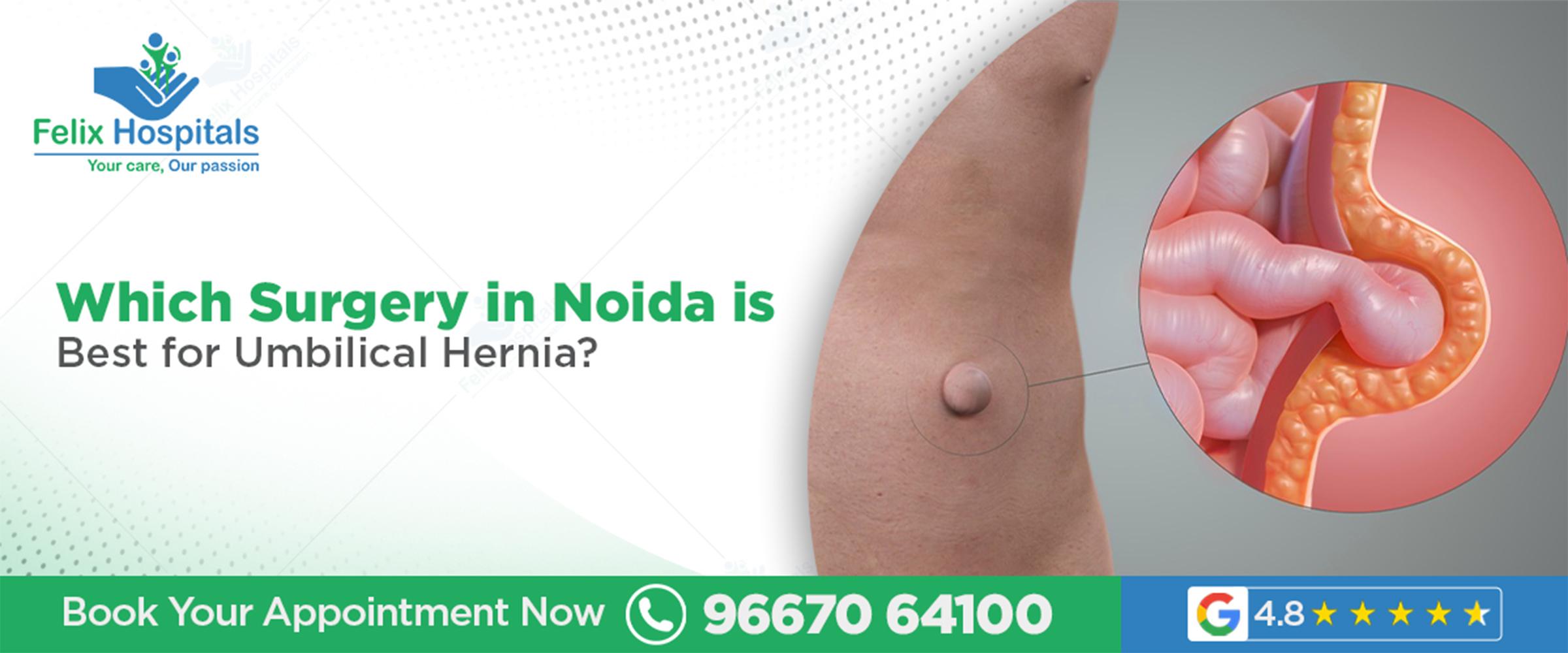
Adults and kids both get umbilical hernias, which are a common type of surgery. A lot of people who go to the Best General surgeon hospital in Noida don't pay attention to the early swelling around their belly button until it starts to hurt, make them uncomfortable, or upset their stomach. What Is an Umbilical Hernia? is important because this condition won't get better on its own and could get bigger over time if not treated.
An umbilical hernia happens when a weak spot in the abdominal wall near the belly button lets part of the intestine or abdominal tissue push through. Some cases may not hurt at first, but the risk of problems getting worse over time grows. Finding the right surgical method and diagnosing the problem early can help avoid emergencies and speed up recovery.
Don't wait to get help if you see swelling or pain near your belly button. Surgery done early stops serious problems from happening. Call +91 9667064100 to make an appointment for your consultation today.
A soft bulge or swelling around the belly button is what an umbilical hernia looks like. It gets worse when you cough, laugh, stand up, or lift heavy things.
Important things for patients to know:
It happens because the muscles in the stomach are weak
It can hurt babies, kids, and adults
When you lie down, the swelling may go down
Pain may develop as the hernia enlarges
The American College of Surgeons says that about 10% of abdominal hernias are umbilical hernias. Early treatment helps keep problems from happening and lowers the risks of surgery.
Knowing the Causes of Umbilical Hernia in Adults and Children helps patients find risk factors early.
What adults usually do:
Being overweight and having too much pressure on your stomach
Being pregnant and having more than one baby
Asthma or a cough that won't go away
Lifting heavy weights
Surgery on the stomach in the past
Fluid buildup in the abdomen (ascites)
Causes in kids:
Weak abdominal wall when born
Birth too soon
Low weight at birth
The umbilical opening closes later than usual
Studies indicate that as many as 20% of newborns may develop an umbilical hernia, although the majority resolve spontaneously by the age of 5 (American Academy of Paediatrics).
Recognising the Symptoms of Umbilical Hernia early can help you avoid having to go to the hospital.
First signs:
A soft bulge near the navel
The swelling gets worse when you cough or strain
A little pain around the belly button
A heavy feeling in the stomach
More serious symptoms:
Pain when picking things up
Pain or burning feeling
Feeling sick or throwing up
Swelling that is hard and won't go back inside
Signs of an emergency:
Very bad pain
Swelling that is red or purple
High temperature
Throwing up
Not being able to pass stool
These symptoms could mean strangulation and need surgery right away.
A lot of people want to know When Is Surgery Required for Umbilical Hernia? Because early hernias might not seem dangerous.
When doctors say surgery is needed:
Hernia doesn't go away after childhood
The swelling gets bigger
Pain or discomfort starts
Problems with digestion happen
The hernia gets stuck (incarcerated)
The blood supply is cut off (strangulated)
You can't heal an umbilical hernia with medicine, exercise, or a belt. The only way to fix it for good is with surgery.
Patients can choose the best treatment for their umbilical hernia if they know Types of Umbilical Hernia Surgery.
There are two main types of surgery:
Repair of an open hernia
Fixing a hernia with laparoscopy
An experienced surgeon can safely and effectively use either method.
For many years, the standard way to fix an Open Umbilical Hernia Repair was with surgery.
Overview of the procedure:
A small cut near the belly button
Hernia pushed back into the stomach
Fixed weak muscle
Mesh put in if needed
Stitches closed the skin
Benefits:
Good for big hernias
Surgery doesn't take long
Works well and is dependable
Costs less than laparoscopy
Time to get better:
2 to 4 weeks for normal activities
4–6 weeks for hard work
Laparoscopic Umbilical Hernia Surgery is a new, less invasive method.
An overview of the procedure:
2–3 small cuts instead of one big cut
Camera put in to see the hernia
Surgical mesh used to fix the hernia
Less pain and faster recovery
Advantages:
Little scarring
Less pain after surgery
Healing faster
Brief stay in the hospital
Less chance of getting sick
Laparoscopic surgery is preferred by most working people because it lets them get back to work faster.
Patients often want to know about Mesh vs Non-Mesh Hernia Repair.
Fixing the mesh:
Surgical mesh makes weak muscles stronger
Lowers the risk of getting sick again
Suggested for adults
Lasts a long time
Repair without mesh:
Muscle sewn together without mesh
Good for kids with small hernias
Adults have a higher risk of recurrence
According to the Hernia Journal, mesh repair cuts down on the chance of recurrence by up to 50% compared to non-mesh repair.
How to pick the Which Surgery Is Best for Umbilical Hernia in Noida? Depends on a lot of things.
The best time to have laparoscopic surgery is when:
People who work
Hernias that are small to medium
Patients who want to get better quickly
Concerns about looks
Low risk of infection
The best time for open surgery is:
Big or hard-to-fix hernias
Cases of emergency
Patients who can't have laparoscopy
Patients who care about costs
Based on your size, health, and medical history, your surgeon will suggest the best method from the Best General surgeon in noida at the Best General surgeon hospital in noida.
There are many benefits to having surgery early:
Stops hernias from getting bigger
Lowers the chance of strangulation
A procedure that is easier to do
Faster healing
Less expensive treatment
Better results from surgery
Putting off surgery raises the risk of complications and emergencies.
How long it takes to recover depends on the type of surgery and the patient's health.
Week one:
Some pain and swelling
Recommended light walking
Don't lift heavy things
2 to 4 weeks:
Go back to your normal activities
Light exercise is okay
A balanced diet is suggested
6 weeks:
Most patients get better completely
Start lifting heavy things and working out again
Following the care instructions after surgery speeds up recovery.
Good habits keep things from happening again:
Keep your weight in a healthy range
Don't lift heavy things right away
Eat a lot of fibre
Drink enough water
Stop smoking
Slowly make your core muscles stronger
Taking care of yourself is very important for long-term success.
Not treating a hernia can lead to serious problems:
Hernia growth
Very bad pain
Blockage in the bowel
The intestine is strangled
Surgery in an emergency
Complications that could kill you
These risks are avoided by having surgery early.
The price depends on:
Type of surgery (open or laparoscopic)
Hospital services
Knowledge of the surgeon
Use of mesh
How long the hospital stay was
Emergency surgery is always more expensive than getting treatment early.
If you see any of the following, see the Best General surgeon in noida:
Swelling around the belly button
Pain when you lift something or cough
Hernia getting bigger
Problems with digestion
Severe stomach pain that comes on suddenly
Consulting early avoids problems and makes sure treatment is safe.
Get a professional diagnosis and advanced hernia treatment from skilled surgeons. Call a specialist right now at +91 9667064100 to start your safe recovery.
If you don't pay attention to an umbilical hernia, it can start as a painless swelling and get worse over time. Patients can make quick decisions and avoid problems that require emergency care if they know the causes, symptoms, and treatment options. Surgery is the only permanent treatment, and modern methods make it safe, effective, and as little invasive as possible.
The right surgery depends on the size of the hernia, the patient's health, and their lifestyle needs. Patients can get better quickly and go back to their normal lives with confidence thanks to advanced surgical techniques and expert care at the Best General surgeon in Noida. Getting medical help early on leads to better results, lower costs, and an easier recovery.
Dr. Ritesh Kumar Agrawal is an experienced Laparoscopic Surgeon with 11+ years of expertise in advanced minimally invasive procedures, delivering personalized care and effective surgical outcomes.
A hernia typically occurs due to a combination of muscle weakness and strain. This can happen from factors such as aging, injury, heavy lifting, chronic coughing, or conditions like pregnancy and obesity.
Felix Hospitals is the leading hospital for hernia surgery in Noida and Delhi NCR.

Neuropathy, or nerve damage, is a condition that affects the way the brain, spinal cord, and other parts of the body talk to each other. What Is Nerve Damage (Neuropathy)? Nerves control movement, feeling, and many automatic body functions, such as breathing, digestion, and the heartbeat. When nerves don't work right, even simple things like getting out of bed can be hard and painful.
A lot of people don't pay attention to Early Warning Signs of Nerve Damage because they don't seem serious or long-lasting. But if you don't get treatment, nerve damage usually gets worse over time. Recognizing symptoms early, knowing what causes them, and getting the right care can stop long-term problems and disability. This easy-to-understand guide covers everything you need to know about early signs of nerve damage, its causes, how to diagnose it, how to treat it, and how to avoid it.
Don't ignore the symptoms if you have tingling, numbness, or unexplained nerve pain. Early diagnosis can stop serious problems and nerve damage that lasts a long time. To make an appointment for your consultation, call +91 9667064100.
The nervous system is like the wires that connect the body. It sends out signals that control:
Feeling of movement
Function of the organs
Coordination and balance
Digestion and heart rate
Nerves that sense things
Send signals about pain, temperature, and touch.
Nerves that control movement
Control how muscles move and work together.
Nerves that work on their own
Control things that happen automatically in the body, like blood pressure, digestion, sweating, and bladder control.
Different symptoms can happen if any of these nerves are hurt.
When nerves get hurt or sick, they can cause neuropathy. It can affect one nerve, several nerves, or the whole nervous system. There are many things that can cause nerve damage, including health problems and lifestyle choices.
There are different kinds of neuropathy, such as:
Peripheral neuropathy (the most common type)
Neuropathy of the autonomic nervous system
Neuropathy in one place
Neuropathy that is close to the body
Peripheral neuropathy usually starts in the hands and feet because these nerves are the longest and most likely to be damaged.
Nerves take a long time to heal. Once damage is severe, it is hard to get better. Finding problems early on helps lower the risk of complications and speeds up recovery. Recognizing the first signs of nerve damage can help you avoid long-term disability.
Stop losing nerves for good
Lessen long-term pain
Keep your balance and mobility
Stay away from problems like infections or amputations
Make life better in general
Not paying attention to early signs can make the damage worse.
The first signs of nerve damage are often small and come on slowly. At first, they might come and go, but they will get worse over time. You should never ignore early signs of nerve damage.
Some common early signs are:
Feeling of pins and needles
Slight numbness in the hands or feet
Feeling like you're burning or prickling
Touch sensitivity
Weak muscles
Hard to keep your balance
Having the sensation of wearing invisible gloves or socks
These symptoms usually start in the feet and move up slowly.
The symptoms are different depending on which nerves are hurt. Knowing the common signs of peripheral neuropathy can help you get diagnosed early.
Numbness in the hands or feet
Pain that feels like it's stabbing
Feeling of burning
Being sensitive to touch
Not being able to feel temperature
It feels like walking on cotton
Weakness in the muscles
Muscle spasms
Trouble walking
Loss of control
Can't hold things well
Twitching muscles
Sweating too much or not at all
Problems with digestion
Changes in blood pressure
Problems with bladder control
Feeling dizzy when you stand
Many health problems and lifestyle choices can cause nerve damage. Chronic illnesses and not getting enough nutrients are two common causes of nerve damage.
Diabetes is the most common cause
The main cause in the world
Over time, high blood sugar hurts nerves
Lack of vitamins
Lack of Vitamin B12, in particular
Using too much alcohol
Harms nerve tissues and makes it harder for the body to take in vitamins
Diseases that attack the body's own cells
Rheumatoid arthritis and lupus
Infections
Shingles, HIV, and Lyme disease
Hurt
Accidents, broken bones, and repetitive strain
Diseases of the liver and kidneys
Nerve damage is caused by a buildup of toxins
Chemotherapy
Some cancer treatments have an effect on nerves
Some people are more likely to get neuropathy than others. Knowing the Risk Factors You Should Know can help you avoid them.
Big risk factors:
Having diabetes or prediabetes
Being overweight
Tobacco use
Drinking alcohol
Not eating well
Living a sedentary life
A history of nerve disorders in the family
Long-term kidney disease
People who have more than one risk factor are much more likely to get neuropathy.
Nerve damage gets worse in stages. The first signs are mild, but they get worse if not treated. Knowing when symptoms get bad can stop problems from happening.
Some serious warning signs are:
Feet that are completely numb
A lot of burning pain
A lot of falls
Paralysis of the muscles
Inability to control the bladder or bowel
Wounds on feet that won't heal
You need to see a doctor right away if you have these symptoms.
Doctors do a number of tests to make sure someone has neuropathy and figure out what caused it. Patients can get tested on time if they know how nerve damage is diagnosed.
Some of the tests that are used to diagnose are:
Examination of the nervous system
Tests on blood
Study of nerve conduction
Electromyography (EMG) MRI or CT scan
Nerve biopsy (in infrequent instances)
Early diagnosis leads to better treatment results.
The treatment will depend on what caused the nerve damage and how bad it is. Knowing what to do for nerve damage helps patients understand what care is available.
Painkillers
Medicines that stop seizures
Drugs for depression
Supplements of vitamins
Creams for pain on the skin
Physical therapy
Therapy for work
Stimulation of the nerves with electricity
Blocks of nerves
Surgery (to relieve pressure on nerves)
Treatment aims to slow the disease's progress and ease symptoms.
Nerve health depends a lot on how you live your life. Changing your lifestyle to avoid nerve damage helps you get better.
Important changes to your way of life:
Keep your blood sugar levels in a healthy range
Eat a balanced diet that is high in vitamins
Get some exercise every day
Stop smoking
Stay away from alcohol
Keep your weight in check
Control how stressed you are
Changes in lifestyle make nerve function much better.
Taking small steps every day can stop nerve damage from getting worse. Making lifestyle changes to keep nerves safe every day, damage is necessary.
Habits that protect:
Check feet every day
Wear shoes that fit well
Don't wear shoes that are too tight
Keep your posture straight
Keep moving around
Do stretches often
For prevention, it's important to be consistent.
Not paying attention to nerve damage can cause serious problems. Knowing when symptoms get bad is very important.
Possible problems:
Pain that lasts a long time
Infections and foot ulcers
Problems with balance
Amputation due to severe diabetic neuropathy
Disability for life
Most problems don't happen if you get treatment early.
Neuropathy can also affect your mental health. Knowing the early signs of nerve damage can help you feel less stressed and anxious.
Effects on the mind:
Worry
Sadness
Problems with sleep
Less confidence
Not wanting to be around people
Patients can handle things better with emotional support and counselling.
Nutrition is very important for repairing nerves. Diet habits are one of the Risk Factors You Should Know about.
Foods that are good for your nerves:
Vegetables with green leaves
Grains as a whole
Seeds and nuts
Dairy and eggs
Fish that have a lot of omega-3
Fruits that are high in antioxidants
Stay away from sugary drinks and processed foods.
Exercise helps the nerves heal and improves blood flow. These activities help with Treatment Options for Nerve Damage.
Exercises that are helpful:
Going for a walk
Yoga, swimming, and stretching
Training for balance
Regular exercise helps with symptoms and makes it easier to move.
People with diabetes should follow strict preventive care. Keeping an eye on what causes nerve damage lowers the risk.
Steps that are important:
Check your blood sugar often
Eat what people with diabetes should eat
Get your feet checked on a regular basis
Wear shoes that protect your feet
Work out every day
These steps make the risk much lower.
Treatment can often help nerve damage that is still in its early stages. There may not be a way to fix severe damage, but symptoms can be managed. Knowing about the different Treatment Options for Nerve Damage can help you get better results.
Care that starts early gives the best results.
If you have any of the following, see a doctor: When to See a Doctor for Nerve-Related Symptoms
Tingling or numbness that won't go away
Pain that feels like it's burning in your hands or feet
Weakness in the muscles
Not being able to coordinate
Problems with balance
Loss of feeling
Early medical help can stop damage from getting worse.
Get timely expert care to protect your nerve health and get back to living without pain. Call a specialist right now at +91 9667064100 to start your recovery
Nerve damage often starts out slowly with mild tingling, numbness, or weakness. A lot of people don't pay attention to these early signs because they think they will go away on their own. But if you don't treat neuropathy, it can cause serious problems and make you permanently disabled.
You can protect your nerves and improve your quality of life by learning about the Early Warning Signs of Nerve Damage, managing Risk Factors You Should Know, living a healthy lifestyle, and getting treatment on time from the Best neurologist in Noida at the Best neurology Hospital In noida.
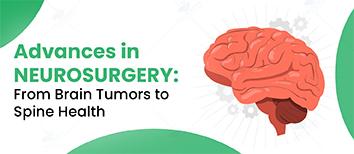
Advanced neurosurgery improves treatment for brain and spine disorders with better outcomes.

Recognizing neurological warning signs early can be life-saving. Learn when symptoms like frequent headaches, dizziness, memory loss, or numbness mean it’s time to consult a neurologist.

Expert surgical care for common neurological disorders in Noida, ensuring safe and effective treatment.

Skin problems are one of the most common health issues that people of all ages face. Dermatitis is a common condition that dermatologists treat. It is a general term for skin inflammation that can cause redness, itching, swelling, or rashes. Dermatitis isn't usually life-threatening, but if it's not treated properly, it can have a big impact on your quality of life, sleep, confidence, and daily comfort. A lot of people think Dermatitis is the same as an infection or an allergy, but it can be caused by a number of things and comes in different forms, each needing a different treatment.
Getting timely care at the Best Dermatology Hospital in Noida and seeing the Best Dermatologist in Noida can help you avoid problems and long-term skin damage. This in-depth guide goes over everything you need to know about Dermatitis, including what causes it, what the Dermatitis symptoms are, what Types of dermatitis there are, how to diagnose it, how to treat it, and how to avoid getting it in the first place.
Get expert care and long-term relief from dermatitis with the right diagnosis and treatment plan. Book your appointment now at +91 9667064100 and take the first step towards healthy skin.
Dermatitis is when the skin gets inflamed because of irritation, allergies, genetics, or the immune system. It is not contagious, but many people have it all the time or get it again and again. Dermatitis can happen anywhere on the body, including the face, scalp, hands, feet, and even eyelids.
The condition may show up all of a sudden after being exposed to a trigger, or it may get worse over time. Some cases are mild and go away quickly, while others need to be managed for a long time.
There are many things that can cause Dermatitis, and finding the exact cause is important for treatment to work. Some of the most common causes are:
Skin inflammation can happen when you come into contact with allergens like cosmetics, perfumes, metals (nickel), or plants.
The skin barrier can be damaged by harsh soaps, detergents, chemicals, and pollution.
People who have eczema often have skin barrier problems that run in their families.
Chronic inflammation may be caused by autoimmune responses.
Cold weather, dry air, and heat can make symptoms worse.
It's well known that emotional stress can cause flare-ups.
Recognising the early signs of Dermatitis symptoms can help keep it from getting worse and spreading. Symptoms differ based on the type, but they often include:
Swelling and redness
Skin that is dry or flaky
Strong itching
Blisters or leaking
Skin that is thickened or cracked
Feeling like it's burning or stinging
Symptoms may come and go and get worse during flare-ups.
There are different Types of dermatitis, and each one has its own causes and signs.
The most common long-term type, which usually starts in childhood. It usually happens on the face, neck, elbows, and knees.
Happens when the skin comes into contact with allergens or irritants like soaps, jewellery, or chemicals.
It usually affects oily areas like the scalp, eyebrows, and sides of the nose, making them red and flaky.
Characterized by irritated skin that looks like coins.
It happens because blood doesn't flow well, especially in the lower legs.
Makes small, itchy blisters on the hands and feet.
Some people are more likely to get Dermatitis:
People who have asthma or allergies
People whose skin is easily irritated
People who work in healthcare and cleaning who are around chemicals
People whose immune systems aren't working well
Kids and older people
Dermatologists figure out if someone has Dermatitis by:
Examination of the skin by touch
Checking the medical history
Testing for allergies with patches
Blood tests (if necessary)
Skin biopsy only in rare cases
Early diagnosis leads to better outcomes and stops problems from happening.
The goal of Dermatitis treatment is to lower inflammation, stop itching, and stop flare-ups. The kind and severity of the problem will determine the treatment.
Corticosteroids for the skin-Antihistamines to stop itching
Antibiotics to treat infections-In severe cases, immunosuppressants are used.
Therapy with Moisturizers-Using thick moisturizers on a regular basis fixes the skin barrier.
Therapy with Light-Phototherapy is helpful for people with severe or long-term eczema.
Changes to Your Lifestyle-Avoiding triggers and following a skincare routine can help things get better.
To treat Skin inflammation treatment effectively, you need to fix the skin barrier and calm down the immune system. Dermatologists often say:
Skincare products that don't have any scent
Take lukewarm showers instead of hot ones.
Soft cleansers
Not scratching or rubbing
Consistency is the most important thing for long-term growth.
An Itchy skin rash is one of the most upsetting symptoms because it can make it hard to sleep and go about your day. Here are some tips for dealing with itching:
Putting cold compresses on
Wearing cotton clothes that are loose
Short nails
Applying creams to stop itching
Keeping from sudden changes in temperature
Dermatitis, especially eczema, is a common problem for kids. Some of the symptoms are:
Red spots on the scalp and cheeks
Itching at night
Dry and cracked skin
Parents should use gentle skin care products and see a doctor as soon as possible.
Dermatitis can cause the following problems if not treated:
Infections of the skin
Skin thickening that lasts forever
Scarring or discolouration
Problems with sleep
Anxiety or depression because of long-term pain
Daily care is very important for keeping flare-ups from happening:
Routine for taking care of your skin
Use cleansers that are gentle
Put on moisturiser twice a day.
Stay away from harsh scrubs.
Clothes Choices
Wear fabrics that let air through
Stay away from wool and synthetic fibers.
Changes in the environment
Use humidifiers when the air is dry.
Don't go to extremes with the temperature
Diet and Dermatitis
Some foods can make sensitive people flare up:
Milk products
Shellfish and nuts
Food that has been processed
Too much sugar
A healthy diet that includes omega-3 fatty acids and antioxidants is good for your skin.
If you have any of the following, see a specialist:
Symptoms last longer than two weeks.
Rash spreads quickly
Severe itching keeps you from sleeping.
Fever, pus, and swelling are signs of an infection.
Early treatment stops long-term problems.
To keep Dermatitis from getting worse, you need to make long-term changes:
Find and stay away from triggers
Keep your skin hydrated
Keep your stress levels in check
Follow the treatments that have been given to you
Put on sunscreen every day
Dermatitis can last a long time, but it is possible to manage. Most patients get a lot better and live comfortably with the right care plan. Regular dermatology check-ups make sure that monitoring and treatment changes are done correctly.
Struggling with itching, rashes, or recurring skin irritation? Don’t ignore the signs. Call +91 9667064100 today to consult a skin specialist and get personalised treatment.
Dermatitis is a common but hard-to-understand skin condition that needs to be treated right away. Recognising symptoms early, figuring out what causes them, and sticking to a regular skincare routine can make a big difference. The Best Dermatologist in Noida and the Best Dermatology Hospital in Noida can help you get the right diagnosis, treatment for dermatitis, and long-term relief.
The first steps to having healthy skin are being aware, preventing problems, and getting professional care. If you or someone you care about has skin irritation that won't go away, the first thing you should do is see a doctor right away.
Dr. Tarun Gupta is an experienced Dermatologist with 17+ years of expertise in treating skin, hair, and nail conditions, along with advanced cosmetic dermatology procedures.

If your answer is yes, then, here are 6 easy steps to keep your skin look young and glowing.

Certain skin disorders aren’t preventable, including genetic conditions and some skin problems due to other illnesses.
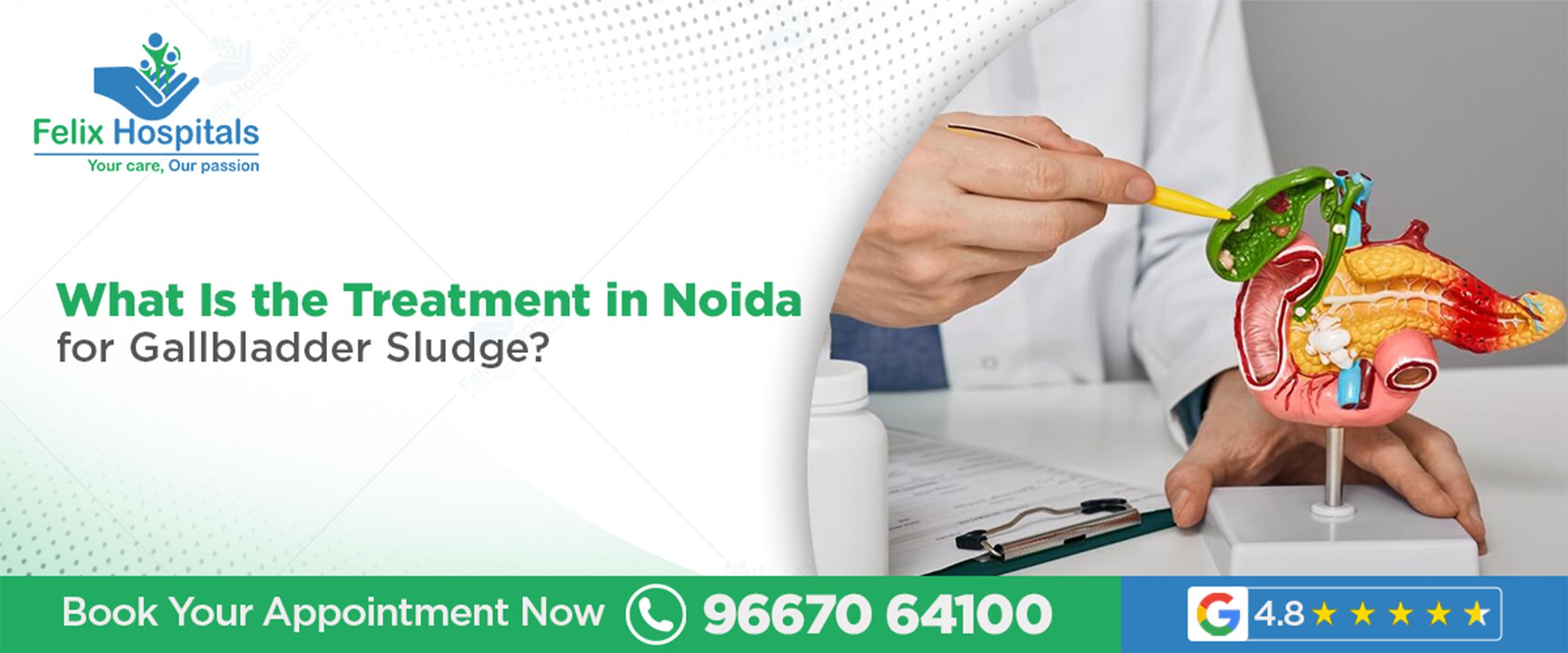
Gallbladder sludge is a common digestive problem that many people don't know about. If you don't treat it, it can lead to gallstones and other serious problems. Many people who go to the Best Gastroenterology hospital in Noida for routine scans or because they have stomach pain are found to have this condition. What Is Gallbladder Sludge? helps people get treatment sooner and, in many cases, avoid surgery. Patients often wonder if they need surgery for gallbladder sludge. The good news is that if you catch it early, many cases can be treated with medicine and changes to your lifestyle. But when problems arise, surgery is the safest and most effective way to fix them.
If you have ongoing stomach pain or digestive problems, don't ignore them. To make an appointment for your consultation today, call +91 9667064100.
The gallbladder is a small, pear-shaped organ that sits below the liver. It holds bile, a digestive fluid that helps the small intestine break down fats. Bile stays liquid and flows smoothly when the digestive system is working right. But sometimes bile gets thicker and forms sludge, which can later turn into gallstones. What Is Gallbladder Sludge? is important to avoid problems and get care as soon as possible.
Some important things that the gallbladder does are:
Keeping bile made by the liver
Letting bile out after meals
Making it easier for the body to break down fatty foods
Helping the body absorb nutrients correctly
These functions can be messed up when sludge forms.
Gallbladder sludge is a thick mix of bile, cholesterol crystals, calcium salts, and mucus that builds up in the gallbladder. Doctors often find it during ultrasound scans that are done to look for abdominal pain or digestive problems. Many patients learn about gallbladder sludge for the first time only after imaging tests show the problem in an unexpected way.
Things you should know about gallbladder sludge:
People sometimes call it biliary sludge
In mild cases, it might go away on its own
If not treated, it can cause gallstones
It could cause swelling or an infection
In severe cases, it can block bile ducts
Understanding things early on helps keep problems from happening.
Bile thickening is caused by a number of lifestyle and medical factors. Finding the Causes of Gallbladder Sludge helps keep the disease from coming back and helps doctors plan treatment.
Some common causes are:
Losing weight quickly or going on a crash diet
Overweight and high cholesterol levels
Hormonal changes and pregnancy
Diabetes and problems with metabolism
Disease of the liver
Long periods of not eating
Some drugs
Staying in the hospital for a long time
Changes in lifestyle are a big part of prevention.
Some patients have no symptoms, while others have pain and trouble with their digestion. Identifying Symptoms of Gallbladder Sludge helps patients get treatment sooner.
Some common symptoms are:
Pain in the upper right part of the stomach
Feeling sick and throwing up
Feeling full and having trouble digesting
Pain after eating fatty foods
Fever if you have an infection
Severe cases can cause jaundice
Symptoms frequently manifest subsequent to the consumption of oily food.
Doctors use blood tests and imaging tests to make sure of the condition. Knowing How Gallbladder Sludge Is Diagnosed helps patients get ready for a medical exam.
Some ways to diagnose are:
An ultrasound scan (the most common)
MRI or CT scan
Tests of liver function in the blood
Endoscopic ultrasound for difficult cases
Early diagnosis stops problems from getting worse.
Not every patient needs surgery. When Does Gallbladder Sludge Require Treatment? helps keep people from having to have extra procedures.
If you need treatment:
Symptoms happen often or are very bad
Stones in the gallbladder start to form
An infection starts
The bile duct gets blocked
The chance of getting pancreatitis goes up
Before choosing a treatment, doctors look at the symptoms.
Many mild cases get better with medicine and changes to their way of life. Knowing Medical Treatment Options for Gallbladder Sludge helps patients avoid surgery when they can.
Some common medical treatments are:
Medicines that help with pain
Antibiotics for infections
Ursodeoxycholic acid to break up sludge
Medicines that stop nausea
Medical treatment works best in the beginning.
Diet is very important for both recovery and prevention. Role of Diet and Lifestyle Changes are very important for long-term management.
Changes to your lifestyle that are helpful:
Eat meals that are low in fat
Stay away from fried and greasy foods
Keep your weight at a healthy level
Work out often
Get enough water
Have smaller meals more often
Healthy habits stop things from happening again.
When symptoms get worse or problems arise, surgery is needed. Understanding Surgical Treatment: When Is Gallbladder Removal Needed? helps patients choose wisely.
When surgery is needed:
Gallbladder attacks happen over and over again
Gallstones form
Infection or inflammation stays
The chance of getting pancreatitis goes up
It is safe and common to have your gallbladder taken out.
Laparoscopic Cholecystectomy in Noida is the most common surgery in Noida. It is a minimally invasive procedure that heals quickly.
Pros of laparoscopic surgery:
Little cuts
Less hurt
A short stay in the hospital
Quicker healing
Little scarring
Most people go home within a day.
People with gallbladder problems often ask, "Which department should I go to in Noida?"
People who are experts:
Gastroenterologist
Doctor who specializes in the stomach and intestines
Radiologist for pictures
A dietitian to help you with your diet
Getting help early leads to better results from the Best Gestroentrologist in Noida.
The Cost of Gallbladder Treatment in Noida varies depending on how bad it is, where you go, and how you get it.
Price range:
Consultation: ₹800 to ₹1500
Ultrasound: ₹1500 to ₹3000
Medicines: ₹2000 to ₹5000
Laparoscopic surgery costs between ₹60,000 and ₹1,20,000
Prices change depending on the hospital's services.
Early consultation stops emergencies from happening. It's important to know When to See a Doctor for Gallbladder Problems.
If you have any of the following, see a doctor:
Very bad stomach pain
Stomach problems that keep coming back
Painful fever
Eyes turning yellow
Throwing up after meals
Ignoring symptoms can make things worse.
Get expert care for your gallbladder from specialists. Call our team right now at +91 9667064100 to take the first step toward getting better.
Gallbladder sludge may seem like a small thing on an ultrasound report, but it should never be ignored. It is often the first sign that the gallbladder isn't working right and the bile isn't flowing normally. If this condition isn't treated quickly, it could slowly turn into gallstones, inflammation, infection, bile duct blockage, or even pancreatitis, which could mean an emergency hospitalization. Knowing When to See a Doctor for Gallbladder Problems can make a big difference in avoiding complications and emergency surgery.
The good news is that modern medicine has very effective ways to treat problems. When the condition is found early, many patients can fully recover with medications, changes to their diet, and regular checkups. Laparoscopic Cholecystectomy in Noida is a safe and minimally invasive surgery that patients who need it can have. They will recover quickly and have great long-term results. Advanced imaging, skilled surgeons, and modern surgical methods have made gallbladder treatment safer and easier to get than ever before at the Best Gestroentrologist in Noida.

Abdominal pain and bloating need timely evaluation. Expert diagnosis in Noida ensures accurate treatment and fast relief.

Severe abdominal pain can be a sign of serious health conditions. Learn when to seek immediate medical attention and what symptoms should not be ignored.

This article explores the risks associated with gallbladder stones, including symptoms, complications like infection or blockage, and when to seek medical help.

Seeing someone have a seizure can be frightening, especially if you don’t know how to respond. Many people panic or take incorrect actions that can increase the risk of injury. Experts at the Best Neurology Hospital In Noida emphasize that proper awareness and timely first aid can significantly improve outcomes. According to the World Health Organization, more than 50 million people worldwide live with epilepsy, and nearly 1 in 10 people may experience a seizure at some point in their life.
If you or someone around you experiences seizures, don’t delay medical care. Call +91 9667064100 to consult experienced specialists today.
A seizure occurs due to sudden abnormal electrical activity in the brain, affecting movement, awareness, and behavior.
Key facts:
Most seizures last 30 seconds to 2 minutes
Not all seizures involve shaking
Many seizures stop on their own
Early first aid can prevent injuries in up to 60% of cases
Understanding Common Causes of Seizures helps in identifying triggers and prevention.
Medical causes:
Epilepsy and genetic disorders
Brain infections (meningitis, encephalitis)
Stroke or brain tumors
Head injury
Lifestyle & metabolic triggers:
Lack of sleep
Alcohol withdrawal
Drug misuse
Low blood sugar
High fever (especially in children)
Early identification is crucial for safety.
Visible symptoms:
Sudden collapse or stiffness
Uncontrolled jerking movements
Loss of awareness
Drooling or breathing difficulty
Warning signs (aura):
Sudden fear or anxiety
Strange smells or tastes
Blurred vision
Knowing Immediate First Aid Steps During a Seizure can save lives.
What to do:
Stay calm and note the time
Gently help the person lie down
Turn them onto their side
Place something soft under the head
Remove nearby harmful objects
Loosen tight clothing
Allow the seizure to stop naturally
Stay with the person until recovery
Avoid these harmful actions:
Do NOT put anything in the mouth
Do NOT restrain movements
Do NOT give food or water
Do NOT shake or slap the person
These myths can lead to choking or injury.
Proper Post-Seizure Care and Recovery ensures safety and comfort.
Aftercare steps:
Speak calmly and reassure the person
Help them sit or lie safely
Check for injuries
Allow rest
Recovery confusion may last 5–30 minutes.
Knowing When to Seek Medical Help is critical.
Call emergency services if:
Seizure lasts more than 5 minutes
Multiple seizures occur
First-time seizure
Injury during seizure
Person is pregnant or unconscious
Consulting the Best Neurologist In Noida early improves long-term management.
Following Preventive Measures and Safety Tips helps reduce risk.
Lifestyle prevention:
Take medications regularly
Get adequate sleep
Avoid alcohol and drugs
Manage stress
Home safety tips:
Use non-slip flooring
Install bathroom grab bars
Avoid sharp-edged furniture
Work & school safety:
Inform colleagues/teachers
Keep emergency contacts ready
Wear a medical ID
Get expert neurological care and personalized treatment plans. Call +91 9667064100 now and take the first step toward better brain health and safety.
Seizures can occur unexpectedly, but awareness makes all the difference. Understanding seizures, recognizing early signs, and following the correct Immediate First Aid Steps During a Seizure can prevent serious complications. Avoiding mistakes listed in What Not to Do During a Seizure is equally important.
Experts at the Best Neurology Hospital In Noida highlight that with the right treatment, lifestyle changes, and awareness, most seizure conditions can be effectively managed. Early consultation with the Best Neurologist In Noida ensures better control, improved safety, and a higher quality of life.

Know the causes, signs, and treatment options for seizures in children in Noida.

Febrile seizures are fever-related fits in children. Learn safe treatment options in Noida and what parents should and shouldn’t do.

Vertigo and epilepsy in children require quick diagnosis and care. Noida offers advanced tests and treatments to manage symptoms effectively.
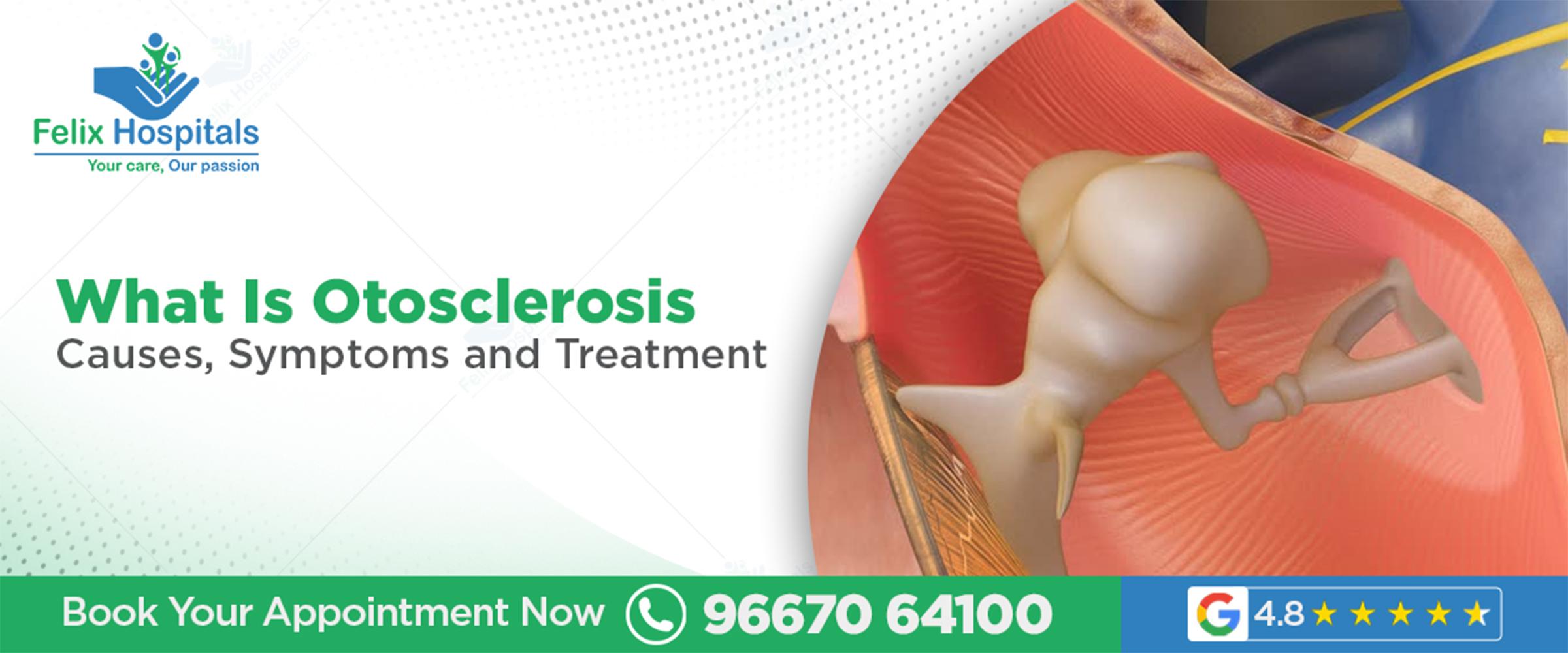
Hearing loss can make it hard to talk to people, lower your confidence, and lower your quality of life in general. Many people who go to the Best ENT Hospital In Noida find out they have conditions they have never heard of before. One of these conditions is What Is Otosclerosis? This condition affects the small bones in the middle ear and slowly makes it harder for sound to travel. The World Health Organization says that more than 430 million people around the world have hearing loss that makes it hard for them to hear. Early diagnosis of ear problems is very important for stopping long-term hearing loss. Patients who understand this condition can spot early signs and get treatment quickly.
Don't wait to get a diagnosis if you notice that your hearing is slowly getting worse or that your ears are ringing. To make an appointment for your consultation today, call +91 9667064100.
The ear is a complicated organ made up of three parts: the outer ear, the middle ear, and the inner ear. There are three small bones in the middle ear called ossicles that send sound waves to the inner ear. When these bones can move freely, sound signals get to the brain quickly. But when bones grow abnormally, it stops this process and causes hearing loss over time. According to the National Institute on Deafness and Other Communication Disorders, conductive hearing loss is responsible for almost 15% of all cases of hearing loss, and otosclerosis is one of the most common causes.
Important things for patients to know:
Hearing depends on the ear bones being able to move freely
Any stiffness in the ossicles affects how sound travels
Early detection stops the problem from getting worse
Getting treatment on time improves hearing outcomes
To know how this condition develops, you need to know What Is Otosclerosis? Otosclerosis is a condition in which bone growth around the stapes bone in the middle ear is not normal. This bone gets stuck and can't vibrate properly, which makes it hard for sound to reach the inner ear.
Important information:
It makes hearing loss worse over time
Over time, it usually affects both ears
Most common in people in their 20s
May run in families
Studies indicate that otosclerosis impacts 0.3–0.4% of the worldwide population.
Patients can better understand why they have otosclerosis if they know Causes of Otosclerosis. It's not always clear what the exact cause is, but there are a few things that make it more likely.
Some of the most common causes are:
Passing on genes
Viral infections like measles
Changes in hormones during pregnancy
Remodelling of bones that isn't normal
A family history of hearing loss
Research indicates that more than 50% of patients possess a familial history of the condition.
Recognizing Early Signs and Symptoms can help find the disease before it causes severe hearing loss.
Signs that come early:
Hearing loss that happens slowly
Trouble hearing sounds with low frequencies
Tinnitus, or ringing in the ears
Hard to hear in places with a lot of noise
Getting worse hearing loss in both ears
Feeling dizzy or having trouble with balance
Hearing your own voice very loudly
Between the ages of 20 and 40, about 70–80% of patients first notice that they have trouble hearing.
Patients learn how important it is to get treatment early when they understand How Otosclerosis Affects Hearing. As the stapes bone gets fixed, sound waves can't get to the inner ear as well.
Hearing effects include:
Hearing loss due to conduction
Less clear sound
Hard to understand speech
Need for more volume has grown
If otosclerosis is not treated, it can cause hearing loss in 50% of cases that is moderate to severe.
Knowing about Risk Factors and Complications helps find people who are more likely to get sick.
Things that put you at risk:
History of the family
Changes in hormones and pregnancy
Infections caused by viruses
Between the ages of 20 and 40
Being a woman
Some problems that may happen are:
Hearing loss that gets worse over time
Issues with balance
Not wanting to be around people and having trouble talking to them
Women are twice as likely to get this disease as men.
Early diagnosis is important to make sure of the condition and plan treatment. Patients who go to the Best ENT Specialist In Noida get a full hearing test.
Tests that help doctors figure out what's wrong include:
Ear exam with an otoscope
Audiometry of pure tones
Test of tympanometry
CT scan of the ear
Hearing tests can find changes early on, even before severe hearing loss happens.
Knowing the different Treatment Options for Otosclerosis helps patients pick the best one for their level of severity.
Common ways to treat it:
Hearing aids for mild cases
Fluoride treatment in the beginning stages
Regular checks on hearing
Surgery to fix things in more serious cases
Hearing aids make hearing better in up to 90% of mild cases.
Both medical and surgical treatments are important for getting better. The severity of the condition and the patient's preference determine whether surgery or non-surgery is the best option.
Options that don't involve surgery:
Aids for hearing
Therapy with drugs
Changes to your way of life
Hearing tests on a regular basis
Replaces the fixed stapes bone with a prosthetic one
Brings back sound transmission
Makes hearing much better
More than 90% of people who have stapedectomy surgery are successful.
Taking care of your hearing health makes life better and communication easier.
Some tips for living a healthy life:
Keep your ears safe from loud sounds
Go to regular hearing tests
Use hearing aids when they are given to you
Keep your ears clean
Early treatment stops the disease from getting worse and makes things better.
Get expert treatment and advanced ear care from experienced ENT doctors. Call a specialist right now at +91 9667064100 to protect your hearing.
Otosclerosis is an ear disease that gets worse over time and can slowly make hearing worse if not treated. Patients can get the care they need quickly and avoid severe hearing loss if they know What Is Otosclerosis?, Causes of Otosclerosis, Early Signs and Symptoms, and Treatment Options for Otosclerosis. Getting help from specialists at the Best ENT Hospital In Noida makes sure you get an early diagnosis, advanced hearing tests, and treatment that is right for you. Patients can get their hearing back and improve their quality of life with modern medical care, hearing aids, and surgery. Getting help from the Best ENT Specalist In Noida at the right time will lead to better treatment outcomes and long-term hearing protection.
Dr. Arvinder Pal Singh is an experienced ENT Specialist with 15+ years of expertise in diagnosing and treating ear, nose, and throat disorders, including nasal endoscopy, FESS, ear microsurgery, and hearing-related conditions.
ENT health is essential for proper breathing, hearing, speech, and balance. Early detection and expert care ensure a better quality of life and prevent chronic complications.
Learn about different types of nose surgery and advanced treatment options available in Noida for cosmetic and medical needs.

There has been a steep rise in hearing issues in the last 5 years. People who use earphones and headphones continuously for long duration are prone to become deaf.

People often ignore eye irritation, itching, and redness as small problems, but they can sometimes be signs of a long-term eye condition called blepharitis. A lot of people who go to the Best Eye Hospital In Noida have eyelid inflammation that doesn't go away on its own, but they don't know they need to see a doctor. Blepharitis can make the eyelids and eyelashes hurt, and if you don't treat it, it can last for a long time. The World Health Organization says that more than 2.2 billion people around the world have eye problems, and a large number of these cases could be avoided with early care and good hygiene. Patients can better manage this condition and avoid complications if they know what causes it, what the symptoms are, how it is diagnosed, and how it is treated.
Call +91 9667064100 to make an appointment today if your eyelids are bothering you or if your eyes hurt all the time.
The eyelids keep dust, bacteria, and other things that can irritate the eyes out. There are tiny oil glands along the edges of the eyelids that make oils that keep the eyes moist and stop them from drying out. Irritation and infection can happen when these glands get clogged or inflamed. According to the American Academy of Ophthalmology, blepharitis is one of the most common eye problems, affecting 37–47% of people who go to eye clinics.
Important things patients should know:
Eyelids help keep eyes healthy by protecting them
Oil glands keep the tear film stable
Not cleaning your eyelids well can cause inflammation
Early treatment stops long-term irritation
What Is Blepharitis? helps people find out about their condition early. Blepharitis is a long-term inflammation of the edges of the eyelids, usually at the base of the eyelashes. It can be painful, but it rarely threatens your vision if you get it treated early.
Important information:
Affects both eyes at the same time
Often turns into a long-term problem that keeps coming back
Can happen to both kids and adults
Most of the time, it's caused by bacteria or skin problems
Research indicates that more than 30% of adults encounter symptoms of blepharitis at some stage in their lives.
Patients can better understand why their eyelids are inflamed by knowing the Common Causes of Blepharitis.
Some common causes are:
Infection of the eyelids by bacteria
Dysfunction of the Meibomian glands, which causes oil glands to become blocked
Dandruff or problems with the scalp
Rosacea and skin problems
Reactions to cosmetics that are allergic
Not cleaning your eyelids well
Studies show that problems with the Meibomian glands are to blame for 60% of blepharitis cases.
Knowing Signs and Symptoms to Watch For can help you find the problem before it gets worse.
Some common signs are:
Eyelids that are red and swollen
A burning or itching feeling
Crust forming around the eyelashes
Eyes that are watery or dry
Being sensitive to light
More serious symptoms:
Vision that is not clear
Loss of eyelashes or wrong direction
Eye infections that happen a lot
Eyelids that stick together when you wake up
Almost half of the people who have dry eye syndrome also have blepharitis.
Patients can stop their condition from getting worse by knowing Risk Factors and Complications.
Some risk factors are:
Oily skin or flakes of skin
Wearing contact lenses
Putting on a lot of eye makeup
Changes in hormones
Long-term skin problems
Possible problems:
Long-term dry eye disease
Chalazion and styes
Irritation of the cornea
Loss of eyelashes
If you don't treat blepharitis, your risk of getting dry eyes goes up by as much as 70%.
Chronic eyelid inflammation can have a big effect on comfort and daily life.
Consequences for everyday life:
It's hard to use screens for long periods of time
Pain while wearing contact lenses
Rubbing your eyes a lot and getting them irritated
Trouble sleeping because of pain
Early treatment helps keep you comfortable and productive.
Patients can get ready for an evaluation by the Best Eye specialist in Noida by learning how How Blepharitis Is Diagnosed.
Steps in the diagnosis process include:
A thorough eye exam
Checking the edge of the eyelid
Checking the tear film
Checkup with a slit lamp
Early diagnosis makes it possible to make treatment plans that are specific to each person and stops problems from happening.
Patients can better manage their blepharitis by learning about Treatment Options for Blepharitis.
Some medical treatments are:
Eye drops or ointments with antibiotics
Medicines that reduce inflammation
Fake tears for dryness
Antibiotics taken by mouth in serious cases
In 80–90% of patients, treatment makes symptoms better.
For long-term care, it's important to follow Home Care and Eyelid Hygiene Tips.
Daily care plan:
A warm compress for 10 to 15 minutes
Cleaning the eyelids gently with diluted shampoo
Don't wear eye makeup when you have flare-ups
Wash your hands before you touch your eyes
Change out old makeup often
Cleaning your eyelids every day can cut down on flare-ups by up to 50%.
You can stop eyelid inflammation from coming back by changing some simple habits.
How to avoid:
Keep your face clean
Take care of skin and dandruff problems
Cut down on screen time and eye strain
Drink plenty of water and eat a balanced diet
Being consistent is very important for long-term relief.
Knowing When to See an Eye Specialist can help you get treatment early and avoid problems.
If you see any of the following, talk to a doctor:
Symptoms that last longer than two weeks
Very red or swollen
Eye infections that happen a lot
Changes in vision
Constant dryness or irritation
Early consultation at the Best Eye Hospital In Noida guarantees timely treatment and a quicker recovery.
With the right care and medical advice, blepharitis can often be managed even though it is chronic.
Follow the treatment plan every time
Keep up your eyelid cleaning routine
Go to follow-up appointments
Stay away from things that irritate your eyes
Most patients live comfortably without major problems as long as they take care of themselves.
Get a professional diagnosis and advanced eye care from experienced professionals. Call a doctor right now at +91 9667064100 to protect your eye health.
Blepharitis is a common eye condition that people often don't pay attention to. If you don't treat it, it can cause long-term pain. Patients can better manage their blepharitis by learning What Is Blepharitis?, Signs and Symptoms to Watch For, and Treatment Options for Blepharitis. Getting treatment at the Best Eye Hospital In Noida and seeing the Best Eye specialist in noida will make sure you get the right diagnosis, the best treatment, and long-term relief. Most patients can keep their eyes healthy and comfortable for years to come by following good hygiene, getting medical care, and making changes to their lifestyle.
Dr. Deepanjali Arya is an experienced Ophthalmologist with 9+ years of expertise in diagnosing and treating eye disorders through advanced medical and surgical eye care.

Eye flu, also known as conjunctivitis, is a common eye infection causing redness, irritation, and watering. Learn its causes, symptoms, and effective treatments.
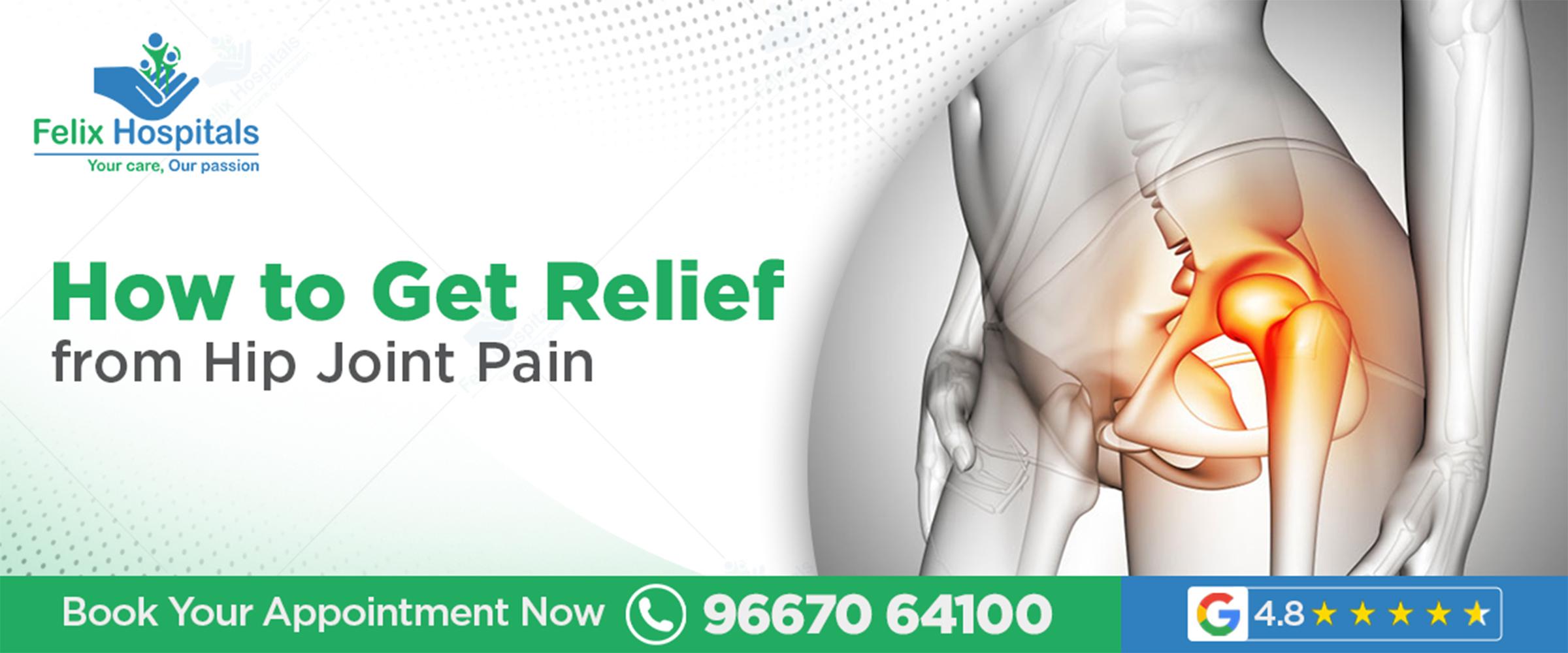
Adults, working people, and older people all have hip joint pain, which is one of the most common musculoskeletal problems. Many people who go to the Best Orthopedic Hospital in Noida don't pay attention to stiffness or mild pain at first. They only notice it when it starts to make it hard to walk, sleep, or do everyday tasks. The hip joint holds up the weight of the body and lets you do important things like stand, sit, climb stairs, and bend. When pain starts, it can quickly make it hard to move and enjoy life. The World Health Organization says that musculoskeletal disorders affect almost 1.71 billion people around the world. This means that joint pain is one of the main causes of disability around the world. Patients heal faster and avoid long-term problems when they know what causes, symptoms, treatments, exercises, and lifestyle changes.
Don't ignore the signs if hip pain is getting in the way of your daily life. To make an appointment for your consultation today, call +91 9667064100.
The hip is a ball-and-socket joint that connects the thigh bone to the pelvis. This lets the body move smoothly and flexibly. If cartilage, muscles, tendons, or bones are hurt, they can become inflamed, stiff, and painful. Many people think that hip pain is just a normal part of getting older, but it can happen to anyone at any age because of bad habits, bad posture, injuries, or arthritis. The Centers for Disease Control and Prevention say that 1 in 4 adults in the world has joint pain. This shows how common this condition has become.
Important things for patients to know:
The pain in your hip may come on slowly or quickly
It can come from muscles, nerves, cartilage, or bones
Getting treatment early makes it easier to move and recover
Not paying attention to symptoms could cause long-term damage to joints
Understanding What Causes Hip Joint Pain? helps patients spot risk factors early and take steps to avoid them. The hip joint carries the body's weight every day, which makes it easy for it to wear out over time.
Some common causes are:
Osteoarthritis and degeneration of cartilage
Strain of muscles or injury to ligaments
Inflammation of the tendons and bursitis in the hip
Nerve compression or sciatica
Fractures of the hip and injuries from sports
Being lazy and being overweight
Bad posture and sitting for long periods of time
According to the National Institutes of Health, osteoarthritis affects more than 32.5 million adults, and the hip joint is one of the most common areas that are affected.
Recognising Common Symptoms of Hip Joint Problems early can help avoid serious problems and trouble moving around. If not treated, symptoms usually get worse over time.
Early signs:
A little stiff in the morning
Pain when going up stairs
A click or pop sound in the hip
Trouble sitting with your legs crossed
More serious symptoms:
Pain in the groin or thigh that doesn't go away
Less movement in the joints
Walking with a limp
Pain that spreads to the lower back or knee
Signs of an emergency:
Pain that comes on suddenly
Can't bear weight
Redness or swelling around the joint
Fever and pain in the hip
According to research by the American Academy of Orthopaedic Surgeons, the risk of getting hip arthritis goes up by 25% after age 50.
A lot of people look for Home Remedies for Hip Joint Pain Relief to feel better naturally. These treatments work well in mild or early cases and work well with medical care.
Home remedies that work:
Warm compress to help muscles relax
Ice packs to bring down swelling
The right way to sit and sleep
Daily gentle stretching
Keeping your body weight in a healthy range
Wearing shoes that support you
Studies show that people with early arthritis can reduce joint stiffness by up to 30% with regular heat therapy.
Moving around regularly makes your joints more flexible and your muscles stronger. The Best Exercises for Hip Joint Pain help you regain flexibility and keep your joints from getting stiff.
Exercises that are good for you:
Hip bridges to make muscles stronger
Swimming and doing exercises in the water
Riding a bike and walking
Leg raises while sitting
Stretches for the hamstrings and hip flexors
Research shows that people with arthritis who do low-impact exercise have less joint pain, up to 40%.
When hip pain makes it hard to do everyday things, doctors may give you medications to help. Medications for Hip Pain Management helps with swelling and makes it easier to move around.
Common ways to treat it:
Drugs that reduce pain and swelling
Relaxants for muscles
Supplements of calcium and vitamin D
Injections to lubricate joints
Injections of corticosteroids
Studies in medicine show that anti-inflammatory drugs help with joint pain in 60–70% of patients.
Physiotherapy is very important for getting better and getting back to moving around after hip pain. Role of Physiotherapy in Hip Pain Relief makes muscles stronger and helps with posture.
Some of the benefits are:
Makes joints stronger and more flexible
Lessens pain without having to have surgery
Stops injuries from happening again
Helps with balance and posture
Helps you get better faster after treatment
Within 6 to 8 weeks, physiotherapy programs help 80% of patients move better.
Making Lifestyle Changes to Reduce Hip Joint Pain is very important for the long-term health of your joints.
Good habits for living a healthy life:
Keep your body weight at a healthy level
Don't sit for long periods of time
Use furniture that is good for your body
Put on shoes that support you
Keep moving around
Stop smoking
Losing just 5–10% of your body weight can lower the pressure on your joints by 30%.
Knowing When to See a Doctor for Hip Pain can help you avoid problems and disability. A lot of patients wait to see a doctor until their pain gets really bad.
If you see any of the following, talk to a specialist:
Pain that lasts longer than two weeks
Trouble standing or walking
Pain at night that keeps you awake
Less ability to move
Hurt after a fall or injury
Consulting with the best orthopedic doctor in noida or best ortho doctor in noida early on can help treatment work better and keep surgery from being needed in many cases.
Doctors do a lot of tests to find out exactly what is causing the pain.
Some ways to diagnose are:
A physical exam
X-ray pictures
Scans with MRI
Tests on blood
The best ortho doctor in noida will give you personalised treatment if you get the right diagnosis.
Most cases of hip pain get better on their own.
Treatments that don't involve surgery:
Programs for physiotherapy
Shots and medicine
Keeping your weight in check
Changing your way of life
Fixing activities
Studies indicate that 70–80% of hip pain cases show improvement with non-surgical intervention.
In very bad cases, surgery may be needed.
Common steps:
Arthroscopy of the hip
Resurfacing the hip
Full hip replacement
Fixing a broken bone
95% of modern hip replacement surgeries work.
The type of treatment and the health of the patient affect how well they recover.
Tips for getting better:
Stick to your physiotherapy plan
Don't lift heavy things at first
Eat a healthy diet
Slowly add more activity
Go to follow-up appointments on a regular basis
Most patients can go back to their normal activities within 6 to 12 weeks.
Preventing problems with your joints helps keep them healthy for a long time.
How to avoid problems:
Work out often
Keep your posture straight
Don't lift heavy things all of a sudden
Make your core muscles stronger
Eat a healthy diet
Regular exercise can cut the risk of joint pain by as much as 50%.
Get a professional diagnosis and advanced orthopaedic care from specialists who have been doing this for a long time. Call a doctor now at +91 9667064100 to start your road to recovery.
Hip joint pain may start out as mild stiffness, but if you don't do anything about it, it can turn into a serious mobility issue. Patients can make timely decisions and avoid complications by learning about the causes, symptoms, treatment options, exercises, and ways to prevent them. Getting care means getting a diagnosis early, getting better treatment, and getting better faster. Patients who see the best Orthopedic doctor in Noida or the best ortho doctor in noida can get treatment plans that are tailored to their needs. These plans can include physiotherapy, medications, lifestyle changes, and modern surgical techniques when necessary. Most people can get back to living an active, pain-free life and keep their joints healthy for the future if they get help early, exercise regularly, and make healthy choices.
Dr. Binay Kumar Sahu is an experienced Orthopedic and Traumatology specialist with 11+ years of clinical practice. He has extensive expertise in complex trauma, arthroscopy, arthroplasty, musculoskeletal tumors, and hand surgery. Recognized among the Best Orthopedics in Noida, he provides comprehensive and advanced orthopedic care.

Are you struggling with constant back pain that affects your daily life? Back pain can result from poor posture, long sitting hours, slip disc, muscle strain, or spinal problems.

Learn 10 simple and effective remedies to relieve post-C-section back pain. Improve posture, reduce discomfort, and speed up recovery with safe, doctor-recommended methods.

Endoscopic Spine Surgery in Noida offers a revolutionary, minimally invasive solution for chronic back and spine-related pain

Is your child complaining of back pain? Discover causes, symptoms, treatment, and prevention tips to protect your child’s spine and overall health.
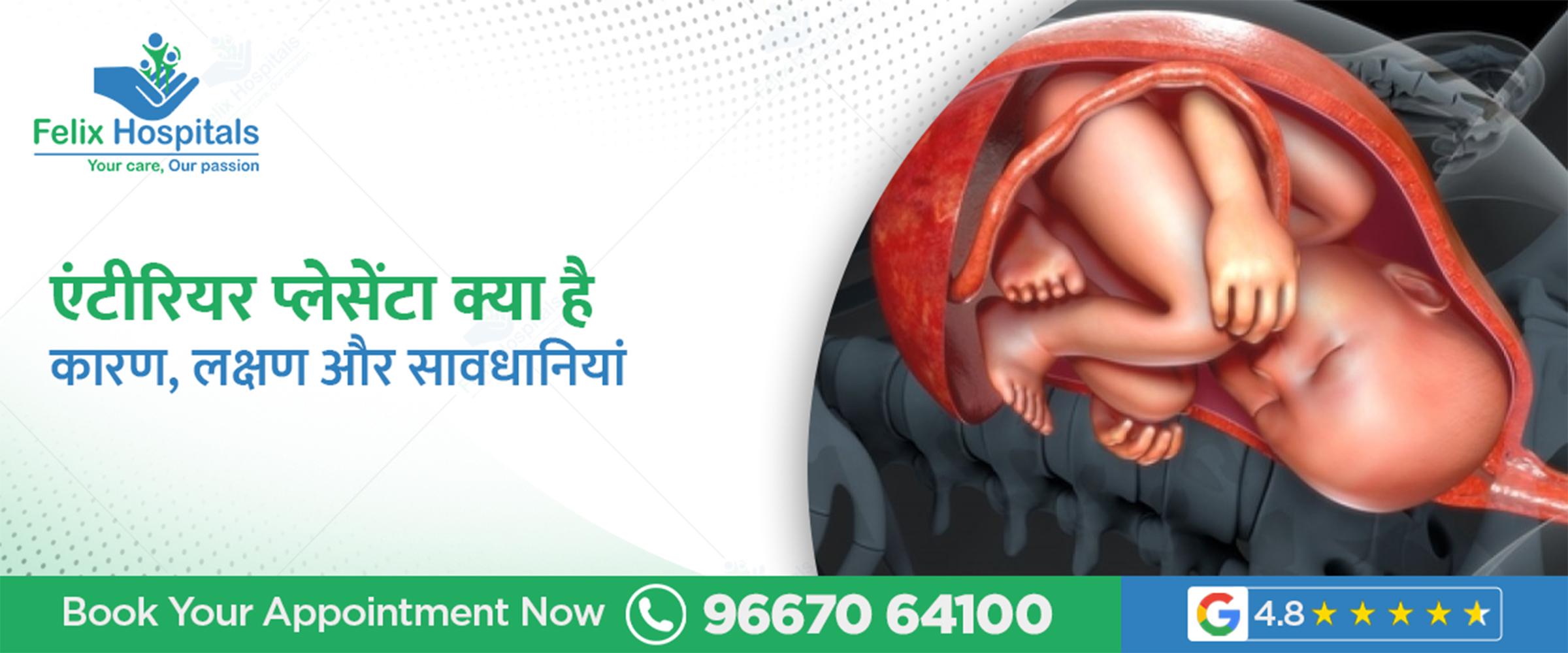
गर्भावस्था के दौरान प्लेसेंटा (Placenta) की स्थिति मां और शिशु दोनों के स्वास्थ्य के लिए बेहद महत्वपूर्ण होती है। कई बार अल्ट्रासाउंड रिपोर्ट में “एंटीरियर प्लेसेंटा” लिखा आता है, जिसे देखकर कई महिलाएं चिंतित हो जाती हैं। लेकिन यह हमेशा खतरनाक नहीं होता। Best Gynecology Hospital in Noida में उपलब्ध है। सही जानकारी और निगरानी से इसे सुरक्षित रूप से मैनेज किया जा सकता है।
अभी अपॉइंटमेंट शेड्यूल करें – कॉल करें: +91 9667064100
एंटीरियर प्लेसेंटा गर्भावस्था (Anterior Placenta Pregnancy) की एक सामान्य स्थिति होती है, जिसमें प्लेसेंटा यानी नाल गर्भाशय (Placenta) की आगे की दीवार पर जुड़ जाती है। आसान शब्दों में समझें तो जब गर्भ में बच्चा होता है, तो उसके साथ एक अंग बनता है जिसे प्लेसेंटा कहा जाता है, जो बच्चे को पोषण और ऑक्सीजन पहुंचाने का काम करता है। यदि यह प्लेसेंटा पेट की तरफ यानी आगे की ओर स्थित हो, तो उसे एंटीरियर प्लेसेंटा कहा जाता है। यह कोई बीमारी नहीं है, बल्कि प्लेसेंटा की एक सामान्य पोजीशन है और ज्यादातर मामलों में इससे माँ या बच्चे को कोई नुकसान नहीं होता। हालांकि इस स्थिति में कई बार बच्चे की हलचल थोड़ी देर से महसूस हो सकती है, क्योंकि प्लेसेंटा आगे की तरफ होने के कारण कुशन की तरह काम करता है। कुल मिलाकर, एंटीरियर प्लेसेंटा एक सुरक्षित और सामान्य स्थिति है, जिसमें केवल नियमित जांच और डॉक्टर की सलाह का पालन करना जरूरी होता है।
प्लेसेंटा गर्भावस्था का एक बेहद अहम अंग होता है, जो शिशु के विकास में महत्वपूर्ण भूमिका निभाता है। यह बच्चे तक ऑक्सीजन और जरूरी पोषक तत्व पहुंचाता है, साथ ही उसके शरीर में बनने वाले अपशिष्ट पदार्थों को बाहर निकालने में मदद करता है। इसके अलावा प्लेसेंटा विभिन्न आवश्यक हार्मोन का निर्माण करता है और मां तथा शिशु के बीच एक मजबूत कनेक्शन स्थापित करके दोनों को आपस में जोड़े रखता है।
एंटीरियर प्लेसेंटा का कोई एक निश्चित कारण नहीं होता, लेकिन कुछ संभावित कारण हैं:
गर्भाशय की संरचना
पहले की प्रेग्नेंसी
सर्जरी (जैसे C-section)
उम्र (30+ में संभावना थोड़ी बढ़ती है)
शरीर की प्राकृतिक बनावट
यह एक प्राकृतिक प्रक्रिया है, इसमें आपकी कोई गलती नहीं होती।
अधिकतर मामलों में कोई विशेष लक्षण नहीं होते, लेकिन कुछ संकेत दिख सकते हैं:
शिशु की हलचल देर से महसूस होना
पेट के आगे हिस्से में हल्की कठोरता
डॉक्टर को हार्टबीट सुनने में थोड़ा समय लगना
हां, एंटीरियर प्लेसेंटा में प्लेसेंटा आगे की ओर होने के कारण यह कुशन की तरह काम करता है, जिससे बच्चे की मूवमेंट महसूस होने में थोड़ी देरी हो सकती है, जो आमतौर पर 20–24 हफ्ते तक होती है, लेकिन इसका यह बिल्कुल मतलब नहीं होता कि बच्चा अस्वस्थ है।
एंटीरियर प्लेसेंटा की स्थिति में सामान्य डिलीवरी पूरी तरह संभव होती है और केवल इसी कारण सी-सेक्शन (C-section) की जरूरत नहीं पड़ती, बल्कि ऑपरेशन तभी किया जाता है जब अन्य कोई जटिलताएं हों; डॉक्टर अल्ट्रासाउंड के जरिए प्लेसेंटा की स्थिति का आकलन करके डिलीवरी का सही निर्णय लेते हैं।
एंटीरियर प्लेसेंटा में आमतौर पर कोई गंभीर खतरा नहीं होता, लेकिन स्वस्थ गर्भावस्था के लिए कुछ जरूरी सावधानियां अपनाना बहुत महत्वपूर्ण है। सही दिनचर्या, संतुलित आहार और नियमित जांच से माँ और शिशु दोनों सुरक्षित रहते हैं।
गर्भावस्था के दौरान (during pregnancy) संतुलित और पौष्टिक आहार लेना सबसे जरूरी होता है। रोजाना के भोजन में आयरन, कैल्शियम, प्रोटीन और विटामिन से भरपूर चीजें शामिल करें, जैसे हरी पत्तेदार सब्जियां, दालें, दूध, दही, पनीर, अंडा और फल। इससे शिशु के विकास में मदद मिलती है और माँ को कमजोरी नहीं होती। ज्यादा मीठा, नमक और तले-भुने या जंक फूड से बचें, क्योंकि ये वजन बढ़ाने के साथ-साथ अन्य समस्याएं भी पैदा कर सकते हैं।
हल्की-फुल्की शारीरिक गतिविधि गर्भावस्था में बहुत फायदेमंद होती है। रोजाना 20–30 मिनट की हल्की वॉक करने से ब्लड सर्कुलेशन बेहतर रहता है और शरीर सक्रिय रहता है। डॉक्टर की सलाह से प्रेगनेंसी योग या स्ट्रेचिंग एक्सरसाइज भी की जा सकती है, जो मानसिक और शारीरिक दोनों तरह से लाभ पहुंचाती है। हालांकि, किसी भी तरह का भारी व्यायाम या अधिक थकावट से बचना चाहिए।
पर्याप्त आराम और अच्छी नींद गर्भवती महिला के लिए बेहद जरूरी है। रोजाना कम से कम 7–8 घंटे की नींद लें, ताकि शरीर को पूरा आराम मिल सके। ज्यादा तनाव लेने से हार्मोनल असंतुलन हो सकता है, इसलिए खुद को मानसिक रूप से शांत रखने की कोशिश करें। ध्यान, मेडिटेशन या हल्की सांस की एक्सरसाइज इसमें मदद कर सकती हैं।
दिनभर पर्याप्त मात्रा में पानी पीना बहुत जरूरी है। इससे शरीर हाइड्रेटेड रहता है, ब्लड सर्कुलेशन बेहतर होता है और शरीर से टॉक्सिन्स बाहर निकलते हैं। पानी के अलावा नारियल पानी, छाछ या ताजे फलों का जूस भी लिया जा सकता है, लेकिन शुगर वाले पेय से बचना चाहिए।
गर्भावस्था में समय-समय पर डॉक्टर से जांच करवाना बेहद जरूरी है। अल्ट्रासाउंड के जरिए प्लेसेंटा की स्थिति और बच्चे की ग्रोथ पर नजर रखी जाती है। साथ ही ब्लड प्रेशर, ब्लड शुगर और अन्य जरूरी टेस्ट भी समय पर करवाने चाहिए। डॉक्टर द्वारा दी गई दवाओं और सलाह का नियमित रूप से पालन करें, ताकि किसी भी संभावित समस्या का समय रहते पता चल सके।
तुरंत डॉक्टर से संपर्क करें यदि:
बच्चे की मूवमेंट अचानक कम हो जाए
तेज पेट दर्द हो
ब्लीडिंग या स्पॉटिंग हो
चक्कर या कमजोरी महसूस हो
गर्भावस्था के दौरान एंटीरियर प्लेसेंटा का नाम सुनते ही कई महिलाओं और उनके परिवार में अनावश्यक डर और भ्रम पैदा हो जाता है। Best Gynecologist in Noida में उपलब्ध है। दरअसल, सही जानकारी की कमी के कारण कई मिथक प्रचलित हो जाते हैं, जबकि वास्तविकता इससे काफी अलग होती है। आइए इन्हें विस्तार से समझते हैं:
तथ्य: एंटीरियर प्लेसेंटा गर्भावस्था की एक सामान्य स्थिति है, जिसमें प्लेसेंटा गर्भाशय की आगे की दीवार पर होता है। यह कोई बीमारी नहीं है और अधिकतर मामलों में माँ और बच्चे दोनों पूरी तरह सुरक्षित रहते हैं। डॉक्टर की नियमित निगरानी में यह स्थिति सामान्य रूप से मैनेज की जाती है।
तथ्य: केवल एंटीरियर प्लेसेंटा होने से सी-सेक्शन की आवश्यकता नहीं होती। यदि गर्भावस्था में अन्य कोई जटिलता नहीं है, तो सामान्य (नॉर्मल) डिलीवरी पूरी तरह संभव होती है। डिलीवरी का तरीका डॉक्टर माँ और बच्चे की स्थिति, प्लेसेंटा की लोकेशन और अन्य मेडिकल फैक्टर्स के आधार पर तय करते हैं।
तथ्य: एंटीरियर प्लेसेंटा का बच्चे की ग्रोथ पर आमतौर पर कोई नकारात्मक प्रभाव नहीं पड़ता। प्लेसेंटा चाहे आगे हो या पीछे, उसका मुख्य काम बच्चे को पोषण और ऑक्सीजन देना होता है, जो सामान्य रूप से चलता रहता है। जब तक प्लेसेंटा ठीक से काम कर रहा है, बच्चे का विकास भी सामान्य रहता है।
तथ्य: बच्चे की मूवमेंट कम नहीं होती, बल्कि प्लेसेंटा आगे होने के कारण मां को उसे महसूस करने में थोड़ी देरी हो सकती है। यह स्थिति एक कुशन की तरह काम करती है, जिससे हलचल महसूस होने में समय लगता है, लेकिन बच्चा पूरी तरह सक्रिय रहता है।
तथ्य: एंटीरियर प्लेसेंटा में सामान्य गर्भावस्था जैसी ही सावधानियां रखनी होती हैं। जब तक कोई अन्य जटिलता न हो, तब तक अतिरिक्त बेड रेस्ट की जरूरत नहीं होती। डॉक्टर की सलाह के अनुसार हल्की गतिविधियां, वॉक और सामान्य दिनचर्या जारी रखी जा सकती है।
जांच और इलाज के लिए कॉल करें: +91 9667064100
कुल मिलाकर, एंटीरियर प्लेसेंटा में घबराने की जरूरत नहीं होती, बस सही देखभाल, संतुलित जीवनशैली और नियमित मेडिकल चेकअप से गर्भावस्था को पूरी तरह सुरक्षित और स्वस्थ बनाया जा सकता है। एंटीरियर प्लेसेंटा एक सामान्य मेडिकल स्थिति है, जिसे लेकर घबराने की जरूरत नहीं होती। सही देखभाल, संतुलित आहार और नियमित जांच से आप स्वस्थ गर्भावस्था का आनंद ले सकती हैं। किसी भी असामान्य लक्षण को नजरअंदाज न करें और समय पर डॉक्टर से संपर्क करें।
Dr. Charu Yadav is an obstetrician and gynecologist with 12+ years of experience, specializing in high-risk and twin pregnancies, ectopic pregnancy, and menstrual disorders. Trained in laparoscopic surgery, she provides care for pregnancy, infertility, menopause, and gynae procedures. She is also recognized among the Best Gynecologists in Noida for her patient-focused treatment.
पीसीओडी (PCOD) की समस्या उन महिलाओं में अधिक देखने को मिल रही है, जो नाइट शिफ्ट में काम करती हैं। पूरी रात जागना देर रात खाना जैसी लाइफस्टाइल उनकी सेहत को भारी नुकसान पहुंचा रही है।

गर्भावस्था में पेट दर्द एक सामान्य समस्या है, लेकिन कभी-कभी यह गंभीर स्वास्थ्य संकेत भी हो सकता है। जानिए इसके कारण, लक्षण और सुरक्षित इलाज।
खून की उल्टी एक गंभीर लक्षण है जो पाचन तंत्र, लीवर या पेट की किसी समस्या का संकेत हो सकता है। इसके सही कारण जानने और समय पर उपचार के लिए डॉक्टर से तुरंत सलाह लेना जरूरी है।
महिलाओं में पीरियड कम आने के कई कारण हो सकते हैं, जैसे हार्मोनल असंतुलन, तनाव, थायरॉइड की समस्या या वजन में बदलाव। सही समय पर जांच और इलाज जरूरी है।

Subscribe to our
© Copyright 2026. All Rights Reserved by Felix Healthcare Private Limited
Design and development by :


 +(91)9667064100
 Emergency : +(91)9667064100