 Emergency:
  WhatsApp

Subscribe to our
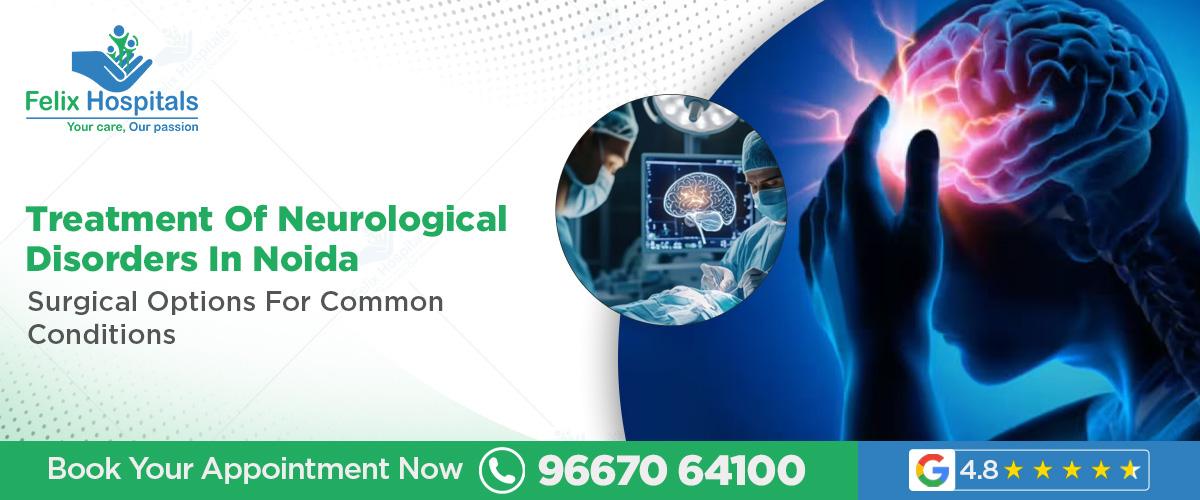
Neurological disorders can significantly affect an individual’s daily life, as they arise from abnormalities in the brain, spinal cord or the peripheral nerves. When these vital structures are affected, a person may experience weakness, numbness, seizures, pain, or difficulty with movement, speech or coordination. To properly manage these conditions, it is crucial to understand what are neurological disorders, the types of neurological disorders, and how they are identified and treated. Individuals experiencing the early signs of neurological problems should seek assessment at a qualified top neuro hospital in Noida to prevent complications and ensure timely treatment.
Neurological disorders refer to diseases that affect any part of the nervous system. These may be due to genetic factors, infections, immune reactions, injuries, or degenerative changes. When the nervous system becomes compromised, the person may experience issues ranging from mild discomfort to severe disability. Understanding the causes of neurological disorders allows patients and caregivers to seek medical attention early and improve treatment outcomes.
Awareness of the types of neurological disorders helps patients recognize symptoms early and seek the right care.
Parkinson’s disease is a progressive condition caused by the deterioration of dopamine-producing neurons. This leads to slow movements, tremors, stiffness and balance difficulties. As the disease advances, daily tasks become increasingly challenging, and ongoing treatment is required to manage symptoms.
Alzheimer’s disease is the most common cause of dementia, leading to memory loss and declining cognitive function. Abnormal protein deposits disrupt communication between brain cells, causing behavioral changes and difficulties in performing everyday tasks.
MS is an autoimmune condition where the body attacks its own nerve coverings (myelin). This disrupts nerve signals and leads to weakness, vision issues, imbalance, or fatigue. MS usually follows a pattern of remission and relapse, making long-term monitoring essential.
A stroke occurs when blood flow to the brain is blocked or a blood vessel bursts. Lack of oxygen causes permanent damage to brain tissues, resulting in paralysis, speech problems, confusion or loss of balance. Immediate treatment is critical for a better outcome.
Epilepsy involves recurrent seizures caused by abnormal electrical activity in the brain. Symptoms depend on the type of seizure and may include shaking, staring spells or sudden loss of awareness. Timely treatment helps control seizures and improves quality of life.
Recognizing the symptoms of common neurological diseases can help with early diagnosis and management. These may include:
Recurrent headaches or migraines
Persistent numbness or tingling
Difficulty walking or balancing
Tremors or involuntary movements
Memory loss or confusion
Speech or swallowing problems
Seizures
Chronic back or neck pain
If these symptoms persist, it is advisable to seek a neurologist’s opinion.
The process of diagnosing neurological conditions involves a combination of:
Neurological examination – Assessing reflexes, strength, sensation and balance
Imaging tests – MRI and CT scans to view structural changes
EEG – detecting abnormal electrical activity for epilepsy
EMG/Nerve conduction studies – assessing nerve and muscle function
Lumbar puncture – examining spinal fluid for infections or autoimmune diseases
Accurate diagnosis allows neurologists to form a personalized plan based on the patient’s needs.
At a well-equipped Neurology hospital in Noida, treatment combines medicines, therapies and surgical interventions depending on the condition and severity.
Anticonvulsants for epilepsy
Dopamine-enhancing medicines for Parkinson’s disease
Immunomodulators and steroids for multiple sclerosis
Blood thinners after a stroke
These medicines help control symptoms, prevent disease progression and reduce complications.
Physiotherapy for mobility and balance
Occupational therapy to restore daily functioning
Speech therapy for communication and swallowing issues
Cognitive therapy for memory and behavioral changes
These therapies promote recovery and support long-term independence.
Certain neurological disorders require surgical intervention, especially when symptoms do not respond to medications.
DBS is commonly used for Parkinson’s disease, essential tremors and dystonia. Electrodes are implanted in specific brain regions to regulate abnormal signals and improve mobility.
Surgery is performed to remove benign or malignant brain tumours, relieve pressure, restore brain function and prevent further neurological decline.
For patients with brain aneurysms, surgical clipping or minimally invasive coiling is done to prevent bleeding and life-threatening complications.
Endovascular procedures can remove clots from blocked arteries, improving recovery chances when performed within the critical time window.
For spinal cord compression, slipped discs or nerve compression, surgical decompression may be required to relieve symptoms like pain and weakness.
These techniques improve outcomes significantly when performed by experienced neurosurgeons.
People should seek medical attention if they notice:
Sudden weakness on one side of the body
Persistent headaches
Repeated episodes of dizziness
Memory loss affecting daily life
Seizures or fainting spells
Difficulty speaking or understanding
Changes in behaviour or personality
Visiting a neurologist early ensures timely diagnosis and better treatment outcomes.
Understanding what neurological disorders are, their symptoms, and the available treatment approaches helps individuals take control of their health. Visiting a well-equipped Neuro hospital in Noida or consulting the Best Neurologist in Noida ensures timely diagnosis, advanced treatment options, and ongoing support for long-term management. Whether symptoms are mild or severe, early intervention can significantly improve recovery, mobility, and overall quality of life. Anyone noticing the early signs of neurological problems should not delay evaluation, as prompt care plays a vital role in maintaining neurological health.
Q. 1. When should I worry about persistent headaches?
Ans. If headaches last for weeks or affect daily activities, a neurological evaluation is recommended.
Q. 2. Can neurological disorders be cured permanently?
Ans. Some conditions can be cured, while others can be effectively managed with long-term treatment.
Q. 3. Are all seizures a sign of epilepsy?
Ans. No, seizures can also occur due to fever, infections or metabolic issues and need proper diagnosis.
Q. 4. Is surgery always required for neurological disorders?
Ans. No, surgery is suggested only when medicines and therapies are not sufficient.
Q. 5. How can I identify early signs of neurological problems in children or adults?
Ans. Look for changes in movement, speech, behaviour, memory or unexplained weakness.
Advanced neurosurgery improves treatment for brain and spine disorders with better outcomes.
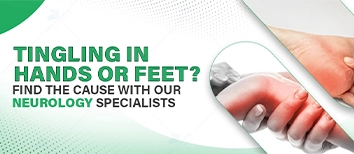
Experiencing tingling in your hands or feet? It could signal a nerve-related issue. Consult our expert neurologists at Felix Hospitals to find the cause and get the right treatment today.
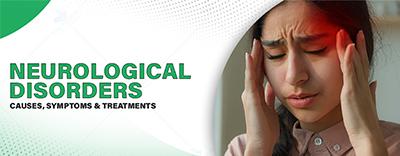
Neurological disorders impact the brain, spine, and nerves, causing symptoms like headaches, seizures, or memory loss. Discover causes, treatments, and expert advice for better neurological care and management.

Subscribe to our
© Copyright 2026. All Rights Reserved by Felix Healthcare Private Limited
Design and development by :


 +(91)9667064100
 Emergency : +(91)9667064100