 Emergency:
  WhatsApp

Subscribe to our

Severe abdominal pain is a symptom that should never be ignored, as it may indicate serious underlying medical conditions requiring urgent attention. Vital organs that are situated in the abdominal area will include the stomach, liver, intestines, pancreatic, and kidney hence pain in this area may be complicated and somewhat hard to decipher. Recognizing severe abdominal pain early can help prevent complications and ensure timely treatment.
Although mild stomach discomfort can be self-resolving, severe pain or persistent one can become a warning that there are some emergencies like infections, inflammation of organs or internal bleeding. Prompt care with the help of the best gastroenterologist in noida or emergency services visits may help in a major difference of the disease detection and recovery results.
Experiencing intense stomach pain or discomfort that won’t go away? Don’t delay medical care—early treatment can prevent serious complications. Call +91 9667064100 to consult a stomach pain specialist near me today.
The abdomen is a complex region where multiple organs function together, making it important to understand what causes severe abdominal pain and how it presents in different conditions. The nature of the pain experienced may be sharp and acute or dull and chronic depending on the cause of the problem.
According to medical observations, almost 5-10 percent of the total emergency department visits in the world are attributable to abdominal pain, which serves as one of the indications of the prevalence and potentially significant nature of the given symptom. This underlines the fact that caution should be taken by ensuring that the warning signs are not overlooked.
Identifying what causes severe abdominal pain helps in determining whether the condition is mild or life-threatening. The factors may be as mild as digestive complications to severe problems of the organ.
Common causes include:
Gallstones
Pancreatitis
Gastritis or ulcers
Intestinal obstruction
Food poisoning
Digestive tract infection.
All these factors are different in their intensity and necessitate certain treatment strategy.
The different categories of pain give information as regards to the underlying condition and aid in diagnosis using them.
Common types include:
Acute pains are sharp and sudden, and indicate conditions.
Pain related to digestion, crampy.
Stinging pain that is related to acidity or ulcers.
Apparent back or side pain.
Periodic pain now and then.
The perceptions of pain assist in quicker and more precise medical evaluation.
Recognizing signs of emergency abdominal pain is crucial for deciding when immediate medical attention is needed.
Warning signs include:
Rapid and sharp pain which only becomes worse.
Several pains with high fever.
Constant vomiting or not able to swallow.
Blood in vomit or stool
Abdominal pain: swelling or rigidity.
Breathing difficulties caused by pain.
The symptoms can be suggestive of severe diseases that demand immediate treatment.
Knowing when to go to hospital for stomach pain can help prevent delays in treatment and avoid complications.
Go to the hospital as soon as:
The pain also extends beyond several hours and is intensive.
Acute sharpness of pain occurs.
Pain is a consequence of an injury or accident.
You feel dizzy or faint.
Chest pain is associated.
Symptoms rapidly worsen
When hospitals are visited in time, it is more likely to be treated and heal.
Severe abdominal pain often presents with additional symptoms that provide important diagnostic clues.
Characteristic related symptoms consist of:
Nausea and vomiting
Loss of appetite
Fever or chills
Diarrhea or constipation
Yellowing of skin (jaundice)
Difficulty passing urine
The symptoms enable the physicians to recognize the underlying cause of pain more precisely.
There are medical and lifestyle factors that expose one to risk of developing serious abdominal conditions.
Key risk factors include:
Unhealthy eating habits
Too much drunkenness.
Such chronic diseases as diabetes.
The history of abdominal surgery.
Infections
Poor lifestyle habits and stress.
With the assistance of considering such risks, it is possible to avoid serious abdominal problems.
Accurate diagnosis is essential for identifying the cause of pain and determining appropriate treatment.
Test | Purpose |
Physical Examination | Assesses location and severity of pain |
Blood Tests | Detects infection or inflammation |
Ultrasound | Identifies organ-related issues |
CT Scan | Provides detailed imaging of abdomen |
Endoscopy | Examines digestive tract conditions |
These diagnostic tools help doctors make timely and effective treatment decisions.
The management is made depending on the basis of the condition and its severity. Early intervention leads to better results.
Treatment options include:
Painkillers and anti-infective agents.
Dehydration intravenous fluids.
Bacterial infections Antibiotics.
Surgery on things such as appendicitis.
Dietary modifications
In Severe cases hospital surveillance.
The proper therapy guarantees a quicker recovery and decreases complications.
Disregarding severe symptoms may result in severe health problems with numerous affected organs.
The possible complications are:
Organ damage or failure
Internal bleeding
Infection spread
Sepsis
Long-term digestive issues
Having the medical information on the fact that the further treatment of the acute abdominal conditions not only correlates closely with complications but also is highly risky, the role of the early treatment becomes clear.
Prevention is important in the minimization of the risk of serious abdominal conditions.
Healthy habits include:
Maintaining a balanced diet
Staying hydrated
Avoiding excessive alcohol
Practicing good hygiene
Regular medical checkups
Effective management of stress.
The actions promote digestive and general well-being.
A specialist should be consulted because correct diagnosis and correct management of abdominal pain would be achieved.
Specialist care offers:
State-of-the-art diagnostic units.
Individualized care plans.
Continuous monitoring
Expert medical guidance
Comprehensive patient care
In-patient services conducted by skilled practitioners enhance the results of care.
Experiencing sudden or worsening abdominal pain? Don’t ignore warning signs—get expert care immediately. Call +91 9667064100 to consult a stomach pain specialist near me today.
Severe abdominal pain can be a warning sign of serious underlying conditions that require immediate medical attention. Understanding severe abdominal pain, identifying what causes severe abdominal pain, and recognizing signs of emergency abdominal pain are essential steps in ensuring timely care.
Prevention and treatment with lifestyle changes must be made early and may be of great help in lowering complications, which may be avoided and near cured. By using the service of the finest gastroenterologist in noida, a patient stands a great chance of getting the correct diagnosis and effective treatment that would assure his or her good health long term.
Yes, severe and sudden abdominal pain can indicate serious conditions like appendicitis or internal bleeding and requires immediate medical attention.
If pain is intense, persistent, or accompanied by symptoms like fever, vomiting, or dizziness, it should be evaluated by a doctor.
It is best to avoid self-medication, as it may mask symptoms and delay proper diagnosis.
Stress can contribute to digestive issues, but severe pain should always be evaluated to rule out serious conditions.
Seek medical help immediately, especially if symptoms are worsening or accompanied by warning signs.

Abdominal distension is a common condition that causes swelling, bloating, and discomfort in the stomach area. Early diagnosis and proper treatment in Noida can help prevent serious complications and improve digestive health.

Abdominal pain and bloating need timely evaluation. Expert diagnosis in Noida ensures accurate treatment and fast relief.
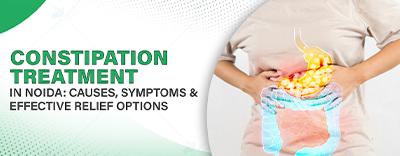
Get expert constipation treatment in Noida. Learn about common causes, symptoms, and the best relief options to improve digestive health.

Struggling with constipation in summer? Learn its causes, symptoms, and effective remedies. Stay hydrated and follow expert tips for better digestive health.


Subscribe to our
© Copyright 2026. All Rights Reserved by Felix Healthcare Private Limited
Design and development by :


 +(91)9667064100
 Emergency : +(91)9667064100