 Emergency:
  WhatsApp



Subscribe to our
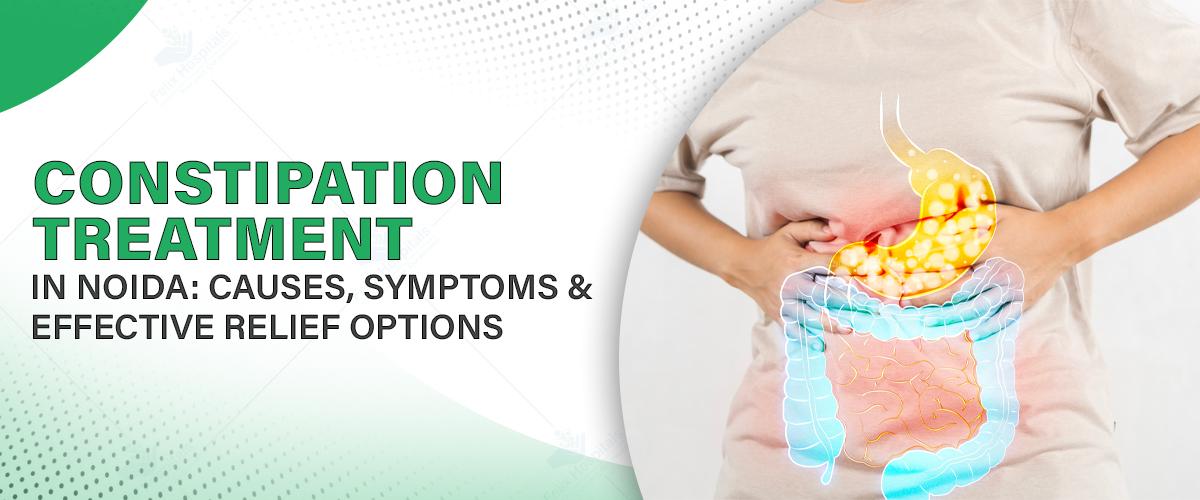
Are you having trouble with bowel movements that are infrequent, painful, or incomplete? Constipation is having less than three bowel movements a week or passing hard, dry stools. It is a common digestive problem that affects millions of adults and children. It's normal to be constipated from time to time, but if you are constipated a lot or severely, it can interfere with your daily life and be a sign of a health problem. If you're interested, you can get Constipation treatment in Noida. This guide will help you learn about the causes, symptoms, and effective ways to get relief so you can take charge of your digestive health and feel better for a long time.
Don't let constipation make your daily life less comfortable. Today, call +91 9667064100 to speak with an expert.
When your colon drains too much water out of your stool, it makes it hard, dry, and hard to pass. This is called constipation. Everyone's bowel habits are different, but if you have any of the following, you probably have constipation:
Less than three bowel movements a week
Straining or pain while passing stools
Stools that are hard, lumpy, or dry
Pain in the stomach, cramps, or bloating
Some people have chronic constipation that needs to be treated by a doctor. If you don't treat chronic constipation, it can lead to problems like hemorrhoid's, anal fissures, or even faecal impaction. If your constipation isn't going away after three weeks or more, or if it's painful or causes bleeding, you should see a Constipation doctor in Noida for an evaluation.
The first step to getting rid of constipation is to figure out what caused it. The most common reasons are:
Low-fiber diet: Fibre makes stools bigger and helps them move through the digestive system. Not eating enough fruits, vegetables, whole grains, and legumes is a common cause of constipation.
Dehydration: Not drinking enough water makes stools harder and harder to pass. Drinks with caffeine and alcohol, on the other hand, will make dehydration worse.
Too much cheese or processed foods: Eating a lot of milk, cheese, or processed grains (like white bread and pastries) will slow down digestion.
Not moving enough: Not getting enough exercise makes the intestines' muscles contract less, which slows down bowel movement.
Ignoring the need to have a bowel movement: Not going to the toilet can mess up your body's natural cycle and cause chronic constipation.
Travel or everyday life: Changes in sleep, food, or daily habits can make digestion temporarily difficult.
Some prescription and over-the-counter drugs can make you constipated. These include:
Pain relievers (like codeine and oxycodone)
Antidepressants like fluoxetine and amitriptyline
Supplements of iron or calcium
Antacids that have calcium or aluminium in them
Medicines that lower blood pressure, like calcium channel blockers
Some health problems that can cause constipation are:
Irritable Bowel Syndrome (IBS) is a long-term illness of the large bowel that often causes diarrhoea and constipation to switch places.
Hypothyroidism: A sluggish thyroid slows down metabolism, which includes digestion.
Diabetes: Having too much sugar in your blood can hurt the nerves that control digestion.
Neurological disease: Diseases like Parkinson's or multiple sclerosis can change how well the bowels move.
Structural problems: You can get help for intestinal obstruction, rectal prolapse, or pelvic floor dysfunction.
Stress and Mental Well-Being: The gut-brain axis connects the brain and the gut, which means that anxiety, depression, and stress can directly affect how well the gut works. This can slow down digestion.
Kids: It's normal for kids to get constipated when they are learning to use the potty or changing their diet.
Pregnancy: Changes in hormones and stress from the growing uterus can slow down digestion.
Older people are more likely to get constipated if they have less muscle tone and take medications.
Constipation that happens from time to time is usually not a big deal, but some symptoms need to be checked out right away. If you have any of the following symptoms, see a constipation expert in Noida:
Having trouble going to the toilet for more than three weeks
Severe bloating or pain in the stomach
Bleeding in the stool or from the rectum
Weight loss that wasn't planned
A sudden change in bowel habits
These signs could mean you have a serious illness like colorectal cancer, diverticulitis, or a blockage in your bowel. It is possible to diagnose constipation early so that treatment can begin right away and the person can feel better.
For mild to moderate constipation, small changes can make a big difference:
Eat more fibre: You should eat 25 to 30 grammes of fibre every day. You must eat prunes, apples, oats, lentils, and flaxseeds.
Stay hydrated by drinking at least 8 to 10 glasses of water every day. Warm lemon water in the morning can help your digestion.
Get some exercise every day. A 30-minute walk or yoga session may help your gut move better.
Make a schedule: Try to have a bowel movement at the same time every day, preferably after eating.
Psyllium husk (like Metamucil) or methylcellulose (like Citrucel) are fibre supplements that make stools thicker.
Docusate sodium (e.g., Colace) is a stool softener that makes stools softer.
Osmotic laxatives, like polyethylene glycol (MiraLAX), pull water into the intestines to help things move through.
Stimulant laxatives like bisacodyl or senna (like Dulcolax) make the intestines contract, but they should be used with care.
A gastroenterologist might suggest the following if these lifestyle changes don't help:
Linaclotide or lubiprostone are prescription drugs that can help with constipation.
Biofeedback therapy teaches the muscles in the pelvic floor how to better control the bowels.
Colonoscopy, anorectal manometry, or transit tests are some of the diagnostic tests that can help find the cause.
Surgery: Not often necessary for structural problems like rectal prolapse or blockage.
Felix Hospitals can help you with your constipation by giving you a full diagnosis and treatment. Patients choose Felix Hospital for:
Best gastroenterologists: To find out what's really causing your constipation, our experts use the most up-to-date diagnostic tools.
State-of-the-Art Facilities: Advanced endoscopy and modular operating rooms let doctors make accurate diagnoses and do procedures with as little harm as possible.
Customized Care: We can help kids and adults with anything from diet advice to biofeedback therapy.
It's important to keep your gut healthy. Call +91 9667064100 right away to talk to an expert.
Constipation can have a big effect on your health if you don't take care of it. If you know what causes, and symptoms, you can make better choices for your health. Felix Hospital Noida has expert care that can help you get long-term relief through diet therapy, medications, and other therapies. Don't let the symptoms get worse. Getting a diagnosis early can help you avoid problems getting worse and make your life better. If you've been constipated for a long time, see a doctor in Noida today.
Q1: What kind of food is best for relieving constipation?
Ans: A diet high in fibre and fluids is best. Fruits, vegetables, legumes, and whole grains are the best foods to eat. Prunes, kiwi, and flaxseeds are the best choices.
Q2: Is it safe to take laxatives for a long time?
Ans: Taking too many laxatives makes your bowel depend on them and makes constipation worse. Only take laxatives for more than two weeks in a row if your doctor tells you to.
Q3: How does Felix Hospital figure out if someone has chronic constipation?
Ans: We use advanced tests like colonoscopy, anorectal manometry, and transit studies to figure out what is causing the problem and how to best treat it.
Q4: Do kids stop being constipated as they get older?
Ans: Most kids get over constipation with a healthy diet and good toilet training. But if the problems don't go away, a paediatric gastroenterologist needs to look into them.
Q5: Can constipation be a sign of a serious illness?
Ans: Constipation that happens once in a while is usually not a problem, but if it keeps happening and there is blood in the stool or weight loss, it could be a sign of IBS, thyroid disease, or colorectal cancer.


Subscribe to our
© Copyright 2026. All Rights Reserved by Felix Healthcare Private Limited
Design and development by :


 +(91)9667064100
 Emergency : +(91)9667064100