 WhatsApp
 Emergency:
  WhatsApp


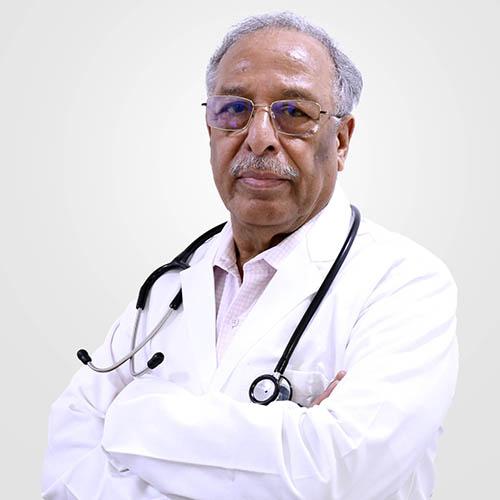
Dr. Alok Kumar Dubey is a highly experienced Neurologist with 50+ years of expertise in brain and spine disorders, specializing in advanced microscopic and endoscopic neurological procedures.




Subscribe to our
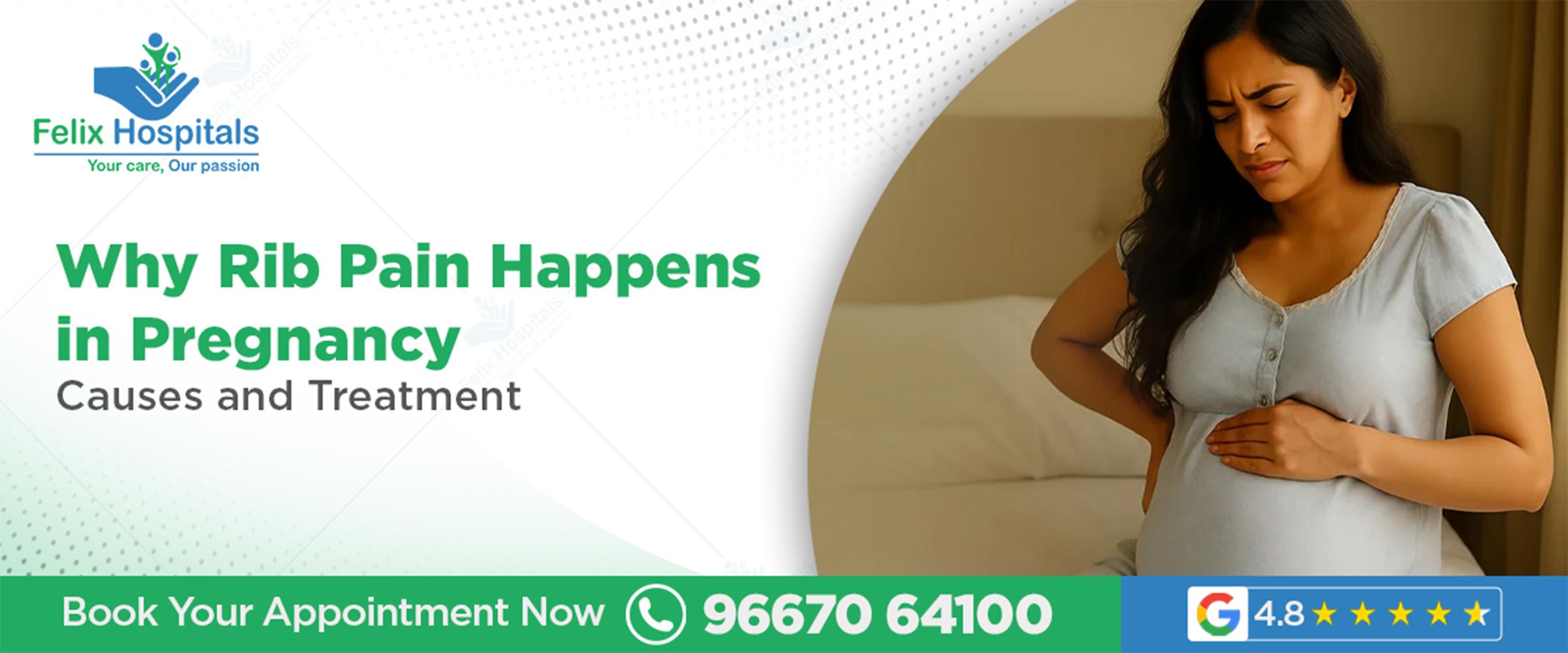
Pregnancy causes many wonderful changes in a woman, however, there are physical discomforts that may cause anxiety in the mothers-to-be. Rib pain is also a frequent complaint, particularly in the second and third trimester. Safe and expert care at a Gynecology Hospital in Noida and a trusted Gynecologist in Noida can contribute to a safe diagnosis and relief, protecting both the mother and child.
Although rib pain in pregnancy is typically benign, knowing the causes, signs, and safe treatment options makes mothers feel more empowered and comfortable through-out their pregnancy journey.
Protect your pregnancy with expert care and guidance. Book your appointment now: +91 9667064100
Understanding Rib Pain in Pregnancy helps mothers to appreciate that this pain is frequently associated with normal body changes. Your body is constantly changing as it adapts to the growing baby during pregnancy and this can cause pressure around your ribs, pulling your muscles. Common causes are :
The rib cage expanding to make room for the lungs
Extension of the muscles of the abdomen and ribs
Growing uterus pressure on
Changes in posture and in the spine
Studies suggest that nearly 50–70% of pregnant women experience musculoskeletal discomfort, including rib pain, during later pregnancy stages.
One major reason for rib pain is How Hormonal Changes Contribute to Rib Discomfort during pregnancy. Hormones such as relaxing and progesterone help prepare the body for labor by relaxing ligaments and joints.
This process is beneficial for delivery, but may also result in rib cage and spinal destabilisation.
Hormonal effects are as follows:
Relaxation of ligaments that connect the ribs to the spine
Increased flexibility in the joints leading to strain
Muscle fatigue from change in posture
Increased pain sensitivity
Relaxation of hormones is necessary for a woman to give birth to a child but it can cause discomfort in the chest and ribs.
Another major factor is Growing Uterus and Pressure on the Ribs. As the infant inside of you becomes bigger, your expanding uterus grows upward, exerting pressure on your diaphragm and rib cage.
This pressure is more felt in the third term.Effects of growing of the uterus:
Lower rib compression
Less room for the lungs to expand
Stretching of the abdominal muscles
Pain when sitting or lying down
Research shows the uterus can expand up to 1000 times its original size, explaining why rib discomfort becomes common in late pregnancy.
Recognizing Common Symptoms Associated with Rib Pain in Pregnancy allows you to distinguish between normal and unwanted symptoms. Common symptoms are:
Sharp or dull pain beneath the breasts
Pain when you breathe deeply
Tenderness of the ribs
More pain when I sit or bend
Discomfort when sleeping
Symptoms typically worsen in the third trimester when fetal growth is at its highest level.
Poor posture and fatigue make discomfort common at night.
Movement is limited, leading to stiffness
Pressure from sleeping position
Muscle fatigue from the day’s activities
Digestive changes and bloating
Supportive pillows may ease the pain at night.
Baby movement plays a major role in rib discomfort.
How fetal position affects ribs:
Baby kicks the ribs cage
Pressure from head or feet beneath ribs
Spinning fetus position
Many mothers notice sharp rib pain when the baby stretches or kicks upward.
Understanding When Rib Pain in Pregnancy Could Be Serious is important for early medical evaluation.
Obtain medical care immediately if rib pain is associated with:
Difficulty breathing
Chest pain that won't go away
Sudden swelling of the head or an abrupt onset of a headache
Symptoms of high blood pressure
Fever and cough or cough alone
These could be signs of complications including preeclampsia and/or infection.
Pregnancy shifts the body's center of mass. Postural changes that cause rib pain:
Increased lumbar lordosis
Forward Shoulder Position
Strain of the Upper Back Muscle
Less core stability
The right posture relieves a lot of the strain on the ribs.
Digestive changes in pregnancy may exacerbate rib pain. Typical digestive issues:
Acid reflux or heartburn
Gas and bloating
Hormones slowing down digestion
Uterus pressing on stomach
Eat small, frequent meals to minimize discomfort.
Knowing Safe Treatment Options for Rib Pain During Pregnancy ensures relief without harming the baby.
Doctor-recommended treatments:
Pregnancy safe pain relief medications
Pregnancy physiotherapy
Mild stretches activity
Postural correction therapy
Always seek doctor's advice before taking any medication.
Physiotherapy has the potential to greatly alleviate rib pain. Advantages are:
Increases core strength
Promotes good posture
Relaxes tight muscles
Increase breathing capacity
Prenatal physiotherapy is safe and beneficial.
Many mothers prefer Home Remedies to Relieve Rib Pain Naturally before seeking medical treatment.
Effective home remedies:
Warm compress on the rib cage
Mild prenatal yoga practice.
Use pregnancy pillows when you're sleeping.
Wearing maternity bras that offer support
Doing breathing exercises
Minor changes to your lifestyle can help ease the discomfort of your days.
Safe and effective exercises can enhance flexibility and ease tension. Recommended exercises:
Shoulder rolls and stretches
Cat-cow yoga pose
Side stretches
Breathing exercises of the deep variety
Exercise helps with blood flow and muscle relaxation.
Posture during sleep is a significant factor in pain management. Best sleeping tips:
Sleep on the left side
Place pillows under your stomach and ribs
Don't lie flat on your back
Keep your spine aligned
Good positioning can also help prevent the ribs from being compressed.
Physical pain can also impact mental health. Typical emotional consequences include:
Sleep complaints
Worry about baby’s health
Frustration due to chronic pain
Tiredness and mood swings
Nutrition maintains muscle and bone strength. Important nutrients include:
Calcium is for bone health
Magnesium for muscle relaxation
Vitamin D and calcium absorption
Proteins for tissue repair
Well-balanced nutrition promotes pain prevention.
Doctors may recommend tests if pain is severe
Test | Purpose |
Physical Examination | Identify muscle strain |
Ultrasound | Check baby’s position |
Blood Pressure Check | Rule out complications |
Blood Tests | Detect infection or deficiency |
Timely evaluation ensures safety for mother and baby.
Awareness for When to Seek Medical Advice for Rib Pain in Pregnancy aid in avoiding complications.
See a doctor if:
Pain gets severe or persistent
You have trouble breathing
Pain prevents you from sleeping
Home treatments don't work
Early advice brings reassurance and treatment.
Feeling persistent rib pain during pregnancy? Don’t ignore discomfort. Call +91 9667064100 to consult a specialist today.
Pregnancy is full of wonderful changes in a woman, but there are physical discomforts that may make anxiety in the mothers-to-be. Also, rib pain is a common complaint, especially in 2nd and 3rd trimester. Safe and qualified treatment At a gynecology hospital in Noida and a renowned gynaecologist in Noida can result in a safe diagnosis and relief, saving its mother and the child.
While rib pain during pregnancy is usually harmless, having knowledge of the causes, symptoms and safe treatment options allows mothers to feel more in control and comfortable during their pregnancy journey.
Dr. Charu Yadav is an obstetrician and gynecologist with 12+ years of experience, specializing in high-risk and twin pregnancies, ectopic pregnancy, and menstrual disorders. Trained in laparoscopic surgery, she provides care for pregnancy, infertility, menopause, and gynae procedures. She is also recognized among the Best Gynecologists in Noida for her patient-focused treatment.
Vaginal boils and herpes both cause painful bumps in the genital area, but their causes and treatments are very different. Knowing the difference helps women choose the right treatment and prevent complications.
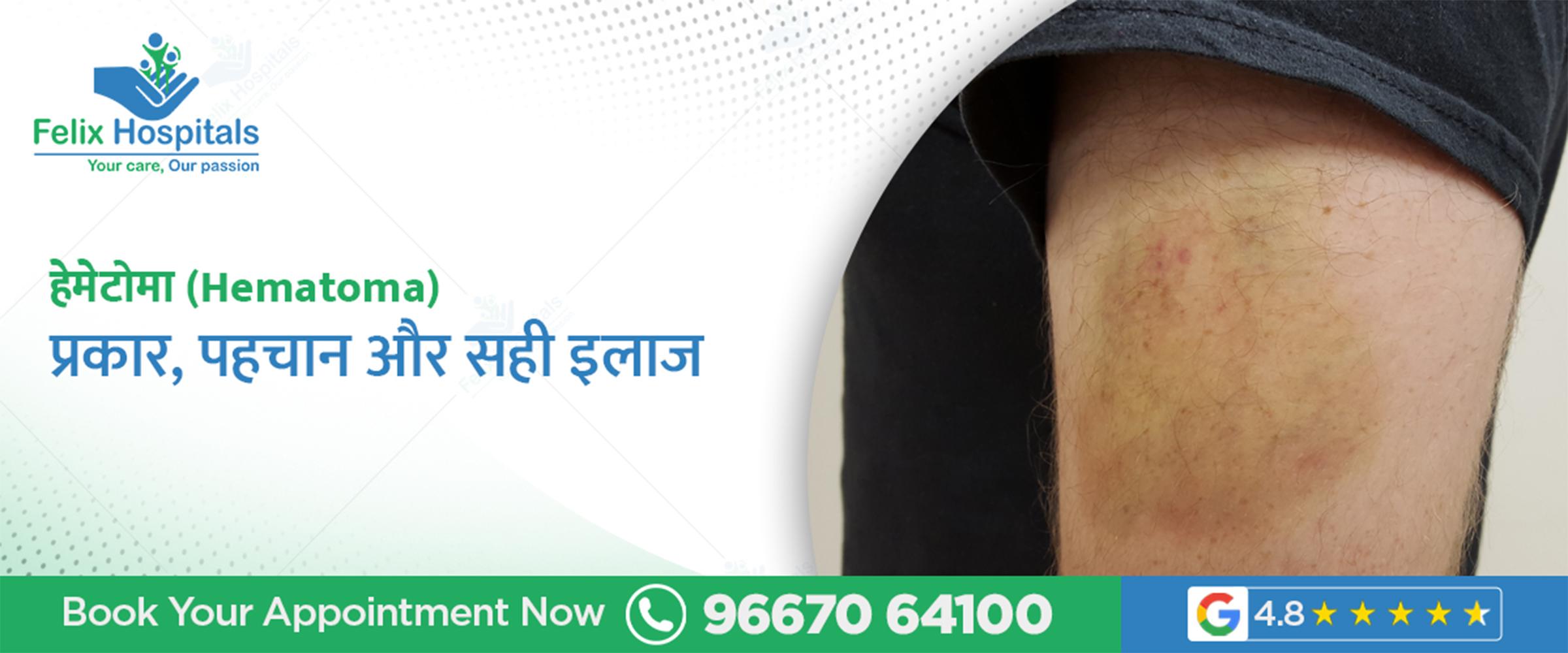
हेमेटोमा एक सामान्य लेकिन कई बार गंभीर स्थिति होती है। जिसे अक्सर लोग साधारण चोट समझकर नजरअंदाज करते हैं। सही समय पर पहचान और इलाज न होने पर यह जटिल रूप लेता है। अक्सर हेमेटोमा (शरीर में रक्त जमाव) चोट लगने, गिरने, दुर्घटना या सर्जरी के बाद बनता है। Best general Surgeon Hospital In Noida में उपलब्ध है। छोटे हेमेटोमा अपने आप ठीक होते हैं, लेकिन बड़े या जटिल हेमेटोमा गंभीर स्थिति बनते हैं। आइए इसे विस्तार से समझते हैं।
अभी अपॉइंटमेंट शेड्यूल करें – कॉल करें: +91 9667064100
हेमेटोमा (शरीर में रक्त जमाव) वह स्थिति है। जिसमें चोट या रक्त वाहिका फटने के कारण खून शरीर के ऊतकों, त्वचा या अंगों के अंदर जमा होता है। यह एक तरह का खून का जमा हुआ थक्का होता है। जो शरीर के किसी भी हिस्से में बनता है। छोटे हेमेटोमा सामान्य चोट की तरह ठीक होते हैं, लेकिन बड़े या आंतरिक हेमेटोमा गंभीर हो सकते हैं।
यह मस्तिष्क और खोपड़ी की सतह को ढकने वाले झिल्ली के नीचे खून जमने से होता है। यह सिर पर चोट लगने, गिरने या एक्सीडेंट के बाद विकसित होता है। सिरदर्द (Headache), उल्टी, भ्रम, नींद अधिक आना और कभी-कभी दौरे पड़ना शुरुआती लक्षण है। यह धीमी गति से भी विकसित हो सकता है, इसलिए बुज़ुर्गों में देर से पहचान होती है।
खोपड़ी और दुरा के बीच रक्तस्राव से होता है। अक्सर सिर पर गंभीर चोट या फ्रैक्चर के कारण विकसित होता है। बेहोशी, गंभीर सिरदर्द और आंखों की पुतली फैलना जैसे लक्षण दिखते हैं। यह आपात स्थिति होती है और त्वरित सर्जरी की आवश्यकता पड़ती है।
दिमाग के ऊतक के भीतर खून का जमता है। इस कारण स्ट्रोक (Stroke), उच्च रक्तचाप, चोट या मस्तिष्क की नस फटना है। बोलने में दिक़्क़त, शरीर के एक हिस्से में कमजोरी या लकवा, दौरे इसके लक्षण है। यह जानलेवा होता है। तुरंत न्यूरोलॉजिकल इलाज चाहिए।
मांसपेशियों पर चोट, गिरने या ज़्यादा खिंचाव से खून जमा होता है। प्रभावित हिस्से में सूजन, दर्द और कठोरता महसूस होती है। अक्सर खिलाड़ियों और एक्सरसाइज करने वालों में देखा जाता है। छोटे मसल हेमेटोमा आराम और बर्फ की सिकाई से ठीक हो जाते हैं, लेकिन बड़े मामलों में दवा व ड्रेनेज जरूरी होता है।
त्वचा के नीचे खून का जमाव, जिसे आमतौर पर चोट या ब्लंट ट्रॉमा से पहचाना जाता है। यह नीले-काले निशान की तरह दिखता है। हल्के मामलों में खुद ठीक हो जाते हैं, लेकिन बड़े जमाव में दर्द और ऊतक क्षति होती है।
नाखून पर चोट या किसी भारी वस्तु के दबने से खून नाखून के नीचे फंसता है। नाखून काला या नीला पड़ जाता है और तेज दर्द होता है। छोटे नेल हेमेटोमा खुद ठीक हो जाते हैं, लेकिन बड़े मामलों में डॉक्टर को खून निकालना पड़ता है।
गिरने, टकराने या सड़क दुर्घटना जैसी घटनाओं में खून की नस फटती है। जिससे खून बाहर निकलकर जमा होता है।
ऑपरेशन, इंजेक्शन या मेडिकल प्रोसीजर के बाद रक्तस्राव होकर हेमेटोमा बनता है।
सिर पर चोट लगने से मस्तिष्क के अंदर या उसके आवरण में खून जमा होकर ब्रेन हेमेटोमा विकसित होता है।
हड्डी टूटने (Bone fractures) पर उसके आसपास की रक्त वाहिकाएं क्षतिग्रस्त हो जाती हैं और खून जमता है।
वारफारिन, एस्पिरिन जैसी दवाएं लेने वाले लोगों में खून आसानी से बहता है। जमाव का खतरा बढ़ता है।
उम्र के साथ रक्त वाहिकाएं कमजोर होती हैं। जिससे मामूली चोट पर भी हेमेटोमा बनने की संभावना रहती है।
लगातार उच्च रक्तचाप से नसों पर दबाव बढ़ता है और उनके फटने से रक्तस्राव होता है।
प्रभावित जगह पर उभार या फूला हुआ हिस्सा दिखाई देता है।
लाल, नीला या काला निशान दिखना (bruise की तरह) दिखता है।
दबाने या छूने पर दर्द होता है।
प्रभावित जगह पर गर्माहट या हल्की जलन महसूस होता है।
अकड़न या हिलाने-डुलाने में कठिनाई होती है।
तेज सिरदर्द, चक्कर आना, उल्टी, बेहोशी तक होती है।
सांस लेने में कठिनाई या सीने में भारीपन महसूस होता है।
हेमेटोमा खतरनाक हो सकता है। ऐसी स्थिति में तुरंत डॉक्टर से संपर्क जरूरी है।
यह दिमाग में हो
लगातार आकार बढ़ रहा हो
बहुत ज्यादा दर्द और सूजन हो
सांस लेने में दिक्कत हो (छाती में होने पर)
बार-बार हो रहा हो
शारीरिक जांच
अल्ट्रासाउंड
सीटी स्कैन
ब्लड टेस्ट
हेमेटोमा का इलाज उसकी गंभीरता, स्थान (लोकेशन) और आकार पर निर्भर करता है। छोटे हेमेटोमा सामान्य घरेलू उपायों से ठीक हो सकते हैं, जबकि बड़े या आंतरिक हेमेटोमा में मेडिकल हस्तक्षेप जरूरी होता है।
चोट लगने के बाद प्रभावित हिस्से को पूरा आराम देना बेहद जरूरी होता है। ज्यादा चलना-फिरना या उस हिस्से पर दबाव डालना हेमेटोमा को बढ़ा सकता है। खासकर मसल (मांसपेशी) हेमेटोमा में भारी काम, एक्सरसाइज या स्ट्रेचिंग से बचना चाहिए।
चोट लगने के तुरंत बाद 15–20 मिनट तक बर्फ की सिकाई करना सबसे प्रभावी उपायों में से एक माना जाता है, क्योंकि यह सूजन को कम करता है, दर्द को नियंत्रित करता है और रक्तस्राव को फैलने से रोकने में मदद करता है। दिन में 3–4 बार बर्फ की सिकाई की जा सकती है, लेकिन ध्यान रखें कि बर्फ को सीधे त्वचा पर न लगाएं, बल्कि उसे कपड़े में लपेटकर ही इस्तेमाल करें ताकि त्वचा को नुकसान न पहुंचे।
इलास्टिक बैंडेज या पट्टी से हल्का दबाव देने से प्रभावित हिस्से में खून का फैलाव कम होता है। सूजन नियंत्रित रहती है। दर्द में राहत मिलती है।
चोट वाले हिस्से को दिल (हृदय) के स्तर से ऊपर रखना चाहिए, जैसे पैर में चोट हो तो तकिया लगाकर ऊंचा रखें। इससे खून का जमाव कम होता है। सूजन तेजी से घटती है।
जब हेमेटोमा बड़ा हो, दर्द बढ़ता जाए या खुद ठीक न हो, तब डॉक्टर द्वारा इलाज जरूरी होता है।
डॉक्टर मरीज की स्थिति के अनुसार दवाएं देते हैं, जैसे पेरासिटामोल (हल्के दर्द के लिए) जरूरत पड़ने पर अन्य दर्द निवारक लेनी होती है। मगर बिना डॉक्टर की सलाह के ब्लड थिनिंग दवाएं (जैसे एस्पिरिन) न लें। क्योंकि यह रक्तस्राव बढ़ा सकती हैं।
अगर हेमेटोमा में संक्रमण का खतरा हो या त्वचा लाल, गर्म और दर्दनाक हो जाए, तो डॉक्टर एंटीबायोटिक्स दे सकते हैं। इससे बैक्टीरिया के फैलाव को रोका जाता है। फोड़ा या पस बनने से बचाव होता है
जब हेमेटोमा बहुत बड़ा हो या उसमें खून ज्यादा जमा हो जाए, तो डॉक्टर सुई (Needle) या छोटे ऑपरेशन के जरिए जमा खून निकालते हैं। इससे दर्द तुरंत कम होता है। सूजन घटती है।आसपास के ऊतकों पर दबाव कम होता है। यह प्रक्रिया खासतौर पर मसल और सबक्यूटेनियस हेमेटोमा में उपयोगी होती है।
गंभीर मामलों में सर्जरी जरूरी हो जाती है, जैसे ब्रेन हेमेटोमा (दिमाग में खून जमा होना). लगातार बढ़ता हुआ हेमेटोमा, अंगों की कार्यक्षमता प्रभावित होती है। Best General Surgeons in Noida में उपलब्ध है। सर्जरी के दौरान जमा खून हटाया जाता है और रक्तस्राव के स्रोत को नियंत्रित किया जाता है। यह जीवनरक्षक प्रक्रिया होती है।
तेज और बढ़ता हुआ दर्द
सूजन लगातार बढ़ना
सिर में चोट के बाद उल्टी या बेहोशी
सांस लेने में दिक्कत
प्रभावित हिस्से का सुन्न होना या काम न करना
हेलमेट और सुरक्षा उपकरण पहनें
ब्लड थिनिंग दवाएं डॉक्टर की सलाह से लें
ब्लड प्रेशर नियंत्रित रखें
संतुलित आहार लें
चोट लगने पर तुरंत इलाज करें
अभी अपॉइंटमेंट शेड्यूल करें – कॉल करें: +91 9667064100
हेमेटोमा एक सामान्य समस्या होते हुए भी कई बार गंभीर रूप ले सकता है। छोटे मामलों में यह अपने आप ठीक हो जाता है, लेकिन बड़े या आंतरिक हेमेटोमा जानलेवा हो सकते हैं। इसलिए किसी भी असामान्य सूजन, दर्द या सिर की चोट को नजरअंदाज न करें। छोटे हेमेटोमा का इलाज आसानी से हो जाता है। लेकिन अगर स्थिति गंभीर हो, तो दवाएं, ड्रेनेज या सर्जरी की जरूरत पड़ सकती है।
Dr. Ritesh Kumar Agrawal is an experienced Laparoscopic Surgeon with 11+ years of expertise in advanced minimally invasive procedures, delivering personalized care and effective surgical outcomes.
Felix Hospitals is the leading hospital for hernia surgery in Noida and Delhi NCR.
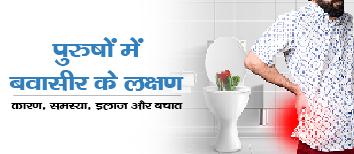
जानें पुरुषों में बवासीर (Hemorrhoids) के लक्षण, कारण, सामान्य समस्याएँ, इलाज और बचाव के उपाय। समय पर पहचान और सही इलाज से आराम पाएं और स्वास्थ्य बनाए रखें।
The World Liver Day 2026 is a great way to remember that the liver is a crucial organ that should not be ignored to ensure a healthy body. This day is observed on an annual basis so as to create awareness regarding liver diseases and prevention, however, it also reflects on the increasing burden of liver disorders all over the world. As more people become victims of fatty liver disease, hepatitis and alcohol-induced liver damage, active prevention has never been more significant.
One of the most vital and the largest organs of the body is the liver. It carries out more than 500 essential processes such as the process of detoxification, metabolism, aiding digestion and storage of nutrients. As per the health statistics provided by the world, about 2 million people die of liver diseases on an annual basis around the world hence the need to prevent and create awareness about the same.
With the help of the Best Gastroenterology Hospital in Noida (supervision of the Best Gastrologist Doctor in Noida) and the effect of early screening and specialized treatment, the situation can be greatly improved and the complications decreased.
Understanding what is World Liver Day 2026? helps highlight the importance of awareness and prevention.
The World Liver Day is celebrated on April 19 each year to raise awareness about liver health and to promote preventive care. The initiative aims to:
Educate the population on liver diseases.
Promote early screening
Promotion of healthy living.
De-stigmatize liver disease.
As the occurrence of non-alcoholic fatty liver disease (NAFLD) keeps increasing as a result of inactive lifestyles and poor nutrition, prevention and early diagnosis are employs to raise awareness around the condition.
Understanding the importance of liver health is crucial because the liver supports multiple vital body systems.
The liver:
Filters toxins from blood
Produces bile for digestion
Regulates blood sugar
Absorbs vitamins and minerals.
Helps in blood clotting
Liver damage may influence immunity, metabolism, hormonal balance, and digestion. The liver is the only organ, contrary to most others, capable of regeneration, but the persistent destruction may cause permanent diseases such as cirrhosis or liver failure.
Keep the liver healthy to enhance energy, digestion and well being.
Understanding the common causes of liver diseases helps in prevention and early management.
The liver cells are filled with excess fat which is usually associated with obesity and diabetes.
Infections of hepatitis A, B and C lead to inflammation and permanent damages.
The number of alcohol consumed in excess kills liver cells and can cause cirrhosis.
Some drugs and chemicals may damage liver functioning.
Diseases that cause the immune system to fight liver cells.
The lifestyle factors continue to contribute to liver diseases the world over.
Recognizing signs and symptoms of liver problems enables timely medical intervention.
Common symptoms include:
Persistent fatigue
Skins or eyes (jaundice) turn yellow.
Abdominal swelling
Nausea and vomiting
Dark urine
Unexplained weight loss
Silently in the beginning, liver disease presents no symptoms. This is the reason why there are regular health check-ups.
Understanding risk factors affecting liver health can help identify high-risk individuals.
Obesity
Diabetes
High cholesterol
Alcohol abuse.
Viral hepatitis exposure
Liver disease in family history.
Patients who are metabolically dysfunctional are more susceptible to fatty liver disease.
Doctors use various tests to assess liver health.
Test | Purpose |
Liver Function Test (LFT) | Measures enzyme levels |
Ultrasound | Detects fatty changes or enlargement |
CT/MRI Scan | Detailed imaging |
Viral Marker Tests | Detect hepatitis infections |
Liver Biopsy | Confirms advanced disease |
Early diagnosis significantly improves treatment success.
Following effective liver care tips can reduce the risk of liver diseases.
Helpful measures include:
Even basic daily routines will ensure that liver cells are not damaged.
Including foods that support a healthy liver promotes detoxification and repair.
Beneficial foods include:
Research indicates that anti-oxidant diets have a lowering effect on liver inflammation and oxidative stress.
Practicing prevention tips for liver diseases reduces long-term health risks.
The preventive measures are:
Preventive health minimizes the complications and hospitalization.
Making lifestyle changes for better liver function improves overall health.
Liver wellness is guaranteed by sustainable practices.
It is knowledge of when to see a doctor and this will prevent the progression of the diseases.
Consult with the doctor in case of:
Early treatment and monitoring is guaranteed by timely consultation in the Best Gastrology Hospital in Noida.
Liver diseases without treatment can cause:
The progression of the liver disease causes severe diminution in life expectation. These complications are avoided by early care.
World Liver Day 2026 emphasizes the importance of liver health awareness, prevention, and timely treatment. Understanding common causes of liver diseases, recognizing early symptoms, and adopting preventive lifestyle changes can protect this vital organ.
Through correct diagnosis and specialist attention in the Best Liver Doctor in Noida, patients will be able to identify their liver issues in time and deal with them efficiently. The active management guarantees a healthy lifestyle and longevity.
Understand how fatty liver develops, its key stages, and the steps needed for recovery. Early diagnosis and expert treatment can help reverse damage and restore liver function.
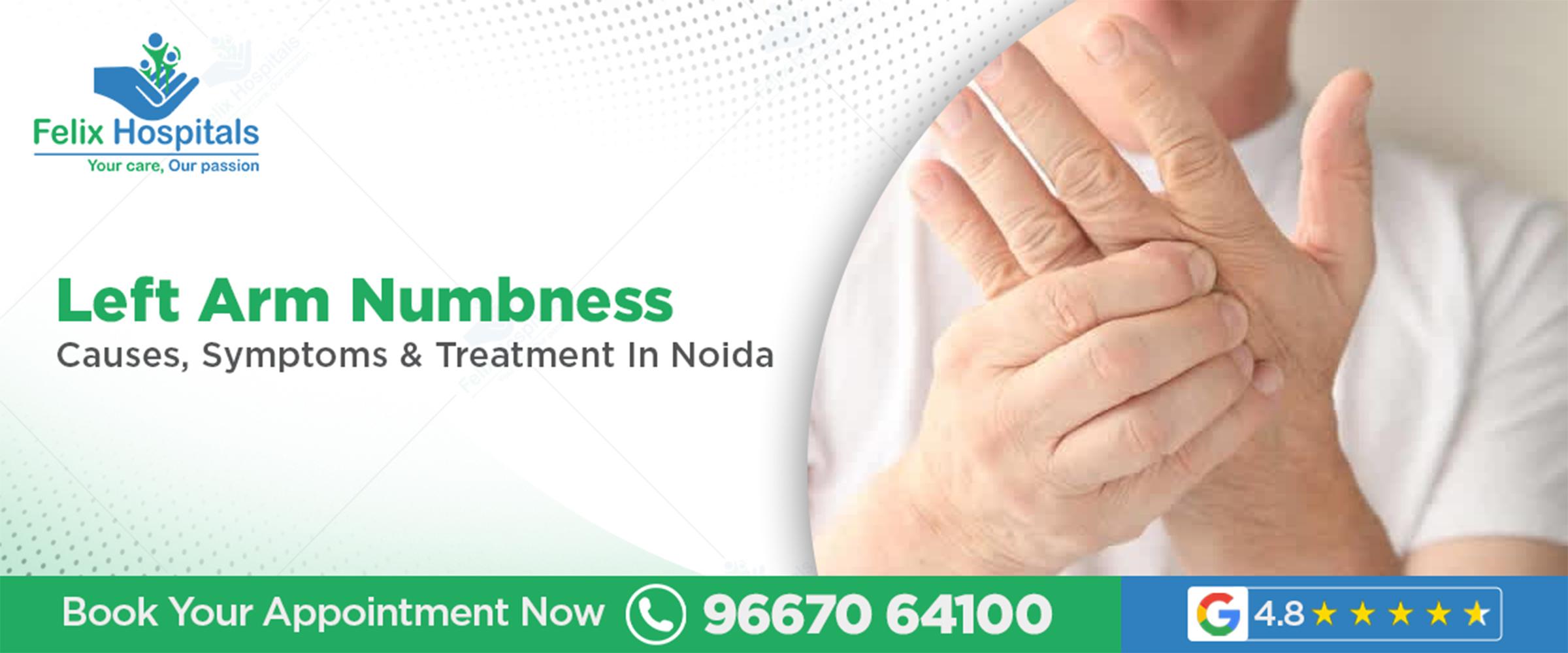
Numbness in the left arm is another frequent but significant symptom which most people have experienced at one time or another. What Is Left Arm Numbness? It is characterized by the loss of feeling, tingling, or pin and needles pain in the arm, which is usually caused by the compression of the nerve, insufficient blood flow or other medical conditions. Although occasional numbness is probably not dangerous, persistent or acute symptoms should not be disregarded.
It is necessary to realize the severity of this condition in case the symptoms can be indicative of nerve-related problems, or even cardiovascular risks. Managing this with the help of an early visit to a Best Neurologist Doctors in Greater Noida or a nerve specialist will help establish the cause at an early stage before complications arise.
Experiencing tingling, weakness, or numbness in your left arm? Don’t ignore warning signs—get expert evaluation today. Call +91 9667064100 to consult a nerve specialist in Noida.
What Is Left Arm Numbness? is a condition that can result from temporary pressure on nerves or more serious health concerns affecting nerve pathways or blood flow. Depending on the cause, it can either be sudden or gradual.
As medical research reveals, temporary numbness is among the leading causes of this condition as a result of overextended positioning or repetitive stress. Nevertheless, there are instances when it can also indicate severe diseases such as stroke or heart disease and therefore makes an emergency call to the doctor.
Common Causes of Left Arm Numbness vary widely, ranging from minor issues to serious health conditions that need prompt treatment.
Common causes include:
Poor posture or sitting leads to the compression of nerves.
Diseases of the cervical spine: slipped disc or nerve compression.
Pain in wrist nerve Carpal tunnel syndrome.
Weakness of the blood circulation or reduced blood flow.
Neuropathy (diabetic related nerve damage).
Vitamin deficiencies with vitamin B12 being the most common.
The causes can vary in magnitude and thus accurate diagnosis is a necessity to be able to treat it.
Common Causes of Left Arm Numbness may also include neurological conditions that affect the brain, spinal cord, or peripheral nerves.
Key neurological factors:
Nerve signaling multiple sclerosis.
Peripheral neuropathy as a result of chronic illness.
Nerve injuries or trauma
Brain disorders, i.e. stroke.
Studies indicate that disorders associated with nerves are progressive and require treatment to manage, thus the need to treat them early.
Recognizing Symptoms That May Occur With Left Arm Numbness helps in identifying whether the condition is mild or requires urgent care.
Common symptoms include:
Weakness in the arm or hand
Burning or sharp pain
Poor grip of objects.
Coldness or paleness in the arm.
Moving pain to neck arm.
The underlying cause tends to manifest the signs and symptoms in a manner that is very intense and combined.
Symptoms That May Occur With Left Arm Numbness can sometimes be accompanied by additional warning signs that should not be ignored.
Significant related symptoms:
Chest pain or pressure
Speaking with difficulty or getting lost.
Sudden vision problems
Discoordination or balance loss.
Severe headache
These symptoms could be signs of medical crisis like stroke or heart attack.
Understanding When Is Left Arm Numbness a Medical Emergency? is crucial for timely medical care and preventing life-threatening complications.
Seek immediate care if:
The numbness just occurs abruptly without any apparent reason.
It is also accompanied by chest pain or shortness of breath.
On one side of the body, there is weakness.
Speaking is done with slurred speech or is mumbled.
Consciousness loss takes place.
Most recent health statistics in the world show that early intervention in the first hour of symptoms has a great bearing in case of stroke and heart attack emergencies.
Knowing When to See a Doctor in Noida can make the patients never waste more time on the diagnosis and treatment.
Consult a specialist if:
The numbness lasts over a number of days.
Symptoms worsen over time
It has repetitive tingling or weakness.
Activities are influenced on a daily basis.
Pain to the neck or shoulder.
It is good to consult a specialist of nerves at an early stage in Noida and do so to make the correct diagnosis and prompt treatment.
Proper evaluation is essential for identifying the cause of symptoms and guiding Treatment Options for Left Arm Numbness.
Doctors may recommend the following:
Test | Purpose |
Physical Examination | Evaluates strength, reflexes, and sensation |
Nerve Conduction Study | Measures nerve signal function |
MRI Scan | Detects spinal cord or brain abnormalities |
CT Scan | Identifies structural or neurological issues |
Blood Tests | Detects deficiencies or metabolic disorders |
These tests help in determining whether the condition is neurological, muscular, or circulatory.
Treatment Options for Left Arm Numbness depend on the underlying cause and severity of symptoms.
The treatment methods involve:
Drugs to suppress inflammation and pain.
Physiotherapy to tighten the muscles and make them more active.
Special therapeutic interventions against neuropathy.
Postural modification of lifestyle.
Operational treatment of severe nerve compression.
The clinical evidence indicates that physiotherapy and the application of specific treatment at an early stage is an effective way of enhancing recoveries in nerve-related disorders.
Treatment Options for Left Arm Numbness may also include simple home-based measures for mild cases.
Helpful strategies:
Resting the affected arm
Applying warm or cold compress
Gentle stretching exercises
Maintaining proper posture
Avoiding repetitive strain
These measures can provide relief in cases caused by temporary nerve compression.
Adopting Prevention Tips to Reduce Arm Numbness can help minimize the risk of recurrence and maintain nerve health.
The preventive measures consist of:
Sitting or working in a good posture.
Precisely making breaks amidst long working hours.
Stretching and strengthening activities.
Asthma treatment and management of chronic illnesses such as diabetes.
Addressing the right consumption of necessary vitamins.
Eliminating prolonged arm pressure.
Good health is very important in averting nerve related problems.
Prevention Tips to Reduce Arm Numbness also involve making long-term lifestyle changes to support nerve and overall health.
Important lifestyle habits:
Staying physically active
Consistently being at a healthy weight.
Using stress management methods.
Abstinence of smoking and alcoholism.
Sleeping in an adequate position.
Such transformations ensure enhancement of the circulation of blood and functioning of nerves.
The need to learn When to See a Doctor in Noida is crucial since complications may be avoided by early diagnosis and recovery may be enhanced.
Timely medical care helps in:
Determining the cause of the problem in a short time.
Avoidance of the nerve damage process.
Lessening the pain and discomfort.
Improving quality of life
Preventing long-term disability.
Early treatment means greater results and recovery.
Persistent numbness or discomfort in your left arm? Get accurate diagnosis and expert care today. Call +91 9667064100 to consult the Best neurologist In Noida.
This left arm numbness may be temporary or a sign of a serious condition. While mild cases can resolve on their own, persistent symptoms need medical attention.
Early diagnosis and proper care are important. Consulting the Best Hospital Neurology in Greater Noida ensures accurate treatment and helps prevent complications.

There has been a steep rise in hearing issues in the last 5 years. People who use earphones and headphones continuously for long duration are prone to become deaf.
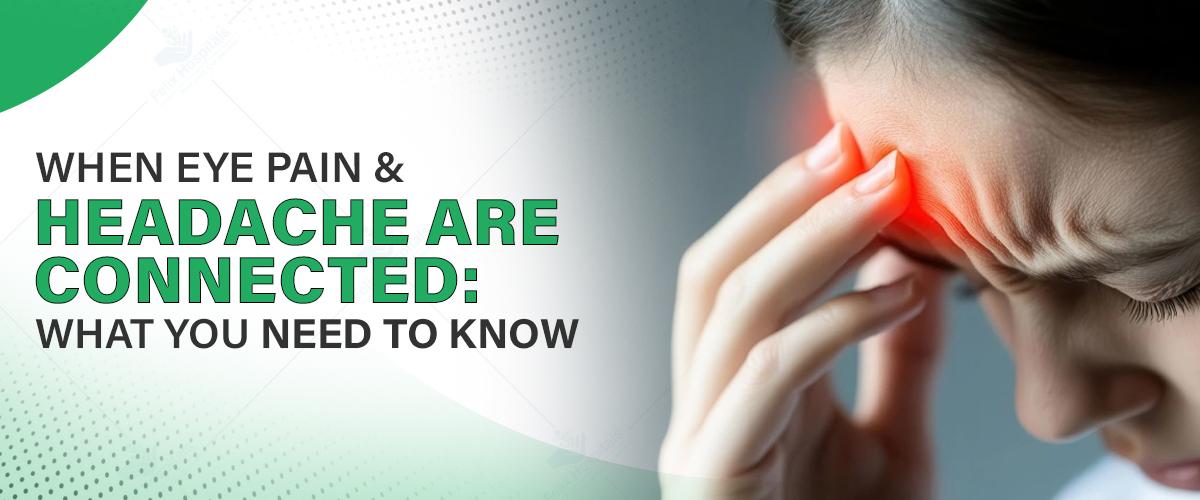
Eye pain accompanied by a headache can be a sign of underlying issues like eye strain, sinus problems, or even migraines.

Get expert care for head and neck cancer in Noida. Know the causes, symptoms, diagnosis, and best treatment options for timely and effective recovery.
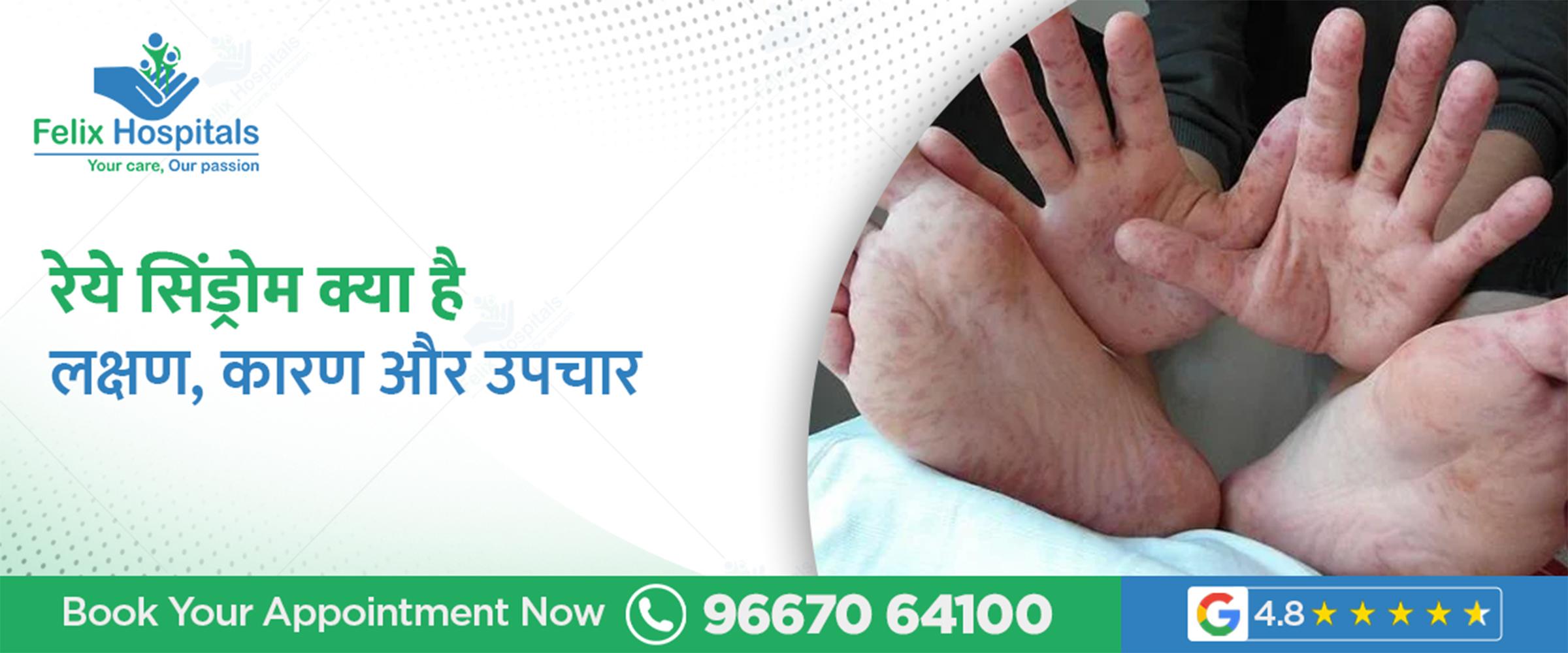
रेये सिंड्रोम (Reye’s Syndrome) एक दुर्लभ लेकिन गंभीर बीमारी है, जो मुख्य रूप से बच्चों और किशोरों में वायरल संक्रमण (जैसे फ्लू या चिकनपॉक्स) के बाद विकसित होती है। इसमें मस्तिष्क (Brain) और लिवर (Liver) में अचानक सूजन आ जाती है, जो समय पर इलाज न मिलने पर जानलेवा हो सकती है। Best Pediatric Hospital in Noida में उपलब्ध है। यह सिंड्रोम विशेष रूप से तब देखा जाता है जब वायरल बीमारी के दौरान बच्चों को एस्पिरिन (Aspirin) दी जाती है। इसलिए बच्चों में एस्पिरिन का उपयोग बहुत सावधानी से किया जाना चाहिए।
अभी अपॉइंटमेंट शेड्यूल करें – कॉल करें: +91 9667064100
रेये सिंड्रोम(Reye's syndrome) एक दुर्लभ लेकिन अत्यंत गंभीर बीमारी है, जो मुख्य रूप से बच्चों और किशोरों में वायरल संक्रमण जैसे फ्लू या चिकनपॉक्स के बाद विकसित होती है। इस स्थिति में मस्तिष्क और लिवर में अचानक सूजन आ जाती है, जिससे शरीर की सामान्य कार्यप्रणाली प्रभावित होती है। इसके लक्षण तेजी से बढ़ते हैं, जैसे उल्टी, सुस्ती, भ्रम और बेहोशी। समय पर पहचान और इलाज न मिलने पर यह जानलेवा साबित हो सकती है। इसलिए बच्चों में वायरल बीमारी के दौरान विशेष सावधानी बरतना और डॉक्टर की सलाह लेना बेहद जरूरी है।
जैसे फ्लू या चिकनपॉक्स के बाद यह समस्या हो सकती है।
बच्चों में वायरल बुखार के दौरान एस्पिरिन देने से जोखिम बढ़ता है।
कुछ बच्चों में जन्मजात मेटाबॉलिक समस्याएं इस बीमारी को ट्रिगर कर सकती हैं।
शरीर में फैटी एसिड मेटाबॉलिज्म में खराबी के कारण लिवर प्रभावित होता है।
लगातार उल्टी
थकान और सुस्ती
चिड़चिड़ापन
भूख में कमी
भ्रम
बेहोशी
दौरे
तेज सांस लेना
कोमा
नोट-यह लक्षण तेजी से बढ़ते हैं, इसलिए तुरंत इलाज जरूरी है।
-रेये सिंड्रोम एक गंभीर और तेजी से बढ़ने वाली बीमारी है, जो मुख्य रूप से 5 से 16 वर्ष के बच्चों में अधिक देखी जाती है। यह आमतौर पर फ्लू, चिकनपॉक्स या अन्य वायरल संक्रमण के 3–7 दिन बाद विकसित होती है, जब बच्चा ठीक होता हुआ दिखाई देता है। इसी दौरान अचानक लक्षण शुरू होना इस बीमारी की खास पहचान है।
-इस स्थिति में मस्तिष्क और लिवर दोनों प्रभावित होते हैं। बच्चों में मस्तिष्क की सूजन (Brain Swelling) तेजी से बढ़ती है, जिससे व्यवहार में बदलाव, चिड़चिड़ापन, भ्रम, नींद अधिक आना या बेहोशी जैसे न्यूरोलॉजिकल लक्षण दिखाई देते हैं। कुछ मामलों में दौरे (Seizures) और कोमा की स्थिति भी बन सकती है।
-यह बीमारी तेजी से गंभीर रूप ले सकती है, इसलिए जैसे ही बच्चे में लगातार उल्टी, असामान्य व्यवहार या सुस्ती जैसे लक्षण दिखें, तुरंत डॉक्टर से संपर्क करना जरूरी है। समय पर इलाज से जटिलताओं को रोका जा सकता है और बच्चे की जान बचाई जा सकती है।
रेये सिंड्रोम का निदान चुनौतीपूर्ण होता है, क्योंकि इसके लक्षण कई अन्य बीमारियों से मिलते-जुलते होते हैं। इसलिए डॉक्टर मरीज के लक्षण, हाल ही में हुए वायरल संक्रमण और दवाओं के उपयोग (खासतौर पर एस्पिरिन) का पूरा इतिहास लेते हैं। सही और समय पर पहचान के लिए कई जांचें कराई जाती हैं, जिनसे लिवर (Liver) और मस्तिष्क की स्थिति का आकलन किया जा सके।
इसमें लिवर एंजाइम (एसजीपीटी एसजीओटी), अमोनिया स्तर, ब्लड शुगर और इलेक्ट्रोलाइट्स की जांच की जाती है। रेये सिंड्रोम में अमोनिया का स्तर बढ़ जाता है और ब्लड शुगर कम हो सकती है, जो बीमारी की गंभीरता का संकेत है।
यह जांच लिवर की कार्यक्षमता को समझने के लिए की जाती है। इसमें एंजाइम्स और बिलीरुबिन का स्तर देखा जाता है, जिससे लिवर में सूजन या क्षति का पता चलता है।
इन इमेजिंग टेस्ट (Imaging Tests) के जरिए मस्तिष्क में सूजन और अन्य न्यूरोलॉजिकल बदलावों का पता लगाया जाता है। यह जांच विशेष रूप से तब जरूरी होती है जब बच्चे में भ्रम, दौरे या बेहोशी जैसे लक्षण हों।
यदि निदान स्पष्ट न हो या बीमारी की पुष्टि करनी हो, तो लिवर का छोटा सा सैंपल लेकर माइक्रोस्कोप से जांच की जाती है। इससे लिवर की कोशिकाओं में फैट जमा होने और अन्य क्षति का सटीक पता चलता है।
रेये सिंड्रोम एक गंभीर मेडिकल इमरजेंसी है, जिसमें तुरंत अस्पताल में भर्ती और विशेषज्ञ डॉक्टरों की निगरानी आवश्यक होती है। इस बीमारी का कोई एक निश्चित इलाज नहीं है, बल्कि उपचार का उद्देश्य मस्तिष्क की सूजन को नियंत्रित करना, लिवर को सपोर्ट देना और शरीर के जरूरी कार्यों को स्थिर बनाए रखना होता है।
ज्यादातर मामलों में मरीज को इंटेंसिव केयर यूनिट (आईसीयू) में रखा जाता है। जहां लगातार मॉनिटरिंग की जाती है। जैसे हार्ट रेट, ब्लड प्रेशर, ऑक्सीजन लेवल और न्यूरोलॉजिकल स्थिति।
शरीर में पानी और जरूरी लवणों (इलेक्ट्रोलाइट्स) का संतुलन बनाए रखने के लिए नसों के जरिए फ्लूइड्स दिए जाते हैं। इससे डिहाइड्रेशन, लो ब्लड शुगर और मेटाबॉलिक असंतुलन को नियंत्रित किया जाता है।
ब्रेन स्वेलिंग को कम करने के लिए विशेष दवाएं दी जाती हैं, जिससे दिमाग पर दबाव कम हो और गंभीर न्यूरोलॉजिकल क्षति से बचाव हो सके।
यदि मरीज को दौरे आते हैं, तो उन्हें नियंत्रित करने के लिए एंटी-एपिलेप्टिक दवाओं का उपयोग किया जाता है।
गंभीर स्थिति में जब मरीज खुद से ठीक से सांस नहीं ले पाता, तो ऑक्सीजन सपोर्ट या वेंटिलेटर की मदद दी जाती है। कुछ मामलों में अमोनिया लेवल कम करने और मेटाबॉलिज्म को स्थिर करने के लिए अतिरिक्त दवाएं भी दी जाती हैं।
रेये सिंड्रोम तेजी से गंभीर हो सकता है, इसलिए जितनी जल्दी इलाज शुरू किया जाता है, उतनी ही रिकवरी की संभावना बढ़ जाती है और स्थायी दिमागी नुकसान का खतरा कम होता है।
इन लक्षणों में तुरंत अस्पताल जाएं:
बार-बार उल्टी
बच्चे का अचानक व्यवहार बदलना
बेहोशी या दौरे
तेज सिरदर्द
रेये सिंड्रोम से बचाव के लिए जागरूकता और सही देखभाल बेहद जरूरी है। यह बीमारी अचानक और तेजी से गंभीर हो सकती है। Best pediatrician in noida में उपलब्ध है। कुछ आसान सावधानियों को अपनाकर इसके जोखिम को काफी हद तक कम किया जाता है।
फ्लू, चिकनपॉक्स या किसी भी वायरल संक्रमण के दौरान बच्चों को एस्पिरिन देना खतरनाक हो सकता है। इससे रेये सिंड्रोम का खतरा बढ़ जाता है। बुखार या दर्द के लिए हमेशा डॉक्टर द्वारा सुझाई गई सुरक्षित दवाएं ही दें।
बच्चों को बिना चिकित्सकीय परामर्श के कोई भी दवा न दें, खासकर ओवर-द-काउंटर दवाएं। कई बार सामान्य दिखने वाली दवाएं भी लिवर और मेटाबॉलिज्म पर असर डाल सकती हैं।
फ्लू और चिकनपॉक्स जैसे वायरल संक्रमण से बचाव के लिए समय पर वैक्सीनेशन कराना जरूरी है। इससे उन संक्रमणों का खतरा कम होता है, जिनके बाद रेये सिंड्रोम विकसित हो सकता है।
संतुलित आहार, पर्याप्त नींद, नियमित शारीरिक गतिविधि और साफ-सफाई बच्चों की रोग प्रतिरोधक क्षमता बढ़ाते हैं। इससे संक्रमण का खतरा कम होता है और शरीर जल्दी रिकवर करता है।
अगर बच्चा वायरल संक्रमण से ठीक हो रहा है और अचानक उल्टी, सुस्ती या व्यवहार में बदलाव दिखे, तो इसे नजरअंदाज न करें और तुरंत डॉक्टर से संपर्क करें।
अभी अपॉइंटमेंट शेड्यूल करें – कॉल करें: +91 9667064100
रेये सिंड्रोम एक दुर्लभ लेकिन खतरनाक बीमारी है, जो बच्चों में वायरल संक्रमण के बाद हो सकती है। समय पर इलाज के लिए Best Pediatricians in Noida से सलाह लेना जरूरी है, और बिना डॉक्टर की सलाह के एस्पिरिन नहीं देना चाहिए। सही समय पर पहचान और उपचार से गंभीर जटिलताओं से बचा जा सकता है।
Dr. Niraj Kumar is an experienced Pediatrician and Neonatology Specialist with 11+ years of expertise in newborn care, childhood illnesses, vaccination, nutrition, and child growth and development.

बच्चों में निमोनिया एक गंभीर श्वसन संक्रमण है जो समय पर पहचान और सही इलाज से पूरी तरह ठीक हो सकता है।
खांसते समय सीने में दर्द कई कारणों से हो सकता है, जैसे संक्रमण, मांसपेशियों में खिंचाव या फेफड़ों की समस्या। नोएडा में इसके लिए विशेषज्ञ इलाज उपलब्ध है।
बच्चों में इम्यूनिटी कमजोर होने पर बार-बार बीमारियां, थकान और विकास में रुकावट जैसे लक्षण दिख सकते हैं। सही कारण पहचानकर समय पर इलाज से बच्चे को स्वस्थ रखा जा सकता है।
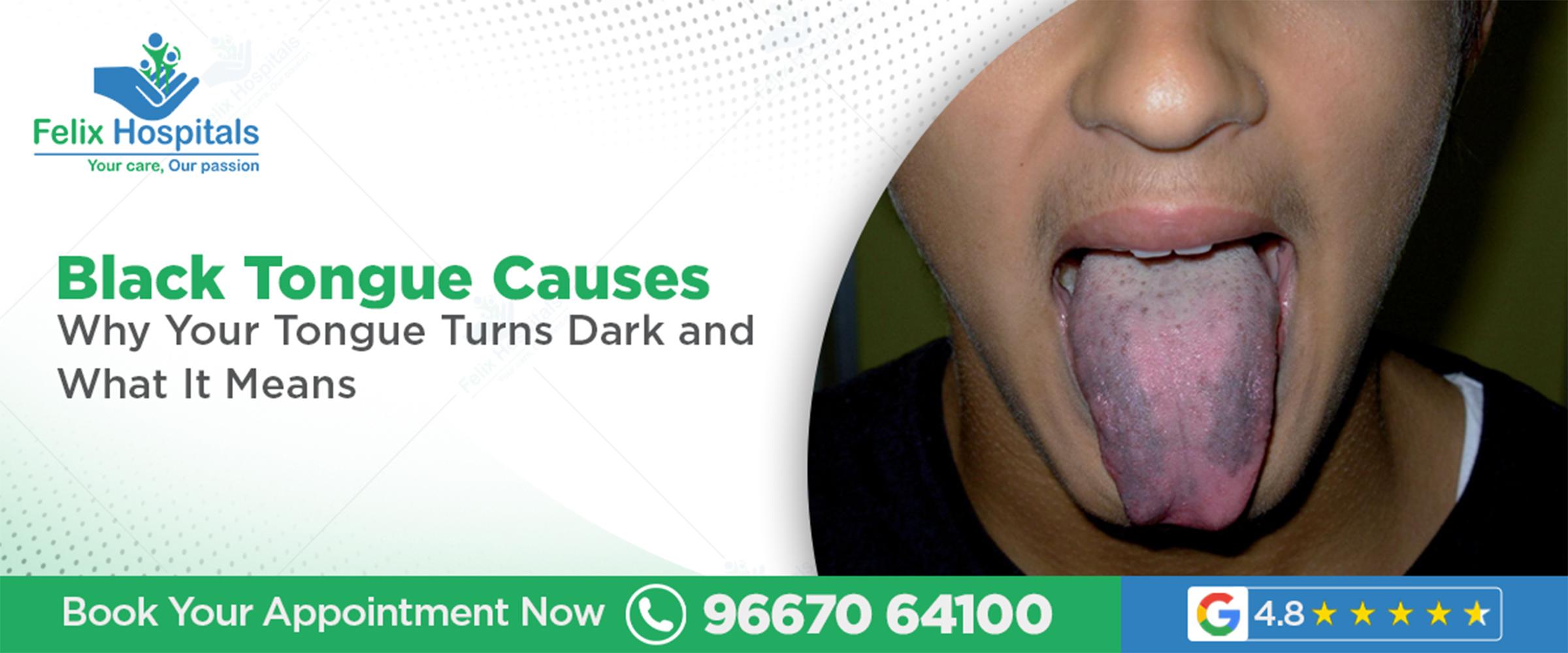
When you wake up and look in the mirror, you see that your tongue has turned dark—brown, grey, or clearly black. It is scary. It looks bad. But most of the time, a black tongue is a temporary condition that can be fixed and has a clear cause. Knowing what's really going on, what causes it, and when it needs medical attention can make a big difference between panicking for no reason and taking the right steps. If your tongue keeps changing and you don't know why, you should visit the Best ENT Hospital In Noida instead of waiting to see what happens.
Did you see a dark or strange coating on your tongue that isn't going away?
To talk to an ENT specialist at a trusted Best ENT Hospital In Noida, call +91 9667064100 today.
Black tongue is a condition in which the surface of the tongue changes colour, usually to a dark brown or black colour, and it may also have a strange furry or hair-like look. The most common type is called "black hairy tongue," which is medically known as "lingua villosa nigra."
Filiform papillae are small bumps that cover the surface of the tongue. They are usually short, about 1 millimetre long, and fall off regularly as part of the natural turnover of oral tissue. When this shedding process is interrupted, the papillae grow unusually long—sometimes up to 18 millimeters—and become stained by bacteria, food, tobacco, and other things that are in the mouth, which explains What Causes Your Tongue to Turn Black?
This gives it the typical dark, furry look that can be much scarier than it really is. It is not a tumour. Most of the time, it is not a disease that affects the whole body. In short, it breaks up the normal cycle of renewing the surface of the tongue, which has a visible and disturbing effect.
There isn't just one reason for a "black tongue." It happens when a number of things change the mouth environment and stop normal papillae shedding:
Tobacco use — smoking or chewing tobacco is one of the most common causes; tobacco changes the bacteria in the mouth and directly stains the elongated papillae.
Drinking too much coffee or tea — the chromogenic compounds in both drinks stick to overgrown papillae and make them darker.
Alcohol — changes the oral microbiome and dries out the mucosal lining, which makes it easier for papillae to grow too quickly.
Dry mouth (xerostomia) — When saliva flow is low, the natural cleaning and pH-balancing effects that usually keep papillae shedding on schedule are less effective.
Oxidising mouthwashes—especially those with hydrogen peroxide or sodium perborate; using them too much or for too long throws off the balance of bacteria in the mouth.
Bismuth-containing medications — bismuth subsalicylate, which is in many antacids and anti-diarrhoeal drugs, reacts with sulphur compounds in the mouth to make bismuth sulphide, a black substance that coats the tongue.
Radiotherapy to the head and neck — harms the salivary glands and changes the bacteria in the mouth, making it easier for papillae to grow.
In most cases, black tongue is caused by more than one thing working together instead of just one thing, which leads many people to wonder Is Black tongue a serious health problem?
Yes, and this is one of the most important and often overlooked reasons, answering the concern Do Medications or Antibiotics Lead to Black Tongue? Antibiotics are one of the most common medications that can cause black tongue, and we know how they do it.
Tetracyclines, amoxicillin, and metronidazole are broad-spectrum antibiotics that throw off the natural balance of bacteria and fungi in the mouth. When the bacteria that normally fight Candida and chromogenic (color-producing) bacteria are killed, other organisms that take advantage of the situation grow. These organisms make coloured compounds that turn the long papillae dark brown or black.
Tetracycline is one of the drugs that is most likely to cause black tongue from antibiotics.
Metronidazole, which is used to treat infections in the mouth and stomach, is another known trigger.
Proton pump inhibitors (omeprazole, pantoprazole) — used for acid reflux — change the pH levels in the stomach and mouth in ways that can make papillae change in people who are prone to them.
Corticosteroids — both oral and inhaled — weaken the body's immune system and make it easier for bacteria and fungi to grow in the mouth.
Antipsychotic drugs, especially those that make your mouth dry as a side effect, raise the risk of black tongue indirectly through xerostomia.
It is important to stress that stopping an antibiotic course because of a black tongue is not the right thing to do. The right thing to do is to tell the doctor who prescribed the medicine, keep your mouth very clean, and let the condition get better on its own as the course goes on, unless the symptoms are really bad.
Bad oral hygiene is both a cause and a reason why black tongue keeps coming back, which explains Can Poor Oral Hygiene Cause Black Tongue? When the filiform papillae grow too much, they make a surface with a much larger surface area that traps food particles, dead cells, and bacteria that brushing, saliva flow, and regular tongue cleaning would normally get rid of.
If you don't brush your teeth often, chromogenic bacteria can build up on your tongue and make dark pigments.
Not cleaning the tongue itself, but only brushing the teeth, keeps the microenvironment of the papillae the same.
Eating mostly soft foods doesn't give the papillae enough mechanical stimulation to shed normally.
Breathing through the mouth dries out the oral mucosa, which makes it harder for saliva to wash away debris.
Black tongue caused by not taking care of your mouth properly usually starts out brown and gets darker as the number of bacteria increases. It is also the easiest form to reverse; regular brushing and flossing is usually all it takes to fix it without any other help.
Black hairy tongue has more symptoms than just how it looks, and understanding What Are the Symptoms of Black Hairy Tongue? helps people recognize it early. The dark discoloration is the most obvious sign, but the condition often causes other symptoms that are bothersome:
A thick, matted, fur-like coating on the middle and back of the tongue that can be black, brown, dark green, or dark yellow, depending on what stains it.
A bad taste in the mouth that won't go away, which people often say tastes like metal or is unpleasant, is caused by bacteria building up in the papillae.
Halitosis (bad breath) that doesn't go away with regular brushing
A feeling of gagging or retching, especially when the long papillae touch the back of the tongue and trigger the gag reflex
Some people feel a burning or irritated sensation on their tongue.
Occasionally, a feeling of something being stuck in the back of the throat
The discolouration usually starts in the middle and back of the tongue and stays there, while the tip and sides stay mostly normal in colour. This pattern can help tell it apart from other tongue problems.
Most of the time, black tongue is not harmful and can be treated, which reassures people asking Is Black Tongue a Serious Health Problem? It does not mean you have cancer. Most of the time, it doesn't mean you have a serious systemic disease. It doesn't hurt the tongue for good.
Nevertheless, particular conditions necessitate immediate attention when a black or dark tongue manifests:
A dark tongue that doesn't look like it has hair or fur on it and doesn't get better with better oral hygiene could be a sign of oral melanotic macule, lingual melanoma, or pigmentation from systemic conditions like Addison's disease or Peutz-Jeghers syndrome.
A black tongue in an immunocompromised individual—due to HIV, chemotherapy, or organ transplant immunosuppression—may signify a substantial fungal or bacterial infection necessitating treatment beyond mere hygiene practices.
If the discolouration is getting worse quickly and there is no clear cause, it should be looked at by a doctor.
If the discoloration is clearly linked to something you can see (like antibiotics, bismuth, coffee, or tobacco), gets better with good oral hygiene, and has the classic hairy texture, it's almost certainly not harmful. If none of those apply, a clinical assessment is appropriate.
The treatment for black tongue depends on what caused it, but in most cases it's simple and doesn't need medicine,
First steps:
Get rid of or lower the trigger—stop smoking, drink less coffee or tea, stop using the oxidising mouthwash, or finish the antibiotic course and then stop.
Brush the tongue directly — use a soft toothbrush or tongue scraper twice a day, focusing on the middle and back surfaces where the most buildup is.
Drink more water— Staying hydrated helps your body make saliva and clean your mouth naturally.
Use a mouthwash that doesn't oxidise and doesn't have alcohol in it. Alternatives based on chlorhexidine can lower the number of bacteria without the problems that hydrogen peroxide causes.
Antifungal treatment — if Candida overgrowth is confirmed or suspected as a contributing factor, a course of oral antifungal medication may be prescribed
Salivary substitutes or stimulants — for people who have dry mouth because of drugs, products that add to or stimulate saliva help bring back the mouth to its normal state.
Dietary modification guidance — a diet high in soft foods may need to be supplemented with foods that are more textured to help the papillae get rid of debris.
In persistent or severe cases, debridement by an ENT specialist or oral medicine clinician may be performed — though this is rarely necessary when the underlying trigger is addressed.
Most cases of black tongue can be treated with the steps listed above and go away within a few days to a few weeks of getting rid of the cause, helping answer When Should You See a Doctor for Black Tongue? But some situations need to be looked at by a professional:
After 2–3 weeks of good oral hygiene and removing the trigger, the discolouration does not get better.
There is no clear cause; no recent antibiotics, no new medications, or no change in oral hygiene products.
The tongue looks dark or black, but it doesn't have the hairy texture. Smooth, flat discolouration is a different sign altogether.
You have other symptoms in addition to the change in your tongue, such as unexplained weight loss, mouth sores that won't go away, trouble swallowing, or swollen lymph nodes in your neck.
You have a weak immune system, and the change happened quickly.
The condition is making it very hard to eat, gagging a lot, or severely affecting quality of life.
If your tongue changes in a way that doesn't fit the classic picture or doesn't go away with simple measures, you should see an ENT doctor or an oral medicine specialist first. The test is quick and doesn't hurt, and in the rare cases where a more serious cause is found, finding it early makes a big difference.
Changes in your tongue that won't go away or symptoms that you can't explain?
An ENT exam only takes a few minutes and can give you a clear answer.
You can make an appointment for an in-person or phone consultation with the Best ENT Doctor in noida by calling +91 9667064100.
Finding a black tongue can be scary, but in most cases, it is a short-lived, harmless, and completely reversible condition. It occurs when the normal shedding of cells from the tongue’s surface slows down. Common causes include antibiotics, tobacco use, bismuth-containing medications, excessive coffee intake, poor oral hygiene, or dry mouth. Most people improve within a few weeks by addressing the underlying cause and maintaining proper oral care. However, if the discoloration persists or you experience discomfort, consulting the Best ENT doctor in Noida can help ensure accurate diagnosis and appropriate treatment.
Dr. Arvinder Pal Singh is an experienced ENT Specialist with 15+ years of expertise in diagnosing and treating ear, nose, and throat disorders, including nasal endoscopy, FESS, ear microsurgery, and hearing-related conditions.
Nobody likes to know that they smell bad. And people generally do not tell you if you smell bad.
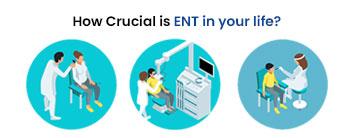
ENT health is essential for proper breathing, hearing, speech, and balance. Early detection and expert care ensure a better quality of life and prevent chronic complications.
Neglected tropical diseases (NTD) will be eradicated from the root only through awareness. But this is possible only when people are aware of the illnesses and get treatment by reaching the hospital on time.
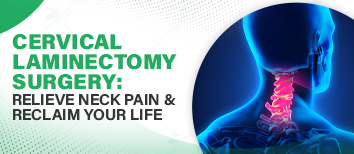
Cervical laminectomy relieves neck pain by reducing spinal pressure, helping restore mobility and quality of life.
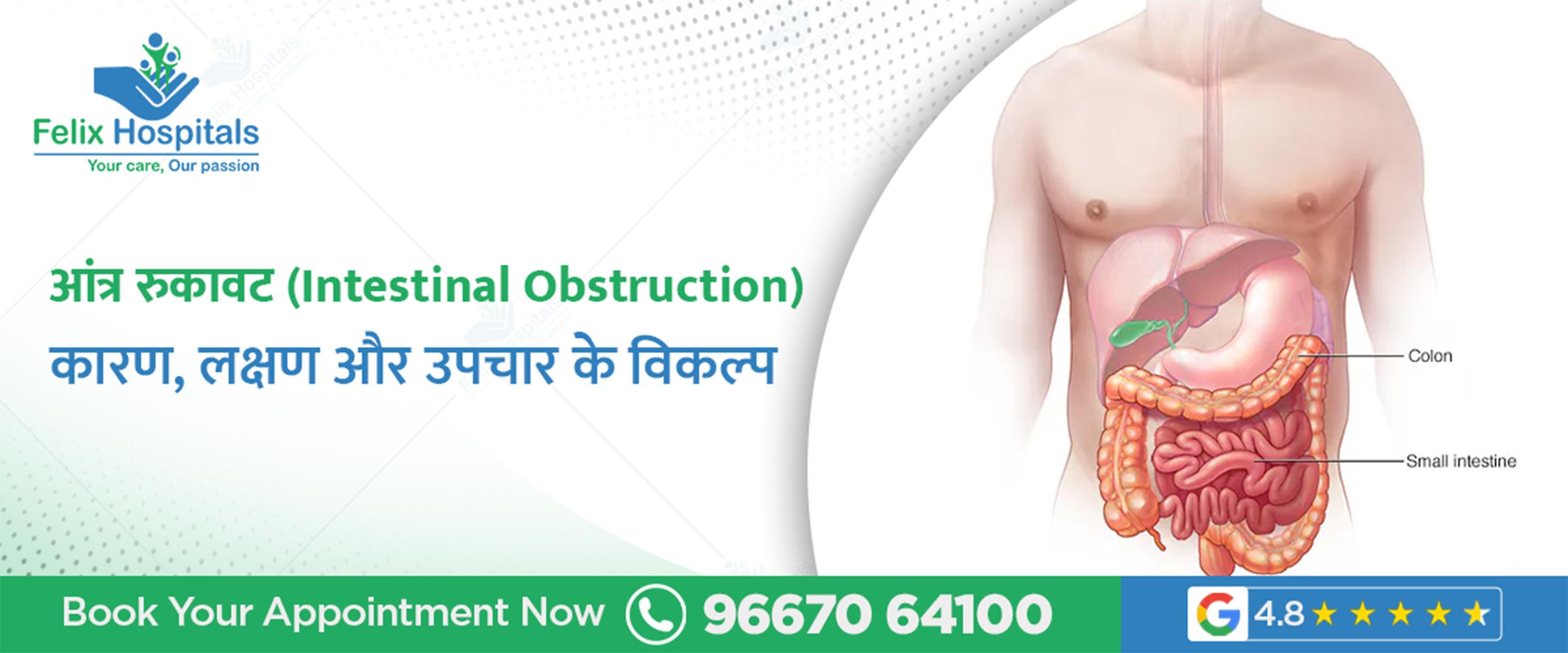
आंत्र रुकावट (Intestinal Obstruction) एक गंभीर चिकित्सीय स्थिति है, जिसमें आंतों के भीतर भोजन, तरल या गैस का सामान्य प्रवाह रुक जाता है। यह स्थिति छोटी आंत (Small Intestine) या बड़ी आंत (Large Intestine) कहीं भी हो सकती है। समय पर इलाज न मिलने पर यह जानलेवा भी साबित हो सकती है। Best Gastroenterology Hospital in Noida में उपलब्ध है। इसलिए पेट में तेज दर्द, उल्टी और पेट फूलना जैसे लक्षणों को नजरअंदाज नहीं करना चाहिए।
अभी अपॉइंटमेंट शेड्यूल करें – कॉल करें: +91 9667064100
आंत्र रुकावट (bowel obstruction in hindi) एक गंभीर और कभी-कभी जानलेवा स्थिति है, जिसमें आंतों के भीतर भोजन, पानी, पाचक रस और गैस का सामान्य प्रवाह बाधित हो जाता है। सामान्य रूप से आंतें लहरदार संकुचन के माध्यम से भोजन को आगे बढ़ाती हैं, लेकिन जब किसी कारण से यह प्रक्रिया रुक जाती है या रास्ता बंद हो जाता है, तो पाचन तंत्र प्रभावित होने लगता है। यह समस्या छोटी आंत या बड़ी आंत दोनों में हो सकती है। स्थिति के अनुसार यह आंशिक हो सकती है, जिसमें कुछ मात्रा में सामग्री आगे बढ़ पाती है या पूर्ण होती है, जिसमें पूरी तरह से मार्ग बंद हो जाता है और यह एक मेडिकल इमरजेंसी बन जाती है। आंत्र रुकावट के कारण शरीर में भोजन और तरल पदार्थ जमा होने लगते हैं। तेज दर्द, उल्टी और गैस-मल का न निकलना जैसी समस्याएं उत्पन्न होती हैं। यदि समय पर इलाज न किया जाए, तो आंतों में दबाव बढ़ने से रक्त प्रवाह रुक सकता है, जिससे आंत का हिस्सा सड़ सकता है या फट सकता है। यह स्थिति संक्रमण (Sepsis) का कारण बनकर जीवन के लिए खतरा पैदा कर सकती है।
मैकेनिकल रुकावट में आंत के भीतर या बाहर कोई भौतिक बाधा बन जाती है। यह बाधा ट्यूमर, हर्निया (Hernia), आंतों में चिपकाव, मरोड़ या कठोर मल के कारण होती है। इस प्रकार की रुकावट में आंतें काम तो करती हैं, लेकिन रास्ता बंद होने के कारण सामग्री आगे नहीं बढ़ पाती।
फंक्शनल रुकावट में आंतों की मांसपेशियां अस्थायी रूप से काम करना बंद कर देती हैं। इस स्थिति में कोई भौतिक अवरोध नहीं होता, लेकिन आंतों की गति (Motility) रुक जाती है, जिससे भोजन और गैस का प्रवाह ठहर जाता है। यह समस्या अक्सर पेट की सर्जरी के बाद, गंभीर संक्रमण, इलेक्ट्रोलाइट असंतुलन या कुछ दवाओं के कारण होती है।
आंत का हिस्सा बाहर निकलकर फंस जाता है, जिससे रास्ता बंद हो जाता है।
पुरानी सर्जरी के बाद आंतों में चिपकाव बन जाते हैं, जो रुकावट का मुख्य कारण हैं।
आंतों में गांठ या कैंसर (cancer) के कारण रास्ता बंद हो सकता है।
आंत का मुड़ जाना जिससे ब्लॉकेज हो जाता है।
एक हिस्सा दूसरे हिस्से के अंदर घुस जाता है (अक्सर बच्चों में)।
कब्ज के कारण कठोर मल आंत में रुकावट पैदा करता है।
जैसे आंतों की सूजन।
आंत्र रुकावट के लक्षण धीरे-धीरे शुरू होकर समय के साथ गंभीर होते जाते हैं। शुरुआत में यह सामान्य गैस या अपच जैसा लग सकता है, लेकिन जैसे-जैसे आंतों में रुकावट बढ़ती है, लक्षण स्पष्ट और खतरनाक हो जाते हैं। इसलिए इन संकेतों को समय रहते पहचानना बहुत जरूरी है।
यह इस बीमारी का सबसे प्रमुख लक्षण है। दर्द आमतौर पर लहरों (cramps) में आता है—कुछ मिनट के लिए तेज दर्द, फिर थोड़ी राहत, और फिर दोबारा दर्द शुरू हो जाता है। यह दर्द आंतों की मांसपेशियों के रुकावट को पार करने के प्रयास के कारण होता है। जैसे-जैसे रुकावट बढ़ती है, दर्द लगातार और अधिक तीव्र हो सकता है।
शुरुआत में उल्टी में खाया हुआ भोजन निकलता है, लेकिन समय के साथ यह हरे या पीले रंग (पित्त की हो जाती है। छोटी आंत में रुकावट होने पर उल्टी जल्दी शुरू हो जाती है, जबकि बड़ी आंत की रुकावट में यह थोड़ा देर से होती है। बार-बार उल्टी होने से शरीर में कमजोरी और पानी की कमी तेजी से बढ़ती है।
आंतों में गैस और तरल पदार्थ जमा होने के कारण पेट असामान्य रूप से फूल जाता है। यह सूजन धीरे-धीरे बढ़ती है और पेट सख्त या तना हुआ महसूस हो सकता है। बड़ी आंत की रुकावट में यह लक्षण अधिक स्पष्ट होता है।
यह पूर्ण आंत्र रुकावट का महत्वपूर्ण संकेत है। जब आंत पूरी तरह बंद हो जाती है, तो न तो मल निकलता है और न ही गैस पास होती है। आंशिक रुकावट में कुछ मात्रा में गैस या मल निकल सकता है, लेकिन धीरे-धीरे यह भी बंद हो जाता है।
पाचन प्रक्रिया रुकने के कारण व्यक्ति को भूख नहीं लगती। शरीर को पर्याप्त पोषण नहीं मिल पाता, जिससे कमजोरी, थकान और सुस्ती बढ़ने लगती है। लंबे समय तक यह स्थिति रहने पर वजन भी घट सकता है।
लगातार उल्टी और शरीर में तरल पदार्थ के जमा होने के कारण शरीर में पानी और जरूरी इलेक्ट्रोलाइट्स (जैसे सोडियम, पोटैशियम) की कमी हो जाती है। इसके लक्षणों में मुंह सूखना, पेशाब कम आना, चक्कर आना और गंभीर स्थिति में ब्लड प्रेशर गिरना शामिल है।
यदि स्थिति ज्यादा बिगड़ जाए, तो बुखार (Fever), तेज दिल की धड़कन, पेट में असहनीय दर्द या पेट को छूने पर अत्यधिक दर्द जैसे लक्षण दिखाई दे सकते हैं। यह आंत में संक्रमण, सूजन या छेद (Perforation) का संकेत हो सकता है, जो एक मेडिकल इमरजेंसी है।
रुकावट का प्रारंभिक पता लगाने के लिए।
ब्लॉकेज की सटीक जगह और कारण पता चलता है।
आंतों की स्थिति देखने के लिए उपयोगी।
इन्फेक्शन, डिहाइड्रेशन और इलेक्ट्रोलाइट असंतुलन की जांच के लिए।
आंत्र रुकावट का उपचार उसकी गंभीरता, कारण और मरीज की स्थिति पर निर्भर करता है। यह एक मेडिकल इमरजेंसी हो सकती है। Best Gastroenterologist in Noida में उपलब्ध है। इसलिए अधिकतर मामलों में अस्पताल में तुरंत इलाज शुरू करना जरूरी होता है। उपचार का मुख्य उद्देश्य रुकावट को दूर करना, लक्षणों को नियंत्रित करना और जटिलताओं से बचाव करना होता है।
आंत्र रुकावट के संदेह में मरीज को तुरंत अस्पताल में भर्ती किया जाता है। शुरुआती उपचार जीवनरक्षक होता है और इसमें शरीर की स्थिति को स्थिर करना प्राथमिक लक्ष्य होता है।
उल्टी और डिहाइड्रेशन के कारण (Causes of dehydration) शरीर में पानी और इलेक्ट्रोलाइट्स की कमी हो जाती है। इसे संतुलित करने के लिए नस के माध्यम से तरल पदार्थ दिए जाते हैं, जिससे ब्लड प्रेशर और शरीर की कार्यप्रणाली सामान्य बनी रहती है।
नाक के जरिए एक पतली ट्यूब पेट तक डाली जाती है, जिससे पेट में जमा गैस, तरल और भोजन को बाहर निकाला जाता है। इससे पेट का दबाव कम होता है, उल्टी रुकती है और दर्द में राहत मिलती है।
मरीज के ब्लड प्रेशर, हार्ट रेट, पेशाब की मात्रा और अन्य महत्वपूर्ण संकेतों की लगातार निगरानी की जाती है, ताकि किसी भी जटिलता का तुरंत पता चल सके।
दवाओं का उपयोग लक्षणों को नियंत्रित करने और संक्रमण जैसी समस्याओं को रोकने के लिए किया जाता है।
पेट के तेज दर्द को कम करने के लिए दी जाती हैं, लेकिन इन्हें डॉक्टर की निगरानी में ही दिया जाता है ताकि लक्षण छुप न जाएं।
यदि संक्रमण का खतरा हो या आंत में सूजन बढ़ रही हो, तो बैक्टीरिया को नियंत्रित करने के लिए एंटीबायोटिक्स दी जाती हैं।
सोडियम, पोटैशियम जैसे जरूरी तत्वों की कमी को पूरा करने के लिए विशेष दवाएं और फ्लूड दिए जाते हैं, जिससे शरीर का संतुलन बना रहे।
उल्टी को रोकने और मरीज को आराम देने के लिए उपयोग की जाती हैं।
जब रुकावट गंभीर हो, पूरी तरह से बंद हो या दवाओं से ठीक न हो, तो सर्जरी की आवश्यकता पड़ती है। यह उपचार का निर्णायक चरण होता है।
सर्जरी के दौरान आंत में मौजूद बाधा (जैसे चिपकाव, हर्निया या मरोड़) को हटाया जाता है।
यदि रुकावट का कारण ट्यूमर या कैंसर है, तो उस हिस्से को निकालकर स्वस्थ भाग को जोड़ा जाता है।
खराब या सड़े हुए आंत के हिस्से को हटाकर दोनों स्वस्थ सिरों को आपस में जोड़ दिया जाता है।
कुछ जटिल मामलों में अस्थायी या स्थायी रूप से पेट के बाहर एक रास्ता (स्टोमा) बनाया जाता है, जिससे मल बाहर निकल सके। आधुनिक सर्जरी तकनीकों (जैसे लैप्रोस्कोपी) से अब रिकवरी तेज और जटिलताएं कम हो गई हैं।
उपचार के बाद और भविष्य में आंत्र रुकावट के जोखिम को कम करने के लिए जीवनशैली में सुधार बेहद जरूरी है।
हरी सब्जियां, फल, साबुत अनाज और दालें पाचन को बेहतर बनाते हैं और कब्ज से बचाते हैं।
शरीर को हाइड्रेट रखना जरूरी है ताकि आंतों का कार्य सामान्य बना रहे।
लंबे समय तक कब्ज रहने से आंतों में रुकावट का खतरा बढ़ता है, इसलिए नियमित मल त्याग की आदत डालें।
यदि पहले पेट की सर्जरी हुई हो, तो नियमित डॉक्टर से फॉलोअप कराएं, क्योंकि Adhesions बनने का खतरा रहता है।
नियमित व्यायाम, समय पर भोजन और जंक फूड से परहेज पाचन तंत्र को स्वस्थ रखते हैं।
अभी अपॉइंटमेंट शेड्यूल करें – कॉल करें: +91 9667064100
आंत्र रुकावट एक मेडिकल इमरजेंसी है। पेट में तेज दर्द, उल्टी, पेट फूलना और मल-गैस का न निकलना जैसे लक्षण दिखें तो तुरंत डॉक्टर से संपर्क करें। समय पर इलाज से गंभीर जटिलताओं जैसे आंत फटना या संक्रमण से बचा जा सकता है। आंत्र रुकावट में देरी करना खतरनाक हो सकता है। समय पर उपचार न मिलने पर आंत फटने, संक्रमण और यहां तक कि जान का खतरा भी हो सकता है। इसलिए लक्षण दिखते ही तुरंत डॉक्टर से संपर्क करना जीवनरक्षक साबित हो सकता है।

जानें ज्यादा जंक फूड खाने से लिवर पर क्या असर पड़ता है। फैटी लिवर, पाचन समस्या और अन्य जोखिमों के बारे में आसान भाषा में जानकारी।
नोएडा में पेट के संक्रमण और फूड पॉइजनिंग का सुरक्षित, तेज़ और प्रभावी इलाज विशेषज्ञ डॉक्टरों द्वारा।
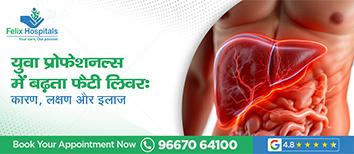
युवा प्रोफेशनल्स में फैटी लिवर तेजी से बढ़ती स्वास्थ्य समस्या बन रही है, जिसका मुख्य कारण गलत जीवनशैली और खानपान है।
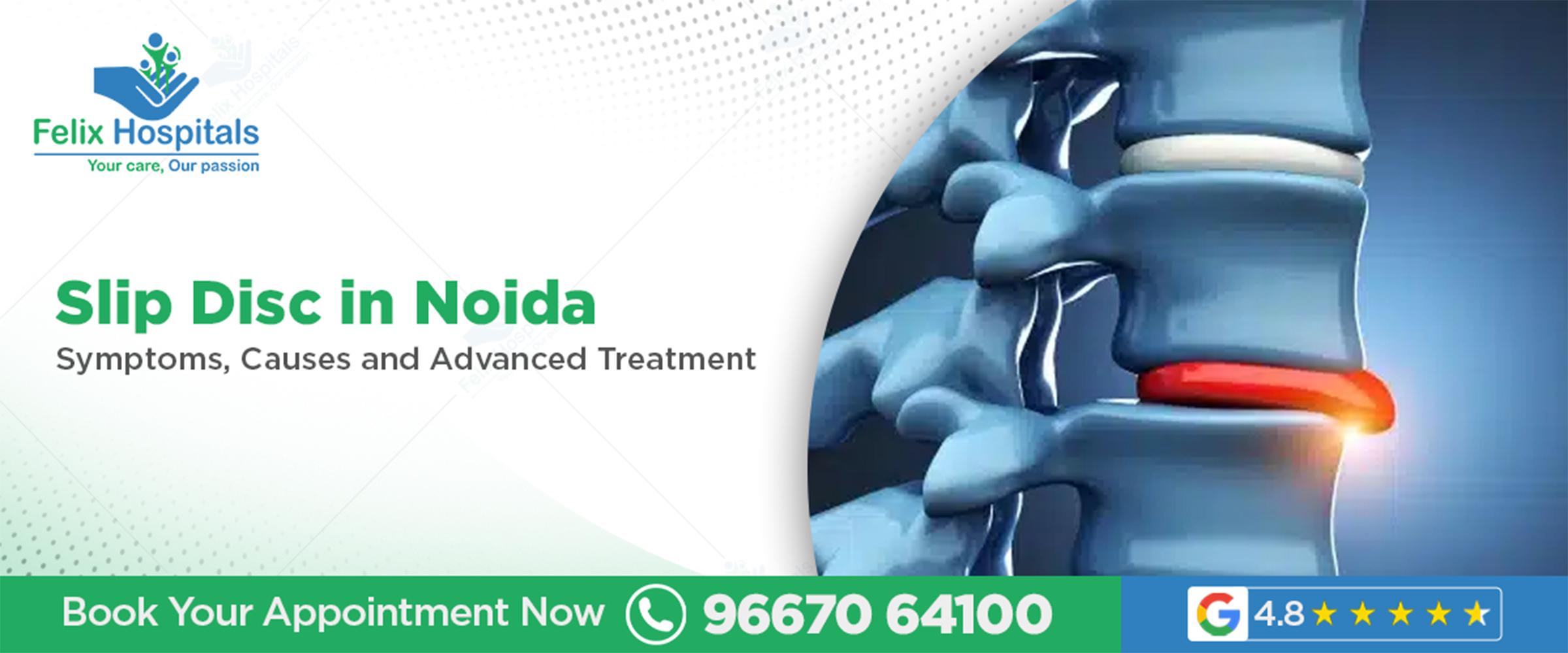
People put up with back pain for way too long without saying anything. When you bend down, a dull ache turns into a sharp stab. Then one morning you wake up and the pain has moved down your hip, into your leg, and sometimes all the way to your foot. That is not normal back pain anymore. When a slip disc in Noida gets worse than it is easy to deal with, this is how it feels. And it's more common than most people think, especially for working adults in cities like Noida where long hours of sitting, high-stress lifestyles, and physical strain combine in ways that the spine wasn't meant to handle for long periods of time. If you have radiating leg pain, back pain that isn't getting better, or numbness in your arms and legs visit the best orthopedic doctor in Noida as these symptoms need a proper spine evaluation, not more pain relief and rest.
To talk to an orthopedic doctor in Noida and get a diagnosis that makes sense, call +91 9667064100.
A slip disc, also known as a herniated or prolapsed intervertebral disc, happens when the soft, gel-like center of a spinal disc pushes through a tear in its tougher outer layer. The discs in the spine act as cushions between the vertebrae, letting them move and absorbing shock. When that cushion breaks or bulges out, it can press on nearby nerves or even the spinal cord itself.
The phrase "slipped disc" is not quite right because the disc doesn't actually slip out of place. It breaks, bulges, or herniates, and the material that moves out of place puts pressure on nearby structures. The pressure is what causes most of the pain, weakness, and neurological symptoms that are typical of the condition.
Most of the time, a "slip disc" happens in these two places:
The lumbar spine (lower back) — the most common place for lower back pain and sciatica pain to show up
The cervical spine (neck) — causing pain in the arms, stiffness in the neck, and sometimes numbness in the hands and fingers
The thoracic (mid-back) area is affected less often.
The symptoms of a slipped disc can be very different depending on which disc is affected and whether it is pressing on a nerve. Some people with herniated discs don't have any symptoms at all, while others have a lot of pain right away, which is why recognising slipped disc symptoms early is important.
Some common signs are:
Lower back pain that is sharp, burning, or aching and gets worse when you sit for a long time, bend forward, or cough or sneeze
Sciatica pain—a pain that starts in the lower back and spreads to the buttock and down one leg, sometimes reaching the calf or foot; this is one of the most common signs of a lumbar disc herniation.
The affected leg, foot, or toes may feel numb or tingly.
Weakness in the leg muscles, which can make it hard to lift the foot (foot drop) in serious cases
Cervical disc herniation causes pain in the neck, shoulders, and arms, as well as numbness in the fingers.
In very bad cases, loss of control of the bladder or bowels is a medical emergency that needs to be looked at right away.
Radicular pain is pain that travels down the leg in a pattern that follows a certain nerve. It is the most reliable clinical sign that a disc herniation is putting pressure on a nerve root.
The causes of slip disc are usually more than one thing. Most of the time, the disc has been under stress for a long time before it finally herniates, which is why understanding slip disc causes is essential for prevention.
Age-related disc degeneration — As we get older, discs lose water and elasticity, which makes them more likely to break under normal loads.
Prolonged sitting — especially with bad posture; office workers, software developers, and drivers in Noida are the most affected
Wrong way to lift — bending at the waist and lifting heavy things instead of using the legs puts a lot of shear force on the lumbar discs.
Repetitive strain—doing the same thing over and over again, like bending, twisting, or carrying heavy things.
Sudden physical exertion — a single strong movement, fall, or accident can cause a disc to herniate if it was already weak.
Obesity — being overweight puts more pressure on spinal discs all the time
Genetic predisposition — the structure of discs and the rate at which they break down are passed down from parents to children.
Smoking lowers the nutrition of discs by cutting off blood flow and speeds up the process of degeneration.
Some people are much more likely to get a herniated disc treatment recommendation than others:
Adults aged 30 to 55 years — the age range when disc degeneration is getting worse but physical demands are still high
IT workers, accountants, and people who work at desks sit for 8 to 10 hours a day
Manual labourers and construction workers who have to lift heavy things over and over again
People who are overweight or have too much weight around their stomach
People who have had lower back pain or disc problems in the past
People who don't work out often but then suddenly do a lot of hard work
Symptoms alone do not lead to a diagnosis. A spine specialist in Noida will usually do both a clinical exam and imaging:
Physical examination — checking reflexes, muscle strength, feeling in the arms and legs, and specific movements like the straight leg raise test, which is very good at finding lumbar nerve root compression
MRI scan: the best way to see disc herniation, nerve compression, and changes in the soft tissues around them; it gives the clearest picture of how bad the problem is and where it is.
CT scan—helpful when MRI isn't possible or when you need to see more bone detail
X-ray—doesn't show the disc itself, but it can help rule out fractures, bony spurs, or instability.
Nerve conduction studies (NCS) and electromyography (EMG) — when it's important to know how bad the nerve damage is, especially if there is a lot of weakness or symptoms that have been going on for a long time.
Imaging findings must consistently be correlated with clinical symptoms; for instance, a disc bulge evident on MRI without associated symptoms may not necessitate the same intervention as one that induces considerable neurological compromise.
Today, advanced slip disc treatment in Noida is much more focused and less invasive than it was ten years ago. Treatment follows a set path, starting with conservative management and only moving on to intervention when it is medically necessary.
Conservative treatment (the first choice for most patients):
Physiotherapy and targeted rehabilitation — organised exercises that strengthen the core muscles that support the spine, make it more flexible, and ease nerve irritation; this is the most important long-term treatment for most patients.
Pain management — NSAIDs, muscle relaxants, and nerve pain medications (gabapentin, pregabalin) to help with sudden symptoms while rehabilitation continues
Epidural steroid injections — guided injections of corticosteroid into the epidural space around the affected nerve root; these work well to reduce inflammation and give you a lot of pain relief so you can start physiotherapy.
Hot and cold therapy, TENS, and ultrasound therapy are types of physiotherapy that help with muscle spasms and pain.
Minimally invasive procedures (when conservative treatment doesn't work after 6–12 weeks):
Percutaneous discectomy — a needle-based method for removing or relieving pressure on the herniated disc material without having to go through open surgery; done with local anaesthesia and fluoroscopic or CT guidance
Microdiscectomy — a keyhole surgery that removes a small piece of the herniated disc that is pressing on the nerve through a very small cut. It is the best surgical treatment for lumbar disc herniation and has great results.
Endoscopic spine surgery is an even less invasive option that uses an endoscope. It causes less blood loss, requires a shorter hospital stay (often the same day or overnight), and allows for a faster return to activity than traditional open surgery.
Traditional spine surgery in Noida (for complicated or serious cases):
Laminectomy or laminotomy — taking out part of the vertebral arch to ease pressure on the spinal canal; this is done when the central canal is too narrow and the disc is herniated.
Spinal fusion — stabilising two or more vertebrae when disc disease causes instability; this is a good option for some people, but it takes longer to heal.
Most patients, about 80–90%, get better with conservative treatment in 6–12 weeks and don't need surgery. There are specific reasons for spine surgeon in Noida: a worsening neurological deficit, loss of bladder or bowel function, or failure of proper conservative treatment in a patient with major functional limitations.
Whether you treat a slipped disc conservatively or surgically, the recovery process is not passive. Patients who actively participate in rehabilitation have much better long-term outcomes:
Exercises to strengthen the core that focus on the deep stabilizing muscles of the lumbar spine
Posture correction, especially for people who work at desks; setting up an ergonomic workstation, adjusting the height of the monitor, and providing chair support
Managing weight by lowering the constant pressure on the lumbar discs
Avoiding long periods of sitting still—taking breaks to move around every 45 to 60 minutes while working at a desk
Proper lifting mechanics always bending your knees, keeping your back straight, and not twisting while carrying things
Slowly getting back into physical activity after an acute episode instead of taking a break, which weakens the muscles that support the body.
Are you looking for advanced spine care in Noida that doesn't involve surgery?
A spine-specialized orthopedic doctor in Noida can help you with a full treatment plan, from diagnosis to rehabilitation. This is more than just short-term pain relief.
Call +91 9667064100 to make an appointment at the Best Orthopedic Hospital in Noida today.
Dr. Binay Kumar Sahu is an experienced Orthopedic and Traumatology specialist with 11+ years of clinical practice. He has extensive expertise in complex trauma, arthroscopy, arthroplasty, musculoskeletal tumors, and hand surgery. Recognized among the Best Orthopedics in Noida, he provides comprehensive and advanced orthopedic care.

Manage cholesterol and dyslipidemia with a healthy diet, exercise, weight control, and regular monitoring for better heart health.
Thoracic spine surgery is performed to treat conditions affecting the mid-back, such as herniated discs, spinal tumors, or fractures.
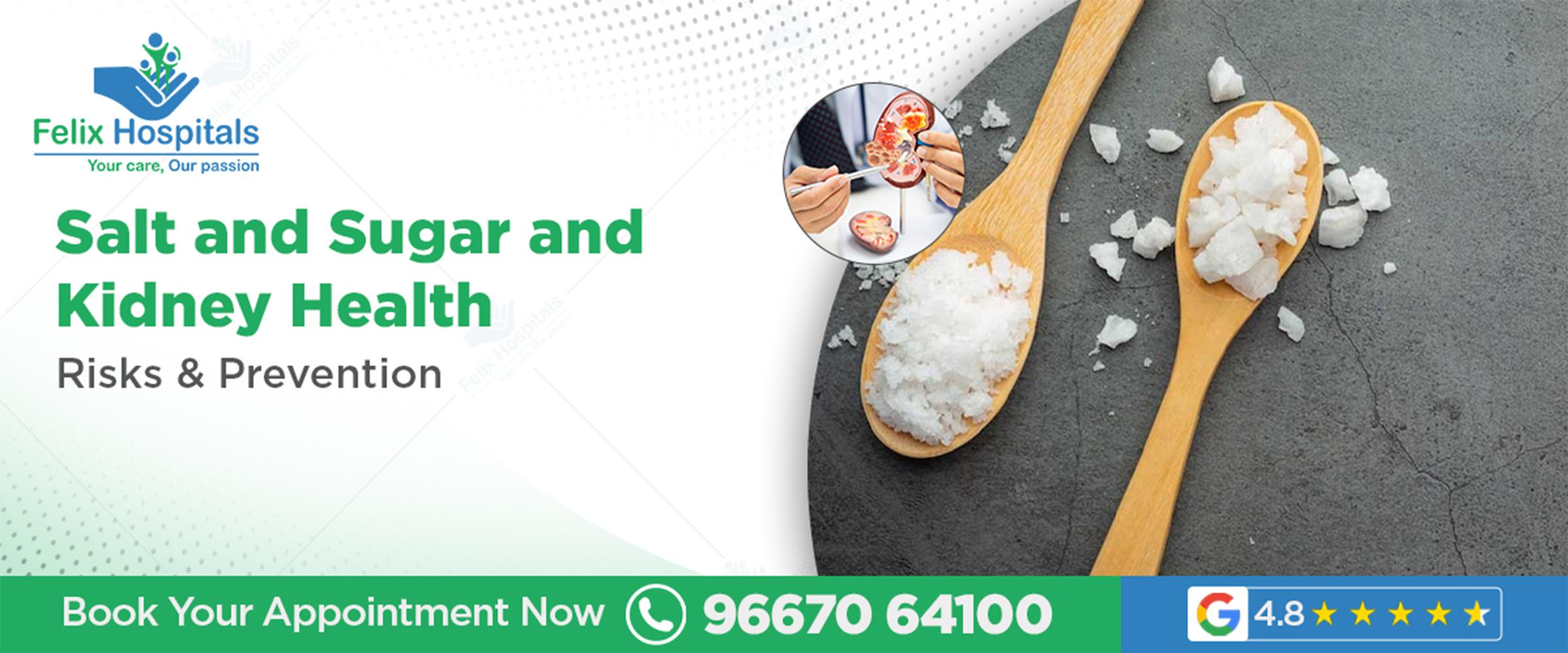
Your kidneys work all day and night to filter almost 200 litres of blood every day, get rid of waste, keep your blood pressure in check, and keep your body's fluids in balance. They don't complain much until something really bad happens. And what is one of the biggest hidden dangers to your kidneys? What you eat every day, especially how much sugar and salt you eat. How Do Salt and Sugar Affect Kidney Health? is a question many people don’t think about until problems begin.
This isn't about eating perfectly. It's about knowing how two very common ingredients, which are in almost every packaged food, can slowly hurt the organs that keep you alive. This guide will help you understand what's going on in your body and what you can do about it, whether you're perfectly healthy, have diabetes, or are already worried about your kidneys.
Are you worried about your blood pressure or kidney health? Don't wait for symptoms to show up; early testing can find problems before they become permanent. To make an appointment for a nephrology consultation today, call +91 9667064100.
The kidneys are very sensitive to what goes into your blood. The kidneys are always filtering out both sodium (from salt) and glucose (from sugar). When their levels stay high, the kidneys have to work harder to get rid of them. Over time, that extra work hurts them, and Can Excess Salt Damage Your Kidneys? becomes a very real concern when sodium intake stays high for years.
High blood pressure is the second most common cause of kidney failure in the world, and salt raises blood pressure.
Sugar raises blood sugar levels, which hurts the small blood vessels in the kidneys.
Too much salt and sugar together put a double strain on the body: pressure damage from one side and structural damage from the other.
Fact: The World Health Organization (WHO) says that chronic kidney disease (CKD) affects about 10% of the world's population, and diet is a big risk factor that can be changed.
Yes, and this is how it happens. Eating too much salt raises the amount of sodium in your blood. Your body keeps water in to dilute it, which makes the blood volume bigger. Your heart has to work harder, your blood pressure goes up, and your kidneys have to deal with it all.
High blood pressure hurts the glomeruli, which are the tiny filtering units in the kidneys.
The kidneys can't filter waste as well when the glomeruli are hurt.
This can lead to chronic kidney disease or even kidney failure over time.
Salt also makes you lose more calcium through your urine, which makes it more likely that you will get kidney stones.
Fact: A study in the Journal of the American Society of Nephrology found that eating a lot of salt is directly linked to kidney disease getting worse faster, even in people who don't have high blood pressure.
When blood sugar stays high for a long time, like in uncontrolled diabetes or pre-diabetes, it sets off a chain reaction in the kidneys, which explains How Does High Sugar Intake Impact Kidney Function? in real-life medical cases. Diabetic nephropathy is the medical term for kidney damage caused by diabetes. It is the most common cause of kidney failure in India and around the world.
Too much sugar makes the small blood vessels in the kidneys thicker and leak.
The kidneys then leak protein into the urine, which is a very important early warning sign.
After that, the kidney tissue becomes inflamed and scarred, which slowly lowers its function.
Even people who don't have diabetes can put a lot of stress on their kidneys by eating a lot of sugar all the time, which causes insulin resistance and long-term inflammation.
Fact: The Indian Council of Medical Research (ICMR) says that more than 101 million adults in India have diabetes, and about 30–40% of them will get some kind of kidney disease at some point in their lives.
The kidneys don't usually show clear signs in the early stages, which is what makes dietary kidney damage so dangerous. Understanding What Are the Early Signs of Kidney Damage from Diet? can help people seek medical care sooner. When symptoms show up, a lot of damage may have already been done. Here are the signs to look out for:
Swelling in the feet, ankles, or around the eyes because of fluid retention
Urine that is foamy or frothy (protein leaking into urine)
Urinating more often, especially at night
Ongoing tiredness or weakness with no clear cause
Readings of high blood pressure that are hard to control
Not wanting to eat or having a metallic taste in your mouth
Don't just brush off these signs as being tired or stressed if you see them. A blood creatinine test and a simple urine test can tell you a lot about how well your kidneys are working.
A bad diet can hurt anyone's kidneys, but some people are at much higher risk and need to be extra careful, which is why Who Is at Higher Risk of Kidney Problems Due to Salt and Sugar? is an important question for families.
People who have diabetes, whether it's Type 1 or Type 2
People who have high blood pressure or a family history of it
People who are 60 or older
People who are overweight or obese
People who have a family history of kidney disease
People who often take NSAIDs and other painkillers that put stress on the kidneys
Anyone whose diet is mostly made up of processed, packaged, or fast food
If you belong to one or more of these groups, you must cut back on your sugar and salt intake.
Global health guidelines give us a starting point, but your needs may be different depending on how healthy you are right now, and many patients ask How Much Salt and Sugar Is Safe for Kidney Health? during consultations.
Salt: The World Health Organization says that adults should eat less than 5 grams (about 1 teaspoon) of salt a day. If you have kidney disease or high blood pressure, this number may need to be even lower.
Sugar: The World Health Organization (WHO) says that free sugars should make up less than 10% of your daily energy intake, and ideally less than 5%, which is about 25 grams or 6 teaspoons a day.
According to a study in the Indian Heart Journal, the average Indian adult eats about 8 to 11 grams of salt every day, which is almost twice the recommended amount.
The hidden danger is that a lot of this salt and sugar doesn't come from what we put on the table. It comes from packaged foods, meals that are ready to eat, cookies, sauces, cold drinks, and even breakfast cereals.
Yes, and the proof is strong. One of the best ways to protect your kidney health is to change your diet, and research clearly answers Can Reducing Salt and Sugar Prevent Kidney Disease? with strong evidence. Unlike medications, dietary changes don't have any side effects. Research shows this:
Cutting back on salt can lower blood pressure by 5 to 10 mmHg in just a few weeks.
Cutting back on sugar and refined carbs can help you control your blood sugar levels a lot, which is good for your kidneys.
A diet low in sugar and salt can slow the progression of kidney disease in people who are in the early stages of the disease.
Eating less sodium greatly lowers the risk of kidney stones.
It costs a lot less to prevent something than to treat it. Dialysis, kidney transplants, and long-term medications are life-changing treatments that often start with years of bad eating habits.
It doesn't have to be hard to make choices that are good for your kidneys, and many people ask What Are the Best Dietary Tips to Protect Your Kidneys? before making lifestyle changes. You can start taking these real-world steps right away:
Eat out less often; food from restaurants and on the street usually has a lot of salt and sugar.
Carefully read food labels and stay away from foods that have more than 400 mg of sodium per serving.
Use herbs and spices like coriander, cumin, turmeric, and lemon juice instead of table salt to add flavour.
Instead of sugary drinks like cold drinks, packaged juices, and energy drinks, drink water, coconut water, or herbal teas.
Eat more whole grains, fruits, and vegetables. These foods naturally have low levels of sodium and added sugars.
Avoid processed meats, pickles, papads, and canned foods as much as possible because they all have a lot of hidden sodium.
If you have diabetes, talk to a dietitian about making a meal plan that will protect your kidneys.
Drink enough water to keep your kidneys working well.
Fact: The best nephrology hospital in Noida not only offers nephrology consultations, but also dietary counselling. Choosing the Best nephrology Hospital In noida can help patients make long-term changes to their diets that really protect their kidney function.
The best nephrologist in Noida can help you make a diet and lifestyle plan that is right for you based on your kidney health numbers, not general advice that may not apply to you. Consulting the Best nephrologist In noida ensures personalised care for long-term kidney protection.
Is your diet bad for your kidneys? Get a full kidney function test and personalised dietary advice from nephrologists who are experts in the field. Call +91 9667064100 today to talk to the best nephrologist in Noida.
Salt and sugar aren't bad for you, but too much of them can hurt the organs that keep your body clean and balanced. Your kidneys are tough, but they aren't indestructible. The good news is that they respond quickly and well to changes in their diet. You don't have to change everything about your life right away. Start with small changes, like cutting back on one sugary drink or one spoonful of salt each day. Then, make more changes as you go.
Regular tests of kidney function, blood pressure, and blood sugar are important parts of staying ahead of the problem. Don't take chances with your kidney health if you already have diabetes, high blood pressure, or a family history of kidney disease. Before small, easy-to-handle problems turn into big ones, talk to a doctor.
Dr. Udit Gupta is an experienced Nephrologist with 10+ years of expertise in chronic kidney disease, kidney stones, dialysis, kidney transplantation, and hypertension-related renal disorders.
Obesity and excessive sugar consumption are widely recognized as major contributors to diabetes, heart disease, and high blood pressure.
Kidney dialysis is a life-saving treatment for patients suffering from chronic kidney disease or kidney failure. Understanding the dialysis cost in Noida helps patients and families plan treatment effectively. This article explains the factors affecting d
Find out the best methods to pass kidney stones quickly, ease pain, and protect your kidneys with proven home remedies and advanced treatment options.
चांदीपुरा वायरस संक्रमण (Chandipura Virus Infection) एक गंभीर वायरल बीमारी है, जो खासकर बच्चों को तेजी से प्रभावित करती है। यह संक्रमण मस्तिष्क पर हमला करता है। वायरल एन्सेफलाइटिस जैसी खतरनाक स्थिति पैदा करता है। इसलिए समय रहते इलाज जरूरी है। Best Peadtric Hospital in Noida में उपलब्ध है। भारत में समय-समय पर इसके मामले सामने आते रहते हैं, इसलिए इसके बारे में जागरूक रहना बेहद जरूरी है।
चांदीपुरा वायरस एक तेजी से फैलने वाला संक्रामक वायरस है, जो मुख्य रूप से सैंडफ्लाई नामक छोटे कीट के काटने से इंसानों में प्रवेश करता है। यह वायरस रैब्डोवायरस परिवार से संबंधित है। खासतौर पर भारत के कुछ हिस्सों में बच्चों को प्रभावित करने के लिए जाना जाता है। जब यह वायरस शरीर में प्रवेश करता है, तो यह तेजी से ब्लडस्ट्रीम (रक्त प्रवाह) के माध्यम से फैलता हुआ सीधे मस्तिष्क तक पहुंचता है। मस्तिष्क पर असर पड़ने के कारण यह वायरल एन्सेफलाइटिस यानी दिमाग में सूजन जैसी गंभीर स्थिति पैदा करता है। यही वजह है कि इस संक्रमण में लक्षण बहुत तेजी से विकसित होते हैं।
मरीज की हालत कुछ ही घंटों या 1–2 दिनों में गंभीर होती है। यह वायरस खासतौर पर उन इलाकों में ज्यादा पाया जाता है जहां गंदगी, जलभराव और कीटों का प्रकोप अधिक होता है। सैंडफ्लाई आमतौर पर नम, अंधेरे और अस्वच्छ जगहों पर पनपती हैं, जिससे संक्रमण का खतरा बढ़ जाता है। चांदीपुरा वायरस का संक्रमण अधिकतर बच्चों (1 से 15 वर्ष) में देखा जाता है। क्योंकि उनकी रोग-प्रतिरोधक क्षमता (इम्युनिटी) अपेक्षाकृत कमजोर होती है। संक्रमित होने के बाद मरीज में तेज बुखार, सिर दर्द, उल्टी, दौरे (Seizures), बेहोशी और मानसिक भ्रम जैसे लक्षण तेजी से उभरते हैं।
सैंडफ्लाई के काटने से संक्रमण
गंदगी और अस्वच्छ वातावरण
खुले में कचरा और जलभराव
कमजोर इम्युनिटी
ग्रामीण और गर्म क्षेत्रों में अधिक जोखिम
बच्चों में ये लक्षण बहुत तेजी से बढ़ते हैं और स्थिति 24–48 घंटे में गंभीर हो सकती है। प्रमुख लक्षण निम्न है-
तेज बुखार (fever)
सिर दर्द
उल्टी
दौरे
बेहोशी या सुस्ती
मानसिक स्थिति में बदलाव
शरीर में कमजोरी
अगर निम्न लक्षण दिखें तो तुरंत डॉक्टर से संपर्क करें—
बार-बार दौरे पड़ना
बच्चा बेहोश हो जाए
तेज बुखार (102°F से ऊपर)
लगातार उल्टी
प्रतिक्रिया देना बंद कर देना
शरीर में अकड़न
चांदीपुरा वायरस संक्रमण के लिए कोई विशेष एंटीवायरल दवा या निश्चित इलाज उपलब्ध नहीं है। इसलिए इसका उपचार मुख्य रूप से लक्षणों को नियंत्रित करने और मरीज की स्थिति को स्थिर बनाए रखने पर आधारित होता है। इस बीमारी में सबसे अहम बात है जल्दी पहचान और तुरंत अस्पताल में इलाज (Immediate hospital treatment in Noida), क्योंकि संक्रमण बहुत तेजी से मस्तिष्क को प्रभावित कर सकता है।
मरीज को तेज बुखार होने पर डॉक्टर पैरासिटामोल जैसी सुरक्षित दवाएं देते हैं। इससे शरीर का तापमान नियंत्रित रहता है और मस्तिष्क पर पड़ने वाला दबाव कम होता है।
चांदीपुरा वायरस में बच्चों को अक्सर दौरे पड़ते हैं। ऐसे में डॉक्टर एंटी-सीजर (Anti-Seizure) दवाएं देकर दौरे को तुरंत कंट्रोल करते हैं, जिससे मस्तिष्क को नुकसान होने से बचाया जा सके।
गंभीर मामलों में मरीज को इंटेंसिव केयर यूनिट (आईसीयू) में भर्ती किया जाता है, जहां 24 घंटे डॉक्टर और नर्सिंग स्टाफ उसकी निगरानी करते हैं। यहां हार्ट रेट, सांस, ब्लड प्रेशर और न्यूरोलॉजिकल स्थिति पर लगातार नजर रखी जाती है।
उल्टी, बुखार और कमजोरी के कारण शरीर में पानी की कमी (डिहाइड्रेशन) हो सकती है। इसे रोकने के लिए मरीज को नसों के जरिए आईवी फ्लूड (सलाइन) दिया जाता है, जिससे शरीर में पानी और इलेक्ट्रोलाइट्स का संतुलन बना रहता है।
अगर मरीज को सांस लेने में दिक्कत हो या ऑक्सीजन लेवल कम हो जाए, तो उसे ऑक्सीजन सपोर्ट दिया जाता है। गंभीर स्थिति में वेंटिलेटर की जरूरत भी पड़ती है।
क्योंकि यह संक्रमण मस्तिष्क में सूजन पैदा करता है। इसलिए डॉक्टर ऐसी दवाएं देते हैं जो सूजन को कम करें और दिमाग पर दबाव न बढ़ने दें।
मरीज को पर्याप्त पोषण, आराम और स्वच्छ वातावरण देना बेहद जरूरी होता है। बच्चों में खास ध्यान रखा जाता है ताकि उनकी रिकवरी जल्दी हो सके।
बच्चों में लक्षण दिखते ही तुरंत बाल रोग विशेषज्ञ (Pediatrician) से संपर्क करें।
1 से 15 वर्ष के बच्चों में अधिक खतरा
बच्चों की इम्युनिटी कमजोर होती है
संक्रमण तेजी से मस्तिष्क तक पहुंचता है
मृत्यु दर (Fatality Rate) ज्यादा हो सकती है
चांदीपुरा वायरस संक्रमण से बचाव का सबसे प्रभावी तरीका है। कीटों (खासकर सैंडफ्लाई) से सुरक्षा और स्वच्छता बनाए रखना। Best Pediatrician in Noida में उपलब्ध है। क्योंकि इस बीमारी का कोई निश्चित इलाज नहीं है, इसलिए रोकथाम (Prevention) ही सबसे बड़ा हथियार है। नीचे दिए गए उपाय अपनाकर संक्रमण के खतरे को काफी हद तक कम किया जा सकता है—
सैंडफ्लाई और अन्य कीटों से बचने के लिए मच्छरदानी का उपयोग करें, खासकर बच्चों के सोते समय। दिन और रात दोनों समय सावधानी रखें, क्योंकि सैंडफ्लाई अक्सर शाम और रात में सक्रिय होती हैं। खिड़कियों और दरवाजों पर जाली लगवाएं ताकि कीट घर में न आ सकें।
घर के अंदर और बाहर नियमित सफाई बेहद जरूरी है। गंदगी, धूल और नम जगहों पर सैंडफ्लाई तेजी से पनपती हैं, इसलिए इन्हें साफ रखें। दीवारों की दरारें और कोनों को साफ और सूखा रखें।
घर के आसपास कचरा, गंदा पानी या सड़ा-गला पदार्थ जमा न होने दें। कूड़ेदान को ढककर रखें और समय-समय पर खाली करें। खुले में कचरा फेंकने से बचें, क्योंकि यह कीटों को आकर्षित करता है।
बच्चों को फुल स्लीव कपड़े (Full Sleeve Clothes) पहनाएं ताकि शरीर का कम हिस्सा खुला रहे। हल्के रंग के कपड़े पहनाना बेहतर होता है, क्योंकि इससे कीट कम आकर्षित होते हैं। बाहर खेलने जाते समय विशेष सावधानी रखें।
बच्चों और बड़ों की त्वचा पर सुरक्षित कीटनाशक क्रीम या स्प्रे लगाएं। घर में समय-समय पर कीटनाशक स्प्रे या फॉगिंग कराएं। बाजार में उपलब्ध इलेक्ट्रिक वेपराइज़र या कॉइल का भी इस्तेमाल किया जा सकता है।
घर के आसपास कहीं भी पानी जमा न होने दें, जैसे गमले, कूलर, टायर या छत पर। कूलर का पानी नियमित रूप से बदलें और साफ करें। जलभराव वाले स्थानों को तुरंत सूखा करें, ताकि कीटों के पनपने की जगह खत्म हो।
चांदीपुरा वायरस संक्रमण एक गंभीर और तेजी से फैलने वाली बीमारी है, जो खासकर बच्चों के लिए खतरनाक हो सकती है। इसके लक्षण अचानक शुरू होते हैं और जल्दी बिगड़ सकते हैं। इसलिए समय पर पहचान, तुरंत इलाज और सही बचाव ही इससे बचने का सबसे अच्छा तरीका है। चांदीपुरा वायरस से बचाव का सबसे अच्छा तरीका है स्वच्छता, जागरूकता और समय पर सावधानी। छोटे-छोटे कदम उठाकर आप अपने परिवार, खासकर बच्चों को इस खतरनाक संक्रमण से सुरक्षित रख सकते हैं।
Dr. Niraj Kumar is an experienced Pediatrician and Neonatology Specialist with 11+ years of expertise in newborn care, childhood illnesses, vaccination, nutrition, and child growth and development.
बच्चों में निमोनिया एक गंभीर श्वसन संक्रमण है जो समय पर पहचान और सही इलाज से पूरी तरह ठीक हो सकता है।
खांसते समय सीने में दर्द कई कारणों से हो सकता है, जैसे संक्रमण, मांसपेशियों में खिंचाव या फेफड़ों की समस्या। नोएडा में इसके लिए विशेषज्ञ इलाज उपलब्ध है।
बच्चों में इम्यूनिटी कमजोर होने पर बार-बार बीमारियां, थकान और विकास में रुकावट जैसे लक्षण दिख सकते हैं। सही कारण पहचानकर समय पर इलाज से बच्चे को स्वस्थ रखा जा सकता है।

Subscribe to our
© Copyright 2026. All Rights Reserved by Felix Healthcare Private Limited
Design and development by :


 +(91)9667064100
 Emergency : +(91)9667064100