 WhatsApp
 Emergency:
  WhatsApp

















Subscribe to our
Gas in the stomach is a very common digestive problem, but it is uncomfortable and at times leads to abdominal bloating and pain. Occasional gas is common and often related to diet or other lifestyle factors, but frequent symptoms may be a sign of digestive problems. When it comes to stomach gas, is to what causes it then is to how to get rid of stomach gas fast The information in this article will help you better address the symptoms and prevent the painful build-up of gas in the future.
Gas pain can disrupt your day-to-day activities and also your eating habits as well as your quality of life. Timely consultation with the Best gastroenterologist in Noida and getting the proper bloating and gas treatment in Noida can go a long way in diagnosing the underlying cause and providing long-term relief.
Feeling bloated, uncomfortable, or dealing with frequent gas pain? Don’t ignore digestive symptoms—get expert care today. Call +91 9667064100 to consult the Best gastroenterologist in Noida.
Knowing what causes of stomach gas in the stomach can help you know what to avoid and how to treat your symptoms. Gas is produced in the digestive tract from the air that is swallowed or as air bubbles when certain foods are broken down in the intestines. Common reasons are:
Eating or drinking too fast – this makes you swallow more air.
Eating too fast or too much
Drinking carbonated drinks
Malabsorption of certain carbohydrates
Lack of exercise affecting gut motility
Disruption in gut flora
According to digestive health studies, certain carbohydrates are not fully digested in the small intestine and are fermented by gut bacteria, producing gas as a byproduct.
Knowing which foods that cause gas and bloating may help you manage symptoms and avoid the pain. Some foods are known to cause more gas when they are broken down in the digestive system. Common foods that can contribute to gas are:
Beans and lentils
Vegetales(cabbage, broccoli).
Lactose intolerant people and dairy products.
Deep fried and fatty foods
Carbonated drinks
Artificial sweeteners
Limiting or moderating these foods can significantly reduce gas formation.
Early recognition of signs helps to effectively treat the discomfort related to gas. Severity of gas pain may range from mild to severe depending on the cause. Clinical manifestations are:
Bloating or distension of the abdomen
Crampy or severe abdominal pain
Feeling of fullness after meals
Abdominal pressure
Rumbling or gurgling sounds in the stomach
We all have the occasional case of gas, but if you find yourself constantly dealing with it, it's worth a trip to the doctor. Visiting a specialist will help rule out any underlying digestive problems. If you have:
Severe or prolonged stomach pain
Unexplained weight loss
Change in bowel habits
Blood in the stool
You have ongoing bloating, despite changing your diet
Chronic dyspepsia
Timely diagnosis guarantees correct gas pain treatment and also complications.
Accurate diagnosis helps identify the root cause of gas-related issues and guide treatment.
Test | Purpose |
Physical Examination | Evaluates abdominal tenderness and symptoms |
Detects infections or digestive disorders | |
Stool Test | Identifies gut infections or imbalances |
Ultrasound Abdomen | Checks for structural abnormalities |
Endoscopy | Examines digestive tract for underlying issues |
These tests help doctors determine the best approach for bloating and gas treatment in Noida.
A good gas pain treatment will sooth symptoms while treating its cause. Treatment varies with the severity and frequency of symptoms. Treatment options include the following:
Anti-gas drugs that decrease gas formation
Probiotics for your gut
Digestive enzymes products
Diet Changes
Treat the underlying bowel disease
Lifestyle modifications to improve digestion
With medical supervision, symptom control is both safe and effective.
Choosing best foods to reduce stomach gas may help your stomach digest and avoid inflating.That includes foods like:
Ginger and herbal teas
Yogurt with probiotics
Bananas and papaya
Rice and Other Grains that Are Easy on the Stomach
Cooked vegetables not raw
Plenty of water
These good eatables make digestion smooth and prevent formation of gas.
Knowing how to get rid of stomach gas fast can help you get relief faster while you are in pain. Helpful remedies include:
Light walking after meals
Herbal teas or warm water
Don't lie down right after eating
Light abdominal massage
Antacids that can be bought from your local pharmacy (if recommended)
Mindful eating habits
These methods help release trapped gas and ease discomfort quickly.
A few simple changes to your daily routine can help prevent recurring bouts of gas. Preventive advice following questions, be sure to include them!
Eat slowly and chew food well
Avoid overeating.
Avoid carbonated drinks
Keep active.
Controlling stress
A balanced diet
Consistent healthy habits support long-term digestive health.
Struggling with frequent bloating or gas pain? Get expert diagnosis and personalized treatment today. Call +91 9667064100 for bloating and gas treatment in Noida.
Gas in the stomach is a very common and annoying problem that, when ignored, can lead to more discomfort. By understanding the causes of stomach gas, recognizing its symptoms, and making simple changes to your eating habits, you can prevent frequent episodes.
With appropriate medical care at a top Gastroenterology hospital in noida and access to high-quality bloating and gas treatment in Noida, patients can experience lasting relief and improved digestive health.
Gastric problems occur when excess acid or digestive disturbances affect the stomach lining, causing symptoms like bloating, acidity, and pain. Timely diagnosis ensures effective treatment.
Get expert constipation treatment in Noida. Learn about common causes, symptoms, and the best relief options to improve digestive health.
Struggling with constipation in summer? Learn its causes, symptoms, and effective remedies. Stay hydrated and follow expert tips for better digestive health.
Exhaustion or energy deficiency is a widespread issue, particularly in the modern urban life that is fast-moving. Nevertheless, chronic weakness and fatigue cannot be overlooked as they can be an indication of some underlying health conditions. Issues contributing to fatigue-related complaints are stress, unhealthy dieting, dehydration and imbalance in lifestyle especially in cities such as Noida. As it is stated by the World Health Organization (WHO), one of the most frequently reported symptoms in primary healthcare is fatigue, which is typically associated with physical and psychological factors. Consultation with the most suitable general physician in noida at the initial stage and consultations with the most suitable one can help find the origin of the problem and avoid complications.
Feeling constantly tired, low on energy, or unable to focus on daily tasks? Don’t ignore these signs—fatigue can be your body’s warning signal. Call +91 9667064100 to consult a doctor in Noida immediately.
What is weakness and fatigue? It is the condition when a person feels less physically strong, fatigued, or experiences constant exhaustion that does not disappear when one takes a break. Although occasional fatigue is healthy, persistent fatigue may have an impact on the day-to-day functioning and quality of life.
Fatigue can be medically categorized as either physical or mental or chronic. Physical fatigue influences the strength and endurance of muscles whereas mental fatigue influences alertness and concentration. The untreated chronic fatigue might disrupt normal functioning and may be linked to underlying medical conditions like anemia, thyroid disorders or infections.
Recognizing the common symptoms of weakness and fatigue is important for early diagnosis and management. The symptoms can be different according to the root cause of the problem but in most cases, they develop over time.
Common symptoms include:
continuous fatigue despite rest.
lack of energy or motivation
muscle weakness
difficulty concentrating
lightheaded or dizzy.
sleep disturbances
These symptoms may affect productivity, mood, and well-being until it is timely addressed.
Understanding the causes of weakness and fatigue helps in identifying the root problem and guiding appropriate treatment.
Common causes include:
nutritional malnutrition, like iron or vitamin B12 shortage.
dehydration and electrolyte imbalance.
insomnia or sleep deprivation.
stress, anxiety or depression.
diseases like viral fever.
chronic diseases such as thyroid or diabetes.
According to the National Family Health Survey (NFHS-5), it has been found that iron deficiency anemia is one of the major causes of fatigue particularly in women in India.
Identifying the risk factors that increase fatigue can help in early prevention and lifestyle modification.
High-risk factors include:
sedentary lifestyle
unhealthy eating habits
irregular sleep patterns
high stress levels
chronic medical conditions
excessive screen time
dehydration
Factors that make urban lifestyle susceptible to persistent fatigue in addition to long working hours and physical inactivity are also likely to produce more risk.
Fatigue is a condition that is severely disregarded until it starts disrupting the normal life. It is necessary to understand when to consult a doctor.
Consult a doctor if:
exhaustion lasts for a longer period
there is unaccounted loss of weight.
symptoms worsen over time
Dyspnea or chest pain.
fatigue impacts on daily activities.
Early medical assessment assists in determining underlying severe cases at an early age.
Doctors use a combination of clinical evaluation and diagnostic tests to determine the cause of fatigue.
Test | Purpose |
blood tests | detect anemia, infections, or deficiencies |
thyroid function tests | assess hormonal imbalance |
blood sugar tests | check for diabetes |
vitamin levels | identify nutritional deficiencies |
These tests help in accurate diagnosis and personalized treatment planning.
The cases of weakness and fatigue have different treatment options, depending on the underlying cause. Effective recovery can only be achieved after the underlying problem has been addressed.
Therapy methods are:
nutritional supplements (iron, vitamins)
hydration and electrolyte balance
improving sleep quality
stress management skills.
prescribed medications to underlying conditions
lifestyle modifications
According to medical research, nutritional deficiencies and sleep patterns can be successfully treated to decrease the level of fatigue.
The availability of treatment of fatigue in noida will help to diagnose and manage the fatigue properly depending on the needs of the specific person.
The services provided in healthcare comprise:
extensive health assessment.
high-technology diagnostic tests.
treatment plans that are individualized.
lifestyle and dietary counseling.
follow-up
There is an improvement of energy levels, as well as an overall improvement of quality of life through early treatment.
Prevention helps in preservation of energy and general health.
Follow these tips:
eat a healthy diet that is balanced.
stay well-hydrated
have sufficient sleep (7-8 hours a day)
have a regular exercise routine.
manage stress effectively
do not use too much caffeine and junk food.
The habits aid in maintaining the energy and avoiding tiredness.
Making basic lifestyle modifications can also greatly enhance the levels of energy and lower fatigue.
Assistive modifications involve:
having a regular sleeping schedule.
taking brief pauses at the workplace.
limiting screen time
relaxing through meditation and other methods.
staying physically active
These practices should be consistent and this would improve overtime.
Early consultation by a medical practitioner is a definite way of diagnosing and treating fatigue effectively.
Medical care provides:
prompt identification of underlying disorders.
targeted treatment plans
monitoring of progress
prophylaxis of complications.
long-term health advice.
Professional care promotes faster healing and wellbeing.
Experiencing constant tiredness or low energy levels? Don’t delay treatment—early care can restore your health and productivity. Call +91 9667064100 to consult a doctor in Noida now.
The weakness and fatigue are frequent but must not be disregarded when persistent. Understanding what is weakness and fatigue?, recognizing the common symptoms of weakness and fatigue, and knowing the treatment options for weakness and fatigue are essential for effective management.
Having access to the proper treatment of fatigue in noida and receiving the care of the best general physician in Noida, people would be able to deal with the main issue and restore their energy. Lifestyle healthy habits, early medical attention, and prevention are the most important in the long-term health.
Dr. Anshumala Sinha is an experienced Internal Medicine and Diabetology specialist with 20+ years of practice. She specializes in diabetes management, infectious diseases, fever treatment, hypertension, cholesterol control, weight management, and trauma care. Recognized among the Best General Physicians in Noida, she provides comprehensive and patient-focused medical care.

Maintaining a healthy lifestyle is important, in today’s scenario. It is common to hear about some or the other problem related to health faced by individuals.

Heart disease is one of the leading global health concerns, responsible for millions of deaths worldwide each year.

In Delhi NCR, summer is not only associated with high temperatures but also a high level of seasonal diseases. The human body is usually subjected to constant stress as temperatures in the body exceed 40C in order to maintain the internal temperature. The Indian Meteorological Department (IMD) says that prolonged heatwaves have become more common in North India, which has augmented the danger of heat associated diseases and infections. Meanwhile, the World Health Organization (WHO) emphasizes the fact that hot weather is a factor that promotes bacterial growth and contamination of food and water is even more prevalent.
The environmental and lifestyle changes predispose the people to infections, dehydration, and heat stress. The importance of early awareness and immediate consultation with the most suitable general physician in noida may help in avoiding complications and faster healing in cases that occur especially in peak seasons of summer.
Feeling weak, dizzy, or experiencing frequent infections this summer? Don’t ignore early symptoms—seasonal illnesses can worsen quickly. Call +91 9667064100 to consult a doctor in Noida immediately.
Understanding why health problems increase during summer is important to prevent seasonal illnesses effectively. In hot weather, the body sweats a lot of body fluids in a bid to regulate normal body temperatures. This causes dehydration and loss of the important electrolytes like sodium and potassium that are required to function in the muscle and nerves.
Besides leaving the fluid, high temperatures provide good conditions to bacteria and viruses to proliferate very fast. Even the short periods of time that food is kept outside can lead to contamination and food poisoning and gastrointestinal infections. The sources of water can also be rendered unhealthy through the growth of microbes.
In addition to this, overheating undermines the immune system. Research has shown that over time, exposure to high temperatures may cause fatigue and lack of immunity and people are therefore prone to infections. The situation is also worsened by urban causes like pollution, overcrowding and poor conditions of air ventilation which result in an increased number of health issues that are caused by summer.
Recognizing the most common summer diseases helps in early detection and timely treatment. During summer, a number of diseases are usually witnessed in areas that have elevated levels of heat and moisture such as Noida.
Diseases common in summer are:
dehydration, which is due to excessive fluid loss.
heat stroke and heat exhaustion because of long-time staying in the sun.
contamination of food by food poisoning.
gastroenteritis that causes diarrheal and vomiting.
seasonal viral fever.
Examples of skin infections include fungal rashes and heat boils.
burn due to ultraviolet (UV) radiation.
Among them, the most common ones to report are dehydration and heat-related illnesses which are common during the peak summer seasons. They may develop into major medical crises unless medical attention is sought early enough.
Understanding the symptoms of common summer diseases allows early recognition and intervention. Several diseases in summer have similar symptoms, and they can occasionally complicate prompt diagnosis.
Common symptoms include:
elevated temperatures or fever.
excessive perspiration or absence of it in some extreme cases.
nausea and vomiting
diarrhea or cramps of the stomach.
fatigue and weakness
dizziness or fainting
skin rash, erythema, or rashes.
These symptoms can have mild manifestations at the beginning, but they can develop very quickly in case the underlying cause of the symptoms is not treated. Dehydration may cause low blood pressure and decreased blood supply to the body organs if treatment is not administered.
Identifying the causes of summer illnesses is essential for prevention. Majority of these conditions are provoked by an environment exposure combined with lifestyle habits.
Common causes include:
excessive exposure to heat and direct sun rays.
poor intake of fluids which causes dehydration.
eating contaminated foodstuffs or drinking contaminated water.
unsanitary habits, more so, food handling.
sweating and causing electrolyte imbalance.
diminished immunity as a result of heat stress.
Outdoor exposure, extended commuting, and irregular eating habits make the situation even more riskier in such cities as Noida.
Understanding the people at higher risk during summer helps in taking targeted preventive measures. Some groups are more susceptible based on their physiological state or environmental impacts.
High-risk groups include:
infants and children that dehydrate more rapidly.
elderly people that have less control over temperature.
workers who are exposed to the direct sun rays outdoors.
individuals who are chronically ill like diabetics or heart disease.
pregnant women that need more fluid.
persons with weak immune systems.
Such groups demand additional attention, because even slight dehydration or infection may easily result in severe one.
It is important to identify the appropriate time to get medical attention in order to deal with summer diseases. It takes a long time to seek treatment because most individuals believe that the symptoms will clear by themselves.
Seek medical help if:
symptoms take more than 24-48 hours to go.
it is high fever or persisting vomiting.
symptoms of acute dehydration ensue.
confusion: there is confusion, a loss of direction, fainting.
diarrhea causes lassitude or diminished urine.
Healthcare professionals repeat that an early intervention may dramatically decrease the threat of such complications as kidney damage, heat strokes, or serious infections.
Doctors rely on a combination of clinical evaluation and diagnostic tests to identify the condition and its severity.
Test | Purpose |
blood tests | detect infections and electrolyte imbalance |
urine tests | assess hydration and kidney function |
stool tests | identify gastrointestinal infections |
temperature check | confirms fever or heat-related illness |
Accurate diagnosis helps in determining the appropriate treatment plan and ensures faster recovery.
The treatment options for summer diseases depend on the specific illness and its severity. Early treatment also enhances the recovery time and it prevents complications.
Some of the treatment methods are:
rehydrating by mouth with water and ORS solutions.
anti-infective and anti-fever drugs.
antibiotics against bacterial infection.
severe dehydration intravenous (IV) fluids.
rest and cooling, to bring down the body temperatures.
nutritional changes in favor of recovery.
Timely rehydration therapy can be included in the list of the most effective methods of dehydration management and prevention of hospitalization as per the WHO guidelines.
Access to timely dehydration treatment near me becomes crucial during summer, as dehydration is one of the leading causes of hospital visits in hot weather.
In most cases, the following are provided in the treatment facilities:
fluid replacement therapy.
correction of electrolytes to achieve the balance.
vital sign monitoring of heart rate and blood pressure.
acute treatment of critical cases.
medical social support on recovery and prevention.
Timely treatment does not only ease the symptoms but also helps to avoid such complications as kidney damage and heat stroke.
The prevention advice to remain healthy during the summer would go a long way in ensuring that seasonal diseases are avoided. Treatment is never as effective as prevention.
The major preventive steps are:
taking adequate water during the day.
shade work (do not be in the direct sun at the high temperature times (12 pm to 4 pm).
eating clean and cooked food.
following good personal hygiene.
dressing in light, loose, and breathable clothes.
wearing sunscreen and other protective items.
Research indicates that the risk of heat-related illnesses can be mitigated by a significant margin by just keeping oneself well hydrated.
Easy lifestyle changes would allow the body to adjust itself to extreme temperatures better.
Some adjustments that are beneficial are:
organizing outdoor tasks in the early morning or in the evening.
eating more and drinking more fluids.
not eating heavy, oily, and spicy foods.
eating frequent breaks in the shade or a cool place.
with the use of cooling, like fans or air conditioning.
These modifications do not only help to avoid sickness, but also make summer more comfortable.
Availability of prompt healthcare is fundamental in the management of summer diseases and complications prevention.
Medical care provides:
timely diagnosis of illnesses.
individualized treatment programs.
observation of the recovery.
complication prevention.
support in case of emergency.
Through professional medical advice, the recovery would be quicker and more successful, particularly with severe cases.
Experiencing symptoms like fever, dehydration, or weakness this summer? Don’t delay treatment—early care can prevent serious complications. Call +91 9667064100 to consult a doctor in Noida now.
Summer diseases are prevalent but they can be handled appropriately with proper awareness and early intervention. Understanding why health problems increase during summer, recognizing the symptoms of common summer diseases, and knowing the treatment options for summer diseases are essential steps in staying safe.
Having access to proper dehydration medication in my vicinity with professional help given by the best general physician in noida, people can easily cope with the health hazards of the season. The most significant way to make sure that the summer is healthy and safe is to stay hydrated, keep the hygiene, and have some preventative measures.
Dr. Ravi Sharma is a senior physician with 42+ years of experience, known for compassionate and comprehensive patient care in Noida.

Hot weather can strain your heart, especially in summer. Discover how heat impacts your cardiovascular system and explore expert tips to keep your heart healthy, hydrated, and safe during rising temperatures.
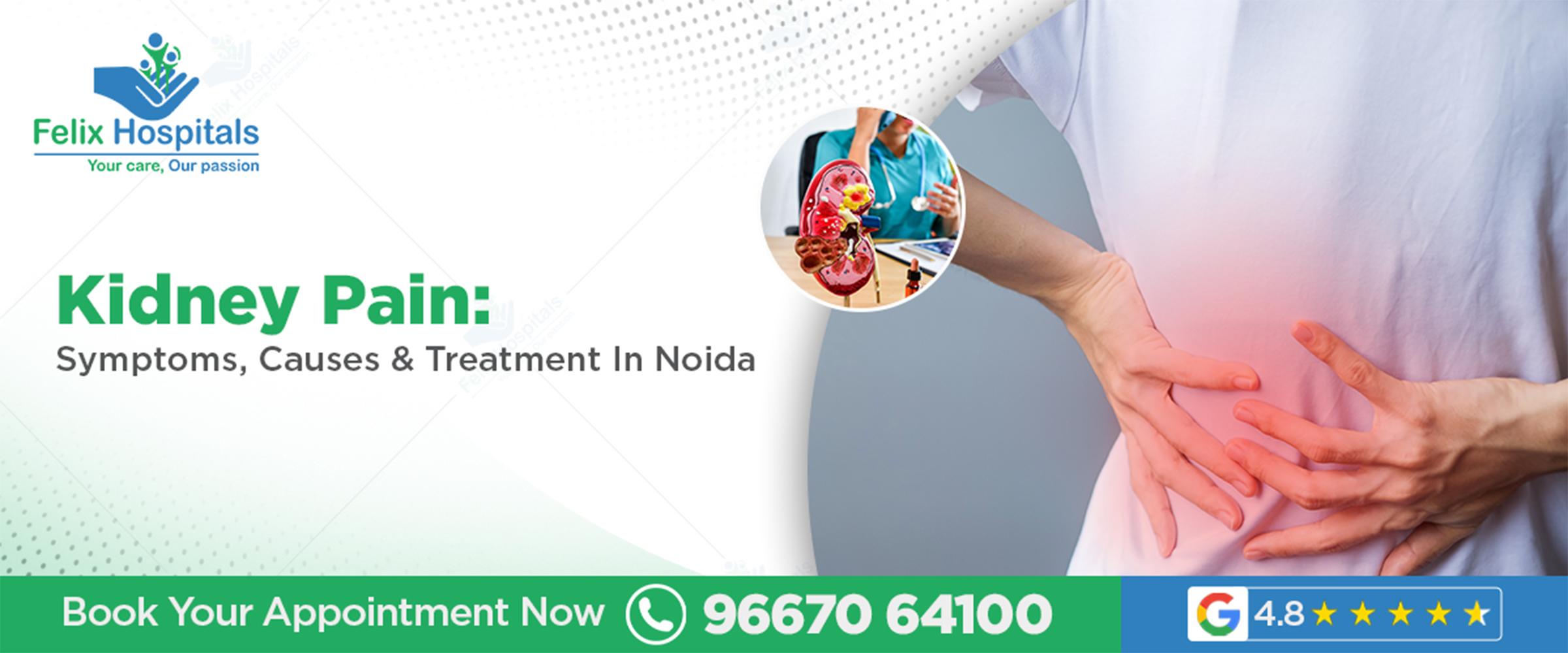
The problem of kidney pain is highly misconceived and such pain is neglected until it becomes serious. As the cases of lifestyle diseases and infections increase, the topic of kidney health gains prominence more than ever before and certainly in cities such as the Delhi NCR. Upon the consultation of the Best nephrologist in Noida, a consultation must be made at the appropriate time to avoid severe complications and prevent their early diagnosis. Knowledge on kidney pain, understanding its causes and early interventions is critical in good health maintenance.
Experiencing back pain, burning urination, or discomfort in the side? Don’t ignore early warning signs—kidney issues can worsen quickly without treatment. Call +91 9667064100 to consult the Best nephrologist in Noida immediately.
What Is Kidney Pain? It means pain or pain, which has its source either in one or both of the kidneys, and is mostly experienced along the back, just beneath the ribs, or on the sides. In contrast to muscle pain, kidney pain is more profound and can exist even in case of a change of positions.
Kidney pain is normally linked to any underlying medication problem like infection or stones or inflammation. Kidneys are exceptionally important in the process of filtering waste and regulating fluid balance hence any impairment may result in experience level discomfort and complicate systemic health problems when it is not resolved in time.
Recognizing the Common Symptoms of Kidney Pain is essential for early intervention and preventing complications. The symptoms are not fixed but this does not mean that they should be overlooked.
The symptoms that are most frequently experienced include:
Lower back or side, either sharp or dull pain.
Radiating pain which extends to the abdomen or the groin.
Chills (particularly in infections) and fever.
Nausea or vomiting
Bladder problems - frequent and painful urination.
Blood in urine (hematuria)
General discomfort and fatigue.
These symptoms should be addressed by consulting a doctor in case they are persistent or aggravated.
Understanding the Causes of Kidney Pain helps in identifying the root problem and initiating the right treatment approach.
Common causes include:
Urinary obstruction by kidney stones.
Kidney transmission of urinary tract infections (UTIs).
Infection of the kidneys (polynephritis).
Trauma or injury of the kidney region.
Between causes, there must be a different method of treatment, and it is imperative to adequately diagnose each.
Some people are those who are more likely to have problems with kidneys, either because of their lifestyle or his or her medical background or the environment in which they are. Knowing the Risk Factors for Kidney Problems can help in prevention and early care.
High-risk groups include:
Individuals with high conditions of blood pressure or diabetes.
Patients who had kidney stones before.
Dehydration as a result of lack of fluid consumption.
Accentuated obesity and immobility.
Taking painkillers or some medications frequently.
These risk factors can be addressed early in order to decrease the risks of developing kidney complications.
Identifying When Is Kidney Pain a Medical Emergency is critical, as delayed treatment can lead to severe complications or permanent kidney damage.
Get medical help immediately in case you suffer:
Severe, unbearable pain
High fever with chills
Persistent vomiting
Difficulty passing urine
Sudden swelling in the body
These signs could be in a severe condition that would need the immediate care of a doctor.
Doctors use a combination of clinical evaluation and diagnostic tests to determine the cause of kidney pain.
Test | Purpose |
Urine Test | Detects infection, blood, or abnormalities |
Blood Test | Assesses kidney function and toxins |
Ultrasound | Identifies stones or structural issues |
CT Scan | Provides detailed imaging of kidneys |
MRI | Used in complex or unclear cases |
These tests help in accurate diagnosis and guide effective treatment planning.
Treatment Options of the kidney pain is subject to the nature and extent of the condition. Complications can be avoided by treatment early, which will guarantee a quick recovery.
Treatment methods include:
Prescription drug pain control.
Antibiotics for infections
Sharpened fluid consumption in order to purge toxins.
Surgery on kidney stones.
The changes in lifestyle to keep kidneys healthy.
Severe Case Hospitalization.
Use of consultation will provide the correct treatment method involving an individual.
Timely and advanced kidney pain treatment in Noida is a key measure towards treating mild cases and severe cases of kidney pain.
The contemporary health institutions provide:
High-tech diagnostic equipment.
Experienced nephrologists
Emergency care services
Minimal invasive surgeries.
Individualized treatment regimes.
Complications are avoidable and can be prevented when medical care is done at an early stage to guarantee that kidneys are healthy in the long run.
The main key to healthy kidneys is the preventive care that will help avoid future complications.
Follow these simple tips:
Stay well-hydrated
Eat a proper diet that is not high in salt.
Do not use too many painkillers.
Control blood pressure and sugar levels.
Exercise regularly
Neglect urinary symptoms.
Regular exercise can make you very healthy and avoid the chances of kidney problems.
Making small lifestyle changes will help a lot in safeguarding the kidney function particularly in the fluctuating climatic conditions.
Assistive interventions such as:
Consumption of water at a frequency.
Eating of processed food and high sodium should be avoided.
Restricting alcohol and caffeine contents.
Healthy weight maintenance.
Arrangement of frequent physical examination.
These activities assist in keeping the best levels of kidney functioning and general health.
Early referrals to a kidney specialist is a guarantee of proper diagnosis and effective treatment. Professional attention aids in controlling acute and chronic renal diseases in a more successful way.
Specialist care provides:
Earlier detection of kidney problems.
Advanced treatment options
Continuous monitoring
Prevention of development of the disease.
Recovery plans with a focus on the patient.
Experiencing persistent back pain or symptoms related to kidney issues? Don’t ignore the warning signs—early diagnosis can prevent serious complications. Call +91 9667064100 to consult an expert for kidney pain in Noida today.
Kidney pain should never be overlooked, as it may indicate underlying health conditions that require prompt medical attention. Understanding What Is Kidney Pain?, recognizing the Common Symptoms of Kidney Pain, and knowing When Is Kidney Pain a Medical Emergency? can help in taking timely action.
With access to advanced kidney pain treatment in Noida, patients can receive accurate diagnosis and effective care. Staying aware, adopting preventive measures, and seeking timely medical consultation are essential steps toward maintaining healthy kidneys and overall well-being.
Dr. Udit Gupta is an experienced Nephrologist with 10+ years of expertise in chronic kidney disease, kidney stones, dialysis, kidney transplantation, and hypertension-related renal disorders.
Obesity and excessive sugar consumption are widely recognized as major contributors to diabetes, heart disease, and high blood pressure.
Kidney dialysis is a life-saving treatment for patients suffering from chronic kidney disease or kidney failure. Understanding the dialysis cost in Noida helps patients and families plan treatment effectively. This article explains the factors affecting d
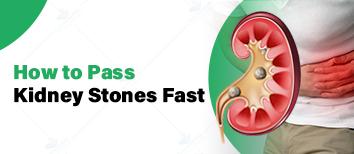
Find out the best methods to pass kidney stones quickly, ease pain, and protect your kidneys with proven home remedies and advanced treatment options.

Mental health has been a top concern among the youth today. Academic stress, social media pressure, career ambiguity, and changes in lifestyle have made Gen Z mental health a matter of increasing worry across the globe. So many teens and young adults are stressed, anxious, and emotionally drained trying to juggle school, relationships, and what they expect from the future.
Learning how to cope in a healthy way, and being emotionally aware, is important for long-term mental health. Professional assistance through Gen Z online counseling in Noida or mental health therapy near me can allow younger people to better handle stress, enhance emotional resilience, and live a healthier life.
Feeling overwhelmed by stress, anxiety, or academic pressure? Professional guidance can help you regain emotional balance. Call +91 9667064100 to explore online counseling for Gen Z in Noida.
The concept of Gen Z mental health is tied to emotional steadiness, psychological fortitude and healthy life coping skills. This generation faces for the first time challenges that include digital overload, social comparison, academic pressure and career competition.
A number of studies indicate that chronic anxiety and stress can lead to sleep disturbances, impaired cognition, and poor physical health. Research also shows that early treatment for mental health problems leads to sustained improvements in emotional regulation and psychological well-being.
Knowledge of the problems that impact mental health in Gen Z enables young people to tell when they might need help. Common issues include:
Educational stress and pressure to perform
Stress from online validation & social media comparison
Fear of failing or not knowing what to do with your life
Sleep disturbance related to the use of digital media
Recognizing these issues early can also empower individuals to take action to support their mental well-being.
Following these basic mental health tips for Gen Z can help ensure your feelings stay in check while you conduct your day. Good mental-health practices include:
Maintain Regular Sleep Patterns
Limit your time on social media
Exercise regularly
Mindfulness and meditation
Maintain strong ties to supportive friends and family
Breaks at work or study periods
These manage to increase emotional resilience and well-being.
Everyday stress impacts attention, mood, and work performance. Simple Gen Z mental health advice for daily living can make these pressures easier to handle. Strategies that work are:
Break up big assignments into smaller objectives
Stick to a balanced study schedule .
Try deep breathing or relaxation exercises.
Don't be a perfectionist and set unrealistic expectations.
Journaling to let your feelings go
Getting support when you feel like you’ve taken on too much
These tiny lifestyle tweaks might just have a big impact on your brain fog and emotional well-being.
Employing self-care strategies for anxiety and stress contributes to emotional balance when facing challenges. Self-care can encompass the following activities:
Relaxing hobbies for enjoyment
Being outside or in natural surroundings
Practicing gratitude and positive thinking
Having good eating habits
Taking digital detox breaks from screens
Prioritizing rest and relaxation
Regular self-care strengthens emotional resilience and improves mental well-being.
As a student studying under high expectations and pressure to do well, it is important to know how to balance mental health and studies. Students can balance by:
Creating realistic schedules for studying
Allowing breaks during study sessions Avoiding craming out the night before a test
Learning to manage time
Seeking assistance with their coursework when needed
Established sleep routines, good nutrition habits, and hydration
Striking a balance between mental health and academic responsibilities is associated with better productivity and learning.
Occasionally stress and anxiety can be overwhelming to handle on one’s own. Recognition of warning signs allows earlier r seeking of professional assistance. Symptoms that might warrant therapy include:
Ongoing sense of sadness or nervousness
Poor concentration while studying or working
Sleep problems or tiredness
Demotivation or loss of interest in pursuits
Perceived to be overwhelmed emotionally most of the time
Stress and panic are difficult to treat
Help from a professional via mental health therapy near me can best address these issues.
Mental health professionals may conduct psychological evaluations to understand emotional challenges and recommend appropriate therapy.
Assessment | Purpose |
Psychological Consultation | Evaluates emotional well-being and stress levels |
Anxiety Screening Test | Identifies symptoms of anxiety disorders |
Depression Assessment | Detects signs of depressive symptoms |
Behavioral Evaluation | Understands lifestyle and coping patterns |
Counseling Sessions | Develops personalized mental wellness strategies |
These assessments help therapists create tailored treatment plans.
There are now a wide range of options available for young people seeking support for their feelings from contemporary mental health services. These could be:
Individual counseling sessions
Cognitive Behavioral Therapy (CBT)
Stress management courses
Mindfulness and relaxation therapy
Therapy online for convenience
Emotional resilience training
A lot of students nowadays taking online counseling for Gen Z in Noida as it allows them to maintain their privacy, is more accessible and have flexible scheduling options.
Working on mental habits in a positive way is one of the best Gen Z mental wellness strategies for the future. Good habits include:
Developing emotional awareness and introspection
Having good friends and social support
Realistic life and school goals
Paying attention to physical health as well as mental health
Learning to deal with stress in healthy ways
These habits will provide a lifelong foundation of emotional fitness.
Struggling with anxiety, stress, or academic pressure? Professional therapy can help you regain clarity and emotional balance. Call +91 9667064100 to connect with experts offering mental health therapy near me.
Mental health is an essential component of overall well-being, particularly for young people who are already under the strain of academic, social, and online pressures. Understanding Gen Z mental health and teaching them positive coping strategies can reduce their stress and help them feel better emotionally.
With practical mental wellness advice for Gen Z on how to care for themselves and when to seek specialized care, youth can sustain their emotional wellbeing and contribute to a better tomorrow. Online counseling for Gen Z in Noida facilitates quick assistance and personalized care for mental health.
Dr. Jaideep Gambhir is a highly experienced Psychiatrist with 25+ years of expertise in adult psychiatry, child and adolescent mental health, geriatric dementia, de-addiction, psychotherapy, and counseling.

Your gut and brain share a strong link that impacts your mood, stress levels, and overall health. Learn how maintaining gut health can improve your mental well-being.
Your gut and brain share a strong link that impacts your mood, stress levels, and overall health. Learn how maintaining gut health can improve your mental well-being.

Early detection of developmental delay in children is vital. Explore common signs, causes, and effective treatment options available in Noida for better child growth and development.
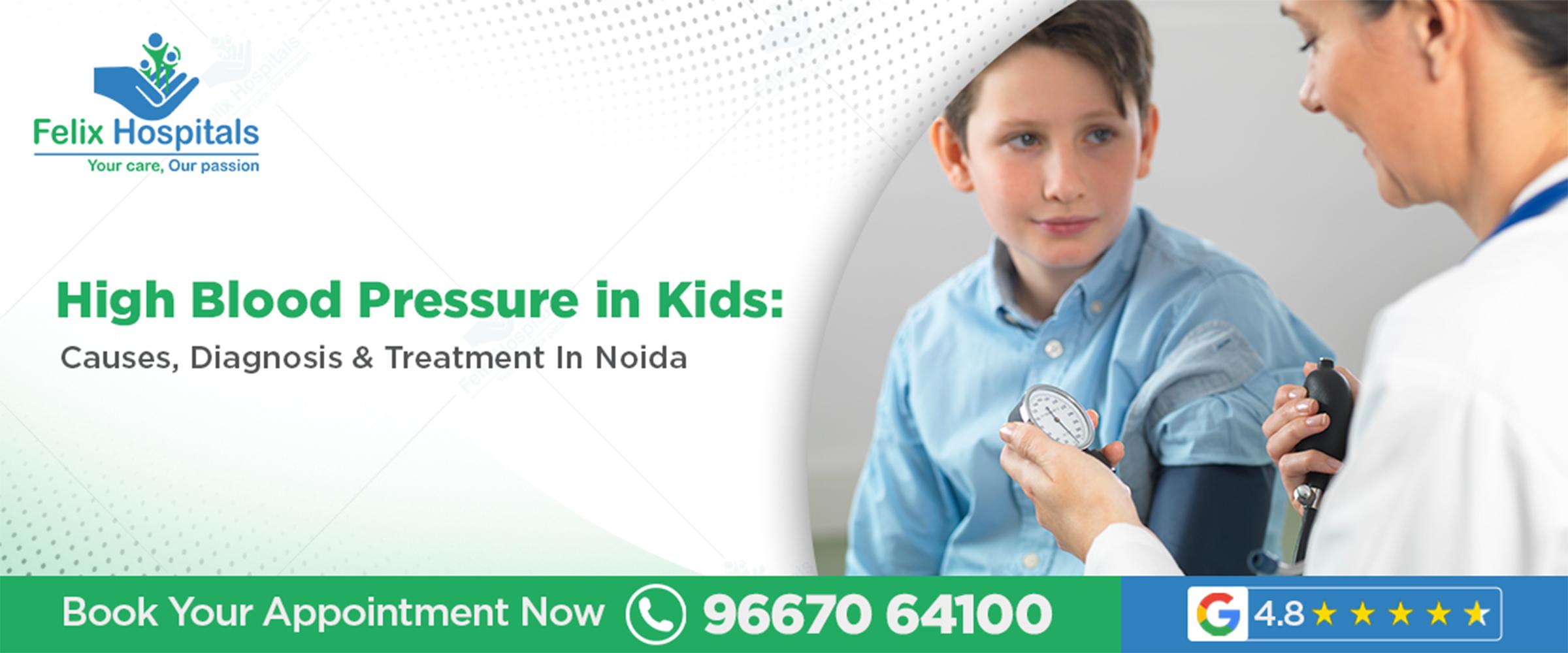
High blood pressure is usually thought of as an adult health issue, but it can affect children and teens, too. A child has high blood pressure when the force of the blood against the artery walls continues to be above normal for that child's age, height, and gender. If undiagnosed, this disease may slowly involve the heart, kidneys, and blood vessels.
Pediatric hypertension is increasing in frequency due to changes in lifestyle, childhood obesity, and underlying diseases. Early detection via a child blood pressure test in Noida can enable diagnosis of the disorder before it leads to serious health troubles.
Noticed headaches, fatigue, or unusual symptoms in your child? Early screening can help detect hidden blood pressure issues. Call +91 9667064100 to schedule a child blood pressure test in Noida.
Hypertension in children is referred to as pediatric hypertension. Blood pressure in children is adjusted for their age, sex, and height and is classified using percentile charts, instead of a single number as in adults. A child has hypertension if their blood pressure readings are persistently above the 95th percentile.
Medical research suggests that hypertension during childhood may predispose to cardiovascular disease in later life. Children with untreated hypertension can have early damage to blood vessels and heart, studies have found.
Knowledge about the causes of hypertension in children allows doctors to determine if it is primary (lifestyle-related) or secondary (due to an underlying disease). The most frequent causes are:
Obesity in children and unhealthy eating habits
Genetic predisposition to hypertension
Renal diseases impacting fluid balance
Endocrine or hormonal disorders
Some blood pressure-altering drugs
These factors can interfere with normal blood circulation and gradually elevate blood pressure levels.
Certain lifestyle and health conditions can raise the risk of high blood pressure in children. Key risk factors include:
Being overweight or obese
Physical inactivity
High amounts of salt in the diet
Family history of cardiovascular disease
Diabetes and other metabolic disorders
Chronic renal disease
Children exposed to multiple risk factors require regular monitoring of blood pressure.
One of the problems with pediatric hypertension is that it is a largely silent disease. Many children might not experience any symptoms noticeable enough for the condition to be considered a severe one. The following are some of the symptoms of high blood pressure in children:
Frequent headaches
Tiredness or weakness
Blurred vision
Nosebleeds
Difficulty concentrating
Shortness of breath with exercise
These symptoms may vary depending on the severity of blood pressure elevation.
Parents need to be alert for warning signs that could signal significant blood pressure problems. A child should be seen for medical evaluation if he or she has:
Headaches or dizziness that won't go away
Chest pain or difficulty breathing
Unexplained tiredness
Sudden loss of vision
Nosebleeds
Timely evaluation helps doctors diagnose hypertension early and prevent complications.
Diagnosis involves multiple measurements and medical evaluation to confirm persistent high blood pressure in children. Doctors may perform the following tests:
Test | Purpose |
Blood Pressure Measurement | Calculates the level of blood pressure using pediatric standards |
Urine Test | Diagnoses renal disease that impacts blood pressure |
Blood Tests | Assesses hormone levels and metabolism |
Echocardiogram | Examines heart structure and function |
Kidney Ultrasound | Detects structural abnormalities of the kidney |
A child blood pressure test in Noida helps identify abnormal readings and guide further evaluation.
Treatment of pediatric hypertension depends on the degree of hypertension and the underlying cause. Early treatment may allow successful control of blood pressure and prevention of chronic damage. Treatment options for this include:
Lifestyle changes for a heart healthier
Dietary changes to reduce salt
Physical activity
Monitoring your blood pressure regularly
Medicines, if your blood pressure is still too high
The child's health condition and age dictate the kind of specialized treatment the doctors create.
Positive lifestyle habits have a strong impact on controlling high blood pressure in kids and promoting heart health. The following lifestyle modifications are recommended:
Promote a daily routine of physical activity
Keep a healthy weight
Avoid processed and salty foods
Eat more fruit and vegetables
Get enough sleep and manage stress
These lifestyle habits support healthy blood pressure levels in children.
Hypertension may lead to several complications of long duration if not treated. It is from knowledge of the complications of childhood hypertension that one can really appreciate the importance of finding it early.Possible complications include:
Enlarged heart from working too hard
Kidney damage from reduced ability to filter
Injury to blood vessels over time
Increased risk of stroke in later adult life
Visual impairment as a result of retinal damage
Frequent follow-up with appropriate intervention can minimize these dangers.
Prevention is aimed at promoting healthy habits from the beginning of life. Prevention includes:
A balanced diet with low sodium
Physical exercise on a regular basis
Reducing screen time
Regular health checks by paediatricians
Monitoring weight and growth
These measures help maintain healthy blood pressure levels during childhood. Early diagnosis can help prevent serious complications of pediatric hypertension. Consult specialists for pediatric hypertension treatment in Noida and accurate child blood pressure tests in Noida. Call +91 9667064100 to schedule your child's health consultation today.
Hypertension in children is a rising health issue that often has no clear symptoms and hence remains undiagnosed. Regular monitoring and vigilance are important to help identify and manage the condition at an early stage, helping prevent long-term complications.
The majority of children with high blood pressure can be treated successfully with early diagnosis, healthy lifestyle habits, and appropriate medical care. Choose Best Pediatricians in Noida for expert guidance and ensure proper heart health and overall well-being for your child.
Dr. Niraj Kumar is an experienced Pediatrician and Neonatology Specialist with 11+ years of expertise in newborn care, childhood illnesses, vaccination, nutrition, and child growth and development.
Learn about high and low blood pressure, their symptoms, causes, and management tips. Stay informed to maintain a healthy heart and overall well-being.

Learn the symptoms, causes, and treatment options for high ESR in females, including expert care available in Noida.

India has emerged as a preferred destination for Mitral Valve Replacement Surgery due to internationally trained cardiac surgeons, modern heart institutes, and outcomes comparable to leading global centres—combined with significantly lower treatment costs

Hip arthritis is a prevalent joint disease caused by the gradual wearing down of cartilage within the hip joint. This results in pain, stiffness, and diminished range of motion that can interfere with performing simple daily tasks such as walking, climbing stairs, or sitting for a long time. Why is it important to know about hip arthritis? Early diagnosis and treatment of hip arthritis can help prevent further joint damage.
Just like with other joints of the body, young people can develop hip arthritis too as a result of trauma, genetics or overuse of the joint although it is more prevalent in the older population. If the symptoms still exist then you may consult an Orthopedic Doctor in Noida who can find out the reasons of your ailment and suggest hip arthritis treatment in Noida.
Experiencing persistent hip pain, stiffness, or difficulty walking? Early diagnosis can help prevent joint damage and improve mobility. Call +91 9667064100 to consult an Orthopedic Doctor in Noida.
The hip is a ball-and-socket joint that glides smoothly and bears the brunt of the body's weight when we walk or run. The cartilage on the ends of bones slowly breaks down in hip arthritis. When the cartilage breaks down, bony surfaces can rub together causing pain and inflammation.
Medical research shows that the most common type of hip arthritis is osteoarthritis. This chronic disease can eventually result in a stiff joint, decreased range of motion, and problems carrying out day-to-day activities such as bending or walking.
Knowing what causes hip arthritis can help people understand what other risk factors they may have and if there are any preventive actions they can take. The following are some of the most common causes:
Deterioration of joint cartilage as a result of aging
Earlier injuries or damage
Obesity
Hereditary joint problems
Inflammatory diseases like rheumatoid arthritis
Deformed hip joint from birth
These factors gradually damage cartilage and lead to joint inflammation.
Some lifestyle and health-related factors may also contribute to the probability of getting hip arthritis. The key risk factors are:
Advanced age
Obesity
Repeated stress on the hip
Prior sports injuries
Family history of arthritis
Inactive lifestyle and weak supporting muscles
Addressing these risk factors early can help reduce joint strain and delay arthritis progression.
Awareness of early hip arthritis symptoms can enable persons to consult a physician sooner rather than later before joint damage worsens. Some early common signs and symptoms of hip arthritis are:
Mild pain in the groin or the side of the hip
Stiffness upon waking up in the morning or after sitting for long periods of time
Restrictions in hip movement
Pain when walking or going up stairs
A decreased range of motion in the hip
Clicking or grinding in the joint even when not weight bearing
Early intervention may help slow the progression of arthritis.
If hip arthritis goes untreated, symptoms will often get worse and start to impact your movement. You may have more severe symptoms such as:
Constant hip pain, even when you are still
Severe stiffness that restricts mobility
Limping when you walk
Radiating pain down the thigh or knee
Trouble standing for long periods
Medical evaluation is necessary when symptoms interfere with routine activities.
When to See a Doctor for Hip Arthritis Knowing when to see your doctor for hip arthritis is important in preventing permanent joint damage. If you have:
Hip pain that has not gone away after a few weeks
Stiffness that is getting in the way of your daily activities
Pain that gets worse with movement
Difficulty walking or climbing stairs
Swelling or tenderness around the hip joint
Night pain that interrupts sleep.
An Orthopedic Doctor in Noida can evaluate symptoms and recommend appropriate treatment.
Doctors use several tests to confirm arthritis and determine the severity of joint damage. Accurate diagnosis helps guide treatment decisions.
Test | Purpose |
Physical Examination | Evaluates joint mobility and pain areas |
X-ray | Detects cartilage loss and bone changes |
MRI Scan | Provides detailed images of joint structures |
CT Scan | Evaluates bone alignment and joint damage |
Blood Tests | Identifies inflammatory arthritis conditions |
These hip arthritis diagnosis tests help doctors determine the stage of arthritis and develop a treatment plan.
Arthritis in its early stages can often be managed non-surgically with treatments to relieve pain and improve function. Options include the following:
Medications for pain
Nonsteroidal anti-inflammatory drug (NSAID)
Physical therapy to strengthen the muscles around the joint
The pain of arthritis can be eased, and its progression slowed, by losing weight to take stress off the joints
Use of assistive devices, such as canes or walkers
These treatments can help manage symptoms and slow the progression of arthritis.
When the nonoperative treatment does not work, more aggressive treatments may be recommended for hip arthritis treatment in Noida. Optional advanced settings include:
Corticosteroid injections to reduce inflammation.
Those include Platelet-rich plasma (PRP) treatment.
Hyaluronic acid injections to lubricate the joint.
Arthroscopic surgery is a minimally invasive joint surgery.
Hip replacement for extreme cases.
These therapies are designed to reduce pain and increase movement.
These treatments aim to relieve pain and restore mobility.
Lifestyle changes are paramount to managing hip arthritis and promoting joint health. Here are some good living habits to adopt:
Keeping a healthy body weight
Engaging in low-impact activities, such as swimming or cycling
Doing stretching and strengthening exercises
Preventing overuse of the hip joint.
Good posture when you work and when you play
These are easy things you can do to help your joints move better and hurt less.
These are simple ways to help joints work better and hurt less.
Arthritis can't always be stopped from developing, but a person can slow the progress of the disease and keep moving. Prevention consists of:
Exercise regularly and keep active
Don’t overwork your hip – don’t put it to repetitive strain
Prompt treatment for joint injuries
Regular orthopedic examinations
These measures protect the hip joint and contribute to long-term mobility.
If hip pain is affecting your mobility or daily activities, early treatment can help prevent joint damage. Consult an experienced Orthopedic Doctor in Noida for expert hip arthritis treatment in Noida. Call +91 9667064100 to schedule your consultation today.
Hip arthritis is a wear-and-tear condition of the joint and a great mobility and quality of life dampener, if left untreated. Identifying early symptoms of hip arthritis can be instrumental in early intervention for the disease.
With early diagnosis, lifestyle modifications, and suitable medical management, many are able to lead active and comfortable lives. An Orthopedic Doctor in Noida will provide you with an accurate diagnosis and inform you about the best hip arthritis treatment in Noida which can help you in regaining the lost motion.
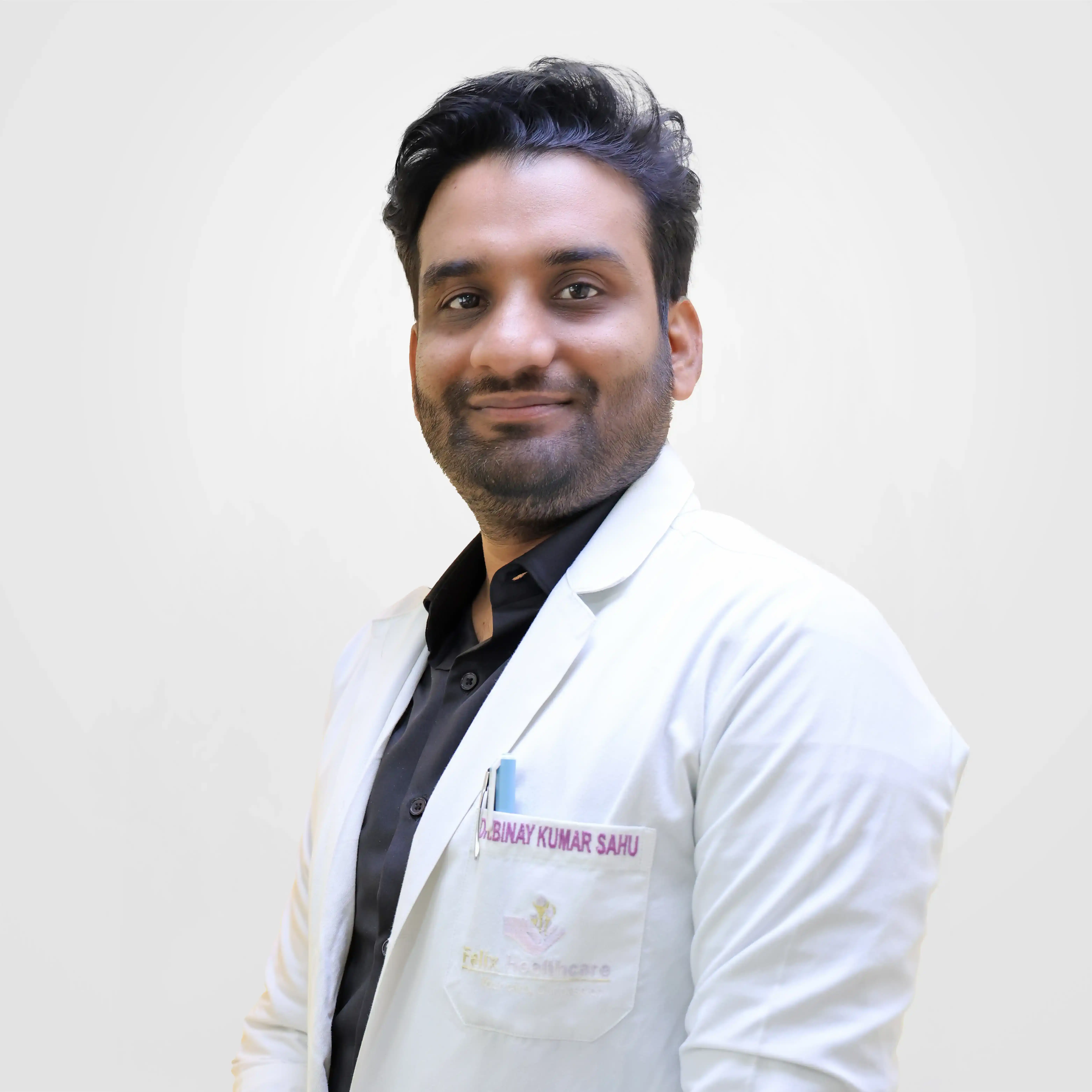
Dr. Binay Kumar Sahu is an experienced Orthopedic and Traumatology specialist with 11+ years of clinical practice. He has extensive expertise in complex trauma, arthroscopy, arthroplasty, musculoskeletal tumors, and hand surgery. Recognized among the Best Orthopedics in Noida, he provides comprehensive and advanced orthopedic care.
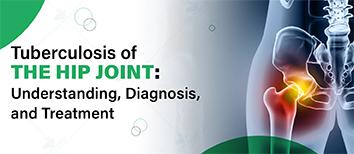
Tuberculosis (TB) is primarily known as a respiratory infection caused by Mycobacterium tuberculosis, but it can affect various body parts, including bones and joints.

Learn the causes, symptoms, and treatments of hip osteoarthritis for better joint health.

Heat stroke is a life-threatening condition that occurs when the body temperature rises too high and cannot be cooled down. Long-term heat exposure, especially during severe summertime weather, may cause excessive fluid loss and body temperature elevation. It is crucial to identify the initial symptoms of heat stroke because the treatment can be delayed for serious complications, which involve brain, heart and other organs.
During extreme temperatures, outdoor workers, athletes, seniors, and young children may be more prone to heat illness. Timely treatment and adequate hydration are mandatory to avoid complications. Individuals exhibiting symptoms are advised to consult an emergency medicine doctor in Noida or visit a hospital for treatment for heat stroke in Noida without delay.
Feeling dizzy, weak, or extremely overheated during hot weather? Heat stroke can become life-threatening without immediate care. Call +91 9667064100 to consult an emergency medicine doctor in Noida.
Heat stroke is the most critical stage of heat-induced illness and takes place when the body temperature exceeds 40°C (104°F). In this state, the body's mechanisms of heat loss, including sweating, no longer work effectively. Consequently, the core body temperature starts to increase at a fast pace, which can lead to injury of essential organs.
Medical research shows that extended high body temperature can alter brain function and cause confusion, seizures, or coma. Recognizing early signs of heat stroke can ensure prompt cooling and emergency care to prevent serious consequences.
Knowing what causes a heat stroke allows people to take preventive actions when the temperatures soar. Common causes include:
Long times spent under the sun
Strenuous exercise in warm conditions
Extreme dehydration
Dressing in heavy or multiple layers of clothing, or tight clothing, in hot weather
No air flow or cooling in the house
Some medications that alter hydration status
These factors can overwhelm the body's temperature regulation system and increase the risk of heat stroke.
A number of groups could be at an increased risk of heat stroke, either due to bodily or environmental conditions. High-risk groups include:
Elderly persons who have a diminished tolerance to heat
Babies and small children
People who work outside in the heat
Athletes exercising in the heat
People with chronic health issues
People on medications that affect fluid balance
These individuals should take extra precautions during heat waves to prevent heat-related illnesses.
Identifying the warning signs of heat stroke means that treatment can be performed in a timely manner and the condition does not become fatal. Early symptoms of heat stroke are:
High body temperature
Severe headache
Feeling dizzy or faint
Heavy sweating followed by hot, dry skin
Nausea or vomiting
Muscle cramps and fatigue
Prompt action during this stage can help prevent progression to severe heat stroke.
If not promptly treated, symptoms of heat stroke can progress and result in life-threatening complications. Complications may include:
Confusion or disorientation
Rapid heartbeat
Shortness of breath
Fainting
Seizure
Hot dry skin, but no perspiration
These symptoms require immediate emergency care and hospitalization.
Heat stroke can develop quickly and is a life-threatening emergency. Get medical help at once if you notice any warning signs. Get emergency help if someone has:
Body temperature over 40°C (104°F)
Ongoing confusion or agitation
Fainting or unconsciousness
Extreme dehydration
Fast breathing or a fast pulse
Ongoing vomiting
Patients should receive urgent heat stroke treatment in Noida at a medical facility equipped for emergency care.
Doctors diagnose heat stroke based on symptoms, medical history, and clinical examination. Diagnostic tests help determine the severity of the condition and identify complications.
Test | Purpose |
Body Temperature Measurement | Confirms dangerously high body temperature |
Blood Tests | Checks dehydration and electrolyte imbalance |
Urine Test | Evaluates kidney function and hydration |
Imaging Tests | Detects possible organ complications |
ECG | Monitors heart function during heat stress |
These tests help doctors determine appropriate treatment and monitor patient recovery.
You should act as quickly as possible once symptoms start. Things you can do early in an emergency include:
Take the person away from sunlight
Pour cool water over the person's body or use wet cloths or ice packs
If the person is conscious, give small sips of cool water
Fan the person and use other cooling measures to reduce body heat
These steps should be followed while waiting for emergency medical assistance.
Medical treatment is directed toward reducing the body temperature and minimizing damage to the internal organs. Hospitalization is necessary in severe cases. Treatment may involve:
Intravenous fluids to correct dehydration
Fast cooling measures such as ice bags or cooling blankets
Oxygen therapy if breathing is impaired
Vital signs and organ function are monitored
Drugs to control complications such as seizures
Patients receiving heat stroke treatment in Noida are closely monitored until body temperature returns to normal.
Recovery from heat stroke may take up to several weeks depending on the degree of organ damage and how early in the course of illness treatment was initiated. Recovery from mild disease may take days, but severe disease may require longer period of observation.Fatigue and weakness or heatsensitivity have been reported in individuals after heat stroke recovery. Physicians typically recommend a gradual return to normal activities and sufficient hydration during the recuperations.
Heat stroke may also lead to numerous complications if the disease is left untreated or if it is severe.Possible complications of heat stroke are:
Brain damage caused by prolonged overheating
Dehydration-related kidney failure
Heart rhythm disorders
Rhabdomyolysis (breakdown of muscle tissue).
Early treatment greatly reduces the likelihood of these complications.
Extreme summer days become preventive days for care to avoid heat illness. Some prevention pointers are:
Stay hydrated all day long
Limit your time outdoors when it’s too hot
Light and airy clothing
You can keep cool and comfortable at home with fans or air conditioning
These measures contribute to maintain normal body temperature and to prevent heat stress.
If you or someone around you experiences symptoms of heat stroke, do not delay treatment. Consult an emergency medicine doctor in Noida or visit a hospital offering heat stroke treatment in Noida for immediate care. Call +91 9667064100 for emergency medical consultation.
Heat stroke can be fatal and is an emergency. Identifying the early symptoms of heat stroke would enable the victim to get early treatment and its serious complications on vital organs may be prevented.
Individuals can make themselves less susceptible to heat stroke by drinking plenty of fluids, by avoiding long periods of exposure to high temperature, and by paying attention to early warning signs of heat-related problems. An Best Internal Medicine Doctor in Noida can guarantee that a patient is accurately diagnosed and treated without delay, providing the best chance for a full recovery, free of any potential long-term health problems.
Dr. Ravi Sharma is a senior physician with 42+ years of experience, known for compassionate and comprehensive patient care in Noida.

Building healthy habits in the formative years of a child lays the foundation for the healthy living. By teaching them to enjoy healthy eating at a tender age helps for the overall development and growth for life.
Hot weather can strain your heart, especially in summer. Discover how heat impacts your cardiovascular system and explore expert tips to keep your heart healthy, hydrated, and safe during rising temperatures.
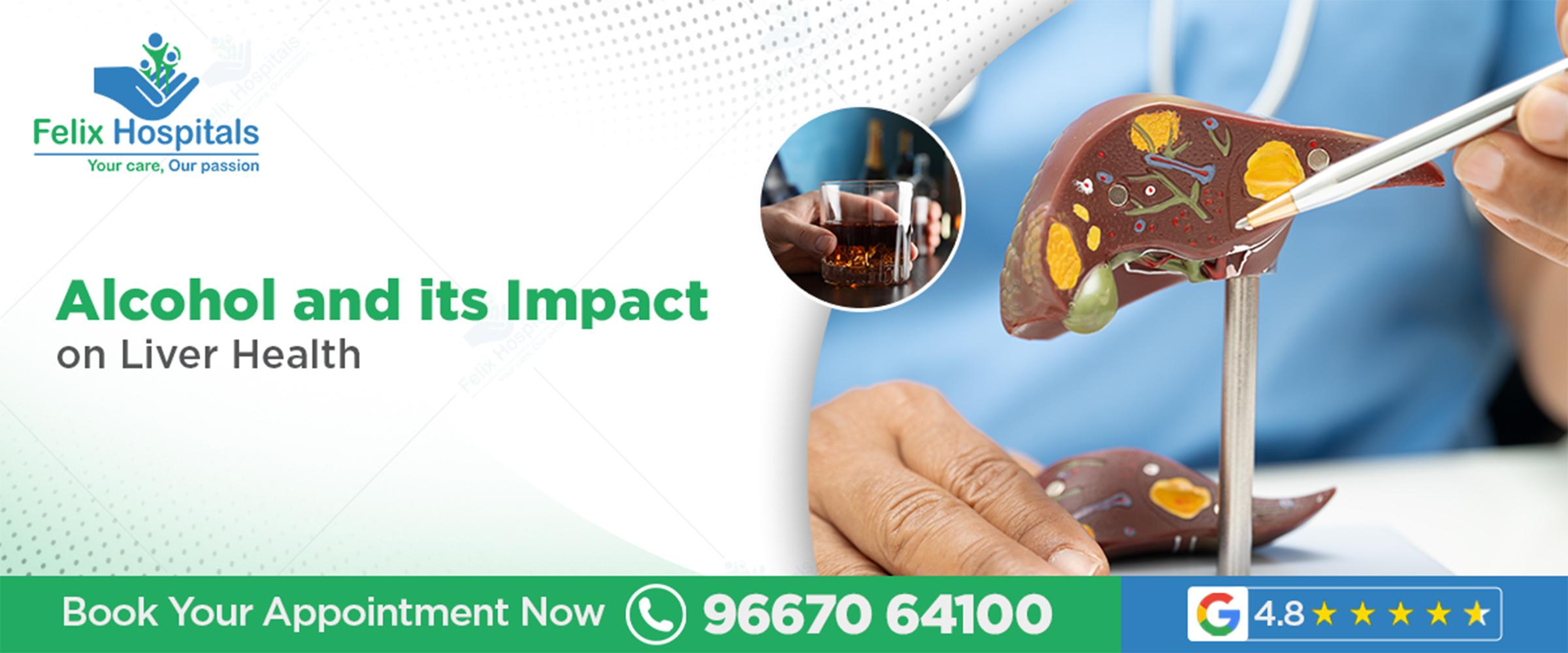
Drinking alcohol is a part of life in many social and cultural contexts, but heavy drinking can lead to liver damage. The liver is an essential organ for the metabolism of toxins, including alcohol, and for maintaining metabolic homeostasis within the body. It is important to know about effect of alcohol on liver as long term alcohol drinking slowly kills liver cells and alters its function.
With a regular intake of alcohol, particularly in such large amounts, the liver is working overtime, becoming overinflamed. This can eventually cause fatty liver, hepatitis and cirrhosis. People with symptoms of liver problems should see a liver specialist in Noida or the best gastroenterologist in Noida for diagnosis and treatment.
Experiencing fatigue, abdominal discomfort, or abnormal liver test results? Early medical evaluation can help detect liver damage before complications develop. Call +91 9667064100 to consult a liver specialist in Noida.
The liver is what processes and detoxifies everything that goes into the body. The liver metabolizes the alcohol into substances that can be eliminated from the body. But this process is slowed down by heavy drinking and the fat can build up in, and around, the liver cells. This is how alcohol affects the liver in the long term.
Scientific evidence indicates that only a certain amount of alcohol can be metabolized by the liver in an hour. Above that limit, toxic metabolites such as acetaldehyde build up in the liver, leading to oxidative stress and liver damage. Long-term chronic exposure to such toxins can result in alcohol-related liver disease, which impairs the liver's form and function.
High alcohol consumption can lead to liver cell damage and interfere with vital metabolic processes. The impact of alcohol on the liver could be slow to manifest and that damage could increase if drinking continues. Common effects include:
Excess fat in the liver cells
Inflammation of liver tissue
Decreased detoxification function
Reduced production of essential proteins
Hepatocyte damage and fibrosis
These changes can progressively weaken liver function and lead to serious complications.
Alcohol-related liver disease is a group of conditions that result from chronic alcohol use. The degree of liver damage is also variable and depends on how much and how long the person drank. The most common forms of alcohol-related liver disease are:
Alcoholic fatty liver disease
Alcoholic hepatitis
Liver fibrosis
Cirrhosis of the liver
These conditions may develop gradually and often worsen if alcohol consumption continues.
The stages of alcohol-related liver disease offer people a way to understand how their liver is being affected by drinking. Stages of liver damage due to alcohol usually include:
Fatty Liver (Steatosis): Fat buildup in the liver cells as a result of heavy alcohol consumption
Alcoholic Hepatitis: Liver tissue inflammation and injury
Liver Fibrosis: Scar tissue in the liver
Cirrhosis: Advanced scarring that impairs liver function
Early stages may be reversible if alcohol consumption is stopped and medical treatment is initiated.
It is important to be aware of liver damage symptoms from alcohol so that you know when to seek medical attention. The symptoms can develop slowly, becoming more obvious as the disease advances. Signs are the following:
Fatigue
Loss of appetite
Nausea and vomiting is frequent
Stomach ache, especially in the right upper corner
Skin and whites of eyes that turned yellow (jaundice)
Swelling in the abdomen or the legs
These signs indicate function may be impaired and require medical evaluation.
Some conditions may raise the chance of complications from the effects of alcohol on the liver. The major risk factors are:
Chronic heavy drinking
Malnutrition or undernourishment
Obesity or metabolic syndrome
Hepatitis virus infection
Predisposition to liver disease
Alcohol consumption and smoking
Individuals with these risk factors should undergo regular medical check-ups.
Early consultation for medical advice is essential when symptoms indicate that there might be liver damage. Noticing warning signs enables early intervention which halts the progress of the condition. Consult if you have:
Constant abdominal pain
Weight loss without explanation
Jaundice of the skin or eyes
Dark urine or light-coloured stool
Constant tiredness
Persistent nausea or vomiting
Consulting a liver specialist in Noida or the best gastroenterologist in Noida can help identify the underlying cause and begin appropriate treatment.
Doctors use several diagnostic tests to assess liver health and determine the severity of alcohol-related liver disease.
Test | Purpose |
Liver Function Test (LFT) | Evaluates liver enzyme levels |
Ultrasound Abdomen | Detects fatty liver or structural abnormalities |
FibroScan | Measures liver stiffness and fibrosis |
CT Scan or MRI | Provides detailed imaging of liver tissue |
Liver Biopsy | Confirms severity of liver damage |
These tests help doctors determine the stage of liver disease and guide treatment.
Treatment is aimed at preventing further liver damage and promoting liver regeneration. Early intervention can dramatically improve outcomes. Treatment options include:
Stop alcohol completely
Drugs that reduce liver inflammation
Nutritional treatment and vitamin replacement
Treatment of complications, including retention of fluid
Regular liver function tests
Patients with advanced liver damage may require specialized medical care under a liver specialist in Noida.
Lifestyle modifications play an important role in preventing further damage caused by how alcohol affects the liver. Significant lifestyle changes may include:
Refraining from consuming any type of alcohol
Eating a healthy and balanced diet
Keeping a healthy weight
Doing exercise regularly
Drinking enough liquid
Going for regular medical examinations
These steps support liver regeneration and improve overall health.
Stages of alcohol-related liver disease may progress to serious health complications that could impair the functioning of your body if left untreated. Complications can include:
Liver cirrhosis (liver fibrosis)
Liver failure
Portal hypertension
Increased risk of liver cancer
Worried about your liver health and/or alcohol-related issues? A liver specialist in Noida or top gastroenterologist in Noida can help you in your hour of need by providing you with precise diagnosis followed by expert treatment. Call +91 9667064100 to schedule your consultation today.
Drinking too much alcohol over a long period can affect the liver. Understanding the impact of alcohol on liver function enables an individual to assess the risk of chronic alcohol consumption.Early diagnosis, regular follow-ups, and timely visits to a liver specialist in Noida can help in preventing liver diseases from turning fatal. They can protect their liver and well-being, albeit without any quick remedies: a decrease in alcohol use and lifestyle modifications.
Get expert constipation treatment in Noida. Learn about common causes, symptoms, and the best relief options to improve digestive health.
Struggling with constipation in summer? Learn its causes, symptoms, and effective remedies. Stay hydrated and follow expert tips for better digestive health.

Nutrition is important in supporting lung health, particularly in those with chronic lung disease. Individuals with respiratory issues frequently suffer from low oxygen levels, fatigue, and inflammation, all of which can be impacted by nutritional decisions. Know what lung patients should eat daily for strengthening their immune system as well as performing better in breathing.
Good eating habits can also contribute to less inflammation in the airways and more energy. Diet may not be able to cure lung disease, but it can complement medical treatment and make life better. If you have persistent respiratory symptoms, you should see a pulmonologist in Noida or a lung specialist doctor in Noida for proper evaluation and advice.
Struggling with breathing issues or persistent lung symptoms? Proper medical care and lifestyle guidance can help improve lung health. Call +91 9667064100 to consult a pulmonologist in Noida.
Nutrition is a critical factor for keeping the respiratory system in good working order. The lungs receive proper nourishment and are bathed in antioxidants to shield the tissues from injury by the effects of pollutants, infections, and the inflammatory process. Studies have shown that high fruit, vegetable, and healthy fat (such as olive oil) diet patterns are linked to better lung function and fewer respiratory symptoms.
Furthermore, good nutrition can help you achieve and maintain a healthy weight. Overweight makes breathing harder and malnutrition can impair the muscles used to breathe. With knowledge of the foods that help maintain and improve lung function, patients can make informed choices in their diet to help support, maintain, and protect their lung function.
People who suffer from breathing problems are advised to eat a diet rich in nutrients that promote immune health and have anti-inflammatory properties. Adding the right foods with the right nutrients to each meal can boost your energy and help you breathe better. Dietary recommendations:
Fresh fruit, such as apples, berries, and oranges
Leafy greens like spinach and kale
Whole grains such as brown rice and oats
Sources of lean protein such as fish and poultry
Healthy fats from nuts and seeds
Sufficient water to stay hydrated
These foods provide essential vitamins, minerals, and antioxidants that help protect lung tissues.
Some foods have nutrients that support lung health and fight inflammation. Consumption of these foods is likely to enhance breathing potential. Foods that may enhance lung function include:
Vitamin C-rich foods like citrus fruits and bell peppers
Omega-3 fatty acids found in fish
Berries rich in antioxidants that help shield lung cells
Magnesium from foods such as nuts and beans aids muscle relaxationHigh-fibre foods that may reduce systemic inflammation
These nutrients play a role in maintaining healthy lung tissues and improving immune response.
Some foods might exacerbate inflammation, mucus, or breathing issues in people with lung disease. Foods to avoid or limit in your diet:
Packaged and processed foods
Fried oily foods
Soft drinks and sugar-laden desserts
Salty foods that make you retain fluids
Overconsumption of red meat
Refined carbs like white bread and pastries
Reducing these foods can help minimize inflammation and improve overall respiratory health.
For those with asthma, COPD, or other lung diseases, diet can affect how severe symptoms are. Malnutrition can impair the strength of respiratory muscles and the ability of the body to combat infections. Conversely, a balanced diet may enhance immune function and decrease airway inflammation.
Knowing which foods improve lung function enables patients to make better dietary choices to complement their medication and increase the amount they are able to breathe each day.
Developing a well-rounded meal plan helps support patients with breathing conditions to get foods rich in nutrients that contribute to respiratory health. Your healthy daily meal options could be:
Breakfast containing whole grains and fresh fruit
Lunch with lean protein and vegetables
Snacks like nuts or yogurt
Dinner with equal helpings of protein, grains and vegetables
Proper hydration all day long
Consistent meal planning can support better metabolism and energy levels for individuals with lung disease.
Certain foods can exacerbate breathing issues and be mucus-forming in some people. Among the foods that may cause symptoms are:
Too many dairy products for some people
Bubbly drinks that give you bloating spells
Saltage in your processed foods
Synthetic colors and preservatives
Spicy food that makes you cough
Those who have difficulty breathing after eating should talk to a lung specialist doctor in Noida about potential dietary triggers.
There is no substitute for good medical care and respiratory diseases certainly are no exception. Patients should see a physician if they have persistent lung symptoms. Seek medical care if you have:
Shortness of breath during normal activities
Chronic cough for several weeks
Wheezing or chest pressure
Recurrent respiratory infections
Trouble breathing when lying down
Breathlessness-induced tiredness
A pulmonologist in Noida can evaluate lung health and recommend treatment options.
Doctors use several diagnostic tests to evaluate respiratory health and determine the cause of symptoms.
Test | Purpose |
Spirometry | Measures lung capacity and airflow |
Chest X-ray | Detects infections or lung abnormalities |
CT Scan | Provides detailed imaging of lung structures |
Blood Tests | Evaluates oxygen levels and infection markers |
Pulse Oximetry | Measures oxygen saturation in blood |
These tests help specialists diagnose lung conditions accurately and guide treatment.
Treatment is determined by the type and severity of the respiratory disease. Appropriate medical management and good lifestyle practices can greatly impact outcomes. Treatment may include:
Bronchodilator drugs to open the airways
Anti-inflammatory medicines that reduce inflammation
Oxygen treatment for serious breathing problems
Programs for pulmonary rehabilitation
Treatment of an underlying infection or allergy
Patients should follow treatment recommendations provided by a lung specialist doctor in Noida.
Along with diet, some other lifestyle changes can contribute to better respiratory health and alleviate symptoms of lung disease. Sensible lifestyle practices include:
Not smoking and avoiding second-hand smoke
Doing some gentle exercise regularly
Using breathing techniques
Being at a healthy weight
Decreasing contact with air pollutants
Adhering to medication regimen as directed
These practices help support overall respiratory function.
Experiencing persistent cough, breathing difficulty, or lung health concerns? Consult an experienced pulmonologist in Noida or lung specialist doctor in Noida for expert guidance and treatment. Call +91 9667064100 to schedule your consultation.
Diet and lifestyle play an important role in maintaining lung health, especially for people with lung disease. Knowing what foods to eat and avoid can help improve lung function, reduce inflammation, and support overall well-being.
However, diet alone is not enough. Proper medical care is essential for effective management. Visiting a multi speciality hospital in Noida ensures accurate diagnosis, advanced treatment, and expert guidance for better lung health.
Dr. Priyadarshi Jitendra Kumar is an experienced General Practitioner with 20+ years of expertise in diabetes, thyroid disorders, hypertension, and infectious diseases. Recognized as a Best Pulmonologist in Noida, he specializes in respiratory emergencies, sleep disorders, and advanced pulmonology care.
Lung cancer is a serious condition that starts in the lungs and can spread to other parts of the body.

The cost of a Pulmonary Endarterectomy surgery depends on factors such as hospital facilities, surgeon fees, and post-operative care requirements.
Smoking doesn’t just damage your lungs—it also harms your ears, nose, and throat. Learn how tobacco use increases the risk of ENT infections, hearing loss, sinus issues, and more.


Subscribe to our
© Copyright 2026. All Rights Reserved by Felix Healthcare Private Limited
Design and development by :


 +(91)9667064100
 Emergency : +(91)9667064100