 Emergency:
  WhatsApp


Subscribe to our
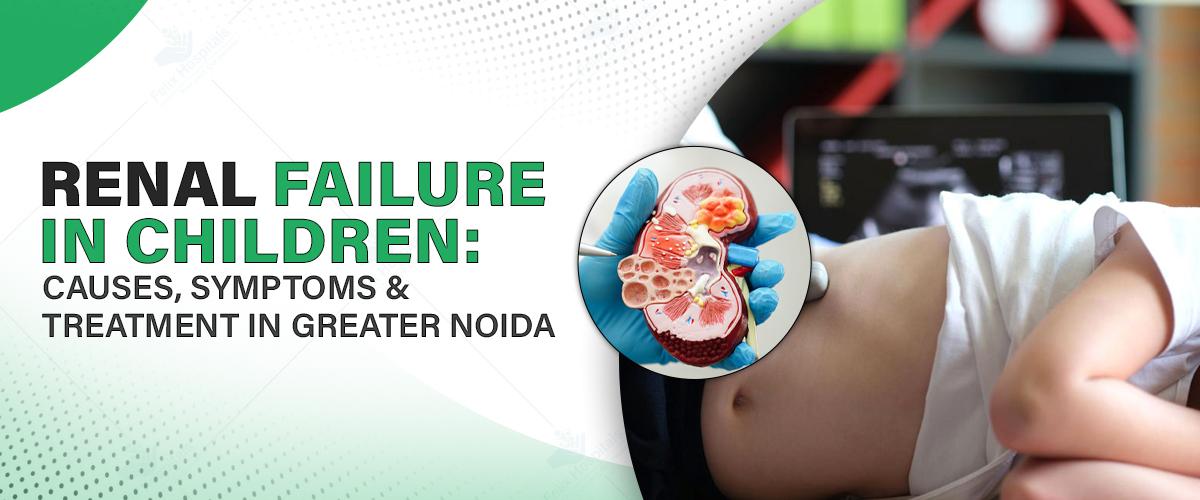
When we look at health problems children are undergoing today, renal problems might not be the first one that would come to mind. However, renal failure in children is an emerging health issue that is affecting thousands of children across the country, affecting families here in Greater Noida as well. What makes kidney disease in children so challenging is the manner in which disease is able to catch up to children - they may not always have obvious symptoms until their disease is quite far along.
As parents, we would wish to protect our kids from any possible health risk. Discovering childhood renal disease is not sounding an alarm unnecessarily, it's more about identifying the possible warning signs in time and knowing exactly where to find professional treatment when needed.
Look for a pediatric nephrology hospital that provides full-service capabilities just call us now at +91 9667064100.
Kids' kidneys are amazing organs that keep growing late into their teens. Children's kidneys, unlike mature adult kidneys, are still developing and changing, which happens with both special risk and unsuspected strength. When renal become dysfunctional in children, it's not merely waste elimination that's impacted - it's their growth, bone density, energy, and overall health.
The bright side? Children's kidneys recover more quickly from issues than do adult kidneys, especially if issues are caught early. That is why it is so crucial that parents and guardians are aware of the indicators of renal failure in children.
Renal failure in children is actually quite distinct from that of adults. Adults go through kidney problems because of diabetes or hypertension after decades, yet children have to contend with other problems:
Most of the kidney problems in children are caused by structural defects at birth. Diseases such as polycystic kidney disease, renal dysplasia, or urinary tract malformations can slowly impair kidney function over time.
Post-infectious complications, particularly following strep throat or other bacterial infection, will lead to inflammation of the kidneys. Additionally, autoimmune diseases in which the body becomes autoaggressive and attacks its own renal tissue are a frequent cause.
Certain drugs, when taken for a long time or in high doses, can damage developing kidneys. Even certain pain medicines are dangerous when taken frequently in children.
Sudden onset of severe illness with prolonged vomiting, diarrhea, or bleeding can suddenly impair renal function and lead to acute kidney injury.

The symptoms of renal failure in children come gradually and are subtle and easy to miss or attribute to other common symptoms of childhood:
Ongoing tiredness not relieved by sleep
Swelling of the eyes, especially in the morning
Swollen hands, feet, or ankles
Changes in urination pattern - much more or much less than usual
Urine with blood or foamy, bubbly urine
Continued nausea or loss of appetite
Delayed more than expected growth or weight gain
Inability to focus in school
Change in mood or unusual irritability
Pale skin that does not improve
If your child is experiencing any concerning symptoms—especially shortness of breath, extreme swelling, or blood in the urine—do not wait. Seek immediate emergency medical care at the best nephrology hospital in Greater Noida for expert pediatric kidney care.
Modern pediatric nephrology offers a range of treatment possibilities specially tailored to children's unique needs:
Medication Management:
Treatment is typically initiated with medications to control blood pressure, restrict protein loss, and obtain mineral equilibrium. Infants and children might need special preparations according to weight and age.
Nutritional Support:
Children need proper nutrition when growing up, yet renal disease requires special dietary modifications. Pediatric nutritionists work with families to give children proper nutrients without affecting kidneys.
Dialysis in Children:
After kidneys fail, dialysis must be done. Dialysis in a child requires specific equipment and treatment adapted to the smaller child's body and personal requirements.
Kidney Transplantation:
In children with end-stage renal disease, transplant generally provides the optimal long-term outcome. Pediatric transplant facilities are not only interested in successful surgery but in facilitating children to resume normal child's activity.
Greater Noida has emerged as the top healthcare destination, offering professional care for advanced pediatric ailments. Parents, while looking for a best pediatric nephrologist in Greater Noida, need to look for hospitals that offer:
- Pediatric intensive care units
- Paediatric dialysis facilities
- Integrated family support services
- Multidisciplinary teams consisting of pediatric nephrologists, nutritionists, and social workers
The cost of treating renal failure in children is very varied based on the severity and treatment required. The funding should be planned early in the treatment because pediatric kidney treatment is generally a lengthy process. Payment plans and help in accessing insurance benefits for complicated pediatric treatments are provided in most hospitals.
Schedule your appointment with the best pediatric nephrologist — a specialist trained in diagnosing and treating kidney diseases in children.
While kidney disease in children does pose some serious challenges, improvements in pediatric nephrology continue to enhance the prognosis for children. Early detection, quality medical care, and compliant families are the keys for children to succeed in spite of kidney issues.
Remember that if you are concerned about your child's kidneys, don't hesitate to consult medical professionals. They have the most impact on treatment and your child's well-being when intervention comes early.
Find the links below:
Check the links below:
Explore the top diagnostic centers near you:
Q1. What is renal failure in children, and how common is it?
Ans: Renal failure is when kidneys stop removing waste and controlling fluids. It affects approximately 1 in 750 children, and the reason varies with age - birth defect is the most common in children under the age of 4, while immune system problems are more frequent in adolescents.
Q2. What are some early warning signs to look out for?
Ans: Symptoms and presentation in early stages are chronic fatigue, periorbital puffiness (especially in the mornings), change in micturition, loss of appetite, growth retardation, and pallor. Some children may also have trouble concentrating in school, odd irritability, or behavioral abnormalities for which parents will initially suspect some other cause.
Q3. Can children be born with kidney problems?
Ans: Yes, the most frequent cause of chronic kidney disease in young children is congenital kidney abnormalities. These are polycystic kidney disease, kidney dysplasia, structural abnormalities, or urinary tract abnormalities - most of them are diagnosable in utero by ultrasound screening.
Q4. How is kidney failure diagnosed in children?
Ans: Diagnosis is performed through blood tests to check for creatinine level and kidney function, urinalysis to check for protein or blood, and imaging tests such as ultrasounds or CT scans. Pediatric nephrologists utilize some formulas to determine kidney function because normal levels differ from adults according to age and size.
Q5. For what child kidney failure treatments are available?
Ans: The therapy includes medications to control blood pressure and slow disease progression, diet modification, dialysis (peritoneal dialysis is the preferred mode in children), and kidney transplantation. The goal is to preserve residual renal function and allow normal growth and development in childhood.
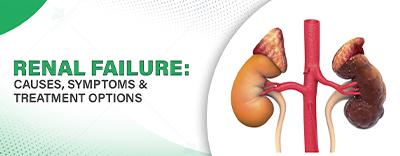
Renal failure occurs when the kidneys lose their ability to filter waste and fluids from the blood. Understanding its causes, symptoms, and treatment options is crucial for timely management and prevention of complications.
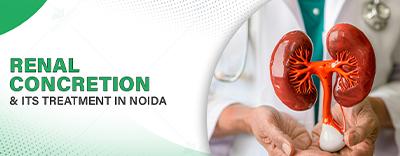
Renal concretion, commonly known as kidney stones, can cause severe pain and urinary complications. Explore advanced treatments available in Noida for effective relief.

In Noida hospitals, recognized for being among the best heart health hospitals in Noida, are at the forefront of offering critical care for heart-related issues.


Subscribe to our
© Copyright 2026. All Rights Reserved by Felix Healthcare Private Limited
Design and development by :


 +(91)9667064100
 Emergency : +(91)9667064100