 WhatsApp
 Emergency:
  WhatsApp








Subscribe to our

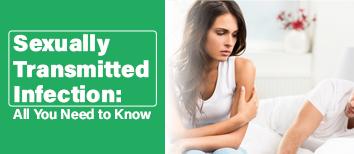
Sexual health is a basic component of overall health, but it is frequently the subject of stigma, misunderstanding, and misinformation. Perhaps the most misunderstood components of sexual health are sexually transmitted infections (STIs). Although they are common, STIs are frequently the subject of limited, uncomfortable conversation, causing many to avoid testing, prevention, and treatment. This silence can lead to unnecessary health complications, emotional distress, and the ongoing spread of infection.
STIs affect any individual, be they of any age, gender identity, sexual orientation, or relationship status. This guide aims to illuminate the realities surrounding STIs, dispel myths that perpetuate shame, and empower individuals to take proactive steps towards safeguarding themselves and others. Knowing how these diseases spread, their symptoms, and how to prevent them can help you and your partner make better health choices. Regardless of whether you're sexually active presently, intend to be, or just want to get the facts.
Getting control of your sexual health starts with knowing. Call us now at +91 9667064100 for improved health.
STIs are sexually transmitted diseases that are caused by a variety of pathogens: bacteria, viruses, or parasites. They are mainly spread through sexual contact, such as vaginal, anal, and oral sex. Although most STIs are curable and manageable, they can develop into severe long-term health issues if undetected or untreated.
Some examples are:
Bacterial STIs: chlamydia, gonorrhea, syphilis
Viral STIs: HPV (human papillomavirus), HSV (herpes simplex virus), HIV (human immunodeficiency virus), and hepatitis B.
Parasitic STIs: trichomoniasis
STIs may have various symptoms—or no symptoms whatsoever—so regular testing at the best urology hospital in Noida is part of being a responsible sexual health practitioner.
Knowing how STIs are transmitted is the first step in prevention. These diseases are transmitted through:
Sexual fluids: semen, vaginal secretions, and blood can transmit infections
Skin-to-skin contact: especially with infections such as herpes and HPV
Shared objects: like uncleaned sex toys or, less frequently, towels
It is worth noting that most STIs are asymptomatic, i.e., a person might get infected without noticing it. Routine testing, early detection, and timely treatment help prevent future spread and complications at an affordable cost with the help of the best urologist.
Symptoms of STIs are specific to the infection, but a few general warning signs include:
Unusual penile or vaginal discharge
Painful urination or sex
Soreness, bumps, or lesions on or around the genitals
Itching or irritation in the genital area
Flu-like symptoms: fever, tiredness, swollen glands, or muscle aches
If you or your partner have any of these symptoms, or if you're sexually active but feeling fine, get tested. Most of these infections can be treated successfully, particularly when they are caught early.
The following is a general overview of some of the most prevalent STIs:
1. Chlamydia
Typically asymptomatic, chlamydia is the most commonly reported bacterial STI in the world. If left untreated, it can cause pelvic inflammatory disease and fertility-related complications.
2. Gonorrhea
Yet another prevalent bacterial infection that may be experienced in conjunction with chlamydia. Gonorrhea can affect the genitals, throat, or rectum and cause painful urination and discharge.
3. Syphilis
This infection caused by bacteria develops in the order of stages. In its early stages, it is manifested as painless sores, but if left untreated, it leads to severe destruction of the heart, brain, and nervous system.
4. HPV (Human Papillomavirus)
The most prevalent viral STI. Genital warts are caused by some strains, and others can cause cervical and other cancers. Vaccination offers excellent protection against the most lethal strains.
5. HSV (Herpes Simplex Virus)
Herpes produces painful sores or blisters, although most people who have it have no symptoms. It's a lifelong infection, though outbreaks are kept under control with antiviral drugs.
6. HIV (Human Immunodeficiency Virus)
HIV damages the immune system and, if left untreated, can lead to AIDS. New treatments enable individuals to have long, healthy lives and significantly lower the risk of transmission.
7. Trichomoniasis
An infection caused by parasites that can lead to itching, burning, and abnormal discharge. It is very treatable with medication prescribed by the best urologist doctor in Noida.
Safer sex is one of the best ways to avoid STIs. Prevention strategies include:
Using protection: Condoms and dental dams are effective as long as they are used appropriately
Vaccination: HPV and hepatitis B vaccines prevent severe complications
Regular testing: Particularly before beginning a new relationship or if you have several partners
Honest communication: Discuss STI testing and sexual history with your partner(s)
Reduction in sexual partners: This decreases your risk of infection
Hygiene: Wash sex toys before and after play; do not share towels or personal items
STI testing is usually rapid, confidential, and minimally painful. The most common tests are:
Urine tests
Blood tests
Swabs from the infected area (genitals, throat, or rectum)
Wide-ranging testing frequently tests for several infections simultaneously. If infected, your provider will discuss treatment with you and may recommend follow-up tests to guarantee complete healing.
Treatment varies depending on the type of infection:
Bacterial STIs: Successfully treated with antibiotics
Viral STIs: No treatment, but can be controlled with antivirals to prevent outbreaks and transmission
Parasitic STIs: Typically cleared with a one-time or short course of medication
Early diagnosis gives you better outcomes. Do not have sex until treatment is finished and follow-up tests indicate the infection has cleared.
Being diagnosed with an STI can cause distress, shame, or worry. Keep in mind:
STIs are illnesses—not moral failings.
Millions of individuals have them; you are not unique
Help is offered through confidential counseling and peer support
Raising awareness and educating yourself and others lowers stigma and creates healthier, closer communities
Stigma around STIs too often creates silence, avoidance, and delayed treatment. We must reverse this trend. Open discussion about sexual health encourages:
Early diagnosis
Trusting partner communication
Increased personal responsibility
Safer sex behavior
The taboo being broken benefits all of us.
Let's break some of the common myths:
Myth: Only "promiscuous" individuals get STIs
Fact: Anyone who is sexually active can get an STI.
Myth: You'll always know if you have an STI
Fact: Many STIs have no symptoms.
Myth: You can't get an STI through oral sex
Fact: Several STIs, such as herpes and gonorrhea, may be contracted orally.
Myth: After you've had it and you've treated it, you're immune
Fact: You can become re-infected if exposed again.
If you've had a new partner, experience symptoms, or want some peace of mind, make an appointment for a confidential STI test. Call +(91) 9667064100 to book your consultation today and take charge of your sexual health with expert guidance.
Sexually transmitted diseases are not an ethical problem—they're a matter of public health. They can strike anyone, anywhere, regardless of behavior or background. The best thing you can do is educate yourself, practice prevention, get tested, and get treated. When we talk openly about sexual health, we make responsibility, empathy, and self-care the norm.
Don't wait until symptoms appear. Take action. Get regular tests, communicate openly with your partner(s), and be protected. If you do get a diagnosis, seek counseling without embarrassment—help, treatment, and healing are available to you.
Keep in mind: taking care of your sexual health is not solely about staying well—it's about respecting your body, your future, and your relationships.
Q1. Can STIs have an effect on the fertility of symptomless individuals?
Ans: Yes. Chlamydia and gonorrhea, among other STIs, can damage the interior even in the absence of noticeable signs. Scarring in the reproductive system, which can lead to infertility in both sexes, may result if the infections are not treated.
Q2. Is it okay to do home tests using STI kits?
Ans: Yes, provided you purchase them from authorized and reputable suppliers. Home-testing kits can be accurate, discreet, and hassle-free. Always read the instructions closely, and seek expert advice if your results are positive or inconclusive.
Q3. How often should sexually active adults be tested?
Ans: The recommended frequency is at least once a year. However, if you are with several or new partners, testing every 3–6 months is advisable to remain well-informed and well-protected.
Q4. Can kissing spread STIs?
Ans: Yes, rarely, in certain situations. HSV-1 (oral herpes) is the most frequent example. Transmission takes place when one of the partners has active lesions or is shedding the virus asymptomatically.
Q5. Does the HPV vaccine protect against all strains of the virus?
Ans: No, but it protects against the most risky strains. The vaccine guards against high-risk HPV types that cause most cervical, anal, and throat cancers, as well as types that cause genital warts.
Q6. If I'm in a steady relationship, do I still need STI tests?
Ans: Yes, particularly in the early stages of the relationship. Testing prior to exclusivity affords both individuals a safe and truthful starting point. Regular testing is still prudent based on lifestyle or medical history.
Q7. Is STI testing different while pregnant?
Ans: Yes. Some tests and medications are modified for safety during pregnancy. Early prenatal care usually involves STI screening to keep both parent and baby safe from avoidable complications.
Q8. Can one STI raise the risk for acquiring another?
Ans: Yes. Certain STIs, such as herpes, can produce lesions or inflammation that allow infections from other diseases—such as HIV—to penetrate more easily. Being infected with one STI can also signal risky sex exposure, which may mean wider testing.
Sexually transmitted infection is one of the significant public health problems. And the bigger problem is people hide sexual dysfunction instead of discussing it.
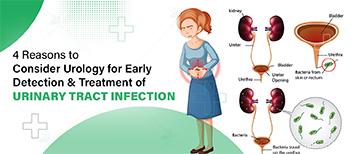
One of the best hospitals for urinary tract treatment in Noida offers comprehensive urology care, featuring expert urologists and advanced diagnostic and treatment facilities.
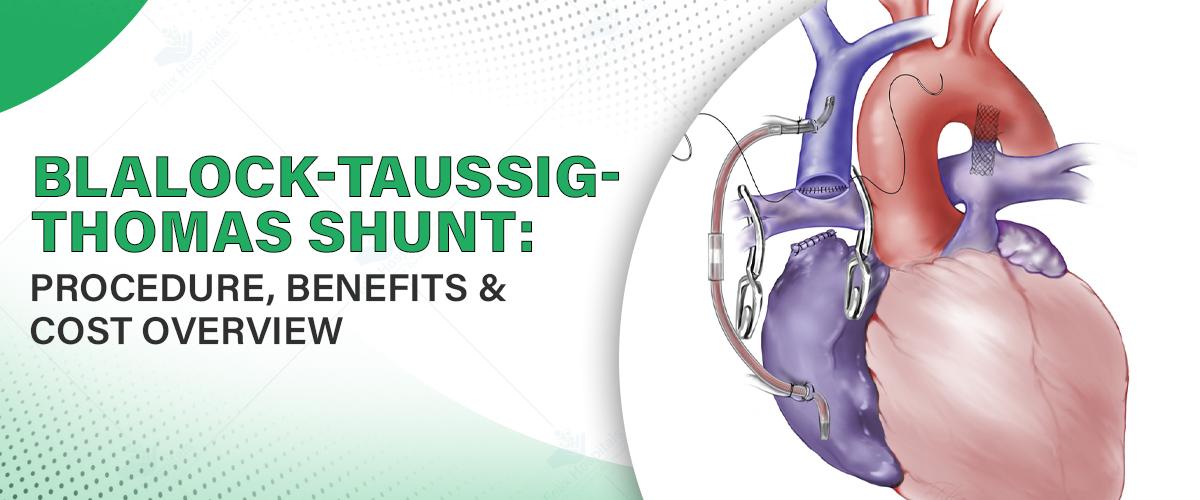
The Blalock-Taussig-Thomas (BTT) shunt is a heart surgery that saves lives and is often done on newborns within the first few days of life. It is highly important for fixing certain congenital cardiac problems by increasing the amount of oxygen that gets to the baby's whole body. Because of improvements in pediatric cardiology, the BTT shunt is not used as often as it used to be. However, it is still quite useful in some cases. Consult one of the best cardiology hospitals in Greater Noida for expert care and timely treatment.
This blog goes into great detail on the process, including how it's done, why it's important medically, its benefits and hazards, how long it takes to recover, and a rough idea of how much it will cost.
Get trusted care for your baby's heart with just one call. Call our heart team at +91 9667064100 to remain ahead.
The Blalock-Taussig-Thomas shunt was once called the Blalock-Taussig (BT) shunt. It was invented in the 1940s to help babies with cyanotic congenital heart disease, which lowers the amount of oxygen in the blood. At the time, the procedure was cutting-edge, and it is still useful today in some situations. The BTT shunt is a bridging technique that temporarily sends extra blood to the lungs, where it can pick up oxygen. The blood that has oxygen in it then moves about the body and helps organs and tissues work.
These complex heart problems make it hard for the heart to pump blood into the lungs, which lowers the amount of oxygen in the blood. In these cases, a BTT shunt is a very crucial temporary bridge until a more permanent surgery can be done to fix the problem.
Parents should be on the lookout and call their doctor if their infant shows any of the following signs after surgery:
Swelling or redness surrounding the place where the surgery took place
Bluish skin or cold hands and feet
Lethargy or less responsiveness
Fluid or discharge coming from the cut
Getting medical help right away can stop problems from happening and make healing go more smoothly.
Before a BTT shunt operation, the surgical team will do a number of tests to make sure the operation is safe and appropriate for the baby's condition. These could be:
Checkup of the body
Looking back at the history of pregnancy and birth
Echocardiogram through the chest
CT angiogram or coronary angiogram (if needed)
X-ray of the chest
An electrocardiogram (EKG)
Testing for genes
Tests on blood
Parents will also get precise instructions on how to prepare their child for surgery, including how to limit their food intake and keep their child clean.
A Blalock-Taussig-Thomas shunt is usually only used on babies who are born with cyanotic congenital heart abnormalities, which are problems that slow down or stop blood flow to the lungs. These could be:
Tetralogy of Fallot (TOF)
Atresia of the lungs
Tricuspid atresia
Anomaly of Ebstein
Hypoplastic left heart syndrome
Truncus arteriosus
Some kinds of transposition of the major arteries
The BTT shunt's main benefit is that it can help get more oxygen to all parts of the baby's body. Here are the outcomes of this:
Lessening of cyanosis (the blue tint of the skin caused by lack of oxygen)
Stabilizing how well important organs work
More energy and the ability to eat
For some kids with serious or irreparable heart abnormalities, the BTT shunt may be the best long-term choice.
Like most big operations, the BTT shunt has some hazards depending on the baby's original diagnosis and overall health. Possible problems are:
Too much blood flow to the lungs (pulmonary overcirculation)
Clots in the blood
Damage to the recurrent laryngeal nerve, which could change the baby's voice
Arrhythmias are when the heart beats in an unusual way.
Still, most babies do well after surgery and go on to have more corrective procedures with the help of educated surgical teams and better post-op care.
The procedure of BBT is as follows:
Opening the chest along the breastbone (sternotomy) lets you get to the heart.
To see and get in clearly, the thymus gland is taken away.
A man made graft is put between the pulmonary artery and the subclavian artery.
The surgeon checks the graft to make sure it doesn't leak or get a blood clot.
The chest is closed, and the baby is moved to the intensive care unit to heal.
The whole thing normally takes a few hours, and parents may expect to get regular updates during the process.
The baby is watched very closely in an intensive care unit (ICU) after surgery. After surgery, the following care is needed:
Giving heparin (a blood thinner) to stop clots from forming.
Taking aspirin for a long time to lower the risk of developing clots.
If the baby's lungs and heart need extra help shortly after surgery, they may need ECMO (extracorporeal membrane oxygenation) from time to time.
Parents need to be mentally ready for the fact that their baby will be hooked up to a lot of tubes and monitoring equipment as they heal. This kind of technology helps with breathing, taking in fluids, and giving medicine.
After surgery, most newborns stay in the hospital for around two weeks. The first week is usually spent in the ICU, where the patient is closely watched and stabilized. Parents are taught how to care for their child after surgery and what signs to look for if something goes wrong. The pediatric cardiologist will set up regular follow-up visits. Most newborns become a lot better with appropriate care in terms of energy, feeding, and weight gain, which prepares them well for future corrective surgery as they grow older.
Blalock Taussig Shunt Surgery cost Greater Noida can be very different based on things like Hospital and location, Insurance coverage, How complicated the surgery is and medications and time spent in the ICU after surgery.
A Blalock-Taussig-Thomas (BTT) shunt usually costs between ₹4,30,000 and ₹5,45,000 in Greater Noida. In some places, the government has health and financial aid programs to help families with congenital heart disease pay for things.
To deal with newborns' congenital cardiac problems, you need expert advice, cutting-edge technology, and care that is tailored to your needs. Felix Hospital has the best Blalock Taussig Shunt Cardiac Surgeons in Greater Noida who are known for their ability to diagnose and treat complicated cardiac problems. Felix is different from other hospitals not just because of its high-quality medical care, but also because it puts the needs of its patients first and focuses on their long-term heart health.
Want to manage your weight? Get an appointment with a specialist right now, call +91 9667064100.
The Blalock-Taussig-Thomas shunt is still a common way to treat some serious heart problems in children. It doesn't cure the child, but it does provide them a significant step forward by providing them time to get stronger and have further life-saving surgeries. Parents may make a better choice and be ready for what comes next if they know what the surgery is, what its benefits and drawbacks are, and how much it will cost. If your child is a good candidate for a BTT shunt, trust your cardiac care team and stay active during each step of the healing process.
Q1. Does the BTT shunt fix congenital cardiac defects?
Ans: No, the BTT shunt does not fix the problem. It's a temporary remedy that helps raise oxygen levels before a more permanent procedure can be done. If no other remedial surgery is possible, it may stay in place as a long-term solution in some circumstances.
Q2. Is it possible to execute the BTT shunt more than once if necessary?
Ans: Yes, in rare situations Calm BTT shunt may be done again if the previous one gets blocked or doesn't give the infant enough oxygen anymore. But the idea is to eventually get to a more permanent surgical fix.
Q3. How long does a BTT shunt usually last?
Ans: The shunt usually works for a few months to a couple of years, depending on how fast the child grows and what is wrong with them. It is frequently taken out or replaced during later cardiac procedures.
Q4. After surgery, can you see the BTT shunt from the outside?
Ans: No, the BTT shunt is put within the body between arteries, so you can't see it from the outside. The scar from the surgery on the chest, on the other hand, might be visible.
Q5. Is it okay to breastfeed or bottle-feed babies with a BTT shunt?
Ans: Yes, a lot of newborns can start eating again following surgery when they are stable. But some people may require help with a feeding tube for a short time, depending on how well they are healing and how much stamina they have.
Q6. Does the BTT shunt change how the body grows or develops?
Ans: Babies with a BTT shunt can grow normally if they have the right follow-up care and nutrition. However, they may need to see a doctor more often than other kids.
Q7. After a BTT shunt, would my child need to take medicine for a long time?
Ans: Yes, doctors often give youngsters aspirin for the rest of their lives to keep blood clots from forming. Depending on their condition and any follow-up surgery, they may need more drugs.
Q8. Is there a chance that the BTT shunt will get blocked over time?
Ans: Yes, a BTT shunt can have clots or narrow (stenosis), just like any other artificial graft. Regular checkups and imaging help find these kinds of problems early.
Dr. Rahul Arora is an experienced Interventional Cardiologist with 21+ years of expertise in advanced cardiac care, specializing in personalized, evidence-based treatment for heart diseases and improved patient outcomes.

Best heart hospital in Noida for bypass surgery at affordable prices with expert cardiac surgeons, advanced facilities, and quality patient care for better recovery.
Learn how a CT Angiogram helps assess heart disease and your heart score effectively.
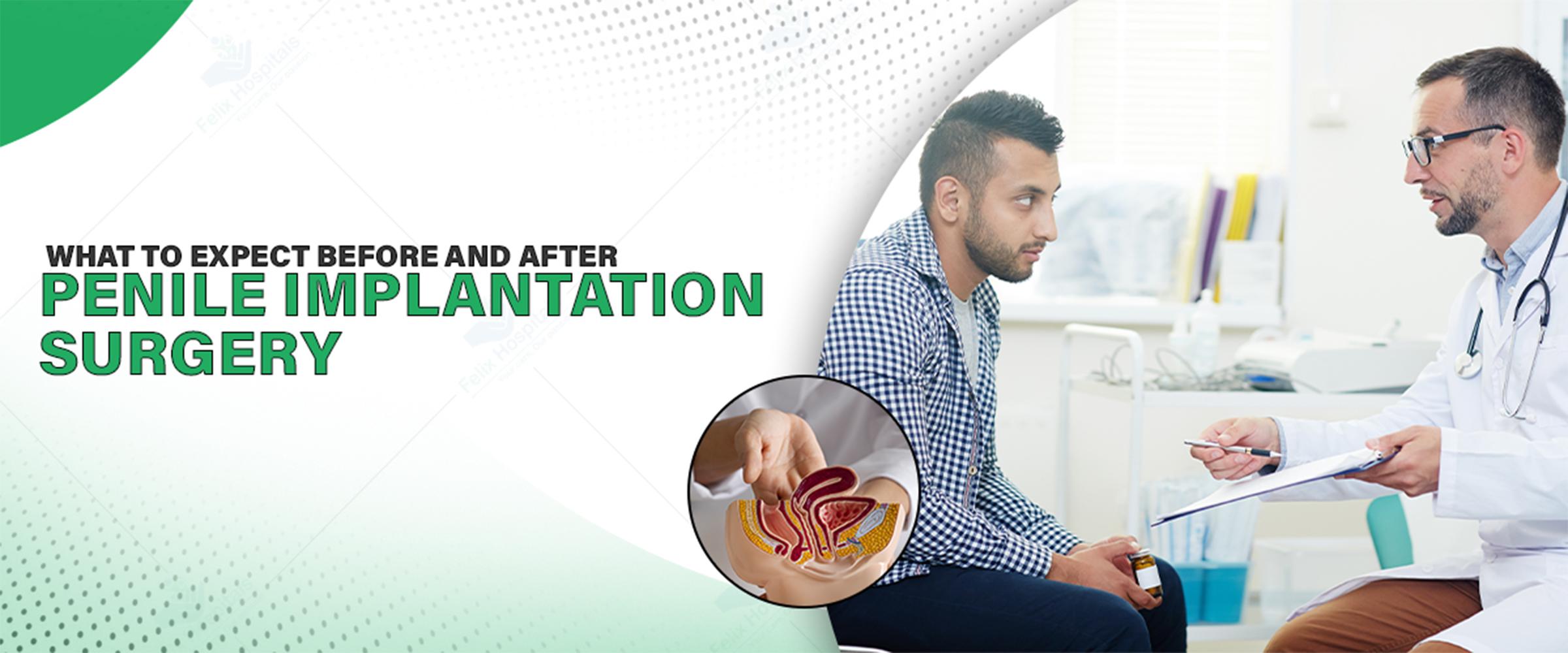
Penile implant surgery has the potential to be life-altering for men with erectile dysfunction (ED) or penile structural issues. As a result of medical conditions, nerve injury, or trauma, the inability to obtain or maintain an erection can significantly influence physical health, emotional stability, and sexual relationships.
With the assistance of the best urology hospital in Noida, a penile implant may be the next step if other treatments like medications, pumps, or injections have not worked. This guide provides an in-depth description of what to anticipate before, during, and after surgery, making you feel aware and prepared on your path.
Support, guidance, and individualized care are merely a call away. Schedule an appointment by dialing +91 9667064100.
A penile implant, or penile prosthesis, is a surgically placed device that enables you to get and sustain an erection adequate for sexual intercourse. Two general types exist:
Inflatable Implant: Contains two cylinders placed within the penis, a pump in the scrotum, and a reservoir of fluid located beneath the lower abdominal wall. Activation of the pump sends fluid into the cylinders, which causes an erection. A release valve empties the device.
Non-Inflatable (Malleable) Implant: Made up of flexible silicone rods inserted into the erection chambers. You place the penis manually when you want it to be—there's no pump or reservoir, and it remains firm until you reposition.
Getting a penile implant is a personal choice. It's one of hope: potentially being able to get back to enjoying sex and regaining confidence. This isn't just a medical treatment—this is a chance to regain intimacy and self-assurance. Whether you have diabetes, vascular disease, or other issues causing ED, or are looking for reconstruction after gender-affirming surgery, it's essential to know what to expect. This information is here to answer your most important questions.
Curving the scrotal pump initiates the erection process.
Fluid is transferred from the reservoir to the cylinders.
Pressing the release valve returns fluid and deflates.
A rigid but flexible rod is manually moved upward for an erection.
The same movement puts the penis back into a resting state.
Both are different in function but provide the same outcome: consistent erections that facilitate intimacy and spontaneous arousal.
Typical candidates are those who:
Have chronic ED resistant to drugs or devices
Experience complications with Peyronie's disease
Underwent genital reconstruction
Sustained nerve damage to erectile function
Want a permanent, partner-independent solution
Note: A strong promise to adhere to postop instructions—such as avoiding sex for roughly six weeks—is necessary for a positive outcome.
First medical evaluation: Includes vital signs, medical history, and current medications.
Medication adjustment: Blood thinners and certain supplements may require modification.
Infection screening: Surgery is deferred if infection of the urine or skin exists.
Preoperative preparation: Fasting (nothing after midnight prior to surgery) and groin cleaning are included.
Sizing and selection: The body directs the choice of implant—length and diameter of the cylinder are tailored in surgery.
A surgical team usually conducts the procedure under general anesthesia.
During the procedure, a urinary catheter is sometimes used.
After accessing the corpora cavernosa, the best urology surgeon in Noida places the implant, followed by tubing and device placement if it’s an inflatable type.
Incision are closed with dissolvable stitches and covered with dressing.
Surgical drains may be placed temporarily to prevent fluid buildup.
The surgery usually lasts 1–2 hours, depending on the implant type and the anatomy.
Most patients are discharged home on the same day, though at least one night of observation might be suggested for complicated cases.
Early recovery: You'll be drowsy as anesthesia is dissipated and might require pain medicine and antibiotics.
Discharge and home care: You can usually be sent home a few hours after surgery with a trusted friend.
Recovery instructions: Wound care, hygiene, ice packs to control swelling, and avoiding lifting or heavy activity.
Initial follow-up: The doctor will take out drains and check for healing of the wound in 1–2 weeks.
| Time Frame | Milestone |
| 1 week | Swelling and pain reach peak, then slowly resolve |
| Weeks 2–4 | Swelling reduces, light activities allowed |
| Week 6 | Complete recovery, sexual activity usually allowed |
Swelling and tenderness are normal in the first week. By week six, most are cleared for intimate relations, even though implant training usually starts sooner, as directed by the doctor.
Dependable erections at will
High success rates—usually greater than 90%
Last decades, most implants function for 15–20 years
Unimpaired sensation and orgasm—after surgery, climax and ejaculation still occur
Restored the spontaneity of partner intimacy
Increased self-esteem and emotional health
Although surgeries are generally considered safe, they still carry inherent risks. Potential complications include:
Bleeding or hematoma formation
Urethral damage
Infection may necessitate device removal
Mechanical failure: rare but may require repair/replacement
Device erosion through skin—rare but serious
Minimal decrease in penile length
Pump or reservoir displacement (inflatable type)
The surgery team will review these risks and prevention methods before surgery.
New devices have a useful life that can exceed two decades.
In the event of mechanical malfunction, a revision procedure can exchange components without fully eliminating the device.
Routine sex does not damage the implant.
Long-term follow-up—including yearly check-ups—ensures system integrity and long-term satisfaction.
Restoring sexual function is not only physical—it's also emotional. Most partners experience enhanced closeness and intimacy following implantation. Couples therapy or counseling can assist in navigating relationship issues, enhance communication, and facilitate adjustment to restored sexual function.
Schedule your appointment with our support staff for information on recovery timeframes, device selection, and individualized care plans.
Selecting penile implant surgery is an intimate, empowering decision to achieve new intimacy and confidence. As you move through this process, being thoroughly informed, from pre-surgery preparation to complete healing and device durability, is key. With careful maintenance, sustained support, and honest communication, a penile implant can be a safe, reliable, and life-enhancing choice. Felix Hospital is available to provide you with reasonable-cost consultations in Noida regarding penile implantation surgery. Use this guide as your map, and know that you are not alone.
Experience safe, advanced, and result-oriented Erectile Dysfunction treatment in Noida with expert urologist in noida at Felix Hospital.
Q1. Can I still ejaculate and have an orgasm with an implant?
Ans: Yes. Penile implants don't interfere with nerves or glands that control climax—most people have full sensation and ejaculatory ability.
2. Will my penis look normal afterwards?
Ans: Yes. Scarring is usually minimal, and after healing, the implant is not noticeable under clothing or under intimate conditions.
Q3. Does sensitivity change with the implant?
Ans: Skin sensation remains unchanged. Some report an increased pleasure because of more consistent rigidity.
Q4. What if the implant doesn’t provide enough firmness?
Ans: Inflatable implants allow custom firmness via pump control. If needed, minor adjustments can be done surgically.
Q5. Do mechanical pumps for inflation feel odd during sex?
Ans: Not at all—most use is discreet and quick. You’ll receive clear instructions for comfortable, confident use.
Q: 6. Do I have to do anything weekly or monthly with the implant?
Ans: No. Inflatable implants do not need routine inflations apart from training visits. Malfunction is unlikely.
7. Are there long-term maintenance steps?
Ans: Annual check-ups guarantee that it stays secure and functional. There's no need for replacement unless there is a problem.
Q8. What if I decide to take it out later?
Ans: Removal is feasible, but erections that occur naturally will not come back unless other therapies are applied afterwards. In the majority of instances, the device remains in place because of its advantages.
Penile cancer is a rare but serious disease that requires awareness and early detection for the best chance of successful treatment.
One of the best hospitals for urinary tract treatment in Noida offers comprehensive urology care, featuring expert urologists and advanced diagnostic and treatment facilities.
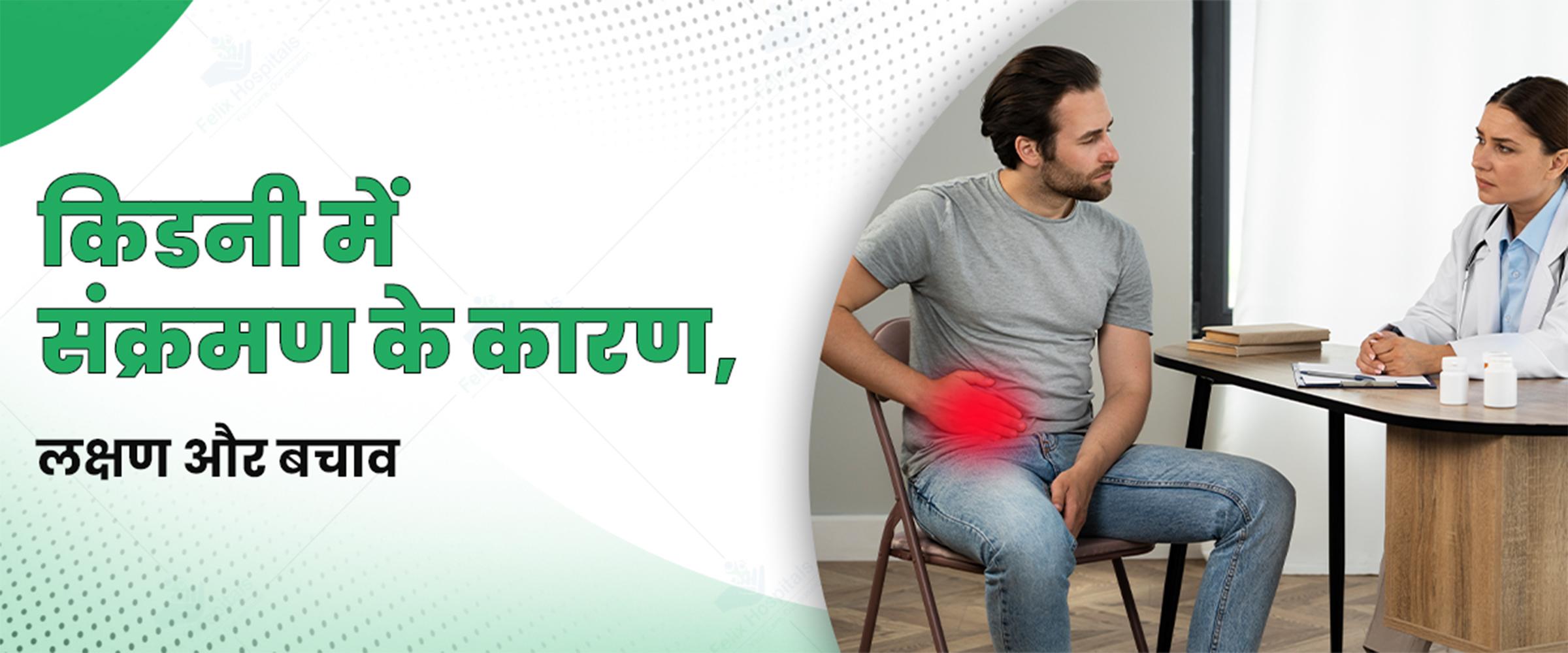
किडनी संक्रमण एक गंभीर बैक्टीरियल संक्रमण होता है जो यूरि मार्ग के जरिए ऊपर बढ़ते हुए किडनी तक पहुंचता है। यह संक्रमण अधिकतर ई. कोलाई नामक बैक्टीरिया के कारण होता है। महिलाओं में इसकी संभावना अधिक होती है। किडनी संक्रमण को हल्के में लेना गंभीर गलती होती है। अगर आप बार-बार यूटीआई से परेशान रहते हैं तो तुरंत नोएडा में सर्वश्रेष्ठ हॉस्पिटल से संपर्क करें और साथ ही अपना व अपने परिवारजन का ध्यान रखें।
अपॉइंटमेंट शेड्यूल करने के लिए, अभी कॉल करें: +91 9667064100.
किडनी संक्रमण के जांच और निदान (Tests and Diagnosis of Kidney Infection)
किडनी संक्रमण को लेकर पूछे जाने वाले सवाल (FAQs about Kidney Infection)
किडनी संक्रमण एक गंभीर बैक्टीरियल संक्रमण है जो मूत्र प्रणाली से शुरू होकर ऊपर की ओर बढ़ते हुए गुर्दों तक पहुंच जाता है। इसे चिकित्सा भाषा में पायलोनेफ्राइटिस (pyelonephritis) कहा जाता है। यह संक्रमण यह संक्रमण आमतौर मूत्रमार्ग, मूत्राशय, मूत्रनली, गुर्दे में होता है। संक्रमण नीचे से ऊपर की ओर बढ़ते हुए गुर्दों को संक्रमित कर देता है। अगर समय पर इलाज न हो तो यह गुर्दे को स्थायी क्षति पहुंचा सकता है। गंभीर मामलों में संक्रमण रक्त प्रवाह में फैल सकता है, जो जानलेवा हो सकता है।
किडनी संक्रमण को चिकित्सा विज्ञान में तीन प्रमुख श्रेणियों में बांटा जाता है। तीव्र पायलोनेफ्राइटिस, क्रॉनिक पायलोनेफ्राइटिस और किडनी ऐब्सेस।
पायलोनेफ्राइटिस जो एक तीव्र बैक्टीरियल संक्रमण होता है। आमतौर पर निचले मूत्र मार्ग (जैसे मूत्राशय) से ऊपर चढ़कर किडनी तक पहुंचता है।
क्रॉनिक पायलोनेफ्राइटिस जो लंबे समय तक या बार-बार होने वाले संक्रमण का परिणाम होता है। यह अक्सर उन लोगों में देखा जाता है जिन्हें बार-बार यूटीआई होता है या जिनकी मूत्र नली में कोई जन्मजात खराबी या रुकावट होती है।
किडनी ऐब्सेस जिसे 'जटिल पायलोनेफ्राइटिस भी कहा जाता है। यह तब होता है जब किडनी में संक्रमण इतना गंभीर हो जाता है कि उसमें मवाद भर जाता है और फोड़ा बन जाता है।
किडनी संक्रमण मुख्यत बैक्टीरिया के कारण होता है, जो आमतौर पर मूत्रमार्ग से होकर ऊपर की ओर बढ़ते हुए मूत्राशय से गुजरते हुए किडनी तक पहुंचता है।
जब किसी व्यक्ति को बार-बार मूत्र मार्ग संक्रमण (यूटीआई) होता है, तो यह संक्रमण बार-बार ऊपर की ओर बढ़कर किडनी तक पहुंचता है। वहां सूजन या पायलोनेफ्राइटिस जैसी स्थिति उत्पन्न कर सकता है।
यूरिन के प्रवाह में किसी भी प्रकार की रुकावट जैसे मूत्र में पथरी, मूत्रनली या मूत्राशय में ट्यूमर या पुरुषों में बढ़ा हुआ प्रोस्टेट ग्रंथि संक्रमण के जोखिम को बढ़ाते हैं। जब मूत्र पूरी तरह से बाहर नहीं निकल पाता, तो उसमें बैक्टीरिया पनपने लगते हैं जो बाद में किडनी तक पहुंच सकते हैं।
डायबिटीज जैसी बीमारियां भी संक्रमण के प्रमुख कारणों में से एक हैं, क्योंकि इसमें शरीर की रोग प्रतिरोधक क्षमता कमजोर हो जाती है। जिससे संक्रमण जल्दी फैलता है और गंभीर रूप ले सकता है। इसी तरह एचआईवी, कीमोथेरेपी, या स्टेरॉइड जैसी दवाएं लेने वाले मरीजों में भी इम्युनिटी कम होने के कारण किडनी संक्रमण का जोखिम अधिक होता है।
महिलाओं में किडनी संक्रमण की संभावना पुरुषों की तुलना में अधिक होती है। इसका मुख्य कारण उनकी जननांगीय संरचना होती है। महिलाओं का यूरिन मार्ग छोटा होता है और गुदा के पास स्थित होता है। जिससे बैक्टीरिया आसानी से मूत्रमार्ग में प्रवेश करते हैं और तेजी से ऊपर की ओर संक्रमण फैलाते हैं। गर्भावस्था के दौरान भी हार्मोनल बदलाव और बढ़ता हुआ गर्भाशय मूत्र प्रवाह को बाधित करता है।
इस प्रकार किडनी संक्रमण केवल एक साधारण समस्या नहीं है। बल्कि यह शरीर की रचना, रोग प्रतिरोधक क्षमता और यूरिन प्रणाली की कार्यप्रणाली पर निर्भर करता है। समय पर कारणों की पहचान और उनका समाधान आवश्यक है। जिससे संक्रमण से बचा जा सके या उसकी जटिलताओं को रोका जा सके।
किडनी संक्रमण के लक्षण संक्रमण की गंभीरता, रोगी की उम्र और उनकी स्वास्थ्य स्थिति के अनुसार भिन्न हो सकते हैं।
तेज बुखार (High fever) जो अचानक आता है और उसके साथ ठंड लगना भी होता है। यह शरीर में बैक्टीरिया के प्रसार का संकेत हो सकता है।
कमर या पीठ के निचले हिस्से में दर्द होता है, जो आमतौर पर प्रभावित किडनी की ओर एकतरफा महसूस होता है।
मरीजों को पेशाब करते समय जलन या दर्द की शिकायत होती है और बार-बार पेशाब आने की भावना बनी रहती है। भले ही बहुत कम मात्रा में मूत्र निकले।
कई बार पेशाब में बदबू आती है या वह मटमैला हो जाता है और कुछ मामलों में पेशाब में मवाद या रक्त भी दिखाई देता है।
संक्रमण के कारण रोगी को मतली, उल्टी या भूख में कमी जैसी सामान्य लक्षण भी हो सकते हैं।
मरीज बुजुर्ग हैं या डायबिटीज से पीड़ित हैं, तो उनमें संक्रमण के लक्षण हमेशा स्पष्ट नहीं होते। उनके मामले में भ्रम, मानसिक कमजोरी या अत्यधिक थकान जैसे लक्षण ज्यादा दिखाई देते हैं।
किडनी संक्रमण की पुष्टि के लिए डॉक्टर सबसे पहले मरीज के लक्षणों का मूल्यांकन करते हैं और फिर चरणबद्ध रूप से विभिन्न जांचें कराते हैं।
पेशाब की जांच में मौजूद बैक्टीरिया, मवाद कोशिकाएं, रक्त या संक्रमण के अन्य संकेत पहचाने जाते हैं। यूरीन कल्चर से यह भी पता चलता है कि संक्रमण किस बैक्टीरिया से हुआ है।
रक्त जांच की जाती है, जिसमें सीबीसी (सीबीसी) से शरीर में संक्रमण की गंभीरता का अनुमान लगाया जाता है, और क्रिएटिनिन जैसी जांचों से किडनी की कार्यक्षमता की स्थिति जानी जाती है।
मरीज को तेज और लगातार बुखार हो। कमजोरी बढ़ रही हो या डॉक्टर को सेप्सिस का संदेह हो तो ब्लड कल्चर कराना जरूरी हो ता है। इससे यह पता चलता है कि क्या बैक्टीरिया रक्त में प्रवेश किया है कि नहींं।
संक्रमण की जटिलता या यूरिन मार्ग में किसी अवरोध जैसे पथरी, सूजन, फोड़ा आदि का संदेह होने पर अल्ट्रासाउंड या सीटी स्कैन जैसे इमेजिंग टेस्ट कराए जाते हैं।
बच्चों में या लंबे समय से बार-बार संक्रमण झेल रहे मरीजों में डॉक्टर डीएमएसए स्कैन करवाने की सलाह दे सकते हैं। यह एक विशेष न्यूक्लियर स्कैन होता है, जो यह बताता है कि किडनी का कौन-सा हिस्सा कार्य कर रहा है और किस हिस्से को स्थायी नुकसान पहुंचा है।
किडनी संक्रमण एक गंभीर स्थिति बन सकता है यदि समय पर न रोका जाए, लेकिन अच्छी जीवनशैली और स्वच्छता अपनाकर इसे काफी हद तक रोका जा सकता है।
दिनभर में कम से कम 2 से 3 लीटर पानी पीना मूत्र प्रणाली को साफ रखने और बैक्टीरिया को बाहर निकालने में मदद करता है।
यूरिन को लंबे समय तक रोकना भी संक्रमण का कारण बन सकता है। इसलिए जब भी पेशाब आए, तुरंत त्याग करना चाहिए।
स्वच्छता का ध्यान रखना भी बेहद जरूरी है, खासकर महिलाओं के लिए। शौच के बाद सफाई रखनी चाहिए। जिससे मल में मौजूद बैक्टीरिया मूत्र मार्ग में प्रवेश न कर सकें।
यौन संबंध के पहले और बाद में सफाई रखने और पेशाब करने से भी संक्रमण का खतरा कम हो जाता है।
अगर बार-बार यूटीआई से पीड़ित रहते हैं, उन्हें डॉक्टर से परामर्श लेकर प्रोफाइलेक्टिक एंटीबायोटिक या अन्य रोकथाम उपाय अपनाने चाहिए।
किसी को डायबिटीज, पथरी या प्रोस्टेट की समस्या है, तो इन स्थितियों को नियंत्रित रखना किडनी को संक्रमण से बचाने के लिए जरूरी है।
सार्वजनिक शौचालयों का सुरक्षित उपयोग, तंग अंडरगारमेंट से परहेज और सूती वस्त्रों का प्रयोग भी संक्रमण को दूर रखने में सहायक हो सकते हैं।
महिलाओं को विशेष रूप से मासिक धर्म के दौरान साफ-सफाई का ध्यान रखना चाहिए और लंबे समय तक सैनिटरी नैपकिन या टैंपॉन का उपयोग नहीं करना चाहिए।
बच्चों, बुज़ुर्गों और कमजोर प्रतिरक्षा वाले लोगों की नियमित जांच और सावधानीपूर्वक देखभाल आवश्यक है, क्योंकि इनमें संक्रमण के लक्षण हमेशा स्पष्ट नहीं होते।
गर्भवती महिलाओं को समय-समय पर यूरिन की जांच करानी चाहिए क्योंकि गर्भावस्था के दौरान संक्रमण का खतरा अधिक होता है।
किडनी संक्रमण का इलाज संक्रमण की गंभीरता, मरीज की स्वास्थ्य स्थिति, और संक्रमण के कारण बैक्टीरिया की पहचान पर आधारित होता है।
एंटीबायोटिक थैरेपी जो डॉक्टर द्वारा पेशाब की जांच और यूरीन कल्चर के आधार पर तय की जाती है। अगर संक्रमण हल्का हो और मरीज को कोई अन्य गंभीर रोग न हो, तो ओरल एंटीबायोटिक (खाने वाली दवाएं) 7 से 14 दिनों तक दी जाती हैं।
अगर मरीज को तेज बुखार, उल्टी, कमजोरी, पेशाब में मवाद या रक्त, या सेप्सिस जैसे लक्षण हों, तो उसे अस्पताल में भर्ती करना आवश्यक हो सकता है। इसमें एंटीबायोटिक्स दी जाती हैं ताकि दवा जल्दी और प्रभावी रूप से शरीर में असर कर सके। मरीज को इंट्रावेनस फ्लूइड्स भी दिए जाते हैं।
कई मामलों में संक्रमण के पीछे का कारण सिर्फ बैक्टीरिया नहीं होता। बल्कि यूरिन मार्ग में रुकावट जैसे पथरी, ट्यूमर या बढ़ा हुआ प्रोस्टेट भी होता है। ऐसी स्थिति में केवल दवा से इलाज नहीं होगा, बल्कि उस अवरोध को दूर करना भी जरूरी होगा। इसके लिए एंडोस्कोपी, कैथेटर या सर्जरी की जाती हैं।
नोएडा में किडनी संक्रमण के इलाज (kidney infection treatment in noida) की कीमत मरीज की स्थिति और अस्पताल के अनुसार बदलती है। यदि मरीज की हालत सामान्य है और उसे केवल ओपीडी में दवाएं व जांच की जरूरत है, तो इलाज का कुल खर्च लगभग तीन हजार रुपये से आठ हजार रुपये तक हो सकता है। इसमें डॉक्टर की फीस, ब्लड व यूरिन जांच, अल्ट्रासाउंड तथा दवाएं शामिल होती हैं। डायलिसिस या आईवी एंटीबायोटिक की जरूरत हो तो प्रति सेशन खर्च लगभग डेढ़ हजार से तीन हजार रुपये तक होता है। बीमा या मेडिक्लेम सुविधा होने पर ये खर्च कम हो सकते हैं।
अगर किडनी में मवाद का फोड़ा बन गया हो, तो उसका ड्रेनेज जरूरी हो जाता है। यह प्रक्रिया सर्जिकल या रेडियोलॉजिकल तरीके से की जाती है। क्रॉनिक पायलोनेफ्राइटिस से पीड़ित मरीजों को लंबे समय तक दवा, जांच और निगरानी में रखा जाता है।
डायबिटीज, हाई ब्लड प्रेशर और पुरानी किडनी बीमारी से जूझ रहे मरीजों को इलाज के दौरान विशेष ध्यान देने की आवश्यकता होती है, क्योंकि उनमें संक्रमण तेजी से फैल सकता है। गर्भवती महिलाओं, बच्चों और बुज़ुर्गों में भी इलाज की रणनीति थोड़ी अलग और सावधानीपूर्वक बनाई जाती है।
किडनी में संक्रमण होने पर डॉक्टर से मिलने में देरी नहीं करनी चाहिए, क्योंकि यह संक्रमण तेजी से बढ़कर किडनी फेल्योर जैसी गंभीर स्थिति बना सकता है। विशेष रूप से गर्भवती महिलाएं, बच्चे, और क्रॉनिक किडनी डिजीज (CKD) से ग्रस्त मरीजों को संक्रमण के लक्षण जैसे बुखार, कमर या पीठ में दर्द, पेशाब में जलन या बदबू, आदि दिखते ही तुरंत डॉक्टर से परामर्श लेना चाहिए।
यदि आप या आपके किसी परिचित को इस तरह की समस्या है, तो तुरंत किसी नोएडा में अच्छे नेफ्रोलॉजिस्ट से संपर्क करें। नोएडा के प्रमुख अस्पतालों में अनुभवी नेफ्रोलॉजिस्ट उपलब्ध हैं जो सटीक जांच और प्रभावी इलाज प्रदान करते हैं।
अभी अपॉइंटमेंट शेड्यूल करें – कॉल करें: +91 9667064100.
किडनी संक्रमण को कई बार लोग इसे साधारण यूरिन संक्रमण समझकर नजरअंदाज करते हैं या केवल घरेलू उपायों पर निर्भर रहते हैं। जिससे स्थिति बिगड़ती है। यह समझना जरूरी है कि किडनी शरीर के महत्वपूर्ण अंगों में से एक है और संक्रमण यदि किडनी तक पहुंच जाए तो यह उसे स्थायी रूप से क्षतिग्रस्त कर सकता है। इसलिए समय पर डॉक्टर से परामर्श लेना, जांच कराना और पूरा इलाज करवाना जरूरी है। हाई रिस्क ग्रुप जैसे डायबिटिक मरीज, गर्भवती महिलाएं, बच्चे या बार-बार यूटीआई से पीड़ित व्यक्ति नियमित चेकअप करवाते रहना चाहिए।
सवाल 1: किडनी संक्रमण और सामान्य यूटीआई में क्या अंतर है?
जवाब: सामान्य यूटीआई यूरिन मार्ग या मूत्राशय तक सीमित होता है। जबकि किडनी संक्रमण (पायलोनेफ्राइटिस) मूत्र मार्ग से ऊपर चढ़कर किडनी तक पहुंच जाता है।
सवाल 2: क्या किडनी संक्रमण केवल महिलाओं को होता है?
जवाब: पुरुषों को भी होता है। हालांकि महिलाओं का यूरिन मार्ग छोटा होता है और गुदा के पास होता है। इसलिए उनमें संक्रमण की संभावना अधिक होती है।
सवाल 3: क्या किडनी संक्रमण का घरेलू इलाज संभव है?
जवाब: यह एक गंभीर संक्रमण है जिसका इलाज केवल एंटीबायोटिक और चिकित्सकीय निगरानी से संभव है। घरेलू उपाय केवल सहायक हो सकते हैं। विकल्प नहीं।
सवाल 4: क्या बार-बार होने वाला यूटीआई किडनी को नुकसान पहुंचाता है?
जवाब: बार-बार होने वाला यूटीआई अगर सही तरीके से इलाज न किया जाए तो संक्रमण किडनी तक पहुंचता है और क्रॉनिक पायलोनेफ्राइटिस का कारण बनता है।
सवाल 5: क्या किडनी संक्रमण से किडनी फेल होती है?
जवाब: अगर संक्रमण का समय पर और सही इलाज न किया जाए। तो यह किडनी को स्थायी रूप से क्षति पहुंचाता है।जिससे क्रॉनिक किडनी डिजीज (सीकेडी) या किडनी फेल्योर होता है।
सवाल 6: क्या किडनी संक्रमण फैलता है ?
जवाब: यह संक्रामक बीमारी नहीं है और एक व्यक्ति से दूसरे व्यक्ति में नहीं फैलता। लेकिन यदि कोई यूरिन संक्रमण की ओर लापरवाह है तो उसके शरीर में यह ऊपर बढ़कर किडनी तक पहुंचता है।

फेलिक्स हॉस्पिटल में,यूरोलॉजिस्ट डॉ. भंवर लाल बरकेसिया पेशेंट की आवश्यकताओं के अनुसार सही उपचार प्रदान करने के लिए प्रतिबद्ध हैं।
किडनी खराब होने के शुरुआती संकेतों को पहचानना जरूरी है ताकि समय रहते इलाज शुरू किया जा सके। जानिए कौन से लक्षण नजरअंदाज नहीं करने चाहिए और डॉक्टर से कब संपर्क करें।

किडनी सिस्ट आमतौर पर बिना लक्षणों के होती है, लेकिन कभी-कभी पीठ या पेट में दर्द, पेशाब में बदलाव और ब्लड प्रेशर बढ़ने जैसे शुरुआती संकेत नजर आ सकते हैं।
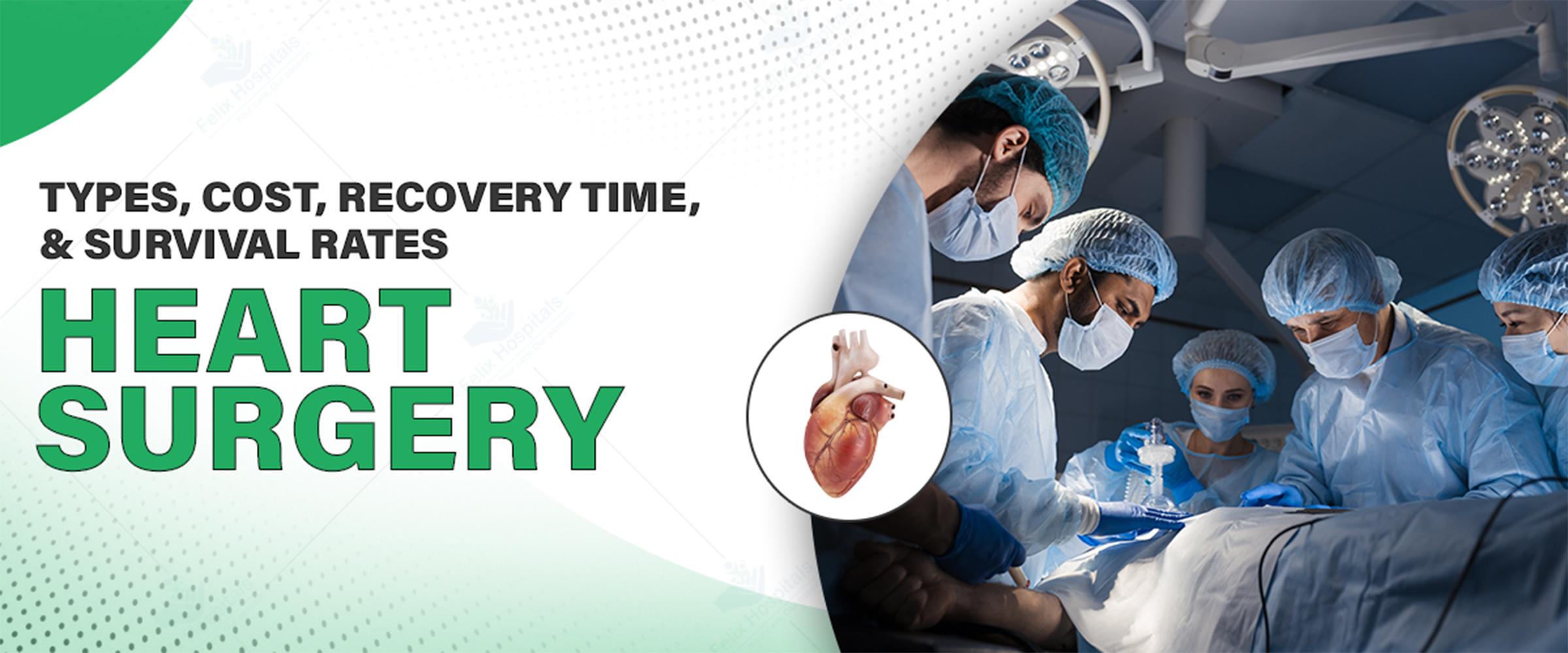
Heart surgery is a life-saving operation that not only fixes your heart but also gets your life back on track. Heart surgery includes a lot of complicated yet life-changing treatments, such as bypassing clogged arteries, fixing valves, and addressing rhythm problems. This blog talks about the different kinds of heart surgery, how long it takes to recover, how likely it is that you will survive, and how much heart surgery cost in Noida, to get high-quality, affordable heart care.
Keep your heart healthy . Contact at +91 9667064100 to know more
Heart surgery is any surgery that is done on the heart or the blood arteries that link to it. Most of them are done by experienced cardiothoracic surgeons to treat heart problems that people are born with or have later in life. Modern heart surgery can help with a wide range of heart ailments, from arrhythmias and aneurysms to coronary artery disease and heart valve difficulties. Thanks to medical advances that have made surgeries safer and more effective, most patients feel like they have a new lease on life after surgery.
Heart surgery is needed when medicine, lifestyle changes, and less invasive procedures (like stenting) don't work to control the condition. Here are some reasons why you might need heart surgery:
serious obstructions in the arteries (coronary artery disease)
problems with the valves, such as regurgitation or stenosis
Aneurysms in the walls or arteries of the heart
Problems with the heart's beat
serious heart failure
After a full checkup, your cardiologist will usually suggest heart surgery. In times of emergency, like heart attacks, surgery may also need to be done right away.
Some cardiac problems need different sorts of surgery. Here are some of the most prevalent types of cardiac surgery:
Heart bypass surgery, often known as CABG, replaces blocked coronary arteries with healthy blood channels from other sections of the body. It's the heart operation that people all over the world want to get. Heart Bypass Surgery Hospital In Noida offers the best surgeons with the complete pre and post operative care.
Fixing or replacing one of the heart's four valves so that blood can flow normally. Depending on the patient's needs and wants, either tissue or mechanical valves are employed.
Aneurysms, which are balloon-like sacs in the walls of the heart or blood vessels, might break if they are not treated. This surgery uses a graft to fix the damaged area.
If you have arrhythmias or progressive heart failure, you may need surgery to put in pacemakers, defibrillators, and left ventricular assist devices (LVADs).
For some persons with severe end-stage cardiac failure, a heart transplant may be their only option. Transplant treatments have very high survival rates when done at reputable centers, even though they are rare and complicated.
After cardiac surgery, recuperation is an important time that affects the overall results and long-term health. Open Heart Surgery Recovery in CABG or valve repair, usually spend the first 24 to 48 hours in the intensive care unit and then a few days in a hospital room. You might feel tired, have mood fluctuations, lose your appetite, or have tightness in your chest while you heal at home for 6 to 12 weeks. These symptoms are frequent, but routine cardiac rehabilitation and follow-up care are very important for getting better and adjusting.
The time it takes for a patient to heal after surgery depends on their age, health, and the sort of surgery they had. The right rehabilitation methods can directly affect both quality of life in the long-term.
Heart surgery in Greater Noida is still one of the cheapest in India, giving patients top-notch care at inexpensive pricing. Below is a list of common procedures:
| Surgery type | Lowest price | Price range | Maximum Price |
| Surgery for coronary artery bypass (CABG) | ₹3,00,000 | ₹4,00,000 and ₹6,00,000 | ₹8,00,000 |
| Heart Valve Replacement | ₹4,00,000 | ₹6,00,000 and ₹8,00,000 | ₹10,000,000 |
| Stent and angioplasty | ₹1,50,000 | ₹2,00,000 and ₹3,50,000 | ₹5,00,000 |
These are only rough estimates. The cost of heart surgery in Noida may vary depending on your health, the hospital, and the surgeon's experience. But Noida is still a hot travel destination because it is easy to get to the best cardiologists there and it is cheap.
Felix center is a well-known heart bypass surgery hospital in Greater Noida that uses the latest technology and shows compassion. Patients like Felix better because
Best Cardiologists In Greater Noida
Modern technologies for diagnosis and processes that are helped by robots
Full cardiac rehabilitation and treatment after surgery
Honest billing and affordable packages that are made to fit each person's demands
Whether you need emergency surgery or planned surgery, Felix Hospital makes sure you get the best care possible.
There are a number of things that affect the cost of heart surgery in Greater Noida, such as:
Type of Procedure: More complicated surgeries, such as valve replacements or aneurysm repairs, may cost more.
Infrastructure in hospitals: Private hospitals with contemporary intensive care units and robotic surgery equipment may cost more.
Experience of the Surgeon: Cardiac surgeons with more experience may charge extra for consultations and procedures.
After surgery care: The total cost covers follow-up visits, medicine, and rehabilitation.
Pre-existing Conditions: People who already have high blood pressure, diabetes, or kidney disease may need more care, which raises the total cost.
Would you like to make an appointment or do you need more information on heart bypass surgery? Please call at +91 9667064100.
Even though heart surgery may sound scary, it can lead to greater health if you have the appropriate team and get care on time. If you have a valve problem, coronary artery disease, or another cardiac condition, knowing your alternatives, the expenses, and the recovery process will help you make smart choices.
For trusted care, choose Felix Hospital, the top Heart Bypass Surgery Hospital in Greater Noida, where knowledge and compassion go hand in hand. With the support of the greatest cardiologists in Greater Noida and the latest technologies, we can help you get on the road to a happier, healthier heart.
Q1. Is heart surgery riskier if I have diabetes or hypertension?
Ans: While risks may be slightly higher, modern surgical techniques and per-operative care make heart surgery safe
Q2. How soon can I return to normal activities after open-heart surgery recovery?
Ans: Most patients gradually resume daily activities within 6–12 weeks, depending on age, health, and the type of surgery performed.
Q3. Is bypass surgery always the only alternative if my arteries are blocked?
Ans: Not necessarily—some patients might be a candidate for stenting or angioplasty. A complete cardiac workup can determine the appropriate course.
Q4. Will my quality of life improve after surgery?
Ans: Yes—most patients feel more energy, have fewer symptoms, and enjoy an improved overall lifestyle within months of recovery.
Q5. Can I walk after heart surgery?
Ans: Yes, gentle ambulation is promoted in 24–48 hours to enhance circulation and avoid clots.
Q6. Am I able to drive after surgery?
Ans: Typically after 4–6 weeks, once off narcotic pain medication and able to comfortably turn the wheel.
Best heart hospital in Noida for bypass surgery at affordable prices with expert cardiac surgeons, advanced facilities, and quality patient care for better recovery.

Over time, this restricted blood flow can lead to serious issues like coronary artery disease, heart attack, or heart failure.
Hemorrhoids, or piles, are a widespread but often neglected disorder that can cause pain, bleeding, and discomfort. Piles can lead to severe complications if left untreated. The good news is that piles can be completely cured or well-controlled with proper care and timely action.
For a better relief you need to visit Best Hospital for Piles in Noida- Felix Hospital that offers advanced techniques, skilled experts, and patient-centric treatment under one roof if you are in need of safety. Here, in this post, we will discuss the treatments available, the process of recovery, and piles treatment costs in Noida.
Start your journey of relief—schedule a specialist consultation today at +91 9667064100.
Piles are inflamed blood vessels in the lower part of the rectum due to increased pressure from straining during bowel movements, prolonged constipation, obesity, or pregnancy. They are grouped into:
Internal Piles: Form within the rectum
External Piles: Form under the skin around the anus
Depending upon the type of piles the Piles Treatment cost in Noida may vary.
Early detection of the symptoms will facilitate timely treatment and avoid complications. The following are the commonly experienced signs:
1. Irritation and Itching: Chronic itching in the anal area is usually one of the earliest symptoms of piles. This is a result of discharge of mucus, as well as swelling that irritates the skin.
2. Rectal Bleeding: Blood on the toilet paper or in the feces is a typical sign, particularly for internal piles. Although painless, rectal bleeding needs to be investigated by a physician.
3. Pain or Discomfort: Pain on or after passing stools is normal, especially for external or prolapsed piles. The grade can vary from tolerable discomfort to severe pain.
4. Visible Swelling or Lumps: Swelling or small lumps around the anus signifies external piles. Occasionally these bumps can be painful to the touch.
5. Incomplete Evacuation Feeling: Another symptom of internal hemorrhoids is the feeling of being unable to completely pass stool or having a sense of fullness in the rectum despite a bowel movement.
If you're suffering from any of these symptoms, particularly bleeding or persisting pain, it's crucial to visit a piles doctor in Noida to determine an accurate diagnosis and treatment plan.
There are various treatment options based on the severity of the condition:
In mild cases, physicians advise enhanced fiber consumption, increased fluid intake, and avoiding constipation. These changes may stop the condition from further amplification.
Painkillers, ointments, and creams can be used to ease pain, itching, and discomfort. These are usually recommended for Grade 1 and 2 piles.
Rubber Band Ligation: Stopping the blood flow to the hemorrhoid, leading it to shrink and drop off
Sclerotherapy: Injects a chemical to reduce the size of the piles
Infrared Coagulation (IRC): Infrared radiation is used to coagulate the blood vessels and shrink the hemorrhoid
These are quick to recover from and are done on a day-case basis.
If non-surgical treatments fail, surgery might be needed:
Hemorrhoidectomy: Removal of prolapsed or large hemorrhoids
Stapled Hemorrhoidopexy: A stapler device relocates and fixes internal hemorrhoids
Laser piles treatment in Noida is gaining popularity as a safe and effective option for managing hemorrhoids. This advanced technique is based on using focused laser energy to shrink or eliminate hemorrhoids with:
Less pain
No cuts or stitches
Rapid discharge
Short recovery time
This treatment has turned out to be one of the most in-demand options among patients seeking a fast and effective solution.
Piles Treatment cost in Noida depends upon you are undergoing which type of treatment
Good post-surgery care is necessary to have a smooth healing process and avoid complications following piles surgery. Whether you have received conventional surgery or undergone laser piles treatment, by adhering to these guidelines of care, recovery can be fast tracked:
Pain Relief: Using prescribed pain medication
Diet: Consume foods rich in fiber and sufficient water. Do not eat oily or spicy food.
Bowel Movements: Use softeners for stool.
Hygiene: Gently clean the area..
Activity: Rest first, then light walking. Do not lift heavily.
Felix Hospitals is widely recognized as the Best Piles Specialist in Noida due to its skilled team, modern infrastructure, and patient-centered approach. Here’s what sets it apart:
Extremely qualified colorectal surgeons
Both surgical and non-surgical expertise
Latest laser technology
Transparent and low Piles Treatment cost in Noida
Comfort and privacy with personalized care
From preventive counseling to high-end laser therapy, you can rely on Felix Hospital to be with you at each step.
To schedule a consultation with a specialist and receive expert guidance on effective piles management, please call +91 9667064100.
Piles can be painful to live with, but it doesn't need to be permanent. With advances in medical technology and the availability of experienced professionals, you can now get safe, quick, and efficient treatment without delay.
Q1. Is long sitting likely to cause or exacerbate piles?
Ans: Yes, sitting for long periods—particularly on hard surfaces—is likely to put more pressure on the anal area, exacerbating pre-existing piles or causing new ones, especially among the idle population.
Q2. Are piles contagious or inherited?
Ans: Piles are not infectious, but they can be hereditary. If a close relative has experienced hemorrhoids, you are likely to develop them because of common lifestyle and genetic factors.
Q3. Can dehydration cause piles?
Ans: Yes. Not enough water consumption causes hard stools, and this is one of the main causes of piles as it increases straining during defecation. A proper intake of water keeps stool consistency softer.
Q4. Do piles lead to cancer?
Ans: No, piles do not lead to cancer by themselves. Symptoms such as rectal bleeding may mimic those of colorectal cancer, and hence a proper medical assessment is always required.
Q5. Are piles contagious or inherited?
Ans: Piles are not infectious, but they can be hereditary. If a close relative has experienced hemorrhoids, you are likely to develop them because of common lifestyle and genetic factors
Q6. What are the piles treatment charges in Noida?
Ans: The price is mostly determined by the treatment procedure selected, the degree of the condition, and the post-operative care involved; it can range from 35000-50000 INR.
For those seeking specialized care, consulting the best piles surgeon in Noida can provide expert evaluation and tailored treatment options.

Dr. Agrawal is trained to do laparoscopic cholecystectomy for gallbladder stone removal, hernia repairs and laparotomies.
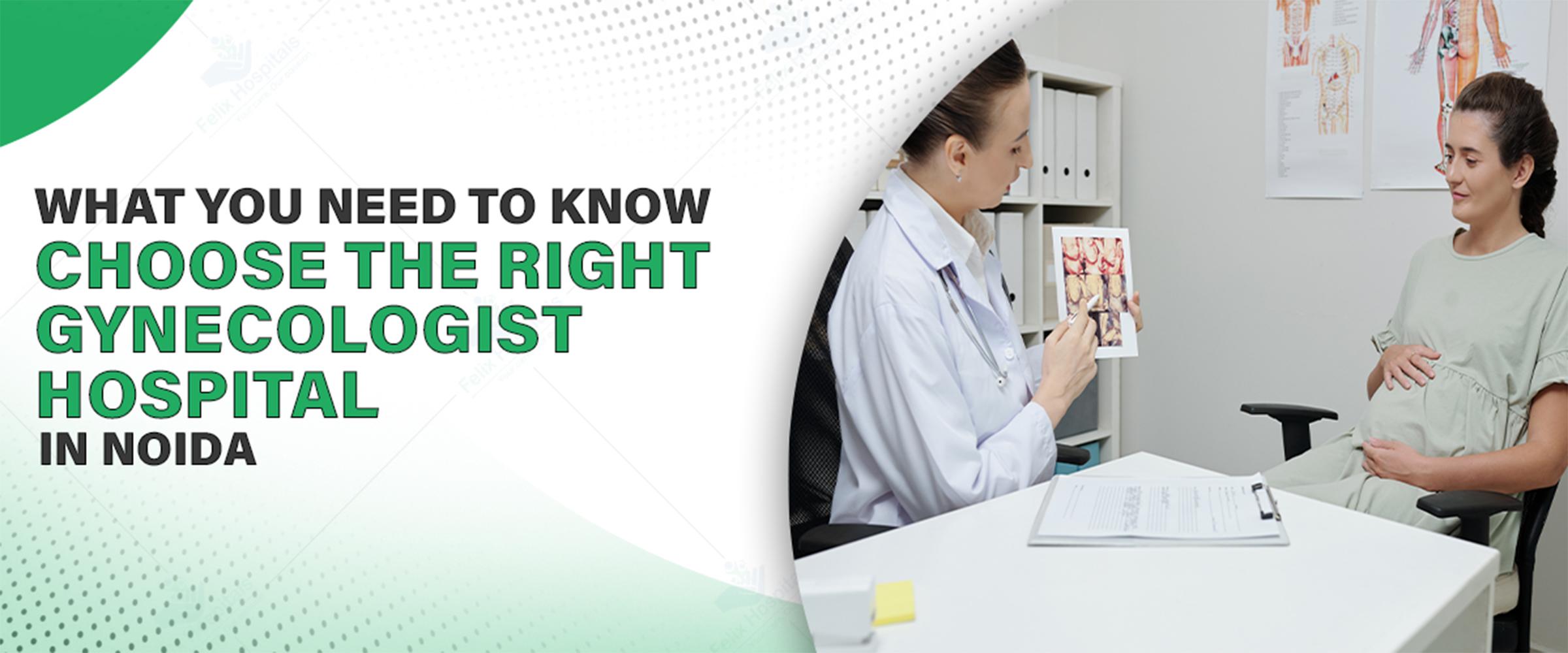
Selecting the best gynecological treatment in Noida is a crucial decision for a woman's well-being. Your choice of health facility is crucial for everything from prenatal care to checkups. Amidst a city of medical options, you deserve to choose a healthcare center with excellent women's care, advanced diagnostics, and a patient-centric atmosphere. This guide is your resource for comparing facilities and making your choice.
Find peace of mind, expert treatment, and a community dedicated to your well-being. Call us now and make your woman perfect by dialing +91 9667064100.
a. All Services Under One Roof
Seek centers that provide complete women's wellness care—annual pelvic exams and Pap tests to fertility counseling, prenatal care, and minimally invasive gynecologic surgery. In-house coordination provides seamless and dependable care.
b. Experienced Clinical Staff
Give priority to centers staffed with board-certified obstetrics and gynecology professionals skilled in laparoscopy, management of high-risk pregnancy, and reproductive endocrinology—major measures of clinical quality.
c. State-of-the-Art Diagnostics
The availability of leading-edge imaging technology such as transvaginal 3D/4D ultrasound, colposcopy, and on-site hormone and infection labs ensures early and accurate diagnosis.
d. Patient-Focused Environment
Private waiting spaces, trained support staff, and sensitive, empathetic service cut down anxiety and foster trust during gynecological consultations.
e. Knowledge & Education
Self-help materials, video lessons, and interactive sessions about menstrual health, menopause, and pregnancy planning in gynecology clinics educate and empower patients with vital information.
a. Simple Appointment and Registration Process
Select clinics that offer online booking, electronic health record uploading, and same-day consultations to maximize the care experience.
b. Thorough Initial Consultations
During your initial visit, you will receive a comprehensive evaluation that includes your menstrual history, lifestyle, fertility goals, and family and personal health history—all to ensure that your care plan is tailored to your specific needs.
c. Rapid, On-Site Diagnostic Services
Facilities with on-site imaging and pathology units guarantee critical results—such as Pap smears and markers for infections—are done promptly, so your treatment won't be delayed.
d. Third-Trimester and High-Risk Care
Noida facilities with coordinated maternal-fetal medicine, genetic counseling, and high-risk specialist care offer critical support.
e. Emergency and After-Hours Support
Gynecology practitioners should provide secure hotlines, telehealth services, and easy referrals for immediate care, which is especially critical after surgery or during pregnancy.
f. Lactation and Postpartum Programs
Look for offices with postpartum visits, breast support, and pelvic rehabilitation to ensure comprehensive recovery.
How many women's health visits and deliveries do you see each year?
Increased volume equates to more experience and skill.
Do you have lab and advanced imaging capabilities on your campus?
Timely, accurate testing equates to easier care.
How do you manage complicated pregnancy or fertility issues?
Seek multidisciplinary structures and specialist collaboration.
What are the protocols for sterilization and hygiene?
Standards of cleanliness provide safe clinical and surgical care.
Do you perform minimally invasive gynecological services?
Techniques such as laparoscopy and hysteroscopy minimize recovery time.
What patient education resources are provided?
Guides, webinars, and health talks attest to your provider's dedication to awareness.
Do you assist with fertility planning or genetic counseling?
Preconception counseling assures improved future results.
How are aftercare and follow-ups handled?
Seek out reminder systems, tele-check-ins, and individual follow-up schedules.
Young adults and teenagers must have access to age-relevant counseling, menstrual hygiene guidance, and discreet help in a welcoming, judgment-free environment at the top gynecology hospital in Noida.
Seek out Noida centers that offer:
Trained fetal sonographers and frequent obstetric scans
Genetic marker testing and risk evaluation
Nutritional and pregnancy counseling
Lactation consultation and baby-care coaching after delivery
Coordination with newborn care services
a. Fertility Readiness
Access to hormonal profile tests and ovarian reserve tests is important for patients planning to get pregnant.
b. Menopausal Well-being
Support for menopausal symptoms, such as hormone replacement therapy and lifestyle advice, ensures long-term comfort and well-being.
c. Minimally Invasive Surgery
Fibroid Removal Surgery, including advanced procedures like laparoscopy and hysteroscopy for fibroids or uterine polyps, helps minimize scarring and reduce recovery time.
Emotional health can be affected by gynecological issues. Ensure access to on-site counselors or referral networks for mental health—especially beneficial during fertility treatment or postpartum recovery.
Wellness workshops on fertility, prenatal nutrition, and menopause
Digital platforms with appointment management and educational content
Free community outreach (e.g. Pap smear camps or awareness drives) indicating a commitment to public health
Selecting the best gynecologist Noida involves selecting a provider that combines cutting-edge diagnostics, certified clinical experience, discretion, and supportive resources through life's phases. An educated choice ensures optimal health now and in the future—whether you're tracking fertility, having a baby, going through menopause, or just staying well.
At Felix Hospital's women's care hospital in Noida, we provide gentle, complete gynecology care to suit your needs at an affordable price. From education and prevention to treatment and follow-up, we're with you every step of the way.
Q1. How does gynecological screening change with age and life stage?
Ans: Screening changes throughout life—beginning with Pap tests and birth control, then moving on to fertility testing, cancer screenings, and menopause support. Individualized plans are established after your first visit.
Q2. Aside from pills, what other birth control alternatives do you have?
Ans: We offer alternatives like IUDs, implants, hormonal rings, patches, injectables, condoms, and fertility awareness counseling—so you can decide on the most appropriate approach.
Q3. Will a routine procedure impact my exercise regimen?
Ans: Minimally invasive procedures have a swift recovery time. You’ll receive a custom plan outlining when to resume physical activity and daily habits.
Q4. Is telehealth available for follow-up care?
Ans: Yes—post-operative reviews, pregnancy check-ins, or test result discussions can all be managed through secure virtual consultations.
Q5. How secure is my medical and personal data?
Ans: We adhere to strict data privacy laws, using encrypted digital systems and informed consent to protect your records.
Q6. What assistance exists for menopausal symptoms?
Ans: Full menopausal care can involve hormone replacement, lifestyle advice, dietary recommendations, and mental well-being strategies.
Q7. Can I access fertility advice if I have long-term health conditions?
Ans: Yes—women with conditions such as PCOS or diabetes can access fertility planning, hormonal evaluation, and referrals to specialists.
Q8. What out-of-hours emergency support is there?
Ans: Our clinic offers emergency coordination of care and 24/7 hotlines, providing you with quick responses from trusted services.
Feature | Why It’s Important |
| Broad women’s health services | Covers all stages—from adolescence to menopause |
| Certified clinical team | Ensures reliable treatment and patient confidence |
| Advanced diagnostic tools | Enables quick and accurate results |
| Patient-friendly environment | Builds trust and reduces stress |
| Support services & education | Empowers informed decision-making |
| Accessible follow-up & emergency care | Offers peace of mind around the clock |
| Community programs Reflects | commitment to public health and patient education |
Are you ready to take the next step? Schedule your personalized gynecological assessment or join our upcoming women’s health workshop.
Turner Syndrome can impact fertility and reproductive health, causing challenges with ovarian function, hormone production, and pregnancy for affected women.

At Felix Hospitals, you will find the best cardiologists in Noida dedicated to women’s heart health, Dr. Rahul Arora is the best Doctor for this.
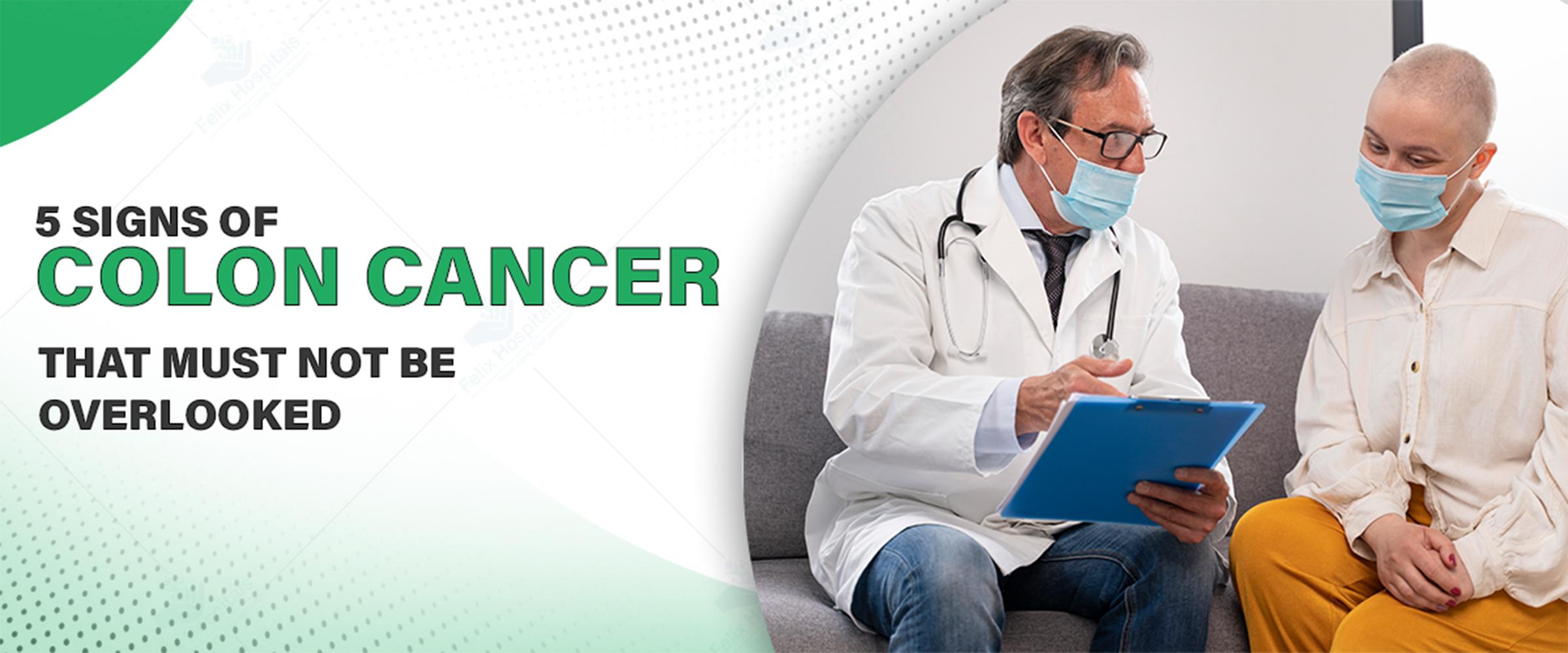
Colon cancer is a condition that progresses silently, usually with little or no symptoms, until it has progressed to a later stage. Colon cancer starts in the large intestine (colon), which is the last portion of the digestive system. With changes in lifestyle, dietary patterns, and genetic predisposition playing a role in its incidence, colon cancer is on the rise among younger and older age groups.
The biggest worrying aspect is that most of the early warning signs tend to be either overlooked or misdiagnosed as being minor gastrointestinal symptoms. This delay in the diagnosis tends to cause late detection, and it influences outcomes and treatment efficacy. Identifying possible symptoms and consulting with the best oncologist in Noida in time can greatly affect the prognosis of the disease.
In this blog, we will make you aware of what colon cancer is, followed by five major symptoms that you should never ignore. These symptoms may frequently get mistaken for regular digestive problems, but paying close attention and being aware can aid in early diagnosis and effective recovery.
Listen to your body. Identify the early warning signs of colon problems before they become advanced. Call us today at +91 9667064100.
Colon cancer, or colorectal cancer, begins in the colon or rectum and typically begins as small, benign growths of cells known as polyps. These polyps may become cancerous over time. Colon cancer is a slow-growing cancer, and, if screened appropriately and aware of its symptoms, it can be detected early. Colon cancer may occur in both men and women and is more prevalent in adults above age 45, but it is increasing in younger adults as well.
Risk elements of colon cancer are age, family history, inactive lifestyle, smoking, alcohol consumption, obesity, and some foods (especially high consumption of red or processed meats). Diseases like inflammatory bowel disease (IBD), e.g., Crohn's disease and ulcerative colitis, also increase the risk.
Understanding the warning signs and acting promptly is the way to improve management and results. The following are the five warning signs that you should never neglect.
Colon cancer usually starts with signs and symptoms that don't seem too serious. But early detection significantly enhances survival. Below are five symptoms that might indicate colon cancer:
One of the first and most frequent symptoms of colon cancer is a change in bowel habits. This may involve:
Diarrhea or constipation that persists for longer than a few days
A sense that your bowel does not empty at all
Thin or narrow stools
These changes usually mean a blockage or narrowing of the colon resulting from a tumor. Infrequent irregularity is typical, but continued disruptions need medical evaluation. Individuals often brush these signs aside as food or stress problems, yet continued change is worth investigating.
Blood in the stool is frightening—and it should be. Blood in the stool might look bright red, or it might be dark and tarry, depending on where the bleeding is occurring. Although hemorrhoids are a possible cause of bleeding, don't make assumptions. Blood in the stool, especially in association with other signs such as pain in the belly or weight loss, can signal colon cancer.
Dark, tarry stools can indicate bleeding farther up in the colon, whereas bright red blood commonly reflects closer-to-rectum bleeding. Either situation requires immediate evaluation.
Unintentional weight loss may seem like a blessing, but in colon cancer, it may indicate something else. Cancer compromises the body's nutrient absorption capacity, dampens appetite, and can increase the energy consumption of the tumor itself, which causes the body to lose weight involuntarily.
If you experience an abrupt weight loss within a short span of time without alteration of diet or level of activity, it should be taken into account as a potential warning sign, especially in conjunction with other gastrointestinal symptoms.
One of the under-recognized signs of colon cancer is recurrent abdominal pain, cramping, or bloating. These may be similar to other less severe illnesses, such as indigestion, gas, or irritable bowel syndrome (IBS). Persistent or worsening belly pain that does not respond to typical treatments must be explored further.
Colon tumors can block waste passage, inflame the colon, or result in spasm or pain. If abdominal discomfort worsens or occurs more often, it's time to consult a doctor.
Being persistently tired even after getting enough rest may indicate an underlying disease, such as colon cancer. Such fatigue is generally a consequence of blood loss within the tumor, which produces iron-deficiency anemia.
As anemia worsens, there is less oxygen being delivered to tissues, leading to fatigue, pallor, breathing difficulty, and overall weakness. If your energy level is abnormally low and you're suffering from other symptoms mentioned above, it may suggest more than normal daily fatigue.
Colon cancer is easily treatable if detected early. Screening tests such as colonoscopy and stool testing can detect precancerous polyps and enable early treatment. Many individuals shy away from screening because of fear, stigma, or discomfort, which enables the disease to quietly advance.
By noticing and taking action on symptoms early, the possibility of effective treatment is enormously increased. Prevention begins with awareness.
You should see the best oncologist in Noida if you have any of the following:
Symptoms that last more than 2 to 3 weeks
Repeated episodes of blood in stool or unexplained rectal bleeding
Crohn's disease or ulcerative colitis
Abdominal pain or cramping that doesn't go away
Fatigue that does not resolve with rest
Sudden and unexplained weight loss
These symptoms do not always mean you have colon cancer, but they need to be checked out to exclude serious disease. Early diagnosis can be life-saving.
Several lifestyle and genetic factors may increase your risk of developing colon cancer, including:
A diet high in red or processed meats
Physical inactivity
Smoking and alcohol use
A family history of colorectal cancer
Inflammatory bowel disease (IBD)
Making informed choices about your lifestyle and regular screenings after age 45 (or earlier if you have risk factors) can significantly reduce your risk.
Act early, remain informed, and safeguard your health. In case you experience unusual symptoms, do not hesitate. Book your appointment today by clicking here or call us at +91 9667064100.
Colon cancer can be stealthy to begin with, but it tends to leave behind hints that can be life-saving if diagnosed in its early stages. The five symptoms discussed in this blog—alterations in bowel habits, rectal bleeding, weight loss for no reason, chronic abdominal pain, and tiredness—are key pointers that something is amiss. Red flags have to be waved to avoid letting the condition go unnoticed.
Gaining control of your health through awareness, early response, and frequent screening can be a life-altering experience. Don't let symptoms progress. Pay attention to what your body is experiencing and act to safeguard your long-term health.
Q1. Can colon cancer produce symptoms that come and go?
Ans: Yes, symptoms such as abdominal cramping or bowel habits can be variable and thus may be ignored. But if they happen to be recurrent or persistent, they must not be ignored.
Q2. How do I distinguish colon cancer symptoms from IBS or food intolerance?
Ans: IBS symptoms improve after having a bowel movement and do not involve bleeding in the stool or notable weight loss. If your symptoms do not improve with changes in diet, consult a physician.
Q3. At what age should I begin to worry about colon cancer symptoms?
Ans: Even though most instances happen after the age of 50, young adults are being diagnosed more and more. It's always best to be careful, regardless of age, if you have risk factors or a family history.
Q4. Can colon cancer present with no symptoms in early phases?
Ans: Yes. Early colon cancer often has no symptoms, and that is why screening is so vital. By the time symptoms emerge, the condition may already be quite advanced.
Q5. Is chronic fatigue always associated with colon cancer?
Ans: No, however, if fatigue is both unexplained and persistent, especially when associated with anemia or bleeding rectally, it must be investigated for serious underlying causes such as colon cancer.
Q6. What is the cost of colon cancer treatment in Noida?
Ans: The cost of colon cancer treatment in Noida typically ranges from ₹3 to ₹8 lakhs, depending on the stage, type of treatment (surgery, chemotherapy, radiation), hospital facilities, and length of care. Diagnostic tests may cost ₹8,000–₹20,000, while chemotherapy and surgery are the most significant expenses. Always consult the hospital for an accurate estimate based on your treatment plan.
Q7. Can stress or anxiety create colon cancer-like symptoms?
Ans: Stress can simulate gastrointestinal symptoms such as bloating or diarrhea, but it will not result in rectal bleeding or weight loss. If symptoms continue after managing stress, additional testing is warranted.
Q8. How rapidly do symptoms of colon cancer develop?
Ans: Development is highly variable. Symptoms may develop rapidly in some individuals, or very slowly, with only subtle changes being apparent. In either event, early attention to symptoms is essential.
Exercise may help colon cancer patients as much as some drugs by improving survival and reducing recurrence.
Partial Colectomy is a surgery to remove only the affected part of the colon, preserving the healthy sections.
Physicians often recommend colonoscopy for fistula patients to identify underlying conditions like Crohn’s disease, detect infections, or rule out colorectal cancer.
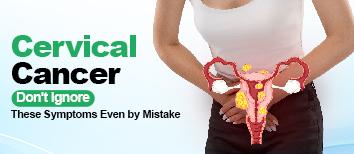
Recognize the early warning signs of cervical cancer. Learn about its symptoms, causes, and when to consult a gynecologist for timely diagnosis and treatment.
अल्जाइमर एक न्यूरोलॉजिकल विकार है जो व्यक्ति की स्मृति, सोचने की क्षमता और व्यवहार पर गहरा प्रभाव डालता है। यह बीमारी धीरे-धीरे बढ़ती है और समय के साथ मस्तिष्क की कोशिकाओं को नष्ट कर देती है। वर्तमान में यह दुनिया भर में बुजुर्गों की सबसे बड़ी स्वास्थ्य चुनौतियों में से एक बन चुकी है। अल्जाइमर रोग न केवल मरीज की बल्कि उसके परिवार की दिनचर्या और जीवनशैली को भी प्रभावित करता है।
इस ब्लॉग में हम अल्जाइमर रोग के कारण, लक्षण, और उपलब्ध इलाज के विकल्पों के बारे में विस्तार से जानकारी साझा करेंगे।
अगर आप इस बीमारी की जांच या इलाज के लिए भरोसेमंद चिकित्सा सुविधा की तलाश कर रहे हैं, तो नोएडा में सर्वश्रेष्ठ हॉस्पिटल का चयन करना बेहद जरूरी है, जहां अनुभवी न्यूरोलॉजिस्ट और अत्याधुनिक तकनीक के माध्यम से मरीज को बेहतर देखभाल मिल सके।
अभी अपॉइंटमेंट शेड्यूल करें – कॉल करें: +91 9667064100
अल्जाइमर की जांच व निदान (Diagnosis as per Neurology Guidelines)
अल्जाइमर से बचाव के उपाय (Prevention Tips Based on Neurology Guidelines)
अल्जाइमर रोग को लेकर अक्सर पूछे जाने वाले सवाल (FAQs about Alzheimer's disease)
अल्जाइमर रोग एक न्यूरोलॉजिकल बीमारी है। जिसमें मस्तिष्क की कोशिकाएं धीरे-धीरे नष्ट होती हैं। इसका असर व्यक्ति की याददाश्त, सोचने की क्षमता, निर्णय लेने की शक्ति और व्यवहार पर पड़ता है। रोग धीरे-धीरे बढ़ता है और समय के साथ व्यक्ति रोजमर्रा के कार्यों को प्रभावित करता है। यह बीमारी वृद्धावस्था में होती है। मगर कुछ मामलों में यह 40 से 50 की उम्र में भी हो सकती है।
अल्जाइमर के लक्षण धीरे-धीरे विकसित होते हैं। समय के साथ गंभीर होते हैं। यह रोग तीन मुख्य चरणों में प्रकट होता है।
व्यक्ति अभी हुई घटनाओं या बातचीत को बार-बार भूलता है।
रोजमर्रा की वस्तुएं जैसे चश्मा, चाबी या मोबाइल कहीं रखकर भूलना आम होता है।
व्यक्ति कभी-कभी यह भूल जाता है कि वह कहां और किस समय है।
खाना बनाने, पैसे संभालने, समय पर दवा लेने जैसे कार्य कठिन लगते हैं।
आम शब्दों को याद रखने में परेशानी होती है। कभी-कभी अपनों के नाम याद नहीं रहते हैं।
व्यक्ति चिड़चिड़ा, उदास होता है। कई बार भ्रम और झुंझलाहट दिखती है।
रोगी माता-पिता, संतान या जीवनसाथी को भी नहीं पहचान पाता है।
संवाद लगभग असंभव होता है, चलने में लड़खड़ाहट या बैठने तक की कठिनाई होती है।
रोगी को नहाने, कपड़े बदलने, खाना खाने में सहायता की जरूरत होती है।
अल्जाइमर समय के साथ मस्तिष्क की कार्यक्षमता को प्रभावित करता है। इसमें धीरे-धीरे व्यक्ति की मानसिक क्षमताएं कमजोर होतीती हैं।
अगर परिवार में पहले किसी को अल्जाइमर रहा है, तो अगली पीढ़ी में इस रोग की संभावना बढ़ जाती है।
अल्जाइमर से ग्रसित लोगों के मस्तिष्क में दो प्रमुख परिवर्तन पाए जाते हैं बीटा-एमिलॉयड प्लाक्स यानी यह प्रोटीन मस्तिष्क की कोशिकाओं के बाहर जमा होता है और कोशिकाओं के बीच संचार को बाधित करता है।
टाउ प्रोटीन टैंगल्स यानी ये कोशिकाओं के भीतर उलझे हुए प्रोटीन होते हैं जो कोशिका के भीतर पोषण और सूचना के प्रवाह को रोकते हैं। ये दोनों ही जमाव न्यूरॉन्स को नष्ट कर देते हैं, जिससे मस्तिष्क की संरचना और कार्यप्रणाली बिगड़ने लगती है।
विशेष रूप से 65 वर्ष की उम्र के बाद इस रोग का जोखिम बढ़ता है। उम्र बढ़ने के साथ मस्तिष्क की कोशिकाएं स्वाभाविक रूप से कमजोर होती हैं।
कई अन्य शारीरिक और मानसिक स्थितियां अल्जाइमर के जोखिम को बढ़ाती हैं जैसे पुरानी या हाल की ब्रेन इंजरी मस्तिष्क की संरचना को प्रभावित करती है।
हाई ब्लड प्रेशर और मोटापा मस्तिष्क को ऑक्सीजन और रक्त की आपूर्ति में बाधा डालते हैं। जिससे कोशिकाएं कमजोर होती हैं।
मानसिक तनाव और अकेलापन मस्तिष्क के न्यूरल नेटवर्क को प्रभावित करते हैं। मधुमेह, धूम्रपान, शराब का सेवन और अनियमित जीवनशैली जोखिम को बढ़ाते हैं।
अल्जाइमर रोग के निदान में रोगी के लक्षणों, मस्तिष्क की संरचना और मानसिक क्षमता का परीक्षण होता है।
रोगी की मेडिकल हिस्ट्री, पारिवारिक पृष्ठभूमि और लक्षणों के प्रारंभ और प्रगति को समझने से शुरू होती है।
रोगी के व्यवहार, सामाजिक प्रतिक्रिया और सोचने-समझने की क्षमता का चिकित्सक द्वारा गहन अवलोकन करते हैं।
इसमें रोगी से कुछ सरल प्रश्न पूछे जाते हैं, जैसे: आज की तारीख क्या है? यह कौन-सी जगह है।
एमआरआई और सीटी स्कैन मस्तिष्क की संरचना को दिखाते हैं। इससे पता लगता है कि मस्तिष्क में सिकुड़न हो रही है या नहीं
पेट स्कैन से पता लगाते हैं कि मस्तिष्क के कौन-से हिस्से कम सक्रिय हो रहे हैं। यह प्रारंभिक अवस्था में भी अल्जाइमर के संकेत देता है।
अल्जाइमर रोग के इलाज में आज आधुनिक चिकित्सा के विकल्प मौजूद हैं।
वर्तमान में उपलब्ध दवाएं मस्तिष्क में न्यूरोट्रांसमीटर के स्तर को संतुलित रखने का कार्य करती हैं, जिससे याददाश्त, सोचने की क्षमता और व्यवहार पर थोड़ा सकारात्मक असर होता है।
अल्जाइमर रोगी में समय के साथ भ्रम, चिड़चिड़ापन, अवसाद और संप्रेषण में कठिनाई जैसे मानसिक और व्यवहारिक लक्षण भी दिखाई देते हैं। इसलिए व्यवहार चिकित्सा अहम भूमिका निभाती है।
परिवार के सदस्यों के लिए यह जिम्मेदारी भावनात्मक रूप से थकाऊ हो सकती है, इसलिए उन्हें भी मानसिक विश्राम और परामर्श की आवश्यकता हो सकती है।
अल्जाइमर रोग का अब तक कोई स्थायी इलाज मौजूद नहीं है, लेकिन सावधानियां और जीवनशैली परिवर्तन अपनाकर इस रोग के खतरे को काफी हद तक कम कर सकते हैं।
मस्तिष्क को रोजाना मानसिक चुनौतियां देना अल्जाइमर से बचाव का एक प्रभावी तरीका है। इसलिए अखबार, पुस्तक, पत्रिका पढ़नी चाहिए। सुडोकू या कार्ड गेम खेलना चाहिए। संगीत सुनना या कोई वाद्य यंत्र बजाना चाहिए।
मस्तिष्क-स्वास्थ्य के लिए पौष्टिक आहार जरूरी होता है। ताजे फल, सब्जियां, साबुत अनाज, मछली, जैतून का तेल, सूखे मेवे का सेवन करना चाहिए। ट्रांस फैट और अत्यधिक शक्कर से परहेज करना चाहिए। हरी पत्तेदार सब्जियां और विटामिन युक्त आहार लेना चाहिए।
प्रतिदिन 30 मिनट का तेज चलना, साइक्लिंग, योग या तैराकी मस्तिष्क में रक्त प्रवाह को बढ़ाता है, जिससे स्मृति और एकाग्रता बेहतर होती है। व्यायाम से तनाव कम होता है।
लंबे समय तक बना रहने वाला तनाव मस्तिष्क की कोशिकाओं को नुकसान पहुंचा सकता है। इसलिए ध्यान, प्राणायाम के साथ प्रकृति में समय बिताना चाहिए। परिवार और दोस्तों से संवाद बनाए रखना चाहिए।
नींद की कमी मस्तिष्क में विषैले पदार्थों (जैसे बीटा-एमीलोयड) के जमाव को बढ़ा सकती है। इसलिए वयस्कों को 7–8 घंटे की गहरी नींद लेनी चाहिए।
हृदय और मस्तिष्क का सीधा संबंध होता है। इसलिए उच्च रक्तचाप, उच्च कोलेस्ट्रॉल और डायबिटीज की जांच करानी चाहिए। ब्लड प्रेशर, शुगर और वजन को नियंत्रित रखन चाहिए। धूम्रपान और अत्यधिक शराब से परहेज करना चाहिए।
अल्जाइमर रोग केवल रोगी की नहीं, बल्कि पूरे परिवार और खासतौर पर देखभाल करने वाले व्यक्ति (केयरगिवर) की परीक्षा होती है।
अल्जाइमर रोगी बार-बार बातें भूलते हैं इसलिए परिवार के लोग उनके हर सवाल का शांतिपूर्वक उत्तर दें, टोकने या झुंझलाने से बचें।
रोजमर्रा की एक समान दिनचर्या रोगी को सुरक्षा और स्थिरता का एहसास देती है। इसलिए एक ही समय पर खाना, दवा, व्यायाम और सोने-जागने का रूटीन तय करें।
अल्जाइमर रोगी कई बार बिना वजह बाहर निकल जाते हैं, गैस चालू छोड़ देते हैं या गिरने का खतरा बना रहता है। ऐसे में घर में शार्प वस्तुएं, दवाएं और गैस चूल्हे की पहुंच सीमित करें, फर्श पर फिसलन कम करने के लिए मैट या ग्रिप लगाएं।
अल्जाइमर रोग डिमेंशिया का सबसे सामान्य रूप है, जिसमें व्यक्ति की याददाश्त, सोचने-समझने की क्षमता और व्यवहार में धीरे-धीरे गिरावट आने लगती है। यह एक प्रगतिशील लेकिन गंभीर मानसिक रोग है, जिसे नजरअंदाज करना भविष्य में और जटिल समस्याएं पैदा कर सकता है। समय रहते इसकी पहचान और इलाज बेहद जरूरी है।
इस रोग की पहचान और इलाज में न्यूरोलॉजिस्ट की अहम भूमिका होती है। वे ब्रेन स्कैन, न्यूरोलॉजिकल टेस्ट और दवाओं के माध्यम से रोग की स्थिति को समझते हैं और उसका उचित प्रबंधन करते हैं। यदि किसी व्यक्ति में बार-बार भूलने की समस्या, भ्रम की स्थिति, बोलचाल में गड़बड़ी या रोजमर्रा के कार्यों में कठिनाई जैसे लक्षण नजर आएं, तो तुरंत किसी अनुभवी न्यूरोलॉजिस्ट से संपर्क करें।
नोएडा में अच्छा न्यूरोलॉजिस्ट (best neurologist in noida) चुनना इस प्रक्रिया का पहला और सबसे जरूरी कदम है, ताकि सही समय पर इलाज शुरू किया जा सके और रोग की प्रगति को नियंत्रित किया जा सके।
अभी अपॉइंटमेंट शेड्यूल करें – कॉल करें: +91 9667064100
अल्जाइमर रोग को नजरअंदाज करना भारी पड़ सकता है। यह केवल याददाश्त खोने की बीमारी नहीं है, बल्कि यह व्यक्ति की सोचने, समझने, पहचानने और आत्मनिर्भरता की क्षमता को धीरे-धीरे छीन लेती है। इसलिए समय रहते इसकी पहचान और सही देखभाल बेहद जरूरी है। अगर किसी व्यक्ति में बार-बार भूलने, भ्रमित होने या व्यवहार में अचानक बदलाव जैसे लक्षण नजर आएं, तो तुरंत जांच कराना चाहिए। आधुनिक न्यूरोलॉजिकल परीक्षणों की मदद से रोग की पुष्टि और उसकी प्रगति को नियंत्रित किया जा सकता है।
नोएडा में अल्जाइमर रोग के इलाज (alzheimer's disease treatment) की कीमत रोग की अवस्था, जरूरी जांच (जैसे MRI, CT स्कैन, न्यूरोसाइकोलॉजिकल टेस्ट), और इलाज की अवधि पर निर्भर करती है। आमतौर पर शुरुआती जांच की लागत कुछ हज़ार रुपये से शुरू होकर, संपूर्ण इलाज और देखभाल योजनाओं के साथ यह लागत अधिक हो सकती है। सटीक जानकारी के लिए किसी विशेषज्ञ न्यूरोलॉजिस्ट या नोएडा के विश्वसनीय अस्पताल से संपर्क करें।
सवाल 1 : अल्जाइमर और सामान्य भूलने की बीमारी में क्या फर्क है ?
जवाब: सामान्य भूलने की आदतें कभी-कभी होती हैं। अल्जाइमर में भूलना लगातार बढ़ता है। व्यक्ति हाल की बातें या घटनाएं पूरी तरह भूल जाता है।
सवाल 2: क्या अल्जाइमर सिर्फ बुजुर्गों को होता है?
जवाब: अल्जाइमर आमतौर पर 65 साल के बाद होता है। कुछ मामलों में 40–50 की उम्र में भी होता है।
सवाल 3 : क्या अल्जाइमर रोग का इलाज संभव है?
जवाब: कोई स्थायी इलाज नहीं है। मगर कुछ दवाएं और थेरैपी इसके लक्षणों को नियंत्रित करती हैं। रोग की प्रगति को धीमा करने में मदद करती हैं।
सवाल 4 : अल्जाइमर का पता कैसे चलता है ?
जवाब: न्यूरोलॉजिस्ट मरीज की मेडिकल हिस्ट्री, व्यवहारिक लक्षण, मिनी-मेंटल स्टेट एग्जाम (एमएमएसई), एमआरआई, सीटी या पेट स्कैन की जांच करते हैं।
सवाल 5: क्या अल्जाइमर अनुवांशिक होता है?
जवाब: कई बार यह वंशानुगत होता है। अगर परिवार में किसी को यह रोग रहा है, तो खतरा बढ़ता है। लेकिन हर मामले में ऐसा नहीं होता है।
सवाल 6 : क्या अल्जाइमर के मरीज को अकेले छोड़ सकते हैं?
जवाब: जैसे-जैसे रोग बढ़ता है, मरीज को सुरक्षा, दवा, पोषण और भावनात्मक सहयोग के लिए किसी की जरूरत होती है। इसलिए अकेले छोड़ना सही नहीं है।

डिमेंशिया कुल 7 चरणों में विकसित होता है, जिसमें याददाश्त की कमी से लेकर सोचने-समझने की क्षमता में गिरावट तक शामिल है। समय पर पहचान और सही इलाज से इसके लक्षणों को नियंत्रित किया जा सकता है और रोग की गति को धीमा किया जा सकता है।

श्वसन तंत्र की समस्याओं जैसे सांस फूलना, निमोनिया और ब्रोन्काइटिस के निदान और उपचार के लिए डॉ. प्रियदर्शी जितेंद्र कुमार, जो सबसे अनुभवी पल्मोनोलॉजिस्ट हैं, का नेतृत्व करते हुए हमारी कुशल टीम आपकी सेवा में है।

Brain-boosting foods rich in antioxidants, omega-3s, and vitamins support memory, protect brain cells, and may help reduce the risk of dementia and Alzheimer’s disease.

Experiencing tingling in your hands or feet? It could signal a nerve-related issue. Consult our expert neurologists at Felix Hospitals to find the cause and get the right treatment today.
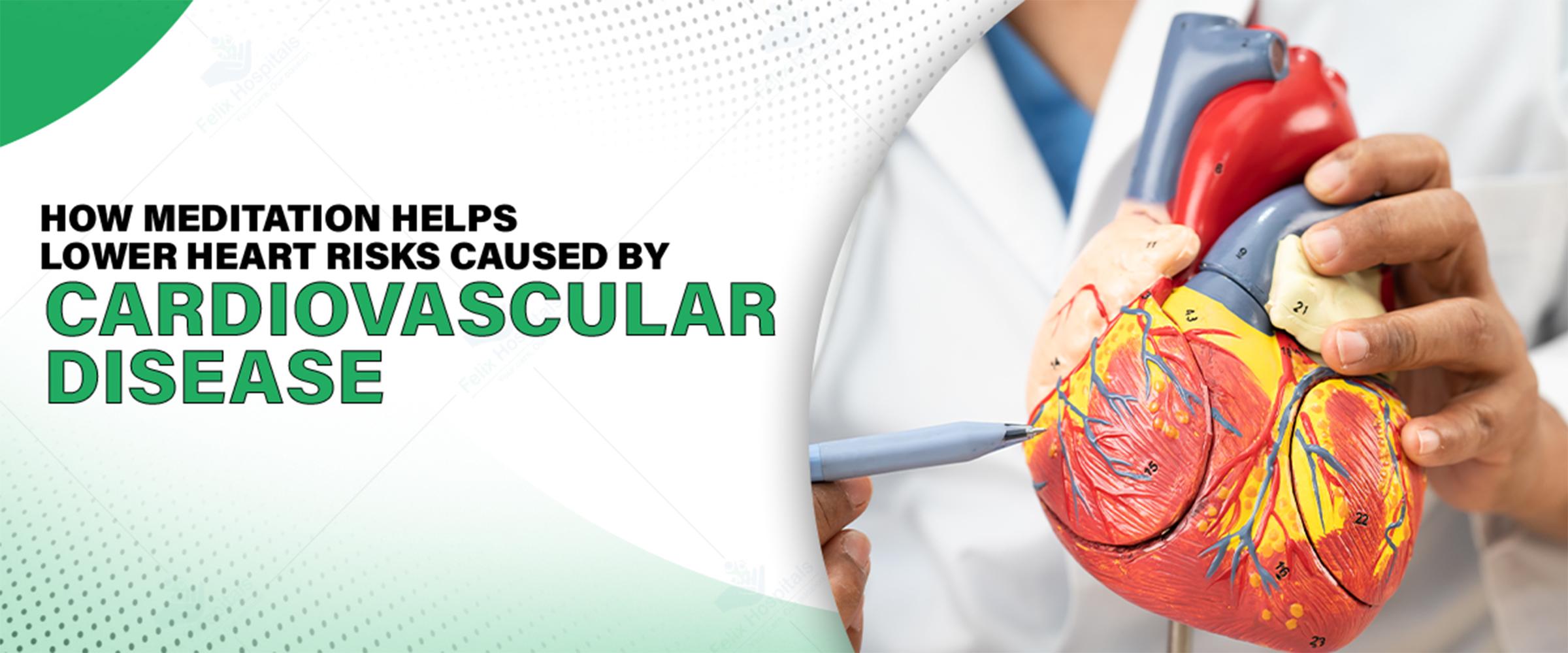
Cardiovascular disease (CVD) is among the biggest killers in the world, and its risk factors—high blood pressure, high levels of stress, and bad lifestyle choices—still plague millions. While medication, surgery, and diet will always be the mainstay of treatment, one of the most underused friends of the heart is meditation. According to the best heart hospital in Noida, increasing evidence is pointing to regular meditation as a major reducer of heart risk factors related to cardiovascular disease by addressing both physical and emotional causes of heart issues.
In this blog, we will discuss how meditation functions, its precise benefits for heart health, and the way you can simply include it in your everyday lifestyle.
Make meditation a part of your daily life and experience the difference in your stress levels, sleep, and energy. It's an effortless switch with strong heart benefits. Call us right now at +91 9667064100.
Meditation is more than a spiritual or cerebral practice—it has documented physiological consequences to the body. Consistently practiced, meditation will decrease blood pressure, inflammation, increase emotional regulation, and soothe the nervous system. All these alterations have positive effects on cardiovascular health.
The relationship between stress and cardiovascular disease is well established. Stress triggers the body's "fight or flight" mechanism, causing increased cortisol levels, an accelerated heart rate, and hypertension. These consequences over time can tax the cardiovascular system, causing heart attacks, arrhythmias, and strokes.
Meditation reverses this process by activating the parasympathetic nervous system—the body's "rest and digest" state—calming the body and decreasing the stress hormone cortisol. The cumulative effects can be significant for heart health with regular practice.
1. Lowers Blood Pressure
One of the best-known advantages of meditation is that it can lower blood pressure. High blood pressure is a leading cause of heart failure, strokes, and heart attacks. Meditation triggers a relaxation response, which causes dilation of the blood vessels and also decreases tension in the cardiovascular system, thereby naturally lowering blood pressure levels in the long run.
2. Lowers Stress and Anxiety
Mental and emotional stress have a direct impact on heart health by inducing inflammatory reactions, raising blood pressure, and inducing arrhythmias. Meditation is a drug-free, safe means of controlling stress. Mindfulness, deep breathing, and concentration are some techniques that calm the mind and lower sympathetic nervous system activity, ultimately contributing to a healthier heart.
3. Enhances Sleep Quality
Poor sleeping quality is associated with a range of heart problems, such as high blood pressure, abnormal heartbeat, and high cholesterol. As per the best cardiologist in Noida, meditation has been found to enhance the quality and amount of sleep by quietening the mind, curbing anxiety, and stimulating melatonin secretion—a crucial hormone responsible for sleep.
4. Regulates Heart Rate
Meditation techniques such as breath awareness and guided visualization commonly involve rhythmic, slow breathing. Rhythmic breathing assists in the reduction of resting heart rate and the improvement of heart rate variability (HRV), an influential indicator of heart resilience and adaptability to stress. Improved HRV is related to reduced cardiovascular risk.
5. Promotes Emotional Well-Being
Negative emotions like anger, hostility, and depression can heighten heart disease risks. Meditation promotes emotional awareness and positivity. With time, it reduces reactivity, enhances better coping skills, and improves mood, all contributing to decreased emotional load on the heart.
Though every type of meditation provides some benefit, some are especially beneficial for heart health:
Mindfulness Meditation
Emphasizes moment-to-moment awareness, reducing stress and emotional disturbance.
Loving-Kindness Meditation (Metta)
Fosters compassion, forgiveness, and openness of heart, and reduces hostility and tension.
Guided Meditation
Employing audio or visual guidance to lead the mind toward relaxation and heart-friendliness.
Breathwork and Pranayama
Concentrated breathing exercises enhance oxygen supply, decrease heart rate, and stabilize blood pressure.
Body Scan Meditation
Encourages body awareness and deep relaxation, which aids circulatory well-being.
Various research studies and clinical trials have established the heart benefits of meditation:
A study conducted at AIIMS found that practicing Sudarshan Kriya Yoga, a type of rhythmic breathing-based meditation, significantly reduced systolic and diastolic blood pressure in patients with hypertension. The researchers noted improvement in heart rate variability and reduced stress levels in participants who practiced it regularly.
This research highlighted the role of yogic meditation and pranayama in reducing cardiovascular risk factors. The study concluded that 12 weeks of regular practice led to improved lipid profiles, reduced anxiety, and lower pulse rates in patients with mild to moderate hypertension.
A number of peer-reviewed studies from SVYASA have demonstrated that integrated yoga and meditation programs can lead to significant reduction in blood pressure, improved sleep quality, and lower levels of inflammatory markers in cardiac patients.
Researchers at PGIMER observed that patients with coronary artery disease who engaged in mindfulness-based stress reduction (MBSR) and yogic practices experienced fewer angina episodes, decreased anxiety, and improved overall cardiovascular fitness over 3 months.
There's no need for special equipment or marathon study sessions to start a meditation practice. These are easy steps to get started:
Find a Peaceful Place: Pick a peaceful and cozy spot where you will not be interrupted.
Set a Timer: Start with only 5–10 minutes a day and increase as you become more relaxed.
Bring Your Attention to Your Breath: Inhale slowly through the nose and out through the mouth. Attend to each exhale and inhale.
Use Guided Apps: Plenty of free and paid apps provide guided meditations aimed directly at reducing stress and improving heart health.
Be Consistent: Daily practice of meditation is the most effective. Even a few minutes a day can pay dividends in the long run.
Heart health isn't about pills and procedures—it's also about tending to the mind and soothing the body. Meditation is a natural, simple, and powerful method for lowering the risks of cardiovascular disease. Regular practice can help lower blood pressure, enhance emotional strength, and ease the load on the heart.
Adding meditation to a heart-healthy life is a choice that yields immediate tranquility along with long-term rewards. If you want to support heart health holistically, initiating a practice of meditation could be the most significant step you ever take.
Q1. Can meditation truly benefit me if I already have a heart condition, or is it only for prevention?
Ans: Yes, meditation is helpful even for individuals with current heart conditions, as it can decrease stress, lower blood pressure, and enhance heart rate variability. It's not only preventive—it also aids in recovery and continued heart health.
Q2. How long before benefits for the heart can be seen through meditation?
Ans: Although relaxation is immediate and can occur following a single session, benefits to heart health, such as reduced blood pressure and improved emotional regulation, usually emerge with regular practice over 6–8 weeks.
Q3. Is there an optimal time of day to meditate for heart benefits?
Ans: Morning meditation stabilizes stress levels throughout the day, yet evening meditation sessions are perfect for better sleep. The most important thing is consistency, not the timing.
Q4. Are guided meditation apps as good as in-person classes for heart health?
Ans: Yes, app-based meditation is helpful for many individuals. As long as the exercise relaxes you, allows for deep breathing, and requires mindfulness, it will enhance your cardiovascular system.
Q5. Do I need to stop my heart medication if I become a regular meditator?
Ans: No. Meditation is a complementary therapy, not a substitute. Always keep your prescribed medications and consult your healthcare provider before making any changes.
Q6. What type of meditation should I begin with if I have anxiety concerning heart problems?
Ans: Mindfulness and breath-centered meditation are kind and successful. These methods facilitate managing anxiety without setting off overwhelming emotions, which makes them heart-friendly and beginner-safe.
Q7. I have trouble sitting still—can movement meditation, such as yogahelp my heart too?
Ans: Yes. Moving meditations, such as yoga, are wonderful for enhancing circulation, reducing stress, and strengthening heart health, particularly if regular meditation is challenging.

Smoking is incredibly damaging to the cardiovascular system. It immediately raises your heart rate and blood pressure, forcing your heart to work harder. This overexertion increases your risk of heart disease.

Your gut and brain share a strong link that impacts your mood, stress levels, and overall health. Learn how maintaining gut health can improve your mental well-being.


Subscribe to our
© Copyright 2026. All Rights Reserved by Felix Healthcare Private Limited
Design and development by :


 +(91)9667064100
 Emergency : +(91)9667064100