 WhatsApp
 Emergency:
  WhatsApp







Subscribe to our
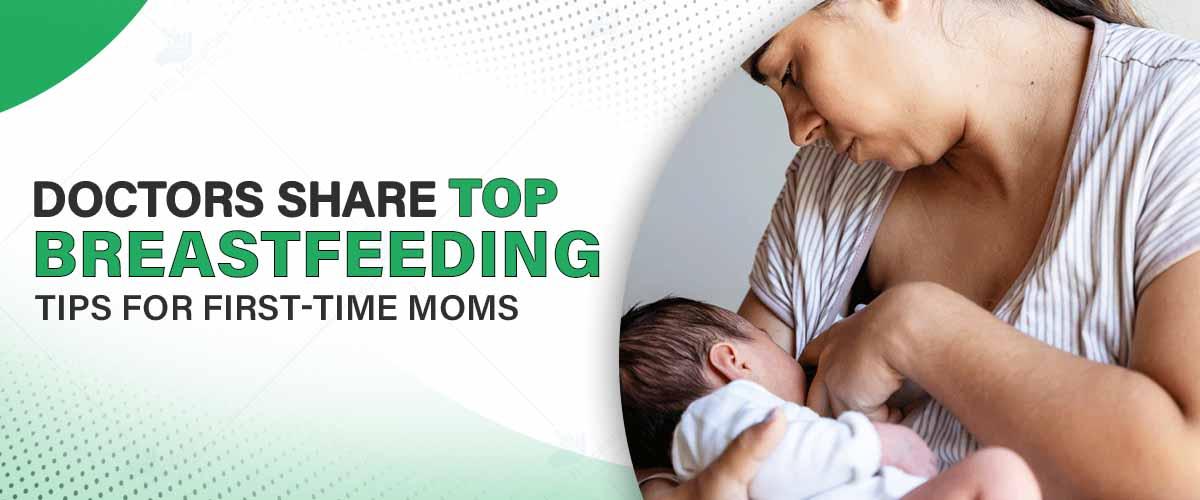
Bringing a new baby into the world is sheer joy. But for many first-time mothers, breastfeeding can feel confusing, emotional, and even a little frustrating at times. If you too experience sore nipples, latching issues, and self-doubt, you are not alone. Even though breastfeeding is natural, it’s also a skill that takes time and support to learn.
Get expert breastfeeding tips from a leading gynecologist and certified lactation consultant at Felix Hospital, Noida. Call +(91) 9667064100 and start your journey with confidence.
Breast milk is often called “liquid gold” as it contains everything your baby needs in the first six months of life, including vital antibodies that help protect them from infections. It also changes in composition depending on your baby’s age and needs, something formula simply can’t do.
Here are a few reasons why doctors globally and our breastfeeding gynecologist in Noida strongly encourage new moms to nurse their baby:
Nutrition: Breast milk has the perfect mix of fat, protein, vitamins, and water.
Immunity Boost: It contains antibodies that guard against illnesses like ear infections and diarrhea.
Bonding: The physical closeness helps build emotional security.
Health Benefits for Moms: Breastfeeding helps the uterus return to its pre-pregnancy size and may reduce the risk of breast and ovarian cancers.
Start Early: Specialists recommend initiating breastfeeding within the first hour after birth. Skin-to-skin contact triggers natural instincts in your baby and helps your body start milk production. If you’ve had a C-section, talk to your care team about safe ways to begin when you’re ready.
Don’t Panic About Milk Supply in the Beginning: New moms often worry they’re not producing enough milk. But newborns don’t need much at first—colostrum is enough for their tiny stomachs. Just keep nursing frequently to help your supply build up.
Learn to Read Your Baby’s Hunger Cues: Crying is actually a late sign of hunger. Early cues include lip smacking, sucking on fists, or rooting (turning their head toward your chest). Feeding early prevents fussiness and helps with easier latching.
Avoid Nipple Pain by Ensuring a Deep Latch: If breastfeeding hurts beyond the initial seconds, chances are your baby isn’t latching correctly. A shallow latch can lead to sore or cracked nipples. If you’re struggling, ask a lactation consultant to observe and guide you.
Stay Hydrated and Nourished: Your body needs extra calories and fluids to produce milk. Don’t skip meals, and keep a bottle of water nearby every time you sit down to nurse.
Be Kind to Yourself: Some moms have an easy time, others take a few weeks to get the hang of it. That’s okay. Be patient with yourself, and don’t hesitate to ask for help.
Many new moms experience challenges, like low milk supply, oversupply, clogged ducts, or nursing strikes. These are not your fault. At Felix Hospital, professional support, treatment and practical tips for breastfeeding newborn from our breastfeeding gynecologist in Noida can make a big difference. Early support and treatment helps in preventing minor issues from becoming major roadblocks.
Sore, Cracked, or Bleeding Nipples: Almost every breastfeeding mom goes through nipple soreness, especially in the first couple of weeks. Sometimes the pain gets so sharp, you dread the next feed. It happens usually because of a poor latch or baby sucking on just the nipple instead of getting a good mouthful of breast tissue.
Engorgement: It feels like your breasts have turned into water balloons ready to explode. They’re hard, hot, and sore — and your baby may struggle to latch when you’re too full. While warm compress before a feed or cold packs after feeding helps reduce swelling, however, if the problem persists, consult your gynecologist.
Clogged Milk Ducts: You might feel a painful lump on your breast that doesn’t go away after a feed. That’s likely a clogged duct, and if it sticks around, it can lead to an infection.
Mastitis: This one’s serious. Mastitis is a breast infection that usually starts with a clogged duct and turns into redness, fever, chills, and flu-like symptoms. If your breast is hot, swollen, and painful. This needs urgent medical treatment.
Low Milk Supply: Many new moms worry they aren’t producing enough. If baby’s always fussy or feeding non-stop, it can feel like you’re failing.
If you experience any of these problems while breastfeeding your baby, it’s advisable to reach out to a certified lactation consultant within the first few days. You should also consult your gynecologist if:
• Your baby isn’t gaining weight
• You experience severe pain while nursing
• Baby feeds for hours but seems unsatisfied
• Your breasts are constantly engorged or painful
There’s no single “right way” to breastfeed. The best approach is the one that works for you and your baby. Whether you nurse exclusively, pump and bottle-feed, or use a combination, what matters most is that your baby is fed, loved, and nurtured.
From routine pregnancy check-ups and fertility treatments to complex medical interventions, our team of experienced obstetrician-gynecologists strive to deliver personalized, compassionate care that meets the unique needs of all our patients.
If you experience any discomfort, pain or soreness, don't hesitate and consult our best breastfeeding gynecologist in Noida without any further delay! . To schedule a consultation, contact us at: +(91) 9667064100.
Q1. How long should I breastfeed my baby?
Ans: The World Health Organization recommends exclusive breastfeeding for the first 6 months, and then continuing with solid foods up to 2 years or beyond if mother and child are willing.
Q2: Can I breastfeed if I have a cold or fever?
Ans: Yes, in most cases, you should continue breastfeeding. Your breast milk contains antibodies that can protect your baby from catching the same illness.
Q3: How do I know if my baby is getting enough milk?
Ans: Look for steady weight gain, regular wet diapers (6 or more a day by day 5), and a generally content baby after feeds. If you’re unsure, a lactation expert can help you track signs.
Q4: Is it normal to feel emotional or overwhelmed during breastfeeding?
Ans: Absolutely. Hormonal shifts, sleep deprivation, and feeding struggles can take a toll. If you’re feeling persistently low, anxious, or detached, speak to our experienced breastfeeding gynecologist in Noida. Postpartum support is important for both the baby and you.
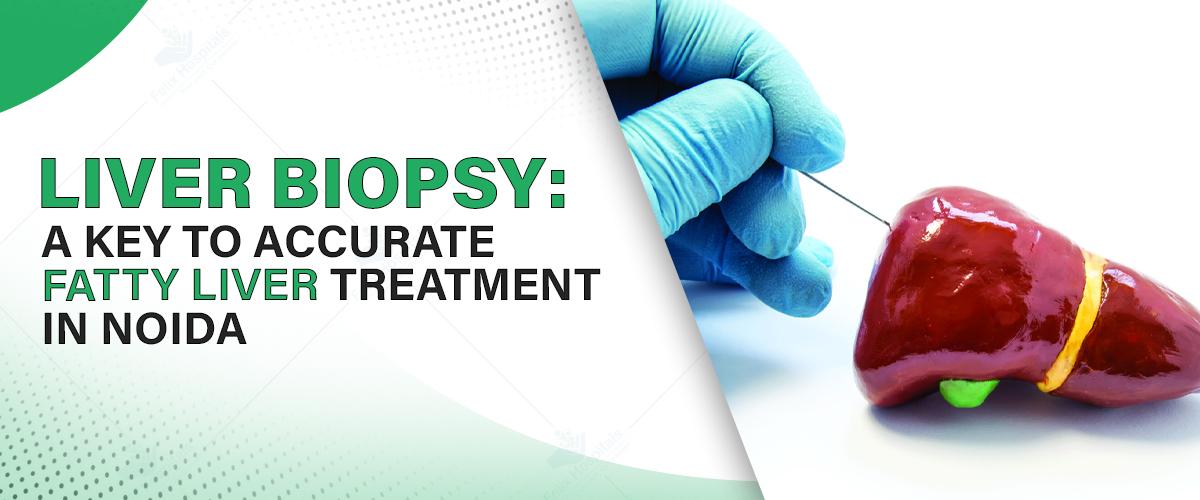
Fatty liver disease has become increasingly common, especially among urban populations with sedentary lifestyles and high-calorie diets. While many patients with fatty liver may not show immediate symptoms, undiagnosed and untreated cases can progress to serious liver complications like fibrosis, cirrhosis, or even liver cancer.
Liver biopsy helps in assessing the exact degree of liver damage, ruling out other conditions, and planning the most effective course of treatment. If you’re struggling with fatty liver disease or related liver issues, and you’re looking for liver biopsy in Noida, visit Felix hospital. Understanding the role of liver biopsy could be the first step toward long-term liver health.
Worried about fatty liver symptoms like fatigue or abdominal discomfort? Get expert advice and care. Call +91 9667064100 to consult our liver specialist in Noida today.
The liver is the largest organ inside your body. It helps in digesting food, store energy, and remove poisons. Fatty liver disease is a condition in which fat builds up in the liver. There are two main types:
● Nonalcoholic fatty liver disease (NAFLD)
● Alcoholic fatty liver disease
One of the hardest things about fatty liver is that it doesn’t always show symptoms early. People often feel perfectly fine. But the liver may still be struggling. Some signs, if they do appear include:
● Feeling tired all the time
● Discomfort or a dull ache in the right upper belly
● Bloating or heaviness after meals
● Unexplained weight gain
● Jaundice or yellowing of eyes (in advanced liver problems)
● Eating too much junk or sugar
● Sitting too much, not moving enough
● Drinking alcohol
● Being overweight or having belly fat
● High cholesterol or triglycerides
● PCOS in women
● Type 2 diabetes
● Certain medications or even genetics
Diagnostic tests such as ultrasound and FibroScan are useful, but they can’t reveal details, such as if the liver is inflamed or the severity of damage or the stage of diseases like Non-Alcoholic Fatty Liver Disease (NAFLD) or Alcoholic Liver Disease (ALD), and identify underlying causes such as hepatitis or autoimmune conditions.
Only a liver biopsy can provide such details which can help a specialist determine a treatment plan. A liver biopsy is a diagnostic procedure where a small sample of liver tissue is taken out and looked at under a microscope. The simple yet quick procedure is usually done using a needle under local anesthesia. The tissue shows exactly what’s happening inside your liver. Not just whether there’s fat, but also how much damage or scarring is there.
● Percutaneous (needle) biopsy: The most common method, where a needle is inserted through the skin into the liver.
● Transjugular biopsy: It is done through a vein in the neck, and is used in patients with bleeding disorders.
● Laparoscopic biopsy: It is performed during surgery or when more detailed imaging is required.
At Felix hospital, the best hospital for liver biopsy in Noida, we provide diagnosis as well as fatty liver treatment in Noida.
Before giving you a date for liver biopsy in Noida, our specialists will explain to you the entire procedure. You’ll probably be asked to fast for 6–8 hours before the surgery. Blood tests will be done to check if your blood clots normally. You might be asked to stop certain medicines such as blood thinners.
You lie down, usually on your back or left side. A small area on your upper right abdomen is cleaned and numbed. A needle is inserted quickly to take out a tiny piece of liver. Liver biopsy in Noida is done as a day-care procedure and it takes less than 30 minutes most times.
Depending on your diagnosis, our specialist will prescribe you tailored fatty liver treatment in Noida. For nonalcoholic fatty liver, our doctors may recommend weight loss. Weight loss can reduce fat in the liver, inflammation, and fibrosis.
If the doctor thinks that a certain medicine is the cause of your NAFLD, you should stop taking that medicine. The most important part of treating alcohol-related fatty liver disease is to stop drinking alcohol.
Both alcoholic fatty liver disease and one type of nonalcoholic fatty liver disease can lead to cirrhosis. Doctors can treat the health problems caused by cirrhosis with medicines, operations, and other medical procedures. If the cirrhosis leads to liver failure, you may need a liver transplant.
If you have any of the types of fatty liver diseases, lifestyle changes that can help include:
● Eat a healthy diet, limiting salt and sugar
● Get vaccinations for hepatitis A & B
● Exercise regularly
● Avoid smoking and consuming alcohol
Fatty liver isn’t something you should ignore. Its damage can be silent. And if it’s progressing without you knowing, things can get complicated quickly. At Felix hospital, the best hospital for liver biopsy in Noida, we provide diagnosis as well as fatty liver treatment in Noida.
Fatty liver can either cause liver failure or permanent liver damage, especially if not timely diagnosed or treated. For more information, or consultation, contact us at: +(91) 9667064100.
Q: Is liver biopsy risky?
Ans: Not really. It’s done under anaesthesia, and complications are rare. Some soreness is normal.
Q: Can fatty liver go away completely?
Ans: Yes, if it’s diagnosed and treated on time, the condition can be reversed with some lifestyle modifications and medications.
Q: How long does biopsy recovery take?
Ans: It usually takes just a day or two to recover from liver biopsy. Most people resume normal activity soon.
Q: Can fatty liver lead to cancer?
Ans: Not directly, but if it becomes cirrhosis, the risk increases. That’s why early detection and treatment matters.
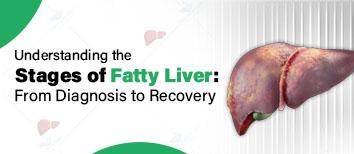
Understand how fatty liver develops, its key stages, and the steps needed for recovery. Early diagnosis and expert treatment can help reverse damage and restore liver function.
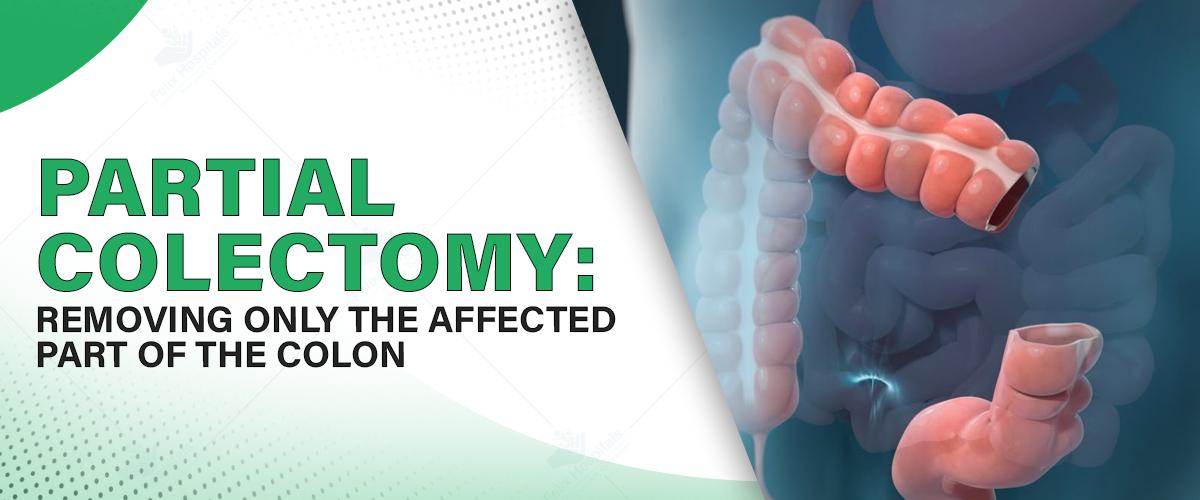
Partial colectomy is a procedure that involves removal of a part of the colon. This partial colon resection surgery is performed or recommended when only one part of your colon is diseased, inflamed, damaged, or cancerous. Instead of taking out the whole colon, your surgeon removes just the section that’s causing trouble. It’s a common and often life-saving and improving procedure for people dealing with conditions like colon cancer, diverticulitis, or Crohn’s disease.
So how does it work? Why is the surgery done? And what should you expect if your doctor recommends it? Let’s break it all down for your better understanding.
If you’ve been diagnosed with colon cancer, our colorectal specialists are here to help! Schedule an appointment to learn if a partial colon resection surgery is the right step forward for you. Call us at +(91) 9667064100.
The colon, or large intestine, plays an important role in digestion. It’s where water is absorbed and waste is turned into stool before leaving your body. If the surgery is required because of cancer diagnosis, depending on the location, size and stage of a patient’s tumor, a surgeon may take one of two different approaches to performing the partial colectomy:
● Traditional approach
● Minimally invasive endoscopic approach
A partial colectomy means that only the damaged or diseased part of your colon is removed. Depending on where the problem is, our surgeon at Felix Hospital, the best hospital for partial colectomy surgery in Noida, may take out a part from the right side, left side, or even the sigmoid colon (the last part before the rectum).
To begin with, you’ll be given general anesthesia so that you are unable to feel the pain. Depending on your diagnosis, the surgery can be done in two ways: open (a single large incision) or laparoscopic (a few smaller cuts and a camera). They will carefully cut out the affected part of the colon and the healthy parts are stitched or stapled back together. It’s a step called anastomosis. In some cases, if the ends can’t be joined safely, a temporary colostomy may be created. This allows the colon to rest before reconnecting later.
Prior to the surgery, you’ll likely go through some prep steps at Felix Hospital, the most preferred colon resection surgery hospital in Noida:
● Bowel prep: You might be given a special drink to flush your bowels clean.
● Diet restrictions: You’ll probably need to avoid food or drink the night before.
● Blood tests and scans: These help your doctor plan the procedure safely.
● Discuss your current medications: Blood thinners, diabetes medicines, or steroids may need to be paused or adjusted.
Recovery from a partial colectomy depends on your general health, the cause for surgery, and the method used. Laparoscopic surgery usually means a quicker recovery, while open surgery might take a little longer.
Post surgery, you’ll start with liquids and slowly move to soft, then normal foods. Pain is common, but usually manageable with medications. Nurses will get you walking soon after surgery to help prevent clots.
Bowel habits can change after the surgery but this often improves over time. Follow-ups will be scheduled to check on healing and pathology results.
Removing only part of the colon, when possible, is a big advantage for several reasons:
Preserves more normal function – Keeping as much of your colon as possible means fewer long-term digestive changes.
Shorter surgery time and recovery – Less tissue removed means a quicker bounce-back.
Fewer lifestyle adjustments – Patients who have partial colectomies typically return to regular life with fewer restrictions.
As with any surgery, there are some risks, though they’re not common when performed by experienced surgeons:
● Infection at the surgical site
● Bleeding or blood clots
● Anastomotic leak, where the joined parts of the colon does not seal completely
● Temporary or permanent colostomy, if reconnection isn’t safe
● Changes in bowel habits, especially at first
Most patients go on to live completely normal lives after the partial colon removal surgery. You’ll likely need some time to adjust, but once healed, many people feel even better than before, especially if their colon condition was causing regular pain, discomfort, or digestive issues.
You might need follow-up colonoscopies if your surgery was for cancer or polyps. Your doctor will guide you on diet and any lifestyle changes that could help with long-term healing.
By removing only the damaged part of your colon, partial colectomy allows you to hold on to most of your digestive system while resolving the issue at hand.
At Felix Hospital, the top hospital for partial colectomy surgery in Noida, our multidisciplinary team of onco-surgeons and gastroenterologists specialize in the latest surgical techniques and clinical practices, to address a wide range of issues related to the gallbladder, colon, pancreas, and small bowel. Additionally, the team is well-equipped to evaluate and treat conditions related to lower GI that includes tumors, trauma, infectious diseases and more.
Whether it’s cancer or another chronic condition, don’t be afraid to explore your options, even if that means seeking a second opinion. The more you understand about your condition and treatment options, the more confident you’ll feel in the decisions ahead.
If you've recently been diagnosed with colorectal cancer, book a consultation at Felix Hospital, the best colon resection surgery hospital, for laparoscopic surgery and care. Contact us at: +(91) 9667064100.
Q: How long does the surgery take?
Ans: It lasts for between 1.5 to 3 hours, depending on complexity and whether it’s done laparoscopically or open.
Q: Will I need a colostomy bag?
Ans: Not always, because many patients have the ends of their colon reconnected during surgery. A colostomy is only used if healing needs to be done in stages.
Q: How soon can I go back to work?
Ans: For desk jobs, about 2–3 weeks. For physically demanding jobs, it might take 4–6 weeks.
Q: Can colon cancer come back after surgery?
Ans: It depends on varying factors, such as the stage of the cancer, its cause and how regular you are with your follow ups and screenings.
Laparoscopic surgery is a minimally invasive procedure with small cuts, offering quicker recovery, less pain, and minimal scarring.
Gallstones (Cholelithiasis) are hardened deposits in the gallbladder that cause pain, nausea, and bloating. They are diagnosed via ultrasound and treated with medication or surgery. Call +91 9667064100 for expert care.
Partial Colectomy is a surgery to remove only the affected part of the colon, preserving the healthy sections.
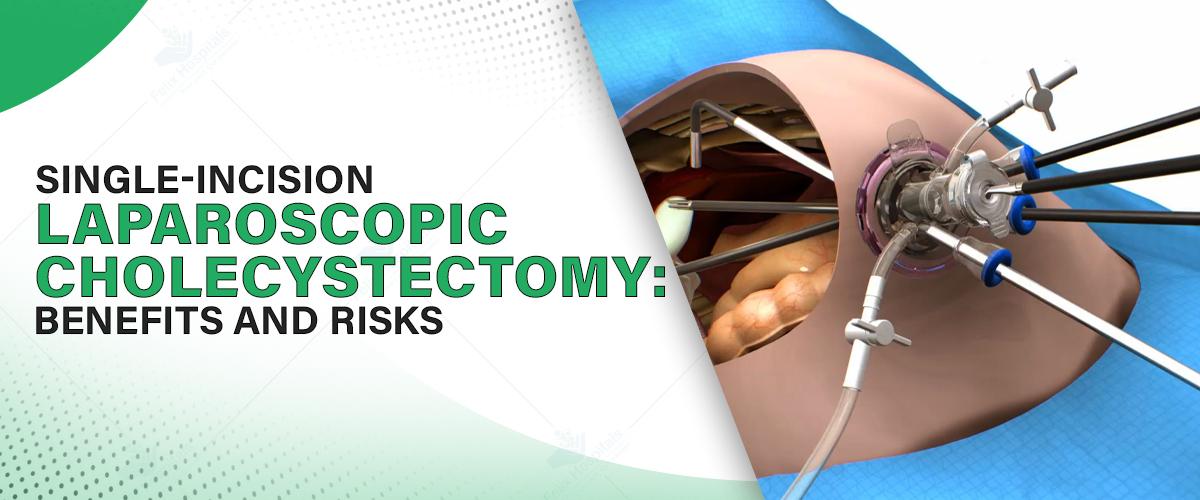
If you’ve ever experienced a sharp, stabbing pain in your upper abdomen, especially after a heavy or greasy meal, you may have gallstones in your gallbladder. For many, gallbladder problems start up slowly, and often, surgery is the best way out.
One of the more modern procedures being used today is Single-Incision Laparoscopic Cholecystectomy (SILC), a less invasive version of traditional gallbladder surgery. It’s quick, less painful, and requires only one small incision, usually through the belly button. But like any surgery, there are some SILC surgery benefits and risks.
So if you or someone close to you has been suggested gallbladder removal, here’s what you need to know about the surgery.
If you’ve been dealing with recurring pain and nausea, or diagnosed with gallstones, our laparoscopic surgeon in Noida for gallbladder removal is just a click or call away! Book an appointment to find out if a single-incision procedure is right for you. Call us at +(91) 9667064100.
The gallbladder’s job is to store bile. Gallstones form when bile forms stones in the gallbladder. These are more common in women than in men. These stones block the normal flow of bile and trigger pain, inflammation, and sometimes even infection.
These stones range from tiny grains to larger lumps, and while some individuals don’t feel pain, others find it unbearable and difficult to ignore. When gallstones start causing problems repeatedly, doctors often recommend removing the gallbladder. It’s not essential for survival, and many people are able to lead a normal life without it.
Gallbladder symptoms can vary, but these are some of the more common ones:
● A sharp pain in the upper right part of your abdomen that can radiate to your back or shoulder
● Bloating or a heavy feeling after meals
● Nausea or vomiting that shows up often
● Fever or chills if an infection sets in
● Jaundice
There isn’t one clear reason, but gallstones are more likely to happen due to:
● Eating too many fatty foods
● Being overweight or losing weight too quickly
● Having a family history of gallstones
● Being female and over 40
● Certain medical conditions like diabetes or liver problems
Traditional laparoscopic surgery for gallbladder removal uses three or four small incisions on your abdomen. Whereas, in single-incision surgery, just one small cut is made, usually inside the belly button.
During the procedure, you’re put under general anesthesia, so you’re completely asleep. Followed by which, our best surgeon for single-incision laparoscopic cholecystectomy in Noida, makes a single incision in the belly button. Through that opening, a camera and thin surgical tools are inserted. Using the video feed, the surgeon carefully removes your gallbladder. The cut is closed with dissolvable stitches or surgical glue. Although SILC surgery benefits are numerous, this approach isn’t ideal for every individual. If your gallbladder is inflamed or you’ve had previous abdominal surgery, your surgeon might still suggest the regular laparoscopic route.
The recovery tends to be smoother and quicker than traditional methods. At Felix Hospital, the best hospital for single-incision cholecystectomy, some people walk around the same day and feel up to doing light activities within 24–48 hours. The majority return to work in about 3–5 days, and full recovery usually happens in a week or two.
There may be a bit of soreness, and your belly button area might feel tight or bruised. But compared to multiple incisions or open surgery, SILC surgery benefits outweigh its risks.
There are several reasons patients and doctors are leaning toward SILC:
● Cosmetic appeal – the scar is tiny and often invisible
● Less pain – fewer incisions usually mean less discomfort afterward
● Quicker recovery – most patients bounce back faster
● Lower infection risk – fewer openings means fewer chances for bacteria to cause infection
● Greater comfort – one incision is less stressful than three or four
Like any medical procedure, there are certain side-effects and risks associated with this surgery.
● Bleeding or infection
● Injury to nearby organs or bile ducts
● Reaction to anesthesia
In some cases, the surgeon may need to switch to multi-port or open surgery if things aren’t going as planned
You can’t always stop gallstones from forming, especially if you have a family history. But a few lifestyle modifications might help lower your risk:
● Eat less processed or fried food
● Keep your weight in check, but don’t lose it too fast
● Exercise regularly
● Stay hydrated
● Include fiber and good fats (like nuts, olive oil) in your diet
Single-Incision Laparoscopic Cholecystectomy is a modern option for people who need their gallbladder removed but want a less invasive, faster-healing approach. It’s especially appealing for those concerned about scars or recovery time. If you’re a suitable candidate, it can make the whole process of dealing with gallstones much easier.
At Felix Hospital, the top hospital for single-incision laparoscopic cholecystectomy in Noida, our gastroenterologists, led by Dr. Jagatjot Singh Gill and Dr. Amrit Yog Datley and surgeons Dr. Ritesh Agarwal and Dr. Vishal Sharma specializes in the latest surgical techniques and clinical practices, to address a wide range of issues related to the gallbladder. Additionally, the team is well-equipped to evaluate and treat conditions related to lower GI that includes tumors, trauma, infectious diseases and more.
Looking for a skilled laparoscopic surgeon in Noida for gallbladder removal? To schedule an appointment, speak to our representative at: +(91) 9667064100.
Q: Will I need to change my diet after the surgery?
Ans: For a few days, yes. You’ll probably start with light, low-fat meals and slowly work your way back. Most people can eat normally within a week or two.
Q: Is single-incision laparoscopic cholecystectomy painful?
Ans: You’re under anesthesia so you may not feel pain during the procedure. However, afterward, the pain is usually mild and can be managed with painkillers.
Q: Will I have a scar post SILC surgery?
Ans: Since the cut is made in the belly button, most people barely notice a scar once it heals.
Q: Can I live a normal life without a gallbladder?
Ans: Absolutely. Your body adjusts pretty quickly. Some people feel a little sensitive to fatty foods at first, but that usually settles down.
Laparoscopic surgery is a minimally invasive procedure with small cuts, offering quicker recovery, less pain, and minimal scarring.
Gallstones (Cholelithiasis) are hardened deposits in the gallbladder that cause pain, nausea, and bloating. They are diagnosed via ultrasound and treated with medication or surgery. Call +91 9667064100 for expert care.
Single-Incision Laparoscopic Cholecystectomy is a minimally invasive gallbladder removal surgery done through one cut, offering quicker recovery and minimal scarring, with some surgical risks.
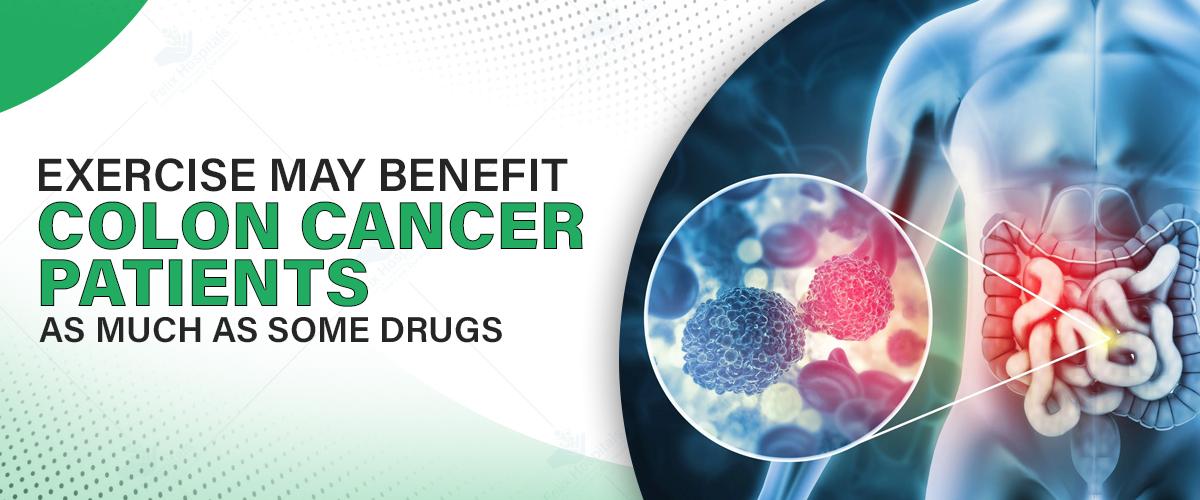
Most people are keen to learn about chemotherapy, radiation therapy, or surgery when they think of cancer treatment. These are important parts of medical care, but more and more research shows that one of the best ways to improve outcomes, especially for colon cancer patients, might be something much simpler: regular exercise in our lives.
Recent studies show that exercise can have the same effects as certain medications. This is excellent news for individuals who suffer from colon cancer or who are recovering from it. It puts more power in the hands of patients and provides a natural means of assisting the body to heal.
If you or your loved one is experiencing symptoms of colon cancer, incorporate safe and doctor-approved exercise into your therapy regimen. Consult us at +91 9667064100.
Colon or colorectal cancer starts in the colon, or large intestine, or rectum. It usually starts as small, harmless cell groups known as polyps and can develop into cancer over time. Age, family history, diet, and lifestyle choices, like inactivity, can all affect the chances of getting colon cancer.
Colon cancer is one of the top cancer killers worldwide. However, if one catches it early enough and is treated properly, it is one of the easiest types of cancer to be cured from. Surgery, chemotherapy, and even radiation are the most common ways to treat it. These types of treatments are crucial, but adding exercise to a patient's daily life can be a very useful thing to do.
The idea that exercise can fight cancer is not new, but now we have greater scientific proof to back it up. Research in medical journals and backed by large cancer societies demonstrates that exercise can:
Reduce inflammation throughout the body
Reduce insulin and certain growth hormones that could make cancer grow faster
Assist the body in detecting and destroying cancer cells by enhancing the immune system.
Improve blood flow, which aids in delivering oxygen to cells and eliminating waste.
Maintaining a healthy weight is important, as being overweight is a recognized risk factor for recurrent colon cancer.
Improved digestion, which is exceedingly important in maintaining a healthy colon
But physical exercise is also extremely beneficial to mental and emotional well-being, aside from its physical advantages. Patients with cancer tend to be very depressed, anxious, and stressed out. Exercise has been proven to release endorphins, which are natural "feel-good" hormones that can improve your health, make you feel better, and provide you with more energy.
You don't have to be sporty or be in the gym for several hours a week. You should at least do:
150 minutes of moderate aerobic physical activity a week, such as walking, cycling, or swimming
Or 75 minutes of serious effort, like running or high-intensity training.
Additionally, engage in strength training for 2–3 days each week to maintain the strength of your muscles.
For individuals with cancer, even small amounts of movement can be beneficial. A walk around the block, a little bit of easy yoga, or walking up stairs instead of taking the elevator can all contribute to being healthy. The key is to stay consistent and do what feels best for your body.
It is essential to talk to the best oncologist in Noida for your fit life. It's crucial to consult a medical practitioner before starting a new exercise routine, especially if you are undergoing treatment. Depending on your energy levels, treatment side effects, and overall health, medical experts can assist you.
So, how does all this pan out in real life? Studies have found that colon cancer sufferers who exercised regularly following diagnosis exhibited:
Less likelihood of returning of cancer
Improved survival chances
Improved ability to tolerate chemotherapy with fewer side effects
Less fatigue and better sleep
Increased confidence and improved quality of life
A research found that individuals who walked a minimum of six hours each week performed much better than individuals who did nothing. The effect was comparable to the benefits of a few specific therapies and medications.
The best oncology hospital in Noida lays tremendous stress on holistic cancer treatment. This treatment is not only about viewing the disease but the entire person. Naturally, medical treatment forms the crux of treatment. But healing also incorporates changing your lifestyle, eating healthily, seeking attention for your mental well-being, and exercising.
Multidisciplinary care is now the optimal method of treating cancer patients. This involves all the physicians, physiotherapists, nutritionists, psychologists, and fitness trainers collaborating and creating a plan that will suit every patient.
This plan will frequently incorporate exercise, but it is not a substitute for medical attention. Rather, it complements medical attention. Now, many hospitals have cancer patients' wellness and rehabilitation programs. These programs facilitate safer activity during and following treatment.
The place of exercise in cancer treatment will continue to be even more significant as more research is conducted. We now realize that medicine is not enough to cure. Exercise, healthy eating, seeking emotional support, and making positive lifestyle adjustments all contribute to its development.
This is an empowering and encouraging message for individuals with colon cancer. Exercise is natural, inexpensive, and safe to assist you in becoming well again. And the good news? You can begin today, one step at a time.
Do you want tailored cancer information and expert counseling from a qualified doctor? Call +91 9667064100 today to book your appointment and start your recovery journey with trusted medical guidance.
A lot of the time, cancer treatment is all about what doctors and medicines can do. It's also important to think about what you can do. One of the best things you can do is exercise. It helps your body, mind, and spirit.
Discuss with your care team the proper way to incorporate exercise into your daily life if you or a loved one has colon cancer. With the best hospital's support, patients receive specialized care and a commitment to whole-person healing at every point of their recovery at an economical cost in Noida.
Small steps taken time and time again can contribute to remarkable changes. Recovery does not stop at treatment. It continues with each step you take towards healing.
Q1. Is it okay to exercise while I am undergoing chemotherapy?
Ans: Yes, most patients can exercise and do it regularly. It's okay to feel worn out, but gentle activity can make you feel stronger and battle fatigue. Your care team can assist you in learning safe exercises that are suitable for your energy level.
Q2. What if I've never worked out before?
Ans: It is never too late to start exercising. Begin with light activities such as stretching or taking a walk. You can gradually make the workout more difficult as your body becomes stronger with time.
Q3. Should colon cancer patients perform specific exercises?
Ans: There is no universally applicable solution. Your recovery phase, fitness level, and treatment plan dictate the ideal exercise for you. Many patients fare better when they perform a combination of strength training, cardio, and flexibility exercises.
Q4. How can I maintain my motivation?
Ans: Having small, achievable goals and monitoring how you are doing can help. Having a support group, a trainer, or exercising with a friend or relative can also keep you on track.
Q5. Are there some exercises I should avoid during treatment?
Ans: Depending on your condition and treatment phase, some intense or high-impact exercise may be too strenuous for your body. Always see your oncologist or physiotherapist before starting or changing any exercise. Never allow exercises to cause pain or discomfort.
Q6. Will exercise improve my appetite or digestion during treatment?
Ans: Yes. Low-level exercise can stimulate appetite and digestion, which may decline during cancer treatment. Even short postprandial walks will minimize bloating and optimize nutrient uptake.

Discover natural ways to manage menopause through diet, exercise, and lifestyle changes. Improve your well-being with practical tips for a smoother transition.

Cervical cancer is most common in women after breast cancer. Cervical cancer starts from the cervix, i.e., the cervix. The cervix is the lower part of the uterus that connects the vagina to the uterus.
Blood cancer affects the production and function of blood cells. Early detection, accurate diagnosis, and advanced treatments significantly improve survival rates and patient outcomes in Noida and beyond.
Piles are more common than most of us think, and ignoring them only makes things worse. Known medically as hemorrhoids, piles can make everyday life really uncomfortable. From pain while sitting to bleeding during bowel movements, they come with a range of symptoms that are not only unpleasant but also sometimes alarming. And if you are a woman, it adds to your agony of finding a lady doctor to discuss the problem without feeling embarrassed.
One key factor that can make a big difference, whether you’re trying to prevent piles or manage existing ones, is consuming a fiber rich diet for piles. Yes, something as simple as what’s on your plate can seriously impact your gut health and ease your symptoms. So if you are confused about which foods to eat and avoid to help relieve the symptoms or manage piles, here are some handy tips on the best fiber for piles.
What you eat can help ease the symptoms of hemorrhoids. But if piles are affecting your quality of life, it's advisable to seek medical treatment. At Felix Hospital, we have a lady doctor in Noida for piles treatment. For an appointment, contact us! +91 9667064100.
Piles, also called haemorrhoids, are swollen veins in your rectum or anus. Sometimes, they stay inside (internal piles), and sometimes they bulge out (external piles). Both can be annoying. Some people don’t even realize they have them until there’s blood on the toilet paper or pain while passing stools. Others have it worse, itching, swelling, burning, or even a lump that won’t go away.
Bleeding during or after bowel movements
Pain or pressure in the anal area
Itching and constant irritation around the anus
A visible lump or swelling near the anal opening
Feeling like you didn’t finish your poop (even when you did)
Piles aren’t always about genes, most often, it’s how we eat, move, and our lifestyle. Some major triggers include:
Straining too hard on the toilet
Chronic constipation or even repeated loose motions
Sitting on the toilet for too long
Low fiber diet
Not drinking enough water
Pregnancy
Being overweight
Long hours of sitting, especially desk jobs
With piles, there’s no one-size-fits-all solution. Piles treatment depends on how bad the piles are. In most mild to moderate cases, it’s possible to manage them with non-surgical treatment options.
● Warm sitz baths for 10–15 minutes, 2-3 times daily
● Over-the-counter creams or suppositories
● Ice packs to reduce swelling
● Avoiding dry toilet paper; try wet wipes instead
● Staying active, it could be walking, stretching, or moving
● Most importantly consuming more fiber and more fluids
If it’s more serious, doctors might suggest surgical options, such as:
Rubber band ligation: During banding, a small rubber band is placed around the base of a hemorrhoid. The band stops the flow of blood into the hemorrhoid and eventually the hemorrhoid will fall off. This usually takes 10 to 12 days.
Sclerotherapy: A chemical solution is injected directly into the hemorrhoid. This causes it to shrink and to form scar tissue.
Stapledhemorrhoidopexy: The hemorrhoidal tissue is placed back inside the anus and held in place using surgical staples.
Hemorrhoidectomy: It is a surgical procedure to remove hemorrhoids and is often recommended for severe hemorrhoids or when there are complications, such as multiple hemorrhoids or hemorrhoids that have prolapsed.
Laser Treatment: It is a minimally invasive therapy that uses laser energy to shrink hemorrhoidal tissue. When compared to standard surgical procedure, this causes less pain, recovers faster, and has less bleeding.
Prevent Piles With Fiber
Fiber isn’t just some health fad— it helps to pass stools easily. Because when you’re not straining, you’re not putting extra pressure on those sensitive veins.
• Preventing constipation
• Reducing the need to push or strain
• Increasing water retention in colon, therefore keeping the stool soft
• Decreasing the pH levels in the colon
If you are looking for a fiber rich diet for piles, here’s a tip: you need both kinds of fiber as they work together to keep your digestive system healthy.
Soluble fiber: It is best fiber for piles as it absorbs water and turns into a gel-like substance. Besides, it slows digestion, and keeps you full longer. It’s commonly found in oats, apples, beans, barley, etc.
Insoluble fiber: It adds bulk to your stool and is found in whole wheat, carrots, nuts, seeds, cauliflower, and green leafy veggies, etc.
Most adults need to consume fiber somewhere between 25 to 35 grams a day. Start simple. You don’t have to overhaul everything. Add one fib-rich food at each meal. Here are some of the best foods that you can consume to prevent piles with fiber:
Morning: Oats with flaxseed and banana/apple
Lunch: Quinoa with mixed vegetables or brown rice with dal. You can also include broccoli, sweet potatoes, potatoes and tomatoes.
Evening snack: Handful of almonds/prunes/berries/ pear (with skin)
Dinner: Whole wheat roti with spinach or beans or whole wheat pasta and bread
Fiber won’t help without water, therefore make sure to stay hydrated.
Processed foods and those rich in fats, sugar, or refined carbohydrates should be avoided. These foods increase the risk of constipation that causes hemorrhoids. Try avoiding:
● Fried and salty foods
● Chips and other packaged snacks
● Full-fat dairy products
● Processed foods
● Red meat
● Soda, sports drinks, energy drinks, etc.
● Excessive caffeine intake
Consuming a fiber rich diet for piles, such as pulses (beans, lentils, chickpeas), whole fruits and vegetables, and whole grains, can help ease symptoms of hemorrhoids and prevent them.
However, if you’re already dealing with symptoms, change your diet and also seek medical treatment from our lady doctor in Noida for piles. At Felix Hospital, we provide both non surgical and surgical treatments for piles.
Fibre isn’t a magic cure. If you have severe hemorrhoids or those that do not improve with dietary changes after a week or two, do not delay and consult our piles specialist.
Q: Can fibre completely cure piles?
Ans: Not exactly, it can reduce your symptoms and help prevent flare-ups. But piles that have already formed and are severe may need medical treatment.
Q: What foods are rich in fiber for piles patients?
Ans: Whole grains, fruits (with skin), vegetables, lentils, beans, flaxseeds, and oats are some great options.
Q: Is fibre safe during pregnancy-related piles?
Ans: Absolutely! In fact, it’s recommended. Just ensure you’re drinking enough fluids along with it.
For those seeking specialized care, consulting the best piles surgeon in Noida can provide expert evaluation and tailored treatment options.

फिशर के कारण, लक्षण और उपाय" एक संक्षिप्त मार्गदर्शिका है जो फिशर (गुदा裂) के विषय में जानकारी प्रदान करती है। इसमें फिशर के प्रमुख कारण, जैसे कब्ज, जन्म, या अन्य स्वास्थ्य समस्याएं
Breast surgery can be a life-altering experience; not just physically, but emotionally too. Whether it’s a lumpectomy, mastectomy, or reconstructive procedure, the journey doesn’t end with the surgery itself. In fact, that’s when the real recovery begins.
One question that’s always on a woman who has undergone breast surgery is: when can I get back to normal life? How fast is the recovery after breast surgery? And the answer isn’t always straightforward. It depends on the type of surgery, your overall health, and how your body heals.
So, let’s lay down a practical post breast surgery recovery timeline that walks you through the journey – step by step, week by week.
If you or someone close to you is returning to normal life after breast surgery, don’t rush it. Give your body the time it needs. Healing is not a race, it’s a process. Looking for support while recovering from breast surgery? Contact us to seek an appointment!
Breast surgeries aren’t always due to cancer. They can be done for a variety of medical or personal reasons, including:
Breast cancer treatment (mastectomy or lumpectomy)
Risk reduction (for women with a strong family history or BRCA gene)
Benign lumps like fibroadenomas
Breast reconstruction after mastectomy
Cosmetic reasons such as reduction or augmentation
No matter the reason, recovery after breast surgery comes with a period of healing – physically, mentally, emotionally.
Understanding the type of surgery matters because the post breast surgery recovery timeline can vary.
Lumpectomy: Only the cancerous lump and some surrounding tissue is removed. Healing is faster, and many women are back to light activities in a week or so.
Mastectomy: During this surgery, the entire breast is removed. It’s a more extensive surgery and takes longer to recover, usually 4 to 8 weeks, sometimes more.
Reconstructive Surgery: This can happen immediately after mastectomy or later. It involves either implants or tissue taken from another part of the body. Recovery is often more complex.
Cosmetic Procedures: Includes breast reductions, lifts, or augmentations. Even though these are elective, recovery needs patience and rest just like any other surgery.
Every person is different. But here’s a general guide on returning to normal life after breast surgery, based on our lady doctor’s perspective:
Day 1 to 3: Just Rest.
• You’ll likely feel groggy, sore, and weak. That’s completely okay.
• Focus on deep breathing, pain management, and staying hydrated.
• Move your fingers and toes. Walk a little with help if needed.
Pro tip: Don’t try to shower or remove dressings unless your doctor says it’s fine. No heavy lifting at all.
Week 1: Gentle Movements Only
• Short walks around the house are encouraged.
• You can brush your teeth, eat on your own, and maybe wash your face.
• No arm lifting above shoulder level. No reaching for shelves.
• Pain and stiffness are normal. Keep your prescribed meds nearby.
• Emotional ups and downs might kick in. Let them.
If drains are placed, you may need help emptying them. Keep the area clean and dry.
Week 2 to 3: Slowly Getting Back
• Stitches might be removed around this time if they aren’t dissolvable.
• You’ll start feeling better, but energy will still fluctuate.
• You can start light household tasks like folding clothes or watering plants.
• Avoid driving if you’re still on painkillers or can’t move your arm freely.
• Sleeping might still be tricky.
For many women, this is when emotional fatigue hits harder than the physical. Don’t bottle it up.
Week 4 to 6: Stepping Back Into Routine
• Walking outdoors or doing light yoga/exercise can begin.
• You may be allowed to drive.
• Some women return to desk jobs around this time.
• No gym workouts or lifting weights yet.
• If you had reconstructive surgery, your timeline might still be slower.
Important: You still need to protect your healing tissues. Wear a supportive bra (usually non-wired) as advised.
Week 6 to 8: Almost There
• Many patients feel a little better around this time.
• You can start easing back into work, childcare, or social life.
• Driving, light cooking, grocery runs, all okay, still check with your doctor.
Listen to your body. Some days will feel slower. Some scars may be sore. Be kind to yourself.
After 2 Months: Full Recovery Isn’t Always Linear
Even though scars are healing, you may still face:
• Stiffness in the arms
• Fatigue after simple tasks
• Numbness or tingling sensations
• Mental health swings, especially post-cancer surgery
That’s normal. That’s human. Healing doesn’t follow a perfect chart.
• Ask for help, don’t try to do it all.
• Rest often, healing takes energy.
• Eat well, protein, fruits, and iron-rich foods help recovery.
• Stay hydrated, you’ll feel better and heal faster.
• Watch for signs of infection, such as fever, unusual redness, or swelling.
• Practice gentle arm exercises, as guided by your doctor or physiotherapist.
At Felix Hospital, we provide Supportive Care and Rehab Services to our patients returning to normal life after breast surgery. Even after the main treatment ends, you might need rehabilitation therapy, such as physical therapy, or even psychological support. Breast cancer can affect you emotionally, and recovery takes time.
Looking for a lady doctor for breast surgery recovery in Noida? Visit Felix Hospital and schedule an appointment with our skilled and experienced team.
Returning to normal life after breast surgery isn’t a straight road. It’s more like a winding path with stops, starts, and sometimes setbacks. But you’ll get there, maybe slower than you’d like, maybe with some emotional ups and downs, but you will get there.
Celebrate small wins as you are on your path to recovery post breast surgery. For supportive care and rehab services in Noida, contact us at: +(91) 9667064100.
Q: Can I raise my arm after breast surgery?
Ans: Not immediately. Infect, in the first week, avoid lifting your arm above your shoulder. After that, follow your doctor’s advice and physiotherapy exercises.
Q: When can I go back to work post breast surgery?
Ans: For a desk job, usually within 3–4 weeks. For physically demanding jobs, 6–8 weeks or more. Always check with your surgeon.
Q: What if I feel sad or disconnected after breast removal surgery?
Ans: That’s completely normal. Body image, fear of recurrence, and trauma can all take an emotional toll. Schedule an appointment with our therapists.

Discover the unique challenges faced by young women diagnosed with breast cancer, including emotional, physical, and social struggles. Learn about support, resources, and strategies to navigate this difficult journey.
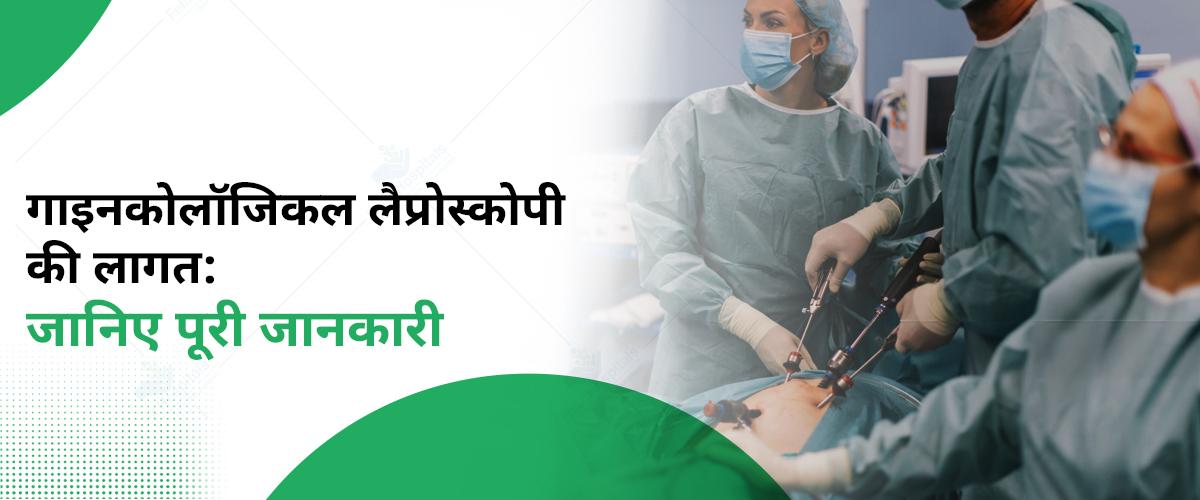
भले ही महिलाएं स्वास्थ्य के प्रति सजग रहती हैं। मगर जब बात स्त्री रोगों की आती है, तो एक नाम बार-बार सामने आता है, वह है गाइनकोलॉजिकल लैप्रोस्कोपी का। लेप्रोस्कोपी एक मिनिमली इनवेसिव सर्जरी है। क्या होती है इसकी प्रक्रिया? क्यों बढ़ रही है मांग? और इसका खर्च क्या है। इन सभी सवालों के जवाब इस ब्लॉग में विस्तार से जानेंगे। अधिक जानकारी के लिए ग्रेटर नोएडा में लेप्रोस्कोपिक सर्जरी अस्पताल (Laparoscopic Surgery Hospital in Greater Noida) से सपंर्क करें जिससे समय रहते आपको इलाज मिल सके और आप फिर से स्वस्थ हो सके।
गाइनकोलॉजिकल लैप्रोस्कोपी क्या है? (What is Gynecological Laparoscopy?)
लेप्रोस्कोपी प्रक्रिया कैसे होती है ? (How is the Laparoscopy Procedure Done?)
गाइनकोलॉजिकल लैप्रोस्कोपी की लागत कितनी होती है? (How much does Gynecological Laparoscopy Cost?)
बीमा और सहायता की जानकारी (Insurance and Assistance Information)
लेप्रोस्कोपी के फायदे और सावधानियां (Benefits and Precautions of Laparoscopy)
सही अस्पताल और डॉक्टर का चयन कैसे करें ? (How to Choose the Right Hospital and Doctor?)
गाइनकोलॉजिकल लैप्रोस्कोपी को लेकर अक्सर पूछे जाने वाले सवाल (FAQs about Gynecological Laparoscopy)
लेप्रोस्कोपी मिनिमली इनवेसिव सर्जरी है। जिसमें शरीर में एक छोटा चीरा लगाकर एक पतली ट्यूबनुमा कैमरा डिवाइस (लेप्रोस्कोप) से शरीर के अंदर जांचकर ऑपरेशन करते हैं। यह प्रक्रिया ओपन सर्जरी के मुकाबले कम दर्दनाक, कम रक्त स्त्राव और तेजी से रिकवर करने में मदद करती है। ओपन सर्जरी के मुकाबले लैप्रोस्कोपी फायदेमंद है। ओपन सर्जरी में जहां चीरे का आकार बड़ा होता है। वहीं लैप्रोस्कोपी में यह केवल 0.5 से 1 सेमी तक होता है। ओपन सर्जरी में रिकवरी में 4 से 6 हफ्ते लगते है। जबकि लैप्रोस्कोपी में मरीज 1 से 2 हफ्ते में ठीक हो जाता है।
लैप्रोस्कोपी में कम खून बहता है। जिससे शरीर पर कम प्रभाव पड़ता है। संक्रमण का खतरा भी कम होता है। ओपन सर्जरी में मरीज को 3 से 5 दिन रुकना पड़ता है। जबकि लैप्रोस्कोपी में 1 से 2 दिन में छुट्टी मिलती है। ओपन सर्जरी के बाद शरीर पर स्पष्ट दाग रहते हैं। लैप्रोस्कोपी में यह दाग नहीं होते हैं। यह प्रक्रिया महिलाओं गर्भाशय, अंडाशय, फैलोपियन ट्यूब आदि के लिए होती है। यही कारण है कि इसे इसे गाइनकोलॉजिकल लैप्रोस्कोपी कहते हैं।
गाइनकोलॉजिकल लैप्रोस्कोपी कई जटिल स्त्री रोगों के इलाज में उपयोग होती है। आइए जानते हैं:
एंडोमेट्रिओसिसः
इसमें गर्भाशय की अंदरूनी परत की कोशिकाएं बाहर अन्य अंगों पर उगती हैं। जिस कारण दर्द और बांझपन होता है। लैप्रोस्कोपी से इसकी जांच और टिश्यू को हटाना संभव होता है।
ओवेरियन सिस्टः
अंडाशय में बनने वाली गांठें सामान्य से गंभीर होती हैं। लैप्रोस्कोपी से इन्हें आसानी से हटा सकते हैं।
फाइब्रॉइडः
गर्भाशय की दीवारों में बनने वाली गैर-कैंसरयुक्त गांठें, भारी ब्लीडिंग या दर्द का कारण बनती हैं। लैप्रोस्कोपिक मायोमेक्टॉमी (Laparoscopic Myomectomy) के जरिए इन्हें हटा सकते हैं।
इंफर्टिलिटी डायग्नोसिसः
अगर बांझपन का कारण स्पष्ट नहीं है, तो लैप्रोस्कोपी से फैलोपियन ट्यूब की रुकावट, एंडोमेट्रिओसिस या अन्य समस्या की पहचान की जाती है।
हिस्टेरेक्टॉमीः
यह प्रक्रिया तब होती है, जब गर्भाशय को पूरी तरह निकालना हो खासतौर से कैंसर, भारी ब्लीडिंग होने पर। इससे कम दर्द होता है और तेजी से रिकवरी होती है।
गाइनकोलॉजिकल लेप्रोस्कोपी एक अत्याधुनिक तकनीक है। इसके सफल होने के लिए पूरी प्रक्रिया को समझना जरूरी है। यह सर्जरी कई चरणों में होती है ।
सर्जरी से पहले की तैयारी
लेप्रोस्कोपी से पहले मरीज की खून की जांच यानी सीबीसी, ब्लड शुगर, क्लॉटिंग टाइम, यूरीन टेस्ट, ईसीजी और छाती का एक्स-रे, अल्ट्रासाउंड या एमआरआई जांच की जाती है। सर्जरी से आठ घंटे पहले मरीज को खाना-पीना बंद करना होता है। मरीज को एक दिन पहले अस्पताल में भर्ती करते हैं। इस दौरान डॉक्टर मरीज को सर्जरी की जानकारी देकर सहमति पत्र लेते हैं।
एनेस्थीसिया की भूमिकाः
गाइनकोलॉजिकल लेप्रोस्कोपी सामान्यत जनरल एनेस्थीसिया में होती है। मरीज सर्जरी के दौरान पूरी तरह बेहोश रहता है। इस दौरान कोई दर्द महसूस नहीं होता है। एनेस्थेटिस्ट जांच में मरीज की हृदय गति, ऑक्सीजन स्तर और रक्तचाप की जांच करते हैं।
सर्जरी शुरू होने पर:
पेट में एक छोटा चीरा लगाते हैं। इसके माध्यम से कार्बन डाइऑक्साइड (CO₂) गैस पेट में भरी जाती है। जिससे आंतरिक अंगों को अलग किया जा सके। उन्हें स्पष्ट रूप से देखा जा सके। फिर एक पतली ट्यूबनुमा कैमरा डिवाइस लेप्रोस्कोप डाली जाती है। जो स्क्रीन पर अंदरूनी अंगों की तस्वीर दिखाता है। इलाज के दौरान जैसे सिस्ट हटाने, एंडोमेट्रिओसिस (endometriosis) साफ करने, फाइब्रॉइड निकालने के लिए छोटे छेदों से सर्जिकल उपकरण डालते हैं। कार्य पूरा होने के बाद गैस को निकालकर चीरे बंद कर दिया जाता हैं। पूरी प्रक्रिया 30 मिनट से 2 घंटे तक चलती है।
रिकवरी समयः
लेप्रोस्कोपी के बाद मरीज को रिकवरी रूम में कुछ घंटे निगरानी में रखते हैं। सामान्यतः: मरीज को उसी दिन अस्पताल से छुट्टी मिल जाती है। शुरुआती 2-3 दिन में हल्का दर्द, सूजन या थकावट महसूस होती है। 7 से 10 दिनों में सामान्य दिनचर्या फिर शुरू हो जाती है। हालांकि भारी काम या व्यायाम से 2–3 हफ्तों तक बचना चाहिए। मगर डॉक्टर की सलाह के अनुसार फॉलोअप जरूरी होता है।
गाइनकोलॉजिकल लैप्रोस्कोपी की लागत (Cost of Gynecological Laparoscopy) मेट्रो वाले शहरों में खर्च अधिक होता है। अनुभवी डॉक्टर की फीस ज्यादा होती है। कॉरपोरेट में खर्च अधिक होता है।
| डायग्नोस्टिक लैप्रोस्कोपी | 25 से 45 हजार |
| थेरैप्यूटिक लैप्रोस्कोपी | 50 हजार से 1 लाख तक |
| लैप्रोस्कोपिक हिस्टेरेक्टॉमी | 70 हजार से 1.50 लाख |
गाइनकोलॉजिकल लेप्रोस्कोपी सुरक्षित और तेजी से रिकवर होने वाली सर्जिकल तकनीक होती है। पारंपरिक ओपन सर्जरी की तुलना में इसके कई फायदे हैं। लेप्रोस्कोपी में बहुत छोटा चीरा यानी 0.5–1 सेमी तक होता है। जिससे शरीर को कम नुकसान होता है। मरीज जल्द ठीक होता है। सर्जरी में शरीर का बहुत कम हिस्सा खुलता है। इस कारण बैक्टीरिया या संक्रमण का जोखिम कम होता है। प्रक्रिया डायबिटीज या कमजोर इम्युनिटी वाले मरीजों के लिए सुरक्षित है। सर्जरी के बाद दर्द भी तुलनात्मक रूप से कम होता है। मरीज को एंटीबायोटिक्स (Antibiotics) या दर्दनिवारक दवाओं की कम जरूरत होती है।
सर्जरी के बाद जरूरी सावधानियांः
सर्जरी के बाद कुछ दिनों तक भारी काम नहीं करना चाहिए। चलना-फिरना शुरू कर सकते हैं लेकिन सीमित और धीरे-धीरे करना चाहिए। इससे ब्लड सर्कुलेशन अच्छा रहता है। रिकवरी तेज होती है। जहां चीरा लगाया गया है। वहां की त्वचा को साफ और सूखा रखें। सही तरीके से ड्रेसिंग करें। हल्का, सुपाच्य खाने का सेवन करना चाहि। पानी और तरल पदार्थ भरपूर मात्रा में लेना चाहिए। जिससे शरीर जल्दी ठीक हो सके। एंटीबायोटिक, दर्द निवारक दवा को नियमित रूप से लें। नियमित फॉलोअप कराएं। जिससे यह पता चल सके कि सर्जरी सफल है कि नहीं। सामान्यतः 7 से 10 दिन में पहला फॉलो-अप जरूर कराएं।
गाइनकोलॉजिकल लैप्रोस्कोपी सर्जरी में चिकित्सकीय फैसले ही नहीं, आर्थिक योजना और बीमा की जरूरत होती है। क्योंकि बीमा और सरकारी योजनाओं से इससे खर्च कम हो सकता है।
अधिकांश हेल्थ इंश्योरेंस पॉलिसी से गाइनकोलॉजिकल लैप्रोस्कोपी कवर होती है। यह सर्जरी मेडिकल आवश्यकता के तहत होती है। जैसे एंडोमेट्रिओसिस, सिस्ट हटाना या हिस्टेरेक्टॉमी के लिए हो तो। मगर सर्जरी का उद्देश्य केवल डायग्नोस्टिक या कॉस्मेटिक हो तो कुछ बीमा कंपनी इसे कवर नहीं करतीं है।
आयुष्मान भारत /सीजीएचएस / ईसीएचएस / ईएसआईसी जैसी योजनाः
गरीब और वंचित वर्ग के लिए यह योजना गाइनकोलॉजिकल सर्जरी जैसे हिस्टेरेक्टॉमी (Hysterectomy) को पूरी तरह निःशुल्क कवर करती है। सीजीएचएस (केन्द्रीय सरकार स्वास्थ्य योजना में केंद्र सरकार के कर्मचारियों, पेंशनर्स और उनके परिवार के लिए होती है। सीजीएचएस से जुड़े अस्पतालों में सर्जरी कैशलेस होती है। ईसीएचएस (पूर्व सैनिक अंशदायी स्वास्थ्य योजना) में पूर्व सैनिकों और उनके परिवारों को यह योजना लाभ देती है।
जिसमें गाइनकोलॉजिकल सर्जरी शामिल है। ईएसआईसी (कर्मचारी राज्य बीमा निगम) में जो कर्मचारी ईएसआईसी के तहत कवर हैं, वह ईएसआईसी अस्पतालों में मुफ्त या न्यूनतम शुल्क पर लेप्रोस्कोपी करवा सकते हैं। वहीं टीपीए/बीमा काउंटर से संपर्क करें। यानी सर्जरी की तारीख से पहले अस्पताल में मौजूद टीपीए (थर्ड पार्टी एडमिनिस्ट्रेटर) डेस्क से संपर्क करें। मेडिकल दस्तावेज तैयार रखें यानी डॉक्टर की रिपोर्ट, सलाह पत्र, अल्ट्रासाउंड/एमआरआई रिपोर्ट, पहचान पत्र आदि। कैशलेस या रिइम्बर्समेंट में यदि अस्पताल बीमा कंपनी से टाई-अप में है, तो अस्पताल सीधे बीमा से भुगतान ले सकता है।
रिइम्बर्समेंट में यदि टाई-अप नहीं है, तो आप खर्च कर के बाद में बीमा कंपनी से पैसे वापस पा सकते हैं। क्लेम अप्रूवल और प्रक्रिया में 24 से 48 घंटे में क्लेम अप्रूवल मिलता है। सर्जरी के बाद अस्पताल बिल, डिस्चार्ज समरी आदि जमा करके फाइनल क्लेम प्रोसेस होता है।
गाइनकोलॉजिकल लैप्रोस्कोपी का सफल और सुरक्षित रूप से होना अस्पताल और डॉक्टर की गुणवत्ता पर निर्भर होता है।
एनएबीएच / एनएबीएल सर्टिफाइड अस्पताल चुनेंः
जब आप अस्पताल चुनें, तो देखें कि वह एनएबीएच या एनएबीएल से प्रमाणित हो। एनएबीएच सर्टिफिकेशन यह दर्शाता है कि अस्पताल में मरीजों की सुरक्षा, स्वच्छता, स्टाफ क्वालिटी और इमरजेंसी सेवाओं का उच्च स्तर पर है। एनएबीएल सर्टिफिकेशन अस्पताल की लैब सेवाओं की गुणवत्ता और सटीकता की गारंटी देता है।
डॉक्टर का अनुभव और मरीजों के रिव्यू जरूर देखेंः
डॉक्टर की योग्यता यानी एमबीबीएस, एमएस/एमडी, प्रसूति एवं स्त्री रोग और प्रैक्टिस का अनुभव बहुत मायने रखता है ग्रेटर नोएडा में सर्वश्रेष्ठ लेप्रोस्कोपिक सर्जन (Best Laparoscopic Surgeon in Greater Noida) हर गाइनकोलॉजिकल लैप्रोस्कोपी सर्जरी करने सक्षम हैं। देखें कि क्या डॉक्टर ने पहले गाइनकोलॉजिकल लैप्रोस्कोपी की है। कितने मामलों में सफलता मिली है। ऑनलाइन प्लेटफॉर्म गूगल पर मरीजों के रिव्यू (Review) पढ़ें।
पैकेज और कंसल्टेशन की पारदर्शिताः
अस्पताल में पूछें कि सर्जरी का पूरा पैकेज क्या है। इसमें क्या-क्या शामिल है यानी ओपीडी (OPD), टेस्ट (Test), ऑपरेशन, आईसीयूू (ICU), दवाएं, फॉलो-अप शामिल है कि नहीं। क्या कोई छिपा हुआ खर्च तो नहीं शामिल है। बीमा की स्थिति साफ तौर पर बताई जानी चाहिए कि इलाज कैशलेस होगा या रिइम्बर्समेंट या नकद भुगतान करना होगा। बेहतर होगा कि कम से कम 2 अस्पतालों या डॉक्टरों से राय लें। अगर संभव हो तो सर्जरी से पहले अस्पताल जाकर फीस स्ट्रक्चर और सुविधा देखें।
लेप्रोस्कोपी एक सुरक्षित सर्जिकल तकनीक है। खासकर जब बात महिलाओं के गाइनकोलॉजिकल रोगों की हो। मगर इसकी लागत विभिन्न कारकों पर निर्भर करती है। यदि आपके पास सही जानकारी हो तो आप अपने बजट, स्वास्थ्य बीमा और अस्पताल की तुलना कर कर सकते हैं। इसलिए किसी भी सर्जरी का निर्णय लेने से पहले एक अनुभवी विशेषज्ञ डॉक्टर से सलाह जरूर लें। जिससे चिकित्सा जरूरत के अनुसार सबसे उपयुक्त हो।
प्रश्न 1: गाइनकोलॉजिकल लैप्रोस्कोपी क्या है?
उत्तर: गाइनकोलॉजिकल लैप्रोस्कोपी एक सर्जिकल प्रक्रिया है। जिसमें पेट में छोटे चीरे के माध्यम से उपकरण डालकर गर्भाशय, अंडाशय या फैलोपियन ट्यूब (Fallopian Tubes) जैसी अंगों की जांच और ऑपरेशन होता है।
प्रश्न 2: गाइनकोलॉजिकल लैप्रोस्कोपी की लागत कितनी है?
उत्तर: गाइनकोलॉजिकल लैप्रोस्कोपी की लागत 25 हजार से 1.50 लाख तक होती है। यह इस पर निर्भर करता है कि प्रक्रिया डायग्नोस्टिक है या थेरेप्यूटिक, किस शहर के किसी अस्पताल में हो रही है।
प्रश्न 3: क्या यह सर्जरी स्वास्थ्य बीमा में कवर होती है?
उत्तर: यह सर्जरी अधिकतर हेल्थ इंश्योरेंस कंपनियों द्वारा तभी कवर की जाती है जब यह मेडिकल जरूरत के आधार पर की जाए। यदि सर्जरी कॉस्मेटिक (Surgery Cosmetic) या केवल डायग्नोस्टिक उद्देश्य से की जाती है, तो आमतौर पर इसका खर्च कवर नहीं किया जाता है।
प्रश्न 4: क्या लेप्रोस्कोपी से प्रजनन क्षमता (फर्टिलिटी) प्रभावित होती है?
उत्तर: लेप्रोस्कोपी बांझपन का कारण समझने और उसका इलाज करने में मदद करती है। खासतौर से जब एंडोमेट्रिओसिस या फैलोपियन ट्यूब की रुकावट को हटाना हो तो।
प्रश्न 5: सर्जरी के बाद कब तक आराम करना पड़ता है ?
उत्तर: 7 से 10 दिन में मरीज सामान्य दिनचर्या में लौटता है। मगर भारी काम या व्यायाम से लगभग 3 हफ्तों तक बचना चाहिए।
प्रश्न 6: क्या लेप्रोस्कोपी दर्दनाक होती है ?
उत्तर: सर्जरी जनरल एनेस्थीसिया में की जाती है। इसलिए प्रक्रिया के दौरान दर्द नहीं होता। सर्जरी के बाद हल्का दर्द और सूजन कुछ दिनों तक होती है।
फिशर के कारण, लक्षण और उपाय" एक संक्षिप्त मार्गदर्शिका है जो फिशर (गुदा裂) के विषय में जानकारी प्रदान करती है। इसमें फिशर के प्रमुख कारण, जैसे कब्ज, जन्म, या अन्य स्वास्थ्य समस्याएं
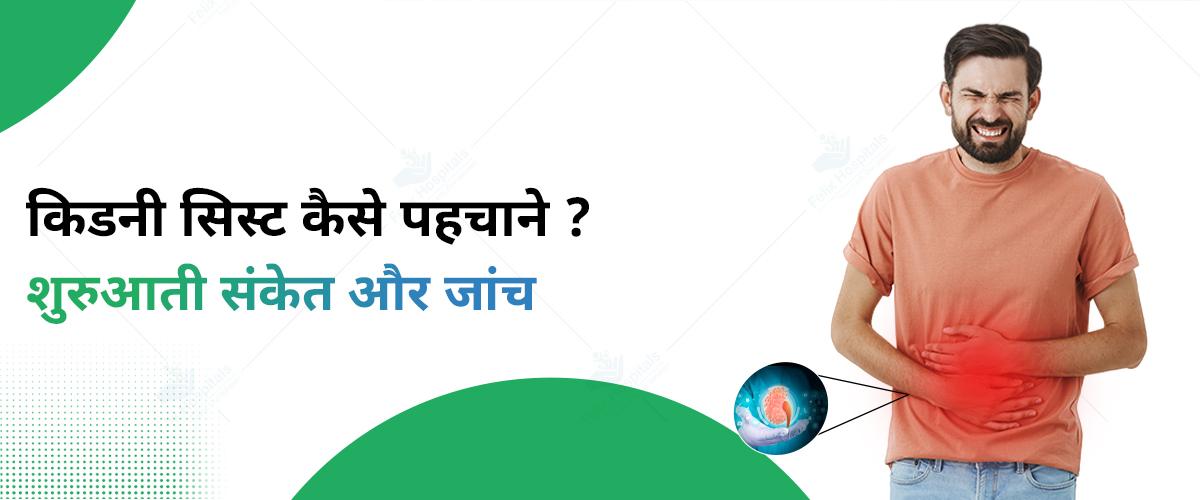
किडनी सिस्ट को लेकर लोग खासतौर से नजरअंदाज करते हैं। जो उम्र के साथ विकसित होती है। कई मामलों में यह हानिरहित मगर कुछ स्थितियों में गंभीर होती है। किडनी सिस्ट के लक्षणों की अनदेखी नहीं करनी चाहिए। समय पर जांच, स्वस्थ जीवनशैली और नियमित चेकअप से आप इसे रोक सकते हैं। अगर बार-बार पेशाब में दिक्कत, कमर दर्द और यूरिन में रक्त दिखाई दे तो आप ग्रेटर नोएडा के नेफ्रोलॉजिस्ट (Nephrologist in Greater Noida) से संपर्क करना चाहिए जिससे आपको समय रहते आराम मिल सके।
अपॉइंटमेंट शेड्यूल करने के लिए, अभी कॉल करें: +91 9667064100
किडनी सिस्ट के शुरुआती संकेत और लक्षण (Early Signs and Symptoms of Kidney Cyst)
किडनी सिस्ट की जांच और निदान (Examination and Diagnosis of Kidney Cyst)
किडनी सिस्ट इलाज और प्रबंधन (Kidney Cyst Treatment and Management)
किडनी सिस्ट होने पर कब डॉक्टर से मिलें ? (When to Consult a Doctor if you have a Kidney Cyst?)
किडनी सिस्ट एक तरल से भरी गोलाकार थैली होती है, जो आमतौर पर किडनी की सतह या भीतर विकसित होती है। अधिकांश मामलों में यह सामान्य और हानिरहित होती है, लेकिन कुछ स्थितियों में यह जटिल हो सकती है या किसी अनुवांशिक रोग से संबंधित हो सकती है। समय पर जांच और सतर्कता बरतकर इससे जुड़ी जटिलताओं से बचा जा सकता है।
यह सबसे सामान्य सिस्ट होती है। यह पतली दीवार वाली होती है। इसके भीतर केवल साफ तरल पदार्थ होता है। इसमें कोई लक्षण नहीं दिकते मगर कई बार अल्ट्रासाउंड में दिखाई देता है। हालांकि कई बार बड़ी होने पर पीठ दर्द (back pain), पेट में दबाव या पेशाब की समस्या होती हैं।
इसमें सिस्ट की दीवार मोटी होती है। इसके भीतर तरल के अलावा ठोस घटक होते हैं। अल्ट्रासाउंड या सीटी स्कैन में एक आकृति दिखाई देती है। इसमें कैल्सीफिकेशन देखा जाता है। जटिल सिस्ट में कैंसर (Cancer) की संभावना अधिक होती है। दर्द, रक्तमेह या सिस्ट का फटना इसके लक्षण है।
यह एक आनुवंशिक रोग है। जो माता-पिता से बच्चों को मिलता है। इसमें दोनों किडनियों में कई छोटी-बड़ी सिस्टें बनती हैं। यह समय के साथ बढ़ती जाती हैं। पीकेडी से किडनियां बढ़ती हैं। इस कारण कार्यक्षमता कम होती है। हाई ब्लड प्रेशर, पीठ या पेट में दर्द, यूरिन में खून, बार-बार यूटीआई (UTIs), सिरदर्द इसके लक्षण हैं।
किडनी सिस्ट में शुरुआत में कोई लक्षण नहीं देती। खासकर जब यह छोटी होती है। इस कारण से इसे साइलेंट समस्या कहते हैं। जैसे-जैसे सिस्ट का आकार बढ़ता है। उसमें संक्रमण होता है। तब लक्षण दिखते हैं।
ज्यादातर सिस्ट साधारण होती हैं। अल्ट्रासाउंड या सीटी स्कैन (CT scan) में जांच से पता चलती हैं।
पीठ या कमर में हल्का, लगातार बना रहने वाला दर्द किडनी सिस्ट का एक आम लक्षण हो सकता है। पेट के एक ओर भारीपन या सूजन का अहसास भी हो सकता है, खासकर जब सिस्ट का आकार बड़ा हो जाए। बड़ी सिस्ट आसपास के अंगों पर दबाव डालती है, जिससे असहजता महसूस होती है। यदि सिस्ट फट जाए या मूत्र मार्ग से रगड़े, तो पेशाब में खून (हेमेट्यूरिया) आ सकता है। बार-बार पेशाब आना या पेशाब रुक-रुक कर आना दर्शाता है कि सिस्ट मूत्र प्रणाली पर दबाव डाल रही है। ऐसे में पेशाब करते समय जलन या दर्द की शिकायत भी हो सकती है। यदि सिस्ट में संक्रमण हो जाए, तो बुखार या ठंड लगना आम बात है। पॉलीसिस्टिक किडनी डिजीज (PKD) जैसे मामलों में उच्च रक्तचाप भी देखा जाता है, जो किडनी की कार्यक्षमता को प्रभावित कर सकता है।
किडनी सिस्ट (Kidney cyst)किसी को भी हो सकती है, लेकिन कुछ स्थितियाँ इसकी संभावना को बढ़ा देती हैं। इन प्रमुख जोखिम कारकों को समझना आवश्यक है ताकि समय रहते इसकी पहचान और रोकथाम की जा सके।
उम्र बढ़नाः
साधारण किडनी सिस्ट उम्र के साथ आम होती है। 40 वर्ष की उम्र के बाद सिस्ट बनने की संभावना बढ़ती है। 70 वर्ष से अधिक आयु के व्यक्तियों में इसका प्रसार 50 प्रतिशत तक होता है।
आनुवंशिक इतिहास:
यदि परिवार में किसी को पॉलीसिस्टिक किडनी डिज़ीज़ (PKD) है, तो इसकी संभावना अगली पीढ़ियों में भी बढ़ जाती है। यह एक आनुवंशिक विकार है जिसमें दोनों किडनियों में कई सिस्टें बनती हैं और यह धीरे-धीरे किडनी की कार्यक्षमता को नुकसान पहुंचा सकती है।
उच्च रक्तचाप या किडनी की अन्य बीमारियांः
हाई ब्लड प्रेशर किडनी पर नकारात्मक प्रभाव डालता है और सिस्ट बनने की संभावना बढ़ा देता है। बार-बार यूरिन इंफेक्शन (UTI) और क्रोनिक किडनी डिज़ीज़ (CKD) भी इसके जोखिम को बढ़ाते हैं। इसके अलावा, धूम्रपान, कम पानी पीना, और अस्वास्थ्यकर जीवनशैली भी किडनी स्वास्थ्य को प्रभावित करते हैं।
किडनी सिस्ट की पहचान बीमारी की जांच के दौरान पता चलती है। अगर किसी व्यक्ति को किडनी सिस्ट के लक्षण महसूस हो तो डॉक्टर से सलाह लें। इससे सिस्ट का आकार, संख्या, स्थान का सही आकलन कर सकते हैं।
शारीरिक परीक्षण:
डॉक्टर सबसे पहले मरीज के लक्षणों, पारिवारिक इतिहास और रक्तचाप की जांच करते हैं। इसके अलावा पेट या कमर को छूकर सूजन, दर्द या किसी कठोर भाग का आकलन करते हैं, जो सिस्ट का संकेत हो सकता है।
अल्ट्रासाउंड:
अल्ट्रासाउंड किडनी सिस्ट का पता लगाने में महत्वूपर्ण जांच है। यह सुरक्षित प्रक्रिया है। अल्ट्रासाउंड से सिस्ट का आकार, संख्या और इसकी उपस्थिति पता चलती है।
सीटी स्कैन या एमआरआई
जब सिस्ट की प्रकृति साधारण नहीं लगती या कैंसर जैसी आशंका होती है तो सीटी स्कैन या एमआरआई की जाती है। इससे जटिल सिस्ट, सॉलिड भाग, रक्त सप्लाई का पता चलता है।
ब्लड टेस्टः
ब्लड टेस्ट किडनी की कार्यक्षमता की जांच के लिए होती है। इसमें क्रिएटिनिन, ब्लड यूरिया नाइट्रोजन, ईजीएफआर यानी अनुमानित ग्लोमेरुलर निस्पंदन दर जांच शामिल होती है।
यूरीन टेस्टः
यूरिन की जांच से संक्रमण, खून या प्रोटीन की उपस्थिति का पता लगाया जाता है। यह जांच विशेष रूप से तब की जाती है जब मरीज को पेशाब में जलन, दर्द या बार-बार पेशाब आने की समस्या हो।
किडनी में सिस्ट के संकेत मिलते ही इलाज की आवश्यकता इस बात पर निर्भर करती है कि वह साधारण या जटिल है। इसमें लक्षण हैं या नहीं। क्योंकि कई बार इलाज की जरूरत नहीं होती है।
बिना लक्षण वाले सिस्ट:
अगर सिस्ट छोटा है और किसी भी प्रकार का लक्षण नहीं दे रहा है, तो इसका इलाज जरूरी नहीं होता। ऐसे मामलों में डॉक्टर सिर्फ समय-समय पर अल्ट्रासाउंड या अन्य इमेजिंग जांचों से निगरानी रखने की सलाह देते हैं। ऐसे सिस्ट अक्सर जीवनभर बिना किसी परेशानी के रह सकते हैं।
लक्षण वाले सिस्ट का इलाज:
अगर सिस्ट में संक्रमण है तो डॉक्टर एंटीबायोटिक दवा देते हैं। खासतौर से बुखार, दर्द या पेशाब में जलन होने पर करते हैं।
सिस्ट ड्रेनेज:
यदि सिस्ट का आकार बड़ा हो और यह दबाव या दर्द का कारण बन रहा हो, तो इसे सुई के माध्यम से खाली (drain) किया जाता है। इसके बाद, दोबारा बनने से रोकने के लिए इसमें स्केलेरोज़िंग एजेंट डाला जा सकता है।
सर्जरी:
जटिल सिस्ट व रक्तयूरिन देने वाले या कैंसर की आशंका वाले सिस्ट को शल्यचिकित्सा से हटाते हैं। इसके लिए लेप्रोस्कोपिक सर्जरी की जाती है।
PKD का फिलहाल कोई स्थायी इलाज नहीं है। इसका उद्देश्य लक्षणों को नियंत्रित करना और किडनी को अधिक नुकसान से बचाना होता है। इसके तहत ब्लड प्रेशर को नियंत्रित रखना, संक्रमण से बचाव करना और नियमित रूप से किडनी फंक्शन की निगरानी करना शामिल होता है।
किडनी सिस्ट कई मामलों में हानिरहित होती है। मगर लक्षणों को अनदेखा नहीं करना चाहिए। समय पर ग्रेटर नोएडा में सर्वश्रेष्ठ नेफ्रोलॉजी अस्पताल से परामर्श लेना चाहिए। यदि दर्द कुछ दिनों तक बना रहे तो यह संकेत है कि सिस्ट बढ़ रहा है। पेशाब में हल्का गुलाबी रंग, लाल धारी या स्पष्ट रक्त इसकी खराबी के संकेत हैं। बार-बार बुखार या ठंड लगना, हाई ब्लड प्रेशर की समस्या, किडनी संबंधित कोई पुरानी बीमारी होने पर जांच कराना चाहिए।
अभी अपॉइंटमेंट शेड्यूल करें – कॉल करें: +91 9667064100
किडनी सिस्ट अक्सर गंभीर नहीं होती। मगर इसका यह अर्थ नहीं कि इसे नजरअंदाज करा जाए। कई बार लक्षण देरी से उभरते हैं। इसलिए समय पर जांच, डॉक्टर की सलाह के अनुसार इमेजिंग और ब्लड टेस्ट के अलावा स्वस्थ जीवनशैली अपनाकर सुरक्षित रह सकते हैं। अगर शरीर में कोई भी असामान्य लक्षण जैसे कमर दर्द, यूरिन में रक्त, या बार-बार पेशाब की समस्या है तो डॉक्टर से संपर्क करना चाहिए। शरीर के छोटे संकेत भी बड़ी बीमारियों से बचने में कारगर होते हैं।
प्रश्नः 1. क्या किडनी सिस्ट खतरनाक होती है?
जवाब: ज्यादातर किडनी सिस्ट साधारण होती हैं। मगर यदि सिस्ट बड़ी हो या लक्षण दिखे तो जांच और इलाज जरूरी होता है।
प्रश्नः 2. क्या किडनी सिस्ट कैंसर में बदल सकती है?
जवाब: साधारण सिस्ट कैंसर में नहीं बदलती है। मगर जटिल सिस्ट में कैंसर का खतरा होता है। इसलिए डॉक्टर बायोप्सी की सलाह देते हैं।
प्रश्नः 3. क्या किडनी सिस्ट दर्द देती है?
जवाब: छोटी और साधारण सिस्ट आमतौर पर दर्द नहीं देती। लेकिन यदि सिस्ट का आकार बड़ा हो, उसमें संक्रमण हो या वह फट जाए, तो कमर, पेट या पसलियों के नीचे दर्द महसूस हो सकता है।
प्रश्नः 4. किडनी सिस्ट की पहचान के लिए जांच कैसे होती है?
जवाब: सबसे सामान्य जांच अल्ट्रासाउंड होती है। जरूरत पड़ने पर सीटी स्कैन, एमआरआई (MRI), ब्लड टेस्ट और यूरिन टेस्ट जरूरी होती है।
प्रश्नः 5. क्या किडनी सिस्ट का इलाज जरूरी है?
जवाब: अगर सिस्ट बिना लक्षण वाली है, तो सिर्फ निगरानी पर्याप्त होती है। लेकिन लक्षणों के साथ पाई गई सिस्ट के लिए दवाएं, सर्जिकल ड्रेनेज या लेप्रोस्कोपिक सर्जरी की जरूरत हो सकती है। पॉलीसिस्टिक डिजीज में दीर्घकालिक चिकित्सा प्रबंधन जरूरी होता है।
प्रश्नः 6. क्या घरेलू उपायों से किडनी सिस्ट ठीक होती है?
जवाब: घरेलू उपाय सीधे सिस्ट को खत्म नहीं करते। इसके लिए स्वस्थ खानपान, ब्लड प्रेशर कंट्रोल और पर्याप्त पानी पीना जरूरी होता है।
प्रश्नः 7. क्या किडनी सिस्ट दोबारा हो सकती है?
जवाब: कुछ मामलों में सिस्ट फिर से बनती है। विशेषकर अगर पूर्व में इलाज नहीं किया गया हो। पॉलीसिस्टिक डिजीज में यह लगातार बनती है।

फेलिक्स हॉस्पिटल में,यूरोलॉजिस्ट डॉ. भंवर लाल बरकेसिया पेशेंट की आवश्यकताओं के अनुसार सही उपचार प्रदान करने के लिए प्रतिबद्ध हैं।
किडनी खराब होने के शुरुआती संकेतों को पहचानना जरूरी है ताकि समय रहते इलाज शुरू किया जा सके। जानिए कौन से लक्षण नजरअंदाज नहीं करने चाहिए और डॉक्टर से कब संपर्क करें।
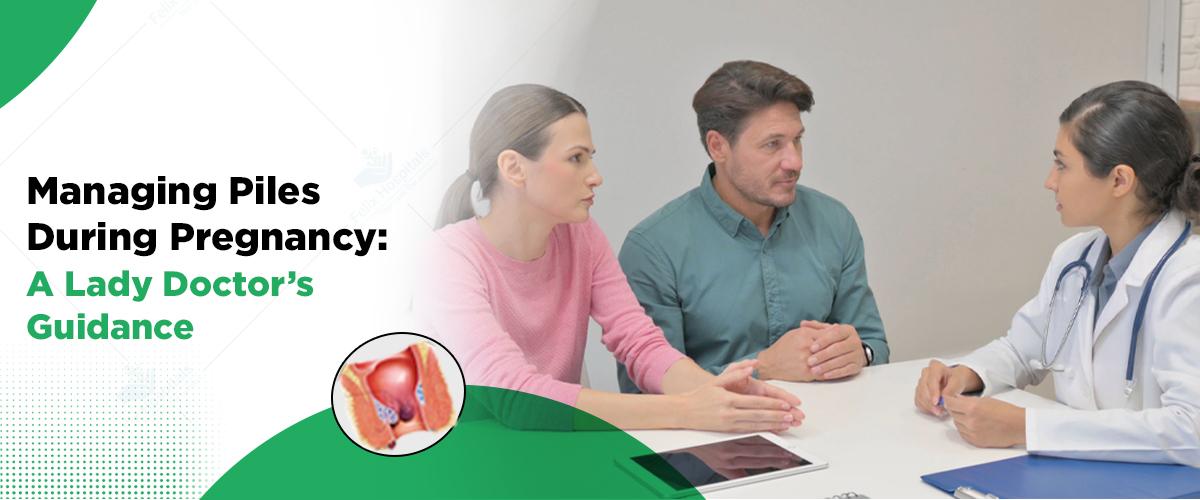
Pregnancy is one of the most beautiful phases in a woman’s life, but sometimes, conditions like piles or hemorrhoids can make it tad uncomfortable. It affects pregnant women – not just physically, but mentally and emotionally too. But with right and timely piles treatment, it can be easily managed.
At Felix Hospital, the best hospital for piles treatment in Noida, our team of women doctors provide a supportive environment to our female patients. So, if you’re pregnant and struggling with piles, here’s some handy information from a lady doctor’s perspective.
To schedule an appointment with our lady doctor for piles treatment in Noida, contact: +(91) 9667064100.
Piles, also known as hemorrhoids, are enlarged swollen blood vessels surrounding the rectal or anal region. They can be internal or external and cause symptoms such as bleeding, itching, pain during bowel movements, or when sitting for long periods. Piles are common in women during pregnancy and often show up in the third trimester. It can occur earlier or even after childbirth, especially if you’re prone to constipation.
If you’re pregnant and have hemorrhoids, you’re not alone. Piles or hemorrhoids appear when pressure bears down on your pelvic area and the lower part of your digestive tract (bowel). The pressure can be so heavy that even the veins in your anus absorb the impact, so much so that they swell. During pregnancy this pressure comes from various reasons, including:
Increased pressure because of growing fetus
Changing hormones
Constipation
Less movement & slower digestion
While pregnancy is a major trigger, other contributing factors causing piles in pregnant women include:
Low-fiber diet
Hormonal changes
Long hours of sitting or standing
A family history of hemorrhoids
Gaining weight too quickly
The common symptoms to watch for include:
Bleeding after bowel movement
Intense pain or discomfort while sitting or during bowel movements
Mucus discharge
Itching or irritation in and around the anus
Swelling or lumps near the anus
Some women dismiss symptoms of piles as normal pregnancy discomforts – but that’s where the mistake happens. Left untreated, piles can worsen and become a real hindrance. The key is to manage piles gently, without risking your baby or your own health. Here’s how:
Consume More Fibre: Eat more fiber to your diet. Add oats, whole grains, fruits like apples/bananas, vegetables (especially greens), and soaked flaxseeds. Stay hydrated and aim for 8–10 glasses of water daily. Avoid refined carbs, processed foods, and too much caffeine.
Topical Creams and Laxatives (But Be Cautious): There are hemorrhoid creams and laxatives, but not all are safe during pregnancy. Always check with your gynecologist before applying or having anything. Some ingredients can be absorbed through the skin and may not be recommended in pregnancy.
Don’t Ignore or Hold Your Stools: Holding in your stool makes it harder and increases straining. Go as soon as you feel the urge. Train your body to follow a consistent routine.
Cold Compression: If the piles are external and painful, applying a cold compress or ice pack can help reduce discomfort and pain.
Stay Active: You don’t need to do heavy workouts, but aim to walk for 20–30 minutes daily. Movement helps your bowels stay regular and improves blood flow.
Avoid Sitting or Standing for Too Long: Try not to stay in the same position for hours. If you work at a desk, take short walks or stretch regularly.
Sitz Baths For Temporary Relief: Soak your lower body in lukewarm water for 10–15 minutes, 2–3 times a day. This helps reduce pain and swelling. You can also add Epsom salt to the bath for extra relief.
If you notice symptoms such as heavy bleeding, persistent or worsening pain, foul-smelling discharge or signs of infection, don’t wait and seek immediate medical treatment. Your OB-GYN can recommend non surgical treatments that are safe for pregnancy. In rare cases, surgery may be considered postpartum if the condition is severe.
Some of the medical treatment options for hemorrhoids includes:
Rubber band ligation: During banding, a small rubber band is placed around the base of a hemorrhoid. The band stops the flow of blood into the hemorrhoid and eventually the hemorrhoid will fall off. This usually takes 10 to 12 days.
Sclerotherapy: A chemical solution is injected directly into the hemorrhoid. This causes it to shrink and to form scar tissue.
Hemorrhoidectomy. It is a surgical procedure to remove hemorrhoids and is often recommended for severe hemorrhoids or when there are complications, such as multiple hemorrhoids or hemorrhoids that have prolapsed.
Stapled Hemorrhoidopexy: The hemorrhoidal tissue is placed back inside the anus and held in place using surgical staples.
Piles can be one of the most frustrating and painful parts of pregnancy, but they don’t have to ruin this special experience. If you are suffering from pain and discomfort, commonly associated with piles, then you should consult our best female piles doctor in Noida. Timely medical attention not only helps manage piles symptoms, but it also prevents complications associated with piles.
With a little care, the right lifestyle changes, and a supportive female piles specialists you can manage the condition effectively and safely.
If you’re experiencing piles related discomfort, don’t brush it off. Seek help! With our team of lady doctors in Noida, you can speak freely and get the right treatment without feeling awkward or being judged.
Q: Are female piles doctors a better option for women?
Ans: Yes, many women feel more comfortable discussing intimate symptoms with a female doctor, especially when it comes to rectal or anal conditions. So if you are tired of surfing ‘general surgery doctor near me’, contact us immediately!
Q: Can piles during pregnancy cause harm to my baby?
Ans: No, piles don’t directly affect your baby. However, the pain and discomfort can interfere with your ability to rest, eat, and function, which can indirectly impact your pregnancy experience.
Q: Do piles go away after delivery?
Ans: In many cases, yes, especially if they were caused by pregnancy pressure. However, some women continue to experience them postpartum and may need treatment.
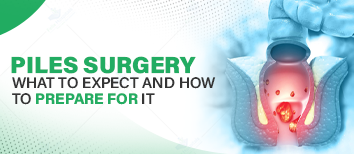
Internal hemorrhoids are swollen veins located inside the rectum, often caused by straining during bowel movements, chronic constipation, or pregnancy. Though usually painless, they may lead to symptoms like rectal bleeding, itching, and discomfort.


Subscribe to our
© Copyright 2026. All Rights Reserved by Felix Healthcare Private Limited
Design and development by :


 +(91)9667064100
 Emergency : +(91)9667064100