 WhatsApp
 Emergency:
  WhatsApp







Subscribe to our
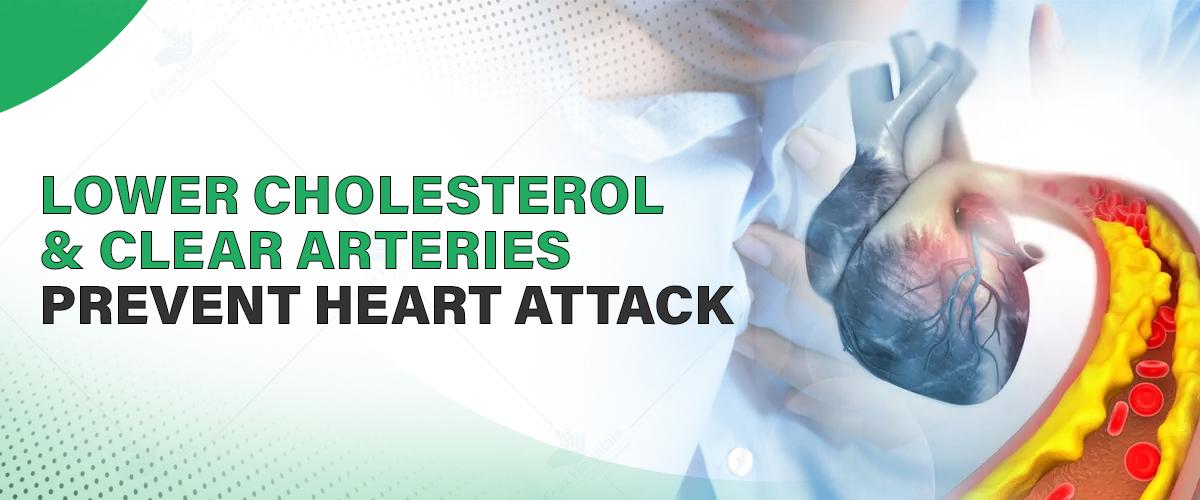
Heart attacks are a medical problem, but most can be avoided if one is properly informed and takes the correct steps. One of the prime reasons for heart disease is high cholesterol, which silently destroys arteries over years with plaque that obstructs the arteries and hampers blood flow. When such obstructions are strong, it causes total blockage, resulting in a heart attack. Fortunately, you don't need to wait for symptoms to act just go to the best heart hospital in Greater Noida—learning how to reduce cholesterol and keep your arteries plaque-free is the first step towards heart protection.
This blog will guide you through the basics of cholesterol, why arteries clog, and the most effective ways—medical and natural—to reduce cholesterol and prevent heart emergencies. From what you eat to the latest treatments, we'll also highlight foods that are good for your arteries and warning signs you never want to overlook. Whether you're ready to take control of your cardiovascular health, this is where you start.
Don't wait for symptoms—begin your path to healthy arteries and a healthy heart by embracing heart-healthy habits today. Call us today at +91 9667064100.
Cholesterol is a type of fat your body requires to build cells and hormones. Excess of the bad kind—low-density lipoprotein (LDL)—can adhere to artery walls and cause plaque accumulation. This material accumulation is referred to as atherosclerosis and can cause arteries to constrict, limiting blood flow to essential organs.
When a plaque ruptures, it can form a clot, completely blocking an artery and causing a heart attack or stroke. This is the reason that maintaining cholesterol in check and having healthy arteries is essential to heart health.
Several factors contribute to high cholesterol and clogged arteries:
Poor Diet: Consuming diets with high saturated fats, trans fats, and processed foods raises LDL cholesterol.
Lack of Exercise: Weight gain is caused by inactivity and decreased HDL (good) cholesterol.
Smoking: Harms blood vessels and aggravates cholesterol profiles.
Genetics: Individuals inherit certain conditions such as familial hypercholesterolemia, causing extremely high cholesterol levels.
Obesity and Diabetes: Usually associated with poor cholesterol levels and greater plaque buildup.
Embrace a Heart-Healthy Diet
Eat more soluble fiber (oats, legumes, fruits), which reduces LDL cholesterol.
Add nuts, seeds, olive oil, and avocados to supply healthy fats.
Eat fatty fish (such as salmon or sardines) that are high in omega-3 fatty acids to combat inflammation and support heart health.
Steer clear of red meat, whole-fat dairy, and fried foods.
At least 30 minutes of moderate activity (such as brisk walking or cycling) on most days can increase HDL and decrease LDL. Regular activity also aids. weight control and stress reduction, both of which are good for your heart.
Quit Smoking and Limit Alcohol
Smoking cessation increases HDL cholesterol and aids in artery repair. If you drink, do so in moderation—too
much alcohol increases blood pressure and cholesterol.
Reduce Excess Weight
Even a 5–10% weight loss can significantly reduce cholesterol and blood pressure and blood sugar levels.
If lifestyle changes are not sufficient, medical treatment is required. Your physician may prescribe:
Statins: These are the most widely used cholesterol-lowering medications. They inhibit a substance your liver requires to produce cholesterol.
PCSK9 Inhibitors: New injectable medications that reduce LDL by a lot.
Bile Acid Sequestrants and Cholesterol Absorption Inhibitors: Help reduce cholesterol absorption from the diet.
In severe clogging of the arteries, operations like angioplasty (with a balloon to inflate the artery) or bypass surgery can be required to open the flow of blood and prevent heart attacks.
Certain foods are known to reduce plaque and inflammation:
Garlic: Can reduce cholesterol and blood pressure.
Turmeric (Curcumin): Anti-inflammatory and can enhance the functioning of the arteries.
Green Tea: Rich in antioxidants, which lower cholesterol and enhance the functioning of the heart.
Pomegranate: Polyphenols that fight plaque formation and oxidative stress.
Flaxseeds: Soaked in omega-3s and fiber, which is good for heart and artery health.
Although the blocked arteries typically do not have symptoms at first, look out for:
Chest pain or chest discomfort (angina)
Shortness of breath
Fatigue with exertion
Palpitations or a racing heartbeat
Dizziness or lightheadedness
When you experience any of the above, seek the best cardiologist to check your heart condition and level of cholesterol level.
Prevention of heart attack begins with early lifestyle modification. Here's a quick prevention checklist:
Regularly check cholesterol levels (every 4-6 years or more frequently if at risk)
Eat a whole, unprocessed food diet
Exercise on a daily basis
Avoid the use of tobacco
Reduce stress through yoga, meditation, or therapy
Monitor blood pressure and diabetes
Stay well-informed and proactive about your heart health
Seize control of your heart health today—schedule an appointment with a cardiologist for a cholesterol test and develop a personalized prevention plan.
Preventing heart attacks is not an afterthought to a diagnosis—it's prevention and wise decision-making upfront. Through keeping healthy cholesterol levels, consuming nutrient-dense foods, regular exercise, and tacking any medical risk factors at the earliest point, you can significantly cut down the likelihood of arterial plaque and heart attacks. Even minor alterations in your lifestyle, made consistently, can contribute significantly to your heart health.
If you have high cholesterol or just don't want to have problems later on, it's never too soon—or too late—to take control of things yourself. Consult with a cardiologist, take care of yourself, and educate yourself on the newest developments in heart care. Also, search for the best cost of the Heart treatment and keep this in mind: a healthy heart equals a fuller, longer life—and it all begins with your choices today.
Q: What cholesterol level is dangerous for heart health?
Ans: LDL cholesterol of over 160 mg/dL and total cholesterol of over 240 mg/dL are high and may substantially elevate your risk for heart disease.
Q: Can natural reversal of the artery plaque be done through diet and exercise?
Ans: Although reversal is uncommon, a treatment of vegan diet, moderate exercise, and lifestyle modification will slow or even reverse plaque accumulation over several years.
Q: How fast can lifestyle change cholesterol?
Ans: With ongoing dietary and physical activity modifications, most individuals start to notice changes in cholesterol levels within 4 to 6 weeks, but habits must be maintained.
Q: Do cholesterol drugs always have to be taken for blocked arteries?
Ans: Not always—mild to moderate blockages might be treated by lifestyle modification alone, but in high-risk patients, physicians may prescribe statins or other drugs to avoid complications.
Q: What are the warning signs of blocked arteries prior to a heart attack?
Ans: Symptoms may be chest pain, shortness of breath, tiredness, or neck, jaw, or arm pain—particularly on exertion.
Q: Is there a distinction between dietary cholesterol and blood cholesterol?
Ans: Yes. Dietary cholesterol (food cholesterol) has a relatively small impact on altering blood cholesterol levels for most people; saturated and trans fats play a larger role in your cholesterol.
Q: Can stress and sleep deprivation impact cholesterol and heart health?
Ans: Yes. Lack of sleep and ongoing stress can increase cortisol levels, and that can increase triglycerides and LDL cholesterol, which helps form arterial plaque over time.
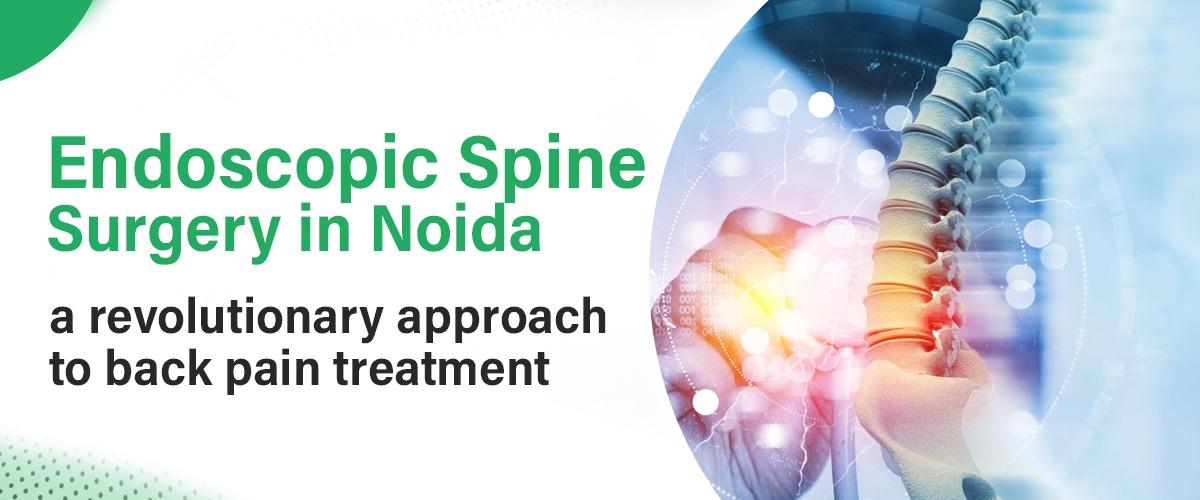
Back pain is a growing concern among people of all ages. Long hours at the desk, bad posture, or an accident can all have a big effect on how someone lives their life every day. Many patients try drugs or treatments, but they might not work for a long time. Fortunately, modern medical technology offers a superior option. Endoscopic spinal surgery is a minimally invasive surgery with minimal pain and faster recovery. Now available at the best spine hospital in Noida, this advanced procedure allows patients to recover faster and more comfortably.
For a pain-free life, consult spine specialists dedicated to your health. Call us today at +91 9667064100.
Endoscopic Spine Surgery is a minimally invasive procedure that uses a small camera (endoscope) and special surgical tools for fixing problems in the spine. It only needs small cuts, usually less than 1 cm, which means that the muscles and tissues around the spine aren't hurt very much.
Endoscopic spine surgery is much less painful and requires less time to heal than traditional spine surgery, which involves large cuts.
This modern method works well for treating several common spinal problems, such as:
Slipped or Herniated discs
Spinal stenosis (when the spinal canal gets narrower)
Degenerative disc disease
Sciatica
Spondylolisthesis (when a vertebra slips out of place)
Persistent lower back pain unresponsive to medications
If you are suffering from any of these conditions and haven't found relief with more traditional treatments, endoscopic spine surgery might be a safe and effective choice for you.
Usually, the procedure is done with local anesthesia and mild sedation, which means you'll be awake and comfortable the whole time.
You can expect the following:
First Evaluation: Your doctor will look at you and your MRI or CT scans to find out exactly where the problem is in your spine.
Minimal Incision: A small incision of usually less than 1 cm.
Endoscope Insertion: The surgeon puts a thin tube with a camera (the endoscope) inside the body so they can see inside the spine without having to cut through a lot of tissue.
Surgical Correction: The surgeon uses small tools to operate the problematic area like trimming a herniated disc that is pressing on a nerve.
Closure: After the surgery, the cut is closed with a bandage or stitches.
More and more patients in Noida are choosing this advanced procedure at the city's best hospital because it has so many benefits:
After surgery, there is very little pain.
Fewer days in the hospital; some patients go home the same day
Quick return to normal life
Less chance of getting sick and having problems
Smaller scar and better-looking results
Less time in the hospital means lower costs than open surgery.
Most patients can walk within a few hours of the procedure and do light activities again within a few days. It usually only takes a few weeks to fully heal, while it can take months for recovery from traditional spine surgery.
The best spine doctor in Noida will tell you exactly how to take care of your back, including how to sit and stand, what exercises to do, and when to come back for more appointments.
The success of endoscopic spine surgery depends on many factors. A few of them are listed below:
Highly skilled spine specialists who are experts in advanced minimally invasive surgeries
The latest tools for diagnosis, imaging, and surgery
Care that puts the patient first and includes personalized treatment plans
Take the first step toward a better life today. Schedule your appointment by clicking here for your pain-free future.
With new technologies like Endoscopic Spine Surgery, long-term relief in low back pain is finally possible. The best hospital in Noida has highly trained doctors who use the latest, least invasive methods. This procedure is safe, quick, and gets you back to your normal routine much faster. This advanced solution might be the best option for you if other treatments haven't worked. Don't let back pain run your life. Start your recovery today and lead towards a healthier, pain-free future.
Q: What are the long-term effects of endoscopic spine surgery? Can the problem recur?
Ans: Many patients get long-lasting relief, but the results depend on their lifestyle, how well they follow post-surgical care, and the health of their spine.
Q: Is there a chance of nerve damage or paralysis during this procedure?
Ans: All spine surgeries are associated with some risks, but nerve damage and paralysis are very rare. Choosing a highly experienced surgeon greatly lowers the risk of problems.
Q: Will I need to go to physical therapy after the surgery?
Ans: Yes, gentle rehabilitation exercises are usually suggested to strengthen back muscles.
Q: What is the average cost of endoscopic spine surgery in Noida, and is it covered by insurance?
Ans: Because people stay in the hospital for less time, the costs of spine surgery in Noida (endoscopic surgery) are usually lower than open spine surgery. Most insurance companies will pay for it, but the amount of coverage depends on the policy norms.
Experiencing tingling in your hands or feet? It could signal a nerve-related issue. Consult our expert neurologists at Felix Hospitals to find the cause and get the right treatment today.
Advanced neurosurgery improves treatment for brain and spine disorders with better outcomes.
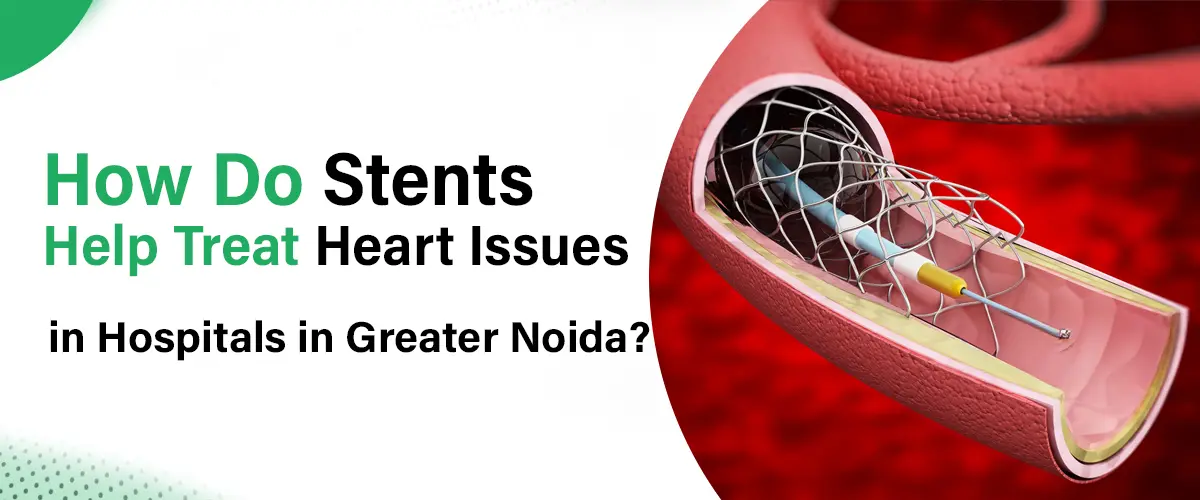
The most common cause of health issues in India, particularly in the Greater Noida urban region, is heart disease. Most individuals are affected by heart issues due to busy lives, unhealthy eating, and high stress levels; thus, one must opt for appropriate medical care at the earliest opportunity. One of the most common methods of addressing a clogged artery is the insertion of a stent. Why we require stents, if at all we need them, and what can one expect from Greater Noida's top hospitals regarding state-of-the-art cardiology treatment will all be part of this article.
If you want to estimate whether a stent procedure would help you achieve cardiac health again, schedule an appointment with a cardiologist in Greater Noida on +91 9667064100.
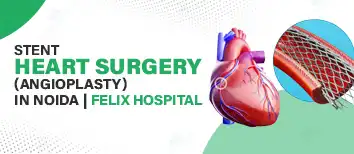
A stent is a metallic or polymeric mesh tube of thin form but narrow diameter that is put in an artery in order to avert blockage. It is most often employed in coronary angioplasty, which is a medical procedure conducted when plaque made up of fat, cholesterol, and another material narrows or blocks arteries which are supposed to supply the heart with blood. With stent placement, physicians are able to reinstate normal blood circulation and decrease the likelihood of heart attack or another cardiovascular event.
A stent is generally prescribed if symptoms of artery narrowing cannot be alleviated through medication, life changes, and other treatments only. Stenting may be advised by the following conditions that occur in the heart:
Heart diseases (CAD)
Chest discomfort or angina caused by a reduced supply of blood
Heart attack (to open a blocked artery immediately)
A reocclusion of a previously dilated artery
More Noida hospitals, including the best Heart Hospital in Greater Noida, have the most sophisticated cardiac centers and cath labs to properly diagnose and treat heart conditions.
Stent placement, or angioplasty with stenting, usually involves the following:
Catheter Insertion: It is the process of inserting a tiny tube, a catheter, into a vein, usually in the arm or leg, and advancing it to the constricted coronary artery.
Balloon Expansion: A tiny balloon is inflated at the tip of a catheter to dilate a constricted artery.
Stent Implantation: The stent is implanted to maintain the artery open permanently after expansion. It stays and holds the walls of arteries.
Normal blood circulation of the heart: Returns following the stabilization and opening of the artery, relief of symptoms such as chest pain and shortness of breath.
A majority of the contemporary stents are drug-eluting stents, releasing slowly medicine that discourages re-narrowing of the artery.
Stenting is an unstitched technique and has several advantages, particularly if performed in well-established medical institutions in Greater Noida. These include:
Short Recuperation Time
Less Pain and Risk than Open Heart Surgery
Quicker Relief of Symptoms
Less Chance of Heart Attack
Shorter Hospital Stay
Cardiologists monitor patients after they've undergone the procedure so the stent will be functioning properly and complications are managed.
There is a risk for stenting, just as there is for any procedure medical. These might include:
Infection or bleeding from where the catheter enters
Blood clotting within the stent
Blockage in the artery
Intolerance of dye for angioplasty
The whole post-procedure is managed by the experts of Greater Noida hospitals, who utilize lifestyle changes and blood thinners to minimize such risks.
Many renowned hospitals in Greater Noida offer cutting-edge cardiac diagnostics and care, including stenting. Experienced cardiologists, skilled interventionists, and round-the-clock emergency services are all available at these hospitals. Patients receive all of their heart care needs in one location, from the initial electrocardiogram, echocardiography, and stress tests to angioplasty and rehabilitation.
Personalized health checks and cardiac care packages are also provided by some hospitals, through which residents can monitor the health of their heart and detect problems in the initial stages before they become severe.
Patients are advised to adopt a lifestyle that is heart-friendly after a stent. These include:
Eating a healthy and low-fat diet
Regular physical activity as instructed
Avoidance of smoking and drinking alcohol in moderation
Yoga or meditation as a stress-reduction technique
Interviews with a cardiologist, follow-up
The patient can have an active, healthy life after stenting if he/she adheres to medications and has follow-up appointments with his/her physician.
To begin your path to a healthier heart, schedule an appointment for a heart examination at one of the best hospitals in Greater Noida!
Particularly in fast-developing urban aggregates like Greater Noida, stenting—a potentially fatal process—is now revolutionizing the treatment of cardiac conditions. Such centers here are providing speedy and effective treatment to patients afflicted by coronary disease or clogged arteries due to their advanced technology, well-trained cardiologists, and patient-focused medical care.
Don't waste time; book an appointment with a cardiologist in Greater Noida immediately if you or any of your relatives experience chest pain, difficulty in breathing, or other cardiovascular symptoms. Have a second chance to enjoy your life with greater satisfaction and protection against serious complications by taking advantage of an early treatment process.
Q: What is generally the cost of stent insertion in Greater Noida?
Ans: Stent implant cost in Greater Noida ranges from ₹90,000 to ₹2,50,000. It changes based on stent type, hospital, infrastructure, and the patient's health condition. Always request the hospital to give the correct estimate.
Q: What is the cost of recovery from a stent?
Ans: For most patients, recuperation is just 5 to 7 days. Light activities can be done initially, but lifestyle modification is needed for full recuperation. For safer recuperation, follow your doctor's advice.
Q: Does stenting last forever?
Ans: Stenting is a temporary, but long-term, solution for blocked arteries. Follow-up, daily medication, and lifestyle modification are needed to prevent further cardiac problems. Post-procedure care is the secret to success.
Q: After you've been stented, do you need to stay away from any food?
Ans: Fact that after stenting, there is a requirement for a heart-healthy diet. Junk food, saturated fat, and excess salt are out of the question. Opt for whole grains, fruits, and vegetables for the best heart health.
Q: Can I travel or fly on an airplane after getting a stent procedure?
Ans: One week later, depending on recovery, travel is okay usually. But always seek permission from your cardiologist before flying in a long distance. Don't panic and listen to your body.
Q: How safe is stenting surgery in Greater Noida hospitals?
Ans: With the help of advanced equipment and experienced cardiologists in Greater Noida hospitals provide safe and advanced stenting. In the hands of experienced professionals, the risk is nil. Ensure that the hospital is NABH-certified and well-equipped.
Q: What are the post-stent long-term precautions?
Ans: Long-term care also includes medication compliance, regular check-ups, and not partaking in risk factors like smoking. Healthy lifestyle and stress management are necessary in the prevention of complications. Heart care is vital on a regular basis.
A stent procedure can be life-saving for those with blocked arteries. This guide walks you through the stent experience—from the angioplasty process to post-procedure recovery and lifestyle changes.
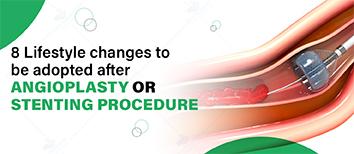
Angioplasty is a minimally invasive surgical procedure used to open blocked or narrowed coronary arteries. During the procedure, a small balloon is inserted into the artery and inflated to widen it.
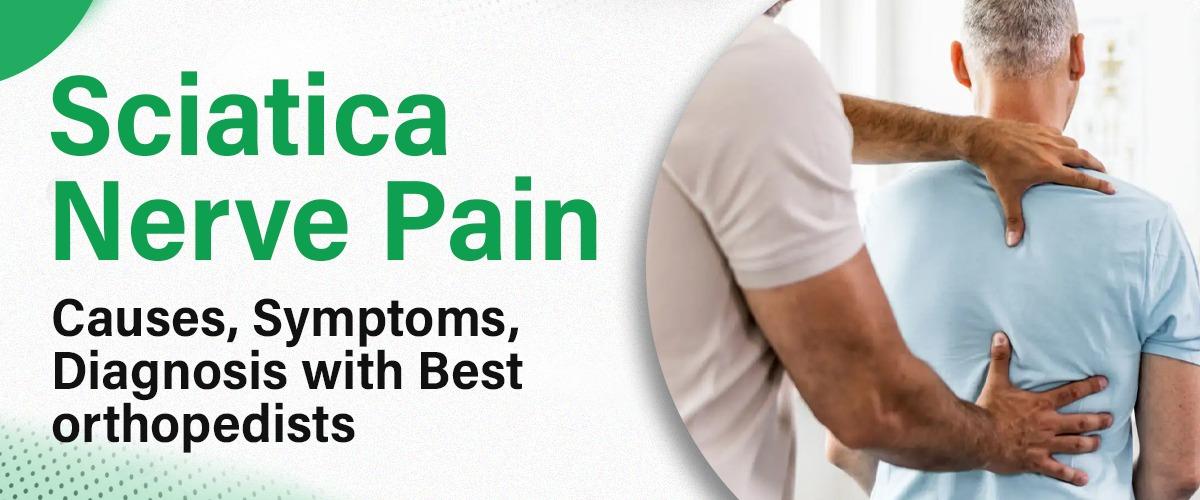
If you’ve ever had pain shoot from your lower back into your butt or down your leg, it’s probably your sciatic nerve flaring up. But here’s something a lot of people don’t realize: sciatica nerve pain isn’t a disease. It’s a sign that the sciatic nerve is being pressed. This nerve starts in your lower back and travels down through your hips, buttocks, and into each leg. When it’s affected, the pain usually follows that same path.
Most people feel it in one leg, a deep ache, burning, or sharp sensation that can be mild at times or extremely difficult to ignore. So, if you suffer pain that travels or shoots downwards, sometimes accompanied by numbness or tingling, it could be sciatica.
Don’t ignore the sciatica nerve pain, and schedule an appointment with our team of best orthopaedic doctors in Noida. To schedule an appointment, contact us at: +(91) 9667064100.
The sciatic nerve is the biggest nerve in your body. It starts in your lower spine, runs through your hips and backside, and travels all the way down to your feet. When something like a slipped disc, tight muscle, or even a bad fall presses on that nerve, it causes pain.
Some people feel it as a dull ache. Others get electric jolts of pain that can stop them mid-step. For a few, it comes with tingling, numbness, or that weird heavy-leg feeling. And yes, sometimes it gets so bad that just sitting or sneezing makes it worse.
Here are the usual troublemakers behind sciatica nerve pain:
Herniated disc: A disc in your spine bulges out and presses on the nerve. It’s one of the most common causes.
Spinal stenosis: This is when the space inside your spine narrows, often due to age. It can press on nerves and cause chronic pain.
Piriformis muscle issues: There’s a small muscle deep in your backside called the piriformis. If it spasms or tightens, it can squash the sciatic nerve underneath.
Injuries: A bad fall or accident can inflame or damage nerves in the lower back.
Bone issues or alignment problems: Sometimes, vertebrae in the spine slip over one another, this is called spondylolisthesis, and that can trap the nerve too.
In rare cases: A tumor, infection, or cyst near the nerve could be to blame.
As mentioned above, sciatica symptoms often affect only one side. The pain can vary a lot from person to person. For some, it’s a dull ache, and for others, it’s sudden, electric, and disabling.
● Pain that starts in the lower back or buttock and travels down the leg
● Tingling or “pins and needles” sensation
● Numbness in parts of the leg or foot
● Weakness, especially while lifting the foot or standing up
● Pain that worsens while sitting, coughing, or turning
● The pain can come and go, or stay for weeks. It might ease with movement or worsen after long periods of sitting.
There’s no single test for sciatica. At Felix Hospital, the best sciatica pain treatment hospital in Noida, diagnosis usually starts with a detailed history and physical examination. Your doctor will ask when the pain started, where it travels, and whether you feel numbness or weakness. During the exam, you may be asked to walk, lift your leg while lying down, or perform simple strength tests. These help identify which nerve roots might be involved.
In some cases, your doctor might order imaging tests, like:
● X-rays to rule out fractures or bone changes
● MRI scan, which are more detailed and show herniated discs or nerve compression
● CT scans or nerve conduction studies if there’s a need to go deeper, or if the symptoms don’t match the physical findings
Initial treatment focuses on relieving inflammation, managing pain, and supporting healing.
It could be through one of the following interventions:
Medications: Pain relievers, Anti-inflammatory drugs, muscle relaxants, or short-term steroids, especially if inflammation is severe.
Physiotherapy: Once the worst of the pain settles, physiotherapy can help prevent future flare-ups. Stretching and strengthening exercises reduce pressure on the nerve and improve mobility.
● Avoid sitting too long
● Try gentle walking or low-impact movement
● Avoid lifting heavy objects or twisting movements
● Pay attention to posture and weight
● Injections (If oral medications don’t help, steroid injections near the affected nerve may offer relief).
Surgery is rarely the first step. But it may be necessary if:
● The pain is disabling and hasn’t improved after 6–8 weeks
● There’s worsening weakness or numbness
● There’s any loss of control over bladder or bowel (this is an emergency)
Microdiscectomy: Removal of a portion of a herniated disc. This minimally invasive surgery helps in the treatment of spinal cord injuries, herniated discs causing nerve compression, spinal fractures and correct spinal deformities.
Laminectomy: A laminectomy is a common surgical procedure to remove the lamina or bony arch that protects and supports the back part of your spinal cord. It relieves pressure on your spinal cord nerves that can cause pain, numbness or tingling in your back, arms and legs. At Felix Hospital, we have a team of best orthopaedic doctors in Noida, who excel at performing laminectomy.
Sciatica can come back, especially if the underlying cause isn’t addressed. Prevention focuses on spine care and nerve protection through:
● Maintaining a healthy weight
● Keeping the lower back strong and flexible
● Avoiding prolonged sitting without movement
● Using proper techniques when lifting
Don’t ignore early signs like numbness or occasional shooting pain. It could be sciatic nerve pain. For diagnosis or treatment, contact Felix Hospital, the best sciatica pain treatment hospital in Noida.
Sciatica is treatable. But early diagnosis is important, both to relieve symptoms and to rule out more serious causes. Whether it’s caused by a disc problem, age-related changes, or something else, the right treatment can make a big difference.
If you’re experiencing persistent leg pain, numbness, or discomfort in the lower back that doesn’t seem to go away, consult our best orthopedic doctors in Noida.

Spinal cord injury is one of the most serious injuries one can have. The damages can be permanent if not treated on time.
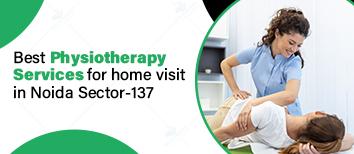
Get personalized care from experienced physiotherapists in the comfort of your home, tailored to meet your specific needs for faster recovery.
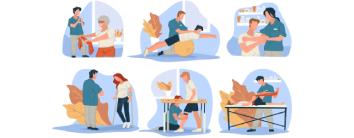
If you are having any physical pain in your body due to factors like illness, injury, sudden stroke or aging, a physiotherapist can help you to overcome the pain through various therapies like electrotherapy, heat and cold packs, exercise etc.
Fistula not only causes discomfort and distress, but it can also affect your quality of life, especially if left untreated. The best way to get rid of fistula is through surgery. Of late, minimally invasive laser treatment has emerged as a revolutionary approach for managing fistula effectively. While laser treatment can be used for any kind of fistula, it is highly recommended in cases where sphincter muscle of the anus requires more care. Let’s get insights on minimally invasive laser treatment for fistula and why it’s considered to be the most effective surgical treatment.
If the fear of traditional surgery has been holding you back from seeking treatment for anal fistula, consider minimally invasive laser surgery for quick relief and faster recovery.
Looking for best fistula surgery doctors in Noida? Look no further than Felix Hospital, Noida. For consultations or query, contact: +(91) 9667064100.
An anal fistula is an infected wound that drains pus (abscess) from your anus. It is an abnormal passageway that develops from inside your anus to the skin outside that causes pain, discomfort, swelling and redness. As mentioned above, it will mostly require surgery.
Common symptoms include:
● Pain and Swelling that causes discomfort in the anal region, especially during bowel movements.
● Irritation or itching around the anal area.
● Discharge of pus or blood from an external opening near the anus.
Surgery is often needed to treat anal fistulas as they do not heal by themselves. At Felix Hospital, the best Fistula Surgery Treatment Hospital in Noida, our surgeons will recommend a surgery based on the position of your fistula and whether it's a single channel or branches off in different directions. Complex fistulas may need surgery in stages.
Fistulotomy: This is the most common and effective surgical procedure for simple anal fistulas (doesn’t have any branches). Fistulotomy involves cutting along the whole length of the fistula to open it up, so it heals as a flat scar. The minimally invasive laser treatment for fistula is suitable when fistulas do not pass through much of the sphincter muscles.
Procedure: During the minimally invasive procedure, using a laser probe, our best fistula surgeon in Noida, through targeted laser will deliver energy in the fistula tract. This aids in destroying the tissue in the anal area. In contrast to an open surgery, the surgeon doesn’t physically remove the drainage or the pus. Once the fistula has healed, the surgeon removes the laser probe and seals it. The laser treatment gets completed in a few minutes. And, unlike traditional fistula surgery which has a longer recovery period, laser surgery is nearly painless and offers a shorter recovery period.
● Minimally invasive procedure
● Offers enhanced precision and accuracy
● Reduced risk of infection
● Quicker recovery time
● Minimal postoperative discomfort
The recovery time for fistula laser treatment depends on several factors, such as:
● The severity of the fistula, as the complex fistulas will take longer to heal
● Overall health of the patient
● Expertise of the surgeon
● Postoperative care
Are you looking for the best fistula treatment in Noida? At Felix Hospitals, our best fistula surgery doctors in Noida offer minimally invasive surgery using the latest equipment and machines.
1. Cutting-Edge Laser Technology: We boast state-of-the-art advanced laser technology, ensuring precise and minimally invasive treatment options for fistula.
2. Experienced team: We have a team of highly skilled and experienced best fistula surgeon doctors in Noida who excel in providing minimally invasive laser treatment for fistula.
3. Multidisciplinary approach: Our team of best fistula surgery doctors in Noida work closely with other specialists to provide excellent outcomes.
4. Personalized care: We provide quality treatment to each patient as per the individual requirement to ensure personalized care.
5. Clinical excellence: We have proven experience in handling even the most complicated cases accurately and precisely.
6. Cost Effective Treatment: Our fistula surgery treatment cost in Noida is affordable and cost effective.
7. Diet and nutrition support: Our experts assist patients in recommending a diet that helps them recover and heal faster.
Laser treatment for fistula offers numerous advantages over traditional surgery. As medical technology evolves, laser therapy revolutionizes fistula management and treatment, thereby improving patient outcomes.
At Felix Hospital, the best fistula surgery treatment hospital in Noida, our team of gastroenterologists and laparoscopic surgeons offer a multidisciplinary approach. The team is well-equipped to evaluate and treat various types of fistulas.
For consultation, or to schedule a laser fistula surgery, speak to our representative at: +(91) 9667064100.
Q: What lifestyle changes can I make to cope with an anal fistula?
Ans: Adopt a high-fibre diet, engage in regular low-impact exercise, and avoid prolonged sitting to help manage and cope with an anal fistula.
Q: What signs should I watch for that could indicate a recurrence of anal fistula?
Ans: Watch for signs such as pain, swelling, or discharge and seek medical attention immediately if you see any unusual symptoms.
Q: What is the fistula surgery treatment cost in Noida?
Ans: Fistula surgery treatment cost in Noida can vary, but generally ranges between ₹35,000 to ₹70,000, with an average cost around ₹51,000 for laser treatment for fistula.
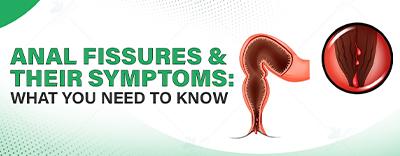
Anal fissures, perianal abscesses, and anal fistulas are common anorectal disorders that can significantly impact an individual's quality of life.
Blurry vision, trouble with headlights at night, colors looking dull, or that feeling like your glasses are never “quite right”! Well, for many people, these are some of the early signs of cataract. It’s not always sudden. In fact, in most cases, the change is so slow that people don’t even realize it could be cataract.
It’s only after they struggle to perform their daily tasks, such as reading the newspaper or finding it difficult to drive after dusk, that they schedule an appointment with an ophthalmologist. Even though cataract is an inevitable part of growing old, the good news is it can be treated through a painless & scar less procedure available at Felix Hospital, the best hospital for cataracts surgery in Noida.
Get rid of cataract with advanced, hassle-free & minimally invasive laser surgery treatment in Noida! Don't let foggy vision impact your quality of life. To schedule an appointment, contact:
Cataract is a clouding of the natural, clear lens of the eye. It usually develops as we age. Whatever may be its cause, cataract leads to blurred or double vision which makes it difficult for an individual to perform their daily activities.
Seeing through a cataract affected lens is like viewing through a frosted glass. Common cataract symptoms include:
● Floaters
● Gradual change in power
● Faded/blurred vision
● Difficulty in seeing, reading or driving at night
● Halos around light
● Trouble with bright lights
The most common cause of developing cataract is age. But that’s not all. Cataracts can also appear earlier than expected due to:
● Diabetes
● Previous injuries or surgeries on the eye
● Prolonged use of steroids, especially oral or injectable forms
● Excessive UV light exposure without eye protection
● Smoking or regular alcohol use
● Hereditary factors (if your parents had them early, you might too)
In rare cases, cataracts may even be present at birth or develop in children, usually due to genetics or infection during pregnancy.
If you experience blurred, foggy or double vision, it’s best to schedule an eye exam with the best doctor for cataracts surgery. During the visit, your ophthalmologist will:
● Check your visual sharpness using standard charts
● Use a slit-lamp microscope to examine the lens and front of the eye
● Dilate your pupils with drops to assess how cloudy the lens has become
● Check eye pressure to rule out conditions like glaucoma
If the lens has clouded significantly and it's affecting how you function day-to-day, surgery may be discussed as the next step. It's advisable to get cataract surgery done from a skilled and experienced surgeon. This is to ensure there’s no visual problems after cataract surgery.
There are no drops, tablets, or lifestyle changes that can prevent or reverse cataract. Once it starts forming, the only effective treatment is surgical removal of the cloudy lens.
The advanced, minimally invasive cataract surgery is a painless & scarless procedure. It is typically completed in less than 30 minutes.
After numbing the eye with local anaesthetic drops, the surgeon creates a small opening in the front of the eye. A specialised tool (often using ultrasound waves) is used to break up and gently remove the cloudy lens.
A clear artificial lens, called an intraocular lens (IOL), is then inserted into the same position where the natural lens used to be. This lens stays in the eye permanently, and you won’t feel or notice it. The incision is usually so tiny that it seals on its own, without the need for stitches. At Felix Hospital, our best doctor for cataracts surgery ensures there’s no visual problems after cataract surgery.
● Offers excellent results
● Cataract removal in less than 15 minutes
● 100 % No-Blade, No-Pain and No-Stitch surgery
● Only a few minor precautions to be followed post surgery
● Use of laser to make entry parts
● No use of mechanical blades
● Automatic handling of complicated steps
● Accurate incisions reduce chances of postoperative astigmatism
● Offers fast recovery at affordable cost
● Eliminates risk associated with traditional cataract surgery.
Artificial lenses aren’t one-size-fits-all. Depending on your lifestyle, power and whether you want to reduce your dependence on glasses, your surgeon will recommend one of the artificial lenses:
● Premium Aberration-Free/Aspheric IOLs are the ones which are identical to the eye's natural lens in terms of its shape and optical quality.
● These provide sharper vision even in dim or low light conditions.
● These are highly beneficial for people with large pupils.
● These provide crystal-clear vision for all distances.
● Rarely do patients face any glare problem.
● These IOLs are highly recommended if you wish to be least dependent on spectacles.
● These IOLs correct the pre-existing Corneal Astigmatism and eliminate chances of astigmatism postoperative.
● Toric IOLs help to reduce dependency on spectacles for distant vision postoperative.
● These IOLs are premium intraocular lenses designed to expand the range of clear vision.
● These IOLs are highly recommended to treat cataract and presbyopia simultaneously.
● These provide enhanced near vision and therefore, reduce the need for reading glasses post cataract surgery.
To know the cataracts surgery cost in Noida, contact us!
The recovery period post cataract surgery is usually smooth, but it does require care. You’ll be given medicated drops to prevent infection and inflammation, and advised to avoid rubbing your eye or doing any strenuous activity for a few days.
Things to remember post-op:
● Use your eye drops, as prescribed
● Don’t let water enter the eye for the first few days
● Avoid dusty areas
● Keep follow-up appointments with your eye doctor
● Wear protective glasses or a shield while sleeping or while stepping out in sun
Most patients return to normal routines, including screen work or going out, within 2–3 days. However, your vision may continue to improve for a few weeks as the eye heals.
The cataract itself cannot return because the natural lens has been removed. But in a small number of patients, the capsule behind the artificial lens becomes cloudy months or even years later. This isn’t a repeat cataract, it’s a minor issue that can be corrected quickly with a laser treatment.
If you are 60 or above, or are at a risk of early development of cataract, it is advisable to get your eyes examined regularly .
Felix Hospital, the best hospital for cataracts surgery in Noida, we offer the most advanced minimally invasive cataract surgery in Noida. So, if you are scared of cuts, incisions or blood, this cataract removal procedure is well-suited for you. This no-bandage and no-stitch procedure is 100% blade-free, pain-free and offers excellent visual results too. We have a team of best cataract surgeons in Noida who regularly perform cataract removal surgery.
If you or a loved one is struggling with dim or blurred sight, it might be early signs of cataract. For diagnosis and treatment, contact:
Q: Is the cataract removal procedure painful?
No, the eye is usually numbed before surgery, and while you’re awake, you won’t feel pain. Most people describe mild pressure at most.
Q: How long before I can see clearly after the cataract surgery?
You may notice better vision within a day or two, but clarity continues to improve over the next few weeks.
Q: Will I still need glasses afterward?
That depends on the type of lens used. Many patients still need glasses for reading or close-up tasks if a monofocal lens is used.
Q: Can cataracts come back after surgery?
No, the cataract itself doesn’t return. But some people develop a secondary clouding which is easily treated with a quick laser session.
Cataract surgery is essential to restore clear vision and prevent permanent blindness. It removes the cloudy lens and replaces it with an artificial one, helping patients regain normal sight and quality of life.
Cataract surgery can be a life-changing procedure, restoring clarity and enhancing the quality of life for those affected by cataracts.
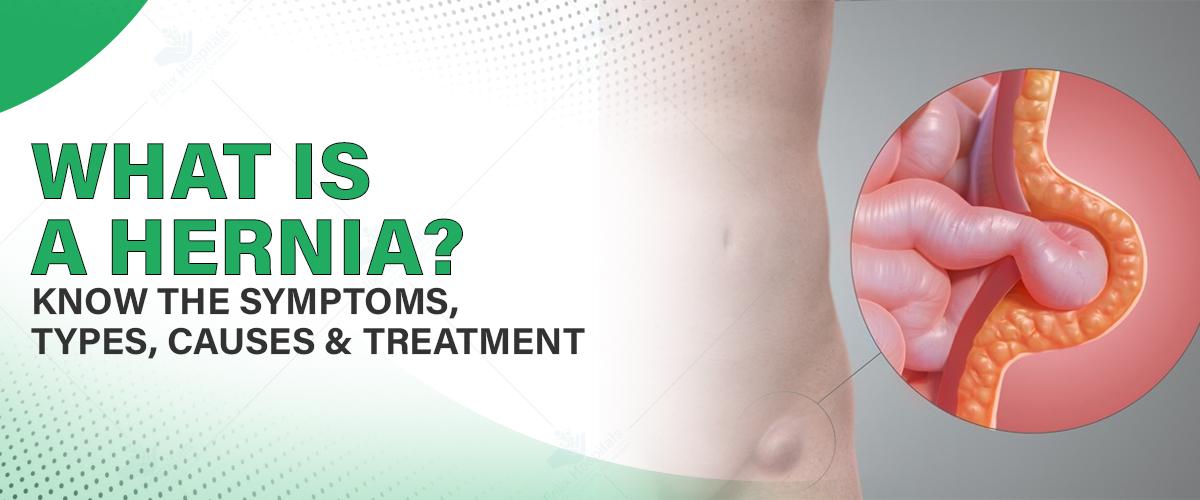
A hernia occurs when an internal organ bulges through a weak area in the muscle. In most cases, it develops in the belly or groin and is a lump that enlarges when you stand up, lift something, or cough. Many hernias cause pain or discomfort, but some of them may not show any symptoms. However, all of them should be evaluated by the doctor.
If you or someone you know suddenly experiences swelling, pain, or tenderness in the belly or groin area, you should get medical help right away. If not treated, a hernia may cause critical problems for which emergency surgery may be necessary. For quick diagnosis and efficient treatment, consult the best hernia expert in Noida.
Call +91 9667164100 to schedule a consultation at the top hospital in Noida for hernia surgery and postoperative care.
A hernia occurs when an organ inside, usually the intestine, protrudes through a weakened spot in the muscle or covering around it. Although hernias can appear anywhere in the body, they most frequently appear between the hips and the chest, usually in the navel, the groin, or where there has been an older surgical wound.
Hernias do not heal on their own and usually get worse over time. Delaying treatment may lead to serious, potentially lethal complications, such as strangulation, which obstructs blood flow to the entrapped organ. In these situations, emergency surgery is not only necessary but also crucial to protect the affected tissue and overall health.
Recognizing the various types of hernias aids in early detection and swift intervention, which is essential in preventing repercussions. The following are the most common types:
The most prevalent variety is inguinal hernia, especially in males. It is a hernia where intestine or fat protrudes through the wall of the abdomen at the bottom and into the groin.
Femoral hernia is more commonly seen in women. It occurs when tissue pushes through the upper thigh just below the groin.
Umbilical hernia is seen frequently among infants and adults and manifests itself near the umbilicus when tissue from the abdomen protrudes from the navel.
Hiatal hernia develops when part of the stomach protrudes through the diaphragm into the thorax. Chest pain, heartburn, and acid reflux are typical symptoms of hiatal hernia.
Incisional hernia occurs near the site of a previous surgical incision, typically when the wall of the abdomen is not healed and tissue protrudes through the scar.
For overall health and well-being, visit the best hernia surgery hospital for a correct diagnosis and effective treatment. Timely medical intervention can have a big effect on the results.
The most outward indication of a hernia is an evident swelling in the affected area. Hernias, however, might present with some indicators, based on type and severity. These include:
Visible swelling or lump on the abdomen or groin
Pain or tenderness, most often when lifting, bending, or coughing
Heaviness, pressure, or fullness sensation on the abdominal region
Severe, throbbing, or sharp pain beside the protrusion
In severe cases: nausea, vomiting, or symptoms of intestinal obstruction
In some cases, hernias will not initially show symptoms, but progress and worsen. Early evaluation and treatment helps in preventing any medical emergency.
Hernias are usually seen where there is a combination of weak muscle and high pressure against the abdominal wall. Some of the risk factors are:
Lifting heavy objects without right technique
Recurrent coughing due to asthma or bronchitis
Excess weight continuously that puts constant strain on the abdominal wall.
Pregnancy, due to increased intra-abdominal pressure
Constipation resulting in continuous straining during stools
Previous abdominal surgery, where muscle wall is compromised by scars or incisions
Family history of hernia
Being aware of risk factors can help in prevention and early treatment.
Most of the hernias can be diagnosed through clinical examination. Your physician will request you to stand, strain, or cough so that he/she has a clearer view of the bulge. Occasionally, your physician will suggest the following imaging studies:
Ultrasound
CT scan
MRI
These tests confirm the location and size of hernia and assist in finding whether surgery is required or not. We use these to confirm the hernia's presence and size, as well as to determine whether surgery is required.
Hernia treatment depends on its type, size, severity, and the patient's overall health.
For asymptomatic hernias that are not affecting daily activities, doctors recommend non-surgical treatment. This includes regular observation to observe if there is any alteration or development of symptoms with time.
Surgery is the sole treatment for hernias. The aim is to push the bulging tissue back into place and to repair the weak point in the wall of the abdomen. There are two main types of surgery:
Open Surgery: An outdated but reliable technique that employs one large cut. The displaced tissue is relocated to its correct location, and the weak muscle wall is closed or covered with mesh.
Laparoscopic (Minimally Invasive) Surgery: Laparoscopic surgery is a minimally invasive surgical method performed with a number of small incisions. It is performed by means of a camera and instrumentation through a number of small incisions. It is most likely to result in quicker recovery, less postoperative pain, and minimal or no scarring.
The recovery after hernia surgery varies depending on the type of surgery and the person's overall condition. Here is a full timeline:
Open surgery: It usually takes 4 to 6 weeks to get back to normal activities after open surgery.
Laparoscopic surgery: Patients frequently return to light activities within one week, attaining complete recovery in around two to three weeks.
To help you get better and lower the chances of problems, follow these important recovery steps:
For many weeks after surgery, you shouldn't lift anything heavy.
To improve circulation and ease stiffness, take short walks every day.
Eat a lot of fibre to avoid constipation and strains.
After surgery, be sure to attend the follow-up appointments with the surgeon
Keep the area where the procedure was performed clean and dry to prevent infection.
Always follow your doctor's specific instructions for recovery, as each case is different. A safe and complete recovery depends on getting treatment on time and following the advice given after surgery.
Hernias can recur even after effective surgical intervention, especially if particular risk factors remain unmitigated. Common causes of recurrence include:
Smoking makes it harder for wounds to heal.
Too much weight on the body puts constant strain on the abdominal wall.
Intense or repeated effort, like when you poop or work out.
Regularly lifting heavy weight without the right technique.
Coughing that doesn't go away is often linked to conditions like asthma or bronchitis.
Book a consultation with the top hospital in the region for the finest treatment of hernia in Noida.
A hernia might begin as a small pain or bulge, but if left untreated, it can lead to serious health problems. For a full recovery, it's important to know the early warning signs and get timely medical help.
A timely diagnosis and appropriate intervention—whether through monitoring or surgical procedures—offer the best chance for a safe and positive outcome.
If you or someone you care about notices unusual swelling, don’t delay. A prompt medical response can distinguish between a routine treatment and a serious emergency.
Q: What size hernia needs surgery?
There is more than just size to think about when it comes to surgery. There are also symptoms and the danger of complications. Even small hernias need to be fixed if they cause symptoms, hinder activities, or strangulate.
Q: Is hernia surgery considered a significant procedure?
Usually, hernia surgery is not so invasive. Laparoscopic repairs are less invasive, while open procedures for big or recurring hernias can be more difficult.
Q: What is the primary cause of hernia?
The main cause of hernias is pressure and weakness in the muscles, which can happen from vigorous lifting, a long-term cough, being overweight, or having surgery in the past.
Q: Is hernia 100% curable?
Yes, surgery can fix hernias. But there is always a chance that it will come back if risk factors like smoking or being overweight are not dealt with.
Q: What is the maximum age for undergoing surgery for hernia?
There is no specific age limit. The operation can be safely performed on elderly individuals, provided they are medically fit, subject to individual medical assessments.
Q: Can you travel with a hernia?
You can usually travel with a hernia that isn't too severe. If you have swelling, discomfort, or are at risk of strangulation, consult your doctor first.
Q: Is hernia surgery expensive?
The cost of hernia surgery varies based on the type (laparoscopic or open), where it is performed. It is not typically expensive, and most times it is covered under insurance.
A hernia typically occurs due to a combination of muscle weakness and strain. This can happen from factors such as aging, injury, heavy lifting, chronic coughing, or conditions like pregnancy and obesity.
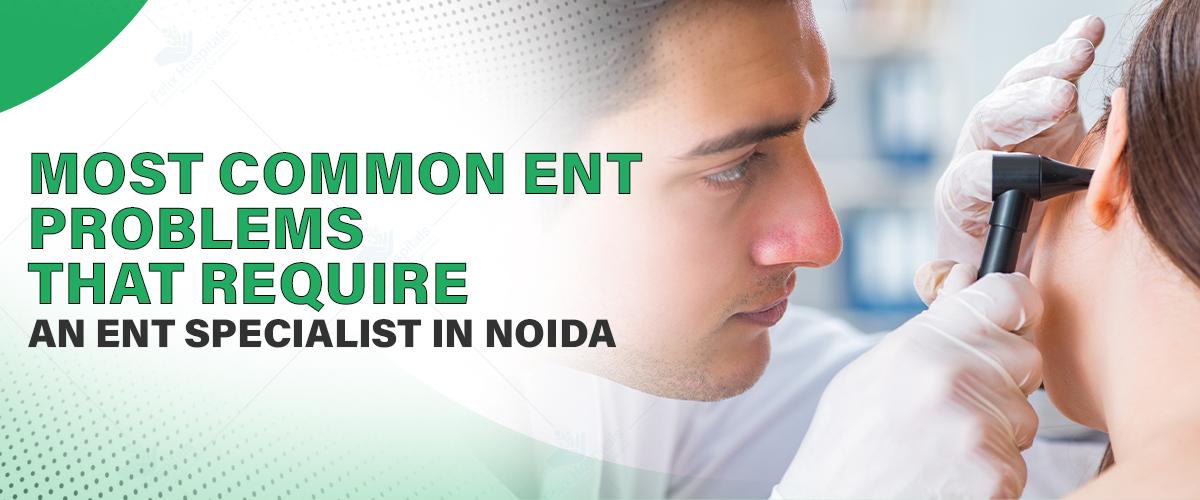
Ear, nose, and throat (ENT) disorders are more prevalent than many individuals realize. A mild irritation, such as a sore throat, plugged ear, or nasal congestion, can worsen quickly if not addressed timely. ENT disorders, encompassing infections, allergies, and anatomical anomalies, can impact individuals across all age groups.
Identifying the etiology and initial manifestations of ENT disorders is essential. Prompt awareness aids in averting problems and facilitates swifter, more efficient treatment. Recognizing the appropriate time to seek a specialist's consultation can significantly impact the management of persistent ear pain, recurrent sinus infections, alterations in voice, or respiratory challenges. The blog post discusses an overview of prevalent ENT conditions and provides advice with the help of the best ENT hospital in Noida on when to seek professional care for optimal well-being.
If you are experiencing any issue concerning ENT, just dial +91 9667064100.
Here are the common ENT issues that require the expertise of an ENT specialist:
What is it?
An ear infection occurs when bacteria or viruses cause inflammation in the middle ear. Pain and suffering occur when fluid builds up behind the eardrum. It can affect people of any age, but it is more common in kids.
Causes:
Blockage of the Eustachian tube
Allergies, sinusitis, or contact with irritants like smoke
Symptoms:
Acute or persistent ear pain
Feeling of fullness or pressure in the ear
Fever (especially in pediatric patients)
Temporary hearing loss
Otorrhea (fluid or pus-filled discharge)
Troubled sleeping in children
What is it?
Sinusitis refers to inflammation of tissues lining the sinuses. Sinuses are air-filled spaces in the skull that produce mucus. It can be categorized as acute (short-term) or chronic (lasting 12 weeks or longer).
Causes:
Viral infections such as common cold
Nasal polyps
Deviated nasal symptom
Exposure to pollutants, fungus, or changing air pressure
Symptoms:
Blocked or congested nose
Facial pressure
Thick yellow or green mucus discharge from the nose
Impaired sense of smell or taste
Tiredness, bad breath, and coughing at night
Morning headache
What is it?
Tonsillitis is the inflammation of the tonsils. Tonsils are two lymph nodes located at the back of the throat. It can be caused by viruses or bacteria and is most common in kids and teens.
Causes:
Bacteria called Streptococcus
Viruses that affect the respiratory system, such as adenovirus and influenza
Poor sanitation
Close contact with sick people
Symptoms:
Dysphagia
Red and swollen throat with or without pus-filled exudates
Enlarged tonsils
Fever and chills
Enlarged Cervical lymph nodes
Hoarseness, bad breath, or ear pain
What is it?
Hearing loss is a partial or total inability to hear in one or both ears. It might develop slowly or suddenly, and it can have a big effect on communication and quality of life.
Causes:
Age-related hearing loss
Long-term exposure to high noise levels
Relapse of middle ear infections
Buildup of earwax
Injury or impairment of the inner ear
Symptoms:
Difficulties in understanding speech, especially in noisy settings
Hearing problems or distorted sounds
Tinnitus is when you hear ringing or buzzing in your ears.
What is it?
Sleep apnea is a long-term condition in which breathing repeatedly stops and starts constantly as you sleep. Obstructive Sleep Apnea (OSA), the most common type, occurs when the throat muscles intermittently relax and block the airway.
Causes:
Being overweight
Enlarged tonsils or adenoids
Nasal blockages (such as deviated septum)
Age, alcohol consumption, or genetic variables
Symptoms:
Snoring that won't stop and is quite loud
Apneas that happen while you sleep (people often see them)
Gasping or choking at night
Morning headaches
Dry mouth
Excessive daytime sleepiness
Problems with staying focused
Many problems with the ears, nose, and throat (ENT) may seem minor at first, but you should not ignore symptoms that persist for a long time or recur. Getting competent help on time can greatly reduce problems and speed up healing.
If you experience any of the following, see an ENT expert:
Persistent ear pain, hearing loss.
Recurrent ear infections.
Nasal obstruction, sinus discomfort, or facial pressure lasting more than 10 days.
Noticeable changes in vocal quality.
Snoring, trouble sleeping, or episodes of apnea at night.
Tinnitus or problems with balance.
Unusual lumps, sores, or bleeding in the mouth, nose, or throat.
Don't let these symptoms affect the quality of your life. Early diagnosis and treatment are essential for a healthy life. Felix Hospital is known as the best ENT hospital in Noida. It has highly trained professionals who provide thorough and compassionate care for all ENT problems. They use the latest technology and personalized treatment plans to get the best results for their patients.
Never put your health at risk, especially when it comes to ENT problems, as they can impact your overall wellness. If you don't deal with a small inconvenience right away, it could turn into a big problem. At Felix Hospitals, you can easily find the nearest ENT specialist in Noida dedicated to improving your respiratory function, hearing clarity, and overall health. Our specialist care, advanced technology, and experienced team ensure effective and affordable ENT treatment in Noida.
Ans: Warning signs are severe headache, stiff neck, fever, confusion, seizure, and photophobia. These can be signs of a life-threatening complication such as meningitis or brain abscess. See emergency medical services as soon as possible if you observe these signs.
Ans: Felix Hospital has highly skilled ENT experts who can handle all kinds of otolaryngological problems.
Ans: The ear and throat are linked; therefore, ear issues will result in a sore throat. An otolaryngologist will be required to look for chronic issues.
Ans: An upper respiratory tract infection, commonly referred to as a common cold, causes sore throat, congestion, and sneezing. Persistent symptoms demand otolaryngological care.
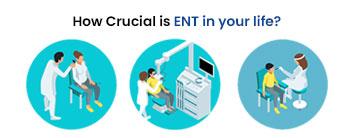
ENT health is essential for proper breathing, hearing, speech, and balance. Early detection and expert care ensure a better quality of life and prevent chronic complications.
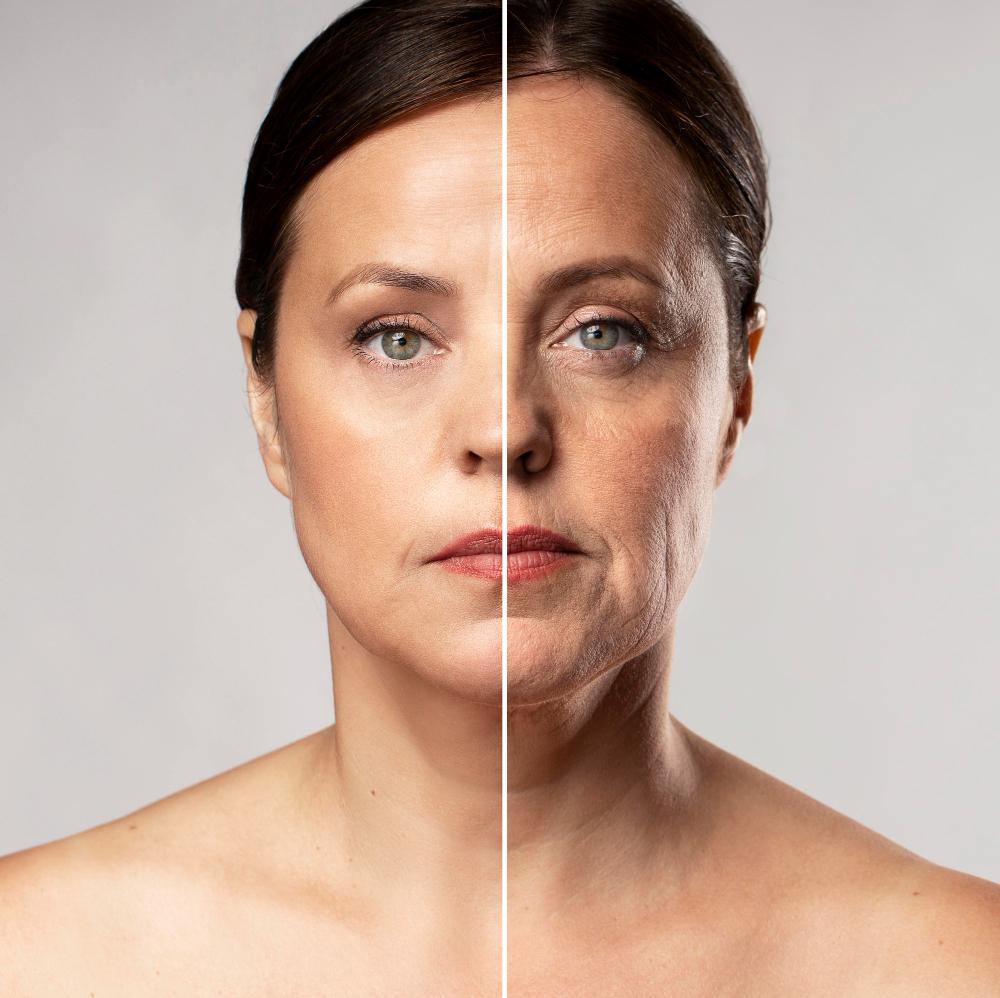
Certain skin disorders aren’t preventable, including genetic conditions and some skin problems due to other illnesses.

Neglected tropical diseases (NTD) will be eradicated from the root only through awareness. But this is possible only when people are aware of the illnesses and get treatment by reaching the hospital on time.
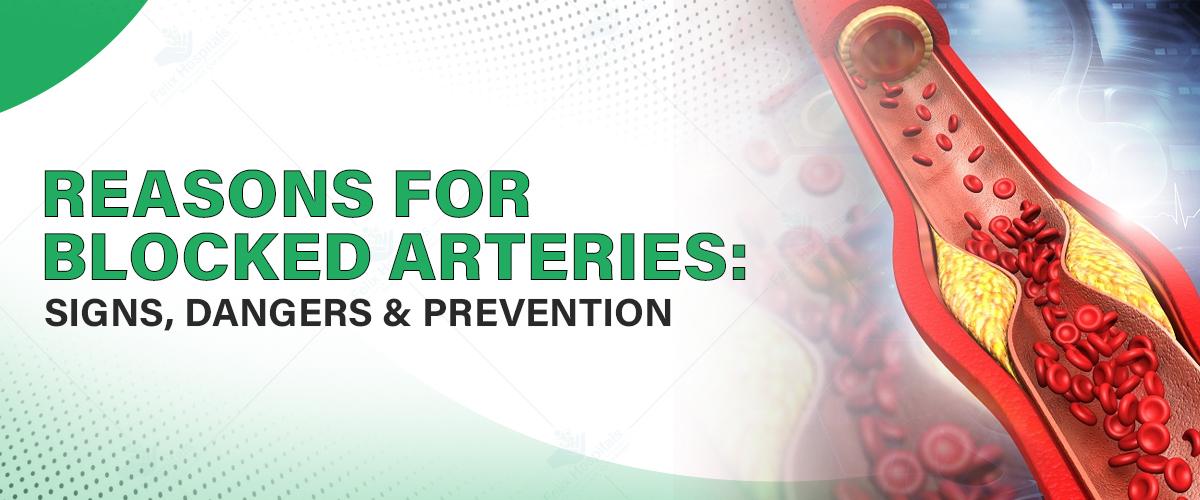
Often referred to as arterial blockages, these obstructions pose a silent threat, potentially leading to illnesses such as heart attacks, strokes, and peripheral artery disease. The accumulation of plaque—a mix of fat, cholesterol, and other compounds—within the artery walls usually causes these obstructions to evolve over time. Many people, sadly, still lack awareness of the warning signals until it is too late. Protecting your heart and general health can be much improved by knowing the causes, identifying early symptoms, and acting preventatively. This blog post looks at the causes of clogged arteries, their possible risks, and how you might avoid them by acting early on.
Early detection and timely treatment from the best heart hospital in Greater Noida can lead to better recovery and improved heart health.
Are you experiencing alarming heart symptoms? We encourage you to book your heart scan today with the best cardiologists in Greater Noida. Dial now at +91 9667064100.
A blocked artery develops when plaque builds up on the walls of the artery and stops blood from flowing through it. Cholesterol, fat, calcium, and other things in the blood make up this plaque.
When this clogging takes place in the arteries that bring blood to the heart (coronary arteries), coronary artery disease can be the consequence, which significantly increases the risk of stroke or heart attack.
Usually, artery blockages don't exhibit any signs until they get very thin or completely blocked. If symptoms do show up, they might be:
Angina, or chest pain and pressure
Shortness of breath
Dizziness or fatigue
Nausea or sweating
Heart palpitations
Weakness in legs or arms
In certain cases, a heart attack may be the primary sign, necessitating early identification like early diagnosis and regular check-ups.
The most frequent cause of an artery blockage is atherosclerosis—a buildup of plaque on the inside wall of the arteries. Over time, it hardens and narrows the arteries, which makes it harder for blood to circulate.
Atherosclerosis is caused by several risk factors:
High levels of cholesterol
Elevated blood pressure
Smoking
Diabetes
Inactivity
Poor diet
Genetic inheritance
Over time, less blood flow might cause significant problems, including a heart attack or stroke. That's why making changes to your lifestyle, getting frequent checkups, and treating problems early are all important for keeping arteries clear.
Understanding the distinction between angina and a heart attack can be life-saving.
Usually happens when you are stressed out or doing something physical
Gets better with rest or medicine
Shows that blood flow to the heart is less, but not completely blocked
Can happen even while you're not moving
Rest does not make pain go away.
Often occurs with sweating, feeling sick, and discomfort that spreads to the arm, jaw, or back.
Signals a complete or severe blockage, and needs immediate medical attention.
Seek emergency attention immediately if you feel persistent chest pain that does not subside with rest. You could save your life by acting quickly.
Maintaining health and significantly preventing arterial blockage are primarily dependent on lifestyle choices. You can significantly diminish your risk by:
Eating a heart-healthy diet: Focusing on fruits, vegetables, whole grains, and lean proteins.
Exercising regularly: Aiming for at least 30 minutes of moderate activity most days of the week.
Managing stress: Practicing techniques such as yoga, meditation, or hobbies to reduce tension.
Controlling blood pressure and cholesterol: Maintaining optimal levels with medication and lifestyle changes.
Quitting smoking: Smoking damages blood vessels and accelerates plaque buildup, increasing the risk of blockages.
Early prevention and routine check-ups can reduce your risk significantly.
If you’re experiencing symptoms of a blocked artery, your doctor may recommend several diagnostic tests:
Echocardiogram: Uses sound waves to create real-time images of your heart’s functioning
CT Angiography (CTA): Provides a detailed imaging scan of the blood vessels.
Magnetic Resonance Angiography (MRA): Offers a non-invasive way to visualize arteries.
Intravascular Ultrasound: Provides high-resolution images of blood vessels from inside.
Heart Scan: A calcium scoring test to detect plaque buildup early.
Timely diagnosis is crucial. Timely detection of arterial obstructions facilitates timely intervention, thereby mitigating the risk of severe consequences such as myocardial infarctions or cerebrovascular accidents.
The therapeutic strategy is contingent upon the degree of obstruction and the patient's general health status. Prevalent therapeutic alternatives encompass:
1. Lifestyle Adjustments
This represents the primary line of defence in the management of obstructed arteries. It comprises:
Adopting a cardioprotective diet
Engaging in frequent physical activity
Effectively managing stress
Ceasing tobacco use
These modifications mitigate plaque accumulation and diminish the likelihood of problems.
2. Pharmaceuticals
Physicians may prescribe pharmaceuticals to:
Reduce cholesterol levels
Manage hypertension
Inhibit thrombus formation (e.g., anticoagulants or antiplatelet agents)
Pharmaceuticals can enhance circulation and diminish the likelihood of myocardial infarction or cerebrovascular accident.
3. Angioplasty and Stenting
A method characterized by minimal invasiveness, in which:
A diminutive balloon is introduced and inflated to expand the constricted artery.
A stent, a tiny wire mesh tube, is then inserted to maintain arterial patency.
This facilitates the restoration of normal blood circulation without necessitating open surgery.
Prompt diagnosis and intervention can preserve lives, mitigate problems, and markedly enhance quality of life. Consistently seek the counsel of your cardiologist to ascertain the most appropriate treatment tailored to your particular problem.
Your physician will develop a customized treatment plan to restore normal blood circulation. The best Heart hospital in Greater Noida offers specialized cardiac care at an affordable price.
Take charge of your heart health. Schedule an appointment for a preventive checkup at Greater Noida's best hospital and lower the risk of heart disease. Get heart care at the best hospital for a reasonable cost.
Blocked arteries are a severe threat to heart health that you can't see. Ignoring early warning signs can have deadly effects, even if the symptoms aren't always clear. The good news is that blocked arteries can be treated well with early diagnosis, lifestyle adjustments, and the right therapy.
If you feel chest pain, have trouble breathing, or any other warning signals, don't wait. Visit a cardiologist at the best hospital in Greater Noida and take precautions to protect your heart.
Your health is your most valuable asset, so make it a priority today.
Q: Can blocked arteries be reversed naturally?
Ans: Although total reversal of occluded arteries is not common, some lifestyle modifications can go a long way in maintaining healthy heart function. Regular diet, adequate exercise, no smoking, and stress control can retard the development of plaque.
Q: Are blocked arteries always painful?
Ans: No, blocked arteries do not affect most individuals unless the blockage is significant. Because of this, blocked arteries are sometimes referred to as a "silent threat." Pain or discomfort does not arise until blood flow is severely compromised, and these factors can cause angina or, worse, a heart attack.
Q: How is artery hardening different from artery blockage?
Ans: Arteriosclerosis is the hardening and thickening of blood vessel walls. Clogging of an artery, or atherosclerosis, is the accumulation of plaque that narrows or clogs the artery and reduces blood flow.
Q: How much narrowing of an artery is hazardous?
Ans: A blockage of 50% or more can start to disrupt blood flow, but 70% or more is frequently harmful and causes symptoms like chest pain or shortness of breath, which need medical attention.
Q: Do women have different symptoms of clogged arteries than men?
Ans: Yes, women often experience less obvious symptoms like tiredness, nausea, or discomfort in the neck and jaw, while men usually feel pressure in their chest. This means that ladies need to get checked out early.
Q: Can stress make arteries block?
Ans: Chronic stress elevates hormones that make the heart rate and blood pressure go up. Over time, this can hurt the walls of arteries and make plaque build up.
Q: How often do I need to obtain a test for clogged arteries?
Ans: Adults over 35 who have risk factors including high blood pressure or diabetes should get screening tests every 1–2 years, as their doctor says.
Q: Do young adults ever have blocked arteries?
Ans: Yes, individuals in their 20s or 30s can have blocked arteries, especially if they smoke, don't exercise, are overweight, or have a family history of heart disease.
Q: Is angioplasty a permanent fix for arteries that are too narrow?
Ans: Angioplasty opens up clogged arteries and puts in stents, but it doesn't fix the problem. To stop new blockages from developing, it's important to adjust your lifestyle and keep getting checkups.
Dr. Rahul Arora is an experienced Interventional Cardiologist with 21+ years of expertise in advanced cardiac care, specializing in personalized, evidence-based treatment for heart diseases and improved patient outcomes.
The primary goal of the Treadmill Stress Test is to evaluate how well the heart responds to increased physical activity
Over time, this restricted blood flow can lead to serious issues like coronary artery disease, heart attack, or heart failure.
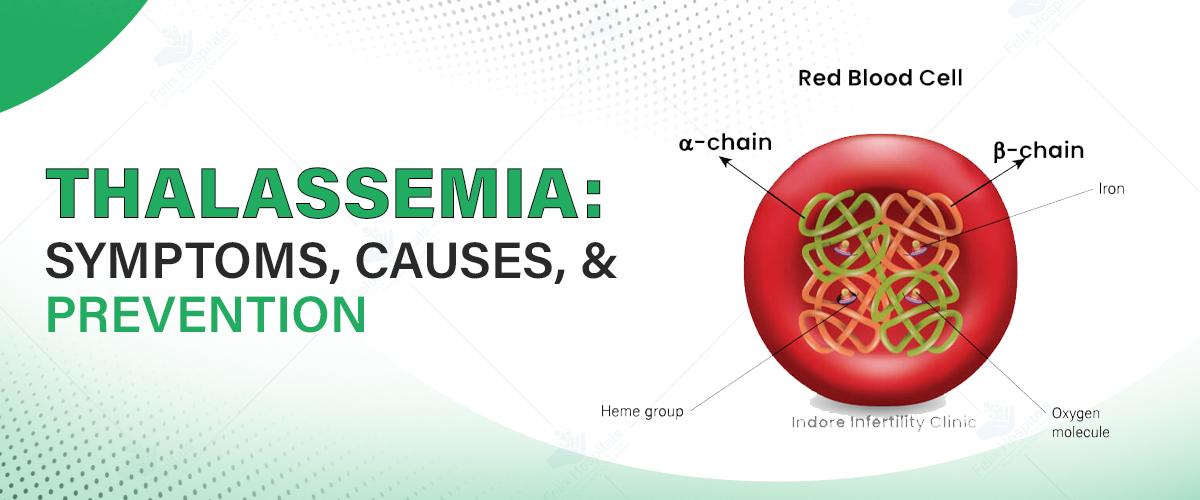
Thalassemia is a genetic condition that interferes with your body's ability to produce hemoglobin and healthy red blood cells. Hemoglobin is the protein found in red blood cells that carries oxygen throughout your body. If your body fails to produce enough quantities of hemoglobin, you may end up with the symptoms of anemia—a situation where your body lacks adequate oxygen to function efficiently.
It is necessary to be aware of thalassemia, its categories, symptoms, and treatment to manage the disease effectively. In case you find any such symptoms, it is necessary to consult the best thalassemia treatment hospital in Noida for the right diagnosis and treatment in advance.
Don't wait to take care. Call Felix Hospitals, Noida's best hospital, at +91 9667064100 to make your appointment today.
Thalassemia is an inherited blood disorder caused by defective genes from either or both of the parents. These faulty genes affect the production of hemoglobin in your body. Hemoglobin is the protein in red blood cells that carries oxygen. Without adequate healthy hemoglobin, your body produces fewer and weaker red blood cells, leading to anemia.
There are two general forms of thalassemia:
Alpha thalassemia
Beta thalassemia
Both impact different protein chains of the hemoglobin molecule. The severity of thalassemia varies depending on how many defective genes have been inherited.
The symptoms of thalassemia depend upon the severity of the condition. These include:
Weakness and tiredness
Pale or yellow color of the skin (jaundice)
Dark coloured urine
Retarded growth in children
Bone deformities
Enlarged spleen
Shortness of breath
In severe cases, symptoms become evident within the first two years of life.
Thalassemia occurs more frequently in individuals whose ancestry can be traced back to Africa, Southern Europe, the Middle East, India, and Southeast Asia. Being hereditary, thalassemia is passed down from parent to offspring through genes.
If you have a family history or fall into these high-risk groups, get genetic testing—most importantly, before planning a child.
Physicians usually diagnose thalassemia by a battery of blood tests, including:
Complete Blood Count (CBC)
Hemoglobin electrophoresis (to detect abnormal hemoglobin)
Genetic testing (to identify defective genes)
Iron studies (to exclude iron-deficiency anemia)
Early detection will avert complications. Contact the top hospital in Noida if you or your child are presenting symptoms of chronic anemia.
Although no single cure exists for all thalassemia, there are several treatments that help manage the symptoms and enhance the quality of life:
Blood Transfusions—Repeated transfusions improve red blood cell count to normal in severe situations.
Iron Chelation Therapy—The therapy helps in avoiding damage from iron overload due to repeated transfusions.
Folic Acid Supplements—These supplements assist in usual red blood cell formation.
Bone Marrow or Stem Cell Transplant: The only viable treatment is a bone marrow or stem cell transplant, which works best with a compatible donor.
These cutting-edge therapies are available at the best hospital in Noida, under the guidance of world-class hematologists and oncologists.
Poorly treated or untreated thalassemia may result in:
Iron overload, which can damage the heart, liver, and endocrine glands.
Bone deformities and fractures.
Frequent infections due to decreased immunity.
Delayed puberty and growth in children and adolescents.
Prevention by frequent checkups and follow-up at the best oncology hospital in Noida are essential to control these complications.
Take charge of your health—Felix Hospitals, the best hospital in Noida, is here to take care of you every step of the way.
Thalassemia, being a permanent illness, can be well taken care of with early detection and proper treatment protocol. If you have mild symptoms or have to undergo transfusions constantly, awareness and initiative can do wonders. If you or a family member has anemia or thalassemia, act fast. The expert team at Noida's top hospital, Felix Hospitals, has advanced diagnostic equipment and treatment techniques to enable you to live a healthy, active life. Take care of your health—your journey towards better health begins at Felix Hospitals.
Q: Can someone with thalassemia lead a normal life?
Ans: Yes, with proper care and treatment, most patients with thalassemia can have normal and active lives. Follow-up and lifestyle change are required for prevention of complications and management of symptoms.
Q: Is thalassemia infectious or transmissible by blood transfusions?
Ans: Thalassemia is not contagious and cannot be spread by transfusion.
Q: Does thalassemia influence fertility or pregnancy?
Ans: Yes, thalassemia may actually affect pregnancy and fertility in their extreme forms. Such patients need to visit a specialist for planning pregnancy and antenatal care. Felix Hospital is proficient in providing genetic counselling for such needs.
Q: How is thalassemia different from iron-deficiency anemia?
Ans: Although both are responsible for low hemoglobin, thalassemia is hereditary, while iron-deficiency anemia is normally the result of inadequate diet or blood loss. Thalassemia becomes worse as a result of unnecessary iron supplements; hence, diagnosis is required.
Q: Can diet or lifestyle modification help with thalassemia symptoms?
Ans: While changes in lifestyle will not cure thalassemia, a well-balanced diet containing plenty of folic acid, exercise, and staying away from iron supplements (except on prescription) can improve overall health and energy.
Blood cancer affects the production and function of blood cells. Early detection, accurate diagnosis, and advanced treatments significantly improve survival rates and patient outcomes in Noida and beyond.
Recognize the early warning signs of cervical cancer. Learn about its symptoms, causes, and when to consult a gynecologist for timely diagnosis and treatment.
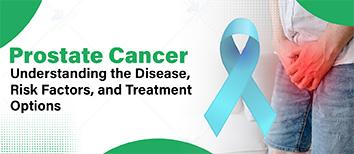
Prostate cancer is a type of cancer that occurs in the prostate gland, a small walnut-shaped gland responsible for producing seminal fluid, which nourishes and transports sperm.

Subscribe to our
© Copyright 2026. All Rights Reserved by Felix Healthcare Private Limited
Design and development by :


 +(91)9667064100
 Emergency : +(91)9667064100