 WhatsApp
 Emergency:
  WhatsApp














Subscribe to our

Bronchial Asthma or Asthma is an inflammatory disease that affects your lungs. Asthma is a chronic condition and can be treated with appropriate medical management.
Majority of people with asthma can manage their symptoms with medication and avoiding environmental stimuli; however, some have more severe forms that are much harder to manage.
If you have severe or recurrent asthma symptoms and want accurate diagnosis and treatment, consult the best doctor in Greater Noida today.
For personalized asthma treatment from experienced experts in Greater Noida—schedule an appointment today by calling +91 9667064100.
Severe asthma is a type that can't be managed even with intensive therapy. In this type of asthma, symptoms won't improve even on using high doses of inhaled corticosteroids, long-term use of oral steroids, or multiple medications for asthma.
Some people have asthma while others do not. There are certain factors that are responsible for higher risk of asthma.
Triggers are the substances that causes asthma attack if you come in contact with them. Triggers are different for different people but common triggers include:
Symptoms of severe asthma are like those of mild or moderate asthma but much worse and more prolonged. You might feel:
If facing any of these symptoms, call emergency services or visit the best hospital in Greater Noida immediately.
Your healthcare provider will assess your medical history, and will analyse your symptoms. They will need to know about any history of allergies, eczema- a bumpy rash development caused by allergy or any other lung diseases.
Spirometry is a test to measure airflow through your lungs and helps to understand the progress of treatment.
A chest X-ray, blood test, skin test may also be done.
If your asthma does not respond to treatment, it can be termed as treatment-resistant asthma. It may be due to:
The best pulmonologist in Greater Noida will carry out thorough examinations to eliminate these chances before they diagnose a severe case of asthma.
Your treatment will be tailored to the severity and triggers of your condition. Your pulmonologist may prescribe a combination of the medicines including bronchodilators, anti-inflammatory medicines, and biological therapies.
These medications may be adjusted over time, based on how your body responds to treatment.
Preventing severe asthma involves following measures:
Always visit a doctor at best hospital in Greater Noida before using natural remedies, as some will be contrary to prescribed medications.
Yes, some lifestyle changes can really make a difference in controlling asthma. These include:
Although medication is inevitable, some individuals prefer experimenting with natural therapies in combination with the standard treatments.
At the best hospital in Greater Noida, your doctor can create a customized asthma action plan. Share the plan with your family members and caregivers so they know how to assist you in an emergency.
Severe asthma is a tough condition, but it can be well-controlled if you have the correct mixture of medication, lifestyle modification, and emergency readiness. If you or someone close to you in Greater Noida is suffering from asthma symptoms that do not improve with treatment, don't wait. Book an appointment with the best hospital for Asthma treatment in Greater Noida to undergo a complete assessment and initiate a customized treatment program that can have you breathe easy and lead a healthier life.
Q1: Which tests can diagnose severe asthma if treatment fails?
Ans: Pulmonologists will perform lung function tests like spirometry, FeNO (fractional exhaled nitric oxide), or a methacholine test. They also perform allergy tests, chest X-rays, and blood tests to eliminate other causes.
Q2: Do I have severe asthma even if I don't wheeze?
Ans: It is not true that only wheezing people have asthma. Chronic cough, breathlessness, or chest tightness can still be features of severe asthma, particularly if they occur despite the use of prescribed inhalers.
Q3: How do biologics treat severe asthma?
Ans: Biologic drugs act on specific molecules of the process of inflammation. They are typically administered intramuscularly and have the ability to suppress the frequency of asthma attacks, particularly in individuals with allergic or eosinophilic asthma.
Q4: Is asthma in Greater Noida exacerbated by pollution or season change?
Ans: Yes. Levels of air pollution and sudden fluctuations in the weather in Greater Noida can trigger asthma symptoms. Cold air, dust, pollen, and smog can make your airways more inflamed.
Q5: Can stress or emotional distress trigger violent asthma attacks?
Ans: Yes. Stress and intense emotions can cause shallow breathing and airway obstruction. Emotional triggers are a key element of a comprehensive asthma care plan.

Dr. Priyadarshi Jitender Kumar stands out as a leading expert in diagnosing and treating pulmonary embolism.

Vision plays a crucial role in our daily lives. Visual development undergoes many changes from the time of birth. You, as a parent, and your pediatrician will track these changes at different milestones, such as infancy, toddlerhood, or school-going age. Though these visual developments occur at different stages of life, there are ways to ensure that your child’s vision is on track.
In this blog post, we are going to discuss and share some easy and effective tips to keep your child's eyes healthy and strong—and when you should visit the best ophthalmologist in Noida as per the need.
Visit the best hospital in Noida today for examination of your child’s vision (pediatric eye examination). Get in touch today at +91 9667064100.
Foods such as Vitamins A, C, and E, zinc, and omega-3 fatty acids have been proven to ensure healthy eyes. Some of the healthiest foods for healthy eyes are:
Carrots and sweet potatoes
Leafy greens such as spinach and kale
Salmon and tuna fish
Eggs, nuts, and citrus fruits
It is also important to give your child plenty of water to drink because hydration is also important for normal eye functioning.
More time spent in front of screens by children—whether it is schoolwork, playing, or watching—put excessive strain on eyes which subsequently results in digital eye strain, headaches, and blurred vision.
Keep screens at least 18 to 24 inches from eyes. Make your child learn the 20-20-20 rule which is viewing something 20 feet away once every 20 minutes for a minimum of 20 seconds.
If your child is complaining of blurred vision or eye strain after screen use, it is perhaps time to visit the best ophthalmology hospital in noida for proper assessment.
Kids probably rub their eyes using dirty hands, making them prone to infection such as conjunctivitis. Educate them on frequent handwashing and avoiding rubbing the eyes. Ensure that they do not share towels with other people.
Additionally, if your kid uses glasses or contact lenses, make sure that they are well cleaned.
Attending regular eye exams are a requirement, even if your child does not have any symptom of eye troubles. Myopia, astigmatism, or amblyopia cannot be detected unless they are tested. Your child must take the first eye test at six months, then at three years, and then each year, especially if they must wear glasses. Early detection leads to early treatment, avoiding long-term vision issues.
Regular follow-up with the best ophthalmologist in Noida can help you monitor the development of your child's eyes and catch any potential problems early.
Children are energetic and often engage in sports or outdoor activities, which increases their risk of eye trauma. Make sure that your child is wearing appropriate protective eyewear when participating in sports such as cricket, badminton, swimming, or cycling. Eye protection with UV blocking is also required for playing outdoors in the sun to avoid long-term damage from UV radiation.
In the event of injury, avoid home remedies and go to the best eye treatment center in Noida at once for appropriate treatment.
Be on the lookout for any signs that could indicate vision problems. Some of the common signs in children are
Squinting or frequently rubbing the eyes
Holding books or other devices close to the eyes
Headaches or eye pains
Refusal to read or do near work
Crossed or misaligned eyes
Excessive tearing or redness
If you observe any of these signs in your child, take a reference from the advice of experts in the best hospital in Noida that deals with pediatric ophthalmology.
Teaching kids about eye health is vital so they can take ownership of it early on. Teach them good habits such as wearing shades, blinking constantly while viewing screens, not gazing at shining lights, and keeping their posture erect while reading.
Educating children can go a long way in ensuring that their life vision is kept intact.
Most parents skip eye check-ups because they fear outrageous bills. Most routine eye examinations and early interventions, however, are not expensive and are very cost-effective in the long term. When eye ailments are detected early, they need minimal intervention.
To know the cost of eye treatment in Noida, you may ask a reliable healthcare specialist. Many hospitals provide detailed pediatric eye treatment packages at one time, including diagnosis, treatment, and follow-up.
Book a consultation today with Noida's best ophthalmologist for child-friendly eye care solutions.
With some simple practices—good diet, sensible screen time, regular check-ups, and cleanliness—you can ensure your child has healthy and strong eyesight.
For individualized treatment and care, count on the top eye treatment hospital in Noida with a team of committed specialists to assist you. Be it routine tests or special treatments, timely treatment is always better.
Q1: What age should my child be before taking their first eye checkup?
Ans- Your child should ideally have his/her first eye examination at six months. Follow-ups are advised at 3 years and prior to starting school (at about 5 or 6 years). Receiving the correct diagnosis early provides a better treatment response.
Q2: Excessive screen time—will it affect my child's vision permanently?
Ans- Yes, prolonged and untracked screen time has been known to lead to digital eye strain, dry eyes, and even early onset of myopia (nearsightedness). Taking breaks, following 20-20-20 rule and maintaining good posture are important.
Q3: My child complains of having headaches all the time—perhaps because of eye strain?
Ans- Certainly. Vision that hasn't been corrected may lead to strain and headaches. It is advisable to see the top ophthalmology hospital near me for a proper evaluation.
Q4: How would I recognize if my child requires glasses?
Ans- Look for clues such as squinting, hunching over the TV set, eye rubbing, or eyes appearing blurry. A comprehensive eye exam will determine whether glasses are required.
Q5: Are sports injuries or play injuries to the eyes prevalent in children?
Ans- Yes. Sports injuries can cause pediatric eye emergencies. Protective eyewear and a visit to the top eye treatment hospital in Noida after an accident can avoid lasting damage.
Q6: Is eye care for children expensive? How much does eye treatment in Noida cost?
Ans- Basic child eye care is simple for anyone to afford. Eye care in Noida may be costly depending on the condition and type of treatment, yet plenty of hospitals have affordable packages.
Q7: Can poor nutrition impair my child's vision even if they do not have any eye issues until now?
Ans- Yes. Malnourishment may cause poor eyesight in the long run and ensure your child's diet contains eye-friendly nutrients such as Vitamin A, omega-3 fatty acids, and zinc to facilitate proper long-term eyesight.
The right ophthalmologist is a crucial step in your eye surgery journey
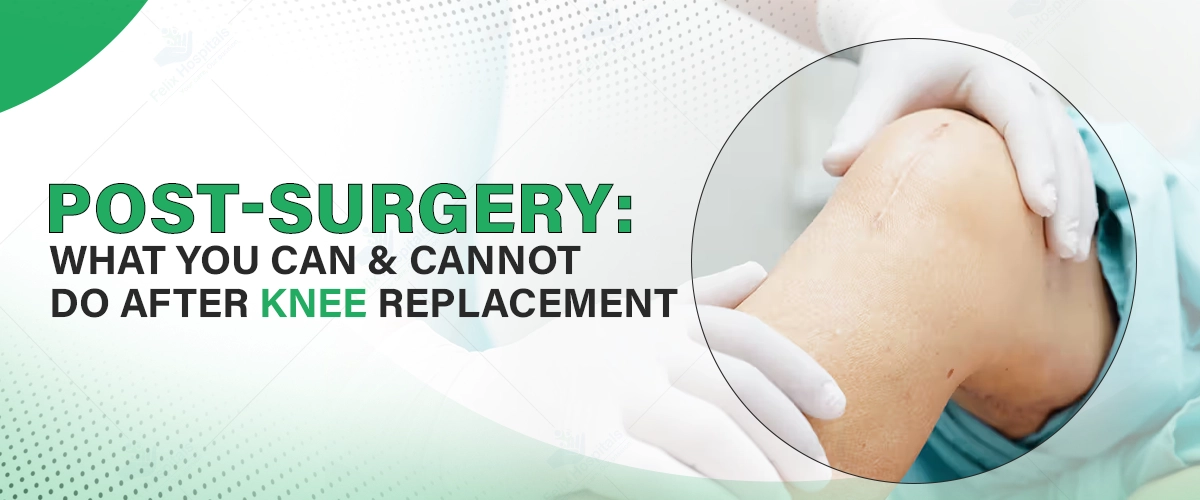
Knee replacement surgery can greatly enhance mobility, remove persistent pain, and regain a more active lifestyle. But the recovery process is not over in the operating room. What you do or don't do after surgery counts when it comes to recovering well and quickly.
This blog about the best Knee Replacement Surgery hospital in Noida will guide you through what is and isn't possible after knee replacement surgery, whether you are planning your rehab path or have recently undergone the procedure.
Need Knee Replacement Surgery? You can plan a complete post-surgery recovery schedule from Greater Noida's top hospital rehab team. Call now at +91 9667064100.
Knee replacement (also known as knee arthroplasty) entails replacing worn-out artificial joint surfaces with artificial implants. Significant pain relief and enhanced function result in the majority of patients, but recovery is important to making the best out of it.
Recovery time is usually between 6 and 12 weeks for almost all activities of daily living and 6 months to recover fully. For the first 6 weeks, there should be a strict adherence to do's and don'ts to prevent complications and for long-term success.
1. Start Walking (with Assistance)
Following one or two days of surgery, most patients are advised to walk on a walker or crutches. This enhances the circulation and avoids blood clots.
2. Adhere To Your Physiotherapy Regimen
Physical therapy is unavoidable. Daily exercises recommended by your physiotherapist enhance the muscles, restores range of motion, and enhances the balance.
3. Home Assistive Devices
Put grab bars in the bathroom, use an elevated toilet seat, and have things you need most often within reach. These modifications can assist mobility and safety early in the recovery process.
4. Resume Light Activities Gradually
Within a few weeks, you are able to gradually resume light housework, office work, and short walks. Always stick to your recovery plan and check with your therapist before doing too much.
5. Enjoy Healthy Foods
Consume a healthy diet full of protein, calcium, and vitamin D to support tissue healing and stronger bones.
1. Don't Miss Physical Therapy
Missing exercises at your own risk, even if you feel better. Missing exercises can cause stiffness and poor recovery. Rehabilitation exercises are important for future mobility.
2. Avoid High-Impact Activities
Jogging, jumping, or sports with contact are too stressful on your new joint. These are to be avoided for life unless otherwise advised.
3. Don't Bend the Knee Too Much
Squating, kneeling, or sitting on extremely low chairs in the initial few weeks following surgery should be avoided. These actions may stress the joint or loosen the implant.
4. Don't Drive Too Quickly
Driving should be avoided until you regain strength and control in your leg, typically 4 to 6 weeks after surgery—particularly if the right knee was operated on.
5. Steer Clear of Slipping or Cluttered Floors
Slipping is hazardous while you are recuperating. Remove clutter from your home and utilize non-slip mats where necessary.
Inform your medical practitioner right away if you have:
Early medical treatment from the best orthopedic surgeon in Greater Noida can prevent complications and provide safe recovery.
The top hospital in Greater Noida has an extensive post-op care program that includes:
With a comprehensive recovery method, you receive the trust and care to regain your active life.
Wait no more to achieve your mobility! Book an appointment with the orthopedic specialists at the top-rated hospital in Greater Noida and begin your tailored recovery journey today.
Knee replacement is a major surgery, but with good post-operative care and attention, it can be the start of pain-free, active living. Being aware of what you can and cannot do comes a long way when it comes to how fast you heal and how good the new joint works. Always be patient with yourself, show up to all your follow-ups, and never hesitate to ask questions about your recovery.
With expert guidance from the best hospital in Greater Noida, you’ll receive not just medical treatment, but a comprehensive recovery journey. From therapy to nutrition, every aspect of your care is managed to ensure long-term success and mobility. If you’ve recently undergone knee replacement or are planning one, take the first step toward recovery with the right team by your side.
Q: How soon can I go up and down stairs following knee replacement surgery?
Ans: All patients typically can climb stairs within a few days after surgery with the aid of a railing and support. You will first be instructed to start with the non-operative leg on going up and the operative leg on coming down. Your physiotherapists at the top hospital in Greater Noida educate you on how to proceed climbing stairs as part of your rehabilitation.
Q: When can I return to office work or a desk job after knee replacement?
Ans: You may return to a desk job within 4 to 6 weeks after surgery, depending on your progress. However, if your work involves long hours of sitting or travel, it’s essential to discuss your schedule with your care team at the best hospital in Greater Noida to avoid stiffness or circulation issues.
Q: Are there any long-term activity restrictions even after full recovery?
Ans: Yes, once you are completely recovered, you can usually avoid high-impact activities such as running, skiing, and heavy lifting. These activities will overuse the artificial joint. Your orthopedic surgeon will give you a personalized activity program based on your lifestyle and result of surgery.
Q: May I kneel or cross-leg sit after knee replacement?
Ans: Kneeling or cross-legged sitting is generally avoided after knee replacement since it strains the joint and may be painful. Some patients will learn this again later, but this varies according to individual recovery. Always adhere to posture and movement advice from your orthopedic team.
Q: How can I avoid infection of the new knee joint following surgery?
Ans: Proper hygiene of the wound, the avoidance of public swimming pools, and the reporting of early symptoms such as redness, fever, or discharge are important. Your post-surgical care team at Greater Noida's top hospital advises you in detail and checks your wound healing periodically through follow-up consultations.
Q: Will I require being given antibiotics prior to dental or other treatments?
Ans: Yes, occasionally knee replacement patients are required to take prophylactic antibiotics in advance for invasive dental or medical procedures so that infection can be avoided. Always make your physician or dentist aware of your knee replacement history.
Q: What do I do if I have clicking or stiffness in my knee?
Ans: A clicking is to be anticipated as the artificial joint acclimatizes. Protracted clicking, locking, or stiffness must be reported, however. These are signs of realignment or healing problems. Early assessment in Greater Noida's best hospital avoids complications in the long term.

Knock knees, medically known as genu valgum, is a common condition in young children where the knees angle inward and touch one another when the legs are straightened.
Migraine relief includes advanced treatments and simple lifestyle changes to reduce pain and prevent attacks.

Brain-boosting foods rich in antioxidants, omega-3s, and vitamins support memory, protect brain cells, and may help reduce the risk of dementia and Alzheimer’s disease.

Multiple sclerosis is a neurological disease that affects the brain and spinal cord.
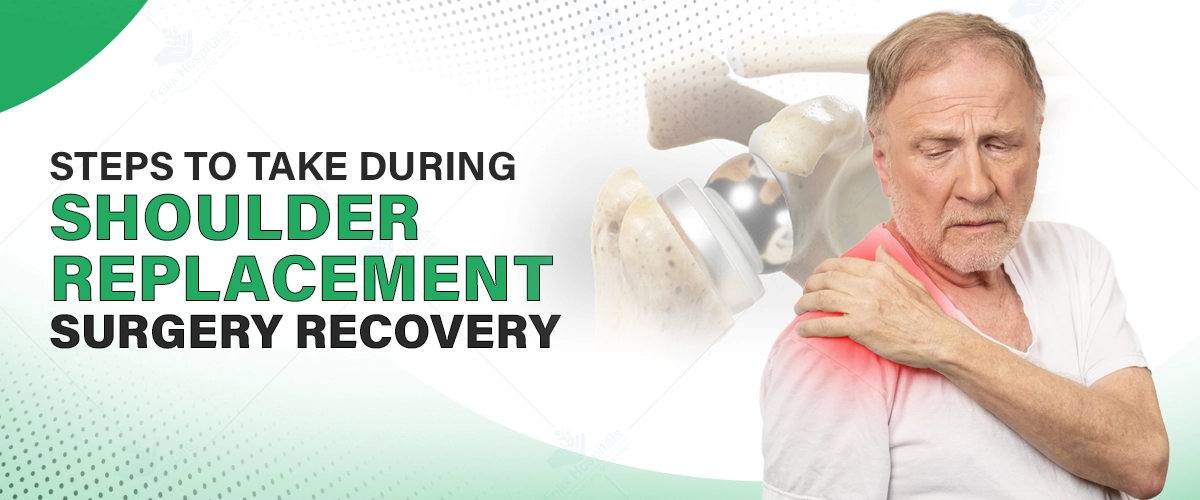
Shoulder replacement is a serious procedure that brings relief from decades of pain in the shoulder and restores mobility to arthritis, fracture, or severely abused joint victims. But it's just half of the first step in the recuperation process. It's really the degree to which the patient recuperates in the following weeks and months that makes the operation successful in the long term.
Whether you recently underwent recently performed surgery or are about to get it done, we will guide you through the recovery steps so that you may recover your complete strength as safely and smoothly as possible.
Call us at +91 9667064100 and schedule an appointment with the Noida orthopedic surgeon.
By doing these steps, you can accelerate your recovery. Learn the 9 points on shoulder replacement surgery recovery:
1. Learn the Recovery Timeline
Recovery from shoulder replacement surgery is typically broken down into three phases:
Every phase has its own objectives, limitations, and mile-stones. After following a carefully chalked-out recovery plan, one can ensure improved results with less likelihood of complications.
2. Hospital Post-Surgery Care
During the initial 24–48 hours following surgery, you will need to concentrate on pain control, infection prevention, and restriction of movement of the operated arm. Your nurses and physical therapists at the best orthopedic care hospital in Greater Noida will guide you to sit up, walk with support, and start simple movements of the arm under supervision.
You can be told to wear a sling to stabilize your shoulder. Wound care and hygiene also prevent infection.
3. Pain Management and Medications
Pain, swelling, and stiffness are normal following surgery. Pain control is an important aspect of recovery because it allows you to start physical therapy and be active again. You can be prescribed:
Don't self-medicate or discontinue prescribed medications without talking to your health care provider.
4. Begin Gentle Movements (Under Supervision)
Passive movement is initiated early in the first few days. They are simple exercises done by a therapist to avoid stiffness and keep the joint mobile without putting tension on the new joint. It is very important not to move with your own muscle strength initially, particularly in the shoulder.
Examples of simple early exercises include:
Avoid lifting, pushing, or pulling anything with your surgical arm at this stage.
5. Focus on Physical Therapy
Physical therapy is the cornerstone of shoulder replacement recovery. Starting from the second or third week, a tailored therapy plan will help you:
Stick to your routine, and do not hurry through the exercises. Overworking will slow healing or cause injury.
6. Healthy Diet and Hydration
Nutrition has a quiet but strong influence on your healing process. A balanced diet of proteins, vitamins, and minerals helps heal tissues, regain muscles, and regain immune systems. Key nutrients are:
7. Practice Home Safety Practices
Once discharged from the best hospital in Greater Noida, your home environment needs to be tailored for safety and comfort. Small changes can avoid accidents and promote independence:
You may need help with dressing, bathing, or cooking during the first few weeks.
8. Sleep and Rest Right
Sleeping may be difficult after shoulder surgery. Supporting your arm with pillows and sleeping half-upright, such as in a recliner or with cushions under you, can be helpful. Avoid sleeping on the side of the surgery until your doctor or therapist says it's okay to do so.
9. Avoid Certain Movements and Activities
You will need to restrict or refrain from some movements and practices within the first few months, such as:
Resuming these activities prematurely will undermine your recovery and even harm the new joint.
10. Remain Adherent to Follow-Ups
Follow-up visits with your orthopedic specialist on a routine basis are necessary to:
Mark your progress and voice a concern, such as unexplained pain, swelling, or waning mobility.
11. Emotional Support and Patience
Healing is emotionally taxing, particularly if it appears sluggish. Some patients experience frustration or worry as recovery takes place. Being patient with your body or support from peers, family members, or friends also works. Commend cause in minor achievement, e.g., getting farther with the lift of your arm or sleeping sounder.
Consult your orthopedic visit to a hospital at Greater Noida and take the step into a life devoid of pain.
Shoulder replacement surgery recovery is a slow, gradual process that takes time, patience, and taking care of yourself. With the proper steps—from initial rehabilitation to long-term strengthening—you can recover your shoulder function and resume your normal routines with confidence.
If you're undergoing surgery or recovering, ensure you receive proper care from the best orthopedic surgeon in Greater Noida for an effortless and efficient procedure. Don't forget, each step to the future brings you closer towards pain-free movement tomorrow at an affordable cost.
Q: When can I begin using my surgery arm to perform simple things around the house following shoulder replacement surgery?
Ans: The majority of patients can use their arm for simple tasks such as eating or tooth brushing after 2 to 3 weeks but only with supervision from a physiotherapist. Avoid any uncontrolled movements of your arm until your shoulder is mobile and strong enough.
Q: Is it common to have clicking or slipping movements of the shoulder joint during the recovery process?
Ans: Yes, a few patients get mild shifting or clicking a few weeks after the operation. This is most likely because the tendons and muscles are getting used to the new joint. But if accompanied by pain or instability, see your orthopedic specialist.
Q: Will poor posture influence my postoperative recovery following shoulder replacement surgery?
Ans: Yes. Slouching or improper positioning of the shoulder may put tension on healing tissue and hinder your recovery. Patients need to maintain a spine and shoulder in a neutral position, particularly sitting or walking, to promote joint healing.
Q: How quickly can I drive after shoulder replacement surgery?
Ans: Driving is usually not recommended for at least 4 to 6 weeks after surgery, or until you have a full range of motion and strength in your arm. You should also be off narcotic pain medications before you can start driving again.
Q: What are the signs of a complication during recovery?
Ans: Be alert to additional redness or swelling at the incision site, drainage with a bad smell, fever, pain that is unmanageable despite medication, or decreased movement in your arm. These are signs of infection or joint problem and should be reported immediately.
Q: Do I sleep flat on my back after shoulder surgery, or do I remain raised?
Ans: Sleeping flat is not typically comfortable and can put stress on the shoulder. Reclining sleep or propping your upper body with pillows for the first few weeks is advisable to avoid swelling and discomfort.
Q: Can I return to sports or heavy manual labor after shoulder replacement surgery?
Ans: The majority of patients are returning to low-impact activities like golf or swimming in 4–6 months. Avoidance of heavy lifting, heavy work, or high-impact or overhead sports may be permanent or require longer time to get over. Always clear your doctor first before resuming such activity.

Frozen shoulder is a common condition in which the shoulder stiffens, reducing its mobility. It commonly affects people aged between 40 and 60 years, and it is more likely in women than in men.

Polycystic Ovary Syndrome (PCOS) is increasingly becoming a common health concern for women, especially in urban and semi-urban areas like Greater Noida. Despite its rising prevalence, PCOS often goes undiagnosed due to its complex symptoms and lack of awareness. In this blog, we’ll break down what PCOS is, what causes it, the symptoms to look out for, and why it’s a growing concern among women in Greater Noida.
Polycystic Ovary Syndrome, or PCOS, is an endocrine disorder of women of childbearing age. It involves the presence of many small cysts in the ovaries, irregular or absent menstruation, and high levels of male hormones (androgens). The endocrine imbalances are responsible for producing a wide array of health conditions such as infertility, obesity, and insulin resistance.
If you or a family member is showing signs of PCOS, do not disregard the symptoms. Start by monitoring your menstrual health, making lifestyle changes, and finding out about your body.
Greater Noida has experienced rapid urbanization in the past decade with lifestyle changes that are susceptible to developing PCOS. Sedentary lifestyle, poor dietary habits, higher levels of stress, and environmental factors all contribute to disruption of hormonal balance.
Also, as awareness levels and check-ups on health are becoming more readily available, increasingly more women are being diagnosed nowadays compared to the past. A lot of them are not even aware or undiagnosed due to stigma or lack of awareness.
PCOS takes effect in various ways with various women and may happen between mild and severe. Symptoms start during adolescence but may occur later, particularly after weight gain. Early identification of warning signs is required to allow them to be treated appropriately and prevent complications.
Some of the most frequent symptoms are:
Irregular or missed periods: One of the first PCOS symptoms, usually due to irregular or absent ovulation.
Excess body or facial hair (hirsutism): Because of excess androgens (male hormones), women grow thick facial hair on the back or chest.
Oily skin or acne: Most commonly caused by endocrine imbalance with frequent acne or oily skin.
Weight gain or difficulty losing weight: PCOS is often accompanied by difficulty with weight in most women.
Thinning or thin hair on the scalp: The hair can become thinner or fall out, like male-pattern baldness.
Darkening of the skin: Dark, velvety patches of skin can develop on the neck, groin, or under the breasts (a skin condition called acanthosis nigricans).
Infertility or being unable to conceive: Irregular ovulation is harder to get pregnant and makes PCOS a major reason for women's infertility.
Early treatment and detection of these symptoms can be used to avoid more severe diseases in the future with the help of the best gynecology hospital in Greater Noida.
If PCOS is left undiagnosed and untreated, it can lead to long-term complications that are serious in nature. As it involves more than one system of the body, the condition is not just reproductive in nature and requires overall treatment. Few complications of untreated PCOS include:
Type 2 diabetes or prediabetes: PCOS directly correlates with insulin resistance, and that makes a person prone to diabetes at a young age.
High blood pressure: PCOS women are at greater risk for developing high blood pressure, which harms the kidneys and heart.
Heart disease: Because of combined obesity, insulin resistance, and raised cholesterol, cardiovascular risk is higher.
Endometrial cancer: Unusual menstruation may result in thickening of the lining of the uterus, and it increases the risk for endometrial cancer (cancer of the uterine lining).
Sleep apnea: Obese PCOS women often suffer from this sleep disorder and, as a result, poor quality sleep and drowsiness.
Psychologic disorder of the mental type: Depressions, anxieties, and mood disturbances occur more frequently in women with PCOS, precipitated by disturbances of hormonal content and by the psychologic effect of their symptoms, which may be such as to produce either sterility or overweight condition.
With these risks in mind, generating awareness early and motivating women to access the best gynecologist in Greater Noida is crucial, where lifestyle problems may compound these issues.
PCOS is diagnosed on the basis of history taking, physical examination, blood work to determine hormone levels, and ultrasound to determine if ovarian abnormalities are present. While there is no cure for PCOS, it can be controlled by means of lifestyle modifications and medications.
Lifestyle Tips to Manage PCOS:
Balanced Diet: Consume a low-glycemic diet of high fiber, lean proteins, and healthy fats.
Regular Exercise: A minimum of 30 minutes of activity on five weekdays.
Stress Management: Yoga, meditation, or regulated breathing may prove beneficial.
Weight Management: Moderate weight loss (5–10%) significantly improves symptoms.
Regular Monitoring: Monitor menstrual cycles and seek consultation from a health care provider in the event of the continuation of abnormalities. Keep spreading awareness across Greater Noida.
Colleges and communities of Noida can be an integral part in spreading awareness about PCOS. Awareness campaigns, workshops, and support groups can promote open dialogue and dispel the taboo of reproductive problems. Promoting early support and monitoring of menstrual health in young women can be a determining factor in proper management of PCOS.
Begin discussing PCOS among your people, among your relatives, and among your friends. The more we discuss it, the better we shall be able to identify, diagnose, and treat those secretly suffering women.
PCOS is not merely a problem of reproductive health—it's an issue that spreads throughout the entire body and affects all areas of a woman's life. The high incidence of PCOS in Greater Noida is the result of modern life changes and the pressures thereof. With a focus on early detection, lifestyle changes, and community support, women can assert their own control over their own health and lead a healthy life despite PCOS problems. If you want to consult with the gynecologists, then Greater Noida is the best option. They are providing the proper treatment at an affordable cost.
Q1. Can PCOS occur later in life, or do you only get diagnosed during the teenage years?
Ans- Although PCOS typically starts at puberty, symptoms can be delayed until women reach their 20s or 30s. Late PCOS is possible, particularly as a reaction to lifestyle issues like weight gain or stress.
Q2. Can I still have PCOS if I have regular periods?
Ans- Yes. Some women with PCOS may continue to have regular periods but may have additional symptoms like high androgens, acne, or ovarian cysts. Diagnosis depends upon a mixture of symptoms, rather than menstrual cycles.
Q3. Does having cysts on ovaries always mean PCOS?
Ans- Not always. The term "polycystic" is usually confusing. Some women who have no PCOS do develop cysts on their ovaries, and some women who have PCOS are not found to have detectable cysts. Diagnosis is final when hormone tests and symptoms are assessed.
Q4. How does stress impact on PCOS symptoms?
Ans- Long-standing stress may amplify hormonal imbalance through the increase in cortisol levels that can interfere with sensitivity to insulin and ovulation. Reduction in stress using relaxing techniques can intensify PCOS symptoms.
Q5. Do symptoms of PCOS resolve spontaneously without therapy?
Ans- Generally, yes. Dietary changes, physical exercise, and weight control may sometimes reverse or at least reduce symptoms and normalize hormone balance even without drugs.

Learn effective ways to get rid of gynecomastia, from natural remedies to medical treatments. Discover tips for reducing breast tissue in men.
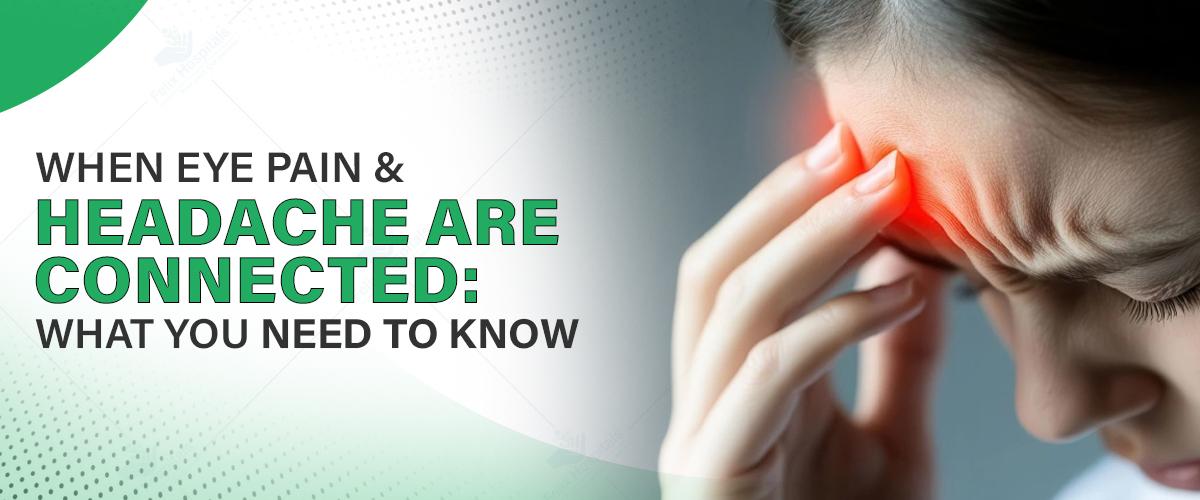
Eye pain and headache often accompany each other, so the cause is hard to decide without a visit to a specialist. Most individuals believe that anything painful in the eye area is an eye issue and so first see an eye specialist. All headaches do not start in the eyes and still fewer actually do, though. It is important to know if the problem is an eye issue or might be something more of a systemic or neurological problem.
In case you have recurring or sudden eye pain along with headache, you should not take it lightly. Some are harmless such as eye strain due to prolonged exposure to the screen, and some others can manifest in an even more dangerous mode such as inflammation of the optic nerve, glaucoma, or even increased intracranial pressure. An early visit at the best ophthalmology hospital in Noida will determine the cause and avoid such complications such as irreversible blindness.
Preserve your vision and stop the cause of your headaches—book your eye and neurological checkup today by calling at +91 9667064100.
Red or sore eye, particularly if it is a recent symptom, warrants an urgent visit. Even if the eye looks normal on the outside, any headache or pain that accompanies it must be fully evaluated. These must be eliminated as causes, including elevated pressure within or around the eye, or even inside the head, which could indicate perilous neurological pathology. In such cases, an inspection of the optic nerves for inflammation or trauma may be included in an eye examination.
The majority of individuals start their path to learning the cause of their headaches by seeing an ophthalmologist nearby in Noida. To one's shock, the majority of eye discomfort is not from an eye disease. Pain around or within the eye is usually "referred pain"—a perception of pain from somewhere else but located in the area around the eye. Although actual eye disease does exist, the majority are really presentations of primary headache disorders.
Eye strain is a widely cited but often overstated cause of headaches. It can be due to vision problems such as nearsightedness, farsightedness, or astigmatism, or when the eyes are misaligned. Eye strain headaches typically develop after prolonged visual activities such as reading, sewing, or work on computers.
Though eye strain is real, it's infrequently the cause of disabling headaches. Never do schoolchildren complain of disabling headaches due to eye strain. In adults, proper eyeglass prescription or misalignment correction will abolish this discomfort.
Most headaches, particularly those that awaken or disturb sleep, are not caused by eye strain. Those headaches with nausea, vomiting, or photophobia are more likely to be a migraine or a tension-type headache, both being primary headache disorders.
Glasses modifications, prism lenses, and eye exercises won't usually help these types of headaches. In these situations, it might be more useful to see a general practitioner or neurologist than an eye care professional ophthalmologist in Noida.
In spite of the above, there are certain eye conditions that can actually generate pain and discomfort:
The cornea, the transparent front of the eye, is highly sensitive. A minute foreign body will produce exquisite pain. Redness and pain can result from trauma, infection, or degenerative disease of the cornea. Dry eye syndrome, decreased tear production, is a frequently overlooked cause with burning, irritation, and change of vision—particularly with tasks that involve visual concentration.
Dry eyes may be caused by medications (such as antihistamines or antidepressants), autoimmune conditions, or environmental causes (such as dry air or domestic heating). Relief is achieved with artificial tears and ointment before sleep.
Inflammation around or inside the eye, characteristically defined by redness, swelling, and pain on the movement of the eyes, can be painful. Sensitivity to light is frequently severe. Tumors inside the eye are usually not painful, but tumors behind the eye are common pain producers and may bulge the eye forward outwardly.
Pain is not a common complaint of individuals with open-angle glaucoma. An attack of acute angle closure will, nonetheless, produce severe eye pain, vision blurring, and redness. It can be precipitated by an abrupt shift in lighting conditions (for example, when exiting a darkened movie theater). Emergency treatment is necessary to decrease eye pressure and avoid visual loss.
The optic nerves are directly associated with brain health. Swelling of the optic nerves because of excess skull pressure can result in conditions such as brain tumors or idiopathic intracranial hypertension (also referred to as pseudotumor cerebri). The latter is most prevalent in obese, young females and presents itself as eye-located headaches, transient vision loss, diplopia, or ear pulsation. In this case, an ophthalmoscope test is required.
This is a serious inflammatory condition that affects people over age 65 and, if not diagnosed early, can result in permanent blindness. Symptoms include tenderness of the scalp, jaw pain on chewing, loss of vision, fever, weight loss, and fatigue. Blood tests and temporal artery biopsy are employed to establish the diagnosis. Corticosteroids are utilized to treat inflammation, and early treatment is necessary to prevent irreversible vision damage.
Do not ignore ongoing pain in your eyes—get an appointment today with our skilled care team in Noida.
Not all headaches result from eye problems, but learning the difference may preserve your vision. For most people, headaches are just a component of an overall medical scenario—such as migraines or tension-type headaches—and do not involve the eyes. However, if there is eye pain or vision alteration associated with headaches, it’s important to consider potential eye-related causes through an appropriate medical examination.
If you are from Noida and are experiencing unexplained eye pain, blurred vision, or frequent headaches, then it is high time to get yourself checked. Untimely diagnosis can result in complications such as permanent vision loss. Prioritize your eye care and visit one of the top hospitals in Noida, like Felix Hospital, for a complete eye checkup under expert ophthalmologists at an affordable cost.
Q1. Do eye strain headaches persist throughout the day?
Ans- Eye strain headache typically only occurs after a long period of visual work and resolves with rest. If your headache lasts all day and you still have rest your eyes, then it's probably not an eye strain headache.
Q2. Why are my eyes sore when I move them?
Ans- Eye movement pain usually indicates inflammation of the eye socket or within the eye's surrounding muscles. Optic neuritis or orbital cellulitis is often the cause and must be addressed urgently.
Q3. What are the signs that dry eyes are giving me headaches?
Ans- Dry eyes also tend to produce a gritty sensation, photophobia, and occasional blurred vision, particularly during focused activities. If artificial tears help, dry eyes are likely the diagnosis.
Q4. Is it normal to experience halos or blurred vision with a headache?
Ans- Halos or blurred vision with headache may be manifestations of migraine aura or acute glaucoma. If this occurs frequently or suddenly, consult a physician immediately.
Q5. Can eye pressure lead to headaches without other symptoms?
Ans- Yes, high eye pressure can produce mild or severe headaches, particularly in acute glaucoma. Routine eye pressure testing is worthwhile, especially if you are at risk.
Q6. Are there warning signs that precede an eye tumor?
Ans- Eye pain, bulging of the eye, blindness, and frequent headache may be indicative of a tumor surrounding or inside the eye. Specialized examination and diagnostic imaging are indicated.
Q7. What investigations are performed to exclude causes of headache involving the eye?
Ans- These typically include a full eye test, optic nerve examination with an ophthalmoscope, corneal tests of health, and intraocular pressure tests. Blood tests and imaging tests can be requested based on the results.
The right ophthalmologist is a crucial step in your eye surgery journey
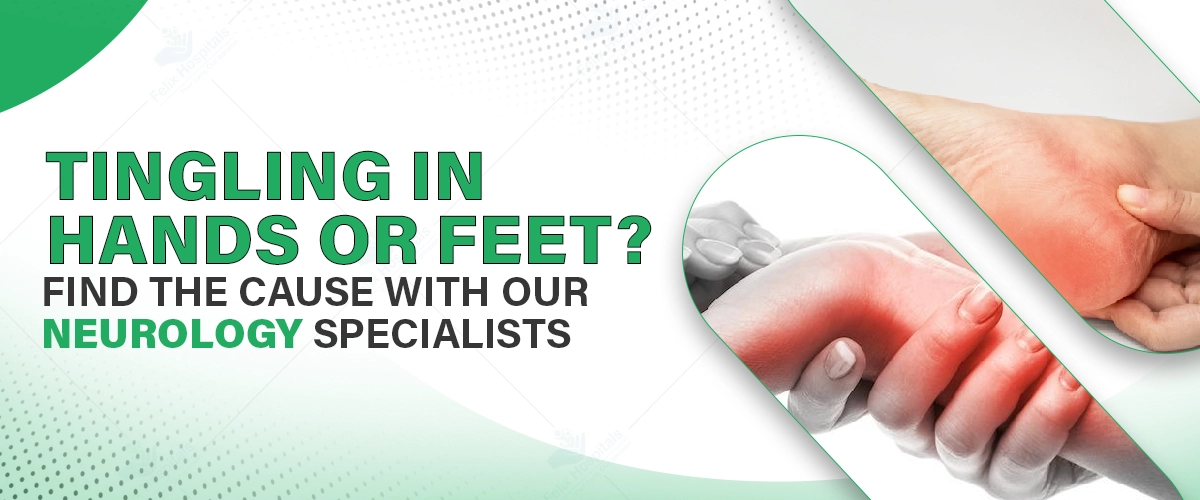
Numbness or tingling of hands and feet—felt to have a "pins and needles" sensation—can seem minor initially, yet it can be an early symptom of nerve or organ disorders. Although occasional temporary tingling is likely because of temporary nerve compression while sleeping or sitting for long periods of time, frequent episodes might be symptoms of more serious ailments, especially disorders of the urinary tract and kidneys.
The best neuro hospital in Noida collaborates with nephrologists and internal medicine doctors to detect the precise reason for your symptoms and develop an individualized treatment plan. Let us take a look at 11 potential causes of tingling that are directly or indirectly related to urological health.
If your or your loved one's hand is becoming numb, don't delay; it's a sign of a neurological issue. Call us right away at +91 9667064100 and give your future a brighter chance.
Numbness in hands or feet is a precursor symptom of a neurological disorder in your body because when your nerves cannot perform normally, the hands start tingling constantly. Read about the major causes of tingling in hands and feet:
Kidneys do a lot of work to remove wastes and toxins from your blood. In chronic kidney disease, the filter fails and stores wastes. Peripheral nerves are damaged by the toxins and can cause uremic neuropathy. Numbness, tingling, or burning-usually in legs and feet-are prevalent in advanced stages.
Sudden loss of kidney function, or acute renal failure, can also lead to nerve dysfunction. A sudden build-up of toxins can cause neurological symptoms such as confusion, muscle weakness, or numbness in the extremities. Early diagnosis and treatment are necessary to avoid permanent nerve damage.
Kidneys control vital minerals such as potassium, calcium, and magnesium. Without normal kidney function, these minerals can shift levels, leading to abnormal transmission of the nerve. Fingertip tingle and numbness are quite normal consequences of unbalanced calcium or potassium.
Poorly managed diabetes is a large risk factor for both peripheral neuropathy and kidney disease. Chronic high blood sugar hurts both nerve tissue and the small blood vessels. Numbness or tingling usually begins in the feet and progresses upward and occasionally to the hands. Nerve malfunction may be further accelerated by diabetic kidney damage.
Whereas urinary tract infections (UTIs) would otherwise be accompanied by symptoms of burning with urination or urgency to urinate, in late or recurrent UTIs,—in particularly immune-compromised hosts,—cause systemic inflammation. In extremely rare instances, infection will involve the nervous system so that there will be tingling, fever, and change in mental status.
Hypertension is the most common cause of kidney disease. It may also damage the blood vessels that nourish the nerves if left untreated and lead to peripheral neuropathy. Numbness, tingling, or coldness, especially in the lower limbs, are patient complaints.
Medications used to treat kidney disease, hypertension, or infections in the urinary tract—e.g., diuretics or certain antibiotics—can have neurologic side effects. Long-term use is likely to contribute to nerve inflammation or damage, particularly in patients with underlying renal illness.
Inadequate hydration or excessive loss of body fluids can burden the kidneys, decrease toxin removal, and compromise electrolyte balance. Mild dehydration may cause temporary paresthesia, while chronic fluid imbalance may lead to longer nerve interference.
Exposure to heavy metals such as lead, mercury, or arsenic—usually from contaminated water or industrial contamination—may influence both nerve and kidney function. More concern about the quality of groundwater has been voiced in the area of Noida and the surrounding areas. Such poisons that have accumulated in such sources may cause nephrotoxicity as well as neuropathy.
Vitamin B12 maintains the health of nerves. In patients with chronic kidney disease, the process of absorption of important nutrients such as B12 is impaired. Deficiency leads to weakness, numbness, and tingling. Nutritional deficiencies need to be managed in such a scenario.
End-stage renal failure patients undergoing long-term dialysis can develop dialysis-related neuropathy. The condition is defined by chronic paresthesia or pain in the hands and feet. The etiology is not always certain, but it can be due to nerve stress caused by built-up metabolic waste products and electrolyte disturbances.
If you feel numbness in your hands or feet without any apparent reason, it is critical not to overlook it, particularly if you have kidney disease, diabetes, or high blood pressure. Catching the issue early may prevent nerve damage from becoming permanent.
Our neurologists in Noida are complemented by nephrology and internal medicine departments to provide holistic care. Regardless of whether your symptom has resulted from compression of a nerve or some deeper urologic cause, we will assist you in reaching the cause with leading-edge diagnostics and treatment tailored for you.
The neurological problem is not permanent. If you are able to detect it sooner, the outcome is actually excellent. Simply book your consultation with the best neurologist at Felix Hospitals. Call now: +91 96670 64100.
Numbness in your hands and feet isn't fleeting pain—it's your body indicating that something can be amiss under the hood. Although we are apt to dismiss these feelings as fleeting, particularly when they come after sitting or lying in an awkward position, frequent or recurring tingling must never be taken lightly. Most of the time, this benign symptom may be a devious harbinger of underlying urological or neurological disease, such as chronic kidney disease, diabetes, electrolyte disturbances, or even drug side effects.
In the Noida hospital, we adopt an integrated approach of diagnosis and treatment of the cause of such nerve symptoms. Our neurology experts coordinate with nephrologists, internal medicine physicians, and nutritionists to make sure that everything is taken care of and nothing is left out. Be it kidney failure leading to uremic neuropathy, diabetic neuropathy, or even heavy metal toxicity from environmental toxin exposure, we possess the latest diagnostic technology and years of clinical experience to identify the cause and treat competently with evidence-based therapy.
Q1. Is tingling because of early-stage kidney disease possible if one does not have other symptoms?
Ans. Yes, in some people, tingling or numbness can be the first sign of kidney failure, particularly when toxins first start to build up but before they lead to fatigue or alterations in urination. This is called uremic neuropathy; it can catch a person unaware in the early stages of CKD.
Q2. I'm already on dialysis—why am I still getting tingling in my feet?
Ans. Numbness following or during dialysis may be due to dialysis-associated neuropathy, which is a consequence of prolonged derangements in metabolism and nerve irritation. It may also be due to electrolyte disturbances during dialysis. Your neurologist can assess nerve function and recommend changes or treatments for alleviation of discomfort.
Q3. Can recurrent urinary tract infections (UTIs) cause nerve problems such as numbness?
Ans. Yes, particularly with untreated or chronic UTIs, systemic inflammation may impact the nervous system and, therefore, present with tingling, fatigue, or even confusion. This is more likely in diabetic patients or immunocompromised patients. Progressive infections can in some cases travel across into the bloodstream, affecting the health of the nerves.
Q4. Are there any medications for kidney or urinary disease that have tingling as a side effect?
Ans. Certain diuretics, antibiotics like metronidazole, or blood-pressure and kidney-controlling medications occasionally cause peripheral neuropathy. If your tingling has arisen following the use of a new medication, speak with your doctor to explore other options less likely to harm your nerves.
Q5. Is isolated tingling in one hand or foot still a sign of nerve damage in the kidneys?
Ans. Kidney disease-related neuropathy typically starts bilaterally at the same time, in the feet. Unilateral paresthesia, however, is a sign of a compressed or traumatized nerve confined to a region—i.e., pinched spine nerve or carpal tunnel syndrome—and should be examined by a neurologist.
Q6. Does kidney disease-induced deficiency aggravate tingling or nerve pain?
Ans. Yes. Kidney disease can interfere with absorption of such crucial nutrients as vitamin B12, folate, or magnesium, all of which are necessary for proper nerve function. Long-standing nutritional deficiencies may result in hand or foot tingling or burning over a prolonged period.
Q7. What diagnostic tests do doctors utilize to determine the etiology of tingling caused by kidney or neurological disease?
Ans. Our experts would be able to prescribe a mix of the following tests: nerve conduction tests, electromyography (EMG), serum creatinine and urea levels, vitamin B12 testing, and electrolyte panels. MRI or spinal imaging may be recommended in certain instances if structural damage to nerves is suspected.
Migraine relief includes advanced treatments and simple lifestyle changes to reduce pain and prevent attacks.
Brain-boosting foods rich in antioxidants, omega-3s, and vitamins support memory, protect brain cells, and may help reduce the risk of dementia and Alzheimer’s disease.
Multiple sclerosis is a neurological disease that affects the brain and spinal cord.
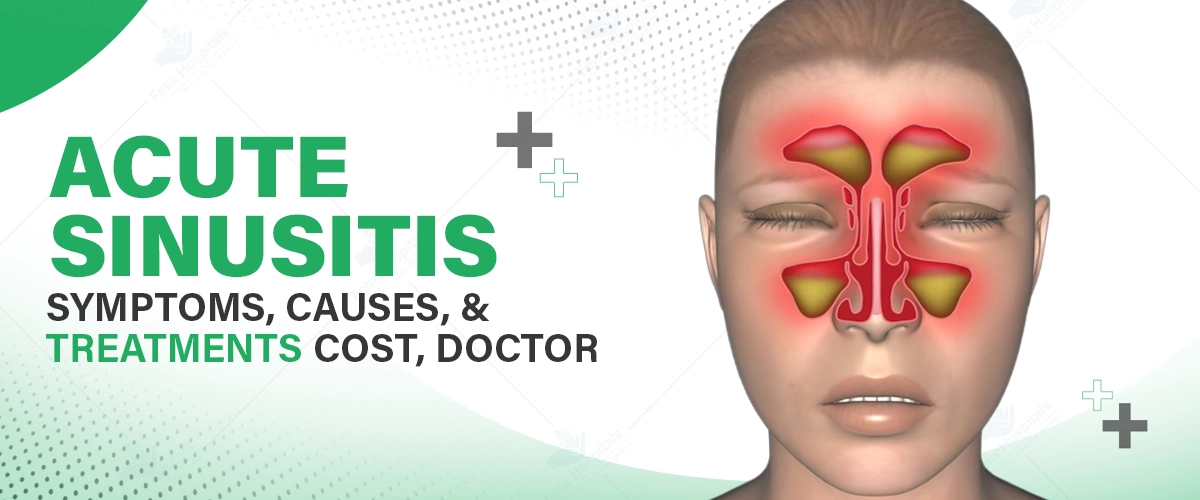
Sinus issues are more prevalent than you would imagine, and of these, acute sinusitis infects millions of individuals annually. From headaches in the face to congestion in the nose to headaches and exhaustion, the symptoms can be anywhere from bothersome to distracting. While most people brush it off as a chronic cold, if left untreated, acute sinusitis can evolve into chronic situations or even become complications that need to be addressed by medical professionals.
This blog takes you through all you'd like to know about acute sinusitis—its symptoms, causes, treatment, cost, and when to see a specialist in the best hospital.
Think It's A Cold? Don't guess—get a check-up of your sinus health and proper treatment now. Call us today at +91 9667064100.
Acute sinusitis, or acute rhinosinusitis, is infection or inflammation of the sinuses—the air spaces within the skull. The sinuses are the frontal (forehead), maxillary (cheekbones), ethmoid (between the eyes), and sphenoid (behind the eyes) sinuses.
This illness usually persists for less than four weeks, and with proper treatment, heals with no permanent damage. But if neglected or mistaken for a cold, it can cause delay in healing and chronic sinusitis.
Your sinuses contain mucous membranes that secrete mucus to filter out dust, bacteria, and allergens. Small hair-like projections (cilia) assist in pushing the mucus from the sinuses into the nose. When the openings of the sinuses become blocked—by infection, allergy, or bony deformity—the mucus is trapped, causing pressure, pain, and infection.

Early diagnosis of the acute sinusitis signs is required for effective treatment. Among the most frequently occurring symptoms, the following are some of them:
It is helpful in prevention and management if the cause of sinus infection is known. The most frequent causes are:
Most common reason of acute sinusitis is an infection in the upper respiratory tract (such as a cold), which congests and irritates the mucous lining and causes the sinuses to clog up.
If sinus infection fails to clear in 10 days, it would probably be due to bacterial infection. It is a more serious situation and requires being treated with antibiotics.
Dust or seasonal allergy individuals frequently have inflamed sinuses and are prone to getting infected.
A deviated nasal septum, nasal polyps, or constricted sinus drainage channels may clog mucus flow and lead to infection.
Smoke, pollution, dry air, or chemical vapors may be irritating to the sinuses and nasal passages.
Correct diagnosis will give precise treatment. If symptoms do not disappear over 7–10 days or worsen after temporary improvement, you should consult a specialist in the best nearby hospital for assessment.
Diagnostic tests may include:
Treatment varies depending on the etiology (viral, bacterial, or allergic) and severity of symptoms.
If acute sinusitis occurs frequently or becomes chronic, Functional Endoscopic Sinus Surgery (FESS) might be necessary. The ENT department at the best hospital in Noida can perform minimally invasive procedures to open blocked sinuses and promote natural drainage.
The treatment cost in Noida can vary based on consultation, diagnostics, medication, and whether surgical intervention is needed.
Service.
| Service | Estimated Cost (INR) |
| ENT Consultation | ₹500 – ₹1500 |
| Nasal Endoscopy | ₹2000 – ₹5000 |
| Sinus CT Scan | ₹3000 – ₹7000 |
| Medication (1–2 weeks) | ₹800 – ₹2000 |
| FESS Surgery (if needed) | ₹30,000 – ₹80,000 |
Note: Prices will be different based on the city, facility requirements, and your medical needs. For clear pricing, go to the best-rated hospital in your location.
A right specialist to see in case of acute sinusitis is an ENT (Ear, Nose, and Throat) doctor. They are trained to diagnose and treat nasal passage and sinus conditions, either medically or via surgery.
If your symptoms don't go away or aren't improving with medication, have an appointment at the best hospital for ENT treatment in Noida for more extensive testing.
Need Sinus Pain Relief? Make an appointment with our top-rated ENT specialist at the top-rated hospital closest to you today! +(91)96670 64100
Acute sinusitis, though often mistaken as a cold or an allergy attack, can significantly affect your comfort, breathing, and everyday performance. When the facial pain, nasal congestion, or thick discharge do not subside or even intensify, take it seriously. Prompt medical attention ensures faster recovery, avoids complications, and enables identification of the root cause such as infections, nasal obstructions, or allergic reactions.
If the symptoms do not get better within a week or continue to recur again and again, consult an ENT specialist near me Noida at the top hospital for an immediate checkup and proper treatment. From medication and nasal sprays to radiologic examinations and minor surgery, there are solutions that work. Taking action early not only provides relief but also avoids chronic sinus disorders, allowing you to breathe freely and live in good health.
1. Will acute sinusitis left untreated bring permanent damage?
Ans- Yes, acute sinusitis left untreated would result in complications like chronic sinusitis, orbital cellulitis (infection of the eye socket) or even a rare instance like meningitis if the infection spreads beyond the sinuses. Early diagnosis and treatment at the premier hospital avoid such a risk.
2. How can I be sure that I have acute sinusitis or a cold?
Ans- While they can both have a runny nose or stuffiness, acute sinusitis classically involves facial pressure, yellow or green thick nasal discharge, and more than 10 days of ill-defined worsening. Diagnosis will be confirmed on medical evaluation.
3. Must antibiotics always be used for treatment of acute sinusitis?
Ans- No. The majority of acute sinusitis is viral and resolves spontaneously in 7–10 days. Antibiotics are only indicated with suspected bacterial infection—usually when the symptoms don't resolve or worsen beyond the first week.
4. Can weather changes or air pollution cause acute sinusitis?
Ans- Yes, sudden weather changes, cold air, and high pollution levels can irritate your nasal passages, triggering inflammation and increasing the likelihood of sinus infections, especially in people with allergies or asthma.
5. Is it safe to travel by air during an acute sinus infection?
Ans- Air travel raises sinus pressure due to the shift in cabin pressure and causes severe pain or discomfort in the ears. If you must fly, pretravel with a nasal decongestant and seek the opinion of your ENT specialist.
6. What lifestyle changes prevent recurrent sinus infections?
Ans- Avoiding allergens, humidifying during dry weather, drinking a lot of fluids, nasal irrigation with saline sprays, and staying away from smoke or filthy surroundings can minimize your chances of getting repeated infections very much.
7. How do I know when I will need surgery for acute sinusitis?
Ans- Surgery would be indicated if you are getting recurrent attacks (4+ annually), persistent symptoms that won't go away despite medication, or structural problems such as polyps or a deviated septum. An expert ENT surgeon at the top hospital can assess and suggest conservative options such as FESS.
ENT health is essential for proper breathing, hearing, speech, and balance. Early detection and expert care ensure a better quality of life and prevent chronic complications.
The right ophthalmologist is a crucial step in your eye surgery journey
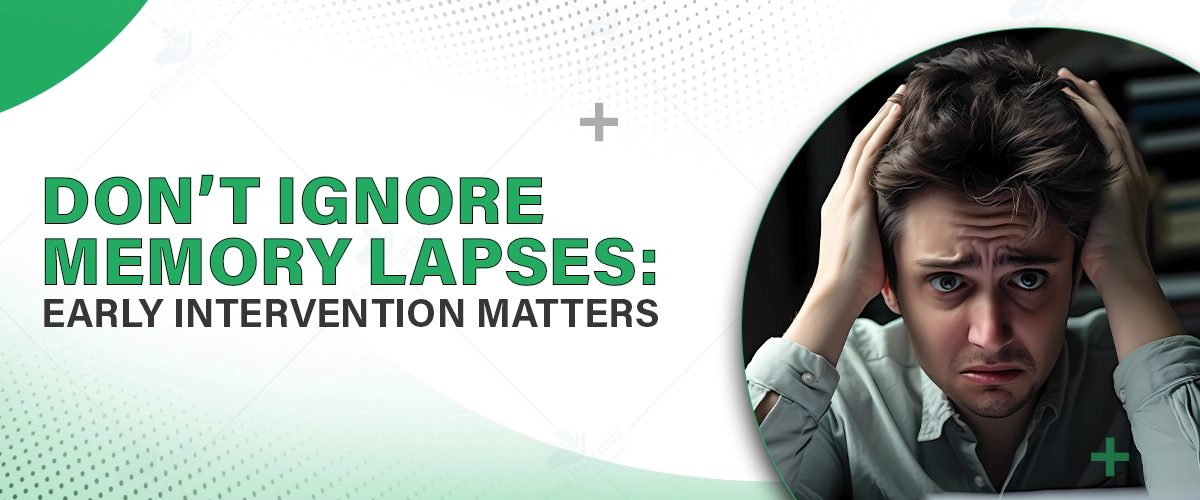
It escapes our minds at times where we place our keys or remember a person's name when we're in mid-sentence with them. But when memory blanks begin to penetrate our awareness more regularly or interfere with our functions, they may be a sign of something more sinister. Cognitive decline, particularly in the early stages, may be insidious but dangerous if not heeded.
All neurological disorders start off as mild—a momentary forgetfulness, trouble concentrating, or repeated questioning. Early detection of these signs and a consultation with expert neurologists in Noida can go a long way towards a healthier prognosis.
Experience top-notch diagnosis, one-on-one treatment, and empathetic care all in one place—because your brain deserves nothing but the best. Call us now at +91 9667064100.
Memory issues are generally dismissed as a normal part of aging, but may also be a sign of more serious neurological issues that must be addressed by a physician. Occasional forgetfulness is normal, but frequent memory loss may be a sign of conditions that interfere with brain function and mental acuity.
Some of the most common underlying causes are:
Mild Cognitive Impairment (MCI): A situation in which thinking and memory abilities are significantly below normal for age but not poor enough to affect daily life. It can be an early indicator of dementia.
Alzheimer's Disease: A chronic and irreversible brain disease that slowly deteriorates memory, reasoning, and the ability to carry out daily tasks. Early treatment can slow deterioration.
Vascular Dementia: Dementia caused by reduced blood flow to the brain, usually following a stroke or due to heart disease. Symptoms can appear suddenly and worsen gradually.
Thyroid Abnormalities or Vitamin Deficiencies: Certain thyroid abnormalities or deficiency states like hypothyroidism or low B12 levels can mimic dementia. Fortunately, they are reversible if diagnosed and treated early.
Mental Illness Disorders: Depression, anxiety, and stress have a severe impact on memory, concentration, and decision-making. Mental health treatment is an integral part of having a healthy brain.
By ignoring subtle warning signs, one runs the risk of missing the window for early diagnosis and treatment—both essential to properly managing symptoms as well as upholding quality of life.
If you or the one you love is having any of the following, the time to see a specialist is now:
Forgetting recent events or what was just said on a regular basis
Trouble with word-finding or talking
Losing things and being unable to finish the task by retracing steps
Getting lost in familiar places
Trouble with directions or making decisions
Mood, behavior, or personality disorders
Repeating the same questions or stories
These symptoms, particularly if they are affecting work or daily activities, should trigger a neurological assessment.
In case of recurring or worsening memory problems, going to a neuro hospital in Noida is recommended for getting the best brain and nerve treatments. Such hospitals employ the best-in-class diagnostic equipment such as:
MRI and CT Scans – for structural abnormalities or stroke indications
EEG (Electroencephalogram) – for checking brain activity
Neuropsychological Testing – for thorough testing of cognition and memory
Blood Tests – to check for thyroid failure or deficiency of vitamin B12
Noida neurologists diagnose and treat loss of memory using a combination of laboratory investigation, clinical examination, and imaging. They assist:
Diagnosis of the cause of memory loss
Start timely medication (in the case of Alzheimer's or seizures)
Offer lifestyle recommendations to preserve brain health
Coordinate care with psychologists, speech therapists, and nutritionists
Offer caregiver support and materials
Most neurological disorders can be treated if caught early enough. The earlier you start treatment, the better the chance of preserving quality of life.
Based on the diagnosis, your neurologist can prescribe:
Cognitive training exercises to enhance memory and attention
Medications to control symptoms of dementia or enhance neurotransmitter levels
Physical activity and dietary modification to maintain a healthy brain
Counseling and psychotherapy for mental health-related memory problems
Support groups for patients and caregivers
The secret to successful care is a personalized treatment plan that takes into account the condition and way of life of the patient. Forgetfulness is disconcerting, but not necessarily a problem. Yet recurring or worsening symptoms cannot be disregarded.
Dr Anumeha Mishra: Dr. Anumeha Mishra has over 15 years of experience and is known for treating a wide range of difficult illnesses, including multiple sclerosis, epilepsy, stroke, Parkinson's disease, and migraines. She is available at Felix Hospitals, Sector-137, Noida.

Dr. Sumit Sharma: A highly experienced neurosurgeon with 10+ years of expertise in the field. He specializes in diagnosing and treating a wide range of neurological and neurosurgical conditions, including brain tumors, spinal injuries, spinal tumors, hydrocephalus, and complex spine and brain disorders.

If you or a loved one is having trouble with memory, don't delay. Schedule an appointment with seasoned neurologists in Noida for a thorough neurological assessment.
Your memory is an essential component of your personality, social life, and daily existence. As natural, nonetheless, are the episodes of forgetfulness sometimes, but persistent gaps may be indicative of a neurological disorder that must be resolved by the professionals. Early intervention enhances the outcome and enables people to lead more active and independent lives. If you or someone in your family finds you showing signs of loss of memory, do not wait—consult professional neurologists in Noida and take the first step towards protecting brain function.
1. How do I distinguish between age-related forgetfulness and a severe memory disorder?
Ans. Forgetting common things like occasionally forgetting keys is age-related, but severe memory disorders entail getting lost in known places, excessive confusion, or forgetting crucial information such as names of closest family members.
2. Are memory problems in young adults an issue too?
Ans. Yes, young adult memory issues may be brought on by depression, stress, sleep disorder, or neurological disease and must be screened if chronic.
3. How are neurologists able to diagnose diseases of memory?
Ans. Neurologists will use a variety of MRI/CT scans, EEG, neuropsychological testing, and lab tests to measure brain function and exclude underlying disease.
4. Is it really possible that early intervention can turn forgetting around?
Ans. Whereas some of the causes of memory loss, such as vitamin deficiencies or thyroid disease, can be remediated, others, such as Alzheimer's disease, cannot be remediated but might be treated more efficiently with early treatment.
5. What is the contribution of diet to memory and brain function?
Ans. An intellectually functioning brain diet that includes omega-3s, antioxidants, and B vitamins will sustain intellectual functioning and can decelerate decline in mild cognitive impairment.
6. Is memory loss always one condition, or is it a sign of something else?
Ans. Memory loss is sometimes an indication of wider conditions like stroke, brain tumor, depression, or neurodegenerative illnesses like Parkinson's or Alzheimer's.
7. What do caregivers do to support loved ones with memory issues?
Ans. Caregivers need to supply a regular schedule, mentally engage, accompany the individual to appointments with doctors, and speak to neurologists and memory care specialists.
Migraine relief includes advanced treatments and simple lifestyle changes to reduce pain and prevent attacks.
Brain-boosting foods rich in antioxidants, omega-3s, and vitamins support memory, protect brain cells, and may help reduce the risk of dementia and Alzheimer’s disease.
Multiple sclerosis is a neurological disease that affects the brain and spinal cord.


Subscribe to our
© Copyright 2026. All Rights Reserved by Felix Healthcare Private Limited
Design and development by :


 +(91)9667064100
 Emergency : +(91)9667064100