 WhatsApp
 Emergency:
 Reports in 12 hours
 8 hr fasting is required
Dr. Anshumala Sinha Explains How to Protect Yourself from Dengue | Doctor Talk | Felix Hospital
Dr. Anshumala Sinha Explains How to Protect Yourself from Dengue | Doctor Talk | Felix Hospital
Dr. Anshumala Sinha Explains How to Protect Yourself from Dengue | Doctor Talk | Felix Hospital
Felix Hospital -Ultra-Modern Multi And Super-Specialty Hospital

Prostate cancer is one of the most common cancers in men, especially in men over the age of 50. Hormone therapy, sometimes also called anti-hormone therapy or androgen deprivation therapy (ADT), is a possible treatment for prostate cancer. While it does not cure cancer, the treatment can significantly improve and enhance the quality of life. It may also help to improve the survival rate of men with advanced or recurrent prostate cancer. However, it is important to understand how hormone therapy works and what to expect to determine if it is the right treatment for you.
If you've been diagnosed with prostate cancer and need guidance, our prostate cancer specialists are here to help you understand your options and start the right treatment, including hormone therapy. Book your consultation today!
Hormone therapy is one of the treatment options for prostate cancer. Androgens occur naturally in the body and control the growth and activity of normal cells. An increase in the levels of androgen can lead to the growth of prostate cancer. Testosterone and dihydrotestosterone (DHT) are the primary androgens in the body. Lowering their levels or preventing them from reaching prostate cancer cells can help shrink the cancer or slow its progression.
Hormone therapy may be a treatment option if:
● The cancer has spread beyond the prostate
● The patient is not fit for surgery or radiation therapy
● Cancer is recurring after treatment
● Done alongside radiation to improve outcomes
The exact cause of prostate cancer is not clear, but there are some factors that can raise the risk of this cancer. These include:
● Age: The risk increases as you get older, especially after 50 years.
● Family History: Men who have a family history of prostate cancer are more likely to develop it themselves.
● Genetic Mutations: Certain abnormalities of the genes, such as BRCA1, BRCA2, or HOXB13, can raise the risk of prostate cancer.
● Obesity: Obese men are at greater risk of developing aggressive or advanced-stage prostate cancer.
● Hormonal Imbalance: High levels of androgens may promote prostate cancer cell growth.
Early-stage prostate cancer usually does not cause symptoms. As the cancer progresses, it may show the following symptoms:
● Frequent urination
● Urgency in urination
● Weak urine flow
● Pain or burning during urination (dysuria)
● Accidents due to loss of bladder control (urinary incontinence)
● Loss of bowel control (fecal incontinence)
● Painful ejaculation and erectile dysfunction (ED)
● Blood in semen (hematospermia) or urine
● Pain in your low back, hip, or chest
Screening tests help with the diagnosis of prostate cancer. They may include:
● Digital rectal exam: The doctor inserts a gloved, lubricated finger into your rectum and checks your prostate gland for any bumps or hard areas.
● Prostate-specific antigen (PSA) blood test: The prostate gland makes a protein called prostate-specific antigen (PSA). High PSA levels may indicate cancer. This blood test helps to measure the levels of PSA.
● Imaging Tests: An MRI or a transrectal ultrasound can show images of your prostate gland, including abnormal areas that may be cancer. Imaging results can help the doctor decide whether a biopsy is required.
● Biopsy: A tissue sample is removed and then tested in the lab for cancer. A biopsy is the only sure way to diagnose prostate cancer or know its stage.
● Gleason score and grade group: The cancer cells from the biopsy are analyzed to determine if the cancer is growing quickly or slowly.
Hormone therapy is highly effective in slowing the growth of prostate cancer, especially in advanced or recurrent cases. While it doesn’t cure the cancer, it can keep it under control for a long time, sometimes for several years. It's often done in combination with other treatments such as radiation, to boost effectiveness.
Types of hormone therapy for prostate cancer includes:
● LHRH Agonists and Antagonists: These medicines reduce testosterone levels by signaling the brain to stop the testes. They may be given as injections at regular intervals or may be implanted under the skin.
● Anti-androgens: These are given as oral pills and help to block testosterone from acting on the cancer cells.
● Orchiectomy: It is a rarely used surgical method to remove the testicles.
Like any treatment, hormone therapy can cause certain side effects. While some men may experience fewer side effects, others may experience more. This doesn’t mean that the treatment is any less effective.
It’s important to understand that the side effects of hormone therapy are caused by lowered testosterone levels. Side effects will usually last for as long as you are on hormone therapy. If you stop your hormone therapy, your testosterone levels will gradually rise again and some side effects will reduce.
While prostate cancer can't always be prevented, certain steps can help to reduce the risk:
● Get regular prostate screenings especially after the age of 50.
● Maintain a healthy weight.
● Exercise regularly,150 minutes of moderate-intensity exercise every week can be helpful in maintaining overall health.
● Eating a nutritious diet rich in fruits, vegetables and whole grains and avoiding red meats and processed foods can improve overall health.
● Quit smoking, avoid tobacco products and avoid excessive drinking
Hormone therapy for prostate cancer is highly effective. While it may not cure the disease, it plays a crucial role in improving life expectancy and managing symptoms. With newer drugs and better side effect management strategies, patients have more options that can help with better outcomes.
Q: Can I stop hormone therapy once my PSA goes down?
Ans: In some cases "intermittent therapy" may be suggested, where treatment is paused and restarted as needed based on PSA levels.
Q: What is the difference between hormone therapy and chemotherapy in prostate cancer?
Ans: Hormone therapy lowers or blocks male hormones (androgens) to slow cancer growth, while chemotherapy uses medicines to kill the fast-growing cancer cells. Hormone therapy is often less harsh.
Q: How long can you stay on hormone therapy for prostate cancer?
Ans: The duration of treatment depends on the stage of cancer and how well the body responds to the treatment. Some men stay on therapy for months while some may need therapy for several years.
Prostate cancer is a type of cancer that occurs in the prostate gland, a small walnut-shaped gland responsible for producing seminal fluid, which nourishes and transports sperm.
Heart failure is a long-term, irreversible disease where the heart muscle is too weakened or hardened to be able to circulate blood throughout the body effectively. It's not an acute illness like a heart attack but a chronic illness that may degenerate over time without proper medication and lifestyle changes. Although the term suggests otherwise, heart failure doesn't mean that the heart is no longer functioning, but rather that the heart is not functioning quite well enough to keep the body's requirements met.
Learning about heart failure—symptoms, causes, diagnosis, and prevention—can empower people to take control of their heart and enhance their life.
Adopting a heart-healthy lifestyle can make a big difference. Schedule a heart checkup now and get personalized guidance on prevention and care. Call us at +91 9667064100.
Heart failure, or congestive heart failure (CHF), is when the heart is unable to pump sufficient blood to provide the body with the oxygen and nutrients it needs. Consequently, fluids and blood can be forced into the lungs and other areas of the body, leading to such symptoms as tiredness, breathlessness, and swelling.
Two broad categories of heart failure are:
Left-sided heart failure: Most frequent type, it occurs when the left ventricle is not able to circulate blood to the body efficiently.
Right-sided heart failure: Usually secondary to left-sided failure, it is when the right ventricle cannot propel blood to the lungs effectively and results in the accumulation of fluid in the legs, ankles, and abdominal cavity.
Symptoms of heart failure can develop over time (chronic) or quickly (acute). Symptoms can be mild, moderate, or severe and are according to the category and severity of heart failure.
Symptoms Include:
Shortness of Breath: Particularly with exertion or lying down.
Fatigue and Weakness: Ongoing fatigue with minimal activity.
Swelling (Edema): In the ankles, legs, feet, or belly due to excess fluid.
Worsening Cough or Wheezing: Frequently with white or pink mucus.
Rapid or Irregular Heartbeat: The heart adapts by beating faster or irregularly.
Difficulty Concentrating: Reduced blood supply to the brain might decrease oxygenation.
Weight Gain: As a result of water retention.
Need to Urinate More at Night: Particularly in more advanced cases.
If you or someone around you are experiencing these symptoms, particularly worsening symptoms, consult with the best heart specialist in Greater Noida immediately.
Heart failure most frequently occurs after other diseases have damaged or weakened the heart. Some of the typical causes are:
1. Coronary Artery Disease (CAD)
CAD is one of the primary reasons behind heart failure as it blocks or narrows the arteries supplying blood to the heart muscle, which gets progressively weakened.
2. High Blood Pressure (Hypertension)
High blood pressure over a prolonged period of time forces the heart to pump harder, ultimately resulting in hardened or weakened heart muscles.
3. Previous Heart Attack (Myocardial Infarction)
A heart attack harms part of the heart muscle, thus lowering its pumping capacity.
4. Cardiomyopathy
A heart muscle disease itself—can be genetic or caused by infection, alcohol, or drug toxicity.
5. Heart Valve Diseases
Malfunctioning valves force the heart to work more strenuously, causing fatigue of the heart muscle.
6. Arrhythmias
Irregular heart rhythms can decrease the heart's pumping efficiency.
7. Congenital Heart Defects
Congenital structural or functional defects in the heart could result in heart failure in later years.
Other Contributing Factors:
Diabetes
Obesity
Sleep apnea
Thyroid disorders
Viral infections
Early detection is crucial in the effective management of heart failure. The best Heart Hospital in Greater Noida can utilize a combination of the following devices:
Medical History and Physical Exam:
The best cardiology hospital will discuss symptoms, family history, and risk factors and also check for warning signs such as swelling or an irregular heartbeat.
Diagnostic Tests:
Electrocardiogram (ECG or EKG): Checks heart rhythm and electrical activity.
Echocardiogram: Utilizes ultrasound to view structure and function of the heart.
Chest X-Ray: Reveals fluid buildup in lungs or enlarged heart.
Blood Tests: Quantifies such indicators as B-type natriuretic peptide (BNP), which increases with heart failure.
Stress Tests: Tests function of the heart under stress.
Cardiac MRI or CT: Takes detailed pictures of the heart.
Cardiac Catheterization: Measures blockage in coronary arteries.
Heart failure can be postponed or prevented in the majority of cases by changing one's lifestyle and taking good care of health ailments. Prevention is particularly necessary in the case of people who have a high risk because of family history or a current condition of heart disease.
Preventive Measures:
Control Blood Pressure and Cholesterol: Maintain both in healthy levels.
Control Diabetes: Monitor and regulate blood glucose.
Quit Smoking: Smoking hurts the blood vessels and heart muscle.
Eat a Balanced Diet: Emphasize fruits, vegetables, lean protein, whole grains, and healthy fats. Restrict salt, sugar, and processed foods.
Be Physically Active: Aim for 30 minutes of moderate exercise most days.
Maintain a Healthy Weight: Excess weight places additional stress on the heart.
Limit Alcohol and Don't Use Drugs: Overuse or stimulant drugs can damage the heart.
Reduce Stress: Chronic stress and inadequate sleep may lead to high blood pressure and heart strain.
Regular Checkups: Regular screening detects problems early.
Don’t wait for symptoms to worsen. Book a consultation with a heart specialist today to get a complete cardiac evaluation and stay ahead of potential heart failure risks.
Heart failure is a serious but treatable condition. Early diagnosis, proper treatment, and lifestyle modification enable individuals with heart failure to lead fulfilling lives. Knowledge of symptoms, awareness of the underlying cause, and preventive behavior are crucial in alleviating the heavy burden of this chronic disease.
If you or your acquaintance is displaying symptoms, do not wait—talk with the best cardiology hospital in Greater Noida immediately. The choices you make now can save your heart in the future.
Q1. Is heart failure identical with a heart attack?
Ans: A heart attack is an acute condition due to blocked arteries. Heart failure is a chronic disease in which the heart is not able to push blood properly.
Q2. Can heart failure be cured?
Ans:While it is most frequently not curable, heart failure can be effectively treated by medications, diet, and in some instances, surgery.
Q3. Which individual is more likely to develop heart failure?
Ans: Older people, those with high blood pressure, diabetes, coronary heart disease, or a family history of heart disease are at great risk.
Q4. What is the prognosis with heart failure?
Ans: It depends upon the degree of heart failure and its treatment. With effective medical management and lifestyle modification, the majority survive for a number of years.
Q5. Is it possible to prevent heart failure?
Ans: Yes. Prevention of risk factors such as high blood pressure, diabetes, obesity, and not smoking and drinking significantly minimizes the likelihood of getting heart failure.
Heart failure in women often manifests with subtle symptoms, making it easy to overlook critical warning signs.
Felix Hospital is the Best heart failure surgery hospital in Noida. Here, we understand the critical nature of heart health.
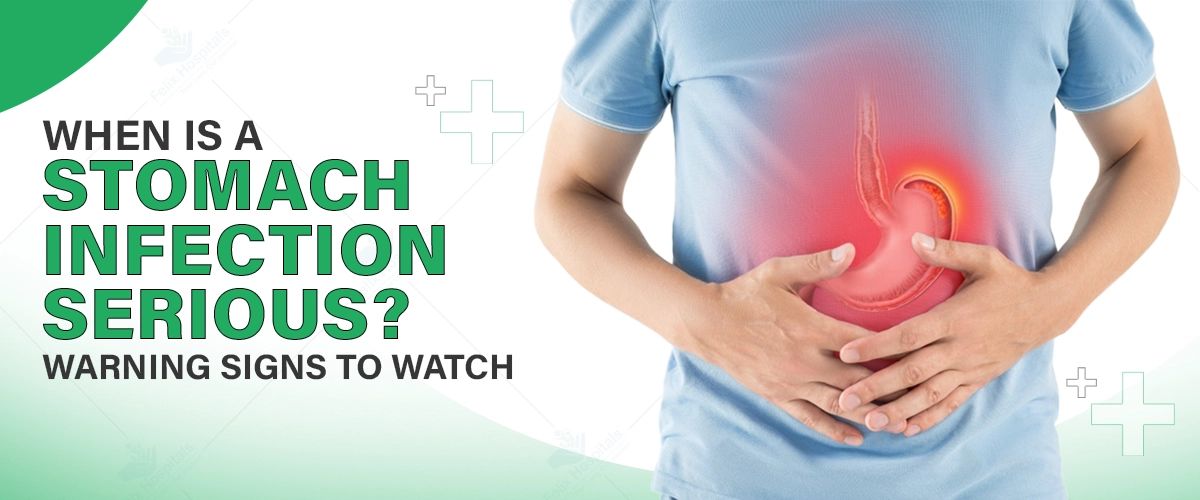

Gastric problems occur when excess acid or digestive disturbances affect the stomach lining, causing symptoms like bloating, acidity, and pain. Timely diagnosis ensures effective treatment.

Expert gastroenterology care for better digestive health, offering advanced diagnosis and treatment for GERD, IBS, ulcers, and liver disorders.
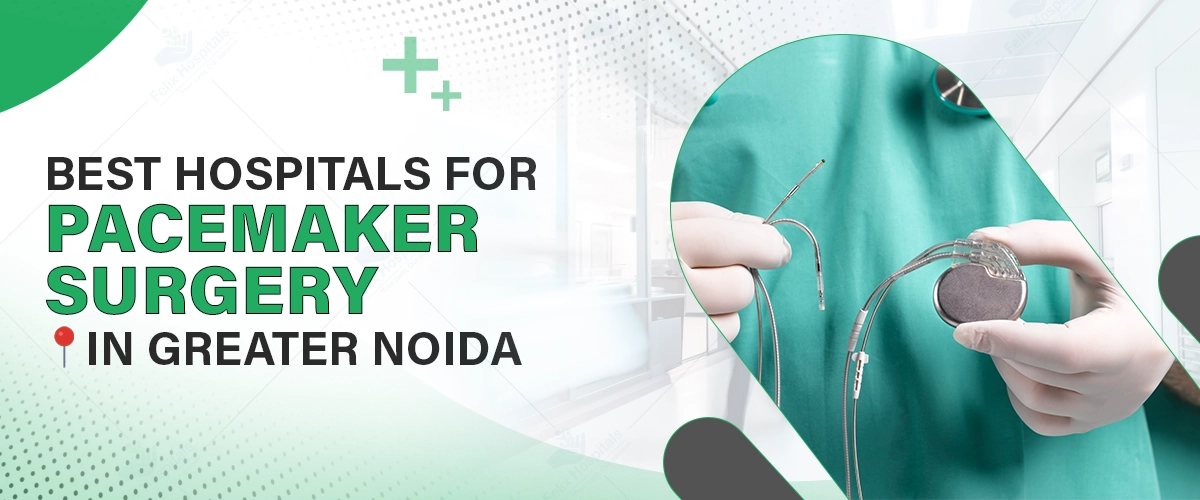
Cardiovascular health is an integral part of one's overall well-being. In patients who have been diagnosed with arrhythmias or other cardiac rhythm disturbances, a pacemaker is a revolutionary option. Such small battery-operated pacemakers track heartbeat, enabling individuals to live more stable and productive lives.
Over the past couple of years, Greater Noida has become a prospective hub for sophisticated cardiac procedures, such as pacemaker implantation. If you and your loved one are planning to undergo the procedure, it is critical to select the appropriate healthcare facility to ensure medical safety and peace of mind during the recuperation process.
Take control of your cardiac well-being—stop by a reputable cardiac facility in Greater Noida today for early screening and tailored care.
Greater Noida has seen rapid growth in medical infrastructure. Now, it boasts many multispecialty and super specialty hospitals with state-of-the-art technology for cardiac care. The place provides a combination of quality care, affordability, and accessibility that attracts patients from Delhi NCR and beyond.
Following are some reasons why Greater Noida’s hospitals are ideal for cardiac treatments:
Latest Infrastructure: Cardiac catheterization facilities and state-of-the-art operating suites exist in most of the hospitals.
Specialized Cardiac Teams: Right from diagnosis to rehabilitation, the centers have trained cardiology and cardiac surgery personnel.
Accessibility: It is a conveniently located area in close proximity to the capital and easily connected, which makes it an easily accessible center for patients in the region.
Hospital choice for pacemaker implantation is important in order to have a trouble-free procedure and smooth recovery. Among the most important factors that lead to quality and efficient care in such hospitals are:
1. State-of-the-Art Diagnostic Equipment
Proper diagnosis is the stepping stone for successful management. Well-known hospitals have sophisticated testing centers such as ECG, Holter monitoring, echocardiography, and cardiac stress tests to assess the extent of rhythm disorders.
2. State-of-the-Art Operation Theatres
Availability of advanced, clean, and well-equipped operation theatres, particularly cardiac catheterization labs and real-time monitoring facilities, enhances the accuracy and safety of surgery in pacemaker implantation.
3. Emergency & Critical Care Support
Round-the-clock ICUs, latest emergency services, and trained support staff are required in managing intraoperative or postoperative complications, particularly in those with complex cardiac backgrounds.
4. Post-Surgery Cardiac Rehabilitation
Recovery does not end with the procedure. The best hospitals have structured cardiac rehabilitation programs with physiotherapy, nutritional counseling, psychiatric care, and medication management to promote long-term cardiovascular health.
5. Patient-Centered Services
Patient experience-focused hospitals—providing clear communication, affordability, insurance assistance, and follow-up visits—are more likely to provide successful results and increased overall satisfaction.
Together, these attributes turn a hospital from a simple surgical facility—they turn it into a reliable partner in your cardiac care process.
Caregivers or patients must ask before deciding:
What is the hospital's pacemaker surgery success rate?
Are diagnostic and surgery fees clear?
Does the facility provide cashless insurance or government health schemes?
How is post-operative care organized?
The cost of pacemaker surgery in Greater Noida is dependent on many factors including:
Type of pacemaker (single, dual, or triple chamber)
Hospital stay duration
Pre- and post-operative investigations
Selection of general or private room facility
The average cost on an estimate could be anywhere from INR 1.5 lakh to INR 5 lakh, which is typically lesser than metro cities but of the same quality.
Read Reviews and Ratings: Online ratings and patient reviews can give an indication of hospital performance.
Tour the Facility: If at all possible, visit the hospital to get a gauge on cleanliness, staff attitude, and overall comfort.
Request a Second Opinion: It's always a good idea to ask another specialist before having surgery.
Don't wait until symptoms worsen—make an appointment for a heart rhythm analysis and learn more about safe, expert-assisted pacemaker surgery in your area.
Greater Noida has emerged as a center of quality heart care, with trustworthy facilities available for those in need of pacemaker surgery. While there may be several options, the key is to choose a hospital that offers the right blend of advanced infrastructure, expert care, and a compassionate approach. Consulting the Best Cardiologist in Greater Noida ensures not just treatment, but a comprehensive heart care experience focused on safety, comfort, and full recovery.
If you or your loved one is experiencing symptoms like fatigue, fainting spells, or irregular heartbeat, do not delay. Early diagnosis and the right medical support from the Best Cardiologist in Greater Noida can restore rhythm to your heart—and your life.
Q- How can I ensure if I actually need a pacemaker or my condition can be treated with medication?
Ans: A competent cardiologist can make a decision regarding the requirement of a pacemaker by ECG, Holter recording, and symptomatic assessment. In some instances, medication is sufficient to treat arrhythmias without surgery.
Q- Can I lead a normal life after receiving an implanted pacemaker?
Ans: Yes, the majority of patients resume normal activities within weeks. You may be asked to stay away from strong magnetic fields or certain demanding exercises, depending on the advice of the doctor.
Q- How long does a pacemaker last before needing replacement?
Ans: The battery of a pacemaker will last around 7 to 10 years. Your cardiologist will monitor its functioning on follow-up visits and suggest replacement as needed.
Q- What is post-surgery care or rehabilitation like after pacemaker implantation?
Ans: This is usually in the form of wound care, follow-up appointments for device programming, cardiac rehab, medication titration, and lifestyle modifications.
Q- Is pacemaker surgery safe in comorbid patients or the elderly?
Ans: Yes, if it is done in a well-equipped center, pacemaker surgery is low-risk even in comorbid patients or the elderly, provided pre-surgical assessment is adequate.
Q- Do pacemakers exist for various heart conditions?
Ans: Yes, based on your diagnosis, your cardiologist can prescribe a single-chamber, dual-chamber, or biventricular (CRT) pacemaker for maximum function.
Q- What do I ask during my initial consultation at a hospital for pacemaker surgery?
Ans: Inquire about the hospital's experience with pacemaker implantation, the type of devices they have, the likely recovery time, cost structure, and emergency services availability.

The cost of pacemaker surgery varies, generally ranging between $10,000 to $50,000, depending on factors like pacemaker type, hospital choice, and the complexity of the procedure.

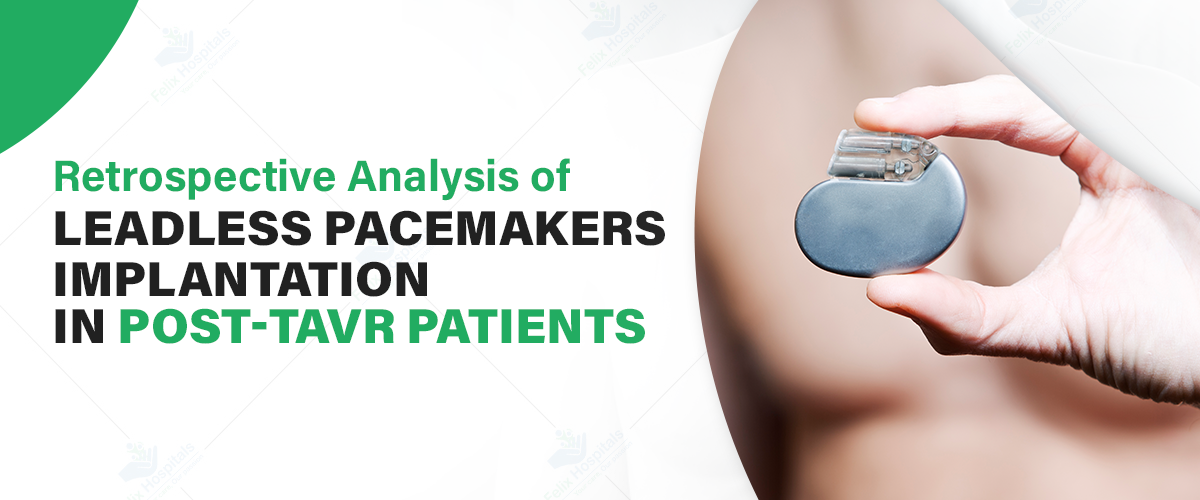
A pacemaker is a small electronic device implanted under the skin near the heart to regulate the heart’s rhythm.



Subscribe to our
© Copyright 2026. All Rights Reserved by Felix Healthcare Private Limited
Design and development by :

 WhatsApp







 +(91)9667064100
 Emergency : +(91)9667064100