 WhatsApp
 Emergency:
  WhatsApp








Subscribe to our

Alport syndrome is a rare genetic disorder that affects the kidneys, eyes, and ears, leading to progressive kidney disease and a range of other complications.
Kidney dialysis is a life-saving treatment for patients suffering from chronic kidney disease or kidney failure. Understanding the dialysis cost in Noida helps patients and families plan treatment effectively. This article explains the factors affecting d
Acute Kidney Injury: Causes, Symptoms, and Treatment explores the sudden deterioration of kidney function, which disrupts the body’s ability to filter waste and regulate fluids.

Polycystic Kidney Disease (PKD) is a genetic disorder characterized by the growth of fluid-filled cysts in the kidneys, often leading to kidney failure.
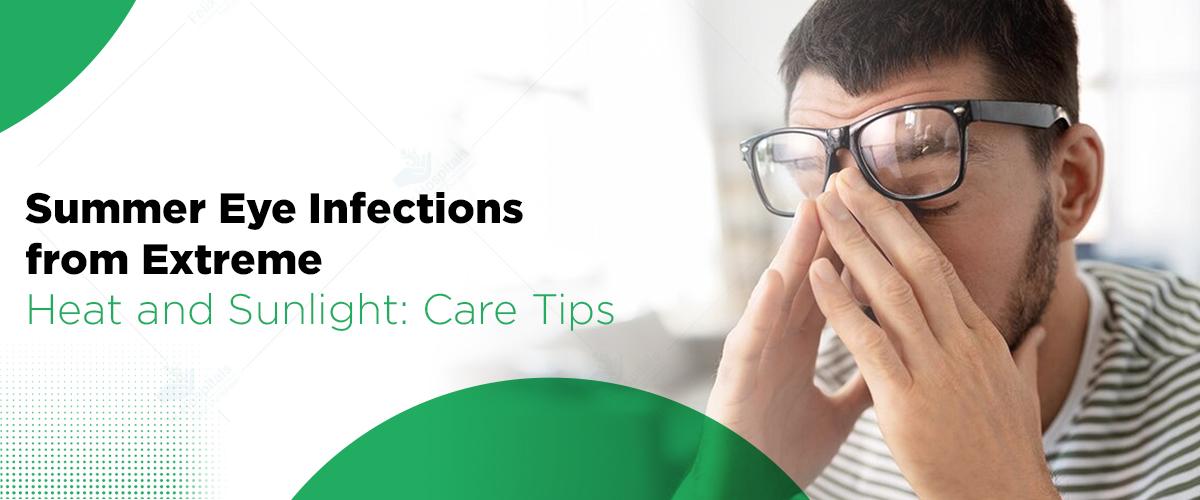
When the sun becomes hot and temperature increases in summers, our body is not alone in getting damaged. Your eyes are as exposed to heat, dust, UV, and air pollution as any other part of your body. While everybody has heard of sunscreen and water being applied during sun days, less have heard that sunlight and heat can also cause damage to your eyes, including infection, dryness, and even loss of eyesight forever.
This article talks in-depth about how sunshine and hot weather can damage your eyes and gives simple, straightforward, and achievable guidance on how to prevent summer eye infections with the best eye infection treatment hospital near me.
Don’t let summer catch you off guard—schedule your eye check-up today by calling +91 9667064100 and safeguard your vision from seasonal threats!
Summer weather and higher sun exposure to UV radiation can put eyes under lots of stress. These are some ways summer conditions may cause infection or irritation:
Sun's ultraviolet radiation can affect the surface coverings of the eye, cornea, as well as even the internal part like the lens. The greater exposure makes your risk of getting cataract and photokeratitis (sunburned cornea) high.
The heat during summer can evaporate the natural moisture of your eyes. Once your eyes get dried, they will be vulnerable to irritants and microbes that may infect them.
Hot winds typically accompany dust, allergens, and pollutants which will settle on your eyes in city environments. The particles will result in irritation of the surface of the eye and will lead to bacterial or viral infection.
Swimming in pools, beaches, or lakes without protective goggles can subject your eyes to bacteria and fungi—some of which are resistant to chlorine and may cause serious infections like Acanthamoeba keratitis.
When there is intense heat, humidity, and outdoor activity, your eyes are an infection breeding ground. Some of the most prevalent summer eye infections are:
A highly contagious infection due to viruses, bacteria, or allergies. The symptoms are redness, itchiness, watery eyes, and gritty sensation.
A painful swelling on the edge of the eyelid resulting from bacterial infection of a sebaceous gland. Usually due to rubbing or touching the eyes with dirty hands.
Less severe but more dangerous, fungal infections can result from exposure to dirty water or dust.
This is literally an eye sunburn, resulting from overexposure to UV radiation without protective eye precautions. It is associated with pain, redness, tearing, and blurred vision.
Sunglasses are not just a fashion accessory—they're your protection from the sun. Always wear sunglasses that have "100% UV protection" or "UV400" to protect against both UVA and UVB rays. Wraparound sunglasses offer the most protection.
Your eyes must be well-hydrated so that they can remain healthy. Proper hydration throughout the day keeps dry tear film away, preventing dry eyes and eye irritation.
Our hands are often grubby, perspiring, and packed with bacteria. Touching or rubbing your eyes, particularly in summer, transmits pathogens that cause conjunctivitis or styes. Wash your hands thoroughly before even touching your face.
If you use contact lenses, summer is a time when you have to be particularly careful. Clean and store lenses correctly, do not swim wearing lenses, and never reuse lens solution. Unhygienic practices are one of the most common reasons for severe eye infections.
Chlorinated swimming pools and natural bodies of water can harbor bacteria harmful to your eyes. Wear swimming goggles to avoid direct contact with contaminants and rinse your eyes with clean water after.
Excessive screen usage during holidays can also result in eye dryness and strain. Apply the 20-20-20 rule: every 20 minutes, stare at something 20 feet away for at least 20 seconds.
Never share eye drops, contact lenses, towels, or makeup with anyone. These can spread bacteria and viruses from one person to another quite easily.
Wind or sun dryness can be relieved by taking advice from a Best ophthalmologist and applying preservative-free lubricating eye drops. These eye drops keep the eyes moist and flush out irritants.
If you have any of the following, see an eye doctor right away:
Early treatment will stop minor irritations from becoming major illnesses.
The children and the old people are the most susceptible to severe heat and are likely to develop eye infections.
Though medical treatment is necessary for chronic infections, a number of home remedies provide symptomatic relief:
Never use any home remedy for infection symptoms—always see a professional first.
Have dry, itchy, or red eyes this summer? Speak to an eye care professional now and get personalized advice before it turns into a serious infection.
Extreme heat and sunlight are not only risky for your skin—they can be risky for your eye health too. Simple measures such as the use of UV sunglasses, hydration, hygiene of the eyes, and avoiding unnecessary contact of the eyes can work wonders in preventing infections. Be vigilant for any abnormal symptoms and consult a doctor at the earliest if necessary.
Your eyes deserve care every season, especially under the sun. Protect them today, for a clearer tomorrow.
Q1. Are summer eye infections indistinguishable from seasonal allergies?
Ans- Yes, most of the symptoms such as redness, itchiness, and watery eyes are identical. Infections will typically also have discharge, crusting, or pain, which typically allergies won't. An eye doctor can tell the difference.
Q2. Is it okay to use over-the-counter drops in summer for dryness or irritation?
Ans- Although preservative-free lubricating drops may alleviate dryness, medicated drops should not be used without a physician's advice since they could make the condition worse or cover up a concurrent infection.
Q3. My eyes burn worse outside during summer, even while wearing sunglasses. Why is that?
Ans- It may be caused by dry air, exposure to UV, or even sun reflection from sand, water, or pavement. Wraparound shades and artificial tears may be beneficial in such situations.
Q4. How do I know whether red eyes in my child are due to sun exposure or infection?
Ans- If there is discharge, swelling, or ongoing pain, then it is an infection. Transient redness without discharge is most probably due to sun exposure.
Q5. Are contact lenses even more dangerous to wear when there is hot summer weather?
Ans- Yes. Heat and sweat provide an increased likelihood of bacterial contamination. Longer duration or poor hygiene during summer might add to the risk of corneal ulcers and other diseases.
Q6. What do I do if my eyes get splashed with chlorinated water while I am swimming?
Ans- Rinse them at once with fresh, cold water. If irritation, redness, or blurry vision persists for more than a few hours, get medical attention to eliminate infection.
Q7. Is the air-conditioned indoor environment also to blame for summer eye problems?
Ans- Yes. AC dehumidifies the air, which can dry out the eyes. A humidifier or tear-stimulating eye drops will keep the air moist.

Learn about squint, its causes, symptoms, and treatments. Stay informed!
Dr. Mohammad Uzair Zakai: With years of experience and a commitment to adopting the latest technologies in cataract surgery, Dr. Zakai has a track record of successful surgeries and patient satisfaction.

A cataract occurs when the natural lens of the eye becomes cloudy, impairing vision. This can happen due to aging, injury, or other factors.
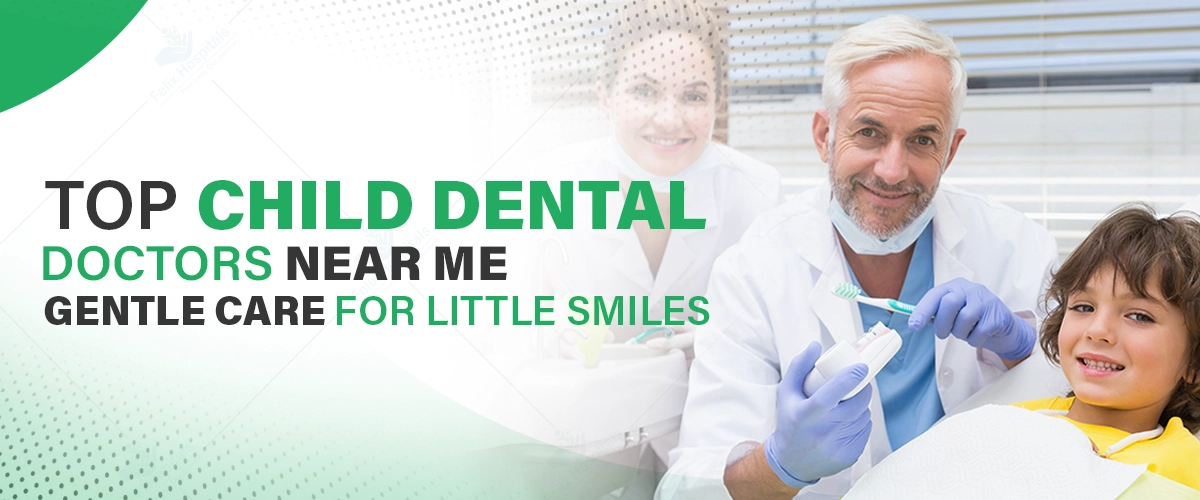
There’s nothing like your child’s giggle, flashing that tiny, toothy smile that melts your heart. But keeping those little teeth healthy is a big job—one that starts with love and a great pediatric dentist. In Noida, where 1 in 3 kids battles cavities by age 6, a gentle, skilled dentist can turn checkups into joyful moments, not tears.
Pediatric dental care is about more than fixing teeth; it’s about building confidence and habits that last a lifetime. From soothing teething pains to preventing cavities, let’s dive into why finding the best child dental doctors nearby matters and how to make your child’s smile shine brighter than ever.
Book Your Child’s First Dental Visit Today, Gentle Hands & Happy Smiles Await! Call us today at
+91 9667064100
Picture a pediatric dentist as your child’s dental fairy godmother—part expert, part comforter. They’re trained specifically for kids’ teeth, understanding how those little mouths grow, which 90% of Noida parents cherish. Their superpower? A gentle touch that calms even the wiggliest toddler, making 80% of visits tear-free.
They use kid-friendly tools—think tiny brushes and bubblegum-flavored polish—to keep things fun and safe. Best of all, they transform the dentist’s office into a happy place with colorful murals and warm smiles, so 95% of kids hop out of the chair beaming, ready for their next adventure.
Kids’ teeth face bumps along the way, and catching them early feels like a parenting win. Here’s what Noida moms and dads often notice:
Cavities: Sugary treats spark cavities in 30% of kids by age 5, leaving tiny teeth vulnerable.
Thumb Sucking: That comforting habit, seen in 15% of toddlers, can nudge teeth out of line.
Teething Troubles: Sore, swollen gums, troubling 20% of babies, turn bedtime into a challenge.
Crooked Teeth: Misalignment or crowding, affecting 10% of kids, might call for braces later.
Warning Signs: White spots, bad breath, or pain when chewing, spotted by 25% of parents, whisper trouble.
Spotting these early, like 85% of attentive parents do, with a dentist’s help, keeps small issues from stealing your child’s smile.
Taking your one-year-old to the dentist might sound surprising, but it’s a gift that keeps giving. The American Academy of Pediatric Dentistry backs this, and 80% of Noida’s dentists nod in agreement. That first visit spots sneaky issues like early decay, saving 90% of kids from bigger fixes.
It’s also a chance to learn brushing tricks, with 75% of tots picking up habits that stick for life. These early trips make the dentist a buddy, not a boogeyman, building confidence for 95% of kids as they grow into fearless dental champs.
Choosing a dentist for your child feels like picking a trusted friend. Here’s how to find Noida’s best:
A quick call asking, “How do you make kids feel at ease?” gives 95% of parents peace of mind.
Noida’s dental hospitals nearby are equipped to handle any oral health need, often with same-day solutions. Here’s what you can expect:
Emergency Care: For toothaches, broken teeth, or abscesses, 75% of top facilities offer immediate relief, often within an hour.
Preventive Care: Cleanings, fluoride treatments, and sealants, used by 80% of patients, keep cavities at bay.
Restorative Treatments: Fillings, crowns, and implants, needed by 20% of adults, restore damaged or missing teeth.
Cosmetic Dentistry: Whitening or veneers, popular with 15% of Noida residents, boost your smile’s glow.
Orthodontics: Braces or clear aligners, chosen by 10% of teens and adults, straighten teeth comfortably.
Specialized Procedures: Root canals, gum treatments, or wisdom tooth extractions, performed in 85% of top hospitals, save teeth and ease pain.
These services, backed by modern equipment, help 90% of patients leave with a healthier smile, often in one visit.
Stepping into a Noida pediatric dental clinic feels like a trip to a friendly playground—think bright walls and toy-filled corners. The dentist gives a gentle peek at your child’s teeth and gums, standard for 100% of first visits. A quick, tickly cleaning shines those teeth, delighting 85% of kids.
They’ll share brushing tips and snack advice, helping 90% of parents tweak routines. If there’s an issue, a simple plan—like a filling or fluoride—keeps things on track, leaving 95% of families feeling cared for and ready to smile.
Check Expertise: Look for hospitals with certified dentists and specialists, ensuring 90% reliability for treatments like implants or oral surgery. Online profiles often list qualifications.
Read Reviews: Patient feedback, available for 80% of Noida clinics on platforms like Practo, highlights care quality and staff warmth. Look for consistent 4+ star ratings.
Confirm Services: Ensure the hospital offers what you need—emergency care, cosmetics, or orthodontics. Most top facilities cover 85% of dental needs.
Visit or Call: A quick call to ask, “Do you offer same-day emergency care?” or a visit to check cleanliness, comforts 75% of patients. A welcoming vibe matters.
Check Accessibility: Choose a hospital near Noida’s key areas like Sector 18 or 137, with parking or metro access, vital for 70% of busy residents. Flexible hours help too.
These steps make it easier to find a hospital that feels like home, with 90% of patients feeling confident in their choice.
Felix Hospital — trusted child hospital in Noida, delivering specialized pediatric care for newborns, infants, and children with compassion and excellence.
Your child’s smile is a spark of joy, and Noida’s best pediatric dentists are here to keep it glowing. From catching cavities before they sting to teaching your little one to love brushing, gentle care now builds a foundation for fearless grins. In a city where 30% of kids need dental TLC, finding a warm, skilled dentist is like giving your child a superpower.
Don’t wait—search “pediatric dentist Noida,” book that first visit, and watch your little one’s smile light up the world. Today’s gentle care means tomorrow’s radiant confidence!
A: Experts recommend scheduling your child’s first dental visit by their first birthday or within six months of their first tooth. Early visits help spot potential issues before they become problems.
A: Pediatric dentists use child-friendly language, distraction techniques, and gentle handling. Many clinics even have themed rooms, toys, or music to keep kids relaxed and engaged.
A: Most pediatric dental clinics in Noida are equipped to accommodate children with special needs, offering extra time, calm environments, and customized care approaches tailored to each child’s comfort.
A: Children should typically visit the dentist every six months. However, your dentist may recommend more frequent visits if your child is prone to cavities or undergoing orthodontic evaluation.
A: Yes. Untreated dental problems like cavities, misalignment, or oral infections can impact speech development, concentration, and even school performance due to discomfort or pain.
A: While it’s normal for infants, prolonged thumb-sucking beyond age 3–4 can cause misalignment or bite issues. A pediatric dentist can suggest gentle interventions to help your child stop the habit.
A: Crunchy fruits and vegetables (like apples and carrots) promote healthy teeth, while sticky candies, sugary juices, and packaged snacks can lead to decay. Your child’s dentist can guide you on smile-friendly snacking habits.

Discover top dental hospitals in Noida offering advanced treatments, expert dentists, and same-day care for all your dental needs.
Gum disease, also known as periodontal disease, is an inflammatory condition that affects the tissues surrounding the teeth.
When it comes to maintaining good oral health, preventing cavities should be at the forefront of your dental care routine. C
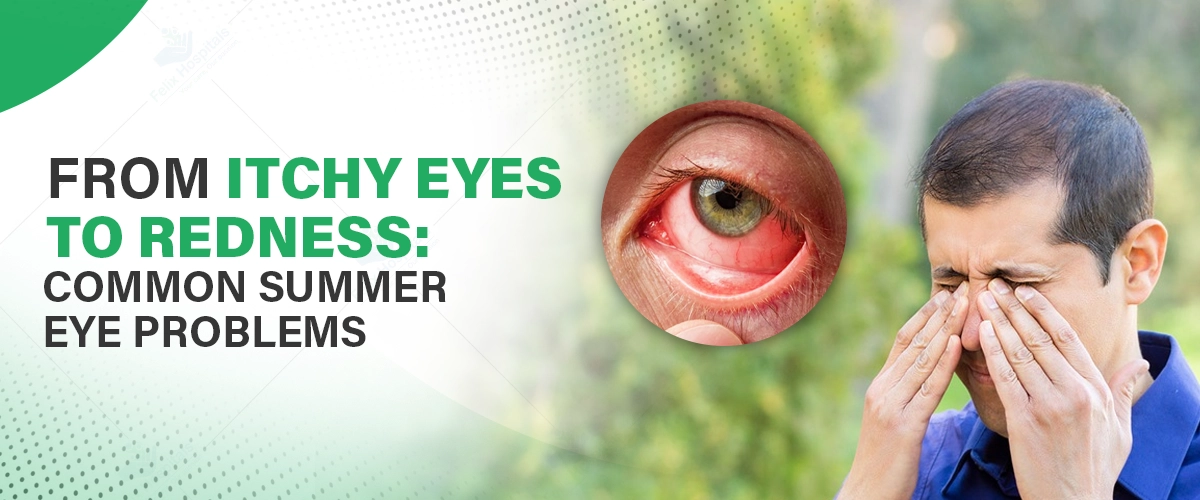
As summer comes in full force, individuals flock outdoors to indulge in vacations, picnics, sunbathing, and swimming. Although the season is warm and fun-filled, it also brings with it a list of eye health issues. Extended periods of exposure to sunlight, dry air, dust, sweat, and allergens can cause a variety of uncomfortable and, in some cases, serious eye issues. See the best eye hospital in Noida on the right way for your clear and perfect sight. From itchiness and redness to infection and irritation, the eyes tend to suffer the worst of the summer heat.
Here in this blog, we will be talking about the most prevalent eye issues individuals encounter during summer and how you can safeguard your eyes during summer.
Don’t wait until symptoms worsen. Book an eye check-up today with a certified ophthalmologist and enjoy the season without worry. Call us today at +91 966704100.
The cumulative effect of environmental stressors such as intense UV radiation, air pollution, hot dryness, and microbial infection during the summer season makes your eyes extremely unfavorable. They can lead to increased tear evaporation, allergic response, infection, and even UV-induced corneal injury.
Discusses the most common summer eye disorders:
One of the most frequent complaints in summer is itchy eyes. This is due to allergens like pollen, mold spores, dust, and animal dander. These can cause allergic conjunctivitis, which leads to constant rubbing, watering, and irritation.
Itching
Redness
Swelling of eyelids
Watery discharge
Light sensitivity
Stay away from allergens, apply cold compresses, and doctor-recommended antihistamine eye drops. Avoid rubbing your eyes—it may make the irritation worse or cause infections.
Red eyes are a common summer condition, usually because of heightened dryness, pollution, or infection. Viral or bacterial conjunctivitis is contagious and can spread at once through the use of common objects such as towels or eye makeup.
Redness
Burning or gritty feeling
Discharge (watery or pus)
Sticky lids in the morning
Tearing or blurred vision
Visit an eye specialist as soon as possible. Maintain good hygiene, avoid touching your eyes, and use prescribed eye drops. Avoid visiting swimming pools if you have conjunctivitis.
With hot temperatures and dry air, your eyes might not be able to stay moist enough. Air conditioning also can make the condition worse, causing symptoms of dry eye syndrome.
Burning or stinging
Grainy or gritty feeling in the eye
Redness
Blurry vision that clears with blinking
Increased sensitivity to light
Use preservative-free lubricating eye drops, drink plenty of water to hydrate yourself, and stay away from direct wind flow from fans or air vents, and venture out wearing wraparound sunglasses.
Too much exposure to the sun's rays will result in sunburning of the cornea, which is photokeratitis. It is likely while outdoors, i.e., hiking, boating, or to beaches and ski resorts.
Pain in eyes
Redness
Blurred vision
Tearing
Light sensitivity
Foreign body sensation
Wear 100% UV protection sunglasses or UV400. Limit sun exposure when the sun is high (10 a.m. to 4 p.m.) and use a wide hat for additional shade.
Summer heat and oil secretion clog glands around your eyelids and cause painful styes. They're usually a bacterial infection and will look like a pimple on the lash line.
Painful red bump on the eyelid
Swelling
Tearing
Burning upon blinking
Use a warm compress three or four times a day. Avoid contact lenses or eye makeup until the stye clears up. If it gets worse or spreads, see the best ophthalmologist in Noida.
Swimming in public pools or natural water areas without adequate eye protection will put your eyes into contact with harmful chemicals and bacteria such as chlorine. This will cause infection such as Acanthamoeba keratitis—more so when swimming with contact lenses.
Symptoms:
Pain
Redness
Blurred vision
Excessive tearing
Sensitivity to light
What to Do:
Always use swim goggles, particularly if you wear lenses. Rinse your eyes with fresh water after a swim, and never use contact lenses in the pool or the hot tub.
To protect your eyes from summer-related problems, adopt these simple practices:
Wear UV-blocking Sunglasses
Regularly Wash Hands to prevent infection
Drink Adequate Water to aid in the production of tears
Avoid Sharing towels, eye drops, and makeup
Take Screen Breaks if using devices more frequently on holidays
Employ Artificial Tears to alleviate dryness
Consult an Eye Specialist if problems continue
Get expert guidance tailored to your summer eye care needs. Schedule your consultation now and keep your vision sharp and comfortable.
Keep in mind, your eyes matter, and retaining your vision is a matter of being proactive. Don't brush off such symptoms as burning, redness, itchiness, or loss of clear vision. These are messages from your body that something's amiss. See a doctor if the symptoms continue or become worse—earlier detection and treatment can forestall complications and allow for quicker recovery at an affordable cost in Noida.
Soak up the sun this summer—but responsibly. Your eye care is not simply a matter of comfort, but of your own overall health. Spending a few minutes being mindful now can save you unnecessary pain and preserve one of your greatest assets: your vision.
Keep your eyes protected, moistened, and guarded. Because a world seen clearly is worth all the caution.
1. Can there be sunscreen eye irritation in the summer?
Ans- Yes, if sunscreen inadvertently gets into the eyes, it can cause burning, redness, and irritation. Apply mineral-based sunscreens on the surrounding skin of the eyes and use cautiously. Spray sunscreens onto the face so that there is no accidental exposure.
2. Are daily eye drops in every summer because of dryness possible?
Ans- Yes, dryness can be relieved several times a day using preservative-free lubricating drops. But if you find them necessary frequently, have an eye doctor check you out to rule out chronic dry eye or hidden conditions.
3. How do contact lenses compound summer eye risk?
Ans- Contact lenses hold heat, dust, and allergens in close proximity to the eye's surface, increasing the chances of infections, dryness, and irritation. Avoid contact lenses while swimming or for dusty outdoor activities.
4. Are summer urban eye allergies worse?
Ans- Yes, city dwellers generally experience higher pollution and airborne allergens. This also makes summer eye allergies more potent and longer lasting among city dwellers.
5. What should I do if my eyes burn after swimming in a chlorinated pool?
Ans- Wash out your eyes with clear, cold water and apply lubricating eye drops. Do not rub your eyes. If pain persists or you experience blurred vision or discharge, see your doctor.
6. Can eye damage result from prolonged exposure to air conditioning?
Ans- Yes, prolonged exposure to air conditioning can dehydrate your tear film and give you dry eye symptoms. Use a humidifier and alternate working and resting your eyes if you have an office job indoors in an air-conditioned building.
7. Under what circumstances is indoor use of sunglasses ever justified?
Ans- Indoor sunglasses are not typically needed, but if your eyes are healing from eye diseases such as photokeratitis or if you are light-sensitive indoors after surgery, your physician might temporarily suggest it.
Ophthalmology is the branch of medicine that focuses on the diagnosis, treatment, and prevention of eye-related diseases.
Eye flu, also known as conjunctivitis, is a common eye infection causing redness, irritation, and watering. Learn its causes, symptoms, and effective treatments.
Cataract surgery is essential to restore clear vision and prevent permanent blindness. It removes the cloudy lens and replaces it with an artificial one, helping patients regain normal sight and quality of life.
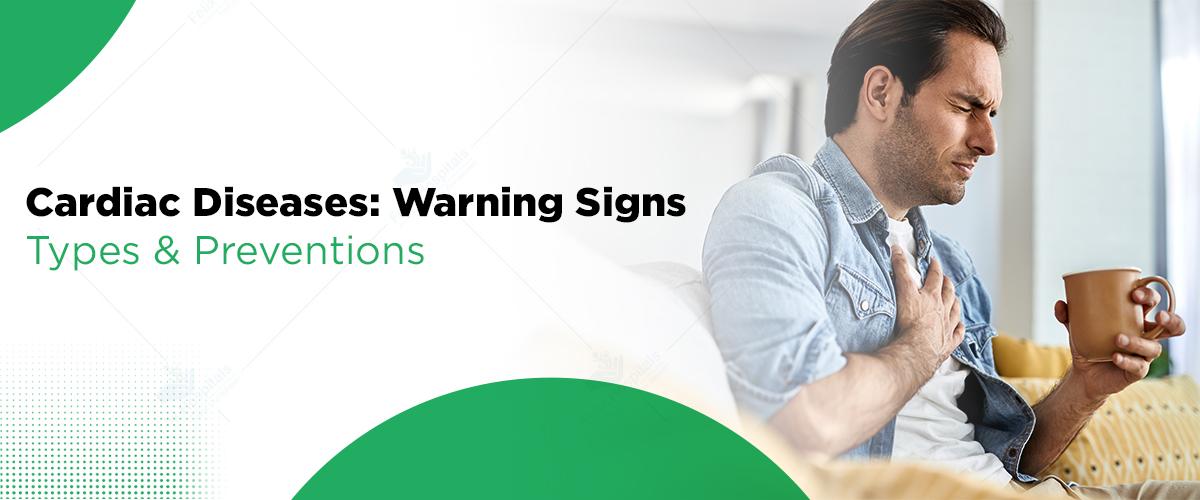
Heart disease continues to be the most common cause of death worldwide, killing millions of people annually. However, most cardiac ailments can be avoided or effectively controlled with early detection and proper interventions with the assistance of the best heart hospitals in Noida. Identifying the warning signs, identifying the categories of heart diseases, and applying preventive measures are measures towards maintaining your cardiovascular health.
Don’t wait for symptoms to worsen. Early detection saves lives. Call us at +91 9667064100 or book your consultation online with our cardiology team today.
Cardiac disease, or heart disease, is a general term for a wide range of disorders of the structure and function of the heart, keeping it from functioning normally. Some examples are coronary artery disease (when arteries supplying the heart become narrowed or blocked), heart failure (when the heart is unable to pump effectively), arrhythmias (abnormal heart rhythms), valvular heart disease (disease of the heart valves), cardiomyopathy (heart muscle disease), and congenital heart defects (existing at birth).
Cardiac illnesses include a wide range of illnesses that involve heart structure and function:
The heart typically gives warning signs prior to a big heart attack. Early knowledge of these warning signs could be the key to survival:
Women will have different or unexpected symptoms from men, such as fatigue without a reason, insomnia, shortness of breath, nervousness, and pain in the back, jaw, or throat instead of the usual chest pain. If you are experiencing any problem, simply ring the top cardiac issues treatment hospital. We are here for you.
Most heart ailments can be avoided through lifestyle change and risk factor control:
Timely and professional treatment is necessary when it comes to the treatment of cardiac conditions—high blood pressure, chest pain, arrhythmias, or long-term heart disease. At Felix Hospital, some of the best cardiologists in Noida provide personalized, holistic treatment regimens to address various heart diseases and ensure overall heart health.
Meet Our Experienced Cardiologists:
These seasoned heart doctors are committed to early detection, optimal medical treatment, and prevention of a range of cardiac ailments. Leveraging the latest state-of-the-art facility and patient-focused care, Felix Hospital delivers the ultimate standard of cardiac care at its most critical.
If you have concerns about your heart health or need information about treatment options, cost estimates, or choosing the right cardiologist, schedule your consultation today.
Remember that heart attacks do not always present the same way with everyone. In doubt, it is always better to rush to see a physician – minutes matter when dealing with cardiac events.
By paying attention to warning signs, understanding various forms of heart conditions, and following preventive guidelines, you can actually lower your risk of having cardiac disease and enhance the quality of life to a considerable extent. Taking care of your heart is a life-long endeavor that starts with knowledge and goes on with regular, heart-friendly decisions every day. So simply give us a call for your more questions regarding the cost of the treatment, the cardiologist, or the hospitals. We are always there to guide you.
1. When do I need to see a cardiologist despite the fact that I am not having chest pain?
Ans- You need to visit a cardiologist if you come in with symptoms such as fatigue, shortness of breath, puffiness, or arrhythmias—without pain. Being high-risk by family history, as well as elevated cholesterol levels, are good reasons for a visit.
2. Can heart disease be treated by modifying lifestyles?
Ans- Though structural damage can never be reversed entirely, the addition of a healthy way of life will go a long way in making the heart function more effectively and preventing disease progression. Timely diagnosis is the solution.
3. What are Felix Hospital's diagnostic tests available for diagnosing heart disease?
Ans- We have ECG, Echocardiography, TMT (Stress Test), Holter Monitoring, Cardiac MRI, and sophisticated blood tests to monitor your heart condition.
4. Why do I suspect my symptoms are cardiac and not anxiety or acidity?
Ans- Symptoms of the heart are typically with exertion and relieved by rest. If unsure, have a prompt medical evaluation—particularly for chest pain, pain radiating, or shortness of breath.
5. Is heart disease prevalent in young adults?
Ans- Yes. Through stress, physical inactivity, and diet, cardiac illness is increasingly becoming a feature of people in their 20s and 30s. Screening should be done at an early age too.
6. Why is sleep significant in heart health?
Ans- Sleep disturbances and sleep disorders such as sleep apnea are associated with high blood pressure, stroke, and heart failure. Good quality sleep is important for cardiovascular well-being.
7. Is Felix Hospital equipped with emergency cardiac care?
Ans- Yes. Our emergency room is fully staffed 24/7 to handle heart attacks, life-threatening arrhythmias, and other cardiac emergencies with immediate interventions.

Arrhythmia is a condition where the heart beats irregularly—too fast, too slow, or with an uneven rhythm. It can feel like a fluttering, racing, or skipped heartbeat.
A stent procedure can be life-saving for those with blocked arteries. This guide walks you through the stent experience—from the angioplasty process to post-procedure recovery and lifestyle changes.
हार्ट अटैक के मुख्य लक्षण, कारण और तुरंत किए जाने वाले उपचार के बारे में जानें। समय पर पहचान और सही इलाज से जीवन बचाया जा सकता है।

You’re elbow-deep in soapy water, scrubbing last night’s dinner plates, when you notice your rings feel tighter, and your fingers look like they’ve puffed up. Sound familiar? That annoying hand swelling after dishwashing can make you wonder, “Is this normal?” In Noida, where chilly winters and busy kitchens are part of life, many folks experience this. While a little puffiness might be no big deal, persistent swelling could hint at something more. At the best rheumatology hospital in Noida, understand why your hands swell and how to find relief. Let’s dive into the causes, red flags, and tips to keep your hands happy—because you deserve to tackle those dishes without worry.
Tired of swollen hands after every dishwashing session? Book an appointment by calling +91 9667064100 or book online for a convenient consultation.
A bit of hand swelling after washing dishes isn’t uncommon—it happens to 20% of people now and then. Warm water or repetitive scrubbing can make your blood vessels relax, causing temporary puffiness, especially in Noida’s cooler months when 15% of folks notice it more. But if your hands stay swollen for hours, feel painful, or swell every time you hit the sink, that’s not just a quirk—it’s a sign something’s up. Chronic or uncomfortable swelling, reported by 10% of women in urban areas, deserves a closer look to rule out deeper issues. Knowing what’s normal helps you decide when to act.
Your hands might be trying to tell you something when they puff up. Here are the usual suspects:
Occasional swelling that fades quickly is usually harmless, but some signs scream for attention. If your hands stay puffy for hours, hurt like they’re squeezed in a vice, or feel stiff and numb, it’s time to pause. Redness, itching, or rashes, noticed by 15% of people, could point to allergies or dermatitis. Persistent symptoms, especially with joint pain or tingling, affect 10% of Noida residents and might hint at conditions like arthritis. Don’t brush it off—the best hospital in Noida nearby urges you to see a doctor if symptoms linger or worsen, catching 85% of issues early to prevent bigger problems.
You don’t have to dread dishwashing. Try these simple tricks, loved by 80% of Noida’s home chefs:
You’re in Noida, your hands aching as you try to type an email or savor your morning chai, each swell and twinge a reminder of discomfort. In Noida, where 1 in 10 professionals grapples with hand pain, Felix Hospital is your haven for relief, guiding 80% of patients to the right care with warmth and expertise. Here’s who can help, based on your symptoms:
For those battling joint pain, stiffness, or arthritis flare-ups, turn to Dr. Kiran Seth, our esteemed Rheumatology and Immunology consultant at Felix Hospital. With over 20 years of experience, Dr. Seth crafts personalized care plans for conditions like rheumatoid arthritis, osteoarthritis, and complex inflammatory disorders, helping 90% manage symptoms with ease.
The best orthopedic surgeons at Felix Hospitals are:
They also have over 10 years of experience in the orthopedic department and have the specialty of making things normal.
Don’t ignore what your hands are trying to tell you. Schedule your appointment and visit Felix Hospitals, Noida, where 90% of patients feel relief after just a few sessions.
Swollen hands after dishwashing might seem like a small annoyance, but they’re your body’s way of asking for attention. In Noida’s hustle, where 20% of us battle kitchen-related swelling, simple changes like gloves or cooler water can work wonders for 80% of people. But if the puffiness lingers or brings pain, don’t wait—Felix Hospital, the best rheumatology hospital in Noida, is here to help. Call +91 9667064100 to see our specialists and take charge of your health. With early care, you’ll be back to scrubbing dishes, holding hands, and living fully, with a heart as light as your hands are free.
1. Can washing dishes in cold water reduce swelling, or does it make it worse?
Ans: While lukewarm water often helps, extremely cold water may restrict circulation and cause discomfort, especially for those with poor blood flow or arthritis.
2. Why do my fingers feel tight and ring marks become deeper only after dishwashing?
Ans: This could be a sign of temporary fluid retention from heat exposure and repetitive hand motion—common, but worth checking if it happens frequently.
3. Is it possible that my dishwashing gloves are causing the swelling instead of preventing it?
Ans: Yes, if your gloves are made from latex or contain certain chemicals, they may trigger allergic contact dermatitis, which causes swelling and redness.
4. I only notice swelling in one hand—should I be concerned?
Ans: Yes, asymmetrical swelling can point to localized issues like carpal tunnel syndrome, nerve impingement, or vascular problems and should be evaluated.
5. How do I know if my swelling is due to arthritis or just kitchen strain?
Ans: If swelling is accompanied by stiffness, morning pain, or difficulty gripping even outside the kitchen, arthritis could be the cause. A rheumatologist can help differentiate.
6. Are there any natural remedies I can try at home to reduce swelling after dishwashing?
Ans: Soaking hands in cool chamomile tea, using aloe vera gel post-wash, or massaging with anti-inflammatory oils like turmeric-infused coconut oil may ease swelling naturally.
7. Can repeated swelling from dishwashing lead to long-term joint damage or arthritis?
Ans: While mild swelling isn’t harmful, chronic inflammation or strain may contribute to tissue stress over time. Early evaluation helps prevent complications.

Learn how menopause impacts bone health and discover strategies to prevent osteoporosis, including lifestyle tips, diet, and treatments for stronger bones.

Although heart attacks can occur during any season, increasing evidence also indicates difficulties posed by summer to the cardiovascular system. The synergy of all-time temperature records, increased strenuous physical activity, and the seasonal habits that come with heat elevates the cardiovascular risk to its maximum potential of risk factors overwhelming even healthy cardiovascular systems. Particularly worrisome while climate change increasingly generates more ferocious heat waves, seasonal susceptibility further requires careful monitoring and prompt treatment of coronary diseases.
Recent research has discovered a disturbing trend: admissions to heart hospitals for heart attacks nearby are much greater during heat waves. It is important to realize why periods of time during summer can cause cardiovascular events in order to be able to effectively prevent them, particularly in those who are already at greater risk from any current conditions.
In this in-depth guide, we will describe the precise ways through which summer weather affects heart health, determine who is most vulnerable, and outline practical prevention steps to protect your heart from the hottest days of the year.
Protect your heart this summer — book a preventive heart health checkup at Felix Hospital today. Early detection can make all the difference. Call us today at +91 9667064100.
It may be useful to understand first how a heart attack occurs. Scientifically known as a myocardial infarction, in a heart attack, blood to some of the heart muscle is stopped. Lacking the oxygen and fuel necessary to survive, this dead heart muscle begins to decay. The more time that blood is blocked, the greater the amount killed.
Heart attacks are usually due to coronary heart disease, which involves the deposit of plaque inside the arteries serving the heart. When a ruptured plaque deposit creates a blood clot that arrests blood flow, a heart attack occurs. While this may at any moment become a reality, there are summertime conditions which may enhance chances of such an occurrence. Indications of a heart attack include:
It should be noted that women may have atypical symptoms of a heart attack compared to men, sometimes without the typical chest pain, and therefore may receive delayed treatment.
Excessive heat puts severe stress on the cardiovascular system. When the body works to cool itself, blood vessels in the skin open up to allow heat to be released, and as a result, blood pressure falls. Thus, the heart works harder, beating harder in a bid to ensure proper blood flow. In patients with pre-existing cardiovascular disease, this added work is hazardous.
Experiments have discovered that for every increase in temperature of 1°C (1.8°F), the chances of a heart attack raise by about 2-4%. Every day, throughout lengthy heat waves, this danger adds up, that's the reason admissions to Noida's best hospitals in Noida due to cardiac care swell throughout lengthy heat waves.
Summer heat increases fluid loss by sweating. Unless it is replaced, it leads to dehydration with direct impact on heart health. Dehydration decreases blood volume and thickens blood viscosity (thickness) so that it clots more easily—a leading heart attack trigger.
Also, when blood thickens, it puts more strain on the heart to pump this thicker fluid through the circulatory system. The combination of the faster heart rate (induced by the heat) and thicker blood is especially bad for people with constricted arteries.
Excessive perspiration not only wastes water but also sweeps away such essential minerals as potassium, sodium, and magnesium—electrolytes that are needed to make the heart work correctly. Electrolytes facilitate electrical impulses that govern heartbeat. If they become imbalanced, they can cause arrhythmias (irregular heartbeat rhythms) that can lead to a heart attack in susceptible individuals.
Potassium imbalances are especially careless since both excess and deficiency levels will disrupt electrical activity in the heart. Most are not aware that some drugs, such as everyday diuretics used to treat high blood pressure, accelerate loss of electrolytes when it is warm weather outdoors.
Air conditioning is a blessing to end hot weather during summers but introduces a new risk factor: abrupt temperature fluctuations. Continually cycling between hot outside temperatures and cold air-conditioned temperatures leads to blood vessels dilating and constricting rapidly, straining the cardiovascular system.
This heat shock can lead to coronary spasms in certain people, temporarily blocking blood to heart muscle. In people who already have pre-existing coronary artery constriction, these spasms will block blood below critical levels, which may result in a heart attack.
Summer often introduces augmented physical exertion as people engage in sports, gardening, household repairs, and outdoor activities. Physical conditioning hardens the heart, but rough abrupt exercise—especially during warm weather—can precipitate cardiac events in those not accustomed to it.
Activities like mowing the lawn, walking in the heat, or playing recreational sports without conditioning place undue strains on the heart. Added to hot temperatures, the risk factor is raised, particularly in those who are not accustomed to regular exercise.
Summer barbecues, parties, and celebrations appear to include foods rich in sodium, unsaturated fats, and calories. Such dietary excesses when paired with greater alcohol intake typical of summer celebrations can increase blood pressure and inflammation—two heart attack risk factors.
Alcohol intake under heat is especially hazardous since it can suppress signs of dehydration while at the same time contributing to fluid loss. The combination of dehydration, electrolyte imbalance, and alcohol's direct cardiac effect is a recipe for cardiovascular stress.
Summer weather conditions, particularly in urban areas, have a tendency to trap pollutants near the ground, creating smog. Fine particulate matter from such pollution can penetrate deep into the lungs and be absorbed into the bloodstream, causing inflammation and oxidative stress throughout the cardiovascular system.
There has been conclusive evidence that proves correlation between exposure to air pollution and the risk of heart attack. Heart attack rates typically increase during summer weather air quality advisories, particularly in individuals who have pre-existing heart disease or other risk factors.
Whereas summer climate strains any individual's cardiovascular system, certain populations are more at risk:
Increasing age impairs the body's perception of thirst, ability to regulate heat, and respond to changing conditions. Older individuals generally have lower sweating responses, thus they are particularly vulnerable to heat stress. They are also at greater risk for pre-existing cardiovascular disease and take medications that compromise heat acclimatization.
Patients with diagnosed coronary artery disease, heart failure, or past history of heart attacks are far more susceptible when it is warm. Their circulatory systems already function with lower reserves, and thus they are less capable of coping with the additional demands imposed upon them by heat stress.
Heat causes variability in blood pressure which is especially dangerous in hypertensive sufferers. Moreover, the majority of blood-pressure antidotes alter regulation of body temperature and fluid, compromising enhancement of summertime risk.
Diabetes over a prolonged period stains vessels that supply the blood with a secondary co-attachment risk of cardiac disease. Added to this, high-temperature climaxes interfere with maintenance over blood glucose with an additional strain on already compromised cardiovascular syndrome.
A number of prescription medications raise the risk of heat-related cardiac issues:
Excess body fat also insulates, and it is more difficult to lose heat. Obesity also usually comes with other risk factors for heart attack, such as high blood pressure, diabetes, and inactivity.
With care and preventive measures, most heat-induced heart attacks are avoidable. The following are precise steps to prevent cardiovascular risks in the hot season:
Enough water is not only about sipping water whenever thirsty. One might already be dehydrating before thirst takes hold. Rather:
Planning outdoor activities during cooler portions of the day markedly decreases heat stress:
Clothing decisions are important to the human ability to stay cool:
The body can be conditioned to accommodate heat stress, but it takes time:
Summer can necessitate modifying medication regimens:
Keeping cool spaces open is essential in times of high heat:
Summer doesn't necessarily mean to give up year-round heart health habits:
Recognizing when to ask for help may save your life. Dial emergency services at once if you or another person have:
During heatwaves, do not hesitate to obtain medical attention if one experiences symptoms of concern as prompt treatment is essential to prevent damage to the heart.
They are blessed with experience, compassion, and expertise to treat complex heart ailments:
With their innovative experience and dedication, these top heart doctors in Felix Hospital give you the best and most trustworthy cardiac service throughout.
Consult with a cardiologist at Felix Hospital by scheduling your visit online now for expert care and peace of mind.
Summer weather and heart attack risk overlap in an underappreciated but clinically important public health association. As warmer, more recurrent heat waves are projected with global warming, public health policy and public perception of risk will increasingly need to address this.
By identifying the specific cardiovascular hazards caused by summer weather and implementing the proper preventive measures, people, particularly those with pre-existing risk factors, can safely enjoy the season. Awareness of this is especially important for healthcare professionals, who need to advise susceptible patients about seasonal hazards and proper precautions.
Keep in mind that heart attacks don't go on vacation, not even when we do. With the right information and preventive measures, we can make summer an enjoyable season instead of an elevated cardiac risk factor. If you want to know about the cost of cardiac issues in summer, just contact us, we are always here to help you out with any query.
1. What are the warning signs of a heat-induced heart attack that people often overlook?
Ans- Symptoms like nausea, unexplained fatigue, shortness of breath, and lightheadedness—especially when exposed to heat—can be early signs of cardiac distress that many mistake for dehydration or exhaustion.
2. Can summer heat worsen existing heart conditions like angina or arrhythmia?
Ans- Yes, extreme heat increases cardiac workload and may worsen conditions such as angina, arrhythmias, or heart failure, especially when fluid and electrolyte balance is disturbed.
3. Is it safe to exercise outdoors during the summer if I have high blood pressure or heart disease?
Ans- Outdoor exercise can be safe if done during cooler hours (early morning or evening) and with proper hydration, but individuals with heart issues should consult their doctor before increasing physical activity in the heat.
4. How does dehydration specifically increase heart attack risk in people with diabetes?
Ans- Dehydration thickens the blood and raises glucose levels, both of which increase clotting risks and strain the cardiovascular system, making heart attacks more likely in diabetic individuals.
5. What role do common summer medications like antihistamines or NSAIDs play in cardiac risk?
Ans- Some summer medications can impair thermoregulation, reduce sweating, or stress kidney function—contributing to dehydration and increasing heart attack risk, especially when combined with heat exposure.
6. How can air pollution in summer worsen cardiovascular health?
Ans- Summer smog and pollutants can trigger systemic inflammation, increase blood pressure, and destabilize arterial plaques—making heart attacks more likely, especially during air quality alerts.
7. Should elderly individuals modify their heart medications in summer?
Ans- Possibly. Medications like diuretics or beta-blockers may need dose adjustments to prevent dehydration or overheating. Elderly patients should review their medication plans with their doctor as temperatures rise.
Arrhythmia is a condition where the heart beats irregularly—too fast, too slow, or with an uneven rhythm. It can feel like a fluttering, racing, or skipped heartbeat.
A stent procedure can be life-saving for those with blocked arteries. This guide walks you through the stent experience—from the angioplasty process to post-procedure recovery and lifestyle changes.
हार्ट अटैक के मुख्य लक्षण, कारण और तुरंत किए जाने वाले उपचार के बारे में जानें। समय पर पहचान और सही इलाज से जीवन बचाया जा सकता है।

When it comes to your health, nothing feels more personal than finding a gynecologist you trust. For women in New Ashok Nagar, Delhi, choosing the right specialist can make all the difference—whether it’s for a routine checkup, pregnancy care, or addressing concerns like irregular periods or menopause. With 1 in 4 women in India facing gynecological issues, quality care is a must. Gynae Clinic in New Ashok Nagar is here to make that choice easier, offering expert gynecology services with a warm, family-like touch. Let’s explore what makes a great gynecologist and how Felix Polyclinic delivers the care you deserve, right in your neighborhood.
Are you looking for a consultation with the gynecologist? Visit Felix Polyclinic at New Ashok Nagar for your better understanding. Call us today at +91 9910339859.
Your gynecologist is more than a doctor—they’re a partner in your wellness journey. From adolescence to menopause, they guide you through life’s changes, catching issues early and keeping you healthy. In India, 20% of women face conditions like polycystic ovarian syndrome (PCOS) or fibroids, often without symptoms at first. Regular visits can prevent complications, with 85% of early-detected issues being treatable. Whether it’s family planning, pregnancy support, or managing menopause, a skilled gynecologist ensures you feel heard and cared for, empowering 90% of women to take charge of their health. In New Ashok Nagar, Felix Polyclinic brings this expertise close to home.
Not all gynecologists are the same, and finding the best one means looking for qualities that matter:
Experience and Skill: Top gynecologists, with over 10 years of practice, handle everything from high-risk pregnancies to minimally invasive surgeries, ensuring 95% success rates in complex cases.
Compassionate Listening: The best doctors create a safe space, with 80% of patients valuing a gynecologist who listens without judgment.
Advanced Training: Specialists trained in laparoscopy or infertility treatments, like those at Felix Polyclinic, offer cutting-edge care, benefiting 70% of patients with specialized needs.
Holistic Approach: They focus on prevention, lifestyle advice, and emotional wellbeing, helping 85% of women feel supported beyond medical fixes.
Clear Communication: Explaining conditions and treatments in simple terms, trusted by 90% of patients, builds confidence and trust.
These traits turn a good doctor into a great one, and Felix Polyclinic’s gynecologists embody them all, making care personal and effective.
Nestled at B-104, Main Road, across from Metro Pillar No. 166 in New Ashok Nagar, Felix Polyclinic is a beacon of trusted healthcare. Our gynecology services are designed to meet every woman’s needs with warmth and expertise, ensuring 95% patient satisfaction. Here’s how we stand out:
Expert Gynecologists: Our team, with years of experience, specializes in routine care, pregnancy, infertility, and surgeries, delivering personalized plans for 90% of patients.
Comprehensive Services: From contraception advice to menopause management, we cover it all—checkups, ultrasounds, vaccinations, and family planning—helping 80% of women address concerns in one place.
State-of-the-Art Diagnostics: Our advanced lab offers accurate tests, like Pap smears and hormone panels, with results guiding treatment for 85% of cases, ensuring precision and speed.
Patient-Centered Care: We listen and tailor care to your life, with 90% of patients feeling valued and understood, whether in-person or via teleconsultation.
Convenient Access: Located near New Ashok Nagar’s bustling community, we’re open long hours, with walk-in and appointment options, serving 70% of patients flexibly.
Felix Polyclinic isn’t just a clinic—it’s a place where your health feels like family, with care that’s as close as your doorstep.
Finding the right gynecologist feels personal, but a few steps can guide you:
Check Credentials: Look for board-certified best gynecologists in Noida with training in areas like obstetrics or laparoscopy, ensuring 95% reliability in complex care. Felix Polyclinic’s doctors meet these standards.
Read Reviews: Patient feedback, available for 80% of clinics online, highlights bedside manners and outcomes. Check platforms like Practo for insights.
Ask About Services: Ensure the clinic offers what you need—pregnancy care, infertility treatment, or menopause support. Felix Polyclinic covers these and more.
Visit the Clinic: A welcoming space and friendly staff, like at Felix Polyclinic, make 85% of patients feel at ease. Drop by to sense the vibe.
Confirm Accessibility: Choose a location with easy access and flexible hours, vital for 70% of busy women. Our New Ashok Nagar polyclinic is steps from the metro.
These steps help 90% of women find a gynecologist who feels like the right fit, and Felix Polyclinic checks every box.
At Felix Polyclinic, we go beyond medicine and vaccination at home. Our gynecologists take time to know you, crafting care plans that fit your life—whether you’re a new mom, managing PCOS, or navigating menopause. We use the latest technology, like high-resolution ultrasounds, to catch issues early, with 85% of patients benefiting from timely diagnoses. Our team coordinates with other specialists, like nutritionists or endocrinologists, for holistic care, crucial for 20% of complex cases. Plus, our preventive focus—think vaccinations or cancer screenings—keeps 75% of women ahead of health risks.
In New Ashok Nagar, we’re your partner in every stage of womanhood. Schedule your appointment today and visit Felix Polyclinic in New Ashok Nagar, Delhi.
Your health deserves the best, and Felix Polyclinic in New Ashok Nagar is here to deliver it. Whether you need a routine checkup, pregnancy support, or help with a specific concern, our expert gynecologists are ready to guide you with care and compassion. Don’t wait to prioritize yourself—call us today at +91 9910339859 to book an appointment or explore our services online. Located at B-104, Main Road, New Ashok Nagar, we’re just a step away, serving 90% of our community with flexible, trusted care. Let Felix Polyclinic be your home for gynecological health, where every visit feels like coming home.
1. How do I know if my irregular periods need medical attention or are part of normal hormonal changes?
Ans. Irregular periods can result from stress, lifestyle changes, or hormonal imbalances like PCOS or thyroid issues. If they persist for more than 2-3 cycles or are accompanied by heavy bleeding or pain, it’s best to consult our gynecologists at Felix Polyclinic for a personalized assessment.
2. What makes Felix Polyclinic’s pregnancy care different from a regular maternity hospital?
Ans. Our gynecologists provide continuous care—from preconception counseling to postnatal checkups—under one roof. We combine routine monitoring with emotional support and diet guidance, helping 90% of mothers feel more confident and prepared throughout their pregnancy journey.
3. Can I get a second opinion on a diagnosis or treatment plan at Felix Polyclinic?
Ans. Yes, we encourage informed decisions. Whether it’s a diagnosis like fibroids or a treatment suggestion like surgery, our specialists offer second opinions based on thorough evaluations, ensuring 85% of patients feel more secure in their choices.
4. What kind of support does Felix Polyclinic offer for women dealing with menopause symptoms?
Ans. We offer a holistic menopause management plan that includes hormone level assessments, lifestyle modification counseling, and non-hormonal therapies. Around 70% of our menopausal patients report better symptom control and improved well-being after tailored care.
5. Is it necessary to visit a gynecologist regularly if I’m not sexually active or planning a pregnancy?
Ans. Absolutely. Gynecological health includes issues like PCOS, menstrual health, breast exams, and cancer screenings—relevant for all women, regardless of sexual activity. Preventive care at Felix Polyclinic helps catch concerns early for 80% of women we see annually.
6. How does Felix Polyclinic handle sensitive issues like infertility or sexual health concerns?
Ans. Our specialists approach such topics with empathy and confidentiality. We offer diagnostic evaluations and advanced treatments like ovulation tracking, hormonal therapy, and counseling—helping 75% of couples feel more supported on their fertility journey.
7. Can I consult a gynecologist online before visiting the clinic in person?
Ans. Yes, Felix Polyclinic provides teleconsultation options for initial discussions, follow-ups, or prescription reviews. Over 60% of our patients start with virtual consultations, especially for routine issues, saving time while ensuring personalized care.
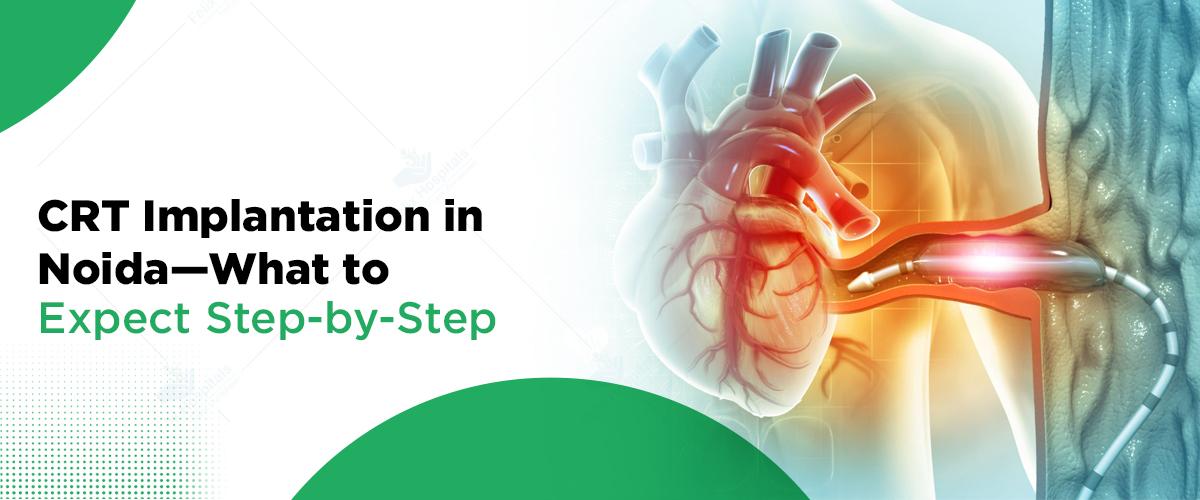
Cardiac Resynchronization Therapy (CRT), or biventricular pacing, is a type of procedure in which a pacemaker of a unique kind is implanted that synchronizes the two sides of your heart to beat. This procedure can improve the quality of life in patients with heart failure by improving the heart's ability to pump blood effectively.
If you are facing heart-related problems, you need to take proper care. Firstly, look for the best cardiology hospital near your area to receive timely and effective treatment.
Take the first step toward better heart function. Locate a top-rated cardiologist or specialized heart hospital in your area now. Call us today at +91 9667064100.
CRT is used to repair the timing of heart contractions, especially of the ventricles—the lower heart chambers. Ventricles contract asynchronously in most heart failure patients, and the heart is then not able to easily pump out blood. CRT is an attempt to break through this by returning to synchronized contraction through a biventricular pacemaker.
A CRT device differs slightly from an ordinary pacemaker:
Whereas CRT is aimed at resynchronization of heartbeats, an Implantable Cardioverter-Defibrillator (ICD) is used to treat potentially life-threatening arrhythmias of the heart (ventricular tachycardia or fibrillation). A CRT-D device—a biventricular pacemaker with an ICD—is needed in some patients for full treatment.
CRT is generally prescribed for patients with heart problems (arrhythmias or poor functioning heart). Some common reasons that often lead to the development of this condition are:
Almost 20%–30% of heart failure patients experience incoordinate ventricular contractions. It aggravates their symptoms and overall heart function. In a final measure when drugs and lifestyle changes no longer work, CRT is an essential next step to enhance heart function.
Cardiac Resynchronization Therapy is a widely established and extensively applied procedure. As many as 311,000 patients in the United States alone were implanted with CRT devices during the period 2006 through 2012—a testament to its efficacy to manage heart failure symptoms.
There are several benefits of CRT that can greatly impact your life:
As in any medical procedure, CRT does have some risks, although extremely rare severe ones. Some possible complications include:
Your cardiologist will explain all these risks with you before proceeding and will try everything to prevent them.
Here at Felix Hospital, our staff of experienced cardiologists accumulates decades of experience and unparalleled expertise in sophisticated heart procedures, such as Cardiac Resynchronization Therapy (CRT). Regardless of whether you're experiencing heart failure or rhythm disorders, our professionals are prepared to provide the most precise and empathetic care:
Balanced with clinical aptitude and nurturing hearts, cardiac specialists at Felix Hospital provide personalized, safe, and effective CRT implantation—renewing you to an improved, healthier heartbeat.
Don't wait until your symptoms are severe—see a heart specialist to find out if CRT could help your heart.
If you have heart failure or abnormal heart rhythms and drugs do not work, Cardiac Resynchronization Therapy can be lifesaving. Consult a capable cardiologist to assess your condition and see if you are a candidate.
Your heart needs the best care—do not wait to search for the best cardiologist or heart center in your town and take affirmative steps towards a better life. If you wanted to know about the cost at the best hospital in Noida, The Felix Hospitals are always here for you in any positive or negative situation for your healthier and happier heart life.
Q- How long does a CRT device last before it needs replacement?
Ans- A CRT device typically lasts 5 to 7 years, depending on the usage and battery life. Your cardiologist will monitor the device regularly to determine when a replacement is needed.
Q- Can I live a normal life after getting a CRT device?
Ans- Yes, most patients experience improved quality of life, including better physical endurance and fewer symptoms of heart failure. However, some lifestyle adjustments may be necessary.
Q- Are there any restrictions on using electronic devices after CRT implantation?
Ans- While most everyday electronics are safe, it's best to avoid close or prolonged contact with strong magnetic fields or industrial equipment. Always consult your device manual and cardiologist.
Q- What signs indicate that my CRT device is not working properly?
Ans- Symptoms such as recurring fatigue, dizziness, or shortness of breath may suggest the device isn’t functioning optimally. Regular follow-ups and remote monitoring help catch issues early.
Q- Is CRT effective for all heart failure patients?
Ans- No, CRT is most effective for patients with specific electrical conduction delays (like left bundle branch block) and reduced ejection fraction. A detailed evaluation is required to confirm eligibility.
Q- Can I undergo MRI scans after having a CRT device implanted?
Ans- Many modern CRT devices are MRI-compatible, but this depends on the device model. Always inform your healthcare provider and MRI technician beforehand.
Q- What kind of follow-up care is needed after CRT implantation?
Ans- Follow-ups usually include regular ECGs, chest X-rays, and device interrogations to ensure the CRT is working correctly and to adjust settings as needed.
Arrhythmia is a condition where the heart beats irregularly—too fast, too slow, or with an uneven rhythm. It can feel like a fluttering, racing, or skipped heartbeat.
A stent procedure can be life-saving for those with blocked arteries. This guide walks you through the stent experience—from the angioplasty process to post-procedure recovery and lifestyle changes.
हार्ट अटैक के मुख्य लक्षण, कारण और तुरंत किए जाने वाले उपचार के बारे में जानें। समय पर पहचान और सही इलाज से जीवन बचाया जा सकता है।
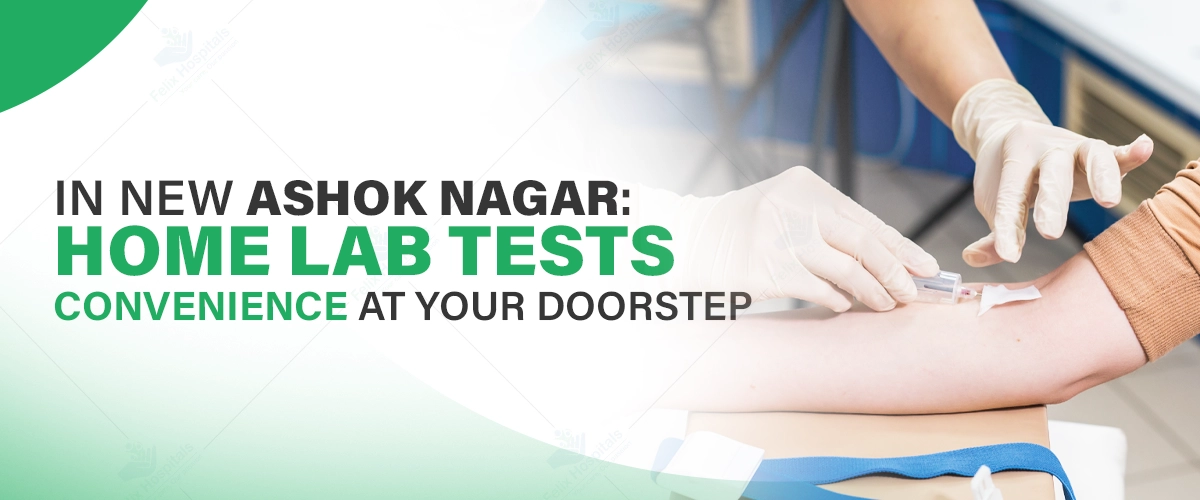
In the fast-paced rhythm of New Ashok Nagar, finding time for health checkups can feel like a chore. Traffic jams, packed schedules, and long lab queues often push testing to the back burner—yet early detection is key to staying well. Enter home lab tests, a game-changer bringing diagnostics right to your doorstep. Whether it’s a routine blood panel or a diabetes check, these services blend accuracy with ease, transforming how residents care for themselves. Let’s dive into why home lab test services in New Ashok Nagar are soaring in popularity, how they work, and what makes them a smart choice for busy households.
Home lab tests let you get medical diagnostics—blood draws, urine samples, or even ECGs—without stepping out. A trained technician visits your home, collects samples, and delivers them to a certified lab for analysis. Results land in your inbox or phone, often within hours. In New Ashok Nagar, where 1 in 3 residents juggles work and family, this service cuts stress, offering hospital-grade testing in the comfort of your living room.
From kids to seniors, it’s healthcare that fits your life, not the other way around. Call us today at +91 9910339859.
New Ashok Nagar’s urban vibe, nestled near East Delhi’s hustle, makes convenience king. Here’s why home testing is winning hearts:
1. Time-Saving Simplicity
Dodging Mayur Vihar’s traffic or waiting at labs eats hours—40% of Delhiites skip tests due to time constraints. Home tests eliminate travel, letting you book a 7 AM slot before work or a weekend visit near Sector 15. Technicians arrive equipped, wrapping up in 10–15 minutes, freeing your day for what matters.
2. Comfort for All Ages
Labs can spook kids or tire seniors, who make up 20% of New Ashok Nagar’s population. At home, children stay calm with toys nearby, and elderly parents avoid staircases or crowds. A gentle blood draw in familiar surroundings reduces anxiety, making testing smoother for everyone.
3. Reduced Germ Exposure
Clinic waiting rooms risk colds or infections, especially during monsoon season. Home tests limit contact—your technician follows strict hygiene, using sterile kits. With 1 in 10 lab visitors catching minor bugs, staying home offers peace of mind, vital in a post-pandemic world.
4. Flexible Scheduling
Whether you’re in a high-rise near the metro or a quiet lane by Kalyan Puri, home tests fit your clock. Evening slots suit 9-to-5 workers, while same-day bookings help urgent cases like fever panels. Online booking apps, used by 70% of urban patients, make it a breeze to pick a time.
5. Privacy and Discretion
Sensitive tests—like fertility panels or STD checks—can feel awkward in public labs. Home collection ensures confidentiality, with sealed samples and secure digital reports. For 15% of patients valuing privacy, this discretion is a dealbreaker, fostering trust.
The process is seamless, designed for ease:
No fasting mishaps or forgotten IDs—just straightforward care at your door.
Home testing covers a wide range:
If a test needs machines (like MRIs), labs arrange clinic visits, but most diagnostics happen at home.
Not all services are equal—here’s what to prioritize:
Ask about sample transport—proper handling ensures results you can trust.
Home tests do more than save time:
Straddling Delhi and Noida, New Ashok Nagar blends accessibility with community needs. Its metro link and proximity to commercial hubs make it ideal for home services, serving professionals and families alike. With lifestyle diseases rising—diabetes up 10% in urban India—local labs prioritize prevention, offering tests tailored to stress or pollution-driven risks.
You’re not just testing, you’re joining a health-conscious wave. Schedule a consultation by clicking here.
Home lab tests in New Ashok Nagar bring diagnostics to your door, blending precision with the ease every family craves. From dodging germs to fitting tests into packed days, this service redefines care for kids, adults, and seniors. By choosing accredited labs with skilled teams and fast results, you ensure health stays first without the stress. In a vibrant neighborhood like New Ashok Nagar, where time is precious, home testing is your ticket to wellness. Book a test today—your health deserves the convenience.
1. Can I schedule a home test early in the morning or late in the evening in New Ashok Nagar?
Ans: Yes, most home lab test services in New Ashok Nagar offer flexible slots starting as early as 6 AM and going up to 9 PM, catering to professionals, students, and families with busy schedules.
2. What types of tests are commonly available through home collection in New Ashok Nagar?
Ans: You can access a wide range of tests, including CBC, thyroid (TSH), lipid profile, liver/kidney panels, HbA1c, vitamin deficiency tests, allergy panels, and even ECGs—all collected from home by certified technicians.
3. Are home lab tests safe and hygienic during seasonal flu or dengue outbreaks?
Ans: Absolutely. Home test technicians follow strict hygiene protocols—gloves, masks, sanitization—and eliminate exposure to crowded clinics, which is crucial during monsoons or outbreaks common in Delhi’s urban zones.
4. How do I ensure the technician visiting my home is certified and trustworthy?
Ans: Reputable labs in New Ashok Nagar provide technician details in advance, including ID verification, certification, and even customer reviews via their app or website. Always ask for ID before sample collection.
5. What if I need to test multiple family members in one visit—does that affect cost or timing?
Ans: Many home collection services allow group testing during a single visit and often provide discounts for families. The process typically adds minimal time, making it ideal for households managing care for kids or seniors.
6. Can I consult a doctor if my home test results are abnormal?
Ans: Yes, several diagnostic services in New Ashok Nagar offer follow-up consultations—either online or in-person—with qualified doctors to help you interpret results like elevated sugar or cholesterol levels.
7. How quickly can I receive results for home tests like CBC or blood sugar in New Ashok Nagar?
Ans: Most basic tests like CBC, blood sugar, or thyroid are delivered within 6 to 24 hours. More complex panels may take up to 48 hours. Many labs even offer real-time updates via app notifications or SMS.
Polycystic Kidney Disease (PKD) is a genetic disorder characterized by the growth of fluid-filled cysts in the kidneys, often leading to kidney failure.

Learn key screening tests for early detection of colorectal cancer and polyps.


Subscribe to our
© Copyright 2026. All Rights Reserved by Felix Healthcare Private Limited
Design and development by :


 +(91)9667064100
 Emergency : +(91)9667064100