 WhatsApp
 Emergency:
  WhatsApp












Subscribe to our
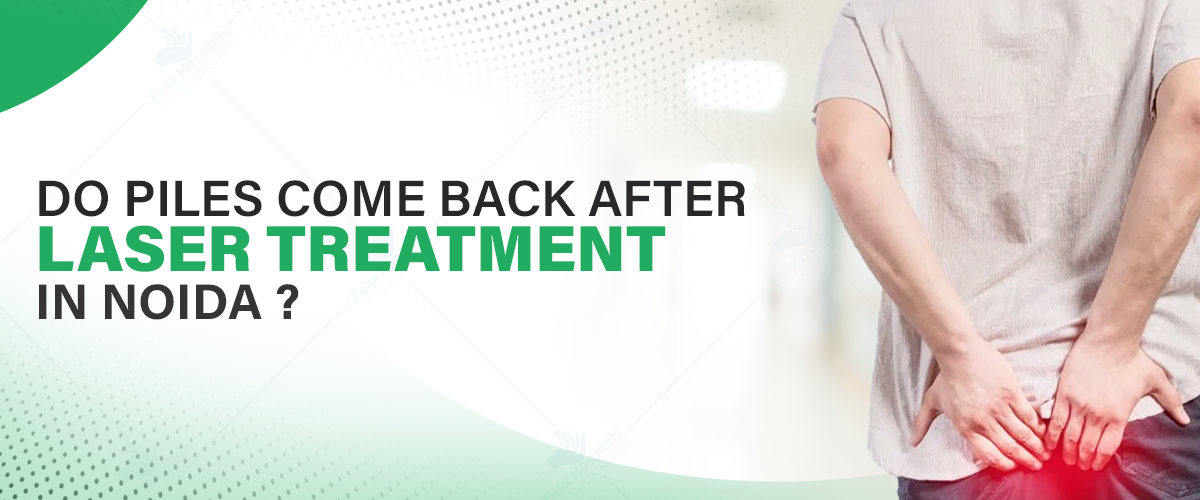
Piles, or hemorrhoids, can feel like an unwelcome guest—painful, itchy, and downright disruptive. These swollen veins in the rectum or anus, affecting 1 in 4 adults in India, often bring discomfort during bowel movements or sitting. In Noida, where fast-paced lives and desk jobs are the norm, laser piles treatment has become a go-to solution, offered by the best hospital for piles treatment in Noida, like Felix Hospital. But a question lingers: do piles come back after laser surgery? Let’s explore what laser treatment involves, why recurrence happens, and how to keep piles at bay, with insights from Noida’s top specialists, so you can find relief and peace of mind.
Take control of your recovery—get expert post-treatment care tips and guidance at a trusted piles clinic near you. Call us today at +91 9667064100.
Laser treatment for piles is like a modern marvel—precise, quick, and gentle. A focused laser beam shrinks or removes hemorrhoidal tissue, sealing blood vessels with minimal damage. Unlike traditional open surgery, which can involve cuts and longer healing, or home remedies like sitz baths that offer temporary relief, laser surgery stands out. It causes less pain, minimal bleeding, and lets 90% of patients return to work in 3–5 days. Compared to older methods, where recovery took weeks, laser’s precision, used in 80% of advanced clinics, makes it a game-changer for Noida residents seeking fast, effective care.
Laser treatment boasts impressive success rates, with 90–95% of patients experiencing relief after one session, according to proctology studies. It effectively targets affected veins, shrinking them instantly. However, it doesn’t address underlying causes like poor diet or chronic straining, which affect 20% of recurrence cases. Experts note that while laser is highly effective, it’s not a guaranteed “forever” fix—lifestyle plays a big role. For 85% of patients who follow post-surgery advice, the results last years, but understanding why piles might return is key to staying symptom-free.
Piles can sneak back, though it’s not common, affecting about 5–10% of laser-treated patients. Reasons include:
Choosing an experienced surgeon at the best hospital for piles treatment in Noida, like Felix Hospital, reduces these risks, with 95% of thorough treatments preventing return.
In Noida, where spicy diets, sedentary IT jobs, and stress are part of life, piles recurrence after laser surgery hovers around 5–8%, based on regional health trends. Local habits—like low-fiber meals or long commutes—contribute, affecting 25% of patients post-treatment. An experienced surgeon, like those at top Noida facilities, makes a difference, with 90% of patients at well-equipped hospitals avoiding recurrence through tailored care. Opting for a skilled proctologist ensures your treatment addresses both symptoms and risks, setting you up for lasting relief.
Preventing piles from returning is about smart choices and precautions after piles laser surgery. Here’s how to keep your recovery on track:
These steps, guided by your doctor, make recurrence rare, keeping 95% of patients comfortable long-term.
Finding the best hospital for piles treatment nearby in Noida means looking for quality and care. Seek a facility with:
A hospital that listens and plans for your long-term health, like Noida’s finest, ensures you’re in trusted hands, with the painless piles laser surgery cost—typically ₹40,000–₹80,000—often covered by insurance for 60% of patients.
At Felix Hospital, Noida, our piles specialists bring skill and heart to every patient.
Concerned about piles coming back? Book a consultation with Noida’s leading laser piles specialists today.
Laser treatment for piles, with its 90–95% success rate, offers a painless, effective solution, but keeping piles away depends on precautions after piles laser surgery and lifestyle changes. By choosing the best hospital for piles treatment in Noida, like Felix Hospital, and following expert advice, you can enjoy lasting relief. The painless piles laser surgery cost is a small price for comfort, and with specialists like Dr. Ritesh Kumar Agrawal and Dr. Vishal Sharma, you’re in caring hands. Don’t let piles hold you back—call Felix Hospital at +91 9667064100 or book online for a consultation today. In Noida, your journey to a pain-free life starts now.
1. What are the chances of piles returning after laser surgery at Felix Hospital in Noida?
Ans- While the recurrence rate after laser piles treatment at Felix Hospital is as low as 5–8%, success largely depends on post-surgery care and lifestyle changes. With experienced specialists like Dr. Ritesh Kumar Agrawal and Dr. Vishal Sharma, most patients enjoy long-term relief.
2. Can spicy or oily food habits common in Noida trigger piles again after laser treatment?
Ans- Yes, diets rich in spices and oil—common in Noida’s local cuisine—can irritate the digestive tract and contribute to constipation, increasing the risk of piles returning even after laser treatment. A balanced, fiber-rich diet is essential.
3. How soon can I return to office work after piles laser surgery in Noida?
Ans- Most patients treated at Felix Hospital return to desk jobs within 3–5 days. Thanks to minimally invasive laser techniques used by Dr. Vishal Sharma, recovery is fast, with minimal disruption to work routines.
4. Is piles laser surgery cost at Felix Hospital covered under insurance?
Ans- Yes, up to 60% of patients at Felix Hospital find that their piles laser surgery cost (typically ₹40,000–₹80,000) is covered under health insurance. It’s advisable to consult the hospital’s insurance desk for personalized guidance.
5. How do Felix Hospital’s specialists ensure piles don’t come back post-surgery?
Ans- Dr. Ritesh Kumar Agrawal and Dr. Vishal Sharma provide a complete treatment roadmap, including lifestyle coaching, diet plans, and regular follow-ups. Their comprehensive approach ensures that over 90% of patients remain symptom-free.
6. What kind of follow-up care does Felix Hospital offer after piles laser treatment?
Ans- Felix Hospital provides scheduled follow-ups with proctologists, diet consultations, and post-operative helplines to address any recurrence warning signs early. This proactive care helps 85–90% of patients avoid future issues.
7. Can I consult Dr. Ritesh Kumar Agrawal or Dr. Vishal Sharma online before visiting Felix Hospital?
Ans- Yes, Felix Hospital offers teleconsultations with specialists like Dr. Ritesh Kumar Agrawal and Dr. Vishal Sharma for initial assessment, especially helpful for working professionals in Noida. Online booking is available through the hospital’s website.
In severe cases, surgery may be required to drain the blocked sinus.
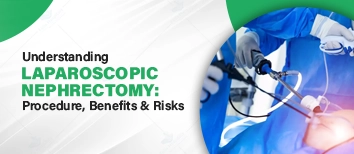
Laparoscopic nephrectomy is a minimally invasive surgery to remove a kidney using small incisions. It offers faster recovery, less pain, and reduced scarring, with some risks like bleeding or infection.

फिशर के कारण, लक्षण और उपाय" एक संक्षिप्त मार्गदर्शिका है जो फिशर (गुदा裂) के विषय में जानकारी प्रदान करती है। इसमें फिशर के प्रमुख कारण, जैसे कब्ज, जन्म, या अन्य स्वास्थ्य समस्याएं
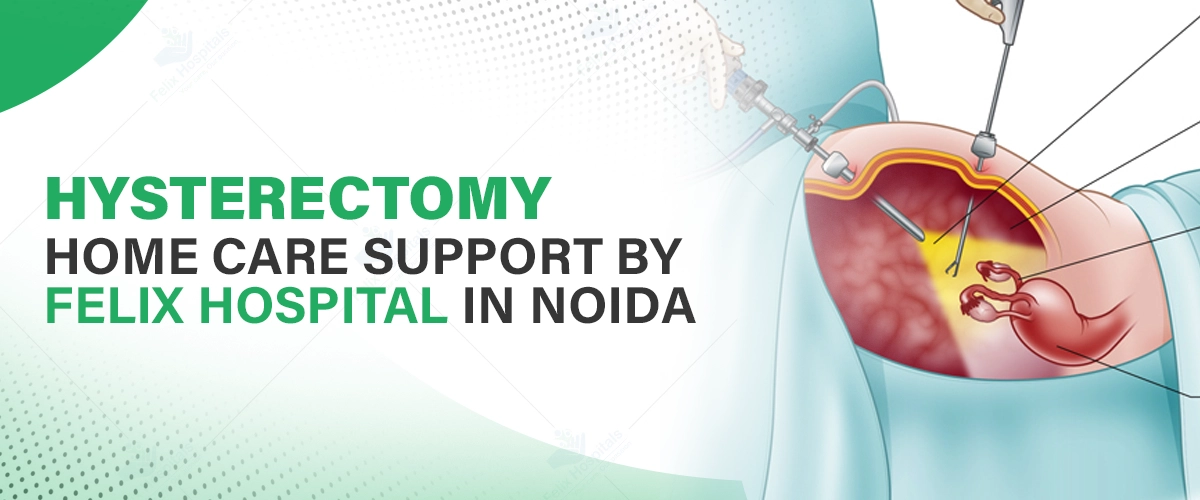
Going through a hysterectomy is a big deal. Whether it’s to ease chronic pain, tackle fibroids, or treat something more serious like cancer, this surgery marks a new chapter. In India, around a million women have hysterectomies each year, and while the procedure can be life-changing, the recovery process needs care, rest, and a little know-how. If you’re in Noida, Felix Hospital is there to make this journey smoother with top-notch care and home support. Let’s walk through what recovery looks like, how to heal at home, and how Felix Hospital’s team helps you get back to feeling like you, strong and ready for life.
Let Felix Hospital's expert team guide you through a safe and smooth recovery, right at home. Call us now at +91 9667064100.
A hysterectomy removes the uterus and sometimes ovaries or fallopian tubes, depending on your condition. Recovery depends on the surgery type: abdominal hysterectomies, with a bigger incision, take 6–8 weeks to heal fully, and you might stay in the hospital for 2–3 days. Laparoscopic or vaginal hysterectomies, which Felix Hospital specializes in, are gentler, often letting you head home the same day or next, with recovery in 2–4 weeks. Most women—about 80%—start feeling better in a week or two, but pushing too hard can lead to trouble like infections, which hit 5% of patients. Here’s what you’re working toward:
Easing Pain: Expect soreness around incisions or in your pelvis, common for 70% of women early on.
Getting Moving: Gentle activity keeps blood clots, a risk for 10%, at bay.
Emotional Balance: Hormonal changes, especially if the ovaries are removed, spark mood swings for 20% of women.
Wound Healing: Clean incisions prevent infections, a concern for 5% if neglected.
Felix Hospital makes sure you leave with a clear plan, so you’re not guessing what’s next.
Recovering at home is about giving your body time to mend while staying active enough to avoid complications. These tips, grounded in real-world advice, help you heal without stress:
Rest Like You Mean It: Grab 7–8 hours of sleep and short naps, since 60% of women feel wiped out post-surgery. Don’t stay in bed all day, though—moving a bit keeps joints loose.
Take Baby Steps: Start with 5–10 minute walks a few days after surgery to get blood flowing, cutting clot risks for 90% of women. Skip lifting anything heavier than a book for 4–6 weeks.
Handle Pain: Stick to prescribed pain meds, needed by 80% in the first week, and try a heating pad for extra comfort. If the pain's too much, call your doctor.
Keep Wounds Clean: Wash incisions gently and check for redness or oozing, which can signal infection in 5% of cases. Felix Hospital gives you step-by-step wound care tips.
Eat for Recovery: Load up on protein—think eggs, dal, or chicken—and fruits like guavas for vitamin C to heal tissues, helping 50% of women bounce back faster. Drink water to avoid constipation, a bother for 30% on painkillers.
Stay Alert: Watch for fever over 100.4°F, heavy bleeding, or sharp pain—these hit 10% of women and need a doctor’s attention fast.
With these habits, you’re setting yourself up for a steady recovery, and Felix Hospital’s guidance keeps you on track after hysterectomy surgery in Noida.
Felix Hospital is a lifeline for women recovering from hysterectomies. Known for its 4.7-star patient ratings and NABH accreditation, it’s a place where care feels personal. The hospital excels in minimally invasive surgeries like laparoscopic hysterectomies, which mean less pain and faster healing for 85% of patients compared to open surgery. But their support doesn’t stop at discharge—Felix Hospital’s home care services in Noida are what make recovery easier. Here’s how they’ve got your back:
Discharge Plans at Felix Hospitals: Upon discharge, we will give you a detailed guide on medicines, diet, and safe activities, which will help 90% of women avoid slip-ups. Plus, a 24/7 helpline answers your questions anytime.
Felix Homecare: Nurses visit your home for wound checks, medication help, or mobility support, a game-changer for 50% of patients, especially seniors or those alone.
Home Physiotherapy: Skilled therapists lead gentle exercises to boost strength, easing recovery for 60% of women. Plans are tailored to how you’re feeling.
Virtual Check-Ins: Teleconsultations with gynecologists, used by 40% of patients, let you talk about symptoms or worries without leaving home.
Emotional Care: If menopause symptoms like hot flashes hit (20% of women under 50), Felix Hospital’s counselors offer advice on hormone therapy or coping tricks.
Budget-Friendly: Laparoscopic hysterectomies start at ₹85,000, and insurance options lighten the load for 70% of patients.
Felix Hospital’s 200-bed facility and 300+ consultants ensure you’re in good hands, from surgery to home healing.
Staying one step ahead prevents recovery hiccups. Felix Hospital’s team emphasizes these habits to keep you safe:
Follow the Plan: Stick to your doctor’s advice to cut infection risks by 80%. Felix Hospital sends reminders and follow-up calls.
Ease Into Activity: Daily walks help 90% avoid clots, but steer clear of chores like vacuuming for 4–6 weeks.
Spot Trouble: Heavy bleeding (soaking a pad hourly) or foul discharge, seen in 5% of cases, means calling Felix Hospital’s helpline ASAP.
Get Help: Lean on family or Felix Homecare for tasks, as 30% of women struggle without support early on.
Mind Your Mood: Journaling or counseling, offered by Felix Hospital, lifts spirits for 25% dealing with emotional shifts.
These steps, paired with Felix Hospital’s care, pave the way for a smoother recovery.
A hysterectomy is a fresh start, and recovering well means taking it one day at a time. With smart home care—rest, light walks, and good nutrition—you’ll heal stronger. Felix Hospital in Noida makes it easier with expert surgeries, home care nurses, and ongoing support, ensuring you’re never alone. Ready to recover with confidence?
Call Felix Hospital at +91 9667064100 or book a consultation online today. Let their team help you embrace this new chapter with energy, strength, and hope.
1. How soon can I start walking after a laparoscopic hysterectomy at Felix Hospital?
Ans: At Felix Hospital, most patients are encouraged to start short walks within 24–48 hours of laparoscopic surgery. Our physiotherapy team helps guide gentle movement to reduce blood clot risks and boost circulation.
2. Can Felix Homecare assist if I live alone during recovery?
Ans: Absolutely. Felix Homecare provides regular nurse visits for wound care, medication support, and mobility assistance, especially beneficial for women living independently.
3. What symptoms should prompt me to call the Felix Hospital helpline after discharge?
Ans: You should call immediately if you experience heavy vaginal bleeding (soaking a pad within an hour), fever above 100.4°F, foul-smelling discharge, or severe abdominal pain not relieved by medication.
4. Does Felix Hospital provide hormone therapy guidance after ovary removal?
Ans: Yes. If your hysterectomy included ovary removal, Felix Hospital’s gynecologists and counselors offer tailored hormone therapy options and emotional support for managing menopausal symptoms.
5. How does Felix Hospital help with emotional changes post-surgery?
Ans: We understand the emotional toll surgery can take. That’s why we offer counseling services and virtual support sessions for mood swings, anxiety, or sudden hormonal changes.
6. Is home physiotherapy included in the hysterectomy package?
Ans: While home physiotherapy is an optional add-on, it’s offered at a subsidized rate for hysterectomy patients. Many women choose it for faster recovery under expert supervision.
7. Can I resume office work within a month after surgery?
Ans: For many women, especially those who undergo laparoscopic hysterectomy, light office work from home can often resume in 2–3 weeks, depending on healing. Our doctors assess your readiness during follow-ups or teleconsultations.
Living in the hustle of New Ashok Nagar, with its busy streets and fast-paced life, it’s easy to put health on the back burner. Between work, family, and dodging Delhi’s traffic, who has time for doctor visits? But here’s the thing: catching health issues early can make all the difference. Full body health checkups are like a yearly report card for your body, spotting problems before they turn serious. For the 1 in 4 urban Indians at risk of lifestyle diseases, regular testing isn’t just smart—it’s essential. Let’s dive into why these checkups matter for New Ashok Nagar residents, what they cover, and how to make them part of your routine.
Think of a full body checkup as a pit stop for your health. You wouldn’t drive a car without checking the oil or tires, right? Your body deserves the same care. In a neighborhood like New Ashok Nagar, where stress and pollution are part of daily life, silent issues like high cholesterol or diabetes can sneak up. Regular checkups catch these early, giving you a head start on treatment. Here’s why they’re worth your time:
With heart disease and diabetes rising in urban India, these checkups are your first line of defense. Call us today at +91 9910339859.
A full body checkup is like a deep dive into your health, covering head-to-toe systems. Packages vary, but most include a mix of blood, urine, and sometimes imaging tests to check vital organs. In New Ashok Nagar, where clinics cater to busy schedules, these tests are designed to be quick yet thorough. Typical components include:
Most checkups need 10–12 hours of fasting, and results land within 24–48 hours, often via email or app. It’s a small time investment for big insights.
New Ashok Nagar, tucked between Delhi and Noida, is a vibrant mix of families, professionals, and retirees. Its metro access and proximity to markets make it convenient, but urban stressors—pollution, long commutes, and fast food—take a toll. About 25% of residents report stress-related issues, and air quality often spikes AQI above 200, raising risks for lung or heart problems. Regular checkups are a must here because:
In a community where time is tight, home sample collection—offered by many local labs—makes testing a breeze.
Getting a full body checkup in New Ashok Nagar is easier than ever. Diagnostic centers near metro stations or residential blocks offer packages tailored to age, gender, or health needs. Costs range from ₹500 for basic panels to ₹7,000 for comprehensive ones, with home collection adding convenience for 70% of users. Here’s how to choose:
Booking online or via apps, common in urban areas, lets you schedule early morning slots before work. Always inform your doctor about medications or conditions like diabetes, as these can affect results.
Turning checkups into a yearly ritual takes a bit of planning but pays off big. Health experts suggest adults over 35 test every 6–12 months, while those over 50 or with chronic illnesses may need quarterly checks. For kids, annual pediatric screenings ensure growth is on track. To stick with it:
Think of it like an annual maintenance for your body, keeping you ready for life’s demands. Schedule your consultation today by clicking here.
In New Ashok Nagar’s fast-moving world, full body health checkups are more than a luxury—they’re a necessity. They catch hidden issues, guide lifestyle changes, and give you peace of mind, whether you’re a young professional or a grandparent. With easy access to labs, home collection, and quick results, there’s no excuse to skip them. Regular testing cuts your risk of serious diseases, saves money, and keeps you active for the moments that matter—family outings, career wins, or just a quiet evening at home. Start today: book a checkup, talk to your doctor, and take the first step toward a healthier you. In a city that never slows down, your health deserves to keep up.
1. I live a busy life in New Ashok Nagar and barely get time off—can I still get a full body checkup without visiting a clinic?
Ans: Yes, many diagnostic centers in New Ashok Nagar offer home sample collection, often within early morning slots before work hours. You can book via call or app, and the process takes less than 15 minutes. Reports are usually delivered digitally within 24–48 hours.
2. How often should I get a full body checkup if I have a family history of diabetes and hypertension?
Ans: If you’re above 30 and have a family history of lifestyle diseases, it’s recommended to get tested every 6 months. For individuals over 40 or those with borderline readings, quarterly monitoring may be advised to track trends and avoid complications.
3. Are the tests in a full body checkup customizable based on local air quality concerns in areas like New Ashok Nagar?
Ans: Yes. Considering Delhi’s high pollution levels, many checkup packages now include lung function tests (like PFT) or high-sensitivity CRP to assess inflammation and respiratory risks. These are particularly relevant if AQI is consistently above 200, as it often is in New Ashok Nagar.
4. I’m under 30 and feel healthy—do I still need a full body checkup?
Ans: Absolutely. Even without symptoms, issues like vitamin D deficiency, high triglycerides, or thyroid imbalance are common in young adults, especially in urban pockets like New Ashok Nagar. Early detection can prevent long-term complications like metabolic syndrome.
5. What specific tests are useful for working professionals dealing with high stress in Noida-Delhi commutes?
Ans: Look for checkups that include lipid profile, cortisol levels, ECG, and liver function tests (LFTs). These can reveal stress-related effects on your heart, metabolism, and energy levels—common concerns for professionals in high-pressure roles and long commutes.
6. Can children or teens in New Ashok Nagar also benefit from full body checkups?
Ans: Yes. Pediatric health panels can detect nutrient deficiencies, growth hormone issues, or early signs of anemia, which affect many urban children. These tests are quick and painless, and labs often offer family packages for convenience.
7. Will health checkups cover risks related to fast food and sedentary lifestyle, which are common in my area?
Ans: Definitely. Full body panels often include lipid profiles, blood sugar (HbA1c), and liver enzymes—ideal for identifying damage from unhealthy diets and low activity. If your lifestyle includes frequent takeout and limited exercise, regular checkups are highly beneficial.
8. How much does a full-body checkup cost in Delhi?
Ans: A full-body checkup in Delhi typically costs between ₹499 and ₹5,999, depending on the number of tests included. Basic packages cover around 60–70 tests, mid-tier packages include 80–105 parameters, and advanced ones offer up to 110 tests with cardiac risk screening. Prices may vary based on sample collection method and available discounts.
9. Is an MRI included in a full-body checkup in Delhi?
Ans: No, MRI is not usually included in standard full-body checkups. These packages focus on blood, urine, and basic imaging like X-rays. Full-body MRI scans must be booked separately and usually cost between ₹8,999 and ₹25,000, depending on the scan’s scope and technology used.

Maintaining a healthy lifestyle is important, in today’s scenario. It is common to hear about some or the other problem related to health faced by individuals.

Do you find yourself constantly tired, breathless, or unable to cope with sudden physical activity?
Alport syndrome is a rare genetic disorder that affects the kidneys, eyes, and ears, leading to progressive kidney disease and a range of other complications.
Kidney dialysis is a life-saving treatment for patients suffering from chronic kidney disease or kidney failure. Understanding the dialysis cost in Noida helps patients and families plan treatment effectively. This article explains the factors affecting d
Acute Kidney Injury: Causes, Symptoms, and Treatment explores the sudden deterioration of kidney function, which disrupts the body’s ability to filter waste and regulate fluids.

Polycystic Kidney Disease (PKD) is a genetic disorder characterized by the growth of fluid-filled cysts in the kidneys, often leading to kidney failure.
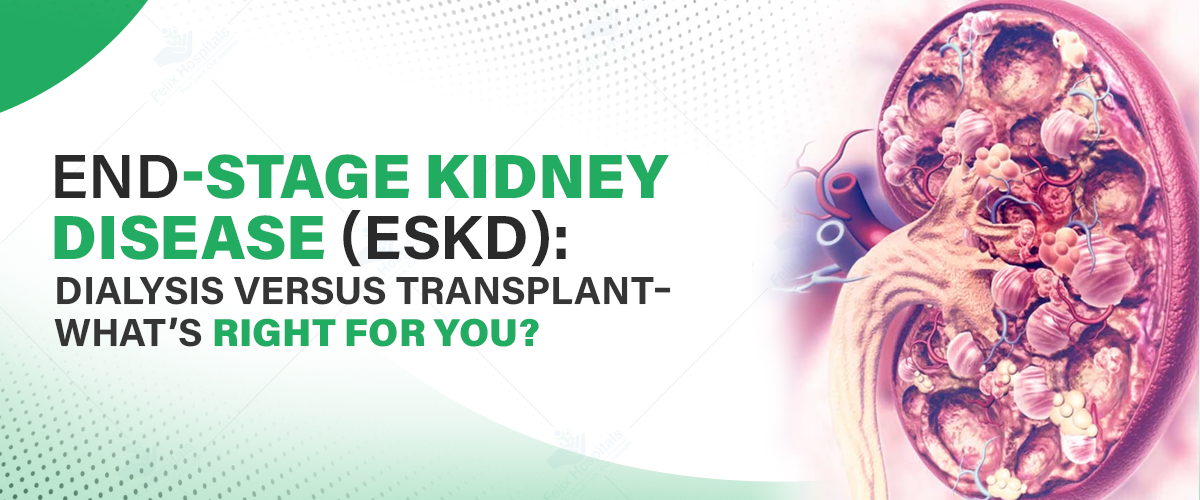
Alport syndrome is a rare genetic disorder that affects the kidneys, eyes, and ears, leading to progressive kidney disease and a range of other complications.
Kidney dialysis is a life-saving treatment for patients suffering from chronic kidney disease or kidney failure. Understanding the dialysis cost in Noida helps patients and families plan treatment effectively. This article explains the factors affecting d
Acute Kidney Injury: Causes, Symptoms, and Treatment explores the sudden deterioration of kidney function, which disrupts the body’s ability to filter waste and regulate fluids.
Polycystic Kidney Disease (PKD) is a genetic disorder characterized by the growth of fluid-filled cysts in the kidneys, often leading to kidney failure.
Doubts may persist after receiving a diagnosis such as lupus, ankylosing spondylitis, or rheumatoid arthritis. Is the course of treatment appropriate? Would a different expert have a different perspective? A second opinion from a rheumatologist can provide clarity and confidence to people who are struggling with autoimmune disorders or joint discomfort. However, what if traveling to see a professional in person seems intimidating because of time constraints, distance, or mobility concerns? Explore the realm of virtual consultations for rheumatology. Is it possible to obtain a second opinion from a rheumatologist at the best rheumatology hospital online? The answer is definitely yes, and this book will help you take control of your health from the comfort of your own home by explaining how it works, why it's beneficial, and what to expect.
Still Unsure About Your Autoimmune or Joint Diagnosis? Don’t wait in confusion. Call us today at +91 9667064100 for an online rheumatology Consultation.
Complex disorders affecting joints, muscles, bones, and the immune system are the focus of rheumatology. Osteoarthritis and psoriatic arthritis are two examples of diseases that can mimic other conditions, making diagnosis difficult. Second opinions are wise because research indicates that up to 30% of initial diagnoses for autoimmune disorders may require revision. A new viewpoint can support a diagnosis, offer substitute therapies, or reveal possibilities such as novel drugs or clinical trials. Making sure you're on the correct road is essential for chronic conditions that need long-term care in order to prevent complications, lessen discomfort, and enhance quality of life.
As technology fills in gaps in healthcare access, online second opinions have become increasingly common, particularly since the epidemic. Virtual consultations eliminate obstacles and provide professional insights without requiring travel for people with mobility issues, busy professionals, or those living in rural areas. But is it really that effective, and how does it compare to face-to-face visits?
Rheumatology is not an exception to how telemedicine has revolutionized healthcare. Patients can often see board-certified specialists worldwide in a matter of days rather than months because to virtual platforms. By using chat platforms, encrypted video conversations, or in-depth report exchanges, these services make professional guidance easily available. Online rheumatologists evaluate imaging, test findings, and medical records to provide second opinions; in many situations, they can make customized recommendations without a physical examination.
The advantages are obvious: flexible scheduling, no lengthy drives, and no waiting rooms. 85% of telemedicine patients expressed satisfaction with virtual specialist treatment, citing quality and convenience, according to a 2023 survey. Online resources are invaluable for rheumatology patients, whose symptoms, such as joint stiffness or weariness, can make travel difficult. However, selecting a trustworthy platform and comprehending the procedure are essential for achievement.
Online second opinions are easy to obtain, but planning is essential. Here's a detailed look:
Locate a Platform or Expert: Look for rheumatology consultation telemedicine services. Find a board-certified rheumatologist in Noida or elsewhere who specializes in your ailment, whether it be lupus, scleroderma, or gout. Verify the service's credentials, patient testimonials, and regional availability.
Compile Health Records: Gather pertinent records, including your present doctor's notes, imaging (MRIs, X-rays), medication history, and lab tests (ANA, rheumatoid factor, etc.). Thorough documentation guarantees the expert can make a well-informed evaluation.
Submit Your Case: The majority of platforms offer safe online spaces where you can submit documents and explain your symptoms, diagnosis, or worries. You could include queries such as "Could this be fibromyalgia instead?" or "Is methotrexate my best option?"
Report or Consultation: The type of service you choose will determine whether you receive a written report or a live video call. Real-time discussion is possible during 30- to 60-minute video sessions. The specialist's findings and recommendations are detailed in reports, which are typically supplied in two to five days.
Follow-up: To address queries or provide an explanation of the report, several systems include a phone call. To modify your treatment plan, you can discuss the results with your primary care physician.
The process is designed for ease, but transparency matters. Be honest about symptoms, and don’t skip details—small clues like morning stiffness duration can shift a diagnosis.
Why go online? The following are the most notable benefits:
Accessibility: Make contact with leading experts, even if they live in different states. For uncommon illnesses like vasculitis, where local knowledge may be scarce, this is crucial.
Speed: Online opinions frequently arrive in a matter of days, which expedites the decision-making process. In-person specialists may have weeks-long wait times.
Comfort: Talk about delicate symptoms from home, perfect for people who are afraid of traveling due to persistent pain or exhaustion.
Cost-Effectiveness: With prices ranging from $100 to $500 depending on the platform, virtual consultations are frequently less expensive than in-person visits. This is in contrast to $300 to $1000 for travel and appointments.
Empowerment: Getting a second opinion helps you understand your options, balance the advantages of your treatment against potential risks (such the adverse effects of biologics), and develop confidence.
For example, someone misdiagnosed with osteoarthritis might learn through a virtual consult that psoriatic arthritis fits better, unlocking targeted therapies. That’s life-changing clarity.
Second opinions obtained online aren't always accurate. Specialists rely on records and self-reported symptoms in the absence of a physical examination, which can overlook subtleties like mild joint swelling. Biopsies for probable sarcoidosis are one example of a complex case that may still require in-person testing. Costs can mount up, particularly for continuing care, because not all platforms take insurance. Additionally, due to licensing regulations, virtual care differs by region, so find out what is available where you reside.
Make sure your records are comprehensive to fill up any gaps. Before the consultation, ask your doctor for new scans if the imaging is out of date. For follow-ups, make it clear whether you will turn back to local care or if the platform provides continuing help.
Use these tips to get the most out of your second opinion:
Be Particular: Enumerate specific symptoms (e.g., "hands are stiff for 30 minutes in the morning") and worries ("I'm concerned about steroid dependency").
Check your Credentials: Select rheumatologists that have expertise in your ailment and are certified by reputable bodies.
Pose Inquiries: Prepare three to five important questions, such as "Could diet changes help?" or "Are there non-drug options?"
Maintain an Open Mind: The expert may validate your strategy or provide recommendations for adjustments—both are beneficial.
Organize Care: To avoid issues like multiple prescriptions, discuss the views with your primary care physician.
Internet second views are useful in a variety of situations, such as when one is unsure of a diagnosis, is undergoing harsh treatment (such as immunosuppressants), or has reached a therapeutic plateau. Severe flares require prompt in-person care, thus they are less suitable for emergencies. Virtual consults are a great way to get reassurance when treating a chronic ailment like rheumatoid arthritis since they provide professional advice without interfering with your daily schedule.
Seeking a second opinion isn’t about distrusting your doctor—it’s about owning your health. Rheumatology conditions can be lifelong, and small decisions, like switching to a new biologic, impact years of well-being. Online consultations democratize access, letting you tap global expertise from your couch. They also align with modern healthcare’s shift toward patient-centered care, where informed choices trump one-size-fits-all plans.
Imagine catching a misdiagnosis early or finding a gentler therapy that spares you side effects—that’s the power of a second look. With telemedicine, it’s easier than ever to get answers, whether you’re in a bustling city or a quiet town.
Dr. Kiran Seth, an experienced rheumatology and immunology consultant with more than 20 years of expertise, is available to patients at Felix Hospital who are seeking professional treatment for flare-ups of RA. Dr. Seth, who is known for her patient-centered approach, specializes in treating complicated autoimmune diseases such as Vasculitis, Ankylosing Spondylitis, Systemic Lupus Erythematosus (SLE), and RA.
Among her clinical specialties are:
A variety of biologics are used in advanced immunotherapy.
Procedures for bone marrow aspiration and biopsy
Lumbar puncture and pleural tapping
For both small and big joints, intra-articular injections
Dr. Kiran Seth guarantees individualized, efficient care that enables patients to manage flare-ups with increased comfort and confidence by customizing each therapy to the patient's needs. Schedule your in-person or online consultation today for expert, personalized care you can trust!
Get a second opinion from top board-certified rheumatologists—all from the comfort of your home. Schedule your online consultation today and feel confident in your treatment path.
Can a rheumatologist provide you with a second opinion online? Yes, and it's a useful, effective method of navigating challenging situations. Virtual consultations provide clarity without the inconvenience of travel or lengthy wait times for everything from diagnosing conditions to investigating novel therapies. You can gain knowledge that will help create a healthier future by compiling documentation, selecting a reliable expert, and posing insightful queries. Investigate online second opinions in rheumatology right now to avoid uncertainty and take a bold move toward improved care. Your joints and mental well-being will appreciate it.
1. Will an online rheumatologist be able to diagnose rare or complex conditions without a physical exam?
Ans. Yes, in many cases. Experienced rheumatologists can spot patterns in your lab reports, imaging, and symptoms—even virtually. However, for rare cases like vasculitis or sarcoidosis, they may recommend additional in-person tests for confirmation.
2. How do I know if the online rheumatologist is truly qualified?
Ans. Always check for board certification, years of experience, subspecialty focus (e.g., lupus or RA), and affiliation with recognized hospitals or medical boards. Most reputable platforms display this transparently before booking.
3. Can I get advice about alternative therapies or holistic care during a virtual consultation?
Ans. Absolutely. Many online rheumatologists are open to integrative approaches and can advise on evidence-based alternatives like dietary changes, supplements, or physiotherapy alongside conventional medicine.
4. What happens if the second opinion contradicts my current diagnosis or treatment?
Ans. That’s okay—and often helpful. A differing view allows you to weigh options. You can discuss it with your primary rheumatologist or request a third opinion for clarity. It’s all about informed choice, not conflict.
5. Is there any legal or insurance risk in acting on an online second opinion?
Ans. No, as long as you're working with a licensed medical professional. That said, always confirm your insurance coverage for telehealth, and coordinate changes in treatment with your local provider for continuity of care.
6. Can I use an online consult to explore advanced therapies like biologics or clinical trials?
Ans. Yes, and it’s one of the major benefits. Online rheumatologists often stay up-to-date with new drugs and trials and can guide you toward the latest options not yet suggested in local clinics.
7. What if my symptoms change after the second opinion—can I get follow-up advice virtually?
Ans. Many platforms offer follow-up consultations or allow you to reconnect with the same doctor. Check in advance if continued support is available and how it’s priced or scheduled.
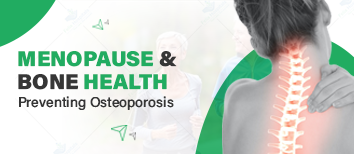
Learn how menopause impacts bone health and discover strategies to prevent osteoporosis, including lifestyle tips, diet, and treatments for stronger bones.
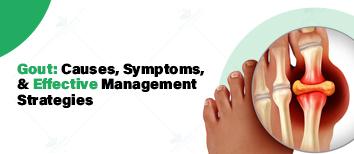
Gout is a form of arthritis caused by the buildup of uric acid crystals in the joints, leading to sudden and severe pain
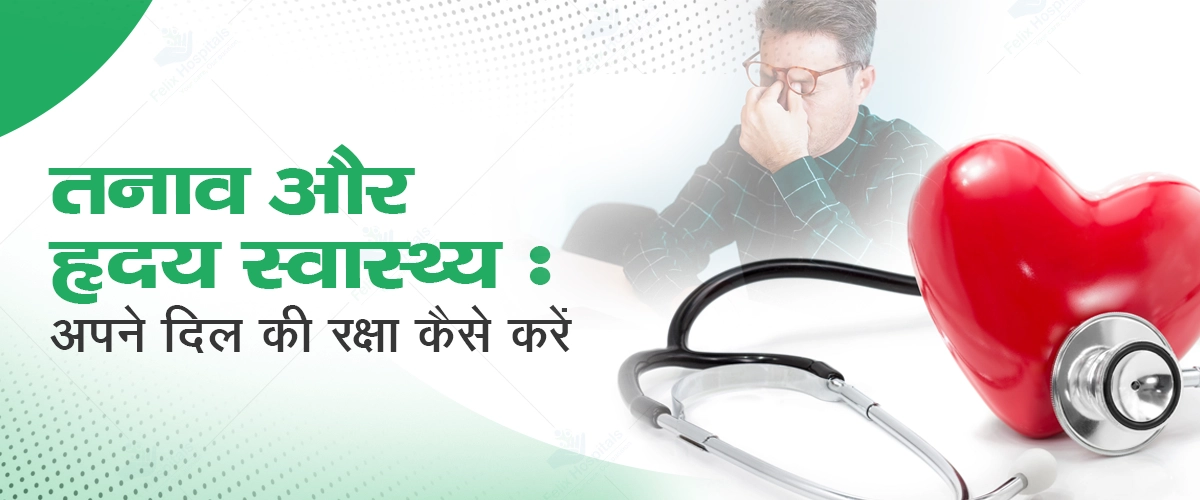
आज के तनावपूर्ण जीवन में हृदय स्वास्थ्य पर तनाव के प्रभाव को समझना जरूरी है। तनाव सिर्फ मानसिक और भावनात्मक नहीं होता है। बल्कि यह हृदय पर प्रभाव डालता है। तनाव महसूस करने पर हृदय गति बढ़ने के साथ रक्तचाप बढ़ता है। शरीर में हॉर्मोनल बदलाव आते हैं। लंबे समय तक तनाव होने से हृदय रोगों का जोखिम बढ़ाता है। अच्छे कार्डियोलॉजी हॉस्पिटल द्वारा बताए गए कुछ उपाय अपनाकर हम तनाव को कम कर सकते हैं। अपने हृदय को स्वस्थ रख सकते हैं।
ज्यादा जानकारी के लिए हमें कॉल करें +91 9667064100
तनाव चाहे मानसिक हो या शारीरिक यह शरीर पर गहरा प्रभाव डालता है। खासकर हृदय पर। जब हम तनाव महसूस करते हैं, तो शरीर प्राकृतिक प्रतिक्रिया के रूप में विभिन्न शारीरिक परिवर्तन करता है। जो लंबे समय तक चलने पर हृदय स्वास्थ्य को नुकसान पहुंचाता है।
तनाव का शारीरिक प्रभाव शरीर में हॉर्मोनल बदलाव लाता है। जब तनाव होता है तो मस्तिष्क एड्रेनलिन और कोर्टिसोल स्ट्रेस हॉर्मोन उत्पन्न करता है। यह दिल की धड़कन को तेज करता है। रक्तचाप को बढ़ाता है। मानसिक रूप से तनाव व्यक्ति की सोच को प्रभावित करता है। जिससे अवसाद और चिंता जैसी समस्याएं उत्पन्न होती हैं। जो हृदय रोग के जोखिम को बढ़ाती हैं।
तनाव के दौरान कोर्टिसोल हॉर्मोन का स्तर बढ़ता है, जो शरीर में कई प्रभाव उत्पन्न करता है:
तनाव का लगातार असर रक्तचाप और कोलेस्ट्रॉल के स्तर पर पड़ता है, जिससे हृदय रोग का खतरा बढ़ता है:
जब तनाव लंबे समय तक रहता है, तो यह हृदय स्वास्थ्य पर प्रभाव डालता है:
तनाव एक सामान्य अनुभव है, लेकिन इसे नजरअंदाज करना हानिकारक हो सकता है, खासकर हृदय स्वास्थ्य के लिए। मानसिक शांति और हृदय स्वास्थ्य को बनाए रखने में सहायक होते हैं:
योग और ध्यान मानसिक और शारीरिक शांति पाने के प्रभावशाली साधन है। योग शरीर को लचीलापन देता है और तनाव से ग्रसित मांसपेशियों को आराम पहुंचाता है। ध्यान मानसिक एकाग्रता बढ़ाता है, विचारों को स्थिर करता है और चिंताओं को कम करता है। नियमित योग और ध्यान से कोर्टिसोल जैसे तनाव हॉर्मोन के स्तर में कमी आती है, जिससे हृदय की धड़कन और रक्तचाप नियंत्रित रहते हैं।
सांसों पर ध्यान केंद्रित करना तुरंत तनाव कम करने का एक सरल लेकिन प्रभावी तरीका है। गहरी सांस लेना हृदय की गति को धीमा करता है। यह रक्तचाप को नियंत्रित करता है। अनुलोम-विलोम, भ्रामरी प्राणायाम जैसे अभ्यास मस्तिष्क को शांत करते हैं और शरीर को विश्राम की स्थिति में लाते हैं। ये अभ्यास हृदय को अधिक ऑक्सीजन प्रदान करते हैं और मानसिक स्पष्टता को बढ़ावा देते हैं।
नियमित शारीरिक गतिविधि न केवल शरीर को फिट रखता है। बल्कि मानसिक स्वास्थ्य पर सकारात्मक प्रभाव डालता है। व्यायाम से एंडॉर्फिन नामक खुश रहने वाले हॉर्मोन का स्त्राव होता है। यह तनाव को कम करता है। तेज चलना, साइकिल चलाना, तैराकी जैसे कार्डियो वर्कआउट हृदय की मजबूती और धमनियों की लचीलापन बढ़ाते हैं। व्यायाम से नींद में सुधार होता है। जिससे मानसिक थकान कम होती है।
दिनचर्या में संतुलन लाकर तनाव से काफी हद तक बच सकते हैं। कार्यों की प्राथमिकता तय करें और मल्टीटास्किंग से बचें। ब्रेक लेना, ना कहना सीखना और समय पर विश्राम लेना तनाव को कम करने में मदद करता है। यदि संभव हो, तो कार्य को छोटे-छोटे भागों में बाँटें और खुद पर अनावश्यक दबाव न डालें।
हमारा खान-पान और जीवनशैली सीधे तौर पर मानसिक और शारीरिक स्वास्थ्य को प्रभावित करती है। संतुलित आहार जिसमें फल, सब्जी, ओमेगा-3 फैटी एसिड और साबुत अनाज शामिल हों, मस्तिष्क और हृदय के लिए लाभदायक है। कैफीन और शक्कर का अधिक सेवन तनाव को बढ़ता है। सीमित मात्रा में लें। नींद शरीर और मस्तिष्क की मरम्मत का समय होती है। प्रतिदिन सात आठ घंटे की गुणवत्तापूर्ण नींद तनाव को दूर करती है। पर्याप्त पानी पीना और अल्कोहल व धूम्रपान से बचना जरूरी है।
तनाव और हृदय स्वास्थ्य के बीच संबंध केवल शारीरिक स्तर तक सीमित नहीं है। मानसिक और भावनात्मक स्थिति मुख्य भूमिका निभाती है। मन, हमारे विचार और भावनाएं शारीरिक स्वास्थ्य के अलावा हृदय पर प्रभाव डालते हैं। सकारात्मक मानसिक दृष्टिकोण तनाव को कम करता है। हृदय को मजबूत रखता है।
सकारात्मक सोच और अच्छा मानसिक स्वास्थ्य हृदय को सुरक्षित रखते हैं:
सकारात्मक दृष्टिकोण तनाव को कम करता है। जिससे रक्तचाप और हृदय की धड़कन बढ़ती है। मानसिक रूप से स्थिर व्यक्ति निर्णय लेने में बेहतर होता है। जिससे तनावपूर्ण परिस्थितियों को अधिक संयमित ढंग से संभालता है। सकारात्मक सोच वाले लोगों में हृदय रोगों का खतरा कम होता है। नकारात्मक सोच चिंता और निराशा जैसी भावनाएं हृदय पर दबाव डालती हैं। कोर्टिसोल का स्तर बढ़ाती हैं।
मानसिक ताकत, व्यक्ति को चुनौतियों का सामना करने की शक्ति देती है। तनाव से उबरने में मदद करती है। मनोबल मजबूत हो तो हृदय भी स्वस्थ रहता है। छोटे-छोटे लक्ष्यों को प्राप्त कर आत्मविश्वास बढ़ाएं। खुद को विकसित करने से आत्मसम्मान और आत्मविश्वास बढ़ता है। अपनों के साथ समय बिताना, बातचीत करना और भावनाएं साझा करना मानसिक ऊर्जा देता है। पेंटिंग, संगीत, लेखन या कोई अन्य रचनात्मक कार्य मन को प्रसन्न और संतुलित रखते हैं। खुद को समय देना, अच्छा खाना, आराम करना और अपनी भावनाओं की देखभाल करना जरूरी होता है।
तनाव का हृदय पर प्रभाव अक्सर धीरे-धीरे होता है। इसलिए समय रहते इसकी पहचान और रोकथाम के लिए नियमित स्वास्थ्य आवश्यक होती है। तनाव के कारण उत्पन्न हुए हृदय संबंधी जोखिमों को समझना है।
तनाव का शरीर पर क्या प्रभाव पड़ता है। तनाव के कारण उच्च रक्तचाप हो सकता है, जो हृदय रोग का प्रमुख कारण है। हृदय की धड़कन यह तनाव के प्रति शरीर की प्रतिक्रिया को दर्शाता है। कोर्टिसोल लेवल टेस्ट तनाव हॉर्मोन का स्तर मापने से दीर्घकालिक तनाव का पता चलता है। ब्लड शुगर और लिपिड प्रोफाइल तनाव का असर ब्लड शुगर और कोलेस्ट्रॉल पर पड़ता है। इन परीक्षणों से तनाव के स्तर का आकलन होता है। इसके लिए आप अपने घर के पास के हॉस्पिटल्स (Hospital near by) से संपर्क कर सकते हैं।
तनाव के कारण हृदय पर होने वाले संभावित प्रभावों को समय रहते पहचानना जरूरी है। ईसीजी (इलेक्ट्रोकार्डियोग्राम) यानी दिल की धड़कन और लय में किसी असामान्यता को पहचानने के लिए की जाती है। ईकोकार्डियोग्राफी (इकोकार्डियोग्राफी) यानी हृदय की संरचना और कार्यप्रणाली की जांच होती है। ट्रेडमिल टेस्ट (टीएमटी) यानी हृदय की कार्यक्षमता को व्यायाम के दौरान परखने के लिए होता है। लिपिड प्रोफाइल और ट्राइग्लिसराइड्स टेस्ट हृदय रोग के जोखिम का मूल्यांकन के लिए होता है। वार्षिक स्वास्थ्य चेकअप यानी जिसमें उपरोक्त सभी मुख्य जांचें शामिल होनी चाहिए कराना चाहिए।
हृदय को स्वस्थ बनाए रखने के लिए केवल शारीरिक स्वास्थ्य की देखभाल ही नहीं, बल्कि मानसिक संतुलन भी जरूरी है। नीचे कुछ व्यावहारिक सुझाव हैं:
समय पर सोना, जागना, भोजन करना और व्यायाम करने से शरीर व मन में संतुलन बना रहता है। दोस्तों, परिवार या किसी सलाहकार से अपनी बात साझा करें, मन हल्का होता है और तनाव कम होता है। दिन का कुछ समय मोबाइल, सोशल मीडिया से दूरी बनाकर शांति से बिताएं। हर जिम्मेदारी उठाना जरूरी नहीं। खुद की सीमाएं तय करना मानसिक शांति के लिए जरूरी है। ध्यान और प्राणायाम को दिनचर्या में शामिल करें। यह मानसिक स्थिरता और आत्मसंयम में सहायक होता है। किसी पसंदीदा शौक या गतिविधि में समय बिताएं जैसे पढ़ना, गाना, लिखना, घूमना आदि। नींद की कमी से तनाव और चिड़चिड़ापन बढ़ सकता है, जो हृदय स्वास्थ्य को प्रभावित करता है।
कार्यस्थलों पर तनाव प्रबंधन, योग, ध्यान और काउंसलिंग जैसी सुविधाएं प्रदान की जाए। मानसिक स्वास्थ्य के विषय में खुलकर बात करने की संस्कृति को बढ़ावा देना चाहिए ताकि लोग संकोच न करें। कार्य की अधिकता और समय की पाबंदी अक्सर तनाव का कारण बनती है। लचीलापन राहत देता है। सामूहिक गतिविधि (जैसे खेल, समूह ध्यान) कार्यस्थल को सकारात्मक बनाती हैं। तनाव, अवसाद और मानसिक स्वास्थ्य से जुड़े विषयों पर कार्यक्रम जागरूकता। युवा अवस्था से ही तनाव प्रबंधन की शिक्षा दी जानी चाहिए।
फेलिक्स अस्पताल नोएडा में हृदय रोगों के इलाज का एक शानदार केंद्र है, जहां बेहतरीन चिकित्सा और दिल से देखभाल मिलती है। हमारी अनुभवी हृदय रोग विशेषज्ञों (Heart Specialist in Noida) की टीम आपके स्वास्थ्य को प्राथमिकता देती है। इसमें शामिल हैं:
फेलिक्स अस्पताल आधुनिक मशीनों और मरीजों की सुविधा को ध्यान में रखकर बनाया गया है। यह नोएडा में हार्ट स्टेंट सर्जरी और हृदय की देखभाल के लिए एक भरोसेमंद नाम है, जहां हर मरीज को परिवार जैसी देखभाल मिलती है।
डॉक्टर की सलाह के लिए आज ही फोन करें +91 9667064100.
तनाव आज के दौर में एक सामान्य लेकिन गंभीर चुनौती है। यह सीधे तौर पर हृदय स्वास्थ्य को प्रभावित करता है। लंबे समय तक बना रहने वाला तनाव उच्च रक्तचाप, हृदयगति विकार और हृदय रोग को जन्म देता है। हालांकि तनाव को नियंत्रित कर सकते हैं। इसके माध्यम से हम अपने दिल को लंबे समय तक स्वस्थ बनाए रख सकते हैं। दिल की किसी भी बीमारी के बारे में जानने के लिए या उसके इलाज की कीमत (cost of Treatment) जानने के लिए आज ही फेलिक्स हॉस्पिटल्स में कॉल करें।
प्रश्न 1. क्या तनाव से दिल की बीमारियां होता हैं ?
उत्तर: लंबे समय तक बना रहने वाला तनाव हृदय रोगों का एक बड़ा कारण है। उच्च रक्तचाप, हृदय की धड़कन में असंतुलन और रक्त वाहिकाओं पर दबाव पैदा करता है।
प्रश्न 2. तनाव का हृदय पर सबसे सामान्य प्रभाव क्या है ?
उत्तर: लगातार तनाव ब्लड प्रेशर बढ़ाता है। दिल की धड़कन तेज करता है। रक्त वाहिकाओं को संकुचित करता है। जिस कारण हृदय को अधिक मेहनत करनी पड़ती है। यह स्थिति हार्ट अटैक को जन्म देती है।
प्रश्न 3. तनाव कम करने के लिए आसान उपाय क्या है ?
उत्तर: गहरी सांस लेना, 10-15 मिनट का ध्यान, थोड़ी देर टहलना, पसंदीदा संगीत सुनना सभी सरल उपाय तनाव को तुरंत कम कर सकते हैं।
प्रश्न 4. क्या मेडिटेशन और योग वाकई दिल को फायदा पहुंचाते हैं ?
उत्तर: ध्यान और योग से शरीर में कोर्टिसोल (तनाव हॉर्मोन) का स्तर कम होता है। जिस कारण हृदय की धड़कन और रक्तचाप संतुलित रहता है। यह हृदय की कार्यक्षमता बढ़ाने में मदद करता है।
प्रश्न 5. तनाव की वजह से सीने में दर्द होने पर क्या करें ?
उत्तर: तनाव के दौरान सीने में दर्द, सांस लेने में तकलीफ, या हाथ-पैर में कमजोरी महसूस हो तो नजरअंदाज न करें। तुरंत डॉक्टर से संपर्क करें। यह हार्ट अटैक का संकेत है।
प्रश्न 6. क्या नींद की कमी भी हृदय के लिए हानिकारक है ?
उत्तर: लगातार नींद की कमी शरीर को तनावग्रस्त करती है। हृदय पर अतिरिक्त दबाव डालती है। प्रतिदिन सात–आठ घंटे की नींद हृदय स्वास्थ्य के लिए जरूरी है।
प्रश्न 7. क्या हंसी वाकई दिल के लिए अच्छी होती है ?
उत्तर: हंसी से एंडॉर्फिन यानी खुश रहने वाले हॉर्मोन का स्तर बढ़ता है। तनाव कम होता है। यह हृदय की धड़कन और रक्तचाप को स्थिर रखने में मदद करता है।
प्रश्न 8. क्या हर किसी को तनाव से हृदय रोग की संभावना होती है ?
उत्तर: हर व्यक्ति अलग होता है। कुछ लोग तनाव को बेहतर तरीके से संभालते हैं। कुछ को यह ज्यादा प्रभावित करता है। लंबे समय तक तनाव बना रहना जोखिमपूर्ण है।
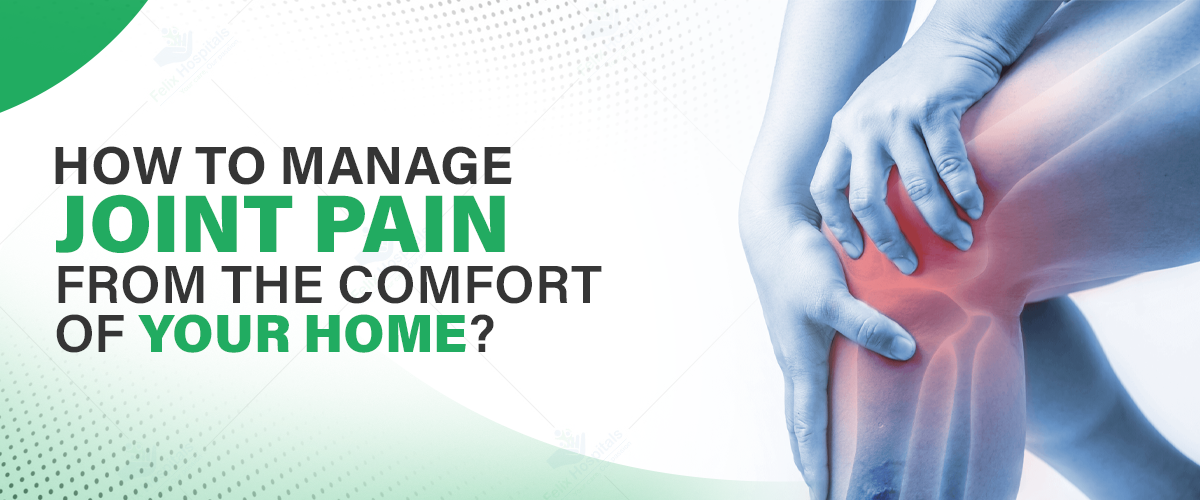
Stiff joints, persistent pain, and restricted mobility can make everyday chores seem like a daily struggle for people with arthritis. However, there is still hope because the correct strategy, which includes exercise, can have a significant impact. Noida/Greater Noida's best rheumatology hospital is here to help you properly manage your arthritis pain. This site offers dos and don'ts for smart workouts and lifestyle changes to help you take charge, lessen discomfort, and live a better life. Let's investigate ways to reduce the symptoms of arthritis and determine what suits you.
Don't let discomfort in your joints stop you. To schedule a consultation, call +91-9667064100 right now.
The first step to controlling your condition is understanding it. Rheumatoid arthritis and osteoarthritis are two types of arthritis, each with its own set of difficulties. Some wear down cartilage, while others induce swelling in the joints. Identifying your type and any joint damage allows you to customize your strategy. Together, you and the best rheumatologist in Noida sketch out your needs. Inform your physician of any changes in your pain, and don't be afraid to enlist the help of your family; it will make the process go more smoothly.
Little adjustments to daily activities can have a big impact:
Lifestyle changes are also beneficial:
Fortunately, exercise can lessen rather than increase arthritis discomfort. Exercise improves your mood, increases flexibility, and strengthens the muscles surrounding your joints. Additionally, it reduces weight, which relieves tension in aching areas. This is how to do it correctly:
Do’s:
Avoid:
Avoid High-Impact Activities: Tennis, running, and jumping can cause joint strains. Stay with activities that go more smoothly.
Steer clear of repetitive motions, such as repeatedly swinging a racket, as these might aggravate arthritis. Change up your routine.
Medications: Finding Relief Safely
When pain flares up, medications can help:
Don't just concentrate on pain management; arthritis also has an emotional impact. Persistent discomfort can exacerbate pain by igniting anger or despair. For optimal effects, treat both the body and the psyche.
Pain from arthritis affects more than just your body; it can also affect your emotions. When things get difficult, it's normal to feel depressed or anxious. Here's how to improve your mood and body:
Dos:
Avoid:
Inform your doctor if you have any signs of anxiety or depression; treating these conditions early on helps to control pain.
With over 20 years of experience, Dr. Kiran Seth offers expert care in Rheumatology and Immunology, specializing in complex autoimmune conditions like RA, SLE, Vasculitis, and Ankylosing Spondylitis. She provides advanced treatments including biologics, bone marrow biopsies, lumbar punctures, and joint injections. Book your in-person or online consultation today for personalized, effective care! She is also providing online consultation for those patients who were not able to come to the hospital, so don’t hesitate, just contact us today for a better understanding.
Consult your Felix Hospitals rheumatoid arthritis specialist by clicking here to begin your journey to relief.
You don't have to let arthritis take over your life, even if it can feel overwhelming at times. You may control your symptoms and enhance your general health by combining the appropriate amount of information, physical activity, lifestyle modifications, and emotional support. Keep in mind that proper exercise can enhance your mobility, lessen the pain associated with arthritis, and improve your mood. Before starting a new therapy or fitness regimen, always get advice from your healthcare professional. There is hope, support, and healing ahead; you are not traveling this path alone.
1. Can I still exercise if I have swollen joints due to rheumatoid arthritis?
Ans: Yes, but timing and type of exercise matter. When joints are swollen or inflamed, focus on gentle range-of-motion exercises and stretching. Avoid strength training or weight-bearing exercises during flare-ups. Felix Hospitals’ physiotherapy team can guide you through safe modifications during these periods.
2. Is water aerobics really effective for arthritis, or is it just a trend?
Ans: Water aerobics is clinically recommended for arthritis. The buoyancy of water supports joints, reducing stress while allowing a full range of motion. It’s particularly beneficial for knee and hip arthritis, and is part of Felix Hospitals’ customized rehab programs.
3. How much weight do I need to lose to see improvement in arthritis pain?
Ans: Even losing 5-10% of your body weight can significantly reduce joint stress—especially in the knees. Felix Hospitals’ dieticians offer tailored weight management plans that are gentle on joints and inflammation-friendly.
4. Can smoking really make my arthritis worse, even if I use e-cigarettes?
Ans: Yes, both traditional and electronic cigarettes contain toxins that damage connective tissues and increase inflammation. Smoking can also reduce the effectiveness of certain arthritis medications. Felix Hospitals offers support programs to help patients quit safely.
5. Is it safe to use capsaicin cream every day for joint pain?
Ans: Yes, daily use is generally safe when applied as directed. Capsaicin works by blocking nerve signals that send pain messages. However, avoid using it on broken or irritated skin, and always wash hands after application. Talk to a Felix rheumatologist before combining with other topical treatments.
6. Can massage therapy worsen arthritis symptoms if not done properly?
Ans: Absolutely. An untrained massage therapist may apply pressure on inflamed joints, worsening pain. Always seek a therapist trained in arthritis-sensitive techniques. Felix Hospitals can connect you with certified professionals who understand arthritis-specific care.
7. How do I know if my emotional stress is worsening my arthritis symptoms?
Ans: Signs include increased flare-ups, sleep disturbances, or heightened pain sensitivity during stressful periods. Felix Hospitals provides counseling and cognitive behavioral therapy (CBT) to help you manage emotional triggers that may be amplifying physical discomfort.
Learn how menopause impacts bone health and discover strategies to prevent osteoporosis, including lifestyle tips, diet, and treatments for stronger bones.
Gout is a form of arthritis caused by the buildup of uric acid crystals in the joints, leading to sudden and severe pain
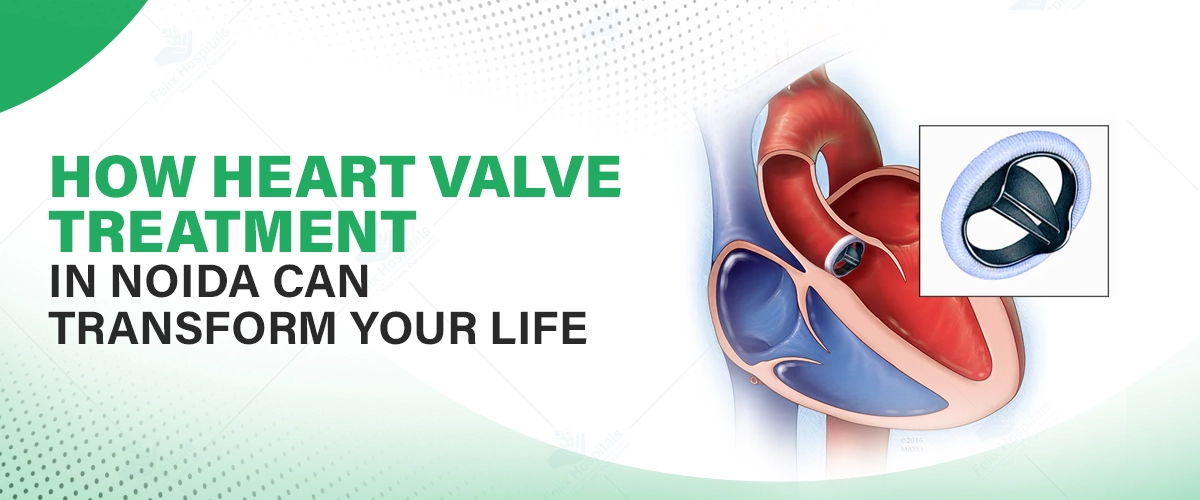
Imagine stopping halfway up a staircase, catching your breath, or feeling too tired to play with your kids. For the 13% of Indians dealing with heart issues, these moments often point to heart valve disease—a condition that throws your heart’s rhythm off balance. It can drain your energy and dim your days, with 20% of untreated cases risking heart failure. But in Noida, advanced heart valve treatments are helping people rediscover their spark, breathe easier, and live with joy. From gentle, high-tech procedures to caring doctors, here’s how these treatments can change your life for the better.
Curious if you're a candidate for TAVI or valve repair? Talk to a Noida heart specialist now and explore treatment options that fit your lifestyle. Call us today at +91 9667064100.
Think of your heart’s four valves—mitral, aortic, tricuspid, and pulmonary—as tiny gates, keeping blood flowing smoothly. When one gets too tight (stenosis) or leaks (regurgitation), your heart has to work overtime, leading to symptoms like shortness of breath, chest pain, dizziness, or swollen legs, affecting 15% of patients. It might come from birth defects, aging, or past infections like rheumatic fever, with 30% of cases tied to years of wear. If ignored, 25% of severe cases turn serious, but Noida’s modern treatments offer a way to bounce back, restoring your strength and zest.
The best cardiology hospitals in Noida offer a toolbox of solutions, from simple meds to precise surgeries, ensuring 90% of patients find the right care. Here’s what you can expect:
Backed by Noida’s skilled cardiologists and high-tech cath labs, these options deliver personalized care, with 80% of patients seeing their hearts work better after treatment.
Heart valve treatment in Noida isn’t just about fixing a problem—it’s about handing you back the life you love. Here’s how it helps:
Take a 75-year-old who couldn’t stroll to the market without stopping—after TAVI, they’re out with family in weeks, smiling wider. These changes don’t just heal your heart; they warm your relationships and confidence.
Noida, nestled in Delhi NCR, is a standout for heart valve treatment, caring for 30% of North India’s heart patients. Here’s why it’s special:
Whether you live nearby or travel, Noida’s mix of skill and affordability makes it a smart choice for heart care at affordable prices.
To feel confident about treatment, ask your cardiologist:
Doctors who take time to explain, easing 90% of worries, are the ones you can trust. Noida’s specialists are known for putting patients first, walking you through every step.
Taking that first step can feel big, but Noida’s healthcare makes it simple. Here’s how to begin:
If you’re feeling winded or exhausted, don’t put it off—early care stops trouble for 75% of patients.
Don’t wait for heart symptoms to get worse—book your heart valve checkup in Noida today and take control of your health before it's urgent.
Heart valve disease can make life feel small, but Noida’s treatments open the door to brighter days. With options like TAVI, expert cardiologists, and care that fits your budget, Noida helps 85% of patients move better, breathe deeper, and laugh louder with loved ones. It’s not just about fixing your heart—it’s about rediscovering what makes life full. Don’t let symptoms hold you back—search for a heart specialist in Noida, book a checkup, or visit for a heart scan today. Your heart deserves the best, and Noida’s ready to deliver.
1. I feel breathless and tired often—could it be a valve issue or just aging?
Ans- While aging can cause some fatigue, frequent breathlessness, dizziness, or swelling could signal heart valve trouble. A simple echocardiogram in Noida can help catch it early and prevent complications.
2. Can heart valve treatment really make daily activities like walking or climbing stairs easier?
Ans- Absolutely. About 70–80% of patients report being able to return to normal activities—like climbing stairs, shopping, or gardening—without discomfort after proper treatment.
3. I’m over 65—am I eligible for less invasive treatments like TAVI?
Ans- Yes! TAVI is especially suited for older adults or those who may not tolerate open-heart surgery well. Doctors in Noida use advanced imaging to check if you're a good fit.
4. Will I need lifelong medication after valve surgery?
Ans- It depends on the type of valve used. Mechanical valves usually need long-term blood thinners, while biological valves may not. Noida cardiologists help patients decide what’s best for their lifestyle.
5. How soon can I return to work or daily chores after heart valve treatment?
Ans- Minimally invasive procedures like TAVI often allow patients to resume light daily activities within a week, with full recovery in 3–4 weeks, depending on the case and age.
6. I live outside Noida—can I still get heart valve care there without frequent visits?
Ans- Yes. Many Noida hospitals offer remote follow-ups, digital reports, and short-stay treatment plans, making it easier for out-of-station patients to receive quality care without long hospital stays.
7. What happens if I delay treatment for a leaking or tight valve?
Ans- Delaying treatment can strain your heart, leading to complications like heart failure or arrhythmia. Early intervention boosts recovery rates and can prevent long-term damage.

Find the best cardiologist for your heart care with these essential tips and expert advice.
हार्ट अटैक के मुख्य लक्षण, कारण और तुरंत किए जाने वाले उपचार के बारे में जानें। समय पर पहचान और सही इलाज से जीवन बचाया जा सकता है।

A stent procedure can be life-saving for those with blocked arteries. This guide walks you through the stent experience—from the angioplasty process to post-procedure recovery and lifestyle changes.

Ever had a knee twinge that stops you mid-stride or a shoulder ache that makes lifting groceries a chore? In Greater Noida, where life moves fast—rushing to offices, chasing kids, or hitting the local gym—joint and bone issues can really throw you off. About 1 in 5 folks here deals with some kind of orthopedic problem, from arthritis to sports sprains. Finding a top-notch orthopedics hospital can feel like a lifeline, whether you need a quick fix for a fracture or a full-on hip replacement. Greater Noida’s got a thriving healthcare scene, with hospitals that blend high-tech treatments and caring staff. So, what makes the best orthopedics hospital stand out in this bustling city? Let’s dig into what you should look for to get back to living pain-free.
Struggling with joint pain or a lingering sports injury? Book a consultation with an orthopedic expert in Greater Noida.
Living in Greater Noida, you’re probably no stranger to long hours at a desk, weekend badminton games, or the occasional traffic-jam slump. All that takes a toll on your body—knees, back, you name it. With 30% of people over 40 battling joint pain and a growing number of young adults nursing sports injuries, orthopedic issues are a big deal. A great hospital doesn’t just patch you up; it helps you walk, work, and play again. Here’s why orthopedic care matters:
The right hospital feels like a partner, helping you tackle pain and stay active in Greater Noida’s lively rhythm.
When your back’s screaming or your wrist won’t bend, you want a hospital you can trust, not just the closest one. The best orthopedics hospitals in Greater Noida shine because they’ve got the whole package—great doctors, cool tech, and a vibe that puts you at ease. Here’s what sets them apart:
It’s not just about fixing bones—it’s about getting you back to your life with care that feels personal.
Greater Noida isn’t just about shiny malls and wide roads—it’s a healthcare hub that’s hard to beat. Close to Delhi and with metro lines zipping through, it’s home to hospitals that draw patients from all over, treating 100,000+ people a year. Whether you’re in Gamma I or Delta II, you’re never far from world-class care. What makes Greater Noida special for orthopedics?
Greater Noida’s mix of quality and convenience makes it a sweet spot for orthopedic care.
The best hospitals in Greater Noida have you covered, whether it’s a minor tweak or a major surgery. They handle everything with expertise, so you’re in good hands. Common treatments include:
Add in high-tech scans like MRI or digital X-rays, and you’re getting care that’s spot-on for your needs.
Looking for advanced orthopedic care without leaving town? Explore top-rated hospitals in Greater Noida and get personalized treatment.
Whether it’s a sore knee, a busted ankle, or a joint that needs a new lease on life, the best orthopedics hospital in Greater Noida can help you shine again. With expert surgeons, high-tech treatments, and physio that gets results, these hospitals are here to lift you up. Greater Noida’s easy access and affordable care make it the place to heal, whether you’re a student or a grandparent. Don’t let pain steal your spark—reach out to an orthopedic specialist, book a consult, and find a hospital that feels like a fit. Your next step toward moving freely, laughing loudly, and living fully starts right here in Greater Noida.
Q- How do I know if my joint pain needs orthopedic attention or just rest?
Ans- If your pain persists beyond a week, worsens with activity, causes swelling or stiffness, or limits daily movement, it’s time to consult an orthopedic specialist.
Q- Are orthopedic hospitals in Greater Noida equipped for minimally invasive surgeries like arthroscopy?
Ans- Yes, many top hospitals offer arthroscopy and other minimally invasive options using advanced technology, helping you recover faster with minimal scarring.
Q- Can I get physiotherapy support at home after orthopedic surgery in Greater Noida?
Ans- Absolutely. Many hospitals provide home physiotherapy plans tailored to your recovery goals, especially helpful for post-surgery rehab or elderly care.
Q- What orthopedic conditions are most common among working professionals in Greater Noida?
Ans- Sedentary lifestyles and long hours lead to issues like lower back pain, frozen shoulder, and early-onset arthritis, which are commonly treated at local orthopedic centers.
Q- Is it possible to get a second opinion from a specialist online before visiting a hospital?
Ans- Yes, several orthopedic hospitals in Greater Noida offer virtual consultations, allowing you to discuss MRI/X-ray results or treatment options from home.
Q- How do hospitals ensure safety during orthopedic surgeries like joint replacements?
Ans- Reputed hospitals follow strict infection control protocols, use modular OTs with HEPA filters, and perform surgeries with real-time imaging for precision.
Q- What post-surgery recovery services do Greater Noida hospitals provide apart from physiotherapy?
Ans- Many offer holistic rehab plans including pain management, diet counseling, mobility aids, and psychological support to ensure a smooth and complete recovery.

Learn about rotator cuff surgery, including costs, potential risks, and recovery time to help you make an informed decision about treatment and rehabilitation options.


Subscribe to our
© Copyright 2026. All Rights Reserved by Felix Healthcare Private Limited
Design and development by :


 +(91)9667064100
 Emergency : +(91)9667064100