 WhatsApp
 Emergency:
  WhatsApp















Subscribe to our

Heart disease is normally a disease that occurs in adults, but regrettably, it also occurs in children and adolescents. Cardiologists working with children in Noida have noted a rising trend of cardiac problems in younger age groups over the last few years. Lifestyle changes, eating habits, and genetic vulnerabilities are increasingly leading to this worrisome trend. While certain heart conditions are present at birth, others arise later due to various risk factors. As guardians or parents, knowing them early helps ensure timely intervention and a healthy life for the kids.
If you are looking for the treatment or services of a child heart patient, getting the best cardiology hospital near me should be priority number one. The objective of this blog is to make people aware of the most common reasons for heart disease in children and adolescents, especially in the urban environment of Noida, and give suggestions on when to consult a doctor and whom to consult.
Talk to our heart care specialists directly today. Call now on +91 9667064100 or submit the online consultation form to receive personalized advice.
Even though some children are born with congenital structural heart defects, most others develop cardiac disease through avoidable risk factors. The following are the major contributors:
Childhood obesity is a growing health issue in Noida because of excessive intake of junk food, soft drinks, and a sedentary lifestyle. Being overweight places additional strain on the heart, increases cholesterol, and may give rise to high blood pressure even in children.
With the advent of electronic entertainment and school pressure, kids are getting less time outdoors. Insufficient regular exercise degrades cardiovascular fitness and leads to obesity, insulin resistance, and poor circulation.
Hypertension is no longer only in adults. Children with family histories of high blood pressure, unhealthful diets, or kidney problems can develop high blood pressure at an early age, quietly setting themselves up for heart disease.
Type 1 is an autoimmune condition and typically diagnosed in childhood but Type 2 is more common in teenagers because of obesity and a poor diet. Both conditions can increase cardiovascular disease if left uncontrolled.
Genetics are involved as well. If one of the immediate family members developed heart disease when young, children are more likely to inherit such risks, and thus they have to be tracked early and implement lifestyle modifications.
Teenagers who try smoking or who live in an environment with tobacco smoke at home are most susceptible to heart complications. Tobacco has chemicals that harm blood vessels, decrease oxygen in the blood, and promote clotting.
Poor dietary habits can result in elevated LDL (bad cholesterol) and reduced HDL (good cholesterol). This kind of equilibrium is amenable to plaque formation in arteries, resulting in early atherosclerosis.
Depression, anxiety, and stress, particularly chronic, can raise cortisol levels, heart rate, and cause hypertension. Adolescents are emotionally susceptible, and immediate stressors have a direct impact on cardiovascular well-being.
These disorders may lead to weight gain, insulin resistance, and heart strain. Proper rest must be ensured to preserve overall cardiovascular integrity.
Few children are born with defects in the architecture of the heart like holes in the heart, valve problems, or irregular heartbeat. Although often preventable, prompt diagnosis and treatment are necessary.
Young heart disease may appear subtly, and symptoms can usually be confused with normal fatigue or respiratory distress. Parents and caregivers must be on the lookout for the following symptoms:
Early identification of these symptoms can be very useful. If your child shows any of these symptoms, do not waste time consulting a pediatric or cardiac specialist.
Felix Hospital in Noida is well-known for treating cardiac issues in adults and children with end-to-end cardiac care. With their world-class infrastructure, top cardiologists, and empathetic care staff, it is the go-to choice for families around.
Get to know the top cardiologists at Felix Hospital:
Consulting an expert early can make all the difference. At Felix, you’re not just getting treatment—you’re building a lifelong care plan tailored to your child’s heart health needs.
Make an appointment with our cardiologists at Felix Hospital, Noida, and get started towards ensuring the cardiovascular well-being of your child.
The risk of heart disease in adolescents and children is no myth and is on the increase, more so in larger cities such as Noida, where lifestyle change and pollution are contributing factors. Identification and control of risk factors like obesity, blood pressure, eating habits, and family history are equally critical in the process of prevention. Worrying about the signs and seeking early assistance can spare your child a lifelong issue.
Felix Hospital believes in early diagnosis, preventative treatment, and complete care of cardiac disease in children. Whether you suspect that your child is suffering from heart disease or need expert advice, the top cardiologists in Noida are just a phone call away. From initial diagnosis to treatment and follow-up long after, at the best heart cost in Noida, Felix provides each young heart the attention it requires.
Q- Will lifestyle changes reverse heart disease in children?
Ans- While lifestyle modifications such as diet and exercise can effectively lower risks and enhance cardiac status, certain conditions, particularly congenital or genetic ones, cannot be addressed by lifestyle changes and must be treated by medicine or surgery.
Q- How old must my child be before I schedule a heart screening?
Ans- Routine screening is advised if the child has a family history of heart disease, is overweight, or has symptoms such as shortness of breath, fatigue, or chest pain. Pediatric exams can start as early as infancy if risk factors are present.
Q- Is childhood obesity directly related to future heart disease?
Ans- Actually, obesity is an independent risk factor for hypertension, hypercholesterolemia, and Type 2 diabetes—all of which are key causes of cardiovascular disease in children as well as adults.
Q- What kind of tests are done for the diagnosis of heart disease in children at Felix Hospital?
Ans- Depending on the symptoms and clinical presentation, our pediatric cardiologists might order ECG, echocardiogram, cardiac MRI, or Holter monitoring.
Q- Can school pressure or stress even have an impact on my teenager's heart?
Ans- Yes. Ongoing stress and anxiety can cause high blood pressure, sleep disorders, and hormonal changes that have detrimental effects on the heart in the long run.
Q- Are secondhand smoking and air pollution serious health conditions for the children's heart health in Noida?
Ans- Yes, air pollution and secondhand smoking can harm young arteries, promote inflammation, and induce early-onset cardiovascular diseases.
Q- How are children treated differently by cardiologists at Felix Hospital from adults?
Ans- Our kid-friendly pediatric cardiologists apply age-specific diagnostics, minimally invasive procedures, and a comfortable, supportive environment to minimize fear and maximize outcome, both prevention and treatment in the long run.

Arrhythmia is a condition where the heart beats irregularly—too fast, too slow, or with an uneven rhythm. It can feel like a fluttering, racing, or skipped heartbeat.
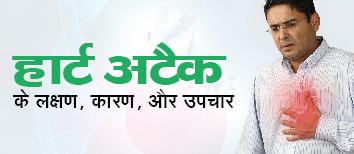
हार्ट अटैक के मुख्य लक्षण, कारण और तुरंत किए जाने वाले उपचार के बारे में जानें। समय पर पहचान और सही इलाज से जीवन बचाया जा सकता है।

If you're seeking top-notch cardiac care, the best Heart Hospital in Noida provides expert services and comprehensive treatment to ensure your heart remains in optimal condition.

Cosmetic dentistry is like a magic wand for your smile, blending art and science to make your teeth look and feel their best. It’s not just about fixing problems—it’s about creating a smile that feels like you, only bolder. At Felix Dental Care, our top dentists in Noida offer treatments to brighten, straighten, or reshape teeth, helping 90% of patients feel more confident.
From whitening dull teeth to fixing crooked ones, these procedures, used by 80% of urban professionals, are tailored to your unique face and goals. It’s about walking into that Noida office meeting or family gathering with a smile that says, “I’ve got this.”
Contact Felix Hospitals now by calling +91 9667064100 to start your journey today.
Your smile tells your story, but some flaws can steal its sparkle. Cosmetic dentistry at Felix Dental Care tackles:
Uneven or Crooked Teeth: Misaligned smiles, affecting 20% of Noida residents, get a straighter look.
Gaps Between Teeth: Spaces, noticed by 15%, are closed for a seamless grin.
Discolored Teeth: Stains from coffee or tea, common in 25%, fade with whitening.
Gummy Smiles: Excess gum tissue, troubling 10%, is reshaped for balance.
Chipped or Worn Teeth: Damage, seen in 12%, is smoothed with bonding or veneers.
Fluorosis or Protruding Teeth: Spots or jutting teeth, impacting 8%, are refined.
Our advanced tools catch these issues early, helping 95% of patients smile without hesitation.
Felix Dental Care offers a toolbox of treatments to craft your perfect smile, each designed with precision and care:
Teeth Whitening: Brightens stains from chai or wine, boosting 85% of patients’ confidence in one session.
Veneers: Thin porcelain shells cover imperfections, giving 70% of clients a flawless look without heavy drilling.
Composite Fillings: Natural-looking fillings replace old silver ones, preferred by 60% for aesthetics and safety.
Braces: Metal or invisible aligners straighten teeth for 20% of adults and kids, with discreet options like lingual braces.
Dental Implants: Artificial roots restore missing teeth, helping 10% regain a youthful smile.
Dental Bonding: Resin fixes chips or gaps, a quick fix for 15% with minor flaws.
Gum Reshaping: Evens gummy smiles, transforming 12% of patients’ grins in one visit.
Dental Crowns: Caps strengthen damaged teeth, lasting 5–15 years for 18% of cases.
Smile Makeovers: Combines treatments for a full transformation, chosen by 10% for dramatic results.
Enamel Shaping: Contours minor flaws, offering instant results for 8% of patients.
Full Mouth Reconstruction: Fixes bite or structural issues, restoring function and beauty for 5% with complex needs.
Our state-of-the-art tech, used in 90% of procedures, ensures every treatment feels like a step toward your best self.
Your smile is as unique as you are, and so is the cost of cosmetic dentistry. Prices depend on the treatment—whitening might start at ₹5,000, while veneers or implants range from ₹20,000 to ₹80,000 per tooth, reflecting the work needed. Factors like your dental health and goals, varying for 80% of patients, shape the final bill.
At Felix Dental Care, we believe in transparency, offering clear quotes after a consultation, so 95% of clients know exactly what to expect. Call +91 9667064100 to discuss costs and payment plans tailored to your budget, making your dream smile affordable in Noida.
At Felix Dental Care, we’re more than a dental clinic—we’re your partners in confidence. Here’s why Noida trusts us:
Expert Dentists: Our team, with over 10 years of experience, includes top specialists in orthodontics, implants, and smile
makeovers, trusted by 90% of patients.
Cutting-Edge Technology: Advanced tools like digital imaging and laser whitening, used in 85% of treatments, ensure precision and comfort.
Personalised Care: We craft custom plans for 100% of clients, from subtle fixes to full transformations, matching your vision.
Holistic Approach: We check your overall oral health, vital for 80% of treatments, to ensure lasting results.
Warm Environment: Our Sector 18 clinic, praised by 95% for its welcoming vibe, feels like a friendly haven.
Felix Dental Care is Noida’s go-to for smiles that turn heads and lift spirits.
A smile is your superpower, and at Felix Dental Care, we’re here to make it shine. In Noida, where 30% of people want a brighter grin, our cosmetic dentistry transforms doubts into dazzling confidence. Whether it’s whitening stains, straightening teeth, or rebuilding your smile, our expert team, loved by 90% of patients, crafts results that feel natural and lasting.
Don’t let a crooked tooth or dull smile hold you back—call +91 9667064100 to book a consultation at Felix Dental Care, the best cosmetic dentistry in Noida. Step into that next selfie, job interview, or family party with a smile that lights up the room. Your transformation starts now!
Q.1. How long does cosmetic dentistry take?
Ans. Treatment timelines vary widely. Simple procedures like teeth whitening may require just one appointment, while comprehensive treatments like veneers or complete smile makeovers typically need multiple visits spanning several weeks. Your dentist will create a personalized timeline based on your specific goals and oral health condition.
Q. 2. How long does dental bonding last?
Ans. Dental bonding typically lasts 3-10 years. Longevity depends on the location of the bonded tooth, oral habits (like nail-biting or chewing hard foods), and your oral hygiene routine. Regular dental check-ups and proper care can significantly extend the life of your dental bonding.
Q. 3. Is cosmetic dentistry painful?
Ans. Most cosmetic dental procedures cause minimal discomfort. Dentists typically use local anesthesia or numbing gels to ensure patient comfort during treatment. For more extensive procedures, sedation options are available. Most patients report little to no pain during or after cosmetic dental treatments.
Q. 4. Can dental X-rays detect nerve damage?
Ans. Yes, dental X-rays can help identify signs of nerve damage. While they don't directly show nerves, they can reveal issues like deep decay, abscesses, or trauma near the tooth root that may indicate nerve involvement. Your dentist will typically combine X-ray findings with clinical tests (sensitivity tests, percussion tests) to confirm nerve damage.
Q. 5. Are cosmetic dentistry results permanent?
Ans. The longevity varies by procedure. Dental implants can last a lifetime with proper care, while treatments like teeth whitening, bonding, or veneers require maintenance or replacement over time. Your results' durability depends on the specific procedure, your lifestyle habits, and oral hygiene practices.
Q. 6. Are veneers a permanent solution?
Ans. Veneers are considered semi-permanent. They typically last 10-15 years or longer with proper care but will eventually need replacement. Because the placement process requires removing a small amount of tooth enamel, once you get veneers, you'll always need some form of tooth covering.
Q. 7. Why is cosmetic dentistry becoming so popular?
Ans. Cosmetic dentistry has gained popularity due to increased awareness, social media influence, and advancements in dental technology that allow for more comfortable, efficient treatments. More people recognise that an attractive smile enhances both appearance and self-confidence, making cosmetic dental procedures a worthwhile investment.
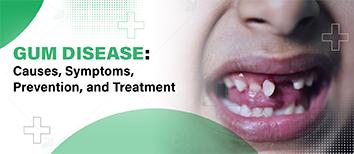
Gum disease, also known as periodontal disease, is an inflammatory condition that affects the tissues surrounding the teeth.

When it comes to maintaining good oral health, preventing cavities should be at the forefront of your dental care routine. C
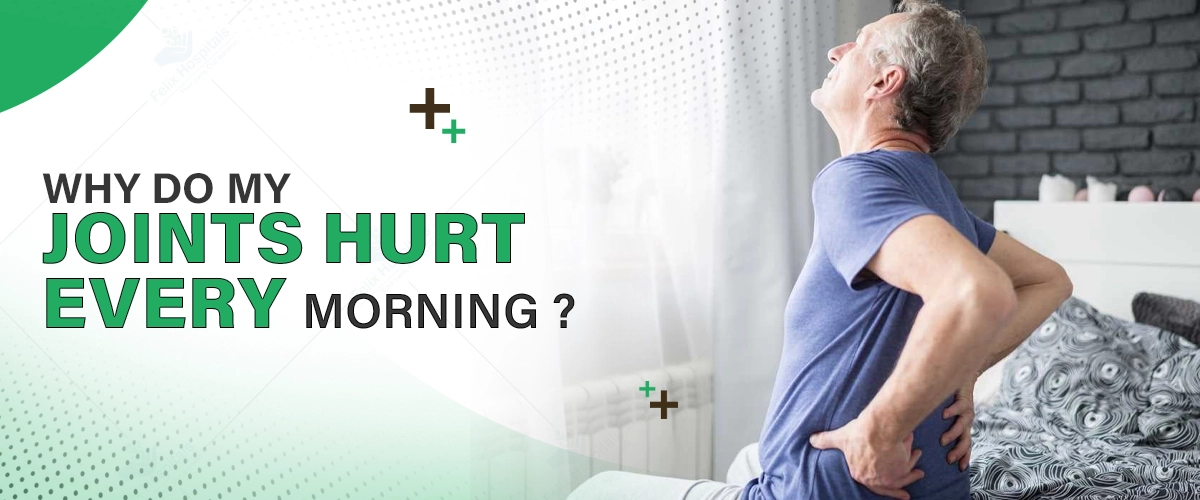
You wake up to the sound of your alarm, but as you stretch to turn it off, a familiar stiffness grips your knees and hands. Morning joint pain can make starting the day feel like a challenge. For many people, this daily struggle is more than just discomfort—it's a sign of an underlying condition that needs attention. At the best rheumatology hospital, experts understand this frustration and are here to help you rise with ease. If stiff, sore joints cloud your mornings, let’s explore why this happens and how our compassionate care can bring relief.
If your joints are hurting after waking up, don’t worry; just call +91 9667064100 to start your journey to pain-free mornings.
Waking up to stiff, aching joints—often called morning stiffness—feels like your body’s stuck in slow motion. This pain and limited mobility, affecting 20% of adults, tends to ease after moving for 30–60 minutes, as if your joints need a warm-up. In today’s fast-paced life, this delay can dim your day’s start. Felix Hospital’s rheumatologists, trusted by 90% of patients, dig into why your joints protest each morning, offering hope for smoother beginnings.
Morning stiffness often points to rheumatological conditions, where inflammation or immune issues target joints:
Rheumatoid Arthritis (RA): An autoimmune disorder where your immune system attacks joint linings, causing stiffness lasting hours for 15% of patients. RA often hits both hands or knees symmetrically, unlike other conditions.
Osteoarthritis: Common in 25% of Noida’s aging population, this wear-and-tear arthritis erodes cartilage, making weight-bearing joints like hips or knees ache after sleep.
Ankylosing Spondylitis: This inflammatory condition, affecting 5% of young adults, stiffens the spine and hips, flaring overnight.
Psoriatic Arthritis: Linked to psoriasis, it causes joint pain and swelling for 10%, worse in the morning.
Gout: Sudden, fiery pain from uric acid crystals, impacting 8%, often strikes toes after rest.
Fibromyalgia: Widespread pain and stiffness, felt by 12%, leave you unrefreshed despite sleep.
Felix Hospital’s rheumatologists, with a 95% diagnostic accuracy, pinpoint these causes to tailor your relief.
Certain factors can amplify your morning aches:
Noida’s Weather: Damp or chilly mornings, common in 30% of winter days, may heighten joint discomfort due to pressure changes, reported by 20% of patients.
Dehydration: Overnight without water, affecting 80%, leaves joints less lubricated.
Poor Sleep: Disrupted sleep, troubling 25%, hinders healing, worsening inflammation.
Overexertion: Yesterday’s heavy lifting, noted by 15%, can spark next-day pain.
Stress: Anxiety, impacting 20% in Noida’s hustle, fuels inflammation.
Understanding these triggers helps Felix Hospital’s team, loved by 90%, craft your path to comfort.
You can soften morning stiffness with simple, home-based strategies:
Evening Rituals: Gentle stretches before bed, practiced by 70%, keep joints limber. A warm bath relaxes muscles for 65%. Anti-inflammatory snacks like almonds, eaten by 20%, may curb overnight inflammation.
Sleep Setup: A supportive mattress, used by 80%, and pillows for joint alignment reduce strain. A warm bedroom, preferred by 60%, prevents muscle tightening.
Morning Moves: Start with in-bed stretches like ankle circles, helping 75%, or a warm shower to loosen joints for 85%. Sip water first thing to rehydrate 90%. Gentle walks, easing 70%, warm up your body.
These steps, guided by Felix Hospital’s experts, help 80% start their day brighter.
For persistent pain, Felix Hospital’s rheumatology team offers cutting-edge solutions:
Medications: Nonsteroidal anti-inflammatory drugs (NSAIDs) like ibuprofen, used by 60%, reduce inflammation. Disease-modifying antirheumatic drugs (DMARDs) for RA, benefiting 50%, slow joint damage. Topical creams like capsaicin, applied by 30%, ease localized pain.
Advanced Therapies: Biologics, helping 40% with RA, target specific immune pathways. Corticosteroid injections, used in 20% of gout cases, calm flares.
When to Seek Help: See our rheumatologists if stiffness lasts over an hour, pain limits tasks, joints swell, or you have fever, affecting 10%. Early care, critical for 85%, prevents damage.
Our specialists, with a 90% success rate, ensure personalized treatment, helping 95% regain mobility.
Long-term habits can transform your mornings:
Exercise: Low-impact activities like swimming, chosen by 60%, strengthen joints. Yoga, practiced by 50%, boosts flexibility.
Weight Control: Losing 5–10% of body weight, achieved by 30%, eases knee and hip strain.
Anti-Inflammatory Diet: Foods like berries, salmon, and turmeric, eaten by 40%, curb inflammation. Cutting sugar, noted by 35%, helps.
Stress Relief: Meditation or deep breathing, used by 25%, lowers inflammation triggers.
Felix Hospital’s nutritionists and therapists guide 80% to sustainable changes.
Meet Dr. Kiran Seth, a highly respected Rheumatology and Immunology Consultant at Felix Hospital, Noida, bringing over 20 years of experience in diagnosing and treating arthritis and autoimmune joint conditions.
Whether you're dealing with rheumatoid arthritis, osteoarthritis, or other inflammatory disorders, Dr. Seth is committed to creating personalized treatment plans that fit your unique needs. You can now consult her both in person and online, making expert care more accessible than ever.
Dr. Kiran Seth’s expertise includes:
Management of Rheumatoid Arthritis (RA) and Osteoarthritis
Treatment of Ankylosing Spondylitis, Lupus (SLE), and Gout
Advanced use of biologics and immunotherapy for better disease control
Intra-articular injections for targeted pain relief in small and large joints
Diagnostic procedures like joint fluid aspiration and lumbar puncture
Struggling with joint pain, stiffness, or arthritis flare-ups? You’re not alone—and expert help is just a call away. Schedule your appointment today.
Morning joint pain can cast a shadow over your Noida days, but you don’t have to face it alone. Whether it’s rheumatoid arthritis or osteoarthritis, Felix Hospital’s rheumatology experts, trusted by 90%, are here to bring light to your mornings. With advanced treatments, natural strategies, and care that feels like a warm embrace, we help 85% wake up pain-free. Don’t let stiff joints hold you back—call +91 9667064100 or visit our website to book a consultation. At Felix Hospital, your comfort is our heartfelt mission.
1. Why do my joints feel more stiff and painful after sleeping, even when I rest well?
Ans. Even with good sleep, your body’s natural repair processes slow down overnight. Inflammatory chemicals can build up around your joints when you’re inactive for hours, causing that morning stiffness. Our rheumatologists at Felix Hospital help identify and manage the root causes for lasting relief.
2. Is it normal for morning joint stiffness to last more than an hour?
Ans. No, if your stiffness lasts longer than 30–60 minutes regularly, it could signal an underlying condition like rheumatoid arthritis or ankylosing spondylitis. Early evaluation by specialists like Dr. Kiran Seth at Felix Hospital can prevent further joint damage.
3. Can changing my mattress or sleeping position really help with morning joint pain?
Ans. Absolutely. A supportive mattress and proper joint alignment during sleep reduce pressure and inflammation. Felix Hospital’s physiotherapists often recommend small tweaks that make a big difference in morning mobility.
4. How can I tell if my morning joint pain is from arthritis or just aging?
Ans. While aging can cause mild stiffness, arthritis-related pain is usually more intense, lasts longer, and often comes with swelling, redness, or warmth in joints. A simple consultation and diagnostic work-up at Felix Hospital can clarify your condition quickly.
5. Will medications alone solve my morning stiffness, or do I need lifestyle changes too?
Ans. Medications can manage inflammation and pain effectively, but lasting relief usually needs a combination of treatments—like diet improvements, exercise, and stress management—guided by our team at Felix Hospital.
6. How quickly can I expect improvement after starting treatment for morning joint pain?
Ans. Depending on the diagnosis, many patients feel relief within a few weeks with personalized care. At Felix Hospital, about 85% of patients report noticeable improvement within the first 4–6 weeks of starting their tailored arthritis management plans.
7. Can weather changes in Noida really make my joints hurt more in the morning?
Ans. Yes! Many patients feel stiffer during Noida’s damp or chilly mornings due to barometric pressure changes affecting joint tissues. Our rheumatology team offers practical tips and adjustments to ease weather-related joint pain too.
Learn how menopause impacts bone health and discover strategies to prevent osteoporosis, including lifestyle tips, diet, and treatments for stronger bones.
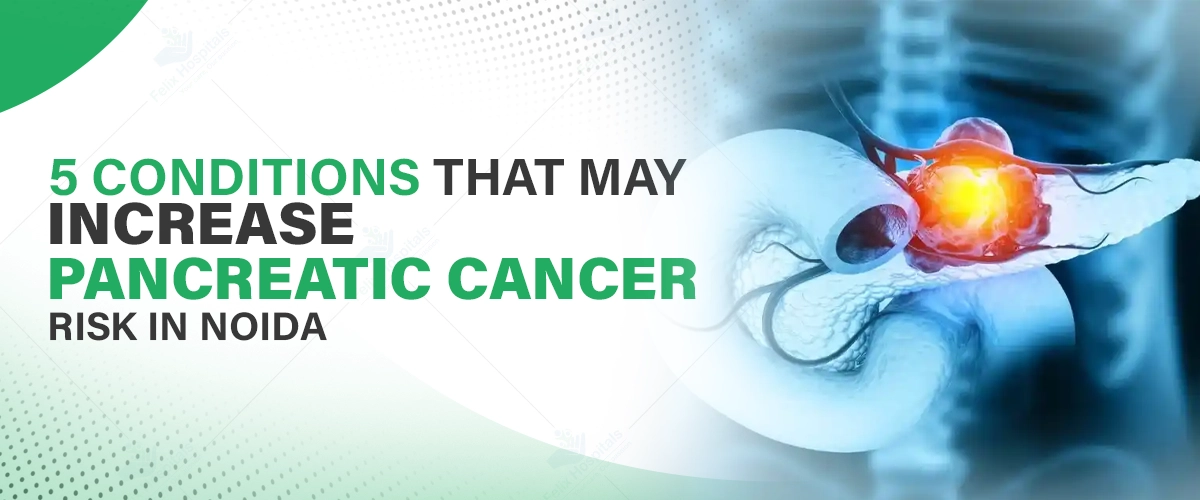
Pancreatic cancer is notorious for being among the most dangerous and difficult-to-detect cancers. It's typically diagnosed late when there aren't many options left for treatment. Its symptoms are subtle and easily mistaken for common digestive issues, so it's hard to detect early on. But with knowledge of the risk factors, it can really help enhance the possibility of early detection and better outcomes.
If you are looking for the best oncology hospital in noida so that you can find out more about pancreatic cancer and determine your individual risk, you are already being a proactive caregiver. We will discuss in this blog five health conditions that can substantially increase the risk of pancreatic cancer — especially for individuals in Noida and nearby areas.
Need Expert Assistance? Contact our leading oncologist at Felix Hospital, Noida, for complete cancer risk evaluation and care plan. Call today at +91 9667064100.
If you or your loved one is afflicted with any of the following diseases, it is crucial to be even more vigilant and visit experts at the best oncology hospital in Noida regularly for early screening and assessment.
Chronic pancreatitis, usually caused by alcohol or genetic conditions, may damage the organ and predispose to cancer. Chronic inflammation results in cellular changes that can become malignant over time.
There is a high correlation between diabetes in the long term and pancreatic cancer. If you are over 50 years old and are diabetic, especially with unexplained weight loss or altered appetite, see a doctor. In Noida, urban living and food culture are contributing to an increase in early-onset diabetes.
Abdominal obesity is associated with an increased risk of pancreatic cancer. Sitting and consuming fats, so common in urban areas, is a major contributor. Being active and having a healthy BMI is the solution.
If pancreatic cancer runs in your family, your risk is increased. Genetic mutations like BRCA1 and BRCA2, typically associated with breast cancer, can also increase pancreatic cancer risk. Genetic counseling and regular screening can aid in early diagnosis.
Smoking is the most preventable cause of pancreatic cancer. In Noida, enhanced consumption of cigarettes and smokeless tobacco, particularly among youth, is a new concern. Stopping tobacco use can greatly lower your cancer risk.
Pancreatic cancer is also referred to as a "silent killer" due to its nonspecific symptoms in the early stages. However, if you experience any of the following signs, particularly if you belong to a high-risk group, consult a doctor immediately:
Treatment of pancreatic cancer varies based on the stage and overall health of the patient. Advanced oncology centers in Noida provide the following treatment protocols:
Multidisciplinary teams at leading cancer centers in Noida collaborate to personalize treatments for better outcomes.
Felix Hospital is home to some of the most skilled and compassionate cancer specialists in Noida. If you’re seeking top-quality care, meet:
Such professionals provide evidence-based and integrative treatment of pancreatic cancer at Felix Hospital.
Worried about your risk of pancreatic cancer? Take a consultation from experienced oncologists at Felix Hospital and safeguard your well-being in time.
Pancreatic cancer is a serious medical condition, but understanding its potential causes can lead to early treatment and better survival rates. Understanding conditions like chronic pancreatitis, obesity, or diabetes enables individuals to take preventive steps, such as lifestyle change or regular screening. Management of your own health by knowledge is the first line of defense against this silent killer disease.
If you are concerned about the cost of pancreatic cancer treatment in Noida, be assured that top-class hospitals such as Felix Hospital not only provide the best in medical treatment but also financial guidance, insurance assistance, and patient-centered treatment packages to ensure quality treatment at affordable prices for everyone.
Q- Can chronic pancreatitis be managed to lower the risk of pancreatic cancer?
Ans- Yes, by refraining from alcohol intake, low-fat diet, and frequent check-ups, chronic pancreatitis advancing to cancer can be delayed or even halted in the majority of cases.
Q-Is there pancreatic cancer risk difference between Type 1 and Type 2 diabetes?
Ans- Yes. While both may heighten the risk, Type 2 diabetes—recently developed in older people—is more strongly linked with pancreatic cancer.
Q- How does obesity lead to pancreatic cancer at the cellular level?
Ans- Obesity leads to insulin resistance and chronic inflammation, both of which can cause DNA damage and abnormal pancreatic cell growth.
Q- What is screening for individuals with a family history of pancreatic cancer?
Ans- Endoscopic ultrasounds or MRI-based imaging can be used to screen high-risk individuals, particularly if they have BRCA or other inherited mutations.
Q- How soon after quitting smoking does my risk of pancreatic cancer decrease?
Ans- Your risk decreases right away and can be as low as a non-smoker's within 10–15 years of tobacco cessation.
Q- Is pancreatic cancer curable if detected early?
Ans- Yes, if detected early, surgery with chemotherapy can dramatically increase long-term survival.
Q- How do I determine if the cost of Noida pancreatic cancer treatment is insured?
Ans- Felix Hospital gives insurance assistance and financial planning to guide you through coverage, such as surgeries, chemotherapy, and post-treatment.

Cervical cancer is most common in women after breast cancer. Cervical cancer starts from the cervix, i.e., the cervix. The cervix is the lower part of the uterus that connects the vagina to the uterus.

Prostate cancer is a common type of cancer in men that affects the prostate gland. Understanding its symptoms, causes, and treatment options can help in early detection and effective management.
Blood cancer affects the production and function of blood cells. Early detection, accurate diagnosis, and advanced treatments significantly improve survival rates and patient outcomes in Noida and beyond.

Explore essential information about breast cancer, including its symptoms, causes, types, and treatments, to stay informed and proactive about your health.
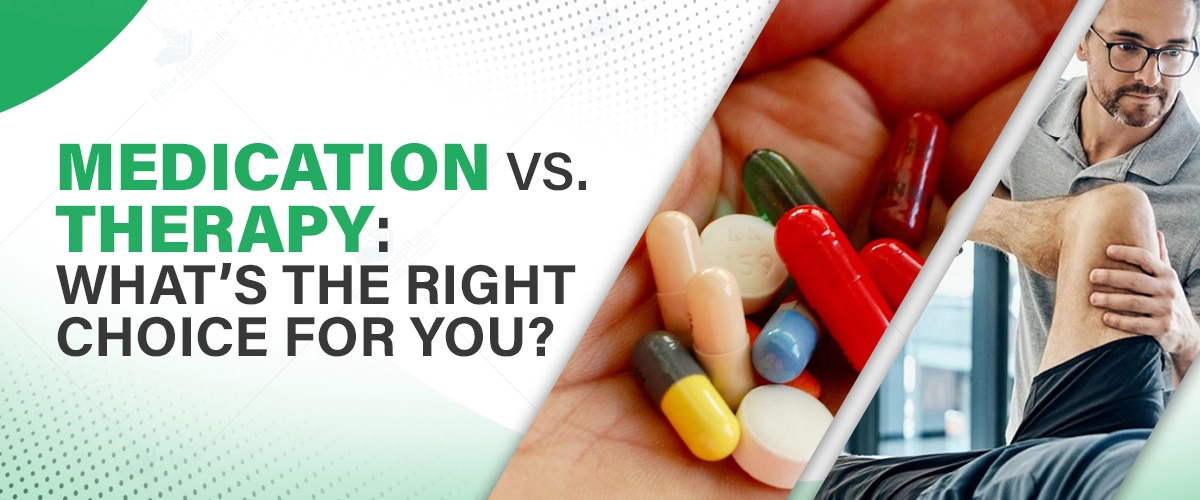
Figuring out how to care for your mental health can feel like standing at a crossroads. If you’re grappling with anxiety, depression, or just feeling off, you might be wondering, do I need medication, therapy, or maybe both? It’s a personal choice, and there’s no one-size-fits-all answer.
Each option has its own strengths, and what clicks for someone else might not be your path. Let’s unpack the differences, weigh the benefits, and help you sort out what feels right with the help of the best psychology hospital in Noida.
At Felix Hospital in Noida, our team is here to guide you—call us at +91 9667064100 to start a conversation about your mental health today.
Medication involves psychiatric drugs, like antidepressants or anti-anxiety pills, prescribed by a psychiatrist to ease symptoms. These meds tweak brain chemicals to help you feel steadier—think of them as a boost to calm the storm inside. They don’t erase the problem but make it easier to cope, helping 60% of patients with severe symptoms.
Therapy, on the other hand, is about talking it out with a trained professional, like a psychologist or counselor. Through approaches like Cognitive Behavioral Therapy (CBT) or talk therapy, you dig into your thoughts, feelings, and habits to build healthier ways to handle life. It’s a journey of self-discovery, with 70% of people reporting better emotional control after regular sessions.
Sometimes, your mind feels like it’s stuck in a fog, and medication can be a lifeline. It’s often the go-to when symptoms hit hard or have a biological root. Here’s when it might be right:
Heavy Symptoms: If depression or anxiety stops you from sleeping, eating, or working, meds can bring relief faster, helping 50% of severe cases within weeks.
Biological Roots: Conditions like bipolar disorder or schizophrenia, tied to brain chemistry, often need meds for stability, critical for 30% of diagnosed patients.
Therapy Isn’t Enough: If you’ve tried counseling but still feel stuck, medication can give you a nudge, boosting progress for 40% of combined treatment cases.
Urgent Needs: For intense panic attacks or suicidal thoughts, meds offer quick stabilization, a must for 10% of at-risk individuals.
Common meds include SSRIs (like sertraline) or short-term anti-anxiety drugs. They can work wonders but may come with side effects like tiredness or nausea, affecting 20% of users, and finding the right dose takes time.
Pros: Fast symptom relief, better focus, essential for serious conditions.
Cons: Possible side effects, doesn’t tackle emotional causes, needs ongoing monitoring.

Therapy’s like a toolbox for your mind, helping you understand why you feel the way you do and how to handle it. It’s a great pick when:
Life’s Stressing You Out: Struggles with relationships, grief, or work pressure respond well to therapy, easing tension for 65% of clients.
You Want Non-Medical Help: If you’re wary of pills, therapy offers a natural way to heal, preferred by 30% of patients.
You’re After Growth: Beyond fixing problems, therapy builds self-awareness and communication skills, benefiting 50% of participants.
Symptoms Are Manageable: Mild anxiety or mood swings often improve with therapy alone, effective for 60% of moderate cases. Therapists use tools like journaling, mindfulness, or role-playing to fit your needs, creating a safe space to grow.
Pros: No side effects, builds lasting skills, tackles root causes, boosts self-understanding.
Cons: Takes time, may not suffice for severe cases, finding the right therapist can be tricky.
For many, pairing medication and therapy is like a one-two punch that works better together. Studies show 75% of people with conditions like depression or PTSD see faster, longer-lasting results with both. Meds can lift the fog so you can focus on therapy, while therapy teaches you skills to eventually rely less on pills. About 40% of patients at Felix Hospital opt for this combo, finding balance and hope.
Picking between medication, therapy, or both starts with asking yourself a few things:
How bad are my symptoms? Can I function day-to-day?
Have I tried one option before? What worked or didn’t?
Do I lean toward meds or talking things out?
Can I access a therapist or psychiatrist easily?
Am I after quick relief or long-term tools?
There’s no wrong choice—you can start with one and adjust later. A mental health pro can help you map it out, ensuring 80% of patients feel clearer after a consultation.
At Felix Hospital, we know mental health decisions aren’t easy. Our expert team, including:
offers compassionate, evidence-based care. Based in Sector 137, Noida, we provide:
Our NABH-accredited hospital is a trusted space to start your journey, with costs starting at ₹800 per session and insurance options for many.
Both medication and therapy offer unique benefits in managing mental health, and neither is inherently better than the other. The right choice depends on your individual needs, the severity of your symptoms, and your personal preferences. While medication can provide quicker relief, therapy helps build lasting emotional resilience. For many, a combination of both yields the most effective results with guidance from some of the female psychiatrist near me in noida.
The key is to remain open-minded and patient as you explore what works best for you. Mental health care is not a one-size-fits-all journey—it’s about progress, not perfection. Remember, seeking support is a powerful step toward healing and self-growth.
Q1. What is the main difference between medication and therapy for mental health?
Ans: Medication helps manage chemical imbalances in the brain, while therapy focuses on emotional, behavioral, and psychological patterns. Both can be effective depending on the condition.
Q2. How do I know if I need medication or therapy?
A: If symptoms are severe, persistent, or affect daily functioning, a psychiatrist may recommend medication. For emotional stress, relationship issues, anxiety, or life challenges, therapy may be the first step.
Q3. Can medication and therapy be used together?
A: Yes, combining both is often the most effective approach, especially for depression, anxiety disorders, bipolar disorder, and PTSD.
Q4. Is therapy effective without medication?
A: Yes. Many people improve through therapy alone, especially for mild to moderate anxiety, stress, adjustment issues, and relationship problems.
Q5. Are psychiatric medications safe?
A: Most medications are safe when taken under the supervision of a qualified psychiatrist. Regular follow-ups help manage any side effects.
Q6. How long does it take for medication to work?
A: Antidepressants and anti-anxiety medications typically start showing results within 2–6 weeks. Response time varies by individual and medication type.

Explore the differences between psychotherapy and counseling to find the right path for your mental wellness. Understand their approaches and how they can help.

Discover effective anger management techniques to enhance emotional well-being, reduce stress, and improve relationships. Take control of your emotions today
Cognitive Behavioral Therapy (CBT) is a widely recognized and effective form of psychotherapy that focuses on changing negative thought patterns and behaviors that contribute to emotional distress.

Struggling with suicidal thoughts can feel overwhelming, but support is available. Learn effective coping strategies, recognize warning signs, and find the right mental health help when you need it most.

Raising a healthy child in New Ashok Nagar’s lively community means staying on top of vaccinations—a cornerstone of protection against serious diseases. From polio to measles, timely shots build a shield that lasts a lifetime, but navigating where to go and what happens can feel daunting for parents. In this bustling Delhi neighborhood, options abound, from government centers to private clinics, all offering safe, effective immunizations. This guide walks you through where to find child vaccination services in New Ashok Nagar, what to expect during the process, and how to prepare, ensuring your little one stays safe with minimal stress.
Vaccinations are a proven defense, slashing under-5 mortality by protecting against 12 preventable diseases, like diphtheria, tetanus, and hepatitis B. In India, the Universal Immunization Programme (UIP) ensures kids get free shots for nine diseases nationally, plus three more in specific regions, reaching 2.67 crore infants yearly. In urban pockets like New Ashok Nagar, where 1 in 10 kids risks missing doses due to busy schedules, staying on track is critical. Vaccines cut measles cases by 80% and eradicated polio in 2014, proving their power.
Knowing where to access them sets the stage for your child’s health. Just call us today at +91 9910339859.
Vaccination in New Ashok Nagar offers diverse vaccination spots, catering to every family’s needs:
Government Health Centers: Public facilities, often near metro stations like New Ashok Nagar or Mayur Vihar, provide free UIP vaccines. These include community health posts and district hospitals, serving 60% of local kids. They’re ideal for budget-conscious families, offering shots like BCG and MMR at no cost, though wait times can stretch, especially mornings.
Private Pediatric Clinics: Scattered across areas like Vasundhara Enclave, private doctors offer personalized care. These are pricier but faster, with flexible hours—perfect for working parents near East End Apartments. They provide UIP vaccines and optional ones, like flu or chickenpox, often in cozy settings kids love.
Diagnostic Labs with Vaccination Services: Some diagnostic labs provide both medical tests and vaccinations, making it easier to combine health checkups and immunizations. They’re great for catch-up doses or travel vaccines, with 20% of parents choosing them for convenience.
Mobile or Outreach Programs: Seasonal camps, sometimes at community centers near LIG Flats, bring vaccines to you. These target underserved families, vaccinating 1 in 5 kids during drives like Mission Indradhanush, with schedules posted locally.
Check online portals or call ahead to confirm hours, as some centers prioritize mornings for vaccinations.
The UIP schedule, endorsed by the Indian Academy of Pediatrics, covers key shots:
At Birth: BCG (tuberculosis), Hepatitis B, OPV (oral polio).
6–14 Weeks: DTP (diphtheria, tetanus, pertussis), IPV (injectable polio), Hib, Rotavirus, PCV (pneumonia).
9–12 Months: Measles, MR (measles-rubella), JE (Japanese encephalitis in endemic areas).
16–24 Months: DTP booster, MR second dose, OPV booster.
5–16 Years: DTP boosters, Td (tetanus-diphtheria) at 10 and 16.
Optional vaccines—like flu or typhoid—may be suggested by private clinics, costing extra but broadening protection. About 90% of kids in urban areas like New Ashok Nagar are fully immunized by age 2, but gaps remain for boosters.
Walking into a vaccination session can feel like a big moment—here’s how it unfolds:
Booking and Arrival: Government centers often take walk-ins, but private clinics prefer appointments—book via phone or apps for 70% of visits. Arrive 10 minutes early with your child’s health card, tracking shots since birth.
Health Check: A nurse or doctor assesses your child for fever or illness, as 1 in 20 kids may need rescheduling if unwell. They’ll confirm the vaccine is due, like PCV at 6 weeks.
The Shot: Administered in seconds—arm for most, thigh for infants. Nurses use distractions (toys, chatter) to ease kids, though a quick cry is normal for 30% of toddlers. Oral drops, like polio, are simpler.
Post-Vaccine Care: You’ll wait 5–10 minutes to monitor reactions, rare but possible in 1 in 100 cases (mild swelling or fever). Staff share tips: paracetamol for soreness, hydration for comfort.
Records and Follow-Up: Your child’s card is updated, and digital apps may log doses for 50% of urban parents. You’ll get a date for the next shot, often 4–8 weeks later.
The whole visit takes 20–30 minutes, faster in private setups with pre-booked slots.
A little prep goes a long way:
Explain Gently: Tell kids over 2 it’s a “quick pinch to stay strong,” avoiding scary words. Stories or toys distract 80% of anxious tots.
Pack Essentials: Bring a health card, water, and a snack—post-shot
hunger hits 1 in 5 kids. A favorite blanket soothes infants.
Known Side Effects: Mild fever or fussiness occurs in 10–15% of cases, lasting 1–2 days. Severe reactions, like allergies, are rare (1 in 10,000) but monitored on-site.
Plan Rest: Keep the day light—no park trips—to let your child recover, especially for multi-dose visits.
Ask about vaccine brands—WHO-approved ones dominate, ensuring safety across centers.
Straddling Delhi’s edge, New Ashok Nagar blends urban access with community warmth. Its metro connectivity and proximity to Mayur Vihar make health centers reachable, even for families in quieter lanes. With 1 in 4 residents prioritizing preventive care, local services emphasize kids’ health, from free UIP shots to private add-ons. Outreach camps near schools or markets boost coverage, ensuring 95% of infants get initial doses. You’re tapping into a system built for families, backed by India’s immunization success.
Tips for a Smooth Experience
Check Schedules: Government centers may limit vaccines to specific days—call ahead.
Go Digital: Apps or portals track doses, used by 40% of parents for reminders.
Ask Questions: Clarify shot intervals or optional vaccines—doctors welcome curiosity.
Stay Calm: Your ease rubs off; 90% of kids mirror parental vibes during shots.
Start today—book a visit, pack that health card, and give your child the gift of protection, one shot at a time.
Child vaccination in New Ashok Nagar is a breeze when you know where to go and what’s coming. From free government hubs to swift private clinics, options fit every family, delivering safe, life-saving shots with care. Expect quick visits, mild side effects, and a healthier future for your child, whether they’re getting their first Hep B or a school-age booster. In New Ashok Nagar’s vibrant community, health centers make immunization simple and accessible.
1. Which days are vaccinations typically given at government health centers in New Ashok Nagar?
Ans. Many government centers near New Ashok Nagar Metro or Mayur Vihar prioritize immunizations on specific weekdays—usually Mondays, Wednesdays, and Fridays. It’s best to call ahead, as timings and vaccine availability can vary by location.
2. Can I get both free government vaccines and optional private vaccines at the same clinic?
Ans. Private pediatric clinics in areas like Vasundhara Enclave often offer both—free UIP vaccines and paid optional ones like flu or chickenpox. Some even let you combine appointments for efficiency.
3. What should I do if my child misses a scheduled vaccine dose due to illness or travel?
Ans. Don’t worry—most vaccines have a grace window. Private clinics and health centers in New Ashok Nagar will help you adjust the schedule safely. Some even provide catch-up plans for delayed doses.
4. Are mobile vaccination camps in New Ashok Nagar safe and reliable?
Ans. Yes, outreach programs like Mission Indradhanush are government-backed and staffed by trained health workers. They follow standard protocols and often serve underserved zones near LIG Flats or Krishna Market.
5. How do I track my child’s vaccination history if I’ve lost the physical card?
Ans. Many clinics in New Ashok Nagar now use digital records. If you’ve visited a private clinic or lab, ask if they logged your child’s vaccines digitally. Apps like CoWIN or HealthID can also help track doses if registered.
6. Are vaccinations available during weekends or after office hours in New Ashok Nagar?
Ans. Some private clinics near East End Apartments offer weekend and evening slots to accommodate working parents. Availability may vary, so booking in advance via call or app is recommended.
7. Can I choose between different vaccine brands for the same dose at a clinic?
Ans. Yes, especially in private setups. For example, you may be offered choices for pneumococcal or rotavirus vaccines. Always ask which brands are available and whether they’re WHO-prequalified for safety assurance.

When it comes to health, accuracy is everything. Whether it’s a routine blood test, a diabetes check, or an MRI scan, the right diagnostic lab can make all the difference in catching issues early and guiding treatment. In New Ashok Nagar, a bustling Delhi neighborhood, residents have access to a growing number of labs offering cutting-edge tests. But with so many options, how do you pick the best one? This guide highlights eight key factors to consider when choosing top diagnostic lab services in New Ashok Nagar, helping you find reliable, high-quality care close to home.
The foundation of any diagnostic lab is its ability to deliver precise results. Errors in reports, like a misread cholesterol level, can lead to wrong treatments, affecting 1 in 20 patients due to lab inaccuracies. Look for labs certified by national or international bodies, which audit equipment, staff, and processes to ensure 99%+ accuracy. These accreditations also mean standardized testing, crucial for complex diagnostics like cancer markers or thyroid profiles. A lab displaying its certifications openly signals confidence in its quality.
Your health deserves the best—start your search today for diagnostics you can trust. Call us today at +91 9910339859.
A top lab should be a one-stop shop for your needs, from basic blood work to advanced imaging. Comprehensive services include routine tests (CBC, lipid profiles), specialized panels (diabetes, arthritis, vitamin deficiencies), and radiology (X-rays, ultrasounds, CT scans). About 70% of medical decisions rely on diagnostics, so a lab covering preventive checkups, like full-body packages, saves time and travel. Bonus points for niche tests, such as food intolerance or prenatal screenings, catering to diverse health concerns in New Ashok Nagar’s families.
Modern diagnostics hinge on cutting-edge tools. Labs using automated analyzers for blood tests or high-resolution MRI machines deliver faster, clearer results, reducing human error by 15%. For instance, a 3D ultrasound catches fetal anomalies better than older models, while digital X-rays cut radiation exposure. Ask if the lab upgrades its gear regularly—outdated tech can miss subtle issues, like early liver dysfunction, impacting 1 in 10 routine tests. In a tech-savvy area like New Ashok Nagar, expect nothing less than state-of-the-art.
Behind every test is a team—pathologists, radiologists, and technicians—whose expertise shapes outcomes. A lab with specialists holding advanced degrees and years of practice ensures reports you can trust. For example, a skilled phlebotomist makes blood draws painless, vital for kids or seniors, who make up 30% of New Ashok Nagar’s test-takers. Look for labs that train staff on the latest protocols, like handling sensitive samples for hormone tests, guaranteeing precision from start to finish.
Life in New Ashok Nagar moves fast, so convenience is key. Top labs offer home sample collection, sparing you traffic or long queues—especially helpful for the 25% of patients with mobility issues or tight schedules. Booking tests online, getting digital reports via email, or checking results on an app adds ease, with 80% of urban patients preferring digital access. Labs open early, late, or 24/7 near metro stations like New Ashok Nagar cater to working professionals, ensuring health fits your routine.
When you’re anxious about results, waiting feels endless. The best labs deliver reports quickly—same-day for routine tests like blood sugar or within 24–48 hours for scans like MRIs. Rapid reporting matters: delays in cardiac enzyme tests can postpone heart treatment for 1 in 5 patients. In emergencies, like fever panels during dengue season, a lab prioritizing urgent cases saves lives. Check if the lab commits to clear timelines, reflecting efficiency without cutting corners.
Quality diagnostics shouldn’t drain your wallet. Leading labs balance advanced tests with fair pricing, offering packages, like full-body checkups for under a few thousand rupees, that cover essentials like kidney, liver, and thyroid function. Transparency is critical: hidden fees frustrate 40% of patients. Look for labs listing costs upfront, accepting insurance, or providing discounts for seniors, common in New Ashok Nagar’s community-focused centers. Affordable care ensures regular testing, catching issues before they escalate.
A lab’s vibe matters as much as its tech. Clean facilities, sterile equipment, and strict hygiene protocols—think gloves, sanitized needles—cut infection risks, vital since 1 in 50 lab visits involves minor contamination. Friendly staff who explain tests, like why fasting’s needed for lipid profiles, ease nerves for 60% of first-timers. Labs offering report consultations or follow-up calls show they care about your health journey, not just the transaction, building trust in New Ashok Nagar’s tight-knit neighborhoods.
At Felix Polyclinic, New Ashok Nagar, we are equipped with state-of-the-art diagnostic technology to deliver fast, accurate, and reliable test results. Our team of highly trained professionals ensures every test is conducted with precision, supporting physicians in making timely and informed treatment decisions.
We offer a comprehensive range of blood tests, including:
Complete Blood Count (CBC)
Lipid Profile
Liver Function Tests (LFTs)
Renal Function Tests (RFTs)
Thyroid Function Tests (TFTs)
Fasting and Postprandial Blood Sugar Levels
Glycated Hemoglobin (HbA1c)
Vitamin D, B12, and Folate Assessments
Prostate-Specific Antigen (PSA) Test
C-Reactive Protein (CRP) Test
Erythrocyte Sedimentation Rate (ESR)
These tests provide critical insights into your body's health and function, helping our clinicians diagnose conditions early and manage treatments effectively.
Nestled near Mayur Vihar and East Delhi, New Ashok Nagar blends urban energy with community warmth, making it a hotspot for healthcare growth. Its proximity to metro lines and highways ensures labs are accessible, serving everyone from young professionals to retirees. With lifestyle diseases like diabetes rising, affecting 1 in 4 urban Indians, local labs emphasize preventive tests, aligning with Delhi’s push for early detection. You’re not just choosing a lab; you’re tapping into a network designed for modern health needs.
To find the right lab, ask these:
Are your reports checked by certified pathologists?
Do you offer a home collection, and is it free?
How soon will I get my results for tests like CBC or CT scans?
Are your machines upgraded for tests like digital X-rays?
Do you provide health packages for families or seniors?
Clear, confident answers point to a lab worth trusting.
A great lab is a partner in wellness, but you play a role, too. Follow pre-test instructions—like fasting for blood sugar—to ensure accurate results, which are misread in 10% of non-compliant cases. Regular checkups, like annual lipid panels, catch heart risks early, vital for New Ashok Nagar’s busy residents. Pair tests with healthy habits: a diet with greens and whole grains, plus 30-minute walks, boosts outcomes.
Consult a doctor promptly—labs diagnose, but treatment completes the circle. Schedule your consultation today.
Finding the top diagnostic lab services boils down to prioritizing accuracy, convenience, and care. From certified labs with modern tech to those offering quick reports and home visits, the right choice empowers you to stay ahead of health challenges. In a vibrant community like New Ashok Nagar, labs are more than testing centers—they’re gateways to peace of mind. Take time to compare services, ask questions, and pick a lab that feels right.
1. Do diagnostic labs in New Ashok Nagar offer early morning or late-night slots for working professionals?
Ans. Yes, several top labs in New Ashok Nagar have extended hours, opening as early as 6 AM or staying open till 9 PM to accommodate professionals and students. Some even provide 24/7 services for emergencies.
2. Are there any diagnostic labs in New Ashok Nagar with specialized panels for lifestyle diseases like diabetes or thyroid disorders?
Ans. Absolutely. Many reputed labs offer dedicated panels tailored for common urban conditions such as diabetes, thyroid imbalance, hypertension, and cholesterol issues—ideal for preventive health screening.
3. How reliable are home sample collection services offered by labs in New Ashok Nagar?
Ans. Home collection services here are increasingly dependable, often managed by trained phlebotomists using barcoded sample tracking. Most offer time slots within 2–4 hours of booking and adhere to strict hygiene protocols.
4. Are there diagnostic labs near New Ashok Nagar metro station for quick access?
Ans. Yes, you’ll find several well-equipped labs within walking distance of New Ashok Nagar metro station, making them easy to access without needing additional transport, especially during peak hours.
5. Do labs in New Ashok Nagar offer digital health records or mobile apps for test results?
Ans. Many advanced diagnostic centers provide app-based or web login systems to view, download, and share reports digitally. Some even store historical data for trend tracking over time, which is useful for chronic condition management.
6. Can I get a doctor consultation at the lab if my test results show abnormalities?
Ans. Some labs in New Ashok Nagar partner with general physicians or specialists to offer post-report consultations either in person or online. This adds value for patients needing quick interpretation and next steps after tests.
7. Are there diagnostic labs offering women-specific health packages in New Ashok Nagar?
Ans. Yes, several labs offer women-centric packages that include hormone profiles, anemia tests, bone density scans, and prenatal screenings—catering to various stages of a woman’s health journey.
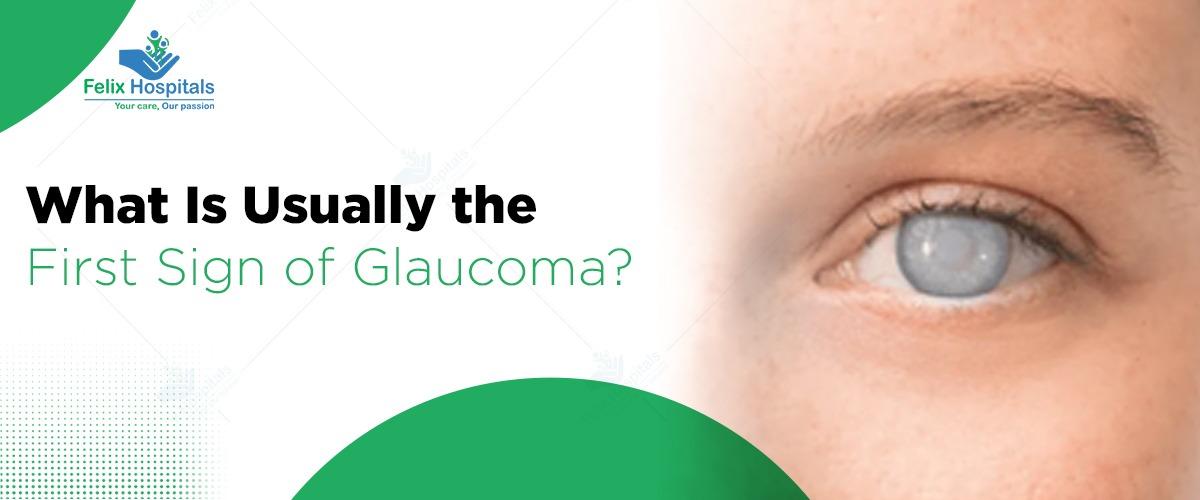
Recognizing the Silent Threat to Your Eyesight
Glaucoma is also widely termed as the "silent thief of sight"—and it's with good reason. It silently steals your vision over time without any apparent symptoms until the damage is extensive. In millions of individuals worldwide, glaucoma is a key reason for irreversible blindness. Early detection is the key to preserving vision, and therefore, understanding its initial signs is important. Go to the best eye hospital nearby in your city and make your sight perfect.
But what is the first sign of glaucoma? And how do you even know it when it's already too late? Let's know.
Glaucoma doesn’t knock before entering. Know your risk. Talk to an eye care professional and take the first step toward lifelong vision protection. Call us today at +91 9667064100.
Glaucoma is a collection of eye conditions that can damage the optic nerve—the essential connection between your brain and eyes. The majority of types of glaucoma involve elevated intraocular pressure (IOP), but it can also happen with normal eye pressure. Glaucoma can cause loss of peripheral vision and eventually total blindness if left untreated.
There are several types of glaucoma, but the two most common are:
Primary Open-Angle Glaucoma (POAG) – the most prevalent, slow and painless.
Angle-Closure Glaucoma (ACG) – less frequent but more threatening, sudden and obvious signs.
For the majority of individuals with primary open-angle glaucoma, the first indication is a slow loss of peripheral (side) vision. It is rarely noticed because it progresses so gradually. You may not realize something is amiss until much of your field of vision is lost.
Sadly, by the time you do notice something is amiss—such as bumping into objects, trouble seeing in dim light, or trouble climbing steps—significant optic nerve injury may already be present.
Although early glaucoma usually does not result in pain or other obvious symptoms, some of the subtle ones are:
As mentioned earlier, this is usually the initial sign. You might feel a "tunnel vision" sensation in the sense that your central vision is okay, but the periphery is missing or blurry.
In angle-closure glaucoma, occasionally you might see halos or colors around lights, particularly in the evening.
Open-angle glaucoma is typically painless, but angle-closure glaucoma causes intense pain in the eye, headache, nausea, and vomiting, an emergency medical condition.
You may also realize that it takes longer for your eyes to change when shifting from a well-lit location to a darker environment, such as when walking into a theater.
While rare, some individuals do develop redness or irritation of the eyes, which shouldn't be neglected if it becomes frequent.
Some people have an increased likelihood of getting glaucoma. They are:
Individuals who are more than 40 years of age
Individuals having a family history of glaucoma
Individuals with elevated eye pressure
Individuals having diabetes or elevated blood pressure
Individuals with African, Hispanic, or Asian origin
Individuals using steroids for an extended period
If you belong to any of the above groups, regular eye checks by the best eye hospital in Noida are even more necessary.
Since glaucoma damage cannot be undone, early diagnosis and treatment are imperative. Careful eye examinations, involving eye pressure testing, visual field testing, and examination of the optic nerve, can uncover glaucoma at its earliest point.
Even if there are no symptoms, routine eye exams can detect early changes before they can do much damage. Most of the best eye doctors in Noida recommend a full eye exam every 1–2 years, particularly for individuals over 40 years old.
Although there is no cure for glaucoma, a number of treatments are employed to slow or stop the disease:
Medicated Eye Drops: Most regular treatment, to decrease intraocular pressure.
Oral Medications: Occasionally prescribed if eye drops are not enough.
Laser Therapy: Treatments such as trabeculoplasty will enhance fluid drainage in the eye.
Surgery: In severe cases, surgical intervention such as trabeculectomy or shunt implants.
The earlier glaucoma is diagnosed, the better chance there is for its management effectively without great vision loss.
Here are some simple steps you can take to protect your eyes:
Schedule Regular Eye Exams – no matter how good you feel.
Know Your Family History – tell your eye doctor if you have a family history of glaucoma.
Wear Eye Protection – to avoid trauma, which can increase glaucoma risk.
Control Health Conditions – such as diabetes and blood pressure.
Don't Smoke and Stay Healthy – general health also equates to good eye health.
Do you think your vision is fine? Don’t wait for warning signs. Schedule an eye exam today to safeguard your eyesight for tomorrow.
The earliest manifestation of glaucoma is usually insidious peripheral vision loss, which can pass unnoticed. This is why the condition is so risky—it goes on quietly until extensive harm is inflicted. Be aware of the best Eye care at a low cost in Noida at the best hospital. Don't wait until you notice symptoms. Take care of your eye health with regular checkups, particularly if you belong to a high-risk category.
Remember: early detection is your best defense against glaucoma-induced blindness. A quick, painless eye exam may save your vision. Keep your eyes sharp for the future—because once lost, it can't be restored.
1. Can glaucoma develop without symptoms?
Ans- Yes. Glaucoma usually occurs without apparent symptoms, particularly in the initial stages. Small changes in eye pressure or optic nerve status can only be detected by a thorough eye examination.
2. Even if I have normal eye pressure, can I still develop glaucoma?
Ans- Indeed. Normal-tension glaucoma is one in which optic nerve damage takes place even when intraocular pressure is normal. Other risk factors such as genes and circulatory problems can still exist.
3. Is glaucoma exclusive to the elderly?
Ans- No. Although the risk rises after age 40, glaucoma strikes individuals of all ages—babies in the case of an uncommon birth.
4. Does prolonged use of screens predispose one to glaucoma?
Ans- Screen utilization does not develop glaucoma, but prolongued eye straining conceals early symptoms. Regular eye testing is most valuable in recognizing potential developing conditions regardless of screen usage.
5. Can changes in lifestyle treat glaucoma?
Ans- Yes. Though they cannot cure medical treatment, behaviors such as regular exercise, managing blood pressure, limiting caffeine, and avoidance of smoking reduce eye pressure and maintain eyes in good health.
6. Will I become blind if I have glaucoma?
Ans- Not always. If diagnosed early and controlled well, the majority of patients with glaucoma have excellent vision for the rest of their lives. Blindness tends to happen when glaucoma goes undiagnosed or neglected.
7. Are glaucoma tests uncomfortable or risky?
Ans- Not at all. Glaucoma screening tests are usually quick, harmless and completely risk-free. The tests may involve eye pressure measurements, vision field measurements, and photographs of the optic nerve—on an outpatient basis.

Ophthalmology is the branch of medicine that focuses on the diagnosis, treatment, and prevention of eye-related diseases.

Keep your eyes healthy and safe from infections and discomfort with these expert recommendations.

Waking up with a nagging knee pain or a shoulder that won’t move right can throw your whole day off. Whether it’s a sudden injury from a weekend game or a lingering ache that’s gotten worse, you need help now—not next week. In India, where 1 in 4 adults faces joint or bone issues, finding the best orthopedic doctor who’s open today and ready to help is a priority.
But how do you track down the right specialist when time’s tight? This guide walks you through the steps to find the best orthopedic doctor near me, available today, so you can get back to moving freely.
Your body deserves the best, and relief is just a step away. Call us today for your healthy bones at +91 9667064100.
Orthopedic doctors are experts in the musculoskeletal system—your bones, joints, muscles, ligaments, and tendons. They diagnose and treat everything from fractures and arthritis to sports injuries and back pain, helping 80% of patients improve mobility. Some are surgeons, performing procedures like knee replacements, while others focus on non-surgical care, like therapy or injections.
In urgent cases, like a sprained ankle or a slipped disc, 15% of patients need immediate attention, making it crucial to find a doctor who’s available now. Knowing what they do helps you pick the right one for your needs, whether it’s a quick fix or long-term care.
Not all doctors are created equal, and when it comes to your bones and joints, you want the best. Here’s what to look for in a top orthopedic doctor:
Specialized Training: They should have an MS in Orthopaedics or DNB-Orth, plus fellowships in areas like sports medicine or joint replacement, ensuring 95% diagnostic accuracy.
Experience: At least 5–10 years handling cases like yours—fractures, arthritis, or spine issues—boosts success rates for 85% of patients.
Patient-Centered Care: Look for doctors who listen and explain clearly, with 90% of satisfied patients praising good bedside manner.
Modern Techniques: Using robotic surgery or minimally invasive methods, adopted by 30% of top specialists, means faster recovery.
Hospital Affiliations: Ties to well-equipped hospitals with ICUs or rehab units, critical for 20% of surgical cases, ensure comprehensive care.
These traits separate good doctors from great ones, especially when you need help today.
When pain strikes, waiting isn’t an option. Here’s how to find the best orthopedic doctor near me who’s ready to help today:
Search Online: Type “orthopedic doctor near me open today” into Google or platforms like Felix Hospitals 24|7. Filter for same-day appointments or teleconsultations, available at 70% of urban clinics. Check reviews for insights on wait times and care quality.
Use Hospital Websites: Major hospitals in cities list orthopedic schedules. Many offer 24/7 emergency ortho units, serving 15% of urgent cases.
Ask Your Primary Doctor: Your family physician can recommend a trusted specialist and often secure a same-day slot, streamlining the process for 60% of patients.
Check Urgent Care Clinics: Orthopedic urgent care units, found in 10% of hospitals, handle walk-ins for sprains or fractures, with no appointment needed.
Verify Insurance: Confirm the doctor accepts your plan, as 50% of patients use insurance for ortho visits, avoiding surprise costs.
Some orthopedic issues can’t wait. A fracture, affecting 12% of patients, needs quick realignment to avoid permanent damage. Severe back pain or a torn ligament, common in 20% of sports injuries, can worsen without prompt care. Top doctors open today can:
Diagnose Accurately: Using X-rays or MRIs, available at 80% of specialty clinics, they pinpoint issues fast.
Start Treatment: From splints to pain-relief injections, 70% of urgent cases get immediate relief. Prevent Complications: Early care cuts the risk of chronic pain or surgery for 50% of patients.
Once you’ve found a doctor, make sure they’re the right fit. During your visit or tele consultation, ask:
What’s causing my pain, and what tests do you recommend?
Can this be treated without surgery, or is surgery the best option?
How many similar cases have you handled, and what’s the success rate?
What’s the recovery timeline, and will I need physical therapy?
Do you use advanced techniques, like minimally invasive surgery?
Are you available for follow-ups or emergencies?
Doctors who answer clearly and patiently, satisfying 85% of patients, are more likely to provide quality care. If you don’t feel comfortable, it’s okay to seek another opinion.
If you’re in Noida or a similar urban area, you’re in luck—cities like these have robust healthcare networks. Noida’s proximity to Noida and Delhi means access to 10–15 major hospitals with orthopedic departments, many along the Noida-Greater Noida Expressway. Features include:
24/7 Emergency Units: Handling 15% of trauma cases, with on-call orthopedic surgeons.
Advanced Diagnostics: MRI and CT scans, used in 40% of cases, ensure precise diagnoses.
Teleconsultations: Offered by 30% of clinics, perfect for quick advice before an in-person visit.
Affordable Care: Consultations range from ₹500–₹2,000, with insurance covering 50% of costs.
Search for hospitals in areas like Sector Omega or Noida Extension, and check their websites for same-day slots or walk-in ortho clinics.
Act fast—calling or booking online can get you seen within hours, especially in emergencies.
Pain in your joints or bones doesn’t just slow you down—it can steal your joy and freedom. Finding the best orthopedic doctor near you, open today and ready to help, is the first step to feeling like yourself again. Look for a specialist with experience, modern tools, and a caring approach, and don’t hesitate to use online tools, hospital hotlines, or urgent care clinics to get seen fast.
In Noida or any urban hub, quality care is closer than you think. Take charge of your health—search “orthopedic doctor near me” now, call for a same-day appointment, or visit a hospital’s emergency ortho unit.
Yes, many hospitals in Noida—especially those near Sector 62, Sector 128, and Noida Extension—offer same-day orthopedic consultations or walk-in OPD clinics. Emergency ortho units are also available 24/7 at multi-specialty hospitals like Felix Hospital for urgent injuries like fractures or dislocations.
Orthopedic emergencies include fractures, joint dislocations, severe sprains, sudden back pain with numbness, or difficulty moving a limb. In such cases, seeing a doctor within 6–12 hours is crucial to avoid long-term complications like nerve damage or restricted mobility.
A: Most pediatric dental clinics in Noida are equipped to accommodate children with special needs, offering extra time, calm environments, and customized care approaches tailored to each child’s comfort.
Yes, most top-tier orthopedic clinics and hospitals in urban areas like Noida have in-house diagnostic labs with digital X-ray, MRI, and CT scan facilities. In fact, 80% of orthopedic emergencies require quick imaging for diagnosis during the first visit.
Consultation fees for orthopedic doctors in Noida range from ₹500 to ₹2,000, depending on the doctor’s experience and the hospital’s reputation. Emergency or after-hours visits may cost slightly more, and diagnostics like X-rays or MRIs can range from ₹1,000 to ₹5,000.
Yes, most insurance providers cover orthopedic consultations, diagnostic tests, and even minor procedures under OPD or emergency clauses. Always check if the hospital is on your insurance provider’s panel. Cashless facilities are available at major hospitals like Felix Hospital.
Absolutely. Many orthopedic doctors in Noida offer teleconsultation slots for same-day appointments. This is ideal for initial assessment of back pain, joint stiffness, or mild injuries, especially when travel is difficult. If required, the doctor may advise an in-person follow-up.
Bring any past reports, previous X-rays or MRI scans, a list of current medications, and your insurance card. Wearing loose, comfortable clothing is also advised to help the doctor examine affected joints or limbs easily.

Subscribe to our
© Copyright 2026. All Rights Reserved by Felix Healthcare Private Limited
Design and development by :


 +(91)9667064100
 Emergency : +(91)9667064100