 WhatsApp
 Emergency:
  WhatsApp












Subscribe to our
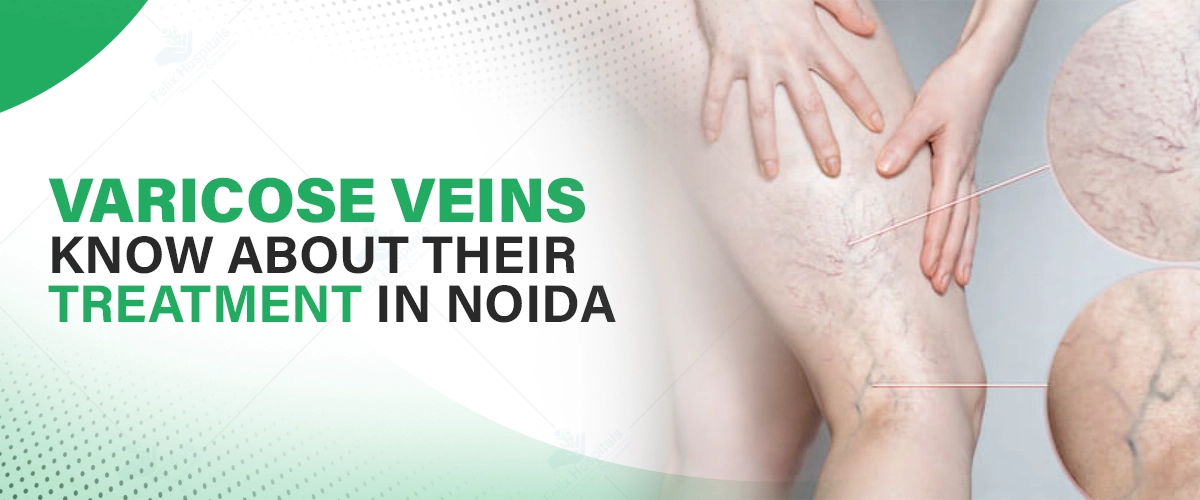
If you’ve noticed twisted, bulging veins on your legs that look blue or purple, you might be dealing with varicose veins. They’re more than just a cosmetic concern—varicose veins can cause aching, swelling, or even serious discomfort for the 25% of adults who have them. In a bustling city like Noida, where long hours at a desk or on your feet are common, these veins can feel like an unwanted companion. The good news? The best Varicose Veins treatment hospital in Noida offers advanced treatments to ease pain, boost confidence, and get you back on your feet. Let’s dive into what varicose veins are, why they happen, and how you can find effective treatment right here in Noida.
Schedule your varicose vein screening with a Noida-based vascular expert today. Book online or call now at +91 96670674100.
Varicose veins pop up when veins, usually in the legs, get swollen and twisted because of faulty valves. Normally, these valves keep blood flowing toward your heart, but when they weaken, blood pools, stretching the veins. In India, about 1 in 4 adults deals with this, and Noida’s fast-paced lifestyle doesn’t help. Standing for hours, sitting at a computer, or carrying extra weight can make things worse. Here’s what puts you at risk:
Varicose veins aren’t just about looks—they can lead to pain, heaviness, or even skin changes if ignored. Catching them early makes treatment easier.
Not sure if it’s varicose veins? The signs are hard to miss, though some folks feel discomfort before veins bulge. If you’re in Noida’s busy sectors, where walking or standing is part of the grind, pay attention to:
If these sound familiar, or if you notice skin discoloration or sores, it’s time to see a doctor. Left untreated, varicose veins can lead to complications like blood clots in 5% of cases. The best hospital nearby is ready to help with quick diagnoses.
Noida’s healthcare scene is packed with modern solutions for varicose veins, from non-invasive fixes to advanced surgeries. Treatments are tailored to how severe your veins are, and most are outpatient, so you’re back home fast. Here’s what’s available:
Most treatments take under an hour, and you’re walking the same day. Noida’s vascular specialists use tools like Doppler ultrasound (₹1,500–₹4,000) to map veins first, ensuring the right plan. Many procedures are covered by insurance if medically necessary, so check your policy.
Noida’s healthcare is a standout, blending cutting-edge tech with skilled doctors, making it a hub for vein care. Whether you’re in Sector 18 or Sector 137, you’re close to world-class clinics. Here’s why Noida shines:
Noida’s hospitals also offer online bookings and teleconsultations, perfect for busy professionals who need quick advice without the commute.
Before treatment, you’ll meet a vascular surgeon for a physical exam or ultrasound to check vein severity. You might need to fast for a few hours or wear compression stockings pre-procedure. Most treatments use local anesthesia, so you’re comfortable and awake. Post-treatment, expect:
Results last for years, though new veins can form with age or lifestyle factors. Staying active and maintaining a healthy weight cuts recurrence by 30%.
Dr. Ritesh Agrawal, the leading expert in varicose veins treatment at Felix Hospital. With extensive experience and a patient-centered approach, Dr. Agrawal is dedicated to providing the highest quality care for individuals dealing with varicose veins.
The cost of varicose vein treatment can vary depending on the location of the hospital, the complexity of the case, and the type of treatment required. At Felix Hospital, we offer comprehensive and affordable treatment plans tailored to each patient's needs.
Early diagnosis makes all the difference. Speak to a specialist vascular surgeon in Noida and get a personalized plan—whether it’s laser therapy, RFA, or sclerotherapy.
Varicose veins don’t have to slow you down. Whether it’s aching legs or veins you’d rather hide, Noida’s advanced treatments—sclerotherapy, laser therapy, or surgery—offer relief and confidence. Ignoring symptoms can worsen pain or lead to complications, so why wait? With affordable, accessible care and expert doctors, Noida is the place to tackle varicose veins head-on. Book a consultation today, whether in person or online, and talk to a vascular specialist about your options. Your legs deserve to feel light, look great, and carry you through Noida’s busy streets with ease. Start your journey to healthier veins now!
Q- How do I know if I need treatment or if compression stockings are enough?
Ans- If your symptoms—like leg pain, swelling, or visible veins—persist despite using compression stockings for 3–4 weeks, a Doppler ultrasound can help determine if you need a more advanced procedure like EVLT or RFA.
Q- Is it safe to undergo varicose vein treatment during pregnancy?
Ans- Most specialists in Noida recommend waiting until after childbirth, as pregnancy-related varicose veins often improve naturally. However, you can still manage symptoms with compression therapy and lifestyle adjustments under medical guidance.
Q- Will laser or radiofrequency treatment leave any scars?
Ans- No—both EVLT and RFA are minimally invasive and require only small punctures. Over 90% of patients report no visible scarring after recovery.
Q- Can I drive or return to work after the procedure?
Ans- For most outpatient treatments like EVLT or sclerotherapy, you can resume light activities (including driving) within 24–48 hours. Your doctor will advise based on your vein severity and job demands.
Q- Are varicose veins linked to deeper vein issues or clots?
Ans- In rare cases (about 5%), varicose veins can signal underlying chronic venous insufficiency or even increase the risk of deep vein thrombosis (DVT). That’s why vascular clinics in Noida often begin with a Doppler scan.
Q- Can men get varicose veins treated too, or is it only common in women?
Ans- Absolutely. While more common in women, 45% of cases in clinics across Noida involve men, especially those who stand for long hours (like security guards or teachers). Treatment success is equally high for both genders.
Q- Will my insurance cover laser varicose vein treatment in Noida?
Ans- Many insurance providers cover treatments if deemed medically necessary—especially in cases involving pain, skin changes, or swelling. Always check with your insurer, and most Noida clinics assist with paperwork and pre-approvals.
A complete guide to understanding varicose vein surgery expenses in Noida, including treatment types, hospital charges, and recovery costs.

Varicose veins can be treated effectively in Noida. Explore modern solutions for pain-free, healthy legs

Symptoms can include pain, itching, or a burning sensation, though the condition is generally not dangerous.

While varicose veins are often a cosmetic concern, they can also lead to symptoms like pain, discomfort, and even complications like ulcers or blood clots in severe cases.
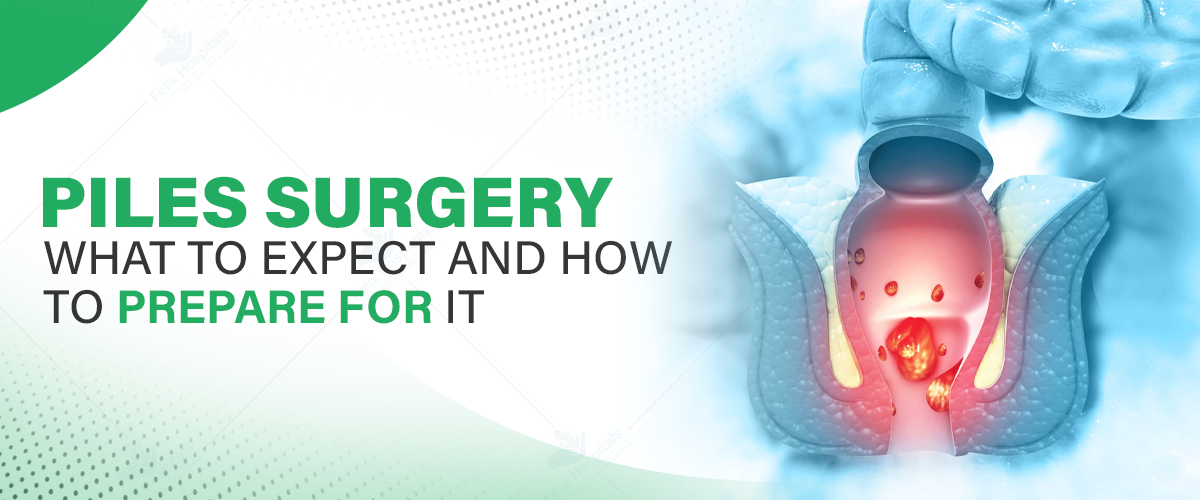
Dealing with piles, or hemorrhoids, can feel like a private battle—pain, itching, or bleeding during bowel movements isn’t something you chat about over chai. Yet, in India, 1 in 10 adults faces this discomfort, and for some, surgery becomes the best way to find relief. Piles surgery might sound daunting, but with modern techniques, it’s often quick, effective, and far less scary than you’d think. Whether you’re considering it or have a date booked, knowing what to expect and how to prepare can ease your mind and smooth your recovery. Let’s walk through the process, from getting ready to healing well, so you can face piles surgery with confidence and get back to living comfortably.
Still unsure if piles surgery is right for you? Our surgical care team is ready to answer your questions and guide you every step of the way. Call us today at +91 9667064100 and book your appointment.
Piles are swollen veins in the rectum or anus, causing pain, itching, or bleeding, especially during bowel movements. They’re common—40% of adults over 50 deal with them—and often triggered by constipation, pregnancy, or sitting too long. Mild cases respond to diet changes or creams, but severe piles (grades 3–4), affecting 15% of patients, may need surgery when they prolapse, bleed heavily, or cause constant pain. Surgery options include:
At the best hospital in Noida, the doctor can pick the best method based on your symptoms, ensuring relief tailored to you.
Preparation starts a week or two before surgery, setting you up for a smooth procedure and recovery. It’s about physical readiness and mental calm—here’s how to get there:
Your surgeon may order a blood test or enema to clear bowels, common for 20% of cases. Knowing these steps helps you feel in control.
On surgery day, you’ll likely feel a mix of nerves and relief—it’s normal! Most piles surgeries are outpatient, meaning you’re home the same day. Here’s what to expect:
Minimally invasive options, like laser, mean less pain and quicker healing, making the process smoother than you might expect.
Recovery is where patience pays off. Most people feel better in 1–2 weeks, with full healing in 4–6 weeks for traditional surgery. Here’s how to make it easier:
Follow-up visits, usually a week post-surgery, ensure healing’s on track for 85% of patients. Most return to work in 3–10 days, depending on the procedure, with the help of the best doctor for piles treatment.
Surgery fixes piles, but lifestyle changes keep them away. About 10% of patients see piles return if habits don’t shift. Try these:
Regular checkups catch issues early, keeping you comfortable long-term.
Dr. Ritesh Kumar Agrawal is the leading expert in piles (hemorrhoids) treatment in Noida at Felix Hospital. With years of hands-on experience and a compassionate, patient-focused approach, Dr. Agrawal is committed to delivering the highest standard of care to individuals suffering from piles—helping them find fast, long-lasting relief.
The cost of piles treatment can vary based on factors such as the severity of the condition, the type of treatment (medication, minimally invasive procedure, or surgery), and individual patient needs. At Felix Hospital, we provide effective and affordable piles treatment plans tailored to each case, ensuring both comfort and quality care.
Don't let piles disrupt your daily life. Schedule an appointment at Felix Hospital and explore your best treatment options—personalized just for you.
Piles surgery might feel overwhelming, but it’s a proven path to relief, with 95% of patients reporting better quality of life post-procedure. By preparing well—eating right, arranging help, and following your doctor’s plan—you set yourself up for a smooth experience. Modern techniques like laser surgery make the process quick and less painful, while recovery tips like sitz baths and fiber keep you healing strong. If piles are holding you back, don’t wait—reach out to a proctologist or general surgeon for a consultation. Take the first step toward comfort today, and let surgery help you reclaim your days, free from pain and worry.
1. Will I be able to sit normally after piles surgery, and how soon?
Ans- Yes, but you may need a donut cushion for the first few days. Most patients are comfortable sitting normally within a week, especially after laser or stapled procedures.
2. How do I know if I need piles surgery or if home remedies are enough?
Ans- If your symptoms persist despite dietary changes and topical treatments—or if you have prolapsing or bleeding piles—it’s time to consult a surgeon. Grades 3 and 4 often need surgery for long-term relief.
3. Can piles come back after surgery?
Ans- Yes, in around 10% of cases. Recurrence is usually due to lifestyle habits like chronic constipation or prolonged sitting. Following post-op advice and long-term preventive tips reduces this risk significantly.
4. Is laser piles surgery really painless?
Ans- Laser surgery is minimally invasive and causes less post-op pain compared to traditional methods. While it's not completely pain-free, most patients report mild discomfort and faster recovery.
5. How soon can I return to work after piles surgery?
Ans- Most people can return to light office work within 3–5 days after laser or stapled surgery. For traditional hemorrhoidectomy, recovery may take 7–10 days. Your doctor will guide based on your procedure and healing.
6. Are there risks of incontinence after piles surgery?
Ans- In rare cases, especially with extensive hemorrhoidectomy, mild control issues can occur, but modern techniques and experienced surgeons keep this risk under 1%. Laser and stapled methods preserve muscle integrity.
7. What if I’m diabetic or have heart issues—can I still undergo surgery?
Ans- Yes, but your condition must be well-managed. Your surgeon and anesthetist will review your medical history, adjust medications, and plan the safest approach. Many patients with chronic conditions safely undergo piles surgery.

फिशर के कारण, लक्षण और उपाय" एक संक्षिप्त मार्गदर्शिका है जो फिशर (गुदा裂) के विषय में जानकारी प्रदान करती है। इसमें फिशर के प्रमुख कारण, जैसे कब्ज, जन्म, या अन्य स्वास्थ्य समस्याएं
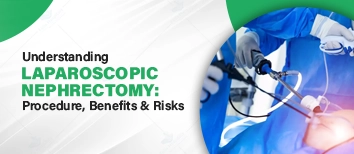
Laparoscopic nephrectomy is a minimally invasive surgery to remove a kidney using small incisions. It offers faster recovery, less pain, and reduced scarring, with some risks like bleeding or infection.

In an era where screens dominate work, leisure, and learning, digital eye strain—also called computer vision syndrome—has become a widespread issue. Affecting over 50% of regular screen users, it brings symptoms like dry eyes, headaches, and blurred vision, impacting productivity and comfort. The average person spends 7–10 hours daily on digital devices, straining eye muscles and reducing blink rates. Fortunately, a straightforward strategy, the 20-20-20 rule, offers relief. The best eye hospital in Noida recommended this exercise for sure. This blog explores eye strain’s causes, how the 20-20-20 rule works, its benefits, and practical ways to implement it, alongside complementary habits for healthier eyes.
Get expert guidance on managing digital eye strain and customized vision solutions from our trusted ophthalmologists. Call us today at +91 9667064100.f
Prolonged screen time causes digital eye strain since it takes more effort for the eyes to focus on close-up, pixelated screens. In contrast to reading a book, using a screen causes weariness since it emits blue light and requires frequent attention. After two or more hours, 85% of users experience dryness from reduced blinking, which can go from 15 times per minute to as low as five. Typical signs and symptoms include:
40% of computer users report experiencing eye discomfort, such as itching, burning, or redness.
Vision problems: 17% of screen users experience double or blurred vision.
Physical strain can manifest as headaches, painful shoulders from bad posture, or neck pain.
Fatigue: Thirty percent of workers report feeling exhausted or having trouble focusing.
Despite rarely becoming permanent, these symptoms interfere with day-to-day functioning. Proactive measures are crucial because factors like impaired vision, inadequate lighting, or an incorrect screen distance exacerbate the issue.
Developed in the 1990s by optometrist Jeffrey Anshel, the 20-20-20 rule is a simple eye exercise to ease digital strain. It advises that every 20 minutes of screen time, you take a 20-second break to look at an object 20 feet away (about 6 meters). This shifts focus from near to far, relaxing the ciliary muscles that control lens focus and reducing accommodative spasm—a condition where eyes struggle to refocus distantly.
The 20-20-20 rule offers practical benefits, especially for those spending 4+ hours daily on screens. While not a cure-all, it interrupts the cycle of near-point stress, providing immediate relief and long-term eye health support. Key advantages include:
Reduced Eye Fatigue: Breaks relax eye muscles, easing tiredness for 60% of consistent users.
Less Dryness: Intentional blinking during breaks, encouraged by the rule, boosts tear production, helping 30% with dry eye symptoms.
Improved Focus: Short pauses combat mental fatigue, enhancing productivity for 25% of workers.
Lower Headache Risk: Regular breaks reduce strain-related headaches, affecting 1 in 5 screen users.
Preventive Care: Consistent use may slow myopia progression, a concern for 20% of young adults with heavy screen time.
Though evidence is mixed—some studies suggest 5-minute hourly breaks are more effective—the rule’s simplicity makes it a valuable starting point.
Adopting the 20-20-20 rule is easy, requiring minimal effort or cost, with the recommendation of the best doctor of the eye hospital nearby. The key is consistency and mindfulness, especially during long work or gaming sessions. Here’s how to make it work:
Set Reminders: Use a phone alarm or app (available on app stores) to prompt breaks every 20 minutes, ensuring adherence for 80% of users.
Find a Focal Point: Look at a distant object—a tree, building, or street sign—roughly 20 feet away. Precision isn’t critical; the goal is to relax focus.
Blink Intentionally: Blink 10–15 times during the 20 seconds to lubricate eyes, reducing dryness for 40% of users.
Move Around: Stand, stretch, or walk briefly to ease neck and shoulder tension, benefiting 30% with posture-related strain.
Combine with Hydration: Sip water during breaks to stay hydrated, supporting tear production and overall comfort.
For office workers or students, glancing out a window or across a room suffices. In confined spaces, step outside or close your eyes to rest them, a tactic effective for 15% of users.
The 20-20-20 rule is most effective when paired with other habits to address eye strain’s root causes. These strategies enhance comfort and protect long-term vision, especially for the 65% of digital users experiencing discomfort after prolonged screen time.
Optimize Screen Setup:
Position screens 25–30 inches away, slightly below eye level, to reduce strain for 50% of users.
Adjust brightness to match room lighting and use matte filters to cut glare, helping 20% with light sensitivity.
Improve Lighting: Avoid overly bright or dim environments; soft, even lighting reduces strain for 30% of workers.
Use Artificial Tears: Over-the-counter drops relieve dryness for 25% of contact lens wearers or those in dry climates.
Correct Vision: Regular eye exams ensure prescriptions match screen needs, as 1 in 4 users have uncorrected vision issues.
Practice Ergonomics: Sit upright, align screens straight-on, and use adjustable chairs to ease neck pain for 35% of desk workers.
Combining these with the 20-20-20 rule creates a holistic approach, amplifying relief.
Although the 20-20-20 rule is most helpful, it might not be enough for severe cases or underlying diseases such binocular vision problems, which impact 10% of screen users, or dry eye syndrome. See an ophthalmologist if symptoms such as redness, headaches, or impaired vision continue. 15% of patients need computer-specific glasses, which are customized solutions for conditions such uncorrected astigmatism or accommodative dysfunction that can be found during a thorough examination. Since 90% of children exhibit strain after two hours, children who report less symptoms but are at risk for myopia require supervised screen usage.
At Felix Hospital, we are committed to providing advanced and personalized care for individuals experiencing refractive issues. Our dedicated ophthalmology team focuses on improving patients’ vision and quality of life through expert diagnosis, tailored treatment plans, and compassionate support.
Dr. Deepanjali Arya is a highly qualified ophthalmologist with over nine years of clinical experience. She specializes in refractive conditions such as myopia (nearsightedness), astigmatism, and hyperopia (farsightedness). Dr. Arya adopts a holistic approach by integrating the latest diagnostic and therapeutic technologies with preventive strategies. Her patient-centric care ensures long-term visual health and comfort.
Dr. Mohmad Uzair Zakai brings more than a decade of expertise in managing a wide range of eye conditions. While his core strength lies in treating refractive errors and providing urgent eye care, he is also highly skilled in managing seasonal concerns such as digital eye strain and allergic conjunctivitis—common aggravators of discomfort in myopic patients. Dr. Zakai’s comprehensive approach makes him a valuable asset to our eye care team.
Book an eye consultation with Felix Hospital’s specialists today and take the first step toward lasting eye comfort.
The 20-20-20 rule is an easy-to-follow strategy for preventing digital eye strain and relieving the pain associated with extended computer use. You may relax your eye muscles, lessen dryness, and increase focus by pausing every 20 minutes for 20 seconds to look 20 feet away. It's revolutionary for the more than 50% of screen users who struggle with eye strain when combined with ergonomic changes, appropriate lighting, and consistent eye care. Set a timer, locate a far-off object, and begin today to give your eyes the rest they need. To guarantee the best possible eye health for persistent problems, consult an optometrist. This little practice can have a significant impact in today's screen-dependent environment by maintaining eye comfort and increasing productivity. If you need guidance regarding the cost of eye treatment, just contact Felix Hospitals for better eyesight.
Q1- Can the 20-20-20 rule prevent myopia progression in children?
Ans- While it doesn’t stop myopia entirely, the 20-20-20 rule helps reduce eye fatigue and accommodative stress, especially in children exposed to long screen hours, potentially slowing down myopia progression.
Q2- Is it normal to still feel eye strain even after following the 20-20-20 rule?
Ans- Yes, if you have uncorrected vision issues like astigmatism, dry eye, or binocular vision problems, the 20-20-20 rule alone may not be enough. A detailed eye exam is recommended.
Q3- How do I practice the 20-20-20 rule in an office without windows or open space?
Ans- In such cases, simply close your eyes for 20 seconds or focus on a far corner of the room or wall. The goal is to shift your eye focus and give your muscles a break.
Q4- Do I need special glasses for computer use if I already wear prescription lenses?
Ans- Possibly. Computer-specific glasses can reduce strain caused by close-up screen viewing and blue light. Our specialists can assess if they're right for you during a consultation.
Q5- What’s the best screen position to reduce digital eye strain?
Ans- Your screen should be 25–30 inches away, with the center slightly below eye level. This reduces neck strain and allows your eyes to rest naturally.
Q6- Can digital eye strain cause permanent damage to my eyesight?
Ans- Digital eye strain doesn’t usually cause permanent damage but can lead to chronic discomfort if left unmanaged. It can also worsen existing refractive errors if not corrected.
Q7- When should I see a doctor for eye strain?
Ans- If you experience persistent headaches, blurry vision, eye redness, or shoulder pain despite following the 20-20-20 rule and other habits, it’s time to see an ophthalmologist. Felix Hospital offers complete evaluations for such cases.

Laparoscopy, often called keyhole surgery, has revolutionized how doctors diagnose and treat abdominal and pelvic conditions. With small incisions and a high-tech camera, it offers a less invasive alternative to open surgery, promising less pain and faster recovery. But what’s the cost? Are there risks? Why is it so sought-after? This guide takes a fresh approach, starting with costs, moving to risks, benefits, and the procedure itself, and wrapping up with preparation and recovery. Whether you’re considering gallbladder removal or exploring infertility solutions at the best hospitals in Noida, here’s your complete roadmap to understanding laparoscopy surgery.
Speak to a specialist today to understand your options, insurance coverage, and personalized treatment plan—don’t let uncertainty delay your recovery. Call us now at +91 9667064100.
Laparoscopy blends technology and skill for minimally invasive results. It’s used for diagnostics (e.g., exploring infertility) or treatments (e.g., removing ovarian cysts). The process is streamlined, with most patients unaware of the intricate work happening while they sleep.
Anesthesia: General anesthesia ensures you’re pain-free and asleep throughout the 30-minute to 2-hour procedure.
Incisions and Tools: Surgeons make 2–4 small cuts (under 0.5 inches), inserting a laparoscope—a camera-tipped tube—and specialized instruments.
Visualization: Carbon dioxide gas inflates the abdomen, letting the camera relay clear organ images to a monitor for precise navigation.
Completion: After tasks like biopsies or organ removal, gas is released, incisions are closed with dissolvable stitches, and recovery begins.
Proper preparation and post-op care are vital for a smooth laparoscopy experience. Following guidelines ensures safety, while attentive recovery speeds healing. Most patients find the process manageable with clear instructions and support at the best hospital nearby.
Pre-Surgery Prep: Fast for 8 hours to avoid anesthesia risks. Disclose medications (e.g., pause blood thinners), pregnancy, or allergies. Remove piercings and pack loose clothes for post-op comfort.
Immediate Post-Op: Spend 1–2 hours in recovery as anesthesia wears off. Mild bloating or pain is common; over-the-counter meds like ibuprofen help.
Healing Timeline: Resume light tasks in 5–7 days for diagnostics or 6–8 weeks for major surgeries like colectomies. Avoid baths for 2 weeks to keep incisions dry.
Warning Signs: Fever, swelling, or severe pain signal issues like infection, affecting 1 in 200 patients—seek immediate care if these arise.
Laparoscopy’s appeal lies in its patient-friendly outcomes, transforming surgical experiences. Smaller incisions and advanced visuals make it a go-to for conditions like gallstones, hernias, or endometriosis. Its precision and efficiency benefit both patients and surgeons, explaining its global rise.
Minimal Pain: Tiny 0.5–1 cm cuts reduce discomfort; 80% of patients need fewer painkillers than open surgery counterparts.
Faster Recovery: Most resume light activities in 1–2 weeks, compared to 6–8 weeks for open procedures, speeding life’s return to normal.
Lower Infection Risk: Smaller wounds cut infection rates by 50%, crucial for procedures like appendectomies.
Enhanced Precision: High-definition cameras offer magnified views, improving accuracy for 1 in 3 patients with complex issues like pelvic pain.
While laparoscopy is safer than traditional surgery, it’s not without risks. Complications are rare, especially with skilled surgeons, but understanding them prepares you for informed decisions. Open communication with your doctor about your health history—like prior surgeries or chronic conditions—minimizes these concerns.
Infection or Bleeding: Incision site issues affect 1 in 100 patients, treatable with antibiotics or minor care.
Organ Damage: Less than 1% of cases involve accidental injury to intestines, bladder, or vessels, potentially needing further surgery.
Gas-Related Discomfort: Carbon dioxide used to inflate the abdomen causes shoulder or back pain in 30% of patients, fading within days.
Rare Complications: Blood clots, anesthesia reactions, or adhesions (scar tissue) are uncommon but serious, with higher risks in complex cases like those with obesity.
Understanding the cost of laparoscopy surgery helps you plan with confidence. Prices vary based on the procedure, location, and facility, but in India, they’re generally affordable compared to global standards. Urban centers with advanced technology may charge more, yet shorter hospital stays often balance the equation. Insurance coverage and transparent pricing further ease the burden, making laparoscopy a smart long-term investment for health.
Price Range: Costs typically span ₹20,000–₹1,50,000. Diagnostic laparoscopy runs ₹20,000–₹50,000, while complex procedures like hysterectomies hit ₹80,000–₹1,50,000.
Influencing Factors: Surgeon expertise, anesthesia, hospital amenities, and post-op care drive costs. Metro hospitals may add 20–30% for cutting-edge equipment.
Insurance Benefits: About 70% of health plans cover laparoscopy—verify policy details to reduce out-of-pocket expenses.
Cost-Effectiveness: Shorter stays (1–2 days vs. 5–7 for open surgery) cut bills and lost work time, benefiting 80% of patients financially.
Laparoscopy’s growth reflects a shift toward efficient, patient-centered care. Globally, 15 million procedures are performed annually, with India leading due to skilled surgeons and accessible technology. It’s the gold standard for conditions like hernias or gallstones, halving recovery time. For 1 in 4 patients with undiagnosed pelvic pain, it offers answers and treatment in one session, reducing healthcare costs and stress.
Versatility: Used for infertility, cancer staging, or organ removal, meeting diverse needs.
Innovation: Robotic-assisted laparoscopy, growing 10% yearly, boosts precision for complex cases.
Limitations: Severe obesity or extensive scar tissue may require open surgery, a factor for 5% of patients.
You can rely on Dr. Ritesh Kumar Agarwal and Dr. Vishal Sharma, two of Felix Hospital's most renowned and experienced laparoscopic surgeons, for skilled laparoscopic care. They guarantee safe, efficient surgeries with little discomfort and a quicker recovery time because of their reputation for accuracy and proficiency in minimally invasive treatments.
The committed team under the direction of Dr. Agarwal and Dr. Sharma provides individualized attention and direction at every stage if you're thinking about having laparoscopic surgery, guaranteeing that you get the greatest care and support possible.
Book a consultation now at +91 9667064100 and get expert insights on whether laparoscopy is right for your condition—your path to faster healing starts here.
Laparoscopy surgery merges cutting-edge technology with tangible benefits—less pain, smaller scars, and quicker recovery. Costs, ranging from ₹20,000–₹1,50,000, are often softened by insurance and shorter hospital stays. Risks, though present, are minimal with experienced surgeons. From preparation to the procedure and beyond, it’s designed to get you back to life fast. Whether addressing chronic pain or a hernia, laparoscopy offers a path to healing with precision and care. Consult your doctor, explore your options, and take a confident step toward better health—keyhole surgery could unlock a brighter, pain-free future.
Q1. What’s the difference between diagnostic and therapeutic laparoscopy?
Ans- Diagnostic laparoscopy is used to explore internal issues like infertility or unexplained pelvic pain, while therapeutic laparoscopy treats problems such as removing cysts, fibroids, or the appendix during the same procedure.
Q2. Can I walk or eat normally after laparoscopic surgery?
Ans- Most patients begin walking within 6–12 hours post-op and can resume light meals the next day, depending on the surgery type and doctor’s advice.
Q3. Is laparoscopy safe for elderly patients or those with comorbidities?
Ans- Yes, when performed under the right precautions. Anesthesia assessments and pre-op evaluations are crucial. Many seniors prefer laparoscopy due to reduced recovery time and lower complication rates.
Q4. Will I have visible scars after laparoscopy?
Ans- Scarring is minimal—incisions are 0.5–1 cm and usually fade over time. Proper wound care and avoiding sun exposure can reduce visible marks.
Q5. How soon can I return to work or travel post-surgery?
Ans- For minor procedures, you may return to work in 5–7 days. More complex surgeries may require 2–3 weeks. Light travel is generally safe after 10–14 days with your doctor’s go-ahead.
Q6. What if complications arise after laparoscopy?
Ans- Most complications are minor—like bloating or mild pain—but if you notice fever, severe swelling, or persistent discomfort, consult your surgeon immediately. Early intervention prevents bigger issues.
Q7. Can laparoscopy help with fertility issues?
Ans- Absolutely. It’s often used to diagnose and treat conditions like endometriosis or blocked fallopian tubes, improving the chances of natural conception for many women.

Felix Hospitals is the leading hospital for hernia surgery in Noida and Delhi NCR.

If you are in a crucial situation let’s go for the best hernia surgery hospital in Noida for your better health.
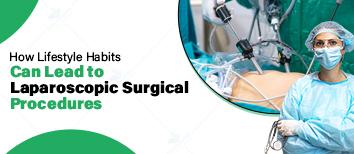
Dr. Ritesh Agrawal is an experienced surgeon in noida specializing in both open and minimally invasive laparoscopic procedures.

Your kidneys usually filter out proteins and keep them in the bloodstream. But when the small kidney filters are damaged, your kidneys strain out too much protein from your urine. You can't live without functioning kidneys, and kidney disease can take many forms. Book a visit to the best kidney hospital in Noida today and start safeguarding your renal health.
Schedule a consultation with our nephrology experts today by calling +91 9667064100.
Nephrotic syndrome is a kidney disorder wherein the kidneys excrete excessive amounts of protein (proteinuria) into the urine. This condition usually stems from injury to the kidney's filtering apparatus, called glomeruli. Glomeruli are tiny blood vessels that are supposed to filter out the waste products—like urea, creatinine, and various acids—from the blood and keep the normal constituents and the right amounts of protein and cells in the body.
In a normal kidney, these filters guard very effectively and very persistently against protein loss. But when the glomeruli are injured, they allow an enormous amount of an abnormal blood protein called albumin to pass into the urine. Individuals with nephrotic syndrome can excrete three or more grams of protein (mostly serum albumin) in their urine each day, 20 times the normal amount. Nephrotic syndrome is a serious disease that can lead to some serious medical consequences if it is not treated.
Nephrotic syndrome can affect anyone, but some individuals are at a higher risk. This includes individuals who have diabetic nephropathy, a kidney disease associated with diabetes. It also includes those with a close family history of kidney disease and nephrotic syndrome. People with autoimmune diseases or allergies that could affect the kidneys also find themselves more susceptible. Here are the groups of individuals more likely to get nephrotic syndrome:
- Anyone with the poorly controlled blood sugar levels found in diabetic nephropathy.
- Individuals with a close relative who has a history of kidney disease.
- People with autoimmune disorders that could affect kidney function.
- Those with significant allergies that could impact their kidney health.
Excessive protein loss caused by nephrotic syndrome can lead to a variety of health complications, including:
* Risk of blood clots: Some proteins have anti-coagulation capabilities and, if lost through urinary loss, put patients at risk for life-threatening blood clots.
* Immunoglobulins are anti-infective proteins that help enhance the immune system. Patients can be more susceptible to infections with the loss of these proteins.
Pneumonia: An infection in the lungs that causes problems with breathing.
Cellulitis: A highly contagious bacterial infection of the skin.
Peritonitis: An infection of the abdominal lining that can affect a patient as life-threatening.
Nephrotic syndrome may present with a wide range of symptoms, all of which show severe damage to the kidneys. The most common symptoms are:
Albuminuria is excessive protein loss in the urine, defined as the loss of > 3.5 grams of albumin per day.
Hyperlipidemia: Elevated blood fat and cholesterol due to attempts by the body to replace lost protein.
Edema: Swelling due to fluid buildup, particularly in the hands, face, ankles, legs or feet.
Hypoalbuminemia: The lowered level of albumin in the blood due to protein loss.
Loss of appetite: An inability to feel hungry and eat which can lead to weakness.
Feeling unwell or sick: general malaise and fatigue.
Abdominal pain: Pain may occur anywhere between the pelvis and the ribs.
Foamy urine: The excessive protein content.
Vital vitamin and mineral deficiency: Vitamin D and calcium deficiency may result in childhood growth issues and osteoporosis, causing brittle hair, nails, and bones.
Nephrotic syndrome can lead to numerous severe health complications which include:
Acute Kidney Injury (AKI): Represents a quick decline in kidney function.
Anemia: Reduced numbers of red blood cells alongside normal ones cause a diminished oxygen delivery to body organs.
Coronary artery disease: Heart arteries become blocked by plaque in coronary artery disease which leads to heart complications.
Hypertension (high blood pressure): The blood's forceful pumping action leads to elevated pressure inside vessels.
Hypothyroidism: The thyroid gland fails to discharge enough thyroid hormone which is essential for regulating metabolism and maintaining health.
Illnesses that damage the glomeruli which filter blood in the kidneys cause nephrotic syndrome. Several serious medical conditions cause nephrotic syndrome.
Amyloidosis: The accumulation of amyloid proteins in the kidneys results in reduced filtration ability because they damage these essential organs.
Diabetic nephropathy: Kidney damage from diabetes disrupts normal function and leads to nerve-related symptoms such as pain, tingling sensations, numbness, and muscle weakness.
Focal segmental glomerulosclerosis (FSGS): Presents through scarring in small portions of some glomeruli leading to kidney failure and proteinuria along with swelling.
Lupus: Lupus represents an autoimmune disorder that leads to both swelling and inflammation in the kidneys and various parts of the body.
Membranous nephropathy: The kidney's filtration membranes sustain damage because the immune system mistakenly attacks them in this condition.
Minimal change disease (MCD), a type of nephropathy, leads to reduced kidney functionality while kidney biopsy results from nephrotic syndrome show minimal or no detectable damage. Minimal change disease (MCD) occurs most commonly in children.
To manage nephrotic syndrome effectively and prevent related complications, one must ensure early diagnosis followed by proper treatment.
Doctors use a variety of tests and examinations to diagnose nephrotic syndrome in order to assess kidney function and look for any abnormalities. These assessments consist of:
Urine tests include urinalysis to check for protein, which is one of the main signs of nephrotic syndrome. In certain cases, a 24-hour urine sample must be taken in order to calculate the total amount of protein lost.
Blood Tests: Blood tests help detect low total blood protein and low albumin, which are signs of nephrotic syndrome. Triglycerides and cholesterol, which increase as a result of protein loss, are also checked by blood tests. Blood tests check for kidney function by measuring blood urea nitrogen (BUN) and creatinine.
Kidney Biopsy: To determine the cause of nephrotic syndrome, a kidney biopsy may occasionally be performed. This involves inserting a needle through the skin and into the kidney to extract a tiny sample of tissue that can subsequently be analyzed in a lab.
Treatment of nephrotic syndrome is addressing the underlying cause, alleviating symptoms, and preventing complications. This is also done mainly with medication and diet modification.
Angiotensin-converting enzyme (ACE) inhibitors decrease blood pressure and diminish protein loss in the urine. Examples of ACE inhibitors are:
Lisinopril (Prinivil, Qbrelis, Zestril)
Benazepril (Lotensin)
Captopril
Enalapril (Vasotec)
Angiotensin II receptor blockers (ARBs) work similarly to ACE inhibitors and can be substituted, for instance:
Losartan (Cozaar)
Valsartan (Diovan)
Renin inhibitors are also used in some cases.
These drugs reduce swelling by producing more urine. Examples are:
Furosemide (Lasix)
Spironolactone (Aldactone, Carospir)
Thiazide diuretics like hydrochlorothiazide or metolazone (Zaroxolyn)
Statins are used to reduce cholesterol levels. These include:
Atorvastatin (Lipitor)
Fluvastatin (Lescol XL)
Lovastatin (Altoprev)
Pravastatin (Pravachol)
Rosuvastatin (Crestor, Ezallor)
Simvastatin (Zocor)
While statins control high cholesterol, their long-term effects of preventing heart disease in patients with nephrotic syndrome are unclear.
In a patient with a history of blood clots, anticoagulants are given to prevent further blood clots. The drugs that are most often used are:
Heparin
Warfarin (Coumadin, Jantoven)
Dabigatran (Pradaxa)
Apixaban (Eliquis)
Rivaroxaban (Xarelto)
Some nephrotic syndrome, particularly one that is secondary to autoimmune diseases, needs drugs to suppress the immune system and inflammation. Those are:
Corticosteroids
Rituximab (Rituxan)
Cyclosporine
Cyclophosphamide
Diet do not cause or prevent nephrotic syndrome, but some dietary changes might improve the signs and quality of life. Keep the following suggestions in mind:
Limit Sodium Intake: Decreased salt intake helps balance fluid retention and swelling (edema). Steer clear of processed foods, canned soups, fast foods, and packaged snacks. Eat fresh, homemade foods with little added salt.
Increase Fluid Intake: Adequate water intake can eliminate excess sodium and avoid dehydration. However, fluid intake must be moderate depending on the kidneys and doctor's advice.
Limit Saturated Fats and Cholesterol: Nephrotic syndrome may cause elevated cholesterol (hyperlipidemia), which is a risk factor for heart disease. Limit:
• Full-fat milk foods (whole milk, butter, cream, cheese)
• Red and processed meat (bacon, sausage, hot dogs)
• Fried snack foods and sweets with trans fats and added sugars
Self-Care and Symptom Control
Adhere to Prescribed Medications: Stay on your treatment regimen as directed by your healthcare provider to control symptoms to the best degree possible.
Take a Balanced Diet: Take appropriate amounts of protein and potassium and restrict sodium, saturated fat, and cholesterol.
Watch Your Symptoms: Monitor for swelling, amount of urine output, and weight change in an effort to detect early evidence of worsening renal function.
Scheduled Check-Ups: Regular follow-up clinics with a specialist nephrologist assist in evaluating response to therapy and adjusting the drugs accordingly.
Unfortunately, nephrotic syndrome cannot be entirely prevented. However, early detection and treatment of underlying conditions (such as diabetes or autoimmune diseases) can reduce complications.
-With proper treatment, most people respond well and achieve remission.
-In children, nephrotic syndrome often resolves as they grow into adulthood.
-Ongoing monitoring and lifestyle modifications can help maintain kidney health and prevent relapse.
For expert guidance on nephrotic syndrome management, consult a leading nephrologist in Noida today.
Our experienced nephrology team is dedicated to providing personalized care for patients with Nephrotic Syndrome, helping them manage their condition effectively and maintain optimal kidney function.
Dr. Sameer Tawakley – With extensive expertise in managing Nephrotic Syndrome, Dr. Tawakley develops tailored treatment plans to reduce protein loss, control symptoms, and protect long-term kidney health.
Dr. Udit Gupta– Specializing in early diagnosis and prevention, Dr. Gupta focuses on minimizing complications and preserving kidney function through targeted interventions and continuous monitoring.
Dr. Navin Jha – A specialist in both acute and chronic kidney diseases, including Nephrotic Syndrome, Dr. Jha utilizes advanced therapies, lifestyle modifications, and patient education to improve treatment outcomes and overall well-being.
Concerned about persistent swelling or foamy urine? Schedule a consultation with our nephrology experts today!
Nephrotic syndrome is a complex kidney condition that requires timely diagnosis, personalized treatment, and lifestyle modifications to prevent complications. While some cases, especially in children, may resolve with proper medical care, others may require long-term management to protect kidney function. Regular monitoring, adherence to prescribed medications, and a kidney-friendly diet play a crucial role in controlling symptoms and improving overall well-being. If you or a loved one experiences signs of nephrotic syndrome, consulting a nephrologist at the earliest can help ensure better health outcomes.
1. Does nephrotic syndrome indicate an autoimmune disease?
Ans: Yes, nephrotic syndrome may be the result of autoimmune diseases like lupus or IgA nephropathy, where the immune system is attacking the kidneys, which then decreases the amount of protein lost in the urine.
2. What lifestyle changes can help decrease urine protein losses?
Ans: Symptoms can be controlled by cutting back on salt, eating a healthy diet, drinking enough water, engaging in regular exercise, and controlling blood pressure and blood sugar.
3. How will Nephrotic Syndrome affect renal function over time?
Ans: Persistent protein loss and damage to kidney filters can lead to chronic kidney disease or total renal failure without treatment.
4. Are there any diet restrictions while being treated for Nephrotic Syndrome?
Ans: Yes, symptoms can be controlled by limiting saturated fats, avoiding processed foods, moderate protein consumption, and consuming too much sodium.
5. How likely is it to get an infection with nephrotic syndrome?
Ans: Loss of protein weakens the immune system and increases the risk to develop infections like urinary tract infections and pancreatitis. Complications can be avoided with vaccinations and proper personal hygiene.
6. Do children with nephrotic syndrome outgrow it?
Ans: Some children, especially those with minimal change disease, will outgrow it and may relapse, but long-term follow up is required.
7. What is the role of immunosuppressants/corticosteroids in the treatment process?
Ans: Immunosuppressants are used to inhibit immunological activity and steroids are used as anti-inflammatory medications to reduce kidney inflammation. The side effects include risk of infection, weight gain, and high blood pressure.

Alport syndrome is a rare genetic disorder that affects the kidneys, eyes, and ears, leading to progressive kidney disease and a range of other complications.
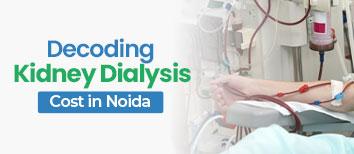
Kidney dialysis is a life-saving treatment for patients suffering from chronic kidney disease or kidney failure. Understanding the dialysis cost in Noida helps patients and families plan treatment effectively. This article explains the factors affecting d
Acute Kidney Injury: Causes, Symptoms, and Treatment explores the sudden deterioration of kidney function, which disrupts the body’s ability to filter waste and regulate fluids.

Polycystic Kidney Disease (PKD) is a genetic disorder characterized by the growth of fluid-filled cysts in the kidneys, often leading to kidney failure.
साइलेंट माइग्रेन – जब सिर में दर्द नहीं होता लेकिन ब्रेन पर असर पड़ता है! साइलेंट माइग्रेन एक माइग्रेन प्रकार है जो पेनफुल नहीं होता है। लेकिन सिरदर्द के बिना भी, साइलेंट माइग्रेन आपको काफी असहज यानी असहज कर सकता है। यह ब्लाइंड स्पाॅट्स, सुन्नता सुन्न होना और मतली जी मिचलाना जैसे साइलेंट माइग्रेन के लक्षणों को ट्रिगर कर सकता है। यहां साइलेंट माइग्रेन का पता कैसे लगाएं और इसके होने के कारणों और इसके बेस्ट ट्रीटमेंट यानी उपचारों के बारे में बताया गया है।
ज्यादा जानकारी के लिए हमें कॉल करें +91 9667064100.
माइग्रेन को लगातार बहुत तेज सिरदर्द के रूप में वर्णित किया जाता है जो सिर के केवल एक तरफ को प्रभावित करता है। यह आमतौर पर एक अशांत दृष्टि, प्रकाश और ध्वनि के प्रति संवेदनशीलता और मतली के साथ होता है। यह अत्यधिक तेज दर्द का कारण बन सकता है जो घंटों से लेकर दिनों तक रह सकता है।
साइलेंट माइग्रेन में कई लक्षण क्लासिक माइग्रेन से मिलते-जुलते हैं, बस सिरदर्द नहीं होता। इनमें शामिल हो सकते हैं:
-साइलेंट माइग्रेन से पीड़ित बहुत से लोगों को ऑरा का अनुभव होता है, जिसमें चमकती रोशनी, टेढ़े-मेढ़े पैटर्न या ब्लाइंड स्पॉट जैसी दृश्य गड़बड़ी शामिल होती है। ऑरा आमतौर पर माइग्रेन के हमले से पहले होता है और एक चेतावनी संकेत के रूप में कार्य करता है।
-मरीजों को झुनझुनी या सिरदर्द की शिकायत हो सकती है। सुन्न होना चेहरे या हाथ-पैरों पर, एक लक्षण जो नकल कर सकता है स्नायविक स्थिति और प्रायः गलत निदान हो जाता है।
-मूक माइग्रेन के कारण हो सकते हैं भ्रम, ध्यान केंद्रित करने में कठिनाई, और स्मृति में कमी। ये संज्ञानात्मक लक्षण परेशान करने वाले हो सकते हैं और दैनिक गतिविधियों में बाधा डाल सकते हैं।
-जी मिचलाना, उल्टी, चक्कर आनासाइलेंट माइग्रेन में सिरदर्द और प्रकाश तथा ध्वनि के प्रति संवेदनशीलता आम बात है, जो सामान्य माइग्रेन की तरह ही है।
हालांकि, सिरदर्द की अनुपस्थिति से स्थिति की गंभीरता का कम आंकलन हो सकता है। इसके लिए समय रहते माइग्रेन के लिए सबसे अच्छे डॉक्टर को चुनें जिससे समय से आप ठीक हो सके।
साइलेंट माइग्रेन के पीछे कई संभावित कारण होते हैं, और कुछ विशेष परिस्थितियाँ या कारक इसे ट्रिगर कर सकते हैं।
कुछ खाद्य पदार्थ माइग्रेन ट्रिगर कर सकते हैं, जैसे:
हालांकि साइलेंट माइग्रेन में सिरदर्द नहीं होता, लेकिन इसका प्रभाव मस्तिष्क और तंत्रिका तंत्र पर पड़ता है। यह न्यूरोलॉजिकल और मानसिक स्वास्थ्य से जुड़े कई अस्थायी या दीर्घकालिक प्रभाव पैदा कर सकता है, इसके लिए न्यूरोलॉजी हॉस्पिटल में खुद को दिखाना आवश्यक है।
साइलेंट माइग्रेन मस्तिष्क के कामकाज को अस्थायी रूप से बाधित कर सकता है, जिससे विभिन्न न्यूरोलॉजिकल समस्याएँ हो सकती हैं:
साइलेंट माइग्रेन के दौरान मस्तिष्क की सामान्य कार्यक्षमता प्रभावित हो सकती है, जिससे:
साइलेंट माइग्रेन मानसिक स्वास्थ्य को भी प्रभावित कर सकता है:
साइलेंट माइग्रेन का निदान करना सामान्य माइग्रेन की तुलना में अधिक चुनौतीपूर्ण होता है, क्योंकि इसमें सिरदर्द नहीं होता। इसलिए, डॉक्टर अन्य संभावित न्यूरोलॉजिकल और चिकित्सकीय स्थितियों को बाहर करने के लिए विभिन्न परीक्षण कर सकते हैं।
चूंकि साइलेंट माइग्रेन के लक्षण स्ट्रोक, ट्यूमर या अन्य न्यूरोलॉजिकल समस्याओं से मिल सकते हैं, इसलिए डॉक्टर निम्नलिखित परीक्षण कर सकते हैं:
-मस्तिष्क की विस्तृत संरचनात्मक तस्वीर प्रदान करता है।
-स्ट्रोक, ट्यूमर, या अन्य असामान्यताओं की पहचान करने में मदद करता है।
-मस्तिष्क की त्वरित स्कैनिंग करता है।
-ब्लीडिंग या किसी अन्य गंभीर समस्या को देखने के लिए किया जाता है।
माइग्रेन के ट्रिगर फैक्टर और पैटर्न को समझने के लिए एक डायरी रखना सहायक हो सकता है।
इसमें निम्नलिखित जानकारी दर्ज करें:
-लक्षणों की शुरुआत और अवधि
-कौन से कारक (खान-पान, तनाव, मौसम) लक्षणों को प्रभावित कर रहे हैं
-नींद और दिनचर्या में कोई बदलाव
-अन्य स्वास्थ्य समस्याएँ या दवाएं
साइलेंट माइग्रेन का कोई स्थायी इलाज नहीं है, लेकिन सही रणनीतियों से इसे नियंत्रित किया जा सकता है। उपचार मुख्य रूप से लक्षणों को कम करने और ट्रिगर से बचाव पर केंद्रित होता है।
जीवनशैली में बदलाव
संतुलित दिनचर्या अपनाकर साइलेंट माइग्रेन की संभावना को कम किया जा सकता है:
संतुलित आहार:
नियमित व्यायाम:
पर्याप्त नींद:
माइग्रेन ट्रिगर्स से बचाव
हर व्यक्ति के माइग्रेन ट्रिगर अलग हो सकते हैं, इसलिए इन्हें पहचानकर इनसे बचना महत्वपूर्ण है:
दवाइयां (Medications):
प्राकृतिक उपाय (Natural Remedies):
फेलिक्स हॉस्पिटल में, हम माइग्रेन के निदान और उपचार में विशेषज्ञ हैं और मरीजों को समर्पित देखभाल प्रदान करते हैं। हमारे अनुभवी न्यूरोलॉजिस्ट अत्याधुनिक तकनीकों का उपयोग करके माइग्रेन के लक्षणों को प्रभावी ढंग से प्रबंधित करने में सक्षम हैं। हमारे कुछ प्रतिष्ठित माइग्रेन विशेषज्ञ हैं:
आज ही हमारे विशेषज्ञ न्यूरोलॉजिस्ट से परामर्श लें और माइग्रेन से स्थायी राहत पाएं।
ज्यादा जानकारी के लिए हमें कॉल करें +91 9667064100.
भले ही इसमें सिरदर्द न हो, लेकिन इसके न्यूरोलॉजिकल और संज्ञानात्मक प्रभाव गंभीर हो सकते हैं। बार-बार होने वाले लक्षणों को हल्के में न लें। यदि आपको बार-बार धुंधली दृष्टि, चक्कर, सुन्नपन, या ध्यान केंद्रित करने में कठिनाई होती है, तो तुरंत डॉक्टर से परामर्श लें। तुलित आहार, नियमित व्यायाम, पर्याप्त नींद और तनाव प्रबंधन से माइग्रेन की आवृत्ति कम हो सकती है। सही उपचार और बचाव के उपाय अपनाकर आप माइग्रेन के प्रभाव को कम कर सकते हैं और एक स्वस्थ जीवन जी सकते हैं। अगर आपको साइलेंट माइग्रेन के लक्षण महसूस होते हैं, तो इसे नज़रअंदाज़ करने की बजाय सही इलाज और रोकथाम के उपाय अपनाएं।
प्रश्न 1. साइलेंट माइग्रेन कितनी देर तक रहता है ?
उत्तर: यह कुछ मिनटों से लेकर कुछ घंटों तक रह सकता है। कुछ मामलों में, इसके प्रभाव 24 घंटे तक भी रह सकते हैं।
प्रश्न 2. क्या साइलेंट माइग्रेन का कोई स्थायी इलाज है ?
उत्तर: साइलेंट माइग्रेन का कोई स्थायी इलाज नहीं है, लेकिन इसे नियंत्रित करने के लिए दवाइयाँ, जीवनशैली में बदलाव, और प्राकृतिक उपचार (योग, ध्यान, हर्बल सप्लीमेंट्स) मदद कर सकते हैं।
प्रश्न 3. साइलेंट माइग्रेन और स्ट्रोक में क्या अंतर है ?
उत्तर: दोनों के लक्षण मिलते-जुलते हो सकते हैं, लेकिन स्ट्रोक में आमतौर पर एक तरफ शरीर में कमजोरी, बोलने में कठिनाई और चेहरे का झुक जाना शामिल होता है। यदि संदेह हो, तो तुरंत मेडिकल सहायता लें।
प्रश्न 4. साइलेंट माइग्रेन से बचने के लिए क्या करना चाहिए ?
उत्तर: माइग्रेन ट्रिगर्स (कैफीन, शराब, तेज रोशनी, तेज आवाज़) से बचें। संतुलित आहार और पर्याप्त पानी का सेवन करें। नियमित रूप से व्यायाम करें और अच्छी नींद लें। तनाव कम करने के लिए ध्यान और योग करें।
प्रश्न 5. क्या साइलेंट माइग्रेन बच्चों में भी हो सकता है ?
उत्तर: हां, यह बच्चों और किशोरों में भी हो सकता है। यदि बच्चा बार-बार धुंधली दृष्टि, चक्कर आना, या असामान्य व्यवहार दिखा रहा है, तो डॉक्टर से सलाह लें।
प्रश्न 6. क्या साइलेंट माइग्रेन के दौरान कोई विशेष आहार लेना चाहिए ?
उत्तर: माइग्रेन के दौरान हल्का और पोषण से भरपूर आहार लेना फायदेमंद होता है। हाइड्रेशन बनाए रखें और प्रोसेस्ड फूड, चॉकलेट और कैफीन से बचें।
प्रश्न 7. साइलेंट माइग्रेन का पता लगाने के लिए कौन-कौन से परीक्षण किए जाते हैंं ?
उत्तर: डॉक्टर न्यूरोलॉजिकल परीक्षण कर सकते हैं, और अन्य गंभीर बीमारियों को बाहर करने के लिए एमआई या सीटी स्कैन करने की सलाह दे सकते हैं। माइग्रेन डायरी रखना भी निदान में मदद करता है।
ब्रेन स्ट्रोक एक जानलेवा स्थिति है जिसमें मस्तिष्क को रक्त आपूर्ति रुक जाती है। इसके प्रकार, कारण, लक्षण, बचाव और इलाज

पार्किंसंस रोग एक न्यूरोलॉजिकल विकार है, जो मस्तिष्क के कुछ हिस्सों में डोपामाइन नामक रसायन के स्तर में कमी के कारण होता है।
सीजर (Seizure) जिसे हिंदी में दौरे कहा जाता है, एक ऐसी स्थिति है जिसमें मस्तिष्क की कोशिकाओं (न्यूरॉन्स) की असामान्य विद्युत गतिविधि के कारण शरीर पर अचानक और अनियंत्रित झटके, अजीब हरकतें या बेहोशी जैसे लक्षण उत्पन्न होते हैं।

माइग्रेन (Migraine) के लक्षण, कारण और निवारण के उपाय जानें। सही समय पर पहचान और देखभाल से सिरदर्द और असुविधा कम होती है
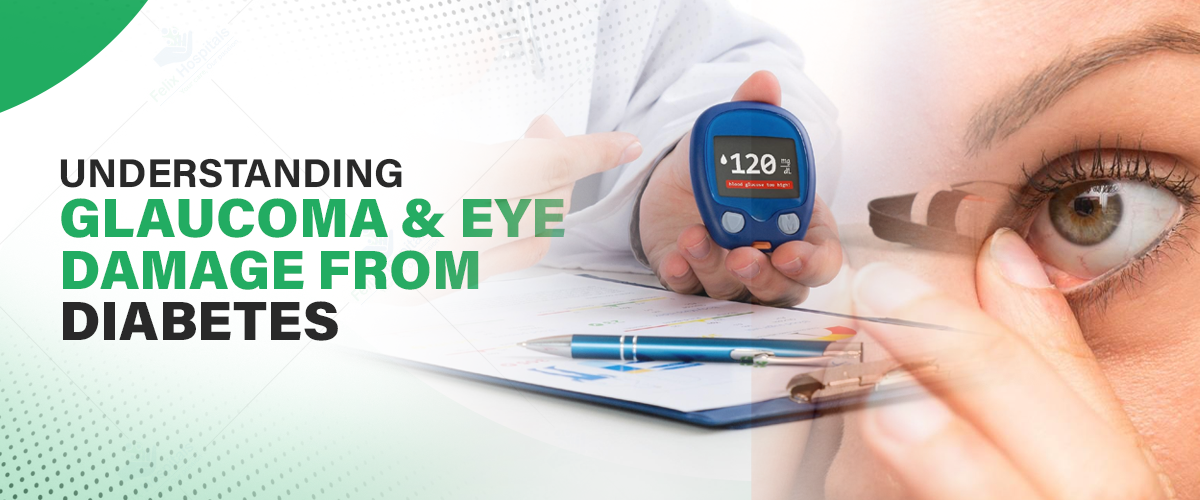
Glaucoma and diabetes are two serious health conditions that can significantly impact vision and overall quality of life. Glaucoma is an eye disease that damages the optic nerve, often due to increased eye pressure, leading to vision loss if left untreated. Diabetes, a chronic condition affecting blood sugar levels, increases the risk of developing glaucoma.
People with diabetes are at a higher risk of developing diabetic glaucoma symptoms due to elevated blood sugar levels, which can lead to increased eye pressure and optic nerve damage. If you are seeking the Best hospital for glaucoma diabetes treatment, choosing a facility with expert ophthalmologists and advanced diagnostic tools is essential for early detection and effective management.
Book an appointment with the best ophthalmologists today for expert diagnosis and treatment. Call Now at +91 9667064100.
Glaucoma is a group of eye diseases that cause damage to the optic nerve, leading to vision loss. The primary types of glaucoma include:
Glaucoma can result in blindness if left untreated, making early diagnosis crucial. While age and genetics play a role, diabetes significantly increases the risk of developing this condition.
Diabetes affects various organs in the body, including the eyes. Here’s how it contributes to glaucoma:
Many people do not experience symptoms of glaucoma until significant vision loss occurs. Common diabetic glaucoma symptoms include:
Regular eye check-ups are essential for diabetics, as early detection of glaucoma can prevent severe vision loss.
Diagnosing glaucoma involves a series of specialized eye tests, including:
Annual eye check-ups are crucial for diabetics to ensure early detection and timely intervention.
Managing glaucoma in diabetic patients requires a multi-faceted approach:
Lifestyle Modifications: Managing diabetes, maintaining a healthy diet, and avoiding stress are crucial in preventing further
complications.
Preventing glaucoma involves maintaining overall eye health and managing diabetes effectively:
Felix Hospital is home to some of the most experienced ophthalmologists, specializing in treating glaucoma and diabetes-related eye conditions:
Take control of your eye health today! Consult our glaucoma specialists by Scheduling your appointment for an advanced eye screening.
Glaucoma is a serious complication of diabetes that can lead to vision loss if not managed properly. Early detection and appropriate treatment are essential in preserving eye health. If you are looking for expert care, consider the glaucoma diabetes treatment cost in Noida and choose a reputed hospital with experienced specialists.
Prioritizing regular eye exams, managing blood sugar levels, and adopting a healthy lifestyle can significantly reduce the risk of developing glaucoma. Don’t wait for symptoms to appear—schedule an eye check-up today to protect your vision and overall well-being.
Q- Can diabetes-related glaucoma be reversed?
Ans- No, glaucoma-related damage to the optic nerve is irreversible. However, early detection and treatment can slow down progression and help preserve remaining vision.
Q- How often should diabetics get screened for glaucoma?
Ans- Diabetics should undergo a comprehensive eye exam at least once a year. Those with existing diabetic eye conditions may require more frequent monitoring.
Q- Does controlling blood sugar reduce the risk of glaucoma?
Ans- Yes! Proper diabetes management lowers intraocular pressure and reduces optic nerve damage, decreasing the chances of glaucoma development.
Q- What is the difference between diabetic retinopathy and diabetic glaucoma?
Ans- Diabetic retinopathy is caused by damaged blood vessels in the retina, while diabetic glaucoma results from increased eye pressure leading to optic nerve damage.
Q- Are there warning signs before vision loss occurs?
Ans- Unfortunately, glaucoma often has no early symptoms. By the time vision loss is noticeable, the disease is usually advanced. This is why regular screenings are vital.
Q- Can laser treatment cure diabetic glaucoma?
Ans- Laser treatments help reduce intraocular pressure, slowing the progression of glaucoma. However, they cannot restore lost vision—which is why early treatment is key.
Q- What are the best foods for diabetics to maintain eye health?
Ans- Foods rich in antioxidants, omega-3 fatty acids, and vitamin A—such as spinach, salmon, nuts, and carrots—support eye health and may help reduce glaucoma risk.

Finding ketones in your urine can raise questions—and sometimes alarm. Are they harmful? What’s causing them? Whether you’ve heard the term during a doctor’s visit or stumbled across it in a health check, understanding ketones is key to grasping what your body is signaling. Often tied to diet, illness, or underlying conditions, ketones in urine can range from benign to serious, depending on the context. This guide, brought to you by the best hospital in Noida, breaks down what ketones are, why they appear, their health implications, and how to respond, empowering you to take charge of your wellness with clarity.
Let our specialists guide you through safe ketone monitoring and health management. Call us today at +91 9667064100.
Ketones are chemicals your liver produces when it breaks down fat for energy, a process called ketosis. Normally, your body burns carbohydrates for fuel, but when carbs are scarce due to fasting, low-carb diets, or certain conditions, it turns to fat, creating ketones like acetoacetate, beta-hydroxybutyrate, and acetone. These can spill into your blood and, eventually, your urine, detectable through simple tests.
While small amounts of ketones might be harmless, high levels can signal issues, especially in specific health scenarios. About 5–10% of routine urine tests show trace ketones, but persistent or elevated levels need a closer look. So, what’s behind this shift in your body’s chemistry?
Ketones don’t just appear randomly—they’re triggered by situations where fat becomes your body’s go-to fuel. Here are the main culprits:
The keto diet, slashing carbs to under 50 grams daily, pushes your body into ketosis to burn fat. This is why many keto followers test their urine for ketones—it confirms the diet’s working. Up to 60% of keto dieters show ketones in urine within days, a sign of fat metabolism, not danger, unless symptoms like nausea arise.
Skipping meals for hours or days—like during intermittent fasting or prolonged hunger—forces your body to tap fat reserves. Ketones appear as your liver compensates for low glucose. Extended fasting (beyond 24 hours) spikes ketones in 20–30% of people, often harmless but risky if unchecked.
In type 1 diabetes or poorly managed type 2, insulin shortages prevent glucose use, prompting fat breakdown. This floods the body with ketones, leading to diabetic ketoacidosis (DKA), a medical emergency affecting 1–8% of type 1 diabetics annually. High blood sugar plus ketones in urine signals DKA risk, needing urgent care.
Fevers, infections, or trauma (like surgery) stress your body, raising hormones that break down fat. Conditions like pneumonia or flu can trigger ketones, seen in 10–15% of hospitalized kids during acute illness. Stress alone rarely causes high levels but can tip the scale in vulnerable cases.
Heavy drinking, especially after fasting, can spark alcoholic ketoacidosis, producing ketones as the body metabolizes alcohol over food. Certain drugs, like SGLT2 inhibitors for diabetes, may also increase ketone production, noted in 1–2% of users. These are less common but serious when they occur.
Morning sickness or gestational diabetes can reduce carb intake, nudging the body toward ketosis. About 5% of pregnant women show trace ketones, usually mild, but high levels could harm the fetus, warranting prompt checks.
Ketones aren’t inherently bad, but their meaning depends on why they’re there and how much:
Long-term, untreated high ketones may stress kidneys or lead to complications like heart rhythm issues, seen in severe ketoacidosis cases. Even low levels, if persistent without clear cause, deserve a doctor’s review to rule out hidden conditions.
Urine tests are the simplest way to spot ketones, using dipsticks that change color based on ketone levels (negative, trace, small, moderate, large). Home kits, widely available, help keto dieters or diabetics monitor daily. Doctors may pair urine tests with blood tests for beta-hydroxybutyrate, which is more precise for DKA, or check blood sugar to contextualize findings. Routine screenings catch ketones in 1–2% of general populations, often prompting further investigation.
Ketones alone aren’t a crisis, but these signs mean it’s time to act:
If you’re dieting or fasting and feel fine, trace ketones are likely safe, but consult a doctor at the hospital nearby if levels climb or symptoms emerge.
Addressing ketones depends on the cause:
Always share test results with a healthcare provider, especially if you’re pregnant, diabetic, or feeling unwell.
To avoid problematic ketones:
Our skilled urologists at Felix Hospital provide men of all ages with thorough and individualized care. Our team, led by Dr. Bhanwar Lal Barkesiya, specializes in the diagnosis and treatment of a broad range of urological problems, from age-related disorders in older adults to pediatric concerns.
Don't wait if you're experiencing erectile dysfunction, blood in your urine, changes in your urination patterns, or chronic pelvic pain. Finding the underlying cause and receiving the best treatment can be facilitated by speaking with a leading urology professional.
Schedule a consultation with our expert physicians at Felix Hospital for a detailed health check and personalized care plan.
Ketones in your urine can be a harmless sign of diet changes or a warning of deeper issues—it’s all about context. From keto enthusiasts to diabetics, understanding why ketones appear and what they mean empowers you to act wisely. Low levels might cheer your diet goals, but high levels, especially with symptoms, demand quick attention. By testing regularly, eating smart, and seeking guidance when needed, you can keep ketones from stealing your health’s spotlight. If you need a consultation related to the cost of ketone treatment in Noida, just contact us for all your questions.
Take charge today—your body’s messages are worth hearing.
Q- Can I have ketones in my urine even if my blood sugar is normal?
Ans- Yes, especially if you're on a low-carb diet, fasting, or under physical stress. Normal blood sugar with urine ketones often means your body is using fat for energy, not necessarily a problem unless symptoms appear.
Q- How quickly do ketones appear after starting a keto diet or fasting?
Ans- Most people begin producing detectable ketones within 1–3 days of carbohydrate restriction or fasting, but it varies based on metabolism, hydration, and activity level.
Q- Are there symptoms I can feel before ketones become dangerous?
Ans- Yes—early warning signs include excessive thirst, fatigue, nausea, fruity-smelling breath, or rapid breathing. These symptoms suggest rising ketone levels, especially in diabetics.
Q- Can dehydration alone cause ketones in urine?
Ans- Indirectly, yes. Dehydration can concentrate your urine and reduce glucose availability, prompting fat breakdown and ketone production. Hydration plays a key role in ketone regulation.
Q- Should I worry about ketones if I’m pregnant but eating well?
Ans- Even with good nutrition, morning sickness or gestational diabetes can increase ketones. It’s important to monitor levels, as persistent ketonuria may affect fetal development.
Q- Do ketones in urine always mean I’m in ketosis?
Ans- Not necessarily. Ketosis is a sustained metabolic state, while ketonuria (ketones in urine) can occur briefly due to temporary factors like illness, fasting, or missed meals.
Q- How often should I test for ketones if I have type 1 diabetes?
Ans- Test whenever blood sugar exceeds 250 mg/dL, during illness, or if you feel unwell. Daily testing may be advised in unstable conditions or as guided by your doctor.

Expert urology care at Felix Hospital for bladder stones: causes, symptoms & treatments.

Urological health plays a crucial role in men’s overall well-being, affecting both urinary and reproductive functions.

Being a parent raises countless concerns about your child's health, particularly if they are exhibiting strange habits, earaches, or sniffles. An ENT (ear, nose, and throat) specialist excels in treating problems that directly relate to the ears, nose, or throat, while a pediatrician treats the majority of these difficulties. These professionals identify and address issues that impact children's speech, hearing, and airways, frequently identifying issues that go unreported. For a better future, schedule an appointment with the best ENT hospital in Noida if you see anything concerning your youngster.
Reach out to us today for guidance and information on treatment options and costs —we’re here to help you every step of the way. Call us today at +91 9667064100.
With the guidance of these eight indicators, you may take prompt action to maintain your child's health.
About 80% of children will have had at least one ear infection by the age of three, but persistent or frequent infections are cause for concern. An ENT can assist if your kid has three or more infections in a six-month period or if antibiotics are ineffective for discomfort, fluid retention, or hearing issues. To avoid damage, they could suggest ear tubes or look for underlying problems such fluid accumulation (otitis media). Don't dismiss persistent infections as "just another earache" because they can impair speech or hearing development.
Does your youngster frequently ask "what?" or ignore sounds, such as your voice or the TV? Subtle symptoms of hearing issues include turning up the noise, missing school instructions, or toddlers' delayed speech. There could be congenital problems, infections, or wax accumulation. The best ENT hospital nearby can do tests, including audiometry, to identify the root problems and recommend solutions, ranging from basic cleanings to the use of hearing aids. Early detection of hearing loss, which affects 2-3% of children, guarantees improved social and language development.
A stuffy nose from a cold is normal, but if your child’s nose stays blocked for weeks, or they face repeated sinus infections, it’s time for a deeper look. Chronic congestion might stem from allergies, enlarged adenoids, or a deviated septum, causing snoring, mouth breathing, or facial pain. ENT experts use tools like endoscopy to diagnose and may suggest allergy management, medications, or minor procedures. Untreated, these issues can disrupt sleep or lead to infections, affecting school focus.
While sore throats are common in children, recurrent ones (five or more episodes per year) or tonsillitis that interferes with breathing, eating, or sleeping should be treated. Speech abnormalities, foul breath, and snoring can all be symptoms of enlarged tonsils. An ENT can determine whether tonsillitis is caused by bacteria (like strep) or structural problems, and if infections continue, they may suggest a tonsillectomy. A prompt intervention can help 7% of children with chronic tonsillitis regain their comfort and health.
Snoring can be a warning indication in addition to being adorable. An ENT consultation is recommended if your child has loud snoring, pauses breathing (sleep apnea), or wakes up exhausted even after getting enough sleep. Ten to twenty percent of children who snore regularly have enlarged tonsils or adenoids, which frequently obstruct airways. Sleep problems impair concentration, behavior, and development if they are not addressed. In order to identify and provide treatments like adenoid removal or CPAP machines to restore restful evenings, specialists may employ imaging or sleep studies.
An ENT can look at your child's difficulties swallowing food or speaking beyond age-appropriate milestones, such as lisping past age 4. Vocal cord disorders, throat obstructions, or tongue-tie may be the cause. For example, ENT problems, not just developmental ones, are linked to speech delays in 5% of children. Experts evaluate anatomy and function before suggesting exercises, treatment, or surgery to improve eating and communication skills, which are essential for self-esteem and good nutrition.
Although nosebleeds sometimes occur, particularly in arid environments or in people with sensitive noses, heavy bleeding or frequent nosebleeds (more than once per week) call for a checkup. Irritated nasal linings and uncommon structural problems like polyps are among the causes. An ENT can inspect the nasal passages, frequently using imaging for more serious issues or cauterization or moisturizing for less serious ones. Although 60% of children get nosebleeds, persistent ones interfere with daily living and require professional care to avoid anemia or discomfort.
Don't assume that your child's frequent slips, whirling sensations, or awkward behavior are just "growing pains." Five to ten percent of children who experience vertigo symptoms have inner ear issues, such as infections or benign tumors, which can impair balance. To rule out neurological problems, ENT experts perform procedures like electronystagmography to examine ear function. Early treatment of dizziness promotes vigorous play, which is essential for social and physical development, and reduces the risk of injury.
Kids’ bodies are still growing, and ENT issues can ripple into bigger problems. For example, untreated hearing loss delays language skills, affecting 1 in 5 kids with chronic ear infections. Sleep apnea raises risks of behavioral issues, seen in 25% of affected children. Early ENT care nips these in the bud, preserving your child’s health and happiness. Specialists offer tailored plans—medications, lifestyle tweaks, or surgery—based on precise diagnoses, far beyond what general checkups catch.
While not all sniffles require a specialist, several indicators point to the need for one: symptoms that last for more than a month, get worse even with therapy, or interfere with day-to-day activities (play, sleep, or school). Although many ENT Hospital take direct appointments, your pediatrician may recommend you. A thorough history, a physical examination (often using kid-friendly scopes), and tests like imaging or hearing are all part of the visit. The majority of children find the procedure to be peaceful, and parents receive clear instructions on what to do next, whether it's a quick cure or continuing treatment.
To get the most out of an ENT visit:
Monitor Symptoms: Keep track of the onset of problems, their frequency, and their triggers (such as allergies or colds).
List of Drugs: Add any vitamins or over-the-counter medications your child takes.
Bring your Records: The professional connects the dots with the aid of previous tests or diagnoses.
Tell Your Child: To calm anxiety, pretend that a "special doctor" is checking your throat or ears.
These procedures guarantee precise evaluations, particularly for complex disorders like adenoid hypertrophy, which affects 34% of children with chronic congestion.
The first step is an ENT visit. Whether they recommend speech therapy for vocal problems or a humidifier for nosebleeds, heed their counsel. Maintain follow-ups because 20% of instances of diseases like tonsillitis return without monitoring. Increase immunity at home by maintaining proper cleanliness to prevent ear or throat bugs and eating a balanced diet (zinc for infections, vitamin C for healing). Inquire about recovery times if surgery such as tonsillectomy or tubes is recommended; most children return to normal in 1-2 weeks.
Our team of highly skilled ENT experts and surgeons at Felix Hospital is committed to offering thorough and compassionate treatment for a variety of disorders affecting the head, neck, nose, and ears.
Our professionals specialize in tackling complicated instances, such as the following, in addition to being skilled in treating common ENT issues:
Procedures for cochlear implants
diseases of the head and neck that are related to nerves
Dysphagia, or difficulty swallowing
Disorders of the voice and speech
Prolonged ear and sinus issues
To guarantee the greatest results, we combine patient-centered treatment with state-of-the-art diagnostic technologies.
Observing symptoms such as snoring, speech difficulties, or recurrent earaches? Your youngster can flourish with the support of an ENT professional who can provide answers. These eight indicators, which range from dizziness to ear infections, will help you take action and prevent minor problems from becoming major ones. By getting care, you're making an investment in their delight, breathing, and hearing, preparing them for days filled with activity and happiness. Follow your instincts, see an expert, and see your child flourish without any pain. Health begins with listening to your child and the professionals that are there to assist. Please get in touch with us if you have any questions concerning the Cost of ENT treatment in Noida, we are here to help.
Q1. How can I differentiate between a normal cold and something that needs an ENT’s attention?
Ans- If your child's symptoms (like a blocked nose or sore throat) persist for more than 10-14 days, worsen despite medications, or return frequently, it could point to underlying ENT issues like sinusitis or enlarged adenoids.
Q2. My child has frequent ear infections. Will they need ear tubes?
Ans- If your child has three or more ear infections within six months or fluid behind the eardrum persists, ENT specialists may recommend ear tube placement to prevent hearing loss and recurrent infections.
Q3. What tests can an ENT do for a child who isn’t speaking clearly or on time?
Ans- ENTs may conduct hearing tests, evaluate vocal cord function, or assess structural concerns like tongue-tie or enlarged tonsils that can hinder speech development.
Q4. Can allergies be causing my child’s constant nasal congestion and mouth breathing?
Ans- Yes, allergies are a common cause of long-term nasal blockage. ENTs can conduct allergy testing and may prescribe antihistamines, nasal sprays, or recommend lifestyle adjustments.
Q5. How does an ENT evaluate snoring or suspected sleep apnea in children?
Ans- The specialist may perform a physical exam of the throat and nose, possibly followed by a sleep study (polysomnography) or imaging to assess the airway and determine the severity of obstruction.
Q6. Are ENT treatments for children painful or invasive?
Ans- Most ENT evaluations and treatments are child-friendly, using non-invasive tools like otoscopes or nasal endoscopes. If a procedure is needed (like tonsillectomy), it is done under anesthesia and recovery is generally quick.
Q7. How long does recovery take after ENT procedures like tonsillectomy or adenoidectomy?
Ans- Children typically recover from tonsil or adenoid surgery within 7 to 10 days. ENT specialists provide detailed aftercare plans, including pain management and dietary advice, to ensure smooth healing.

Discover how cochlear implants can restore hearing and improve quality of life for adults.

In severe cases, surgery may be required to drain the blocked sinus.

Trust Felix Hospitals for the best Allergies and sinusitis treatment, specialized medical services, and compassionate support during your critical moments

Subscribe to our
© Copyright 2026. All Rights Reserved by Felix Healthcare Private Limited
Design and development by :


 +(91)9667064100
 Emergency : +(91)9667064100