 WhatsApp
 Emergency:
  WhatsApp










Subscribe to our

Pneumonia is a serious infection of the lungs that infects millions of people globally annually. Anyone can get pneumonia, but it poses a higher risk for older people, babies, and those with weakened immune systems. Knowing the causes, signs, treatment, and prevention is the most important step to safeguard yourself and your family. Prompt diagnosis and treatment from the best hospital for pneumonia in greater Noida can greatly enhance recovery and minimize complications.
If you are suspecting pneumonia in yourself or your loved one, prompt diagnosis and professional treatment can prove to be a lifesaver. Call +91 9667064100 now.
Pneumonia is a lung infection that causes inflammation of the air sacs (alveoli) of the lung or lungs. The air sacs become filled with pus or fluid and therefore it becomes hard to breathe. Pneumonia symptoms include cough, fever, and chest pain. It can be either mild or severe depending on the age of the individual, overall health status, and pathogen.
Symptoms of pneumonia may be mild or severe, according to the Best pneumonia treatment Hospital in Noida. Be aware of these signs:
In infants, symptoms may include rapid breathing, poor appetite, or unexplained weakness.
Pneumonia may be caused by:
The Top Pneumonia Treatment Doctors In Noida use some equipments to diagnose pneumonia accurately:
Depending on the cause of the infection and how bad it is.
Yes! Pneumonia is mostly preventable with proper precautions:
Cost of Pneumonia Treatment differs with degree of illness, hospital stay, diagnostic evaluation, and drugs. At Best pneumonia treatment Hospital in Greater Noida, we provide quality care that is effective without being too expensive. For a customized estimate, please contact us.
Don't wait. If you or your relative suffers from symptoms such as:
seek a doctor right away. Complications can be avoided if taken care of early on.
Call us today at +91 9667064100 or Click here to schedule your appointment with the best pneumonia specialists in Noida.
Pneumonia is more than a coughing pain—it's an infection that needs to be taken care of. Early treatment with good care and precautions will keep you safe and standing tall in no time. Felix Hospital has experienced pulmonologists and critical care physicians to take good care of you with best-class care and empathy.
1. What are the early warning signs of pneumonia?
Ans- Early indications include Phlegm cough, fever, chills, pain in the chest, and being short of breath.
2. Can pneumonia be better without antibiotics?
Ans- Some types of viral pneumonia can be cured without any drugs, but bacteria pneumonia must generally be treated with antibiotics. A doctor must be consulted.
3. Is pneumonia contagious?
Ans- Pneumonia produced by viruses or bacteria is infectious by cough, sneeze, or even touching surfaces to which infection occurred.
4. How long does it take to recover from pneumonia?
Ans- Mild infections resolve in 1–2 weeks. Severe cases last week or more.
5. Who is most likely to develop pneumonia?
Ans- Older people, smokers, infants, and those with chronic illness or impaired immune systems are at increased risk.
7. How many times should I go to the hospital for pneumonia?
Ans- If you have trouble breathing, high fever, or symptoms that worsen despite rest and medication—immediate hospital treatment.

Dr. Ritesh Kumar Agrawal is the Best Doctor for piles treatment in Noida at Felix Hospital. With years of specialized experience in proctology.
Know the symptoms of piles in females, including discomfort, bleeding, and swelling, along with causes and treatment options for relief.
Dr. Agrawal is trained to do laparoscopic cholecystectomy for gallbladder stone removal, hernia repairs and laparotomies.
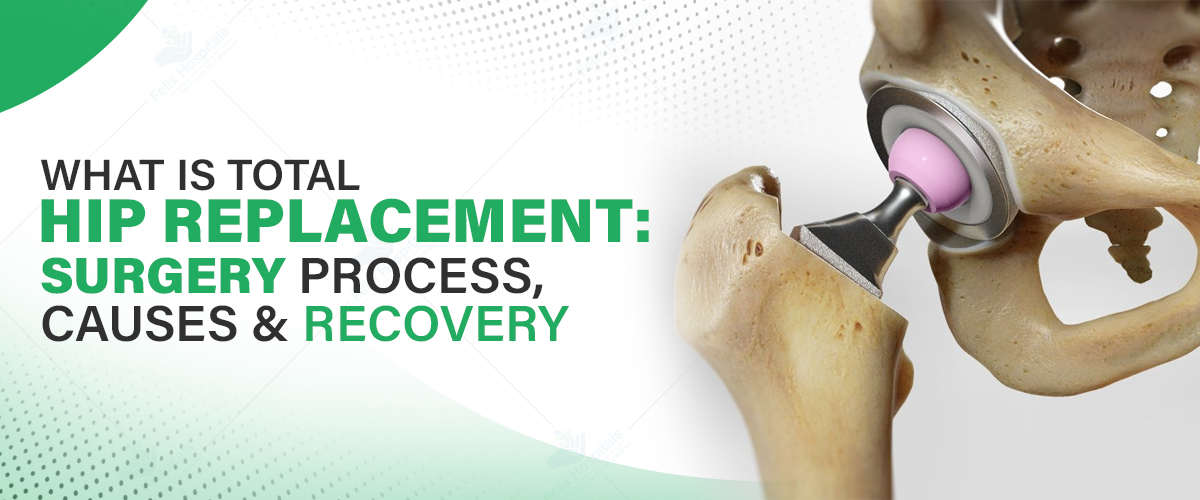
Your doctor will typically only suggest a hip replacement after other, less invasive treatments are unable to alleviate your pain or mobility symptoms. The recovery period may take as long as 12 weeks, but most individuals who've undergone a hip replacement live with it for the remainder of their lives. If you're thinking about undergoing this procedure, it's best to sit down with specialists at the top orthopedic hospital nearby, where skilled orthopedic surgeons can walk you through the process, from diagnosis to recovery, to ensure the optimal results and smoother ride to pain relief and increased mobility.
If you are about to have hip replacement surgery, wait no longer. Dial +91 9667064100 to book an appointment with our skilled orthopedic experts.
A hip replacement is a surgical procedure through which an orthopedic surgeon removes the impaired portions of your hip joint and replaces them with an artificial device (prosthesis). The surgery, known as hip arthroplasty, is usually recommended when hip pain and other symptoms seriously affect your standing, walking, or mobility.
There are two major hip replacement surgeries:
You could be a candidate for hip replacement if hip pain and associated symptoms are severely impacting your capacity to perform simple activities. Most patients attempt more conservative interventions like medication, physical therapy, or the use of mobility assistive devices like canes or walkers prior to surgery. If these have failed to yield relief, a hip replacement is indicated.
Some of the most frequent reasons individuals require a hip replacement are:
Arthritis: The leading reason for hip pain, such as:
Other Causes that may damage the hip joint:
If you are planning to get a hip replacement, you need to visit the best hip replacement treatment hospital in Noida, which consists of professional orthopedic professionals who can review your condition and suggest the most suitable kind of therapy for you to restore your mobility as well as living conditions.
Recovery after total hip replacement is essential to the final success of the procedure. Recovery plays a significant role in alleviating postoperative pain and allowing mobility. Recovery relies on various conditions like the health of the patient, age, and follow-up of post-operative procedure care. To obtain best results, most importantly, it is required to have the finest hospital for hip replacement surgery where experienced orthopedic specialists give customized rehabilitation schedules and treatment sessions as per your personal requirements.
Immediate Post-Operative Care
Pre-Surgery Preparations
When you arrive at your surgery, you will be required to wear a hospital gown when you check in. You will either be given a spinal block, which numbs the lower part of your body, or a general anesthetic, which will cause you to become sleepy. Your physician might also give you a numbing shot close to the nerves or on the joint itself to minimize post-op discomfort.
During the Surgery
The surgery typically lasts about two hours. While under general anesthesia, the surgeon will:
After the Surgery
After surgery, you will be transferred to a recovery room where you will be observed while the effects of anesthesia subside. Your vital signs, such as blood pressure and pulse rate, will be monitored by hospital staff, as well as observing your comfort and requirement for pain medication. You may be instructed to perform breathing exercises so that there is no fluid accumulation in your lungs. Depending on the speed of your recovery, you are able to be discharged home the same day or following a short hospital stay.
1. Blood Clot Prevention
Your patient is at a higher risk of developing blood clots in the legs post-surgery. To avoid this, several prevention techniques are performed:
According to the post-operative care and rehabilitation schedule prescribed, patients will undergo gradual recovery of movement and improved quality of life.
2. Physical Therapy
Routine exercises and activities help restore your hip joint and stabilize muscles' function following surgery. A physical therapist will instruct you in strengthening exercises and mobility to help you recover. They will instruct you in safe use of walking aids such as a cane, crutches, or walker. As your therapy continues, you will start adding more and more weight to your leg until you are walking independently without assistance.
3. Home Recovery
When you are ready for discharge from the hospital, you and your caregivers will be instructed on how to take care of your new hip throughout the recovery process. To make coming home easy, follow these tips:
You may also want to opt for a medical attendant at home service, which provides trained support to assist you with personal care, mobility, medication management, and day-to-day activities during your healing journey.
If hip pain is interfering with your daily life and lifestyle modifications haven't worked, it's time to consult professional care. The experts at the top hospital for hip replacement surgery in Noida at Felix Hospitals are:
These skilled doctors provide customized treatment plans for hip pain, to restore mobility and improve your lifestyle.
Schedule an appointment at Felix Hospitals today and consult with our best orthopedic doctors for a treatment schedule to heal your hip pain and mobility problems.
Hip replacement surgery is a life-changing intervention for patients who have chronic hip pain and loss of mobility from conditions like osteoarthritis, rheumatoid arthritis, or hip fracture. By replacing the compromised part of the hip joint with fabricated parts, the surgery can well alleviate pain, improve mobility, and overall quality of life. The cost of hip replacement surgery can differ based on the kind of operation, the hospital, and the geographical location.
1. What is the success rate for hip replacement surgery?
Ans: The success rate of hip replacement surgery is usually extremely high, with pain relief and improvement in mobility to a significant degree in most patients. Success is influenced by several factors, such as the type of surgery, the overall health of the patient, and compliance with post-operative rehabilitation.
2. How long does a hip replacement last?
Ans: The life of the hip replacement is 15-20 years, and in some instances, implants are longer depending on the activity of the patient and the type of prosthetic. Regular follow-up visits with your orthopedic surgeon can make the implant long-lasting.
3. What are the risks of hip replacement surgery?
Ans: Although hip replacement surgery is normally safe, it does carry some risk with it, including infection, blood clots, new joint dislocation, nerve damage, or prosthetic implant problems. Talking with your surgeon about your specific risks before surgery can reduce complications.
4. How quickly will I be back to my normal activities after hip replacement surgery?
Ans: The majority of the patients can return to light activity such as walking and light housework 6-8 weeks after surgery. More strenuous activities such as running or sports may take months to resume. Physical therapy is required to recover quickly.
5. What can I expect during recovery?
Ans: The healing process includes pain management, physical therapy to restore hip motion and function, and progressive return to activity. Most patients can resume their normal activities in 3-6 months, depending on their overall health and compliance with rehabilitation guidelines.
6. How can I accelerate my recovery following surgery?
Ans: Keeping yourself active in your bounds, as advised, following your physical therapy exercises, taking a good diet, and avoiding excessive loading on the hip joint will accelerate the process of recovery. It is suggested to listen to your surgeon's instructions and make all your follow-up appointments.
7. Is hip replacement surgery insured?
Ans: Most health insurance policies do include coverage for hip replacement surgery, but the level of coverage will vary depending on the provider and the plan. It is best to call your insurance provider for details of coverage, including any out-of-pocket expenses.
Piles or hemorrhoids are a very under-treated medical condition endured by millions of individuals worldwide. While some of them can be managed with diet and self-care therapy, severe piles are medically treated, including surgery. Due to the progress in medical science, laser piles surgery is now becoming a very effective, low-risk, and less invasive treatment process.
This article explains the reason, signs, and a few of the treatments of piles, such as advantages of laser surgery and how it can provide long-term relief. If you are looking for the best laparoscopic hospital near me, you should take into account factors like experienced surgeons, state-of-the-art medical technology, high success rates, and patient reviews. Top hospitals that offer laparoscopic and laser surgery have unpublicized treatment options to facilitate quicker healing, less agony, and great post-operative care.
Don't let your life be disrupted by piles—appointment for professional laser treatment and fast recovery at Felix Hospital. Call Now at +91 9667064100.
Piles, or hemorrhoids, are swollen veins within and around the anus and lower rectum. They can be categorized as:
Piles can happen to anyone of any gender or age, although research indicates that the 50-60 year olds are most likely to be affected. Although not necessarily an illness in itself, piles can be painful and irritating. Minor piles can usually be managed by lifestyle changes and self-medication, but more severe cases may need medical intervention, for instance, in the way of surgery.
Piles are developed due to an accumulation of pressure on the rectal veins. Some of these causes are:
The symptoms of piles differ based on their type as well as extent. Some common signs are:
The treatment of piles varies with its severity:
Laser surgery is a minimal trauma procedure whereby an intense beam of laser is directed to vaporize damaged tissue with no destruction to the healthy surrounding tissue. Laser surgery is on the increase at the expense of traditional surgery as it offers:
Traditional surgeries require time to heal along with risks of post-operative pain and complications. Laser treatment provides an alternative which is less painful as well as safer for effective treatment of piles.
Laser piles surgery offers several advantages, which have made it the choice of doctors and patients. Some of the advantages are:
1. Painless and Minimally Invasive
Laser surgery contrasts with conventional surgery cuts, which are painful. Laser surgery involves focused beams that are less painful. Patients experience no or minimal pain after and during the procedure.
2. Safer Than Traditional Surgery
Laser surgery is safer than traditional piles surgery because it avoids complex procedures, reduces risk, and reduces complications like infection or bleeding.
3. Minimal Risk of Bleeding and Infection
Laser beams help in cauterizing blood vessels while removing piles, leading to minimal blood loss. This also reduces the chances of infection after surgery, and recovery happens quickly.
4. Quick and Efficient Procedure
The procedure is only 30 minutes, a bit longer for serious cases. Most patients do not need to spend the night in the hospital and can be discharged on the same day.
5. Quicker Recovery and Healing
Because the procedure is minimally invasive, patients recover fast, usually returning to their normal activities within a few days. Compared to open surgery, laser treatment has a much shorter recovery time.
6. Easy and Accurate Procedure
Laser surgery is more accurate and controllable for the surgeon, decreasing hand involvement and associated risks. It raises the success rate of the procedure.
7. Fewer Follow-Up Visits
Follow-up visits for traditional surgery are frequent because of wound care and risk of infection. Few follow-ups in laser surgery are required because there are no open stitches or cuts.
8. Low Recurrence Risk
Because laser surgery removes piles without leaving any external cuts, chances of recurrence are significantly low.
9. Minimal Pain After Surgery
Most patients experience minimal or no pain once the effect of anesthesia is gone. The surgery is planned to be a simple and comfortable procedure, promising hassle-free recovery.
10. No Significant Disruption in Lifestyle
Patients are able to return to their life immediately after surgery, without extended hospital stays or even bed rest.
While laser surgery is beneficial in many ways, it is not without disadvantages:
1. High Equipment Costs
Laser surgery is technical, sophisticated equipment, and it is therefore more costly than conventional surgery. Not every hospital is equipped with the technology necessary for laser surgery.
2. Requires Trained Surgeons
Pity my piles surgery by laser is a technique-based procedure. A new surgeon or inexperienced surgeon can result in complications. Patients should ensure the surgeon is qualified and experienced before going ahead.
3. Limited Availability of Laser Fiber
Treatment involves laser fibers that are in limited supply. Additional laser fiber, in some instances, is needed, which increases costs.
4. Uncommon Instances of Inhibited Bleeding
Although uncommon, in uncommon instances, laser treatment has the possibility of inducing bleeding if otherwise healthy tissue is incidentally destroyed.
5. Fibrosis Risk
Laser beams can at times lead to fibrosis of tissues, which can lead to complications in the future such as fissures.
6. Potential Complications of Anesthesia
Should anesthesia start to work the moment surgery is finished, the patient feels uneasy. Required monitoring should be done to avoid such a problem.
For the best hospital that offers laparoscopic surgery, one needs to opt for a reputable medical facility with highly qualified physicians, latest equipment, and a high success rate for desired outcomes. Opt for hospitals with seasoned surgeons for minimal invasive procedures, quality post-procedure care facilities, and highest patient ratings.
Prevention of piles is easy, but people overlook basic habits that lead to its formation. Prevention is in maintaining soft stools for smooth and easy bowel movements. Utilize these effective tips to avoid piles:
For patients with chronic or severe piles, expert medical treatment is a must. Dr. Ritesh Kumar Agarwal is one of the renowned laparoscopic piles surgery specialists at Felix Hospital and provides cutting-edge, minimally invasive treatment. With extensive experience in laser and laparoscopic treatments, Dr. Agarwal provides painless and safe treatment with less pain and quick recovery.
If you're interested in getting laparoscopic piles surgery, Dr. Agarwal and his highly qualified team at Felix Hospital give you the one-on-one attention necessary to walk you through the experience.
Pain-free, non-surgical laser procedures are now performed at Felix Hospital. Make an appointment by Click Here today to Learn More About Your Treatment Choices!
Haemorrhoids can severely affect the lifestyle of a person, leading to inconvenience, pain, and discomfort in everyday life. But proper medical treatment, changes in lifestyle, and newer modalities of treatment like laser surgery can offer relief that is sustained and effective. Laser piles surgery has a lot of advantages like reduced pain, rapid healing, and lesser possibilities of complications and thus it is an excellent option in most of the patients. If you or your loved one is suffering from piles, going to an experienced specialist is the first step towards a healthier, more comfortable life. In Felix Hospital, expert surgeons like Dr.
Ritesh Kumar Agarwal ensures sophisticated and individualized treatment, ensuring hassle-free and effective treatment experience. Additionally, if you think you might require laparoscopic surgery, here is a consideration: the laparoscopic surgery cost in Noida changes according to numerous aspects like intensity of the issue, hospital amenities, and doctor's experience. Felix Hospital guarantees economic, good-quality treatment and clearly transparent cost for your information.
Don't let piles overwhelm you—consult professional medical care today.
Q- Is laser piles surgery superior to stapler hemorrhoidectomy?
Ans- Laser surgery is less painful, has a shorter convalescence time, and results in less postoperative pain than stapler hemorrhoidectomy, which includes cutting and stapling of tissues.
Q- Is laser piles surgery applicable to all hemorrhoids?
Ans- Even though laser surgery is great for internal and external hemorrhoids, extremely large or clotted hemorrhoids will need other types of surgery.
Q- Is health insurance in India available for laser piles surgery?
Ans- Some insurance companies have laser piles surgery covered under their policies but the availability of this cover is subject to your insurer and policy conditions.
Q- Do laser piles surgery have long-term side effects?
Ans- Long-term consequences are uncommon, though in a small number of patients, minor scarring or fibrosis can be seen. Selecting a skilled surgeon decreases such risks.
Q- When can I start physical exercises such as gym workout after laser piles surgery?
Ans- The majority of patients can go back to light activities within 2-3 days, though heavy exercise, heavy lifting, and strenuous workouts should be avoided for at least 2 weeks.
Q- Will I require more than one sitting of laser treatment for piles?
Ans- In the majority of instances, one treatment is needed. Recurrent or heavy piles may need a second procedure.
Q- Can laser surgery entirely avoid piles from recurring?
Ans- Although laser treatment greatly minimizes recurrence, avoidance for the long term also depends on eating a high-fiber diet, avoiding frequent sitting, and remaining well hydrated.
Know the symptoms of piles in females, including discomfort, bleeding, and swelling, along with causes and treatment options for relief.
Know the symptoms of piles in females, including discomfort, bleeding, and swelling, along with causes and treatment options for relief.
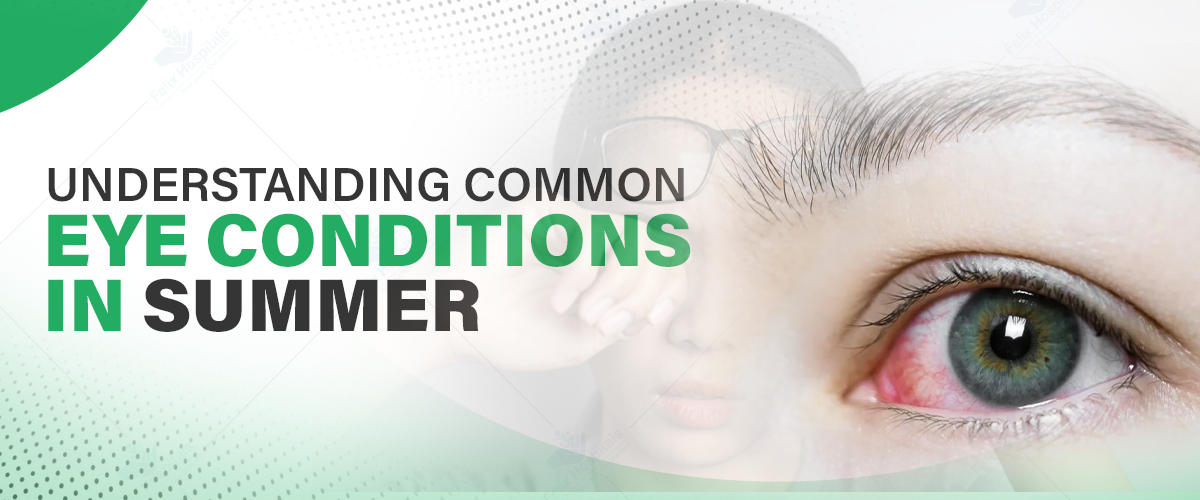
Comprehending Frequent Summer Eye Problems. Summer may bring the sun and fun to your life, but it also means potential trouble for your eyes. Your eyes are one of the most sensitive parts of your body, subject to everything from heat to UV rays to air conditioning. At the best eye care hospitals in Noida, we believe that knowledge and caring can keep your vision clear during this summer season. Let us explore the frequent eye issues that occur in summer, the causes, and how we can support your eyes with easy steps to follow.
At Felix Hospital, we are happy to help you with your eye care so you can safely have a trouble-free summer. Call us today at +91 9667064100.
Extreme heat and sun can affect your eyes more than you think! The UV rays of sunlight can damage your cornea or lens, while the dry air from air conditioners removes moisture from your eyes. Dust and pollen blowing around/down from summer winds can cause your eyes to become irritated too. Without protection, any or many of the contributing factors can lead to discomfort or major eye issues. The first step to protecting your eyes is understanding the risks.
Here is a compilation of the most common eye problems you could encounter during the hot summer months, including causes and symptoms:
The heat of summer and the use of air conditioning create a double-whammy for your eyes. Air conditioning cools your room but also removes the humidity, eliminating the tear film that your eyes rely on to stay comfortable. The UV rays of sunlight speeds up the evaporation of tears making the situation worse, leading to dry eye syndrome, which leaves your eyes feeling scratchy, and sore.
they can create problems, such as scratching your cornea, if not addressed. Conditions like diabetes, thyroid conditions, or vitamin A deficiency can add to the likelihood of having dry eyes, but the weather patterns of summer typically bring them forth. At Felix Hospitals, the number of dry eye patients increases in the months of June and July. Dry eyes can usually be treated with prescriptions for eye drops and by changing habits.
The Red Eye Director In the summertime, conjunctivitis, or pink eye, increases in heat or dusty conditions. Conjunctivitis is an infection that can be caused by a virus, bacteria, or allergy, that is easily spread by touch, along with a shared towel, or old make-up. Summer swimming pools that contain chlorine can also aggravate conjunctivitis, making the likelihood to develop conjunctivitis even higher.
Being contagious, it is imperative to wash hands frequently, and to not share pillows. Conjunctivitis resolves rapidly if treated, and the eye specialists at Hospitals nearby can aid in preventing it from spreading.
A stye is a red, swollen hump on your eyelid that is brought on by bacterially infected blocked oil glands. Styles are more common since summer sweat and dust can obstruct these glands. Using outdated makeup and other poor hygiene practices don't help.
In a week or two, most stains go away. Pain can be reduced by applying a warm compress, which is a cloth soaked in warm water. Your best defense is to keep your face clean.
Children and adults alike spend the summer months addicted to screens, whether they are TVs, phones, or tablets. Staring at electronics for extended periods of time can strain your eyes, especially in air-conditioned spaces where they are already dry.
Screen time is difficult to avoid because distance learning programs are still widely used. However, as we'll show below, even little breaks can have a significant impact.
In the heat, your eyes demand extra care. Here are some doable strategies to keep them safe, directly from the professionals at Felix Hospitals:
Our best ophthalmologist in Noida is dedicated to safeguarding your eyesight, particularly in the summer months when your eyes are more susceptible to environmental stressors including dry air, allergies, and UV rays.
Although summer is a lovely season, it also puts more strain on your eyes than usual. Numerous things can impair your vision, including intense sunshine, smog, indoor air conditioning, and excessive screen time. The good news? A few mindful habits and timely care can go a long way in preserving your eye health.
Felix Hospital is committed to providing you and your loved ones with comfortable, clear vision so they can enjoy the season. For any summertime eye issues, cost in Noida Related Issues, and much more our knowledgeable staff is available to help with preventive care, precise diagnosis, and efficient treatment.
For a clearer, brighter tomorrow, protect your eyes today.
1. Why, even in the heat, do my eyes feel dry and scratchy indoors?
Ans- Continuous air conditioning produces dry indoor air, which lowers humidity and speeds up the evaporation of tears. This causes your eyes to feel dry, scratchy, or irritated, particularly if you're also spending a lot of time looking at displays.
2. During the summer and monsoon, is it safe to wear contact lenses?
Ans- Although encounters are usually safe, the chances of infection are increased by summer perspiration and monsoon humidity. Steer clear of swimming when wearing lenses, keep them clean, and use glasses when an infection or flare-up occurs.
3. Can long-term exposure to the sun cause irreversible eye damage?
Ans- Indeed. Macular degeneration, cataracts, and even corneal burns can all be made more likely by UV radiation. Sunglasses with UV protection greatly lower this danger.
4. Do allergies to the eyes get worse in the summer?
Ans- Of course. More airborne allergens, such as dust and pollen, are present in the summer. Red, itchy, and watery eyes are symptoms of allergic conjunctivitis, which can be brought on by this. A correct diagnosis is essential, however antihistamine drops can be helpful.
5. How can I distinguish between a more serious problem and eye strain?
Ans- Rest or breaks usually help to relieve eye discomfort. However, it's time to consult an eye professional if symptoms like impaired vision, continuous pain, or acute light sensitivity continue.
6. How should I respond if perspiration or rainfall gets in my eyes?
Ans- Use fresh, filtered water to gently rinse your eyes. Sweat may contain bacteria and salt that irritate your eyes, and rainwater may contain contaminants. Do not rub, as this transmits germs.
7. After playing outside, my child's eyes became red. Do I need to worry?
Ans- Children's red eyes after playing outside are frequently caused by dust or sun exposure. Make sure they don't touch their eyes and use protective sunglasses. See an ophthalmologist if the redness or discharge doesn't go away.

Learn about squint, its causes, symptoms, and treatments. Stay informed!
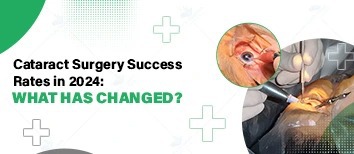
Dr. Mohammad Uzair Zakai: With years of experience and a commitment to adopting the latest technologies in cataract surgery, Dr. Zakai has a track record of successful surgeries and patient satisfaction.
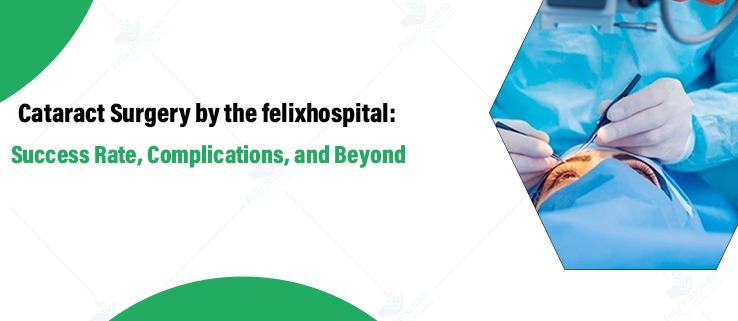
A cataract occurs when the natural lens of the eye becomes cloudy, impairing vision. This can happen due to aging, injury, or other factors.
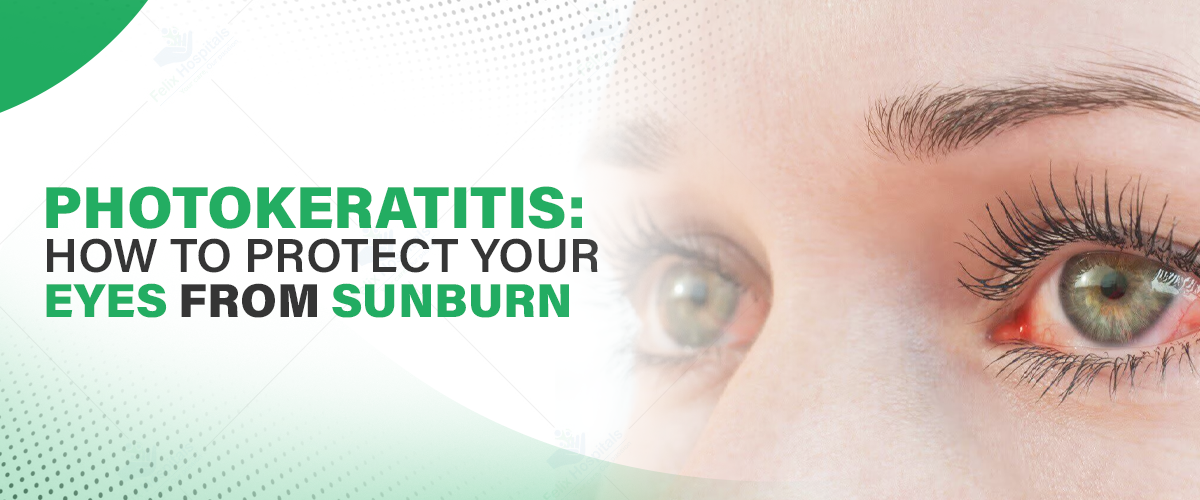
Your eyes are your doorway to the world—but they're also ruthlessly sensitive and subject to harm, particularly to something as intangible as ultraviolet (UV) light. If you treat yourself to a sun-drenched beach day, a skiing day, or a working day with intense light like welding arcs, your eyes can be victimized by a painful disease known as photokeratitis. Sometimes referred to as a sunburn of the eye, photokeratitis can spark spontaneous pain, blurred vision, and sensitivity to light. Though it sounds drastic, photokeratitis is avoidable—and curable—with the right information and precautions. By learning what causes it, finding out who's most at risk, and finding out how to protect your peepers, you can slash your chances of developing this affliction significantly. If you are looking for the best eye hospital in Noida, specialist guidance and treatment are just a step away to protect your eyesight and make it stronger.
If you pamper yourself at work or tend to be out for more hours during your hobby hours, our experts can guide you. Call us today at +91 9667064100.
Your eyes are fragile, and sometimes they can be injured in ways you may not realize—such as by too much ultraviolet (UV) light. That's when photokeratitis happens. It's a sunburn, but on your eyes rather than your skin. It burns, typically striking both eyes, and occurs when UV light is burning through the cornea (the transparent front of your eye) or the conjunctiva (the thin membrane covering it). Sun gazing, welding without eye protection, even tanning beds—photokeratitis happens more frequently than you might imagine. Let's get into it—what it is, why it occurs, and how to treat it.
Photokeratitis is a UV ray-induced eye infection, usually from the sun. It's a type of burn that makes your eyes red, painful, and extremely light-sensitive. You can call it "snow blindness" if it's from UV rays bouncing off snow, or "welder's flash" if it's from welding arcs.". It comes in two forms: acute (temporary, from brief exposure to UV) and chronic (cumulative, from cumulative low-level exposure). The acute one is more prevalent and recovers quickly, but the chronic one accumulates with time. Either situation, though, it's your eyes complaining that they've absorbed too much UV stress.
The primary offender is UV light—more precisely, UV-A and UV-B from the sun. (UV-C is blocked by the ozone layer, so don't worry about it.) Direct sun can do it, but so can UV that bounces off surfaces such as snow, water, sand, or concrete. Other sources? Tanning beds, welding machines, lasers, halogen desk lamps, or even medical lights used for disinfection. Gazing at the sun—such as during an eclipse—can also scorch your retina, which is worse and more prolonged. In short, anything that emits UV can damage your eyes if you're not watching out.
Certain individuals are more vulnerable to photokeratitis. If you enjoy spending time outdoors doing things such as hiking, skiing, or swimming, then you're out in the sun a lot, so you're more vulnerable. Individuals who reside in high-altitude locations (such as mountains) or sunny locations (southern India comes to mind) receive more UV as well. Welding torches, tanning beds, or ultraviolet machines also get you into the danger area. Just being exposed in the home to a sunlamp without a shield can activate it. The more exposure you have to UV, the better your odds.
And how in the world do you know whether it's photokeratitis? The symptoms strike with a vengeance:
Occasionally you'll experience halos around light, headaches, or feel your eyelids twitching. Vision will sometimes be reduced for a short time or colors will appear funny. These typically resolve 6-24 hours later and in two days or so. The longer you remain under UV, however, the worse you'll be—so don't take chances.
Here's the bad news: UV damage accumulates. Over time, even minor exposure can result in cataracts (foggy lenses in your eyes) or macular degeneration (foggy central vision). You'll even develop growths on your eyes called pingueculae or pterygia—little bumps due to too much sun. And, blue light from cell phones and LEDs can cause chaos for your retina over time. Sunglasses are your best bet to avoid all this.
If your eyes hurt after UV exposure, see an eye doctor in the best ophthalmology hospital near me. They’ll ask about what you’ve been doing—like welding or sunbathing—and check your eyes. A slit lamp exam with fluorescein dye (a yellow stuff that glows under light) shows if your cornea’s scratched or burned. It’s quick and tells them how bad the damage is.
Get on inside, dim the lights, and rest them. Remove contacts if you wear them, and don't rub—rubbing irritates them. These are things you can do at home:
It will heal in most cases within a day or two. If it is bad, a doctor might give antibiotic drops to keep infections away. But if you have more than 48 hours of aching or your eyes are blurry, seek help immediately.
It is not difficult to prevent photokeratitis with some good practices:
Experiencing symptoms of photokeratitis or constantly exposed to the ultraviolet ray? Prompt diagnosis and treatment can be a huge difference. Book your Consultation by Clicking Here.
Photokeratitis might be temporary, but its pain and vision loss can really really interfere with your day—and repeated exposure to the UV ray can have permanent consequences for your eye health. Luckily, prevention is easy: wear proper eye protection, stay away from strong UV sources, and pay attention to your surroundings. Whether you're skiing in the mountains, using UV equipment, or just walking on a sunny day, caution can be the difference between enjoying yourself and a trip to the emergency room. If you think you've had photokeratitis, don't dismiss the symptoms. Early treatment and care can result in complete recovery—and taking care to protect your eyes now also protects your eyes later. For those curious about the cost of photokeratitis treatment in Noida, the price usually depends on the intensity and the clinic, but early treatment from an ophthalmologist can save you discomfort as well as expense later.
1. Can photokeratitis result from my not being directly in front of the sun?
Ans- Yes. Reflecting off surfaces such as water, snow, or sand, UV radiation can be equally terrible. Cloudy weather also permits passage of UV radiation, so it's worth taking precautions whenever you venture outdoors in sunshine.
2. Is photokeratitis contagious or infection-caused?
Ans- No, photokeratitis is not infectious and not a virus- or bacterial-caused illness. It is an illness caused by the UV damage of the conjunctiva and cornea, not infection.
3. How long will photokeratitis heal on its own without medical attention?
Ans- Mild cases will recover in 24–48 hours by resting and protecting the eyes. If symptoms, however, are longer than 2 days or are worsening, a medical visit should be made to ensure complications are not present.
4. How is photokeratitis different from dry eyes due to screen use?
Ans- Photokeratitis is an immediate damage from UV exposure, whereas dry eyes due to screen use are due to decreased blinking and concentrated attention. Yet, both can cause light sensitivity and irritation, so diagnosis is warranted.
5. Are everyday sunglasses protective against photokeratitis?
Ans- Not necessarily. Sunglasses need to block 99–100% of UV-A and UV-B rays to fully protect your eyes. Wraparound lenses must be employed as these minimize side exposure.
6. What is the danger of overlooking recurrent attacks of photokeratitis?
Ans- Recurrent attacks of severe UV exposure have the potential to cause chronic problems of the eye such as cataract, macular degeneration, or corneal damage on a permanent basis. Recurrent attacks put a high risk on permanent blindness.
7. What is the cost spent on photokeratitis treatment at Felix Hospital, Noida?
Ans- Charges typically range as per consultation, diagnostic tests, and whether follow-ups or medications are required or not. A basic treatment may range from ₹800 to ₹2000, but it's always advisable to directly ask the hospital for specific quotes based on your case.
Learn about squint, its causes, symptoms, and treatments. Stay informed!
Dr. Mohammad Uzair Zakai: With years of experience and a commitment to adopting the latest technologies in cataract surgery, Dr. Zakai has a track record of successful surgeries and patient satisfaction.
A cataract occurs when the natural lens of the eye becomes cloudy, impairing vision. This can happen due to aging, injury, or other factors.
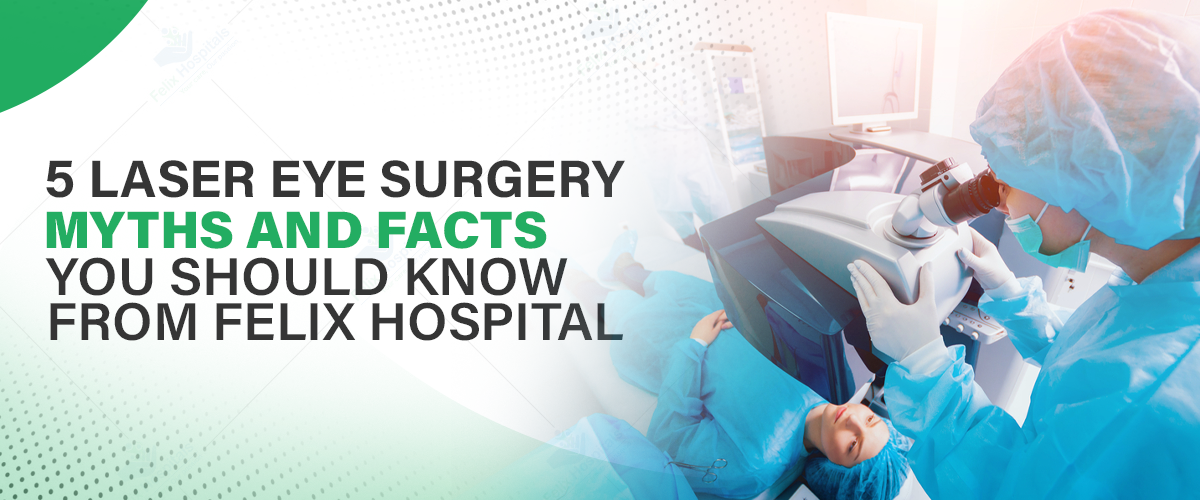
You're considering laser eye surgery but confused or apprehensive about all the confusing information available? Fear not, you're not the only one. With something as valuable as your eyesight, it's natural to be unsure and apprehensive.
At Felix Hospitals, we are confident that wiser decisions yield improved results. That is why we're here to blow some of the most prevalent laser eye correction myths and have you reassured with your decision.
If you are experiencing visual impairments or want to know if you qualify for laser eye surgery, wait no more. Call us right away on +91 9667064100.
Eye surgery, particularly operations like LASIK and Cataract Surgery, is a prevalent and effective cure for various vision ailments. But most of us steer clear of these surgeries during the summer months because of some myths and misconceptions. It's high time to dispel popular myths and provide facts regarding eye surgery during the summer months to enable you to make a better choice.
Fact: Far from it. Laser eye surgery is a tried-and-true treatment with decades of success to show for it. The FDA cleared the first excimer laser for vision correction all the way back in the 1990s. And since then, the technology has continued to improve—and over 7 lakh procedures have been conducted every year in India alone. Modern laser systems are exact, safe, and astonishingly effective, making laser eye correction an established solution for vision impairments.
Fact: Pain is one of the human's greatest fears—but fear not, since the procedure is nearly painless. Numbing eye drops are used prior to the treatment at the best hospital in Noida, so most patients experience no more than pressure. Following the surgery, there could be some inflammation or scratchy feeling, but this will usually clear up in a day or two and can be easily controlled with proper follow-up care.
Fact: Although laser eye surgery can revolutionize your vision, you need to have realistic expectations. Approximately 90% of our patients end up with between 20/20 and 20/40 vision—a huge advance for the vast majority of individuals. But results vary from individual to individual depending on how your eyes heal. Our professionals will provide you with an accurate idea of what enhancements you can expect in your individual case when we consult with you at Felix Hospitals.
Fact: With state-of-the-art laser and skilled surgeons at Felix Hospitals, long-term side effects are rare. Light or temporary dry eyes may occur, but they usually resolve within a few weeks. With proper follow-up, most patients experience sharp, comfortable vision to enjoy for many years.
Fact: Laser eye surgery is not necessarily one size fits all. There are some factors—like age, thickness of your cornea, overall eye health, and overall medical condition state—beyond which lie involved in determining whether or not you'd be a good candidate. Which is precisely why we always begin with an in-depth eye check-up so we can test your fit and adjust the plan accordingly.
Laser eye surgery is not for everyone who wears glasses—it's an option that is best suited for certain vision issues and life requirements. If you're trying to decide if now is the time to start looking into this innovative procedure, these signs and conditions can advise you if or when laser eye surgery is something you should look into:
If your glasses or contact lens prescription hasn't changed in more than a year, that's a good sign your vision has stabilized—making you a good candidate for laser correction.
Laser surgery fixes common refractive errors such as:
Myopia (nearsightedness)
Hyperopia (farsightedness)
Astigmatism (unstraight or cloudy vision). If these difficulties have been dogging you, then laser vision correction can significantly diminish, and in some cases even eliminate, the requirement for glasses or contact lenses.
Do glasses get in the way during sports and other activities? Are contacts annoying or drying out your eyes? If you're fed up with visual obstacles, laser eye surgery will provide a permanent remedy.
Your eyes must be free of Glaucoma or cataract diseases, injury, or infection if you are to undergo laser surgery safely. Your cornea must also be thick enough to reshape.
Laser eye surgery is generally suitable for adults 18 years and older. Applicants must also be in good general health—uncontrolled diabetes or autoimmune conditions can compromise healing and eligibility.
Picking the right ophthalmologist is one of the most important decisions on your path to improved eye health. If you are searching the best eye hospital near me in Noida, so you are in good hands with some of the region's finest eye experts at Felix Hospital, including:
With over a decade of experience in ophthalmology, Dr. Mohmad Uzair Zakai is renowned for his skills in routine as well as complicated eye care. He is skilled in dealing with outpatient services and emergencies with great precision. Dr. Zakai possesses advanced diagnostic technologies like slit-lamp examination, OCT imaging, and fundus fluorescein angiography. He has extensive experience in dealing with eye diseases like glaucoma, diabetic retinopathy, and age-related macular degeneration. Notably, he has performed more than 4,800 cataract surgeries, including phacoemulsification surgeries.
She is an experienced eye specialist with more than 9 years in ophthalmology and is committed to providing quality eye care. She is well equipped in the diagnosis, treatment, and surgical management of an immense range of eye diseases. Her patient-centered practice style ensures that individualized attention is provided to each patient and a customized treatment plan suited to individual needs.
Schedule your appointment today and take the first step toward viewing the world with greater clarity—on your own terms.
Laser eye surgery has changed the lives of millions by providing them with freedom from glasses and contact lenses through proven, safe, and highly effective technology. At Felix Hospitals, we want to provide you with the right information, expert advice, and world-class treatment. Whether you are considering your options or are ready to proceed and want to know the Cost of Eye Laser surgery in Noida so our highly trained ophthalmologists such as Dr. Mohmad Uzair Zakai and Dr. Deepanjali Arya are here to assist you every step of the way.
Q- I have thin corneas. Can I have laser eye surgery?
Ans- Not necessarily. Corneal thickness plays a big part in deciding if a person is suitable or not. If your corneas are extremely thin, other options such as PRK or implantable lenses are considered.
Q- How long does the operation of the laser eye surgery last?
Ans- The whole process will only take 10–15 minutes for each eye, yet you will spend 1–2 hours in the hospital post-op and pre-op.
Q- Do I need to wear glasses after surgery?
Ans- Possibly. Laser surgery can remedy a refractive imperfection by re-shaping the eyes, but presbyopia (weakness of near vision with increasing age) will still turn readers out of us in later years.
Q- When may I resume working or activities of daily living?
Ans- Most of the patients can resume normal work in 1 to 2 days, depending on occupation and recovery. Nevertheless, refrain from strenuous work and screen time for the initial 24–48 hours.
Q- Is laser eye surgery insured in India?
Ans- Typically, elective surgeries such as LASIK are not included under basic health insurance cover. Nevertheless, Felix Hospital provides the facility of payment by EMI at reasonable prices and discounts during special eye camps.
Q- Can both eyes be treated at once?
Ans- Yes, in the majority of cases, both eyes are treated during a single session, recovery is smoother and less inconvenient.
Q- What happens if I blink or move while being treated?
Ans- Don't worry—laser systems employed at Felix Hospital use eye-tracking technology that continuously observes any minute movement of the eyes, with safety and accuracy.
Learn about squint, its causes, symptoms, and treatments. Stay informed!
Dr. Mohammad Uzair Zakai: With years of experience and a commitment to adopting the latest technologies in cataract surgery, Dr. Zakai has a track record of successful surgeries and patient satisfaction.
A cataract occurs when the natural lens of the eye becomes cloudy, impairing vision. This can happen due to aging, injury, or other factors.
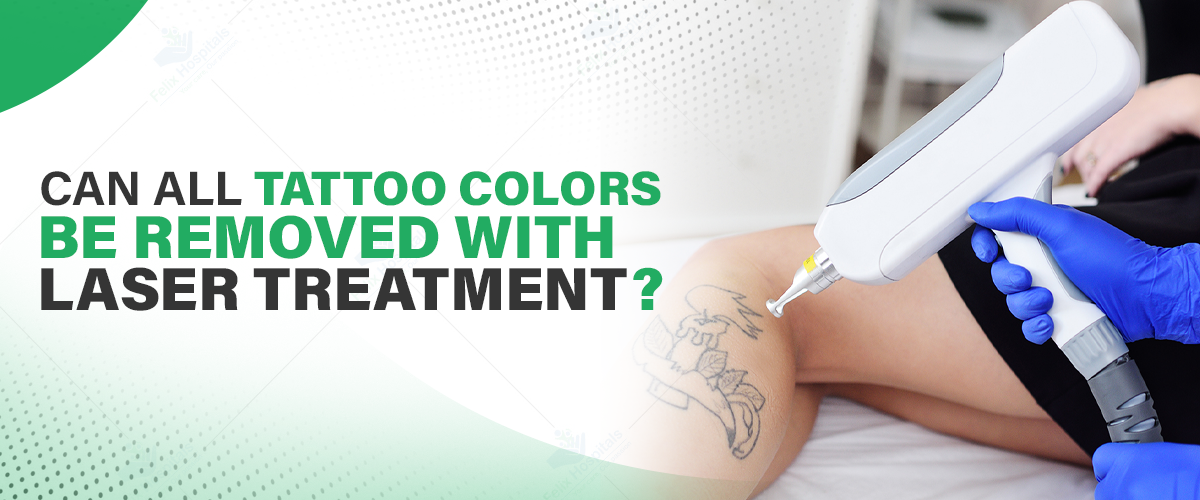
Tattoos are more than just skin ink—they're a colorful manner of self-expression, personal narrative, and work of art. But what happens when your tastes change, career paths shift, or you merely want a different canvas? Enter tattoo removal. And one of the most popular questions posed is: Can any colors of tattoos be removed?
Let's demystify the science behind tattoo removal, which colors are easiest to erase, and why some colors are harder to get rid of than others. Wanting to get rid of a tattoo? Here's the lowdown.
Not sure if your tattoo can be removed? Let our professionals review your tattoo and skin type with a personalized plan—book now by phoning +91 9667064100.
Tattoo removal has become much better with improved laser technology. The most sought-after method currently is laser tattoo removal, which involves the use of high-power light beams that shatter pigments in your skin. These shattered pieces are engulfed and destroyed by your immune system over time.
But this is not a one-and-done deal. Depending on the size, color, age, and depth of the tattoo, multiple sessions may be needed to completely eliminate the ink. The aim is to erase or lighten the tattoo while not harming the surrounding skin.
Not all of them. Inks of tattoos are created with various pigments and substances—some more than others, that react more or less to the laser. That's why not all the shades of tattoos bleach so quickly and so beautifully as you would want. Chemical structure of the dye and how your skin absorbs the treatment play a great deal.
Let's see how various colors react to laser treatment
Tattoo Color: Which Tattoos Are Easiest (and Hardest) to Erase?
Black is the easiest because black pigment makes all wavelengths of lasers work, so it is extremely responsive. You're fortunate if you've got a tattoo with black color–it would lighten faster and deeper than other colors.
Red tattoos, which are most often composed of cadmium-based inks, are a bit more difficult. Though they are sensitive to certain wavelengths of laser, they can produce temporary side effects such as blistering or irritation.
Blue tattoos are somewhat of a hit-or-miss proposition. Cobalt-based blue pigments respond well to certain lasers, but they can sometimes still need more than one session to show great fading, like black ink.
Green is also one of the more long-lasting colors to eliminate. Composed of copper or chromium compounds, green ink is not very absorbent to common laser wavelengths. It generally needs specialty lasers and repeated sessions to show significant fading.
Yellow pigment doesn't absorb but reflects light and is therefore difficult for lasers to degrade. Though complete elimination is improbable, yellow tattoos can be reduced significantly with persistence.
White ink also deflects light almost completely, making it extremely difficult for lasers to target. Sometimes white ink also darkens temporarily after treatment. Total removal is rarely an option, but there can be improvements through professional treatment.
Other than the color of the ink, other factors determine the success of tattoo removal:
The lower the pigment sits in your skin, the less accessible it will be to the laser. Amateur tattoos usually stay closer to the surface than those done by a professional.
Skin containing more melanin absorbs more of the laser light, potentially making the risk for color change higher. An experienced technician will adjust the laser's settings to protect your skin color.
Older tattoos will tend to be simpler to remove. That's because your body has begun to deteriorate the ink over the years, so the laser has less of a job to do.
Professional tattoos will have stronger inks and even applications that might make it easier to remove them—but the outcome can be more predictable. Amateur tattoos will tend to have inferior inks but can sometimes be simpler to erase.
Yes! Following are some tips to get the best out of your removal treatment:
Yes—and no. Black tattoos are the most easily removed, but yellows, greens, and whites are notoriously difficult and may not completely fade. But with the proper laser equipment and an experienced practitioner, you can count on significant improvement, if not complete elimination.
Arrange a customized tattoo removal consultation with our board-certified dermatologists and discover the safest, most effective solution for your skin and tattoo ink color.
Tattoo removal is safer and more effective than it has ever been, but its success relies on numerous factors—above all, the color of ink. There is no treatment that can guarantee 100% elimination of all tattoos, especially those with stubborn pigments like white, yellow, or green, but laser technology nowadays can significantly lighten or even entirely erase most tattoos with time and caution. If you are looking into tattoo removal, have a skilled dermatologist or trained technician on your team who knows how to customize the treatment to your skin tone and ink tones in the tattoo. Patience, professional guidance, and good post-treatment care can result in a squeaky clean slate very easily.
1. Can laser tattoo removal be performed on tattoos over a decade old?
Ans- Yes, older tattoos are simpler to remove than newer ones since the ink has broken down over the years and hence is more sensitive to laser treatment.
2. Will laser tattoo removal scar me?
Ans- Performed by a trained practitioner on the proper equipment, laser tattoo removal will infrequently cause scarring. Pre-existing skin complaints or poor post-treatment care can, however, heighten the likelihood.
3. Is laser tattoo removal more painful than having a tattoo?
Ans- The feeling is usually described as a rubber band snapping or a tiny pinprick. While it hurts, cooling machines and anesthetizing creams are available to render it much less bothersome.
4. Can I remove part of a tattoo, or must I get the entire thing?
Ans- Yes, laser removal can be directed at areas of a tattoo, so now it is possible to partially remove or fade a tattoo—perfect for cover-ups or design changes.
5. Why do ink colours darken during a second or more laser sessions?
Ans- White and some pigments tend to oxidise and seem darker before actually beginning to erase. It's an expected effect and normally does so better in the next few sessions.
6. How much space between tattoo removal sessions should I leave?
Ans- Appointments should usually be 6 to 8 weeks apart so that your skin can heal and the ink particles from the tattoo can purge from your body.
7. Are there tattoo colors that need a particular kind of laser for removal?
Ans- Yes. Tough colors such as blue and green might require Q-switched or picosecond lasers with particular wavelengths (such as 755 nm or 694 nm) for improved outcomes.
Atopic dermatitis eczema is a chronic inflammatory skin disease that results in itchy, red, and scaly patches on the skin

It’s essential to note that the cost of skin pigmentation disorder treatment in Noida can differ based on the type of treatment required and the healthcare facility's resources.

Are you wondering whether you need to take prenatal vitamins or if you are having side effects like constipation due to them? Find answers to your questions here!
Even though a well-balanced diet is the ideal means of acquiring essential nutrients, pregnancy may lead to deprivation of essential minerals and vitamins. Being pregnant or planning to become pregnant, prenatal vitamins fill the nutritional gap. If you like to take professional suggestions regarding prenatal care, rely on the best gynecology hospital to provide you with personalized guidance for your health and well-being.
Talk to our gynecologists by calling +91 9667064100 today and get tips on prenatal vitamins and a healthy pregnancy.
Prenatal vitamins are daily supplements that pregnant or soon-to-be-pregnant women can take. They have all the vitamins that are needed to nourish the baby while it grows. Over-the-counter at most grocery stores, pharmacies, and online, there are numerous brands to choose from. The best Gynecology physician will prescribe one in particular or even write a prescription for a prenatal vitamin from the pharmacy.
Although nothing takes the place of a healthy diet, prenatal vitamins fill in what food can't provide. During pregnancy, your body needs increased levels of certain nutrients, including folic acid and iron, to nourish a developing baby. Prenatal vitamins provide you with these nutrients in the quantities you require.
It is better to start taking prenatal vitamins a month to three months prior to when you plan to start conceiving. That's because there are certain birth defects that happen early in pregnancy, even when the woman herself does not yet know that she is pregnant. If you are pregnant already, then start taking prenatal vitamins as soon as possible after you can confirm the pregnancy.
A balanced diet is to be adhered to at all times, but there are certain vitamins and minerals that are especially essential while pregnant. Following are some of the most essential ones:
Other Important Vitamins
With so many on the market, it can be difficult to find the best prenatal vitamin. Get your health care provider's recommendation. Always check the label so that the supplement includes all the nutrients listed above.
Ultimately, consuming prenatal vitamins in conjunction with a healthy, well-balanced diet is what will result in a healthy baby.
Some women have side effects when they take prenatal vitamins. The most frequent ones are:
If the side effects continue, try taking another brand of prenatal vitamin or consult the best gynecologist at the best hospital for pregnancy, just for a suggestion.
No, prenatal vitamins will not cause weight gain. There is no indication to suggest that the use of prenatal vitamins will cause weight gain if you're not pregnant.
It is important not to take over what is required in prenatal vitamins. Taking an excess of it is dangerous. If you think that you are not receiving a certain nutrient, consult your doctor. Depending upon your condition, they might write or suggest prescription or extra supplements for you.
A single skipped prenatal vitamin here and there won't damage your pregnancy, but most health care providers suggest taking prenatal vitamins every day. They help prevent complications during pregnancy and promote fetal development by filling your body with vital nutrients.
It's always good to take prenatal vitamins if you aren't pregnant, but particularly in the childbearing age group. Some doctors recommend taking a prenatal vitamin as a precautionary measure. However, if you're past childbearing age or you're pretty sure you won't get pregnant, a daily multivitamin would probably be okay.
Here at Felix Hospital, we do recognize the significance of nutritional needs of a pregnant woman towards fetal and maternal development. Prenatal vitamins play a crucial role in ensuring that women obtain appropriate nutrients for pregnancy health. Our gynecologists are available to advise you on pregnancy, providing you with all information and guidance required to make educated choices regarding prenatal vitamins as well as general health.
Our experienced gynecologists are:
These specialists provide expert guidance and individualized care so that you're on the right path for a healthy pregnancy, including how to properly use prenatal vitamins. Whether you want to conceive, are pregnant, or have pregnancy problems, we are here to offer expert guidance according to your requirements.
Schedule a consultation with our experienced gynecologists and receive the professional guidance you require for a healthy and safe pregnancy.
In conclusion, prenatal vitamins are an essential component of maintaining fetal and maternal health during pregnancy. They complete any nutritional deficiencies and supply the necessary nutrients required for a healthy pregnancy and baby growth. Whether you are planning to have a baby or are already pregnant, your healthcare provider is the best person to seek advice from in terms of selecting the best prenatal vitamins. Felix Hospital has experienced gynecologists who will guide you through every stage of pregnancy, providing personalized advice and treatment to make the best possible decisions for yourself and your child. Call us today to speak with our experts and start the journey to a healthy pregnancy!
1. Do I have an allergy history? Can I take prenatal vitamins?
Ans: If you have allergies, particularly to certain vitamins or minerals, it is advisable to consult your healthcare provider first to take prenatal vitamins. They can assist in selecting a safe supplement for you.
2. Are there some prenatal vitamins, preferably, recommended for anemic women?
Ans: Increased levels of iron are required for patients with anemia, hence, the doctor may advise a course of taking extra iron-content prenatal vitamins so that healthy red blood cells would form properly and deliver oxygen to the baby efficiently.
3. What must I do when I miss my dose of prenatal vitamins?
Ans: If you've missed a prenatal vitamin dose, take it the moment you recall. If near the time when you are due for your next dose, you can omit the missed dose but do not take two doses together to compensate for the one that was missed. Consult your physician if you have missed several doses.
4. Are prenatal vitamins available for women who are lactose intolerant or following a vegan diet?
Ans: Yes, prenatal vitamins do come for special dietary requirements, such as vegan or lactose intolerance. Your healthcare provider may recommend brands based on your specific needs.
5. Can I switch prenatal vitamin brands if I'm not experiencing side effects?
Ans: If you are not having any side effects and are comfortable with your current prenatal vitamin, there is no necessity to switch in general. But if you feel that the present brand is not working or you want to try something different, talk to your doctor before making any switch.
6. How long should I take prenatal vitamins after giving birth?
Ans: You will be notified upon delivery whether or not to continue taking prenatal vitamins, particularly if you are breastfeeding, since your body is still in need of essential elements for you and your baby. You will be instructed as to when to discontinue by your practitioner.
7. Are prenatal vitamins going to cause miscarriage if used incorrectly?
Ans: It is safe to take prenatal vitamins as instructed by your physician and will not lead to miscarriage. If you take it more than the suggested dose or take it in a wrong manner, it can lead to harm; thus, adherence to the recommended dosage is vital. Always consult your doctor if you are concerned.

A hernia typically occurs due to a combination of muscle weakness and strain. This can happen from factors such as aging, injury, heavy lifting, chronic coughing, or conditions like pregnancy and obesity.

Turner Syndrome can impact fertility and reproductive health, causing challenges with ovarian function, hormone production, and pregnancy for affected women.
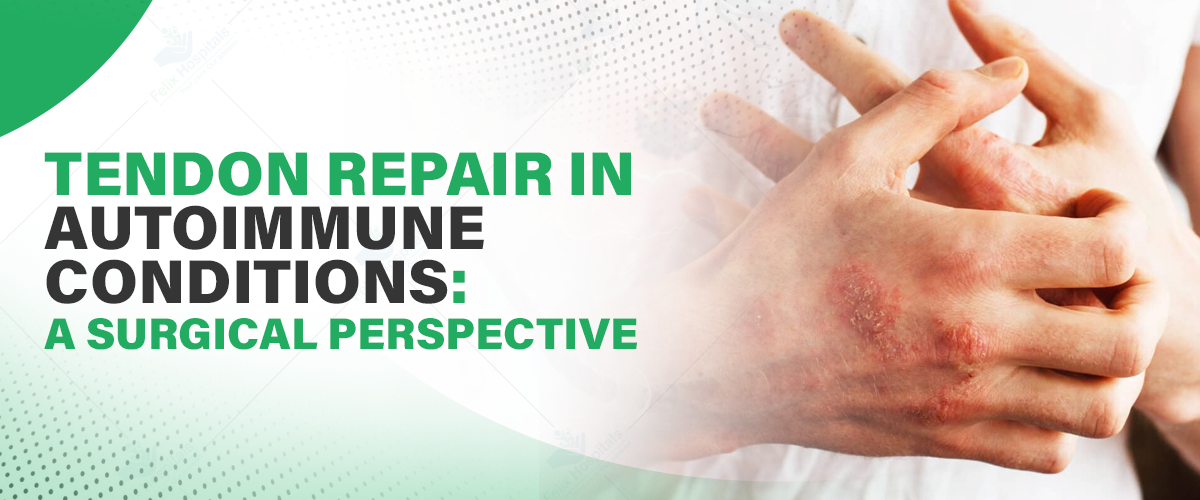
Autoimmune diseases, including Rheumatoid Arthritis (RA), Systemic Lupus Erythematosus (SLE), and Ankylosing Spondylitis, tend to affect the musculoskeletal system, especially the tendons. Tendons, being attachments of muscles to bones, are vital for movement and joint stabilization. Autoimmune diseases tend to result in chronic inflammation, causing tendon damage, degeneration, and rupture. Tendon repair surgery is therefore necessary in these instances in a bid to regain function, alleviate pain, and enhance the quality of life for the patients.
If you like a best rheumatology hospital within the locality that has experience with autoimmune diseases and their musculoskeletal manifestations, ensure that the center offers up-to-date surgical and non-surgical interventions. Tendon repair surgery in such a situation needs to be planned carefully and carried out in time to avoid permanent disablement.
This blog is an analysis of the surgical process of repairing tendons in autoimmune diseases considering the significance of early treatment, the sequence of surgeries, and issues encountered during treatment.
Get Started on Your Recovery Journey, Don't let autoimmune diseases hinder your movement. Call us Today at +91 9667064100.
Autoimmune diseases are when the immune system, which is supposed to defend the body against infection from viruses and bacteria, instead attacks healthy tissue. The faulty immune response creates inflammation that, over time, can severely damage tendons. Rheumatoid Arthritis, Lupus, and Ankylosing Spondylitis are especially known to attack tendons, causing:
Tendons are a vital part of the musculoskeletal system, which transmit the force generated by muscles to bones to facilitate movement. Tendon injury in autoimmune conditions can result in:
Other tendon injuries that affect autoimmune patients include rotator cuff tears, Achilles tendonitis, and trigger finger. These conditions are particularly challenging for autoimmune patients, as their immune system can contribute to chronic inflammation and tendon degradation. Proper diagnosis and timely intervention are crucial to prevent further complications such as reduced mobility, chronic pain, and long-term joint damage. Specialty care from experts at a best hospital nearby can help manage these conditions effectively, offering treatment options like physical therapy, corticosteroid injections, or even surgical interventions when necessary, to preserve functionality and enhance quality of life.
Conservative means like medication, physio, and dietary alterations are typically the first line. But in others, they could be insufficient. Surgery is indicated in the below-mentioned instances:
Delayed tendon repair can result in future complications, which can result in joint deformity and lifelong disability. Access to the best rheumatologist in Noida is a guarantee of immediate treatment that is customized to every patient, thus preventing further injury and restoring functioning as much as possible.
There are two main types of tendon repair surgeries, with its pros and cons:
Open Tendon Repair Surgery:
Minimally Invasive Tendon Repair Surgery:
Robot-assisted surgery, being one of the minimally invasive methods, provides unprecedented accuracy and improved outcomes.
Autoimmune patients present challenges to tendon repair, which are:
Prior to surgery for tendon repair, extensive evaluation is performed to determine the patient's overall health and preparedness for the surgery. Of specific significance are:
Convalescence after surgery for the repair of tendons is an important process which must be properly planned and executed. The most important elements of postoperative care are:
Surgical repair of the tendon is successful depending on the following:
Through proper management, patients can achieve enhanced tendon function, pain relief, and quality of life.
Felix Hospitals has a Rheumatology Department where the team deals with advanced autoimmune patient treatment. With a background in immunotherapy, joint injections, and sophisticated surgical interventions, the department ensures customized treatment programs for conditions such as Rheumatoid Arthritis, Lupus, and Ankylosing Spondylitis.
Our patient-oriented approach focuses on:
If you’re suffering from tendon damage due to an autoimmune condition, don’t wait. Book an appointment with Dr. Kiran Seth at Felix Hospitals by clicking here.
Surgery for tendon repair is an important function in the treatment of autoimmune disorders, restoring movement and enhancing quality of life. At Felix Hospitals, we utilize advanced surgical methods combined with customized care to achieve the best results for our patients while keeping the cost of rheumatology treatment in check to make our solutions affordable.
If conservative management has not alleviated, come to our expert team at Felix Hospitals for a complete assessment and customized treatment plan. Your well-being and health are our first priority.
1. What autoimmune diseases cause tendon damage?
Ans: Autoimmune diseases such as Rheumatoid Arthritis, Systemic Lupus Erythematosus (SLE), and Ankylosing Spondylitis are the reason for chronic inflammation, which causes tendon damage, degeneration, and rupture.
2. How would I know if I need tendon repair surgery?
Ans: If you have a severe tendon injury, loss of function, or persistent pain that cannot be alleviated with medication or physical therapy, you might need tendon repair surgery.
3. What are some of the various types of tendon repair surgeries?
Ans: Tendon repair surgeries usually come in the form of two types: open tendon repair (conventional surgery) and minimally invasive tendon repair, i.e., robotic-assisted surgeries for fast recovery and least scarring.
4. What are the autoimmune patients' problems with tendon repair?
Ans: Autoimmune patients can face changed healing, delayed recovery, increased risk of complications such as infection, scarring, and postoperative flare-up due to failure of the immune system.
5. How long is the recovery time from tendon repair surgery?
Ans: Recovery will depend on numerous factors but will typically include time off and physical therapy to restrengthen and mobilize the tendon. Almost all patients will see considerable improvement within a couple of months.
6. What are the advantages of minimally invasive tendon repair surgery?
Ans: It is possible through minimally invasive surgery to reduce scarring, recover faster, and have lesser chances of infection compared to open surgery, and that makes it a perfect procedure for most patients.
7. What are my best chances of successful recovery from tendon repair surgery?
Ans: Healthy living, overall good management of your autoimmune disorder, and physical therapy as prescribed by your physician can help you a great way to help you recover and heal in the long term.
Learn how menopause impacts bone health and discover strategies to prevent osteoporosis, including lifestyle tips, diet, and treatments for stronger bones.
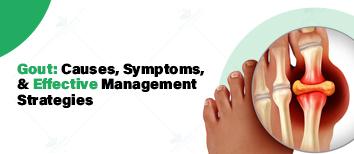
Gout is a form of arthritis caused by the buildup of uric acid crystals in the joints, leading to sudden and severe pain
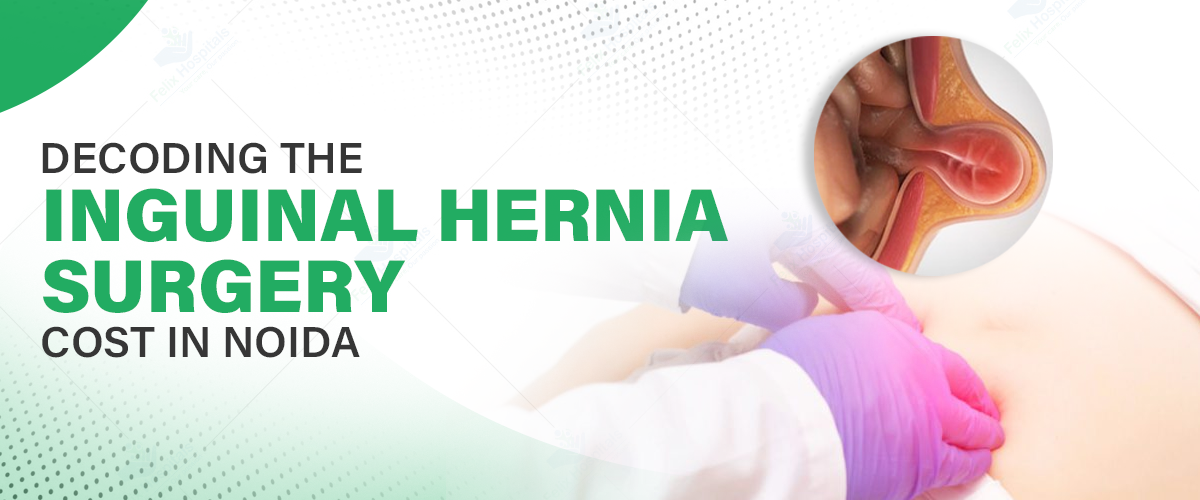
If you or your loved one is going to have an inguinal hernia and in search of a hospital near me, then it's imperative that you get to know about the treatment available, especially the expense of surgery, before arriving at any decision. Inguinal hernia is a very common condition and often requires repair surgically, and knowing about the expenses associated can help you plan better both medically and monetarily.
With the best of medical centers in Noida, such as well-known names like Felix Hospital, patients can now afford world-class surgery at reasonable costs. Let us talk about the facts regarding inguinal hernia surgery, the price, the influencing factors, and how you can make a quality and cost-effective decision.
Want to know how much your inguinal hernia surgery will cost? Contact us at +91 9667064100.
Inguinal hernia is when tissue, like a part of the intestine, bulges through a weak spot in the muscle of the abdomen, most often in the groin area. It can cause pain, discomfort, and serious complications if not treated.
Inguinal hernia repair is done to mend the weakened abdominal wall and tuck the bulging tissue back. Two most common types of surgery are:
Both the operations are effective, though laparoscopic surgery sometimes provides shorter post-operative time and reduced post-operative pain.
The cost of inguinal hernia surgery in Noida may be different from case to case. At an average, the surgery can cost anything from INR 40,000 to INR 1,20,000, depending upon the method used (open or laparoscopic), the type of hospital, and the facilities.
| Minimum Cost | 40,000 |
| Maximum Cost | 1,20,000 |
| Average Cost | 75,000 |
If you are looking for the best hospital to get inguinal hernia surgery, Felix Hospital Noida has a one-stop treatment plan at reasonable prices. The hospital has excellent patient care, advanced surgical equipment, and skilled surgeons that provide money value.
There are several factors that affect the total cost of inguinal hernia surgery:
Select an Insurance-Authorized Hospital: Select a hospital authorized by your insurance scheme to reduce total expenditure.
Felix Hospital in Noida is a name to be reckoned with when it comes to surgical treatment, providing world-class facilities at economic rates. Here's why it is a favorite destination for inguinal hernia surgery:
When it comes to inguinal hernia surgery, the expertise of the surgeon matters greatly. At Felix Hospital, you’re in safe hands with some of the best doctors for inguinal hernia surgery:
All this expertise, compassionate care, and international renown infrastructure, Felix Hospital is the perfect place to get inguinal hernia surgery done.
Book a consultation with our expert surgeons at Felix Hospital and discuss your treatment options with us in total transparency.
Inguinal hernia surgery is a serious and in most cases unavoidable surgery that demands strict scrutiny—medical and financial. With improved surgical methods and adequately equipped facilities, Noida has emerged as a hub for quality and cost-effective healthcare. Among the many options, Felix Hospital is a reputable name with expert services, qualified doctors, and reasonable treatment plans. Having a clear understanding of the total cost, what influences it, and why the selection of a familiar healthcare facility is important are essential to a smooth and safe recovery. So if you are looking for the best inguinal hernia surgery hospital that cares for your health and your purse, Felix Hospital is the place you want to be.
1. For how long will I be hospitalized after inguinal hernia surgery at Felix Hospital?
Ans- Generally, patients undergoing laparoscopic surgery may return home between 24-48 hours. For open surgery, subject to the recovery rate of the patient and overall condition, it might take more time.
2. Is laparoscopic hernia surgery at Felix Hospital insured?
Ans- Yes, Felix Hospital will see all the large insurance carriers, and the majority of plans cover lap and open hernia repair. Our staff will assist you with the process.
3. Can I decide which surgeon performs my inguinal hernia surgery at Felix Hospital?
Ans- Yes. You can see some of the surgeons like Dr. Ritesh Agrawal and Dr. Vishal Sharma, and select the one in whom you have maximum comfort after meeting him.
4. How soon should I recover before I am able to resume work or physical activity following surgery?
Ans- Most patients can resume light activities at one week and full work (except heavy lifting) at 2–3 weeks, especially after laparoscopic surgery. Your surgeon will also give you an individual recovery plan.
5. What do I do if my hernia reappears after surgery? Does Felix Hospital cover it?
Ans- Recurrence is not rare, particularly with skill and mesh repair techniques applied at Felix Hospital. However, in case of recurrence, we provide comprehensive cure procedures and follow-up treatment at low additional charges.
6. Is EMI available for hernia surgery without having to be credit card-reliant?
Ans- Yes, we have flexible EMI options even for patients without a credit card. You can ask about financing partners available at our billing counter.
7. Are mesh implants applied at Felix Hospital FDA-approved and safe?
Ans- Yes, we employ only the best, FDA-approved mesh implants from reputed medical suppliers for optimal safety and long-term durability in hernia repair surgeries.

Felix Hospitals is the leading hospital for hernia surgery in Noida and Delhi NCR.


Subscribe to our
© Copyright 2026. All Rights Reserved by Felix Healthcare Private Limited
Design and development by :


 +(91)9667064100
 Emergency : +(91)9667064100