 WhatsApp
 Emergency:
  WhatsApp










Subscribe to our

गर्भावस्था तब होती है जब आपके गर्भाशय के अंदर भ्रूण विकसित होता है। गर्भावस्था लगभग 40 सप्ताह तक चलती है और इसे तीन तिमाहियों में विभाजित किया जाता है, जिनमें से प्रत्येक लगभग 13 सप्ताह तक चलती है। स्वस्थ गर्भावस्था के लिए प्रसवपूर्व देखभाल प्राप्त करना आवश्यक है। इसके लिए आप नोएडा में सर्वश्रेष्ठ स्त्री रोग विशेषज्ञ अस्पताल से संपर्क कर सकते हैं जहाँ आपको अच्छी सुविधाएं और जानकारी आसानी से मिल जाएंगी।
गर्भावस्था एक खूबसूरत सफर है, और इसकी पहली तिमाही इसकी नींव होती है। इसलिए, इस दौरान खुद की सेहत का पूरा ध्यान रखें डॉक्टर की सलाह के लिए संपर्क करें +91 9667064100।
गर्भावस्था 40 सप्ताह या 280 दिन की होती है। लेकिन यह उससे थोड़ा ज़्यादा जटिल और समझने में कठिन है, मुख्यतः इस बात पर निर्भर करता है कि आप गर्भावस्था की गणना कैसे करते हैं।
आपका स्वास्थ्य सेवा प्रदाता आमतौर पर आपके अंतिम मासिक धर्म (LMP) की तारीख के आधार पर निर्धारित करता है कि आप गर्भावस्था में कितनी आगे हैं। यह भ्रमित करने वाला है क्योंकि ओव्यूलेशन आपके चक्र में लगभग दो सप्ताह तक नहीं होता है। इसलिए, जब आप ओव्यूलेशन के दो सप्ताह बाद गर्भावस्था परीक्षण करते हैं, तो आप पहले से ही चार सप्ताह की गर्भवती होती हैं।
गर्भावस्था के गणित को लेकर भ्रमित न हों। आपका गर्भावस्था देखभाल प्रदाता आपको इसे समझाने में मदद कर सकता है और गर्भावस्था अल्ट्रासाउंड के आधार पर आपको आपकी नियत तिथि बता सकता है।
यदि आप IVF के माध्यम से गर्भवती होती हैं, तो गर्भावस्था के सप्ताह अभी भी वही हैं, लेकिन आपका प्रदाता इसे अलग तरीके से गणना कर सकता है। ऐसा मुख्य रूप से इसलिए होता है क्योंकि स्त्रीरोग विशेषज्ञ भ्रूण को आपके गर्भाशय में स्थानांतरित करते हैं और आप कुछ ऐसे चरणों को हटा देते हैं जो प्राकृतिक गर्भाधान में लगभग दो सप्ताह लगते हैं।
आपकी नियत तिथि निर्धारित करने में आपकी सहायता करने के लिए ऑनलाइन कई नियत तिथि कैलकुलेटर भी उपलब्ध हैं। अपनी तिथि का अनुमान लगाने का एक और तरीका यह है:
भले ही आप अपनी नियत तिथि की गणना कर लें, लेकिन आपका गर्भावस्था देखभाल प्रदाता आपकी नियुक्ति पर आपकी नियत तिथि की पुष्टि करेगा (या अल्ट्रासाउंड परिणामों के आधार पर एक नई नियत तिथि प्रदान करेगा)। प्रसवपूर्व जांच के लिए जाना भी आपके प्रदाता को आपकी नियत तिथि की सटीकता की निगरानी करने में मदद करता है।
ध्यान रखें कि आपकी अनुमानित नियत तिथि पर बच्चे को जन्म देने की संभावना केवल 5% है।
गर्भावस्था एक महिला के जीवन का एक अनमोल समय होता है। खासकर, पहला तिमाही (0-12 सप्ताह) अत्यधिक महत्वपूर्ण होता है क्योंकि इस दौरान भ्रूण का तेजी से विकास होता है। इस समय में भ्रूण के अंगों का निर्माण शुरू होता है, और उसका न्यूरल ट्यूब (जो मस्तिष्क और रीढ़ की हड्डी का आधार होता है) विकसित होने लगता है। इसलिए, यह समय बहुत संवेदनशील होता है और विशेष देखभाल की आवश्यकता होती है।
यदि इस दौरान किसी प्रकार की लापरवाही बरती जाए, तो इससे गर्भपात, जन्म दोष, या अन्य जटिलताओं का खतरा बढ़ सकता है। इसलिए, यह आवश्यक है कि गर्भवती महिलाएं सही पोषण, नियमित चिकित्सा जांच, और स्वस्थ जीवनशैली अपनाएं साथ ही गर्भावस्था के लिए सर्वश्रेष्ठ अस्पताल से सलाह लेते रहें। आइए विस्तार से जानें कि इस दौरान किन बातों का ध्यान रखना चाहिए।
गर्भावस्था के पहले तिमाही में सही और संतुलित आहार लेना अत्यंत आवश्यक है, क्योंकि इस दौरान भ्रूण के अंगों का निर्माण होता है।
वैक्सीनेशन और दवाइयों का ध्यान
गर्भावस्था की पहली तिमाही (पहले तीन महीने) शिशु के विकास के लिए बहुत महत्वपूर्ण होती है। इस दौरान महिला को अपनी सेहत और खानपान का विशेष ध्यान रखना चाहिए।
फेलिक्स हॉस्पिटल्स में काफी कुशल स्त्री रोग विशेषज्ञ उपस्थित हैं:
फेलिक्स हॉस्पिटल में अनुभवी स्त्री रोग विशेषज्ञ उपलब्ध हैं, जो आपकी गर्भावस्था के दौरान उचित मार्गदर्शन और देखभाल प्रदान कर सकते हैं। सुरक्षित और स्वस्थ गर्भावस्था के लिए आज ही संपर्क करें!
छोटी-छोटी लापरवाहियां गंभीर जटिलताओं का कारण बन सकती हैं इसलिए सही समय पर डॉक्टर से सलाह लेना आवश्यक है यहाँ क्लिक करें और आज ही अपना अपॉइंटमेंट बुक करें।
गर्भावस्था के पहले तिमाही में विशेष सावधानी बरतना आवश्यक है क्योंकि यह भ्रूण के विकास का सबसे महत्वपूर्ण समय होता है। सही आहार, नियमित चिकित्सा जांच, मानसिक स्वास्थ्य का ध्यान, और स्वस्थ जीवनशैली अपनाने से जटिलताओं से बचा जा सकता है। गर्भवती महिलाओं को चाहिए कि वे डॉक्टर की सलाह का पालन करें और अपनी देखभाल में कोई कमी न करें ताकि उनका गर्भकाल सुखद और सुरक्षित रहे। अगर आपको भी डॉक्टर की सलाह चाहिए, आईवीएफ या गर्भधारण या फिर प्रसव के समय इलाज की कीमत के बारे में भी जानना चाहते है तो आप संपर्क कर सकते हैं।
1. गर्भावस्था के पहले तिमाही में क्या ध्यान रखना चाहिए?
उत्तर: पहले तिमाही में पोषण, उचित हाइड्रेशन, हल्का व्यायाम, मानसिक शांति और नियमित डॉक्टर से जांच आवश्यक है। इसके अलावा, धूम्रपान, शराब, और जंक फूड से बचना चाहिए।
2. गर्भावस्था के पहले तिमाही में कौन-कौन से पोषक तत्व महत्वपूर्ण होते हैं?
उत्तर: फोलिक एसिड, आयरन, कैल्शियम और प्रोटीन जैसे पोषक तत्व आवश्यक होते हैं। ये भ्रूण के सही विकास में मदद करते हैं और जन्म दोषों से बचाव करते हैं।
3. गर्भावस्था की पहली तिमाही में अक्सर कौन-कौन सी समस्याएं होती हैं?
उत्तर: मॉर्निंग सिकनेस, थकान, कब्ज, एसिडिटी, और मूड स्विंग्स जैसी समस्याएं आम हैं। इन समस्याओं के लिए घरेलू उपाय और डॉक्टर की सलाह मददगार हो सकती है।
4. गर्भवती महिलाओं को कितनी नींद और आराम की आवश्यकता होती है?
उत्तर:गर्भवती महिलाओं को प्रतिदिन कम से कम 7-9 घंटे की नींद और पर्याप्त आराम की आवश्यकता होती है ताकि भ्रूण का विकास सही ढंग से हो सके।
5. क्या गर्भावस्था के दौरान व्यायाम करना सुरक्षित है?
उत्तर: हल्का व्यायाम जैसे योग, चलना और प्राणायाम करना सुरक्षित है, लेकिन किसी भी नए व्यायाम को शुरू करने से पहले डॉक्टर से सलाह लेना चाहिए।
6. गर्भावस्था की पहली तिमाही में अल्ट्रासाउंड कब किया जाता है?
उत्तर: पहली तिमाही में आमतौर पर 6-8 सप्ताह के बीच पहला अल्ट्रासाउंड किया जाता है, जिससे भ्रूण के विकास और हार्मोन स्तर की जानकारी मिलती है।
7. गर्भावस्था के पहले तिमाही में डॉक्टर से कब मिलना चाहिए?
उत्तर: गर्भावस्था की पुष्टि होते ही डॉक्टर से मिलना चाहिए। इसके बाद नियमित जांच के लिए डॉक्टर से संपर्क करें, ताकि कोई भी जटिलता से बचा जा सके।
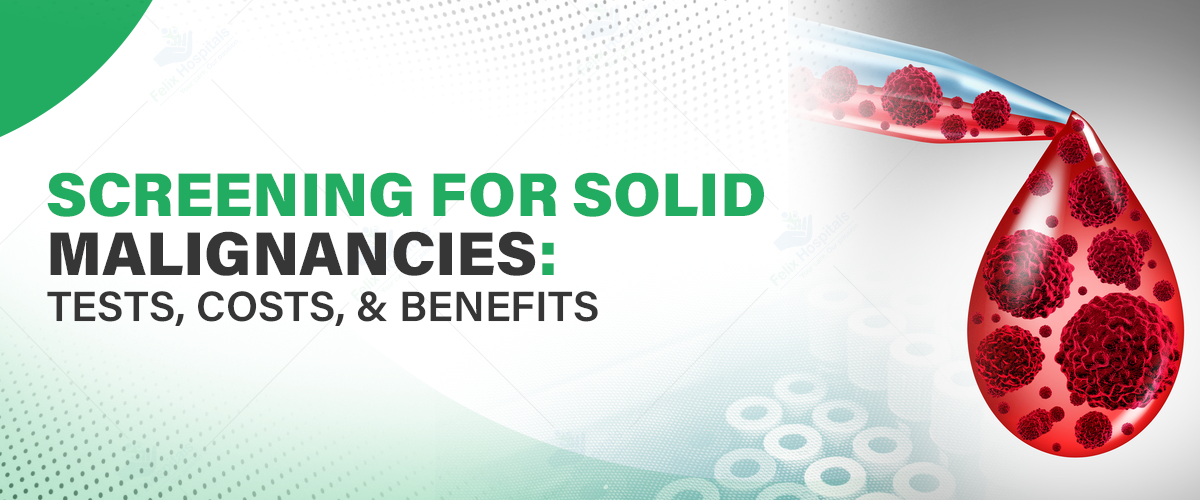
A solid tumor is a mass of solid cancer cells that grows in organ systems and can appear anywhere in the body, like lung cancer in the lungs, breast cancer in the breast, prostate cancer in the prostate, or melanoma in the skin. Cancer screening of these tumors is crucial, more so because early detection and prompt intervention can improve treatment outcomes as well as the survival rates. In fact, cancer screenings play a pivotal role in preventive healthcare as these detect early signs of cancer in people without symptoms. Therefore, it’s important to have a basic know-how of the available cancer screenings for solid malignancies and understand its importance as well as the known benefits.
Are you at a risk of developing cancer? We provide a full spectrum of cancer care under one roof. Call us now at +91 9667064100.
As stated above, solid tumors are types of cancers characterized by the formation of a mass in tissues or organs. These tumors are either benign (noncancerous) or malignant (cancerous). Malignant tumors grow quickly and invade surrounding tissues. If left undiagnosed or untreated, they have the potential to spread to other parts of the body. Among the most common solid tumors include:
Screening of solid tumors is done based on different tests for various kinds of cancers. Approximate price range of some of some of these common diagnostic tests are as follows:
| Screening Test | Minimum Cost | Maximum Cost | Purpose Of The Test |
|---|---|---|---|
| Mammography | ₹ 1,000 per test | ₹ 3,000 per test | Detects breast cancer |
| Low-Dose CT Scan | ₹ 2,000 per scan | ₹ 5,000 per scan | Screens for lung cancer |
| Colonoscopy | ₹4,000 per procedure | ₹10,000 per procedure | Detects colorectal cancer and polyps |
| PSA Blood Test | ₹500 per test | ₹1,500 per test | Screens for prostate cancer |
| Skin Biopsy | ₹1,500 per sample | ₹3,000 per sample | Diagnoses skin cancer |
| MRI | ₹5,000 per scan | ₹12,000 per scan | Identifies brain tumors and other soft-tissue cancers |
| Pap Smear and HPV Testing | ₹1,000 per test | ₹3,000 per test | Screens for cervical cancer |
| Ultrasound | ₹800 per session | ₹2,500 per session | Detects tumors in the abdomen, breast, or pelvis |
Although screening cost for solid malignancies may vary depending on the facility and location, here are a few factors that may affect the cost.
Felix Hospitals offers affordable and accurate diagnostic services tailored to individual needs.
Screening cancer is the first step towards preventive healthcare. Here are some of the benefits that can be achieved through screening tests for solid tumors:
Felix Hospitals is the best cancer hospital in Noida. We take pride in being one of the leading healthcare providers, offering advanced screening and multidisciplinary treatment for solid malignancies. Our team of experienced oncologists and diagnostic specialists are equipped with world-class technology to deliver accurate results and personalized care. We also provide second opinions on cancers.
Whether you need a routine mammogram or a complex biopsy, Felix Hospitals provides solid malignancy treatment in Noida using a multidisciplinary approach, ensuring a seamless and compassionate experience for every patient. To seek an appointment with our renowned team of doctors that include Dr Mukta Baxi and Dr. Vinita Kumari, speak to our representative today!
If you or your loved ones are at risk of developing cancer, visit the best hospital in Noida for effective treatment care. Schedule your Consultation today!
Screening for solid tumors is the first step in promoting preventive healthcare. Besides saving lives, early detection of cancer helps to reduce treatment cost, and improve overall quality of life of the cancer survivor. Understanding the available diagnostic options, their costs, and the benefits they offer, individuals are able to make informed decisions about their health. At Felix Hospitals, we provide high-quality screening and best treatment options so that our patients receive the best care at every step of their journey.
1. What is the appropriate age to start screening for solid tumors?
Ans: Screening recommendations may vary depending on the cancer type. For instance, the ideal age to start mammograms for breast cancer is 40, and bowel cancer screening should begin at around age 50.
2. Are screening tests painful?
Ans: Most screening tests, whether blood tests or imaging scans, are non-invasive and painless. Biopsy procedures may cause minor discomfort but are usually well tolerated.
3. How frequently should I get screened for cancer?
Ans: It varies and depends on your risk factors, the type of cancer, your age, and your general health.
4. Can screening tests detect all types of solid tumors?
Ans: Screening tests are designed for specific cancers, such as mammograms for breast cancer or colonoscopies for colorectal cancer. It is advisable to discuss your risk profile with your doctor.
5. Are there any risks associated with screening tests?
Ans: Generally, most cancer screenings are safe. Though there are no risks involved with these tests, some people experience some side effects.
6. How are cancer screenings priced at Felix Hospitals?
Ans: The cost of our cancer screenings depends on the type of screening test recommended by your doctor. We provide screenings at an affordable cost.
ब्रेस्ट कैंसर (Breast Cancer) के मुख्य लक्षण, इसके कारण और प्रभावी उपचार। समय पर पहचान और सही इलाज से रोग की गंभीरता को कम किया जा सकता है।

Explore essential information about breast cancer, including its symptoms, causes, types, and treatments, to stay informed and proactive about your health.

Cervical cancer is most common in women after breast cancer. Cervical cancer starts from the cervix, i.e., the cervix. The cervix is the lower part of the uterus that connects the vagina to the uterus.

आज के समय में दिल का दौरा (हार्ट अटैक) एक गंभीर स्वास्थ्य समस्या बन चुका है, जो न केवल बुजुर्गों बल्कि युवाओं को भी तेजी से प्रभावित कर रहा है। क्या आपने कभी सोचा है कि हार्ट अटैक क्यों पड़ता है और इसके पीछे की असली वजह क्या है? गलत जीवनशैली, अनियमित खानपान और बढ़ते तनाव जैसे कई कारक दिल के दौरे का खतरा बढ़ा सकते हैं।
नोएडा में हार्ट अटैक का सबसे अच्छा अस्पताल चुनना भी उतना ही महत्वपूर्ण है, क्योंकि सही समय पर सही इलाज मिलने से जान बचाई जा सकती है। लेकिन सही जानकारी और समय रहते सावधानियां बरतकर इससे बचा जा सकता है। इस लेख में हम हार्ट अटैक के कारण, लक्षण और बचाव के उपायों को विस्तार से समझेंगे।
ज्यादा जानकारी के लिए हमें कॉल करें +91 9667064100.
दिल का दौरा जिसे मायोकार्डियल इंफार्क्शन (एमआई) भी कहा जाता है। एक गंभीर चिकित्सा स्थिति है। जिसमें हृदय की मांसपेशियों को रक्त की आपूर्ति अचानक कम या बंद हो जाती है। यह आमतौर पर हृदय की धमनियों (कोरोनरी आर्टरीज) में रुकावट के कारण होता है, जिससे हृदय को आवश्यक ऑक्सीजन और पोषक तत्व नहीं मिल पाते हैं।
हृदय तक रक्त पहुंचाने वाली कोरोनरी धमनियां प्लाक (Plaque) के जमाव के कारण संकरी हो सकती हैं। प्लाक में वसा, कोलेस्ट्रॉल और अन्य पदार्थ होते हैं। जब यह प्लाक फट जाता है, तो वहां पर खून का थक्का बन सकता है, जिससे रक्त प्रवाह रुक जाता है।
जब किसी धमनी में यह अवरोध पूरी तरह से बन जाता है, तो रक्त हृदय की मांसपेशियों तक नहीं पहुंच पाता। ऑक्सीजन की कमी से हृदय की कोशिकाएं मरने लगती हैं, जिससे दिल को गंभीर क्षति हो सकती है।
दिल का दौरा (हार्ट अटैक) आमतौर पर हृदय की धमनियों में रुकावट के कारण होता है, जिससे हृदय को पर्याप्त ऑक्सीजन नहीं मिल पाती। इसके मुख्य कारण निम्नलिखित हैं:
हाई बीपी हृदय पर अधिक दबाव डालता है, जिससे दिल की मांसपेशियां कमजोर हो सकती हैं।
खराब कोलेस्ट्रॉल (एलडीएल) धमनियों में प्लाक जमने का कारण बनता है, जिससे रक्त प्रवाह बाधित हो जाता है।
हाई ब्लड शुगर हृदय की धमनियों को नुकसान पहुंचा सकता है, जिससे हृदय रोग का खतरा बढ़ जाता है।
अधिक वजन से हृदय पर अधिक दबाव पड़ता है और हाई बीपी, डायबिटीज़, और हाई कोलेस्ट्रॉल जैसी समस्याएं हो सकती हैं।
ज्यादा तनाव और चिंता से ब्लड प्रेशर बढ़ सकता है, जिससे हार्ट अटैक का खतरा बढ़ जाता है।
नियमित व्यायाम न करने से मोटापा, हाई बीपी, और डायबिटीज जैसी समस्याएं हो सकती हैं, जो हृदय रोग का खतरा बढ़ाती हैं।
अधिक वसा, नमक और शुगर युक्त भोजन से कोलेस्ट्रॉल और बीपी बढ़ सकता है, जिससे दिल का दौरा पड़ने की संभावना बढ़ जाती है।
अगर परिवार में किसी को हृदय रोग रहा हो, तो आपके लिए भी जोखिम अधिक हो सकता है।
हार्ट अटैक के लक्षण पहचानना बहुत जरूरी है ताकि समय पर इलाज किया जा सके।
दिल के दौरे से बचाव के लिए सही जीवनशैली अपनाना बेहद जरूरी है। यहां कुछ महत्वपूर्ण उपाय दिए गए हैं:
अगर किसी को दिल का दौरा (हार्ट अटैक) पड़ता है, तो तुरंत सही कदम उठाना ज़रूरी है। यह जीवन बचा सकता है।
फेलिक्स अस्पताल, नोएडा में अनुभवी हृदय रोग विशेषज्ञों की एक कुशल टीम उपलब्ध है, जो आधुनिक तकनीकों और उन्नत चिकित्सा सुविधाओं के माध्यम से हृदय संबंधी बीमारियों का सटीक निदान और प्रभावी उपचार प्रदान करती है।
हृदय रोगों से बचाव के लिए नियमित स्वास्थ्य जांच कराएं, संतुलित आहार लें, व्यायाम करें और तनाव से दूर रहें।
आज ही अपने हृदय की जांच कराएं और सही परामर्श लें। डॉक्टर की सलाह के लिए आज ही फोन करें +91 9667064100.
दिल का दौरा एक गंभीर स्वास्थ्य समस्या है, लेकिन सही जानकारी और समय पर कदम उठाकर इसे रोका जा सकता है। जागरूकता और स्वस्थ जीवनशैली अपनाने से हार्ट अटैक के खतरे को काफी हद तक कम किया जा सकता है। नियमित व्यायाम करें और संतुलित आहार लें। धूम्रपान और शराब से बचें, ब्लड प्रेशर और कोलेस्ट्रॉल को नियंत्रित रखें। तनाव प्रबंधन और पर्याप्त नींद हृदय स्वास्थ्य के लिए ज़रूरी हैं। समय-समय पर स्वास्थ्य जांच करवाना बेहद महत्वपूर्ण है।
नोएडा में हार्ट अटैक के इलाज का खर्च अस्पताल, इलाज की जटिलता और आवश्यक चिकित्सा प्रक्रियाओं पर निर्भर करता है। इसलिए, सही अस्पताल और विशेषज्ञ का चयन करें। इमरजेंसी में सही कदम उठाएं और सीपीआर व प्राथमिक चिकित्सा का ज्ञान अवश्य रखें।
प्रश्न 1. दिल का दौरा क्यों पड़ता है ?
उत्तर: दिल का दौरा तब पड़ता है जब हृदय की धमनियों (कोरोनरी आर्टरी) में रुकावट आ जाती है, जिससे हृदय को पर्याप्त ऑक्सीजन नहीं मिल पाती। यह रुकावट आमतौर पर कोलेस्ट्रॉल, वसा और अन्य पदार्थों से बनी प्लाक के कारण होती है।
प्रश्न 2. क्या महिलाएं और पुरुषों में दिल के दौरे के लक्षण अलग होते हैं ?
उत्तर: हां, महिलाओं में लक्षण थोड़े अलग हो सकते हैं। उन्हें अक्सर अपच, थकान, सांस फूलना, पीठ या जबड़े में दर्द जैसे हल्के लक्षण महसूस हो सकते हैं। जिन्हें आमतौर पर नजरअंदाज कर दिया जाता है।
प्रश्न 3. दिल का दौरा और कार्डियक अरेस्ट में क्या अंतर है ?
उत्तर: दिल का दौरा में जब हृदय की धमनियों में रुकावट आ जाती है, जिससे रक्त प्रवाह रुक जाता है। कार्डियक अरेस्ट में जब हृदय अचानक धड़कना बंद कर देता है, जिससे व्यक्ति बेहोश हो सकता है और सांस लेना बंद कर सकता है।
प्रश्न 4. क्या युवा लोगों को भी दिल का दौरा पड़ सकता है ?
उत्तर: हां, यदि वे अस्वस्थ जीवनशैली अपनाते हैं, अत्यधिक तनाव में रहते हैं, धूम्रपान या शराब का सेवन करते हैं, या उन्हें कोई आनुवंशिक हृदय रोग है, तो युवा लोगों को भी दिल का दौरा पड़ सकता है।
प्रश्न 5 . क्या दिल के दौरे से उबरने के बाद सामान्य जीवन जिया जा सकता है ?
उत्तरः हां, लेकिन इसके लिए जीवनशैली में बदलाव लाना जरूरी है। डॉक्टर की सलाह के अनुसार दवाएं लें, सही खानपान अपनाएं और नियमित व्यायाम करें।
प्रश्न 6. क्या योग और ध्यान दिल के स्वास्थ्य के लिए फायदेमंद हैं ?
उत्तरः हां, योग और ध्यान तनाव कम करने, ब्लड प्रेशर नियंत्रित करने और दिल की धड़कन को सामान्य रखने में मदद करते हैं, जिससे दिल का दौरा पड़ने का खतरा कम हो सकता है।
The primary goal of the Treadmill Stress Test is to evaluate how well the heart responds to increased physical activity

हार्ट अटैक के मुख्य लक्षण, कारण और तुरंत किए जाने वाले उपचार के बारे में जानें। समय पर पहचान और सही इलाज से जीवन बचाया जा सकता है।
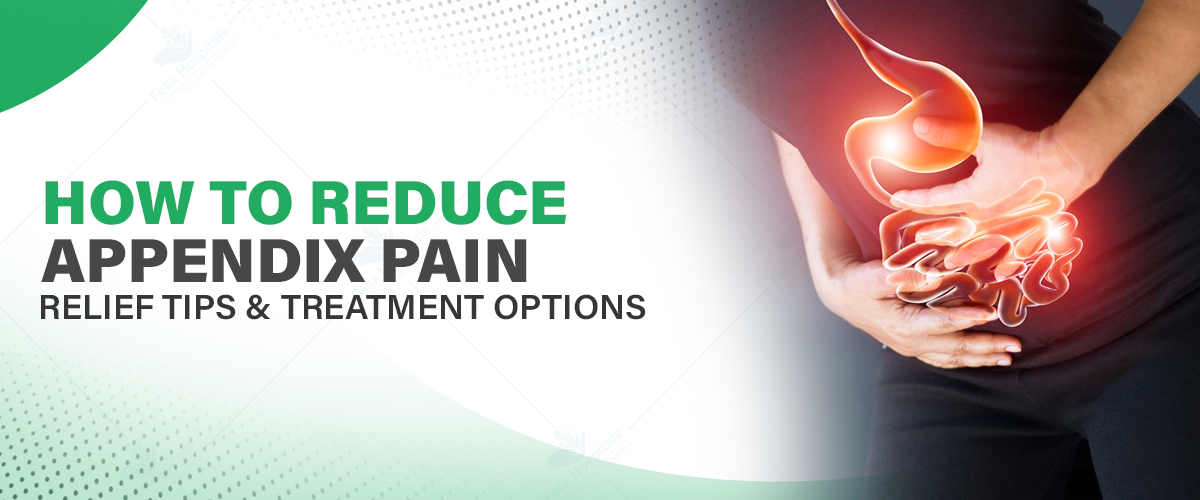
Appendix pain is a common and concerning condition that can arise due to appendicitis, an infection or inflammation of the appendix. This type of abdominal pain can range from mild discomfort to severe, sharp pain, which is often a sign of a medical emergency. It's important to understand the causes of appendix pain and take immediate action to address it. Prompt identification and proper management can reduce the risk of complications. If you are experiencing severe abdominal pain, consulting with the best hospital for gastroenterology ensures that you receive expert care tailored to your specific condition.
experiencing appendix pain or seeking expert medical advice. Contact us now by Calling +91 9667064100 to schedule an appointment.
Appendicitis is the inflammation of the appendix, a small pouch attached to the large intestine. This condition occurs when the appendix becomes blocked, often by stool, a foreign body, or cancer, leading to infection. The blockage causes the appendix to swell, resulting in intense pain, typically starting around the navel and moving to the lower right abdomen.
Key symptoms of appendicitis include:
Sharp, sudden abdominal pain
Nausea or vomiting
Fever
Loss of appetite
Swelling in the abdomen
Understanding these symptoms early on can help you seek the appropriate treatment and prevent more severe complications, such as a ruptured appendix.
It is crucial to seek immediate medical attention if you experience symptoms of appendicitis. Early diagnosis can prevent complications like a ruptured appendix, which can lead to widespread infection (peritonitis) and potentially life-threatening situations.
Here’s how to differentiate between mild discomfort and serious pain:
Mild discomfort may improve with rest, fluids, and a gentle approach to lifestyle changes.
Intense, sharp pain that worsens over time, especially with coughing, sneezing, or movement, requires urgent care.
Before attempting any home remedies for appendix pain, consult with a doctor. Seeking medical advice ensures that you do not inadvertently delay necessary treatment.
Resting is one of the most important steps in managing appendix pain. Physical activity can exacerbate the pain, so it’s essential to avoid any strenuous movements. Lying down in a specific position, such as the fetal position, can help alleviate discomfort by reducing strain on the abdomen.
Drinking plenty of fluids, especially water and electrolyte drinks, helps maintain hydration and soothes the abdominal region. Hydration is key for reducing inflammation and supporting the body’s natural healing process. However, avoid beverages like caffeinated drinks or alcohol, which can irritate the stomach and worsen symptoms.
Applying a warm compress or heating pad to the abdomen can help relax muscles and reduce mild pain. This provides temporary relief, especially if the pain is due to muscle tension. However, cold therapy—such as a cold compress—can help reduce inflammation, but should be used cautiously as it may exacerbate certain conditions.
Over-the-counter pain relievers like ibuprofen or acetaminophen may be helpful in managing mild discomfort. However, if you suspect appendicitis, it's critical to avoid these medications as they can mask the severity of the condition. Always consult a healthcare provider before taking any pain medications, especially if you experience persistent or worsening pain.
Eating soft, bland foods and clear liquids is recommended to reduce strain on your digestive system and soothe the abdomen. Avoid heavy, spicy, or fatty foods, as these can irritate the stomach and worsen symptoms. A light diet helps the body focus on healing rather than digesting hard-to-process foods.
Preventing appendicitis begins with maintaining a healthy lifestyle. A diet rich in fiber, including fruits, vegetables, and whole grains, can help avoid constipation, which is often associated with appendicitis. Staying hydrated, exercising regularly, and managing stress are all beneficial for your overall digestive health. Preventing appendix pain through lifestyle choices reduces the likelihood of future complications.
Appendicitis, which is a condition of appendix inflammation, usually manifests itself with signs such as sharp abdominal pain, fever, and nausea that need urgent medical care. Although some trivial cases may resolve with antibiotics, surgery in the form of an appendectomy emerges as the sole option when things become serious. This is especially so in the event of ruptured appendix, severe infection, or abscess formation, where delayed operation can result in life-threatening conditions like peritonitis or sepsis. At Felix Hospital, our skilled surgeons employ the latest methods, such as minimally invasive laparoscopic surgery, to make the procedure safe and successful, with shorter recovery and less risks. After the appendix has reached that point of no return, surgery is the only option to save patient health and well-being.
If you're experiencing appendix pain or suspect appendicitis, it’s essential to seek expert care from qualified professionals. At Felix Hospitals, we offer the best treatment for appendix-related issues:
Dr. Jagatjot Singh Gill – With over 11 years of experience, Dr. Gill is dedicated to providing personalized care for patients with appendix-related concerns.
Dr. Amrit Yog Datley – With 8 years of experience, Dr. Datley specializes in gastroenterology and provides top-tier care for appendix issues.
If you suspect appendicitis so Consult with the Best Gastroenterology Specialists Today by Clicking Here.
Managing appendix pain effectively requires a combination of early detection, proper medical care, and appropriate lifestyle changes. If you're experiencing symptoms, don’t hesitate to seek professional medical attention at a reliable healthcare facility. Remember, lifestyle adjustments such as rest, hydration, and diet play an essential role in reducing discomfort. Additionally, maintaining a healthy lifestyle can help prevent future occurrences of appendix pain. If surgery is necessary, consult with experts to ensure a smooth recovery.
1. What are the earliest signs of appendix pain?
Ans: The first signs of appendix pain often start around the navel before moving to the lower right abdomen. You may also experience nausea, vomiting, and loss of appetite. The pain tends to become sharper and more localized as appendicitis progresses.
2. Can mild appendix pain go away on its own?
Ans: While some people experience mild discomfort that seems to subside, it is crucial to consult a doctor. Persistent or worsening pain may indicate appendicitis, which requires immediate medical attention.
3. Can I prevent appendicitis entirely?
Ans: While appendicitis cannot always be prevented, maintaining a healthy lifestyle with a high-fiber diet, proper hydration, and regular exercise may reduce the risk of developing it.
4. What are the risks of delaying treatment for appendix pain?
Ans: Delaying treatment for appendix pain can lead to the appendix rupturing, which causes infection to spread throughout the abdomen (peritonitis). This can be life-threatening and require emergency surgery.
5. Are there any foods I should avoid when experiencing appendix pain?
Ans: During episodes of appendix pain, it’s best to avoid fatty, spicy, and heavy foods that may irritate the stomach. Stick to bland, soft foods and clear liquids to give your digestive system a break.
6. Can stress contribute to appendix pain?
Ans: While stress does not directly cause appendicitis, it can exacerbate abdominal discomfort and digestive issues, making the symptoms of appendix pain feel worse. Managing stress is important for overall gut health.
7. What is the role of hydration in managing appendix pain?
Ans: Staying hydrated helps reduce inflammation in the body and supports overall digestive health. It can also soothe abdominal discomfort and prevent dehydration, which can worsen appendicitis symptoms.
8. How long does it take to recover after an appendectomy?
Ans: Recovery time varies depending on the individual and the type of surgery, but most people can return to normal activities within a few weeks after an appendectomy. It’s important to follow post-surgery care instructions to prevent infection and promote healing.
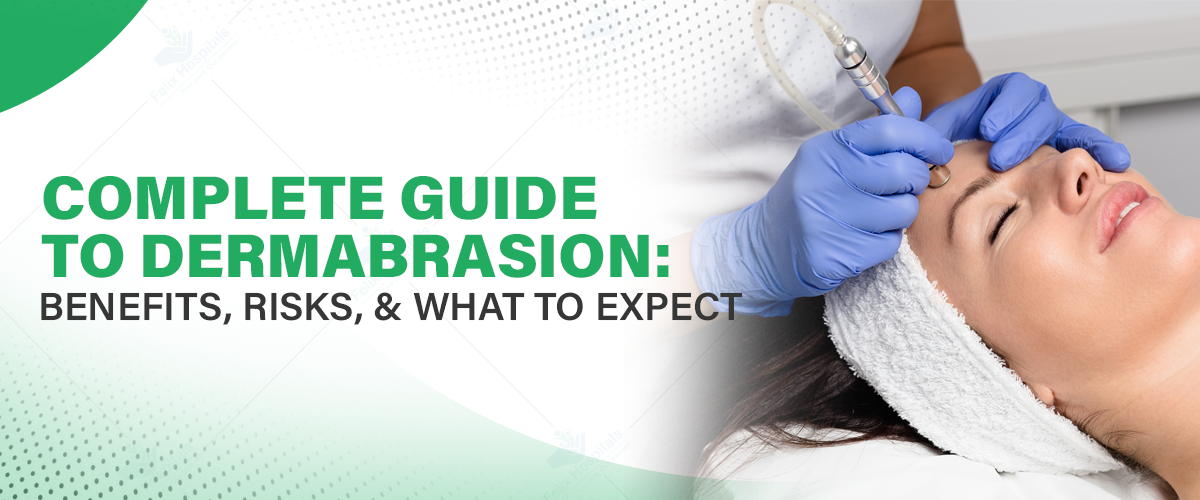
Dermabrasion, also called surgical skin planning, is a minimally invasive cosmetic procedure where a dermatologist or a plastic surgeon improves the uneven skin’s texture and appearance by removing its outermost layers using specialized instruments. This technique is often recommended to improve skin contour for treating acne scars, wrinkles, pigmentation, melasma and other skin irregularities. While Dermabrasion offers numerous benefits, understanding the procedure, its risks, and recovery process is essential to achieve the desired results.
Whether you’re considering this treatment for cosmetic purposes or as part of a broader medical plan, it’s important to understand the risks as well as the benefits before you decide if Dermabrasion is right for you. Before exploring the advanced skin treatment, it's important for you to consult only a certified dermatologist or a recognized plastic surgery hospital for Dermabrasion to ensure a safe and effective experience.
Visit our best plastic surgery hospital today to consult with our experts and achieve the skin transformation you desire. For details, contact us at : +(91) 9667064100
Dermabrasion is a cosmetic procedure that makes use of a rotating device to exfoliate and remove the skin’s outer layer. This process promotes the regeneration of new, smoother skin. However, the procedure is not suitable for everyone, particularly those with sensitive skin, active acne, or certain medical conditions. Also, unlike microdermabrasion, which is less invasive, Dermabrasion reaches deeper layers of the skin and requires professional supervision. Therefore, it is important to consult a certified or a qualified doctor only.
This procedure was developed to lessen acne scars but is used to treat a wide range of skin conditions, including:
Acne scars
Fine lines and wrinkles
Tattoos
Sun damage
Uneven skin tone
Scars from surgery or accident
Certain types of pigmentation issues, such as Melasma
Stretchmarks
Even though Dermabrasion improves the skin’s appearance, it is not a cure for all skin conditions. The procedure is suitable for people of all age groups. However, people who have darker skin tone should avoid undergoing the procedure as this treatment could permanently discolor your skin.
Secondly, if your acne is ongoing, Dermabrasion isn’t an option because there’s a risk of infection.
Before undergoing Dermabrasion, a detailed skin analysis is performed by your certified doctor. The diagnosis involves:
1. Medical History: Before suggesting you Dermabrasion, your specialist will review your skin type, history of skin conditions, and any allergies.
2. Physical Examination: A thorough examination of the affected area helps determine the treatment’s feasibility.
3. Patch Test: For individuals with sensitive skin, patch testing ensures there are no adverse reactions.
The Dermabrasion procedure is typically an outpatient procedure. It involves the following steps:
Preparation: The skin is thoroughly cleaned with antiseptic, and a numbing agent in the form of spray or gel or anesthesia is applied to minimize discomfort. Protective eyewear or covers are used for safety.
Exfoliation: A specialized rotating tool is used to exfoliate the skin’s top layers. The process varies depending on the area being treated and the skin’s condition.
Post-Treatment Care: The treated area is covered with a protective dressing to prevent infection. Topical medications or ointments are prescribed to aid healing.
After Dermabrasion you’ll have to do the following to avoid any problems:
Healing Time: Recovery typically takes 7–10 days. During this time, the skin may appear red, swollen, or sensitive. Your healthcare provider will prescribe an antiviral and an antibiotic to help you avoid infections.
Sun Protection: You will be advised to stay out of direct sun and use a high-SPF sunscreen.
Skincare Routine: You’ll have to follow a gentle skincare regimen as recommended by your doctor to help avoid infection.
Follow-Up Visits: You’ll have to go for regular check-ups to ensure proper healing and address any concerns.
Avoid Sports & Swimming: For at least 4-6 weeks you’ll be asked to avoid vigorous sports and swimming.
Avoid Make-Up: It's advisable to avoid application of any creams or make-up without consulting your doctor.
There are benefits you may get from Dermabrasion that you may not get from a chemical peel or any other cosmetic procedure. These include:
Boosts collagen
Effective if you have medium skin tone
Effective at reducing deeper acne scars
Dermabrasion is a safe and effective procedure, but like any medical or cosmetic procedure there can be certain risks involved, only if you are:
Dark skin complexion
Blood, immune or skin disorders
Browlift or facelift procedures done in the recent past
Keloid scars
To maintain the results of Dermabrasion and prevent further skin issues, you'll have to follow tips, such as:
Use sunscreen daily to protect against UV damage.
Follow a healthy skincare routine, as prescribed by your doctor (tailored to your skin type).
Stay hydrated and maintain a balanced diet.
Avoid smoking and limit alcohol consumption.
Schedule regular check-ups with your dermatologist for skin evaluations.
Felix Hospitals offers superior care for Top Plastic Surgeons in Noida. With our qualified, experienced staff of surgeons like Dr. Pragya Priya and Dr. Vishvendu Gaur, Dermabrasion, among other contemporary skin treatments, is our expertise. With advanced equipment and concern for the health and well-being of the patient, we deliver a safe, efficient, and customized treatment experience.
Ready to rejuvenate your skin? Schedule a consultation at Felix Hospitals today to explore personalized Dermabrasion solutions designed just for you!
Dermabrasion is an effective solution for improving the skin’s texture, reducing scars, and addressing other visible imperfections. By removing the outer layers of damaged skin, it allows healthier, smoother skin to regenerate. While the procedure offers numerous benefits, consulting an experienced dermatologist or plastic surgeon is essential to assess suitability and minimize risks. With proper aftercare, Dermabrasion can provide long-lasting, transformative results.
Take the first step toward healthier, rejuvenated skin. Book an appointment with the experts at Felix Hospitals now!
1. Is Dermabrasion painful?
Ans: Your skin will be numbed using local anesthesia or a numbing spray during the procedure so that you won’t feel any pain. However, after the procedure if you feel any pain or discomfort, your doctor will prescribe pain medications.
2. What is the recovery time and how soon will I be able to see results after Dermabrasion?
Ans: Depending on your skin type, it will take at least 10-14 days for your skin to heal and a couple of weeks before you’ll see the complete results. Make sure to follow your doctor’s instructions closely while you heal.
3. Are there any side effects associated with Dermabrasion?
Ans: While generally considered to be safe, some side effects associated with Dermabrasion include redness, swelling, enlarged pores and temporary sensitivity. These can be managed with proper care.
4. Will Dermabrasion permanently remove tattoos?
Ans: Yes, the procedure is effective in removing tattoos.
5. How long does the Dermabrasion procedure last?
Ans: The length of the procedure depends on how much of the skin will go through Dermabrasion. Roughly, it may take anything between 40 -90 minutes.
6. Is Dermabrasion effective in permanent removal of birthmarks?
Ans: No, Dermabrasion can't improve birthmarks, burns or moles.
7. Is Dermabrasion suitable for all skin types?
Ans: Dermabrasion is not recommended for people with certain skin conditions or very sensitive skin. A consultation with a certified dermatologist or plastic surgeon is essential to determine suitability.
8. Can I wear makeup after the procedure?
Ans: It’s best to avoid makeup until the skin has fully healed. It's advisable to check with your doctor before using make-up or face creams.

Plastic surgery cost in Noida depends on the procedure type, surgeon expertise, hospital infrastructure, and post-surgery care.
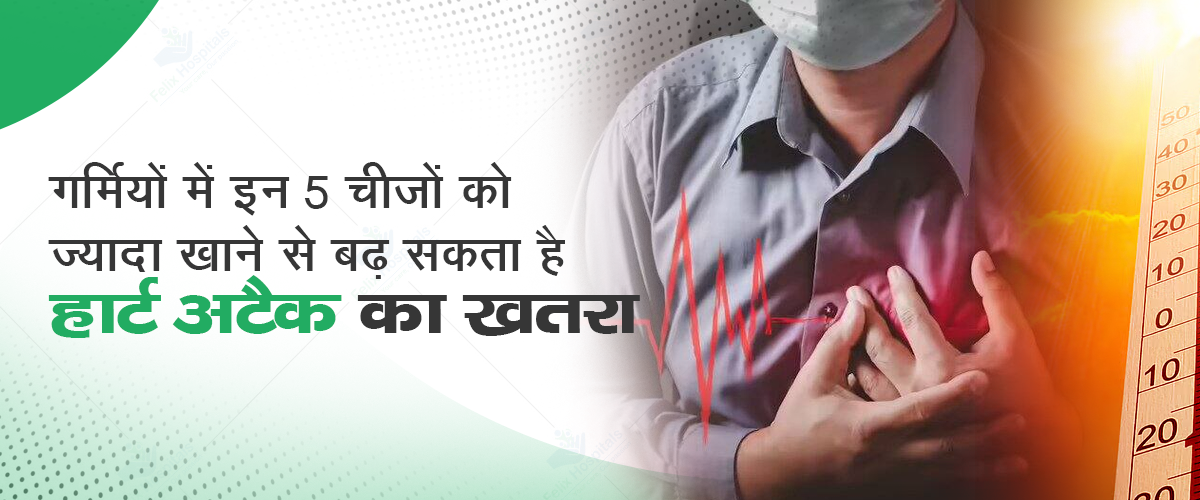
गर्मियों का मौसम सेहत के लिए चुनौतीपूर्ण हो सकता है। तेज गर्मी और उमस के कारण शरीर को अधिक देखभाल की आवश्यकता होती है। खासकर दिल की सेहत पर इस मौसम का गहरा प्रभाव पड़ता है। यदि खानपान का ध्यान न रखा जाए, तो हार्ट अटैक जैसी गंभीर समस्या का खतरा बढ़ सकता है। इस ब्लॉग में हम उन 5 खाद्य पदार्थों के बारे में चर्चा करेंगे, जो गर्मियों में ज्यादा खाने से हृदय स्वास्थ्य को नुकसान पहुंचा सकते हैं। अगर आप नोएडा में हार्ट अटैक के इलाज के लिए सबसे अच्छे अस्पताल की तलाश कर रहे हैं, तो आप इस बात का ज़रूर ध्यान दें कि वहाँ अनुभवी कार्डियोलॉजिस्ट द्वारा उच्च गुणवत्ता वाली हृदय देखभाल सेवाएँ प्रदान की जाती हों।
ज्यादा जानकारी के लिए हमें कॉल करें +91 9667064100.
गर्मियों में ज्यादा खाने से बढ़ने वाले हार्ट अटैक को लेकर अक्सर पूछे जाने वाले प्रश्न और उनके उत्तर (Frequently asked questions and their answers regarding the risk of heart attacks due to overeating in summer)
बिल्कुल सही! गर्मियों में खान-पान का असर न केवल हमारी ऊर्जा और पाचन तंत्र पर पड़ता है, बल्कि दिल की सेहत पर भी महत्वपूर्ण प्रभाव डालता है। कुछ खाद्य पदार्थ अधिक गर्मी पैदा करते हैं और हृदय पर अतिरिक्त दबाव डाल सकते हैं। आइए जानते हैं कि गर्मियों में किन चीजों से बचना चाहिए
फास्ट फूड, डीप फ्राइड आइटम्स (जैसे समोसे, पकौड़े, कचौरी) और अधिक तेल-मसाले वाले भोजन से बचना चाहिए। ये कोलेस्ट्रॉल बढ़ाते हैं, जिससे दिल की बीमारियों का खतरा बढ़ सकता है।
अत्यधिक नमक वाले स्नैक्स (जैसे चिप्स, अचार, प्रोसेस्ड फूड) ब्लड प्रेशर बढ़ा सकते हैं, जो हृदय रोगों की संभावना को बढ़ा सकता है।
चाय, कॉफी और सॉफ्ट ड्रिंक्स शरीर में डिहाइड्रेशन बढ़ाते हैं और अधिक मात्रा में सेवन करने से हृदय की धड़कनें अनियमित हो सकती हैं।
बाजार में मिलने वाले पैकेज्ड जूस, मिठाइयाँ, केक, और अन्य मीठे पदार्थ ब्लड शुगर को बढ़ाते हैं, जिससे मोटापा और दिल की बीमारियों का खतरा बढ़ सकता है।
रेड मीट (जैसे मटन, बीफ) और अधिक प्रोटीन वाले खाद्य पदार्थ (जैसे ज्यादा पनीर, मलाईदार ग्रेवी) पचाने में भारी होते हैं और गर्मी में शरीर को नुकसान पहुँचा सकते हैं।
गर्मियों में हृदय को स्वस्थ रखने के लिए इन खाद्य पदार्थों से बचने की कोशिश करें और ताजे फल, सब्जियाँ, और हल्का भोजन अपनाएं। यदि आप नोएडा में हार्ट अटैक का इलाज ढूंढ रहे हैं, तो फेलिक्स अस्पताल, जो कि नोएडा में हार्ट अटैक के इलाज का सबसे अच्छा अस्पताल है, आपको उच्च गुणवत्ता वाली हृदय देखभाल सेवाएं प्रदान करता है।
गर्मियों में हार्ट अटैक का खतरा बढ़ने के पीछे कई कारण होते हैं। अत्यधिक गर्मी शरीर पर अतिरिक्त दबाव डालती है, जिससे दिल की कार्यक्षमता प्रभावित हो सकती है। आइए समझते हैं कि गर्मियों में हार्ट अटैक का खतरा क्यों बढ़ जाता है
गर्मियों में अधिक पसीना निकलने से शरीर में पानी और इलेक्ट्रोलाइट्स की कमी हो जाती है। इससे खून गाढ़ा हो सकता है, जिससे ब्लड प्रेशर बढ़ सकता है और हृदय को अधिक मेहनत करनी पड़ती है।
गर्मी के कारण शरीर में रक्त वाहिकाएँ फैल जाती हैं (वेसोडाइलेशन), जिससे कुछ लोगों में लो ब्लड प्रेशर हो सकता है। वहीं, डिहाइड्रेशन से हाई ब्लड प्रेशर की समस्या भी हो सकती है, जिससे दिल पर अतिरिक्त दबाव पड़ता है।
सोडियम, पोटैशियम और मैग्नीशियम जैसे जरूरी इलेक्ट्रोलाइट्स की कमी से दिल की धड़कनें अनियमित हो सकती हैं (अरिदमिया), जिससे हार्ट अटैक या कार्डियक अरेस्ट का खतरा बढ़ जाता है।
अत्यधिक गर्मी के कारण शरीर का तापमान नियंत्रित नहीं हो पाता, जिससे हीट स्ट्रोक हो सकता है। यह स्थिति हृदय को गंभीर रूप से प्रभावित कर सकती है और हार्ट फेल्योर का कारण बन सकती है।
गर्मियों में ज्यादा पसीना निकलने से शरीर में पानी की मात्रा कम हो जाती है, जिससे रक्त गाढ़ा हो सकता है। इससे रक्त संचार में रुकावट आ सकती है और दिल के दौरे की संभावना बढ़ जाती है।
गर्मी के कारण शरीर जल्दी थक जाता है और अगर आराम न मिले, तो दिल की धड़कनें तेज हो सकती हैं। यह स्थिति उन लोगों के लिए ज्यादा खतरनाक होती है, जिन्हें पहले से ही हृदय संबंधी समस्याएँ हैं।
फेलिक्स अस्पताल, नोएडा में हृदय स्वास्थ्य के लिए अत्याधुनिक देखभाल सेवाएँ प्रदान करता है। हमारे अनुभवी कार्डियोलॉजिस्ट की टीम (team of the best cardiologists), मरीजों को बेहतरीन उपचार देने के लिए समर्पित है। हमारी टीम में शामिल हैं:
फेलिक्स अस्पताल, नोएडा के शीर्ष हृदय अस्पतालों में से एक है, जो आधुनिक तकनीकों से लैस है। हम अपने मरीजों को समग्र और व्यक्तिगत हृदय देखभाल प्रदान करने का संकल्प लेते हैं, जिससे वे एक स्वस्थ और खुशहाल जीवन जी सकें।
डॉक्टर की सलाह के लिए आज ही फोन करें +91 9667064100.
गर्मियों में सेहतमंद खाने की आदतें अपनाना जरूरी है ताकि दिल की सेहत बनी रहे। तला-भुना, ज्यादा नमक, शुगरी ड्रिंक्स, रेड मीट और कैफीन जैसे खाद्य पदार्थों का सेवन सीमित करने से हृदय को स्वस्थ रखा जा सकता है। पर्याप्त मात्रा में पानी पिएं और शरीर को हाइड्रेटेड रखें। हल्का, पौष्टिक और हृदय के लिए फायदेमंद भोजन करें। नियमित व्यायाम और योग अपनाएं ताकि शरीर और दिल मजबूत बना रहे। सही खान-पान और जीवनशैली से गर्मियों में भी दिल सेहतमंद रह सकता है। नोएडा में हार्ट अटैक के इलाज का खर्च भी इस बात पर निर्भर करता है कि आप किस तरह के उपचार और देखभाल की आवश्यकता रखते हैं, लेकिन सही आहार और नियमित देखभाल से आप अपने दिल को स्वस्थ रख सकते हैं और इस तरह के खर्चों से बच सकते हैं।
1. क्या गर्मियों में ज्यादा खाने से हार्ट अटैक का खतरा बढ़ सकता है ?
उत्तरः हां, गर्मियों में ज्यादा और भारी भोजन करने से पाचन तंत्र पर दबाव बढ़ता है, जिससे ब्लड सर्कुलेशन प्रभावित हो सकता है। अधिक तला-भुना और वसा युक्त भोजन हृदय की धमनियों को संकुचित कर सकता है, जिससे हार्ट अटैक का खतरा बढ़ जाता है।
2. गर्मियों में कौन-से खाद्य पदार्थ दिल के लिए नुकसानदायक होते हैं ?
उत्तरः तला-भुना खाना, जंक फूड, अधिक नमक वाला भोजन, शुगरी ड्रिंक्स, रेड मीट और कैफीन युक्त पेय दिल के लिए नुकसानदायक हो सकते हैं। ये ब्लड प्रेशर और कोलेस्ट्रॉल बढ़ाकर हृदय रोगों का खतरा बढ़ाते हैं।
3. गर्मी में खाना कितना और कैसे खाना चाहिए ?
उत्तरः हल्का और संतुलित आहार लें, जिसमें ताजे फल, सब्जियां, दही, छाछ और नारियल पानी शामिल हों। दिन में 4-5 बार छोटे-छोटे पोर्शन में खाना खाएं, ताकि पाचन तंत्र पर ज्यादा भार न पड़े।
4. क्या गर्मियों में ज्यादा खाने से ब्लड प्रेशर बढ़ सकता है ?
उत्तरः हां, अधिक मात्रा में तला-भुना और नमक युक्त भोजन करने से ब्लड प्रेशर बढ़ सकता है, जिससे हृदय पर दबाव पड़ता है और हार्ट अटैक का खतरा बढ़ सकता है।
5. गर्मियों में हार्ट हेल्दी रहने के लिए क्या करना चाहिए ?
उत्तरः दिनभर में 8-10 गिलास पानी पिएं। ताजे फल, सब्जियां, छाछ, नारियल पानी लें। योग, हल्की वॉक या प्राणायाम अपनाएं। तेज गर्मी में बाहर जाने से बचें। मानसिक शांति के लिए ध्यान और मेडिटेशन करें।
The primary goal of the Treadmill Stress Test is to evaluate how well the heart responds to increased physical activity
हार्ट अटैक के मुख्य लक्षण, कारण और तुरंत किए जाने वाले उपचार के बारे में जानें। समय पर पहचान और सही इलाज से जीवन बचाया जा सकता है।
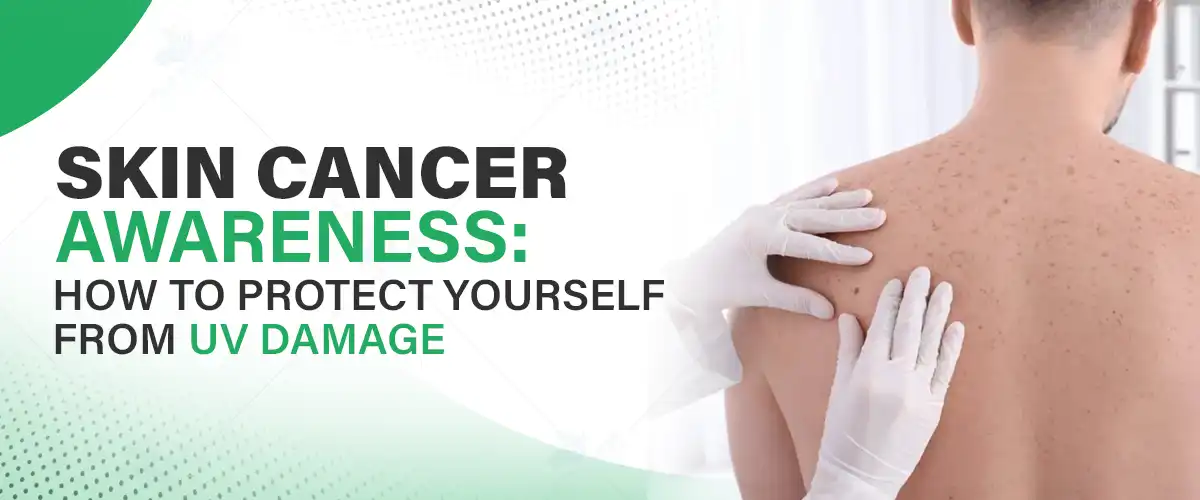
Skin cancer is one of the most prevalent types of cancer worldwide, and its incidence continues to rise at alarming rates. Understanding the factors contributing to skin cancer and learning how to protect oneself from harmful ultraviolet (UV) radiation is essential for prevention. This article aims to provide comprehensive insights into skin cancer, its dangers, and effective methods to safeguard the skin from UV damage. Seeking timely medical attention at the best cancer hospital can significantly improve treatment outcomes, ensuring access to advanced diagnostic tools and expert oncologists for comprehensive cancer care.
Our expert dermatologists are ready to provide the best skin examinations and advice to keep your skin safe and healthy. Contact us at +91 9667064100.
Skin cancer occurs when skin cells begin to grow uncontrollably. It typically develops in areas that have been exposed to the sun, but it can also occur in places that receive little to no sun exposure. The most common types of skin cancer are basal cell carcinoma, squamous cell carcinoma, and melanoma.
1. Basal Cell Carcinoma (BCC): BCC is the most common type of skin cancer, characterized by the uncontrolled growth of basal cells in the skin’s outer layer.
2. Squamous Cell Carcinoma (SCC): SCC arises from squamous cells, which are flat cells located in the outer layer of the skin. It usually presents as a red, scaly patch or a small, ulcerated sore.
3. Melanoma: Melanoma is the most aggressive form of skin cancer and originates in the melanocytes, the cells responsible for pigment.
The primary cause of skin cancer is UV radiation from the sun. However, several other factors can increase an individual's risk:
-A family history of skin cancer, particularly melanoma, elevates the risk.
-Certain genetic mutations, such as those in the BRCA1 and BRCA2 genes, can contribute to melanoma.
-Wearing protective clothing, using broad-spectrum sunscreen (SPF 30 or higher), and seeking shade during peak sunlight hours can reduce risk.
Understanding these factors empowers individuals to make informed decisions about their sun exposure and overall skin health.
UV radiation, emitted by the sun, is classified into two main types: UVA and UVB. Both contribute to skin damage and significantly increase the risk of skin cancer. Prolonged exposure to UV rays can lead to premature aging, immune system suppression, and DNA damage, increasing the likelihood of abnormal cell growth. Recognizing the signs of skin cancer, such as new or changing moles, persistent sores, or unusual skin growths, is crucial for early detection and treatment.
UV radiation penetrates deep into the skin layers, leading to direct DNA damage. Over time, this can result in harmful mutations, causing:
Since the skin is the body’s largest organ, its impairment can significantly affect overall health and well-being. Prioritizing skin cancer prevention through protective measures such as sunscreen application, wearing protective clothing, and minimizing sun exposure can help reduce risks and maintain skin health.
Scientific studies have demonstrated a direct correlation between UV exposure and skin cancer risk. Some key findings include:
To minimize the harmful effects of UV radiation, individuals should adopt protective measures, including:
By integrating these proactive skincare habits, individuals can enjoy the sun safely while significantly reducing their risk of UV rays and skin cancer. Prioritizing skin health as part of an overall wellness routine is essential for long-term protection and well-being.
In addition to sunscreen and clothing, there are other proactive ways to protect your skin from damage.
One of the simplest strategies for reducing UV exposure is to seek shade whenever possible, especially during the peak-intensity hours.
Integrating regular skin checks into your routine can be a lifesaving practice. Familiarizing yourself with your skin and monitoring any changes is crucial. Look for new moles or growths that change in size, shape, or color.
At Felix Hospital, our team of expert dermatologists is dedicated to providing advanced and effective skin cancer treatment, ensuring the best possible care for our patients. Our specialists include:
In addition, our skilled oncology staff is committed to delivering compassionate and complete cancer care. Our cancer specialists include:
With state-of-the-art technology and a patient-centered approach, Felix Hospital is committed to delivering top-notch care for skin cancer treatment and overall skin health.
Don't wait until it's too late—Book an Appointment with us today and ensure peace of mind for you and your loved ones.
Skin cancer awareness is vital in mitigating the risks associated with UV damage. Through education and the implementation of protective measures, individuals can significantly reduce their chances of developing skin cancer while enjoying the outdoors safely.
Moreover, dietary sources and supplements can help maintain healthy vitamin D levels, alleviating concerns about sunscreen use. Individuals need to understand that proper sun protection is crucial and does not inherently lead to deficiency.
1. Can UV radiation cause skin cancer even if I don’t get sunburned?
Ans: Yes, UV damage occurs even without visible sunburn. Chronic exposure to UVA rays can cause DNA mutations that lead to skin cancer, even if there’s no immediate redness or peeling.
2. Does window glass protect against UV radiation?
Ans: Regular glass blocks UVB rays but allows UVA rays to penetrate, which can still cause long-term skin damage and aging. For better protection, consider UV-filtering films on windows or wearing sunscreen indoors if exposed to sunlight for extended periods.
3. Are darker-skinned individuals at risk of UV rays and skin cancer?
Ans: While melanin provides some natural protection, it does not make anyone immune to skin cancer. In fact, darker-skinned individuals often get diagnosed at later stages, making it more dangerous.
4. Can UV radiation exposure affect my immune system?
Ans: Yes, prolonged UV exposure can suppress immune function, making it harder for the body to detect and fight abnormal cell growth. This increases susceptibility to skin infections and can worsen conditions like herpes simplex and lupus.
5. Is sunscreen enough to prevent skin cancer, or do I need additional protection?
Ans: Sunscreen is essential but not sufficient on its own. It should be combined with protective clothing, shade-seeking behaviors, and avoiding peak sun hours for comprehensive UV protection.
6. Can tanning beds be a ‘safer’ alternative to natural sunlight?
Ans: No, tanning beds emit high doses of UVA and UVB radiation, increasing the risk of melanoma and premature aging. Studies show that using tanning beds before age 35 can increase melanoma risk by 75%.
7. How often should I get a professional skin check for early cancer detection?
Ans: If you have risk factors like fair skin, a history of sunburns, or a family history of skin cancer, an annual dermatological exam is recommended. However, people with a personal history of skin cancer or suspicious moles may need more frequent screenings.
Cervical cancer is most common in women after breast cancer. Cervical cancer starts from the cervix, i.e., the cervix. The cervix is the lower part of the uterus that connects the vagina to the uterus.

Cancer is a life-altering diagnosis that affects millions of individuals and their families every year. The journey from diagnosis to recovery can be emotionally, physically, and financially challenging. Choosing the right cancer care center plays a pivotal role in ensuring effective treatment and support during this journey. A specialized and reliable cancer hospital in Noida or your locality can provide the expertise and resources needed to navigate this complex condition. This blog aims to guide you in selecting the best Right Cancer Care Center that aligns with your needs and priorities.
Take the first step towards personalized and effective cancer care. Contact us now to book a consultation at +91 9667064100.
1. Advanced Treatment Options
The availability of cutting-edge therapies distinguishes top-tier cancer care centers. Look for facilities offering innovative treatments such as immunotherapy, precision medicine, and robotic surgeries, which provide targeted and minimally invasive solutions to improve outcomes.
2. Multidisciplinary Teams
Comprehensive cancer treatment requires a collaborative approach. Leading centers employ teams of oncologists, radiologists, surgeons, and supportive care experts to ensure a holistic and coordinated treatment plan.
3. State-of-the-Art Facilities
Advanced diagnostic tools and treatment technologies, such as PET scans, radiation therapy, and molecular testing, are essential for effective care. Choosing a center equipped with these facilities ensures accurate diagnosis and optimal treatment.
4. Accreditation and Certifications
Accredited centers adhere to stringent standards of care and quality. Certifications from recognized organizations indicate a commitment to excellence and patient safety.
1. Diagnosis and Treatment Plan
Every cancer case is unique, requiring a personalized treatment plan tailored to the specific type and stage of cancer. Reputable centers focus on creating individualized care strategies for their patients.
2. Specialized Programs
Certain cancers, such as pediatric or rare types, require specialized expertise. Centers with dedicated programs for pediatric oncology, geriatric oncology, or rare cancer treatments are better equipped to handle specific cases.
3. Support Services
Effective cancer care goes beyond medical treatment. Look for centers offering psychological counseling, nutritional guidance, and palliative care to address the emotional and physical needs of patients.
1. Location and Accessibility
Proximity to the center is crucial for frequent visits and follow-ups. A conveniently located facility reduces travel-related stress, allowing you to focus on recovery.
2. Reputation and Reviews
Researching patient testimonials, success stories, and online reviews can provide valuable insights into the center’s quality of care and patient satisfaction.
3. Expertise of Medical Staff
Experienced doctors and support staff significantly impact treatment outcomes. Ensure the center employs board-certified oncologists and skilled healthcare professionals.
4. Financial Aspects
Understanding the cost of treatment, insurance coverage, and financial aid options is vital. Transparent communication about expenses helps in making informed decisions.
1. Innovative Diagnostic Tools
Technologies like PET scans, molecular testing, and liquid biopsies enable precise diagnosis and staging of cancer, ensuring targeted treatments.
2. Advanced Treatment Methods
Modern therapies such as proton therapy, cyberknife surgery, and CAR T-cell therapy offer effective solutions with fewer side effects, enhancing patient outcomes.
3. Telemedicine for Cancer Care
Telemedicine facilitates virtual consultations, allowing patients to access expert opinions and follow-ups without unnecessary travel.
1. Emotional and Mental Health Support
Cancer’s psychological impact is profound. Emotional support through counseling, therapy, and support groups can improve mental well-being.
2. Rehabilitation Services
Post-treatment rehabilitation, including physical and occupational therapy, helps patients regain strength and functionality.
3. Community Programs
Engaging in survivorship programs and community support initiatives helps patients rebuild their lives and fosters a sense of belonging.
At Felix Hospital, you will receive world-class cancer care from some of the best oncologists in the field. Dr. Mukta Bakshi and Dr. Vinita Kumari bring their extensive expertise and compassionate approach to provide personalized treatment plans tailored to each patient’s unique needs. With a strong focus on advanced diagnostics, cutting-edge therapies, and holistic support, they ensure the best possible outcomes for their patients. Trust Felix Hospital’s dedicated team to guide you on your journey to recovery with care and excellence.
Schedule a Consultation Today with experienced oncologists and learn about advanced treatment options tailored to your needs.
Selecting the right cancer care center is a critical step toward effective treatment and recovery. Thorough research and consideration of factors such as advanced treatment options, expert staff, and holistic support services are essential. A trusted hospital in Noida, like Felix Hospital, offers comprehensive care tailored to individual needs, ensuring the best outcomes for patients.
The journey to recovery is challenging, but choosing the Right Cancer Care Center can make all the difference. Take the first step by exploring reputed facilities that prioritize advanced treatments, compassionate care, and patient-centric approaches.
1. What types of cancer treatments are offered at advanced cancer care centers?
Ans: Advanced cancer care centers offer treatments such as immunotherapy, precision medicine, robotic surgeries, proton therapy, and CAR T-cell therapy to target cancer effectively.
2. Why is accreditation important when choosing a cancer care center?
Ans: Accreditation ensures that the center meets high standards of care, safety, and quality, providing confidence in the treatments offered.
3. How do I find a cancer care center that offers clinical trials?
Ans: Research the center's website or inquire directly about ongoing clinical trials for your specific cancer type and stage.
4. What support services should a cancer care center provide?
Ans: Look for centers offering psychological counseling, nutritional guidance, palliative care, and rehabilitation services to address holistic patient needs.
5. How do advanced technologies improve cancer diagnosis and treatment?
Ans: Technologies like PET scans, molecular testing, and cyberknife surgery enhance the accuracy of diagnosis and provide targeted, minimally invasive treatment options.
6. What should I consider when evaluating the expertise of oncologists?
Ans: Ensure that the oncologists are board-certified, experienced in treating your type of cancer, and part of a multidisciplinary team for comprehensive care.
7. What financial aid options are available for cancer treatment?
Ans: Many centers provide financial counseling, insurance assistance, and access to financial aid programs to help manage the costs of treatment.
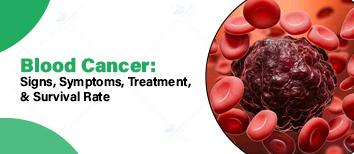
Blood cancer affects the production and function of blood cells. Early detection, accurate diagnosis, and advanced treatments significantly improve survival rates and patient outcomes in Noida and beyond.
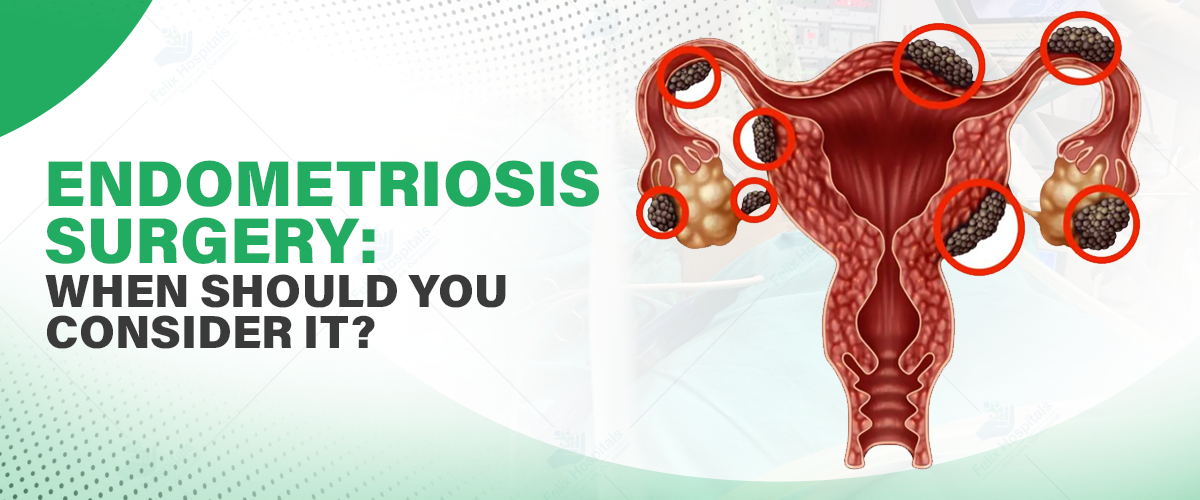
Endometriosis is a chronic illness in which tissue resembling the lining of the uterus grows outside of the uterus, causing pain, heavy menstrual flow, and even infertility. Happily, many treatments are possible, including laparoscopy and laparotomy, not only useful in diagnosis but also in the treatment of the disease.
The decision between these procedures is based on the severity of your illness, symptoms, and general well-being. Laparoscopy, an open surgery, is usually the most preferred procedure to diagnose and cure mild and moderate endometriosis, as it requires minimal incisions and has faster recovery. Laparotomy, which is a more invasive procedure, can be done in extreme cases when more extensive parts of endometriosis are to be excised.
Getting treated in a highly rated hospital nearby guarantees experienced gynecologists, advanced equipment, and customized treatment. With the guidance of experienced professionals, you can select the best treatment methods to overcome symptoms and enhance your lifestyle.
If you want to undergo laparoscopic surgery or require a second opinion, our experienced professionals are at your service. Call us today at +91 9667064100.
Endometriosis surgery is a surgical intervention for the diagnosis and treatment of endometriosis, a condition in which tissue that is like the lining of the uterus is found outside the uterus. The displaced tissue may lead to pain, inflammation, and infertility, and therefore some women must have surgery for endometriosis.
Endometriosis surgery in the majority of instances is not extensive. Classic surgery involved an open operation (large abdominal incision) to excise endometriotic tissue. Advances in medical technology in recent times made a minimally invasive laparoscopic procedure the standard approach. This operation involves a small incision, reducing recovery time and complications over an open operation.
Treatment for endometriosis involves surgery to remove endometriotic tissue to ease symptoms and enhance quality of life. Two methods are used:
Your case will be assessed by a healthcare provider, who will decide if surgery is the right choice for you. Surgery to treat endometriosis is advised when:
Surgery is a great option for symptom improvement and enhanced fertility. At the best hospital for endometriosis will advise the most appropriate methods of treatment for your specific situation after consultation.
Having the right preparation is important to keep the surgical process and recovery a success. The best gynecology hospital in Noida will instruct you with personal instructions, but standard preoperative instructions are:
Endometriosis surgery is usually done using laparoscopy, but in more serious cases, laparotomy may be used. This is what occurs when undergoing laparoscopic surgery, the most typical procedure:
Recovery time will vary depending on the procedure done:
Your healthcare provider will provide detailed post-operative care instructions to support healing and minimize discomfort. Always follow their advice for optimal recovery and long-term symptom relief.
For the majority of patients, endometriosis surgery yields substantial relief from pain through removal or destruction of endometrial lesions. In about 20% of patients, though, complete relief may not be felt and further medical interventions may be needed. Even in surgical responders, recurrence of pain with the passage of time is a possibility.
The likelihood of recurrence of endometriosis following surgery is based on:
New or newly developed lesions may occur following surgery, rendering it challenging whether the disease is recurrent or still in its growing phase. Recurrent symptoms may reflect new lesions rather than recurrence of the original ones.
Laparoscopy trumps laparotomy in that:
Laparotomy, which is a more open invasive operation, is reserved only for emergencies of serious type where laparoscopy is not feasible.
Although surgery for endometriosis is usually safe, potential risks and complications are:
While surgery and medication are relief for most, outcomes of treatment differ. Researchers continue to investigate new treatments, including the immune system in the process of endometriosis.
Call your doctor if you have:
Endometriosis can be treated with surgery, which has a life-altering improvement in quality of life, but follow-up and continuing care are required for long-term relief and symptom control. Always adhere to your doctor's instructions for the optimum result.
At Felix Hospital, we realize the dilemma of endometriosis and the need for specialist care in its diagnosis and treatment. Our specialists in the gynecology department are equipped to carry out advanced endometriosis surgery, providing relief from symptoms and enhancing reproductive health.
These experts are committed to offering customized treatment plans, such as minimal invasive laparoscopic surgery, to successfully treat endometriosis. In case you require surgery or prolonged treatment, our experts are here to offer caring and holistic care.
Take Control of Your Endometriosis Today! Let Pain and Discomfort Not Hold You Back. Book an Appointment with Our Experienced Gynecologists at Felix Hospital.
Endometriosis is a multifactorial condition which requires strict treatment, diagnostic process, and chronic upkeep. As much as medication can control the symptoms, most particularly for lesser symptoms, the best method to tackle it when individuals have severe symptoms or a problem with conception is surgery. Laparoscopy, nevertheless, is the superior method in spite of or rather because it is minimally invasive, offers a quicker healing rate, and less chance for complications compared to open surgery.
Trained gynecologists at Felix Hospital work towards offering the best treatment with the best surgical techniques for maximum benefits to the patient. Whether you are searching for relief from pelvic pain, facing infertility issues, or require endometriosis treatment, our experts will guide you throughout the process. In addition, we recognize the value of keeping healthcare expenses in check, and we work to provide clear costs for Endometriosis Surgery, including endometriosis surgery.
1. Can endometriosis surgery help me get pregnant?
Ans: Yes, for most people with endometriosis-related infertility, laparoscopic surgery can be beneficial by removing lesions and adhesions that can block reproductive organs. The success rate, however, depends on several factors, such as the severity of the condition and the general state of fertility in the patient.
2. How long does it take to recover from laparoscopy for endometriosis?
Ans: Most people recover within 1-2 weeks of laparoscopic surgery, and some can return to work and other usual activities within this time. Full recovery, however, takes several months, depending on the extent of more extensive removal of the tissues.
3. Is laparoscopy always better than laparotomy in the management of endometriosis?
Ans: Laparoscopy is generally the first choice as it is less invasive, recovery time is shorter, and it is associated with fewer complications. Laparotomy can sometimes be indicated in more severe cases where larger quantities of endometriotic lesions need to be excised or laparoscopy cannot be done.
4. Is endometriosis surgery a cause of permanent relief of symptoms?
Ans: Although surgery can be very effective in relieving symptoms, endometriosis can recur in some women, especially when the condition is extensive. Hormonal therapy can be prescribed post-surgery to minimize recurrence.
5. What are the complications of surgery for endometriosis?
Ans: Although generally safe, complications can include infection, bleeding, damage to nearby organs, and anesthetic sensitivity. Telling your doctor about your medical history and concerns before surgery can help reduce these complications.
6. What if endometriosis surgery doesn't eliminate my symptoms?
Ans: In a few cases, surgery won't completely eliminate symptoms, or symptoms will recur after a period of time. If this happens, other treatments like hormone therapy, pain control, or re-surgery might be suggested.
7. How soon can I go back to work after endometriosis surgery?
Ans: For laparoscopy, recovery for most people is 1-2 weeks depending on the type of work. If you have heavy physical work, you will be out for an extended period of time. For laparotomy, recovery takes longer and extended rest before you can get back to work.
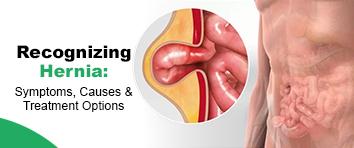
A hernia typically occurs due to a combination of muscle weakness and strain. This can happen from factors such as aging, injury, heavy lifting, chronic coughing, or conditions like pregnancy and obesity.
Turner Syndrome can impact fertility and reproductive health, causing challenges with ovarian function, hormone production, and pregnancy for affected women.
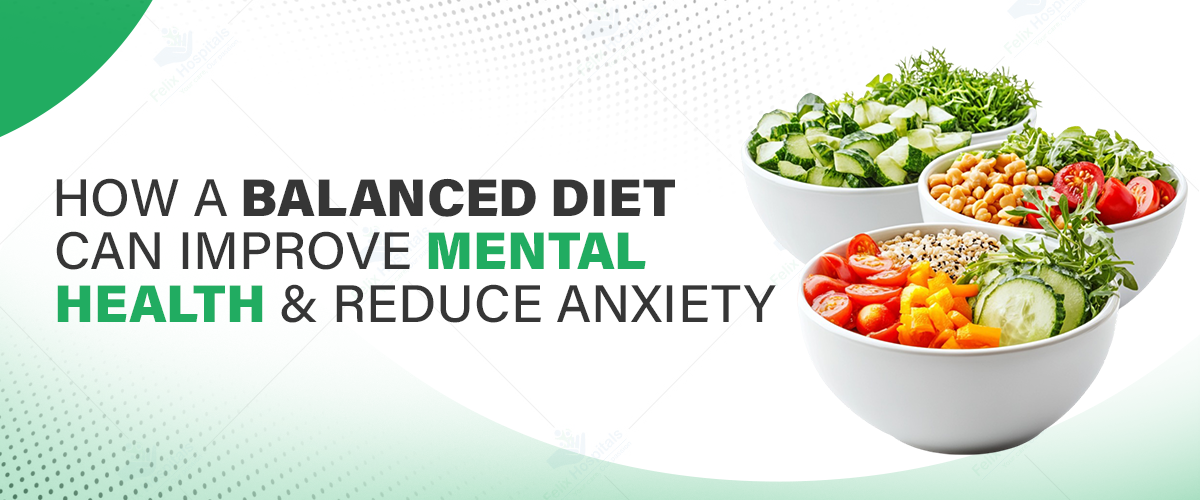
The connection between diet and mental health is profound yet often overlooked. What we eat influences not just our physical health but also our emotional well-being. A balanced diet, such as the MIND diet or a mental health diet, can help alleviate symptoms of anxiety, depression, and other mood disorders. According to research, individuals who consume nutrient-dense diets are 25–30% less likely to suffer from mental health issues compared to those who rely on processed and high-sugar foods.
This highlights the vital role of a brain health diet in managing anxiety and fostering mental wellness. If you're looking for anxiety treatment nearby, consider consulting with mental health experts who can guide you toward both dietary adjustments and therapeutic approaches to improve your emotional health.
Contact us at +91 9667064100 now to start your journey toward better mental health through a balanced diet.
The relationship between our gut and brain, known as the gut-brain axis, plays a crucial role in regulating emotions and cognitive functions. A healthy gut, supported by the right nutrients, fosters the production of neurotransmitters like serotonin, which is responsible for feelings of happiness and relaxation.
On the other hand, deficiencies in essential nutrients such as omega-3 fatty acids, B vitamins, and magnesium can exacerbate anxiety, depression, and mood swings. Diets specifically designed to improve mental health, such as the MIND diet or a targeted depression diet, aim to fill these nutritional gaps, reducing mental health challenges significantly.
Incorporating specific nutrients into your brain health diet is essential to boost mental well-being.
For optimal results, your mental health diet should focus on whole, nutrient-dense foods.
Certain foods can negatively impact your mental health, exacerbating anxiety and mood disorders.
Regular meals are important in blood sugar regulation, which affects energy and mood. Skipping food or eating too much causes irritability and fatigue. Water is also as important, assisting the brain and managing stress. Herbal teas, healthy broths, and fruit with water flavor are perfect for hydration when on a mental health diet.
For an overall mental well-being plan, try to use nutrition diet services that will assist you in developing a personalized eating plan for physical and emotional health. Such services can provide you with customized recommendations to improve your diet and manage stress, anxiety, and other mental well-being issues.
Adopting a balanced diet offers more than just anxiety relief. It can improve sleep quality, enhance concentration, and boost energy levels. A mental health diet like the MIND diet also reduces the risk of neurodegenerative diseases, promoting long-term cognitive health.
While adopting a balanced diet, such as a brain health diet, MIND diet, or depression diet, can significantly improve mental health, it may not always suffice for everyone. If you experience persistent symptoms, consulting with a dietician or mental health professional is essential for a personalized and effective plan tailored to your needs.
At Felix Hospital, we pride ourselves on having a team of expert dieticians who specialize in improving mental health and overall well-being. Our dedicated professionals include Dr. Pooja Yadav, and Dr. Shivani Ahlawat. They are committed to guiding you on your journey to better mental health through tailored dietary strategies that align with your unique health goals.
Let us create a personalized diet plan that works for you! Schedule a consultation with the expert dieticians at Felix Hospital today.
A balanced diet plays a pivotal role in improving mental health and reducing anxiety. Incorporating principles from a brain health diet, MIND diet, or depression diet can transform your well-being. Small, sustainable dietary changes, coupled with guidance from professionals, can pave the way to a healthier, happier life. Take the first step today—your mental health deserves it.
1. Can the MIND diet help with both anxiety and depression?
Ans: Yes, the MIND diet emphasizes brain-healthy foods like leafy greens, nuts, and whole grains, which support neurotransmitter production and reduce inflammation, helping alleviate symptoms of both anxiety and depression.
2. How quickly can I see improvements in mental health with dietary changes?
Ans: Results vary, but some people notice reduced anxiety and better mood within a few weeks of adopting a brain health diet or MIND diet. Consistency is key for long-term benefits.
3. Are there specific foods in a depression diet that boost serotonin levels?
Ans: Yes, foods like salmon (rich in omega-3 fatty acids), bananas (high in magnesium), and yogurt (probiotics) help enhance serotonin production, improving mood and reducing depression symptoms.
4. Can a mental health diet reduce the risk of neurodegenerative diseases like Alzheimer’s?
Ans: Absolutely. The MIND diet focuses on foods that protect brain health, such as berries and leafy greens, which are shown to lower the risk of cognitive decline and Alzheimer’s disease.
5. Is it possible to follow a brain health diet on a budget?
Ans: Yes, affordable options like seasonal fruits, frozen vegetables, whole grains, and legumes provide essential nutrients for brain health without breaking the bank. Meal planning can further reduce costs.
6. Can children and teens benefit from a mental health diet?
Ans: Definitely. A diet rich in omega-3s, whole grains, and fresh produce supports healthy brain development and emotional well-being, making it ideal for all age groups.
7. Should I avoid all caffeine if I have anxiety?
Ans: Not necessarily. While excess caffeine can worsen anxiety, moderate consumption, especially from green tea, which contains calming compounds like L-theanine, can be beneficial.

Balanced diet is key to good health. Learn its definition, importance, and how it helps in maintaining energy, immunity, and overall well-being.

Subscribe to our
© Copyright 2026. All Rights Reserved by Felix Healthcare Private Limited
Design and development by :


 +(91)9667064100
 Emergency : +(91)9667064100