 WhatsApp
 Emergency:
  WhatsApp









Subscribe to our

If you've been diagnosed with diabetes, it’s important that you know what are the warning signs of Diabetes Ketoacidosis. Diabetes Ketoacidosis (DKA) is a serious and life-threatening condition that can occur in people with diabetes, primarily caused due to lack of insulin production and high levels of blood acids called ketones. DKA is most common in individuals with type 1 diabetes but can also occur in individuals with type 2 diabetes under specific conditions. Let’s take a closer look at the warning signs of Diabetic Ketoacidosis as high levels of ketones can poison the body.
Treatment for DKA usually requires hospitalization, but you can prevent it by learning the early symptoms and warning signs such as extreme thirst, high blood glucose levels, and frequent urination. DKA usually develops slowly, however, when vomiting occurs, this life-threatening condition can develop in a few hours.
At Felix Hospitals, the best endocrinology hospital in Noida, our endocrinology experts are equipped to provide accurate diabetes diagnosis and advanced treatment. For appointments, contact: +(91) 9667064100
DKA occurs when there is a lack of insulin production in the body. Basically when the body doesn’t have enough insulin, it cannot process sugar that’s used for energy. As a result, the body starts to break down fat, which in turn releases ketones. So ketones are produced whenever the body uses fat for energy.
As a result, ketones make your blood acidic and if the treatment is delayed, this can lead to:
Several factors can contribute to the onset of Diabetic Ketoacidosis. In fact, DKA is sometimes the first sign of type 1 diabetes in people who have not yet been diagnosed. Some of the common causes include:
High blood glucose (blood sugar) levels is one of the early symptoms of DKA, however, there is no one level that triggers ketoacidosis. The level may vary from person to person. That said, in general, DKA begins when blood sugar levels exceed 250 mg/dL. So, if your blood sugar level exceeds this level, contact your diabetologist immediately.
DKA occurs when a person has less insulin than their body needs to process the amount of sugar in the blood. Basically, low insulin levels lead to DKA.
Insulin allows us to convert blood sugar into energy. Without enough insulin the body cannot produce enough energy from blood sugar. Because of this the blood sugar becomes very high, and the liver turns fat into ketones which supply some energy, a process called ketosis.
As mentioned, DKA can become complicated and life-threatening if not treated on time. If you are diabetic, it's important for you to know the early warning signs, that include:
Other symptoms that will follow includes:
Diagnosis of DKA involves blood tests to measure acid levels, blood sugar, and ketones. Diabetes patients can check ketones at home with home kits available over the counter. Some glucose meters can also test for ketones in the blood sample when patients do a finger prick.
Common tests to diagnose DKA include:
Treatment for DKA is complex, and patients with DKA need to be admitted to the intensive care unit, for careful monitoring. The primary goal of DKA treatment is to stabilize high blood sugar levels with insulin and correct metabolic imbalances. This involves:
Felix Hospital is recognized as one of the best Endocrinology hospitals in Noida. We have a team of experienced endocrinologists and diabetologists dedicated to providing top-notch care for diabetes and its complications, including Diabetic Ketoacidosis. Our team, led by Dr Vimal Gupta, uses advanced diagnostic tools and evidence-based treatments to ensure patient safety and recovery.
Whether you’re seeking preventive advice or emergency care, Felix Hospitals offers comprehensive support for managing diabetes and maintaining endocrine health. Schedule an appointment today to meet the best doctors in the field.
Book a consultation with our endocrinology team for expert care and personalized treatment plans for diabetes and its complications.
Diabetic Ketoacidosis can be a life-threatening condition but by understanding the early warning signs of Diabetic Ketoacidosis, individuals with diabetes can minimize their risk of developing the condition.
1. Who is at risk of DKA?
Ans: People with type 1 diabetes are at the highest risk, but it can also occur in individuals with type 2 diabetes under certain conditions.
2. Can dehydration cause DKA?
Ans: DKA is a state of insulin deficiency. The life threatening condition can be aggravated by dehydration.
3. Can DKA be prevented?
Ans: Yes, by managing blood sugar levels, taking insulin as prescribed, and monitoring for ketones during illness or stress.
4. Can a diabetic survive without insulin?
Ans: Without insulin, a diabetes patient could develop diabetic ketoacidosis (DKA). This is a life-limiting condition.
5. What are signs of a diabetic emergency?
Ans: Someone who is hypoglycaemic (having a low blood sugar) may have symptoms including: sweating, feeling drowsy and confused, unconscious and unresponsive.
Diabetes is a condition in which your body part pancreases cannot make enough insulin which results in an increase in your glucose level/blood sugar level.

Manage diabetes effectively with a well-planned Indian vegetarian diet chart. Explore healthy meal options and tips for blood sugar control.
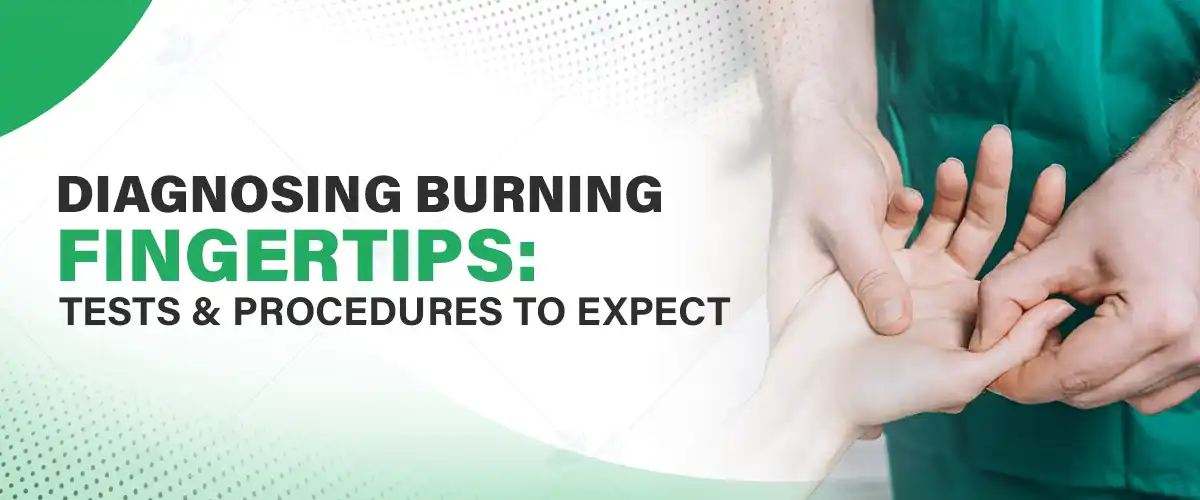
Burning fingertips can be an alarming and uncomfortable sensation that may signal an underlying health issue. It often arises from nerve damage or dysfunction, but other causes like circulatory problems, diabetes, and vitamin deficiencies can also contribute. Timely diagnosis is essential for effective treatment, making it crucial to understand the causes and tests involved in diagnosing burning fingertips. If you’re looking for the best neurology hospital in Noida, the following guide will walk you through the diagnostic process and what you can expect.
Call us today at +91 9667064100 and Book your consultation with our neurologists or orthopedic specialists and start your path to recovery.
Burning fingertips often point to nerve-related conditions but can also be caused by other health problems. Some common causes include:
Nerve-related conditions: Disorders like peripheral neuropathy and carpal tunnel syndrome are among the most frequent culprits. Nerve damage due to diabetes or injury can impair sensation, leading to a burning feeling in the fingertips.
Circulatory issues: Conditions such as Raynaud’s disease, which affect blood flow, can also cause similar sensations in the fingers.
Nutritional deficiencies: A lack of essential vitamins like B12 and D can affect nerve function, leading to burning sensations in the fingers.
Autoimmune disorders: Diseases like multiple sclerosis and lupus can interfere with nerve function, often manifesting as burning sensations in the extremities.
Infections and injuries: Trauma to the fingers or infections affecting the nerve pathways may lead to symptoms like burning fingertips.
Before diving into diagnostic tests, your doctor will begin by gathering your medical history and conducting a physical examination:
Symptoms, duration, and possible triggers: The doctor will ask about when the burning started, how long it lasts, and any potential triggers, such as specific activities or medical conditions.
Lifestyle factors: Your healthcare provider will consider your medical history, including whether you have diabetes, circulatory problems, or other conditions that might contribute to nerve issues.
Physical examination: The doctor will check for signs of inflammation, impaired circulation, or nerve dysfunction that could point to a specific cause for your symptoms. It’s best to visit the Best Diagnostic Center in Noida to ensure you receive accurate and comprehensive assessments.
Several tests can help pinpoint the cause of burning fingertips:
Complete Blood Count (CBC): This test helps detect infections, anemia, and inflammation, which might contribute to the sensation of burning.
Blood Sugar Test (HbA1c/Fasting Glucose): Elevated blood sugar levels could indicate nerve damage due to diabetes.
Vitamin and Mineral Tests: These tests measure levels of B12, D, and other essential nutrients that may contribute to nerve issues.
Thyroid Function Tests: Thyroid dysfunction can sometimes cause nerve-related symptoms, making this test essential for identifying potential causes.
Nerve Conduction Study (NCS): This test measures the speed at which electrical signals move through your nerves, helping to detect nerve damage.
Electromyography (EMG): An EMG assesses both muscle and nerve function, providing valuable insights into nerve health.
Quantitative Sensory Testing (QST): This test evaluates how your nerves respond to various stimuli, which can help detect abnormalities in nerve function.
MRI or CT Scan: These imaging tests help detect nerve compression, spinal abnormalities, or brain issues that might be affecting the nerves in your fingers.
Ultrasound: An ultrasound can identify nerve entrapment, such as that caused by carpal tunnel syndrome.
In some cases, doctors may recommend a skin or nerve biopsy if small fiber neuropathy or autoimmune disorders are suspected. This test allows for a deeper examination of the nerves and can provide more specific information about the cause of the burning sensation.
After completing the diagnostic tests, your doctor will work to rule out other possible causes for your symptoms, such as:
Allergies or skin reactions
Infections or medication side effects
Autoimmune disorders or metabolic conditions
Depending on the results, you may be referred to specialists, such as a neurologist and the best orthopedic surgeon in Noida. Follow-up appointments will be essential for monitoring your condition and adjusting treatments as necessary. If nerve damage is suspected, your doctor may recommend specific tests like a nerve conduction study (NCS) or electromyography (EMG) to understand the extent of the damage. Knowing how to diagnose nerve damage early on can significantly help in managing symptoms, preventing further damage, and improving your quality of life through targeted treatment.
At Felix Hospitals, we specialize in diagnosing and treating burning fingertips through a collaborative approach involving both neurologists and orthopedic specialists. Our neurologists, with their vast experience in treating nerve-related conditions, are equipped to diagnose and manage nerve damage effectively. Some of our distinguished neurologists include:
Dr. Sumit Sharma: Dr. Sumit Sharma is a highly experienced neurosurgeon with 10+ years of expertise in the field. He specializes in diagnosing and treating a wide range of neurological and neurosurgical conditions, including brain tumors, spinal injuries, spinal tumors, hydrocephalus, and complex spine and brain disorders.

In addition, our orthopedic specialists play a key role in diagnosing and managing conditions. Some of our top orthopedic specialists include:
Dr. Keshav Goel: Dr. Keshav Goel has over 10 years of experience as a leading Orthopedic Surgeon. Have done over 2000 independent surgeries. Dr. Keshav Goel is a leading joint replacement and sports injury surgeon. He specializes in computer-assisted joint replacement surgeries and arthroscopic surgeries of knee, shoulder and hip.

Whether your condition is related to nerve damage or musculoskeletal issues, the combined expertise of our neurologists and orthopedic specialists ensures comprehensive care for diagnosing and treating burning fingertips effectively.
If you’re experiencing burning fingertips or any related symptoms, don’t wait to seek medical help. Schedule an appointment at Felix Hospitals today!
Early diagnosis is crucial when it comes to treating burning fingertips. If you’re experiencing persistent symptoms, it’s important to seek medical attention promptly. With the help of Tests for neuropathy and advanced diagnostic procedures, your doctor can identify the root cause and initiate the appropriate treatment. At Felix Hospitals, we offer state-of-the-art facilities and a team of experts ready to assist in diagnosing nerve damage and improving your quality of life. If you suspect nerve issues or related conditions, don’t wait—schedule an appointment and take the first step towards relief today.
Q- What are the most common causes of burning fingertips?
Ans- Burning fingertips can be caused by nerve-related issues like peripheral neuropathy or carpal tunnel syndrome, circulatory problems like Raynaud’s disease, vitamin deficiencies, autoimmune disorders, infections, or even physical injuries. A proper diagnosis is essential to pinpoint the exact cause.
Q- What tests are conducted to diagnose burning fingertips?
Ans- Doctors use a combination of blood tests, nerve function tests (like Nerve Conduction Studies and Electromyography), imaging tests (MRI, CT scans), and in some cases, skin or nerve biopsies to identify the underlying cause of burning fingertips.
Q- How do I know if my burning fingertips are related to nerve damage?
Ans- Symptoms like numbness, tingling, or weakness alongside burning sensations may indicate nerve damage. Tests such as Nerve Conduction Studies (NCS) and Electromyography (EMG) can confirm the presence of nerve issues. Early diagnosis is crucial for effective treatment.
Q- Can diabetes cause burning fingertips?
Ans- Yes, diabetes can lead to peripheral neuropathy, a type of nerve damage that often causes burning sensations in the fingertips. A blood sugar test (HbA1c) can help assess if diabetes is the cause.
Q- When should I seek medical help for burning fingertips?
Ans- If you experience persistent or worsening burning sensations, it's important to consult a healthcare provider. Early intervention can prevent further nerve damage and help manage your symptoms effectively.
Q- How can circulatory issues cause burning fingertips?
Ans- Circulatory conditions, like Raynaud’s disease, affect blood flow to the extremities, including the fingers. This can lead to sensations like burning or numbness. Imaging tests like ultrasound can help identify circulatory problems affecting your fingertips.
Q- Are burning fingertips always a sign of nerve damage?
Ans- Not always. While nerve damage is a common cause, burning fingertips can also be related to circulatory problems, vitamin deficiencies, autoimmune disorders, or injuries. A comprehensive diagnostic approach is necessary to determine the cause accurately.
Advanced neurosurgery improves treatment for brain and spine disorders with better outcomes.
Cerebral palsy affects movement and posture due to early brain damage and needs specialized care.

Genetic testing helps identify inherited muscular disorders early by assessing your genetic risk.
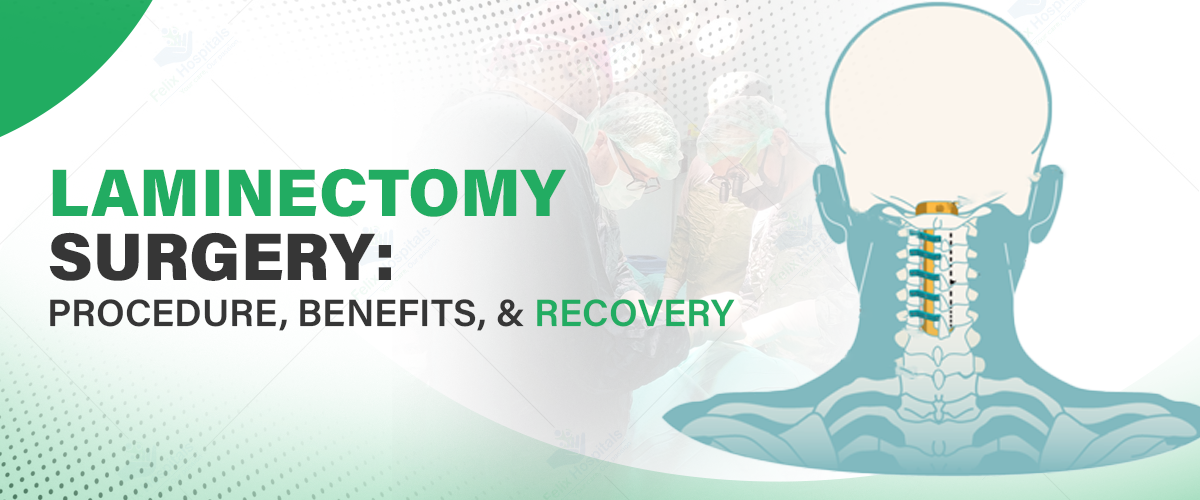
Laminectomy surgery is a spinal procedure designed to relieve pressure on the spinal cord or nerves. It involves the removal of a portion of the vertebral bone, known as the lamina. This surgery is typically recommended to treat conditions that cause nerve compression, such as spinal stenosis, herniated discs, or bone spurs. In many cases, patients seek laminectomy surgery when they experience chronic back pain, leg pain, numbness, or weakness that affects their daily lives. If you are considering this procedure, understanding its purpose, how it is performed, and the recovery process is crucial. Consulting with a neuro hospital in Noida can provide personalized treatment options, expert advice, and the necessary care for your condition.
Don't let spinal conditions hold you back, Contact us now at +91 9667064100 for more information on your treatment options.
Laminectomy is a type of spinal surgery where a portion of the vertebral bone (the lamina) is removed to relieve pressure on the spinal cord or nerves. This pressure can be caused by conditions like spinal stenosis, a narrowing of the spinal canal, or herniated discs that push against nearby nerves. The surgery creates more space within the spinal canal, allowing for better nerve function and reducing symptoms such as pain, numbness, and weakness.
Common conditions treated by laminectomy include:
The surgery is performed under general anesthesia, with the surgeon making an incision in the back. Once the lamina is removed, the surgeon addresses the nerve compression, improving the function of the spinal cord and nerves.
Laminectomy is typically recommended for patients who have been diagnosed with conditions that compress the spinal cord or nerves. Some common conditions that may require a laminectomy include:
The primary symptoms that suggest the need for laminectomy include:
Before undergoing laminectomy surgery, patients will undergo medical evaluations, including X-rays, MRI scans, and physical exams to confirm the diagnosis and determine the best approach to surgery. The procedure itself typically takes a few hours and is performed under general anesthesia. Here's an overview of the surgery steps:
The typical hospital stay for laminectomy surgery is about 1-3 days, depending on the patient's recovery and any additional procedures performed.
As with any surgery, laminectomy carries some risks. Common risks include:
Some specific complications related to laminectomy include:
To minimize these risks, the surgical team will take every precaution, and post-surgery care will be closely monitored.
After laminectomy surgery, recovery involves managing pain, ensuring proper wound healing, and gradually regaining mobility. Key aspects of the recovery process include:
The immediate recovery phase typically involves a hospital stay of 1-3 days. However, it may take several months to fully recover, depending on the extent of the surgery. Most patients can return to normal activities within 3-6 months, though strenuous activities should be avoided during the early stages of recovery.
Before opting for laminectomy surgery, conservative treatments are usually considered. These can include:
Surgery becomes the best option when these treatments do not provide sufficient relief, and the patient's quality of life is significantly impacted by their symptoms.
The primary benefits of laminectomy surgery include:
If you are considering laminectomy surgery, it's important to consult with an experienced neurologist. At Felix Hospitals, our specialists are committed to providing the highest standard of care for spinal conditions. Our experts include:
Consulting with a specialist ensures that you receive the most appropriate treatment and personalized care.
Get the best treatment plans and expert advice to help you find relief. Book your consultation today!
Laminectomy surgery is a highly effective treatment for spinal conditions that cause nerve compression, providing relief from pain, weakness, and other debilitating symptoms. While the recovery process requires time and patience, the benefits of improved mobility and quality of life make it a valuable option for many patients. Always seek expert advice from a spine specialist to determine the best course of action for your condition.
If you or a loved one is considering laminectomy surgery, don’t hesitate to consult with the experienced team at Felix Hospitals for personalized advice and care. Following the post-surgery instructions carefully is essential for a smooth recovery and the best possible outcome.
1. What makes laminectomy surgery a preferred treatment for spinal stenosis?
Ans: Laminectomy is effective for spinal stenosis because it directly removes the part of the lamina that is narrowing the spinal canal, relieving pressure on the spinal cord and nerves. This helps reduce pain, numbness, and weakness, improving mobility and function.
2. How long does it take to see the benefits after laminectomy surgery?
Ans: Many patients experience pain relief and improved mobility within a few weeks, but full recovery can take 3-6 months, depending on individual healing and the extent of surgery.
3. Are there any non-surgical treatments that can help before considering a laminectomy?
Ans: Yes, options like physical therapy, anti-inflammatory medications, and steroid injections can provide relief. Surgery is considered if these treatments don't sufficiently improve symptoms.
4. Can laminectomy surgery be performed on patients with other underlying health conditions?
Ans: Yes, but a thorough pre-surgery evaluation is necessary. Conditions like diabetes or heart disease may require special management to ensure safe surgery and recovery.
5. What are the chances of spinal stenosis recurring after a laminectomy?
Ans: Recurrence is possible, especially with factors like age or severity of degeneration. Regular follow-ups are essential to monitor for any new symptoms or changes.
6. Is physical therapy necessary after laminectomy surgery?
Ans: Physical therapy is crucial for strengthening the spine, improving mobility, and preventing further injury. It typically begins a few days after surgery and continues for several weeks.
7. How long will I need to stay in the hospital after laminectomy surgery?
Ans: Patients usually stay in the hospital for 1-3 days, depending on recovery progress. The medical team will monitor for complications and ensure readiness for discharge.
8. What are the long-term benefits of laminectomy surgery for nerve compression?
Ans: Laminectomy offers long-term pain relief, enhanced mobility, and the ability to return to normal activities, improving the overall quality of life.
Blood clot in the brain is a serious condition causing sudden neurological symptoms and requires immediate medical treatment.
A spinal cord injury occurs when there is damage to the spinal cord, often resulting from trauma, disease, or degenerative conditions.

Multiple sclerosis is a neurological disease that affects the brain and spinal cord.
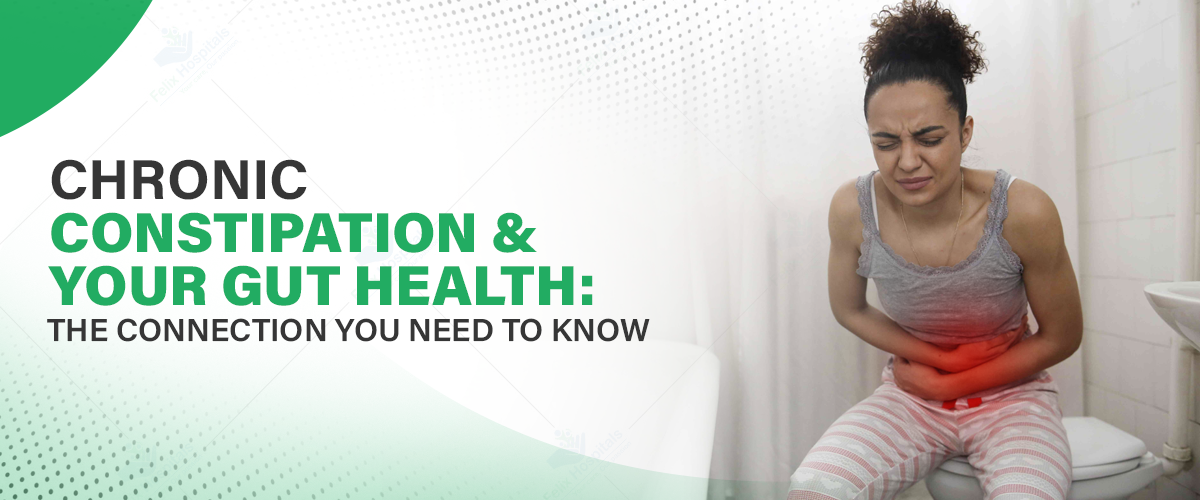
Chronic constipation is a condition that can significantly impact daily life, leading to discomfort, pain, and even embarrassment. For many, it can become a persistent problem that affects not only their physical well-being but also their mental health and quality of life. In recent years, there has been a growing awareness of the connection between gut health and constipation. The health of your digestive system plays a pivotal role in managing and relieving this condition. For effective management, it’s crucial to explore how gut health influences constipation and how you can take steps to improve it. If you're seeking expert care, visiting the best gastro hospital for guidance and treatment could be a great first step.
Don’t let chronic constipation affect your quality of life. Contact us today by Calling +91 9667064100!
Chronic constipation refers to infrequent, painful bowel movements that occur for an extended period. It is characterized by fewer than three bowel movements per week, often accompanied by straining, discomfort, and a feeling of incomplete evacuation. Unlike occasional constipation, which is usually short-lived and often linked to diet or temporary lifestyle factors, chronic constipation persists over months or years and may require professional treatment.
Symptoms include:
Understanding gut health and constipation's underlying causes, such as diet, stress, and gut health, is crucial for effective management.
Gut health plays a fundamental role in the proper functioning of your digestive system. The gut microbiome, which is the community of trillions of bacteria, fungi, and other microorganisms living in your intestines, helps break down food, absorb nutrients, and regulate bowel movements. A balanced microbiome is essential for optimal digestion and overall health.
An imbalance in this delicate ecosystem—also known as gut dysbiosis—can contribute to chronic constipation. When harmful bacteria outnumber the beneficial ones, digestive issues such as constipation, bloating, and irregular bowel movements may occur.
Poor gut health, caused by factors such as an unhealthy diet, stress, and sedentary lifestyles, can lead to digestive issues. For instance:
When the gut microbiome becomes imbalanced (dysbiosis), the process of breaking down food and absorbing nutrients is compromised. This imbalance can cause slower digestion, leading to constipation.
Probiotics are live microorganisms that provide health benefits, especially for gut health and Constipation. They help restore balance to the gut microbiome and are commonly found in fermented foods such as yogurt, kefir, and sauerkraut.
Probiotic supplements may also be beneficial for relieving constipation. By promoting a healthy balance of good bacteria, probiotics can improve digestion and bowel movements. If you’re considering probiotics for chronic constipation, it’s important to consult with a healthcare professional to determine the best course of action.
Consulting a gastroenterologist or visiting a specialized constipation hospital can provide personalized care and help diagnose any underlying issues contributing to chronic constipation. Professional treatment is essential for managing and relieving symptoms effectively.
Prioritize your gut health and take the first step toward relief by consulting with experts at Felix Hospitals. Schedule your appointment now!
The connection between gut health and chronic constipation is undeniable. Lifestyle changes such as improving your diet, staying hydrated, exercising, and managing stress can significantly improve your gut health and find relief from constipation. If symptoms persist, seeking professional help from a healthcare provider or the best gastro hospital is crucial. Taking steps to improve your gut health helps with constipation and supports overall well-being.
1. What is the main cause of chronic constipation?
Ans: Chronic constipation is often caused by a combination of factors, including a low-fiber diet, inadequate hydration, lack of physical activity, and poor gut health. In some cases, underlying medical conditions like hypothyroidism or irritable bowel syndrome (IBS) may also play a role.
2. How does gut health influence constipation?
Ans: Gut health, particularly the balance of good and bad bacteria in your microbiome, plays a critical role in digestion. Imbalances in this ecosystem can slow digestion, harden stools, and contribute to chronic constipation.
3. What foods should I avoid if I have chronic constipation?
Ans: Avoid processed foods, high-fat dairy products, red meat, and refined grains, as they can slow digestion and worsen constipation. Instead, focus on high-fiber and whole foods to support gut health.
4. Can stress worsen constipation?
Ans: Yes, stress impacts the gut-brain connection, slowing digestion and disrupting bowel movements. Chronic stress can exacerbate constipation by causing changes in gut motility and microbiome balance.
5. Are probiotics effective for chronic constipation?
Ans: Probiotics can help by restoring balance to your gut microbiome, improving digestion, and easing bowel movements. However, their effectiveness may vary, so it’s best to consult a healthcare provider for tailored advice.
6. How much water should I drink to prevent constipation?
Ans: Most adults should aim for at least 8–10 cups of water per day, though individual needs may vary. Staying hydrated softens stools and promotes regular bowel movements.

Your gut and brain share a strong link that impacts your mood, stress levels, and overall health. Learn how maintaining gut health can improve your mental well-being.

Expert gastroenterology care for better digestive health, offering advanced diagnosis and treatment for GERD, IBS, ulcers, and liver disorders.
Understand the factors that influence endoscopy procedure cost in Noida. Learn about the types, preparation, and benefits of choosing the best multi-speciality hospital in Noida for accurate diagnosis.

Asthma is caused by inflammation and mucus buildup in the airway lining. During an asthma attack, this inflammation leads to wheezing or a whistling sound while breathing, along with other symptoms. Bronchial asthma, commonly known as asthma, is a lung condition that results in narrowed, swollen airways obstructed by excess mucus. Fortunately, medications can effectively manage these symptoms. In Noida, hospitals are well-equipped to treat asthma at all stages. Therefore, consulting the best pulmonologist doctors in Noida is essential for maintaining long-term respiratory health.
Worried About Asthma Symptoms? Don’t wait—get expert consultation and learn more about asthma treatment costs at Felix Hospital. Contact us today at +91 9667064100.
Asthma is an inflammatory, constrictive, and increased or excess mucus production airway disorder that causes it to become more difficult to breathe. They are induced by wheezing, which is the creation of a whistling sound upon exhalation, and shortness of breath and cough.
In the majority of people, asthma only has minor disadvantages, while, in others, asthma greatly affects one's lifestyle along with causing fatal attacks.
While asthma cannot be cured, its symptoms can be effectively controlled with appropriate treatment. As the condition can alter with the passage of time, it is essential to work closely with your doctor to track symptoms and modify treatment plans accordingly.
Asthma symptoms vary from person to person. You may have asthma attacks every now and then, only during certain periods — such as while exercising — or have them all the time.
Sudden asthma attacks are potentially life-threatening. Develop a plan with your doctor about what to do when your symptoms get worse — and when you need emergency care. An asthma emergency is indicated by:
You can have an asthma attack when you are around things that make you upset. Your physicians refer to such products as "triggers." If you are aware of what makes your asthma worse, you can prevent having asthma attacks.
For some individuals, a trigger will instantly cause an attack. For other individuals, or sometimes, an attack may begin hours or even days afterward.
Triggers may vary from individual to individual. Some of the most frequent triggers are:
There are several factors that contribute to the development of asthma, and therefore some individuals are more susceptible to it than others. These are:
1. Genetic Predisposition: If there is a history of asthma in the family, then the risk of developing asthma is greater, especially if the parent or sibling has asthma.
2. Allergic Conditions: Asthma tends to develop with other allergic conditions like atopic dermatitis (leading to red, itchy skin) and hay fever (leading to nasal congestion, sneezing, and watery eyes).
3. Obesity: Being overweight or obese has been found to raise the risk of asthma. Excess fat can compress the lungs, making it difficult to breathe.
4. Exposure to Smoke: Smoking or secondhand smoking inflames the airways and increases the risk of asthma, particularly among children.
5. Environmental Pollutants: Long-term exposure to car exhaust fumes, air pollution, dust, mold, and chemicals can trigger asthma symptoms and attacks.
6. Occupational Hazards: Some occupations expose workers to irritants such as chemicals, dust, and pungent odors, which trigger asthma. Hairdressers, farmers, and factory workers are more at risk.
Untreated asthma can result in several complications, affecting daily living and overall health. These are:
1. Interference in Daily Living: Recurrent symptoms can disrupt work, school, and sleep, decreasing productivity and quality of life.
2. Excessive Sick Leaves: Asthma attacks may result in excessive school or work absenteeism, impacting scholastic and professional performance.
3. Irreversible Airway Damage: Untreated long-term asthma can result in permanent bronchial tube narrowing, resulting in compromised lung function in later life.
4. Emergency Hospitalization: Life-threatening asthma attacks may occur, requiring immediate medical intervention and hospitalization at the best hospital near by for prompt and effective treatment.
5. Side Effects of Long-Term Medication: Long-term medication with corticosteroids and other asthma drugs has side effects like compromised immunity, weight gain, or osteoporosis.
Even though asthma cannot be prevented, active control can prevent or reduce exacerbations. Some of the important prevention steps are:
1. Adhere to an Asthma Action Plan: A concise asthma action plan, developed after consultation with a physician, helps patients control the condition effectively. The plan features medication regimen, symptom monitoring, and emergency response.
2. Remain Up-to-Date with Vaccinations: Infections in the respiratory system such as pneumonia and flu are known to initiate asthma attacks. Remaining up to date with these infections' vaccinations may prevent exacerbations.
3. Know and Steer Clear of Triggers: Identifying and avoiding common asthma triggers—pollen, mold, dust mites, pet dander, and cold air—can reduce flare-ups.
4. Watch Your Breathing: Having a peak flow meter at home can keep track of lung function and identify worsening symptoms before they become serious.
5. Take Immediate Action on Early Symptoms: For treating early signs of warning—like mild wheezing or persistent coughing—adhering to prescribed medication prevents a complete asthma attack.
6. Stick to Your Medication Plan: Even if symptoms improve, one should never miss prescribed medication as directed by a doctor. Sleeping on medicines can increase the chances of unexpected attacks.
7. Monitor Quick-Relief Inhaler Utilization: Overutilization of quick-relief inhalers such as albuterol may indicate poor control of asthma. If you find yourself overusing it, speak to your doctor so that you can adjust your treatment plan.
As the best hospital in Noida, our foremost goal is to deliver the best possible asthma care so that patients can live without discomfort.
Our highly experienced doctor, Dr. Priyadarshi Jitendra Kumar, has more than 20 years of general practice experience and specializes in respiratory diseases like asthma treatment. He is also very experienced in diabetes, thyroid diseases, hypertension, and infective diseases.
With a patient-focused style, Dr. Kumar creates customized treatment plans addressing successful symptom management, minimizing flare-ups, and maximizing lung function. His empathetic and accurate medical intervention has earned the confidence of hundreds of patients.
Consult our best pulmonologist at Felix Hospital and take control of your asthma today. Book an appointment now.
It is not an easy disease to be controlled, but by taking proper strategies and medical care from expert professionals, one can get a normal and healthy life. Felix Hospital provides complete care such as diagnosis, control, and management in order to get a satisfactory result. If your family member has asthma or you are an asthma patient, visit our professionals today and regain your quality life. For the cost of asthma treatment, please contact our representatives for detailed descriptions.
Q- What are the signs of an impending asthma attack that cannot be disregarded?
Ans- Warning signs of a pending asthma attack include more shortness of breath, frequent coughing, especially at night, tightness in the chest, and greater consumption of a fast-relief inhaler.
Q- How does the expense of treating asthma differ with the severity of the disease?
Ans- The price varies based on the intensity of the treatment, type of treatment needed, medicine, inhalers, allergy test, and hospital visit. Felix Hospital offers customized plans at affordable prices.
Q- Does asthma get aggravated due to seasonal change, and how can I prevent it?
Ans- Yes, seasonal allergens such as pollen, humidity, and cold have been reported to increase the intensity. Precautions include the use of masks, staying indoors during the pollen days, and medication adjustments based on the guidelines of your chest physician.
Q- Are there any serious long-term effects if asthma remains untreated?
Ans- Yes, untreated asthma may result in permanent lung injury, more frequent attacks, disabled lung function, and even dangerous complications.
Q- How do I differentiate between asthma and other respiratory problems such as COPD or bronchitis?
Ans- Although symptoms are similar, asthma is usually due to allergens or exercise and is reversible. COPD and chronic bronchitis are progressive and frequently associated with smoking or environmental exposure.
Pulmonary embolism (PE) is a serious medical condition that occurs when a blood clot blocks one or more arteries in the lungs.

Additionally, many COPD patients experience unintended weight loss and muscle wasting, a condition known as Pulmonary cachexia.

Healthy sleep is fundamental to one's overall well-being, affecting mental and physical health. Although sleep is also vital for heart health, few individuals pay much attention to how sleep affects heart health. Various studies indicate that disrupted sleep habits may raise cardiovascular disease, blood pressure, and metabolic disorder risk. To keep your heart healthy, good sleeping habits must be instilled and medical care must be taken when needed. If you are searching for the best cardiology hospital in Noida, expert care is prepared to offer you improved heart health through proper sleep care.
Make your heart strong by adopting good sleeping habits. Schedule an appointment with us today by calling +91 9667064100.
The interaction between heart function and sleep is multifaceted and intricate. Good sleep promotes cardiovascular health by providing opportunity for the heart to recover and rest, and bad sleep generally serves to create an increased risk of heart disease in a number of ways.
Some of the most important points regarding the ways in which sleeping impacts your heart are:
Physiological processes maintain heart rate and blood pressure during sleep without subjecting the cardiovascular system to excess stress. Blood pressure control phases, especially during non-REM sleep, help ensure adequate rest to the heart and stabilize blood pressure levels. Sleep deprivation will continue to interfere with this process to cause chronic high blood pressure and increased vulnerability to cardiac-related complications.
During sleep, your body quenches inflammation and manages stress hormones such as cortisol and adrenaline. They are major players in the control of blood sugar, blood pressure, and heart rate. Cortisol is raised due to insufficient sleep, which causes chronic inflammation and is an immediate driver of atherosclerosis (hardening of the arteries) and heart illness.
Chronic sleep loss has been associated with an increased risk of heart disease, heart failure, stroke, and arrhythmias (abnormal heart rhythm). Insomnia and sleep apnea cause recurrent oxygen deficits and instability of heart rate, with cardiovascular complications becoming more common.
Irregular sleep patterns can have serious effects on overall cardiovascular well-being. Whether the cause is a hectic lifestyle, shift work, or illnesses, alterations in sleep quality and duration can lead to various health hazards:
There are some sleep disorders that have been directly connected to a greater risk of cardiovascular disease. Detection and management of such conditions can go a long way in improving heart health.
You can implement little but important lifestyle changes that enhance the quality of sleep and minimize cardiovascular disease risk. Practically follow these expert-recommended tips to promote better sleep:
If you experience frequent sleep disturbances, it is crucial to seek medical help, as poor sleep can significantly impact heart health. Conditions such as sleep apnea, insomnia, and restless leg syndrome are often linked to high blood pressure, irregular heart rhythms, and an increased risk of heart disease. Identifying and managing these issues early can prevent severe cardiovascular complications in the future.
At Felix Hospital, our team of expert cardiologists specializes in diagnosing and treating heart-related sleep disorders with a personalized and patient-centric approach. Our specialists ensure that each patient receives comprehensive cardiac care tailored to their specific health concerns.
Our Expert Cardiologists:
Prioritize your heart and sleep health—schedule an appointment today!
Give the highest priority to good sleep and it will do the maximum for your heart. Irregular sleep patterns are a major threat to cardiovascular diseases, high blood pressure, and metabolic syndromes. To reduce this risk to some level, just keep your sleeping patterns in order, follow stress-balancing measures, and take guidance from experienced medical professionals as and when needed. In case you need advice, take the right decision and consult the experts of Felix Hospital and top-class cardiologists. For further details on sleep-related heart conditions and the price of treatment in Noida, contact our team today.
1. How does poor sleep affect heart health?
Ans- Irregular sleep patterns can cause high blood pressure, elevated stress hormones, and raised cholesterol levels, all of which dramatically increase the risk of heart disease and stroke.
2. What are the warning signs that my sleep issues may be impacting my heart?
Ans- If you are snoring excessively, experiencing daytime sleepiness, experiencing an irregular heartbeat, morning headaches, or waking up short of breath, you could have a sleep disorder related to your heart.
3. Does sleep apnea cause long-term damage to the heart?
Ans- Yes, if sleep apnea is left untreated, it can result in hypertension, atrial fibrillation, heart attacks, and even heart failure in the long run as a result of recurrent drops in oxygen levels during sleep.
4. How do I get better sleep to reduce my risk of heart disease?
Ans- Having a regular sleep schedule, refraining from using screens before bed, stress management, and eating a heart-healthy diet and exercise regimen can all enhance the quality of sleep and promote heart health.
5. When should I consult a cardiologist for sleep disorders?
Ans- If you are experiencing recurring sleep disruptions and symptoms like chest pain, hypertension, or arrhythmias, you should see a cardiologist to investigate if there are any possible cardiac complications.
6. Will improving my sleep decrease my blood pressure?
Ans- Yes, regular sleep regulates blood pressure by enabling the heart and circulatory system to rest and recover. Poor sleep may lead to blood pressure spikes, creating increased cardiovascular risk factors.
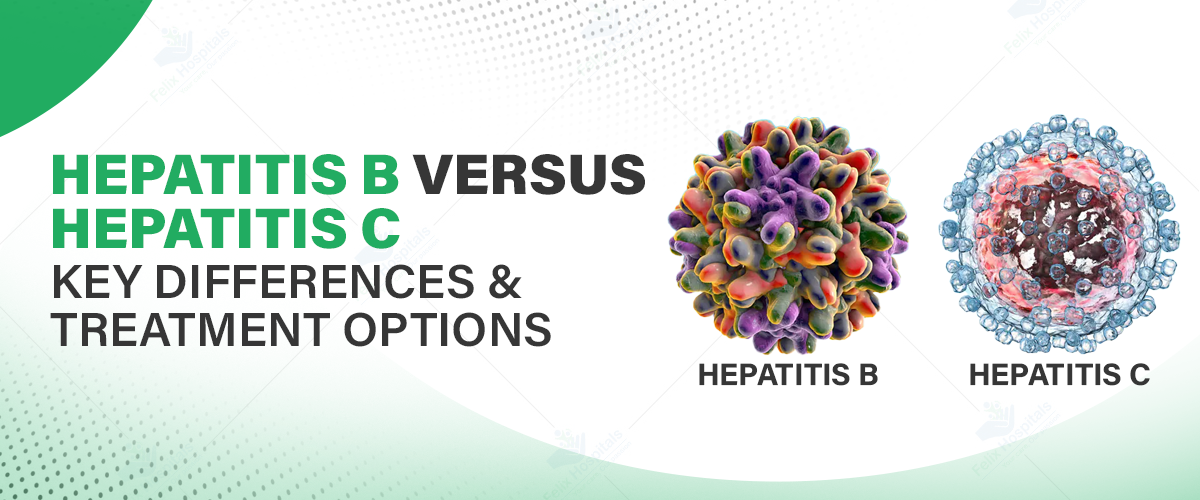
Hepatitis is a term used to describe inflammation of the liver, a vital organ responsible for numerous critical bodily functions, including detoxification, protein synthesis, and bile production. Two of the most common and serious types of viral hepatitis are Hepatitis B (HBV) and Hepatitis C (HCV). Understanding the differences between these conditions is essential for effective prevention, diagnosis, and treatment.
The liver’s health is paramount, and individuals suffering from HBV or HCV require specialized care. For patients in Noida, Felix Hospital stands out as the best gastro hospital, offering cutting-edge diagnostic and treatment services. The global burden of both HBV and HCV underscores the importance of raising awareness and implementing effective interventions to combat these diseases.
Contact us at +91 9667064100 Felix Hospital to schedule an appointment with our leading gastroenterologists for personalized diagnosis and treatment.
Hepatitis B is caused by the Hepatitis B virus, which can lead to acute or chronic liver infection. This virus is highly contagious and primarily transmitted through the following routes:
Risk Factors and Susceptible Populations:
Hepatitis C, caused by the Hepatitis C virus, is another serious liver infection. Unlike HBV, HCV is primarily transmitted through blood-to-blood contact, with common modes of transmission including:
Risk Factors and Susceptible Populations:
Hepatitis B can manifest as either an acute or chronic infection. Acute infection symptoms appear within six months of exposure and include:
Chronic HBV can remain asymptomatic for years but poses a significant risk of progressing to:
Hepatitis C is often called a “silent” disease because many individuals remain asymptomatic for years. When symptoms do appear, they may include:
Chronic HCV significantly increases the risk of:
HBV: Transmitted through multiple routes, including blood, sexual contact, and from mother to child.
HCV: Primarily spread through blood-to-blood contact.
HBV: May be acute or chronic, depending on the immune response.
HCV: High likelihood of chronic infection if left untreated.
Accurate diagnosis of HBV and HCV is crucial for effective treatment. Diagnostic methods include:
Blood Tests:
-HBV: Testing for Hepatitis B surface antigen (HBsAg).
-HCV: Detecting HCV RNA through polymerase chain reaction (PCR).
Liver Function Tests: To assess liver damage.
1) Imaging: Ultrasound or elastography to evaluate liver stiffness.
2) Liver Biopsy: In some cases, to determine the extent of liver damage.
Hepatitis B Prevention
Hepatitis C Prevention
Safe Practices:
-Use sterile needles for injections.
-Avoid sharing personal items like razors or toothbrushes.
-Ensure safety in medical and cosmetic procedures.
For those seeking world-class care, Felix Hospital offers comprehensive treatment for hepatitis and other liver conditions. Our team includes some of the best gastroenterologists for hepatitis treatment:
With state-of-the-art facilities and a patient-centered approach, Felix Hospital ensures optimal outcomes for every patient.
Don't let Hepatitis B or C affect your health, Book a consultation at Felix Hospital for early screening and prevention strategies.
Hepatitis B and Hepatitis C are serious liver conditions that require timely diagnosis and appropriate management. While both share some similarities, their differences in transmission, vaccine availability, and treatment options highlight the need for tailored approaches. Advances in antiviral therapies and DAAs have significantly improved the prognosis for patients.
Preventive measures, including vaccination for HBV and harm reduction strategies for HCV, are critical in reducing the global burden of these diseases. Regular screening and expert care, such as that provided by Felix Hospital’s exceptional team of gastroenterologists, are essential for managing and combating these conditions. Together, we can work towards a healthier future by prioritizing liver health and raising awareness about hepatitis.
1. What is the difference in treatment response between Hepatitis B and Hepatitis C?
Ans: Hepatitis B requires long-term management with antiviral medications to suppress viral replication, while Hepatitis C can be cured in most cases with direct-acting antivirals (DAAs). The treatment success rates for HCV are over 90%, offering a clear path to a cure.
2. Can Hepatitis B or C be transmitted through casual contact, such as hugging or sharing meals?
Ans: No, both Hepatitis B and C are not transmitted through casual contact. They are primarily spread through blood-to-blood contact (HCV) and various routes such as blood, sexual contact, or from mother to child (HBV).
3. What are the long-term risks associated with untreated Hepatitis B and Hepatitis C?
Ans: If left untreated, both Hepatitis B and C can lead to serious complications such as cirrhosis, liver cancer, and liver failure, with Hepatitis C having a higher likelihood of progressing to chronic liver disease.
4. Why is a vaccine available for Hepatitis B but not for Hepatitis C?
Ans: Hepatitis B has a stable and effective vaccine because the virus has a clear target for immune response, whereas Hepatitis C has multiple strains with diverse genetic variations, making vaccine development more challenging.
5. How effective are current Hepatitis C treatments at Felix Hospital?
Ans: At Felix Hospital, we use cutting-edge direct-acting antivirals (DAAs) that offer over 90% cure rates for Hepatitis C. Our personalized treatment plans ensure the best possible outcomes for each patient.
6. Is liver biopsy always necessary to diagnose Hepatitis B or C?
Ans: No, a liver biopsy is not always required. Blood tests and imaging, such as ultrasound or elastography, are typically sufficient to diagnose and assess liver damage in most cases of Hepatitis B or C.
7. Can I get Hepatitis C from a tattoo or piercing done with unsterilized equipment?
Ans: Yes, Hepatitis C can be transmitted through sharing needles or using unsterilized equipment for tattoos and piercings, making it essential to ensure that all equipment is properly sterilized before use.
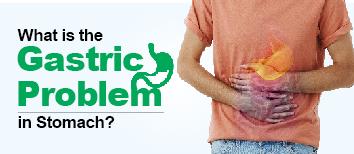
Gastric problems occur when excess acid or digestive disturbances affect the stomach lining, causing symptoms like bloating, acidity, and pain. Timely diagnosis ensures effective treatment.
Expert gastroenterology care for better digestive health, offering advanced diagnosis and treatment for GERD, IBS, ulcers, and liver disorders.
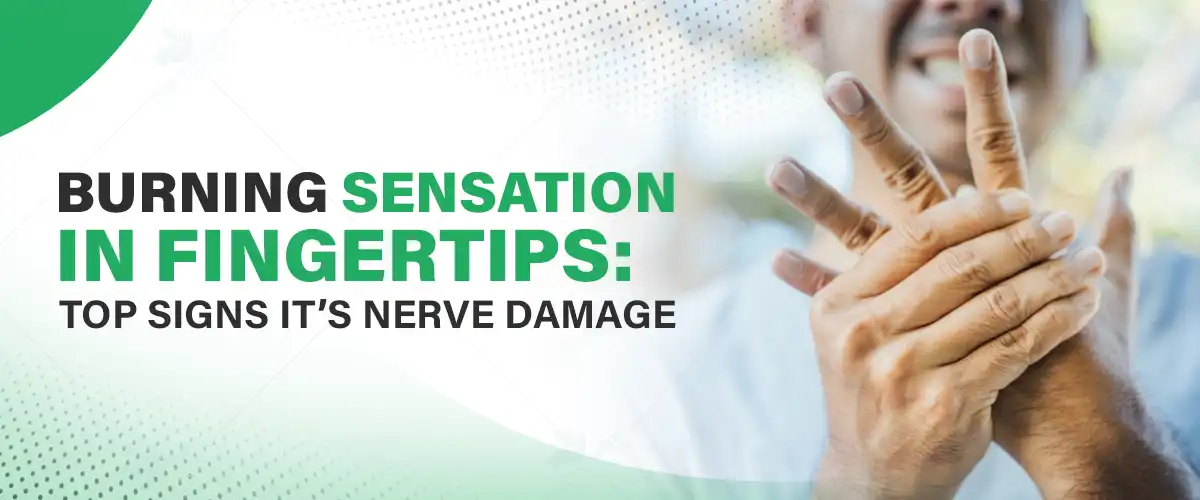
A burning sensation in the fingertips can be an alarming and uncomfortable experience. It is often an indication of underlying nerve damage, which can lead to more serious conditions if left untreated. Understanding the possible causes of this sensation and recognizing the symptoms early can help manage and prevent further damage. If you’re experiencing a burning sensation in your fingertips, it’s crucial to identify the cause to get the right treatment. Consulting the best neurology hospital in Noida can help you receive a proper diagnosis and timely intervention.
Don’t ignore the signs of nerve damage, Our top specialists are here to help. Contact us now at +91 9667064100.
Nerve damage refers to any harm caused to the nervous system, which is responsible for transmitting signals throughout the body. When nerves are damaged, they can misfire or fail to send signals properly, resulting in abnormal sensations, like burning, tingling, or numbness. The nervous system plays a crucial role in our ability to feel touch, heat, pain, and other sensations in the body. Peripheral nerves are particularly sensitive to injury, which can result in symptoms such as burning sensations in the fingertips.
Nerve damage can be caused by various factors, including chronic diseases, vitamin deficiencies, or physical trauma. Early detection and intervention are essential for minimizing the impact of nerve damage. Consulting the best orthopedic surgeon in Noida can help with diagnosing and treating any nerve-related issues, especially if they’re related to musculoskeletal injuries or conditions.
1. Peripheral Neuropathy: One of the leading causes of a burning sensation in the fingertips is peripheral neuropathy. This condition occurs when the peripheral nerves (nerves outside the brain and spinal cord) become damaged, often resulting in pain, numbness, or a burning sensation in fingertips. It can be caused by diabetes, infections, or exposure to toxins.
2. Carpal Tunnel Syndrome: Carpal Tunnel Syndrome is another common cause of nerve damage in the hands. It occurs when the median nerve, which runs through the wrist, becomes compressed. This pressure can lead to symptoms like tingling, numbness, and burning sensations, particularly in the fingers.
3. Diabetes: Uncontrolled blood sugar levels can lead to diabetic neuropathy, which damages the nerves and causes burning sensation in fingertips and other parts of the body. Diabetes is a leading cause of nerve damage, and managing the condition is essential in preventing or controlling these symptoms.
4. Vitamin Deficiency: A lack of vitamin B12 can lead to nerve damage in hands and other parts of the body. This deficiency disrupts nerve function and may cause symptoms like burning, numbness, and tingling, particularly in the fingers.
5. Infections or Inflammation: Certain infections, such as Lyme disease or shingles, can damage the nerves and cause a burning sensation. Inflammation from autoimmune diseases can also affect the nerves, leading to similar symptoms.
6. Trauma or Injury: Physical trauma to the fingers, hands, or wrists, such as fractures, sprains, or cuts, can lead to nerve damage in hands, resulting in burning sensations and other discomforts.
If you’re experiencing a burning sensation in fingertips, there are other signs that may indicate nerve damage:
1. Burning Sensation: A persistent or intermittent burning sensation in fingertips is one of the primary signs of nerve damage. The sensation may vary in intensity and can spread to other parts of the hand or arm.
2. Numbness or Tingling: A “pins and needles” feeling in the fingertips or hands is another common symptom of nerve damage. This sensation often accompanies the burning feeling and may affect your ability to feel touch or temperature.
3. Weakness: Difficulty with gripping objects, performing fine motor tasks, or holding things in your hands may signal nerve damage in hands. You may notice a decrease in strength and dexterity.
4. Pain: Nerve damage can result in sharp, shooting pain that radiates from the fingertips into the hand, wrist, or even up the arm. This pain may worsen at night or with specific movements.
5. Decreased Sensitivity: If you have trouble feeling hot or cold or cannot differentiate between sensations in your fingertips, it could be a sign of nerve damage in hands.
6. Coordination Issues: When nerve damage occurs in the fingers, you may experience trouble with coordination and difficulty performing precise movements.
To diagnose nerve damage, doctors typically conduct a physical examination to assess strength, reflexes, and sensation. Some diagnostic tests may include:
Electromyography (EMG): This test measures the electrical activity in muscles and can help identify nerve damage.
Nerve Conduction Studies: These studies assess how well electrical impulses travel through the nerves and can pinpoint where damage may have occurred.
Blood Tests: A doctor may order blood tests to check for conditions like diabetes, vitamin deficiencies, or infections that may be contributing to nerve damage.
Treating nerve damage requires addressing the underlying cause. Depending on the severity of the damage, treatment options may include:
1. Medications: Pain relievers, anticonvulsants, or antidepressants may be prescribed to relieve burning sensation in fingertips and other nerve-related discomforts.
2. Physical Therapy: Physical therapy can help improve mobility, strength, and flexibility in the affected area.
3. Surgical Interventions: In some cases, surgery may be required to relieve pressure on the nerves or repair damaged nerves.
4. Lifestyle Changes: Managing chronic conditions like diabetes, taking vitamins for deficiencies, and reducing stress can help prevent further damage and alleviate peripheral neuropathy symptoms.
5. Alternative Therapies: Acupuncture, chiropractic care, or herbal treatments may also provide relief from nerve pain.
To prevent nerve damage, consider the following:
Healthy Diet: A diet rich in vitamins and minerals, especially B12, can help support nerve health.
Exercise: Regular physical activity promotes circulation and helps prevent conditions like diabetes, which can lead to nerve damage.
Managing Health Conditions: Properly managing diabetes and other chronic diseases can protect your nerves.
Protecting Hands: Wear protective gloves and practice good ergonomics when using tools or working with your hands.
If you are experiencing a burning sensation in your fingertips, timely medical attention is crucial. At Felix Hospital, our team of highly skilled specialists provides expert diagnosis and treatment for nerve-related conditions.
Expert Neurologists:
Dr. Sumit Sharma – A renowned neurosurgeon with expertise in treating neurological disorders, nerve damage, and neuropathy.
Dr. Keshav Goel – Specializes in orthopedic trauma, joint disorders, and nerve-related musculoskeletal issues.
Dr. Binay Kumar Sahu – An expert in diagnosing and treating nerve compression, fractures, and spine-related orthopedic conditions.

Dr. Piyush Kumar Singh – Focuses on orthopedic and sports injuries, ensuring comprehensive treatment for nerve and muscle damage.

Dr. Varun Aggarwal – A skilled orthopedic specialist in hand, wrist, and nerve-related musculoskeletal conditions.
If you're experiencing a persistent burning sensation in your fingertips, consult the expert by Clicking Here.

Recognizing the signs of nerve damage in hands, including the burning sensation in fingertips, is vital for effective treatment. Seeking medical help early can prevent further damage and improve long-term outcomes. If you experience any of the symptoms discussed above, consult a healthcare provider for a thorough evaluation and treatment plan.
Dr. P. S. Naga Srinivas is a skilled Consultant Neurologist with strong experience in managing various neurological disorders. He follows a patient-focused and evidence-based approach for accurate diagnosis and treatment of both acute and chronic neurological conditions, and is recognized among the Best Neurologists in Noida.
Advanced neurosurgery improves treatment for brain and spine disorders with better outcomes.
ब्रेन स्ट्रोक एक जानलेवा स्थिति है जिसमें मस्तिष्क को रक्त आपूर्ति रुक जाती है। इसके प्रकार, कारण, लक्षण, बचाव और इलाज
Experiencing tingling in your hands or feet? It could signal a nerve-related issue. Consult our expert neurologists at Felix Hospitals to find the cause and get the right treatment today.

Breast cancer is caused by breast cells becoming cancerous and causing abnormal growth and tumor formation. Although breast cancer predominantly occurs in women over the age of 50, it also has a possibility of occurring to men and young women. Surgery to eliminate the tumors or a series of treatments that aim to destroy and kill cancer cells is usually involved in the treatment of breast cancer. In this blog, we focus on the challenges faced by young women battling breast cancer. Stay with us to learn more about their unique struggles and the support available.
If you are searching for the top breast cancer hospital nearby, it is essential to select one that has highly qualified specialists and the most advanced treatment facilities to deliver the best quality of care and support throughout the treatment process.
Choose a facility with expert oncologists, advanced diagnostics, and personalized care to ensure the best possible outcome. Call us now at +91 9667064100.
Breast cancer is one of the most common types of cancers that occur in women. It is a type of cancer in which the breast cells become abnormal and grow abnormally to form tumors. The tumor will spread from the breast to other locations in the body in about 80% of cases of breast cancer.
While breast cancer occurs most commonly in women who are more than 50 years old, it may also occur in young women and men. Detection and early treatment can greatly enhance outcomes.
Breast cancer may be grouped into several types depending on where it begins and the way it spreads. Physicians identify the type and subtype of the cancer to create the optimal care program with fewer side effects. Some of the most common types of breast cancer are:
Identifying the specific type of breast cancer is essential for selecting the most effective treatment options to combat the disease. If you’re looking for the best cancer hospital in Noida, it’s important to choose a facility with specialized expertise in managing all types of breast cancer.
There are various symptoms of breast cancer, which may differ from individual to individual. In some cases, there are no symptoms at all, while in others the symptoms could be quite apparent. Some common signs to observe are:
Breast cancer is sometimes thought of as a disease that most commonly affects older women, yet young women are not exempt. Although the majority of cases are seen in women over 50, breast cancer in young women does pose some special challenges, including delayed detection, more aggressive types of breast cancer, and fertility and long-term survival issues.
While breast cancer is less prevalent in women under 40 years of age, there are some factors that can raise the risk, such as:
Younger women are likely to experience delayed diagnosis since routine mammograms are not indicated until later in life. Symptoms like lumps, pain, or nipple discharge are most likely to be misdiagnosed as benign conditions, hence resulting in delayed diagnosis.
Young women with breast cancer can be devastated. In contrast to older women, younger patients are usually beginning their professional, relationship, or family life. The psychosocial impact includes:
Family, friends, and mental health professionals' support is necessary in managing these emotional issues.
Young women with breast cancer have more aggressive breast cancer. A very aggressive type of breast cancer known as triple-negative breast cancer (TNBC) also develops more commonly in young patients. Treatment typically includes:
Because treatment can affect fertility, young women will sometimes have to weigh options such as egg freezing prior to starting therapy.
One of the biggest worries for young women who are diagnosed with breast cancer is how their treatment will affect them having a future child. Chemotherapy and hormone therapies can cause early menopause and decrease fertility. Options for preserving fertility include:
Pre-treatment consultation with a fertility doctor can allow young women to make informed decisions about their reproductive lives.
Breast cancer treatment is basically surgical but supported by other therapies for delivering holistic therapy. Surgery for breast cancer treatment in Noida involves:
In addition to surgery, other forms of treatment are used alone or together to cure breast cancer:
While breast cancer can't always be prevented, you can take steps to lower your risk. Regular self-exams and mammograms help with early detection, which can significantly improve the chances of treatment success.
While there's no guarantee for preventing breast cancer, the American Cancer Society (ACS) offers some tips for reducing your risk:
We at Felix Hospitals are glad to have a team of experienced oncologists who are striving to give the best possible treatment to our patients.
Our Specialist Oncologists:
Our staff is ready to offer you supportive care, whether you are looking for nutritional guidance or professional cancer care. We are here to assist you along the journey toward improved health.
If you or a loved one are experiencing symptoms of breast cancer, early detection is key to effective treatment. Don't wait—schedule a consultation with a specialist today.
Breast cancer is still a serious health issue, especially among young women who are not in the usual population most commonly linked with the disease. Early detection, tailormade treatment, and management with follow-up is essential to better the prognosis in patients of breast cancer. The etiology for breast cancer, however, is not established as yet. Life style, genetic predispositions, and exposures form possible etiology culminating into breast cancer predisposition. As awareness with regular self-examination, routine screening, and practicing a good lifestyle continues, it lowers the risk for women while facilitating better detection in the initial stage. For the diagnosed and high-risk populations, effective coordination with medical professionals guarantees that best treatment modalities are synchronized with specific needs.
Q1: What is the initial indication of breast cancer?
Ans: The initial signs are a lump under the armpit or in the breast, a change in the shape or size of the breast, puckering of the skin on the breast, discharge from the nipple, or constant breast pain.
Q2: Can breast cancer occur in young women?
Ans: Yes, even though breast cancer is increasingly found in elderly women, it can occur in young women too if they have any family history or genetic predisposition.
Q3: How is breast cancer diagnosed?
Ans: Breast cancer is diagnosed through mammograms, breast ultrasounds, MRI scans, and biopsy tests to examine tissue samples for cancer cells.
Q4: What is the survival rate for breast cancer?
Ans: The survival rate varies with the stage of diagnosis. Early diagnosis greatly enhances the possibility of successful treatment.
Q5: What are the treatment options for breast cancer?
Ans: Treatment can include surgery (lumpectomy or mastectomy), chemotherapy, radiation therapy, hormone therapy, targeted therapy, or immunotherapy.
Q6: Is breast cancer preventable?
Ans: No, it cannot be prevented, but a healthy lifestyle, screening regularly, limiting alcohol consumption, and weight management can reduce the risk.
Q7: Does breast cancer always have to be treated with a mastectomy?
Ans: No, treatment is not the same. Patients could have a lumpectomy (breast-sparing surgery) rather than an entire mastectomy, depending upon the stage and kind of cancer.
Q8: How long will treatment for breast cancer last?
Ans: The length of time of treatment relies on the stage and kind of cancer. Some are weeks, and some are months or more.

ब्रेस्ट कैंसर (Breast Cancer) के मुख्य लक्षण, इसके कारण और प्रभावी उपचार। समय पर पहचान और सही इलाज से रोग की गंभीरता को कम किया जा सकता है।

Explore essential information about breast cancer, including its symptoms, causes, types, and treatments, to stay informed and proactive about your health.
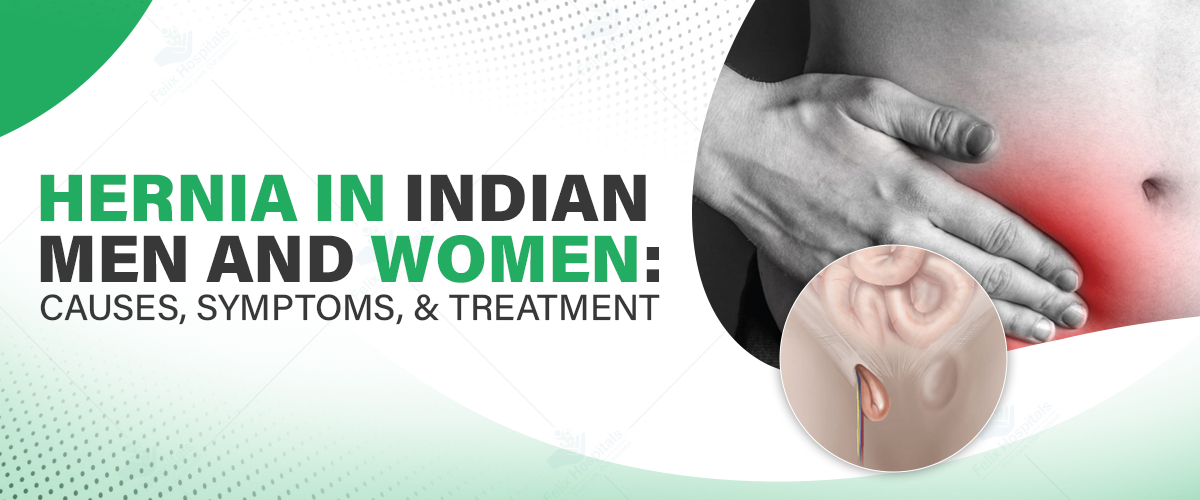
A hernia is a common medical condition affecting millions of people in India. It occurs when an organ or tissue pushes through a weak spot in the surrounding muscle or connective tissue. According to recent studies, approximately 2 million hernia cases are reported in India annually. The prevalence is higher among men, particularly for inguinal hernias, which account for 75% of all hernia cases. Women, however, are more susceptible to umbilical and femoral hernias.
For those seeking expert medical care, Felix Hospital is the best hospital for hernia treatment in Noida, offering state-of-the-art facilities and advanced surgical options.
Importance of Awareness and Timely Medical Intervention
Ignoring hernia symptoms can lead to severe complications, including intestinal obstruction and strangulation, which may require emergency surgery. Early diagnosis and proper treatment can prevent these risks, ensuring a faster recovery and improved quality of life.
Book a consultation at Felix Hospital today and explore advanced laparoscopic treatment options for a quick and smooth recovery. Call now at +91 9667064100.
A hernia occurs when an internal organ, typically the intestines, protrudes through a weak spot in the abdominal wall. This results in a noticeable bulge, pain, and discomfort, especially when lifting heavy objects or straining.
A hernia occurs when an internal organ or tissue pushes through a weak spot in the surrounding muscles. The symptoms vary depending on the type and severity of the hernia, but common signs include:
While both men and women can develop hernias, certain types are more prevalent in one gender than the other. The differences in anatomy and risk factors contribute to these variations.
Early diagnosis is essential to prevent complications and determine the best treatment plan. Doctors use a combination of physical exams and imaging tests to confirm the presence of a hernia.
Hernia treatment depends on its type, severity, and symptoms. While small, asymptomatic hernias may not require immediate surgery, most hernias eventually need surgical intervention.
Some lifestyle modifications can help manage mild hernias and prevent them from worsening:
When a hernia causes discomfort or grows larger, surgery is the only effective treatment.
While some hernias are unavoidable due to genetic factors or past surgeries, adopting a healthy lifestyle can significantly reduce the risk.
For advanced hernia treatment, consult Dr. Ritesh Agarwal, a highly skilled and experienced laparoscopic surgeon at Felix Hospital. With years of expertise in minimally invasive procedures, Dr. Agarwal specializes in hernia repairs, ensuring quick recovery and minimal post-surgical discomfort.
If you're looking for the best doctor for hernia treatment in Noida, Dr. Ritesh Agarwal is the top choice for his expertise and patient-centric care.
Worried About Hernia Surgery? Get expert care from top surgeons and ensure a faster recovery. Visit https://www.felixhospital.com/ for more details!
Early detection and timely medical intervention are crucial for effective hernia treatment. Delaying surgery can lead to severe complications, including bowel obstruction and strangulation. If you're concerned about the hernia treatment cost in Noida, Felix Hospital provides affordable and advanced surgical options to ensure the best care. Consulting an expert at Felix Hospital, one of the best hospitals in India for hernia treatment, can help you achieve a faster, safer, and pain-free recovery.
Q- Can a hernia go away on its own, or does it always require surgery?
Ans- A hernia does not heal by itself and typically worsens over time. While some small, asymptomatic hernias can be monitored, surgery is the only definitive treatment to prevent complications like strangulation.
Q- What is the risk of a hernia recurrence after surgery?
Ans- The risk of recurrence depends on factors like the type of hernia, surgical method used, and post-operative care. Laparoscopic and robotic-assisted surgeries with mesh reinforcement have a lower recurrence rate compared to traditional open surgery.
Q- Are there any dietary restrictions after hernia surgery?
Ans- Yes, patients recovering from hernia surgery should consume a fiber-rich diet to prevent constipation, avoid heavy or spicy foods that cause bloating, and stay hydrated to aid healing. For hiatal hernias, avoiding acidic foods is recommended.
Q- How long does it take to recover from laparoscopic hernia surgery?
Ans- Most patients can resume light activities within a week and return to full activity within 4-6 weeks. However, strenuous exercises and heavy lifting should be avoided for at least 6-8 weeks to prevent recurrence.
Q- What happens if I delay hernia surgery?
Ans- Delaying surgery can increase the risk of complications such as bowel obstruction, strangulation (cutting off blood supply to the herniated tissue), and chronic pain. Emergency surgery in such cases is more complex and has a longer recovery period.
Q- Can I exercise after being diagnosed with a hernia?
Ans- Certain low-impact exercises, like walking and light core strengthening, may be safe, but heavy lifting, abdominal crunches, and high-intensity workouts should be avoided until cleared by a doctor. Always consult a specialist before exercising.
Q- Is robotic surgery better than laparoscopic surgery for hernia repair?
Ans- Robotic-assisted hernia repair offers greater precision, minimal pain, and faster recovery compared to traditional laparoscopic surgery. It is often recommended for complex or recurrent hernias, though both techniques are highly effective.
In severe cases, surgery may be required to drain the blocked sinus.


Subscribe to our
© Copyright 2026. All Rights Reserved by Felix Healthcare Private Limited
Design and development by :


 +(91)9667064100
 Emergency : +(91)9667064100