 WhatsApp
 Emergency:
  WhatsApp

Subscribe to our
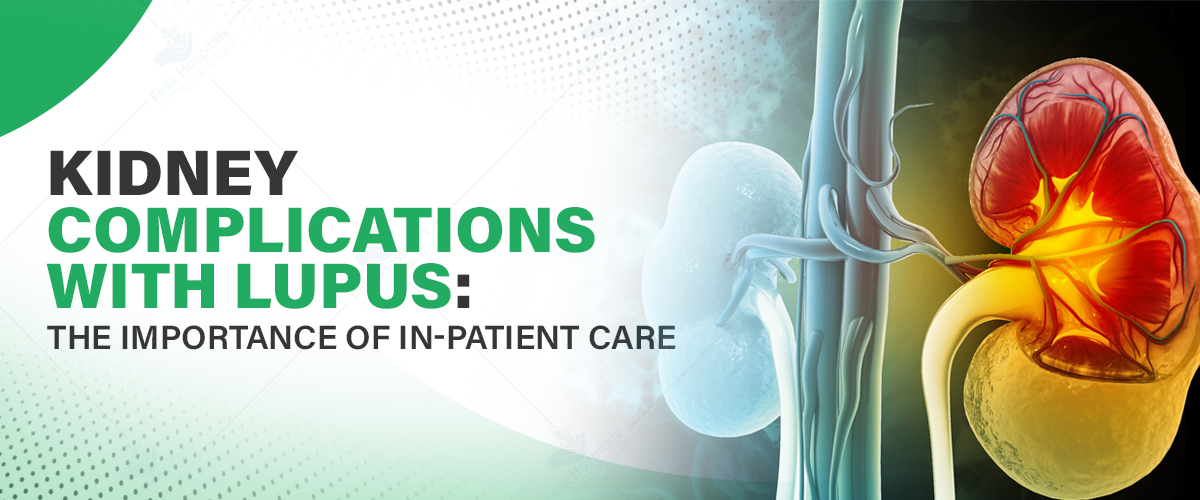
Systemic lupus erythematosus (SLE), or lupus, is an autoimmune condition that involves many organs, such as the kidneys. Lupus nephritis, a severe complication of SLE, occurs in up to 60% of people with lupus and can be fatal if not treated aggressively.
For those patients who need specialist care, an in-patient renal care program in one of the most reputed kidney hospitals in Noida provides complete monitoring and treatment of lupus nephritis. Timely diagnosis and aggressive treatment programs prevent disease progression, leading to impressive improvement in patient outcomes. A team of nephrologists and rheumatologists together provides state-of-the-art therapies, such as immunosuppressive therapy, dialysis management, and lifestyle intervention, for optimal treatment of lupus nephritis patients.
Utilize a personalized treatment plan for lupus from our experienced nephrologists. Book an appointment today at +91 9667064100.
Kidneys perform an essential function to filter waste products and excess fluid out of the body. If kidneys get involved with lupus, they become inflamed and will not be working normally. It is also called lupus nephritis. It can be liable for initiating certain following complications:
Due to the severity and complexity of lupus nephritis, hospitalization is required for accurate diagnosis and prompt treatment. In-patient treatment has numerous benefits:
In the best Rheumatology Hospital, the in-patient treatment for kidney disease offers a systematized and integrated approach to lupus-induced kidney disease, with a focus on early intervention and management of the disease.
To properly evaluate kidney involvement, we employ sophisticated diagnostic equipment, such as:
Our in-patient treatment regimen is structured to accomplish strict disease control and symptom suppression through:
Our renal care team offers integrative and ongoing monitoring to maximize the benefit of treatment:
Our treatment protocol has three basic phases:
Why Choose Felix Hospitals for Lupus Kidney Treatment?
Felix Hospitals is a well-established brand in specialized renal treatment, offering superior treatment for lupus nephritis. We provide:
If you or a known patient is suffering from lupus nephritis, call Felix Hospitals for professional care. Book an appointment today to meet and talk over your treatment options.
Lupus nephritis is a serious and life-threatening SLE complication that necessitates specialized and prompt treatment. Early detection and intensive care are critical in avoiding renal failure and providing best patient outcomes. Felix Hospitals' in-patient renal treatment program is conceived with the purpose of providing state-of-the-art diagnostics, aggressive treatment regimens, and multidisciplinary surveillance to manage lupus-associated renal complications in the best possible manner.
With cutting-edge medical technology, expert nephrologists and rheumatologists, 24/7 patient care, and individualized treatment strategies, we ensure that each patient receives the highest standard of care. If you or a loved one is experiencing symptoms of lupus nephritis, do not wait—early intervention can make a life-changing difference.
1. At what stage of lupus should I consider in-patient treatment for kidney complications?
Ans: In-patient management is indicated in the case of prominent proteinuria, severe high blood pressure, deteriorating renal function, or uncontrolled flares of lupus requiring treatment with steroids in the IV route or plasmapheresis.
2. Is kidney failure in lupus nephritis preventable through in-patient treatment, and how?
Ans: Yes, lupus nephritis can go on to end-stage kidney disease (ESKD) if left untreated. Hospitalization offers the advantages of early intense treatment, around-the-clock monitoring, and specialty procedures that will halt or slow the disease process.
3. What will be the hospital stay tests for lupus nephritis?
Ans: You may be tested with blood and urine tests to evaluate kidney function, a kidney biopsy to measure the severity of the disease, imaging tests (e.g., ultrasound or CT scans), and immunological testing to measure lupus activity.
4. What role do nephrologists and rheumatologists play in my treatment for lupus nephritis at Felix Hospitals?
Ans: Nephrologists treat kidney-complicated problems, and rheumatologists treat lupus systemically. Both work together to achieve maximum disease control and minimize flare and long-term damage potential.
5. Are there long-term side effects of immunosuppressive therapy for lupus nephritis?
Ans: While immunosuppressive therapy is needed to decrease inflammation, it can cause patients to become susceptible to infection, bone loss, and metabolic disease. We monitor our patients closely and modulate treatments at Felix Hospitals in order to prevent side effects.
6. What must I change about my diet in order to maintain kidney function with lupus?
Ans: Kidney-appropriate diet involves sodium, potassium, and protein restriction and proper hydration. Our Felix Hospitals' nutritionists give individualized dietary instructions to control kidney function properly.
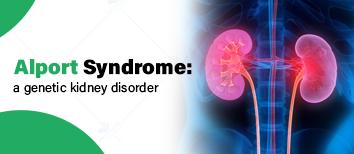
Alport syndrome is a rare genetic disorder that affects the kidneys, eyes, and ears, leading to progressive kidney disease and a range of other complications.
Kidney dialysis is a life-saving treatment for patients suffering from chronic kidney disease or kidney failure. Understanding the dialysis cost in Noida helps patients and families plan treatment effectively. This article explains the factors affecting d
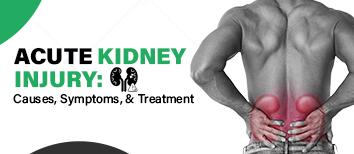
Acute Kidney Injury: Causes, Symptoms, and Treatment explores the sudden deterioration of kidney function, which disrupts the body’s ability to filter waste and regulate fluids.
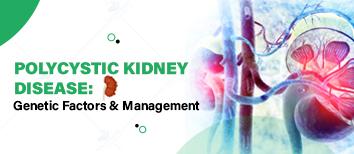
Polycystic Kidney Disease (PKD) is a genetic disorder characterized by the growth of fluid-filled cysts in the kidneys, often leading to kidney failure.
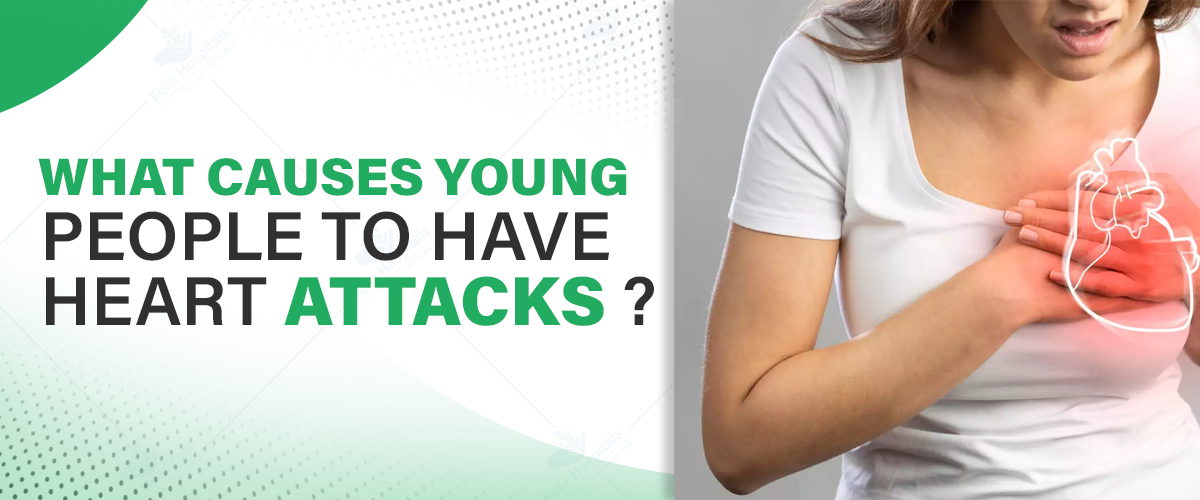
Sudden cardiac death is the abrupt and unexpected loss of all heart function. There is a sudden stoppage of breathing and blood circulation, resulting in unconsciousness and death in seconds.
Sudden cardiac death and sudden cardiac arrest (SCA) are not the same. Whereas SCA is the abrupt loss of heart function caused by an abnormal heart rhythm, it is treatable with immediate medical attention.
Sudden cardiac death can strike ostensibly healthy young persons under the age of 35 years, and young males are more susceptible than young females. Inaccessible genetic heart disease is a common underlying cause. A covert heart abnormality can make a young person drop dead when doing physical activity, i.e., competitive sport. Sudden cardiac death can take place, though, in the absence of effort.
The majority of student-athletes engage in sports every year without developing heart problems. Nevertheless, if you or your child have a predisposition to sudden cardiac death, seek advice from the best doctor to explore protection.
In case you or your loved one suddenly feel dizzy or have chest pain, arrange for a heart checkup today. Call us at +91 9667064100.
A heart attack results when an artery blockage stops oxygenated blood from entering the heart. Fatty deposits and cholesterol build up over time and develop into plaques within the arteries. When a plaque ruptures, it can cause a blood clot that blocks blood flow, resulting in a heart attack. This damages the heart muscle and can cause potentially life-threatening complications.
Also referred to as myocardial infarction, a heart attack is a condition that should be treated promptly. Treatment in the top-rated hospital for cardiology guarantees access to the latest equipment and high-rated cardiologists, thereby ensuring the chances of complete recovery.
Sudden cardiac death is more prevalent in the elderly with heart disease. However, it's also a top cause of death among young athletes. Studies estimate that one of every 50,000 to one of every 100,000 young athletes experiences a sudden cardiac death each year. This highlights the importance of regular heart screenings and preventive measures, such as identifying any underlying heart conditions that may put athletes at risk. Early detection and intervention, especially at a best hospital nearby, can make a life-saving difference in reducing this risk.
Sudden cardiac death is usually an aftermath of arrhythmic activity of the heart. Abnormal and fast rate of the heart may hinder proper pumping of the heart. The most dangerous arrhythmic abnormality causing sudden cardiac death is ventricular fibrillation. There are certain medical conditions that are responsible for producing sudden cardiac death in young adults:
Hypertrophic Cardiomyopathy (HCM) – A genetic condition that results in thickening of the heart muscle, reducing the heart's ability to pump. It is the leading cause of sudden death in young individuals.
Long QT Syndrome (LQTS) – A disorder of heart rhythm that may lead to irregular, rapid heartbeats. It may lead to fainting and, in the most severe cases, death. Long QT syndrome is either congenital (genetic) or acquired (due to drugs or disease).
Other Heart Rhythm Disorders – Brugada syndrome and Wolff-Parkinson-White syndrome are disorders that may trigger life-threatening arrhythmias.
Blunt Chest Trauma (Commotio Cordis) – Sudden, severe blow to the chest during a contact sport has been known to impair the heart's electrical system and trigger immediate cardiac arrest.
Congenital Heart Defects – Others have intrinsic defects of the heart or large arteries present from birth that result in impaired circulation and sudden death.
Sudden cardiac death (SCD) typically occurs abruptly, so its detection and prevention beforehand is of extreme significance. Even though the warning signs are not always evident, there are certain indications and risk factors that can warn you in advance of an impending heart condition. In the event that you or your known experience any of the following indicators, it is advisable to visit the best cardiologist in Noida to undergo a thorough heart check-up:
Unexplained Fainting (Syncope): Fainting while exercising or engaging in physical activity may be a sign of an underlying cardiac abnormality. If this occurs on multiple occasions, it should not be dismissed.
Shortness of Breath or Chest Pain: Shortness of breath or chronic chest pain may be a sign of heart disease, but asthma can also be a causative factor. A proper health check-up will ascertain the cause.
Family History of Sudden Death: Having a family history of sudden death raises the risk of developing the same heart conditions. If there has been a sudden cardiac death among first-degree relatives, talk to a medical provider about screening for inherited heart conditions.
Yes, in certain situations. If one is high-risk, a physician can recommend that the person avoid competitive sports to prevent undue strain on the heart. Based on the type of heart disease, medication or surgery is advised. Certain prevention steps are:
Implantable Cardioverter-Defibrillator (ICD): An ICD is implanted in the chest and monitors heart rhythms. In case of a life-threatening arrhythmia, the ICD delivers an electrical shock to the heart to normalize heart rhythm.
Utomated External Defibrillators (AEDs): AEDs are typically installed in athletic training facilities, schools, and public areas. They are intended for use during cardiac arrest to administer life-saving shocks. AEDs are easy to use and voice prompt, allowing even untrained responders to use them effectively.
The necessity of regular screening of the heart, especially in young athletes, is a contentious issue among health practitioners. While there are studies positing that compulsory electrocardiograms (ECGs) in young athletes have the potential to detect risks early and thus prevent sudden cardiac death, there are fears:
False-Positive Results: Certain tests may detect heart problems that are not fatal, causing undue anxiety and medical procedures.
Overdiagnosis: Finding conditions which never will be serious issues can cause unnecessary limitation of lifestyle in young athletes.
Despite these possible downsides, some experts still support routine ECGs in athletes and those with a proven familial background of heart disease for the sake of early detection of risk. Screening is greatly advised if you or a relative have a proven familial history of sudden cardiac arrest.
Apart from these, one must also know the cost of heart attack treatment since it can differ depending on hospital facilities, treatment methods, and post-treatment care. Medical consultation by a famous cardiology hospital in Noida provides early diagnosis and the availability of high-tech treatment.
It depends on the specific heart condition. If you are at risk of sudden cardiac death (SCD), take guidance from your physician prior to any form of physical exercise or sports. It may differ from person to person if they can exercise or engage in sports safely.
Full-contact sports are to be avoided if you have a medical device, an implantable cardioverter-defibrillator (ICD), implanted in your chest. A blow to the chest can shift the device and result in issues. Your physician will inform you what sports and activities are safe for you or your child and find a balance of staying active and maintaining your heart health.
Felix Hospital has some of the top cardiologists in Noida, who provide world-class treatments with a patient-centered attitude. Our diverse team includes:
Dr. Rahul Arora – An experienced interventional cardiologist with specialized knowledge in heart failure treatment and advanced cardiac interventions.
Dr. Virendra Singh – A veteran cardiologist with expertise in high-end cardiac care and a friendly, patient-oriented personality.
Fitted with the best technology and graded as Noida's top heart hospital, Felix Hospital offers end-to-end heart care tailored to each individual patient.
Get an appointment with our skilled cardiologists for early detection, preventive treatment, and customized heart care.
Sudden death of the heart in youth, although uncommon, is worth being concerned about. It is usually due to an unsuspected heart defect or an unexpected alteration of the heart rhythm. Although some are inevitable, life-threatening attacks can be averted with early diagnosis by regular checkups on one's health, the establishment of risk factors, and prompt medical intervention.
Parents, coaches, and youth athletes must be vigilant for signs like a sudden fainting, chest pain, or history of heart disease in the family. Preventive strategies in the form of screening tests, exercise and diet regimen changes, and medical devices like ICDs can reduce the risk of sudden cardiac arrest substantially.
Q-How does sudden cardiac death differ from sudden cardiac arrest?
ANS: Sudden cardiac arrest (SCA) is the abrupt loss of the heart's function in terms of its own rhythm, and sudden cardiac death (SCD) is the result if immediate medical attention is not received.
Q- Can someone who is young and has had no history of any symptoms have a sudden cardiac arrest?
ANS: Yes, in a few instances, hidden heart disease may go unnoticed, and the first presentation of distress can be an acute cardiac event, even in seemingly healthy children.
Q- Are young athletes more vulnerable to sudden cardiac death?
ANS: While uncommon, young athletes are perhaps more susceptible due to such things as hypertrophic cardiomyopathy, which is triggered by vigorous exercise.
Q- What are the tests that can diagnose heart conditions that cause sudden cardiac death?
ANS: Tests like an electrocardiogram (ECG), echocardiogram, stress tests, and genetic screening can diagnose concealed heart defects.
Q- How good are automated external defibrillators (AEDs) at saving lives?
ANS: AEDs are very effective in re-establishing normal heart rhythm in the event of sudden cardiac arrest and greatly enhance survival rates if used early.
Q-Can lifestyle modifications lower the risk of sudden cardiac death in youth?
ANS: Yes, a heart-healthy diet, physical activity, avoidance of smoking, and stress management can lower the risk of cardiac conditions.
Q- Is sudden cardiac death preventable by drug or surgical treatment?
ANS: In most instances, drugs, ICDs, and lifestyle modification can control the risk and avoid life-threatening cardiac arrhythmias.
हार्ट अटैक के मुख्य लक्षण, कारण और तुरंत किए जाने वाले उपचार के बारे में जानें। समय पर पहचान और सही इलाज से जीवन बचाया जा सकता है।
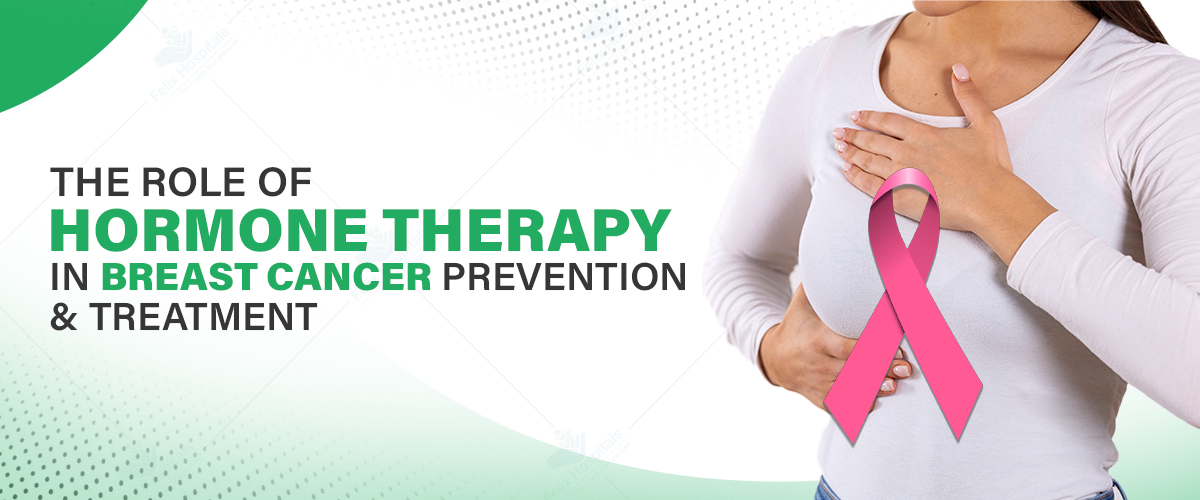
Breast cancer is one of the most prevalent cancers among women globally. Hormone therapy has become an essential tool in both preventing and treating hormone receptor-positive breast cancer. This type of cancer is particularly driven by hormones like estrogen and progesterone. Hormone therapy works by either lowering hormone levels or blocking their effects, which helps slow down or stop the growth of cancer cells.
The best cancer hospital in Noida includes hormone therapy as a component of its holistic treatment plan. With increasing research, newer techniques are being developed to improve efficacy and minimize side effects. Below, we explore hormone therapy's role in breast cancer prevention, its applications in treatment, and the benefits, risks, and future advancements associated with it.
Hormone therapy can be a game-changer in breast cancer treatment and prevention. Contact us for detailed information by Calling +91 9667064100.
Hormone therapy (endocrine therapy) is a treatment designed to alter or block hormones that fuel the growth of certain cancers, especially breast cancer. This therapy primarily targets cancers that are estrogen and progesterone-receptor-positive.
For women at high risk of developing breast cancer, hormone therapy is also used as a preventive measure. Women with a family history of breast cancer, those carrying genetic mutations such as BRCA1 or BRCA2, or those with benign breast conditions, may benefit from hormone therapy.
1. Preventive Medications:
Hormone therapy is most commonly used to treat hormone receptor-positive breast cancer, which accounts for 70-80% of all breast cancers.
1. Key Medications:
2. Post-Treatment Use: Hormone therapy for breast cancer is often used after surgery, chemotherapy, or radiation to reduce the risk of recurrence. Treatment duration typically lasts between 5 to 10 years, depending on the individual’s health and response to therapy.
Hormone therapy for breast cancer has proven benefits, particularly in reducing recurrence and improving survival rates for patients with hormone receptor-positive breast cancer.
Although Hormone therapy for breast cancer is effective, it does come with a range of potential side effects and risks.
1. Common Side Effects:
2. Long-Term Risks:
Hormone therapy is most effective for patients with hormone receptor-positive breast cancer. A healthcare provider will evaluate several factors to determine if hormone therapy is appropriate.
1. Factors for Eligibility:
Advancements in Hormone therapy for breast cancer are focusing on personalization and precision in treatment. Researchers are exploring newer drugs that target hormone receptors more specifically, reducing side effects and improving efficacy.
At Felix Hospitals, we are committed to providing the highest standard of care for breast cancer patients, especially those requiring hormone therapy. Our team of expert oncologists, including Dr. Mukta Baxi and Dr. Vinita Kumari, specialize in hormone receptor-positive breast cancer treatment. With years of experience in the field, Dr. Baxi and Dr. Shriwastava offer personalized treatment plans tailored to each patient’s unique needs. Dr. Baxi is renowned for her expertise in medical oncology and is dedicated to using the latest advancements in hormone therapy to improve outcomes for her patients.
Are you at risk for breast cancer or have you been diagnosed with hormone receptor-positive breast cancer? Schedule a consultation with our experts in Noida.
Hormone therapy remains an essential part of both breast cancer prevention and treatment. By lowering estrogen levels or blocking estrogen receptors, Hormone therapy for breast cancer reduces the risk of cancer recurrence and improves long-term survival rates. While there are side effects and risks, these can be managed with proper medical supervision. As research continues, more personalized and effective hormone therapies will further enhance outcomes for patients.
Women at high risk or those diagnosed with hormone receptor-positive breast cancer should consult with an oncologist to determine the best treatment plan tailored to their individual needs.
1. What are the main types of hormone therapy used for breast cancer treatment?
Ans: The primary types of hormone therapy for breast cancer treatment include Tamoxifen (a selective estrogen receptor modulator or SERM), aromatase inhibitors like Letrozole and Anastrozole, and ovarian suppression methods.
2. How does hormone therapy prevent breast cancer in high-risk women?
Ans: Hormone therapy works by reducing estrogen levels or blocking estrogen receptors, which can help prevent the growth of hormone receptor-positive breast cancer in women at high risk due to genetic factors, family history, or other conditions.
3. What are the long-term effects of taking Tamoxifen?
Ans: While Tamoxifen is highly effective, long-term use may increase the risk of uterine cancer, blood clots, and endometrial changes. It’s essential to have regular check-ups and screenings during and after treatment.
4. Is hormone therapy effective for all types of breast cancer?
Ans: Hormone therapy is most effective for hormone receptor-positive breast cancers. It may not be suitable for hormone receptor-negative cancers, which do not respond to hormonal treatments.
5. What should I expect during hormone therapy for breast cancer?
Ans: During treatment, you may experience side effects such as hot flashes, fatigue, and mood swings. Your doctor will monitor your health closely and may adjust the treatment plan to manage these symptoms effectively.
6. Can hormone therapy be combined with other cancer treatments?
Ans: Yes, hormone therapy is often used alongside surgery, chemotherapy, or radiation therapy to lower the chances of cancer recurrence and improve overall survival rates.
7. How long does hormone therapy typically last for breast cancer treatment?
Ans: Hormone therapy typically lasts for 5 to 10 years after surgery or other treatments. The exact duration depends on the individual’s health, response to therapy, and cancer type.
8. Can hormone therapy reduce the risk of breast cancer recurrence in premenopausal women?
Ans: Yes, premenopausal women may benefit from hormone therapy, particularly through ovarian suppression combined with medications like Tamoxifen or aromatase inhibitors. This approach helps lower estrogen production and reduces the likelihood of cancer recurrence.

Cervical cancer is most common in women after breast cancer. Cervical cancer starts from the cervix, i.e., the cervix. The cervix is the lower part of the uterus that connects the vagina to the uterus.

Every cancer diagnosis is unique, but in general, triple-negative breast cancer (TNBC) is a more aggressive type of tumor which tends to grow and spread faster. And what makes it worse? The cancer type has fewer treatment options, is more likely to spread (metastasize), and is prone to come back after treatment.
Triple-negative breast cancer accounts for about 12-20% of all breast cancer cases. Unlike other types of breast cancers, TNBC lacks three key receptors known to fuel breast cancer growth -- estrogen, progesterone and a protein called HER2. This makes it unresponsive to standard treatment options.
So let's understand triple-negative breast cancer, its symptoms, causes, advanced treatment and what makes it more aggressive than the other cancer types, while emphasizing the importance of early detection and specialized care. Receive professional care from the best cancer hospital in Noida with specific treatments for enhanced recovery.
Consult a skilled and experienced oncologist to explore personalized treatment options today! Call us now at +91 9667064100.
Triple-negative breast cancer is a subtype of breast cancer characterized by the absence of three receptors: estrogen, progesterone and a protein called HER2. So if the cancer cells test negative for hormone receptors - estrogen (ER) and progesterone (PR), as well as human epidermal growth factor receptor 2 (HER2), the diagnosis is referred to as triple negative breast cancer.
These receptors typically act as a fuel for the growth of most breast cancers and are targeted in standard treatments. Without these targets, TNBC requires alternative, personalized approaches.
What makes TNBC more aggressive is the fact that these cancers tend to grow and spread more quickly and like other invasive types of breast cancer, TNBC is more likely to spread beyond the breast and return after treatment.
As with many other cancer types, the exact cause of TNBC remains unclear, but several factors may increase the risk. These include:
TNBC patients may experience or present the same symptoms as any breast cancer patient. Mostly, it is detected during routine breast cancer screening. However, some common symptoms include:
Early detection is key to improving outcomes. Once a breast cancer diagnosis has been confirmed using imaging tests such as mammograms, ultrasounds, or MRIs along with a biopsy, the cancer cells will also be checked for certain proteins. If the cells lack estrogen or progesterone receptors (ER or PR), and also do not make the HER2 protein, the cancer is considered to be triple-negative breast cancer.
Treatment for TNBC can be challenging and often requires a multifaceted approach. As mentioned, TNBC lacks receptors and do not have the proteins, they fail to respond to common breast cancer treatments, such as hormone therapy and targeted therapy.
Therefore, the primary treatment options for triple negative breast cancer include:
TNBC tends to grow quickly, is more likely to have spread at the time it’s found, and is more likely to come back after treatment than other types of breast cancer. Also, because triple negative breast cancer lacks the receptors that other types of breast cancer have, some treatment options like hormonal therapy may be less effective. Besides, size and extent of TNBC will determine a prognosis. However, like other types of breast cancer, catching TNBC early through routine cancer screening can help improve prognosis.
While TNBC cannot always be prevented, the following steps may reduce your risk:
Felix Hospitals, the best hospital for cancer diagnosis and treatment in Noida has some of the most experienced oncologists specializing in Triple Negative Breast Cancer Treatment.
Our team, led by Oncosurgeon Dr. Mukta Baxi and Medical Oncologist Dr. Vinita Kumari provides precise diagnosis and personalized care using advanced diagnostic tools and treatment plans tailored to each patient’s needs. Our Surgical and Medical Oncology team collaborate seamlessly to get you the treatment you need.
Click here and schedule a consultation with our expert oncologists and take control of your health.
Triple-Negative Breast Cancer is one of the most challenging forms of breast cancer to treat, but advancements in research and treatment have helped improve prognosis. By understanding the disease, recognizing its symptoms, and seeking timely medical care, patients can improve their chances of successful outcomes. Remember, early detection is the key in your fight against TNBC. Make regular screenings and healthy habits a priority, and don’t hesitate to seek expert care.
1. What makes Triple-Negative Breast Cancer different from other breast cancers?
Ans: TNBC lacks estrogen, progesterone, and HER2 receptors, making it unresponsive to hormonal and targeted therapies. Therefore, TNBC has fewer treatment options than other types of invasive breast cancer.
2. Can Triple-Negative Breast Cancer be cured?
Ans: While TNBC is aggressive, it can be treated effectively if caught early. Advanced stages may require more intensive treatment.
3. How is TNBC typically treated?
Ans: Chemotherapy is the primary line of treatment. It is often combined with other modalities such as surgery, radiation, and, in some cases, immunotherapy.
4. Is TNBC more likely to recur than other types of breast cancer?
Ans: Yes, TNBC has a higher recurrence rate, especially within the first three years after treatment. Therefore, regular follow-ups are critical.
5. How can I reduce my risk of developing TNBC?
Ans: Adopt a healthy lifestyle, stay proactive with screenings, and consider genetic testing if you have a family history of breast cancer.
6. What is early-stage TNBC?
Ans: At stage 1, TNBC is characterized by a relatively small tumor, usually less than 2 centimeters in diameter. At this stage, the cancer cells have not spread to surrounding lymph nodes or metastasized to distant organs.
7. Does triple-negative breast cancer always return?
Ans: Triple-negative breast cancer tends to recur more frequently than other types of cancer. However, if cancer does not return within 5 years, this risk decreases.
Recognize the early warning signs of cervical cancer. Learn about its symptoms, causes, and when to consult a gynecologist for timely diagnosis and treatment.
Cervical cancer is most common in women after breast cancer. Cervical cancer starts from the cervix, i.e., the cervix. The cervix is the lower part of the uterus that connects the vagina to the uterus.

Chemotherapy is a widely used cancer treatment that uses strong medications to destroy rapidly growing cancer cells.

Dermabrasion is a highly effective cosmetic procedure that has revolutionized the way we address various skin concerns. This treatment focuses on skin rejuvenation, offering a solution for issues like acne scars, fine lines, pigmentation, and more. By exfoliating the skin’s outer layers, dermabrasion promotes a smoother, more radiant complexion. Many "before and after" transformation stories highlight its effectiveness, making it a sought-after procedure at plastic surgery hospitals worldwide.
Book your dermabrasion consultation today with a certified plastic Surgeon by Calling +91 9667064100.
Dermabrasion is a professional skin-resurfacing procedure that involves mechanically exfoliating the top layer of skin using a specialized tool. This process stimulates the growth of new skin cells, resulting in improved texture and appearance.
1. Who is it for?
Dermabrasion is ideal for individuals with:
2. Comparison with microdermabrasion:
While both treatments involve exfoliation, dermabrasion is more intensive and targets deeper skin issues, making it suitable for significant concerns.
Dermabrasion is a controlled skin-resurfacing procedure designed to improve the texture and appearance of the skin by removing its outer layers. Here’s how the process works:
1. Preparation: Before the procedure begins, the skin is thoroughly cleansed to remove any impurities or debris. A numbing agent or local anesthetic is applied to minimize discomfort during the treatment. In some cases, sedation may be used for deeper procedures or larger treatment areas.
2. Exfoliation: A skilled professional uses a high-speed rotating instrument with a specialized abrasive surface to gently but effectively exfoliate the outer layers of the skin. This step targets imperfections such as scars, wrinkles, or uneven texture, revealing a smoother, more even skin layer underneath.
3. Healing: Once the damaged layers are removed, the skin begins its natural healing process. New, healthy skin cells regenerate over the treated area, creating a fresh and rejuvenated appearance.
4. Importance of Expertise: Dermabrasion requires precision and expertise. Performed by trained professionals, it ensures optimal results while minimizing risks such as uneven exfoliation, infection, or pigmentation issues.
5. Recovery: After the procedure, recovery time varies depending on the depth of the treatment. Most individuals experience redness, swelling, and sensitivity for several days to a week. It’s essential to follow post-procedure care instructions to support healing and protect the skin.
Before undergoing dermabrasion, it’s important to evaluate several factors to ensure the procedure aligns with your skin type and expectations:
1. Skin Type Suitability: While dermabrasion is effective for many skin concerns, certain skin types respond better than others. Individuals with lighter skin tones are generally less prone to skin pigmentation changes, making them ideal candidates. Those with darker skin tones should consult a plastic Surgeon to assess potential risks of hyperpigmentation or hypopigmentation.
2. Pre-Procedure Preparation: Proper preparation is crucial for the success of the treatment. Patients are typically advised to avoid excessive sun exposure, stop using harsh skincare products, and discontinue medications like retinoids or blood thinners, which may interfere with the procedure or healing process.
3. Post-Procedure Care: After dermabrasion, diligent aftercare is essential to achieve the best results. This includes keeping the treated area hydrated, avoiding direct sun exposure, and using high-SPF sunscreen to protect the newly exposed skin. Additionally, gentle skin care practices and avoiding makeup for a few days are often recommended to promote healing.
By understanding the procedure and considering these factors, you can make an informed decision about whether dermabrasion is the right choice for your skin concerns and aesthetic goals. Always consult with a qualified professional to ensure the best outcome.
Case 1: Treatment of Acne Vulgaris Scars
A client struggling with prominent acne scars experienced significant improvement after just one session of dermabrasion. The treatment smoothed the skin's surface, leaving a more even and refined appearance.
Case 2: Reduction of Rhytides (Fine Lines and Wrinkles)
A middle-aged client sought to reduce fine lines and wrinkles. After undergoing dermabrasion, the results were striking, with diminished wrinkles and a youthful glow that enhanced their natural features.
Case 3: Management of Actinic Damage (Sun Damage)
Years of sun damage left another client with uneven pigmentation and a dull complexion. Following dermabrasion, their skin tone was rejuvenated, restoring a healthy glow and evenness.
Case 4: Minimization of Post-Traumatic Scars
Post-trauma scars deeply affected one client’s confidence. Dermabrasion effectively minimized the scars' appearance, allowing the client to feel more self-assured in their own skin.
Case 5: Treatment of Hyperpigmentation
A client with stubborn pigmentation issues achieved a radiant complexion after their treatment. The procedure lighten dark spots and improved overall skin clarity.
Case 6: Reduction of Enlarged Pores
Large pores were a persistent concern for another client. Dermabrasion visibly reduced the pore size, refining the texture and giving the skin a smoother, more polished look.
Case 7: Management of Acne Scars in Adolescents
Teenage acne scars required multiple sessions to address effectively. Over time, the skin’s texture and tone improved significantly, leaving behind a clearer, healthier appearance.
Case 8: Correction of Skin Texture Irregularities
Uneven texture was a challenge for a client who loved makeup. Dermabrasion smoothed out the inconsistencies, providing a flawless canvas for makeup application.
Case 9: Improvement of Striate (Stretch Marks)
Stretch marks, especially on sensitive areas, were treated with dermabrasion. The marks were dramatically minimized, leaving the skin looking smoother and more uniform.
Case 10: Reversal of Smoking-Related Skin Damage
Years of smoking had caused dullness and uneven tone in one client’s skin. Dermabrasion revitalized their complexion, reversing much of the damage and restoring a fresh, vibrant look.
These cases highlight the versatility of dermabrasion as a solution for a wide range of skin issues, helping clients achieve healthier, more radiant skin and renewed confidence.
While dermabrasion offers transformative results for scars, wrinkles, and texture issues, it requires professional expertise and has a longer recovery time compared to less invasive treatments.
Choosing the right professionals for your dermabrasion procedure is essential. Felix Hospital proudly hosts highly qualified plastic surgeons committed to delivering safe and precise treatments.
Connect with the trusted Hospital near me to discover how this powerful treatment can rejuvenate your skin and boost your confidence.
Dermabrasion is a highly effective treatment for rejuvenating the skin and addressing a variety of concerns, including scars, wrinkles, and uneven texture. By carefully removing the damaged outer layers of skin, this procedure reveals a smoother, healthier, and more youthful complexion. With numerous success stories showcasing its transformative results, dermabrasion has become a trusted solution for those seeking significant skin improvement. To ensure the best outcome, it’s essential to consult a qualified best plastic Surgeon in Noida or visit a reputable hospital. Take the first step toward radiant, revitalized skin by scheduling your consultation today!
1. Can dermabrasion treat deep acne scars effectively?
Ans: Yes, dermabrasion is highly effective for reducing the appearance of deep acne scars. Depending on the severity, multiple sessions may be required for optimal results.
2. Is dermabrasion suitable for people with sensitive skin?
Ans: Dermabrasion may not be ideal for highly sensitive skin as it involves mechanical exfoliation, which can cause temporary redness and irritation. A plastic Surgeon can assess your skin and recommend the best approach.
3. What makes dermabrasion different from laser treatments?
Ans: Dermabrasion uses a high-speed rotating tool for mechanical exfoliation, while lasers rely on light energy to target skin layers. Dermabrasion is generally better for textural irregularities, while lasers are suited for pigmentation and vascular issues.
4. How long do the results of dermabrasion last?
Ans: The results are long-lasting, especially with proper skincare and sun protection. However, aging and lifestyle factors may eventually necessitate maintenance treatments.
5. What should I avoid after undergoing dermabrasion?
Ans: After dermabrasion, avoid direct sun exposure, harsh skincare products, makeup, and activities that may irritate the skin. Follow your plastic Surgeon’s aftercare instructions for optimal healing.
6. Are there risks of pigmentation changes after dermabrasion?
Ans: Yes, there is a potential risk of hyperpigmentation or hypopigmentation, particularly for individuals with darker skin tones. Consulting an experienced professional is crucial to minimize this risk.
7. Can dermabrasion improve stretch marks on sensitive areas?
Ans: Dermabrasion can significantly improve the appearance of stretch marks, even in sensitive areas. However, results may vary based on the depth and age of the stretch marks. Multiple sessions might be recommended for the best outcome.
Plastic surgery cost in Noida depends on the procedure type, surgeon expertise, hospital infrastructure, and post-surgery care.
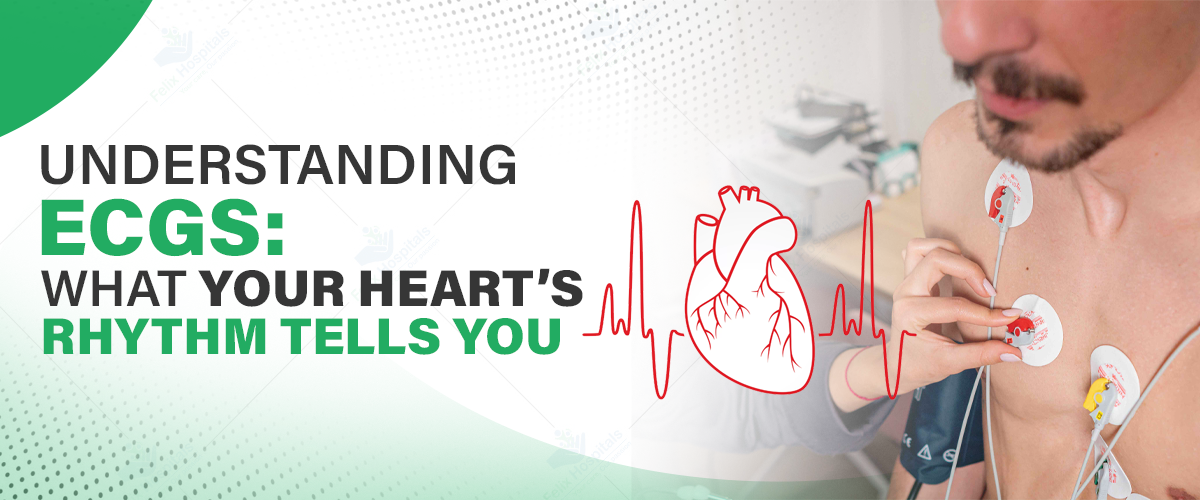
An electrocardiogram (ECG or EKG) is a fast, harmless test that can identify heart disorders. The easy test gives your healthcare provider valuable information regarding the electrical function of your heart, allowing them to diagnose heart attacks, heart failure, abnormal heart rhythms, and heart damage. It can even check the functioning of a pacemaker. For risk-free and trustworthy ECG testing, rely on the best health hospital for ECG tests, where experienced cardiologists and state-of-the-art machinery treat you the best and present you with accurate results.
If you feel any unusual symptoms, schedule an ECG today and get your answers to safeguard your heart. Reach out to us by calling +91 9667064100.
An electrocardiogram (ECG or EKG) charts out your heart's electrical activity. It is usually used to detect heart rhythm disorders and check the success of treatment.
You can have the test taken while you are resting or exercising under a stress test. Some smartwatches and personal monitors also have the capability to record an ECG, but it is best to get an expert interpretation by a health care professional.
You might find "ECG" and "EKG" being used interchangeably—EKG comes from the German spelling system, which places a "K" in the place of the "C."
Keep in mind that an ECG is distinct from an echocardiogram, which involves ultrasound imaging to see your heart's structure and motion. For precise heart diagnostics and expert care, visit the best hospital near by.
Based on the purpose and length of monitoring, there are various types of ECG devices used:
All these devices enable doctors and other medical professionals to understand more about the rhythm of your heart and pick up any problems early on, so they can diagnose and treat you sooner.
An ECG test is utilized on a daily basis to diagnose a range of heart conditions. Doctors will prescribe an ECG to diagnose:
An ECG can also be used for routine checks, such as:
Your physician can order an ECG if you have the following symptoms:
Your own pacemaker in your heart sends the signal that starts your heartbeat. An ECG reads the signal and measures what it does to your heart's contractions and relaxations with each beat. A computer converts the information into a wave form your doctor can study.
Usually, the ideal cardiologist writes or conducts an ECG. Any other medical professional can conduct the test, particularly in emergency situations like emergency departments, ambulances, or clinic visits. ECGs are conducted in many places, including your doctor's office, hospitals, or out-patient centers.
Preparation for an ECG is simple. You can eat and have normal meals and fluids before your test. Follow these suggestions to obtain the best results:
By following these guidelines, you’ll help ensure an accurate and smooth ECG process.
During an ECG, a physician will put 12 small sticky electrodes onto your skin—six on your chest and six on your arms and legs. The electrodes, which are wired or led together, transmit information to a computer, producing what is referred to as a 12-lead ECG.
To get a good contact with your skin, your doctor can shave any hair in the way of the electrodes. Attaching the electrodes and having the test will take 10 minutes, but the recording itself will only take around 10 seconds.
If you are having a resting ECG, you will lie on a bed and relax. If you are having a stress test, you will walk on a treadmill when you have the test.
A computer graphs or maps visually the electrical impulses as they move through your heart. You will not feel anything at all, as the electrodes are only picking up the heart's electrical activity. The electrodes will stay on until the test is finished.
After the test has been performed, your doctor removes the sticky electrode pads. You can then continue with your activities normally, without restriction.
While your doctor interprets the ECG, he will examine the strength and size of the heart's electrical activity. He also examines intervals between various waves, which are electrical impulses. The most important parts of an electrocardiogram are:
An ECG is a safe test. It doesn't use radiation or electrical shocks administered into your body. The most frequent side effect is mild skin irritation when the patches are removed from your skin, but that is temporary for most people.
A standard ECG will present a regular pattern of waves—each cycle will possess a small hump (P wave), a spike (QRS complex), and another small hump (T wave). Such waves must be in a regular pattern and with equal time intervals between them to indicate a normal heart rhythm.
Abnormal wave patterns can tell you what could be the problem, and your doctor can determine which area of your heart is most likely to be affected. Your mechanism of your heart that makes it pump includes many intricate parts, and the ECG reveals any flaws.
If your doctor can have your ECG read right away, they will probably call you with the results immediately, particularly if they need to do something with you right away. But if it's a pre-op or routine test, they won't call you back for days.
Your doctor will keep a record of your ECG results so that they can review them on future visits.
What will happen next depends on why you were tested. For instance:
Follow up with your doctor if:
Schedule an appointment with us for an ECG test to have your heart's rhythm and health closely monitored. Click Here to Book now.
Felix Hospital offers world-class cardiac treatment, managed by the best cardiologists in Noida. The team comprises:
Equipped with the most advanced technology, Felix Hospital ranks among the premier heart hospitals of Noida. We provide individualized, whole heart treatment to achieve optimal results for patients.
An electrocardiogram, or EKG, is an important tool used to monitor the health of your heart. It gives your physician valuable information about the electrical activity of your heart, allowing them to diagnose from arrhythmia to heart attack. The test is rapid, harmless, and low-risk and provides a good way of evaluating heart function and detecting possible issues. Knowing what will happen during the procedure and how the results will be utilized can be reassuring and make you more knowledgeable regarding the condition of your heart. If you are booking for an ECG, do take a note of the cost of an ECG test in Noida, which can vary as per hospital and personal needs.
Q- Is ECG accurate in detecting heart conditions?
Ans- ECGs are highly accurate in identifying irregular rhythms, heart attack, and other heart abnormalities. But the diagnosis might require further testing.
Q- Can an ECG identify all heart conditions?
Ans- Although an ECG is great for diagnosing most heart conditions such as arrhythmias and ischemia, it will not identify structural heart problems. Further information may need to be obtained from an echocardiogram or other imaging study.
Q- Will an ECG hurt?
Ans- No, an ECG is painless. The electrodes placed on your skin only pick up your heart's electrical signals and do not cause any pain.
Q- Can I eat or drink prior to having an ECG test?
Ans- Yes, you may eat and drink normally prior to the test. Refrain from using oily lotions or creams on your skin, as they can hinder the electrode contact.
Q- How long does it take to obtain the results of an ECG?
Ans- Depending on your doctor's availability, you can have an instant result or wait a few days to receive a full analysis.
Q- Can an emergency ECG be done?
Ans- Yes, ECGs are often performed in emergencies to rapidly examine heart function, particularly when you're having chest pain or irregular heart rhythms.
Q- Are there risks to having an ECG monitor at home?
Ans- Wearing an ECG monitor is safe in the home setting. Apply it correctly as directed by your doctor and call immediately if there are any unusual readings.
A stent procedure can be life-saving for those with blocked arteries. This guide walks you through the stent experience—from the angioplasty process to post-procedure recovery and lifestyle changes.
हार्ट अटैक के मुख्य लक्षण, कारण और तुरंत किए जाने वाले उपचार के बारे में जानें। समय पर पहचान और सही इलाज से जीवन बचाया जा सकता है।
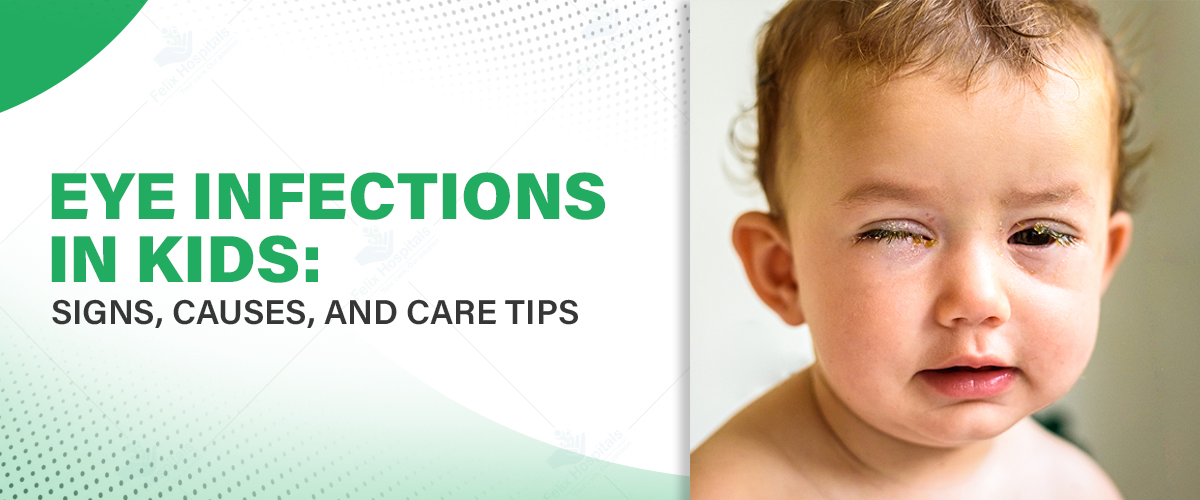
As a parent, it is always a concern when your child is not doing well—especially when it pertains to their eyes. Eye infections are common among children, often resulting in redness, discomfort, and even issues with vision. The silver lining? The majority of eye infections can be cured with the proper treatment and do not cause permanent damage. If problems persist, visiting the best eye hospital near me can help your child receive appropriate medical care.
Here's all that you need to know about eye infections in children, their symptoms, causes, and how to manage them the best.
book an appointment with Best Eye Doctor In Noida. Call now at +91-9667064100.
Eye infection happens when germs, bacteria, or viruses infect the conjunctiva that covers the eye, eyelids, or the eye. Eye infections result in swelling, inflammation, and temporary loss of vision. Kids are also bound to suffer from eye infections as they tend to touch the eye more.
There are several eye infections that typically affect children, and they have various symptoms and causes. If you want the best eye infection treatment in Noida, understanding these types can help you receive proper treatment.
Conjunctivitis is the most frequent eye infection in children. It occurs when the thin membrane covering the white of the eye and the eyelid lining becomes inflamed.
A stye is a painful red swelling at the base of an eyelash caused by infection of an oil gland or hair follicle.
Blepharitis is inflammation of the eyelids, usually with infection or skin disease such as eczema or rosacea.
Keratitis is the infection of the cornea, or the clear portion of the eye, and is dangerous unless treated. Although it happens infrequently in children, it may lead to a vision issue.
Unhygienic contact lens use
Cellulitis is an infection of the skin surrounding the eyes. Orbital cellulitis is tissue behind the eye, and preseptal cellulitis is tissue in front of the eye.
Although most eye infections heal with over-the-counter medication, you should consult with a doctor if:
Children's eye infections can develop very quickly, that is why early treatment should be done to prevent complications. Take your child to see a doctor immediately if he or she shows any concerning signs.
Most eye infections in kids are treated by simple home care. To help your child recover in a short while, follow the following:
If you observe symptoms of an eye infection in your child, you must seek professional medical attention. At Felix Hospitals, we are equipped with expert ophthalmologists specialized in pediatric eye infections:
Leave your child's eyes in the safe hands of Felix Hospitals' finest doctors.
Schedule an appointment with our award-winning pediatric ophthalmologists at Felix Hospitals today for early diagnosis and optimum treatment!
Eye infections among children are painful in nature, but with good care and attention, most of the illnesses can be treated very well. From bacterial infections like conjunctivitis to conditions like styes and blepharitis, one needs to know the symptoms and seek medical assistance when necessary. Don't forget, maintaining good personal hygiene, washing the eyes properly, and following a doctor's advice can make the recovery process fast and safe for your child. If you have a concern with the expense of treating eye infection, talk with your physician to determine what is available and what your child will need to do in order to get the best treatment.
Q- Can eye infection cause lasting vision issues in children?
Ans- A majority of eye infections resolve when they are given proper care, but untreated infection such as keratitis or orbital cellulitis may cause complications. Prompt medical intervention is required.
Q- How do I know if my child's eye infection is viral or bacterial?
Ans- Viral infections are watery eyes with redness, and bacterial infections are thick yellow or green discharge. A trained physician can diagnose and prescribe the appropriate treatment.
Q- Can I treat my child's infection using over-the-counter eye drops?
Ans- Not all eye drops are safe for children. Some infections require antibiotic drops, some antihistamine or lubricating drops. Always consult a doctor before taking any medication.
Q- How long does it take for an eye infection in children to heal?
Ans- The duration depends on the type of infection. Bacterial conjunctivitis improves within 3–5 days with antibiotics, while viral infections take up to two weeks to improve.
Q- Can my child attend school with an eye infection?
Ans- If the infection is infectious, e.g., bacterial conjunctivitis, it is best to keep your child at home until the symptoms resolve to prevent passing the infection on to others.
Q- What can I do if my child continually develops recurring eye infections?
Ans- Continuous eye infection could be a sign of an underlying condition, including allergies, hygiene problems, or a compromised immune system. The reason can be diagnosed by a pediatric ophthalmologist.
Q- Are there any home remedies that can help soothe pain from an eye infection?
Ans- Warm compresses, proper hygiene, and saline irrigations can be helpful but should not replace medical treatment if symptoms worsen or become prolonged.
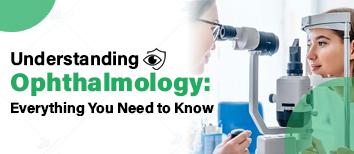
Ophthalmology is the branch of medicine that focuses on the diagnosis, treatment, and prevention of eye-related diseases.

Air pollution is a major health risk for all ages, causing respiratory and eye issues.
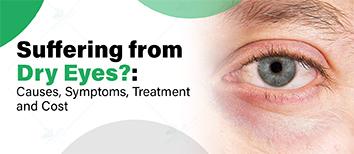
Dry eyes, or Dry Eye Syndrome (DES), is a common condition that affects the tear production and quality in your eyes.

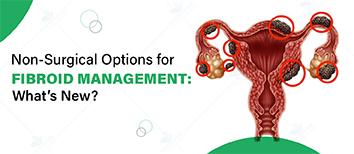
Explore the latest non-surgical treatments for fibroid management. Learn about advanced options to relieve symptoms and improve your quality of life.

आज की भागदौड़ भरी जिंदगी में हृदय रोगों का खतरा तेजी से बढ़ रहा है। असंतुलित आहार, व्यस्त जीवनशैली और व्यायाम की कमी के कारण दिल की बीमारियां आम हो गई हैं। एक स्वस्थ हृदय के लिए नियमित व्यायाम करना बेहद जरूरी है। यहां हम आपको चार ऐसी एक्सरसाइज के बारे में बताएंगे, जो आपके दिल को स्वस्थ और मजबूत बनाए रखेंगी।
अगर आप हृदय से जुड़ी किसी भी समस्या से जूझ रहे हैं और पास में अच्छा हॉस्पिटल (the best hospital near me) ढूंढ रहे हैं, तो अनुभवी हृदय रोग विशेषज्ञों की सलाह जरूर लें। समय पर जांच और सही उपचार आपके हृदय को सुरक्षित रख सकता है।
ज्यादा जानकारी के लिए हमें कॉल करें +91 9667064100.
दिल हमारे शरीर का सबसे महत्वपूर्ण अंग है, जो पूरे शरीर में रक्त संचार को नियंत्रित करता है। एक स्वस्थ दिल न केवल हमारे संपूर्ण स्वास्थ्य को बनाए रखने में मदद करता है, बल्कि हृदय रोगों के जोखिम को भी कम करता है। संतुलित आहार, सक्रिय जीवनशैली और नियमित व्यायाम स्वस्थ दिल के लिए आवश्यक हैं। नियमित व्यायाम से हृदय मजबूत होता है, रक्तचाप नियंत्रित रहता है और कोलेस्ट्रॉल का स्तर संतुलित रहता है। इसके अलावा, यह शरीर में ऑक्सीजन के प्रवाह को बेहतर बनाता है और तनाव को कम करने में सहायक होता है। विश्व स्वास्थ्य संगठन के अनुसार, सप्ताह में कम से कम 150 मिनट की मध्यम शारीरिक गतिविधि या 75 मिनट की तीव्र शारीरिक गतिविधि हृदय को स्वस्थ बनाए रखने के लिए आवश्यक है। यदि आपको हृदय से जुड़ी किसी भी समस्या का सामना करना पड़ रहा है, तो तुरंत किसी अच्छे कार्डियोलॉजी अस्पताल (best Cardiology Hospital in Noida) से संपर्क करें, जहां विशेषज्ञ चिकित्सक आपकी हृदय सेहत का सही मार्गदर्शन और उपचार प्रदान कर सकें।
कार्डियो वर्कआउट का मुख्य उद्देश्य हृदय और फेफड़ों की कार्यक्षमता को बढ़ाना होता है। यह व्यायाम हृदय की धड़कन को तेज़ करता है और पूरे शरीर में ऑक्सीजन और रक्त के प्रवाह को बेहतर बनाता है। नियमित रूप से कार्डियो एक्सरसाइज़ करने से हृदय मजबूत होता है और दिल की बीमारियों का खतरा कम हो जाता है।
कार्डियो वर्कआउट करने से हृदय की पंपिंग क्षमता बेहतर होती है और यह कम प्रयास में अधिक रक्त पंप करने में सक्षम हो जाता है। इससे हृदय की धड़कन सामान्य रहती है और हाई ब्लड प्रेशर जैसी समस्याओं का जोखिम कम होता है। इसके अलावा, यह शरीर में अच्छे कोलेस्ट्रॉल को बढ़ाने और खराब कोलेस्ट्रॉल को कम करने में सहायक होता है।
सही तरीका और अवधिः
साइकलिंग एक बेहतरीन कार्डियो वर्कआउट है जो हृदय को मजबूत बनाता है और समग्र फिटनेस को बढ़ाता है। यह एक कम प्रभाव वाला व्यायाम है, जिसका अर्थ है कि यह जोड़ों पर अधिक दबाव डाले बिना हृदय और मांसपेशियों को सक्रिय करता है।
हृदय को मजबूत बनाता है – नियमित साइकलिंग से हृदय की पंपिंग क्षमता बढ़ती है, जिससे रक्त संचार बेहतर होता है।
ब्लड प्रेशर को नियंत्रित करता है – साइकलिंग करने से हाई ब्लड प्रेशर कम करने में मदद मिलती है, जिससे हृदय रोगों का खतरा घटता है।
कोलेस्ट्रॉल को संतुलित करता है – यह अच्छे कोलेस्ट्रॉल (एचडीएल) को बढ़ाता है और खराब कोलेस्ट्रॉल (एलडीएल) को कम करता है।
वजन घटाने में सहायक – यह कैलोरी बर्न करने में मदद करता है, जिससे शरीर पर अतिरिक्त फैट नहीं जमता और हृदय स्वस्थ बना रहता है।
तनाव कम करता है – साइकलिंग करने से शरीर में एंडोर्फिन (खुशी के हार्मोन) का स्राव होता है, जो तनाव और चिंता को कम करता है।
नडोर साइकलिंग (स्टेशनरी बाइक)
आउटडोर साइकलिंग
योग और प्राणायाम न केवल शरीर को लचीला और मजबूत बनाते हैं, बल्कि हृदय स्वास्थ्य को भी बेहतर करते हैं। नियमित योगाभ्यास से रक्त संचार सुचारू रहता है, हृदय की धड़कन संतुलित होती है, और तनाव कम होता है, जिससे हृदय रोगों का खतरा कम हो जाता है।
ताड़ासन (Mountain Pose)
पेट के बल लेट जाएं और हथेलियों को कंधों के नीचे रखें।
धीरे-धीरे सिर और छाती को ऊपर उठाएं और हाथों को सीधा करें।
इस स्थिति में कुछ सेकंड रुकें और फिर वापस आएं।
प्राणायाम हृदय की कार्यक्षमता को बढ़ाने, तनाव को कम करने और रक्त संचार को सुधारने में सहायक होता है।
स्ट्रेंथ ट्रेनिंग केवल मांसपेशियों को मजबूत करने के लिए नहीं, बल्कि हृदय स्वास्थ्य को बेहतर बनाने के लिए भी बेहद प्रभावी है। हल्के वजन उठाने या बॉडीवेट एक्सरसाइज करने से हृदय की पंपिंग क्षमता बढ़ती है, रक्त संचार बेहतर होता है और हृदय रोगों का खतरा कम होता है।
हृदय की कार्यक्षमता बढ़ाने में सहायक।
छाती, कंधे और बाजुओं को मजबूत करता है।
ब्लड फ्लो को बेहतर बनाता है, जिससे हृदय रोगों का खतरा कम होता है।
हल्के वजन से शुरुआत करें – यदि आप डम्बल्स या अन्य वेट्स का उपयोग कर रहे हैं, तो पहले हल्के वजन से शुरू करें और धीरे-धीरे वजन बढ़ाएं।
सही फॉर्म बनाए रखें – गलत मुद्रा से जोड़ों और मांसपेशियों पर अनावश्यक दबाव पड़ सकता है।
सांस लेने की तकनीक अपनाएं – व्यायाम के दौरान सांस अंदर और बाहर लेने का सही तरीका अपनाएं ताकि शरीर को पर्याप्त ऑक्सीजन मिले।
ओवरट्रेनिंग से बचें – बहुत अधिक वर्कआउट करने से हृदय पर अतिरिक्त दबाव पड़ सकता है, इसलिए संतुलन बनाए रखें।
वॉर्म-अप और कूल-डाउन करें – स्ट्रेंथ ट्रेनिंग से पहले हल्का वॉर्म-अप और बाद में स्ट्रेचिंग करने से चोटों से बचा जा सकता है।
हाइड्रेटेड रहें – व्यायाम के दौरान और बाद में पर्याप्त पानी पिएं ताकि शरीर में पानी की कमी न हो।
हृदय को स्वस्थ रखने के लिए सिर्फ व्यायाम ही नहीं, बल्कि जीवनशैली में कुछ अन्य बदलाव भी जरूरी हैं। संतुलित आहार, बुरी आदतों से बचाव और नियमित हेल्थ चेकअप से हृदय रोगों के खतरे को काफी हद तक कम किया जा सकता है।
हृदय को स्वस्थ बनाए रखने के लिए सही पोषण बहुत जरूरी है। कुछ आवश्यक आहार संबंधी सुझाव:
फाइबर युक्त आहार लें – साबुत अनाज, दलिया, ब्राउन राइस और हरी सब्जियां फाइबर से भरपूर होती हैं, जो कोलेस्ट्रॉल को नियंत्रित रखती हैं।
अच्छी वसा का सेवन करें – एवोकाडो, नट्स, ऑलिव ऑयल और मछली में मौजूद ओमेगा-3 फैटी एसिड हृदय के लिए फायदेमंद होते हैं।
सोडियम (नमक) की मात्रा कम करें – अधिक नमक ब्लड प्रेशर बढ़ा सकता है, जिससे हृदय पर अतिरिक्त दबाव पड़ता है।
प्रसंस्कृत और तले-भुने खाद्य पदार्थों से बचें – पैकेज्ड और जंक फूड में ट्रांस फैट होता है, जो हृदय को नुकसान पहुंचा सकता है।
पर्याप्त पानी पिएं – शरीर को हाइड्रेटेड रखना हृदय स्वास्थ्य के लिए महत्वपूर्ण है।
चीनी का सेवन सीमित करें – अत्यधिक चीनी मधुमेह और मोटापे का कारण बन सकती है, जो हृदय रोगों का जोखिम बढ़ा देती है।
धूम्रपान बंद करें – सिगरेट में मौजूद निकोटिन और अन्य हानिकारक तत्व धमनियों को संकुचित करते हैं, जिससे रक्त संचार बाधित होता है और हार्ट अटैक का खतरा बढ़ता है।
अल्कोहल का सेवन सीमित करें – अत्यधिक शराब पीने से हाई ब्लड प्रेशर, कोलेस्ट्रॉल असंतुलन और हृदय की कार्यक्षमता पर नकारात्मक प्रभाव पड़ सकता है।
धूम्रपान छोड़ने के लिए मदद लें – अगर धूम्रपान छोड़ना मुश्किल हो रहा है, तो डॉक्टर से परामर्श लें और निकोटिन रिप्लेसमेंट थेरेपी (NRT) पर विचार करें।
ब्लड प्रेशर जांचें – हाइपरटेंशन (उच्च रक्तचाप) हृदय रोगों का एक बड़ा कारण है, इसलिए समय-समय पर ब्लड प्रेशर की जांच करवाएं।
कोलेस्ट्रॉल स्तर की निगरानी करें – हाई LDL (खराब कोलेस्ट्रॉल) और कम HDL (अच्छा कोलेस्ट्रॉल) हृदय रोगों का संकेत हो सकते हैं।
ब्लड शुगर टेस्ट कराएं – मधुमेह हृदय रोगों का खतरा बढ़ा सकता है, इसलिए शुगर लेवल को संतुलित रखना जरूरी है।
ईसीजी और ईको टेस्ट कराएं – यदि आपको हृदय संबंधी कोई समस्या महसूस हो रही है, तो डॉक्टर से परामर्श लेकर आवश्यक जांच करवाएं।
बीएमआई (बॉडी मास इंडेक्स) जांचें – स्वस्थ वजन बनाए रखना हृदय के लिए फायदेमंद होता है, इसलिए अपने बॉडी मास इंडेक्स को नियंत्रित रखें।
फेलिक्स अस्पताल नोएडा के सबसे बेहतरीन हृदय रोग विशेषज्ञों के साथ (the best cardiologist in noida) अत्याधुनिक हृदय देखभाल सेवाएँ प्रदान करता है। हमारी अनुभवी टीम में शामिल हैं:
फेलिक्स अस्पताल उन्नत तकनीकों से सुसज्जित है और नोएडा के शीर्ष हृदय अस्पतालों में से एक है। हम अपने मरीजों को संपूर्ण और व्यक्तिगत हृदय देखभाल प्रदान करते हैं, जिससे वे एक स्वस्थ जीवन जी सकें।
डॉक्टर की सलाह के लिए आज ही फोन करें +91 9667064100.
फेलिक्स हॉस्पिटल का अनुभवी नेफ्रोलॉजी विभाग डायबिटीज से जुड़ी किडनी समस्याओं का समर्पित उपचार प्रदान करता है। डायबेटिक नेफ्रोपैथी और किडनी इंफेक्शन से पीड़ित मरीजों के लिए हमारे विशेषज्ञ कस्टमाइज्ड उपचार योजना बनाते हैं, जिससे उनकी किडनी हेल्थ को बनाए रखा जा सके और दीर्घकालिक जटिलताओं से बचाव किया जा सके। अगर आप किडनी या दिल से जुड़ी किसी समस्या का सामना कर रहे हैं और दिल के इलाज की कीमत (cost of heart related issues) जानना चाहते हैं, तो फेलिक्स हॉस्पिटल से संपर्क करें और बेहतरीन चिकित्सा सेवाओं का लाभ उठाएं।
सवाल 1: हफ्ते में कितने दिन एक्सरसाइज करना चाहिए ?
उत्तर: कम से कम 5 दिन, हर दिन 30 मिनट की एक्सरसाइज करने की सलाह दी जाती है। अमेरिकन हार्ट एसोसिएशन के अनुसार, सप्ताह में 150 मिनट की मध्यम-तीव्रता वाली एक्सरसाइज (जैसे तेज चलना) या 75 मिनट की उच्च-तीव्रता वाली एक्सरसाइज (जैसे दौड़ना) फायदेमंद होती है।
सवाल 2: क्या सिर्फ वॉकिंग करने से भी हृदय स्वस्थ रह सकता है ?
उत्तर: हां! तेज चलना (Brisk Walking) हृदय स्वास्थ्य के लिए बहुत फायदेमंद होता है। यह ब्लड प्रेशर को नियंत्रित करता है, कोलेस्ट्रॉल कम करता है और रक्त संचार को बेहतर बनाता है। रोज़ाना 30-40 मिनट की वॉक करने से हृदय रोगों का खतरा काफी कम हो जाता है।
सवाल 3: दिल के मरीजों को कौन-कौन सी एक्सरसाइज नहीं करनी चाहिए ?
उत्तर: यदि किसी को हृदय रोग, हाई ब्लड प्रेशर या हाल ही में हार्ट अटैक हुआ हो, तो उन्हें बहुत ज़्यादा तीव्रता वाले व्यायाम (जैसे हैवी वेटलिफ्टिंग, हाई-इंटेंसिटी इंटरवल ट्रेनिंग - HIIT) से बचना चाहिए। किसी भी नए व्यायाम को शुरू करने से पहले डॉक्टर की सलाह ज़रूर लें।
सवाल 4 : एक्सरसाइज करते समय सांस फूलना या थकान महसूस हो तो क्या करें ?
उत्तर: अगर हल्की-फुल्की थकान होती है, तो यह सामान्य है। लेकिन अगर सांस लेने में कठिनाई हो, चक्कर आए, छाती में दर्द या बहुत अधिक थकान महसूस हो, तो तुरंत एक्सरसाइज रोक दें और डॉक्टर से परामर्श लें।
सवाल 5 : क्या स्ट्रेंथ ट्रेनिंग (वेट लिफ्टिंग) हृदय के लिए सुरक्षित है ?
उत्तर: हां, हल्की से मध्यम स्तर की स्ट्रेंथ ट्रेनिंग (जैसे पुश-अप्स, स्क्वाट्स, डंबल्स से एक्सरसाइज) हृदय के लिए अच्छी होती है। यह मांसपेशियों को मजबूत करती है, ब्लड प्रेशर को नियंत्रित रखती है और शरीर का फैट कम करने में मदद करती है। लेकिन, यदि आपको हृदय संबंधी कोई समस्या है, तो भारी वजन उठाने से पहले डॉक्टर से सलाह लें।
सवाल 6: एक्सरसाइज करने का सबसे अच्छा समय कौन-सा होता है ?
उत्तर: सुबह का समय (6 AM - 9 AM) सबसे अच्छा माना जाता है, क्योंकि उस समय हवा ताजी होती है और शरीर अधिक एक्टिव रहता है। लेकिन यदि सुबह समय नहीं मिल पाता, तो शाम को भी एक्सरसाइज की जा सकती है। मुख्य बात यह है कि नियमित रूप से व्यायाम करना जरूरी है, समय मायने नहीं रखता।
हार्ट अटैक के मुख्य लक्षण, कारण और तुरंत किए जाने वाले उपचार के बारे में जानें। समय पर पहचान और सही इलाज से जीवन बचाया जा सकता है।

Subscribe to our
© Copyright 2026. All Rights Reserved by Felix Healthcare Private Limited
Design and development by :


 +(91)9667064100
 Emergency : +(91)9667064100