 WhatsApp
 Emergency:
  WhatsApp









Subscribe to our
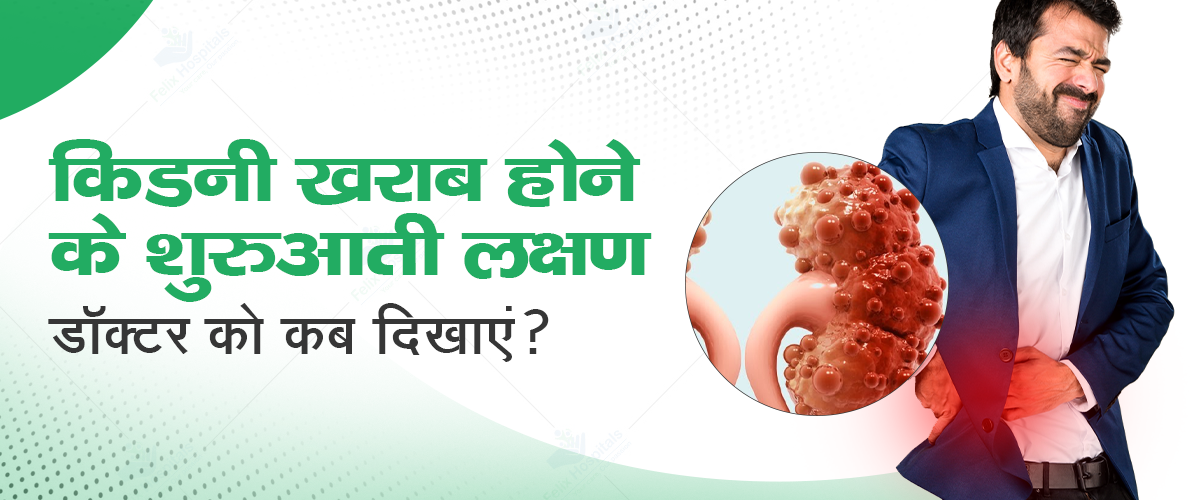
हमारा शरीर कई अंगों से मिलकर बना है, लेकिन कुछ अंग ऐसे होते हैं जो बिना शोर किए लगातार हमारे स्वास्थ्य की रक्षा करते हैं। किडनी (गुर्दे) उन्हीं में से एक है। ये दो छोटे-से अंग शरीर को स्वस्थ रखने में बेहद अहम भूमिका निभाते हैं। किडनी हमारी सेहत का एक अहम स्तंभ है, जो बिना शिकायत किए लगातार काम करती रहती है। लेकिन अगर हम इसके दिए गए संकेतों को नजरअंदाज करें, तो परिणाम गंभीर हो सकते हैं। यदि आप किडनी संक्रमण से जूझ रहे हैं और प्रभावी इलाज की तलाश में हैं, तो आप नोएडा में सर्वश्रेष्ठ नेफ्रोलॉजी अस्पताल (best Nephrology hospital in Noida) से जानकारी प्राप्त कर सकते हैं। इस ब्लॉग में, हम किडनी संक्रमण के बारे में पूरी जानकारी देंगे, इसके कारण और प्रभावी प्रबंधन के उपायों पर चर्चा करेंगे।
ज्यादा जानकारी के लिए हमें कॉल करें +91 9667064100.
किडनी सिर्फ फिल्टर नहीं बल्कि यह हमारे शरीर की साफ-सफाई, संतुलन और सुरक्षा प्रणाली है। किडनी का ख्याल रखना उतना ही जरूरी है जितना दिल या दिमाग का। किडनी (गुर्दे) हमारे शरीर में दो सेम के आकार के अंग होते हैं, जो कमर के पास रीढ़ की हड्डी के दोनों ओर स्थित होते हैं। इसके काम निम्न है:
हर दिन शरीर भोजन, दवा और अन्य क्रियाओं के दौरान बहुत सारे अपशिष्ट पैदा करता है। किडनी इन हानिकारक तत्वों को खून से छानकर पेशाब के रास्ते बाहर निकालती है। यह प्रक्रिया लोगों को बीमारियों से बचाती है। शरीर को अंदर से साफ रखने में मदद करती है।
किडनी शरीर में पानी और नमक की सही मात्रा बनाए रखती है। जब शरीर में तरल ज्यादा होता है, तो किडनी अधिक पेशाब बनाकर उसे बाहर निकालती है। जब पानी कम होता है, तो वह पानी को रोती है। इस कारण शरीर में सूजन नहीं आती और कोशिकाएं काम करती हैं।
किडनी एक खास एंजाइम बनाती है, जो रक्तचाप को नियंत्रित करता है। किडनी सही तरीके से काम नहीं करने पर ब्लड प्रेशर असंतुलित होता है। जिस कारण दिल और अन्य अंगों पर असर पड़ता है।
किडनी कुछ हार्मोन बनाती है जो शरीर के अन्य कार्यों में मदद करते हैं, जैसे एरिथ्रोपोइटीन यह हार्मोन शरीर को लाल रक्त कोशिकाएं बनाने का संकेत देता है, जिससे खून की कमी (एनीमिया) नहीं होती। विटामिन डी को सक्रिय करता है। जिससे शरीर में कैल्शियम का सही उपयोग हो सके और हड्डियां मजबूत बनी रहती है।
किडनी की बीमारी अक्सर धीरे-धीरे होती है। इसके लक्षण को लोग नजरअंदाज कर देते हैं। जबकि समय रहते इन संकेतों को पहचान करके बड़ी परेशानी से बचा जा सकता है।
किडनी की खराबी का सबसे पहला संकेत पेशाब की आदतों में बदलाव है। इस दौरान सामान्य से अधिक या कम पेशाब आने की समस्या होती है। पेशाब में झाग (फोम) या खून दिखता है। पेशाब के रंग, गंध या प्रवाह में बदलाव होता है।
जब किडनी शरीर से विषैले तत्वों को सही तरीके से बाहर नहीं निकाल पाती, तो यह थकावट और ऊर्जा की कमी का कारण बनता है। इस कारण बिना मेहनत के लगातार थकान महसूस होती है। हल्की-सी गतिविधि में कमजोरी आती है।
पैरों, टखनों, पंजों या चेहरे पर सूजन आना। जूते या चप्पल टाइट लगना। सुबह उठते समय आंखों के नीचे फूला हुआ महसूस होता है।
रात में बार-बार उठकर पेशाब जाना पड़ना। सोने में दिक्कत या नींद का बार-बार टूटना। गहरी नींद नहीं आना होता है।
बार-बार भूलने लगना या भ्रम की स्थिति बनना. ध्यान केंद्रित करने में परेशानी। मूड में अचानक बदलाव होना।
उल्टी आना या मिचली महसूस होना।भूख न लगना या खाने से अरुचि। स्वाद में बदलाव या मुंह का खराब स्वाद होना।
शरीर में तरल जमा होने के कारण सांस लेने में कठिन। फेफड़ों पर दबाव महसूस होना। छाती में भारीपन या हल्का दर्द होना।
किडनी की बीमारी अचानक नहीं होती इसके पीछे कई कारण होते हैं जो धीरे-धीरे किडनी की कार्यक्षमता को प्रभावित करते हैं। नीचे निम्न कारण है
मधुमेह किडनी की बीमारी का बड़ा कारण है। जब शरीर में ब्लड शुगर लंबे समय तक बढ़ा हुआ रहता है, तो वह किडनी की रक्त नलिकाओं को नुकसान पहुंचाता है। इसे "डायबिटिक नेफ्रोपैथी" कहा जाता है, जो धीरे-धीरे किडनी फेलियर तक पहुंचा सकती है।
हाई ब्लड प्रेशर किडनी की छोटी रक्त वाहिकाओं पर दबाव डालता है, जिससे उनका क्षरण होता है। इससे फिल्ट्रेशन की क्षमता कम हो जाती है और विषैले पदार्थ शरीर में जमा होने लगते हैं।
बिना डॉक्टर की सलाह के लंबे समय तक पेनकिलर्स या ऐंटीबायोटिक्स का सेवन किडनी के लिए हानिकारक हो सकता है। खासकर NSAIDs (जैसे Ibuprofen, Diclofenac) किडनी की रक्त आपूर्ति को प्रभावित कर सकती हैं।
बार-बार यूरिन इन्फेक्शन या गंभीर बैक्टीरियल संक्रमण किडनी को नुकसान पहुंचा सकते हैं। किडनी स्टोन (Kidney Stone) अगर लंबे समय तक बनी रहे तो वह किडनी के टिशू को क्षति पहुंचा सकती है।
कुछ लोगों में पॉलीसिस्टिक किडनी डिजीज (Polycystic Kidney Disease) जैसे आनुवांशिक रोग होते हैं, जिनसे किडनी में गांठें बन जाती हैं और कार्यक्षमता घटती है। ऐसे मामलों में पारिवारिक इतिहास महत्वपूर्ण भूमिका निभाता है।
किडनी की बीमारी धीरे-धीरे बढ़ती है और शुरुआती लक्षण बहुत सामान्य होते हैं। इसलिए लक्षण दिखने पर तुरंत डॉक्टर से संपर्क करें:
सीरम क्रिएटिनिन और रक्त यूरिया नाइट्रोजन (बीयूएन) की जांच से किडनी की कार्यक्षमता का आकलन किया जाता है। जीएफआर (ग्लोमेरुलर निस्पंदन दर) से किडनी की स्थिति को सटीक रूप से समझा जाता है।
पेशाब में प्रोटीन, खून या संक्रमण की जांच की जाती है, जो किडनी की समस्या का संकेत दे सकते हैं।
किडनी की आकार, संरचना और किसी अवरोध (जैसे पथरी या सूजन) का पता लगाने के लिए की जाती हैं।
साधारण दिनचर्याएं और सतर्कताएं आपकी किडनी को लंबे समय तक स्वस्थ रख सकती हैं। जो निम्न है..
नियमित रूप से स्वास्थ्य जांच कराएंः
हर 6-12 महीनों में ब्लड प्रेशर, ब्लड शुगर और किडनी फंक्शन टेस्ट जरूर कराएं। यदि परिवार में किडनी रोग (Kidney Disease) का इतिहास है, तो जांच और भी जरूरी है।
संतुलित आहार और हाइड्रेशन बनाए रखेंः
नमक, चीनी और प्रोसेस्ड फूड का सेवन सीमित करें। ताजे फल, हरी सब्जियां और कम वसा वाला भोजन लें। दिनभर में पर्याप्त मात्रा में साफ पानी पिएं (डॉक्टर की सलाह अनुसार)।
रक्तचाप और रक्त शर्करा को नियंत्रित रखेंः
हाई ब्लड प्रेशर और डायबिटीज, दोनों ही किडनी की सेहत के सबसे बड़े दुश्मन हैं। नियमित दवा लें, तनाव से बचें और खानपान पर ध्यान दें।
तम्बाकू और शराब से बचेंः
धूम्रपान और अत्यधिक शराब का सेवन किडनी की रक्त नलिकाओं को नुकसान पहुंचाता है। यह किडनी की कार्यक्षमता को धीमे-धीमे घटा सकता है।
स्वस्थ जीवनशैली अपनाएंः
रोजाना 30 मिनट तक हल्का-फुल्का व्यायाम करें (जैसे टहलना, योग, साइकलिंग)। पर्याप्त नींद लें और तनाव कम करने के उपाय करें। जरूरत न हो तो दवाइयों का अनावश्यक सेवन न करें, खासकर पेनकिलर्स।
यदि आप किडनी के संक्रमण का इलाज करवाना चाहते हैं, तो अपने किडनी संक्रमण के इलाज के लिए सबसे अच्छे अस्पताल से विशेषज्ञों की सलाह लें। इससे आपको सही और समय पर उपचार मिलने की संभावना बढ़ जाएगी। अधिक जानकारी या अपॉइंटमेंट के लिए कॉल करें: +91 9667064100।
हमारा अनुभवी नेफ्रोलॉजी विभाग किडनी इंफेक्शन से पीड़ित मरीजों को व्यक्तिगत देखभाल प्रदान करने के लिए प्रतिबद्ध है, जिससे वे अपनी बीमारी को प्रभावी रूप से प्रबंधित कर सकें और गुर्दे के स्वास्थ्य को बनाए रख सकें।
हमारे नेफ्रोलॉजिस्ट मरीजों के गुर्दे की कार्यक्षमता को बनाए रखने और सुधारने के लिए सर्वोत्तम उपचार प्रदान करते हैं, जिससे वे किडनी इंफेक्शन के बावजूद स्वस्थ जीवन जी सकें।
डॉक्टर की सलाह के लिए आज ही फोन करें +91 9667064100.
किडनी की समस्याएं अक्सर धीरे-धीरे विकसित होती हैं और जब तक उनका पता चलता है, तब तक नुकसान हो चुका होता है। इसलिए जरूरी है कि हम अपने शरीर द्वारा दिए गए संकेतों को समय रहते पहचानें और उन्हें नजरअंदाज न करें। यदि आपको थकान, सूजन, पेशाब में बदलाव या कोई अन्य असामान्यता महसूस हो रही है, तो तुरंत डॉक्टर से परामर्श लें। सही समय पर जांच और इलाज न केवल बीमारी को बढ़ने से रोक सकता है, बल्कि किडनी की कार्यक्षमता को बचाए रख सकता है।
Dr. Navin Jha is an experienced Nephrologist with 11+ years of expertise in diagnosing and treating kidney disorders, including chronic kidney disease, acute kidney failure, and dialysis management.
Kidney dialysis is a life-saving treatment for patients suffering from chronic kidney disease or kidney failure. Understanding the dialysis cost in Noida helps patients and families plan treatment effectively. This article explains the factors affecting d
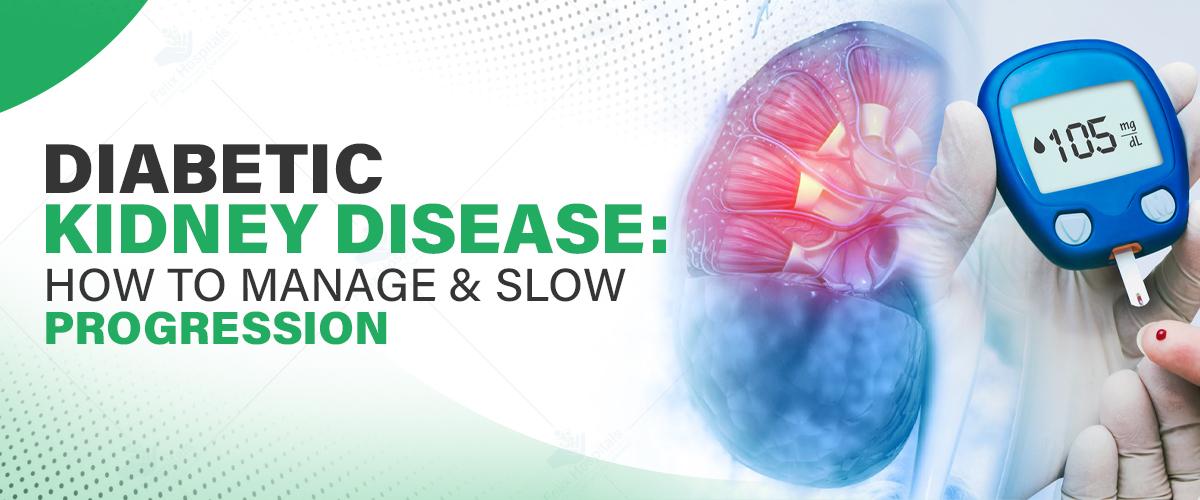
The most common diabetes consequence, affecting millions of individuals globally, is diabetic kidney disease (DKD), also known as diabetic nephropathy. Chronic kidney disease (CKD) and, in extreme situations, renal failure are the outcomes of the disease's progressive kidney damage. To cure DKD, the greatest medical care, lifestyle modifications, and early detection are required.
To help individuals understand and efficiently manage diabetic kidney disease, we will discuss its causes, symptoms, diagnosis, and therapy in this blog. You can receive individualized therapy and enhance kidney health outcomes by speaking with doctors at the best kidney hospital in Noida if you're searching for professional care.
Take Charge of Your Kidney Health Today! Call now at +91 9667064100 and visit Felix Hospital for professional diabetic kidney disease treatment.
There will be no outward signs of DKD at the start of the course. When the illness first manifests, the following should become apparent:
Chronic diabetes, a hallmark of diabetes, causes DKD. The following are some of the main variables, such as:
It is crucial to recognize DKD early in order to prevent renal failure. The tests that are most frequently used include:
-The albumin-to-creatinine ratio (ACR) is a sensitive indication of kidney impairment that quantifies the quantity of protein in urine.
-Urinalysis: Checks urine for anomalies such as blood, glucose, and protein.
-Glomerular Filtration Rate (GFR): Classifies CKD and estimates renal function.
-Serum Creatinine: Levels are higher when renal function is compromised.
Chronic kidney disease (CKD) cannot be cured, but it can be effectively managed, kidney function can be maintained, and the disease's progression can be slowed down with appropriate diabetic nephropathy treatment. Do the following if your kidney function has declined:
Many CKD patients are prescribed medication to control the cause and complications associated with it. Your nephrologist may prescribe:
If kidney function worsens to end-stage kidney disease, dialysis is necessary to eliminate waste and excess fluid. Two kinds of dialysis:
Hemodialysis:
Peritoneal Dialysis:
A kidney transplant involves replacing a diseased kidney with a donor kidney. Donor types include:
Waiting three to five years is common for a kidney from a deceased donor, but receiving a kidney from a living donor can cut waiting time considerably.
Regular checkups and appropriate medical care are the first steps in preventing kidney disease. Since approximately one in three Americans are at risk of developing kidney disease, prevention and early detection are crucial. Individuals who are at a higher risk of developing chronic kidney disease (CKD) due to diabetes should be regularly screened. Take the following actions to lower your risk:
You may reduce your chance of kidney disease and maintain the healthiest kidneys for the rest of your life by taking these preventive measures.
Diabetic kidney disease (DKD) necessitates expert care and a comprehensive treatment plan. Our nephrologists are committed to assisting patients in achieving optimal kidney conditions and slowing the advancement of diabetic renal disease.
Our nephrologists combine state-of-the-art therapies, lifestyle changes, and continuous monitoring to provide patients with the finest care available for diabetic kidney disease. For individualized care and long-term kidney health, people looking for professional treatment can speak with experts at a famous renal hospital in Noida.
A dangerous side effect of diabetes that can lead to renal failure if untreated is diabetic kidney disease. However, its advancement can be postponed with medication, dietary changes, and early identification. Effective management of DKD requires regular medical checkups, a nutritious diet, regular exercise, and drug adherence. Taking preventative measures is essential if you or a loved one has diabetes in order to protect kidney function and general health.
Felix Hospital stands as the kidney failure hospital in noida, offering advanced nephrology care with expert doctors and state-of-the-art facilities for comprehensive kidney failure treatment in Noida.
1. How is diabetic kidney disease distinct from other kidney diseases?
Ans: As opposed to other kidney diseases, diabetic kidney disease (DKD) is caused directly by sustained elevated blood sugar levels, which cause progressive kidney damage due to diabetes. It occurs mostly quietly for years and is usually accompanied by elevated blood pressure.
2. Is diabetic kidney disease reversible if it is caught early?
Ans: Although DKD is irreversible to a certain extent, early detection and effective management—such as control of blood glucose, drug and diet, and lifestyle modifications—can significantly delay its onset and prevent its complications.
3. What dietary changes must I make if I have diabetes?
Ans: A diet that restricts salt, processed foods, and high-protein consumption and emphasizes high-fiber, antioxidant foods such as leafy vegetables, berries, and whole grains is a kidney-friendly diet. A personalized meal plan can be created with the help of a nephrologist or dietitian.
4. How frequently should diabetic patients have kidney function tests?
Ans: Individuals with diabetes must have their kidney function checked every year by doing urine (ACR) and blood (GFR) tests. Individuals with kidney disease or those who are at risk may need more frequent tests.
5. Does high blood pressure make diabetic kidney disease worse?
Ans: Yes. Untreated high blood pressure places extra stress on the kidneys, speeding damage. Treatment of blood pressure with diet modification and drugs such as ACE inhibitors or ARBs is indicated to retard DKD development.
6. Is there a pre-kidney failure warning sign in diabetic patients?
Ans: At early stages, DKD is mute. However, when the disease is progressing, the symptoms such as edema, foamy urine, tiredness, and nocturnal frequent urination are manifestations of declining renal function.
7. Under what conditions should diabetic kidney disease receive dialysis?
Ans: Dialysis is indicated in end-stage kidney disease (ESKD) with diminished functioning capacity to less than 15%. Dialysis or renal transplant must be provided to a patient with severe renal failure.
Alport syndrome is a rare genetic disorder that affects the kidneys, eyes, and ears, leading to progressive kidney disease and a range of other complications.
Kidney dialysis is a life-saving treatment for patients suffering from chronic kidney disease or kidney failure. Understanding the dialysis cost in Noida helps patients and families plan treatment effectively. This article explains the factors affecting d
Acute Kidney Injury: Causes, Symptoms, and Treatment explores the sudden deterioration of kidney function, which disrupts the body’s ability to filter waste and regulate fluids.
Polycystic Kidney Disease (PKD) is a genetic disorder characterized by the growth of fluid-filled cysts in the kidneys, often leading to kidney failure.
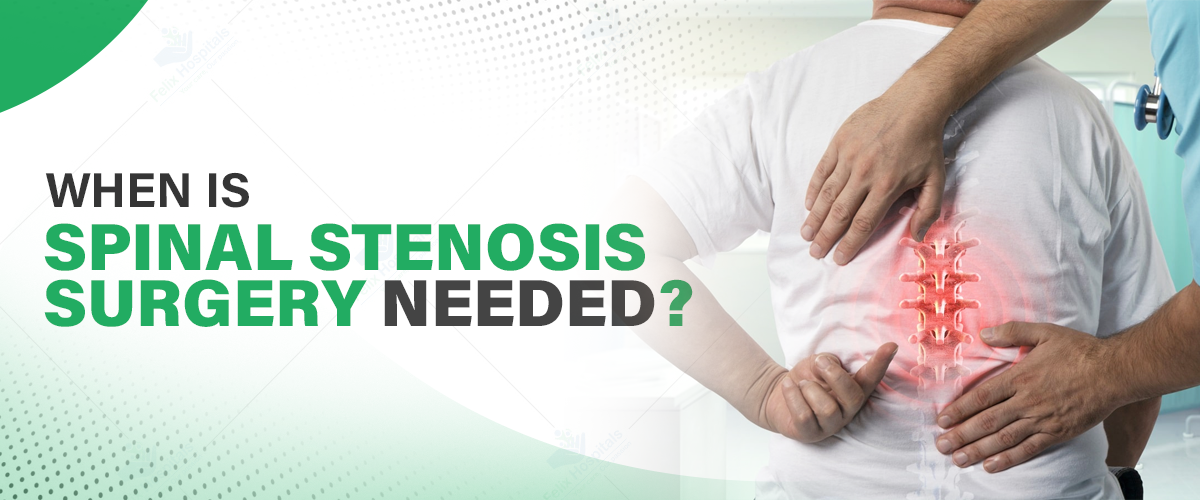
Spinal stenosis is when the spaces within your spine narrow, putting pressure on the spinal cord and the nerves that extend from it. Pain or stiffness in your neck or back, and numbness or tingling in your arms or legs, may result from this.
Spinal stenosis can be caused by various reasons such as aging, arthritis, or back trauma. Thankfully, there are several treatment options ranging from medications and physical therapy to complex surgery. For proper diagnosis and personalized treatment, it is essential to see a specialist in a renowned hospital nearby .
Call +91 9667064100 now to make an appointment and take the first step towards living pain-free.
Spinal stenosis is a degenerative process where one or more openings in the spinal canal become smaller from their normal size. The spinal canal is a covering tunnel of vertebrae that houses the spinal cord and nerve roots. When constricted, they possess the ability to compress the spinal cord or nearby nerves, resulting in such signs as neck or back pain, numbness, tingling, or even sciatica.
As the spinal canal tightens, it may squeeze or inflame nerves, leading to pain and restriction of movement. The narrowing can occur because of aging, arthritis, herniated discs, injury to the spine, or other spine conditions.
Even though spinal stenosis can happen to anyone at any age, it is most often diagnosed in people over age 50. Spinal stenosis may happen in other areas of the spine but most often happens at the following levels:
Spinal stenosis is very rare in the thoracic spine (mid-back).
Spinal stenosis is more common with increasing age. Up to 95% of people have evidence of spinal degeneration by age 50. Indeed, lumbar spinal stenosis is the most frequent cause for spinal surgery in patients older than 65 years.
Spinal stenosis usually comes on gradually. Most people have no symptoms during the initial stages. As the spinal canal becomes more narrow with time, symptoms usually arise and will continue to worsen.
Lower Back Symptoms (Lumbar Spinal Stenosis):
If you have any of these symptoms, consulting the best neurology hospital in Noida, like Felix Hospital, ensures expert assessment and state-of-the-art treatment based on your unique case.
In the Neck (Cervical Spinal Stenosis)
When stenosis occurs in the neck, the following symptoms are likely:
These are signs that cervical nerves or the spinal cord are compressed and this will reduce overall mobility and coordination.
The human spine consists of a stack of bones (vertebrae) that surround a protective tube covering the spinal cord. Spinal stenosis occurs when space in the tube narrows and presses upon the spinal cord as well as nerves. Though some individuals are born with a congenitally narrow spinal canal, the majority of spinal stenosis arises due to degenerative changes from age or injury.
Common Causes Are:
Several treatments are up to the task—from conservative, home-based remedies to high-tech surgery. Your go-to treatment depends on why, where, and how much your spinal stenosis has developed. Here we go:
At-Home Care for Mild Spinal Stenosis
If your symptoms are not extreme, your physician may suggest beginning with home remedies to alleviate pain and enhance your way of life:
Nonsurgical options relieve a lot of people considerably and in a lot of situations even avoid or delay surgery. Some examples are:
Medicines:
Physical Therapy:
Physical therapy may provide a personalized exercise regimen to:
Steroid Shots:
Corticosteroid injections near the involved spinal nerves can sometimes reduce inflammation and alleviate pain briefly. Steroid injections are usually provided when symptoms worsen and other treatments are not effective.
Surgery is only used as a last resort, if other treatment is ineffective, or where symptoms are severe. When used, though, it can be the cause of long-lasting relief. They are the most frequently used:
Procedures:
Although you can't entirely prevent spinal stenosis—particularly because so much of it is due to normal aging and general wear and tear—you can do several things to maintain your spine in top condition. These healthy habits might not only lower your risk but also slow the development of spinal stenosis if you already have early symptoms.
A few things you can shield your spine from:
1. Eat a Spine-Friendly Diet
Your bones need proper nutrition to stay strong. Make sure you’re getting plenty of calcium and vitamin D to support bone health and prevent osteoporosis, which can contribute to spinal problems later on.
2. Maintain a Healthy Weight
Excess weight puts extra stress on your spine—especially the lower back. Maintaining a healthy weight takes the pressure off and lowers your risk of developing spinal stenosis and other back problems.
3. Quit Smoking
Smoking interferes with blood flow, which slows down healing time and increases your likelihood of having chronic pain. It also contributes to degenerative spinal conditions in the long term. Quitting smoking can significantly enhance your overall spinal health.
4. Practice Good Posture
No matter if you're standing, sitting at your desk, or looking at your phone, posture matters! Keeping your spine in its proper position reduces wear and tear over time and prevents extra stress on spinal components.
5. Stay Active
Regular exercise is key. Focus on strengthening your core and back muscles, improving flexibility, and maintaining balance. Activities like walking, swimming, yoga, and low-impact strength training are all excellent for spinal health.
Felix Hospital's Department of Neurology is honored to offer specialty care in the field of female neurological well-being and addresses the specific concerns that plague women. Our board-approved professionals are competent and feature:
Dr Anumeha Mishra: Expertise in managing muscular conditions, migraines, neuropathies, etc., Dr. Mishra boasts specialization with his main area of focus being female neurological well-being.


Seek professional consultation in one click from our best neurologists in Noida at Felix Hospital — the spinal and neurology treatment name.
Spinal stenosis can have a drastic effect on your lifestyle, but with proper diagnosis and a customized treatment plan, it is completely possible to manage the condition. From lifestyle changes and physical therapy to advanced surgical solutions, there are a range of effective options to relieve pain and restore mobility. Early intervention is key—so don’t ignore persistent symptoms like back or neck pain, tingling, or difficulty walking. If you’re experiencing any signs of spinal stenosis, consult a spine specialist at the best hospital near you. At Felix Hospital, our skilled neurologists in Noida are committed to offering extensive, caring care—letting you live fully, move freely, and reclaim control over your spinal wellness.
Q. 1. How can I tell if my back pain results from spinal stenosis or a slipped disc?
Ans: Although both conditions will most likely cause pain in the back, spinal stenosis will cause pain to become better when bending forward or sitting. Severe focal pain is most commonly caused by a slipped disc. Imaging tests by a neurologist at Felix Hospital can determine the cause.
Q. 2. Is spinal stenosis always progressive, or can it be stabilized?
Ans: Spinal stenosis typically is progressive, but if diagnosed early and treated with physical therapy, posture retraining, and lifestyle modification, most often it is stabilized, thus avoiding or postponing surgical necessity.
Q. 3. Can untreated spinal stenosis result in permanent nerve damage?
Ans: Yes. Untreated severe spinal stenosis can result in permanent nerve injury, i.e., weakness, numbness, or loss of bladder/bowel control. Early treatment must be initiated to avoid chronic complications.
Q. 4. How can I be sure if I will need surgery for spinal stenosis repair?
Ans: If you've or worse weakness in your legs, difficulty with walking, or bladder/bowel incontinence that don't improve with conservative care—surgery is indicated to reduce pressure on the nerves.
Q. 5. Are minimally invasive surgical procedures available for treatment of spinal stenosis at Felix Hospital?
Ans: Sure. Felix Hospital performs state-of-the-art minimally invasive spine surgery such as micro-laminectomy and laminoplasty, which speeds up recovery period and minimizes tissue injury, best for elderly patients or comorbid patients.
Q. 6. Is spinal stenosis more prevalent in women, and why?
Ans: Yes, particularly after menopause. Women are more prone to degenerative joint disease and osteoporosis, diseases that can cause narrowing of the spine. Felix Hospital's neurology specialists offer gender-specific care programs tailored to the female spine condition.
Blood clot in the brain is a serious condition causing sudden neurological symptoms and requires immediate medical treatment.
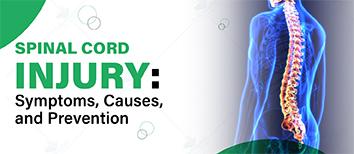
A spinal cord injury occurs when there is damage to the spinal cord, often resulting from trauma, disease, or degenerative conditions.

Multiple sclerosis is a neurological disease that affects the brain and spinal cord.
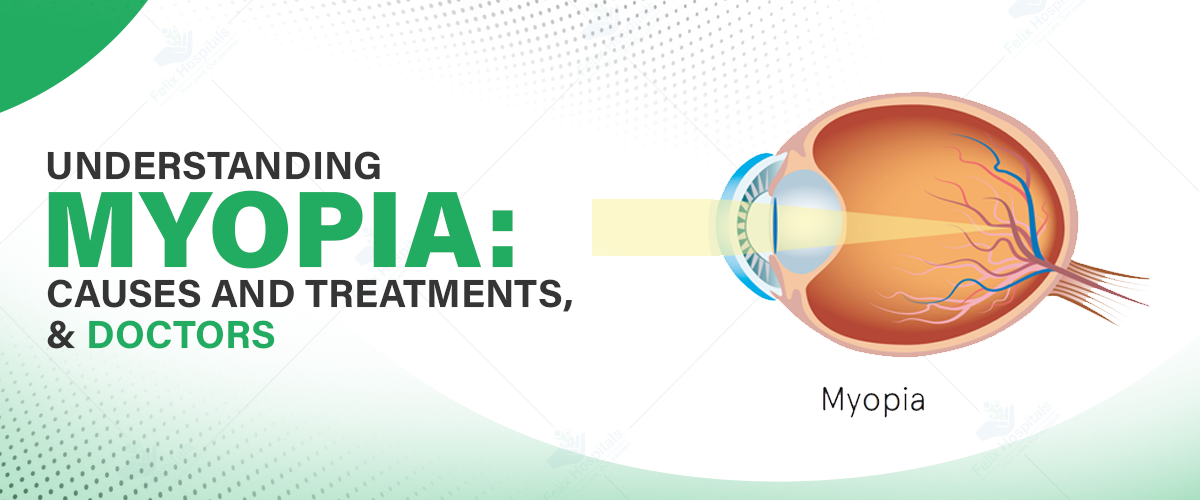
In the current digital era, we spend more time in front of screens than ever. Our eyes are constantly working on devices like TVs, laptops, and smartphones, which has led to the increase of myopia, or nearsightedness, a frequent vision problem for many people. Myopia is an increasing global health concern, especially among children and young adults, and it's not just about wearing glasses anymore. The Best eye hospital in Noida for Myopia treatments
Knowing the reasons, signs, and available treatments is crucial if you or your kid have trouble seeing well at a distance. Our skilled optometrists and ophthalmologists in Noida at Felix Hospital offer complete eye treatment to help you maintain long-term eye health and properly control myopia.
Avoid waiting until your blurred vision becomes a major problem. Make an appointment today at +91 9667064100.
Myopia, commonly known as nearsightedness, is a refractive error where distant objects appear blurry while close objects remain clear. This happens when the eyeball grows too long or the cornea curves too steeply, causing light rays to focus in front of the retina instead of directly on it.
For instance, if you’re myopic, you might struggle to read road signs, watch a movie from the back row, or recognize a friend across the street, while reading a book or looking at your phone feels perfectly normal.
Globally, myopia is growing more and more common. Nearsightedness affects more than 40% of people in the United States alone. With a sharp spike in diagnoses among children brought on by lifestyle variables like less time spent outside and more time spent in front of screens, the findings are even more alarming.
One in four parents may have a child with myopia, according to studies. Experts in eye health predict that by 2050, about half of the world's population may be myopic, a condition influenced by both environmental and hereditary causes.
There are two primary categories of myopia:
This is the most prevalent type, typically beginning in childhood and continuing into the late teens. Contact lenses, glasses, or refractive surgery can all be used to correct it.
Progressive vision loss may result from structural alterations in the eye that accompany this more severe kind. In addition to being more susceptible to issues, including retinal detachment and glaucoma, those with pathologic myopia may not be able to see clearly even with corrective lenses.
Although myopia symptoms can vary in intensity, typical indicators include:
It's common for myopia to run in families. A child is much more likely to develop myopia if one or both parents are nearsighted.
Long periods of close activity, such as writing, reading, or utilizing displays, can exacerbate myopia. Since natural light and distant seeing may help prevent children's eyes from elongating, limited outdoor time is also linked to an increased risk.
The majority of myopia situations can be controlled with surgery or corrective lenses. Nonetheless, moderate to severe cases may raise the chance of getting further eye disorders, such as:
People with high or pathologic myopia are more likely to experience these issues, which calls for routine eye care expert monitoring.
An optometrist or ophthalmologist will usually do a thorough eye examination to determine myopia. The assessment consists of:
Particularly for children with a family history of visual issues, routine vision exams should start before the child turns one, then again before kindergarten, and then every two years after that.
At Felix Hospital, we provide a variety of efficient treatment choices based on the patient's age, myopia severity, and lifestyle requirements.
The most popular and practical treatment for myopia is eyewear. Depending on how bad it is, you can require them all the time or just for specific tasks like driving or watching TV. Kids might only require them for school or athletics.
A larger field of vision is offered by contact lenses, which may make them more appropriate for people who lead active lives. Your eye doctor will advise you on the appropriate care and hygiene to take for them.
In order to temporarily restructure the cornea and enable clear vision throughout the day without the need for glasses or lenses, these customized contact lenses are worn overnight. Perfect for mild instances, particularly in kids.
Surgical alternatives for adults with stable myopia include:
Through specific exercises, vision therapy can assist in improving focusing capacity for a select group of people whose myopia is caused by eye muscle spasms.
While myopia is not totally preventable—especially if genetically predisposed—there are proactive activities you can take to lessen the risk or limit its progression:
Our ophthalmology staff at Felix Hospital is dedicated to providing patients with myopia and other refractive problems with cutting-edge, individualized care.
As a highly qualified ophthalmologist in noida with over 9 years of clinical experience, Dr. Deepanjali Arya specializes in refractive problems like astigmatism, myopia, and hyperopia. By fusing the newest in diagnostic and therapeutic technologies with preventive measures, she offers a holistic approach to patient care.
Dr. Zakai has been treating a variety of eye conditions for over ten years, but she specializes in urgent eye care and correcting refractive errors. An integral member of our eye care team, he is skilled in treating seasonal issues like digital eye strain and allergic conjunctivitis, which can exacerbate visual discomfort for myopic patients.
Book a comprehensive eye exam at Felix Hospital today by clicking here and take the first step toward clearer, healthier eyes.
Myopia may be common, but it shouldn’t be ignored. From subtle signs in children to advanced vision correction options for adults, being proactive is the best way to preserve eye health. With the right mix of lifestyle changes, early intervention, and expert care, you can take control of nearsightedness and protect your sight for the future. Cost of Glaucoma at Felix Hospital's Noida. Felix Hospital’s dedicated eye care team is here to help every step of the way—from diagnosis to personalized treatment. Don’t wait for vision problems to worsen—clarity starts with a consultation.
1. Can my child’s myopia worsen even if they wear glasses?
Ans- Yes, glasses help correct vision, but they don’t always stop myopia from progressing. That’s why regular eye exams are crucial—our pediatric ophthalmologists monitor vision changes and may recommend treatments like orthokeratology (ortho-k) or atropine drops to slow progression.
2. Is it true that too much screen time causes myopia?
Ans- While screen time doesn’t cause myopia directly, it can contribute to its development or progression. Long periods of close-up focus—whether reading, gaming, or scrolling—can strain young eyes. Felix Hospital encourages the 20-20-20 rule: every 20 minutes, look 20 feet away for 20 seconds.
3. Why is outdoor time recommended to prevent or slow myopia in children?
Ans- Studies show that spending at least 2 hours outdoors daily can help delay the onset or reduce the progression of myopia. Natural light exposure and focusing on distant objects help maintain healthy eye development.
4. What’s the difference between high myopia and pathologic myopia?
Ans- High myopia is a severe form of nearsightedness, usually above -6.00 diopters. Pathologic myopia, on the other hand, involves structural changes in the eye and increases the risk of serious complications like retinal detachment or macular degeneration.
5. Can adults suddenly develop myopia, or is it just a childhood condition?
Ans- Although myopia typically starts in childhood, adults can develop it due to visual stress (like excessive close work) or health conditions such as diabetes. Sudden vision changes in adults should always be evaluated by an eye specialist.
6. How do I know if LASIK or another surgery is right for my myopia?
Ans- Not everyone is a good candidate for LASIK. Your eye shape, corneal thickness, and overall eye health determine your eligibility. At Felix Hospital, our ophthalmologists offer comprehensive assessments and alternative surgical options like PRK or phakic IOLs when needed.

Ophthalmology is the branch of medicine that focuses on the diagnosis, treatment, and prevention of eye-related diseases.

Eye flu, also known as conjunctivitis, is a common eye infection causing redness, irritation, and watering. Learn its causes, symptoms, and effective treatments.

Cataract surgery is essential to restore clear vision and prevent permanent blindness. It removes the cloudy lens and replaces it with an artificial one, helping patients regain normal sight and quality of life.

Living with rheumatoid arthritis (RA) feels like navigating a stormy sea—some days are calm, others bring crashing waves of pain and fatigue. RA, an autoimmune condition affecting 1 in 100 people, causes joint inflammation, stiffness, and swelling, often in unpredictable bursts called flares. While most flares can be managed at home, some spiral into emergencies needing hospital care. In India, where 14 million people battle RA, knowing how to handle flares and when to seek urgent help is crucial. Go to the best rheumatology hospital in Noida for better treatment of RA flares. This guide walks you through spotting flares, managing them at home, recognizing red flags, and preventing future episodes, empowering you to take charge of your health.
Don't let RA flares interfere with your life—book an appointment with Felix Hospitals today by calling +91 9667 064100 for expert treatment and long-term relief.
A flare is like your RA turning up the volume—joint pain, swelling, and exhaustion hit harder, sometimes lasting days or weeks. Unlike daily stiffness, flares disrupt life, making simple tasks like opening a jar or walking feel impossible. About 70% of RA patients experience flares, triggered by:
Flares vary—mild ones might feel like a bad day, while severe ones stop you in your tracks. Tracking symptoms in a journal helps spot patterns, guiding your response.
Most flares can be tamed with a mix of rest, medication, and self-care. The goal is to dial down inflammation and keep joints moving without pushing too hard. Here’s how to handle mild to moderate flares at home:
If pain persists beyond a few days or worsens, call your rheumatologist. Adjusting meds early prevents escalation for 40% of patients.
While home care works for most flares, some signal serious trouble needing immediate hospital attention. Severe flares can damage joints permanently or hint at complications like infections or organ involvement, affecting 10% of RA patients. Rush to the hospital if you notice these red flags:
If these hit, don’t wait—call your doctor or head to the ER. Delaying care risks joint damage or worse for 25% of severe flare patients.
Hospital care for RA flares focuses on stopping the flare fast and preventing complications. Depending on severity, you might stay a few hours or days. Here’s what typically happens:
Most patients stabilize within 1–3 days and leave with a revised treatment plan. Follow-up visits within a week, common for 60% of cases, ensure recovery stays on track.
Keeping flares at bay is about consistency and listening to your body. While you can’t eliminate them, smart habits cut their frequency and intensity. Here’s how to stay ahead:
Regular rheumatologist visits, every 3–6 months, fine-tune your plan, keeping 80% of patients flare-free longer.
RA flares aren’t just painful—they can erode joints, raise heart disease risk (30% higher in RA patients), and sap mental health, with 20% facing depression during flares. Effective management preserves mobility, protects organs, and lifts spirits. In India, where RA often strikes younger adults, staying proactive means working, parenting, or enjoying life without constant pain. A solid plan turns flares from roadblocks into speed bumps.
In Felix Hospitals, Dr. Kiran Seth has more than 15 years of experience as a Rheumatology and Immunology consultant in the top rheumatology hospital in Noida. Her special interests include:
By following a patient-oriented policy, Dr. Kiran Seth offers improved and individualized therapy in an attempt to effectively manage the flare-up of RA.
Book your appointment today in Felix Hospitals to have top-quality care at hand by Clicking Here!
Rheumatoid arthritis flares can feel like a storm, but you don’t have to face them alone. Home strategies—meds, rest, and diet—handle most flares, while knowing red flags like fever or severe pain ensures you get hospital care when needed. By preventing flares with exercise, stress management, and regular checkups, you can keep RA in check. If you’re battling RA, start small: track your symptoms, talk to your doctor, or try a new self-care trick today. With the right tools, you can manage flares, protect your joints, and live life on your terms—stronger, healthier, and ready for brighter days.
1. What are certain lifestyle modifications that will minimize the occurrence of RA flare-ups?
Ans: A healthy weight, exercise on a regular basis, consuming an anti-inflammatory diet, and controlling stress will minimize the occurrence of RA flare-ups. Steer clear of the trigger foods and also adequate sleep.
2. Does stress control directly impact the severity of RA flares?
Ans: Yes, stress can cause RA symptoms. RHowever,stress-reducing methods such as yoga or mindfulness. can reduce flare-ups and swelling
3. What medications alleviate RA flare-ups, and can they be changed during a flare?
Ans: Medications such as DMARDs, biologics, and corticosteroids reduce inflammation. Doctors can change dosages during flare-ups to more effectively manage symptoms.
4. What is the function of physical therapy in the management of RA flare-ups?
Ans: Physical therapy assists in easing stiffness, enhancing joint movement, and making muscles stronger to prevent future attacks from occurring and enhancing overall function.
5. When should I visit a doctor if I have worsening symptoms from an RA flare?
Ans: Visit your doctor if you are experiencing worsening and prolonging for more than two days, so medication changes can be made in an effort to best manage the flare.
6. What are the long-term consequences of not treating RA flare-ups on joint health?
Ans: Untreated RA flare-ups can lead to permanent joint damage, deformity, and loss of function. Early treatment avoids long-term issues.
7. How do I treat RA flare-ups on a tight budget without sacrificing quality of care?
Ans: Several hospitals provide low-cost treatment. Lifestyle modifications such as exercise and diet can decrease the frequency of flare-ups and reduce long-term expenses.

Learn how menopause impacts bone health and discover strategies to prevent osteoporosis, including lifestyle tips, diet, and treatments for stronger bones.
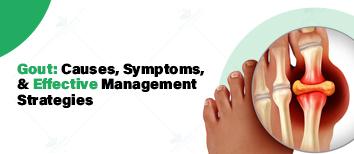
Gout is a form of arthritis caused by the buildup of uric acid crystals in the joints, leading to sudden and severe pain
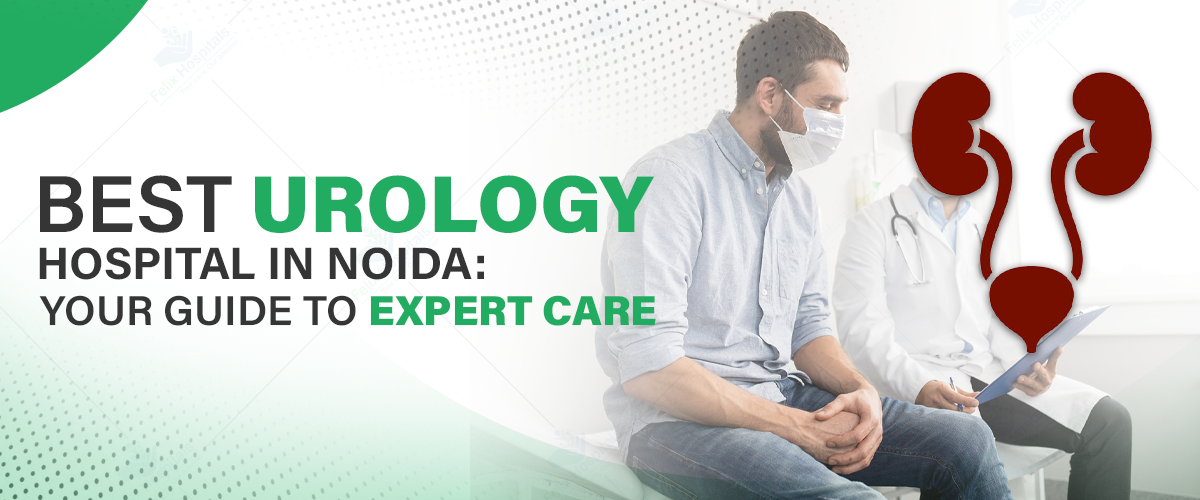
Few things in health are as immediate or intimate as urological problems. Urological disorders, ranging from kidney stones to prostate issues, can cause pain or anxiety and interfere with day-to-day functioning. The best urology hospitals in Noida, a rapidly expanding metropolis that combines state-of-the-art technology with humane treatment. But how can one determine which hospital is ideal for urology? Let's examine the main elements, offerings, and unique selling points of Noida for skilled urological care.
Don't ignore the warning signs; get in touch with a reputable Noida urology specialist right now to take control of your health before small problems turn into bigger ones.
A growing center close to Delhi-NCR, Noida is known for its healthcare facilities in addition to its state-of-the-art infrastructure. Due to its first-rate facilities, highly qualified experts, and convenient access by highway and metro, it draws patients from Uttar Pradesh and beyond. Noida's hospitals provide top-notch care near you, whether you're needing complicated prostate surgery or a urinary tract infection. Because of its emphasis on cutting-edge medical facilities, the city is a top choice for anyone looking for trustworthy urological care without having to go far.
Particularly in specialist disciplines like urology, not all hospitals are created equal. What distinguishes the best is this:
Board-certified urologists with years of expertise work at prestigious hospitals. Seek out physicians that treat anything from kidney stones to malignancies and have received training in less invasive procedures like robotics or laser surgery. Leading hospitals in Noida include experts who have received training at prestigious universities, so you know you're in good hands.
Because urology requires accuracy, the top hospitals make investments in equipment such as:
For patients who wish to recuperate as soon as possible, these technologies promise less scars, less discomfort, and a quicker recovery.
The whole range of care is provided at the top urology hospital, including:
Seek out medical facilities that provide both sophisticated surgery and outpatient consultations.
The greatest hospitals put you, not just your illness, first. This entails open communication, individualized treatment programs, and assistance with mental health. Top facilities in Noida guarantee stress-free visits with minimal wait times, spotless surroundings, and attentive staff.
Look for accreditation from JCI or NABH, as these indicate excellent standards. Hospitals with a history of successful difficult surgeries and satisfied patients are trustworthy. Patient ratings and success rates are also important.
For good reason, urology is a specialty of Noida's hospitals. They address typical problems such as:
In order to eliminate the need for you to go between facilities, many hospitals also combine diagnostic procedures, such as CT or MRI scans, with treatment. This all-in-one approach saves time and reduces stress, especially for families in busy Noida.
Urology problems, such as blood in the urine or chronic pain, can indicate more serious disorders than just being uncomfortable. Delaying treatment increases the chance of problems such as cancer spreading or renal damage from untreated stones. With same-day consultations and speedy testing, the top hospitals in Noida make it simple to take swift action. Don't delay if you're experiencing symptoms, such as lower back pain or burning when urinating. Better results and easier treatments may result from a prompt visit.
Here's how to choose Greater Noida's top urology hospital:
Noida's unique combination of accessibility and knowledge is what sets it apart. Noida provides a more tranquil environment with lower wait times than Delhi's congested hospitals. However, metro-city standards are still met—imagine highly advanced operating rooms and physicians with international training. This convenience is revolutionary for families who are juggling caregiving and employment.
Make an appointment with a renowned urologist in your area to learn how cutting-edge treatment can provide immediate relief and long-lasting effects.
The key to selecting the best urology hospital in Noida is knowledge, technology, and individualized treatment. The correct hospital can change your health journey, whether it's treating a complicated cancer or crushing a kidney stone. The best facilities in Noida are prepared to help, with knowledgeable staff and cutting-edge equipment to help you resume your full life. Contact a reputable hospital right now to start the process of finding relief from your urological concerns. Nothing less is fair to your health.
Felix Hospital stands as the Best Urology Hospital in Noida, offering advanced treatments, urology doctors in Noida, and world-class care for all urinary and kidney-related conditions.
1. What are the signs that I should see a urologist immediately?
Ans- If you experience blood in your urine, severe lower abdominal or back pain, frequent or painful urination, or trouble emptying your bladder, it’s crucial to consult a urologist without delay.
2. Are there non-surgical treatments for kidney stones in Noida?
Ans- Yes, many urology centers in Noida offer non-invasive options like extracorporeal shock wave lithotripsy (ESWL) and laser lithotripsy, which break down stones without traditional surgery.
3. Can men and women both get treated for urinary incontinence in Noida?
Ans- Absolutely. Urology clinics here offer specialized care for both genders, including medication, pelvic floor therapy, and minor surgical procedures for long-term relief from incontinence.
4. Is robotic-assisted surgery available for prostate issues?
Ans- Yes, several facilities in Noida are equipped with robotic surgery systems, which offer greater precision, smaller incisions, and quicker recovery, especially beneficial for procedures like prostatectomy.
5. What pediatric urology conditions can be treated locally?
Ans- From undescended testicles and congenital kidney issues to urinary tract abnormalities, pediatric urologists in Noida offer advanced diagnostics and minimally invasive treatment options for children.
6. How do I know if my urinary tract infection is becoming serious?
Ans- If you notice fever, nausea, back pain, or if symptoms persist despite antibiotics, it could indicate a kidney infection or underlying condition—seek immediate urological evaluation.
7. What should I expect during my first visit to a urologist?
Ans- Typically, your visit will include a review of your medical history, a physical exam, and tests such as urine analysis, ultrasound, or uroflowmetry, depending on your symptoms. Personalized treatment options are then discussed based on findings.
Our urology and oncology specialists bring extensive experience and expertise in treating various forms of urological cancer.

Urological health is vital for well-being, influenced by diet and exercise. Good nutrition and activity help prevent conditions like UTIs, kidney stones, and cancers.

आज के दौर में हृदय रोग सबसे घातक और तेजी से बढ़ने वाली बीमारियों में से एक बन गई है। यह सिर्फ बुजुर्गों तक सीमित नहीं है, बल्कि युवाओं में भी तेजी से फैल रही है। नोएडा में हार्ट अटैक का सबसे अच्छा अस्पताल खोज रहे हैं? तो जागरूकता ही पहला कदम है।
आधुनिक जीवनशैली, असंतुलित आहार, तनाव और शारीरिक निष्क्रियता हृदय रोगों के प्रमुख कारण हैं। अगर समय रहते इसके प्रति सतर्कता नहीं बढ़ाई गई, तो यह एक गंभीर महामारी का रूप ले सकती है। यदि आप अपने हृदय को स्वस्थ रखना चाहते हैं और लंबे समय तक निरोगी रहना चाहते हैं, तो यह ब्लॉग आपके लिए बेहद जरूरी है।
ज्यादा जानकारी के लिए हमें कॉल करें +91 9667064100.
हृदय रोग (Cardiovascular Disease) एक व्यापक शब्द है, जो उन बीमारियों को संदर्भित करता है जो हृदय और रक्त वाहिकाओं को प्रभावित करती हैं। यह एक गंभीर स्वास्थ्य समस्या है जो रक्त प्रवाह में रुकावट, हृदय की कार्यक्षमता में कमी, या अनियमित धड़कनों की वजह से हो सकती है। यह रोग धीरे-धीरे विकसित होता है और यदि समय रहते ध्यान न दिया जाए तो यह हार्ट अटैक, स्ट्रोक या अन्य जटिलताओं का कारण बन सकता है।
हृदय रोग कई कारकों के कारण हो सकता है, जिनमें गलत जीवनशैली, आनुवंशिक प्रवृत्ति और मानसिक तनाव प्रमुख हैं। यदि समय रहते इन कारणों को पहचाना और नियंत्रित किया जाए, तो हृदय रोग से बचाव संभव है।
हृदय रोग के लक्षण कई बार धीरे-धीरे विकसित होते हैं और कई बार अचानक सामने आते हैं। समय पर इन संकेतों को पहचानना जीवन बचाने में मदद कर सकता है। हार्ट अटैक (Heart Attack), हार्ट फेल्योर (Heart Failure) और एरिदमिया (Arrhythmia) जैसी बीमारियों में कुछ सामान्य लक्षण दिखाई देते हैं।
हृदय रोग से बचाव के लिए स्वस्थ जीवनशैली अपनाना सबसे महत्वपूर्ण है। सही खानपान, व्यायाम और तनाव प्रबंधन से हार्ट अटैक और अन्य हृदय रोगों का जोखिम काफी हद तक कम किया जा सकता है। नीचे कुछ आसान और प्रभावी उपाय दिए गए हैं, जिन्हें अपनाकर आप अपने दिल को स्वस्थ रख सकते हैं।
हार्ट अटैक एक जानलेवा स्थिति हो सकती है, लेकिन समय पर सही कदम उठाने से जीवन बचाया जा सकता है। यदि किसी व्यक्ति को हार्ट अटैक हो रहा हो, तो घबराने के बजाय तेजी से कार्रवाई करें।
हार्ट अटैक के लक्षण दिखते ही 10 मिनट के अंदर मेडिकल सहायता लें। व्यक्ति को बैठाएं। सीधा लिटाने के बजाय उसे आरामदायक स्थिति में बैठाएं। ढीले कपड़े पहनाएं। ताकि सांस लेने में आसानी हो। तुरंत 108 या लोकल एंबुलेंस नंबर पर कॉल करें। चबाने के लिए 300mg की एस्पिरिन दें। यह खून को पतला करने में मदद करती है। यदि मरीज होश में है और सांस ले रहा है, तो उसे शांत रहने के लिए कहें और गहरी सांस लेने को कहें।
यदि व्यक्ति बेहोश हो जाए और सांस न ले रहा हो, तो सीपीआर देना जरूरी है। व्यक्ति को पीठ के बल जमीन पर लिटाएं। सीने के बीचों-बीच दोनों हाथ रखें (एक हाथ दूसरे के ऊपर)। तेज और गहरी छाती पर दबाव दें । प्रति मिनट 100-120 दबाव दें। छाती को कम से कम 2 इंच (5 सेमी) दबाएं। हर 30 दबावों के बाद 2 बार मुंह से सांस दें (यदि प्रशिक्षित हैं)।
हर मिनट की देरी से हार्ट डैमेज बढ़ता है। इसलिए, लक्षण दिखते ही 108 (इंडिया) या लोकल इमरजेंसी नंबर पर कॉल करें। एंबुलेंस में मेडिकल सपोर्ट होता है, जो मरीज की स्थिति को स्थिर रखने में मदद करता है। एंबुलेंस में हार्ट मॉनिटर और ऑक्सीजन जैसी सुविधाएं होती हैं।
आपका हृदय आपके शरीर का इंजन है। अगर यह मजबूत और स्वस्थ रहेगा, तो आप भी फिट और ऊर्जावान महसूस करेंगे। थोड़े-थोड़े बदलाव और सही आदतें अपनाकर आप अपने दिल को लंबे समय तक स्वस्थ रख सकते हैं।
ताजे फल, हरी सब्जियां और फाइबर से भरपूर अनाज खाएं। ओमेगा-3 युक्त फूड्स (जैसे मछली, अलसी, अखरोट) शामिल करें। प्रोसेस्ड और तले हुए खाद्य पदार्थों से बचें।
हफ्ते में 150 मिनट ब्रिस्क वॉक या कार्डियो एक्सरसाइज करें। योग और मेडिटेशन से तनाव कम करें। ज्यादा देर तक बैठे रहने से बचें – हर घंटे 5 मिनट वॉक करें।
धूम्रपान हार्ट के लिए सबसे बड़ा दुश्मन है इसे तुरंत छोड़ें। शराब का सीमित या कोई सेवन न करें।
रोजाना 10 मिनट मेडिटेशन या डीप ब्रीदिंग करें।
दोस्तों और परिवार के साथ समय बिताएं – यह मानसिक शांति देता है।
हर 6 महीने में ब्लड प्रेशर, कोलेस्ट्रॉल और शुगर की जांच करवाएं।
यदि कोई परेशानी महसूस हो, तो तुरंत डॉक्टर से मिलें।
फेलिक्स अस्पताल, नोएडा में हार्ट अटैक के लिए सबसे अच्छे विशेषज्ञों की एक समर्पित टीम अत्याधुनिक तकनीकों और उन्नत चिकित्सा सुविधाओं के माध्यम से हृदय संबंधी रोगों का सटीक निदान और प्रभावी उपचार प्रदान करती है।
हमारे हृदय रोग विशेषज्ञ:
अपने हृदय को स्वस्थ रखने के लिए:
हृदय स्वास्थ्य से जुड़ी किसी भी सलाह के लिए आज ही फेलिक्स अस्पताल से संपर्क करें!
हार्ट हेल्थ को प्राथमिकता देना अब कोई विकल्प नहीं, बल्कि एक आवश्यकता है। बदलती जीवनशैली, असंतुलित खानपान और तनाव के कारण हृदय रोग तेजी से बढ़ रहे हैं, लेकिन सही आदतों को अपनाकर हम इसे रोक सकते हैं। स्वस्थ आहार, नियमित व्यायाम, तनाव प्रबंधन, और धूम्रपान से बचाव – ये सभी कदम आपके दिल को मजबूत और सुरक्षित रखते हैं।
नियमित स्वास्थ्य जांच कराना बेहद जरूरी है ताकि किसी भी समस्या का समय पर पता चल सके और सही इलाज किया जा सके। यदि आपको या आपके प्रियजनों को हृदय संबंधी कोई समस्या हो रही है, तो जल्द से जल्द विशेषज्ञ डॉक्टर से परामर्श लें। अगर आप नोएडा में हार्ट अटैक के इलाज का खर्च जानना चाहते हैं या बेहतरीन हृदय देखभाल सुविधाएं तलाश रहे हैं, तो अनुभवी हृदय रोग विशेषज्ञों से संपर्क करें और अपने दिल का खास ख्याल रखें!
प्रश्न 1. हार्ट अटैक और हार्ट फेल में क्या अंतर है ?
उत्तर: हार्ट अटैक तब होता है जब हृदय की धमनियों (कोरोनरी आर्टरी) में रुकावट आ जाती है, जिससे हृदय को पर्याप्त ऑक्सीजन नहीं मिलती। हार्ट फेल तब होता है जब हृदय ठीक से पंप नहीं कर पाता, जिससे शरीर के विभिन्न अंगों में रक्त संचार प्रभावित होता है।
प्रश्न 2. क्या हाई बीपी से हार्ट की बीमारी हो सकती है ?
उत्तर: हां, हाई ब्लड प्रेशर (हाइपरटेंशन) हृदय पर अधिक दबाव डालता है, जिससे हृदय रोग, स्ट्रोक और हार्ट फेल होने का खतरा बढ़ जाता है।
प्रश्न 3. हार्ट की बीमारी से बचने के लिए क्या करें ?
उत्तर: हेल्दी डाइट (कम फैट, अधिक फाइबर) लें। नियमित व्यायाम करें। धूम्रपान और शराब से बचें। तनाव कम करें। ब्लड प्रेशर और कोलेस्ट्रॉल को नियंत्रित रखें
प्रश्न 4. हार्ट अटैक के दौरान क्या करना चाहिए ?
उत्तर: तुरंत 108 या स्थानीय आपातकालीन नंबर पर कॉल करें। व्यक्ति को आराम से बैठाएं। अगर डॉक्टर ने एस्पिरिन लेने की सलाह दी हो, तो उसे चबाकर खाएं। सीपीआर (सीपीआर) करने की जानकारी हो तो करें
प्रश्न 5. क्या डायबिटीज से हार्ट की बीमारी का खतरा बढ़ता है ?
उत्तर: हां, डायबिटीज से रक्त वाहिकाओं को नुकसान होता है और कोलेस्ट्रॉल का स्तर बढ़ सकता है, जिससे हृदय रोग की संभावना बढ़ जाती है।
प्रश्न 6. क्या महिलाओं और पुरुषों में हार्ट अटैक के लक्षण अलग होते हैं ?
उत्तर: हां, महिलाओं में हार्ट अटैक के लक्षण अक्सर अलग हो सकते हैं, जैसे: अत्यधिक थकान, मतली या उल्टी, बिना सीने में दर्द के सिर्फ सांस फूलती है।
प्रश्न 7. क्या तनाव हार्ट की बीमारी का कारण बन सकता है ?
उत्तर: हां, अधिक तनाव से ब्लड प्रेशर बढ़ सकता है और हार्ट अटैक का खतरा बढ़ सकता है। मेडिटेशन और व्यायाम तनाव कम करने में मदद कर सकते हैं।
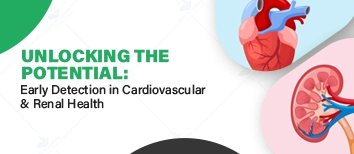
In Noida hospitals, recognized for being among the best heart health hospitals in Noida, are at the forefront of offering critical care for heart-related issues.

Find the best cardiologist for your heart care with these essential tips and expert advice.

Best heart hospital in Noida for bypass surgery at affordable prices with expert cardiac surgeons, advanced facilities, and quality patient care for better recovery.

Dementia and Alzheimer's disease are global health concerns, affecting millions of people and their families. These conditions cause a progressive decline in cognitive abilities, memory, and overall brain function. While there is no particular way to prevent dementia or Alzheimer's, emerging research highlights the critical role of diet in supporting brain health. By including brain-boosting foods in your daily meals, you can take a proactive step toward enhancing cognitive function and reducing the risk of these conditions.
At the Neuro Hospital in Noida, experts emphasize that a well-balanced diet, rich in nutrients, can contribute to overall brain health. Let’s explore the best foods to prevent dementia and detail how an Alzheimer's prevention diet can make a meaningful difference in your life.
Don’t wait to safeguard your cognitive health. Contact us today at +91 9667064100 for tailored diet and neurological care to support a healthier brain.
What Are Dementia and Alzheimer's?
Dementia is an umbrella term for a range of cognitive disorders related to memory loss, impaired reasoning, and changes in behavior. Alzheimer's disease is the most common form of dementia, accounting for about 60-80% of cases.
Key Statistics:
The Role of Nutrition in Brain Health
A nutritious diet can improve cognitive function and potentially slow the progression of dementia. Foods rich in antioxidants, healthy fats, vitamins, and minerals are particularly beneficial in combating inflammation, oxidative stress, and neurodegeneration.
1. Fatty Fish
Fatty fish is a powerhouse of omega-3 fatty acids, essential for brain health. These healthy fats build brain cells, reduce inflammation, and improve memory.
Examples: Salmon, mackerel, sardines, and trout.
2. Leafy Green Vegetables
Leafy greens are packed with folate, vitamin K, and antioxidants that protect the brain from oxidative stress.
Examples: Spinach, kale, and broccoli.
3. Berries
Berries are rich in antioxidants and flavonoids, which combat free radicals and improve brain cell communication.
Examples: Blueberries, strawberries, and blackberries.
4. Nuts and Seeds
Nuts and seeds provide vitamin E and healthy fats, which protect brain cells from damage.
Examples: Walnuts, almonds, sunflower seeds, and flaxseeds.
5. Whole Grains
Whole grains provide sustained energy to the brain and help reduce inflammation.
Examples: Oats, quinoa, and brown rice.
6. Avocados
Avocados are high in monounsaturated fats, promoting healthy blood flow to the brain.
7. Turmeric
Turmeric contains curcumin, which has anti-inflammatory and antioxidant effects. Incorporate it into curries, teas, or smoothies.
8. Dark Chocolate
Dark chocolate is rich in flavonoids that boost memory and mood. Opt for minimally processed varieties with high cocoa content.
9. Eggs
Eggs are a great source of choline, an essential nutrient for memory and brain health.
10. Green Tea
Green tea combines caffeine and L-theanine, enhancing brain function while promoting relaxation.
A balanced diet plan with foods to prevent dementia can transform your diet into an Alzheimer's prevention diet. Here’s an example:
For the perfect guidance on diet plans tailored to your needs, consult with healthcare professionals for nutrition diet services at healthcare centers.
To complement your Alzheimer's prevention diet, include these practices:
1. Exercise Regularly: include some aerobic exercises to improve blood flow to the brain.
2. Manage Stress: Practice mindfulness or yoga to reduce cortisol levels.
3. Get Adequate Sleep: Quality sleep is a must for memory consolidation and cognitive repair.
4. Stay Mentally Active: Solve puzzles, read, or learn a new skill to stimulate your brain.
5. Maintain Social Connections: Socializing helps delay cognitive decline.
Some studies have shown that diets rich in antioxidants, omega-3 fatty acids, and anti-inflammatory compounds can significantly reduce the risk of dementia and Alzheimer's. For example:
These findings underscore the importance of including brain-boosting foods in your diet.
At Felix Hospital, we understand the importance of an approach to improve your brain’s health. Our expert team of dietitians and neurologists is dedicated to helping you to maintain optimal cognitive function.
Our highly skilled dietitians specialize in creating diet plans to boost your brain health. Meet our renowned experts:
Dr. Pooja Yadav: Senior Dietitian with over 8 years of experience in personalized nutrition strategies.

Dr. Shivani Ahlawat: Committed to creating diet plans tailored to your unique needs for improved brain function.

For conditions like dementia and Alzheimer’s, our experienced neurologist team provides the best care:
Dr. Sumit Sharma: Neurosurgeon with expertise in neurological and neurosurgical conditions.

Consult our expert neurologists and dietitians at Felix Hospital to create a personalized plan for optimal brain health. Schedule your appointment now!
A healthy diet is a powerful tool for protecting your brain and improving cognitive function. Including some foods to prevent dementia in your meals can be a simple yet effective way to reduce the risk of Alzheimer’s and related conditions.
Take the first step toward brain health today by consulting experts at the Hospital for Neurological Disorders in Noida or reaching out to professional diet services. Remember, the journey to better cognitive health begins with the choices you make on your plate.
Q. 1. What are the key nutrients that support brain health?
Ans: Nutrients like omega-3 fatty acids, antioxidants, vitamins (B, E, and K), and minerals such as zinc and magnesium are essential for maintaining brain health.
Q. 2. Can a poor diet increase the risk of dementia or Alzheimer’s?
Ans: Yes, a diet high in processed foods, unhealthy fats, and sugars can increase inflammation and oxidative stress, both of which are linked to cognitive decline.
Q. 3. Are there specific foods that help prevent Alzheimer’s disease?
Ans: Foods like fatty fish, berries, turmeric, and leafy greens have been shown to reduce inflammation and support cognitive function, potentially lowering the risk of Alzheimer’s.
Q. 4. How does green tea improve brain function?
Ans: Green tea contains caffeine and L-theanine, which enhance alertness, improve focus, and promote relaxation, benefiting overall brain activity.
Q. 5. What role does turmeric play in brain health?
Ans: Turmeric contains curcumin, an anti-inflammatory compound that may help reduce the formation of amyloid plaques associated with Alzheimer’s disease.
Q. 6. How soon can dietary changes impact brain health?
Ans: While the effects vary by individual, incorporating brain-boosting foods consistently can start showing benefits in cognitive function within weeks to months.
Q. 7. Can Felix Hospital help create a diet plan tailored to brain health?
Ans: Absolutely! Our dietitians, including Dr. Pooja Yadav, Dr. Nida Zafar, and Dr. Shivani Ahlawat, specialize in creating perfect diet plans to boost brain health and overall well-being.
Advanced neurosurgery improves treatment for brain and spine disorders with better outcomes.

Manage diabetes effectively with a well-planned Indian vegetarian diet chart. Explore healthy meal options and tips for blood sugar control.

Do you find yourself constantly tired, breathless, or unable to cope with sudden physical activity?

Myocardial infarction, the medical term for a heart attack, is a life-altering medical emergency that can occur in a matter of minutes. It occurs when the heart muscle's blood supply is cut off, frequently due to a clot or plaque accumulation, depriving the tissue of oxygen. If nothing is done quickly, this could cause irreversible harm or even death. We at the best hospital in Greater Noida/Noida, a reputable leader in healthcare, are here to equip you with the knowledge you need to identify, avoid, and treat heart attacks. Everything you need to safeguard your heart and lead a healthier lifestyle is covered in this guide, from identifying mild symptoms to making heart-smart decisions.
Concerned about your heart? Take control of your health by making an appointment for your examination with one of our top cardiologists right now by calling +91 9667064100.
A heart attack happens when one or more coronary arteries, which supply blood to the heart, get blocked. This cuts off oxygen to part of the heart muscle, causing it to weaken or die if untreated. Most often, the culprit is a cholesterol-laden plaque that ruptures, triggering a clot. Time is critical—every minute of delay increases damage.
The heart's rhythm and strength are disturbed when blood flow ceases because the afflicted cardiac muscle finds it difficult to pump. If left untreated, this can lower your body's blood flow and increase your risk of organ failure. While some heart attacks occur quickly, others develop over days or weeks, accompanied by warning symptoms like chest pain. Understanding these indicators can make the difference between tragedy and recovery.
The characteristic chest pain is not always experienced by everyone who has a heart attack. A life can be saved by early detection. Common indicators consist of:
Atypical Symptoms: Subtle symptoms like dyspepsia, acute neck pain, or excessive weariness may be experienced by women, elderly folks, or people with diabetes. Rarely, a heart attack might be "silent," meaning it doesn't show any symptoms, but it can still be harmful. If you or a loved one are experiencing these symptoms, don’t wait — visit the best and most trusted hospital near me immediately for prompt and effective treatment.
The majority of heart attacks are caused by coronary artery disease (CAD), a condition in which plaque accumulation (deposits of cholesterol and fat) causes arteries to constrict. An arterial blockage may result from a ruptured plaque that forms a clot. Heart attacks are divided into the following categories based on ECG results:
Heart attacks are more often due to several factors:
After a heart attack, damage may result in:
The good news is that, even after a heart attack, you can reduce your risk:
Immediate and professional medical attention is essential if you or a loved one has had a heart attack or is at risk of having one. Some of the most reputable cardiologists in Noida may be found at Felix Hospital, which provides thorough and individualized treatment programs to prevent heart attacks and promote long-term rehabilitation.
Get to Know Our Skilled Cardiologists:
These well-known cardiac specialists specialize in heart attack patients' early diagnosis, emergency treatment, and rehabilitation. Felix Hospital makes sure you get the best cardiac treatment possible when it counts most by utilizing the newest technology and a caring approach.
Possess risk factors? To create a customized heart health plan, set up a consultation right now.
A heart attack is a wake-up call, but you can overcome it if you know what to do. Your best defenses include identifying symptoms like shortness of breath or chest pain, being aware of the risks, and adopting a healthier lifestyle. From emergency procedures to long-term rehabilitation, Felix Hospitals' Center for Cardiology in Noida/Greater Noida offers compassionate, state-of-the-art care. Feel free to contact us if you have any queries concerning the cost of heart attack treatment in Noida, we are available to offer concise, thorough advice till all of your concerns are addressed.
Give your heart the attention it needs because it drives your life; don't wait for a fright.
Q- Can a heart attack happen without chest pain?
Ans- Yes, especially in women, older adults, and people with diabetes. They may experience symptoms like fatigue, indigestion, or shortness of breath instead of the classic chest pain.
Q- Is it possible to survive a heart attack without knowing you had one?
Ans- Yes, this is called a “silent heart attack.” It often goes unnoticed but can still cause serious damage to the heart and increases the risk of future attacks.
Q- What’s the difference between a heart attack and cardiac arrest?
Ans- A heart attack is a circulation problem caused by blocked arteries. Cardiac arrest is an electrical issue that causes the heart to stop suddenly. A heart attack can sometimes lead to cardiac arrest.
Q- How long does it take to recover from a heart attack?
Ans- Recovery varies depending on severity, but many patients return to normal activities within 6 to 8 weeks with cardiac rehab and lifestyle adjustments.
Q- Can stress alone cause a heart attack?
Ans- Chronic stress can indirectly lead to a heart attack by raising blood pressure, promoting unhealthy habits, and causing hormonal imbalances. Acute stress (like sudden trauma) can also trigger one in rare cases.
Q- Are heart attack symptoms different at night or while sleeping?
Ans- Yes. Night-time heart attacks can feel like indigestion, shortness of breath, or pain in the back or jaw, and might not wake the person up until damage is already occurring.
Q- What tests are done to diagnose a heart attack?
Ans- Common diagnostic tools include ECG (electrocardiogram), blood tests for cardiac enzymes (like troponin), echocardiograms, and coronary angiography to check for blockages.
In Noida hospitals, recognized for being among the best heart health hospitals in Noida, are at the forefront of offering critical care for heart-related issues.
Find the best cardiologist for your heart care with these essential tips and expert advice.
Best heart hospital in Noida for bypass surgery at affordable prices with expert cardiac surgeons, advanced facilities, and quality patient care for better recovery.
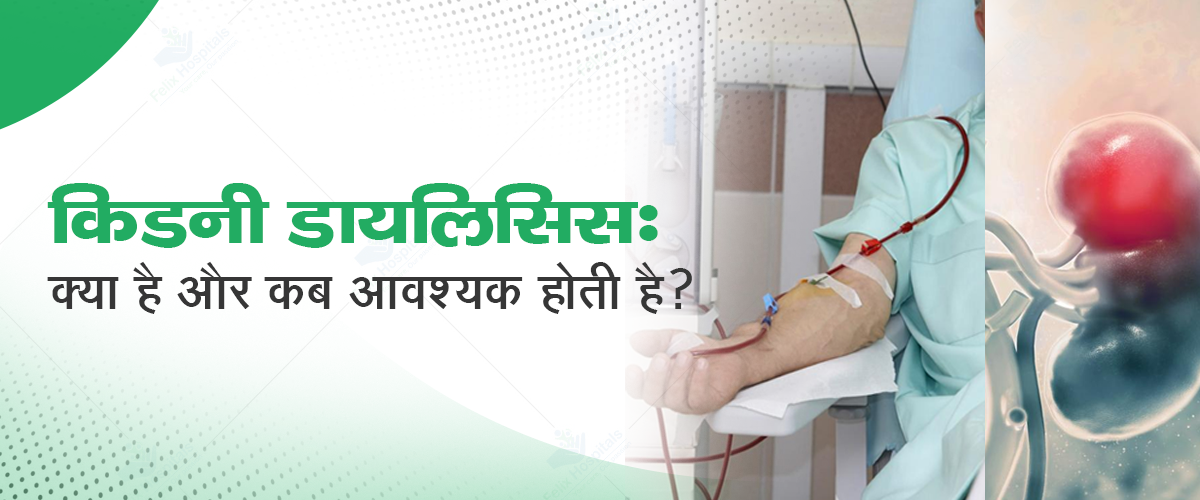
किडनी हमारे शरीर के सबसे महत्वपूर्ण अंगों में से एक है। यह न केवल रक्त को शुद्ध करती है, बल्कि शरीर में पानी और इलेक्ट्रोलाइट्स (जैसे सोडियम, पोटैशियम) का संतुलन बनाए रखने में भी महत्वपूर्ण भूमिका निभाती है। किडनी का सही तरीके से कार्य करना हमारे संपूर्ण स्वास्थ्य के लिए बहुत महत्वपूर्ण है। अगर किडनी खराब होने के संकेत दिखें, तो तुरंत अच्छे किडनी अस्पताल करना चाहिए। सही खानपान, हाइड्रेशन और नियमित जांच से किडनी की बीमारियों से बचाव किया जा सकता है।
ज्यादा जानकारी के लिए हमें कॉल करें +91 9667064100.
डायलिसिस एक चिकित्सा प्रक्रिया है, जिसमें किडनी की खराबी के कारण रक्त में जमा विषाक्त पदार्थों, अतिरिक्त पानी और अनावश्यक लवणों को शरीर से बाहर निकाला जाता है। यह उन मरीजों के लिए आवश्यक होती है जिनकी किडनी 85-90% तक खराब हो चुकी होती है और जो शरीर से गंदगी और द्रव को प्राकृतिक रूप से बाहर निकालने में असमर्थ होती हैं। जब किडनी सही तरीके से काम नहीं कर पाती और शरीर में विषैले पदार्थ, अतिरिक्त द्रव, और इलेक्ट्रोलाइट्स का असंतुलन बढ़ जाता है, तो उसे नियंत्रित करने के लिए डायलिसिस (Dialysis) की आवश्यकता होती है।
यह प्रक्रिया शरीर के बाहर एक मशीन की मदद से रक्त को शुद्ध करती है।
मरीज की नसों से रक्त को एक डायलिसिस मशीन में भेजा जाता है, जहाँ से विषाक्त पदार्थों और अतिरिक्त द्रव को फिल्टर किया जाता है।
शुद्ध रक्त को पुनः शरीर में वापस भेज दिया जाता है।
यह प्रक्रिया सप्ताह में 2-3 बार, हर बार लगभग 4-5 घंटे के लिए की जाती है।
इस प्रक्रिया में पेट की झिल्ली (Peritoneum) का उपयोग फिल्टर के रूप में किया जाता है।
एक विशेष तरल (डायलिसेट) को पेट के अंदर डाला जाता है, जो रक्त में मौजूद विषाक्त पदार्थों और अतिरिक्त द्रव को सोख लेता है।
कुछ समय बाद, इस तरल को शरीर से निकाल दिया जाता है और नया तरल डाला जाता है।
यह प्रक्रिया घर पर की जा सकती है और मरीज इसे खुद भी सीख सकते हैं।
डायलिसिस तब आवश्यक होती है जब किडनी अपने कार्य करने की क्षमता खो देती है और शरीर में विषैले पदार्थ, अतिरिक्त द्रव, और इलेक्ट्रोलाइट असंतुलन बढ़ जाता है। अगर इस स्थिति को समय पर नियंत्रित नहीं किया गया तो यह जीवन के लिए घातक हो सकती है। इसलिए सही समय पर नोएडा में सर्वश्रेष्ठ किडनी डायलिसिस अस्पताल से संपर्क करें और अपने स्वास्थ का ध्यान दें।
क्रॉनिक किडनी डिजीज (सीकेडी) एक दीर्घकालिक स्थिति है जिसमें किडनी धीरे-धीरे क्षतिग्रस्त होती जाती है और सही तरीके से रक्त को शुद्ध नहीं कर पाती। जब सीकेडी अंतिम चरण में पहुंच जाती है, तो इसे एंड-स्टेज रीनल डिजीज (ईएसआरडी) कहा जाता है, जहां किडनी 90% से अधिक क्षतिग्रस्त हो चुकी होती है। जब सीकेडी अंतिम चरण में पहुंच जाती है और किडनी शरीर से विषाक्त पदार्थों को निकालने में असमर्थ हो जाती है, तब डायलिसिस की आवश्यकता पड़ती है।
मुख्य लक्षण:
बार-बार पेशाब आने या बहुत कम पेशाब होना
पेशाब में झाग या खून आना
हाई ब्लड प्रेशर का बढ़ना
अचानक वजन बढ़ना या घट जाना
भूख न लगना और मितली आना
हड्डियों और मांसपेशियों में कमजोरी
किडनी रक्त से यूरिया और क्रिएटिनिन को छानकर मूत्र के माध्यम से बाहर निकालती है। लेकिन जब किडनी फेल हो जाती है, तो ये तत्व रक्त में जमा होने लगते हैं, जिससे शरीर में विषाक्तता बढ़ जाती है। जब इनका स्तर बहुत अधिक हो जाता है, तो डायलिसिस के माध्यम से इन्हें बाहर निकालना आवश्यक हो जाता है।
पुरुष: 0.7 - 1.3 mg/dL
महिला: 0.6 - 1.1 mg/dL
यदि क्रिएटिनिन 5 mg/dL से अधिक हो जाता है, तो डायलिसिस की आवश्यकता हो सकती है।
7 - 20 mg/dL (सामान्य)
यदि यूरिया 60 mg/dL से अधिक हो जाता है, तो किडनी फेलियर का संकेत हो सकता है।
किडनी शरीर से विषाक्त पदार्थ और अतिरिक्त द्रव निकालने का कार्य करती है। जब यह प्रक्रिया बाधित हो जाती है, तो शरीर में फ्लूइड रिटेंशन और विषाक्तता बढ़ने लगती है, जिससे कई स्वास्थ्य समस्याएं हो सकती हैं:
खासतौर पर पैरों, टखनों, हाथों और चेहरे पर सूजन
शरीर में सोडियम और पानी की अधिक मात्रा जमा होने के कारण यह समस्या होती है।
जब फेफड़ों में अतिरिक्त तरल भर जाता है, जिससे सांस लेने में कठिनाई होती है।
शरीर में द्रव बढ़ने से दिल को अधिक मेहनत करनी पड़ती है, जिससे हार्ट फेलियर का खतरा बढ़ सकता है।
अत्यधिक विषाक्तता के कारण मेमोरी लॉस, भ्रम (Confusion) और दौरे (Seizures) पड़ सकते हैं।
यदि यह स्थिति गंभीर हो जाती है, तो तुरंत डायलिसिस कराना जरूरी हो जाता है।
किडनी की खराबी से शरीर में कई तरह की समस्याएं उत्पन्न हो सकती हैं:
शरीर में विषाक्त पदार्थों के बढ़ने से खून की सफाई ठीक से नहीं हो पाती, जिससे कमजोरी महसूस होती है।
एनीमिया (रक्त की कमी) भी किडनी फेलियर के कारण हो सकता है।
खून में यूरिया का स्तर बढ़ने से त्वचा में जलन और खुजली होने लगती है।
शरीर में कैल्शियम और फॉस्फोरस के असंतुलन के कारण यह समस्या होती है।
शरीर में तरल पदार्थ के जमाव के कारण फेफड़ों पर दबाव पड़ता है, जिससे साँस लेना कठिन हो जाता है
शरीर में अपशिष्ट पदार्थों के बढ़ने के कारण भोजन से अरुचि और उल्टी की समस्या हो सकती है।
डायलिसिस का जीवन पर गहरा प्रभाव पड़ता है क्योंकि यह एक दीर्घकालिक उपचार प्रक्रिया है। किडनी की विफलता के स्तर, मरीज की समग्र स्वास्थ्य स्थिति, और अन्य चिकित्सा विकल्पों (जैसे किडनी ट्रांसप्लांट) पर निर्भर करता है कि डायलिसिस कितने समय तक जारी रहेगा।
जब किडनी की कार्यक्षमता अचानक प्रभावित होती है (जैसे, एक्यूट किडनी फेल्योर) लेकिन सुधार की संभावना होती है।
जब मरीज को किडनी ट्रांसप्लांट की प्रतीक्षा में रखा जाता है।
कुछ मामलों में, यदि उचित दवाइयों और जीवनशैली में सुधार से किडनी की कार्यक्षमता बहाल हो जाती है, तो डायलिसिस बंद किया जा सकता है।
क्रॉनिक किडनी डिजीज (CKD) स्टेज 5 या एंड-स्टेज रीनल डिजीज (ESRD) में जब किडनी 90% से अधिक खराब हो चुकी हो।
जब किडनी ट्रांसप्लांट संभव न हो या मरीज ट्रांसप्लांट नहीं करवाना चाहता।
इस स्थिति में मरीज को जीवनभर या तब तक डायलिसिस करानी होगी जब तक ट्रांसप्लांट न हो जाए। औसतन, डायलिसिस पर रहने वाले मरीज 5-10 साल तक जीवित रह सकते हैं, और कुछ विशेष देखभाल के साथ 20 साल या अधिक भी जी सकते हैं।
डायलिसिस के मरीजों को अपनी खान-पान, व्यायाम और दवाइयों में विशेष ध्यान देना पड़ता है ताकि उनका स्वास्थ्य संतुलित बना रहे।
क्या खाना चाहिए?
उच्च गुणवत्ता वाला प्रोटीन (अंडा सफेद भाग, मछली, चिकन)। ताजे फल और सब्जियाँ (कम पोटैशियम वाली, जैसे सेब, पत्ता गोभी)। सोडियम कम करने के लिए घर का बना कम नमक वाला भोजन। शरीर में तरल संतुलन बनाए रखने के लिए पर्याप्त पानी लेकिन सीमित मात्रा में।
क्या नहीं खाना चाहिए ?
अधिक पोटैशियम वाली चीजें (केला, संतरा, टमाटर, आलू)। ज्यादा नमक और प्रोसेस्ड फूड (फास्ट फूड, डिब्बाबंद चीजें)। फॉस्फोरस युक्त भोजन (डायरी उत्पाद, चॉकलेट, सोडा)। अधिक तरल पदार्थ, खासकर यदि पेशाब कम हो रहा हो
हल्का व्यायाम (वॉकिंग, योग, स्ट्रेचिंग) करने से थकान और मांसपेशियों में ऐंठन की समस्या कम होती है।
रोजाना 15-30 मिनट का व्यायाम करने से दिल की सेहत बनी रहती है।
जरूरत से ज्यादा भारी व्यायाम नहीं करना चाहिए, क्योंकि इससे शरीर में इलेक्ट्रोलाइट असंतुलन हो सकता है।
मरीज को डायलिसिस के दौरान ब्लड प्रेशर, एनीमिया, हड्डियों की कमजोरी और इलेक्ट्रोलाइट बैलेंस को नियंत्रित करने के लिए दवाइयाँ दी जाती हैं। फॉस्फोरस बाइंडर, कैल्शियम और विटामिन डी की गोलियां दी जा सकती हैं। डॉक्टर के निर्देशानुसार दवाइयों का सेवन बहुत जरूरी है, क्योंकि किडनी की कमजोरी के कारण कई दवाएं शरीर से बाहर नहीं निकल पातीं, इसलिए समय रहते पास के अच्छे हॉस्पिटल (best hospital nearby) से सलाह लेना बेहद आवश्यक है।
नियमित डायलिसिस से थकान, मांसपेशियों में कमजोरी और त्वचा की खुजली कम हो सकती है। रक्त में विषाक्त पदार्थ नियंत्रित रहते हैं, जिससे मरीज का ऊर्जा स्तर बेहतर होता है। अगर डायलिसिस के दौरान संतुलित आहार और दवाइयों का पालन न किया जाए तो हड्डियों की कमजोरी, एनीमिया और हाई ब्लड प्रेशर हो सकता है।
मरीज को तनाव और अवसाद महसूस हो सकता है क्योंकि डायलिसिस एक दीर्घकालिक प्रक्रिया है। परिवार और दोस्तों का समर्थन, साथ ही काउंसलिंग, मानसिक स्वास्थ्य को बेहतर बना सकते हैं। योग और मेडिटेशन करने से मानसिक तनाव कम किया जा सकता है।
डायलिसिस कराने वाले कई मरीज सामान्य जीवन जी सकते हैं और काम कर सकते हैं, लेकिन उन्हें अपनी दिनचर्या में बदलाव करना पड़ता है। नियमित डायलिसिस के कारण यात्रा और सामाजिक गतिविधियां सीमित हो सकती हैं, लेकिन होम डायलिसिस या पेरिटोनियल डायलिसिस से मरीज को अधिक लचीलापन मिलता है।
किडनी ट्रांसप्लांट एक बेहतर विकल्प हो सकता है, जिससे मरीज को डायलिसिस से छुटकारा मिल सकता है और जीवन की गुणवत्ता बेहतर हो सकती है।
जब किसी व्यक्ति की किडनी पूरी तरह काम करना बंद कर देती है। एंड-स्टेज रीनल डिजीज, तो उसे दो प्रमुख उपचार विकल्पों में से एक चुनना होता है। डायलिसिस या किडनी ट्रांसप्लांट। दोनों के अपने फायदे और सीमाएँ हैं, और सही विकल्प का चुनाव मरीज की स्वास्थ्य स्थिति, जीवनशैली और व्यक्तिगत प्राथमिकताओं पर निर्भर करता है।
यदि मरीज की किडनी अस्थायी रूप से खराब हुई है और उसमें सुधार की संभावना है, तो डायलिसिस अस्थायी रूप से किया जाता है।
किडनी ट्रांसप्लांट का इंतजार कर रहे मरीजों के लिए भी यह एक अस्थायी समाधान हो सकता है।
यदि किडनी पूरी तरह फेल हो चुकी है और ट्रांसप्लांट संभव नहीं है (डोनर नहीं मिल रहा या मरीज ट्रांसप्लांट कराने के लिए फिट नहीं है), तो डायलिसिस जीवनभर जारी रखना पड़ सकता है।
कुछ मरीज, खासकर बुजुर्ग, ट्रांसप्लांट की जटिलताओं से बचने के लिए डायलिसिस को ही स्थायी उपचार के रूप में चुनते हैं।
जिनका स्वास्थ्य सामान्य रूप से अच्छा है और जो ट्रांसप्लांट सर्जरी को सहन कर सकते हैं।
जिन्हें लिविंग डोनर या कैडेवरिक (मृत व्यक्ति) डोनर से किडनी मिल सकती है।
जो जीवनभर इम्यूनोसप्रेसेंट दवाएं लेने के लिए तैयार हैं ताकि नई किडनी रिजेक्ट न हो।
जो डायलिसिस से बचना चाहते हैं और एक स्वतंत्र, सक्रिय जीवन जीना चाहते हैं।
मरीज की उम्र बहुत ज्यादा हो या अन्य गंभीर बीमारियाँ (हृदय रोग, कैंसर, संक्रमण) हों।
मरीज को डोनर किडनी न मिल रही हो।
मरीज इम्यूनोसप्रेसेंट दवाएं नहीं ले सकता या उसकी प्रतिरक्षा प्रणाली नई किडनी को अस्वीकार कर सकती है।
फेलिक्स हॉस्पिटल का अनुभवी नेफ्रोलॉजी विभाग किडनी फेल्योर और डायलिसिस की आवश्यकता वाले मरीजों के लिए समर्पित उपचार प्रदान करता है। जब किडनी अपशिष्ट पदार्थों और अतिरिक्त तरल को शरीर से प्रभावी रूप से बाहर नहीं निकाल पाती, तब डायलिसिस की आवश्यकता होती है। हमारे विशेषज्ञ मरीजों की स्थिति को ध्यान में रखते हुए कस्टमाइज्ड उपचार योजना बनाते हैं, जिससे उनकी किडनी हेल्थ को बनाए रखा जा सके और जीवन की गुणवत्ता में सुधार हो सके।
डॉ. समीर तवाकले – एडवांस डायलिसिस थेरेपी और क्रॉनिक किडनी फेल्योर के विशेषज्ञ, जो सही समय पर डायलिसिस शुरू करने और किडनी कार्यक्षमता बनाए रखने में मदद करते हैं।
डॉ. उदित गुप्ता – किडनी रोग की शुरुआती पहचान और रोकथाम में विशेषज्ञता रखने वाले डॉ. उदित गुप्ता, मरीजों को व्यक्तिगत देखभाल और आधुनिक उपचार प्रदान करते हैं।
डॉ. नवीन झा – तीव्र और क्रॉनिक किडनी रोगों के अनुभवी डॉक्टर, जो किडनी हेल्थ को सुधारने के लिए लाइफस्टाइल मैनेजमेंट, मेडिसिन और रोगी शिक्षा का समावेश करते हैं।
फेलिक्स हॉस्पिटल के नेफ्रोलॉजिस्ट डायलिसिस की सही समय पर शुरुआत और किडनी हेल्थ को बेहतर बनाए रखने में आपकी सहायता कर सकते हैं।
आज ही अपॉइंटमेंट बुक करें और अपने किडनी स्वास्थ्य का सही इलाज पाएं। डॉक्टर की सलाह के लिए आज ही फोन करें +91 9667064100.
किडनी डायलिसिस एक चिकित्सा प्रक्रिया है जो तब आवश्यक होती है जब किडनी अपने कार्य करने में असमर्थ हो जाती है और शरीर से विषाक्त पदार्थों, अतिरिक्त पानी और अपशिष्ट पदार्थों को बाहर नहीं निकाल पाती। यह प्रक्रिया रक्त को साफ करके शरीर के महत्वपूर्ण कार्यों को बनाए रखने में मदद करती है। डायलिसिस जीवनरक्षक उपचार है, लेकिन यह किडनी फेल्योर का स्थायी समाधान नहीं है। यदि संभव हो, तो किडनी ट्रांसप्लांट डायलिसिस से बेहतर विकल्प हो सकता है, क्योंकि यह मरीज को अधिक स्वतंत्र और बेहतर जीवन जीने में मदद करता है।
प्रश्न 1. किडनी डायलिसिस क्या है ?
उत्तर: किडनी डायलिसिस एक चिकित्सा प्रक्रिया है जो तब की जाती है जब किडनी अपने कार्य करने में असमर्थ हो जाती है। यह रक्त को साफ करने, विषाक्त पदार्थों को निकालने और शरीर में पानी व इलेक्ट्रोलाइट संतुलन बनाए रखने में मदद करता है।
प्रश्न 2. डायलिसिस कब आवश्यक होती है ?
उत्तर: जब किडनी की कार्यक्षमता 85-90% तक कम हो जाती है (क्रॉनिक किडनी डिजीज स्टेज 5), रक्त में यूरिया और क्रिएटिनिन का स्तर बहुत अधिक हो जाता है, और मरीज को सूजन, हाई ब्लड प्रेशर, सांस लेने में दिक्कत और कमजोरी जैसी समस्याएँ होने लगती हैं, तब डायलिसिस की आवश्यकता होती है।
प्रश्न 3. क्या डायलिसिस से किडनी फिर से सामान्य हो सकती है ?
उत्तर: नहीं, डायलिसिस किडनी को ठीक नहीं करता। यह सिर्फ शरीर से विषाक्त पदार्थों को हटाकर मरीज को जीवित रहने में मदद करता है। कुछ मामलों में अगर किडनी फेल्योर अस्थायी है, तो डायलिसिस बंद किया जा सकता है।
प्रश्न 4. डायलिसिस कितने समय तक करनी पड़ती है ?
उत्तर: यह मरीज की स्थिति पर निर्भर करता है। यदि किडनी ट्रांसप्लांट संभव है, तो डायलिसिस अस्थायी हो सकता है। अगर ट्रांसप्लांट संभव नहीं है, तो जीवनभर डायलिसिस करनी पड़ सकती है।
प्रश्न 5. क्या डायलिसिस दर्दनाक होती है ?
उत्तर: हीमोडायलिसिस के दौरान सुई लगने से हल्का दर्द हो सकता है, और कुछ मरीजों को थकान, ऐंठन या लो ब्लड प्रेशर महसूस हो सकता है। पेरिटोनियल डायलिसिस आमतौर पर दर्दरहित होती है, लेकिन संक्रमण का खतरा रहता है।
प्रश्न 6. क्या डायलिसिस के मरीज सामान्य जीवन जी सकते हैं ?
उत्तर: हां, डायलिसिस पर रहने वाले कई मरीज काम पर जाते हैं, यात्रा करते हैं और सामान्य जीवन जी सकते हैं, लेकिन उन्हें नियमित रूप से डायलिसिस करानी होती है और कुछ आहार प्रतिबंधों का पालन करना पड़ता है।
प्रश्न 7. क्या डायलिसिस बहुत महंगी होती है ?
उत्तर: हां, डायलिसिस की लागत काफी अधिक हो सकती है। हीमोडायलिसिस की लागत अधिक होती है, जबकि पेरिटोनियल डायलिसिस तुलनात्मक रूप से किफायती हो सकती है। कई सरकारी योजनाएँ और स्वास्थ्य बीमा डायलिसिस का खर्च कवर करने में मदद कर सकते हैं।
Kidney dialysis is a life-saving treatment for patients suffering from chronic kidney disease or kidney failure. Understanding the dialysis cost in Noida helps patients and families plan treatment effectively. This article explains the factors affecting d


Subscribe to our
© Copyright 2026. All Rights Reserved by Felix Healthcare Private Limited
Design and development by :


 +(91)9667064100
 Emergency : +(91)9667064100