 WhatsApp
 Emergency:
  WhatsApp














Subscribe to our

If your joints ache when you climb stairs or your fingers feel stiff every morning, you might be brushing it off as just aging. But for the 180 million Indians living with arthritis, that pain is a signal something’s up. Arthritis isn’t just one thing—it’s a family of over 100 conditions, from creaky knees to inflamed wrists, and it can make simple tasks feel like mountains. So, which doctor to consult for arthritis? A family doctor? An orthopedic surgeon? The answer is a rheumatologist at the best rheumatology hospital, a specialist who’s like a guide through the maze of arthritis. Let’s dive into why they’re your best choice, what they do, and how they can help you move easier and live better.
Don’t let joint pain slow you down. Book a consultation with a certified rheumatologist today by calling +91 9667064100.
Arthritis means joint inflammation, but it’s not one-size-fits-all. The most common types are osteoarthritis, where cartilage wears down, hitting 60% of cases, and rheumatoid arthritis, an autoimmune attack on joints, affecting 20%. In India, 1 in 5 adults deals with some form of it, facing symptoms like swelling, stiffness, or fatigue that make daily life—think cooking or walking—tougher. If ignored, 30% of folks risk permanent joint damage, like warped fingers or trouble standing. Each type needs a different approach, so seeing the right doctor matters. A rheumatologist’s expertise is your ticket to getting it right.
Imagine trying to solve a puzzle with missing pieces—that’s what treating arthritis can feel like without a specialist. Rheumatologists are doctors who’ve spent years after medical school studying joints, muscles, and autoimmune diseases. Unlike general physicians, who juggle everything from colds to diabetes, or orthopedic surgeons, who focus on bones and operations, rheumatologists zero in on arthritis and its cousins, like lupus or gout. Here’s why they’re the ones to call:
Deep Training: They train 2–3 extra years to master over 100 arthritis types, nailing diagnoses for 95% of patients.
Autoimmune Know-How: For diseases like rheumatoid arthritis, which 25% of patients have, they tackle the immune system’s misfires, something general doctors often miss.
Non-Surgical Focus: They manage 80% of cases with meds or therapy, saving you from surgery when possible.
Big-Picture Care: They team up with physiotherapists or nutritionists, boosting results for 70% of patients with well-rounded plans.
Starting with a rheumatologist can stop arthritis in its tracks, with 50% of patients feeling less pain in just a few months.
Getting a clear diagnosis is like finding the key to a locked door, and rheumatologists are pros at it. When you visit, expect a mix of detective work and care:
Your Story: They’ll ask about your pain—where it hits, how long it lasts, what makes it worse. This shapes 90% of their diagnosis, since symptoms tell a unique tale.
Hands-On Check: They’ll feel your joints for swelling or stiffness, a step that flags the arthritis type for 85% of cases.
Lab Tests: Blood work, like checking for inflammation markers or antibodies, pinpoints autoimmune issues for 60% of patients.
Scans: X-rays or ultrasounds, used in 40% of cases, show joint wear or inflammation.
Sharp Insight: They can tell if it’s osteoarthritis or something trickier, a distinction 30% of regular doctors struggle with.
This careful process means 80% of patients leave with a solid answer after one or two visits, ready to start healing.
Once they know what’s going on, rheumatologists build a plan just for you, aiming to ease pain and keep your joints working. Their toolbox includes:
Meds: Pills like NSAIDs or DMARDs (like methotrexate) calm inflammation or slow disease for 75% of patients. Biologics help tougher cases.
Physical Therapy: Exercises to strengthen joints, prescribed for 50% of folks, improve movement without knives.
Lifestyle Tweaks: Tips like eating more fish or losing weight cut pain for 40% of patients.
Shots: Steroid injections, used in 20% of cases, zap pain fast for creaky knees.
Follow-Ups: Regular visits, key for 60% with autoimmune arthritis, keep treatments on track.
With their help, 65% of patients get back to daily tasks—like gardening or typing—with less struggle in six months.
Not every twinge needs a specialist, but some signs are red flags. Reach out if you’ve got:
Lingering Pain: Joint aches for over six weeks, a problem for 70% of undiagnosed cases.
Swollen or Stiff Joints: Puffy hands or stiffness lasting past 30 minutes in the morning, common in 50% of rheumatoid cases.
Tiredness or Fever: Feeling wiped out or running low fevers, tied to 30% of autoimmune arthritis.
Family Ties: Arthritis or autoimmune diseases in your family, upping your risk by 40%.
No Improvement: If over-the-counter meds don’t help after a month, a worry for 25% of patients.
Acting early can save your joints, with 60% of early-treated patients dodging serious damage. The best rheumatologist in Noida can refer you, or you can book directly.
Dealing with joint pain, stiffness, or arthritis flare-ups? Connect with Dr. Kiran Seth, a highly experienced rheumatology and immunology consultant at Felix Hospital, Noida, with over 20 years of expertise in managing arthritis and autoimmune joint conditions.
Whether you’re facing rheumatoid arthritis, osteoarthritis, or other inflammatory joint disorders, Dr. Seth offers comprehensive, personalized treatment plans—now available both in person and online for your convenience.
She specializes in:
Rheumatoid Arthritis (RA) and Osteoarthritis
Ankylosing Spondylitis, Lupus (SLE), and Gout
Use of advanced biologics and immunotherapies
Intra-articular injections for pain relief in small and large joints
Joint fluid aspiration, lumbar puncture, and other diagnostic procedures
Dr. Seth is known for her patient-first approach, focusing on long-term joint health, pain relief, and restoring mobility. Book your consultation—online or in person—with Dr. Kiran Seth today, and take control of your arthritis with expert care tailored just for you.
If joint stiffness, swelling, or fatigue are part of your daily routine, it’s time to get clarity. Schedule an appointment today to talk to a rheumatologist and start your journey toward relief.
Arthritis can make life feel like a slog, but a rheumatologist can lighten the load. With their know-how, they’ll diagnose your pain, craft a plan, and guide you toward days with less ache and more ease. For the 70% of patients who see improvement within months, it’s a game-changer. If stiff joints or swelling are slowing you down, take charge—find a rheumatologist and book a visit today. You deserve to move freely and live fully, and the right care can make that happen.
1. How is a rheumatologist different from an orthopedic doctor when it comes to arthritis care?
Ans. Orthopedic doctors often focus on surgical solutions and bone-related injuries, while rheumatologists specialize in diagnosing and treating arthritis and autoimmune joint conditions without surgery. If your joint pain is due to inflammation or a systemic condition, a rheumatologist is the better first step.
2. Can I directly book an appointment with a rheumatologist, or do I need a referral?
Ans. In most cases, especially in Indian cities like Noida or Delhi, you don’t need a referral. You can book directly with a rheumatologist through hospital portals, clinic websites, or online consultation platforms.
3. What types of arthritis are most commonly treated by rheumatologists in India?
Ans. Rheumatologists in India most frequently manage osteoarthritis, rheumatoid arthritis, gout, lupus, and ankylosing spondylitis. These conditions often require a tailored approach that combines medication, lifestyle changes, and regular monitoring.
4. How long does it usually take to see improvement after starting treatment with a rheumatologist?
Ans. Many patients experience relief within 1–3 months of starting treatment, especially when therapy begins early. However, autoimmune forms of arthritis may require longer-term management and regular adjustments to treatment plans.
5. Are there specific lab tests or scans I should expect during my first rheumatology visit?
Ans. Yes, rheumatologists often order blood tests to check for inflammation (ESR, CRP), rheumatoid factor (RF), anti-CCP antibodies, and ANA tests. Imaging such as X-rays or ultrasounds may also be used to evaluate joint damage or inflammation patterns.
6. What if my arthritis flares up between appointments—should I go back to the rheumatologist or a general doctor?
Ans. For flare-ups, it’s best to contact your rheumatologist, especially if you're on immunosuppressants or have autoimmune arthritis. They understand your condition best and can adjust medications or recommend targeted relief strategies more effectively than a general physician.
7. How do I choose the right rheumatologist in Noida or Delhi NCR?
Ans. Look for board-certified rheumatologists with experience treating your specific type of arthritis. Consider patient reviews, hospital affiliations, availability for follow-ups, and whether they offer online consultations—especially if you have mobility issues.
Learn how menopause impacts bone health and discover strategies to prevent osteoporosis, including lifestyle tips, diet, and treatments for stronger bones.
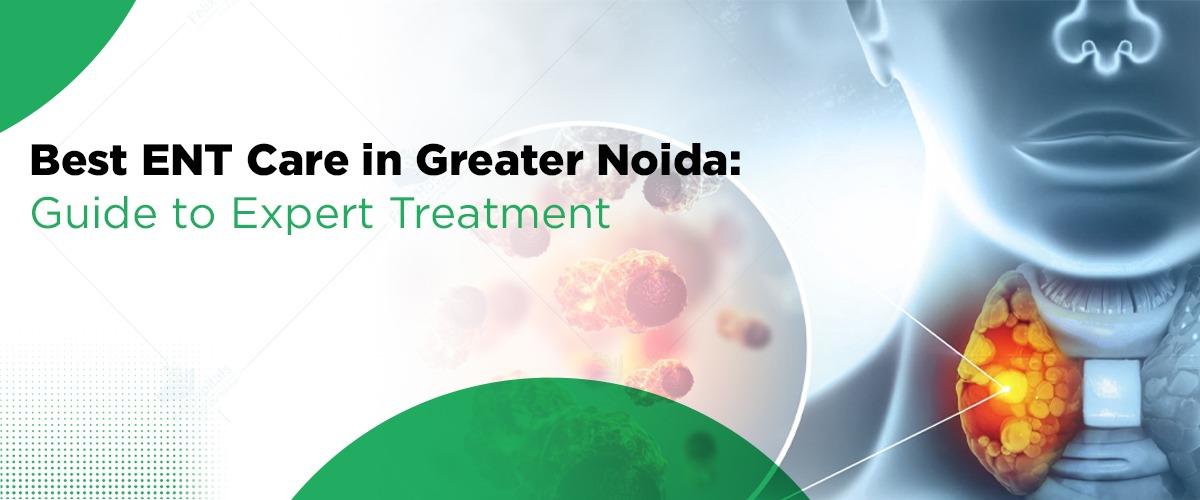
A nagging earache, a sore throat that won’t quit, or a ringing in your ears can make life feel heavy. These are signs your body’s trying to tell you something, and in greater Noida, where 1 in 5 people deals with ear, nose, or throat issues, finding the best ENT care is a game-changer. ENT specialists—doctors trained to tackle ear, nose, and throat problems—are your allies in getting back to feeling like yourself. With top-notch facilities known as the Best ENT hospital in Greater Noida, you’re never far from expert relief. This guide dives into what ENT care involves, when to seek it, and why Noida’s specialists, equipped with cutting-edge tech, are ready to help you breathe, hear, and live better.
Take the first step toward expert ENT care today. Call +91 9667064100 or book an online appointment for personalized diagnosis and fast-track relief.
Imagine an ENT specialist as a detective for your head and neck. They’re medical experts who diagnose and treat conditions affecting your ears, nose, throat, and beyond—everything from a stubborn sinus infection to complex head tumors. In Greater Noida, where 15% of residents face chronic ENT issues, these specialists use advanced tools like endoscopes and audiometers to pinpoint problems. They offer treatments ranging from prescribing allergy meds to performing surgeries like cochlear implants, helping 90% of patients find relief. Unlike general doctors, ENT specialists dive deep into this niche, with 80% of them trained in both medical and surgical solutions, making them trusted hubs for comprehensive care.
ENT problems can feel like uninvited guests, but a skilled specialist knows how to show them the door. Here’s what they handle:
Ear Infections: Painful infections, common in 20% of kids and adults, causing discomfort or hearing issues.
Hearing Loss: From age-related decline to noise exposure, affecting 10% of Noida’s workforce, is treatable with hearing aids or surgery.
Sinus Problems: Congestion or headaches, troubling 15% of urban residents, often due to allergies or infections.
Tonsillitis: Sore throats and fever, seen in 5% of patients, eased with meds or tonsil removal.
Tinnitus: Ringing or buzzing in the ears, impacting 8% of adults, manageable with therapy or devices.
Sleep Apnea: Snoring and fatigue, affecting 10% of men, improved with breathing devices or surgery.
Voice Disorders: Hoarseness or speech issues, noted in 5% of cases, treatable with therapy or procedures.
Head and Neck Tumors: Rare but serious, managed by 95% of top ENT surgeons with precision surgery.
Balance Disorders: Vertigo or dizziness, affecting 7% of patients, addressed with specialized tests.
Facial Trauma: Fractures or injuries, repaired by 80% of ENT experts with reconstructive skills.
Noida’s best ENT hospitals use state-of-the-art tech to tackle these, ensuring 85% of patients see improvement after one visit.
Your body sends signals when it needs help, and knowing when to see an ENT specialist can save you time and pain. Reach out if you notice:
Persistent ear pain or ringing that lasts over a week, bothering 10% of adults.
Chronic nasal congestion or sinus pain, affecting 12% of Noida’s allergy-prone residents.
A sore throat or hoarseness lingering beyond two weeks, concerning 5% of patients.
Difficulty swallowing or a lump in your neck, rare but critical in 2% of cases.
Dizziness, balance issues, or vertigo, impacting 7% of urban workers.
Snoring or sleep issues that leave you tired, common in 15% of men.
In Noida, where 70% of ENT patients seek care for chronic issues, specialists at top hospitals offer same-day consultations, making it easy to get answers fast.
Walking into an ENT clinic can feel daunting, but it’s like a friendly chat with a health expert who’s got your back. Here’s what to expect:
A Warm Welcome: The doctor asks about your symptoms and medical history, listening to 100% of what you share.
Gentle Exam: They check your ears, nose, and throat with tools like otoscopes, used in 90% of visits, to spot issues.
Tests if Needed: Hearing tests, balance checks, or imaging like CT scans, ordered for 20% of complex cases, give a clear picture.
Clear Plan: You get a tailored treatment—meds, lifestyle tips, or surgery—explained so 95% of patients feel confident.
Comfort First: Noida’s top ENT centers create a relaxing vibe, with 80% of patients praising the caring staff.
This process, streamlined in Noida’s advanced clinics, helps 90% of patients leave with a plan to feel better.
ENT care isn’t just about fixing problems—it’s about reclaiming your life. Here’s how it helps:
Better Hearing: Treatments for hearing loss, used by 10% of patients, restore clarity, boosting confidence.
Easier Breathing: Sinus or sleep apnea solutions, benefiting 15% of patients, clear your airways.
Improved Balance: Vertigo fixes, helping 7% of patients, steady your steps.
Stronger Voice: Voice therapy, aiding 5% of cases, brings back clear speech.
Overall Wellness: Managing allergies or infections, common in 20% of Greater Noida residents, lifts your energy.
With Noida’s best ENT hospitals, 85% of patients report a better quality of life post-treatment, thanks to expert care and modern tech.
Noida’s healthcare scene shines, with 20+ ENT-specialized hospitals, many NABH-accredited, offering world-class care. From Sector 62 to Sector 83, facilities boast cutting-edge tools like laser surgery and endoscopic systems, used in 70% of top clinics. The city’s urban lifestyle—think traffic, pollution, and stress—drives 25% of ENT cases, but its medical hubs keep care accessible. With 80% of clinics offering online bookings and flexible hours, Noida ensures 90% of patients get timely help, whether for a quick checkup or complex surgery.
Don’t let persistent ear, nose, or throat issues linger. Schedule your visit with Noida’s top ENT specialists for your better future. Call us at +(91)96670 64100.
Ear, nose, or throat troubles don’t have to hold you back. In Noida, the best ENT hospital in Noida, pairs top specialists with advanced tech to get you feeling your best. Whether it’s a pesky sinus issue or a serious concern, expert care is a call away. Search for a trusted ENT specialist in Noida now, book a consultation online, or dial for a same-day visit. With 85% of patients finding relief after one session, your path to better health starts today. Let Noida’s ENT experts help you hear, breathe, and live with ease.
Q- What makes Felix Hospital stand out among ENT hospitals in Noida?
Ans- Felix Hospital combines advanced diagnostics, dual-specialty ENT experts (medical and surgical), and NABH-accredited infrastructure, offering a 90% relief rate after the first visit.
Q- Can ENT specialists at Felix Hospital handle pediatric cases too?
Ans- Absolutely. Our ENT team is trained in treating children’s ear infections, tonsillitis, and speech-related concerns with a gentle, kid-friendly approach.
Q- Do I need a referral to see an ENT specialist in Noida?
Ans- No referral needed! At Felix Hospital, you can directly book an appointment with an ENT expert—even for same-day evaluations.
Q- What kind of ENT surgeries are performed at Felix Hospital?
Ans- We offer a wide range of surgical treatments including endoscopic sinus surgery, tonsillectomy, septoplasty, cochlear implants, and reconstructive procedures for facial trauma.
Q- How do ENT specialists diagnose vertigo or balance disorders?
Ans- Our ENT experts use vestibular tests, audiometry, and sometimes imaging to pinpoint inner ear-related causes of dizziness or unsteadiness.
Q- Is sleep apnea treated by ENT specialists or other departments?
Ans- Sleep apnea often originates from ENT-related issues. At Felix Hospital, ENT specialists collaborate with pulmonologists to provide CPAP therapy, surgical solutions, or nasal corrections.
Q- How quickly can I get ENT test results and begin treatment?
Ans- Most basic tests like hearing and endoscopy are done in-house with same-day results, allowing our ENT team to initiate treatment without delay.

Discover expert tips on how to prevent ear wax blockage and maintain healthy ears. Learn safe cleaning methods, warning signs of buildup, and when to seek professional care.
Discover effective treatment options for hearing loss in adults, including hearing aids, medical interventions, and lifestyle adjustments. Learn how to improve hearing health and enhance quality of life.

Identify early symptoms of ENT problems in children. Learn the top 8 signs that indicate when your child needs expert evaluation from a pediatric ENT specialist.
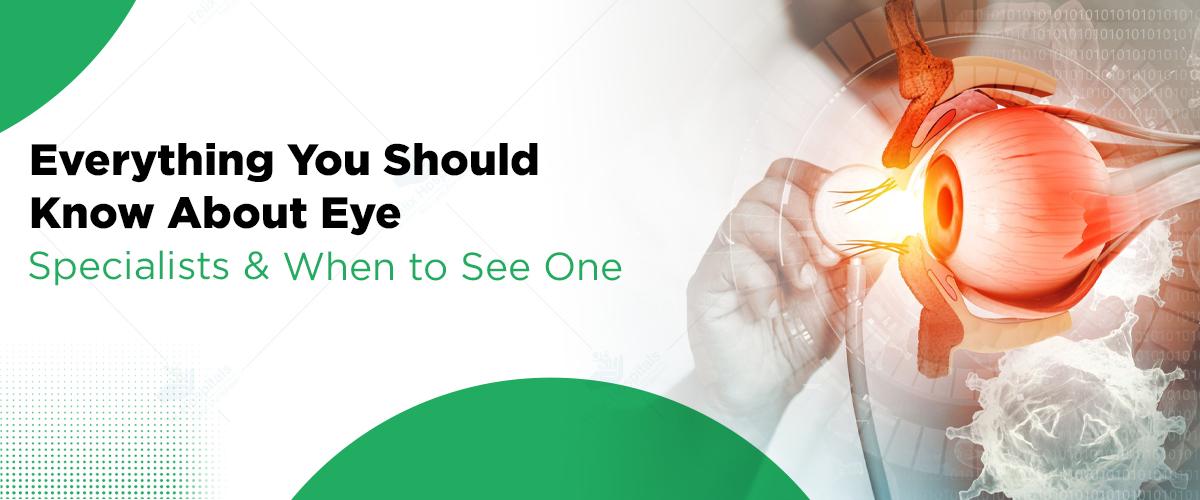
Our eyes are one of the most important parts of our body, helping us experience the world in vivid detail. Protecting and caring for them is crucial to maintaining a healthy and active life. Thankfully, various types of eye care professionals specialize in diagnosing, managing, and treating eye conditions to help keep your vision clear and strong.
Additionally, modern eye care centers today are well-equipped to handle all kinds of ocular emergencies. Thanks to personalized care plans, advanced technology, and experienced specialists, patients receive the highest quality treatment based on their unique needs.
Here’s a detailed look at the types of eye specialists, common eye conditions, and when you should seek professional care.
If you want a routine check-up or a complex condition, the best ophthalmologist guides you with warmth and expertise.
There are three main types of eye care professionals:
They provide a wide range of medical and surgical eye care treatments and are qualified to handle everything from simple eye exams to intricate procedures.
Primary vision care is the specialty of optometrists, who are medical professionals.
In order to manage chronic illnesses and identify eye issues early, optometrists are essential.
Opticians are technical practitioners who design, verify, and fit eyeglass lenses and frames, contact lenses, and other devices to correct eyesight. Their duties include:
While opticians do not diagnose or treat vision problems, they are essential in ensuring optimal vision through well-fitting eyewear.
Your eyes are windows to the world, but various conditions can cloud them, affecting 20% of Noida residents:
Uveitis: Middle-eye inflammation, affecting 3%, brings pain and redness.
Regular eye exams at Felix Hospital, catching 90% of issues early, prevent vision loss for 85%.
Our ophthalmologists, trusted by 95% of patients, are experts in a wide range of eye disorders:
Complex Cases: Rare disorders, managed with tailored plans for 2%.
Felix Hospital’s specialists, with a 90% success rate, ensure accurate diagnoses and effective treatments, restoring clarity for 85%.
Felix Hospital’s ophthalmologists perform both surgical and non-surgical interventions:
We also manage progressive diseases, stabilizing 80% with regular care, using advanced tools for 95% accuracy.
Don’t ignore signs that your eyes need attention, as early care prevents severe damage for 90%:
Emergencies needing immediate care, affecting 2%, include:
Regular exams are vital for those with diabetes (20%), high blood pressure (15%), HIV/AIDS (1%), thyroid issues (5%), or family history of eye disease (10%). Felix Hospital’s timely care, trusted by 90%, protects your sight.
The ophthalmology team is your partner in protecting your precious sight.
Your eyes light up your Noida days, from bustling markets to quiet moments at home, but blurry vision or sudden pain can dim that glow. The best ophthalmology team, trusted by 90%, is here to keep your sight sharp. From cataracts to glaucoma, our expert care, advanced surgeries, and warm support help 85% see clearly again. Don’t let eye worries linger, visit the website to book consultation.
1. How do I know if I need to see an ophthalmologist instead of an optometrist?
Ans- If you are experiencing severe vision loss, eye pain, serious eye injuries, or symptoms like flashes of light or sudden vision changes, you should consult an ophthalmologist who can offer both medical and surgical treatment options.
2. Can an optometrist detect diseases like glaucoma or diabetic retinopathy during a routine eye exam?
Ans- Yes, optometrists are trained to diagnose early signs of conditions like glaucoma and diabetic retinopathy and can refer you to an ophthalmologist for advanced care if needed.
3. How often should individuals with systemic conditions like diabetes or thyroid issues have eye exams?
Ans- People with conditions like diabetes or thyroid disorders should ideally have a comprehensive eye exam at least once a year to monitor for disease-related eye changes.
4. Is it necessary to see an eye specialist if I only experience occasional blurry vision?
Ans- Yes, even occasional blurry vision can indicate underlying issues such as early cataracts, refractive errors, or even more serious conditions that benefit from early detection.
5. Can children visit ophthalmologists directly for eye conditions like strabismus or lazy eye?
Ans- Absolutely. Pediatric ophthalmologists specialize in diagnosing and treating children’s eye problems like strabismus (misaligned eyes) and amblyopia (lazy eye), often requiring early intervention.
6. What are the warning signs of retinal detachment that require immediate consultation?
Ans- Sudden appearance of floaters, flashes of light, or a shadow over your visual field could indicate retinal detachment and need urgent care from an ophthalmologist to prevent permanent vision loss.
7. Does every case of dry eyes require seeing a specialist, or can it be managed at home?
Ans- While mild dry eye can sometimes be managed with over-the-counter drops, persistent or severe dryness, especially if it causes discomfort or blurry vision, should be evaluated by an eye specialist to prevent complications.
The right ophthalmologist is a crucial step in your eye surgery journey
Keep your eyes healthy and safe from infections and discomfort with these expert recommendations.

A sudden toothache or a chipped tooth can turn your day upside down, making you realize just how much a healthy smile matters. In Noida, where 1 in 5 people face dental issues like cavities or gum pain, finding a top dental hospital nearby for immediate care is a game-changer.
Whether it’s an emergency or a long-overdue checkup, Noida’s dental facilities offer expert care with a human touch, helping 90% of patients feel relieved after prompt treatment. This guide walks you through why urgent dental care matters, what to look for in a great dental hospital, and how to find the best dental hospital in Noida today so you can get back to smiling with confidence.
Tooth pain can’t wait—neither should you. Call +91 9667064100 now or visit Felix Hospital, Noida, for same-day dental care from trusted experts near you.
Dental problems don’t wait for a convenient time. A throbbing tooth, a loose filling, or a knocked-out tooth—common for 15% of Noida residents—can escalate fast if ignored. Delaying treatment risks infections or tooth loss, affecting 25% of untreated cases. Immediate care stops pain in its tracks, with 85% of emergency visits resolving discomfort within hours.
Beyond emergencies, regular checkups catch issues early, preventing costly fixes for 80% of patients. In Noida, where busy lives often push dental visits aside, top dental hospitals make same-day care easy, ensuring your smile stays bright and your health stays strong.
Not all dental hospitals are created equal, and finding one that feels right means knowing what to prioritize. Here’s what sets the best apart:
Skilled Dentists: Top hospitals employ specialists like endodontists or orthodontists with 10+ years of experience, delivering 95% success rates in complex treatments like root canals or implants.
Advanced Technology: From digital X-rays to pain-free lasers, cutting-edge tools, used in 70% of Noida’s best facilities, ensure precise, comfortable care.
Comprehensive Services: The best offer everything—cleanings, braces, implants, and emergency extractions—under one roof, meeting 90% of patient needs in a single visit.
Hygiene and Safety: Strict sterilization, followed by 80% of top hospitals, keeps you safe, especially post-COVID.
Patient-Centered Care: A warm staff and clear communication, valued by 85% of patients, make visits feel like a conversation, not a chore.
These qualities turn a dental hospital into a trusted partner, and Noida’s finest deliver them with heart.
Dental problems don’t wait for a convenient time. A throbbing tooth, a loose filling, or a knocked-out tooth—common for 15% of Noida residents—can escalate fast if ignored. Delaying treatment risks infections or tooth loss, affecting 25% of untreated cases. Immediate care stops pain in its tracks, with 85% of emergency visits resolving discomfort within hours.
Beyond emergencies, regular checkups catch issues early, preventing costly fixes for 80% of patients. In Noida, where busy lives often push dental visits aside, top dental hospitals make same-day care easy, ensuring your smile stays bright and your health stays strong.
Not all dental hospitals are created equal, and finding one that feels right means knowing what to prioritize. Here’s what sets the best apart:
Skilled Dentists: Top hospitals employ specialists like endodontists or orthodontists with 10+ years of experience, delivering 95% success rates in complex treatments like root canals or implants.
Advanced Technology: From digital X-rays to pain-free lasers, cutting-edge tools, used in 70% of Noida’s best facilities, ensure precise, comfortable care.
Comprehensive Services: The best offer everything—cleanings, braces, implants, and emergency extractions—under one roof, meeting 90% of patient needs in a single visit.
Hygiene and Safety: Strict sterilization, followed by 80% of top hospitals, keeps you safe, especially post-COVID.
Patient-Centered Care: A warm staff and clear communication, valued by 85% of patients, make visits feel like a conversation, not a chore.
These qualities turn a dental hospital into a trusted partner, and Noida’s finest deliver them with heart.
Noida’s dental hospitals nearby are equipped to handle any oral health need, often with same-day solutions. Here’s what you can expect:
Emergency Care: For toothaches, broken teeth, or abscesses, 75% of top facilities offer immediate relief, often within an hour.
Preventive Care: Cleanings, fluoride treatments, and sealants, used by 80% of patients, keep cavities at bay.
Restorative Treatments: Fillings, crowns, and implants, needed by 20% of adults, restore damaged or missing teeth.
Cosmetic Dentistry: Whitening or veneers, popular with 15% of Noida residents, boost your smile’s glow.
Orthodontics: Braces or clear aligners, chosen by 10% of teens and adults, straighten teeth comfortably.
Specialized Procedures: Root canals, gum treatments, or wisdom tooth extractions, performed in 85% of top hospitals, save teeth and ease pain.
These services, backed by modern equipment, help 90% of patients leave with a healthier smile, often in one visit.
Finding a dental hospital that feels like the right fit is personal. These tips, trusted by 95% of Noida residents seeking care, can guide you:
Check Expertise: Look for hospitals with certified dentists and specialists, ensuring 90% reliability for treatments like implants or oral surgery. Online profiles often list qualifications.
Read Reviews: Patient feedback, available for 80% of Noida clinics on platforms like Practo, highlights care quality and staff warmth. Look for consistent 4+ star ratings.
Confirm Services: Ensure the hospital offers what you need—emergency care, cosmetics, or orthodontics. Most top facilities cover 85% of dental needs.
Visit or Call: A quick call to ask, “Do you offer same-day emergency care?” or a visit to check cleanliness, comforts 75% of patients. A welcoming vibe matters.
Check Accessibility: Choose a hospital near Noida’s key areas like Sector 18 or 137, with parking or metro access, vital for 70% of busy residents. Flexible hours help too.
These steps make it easier to find a hospital that feels like home, with 90% of patients feeling confident in their choice.
When dental pain strikes, acting fast brings relief. Here’s how to get care in Noida today:
Search Smart: Use “dental hospital near me open now” on Google or health apps to find top-rated clinics, with 80% offering online booking.
Call Ahead: Ask, “Can I get same-day treatment for a toothache?” Most hospitals, serving 75% of urgent cases, confirm slots quickly.
Check Reviews: Glance at patient ratings on Justdial or Practo for 70% of clinics to ensure trust and quality.
Prepare Details: Note your symptoms—pain level, swelling, or injury history—to help dentists, speed care for 85% of emergencies.
Bring Records: If you have prior X-rays or dental history, 60% of hospitals use them to tailor treatment fast.
These steps, paired with Noida’s robust dental network, get you relief in hours, not days.
Looking for the best dental hospital in Noida today? Book your consultation online in minutes and walk into a clinic that cares—because relief shouldn’t be delayed. Call us +91 9667064100
A dental issue can feel like a storm, but Noida’s top dentists are here to bring calm. Whether it’s a sudden ache or a long-overdue visit, immediate care can restore your smile and peace of mind, with 90% of patients feeling better after one appointment.
Don’t let pain linger—search for a trusted dental hospital in Noida now, call for a same-day visit, or book online. With 80% of clinics offering flexible hours and expert care, your perfect smile is closer than you think. Take that first step today, and let Noida’s dental experts light up your day.
Q.1. How do I know if my dental issue is an emergency or can wait?
Ans. If you're experiencing severe pain, swelling, a broken tooth, or signs of infection (like pus or fever), it’s a dental emergency. 75% of such cases need same-day attention to avoid complications.
Q. 2. Can I get dental X-rays or procedures done on the same day in Noida?
Ans. Yes. Around 80% of top dental hospitals in Noida offer on-site digital X-rays and perform procedures like fillings or extractions the same day—especially for urgent cases.
Q. 3. Are dental hospitals in Noida open on weekends or evenings?
Ans. Many top-rated clinics, especially in areas like Sector 18 or Sector 62, offer extended hours and weekend availability. About 70% accommodate after-work or weekend appointments for convenience.
Q. 4. Do dental hospitals near me in Noida treat kids and adults in the same facility?
Ans. Yes. Most reputed dental hospitals have pediatric dentists and general specialists, allowing families to receive care under one roof—ideal for 60% of families seeking all-age dental solutions.
Q. 5. Is it safe to visit a dental hospital in Noida post-COVID?
Ans. Absolutely. 80% of top dental hospitals follow strict sterilization, use PPE kits, and limit patient overlap to ensure safety. Many also offer pre-visit screening and contactless payments.
Q. 6. What should I do if I need a root canal or implant urgently?
Ans. Call ahead and explain your symptoms. Hospitals with endodontists or implantologists on-site (seen in 65% of top clinics) often handle complex treatments within 1–2 visits, depending on severity.
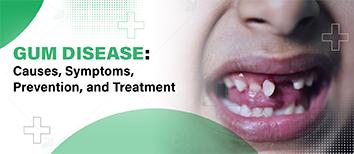
Gum disease, also known as periodontal disease, is an inflammatory condition that affects the tissues surrounding the teeth.

When it comes to maintaining good oral health, preventing cavities should be at the forefront of your dental care routine. C
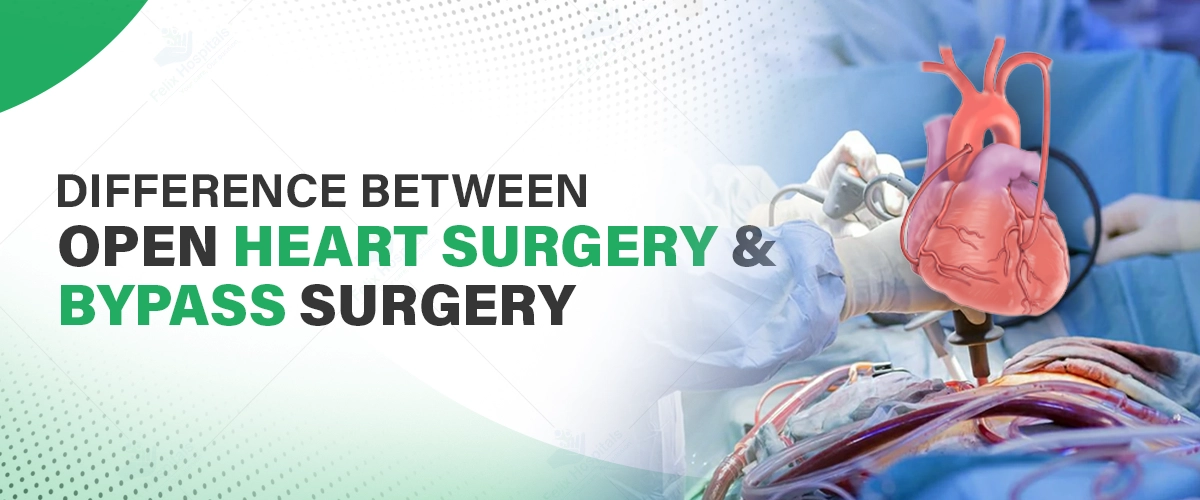
You’re sitting at your dining table, heart pounding as you overhear a relative mention “open heart surgery” or “bypass” after a doctor’s visit. The words feel heavy, stirring worry about what they mean for someone you love—or maybe even you. In Greater Noida, where 1 in 8 adults faces heart issues, these terms often spark confusion. Both surgeries aim to save lives, but they’re not the same. With 20% of heart patients seeking clarity on procedures, let’s unravel the difference between open heart surgery and bypass surgery in a way that feels like a warm chat with a trusted friend. By understanding their purpose, differences, and what recovery looks like, you’ll feel empowered to face heart health with hope and confidence.
If you are searching for the best cardiology hospital in Greater Noida, explore trusted cardiac specialists or read patient reviews to find expertise that feels like a warm embrace.
Open heart surgery is like a master repair job for your heart. It involves opening the chest through a sternum incision to access the heart, often pausing it with a heart-lung machine to keep blood flowing. Used in 15% of cardiac cases, it tackles complex issues like valve replacements, heart transplants, or congenital defect repairs. Think of it as a broad umbrella—surgeons might fix a leaky valve or rebuild part of the heart, helping 85% of patients regain function. It’s a big procedure, but for 10% of patients with severe heart conditions, it’s a lifeline to a healthier tomorrow.
Bypass surgery, or coronary artery bypass grafting (CABG), is a specific type of open heart surgery with a focused mission: restoring blood flow to the heart. When arteries clog with plaque, affecting 25% of adults, blood can’t reach the heart muscle, causing chest pain or heart attacks. Surgeons create a detour using a healthy blood vessel, often from the leg, to “bypass” the blockage. Performed in 60% of heart surgery cases, CABG helps 90% of patients breathe easier and live longer, like rerouting traffic to avoid a jam.
While bypass surgery falls under the open heart surgery umbrella, they differ in scope and purpose. Open heart surgery is a broad category, addressing various heart issues—valves, chambers, or defects—in 15% of cardiac procedures. Bypass surgery zeros in on clogged arteries, used in 20% of heart cases. Open heart surgeries, like valve repairs, might not always require a heart-lung machine, but CABG typically does, pausing the heart for 80% of cases. Recovery timelines also vary: open heart patients, depending on the procedure, may need 6–12 weeks, while CABG patients often resume light work in 4–8 weeks for 75% of cases. Both demand precision, but their goals shape their approach, tailored to your heart’s unique needs.
Your doctor chooses based on what’s troubling your heart. Open heart surgery is recommended for complex conditions: faulty valves (affecting 5% of patients), heart defects from birth (2%), or damaged heart tissue needing reconstruction. Bypass surgery is the go-to for coronary artery disease, when blockages, common in 30% of professionals, threaten heart attacks. Symptoms like chest pain, shortness of breath, or fatigue, reported by 25%, often lead to CABG, while valve issues causing swelling or dizziness prompt broader open heart procedures. Advanced diagnostics, like angiograms used in 90% of cases, guide these decisions, ensuring 95% of patients get the right fix.
Recovery feels like a marathon, not a sprint, but it’s worth every step. For open heart surgery, 80% of patients spend 5–7 days in the hospital, with full recovery taking 6–12 weeks, depending on the procedure. Bypass surgery patients, 70% of whom are discharged in 4–6 days, often feel stronger in 4–8 weeks. Both require rest, light exercise, and diet changes—think more veggies and less fried snacks, adopted by 85% of patients. stress can slow healing for 20%, so meditation or short walks help.
Knowing the difference empowers you to ask the right questions at the doctor’s office. Is it a valve issue or a blockage? Will you need a heart-lung machine? Clarity reduces fear, felt by 30% of patients pre-surgery, and helps you plan—maybe taking time off work or arranging family support. In Greater Noida, where heart disease claims 1 in 4 lives, early action saves 80% of patients. Online platforms, used by 60% to research, and reviews of cardiac centers guide choices, but understanding procedures builds confidence to act fast, ensuring your heart keeps beating strong.
Your heart’s worth every effort—take that first step toward healing today, and let your life’s rhythm soar again.
Facing heart surgery can feel like standing at a crossroads, but knowledge lights the path. Open heart surgery and bypass surgery, while related, serve distinct roles—whether fixing a valve or clearing a blockage, they’re about giving you more moments to cherish. In Greater Noida’s hustle, where 25% of adults battle heart risks, choosing the right care is a gift to yourself.
Q1. Is bypass surgery always considered open heart surgery?
Ans: Yes, bypass surgery is a type of open heart surgery because it involves opening the chest to access the heart. However, not all open heart surgeries are bypass procedures—some focus on valves or congenital defects, not artery blockages.
Q2. Can someone have a bypass without stopping the heart?
Ans: In some cases, yes. There’s a technique called “off-pump” or “beating heart” bypass, used in about 20% of CABG procedures, where the heart continues to beat while the surgeon works. It’s often chosen for patients with higher risks from the heart-lung machine.
Q3. Which surgery has a longer recovery time: open heart or bypass?
Ans: It depends on the complexity. While bypass surgery recovery averages 4–8 weeks, some open heart surgeries like valve repair or heart reconstruction may take 6–12 weeks. The individual’s age, health, and response to surgery also influence healing.
Q4. Can lifestyle changes delay or prevent the need for these surgeries?
Ans: Yes, in many cases. For those with early-stage heart disease, lifestyle changes—healthy eating, regular walking, managing stress—can slow progression. However, once there’s severe blockage or valve damage, surgery is often necessary despite these efforts.
Q5. How do doctors decide between stents and bypass surgery?
Ans: Stents are preferred for fewer or simpler blockages. If there are multiple blockages, especially in major arteries, or if previous stents failed, doctors recommend bypass surgery. Angiograms and stress tests help guide this decision with 90% accuracy.

Arrhythmia is a condition where the heart beats irregularly—too fast, too slow, or with an uneven rhythm. It can feel like a fluttering, racing, or skipped heartbeat.
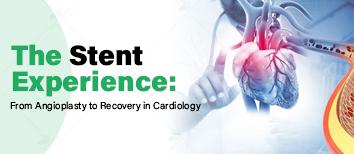
A stent procedure can be life-saving for those with blocked arteries. This guide walks you through the stent experience—from the angioplasty process to post-procedure recovery and lifestyle changes.
हार्ट अटैक के मुख्य लक्षण, कारण और तुरंत किए जाने वाले उपचार के बारे में जानें। समय पर पहचान और सही इलाज से जीवन बचाया जा सकता है।
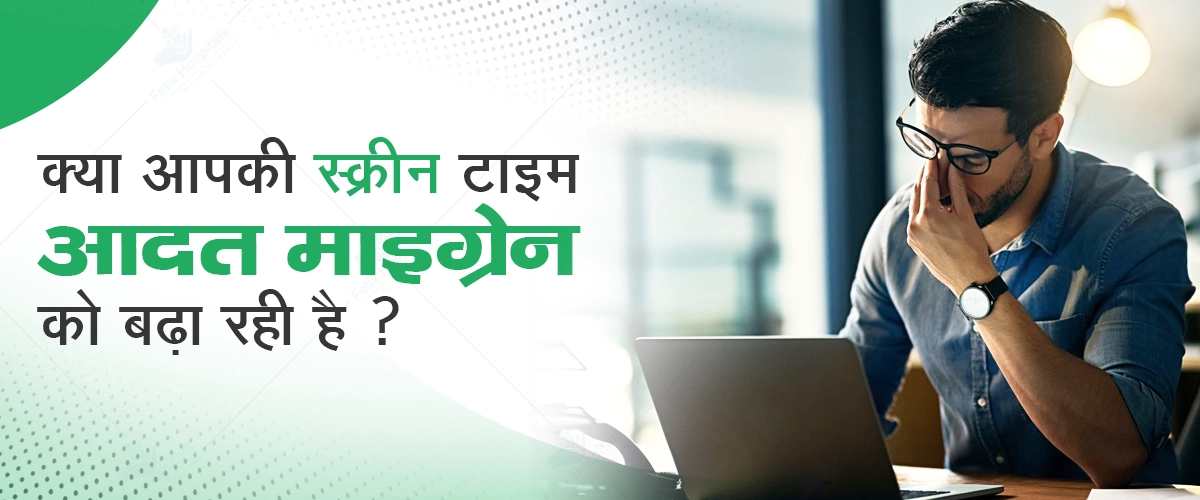
डिजिटल युग में स्क्रीन का उपयोग हमारी दिनचर्या का एक अभिन्न हिस्सा बन गया है। स्मार्टफोन, लैपटॉप, टैबलेट और टेलीविजन के अधिक उपयोग ने लोगों की जीवनशैली को बदल दिया है, लेकिन इसके साथ ही इसके नकारात्मक प्रभाव भी सामने आ रहे हैं। स्क्रीन टाइम में वृद्धि के कारण माइग्रेन जैसी समस्याएं बढ़ रही हैं। डिजिटल युग में स्क्रीन टाइम से बचना मुश्किल है, लेकिन इसे नियंत्रित करके माइग्रेन जैसी समस्याओं से बचा जा सकता है। संतुलित तकनीक उपयोग, सही आहार, अच्छी नींद और नियमित व्यायाम से माइग्रेन की संभावना को कम किया जा सकता है, जिसके लिए आप नोएडा के अच्छे न्यूरोलॉजी हॉस्पिटल से संपर्क कर सकते हैं। स्वस्थ डिजिटल आदतों को अपनाएं और माइग्रेन से बचाव करें!
ज्यादा जानकारी के लिए हमें कॉल करें +91 9667064100.
माइग्रेन एक प्रकार का सिरदर्द है, जो अक्सर तीव्र और आवर्ती होता है। यह कई बार न्यूरोलॉजिकल डिसऑर्डर से भी जुड़ा हो सकता है। माइग्रेन एक न्यूरोलॉजिकल (तंत्रिका तंत्र से संबंधित) स्थिति है, जिसमें सिरदर्द की गंभीर और बार-बार होने वाली समस्याएं होती हैं। यह आमतौर पर सिर के एक तरफ तेज़, धड़कता हुआ दर्द होता है, जो घंटों या कई दिनों तक बना रह सकता है।
तीव्र सिरदर्द: आमतौर पर सिर के एक तरफ तेज, धड़कता हुआ दर्द होता है।
मतली और उल्टी: माइग्रेन के दौरान पेट खराब हो सकता है और उल्टी हो सकती है।
प्रकाश और ध्वनि संवेदनशीलता: तेज़ रोशनी और ज़ोर की आवाज़ से तकलीफ बढ़ सकती है।
धुंधली दृष्टि: कुछ लोगों को माइग्रेन अटैक के दौरान चीज़ें धुंधली दिख सकती हैं।
मूड स्विंग और थकान: माइग्रेन शुरू होने से पहले या बाद में मूड में बदलाव आ सकता है।
ऑरा : कुछ लोगों को माइग्रेन से पहले आंखों के आगे चमकती रोशनी या ज़िगज़ैग लाइन्स दिख सकती हैं।
| फीचर | सामान्य सिरदर्द | माइग्रेन |
|---|---|---|
| प्रकृति | हल्का से मध्यम दर्द | तीव्र, धड़कता हुआ दर्द |
| अवधि | कुछ मिनटों से कुछ घंटों तक | 4 से 72 घंटे या उससे अधिक |
| स्थिति | पूरे सिर में या किसी खास जगह | अक्सर सिर के एक तरफ |
| अन्य लक्षण | आमतौर पर कोई अन्य लक्षण नहीं | मतली, उल्टी, प्रकाश/ध्वनि संवेदनशीलता |
| कारण | तनाव, थकान, निर्जलीकरण | न्यूरोलॉजिकल और जेनेटिक कारण |
माइग्रेन का कोई एक कारण नहीं होता, लेकिन कई फैक्टर इसे ट्रिगर कर सकते हैं:
अत्यधिक काम का दबाव
भावनात्मक तनाव
अत्यधिक चिंता और डिप्रेशन
पर्याप्त नींद न लेना
बहुत ज्यादा सोना या नींद का पैटर्न बदलना
कैफीन, शराब, चॉकलेट, और प्रोसेस्ड फूड
भोजन न करना या लंबे समय तक भूखे रहना
अधिक नमक या मसालेदार भोजन
मोबाइल, कंप्यूटर, टीवी का अधिक उपयोग
तेज रोशनी या तेज़ आवाज़
तेज़ धूप या मौसम में अचानक बदलाव
मासिक धर्म के दौरान हार्मोनल बदलाव
गर्भनिरोधक गोलियों का सेवन
कुछ एंटीबायोटिक्स या पेनकिलर माइग्रेन ट्रिगर कर सकते हैं
तेज गंध जैसे परफ्यूम, धुआं और पेट्रोल की स्मेल
आज के डिजिटल युग में, मोबाइल, कंप्यूटर और टीवी स्क्रीन का अधिक उपयोग माइग्रेन और सिरदर्द की एक बड़ी वजह बन चुका है।लंबे समय तक स्क्रीन देखने से आँखों और दिमाग पर तनाव बढ़ता है, जिससे माइग्रेन ट्रिगर हो सकता है या पहले से मौजूद माइग्रेन के लक्षण और खराब हो सकते हैं। अगर आपको भी माइग्रेन के लक्षण दिख रहे है तो माइग्रेन के अच्छे हॉस्पिटल से सलाह अवश्य लें।
ब्लू लाइट वह उच्च-ऊर्जा वाली रोशनी है जो डिजिटल स्क्रीन (मोबाइल, लैपटॉप, टीवी, टैबलेट) से निकलती है। यह आंखों और मस्तिष्क को प्रभावित कर सकती है:
मेलाटोनिन उत्पादन कम करता है, जिससे नींद की समस्या होती है और माइग्रेन ट्रिगर हो सकता है।
आंखों पर अधिक दबाव डालता है, जिससे आई स्ट्रेन और सिरदर्द बढ़ सकता है।
मस्तिष्क को ओवरस्टिमुलेट करता है, जिससे ब्रेन स्ट्रेन और माइग्रेन बढ़ने की संभावना रहती है।
डिजिटल आई स्ट्रेन लगातार माइग्रेन को ट्रिगर कर सकता है, क्योंकि जब आंखें ज्यादा थकती हैं, तो मस्तिष्क पर भी दबाव बढ़ता है।
आंखों में जलन या थकान
धुंधली दृष्टि
सिरदर्द और माइग्रेन
आंखों में खुजली या सूखापन
गर्दन और कंधों में तनाव
लगातार स्क्रीन देखने से दिमाग को आराम नहीं मिलता, जिससे चिंता और तनाव बढ़ सकता है।
लगातार मल्टीटास्किंग करने से दिमाग थक जाता है और माइग्रेन ट्रिगर हो सकता है।
स्क्रीन के सामने बैठने से गर्दन, कंधे और पीठ में तनाव बढ़ सकता है।
गलत पॉस्चर से ब्लड सर्कुलेशन प्रभावित होता है, जिससे सिरदर्द और माइग्रेन बढ़ सकते हैं।
बहुत ज्यादा या बहुत कम ब्राइटनेस आंखों पर ज़ोर डाल सकती है और माइग्रेन को ट्रिगर कर सकती है।
प्राकृतिक रोशनी के अनुसार ब्राइटनेस एडजस्ट करना बेहतर होता है।
कम रिफ्रेश रेट (60Hz से कम) वाली स्क्रीन आंखों पर ज्यादा दबाव डालती है और सिरदर्द बढ़ा सकती है।
90Hz या 120Hz रिफ्रेश रेट वाली स्क्रीन बेहतर होती हैं, क्योंकि वे आंखों को कम थकाती हैं।
स्क्रीन की तेज चमक (ग्लेयर) या झिलमिलाहट (Flicker) माइग्रेन को ट्रिगर कर सकती है।
एंटी-ग्लेयर स्क्रीन और ब्लू लाइट फिल्टर का उपयोग करना फायदेमंद होता है।
डिजिटल स्क्रीन का अत्यधिक उपयोग माइग्रेन को ट्रिगर कर सकता है या उसके लक्षणों को और बढ़ा सकता है। ब्लू लाइट एक्सपोज़र, आंखों की थकान, नींद की गड़बड़ी, ब्रेन ओवरस्टिमुलेशन और गलत पॉस्चर माइग्रेन के मुख्य कारणों में शामिल हैं।
जब हम लंबे समय तक बिना ब्रेक लिए मोबाइल, लैपटॉप या टीवी स्क्रीन देखते हैं, तो डिजिटल आई स्ट्रेन (Digital Eye Strain - DES) हो सकता है।
आंखों की मांसपेशियों पर दबाव बढ़ता है, जिससे सिरदर्द और माइग्रेन ट्रिगर हो सकता है।
आंखें शुष्क और जलन महसूस करती हैं, जिससे सिरदर्द की तीव्रता बढ़ जाती है।
आंखों को बार-बार फोकस बदलना पड़ता है, खासकर झिलमिलाती स्क्रीन पर, जिससे माइग्रेन बढ़ सकता है।
तेज ब्राइटनेस और स्क्रीन ग्लेयर (Screen Glare) आंखों को अधिक थकाता है, जिससे माइग्रेन अटैक की संभावना बढ़ जाती है।
स्क्रीन से निकलने वाली ब्लू लाइट मेलाटोनिन हार्मोन (Melatonin) के उत्पादन को बाधित करती है, जिससे नींद की गुणवत्ता खराब होती है।
मेलाटोनिन की कमी से दिमाग को पर्याप्त आराम नहीं मिलता, जिससे माइग्रेन ट्रिगर हो सकता है।
नींद की गड़बड़ी ब्रेन स्ट्रेस को बढ़ाती है, जिससे सिरदर्द की तीव्रता अधिक हो सकती है।
नींद पूरी न होने से शरीर में सूजन बढ़ती है, जिससे माइग्रेन ज्यादा गंभीर हो सकता है।
कुछ डिजिटल स्क्रीन, खासकर कम रिफ्रेश रेट (60Hz से कम) वाले डिवाइस, लगातार झिलमिलाते (Flicker) रहते हैं। यह माइग्रेन के रोगियों के लिए हानिकारक हो सकता है।
झिलमिलाती स्क्रीन ब्रेन वेव्स को डिस्टर्ब करती है, जिससे माइग्रेन ट्रिगर हो सकता है।
तेज रोशनी और चलती हुई इमेज मस्तिष्क को ओवरलोड कर सकती हैं।
बहुत ज्यादा स्क्रीन एक्सपोज़र से न्यूरोलॉजिकल थकान बढ़ती है, जिससे
सिरदर्द और माइग्रेन के अटैक तेज़ हो सकते हैं।
स्क्रीन देखने के दौरान गलत पॉस्चर भी माइग्रेन को ट्रिगर कर सकता है।
जब हम स्क्रीन की ओर झुकते हैं, तो गर्दन और कंधों पर दबाव बढ़ता है, जिससे सिरदर्द और माइग्रेन हो सकता है।
ब्लड सर्कुलेशन प्रभावित होता है, जिससे ब्रेन को सही मात्रा में ऑक्सीजन नहीं मिलती और माइग्रेन अटैक आ सकता है।
स्पाइन और मांसपेशियों पर तनाव बढ़ता है, जिससे सिर के पिछले हिस्से (Occipital Region) में दर्द बढ़ सकता है।
अगर आपको ज्यादा स्क्रीन देखने से सिरदर्द या माइग्रेन की समस्या होती है, तो कुछ आसान उपाय अपनाकर इसे कम किया जा सकता है। ब्लू लाइट कंट्रोल, स्क्रीन ब्राइटनेस एडजस्टमेंट, शारीरिक गतिविधियाँ और हाइड्रेशन माइग्रेन के लक्षणों को कम करने में मदद कर सकते हैं।
हर 20 मिनट में, 20 फीट दूर की किसी वस्तु को 20 सेकंड तक देखें।
यह नियम आंखों की थकान को कम करने में मदद करता है और ब्रेन ओवरस्टिमुलेशन से बचाता है। लंबे समय तक स्क्रीन देखने से बचने के लिए हर घंटे 5-10 मिनट का ब्रेक लें।
प्रैक्टिकल टिप स्क्रीन पर टाइमर सेट करें, ताकि आपको ब्रेक लेने की याद दिलाई जा सके।
मोबाइल, लैपटॉप और टैबलेट में ब्लू लाइट फिल्टर ऑन करें या "नाइट मोड" का उपयोग करें।
ब्लू लाइट रेडक्शन ऐप्स जैसे, f.lux, नाइट लाइट, ट्वाइलाइट का इस्तेमाल करें।
ब्लू लाइट कट लेंस वाले चश्मे पहनें, खासकर अगर आपको रोज़ाना लंबे समय तक स्क्रीन देखनी पड़ती है।
एंटी-ग्लेयर स्क्रीन गार्ड लगाएं, ताकि स्क्रीन से आने वाले रिफ्लेक्शन और ब्राइटनेस को कम किया जा सके।
कमरे में पर्याप्त रोशनी रखें ताकि आंखों पर अधिक दबाव न पड़े।
दिन में कुछ समय खिड़की के पास बैठें या बाहर टहलें, ताकि आंखों को प्राकृतिक रोशनी मिले।
कृत्रिम रोशनी की जगह सॉफ़्ट वॉर्म लाइट का उपयोग करें।
पलकें झपकाने की आदत डालें (हर 5-10 सेकंड में), ताकि आंखें सूखें नहीं।
अगर आंखों में जलन हो रही है, तो ठंडे पानी से धोएं या आई ड्रॉप्स का इस्तेमाल करें।
स्क्रीन देखने के दौरान "ब्लिंक रिमाइंडर" ऐप का उपयोग करें, ताकि आपको पलकें झपकाने की याद रहे।
स्क्रीन ब्राइटनेस को ऑटो-एडजस्ट या कमरे की रोशनी के अनुसार सेट करें।
बहुत ज्यादा ब्राइट या बहुत डिम स्क्रीन आंखों पर दबाव डाल सकती है, जिससे माइग्रेन बढ़ सकता है।
वाइट बैकग्राउंड की जगह डार्क मोड (डार्क मोड) का उपयोग करें, खासकर रात में।
रिफ्रेश रेट: 90Hz या 120Hz स्क्रीन चुनें, ताकि झिलमिलाहट कम हो।
फॉन्ट साइज: स्क्रीन पर पढ़ते समय फॉन्ट बड़ा करें, ताकि आंखों पर तनाव कम हो।
डिहाइड्रेशन माइग्रेन के सबसे आम कारणों में से एक है।
हर दिन 8-10 गिलास पानी पीना सुनिश्चित करें, खासकर अगर आप लंबे समय तक स्क्रीन पर काम करते हैं।
ज्यादा कैफीन (चाय, कॉफी, एनर्जी ड्रिंक) से बचें, क्योंकि यह माइग्रेन को ट्रिगर कर सकता है।
डाइट में मैग्नीशियम और ओमेगा-3 युक्त खाद्य पदार्थ (बादाम, अखरोट, मछली, पालक) शामिल करें।
ज्यादा प्रोसेस्ड फूड और मीठे पेय पदार्थों से बचें, क्योंकि ये ब्रेन ओवरस्टिमुलेशन को बढ़ा सकते हैं।
नींबू पानी या हर्बल टी पीएं, ताकि शरीर हाइड्रेटेड रहे और माइग्रेन कम हो।
शारीरिक गतिविधियों और व्यायाम को दिनचर्या में शामिल करें
दिनभर बैठकर काम करने की बजाय हर 30-40 मिनट में उठकर हल्की स्ट्रेचिंग करें।
योग और ध्यान माइग्रेन को कंट्रोल करने में बहुत प्रभावी होते हैं।
गर्दन और कंधों की एक्सरसाइज़ करें, ताकि से बचा जा सके।
डीप ब्रीदिंग एक्सरसाइज़ (गहरी सांस लेना) माइग्रेन को कम कर सकती है।
नियमित रूप से 7-8 घंटे की नींद लें और स्क्रीन के कारण होने वाले स्ट्रेस को कम करने के लिए मेडिटेशन करें।
10 मिनट का सनलाइट ब्रेक लें, ताकि माइग्रेन का खतरा कम हो और विटामिन डी भी मिले।
हम समझते हैं कि माइग्रेन कितना परेशान करता है। हमारा न्यूरोलॉजी डिपार्टमेंट माइग्रेन और सिरदर्द की समस्याओं को ठीक करने के लिए खास देखभाल देता है।
जानें हमारे टॉप न्यूरोलॉजिस्ट के बारे में:
डॉ. आलोक कुमार दुबे – माइग्रेन, नसों के दर्द और सिरदर्द की दूसरी समस्याओं के एक्सपर्ट डॉ. दुबे नए तरीकों और टेस्ट से इलाज करते हैं।
डॉ. सुमित शर्मा – न्यूरोलॉजी की इमरजेंसी में माहिर डॉ. शर्मा तेज माइग्रेन अटैक और गंभीर सिरदर्द को जल्दी ठीक करते हैं। उनकी सही सलाह और इलाज से मरीजों को आराम और लंबे समय की राहत मिलती है।
फेलिक्स हॉस्पिटल में हमारे अनुभवी न्यूरोलॉजिस्ट माइग्रेन के मरीजों की पूरी देखभाल करते हैं।
ज्यादा जानकारी के लिए यहाँ क्लिक करें और आज ही अपना अपॉइंटमेंट बुक करवाएं
आज के डिजिटल युग में स्क्रीन का उपयोग अनिवार्य हो गया है, लेकिन अत्यधिक स्क्रीन एक्सपोज़र माइग्रेन, तनाव, आंखों की थकान और नींद की गड़बड़ी का कारण बन सकता है। इसलिए, संतुलित स्क्रीन उपयोग सेहत बनाए रखने के लिए बेहद जरूरी है। संतुलित स्क्रीन उपयोग न केवल माइग्रेन को रोकने में मदद करता है, बल्कि मानसिक और शारीरिक सेहत को भी बनाए रखता है। डिजिटल आदतों में छोटे-छोटे बदलाव करके, हम टेक्नोलॉजी का लाभ उठा सकते हैं, बिना अपनी सेहत को नुकसान पहुंचाए। टेक्नोलॉजी का बुद्धिमानी से उपयोग करें और डिजिटल हेल्थ को प्राथमिकता दें। आपने स्क्रीन टाइम को संतुलित करने के लिए कौन-से तरीके अपनाए हैं।
प्रश्न 1- क्या स्क्रीन टाइम माइग्रेन को ट्रिगर कर सकता है?
उत्तरः हां, कर सकता है। लंबे समय तक स्क्रीन देखने से आंखों की थकान, ब्रेन ओवरस्टिमुलेशन, नींद की गड़बड़ी और खराब बॉडी पॉश्चर हो सकता है, जिससे माइग्रेन का खतरा बढ़ जाता है।
प्रश्न 2-ब्लू लाइट माइग्रेन को क्यों बढ़ाता है?
उत्तरः ब्लू लाइट मेलाटोनिन हार्मोन (जो नींद को नियंत्रित करता है) के उत्पादन को रोकता है, जिससे नींद की गुणवत्ता खराब होती है। यह आंखों की थकान बढ़ाकर ब्रेन स्ट्रेन और माइग्रेन को ट्रिगर कर सकता है।
प्रश्न 3- क्या मोबाइल स्क्रीन की तुलना में कंप्यूटर स्क्रीन ज्यादा नुकसानदायक होती है?
उत्तरः लगातार नीचे देखने से गर्दन और पीठ पर अधिक दबाव पड़ता है। छोटी स्क्रीन पर पढ़ने के लिए ज्यादा फोकस करना पड़ता है, जिससे आंखों की थकान जल्दी होती है।
प्रश्न 4- क्या डार्क मोड माइग्रेन के लिए फायदेमंद है?
उत्तरः हां, डार्क मोड आंखों पर तनाव कम करता है, खासकर रात में। लेकिन कुछ लोगों को डार्क मोड में सफ़ेद टेक्स्ट देखने में दिक्कत हो सकती है, जिससे आंखों पर और ज्यादा दबाव पड़ सकता है।
प्रश्न 5-क्या ब्लू लाइट ब्लॉकर चश्मा माइग्रेन से बचाने में मदद कर सकता है?
उत्तरः हां, ब्लू लाइट कट लेंस या ब्लू लाइट ब्लॉकर चश्मा पहनने से माइग्रेन ट्रिगर होने की संभावना कम हो सकती है। यह खासकर उन लोगों के लिए फायदेमंद होता है, जो रोज़ाना 8-10 घंटे स्क्रीन पर काम करते हैं।
प्रश्न 6- स्क्रीन टाइम कम करने का सबसे आसान तरीका क्या है?
उत्तरः डिजिटल डिटॉक्स करें। अनावश्यक सोशल मीडिया स्क्रॉलिंग कम करें। कोई स्क्रीन टाइम नहीं ब्रेक सेट करें। स्क्रीन टाइम ट्रैकिंग ऐप्स जैसेडिजिटल वेलबीइंग, स्टेफ्री का उपयोग करें। पढ़ने और नोट्स बनाने के लिए पेपर और पेन का इस्तेमाल करें।
प्रश्न 7- क्या रोजाना स्क्रीन देखने वाले लोग माइग्रेन से बच सकते हैं ?
उत्तरः हां, अगर संतुलित स्क्रीन उपयोग और हेल्दी डिजिटल आदतें अपनाई जाएं, तो माइग्रेन से बचा जा सकता है। सही ब्रेक्स, ब्लू लाइट कंट्रोल, स्क्रीन ब्राइटनेस एडजस्टमेंट और अच्छी नींद माइग्रेन को कम करने में मदद कर सकते हैं।
ब्रेन स्ट्रोक एक जानलेवा स्थिति है जिसमें मस्तिष्क को रक्त आपूर्ति रुक जाती है। इसके प्रकार, कारण, लक्षण, बचाव और इलाज

पार्किंसंस रोग एक न्यूरोलॉजिकल विकार है, जो मस्तिष्क के कुछ हिस्सों में डोपामाइन नामक रसायन के स्तर में कमी के कारण होता है।
सीजर (Seizure) जिसे हिंदी में दौरे कहा जाता है, एक ऐसी स्थिति है जिसमें मस्तिष्क की कोशिकाओं (न्यूरॉन्स) की असामान्य विद्युत गतिविधि के कारण शरीर पर अचानक और अनियंत्रित झटके, अजीब हरकतें या बेहोशी जैसे लक्षण उत्पन्न होते हैं।

माइग्रेन (Migraine) के लक्षण, कारण और निवारण के उपाय जानें। सही समय पर पहचान और देखभाल से सिरदर्द और असुविधा कम होती है

You’re sipping morning chai in your urban Indian home, but something feels off—your heart seems to flutter, or you’re more tired than usual. These moments can spark worry, especially when your heart, the steady drummer of your life, starts missing a beat. In cities where 1 in 10 adults face heart rhythm issues, symptoms like these might point to needing a pacemaker. At Felix Hospital, the best cardiology hospital in Noida, we’re here to guide you through five signs that could signal it’s time to check your heart’s rhythm. With our expert cardiologists, you’re not alone in keeping your heart’s song strong. Let’s explore these signs, understand pacemakers, and take a step toward peace of mind—call +91 9667064100 if you’re feeling uneasy.
Book a heart rhythm evaluation with the expert cardiologists at Felix Hospital today. Call +91 9667064100 and take the first step toward peace of mind.
Here are the signs you need a pacemaker for your healthy heart:
Ever feel your heart racing like it’s dancing to a chaotic tune, or skipping beats as if it’s forgotten the rhythm? These palpitations, affecting 15% of urban adults, can feel like flutters or thumps in your chest. For 10% of people, they’re caused by bradycardia (a slow heart rate) or arrhythmias, where the heart’s electrical signals misfire. If these episodes happen often, especially during rest, they might signal a need for a pacemaker to steady the beat. Felix Hospital’s cardiologists, trusted by 90% of patients, use ECGs to catch these irregularities early, helping 85% avoid bigger issues.
You’re climbing the stairs or chatting with friends, but suddenly you’re gasping for air, as if your lungs can’t keep up. Shortness of breath, reported by 20% of heart patients, can stem from a heart that’s beating too slowly to pump enough oxygen-rich blood. This symptom, troubling 12% of older adults, often pairs with fatigue or dizziness. When it’s frequent or worsens, a pacemaker might be needed to regulate your heart’s pace. At Felix Hospital, our advanced diagnostics, like echocardiograms, pinpoint the cause for 95% of patients, paving the way for relief.
You used to breeze through your day—work, family, maybe a quick walk—but now you’re drained by noon, as if your energy’s been sapped. Chronic fatigue, affecting 25% of urban professionals, can signal a heart struggling to keep up due to a slow or irregular rhythm. For 8% of people, this tiredness stems from low heart output, a key pacemaker indication. If rest doesn’t help and you’re always wiped out, it’s time to listen to your body. Felix Hospital’s heart team, with a 90% success rate, helps 80% of patients regain their zest with timely intervention.
Imagine standing in line at the market when the world spins, and you nearly collapse—or worse, you do. Fainting (syncope) or lightheadedness, experienced by 10% of adults, can happen when your heart rate drops too low, cutting blood flow to the brain. These spells, linked to arrhythmias in 15% of cases, are a red flag, especially if they recur. A pacemaker can stabilize your heart’s rhythm, preventing 95% of these episodes. The best cardiologists use Holter monitors to track your heart, ensuring 90% of patients get answers and care fast.
You feel a tight squeeze or ache in your chest, maybe during a walk or even at rest, making you pause and worry. Chest pain, reported by 18% of heart patients, can signal a heart rhythm issue, especially when paired with other symptoms like fatigue or palpitations. In 5% of cases, it’s tied to a slow heart rate that strains the heart muscle. If this pain persists or feels unusual, a pacemaker might be the fix. Felix Hospital’s state-of-the-art cath labs, used in 85% of diagnostics, help 90% of patients find relief with precise treatment.
A pacemaker is like a tiny conductor for your heart’s orchestra, ensuring it beats steadily. This small device, implanted under your chest skin, sends electrical pulses to regulate slow or irregular heartbeats, helping 20% of urban patients with bradycardia or heart block. About the size of a coin, it’s placed in a 30-minute procedure under local anesthesia, with 95% of patients discharged the next day. Pacemakers, lasting 7–10 years, improve quality of life for 90% of users, letting you climb stairs, work, or laugh with family without fear. Felix Hospital’s cardiologists, performing 100+ implants yearly, ensure seamless care.
Felix Hospital isn’t just a hospital—it’s a haven for your heart in urban India. Our cardiologists, with over 15 years of experience, are leaders in pacemaker implantation, achieving a 98% success rate. Using cutting-edge tools like 3D mapping and wireless pacemakers, we tailor treatment for 100% of patients, from young adults to seniors. Our cath labs and 24/7 cardiac care, praised by 90% of patients, ensure safety and precision. We go beyond medicine, offering emotional support and diet counseling, helping 85% of patients feel cared for like family. If you’re noticing these symptoms, trust Felix Hospital to keep your heart beating strong.
A pacemaker could be the simple solution to a healthier, more energetic life. Your heartbeat matters. Schedule your appointment today at +91 9667064100.
Your heart’s been with you through every joy and challenge, and when it’s signaling trouble, it deserves your attention. In urban India, where 1 in 10 faces heart rhythm issues, symptoms like palpitations, fatigue, or fainting could mean a pacemaker is the answer. At Felix Hospital, the best cardiology hospital nearby in Noida, we’re here to guide you with expertise and warmth, helping 90% of patients reclaim their energy and confidence. Don’t let worry steal another day—if you’re experiencing these signs, call +91 9667064100 to book a consultation with our cardiologists. Your heart’s steady rhythm, like a favorite song, is worth protecting—take that first step toward a healthier you now. Know the cost of pacemaker surgery for the happy and better future of your heart rate.
1. Can young adults also need a pacemaker, or is it only for seniors?
Ans- Yes, young adults can also experience heart rhythm issues due to congenital heart conditions, post-viral complications, or lifestyle stress. At Felix Hospital, we see and treat patients as young as their 30s who benefit from timely pacemaker intervention.
2. Will I feel the pacemaker after it’s implanted?
Ans- Most patients don’t feel the pacemaker after the initial healing period. It’s placed under the skin, usually near the collarbone, and is about the size of a coin. After a few weeks, it blends seamlessly into your daily life.
3. How will a pacemaker change my lifestyle after implantation?
Ans- You can resume most of your normal activities—walking, light exercise, and even travel—within a few weeks. Felix Hospital provides personalized recovery plans so that 90% of patients return to an active lifestyle confidently and safely.
4. Are there risks associated with pacemaker implantation?
Ans- As with any medical procedure, there are minor risks, such as infection or lead displacement, but these are rare. At Felix Hospital, our 98% success rate and use of advanced cath lab technology significantly reduce these risks.
5. Can a pacemaker prevent future heart attacks?
Ans- A pacemaker regulates heartbeat but doesn’t directly prevent a heart attack. However, by stabilizing irregular rhythms and improving blood flow, it can reduce the risk of complications that may lead to cardiac events.
6. What is the lifespan of a pacemaker, and how is it maintained?
Ans- Most pacemakers last between 7–10 years. Felix Hospital offers regular follow-ups and remote monitoring options to track battery life and device performance so you’re always in safe hands.
7. What symptoms should I never ignore if I already have a pacemaker?
Ans- If you experience chest pain, dizziness, fainting, or your heart feels like it’s skipping beats again, contact your cardiologist immediately. Felix Hospital offers 24/7 emergency cardiac support and immediate diagnostics to manage such concerns without delay.

Find the best cardiologist for your heart care with these essential tips and expert advice.
A stent procedure can be life-saving for those with blocked arteries. This guide walks you through the stent experience—from the angioplasty process to post-procedure recovery and lifestyle changes.
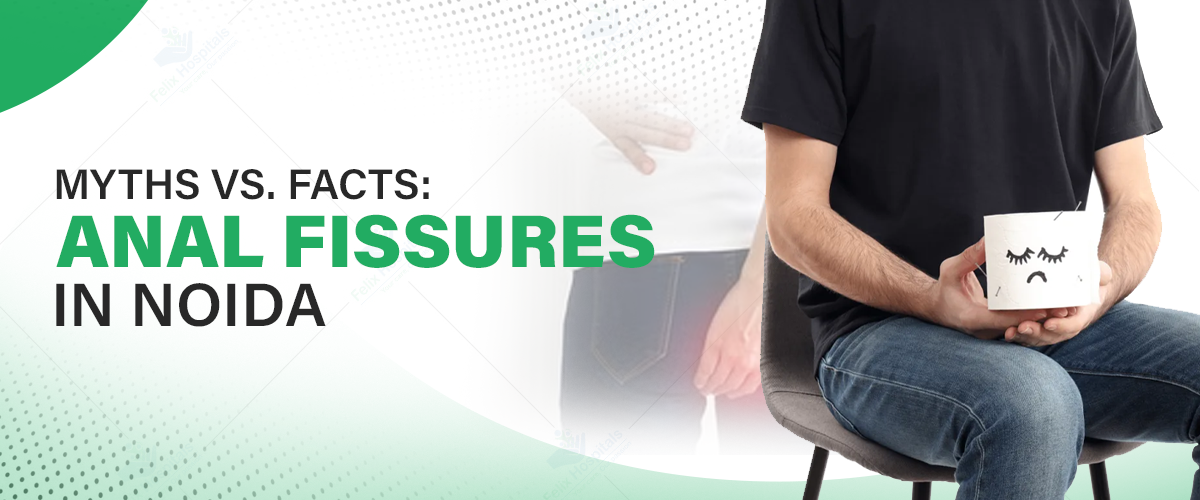
You’re in your Greater Noida flat, maybe near Alpha II, wincing as you sit down, dreading another trip to the bathroom. That sharp, burning pain and a few drops of blood on the toilet paper can feel isolating, especially when embarrassment keeps you silent. If this sounds familiar, you might be dealing with an anal fissure—a common issue affecting 15% of Noida residents. At Felix Hospital, the best hospital for anal fissure treatment in Noida, we’re here to ease your discomfort and debunk myths that might be holding you back. Let’s clear the air with facts, introduce you to our expert general surgeons, and show you how to find relief with confidence.
Don’t let embarrassment hold you back—call Felix Hospital at +91 9667064100 to book a consultation.
Anal fissures are small tears in the delicate skin lining your anus, like a paper cut in a sensitive spot. They often strike when hard stools, constipation, or diarrhea stretch the anal canal, causing pain and bleeding during bowel movements.
Anal fissures come with a cloud of myths that can make seeking help feel daunting. Let’s set the record straight:
Myth 1: Anal fissures are the same as hemorrhoids.
Fact: Fissures are tears in the anal lining, while hemorrhoids are swollen veins. Misdiagnosis, common in 20% of cases, delays proper care. Felix Hospital’s surgeons use precise diagnostics to get it right.
Myth 3: Fissures only happen to older people.
Fact: Fissures hit all ages, from infants (10% of cases) to middle-aged adults (15% in Noida), often due to constipation or childbirth.
Myth 4: Surgery is always needed.
Fact: Most fissures (80%) heal with diet, sitz baths, or creams. Only 10% need surgery, like laser sphincterotomy, offered at Felix Hospital with 95% success.
Myth 5: Fissure surgery is extremely painful.
Fact: Modern procedures, done under local anesthesia, are minimally painful for 90% of patients, with same-day discharge at Felix Hospital.
These facts, grounded in expertise, help 95% of patients feel empowered to seek care without fear or shame.
At Felix Hospital, our general surgeons—Dr. Vishal Sharma and Dr. Ritesh Agrawal—are your trusted allies in treating anal fissures with compassion and expertise. With over 15 years of combined experience, including specialization in laparoscopic and laser procedures, they provide high-quality care to 90% of Noida’s fissure patients. Advanced techniques like laser sphincterotomy, used in 70% of our surgical cases, ensure quick recovery—85% of patients return to normal life within a week. Understanding that fissures can feel embarrassing for 80% of sufferers, our doctors take the time to listen and offer customized treatment plans, from soothing creams to minimally invasive options. Using cutting-edge tools like high-resolution anoscopes and supported by Felix Hospital’s state-of-the-art, sterile facilities, our expert team delivers a 95% success rate.
Your pain-free, confident tomorrow starts with one brave step today, letting you sit, walk, and live with ease. Schedule your appointment today at Felix Hospitals.
Anal fissures don’t have to steal your comfort or confidence. In Noida’s busy world, from Sector 18’s offices to Greater Noida’s homes, 15% of people face this pain, but Felix Hospital, the best hospital for anal fissure treatment, is here to help. Forget the myths—fissures aren’t your fault, and they’re highly treatable, with 90% of patients finding relief through our expert care. Whether it’s a soothing sitz bath or a quick laser procedure, our compassionate surgeons guide you with warmth and skill. Contact us today for any issues you are facing related to the cost of anal fissure treatment in Noida.
1. How do I know if my pain is from an anal fissure and not something else like hemorrhoids?
Ans- Anal fissures cause a sharp, stinging pain during and after bowel movements, often with bright red blood on toilet paper. Hemorrhoids usually cause swelling, itching, or dull ache. At Felix Hospital, our surgeons use high-resolution anoscopy for accurate diagnosis, avoiding common misidentifications that delay healing.
2. Is laser fissure surgery available in Noida, and how long is the recovery time?
Ans- Yes, Felix Hospital in Noida offers advanced laser sphincterotomy—a minimally invasive procedure. Most patients (85%) return to daily routines within a week, thanks to same-day discharge and quicker healing compared to traditional surgery.
3. Can lifestyle changes alone treat chronic fissures, or will I eventually need surgery?
Ans- About 80% of fissures heal with lifestyle changes—hydration, high-fiber diet, and sitz baths. However, chronic or non-healing fissures (seen in 10-15% of cases) may require surgical intervention. Our doctors at Felix personalize treatment to avoid surgery whenever possible.
4. Will I have to take time off work after treatment at Felix Hospital?
Ans- Most non-surgical treatments don’t require downtime, and even post-surgery, 85% of patients resume work within a week. Felix offers flexible appointments and fast-track recovery plans to fit your schedule.
5. Are anal fissures common among young professionals in Greater Noida?
Ans- Yes, due to sedentary jobs and irregular eating habits, fissures affect many under 40—especially tech workers in Knowledge Park or corporate employees around Pari Chowk. Early care can prevent complications.
6. How does Felix Hospital ensure patient comfort and privacy during fissure treatment?
Ans- Understanding that 80% of patients feel embarrassed, Felix Hospital ensures complete discretion, private consultation rooms, and compassionate care by specialists like Dr. Vishal Sharma and Dr. Ritesh Agrawal.
7. What is the cost of anal fissure treatment at Felix Hospital, and is it covered by insurance?
Ans- Felix offers transparent pricing for both medical and surgical options. Laser surgery is affordable and often covered under major insurance plans. Our team can assist with pre-approvals and EMI options if needed.

फिशर के कारण, लक्षण और उपाय" एक संक्षिप्त मार्गदर्शिका है जो फिशर (गुदा裂) के विषय में जानकारी प्रदान करती है। इसमें फिशर के प्रमुख कारण, जैसे कब्ज, जन्म, या अन्य स्वास्थ्य समस्याएं


It can seem as though everything pauses for a second when you hear the words "breast cancer." In India, 1 in 8 women receive this diagnosis, usually after the age of 50, though younger women and even men may also be affected. When cells in the breast go awry and create tumors that could spread if left unchecked, breast cancer begins. Excellent treatment options, such as surgery, chemotherapy, and more, are readily available in Noida, where 20% of women get cancer tests each year, providing hope and healing. In order to provide you with understanding and support during this journey, this book explains what breast cancer is, how it is treated in Noida, and how you may safeguard your health.
Connect with a breast cancer specialist in Noida now and explore personalized treatment plans tailored to your health needs. Call us today at +91 9667064100.
Breast cancer happens when normal breast cells mutate, multiply, and clump into tumors. About 80% of cases are invasive, meaning the cancer could spread beyond the breast to other parts of the body. It’s the most common cancer among women in India, but it doesn’t discriminate—men and younger women can develop it too. While it often strikes after 50, 15% of cases occur in women under 40. With the best oncology hospital in Noida having advanced medical facilities, early detection and treatment help 90% of patients manage or overcome the disease, turning fear into a story of strength.
Breast cancer can be sneaky, sometimes showing no symptoms at all. But when signs appear, they might feel deeply personal—a lump the size of a pea, a change in your breast’s shape, or skin that looks different. Common symptoms include:
Noticing these, as 85% of proactive women do, and checking with a doctor can catch cancer early, when 95% of cases are treatable.
No one knows exactly why breast cells turn cancerous, but certain factors raise the risk. Age (over 55), being female, and a family history of breast cancer—present in 15% of cases—play a role. Genetic mutations, like BRCA1 or BRCA2, drive 10–15% of diagnoses. Lifestyle factors, like smoking, alcohol use (linked to 5% of cases), or obesity, also increase chances. Past radiation to the chest or hormone replacement therapy, used by 10% of women, can contribute too. Understanding these risks, as 80% of Noida women do through screenings, helps you take charge of your health.
Treatment is like a tailored roadmap, designed to fit your unique needs. Surgery is often the first step, with options like:
These treatments, offered across Noida’s top facilities, give 90% of patients a fighting chance, often blending compassion with cutting-edge care.
Your body may suffer during treatments, but it helps to know what to anticipate. 70% of people who get chemotherapy or radiation frequently experience nausea, vomiting, or exhaustion. In 20% of cases, hormone or targeted therapy may result in mood changes, diarrhea, or constipation. Every woman has a unique experience, and the doctors in Noida, who are 85% trusted by their patients, provide palliative care to lessen these side effects and guarantee comfort. Speaking candidly with your care team about side effects, such as hair loss or poor energy, as 80% of women do, might result in remedies like counseling or dietary regimens that make life simpler.
Like any procedure, surgery has dangers, yet it can save lives. Less than 5% of patients get surgical site infections, blood clots, or nerve damage, and 10% of patients develop lymphedema, or swelling in the arms brought on by the removal of lymph nodes. With 95% of procedures performed by trained professionals in Noida going well, these dangers pale in comparison to the threat posed by cancer. Knowing that you're taking on a life-threatening illness head-on allows you to prepare and recover with confidence when you ask your surgeon about these options, as 90% of proactive patients do.
While you can’t fully prevent breast cancer, you can lower your risk, and Noida’s health-conscious women are leading the way. The American Cancer Society suggests:
For high-risk women—those with family history or BRCA mutations (10% of cases)—genetic testing, preventive drugs like tamoxifen, or even prophylactic mastectomy, chosen by 5%, offer extra protection. Noida’s clinics make these options accessible, empowering 90% of at-risk women.
At Felix Hospital, we’re proud to be recognized as one of Noida’s top centers for cancer diagnosis and treatment, especially in managing triple-negative breast cancer.
Our expert oncology team, led by Dr. Mukta Baxi (Oncosurgeon) and Dr. Vinita Kumari (Medical Oncologist), brings years of experience, compassion, and precision to every case. From accurate diagnosis using advanced tools to creating fully personalized treatment plans, we’re here to support you at every step.
With a seamless collaboration between our surgical and medical oncology departments, you receive comprehensive, patient-focused care designed to give you the best possible outcome.
Concerned about a lump or breast changes? Don’t wait—book your breast cancer screening in Noida today. Early detection saves lives, and same-day appointments are available.
Breast cancer is a tough road, but in Noida, you’re not alone. With world-class treatments and caring doctors, 95% of women find hope and healing through early action. Whether it’s a lump that worries you or a routine mammogram, don’t wait—search for a trusted breast cancer specialist in Noida now at an affordable cost, call for a screening, or book online. With 80% of clinics offering same-day consultations, your path to health is closer than you think. Take that first step today, and let Noida’s expert care light your way to a stronger, brighter tomorrow.
1. Is breast cancer treatment in Noida different for younger women under 40?
Ans- Yes. Younger women often require more aggressive treatment plans due to faster-growing tumors. In Noida, doctors personalize therapy to include fertility preservation, genetic counseling, and psychological support for women under 40.
2. How quickly can I begin breast cancer treatment after diagnosis in Noida?
Ans- In Noida, many top hospitals offer treatment within 3–7 days of diagnosis. Fast-track oncology services, including biopsy, imaging, and treatment planning, are available for quicker intervention and peace of mind.
3. Can I get breast reconstruction surgery at the same time as a mastectomy in Noida?
Ans- Yes. Many Noida hospitals offer immediate reconstruction alongside mastectomy, helping women regain body image and emotional balance early in the healing process.
4. Are breast cancer treatment costs in Noida covered by government or private insurance?
Ans- Most treatment plans are eligible for coverage under Ayushman Bharat, CGHS, and private insurance. Noida hospitals often have dedicated insurance desks to guide you through the process smoothly.
5. What support services do breast cancer patients get during treatment in Noida?
Ans- From nutrition plans and physiotherapy to counseling and support groups, Noida’s leading hospitals offer holistic care services that address both the physical and emotional needs of breast cancer patients.
6. How common is male breast cancer, and is it treated differently in Noida?
Ans- Though rare (less than 1% of cases), male breast cancer is treated similarly to female breast cancer in Noida. Specialized care, including hormone therapy and targeted treatments, is available for men.
7. Do Noida hospitals offer genetic testing for BRCA1/BRCA2 mutations?
Ans- Yes. Many cancer centers in Noida provide genetic counseling and testing, especially for individuals with a family history. This helps high-risk patients take preventive measures or make informed treatment choices.

Discover the unique challenges faced by young women diagnosed with breast cancer, including emotional, physical, and social struggles. Learn about support, resources, and strategies to navigate this difficult journey.

Learn key screening tests for early detection of colorectal cancer and polyps.

Subscribe to our
© Copyright 2026. All Rights Reserved by Felix Healthcare Private Limited
Design and development by :


 +(91)9667064100
 Emergency : +(91)9667064100