 WhatsApp
 Emergency:
  WhatsApp







Subscribe to our
Surgery for pilonidal sinus may be required when the condition leads to recurrent infections, persistent pain, or the development of abscesses that don’t respond to conservative treatments. At the best hospital for surgery, having a highly skilled team of surgeons and nursing staff combines innovative, minimally invasive techniques with personalized treatment plans. From accurate diagnosis to compassionate post-operative care, every step of your treatment journey is guided by patient-centric principles.
Call +91 9667064100 to start your healing journey today.
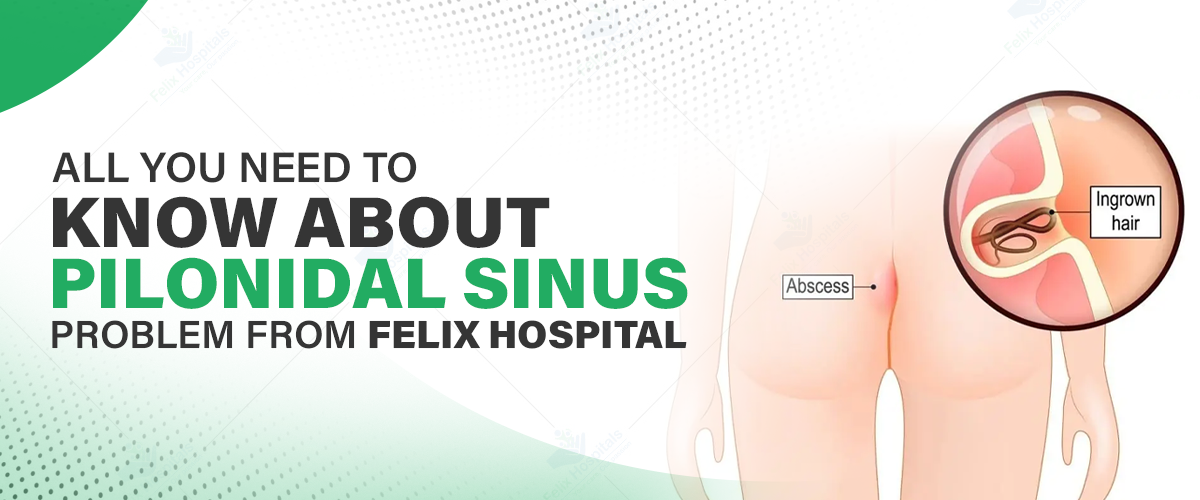
Imagine a small, troublesome tunnel under the skin near your tailbone, often caused by trapped hairs or debris, sparking infections or abscesses. That’s a pilonidal sinus, affecting 15% of young adults in Noida. Pilonidal sinus surgery removes this infected tract and tissue to stop pain, prevent complications, and lower recurrence risks. The wound may heal naturally (open) or be stitched closed, depending on your case. At Felix Hospital, our surgeons, trusted by 90%, aim for lasting relief, helping 85% return to pain-free living.
Surgery becomes essential when simpler treatments like antibiotics fail, or symptoms worsen, impacting 20% of patients:
Recurrent Infections: Frequent swelling, pus, or pain from repeated infections.
Persistent Abscesses: Abscesses that don’t resolve with drainage alone
Chronic Pain: Discomfort that hinders sitting, walking, or daily tasks.
Treatment Failure: When non-surgical options can’t control symptoms.
Complications: Deep or spreading infections threatening nearby tissues.
Felix Hospital’s experts, with a 95% diagnostic accuracy, recommend surgery to ensure long-term comfort for 80% of severe cases.
Felix Hospital offers tailored surgical options:
Incision and Drainage: A quick cut to drain pus from abscesses, relieving pain for 60%, though further surgery may be needed.
Excision with Open Healing: Removes the sinus, leaving the wound open to heal naturally, reducing recurrence for 70% but requiring weeks of care.
Excision with Closure: Excises the sinus and stitches the wound, speeding recovery for 50% but with a slightly higher recurrence risk.
Minimally Invasive Procedures: Laser or endoscopic surgery, used in 30% of cases, minimizes pain, bleeding, and recovery time, favored for faster healing.
Preparation sets the stage for a smooth experience:
Medical Check: Our surgeons review your health history and discuss medications or allergies, ensuring 90% are fully informed.
Tests: Blood work or imaging, needed for 80%, assesses the sinus.
Instructions: Stop blood thinners days prior, fast 6–8 hours if under general anesthesia, and clean or shave the area, as guided for 95%.
Procedure Talk: We explain the surgery and recovery, answering questions for 85% to ease worries.
Anesthesia: Local anesthesia numbs the area for 70% of cases, keeping you awake but pain-free. General anesthesia, used in 20% of complex cases, lets you sleep.
Procedure: The surgeon cuts to remove the sinus and infected tissue, draining pus if needed. Laser techniques, applied in 25%, offer precision. The wound is either left open (60%) for natural healing or closed with stitches (35%) for faster recovery.
Recovery Period: Most patients go home the same day, with mild pain managed by medications for 80%. Rest and avoid heavy activity for 1–2 weeks.
Wound Care: Clean and dress the wound daily, critical for 75% with open wounds, which heal in 4–8 weeks. Follow-ups ensure infection-free recovery for 90%.
Activity: Avoid prolonged sitting or lifting for 2–3 weeks; light walking, done by 85%, aids healing.
Follow-Ups: Regular checks, needed for 95%, monitor progress and remove stitches if used. Felix Hospital’s nurses, loved by 90%, guide you to a smooth recovery.
Surgery is safe but carries rare risks:
Infection: Redness or pus, affecting 5%, is preventable with proper care.
Recurrence: The sinus may return in 10%, reduced by hair removal.
Slow Healing: Open wounds, used in 60%, take longer, needing diligent care.
Scarring: Minor scars, seen in 15%, are rarely noticeable.
Anesthesia Issues: Mild reactions, impacting 2%, are temporary.
Bleeding/Fluid Buildup: Rare in 3%, may need minor treatment. Our 95% safety record ensures 90% heal without issues.
If you notice signs like severe pain, fever, or unusual discharge from the wound, don’t wait—contact your doctor by scheduling an appointment.
Pilonidal sinus pain can steal your Noida days, but Felix Hospital is here to restore your ease. From laser surgery to compassionate recovery support, our team, trusted by 90%, helps 85% reclaim pain-free living. Don’t let infections or discomfort linger—call +91 9667064100 or visit our website to book your consultation. At Felix Hospital, your freedom from pilonidal sinus is our heartfelt promise.
Q- How can I get my home ready for recovery after pilonidal sinus surgery?
Ans: Set up a cozy, easily accessible resting area, keep wound care supplies handy, and plan for simple, low-energy activities. It’s also a good idea to arrange for a family member or friend to help out with daily chores for the first few days.
Q- Will I need to make any lifestyle changes after surgery?
Ans: Yes, a few small habits can make a big difference! Keeping the area clean, avoiding long periods of sitting, and maintaining hair-free skin around the site can help prevent future issues.
Q- Can pilonidal sinus surgery be done for teenagers or kids?
Ans: Definitely. If a young patient is experiencing significant symptoms, surgery is an option. The doctor will carefully consider their age, overall health, and the severity of the condition before recommending it.
Q-What happens if I ignore a pilonidal sinus?
Ans: Leaving it untreated can cause repeated infections, painful abscesses, and in rare cases, more serious health complications. Early treatment usually leads to a smoother recovery.
Q-Is there any way to treat pilonidal sinus without surgery?
Ans: For very mild cases, antibiotics or draining the cyst might offer temporary relief. But for chronic or severe cases, surgery is usually the most reliable long-term solution.
Q-Should I follow any special diet before or after the surgery?
Ans: Eating a nutritious, balanced diet can speed up your healing. Focus on proteins, vitamins, and staying hydrated—your body needs all the support it can get during recovery.
Q-Will I have to stay overnight in the hospital?
Ans: Most pilonidal sinus surgeries are quick day-care procedures, meaning you’ll be able to head home the same day. Rarely, an overnight stay may be needed if extra monitoring is required.
Q-When can I go back to work or school after surgery?
Ans: Many patients can get back to light activities, school, or desk jobs within about a week. If your work involves heavy lifting or long hours on your feet, you might need a little more recovery time.
Q-What’s the best sleeping position after surgery?
Ans: Try sleeping on your side or stomach to avoid putting pressure on the healing area. This helps speed up recovery and makes sleeping more comfortable.
Q-Is it safe to travel soon after pilonidal sinus surgery?
Ans: Short trips are usually fine after a few days, but avoid sitting for long periods. If you’re taking a longer journey, make sure to stand up, stretch, and walk around regularly.
Q- When can I start exercising again after surgery?
Ans: Gentle activities like walking are encouraged early on to promote blood flow. However, avoid strenuous workouts, heavy lifting, or movements that stretch the surgical site until your doctor says it’s safe.
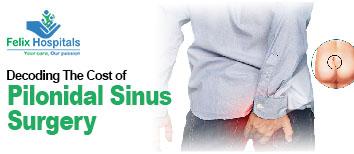
The sinus tract associated with Pilonidal Sinus usually extends in a downward direction between the buttocks.
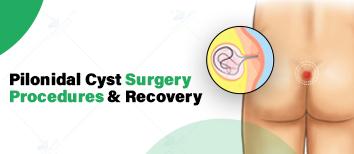
Pilonidal cysts develop in the natal cleft, the area between the buttocks, where they can become infected and inflamed.

In severe cases, surgery may be required to drain the blocked sinus.
आज के समय में दिल का दौरा (हार्ट अटैक) एक आम और गंभीर स्वास्थ्य समस्या बन गई है। यह न केवल वृद्ध लोगों को प्रभावित करता है, बल्कि कम उम्र के लोगों में भी इसके मामले तेजी से बढ़ रहे हैं। जिसके चलते सही समय पर सही उपचार आवश्यक है, लक्षण दिखते ही नोएडा के अच्छे दिल के अस्पताल (Best Heart Hospital in Noida) से संपर्क करें।
क्या आपने कभी सोचा है कि आखिर दिल का दौरा क्यों पड़ता है? इसके पीछे कई कारण छिपे होते हैं, जिन्हें जानकर हम इससे बचाव कर सकते हैं। आइए, इस लेख में हम दिल के दौरे के कारणों, लक्षणों और बचाव के उपायों के बारे में विस्तार से समझते हैं।
ज्यादा जानकारी के लिए हमें कॉल करें +91 9667064100.
दिल के दौरे (हार्ट अटैक) का परिचय (Introduction to Heart Attack)
दिल का दौरा पड़ने के मुख्य कारण (The main Causes of Heart Attack)
आज ही फेलिक्स हॉस्पिटल्स के कार्डियोलॉजिस्ट से मिलें (Meet a Cardiologist at Felix Hospitals today)
दिल का दौरा (Heart attack) एक गंभीर हृदय रोग है, जिसमें हृदय की धमनियों में रक्त प्रवाह बाधित हो जाता है। यह तब होता है जब हृदय को रक्त पहुंचाने वाली धमनियां (कोरोनरी आर्टरीज) अवरुद्ध हो जाती हैं, जिससे हृदय की मांसपेशियों को ऑक्सीजन नहीं मिल पाती। इससे हृदय की कार्यक्षमता प्रभावित होती है और यह जीवन के लिए घातक भी हो सकता है। आधुनिक जीवनशैली, अनियमित खानपान और बढ़ते तनाव के कारण दिल के दौरे के मामले तेजी से बढ़ रहे हैं। विश्व स्वास्थ्य संगठन के अनुसार, हृदय रोग दुनियाभर में मृत्यु का प्रमुख कारण है। हर साल लाखों लोग हार्ट अटैक के शिकार होते हैं, जिनमें युवा भी शामिल हैं। सही जानकारी और समय पर पास के अस्पताल (Nearby Heart Hospital) में तुरंत जाँच से उपचार लेकर इस समस्या को रोका जा सकता है।
दिल का दौरा जिसे मायोकार्डियल इंफार्क्शन (एमआई) भी कहा जाता है। एक गंभीर चिकित्सा स्थिति है। जिसमें हृदय की मांसपेशियों को रक्त की आपूर्ति अचानक कम या बंद हो जाती है। यह आमतौर पर हृदय की धमनियों (coronary arteries) में रुकावट के कारण होता है, जिससे हृदय को आवश्यक ऑक्सीजन और पोषक तत्व नहीं मिल पाते हैं।
हृदय तक रक्त पहुंचाने वाली कोरोनरी धमनियां प्लाक (Plaque) के जमाव के कारण संकरी हो सकती हैं। प्लाक में वसा, कोलेस्ट्रॉल और अन्य पदार्थ होते हैं। जब यह प्लाक फट जाता है, तो वहां पर खून का थक्का बन सकता है, जिससे रक्त प्रवाह रुक जाता है।
जब किसी धमनी में यह अवरोध पूरी तरह से बन जाता है, तो रक्त हृदय की मांसपेशियों तक नहीं पहुंच पाता। ऑक्सीजन की कमी से हृदय की कोशिकाएं मरने लगती हैं, जिससे दिल को गंभीर क्षति हो सकती है।
दिल का दौरा (हार्ट अटैक) आमतौर पर हृदय की धमनियों में रुकावट के कारण होता है, जिससे हृदय को पर्याप्त ऑक्सीजन नहीं मिल पाती। इसके मुख्य कारण निम्नलिखित हैं:
हृदय की धमनियों में प्लाक (कोलेस्ट्रॉल, वसा और अन्य पदार्थों का जमाव) के कारण रुकावट।
यह दिल के दौरे का सबसे आम कारण है।
हाई बीपी हृदय पर अधिक दबाव डालता है, जिससे दिल की मांसपेशियां कमजोर हो सकती हैं।
खराब कोलेस्ट्रॉल (एलडीएल) धमनियों में प्लाक जमने का कारण बनता है, जिससे रक्त प्रवाह बाधित हो जाता है।
हाई ब्लड शुगर हृदय की धमनियों को नुकसान पहुंचा सकता है, जिससे हृदय रोग का खतरा बढ़ जाता है।
अधिक वजन से हृदय पर अधिक दबाव पड़ता है और हाई बीपी, डायबिटीज़, और हाई कोलेस्ट्रॉल जैसी समस्याएं हो सकती हैं।
धूम्रपान (Smoking) से रक्त वाहिकाएं संकुचित हो जाती हैं और रक्त प्रवाह बाधित हो सकता है।
अत्यधिक शराब पीने से हाई बीपी और हृदय रोग का खतरा बढ़ जाता है।
ज्यादा तनाव और चिंता से ब्लड प्रेशर बढ़ सकता है, जिससे हार्ट अटैक का खतरा बढ़ जाता है।
नियमित व्यायाम न करने से मोटापा, हाई बीपी, और डायबिटीज जैसी समस्याएं हो सकती हैं, जो हृदय रोग का खतरा बढ़ाती हैं।
अधिक वसा, नमक और शुगर युक्त भोजन से कोलेस्ट्रॉल (Cholesterol) और बीपी बढ़ सकता है, जिससे दिल का दौरा पड़ने की संभावना बढ़ जाती है।
अगर परिवार में किसी को हृदय रोग रहा हो, तो आपके लिए भी जोखिम अधिक हो सकता है।
हार्ट अटैक के लक्षण पहचानना बहुत जरूरी है ताकि समय पर इलाज किया जा सके।
सीने के बीचों-बीच या बाईं तरफ भारीपन, जलन, कसाव, या दर्द महसूस होना।
यह दर्द कुछ मिनटों तक रह सकता है या बार-बार आ सकता है।
बिना किसी मेहनत के भी सांस फूलना।
विशेष रूप से आराम करने या लेटने पर सांस लेने में दिक्कत।
शरीर से अचानक ठंडा पसीना निकलना।
बेहोशी या अत्यधिक कमजोरी महसूस होना।
खासकर बाएं हाथ, कंधे, जबड़े या पीठ में दर्द जो धीरे-धीरे बढ़ सकता है।
कई बार यह दर्द सीने में नहीं होता, सिर्फ पीठ या जबड़े में महसूस हो सकता है।
बेचैनी या घबराहट महसूस होना।
अपच (एसिडिटी जैसी फीलिंग) या उल्टी जैसा लगना।
दिल की धड़कन तेज़ या अनियमित होना।
दिल के दौरे से बचाव के लिए सही जीवनशैली अपनाना बेहद जरूरी है। यहां कुछ महत्वपूर्ण उपाय दिए गए हैं:
संतुलित आहार और नियमित व्यायामः
हरी सब्जियां, फल, साबुत अनाज, नट्स और फाइबरयुक्त भोजन का सेवन करें।
कम वसा, कम नमक और कम शुगर वाला भोजन लें।
ट्रांस फैट और जंक फूड से बचें।
रोजाना 30-45 मिनट वॉक या एक्सरसाइज करें।
योग, साइकिलिंग, तैराकी या हल्की दौड़ सेहतमंद दिल के लिए फायदेमंद है।
यह हृदय की धमनियों को संकीर्ण करता है और हार्ट अटैक के खतरे को बढ़ाता है।
अत्यधिक शराब से बचें। ज्यादा शराब हाई ब्लड प्रेशर और कोलेस्ट्रॉल को बढ़ा सकती है।
ध्यान (मेडिटेशन), योग, संगीत सुनना और गहरी सांस लेने की तकनीक अपनाएं।
पर्याप्त नींद लें। रोज 7-8 घंटे की अच्छी नींद लेना ज़रूरी है, क्योंकि नींद की कमी से हृदय रोग का खतरा बढ़ सकता है।
ब्लड प्रेशर, कोलेस्ट्रॉल, और ब्लड शुगर की जांच समय-समय पर कराते रहें।
यदि कोई समस्या हो तो डॉक्टर की सलाह लें (Consult a doctor) और समय पर इलाज कराएं।
अगर किसी को दिल का दौरा (हार्ट अटैक) पड़ता है, तो तुरंत सही कदम उठाना ज़रूरी है। यह जीवन बचा सकता है।
व्यक्ति को तुरंत अस्पताल ले जाने की व्यवस्था करें।
पास के लोगों को सतर्क करें और सहायता लें।
सीधा लेटाएं और सिर को हल्का ऊंचा रखें।
कसे हुए कपड़े (जैसे टाई, बेल्ट) ढीले करें।
घबराहट न फैलाएं और मरीज को शांत रहने के लिए कहें।
अगर मरीज बेहोश हो और सांस न ले रहा हो
मरीज को पीठ के बल लेटा दें।
छाती के बीचों-बीच दोनों हाथों से तेज़ी से और गहराई से दबाव (कमप्रेशन) दें।
प्रति मिनट 100-120 बार छाती दबाएं (हर सेकंड में लगभग 2 बार)।
अगर प्रशिक्षित हैं, तो मुंह से मुंह (रेस्क्यू ब्रीदिंग) भी दें।
एस्पिरिन 300 एमजी ले यह रक्त को पतला करने में मदद करता है और धमनियों को अवरुद्ध होने से रोक सकता है।
नाइट्रोग्लिसरीन ले। डॉक्टर के निर्देश के अनुसार मरीज को यह दवा दी जा सकती है।
अगर मरीज की धड़कन या सांस नहीं चल रही हो, तो सीपीआर लगातार करते रहें।
तुरंत अस्पताल पहुंचाने की कोशिश करें।
दिल के दौरे (हार्ट अटैक) का इलाज कार्डियोलॉजिस्ट (हृदय रोग विशेषज्ञ) करते हैं। फेलिक्स हॉस्पिटल के कार्डिओलॉजिस्ट्स भी अपनी अलग विशेषता रखते है और सभी विशेषज्ञ अलग-अलग प्रकार के उपचार में माहिर हैं: इंटरवेंशनल कार्डियोलॉजिस्ट डॉक्टर एंजियोप्लास्टी (Interventional Cardiologist Doctor Angioplasty), स्टेंटिंग और कैथेटर-आधारित प्रक्रियाएँ करते हैं, जिससे ब्लॉकेज को हटाया जाता है और रक्त प्रवाह बहाल किया जाता है। नॉन-इंटरवेंशनल कार्डियोलॉजिस्ट डॉक्टर दवाओं, लाइफस्टाइल मैनेजमेंट और प्रारंभिक निदान पर ध्यान देते हैं।
डॉ. निधि टिकमानी
डॉक्टर की सलाह के लिए आज ही फोन करें +91 9667064100.
दिल का दौरा एक गंभीर स्वास्थ्य समस्या है, लेकिन सही जानकारी और समय पर कदम उठाकर इसे रोका जा सकता है। जागरूकता और स्वस्थ जीवनशैली अपनाने से हार्ट अटैक के खतरे को काफी हद तक कम किया जा सकता है। नियमित व्यायाम करें और संतुलित आहार लें। धूम्रपान और शराब से बचें, ब्लड प्रेशर और कोलेस्ट्रॉल को नियंत्रित रखें। तनाव प्रबंधन और पर्याप्त नींद हृदय स्वास्थ्य के लिए ज़रूरी हैं। समय-समय पर स्वास्थ्य जांच करवाना बेहद महत्वपूर्ण है। इमरजेंसी में सही कदम उठाएं। सीपीआर और प्राथमिक चिकित्सा का ज्ञान रखें। दिल से जुडी समस्याओं की उपचार कीमत (Cost of Heart Treatment) के लिए आज ही संपर्क करें और सही समय पर अस्पताल जाएं।
प्रश्न 1. दिल का दौरा क्यों पड़ता है ?
उत्तर: दिल का दौरा तब पड़ता है जब हृदय की धमनियों (कोरोनरी आर्टरी) में रुकावट आ जाती है, जिससे हृदय को पर्याप्त ऑक्सीजन नहीं मिल पाती। यह रुकावट आमतौर पर कोलेस्ट्रॉल, वसा और अन्य पदार्थों से बनी प्लाक के कारण होती है।
प्रश्न 2. क्या महिलाएं और पुरुषों में दिल के दौरे के लक्षण अलग होते हैं ?
उत्तर: हां, महिलाओं में लक्षण थोड़े अलग हो सकते हैं। उन्हें अक्सर अपच, थकान, सांस फूलना, पीठ या जबड़े में दर्द जैसे हल्के लक्षण महसूस हो सकते हैं। जिन्हें आमतौर पर नजरअंदाज कर दिया जाता है।
प्रश्न 3. दिल का दौरा और कार्डियक अरेस्ट में क्या अंतर है ?
उत्तर: दिल का दौरा में जब हृदय की धमनियों में रुकावट आ जाती है, जिससे रक्त प्रवाह रुक जाता है। कार्डियक अरेस्ट में जब हृदय अचानक धड़कना बंद कर देता है, जिससे व्यक्ति बेहोश हो सकता है और सांस लेना बंद कर सकता है।
प्रश्न 4. क्या युवा लोगों को भी दिल का दौरा पड़ सकता है?
उत्तर: हां, यदि वे अस्वस्थ जीवनशैली अपनाते हैं, अत्यधिक तनाव में रहते हैं, धूम्रपान या शराब का सेवन करते हैं, या उन्हें कोई आनुवंशिक हृदय रोग है, तो युवा लोगों को भी दिल का दौरा पड़ सकता है।
प्रश्न 5 . क्या दिल के दौरे से उबरने के बाद सामान्य जीवन जिया जा सकता है ?
उत्तरः हां, लेकिन इसके लिए जीवनशैली में बदलाव लाना जरूरी है। डॉक्टर की सलाह के अनुसार दवाएं लें, सही खानपान अपनाएं और नियमित व्यायाम करें।
प्रश्न 6. क्या योग और ध्यान दिल के स्वास्थ्य के लिए फायदेमंद हैं ?
उत्तरः हां, योग और ध्यान तनाव कम करने, ब्लड प्रेशर नियंत्रित करने और दिल की धड़कन को सामान्य रखने में मदद करते हैं, जिससे दिल का दौरा पड़ने का खतरा कम हो सकता है।
हार्ट अटैक के मुख्य लक्षण, कारण और तुरंत किए जाने वाले उपचार के बारे में जानें। समय पर पहचान और सही इलाज से जीवन बचाया जा सकता है।

Best heart hospital in Noida for bypass surgery at affordable prices with expert cardiac surgeons, advanced facilities, and quality patient care for better recovery.
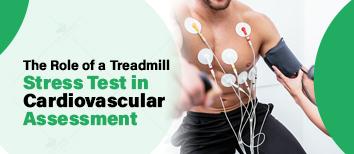
The primary goal of the Treadmill Stress Test is to evaluate how well the heart responds to increased physical activity
Dizziness is an imprecise complaint that could occur in someone of any age. It would be described as lightheadedness, spinning, or loss of equilibrium. While much as it might be caused in the ordinary case by trivial complaints such as weakness or hypoglycemia, dizziness occasionally is associated with an intrinsic medical illness, e.g., rheumatologic diseases.
Autoimmune conditions aren't exclusive to joints and muscles — they can affect a variety of systems, including the nervous system, blood vessels, and inner ear. So might your dizziness be connected with your rheumatologic condition?
In this detailed blog, we’ll explore the potential links between dizziness and rheumatologic issues, along with when to seek medical help.
Now available for both in-hospital and online consultations. Get the right diagnosis, the right treatment, and the right support at Felix Hospital by calling +91 9667064100.
Dizziness is a general term for numerous various types of sensations, including faintness, unsteadiness, dizziness, or spinning room (vertigo). Although dizziness is frequently brushed off as a mild nuisance, it can disrupt daily functioning and even become a safety hazard, particularly among elderly individuals.
Understanding what type of dizziness you have helps physicians decide whether it is a result of blood flow problems, nerve damage, inflammation, or other causes throughout your body.
Dizziness in autoimmune or rheumatic disease patients can be unrelated to the disease, but in a small number of instances, very much so. Let's unpack.
Most drugs used to manage rheumatologic diseases, such as corticosteroids, methotrexate, and immunosuppressives, are side effects that may induce dizziness. NSAIDs, commonly used for joint discomfort, can result in gastrointestinal bleeding or anemia and thus secondarily cause dizziness.
Autoimmune vasculitis (inflammation of blood vessels) may involve cerebral circulation. If the vessels supplying the brain become involved, dizziness, confusion, or stroke-like symptoms can result. Takayasu arteritis or giant cell arteritis are some of the perpetrators.
Chronic inflammation in conditions such as lupus or rheumatoid arthritis can disrupt the production of red blood cells, resulting in anemia. This compromises oxygenation of the brain and muscles, causing dizziness or overall weakness.
In autoimmune inner ear disease (AIED), the body's immune system erroneously targets the inner ear and results in hearing loss, tinnitus, and constant vertigo. It is usually found in patients with lupus, RA, or other systemic autoimmune disorders.
In illnesses such as Sjögren's syndrome or systemic lupus erythematosus (SLE), the autonomic nervous system (responsible for heart rate and blood pressure control) can become damaged. This can lead to orthostatic hypotension (a sudden decline in blood pressure when erect) and dizziness.
If you’re experiencing dizziness and also have a rheumatic disease, the best rheumatology hospital may perform a comprehensive evaluation, including:
Detailed symptom history – Duration, triggers, accompanying symptoms
Blood tests – Checking for anemia, inflammation markers (CRP, ESR), autoantibodies
Imaging tests – MRI or CT scan to assess brain involvement or vasculitis
Hearing and vestibular tests – If inner ear involvement is suspected
Cardiovascular testing – To rule out orthostatic hypotension or cardiac causes
The right treatment depends entirely on the underlying issue. Here's how dizziness in rheumatologic patients might be addressed:
Medication adjustment – If drugs are causing dizziness, your rheumatologist may change the dosage or switch medications.
Treating anemia – Iron supplements, B12, or management of underlying inflammation.
Managing vasculitis – Immunosuppressants like corticosteroids, methotrexate, or biologics to control vessel inflammation.
Physical therapy – For balance training in those with vestibular dysfunction.
Hydration and posture training – For those with blood pressure-related dizziness due to autonomic dysfunction.
If you are often dizzy, lightheaded, or unsteady, especially accompanied by joint aching, stiffness, or weakness, the origin may lie in an underlying rheumatologic or autoimmune disorder. We would like to present before you Dr. Kiran Seth, a prominent Rheumatology and Immunology Consultant at Felix Hospital, Noida, with over 20 years of experience in assessment and management of complex inflammatory and autoimmune diseases.
Dizziness may also be associated with systemic lupus erythematosus (SLE), vasculitis, Sjogren's syndrome, and rheumatoid arthritis, in which inflammation impacts nervous system, blood flow, or inner ear function. Dr. Seth is able to make such associations and develop personalized, integrated treatment plans.
Services provided by Dr. Kiran Seth include:
Treatment of autoimmune diseases potentially impacting balance and nervous system function
Assessment of dizziness with inflammatory joint diseases
Application of newer biologics and immunotherapy for the treatment of disease
Therapy of systemic symptoms such as weakness, dizziness, and fatigue
Care coordination involving ENT and neurology if required in complicated cases
Take control of your health today — expert help is just a consultation away. Schedule your appointment today by clicking here.
Whereas dizziness is a benign nuisance, it may be your body telling you something more profound in your ear — especially if you have an autoimmune or rheumatologic disease. Forget talking about symptoms with your doctor, especially if they persist or are accompanied by other changes in your health.
Heed your body. Learning about the relationship of dizziness to rheumatologic disease will allow you to access proper care and enhance the quality of your existence.
1. Could dizziness be a symptom of autoimmune disease such as lupus if my joints don't even hurt?
Ans. Yes. Systemic lupus erythematosus (SLE) may be directly affecting the nervous system or inner ear and causing dizziness—even not hurting joints at all.
2. Is dizziness a frequent side effect of methotrexate or another rheumatology medication?
Ans. Dizziness is frequent and may result from drug-induced anemia, liver disease, or blood pressure changes. If you are taking methotrexate, corticosteroids, or biologics, inform your doctor if you experience dizziness.
3. How does vasculitis cause dizziness or loss of balance?
Ans. When vasculitis affects blood vessels in the inner ear or brain, it may delay or lead to inflammation in important areas, producing dizziness, headaches, or even visual changes.
4. I have Sjögren's syndrome and feel dizzy when standing up — is this related?
Ans. Yes. Sjögren's can involve the autonomic nervous system and cause orthostatic hypotension (acute blood pressure drop upon rising), which can cause dizziness or fainting.
5. Can rheumatoid arthritis cause vertigo or inner ear problems?
Ans. Although RA mainly involves joints, chronic inflammation and autoimmune reactions can also result in inner ear dysfunction or contribute to autoimmune inner ear disease (AIED) and cause vertigo or tinnitus.
6. Should I see a rheumatologist or neurologist first for dizziness?
Ans. If you already have an established rheumatologic disorder, see your rheumatologist first. Your rheumatologist can determine if your symptoms result from autoimmune disease and can send you to see a neurologist as indicated.
7. Can rheumatologic disease-caused dizziness improve with treatment?
Ans. Yes. With the right treatment and diagnosis—whether in the form of immunotherapy, medication optimization, or physical therapy—dizziness induced by autoimmune disorders can be managed very well.
Learn how menopause impacts bone health and discover strategies to prevent osteoporosis, including lifestyle tips, diet, and treatments for stronger bones.
Breast cancer is a worrisome diagnosis for most women, and being confronted with such an issue, it's obvious to look for the best oncology hospital near me to receive advanced treatment. Breast cancer is a very prevalent cancer among women all over the globe, but now with early identification and newer forms of treatment, cure is achievable than ever.
There are specialized oncologists and advanced hospitals in Noida. In this blog, we will enlighten you about what is breast cancer, why does it occur, how is it diagnosed, what can be done to cure it, and introduce the top oncologists at Felix Hospitals who specialize in providing the best treatment to those affected with this disease.
Call us today at +91 9667064100 to learn about the price of breast cancer treatment in Noida and schedule your appointment.
Breast cancer starts when cells in the breast grow uncontrollably. The excess growth can develop into a lump or tumor, which is either benign (non-cancerous) or malignant (cancerous). Malignant tumors tend to spread to nearby lymph nodes or other parts of the body. Breast cancer can occur in men and women, though much more frequently in women. Breast cancer may occur in many different sites within the breast, including ducts (ductal carcinoma) or glands (lobular carcinoma), and in some instances can be hormone receptor-positive, i.e., hormonal stimulation such as estrogen and progesterone causes the cancer to develop.
Though the actual cause of breast cancer has not been determined, a number of risk factors are involved in causing the disease. As per the best oncology department in Noida, these include:
Genetics: Inherited gene mutations such as BRCA1 and BRCA2 and family history may enhance the risk of breast cancer.
Hormonal Factors: Being exposed to estrogen for extended durations from early menstruation, delayed menopause, or hormone replacement therapy may raise the risk.
Age: The danger of breast cancer rises with increasing age, particularly after the age of 50.
Lifestyle Problems: An unhealthy diet, alcohol use, smoking, and insufficient physical activity may lead to breast cancer.
History of Breast Problems: Women with a previous history of benign breast lumps or dense breasts may be at increased risk of breast cancer.
In most cases, breast cancer can develop through the combination of factors mentioned above, and understanding your risk can help prevent it and detect it early.
Early diagnosis is an important factor for effective treatment of breast cancer. If you find any abnormal change in your breasts like lump, pain, alteration in shape, or discharge from nipple, you must get a doctor checked immediately.
Diagnostic procedures may include:
Physical Examination: Accurate check-up of the breast to identify lump or irregularities.
Mammography: An X-ray of the breast to look for any evidence of early cancer, particularly in women aged 40 and older.
Ultrasound: Sometimes used to help determine if fluid-filled cysts or solid masses are present.
Biopsy: Tissue from the suspicious area is removed to look for cancer cells.
MRI: Magnetic resonance imaging might be ordered for more detailed images, especially in women with dense breasts.
Genetic Testing: Genetic testing could be useful in individuals with a family history of breast cancer to determine if they have inherited BRCA1 or BRCA2 mutations.
Once the breast cancer has been diagnosed, treatment depends on the particular type of breast cancer, its extent, location of the cancer, and general condition of the patient. Common therapies include:
Surgery: Removal of the tumor or the whole breast (mastectomy) is a usual treatment for early breast cancer. Breast-sparing surgery can also be done if the tumor is small and single.
Chemotherapy: It is the administration of drugs to destroy cancer cells or prevent them from growing and is usually given before surgery to shrink tumors or after surgery to destroy any remaining cancer cells.
Radiation Therapy: High-energy beams are directed to destroy and kill cancer cells, usually after surgery to minimize the risk of recurrence of cancer.
Hormone Therapy: If the breast cancer is hormone receptor-positive, hormone therapy can stop the body from making estrogen or progesterone, which can slow down cancer growth.
Targeted Therapy: It employs drugs that target cancer cells specifically with less harm to normal cells, providing a more precise treatment.
Immunotherapy: A new therapy that boosts the immune system of the body to attack cancer cells.
Treatment will be decided based on the patient's diagnosis and cancer stage.
You must select an appropriate oncologist so that the treatment is done in the right way. For professional treatment of breast cancer, Felix Hospitals in Noida has top-class oncologists. Their expertise in identifying aand treating breast cancer guarantees proper care for you.
Felix Hospitals employ two oncologists who are highly reputed for their patient care and experience:
Dr. Mukta Baxi – One of the highly experienced oncologists in the field of breast cancer treatment, Dr. Baxi is renowned for her warm care and personalized treatment plan. She is a highly experienced practitioner in medical as well as surgical oncology, and a patient's top preference.
Dr. Vinita Kumari – Dr. Kumari is a cancer specialist dealing in breast cancer and is committed to delivering the best possible care to her patients. She employs the latest developments in the field of oncology to provide the best treatment possible for each patient.
These two doctors are most renowned for their patient-centric approach and skill in handling troublesome cancer cases with empathy and expertise.
Take the first step towards healing and get expert care from the top breast cancer experts in Noida. Call Felix Hospitals today to book an appointment with our experts.
A breast cancer diagnosis can be life-changing, but if detected early, diagnosed correctly, and treated promptly, the outlook for most patients is very good. If you are looking for specialized breast cancer care at the best cost in Noida, then Felix Hospitals provides quality oncology care and top-notch doctors. The Breast cancer treatment cost in Noida can differ based on the extent of cancer, type of treatment, and other factors, but the long-term advantage of early treatment and complete care has to be evaluated.
Don't wait to seek treatment—see a breast cancer specialist today at Felix Hospitals and start your path to healing. Your health is worth it.
Q- What are the initial signs of breast cancer that I should be aware of?
ANS: Typical initial breast cancer symptoms are swelling or lump within the breast tissue, change in breast size and shape, discharge from the nipple, and breast tenderness. Any of these should be reported immediately so that you can be diagnosed early.
Q-How is breast cancer diagnosed at Felix Hospitals?
ANS: In Felix Hospitals, the diagnosis of breast cancer involves physical examination, mammography, ultrasound, biopsy, MRI, and genetic testing as required. Our state-of-the-art diagnostic facilities assist in identifying breast cancer in its initial stages for improved outcomes.
Q- Is hormone therapy required in all breast cancer patients?
ANS: Not every patient with breast cancer needs hormone therapy. It's predominantly given in the case of hormone receptor-positive cancer. Your oncologist will decide on the optimal line of treatment based on the type and severity of cancer you have.
Q- For how long is breast cancer treated?
ANS: The treatment period of breast cancer depends on the stage and type of cancer. The treatment can be completed within a span of months, and surgery, chemotherapy, radiation therapy, and other follow-up treatments. Your oncologist will provide a customized schedule of treatment during consultation.
Q- Is breast cancer likely to recur after treatment?
ANS: Yes, breast cancer may recur in certain cases. Recurrence depends on the stage, type, and treatment response of the cancer. Periodic follow-up appointments with your oncologist at regular intervals are required to monitor your recovery and to detect any recurrence early.
Q- What is the role of chemotherapy in the treatment of breast cancer?
ANS: Chemotherapy is the treatment using medications to kill or slow down cancer cell growth. Chemotherapy is sometimes employed after surgery to kill any remaining cancer cells or before surgery to shrink a tumor. Your oncologist will determine if chemotherapy is required or not, depending on your specific diagnosis.
Q- What are the side effects of radiation therapy for breast cancer?
ANS: Common side effects of radiation therapy include fatigue, skin irritation in the treated area, and possible changes in breast shape or texture. These effects are usually temporary and your oncologist will provide guidance on how to manage them during treatment.
ब्रेस्ट कैंसर (Breast Cancer) के मुख्य लक्षण, इसके कारण और प्रभावी उपचार। समय पर पहचान और सही इलाज से रोग की गंभीरता को कम किया जा सकता है।

Explore essential information about breast cancer, including its symptoms, causes, types, and treatments, to stay informed and proactive about your health.
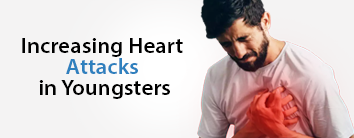
Heart diseases, including heart attacks are one of the leading causes of deaths worldwide. Infact, if experts are to be believed, heart attacks in the young, especially in individuals between 30-40 years, are on the rise. This alarming trend highlights the importance of raising awareness about heart health and also educating people about timely screening and taking preventive measures so as to avert any major heart event.
Youngsters generally dismiss the risk of heart disease, assuming it is a disease of the old and elderly. However, stress, sedentary lifestyle, chronic diseases such as diabetes and hypertension, and genetic factors place young individuals at risk of heart attack. Understanding various causes and following some handy tips, as mentioned below, can help avoid heart attacks and maintain long-term heart health.
Many people may not know they have an underlying heart condition until an emergency arises. If you have a family history of heart disease, get a thorough medical check-up done by our best cardiologist in Noida. To schedule an appointment, call: +(91) 9667064100.
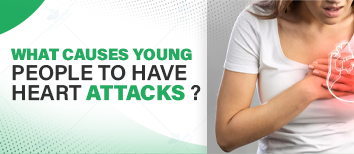
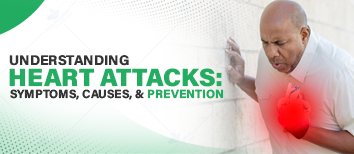
A heart attack happens when the blood flow to the heart gets blocked, often due to a clot or plaque accumulation in the coronary arteries which cuts off the supply of oxygen to the heart, resulting in tissue damage or death. While heart attacks have traditionally been linked with old age, the increase in incidence among youngsters point that lifestyle and environmental variables play an important role. In addition, sedentary lifestyle, increasing stress, and unhealthy nutritional habits contribute considerably to heart related ailments which can further lead to heart attacks.
● Sedentary Lifestyle: It causes weight gain, high blood pressure, poor circulation, ultimately weakening the heart.
● Unhealthy Diet: Consuming fast food, processed snacks, and sugary drinks results in high cholesterol, obesity, and diabetes, which are significant contributors to heart disease.
● Chronic Diseases: Conditions such as diabetes, high cholesterol, and hypertension damages blood vessels which increase the likelihood of fat buildup in the arteries.
● Undiagnosed heart conditions: Congenital heart defects or other structural abnormalities can increase the risk of experiencing a heart attack.
● Intense physical activity: This stress can lead to an increased demand for oxygen and blood flow to the heart, triggering a heart attack.
● Smoking and Alcohol Consumption: Tobacco damages blood vessels, while excessive consumption of alcohol leads to blood pressure problems, which may lead to heart problems.
● Chronic Stress and Mental Health Issues: Stress can affect the overall health, including the heart, by causing high blood pressure and inflammation over time.
● Genetic Factors: Heart attacks in young is commonly seen in individuals who have a family history of heart disease.
Knowing the early signs of heart disease can save a life! If you experience any of these heart attack warning signs as listed below, it’s crucial to take immediate action. Here are some signs to look out for:
● Tightness, or squeezing sensation in the chest
● Breathing difficulty
● Pain in the jaw, back, arms, and neck
● Nausea and vomiting
● Dizziness or lightheadedness
● Cold sweat
At Felix Hospital, we have a team of the best cardiologist in Noida, who are experienced enough to assess your heart health. Some of these tests include:
● Electrocardiogram (ECG or EKG) is used to determine if a heart attack is occurring or has occurred.
● Blood tests are used to detect proteins that escape into the bloodstream, resulting from heart injury (cardiac markers).
● Echocardiogram can help determine whether a region of your heart has been damaged.
● Cardiac computed tomography (CT) or magnetic resonance imaging (MRI) is used to determine the extent of heart damage.
To keep your heart healthy and lower your risk of heart disease, take these steps as mentioned below:
● Eat a heart-healthy diet that includes whole grains, fruits, vegetables, lean meats, and healthy fats. Avoid processed meals, excessive sugar, and trans fats.
● Daily light exercise to enhance cardiovascular health. Engage in at least 30 minutes of moderate-intensity activity five times per week.
● Yoga, meditation, deep breathing techniques, and relaxing hobbies can all help to relieve stress.
● Quit smoking and limiting alcohol consumption can greatly lower the risk of heart disease.
● Obesity is a big risk factor for heart attacks; thus, maintaining a healthy weight helps to prevent linked health problems.
● Sleep for at least 7- 8 hours each night to reduce your risk of cardiovascular diseases.
● Control your cholesterol, blood glucose (sugar), and blood pressure.
● Maintain a healthy weight because if you are overweight or obese, you are at higher risk of developing serious health problems, including heart attacks.
While the preventive measures can only help to reduce your chances of heart ailments, in the event of heart attacks in the young individuals, it's advisable to seek immediate medical treatment. At Felix Hospital, the best heart attack hospital in Noida, our cardiologists provide emergency treatment that aims to restore blood flow to the heart muscle, reduce damage, and prevent future attacks. The treatment depends on the reason for heart attack or severity of the condition and the patient’s health history.
Medications: This is normally the first line of treatment that helps to manage your blood pressure, cholesterol level, and prevent blood clotting.
● Coronary angioplasty and stenting: Angioplasty is a technique that opens blocked heart arteries. It is performed during cardiac catheterization after a heart attack. A flexible catheter is directed to the blocked section of the heart artery, and a balloon is inflated to widen the blockage and enhance blood flow. A fine mesh tube (stent) is placed inside the artery to keep it open and prevent constriction.
● Coronary artery bypass grafting (CABG): It is an open-heart surgery in which a surgeon creates an alternate pathway for blood to flow using a healthy blood vessel.
At Felix Hospital, the best heart attack hospital in Noida, we are equipped with state-of-the-art diagnostic machines and world class equipment to provide effective treatments and cardiac care. Our team, comprising the best cardiologist in Noida, emphasizes early detection and timely intervention so as to prevent minor issues from escalating into severe problems.
We also provide cardiac rehabilitation at our hospital, as part of which, our specialists provide tailored exercises and education programs on how to enhance heart health post heart surgery. It encourages leading an active lifestyle, consuming a heart-healthy diet, practicing stress reduction, and a gradual return to normal activities.
If you are looking for the best cardiologist in Noida, or to know our heart attacks treatment cost in Noida, speak to our representative today!
Experiencing a heart attack is terrifying - both for patients and their family members. Therefore, reduce your chances of suffering any cardiac event by adopting a heart healthy lifestyle. In case you experience any symptoms or have any pre-existing heart conditions or concerns, consult our best cardiologist in Noida.
Q-Am I at greater risk for a second heart attack if I’ve already had one?
ANS: Yes, in case there’s blockage in one or more of your coronary arteries that results in a heart attack, then you will need to take immediate treatment to reduce your risk of having another heart attack.
Q-What is the difference between a Heart Attack and Cardiac Arrest
ANS: A blockage of the blood vessels supplying oxygen to the heart muscle is known as a heart attack. If the heart attack is not treated, then the patient may experience a cardiac arrest. When the heart stops beating or beats too weakly to pump blood to the brain and other essential organs, it is known as cardiac arrest.
Q-Do all heart problems need surgery?
ANS: Depending on the problem, sometimes you may not need surgery. At Felix Hospital, our best cardiologist in Noida, uses advanced technology to provide minimally invasive procedures to manage heart diseases.
Q-What is the heart attacks treatment cost in Noida?
ANS: The heart attacks treatment cost in Noida depends on the complexity of the procedure, cardiologist’s expertise and patient’s general health condition. For details, speak to our representative.
हाथों और पैरों में झुनझुनी या सुन्नपन का अनुभव आम है। जिसे अक्सर लोग अनदेखा कर देते हैं। मगर यह संकेत है कि शरीर में कहीं नसें प्रभावित हो रही हैं। जरूरी नहीं कि इसकी वजह केवल न्यूरोलॉजिकल (तंत्रिका) समस्या हो। इसलिए समय रहते ध्यान देना जरूरी होता है। इस ब्लॉग में हम जानेंगे कि कैसे यह लक्षण केवल नसों की कमजोरी नहीं, बल्कि रूमेटोलॉजिकल यानी जोड़ों और प्रतिरक्षा संबंधी रोगों से भी जुड़े होते हैं। समय रहते सही लक्षण पहचान लेना साथ ही अच्छे रूमेटोलॉजी हॉस्पिटल (Best Rheumatology Hospital) से इलाज आवश्यक है।
ज्यादा जानकारी के लिए हमें कॉल करें +91 9667064100.
झुनझुनी और सुन्नपन के सामान्य कारणों में तंत्रिका क्षति, तंत्रिका संपीड़न और कुछ स्वास्थ्य स्थितियां शामिल है। यह लक्षण एक विशेष तंत्रिका की क्षति या कई तंत्रिकाओं को प्रभावित करने वाली समस्याओं के कारण भी होते हैं जो निम्न है
यह एक ऑटोइम्यून रोग है। जिस कारण जोड़ों में सूजन होती है। जब सूजनग्रस्त जोड़ नसों पर दबाव डालते हैं, तो झुनझुनी और सुन्नपन के लक्षण दिखते हैं। खासकर हाथों में दिखते हैं।
ल्यूपस में शरीर की प्रतिरक्षा प्रणाली खुद की नसों पर हमला करती है। इससे नसों में सूजन, क्षति या संवेदनशीलता की कमी होती है। जिस कारण हाथ-पैर सुन्न या झुनझुनी युक्त महसूस होते हैं।
इस रोग में शरीर की ग्रंथियां (ग्लैंड्स) प्रभावित होती हैं। नसों की परिधीय क्षति होती है। इस कारण हाथों-पैरों में झुनझुनी, जलन और हल्का दर्द होता है।
यह रक्त वाहिकाओं की सूजन है। जिस कारण नसों को रक्त आपूर्ति कम होती है। इस कारण नसें क्षतिग्रस्त होती हैं। झुनझुनी या सुन्नपन का अनुभव होता है।
इसमें शरीर के विभिन्न अंगों में सूजन आती है, और नसें भी प्रभावित हो सकती हैं। विशेष रूप से चेहरे, हाथ या पैरों में झुनझुनी या कमजोरी का अनुभव होता है।
40 वर्ष से ऊपर के लोगों में यह समस्या ज्यादा सामान्य है। क्योंकि उम्र बढ़ने के साथ नसें कमजोर होती हैं। अन्य रोग जैसे डायबिटीज, थायरॉइड) की संभावना बढ़ती है। कम उम्र के लोग भी प्रभावित होते हैं। खासकर जो लंबे समय तक लैपटॉप/मोबाइल का इस्तेमाल करते हैं। जो विटामिन्स की कमी से जूझते हैं। अत्यधिक मानसिक तनाव या नींद की कमी में होती है।
यह लोग होते हां ज्यादा प्रभावितः
बुजुर्गों की उम्र के साथ नसें कमजोर होती हैं। डायबिटीज, विटामिन बी12 की कमी, आर्थराइटिस, थायरॉइड, रक्त संचार की कमी होती हैं। इस कारम पुरानी बीमारियों उभरने से समस्या बढ़ती है।
दूसरे नंबर पर प्रभावित वर्ग महिलाएं होती है। उनमें विटामिन बी12, आयरन और कैल्शियम की कमी होती है। हार्मोनल बदलाव नसों को प्रभावित करते हैं। कार्पल टनल सिंड्रोम महिलाओं में पुरुषों की तुलना में ज़्यादा होता है। गर्भावस्था में झुनझुनी आम है। खासकर पैरों में नसों पर दबाव के कारण।
पुरुष अगर शराब का सेवन ज्यादा करते हैं। डायबिटीज नियंत्रण में न हो, तो यह समस्या होती है। लंबे समय तक फिजिकल वर्क या गलत पोस्चर, जैसे झुककर काम करना भी नसों पर असर डालता है।
जब कोई रूमेटोलॉजिकल बीमारी नसों को प्रभावित करती है, तो झुनझुनी या सुन्नपन केवल सतही लक्षण नहीं होता, बल्कि यह भीतर चल रही सूजन या तंत्रिका क्षति का संकेत होता है। ऐसे मामलों में रूमेटोलॉजिस्ट से परामर्श लेना आवश्यक होता है।
हाथों और पैरों में झुनझुनी और सुन्नपन के पीछे रूमेटोलॉजिकल कारणों की पुष्टि करने के लिए चिकित्सक एक विस्तृत और व्यवस्थित प्रक्रिया अपनाते हैं। इसमें शारीरिक परीक्षण, खून की जांच, तंत्रिका परीक्षण और इमेजिंग तकनीकों का उपयोग शामिल हैं।
चिकित्सक मरीज के हाथों और पैरों की गति, कमजोरी, संवेदनशीलता और सूजन की जांच करते हैं। इस परीक्षण से यह पता चलता है कि किस हद तक नसें प्रभावित हुई हैं। क्या जोड़ों या तंत्रिका तंत्र में कोई समस्या है। इसमें देखा जाता है कि तंत्रिका प्रणाली कितनी प्रभावित हुई है। यानी मांसपेशियों में कमजोरी या संवेदनशीलता में कमी आ रही है क्या।
खून की जांच से रूमेटोलॉजिकल स्थितियों का पता लगाया जा सकता है। एएनए (एंटीन्यूक्लियर एंटीबॉडी) परीक्षण ऑटोइम्यून बीमारियों जैसे सिस्टमिक ल्यूपस एरिथेमेटोसस (एसएलई) के लिए होता है। आरएफ (रुमेटॉयड फैक्टर) टेस्ट रूमेटॉइड आर्थराइटिस के संकेतकों को पहचानने में मदद करता है। सीसीपी विरोधी टेस्ट रूमेटॉइड आर्थराइटिस की पुष्टि करने के लिए जरूरी होता है।
ईएमजी (इलेक्ट्रोमायोग्राफी) परीक्षण में मांसपेशियों और नसों की कार्यक्षमता का आकलन करते हैं। एनसीवी (तंत्रिका चालन वेग परीक्षण नसों में सिग्नल की गति को मापता है। जिस कारण नसों की क्षति का स्तर और उसकी गंभीरता का पता चलता है। यह परीक्षण विशेष रूप से तब किया जाता है जब नसों के दबाव या संकुचन का संदेह हो।
जब नसों पर दबाव या सूजन का संदेह होता है तो एमआरई या सीटी स्कैन से पता लगाते हैं कि समस्या कहां है। वह कितनी गंभीर है। एमआरई/सीटी स्कैन रीढ़ की हड्डी, जोड़ों या नसों के आसपास के क्षेत्रों की स्थिति की जांच करने में मदद करता है। जैसे कि कार्पल टनल सिंड्रोम, सियाटिका और हर्नियेटेड डिस्क जैसी स्थितियों में
रूमेटोलॉजिकल कारणों से होने वाली झुनझुनी और सुन्नपन का इलाज एक बहुआयामी प्रक्रिया है। जिसमें दवाओं से लेकर जीवनशैली में बदलाव तक के उपाय शामिल हैं। इसका उद्देश्य नसों पर दबाव कम करना, सूजन को नियंत्रित करना और जोड़ों की गति को बेहतर बनाना है।
यह दवाएं रूमेटोलॉजिकल रोगों जैसे रूमेटॉइड आर्थराइटिस में सूजन और दर्द को कम करती हैं।ये रोग की गति को धीमा करने में मदद करती हैं, जिससे नसों पर दबाव भी कम होता है।
तीव्र सूजन और दर्द को नियंत्रित करने के लिए स्टेरॉयड्स का उपयोग करते हैं। यह विशेष रूप से तब उपयोगी होते हैं। जब सूजन बहुत ज्यादा होती है। यानि जब त्वरित राहत की आवश्यकता होती है।
यह दवाएं सूजन और हल्के से मध्यम दर्द को कम करने में मदद करती हैं। यह नॉन-स्टेरॉयड सूजनरोधी दवाएं हैं। जो जोड़ों में सूजन और दर्द को नियंत्रित करने के लिए प्रभावी होती हैं।
फिजियोथेरेपी मांसपेशियों और जोड़ों की गति को बढ़ाने में मदद करती है, जिससे नसों पर दबाव कम होता है और जोड़ों की लचीलापन बनी रहती है।
फिजियोथेरेपी, स्ट्रेचिंग और मांसपेशियों की मजबूत करने वाली तकनीकों के माध्यम से, नसों पर दबाव को कम करने और चलने-फिरने की क्षमता को सुधारने में सहायक होती है। यह उपचार विशेष रूप से कार्पल टनल सिंड्रोम या सियाटिका जैसी स्थितियों में उपयोगी होता है।
अगर शरीर में विटामिन B12 की कमी होती है, तो यह नसों की कार्यप्रणाली को बाधित करता है। इस कमी को पूरा करने के लिए विटामिन B12 सप्लिमेंट्स मददगार होते हैं। विटामिन डी, कैल्शियम, और मैग्नीशियम जैसे तत्व नसों के स्वास्थ्य के लिए आवश्यक होते हैं। इनकी कमी से नसों पर दबाव बढ़ता है। जिससे झुनझुनी और सुन्नपन की समस्या होती है।
योग, स्ट्रेचिंग, और हल्के कार्डियो व्यायाम नसों और जोड़ों की सक्रियता बनाए रखने में मदद करते हैं। ये व्यायाम नसों पर दबाव कम करने और रक्त परिसंचरण को बेहतर बनाने में सहायक होते हैं।
एक पोषण से भरपूर आहार रोग प्रतिरोधक क्षमता को बढ़ाता है और शरीर के वजन को नियंत्रित रखने में मदद करता है। एक स्वस्थ आहार शरीर की सूजन को कम करने में भी मदद करता है, जो झुनझुनी और सुन्नपन को बढ़ाती है।
यदि नसों पर अत्यधिक दबाव हो और दवाओं से राहत न मिले, तो शल्य चिकित्सा की आवश्यकता हो सकती है। कार्पल टनल रिलीज़ सर्जरी या नसों की डीकंप्रेशन प्रक्रिया विशेष रूप से कार्पल टनल सिंड्रोम और सियाटिका जैसी स्थितियों में की जा सकती है। ये प्रक्रियाएँ नसों के दबाव को कम करने के लिए उपयोग की जाती हैं, ताकि सूजन और दर्द को नियंत्रित किया जा सके।
रूमेटोलॉजिस्ट एक चिकित्सा विशेषज्ञ होता है जो रूमेटोलॉजिकल और ऑटोइम्यून बीमारियों का निदान, उपचार और प्रबंधन करता है। वे विशेष रूप से उन बीमारियों में प्रशिक्षित होते हैं जो जोड़ों, मांसपेशियों, हड्डियों, और संयोजी ऊतकों को प्रभावित करती हैं। फेलिक्स हॉस्पिटल्स की रूमेटोलॉजिस्ट डॉ. किरण सेठ 20 साल से ज्यादा का तजुर्बा रखती है और रूमेटोलॉजिकल और ऑटोइम्यून बीमारियों का निदान बेहतरीन तरीके से कर लेती हैं साथ ही ऑनलाइन परामर्श भी उपलब्ध है।
समय पर जाँच बेहद आवश्यक है। आज ही फेलिक्स हॉस्पिटल्स में संपर्क करें और आज ही अपना अपॉइंटमेंट बुक करें।
हाथ-पैरों में झुनझुनी या सुन्नपन एक आम लक्षण भले ही लगे, लेकिन इसके पीछे गंभीर रूमेटोलॉजिकल कारण होते हैं। इन्हें नजरअंदाज करना भविष्य में नसों और जोड़ों को स्थायी क्षति पहुंचता है। अगर लक्षण लगातार बने रहें या इनके साथ जोड़ों में सूजन, थकान, दर्द या त्वचा संबंधी समस्या भी दिखें तो यह साफ संकेत होता है कि शरीर में कोई रूमेटिक रोग सक्रिय है। समय पर जांच और विशेषज्ञ से परामर्श लेना, न केवल सही निदान में मदद करता है, बल्कि जटिलताओं से भी बचाता है।
प्रश्न 1. क्या हाथ-पैरों में झुनझुनी हमेशा नसों की बीमारी का संकेत है ?
उत्तरः झुनझुनी कई कारणों से होती है। यह नसों की समस्या, विटामिन की कमी, मधुमेह, थायरॉयड विकार या किसी रूमेटिक रोग का लक्षण होता है।
प्रश्न 2. झुनझुनी और सुन्नपन रूमेटोलॉजिकल बीमारियों से कैसे जुड़ा है ?
उत्तरः रूमेटिक रोगों जैसे रूमेटॉइड आर्थराइटिस, ल्यूपस, वेस्कुलाइटिस आदि में सूजन नसों पर दबाव डाल सकती है। जिससे झुनझुनी या सुन्नपन महसूस होता है।
प्रश्न 3. किन परीक्षणों से यह पता चलता है कि झुनझुनी का कारण रूमेटिक है या नहीं ?
उत्तरः शारीरिक जांच के साथ-साथ खून की जांच (ANA, RF, Anti-CCP), EMG/NCV परीक्षण और MRI/CT स्कैन से स्थिति स्पष्ट होती है।
प्रश्न 4. क्या रूमेटोलॉजिकल झुनझुनी का इलाज संभव है ?
उत्तरः अगर समय पर सही निदान हो जाए तो दवाओं, फिजियोथेरेपी, सप्लिमेंट्स और जीवनशैली सुधार से राहत संभव है।
प्रश्न 5. क्या झुनझुनी की स्थिति में ऑपरेशन जरूरी होता है ?
उत्तरः केवल गंभीर मामलों में जब नसों पर अत्यधिक दबाव हो और अन्य उपचार विफल हों तब सर्जरी की जाती है।
प्रश्न 6. मुझे केवल थोड़ी-थोड़ी झुनझुनी होती है, क्या मुझे डॉक्टर को दिखाना चाहिए ?
उत्तरः अगर यह झुनझुनी बार-बार होती है। किसी अंग विशेष तक सीमित रहती है या अन्य लक्षणों के साथ जुड़ी है, तो परामर्श आवश्यक है।
बार-बार बुखार और जोड़ों में दर्द होना केवल सामान्य वायरल लक्षण नहीं हो सकते। यह शरीर में किसी संक्रमण, ऑटोइम्यून बीमारी या सूजन से जुड़ी समस्या का संकेत भी हो सकता है
बार-बार बुखार और जोड़ों का दर्द वाकई में किसी गंभीर बीमारी का संकेत हैं। विशेषकर अगर यह लक्षण लंबे समय से हैं। यह लक्षण कई ऑटोइम्यून या रूमेटोलॉजिकल बीमारियों से जुड़े हो सकते हैं। जैसे सिस्टेमिक ल्यूपस एरिथेमेटोसस (एसएलई), रुमेटॉइड आर्थराइटिस (आरए), एंकिलोजिंग स्पॉन्डिलाइटिस, आदि। इसलिए इनके लक्षणों को हल्के में नहीं लेना चाहिए। समय रहते अच्छे रुमेटोलॉजी हॉस्पिटल (Best Rheumatology Hospital) से संपर्क करें। इस ब्लॉग में हम बार-बार बुखार के समय पर पहचान और सावधानियों की जानकारी दी जाएगी।
रूमेटोलॉजी में जोड़ों, मांसपेशियों, हड्डियों से संबंधित बीमारियों होती है। इसमें मुख्य रूप से ऑटोइम्यून बीमारियां होती हैं। जो शरीर की प्रतिरक्षा प्रणाली गलती से अपने ही ऊतकों पर हमला करती है। रुमेटॉइड आर्थराइटिस, सिस्टेमिक ल्यूपस एरिथेमेटोसस (एसएलई), एंकिलोज़िंग स्पॉन्डिलाइटिस, स्जोग्रेन सिंड्रोम, गाउट, फाइब्रोमायल्जिया, वेस्कुलाइटिस, जुवेनाइल इडियोपैथिक आर्थराइटिस रूमेटोलॉजिकल बीमारियां है।
लगातार या बार-बार जोड़ों में दर्द और सूजन होना
सवेरे उठने पर जोड़ों में जकड़न होना
थकान और कमजोरी होना
बार-बार बुखार आना (बिना स्पष्ट संक्रमण के) होना
त्वचा पर चकत्ते या रैशेस होना
मांसपेशियों में दर्द या अकड़न होना
आंखों, मुंह या त्वचा में सूखापन होना
वजन में अचानक गिरावट होना
बार-बार बुखार आना और जोड़ों में दर्द महसूस होना कई प्रकार की स्वास्थ्य स्थितियों का संकेत है। यह क्षण सामान्य संक्रमण के कारण होते हैं, लेकिन कई बार यह किसी गंभीर रूमेटोलॉजिकल या ऑटोइम्यून बीमारी से भी होते हैं। नीचे कुछ प्रमुख हैं:
यह एक ऑटोइम्यून रोग है। जिसमें शरीर की प्रतिरक्षा प्रणाली अपने ही जोड़ों पर हमला करती है। जोड़ों में लगातार सूजन और दर्द, सवेरे जोड़ों में जकड़न, हल्का बुखार, थकावट इसके लक्षण हैं।
ल्यूपस एक जटिल ऑटोइम्यून बीमारी है। जिसमें शरीर के कई अंग प्रभावित होते हैं। जैसे त्वचा, जोड़ों, किडनी, मस्तिष्क आदि। बार-बार बुखार, जोड़ों में दर्द और सूजन, चेहरे पर तितली-आकार का रैश, बाल झड़ना, थकावट और वजन घटना इसके लक्षण हैं।
यह आर्थराइटिस का प्रकार बच्चों में होता है। यह 16 वर्ष से कम उम्र के बच्चों में लंबे समय तक जोड़ों में सूजन का कारण बनता है। बच्चों में बुखार, जोड़ों में सूजन और अकड़न, धीमी गति से वृद्धि, आंखों में सूजन (कुछ मामलों में), समय पर निदान और उपचार से बच्चों को सामान्य जीवन जीने में मदद मिलती है।
यह एक प्रकार की सूजन होती है जो शरीर में किसी संक्रमण के बाद होती है, खासकर यूरिनरी या गैस्ट्रोइंटेस्टाइनल संक्रमण के बाद। एक या एक से अधिक जोड़ों में सूजन, हल्का बुखार, आंखों में जलन, यूरिन मार्ग में तकलीफ इसके लक्षण हैं।
इसके अंतर्गत अन्य कई बीमारियां आती हैं जैसे स्जोग्रेन सिंड्रोम, वेस्कुलाइटिस, सिस्टेमिक स्क्लेरोसिस आदि होती है। बार-बार बुखार, विभिन्न जोड़ों में दर्द, मांसपेशियों में अकड़न, अंगों में सूजन, त्वचा में परिवर्तन इसके लक्षण हैं।
वायरल बीमारियों में तेज बुखार और जोड़ों में असहनीय दर्द प्रमुख लक्षण होते हैं। उच्च बुखार, शरीर और जोड़ों में तेज दर्द, त्वचा पर चकत्ते या रैश, प्लेटलेट्स की कमी खासकर डेंगू में, कमजोरी जो कई हफ्तों तक रहती है।
यह आम लेकिन गंभीर संक्रमण हैं जो समय पर इलाज न होने पर जटिल होते हैं। बार-बार या चढ़ता-उतरता बुखार, शरीर में थकान और दर्द, भूख में कमी, सिरदर्द और पसीना, कभी-कभी उल्टी या दस्त इसके लक्षण हैं।
टीबी केवल फेफड़ों तक सीमित नहीं होती यह हड्डियों, जोड़ों, लिम्फ नोड्स, और यहां तक कि दिमाग पर भी असर डालती है। लंबे समय तक बना रहने वाला बुखार, वजन का तेजी से घटना, रात में पसीना, लगातार खांसी (अगर फेफड़ों में हो), शरीर में सूजन या दर्द इसके लक्षण हैं।
जब बार-बार बुखार और जोड़ों में दर्द जैसी समस्याएं लगातार बनी रहें समय पर निदान जरूरी हैं। जो बीमारी की जड़ तक पहुंचने में मदद करते हैं।
सीबीसी (पूर्ण रक्त गणना) से शरीर में संक्रमण या खून की कमी का पता चलता है। जब ईएसआर (एरिथ्रोसाइट अवसादन दर) शरीर में किसी प्रकार की सूजन का संकेत देता है। सीआरपी (सी-रिएक्टिव प्रोटीन) यानी तीव्र सूजन या संक्रमण की स्थिति में बढ़ता है। इन टेस्ट से यह पता लगा सकते हैं कि शरीर मेंसूजन या संक्रमण है की नहीं।
एएनए (एंटीन्यूक्लियर एंटीबॉडी टेस्ट) लूपस जैसी ऑटोइम्यून बीमारियों की पहचान में मदद करता है। आरए फैक्टर (रूमेटॉइड फैक्टर) रूमेटॉइड अर्थराइटिस के निदान में महत्वपूर्ण होता है। एलएफटी (लिवर फंक्शन टेस्ट) लीवर की सेहत जांचने के लिए होता है।केएफटी (किडनी फंक्शन टेस्ट) किडनी की कार्यक्षमता जानने के लिए होता है। ऑटोइम्यून या क्रॉनिक बीमारियों के मामले में यह जांच जरूरी होती हैं।
एक्स-रे हड्डियों और जोड़ों में सूजन या क्षति की स्थिति देखने के लिए होता है। अल्ट्रासाउंड आंतरिक अंगों की संरचना का मूल्यांकन करने के लिए होता है। एमआरआई मांसपेशियों, नसों और जोड़ों की गहराई से जांच के लिए होता है। अगर जोड़ों का दर्द लगातार बना है तो मूवमेंट सीमित होती है। तो यह इमेजिंग तकनीकें बहुत उपयोगी साबित होती हैं।
एनएस-1 और आईजीएम टेस्ट डेंगू की पुष्टि के लिए होता है। मलेरिया परजीवी जांच ब्लड स्मीयर या रैपिड टेस्ट द्वारा होती है। मंटौक्स टेस्ट / सीबीएनएएटी / चेस्ट एक्स-रे टीबी की पहचान के लिए होती है।
बार-बार बुखार और जोड़ों के दर्द का इलाज लक्षणों के आधार पर नहीं मूल वजह से होना चाहिए। इस समस्या से निपटने के लिए क्या कदम उठाए जा सकते हैं:
हर रोग का इलाज उसकी जड़ पर निर्भर करता है। इसलिए यह आवश्यक है कि पहले सही निदान हो और फिर उसी के अनुसार डॉक्टर द्वारा सुझाई गई दवाएं ली जाएं। संक्रमण होने पर एंटीबायोटिक या एंटीवायरल। ऑटोइम्यून रोगों में इम्यून-सप्रेसिंग दवाएं। सूजन और दर्द कम करने के लिए एनालजेसिक/एनएसएआईडी दवा ली जा सकती है। हालांकि स्वयं दवा न लें। डॉक्टर की सलाह हमेशा आवश्यक है।
पौष्टिक आहार जैसे ताजे फल, हरी सब्जियां, दालें और सूखे मेवे रोग प्रतिरोधक क्षमता बढ़ाते हैं। पर्याप्त पानी पीना और हाइड्रेशन बनाए रखना जरूरी होता है। रोजाना सात-आठ घंटे की नींद शरीर को रिकवरी करती है।
हल्दी, तुलसी, गिलोय, आंवला जैसे प्राकृतिक तत्वों का सेवन करना चाहिए। विटामिन सी, डी और जिंक जैसे सप्लीमेंट्स (डॉक्टर की सलाह से) लेना चाहिए। प्रदूषण और अत्यधिक थकावट से बचाव जरूरी होता है।
हल्की योगा, स्ट्रेचिंग या वॉक करने से जोड़ों की गतिशीलता बनी रहती है। दर्द कम भी होता है। शारीरिक सक्रियता इम्यून सिस्टम को भी मजबूत बनाती है।
तनाव भी शरीर की प्रतिरोधक क्षमता को कम करता है। मेडिटेशन, प्राणायाम और रचनात्मक गतिविधियां मानसिक शांति देती हैं। समय पर ब्रेक और पर्याप्त आराम भी जरूरी होता है।
रूमेटोलॉजिस्ट एक चिकित्सा विशेषज्ञ होता है जो रूमेटोलॉजिकल और ऑटोइम्यून बीमारियों का निदान, उपचार और प्रबंधन करता है। वे विशेष रूप से उन बीमारियों में प्रशिक्षित होते हैं जो जोड़ों, मांसपेशियों, हड्डियों, और संयोजी ऊतकों को प्रभावित करती हैं। फेलिक्स हॉस्पिटल्स की रूमेटोलॉजिस्ट डॉ. किरण सेठ 20 साल से ज्यादा का तजुर्बा रखती है और रूमेटोलॉजिकल और ऑटोइम्यून बीमारियों का निदान बेहतरीन तरीके से कर लेती हैं।
जटिल जोड़ों के दर्द और सूजन के कारणों की गहराई से जांच करते हैं।
ऑटोइम्यून रोगों की पहचान (जैसे आरए, एसएलई स्क्लेरोडर्मा) जांच करते हैं।
विशेष रक्त परीक्षणों की व्याख्या (जैसे एएनए, आरएफ, एंटी-सीसीपी) जांच करते हैं।
रोग की गंभीरता का मूल्यांकन करना जांच करते हैं।
दीर्घकालिक दवाइयों की योजना बनाना (डीएमएआरडी, इम्यूनोमॉड्यूलेटर आदि) जांच करते हैं।
जीवनशैली में आवश्यक बदलावों की सलाह देना जांच करते हैं।
मरीज की स्थिति की निगरानी करना और इलाज में संशोधन करना जांच करते हैं।
बार-बार बुखार और जोड़ों का दर्द केवल थकान या मौसम का असर नहीं, बल्कि किसी गंभीर रूमेटोलॉजिकल बीमारी का संकेत होता है। इन लक्षणों को हल्के में लेना आगे चलकर स्थायी शारीरिक क्षति या जटिलताओं का कारण बनता है। रूमेटोलॉजिकल बीमारियां जितनी जल्दी पहचानी जाएं, उतनी ही बेहतर तरीके से उनका प्रबंधन किया जा सकता है। प्रारंभिक इलाज से न केवल दर्द और असुविधा को कम किया जाता है। बल्कि जीवन की गुणवत्ता को भी सुरक्षित रखा जाता है।
प्रश्न 1. क्या बार-बार बुखार और जोड़ों का दर्द रुमेटॉइड आर्थराइटिस (आरए) का संकेत है ?
उत्तरः बार-बार बुखार और जोड़ों का दर्द आरए का लक्षण होता है। खासकर यदि यह सुबह की जकड़न और जोड़ों की सूजन के साथ हो। विशेषज्ञ से जांच कराना आवश्यक है।
प्रश्न 2. क्या सभी जोड़ों के दर्द रूमेटोलॉजिकल बीमारी के कारण होते हैं ?
उत्तरः सभी जोड़ों के दर्द रूमेटोलॉजिकल कारणों से नहीं होते है। चोट, अधिक उपयोग, संक्रमण या विटामिन की कमी भी कारण भी होते हैं। अगर दर्द लगातार बना रहे या बुखार के साथ हो, तो रूमेटोलॉजिकल जांच कराना चाहिए।
प्रश्न 3. रूमेटोलॉजिकल बीमारी का इलाज पूरी तरह संभव है क्या ?
उत्तरः अधिकांश रूमेटोलॉजिकल बीमारियां दीर्घकालिक होती हैं। जिनका पूर्ण इलाज नहीं लेकिन प्रभावी प्रबंधन संभव है। सही दवाओं और नियमित फॉलोअप से व्यक्ति सामान्य जीवन जी सकता है।
प्रश्न 4. कौन से टेस्ट रूमेटोलॉजिकल बीमारी की पुष्टि करते हैं ?
उत्तरः आर फैक्टर (गठिया का कारक), एएनए (एएनए - एंटीन्यूक्लियर एंटीबॉडी), सीआरपी और ईएसआर (सूजन जांचने के लिए), सी.सी.पी. विरोधी, एचएलए-बी27 (कुछ विशेष स्थितियों में) इनकी व्याख्या विशेषज्ञ द्वारा की जानी चाहिए।
प्रश्न 5. क्या रूमेटोलॉजिकल बीमारियां बच्चों में भी हो सकती हैं ?
उत्तरः बच्चों में जुवेनाइल इडियोपैथिक आर्थराइटिस (जीआईए) जैसी स्थितियां पाई जाती हैं, जो बुखार और जोड़ों के दर्द के साथ प्रकट होती हैं। बच्चों में समय पर पहचान और इलाज बेहद जरूरी है।
प्रश्न 6. क्या घरेलू उपाय या डाइट से राहत मिल सकती है ?
उत्तरः एंटी-इंफ्लेमेटरी फूड, हल्दी, मछली का तेल) और हल्का व्यायाम सहायक होते हैं, लेकिन यह इलाज का विकल्प नहीं हैं। हमेशा डॉक्टर की सलाह लें।
In eye treatment, early detection and the availability of superior treatments can work wonders. With poor vision, age-related eye disease, or glasses-free vision, Greater Noida now has high-tech ophthalmology treatment centers to cater to all requirements. From sophisticated LASIK procedures to high-tech cataract treatments, Greater Noida's best eye care hospitals are creating new benchmarks in vision correction as well as total eye care.
Here in this blog, we will take you through the new treatment solutions for common eye issues such as cataracts, refractive errors, and more—along with why it is crucial to choose the correct eye specialist and hospital for your long-term eye health.
Learn cost-effective and state-of-the-art vision correction solutions—call or visit us today to know which solution is best for you.
Eyes are soft but significant organs. Conditions such as cataract, myopia (near-sightedness), hyperopia (far-sightedness), or astigmatism not only affect your way of life but also become even more advanced if not treated in time. Despite all the modern technology these days, the interventions are now quicker, safer, and more accurate than ever. Patients in Greater Noida can now benefit from advanced diagnostic machines, minimum invasive treatment procedure, and specialist eye specialists all under one roof.
Cataracts are among the most frequent age-related conditions affecting the eye. It appears when the normal lens of the eye gets opaque, causing impaired eyesight, sensitivity to light, and nocturnal blindness. While it's most common among individuals above the age of 60 years, young-onset cataract is also growing increasingly prevalent.
Top-Flight Cataract Treatment Options Include:
Cataract surgeries are conducted at the best ophthalmology hospital in Greater Noida with advanced, pain-free methods with rapid healing—often enabling patients to be discharged on the same day.
If you’re tired of wearing glasses or contact lenses, LASIK (Laser-Assisted in Situ Keratomileusis) is one of the most effective procedures to permanently correct refractive errors.
Types of LASIK and Refractive Surgeries Available:
All of these procedures are safe, fast, and provide long-lasting outcomes—with the majority of patients attaining 20/20 or better.
The best eye care hospitals in Greater Noida provide far more than LASIK and cataract surgeries. Their cutting-edge services are:
The right eye care provider provides safety, comfort, and long-term outcomes. The best eye hospitals in Greater Noida are distinguished by:
Do not wait for vision issues to disrupt your routine. Book an eye consultation if you notice:
Early diagnosis equals better results. Book your thorough eye examination with our experts in Greater Noida today.
Vision problems can leave a lasting mark on your life, but with timely intervention and state-of-the-art technology, they are easier to handle than ever. If you need cataract surgery, LASIK surgery in Greater Noida, or specialized retinal or pediatric treatment, the best ophthalmologist in Greater Noida at the leading eye hospital offers comprehensive care tailored to your needs.
Entrust your sight to seasoned experts and cutting-edge equipment at the best eye hospital in Greater Noida. Let us help you step into brighter visions, greater ease, and sharper tomorrows. Let no vision concerns restrain you—enquire about consulting today and experience the difference of superior eye treatment.
Q1: What tells me I qualify for LASIK or Contoura Vision?
Ans: You are qualified on the basis of age, corneal thickness, and stable vision prescription. An eye test should be performed to confirm whether you are a good candidate.
2Q: How is laser cataract surgery different from conventional cataract surgery?
Ans: Laser cataract surgery has greater accuracy, small incision, and improved visual outcome than manual cataract surgery.
3Q: Can I have an option for the type of lens implant during cataract surgery?
Ans: Yes, you have the option of monofocal, multifocal, toric, or trifocal IOLs according to your life and desired vision.
4Q: Is SMILE surgery superior to LASIK for dry eye patients?
Ans: SMILE results in fewer interruptions to the corneal nerves and is thus a great choice for individuals with a history of dry eyes after surgery.
5Q: How long does it take to recover after LASIK or cataract surgery?
Ans: Most LASIK patients recover to normal in 24–48 hours, while cataract recovery is a few days to weeks depending on healing.
Cataract surgery is essential to restore clear vision and prevent permanent blindness. It removes the cloudy lens and replaces it with an artificial one, helping patients regain normal sight and quality of life.

Discover 10 lesser-known facts about cataract surgery, including treatment options, recovery tips, and costs. Learn what you need to know before undergoing surgery.
You’re sitting in your Noida apartment, staring at a lab report that hints at kidney trouble—maybe it’s protein in your urine or unexplained fatigue. Your doctor suggests a kidney biopsy, and suddenly, you’re caught between worry about your health and questions about the cost. In Noida, where 1 in 10 adults faces kidney-related issues, Felix Hospital stands out for its expert care and transparent guidance.
It’s natural to feel anxious about the procedure and curious about how much it might cost—especially when you're trying to plan ahead. Let’s walk you through everything you need to know about getting a kidney biopsy in Noida—so you feel informed, confident, and supported.
If you need a renal biopsy for accurate diagnosis, trust us to provide world-class care in a safe and compassionate environment. Call us today at +91 9667064100.
Imagine a tiny window into your kidney’s health—that’s what a biopsy offers. A small sample of kidney tissue is gently removed and studied under a microscope to uncover the root of issues like glomerulonephritis or transplant complications. At Felix Hospital, we use two main methods: a percutaneous (needle) biopsy, guided by ultrasound for 95% of cases, or a rare open biopsy for complex needs.
Performed under local anesthesia, the procedure takes 30–60 minutes, with a few hours of observation to ensure you’re safe. Our nephrologists, trusted by 90% of patients, make it feel less daunting, helping 85% feel at ease.
In Noida, the cost of a kidney biopsy typically ranges from ₹12,000 to ₹30,000, depending on several factors like the type of biopsy, hospital facilities, doctor’s expertise, and whether special imaging guidance (like ultrasound or CT scan) is needed. This range, seen across the best kidney hospital in Noida, reflects Felix Hospital’s commitment to affordability without compromising quality, making us a choice for 80% of kidney patients seeking value and care.
Good news—most health insurance policies cover the cost of medically advised kidney biopsies, especially if your doctor has recommended it for diagnostic reasons. It’s a smart idea to check with your provider beforehand about pre-authorization or network hospital requirements. In Noida, 75% of insured patients find coverage for biopsies at Felix Hospital, a network provider for plans like Star Health and ICICI Lombard. Our team helps 85% navigate insurance claims, easing your financial worries.
Noida offers a range of options—from premium hospitals to specialized diagnostic centers—ensuring you can find a place that fits your medical needs and your budget. Many centers also offer transparent pricing packages, EMI facilities, or discounts on pathology fees. At Felix Hospital, we provide flexible payment plans for 20% of patients and Ayushman Bharat coverage for eligible cases, ensuring 85% access to affordable care. Our pathology lab, with a 90% accuracy rate, keeps costs low without cutting corners.
Felix Hospital isn’t just a kidney care leader in Noida—it’s a place where you’re family. Our nephrologists, including Dr. Sameer Tawakley, Dr. Navin Jha, and Dr. Udit Gupta, bring 15+ years of expertise, helping 90% of patients with precise diagnoses. With advanced imaging, a 95% safety record, and a patient-first approach, we ensure comfort and clarity. Recognized as Noida’s best kidney hospital by 80% of patients, we offer comprehensive care from biopsy to follow-up, making your health our priority.
Don’t let uncertainty hold you back—call +91 9667064100 or visit our website to book your consultation. At Felix Hospital, your kidney health is our heartfelt promise.
Facing a kidney biopsy can feel like standing at a crossroads, with health concerns on one side and cost questions on the other. In Noida, where 10% of adults navigate kidney challenges, Felix Hospital is your partner, offering expert care that feels like home. From a cost range of ₹12,000 to ₹30,000 to insurance support and flexible payments, we make your journey clear and manageable. Our nephrologists in noida, trusted by 90%, are ready to guide you with warmth and precision.
1. How much does a kidney biopsy cost in Noida?
You’re likely to pay anywhere between ₹12,000 and ₹30,000, depending on where you go and the type of biopsy done. On average, most patients in Noida pay around ₹17,000. At centers like Felix Hospital, you can expect transparent cost breakdowns—no last-minute surprises.
2. Is it covered by insurance, or will I pay out of pocket?
Yes, most diagnostic kidney biopsies are covered under standard health insurance plans, but coverage details vary. Over 75% of patients use insurance to reduce out-of-pocket costs. Hospitals like Felix are empaneled with multiple insurers, making the claims process smoother and faster.
3. Why is there such a price difference between hospitals?
It’s not just the hospital—it’s what’s included. Costs rise if your biopsy needs real-time imaging, a senior nephrologist, or overnight observation. Roughly 90% of pricing differences come from these upgrades, so it’s worth asking what’s included in your estimate before you commit.
4. Are there flexible payment options if I don’t have insurance?
Absolutely. Many patients are unaware that hospitals like Felix offer no-interest EMI plans and even Ayushman Bharat assistance for eligible patients. In fact, around 1 in 5 patients opt for EMI plans, especially for elective diagnostic procedures.
5. How long will I need to stay at the hospital?
The biopsy itself is quick—about 30 to 60 minutes—but expect to stay for at least 4 to 6 hours under observation. This short stay ensures your kidney is functioning well and there's no bleeding—something over 95% of patients handle without complications.
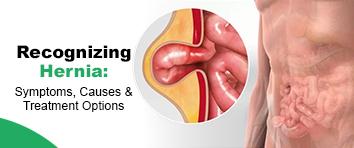
A hernia typically occurs due to a combination of muscle weakness and strain. This can happen from factors such as aging, injury, heavy lifting, chronic coughing, or conditions like pregnancy and obesity.
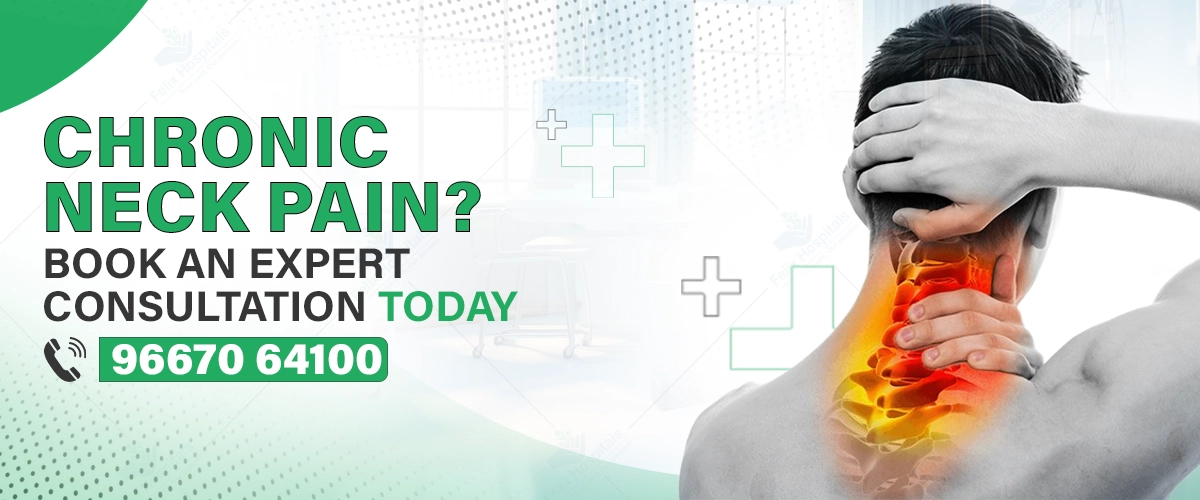
Neck pain is a common problem that plagues most individuals during their lifetime. But when the same pain occurs on a week-by-week or month-by-month basis, it turns from an acute condition into chronic pain, which can actually ruin your day-to-day activities and life. Chronic neck pain typically implies some medical condition for which something other than temporary relief is needed. If you suffer from chronic neck pain, being cognizant of its causes, the symptoms, and when to consult a professional can be the key to your path to recovery.
Contact us today at +91 9667064100 to schedule an expert consultation with one of our specialists and take the first step toward lasting relief from chronic neck pain.
Chronic neck pain is any pain in the neck that lasts for three or more months. In contrast to acute pain, which usually is caused by some particular strain or injury and fades after a period of rest, chronic pain continues even after healing time has passed. Chronic pain can range from a nagging, dull ache to a stinging, burning pain. Persistent or chronic neck pain is usually found with stiffness, pain on cervical movement, and sometimes numbness or tingling that radiates down to shoulders, arms, or hands.
Neck pain may interrupt activities of daily living like driving, working, sleeping, or even just looking over your shoulder. Neck pain may also interfere with mood and overall quality of life.
Chronic neck pain can be caused by a multitude of conditions ranging from poor ergonomics and posture to intricate spinal disorders. If you're experiencing any of the following signs, consider consulting the best neurology hospital in Noida:
1. Poor Posture and Ergonomics
2. Degenerative Disc Disease
3. Cervical Spondylosis (Arthritis)
5. Whiplash and Injuries
6. Muscle Tension and Stress
Chronic neck pain is not just physical pain—it affects your mental and emotional well-being as well. Early identification of the signs and symptoms is crucial in order to get the proper neurological treatment in noida. Here are the symptoms to look out for:
Persistent Neck Pain
Radiating Pain
Numbness and Tingling
Stiffness and Reduced Range of Motion
Weakness
Neck pain may at times be transient discomfort, but if it persists or interferes with your daily life, then seek professional treatment. When your neck pain has lasted for weeks or months, or is badly affecting usual daily activities such as working, driving, or sleeping, do not hesitate—seek the services of a medical professional. Some red flags necessitate referral to a specialist, as they could be associated with hidden pathology such as compression of nerves, structural damage, or chronic disease. The signs listed below are the important ones to recognize:
Pain that recurs despite self-care: Failure of over-the-counter medication (such as ibuprofen) or self-management (such as applying heat/ice packs or stretching) to alleviate pain after a few weeks can be a suggestion of an issue.
Arms or hands numbness, tingling, or weakness: These are all symptoms of potential nerve irritation or damage, like pinched nerves, and need to be evaluated promptly to avoid long-term consequences.
Recent neck trauma or injury: Sports trauma, fall, or whiplash from auto accident can result in serious damage to muscles, ligaments, or bones and therefore require prompt medical assessment.
Pain interfering with activities of daily living: If your neck pain is impacting work, driving, or sleeping, it's impacting your quality of life and needs professional intervention.
Visible changes in neck posture or structure: Swelling, deformity, or difficulty keeping your head in a normal position can be a sign of severe conditions like infections or arthritis, and need to be addressed urgently.
Ignoring these warning signs can result in chronic pain or permanent injury, but early action will make a huge difference. An orthopedic specialist, neurologist, or physical therapist can utilize diagnostic testing like X-rays or MRIs to determine the cause—muscle strain, herniated disc, or something more complicated—and develop a customized treatment plan. Take charge of your health today and don't let neck pain leave you on hold.
At Felix Hospital, our Neurology Department provides specialized care for patients with chronic neck pain, a disorder that can interfere with daily functioning and diminish the general quality of life.
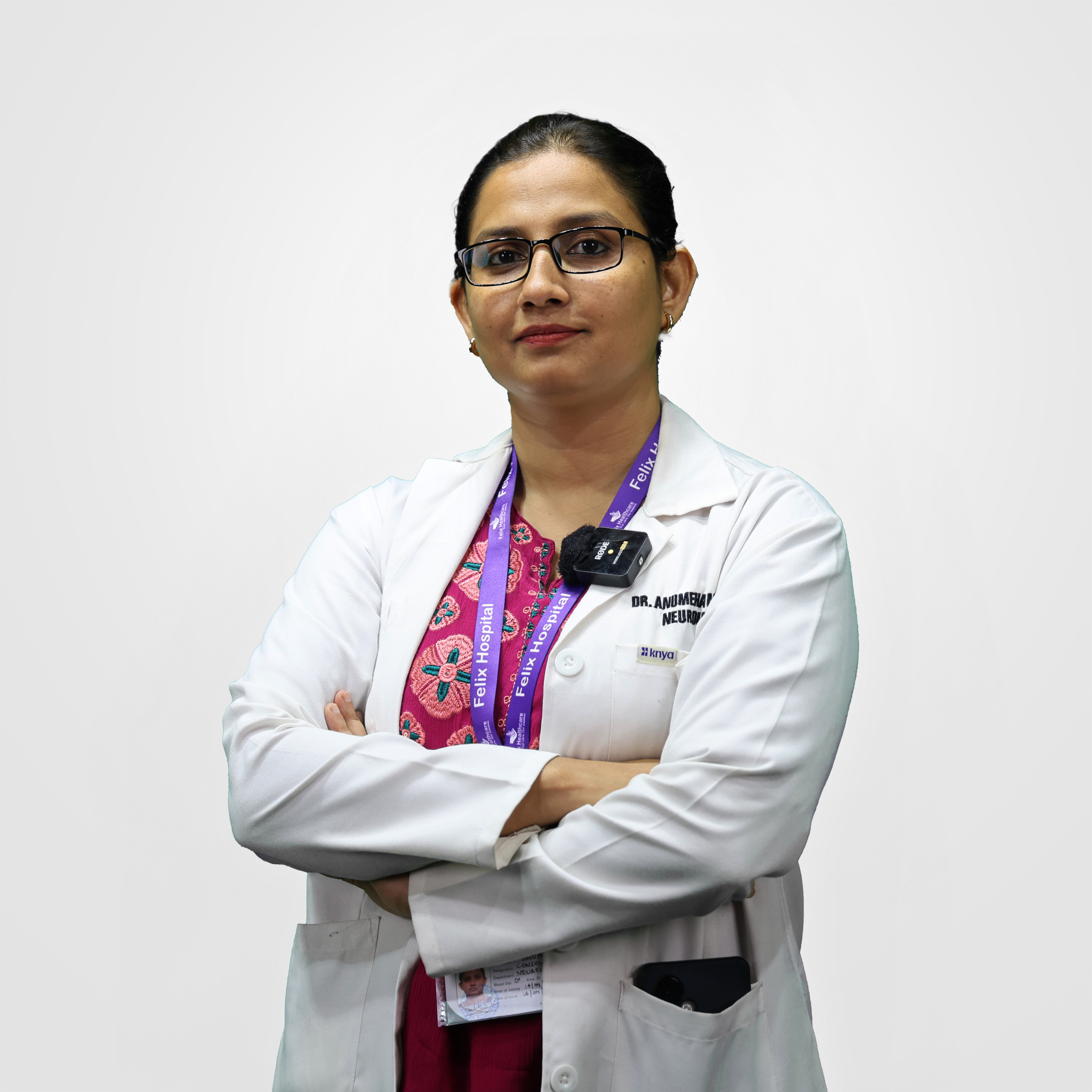
1. Dr. Anumeha Mishra
With expert knowledge in neurological diseases, Dr. Mishra offers full treatment for chronic neck pain due to diseases such as cervical spondylosis, nerve compression, and disc degeneration.
2. Dr. Sumit Sharma
An experienced neurologist with more than a decade of experience, Dr. Sharma has expertise in dealing with challenging cases of cervical spine disorders, trauma, and neurological emergencies.

Addressing chronic neck pain early can help prevent further complications and lead to more effective management and relief. Call on: +91 9667064100
If you're having persistent neck pain that interferes with your daily activities, don't waste any more time and seek assistance. A professional diagnosis from a health practitioner will determine the cause of your pain and establish an effective treatment plan suited to your needs. You can minimize or even eliminate your neck pain and enhance top neurologist in Noida your lifestyle through appropriate guidance and treatment.
Q. 1. Can chronic neck pain be a symptom of an underlying neurological disorder?
Ans. Yes. Chronic neck pain can sometimes be a manifestation of deeper neurological issues such as cervical radiculopathy, spinal stenosis, or nerve compression. A neurologist can help determine if your pain is nerve-related through diagnostic tests like MRI or EMG.
Q. 2. How do I know if my neck pain is due to poor posture or something more serious?
Ans. If your pain improves with posture correction, movement, or rest, it may be posture-related. However, if it's persistent, radiates to your arms, or causes numbness, tingling, or weakness, it might indicate a more serious condition like a herniated disc or nerve compression.
Q. 3. Can chronic neck pain affect my sleep and mental health?
Ans. Absolutely. Chronic pain often disrupts sleep quality and can lead to stress, irritability, and even anxiety or depression. Addressing both the physical and emotional aspects is crucial for long-term recovery.
Q. 4. Is imaging like X-ray or MRI always necessary for diagnosing chronic neck pain?
Ans. Not always. Imaging is recommended when there's suspicion of structural damage, nerve involvement, trauma, or when conservative treatment fails. Your doctor will assess whether it's necessary based on your symptoms and medical history.
Q. 5. What lifestyle habits should I change to prevent worsening of chronic neck pain?
Ans. Avoid prolonged screen time without breaks, improve your sitting ergonomics, use a neck-supportive pillow while sleeping, manage stress, and maintain a regular stretching routine. Smoking cessation and regular exercise also help improve spinal health.
Q.6. How long should I try conservative treatments before considering surgery for chronic neck pain?
Ans. Typically, surgery is only considered after 6–12 weeks (or longer) of failed conservative treatments like physical therapy, medications, and lifestyle changes—especially if symptoms persist or worsen, or if there’s progressive nerve damage.
Q.7. Can chronic neck pain recur after successful treatment, and how can I prevent it?
Ans. Yes, chronic neck pain can return, especially if ergonomic habits and posture are not corrected. Long-term prevention includes physical therapy, regular posture checks, stress management, and avoiding repetitive neck strain activities.
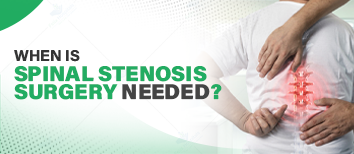
Spinal stenosis surgery is needed when severe pain, weakness, or numbness persists despite non-surgical treatment and affects daily activities.
A spinal cord injury occurs when there is damage to the spinal cord, often resulting from trauma, disease, or degenerative conditions.

Multiple sclerosis is a neurological disease that affects the brain and spinal cord.


Subscribe to our
© Copyright 2026. All Rights Reserved by Felix Healthcare Private Limited
Design and development by :


 +(91)9667064100
 Emergency : +(91)9667064100