 WhatsApp
 Emergency:
  WhatsApp






Subscribe to our
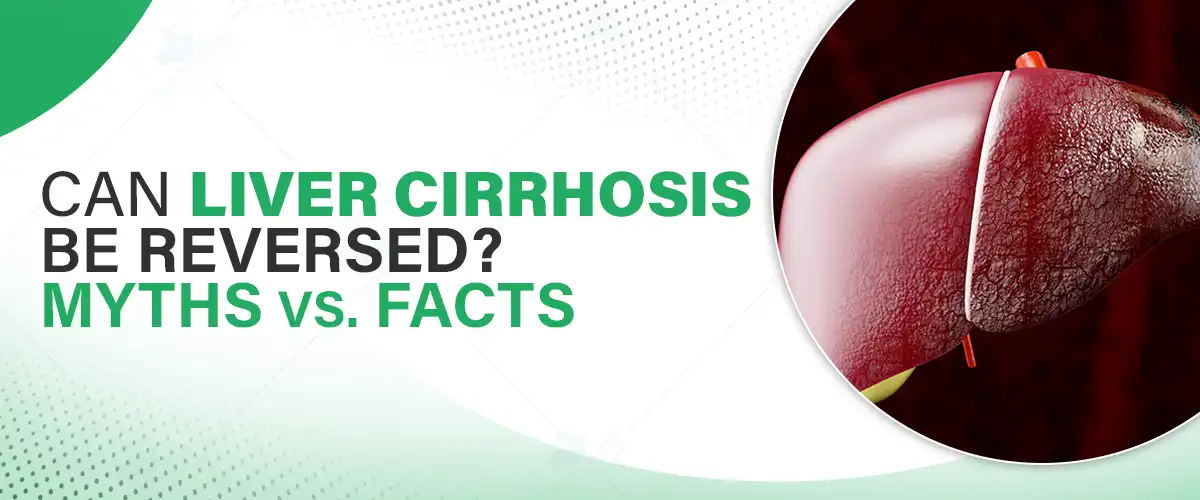
Liver cirrhosis is a serious condition that results from prolonged liver damage, leading to permanent scarring (fibrosis). It affects liver function and overall health, making early intervention crucial. Many misconceptions exist regarding the reversibility of cirrhosis and available treatment options. At the leading gastro hospital, experts provide advanced treatment options to help manage this condition effectively.
Visit Felix Hospital, for advanced liver cirrhosis treatment options. Call us now at +91 9667064100 because your liver health matters!
Liver cirrhosis is the result of continuous liver damage, causing irreversible scarring that affects its ability to function. The common causes include:
Alcohol consumption
Chronic viral hepatitis (Hepatitis B & C)
Non-alcoholic fatty liver disease (NAFLD)
Genetic disorders and autoimmune diseases
There are two main stages of cirrhosis:
Compensated Cirrhosis – The liver is still functional despite damage, and symptoms may not be noticeable.
Decompensated Cirrhosis – Severe scarring leads to liver failure, fluid retention, jaundice, and other complications.
Liver cirrhosis is a misunderstood condition. Many myths surround its causes, progression, and treatment options. Let's debunk some of the most common misconceptions and reveal the facts.
Fact: Once cirrhosis progresses, the scarring (fibrosis) of the liver is considered permanent. The liver has an incredible ability to regenerate, but advanced cirrhosis, where scar tissue replaces healthy liver cells, cannot be completely reversed. However, early-stage liver damage, before cirrhosis is fully established, can be managed. If detected in the initial stages, treatments and lifestyle changes can significantly slow down or even halt the progression of the disease.
Fact: While excessive alcohol consumption is one of the primary causes of cirrhosis, it is far from the only reason. Many individuals with Non-Alcoholic Fatty Liver Disease (NAFLD)—often linked to obesity, diabetes, and poor diet—can develop cirrhosis. Other major causes include:
Viral hepatitis (Hepatitis B & C): These infections can cause chronic inflammation in the liver, leading to cirrhosis if left untreated.
Autoimmune liver diseases: Conditions such as autoimmune hepatitis or primary biliary cholangitis can lead to cirrhosis.
Genetic disorders: Diseases like Wilson’s disease or hemochromatosis can cause excessive metal accumulation in the liver, leading to damage.
Drug-induced liver damage: Certain medications, toxins, and prolonged drug use can lead to cirrhosis.
Fact: Liver cirrhosis can be a "silent" disease, meaning it may progress without noticeable symptoms for years. By the time symptoms such as fatigue, jaundice, or swelling appear, significant liver damage may have already occurred. Many people with compensated cirrhosis (early-stage cirrhosis where the liver still functions) feel fine and may not realize they have the condition.
Fact: Cutting down on alcohol is not enough—complete alcohol cessation is necessary to prevent further liver damage. Even occasional or moderate alcohol consumption can accelerate liver fibrosis and worsen cirrhosis. Once liver damage has started, any alcohol intake can strain the liver and trigger more inflammation and scarring.
Fact: While a liver transplant may be necessary for end-stage liver disease (decompensated cirrhosis), many people with early or moderate-stage cirrhosis can manage their condition without surgery. Treatment depends on the underlying cause and may include:
Medications: Antiviral drugs for hepatitis, diuretics for fluid retention, and other prescribed treatments to reduce liver stress.
Lifestyle changes: A balanced diet, regular exercise, and avoiding harmful substances.
Nutritional support: Proper nutrition helps maintain liver function and prevents malnutrition, which is common in cirrhosis patients.
Medical Monitoring: Regular liver function tests, imaging, and specialist consultations.
Although liver cirrhosis cannot be completely reversed, its progression can be slowed, managed, and, in some cases, halted through medical treatments and lifestyle modifications.
Alcohol is a major contributor to liver damage. Avoiding alcohol altogether can significantly slow the disease's progression and improve liver function.
A nutrient-rich diet is essential for supporting liver health. Recommended foods include:
High-fiber foods: Whole grains, vegetables, and legumes help digestion and reduce fat accumulation in the liver.
Antioxidant-rich foods: Berries, nuts, and leafy greens help fight oxidative stress in the liver.
Lean protein sources: Fish, poultry, and plant-based proteins (like lentils) help maintain muscle mass without overloading the liver.
Healthy fats: Avocados, olive oil, and nuts provide beneficial fats that support liver function.
Hydration: Drinking plenty of water helps flush toxins from the liver.
Depending on the severity and cause of cirrhosis, doctors may prescribe:
Diuretics: To reduce fluid retention and swelling.
Antivirals: To control hepatitis B or C infections.
Anti-inflammatory drugs: To reduce liver inflammation.
Bile acid medications: To improve bile flow in some liver diseases.
Routine blood tests, ultrasounds, and fibro scans help monitor liver health and detect complications early.
New drugs targeting fibrosis reduction are under clinical trials and may offer promising results for managing liver cirrhosis in the future.
Stem cell therapy & regenerative medicine are being explored as potential treatments to regenerate liver cells and slow disease progression.
Prevention is the key to managing liver health. You can reduce your risk of developing cirrhosis by:
Early detection through liver function tests & imaging
Vaccination for Hepatitis B to prevent viral liver infections
Healthy weight management to reduce the risk of NAFLD
Avoiding unnecessary medications that harm the liver, such as excessive use of painkillers or supplements
At Felix Hospital, Sector 137, Noida, expert gastroenterologists provide advanced liver cirrhosis treatment options:
Book an appointment with the best gastroenterologists today at Felix Hospital for expert liver care!
While liver cirrhosis cannot be fully reversed, it can be managed effectively through lifestyle changes, medical interventions, and regular monitoring. Early detection and proper treatment play a crucial role in preventing further liver damage. Consult the best gastroenterologists at Felix Hospital for personalized liver cirrhosis treatment options.
1. Can liver cirrhosis remain stable for years without worsening?
Ans. Yes, with proper medical management, a healthy diet, and complete alcohol cessation, compensated cirrhosis can remain stable for years without progressing to liver failure. Regular monitoring is essential to detect any changes early.
2. Are there any early warning signs of liver cirrhosis that people often overlook?
Ans. Some overlooked signs include persistent fatigue, easy bruising, unexplained weight loss, mild swelling in the legs or abdomen, and small red spider-like veins on the skin. These may indicate early liver damage even before jaundice or severe symptoms appear.
3. Does weight loss help in managing cirrhosis caused by Non-Alcoholic Fatty Liver Disease (NAFLD)?
Ans. Yes, gradual weight loss through a healthy diet and exercise can significantly reduce liver fat, lower inflammation, and slow fibrosis progression in patients with NAFLD-related cirrhosis. However, rapid weight loss should be avoided as it can worsen liver damage.
4. Can liver cirrhosis increase the risk of other health complications?
Ans. Yes, cirrhosis can lead to complications such as variceal bleeding (enlarged veins in the esophagus that may rupture), hepatic encephalopathy (confusion due to toxin buildup), kidney dysfunction, and an increased risk of liver cancer (hepatocellular carcinoma).
5. What are the latest advancements in liver cirrhosis treatment?
Ans. Emerging treatments include antifibrotic drugs that aim to reduce scarring, stem cell therapies for liver regeneration, and non-invasive imaging techniques like elastography to assess liver stiffness without biopsy. Clinical trials are also exploring new medications targeting liver inflammation and fibrosis reversal.
6. Can someone with cirrhosis safely undergo surgery for other medical conditions?
Ans. Surgery can be risky for cirrhosis patients, especially those with decompensated liver disease. Pre-surgical assessments, including liver function tests and coagulation studies, are necessary to determine if the patient can safely undergo anesthesia and healing post-surgery.

Chest pain can be alarming, and one of the biggest concerns people face is distinguishing between a heart attack and heartburn. Both conditions can cause discomfort in the chest, but their causes, symptoms, and implications differ significantly. Identifying the difference between the two is crucial, as mistaking a heart attack for heartburn can lead to serious health risks.
Many people assume that chest pain is just a digestive issue, but in some cases, it could be a sign of a life-threatening cardiac emergency. Consulting experts at the best cardiology hospital in Noida can help determine the cause and ensure proper treatment. Let’s explore the key differences between heart attacks and heartburn, including their symptoms, causes, and preventive measures.
If you’re experiencing persistent chest discomfort, visit Felix Hospital for an accurate diagnosis from the best cardiologists in Noida. Call us today at +91 9667064100.
Heart attack is a serious and potentially life-threatening condition caused by the decreased blood supply to a portion of the heart muscle. It most frequently occurs as a result of blockage in one or more of the coronary arteries, restricting the flow of oxygen and nutrients that the heart muscle requires.
If the immediate restoration of the blood supply does not take place, the damaged heart tissue starts degenerating and causes irreversible harm or even death. Medical aid has to be administered right away—waiting a few minutes results in catastrophic results.
When a heart attack occurs, reduced blood supply damages or kills sections of the heart muscle. This compromises the heart's ability to circulate blood, and complications can be fatal, such as complete circulatory arrest. Restoration of circulation should be achieved immediately with medical intervention to prevent injury. If there is suspicion of a heart attack, a call to an emergency service unit should be made at once.
Heartburn is a burning pain in the middle of the chest, but it is not associated with the heart. It is a result of stomach acid moving backward up into the esophagus (acid reflux), which passes through the chest along with the heart. While the occasional case of heartburn is normal, frequent heartburn may be an indication of gastroesophageal reflux disease (GERD).
Heartburn can strike anyone. It can occur intermittently because of eating rich, spicy, or acidic foods or because of heightened pressure in the abdomen, like pregnancy. However chronic heartburn or recurring heartburn is usually an indicator of GERD, a chronic disease that needs medical treatment.
Feature | Heart Attack | Heartburn |
| Pain Type | Pressure, tightness, or crushing pain | Burning sensation |
| Location | The center or left side of the chest, radiating to the arms/jaw | Center of the chest |
| Trigger | Physical exertion, stress, plaque blockage | Spicy/fatty foods, lying down after eating |
| Duration | Persistent, lasts more than a few minutes | Temporary, often relieved by antacids |
| Other Symptoms | Shortness of breath, nausea, sweating | Acidic taste, regurgitation |
A heart attack will usually induce chest pain or discomfort, which may be pressure, squeezing, heaviness, or even crushing. The pain may begin in the chest region and radiate to other regions like the left arm (or both arms), shoulder, neck, jaw, back, or even waist.
At times, people confuse a heart attack with indigestion or heartburn. Others have shortness of breath, nausea, or profuse sweating without chest pain.
Heart attacks present all sorts of symptoms, some being more prevalent than others. The most common experienced symptoms are:
The most prevalent reason for heart attacks is the blockage of the arteries carrying blood to the heart. It is usually the result of atherosclerosis when fatty plaque accumulates in the arteries and results in coronary artery disease (CAD).
Heart attacks are sometimes caused by a rupture of the plaque, but not often. Some possible causes include:
A heart attack is a medical emergency, and immediate treatment is essential to reduce damage and enhance the survival rate.
Heartburn is a burning sensation in your chest from stomach acid flowing back up into your esophagus. Discomfort will usually begin in the middle of your chest and sometimes move up into the throat. Its severity can range from mild to severe, sometimes even feeling like chest pain.
Heartburn is most likely to occur when:
Heartburn will last a few minutes to several hours depending on how quickly your stomach empties food. It will fade once your stomach has emptied into the intestines. Greasy and heavy food digests more slowly and extends heartburn.
Heartburn may be mistaken for a heart attack or other illnesses. To tell the difference, look for these symptoms:
Common Heartburn Symptoms (Acid Reflux-Related)
Uncommon Acid Reflux Symptoms
Angina-type chest pain (non-cardiac chest pain)
Heartburn is typically the result of acid reflux when stomach acids travel in a backward direction into the esophagus. The lower esophageal sphincter (LES), a muscle that is supposed to avoid this backward flow, may relax or weaken and let acid pass through.
Trigger foods, including:
Most people experience the occasional heartburn, but persistent heartburn may indicate GERD (gastroesophageal reflux disease), which requires medical evaluation and treatment.
If you experience any of the following symptoms, seek immediate medical attention:
Remember: If in doubt, always assume a heart attack and seek emergency care immediately.
You can usually avoid a heart attack by having a heart-healthy lifestyle. Although some risk factors—such as heredity—are not possible to avoid, there are numerous measures you can take to lower your risk, delay the development of heart disease, and decrease the severity of a heart attack should you experience one.
Lifestyle changes and management of current health status can reduce the risk of a heart attack considerably. Here's how:
See a primary care physician (PCP) annually for a wellness check-up. Regular screening can identify the pre-signal symptoms of heart disease, including:
Smoking is a significant risk factor for heart disease. Steer clear of all tobacco products, including e-cigarettes and smokeless tobacco. Quit smoking can significantly improve heart health in a matter of weeks.
At least five days per week, enjoy at least 30 minutes of moderate-intensity exercise. Examples include brisk walking, cycling, swimming, or dancing. These can make the heart stronger. If your life is too busy, divide exercise into 10–15 minute segments throughout the day.
Do not have:
Extra weight strains the heart and adds to the risk of diabetes, high blood pressure, and high cholesterol. Visit your doctor or a registered dietitian to lose weight and maintain weight loss.
If you have diabetes, high blood pressure, or high cholesterol, control them by:
Long-term stress can raise blood pressure and heighten the risk of heart disease. Try:
Take your medicines just as your doctor instructs, even if you're feeling fine. Visit your doctor at all scheduled appointments to keep your heart healthy.
If you have experienced a heart attack, your doctor might prescribe you cardiac rehabilitation. The medical supervision program includes:
By following the prevention methods, management of the health of the heart can be resumed, and the risk of another heart episode will be reduced.
Numerous things may be done to avoid heartburn, beginning with food and lifestyle modifications. Provided below are simple suggestions that provide relief or prevent symptoms:
By making these lifestyle and dietary changes, you can decrease how often and severely you get heartburn and feel better in general.
If you are showing symptoms and require professional medical guidance, Felix Hospital cardiologists are here to help. Our skilled professionals offer precise diagnoses and personalized treatment plans to ensure your heart health remains the top priority.
Our Expert Cardiologists:
Felix Hospital, with state-of-the-art equipment and patient-centered treatment, is among the finest heart hospitals in Noida for cardiac treatment and care.
Prioritize your heart health—schedule a consultation with the best cardiologists at Felix Hospital today!
Symptoms of heart attack and heartburn could be similar but have to be comprehended thoroughly. Heartburn is a gastro issue that could be addressed through medication and lifestyle modification, whereas a heart attack is a clinical condition that needs to be addressed on an emergency basis. In case you get chest pain without knowing the cause, always ensure to have a professional medical doctor to eliminate the possibility of a heart attack.
1. Is heartburn ever going to occur even though I don't have acid reflux?
Ans- Yes, even if you've never had acid reflux, a single bout of heartburn can be mistaken for a heart attack. It's very important to take patterns of pain and other symptoms into account. If unsure, always see a doctor.
2. How do I know if my chest pain is severe enough for emergency care?
Ans- If your chest discomfort is accompanied by pain that spreads to arms, jaw, neck, or back, shortness of breath, sweats, nausea, or dizziness, seek immediate medical attention.
3. Does heartburn ever lead to heart trouble?
Ans- Heartburn itself does not develop heart disease, but chronic acid reflux (GERD) can add more stress on the body, which will eventually result in high blood pressure and heart complications in the long term.
4. Is it possible that anxiety can produce symptoms that are similar to both heart attack and heartburn?
Ans- Yes, anxiety and panic attack can produce palpitations, breathlessness, and chest tightness that are similar to both conditions. But a doctor's check-up has to be done to exclude cardiac disease.
5. Why does my heartburn worsen at night?
Ans- Lying down after eating can permit stomach acid to travel back into the esophagus, worsening acid reflux symptoms. Have dinner 2-3 hours before bedtime and sleep with your head elevated.
6. Do women's heart attack symptoms differ from men's?
Ans- Yes, women might experience unusual symptoms like jaw discomfort, fatigue, nausea, or shortness of breath instead of the more usual "crushing chest pain." This again highlights the importance of consulting a physician if symptoms develop.
7. Can heartburn be treated at home, or do I always need to visit a doctor?
Ans- Mild heartburn is healed by changing ways of living and antacids, but usual or severe heartburn could be GERD and must be screened by a specialized doctor. When heartburn isn't alleviated by medication, see a doctor.

Find the best cardiologist for your heart care with these essential tips and expert advice.

Arrhythmia is a condition where the heart beats irregularly—too fast, too slow, or with an uneven rhythm. It can feel like a fluttering, racing, or skipped heartbeat.
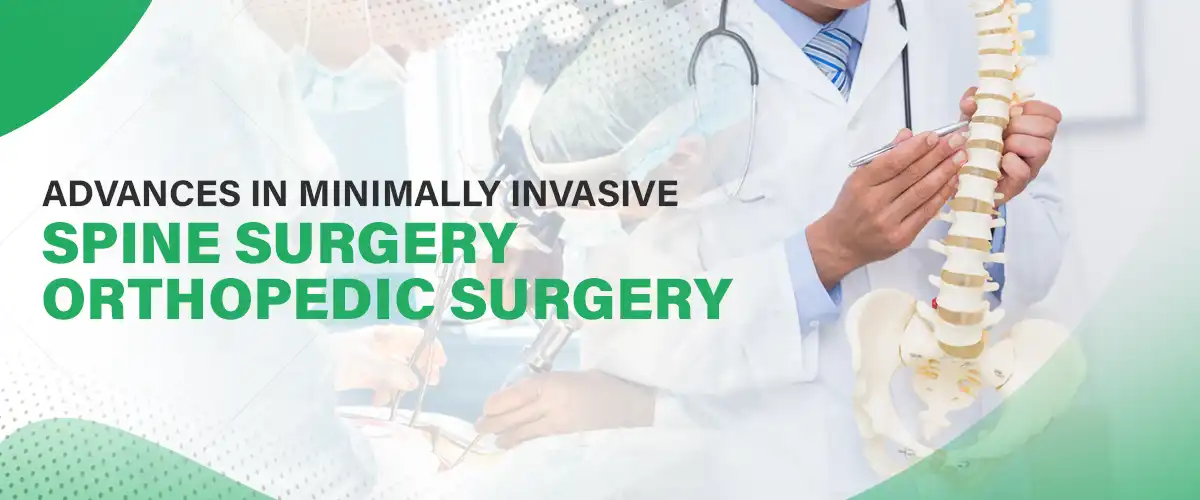
Spinal ailments affect millions of people around the world, most often leading to persistent pain, reduced mobility, and impaired lifestyle. They include disorders such as herniated discs, spinal stenosis, and degenerative disc disease that can severely impair daily activity. Traditional spine procedures, although effective, are often prone to necessitate enormous incisions, massive muscle destruction, and prolonged recovery times.
Minimally Invasive Spine Surgery (MISS) is an innovative orthopedic treatment process that provides safer and more efficient treatment to the patient compared to traditional methods. With the utilization of advanced technology and new-age surgical techniques, MISS minimizes trauma to neighboring tissues, causing faster recovery and better results. If you suffer from spine-related problems, getting treated at the top orthopedic hospital in Noida can assist in determining the best course of treatment.
Don’t let spinal disorders limit your mobility! Schedule a consultation at Felix Hospital for expert spine care and call us today at +91 9667064100.
Minimally invasive spine surgery means a procedure for reaching the spine using smaller incisions without interrupting nearby muscles and tissues so much. The minimally invasive procedure contrasts with the open procedure where the large incision is created and muscles are pushed from the spine to clear explicit visualization using small incisions and sophisticated instruments such as a small metal tube or endoscope. This enables surgeons to work through a much smaller incision, which causes less tissue damage, hurts less, and heals faster.
Various types of spine surgery can be performed with a minimally invasive method, such as:
Minimally invasive spine surgery can effectively treat or control a wide range of spinal conditions, including:
Your doctor will determine if you are a good candidate for minimally invasive spine surgery according to some qualifications. The first among them is if your spine can be reached through small operating corridors, which is less destructive to the surrounding tissues.
Spine surgery using minimally invasive techniques is generally reserved if other treatments, such as drugs or physical therapy, have failed to provide relief of symptoms. Surgery is also considered if the cause of your symptoms can be exactly determined to minimize the extent of extensive incisions and forceful probing of the spine.
In short, minimally invasive spine surgery is a new method that has advantages like faster recovery and less post-surgery pain. It's a good choice for patients whose spinal condition has not been treated by conservative means. A surgeon will decide whether you're a suitable candidate depending on the details of your condition.
You will meet with your surgeon beforehand and sit down to talk to you about your case and plan of procedure. Preparation for minimally invasive spine surgery usually involves:
1. Consultation and Evaluation: The doctor will do a physical examination and may request imaging tests like X-rays, CT scans, or MRIs to obtain a good impression of your spine.
2. Pre-Surgery Instructions:
As you undergo surgery, an anesthesiologist will give you anesthesia, and the details will vary with the procedure:
Yes, robotic assistance is utilized more with minimally invasive spine surgery. Robotics assists in giving more precise complicated procedures, particularly for spine fusions. These newer systems are hardly robots of science fiction but are extremely sensitive devices that assist a surgeon in the best possible way to perform sensitive procedures. Your surgeon will tell you if robotics will be used in your operation.
The length of the surgery will depend on the specific procedure and your condition. It may take anywhere from less than an hour to a few hours. Your surgeon will provide an estimated timeframe for your surgery.
After the surgery, you will be moved to a recovery room where you will come back to consciousness as the effects of the anesthetic fade. If you had general anesthesia, you may feel groggy initially.
For the most part, minimally invasive spine surgery results in quicker recovery and less pain postoperatively than traditional open surgery, with most patients experiencing a more rapid return to usual activities.
Advantages of Minimally Invasive Spine Surgery
Minimally invasive spine surgery possesses the following benefits, which are:
This technique facilitates a quicker return to normal daily activities than traditional spine surgery and reduces the lost days in school or work.
Minimally invasive spine surgery is successful in most patients if they have reasonable expectations. Success is based on the technique used by the surgeon. Success is measured by symptom relief, namely pain reduction, through relief of the underlying cause. Elucidation of what is expected may be obtained by an open discussion with your surgeon regarding expectations.
As with any surgery, there are certain risks to minimally invasive spine surgery, such as:
In some cases, the procedure does not go as expected. A second procedure may be required, or the doctor must convert the minimally invasive method to an open procedure.
Patients should expect to have one or more scars following minimally invasive spine surgery. The number and position of the scars will be based on the procedure that is done. Instructions will be given postoperatively to minimize scarring and enhance healing.
The total recovery time varies based on the severity of the condition, the complexity of the procedure, the patient’s age, overall health, and other factors. Recovery can take anywhere from a few weeks to several months. Your surgeon will provide an estimated timeline specific to your case.
Resting over the recovery period is essential so that the body can heal. Individuals with very active lifestyles will find it hard to restrict exercise, but extreme exercise and lifting should be shunned for two weeks. Basic daily activities may need to be assisted in the early recovery process.
It is important to attend each follow-up visit in a bid to track progress and treat any issues. Your provider will walk you through the healing process to achieve the best result.
Choosing the appropriate surgeon and facility is paramount for the best results. Some of the considerations include:
At Noida's Felix Hospital, eminent orthopedic specialists like Dr. Varun Aggarwal, Dr. Keshav Goel, Dr. Piyush Kumar Singh, and Dr. Binay Kumar Sahu offer quality consultation and customized treatment plans for spinal ailments. Having years of experience in MISS, they provide quality treatment and improved patient outcomes.
Consult the best orthopedic experts at Felix Hospital today and learn about the latest minimally invasive spine surgery for pain-free living! Schedule an appointment now!
Minimally Invasive Spine Surgery is a breakthrough in orthopedic treatment, providing safer and more efficient treatment than conventional spinal surgery for patients. With shorter hospital stays, less tissue trauma, and better results, MISS is revolutionizing spine surgery. Whether you're experiencing chronic back pain or issues related to the spine, scheduling an appointment with an expert at Felix Hospital in Noida can assist in deciding the best course of treatment according to your specific requirements.
Q- How can I know whether I should undergo spine surgery or whether conserving treatment will suffice?
Ans- If chronic back pain cannot be alleviated by physical therapy, medications, and modifications in lifestyle, an orthopedic specialist can order diagnostic imaging such as MRI or CT scans to ascertain whether MISS is required.
Q- Is robotic spine surgery safer compared to conventional spine surgery?
Ans- Yes, robot-assisted MISS increases surgical accuracy, reduces errors, and lessens the likelihood of complications through real-time imaging and precise motions.
Q- When can I walk after minimally invasive spine surgery?
Ans- The majority of patients can walk within a few hours or a day after surgery, depending on the type of procedure. Recovery and getting back to regular activities typically take a few weeks.
Q- Will I need physical therapy after MISS, and for how many weeks?
Ans- Yes, you do need to undergo physical therapy to be strong again and move your legs. Duration can vary, but the average duration is 4–6 weeks postoperative.
Q- Can minimally invasive spine surgery be performed using local anesthesia?
Ans- Some of the MISS operations, like percutaneous vertebroplasty or microdiscectomy, are performed under local or regional anesthesia, but complex cases may require general anesthesia.
Q- Are there lifestyle changes I can employ post-MISS to help maintain spinal well-being in the long term?
Ans- Yes, maintaining a healthy weight, exercising the muscles of the core, avoiding prolonged sitting, and employing proper posture can help in the avoidance of more spine issues.
Q- How do I choose between spinal fusion and artificial disc replacement?
Ans- Artificial disc replacement is more favored to maintain spinal mobility, while spinal fusion is recommended for stabilizing the spine. Your surgeon will decide depending on your lifestyle and condition.

Orthopedics is a specialized branch that takes care of your musculoskeletal problems related to joints, bones, muscles, spine, ligaments, and tissues.
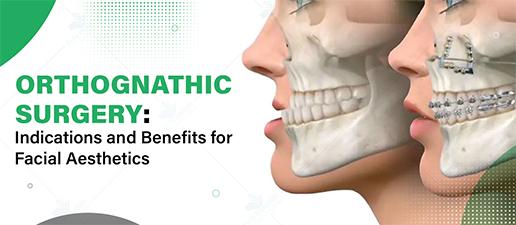
Orthognathic surgery corrects jaw alignment, improving both facial appearance and oral function.
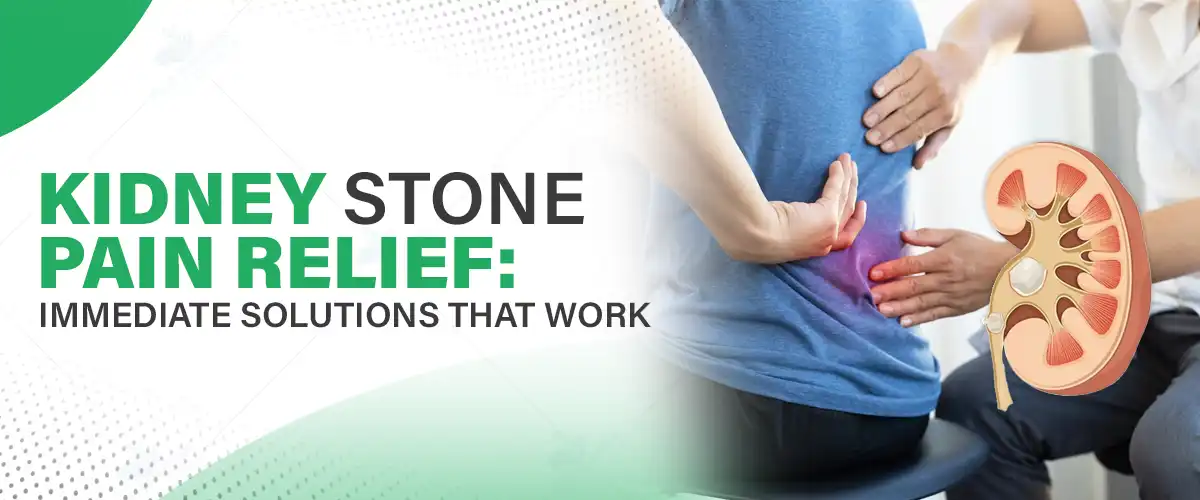
Kidney stones are hard mineral and salt deposits that form inside the kidneys. They can cause excruciating pain when they move through the urinary tract. The severity of pain depends on the size and location of the stone. If not managed properly, kidney stones can lead to serious complications.
Addressing kidney stone pain quickly is crucial to prevent discomfort and complications. Many hospitals offer specialized kidney stone treatment, but finding the best hospitals for kidney stone treatment is essential for effective relief. This blog will provide immediate pain relief solutions and highlight expert treatment options by the specialists of Felix Hospital.
Don’t let kidney stone pain disrupt your life. Schedule a consultation at Felix Hospital for expert diagnosis and treatment. Call us now at +91 9667064100.
Kidney stones are concretionary masses formed in the kidney by an accumulation of acid and mineral salts, which are hard crystal masses. Renal calculi or nephrolithiasis are also referred to as kidney stones. Kidney stones are sometimes as small as a speck of sand or rarely as large as a golf ball.
Most kidney stones pass without notice, particularly if they are small. Large stones, however, may become lodged in the ureter—the tube that carries the kidney to the bladder—and prevent urine from passing through. The obstruction can cause severe pain, kidney damage, and even bleeding.
Although some kidney stones pass out of the body in a few weeks, small stones can be very painful. If a stone cannot pass on its own, because it is too big, medical care may become necessary to shatter the stone or take it out.
The most typical symptom of kidney stones is severe pain in the lower back, abdomen, or sides (flank pain). Pain can spread to the groin and can range from a dull ache to excruciating, sharp pain. It also comes in waves and builds up and subsides periodically.
Other symptoms of kidney stones are:
In some cases, small kidney stones pass unnoticed and cause no symptoms.
Kidney stones form when minerals, acids, and other materials—like calcium, sodium, oxalate, and uric acid—get very concentrated in the urine. When there is an excess of these substances and insufficient fluid to dissolve them, crystals start to form and, over time, grow into stones. This may happen over months or years.
Kidney stones are grouped according to what they are made of:
Calcium-oxalate and Calcium Phosphate Stones
Uric Acid Stones
Excessive consumption of animal proteins like red meat, poultry, eggs, and fish, leads to an acidic urine pH environment favoring the development of stones.
Struvite Stones
Development due to repeated urinary tract infections (UTIs). Such stones become large, in some cases even forming staghorn calculi, which are usually excised by surgery.
Cystine Stones
Less common variety due to cystinuria, an inherited disease where there is an excess of cystine (a form of amino acid) in the urine, leading to the development of stones.
Knowing about the causes and types of kidney stones prevents their development by following modifications in diet and lifestyle.
Several conditions can raise your risk for kidney stones, such as:
Dehydration – Failing to drink enough water results in concentrated urine, which allows minerals to crystallize and more easily form stones.
Recognizing these risk factors will assist in taking preventive measures so that the risk of forming kidney stones may decrease.
Kidney stones have various complications, particularly if they cause urinary tract obstruction or are left untreated. Some of the possible complications are:
If you have symptoms of kidney stones or complications, you ought to receive early medical attention to prevent severe conditions. Early diagnosis and treatment facilitate recovery and help in preserving the well-being of the kidneys.
Your diet and fluid consumption contribute significantly toward the prevention of kidney stones. Some of the preventive factors mentioned below can minimize your risk:
By implementing such modifications in your diet and lifestyle, you can safely lower the chance of developing kidney stones. Get instructions from your doctor in detail.
Kidney stone treatment varies based on size, location, and symptomatic or complications status. You may be able to pass your small stone on its own. Your doctor usually advises waiting through your symptoms, and they may prescribe pain and discomfort relief medicine as the stone passes naturally.
But more aggressive treatments are needed for bigger stones, or stones that are not passing. If a stone is obstructing the urinary tract, infecting the tract, or has not passed after a few weeks, your doctor may recommend treatment to have the stone removed or dissolved.
If your stone will pass on its own without infecting the tract, your doctor may prescribe drugs to:
If you have a kidney stone that can’t pass on its own or is blocking your urinary tract, your provider will recommend a procedure to break up and/or remove the stone. The type of procedure they recommend depends on many factors, including the size and location of the stone. Kidney stone procedures include:
Yes, the majority of kidney stones (approximately 80%) can pass by themselves. Small kidney stones, generally smaller than 4 mm, will pass in one to two weeks, but bigger stones will pass in greater duration (two to three weeks). Once the stone has entered the bladder, it will pass within a few days.
If you think that you have a kidney stone, your provider should check you for complications. If the stone has not passed in four to six weeks, you need follow-up.
If you wish to get the top urologist in Noida, Dr. Bhanwar Lal Barkesia is a well-known kidney stone treatment expert at Felix Hospital. With long years of experience in urology, he delivers quality care and the most advanced treatment for kidney stones. Patients rely on his expert skills to diagnose and treat kidney stone diseases effectively.
Whether you need pain relief or advanced treatment, our urology experts at Felix Hospital are here to help.
Relief from kidney stones demands immediate relief steps in terms of hydration, painkillers, and domestic remedies. In case the pain doesn't vanish, professional help is called for. An insight into the kidney stone treatment cost and an expert like Dr. Bhanwar Lal Barkesia of Felix Hospital assures utmost care for the relief of kidney stones.
By taking a healthy lifestyle, staying hydrated, and following preventive precautions, the risk of developing kidney stones in the future can be lowered to a significant degree. In case you have symptoms, consult an expert at the earliest for optimal outcomes.
Get reliable and advanced urinary bladder stone surgery in Noida at Felix Hospital for pain-free treatment and better urinary health.
Felix Hospital is the best kidney stone hospital in Noida, offering advanced, painless, and effective treatment with expert urologists and modern technology.
Q- Can kidney stone pain come and go over days or weeks?
Ans- Yes, kidney stone pain can be intermittent, depending on the passage of the stone. Some individuals experience relief from pain between episodes, but chronic pain indicates that the stone persists in blocking urine flow.
Q- What are indicators that a kidney stone is too big to be passed naturally?
Ans- Severe, persistent pain, pain when urinating, nausea, vomiting, fever, chills, and hematuria indicate the stone will need to be treated medically.
Q- Is diet actually a cause of kidney stone formation?
Ans- Yes! Foods containing oxalate, such as spinach, nuts, and chocolate, facilitate the formation of stones, while optimal nutrition with adequate calcium and appropriate fluid consumption prevent them.
Q- Is dehydration sufficient to cause kidney stones?
Ans- Yes, dehydration is also an important risk factor. Insufficient intake of water results in concentrated urine that facilitates crystallization of minerals and stone formation.
Q- Are kidney stones more prevalent in men or women?
Ans- Men are more prone to developing kidney stones, but women may develop them as well, especially if they have urinary tract infections (UTIs) or metabolic disorders.
Q- How long will it take for a kidney stone to pass?
Ans- It depends on the size and location. Small stones (less than 5mm) pass within a few days to a few weeks, but bigger stones require medical treatment.
Q- Is surgery always necessary for kidney stones?
Ans- No, surgery is reserved for big stones that obstruct or are very painful. Most of the stones are treated by non-surgical interventions such as shock wave lithotripsy or ureteroscopy prior to surgical removal.
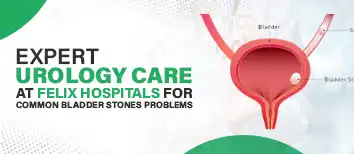
Expert urology care at Felix Hospital for bladder stones: causes, symptoms & treatments.

Hormones are the chemicals that regulate various bodily functions in both men and women.
Explore the connection between diabetes, neurological disorders, and other health issues that contribute to OAB symptoms.

Advanced neurosurgery improves treatment for brain and spine disorders with better outcomes.
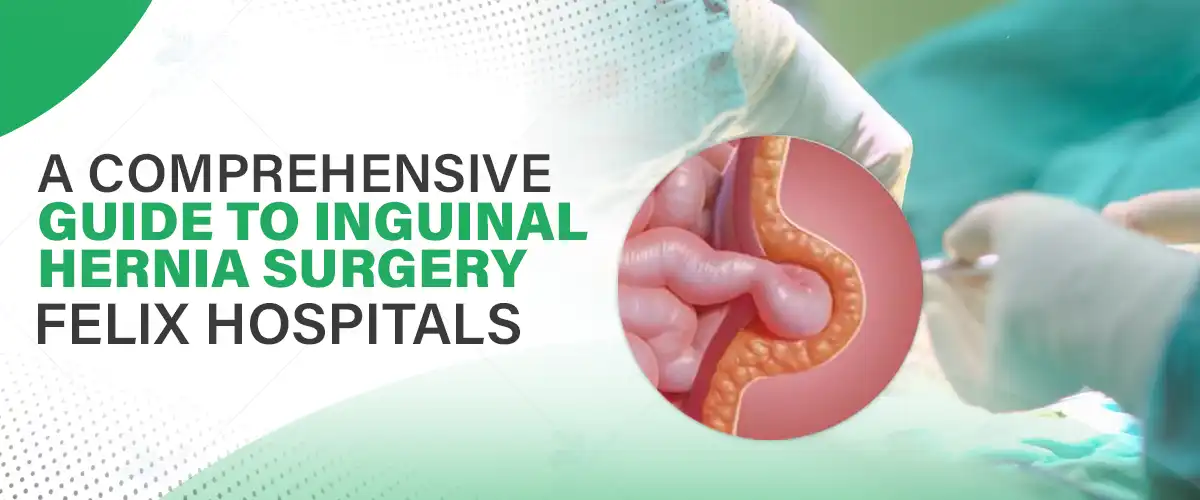
An inguinal hernia is a condition where a part of the intestine or abdominal tissue bulges through a weakness or tear in the lower abdominal wall, usually near the groin. It is a common condition that can interfere with daily activities, causing pain and leading to complications if left untreated. It is important to treat an inguinal hernia in time to prevent serious health complications. Felix Hospitals is the leading hospital for hernia surgery in Noida and Delhi NCR. Our expert care and advanced treatment options ensure the best possible outcomes for patients.
If you have a painful or noticeable bulge in your groin on either side of your pubic bone just see your doctor immediately. Call us now at +91 9667064100.
An inguinal hernia occurs when a portion of the intestine bulges through a weakness in the lower abdomen, typically in the inguinal canal in the groin. Inguinal hernias can develop gradually over time or suddenly after physical strain, such as when lifting heavy objects.
Inguinal hernias are categorized into two types: direct and indirect. Each type differs based on how and where the hernia develops.
Direct inguinal hernia: A direct inguinal hernia bulges its way straight through the wall of your inguinal canal. This type of hernia occurs in adults over time, due to a combination of the weakening of abdominal muscles and prolonged pressure on the muscle wall.
Indirect inguinal hernia: An indirect inguinal hernia comes into your inguinal canal at the top. This is generally due to a birth defect. In some fetuses, the entryway to their canal does not completely close up while they are still developing in the uterus.
Inguinal hernias are not always symptomatic, and when they are, they may be intermittent. The hernia can migrate in and out of the defect, only presenting with activity. In children, a groin mass may become more apparent on crying and resolve with sleep. An indirect inguinal hernia may at times be hidden behind muscle fibers and thus not palpable.
A palpable mass on either side of the pubic bone which is more evident on standing, coughing, or straining.
A sharp, burning pain or aching at the location of the bulge.
Pain or tenderness in the groin, especially with lifting, coughing, or bending.
A sensation of dragging or weight in the groin.
Weakness or pressure in the groin area.
Pain and swelling in the region around the testicles if the herniated bowel descends into the scrotum.
The cause of the development of some inguinal hernias is unknown, whereas the others happen due to multiple reasons, some of which are:
Rising pressure in the abdomen
Previous weak spot in the wall of the abdomen
Straining of bowel or urine
Lifting a heavy load or heavy work
Pregnancy
Continued cough or sneezing
Weakening of the abdominal wall to cause an inguinal hernia is usually congenital when the abdominal muscles do not close during normal development. Some will develop it later in life as a result of aging, straining, or as a result of chronic coughing, usually as a result of smoking.
Abdominal wall weakening can also be developed later in life as a result of trauma or previous surgery on the abdomen.
In males, the point of weakness is usually in the inguinal canal through which the spermatic cord enters the scrotum. In females, hernias may be found in the inguinal canal where there is a ligament that supports the uterus, usually close to the pubic bone.
Those which are to blame for the occurrence of an inguinal hernia are:
Being male: Men are eight times more likely than women to get an inguinal hernia.
Being older: Your muscles get weaker as you get older.
Family history: You have a close relative, for example, a parent or a brother or sister, who has the condition.
Chronic cough: for example, caused by smoking.
Chronic constipation: Constipation makes you strain on the toilet when having stools.
Pregnancy: Pregnancy can weaken the muscles of your abdominal wall and lead to increased pressure in your abdomen.
Premature birth and low birth weight: Premature and low-birth-weight babies are at greater risk of inguinal hernias.
Previous inguinal hernia or repair of a hernia: Even if your past hernia happened during childhood, you're at greater risk of another inguinal hernia.
Complications of an inguinal hernia include:
Pressure against the adjacent tissue: Most inguinal hernias increase over time if left untreated. Men with large hernias bulge into the scrotum and experience pain, discomfort, and swelling.
Incarcerated Hernia: If a hernia becomes entrapped within the weakness in the abdominal wall, it will lock up the bowel. This is associated with cramping pain, vomiting, nausea, and being unable to move the bowels or pass gas.
Strangulation: An incarcerated hernia may cut off blood supply to a portion of the intestine and lead to tissue necrosis. Strangulated hernia is an emergency that needs immediate operation.
Without treatment, inguinal hernias can result in strangulation (when the blood supply to the herniated tissue is cut off) or incarceration (when the herniated tissue becomes trapped).
While you can't prevent the congenital defect that makes you prone to an inguinal hernia, you can minimize strain on your abdominal muscles and tissues. Here are some ways to do so:
Healthy weight: Excess weight puts a strain on your abdominal muscles.
Proper lifting: Lift with the knees and never at the waist when handling heavy weight.
Avoid smoking: Cigarette has the effect of causing chronic coughing and thus contribute to hernia.
Constipation improvement: Constipation can put a strain on your muscles while performing bowel movements.
Exercise: Daily exercises are Important like sit-ups, planks, and pelvic tilts can offer strength and stabilize your abdominal muscles.
Treating chronic sneezing or coughing: Chronic coughing or sneezing can exhaust your muscles.
For the diagnosis of inguinal hernia, healthcare professionals make use of a mixture of imaging tests and laboratory tests.
Ultrasound: Assists in confirming the presence and size of the hernia.
CT Scan: Gives clear images of the location of the hernia and complications.
MRI: Provides clear images of the hernia and surrounding tissues in case of complicated cases.
Blood Tests: For evaluating overall health, infection checks, and deciding on a person's fitness for surgery.
The examinations assist physicians in diagnosing the hernia and determining the best course of treatment.
Some small hernias do not produce symptoms, but the best way to prevent complications in the future is to have surgery. Ignoring an inguinal hernia increases the risk that it will get worse and cause severe pain or strangulation, requiring emergency treatment.
Surgical repair of the hernia is the best way to restore the abdominal wall and ease the pain. Hernia surgery relieves the pain and reduces the risk of serious complications, so it is a necessary and beneficial procedure.
There are two types of surgery for an inguinal hernia: open surgery and laparoscopic surgery.
Involves a single large incision in the groin area.
The herniated tissue is put back in place, and the abdominal wall is strengthened with mesh.
They are also usually less expensive and sometimes required for larger hernias.
Cons: The incision is much larger, so recovery time is longer and there is a higher chance of infection.
A minimally invasive procedure that uses several small cuts and a camera.
Advantages: Faster recovery with smaller incisions and Less pain including Lower risk of infection
Disadvantages: Higher cost and may require general anesthesia.
The type of surgery for a hernia depends on the size of the hernia, the patient’s age, general health, and any underlying conditions. A surgeon will help each patient choose the most appropriate option.
The inguinal hernia surgery process involves the following steps:
Preparation involves putting the patient under general anesthesia so that they are comfortable throughout the procedure.
Incision: A small or large incision is made depending on the type of surgery
Repair of the hernia: The herniated tissue is pushed back into place and the abdominal wall is strengthened with mesh or stitches.
Closure: The incision is closed and the patient is monitored in the recovery room
Pain management - Wound care - Infection prevention Recovery time depends upon the type of surgery and health of the patient.
After surgery, you may need pain medication for a few weeks to manage discomfort. It's important to avoid straining or lifting heavy objects during your recovery. Your healthcare provider may also recommend lifestyle changes to help prevent the hernia from returning. While hernias typically do not recur in children, up to 10% of adults may experience a recurrence over time, potentially requiring another surgery.
Most patients are observed for a short time before being discharged. Recovery times vary but generally you can expect to:
Immediate Care: Pain and discomfort are common and usually relieved with prescription medications.
Hospital Stay Most patients are able to go home in 1 to 2 days after surgery depending upon the procedure performed.
Recovery: Most patients are able to resume light activities within 1 to 2 weeks, but it may take up to 4 to 6 weeks to resume strenuous physical activity.
Complications Possible complications include infection or blood clots, but these are rare. Patients should follow postoperative instructions carefully to minimize risk.
Felix Hospital has the latest medical facilities and technology for inguinal hernia surgery with the highest standards of care. Our experienced surgeons provide the best results for patients through the latest surgical techniques and personalized care to suit your needs.
Experienced Surgeons: We have the best general surgeons in Noida for hernia surgery at Felix Hospital, ensuring the highest standard of expertise and care.
Advanced Technology Minimally invasive surgery means shorter recovery time and less pain.
All-inclusive care: Before, during and after your surgery, we’re with you every step of the way.
The cost of inguinal hernia surgery at Felix Hospital varies depending on the type of surgery, hospital stay, and any additional treatments. Our cost transparency ensures that patients understand the expenses personally, including:
Surgery type (Open vs. Laparoscopic Surgery).
Hospitalization costs (Room Charges, Nursing care, etc.).
Follow-up care and any additional treatments.
Felix Hospital offers multiple insurance and payment options to help make treatment costs easier to manage.
At Felix Hospital, we boast some of the best general surgeons in Noida who are highly experienced in hernia repair surgery.
Dr. Ritesh Agrawal: A highly qualified and empathetic laparoscopic surgeon with more than 11 years of experience. Having a history of performing more than 10,000 laparoscopic surgeries successfully, he has developed a reputation as a skillful and empathetic practitioner. Dr. Agrawal's commitment to the quality of care has also played a vital role in the success of healthcare centers.
Dr. Vishal Sharma: A renowned general and laparoscopic surgery consultant with special experience in minimally invasive hernia repair surgery. With over 11 years of experience, Dr. Sharma is an expert in all kinds of surgical procedures, such as gastrointestinal surgeries, trauma management, emergency surgical procedures, and so on. His innovative style of laparoscopic surgery has put him at the top of the list.
If you have an inguinal hernia, don’t wait for problems to develop. Schedule an appointment with one of our expert surgeons to find out the best course of action.
Having surgery for an inguinal hernia as soon as possible is the best way to avoid serious complications and enjoy good health over the long term. At Felix Hospital, we provide the best care with specialist surgeons of Laparoscopic, the latest surgical techniques, and the best patient support. If you or a loved one has symptoms of an inguinal hernia, don’t wait—schedule a consultation with our experienced team to discuss treatment options.
Q- Can an inguinal hernia be cured without surgery?
ANS: No. Although certain very small hernias are never symptomatic to start with, surgery is the only method of fixing an inguinal hernia and preventing its worsening. If one doesn't have surgery, the chances of developing complications such as strangulation build over time.
Q- Is laparoscopic repair always superior to open repair for fixing an inguinal hernia?
ANS: Not necessarily. Laparoscopic surgery is less scarring and quicker recovery. But it varies with hernia size and type, patient health and past surgical history. Our surgeons will advise.
Q- Can I exercise or engage in physical activities immediately after surgery?
ANS: This will depend upon the kind of surgery you underwent and the progress of recovery. Usually, you are required to visit your healthcare provider at a point when you are able to resume physical activity or exercise. They will consider the kind of surgery you underwent, your general health, and if they have any specific recovery guidelines for you. Just take their suggestions to achieve a safe and effective return to physical activity.
Q- What are the risks of not having surgery for an inguinal hernia?
ANS: Unless it is treated, a person may suffer from strangulation, whereby the blood flow to the herniated tissue is blocked and the tissue perishes. This may be fatal. The hernia will enlarge and be painful and result in further illness. An appointment with a doctor to discuss the advantages and disadvantages of operation for an inguinal hernia should be made.
Q- Will a hernia recur after operation?
ANS: A hernia can recur after treatment. It is rare, but with proper operating technique and care after operation, recurrence is less likely. Felix Hospital applies latest techniques to ensure minimal chances of recurrence.
Q- Is there risk of infection from surgery for an inguinal hernia?
ANS: As with any other operation, risk of infection is extremely low. With appropriate post-operative care, asepsis during the site of the operation, and follow-up return, infection risk is drastically reduced. We will instruct you on how to care for the wound.
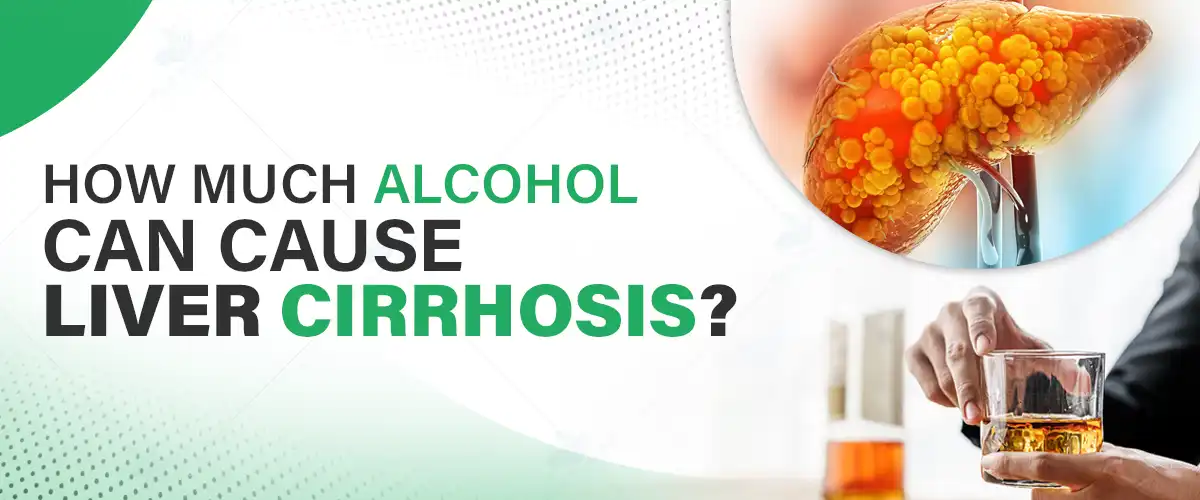
Liver cirrhosis is a serious and progressive condition that severely impacts liver function and overall health. It occurs due to long-term damage and scarring of the liver, often resulting from excessive alcohol consumption. Understanding how much alcohol can cause liver cirrhosis? its effects and preventive measures is crucial in maintaining liver health.
Alcohol is a leading cause of liver damage, often requiring medical intervention at a gastroenterology emergency hospital. This article explores the relationship between alcohol and liver health, safe drinking limits, and the best treatment options available.
Early diagnosis and intervention can prevent severe complications. Book your appointment today by Calling +91 9667064100.
Liver cirrhosis is a late-stage liver disease characterized by fibrosis (scarring) that replaces healthy liver tissue, leading to liver dysfunction. The damage is often irreversible and can progress to liver failure if left untreated.
How the Liver Processes Alcohol
The liver metabolizes alcohol primarily through enzymes that break it down into less harmful substances. However, excessive alcohol intake overwhelms this process, leading to inflammation and scarring over time.
Stages of Liver Damage Due to Alcohol
1. Fatty Liver Disease (Steatosis) – Excessive fat accumulates in the liver, often without symptoms.
2. Alcoholic Hepatitis – Inflammation of the liver occurs, causing pain, jaundice, and nausea.
3. Cirrhosis – Severe scarring replaces healthy liver cells, leading to liver dysfunction and complications.
General Guidelines on Alcohol Consumption
Excessive alcohol consumption is a primary cause of liver cirrhosis. But how much alcohol can cause liver cirrhosis? The risk depends on the amount and duration of alcohol intake.
Safe Drinking Limits for Men and Women
Risk Factors That Influence Alcohol-Related Liver Damage
Several factors can make an individual more susceptible to alcohol-induced liver damage:
Early Signs
Advanced Symptoms
When to Seek Medical Help
If you experience persistent fatigue, unexplained weight loss, or jaundice, consult with the hospital immediately.
Common Diagnostic Tests
Treatment Options
Effects of Quitting Alcohol
Once cirrhosis develops, the damage is largely irreversible, but alcohol-induced liver damage can be managed by quitting alcohol.
Role of Diet and Medications
Long-Term Outlook for Patients
With early intervention and lifestyle modifications, patients with early-stage cirrhosis can maintain a good quality of life.
Reducing Alcohol Consumption
Limiting alcohol intake significantly reduces the risk of alcohol and liver cirrhosis.
Healthy Diet for Liver Function
Healthy foods, such as leafy greens, nuts, and antioxidant-rich fruits, helps protect the liver.
Importance of Regular Liver Check-Ups
Routine liver function tests help detect early signs of liver damage, allowing for timely intervention.
If you are experiencing early symptoms of fatty liver disease or cirrhosis, seeking expert medical advice is crucial for timely diagnosis and effective treatment. At Felix Hospital, we take pride in our team of highly experienced gastroenterologists committed to delivering comprehensive and specialized liver care.
Our renowned specialists, Dr. Jagatjot Singh Gill and Dr. Amrit Yog Datley, are among the leading gastroenterologists in the field, offering advanced diagnostics, personalized treatment plans, and cutting-edge medical interventions for liver diseases. Whether you require detailed imaging, lifestyle guidance, or specialized therapeutic care, our experts ensure the highest standards of patient care with a compassionate and expert-driven approach.
Protect your liver health—schedule a consultation with our specialists at Felix Hospital today!
Excessive alcohol consumption is a major cause of liver cirrhosis, and understanding how alcohol causes cirrhosis is essential for prevention. By maintaining healthy drinking habits, following a nutritious diet, and seeking regular liver check-ups, individuals can protect their liver health.
If you are experiencing symptoms of alcohol-induced liver damage, do not hesitate to seek medical guidance. Felix Hospital’s expert gastroenterologists are here to provide world-class care and support for your liver health journey.
1. Can occasional binge drinking cause liver cirrhosis even if I don’t drink daily?
Ans: Yes. While daily drinking is a major risk factor, binge drinking (consuming large amounts in a short period) can also lead to liver inflammation and accelerate damage over time.
2. Does switching from hard liquor to beer or wine reduce the risk of cirrhosis?
Ans: No. Liver damage depends on the total amount of alcohol consumed, not the type of alcohol. Beer, wine, and spirits can all contribute to cirrhosis if consumed in excess.
3. Is liver damage from alcohol reversible if I stop drinking?
Ans: In the early stages (fatty liver or mild hepatitis), the liver can repair itself. However, once cirrhosis develops, the scarring is permanent, but stopping alcohol can prevent further damage.
4. Are there specific symptoms that indicate alcohol-related cirrhosis versus other liver diseases?
Ans: Symptoms like hand tremors, frequent bruising, spider-like blood vessels on the skin, and confusion (hepatic encephalopathy) are more common in alcohol-induced cirrhosis.
5. Can people with cirrhosis ever drink alcohol again in moderation?
Ans: No. Even small amounts of alcohol can worsen liver damage in cirrhosis patients. Complete abstinence is the only safe option.
6. How does alcohol-related liver disease differ in men and women?
Ans: Women have lower levels of alcohol-metabolizing enzymes, making them more susceptible to liver damage even at lower alcohol consumption levels compared to men.
7. What are the early warning signs of alcohol-induced liver damage before cirrhosis develops?
Ans: Frequent nausea, dull pain in the upper right abdomen, unexplained weight loss, persistent fatigue, and dark urine are signs that your liver may be under stress from alcohol.
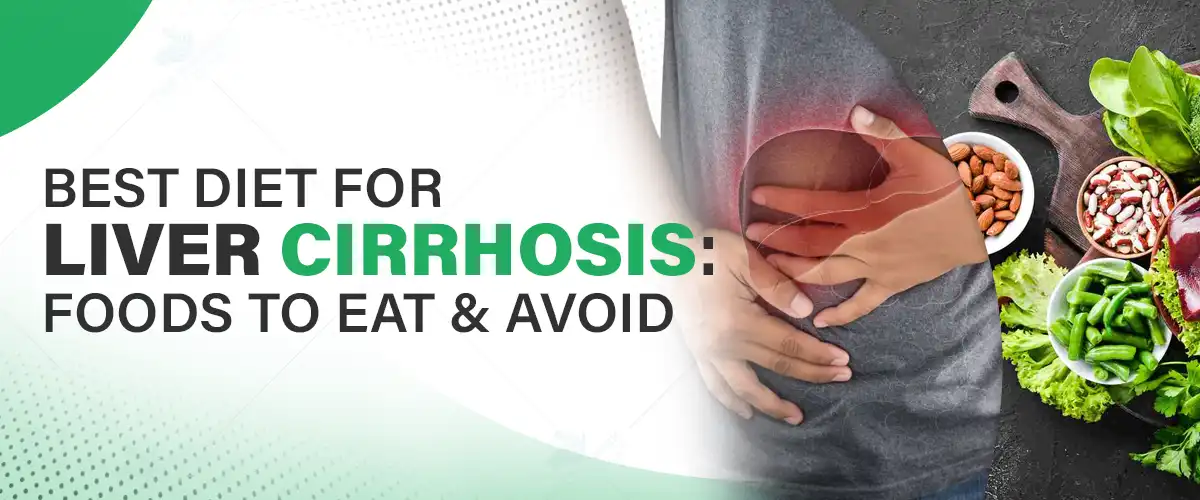
Liver cirrhosis is a serious condition in which healthy liver tissue is gradually replaced by scar tissue, leading to impaired liver function. A well-balanced diet plays a crucial role in managing liver health, reducing complications, and improving overall well-being. Choosing the right foods for liver cirrhosis can help slow disease progression and support liver function. For those seeking expert care, consulting the best hospital for gastroenterology is essential for personalized dietary and medical guidance.
Our specialists at Felix Hospital provide advanced treatment and dietary support to improve your liver health. Call us today at +91 9667064100.
Liver cirrhosis is a chronic liver disease caused by long-term liver damage. As scar tissue replaces healthy tissue, the liver’s ability to function properly declines.
Maintaining a well-balanced and nutrient-rich diet is crucial for individuals with liver cirrhosis. The liver plays an essential role in digestion, metabolism, and detoxification, and when its function is compromised, proper nutrition becomes even more important. A well-planned liver cirrhosis diet can help slow the disease's progression, reduce complications, and enhance the patient’s quality of life. Below are the key nutritional aspects that must be considered:
1. Balanced Diet

A balanced diet ensures that the liver receives all the essential nutrients it needs for optimal function. Patients with liver cirrhosis are at a high risk of malnutrition due to poor digestion and reduced nutrient absorption. Therefore, a well-structured diet should include a mix of proteins, carbohydrates, healthy fats, vitamins, and minerals to support overall liver health and prevent deficiencies.
2. Protein Management
Protein is essential for maintaining muscle mass and preventing muscle wasting, a common issue in liver cirrhosis patients. However, excessive protein intake can strain the liver and contribute to a buildup of toxins in the body, potentially leading to complications such as hepatic encephalopathy. To strike the right balance:
3. Sodium & Fluid Control
Liver cirrhosis can cause fluid retention, leading to swelling in the legs (edema) and abdominal bloating (ascites). Reducing sodium intake is essential to prevent excessive water retention. Some important tips include:
4. Nutrient-Rich Foods
Liver cirrhosis patients often have vitamin and mineral deficiencies, making it important to consume nutrient-dense foods.
A liver cirrhosis diet plan should focus on incorporating nutrient-rich foods that support liver function while minimizing further damage. Here are some of the best dietary choices:
1. High-Protein Foods

Consuming adequate protein is essential to prevent muscle loss and maintain overall health. The best protein sources for liver cirrhosis patients include:
2. Fruits & Vegetables
Fruits and vegetables are loaded with vitamins, minerals, and antioxidants that help fight inflammation and protect the liver. Some of the best options include:
3. Whole Grains
Whole grains provide fiber, which aids digestion and helps regulate blood sugar levels. They are also packed with essential nutrients that promote liver function. Some healthy whole grains include:
4. Healthy Fats
While high-fat foods should be avoided, healthy fats play a crucial role in liver function and overall health. The best sources of healthy fats include:
5. Liver-Friendly Beverages
Hydration is essential for liver health. Certain beverages can support liver function and detoxification:
Certain foods can worsen liver damage and should be completely avoided or minimized. These include:
1. Processed & Fried Foods
2. High-Sodium Foods
3. Alcohol & Sugary Drinks
4. Red Meat & Saturated Fats
5. Excessive Dairy
If you are noticing early signs of liver cirrhosis, seeking expert medical advice is crucial. Felix Hospital is home to some of the finest liver specialists, including Dr. Jagatjot Singh Gill and Dr. Amrit Yog Datley. Renowned as two of the best gastroenterologists in Noida, they provide advanced diagnosis and cutting-edge treatment for liver diseases, ensuring exceptional patient care and optimal health outcomes.
Consult our expert gastroenterologists at Felix Hospital for personalized dietary and medical guidance on managing liver cirrhosis. Book an appointment now!
Managing foods for liver cirrhosis effectively can improve liver function and overall health. A balanced liver cirrhosis diet plan includes high-protein foods, fresh fruits and vegetables, whole grains, and healthy fats while avoiding processed foods, high-sodium meals, and alcohol. For the best care, consult a healthcare provider to create a personalized dietary plan. Adopting a liver-friendly diet is crucial for maintaining liver health and enhancing quality of life.
Q1. Can liver cirrhosis be reversed with diet alone?
Ans: No, while a liver-friendly diet can slow disease progression and improve liver function, cirrhosis-related scarring is usually irreversible. However, proper nutrition can help manage symptoms and prevent further damage.
Q2. Are plant-based diets beneficial for liver cirrhosis patients?
Ans: Yes, plant-based diets rich in legumes, whole grains, fruits, and vegetables can help reduce liver inflammation and improve digestion. However, patients must ensure adequate protein intake from plant sources like lentils, beans, and tofu.
Q3. What are the best protein sources for liver cirrhosis if I’m vegetarian?
Ans: Plant-based protein sources such as quinoa, lentils, chickpeas, nuts, seeds, and soy products (tofu, tempeh) are excellent choices. Greek yogurt and low-fat dairy are also beneficial options.
Q4. Can I drink coffee if I have liver cirrhosis?
Ans: Yes, moderate coffee consumption has been linked to liver health benefits, including reduced inflammation and a lower risk of liver disease progression. However, avoid adding excessive sugar or cream.
Q5. Should liver cirrhosis patients take vitamin supplements?
Ans: Some patients may require vitamin supplements, especially for deficiencies in vitamins A, D, E, K, and B-complex. However, supplementation should only be taken under a doctor's guidance to avoid liver strain.
Q6. How does salt intake affect liver cirrhosis patients?
Ans: Excess sodium can lead to fluid retention and worsen complications like edema and ascites. Reducing salt intake by avoiding processed foods and opting for fresh, homemade meals is essential.
Q7. What lifestyle changes can help manage liver cirrhosis better?
Ans: In addition to a liver-friendly diet, patients should quit alcohol, maintain a healthy weight, engage in light physical activity, stay hydrated, and follow their prescribed medications and treatments.

The summer season brings longer days, higher temperatures, and increased chances of dehydration, fatigue, and weakened immunity. Maintaining a healthy summer diet is essential to stay energized and protect the body from seasonal illnesses. A well-balanced diet rich in summer superfoods can help improve overall health, providing the necessary nutrients to keep the body cool, hydrated, and strong. Incorporating a healthy diet for summer body ensures sustained energy levels and enhanced immunity. Let's explore the best healthy diet in the summer season with nutrition-packed superfoods that support well-being.
Consult with Felix Hospital's expert dietitians by calling +91 9667064100 to create a nutrition plan that keeps you energized and healthy all summer long!
A proper nutrition plan helps regulate body temperature, prevent dehydration, and strengthen the immune system. Superfoods play a vital role in maintaining optimal health by supplying essential vitamins, minerals, and hydration. By opting for a well-rounded nutrition diet services, individuals can stay fit and active despite the summer heat.
Summer brings intense heat, making hydration, immunity, and energy levels crucial for well-being. Incorporating summer superfoods into your diet can help maintain health, prevent fatigue, and keep you active. Here’s a guide to a healthy summer diet with the best foods to support your body.
1. Hydrating Superfoods
Staying hydrated is essential for overall health. These superfoods help maintain fluid balance:
2. Vitamin-Rich Fruits for Immunity
To prevent infections and keep energy levels high, include these in your healthy diet for summer body:
3. Power-Packed Vegetables
Vegetables provide essential nutrients for a healthy summer diet:
4. Protein-Rich Superfoods
Proteins play a crucial role in sustaining energy levels:
5. Cooling and Detoxifying Foods
To eliminate toxins and stay cool, add these to your healthy diet in the summer season:
6. Energy-Boosting Whole Grains
Whole grains provide sustained energy for summer activities:
7. Herbal Drinks and Teas
Refreshing herbal drinks are a great way to boost immunity and stay cool:
At Felix Hospital, we prioritize a holistic approach to nutrition and wellness. With the scorching summer heat, maintaining a healthy diet is crucial to staying hydrated, boosting immunity, and sustaining energy levels. Our expert dietitians are dedicated to guiding you toward the best summer superfoods to keep you healthy and active.
Expert Dietitian Team for Summer Superfoods
Proper nutrition plays a vital role in overall health, especially during summer. Our highly skilled dietitians specialize in personalized diet plans to enhance well-being through superfoods that promote hydration, digestion, and immunity:
Learn more about Felix Hospital’s dietitian services and how we can help you stay healthy! Contact us now by Clicking Here.
Embracing summer superfoods is a smart way to stay healthy, hydrated, and energized. From hydrating fruits to protein-rich foods and herbal teas, each of these superfoods contributes to a healthy summer diet. Including them in daily meals enhances overall immunity and provides essential nutrients for a healthy diet for the summer body. Staying hydrated and making mindful food choices will help you enjoy the warm season with vitality and strength. Prioritize a healthy diet in the summer season to boost immunity, maintain energy levels, and achieve optimal well-being.
1. In what way do summer superfoods help with hydration and prevention of dehydration?
Ans: Watermelon, cucumber, and coconut water are among the summer superfoods that have high water content, and consuming them helps replenish lost fluid in summer. Hydration superfoods assist the body in fluid balance, preventing dehydration and general well-being.
2. Can the intake of superfoods such as mangoes and citrus fruits enhance immunity during summer?
Ans: Yes, mangoes, oranges, and lemons are all great sources of Vitamin C and antioxidants that build the immune system. These superfoods protect the body against infection and nourish the skin during summer when the risk of seasonal disease is higher.
3. What is the role of cooling foods such as buttermilk and mint in summer food?
Ans: Cold foods such as buttermilk and mint are utilized to balance the body temperature, decrease acidity, and improve digestion. They possess detoxifying powers, so it is suitable for their application throughout the summer months to stabilize and maintain comfort.
4. Why I require protein in a summer diet and how to include it
Ans: Protein is also necessary in the aspect of energy level and muscle function. During summer, the inclusion of protein foods such as Greek yogurt, nuts, seeds, and lentils will keep the body strong and energetic and prevent heat fatigue.
5. Are whole grains such as quinoa and oats useful in the maintenance of energy levels in summer activities?
Ans: Yes, grains such as oats and quinoa contain slow-digesting complex carbohydrates that slowly release throughout the day. Consuming such grains maintains you with a steady energy supply, particularly if you are active on warm summer days, as they prevent energy dips.
6. How do herbal teas such as green tea and tulsi tea increase immunity in the summer?
Ans: Herbal teas like green tea, tulsi tea, and lemon-ginger tea are full of antioxidants and contain anti-inflammatory compounds. These teas suppress oxidative stress, maintain immune function, and support digestion, and therefore are apt for boosting immunity in the summer season.

To lose weight effectively, start by creating a calorie deficit—consuming fewer calories than you burn. A safe, steady weight loss usually requires a daily deficit of 500–1000 calories, helping you lose about 0.5 to 1 kilogram per week.

Manage diabetes effectively with a well-planned Indian vegetarian diet chart. Explore healthy meal options and tips for blood sugar control.

Do you find yourself constantly tired, breathless, or unable to cope with sudden physical activity?
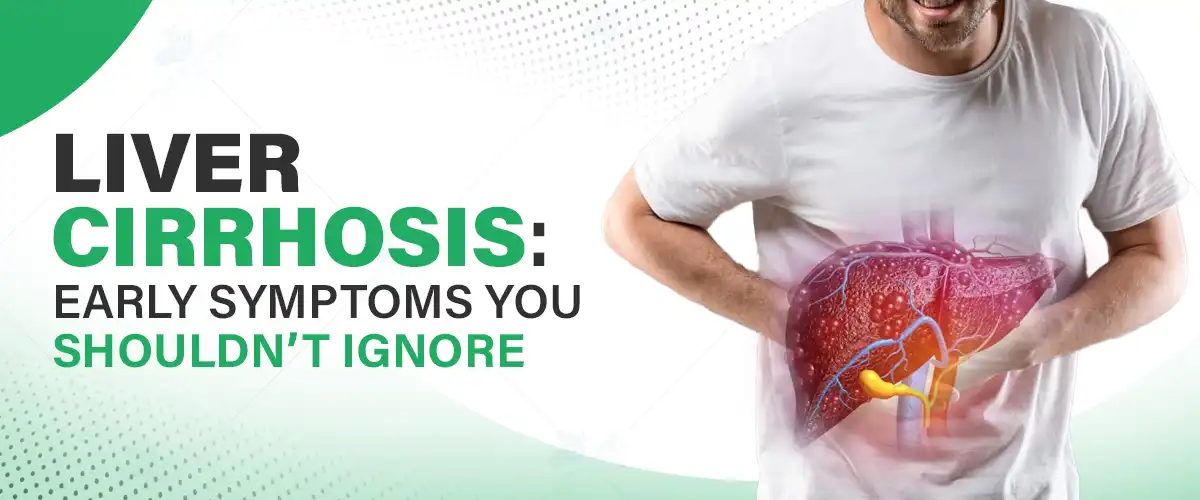
Liver cirrhosis is a progressive condition in which healthy liver tissue is replaced by scar tissue, leading to decreased liver function. It is a serious and often irreversible disease that can significantly impact overall health. Identifying the early symptoms of liver cirrhosis is crucial for timely medical intervention and improved treatment outcomes. Seeking care from the best hospital for gastroenterology can help in early diagnosis and effective management of liver cirrhosis.
If you have risk factors like alcohol consumption, obesity, or viral hepatitis, take proactive steps to protect your liver. Book Your Consultation by Calling +91 9667064100.
Liver cirrhosis is a chronic disease that causes scarring (fibrosis) of the liver due to long-term liver damage. As scar tissue replaces healthy liver cells, the liver struggles to function properly, leading to severe health complications.
Liver cirrhosis progresses through four stages:
1. Compensated Cirrhosis – Minimal symptoms, but liver damage is occurring.
2. Decompensated Cirrhosis – Symptoms become evident as liver function declines.
3. Advanced Cirrhosis – Severe complications arise, such as ascites and jaundice.
4. Liver Failure – The liver loses its ability to function, requiring urgent medical intervention.
Recognizing the early warning signs of liver disease can help prevent further damage and complications. Some of the key signs of liver cirrhosis include:
Persistent tiredness and a general feeling of exhaustion despite rest could indicate early symptoms of liver cirrhosis. The liver plays a vital role in metabolism, and when compromised, it leads to low energy levels.
A significant loss of appetite or unexplained weight loss is an alarming symptom. The liver’s role in digestion and metabolism is disrupted, affecting food intake and leading to malnutrition.
Frequent nausea, bloating, and changes in bowel habits are common indicators of liver dysfunction. Indigestion and acid reflux can also worsen as the disease progresses.
One of the most noticeable early symptoms of liver cirrhosis is jaundice. It occurs due to excess bilirubin in the blood, causing yellowing of the skin and eyes. Jaundice indicates significant liver impairment.
Fluid retention in the legs (edema) and abdomen (ascites) occurs due to the liver's inability to regulate fluid balance. This is a common complication of cirrhosis.
Since the liver produces proteins essential for blood clotting, easy bruising and excessive bleeding may indicate liver dysfunction.
Liver dysfunction leads to itchy skin due to bile salt accumulation and dark urine caused by excess bilirubin in the blood.
As toxins build up in the bloodstream, they can affect brain function, leading to confusion, difficulty concentrating, and memory problems.
Who is at Higher Risk of Developing Liver Cirrhosis?
Importance of Regular Check-Ups and Liver Function Tests
If you experience any liver damage symptoms, it is essential to undergo liver function tests (LFTs), imaging studies, or a liver biopsy to assess liver health. Early diagnosis increases treatment success rates.
If you are experiencing any early symptoms of liver cirrhosis, it is vital to consult a specialist. At Felix Hospital, we have the best team of liver experts, including Dr. Jagatjot Singh Gill and Dr. Amrit Yog Datley. They are among the best gastroenterologists in Noida, offering state-of-the-art diagnosis and treatment for liver conditions, ensuring optimal patient care and outcomes.
Schedule a consultation with the best gastroenterologists at Felix Hospital for a thorough liver health assessment and personalized treatment plan.
Recognizing the early warning signs of liver disease can help in seeking timely medical attention and preventing severe complications. Liver cirrhosis is a progressive condition, but with early intervention and the right medical care, its progression can be slowed or even halted. If you are experiencing signs of liver cirrhosis, visit Felix Hospital for expert consultation and care from the best gastroenterologists.
1. Can liver cirrhosis be reversed if diagnosed early?
Ans: In the early stages, liver cirrhosis can sometimes be slowed or even partially reversed with lifestyle changes, strict medical management, and avoiding alcohol. However, advanced cirrhosis leads to permanent damage.
2. How does liver cirrhosis affect digestion and nutrient absorption?
Ans: Cirrhosis impairs bile production, leading to difficulty in digesting fats and absorbing essential vitamins (A, D, E, and K). This can result in malnutrition and digestive issues like bloating and diarrhea.
3. Is liver cirrhosis painful?
Ans: In the early stages, liver cirrhosis may not cause noticeable pain. However, as the disease progresses, patients may experience dull pain or discomfort in the upper right abdomen due to liver swelling.
4. What lifestyle changes can help manage early-stage cirrhosis?
Ans: Key changes include reducing salt intake to prevent fluid retention, following a protein-balanced diet, avoiding alcohol completely, and staying physically active to maintain a healthy weight.
5. Can stress worsen liver cirrhosis?
Ans: Yes, chronic stress can worsen liver disease by increasing inflammation and affecting the immune system. Stress management techniques like meditation and yoga can support liver health.
6. Are there any warning signs of liver failure in cirrhosis patients?
Ans: Advanced warning signs include severe confusion (hepatic encephalopathy), vomiting blood (variceal bleeding), excessive swelling (ascites), and persistent jaundice. These require urgent medical attention.
7. What is the life expectancy of someone with liver cirrhosis?
Ans: Life expectancy depends on the stage of cirrhosis. With early diagnosis and proper care, many patients live for years. However, decompensated cirrhosis has a poorer prognosis without a liver transplant.
Understand the factors that influence endoscopy procedure cost in Noida. Learn about the types, preparation, and benefits of choosing the best multi-speciality hospital in Noida for accurate diagnosis.

Appendix surgery, also known as appendectomy, is a common emergency procedure performed to treat appendicitis.

Arthritis is a long-term disease that affects millions of people around the globe, leading to pain, stiffness, and swelling of the joints. Although the symptoms of arthritis vary seasonally, most individuals experience more pain during the summer months. The high temperatures and humidity may cause greater stiffness, swelling, and inflammation of the joints. Knowing the impact of summer weather on the joints is important to better control symptoms and stay active.
For patients with arthritis, effective treatment and management are vital to alleviate the symptoms. If you realize that you are facing more pain, a visit to the best rheumatology hospital in Noida from specialists at the facility can offer personalized advice and treatment. These hospitals have the best diagnostic and treatment machinery, which assists patients in coping with their arthritis symptoms and leading a better life, particularly during the challenging summer season.
Consult our expert orthopedic specialists today for personalized arthritis management! Book an appointment now by Calling +91 9667064100.
Weather conditions, particularly temperature, humidity, and barometric pressure, play a significant role in joint health. High humidity levels can intensify inflammation, causing increased discomfort for individuals with arthritis. Scientific studies suggest that Rheumatoid arthritis and humidity are closely linked, with many patients reporting flare-ups during humid conditions.
Common Types of Arthritis Affected by Heat and Humidity
1. Osteoarthritis: Cartilage breakdown worsens in extreme temperatures, leading to joint pain.
2. Rheumatoid Arthritis: Humidity can trigger inflammation, leading to increased swelling and stiffness.
3. Gout: Heat-induced dehydration increases uric acid levels, causing painful gout flare-ups.
To deal with the weather influence on arthritis in the best possible way, one should take a consultation from professionals who can provide you with personal attention. Scheduling an appointment at a reputed arthritis hospital will help you acquire a comprehensive treatment protocol that best meets your personal need, leading to better symptom management and healthier joints.
Dehydration is a major factor contributing to joint pain during summer. Synovial fluid, which lubricates joints, requires adequate hydration to function properly. When the body lacks sufficient water, joint stiffness increases, leading to restricted mobility and discomfort. Dehydration and joint stiffness are particularly problematic for arthritis patients, as they can exacerbate pain and inflammation.
High temperatures can trigger the body's inflammatory response, leading to swelling in the joints. Individuals with Rheumatoid arthritis and humidity sensitivity often experience worsened symptoms due to this inflammation.
Excessive sweating can lead to a loss of essential minerals such as potassium and magnesium. These minerals are necessary for muscle and joint function. Their depletion can result in muscle cramps and worsen arthritis symptoms.
Extreme heat can cause fatigue, making it difficult for arthritis patients to stay active. Reduced mobility leads to muscle stiffness and joint pain, further impacting daily activities. Ensuring proper hydration helps counteract dehydration and joint stiffness, improving overall joint function.
1. Hydration Tips
2. Diet for Joint Health
3. Cooling Strategies
4. Exercise Adjustments
5. Skincare & Clothing Tips
If joint pain persists despite lifestyle adjustments, seeking professional help is essential. The following specialists at the best orthopedic hospital in Noida offer expert care for arthritis management:
Discover the best treatment options at Noida’s top orthopedic hospital. Schedule your consultation today!
The summer heat and humidity can significantly impact arthritis sufferers, exacerbating pain, inflammation, and mobility issues. By prioritizing hydration, adjusting dietary habits, and incorporating cooling strategies, individuals can effectively manage their symptoms. Understanding the relationship between Rheumatoid arthritis and humidity is key to preventing flare-ups, while addressing dehydration and joint stiffness ensures better joint health. For severe cases, consulting top orthopedic specialists at the best hospital in Noida can provide tailored treatment solutions. By taking proactive steps, individuals can maintain strong, pain-free joints throughout the summer season.
1. Why does my arthritis pain worsen on humid days?
Ans: High humidity increases joint inflammation and fluid retention, making movement more painful and stiff. The pressure changes in the air can also contribute to discomfort.
2. Can dehydration really impact my arthritis symptoms?
Ans: Yes, dehydration reduces synovial fluid, which lubricates the joints. Without enough hydration, stiffness, inflammation, and pain can worsen, making mobility more difficult.
3. Are there any specific foods that can help with arthritis in summer?
Ans: Absolutely! Anti-inflammatory foods like berries, fatty fish (rich in Omega-3s), leafy greens, turmeric, and nuts can help reduce swelling and ease joint pain naturally.
4. How can I stay active without worsening my arthritis in the heat?
Ans: Engage in low-impact exercises like swimming, water aerobics, or indoor yoga. These activities keep your joints flexible without putting excess strain on them, preventing flare-ups.
5. Does wearing certain fabrics help with arthritis discomfort in summer?
Ans: Yes, breathable and moisture-wicking fabrics like cotton and bamboo help regulate body temperature, reduce sweating, and prevent heat-induced joint stiffness or discomfort.
6. How can I tell if my joint pain needs medical attention?
Ans: If you experience persistent swelling, redness, extreme stiffness, or worsening pain that doesn’t improve with home remedies, consult a specialist for proper diagnosis and treatment.
7. What are the best cooling techniques to reduce arthritis flare-ups?
Ans: Applying cold compresses, taking cool showers, staying indoors during peak heat, and drinking plenty of fluids can help manage summer-related arthritis symptoms effectively.
Orthopedics is a specialized branch that takes care of your musculoskeletal problems related to joints, bones, muscles, spine, ligaments, and tissues.


Subscribe to our
© Copyright 2026. All Rights Reserved by Felix Healthcare Private Limited
Design and development by :


 +(91)9667064100
 Emergency : +(91)9667064100