 WhatsApp
 Emergency:
  WhatsApp





Subscribe to our
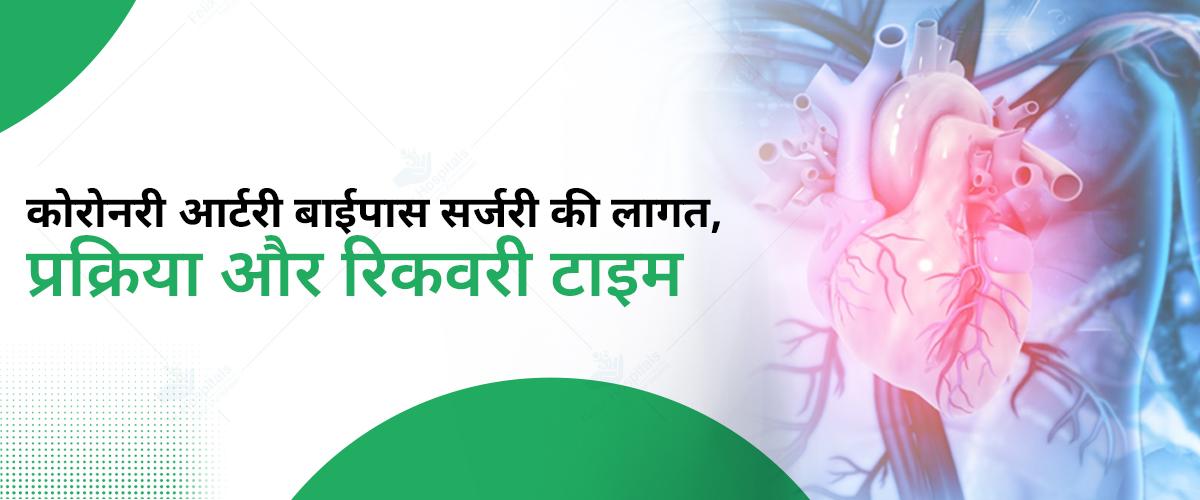
जब दवा और एंजियोप्लास्टी से आराम नहीं मिलता तब कोरोनरी आर्टरी बाईपास ग्राफ्टिंग (सीएबीजी) सर्जरी की जाती है। इसमें डॉक्टर शरीर की किसी अन्य स्वस्थ नस या धमनियों यानी पैर की सैफेनस वेन या छाती की एलआईएमए को लेकर उसे हृदय की अवरुद्ध धमनी के आगे और पीछे जोड़ते हैं। इस कारण रक्त का प्रवाह एक नए रास्ते से होता है। जिससे दिल को पर्याप्त ऑक्सीजन मिलती है। अगर आपको बार-बार सीने में दर्द, थकान या सांस फूलने की समस्या है, तो समय रहते ग्रेटर नोएडा में सर्वश्रेष्ठ कार्डियोलॉजी डॉक्टर (Best Cardiology Doctor in Greater Noida) से सलाह लें।
ज्यादा जानकारी के लिए हमें कॉल करें +91 9667064100.
कोरोनरी आर्टरी बाईपास सर्जरी क्या है? (What is Coronary Artery Bypass Surgery?)
रोगी और परिवार के लिए सलाह (Advice for the patient and family)
कोरोनरी आर्टरी बाईपास सर्जरी (Coronary Artery Bypass Surgery) हृदय-शल्य चिकित्सा प्रक्रिया है। जिसमें हृदय की अवरुद्ध धमनियों के स्थान पर एक नया मार्ग यानी बाईपास तैयार करते है। जिससे रक्त हृदय तक सही से पहुंचे। इसमें शरीर के किसी भाग में चीरा लगाकर किसी अंग, ऊतक (Tissue) या विकृति (Distortion) को हटाकर रोग का उपचार होता है। जब हृदय को रक्त पहुंचाने वाली कोरोनरी धमनियां कोलेस्ट्रॉल व वसा (Fat) के जमाव से ब्लॉक होती हैं। तो रक्त प्रवाह रुकता है।
इस दौरान डॉक्टर शरीर के किसी अन्य हिस्से से यानी पैर की नस या छाती व बांह की धमनी से एक स्वस्थ नस निकालते हैं। बाईपास से नस को हृदय की ब्लॉक हुई धमनी के ऊपर और नीचे जोड़कर एक नया रास्ता बनाते हैं। रक्त प्रवाह से यह नया रास्ता अवरुद्ध भाग को बायपास करते हुए हृदय को पर्याप्त ऑक्सीजन पहुंचाता है।
सिंगल बाईपास सर्जरी में केवल एक आर्टरी को बाईपास करते हैं। यह तब होती है। जब सिर्फ एक कोरोनरी आर्टरी में रुकावट आती है।
डबल बाईपास सर्जरी में दो धमनियों को बाईपास करते है। जब दो प्रमुख कोरोनरी धमनियों में ब्लॉकेज होता तो इसे चुनते हैं।
ट्रिपल बाईपास सर्जरी तीन धमनियों की ब्लॉकेज को हटाने करते हैं। हृदय रोगियों में यह सर्जरी आमतौर पर की जाती है।
क्वाड्रुपल बायपास सर्जरी (Quadruple Bypass Surgery) एक जटिल हृदय शल्य चिकित्सा है, जिसमें हृदय की चार अवरुद्ध धमनियों को बायपास किया जाता है। यह प्रक्रिया आमतौर पर गंभीर कोरोनरी आर्टरी डिजीज (CAD) के मामलों में आवश्यक होती है।
ऑफ-पंप बाईपास सर्जरी को बीटिंग हार्ट सर्जरी भी कहते हैं। इसमें हार्ट को चलते हुए ही सर्जरी होती है। बायपास मशीन का उपयोग नहीं किया जाता है।
ऑन-पंप बाईपास सर्जरी के दौरान हार्ट को कुछ समय के लिए रोकते हैं। इसमें ब्लड फ्लो एक हार्ट-लंग मशीन द्वारा नियंत्रित होता है।
मिनिमली इनवेसिव बाईपास सर्जरी में बड़ी चीरफाड़ के बजाय छोटे चीरे के लिए विशेष उपकरणों का प्रयोग करते हैं। इससे रिकवरी जल्दी होती है। दर्द कम रहता है।
रॉबोटिक असिस्टेड बाईपास सर्जरी में सर्जन रोबोटिक आर्म्स से सर्जरी को नियंत्रित करते हैं। यह उच्च तकनीक और कम इनवेसिव प्रक्रिया है।
कोरोनरी बाईपास सर्जरी की लागत (Cost of Coronary Bypass Surgery) अस्पतालों में रोगी की स्थिति, दवाओं, स्टेंट या आईसीयू की आवश्यकता पर निर्भर होती है। इसमें अनुभवी डॉक्टर और विशेषज्ञ कार्डियक सर्जन भी शामिल हैं। निजी अस्पतालों में 2.5 लाख से 6 लाख तक खर्च होते हैं। इसमें शहर, अस्पताल की प्रतिष्ठा और सर्जन की विशेषज्ञता शामिल होता है।
| प्रारंभिक लागत | 2 लाख |
| औसत लागत | 4 लाख से 6 लाख |
| अधिकतम लागत | 8 लाख |
निजी अस्पतालों में वेटिंग कम होती है। निजी अस्पतालों में आधुनिक उपकरण, एयर-कंडीशन्ड वार्ड, निजी कमरे की सुविधा होती हैं।
निजी अस्पतालों में हेल्थ इंश्योरेंस स्वीकार होता है। जिससे राहत मिलती है।
निजी अस्पतालों में भी अनुभवी और सुपर-स्पेशलिस्ट डॉक्टर होते हैं।
मरीज को लागत, वेटिंग टाइम, सुविधाएं और उपलब्ध बीमा विकल्पों को ध्यान में रखकर निर्णय लेना चाहिए।
तो यहाँ हमने जाना की हार्ट बाईपास सर्जरी कितने में होती है इसके साथ अब हम बात करेंगे की सर्जरी की प्रक्रिया, सर्जरी की तकनीक और रिकवरी प्रक्रिया, के बारे में।
सर्जरी से पहले रोगी का इतिहास, लक्षणों और जोखिम कारकों की जांच होती है। इसमें डायबिटीज, हाइपरटेंशन आदि की जांच होती है।
हृदय की धमनियों की स्थिति देखने के लिए यह प्रक्रिया होती है। डाई और एक्सरे की मदद से ब्लॉकेज की स्थिति की जांच होती हैं।
बाईपास सर्जरी से पहले मरीज की शारीरिक स्थिति का मूल्यांकन करने के लिए पहले, खून की जांच जैसे कि सीबीसी, शुगर और क्रिएटिनिन जांच होती है। जिससे संक्रमण, एनीमिया और किडनी फंक्शन से पता चलता है। यह जांचें इसलिए की जाती है कि शरीर की सर्जरी के तैयार है या नहीं।
हृदय को कुछ समय के लिए रोकते हैं। फिर हार्ट-लंग मशीन शरीर में ऑक्सीजन युक्त रक्त की आपूर्ति करती है। यह पारंपरिक व सबसे अधिक उपयोग की जाने वाली विधि होती है।
हृदय को रोके बिना, धड़कते हृदय पर सर्जरी होती है। इसमें हार्ट-लंग मशीन की आवश्यकता नहीं होती है। यह तकनीक बुज़ुर्ग या हाई-रिस्क मरीजों के लिए बेहतर है।
इस प्रक्रिया में ब्रेस्ट बोन को पूरी तरह काटने के बजाय केवल एक छोटा चीरा लगाया जाता है। इससे रिकवरी तेज़ होती है, लेकिन यह तकनीक हर मरीज के लिए उपयुक्त नहीं होती।
बाईपास सर्जरी में ग्राफ्टिंग के लिए विभिन्न नसों का चयन करते हैं। यह रोगी की स्थिति, डॉक्टर की विशेषज्ञता और धमनियों की उपलब्धता पर निर्भर है।
सबसे अधिक इस्तेमाल की जाने वाली धमनी लेफ्ट इंटरनल मैमरी आर्टरी (एलआईएमए) होती है। यह सीने की दीवार में स्थित होती है। यह लंबे समय तक खुली रहने की क्षमता के कारण सबसे विश्वसनीय है। आमतौर पर इसे लेफ्ट एंटीरियर डिजेंडिंग (एलएडी) आर्टरी को बायपास करने के लिए प्रयोग करते हैं।
राइट इंटरनल मैमरी आर्टरी (आरआईएमए) जो छाती की दाहिनी ओर होता है। यह भी एलआईएमए की तरह प्रभावी होता है। मगर इसका उपयोग जटिल होता है।
ग्रेट सैफेनस वेन (जीएसवी) जो टांग की सबसे लंबी नस होती है। यह अक्सर उपयोग में लाई जाने वाली नस होती है। इसकी कार्यक्षमता 10 से 15 साल तक है। मगर जब आर्टरी विकल्प कम हैं, तब यह एक उपयोगी है।
रेडियल आर्टरी, जो हाथ की कलाई के पास होती है, मोटी और मजबूत होती है। इसका उपयोग तभी किया जाता है जब एलन टेस्ट सुरक्षित और सफल हो।
गैस्ट्रोएपिप्लॉइक आर्टरी पेट के भीतर आमाशय के पास होती है। यह कम आम प्रयोग में लाई जाती है। जब पहले से मौजूद आर्टरी या वेन ग्राफ्टिंग के लिए उपयुक्त न हों।
ग्रेटर नोएडा में सर्वश्रेष्ठ कार्डियोलॉजी अस्पतालों में रिकवरी प्रक्रिया कुछ इस प्रकार रहती है:
बाईपास सर्जरी के बाद रोगी को पहले 24 से 48 घंटे तक आईसीयू में रखते है। जहां उसकी दिल की धड़कन, रक्तचाप, ऑक्सीजन स्तर की निगरानी होती है। हालत सामान्य होने पर मरीज को सामान्य वार्ड में शिफ्ट करते हैं। अस्पताल में रहने की अवधि आमतौर पर 5 से 10 दिन होती है।
अस्पताल से छुट्टी के बाद घर पर पूरी तरह से ठीक होने में 6 से 12 सप्ताह का समय लगता है। इस दौरान मरीज को धीरे-धीरे चलना चाहिए। मगर ड्राइविंग, झुकना या भारी वजन उठाना की मनाही होती है। व्यायाम और पोषण पर ध्यान देना चाहिए।
डॉक्टर जल्द रिकवरी के लिए कार्डियक रिहैबिलिटेशन प्रोग्राम की सलाह देते हैं। यह 6 से 12 सप्ताह तक चलता है। इसमें व्यायाम, आहार परामर्श, तनाव प्रबंधन और जीवनशैली में सुधार शामिल है। इस कारण दोबारा हार्ट अटैक की संभावना नहीं होती। रोगी सामान्य जीवन जाती है।
हल्का चलने की प्रक्रिया एक से दो सप्ताह में शुरू कर सकते हैं। जबकि घरेलू कार्य तीन से चार सप्ताह में शुरू करना चाहिए। वहीं ड्राइविंग छह सप्ताह बाद करनी चाहिए। ऑफिस कार्य छह से आठ सप्ताह में शुरू कर सकते हैं।
चीरे वाली जगह पर संक्रमण, सीने में दर्द, अनियमित धड़कन, थकान, नींद की गड़बड़ी या फेफड़ों में संक्रमण दोबारा न हो इसलिए समयपर लेनी चाहिए। धूम्रपान और शराब से दूर रहना चाहिए। वजन और ब्लड शुगर को नियंत्रित रखना चाहिए। भारी सामान उठाने से परहेज करना चाहिए।
कोरोनरी आर्टरी बाईपास ग्राफ्टिंग एक सुरक्षित प्रक्रिया है। यह सर्जरी उन हृदय रोगियों के लिए जीवनदायिनी है। जिनकी कोरोनरी धमनियां गंभीर रूप से अवरुद्ध हैं। इसलिए छाती में दर्द, सांस फूलना, थकान को अनदेखा नहीं करें। समय पर एंजियोग्राफी (Angiography) और कार्डियोलॉजिस्ट से परामर्श लेना चाहिए। समय पर सर्जरी से हृदय की पंपिंग क्षमता बढ़ने के साथ दीर्घायु जीवन की संभावना बढ़ती है। मगर फिर भी हृदय रोग का इलाज केवल दवा या सर्जरी नहीं बल्कि सही देखभाल है।
प्रश्न 1ः क्या कोरोनरी आर्टरी बाईपास सर्जरी दर्दनाक है?
उत्तर: सर्जरी के दौरान जनरल एनेस्थीसिया देते हैं। जिससे मरीज को दर्द नहीं होता है। बाद में कुछ दिनों तक सीने में दर्द के अलावा जकड़न होती है। जिसे दवाओं से नियंत्रित करते हैं।
प्रश्न 2ः घर पर रिकवरी में कितना समय लग जाता है?
उत्तर: सामान्य दिनचर्या में लौटने में 6–8 सप्ताह का लगता है। ऑफिस या हल्का काम शुरू करने में लगभग 6 सप्ताह लग जाते हैं। पूरी तरह सामान्य जीवन में वापसी में 2–3 महीने का समय लगता है।
प्रश्न 3ः सर्जरी के बाद क्या जिंदगी सामान्य हो सकती है?
उत्तर: अगर दवा, डाइट, व्यायाम और तनाव कम हैं तो सामान्य जीवन संभव होता है। सैकड़ों लोग सर्जरी के बाद दशकों तक स्वस्थ रहते हैं।
प्रश्न 4ः सर्जरी के बाद किन बातों का ध्यान रखना चाहिए?
उत्तर: धूम्रपान और शराब से दूर रहे। दवाएं समय पर लेनी चाहिए। नियमित जांच कराते रहनी चाहिए। संतुलित आहार और हल्का व्यायाम करना चाहिए।
प्रश्न 5ः क्या बाईपास सर्जरी दोबारा हो सकती है?
उत्तर: दुर्लभ मामलों में अगर नई ग्राफ्ट्स ब्लॉक होती है री-बाईपास संभव है। मगर पहली सर्जरी के बाद जीवनशैली को सही रखना जरूरी होता है।
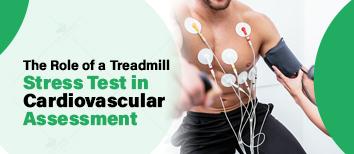
The primary goal of the Treadmill Stress Test is to evaluate how well the heart responds to increased physical activity

Building healthy habits in the formative years of a child lays the foundation for the healthy living. By teaching them to enjoy healthy eating at a tender age helps for the overall development and growth for life.
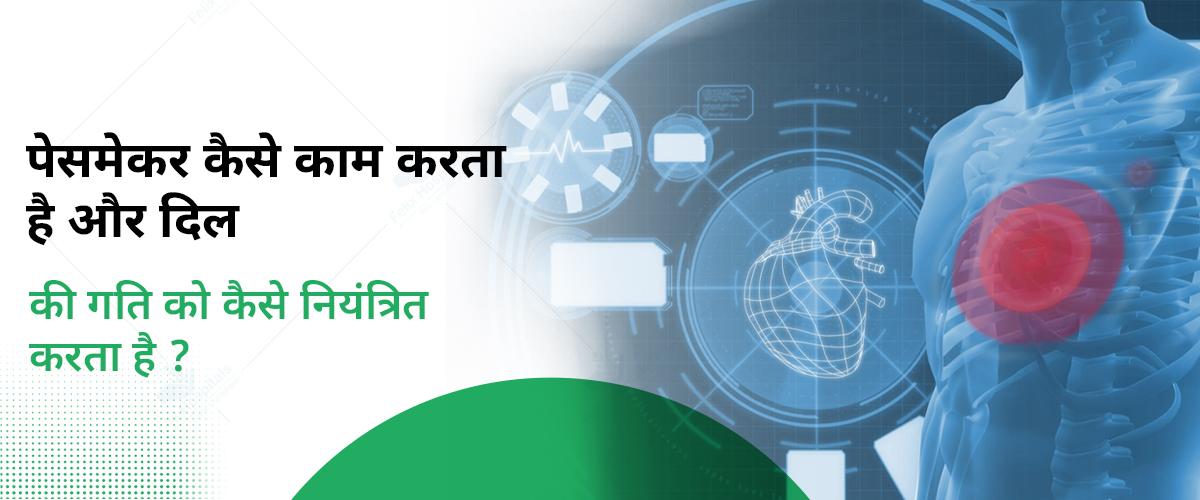
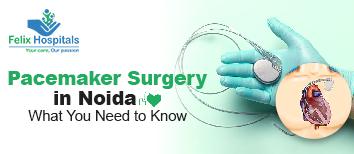
मानव हृदय में पंपिंग हृदय की नियमित धड़कनों से संचालित होती है। यह सामान्यतः प्रति मिनट 60 से 100 बार होती हैं। मगर जब दिल का नेचुरल पावर सिस्टम बार-बार असफल होने लगे तो पेसमेकर (Pacemaker) की आवश्यकता होती है। यह एक छोटा इलेक्ट्रॉनिक उपकरण होता है जो दिल की धड़कन को नियमित रखने के लिए जरूरी इलेक्ट्रिक सिग्नल देता है। इस लेख में हम यह जानेंगे कि पेसमेकर कैसे काम करता है। इसे कैसे लगाया जाता है साथ ही अगर आप इसके बारे में और जानना चाहते है या आप भी अपने हृदय की गति को नहीं समझ पा रहे है तो समय रहते अच्छे हृदय हॉस्पिटल को दिखाना बेहद ज़रूरी होता है।
ज्यादा जानकारी के लिए हमें कॉल करें +91 9667064100.
दिल की गति कैसे नियंत्रित करता है पेसमेकर? (How Does a Pacemaker Control Heart Rate?)
पेसमेकर की निगरानी और फॉलोअप (Monitoring and Follow-up of Pacemaker)
पेसमेकर एक इलेक्ट्रॉनिक चिकित्सा उपकरण है। जिसे हृदय की असामान्य धड़कन को सामान्य करने के लिए शरीर में इम्प्लांट करते हैं। यह डिवाइस दिल में इलेक्ट्रिक सिग्नल्स भेजकर हृदय की धड़कन को नियंत्रित करती है। जिससे रक्तसंचार नियमित रहता है। पेसमेकर का उद्देश्य हृदय गति को सामान्य सीमा बनाए रखना है। इसे विद्युत संकेत भेजकर धड़कन को ट्रिगर करना होता है। खासतौर जब दिल की अपनी प्रणाली असफल हो तो। यह एरिदमिया के लक्षणों को कम करना यानी चक्कर आने, थकान, बेहोशी के मामलों में दिल की पंपिंग क्षमता को सुधारता है।
| प्रकार | विवरण | उपयोग की स्थिति |
| स्थायी पेसमेकर | एक छोटा डिवाइस जो त्वचा के नीचे (छाती में) स्थायी रूप से ट्रान्सप्लान्ट करते हैं। | पुरानी ब्रैडीकार्डिया, एवी ब्लॉक, हार्ट फेल्योर होने पर उपयोगी। |
| अस्थायी पेसमेकर | एक अल्पकालिक डिवाइस जो बाहर से दिल में विद्युत संकेत भेजती है। | आपातकालीन स्थिति, सर्जरी के बाद, संक्रमण या बैटरी फेल्योर में |
नोटः स्थायी पेसमेकर बैटरी द्वारा संचालित होता है जो वर्षों तक कार्य करता है। अस्थायी पेसमेकर आमतौर पर कुछ हफ्तों के लिए लगाते हैं।
दिल की धड़कन एक स्वतः उत्पन्न होने वाली विद्युत प्रणाली से नियंत्रित होती है। जिसे हृदय की कंडक्शन सिस्टम कहते हैं। इसके प्रमुख घटक हैं सिनोएट्रियल नोड (एसए नोड)। इसे दिल का प्राकृतिक पेसमेकर कहते हैं। यह दाएं एट्रीयम में स्थित होता है। प्रति मिनट 60–100 बार विद्युत सिग्नल उत्पन्न करता है। एट्रियोवेंट्रिकुलर नोड (एवी नोड) सिग्नल को निचले कक्षों (वेंट्रिकल्स) तक पहुंचाता है। जिससे दिल का संकुचन नियंत्रित होता है। बंडल ऑफ हिज और परकिन्जी फाइबर्स दिल के विभिन्न हिस्सों में सिग्नल भेजते हैं। जिससे धड़कन समन्वित रूप से हो। जब यह प्रणाली सही ढंग से काम करती है, तो दिल की धड़कन नियमित रहती है।
जब एस.ए. नोड कमजोर हो जाती है या ए.वी. नोड में ब्लॉक हो जाता है, तो हृदय की धड़कन प्रभावित हो सकती है, इससे धड़कन धीमी होती है, दिल की लय अनियमित होती है। मस्तिष्क और अंगों को पर्याप्त रक्त नहीं मिलता है। ऐसे में पेसमेकर कृत्रिम रूप से विद्युत संकेत उत्पन्न करता है, जिससे दिल सामान्य गति से धड़कता है।
पेसमेकर में एक छोटा कंप्यूटर डिवाइस और बैटरी होती है। यह डिवाइस छाती की त्वचा के नीचे इम्प्लांट होती है। इससे जुड़ी लीड्स दिल की मांसपेशियों तक जाती है। जब पेसमेकर को संकेत मिलता है कि दिल की धड़कन सामान्य नहीं है तो यह कम वोल्टेज का विद्युत संकेत भेजता है। जिससे दिल संकुचित होता है। धड़कन चालू रहती है।
पेसमेकर को उनकी संरचना और हृदय के संकेत भेजने के आधार पर विभिन्न श्रेणियों में बांटते हैं। चिकित्सक मरीज की स्थिति को देखते हुए पेसमेकर लगाते हैं।
-सिंगल चेंबर पेसमेकर: इस प्रकार के पेसमेकर में केवल एक लीड होती है। जो दायां आलिंद या दायां निलय (हृदय का एक कक्ष है, जो फेफड़ों में रक्त पंप करता है) में स्थित होता है। यह पेसमेकर तब उपयोग में आता है जब केवल दिल का एक कक्ष ठीक से कार्य नहीं कर रहा होता है।
-ड्यूल चेंबर: पेसमेकर में दो लीड होती हैं। एक ह्रदय का एक भाग में दूसरी दायां वेंट्रिकल में यह पेसमेकर दोनों चेंबरों की क्रिया को समन्वित करता है। जिससे हृदय लय अधिक बनी रहती है। एवी सिंक्रोनाइजेशन बना रहता है।
-बाईवेंट्रिकुलर पेसमेकर (सीआरटी - कार्डिएक रीसिंक्रोनाइजेशन थेरेपी): यह विशेष पेसमेकर तीन लीड्स का प्रयोग करता है। इसका उद्देश्य हृदय के दोनों वेंट्रिकल्स को एक साथ संकुचित करना है। जिससे पंपिंग क्षमता सुधरे। यह हृदय विफलता वाले मरीजों में उपयोगी होता है।
पेसमेकर का प्रत्यारोपण एक अपेक्षाकृत सुरक्षित और कम समय लेने वाली प्रक्रिया है। आमतौर पर स्थानीय एनेस्थीसिया के तहत होती है। यह प्रक्रिया हृदय रोग विशेषज्ञों द्वारा विशेष रूप से तैयार कैथ लैब या ऑपरेशन थिएटर में होती है।
पहले मरीज को भर्ती किया जाता है। फिर छाती के ऊपरी हिस्से को साफ कर स्थानीय एनेस्थीसिया दिया जाता है। ईसीजी और ब्लड प्रेशर की लगातार निगरानी होती है।
डॉक्टर सबक्लेवियन वेन (कंधे के पास की नस) से एक या अधिक लीड्स को हृदय के अंदर गाइड करते हैं। लीड्स को दिल की दीवार से जोड़ते है। विद्युत गतिविधि को जांच करते हैं।
लीड्स को पेसमेकर डिवाइस से जोड़ते हैं। डिवाइस को त्वचा के नीचे लगाया जाता है। आमतौर पर बाएं कंधे के नीचे लगाया जाता है। फिर पेसमेकर को प्रोग्राम किया जाता है। जिससे वह सही दर से धड़कन को नियंत्रित करें। एक बार सटीक कार्यप्रणाली की पुष्टि होने पर
घाव को बंद कर करते हैं। प्रक्रिया में आमतौर पर 1 से 2 घंटे लगते हैं।
पेसमेकर लगने के बाद जरूरी जहां इसे लगाया है कि वहां के हाथ को 1-2 हफ्ते तक ऊंचा न उठाएं। घाव को सूखा और साफ रखें। भारी वस्तुएं उठाने से बचें। मोबाइल फोन को सीधे पेसमेकर के ऊपर न रखें। डॉक्टर द्वारा निर्धारित फॉलोअपकर जांच कराते रहें।
पेसमेकर एक बार इम्प्लांट करने के बाद रखरखाव की जरूरत होती है। जिससे यह पता चल सके कि डिवाइस सही काम कर रही है कि नहीं। बैटरी पर्याप्त है या नहीं। इसलिए टेलीमॉनिटरिंग के लिए इम्प्लांट के 7–14 दिन बाद नियमित चेकअप कराएं। फिर हर 3–6 महीने में एक बार या डॉक्टर की सलाह लें। डॉक्टर इस दौरान पेसमेकर के सिग्नल और कार्यप्रणाली की जांच जांच करते हैं।
लीड्स की स्थिति और प्रतिक्रिया का मूल्यांकन करते हैं। बैटरी स्टेटस देखते हैं। तकनीकी खराबी या संक्रमण के लक्षणों की पहचान कर जांच करते हैं। आधुनिक पेसमेकर में वायरलेस ट्रांसमिशन की सुविधा होती है। यह तकनीक मरीज के पेसमेकर से डाटा कार्डियोलॉजिस्ट को दूर से भेजती है। अचानक आई कोई समस्या को तत्काल अलर्ट करती है।
बैटरी की औसत आयु सामान्यत 8 से 12 वर्ष होती है। यह इस पर निर्भर करता है कि पेसिंग कितनी बार आवश्यक हो रही है। जब बैटरी खत्म होने पर पहुंचती है तो कार्डियोलॉजिस्ट(Cardiologist) सर्जरी की सलाह देते हैं। इस दौरान लीड्स को नहीं बदला जाता।
केवल डिवाइस का जनरेटर भाग बदला जाता है। यह प्रक्रिया आमतौर पर 30–60 मिनट में पूरी हो जाती है। हालांकि बैटरी पूरी तरह खत्म होने से पहले रिप्लेसमेंट जरूरी होता है, जिससे आपात स्थिति न आए। नोएडा में बहुत अच्छी कीमत पर आपको पेसमेकर की सलाह मिल जाएगी उसके लिए आपको अच्छे अस्पताल से सम्पर्क करना बेहद आवश्यक है।
पेसमेकर लगाने के बाद अधिकांश मरीज सामान्य और सक्रिय जीवन जीते हैं। यह डिवाइस दिल की गति को नियंत्रित करने के साथ दिनचर्या को आत्मबल देता है। मरीज सामान्य रूप से चलते हैं। काम पर जा सकते हैं। सामाजिक जीवन जी सकते हैं। हल्का शारीरिक श्रम, योग, ध्यान शुरू कर सकते हैं। कुछ हफ्तों बाद वाहन चलाना, कार्यस्थल लौटना, हल्की यात्रा कर सकते हैं।
कुछ उपकरणों की विद्युतचुंबकीय तरंगें (ईएमआई) पेसमेकर के कार्य को प्रभावित करती हैं। इसलिए उनसे सावधानी आवश्यक है।
मोबाइल फोन को पेसमेकर से कम से कम 15-20 सेमी (6 इंच) दूर रखें। कॉल के समय फोन को पेसमेकर वाले हिस्से से विपरीत कान पर रखें।
वेल्डिंग मशीन, औद्योगिक मोटर, जनरेटर जैसे उपकरणों से दूरी रखें। हाई वोल्टेज वाले स्थानों पर अधिक समय न बिताएं।
हवाई अड्डे, शॉपिंग मॉल आदि में उपयोग होने वाले सुरक्षा स्कैनर और मेटल डिटेक्टर प्रभावित कर सकते हैं। इन स्थानों पर पेसमेकर कार्ड दिखाकर वैकल्पिक चेकअप की मांग करें।
माइक्रोवेव का सामान्य उपयोग ठीक है, लेकिन बहुत पास जाकर देखने या छेड़छाड़ करने से बचें।
हल्का व्यायाम जैसे टहलना, साइकिल चलाना, स्विमिंग (कुछ हफ्तों बाद) कर सकते हैं। तीव्र व्यायाम या जिम से पहले डॉक्टर की सलाह जरूरी है।
हवाई यात्रा की अनुमति होती है लेकिन एयरपोर्ट पर पेसमेकर कार्ड दिखाना चाहिए। पेसमेकर डिवाइस के साथ अंतरराष्ट्रीय यात्रा करते समय पेसमेकर आईडी कार्ड अपने पास रखें।
कार्डियोलॉजिस्ट पेसमेकर को इम्प्लांटेशन (Cardiologist Pacemaker Implantation Procedure) प्रक्रिया करते हैं। पेसमेकर की प्रोग्रामिंग और सेटिंग्स को अनुकूलित बनाते हैं। नियमित फॉलोअप करते हैं। जीवनशैली संबंधी सलाह देते हैं। पेसमेकर के बारे में जानने के लिए आप नोएडा के अच्छे कार्डियोलॉजिस्ट से संपर्क कर सकते है। कार्डियोलॉजिस्ट न केवल पेसमेकर की तकनीकी निगरानी करते हैं, बल्कि मरीज की हृदय-स्वास्थ्य योजना का जानकारी देते हैं।
समय पर जांच और इलाज बेहद आवश्यक है। आज ही फेलिक्स हॉस्पिटल्स में संपर्क करें और आज ही अपना अपॉइंटमेंट बुक करें। ज्यादा जानकारी के लिए हमें कॉल करें +91 9667064100.
पेसमेकर एक जीवनरक्षक उपकरण है। यह न केवल हृदय की धीमी या अनियमित धड़कनों को सामान्य करता है, बल्कि मरीज को एक सक्रिय, सुरक्षित और सम्मानजनक जीवन जीने की शक्ति देता है। बावजूद अगर यदि किसी को बार-बार चक्कर आना, थकान, बेहोशी या धीमी हृदय गति की शिकायत हो, तो देर न करें। कार्डियोलॉजिस्ट से शीघ्र परामर्श करें और आवश्यक जांच कराएं। समय रहते पेसमेकर का निर्णय लेना भविष्य के लिए सुरक्षा कवच साबित होता है।
प्रश्न-1: क्या पेसमेकर से दिल मशीन पर निर्भर होता है?
उत्तर: पेसमेकर एक उपकरण है, जब दिल की प्राकृतिक प्रणाली काम करती है तो पेसमेकर हस्तक्षेप नहीं करता।
प्रश्न-2: पेसमेकर के सिग्नल क्या दर्दनाक हैं ?
उत्तर: मरीज को पेसमेकर द्वारा भेजे गए विद्युत सिग्नल का कोई अहसास या दर्द नहीं होता है।
प्रश्न-3: क्या मोबाइल फोन या अन्य उपकरण पेसमेकर को प्रभावित करते हैं?
उत्तर: आधुनिक पेसमेकर ईएमआई (विद्युत चुम्बकीय हस्तक्षेप) से सुरक्षित होते हैं। लेकिन फिर भी मोबाइल को पेसमेकर वाली छाती के विपरीत तरफ रखना और दूरी बनाए रखना चाहिए।
प्रश्न-4: क्या पेसमेकर के साथ एमआरआई कराया जाता है?
उत्तर: अगर आपने एमआरआई संगत पेसमेकर लगवाया है, तो सावधानी जरूरी है। मगर एमआरआई (MRI) से पहले कार्डियोलॉजिस्ट से अनुमति आवश्यक है।
प्रश्न-5: पेसमेकर के साथ सामान्य जीवन संभव है?
उत्तर: पेसमेकर लगने के बाद मरीज सामान्य दिनचर्या, यात्रा, हल्का व्यायाम और सामाजिक गतिविधियां करता है। बस कुछ बुनियादी सावधानियां जरूरी हैं।
प्रश्न-6: पेसमेकर की बैटरी कब बदल जाती है?
उत्तर: पेसमेकर की बैटरी आठ से 12 साल तक चलती है। जब बैटरी लो हो जाती है। तो कार्डियोलॉजिस्ट समय रहते उसका रिप्लेसमेंट सुझाते हैं।
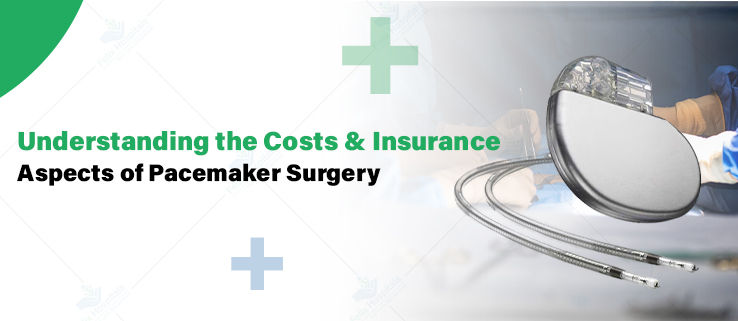
The cost of pacemaker surgery varies, generally ranging between $10,000 to $50,000, depending on factors like pacemaker type, hospital choice, and the complexity of the procedure.

A pacemaker is a small electronic device implanted under the skin near the heart to regulate the heart’s rhythm.
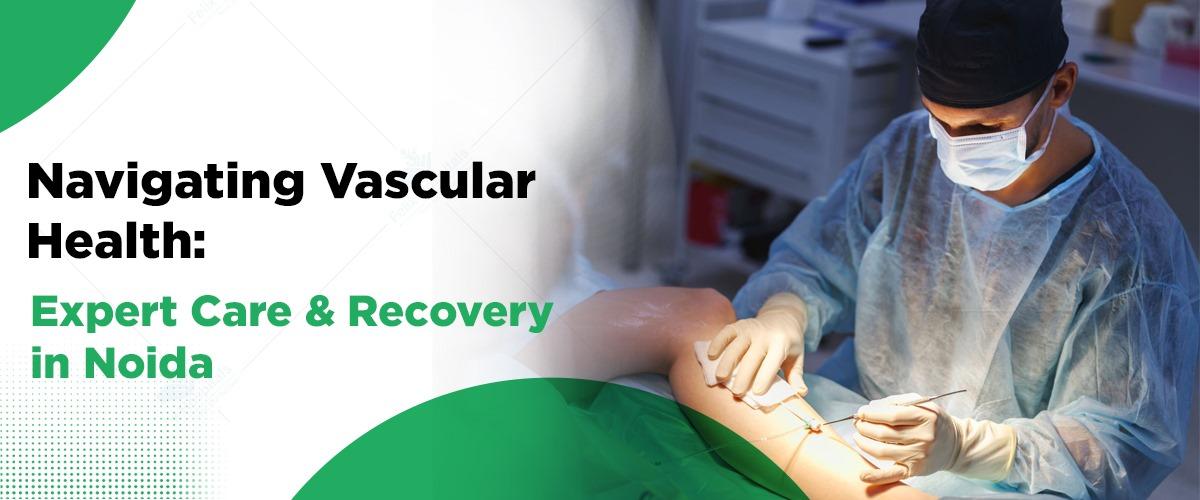
You're walking on Noida's crowded roads, but a nagging pain in your legs slows you down, or perhaps a swollen vein has you worried. In Noida, where the routine can conceal medical conditions, vascular conditions like these are more common than you can imagine, impacting thousands of lives in this city. Whether it's a recurring cramp or a chill in your toes, professional vascular care in Noida holds out hope and healing. Let's examine what vascular health is, the ailments that impact it, and how Noida's medical advantage can lead you back to energy.
Find the best surgeon in Noida and take control of your circulatory health before symptoms escalate. Call us today at +91 9667064100.
Your arteries, veins, and lymphatics are the roads of your body, delivering lifeblood to all corners. When these roads become narrowed, ballooned, or blocked, it's a traffic jam, leading to pain, swelling, or even worse threats like stroke or loss of limb. Vascular conditions can develop gradually, but Noida's experienced surgeons and advanced technology are ready to clear the road, so you can flow through life effortlessly. From cramping legs to life threatening aneurysms the facts hold the key to taking back your health.
Vascular disease comes in many forms, each with its own issues:
Peripheral Artery Disease (PAD): Blocked leg arteries trigger cramping or weakness, and walking is misery.
Aortic Aneurysms: Weak aorta bulges, with potentially fatal rupture unless monitored.
Carotid Artery Disease: Buildup in neck artery places stroke risk on the table by strangling brain flow.
Varicose Veins: Swollen, twisted veins in the legs are tender or cosmetically unappealing.
Deep Vein Thrombosis (DVT): Clots of blood in the deep veins, usually in the lower extremities, have the potential to cause severe complications.
Doctors in Noida employ sophisticated diagnostics to identify these conditions early, providing individualized solutions to maintain your blood flow in tip-top condition.
Noida hospitals provide all vascular procedures with conventional and latest techniques:
Aortic Aneurysm Repair: Repairs a ruptured aorta to avoid further rupture.
Carotid Endarterectomy: Removes plaque from carotid arteries to reduce risk of stroke.
Peripheral Bypass Surgery: Bypasses blood around obstructed leg arteries to improve flow and alleviate symptoms.
Angioplasty and Stenting: Widens narrowed arteries with a balloon and stent, improving flow.
Endovascular Aneurysm Repair (EVAR): Fixes aortic aneurysms with fewer cuts allowing for rapid recovery.
Varicose Vein Treatment: Shrinks the offending veins using laser or radiofrequency.
These treatments, provided with precision in Noida balance efficiency with less harmful healing, allowing you to get back to life in no time.
Vascular surgery is a procedure, and Noida's medical team is with you every step of the way:
Pre-Operative Care:
Surgeon consultations to show you your condition and options, to address all your questions.
Doppler ultrasound or CT angiography to create a map of your vascular health.
Health tests, such as blood and heart tests to get you ready for the surgery.
Hospital stay with pain management and dressing of the wound to facilitate a smooth recovery.
Preventive medications to avoid clots and pain management.
Physical therapy to regain mobility and strength.
Follow-ups regularly to monitor healing and correct issues.
This complete process in Noida makes you feel well cared for, from your initial visit to your last check-up.
Taking care of your blood vessels can prevent or heal vascular problems. Try these Noida-friendly tips:
Eat Well: Pile your plate high with fruits, vegetables, whole grains, and lean proteins, ideal for a fresh-from-the-mall Noida diet.
Stay Active: Stroll through Noida parks or workout at a local gym to keep circulation going.
Quit Smoking: Kick cigarettes, one of the biggest vascular villains to shield your arteries.
Maintain Health Conditions: Monitor diabetes, high blood pressure or cholesterol through routine check-ups.
These easy habits to maintain in Noida's lifestyle-quick lifestyle help keep your blood vessels healthy and supple.
The city's medical centers are equipped with the latest technology, from precise imaging to minimally invasive equipment, offering proper diagnoses and effective treatments. The surgeons at these centers are skilled in open and minimally invasive procedures tailoring treatments to your individual conditions. Noida's staff is centered on compassion, hearing your history and treating you as an individual, not another patient. Astronomically competitive treatment and total care, starting with first consultation through to the healing process make Noida a reliable choice for vascular health, right at the heart of your city.
Don’t let leg pain, swelling or vascular concerns hold you back. Schedule a consultation with Noida’s leading vascular experts and get personalized care tailored to your needs.
Vascular problems, from painful legs to silent aneurysms, can shadow you throughout your Noida years, dragging you back through marketplaces or quiet afternoons at home. But in this city of dynamism, top vascular treatment is close by providing innovative techniques and tender care to return you to vigor. If you have to unblock a blocked artery or support varicose veins, the healthcare professionals in Noida are here to counsel you with knowledge and sensitivity. Don't allow the worry or pain to linger—get the treatment that Noida can provide and move on with confidence. Your health is worth no less.
Q1. What is vascular surgery for?
Ans: It treats blood vessel conditions like blockages, aneurysms, or varicose veins, improving flow to prevent heart attacks, strokes, or limb loss.
Q2. What’s the most common vascular surgery?
Ans: Carotid endarterectomy, clearing neck arteries to prevent stroke, and angioplasty with stenting, opening blocked arteries, are widely performed in Noida.
Q3. What are signs of vascular disease?
Ans: Look for leg cramps after activity, numbness, cold feet, slow-healing sores, leg color changes, weak pulses, or hair loss on legs.
Q4. What is a vascular problem?
Ans: It’s any issue affecting blood vessels, like narrowed arteries (PAD), bulging aneurysms, carotid blockages, varicose veins, or deep vein clots (DVT).
Q5. Is vascular surgery painful?
Ans: Some soreness or bruising is normal post-surgery, but Noida’s teams use pain management to keep you comfortable during recovery.
Q6. What’s a vascular doctor called?
Ans: A vascular surgeon, trained to diagnose and treat vessel conditions through surgery, minimally invasive procedures, or medical therapy.
The primary goal of the Treadmill Stress Test is to evaluate how well the heart responds to increased physical activity
By working closely with experienced vascular surgeons and following their guidance, patients can achieve positive outcomes and enjoy a better quality of life.
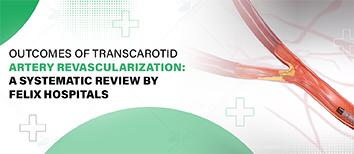
The primary goal of TCAR is to reduce the risk of stroke in patients with significant carotid artery stenosis.
In Noida hospitals, recognized for being among the best heart health hospitals in Noida, are at the forefront of offering critical care for heart-related issues.
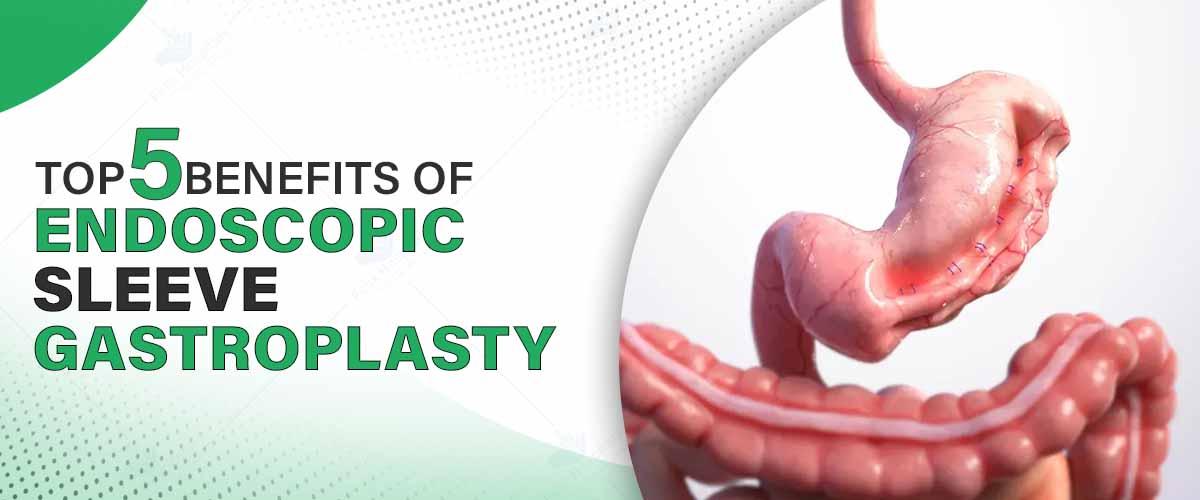
For people struggling with obesity and related health issues, weight loss surgery often seems like a drastic step. But what if there was a minimally invasive option that still helped shed significant weight and improve health outcomes? That’s where Endoscopic Sleeve Gastroplasty (ESG) comes in. It’s a fairly new technique that’s gaining traction for offering solid results without the complications of traditional bariatric surgery. Let’s dive deep into the top 5 benefits of endoscopic sleeve gastroplasty.
ESG procedure may be an option if you're significantly overweight, and diet and exercise haven't worked for you. To schedule a consultation with our specialists, speak to our representative at: +(91) 9667064100.
Obesity is a known risk factor for conditions such as diabetes, high blood pressure, and even sleep apnea. Diet and exercise are great, but sometimes they fail to show any results. Endoscopic sleeve gastroplasty is a newer type of minimally invasive weight-loss procedure that’s done with an endoscope fed through your mouth. Therefore, there are no cuts in ESG procedure, instead, a suturing device is inserted into the throat and down to the stomach. The endoscopist then sutures the stomach to make it smaller.
You might want to consider ESG procedure if:
● Your BMI is 30–40 and you’ve tried dieting or exercise without lasting weight loss.
● You have obesity-related issues, such as high blood pressure, type 2 diabetes, joint pain, etc.
● Despite eating large meals, you never get full.
● Your overweight affects your everyday life.
● You don't qualify for or want traditional bariatric surgery.
If you qualify for endoscopic sleeve gastroplasty, our team will give you instructions on how to prepare for the procedure. You may need to have lab tests and exams before surgery. You may have restrictions on eating, drinking and taking medicines. You also may be required to start a physical activity program.
You’re put under general anesthesia.
A long, flexible scope, called endoscope goes down your throat into your stomach. It is equipped with a stitching tool.
The doctor makes internal stitches to fold your stomach, creating a smaller “pouch.”
No cuts are made on the outside, just internal stitches.
It takes about 1–1.5 hours, often done as an outpatient procedure, and you might go home the same day or the next morning.
Full recovery typically takes about a week, and most people return to work in a few days.
Minimally Invasive, No Scars: Unlike traditional surgeries that require cuts, ESG procedure is done entirely through the mouth. No scars, no stitches on the outside, and a much lower risk of infection.
Faster Recovery Time: Since there are no external incisions, recovery is much quicker. Most people are up and moving the same day, and full recovery takes about a week.
Lower Risk of Complications: ESG avoids many of the risks associated with open or laparoscopic surgeries, like bleeding, hernias, or severe infections.
Preserves Normal Stomach Function: Your digestive tract isn’t rerouted like in gastric bypass. The food still travels the normal route, just in smaller amounts, preserving nutrient absorption and stomach function.
Effective Weight Loss Results: Patients typically lose 15–20% of their total body weight within the first year.
So ESG procedure, unlike bariatric surgery, is less risky and invasive and it’s a good fit for those serious about weight loss but wary of big operations. However, lifestyle changes still matter.
Lifestyle and Diet Modifications
You will have to follow strict dietary guidelines for several months after the surgery. This will help you heal your digestive system.
You'll be asked to avoid foods high in sugar and starch and carbonated drinks.
You’ll be asked to take micronutrient supplements such as multivitamins, calciums and vitamin D for the rest of your life.
Exercise daily or perform aerobic activity, three to five times a week.
You’ll have regular checkups. This will help your surgeon to monitor your general health and weight loss, test you for nutritional deficiencies and continue to provide counseling on the diet and lifestyle changes you’re implementing.
Endoscopic Sleeve Gastroplasty may be appropriate for people with a body mass index of 30 or more and for whom diet and exercise alone have not worked. Like other weight loss procedures, ESG works best and achieves long-term success, when you commit to a healthier lifestyle.
At Felix Hospitals, we have a state-of-the-art infrastructure, including the most experienced and skilled surgeons, dietitians, and counselors to provide comprehensive care for healthy, long-term weight loss. Our team, which includes gastroenterologists and endoscopic surgeons, perform minimally invasive surgical techniques which are safe, less painful, and require shorter hospital stays.
If you or someone you know is struggling with obesity and wants to avoid conventional weight loss surgery, talk to our gastroenterologist about whether Endoscopic Sleeve Gastroplasty is a suitable option for you. For queries or consultation, contact us!
Q1. What’s the post‑procedure diet like?
Ans: You start with liquids for a week or two, then soft foods, then smaller solid meals.
Q2. Are there any side effects of the ESG Procedure?
Ans: You might experience a stomachache, nausea and vomiting after the procedure, but this is temporary. If necessary, your doctor will give you medication to reduce these symptoms while you recover.
Q3. Can you regain the weight after ESG procedure?
Ans: Yes, if you revert to old habits. Success depends on long-term lifestyle changes.
Endoscopic Spine Surgery in Noida offers a revolutionary, minimally invasive solution for chronic back and spine-related pain
Gastric problems occur when excess acid or digestive disturbances affect the stomach lining, causing symptoms like bloating, acidity, and pain. Timely diagnosis ensures effective treatment.
Anesthesia involves the administration of medications, known as anesthetics, to block sensation and pain during medical procedures.

Manage diabetes effectively with a well-planned Indian vegetarian diet chart. Explore healthy meal options and tips for blood sugar control.
For most women, life is a constant juggle between responsibilities – work, family, health, emotions, and in the middle of all this, suffering from a condition like piles can become a silent nightmare. Piles can take away a woman’s physical comfort, emotional well-being, and even her confidence.
Most women don’t talk about piles either out of embarrassment or owing to fear of being judged. They suffer in silence, without realizing the psychological impact of piles on their mental health. But the longer it goes untreated, the deeper will be its impact, both physically and mentally. Therefore, it's advisable to seek treatment before piles affect your mental health.
If you’re a woman dealing with piles and are looking for a lady doctor for piles treatment in Noida, contact us!
Piles, also known as hemorrhoids, are swollen veins in or around the rectum and anus. They can be internal (inside the rectum) or external (under the skin around the anus).
Some women get them during pregnancy, some after childbirth, others due to chronic constipation, obesity, or even prolonged sitting hours at a desk job.
Symptoms may vary, but the most common ones include:
● Bleeding
● Pain during bowel movements
● Itching or irritation in the anal region
● Swelling or a lump near the anus
● Feeling of incomplete evacuation
Impact of piles on women’s health is not just physical but also mental and psychological. Many women with piles experience:
● Shame and embarrassment
● Anxiety about going to the bathroom
● Low self-esteem, especially in relationships
● Social withdrawal because of discomfort or fear of an episode
● Sleep disturbances due to itching or pain at night
Infect, instead of seeking treatment, many women avoid vacations, delay intimacy, or even skip work meetings just because they don't feel comfortable or confident. And this quiet stress builds over time, becoming depression in extreme cases.
And yet, they hesitate to speak up and consult a specialist because of fear of discomfort or embarrassment. Having a female specialist can significantly ease that anxiety. At Felix Hospital, the best Piles Treatment Hospital in Noida, we have a team of experienced lady doctors for the comfort of our female patients.
While anyone can develop piles, certain triggers make women more vulnerable:
● Pregnancy and childbirth
● Constipation
● Obesity
● Prolonged sitting
● Family history of piles
First, if you think you may have piles, don’t self-diagnose and schedule a consultation with our best lady doctor for piles treatment in Noida. It’s important to get an accurate diagnosis to rule out more serious issues like colorectal cancer or anal fissures.
Treatment for piles usually depends on the severity. Treatment options may include:
Diet and lifestyle changes: Increase fiber intake through fruits, veggies, whole grains, drink more water, and move more.
Sitz baths: Sitting in warm water for 10–15 minutes helps relieve pain.
Topical creams: Over-the-counter or prescription creams to reduce swelling and discomfort.
Rubber band ligation: During banding, a small rubber band is placed around the base of a hemorrhoid. The band stops the flow of blood into the hemorrhoid and eventually the hemorrhoid will fall off. This usually takes 10 to 12 days.
Sclerotherapy: A chemical solution is injected directly into the hemorrhoid. This causes it to shrink and to form scar tissue.
Stapledhemorrhoidopexy: The hemorrhoidal tissue is placed back inside the anus and held in place using surgical staples.
Hemorrhoidectomy: It is a surgical procedure to remove hemorrhoids and is often recommended for severe hemorrhoids or when there are complications, such as multiple hemorrhoids or hemorrhoids that have prolapsed.
Laser Treatment: It is a minimally invasive therapy that uses laser energy to shrink hemorrhoidal tissue. When compared to standard surgical procedure, this causes less pain, recovers faster, and has less bleeding.
Medical treatment is only part of the solution, especially because the emotional impact of piles on women’s health cannot be ignored. Healing from the psychological impact of piles is as important as seeking timely treatment. Here are a few suggestions:
● Seek professional support from a female doctor or a therapist, if you feel the need.
● Don’t isolate and suffer in silence
● Educate yourself and seek treatment from a lady doctor, especially if you are hesitant to consult a male doctor.
● Gentle yoga or stretching can ease stress and help with both physical and mental symptoms.
Don’t let piles affect your mental health. For many women, piles can be a deeply uncomfortable issue, not just physically, but emotionally too. The pain, itching, and bleeding can be difficult enough to lead a quality life. But what makes it harder for a woman is the embarrassment of discussing the condition openly, especially with a male doctor. This is why more women are choosing hospitals like Felix Hospitals, where female piles specialists are available.
If piles make you uncomfortable, don’t ignore the symptoms! At Felix Hospital, we have the best lady doctor for piles treatment in Noida. They provide effective treatment for piles.
Book your consultation with our female piles doctor today!
Q: Can stress make piles worse?
Ans: Yes, indirectly stress can lead to poor eating habits, irregular bowel movements, and muscle tension, all of which can aggravate piles.
Q: Is it normal to have piles after childbirth?
Ans: Absolutely! Many women develop them due to pressure during labor and hormonal changes. It often improves with time and treatment.
Q: When should I see a specialist?
Ans: If symptoms persist beyond a week, if there’s frequent bleeding, or if home remedies aren’t helping, it’s time to consult a doctor. At Felix Hospital, the best piles treatment hospital in Noida, we provide holistic treatment for piles.
Q: What is the piles treatment cost in Noida?
Ans: Piles treatment cost in Noida or anywhere in the country depends on the severity of your condition and the treatment prescribed by your specialist.
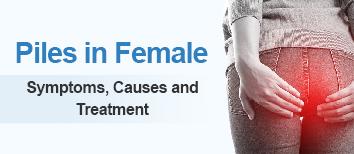
Know the symptoms of piles in females, including discomfort, bleeding, and swelling, along with causes and treatment options for relief.

Dr. Ritesh Kumar Agrawal is the Best Doctor for piles treatment in Noida at Felix Hospital. With years of specialized experience in proctology.
Kids getting sick is nothing unusual, A clogged ear, throat that hurts, nose that drips nonstop, it’s usually nothing to worry about. But sometimes, those repeated complaints point to something deeper, especially when it involves the ears, nose, or throat. And because little ones are unable to say or express much, as a parent, you need to notice the subtle signs or patterns that might suggest an ENT problem that needs a specialist’s attention.
This blog will help you spot common ENT symptoms in children, what they might mean, and when it’s time to schedule a consultation for ENT care for kids. At Felix Hospital, the best ENT care hospital in Noida, our team specializes in diagnosing and treating a wide spectrum of congenital and pediatric ENT conditions. Besides, we also offer Pediatric Cochlear Implantation and advanced ontological procedures, with audiological rehabilitation support from certified pediatric speech and language specialists.
To schedule a consultation with our ENT specialist, contact us at +91 9667064100.
As compared to adults, young children have shorter ear canals, smaller sinuses, and their adenoids and tonsils are still developing. This makes them more prone to problems such as:
Ear infections
Blocked sinuses
Speech or hearing delays
Snoring or noisy breathing
Frequent colds that linger
Not every symptom is an obvious sign of an ENT problem. But if your child experiences any of the signs listed below, it’s advisable to not to overlook any symptoms and seek ENT care for kids. Here are some common signs to look out for:
● Delayed or slurred speech
● Frequent nosebleed
● Recurring sore throats
● Breathing through mouth
● Snoring that's loud
● Swollen tonsils with fever
● Balance problems
● Perpetually stuffed nose
● Ear infections (otitis media)
● Recurring throat infections
● Enlarged adenoids or tonsils
● Fluid behind the eardrum
● Allergies
● Chronic sinusitis
● Foreign objects in nose/ear
● Hearing or speech issues linked to ENT problems
Schedule an appointment with our best ENT care doctor for kids treatment if your child experiences any of the following:
● 3–4 ear infections in a year
● Snoring paired with daytime fatigue or poor focus
● Sore throat more frequently
● Speech not improving despite therapy
● Nose issues lasting more than 2 weeks
● Hearing loss
● Breathing or sleep issues
You can’t stop every sniffle, but you can prevent ENT infections by taking certain measures, such as:
● Avoid exposure to secondhand smoke
● Keep toys and surfaces clean
● Don’t let them lie down right after feeding or eating
● Don’t let kids lick everything, germs follow
● Teach nose-blowing, not sniffing
● Dry ears after swimming or baths
● Avoid sugar-heavy drinks that irritate throat
● Experienced and skilled team of pediatric ENT specialists to provide ENT care for kids
● Multidisciplinary approach; our specialists work closely with other specialties, such as audiology, speech therapy, and oncology, to treat complex cases
● Pre- and post-operative care
● Speech Therapy support
● Nutrition counseling & emotional support
● Competitive ENT care treatment cost for kids problems
● 24/7 Emergency Services
Kids getting sick is just a part of growing up. But staying alert to certain unusual patterns, and knowing when things need expert care makes all the difference. If caught early, ENT problems and infections can be treated easily.
At Felix Hospital, the best ENT care hospital in Noida, our ENT department has a team of pediatric ENT experts who offer treatment for a range of conditions affecting children, from simple infections requiring antibiotics, to conditions requiring surgical treatment. They also treat congenital disorders of the outer and inner ear.
We have the best ENT care doctor for kids treatment who uses the latest equipment and technologies to perform endoscopic nasal surgeries and ear and cochlear implants. So if your little one suffers from any ENT condition, get in touch to arrange a consultation with our ENT specialist in Noida!
Q: What are the common causes of ENT problems?
Ans: ENT infections are often caused by bacteria and viruses. While some infections are easily treatable, few may pose chronic problematic effects in your children.
Q: Is ear pain usually an infection?
Ans: Yes, but not always. It requires proper investigation by an ENT specialist. To schedule an appointment with our ENT specialist, contact us.
Q: When should I go see an ENT specialist for my child?
Ans: You might need to visit a pediatric ENT specialist if your child is suffering from frequent ear infections in a year or if previous treatment via antibiotics were not successful or they’ve been suffering from recurring sinus infections or tonsil inflammation.
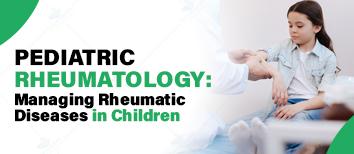
Pediatric rheumatology focuses on diagnosing and treating autoimmune and inflammatory disorders affecting children’s joints, muscles, and connective tissues.

It all starts when you get to know that you are pregnant, you will be taking care of the little one. This news for first time parents brings lot of responsibility and excitement.
ENT health is essential for proper breathing, hearing, speech, and balance. Early detection and expert care ensure a better quality of life and prevent chronic complications.
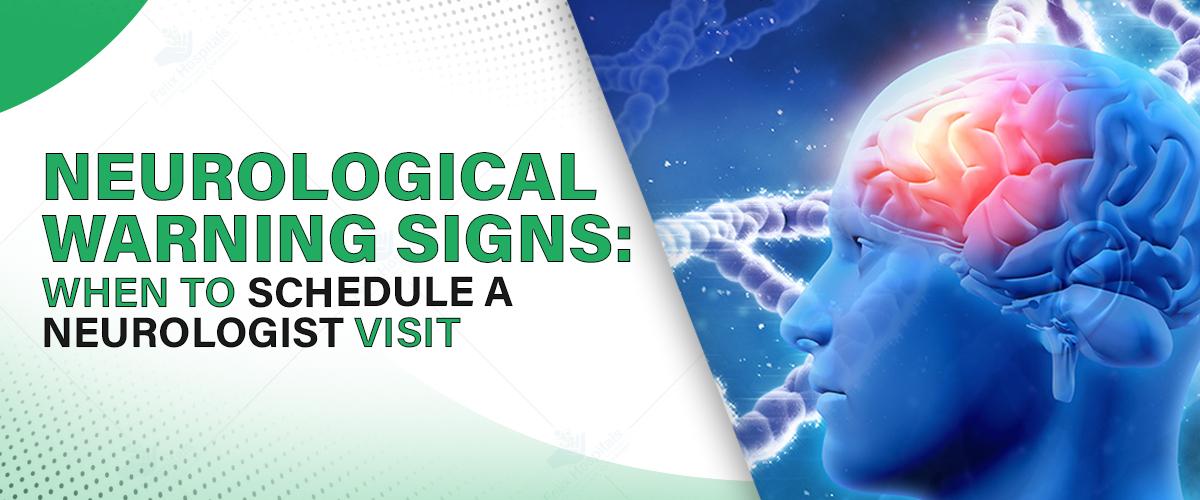
Neurological problems aren’t always obvious at first. A flicker in your vision, a persistent headache, or trouble recalling words or names might not ring alarm bells right away. Still, these signs could be some of the early warning symptoms of a neurological disorder. Knowing when to consult a neurologist can make all the difference because early diagnosis and timely intervention can lead to effective treatment, and a better quality of life.
Suffering from frequent headaches or migraine attacks? Consult our Neurologist at Felix Hospital, Noida!
Neurology deals with our nervous system: the brain, spinal cord, and peripheral nerves. Disorders in this system can affect how you move, think, feel, and interact with the world around you. Some conditions are relatively common, like migraine or nerve pain, while others, like ALS or multiple sclerosis, are more complex and chronic.
Then there are conditions that come on suddenly, like a stroke, and others that build quietly over time. What’s important to understand is that the earlier you catch symptoms of neurological disorder, the better your chances of managing it effectively.
Your body often sends early warning signs. It's advisable to seek timely treatment than to wait too long. Some of the neurological warning signs you shouldn't ignore include:
● Frequent, intense headaches : Everyone gets headaches now and then, but if yours are severe, persistent, or different from your usual pattern, it’s time to investigate.
●Memory trouble or confusion: If you start forgetting names, getting lost in familiar places, or struggling with everyday tasks, it’s advisable to get checked for cognitive disorders.
●Difficulty with coordination or walking: If you’re losing your balance more than usual, struggling with basic coordination, or feeling dizzy or clumsy for no reason, consult a neurologist.
●Numbness or tingling: If you experience constant numbness, especially on one side, or if it spreads or is accompanied by weakness, it could be a sign of a nerve or brain issue.
● Sudden changes in vision: Blurry or double vision that appears suddenly could signal optic nerve damage, a mini-stroke, or an early symptom of multiple sclerosis.
●Tremors or involuntary movements: Twitches, shakes, or rigid muscles may be associated with conditions like Parkinson’s. These symptoms may be mild at first but usually get worse without treatment.
●Trouble speaking or understanding: If you’re having difficulty finding the right words, slurring your speech, or understanding language, this could be linked to a neurological event such as a stroke or mini-stroke.
● Unexplained seizures or fainting: Even a single seizure or blackout should be investigated.
When you visit our best neurologist in Noida, they’ll usually start with a detailed look at your medical history: what symptoms you’re having, how long they’ve been around, and any family history of neurological problems.
Based on their evaluation, they might ask you to get neurological exams, such as:
• MRI or CT scans to look at brain or spinal cord structures
• EEG tests to measure brain activity, especially for seizures
• Nerve conduction studies or EMG for muscle and nerve function
• Blood tests to look for infections or vitamin deficiencies
• Spinal tap (in certain cases) to examine cerebrospinal fluid
There’s no one-size-fits-all treatment plan in neurology. The care path depends on symptoms of neurological disorder.
At Felix Hospital, we utilize evidence-based approaches and state-of-the-art techniques to deliver the best treatment for neurological diseases tailored to each patient’s needs.
Medications: Often the first line of neurological disease treatment, medications, including pain relievers and anti-inflammatory drugs for neuropathies and migraines and anticonvulsants for epilepsy, etc. are prescribed.
Surgical Interventions: For complex neurological conditions, surgery may be required. Our surgical services include:
Tumor Resection Surgery: The goal of surgery is to remove a tumor. Depending on the tumor location and size, either the tumor is removed completely or partially.
Epilepsy Surgery: This is a complex and sensitive surgery that requires a multidisciplinary approach. It’s effective in patients who do not respond to medications.
Aneurysm Clipping: It’s a procedure in which a surgical clip is used to close off a brain aneurysm.
Spinal Decompression and Fusion Surgery: The surgery, often performed through a large incision, is used to treat herniated discs, spinal stenosis, and other spinal conditions.
Minimally Invasive Surgeries: Our advanced minimally invasive techniques ensure shorter recovery times and reduced risks. These include:
● Endoscopic Brain/Spine Surgery: A minimally invasive surgical approach performed through small incisions with the help of an endoscope. This is commonly used for tumor removal, and certain spinal surgeries.
● Neuroendoscopy: It’s a surgical technique where endoscope is used to access deep brain areas with minimal disruption. Neuroendoscopy is used to treat a wide range of tumors and cancers, neurological disorders, and trauma-induced damage.
●Deep Brain Stimulation (DBS): A revolutionary surgical option for the treatment of movement disorders like Parkinson’s and dystonia.
● Spinal Microdiscectomy: The surgery helps in the treatment of spinal cord injuries, herniated discs causing nerve compression, spinal fractures and correct spinal deformities.
Physiotherapy and Rehabilitation: Restoring function and improving quality of life is a key part of our treatment approach. Our rehabilitation services include:
Physical Therapy: Post neurology treatment where surgery is involved, physical therapy helps to improve strength, balance, and mobility.
Occupational Therapy: This helps to regain independence in daily activities.
Speech Therapy: This is an ideal approach for patients with speech or swallowing difficulties caused by neurological conditions.
While not every headache or dizzy spell points to a serious issue, some symptoms are your body’s way of waving a red flag. At Felix Hospital, we offer comprehensive diagnostic and procedural facilities for a wide spectrum of neurological conditions. We take pride in being one of the foremost tertiary care referral centers for neurosurgeries in Delhi NCR, surpassing all others in terms of volume of neurosurgeries performed. Our skilled team of neurologists and neurosurgeons provide holistic treatment and recovery by integrating neuro-rehabilitation, pain management, and critical care for the complete recovery of our patients.
Whether it’s memory issues, sudden weakness, or unexplained tremors, it’s always better to investigate early. To schedule a consultation with our Best Neurosurgeon In Noida, contact us!
Q: Can anxiety cause neurological symptoms?
Ans: Yes, stress and anxiety can mimic certain neurological symptoms, like tingling, headaches, or dizziness. That said, it’s advisable to consult a neurologist.
Q: What’s the difference between a neurologist and a neurosurgeon?
Ans: Neurologists diagnose and manage neurological conditions through non-surgical methods. If surgery is needed, a neurologist may refer you to a neurosurgeon.
Q: Are neurological conditions always lifelong?
Ans: Not always. Some, like a pinched nerve or a single seizure, can be resolved. Others, like Parkinson’s or MS, may require lifelong care, but early intervention can slow progression and improve quality of life.
Q: How soon should I see a neurologist after noticing symptoms?
Ans: If neurological warning signs are mild but persistent, don’t wait more than a couple of weeks. For sudden symptoms, like seizures, vision loss, or speech issues, seek medical help immediately.
Advanced neurosurgery improves treatment for brain and spine disorders with better outcomes.
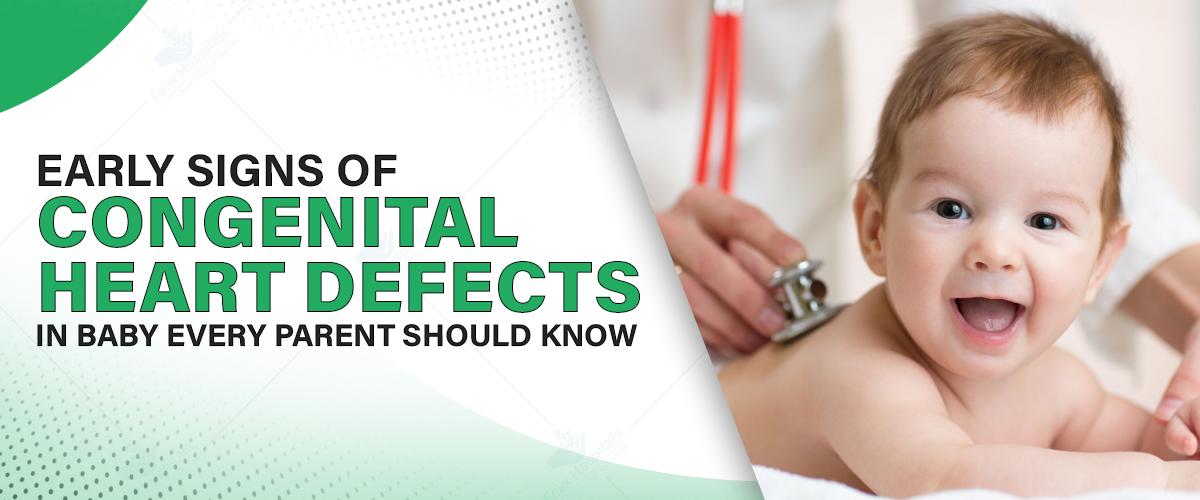
The moment your baby arrives, nothing else matters as you watch their tiny fingers while listening to that first cry, and hoping everything’s okay. Most of the time, it is. But sometimes, the heart doesn’t develop exactly the way it should during pregnancy. These are called congenital heart defects, and catching early signs of heart problems in baby can truly make a difference.
Even if a baby looks fine on the outside, there can be something happening inside their little heart that needs attention. Some signs are subtle, some come later, and some are just brushed off as “normal newborn things.” But parents who know how to catch early signs of congenital heart defects in baby are better prepared to get help early.
So, if you’re a new parent or expecting one soon, knowing the early signs of heart problems in baby is important. For early diagnosis and treatment, contact us!
Congenital heart defect (CHD) is a structural issue in the heart that a baby is born with. These are actually the most common type of birth defect. It could be something like a hole between two chambers, a valve that’s too narrow, or an artery that didn’t form in the right place.
These defects affect how blood flows through the heart and out to the rest of the body. Some interfere with oxygen levels, some strain the heart, and others may make it harder for the body to grow.
● Ventricular Septal Defect (VSD): A hole in the wall between the heart’s two lower chambers.
● Atrial Septal Defect (ASD): A hole that’s higher up between the top chambers.
● Patent Ductus Arteriosus (PDA): A blood vessel that normally closes after birth stays open.
● Tetralogy of Fallot: A complex condition with four combined defects that reduce oxygen flow.
● Coarctation of the Aorta: A narrowing in the aorta that restricts blood flow.
● Transposition of the Great Arteries (TGA): Two main arteries are switched in position.
Not every baby with a heart defect will show these symptoms, and not every baby who shows them will have a CHD. But these are red flags worth mentioning to your child’s pediatrician:
● Cyanosis or bluish skin, lips or nails
● Fatigue
● Heart murmur
● Poor blood circulation
● Weak pulse
● Fast or trouble breathing
Some heart defects are picked up during pregnancy, especially if a detailed ultrasound or fetal echocardiogram is done. But others only show up after birth, or weeks or months later.
Here’s how doctors usually diagnose them:
● Pulse Oximetry Test: This is often done within the first 24-48 hours after birth. It checks oxygen levels in the blood. Low levels could point to a heart problem.
● Physical Exam: A pediatrician might hear a heart murmur (an unusual sound), notice poor weight gain, or see signs like labored breathing.
● Echocardiogram: This is basically an ultrasound of the baby’s heart. It shows the structure and function clearly.
● Chest X-ray: Helps check the size and shape of the heart and lungs.
● Electrocardiogram (ECG): Measures the electrical activity of the baby’s heart.
● Cardiac MRI or CT scan: These are sometimes used if more detail is needed.
Early diagnosis means more treatment options and better outcomes. Even if a defect isn’t life-threatening, monitoring it from the beginning helps doctors act when needed.
A lot of the time, no one knows exactly why a CHD happened. But here are a few things that can raise the risk:
• Family history of CHDs
• Genetic conditions (like Down syndrome)
• Viral infections during pregnancy, especially rubella
• Uncontrolled diabetes in the mother
• Medications or drugs taken during pregnancy
• Alcohol or smoking during pregnancy
Treatment for congenital heart disease depends on the specific heart problem and how severe it is. Some congenital heart defects don't have a long-term effect on a child's health, whereas serious heart disease in babies need treatment soon after they're found. At Felix Hospital we provide world class congenital heart defects in baby treatment In Noida. Our doctors for congenital heart disease provide the best treatment based on diagnosis and early signs of heart problems in baby.
For congenital heart disease management, medicines may be used to either treat symptoms or complications. They may be used alone or with other treatments. Medicines for congenital heart diseases include blood pressure drugs, diuretics or heart rhythm drugs to control irregular heartbeats.
If your child has a severe congenital heart defect, a heart procedure or surgery may be recommended. Heart procedures and surgeries done to treat different types of congenital heart disease includes:
Cardiac catheterization: Some types of congenital heart defects in children can be repaired using thin, flexible tubes called catheters, without the need to do an open-heart surgery. During the procedure, the specialist inserts a catheter through a blood vessel, usually in the groin, and guides it to the heart. Sometimes more than one catheter is used to fix the heart condition. The procedure is used to fix holes in the heart or areas of narrowing.
Heart surgery: A child may need open-heart surgery or minimally invasive heart surgery to repair a congenital heart defect. The type of heart surgery depends on the specific change in the heart.
Fetal cardiac intervention: This congenital heart disease treatment is performed on babies diagnosed with a heart problem before birth. Although rarely done, it fixes serious congenital heart defects or prevents complications as the baby grows during pregnancy.
You can’t prevent every case, but a few things may help lower the risk:
● Take folic acid daily before and during pregnancy, as prescribed by your doctor.
● Avoid alcohol, tobacco, and recreational drugs.
● Manage diabetes or other chronic conditions if you’re pregnant or planning to be. Get vaccinated before pregnancy, especially for rubella.
● Avoid risky medications, always check with your doctor.
Congenital heart defects in baby isn’t always obvious. They don’t come with flashing warning signs, and sometimes they’re mistaken for normal baby behavior. That’s why awareness is the key. Depending on types of congenital heart disease, some issues are more severe than others, but all of them prevent normal blood flow through the heart and beyond. Advances in diagnosis and treatment help most children with a congenital heart disease live to become adults.
Felix Hospital is one of the most preferred hospitals for congenital heart defects in baby treatment In Noida. We have a team of dedicated cardiologists and pediatric cardiac surgeons who provide comprehensive heart care tailored to meet the unique needs of our patients.
With today’s medical advances, most children with CHDs can grow healthy, and active. Early detection and timely treatment by an expert pediatric cardiologist makes a difference. To schedule an appointment, contact us at: +(91) 9667064100.
Q: Can my baby live a normal life with a heart defect?
Ans: Yes, many children with CHDs lead full lives, especially with early treatment and regular follow-ups. To consult our specialist, contact us at: +(91) 9667064100.
Q: Is a heart murmur always a defect?
Ans: Not always. Some murmurs are harmless. But it’s worth checking with a pediatric cardiologist to be sure.
Q: Are heart defects always treated with surgery?
Ans: No, some CHDs close on their own, others are fixed with medication or catheter procedures.
Q: If I had a healthy pregnancy, could my baby still have a heart defect?
Ans: Unfortunately, yes! Even if everything seems perfect, CHDs can still occur. It’s nobody’s fault.
Learn about congenital heart defects, their early signs, diagnosis, and treatment options.

A guide to congenital heart defects for parents and caregivers. Stay informed.
Understand congenital heart defects with this comprehensive and beginner-friendly guide.

As a child care specialist, I have noticed a huge difference in overall growing of a child in the last 14 years.
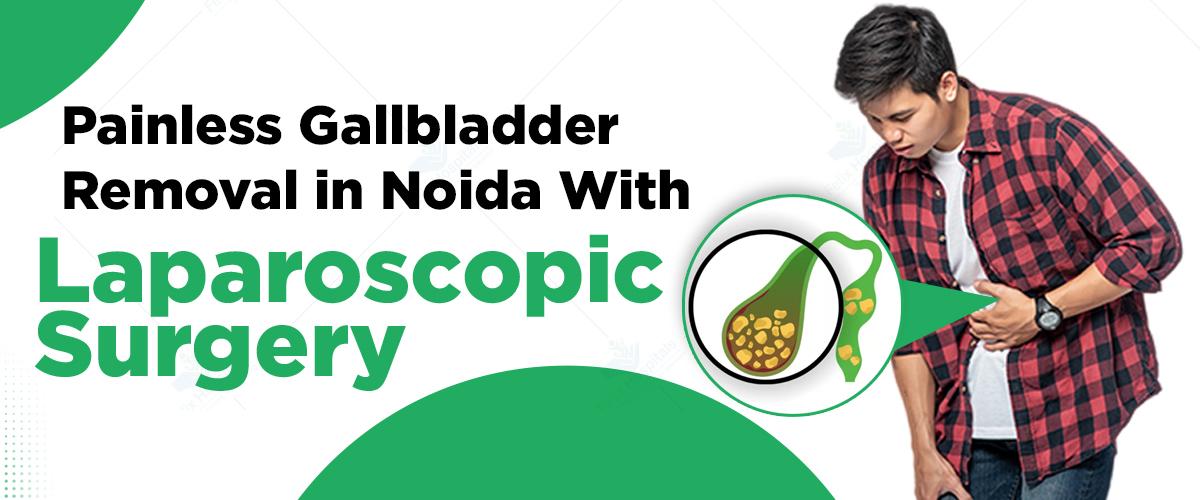
If you’ve ever had gallbladder pain, you probably know it comes out of nowhere – sudden, sharp pain under your ribs, sometimes it may even radiate to your shoulder or back. For many people, the cause turns out to be gallstones. And often, the only permanent treatment is removing the gallbladder. But here’s something reassuring: minimally invasive laparoscopic gallbladder surgery is one of the safest and least painful surgical procedures. You can be up and walking the same day, and most patients are home within 24 hours.
So, let’s understand more about this Painless Gallbladder Removal Surgery, also called cholecystectomy, that’s available at Felix Hospital, the best hospital for gallbladder removal in Noida.
If you experience shooting pain in the upper right abdomen, don’t ignore and schedule an appointment with our specialist for accurate diagnosis and laparoscopic surgery In Noida.
The gallbladder’s job is to store bile. Gallstones form when bile forms stones in the gallbladder. These are more common in women than in men. These stones block the normal flow of bile and trigger pain, inflammation, and sometimes even infection. When that keeps happening, a gastroenterologist may prescribe you a gallbladder removal surgery.
Most of the time, it comes down to gallstones. These can happen due to:
• Too much cholesterol in the bile
• Bile not emptying properly
• Genetics
Besides, being overweight, eating too much fatty food, and quick weight loss can raise the risk.
A lot of people have gallstones and don’t even know it. But if the stones start blocking your bile ducts, then the pain usually begins. Here are a few signs:
• Pain in the upper right part of your belly
• Nausea or vomiting
• Pain after meals (especially greasy food)
• Gas, bloating, indigestion
• Sometimes, yellowish skin or fever (if infection kicks in)
At Felix Hospital, the best hospital for laparoscopic gallbladder surgery (Noida), we have experienced and skilled surgeons. Based on your symptoms, they may suggest a treatment that includes minimally invasive laparoscopic surgery.
Laparoscopic cholecystectomy: It is a minimally invasive procedure to remove your gallbladder. The surgery is prescribed if you have a chronic or persistent gallbladder disease. During the procedure, the surgeon only makes a few small incisions. They insert a surgical tool called a laparoscope into one incision.
The laparoscope has a camera at one end so your provider can see your gallbladder on a screen and remove it through an incision. As compared to open surgery, this type of surgery generally leads to fewer complications, faster recovery and smaller scars. At Felix Hospital, the most preferred hospital for laparoscopic surgery In Noida, we have a team of the best gallbladder surgeons, who provide advanced laser treatment for gallstones.
Recovery: After the surgery, you’ll rest for a few hours at the hospital. If everything looks okay, you’ll be discharged the same day or the next morning. By day 2 or 3, you will be able to start moving around and have light meals and within a week, most people go back to desk jobs.
Some patients report minor bloating or loose stools for a few weeks. That’s normal while your digestion adjusts.
Increased chances of gallbladder cancer
Stones may slip into bile duct, that can be fatal
It can cause inflammation of pancreas
You can’t always stop gallstones from forming, especially if you have a family history. But a few lifestyle modifications might help lower your risk:
• Eat less processed or fried food
• Keep your weight in check, but don’t lose it too fast
• Exercise regularly
• Stay hydrated
• Include fiber and good fats (like nuts, olive oil) in your diet
Gallbladder removal surgery may sound like a big deal, but it’s one of the most common and low-risk surgeries today. Laparoscopic gallbladder removal is quick, mostly painless, and life-changing for diabetics and people who’ve been struggling with repeated attacks.
At Felix Hospital, the top hospital for gallbladder removal in Noida, our gastroenterologists, led by Dr Jagatjot Singh Gill and Dr Amrit Yog Datley and surgeons Dr Ritesh Agarwal and Dr. Vishal Sharma specializes in the latest surgical techniques and clinical practices, to address a wide range of issues related to the gallbladder, pancreas, and small bowel. Additionally, the team is well-equipped to evaluate and treat conditions related to lower GI that includes tumors, trauma, infectious diseases and more.
To schedule an appointment with our gastroenterologists for laparoscopic gallbladder surgery in Noida, speak to our representative at: +(91) 9667064100.
Q: Will I still be able to digest food normally without a gallbladder?
Ans: Yes, your liver still makes bile. It just drips continuously into your intestines instead of being stored in the gallbladder. You may need to adjust your diet for a few weeks, but most people digest food just fine after a while.
Q: Is it safe to travel or fly after laparoscopic gallbladder surgery?
Ans: Usually yes, within a week or two. Just make sure your stitches have healed and you’re comfortable moving around. Ask your surgeon before planning any long trips.
Q: What foods should I avoid after the gallbladder removal surgery?
Ans: For the first few weeks, avoid fatty, fried, or very spicy foods. Slowly bring back fiber and healthy fats. Listen to your body, if something makes you feel bloated or gassy, avoid it.
Q: Can gallstones come back after surgery?
Ans: No, once the gallbladder is removed, stones don’t form anymore.
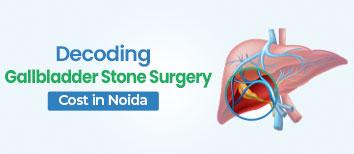
Understand the factors that influence gallbladder stone surgery cost in Noida, including hospital charges, surgeon expertise, type of procedure, and post-operative care expenses.
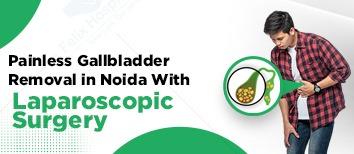
Experience painless gallbladder removal in Noida with advanced laparoscopic surgery. This minimally invasive procedure ensures faster recovery, smaller scars, and minimal discomfort
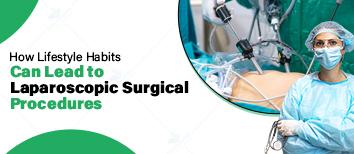
Dr. Ritesh Agrawal is an experienced surgeon in noida specializing in both open and minimally invasive laparoscopic procedures.

Summer is warm, fun, and full of possibilities for spending time outside. But as we bask in the sunshine, we tend to forget how increased temperatures quietly test our bodies—most notably our hearts. It takes a toll on your cardiovascular system, triples your risk of dehydration, and even causes dangerous health issues.
Take care of your heart this summer. Schedule your heart examination now at +91 9667064100.
Your body has to work harder to keep its internal heat stable when it gets hotter. It helps cool you, but at the same time, it puts more stress on your blood vessels and heart. Summer heat can harm your heart health in the following way:
When it is hot, your body needs to supply more blood to the surface of the skin in order to cool down. This causes your heart to work harder and raises your heart rate. This can be extremely dangerous for individuals who have existing heart conditions.
When it's hot, profuse sweating leads to fluid loss, which reduces blood volume and pressure. This has the potential to trigger dizziness, exhaustion, or even fainting. These are especially dangerous to people with heart disease.
To help keep the body at the proper temperature, heat causes blood vessels to expand (dilate). This unanticipated decrease in blood pressure can cause arrhythmias (irregular heart rhythms), especially in individuals who have existing heart disease.
Heat exhaustion and heatstroke are both medical emergencies that may occur if your body is unable to cool itself down correctly. Both conditions may increase the chances of heart attacks and strokes and are more likely to occur in those who have existing heart disease. It is crucial to seek medical attention immediately.
Anybody can develop heat-related heart problems, but the following categories are at highest risk:
Older Adults: As one gets older, the body finds it more and more challenging to regulate the temperature of the body.
People with Heart Disease: Being hypertensive, having coronary artery disease, or having congestive heart failure makes it no easier to withstand the heat.
People with Respiratory Diseases: Asthma and COPD, worsen when the heat and humidity are both high.
People with Obesity: The extra body fat causes the body to struggle to cool down and places more burden on the heart.
The quality hospital in Noida notices more of such cases during summer, and it emphasizes prevention as the key to keeping yourself safe.
There are simple and effective methods for being safe on hot days:
Drink plenty of water throughout the day. Dehydration worsens heart problems. Avoid sugar, alcohol, and caffeinated drinks as they lead to more fluid loss.
Avoid going out between 10 a.m. and 4 p.m., when the sun is strongest, and stay indoors or in the shade. Schedule your outdoor activities for early morning or late evening.
Wear loose, light-colored clothing, such as cotton. Add a wide-brimmed hat and sunglasses for extra protection from the sun's rays.
If you're outside or exercising, rest in a shaded area. If you become dizzy or weak, stop immediately and cool down.
Alter the times of day that you exercise to when it is cooler. It is healthy to exercise to keep your heart healthy, but exercising too vigorously in the heat is not good for your health.
The highly experienced doctors at the best cardiology hospital in Noida advise patients to gradually acclimatize to summer activities and be aware of any unusual symptoms while they are engaging in them.
Heat Exhaustion:
A lot of sweating
Weakness
Dizziness
Feeling sick
Headaches
Body temperature over 104°F for heat stroke
Hot and dry skin
Confusion
Rapid heart rate
Passing out or losing consciousness
If you or someone nearby is showing signs of heat stroke, seek immediate medical attention.
You do not have to spend much on expensive equipment or complex drills to maintain your heart healthy during the heat. Drinking enough fluid, wearing proper clothing, and being mindful of the heat are all inexpensive yet highly effective measures to remain safe.
The top hospital in Noida asserts that most heart ailments induced by heat can be prevented with proactive awareness and minor adjustments to your routine.
Do you feel weak or dizzy during the heat? Take an appointment at the top hospital for professional assessment before it turns into a real emergency.
Summer is full of things to do and enjoy life, but you need to be ready for the heat. Be proactive, remain aware, and take your health in your own hands. You can sunbathe without exposing your heart to damage by taking these simple steps.
Always keep in mind that it's better to prevent than to cure, and prevention is less expensive. If you require professional assistance, the best hospital in Noida will always take utmost care of your heart health, particularly when it's hot outside.
Stay cool. Drink water. Stay healthy at heart.
Q1. What are those summer signs that may be a heat-related heart problem and not just exhaustion?
Ans: A racing pulse, chest pain, profuse sweating, followed by cool, damp skin, or confusion are all signals that your heart is experiencing heat stress rather than tiredness.
Q2. Can heat make arrhythmias or palpitations worse in an individual with no heart disease?
Ans: Yes, and temperatures can do this in otherwise normal individuals by disrupting the electrolyte balance and placing additional stress on the heart.
Q3. How does the use of medication for blood pressure impact my ability to handle heat?
Ans: Some medications, like diuretics or beta-blockers, can make your body work harder to retain its heat and balance of fluids, which makes it easier for you to get dehydrated or heat exhausted.
Q4. Does long-term use of air conditioning result in heart disease?
Ans: Not usually, but switching from warm to a cold climate very quickly can make the blood vessels constrict temporarily, which isn't healthy for people who have high blood pressure.
Q5. Do heart attacks occur more frequently during heat waves in the summer?
Ans: Evidence indicates that heart attacks are more common in heatwaves, particularly among older individuals or individuals who have pre-existing heart disease, as a result of excess cardiovascular stress.
Q6. Can children with congenital heart disease be at risk when it gets very hot?
Ans: Yes, children with heart conditions find it more difficult to maintain a normal body temperature and will get symptoms earlier when they're outside playing or engaged in sports.
Q7. Does drinking enough water help the heart work better when it's hot?
Ans: Yes, absolutely. Dehydration thickens the blood and decreases the volume of blood present in the body, putting more pressure on the heart. This is a process that tends to harm individuals who already possess heart ailments.
Dr. Rahul Arora is an experienced Interventional Cardiologist with 21+ years of expertise in advanced cardiac care, specializing in personalized, evidence-based treatment for heart diseases and improved patient outcomes.

Find the best cardiologist for your heart care with these essential tips and expert advice.
Heart disease is a significant health concern for women, often presenting unique challenges. Understanding the causes, symptoms, and treatment options is essential for early detection and effective management.

Subscribe to our
© Copyright 2026. All Rights Reserved by Felix Healthcare Private Limited
Design and development by :


 +(91)9667064100
 Emergency : +(91)9667064100